Niger’s Bold Move: Fuel Blockade, Regional Ripple Effects, and Economic Headwinds
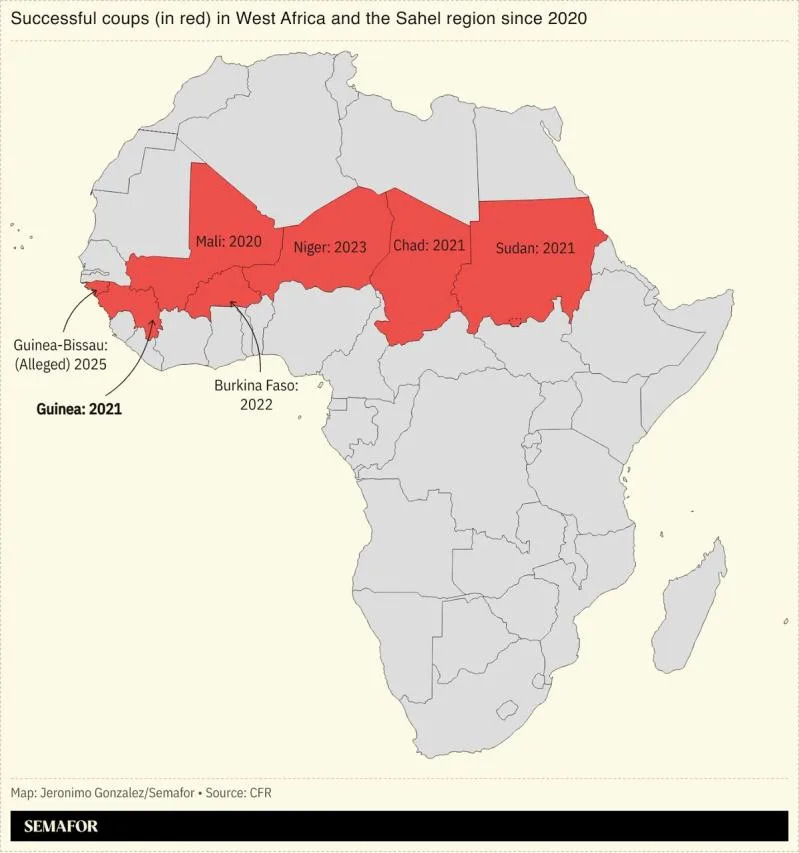
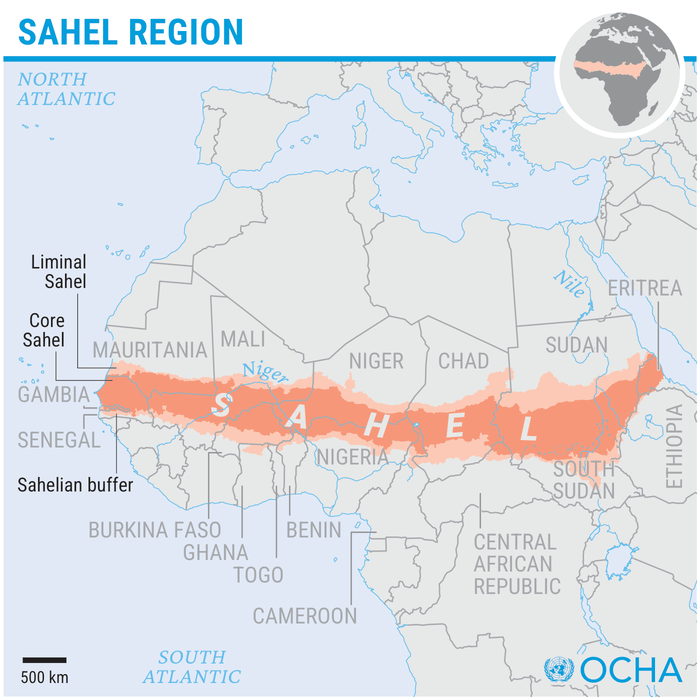
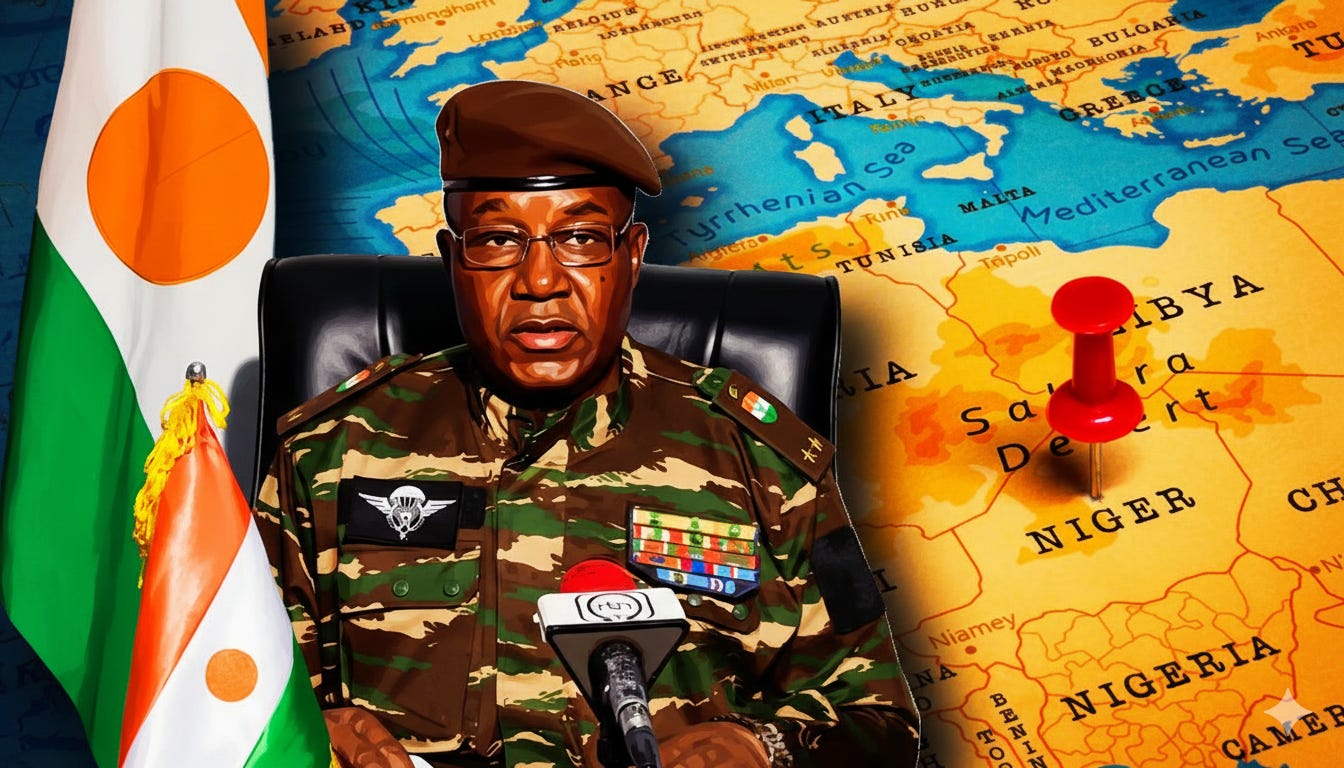
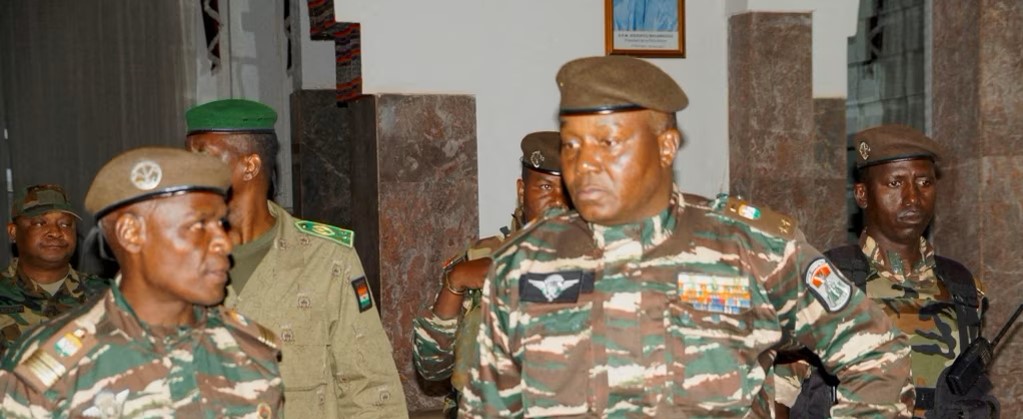
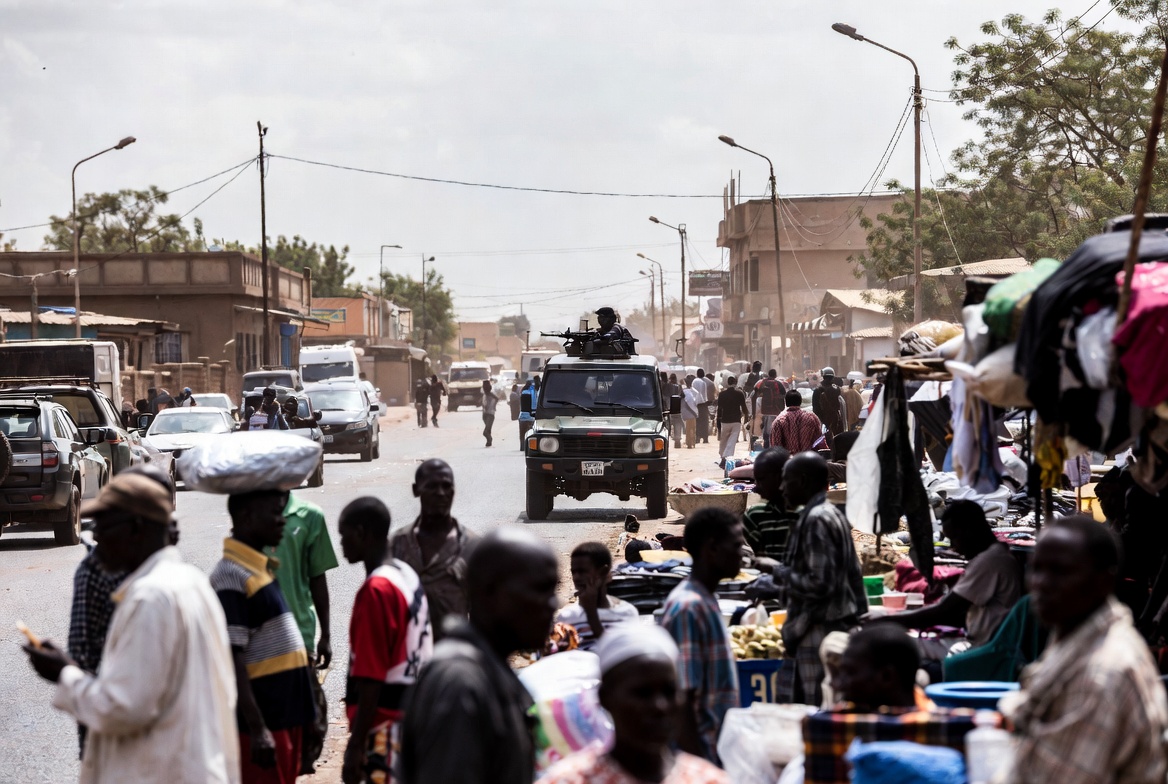
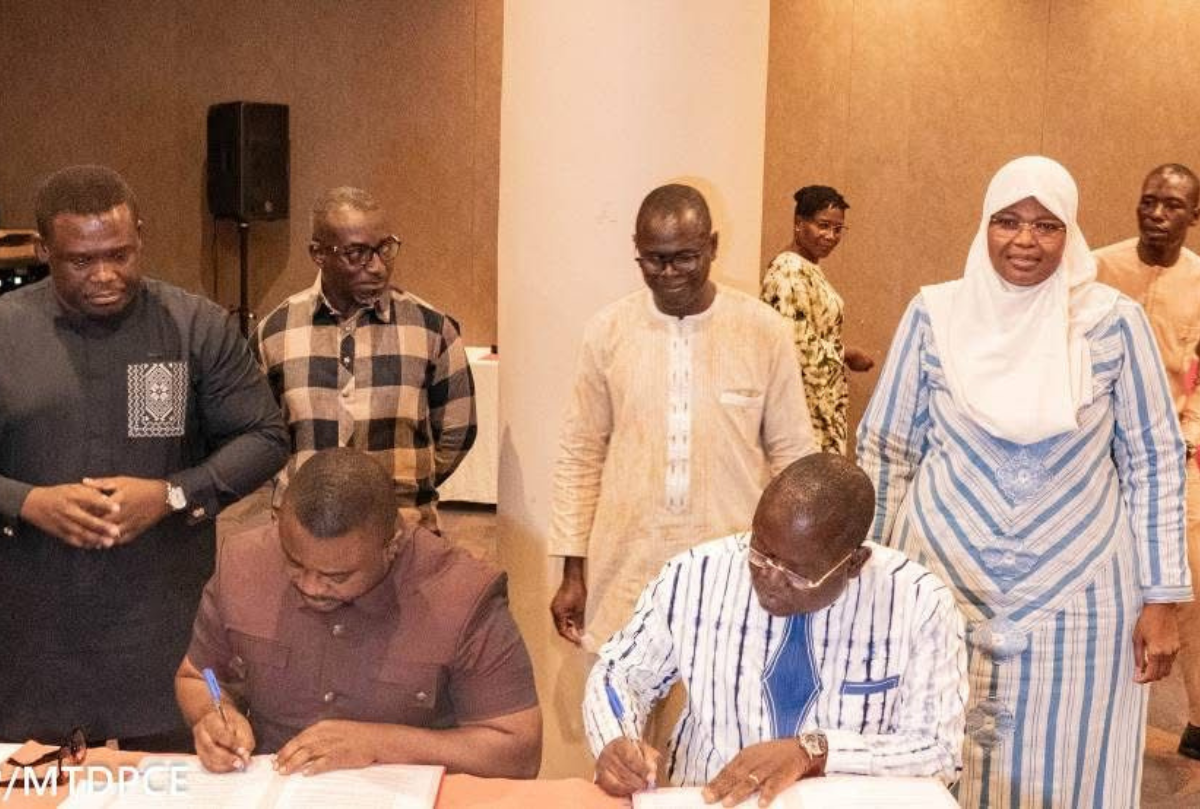
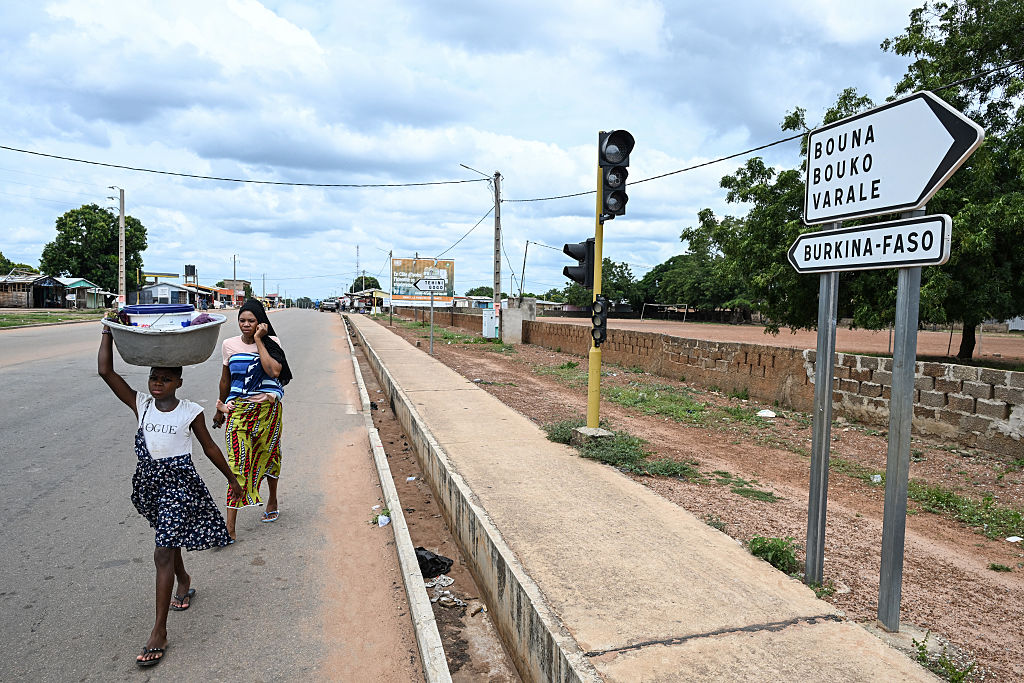
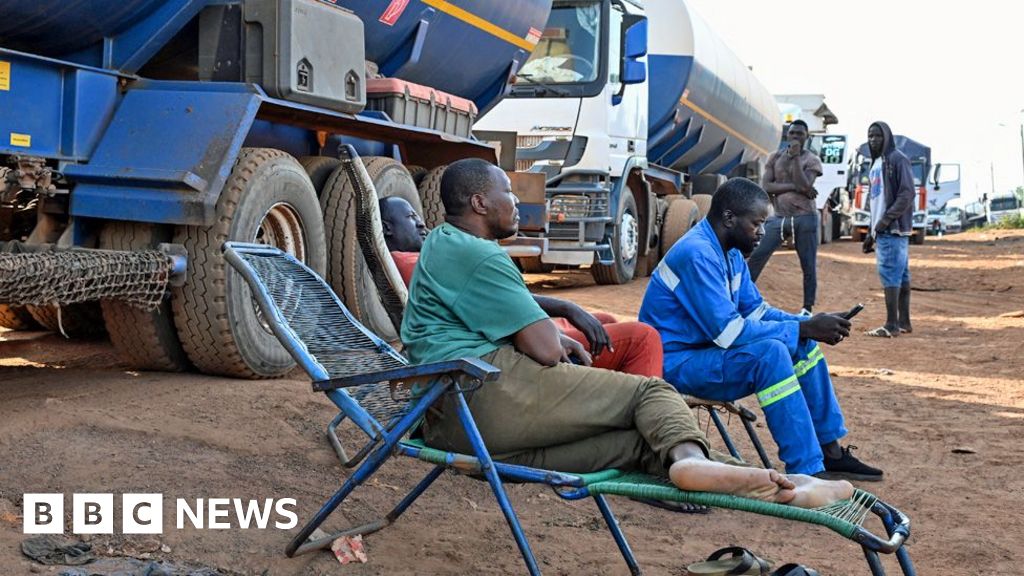
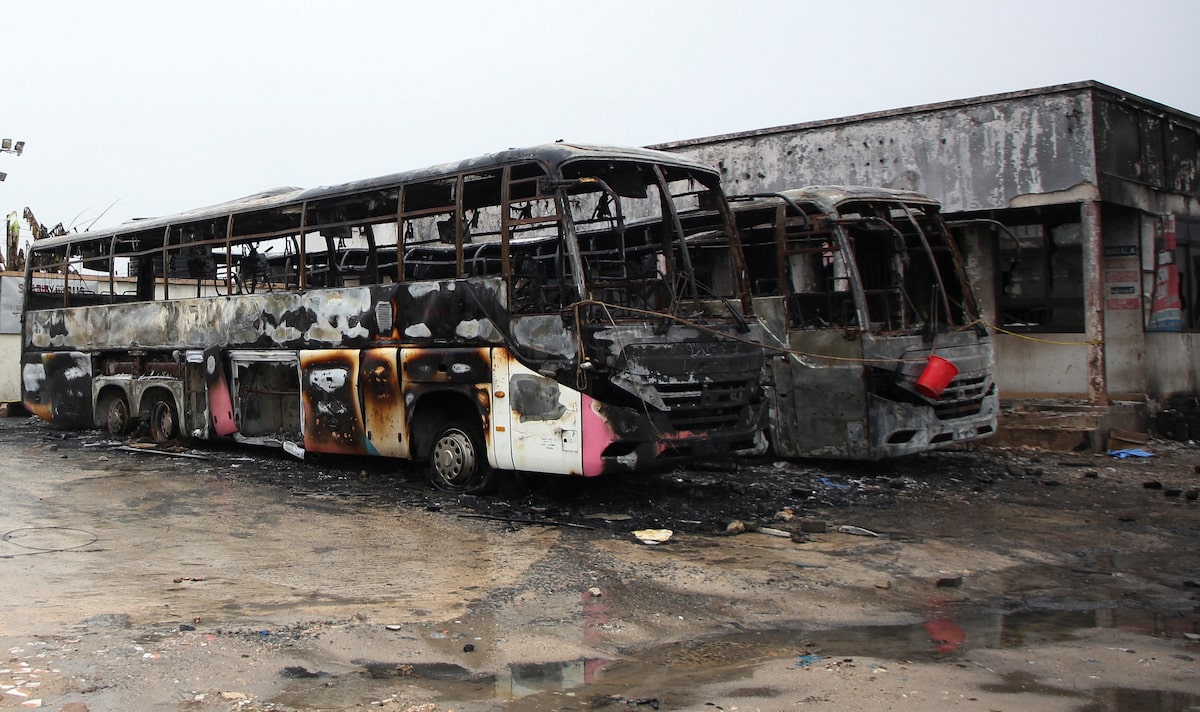
In a striking display of regional interdependence and a clear sign of the ongoing tensions plaguing West Africa, Niger recently took a firm stance against transport operators and drivers refusing to deliver crucial fuel supplies to neighbouring Mali. This isn’t just a logistical hiccup, it’s a direct response to the escalating security risks posed by relentless jihadist groups operating across Mali’s vast northern desert region. Think about it: how do you keep an economy moving when essential goods can’t get through? The unfolding situation doesn’t just lay bare the inherent fragility of fuel supply chains in this critical region, does it? It also throws a spotlight on broader, pressing economic challenges, including the stubborn inflationary pressures that continue to ripple across many African nations. Niger’s Ministry of Transport, acting decisively, revoked the licenses of 14 transportation operators and 19 drivers. It was a tough call, but one that underscores the government’s unwavering determination to uphold contractual obligations and maintain regional stability, even in the face of brutal jihadist violence. This bold measure was widely reported, with the BBC detailing Niger’s decision to revoke licenses of tanker drivers who wouldn’t travel.
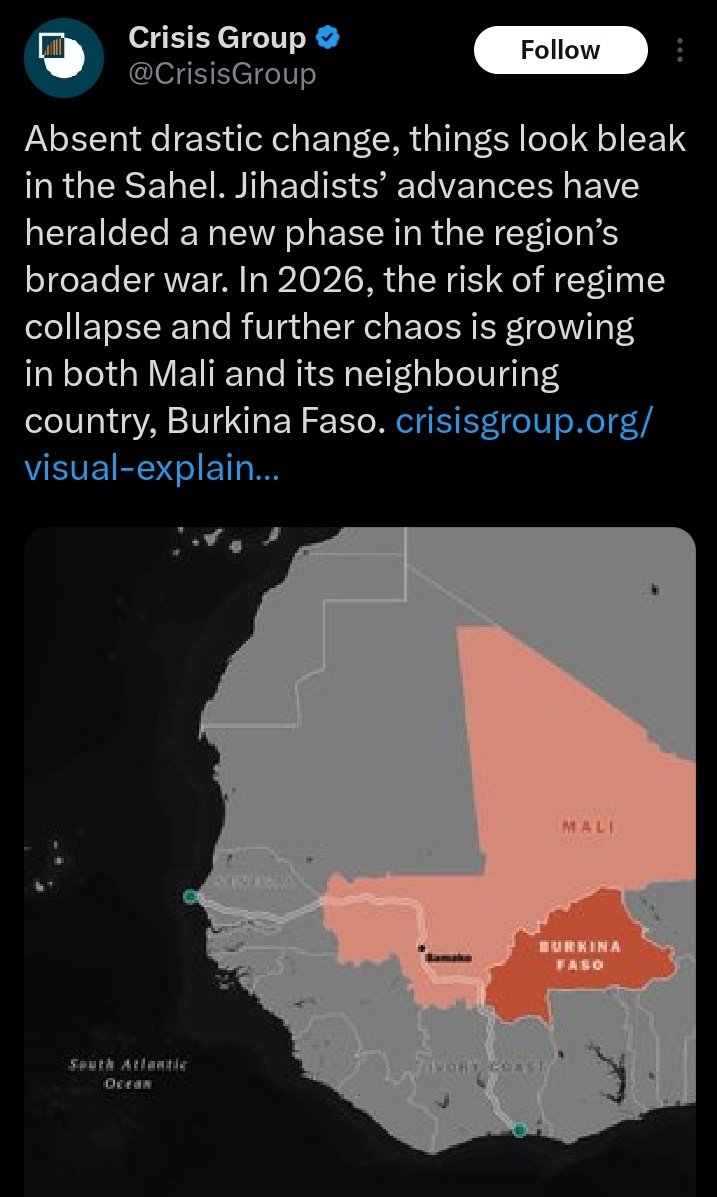
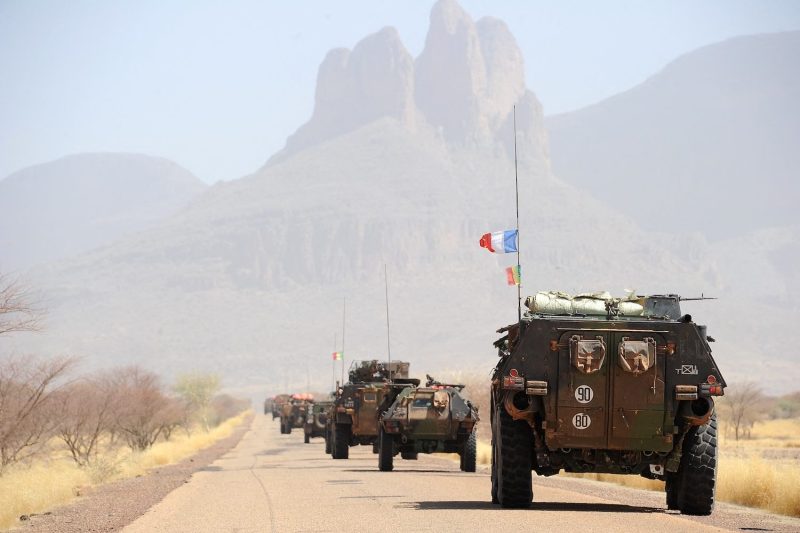
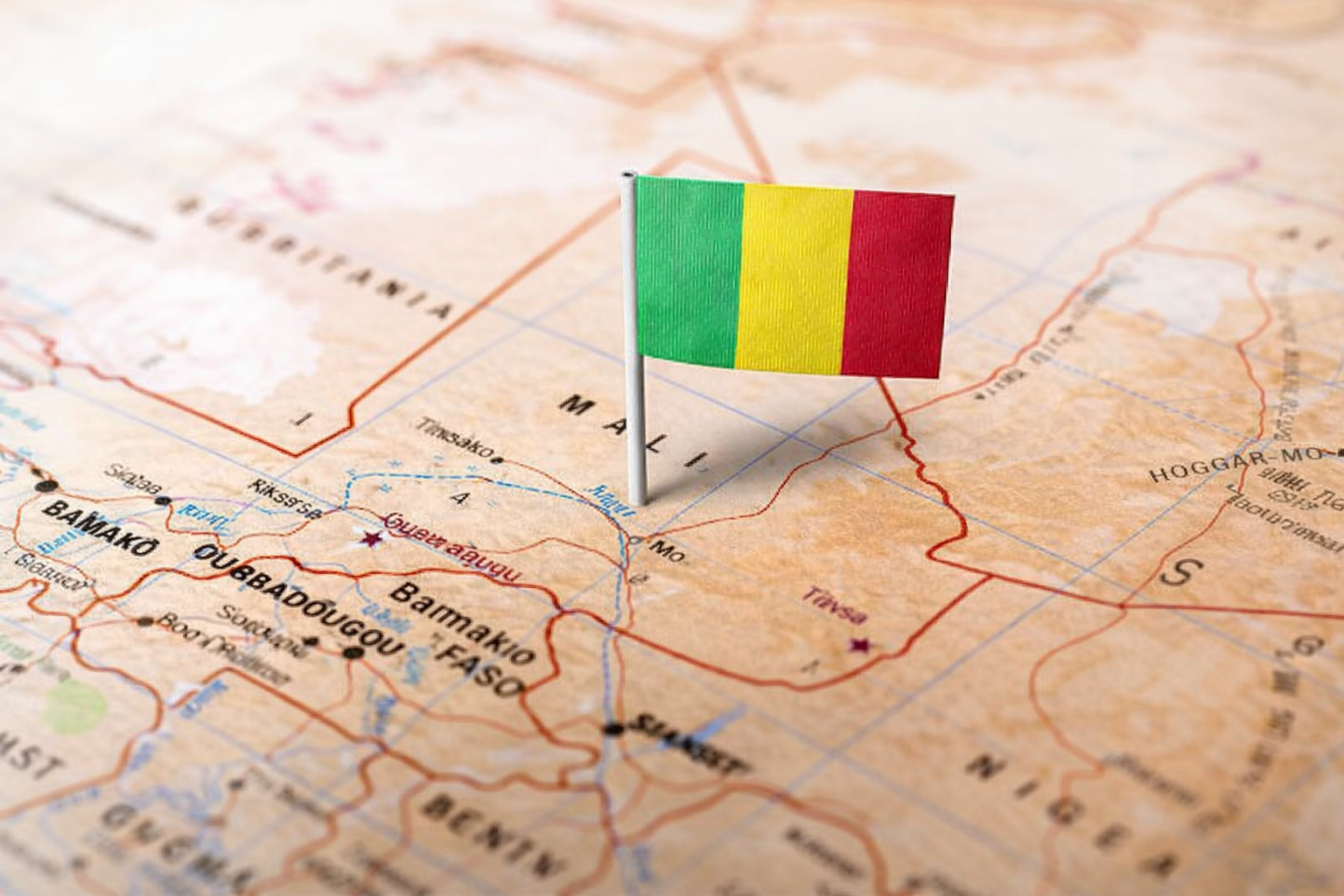
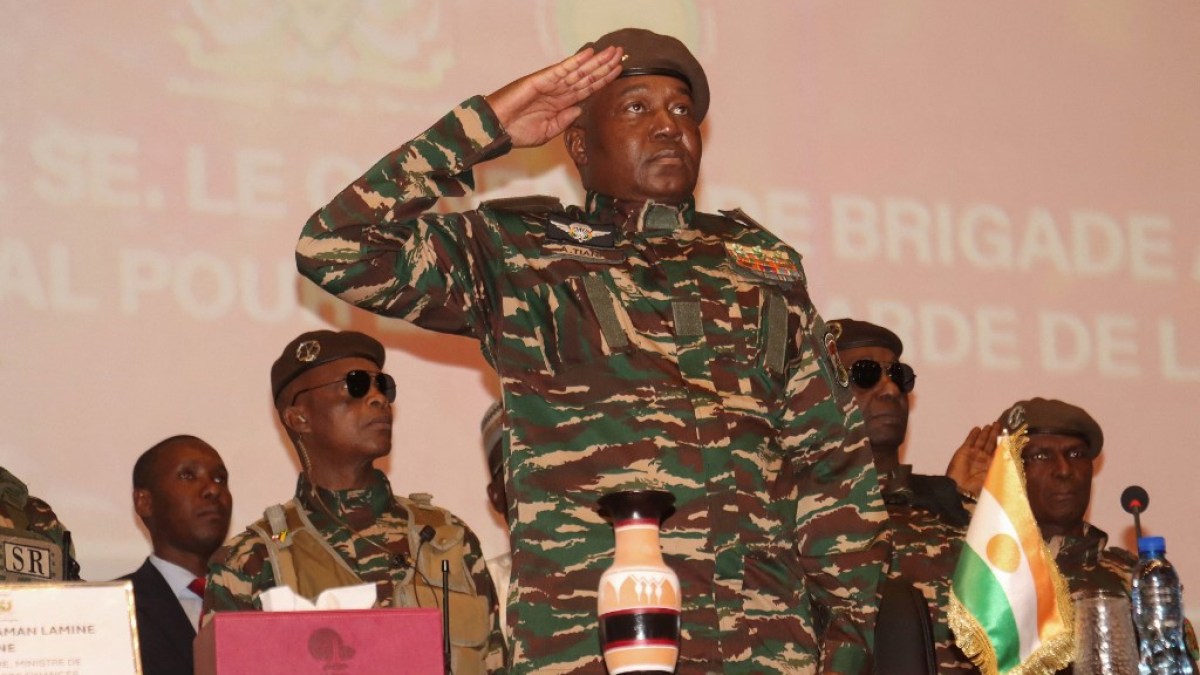
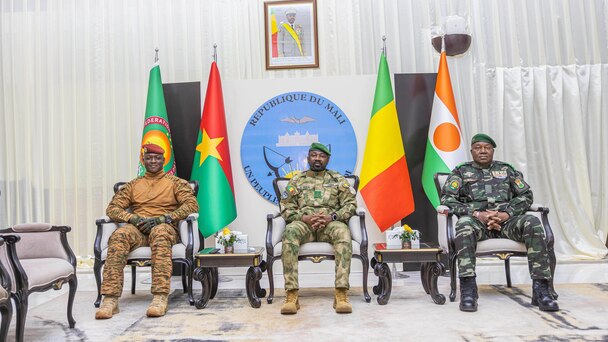
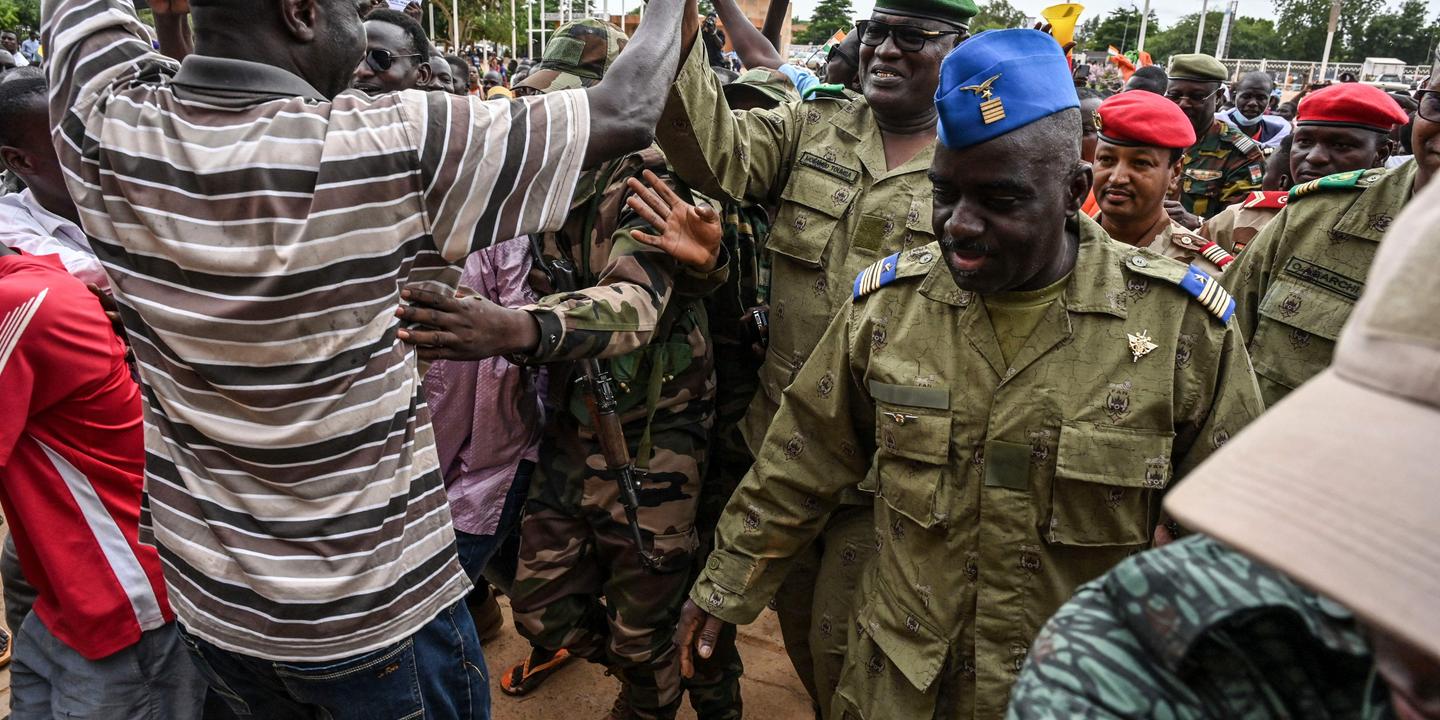
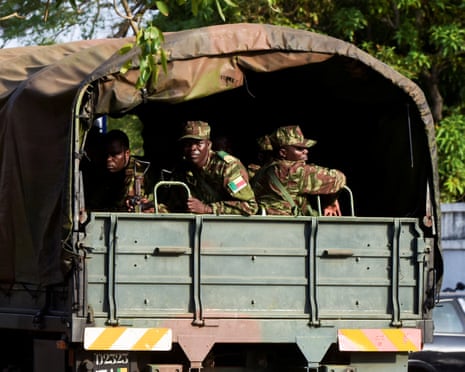
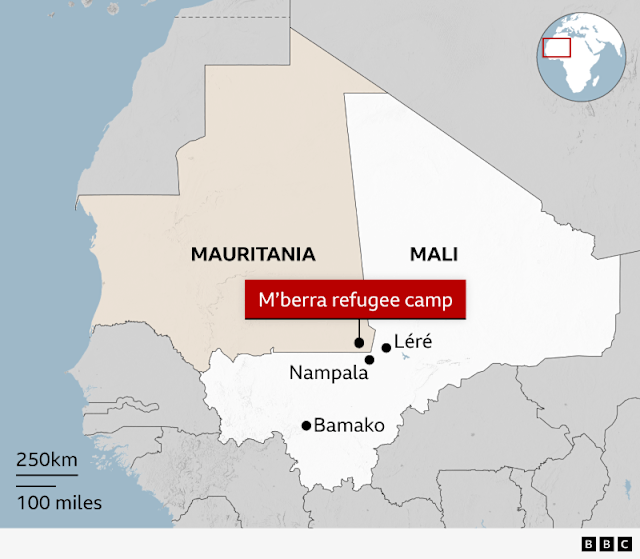
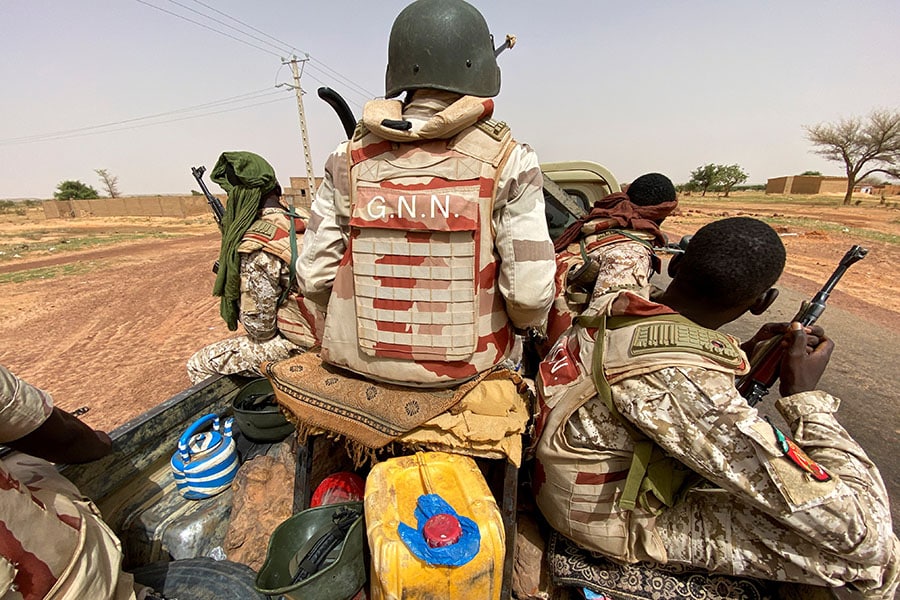
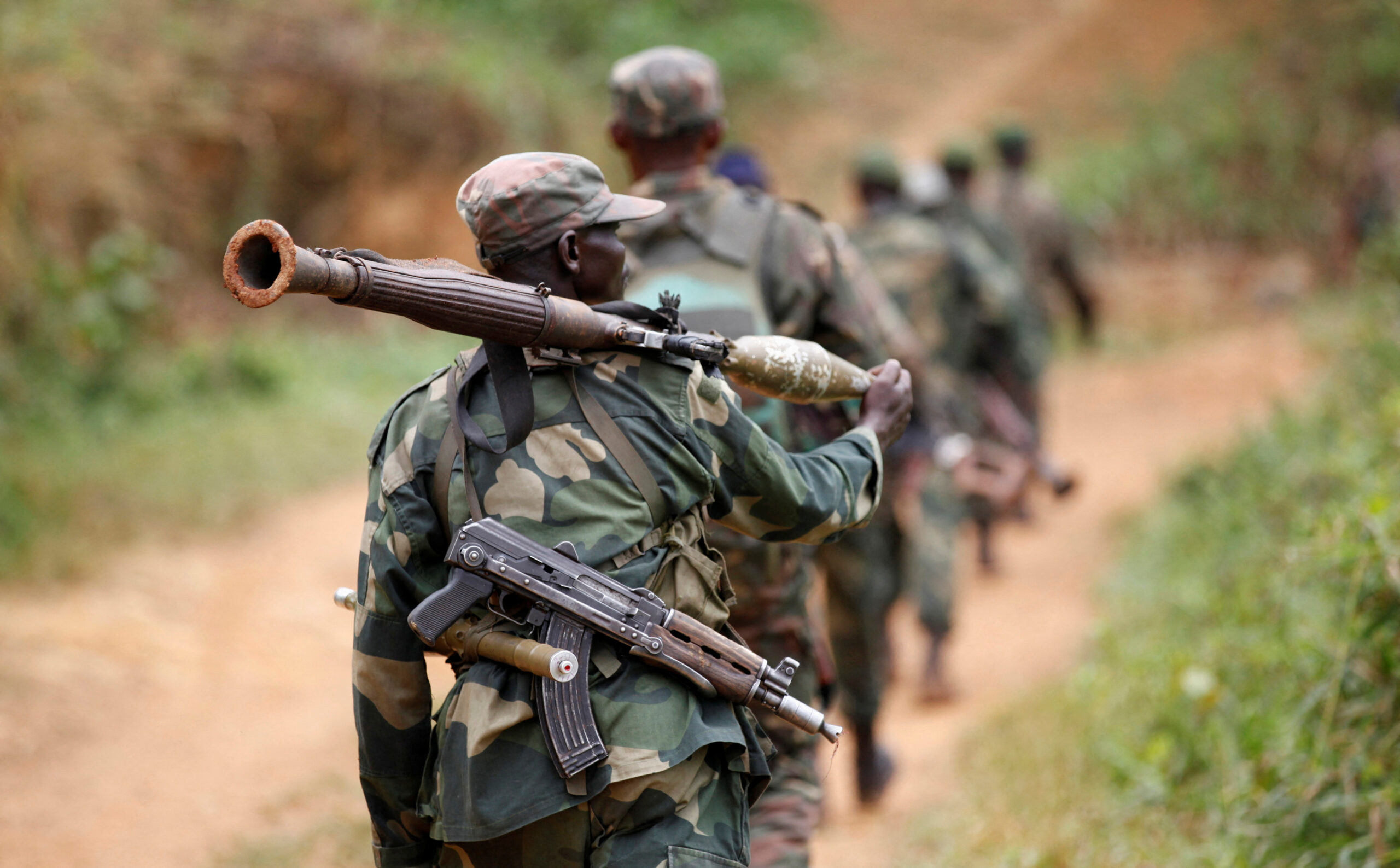
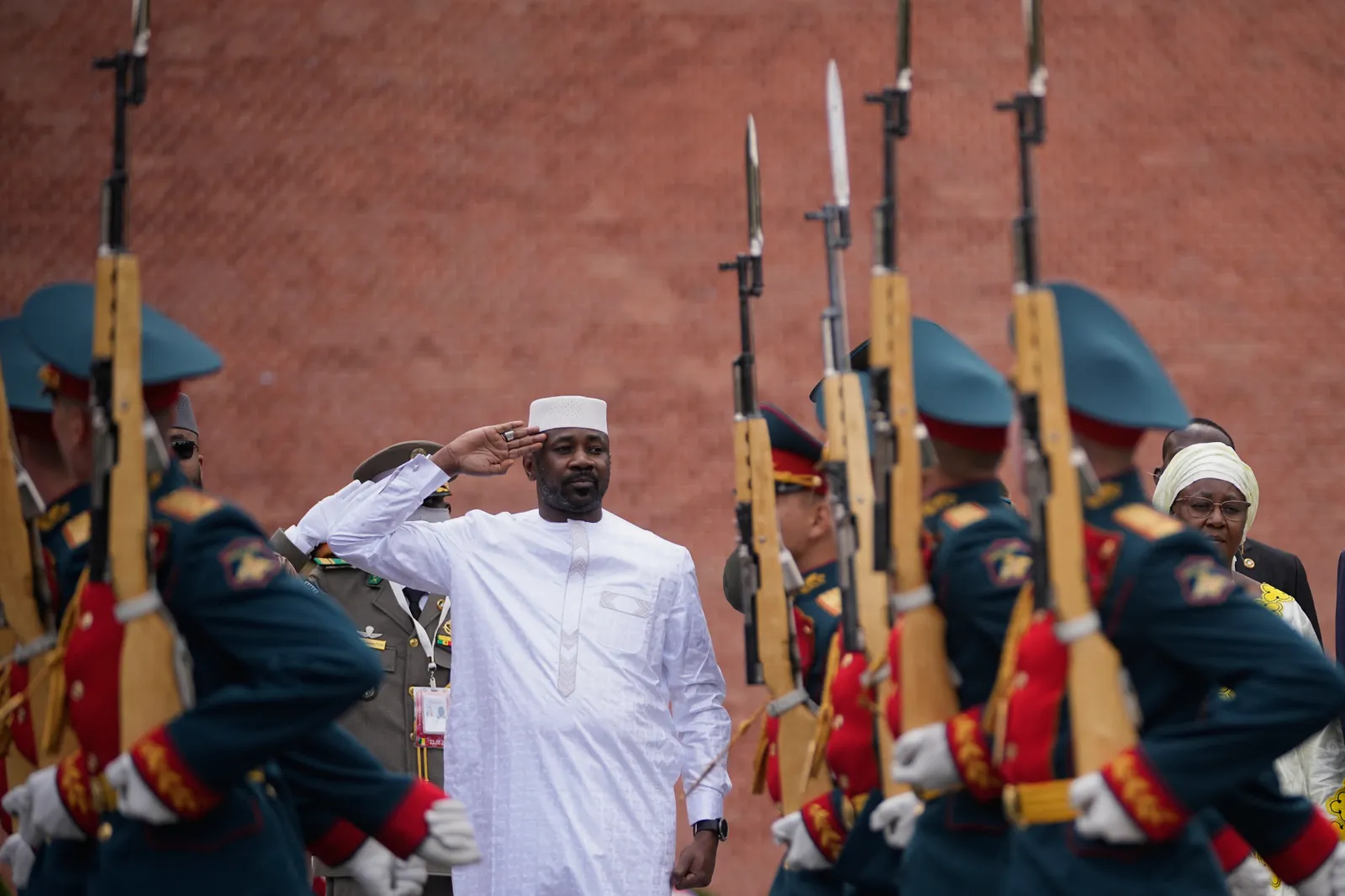
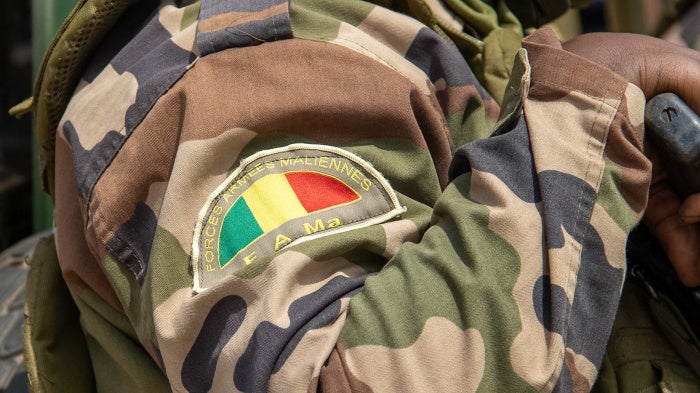
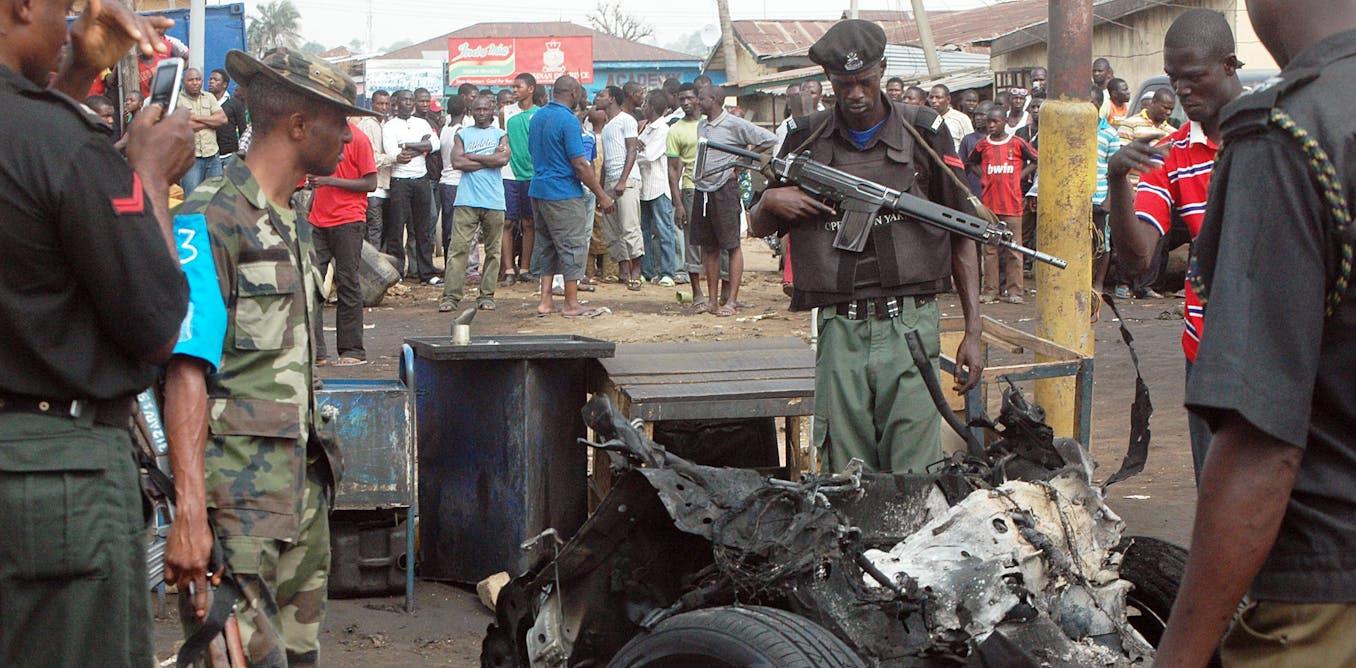
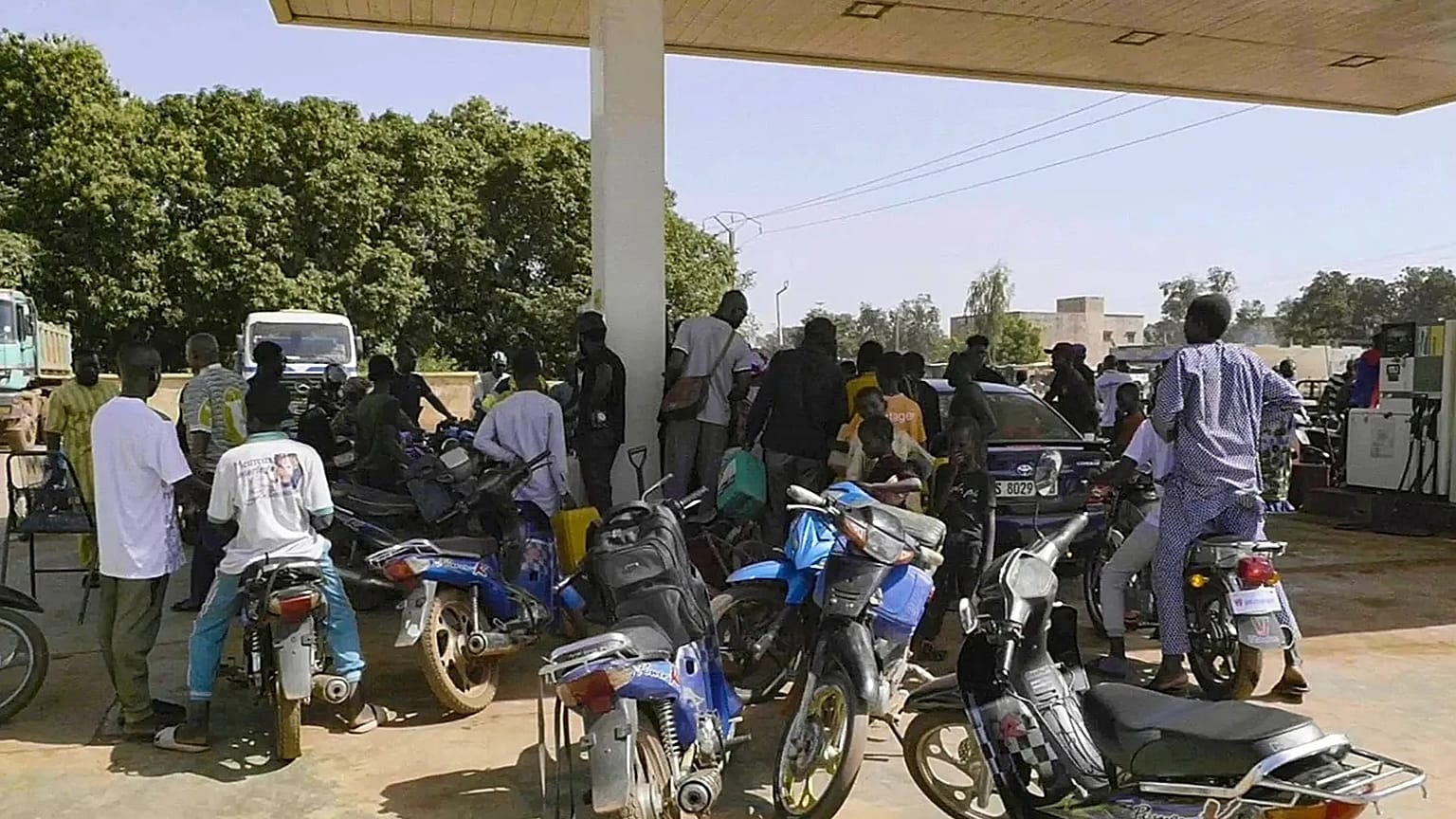
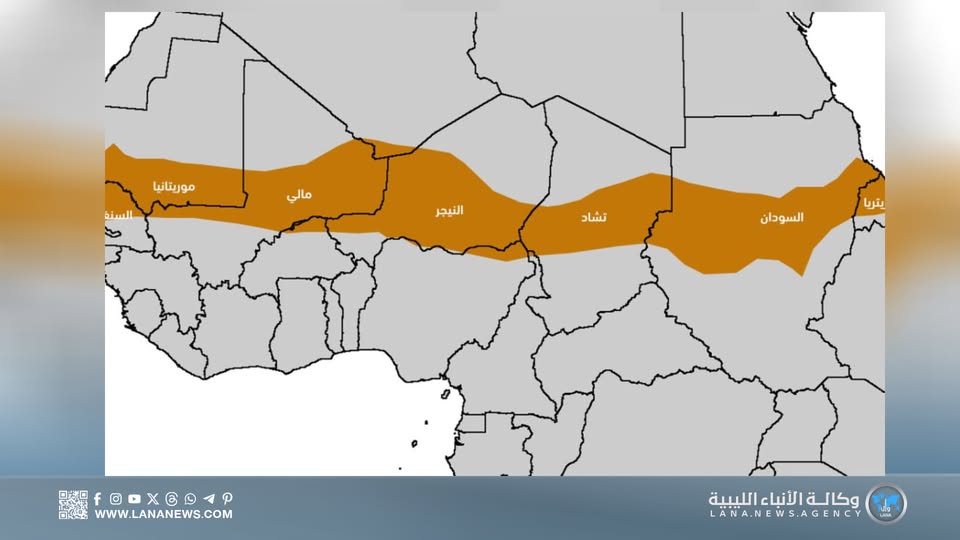
Mali, particularly its enormous desert expanse in the north where militant groups unfortunately roam, simply can’t function without fuel imports. They need it for daily life, for economic activity, for everything. To tackle severe shortages and stabilize energy supplies, Mali inked an agreement last July with Niger, a fellow oil-producing nation and military ally, to supply a substantial 85 million litres of fuel over six months. This deal was a genuine lifeline, especially after convoys from other sources, like Senegal and Côte d’Ivoire, faced disruptions and outright blockades. Niger, for its part, managed to send 82 fuel tankers by November, which certainly helped alleviate some immediate supply issues. But then, as the security situation tragically worsened and the threat to tanker drivers intensified, many transporters began refusing to make those dangerous deliveries into Mali. This refusal disrupted crucial planned deliveries, threatening to exacerbate energy shortages in the landlocked country and forcing Niger to take tough action on transporters. This isn’t just about a trade dispute; it’s a stark illustration of the deep interdependence among West African nations. Fuel, as we know, is an essential commodity, and its safe passage across borders is absolutely vital for maintaining economic and social stability. Niger, a nation itself grappling with the complexities of governance under a military junta and facing its own jihadist threats, has acted decisively to protect these critical supply lines. This move sends a chillingly clear message: refusal to operate under existing agreements just won’t be tolerated, even when danger lurks. This highlights the broader growing jihadist threat that impacts regional stability and development.
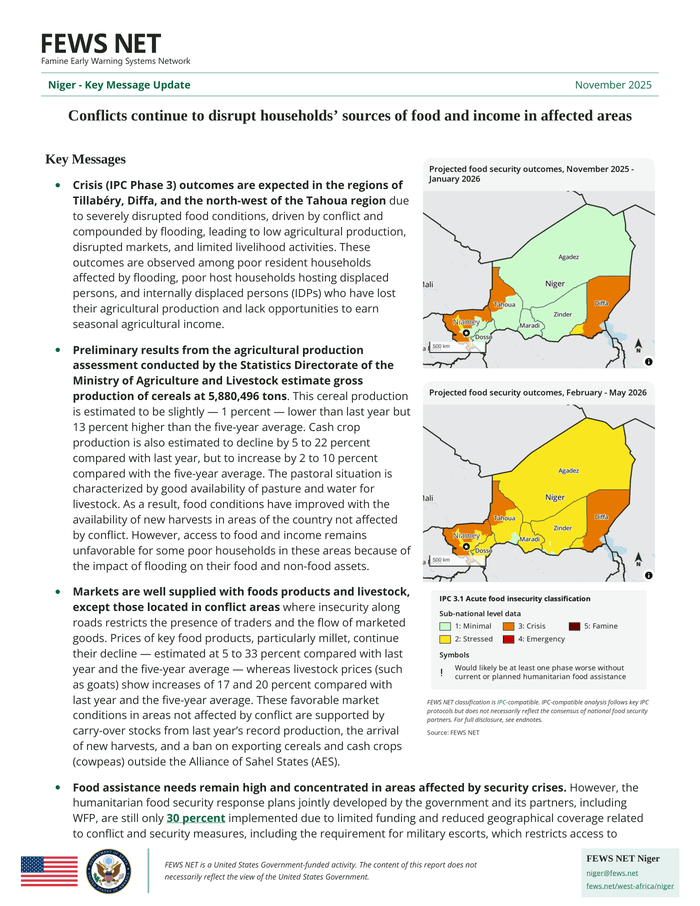
Mali’s fuel difficulties cascade far beyond simple shortages, highlighting the country’s profound vulnerability to disruptions that drive inflation and strain local economies. Across Africa, inflation remains a pressing concern in 2025, with nations like South Sudan, Zimbabwe, Sudan, Burundi, and Malawi facing some of the highest inflation rates globally, reflecting structural problems, currency instability, and conflicts. Mali’s fuel scarcity only worsens this economic hardship, increasing costs for households and businesses. The crisis clearly shows how geopolitical and security dynamics directly shape Africa’s economic realities. Militant blockades aren’t just security challenges; they’re proxy battles for control over territory and supply chains, with governments like Niger and Mali struggling to maintain governance. Restoring safe supply routes is the immediate priority, likely needing enhanced security, international cooperation, and logistical innovation. The success of agreements, like the fuel deal, hinges on political will and protecting drivers in dangerous zones. African governments face converging challenges: securing vital supply lines, combating inflation fueled by disruptions, and navigating complex political landscapes. Niger’s response, however, demonstrates a strong commitment to regional stability and economic responsibility. Sanctioning non-cooperative transporters aims to secure Mali’s energy needs and deter others. Coordinated efforts are vital for strengthening supply chains, securing transportation corridors, and promoting sustainable economic growth. This situation reminds us of the intricate balance between security, economics, and regional cooperation, emphasizing that peace and prosperity in the Sahel require addressing root causes of conflict alongside practical measures to deliver essential goods.