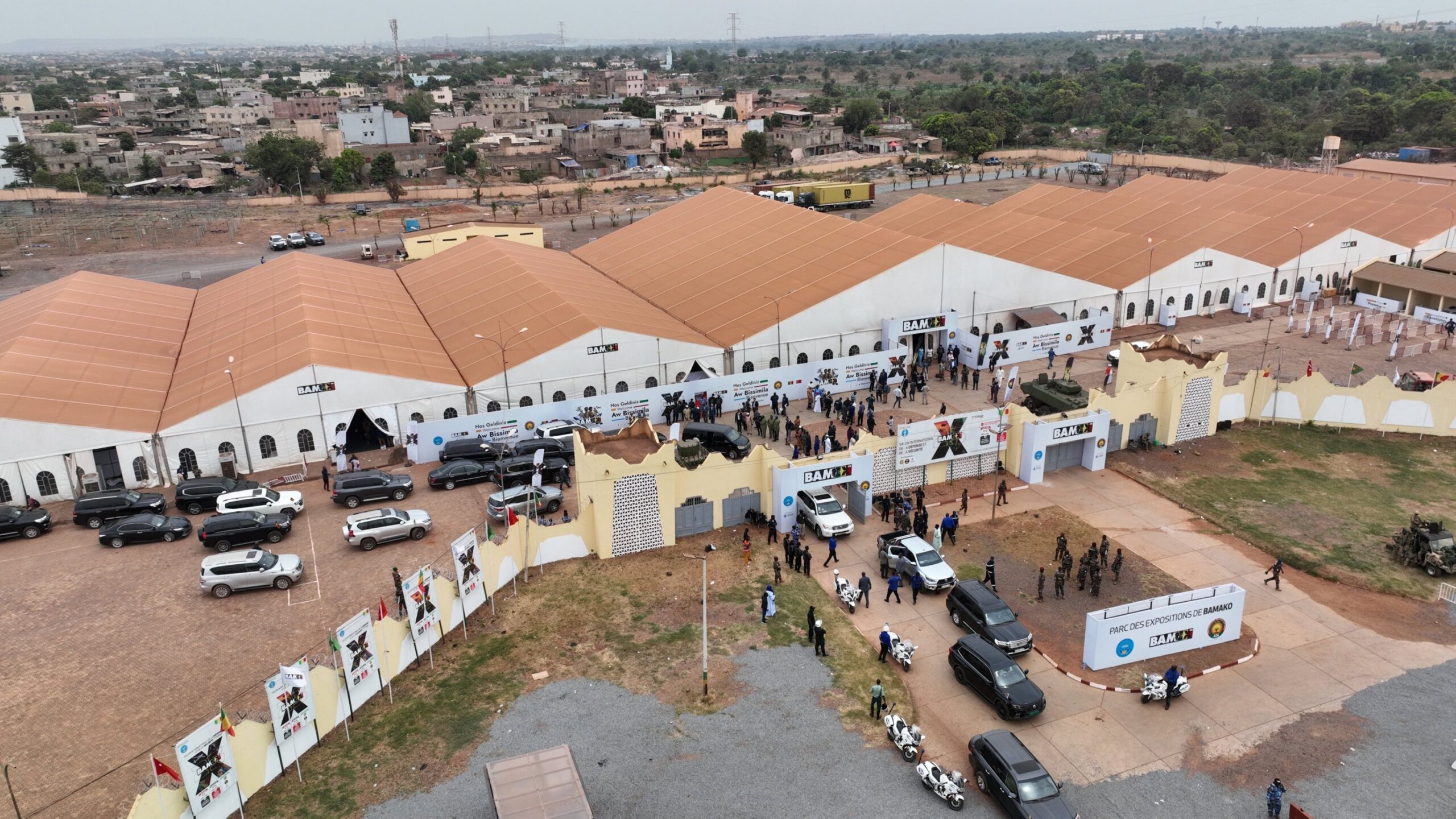
Mali’s Crisis: A Glimpse into the Sahel’s Shifting Power Dynamics and Regional Risks
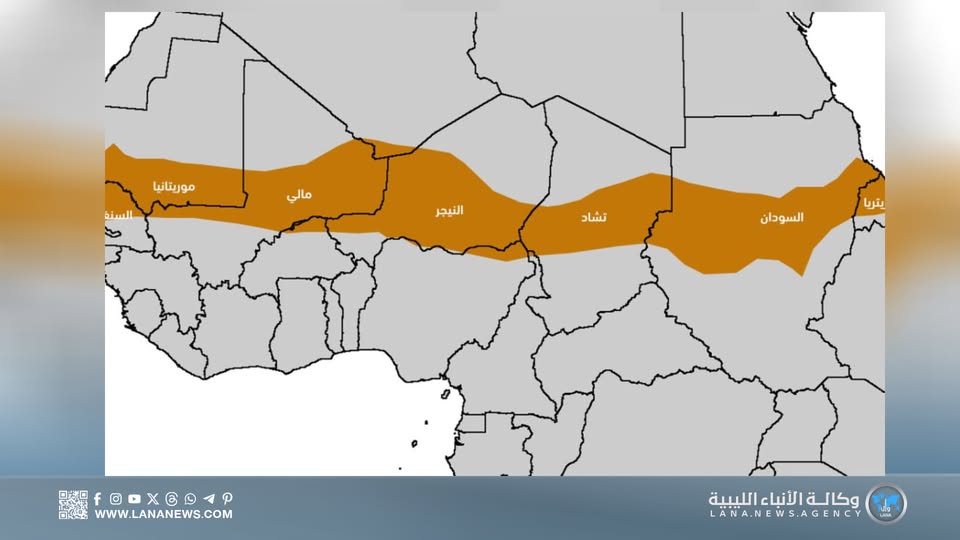
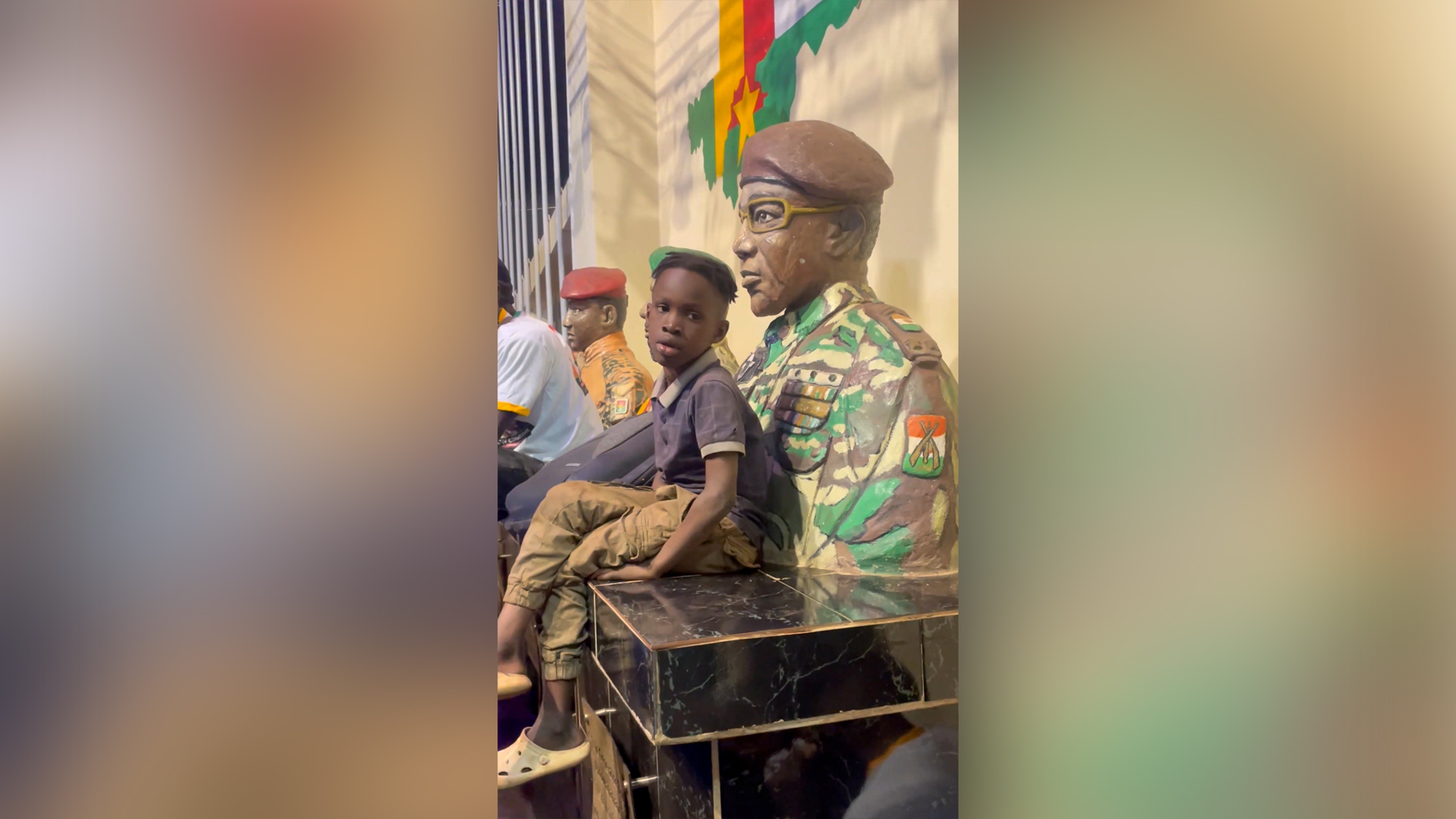
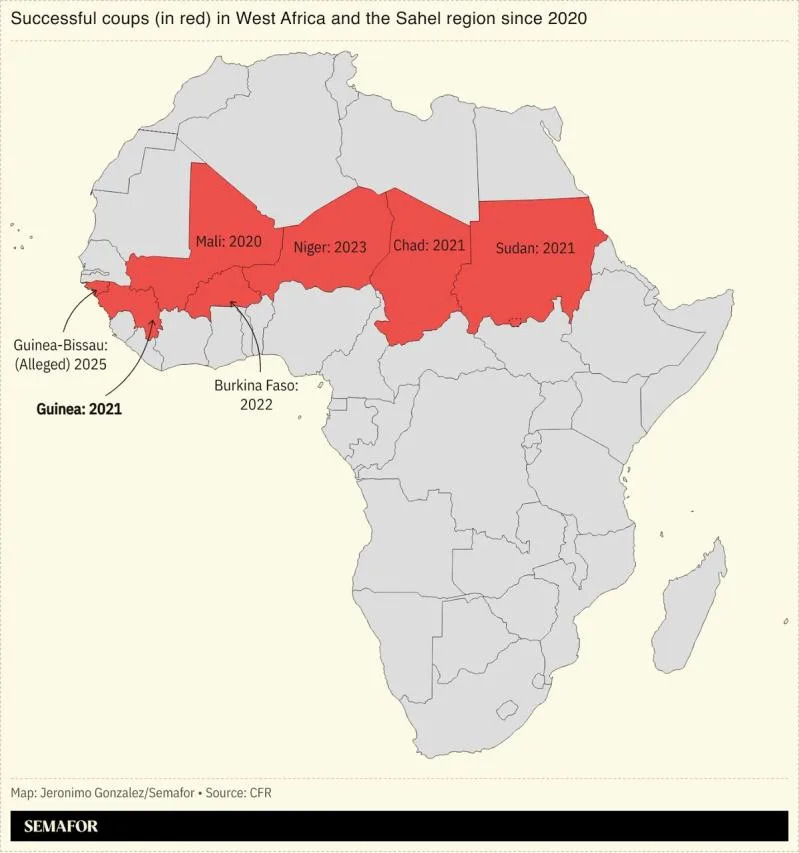
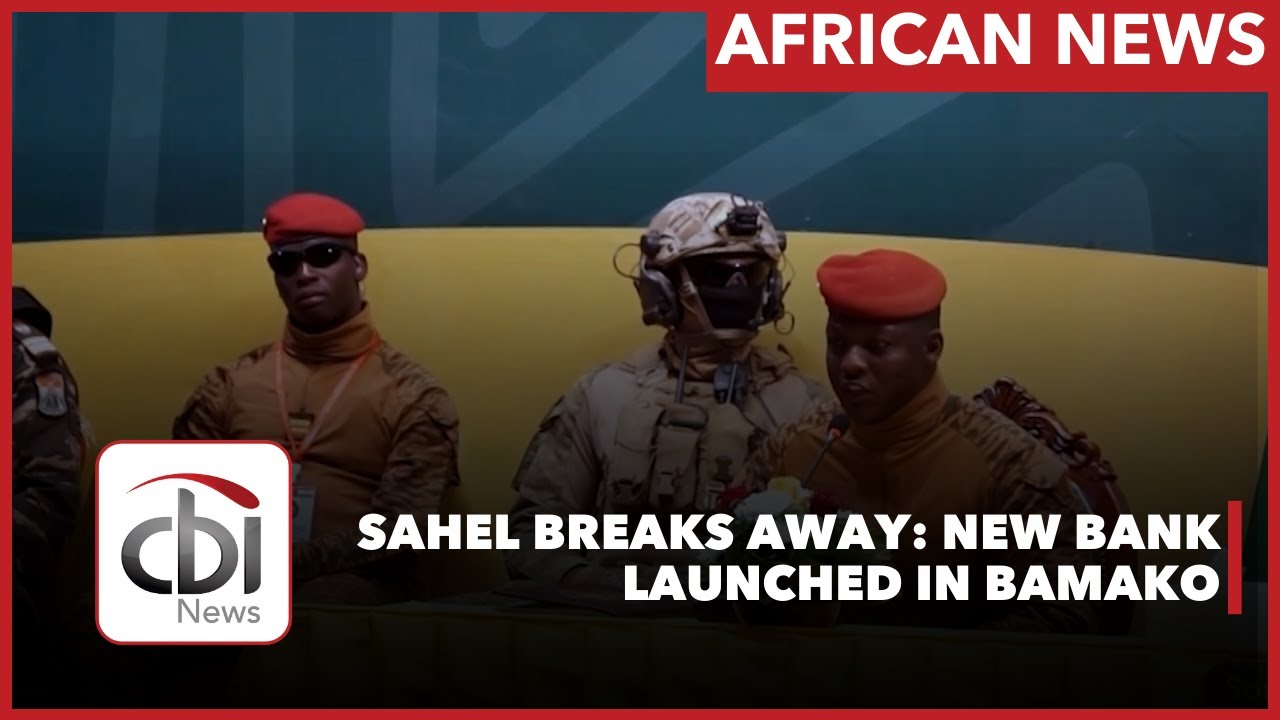
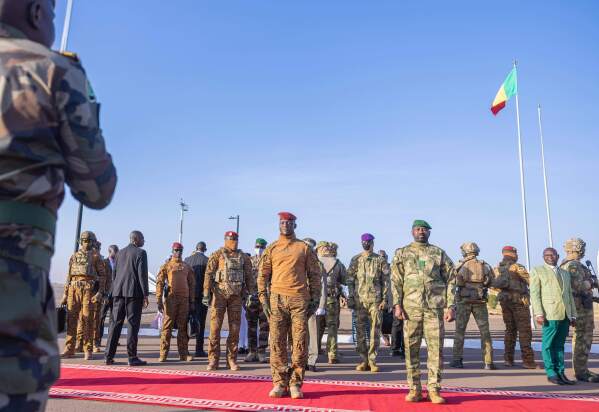
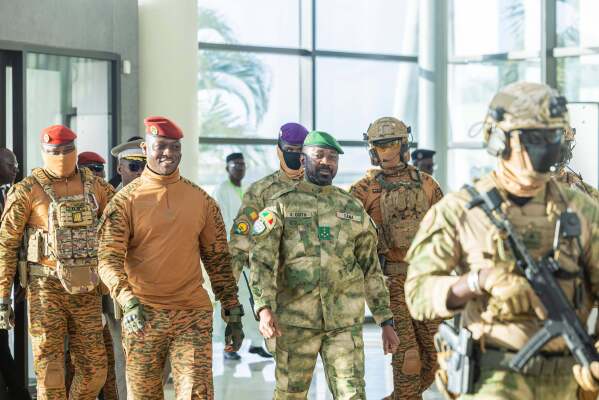
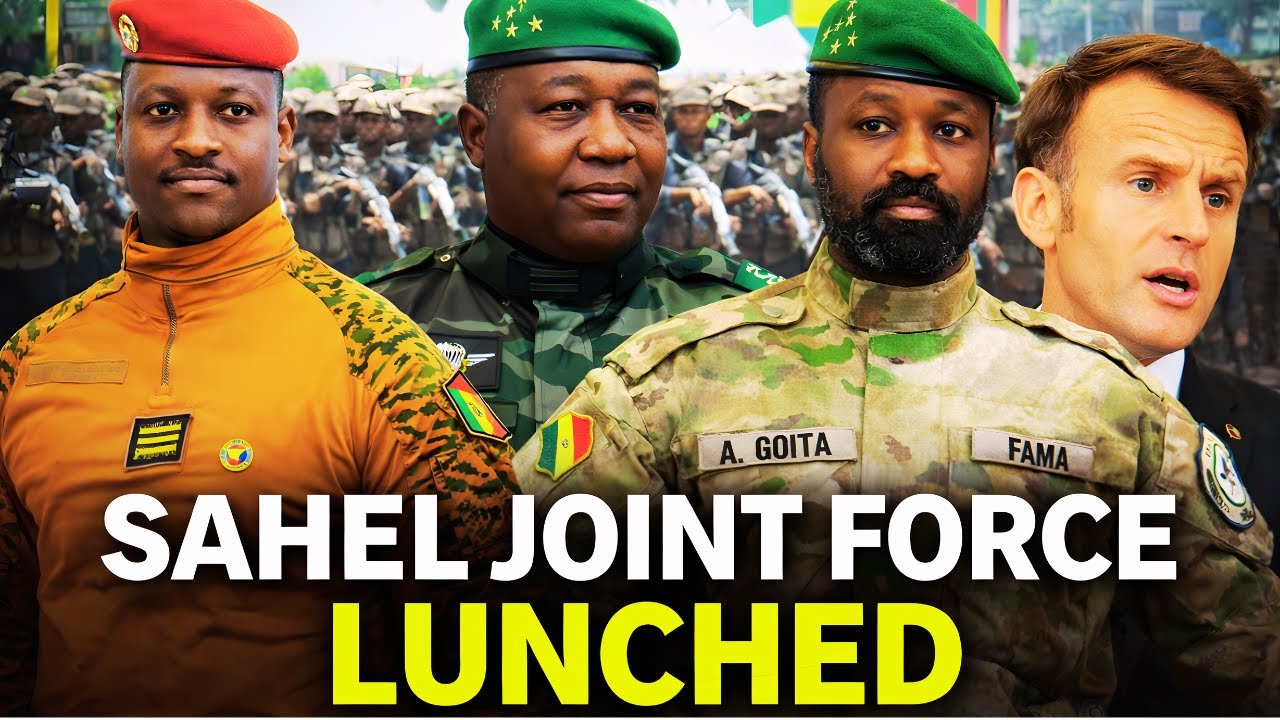
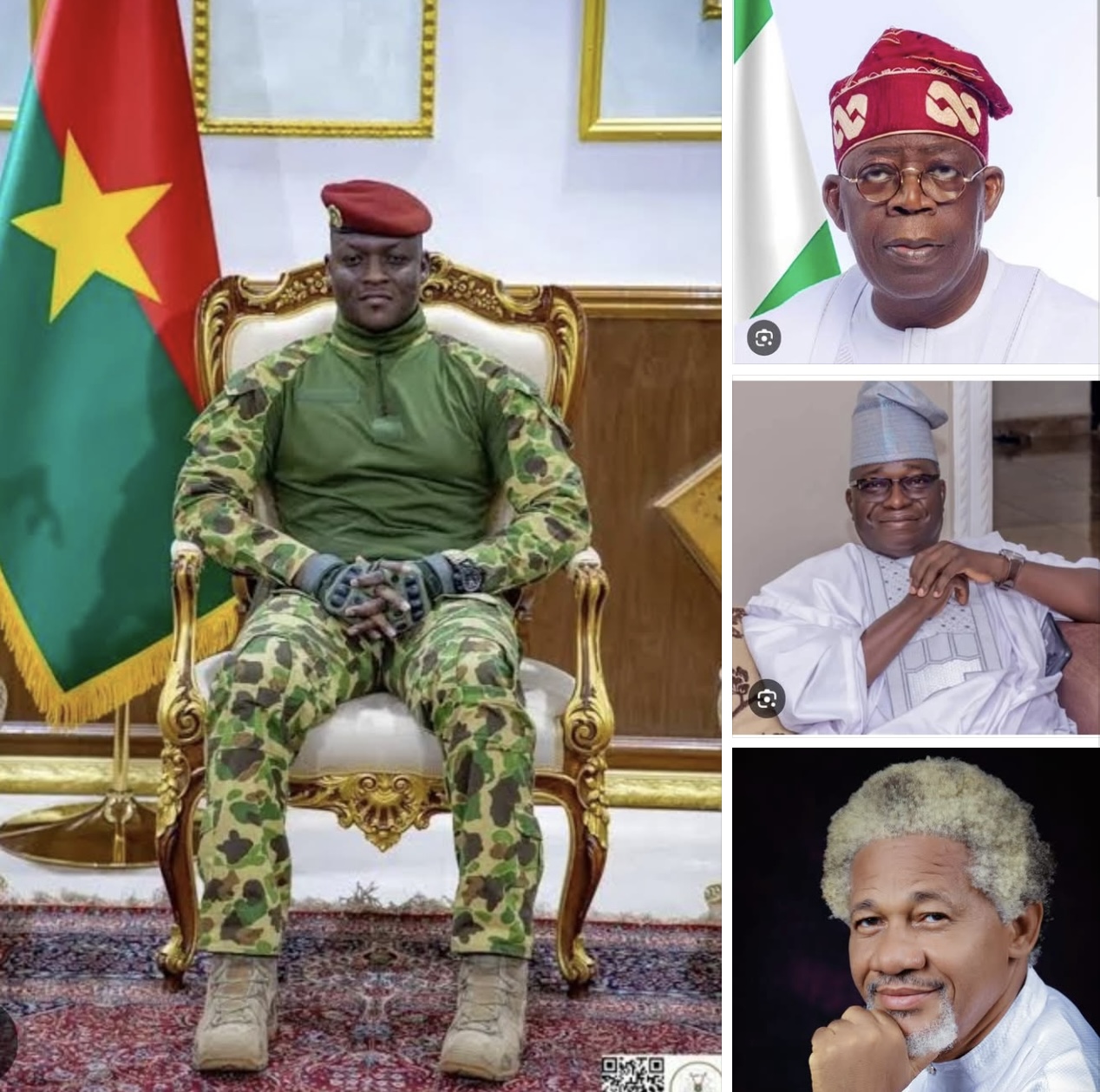
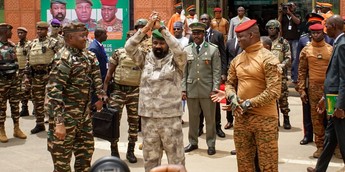
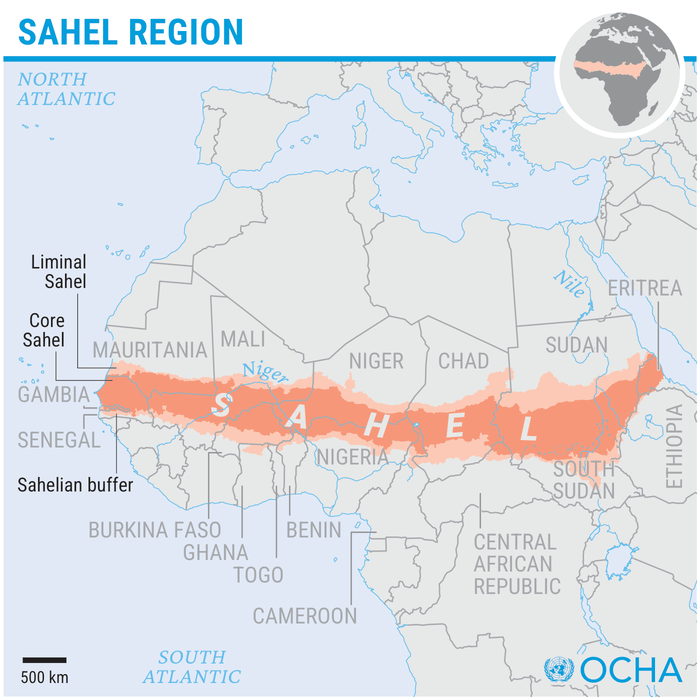
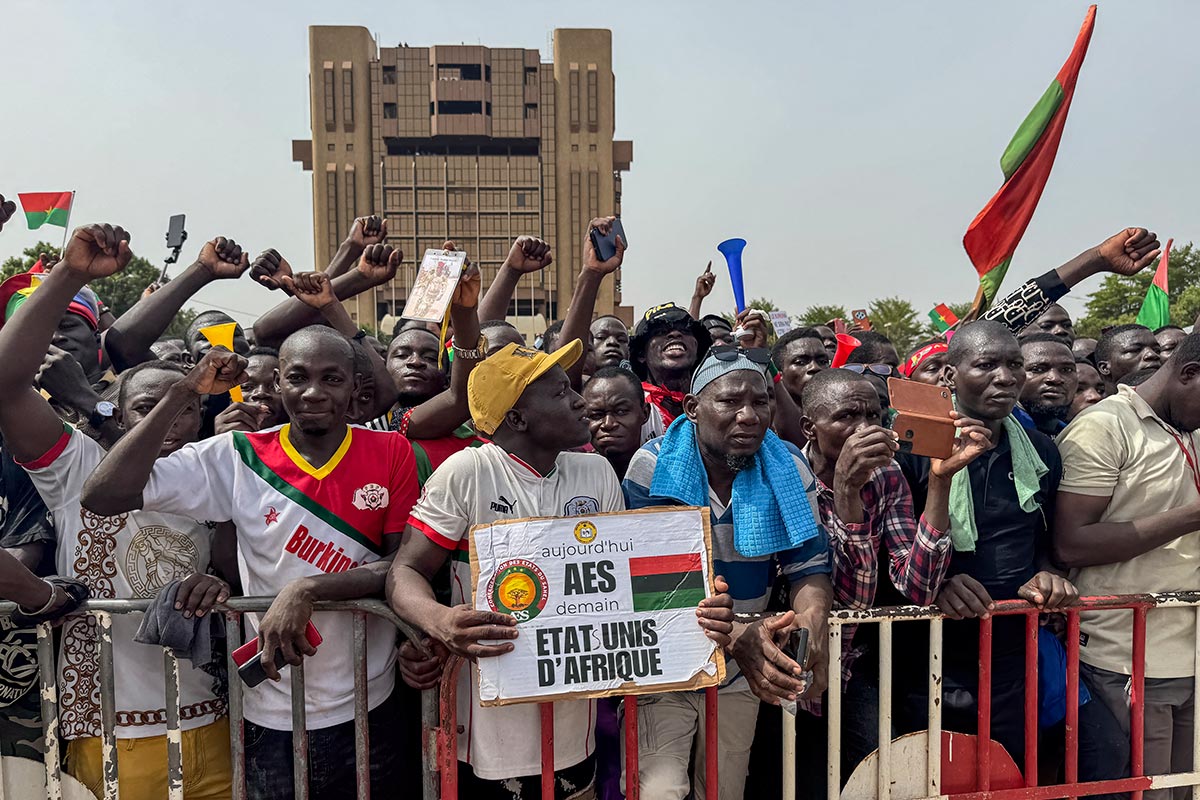
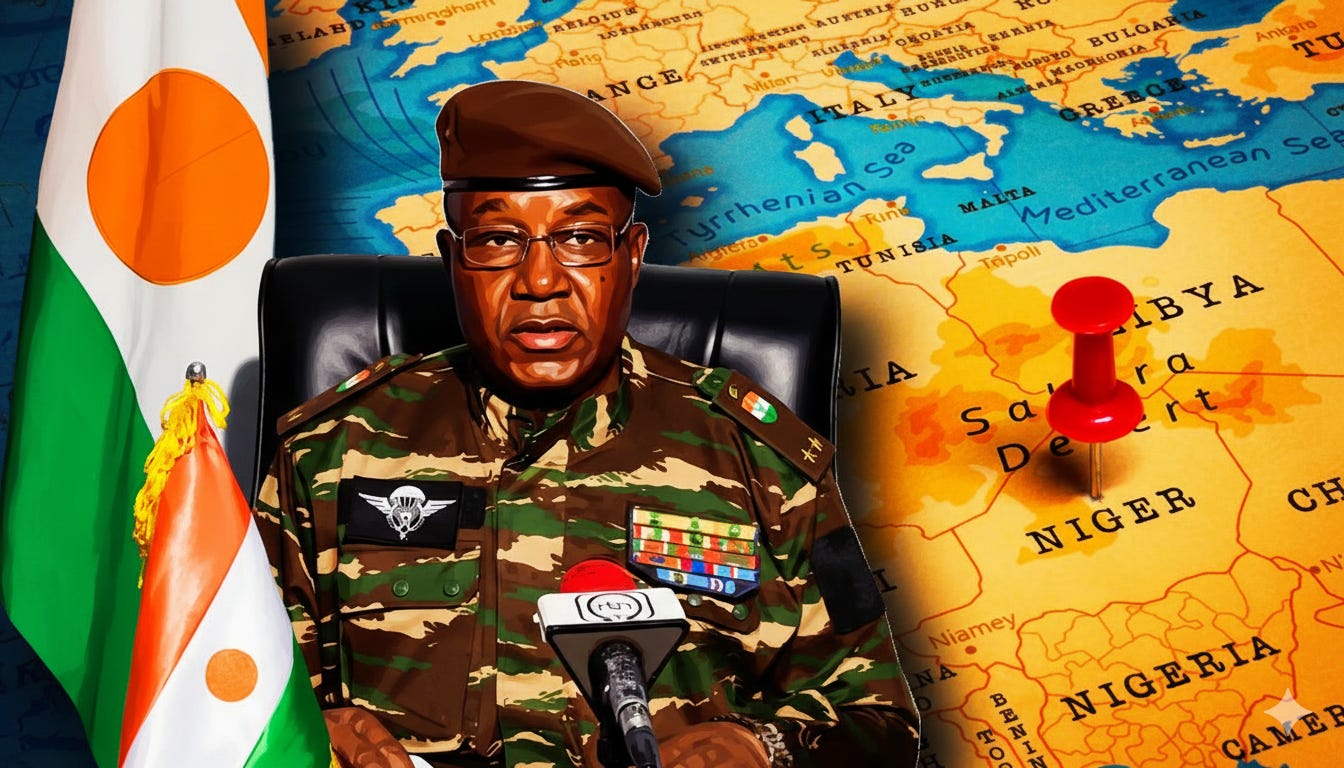
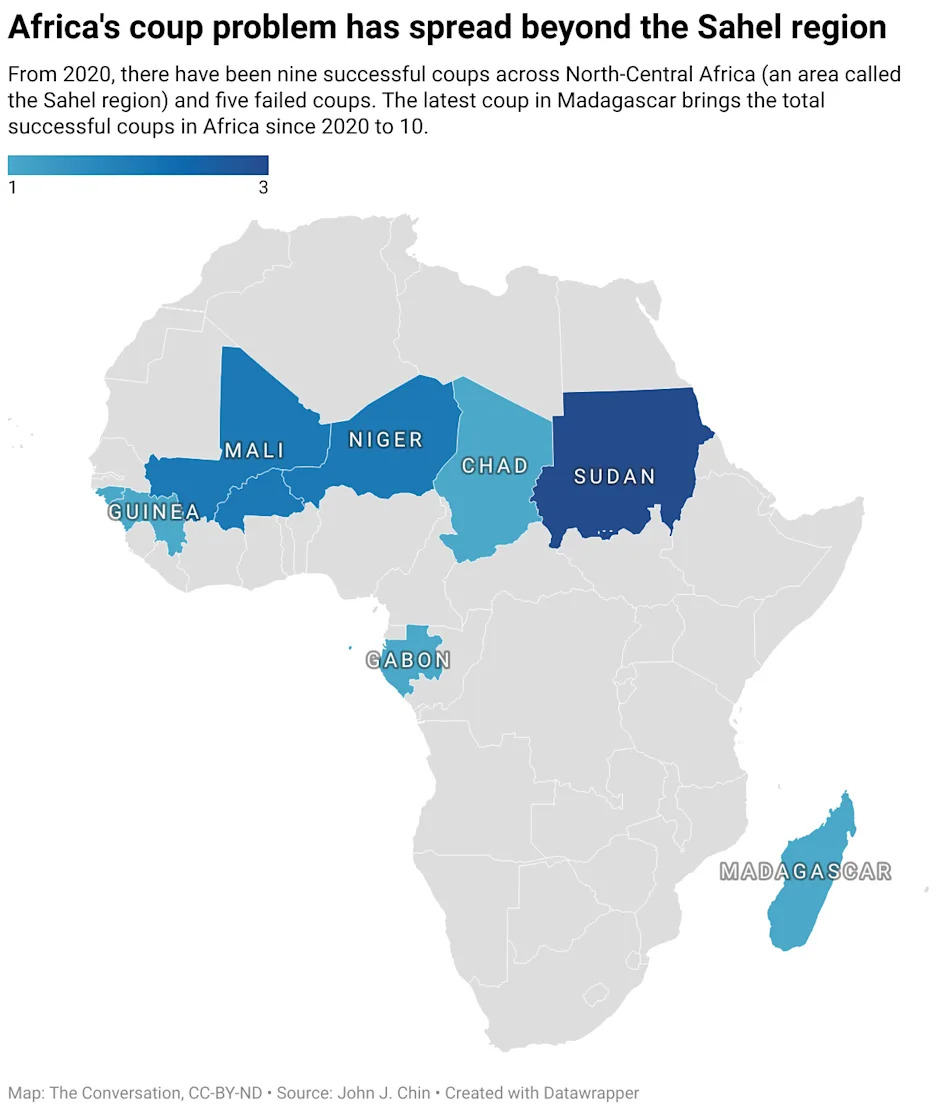
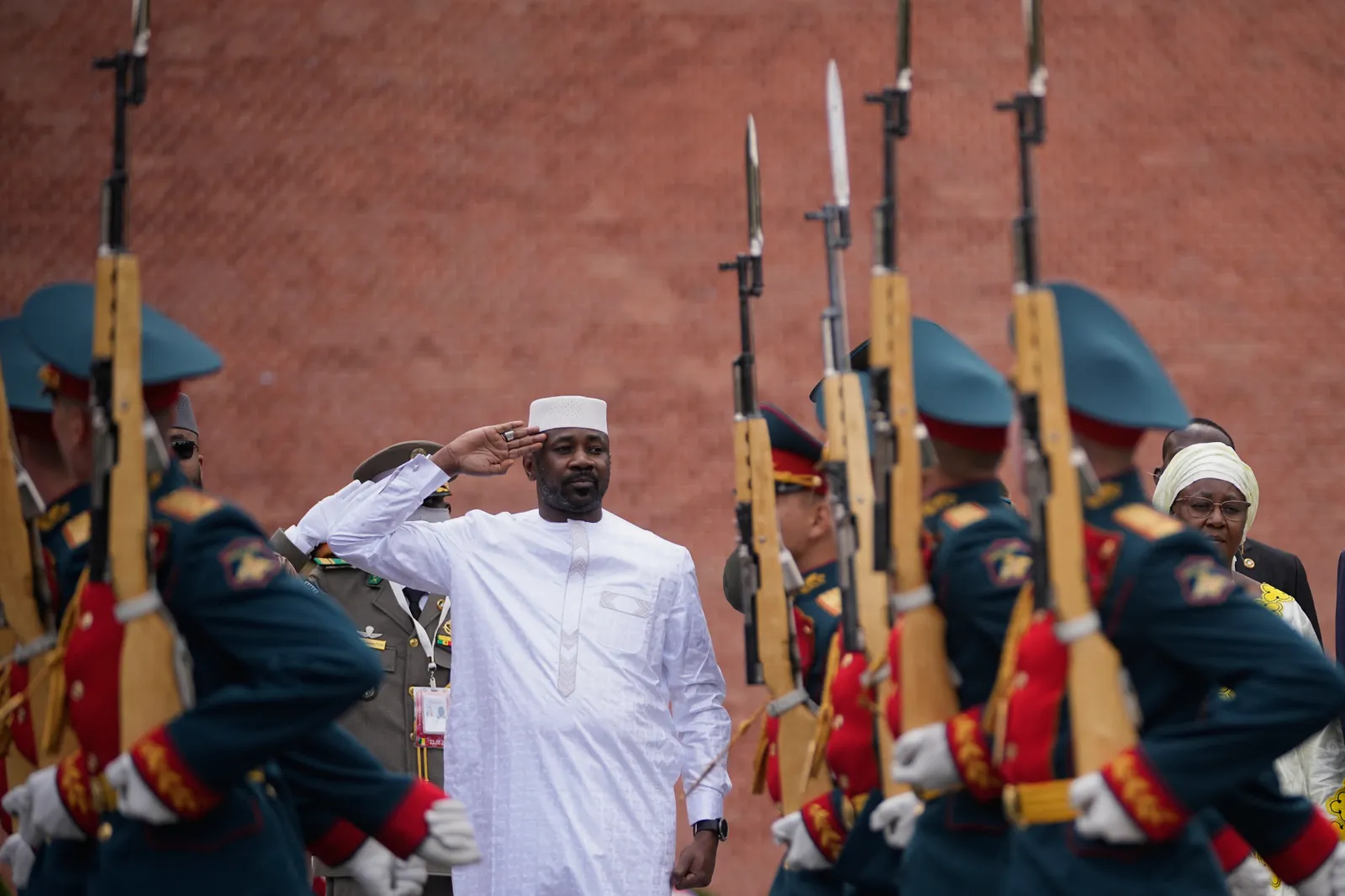
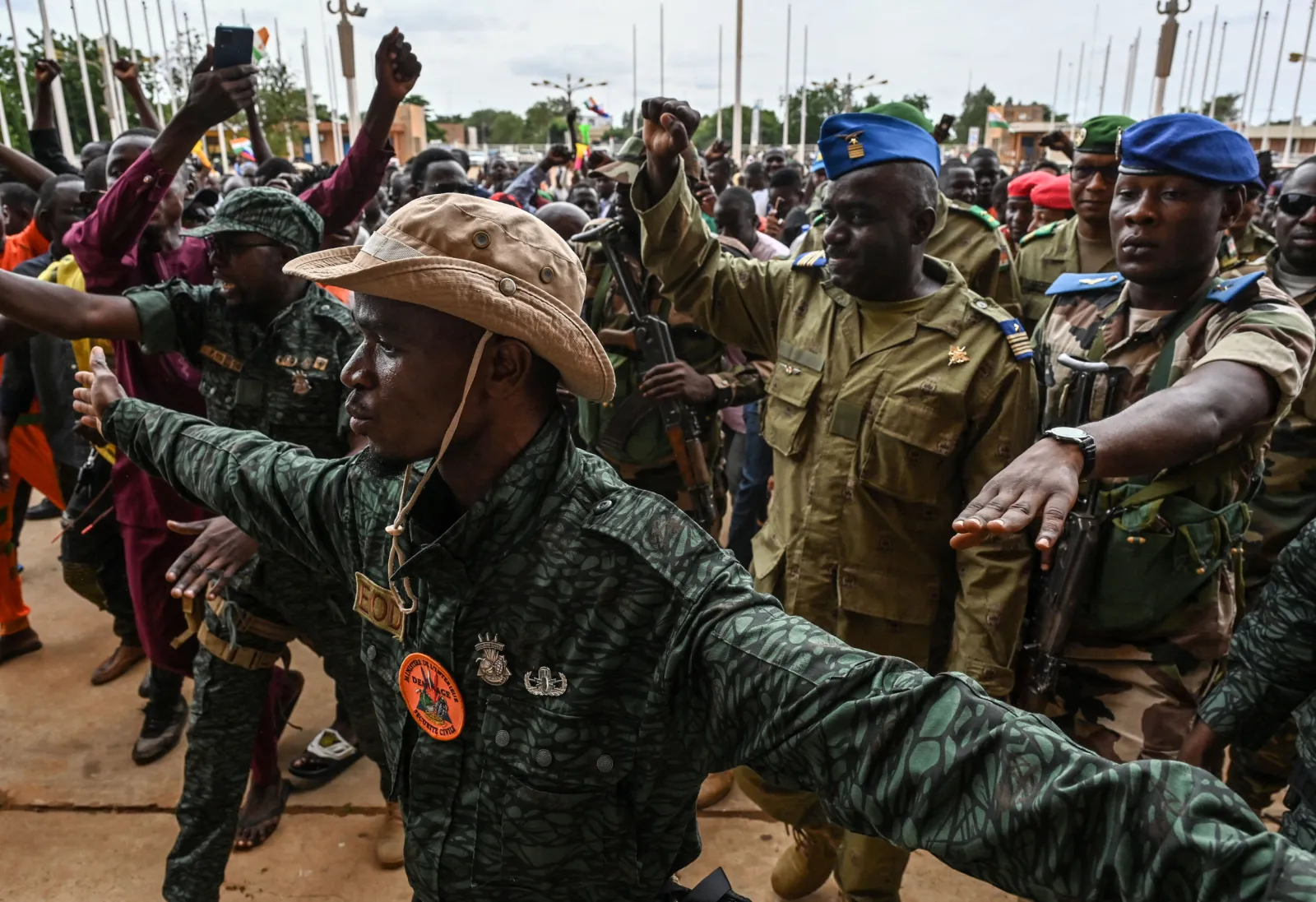
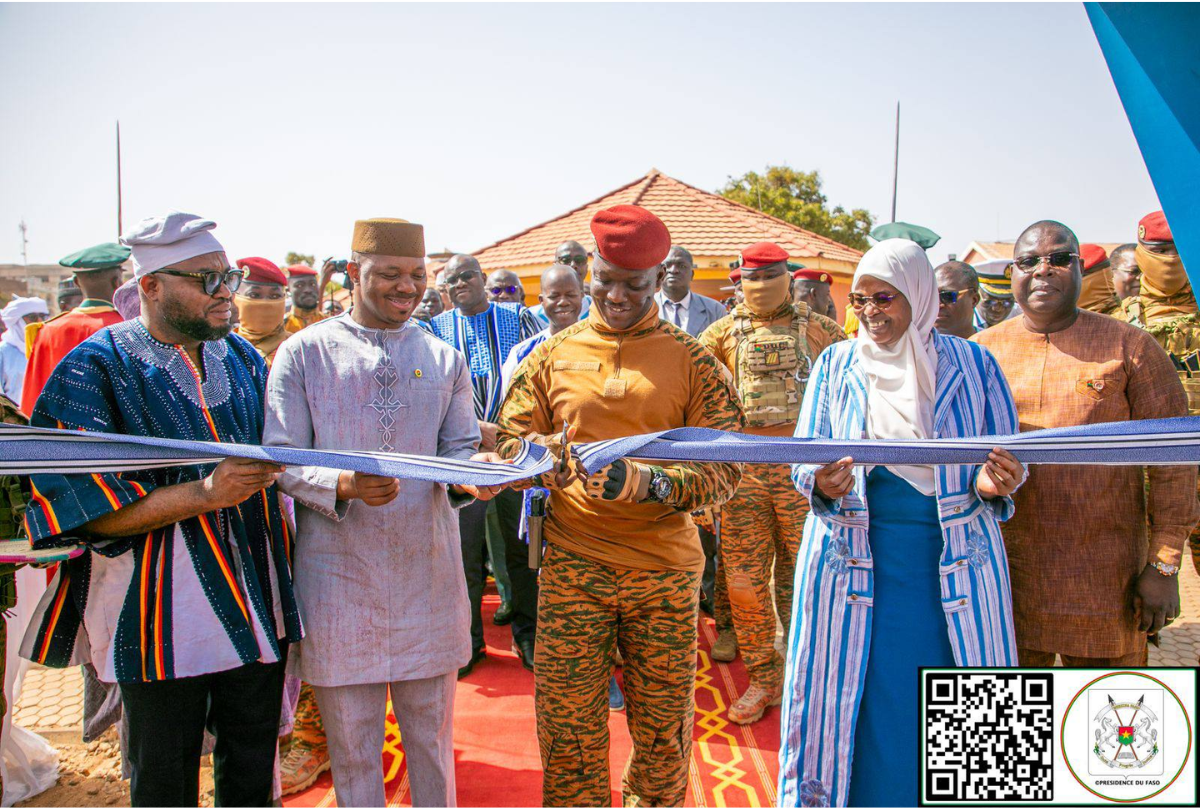
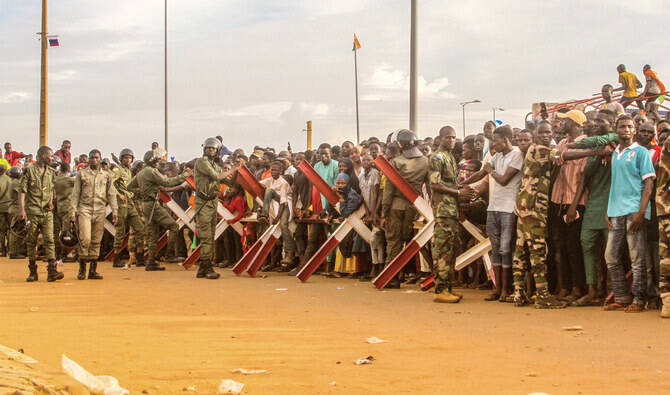
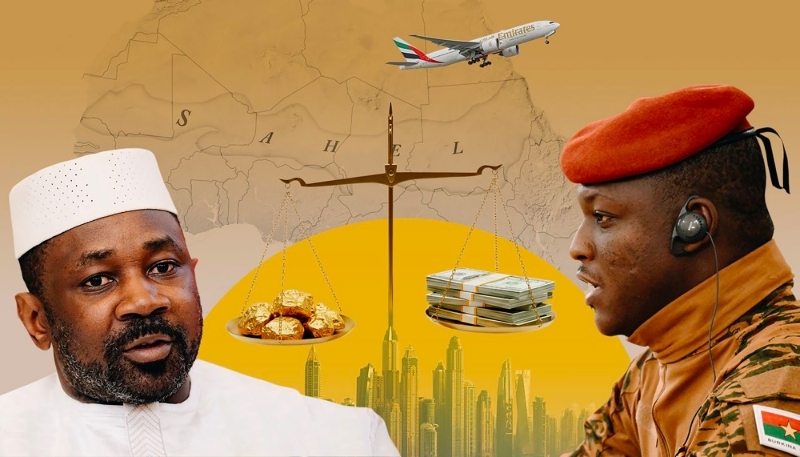
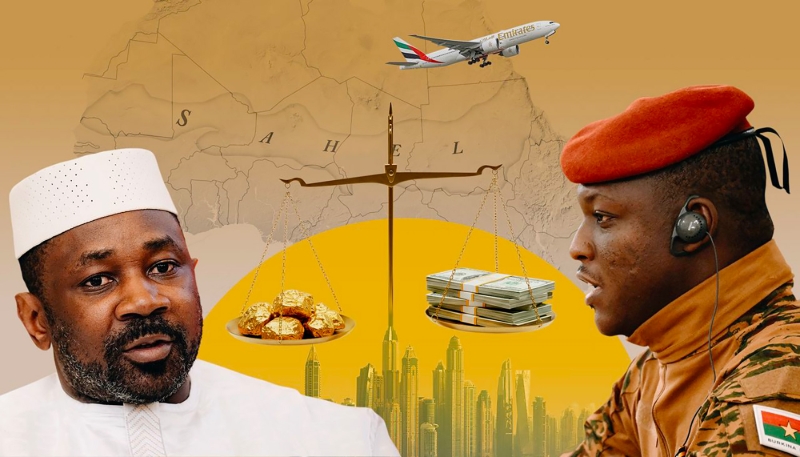
The Sahel, that vast and diverse stretch of Africa just south of the Sahara Desert, is in the midst of a profound transformation. We’re seeing significant geopolitical shifts here, characterized by fluctuating powers and tough security issues, with external influences clashing against local ambitions. Alliances are changing rapidly, and a growing terrorism threat looms large, threatening to destabilize much of West Africa if unchecked. At the heart of this unfolding drama is Mali, a nation grappling with escalating jihadist violence and crippling blockades. These troubles are sending worrying signals about the entire region’s future stability. Leaders in the Sahel describe this transformation as a “silent revolution,” a subtle yet decisive push against long-standing hegemonies. This captures their growing determination to redefine power balances and chart new paths for sovereignty and cooperation. Despite a complex landscape of many ethnic groups, porous borders, and often frail governments, there’s a clear assertion of control and a search for new partnerships, especially in response to cross-border security threats. For more on the wider regional context, explore Sahel on the brink. This evolving dynamic signals a new era for the region, as detailed in a January 13, 2026 report from Benghazi.
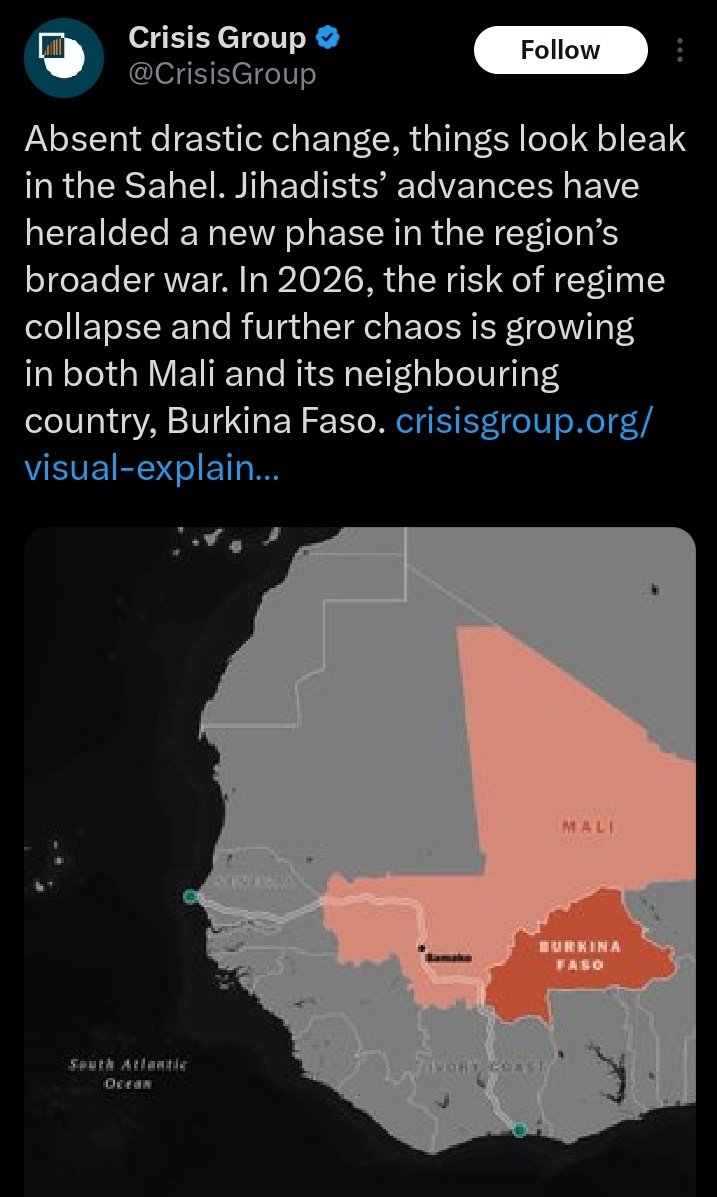
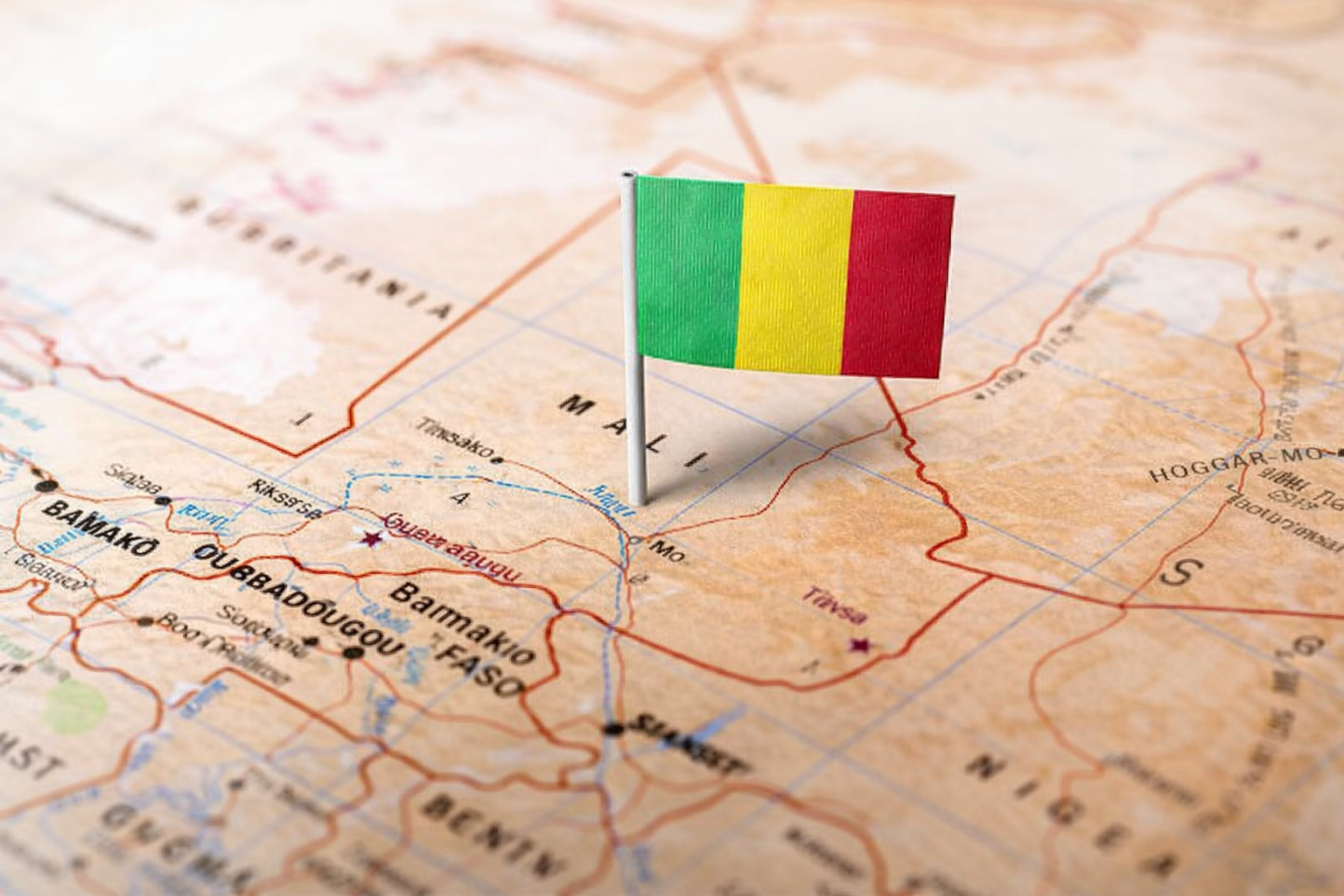
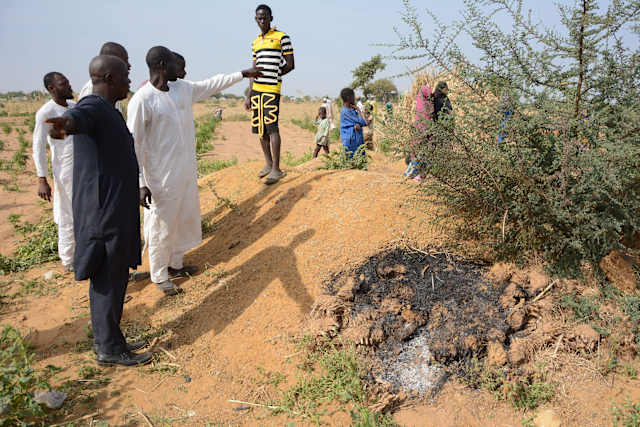
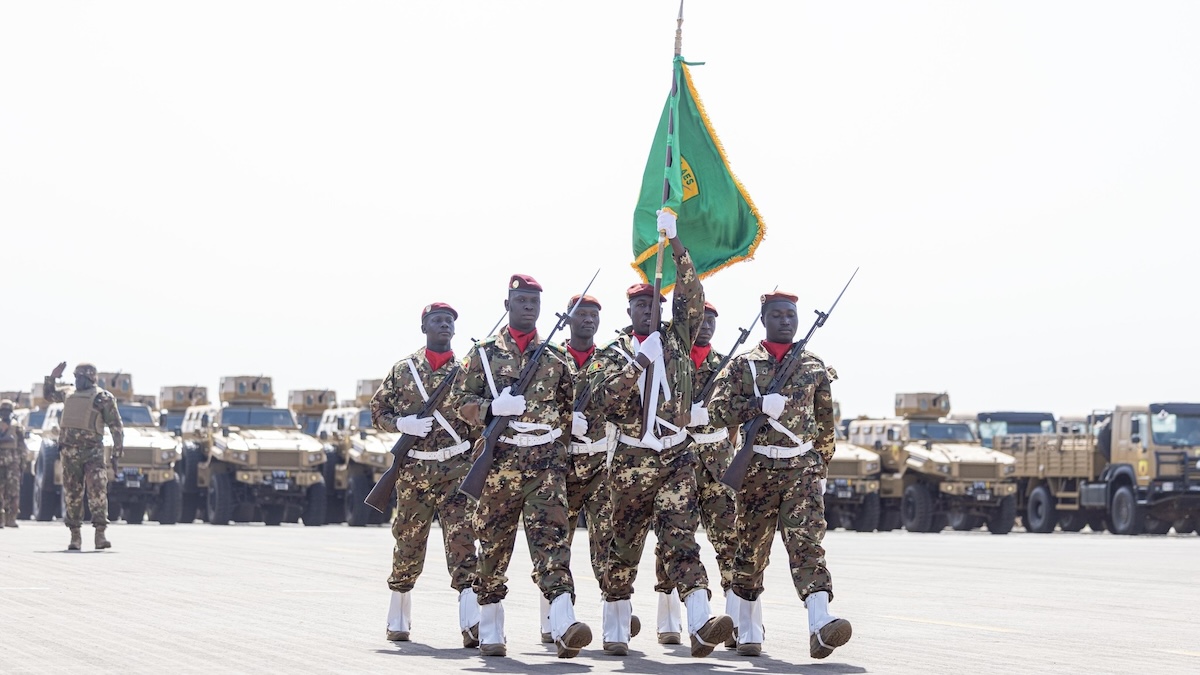
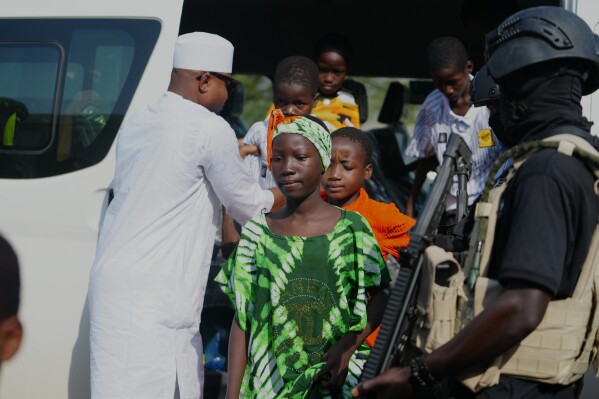
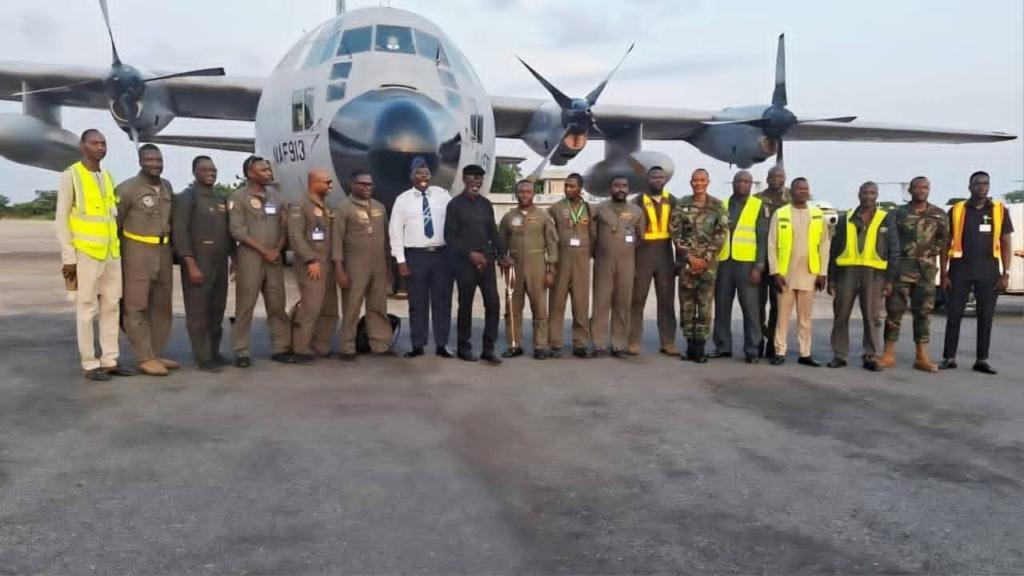
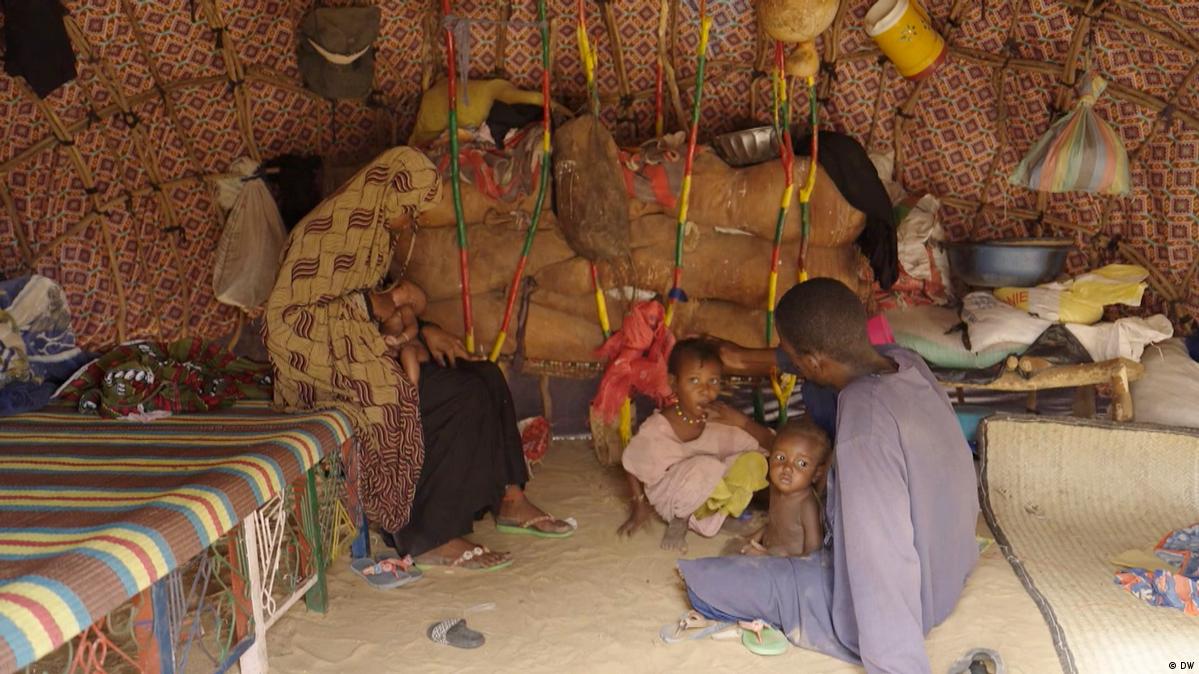
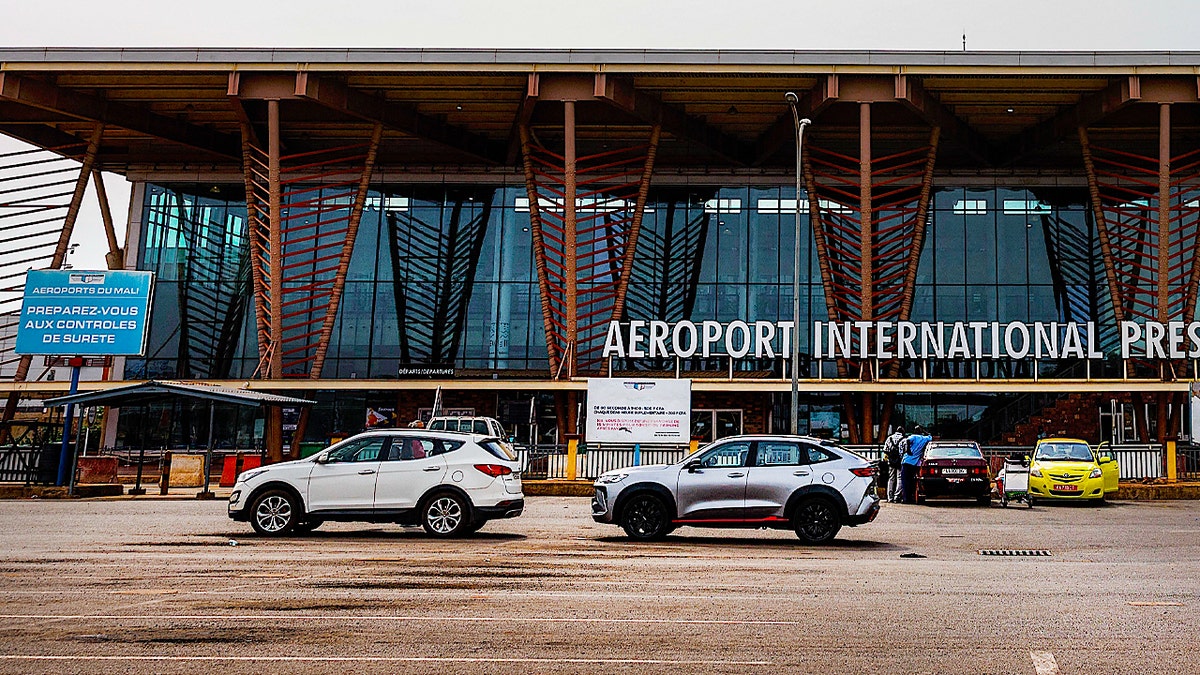
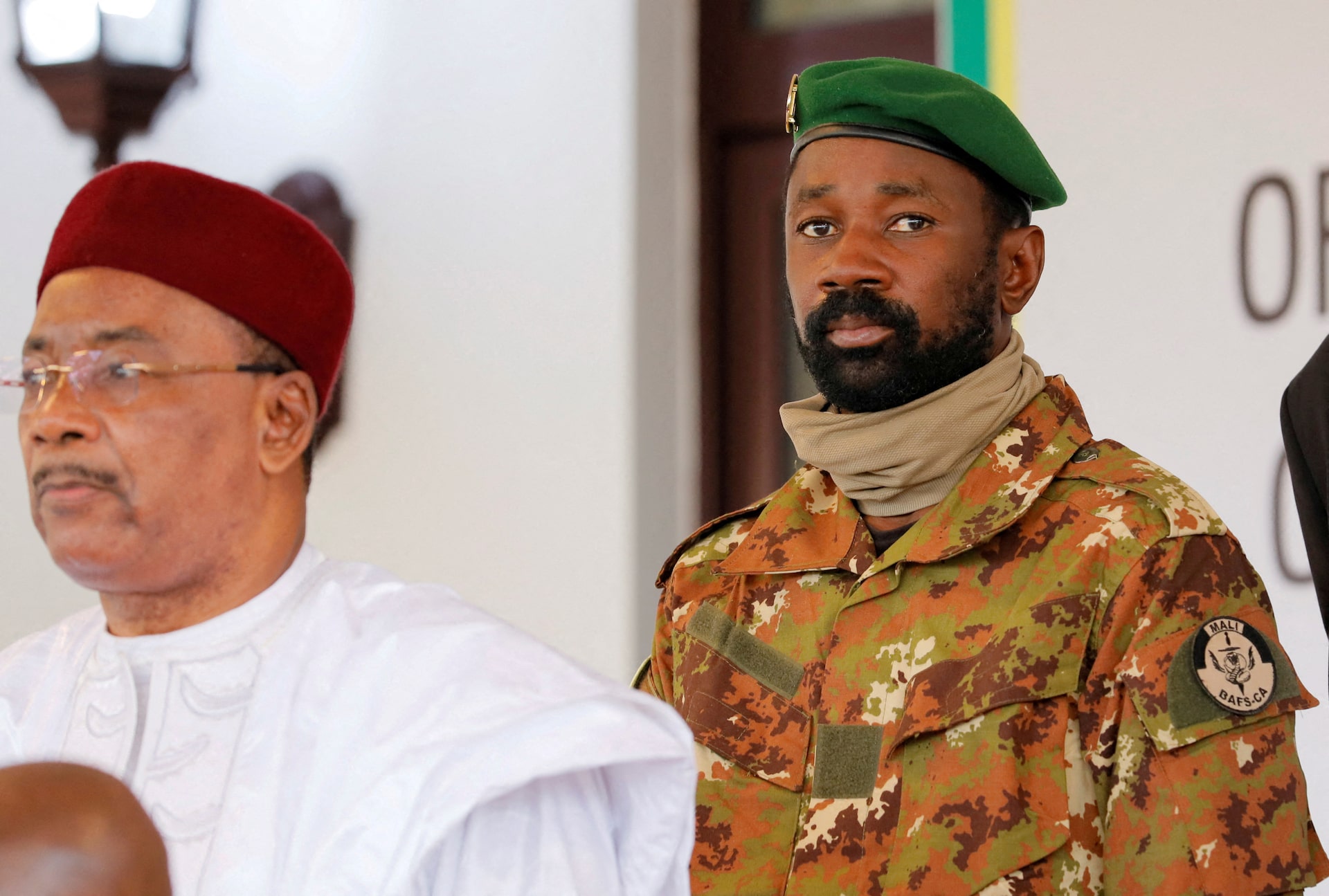
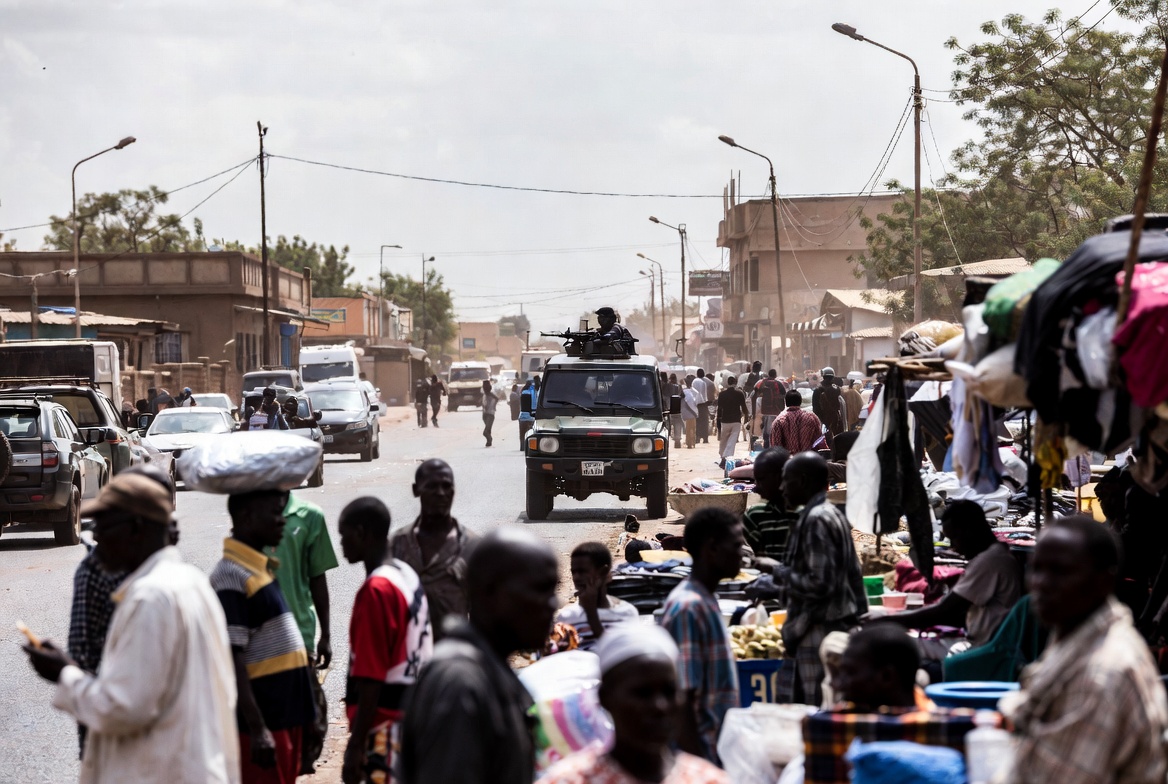
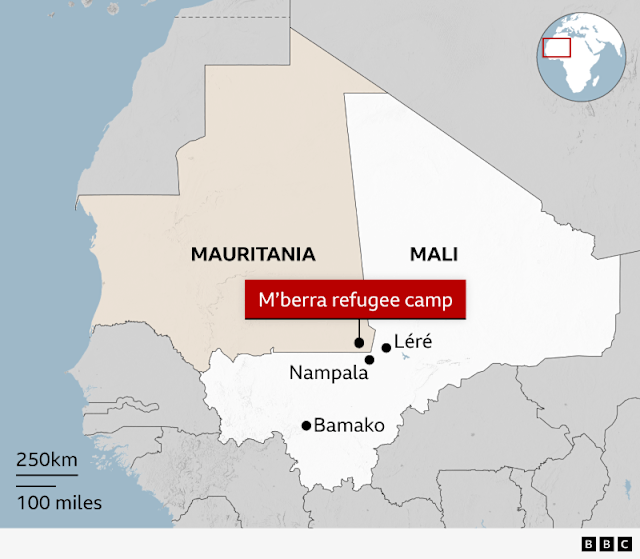
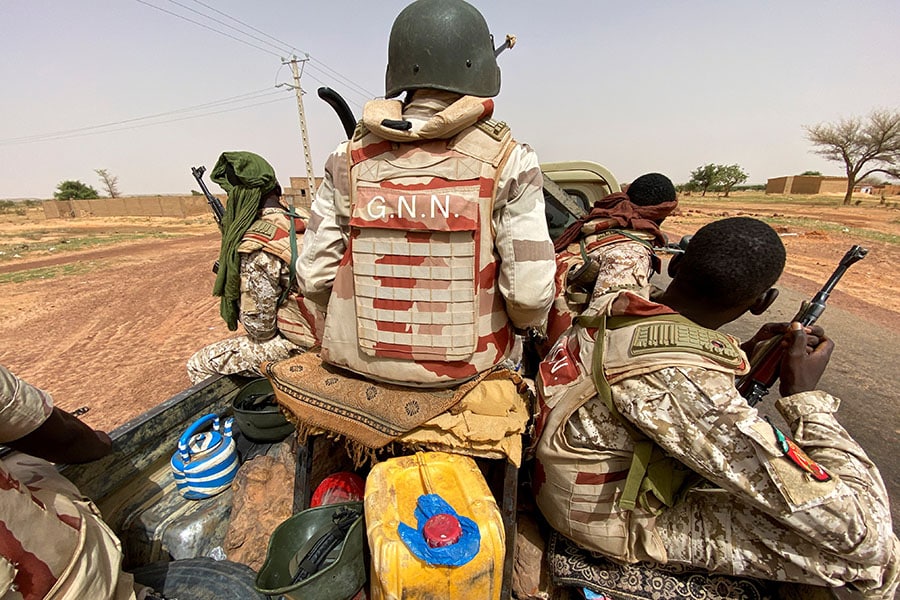
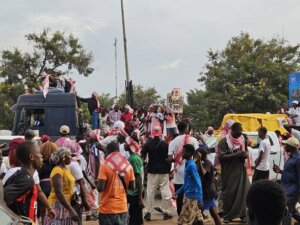
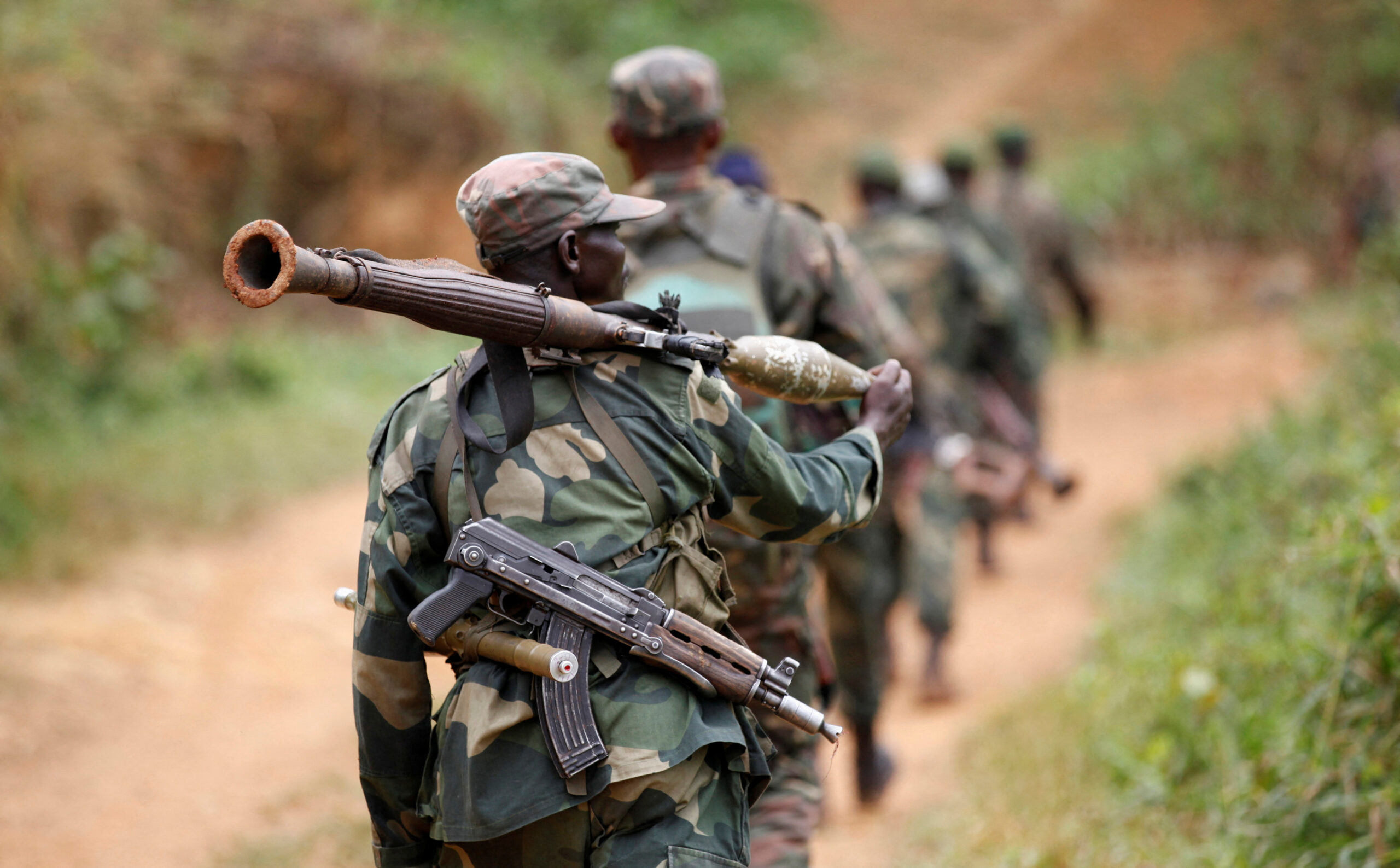
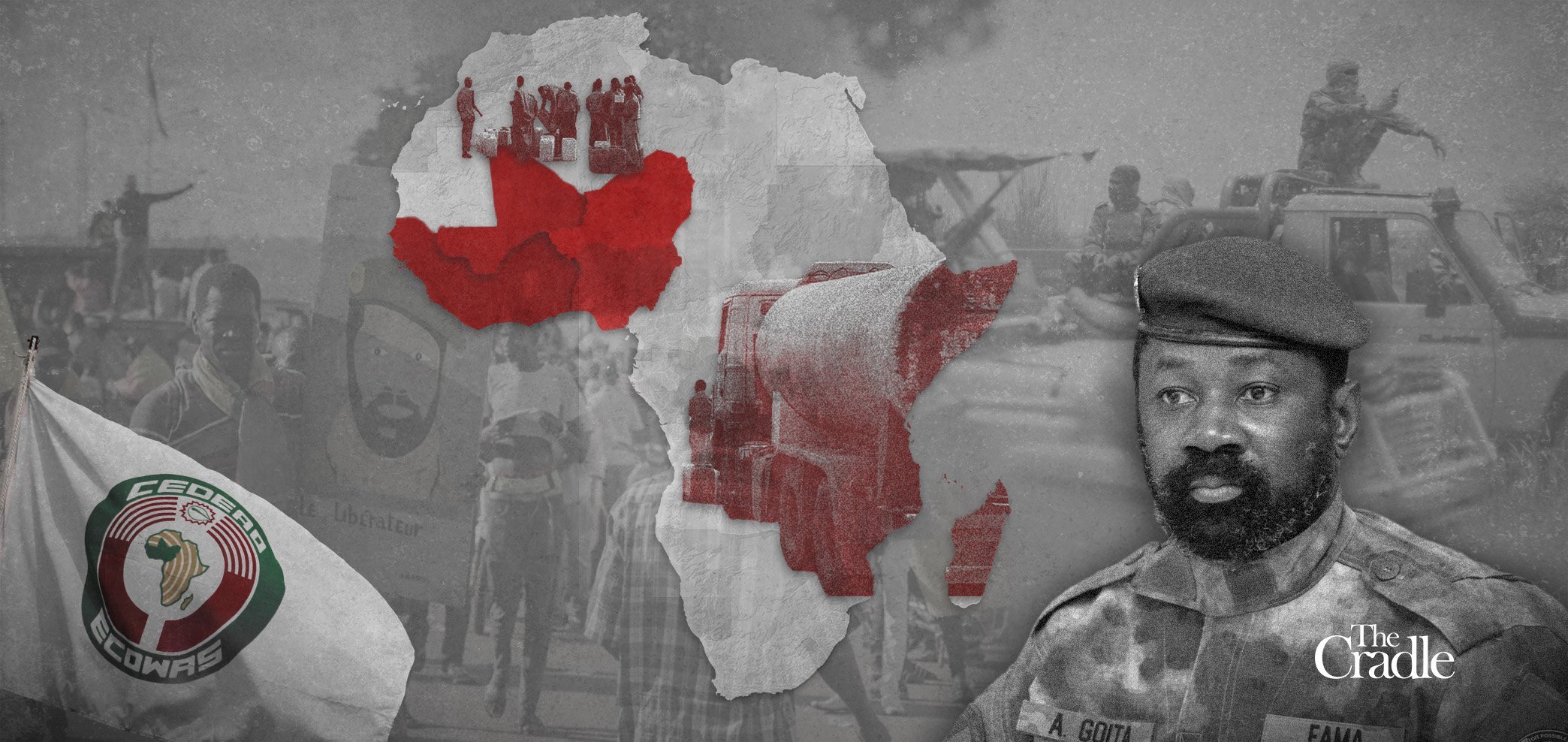
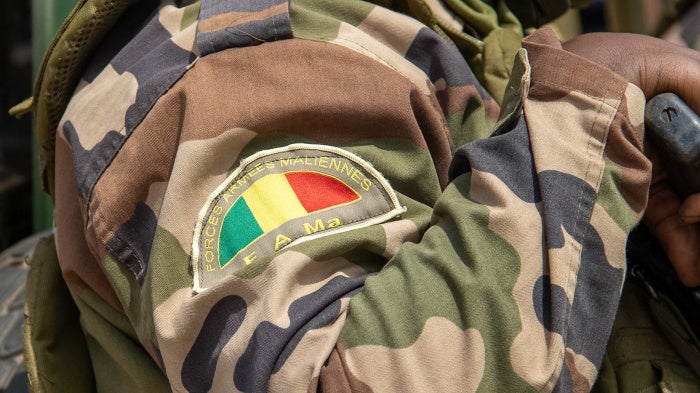
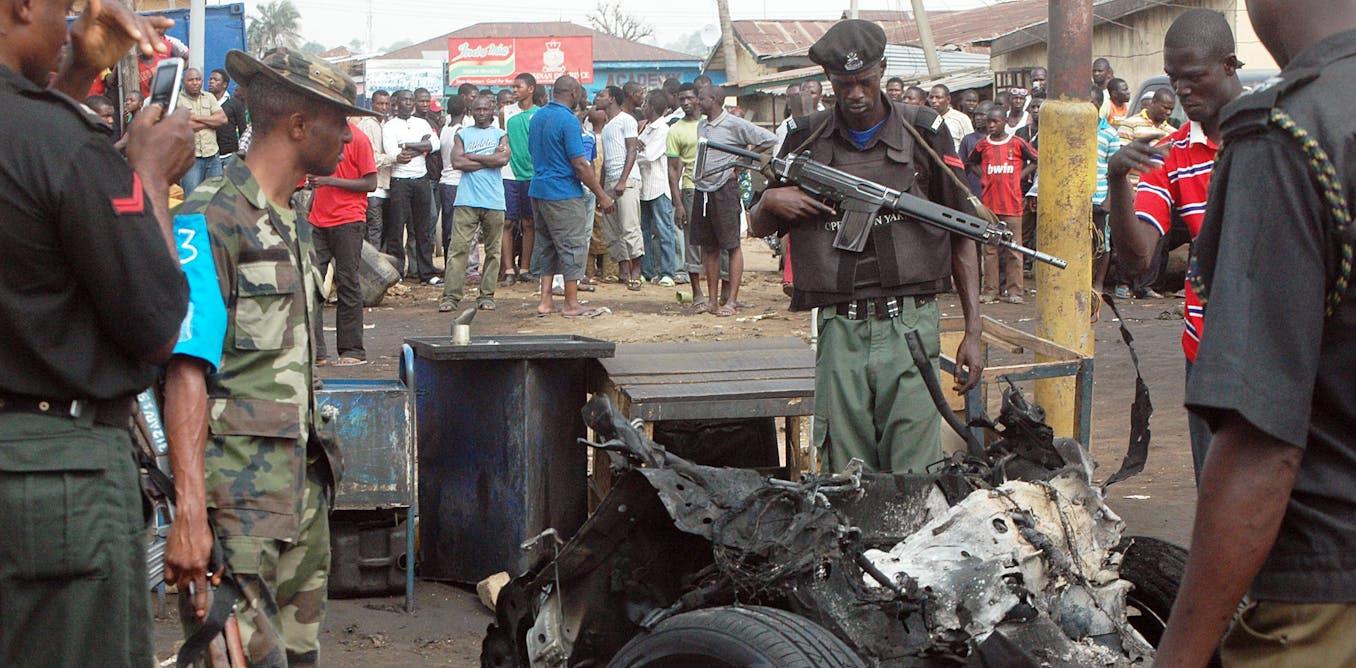
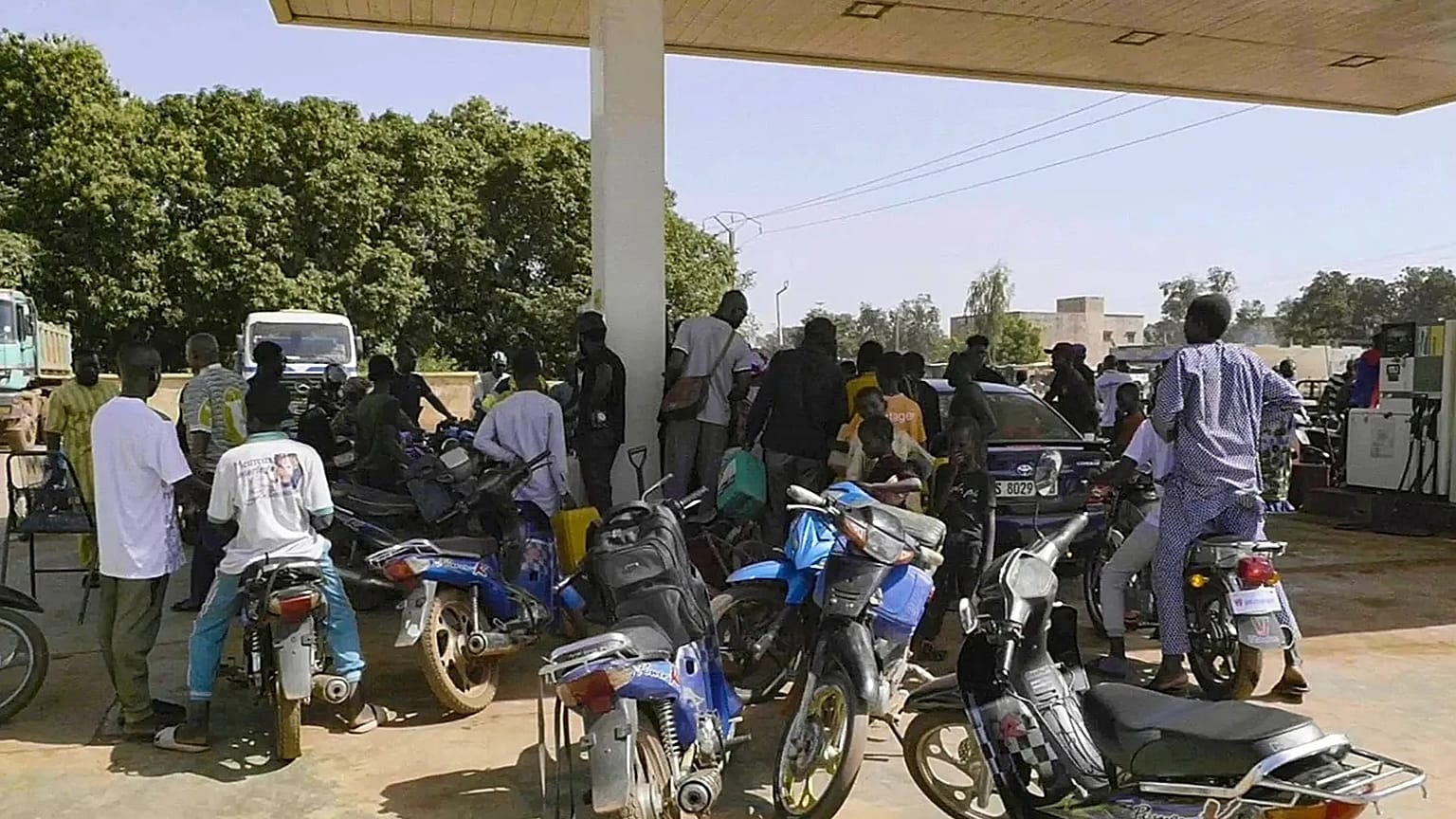
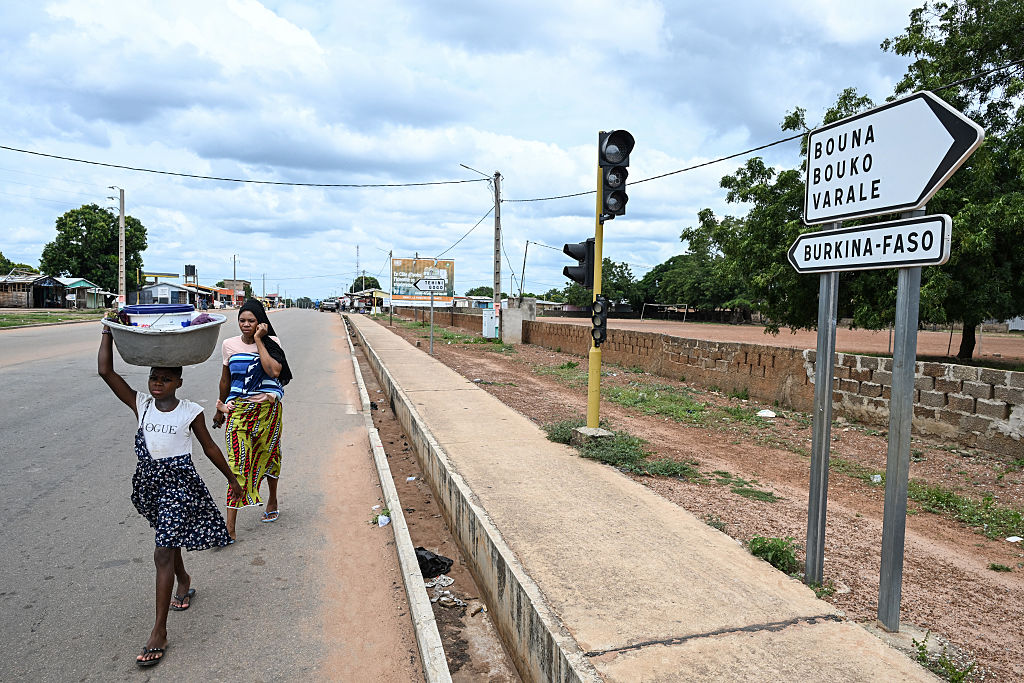
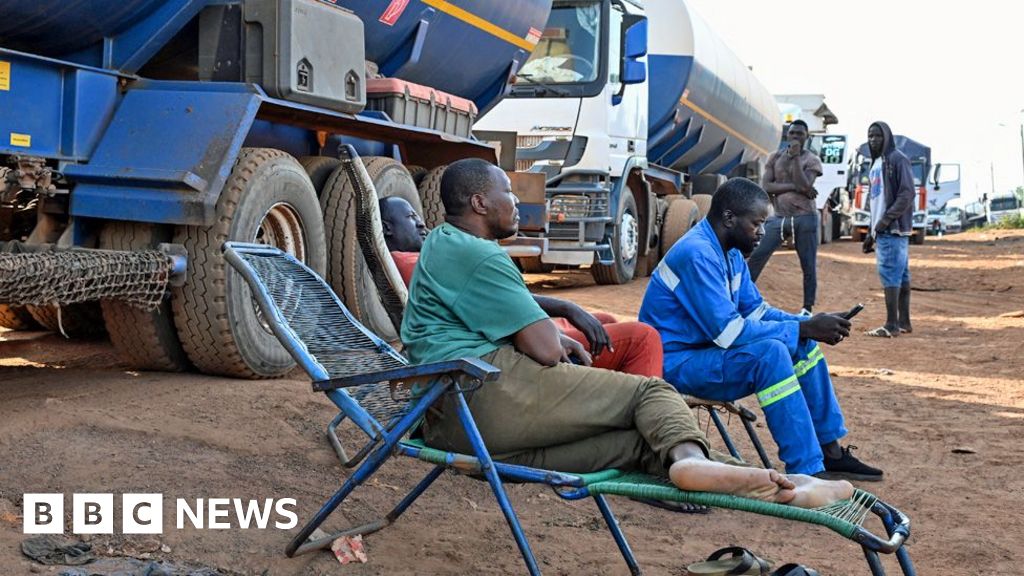
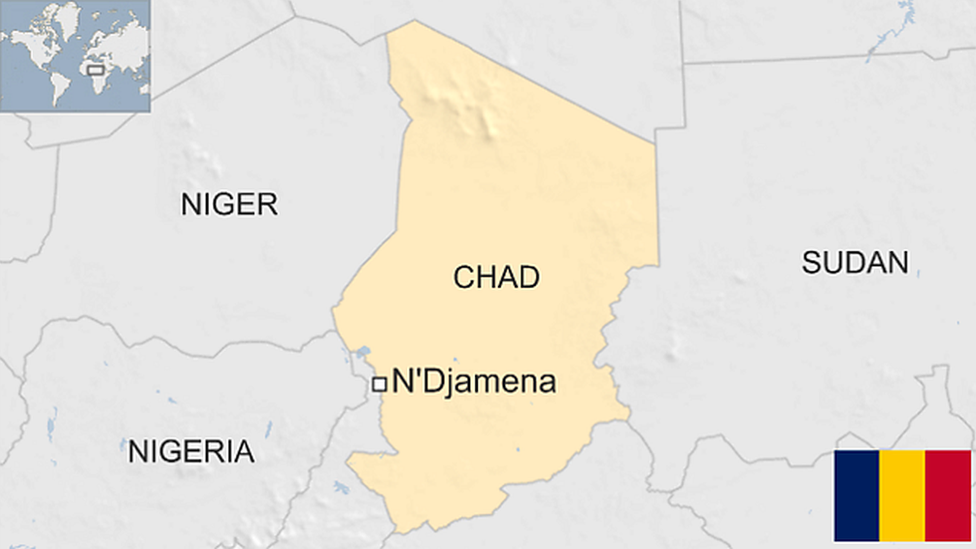
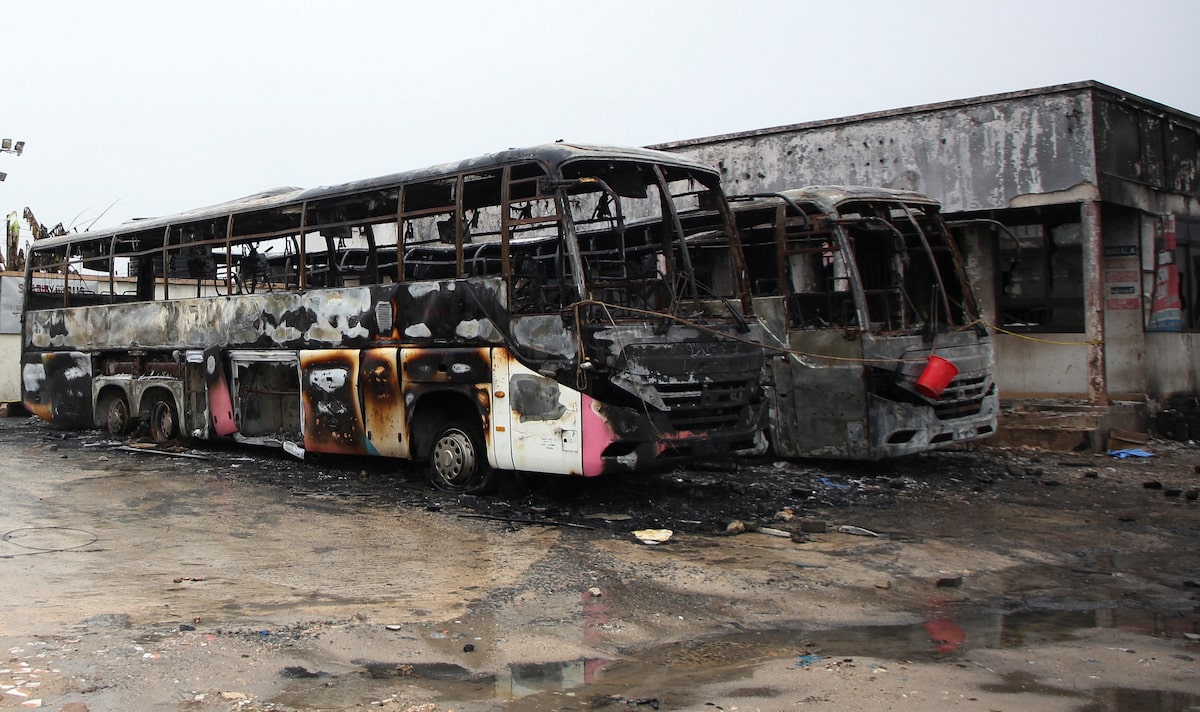
Mali’s situation stands out as a critical case study in this escalating Sahel crisis. Over recent months, the Jama’at Nasr al-Islam wal Muslimin (JNIM), an al-Qaeda-affiliated group, has ramped up its attacks. They’ve been destroying fuel tanker trucks on Malian roads since September 2025, triggering a severe fuel shortage that’s choking daily life and the economy in Mali’s urban centers. This scarcity largely stems from the jihadists’ focus on disrupting fuel supply chains. Compounding the problem, Niger controversially revoked licenses for tanker drivers who refused to venture into these volatile areas, further restricting movement and deepening the crisis. This security and humanitarian emergency has pushed Bamako to seek external help, even reaching out to regional partners and international allies like Türkiye, a country with steadily growing influence across Africa, for counterterrorism assistance. This outreach highlights Mali’s precarious position, caught between an urgent need for foreign support and the inherent risk of diminishing its hard-won sovereignty. The ongoing blockade in Mali’s capital, coupled with frequent road ambushes, severely constrains supplies and movements, fueling a relentless cycle of worsening instability. Could Mali fall to terrorists? This escalating crisis raises serious questions about regional security, as explored in ADF Magazine.
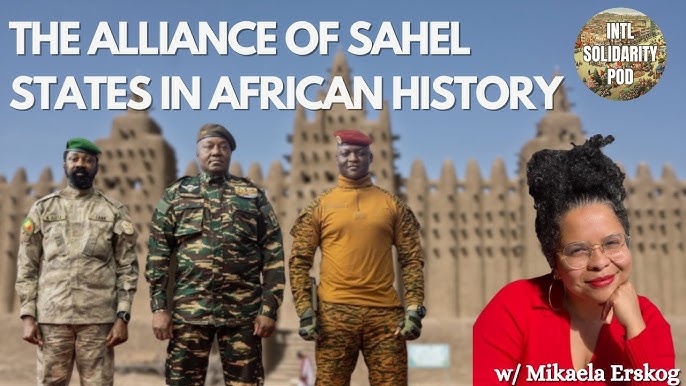
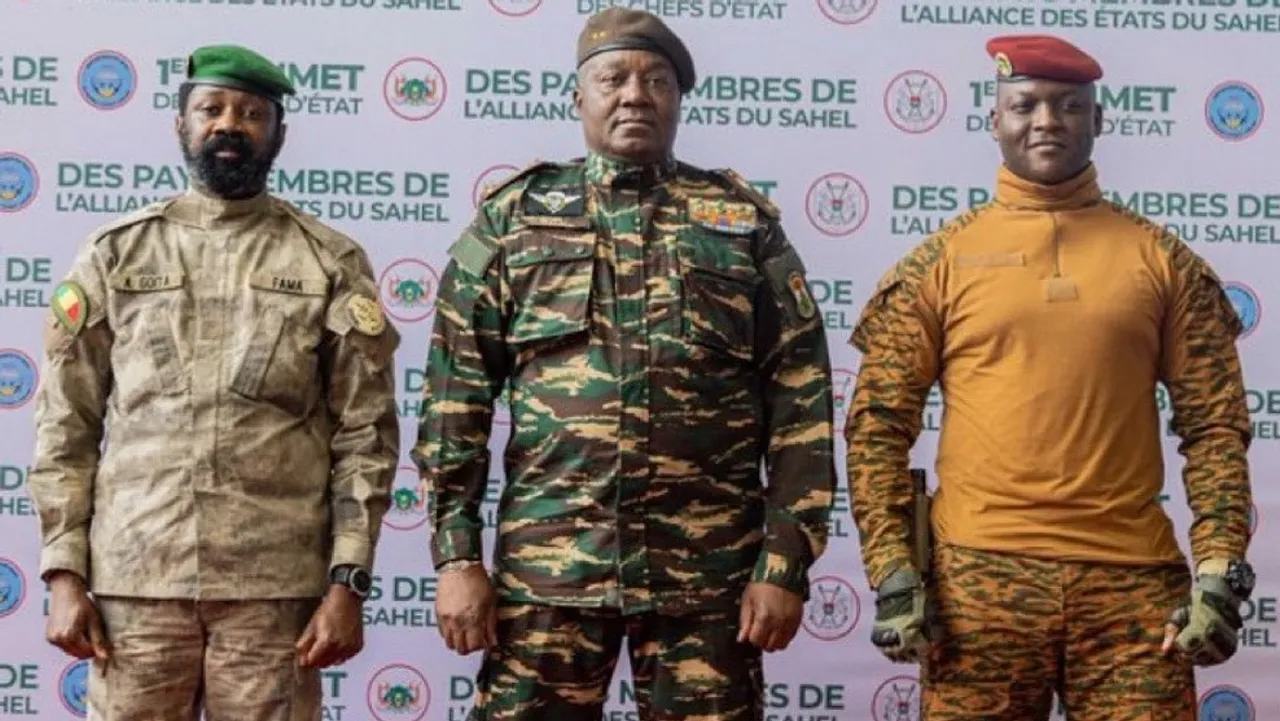
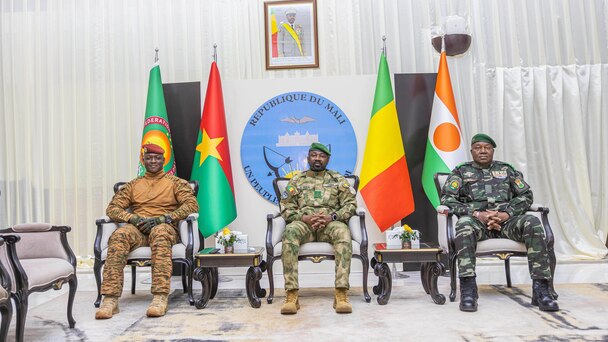
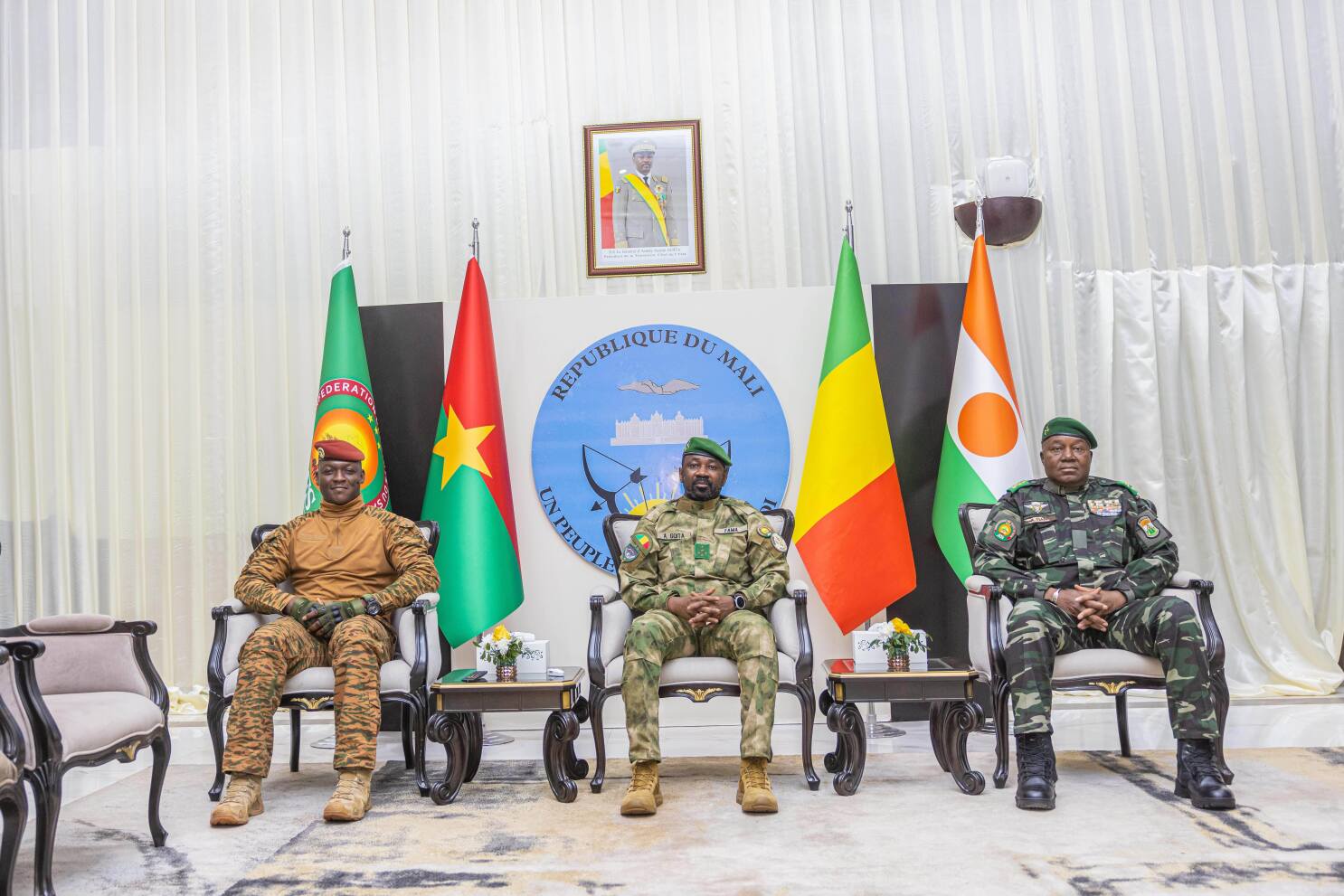
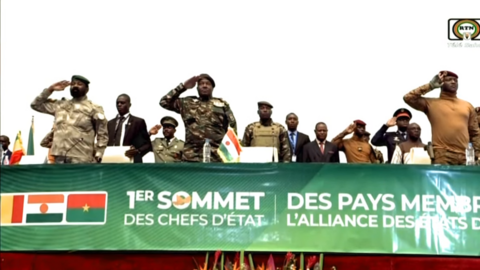
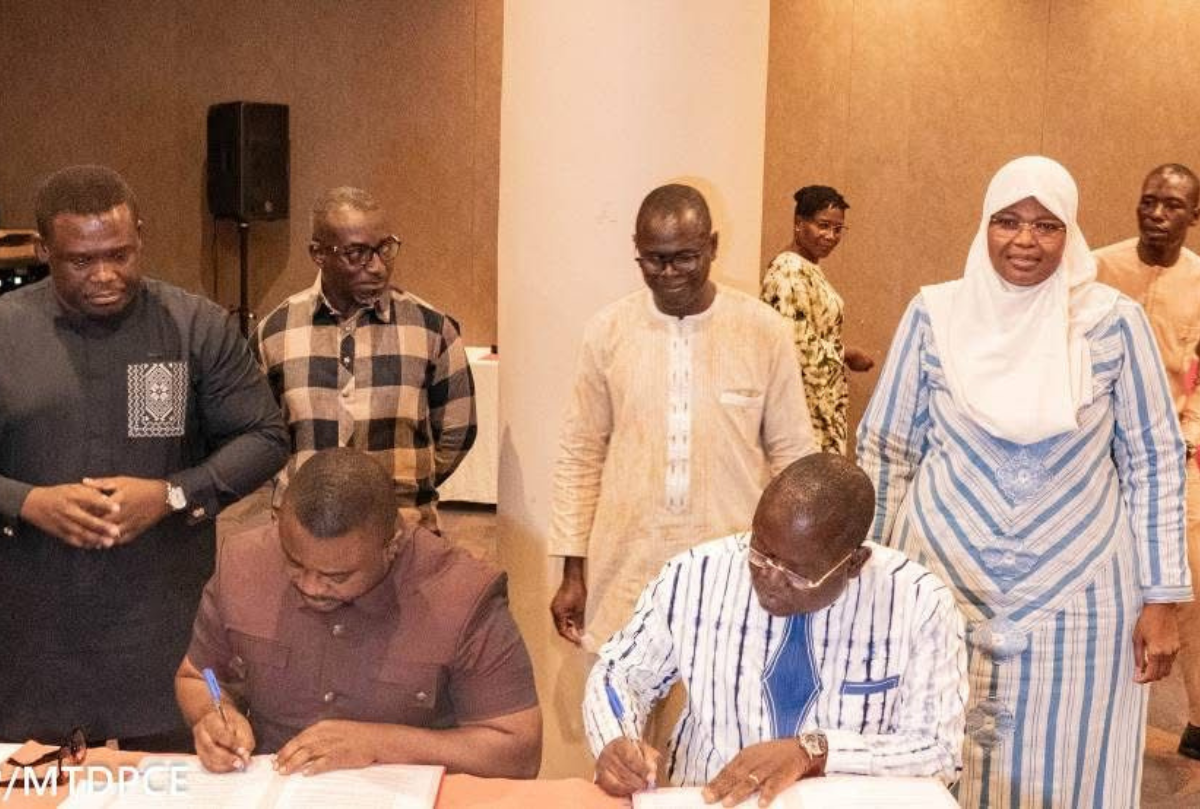
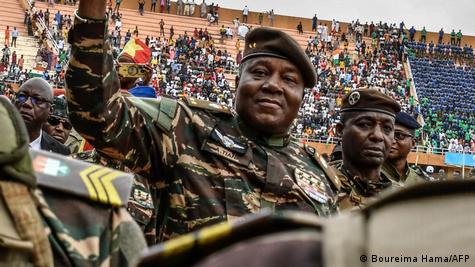
On the diplomatic front, however, we are starting to see some promising shifts. The Sahel Alliance, a coalition committed to stabilizing and developing this vital region, appears to be moving towards greater cohesion. While this is an early-stage observation by those enthusiastic about geopolitical dynamics, the growing cooperation among Sahelian states and external partners offers a glimmer of hope. It suggests that despite ongoing calamities, there’s potential for more united and strategic approaches to confront the endemic security and development challenges. Looking forward, the Sahel’s trajectory will largely hinge on a few intertwined efforts: preventing Mali’s descent into a full-blown terrorist stronghold, reinforcing regional alliances, and rebuilding infrastructure and institutions weakened by years of conflict. The stakes truly couldn’t be higher. The Sahel’s stability isn’t just an African concern, it’s a global one, intersecting with international security, migration patterns, and broader development priorities. Analysts watch with cautious optimism as new forms of leadership and cooperation emerge. Perhaps the “silent revolution” referenced by Sahelian leaders may yet establish a foundation for resilience and renewal across this deeply complex and crucial region. You can see more about the Sahel Alliance’s early visualization, and learn more about Mali’s growing jihadist threat. Also, for context on driver issues, read the BBC News report on Niger’s revoked licenses.