Burkina Faso Forges New Path: Regional Alliances and Enhanced Military Readiness to Combat Sahel Instability
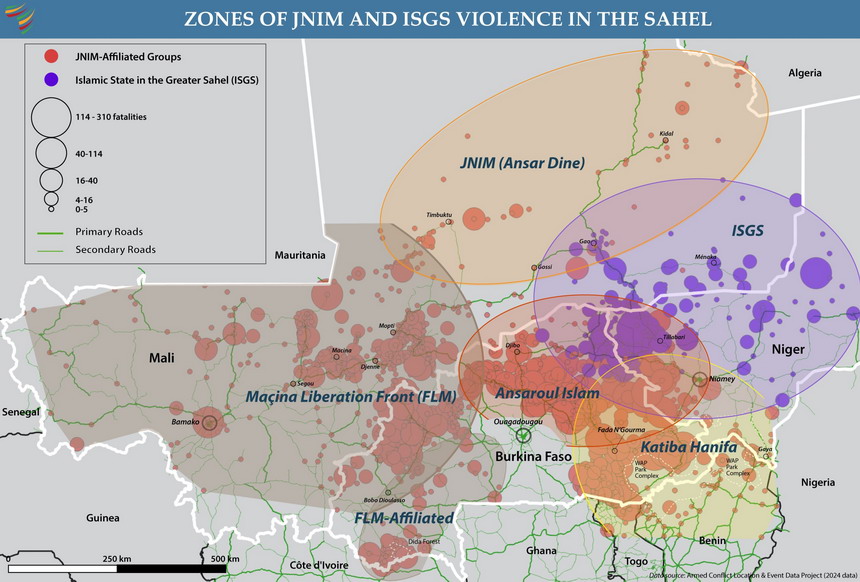
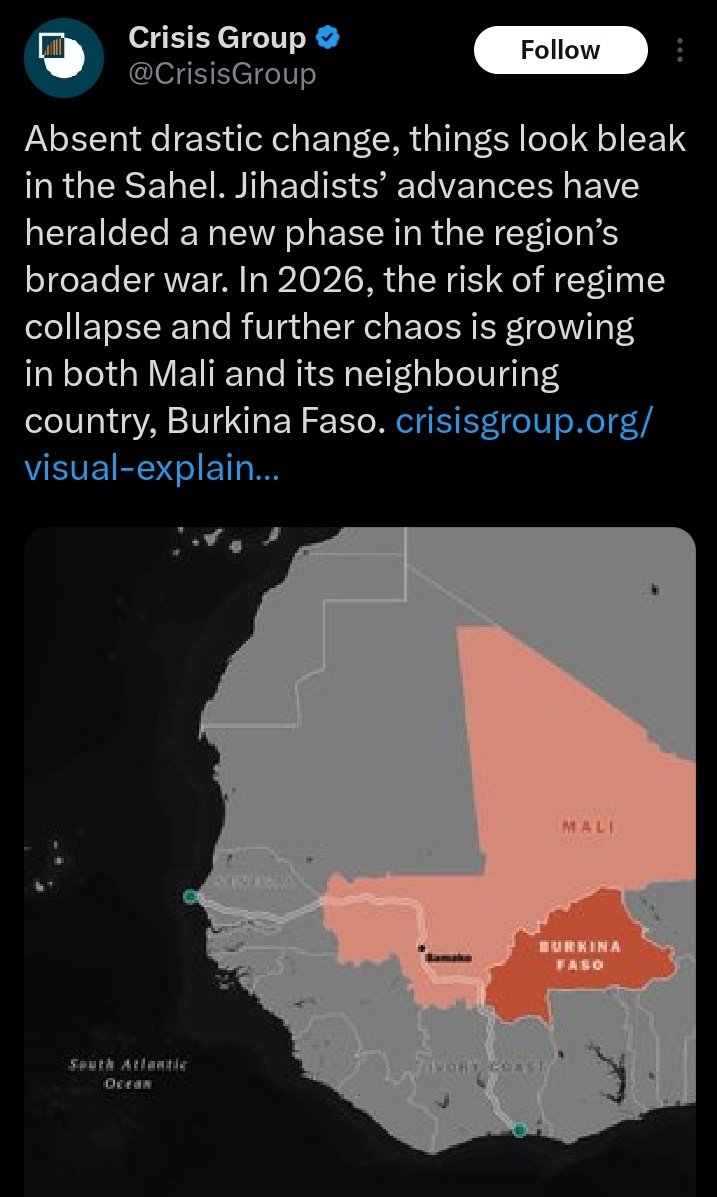
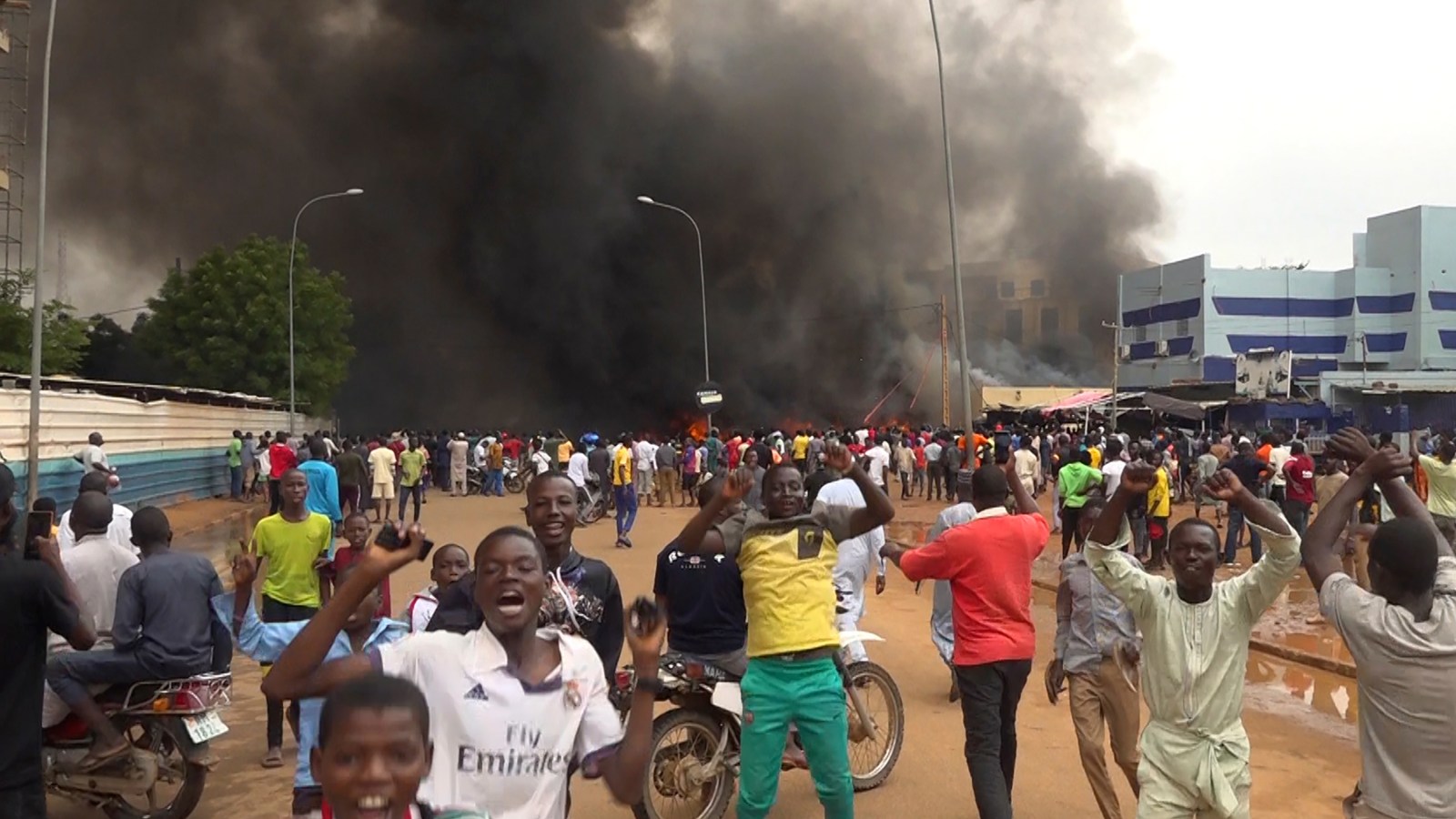
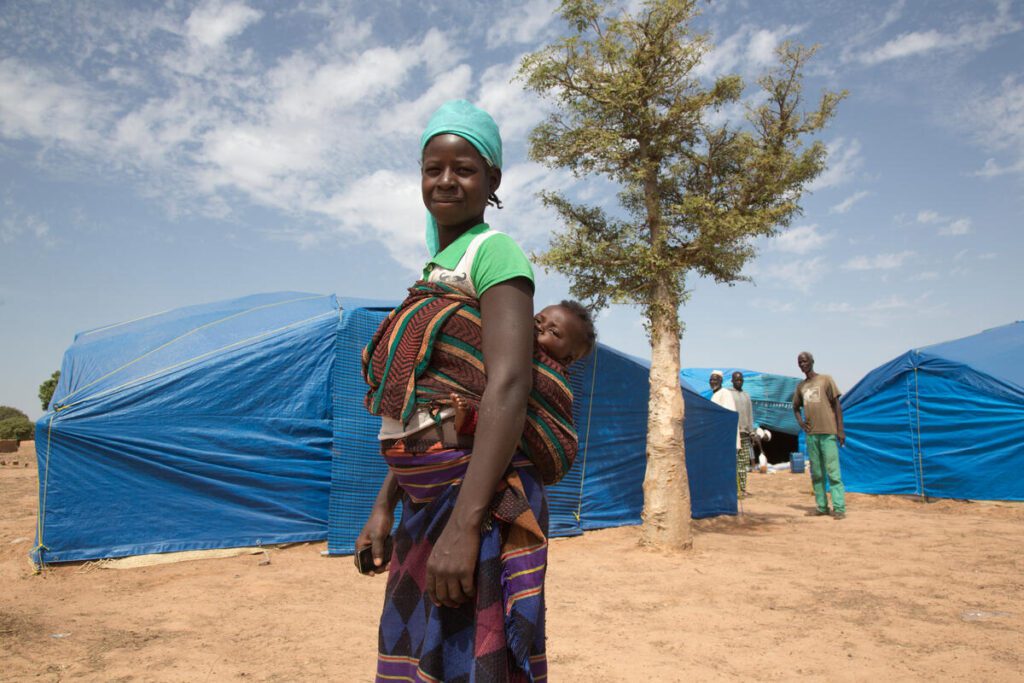
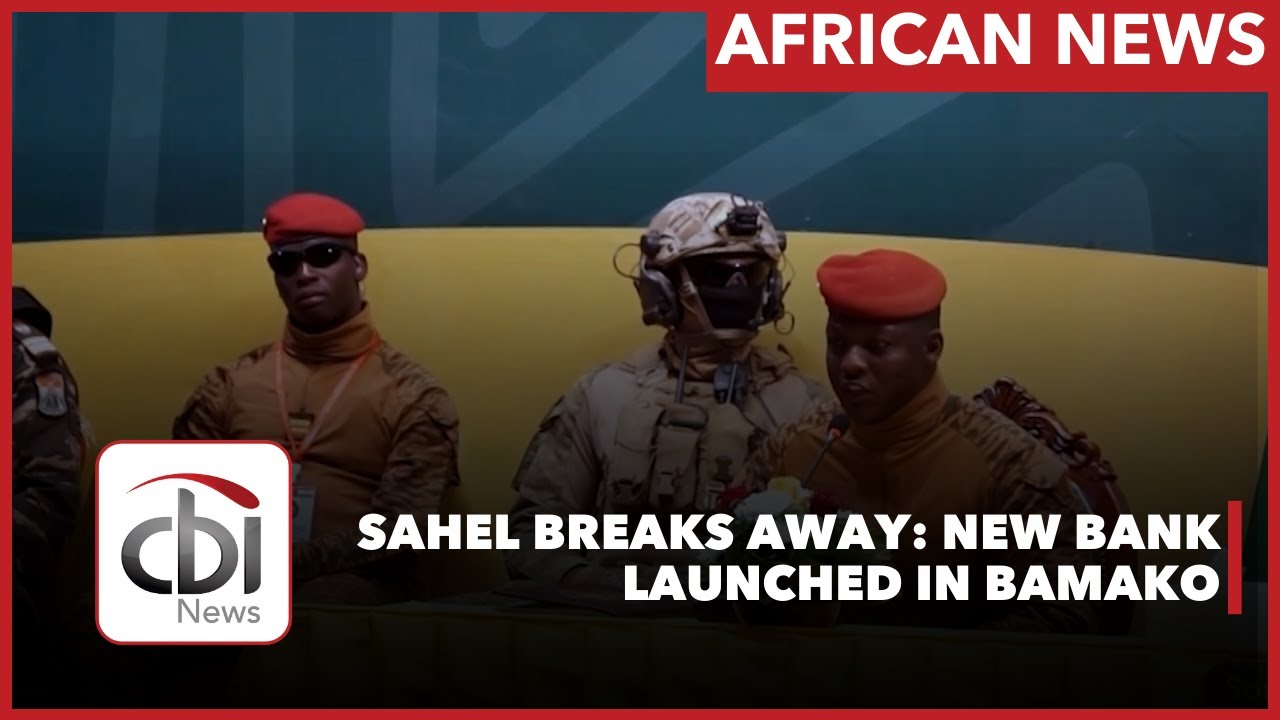
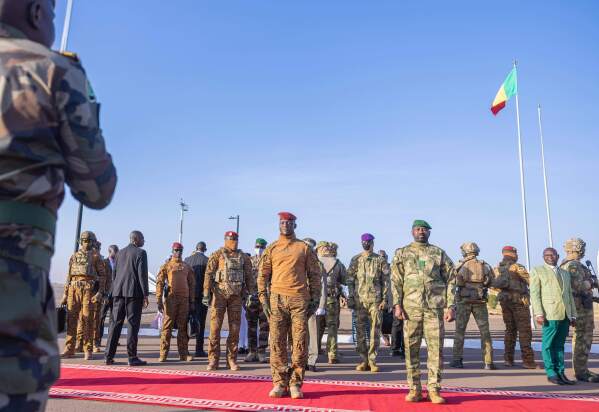
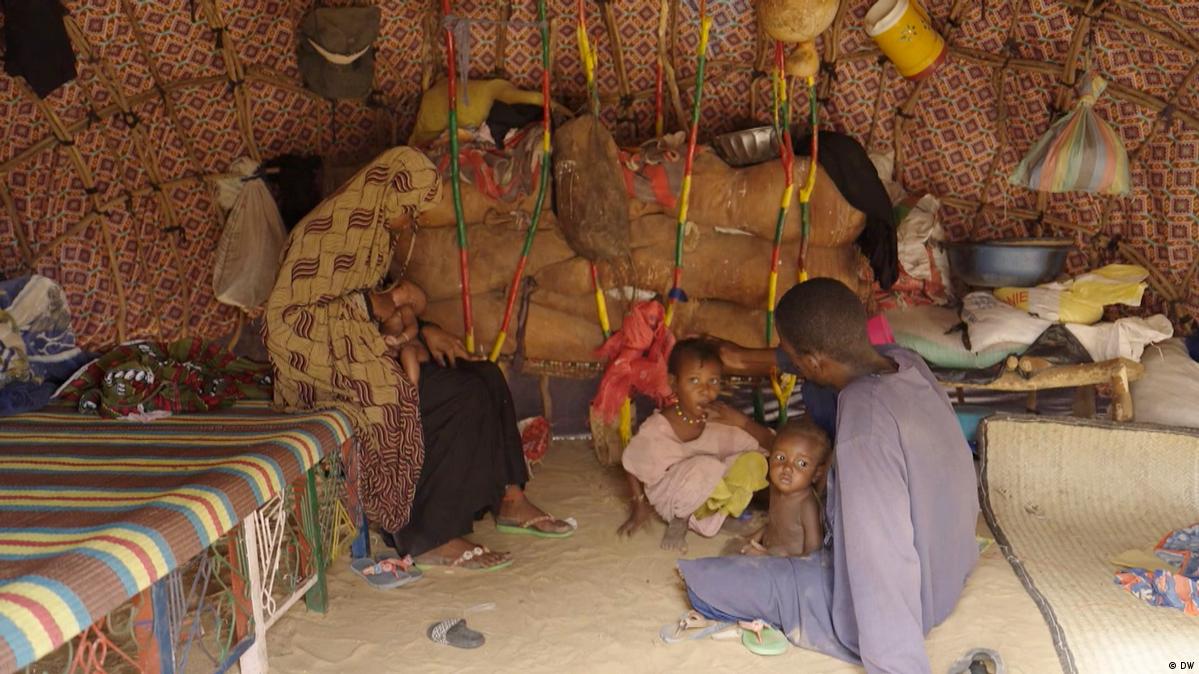
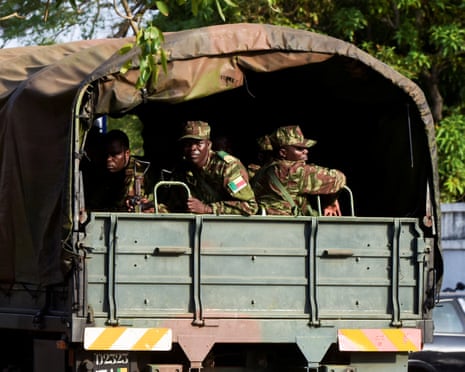
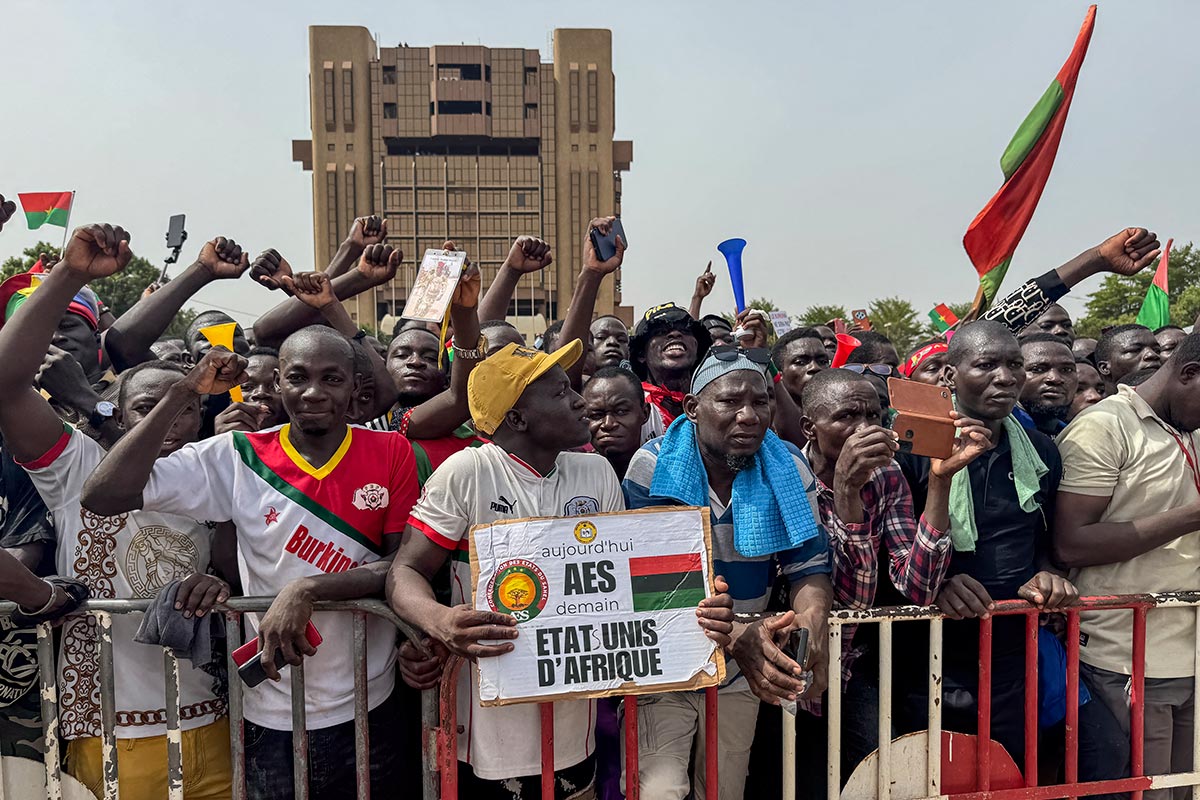
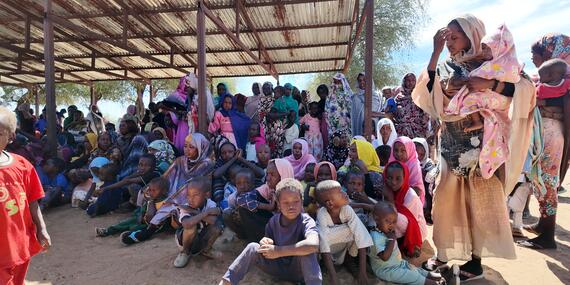
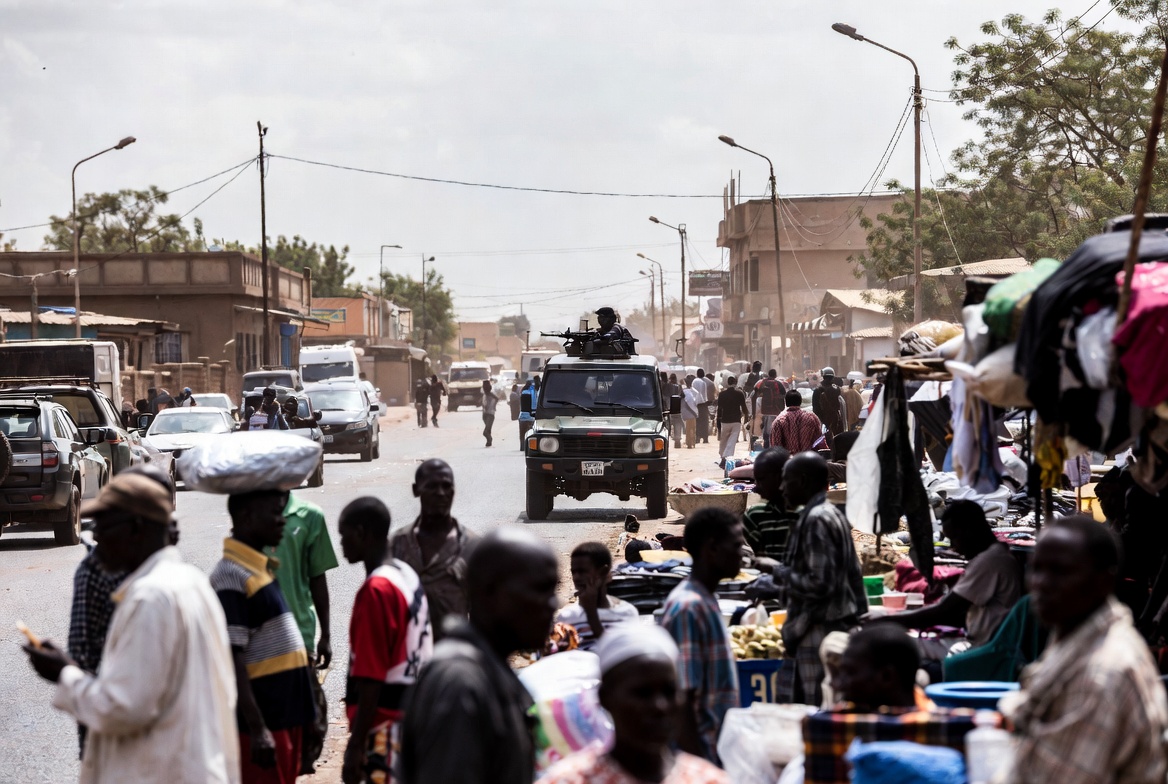
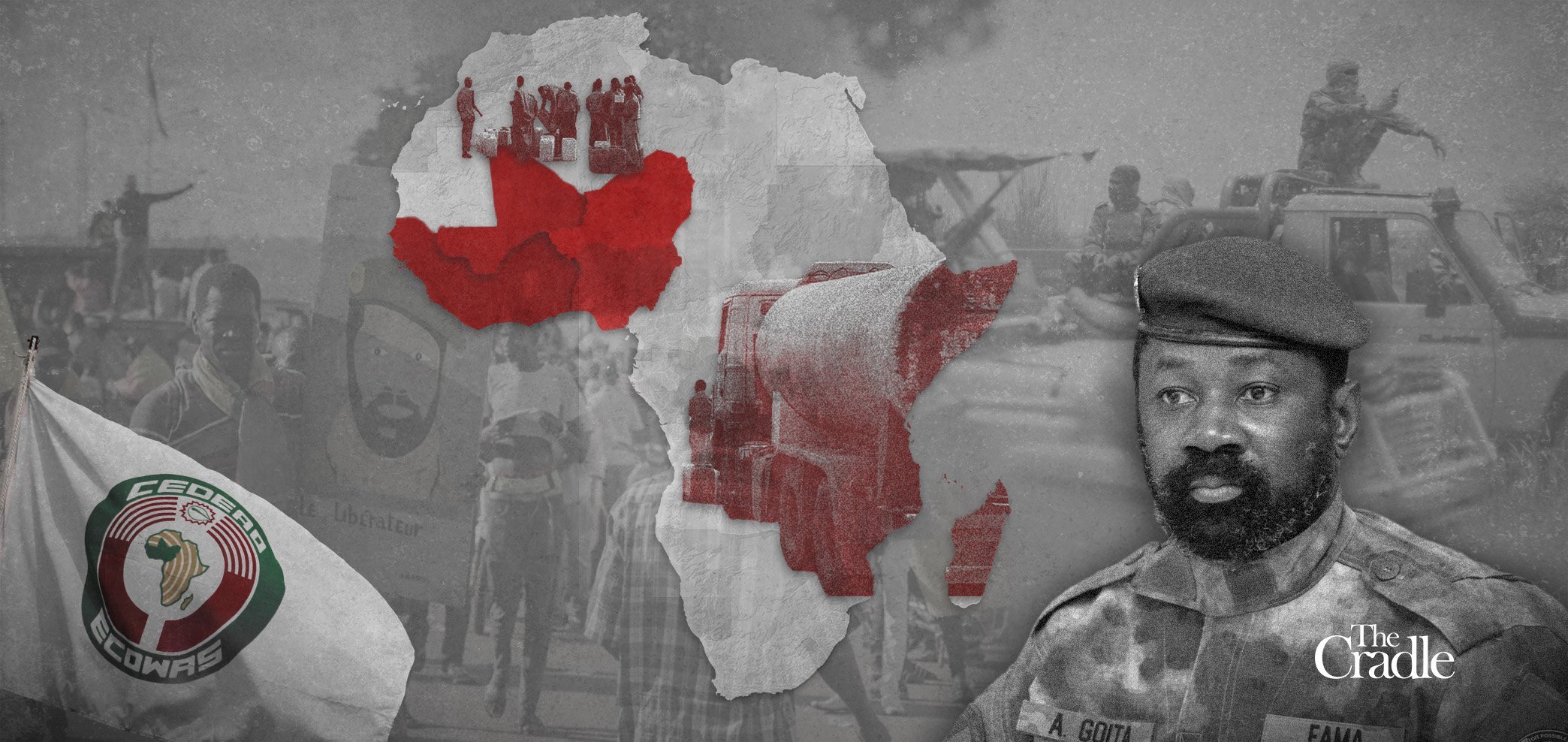
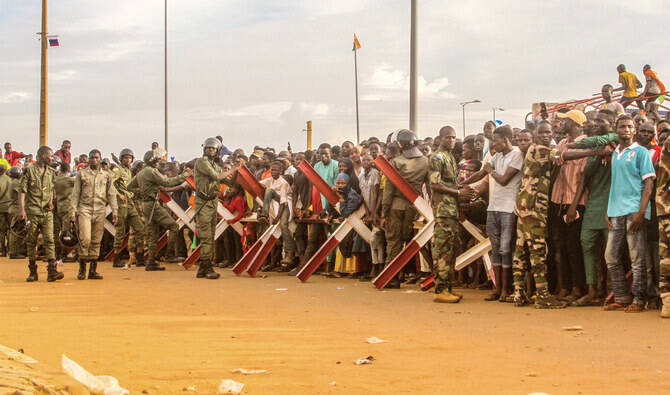
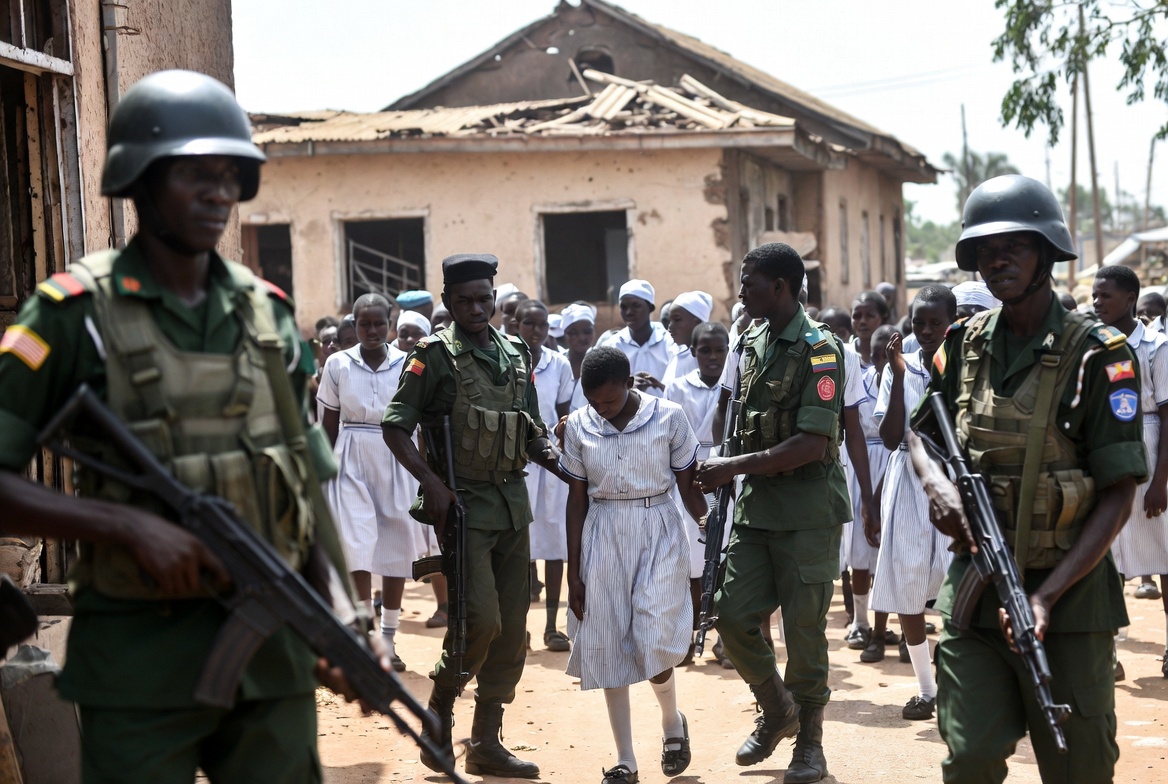
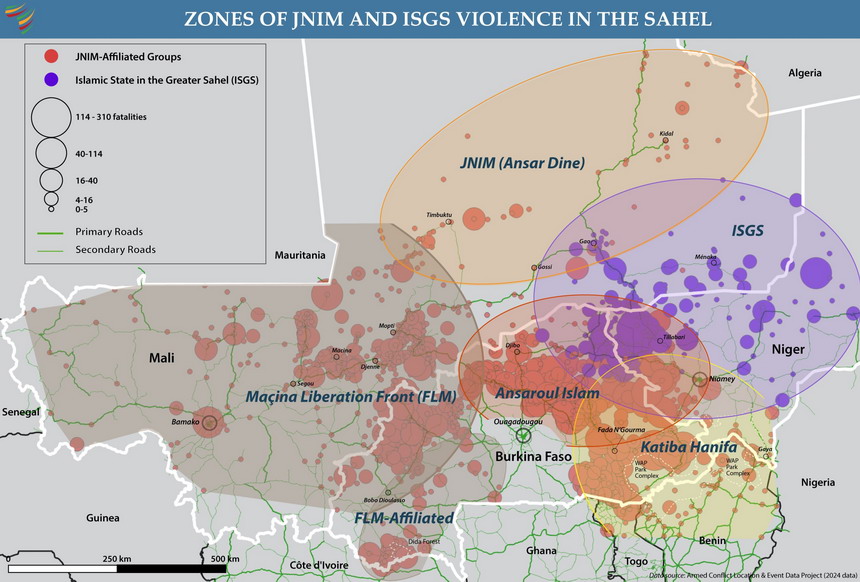
Burkina Faso is decisively reshaping its national security strategy, signaling a profound pivot towards robust regional partnerships and significantly enhanced military readiness. This isn’t merely a tactical adjustment, it’s a critical, comprehensive response to the relentless scourge of insurgency and terrorism that has destabilized this West African nation for far too long. For anyone watching the Sahel region, this strategic shift carries immense weight, promising a potential pathway to greater peace and prosperity. Since 2015, the proliferation of brutal jihadist groups, with undeniable links to both Al-Qaeda and Islamic State, has unleashed widespread violence, forced mass displacement, and entrenched deep instability, particularly across its northern and eastern provinces. It’s become painstakingly clear to leaders in Ouagadougou that domestic military operations alone won’t secure the nation’s future. This strategic recalibration, therefore, represents a determined and integrated effort to forge a more resilient security architecture, not just for Burkina Faso’s citizens, but for the entire Sahel region, which desperately needs stability.
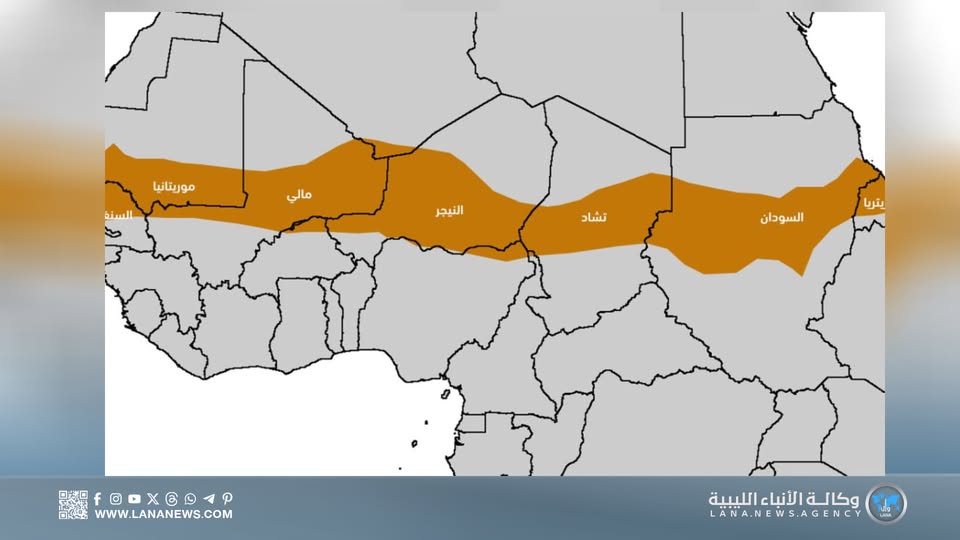
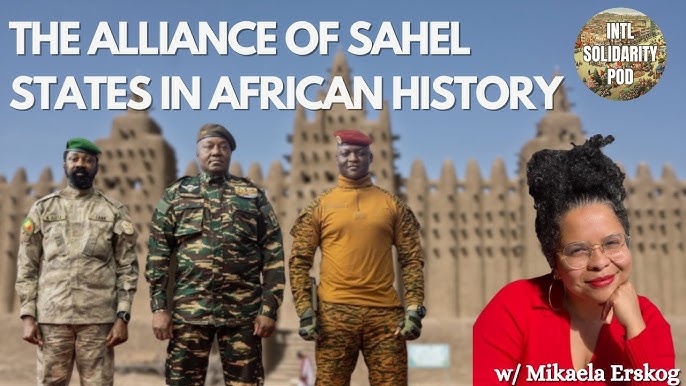
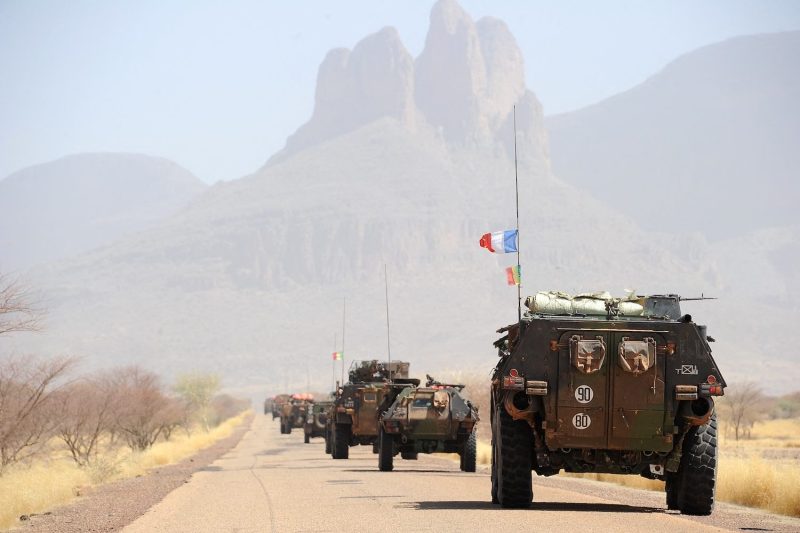
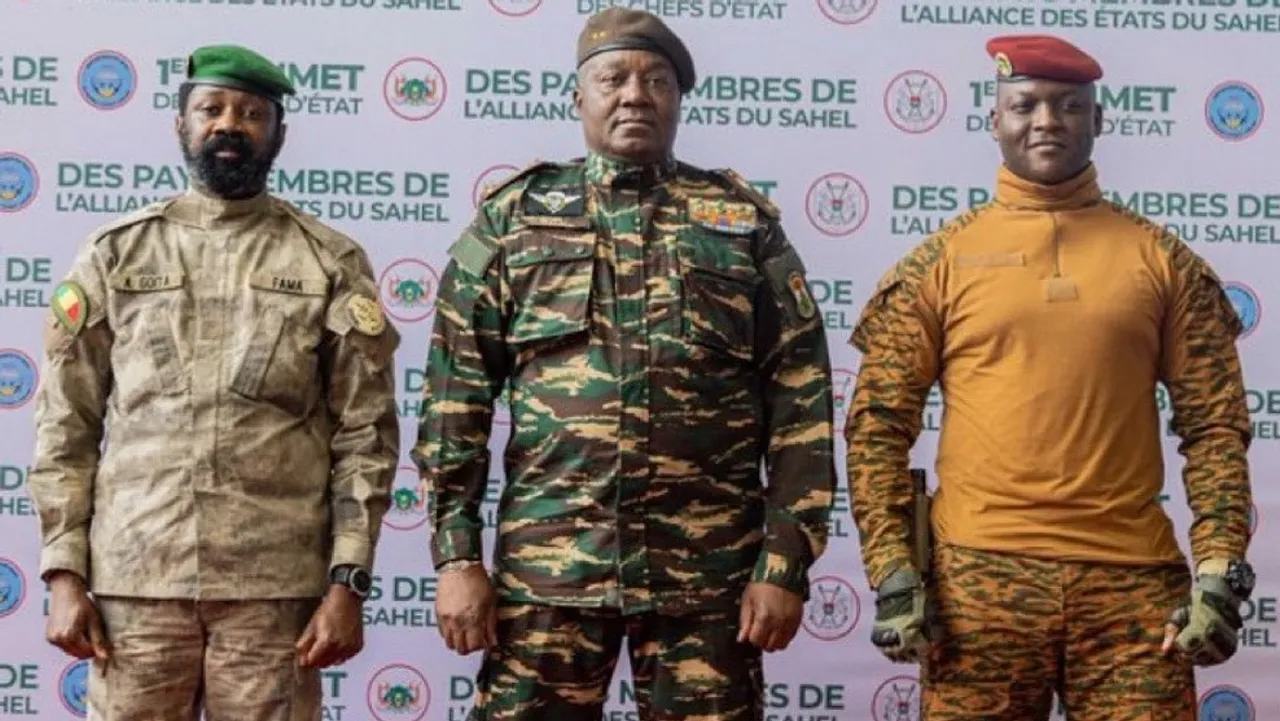
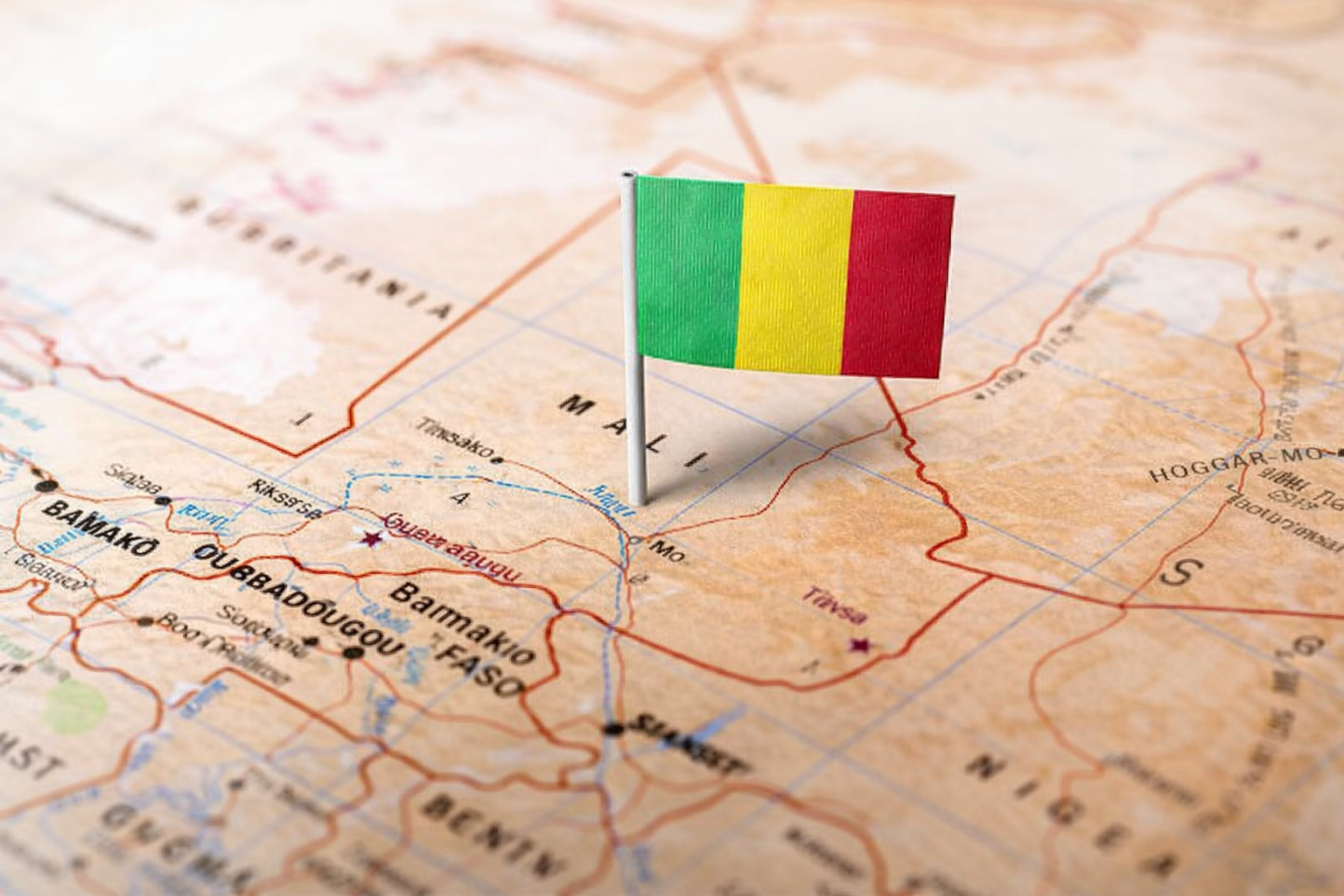
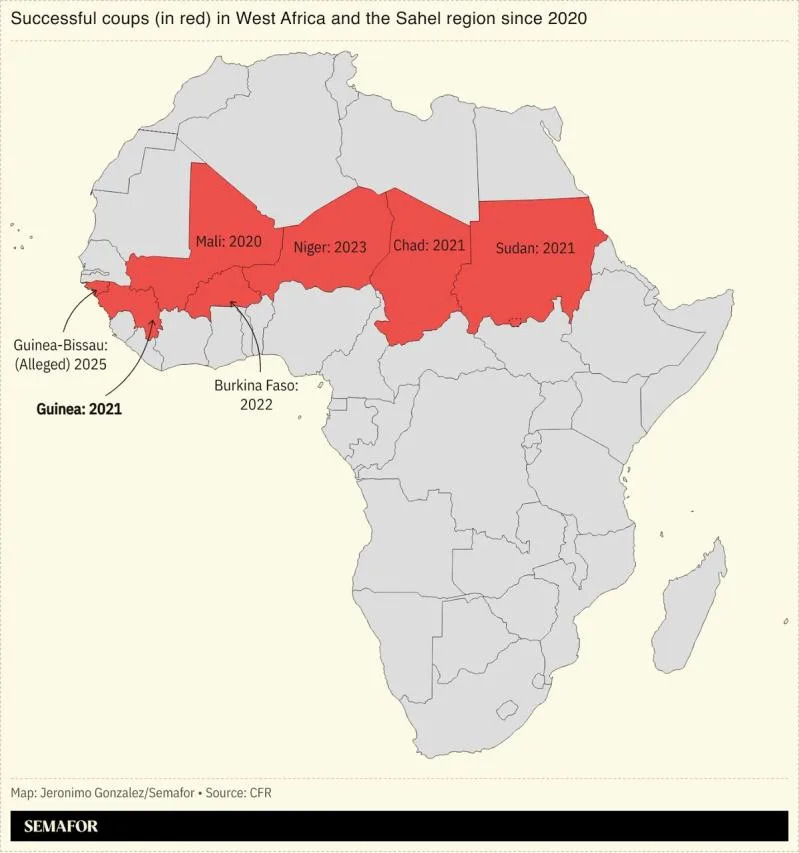
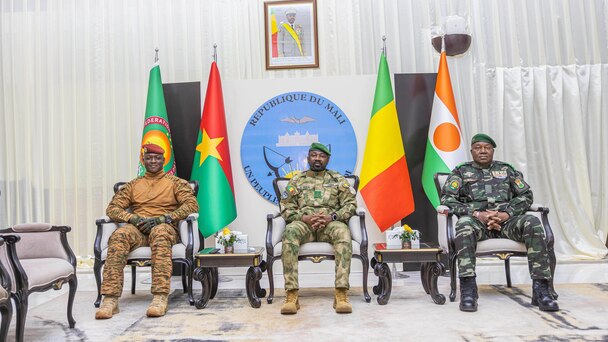
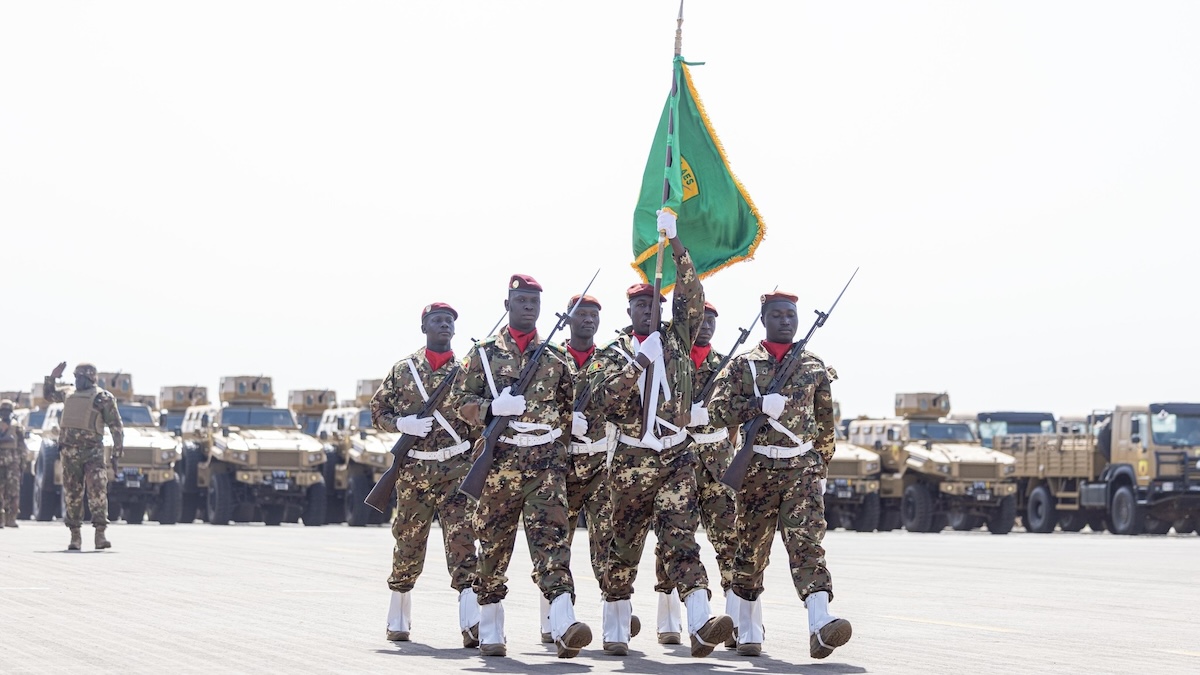
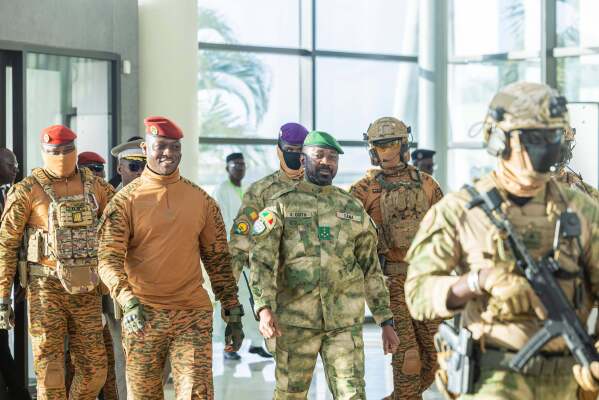
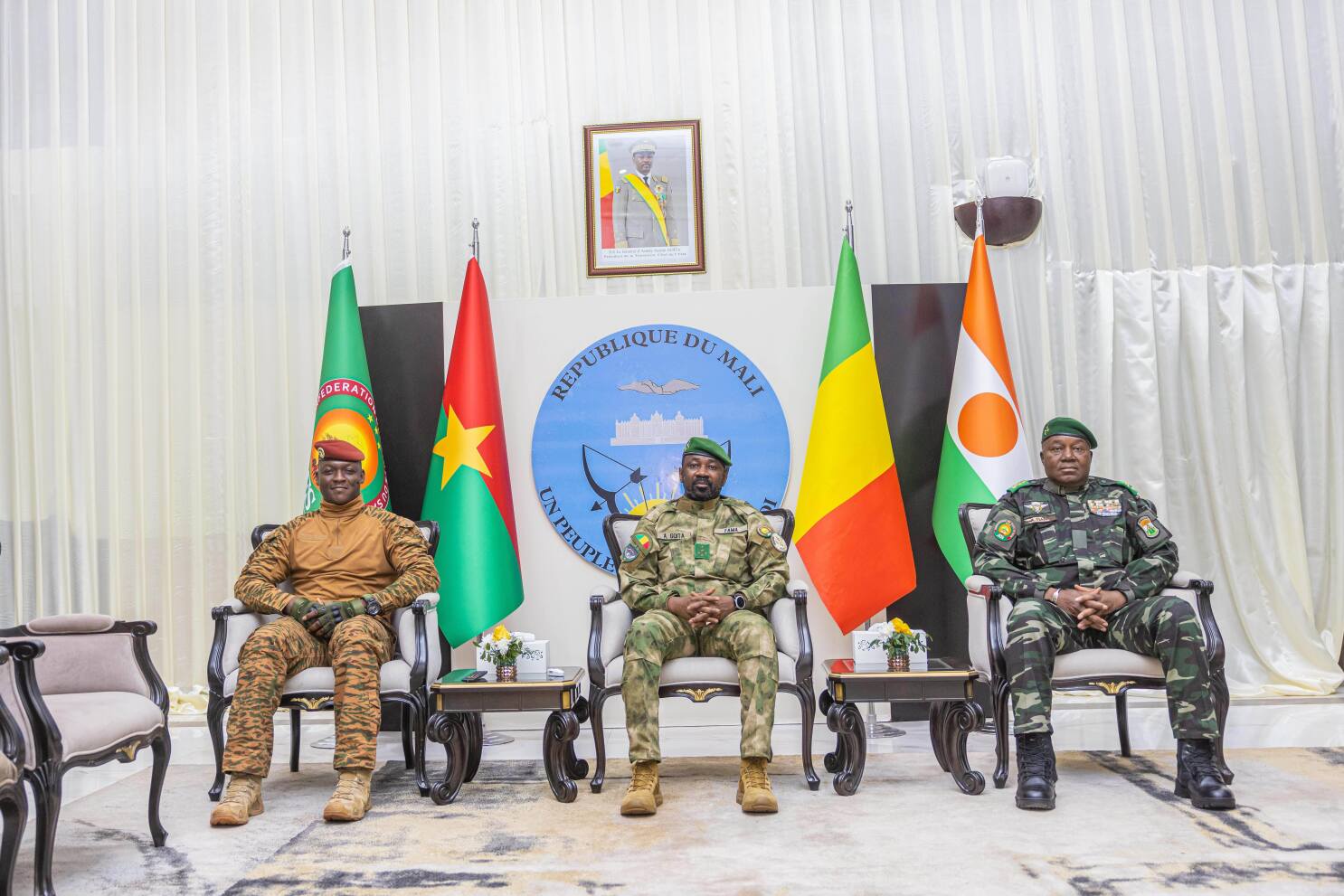
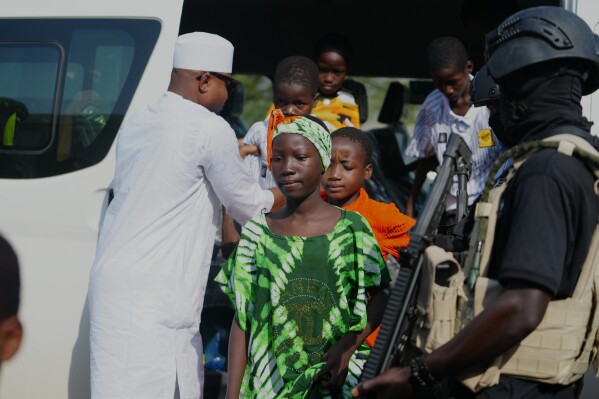
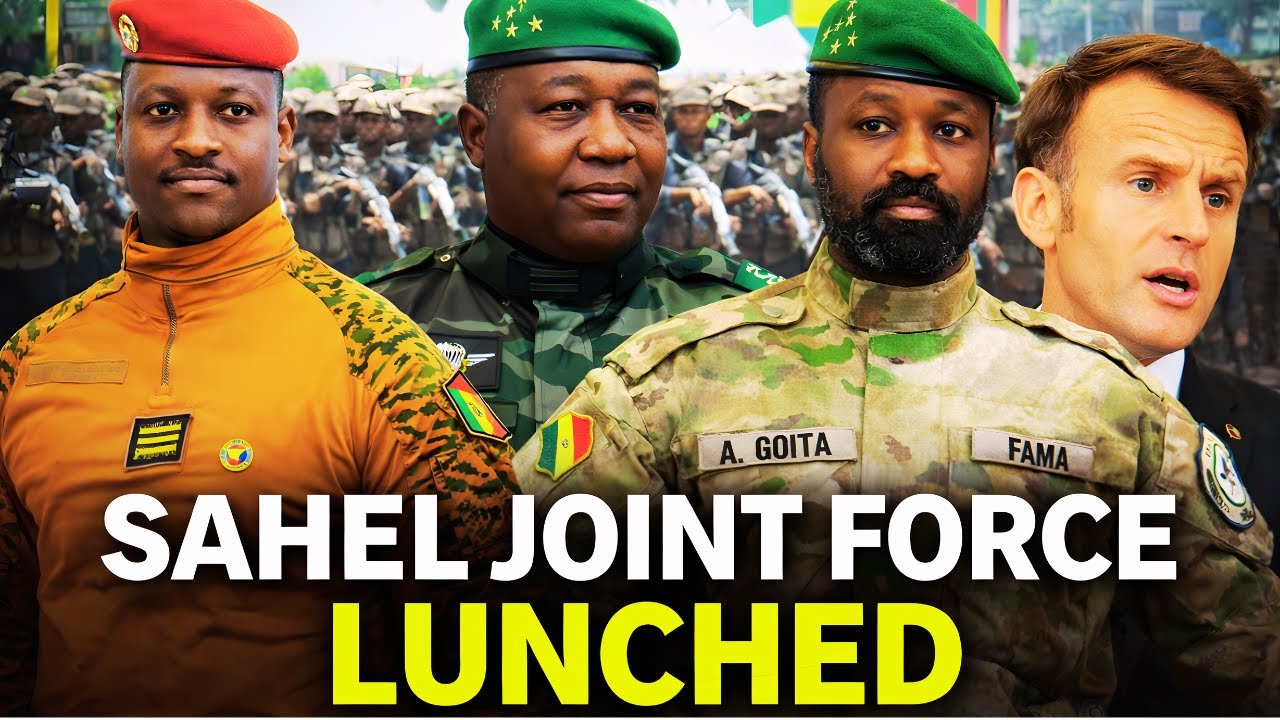
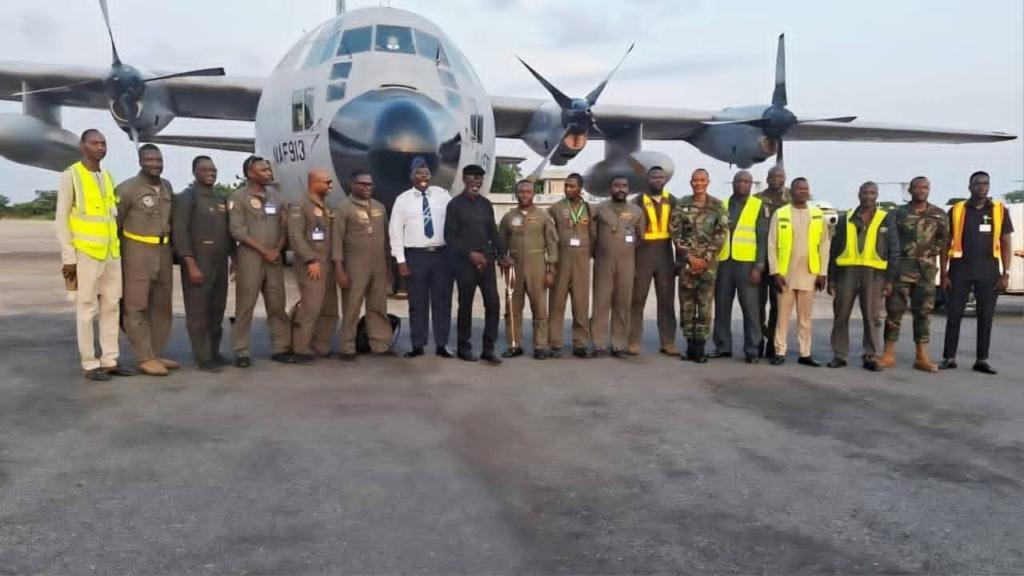
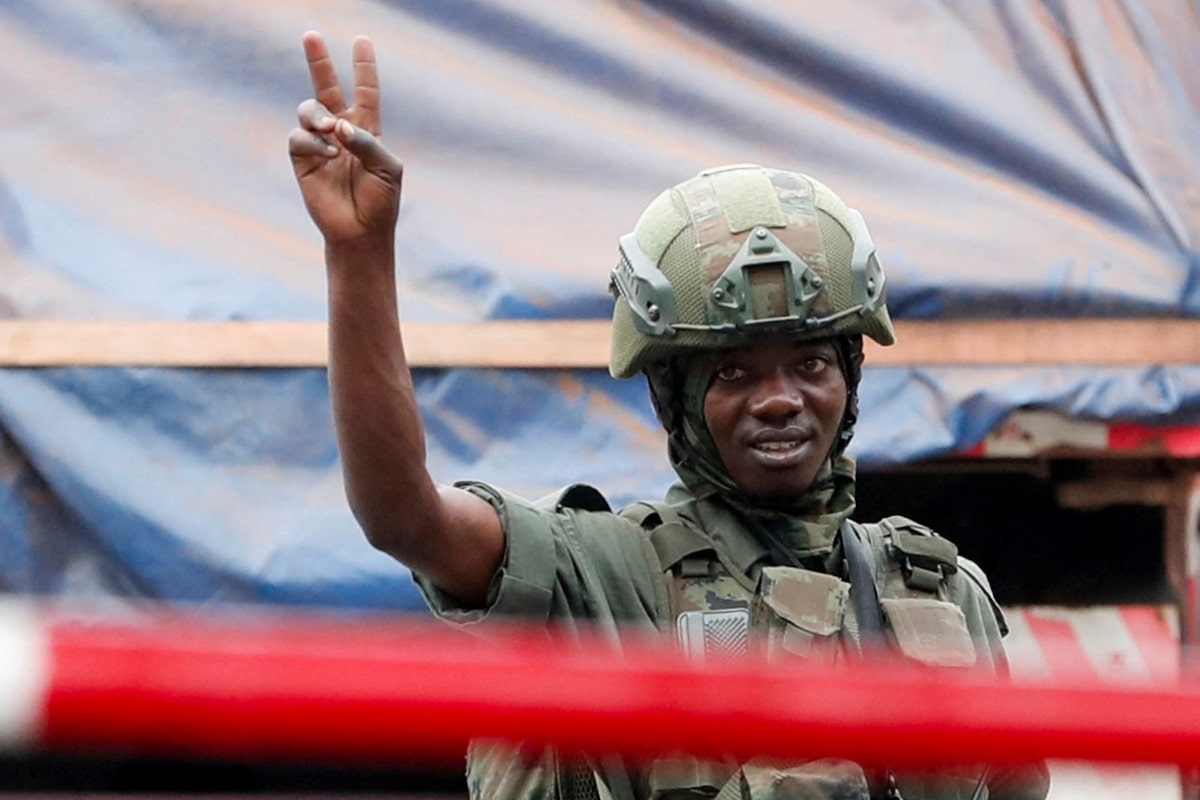
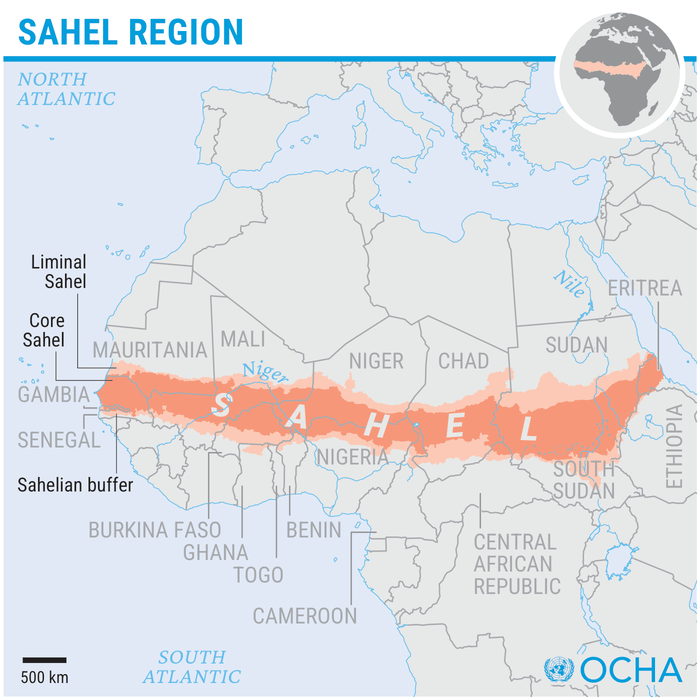
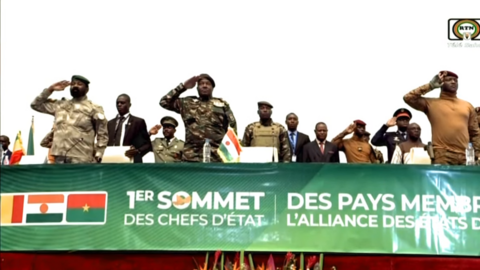
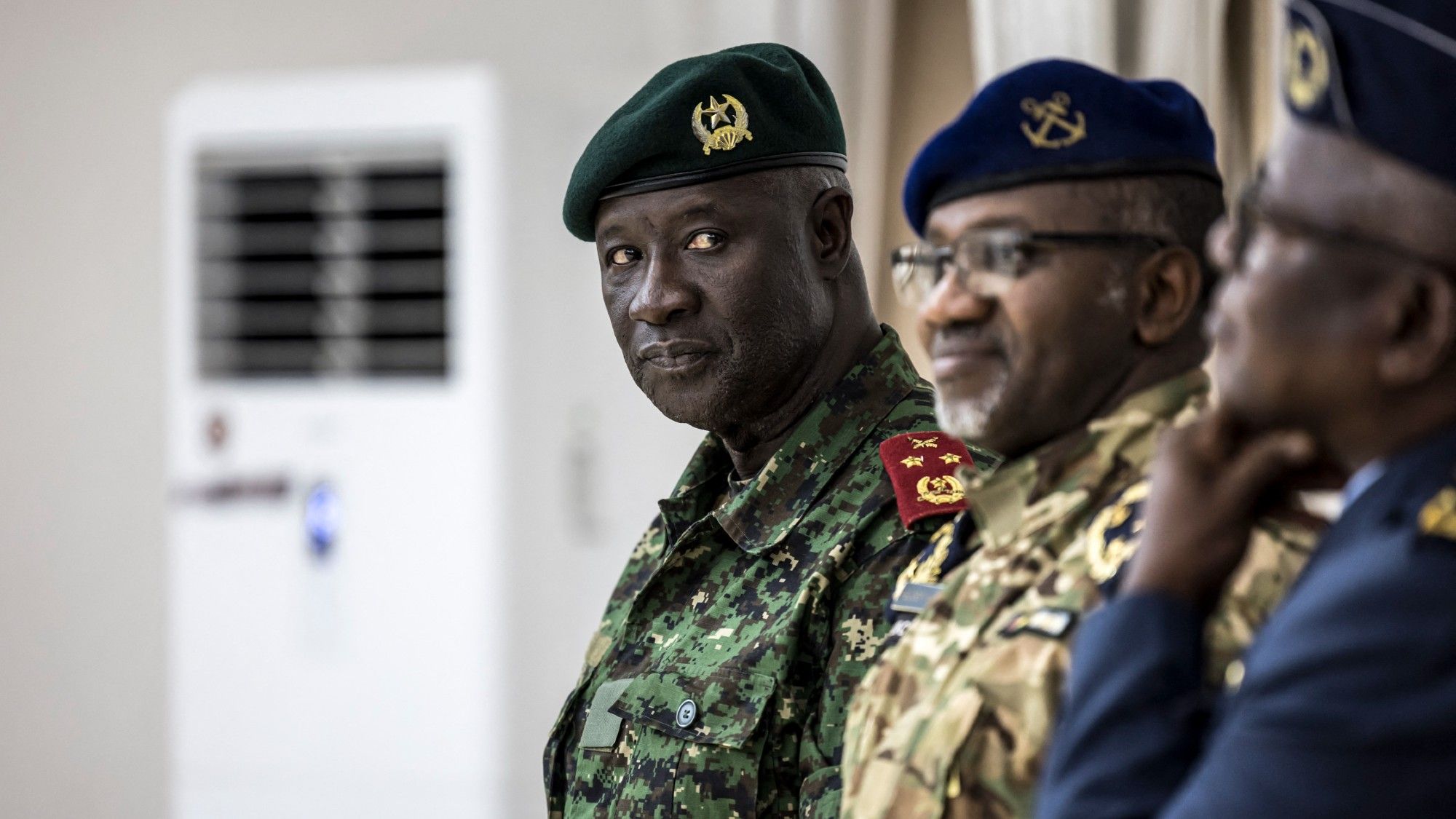
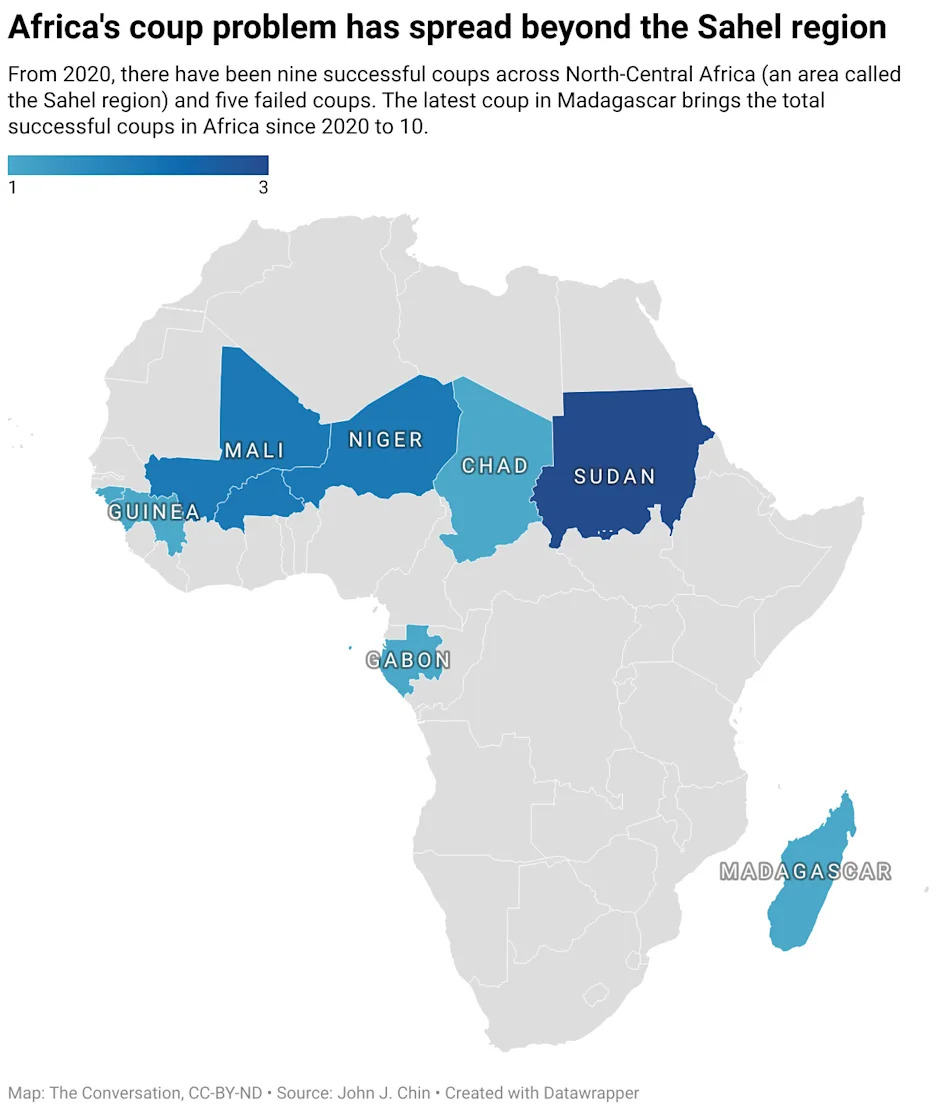
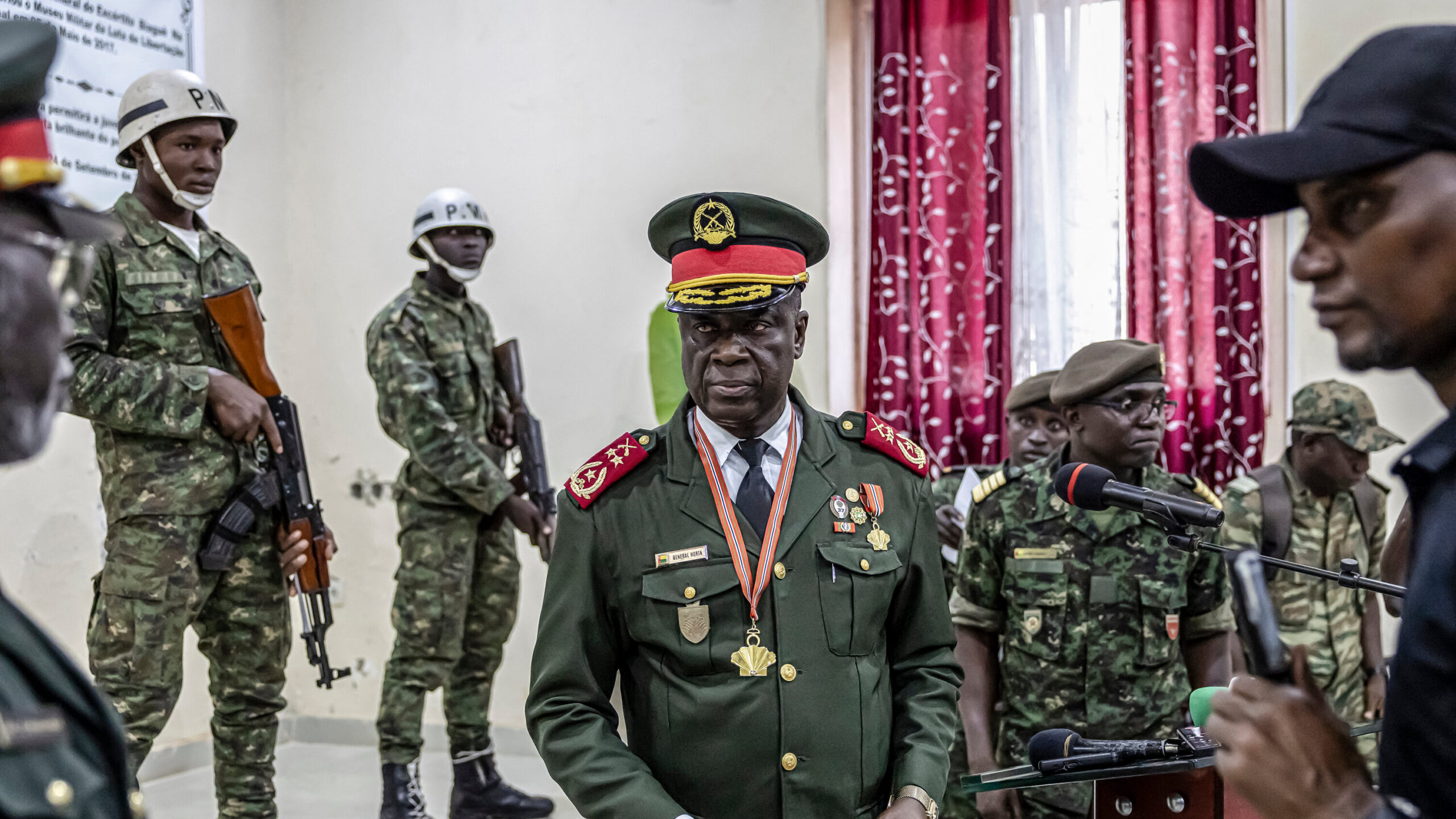
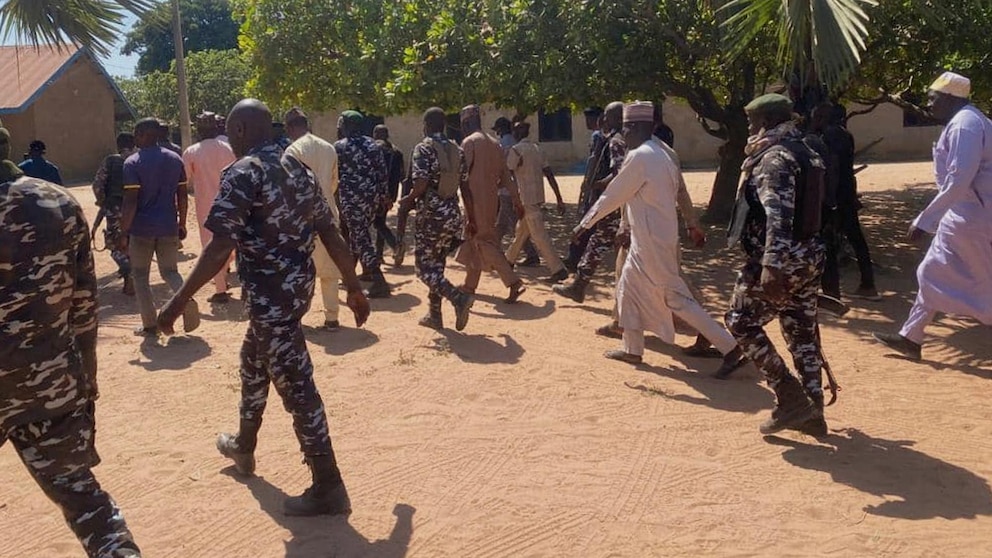
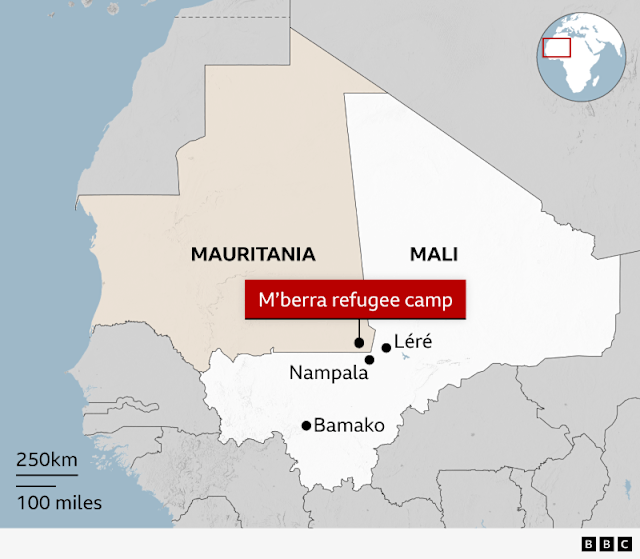
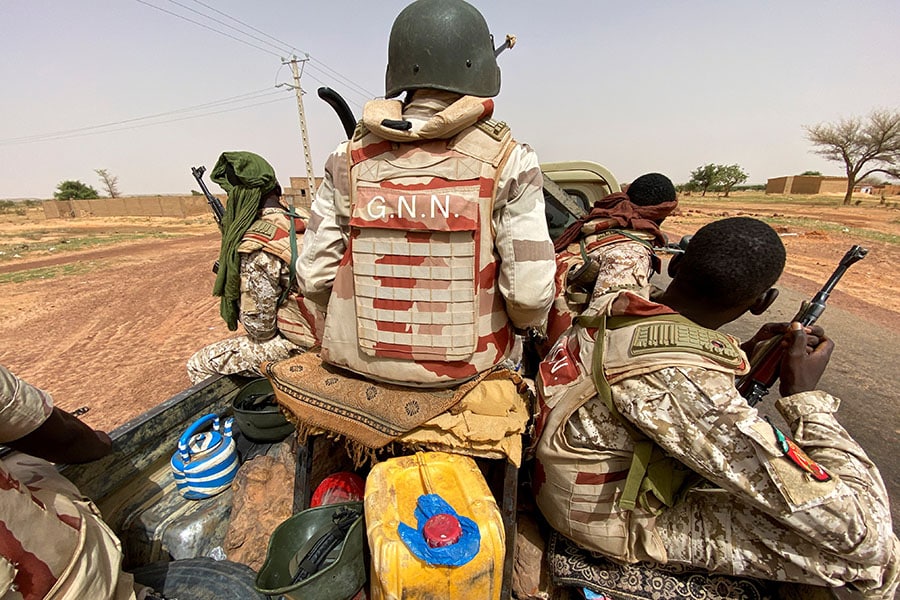
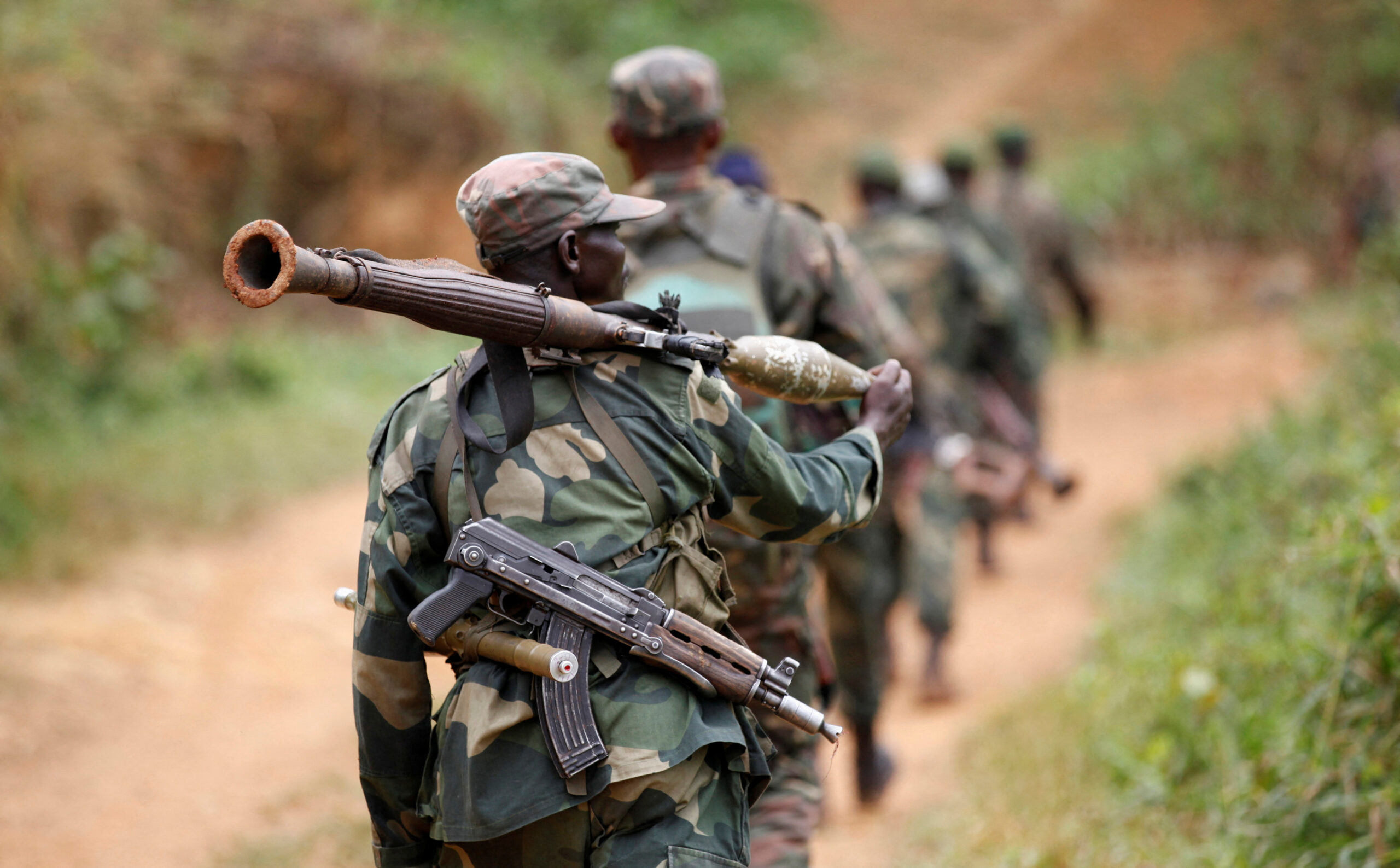
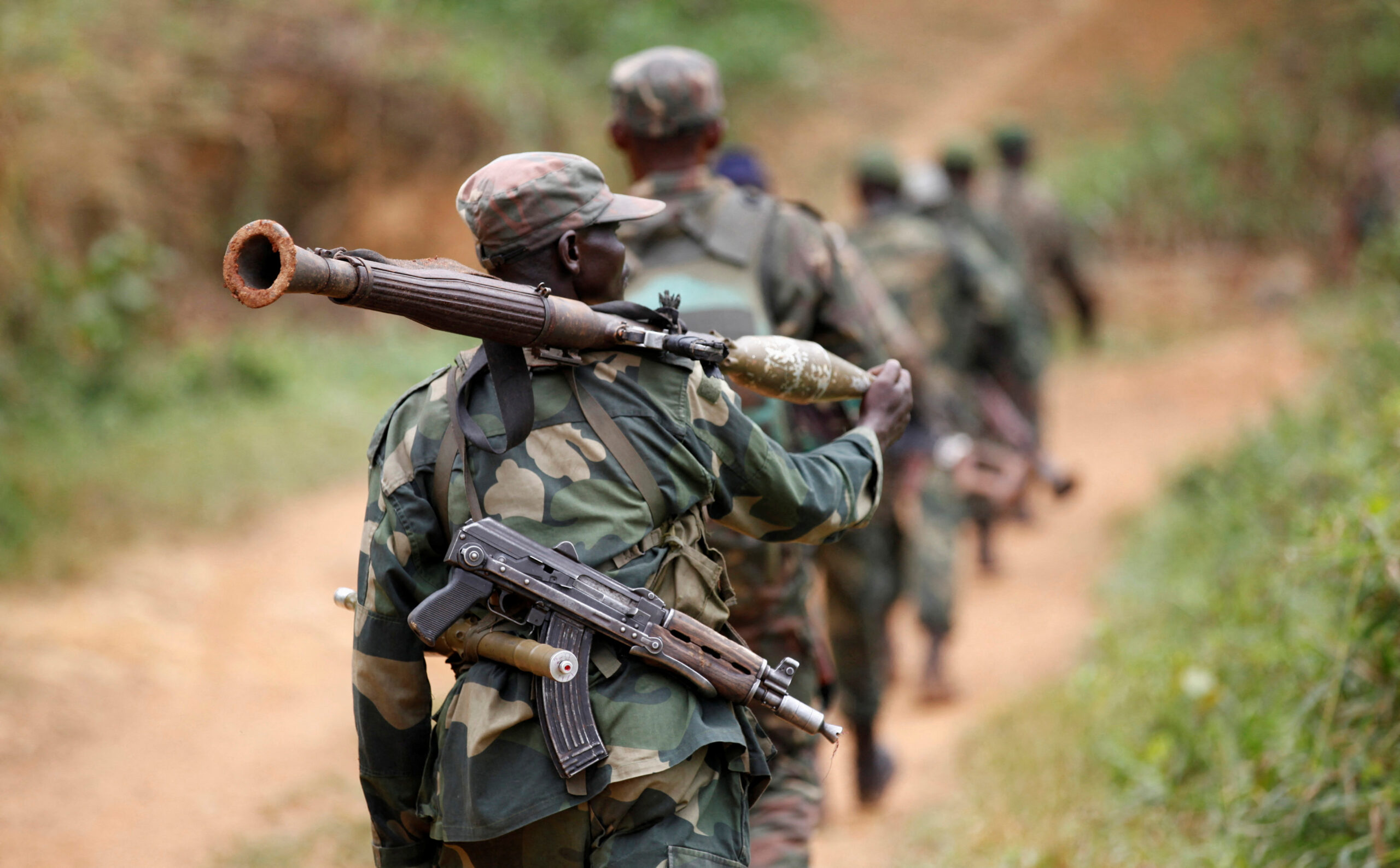
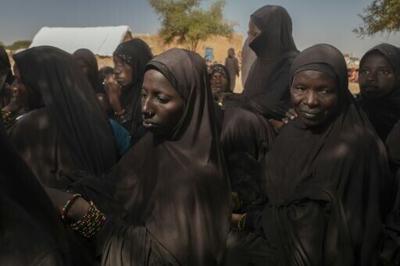
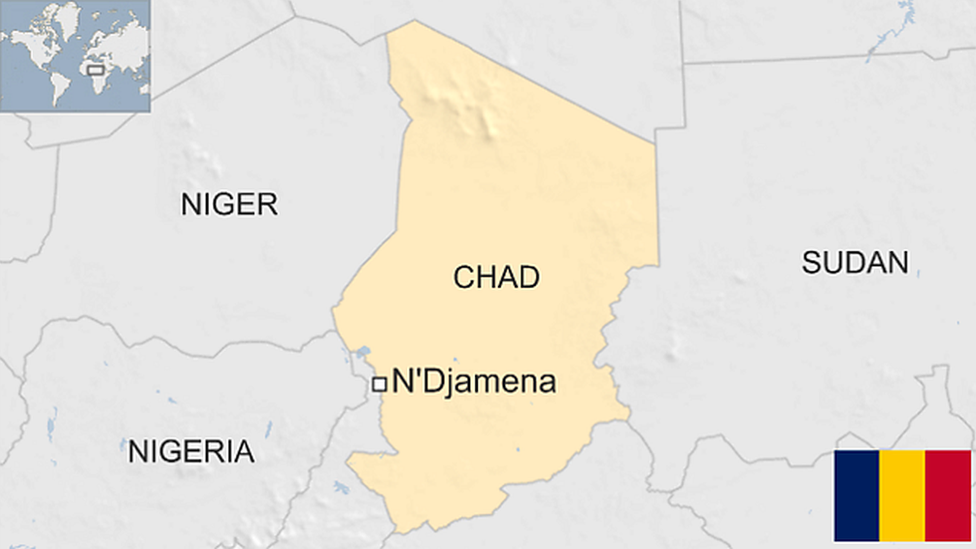
So, how is this ambitious strategy truly unfolding on the ground? A pivotal component involves Burkina Faso’s active and expanding role in regional security frameworks, most notably within the G5 Sahel Joint Force. This vital coalition, which ingeniously brings together Burkina Faso, Mali, Niger, Chad, and Mauritania, operates on a fundamental, undeniable truth: terror knows no borders, and these threats demand a united front. The Sahel’s vast, semi-arid, and notoriously porous expanse offers militant groups ample maneuvering room, making shared military resources, synchronized intelligence, and collective action absolutely indispensable for regional security, a reality vividly detailed by the African Defense Review. Simultaneously, while looking outward, Burkina Faso is relentlessly strengthening its own defense forces. The military is undergoing an intensive modernization drive, with a sharp focus on cultivating rapid deployment capabilities and executing intelligence-led operations. This heightened readiness is a critical countermeasure against the insurgents’ asymmetric, often brutal, hit-and-run tactics, a strategic imperative underscored by Sahel Security Watch. Moreover, the government isn’t solely relying on traditional military might. It’s smartly leaning into community engagement initiatives. Building essential trust and fostering effective intelligence sharing with local populations across troubled regions is proving increasingly vital for truly isolating these militant groups from their deeply embedded support bases, a nuanced, dual approach powerfully recognized by the West Africa Peace Bulletin. This dual strategy acknowledges the complex dynamics of the conflict, driven by both ideological extremism and underlying local grievances.
Despite these promising strides, significant challenges stubbornly persist. The sheer multiplicity of armed groups, coupled with the immense geographical scope of operations across the sprawling Sahel, and crucially, limited resources, continue to test the very resilience of Burkina Faso’s forces. Regional coordination efforts, while essential, sometimes encounter frustrating logistical and political hurdles, inevitably complicating joint cross-border operations. Yet, even with these formidable obstacles, the clear trajectory of Burkina Faso’s evolving security strategy powerfully demonstrates a national determination to overcome them through innovation and intensified collaboration. So, what does this pivotal moment mean for the future of the nation and the region? Burkina Faso stands at a crucial juncture, navigating a complex path towards lasting peace. Its evolving security approach, firmly anchored in stronger regional alliances and significantly enhanced military effectiveness, offers a hopeful blueprint for progress. The nation’s leadership, as keenly highlighted by the Africa Governance Report, also critically acknowledges that sustainable peace demands more than just defeating armed groups. It insists on addressing the deep-seated root causes of instability, such as pervasive poverty, inadequate infrastructure, and chronic marginalization. By thoughtfully integrating military action with astute political reforms and grassroots, community-based strategies, Burkina Faso is forging a truly comprehensive, multifaceted response to an entrenched threat. This ambitious approach doesn’t just promise to improve immediate security; it’s laying essential groundwork for long-term stability and robust development across the country. Critically, the international community’s ongoing support and dedicated engagement will prove absolutely vital in reinforcing these crucial, homegrown efforts. While tough challenges undeniably remain, there’s a discernible, cautious optimism that Burkina Faso’s renewed focus on strategic partnership and proactive preparedness could indeed mark a genuine turning point in the Sahel’s persistently challenging security crisis.