Nigeria’s Dual Reality: Religious Strife, Humanitarian Crisis, and a Continent’s Scientific Ambitions
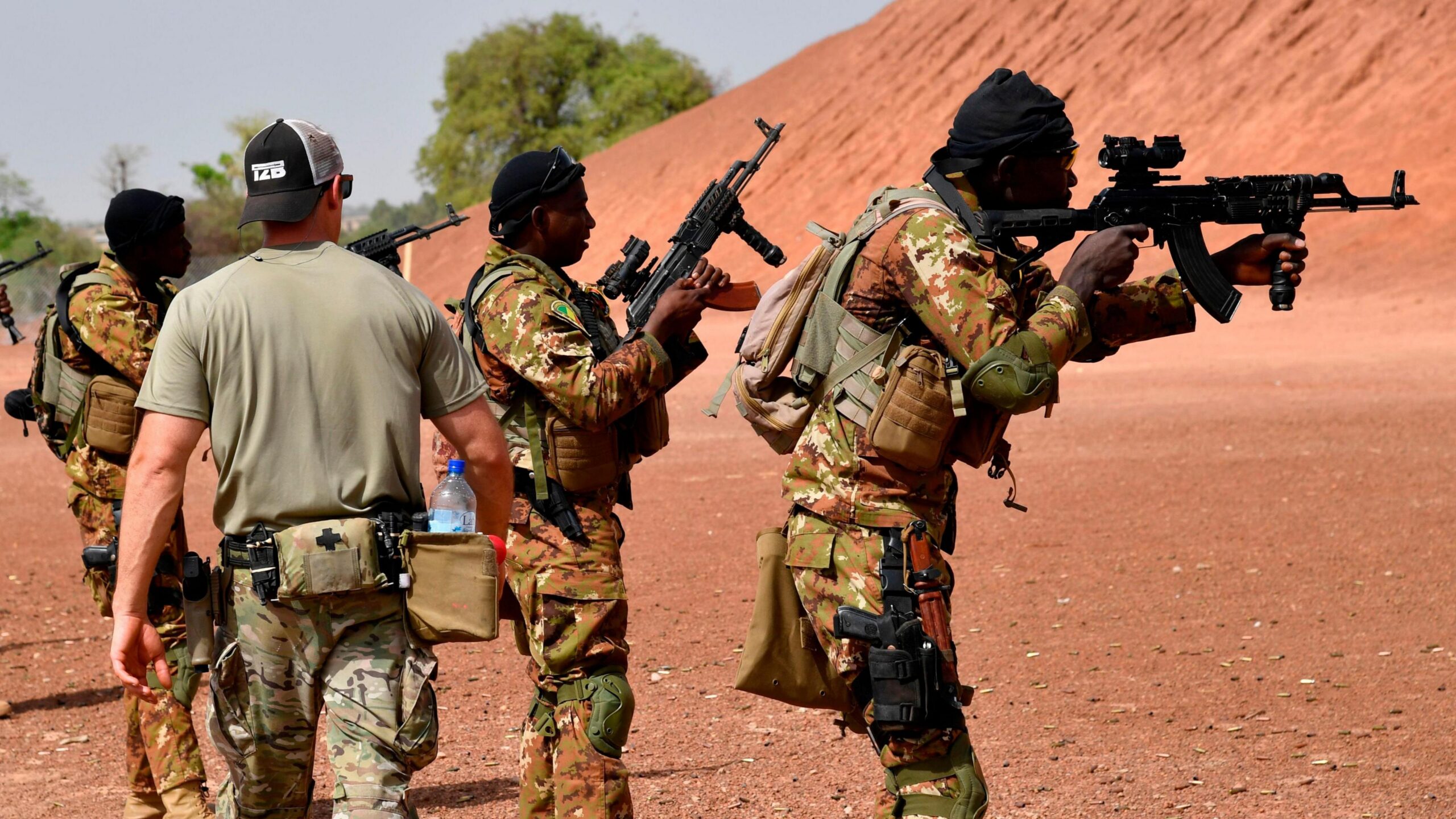
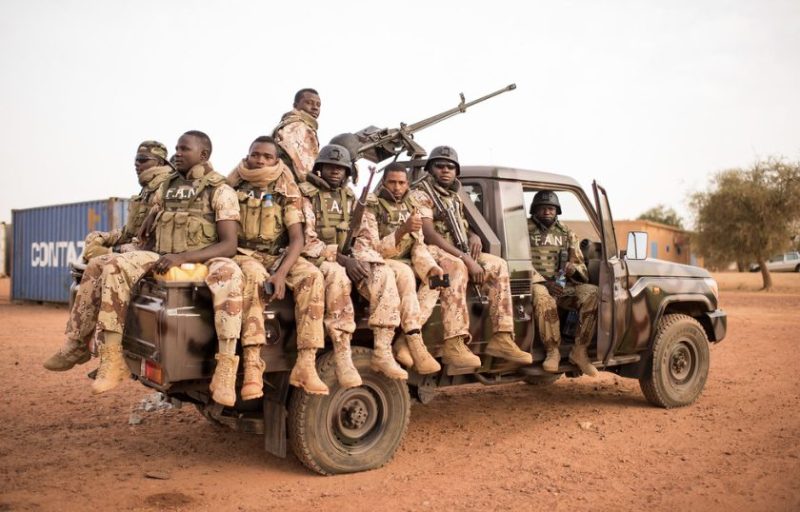
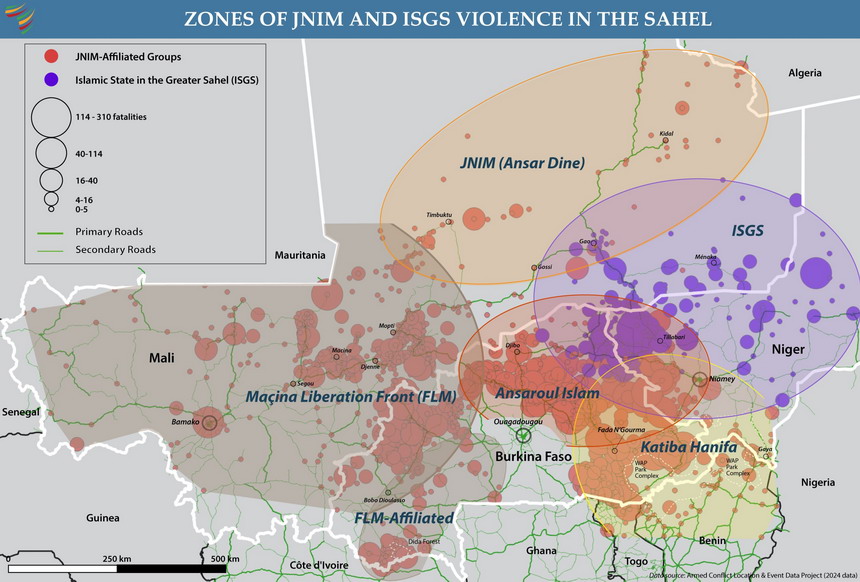
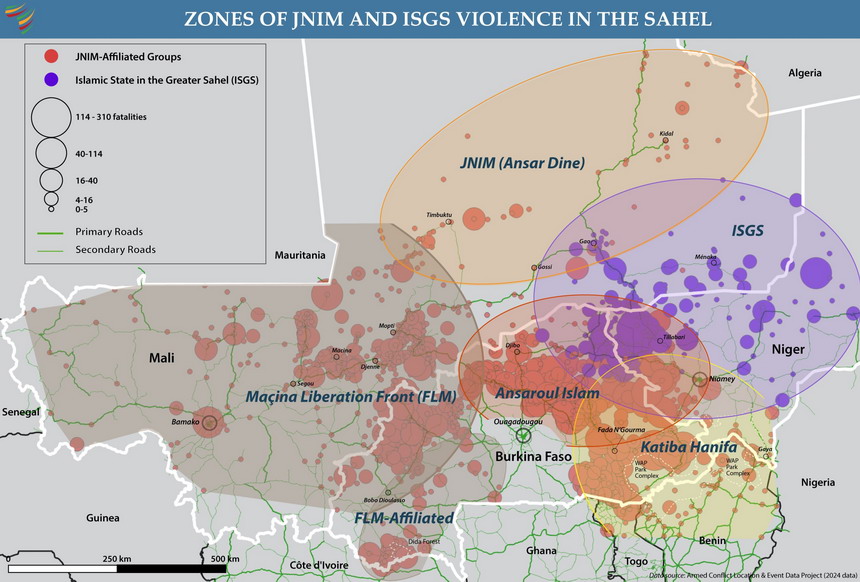
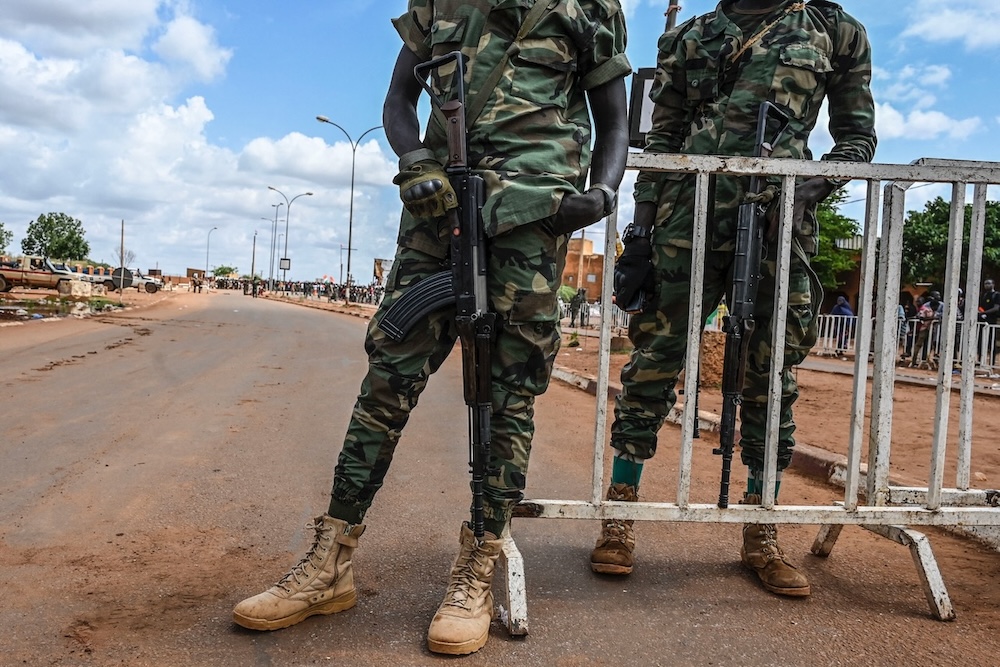
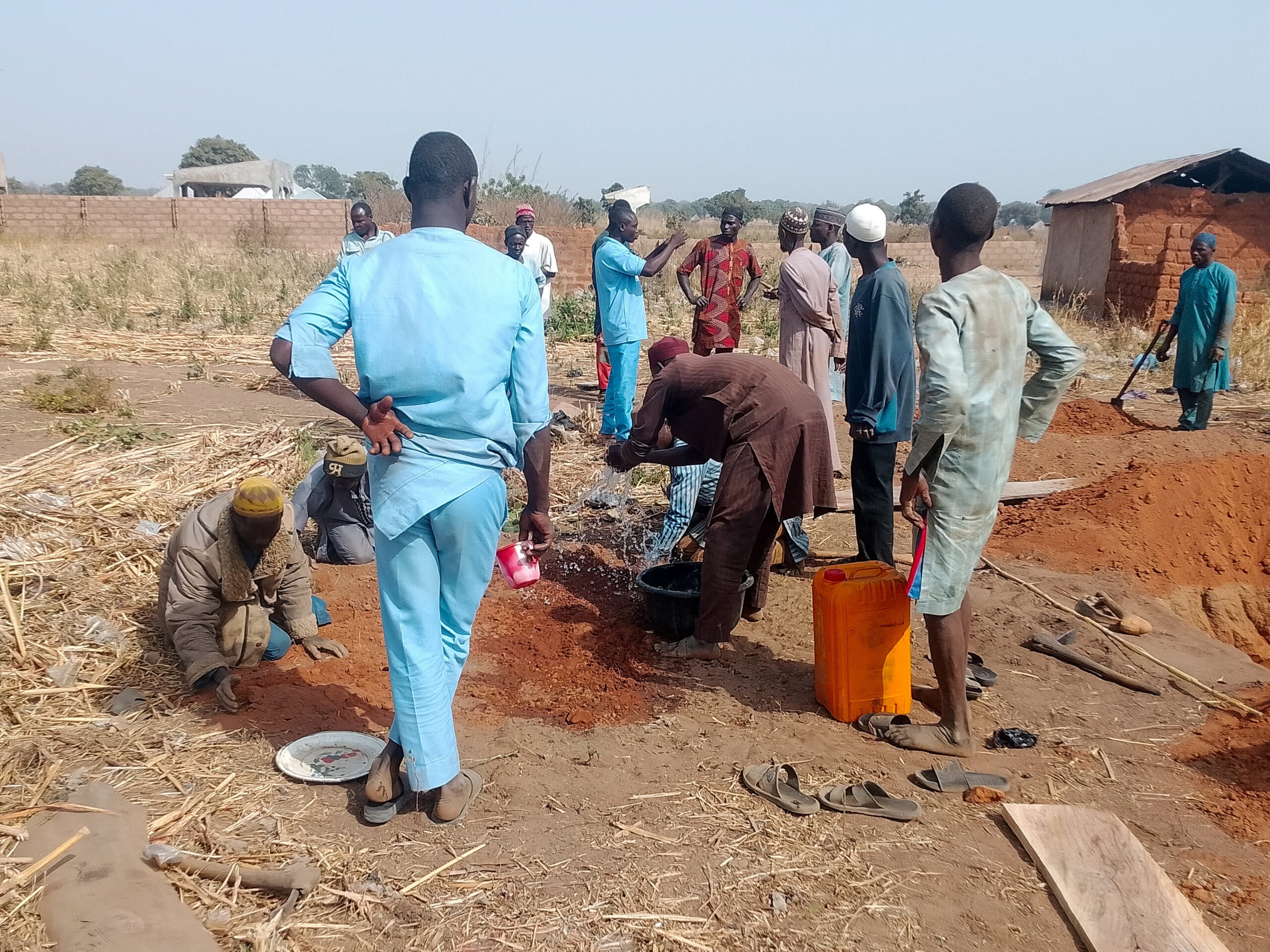
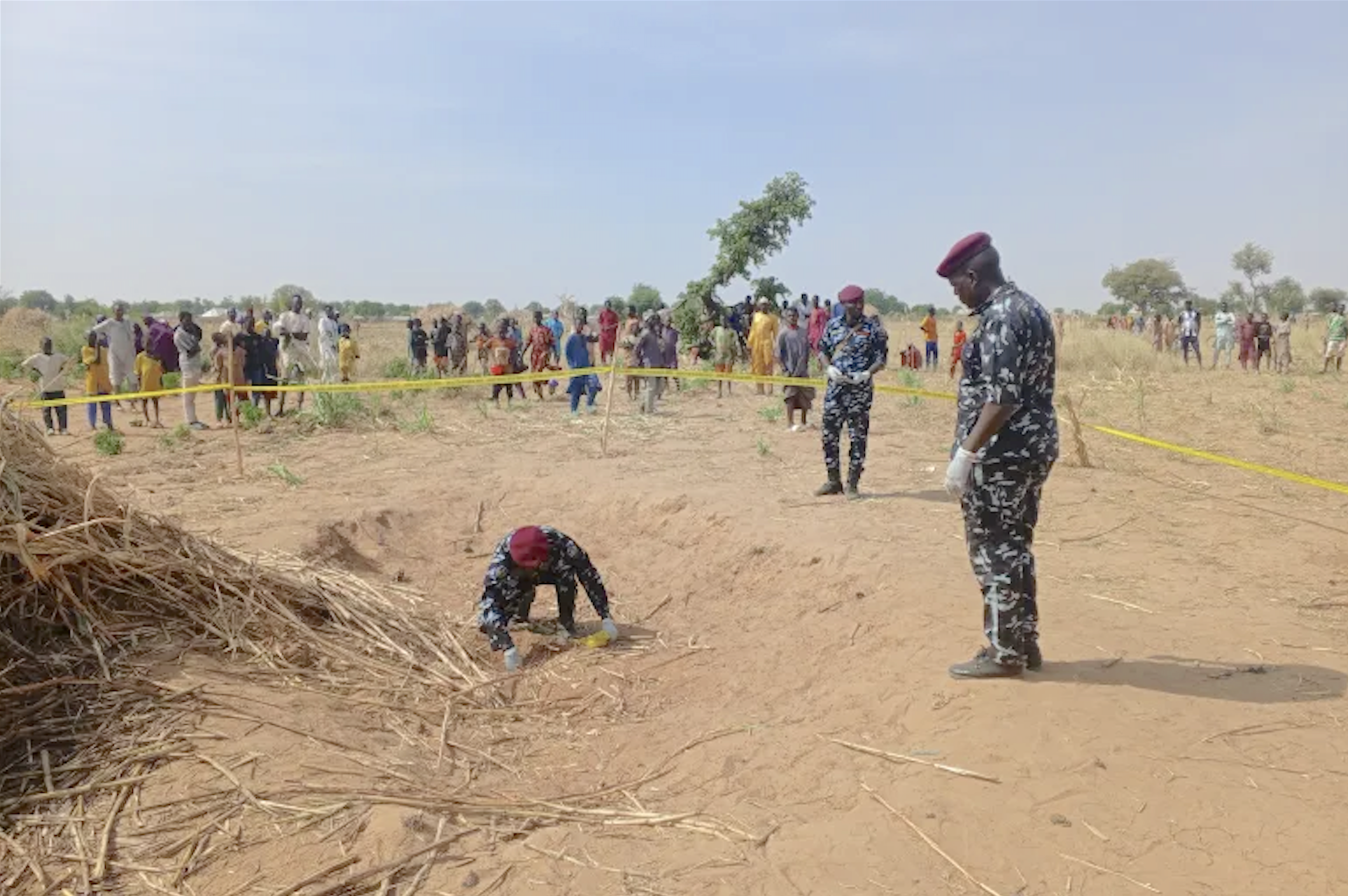
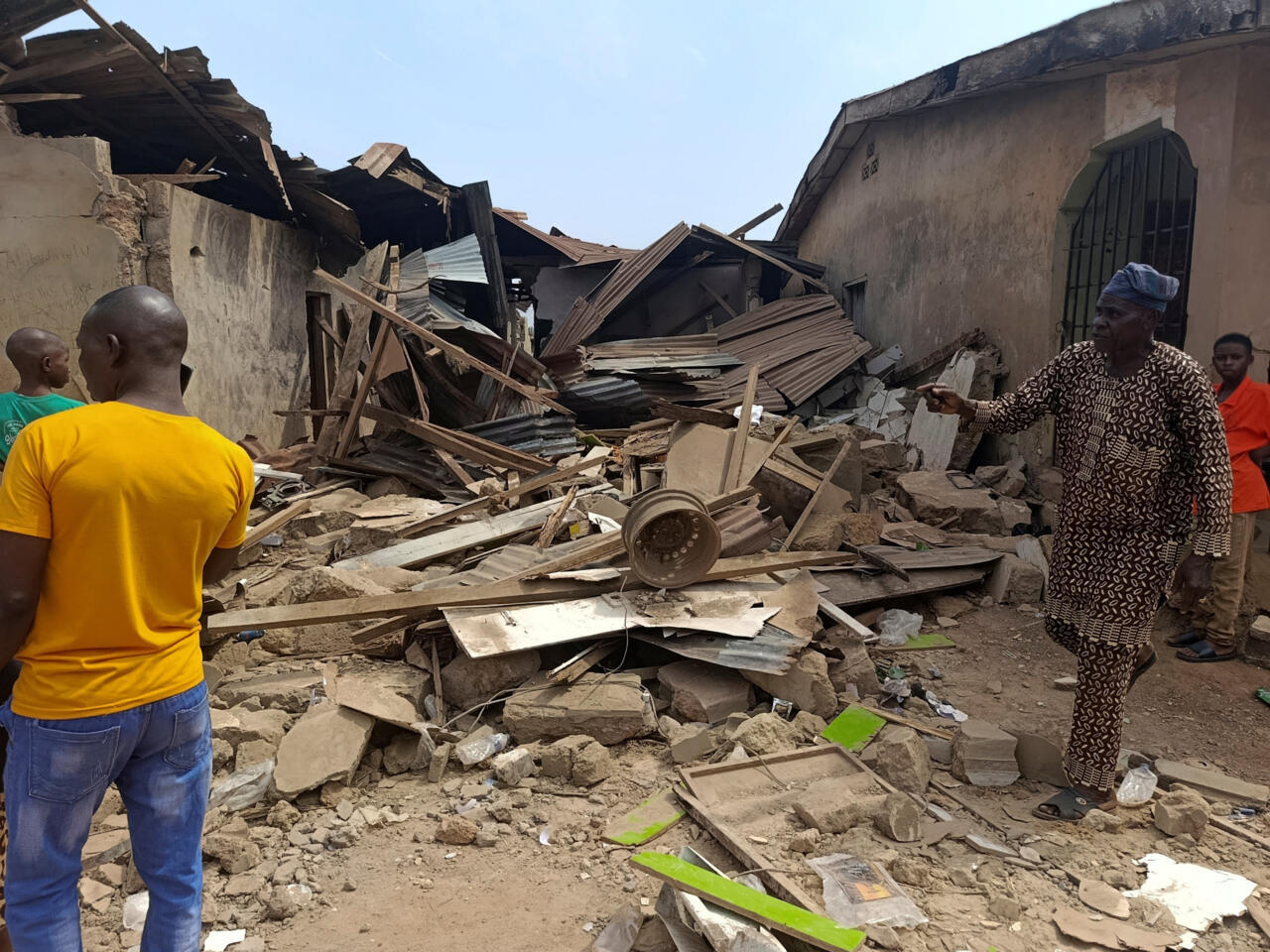
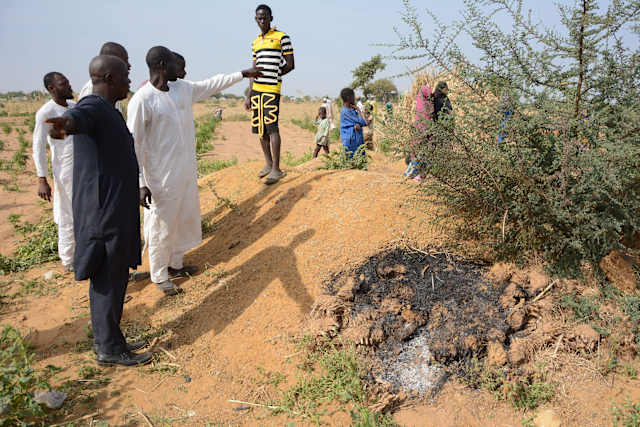
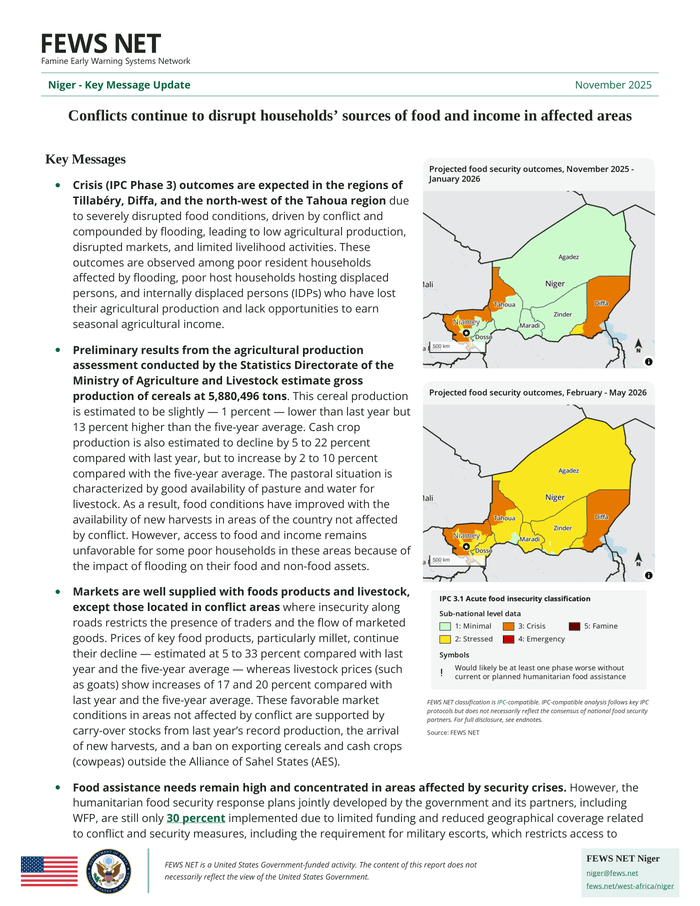
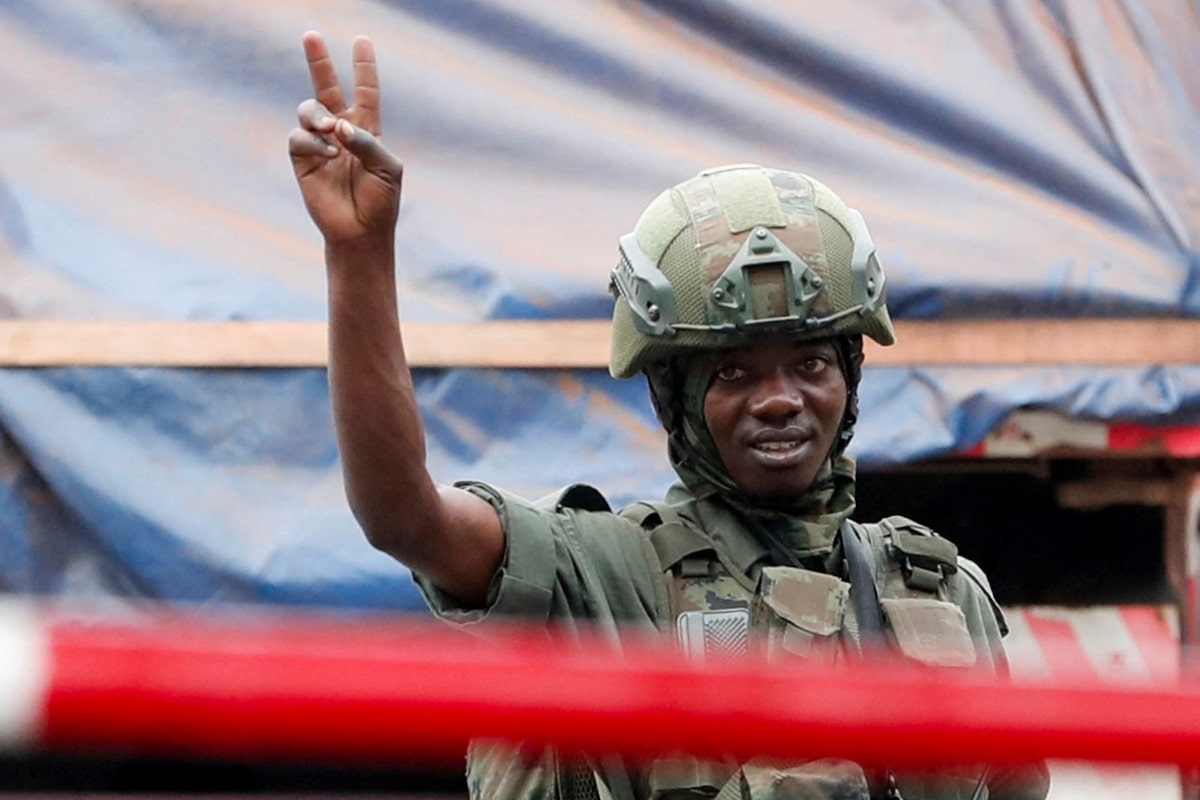
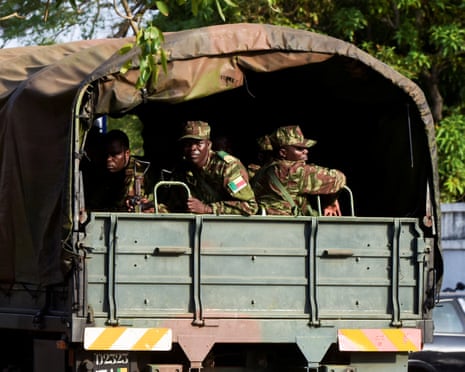
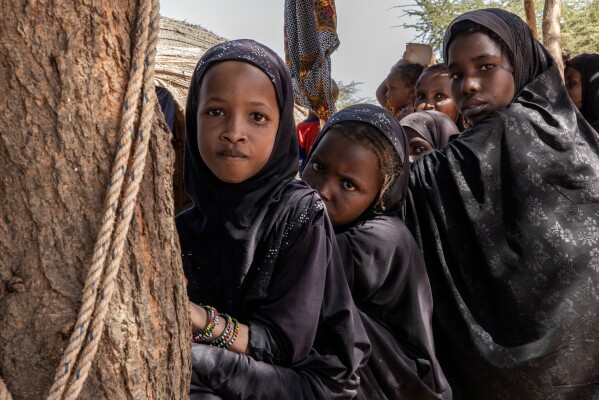
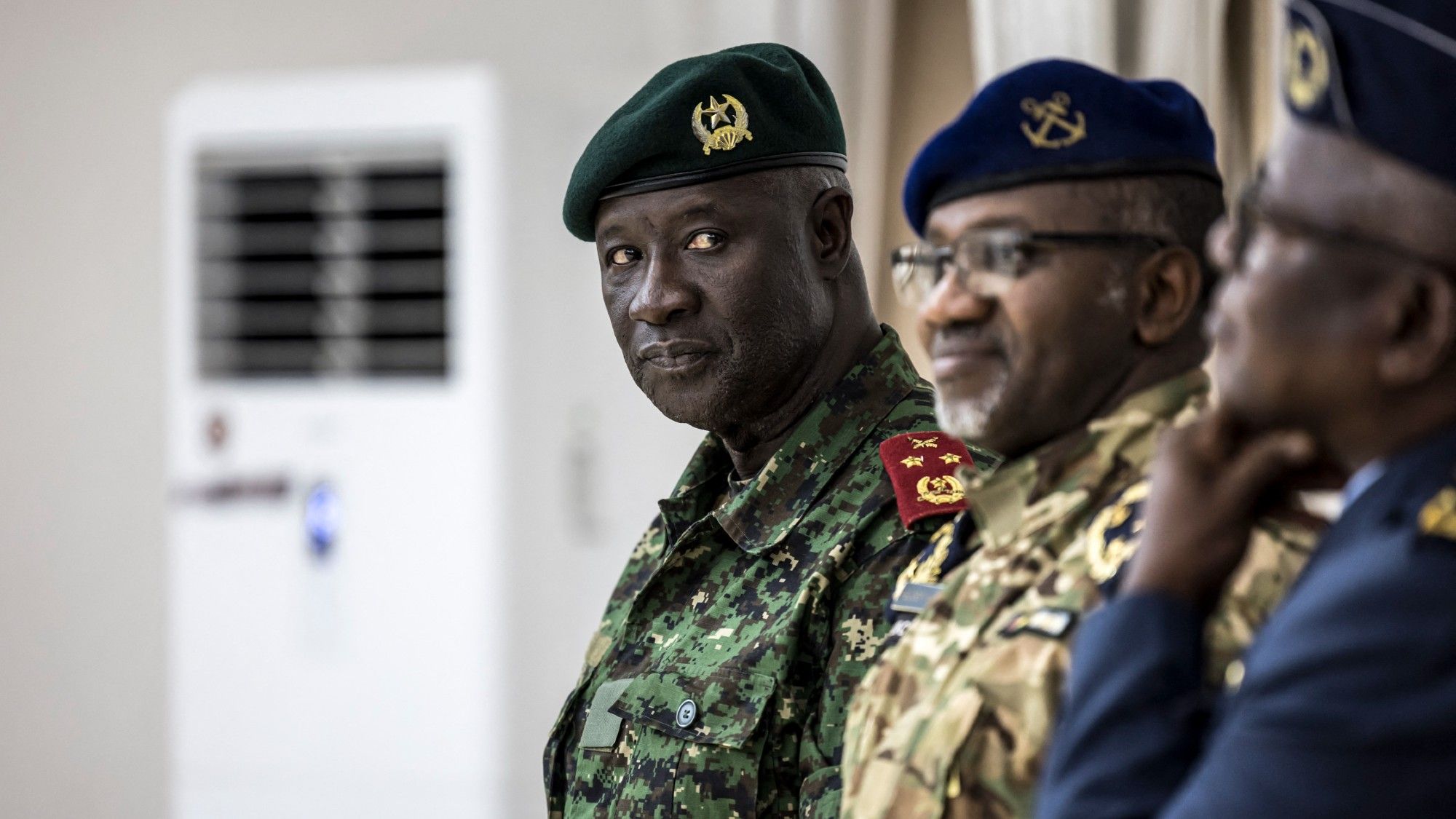
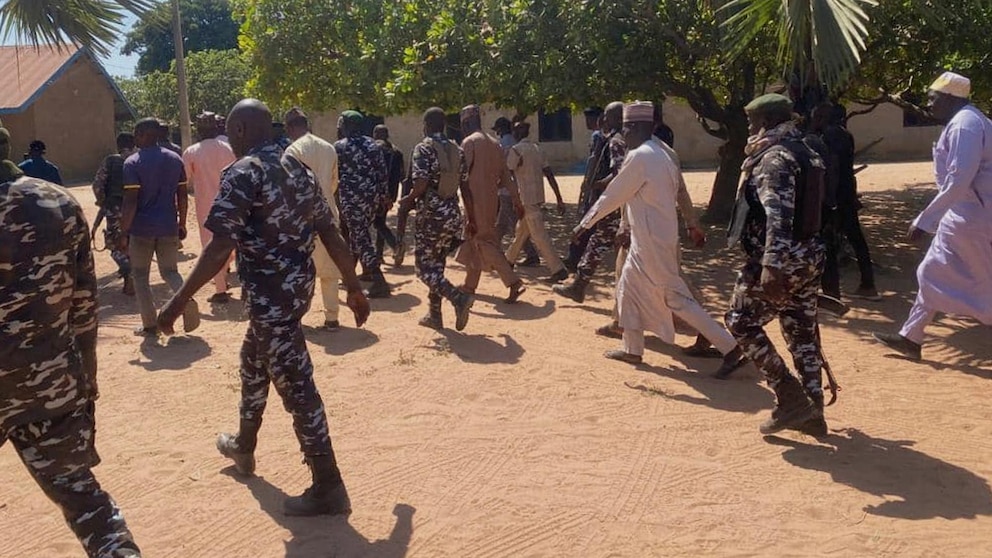
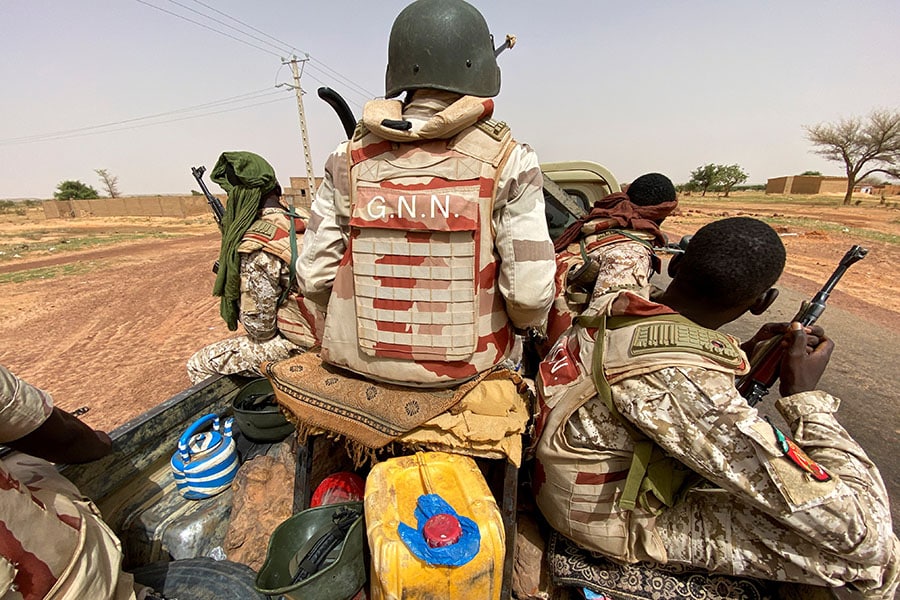
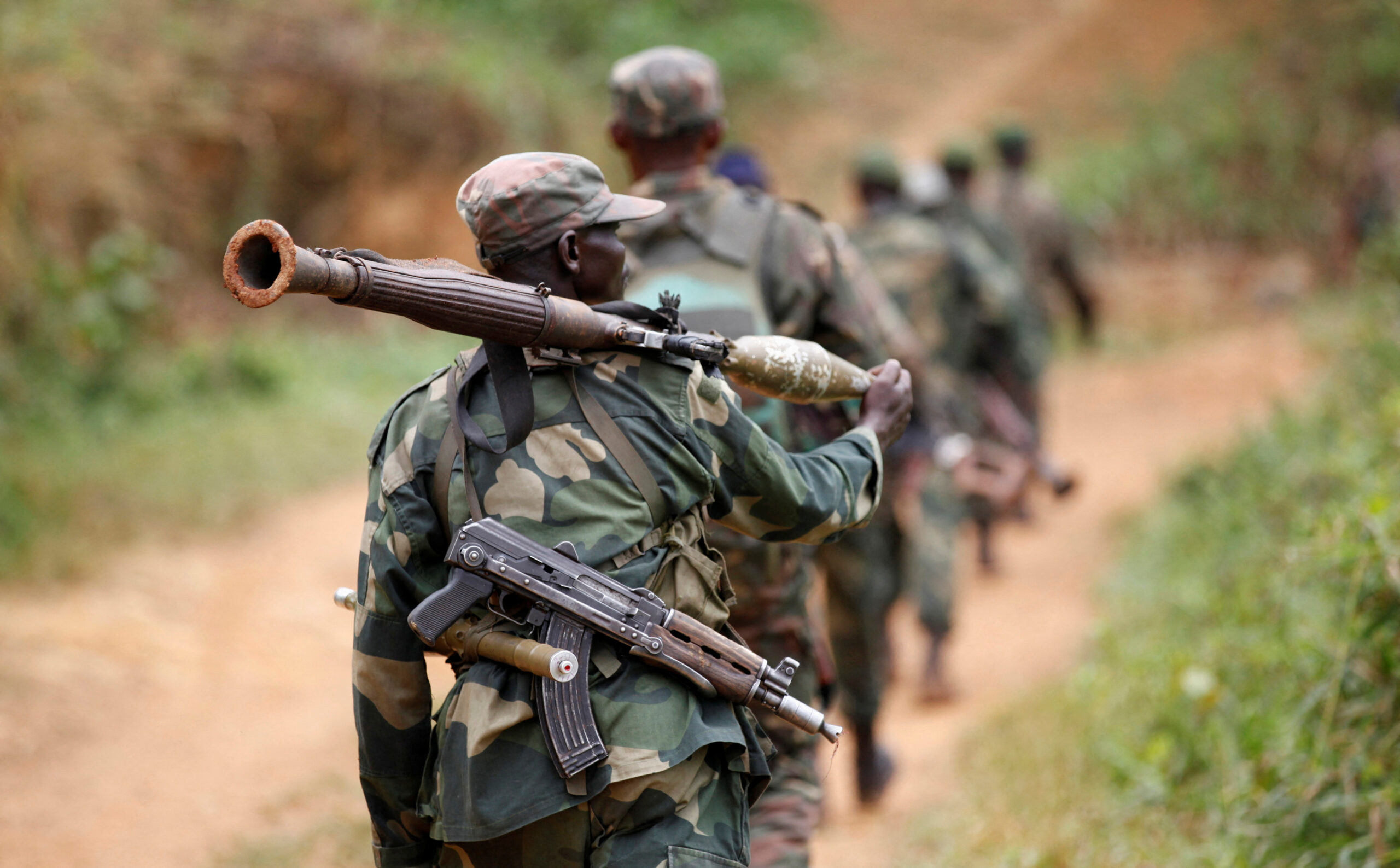
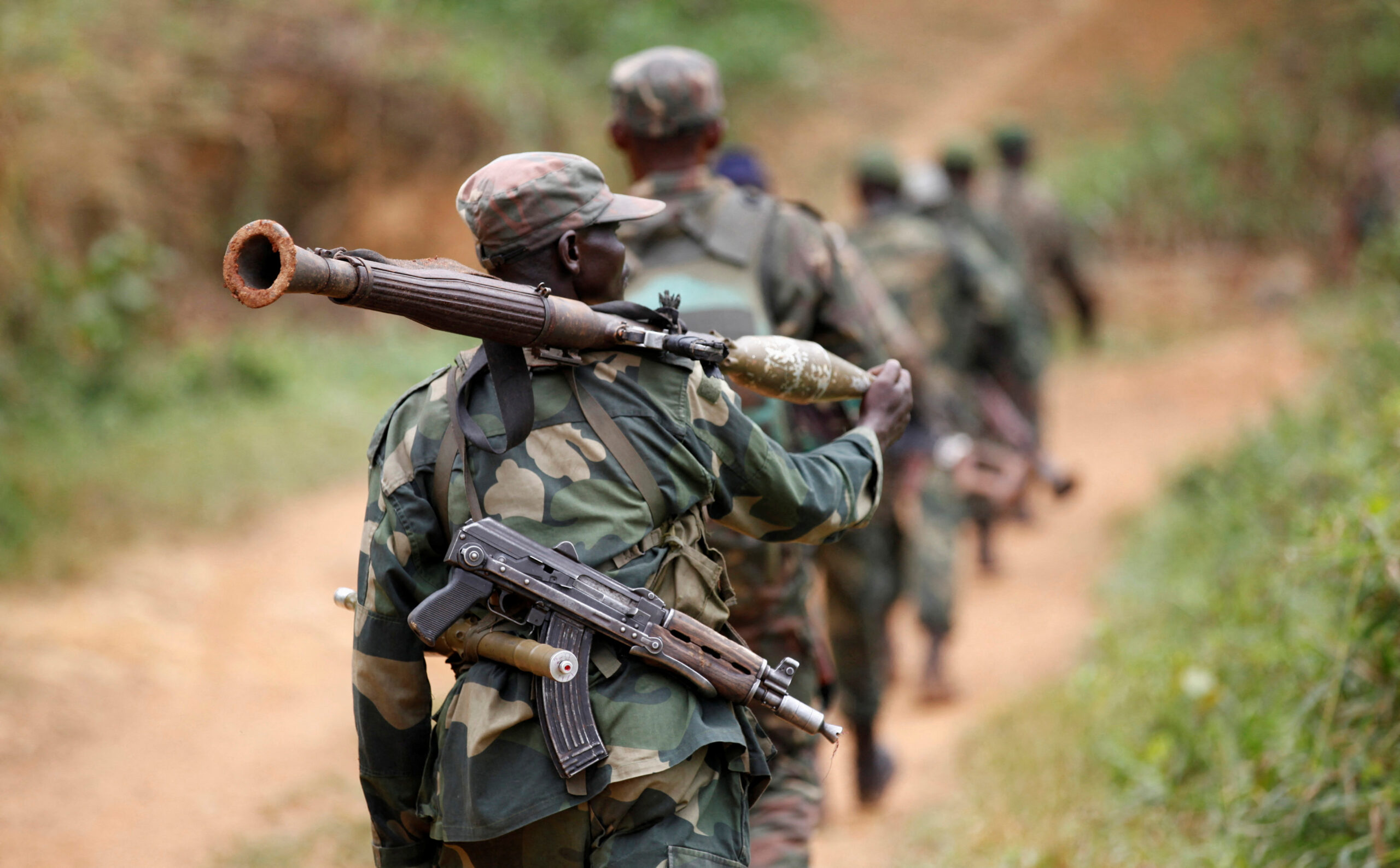
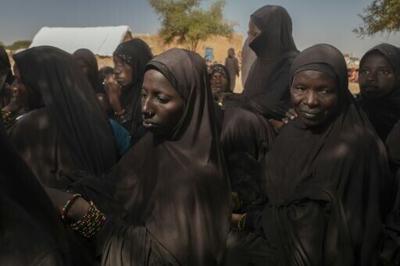
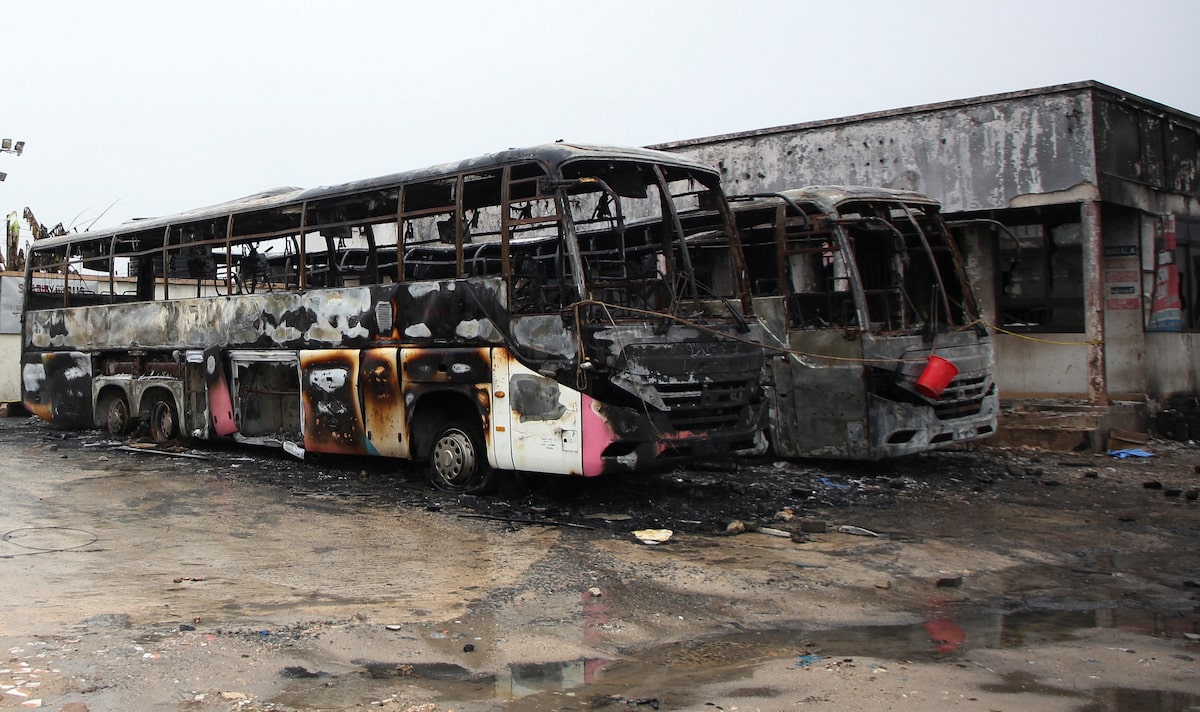
Nigeria faces a stark reality, increasingly recognized as one of the world’s most perilous places for Christians. This alarming trend underscores broader security challenges across Africa. A recent report by Open Doors, a nonpartisan Christian advocacy group, highlights a significant rise in persecution, positioning Nigeria, especially its northern regions, at the heart of religious violence. We’re talking about a situation so dire that the United States launched air strikes against Islamic State militants in Nigeria’s Sokoto state on Christmas Day, a clear sign of global concern over the escalating brutality. While the Nigerian government contends that extremist violence isn’t exclusive to Christians, targeting killings persist, particularly in states governed by Islamic law where Christian converts often face the gravest dangers. U.S. officials have even warned of further military action if the violence doesn’t subside, painting a clear picture of the region’s fragility and the immense struggle for peace and religious freedom.
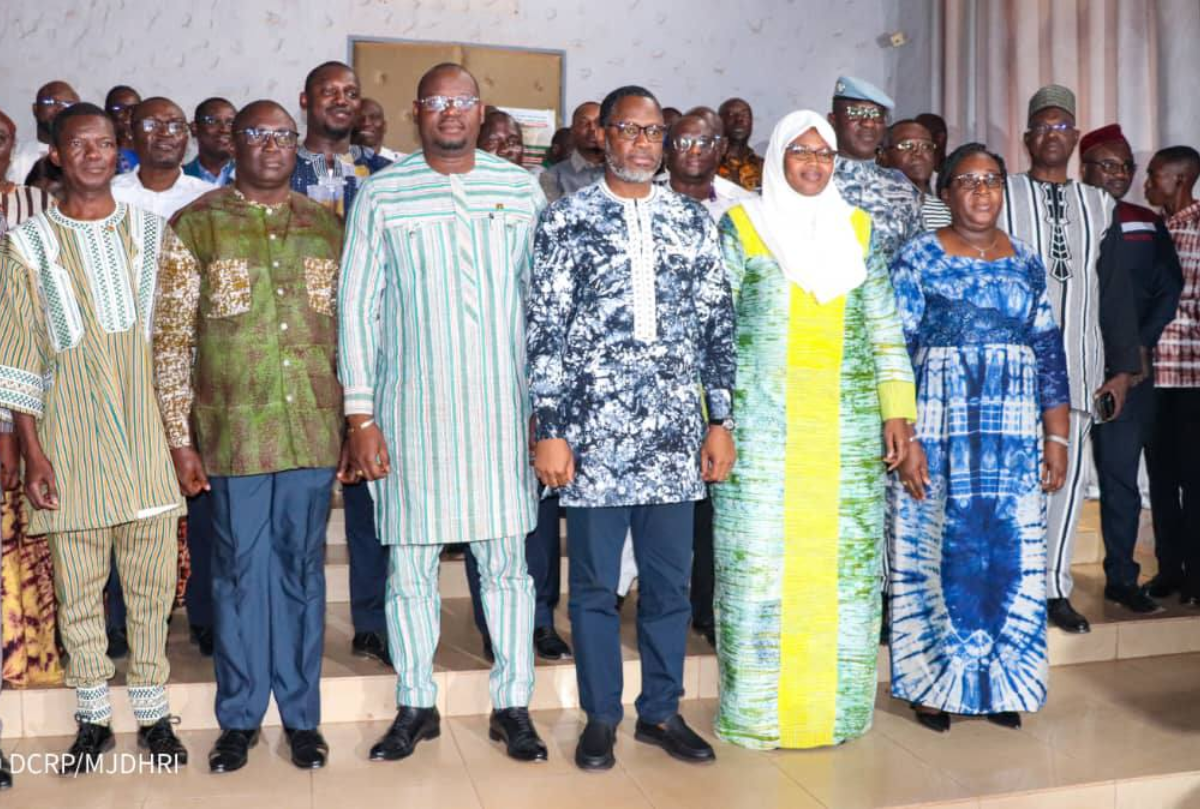
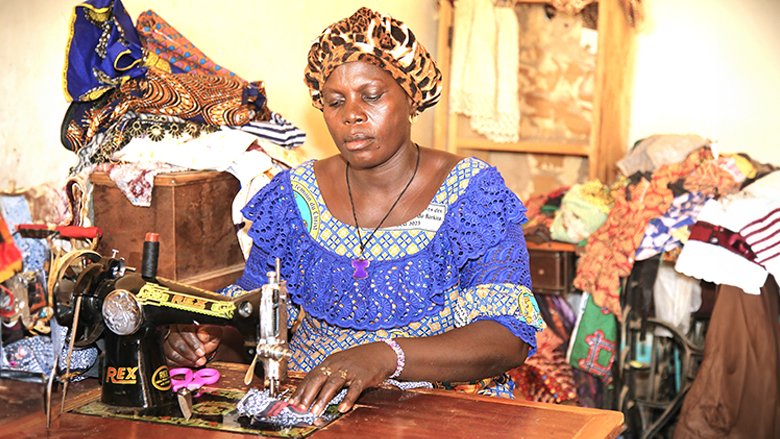
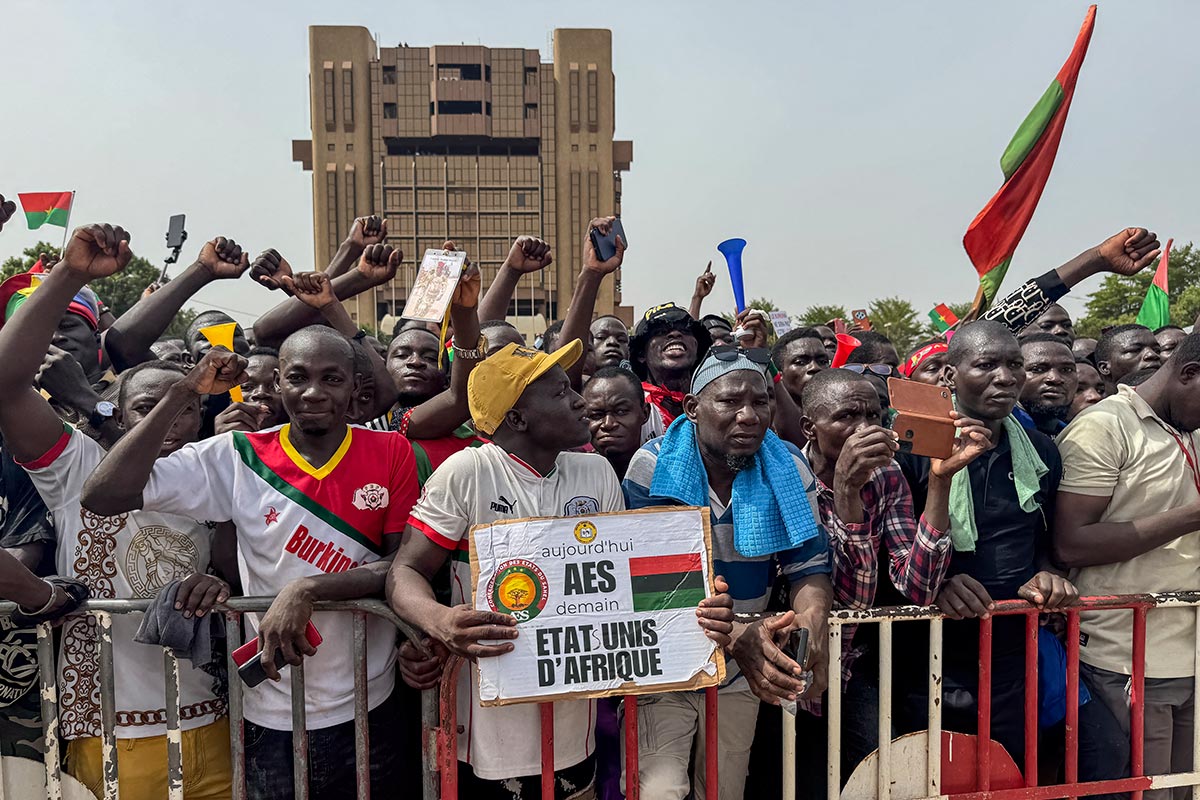
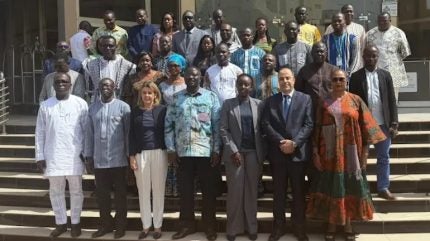
Yet, as Nigeria’s escalating religious violence grips headlines, other parts of Africa are charting a remarkably different course. The continent is on the verge of finalizing a sweeping ten-year science and innovation strategy, known as the Science, Technology and Innovation Strategy for Africa 2034, or Stisa 2034. This ambitious plan, projected to cost $6.8 billion from 2025 to 2034, aims to fuel sustainable development through significant investments in research, technological progress, and innovation-driven growth. African leaders embraced this strategy last year, envisioning an ecosystem where scientific endeavors flourish and translate into tangible improvements in critical sectors like healthcare, agriculture, education, and industry. A cornerstone of this vision is the African Research Chairs Initiative, Ortarchi, spanning seven nations including Botswana and Burkina Faso. It’s designed to boost research by funding university chairs in priority scientific areas, showing promising results despite facing persistent challenges in securing stable funding and battling administrative hurdles. Sustainable, long-term financial commitments and enhanced cross-country collaboration are crucial for Africa’s innovation aspirations.
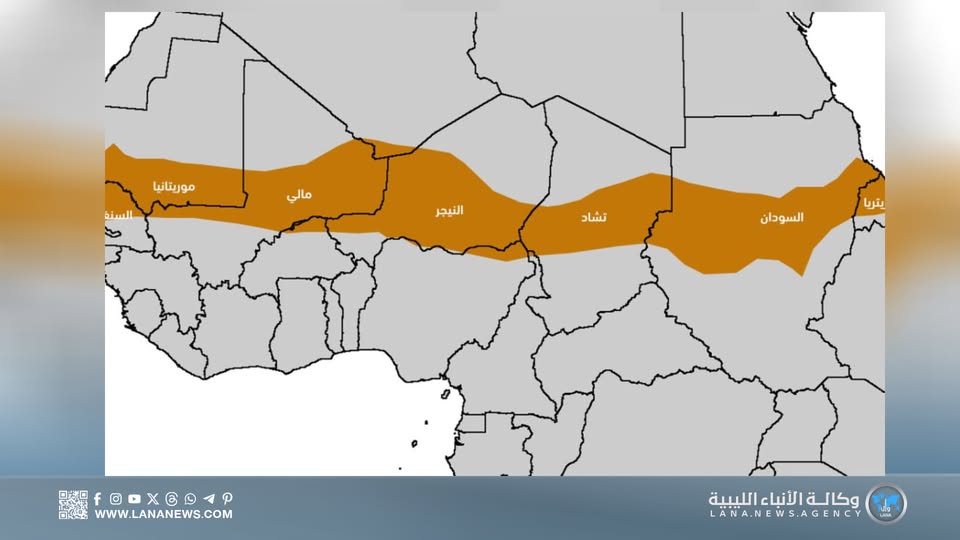
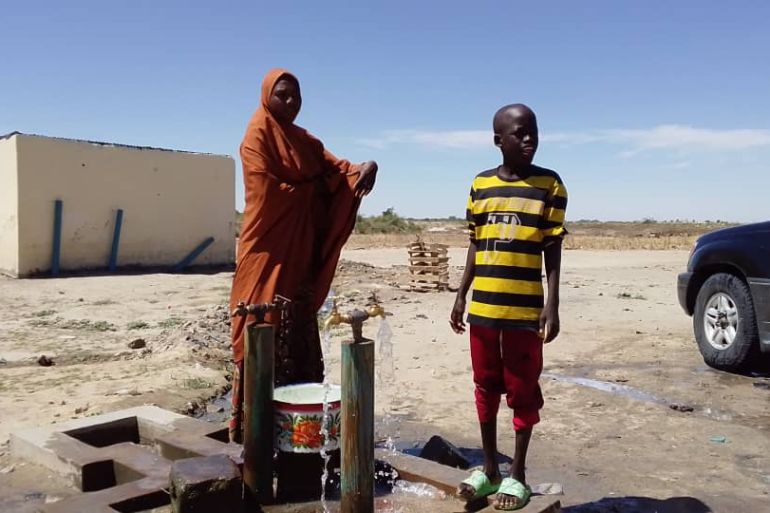
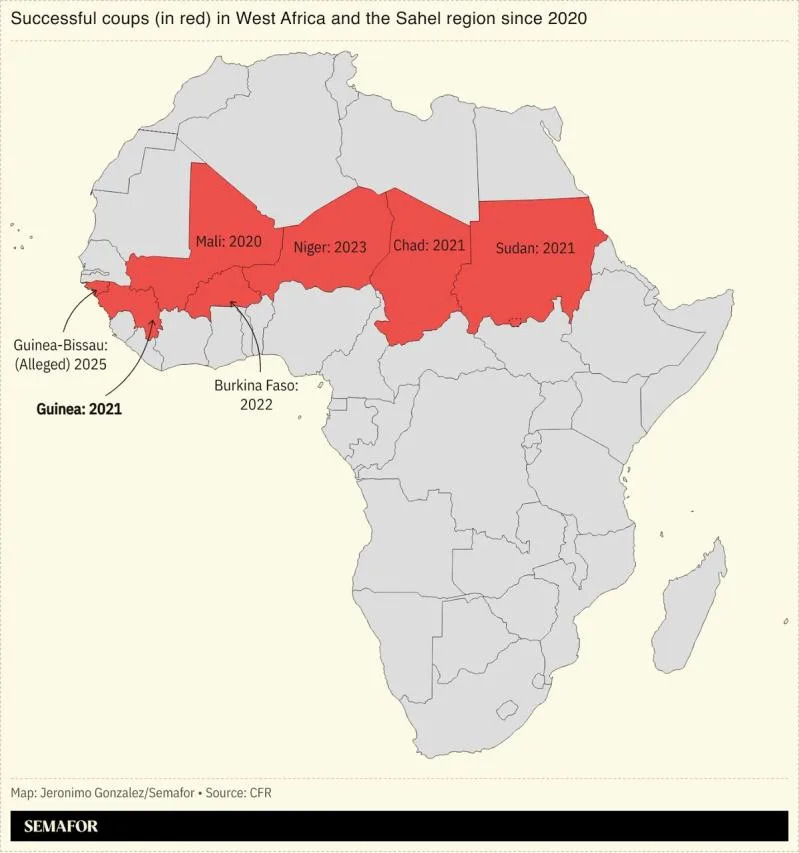
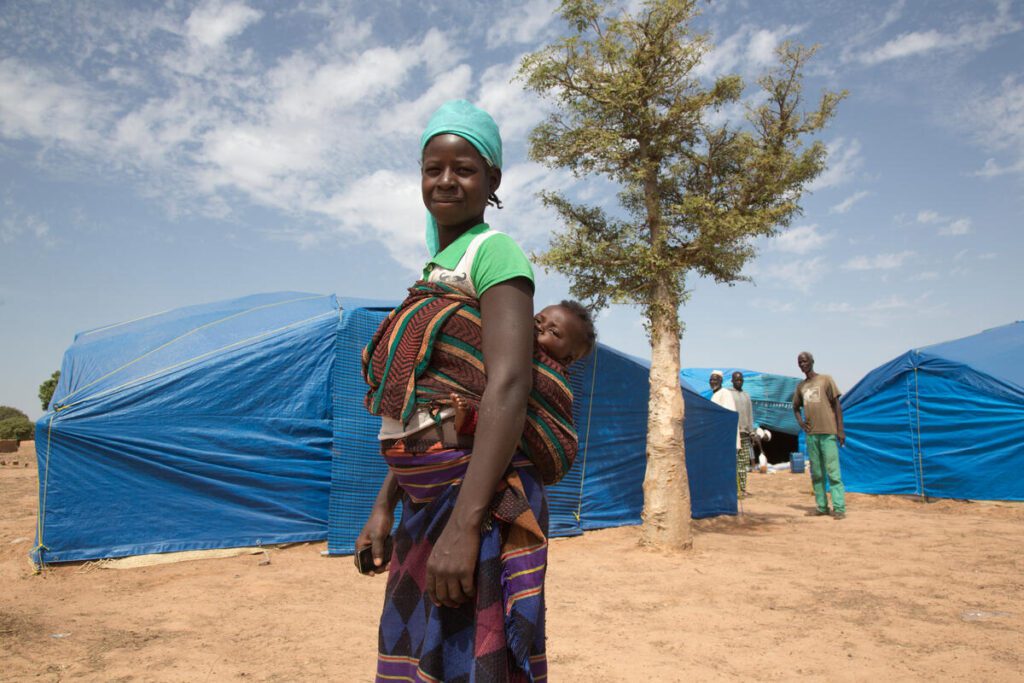
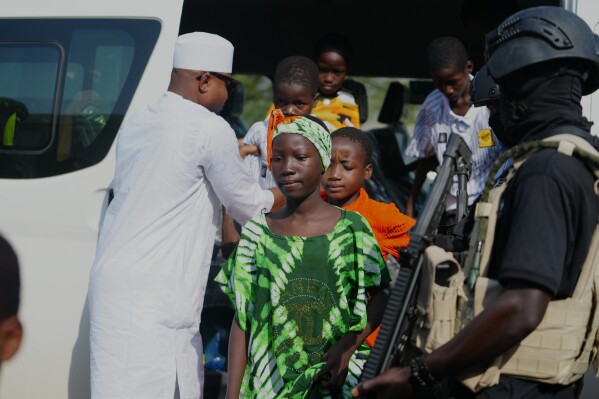
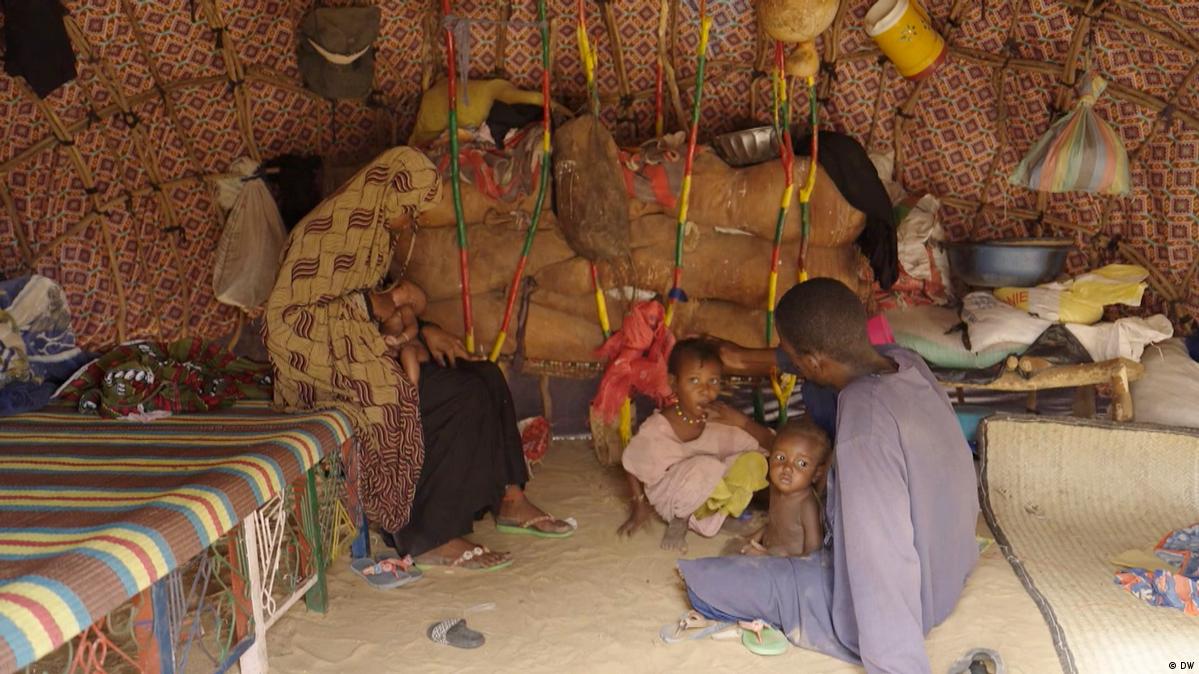
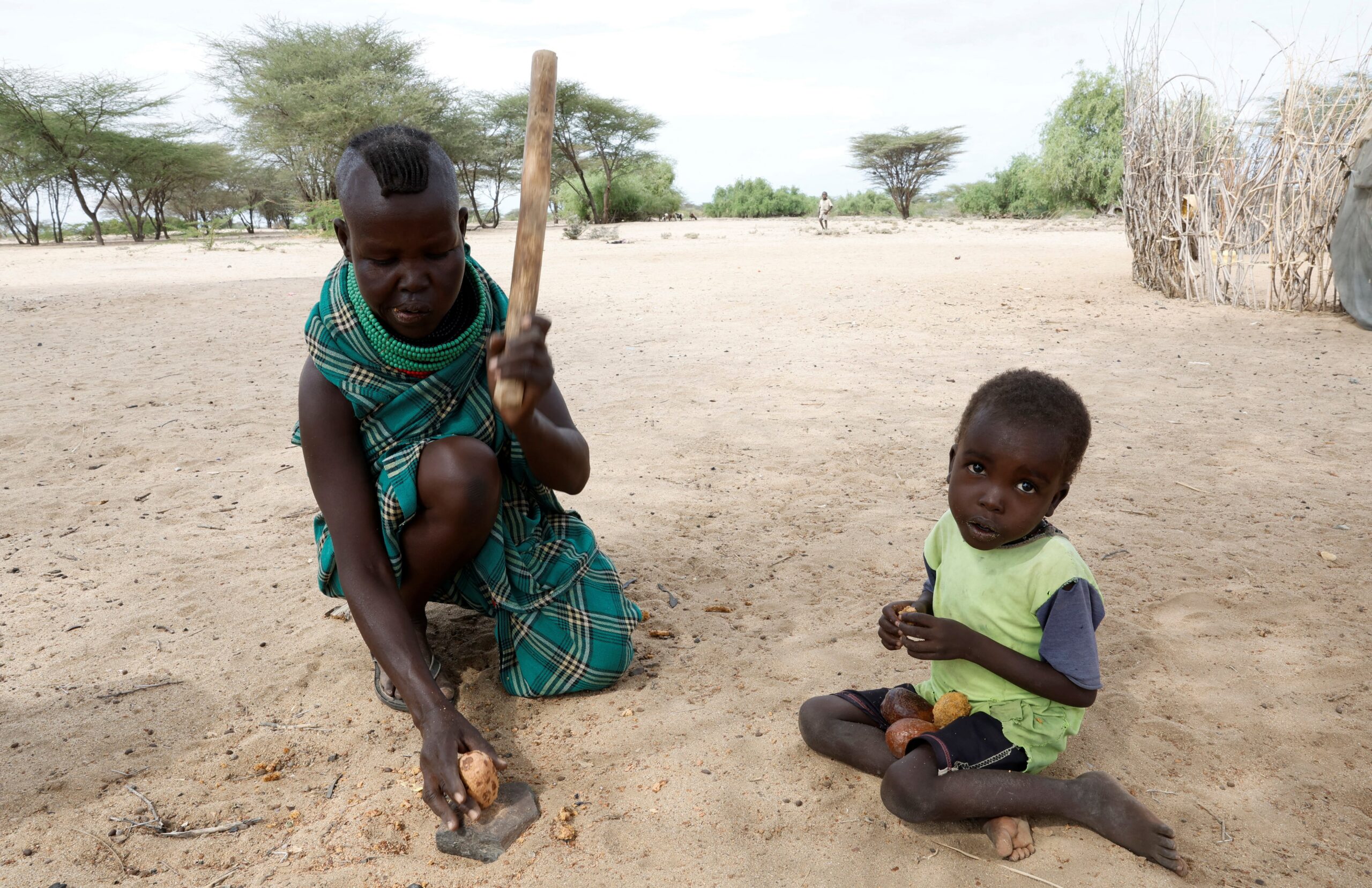
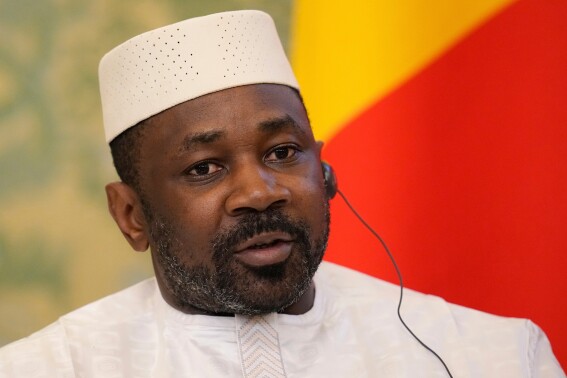
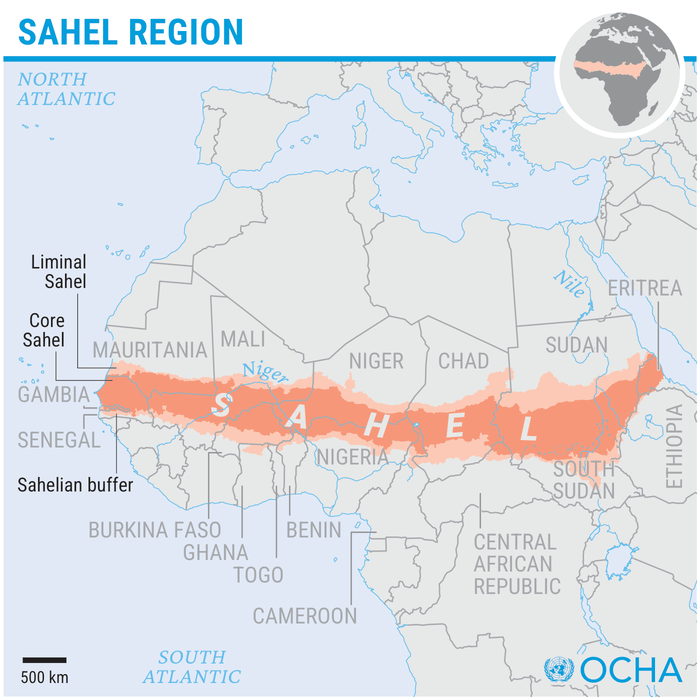
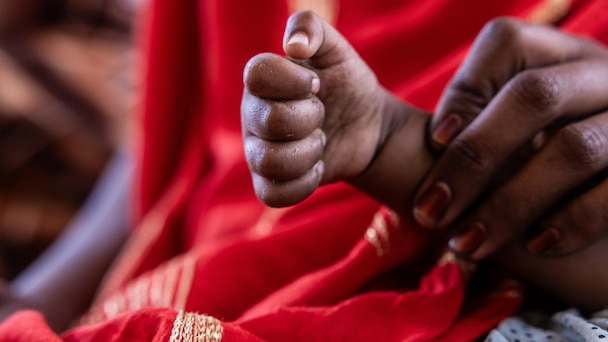
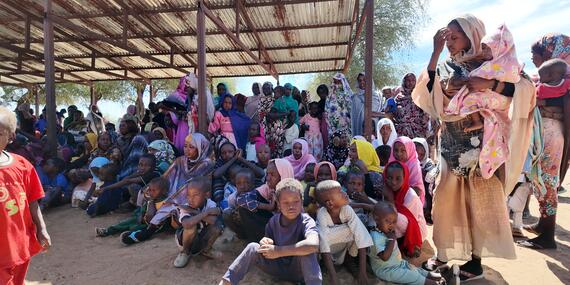
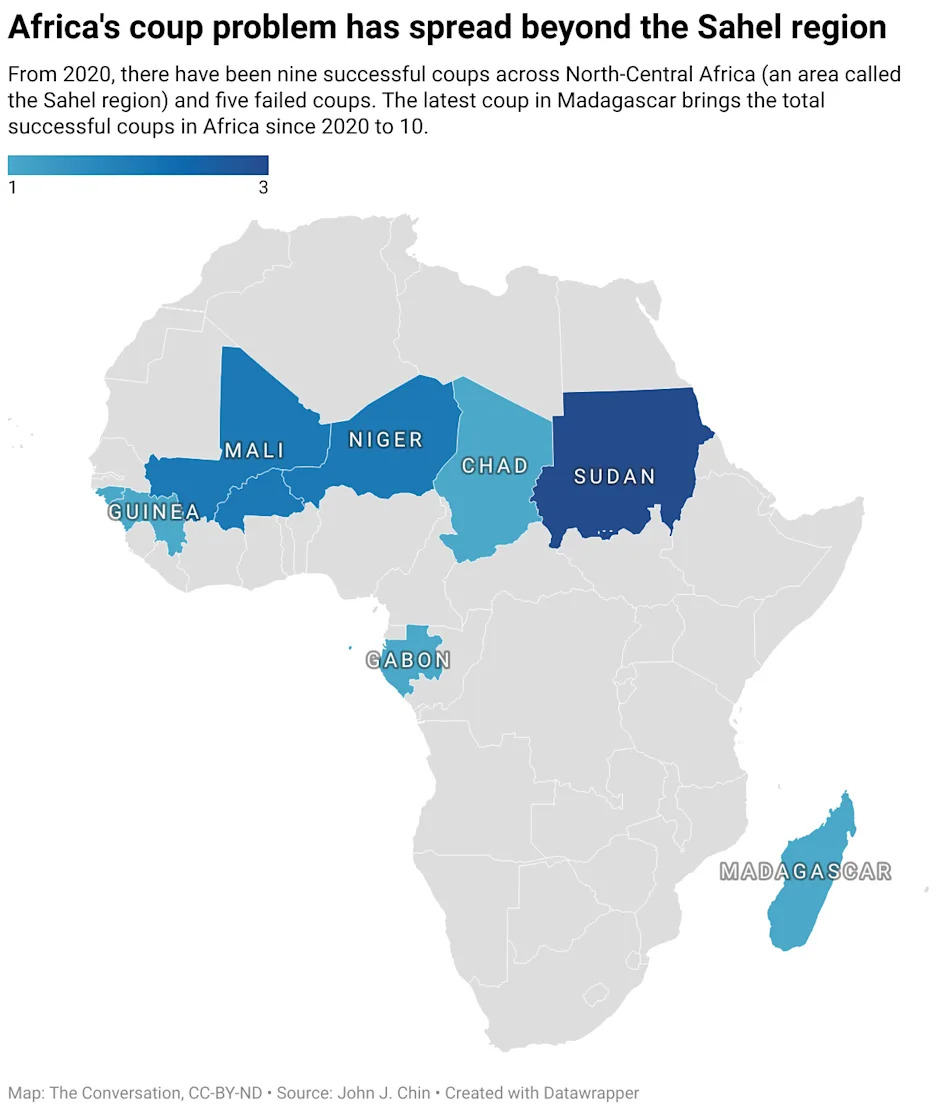
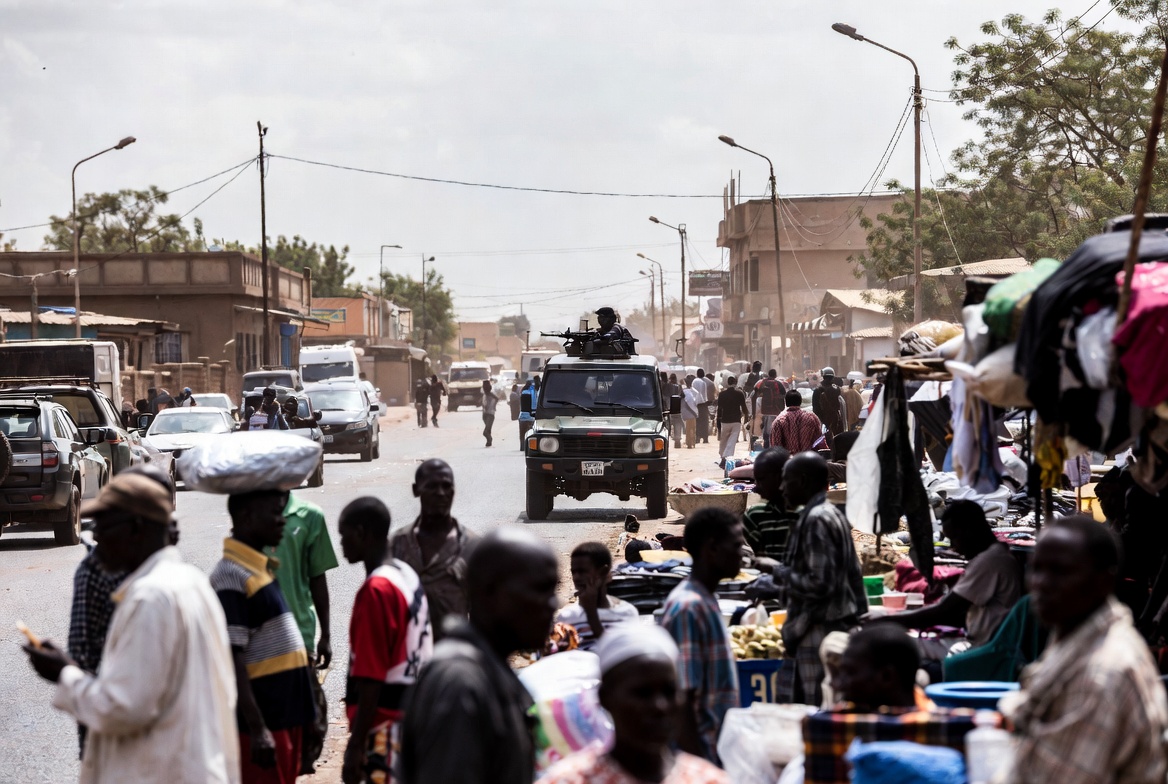
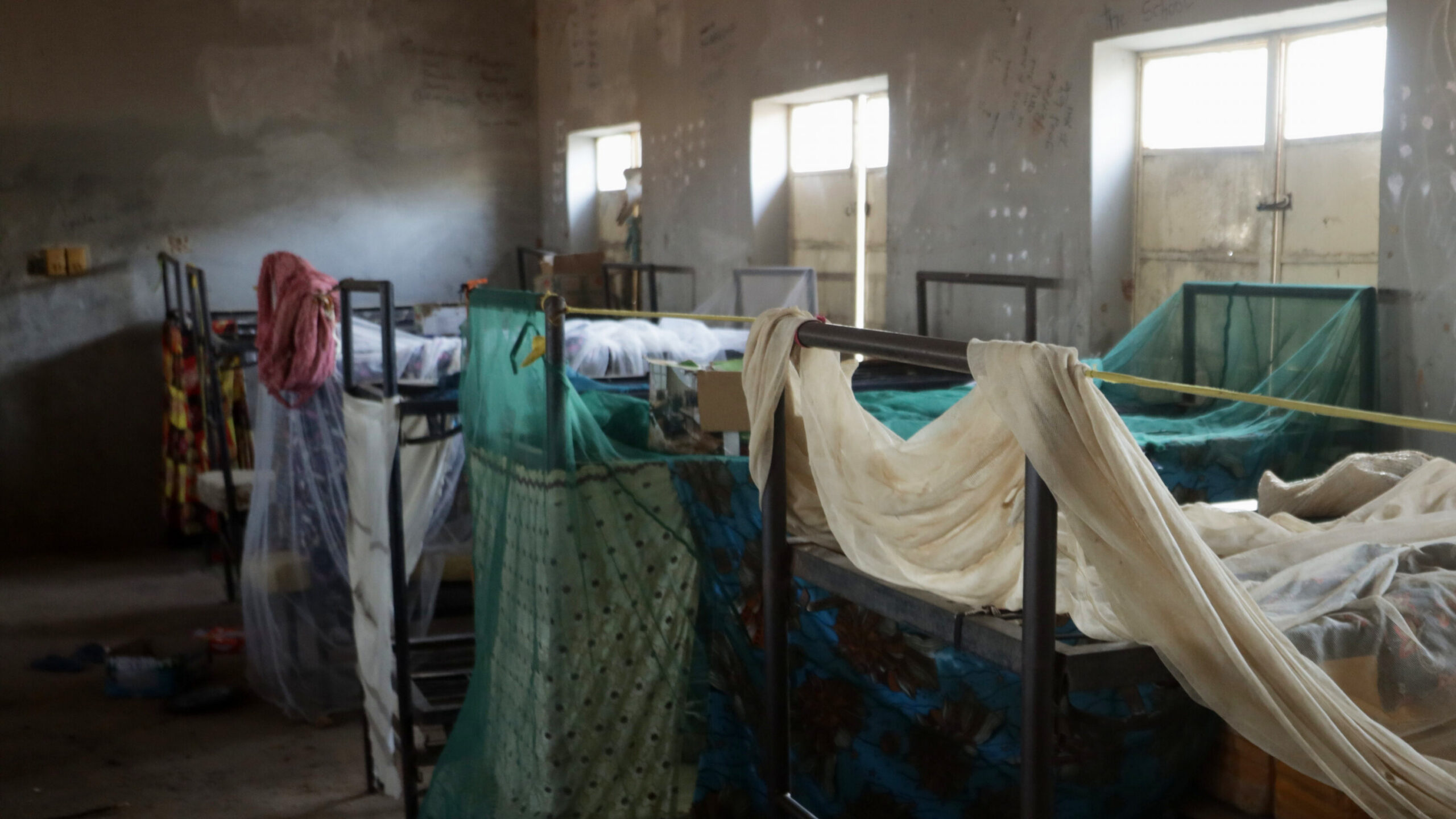
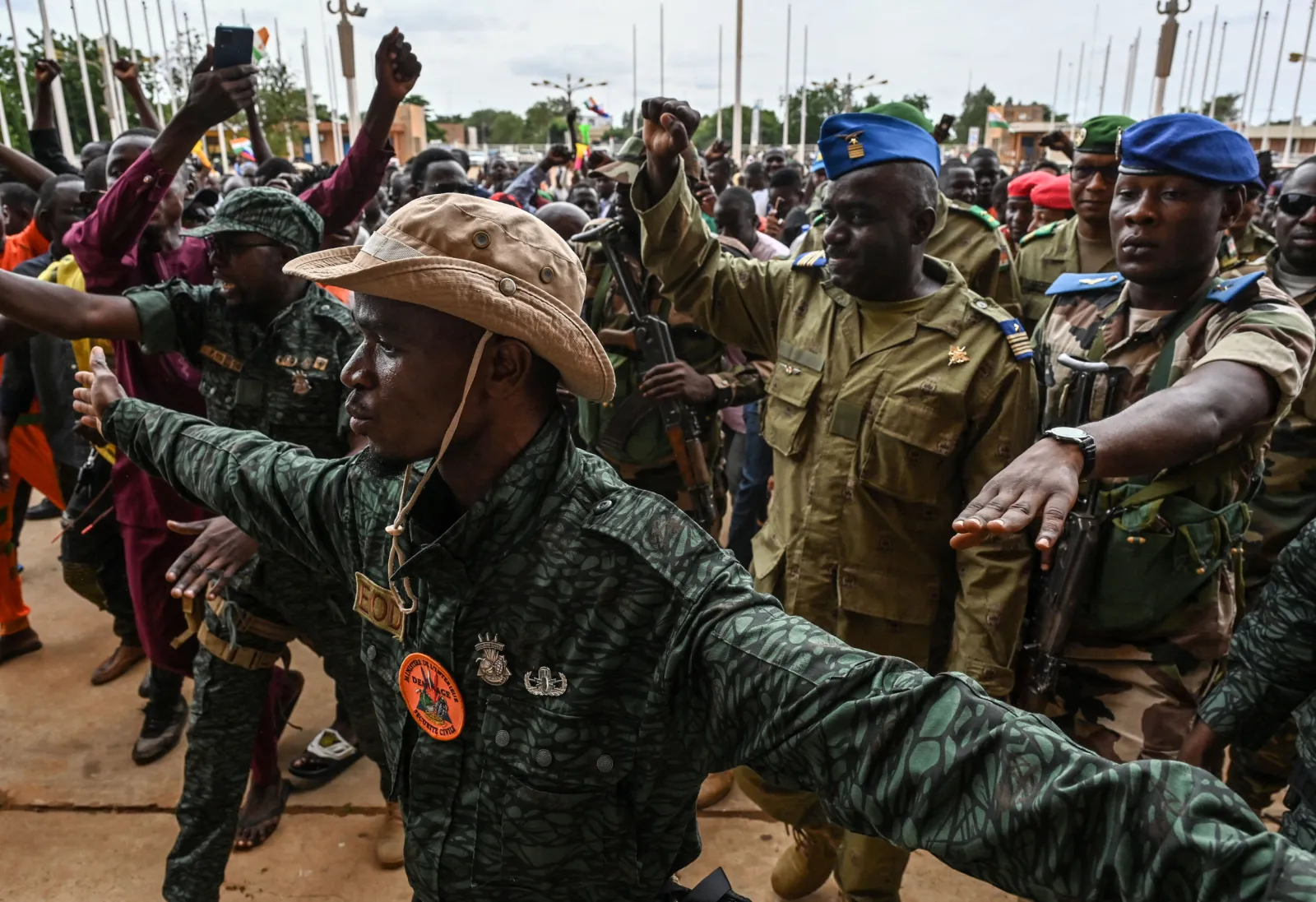
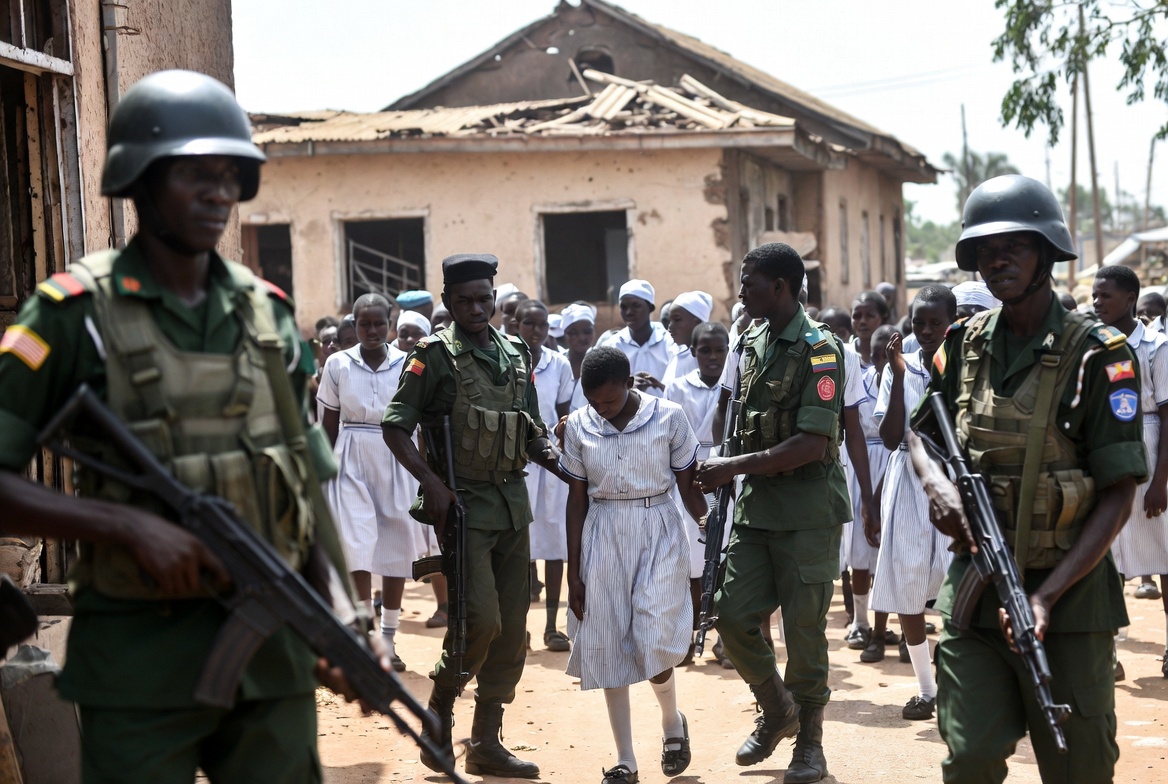
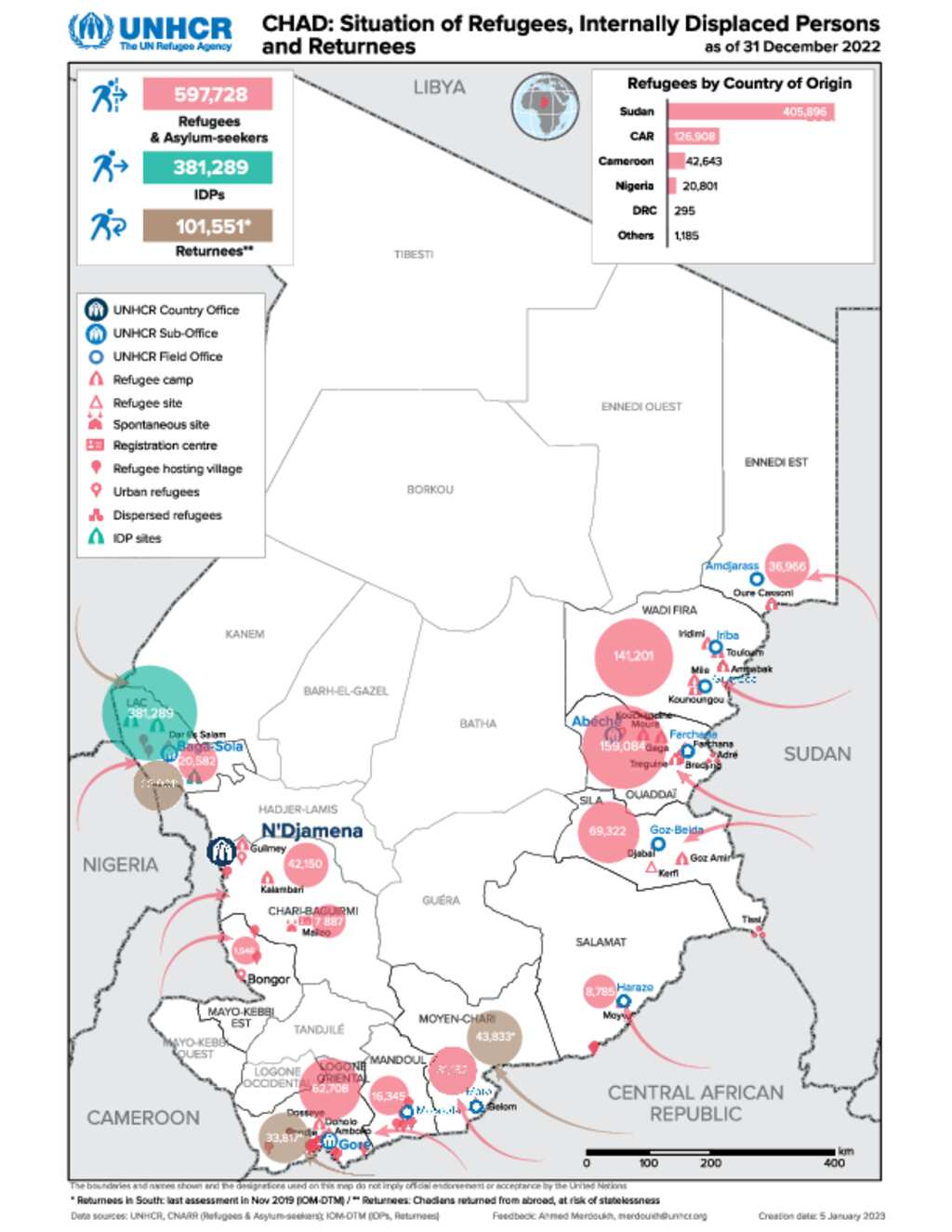
The continent, therefore, presents a complex, at times contradictory, narrative. While some regions bravely push for scientific advancement and long-term transformation, others remain trapped in cycles of conflict and profound vulnerability. Take Sudan’s humanitarian crisis, for instance, which the United Nations has labeled the world’s worst. Years of relentless conflict have shattered Sudanese society, leading to widespread famine, mass killings, and a complete collapse of essential government services. This chaos has attracted international attention, not just for the immediate human suffering, but because of its ripple effects on regional stability, particularly in the Horn of Africa. Such crises starkly remind us that security, governance, and development are deeply intertwined. For Africa to truly shine, its policymakers and international allies must unite around integrated strategies. This means recognizing that peace and social cohesion aren’t just ideals, they’re prerequisites for innovation and progress, offering a pathway for Africa’s tech renaissance to truly thrive. Only by bridging these disparate realities can the continent unlock its vast potential and secure a more stable, prosperous future for its diverse populations.
Sudan’s humanitarian crisis.