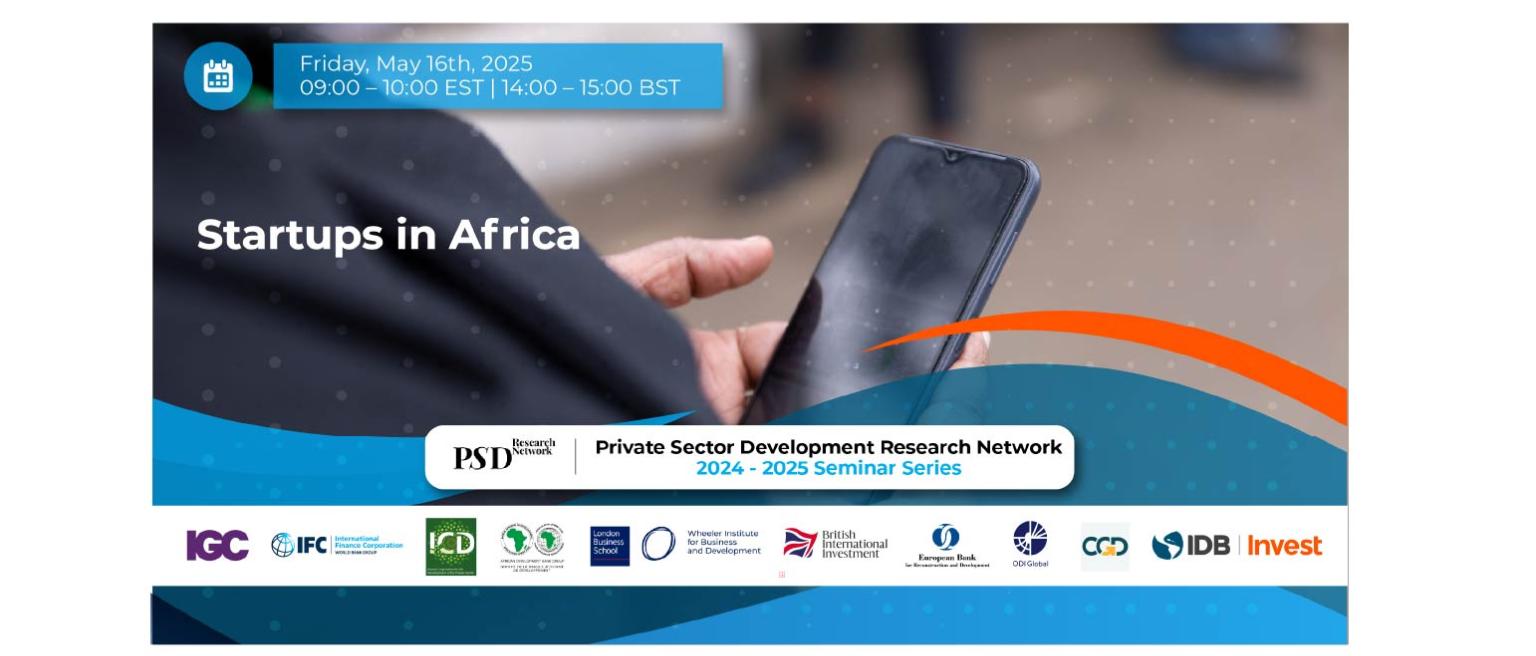
From Fulfilment Hubs to Blockchain Satellites: African Startups Set the Agenda for 2026
Solving Real Problems with Data and Partnerships
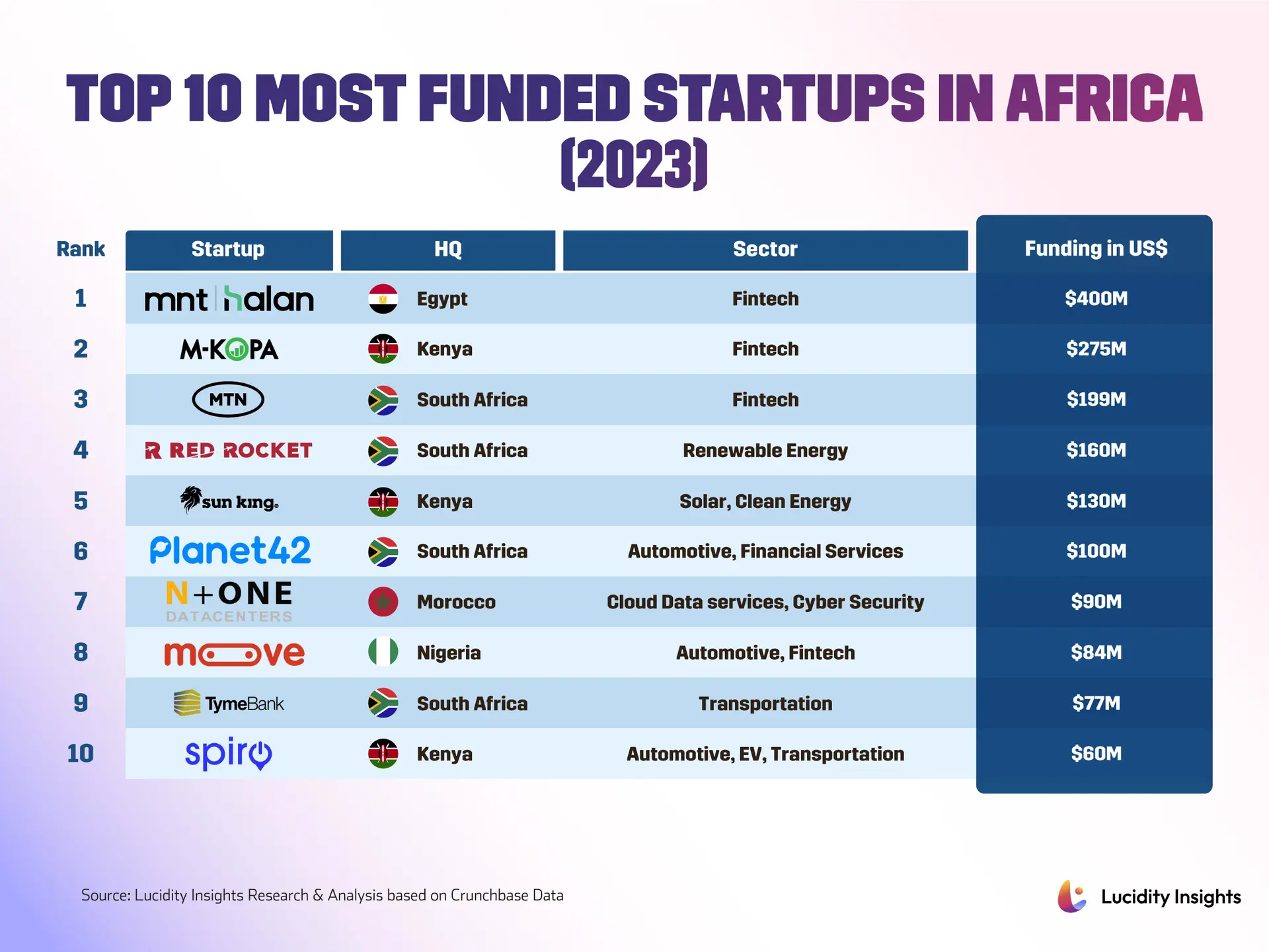
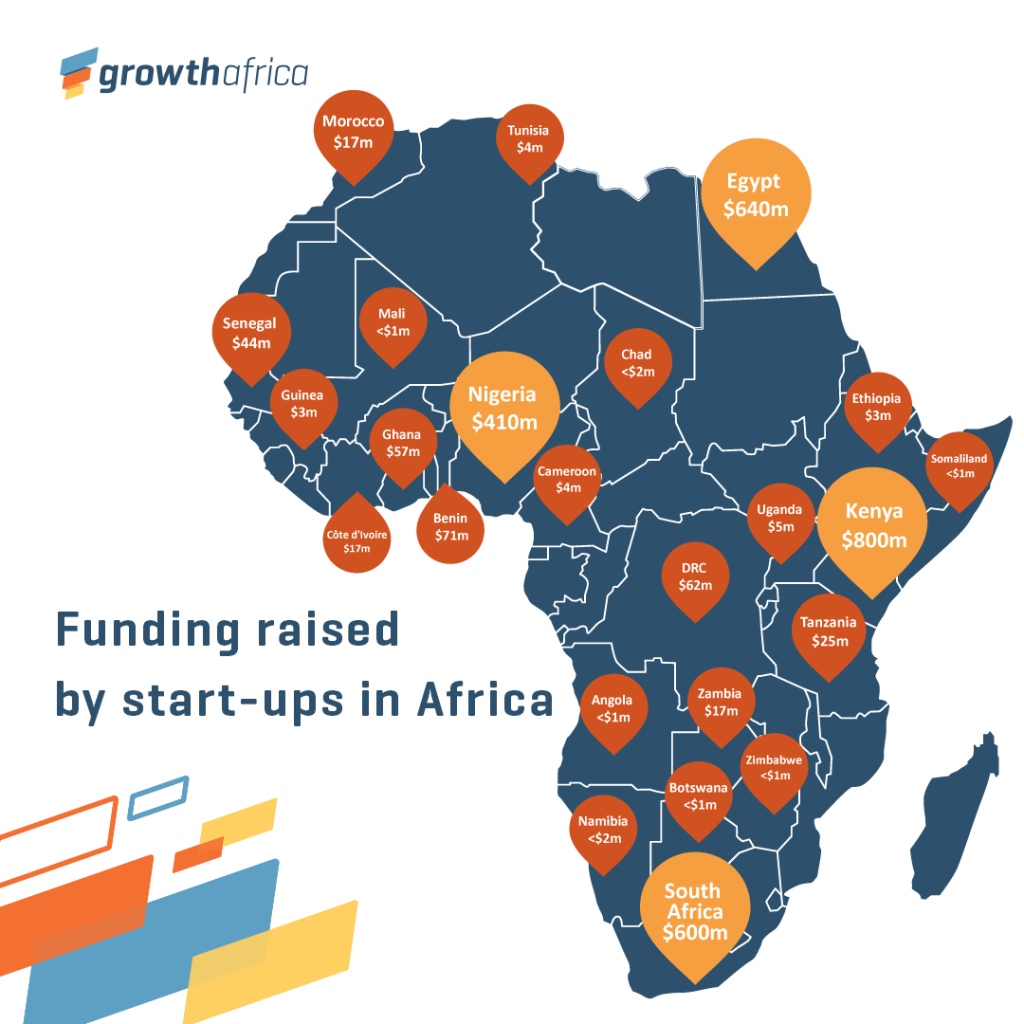
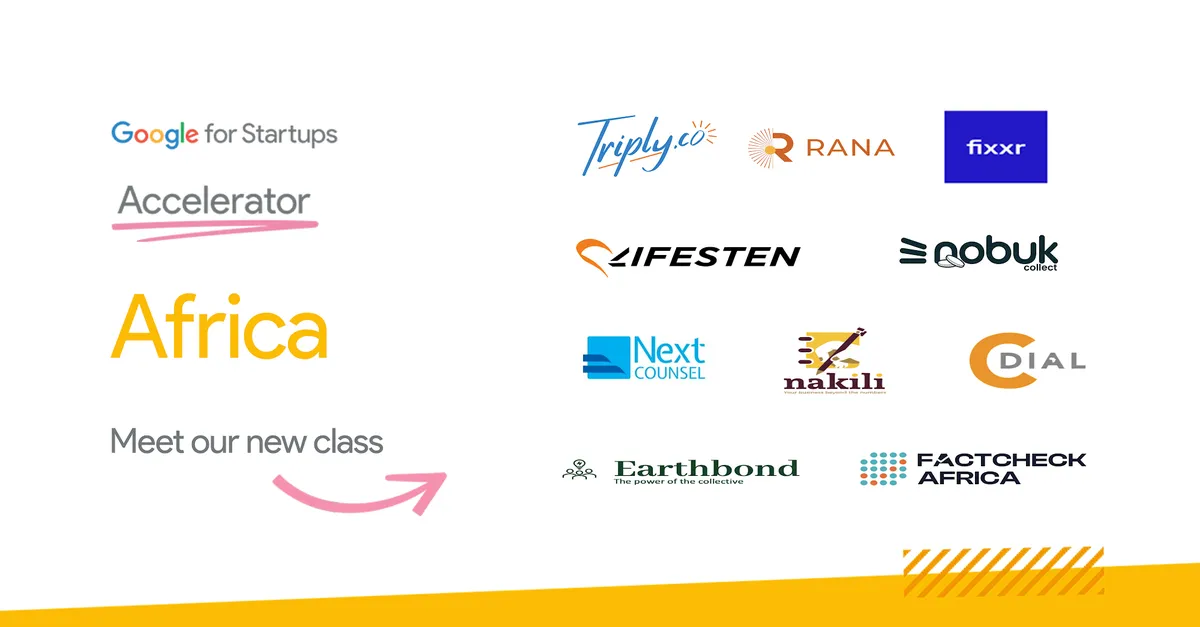
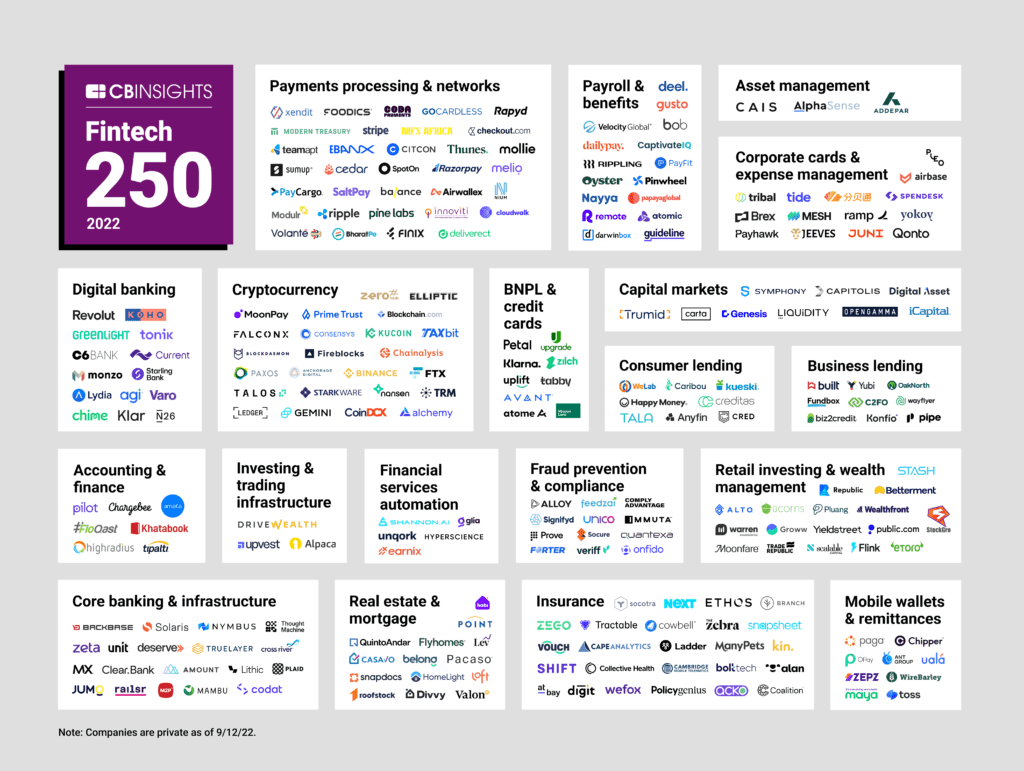
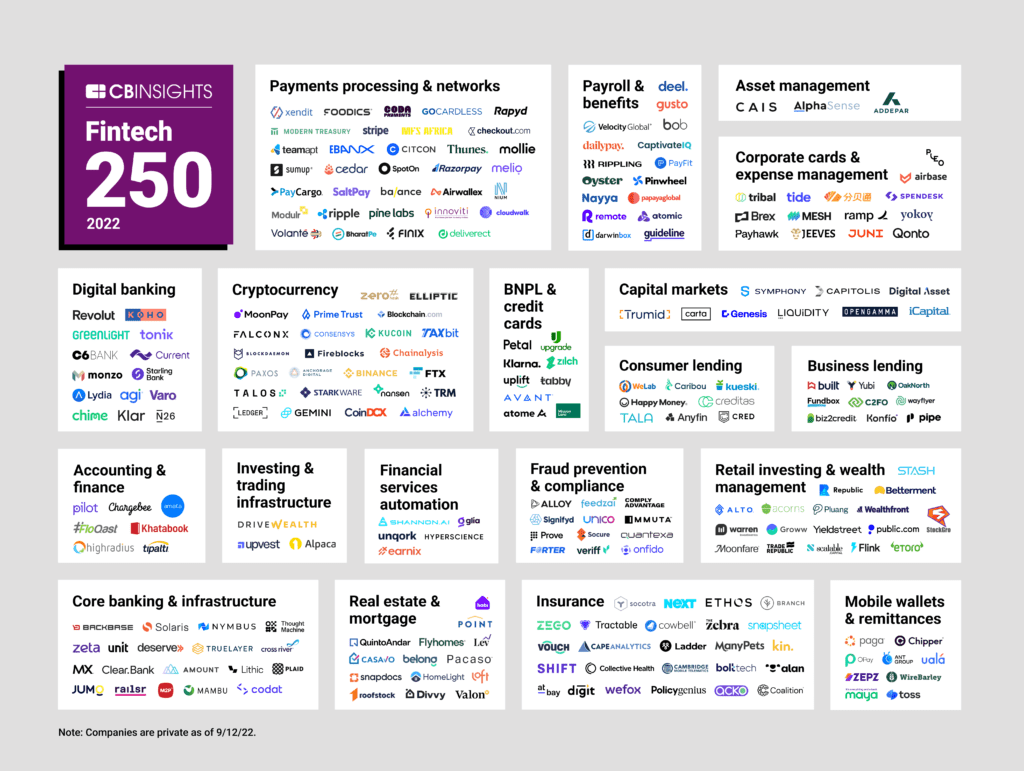
Across Africa, a fresh wave of startups isn’t just dreaming big, they’re building practical solutions to everyday challenges. Take housing, where cities are growing faster than construction can keep up. Companies like Oikus, highlighted in a recent Techpoint Africa report, are bringing transparency and reliable data to a market long dominated by informal networks. They’re making it easier for people to find homes and helping policymakers spot affordability trends before they become full blown crises. Over in Ghana, VDL Fulfilment has become a backbone for smaller merchants, handling more than 622,000 orders for storage, packaging, and last mile delivery. For sellers, outsourcing these logistics means they can focus on sales and customer experience, which is critical for reaching consumers outside major cities. Fintech continues to evolve rapidly too, with neobanks like Djamo building user friendly mobile banking on local payment rails, and stablecoin projects working to make cross border payments cheaper. This sector’s expansion reflects a broader tech renaissance across the continent.
Connecting Continents and Classrooms
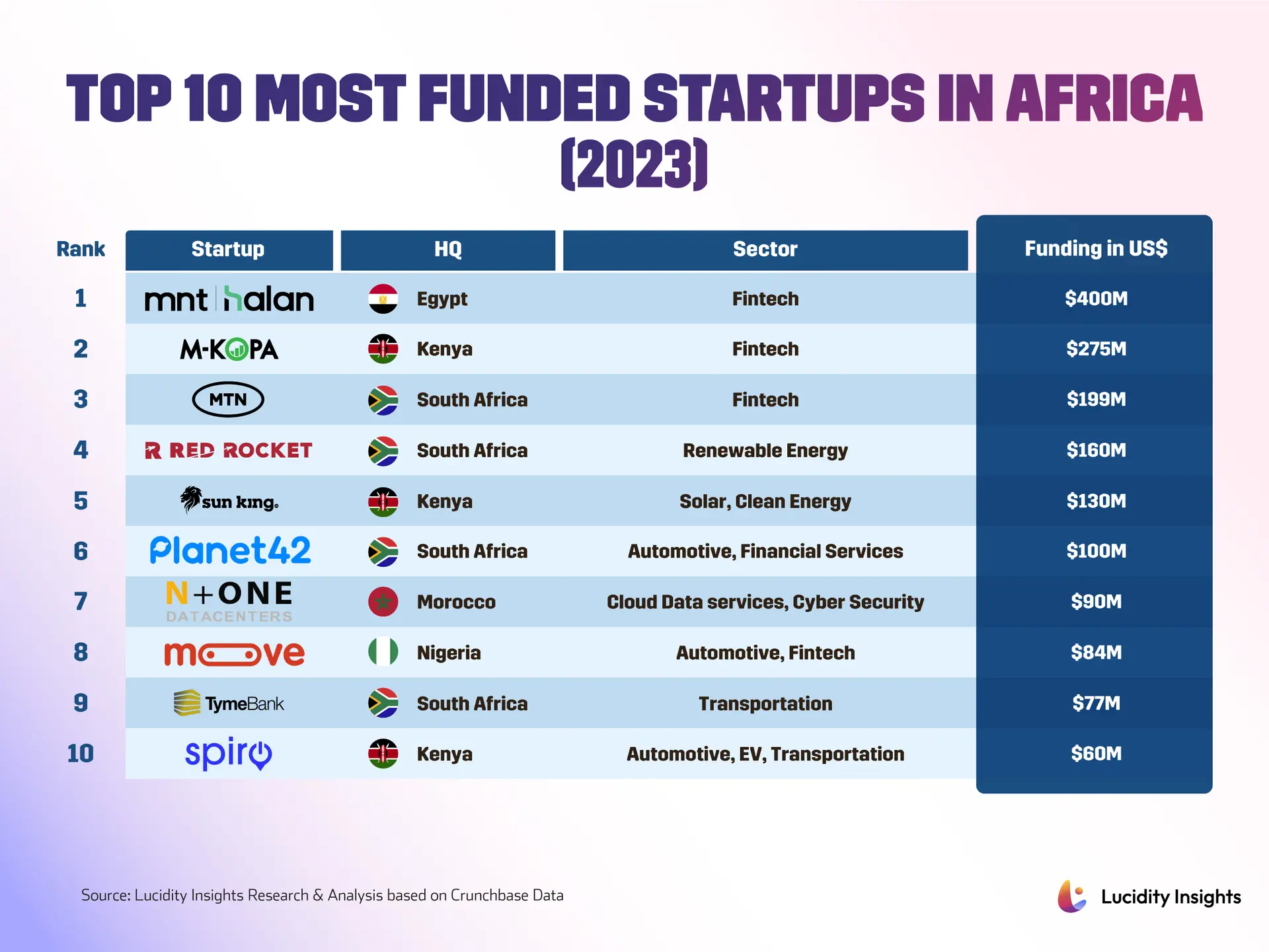
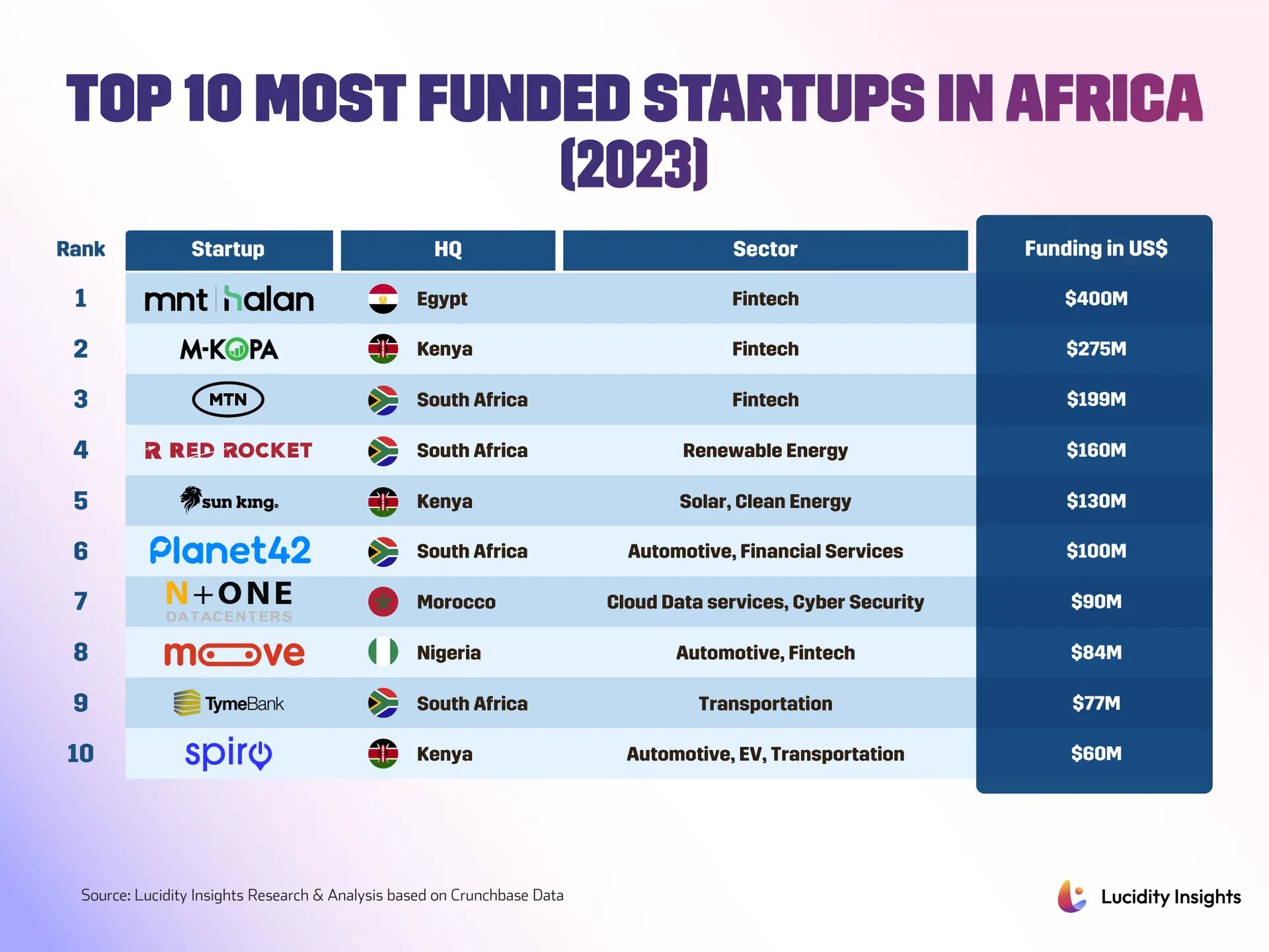
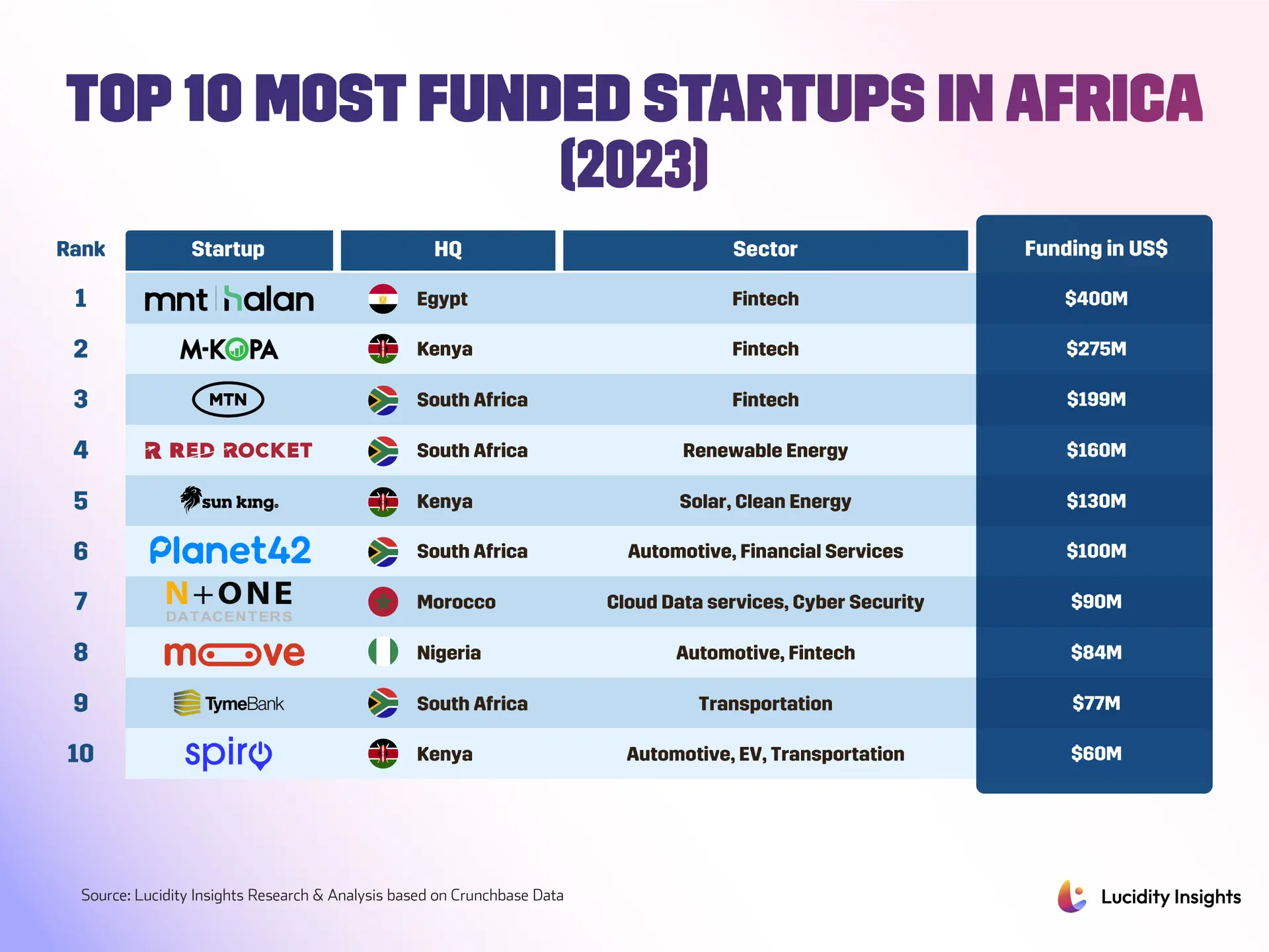
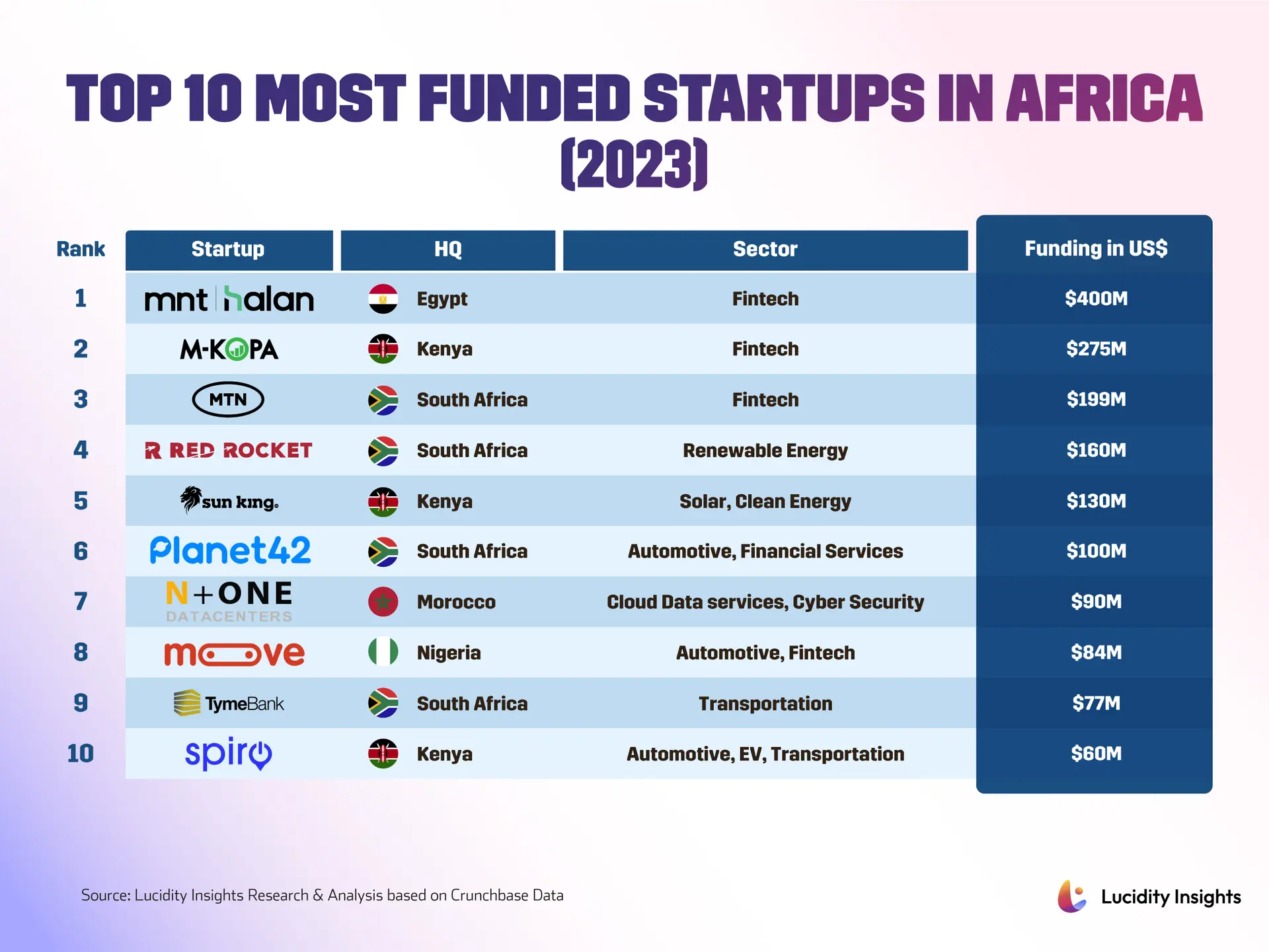
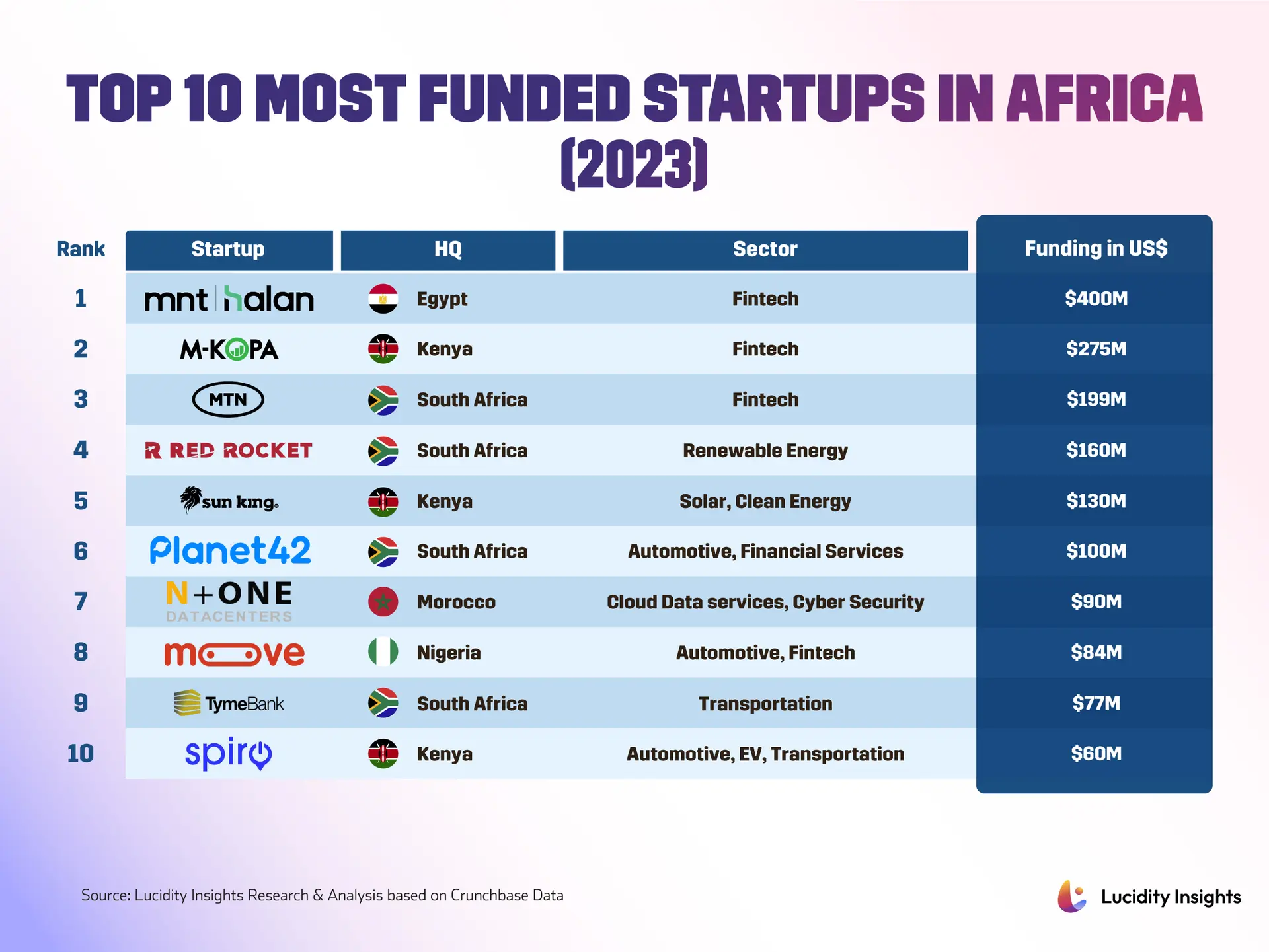
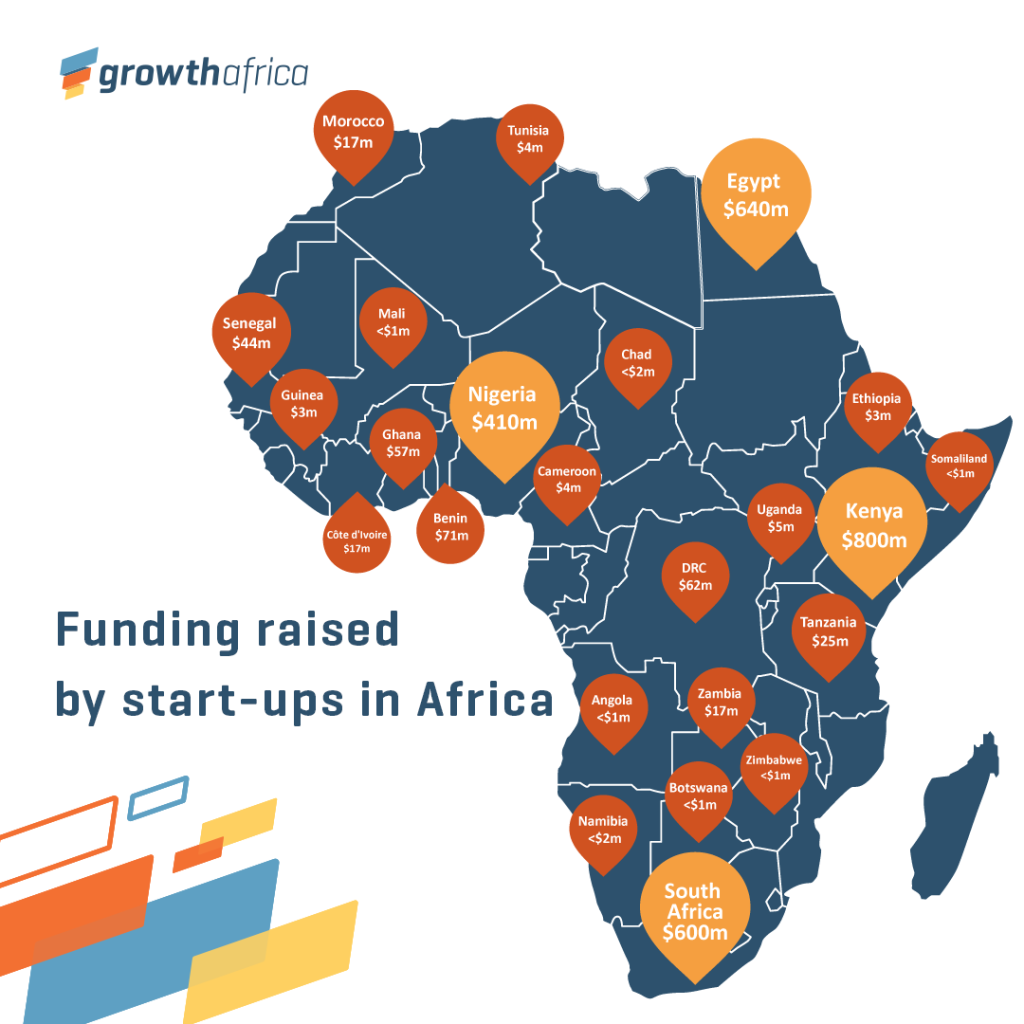
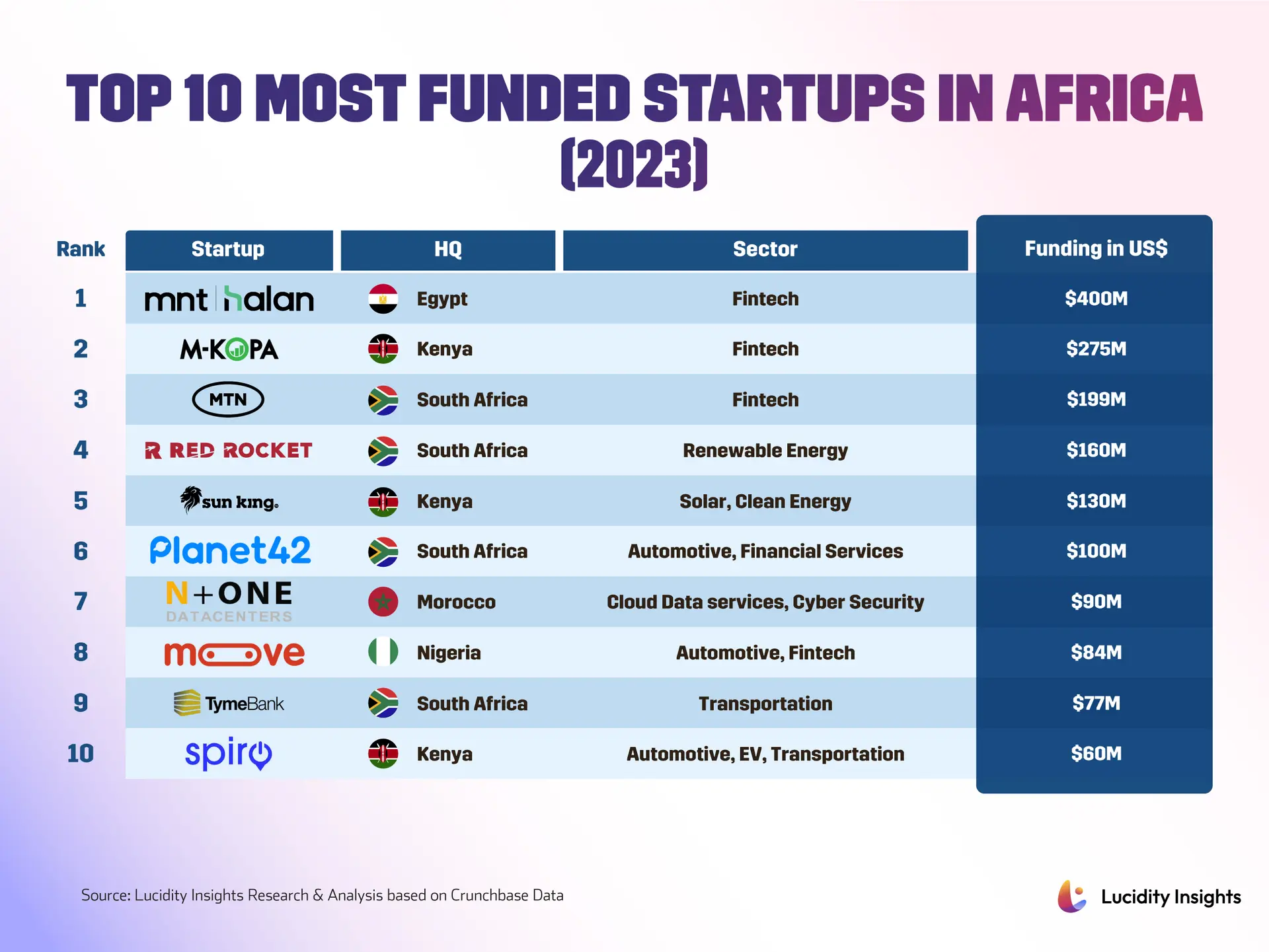
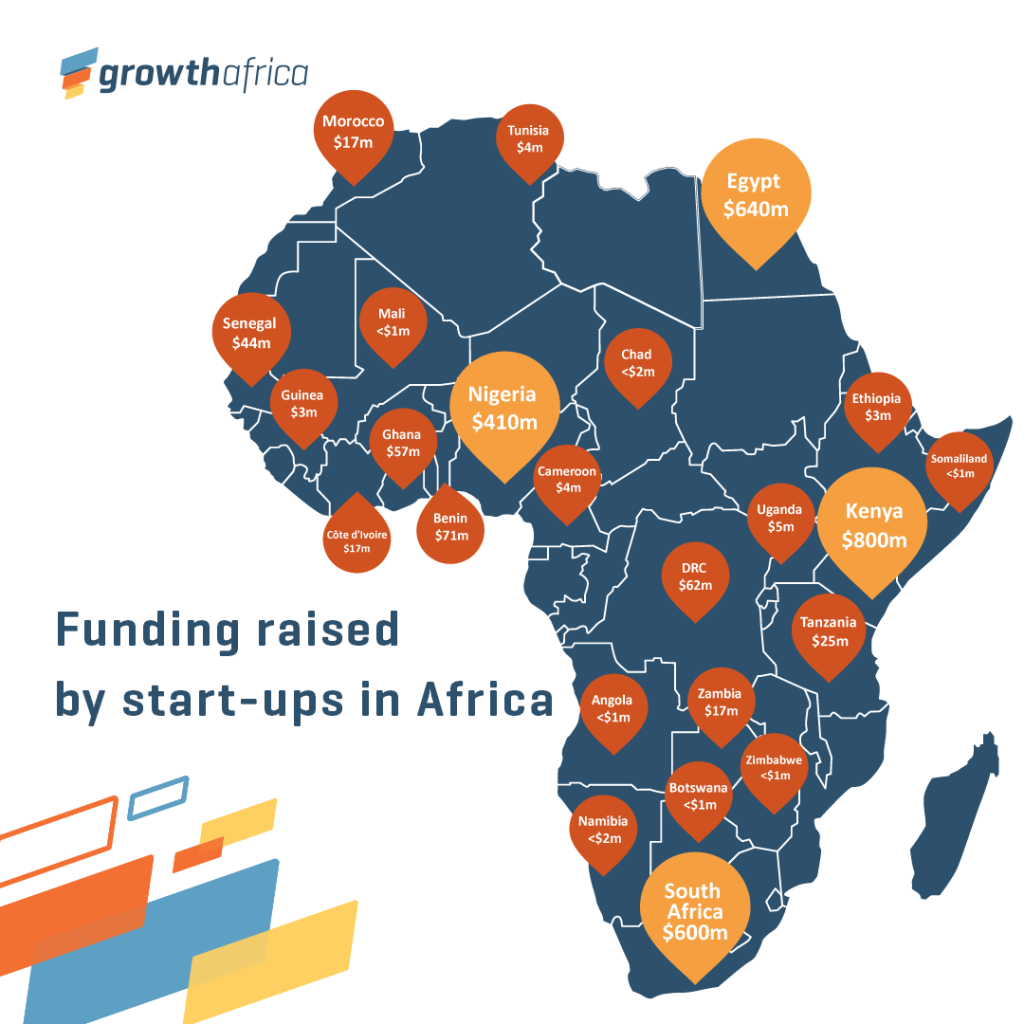
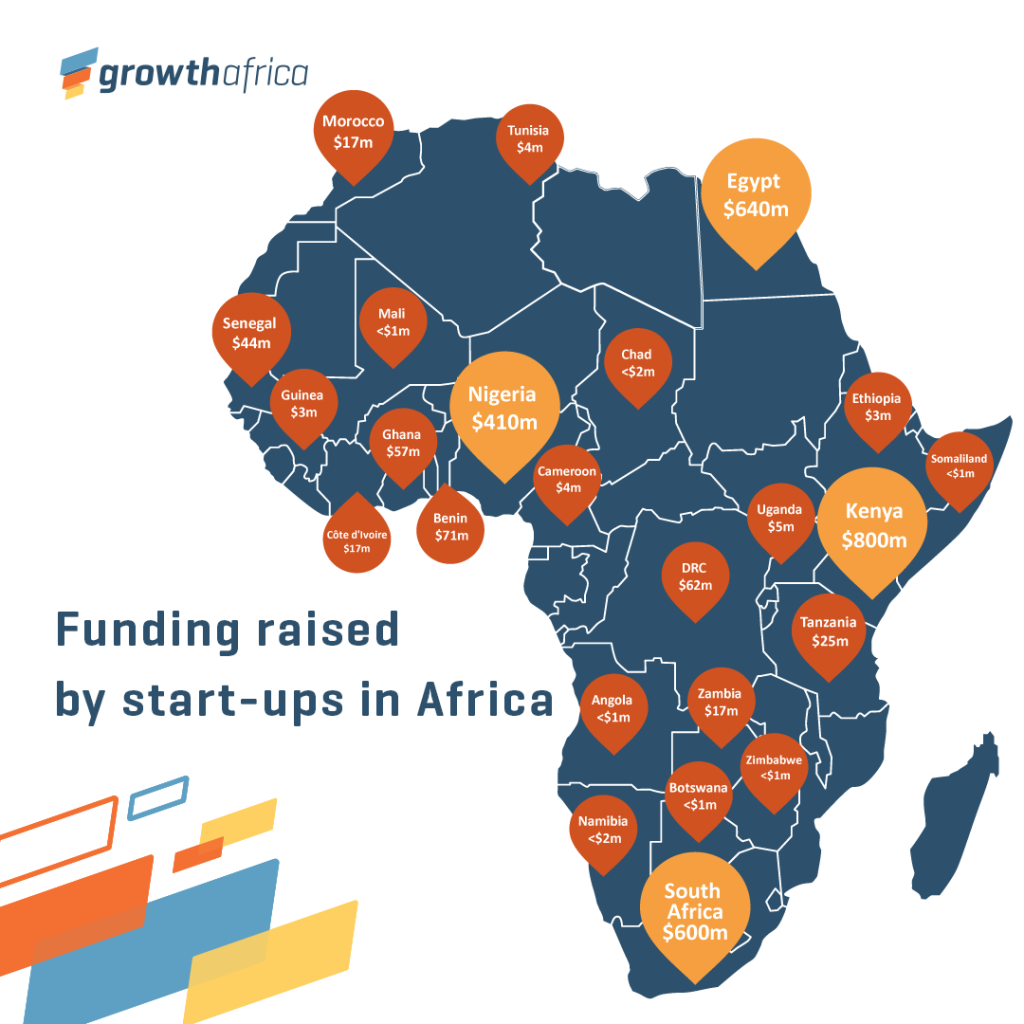
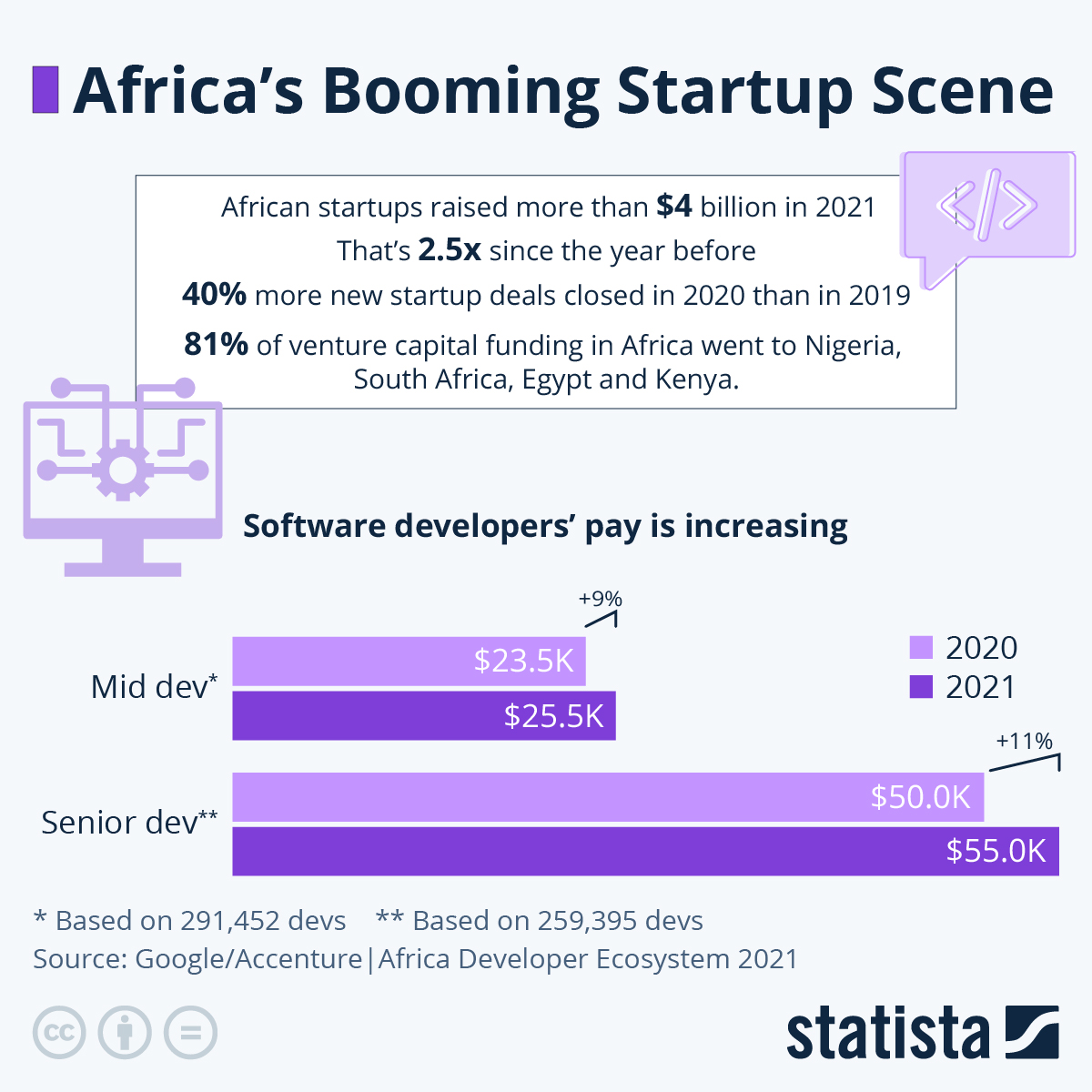
Some of the most intriguing developments are happening at the edges of technology and infrastructure. In Kenya, startups like Spacecoin are experimenting with blockchain enabled satellite projects, positioning themselves as alternatives where big providers face regulatory hurdles. These ventures use distributed ledger concepts to coordinate nodes and secure communications, an approach that could increase redundancy in connectivity. At the same time, education is getting a technological nudge. Initiatives like Bildup AI are pushing for “AI in Every Classroom,” bringing adaptive learning tools to school systems with limited resources while training teachers to use artificial intelligence responsibly. TechCabal recently highlighted five startups reimagining everything from stores to storytelling, spanning e commerce, cryptocurrency, and cleantech. This variety signals a shift away from single verticals toward interconnected ecosystems. Venture capital fuels much of this momentum, with both African funds and global backers remaining active across the region. That capital flow powers product development and the expensive work of physical scale, but it also brings scrutiny. Some companies are now pivoting to healthier unit economics after funding rounds, a reminder that growth needs to be matched with clear paths to profitability, as seen in the record growth of Africa’s startup ecosystem.
The Road to 2026: Scaling Impact Amid Challenges
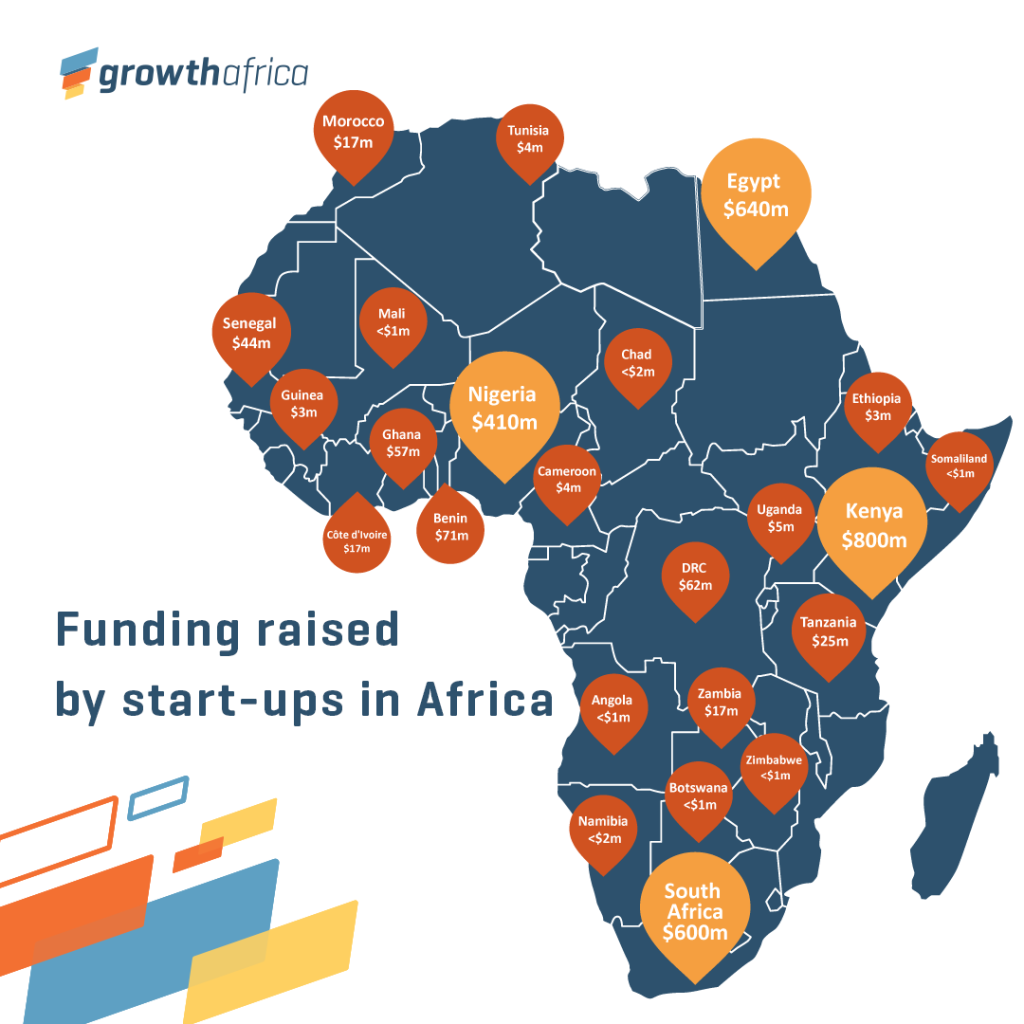
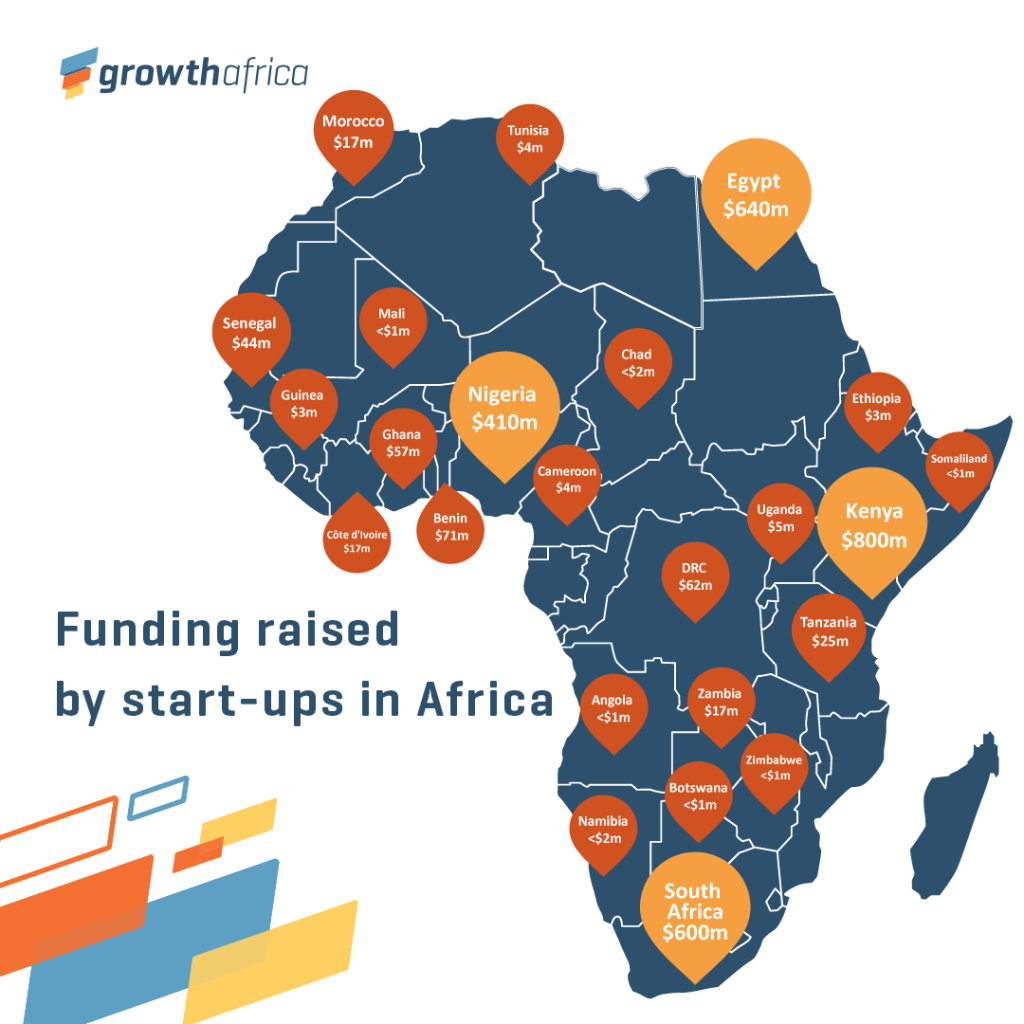
What ties these diverse efforts together is a genuinely pragmatic approach to hard problems. Founders are building around real friction points, whether that’s opaque housing markets, broken delivery chains, or patchy internet coverage. They use data where they can and partners where they must to stitch services together and reach customers previously left out of the digital economy. Of course, challenges haven’t disappeared. Infrastructure gaps and regulatory uncertainty can still slow deployment, talent shortages constrain product development, and access to consistent late stage capital remains uneven. Yet the work underway, from fulfilment hubs to experimental satellite networks, suggests the next phase of African tech will be less about speculative ideas and more about scaling reliable services that actually fit local markets. Looking ahead, 2026 is shaping up to be a year where the continent’s startups convert proof of concept into operational muscle. Expect more deals that fund distribution and logistics, increased regulatory engagement around connectivity and crypto, and steady investor appetite for companies demonstrating repeatable revenue models. If current trends hold, the coming months will show whether these creative engineering solutions can turn into everyday impact for millions of Africans, building on the significant funding surge that has already transformed the landscape. As TechCrunch’s ongoing coverage shows, the story of African innovation is still being written, one practical solution at a time.