Burkina Faso Faces Political Turmoil and Growing Security Crisis
Ouagadougou, Burkina Faso – This West African nation is at a critical crossroads, grappling with escalating security threats, deep political instability, and severe humanitarian crises. We’re seeing a country constantly battling insurgent violence, multiple military coups, widespread displacement, and urgent socio-economic needs. Despite these daunting challenges, efforts persist to restore order and spark hope for recovery in this pivotal nation. But can Burkina Faso truly turn the tide without a unified front?
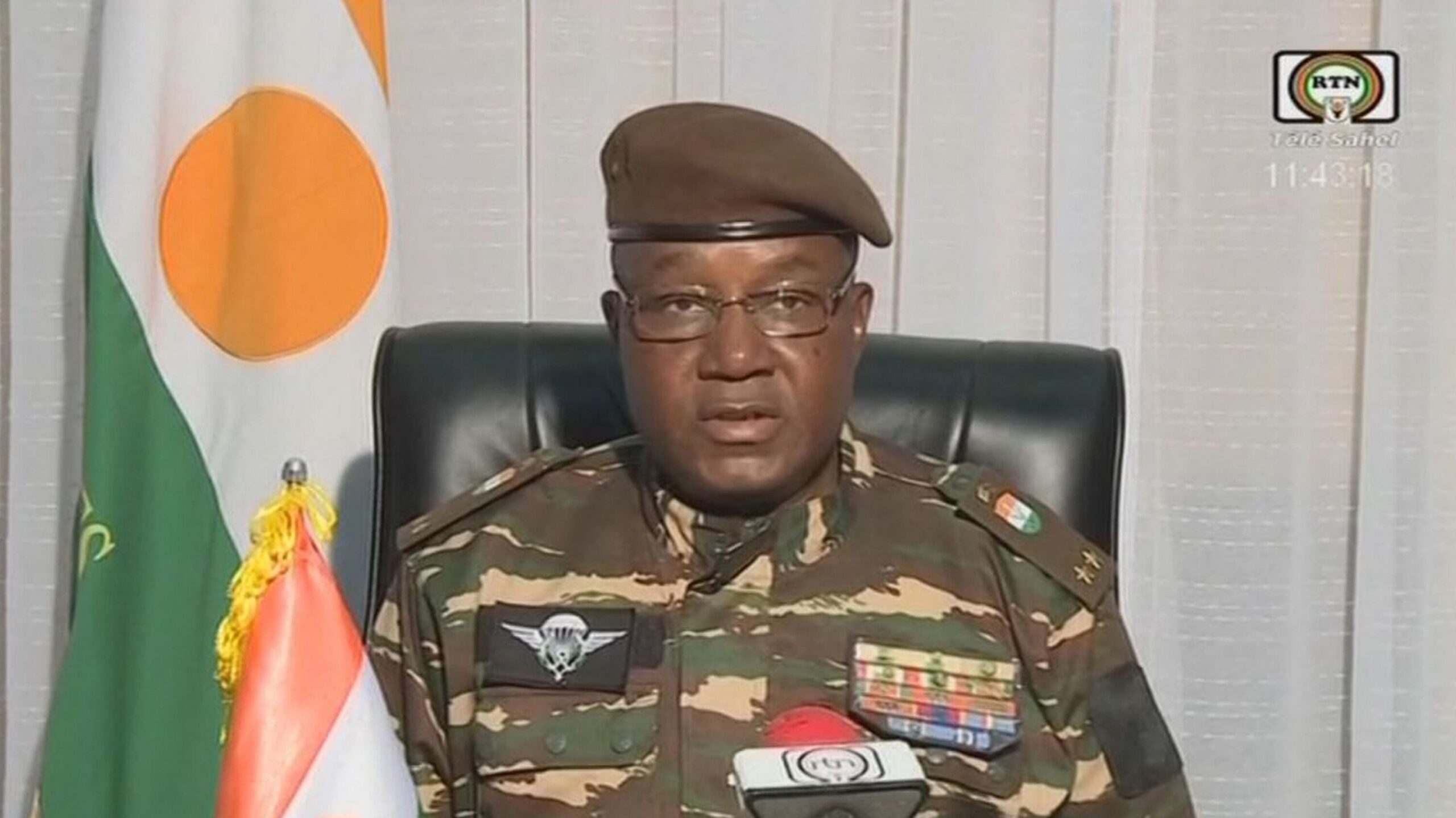
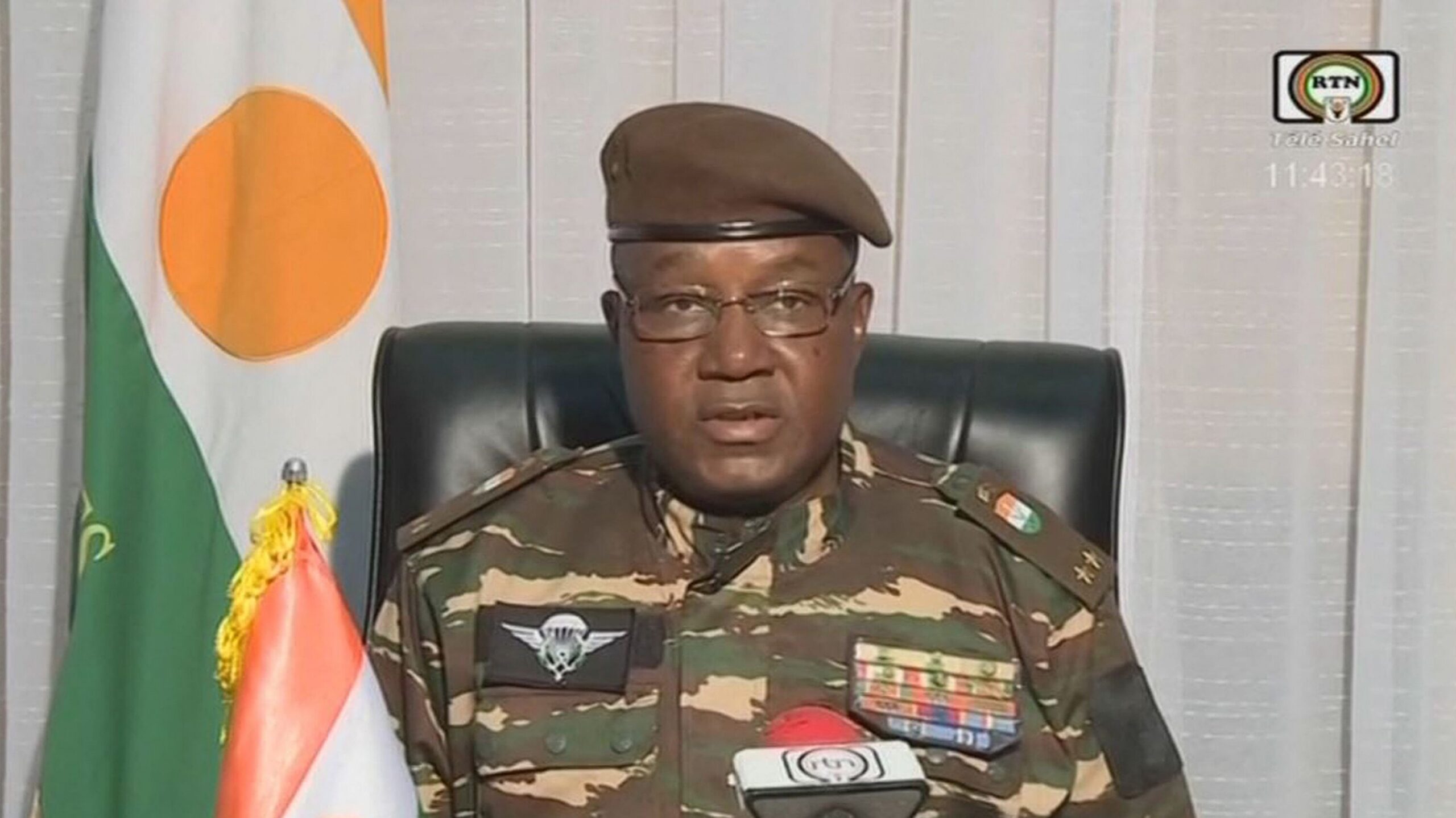
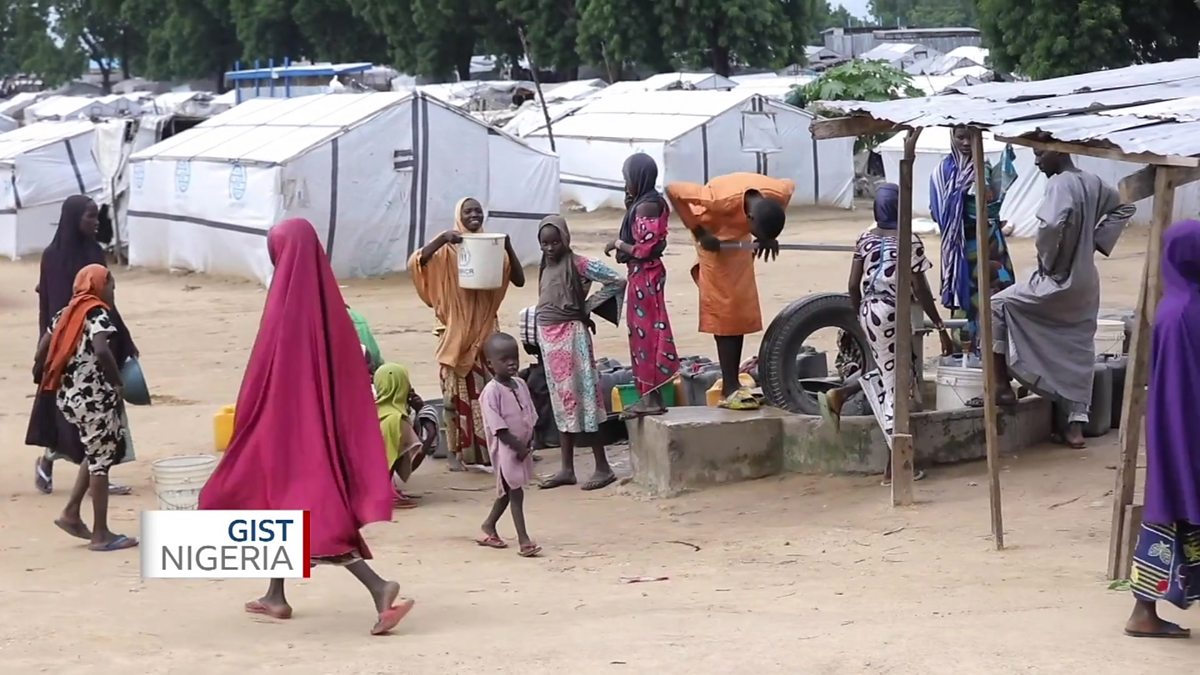
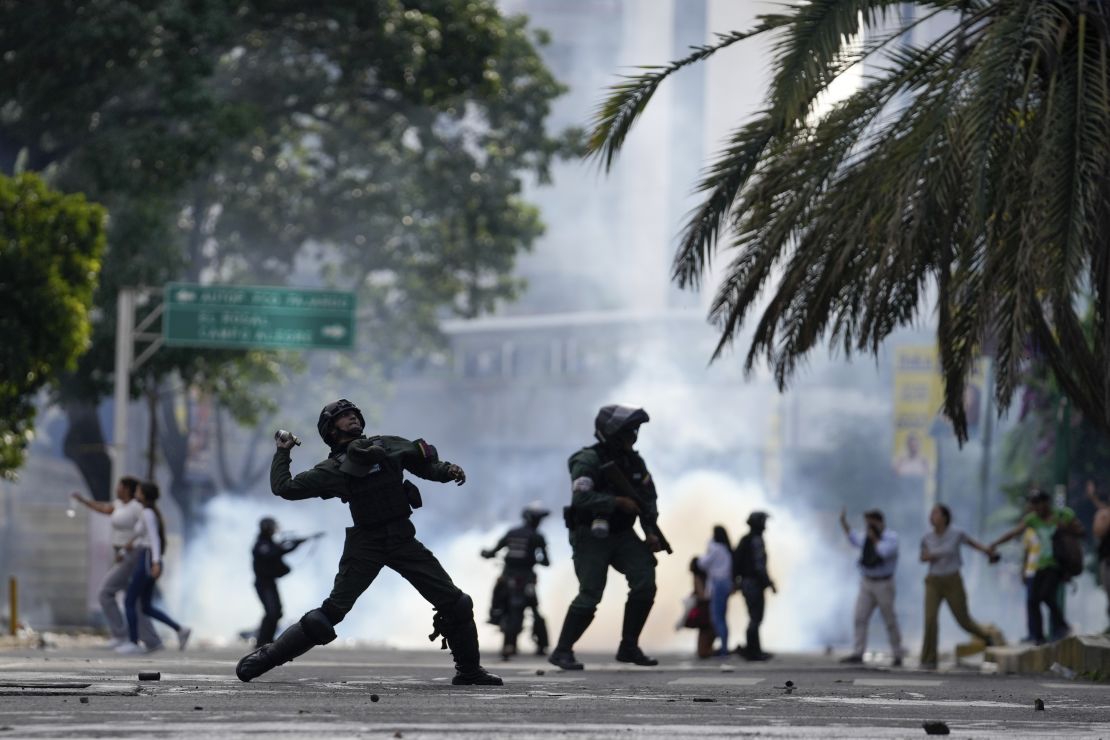
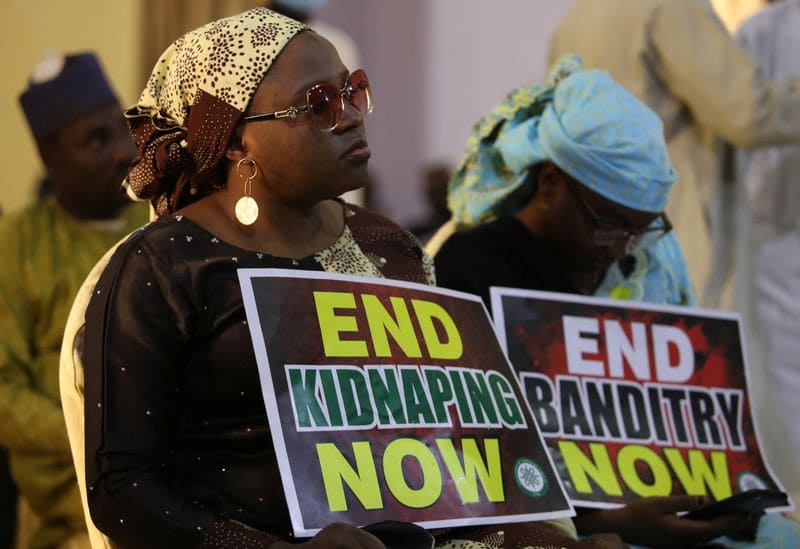
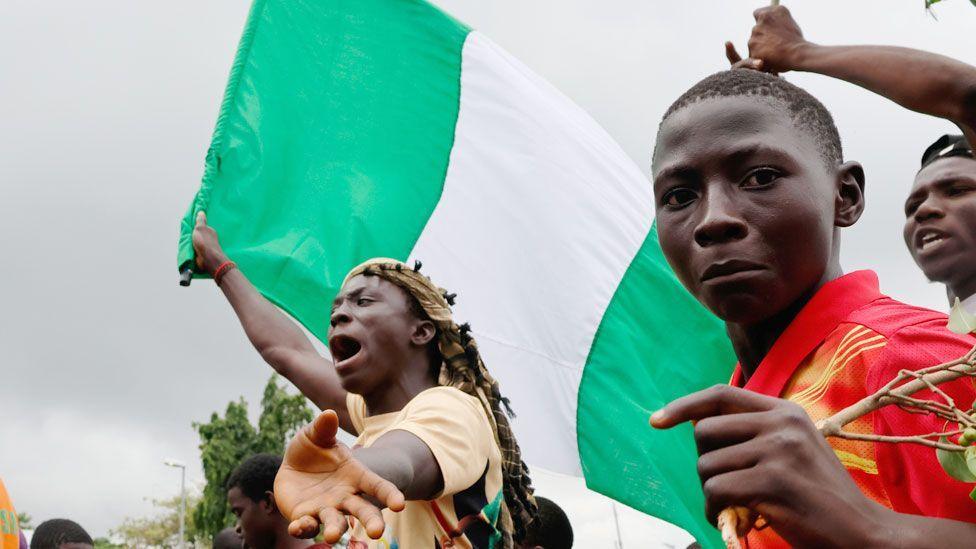
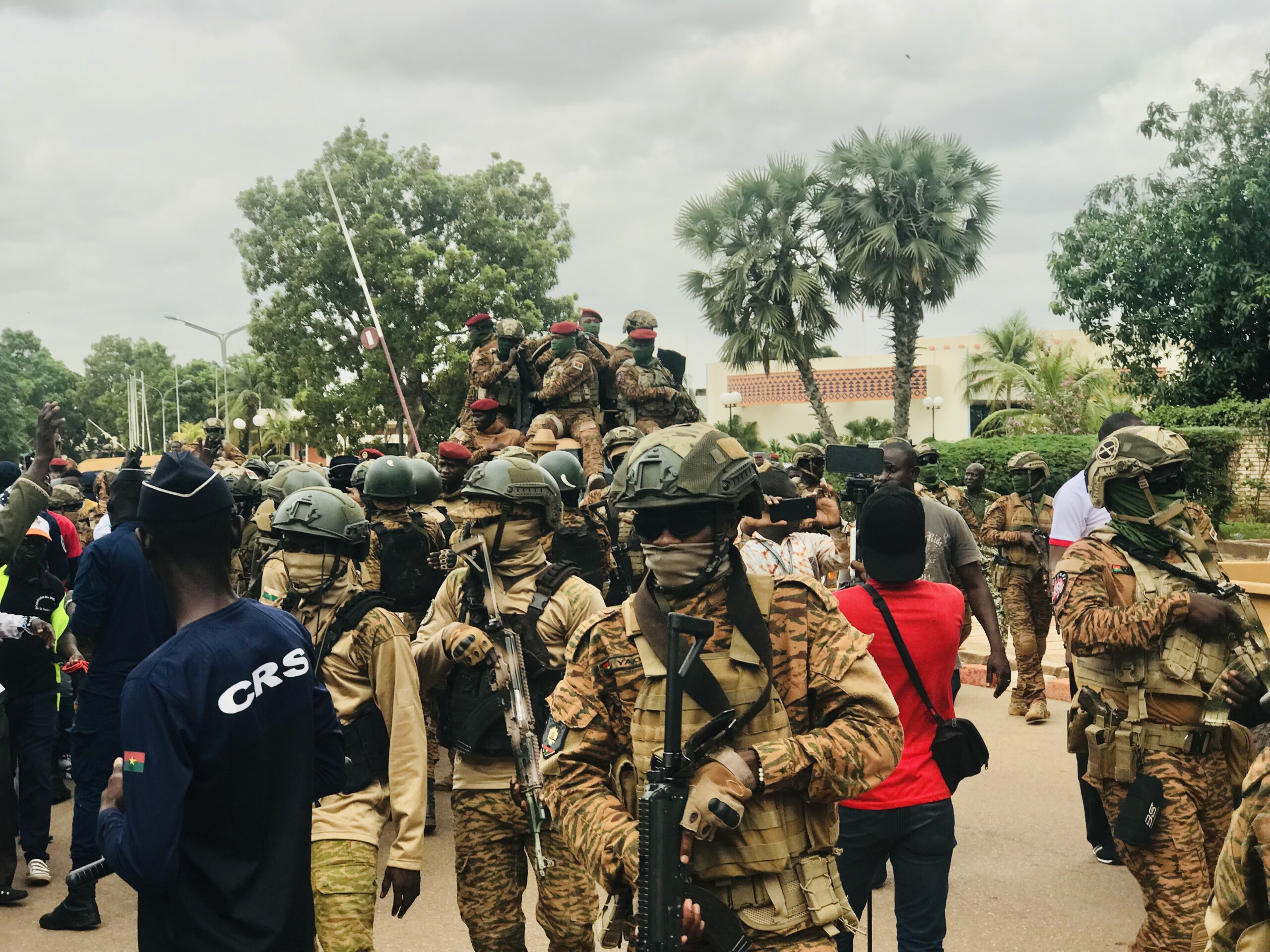
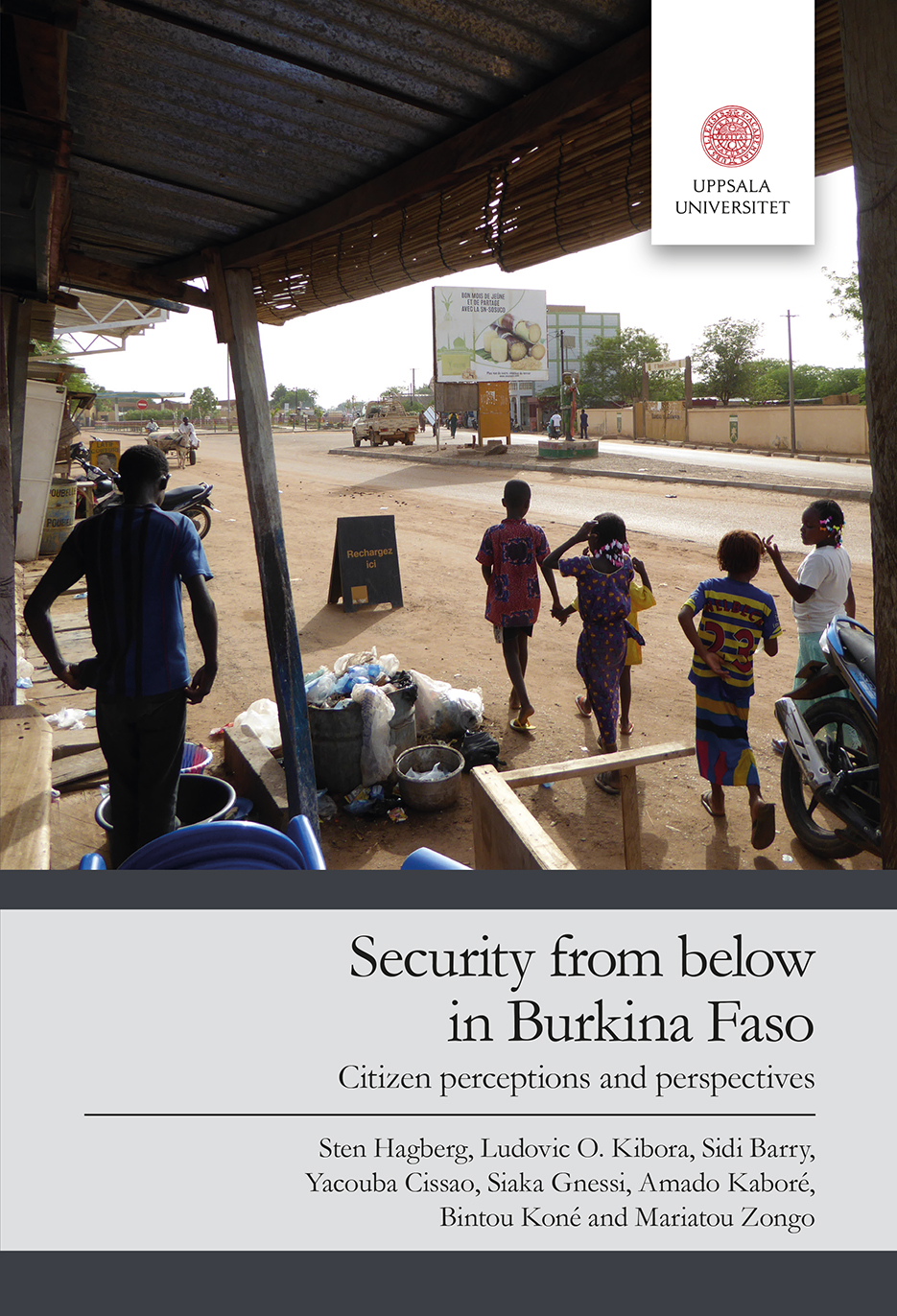
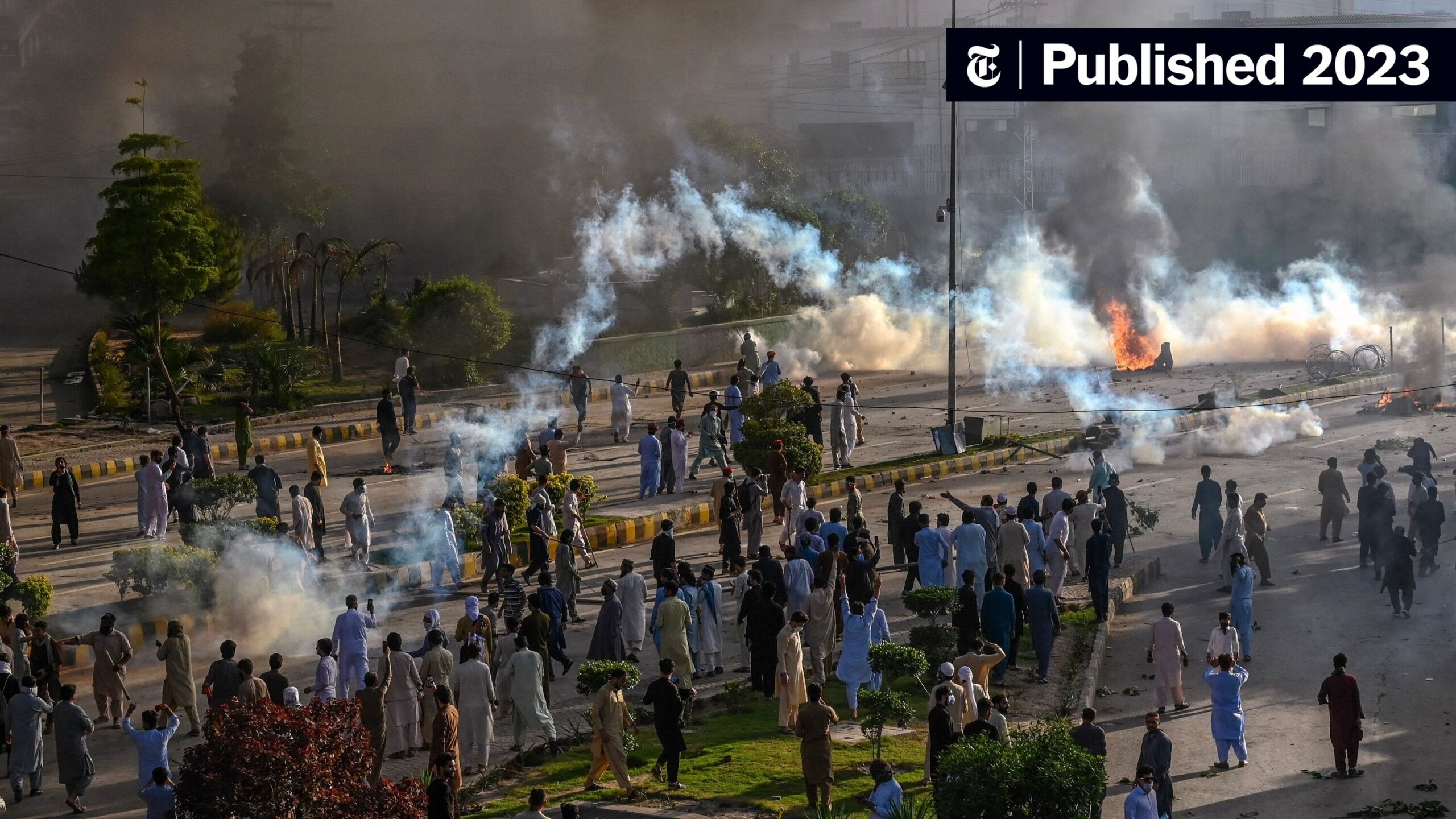
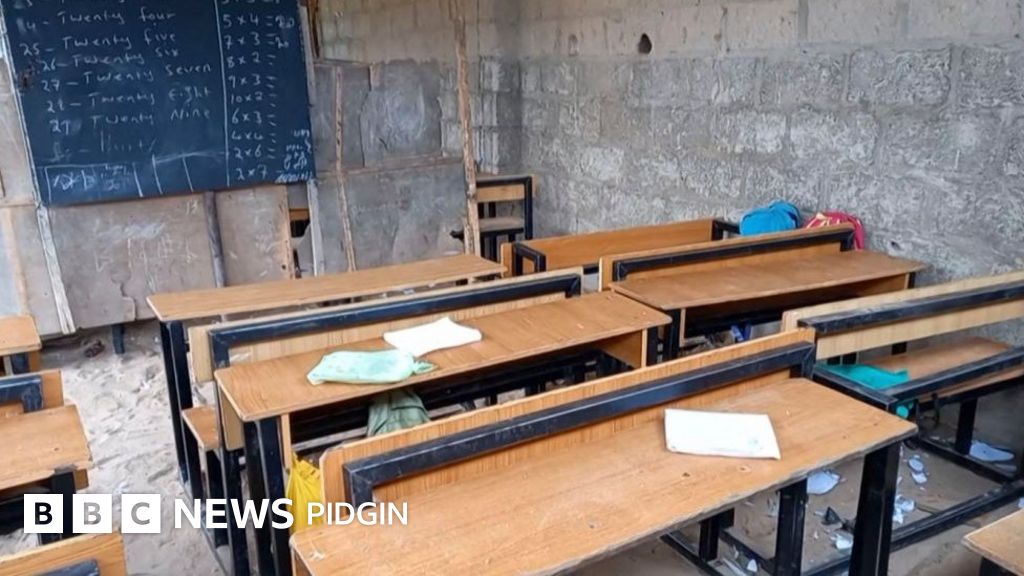
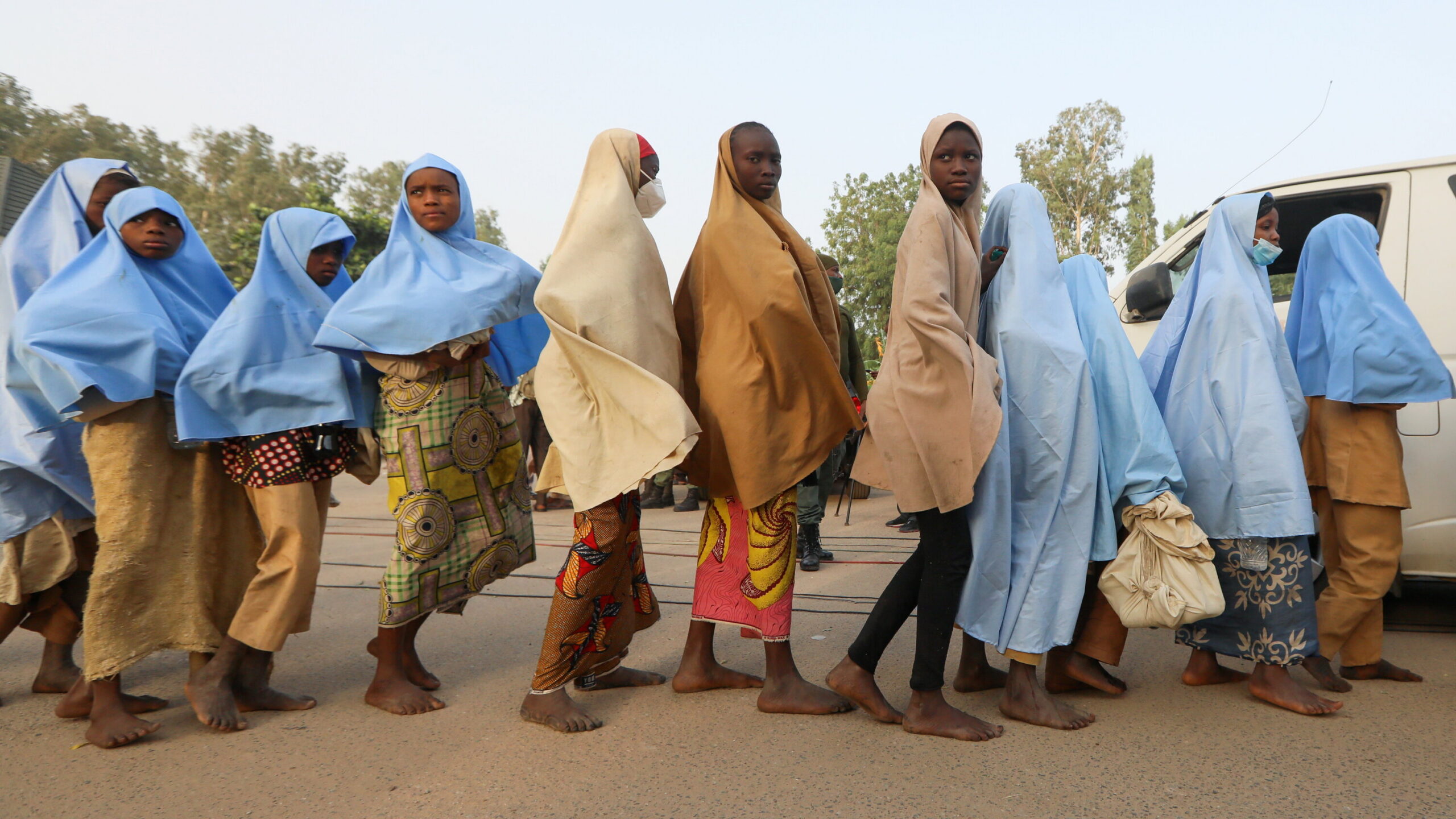
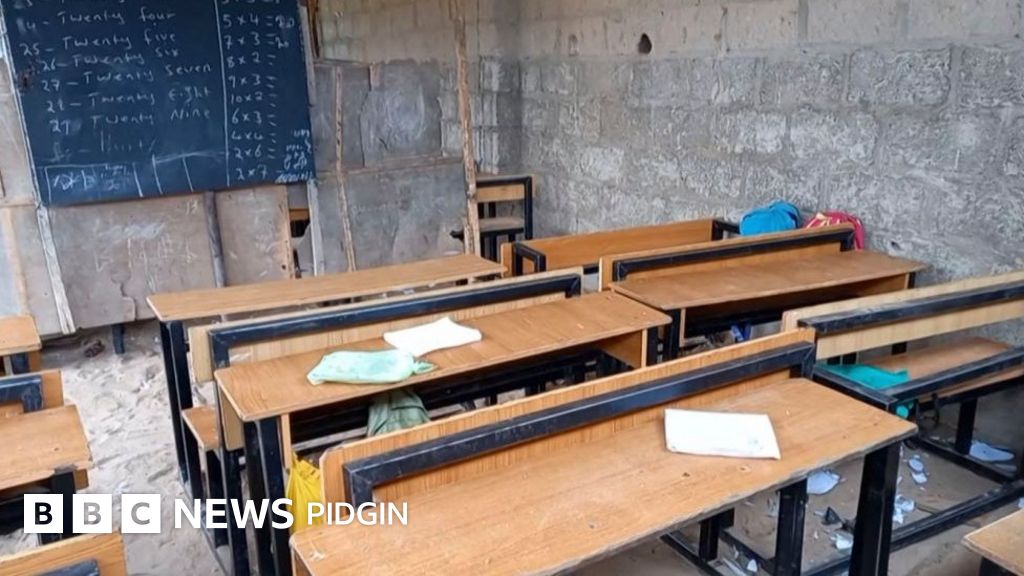
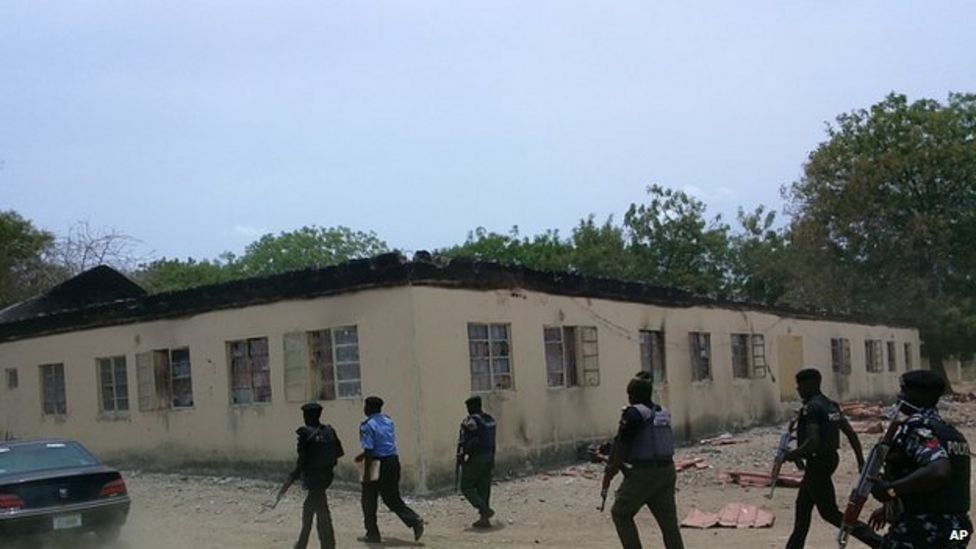
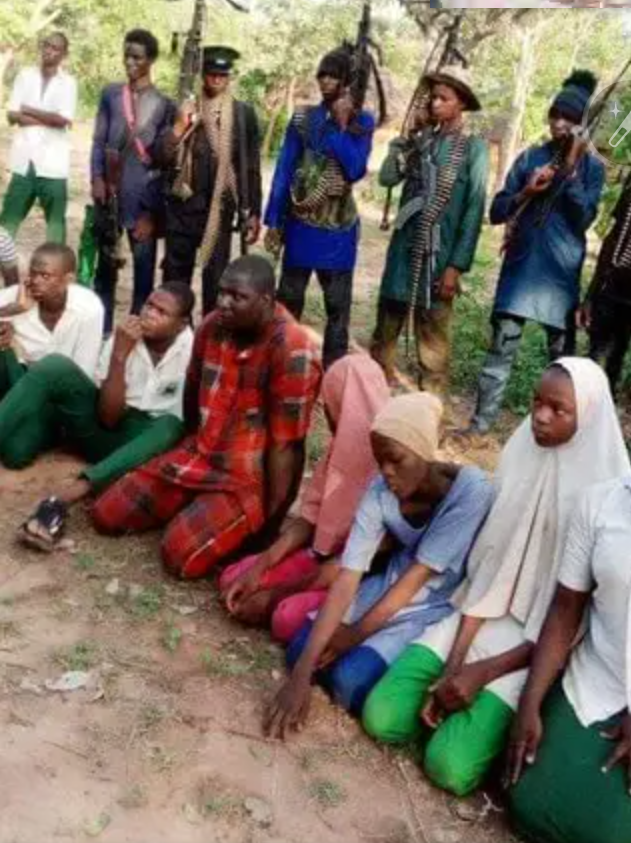
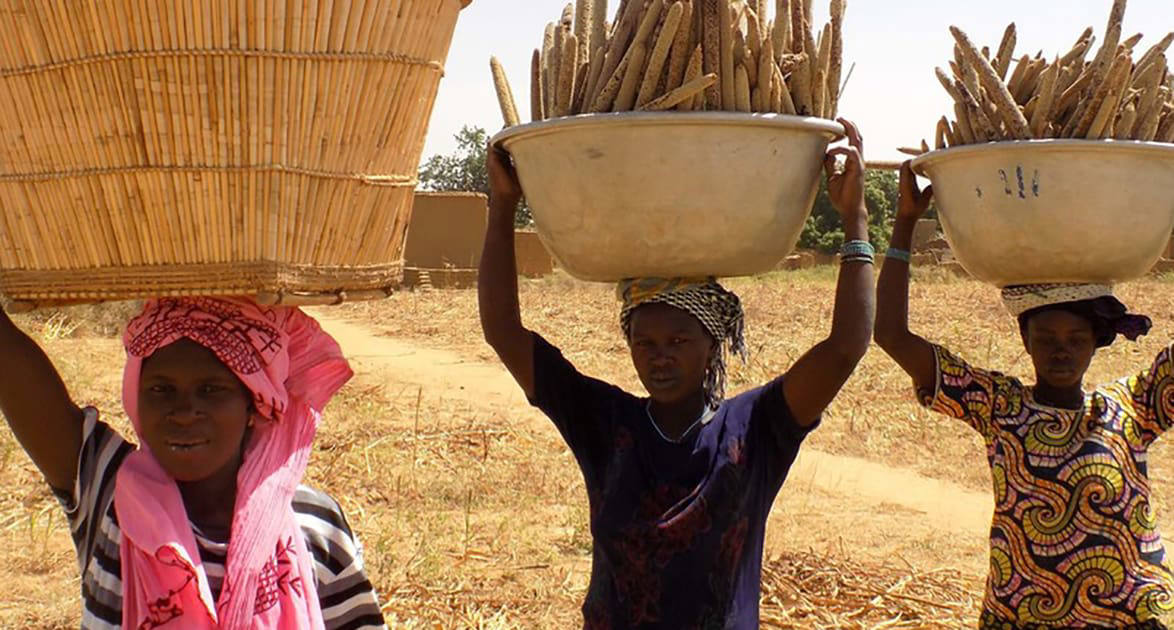
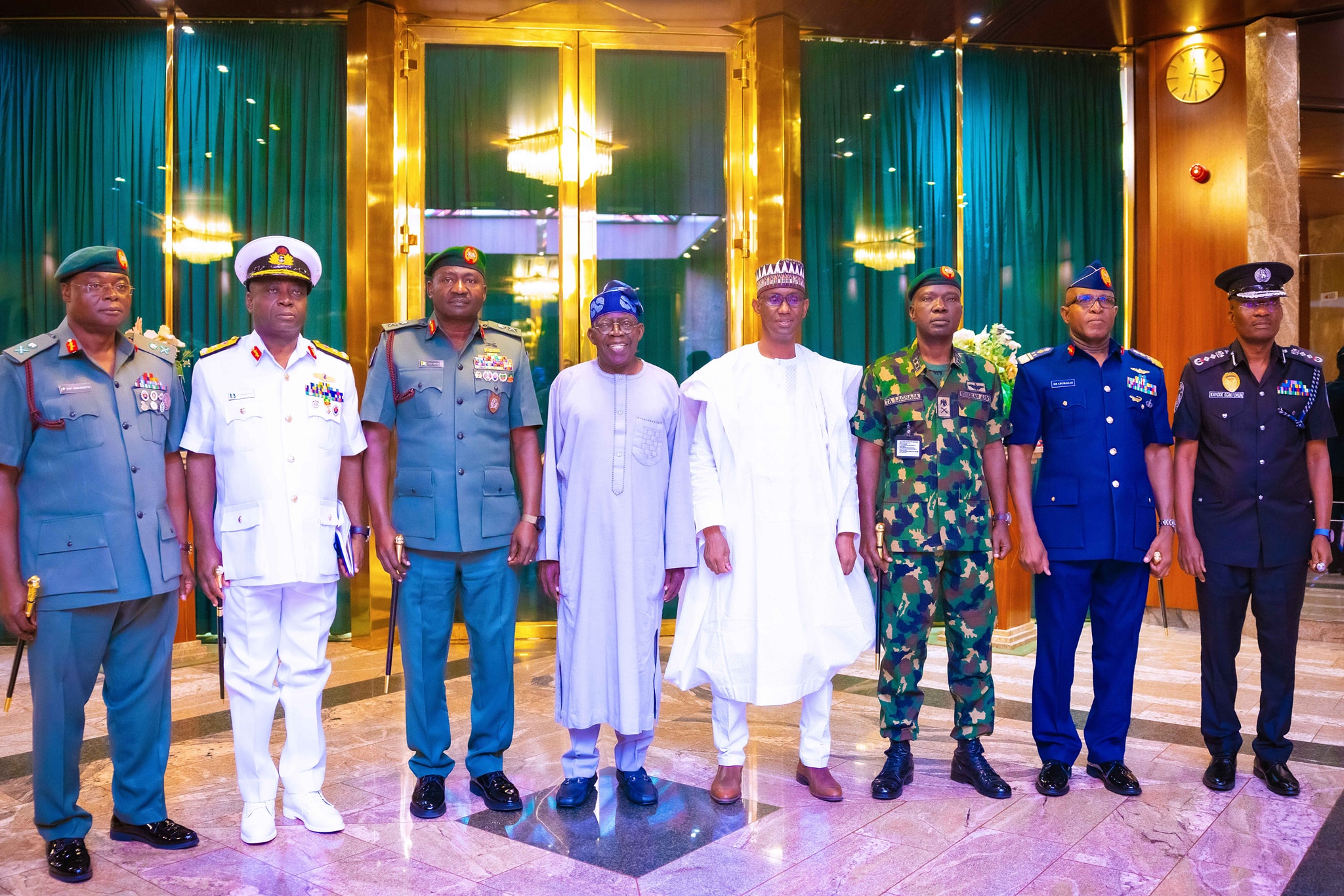
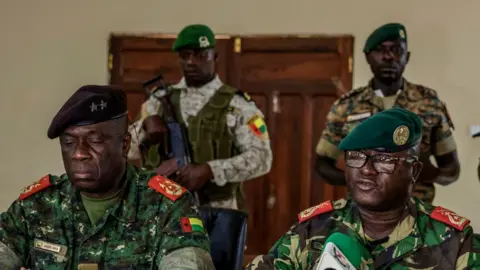
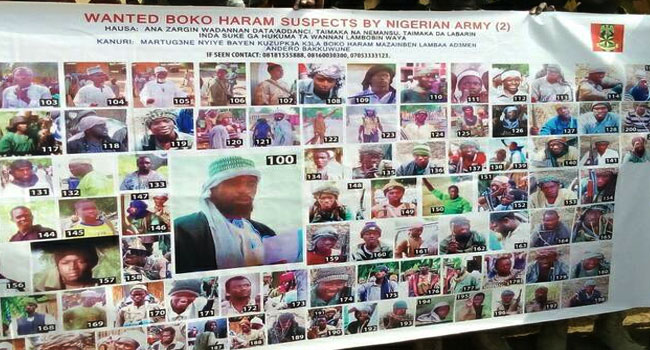
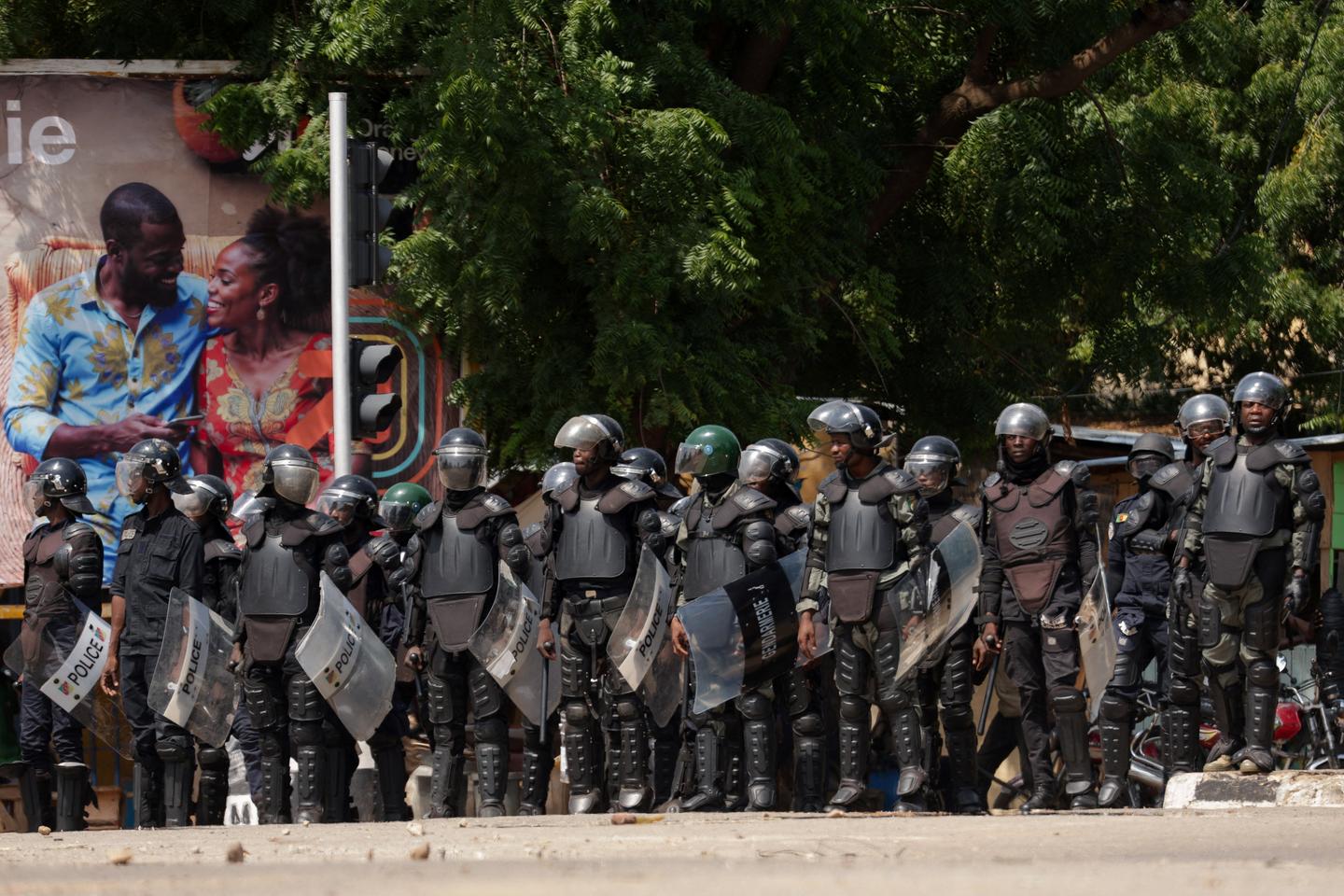
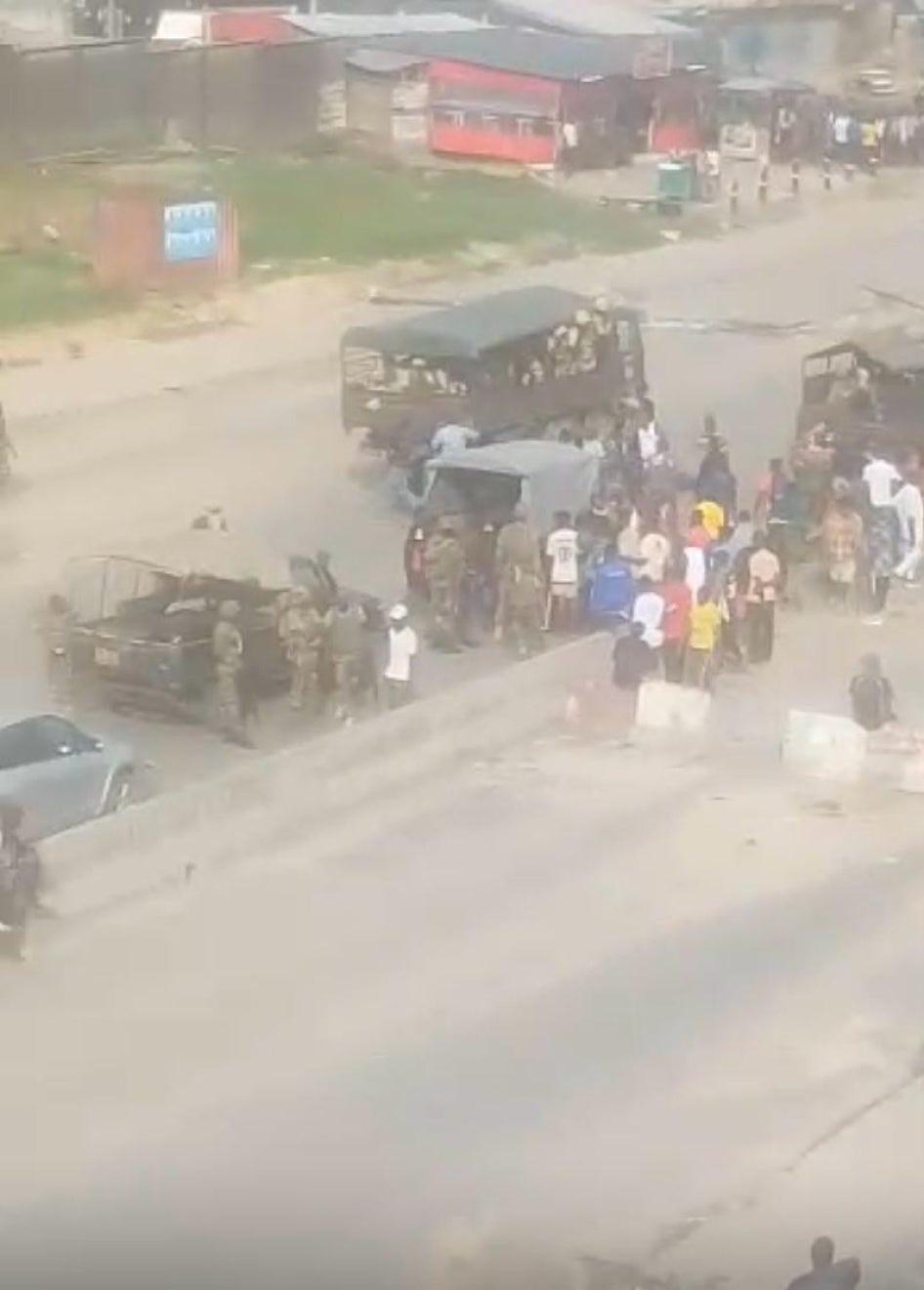
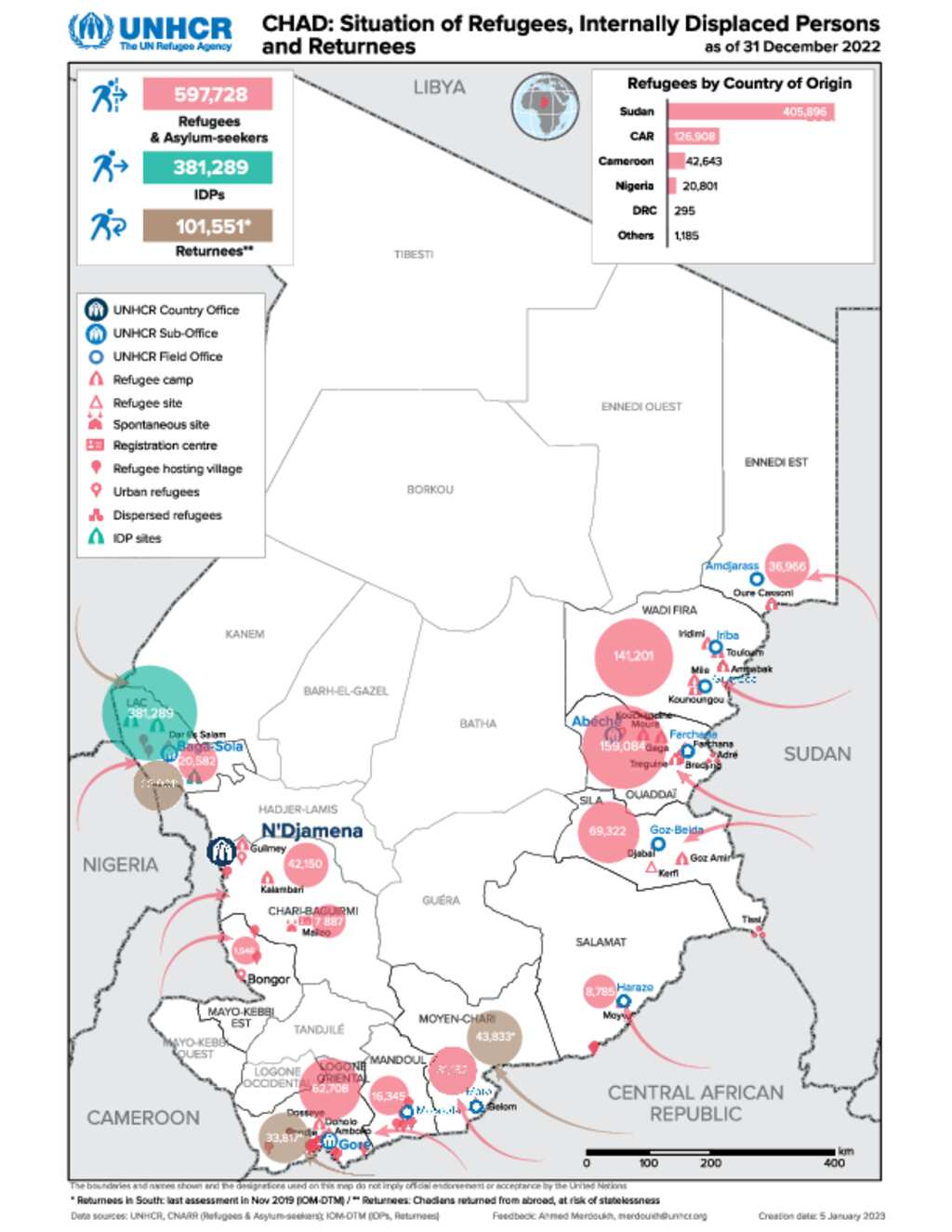
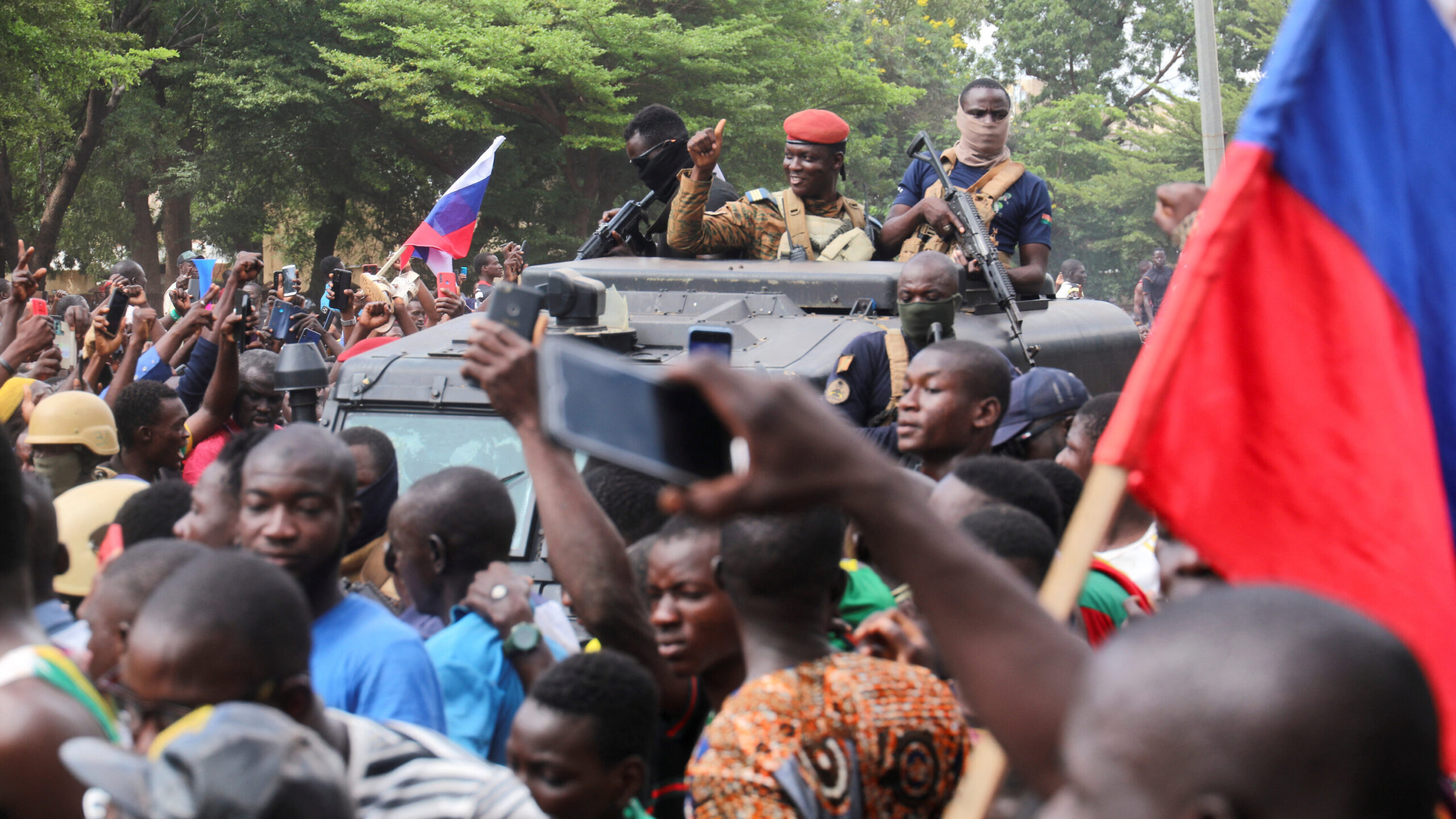
For over a decade, the Sahel region has faced a sharp rise in attacks from jihadist militants linked to groups like Al-Qaeda and Islamic State affiliates. These armed groups have cunningly exploited weak governance and porous borders, especially along the northern and eastern frontiers. Villages are raided, schools shut down, and thousands flee their homes to escape a violence that’s become a grim daily reality for many. Just in recent months, some of the deadliest attacks, including civilian massacres, have drawn global condemnation. Our security forces are undeniably stretched, but they’re responding with counterterrorism operations aimed at disrupting militant networks. Yet, this ongoing conflict strains the military and overwhelms the nation’s capacity to protect its vulnerable populations. Compounding these security woes, Burkina Faso has suffered significant political instability, marked by two military coups in just three years. The first, in January 2022, removed President Roch Marc Christian Kaboré amidst public outcry over his government’s handling of the security crisis. A transitional military government pledged stability and elections, but progress has been painfully slow. Then came the second coup in September 2022, highlighting deep military divisions and uncertainty about the country’s future. The new junta committed to fighting terrorism, but they’re also under immense pressure, both domestically and internationally, to restore civilian rule. These upheavals have certainly messed with governance, raising serious concerns about the military’s expanding political role. What does this mean for the average Burkinabe citizen? It means a staggering human toll. Over two million Burkinabe have been internally displaced since 2019, according to the United Nations. These displaced people now crowd into makeshift camps, straining already scarce resources in safer areas. Food insecurity has worsened, with millions facing hunger as farming cycles are disrupted and markets become inaccessible. Health systems are buckling under pressure, their infrastructure suffering from neglect and attacks. Education, a lifeline for any nation’s future, is severely disrupted, with thousands of schools closed. This is depriving children of vital learning opportunities, impacting a generation. Humanitarian organizations are working tirelessly to provide emergency aid, but funding gaps and security restrictions unfortunately limit their reach.
Burkina Faso’s crisis doesn’t stop at its borders, it’s impacting the wider Sahel region. Neighbors like Mali and Niger face similar insurgent threats, prompting calls for stronger regional cooperation initiatives. The G5 Sahel joint force, including Burkina Faso’s military, continues its counter-militant operations, though with mixed results. International partners, from the United Nations to the EU and the US, have pledged support for stabilization efforts and humanitarian aid, yet diplomatic relations are often strained due to military takeovers and differing views on governance and human rights. Despite such profound challenges, the people of Burkina Faso show remarkable resilience. Civil society groups, traditional leaders, and grassroots organizations are playing crucial roles in promoting dialogue, reconciliation, and community security. Amidst all the adversity, efforts to build local governance structures and improve service delivery continue. Looking ahead, the path to stability won’t be easy, but it absolutely requires comprehensive strategies. We need security measures combined with political inclusivity, genuine economic recovery, and strong social cohesion. Reinstating civilian-led governance through credible elections, strengthening security forces while upholding human rights, addressing urgent humanitarian needs, and fostering regional cooperation will be absolutely key. While the road ahead remains difficult, there’s cautious optimism that Burkina Faso can eventually turn this tide. The international community’s sustained support, coupled with the unwavering determination of its people, offers a real foundation for rebuilding peace and prosperity in this pivotal West African nation.
Sources:
- “Burkina Faso’s Security Crisis Deepens,” United Nations Office for the Coordination of Humanitarian Affairs, March 2024, unocha.org
- “Political Unrest and Coups Shake Burkina Faso,” Al Jazeera, September 2022, aljazeera.com
- “Displacement and Humanitarian Needs in Burkina Faso,” International Organization for Migration, February 2024, iom.int
- “Regional Security Efforts in the Sahel,” African Union Commission, January 2024, au.int
- “Burkina Faso Faces Food Insecurity and School Closures,” Save the Children, April 2024, savethechildren.org