
Africa’s Next Wave, 2026: Startups Bring Data, AI and Discipline to a Maturing Market
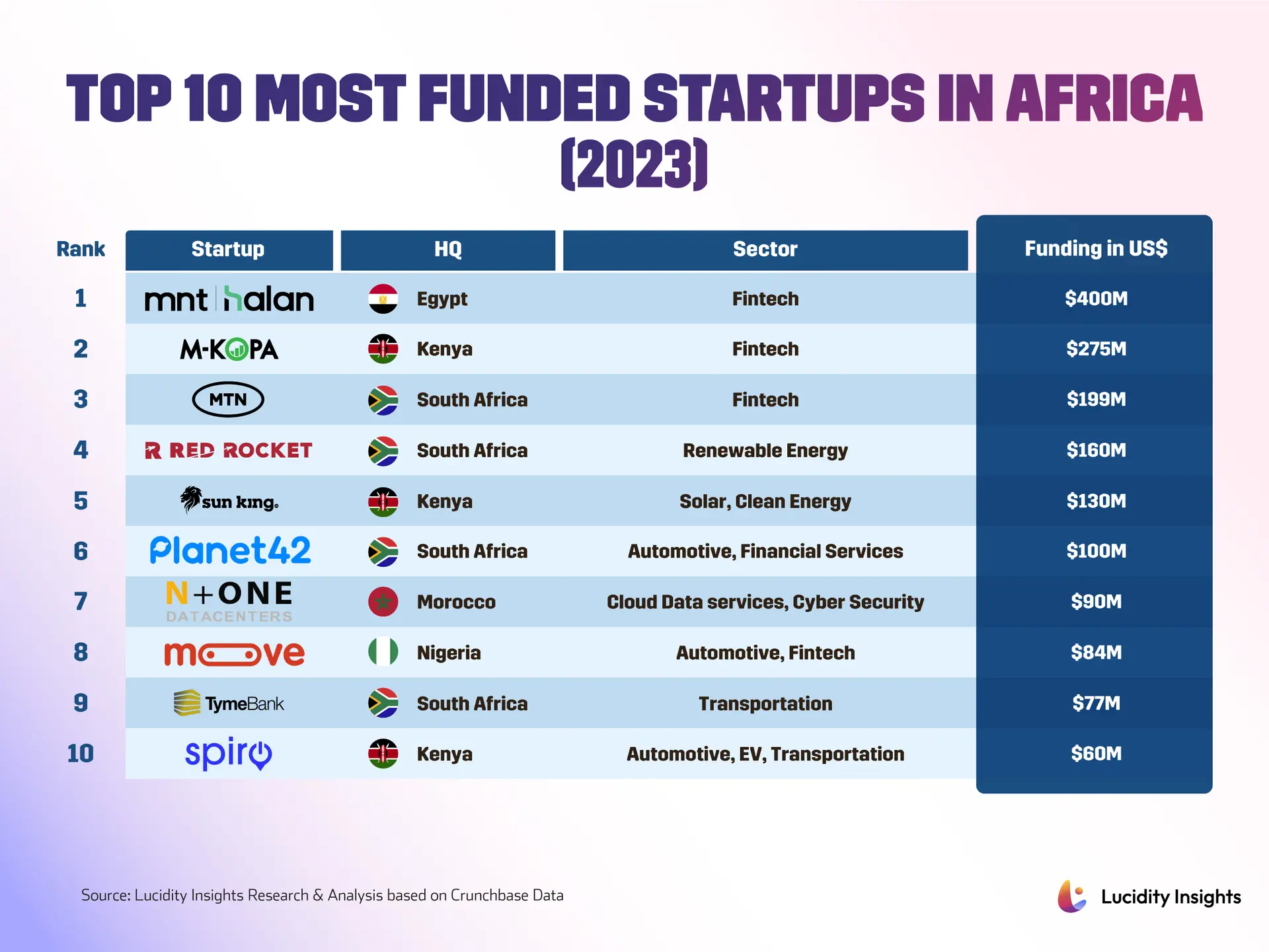
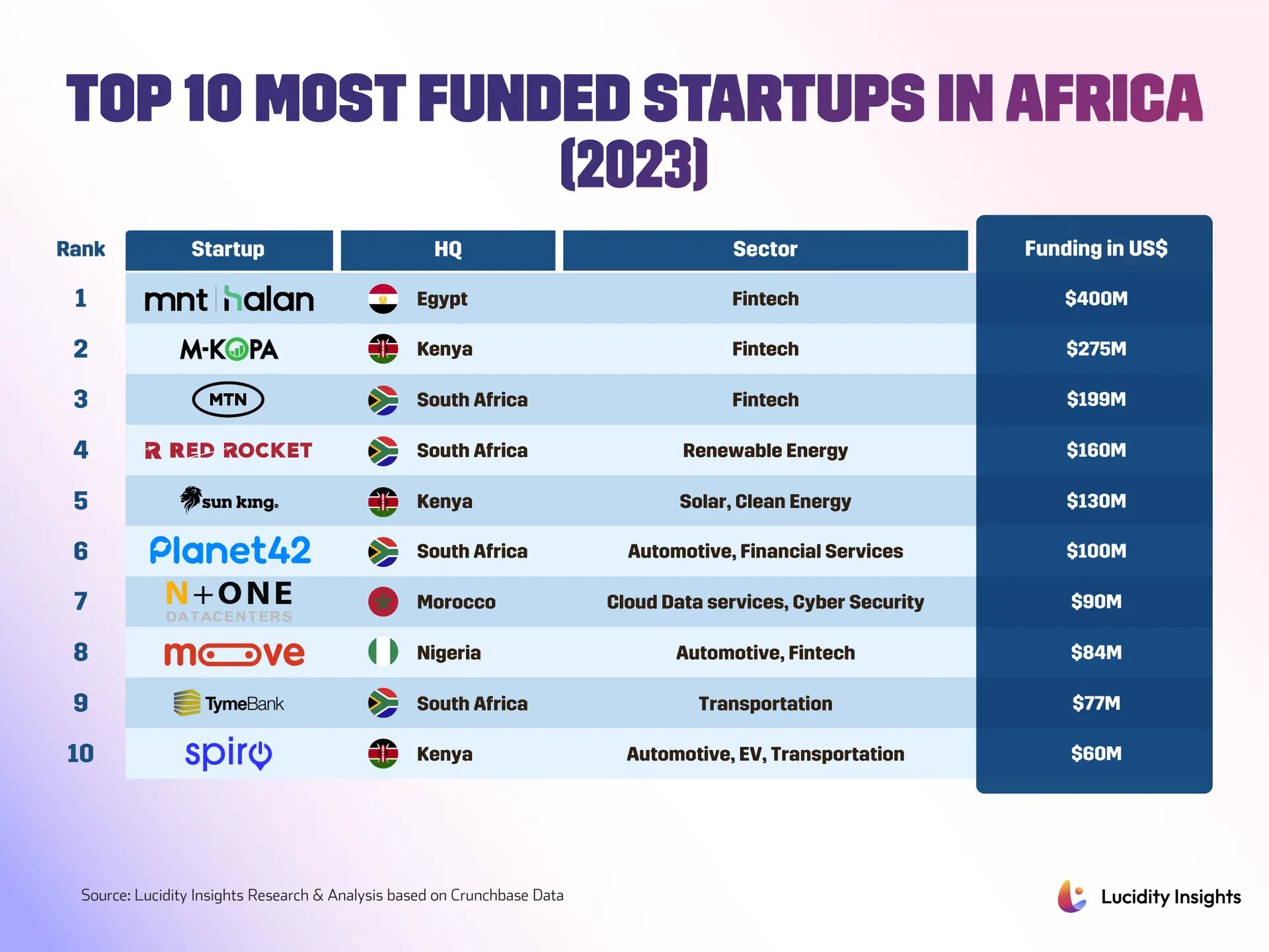
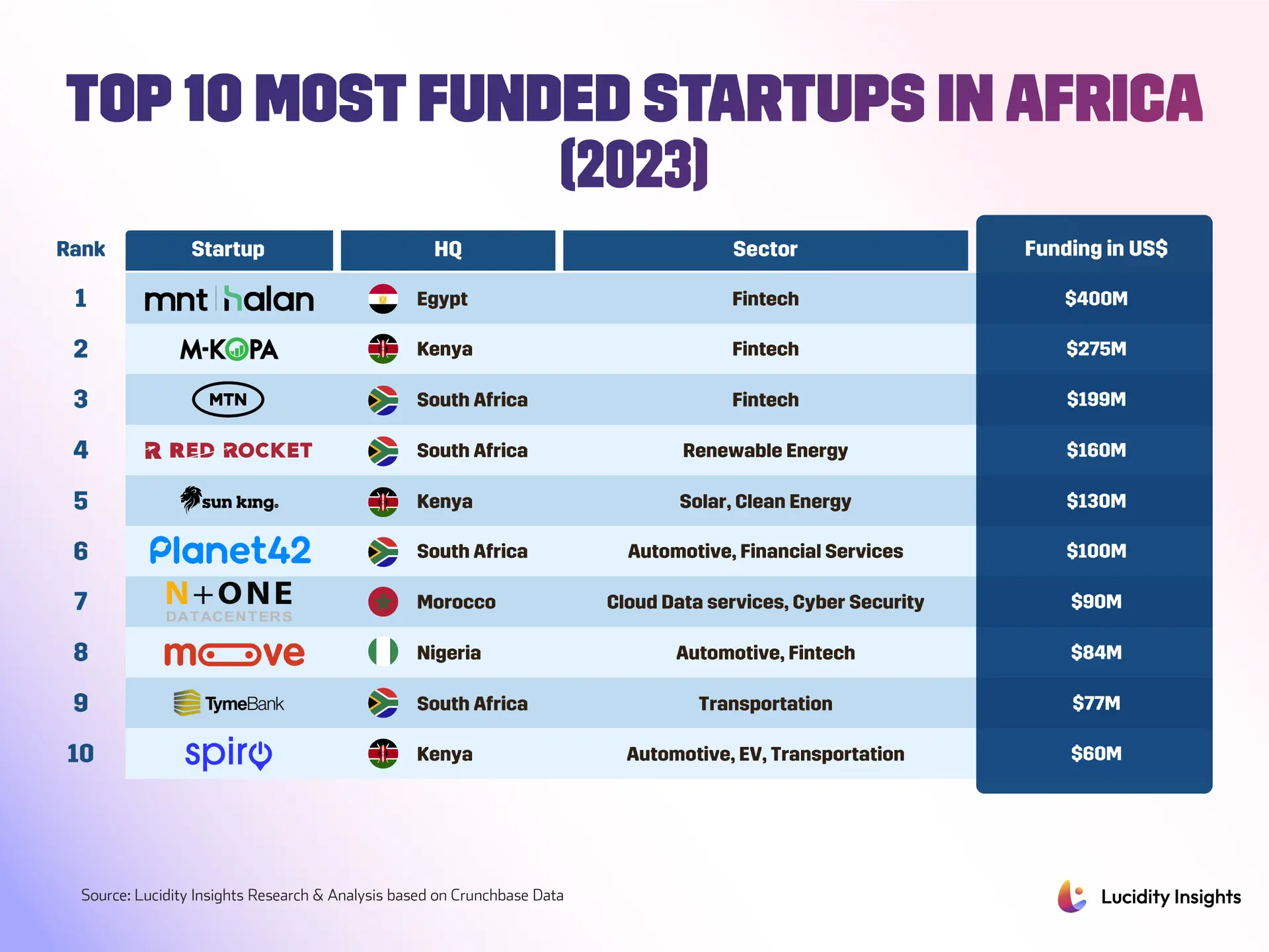
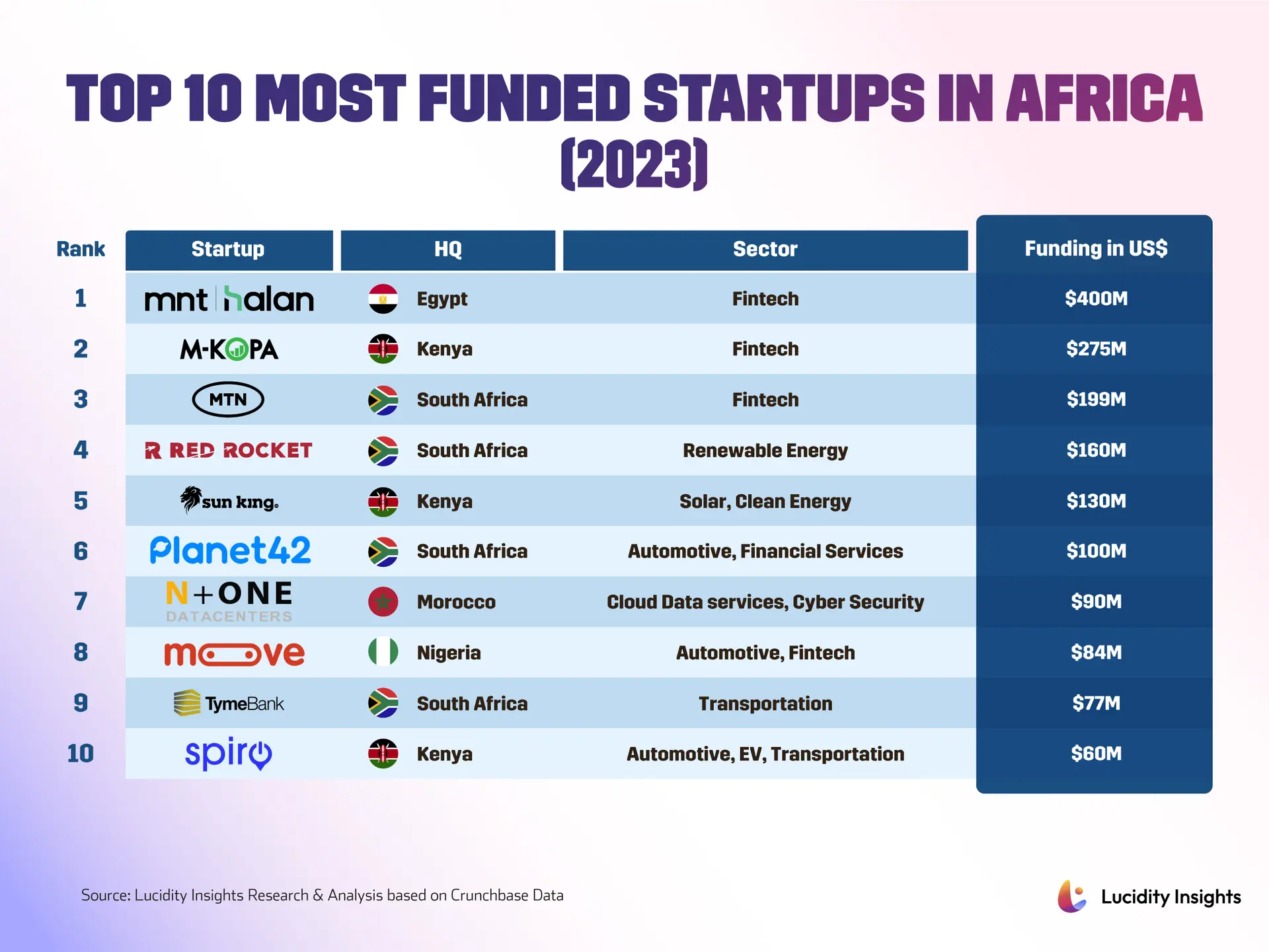
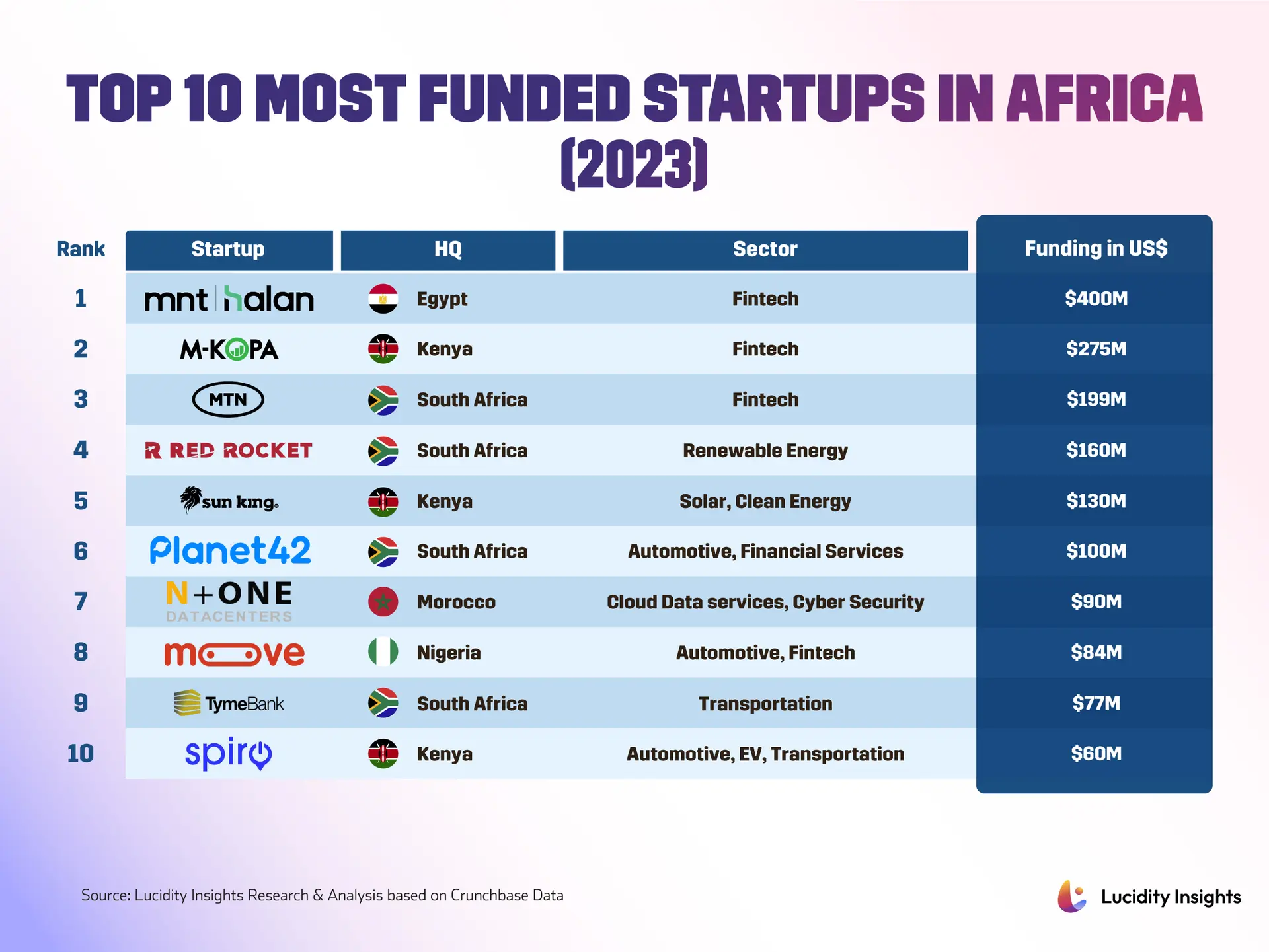
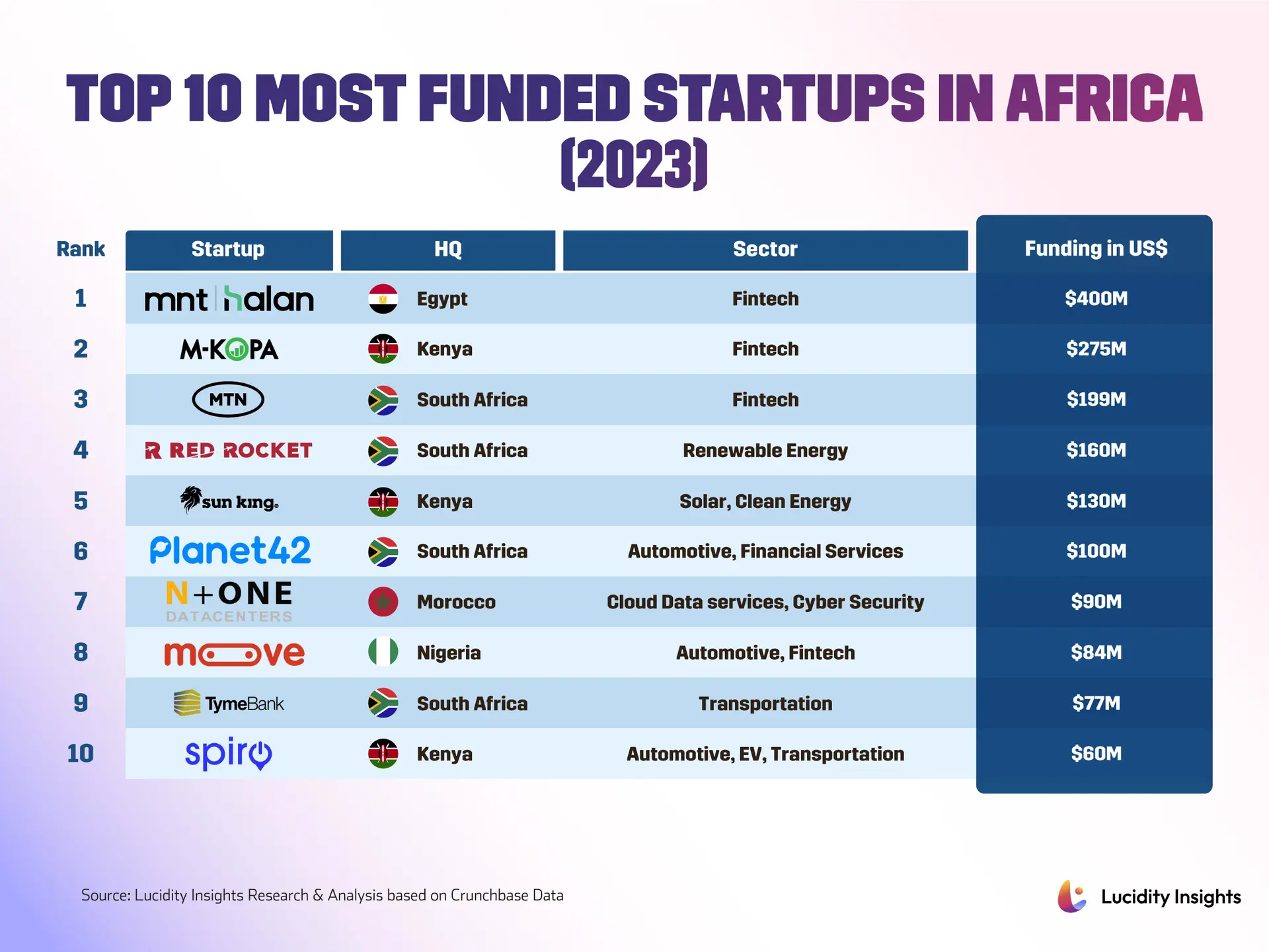
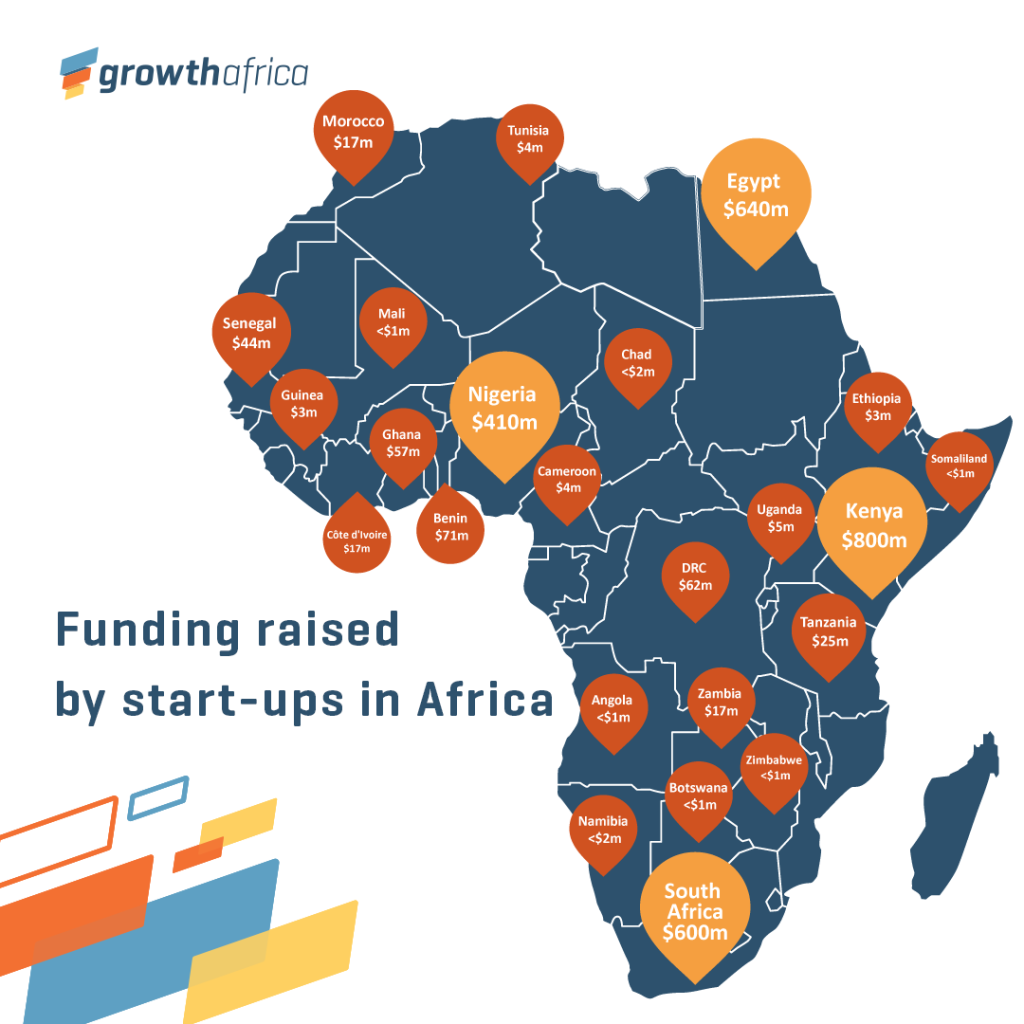
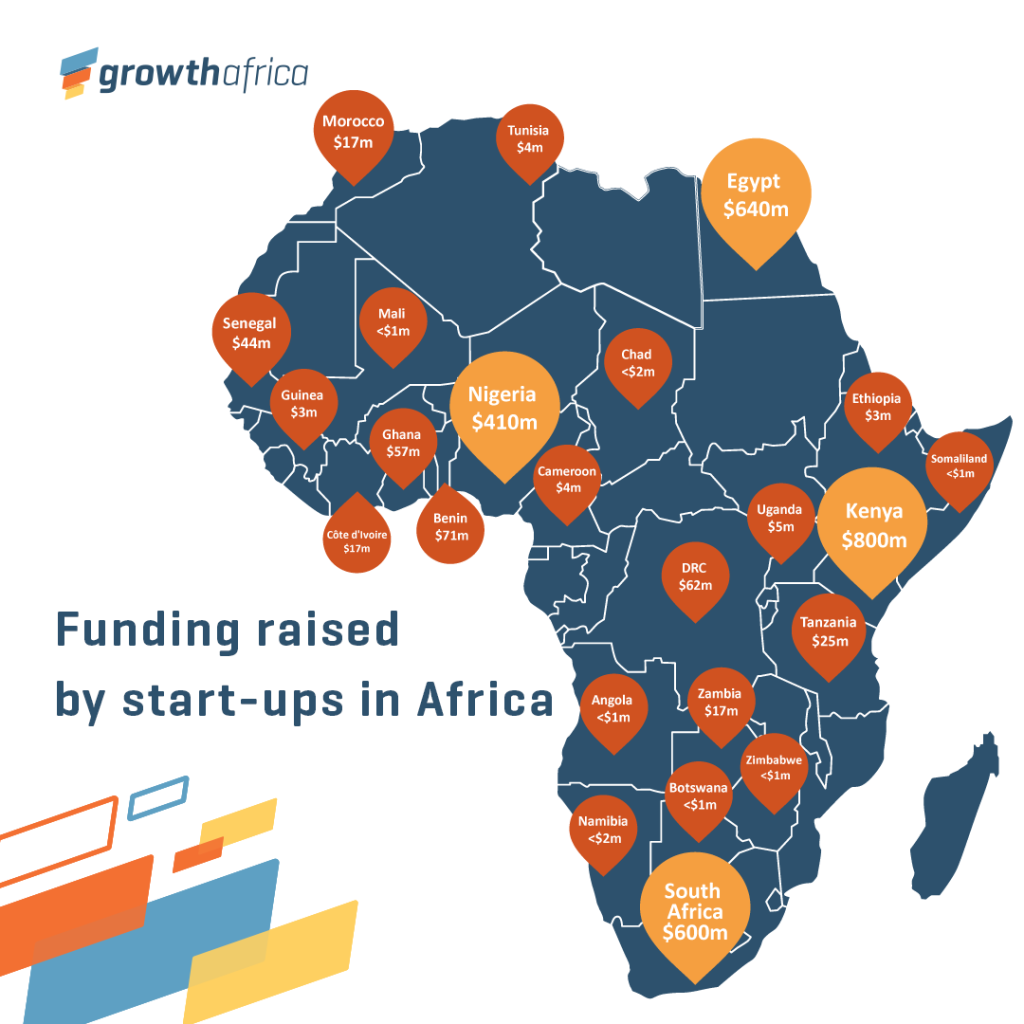
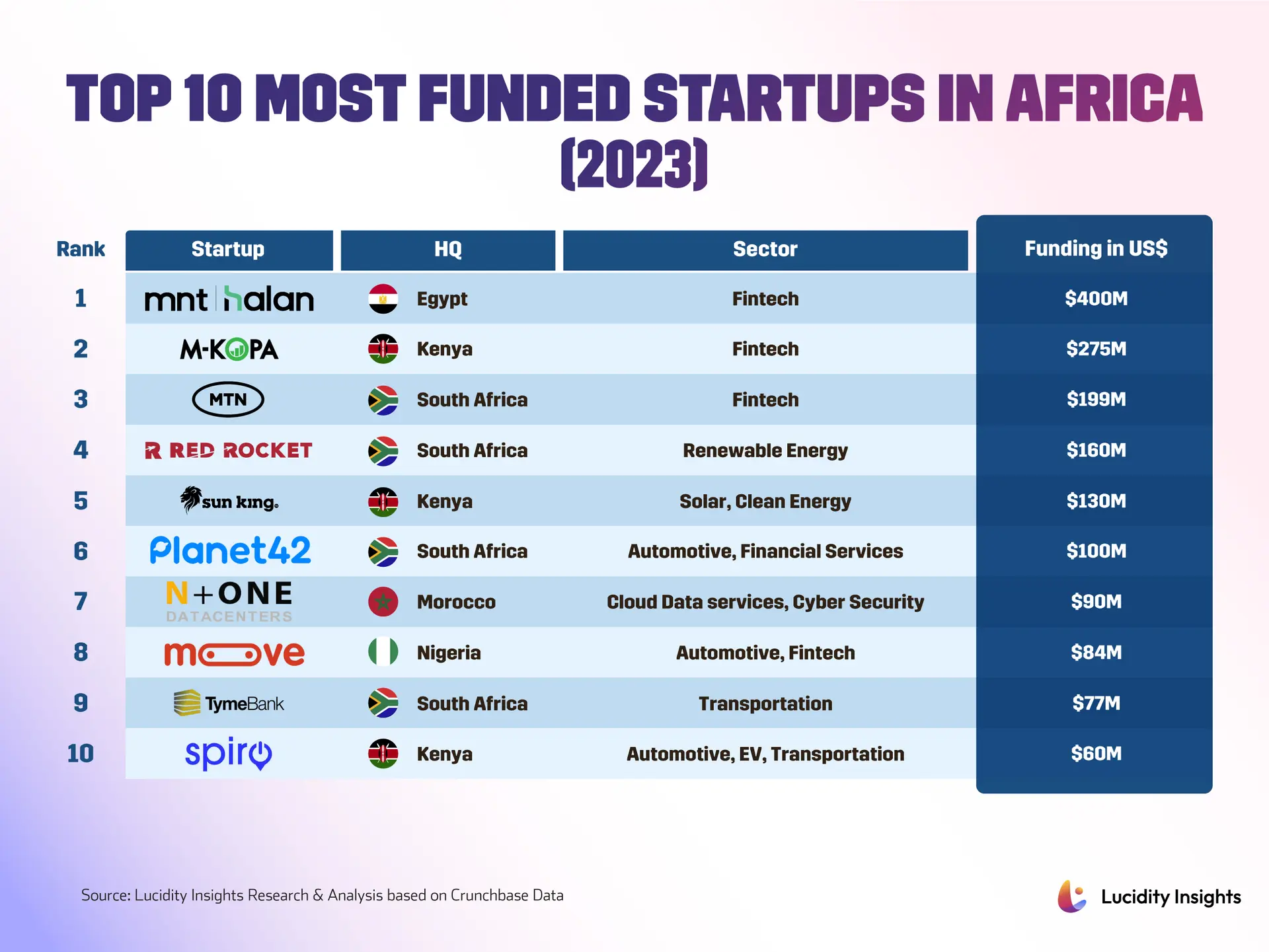
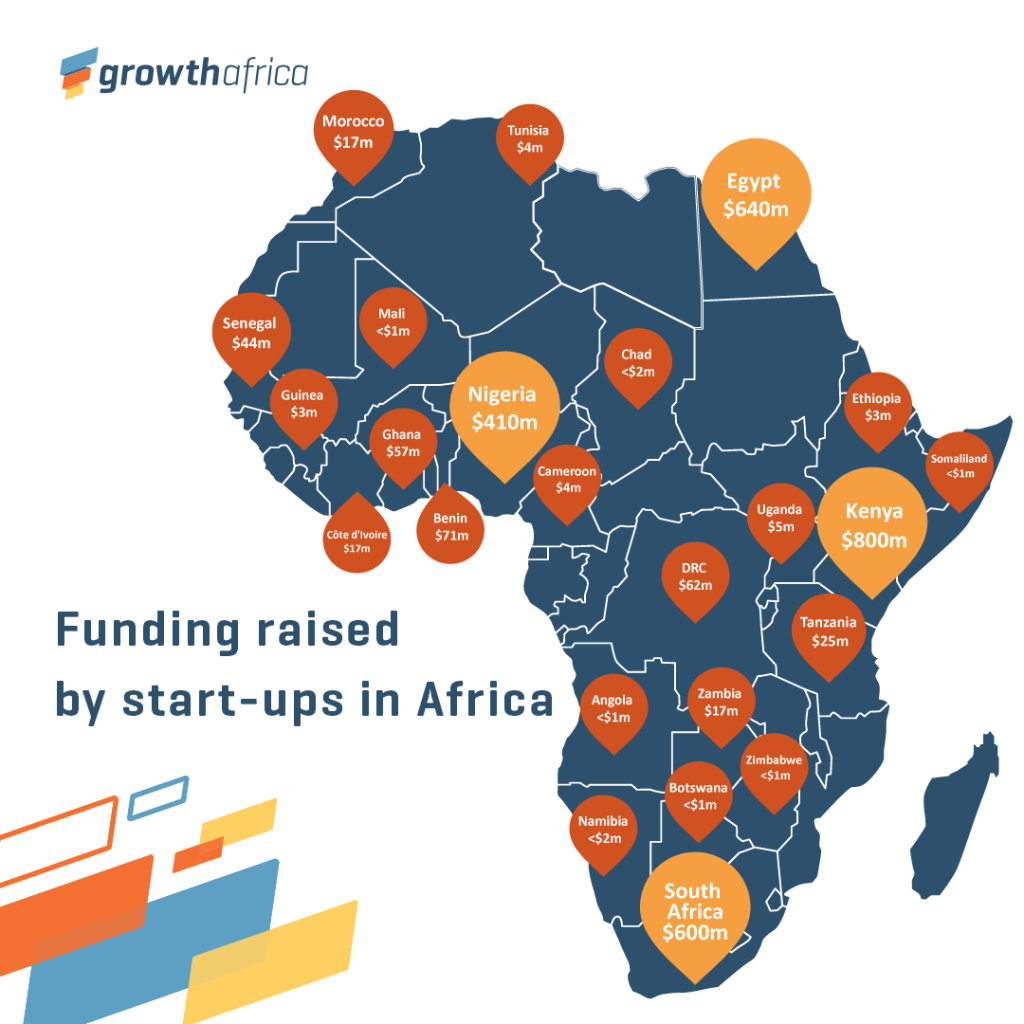
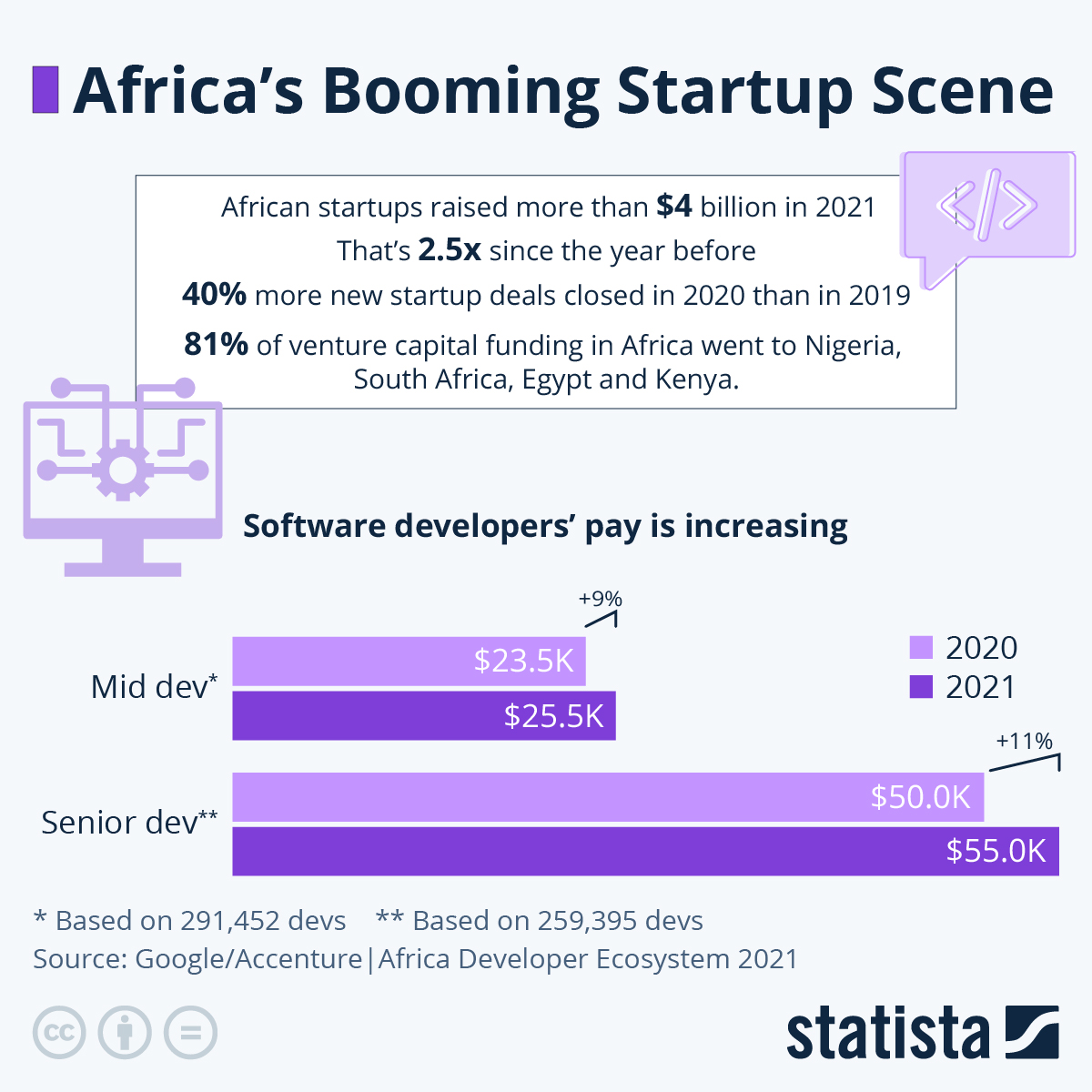
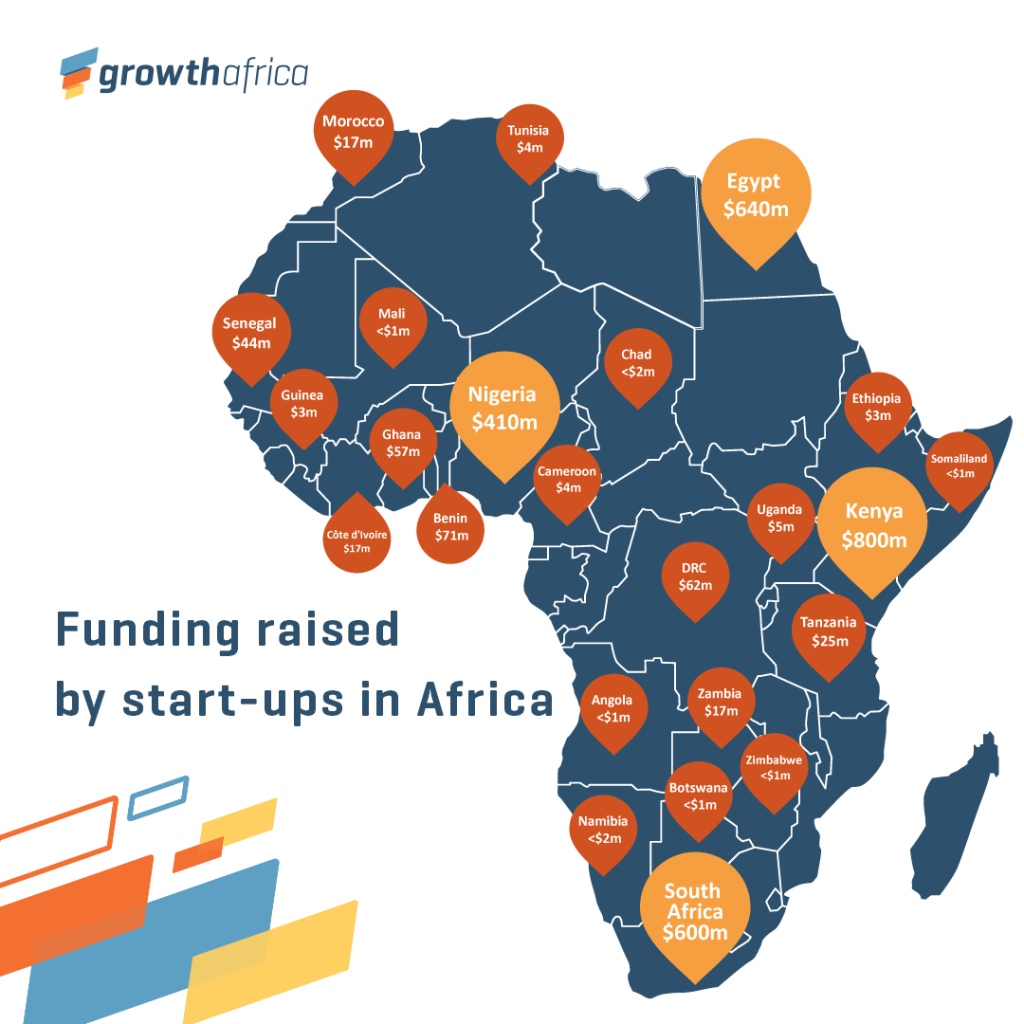
Across Africa, something interesting is happening right now. After a couple of tough years where funding dried up and expectations got realigned, Africa’s startup ecosystem isn’t just bouncing back, it’s genuinely growing up. Investors have returned, but they’re not throwing money at every bright idea anymore. Instead, they’re looking closely at unit economics, clear paths to revenue, and whether a business can actually make money. This shift toward discipline is shaping which companies will matter in 2026, and why firms that apply data, automation and practical business models are capturing attention from Lagos to Nairobi. According to recent analysis, including 20 African startups to watch, the market is maturing in ways that suggest sustainable growth rather than another boom cycle.
Take housing, for instance. In cities where affordability has become a real flashpoint, startups are using data to bring transparency to property markets. They’re illuminating pricing patterns, supply gaps, and tenure issues so developers, lenders and renters can make better decisions. Then there’s logistics, where fragmented transport networks and complex last-mile challenges make delivery costly and slow. Companies are codifying logistics knowhow into software, automating routing and tracking with machine learning to produce measurable efficiency gains. One Kenyan firm promises sub-48-hour delivery where roads exist, and reports tens of thousands of completed deliveries. Customer engagement is being reimagined too, with human-assisted AI agents that work across websites, WhatsApp, mobile apps and email. These systems blend automated responses for routine queries with human escalation for complex issues, improving response times while keeping that essential human touch. Fintech remains central, but the winners are solving real payment frictions. Stablecoins are simplifying cross-border transfers and reducing the cost and delay of moving money across borders. And in secondhand markets, where information asymmetry inflates risk, AI-powered inspection tools are changing how used cars are bought and sold by automating condition checks and verifying documents.
What’s really striking is the pragmatism running through all this. Startups that convert operational expertise into repeatable software are winning customers who care about reliability and cost. Sales systems that help founders scale, rather than relying solely on product brilliance, are gaining investment. The market is rewarding business models with clear revenue paths and strong unit economics, a trend noted in listings of the best startups in Africa. Looking ahead to 2026, the companies to watch will combine deep local understanding with scalable tech, whether that’s automating logistics in difficult geographies, providing trusted verification in informal markets, or smoothing payments across borders. This tech renaissance reflects a broader digital transformation across the continent. As highlighted by African startups to watch, the era of unconstrained capital may be over, but the era of disciplined, sustainable growth is just beginning.