A New Sahel Dawn: United Front in a Region Under Siege
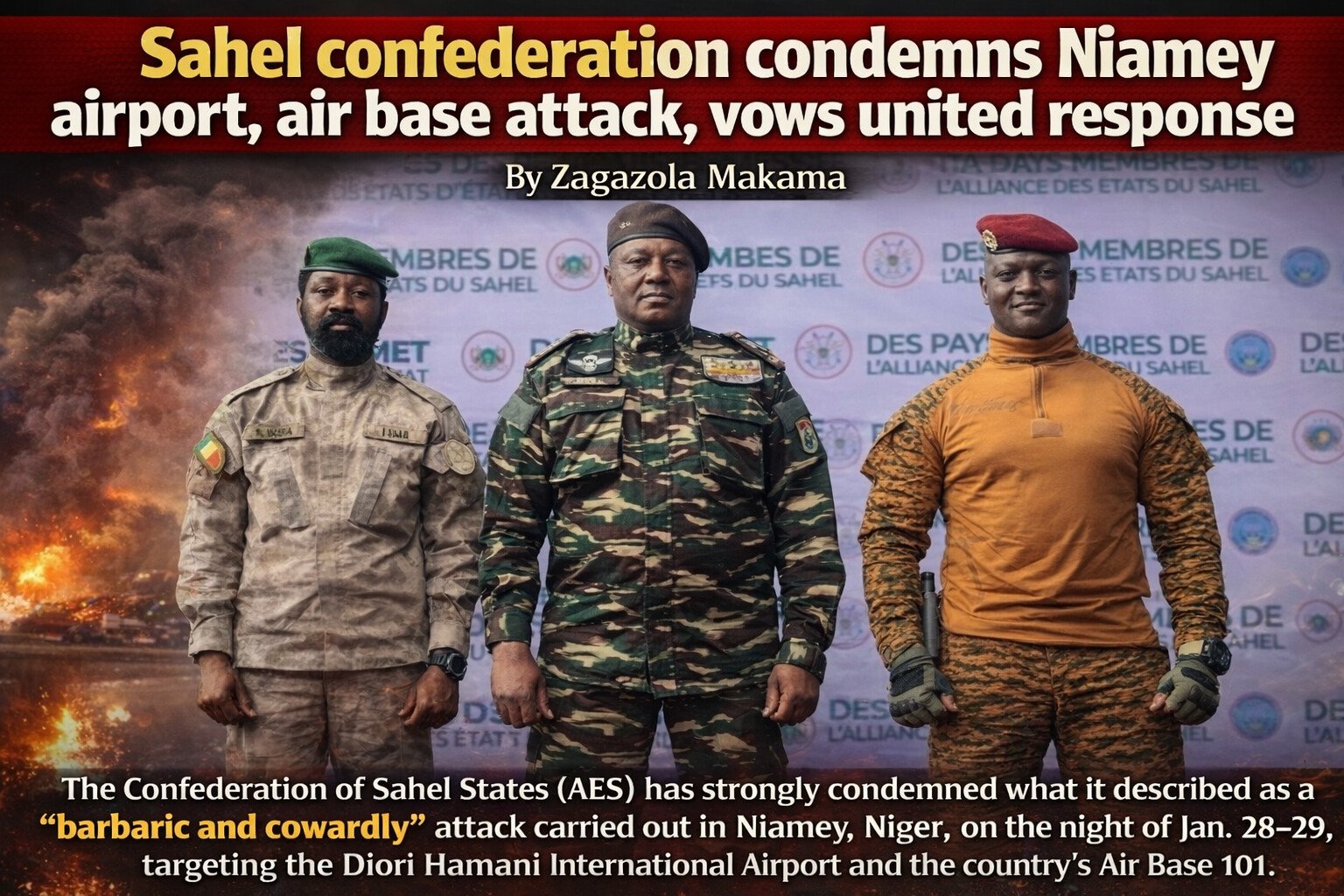
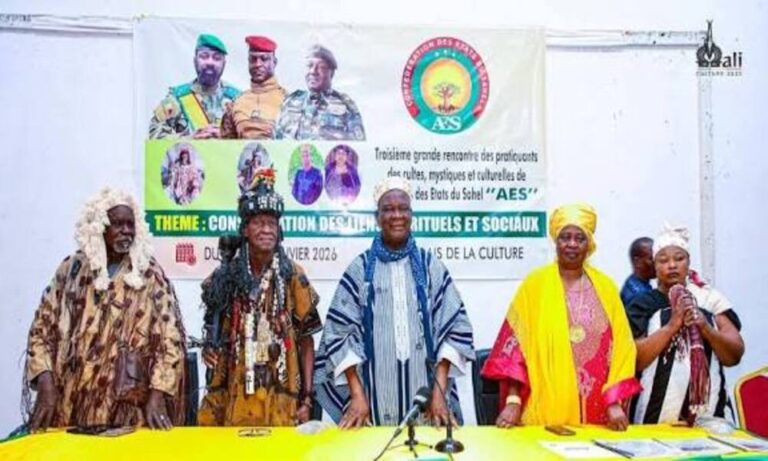
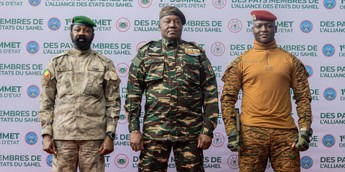
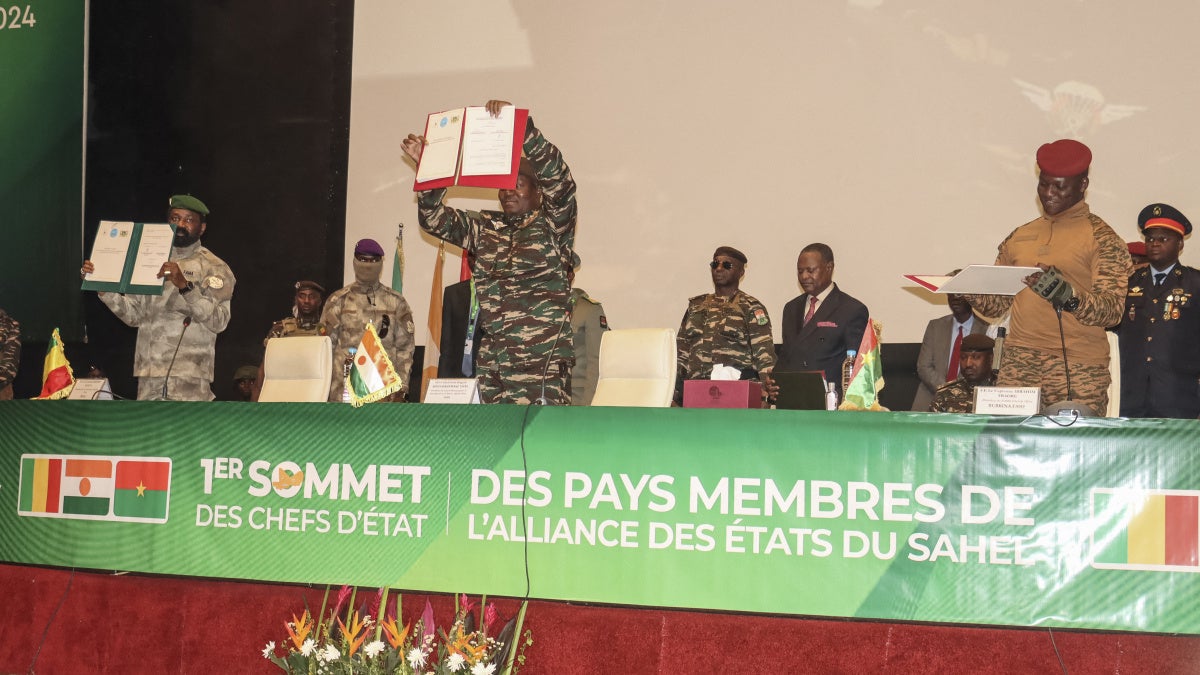
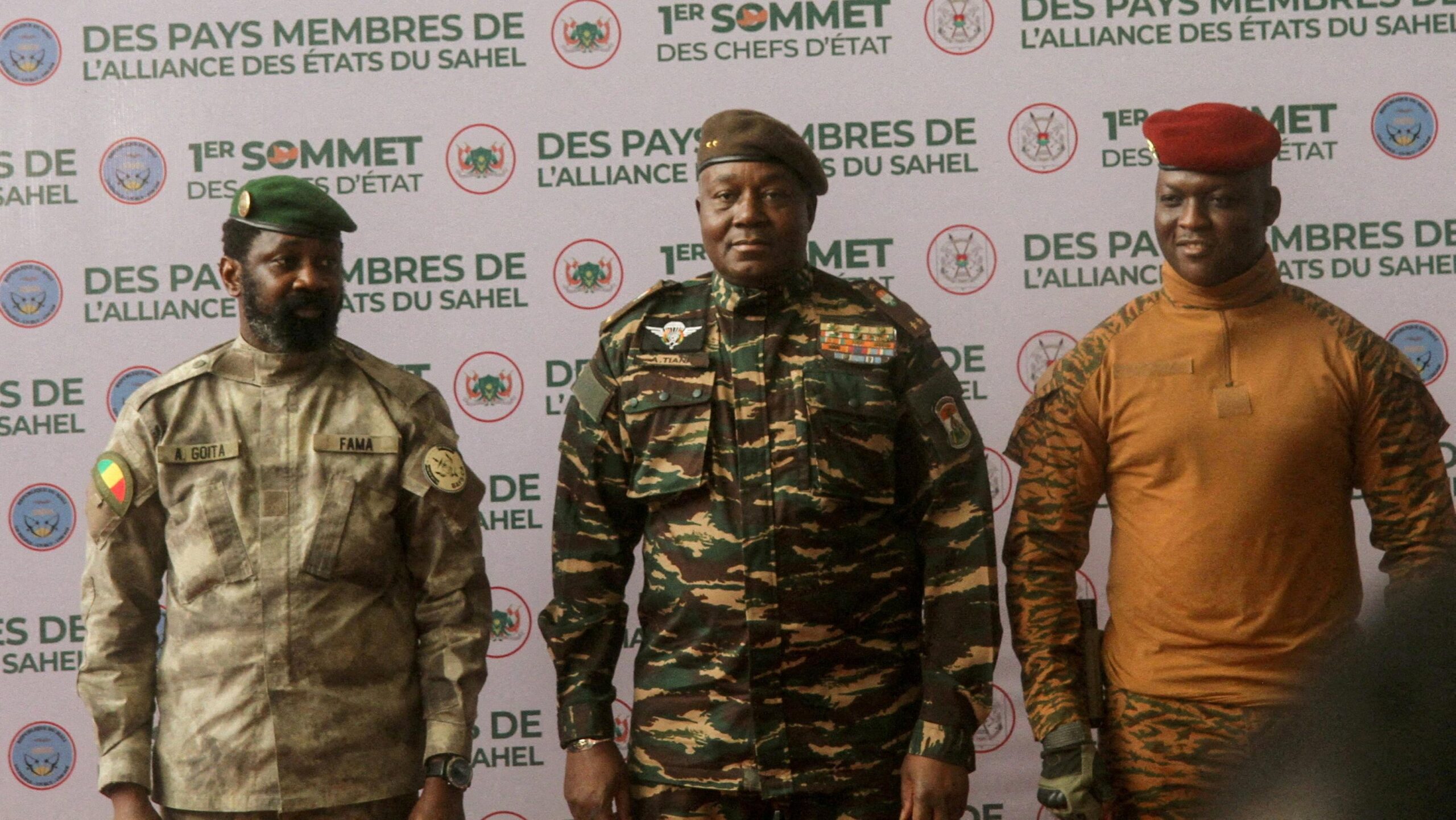
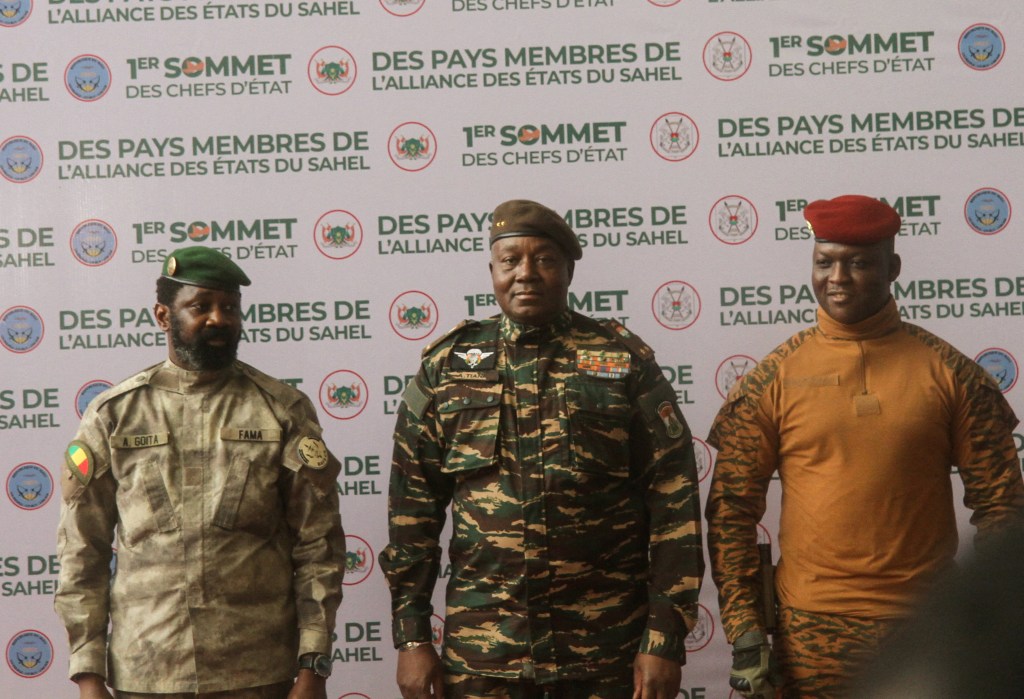
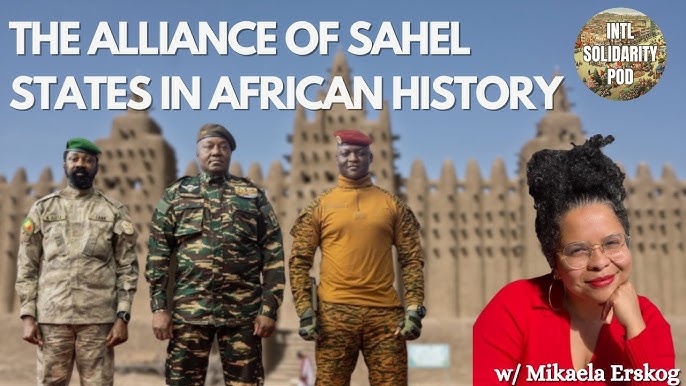
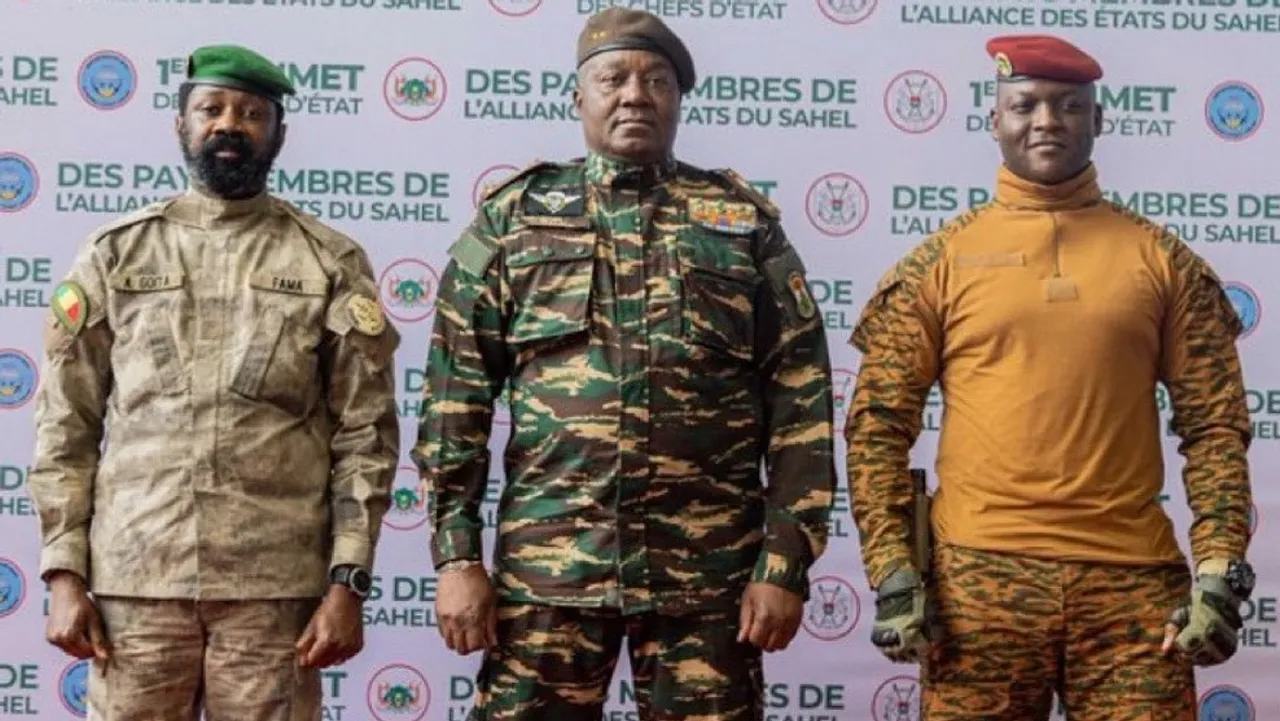
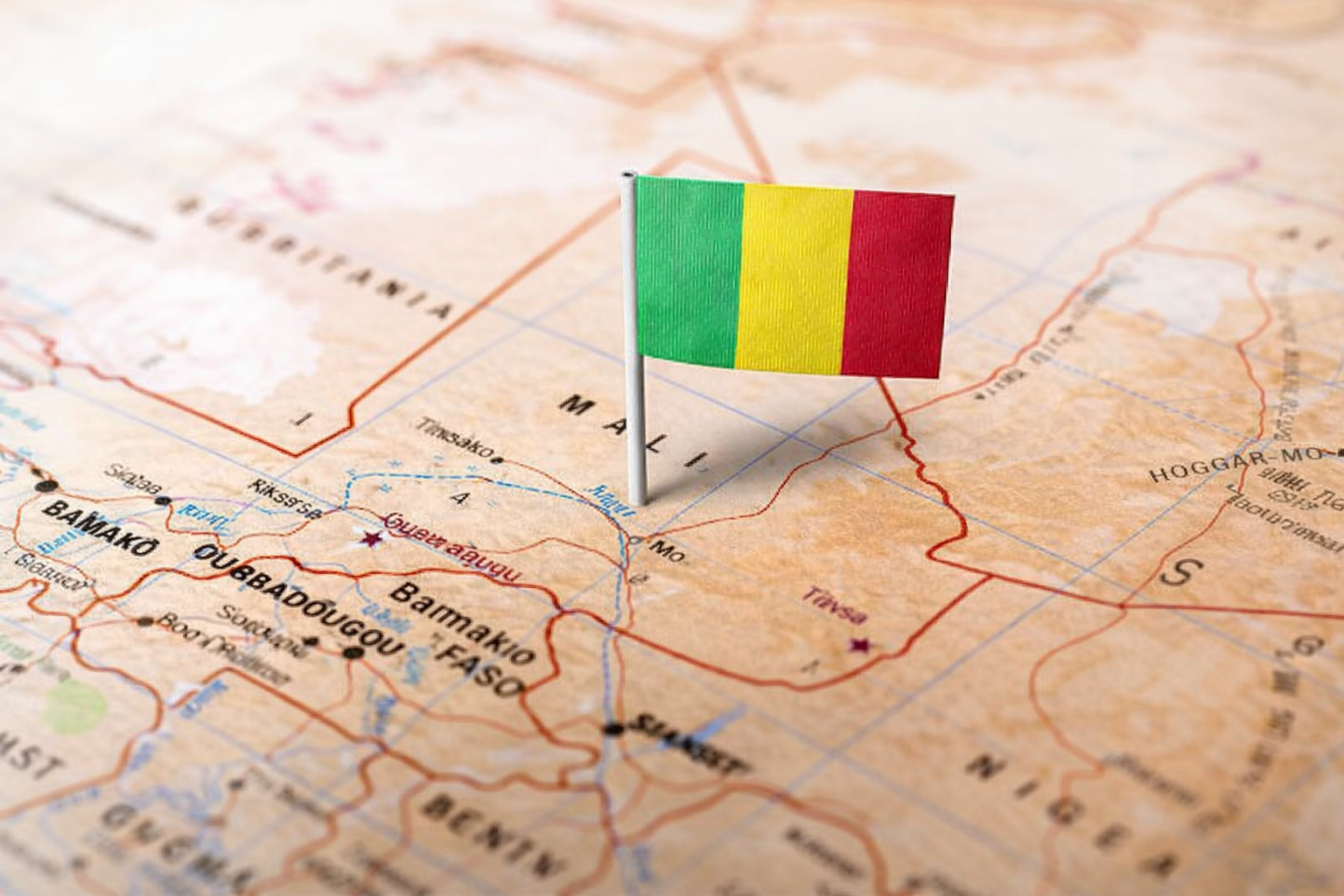
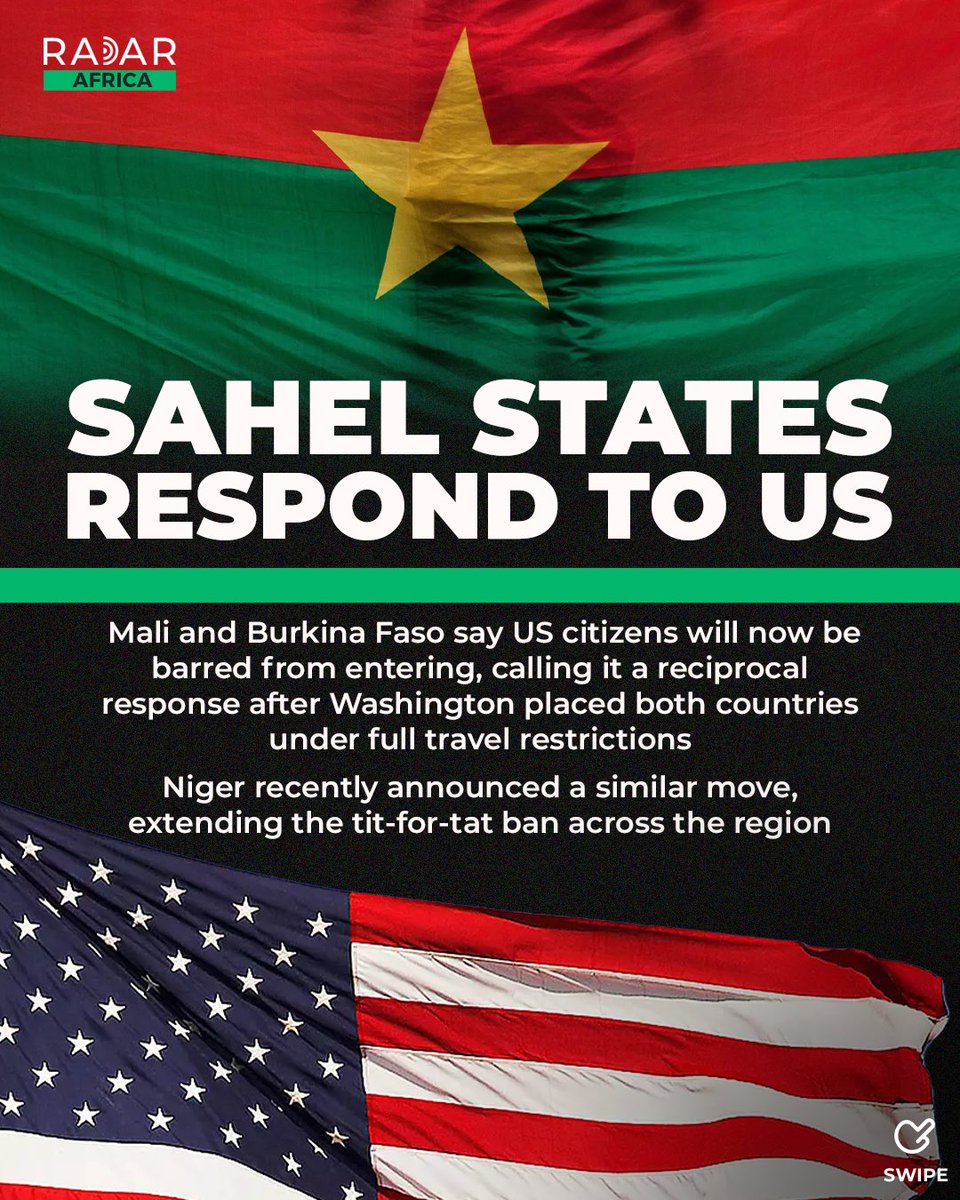
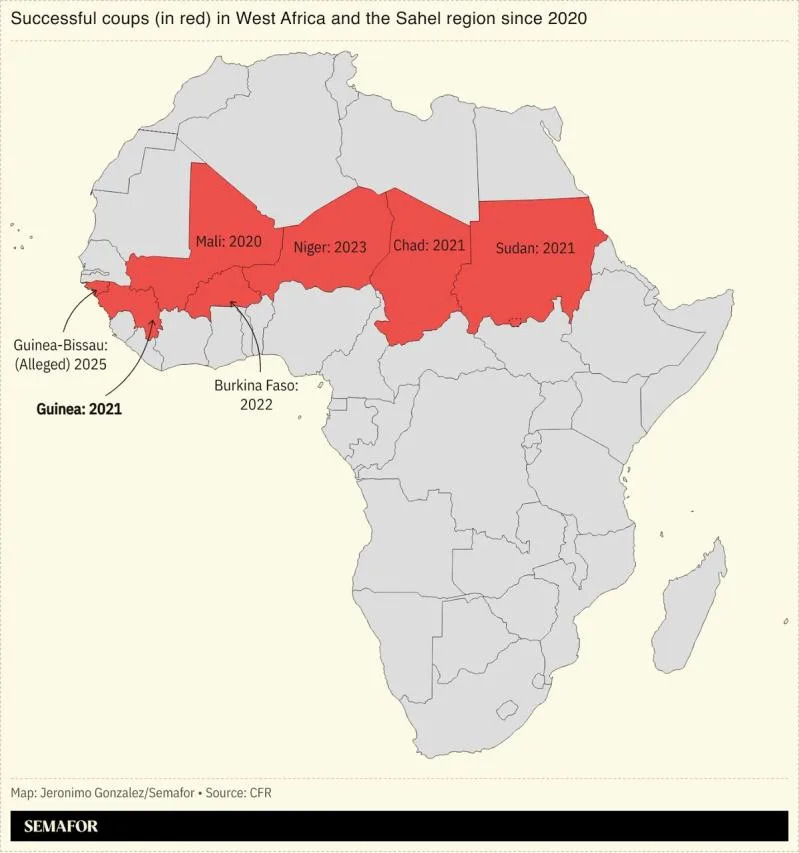
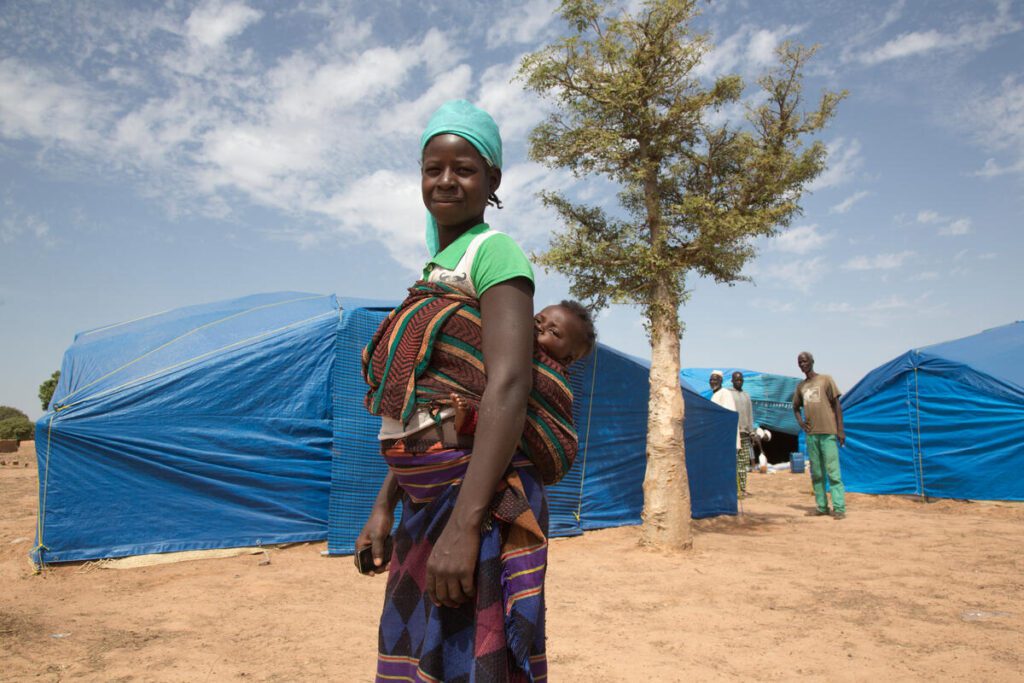
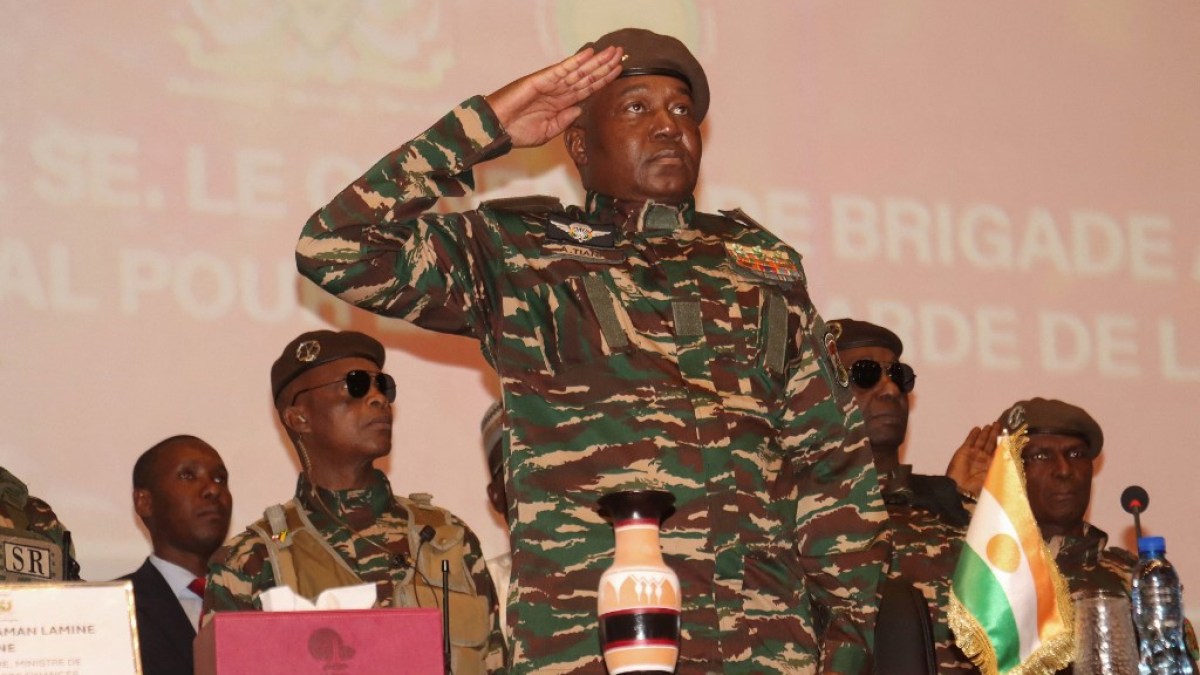
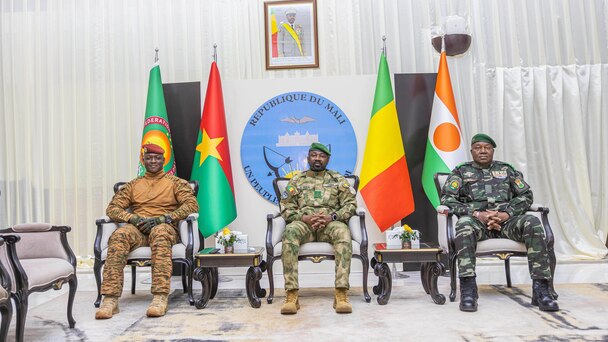
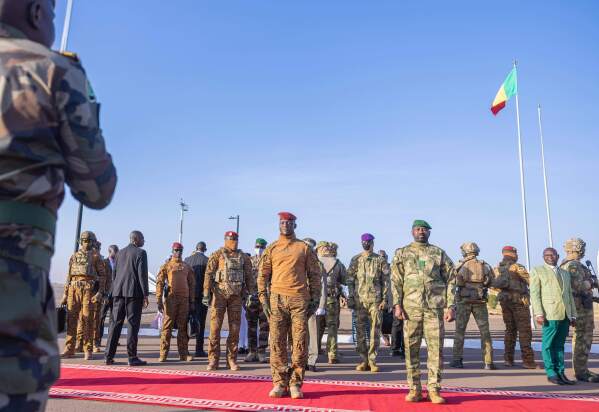
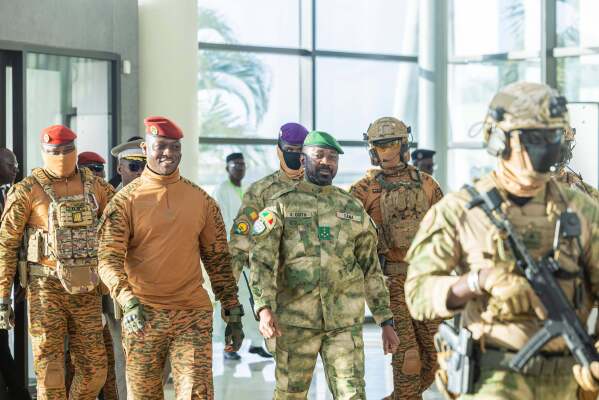
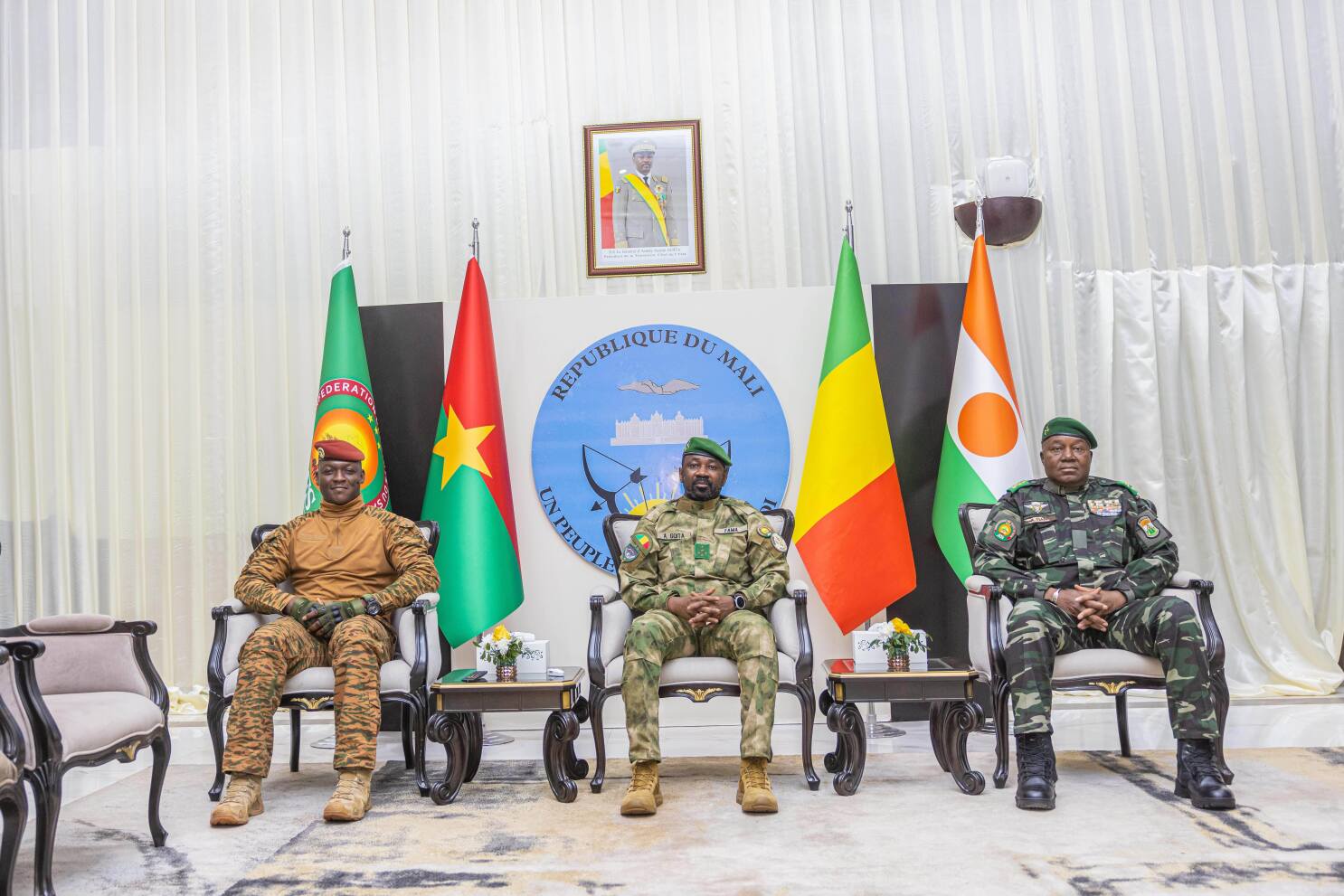
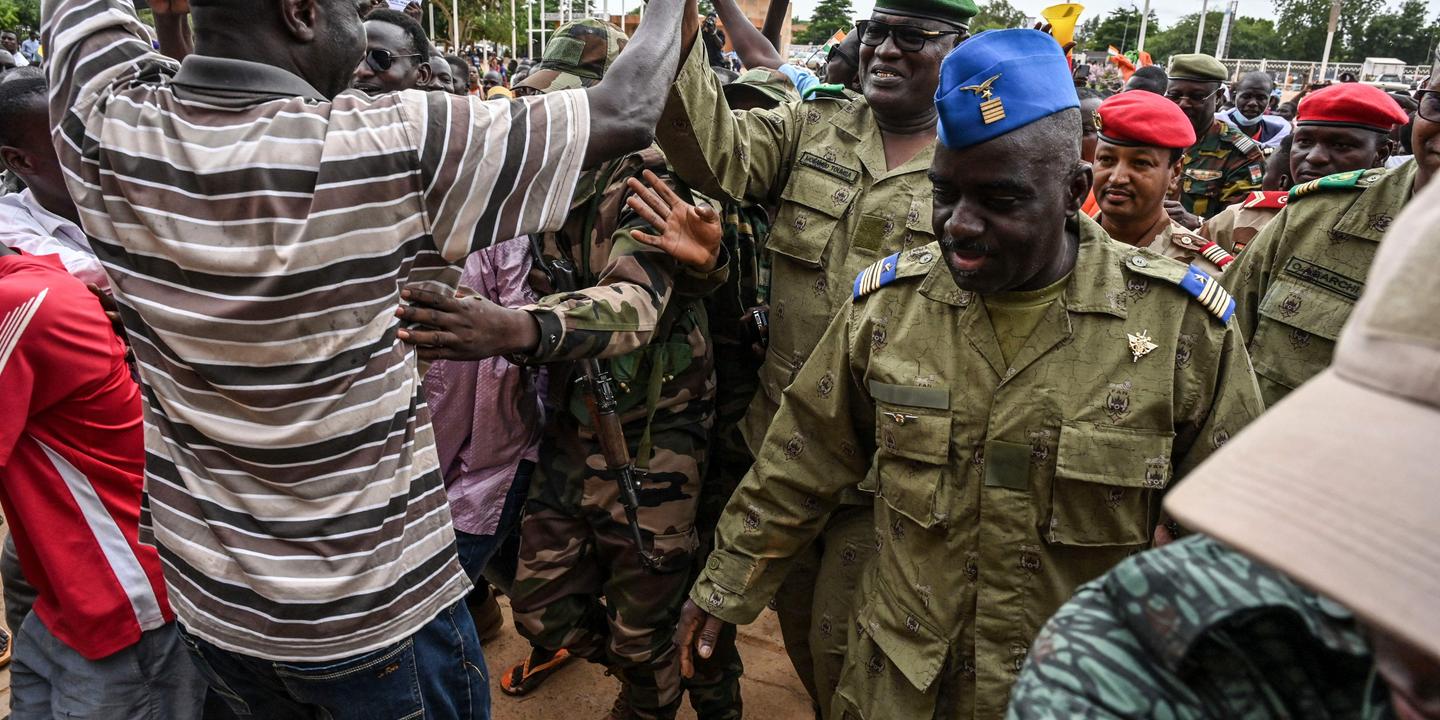
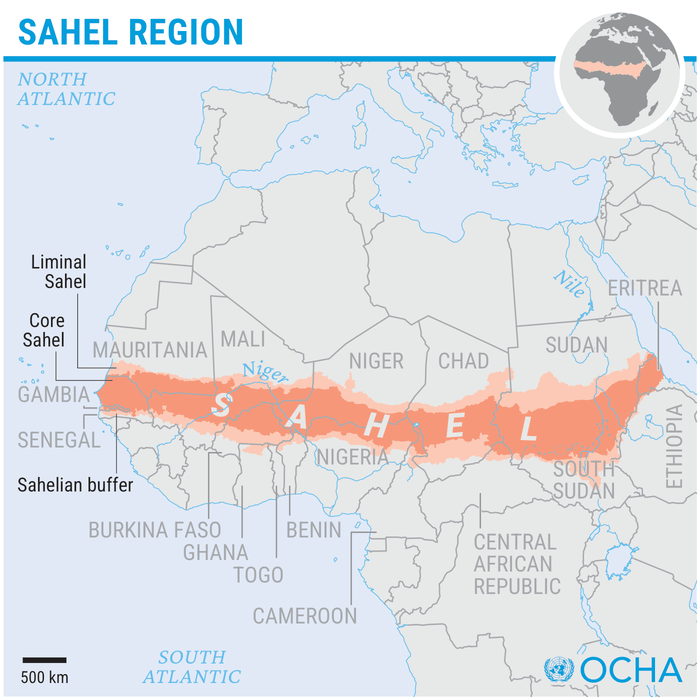
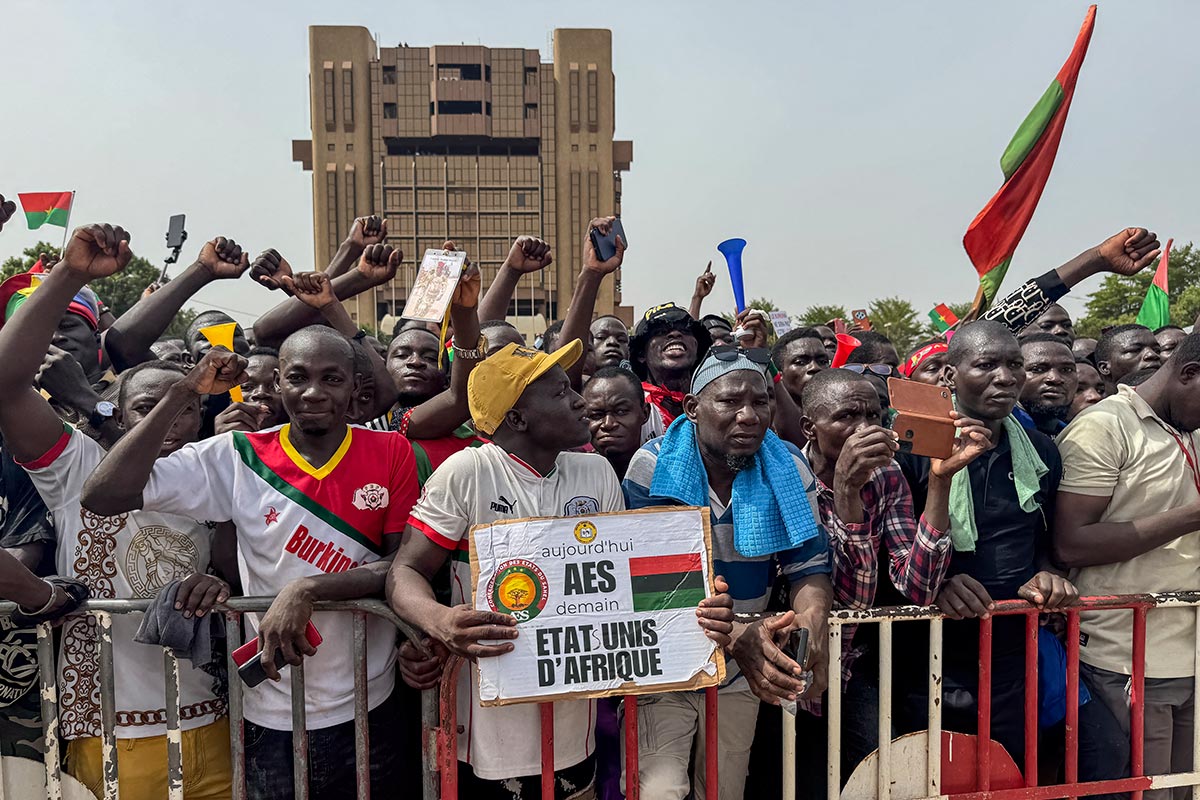
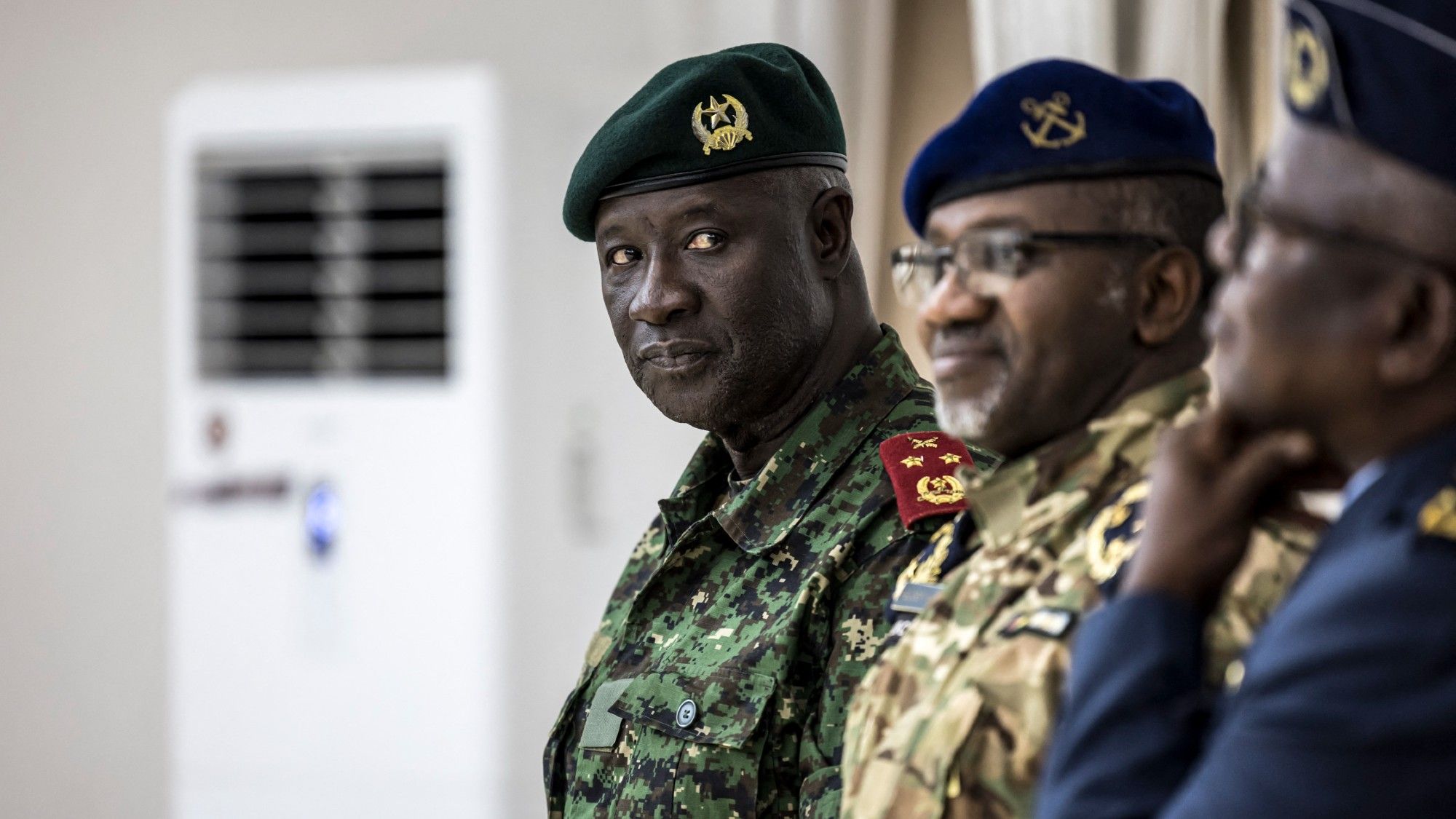
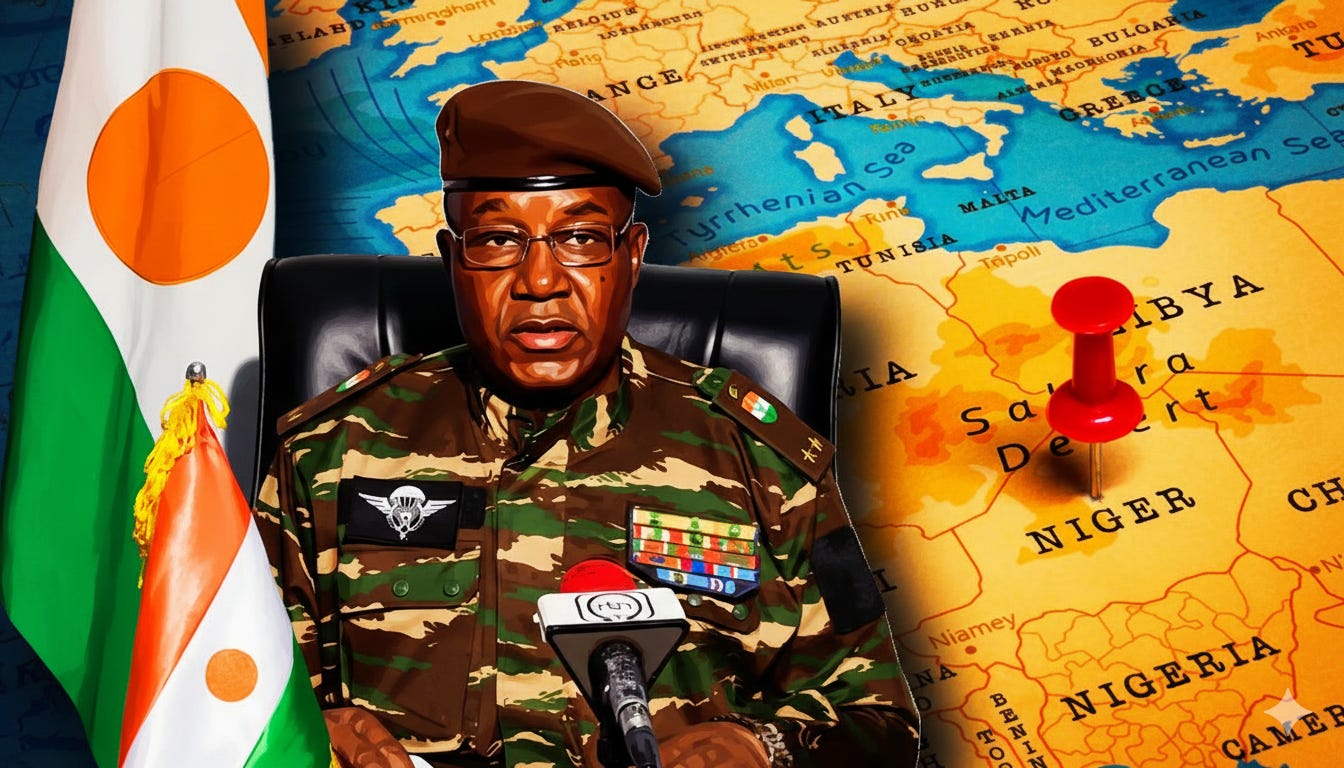
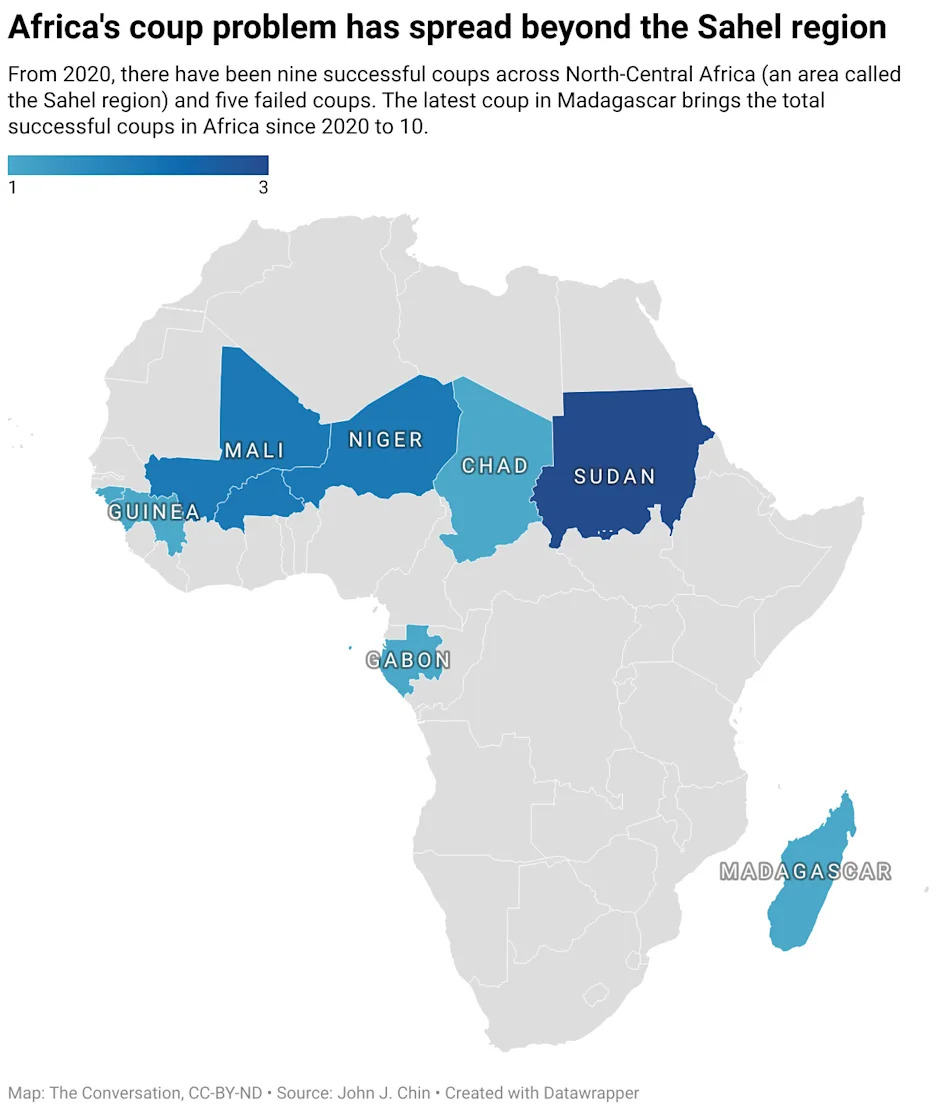
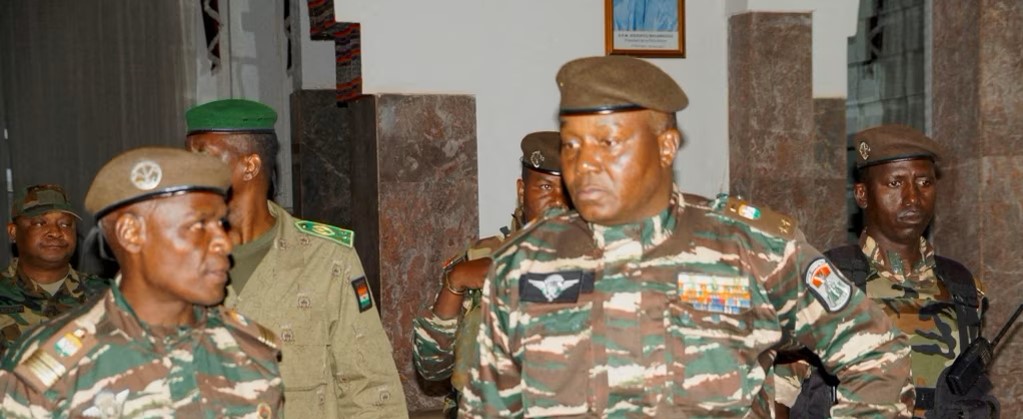
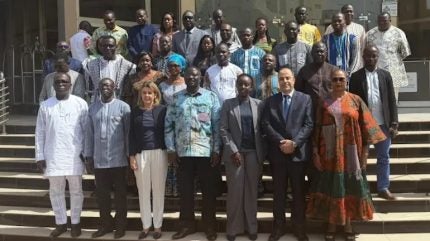
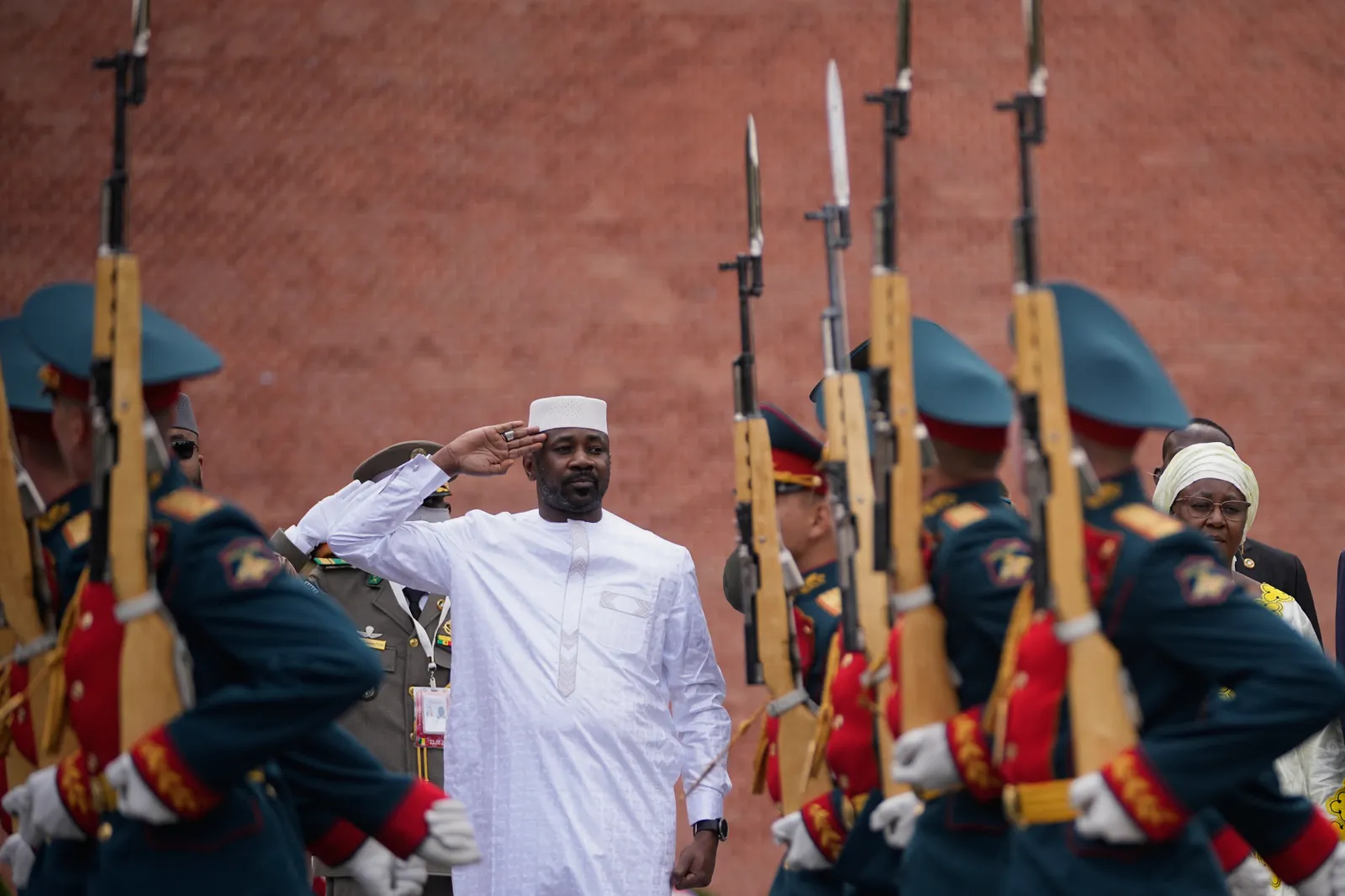
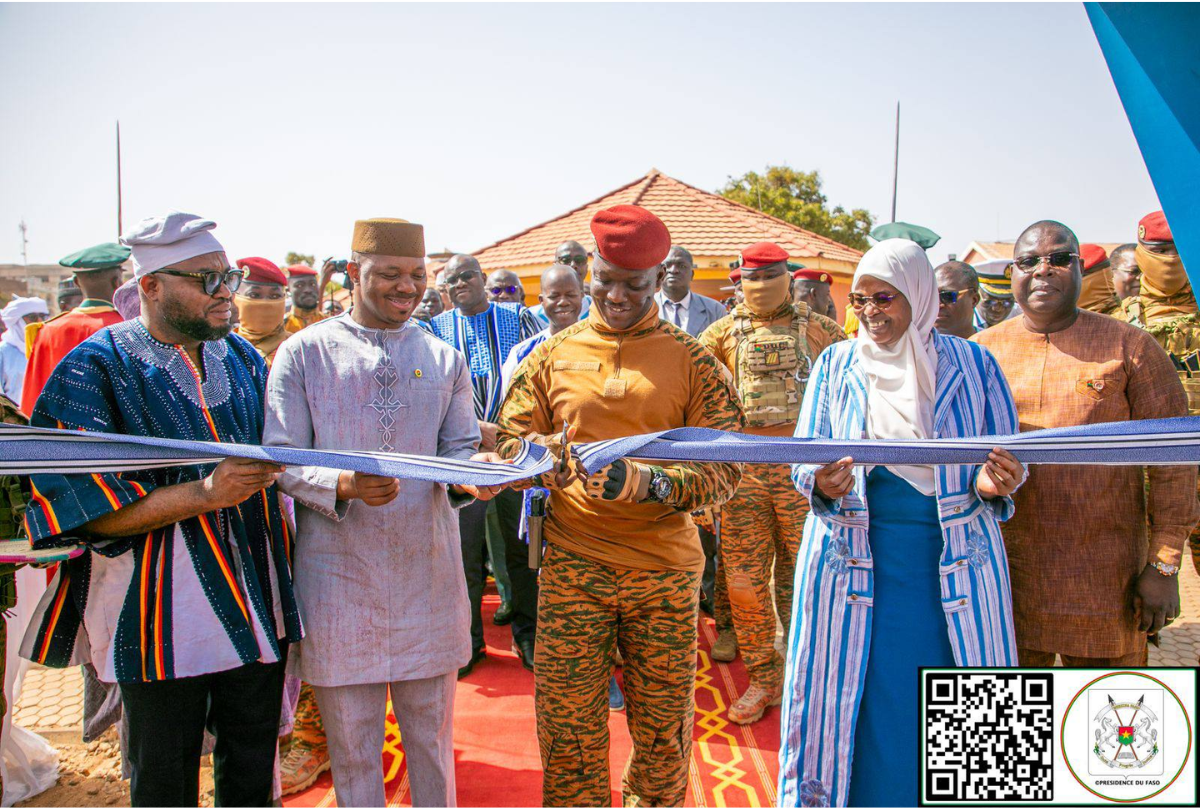
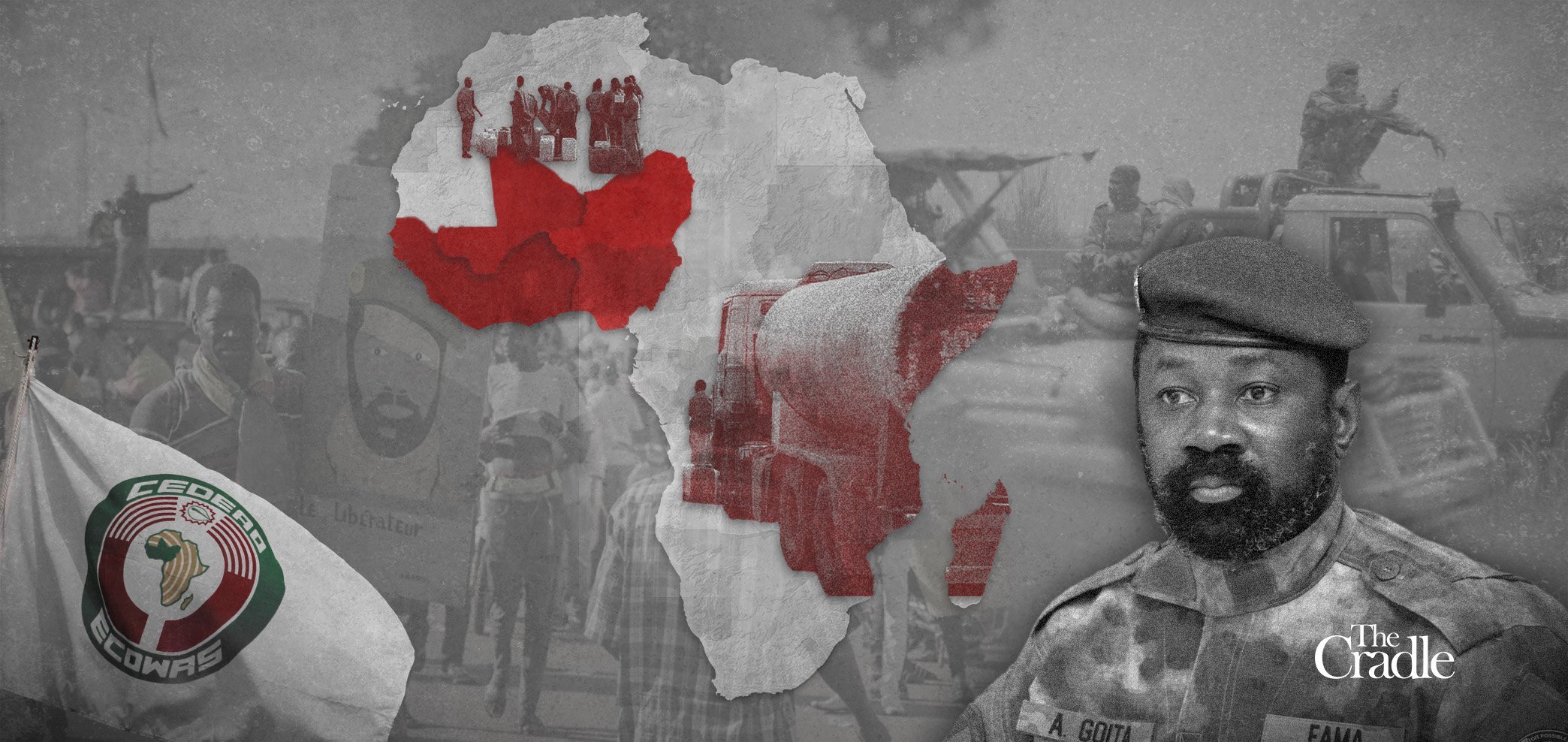
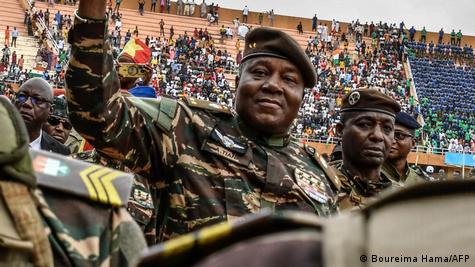
On June 5, 2025, something remarkable happened in West Africa. Niger, Mali, and Burkina Faso, three nations long grappling with immense challenges, officially joined forces to create the Alliance of Sahel States (AES). This isn’t just another diplomatic pact. It’s a bold move, symbolizing a powerful new aspiration for regional unity and shared governance. Many see it as a chance to rethink the future, to pool resources, and to collectively chart a course toward peace and prosperity. The alliance aims to tackle pressing cross-border threats like violent extremism and climate change. But what does this mean for the millions living in one of the world’s most volatile areas?
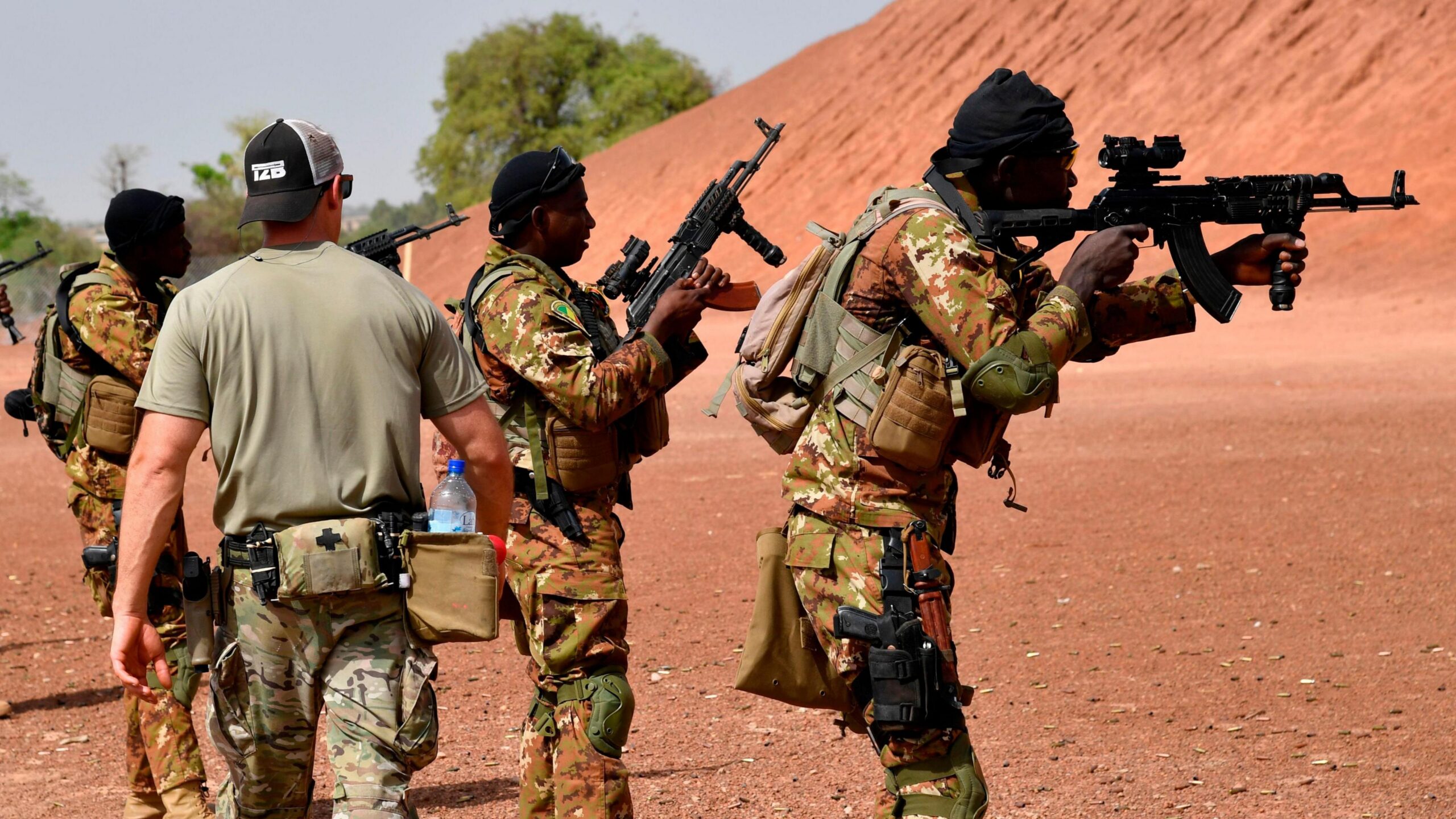
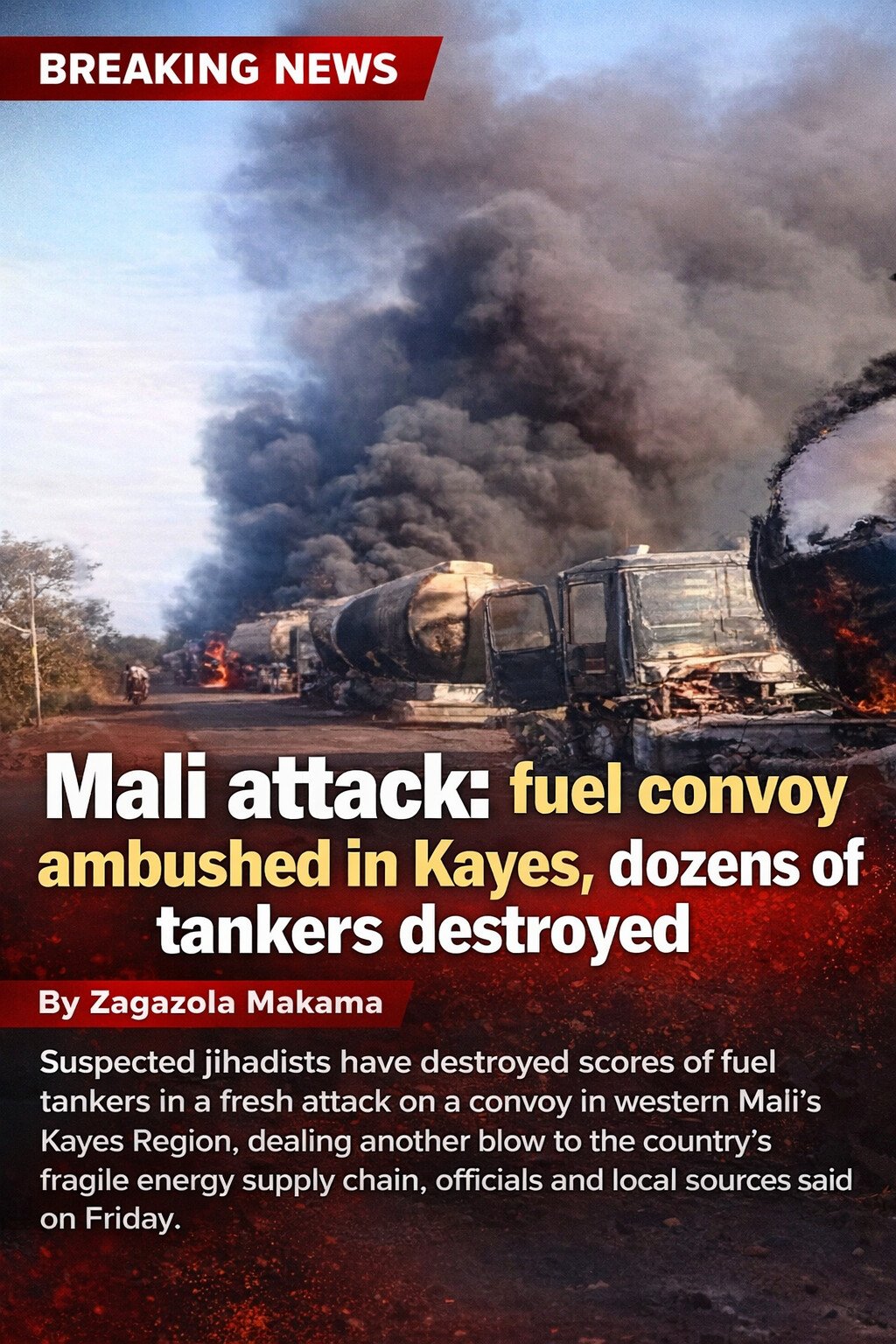
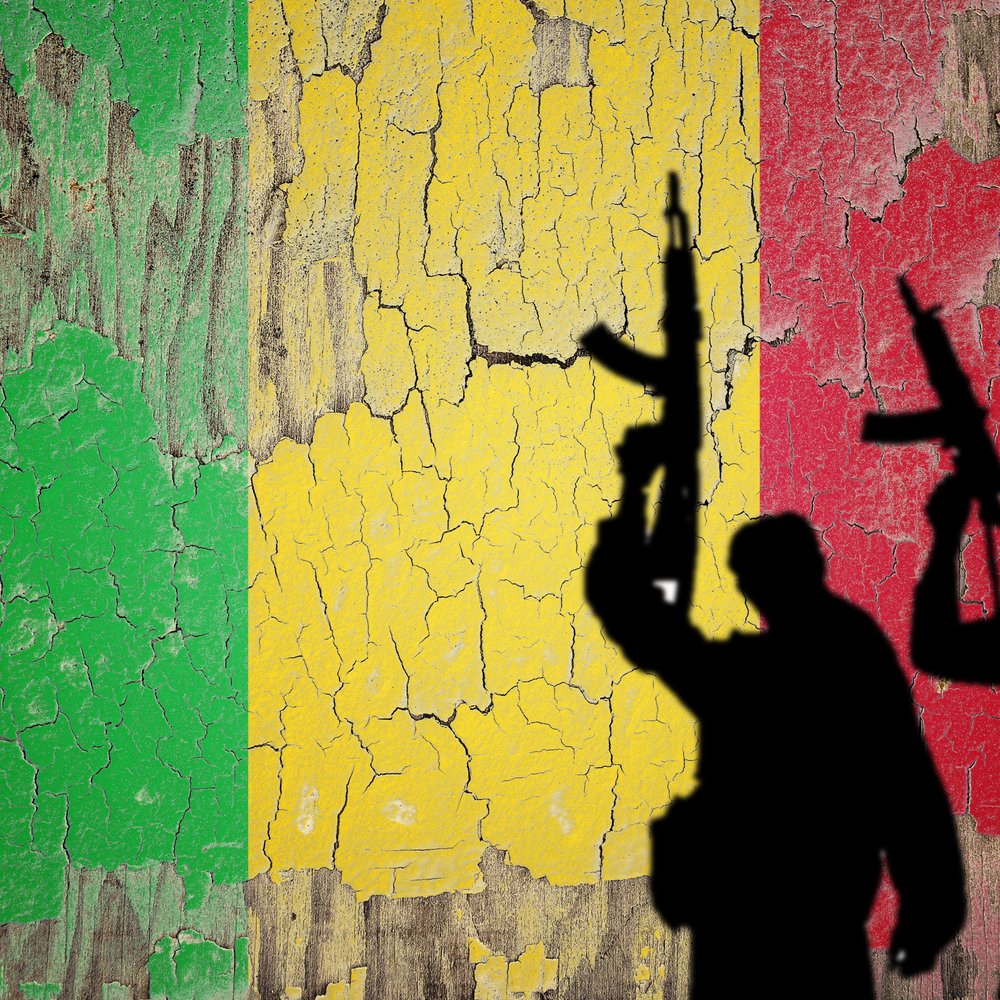
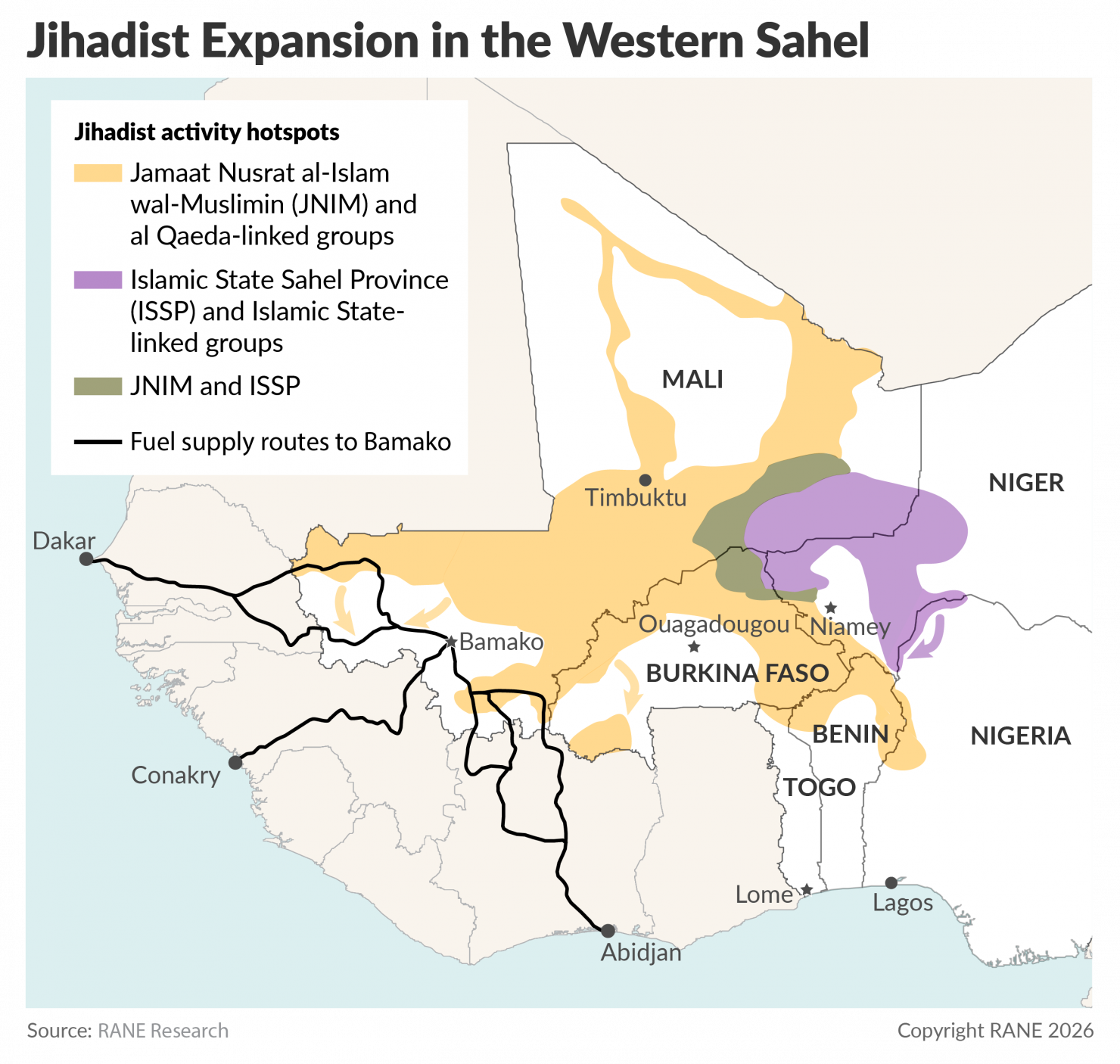
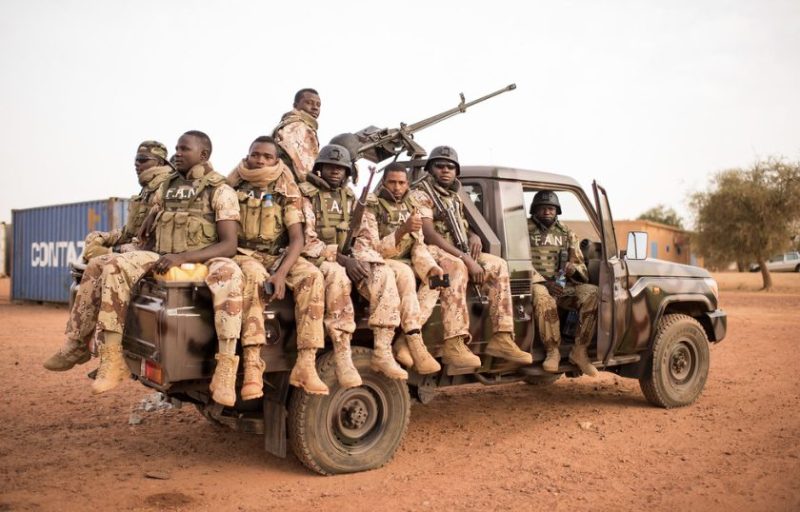
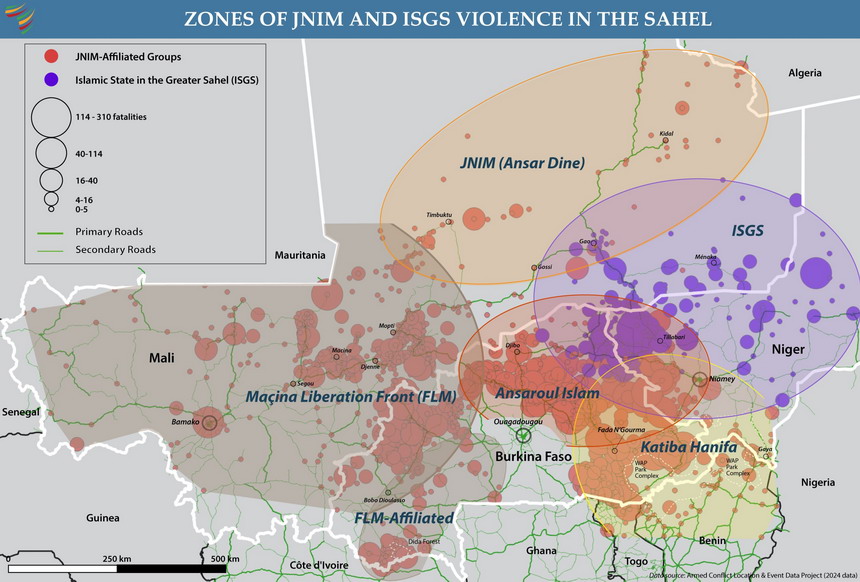
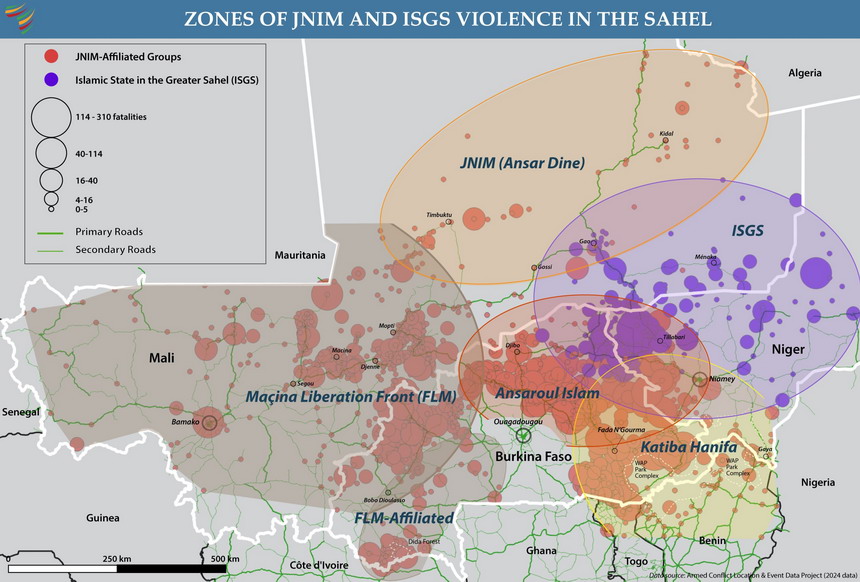
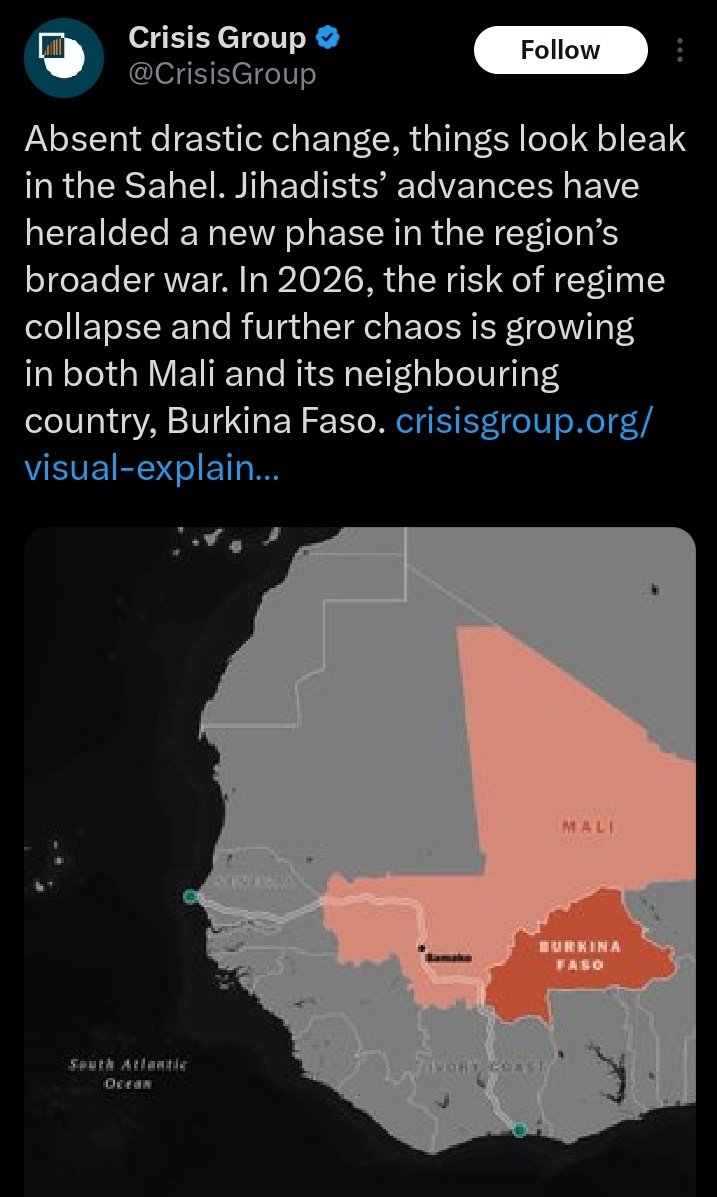
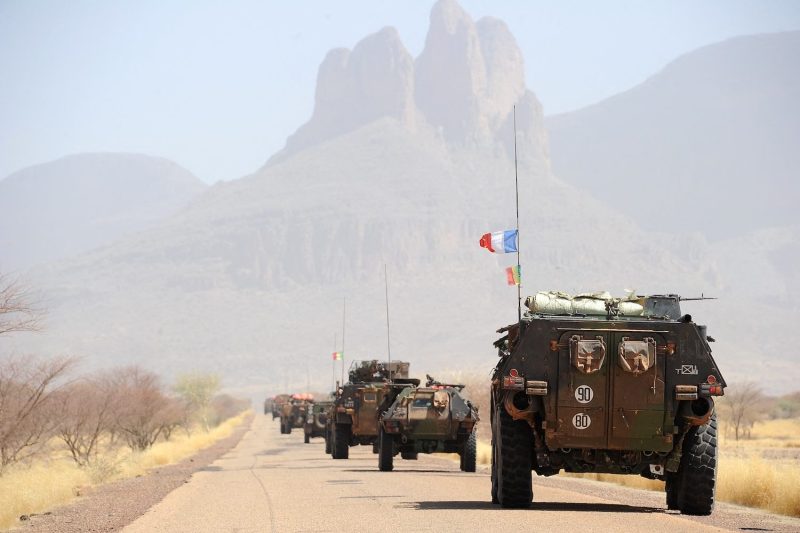
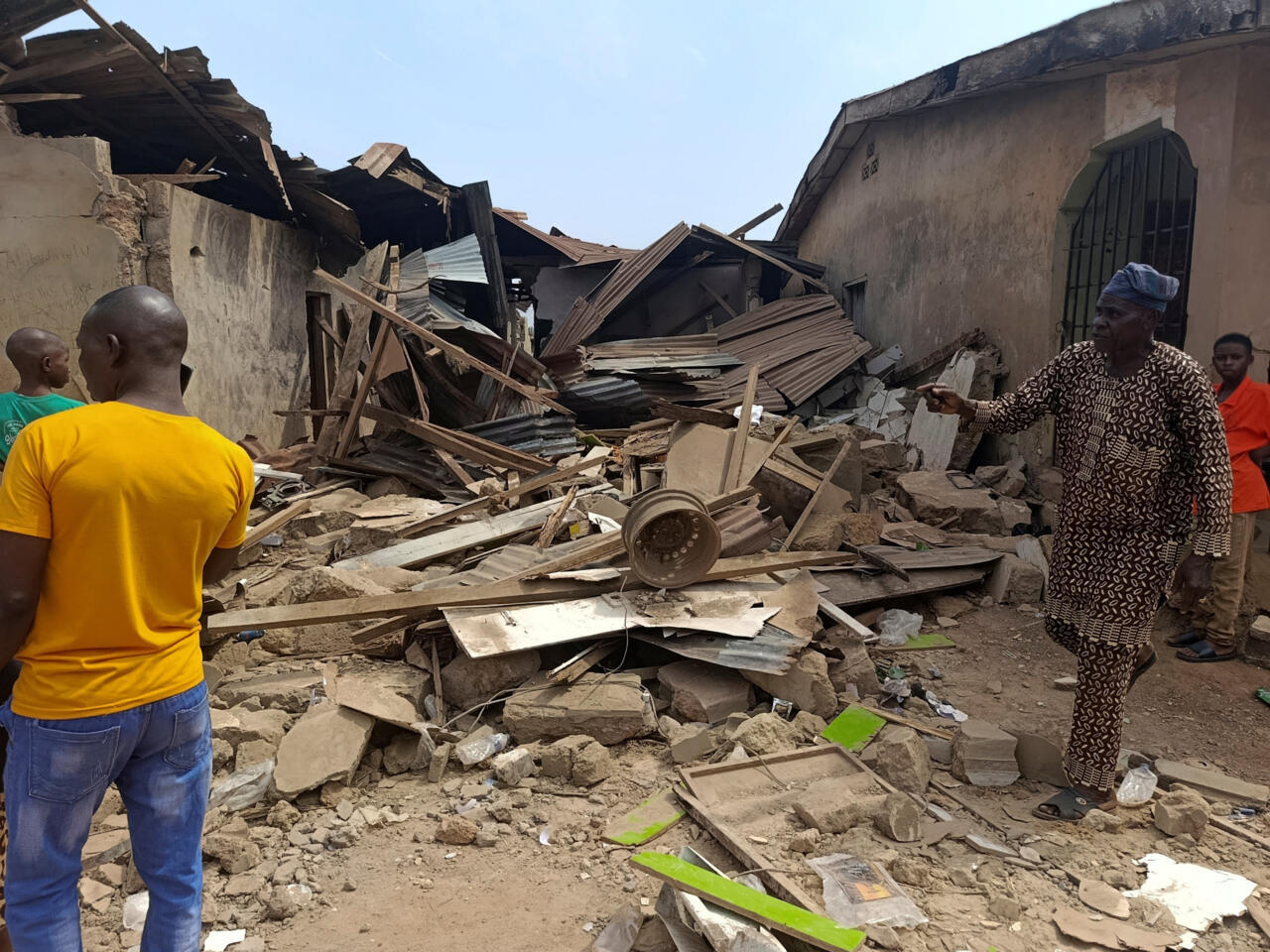
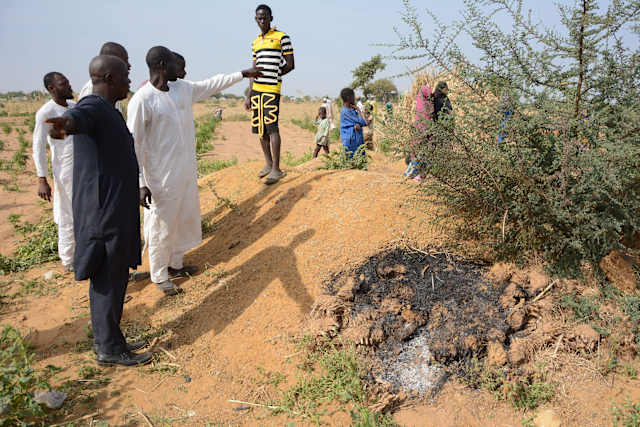
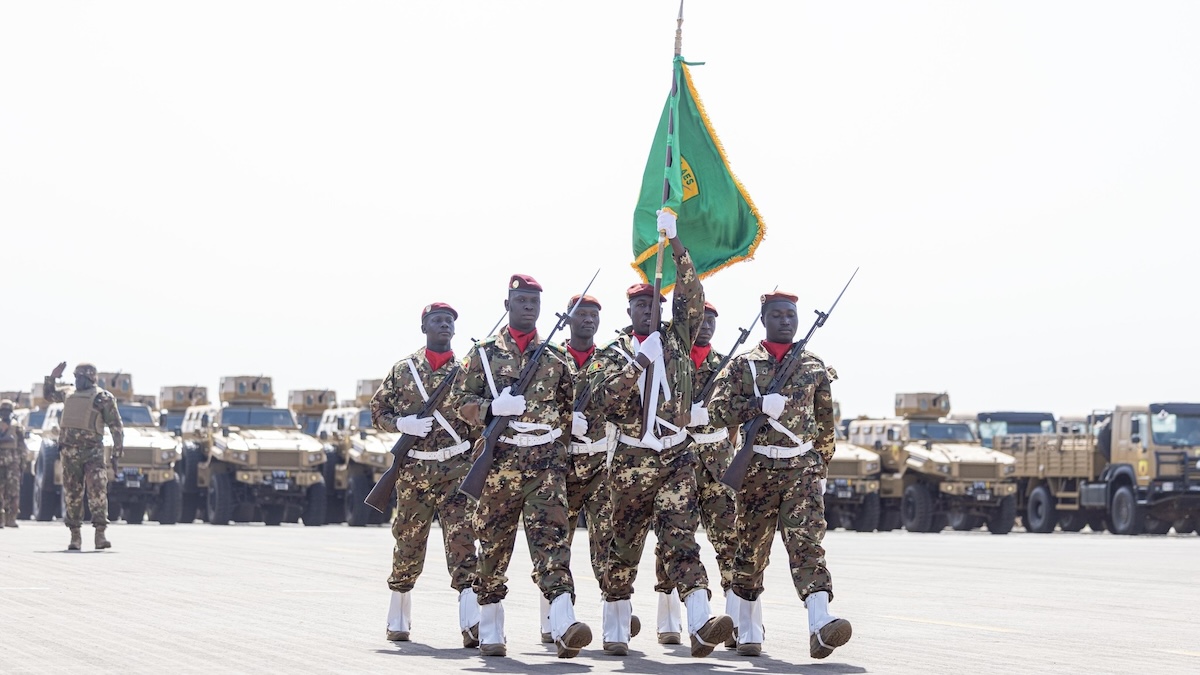
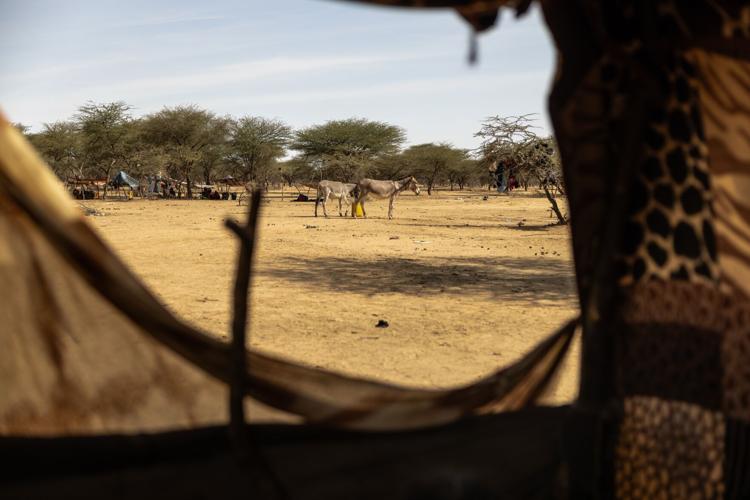
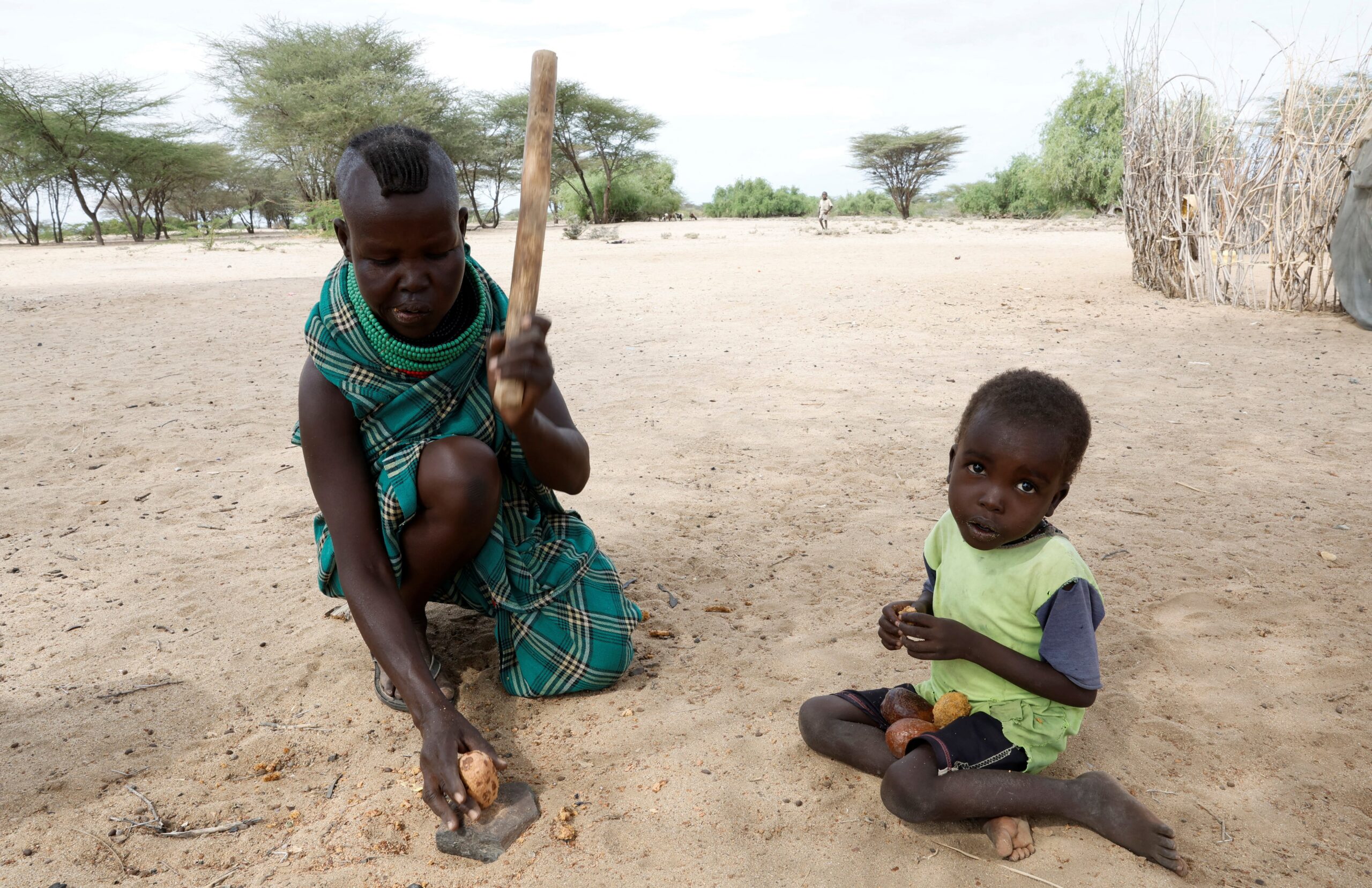
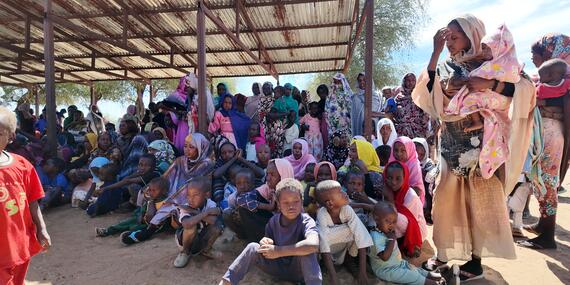
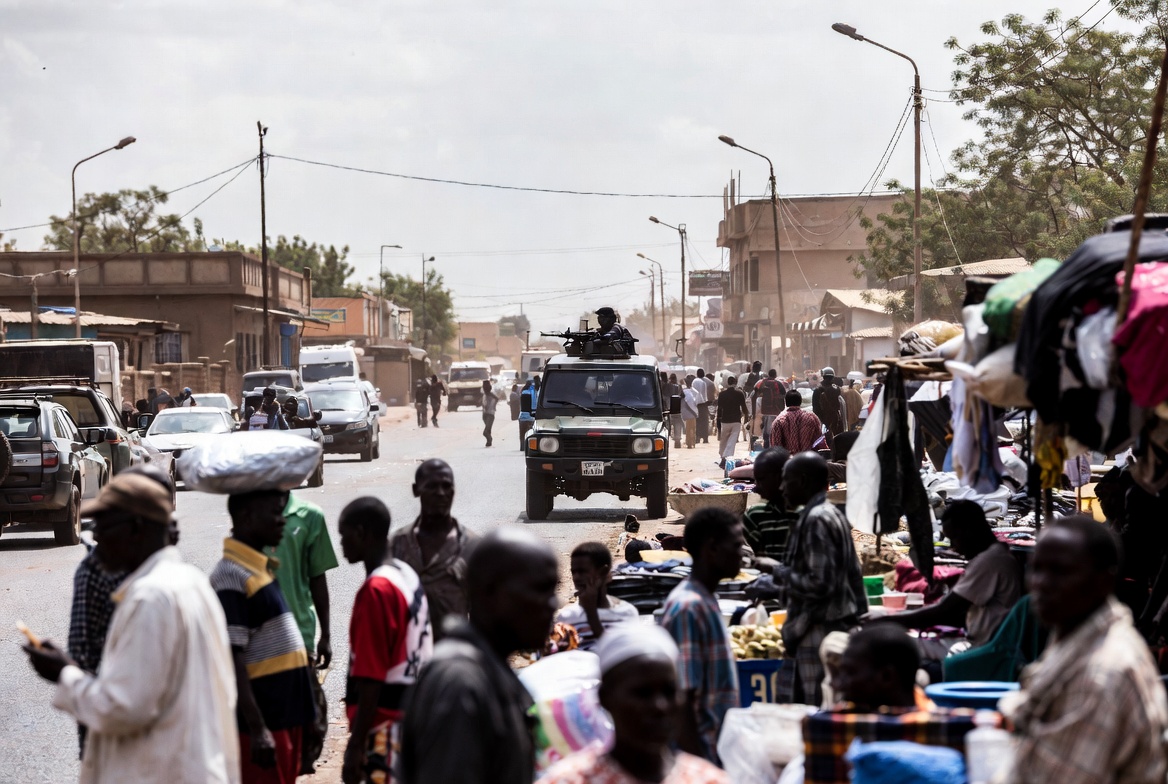
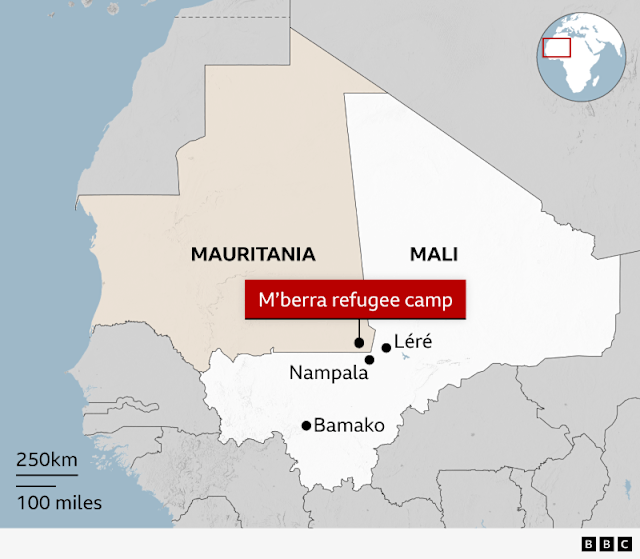
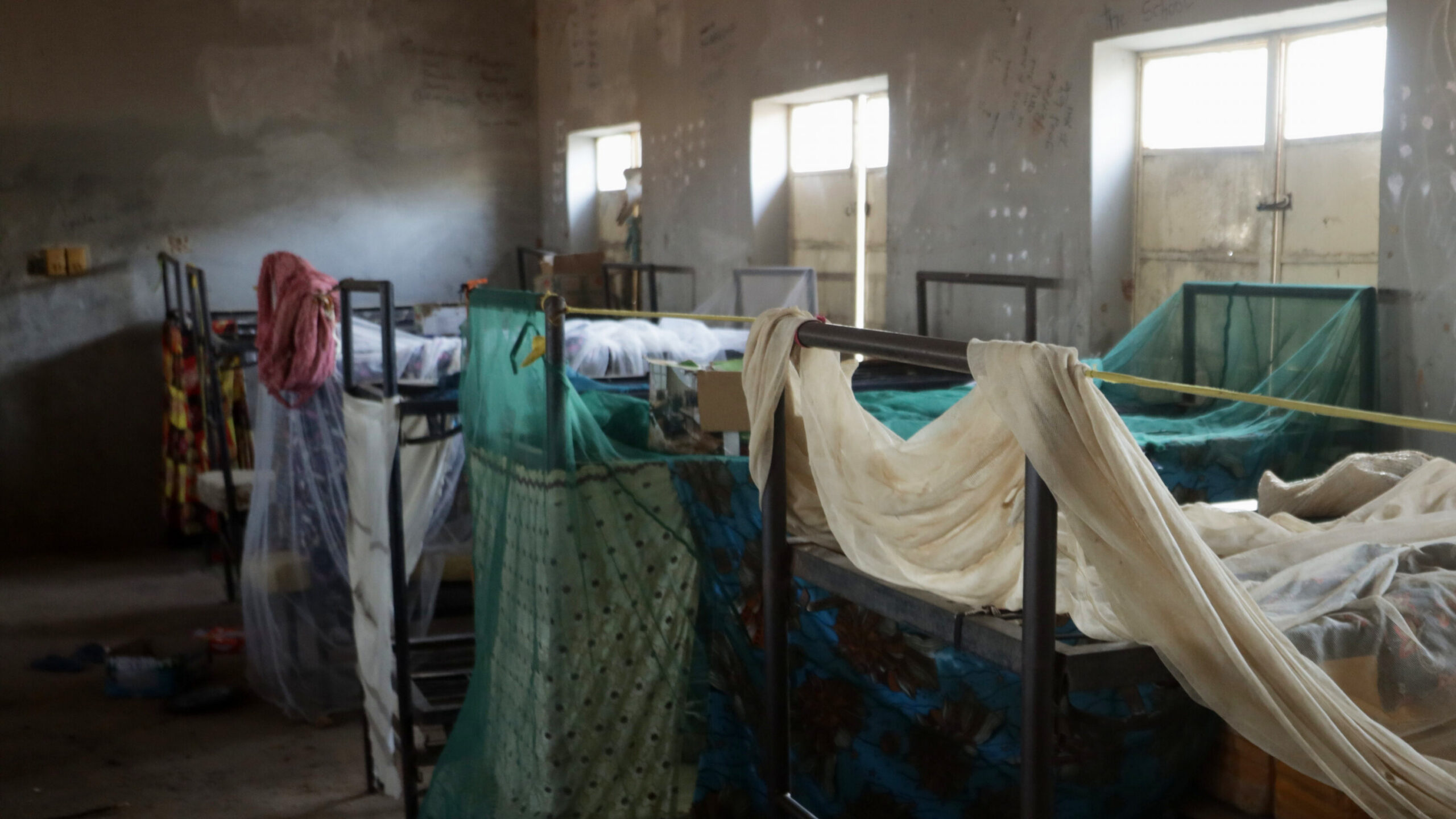
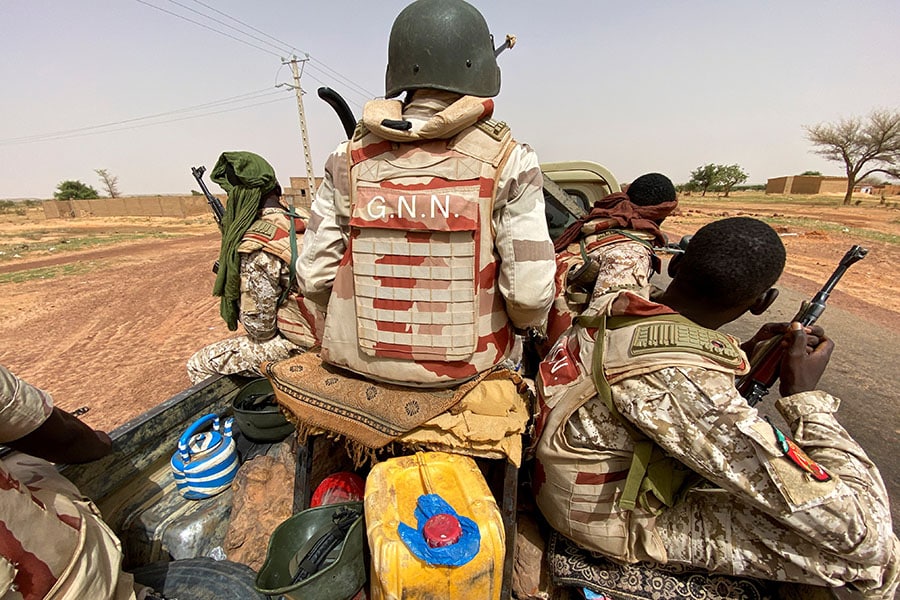
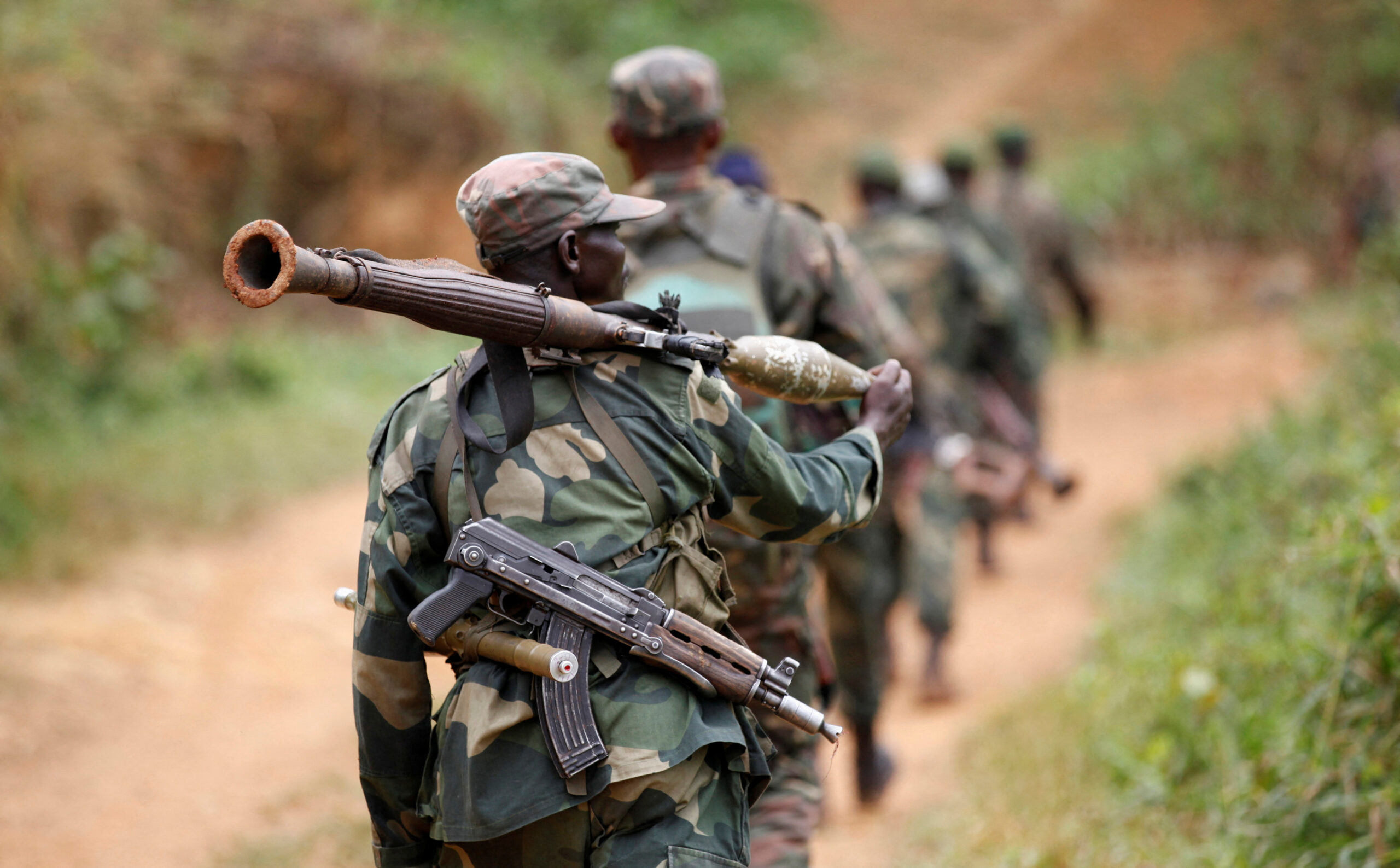
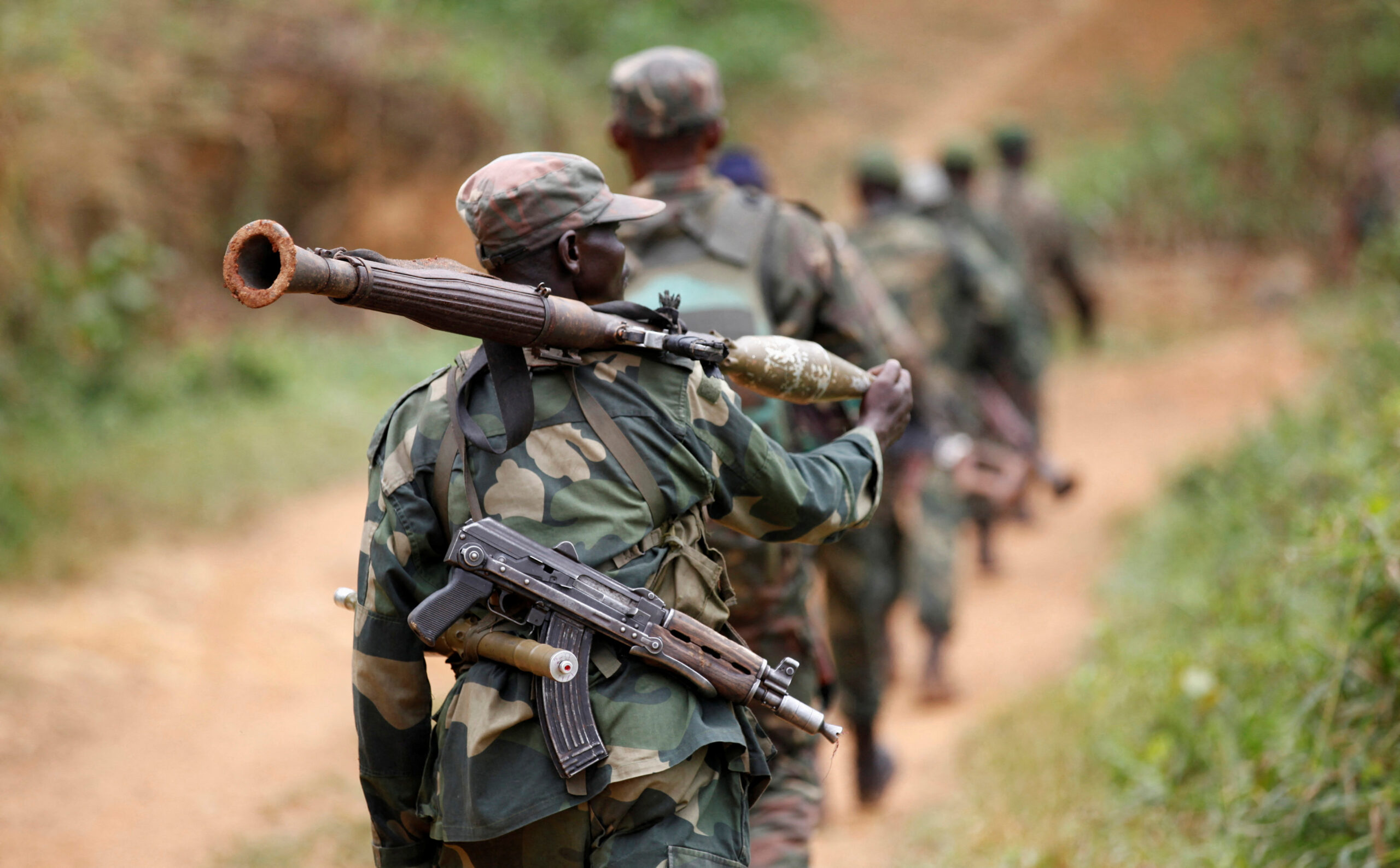
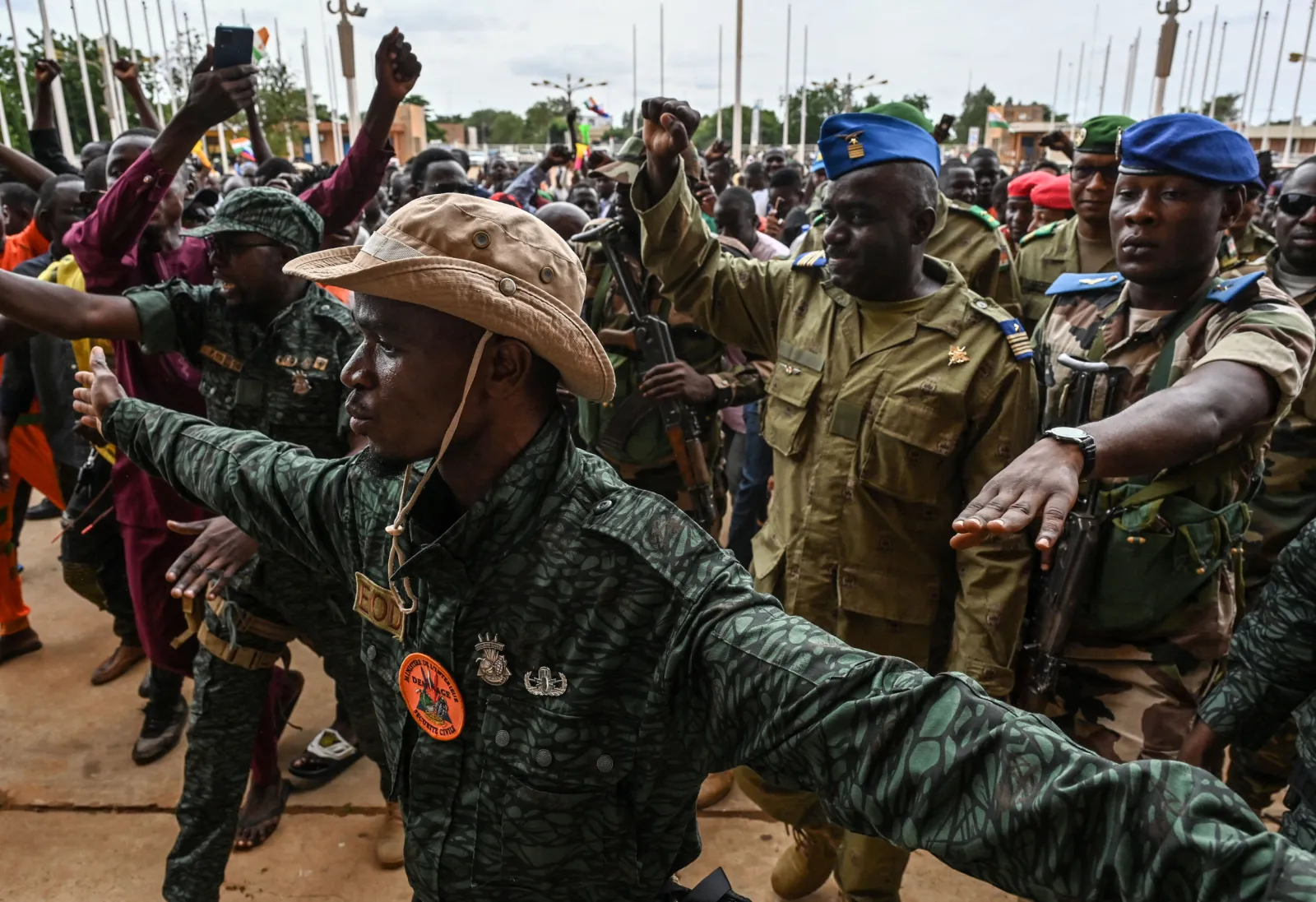
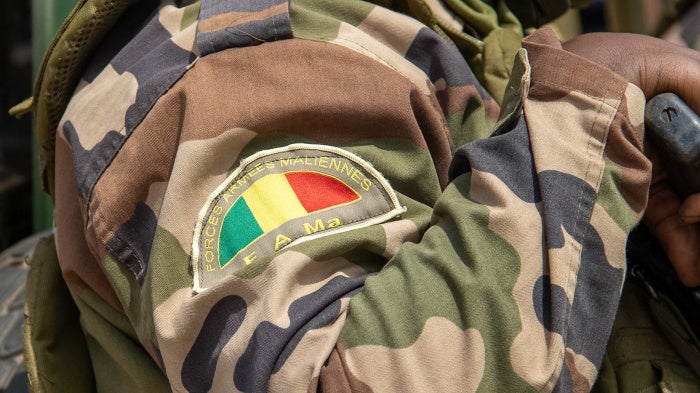
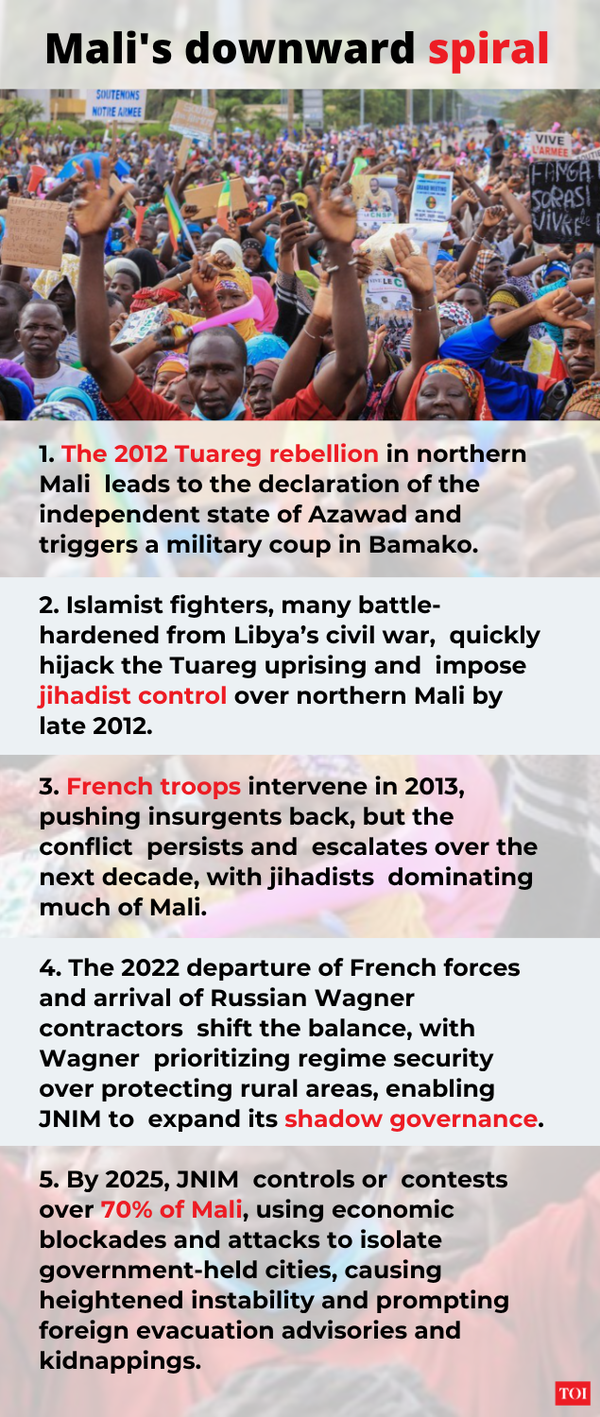
The Sahel, with its vast arid landscapes and fragile economies, is no stranger to peril. Militant groups like Al Qaeda and the Islamic State have aggressively expanded their reach across these three AES countries, exploiting weak state institutions and ungoverned spaces. This isn’t just a local issue. Their foothold in northern and central parts of the Sahel poses a real threat to international security. Just look at Mali, for instance. Despite various international efforts, the country still battles entrenched violence and struggles to control large parts of its territory. We’re seeing ongoing neglect in crucial areas like infrastructure, healthcare, and economic stability, factors that these terrorist groups readily exploit to gain local support or dominance. It’s a complex web of governance deficits and development gaps that makes overcoming these security challenges incredibly tough. This grim reality stands in stark contrast to the initial hopes for the AES formation, which many saw as an “incredible development” for regional progress, according to some observers. However, analysis of regional security dynamics confirms Mali’s precarious situation, underscoring the deep-seated issues at play despite past interventions. French-led counterterrorism efforts, for example, haven’t fully stemmed the tide of violence, as detailed in recent reports.
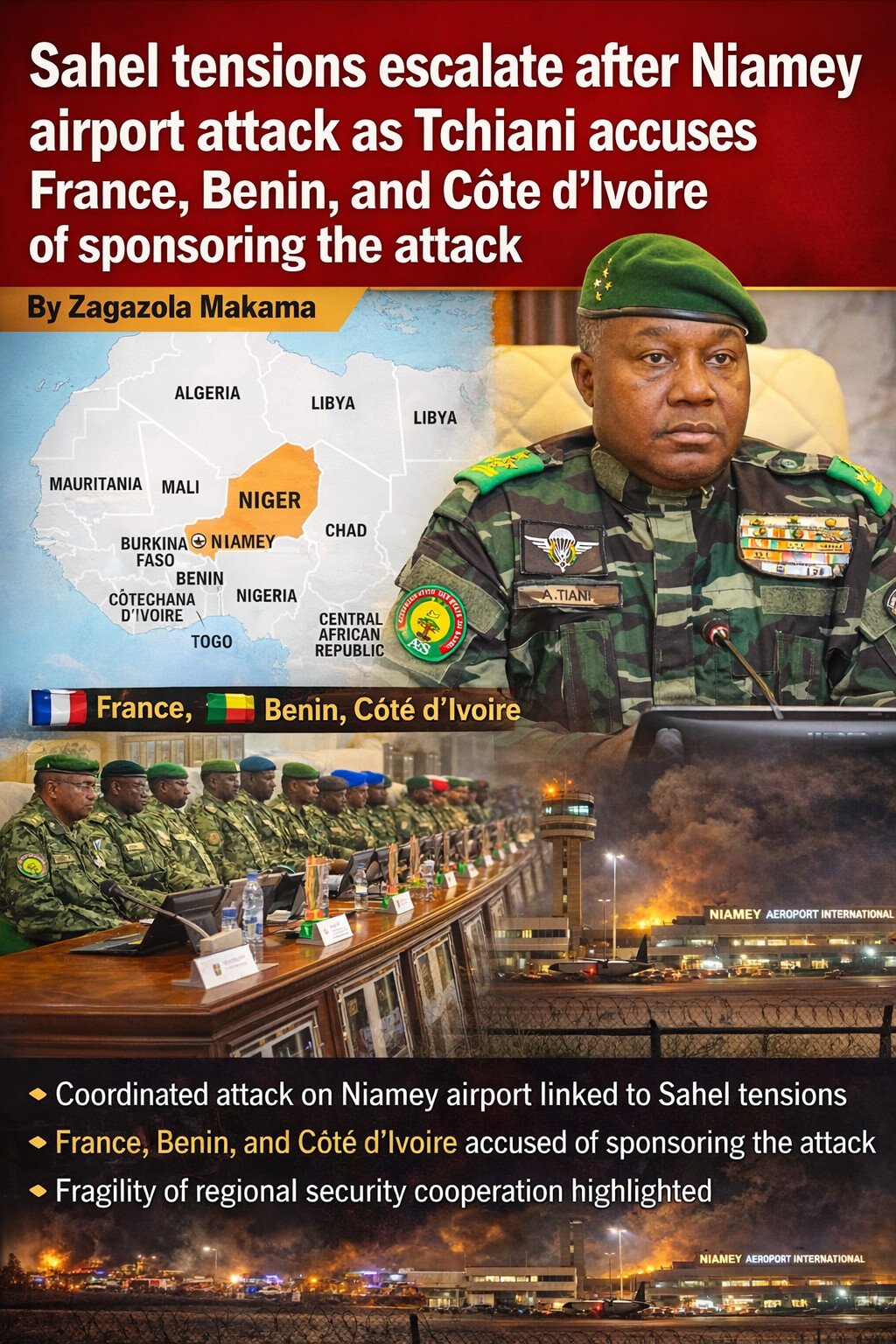
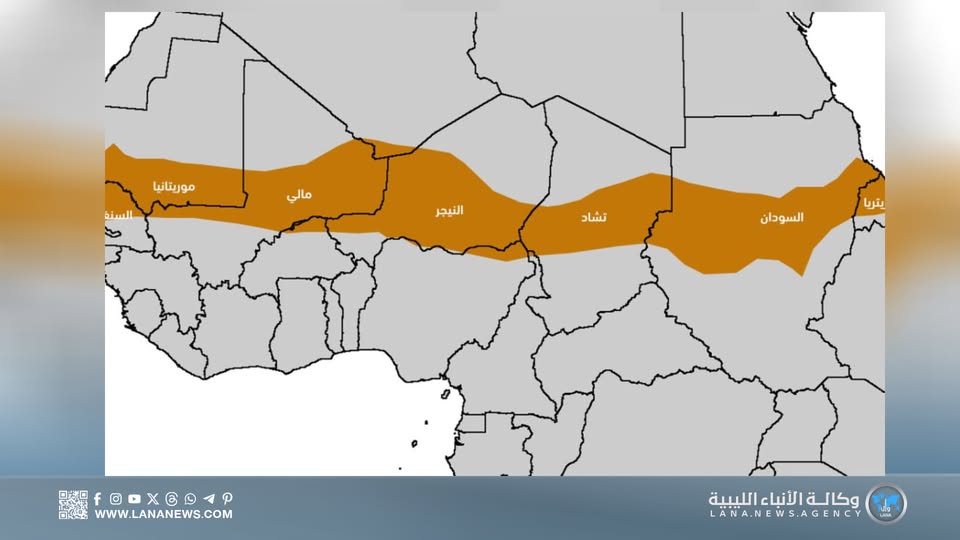
Beyond these three nations, the Sahel’s strategic importance reverberates across the wider region, influencing geopolitical dynamics from Somalia to Morocco. For the AES, navigating this complex external landscape while nurturing internal cohesion is paramount. This alliance isn’t just about survival. It’s a powerful statement of regional solidarity and cooperation, a refusal to be passive victims of insecurity or underdevelopment. Its success will hinge on much more than symbolism. We’re talking coordinated security operations to push back extremist groups, smart investments in vital infrastructure, and programs that genuinely spark economic opportunities to uplift marginalized communities. International partners and neighboring African states are certainly watching closely. Can this bold experiment become a beacon, setting an example for regional cooperation models far beyond the Sahel? It’s an ambitious journey, but it embodies a new chapter of African self-determination, one that promises security, better services, and sustainable development for millions. We hope they’ll succeed, especially as concerns rise about groups like Al Qaeda potentially taking over territories, a prospect that remains a grave concern for global stability.