
Africa’s 2026 Startup Moment: When Substance Finally Outruns Hype
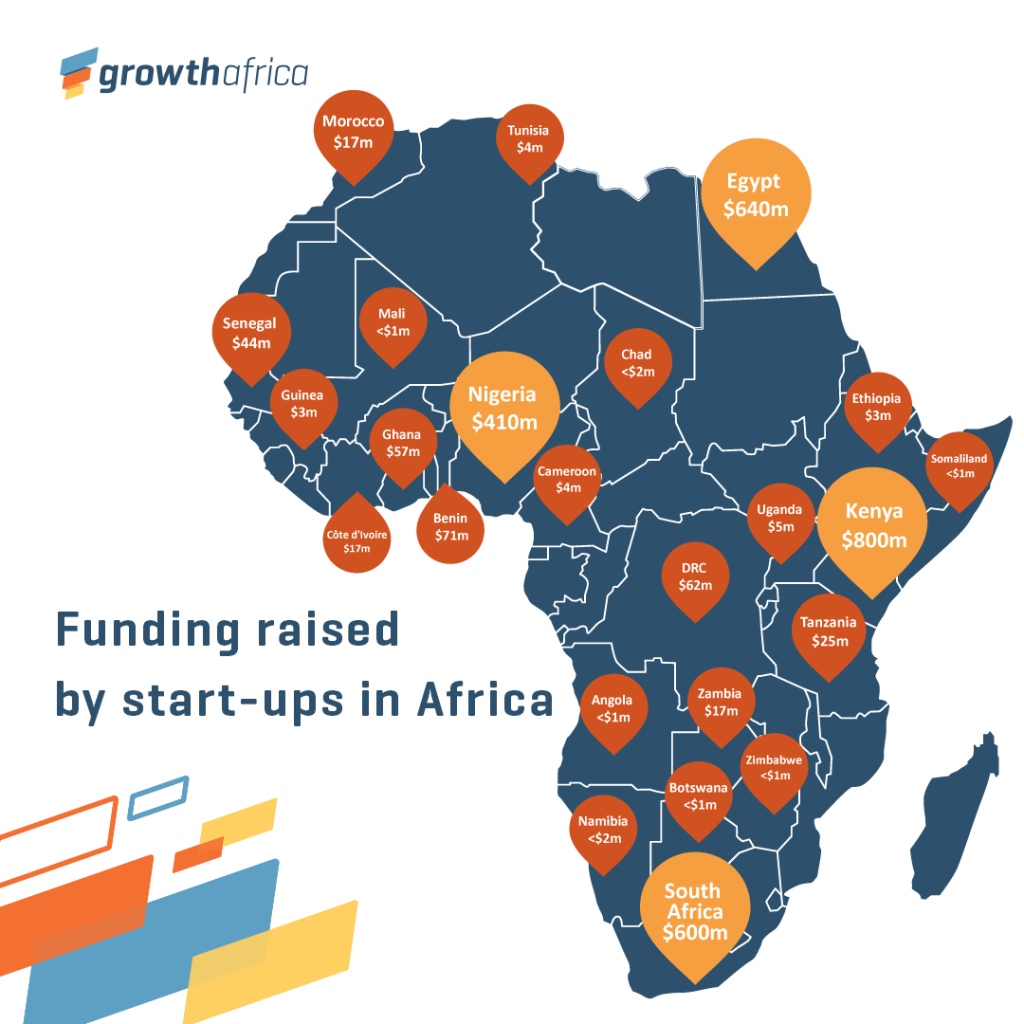
Something’s shifting across Africa’s tech landscape in 2026, and it’s not just another funding round or flashy app launch. From Lagos to Nairobi, Accra to Cape Town, a quieter, more substantial kind of innovation is taking root. Investors who’ve watched African tech cycles for a decade say this year feels different. The companies grabbing attention aren’t chasing viral downloads anymore, they’re solving the continent’s foundational problems. Think about it: what good is a slick app if the logistics to deliver products don’t work, or if people can’t afford reliable energy? That’s why sectors like finance, logistics, housing, and energy are where the real action is happening now. Kenyan fintech Honeycoin, for instance, moves $150 million monthly using stablecoins to slash cross-border payment costs for over 300,000 users. It’s not trying to replace traditional finance, just bridge its gaps. Meanwhile, Ghana’s VDL Fulfilment handles hundreds of thousands of orders for merchants overwhelmed by warehousing and last-mile delivery chaos. These companies are building the operational backbones that let others focus on growth, stitching together capacity in markets where reliable national networks simply don’t exist. It’s a practical approach that’s gaining traction, as highlighted in recent analyses of African startups to watch.
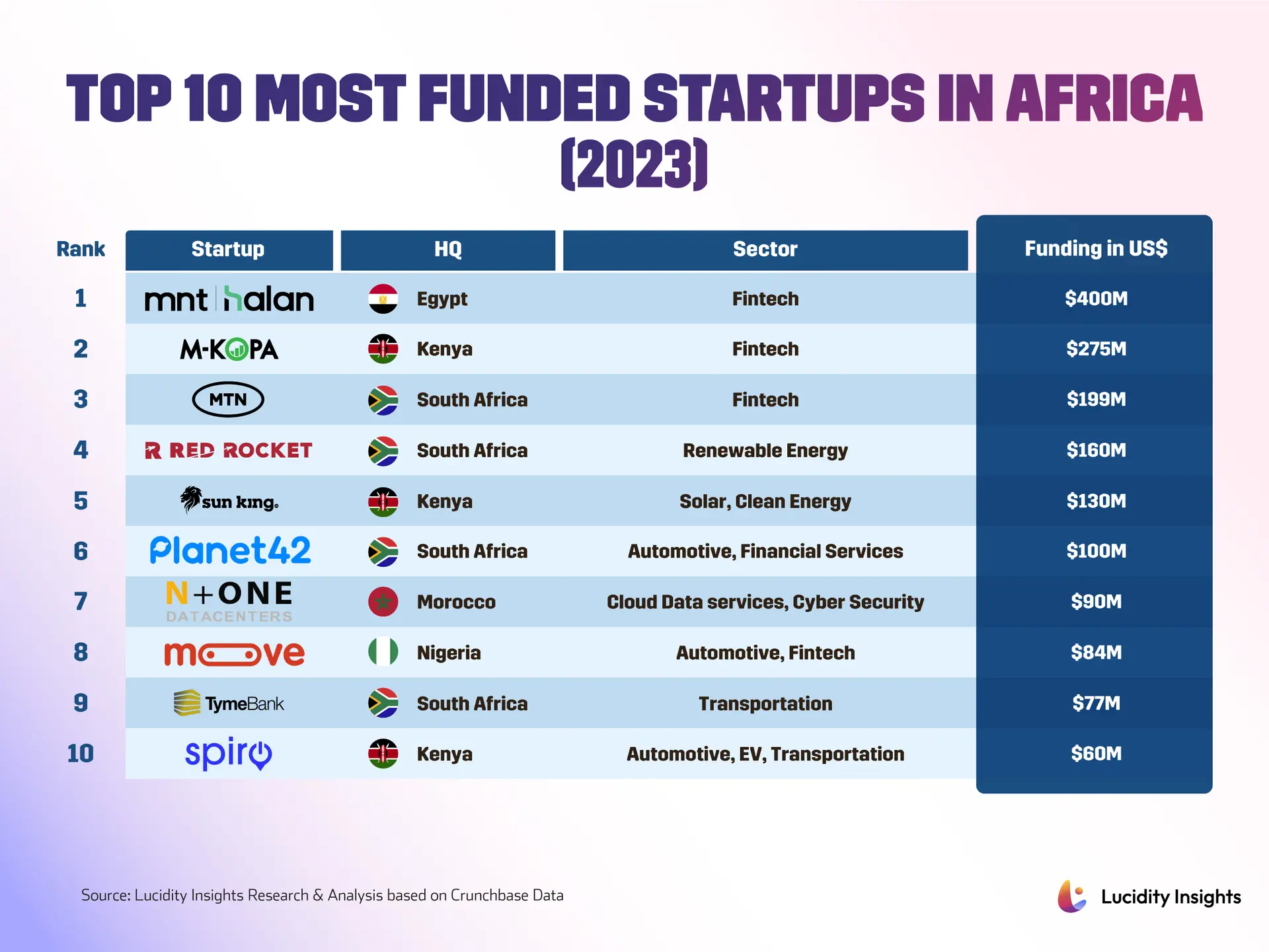
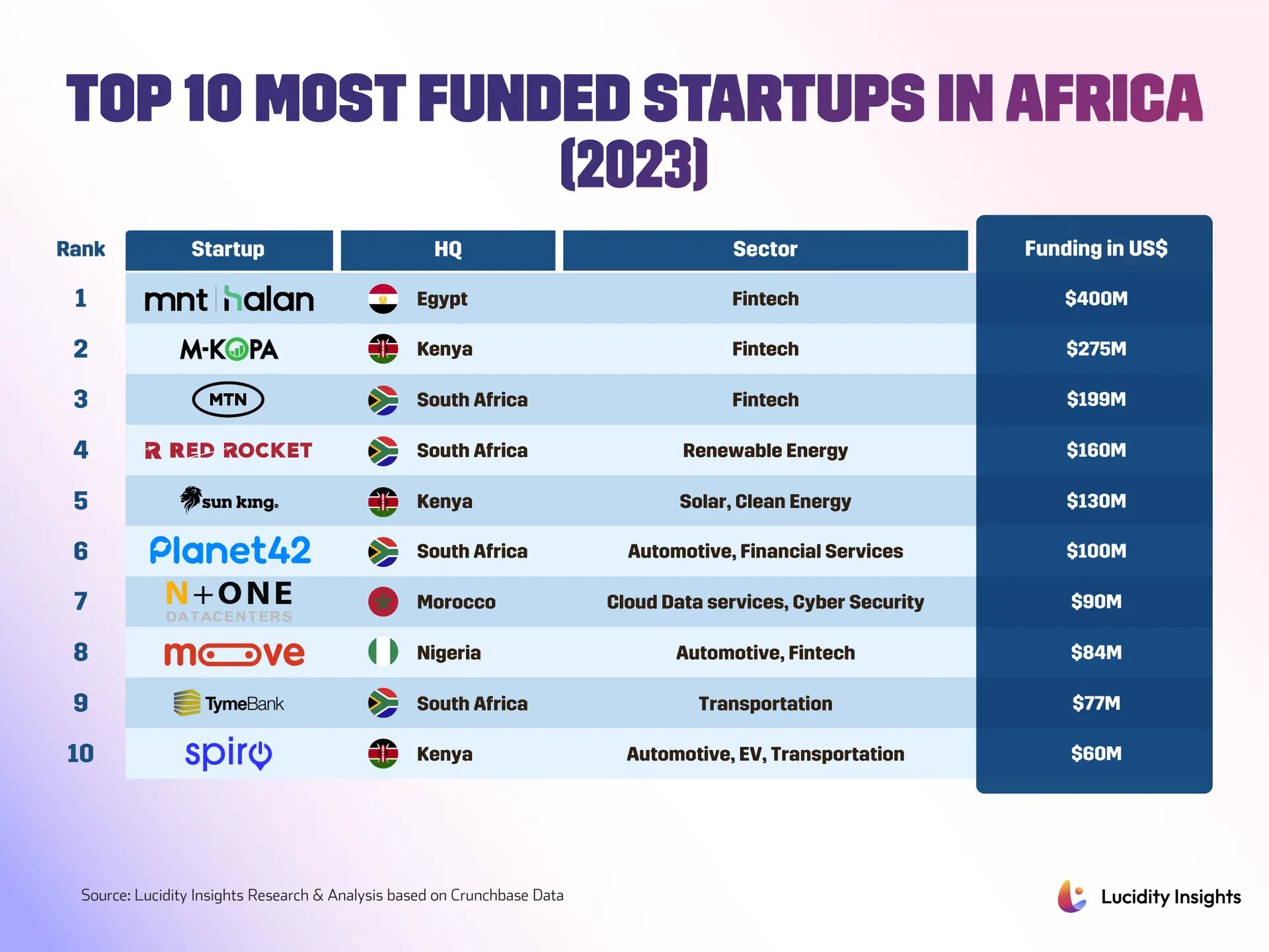
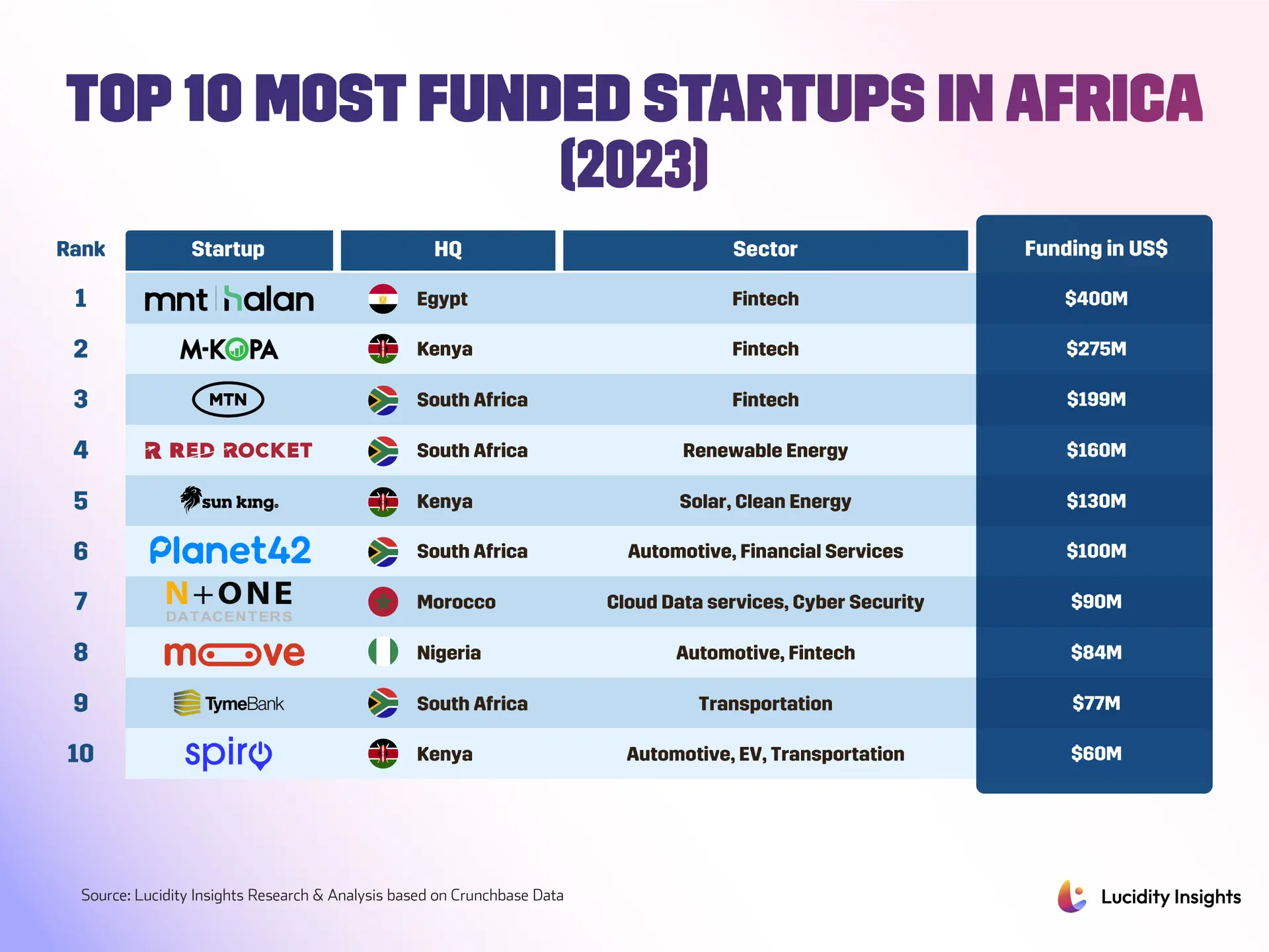
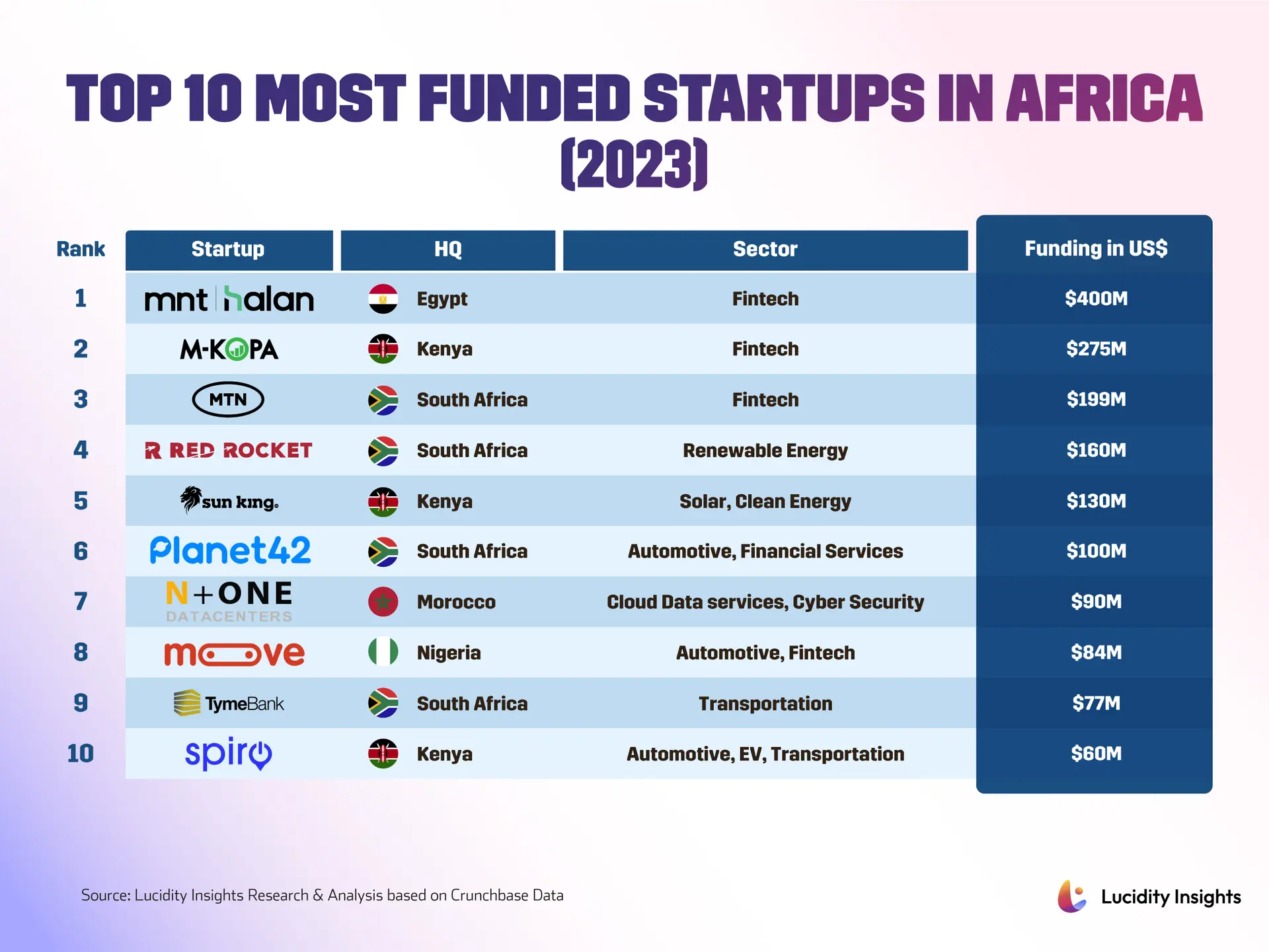
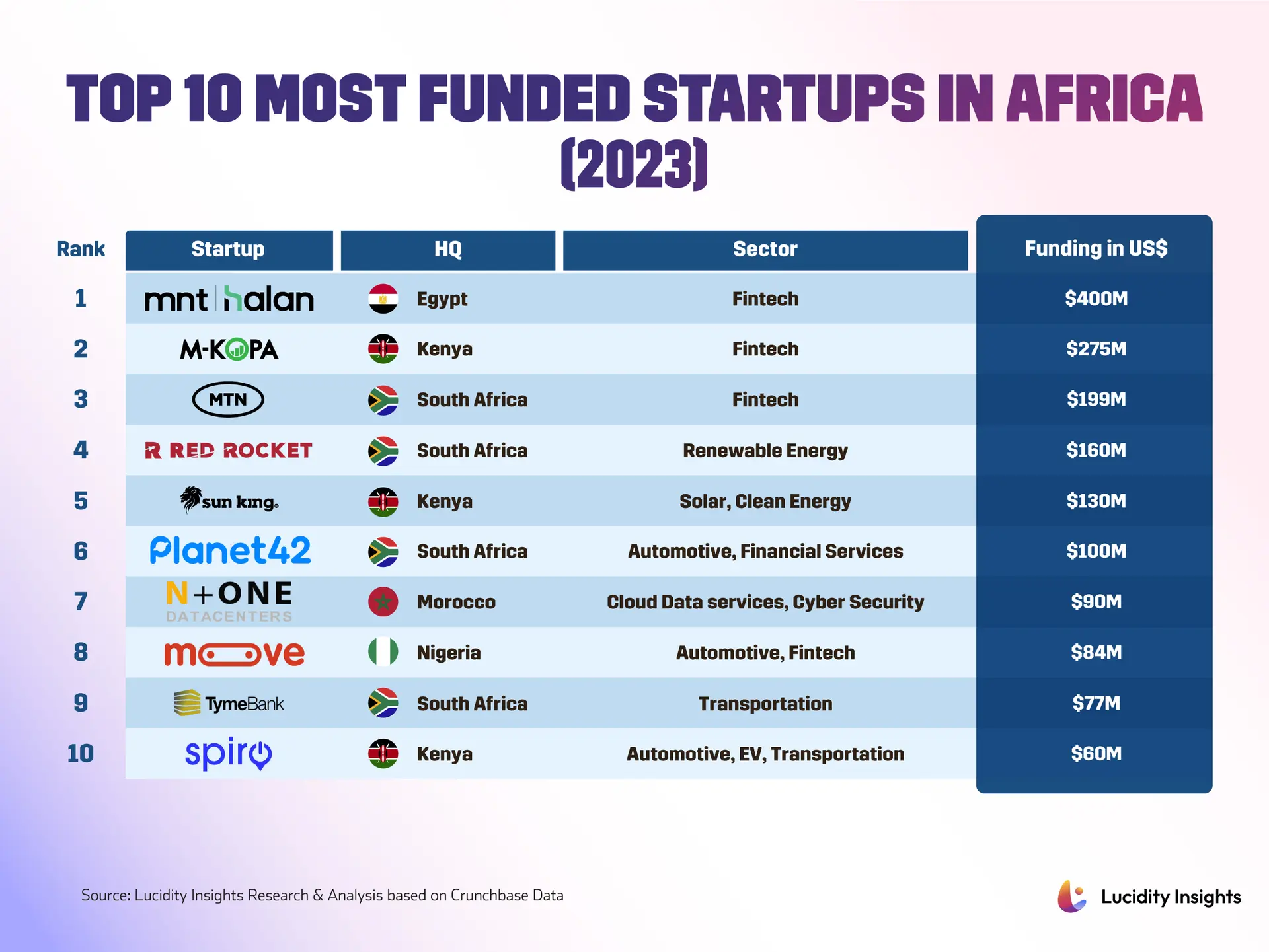
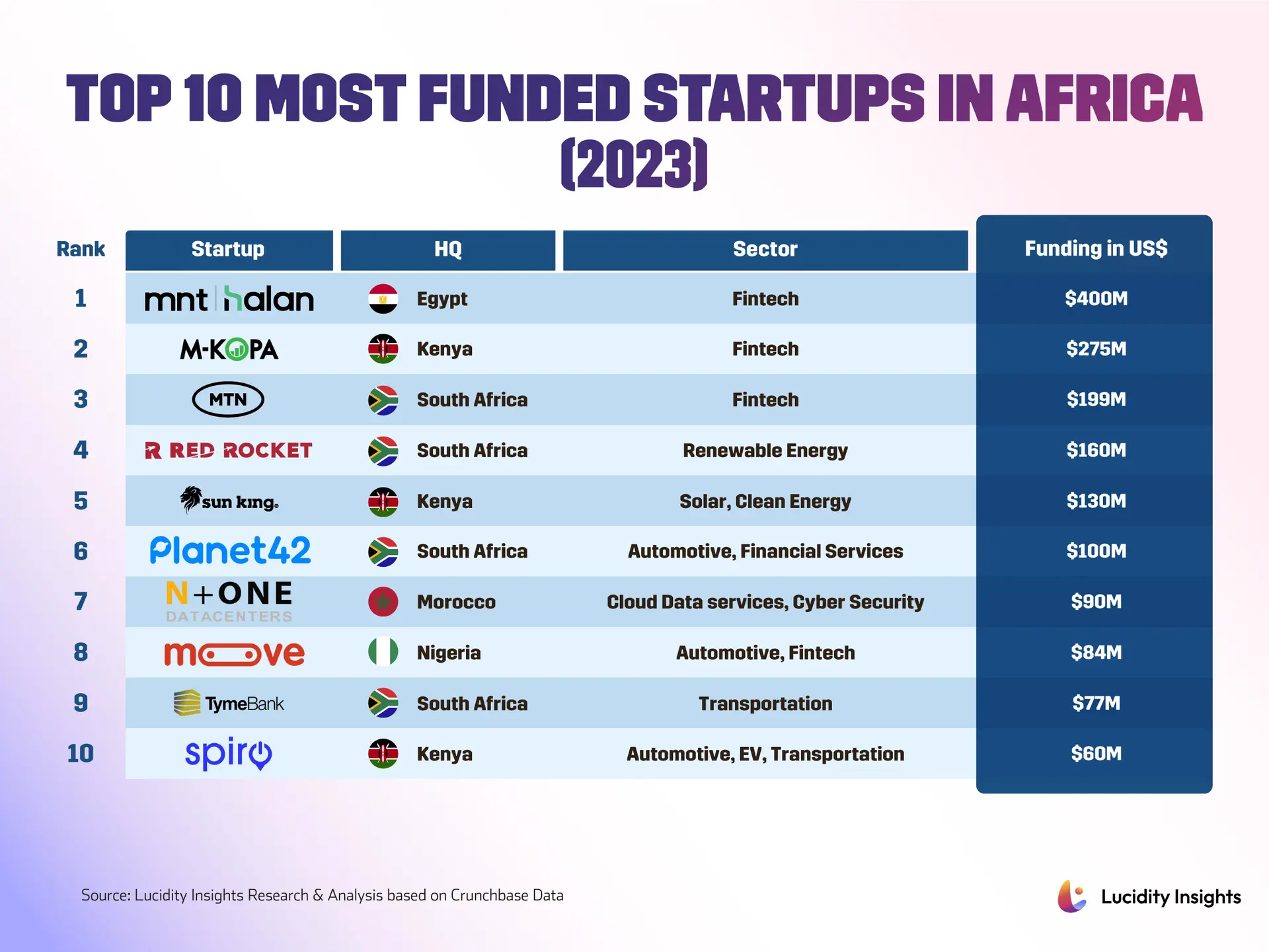
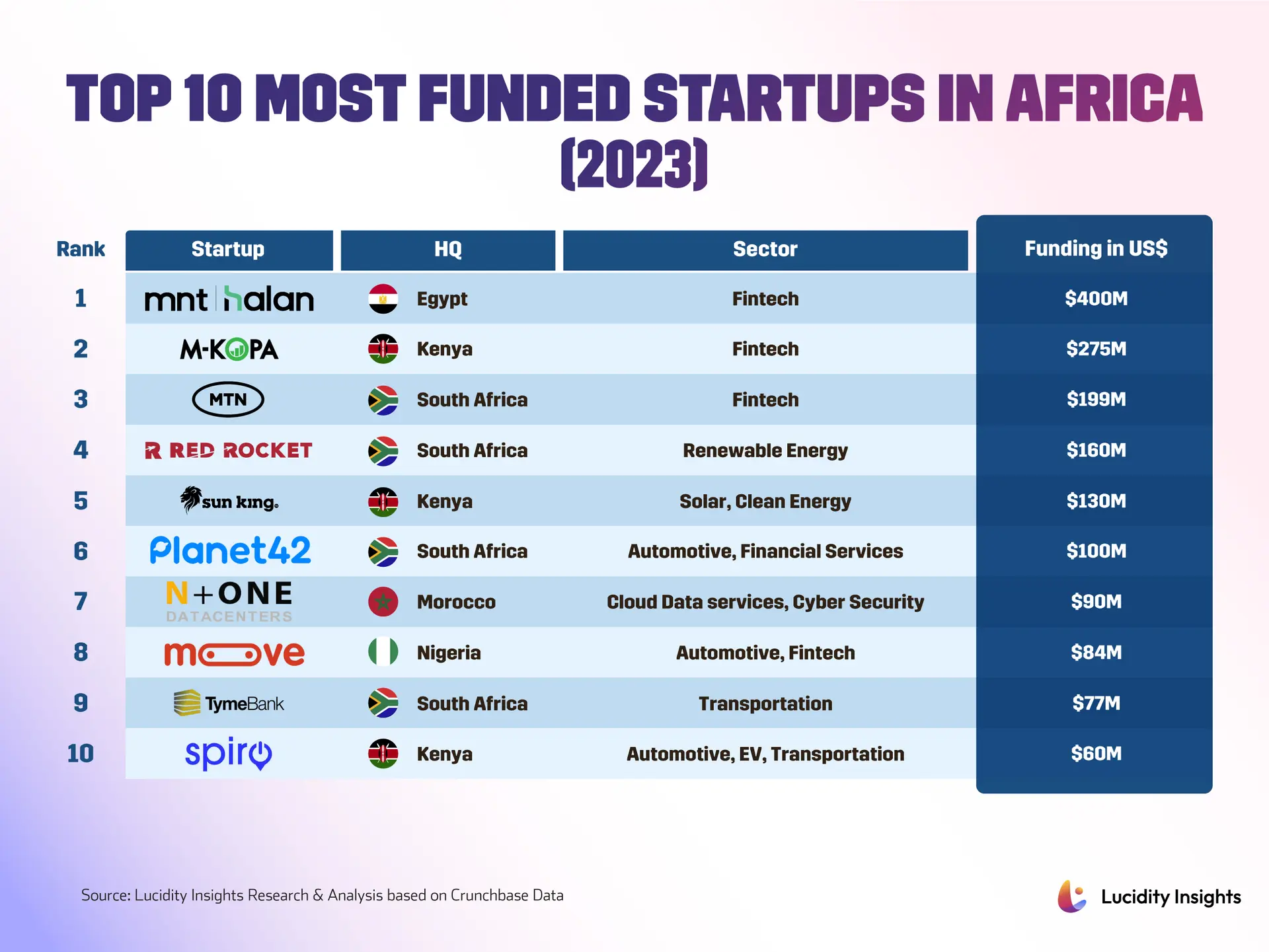
What’s driving this shift? Trust and data are becoming investable commodities themselves. In Nigeria, Carschek tackles the notoriously opaque used-car market by bringing transparency and verification to reduce fraud. BAC Intelligence does something similar for aviation, aggregating fragmented industry data so airlines and regulators can make evidence-based decisions. Both show how layered data services can turn chaotic markets into predictable ones, unlocking capital and trade in the process. Housing tech is maturing too, with companies like Oikus applying data to address affordability and information gaps in property markets. And let’s not forget energy, where heavyweights like Sun King, d.light, and PowerGen are attracting structured financing and equity raises in the tens of millions. They balance massive upfront costs with the scale and social impact that institutional investors love, positioning themselves as potential unicorns. Even customer service is getting smarter, with startups like ChatSasa using conversational AI to amplify human teams rather than replace them. This isn’t about chasing the next big thing, it’s about building things that last, as explored in reports on Africa’s next unicorn candidates. The continent’s tech renaissance is entering a new, more grounded phase.
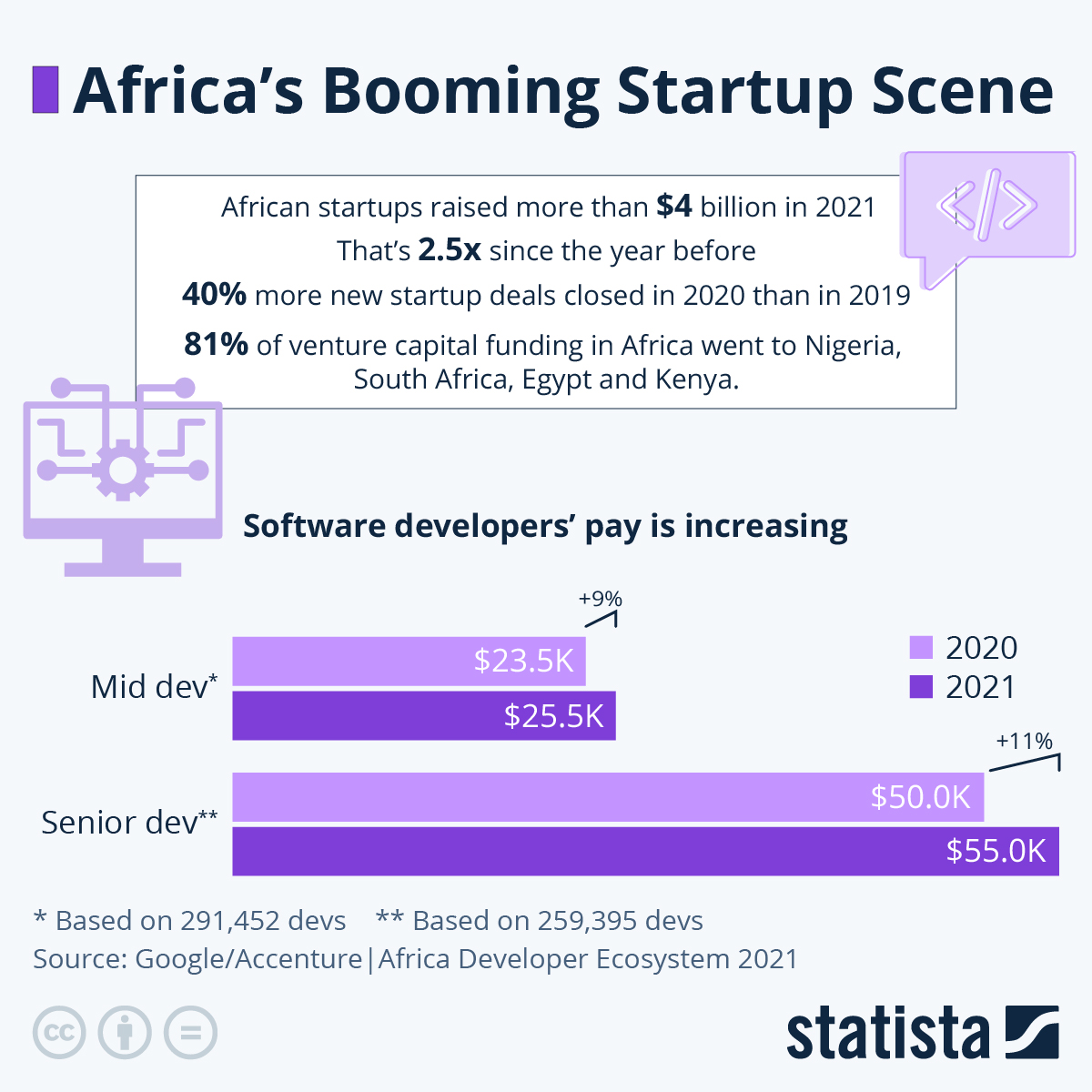
Of course, none of this happens in a vacuum. Founders still navigate unreliable infrastructure, regulatory uncertainty, and a capital environment that’s more cautious than early 2020s headlines suggested. But investors are returning with sharper focus, favoring companies that demonstrate solid unit economics, defensible data assets, and cross-border scalability. Structured finance and regional market knowledge matter as much as valuation upside now. Supporting this maturation are institutional networks that provide market access, intelligence, and go-to-market support. The near future will test whether these startups can turn product-market fit into durable market leadership. Expect consolidation in adjacent sectors, more partnerships between incumbents and newcomers, and tougher conversations with regulators about data, payments, and cross-border commerce standards. For observers across West Africa and beyond, the lesson is clear: innovation that roots itself in local infrastructure problems, trades short-term hype for long-term reliability, and builds scaffolding for others will define Africa’s next growth wave. The continent isn’t lacking ideas, what it now has is a cohort of founders and investors learning how to turn those ideas into foundational companies, as detailed in coverage of advancing African commerce. This evolution builds on the record startup growth seen in recent years and contributes to Africa’s ongoing digital renaissance.