Africa in 2026: Navigating a Complex Landscape of Conflict, Growth, and Urban Challenges
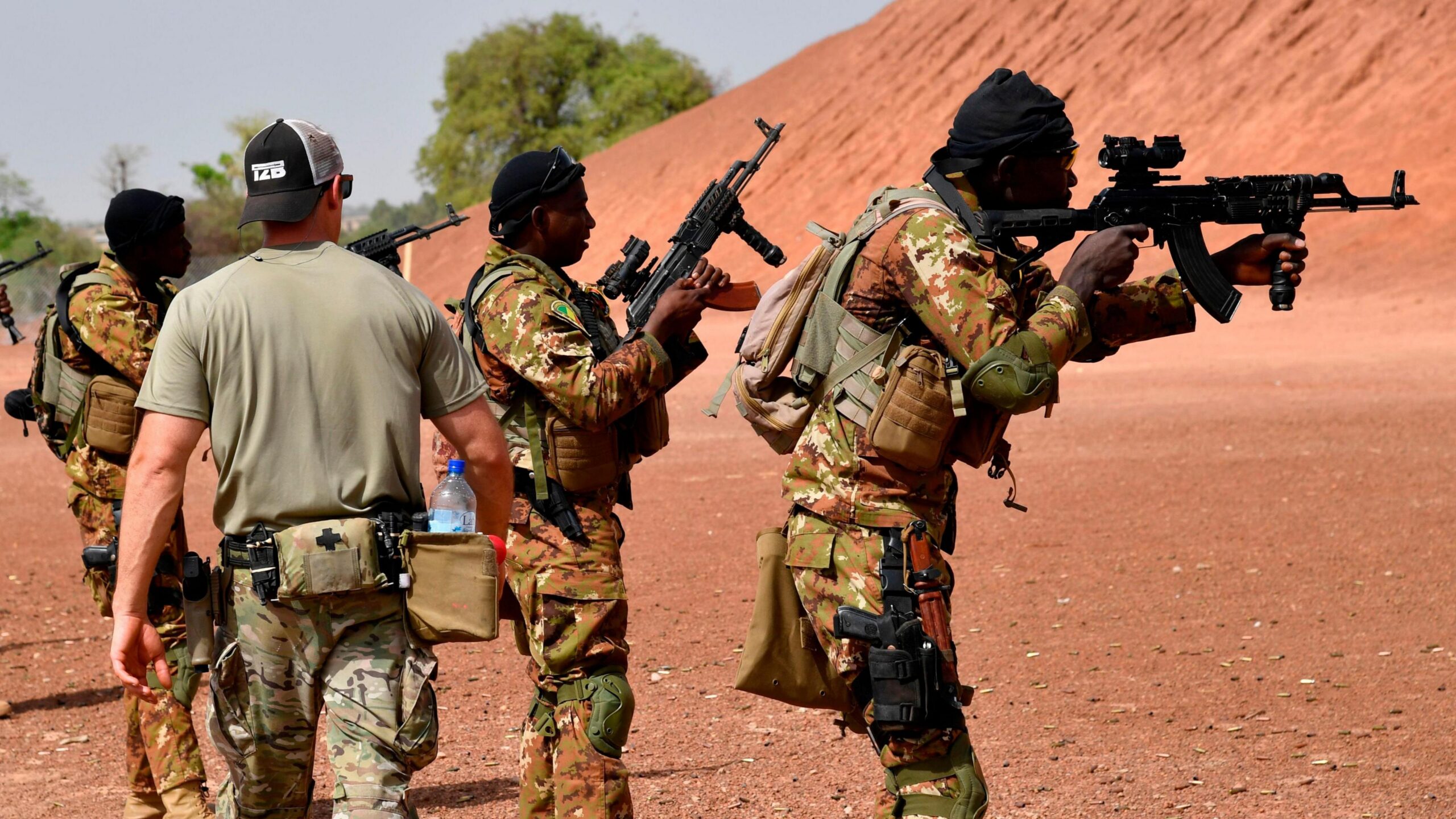
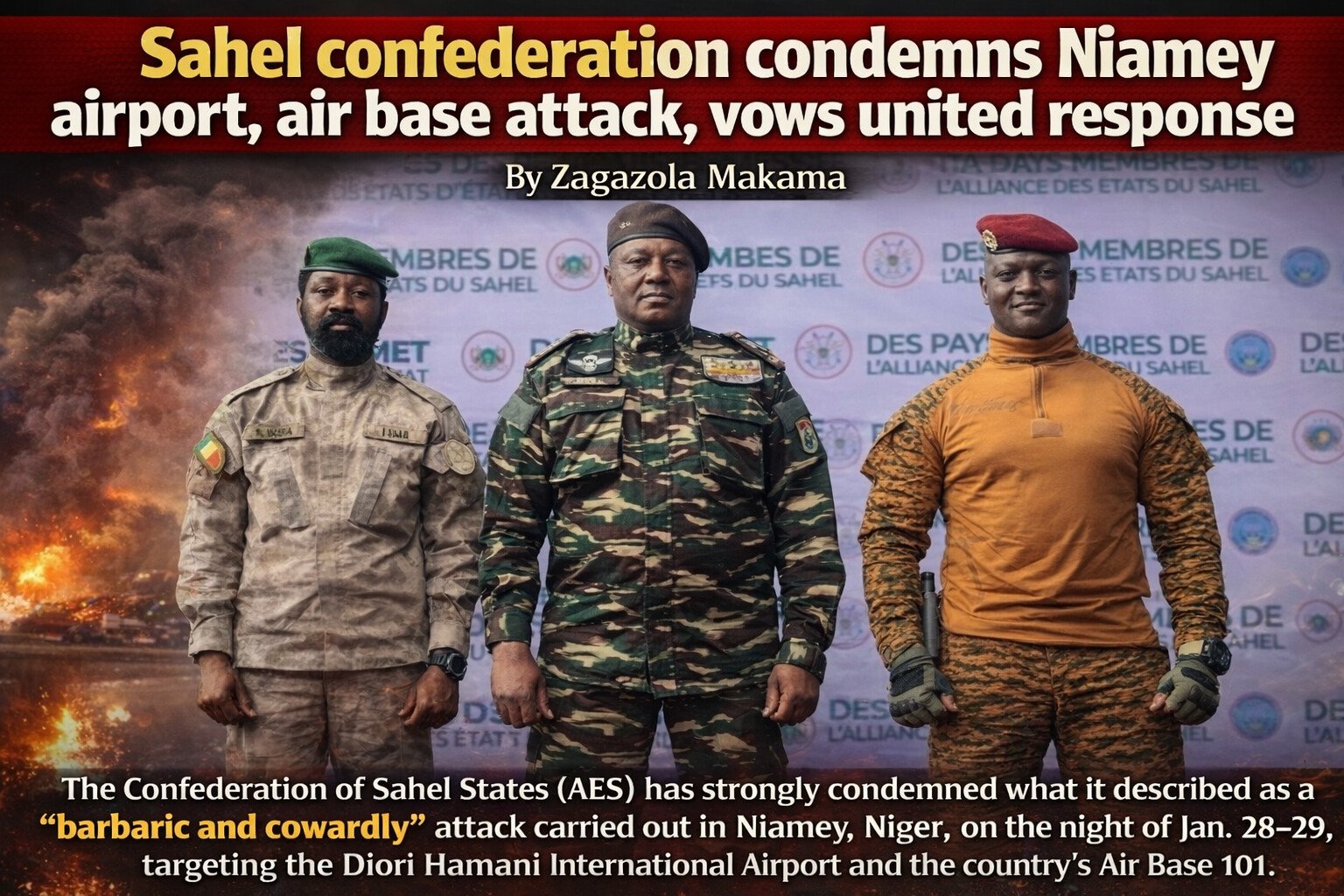
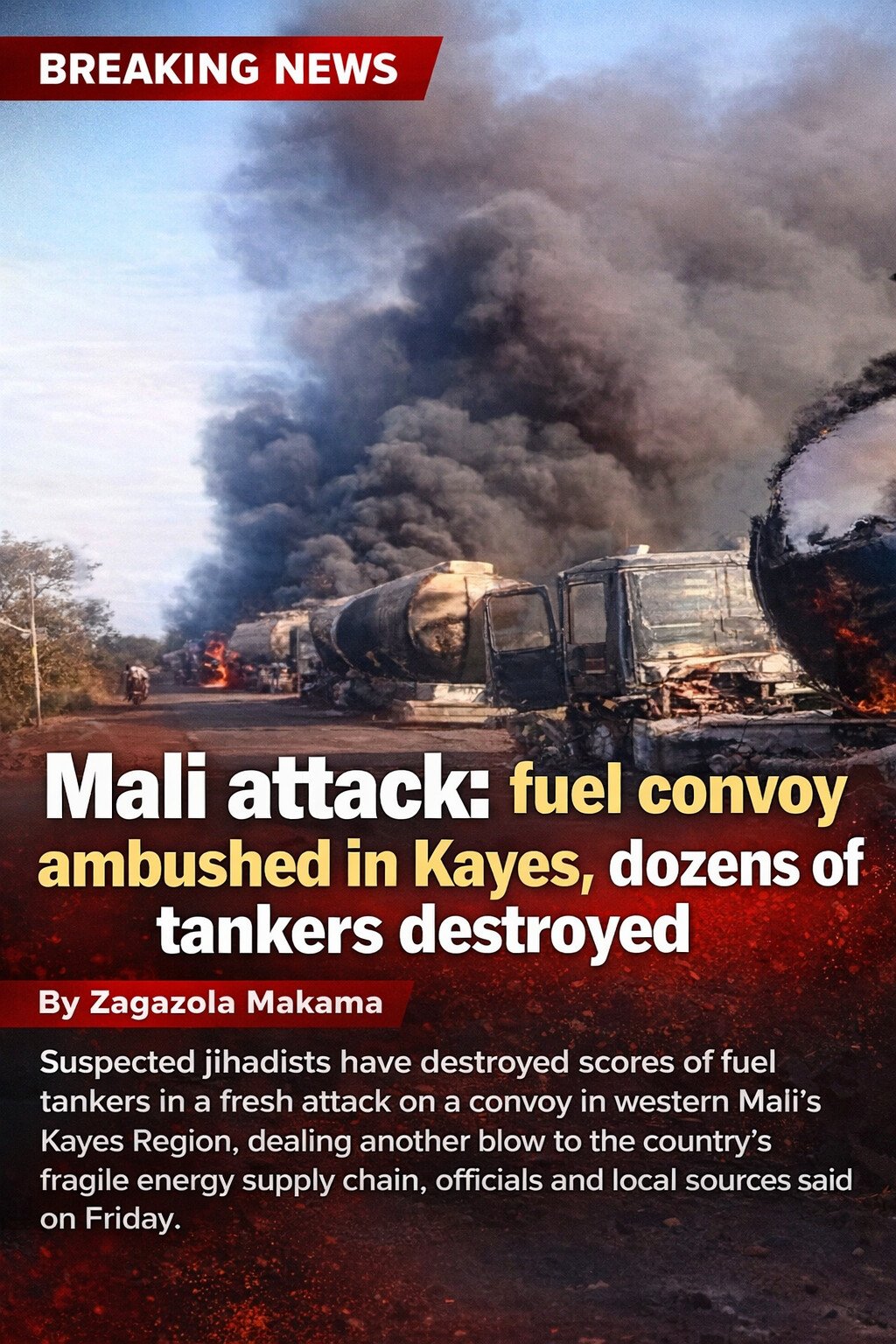
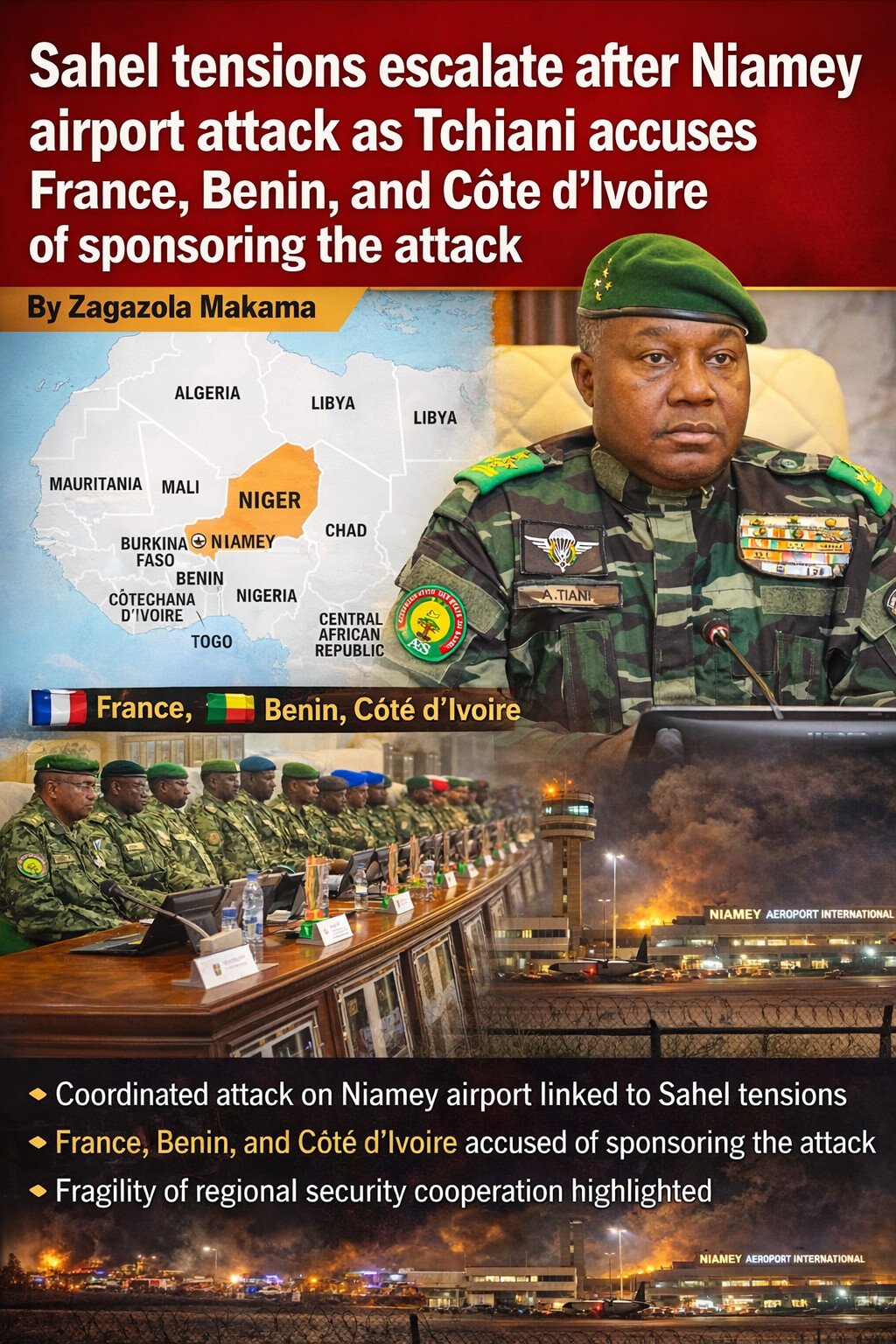
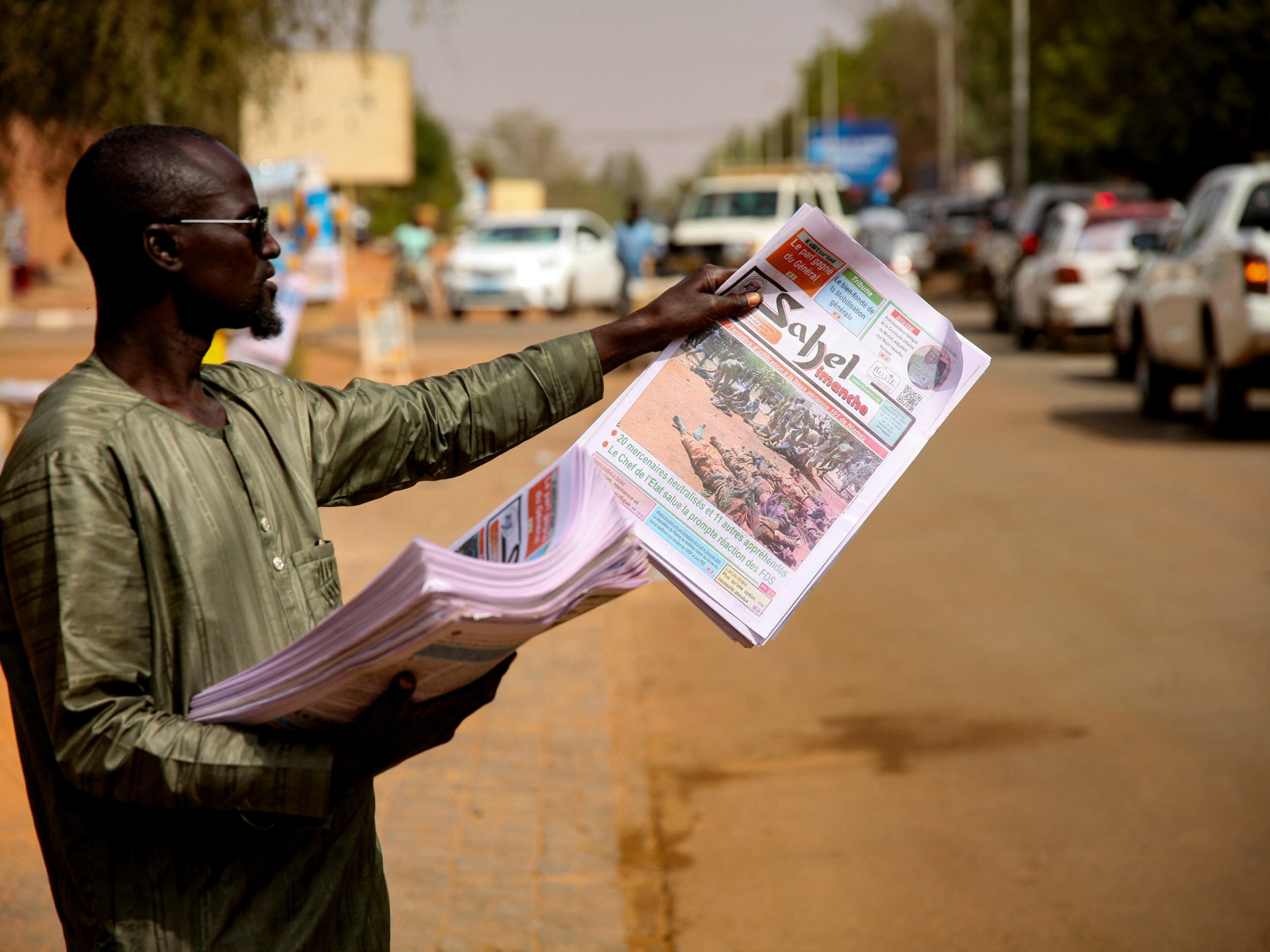
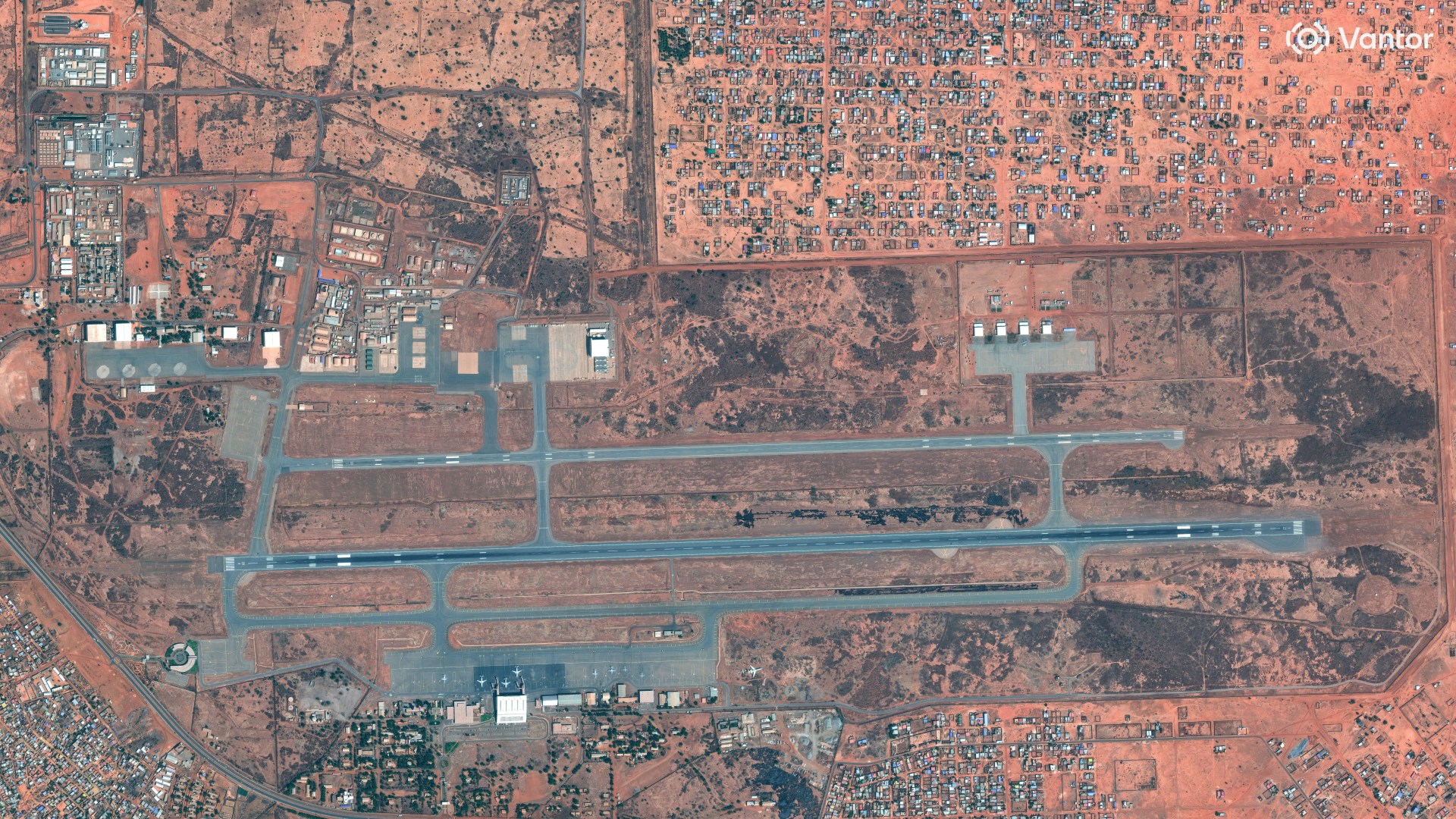
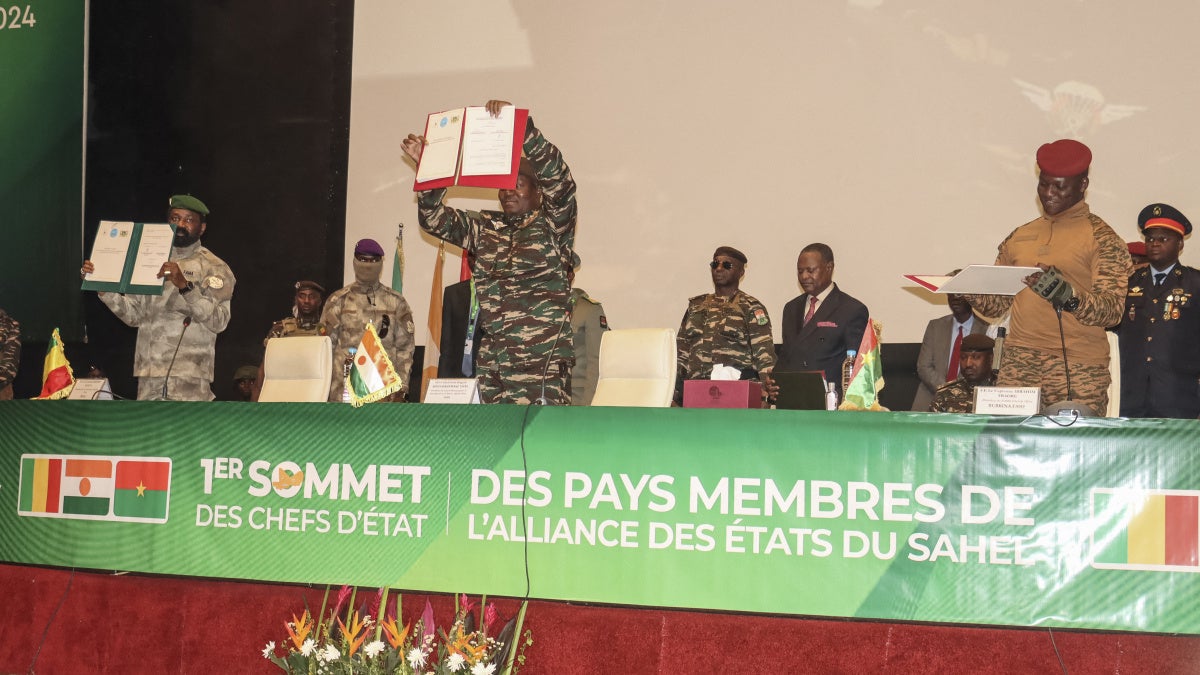
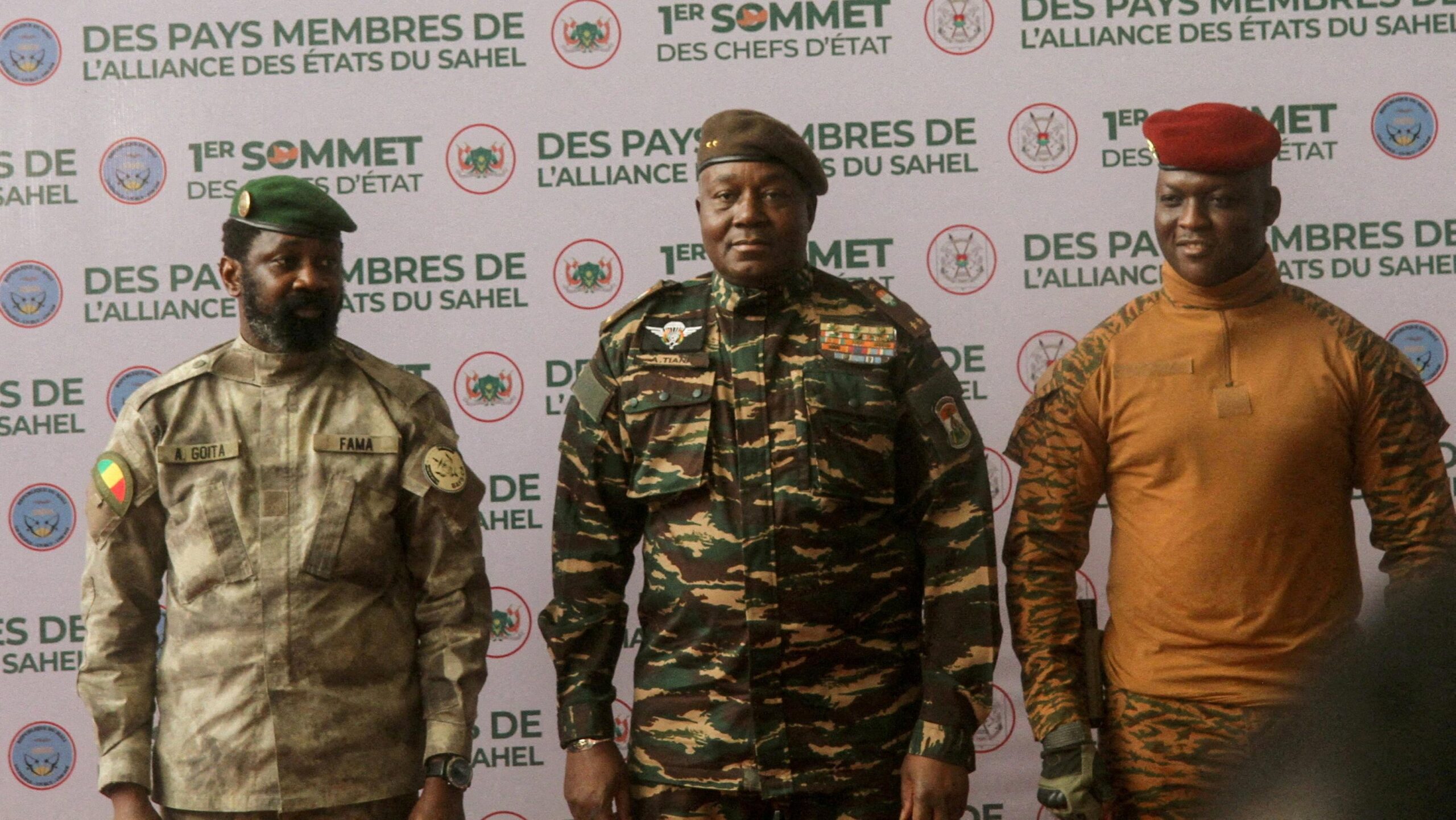
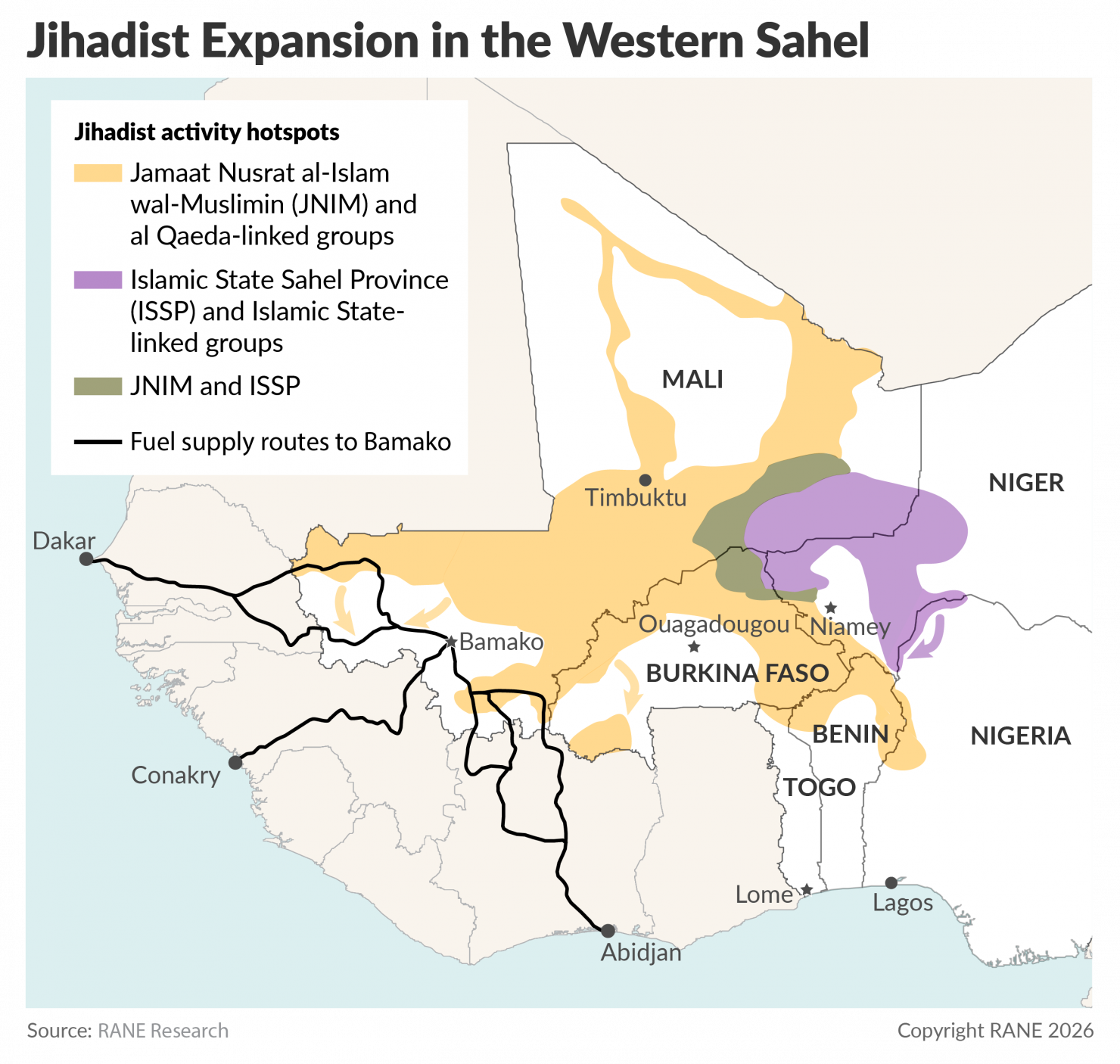
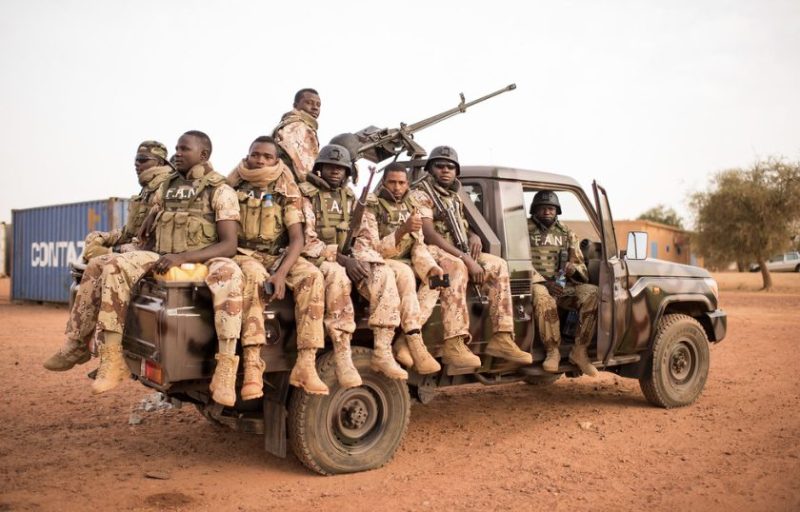
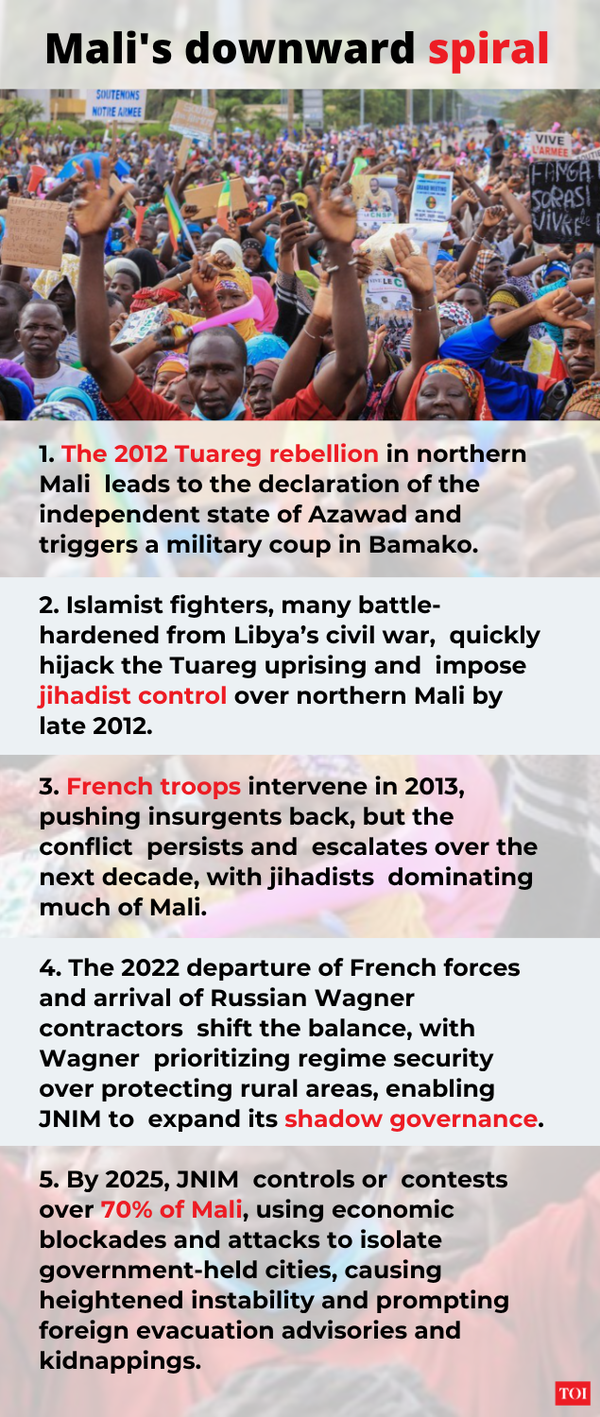
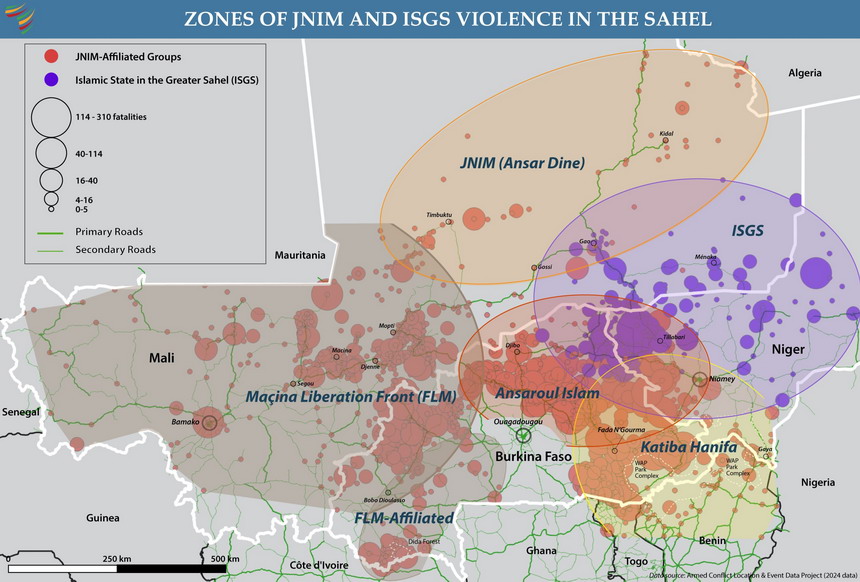
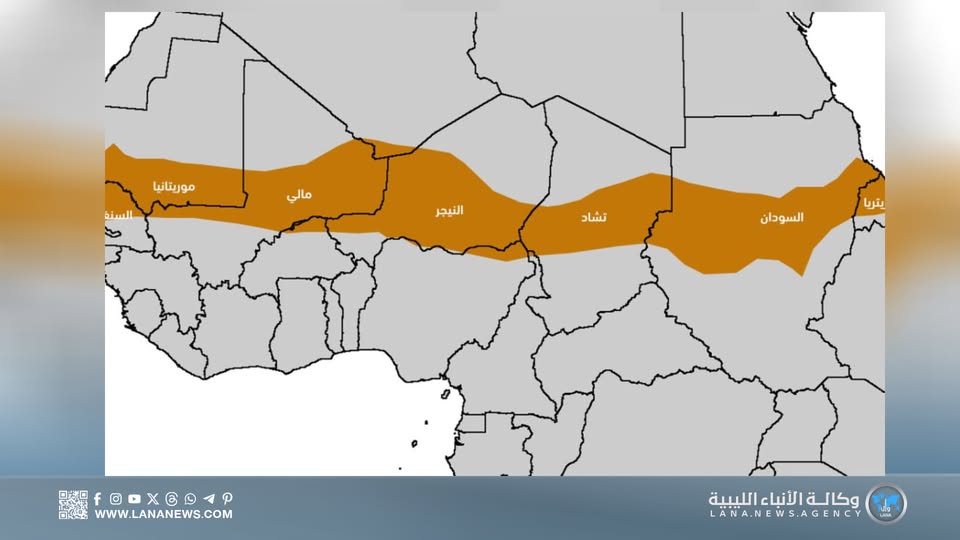
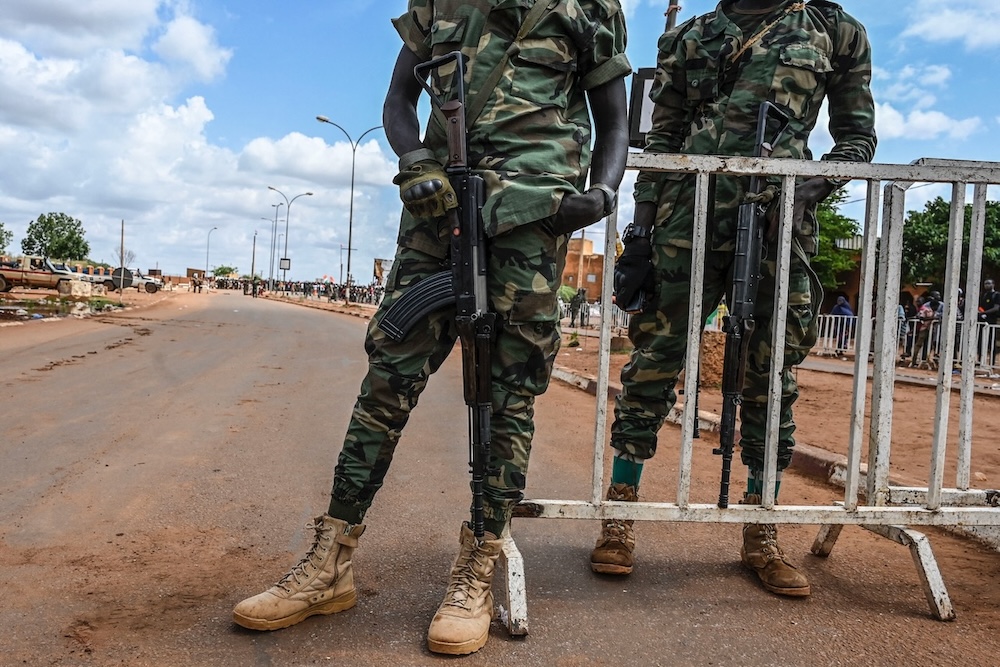
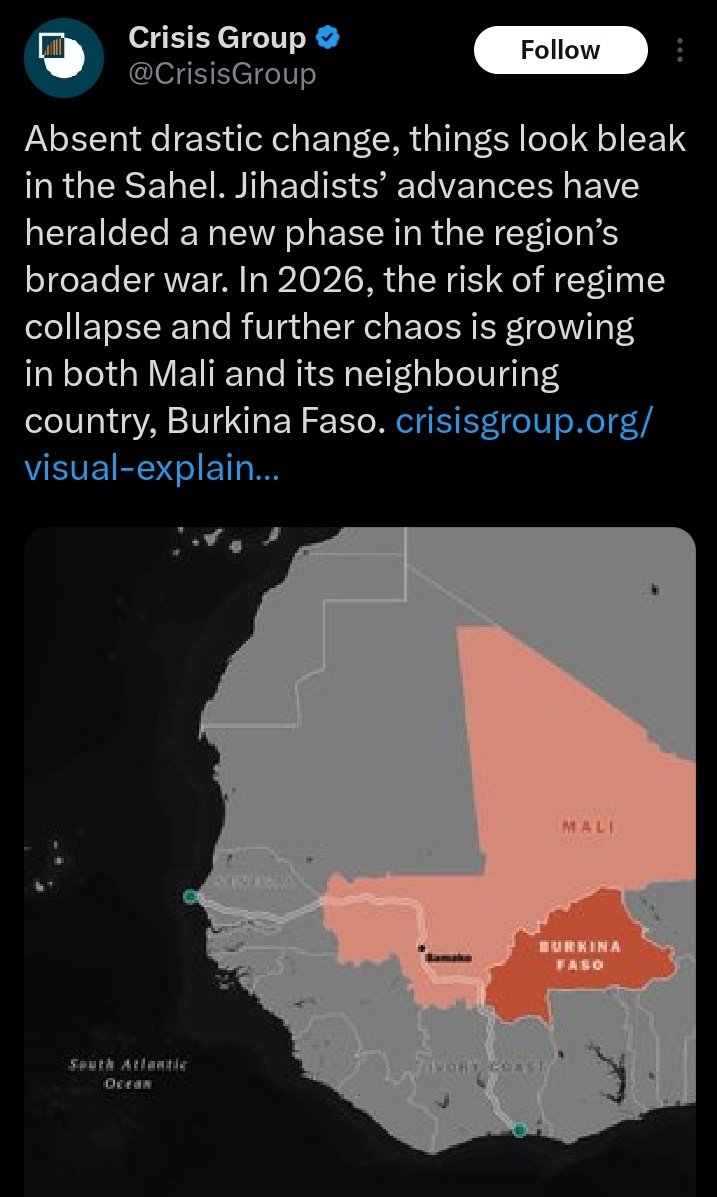
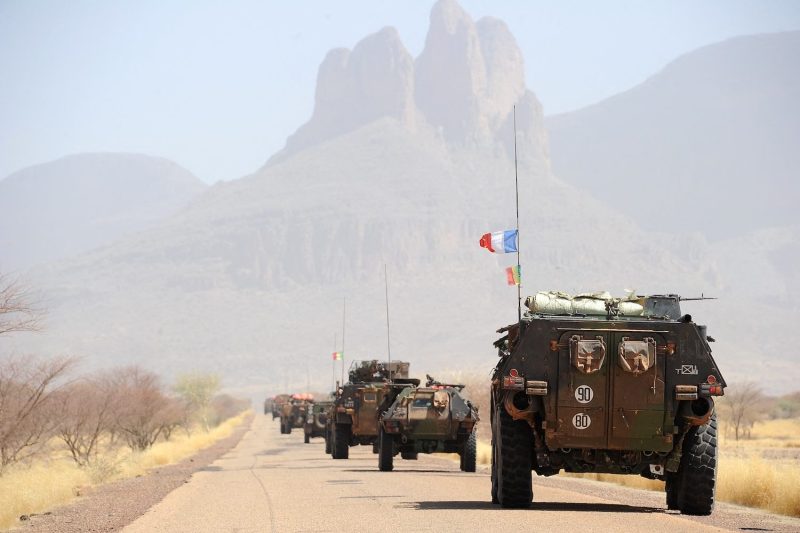
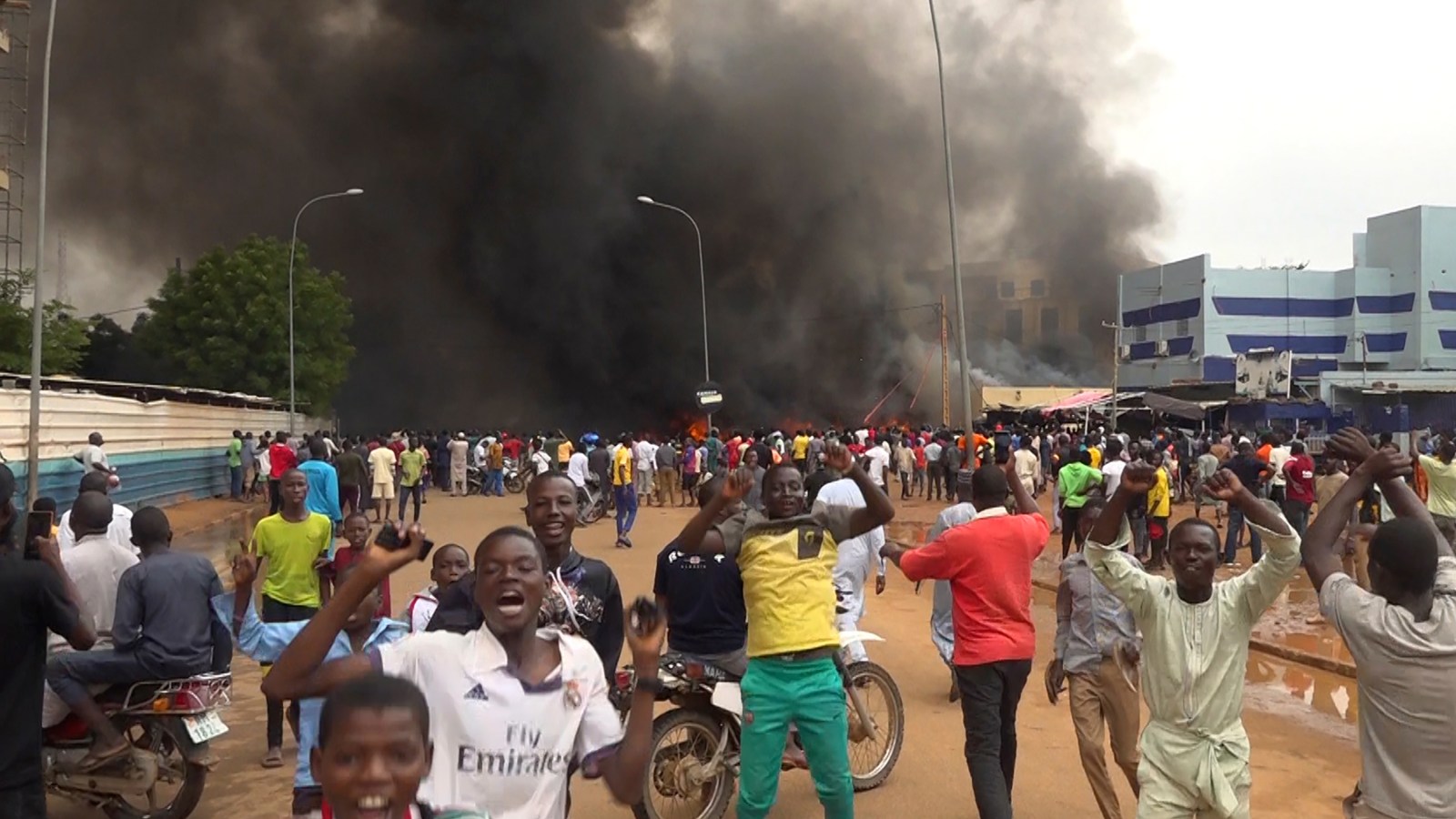
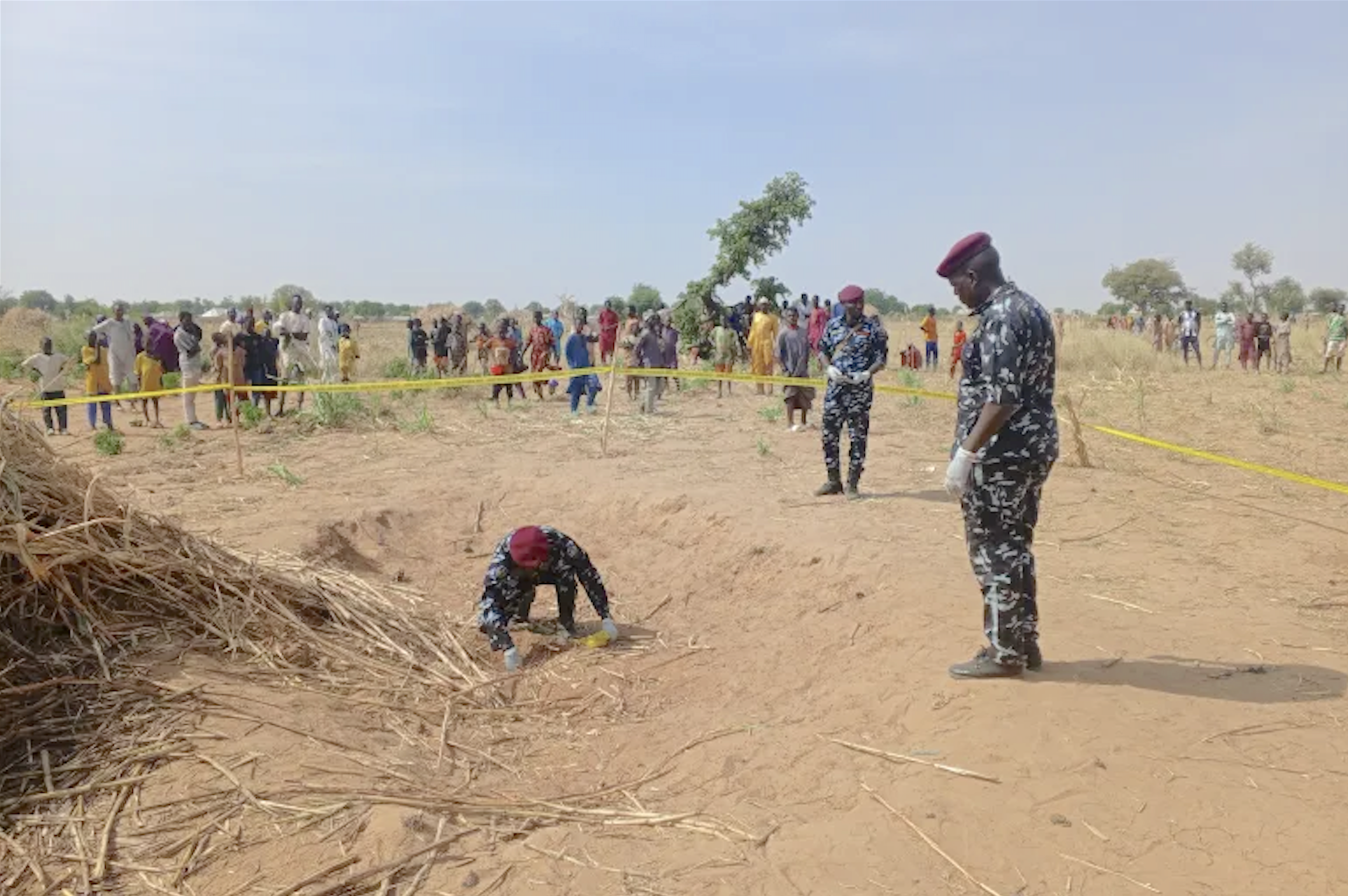
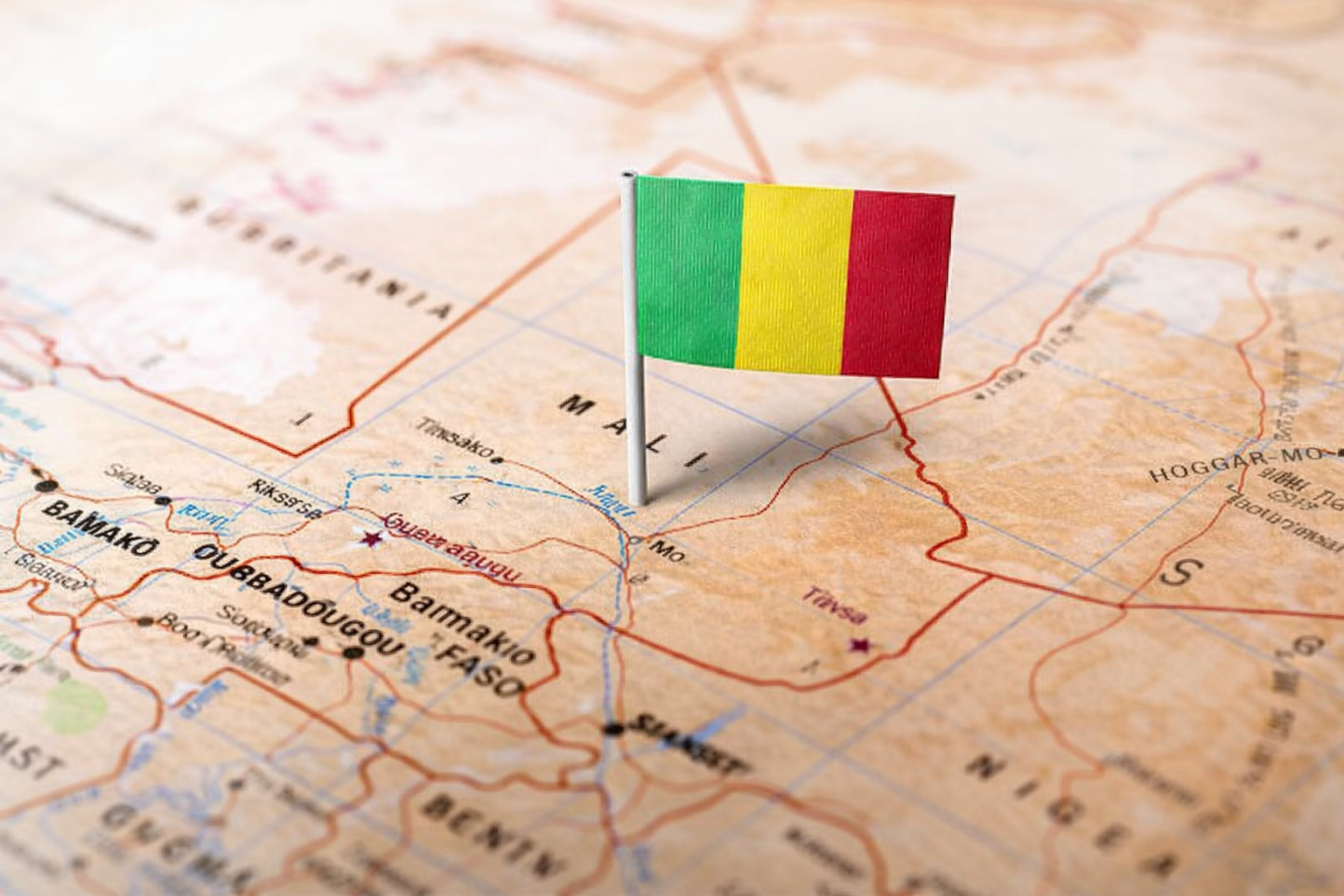
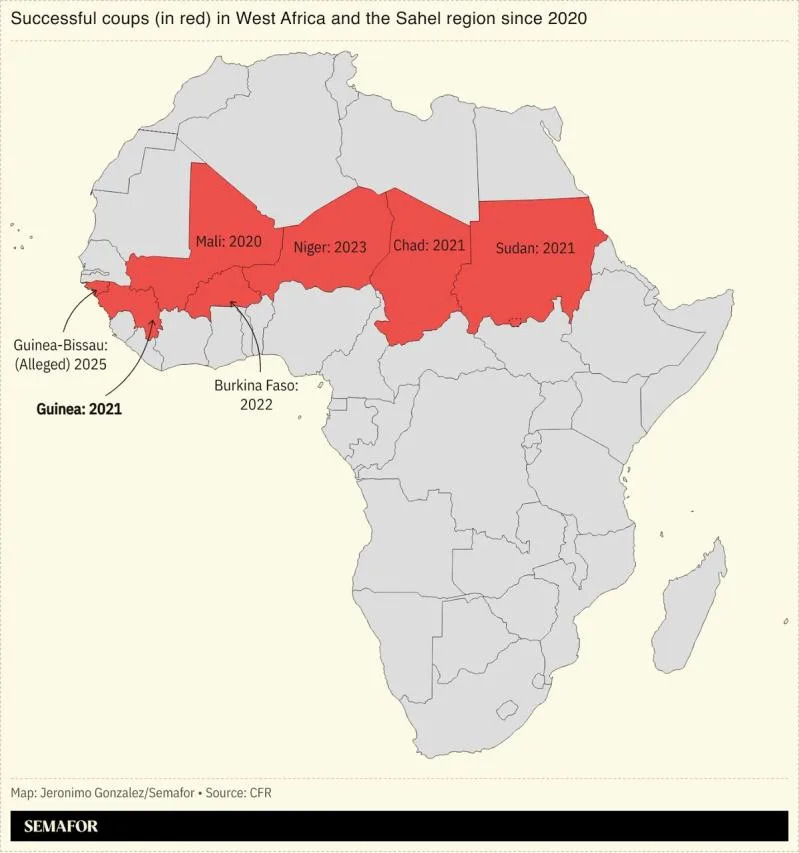
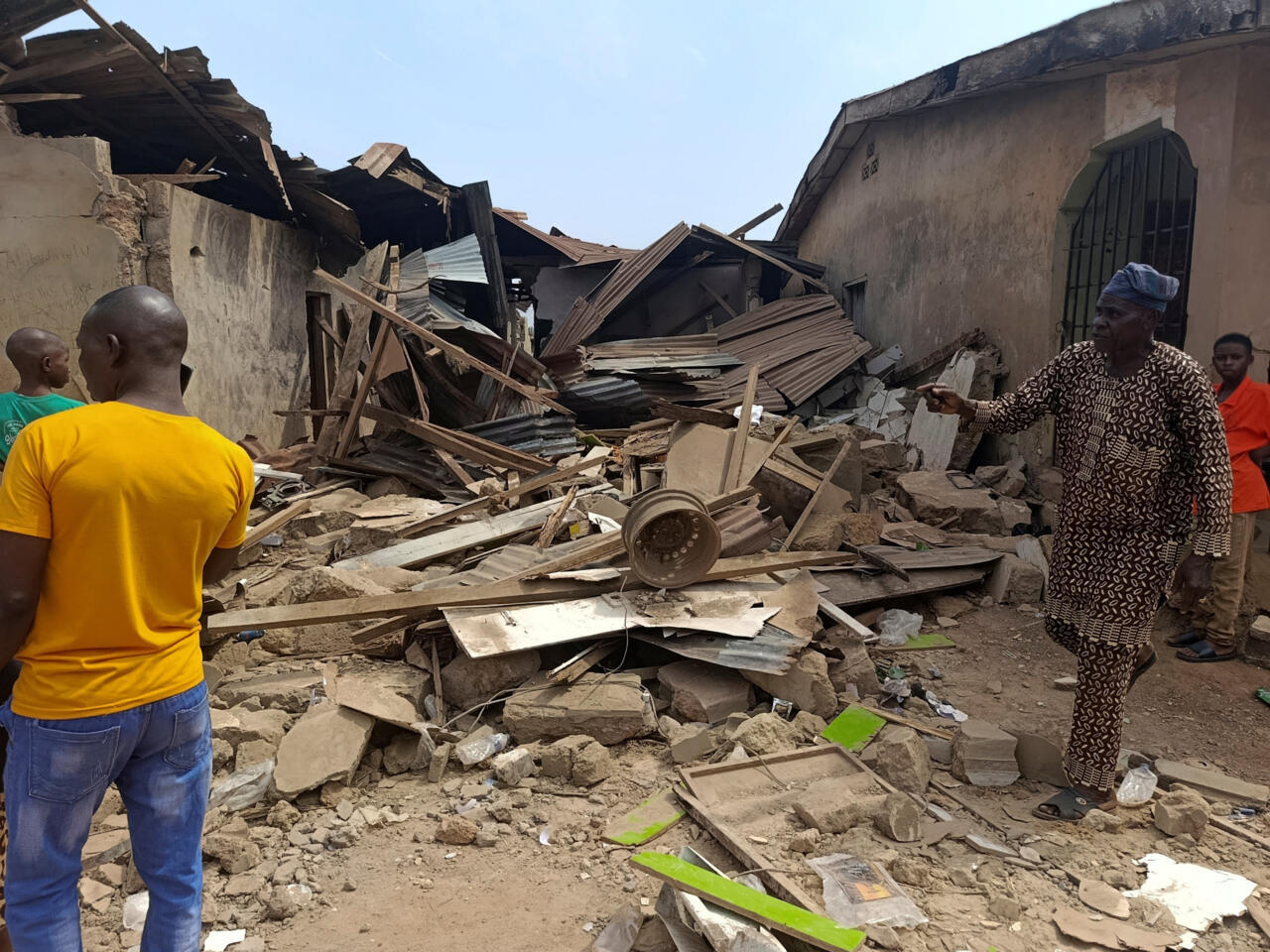
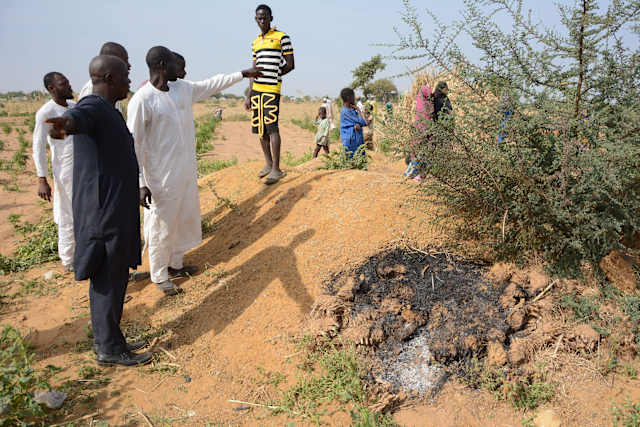
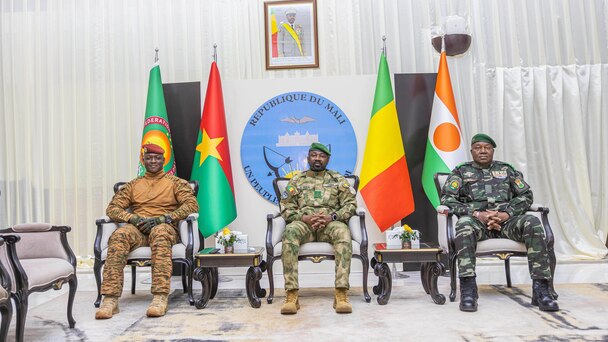
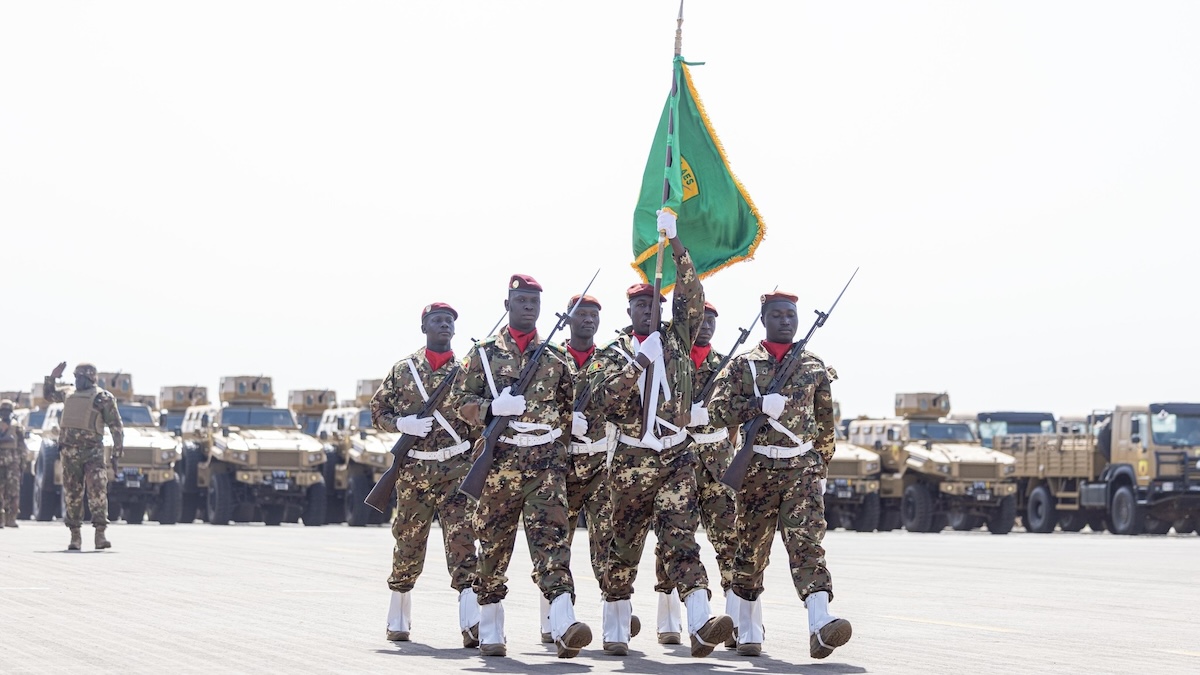
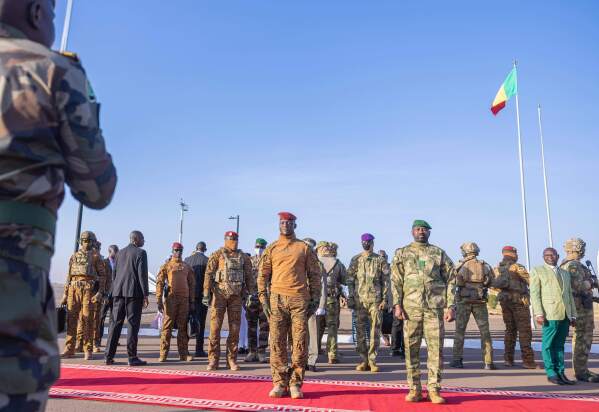
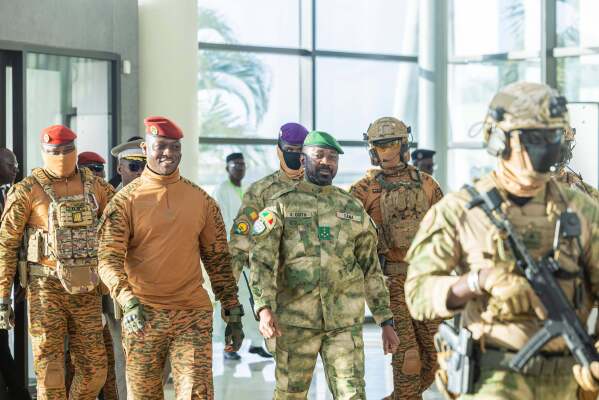
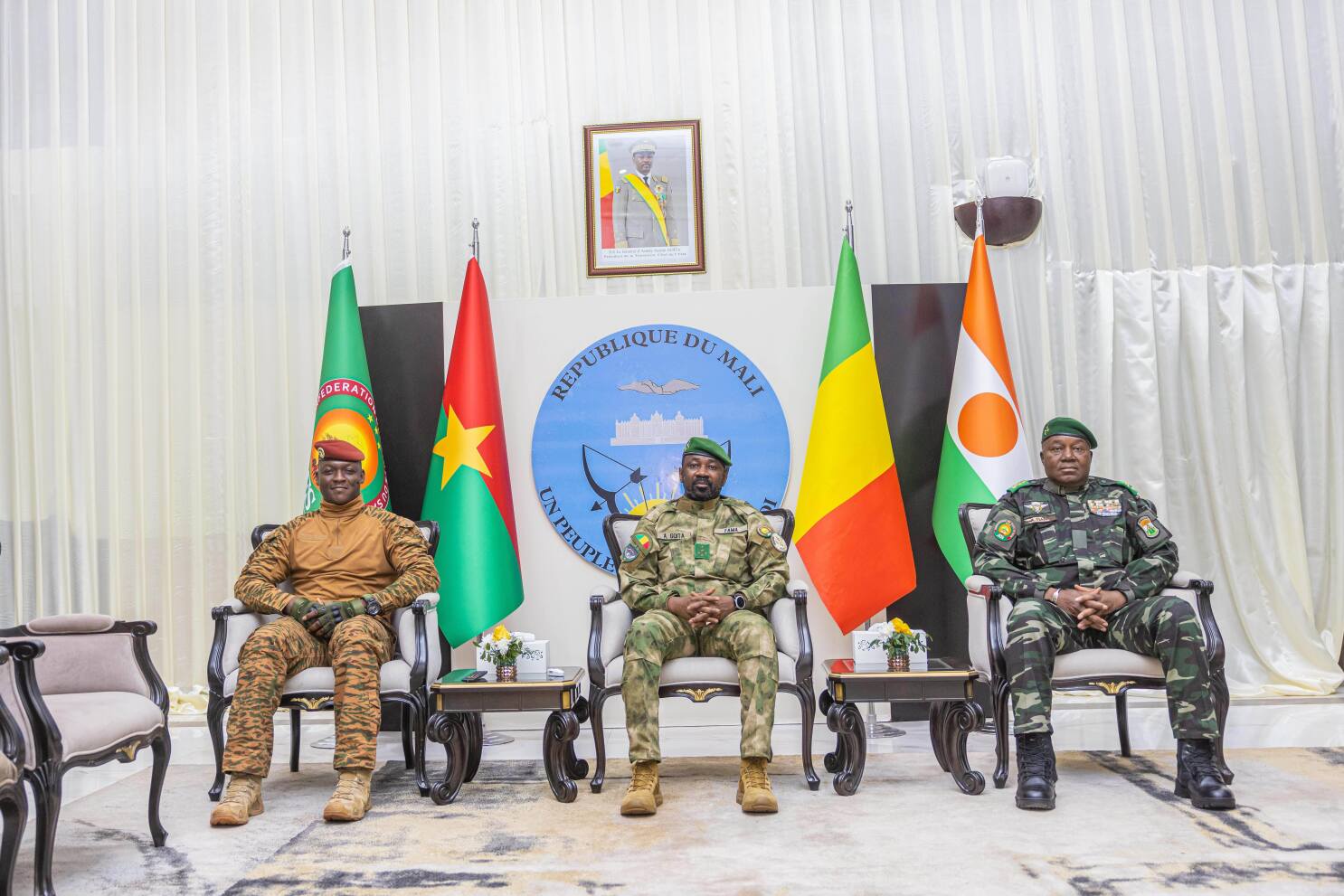
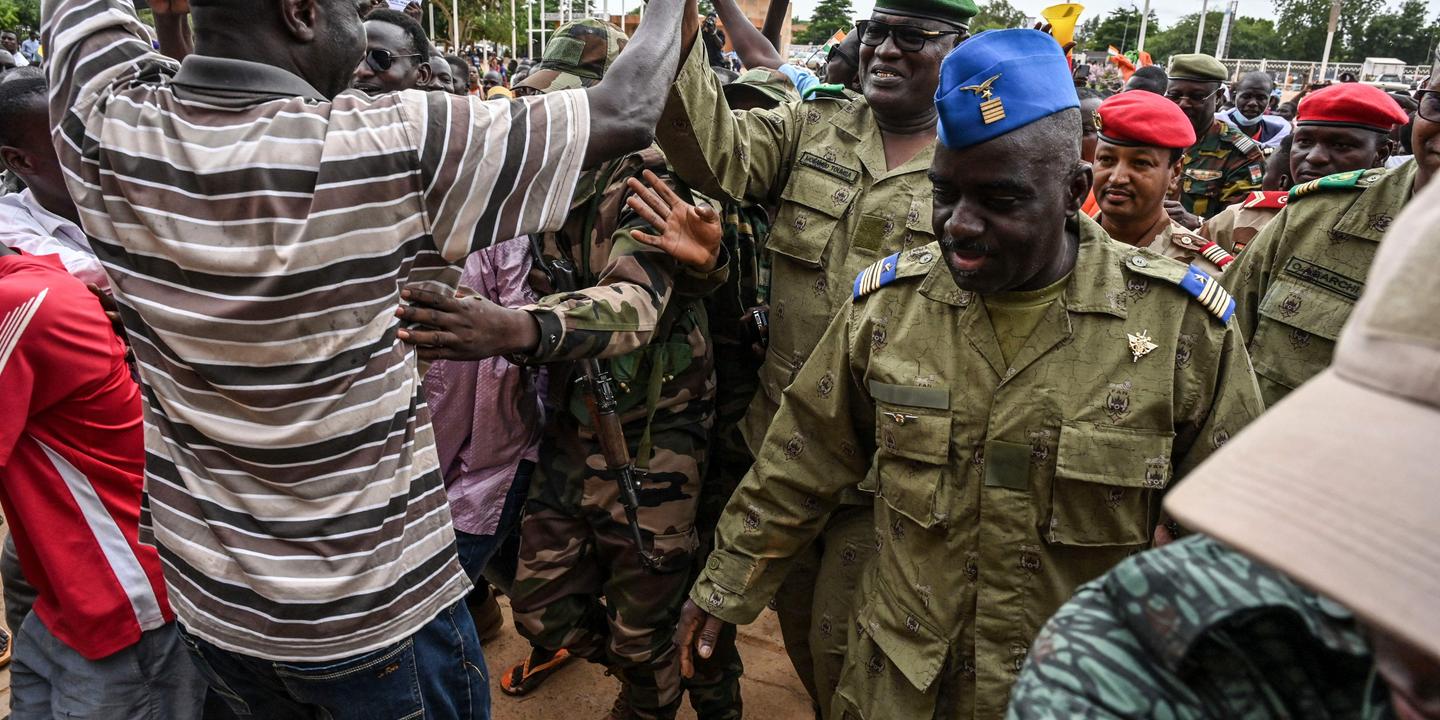
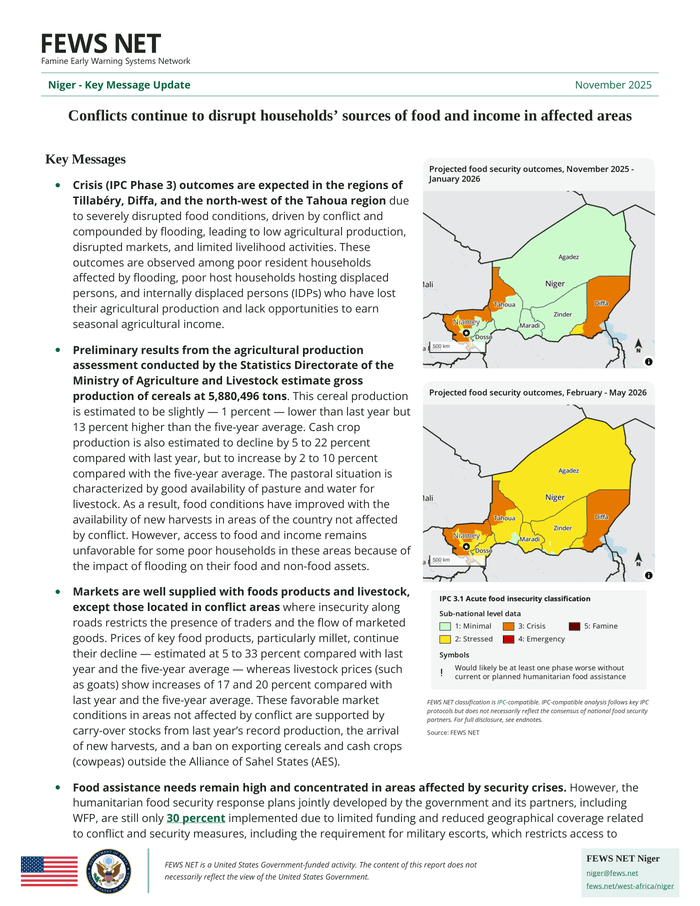
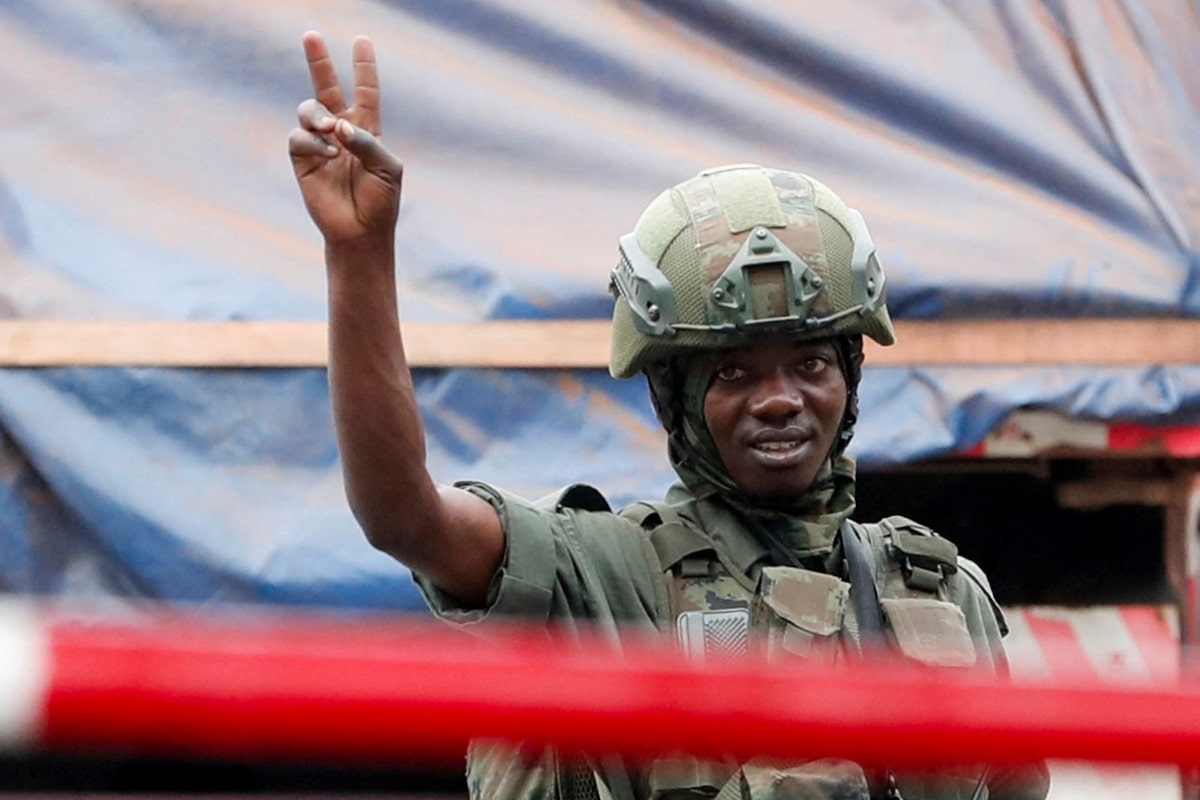
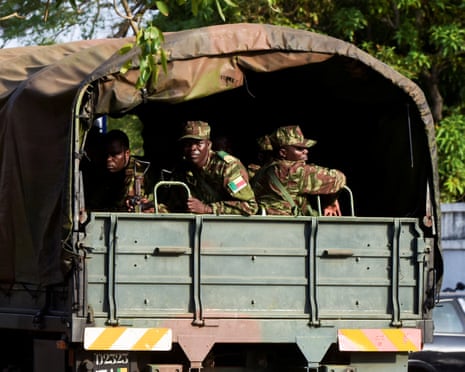
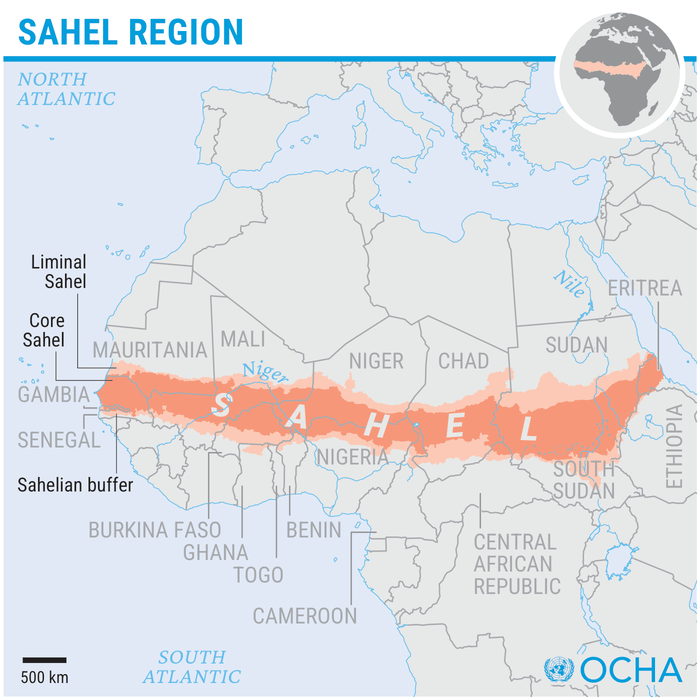
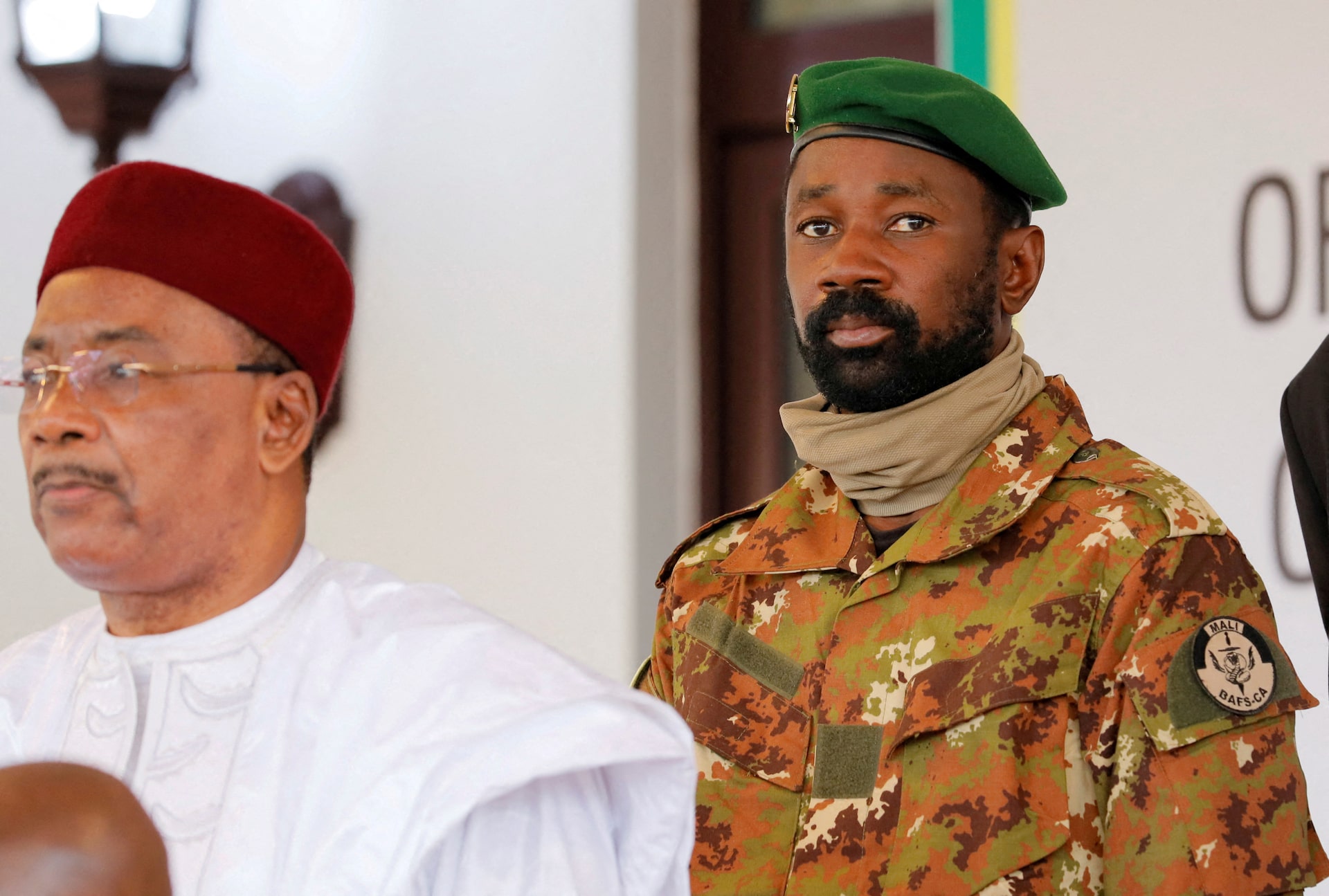
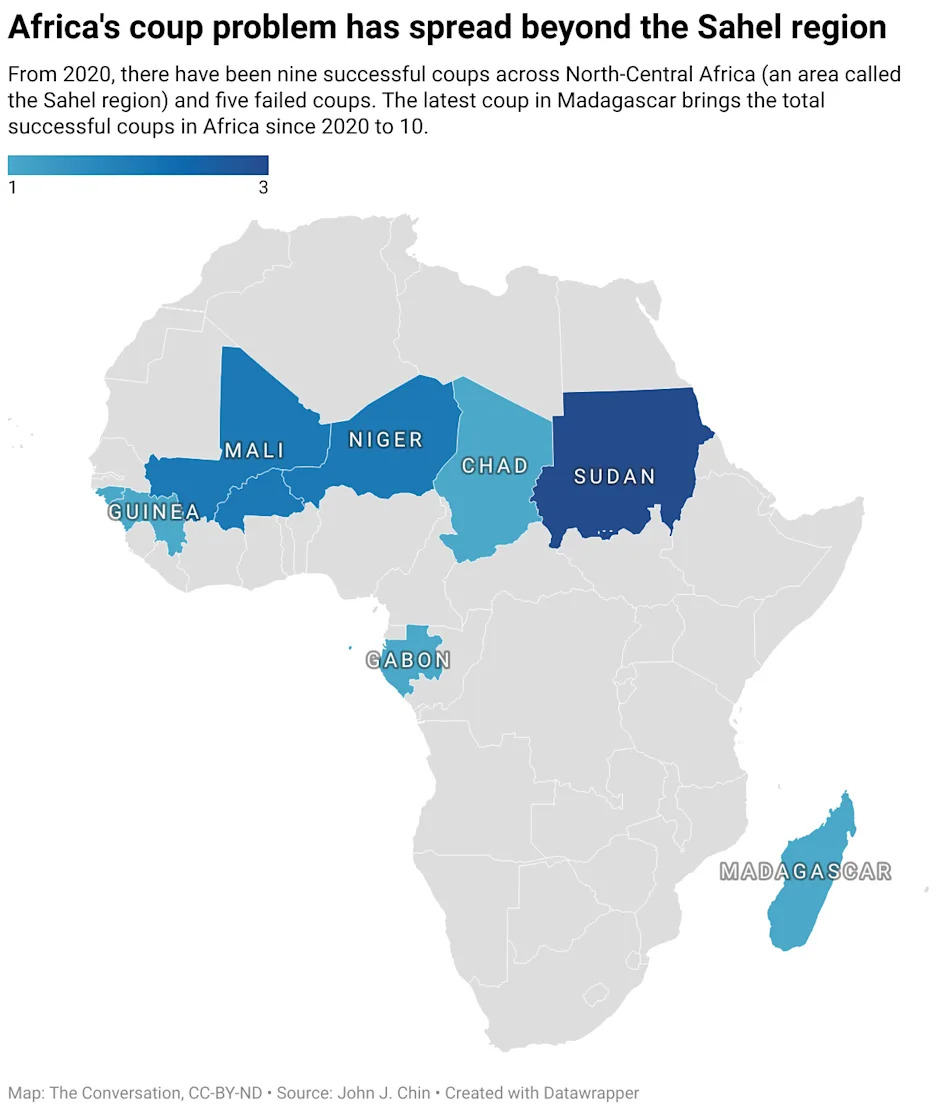
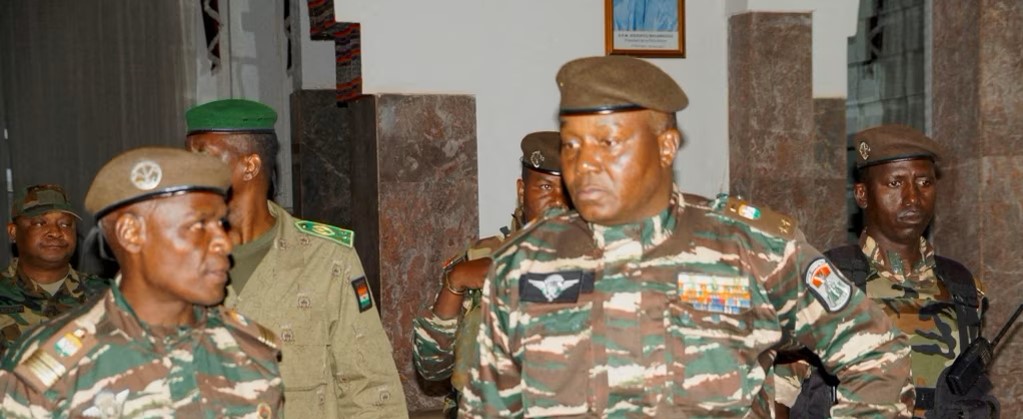
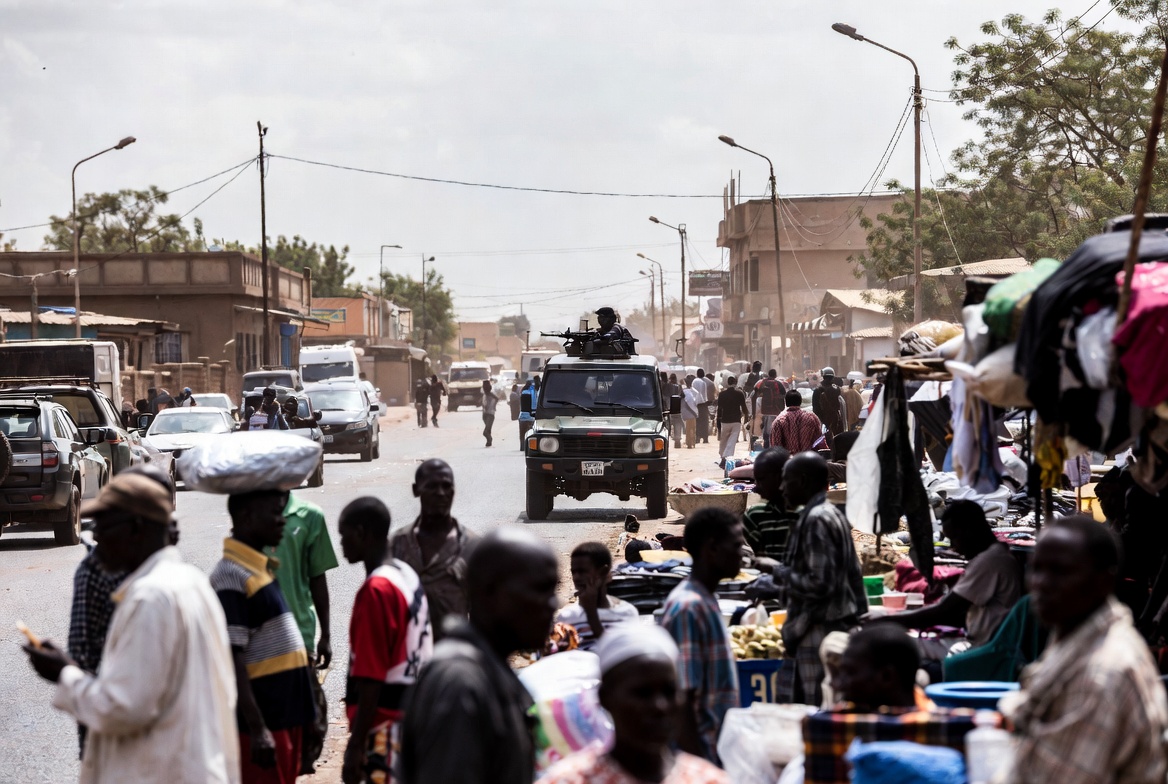
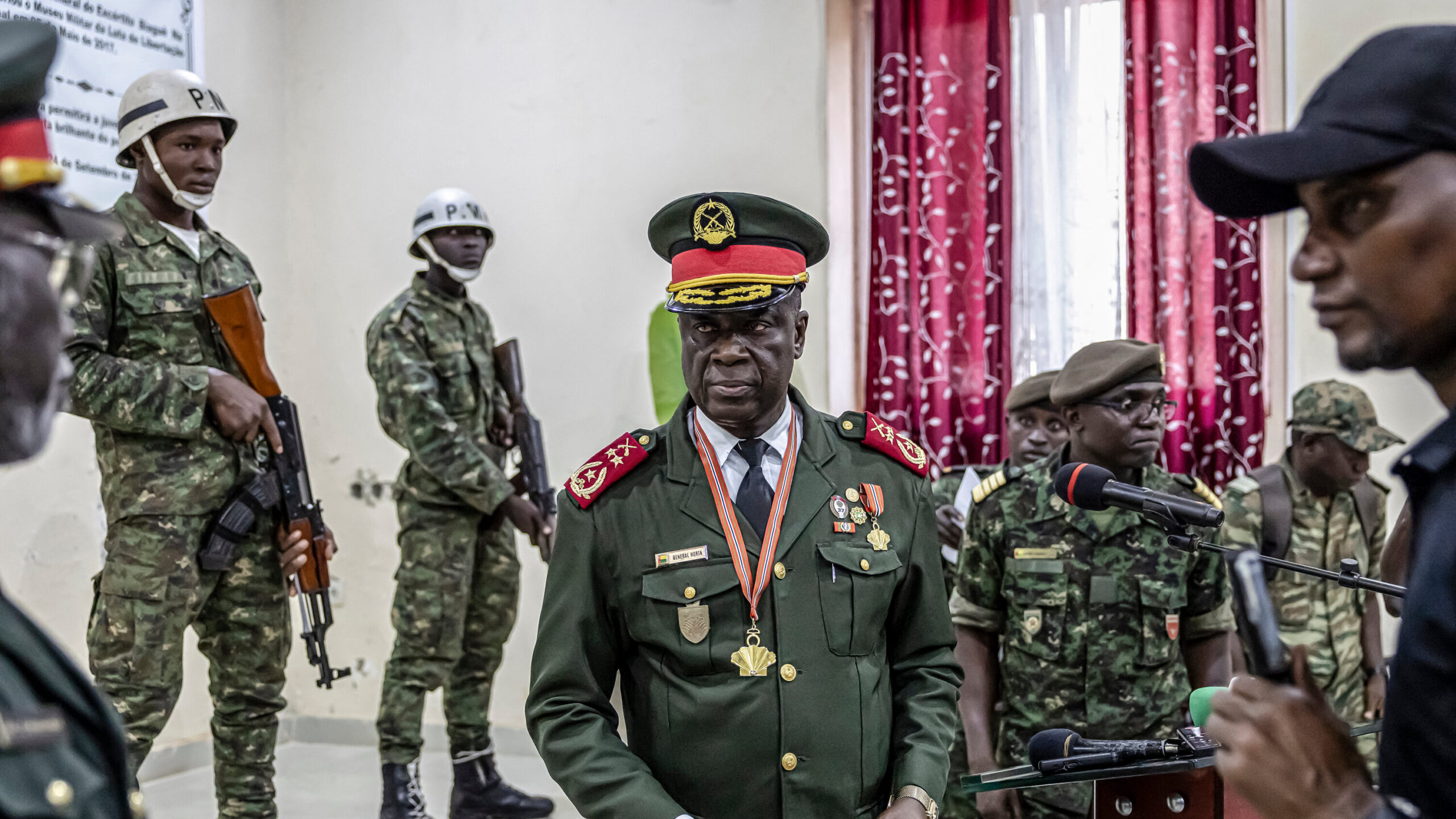
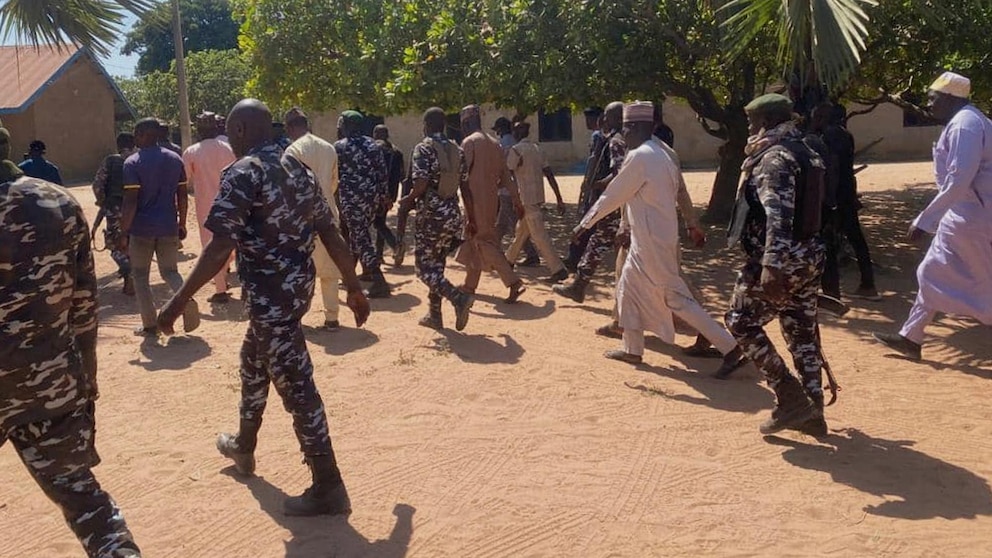
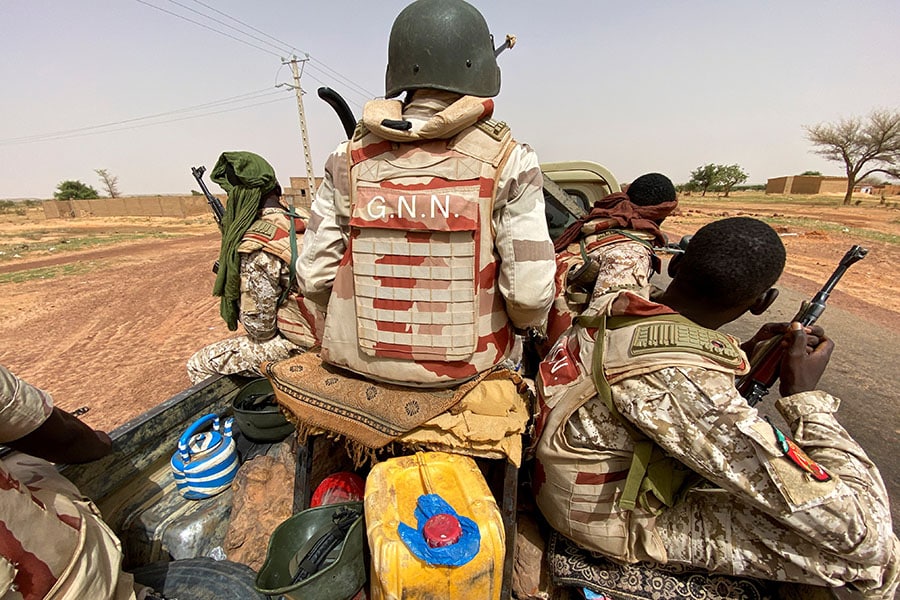
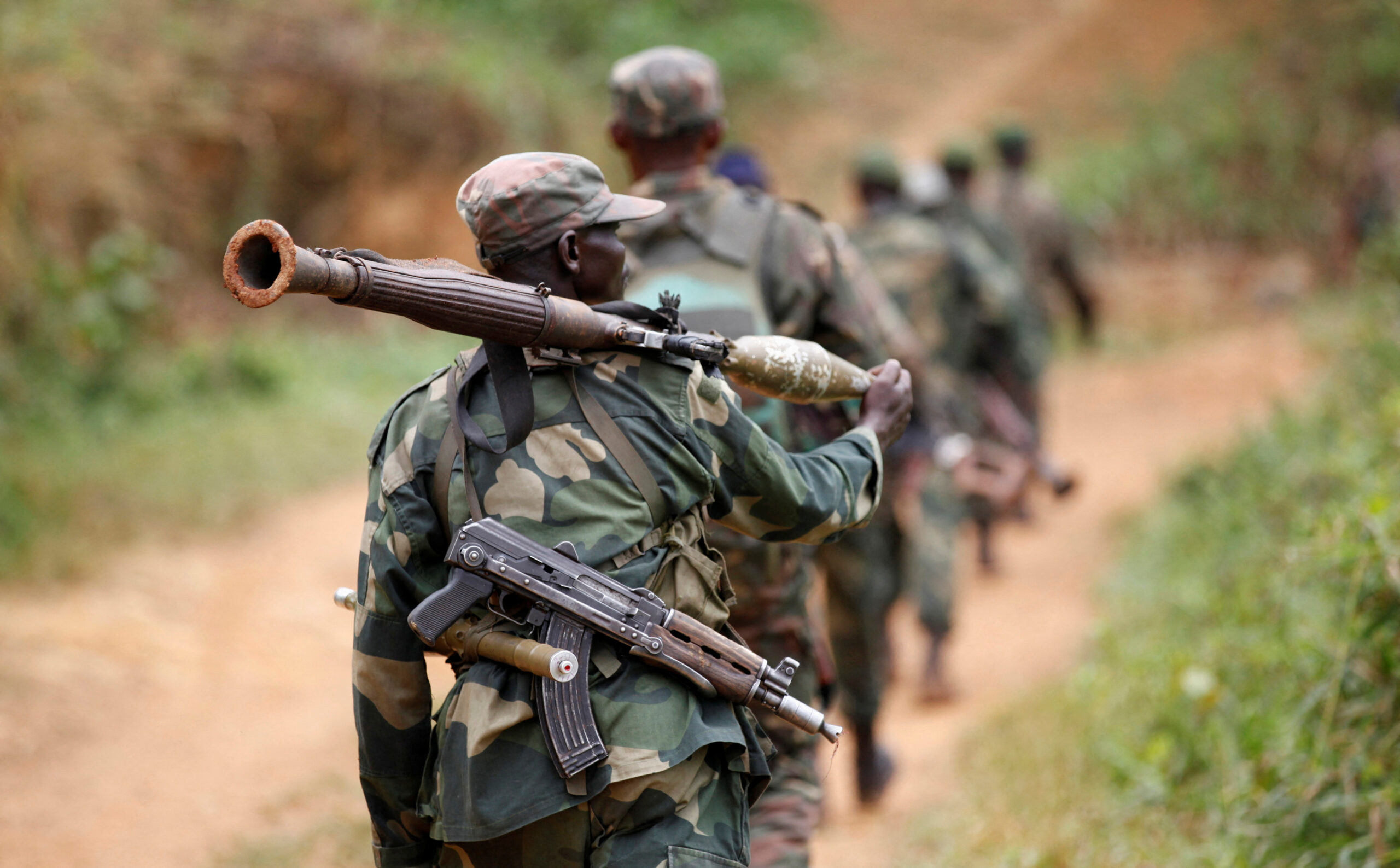
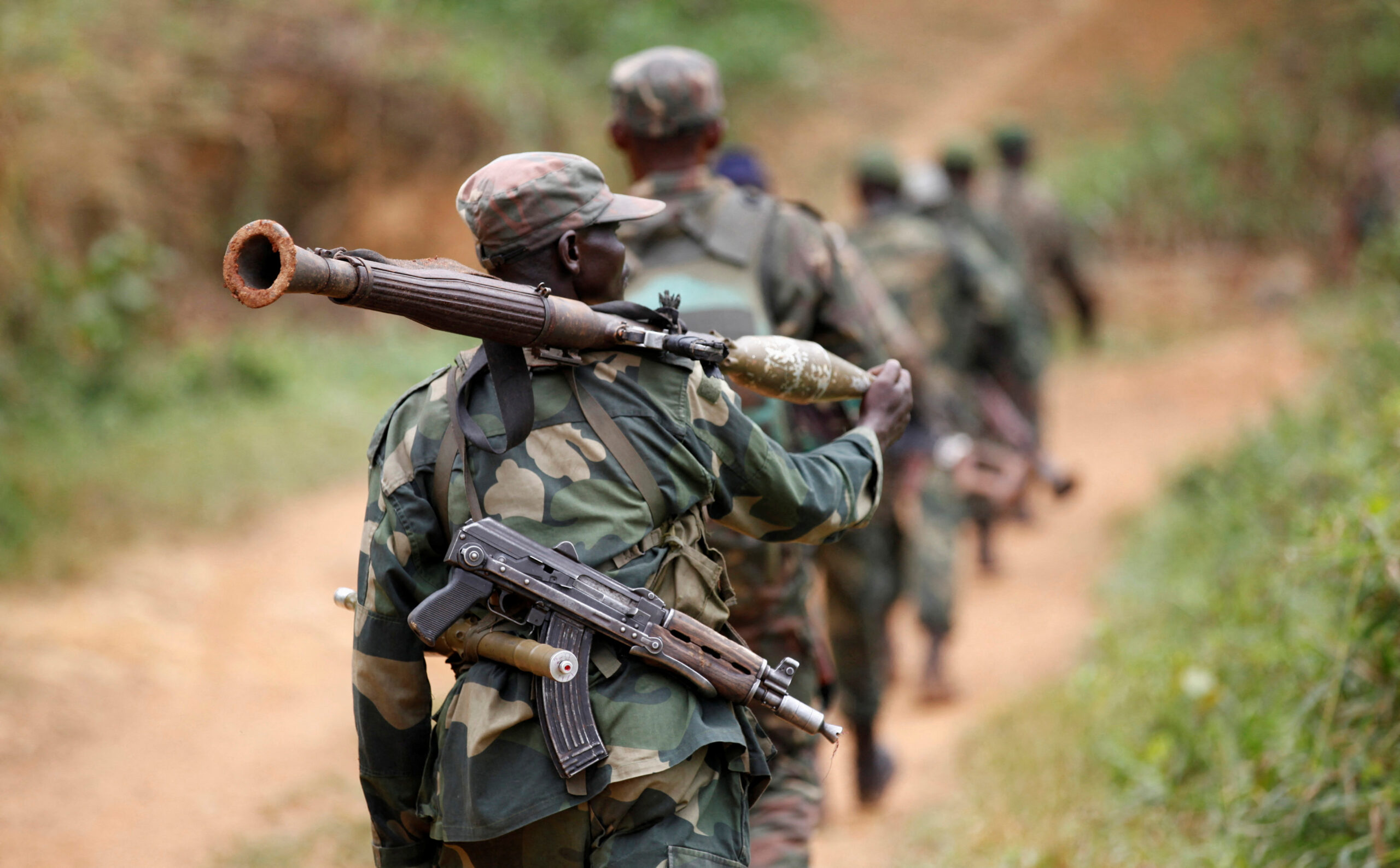
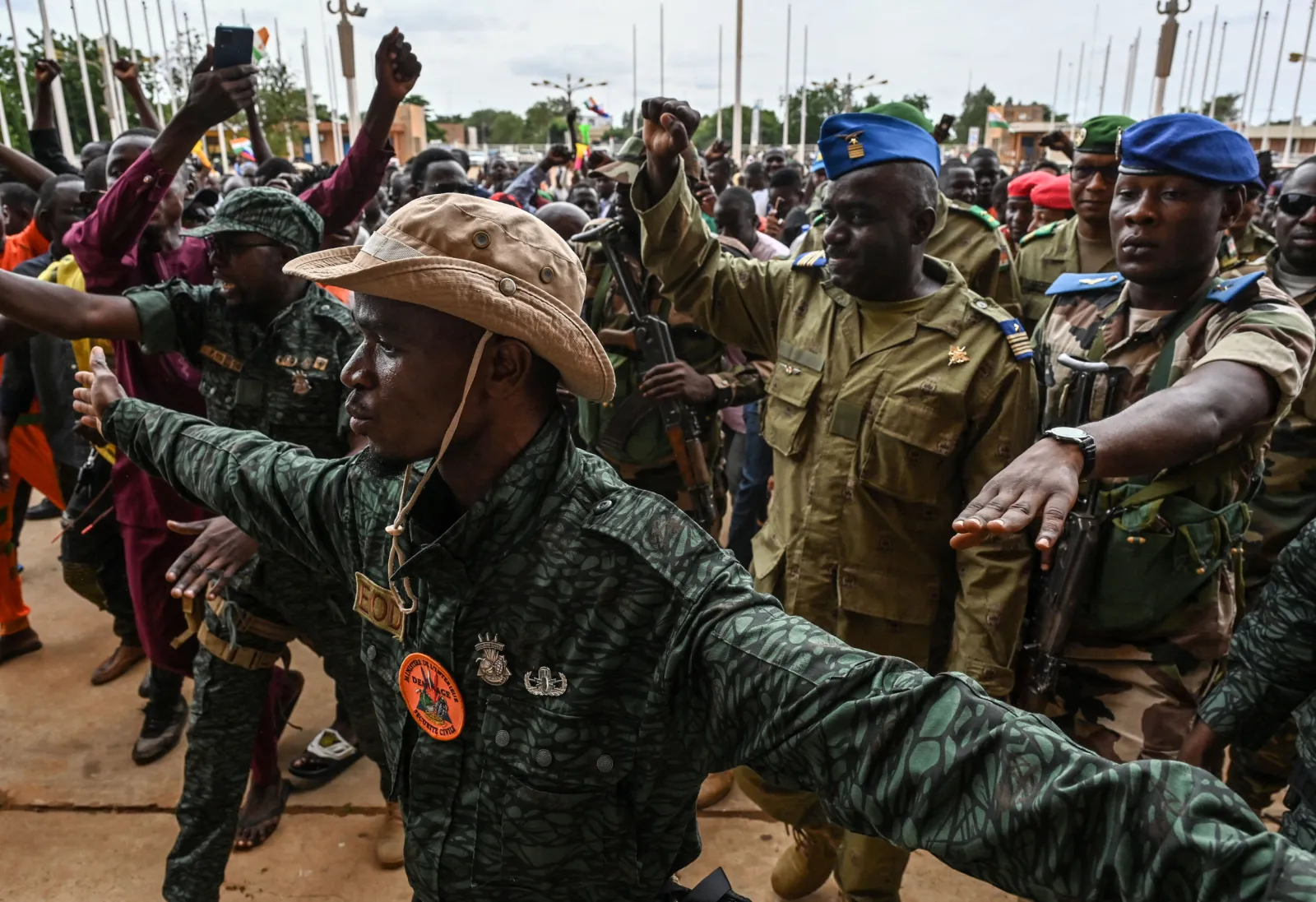
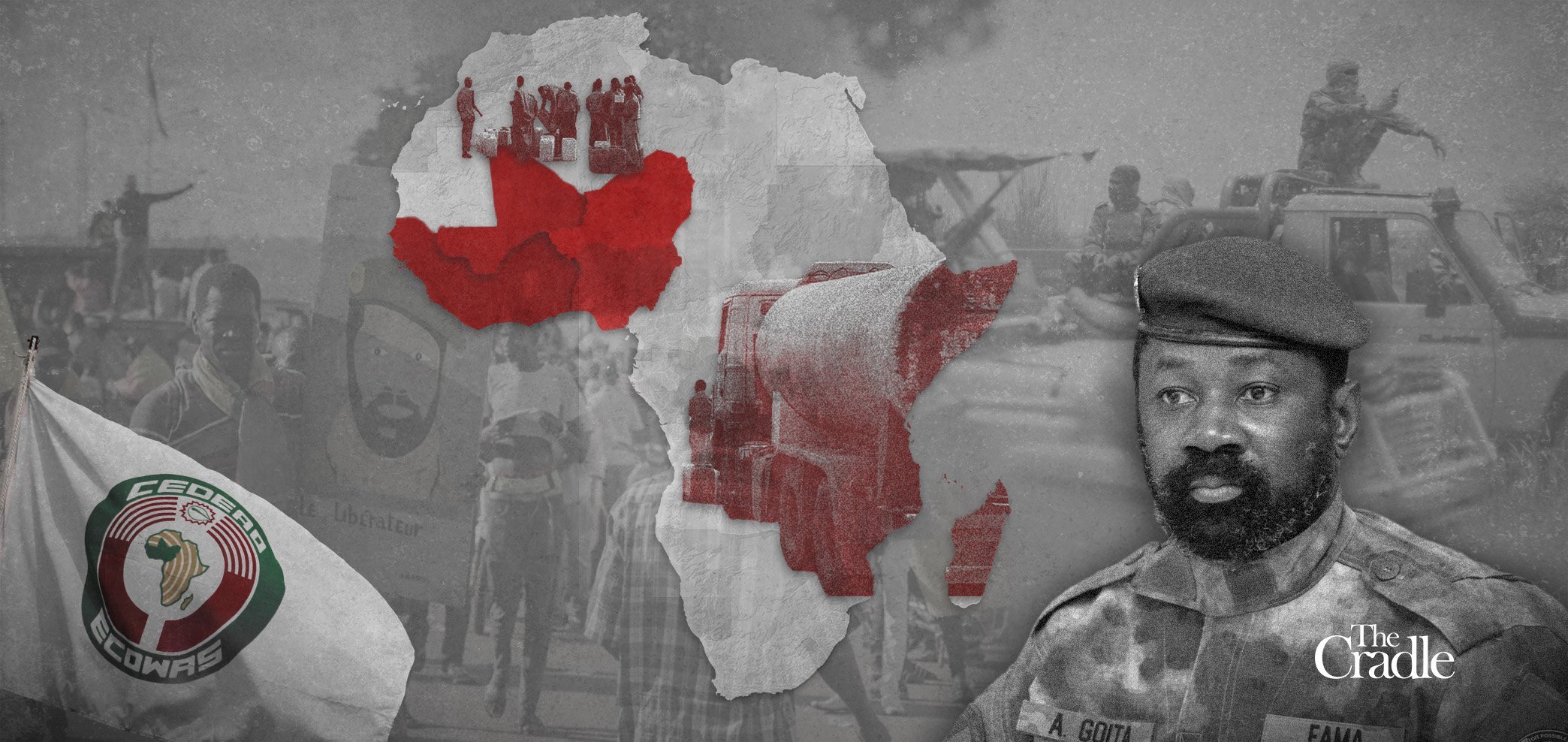
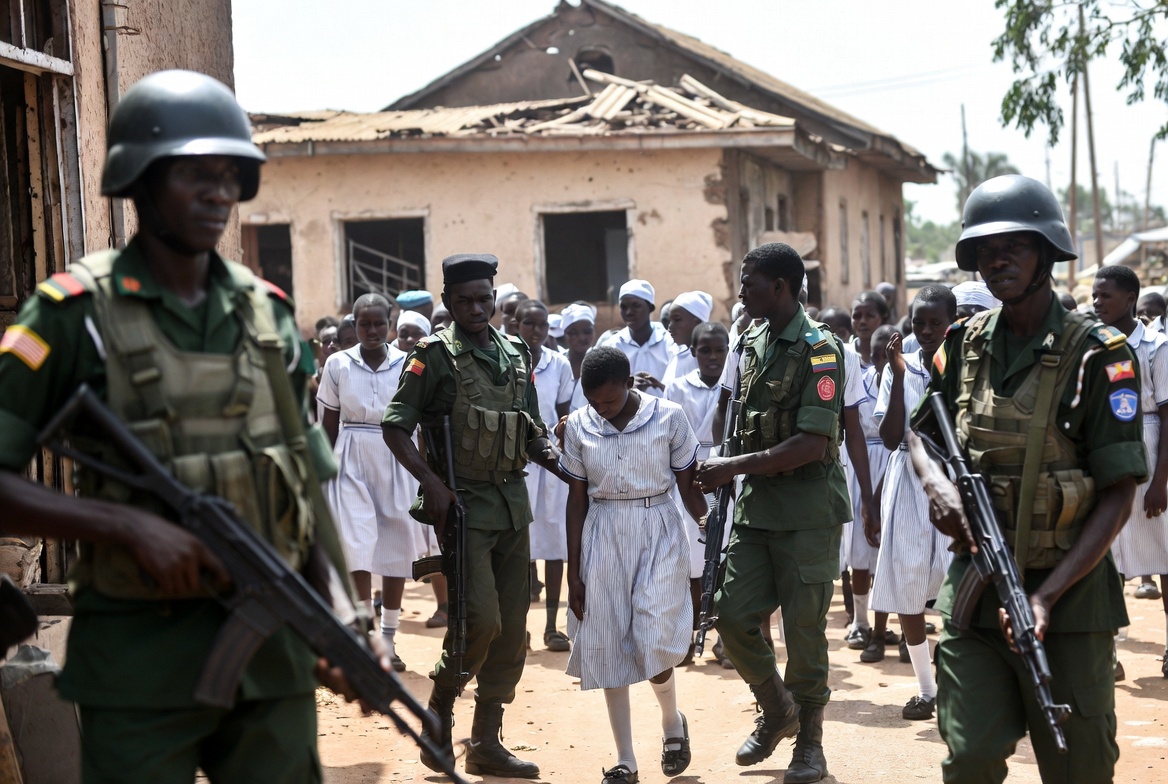
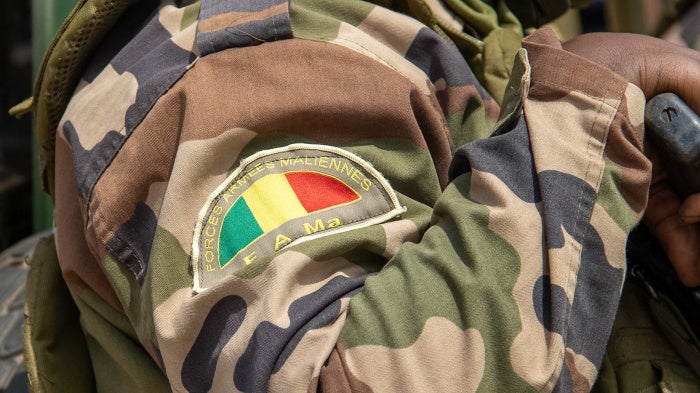
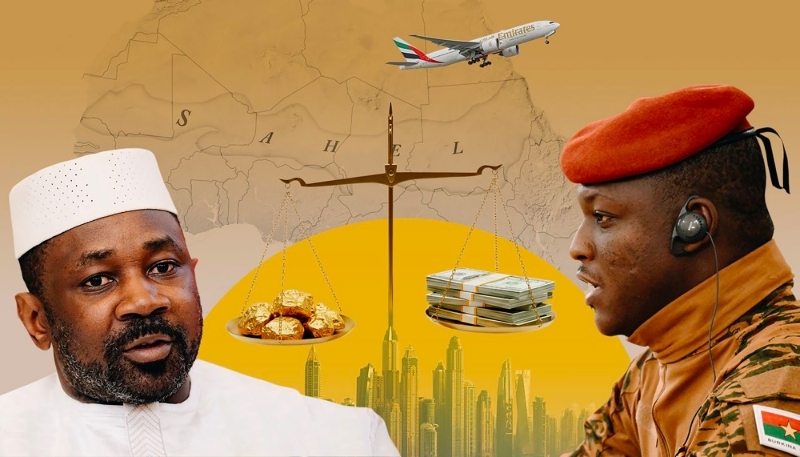
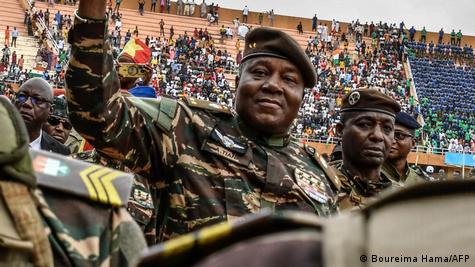
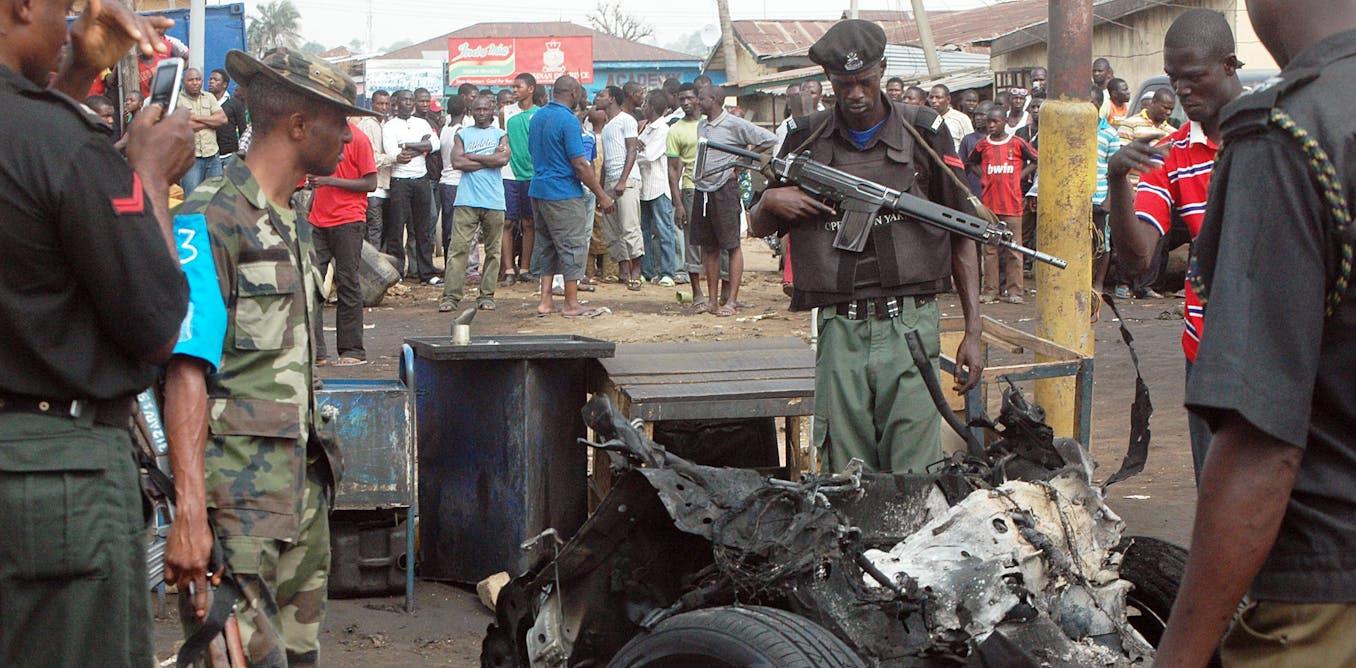
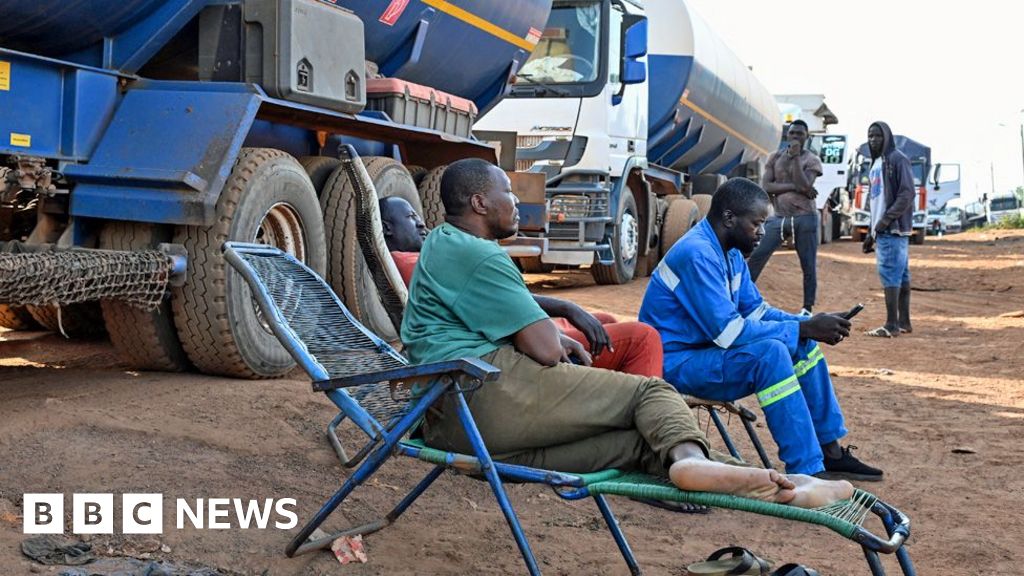
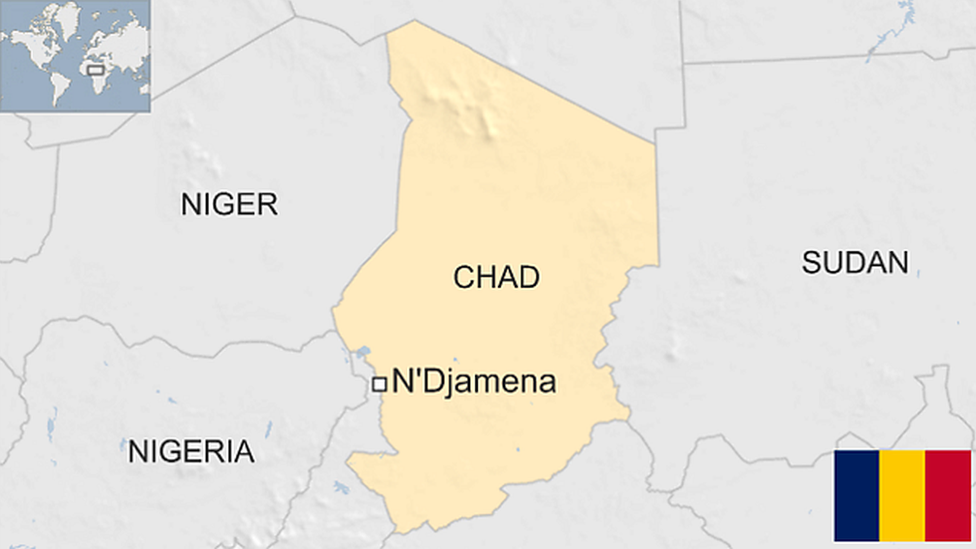
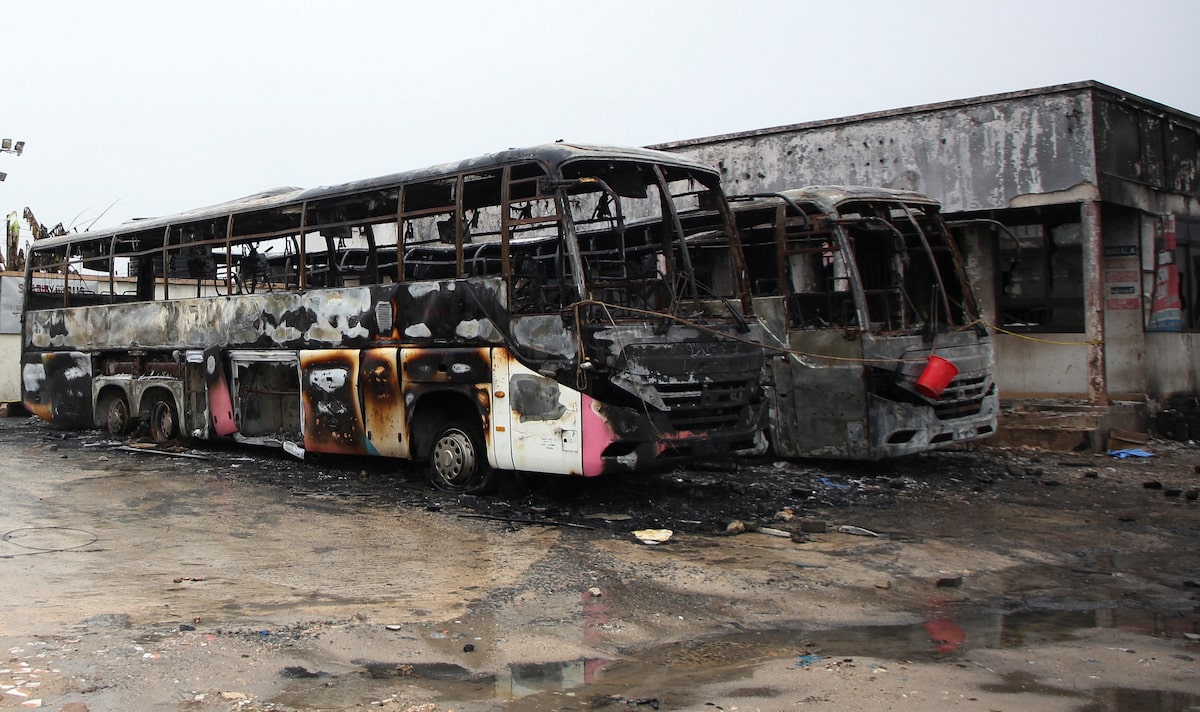
As 2026 gets into full swing, Africa really stands out as a continent of incredible opportunities, yet it’s also wrestling with some serious challenges. Global attention is fixed on its ever-shifting geopolitical hotbeds, dynamic economies, and cities that are transforming at lightning speed. What’s driving this complex picture? It’s an intricate dance between regional security risks, booming economic sectors, and huge social changes. But let’s be honest, security is a top concern. The U.S. Council on Foreign Relations’ annual Preventive Priorities Survey, a crucial tool for shaping foreign policy by spotting global threats, flags Africa as a major conflict zone for this year. Places like Sudan, the Sahel, and Nigeria are seeing heightened security risks. Why? It’s a mix: Western security support is pulling back, folks are fighting over vital resources, and bumpy election processes—especially in delicate states such as South Sudan and the Democratic Republic of the Congo—could easily stir up old ethnic and political rivalries. This kind of instability doesn’t just threaten local peace; it has big implications for global interests, so policymakers are watching these developments very closely indeed. For more on the pressing security concerns in the region, including Africa’s top conflict hotspots, experts recommend staying informed.
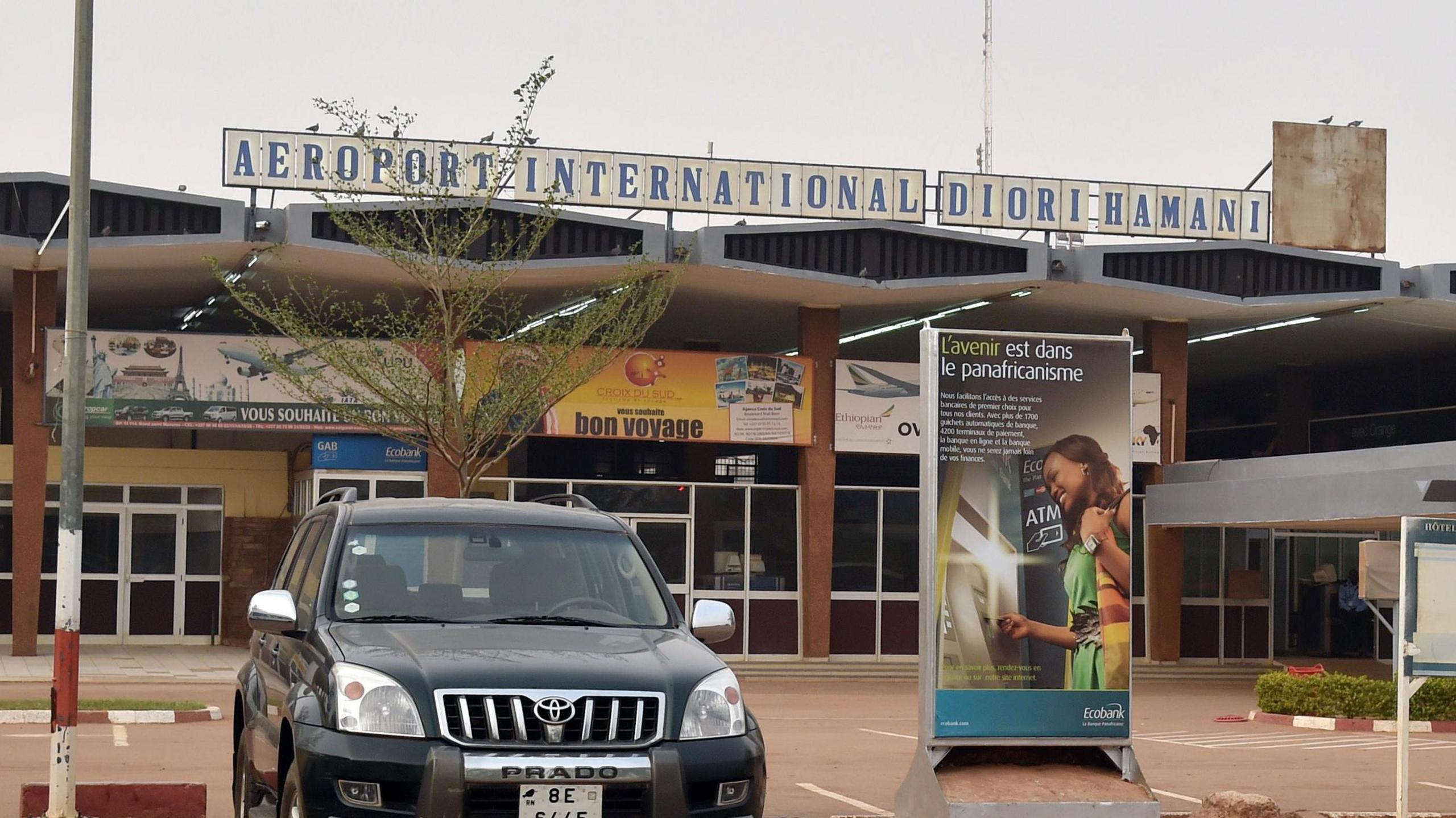
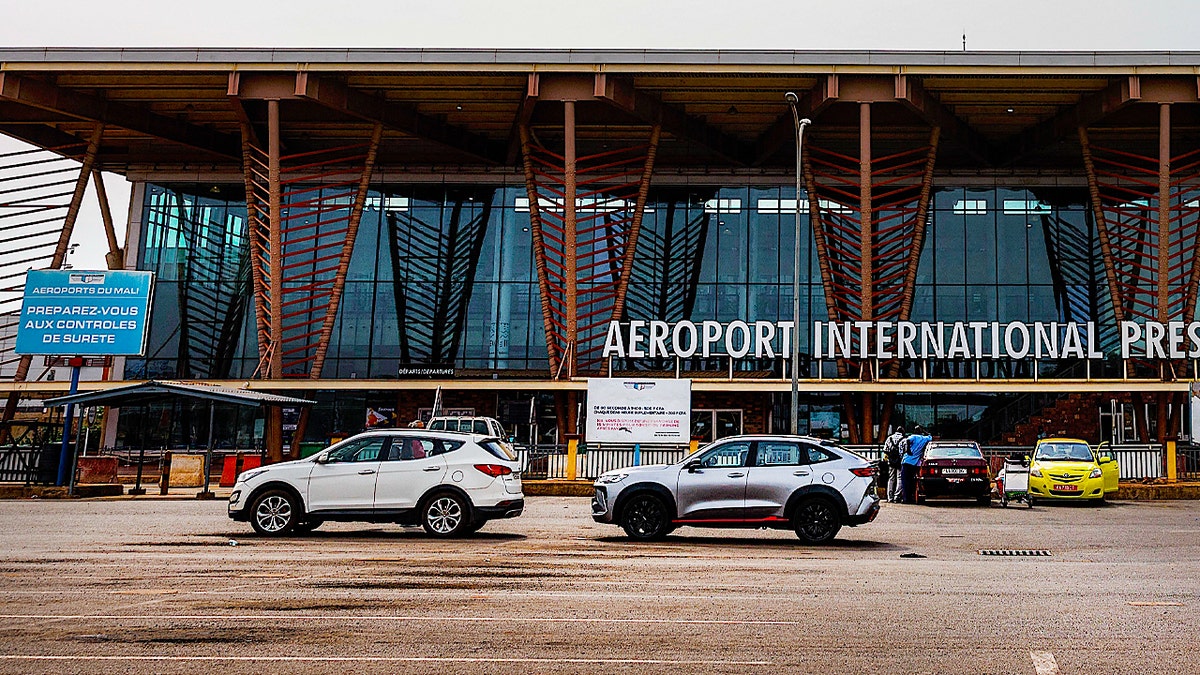
Switching gears to the economy, Nigeria offers a compelling example of the continent’s drive to diversify away from its reliance on oil. Just last year, Nigeria’s non-oil trade actually hit a record $6.1 billion, an impressive 11.5 percent jump from the year before. What’s behind this growth? It’s increased export volume and better participation in global supply chains, pushing the country toward a more resilient trade future. But it isn’t all smooth sailing; they still need to boost logistics and local food production to make sure these gains truly improve food security and everyone’s economic well-being. It’s a tricky balancing act. Speaking of economics, have you ever considered the true cost of flying across Africa? It’s pretty expensive for many travelers. Gabon, for instance, leads the pack with sky-high international flight taxes. Nigeria isn’t far behind, with a complex web of statutory charges, airport fees, and other costs making airfares considerably higher. Even countries with smaller aviation markets, like Djibouti and Benin, report surprisingly high taxes, making travel tough for residents and businesses. These financial hurdles could certainly stunt business and tourism in these areas, so policymakers might want to take a closer look at international flight taxes across Africa. You can also explore Nigeria’s complex challenges as it navigates both economic growth and persistent issues.
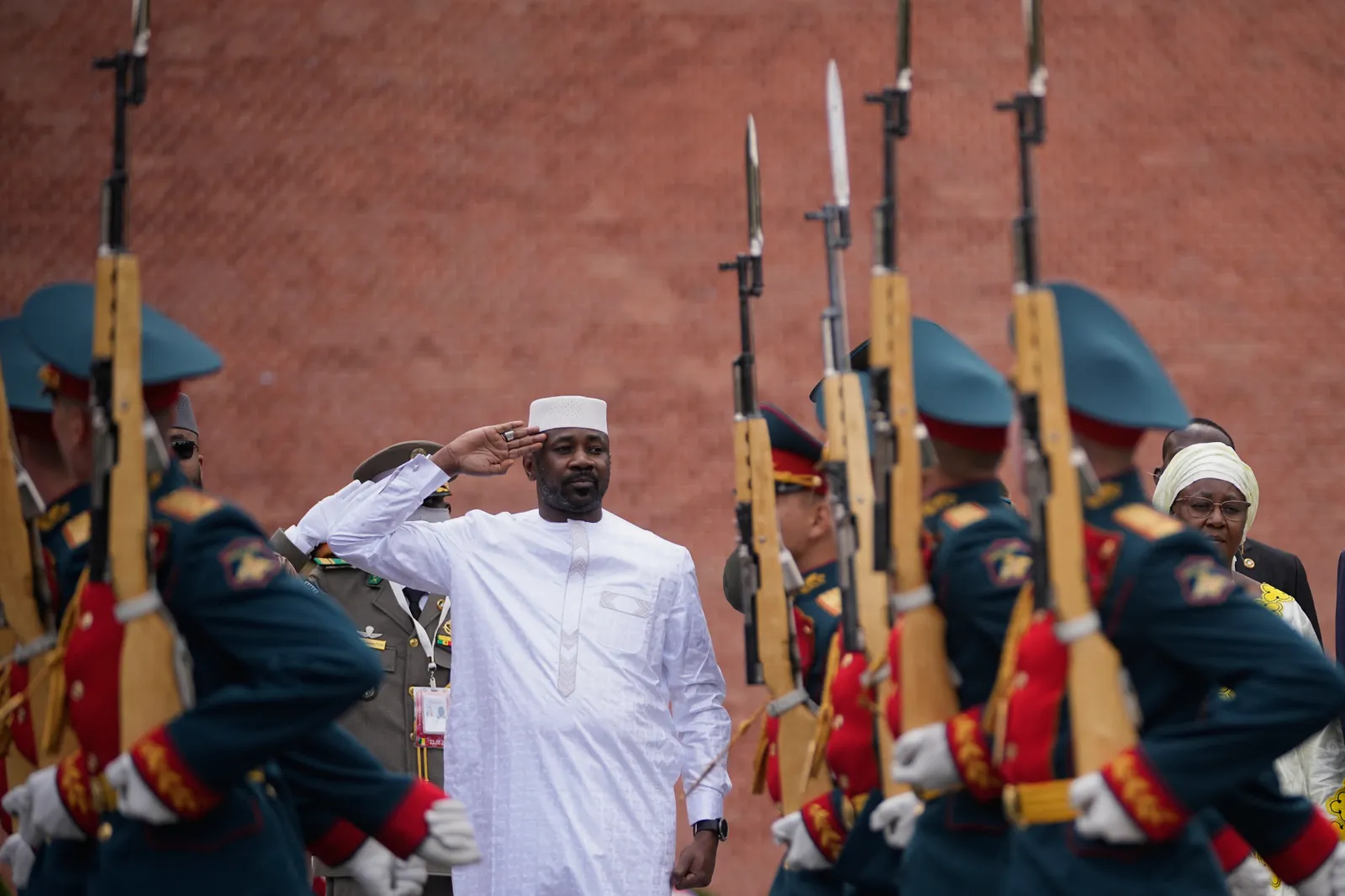
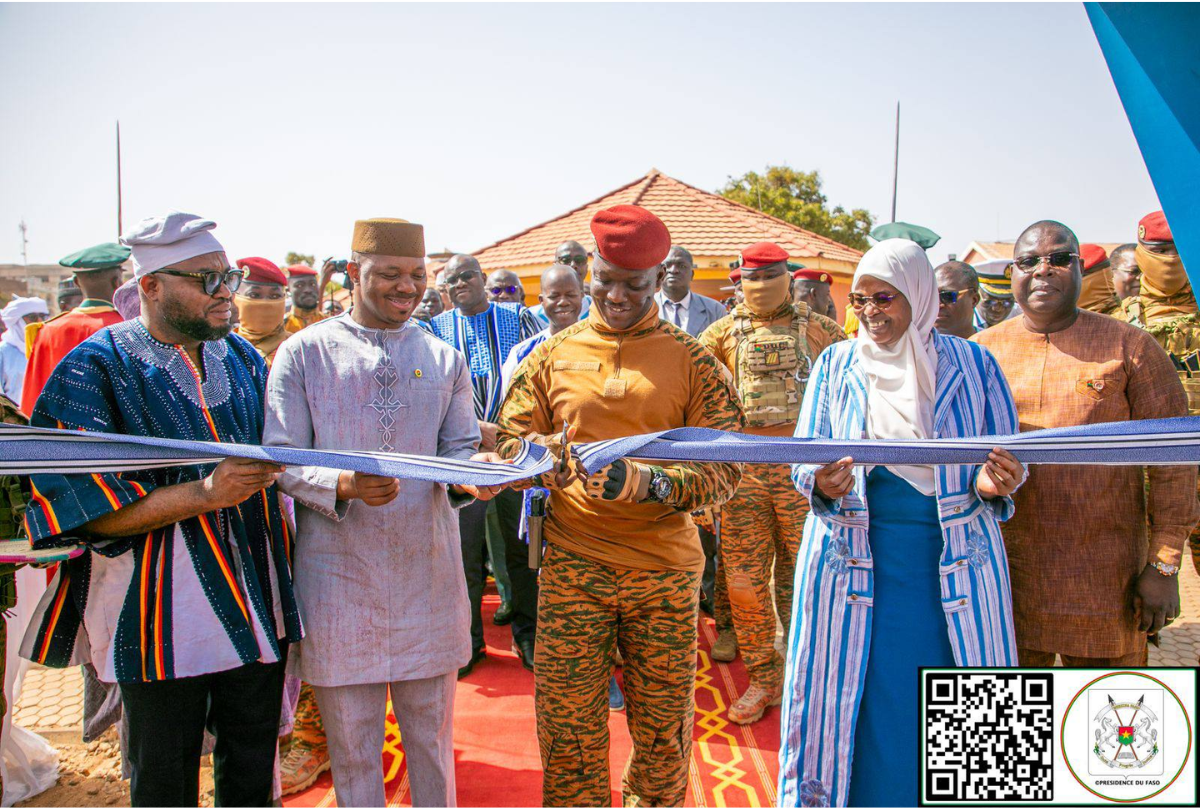
Beyond the numbers, cities are telling another story. Take Benin: it’s experiencing a coastal urban boom, with cranes and new buildings popping up everywhere along its shoreline. But this rapid urbanization isn’t without its human cost. Beneath that shiny new facade, disturbing inequalities are growing. Reports suggest that Benin’s urban growth reflects a common pattern in many African cities, where new infrastructure often outpaces fair access to essential resources and services. This widening gap raises critical questions: how can urban policies ensure this growth benefits everyone, not just a select few? It’s a vital discussion for the continent’s future. And while not on the continent, Greenland’s political shift—seeking independence and diverging from traditional U.S. alignment—reminds us how global dynamics can indirectly influence African geopolitics as major powers rethink their strategies. Ultimately, Africa in 2026 isn’t just about managing present risks or celebrating individual economic wins. The continent finds itself at a crucial crossroads where security, economic reforms, infrastructure development, and good governance simply must come together. Smart conflict prevention is key to stabilizing fragile regions, paving the way for crucial investment and development. At the same time, tackling challenges like high travel taxes and ensuring urban expansion genuinely helps all citizens will be absolutely vital for lasting progress. The world’s watching, knowing that Africa’s stability and prosperity are deeply connected to global peace and economic health. We must ask ourselves, how can we foster Africa’s digital transformation to ensure inclusive growth?