African Startups Regroup for 2026 Comeback: Practical Innovation Takes Center Stage
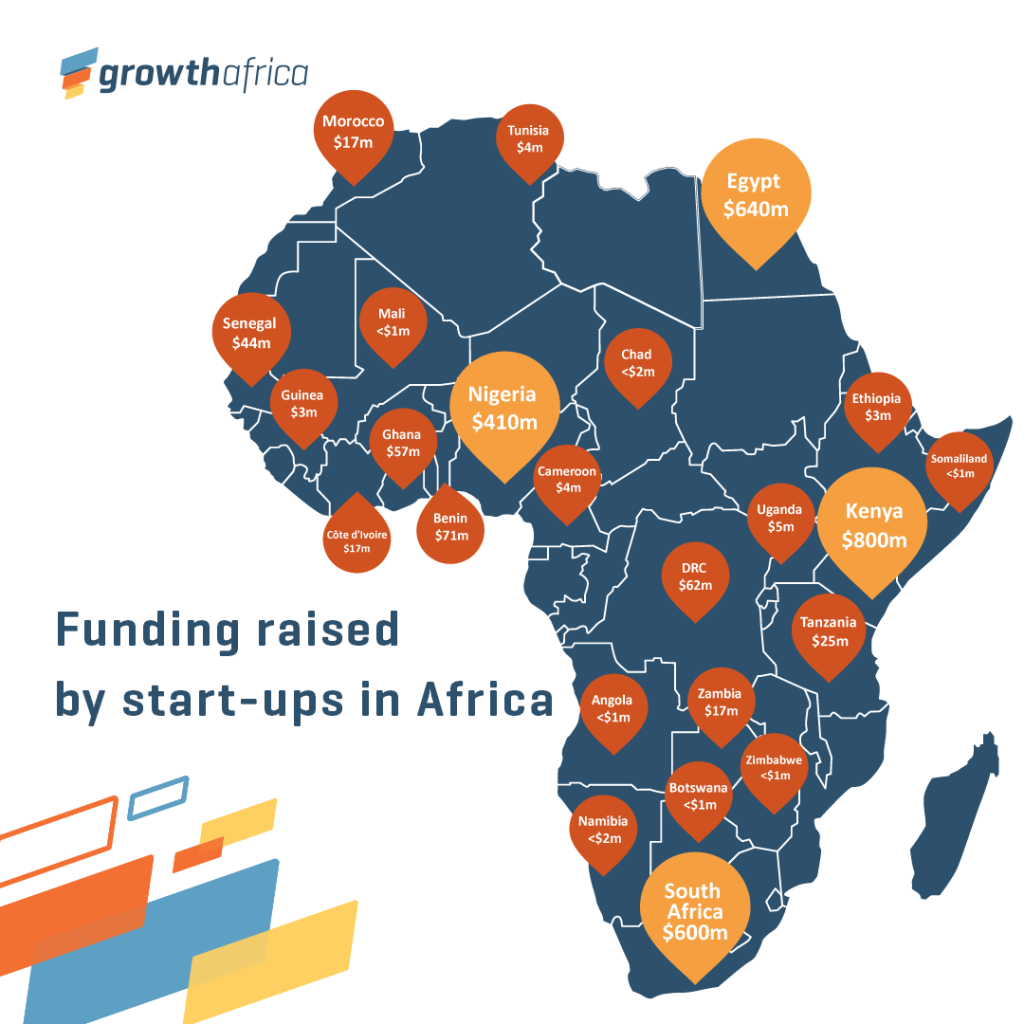
Africa’s startup scene isn’t retreating as 2026 unfolds. It’s regrouping, and that’s a crucial distinction. After a quieter 2025 with fewer late stage exits and slower funding, founders and investors aren’t running for the hills. They’re sharpening their strategies, chasing practical product market fit, and signaling that the next wave of scale ups will be built on operational depth rather than flashy headline valuations. This shift shows up in startups targeting underserved Francophone merchants, last mile logistics, precision agriculture, and human assisted AI. It echoes through acquisition activity and renewed investor interest across regions. So what’s really happening beneath the surface?
The Practical Innovation Wave
Look at Yelen, founded just last June. They’re building an e commerce stack for small and medium sized enterprises across Francophone Africa, where SMEs make up more than 90 percent of firms but fewer than half sell online. Yelen’s approach stays deliberately local, integrating mobile money and regional logistics so merchants don’t have to juggle disconnected payment rails and ad hoc delivery solutions. That focus on adapting established models to local payments and fulfillment keeps popping up as a recurring theme. It’s not about reinventing the wheel, it’s about making the wheel work on African roads.
Logistics and fulfillment startups are maturing too, moving from ad hoc couriers into technology driven operations. Take Senga, a Kenyan company applying automation and machine learning to codify manual logistics workflows and improve reliability across fragmented transport networks. Or VDL Fulfilment, which has grown into a cross border operations provider offering warehousing, packaging, last mile delivery, inventory management, payments, and call center support across multiple continents. These companies aren’t just solving e commerce pain points. They’re building the infrastructure other sectors need to scale, creating rails that could support everything from healthcare to education delivery.
Agritech represents another area where startups are turning basic digital services into paid products. Rwandan startup Clisense offers weather alerts and crop insights on a freemium basis, with modest monthly subscriptions designed to convert smallholder farmers into paying customers. The model stays simple, low friction, and affordable. After initial user conversion, the startup prepares for a seed round in 2026. Meanwhile, startups addressing the creator economy and legal services reflect a maturing market. Services helping creators monetize content and platforms automating routine parts of legal cases find product market fit by focusing on tractable problems rather than grand platform plays. These choices mirror a larger investor preference for demonstrable revenues and clear unit economics. As Africa’s startup ecosystem showed record growth in 2025, the foundation was laid for this more disciplined approach.
AI with a Human Touch and Investor Realignment
Artificial intelligence deployment across Africa carries a practical bent. ChatSasa, led by a founder who previously built one of the continent’s middleware success stories, mixes human assistance with AI to support customer service across websites, WhatsApp, mobile apps and email. The human in the loop design acknowledges that conversational AI proves most valuable when it’s reliable and integrated into existing customer journeys, not deployed as some flashy standalone product. It’s AI that works with people, not instead of them.
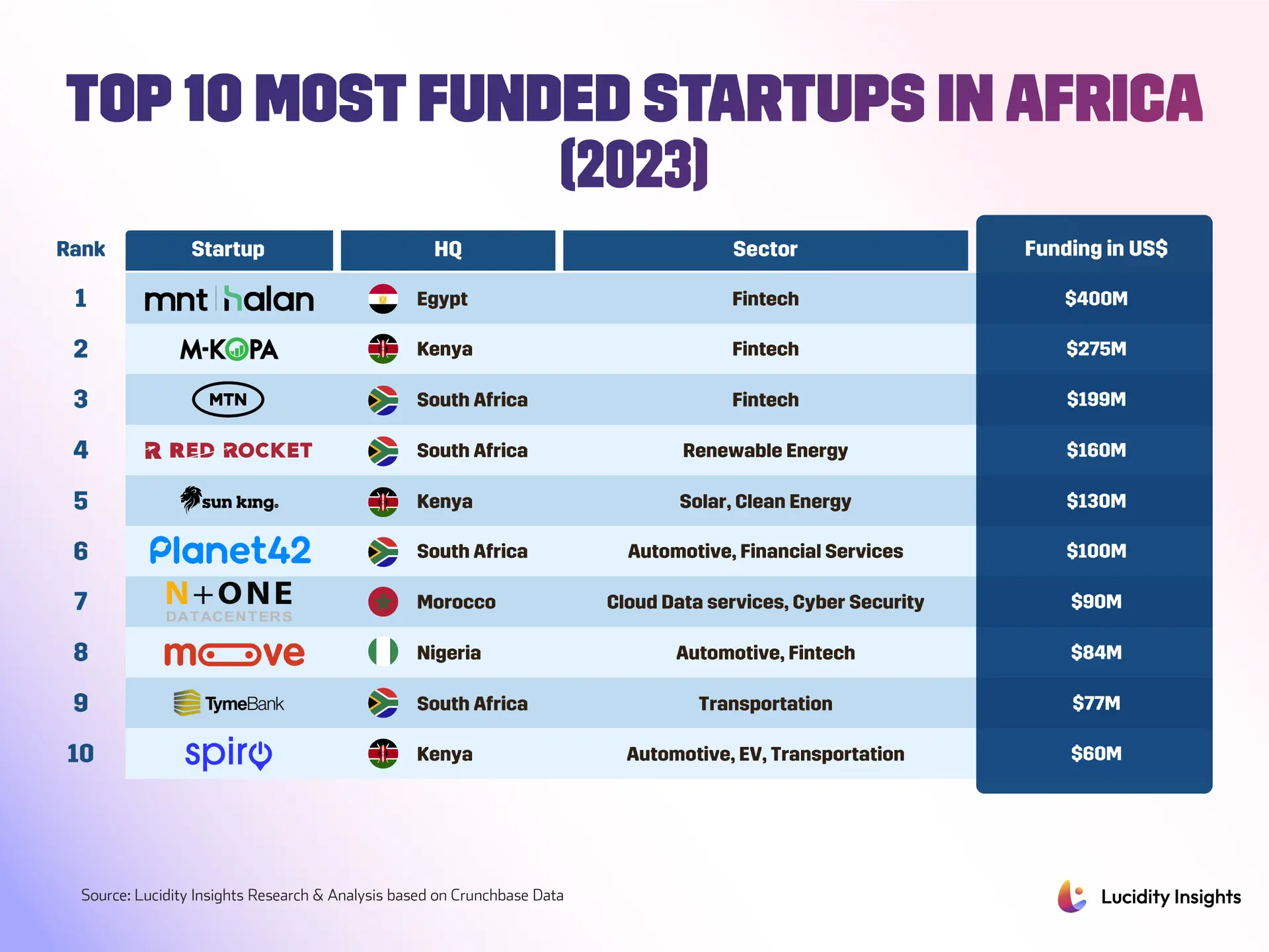
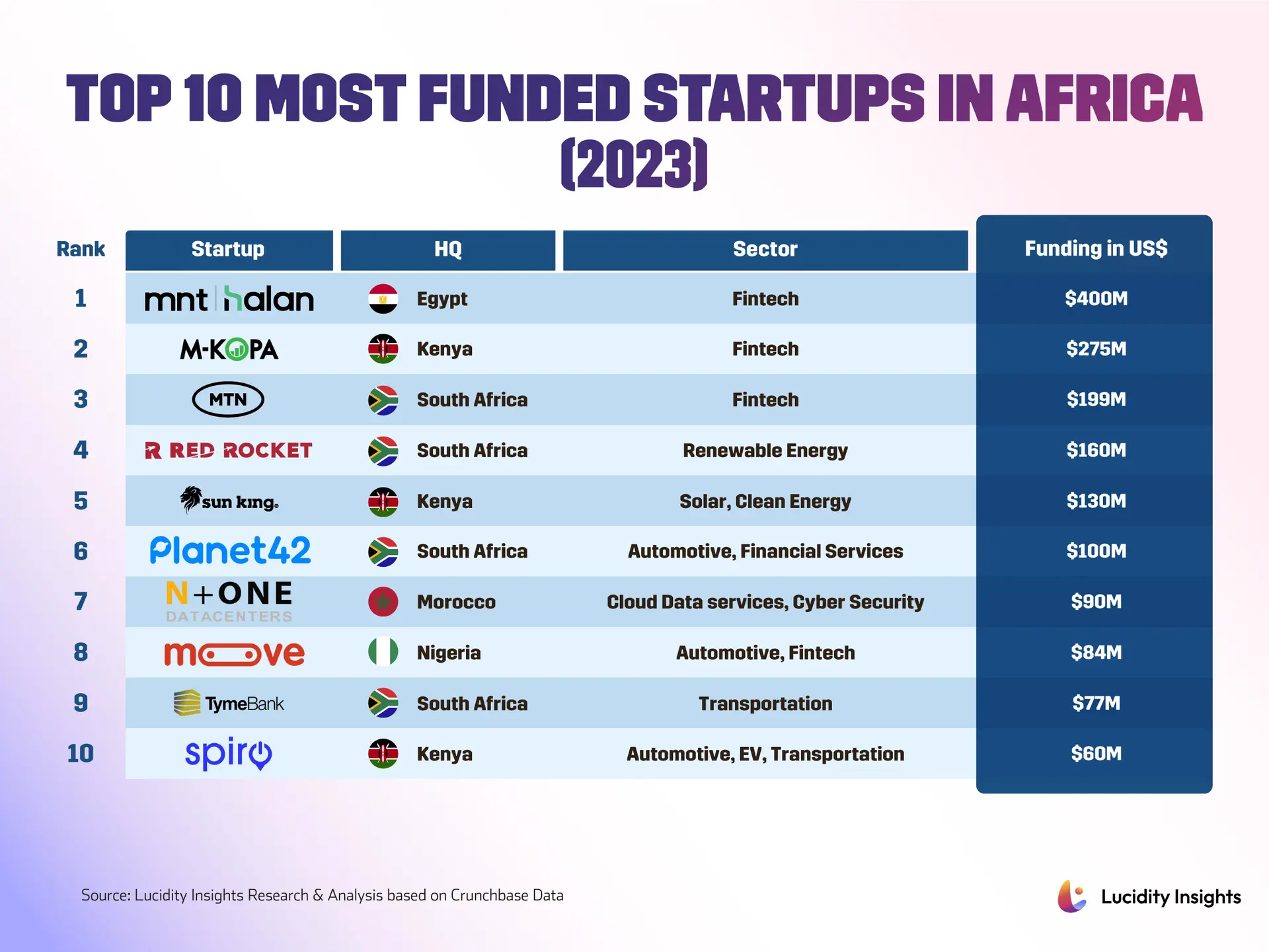
The market’s also seeing consolidation. Tracxn’s trackers show a steady flow of acquisitions in late 2025, from healthcare groups to pest control services and regional platforms. That activity demonstrates two important things. First, strategic buyers and regional corporates remain willing to deploy capital to consolidate value chains. Second, for startups, acquisitions can provide viable exit paths even when public listings stay scarce. Institutional interest hasn’t vanished either. Global and regional investors including Accel, Partech, Maersk Growth and Fujitsu keep active across Africa, but they’ve grown more discerning. After a year where African unicorn fundraising fell sharply, investors want clearer revenue paths and repeatable operations before handing over late stage checks.
As BusinessDay notes, about 18 companies across fintech, mobility, energy, healthtech and property are being watched as potential unicorns or IPO candidates in 2026. Their fate depends on the return of late stage capital and steadier valuation benchmarks. This investor recalibration shifts focus from a frothy chase for unicorns toward more traditional scrutiny of traction and margins. It’s part of the natural maturation of any tech ecosystem, and Africa’s is no exception. The continent’s tech renaissance continues driving innovation, just with different priorities.
The Road Ahead
Broader policy and economic environments will matter too. African economies face pressures from global risk appetite, commodity cycles, and new regulatory questions like carbon border rules and emerging AI policies. Outlets like African Business highlight that geopolitical and regulatory developments, including national and international infrastructure projects, will influence investment flows and sector priorities. In this context, startups with clear unit economics and regional expansion plans hold an advantage.
The practical lesson emerging from 2026’s opening months? Building defensible, revenue generating businesses matters more than ever. Founders choose narrower initial markets, adapt proven models to local payment and logistics realities, and focus on customer service integration rather than reinventing whole value chains. If 2025 served as a stress test for African tech, 2026 could become a year of consolidation and genuine scaling. Companies solving concrete operational problems in e commerce, logistics, agritech, health and customer experience stand a good chance of converting pilots into sustained growth.
The return of late stage capital will speed up that process, but even without a flood of new funds, acquisition activity and regional expansion will create exits and healthy ecosystems. For readers tracking African startups advancing commerce, creators, crops and legal cases, this moment warrants close attention to entrepreneurs connecting mobile money, local logistics and affordable services. Those represent the building blocks of the continent’s next generational winners. As highlighted by Techpoint Africa’s 2026 watchlist, the focus has shifted toward sustainable growth models. Africa’s digital renaissance drives innovation and collaboration forward, just with renewed emphasis on practicality over hype. The regrouping isn’t about stepping back. It’s about building smarter foundations for what comes next.