West Africa Forges Ahead: Industry, Agriculture, and Health Define a New Era of Regional Resilience
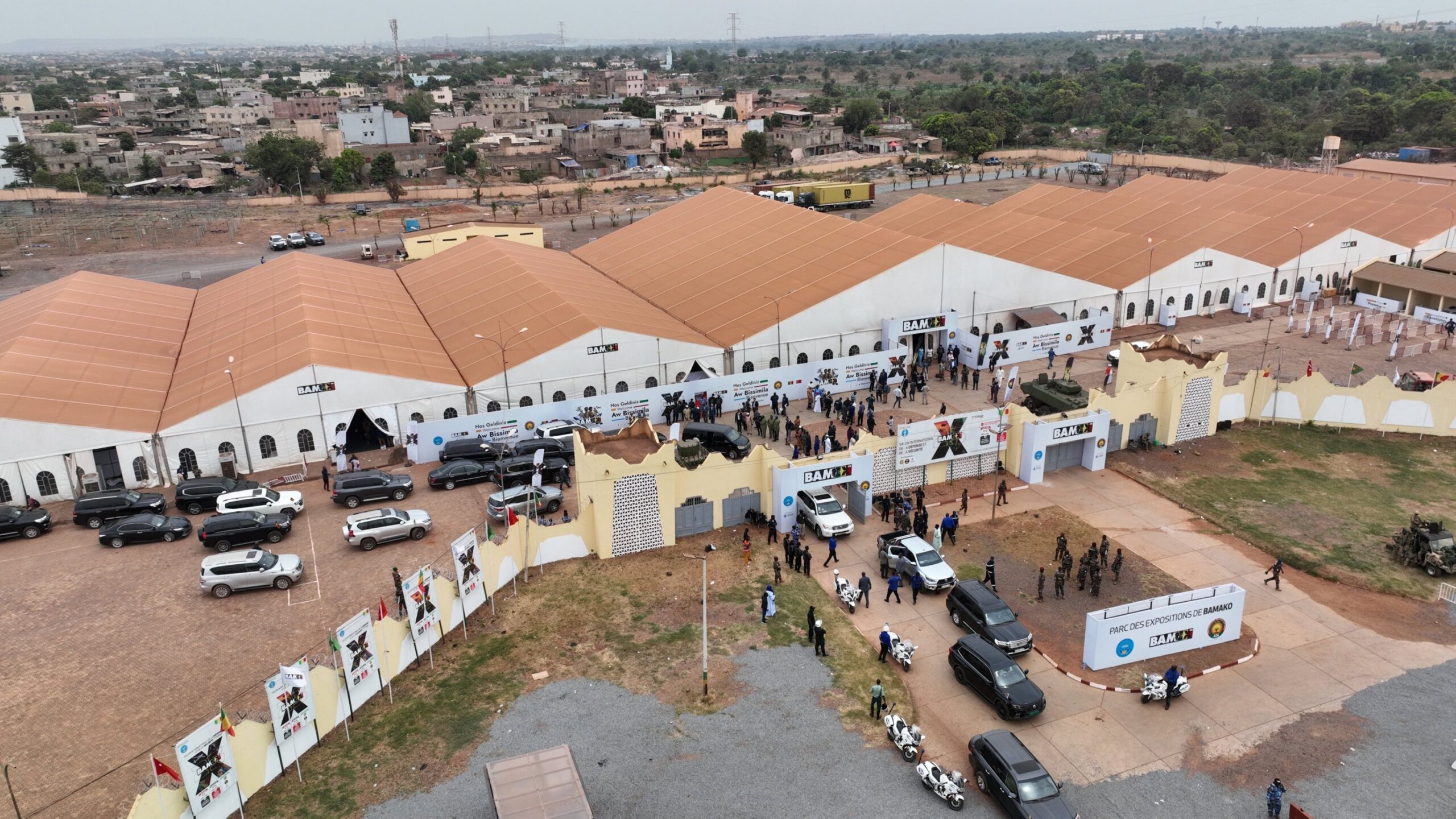
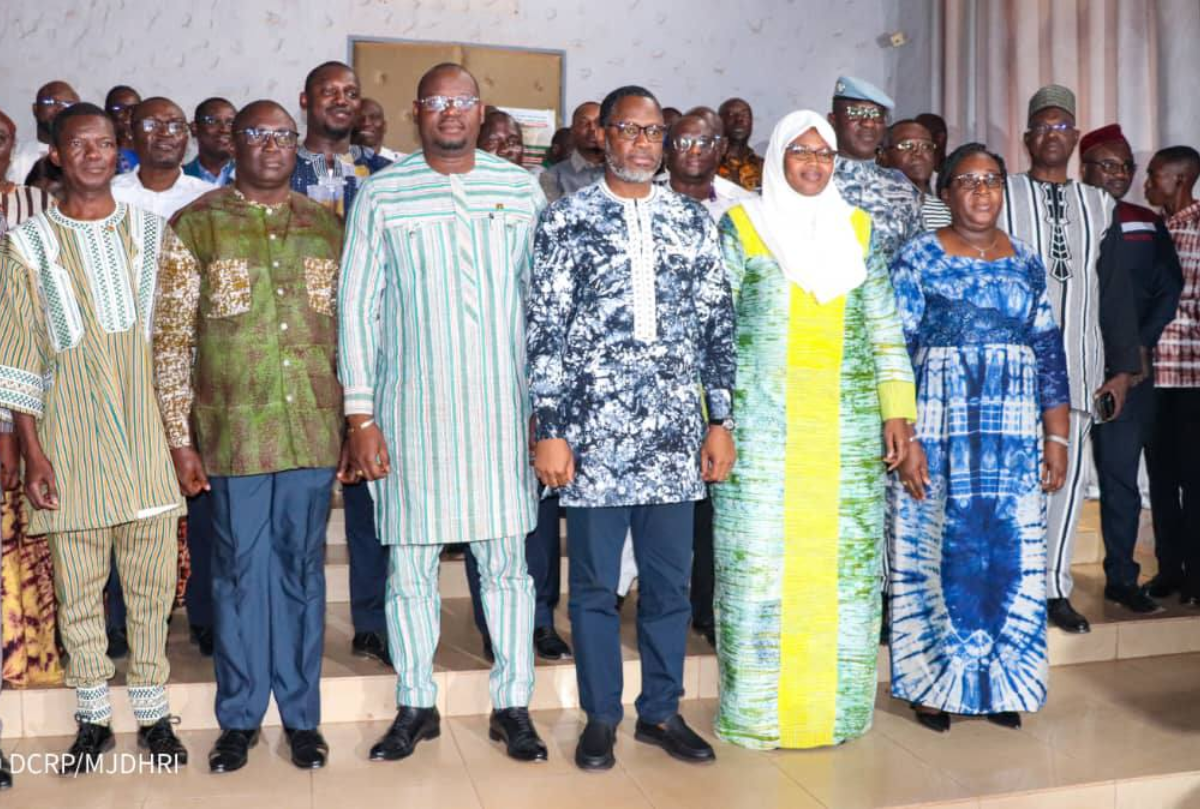
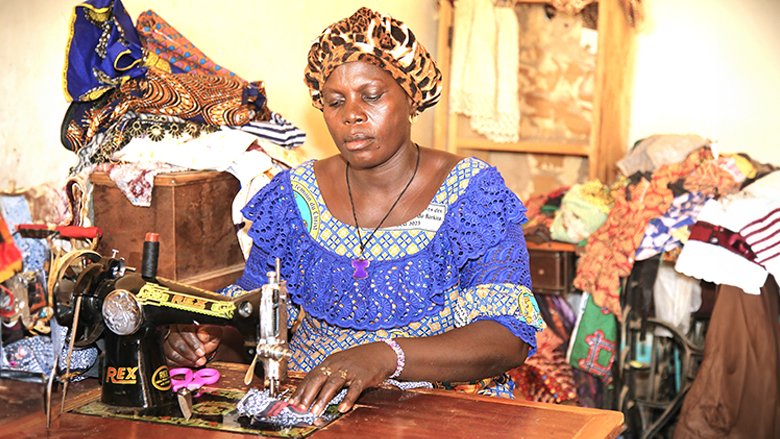
West Africa is absolutely buzzing in 2026, truly marking a new chapter in its journey towards significant regional growth and improved security. We’re witnessing powerful strides in both manufacturing and an intensified health vigilance, intertwined developments set to redefine the region’s economic resilience and cooperation under the ambitious African Continental Free Trade Area, or AfCFTA. Just look at Ghana, for instance: their government’s pioneering 24-hour economy initiative is already yielding impressive results. Industrial zones, like the bustling Tema light-manufacturing belt, aren’t just seeing a notable rise in output, they’re creating a wave of much-needed night-shift jobs. This early success tells us more than just an increase in economic activity, doesn’t it? It signifies a solid foundation for wide-ranging societal benefits, from critical skills development to long-term, sustainable prosperity for many. Recognizing these significant achievements and the immense potential, regional leaders have converged at the West Africa Industry, Manufacturing, and Trade, IMT, Summit 2026. The summit’s agenda is clear and action-oriented: move beyond mere dialogue to foster concrete, project-driven strategies. These strategies aim to align government policies, harness the private sector’s capabilities, and attract essential capital investments. The overarching goal is quite clear, to build lasting industrial capacity, strengthen complex value chains, and ultimately deliver tangible economic impacts right across West Africa. Nigeria, which is proudly hosting these pivotal discussions, envisions the summit as much more than a forum. It sees it as a crucial platform to synchronize national industrial agendas with the greater ambitions of the AfCFTA. This monumental trade pact, designed to unify African markets, absolutely heightens the importance of bolstering regional industrial prowess. Why? To facilitate competitive exports and foster integrated supply networks, both of which are key to securing Africa’s future economic sovereignty. You can definitely get more insights into the summit’s focus on manufacturing growth from The Nation Newspaper’s detailed report.
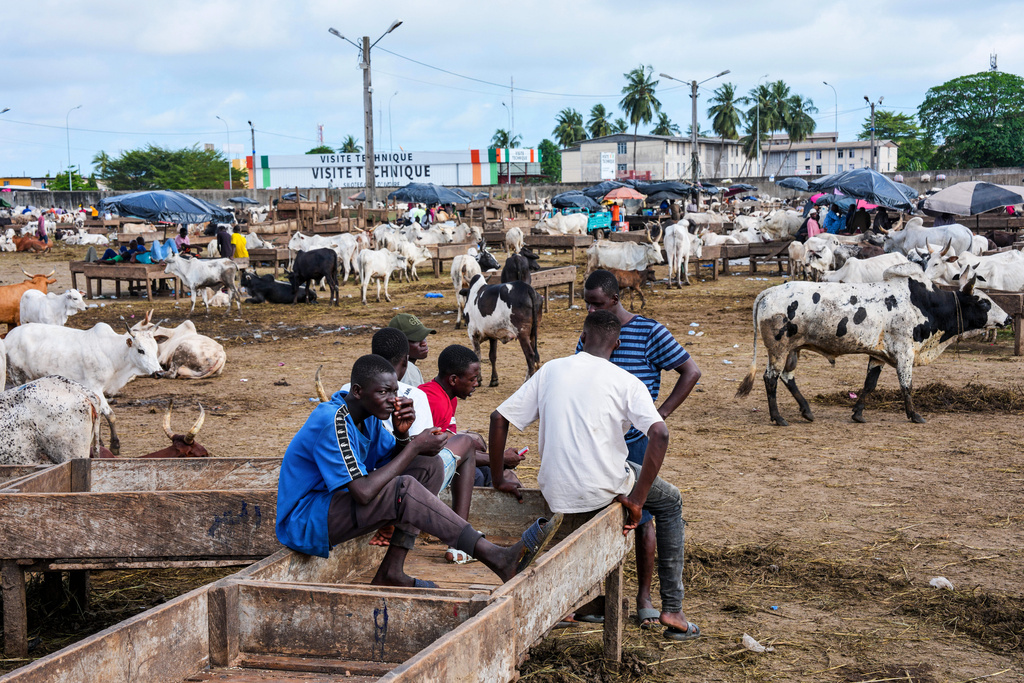
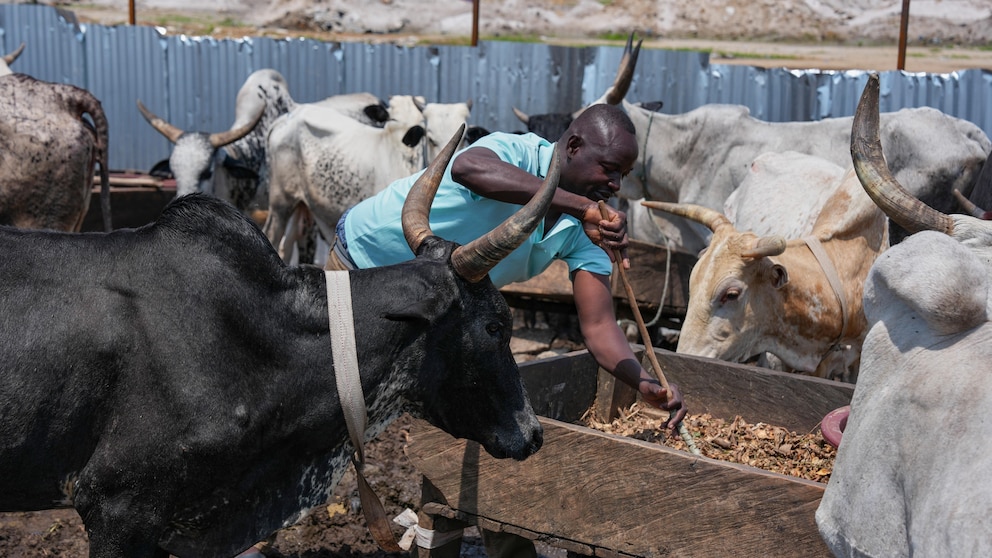
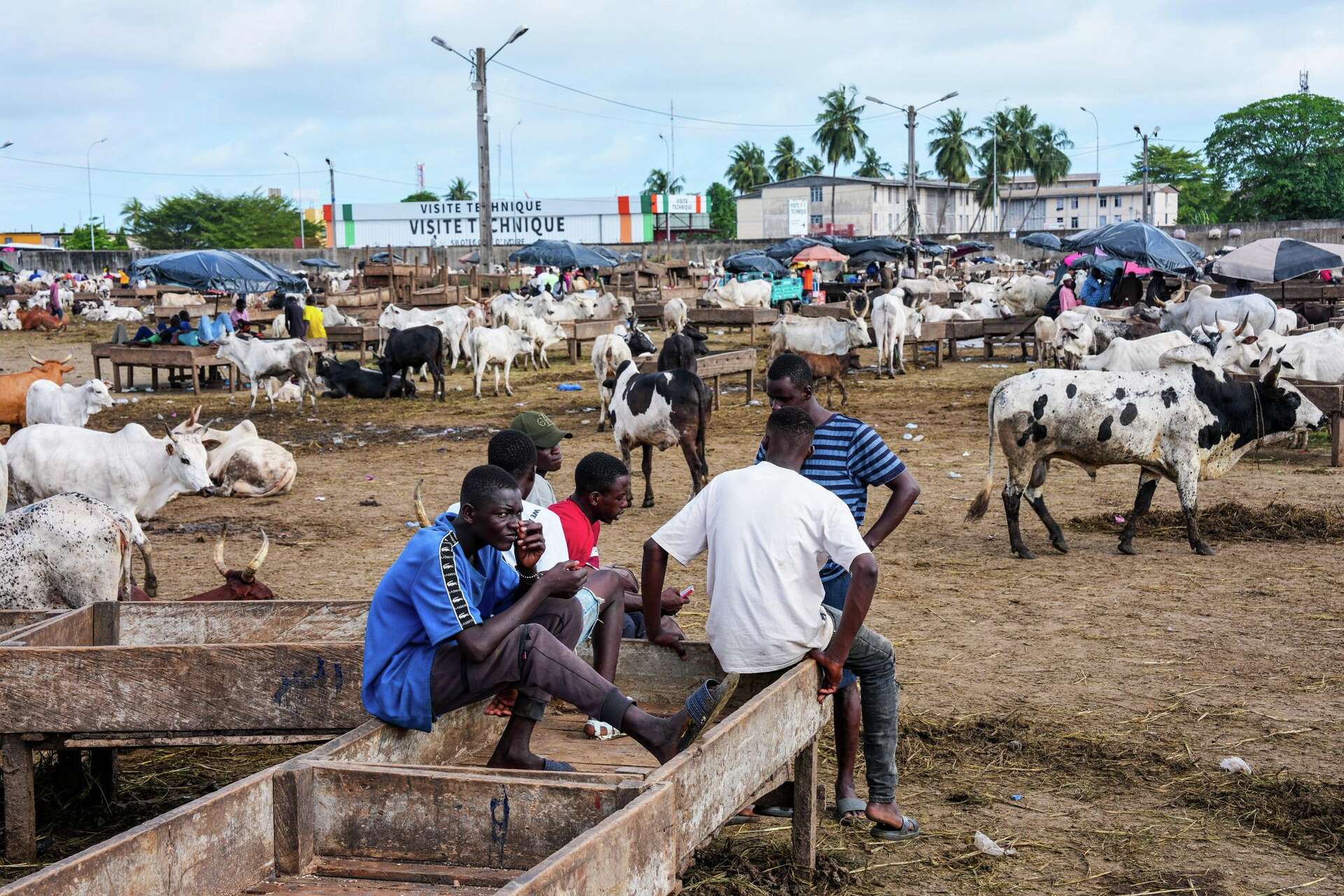
However, this promising industrial narrative is unfolding amidst significant regional challenges that reach far beyond factory floors, touching our fields and health systems too. Botswana, for example, recently heightened its alert status after Foot-and-Mouth Disease, FMD, began spreading rapidly in neighboring South Africa and Zimbabwe. FMD, a highly contagious viral disease that affects cloven-hoofed animals, poses a serious threat to the stability of livestock farming, which, let’s not forget, is a vital economic sector for countless Southern African communities. Botswana’s proactive and stringent measures to prevent the disease from entering its borders clearly reflect its deep commitment to protecting its agricultural backbone and, crucially, maintaining its trade credibility. This vigilant approach complements broader efforts across Southern Africa, including innovative platforms such as Nile Online, which are truly revolutionizing agricultural practices by improving information access and empowering farmers directly. These agricultural safeguards have frankly never been more critical. Recent outbreaks in nearby countries vividly underscore the vulnerabilities that could impact everything from national food security to essential export incomes. Botswana’s swift response serves as a powerful illustration of how regional cooperation and shared vigilance are absolutely paramount in effectively managing these transboundary animal diseases, which could otherwise easily derail developmental progress and broader regional trade ambitions. And it isn’t just animal health that’s demanding increased attention. We’re seeing a parallel surge in health vigilance triggered by resurging infectious diseases globally, offering valuable lessons pertinent to the African context. In the United States, for instance, recent measles outbreaks have seriously shaken public health confidence, sparking intense debate over whether the country could lose its measles elimination status. The World Health Organization defines elimination as no locally transmitted cases for at least 12 consecutive months. The resurgence, marked by over 2,200 reported cases last year, the highest in decades, powerfully reinforces vaccination as the undeniable cornerstone of disease prevention. While the U.S. context certainly differs from Africa’s, such public health challenges underscore the ongoing difficulties in disease control that could also significantly impact our continent, especially as our health systems continue to evolve amidst dynamic demographic and economic changes. For deeper insights into Africa’s diverse agricultural challenges, our previous reporting offers a comprehensive view.
As Africa diligently broadens its industrial and agricultural horizons, the imperative for integrated health security couldn’t be clearer. Regional leaders and policymakers would certainly be wise to fully embrace these interconnected domains, recognizing, truly, that economic growth, the health of our livestock, and the overall wellbeing of our human populations are all intricate parts of a complex ecosystem that fundamentally supports sustainable development. Looking ahead, West Africa’s capacity to effectively harness these advancements holds absolutely vast potential. The outcomes from the ongoing industrial summit could very well catalyze a wave of tangible projects, creating vital jobs and significantly enhancing value chains. This is especially true if these efforts are robustly complemented by strong agricultural disease prevention strategies and a heightened, region-wide public health awareness campaign. Couldn’t this be a game-changer? As regional cooperation deepens under the AfCFTA, these critical sectors won’t merely contribute to localized prosperity. They’ll also strategically position West Africa as a far more competitive and resilient player within global markets. The dynamic synergy we’re seeing between manufacturing innovation, agricultural security, and sharp health vigilance really does point toward a future where West Africa strikes a crucial balance: balancing robust growth with inherent resilience. This holistic approach ensures that our ambitious economic goals are effectively safeguarded from any potential setbacks. Those setbacks could be caused by preventable disease outbreaks, like FMD or measles, or even by fragmented and inconsistent trade policies. The journey ahead will undoubtedly demand sustained leadership, strategic investment, and consistent, proactive cross-sector collaboration. Only through this collective effort can we genuinely turn today’s significant challenges into powerful stepping stones for enduring regional strength and prosperity. Keep an eye on global discussions about public health crises, such as the U.S. measles outbreaks, for broader lessons applicable to our continent’s health strategies. Additionally, exploring how initiatives like digital innovation are transforming African agriculture reveals exciting possibilities for resilience.