Nigerian Institutions Face Corruption and Security Challenges Amid Public Unrest
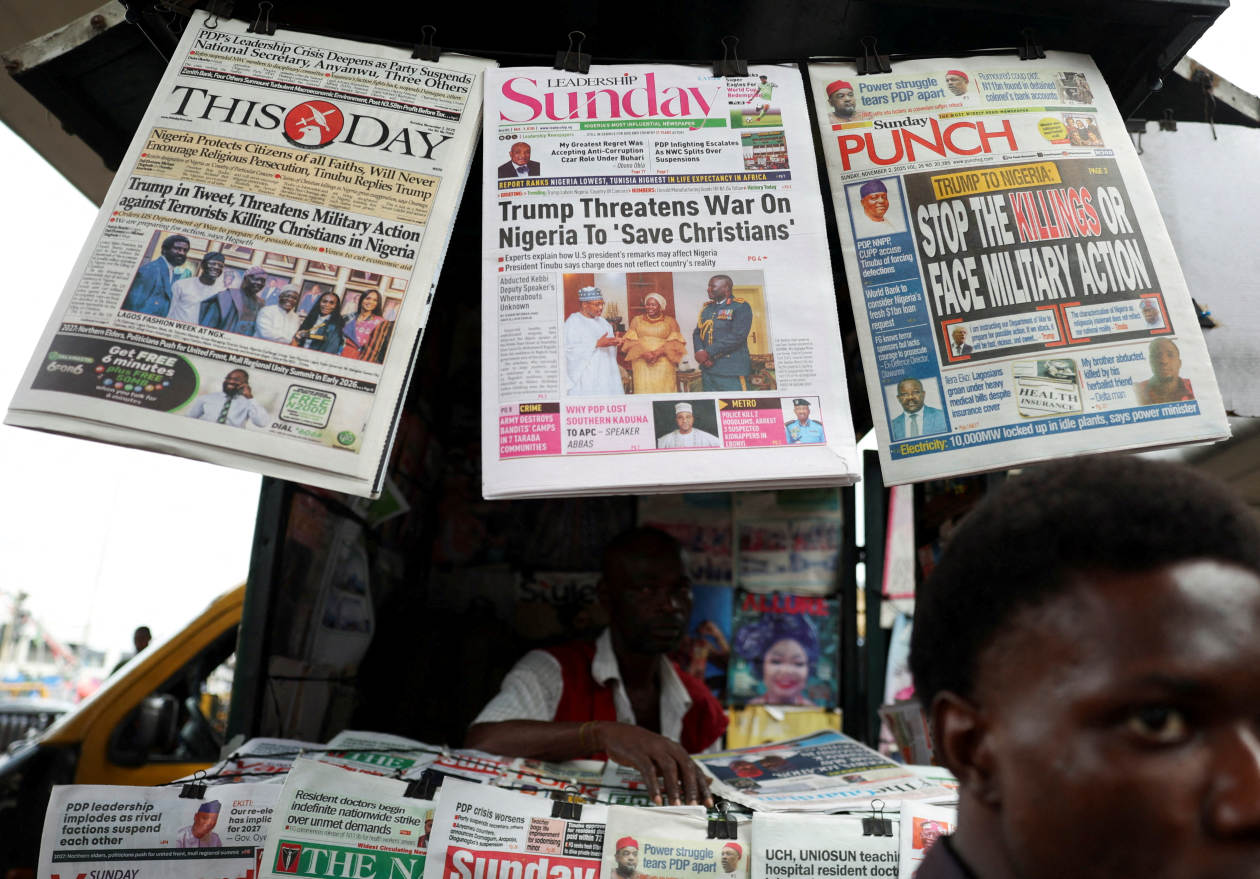
Nigeria’s currently facing a tough reality. Scandals, institutional stress, and rising insecurity are hitting hard across its political, military, and civilian sectors. Our government’s under immense pressure, isn’t it? They need to tackle internal corruption allegations, keep citizens safe from violent attacks, and ensure military personnel and civil servants are treated with dignity and fairness. These are all linked, showing just how badly Nigeria’s institutions need reform and strong leadership. It’s crucial for a country that’s so central to West African stability and development.
Governance Under Fire: Allegations and Internal Strife
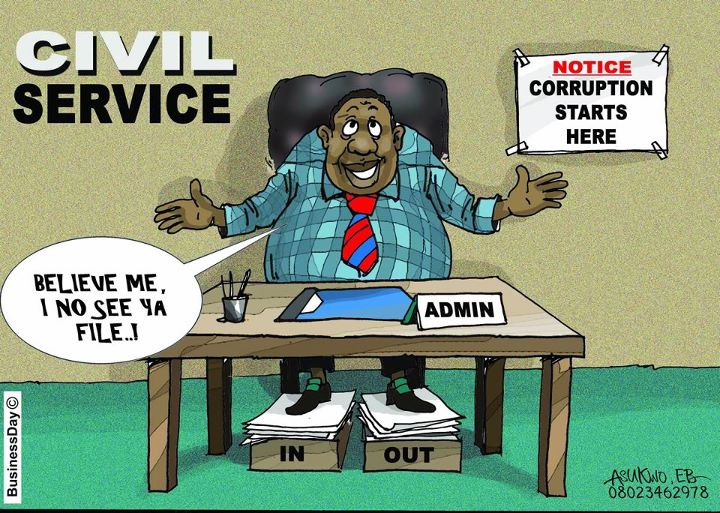
Recent investigations have laid bare some truly troubling stories of mismanagement and neglect within government agencies. Take Rivers State, for instance. Allegations suggest 26 pro-Wike lawmakers pocketed a whopping 350 million naira each for constituency projects that simply never happened. This isn’t just about wasted public money, it’s about breaking the public’s trust in the very people elected to improve their communities, don’t you think? Then there’s the Nigerian Export Promotion Council, a key player for economic growth via trade. It’s reportedly tangled in an internal mess over a 72 million naira redeployment scandal. These financial disputes really hurt efficiency and can completely derail efforts to boost Nigeria’s export capabilities in today’s competitive global market.
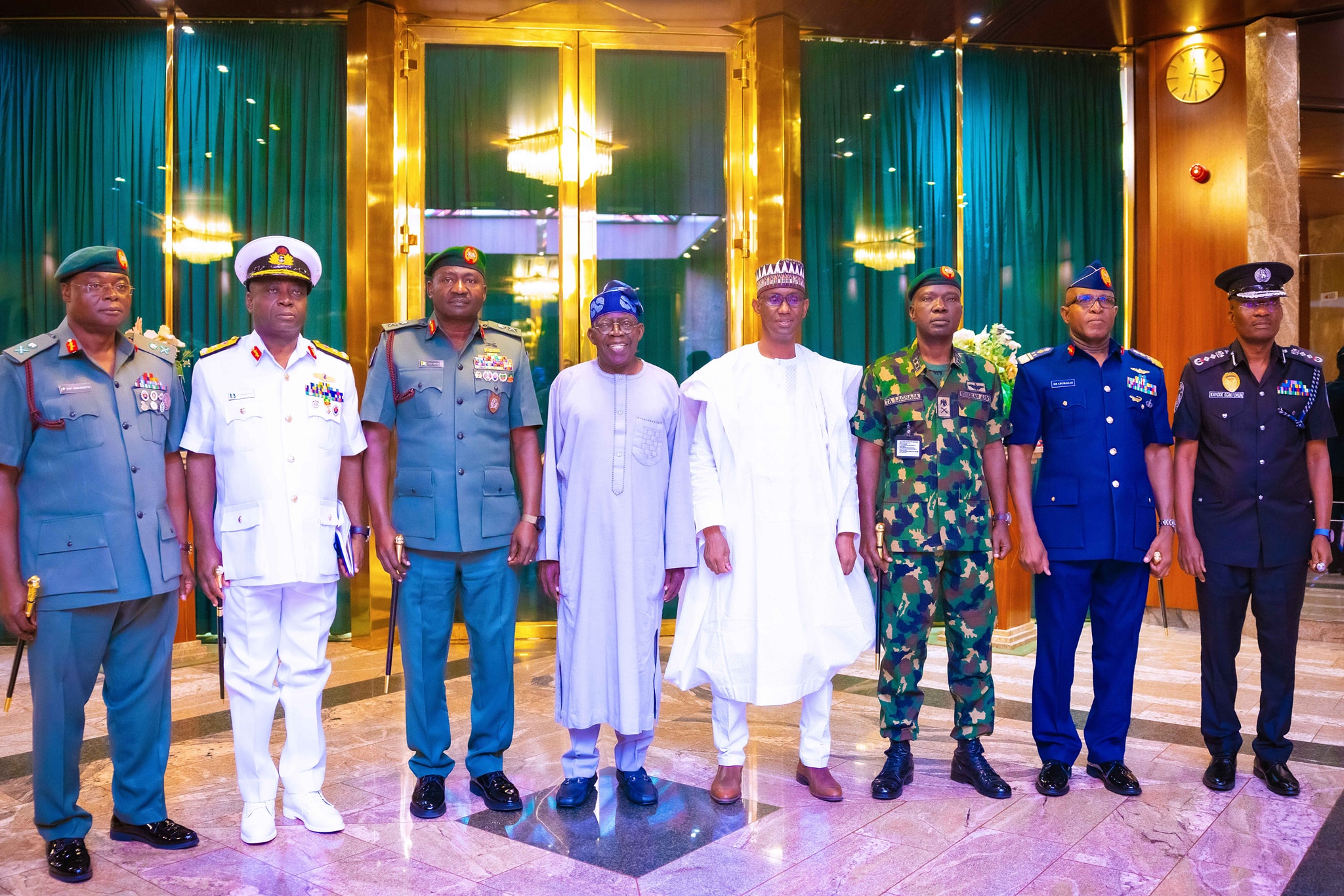
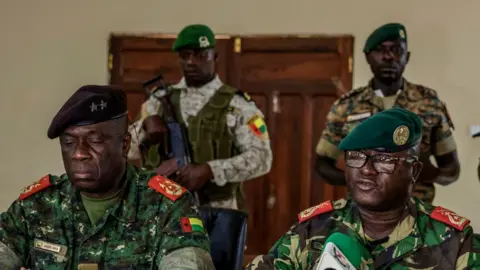
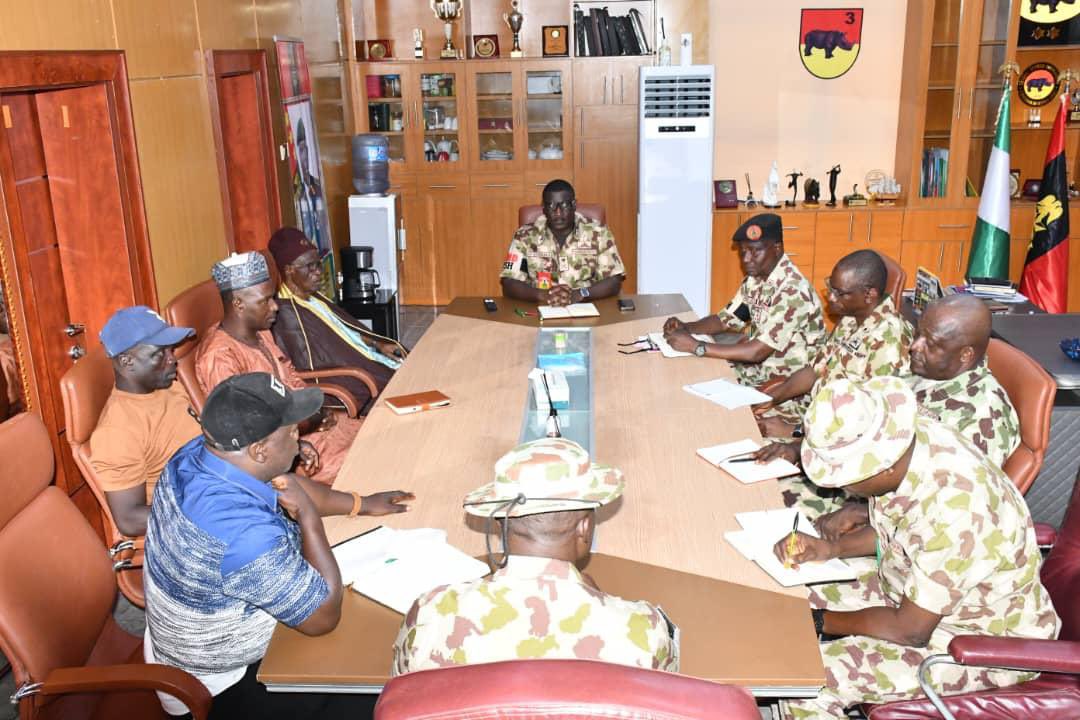
Adding to the governance woes are serious issues plaguing our military. Soldiers and trainers at the Nigerian Army Training Centre in Kontagora have come forward, detailing appalling living conditions, hunger, and withheld allowances. Their accounts, calling their treatment “slavery,” paint a grim picture of neglect for those sworn to defend the nation. Worse still, troops are reportedly warning of a potential mutiny over poor salaries and unpaid allowances. That’s a huge red flag for military morale and cohesion, indicating a deep-seated crisis.
Escalating Security Threats and Eroding Civil Liberties
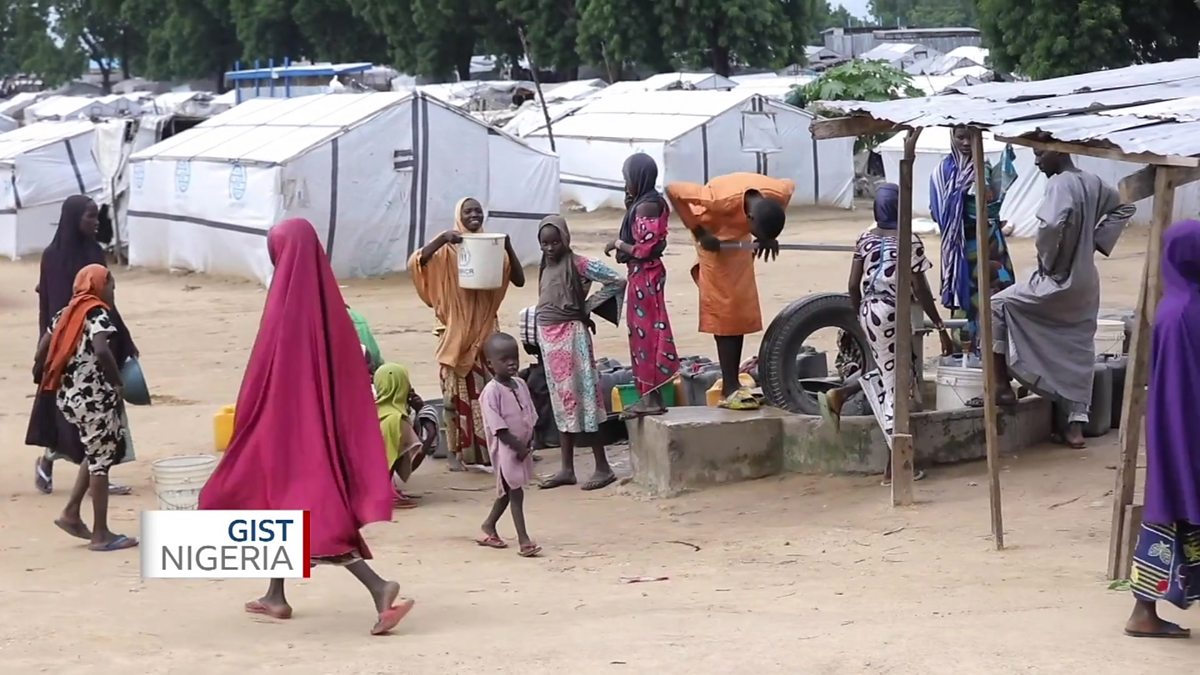
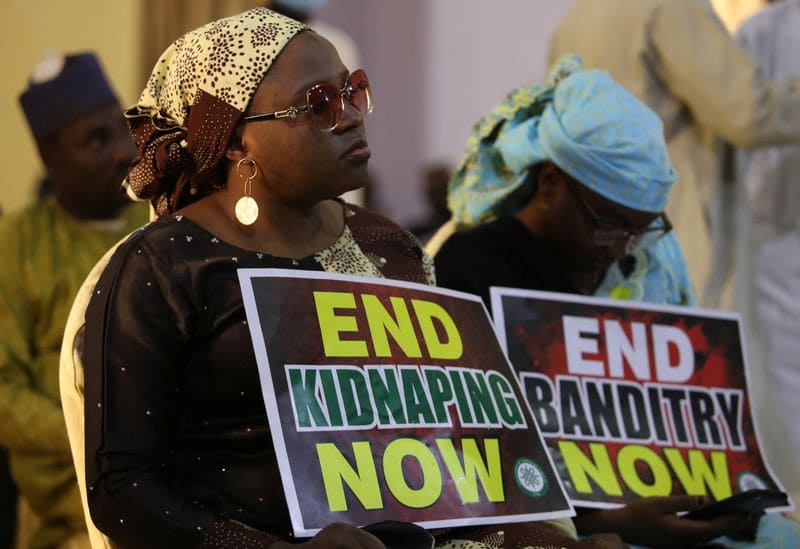
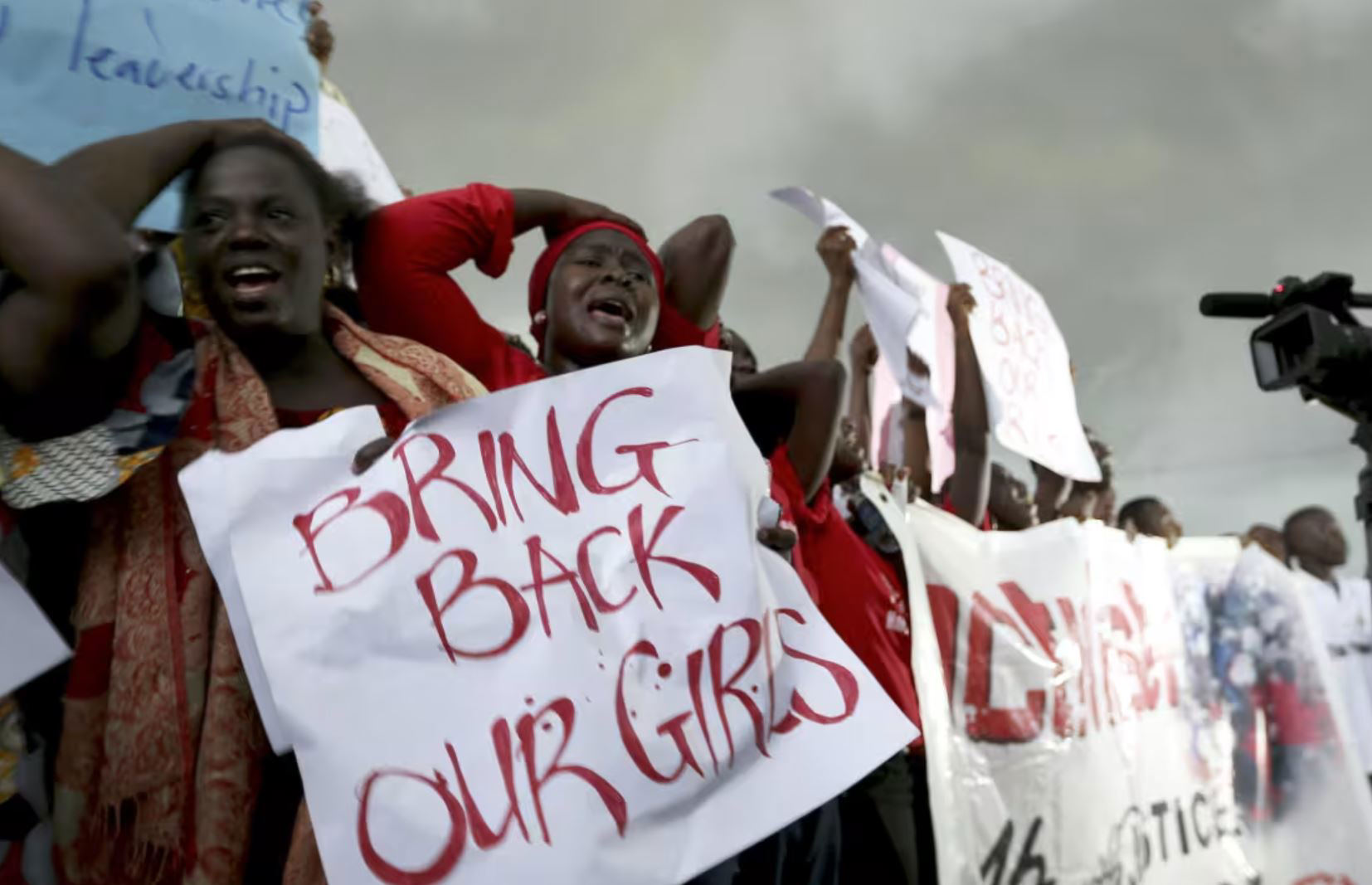
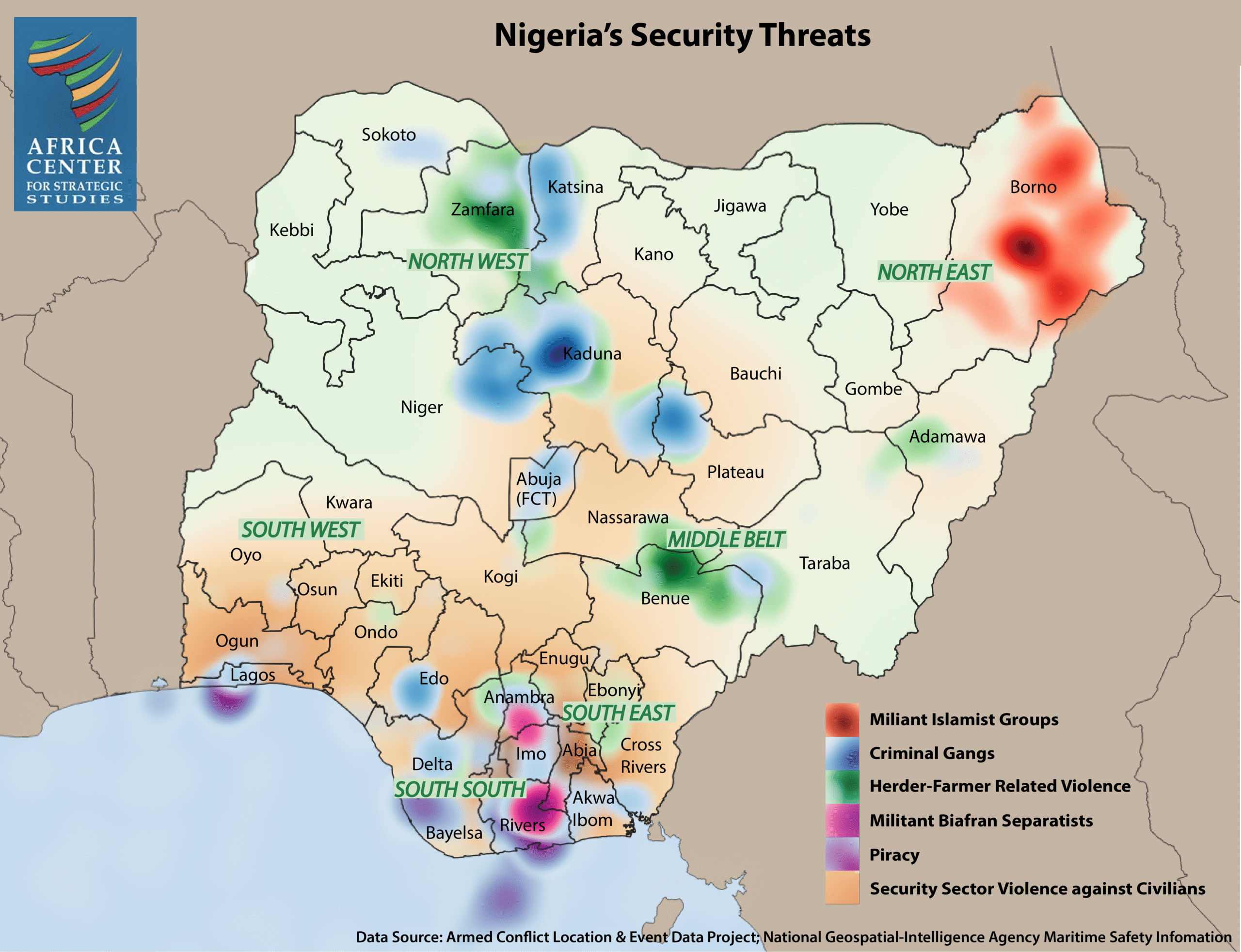
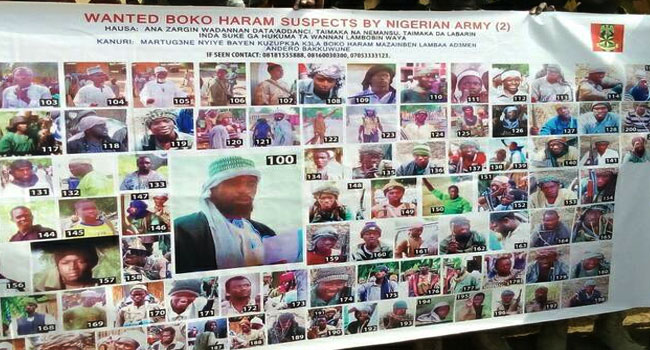
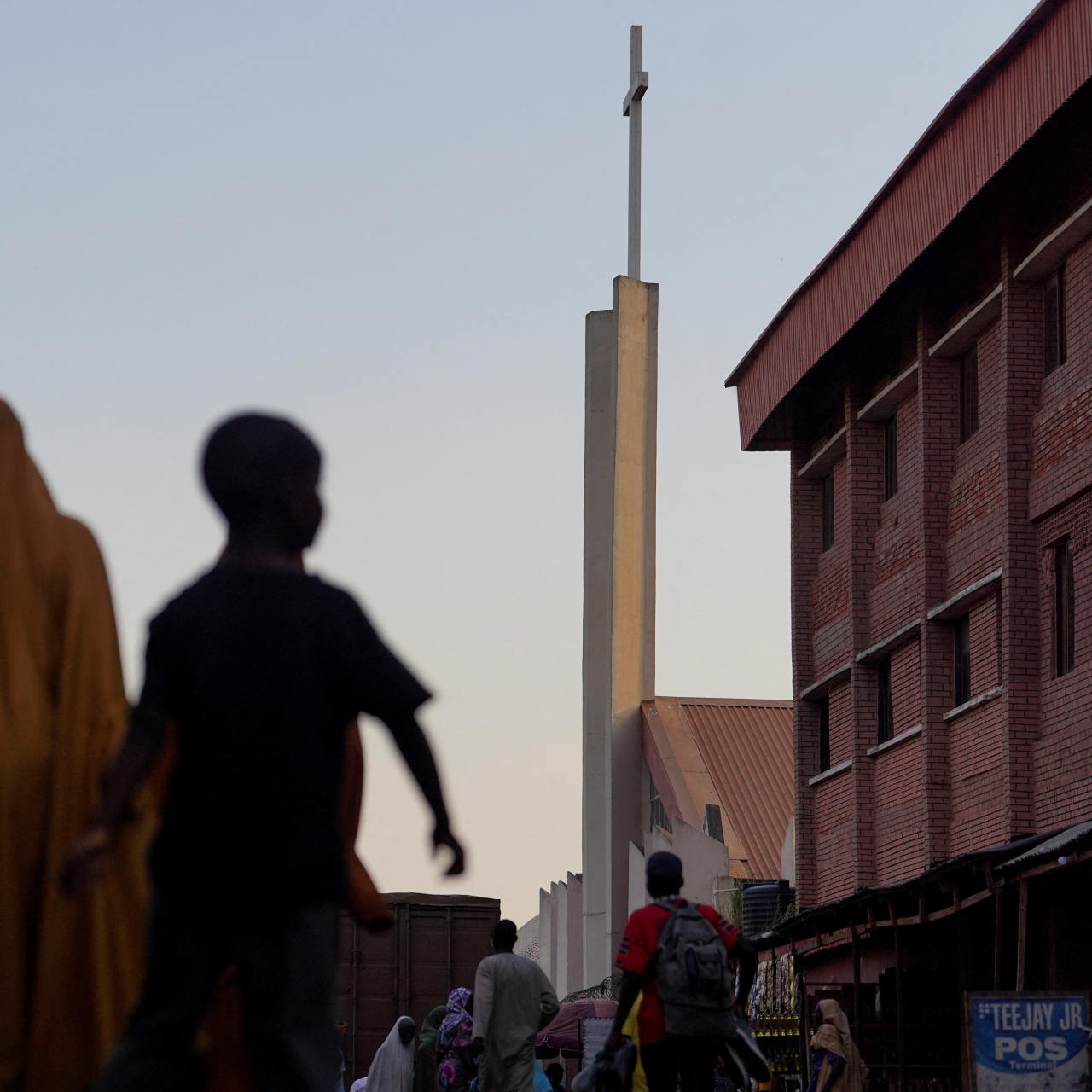
Operationally, the army recently dismissed a soldier for allegedly leaking a video of a devastating Boko Haram improvised explosive device attack in Borno State. This incident highlights the twin challenges we face, the relentless security threats from insurgent groups in the northeast and internal struggles with discipline and information control. The security landscape only seems to get tougher. Terrorists attacked Adamawa State Governor Ahmadu Fintiri’s hometown, killing two forest guards and abducting another. It just goes to show the persistent danger these groups pose to local communities and our security personnel alike. Over in Kaduna, after worshippers were abducted from a church, the Police Commissioner visited and, in a controversial move, ordered attendees to switch off their phones. An escaped victim’s chilling story of the ordeal has certainly drawn international attention, shining a light on the plight of civilians caught in Nigeria’s security battles.
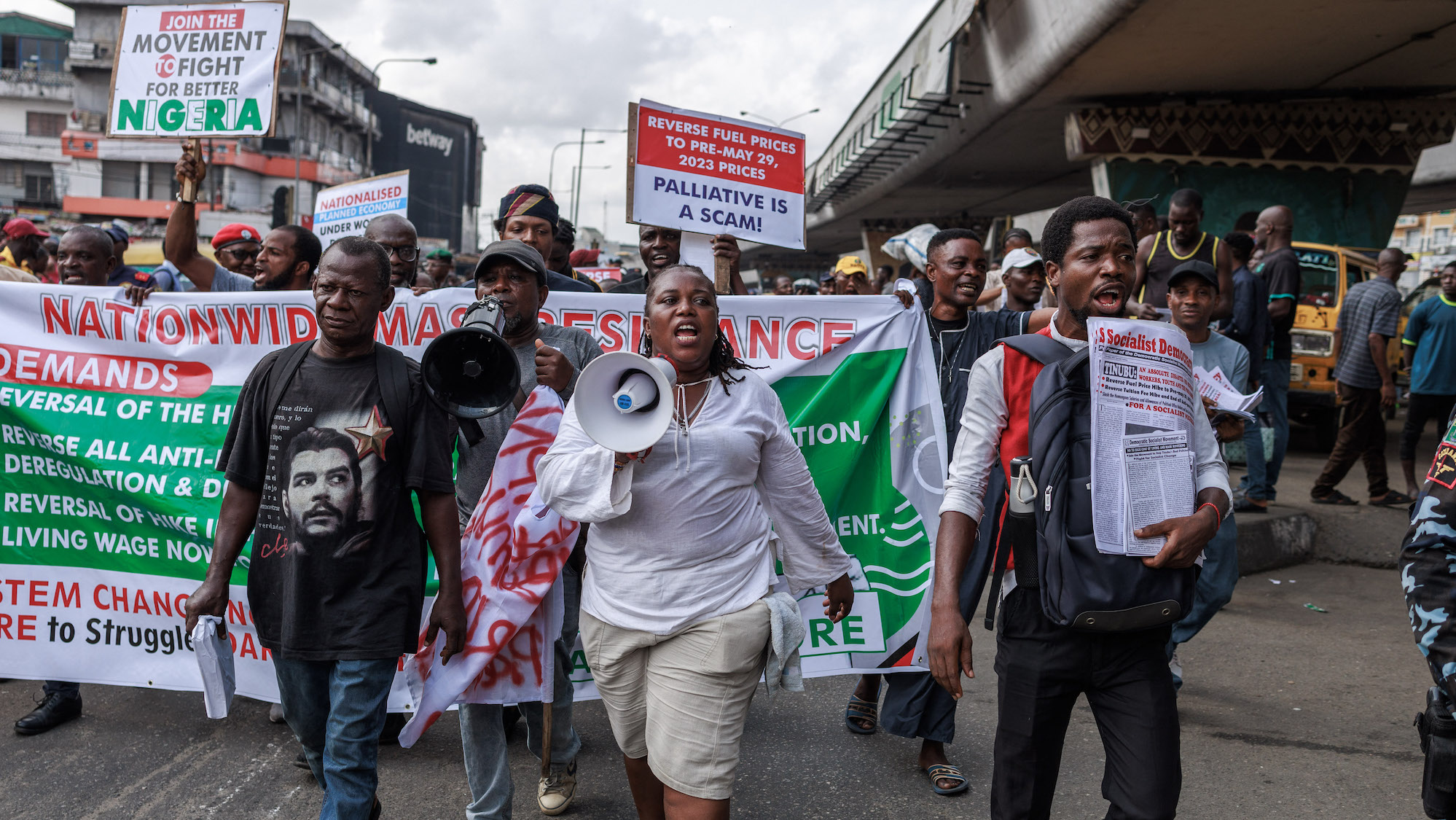
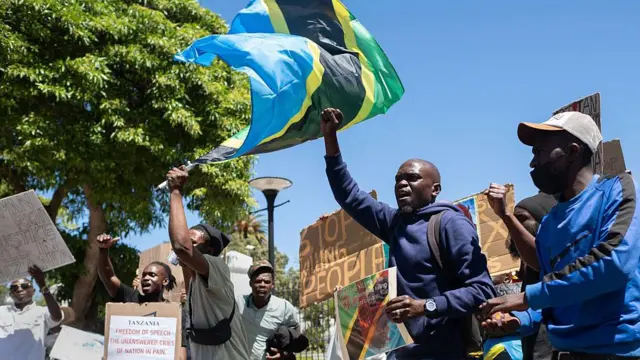
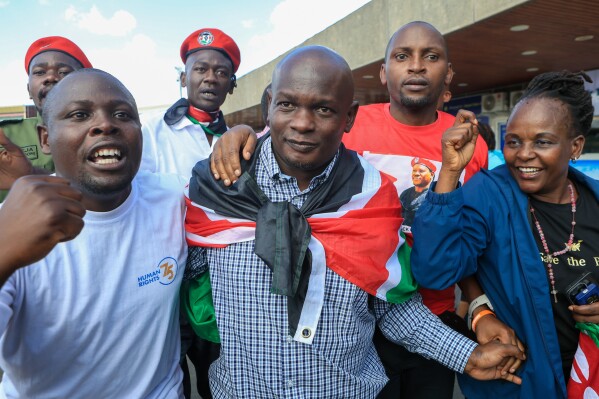
And what about civil liberties? Tensions between state power and free speech are reaching a boiling point. The Department of State Services detained an Ogun State pastor simply for campaigning for better roads, reflecting a wider pattern of Governor Dapo Abiodun’s administration cracking down on critics. Even though the pastor was eventually released after public outcry, his detention really speaks volumes about the government’s dwindling tolerance for civic activism and demands for accountability. Our judiciary and policing systems aren’t escaping scrutiny either. A journalist was held for months over reports tied to lawmaker Chinedu Ogah, with police apparently suggesting his release wasn’t coming anytime soon. Doesn’t this raise urgent questions about press freedom and the media’s essential role in keeping power in check within Nigeria’s democracy?
Political Intrigues, Reforms, and the Path Forward
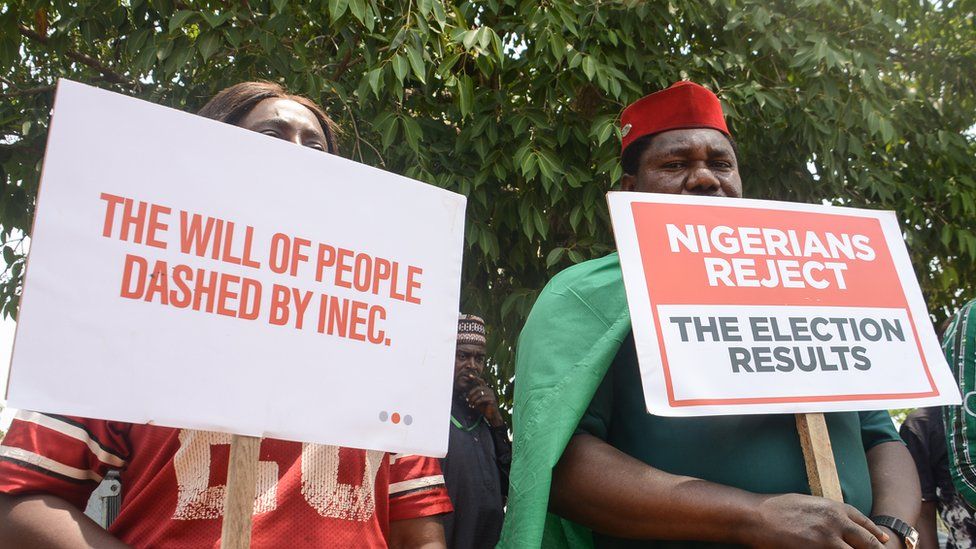
Politically, electoral processes and spending are under the microscope. Imo State Governor Hope Uzodimma is again facing questions about sponsoring a controversial pilgrimage to Jerusalem for Resident Electoral Commissioners, Heads of Departments, and 27 other electoral officers. People are really raising eyebrows about the purpose and appropriateness of such state-funded trips, especially when there are allegations of administrative excess and misallocated resources. Meanwhile, the government’s trying to push reforms. The Nigerian Army, for example, now requires all personnel to submit their National Identification Numbers for tax exemptions, a move aligned with President Bola Tinubu’s broader economic reforms for fiscal transparency and equity. Yet, there’s internal friction too. The Inspector-General of Police seemingly went against Tinubu’s directive by approving police escorts for electoral officers, sparking fresh debates about security protocols and electoral integrity. On the justice front, the Department of State Services re-arrested the son of a former Attorney General of the Federation at Kuje Prison after what looked like an attempted secret release. Plus, the former AGF himself won’t leave his post, hinting at deeper power struggles that could have wide-reaching political consequences.
Even international organizations aren’t immune to controversy. UNICEF is now facing criticism after an engineer on one of its projects was severely injured and then accused the agency of abandonment and neglect. This incident highlights the often-overlooked human cost for frontline humanitarian workers, and it really underscores how important it is for international bodies to uphold their duty of care. Finally, the government recently amended cyberbullying charges against activist Omoyele Sowore, dropping Meta and X as defendants. This case grabbed a lot of attention from digital rights advocates and shows how our legal frameworks for online speech are constantly evolving. Overall, what we’re seeing is a Nigeria dealing with deep-rooted corruption, insecurity, and institutional failures, along with restrictions on civil freedoms. These interwoven scandals, detainee rights issues, and violent episodes create a complex picture that truly tests the country’s democratic strength and administrative resilience. Moving forward, Nigeria needs to make bold moves to rebuild public confidence through transparent governance and stringent anti-corruption measures. We also can’t ignore military welfare; it’s essential for keeping our security forces ready and loyal as they fight insurgency threats. And let’s not forget safeguarding democratic processes and creating an environment where free speech and civic activism are respected. These things are vital for social cohesion and driving reform. If leaders step up with decisive and inclusive action, Nigeria can absolutely use its vast human and economic resources to achieve stability and prosperity. But if we fail to tackle these many issues, we risk deeper divisions and weakening our standing as a regional powerhouse in Africa.
Sources
African News Today: Nigeria’s Governance Crisis
Boosting Nigeria’s Export Capabilities
Sahel Security Crisis: Insurgent Threats
Nigeria’s Democracy and Judicial Scrutiny
Addressing Corruption in Nigerian Institutions
Free Speech and Civic Activism in Nigeria