Russia and the Sahel: A Bold New Chapter Amidst Shifting Alliances
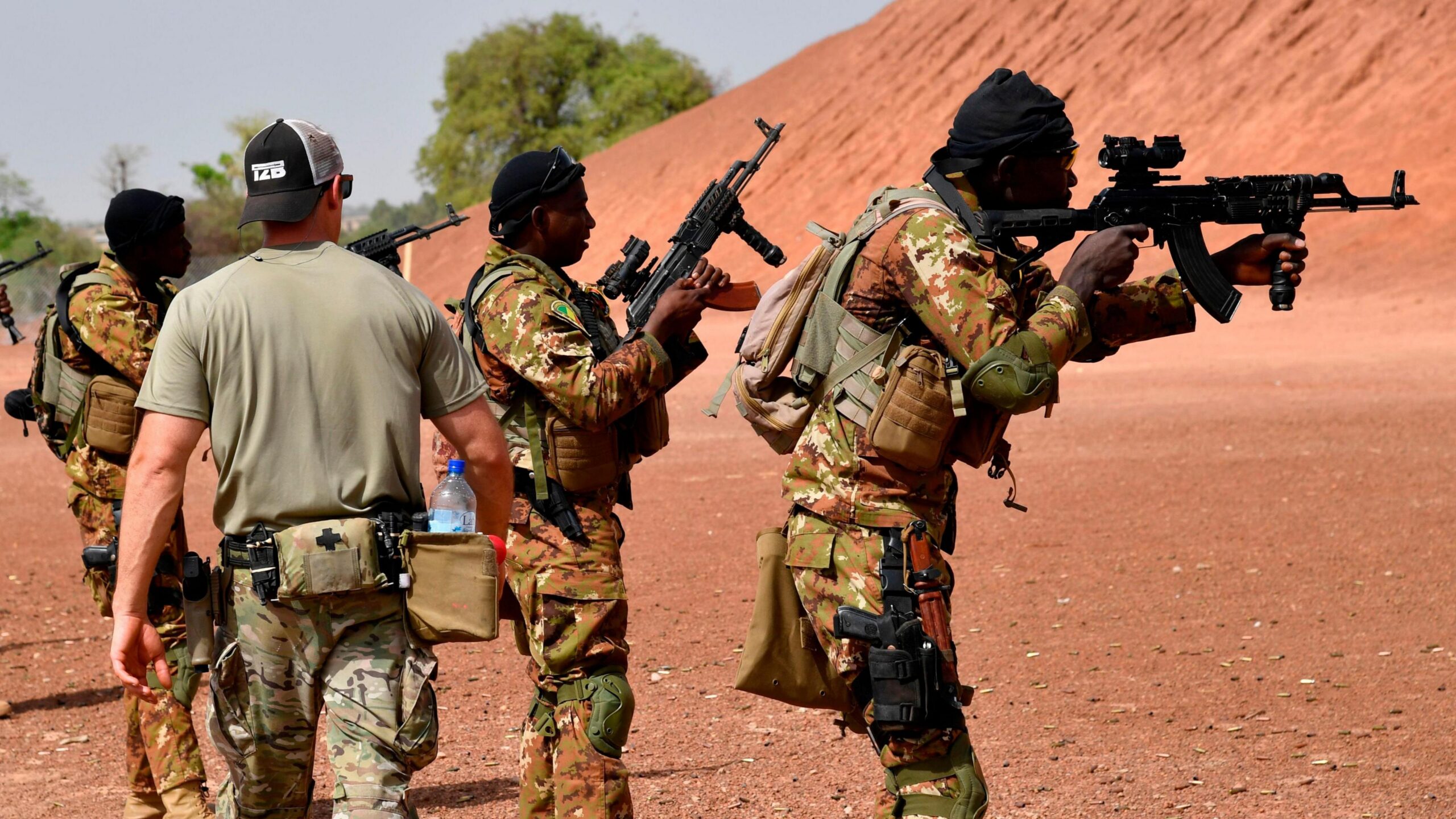
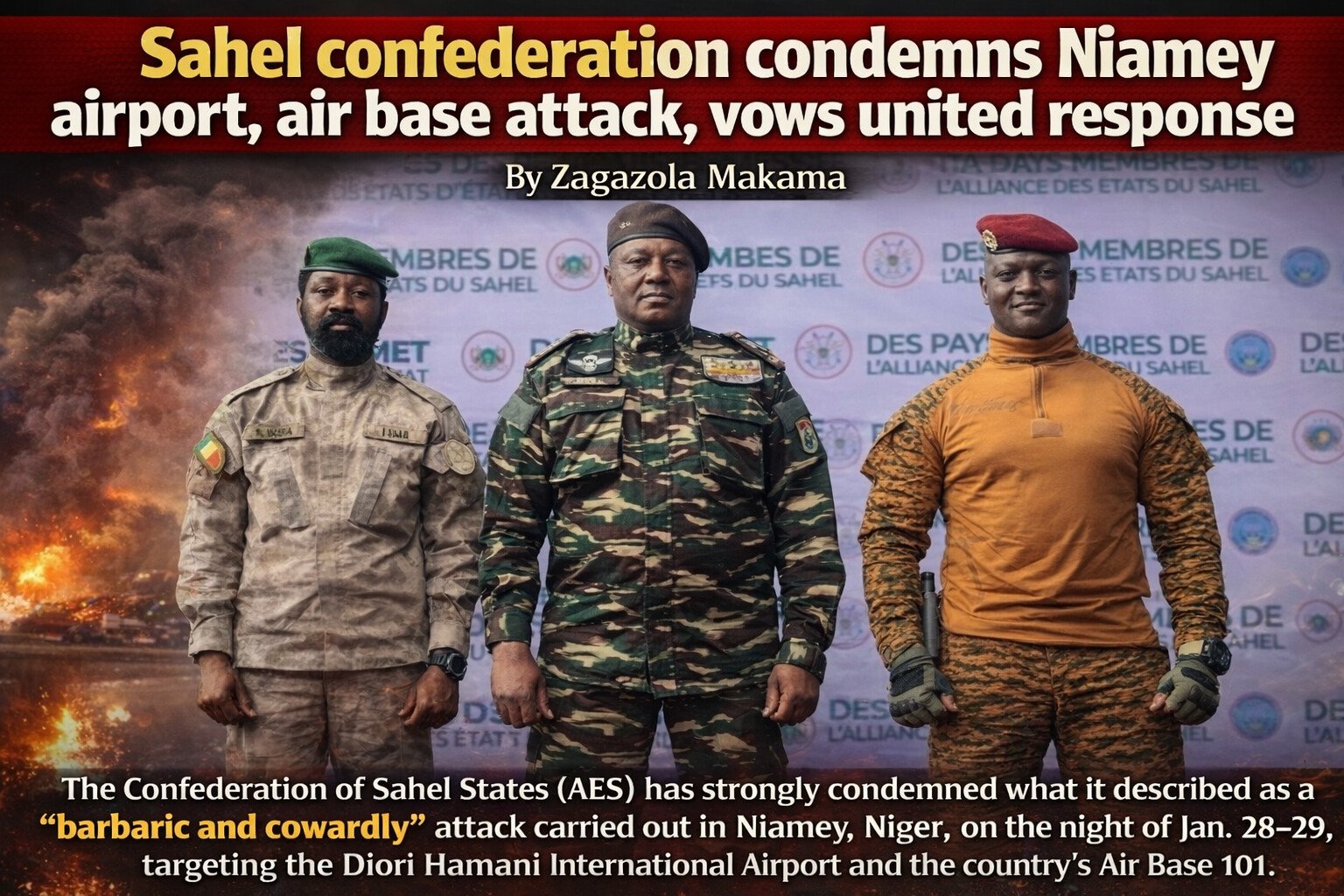
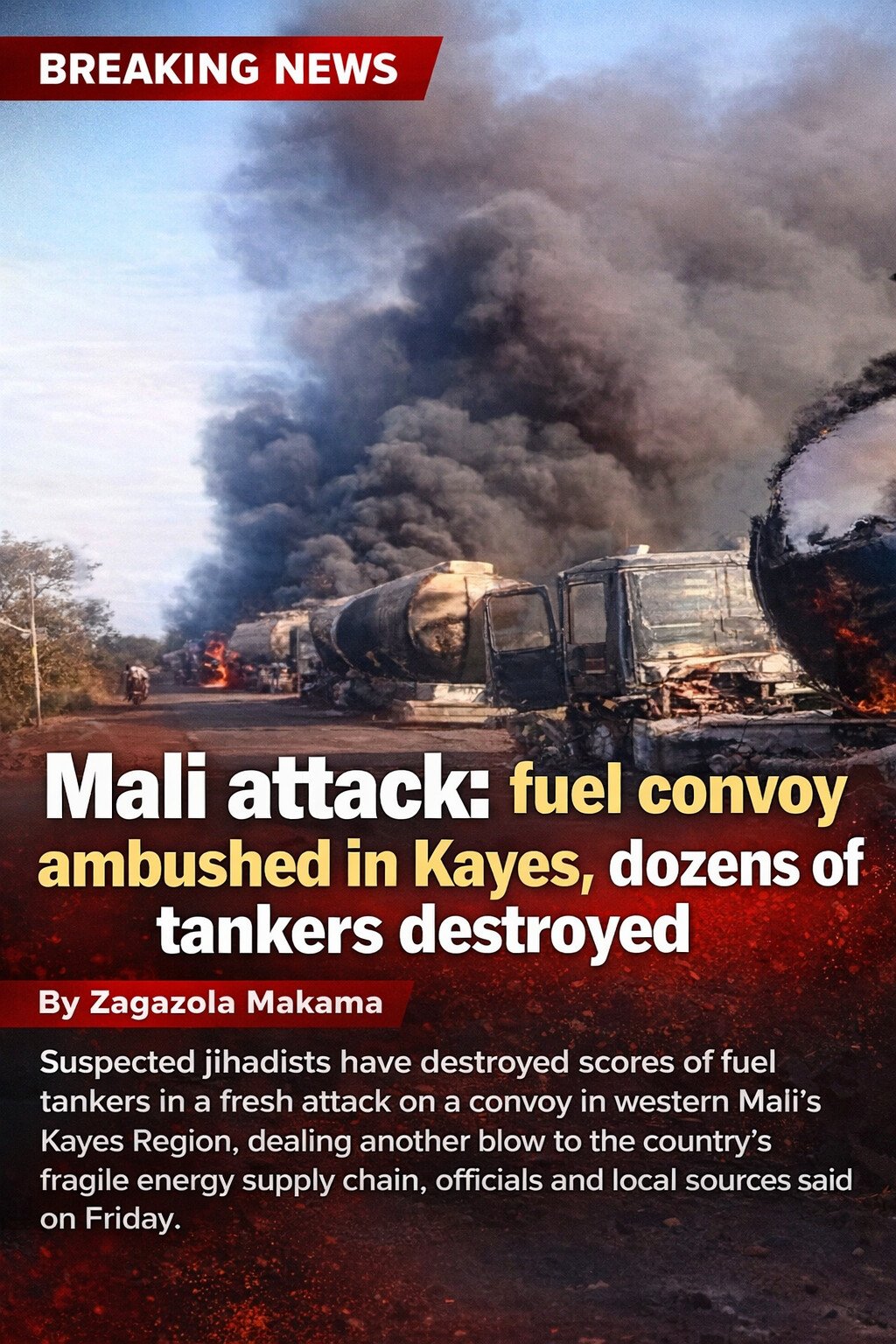
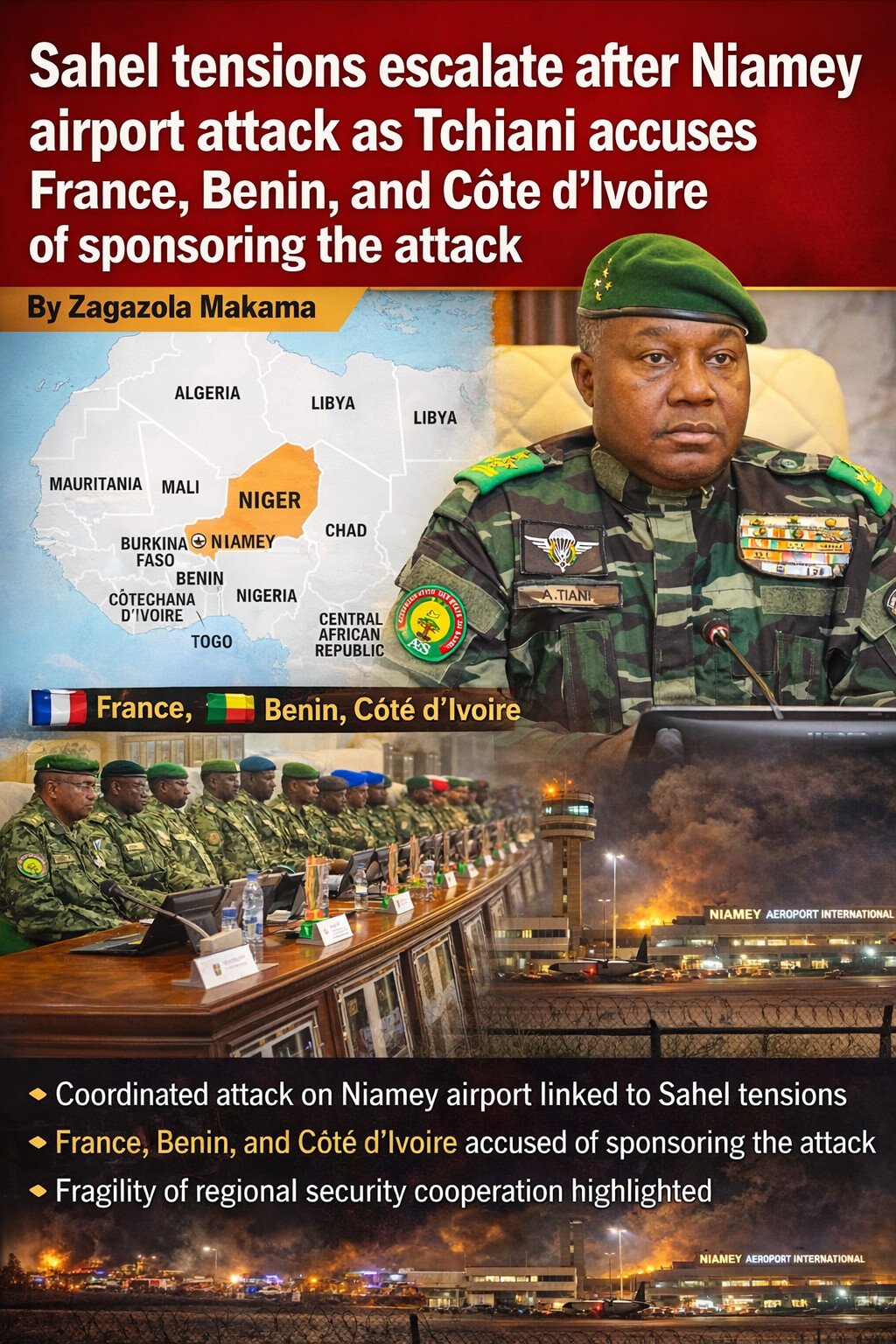
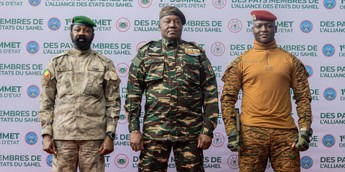
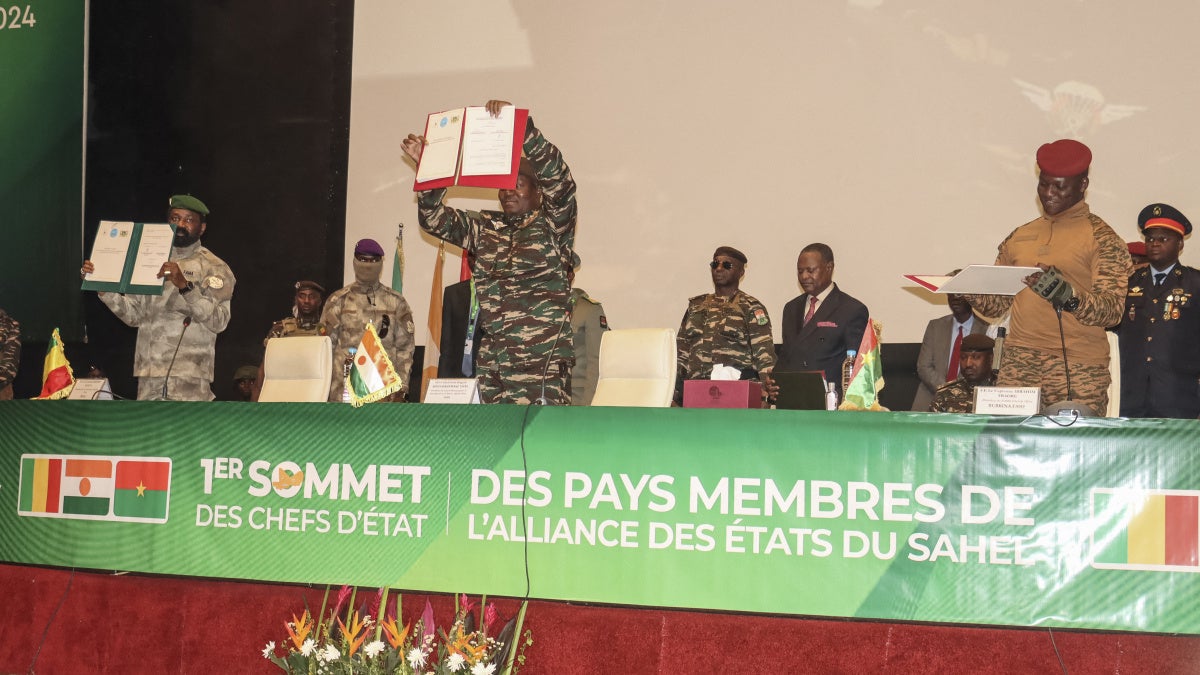
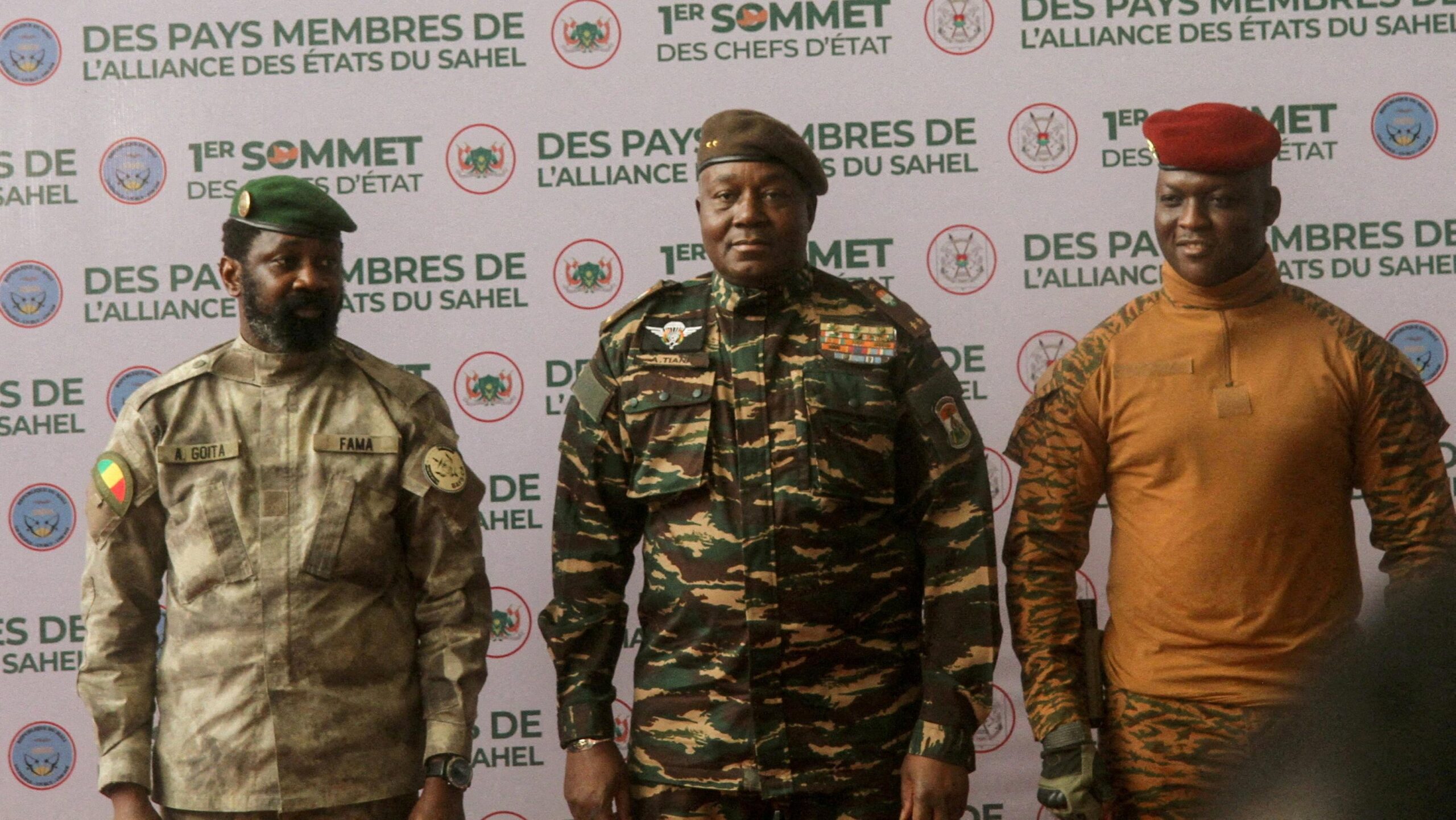
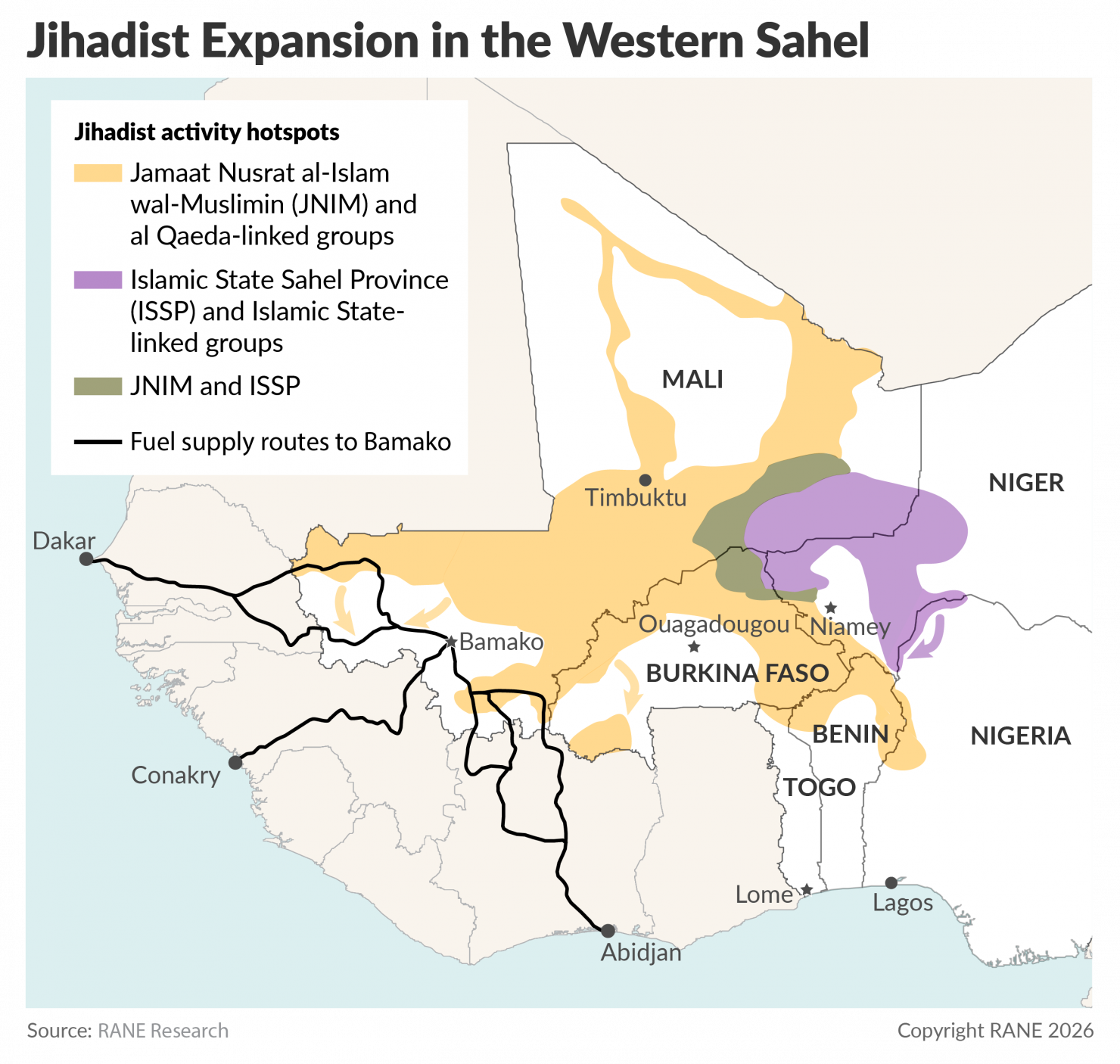
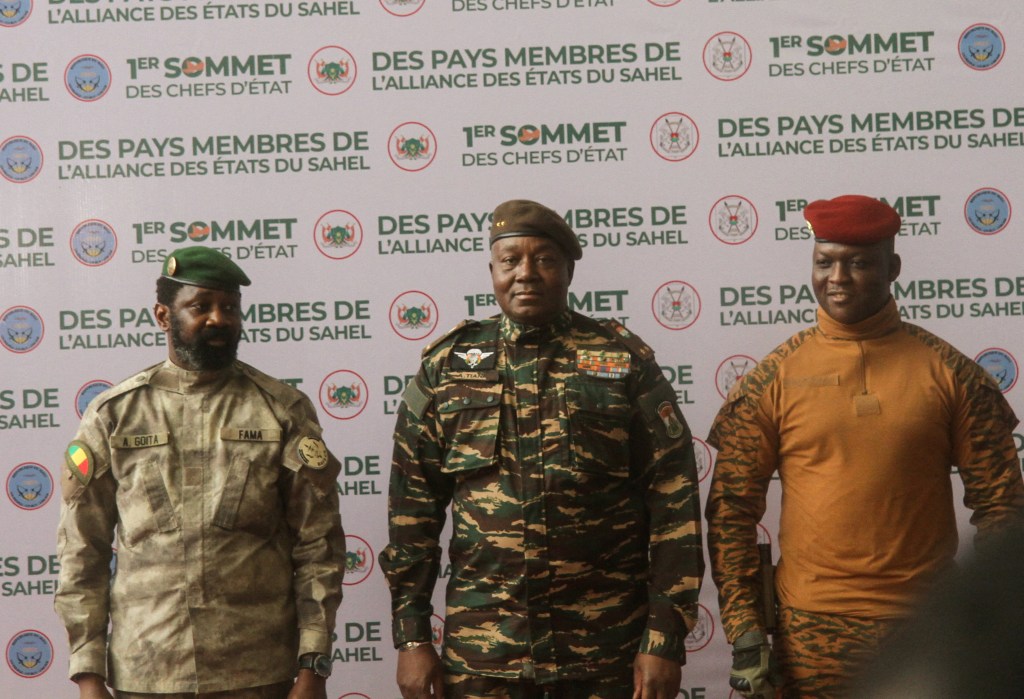
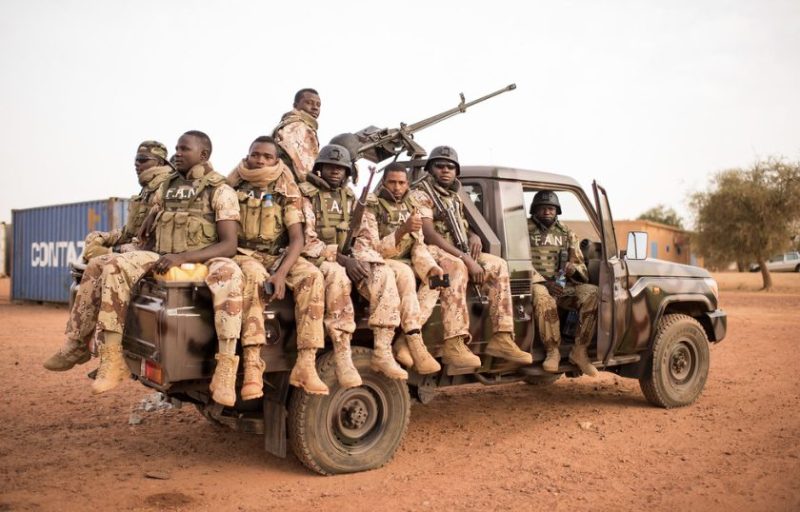
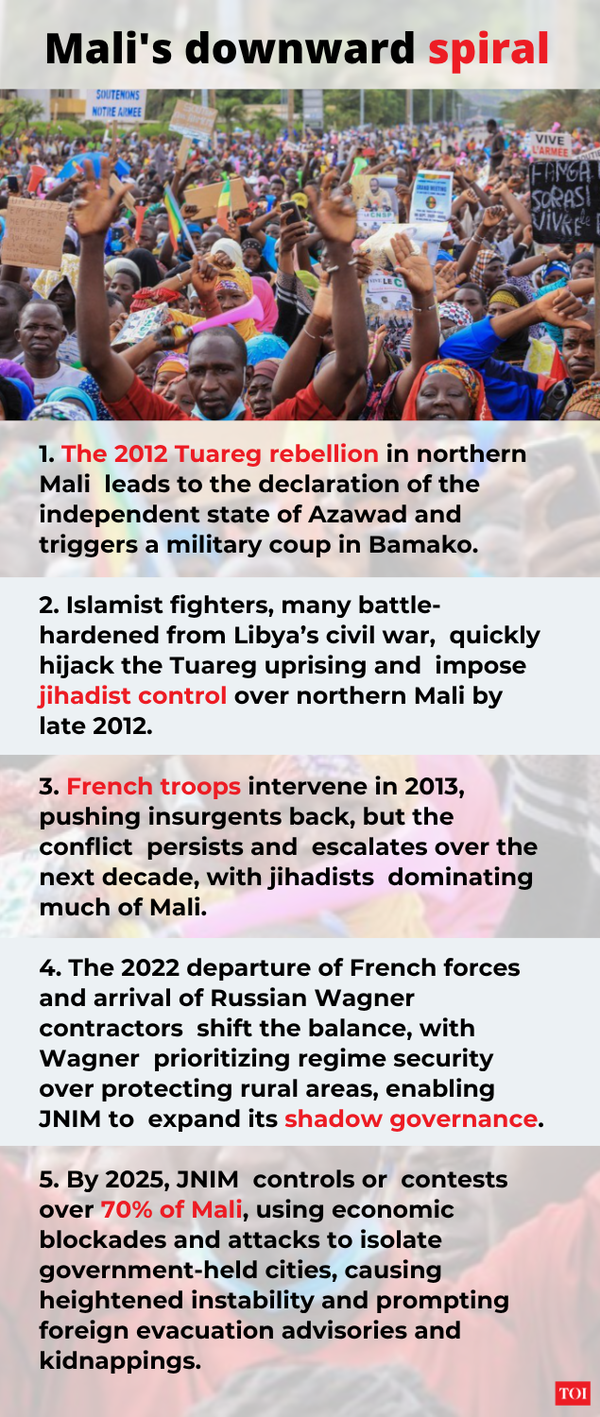
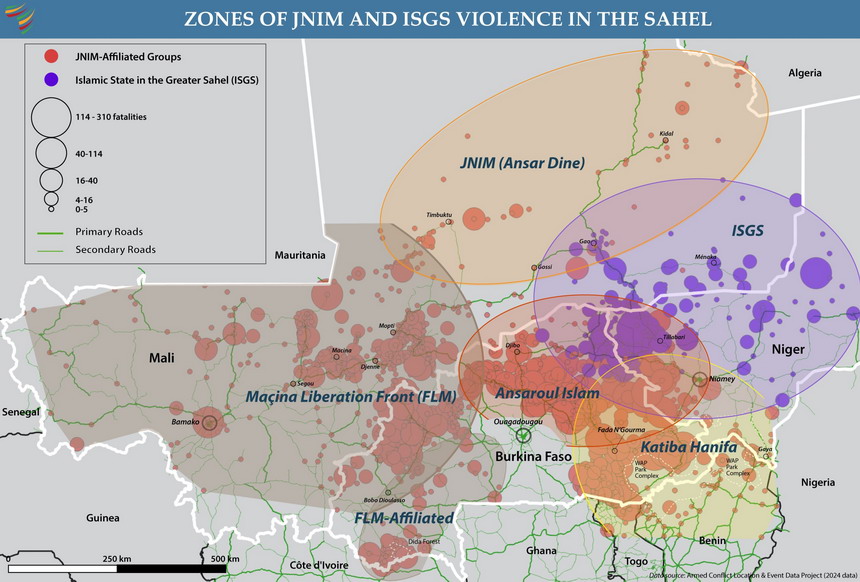
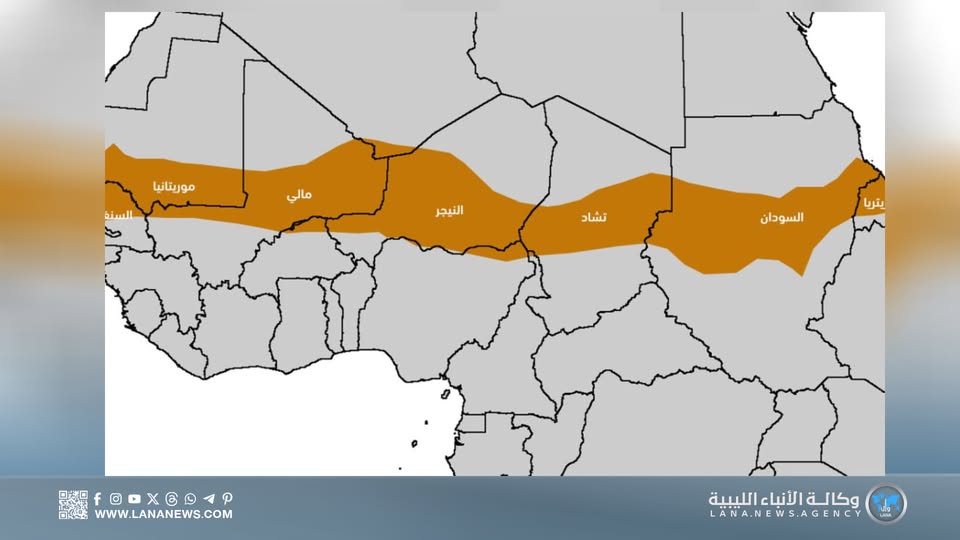
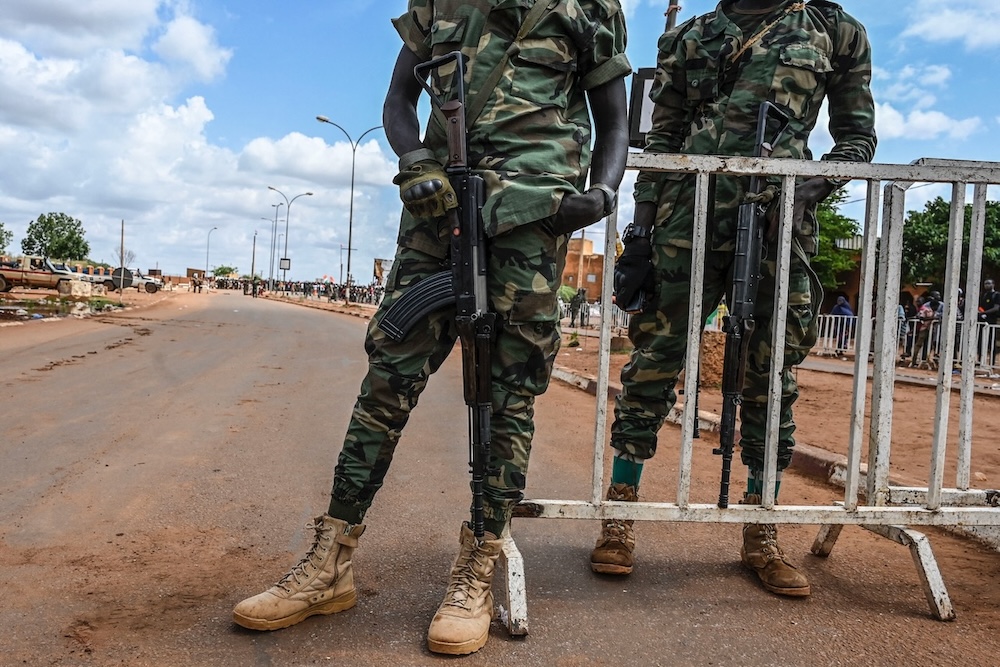
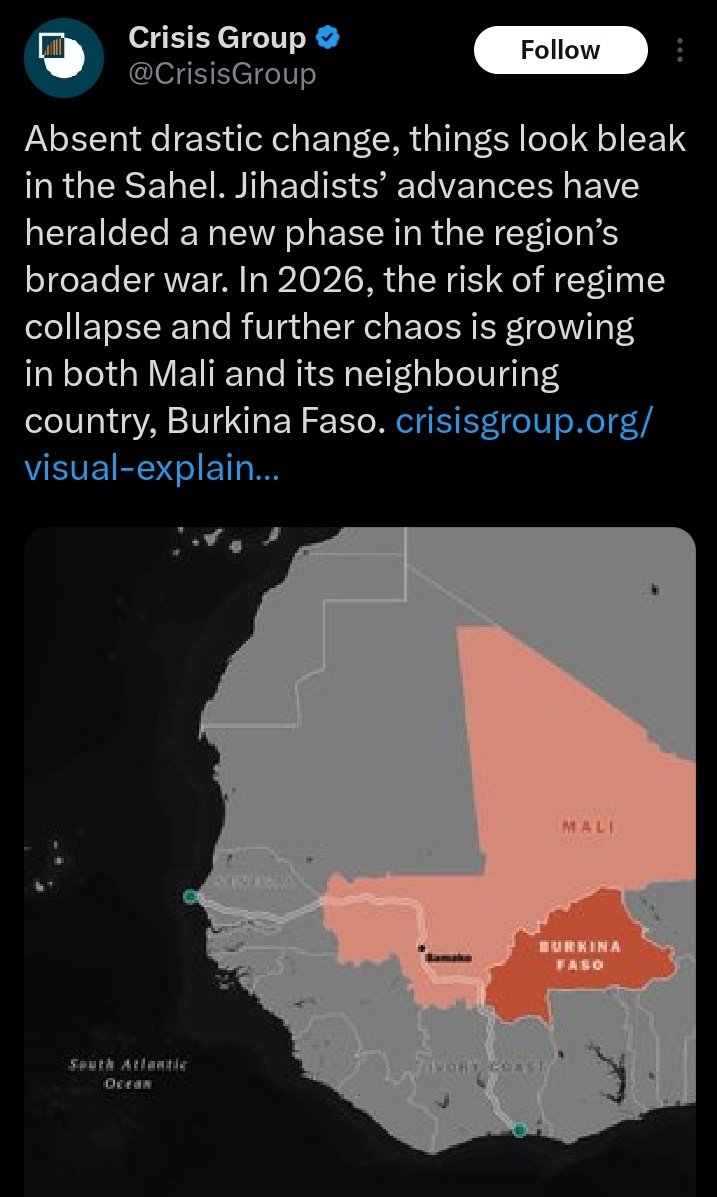
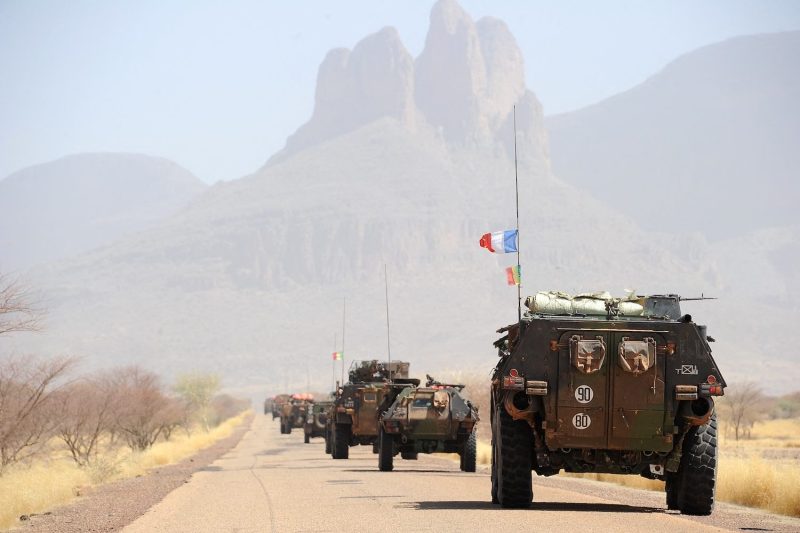
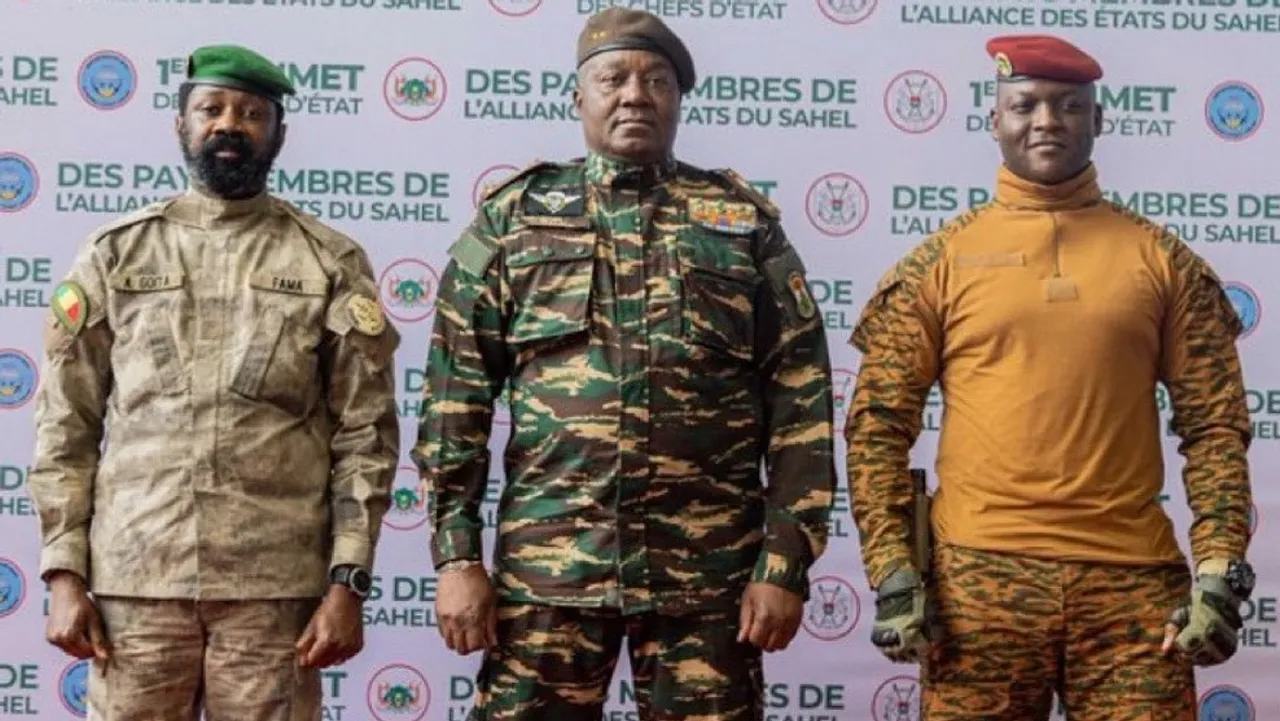
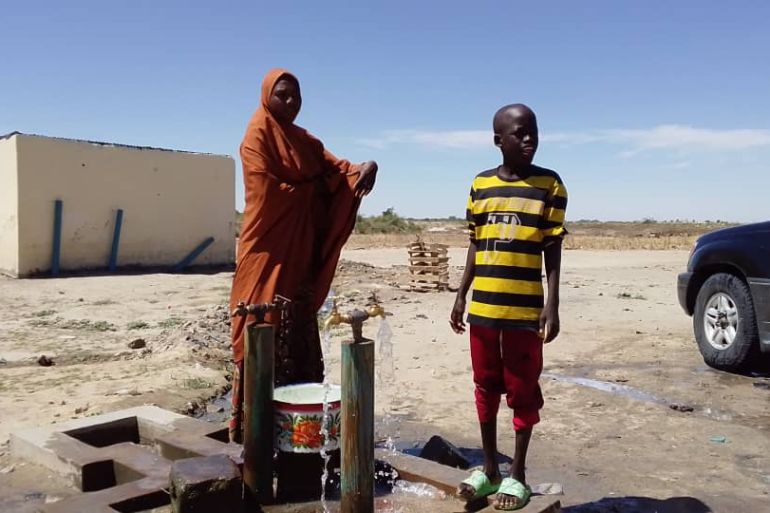
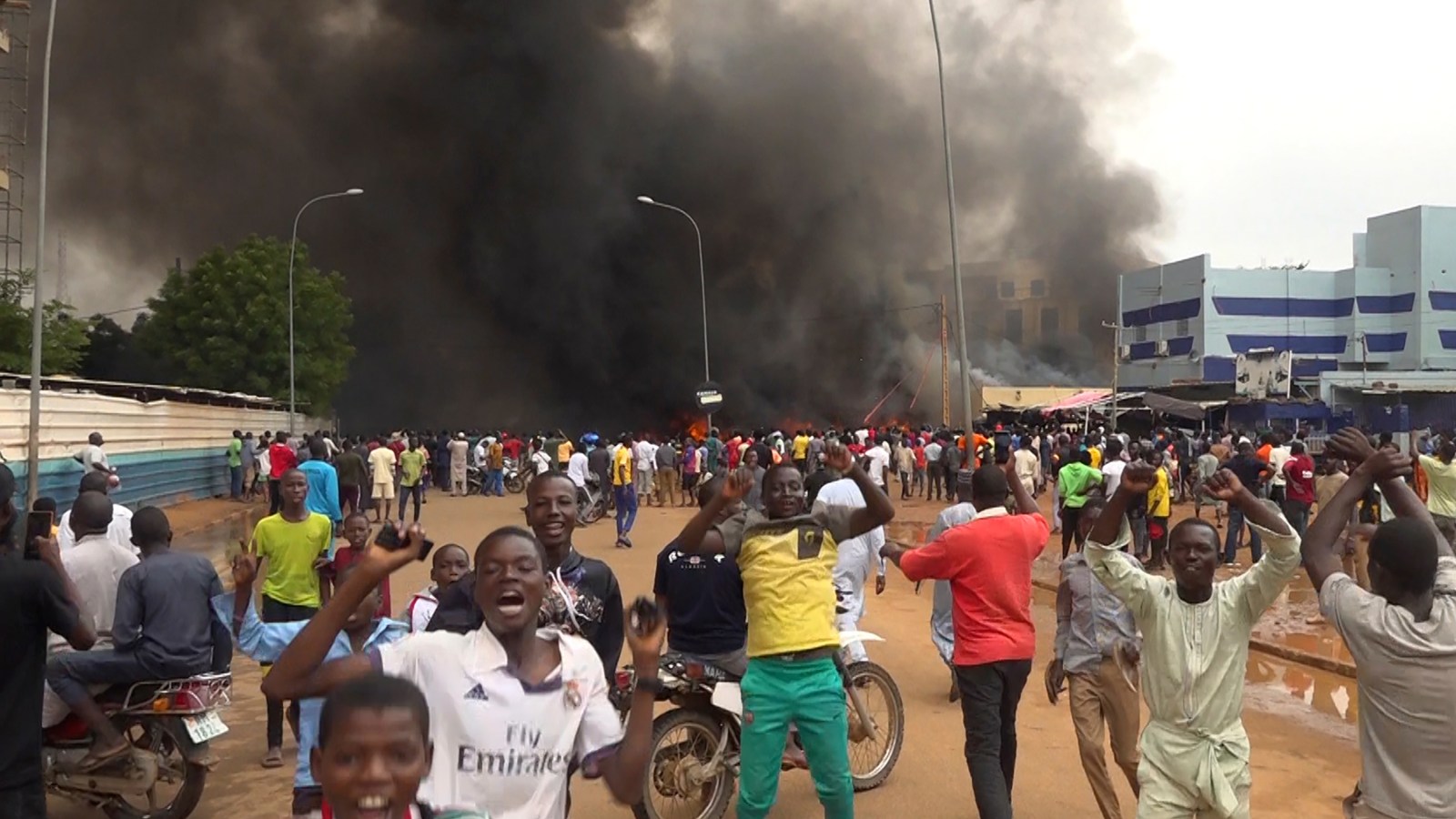
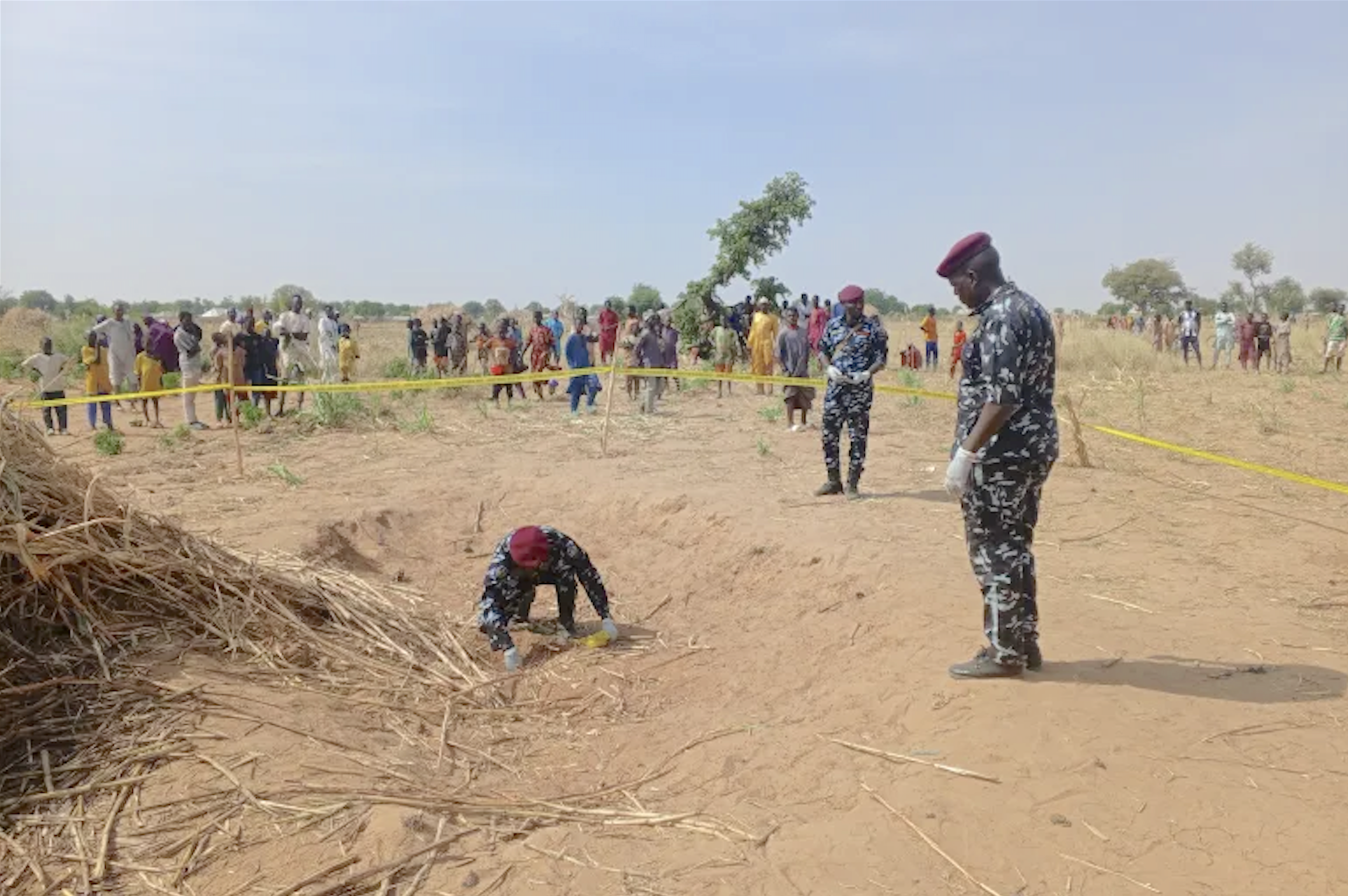
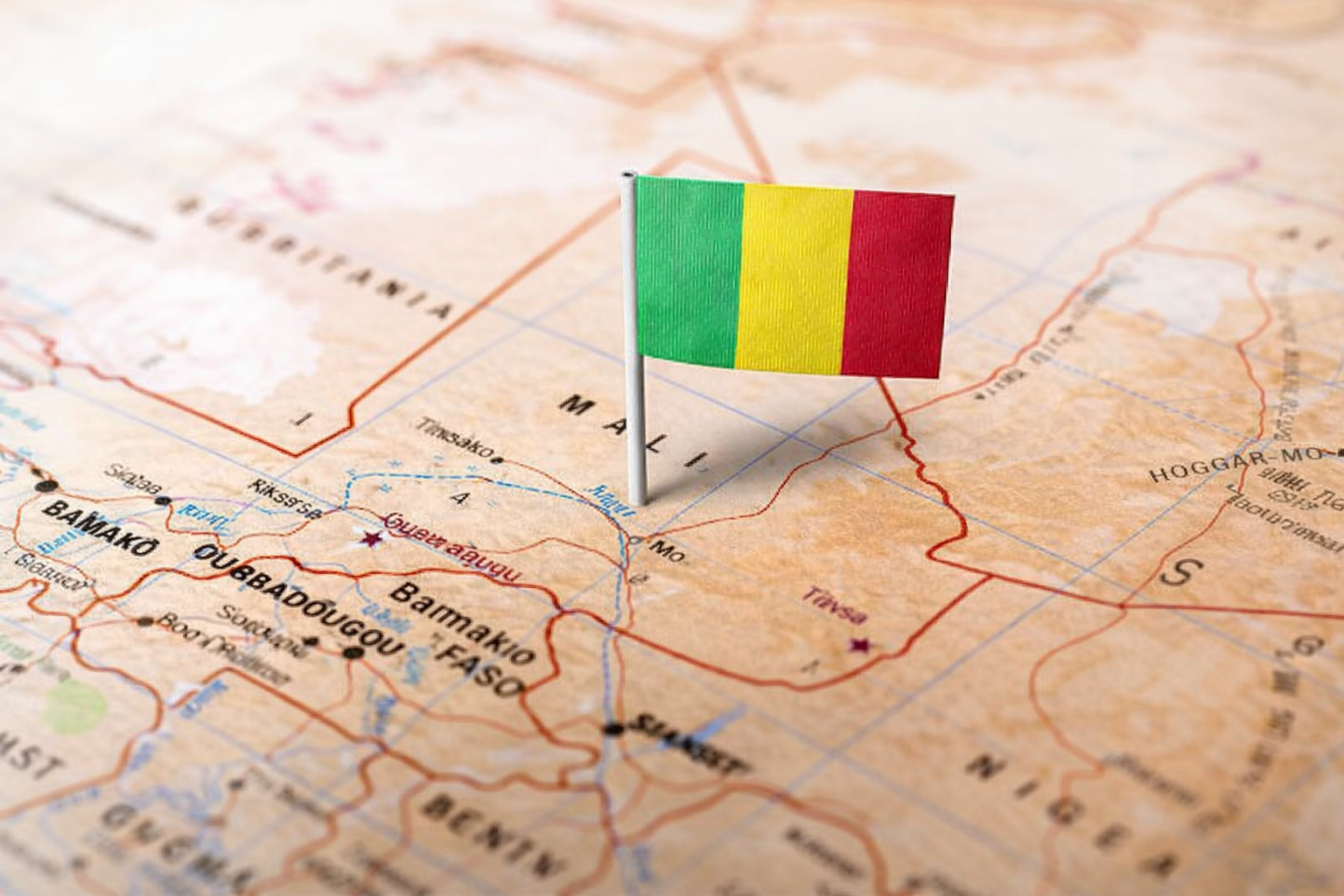
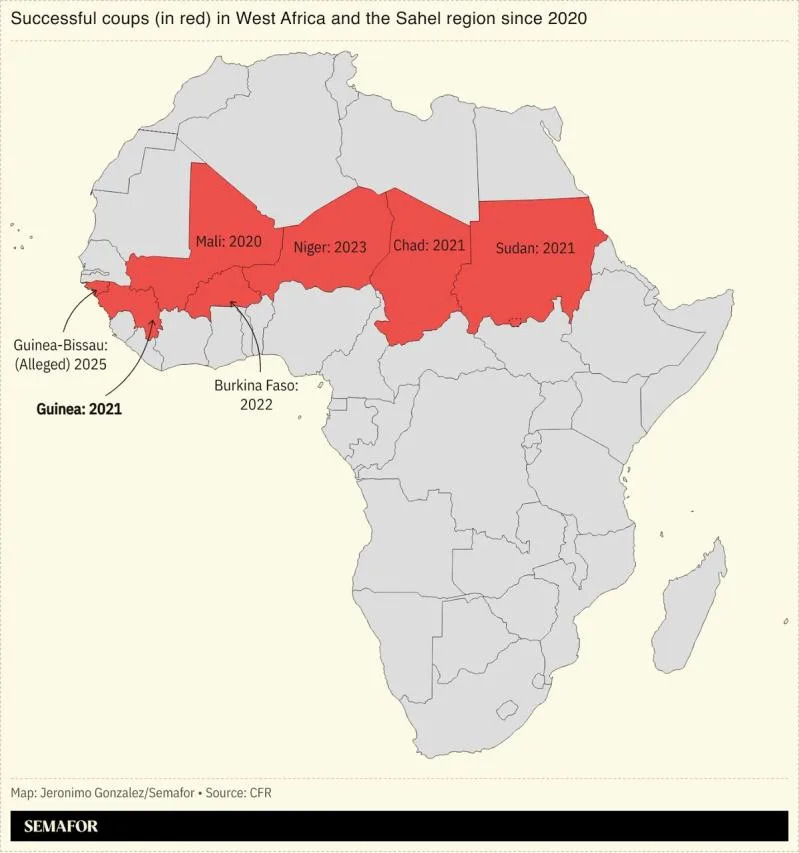
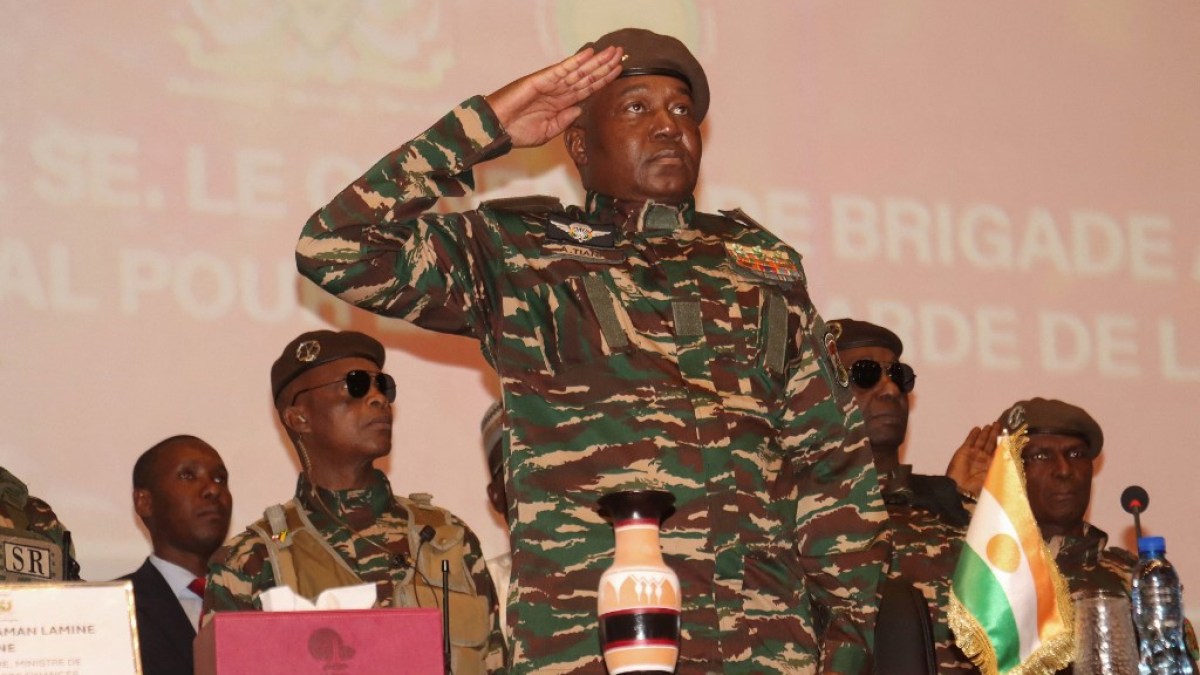
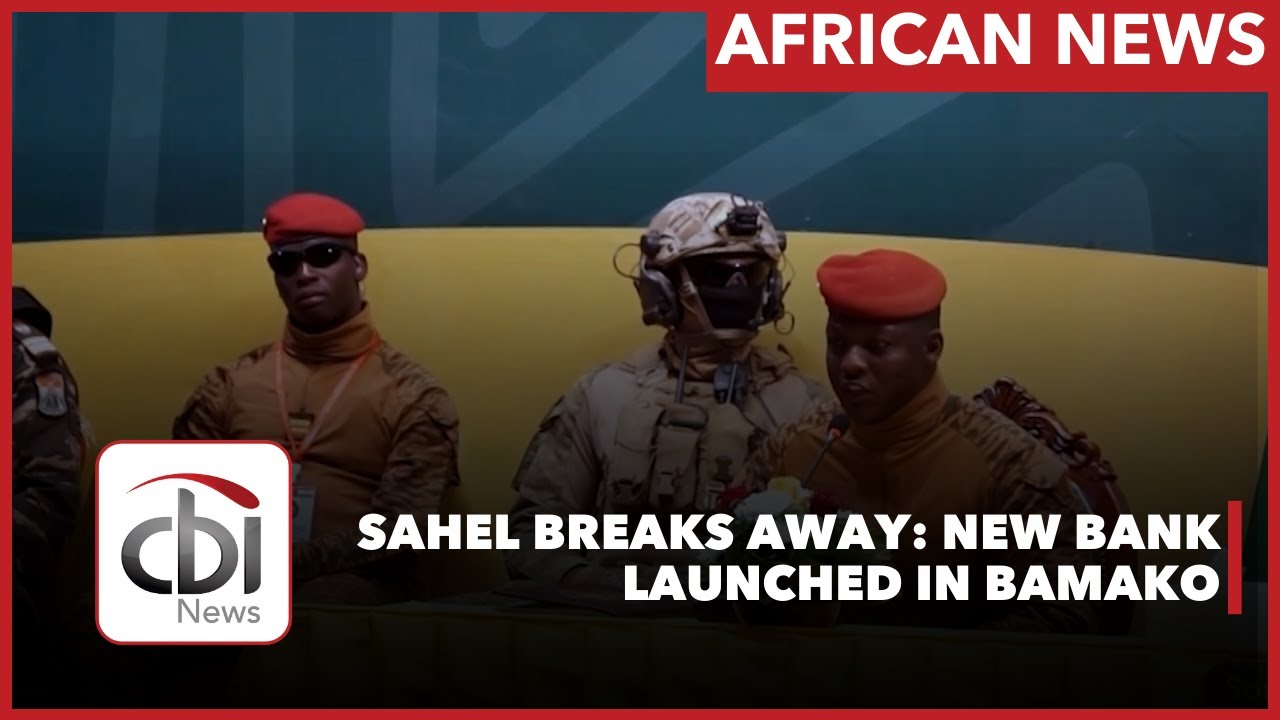
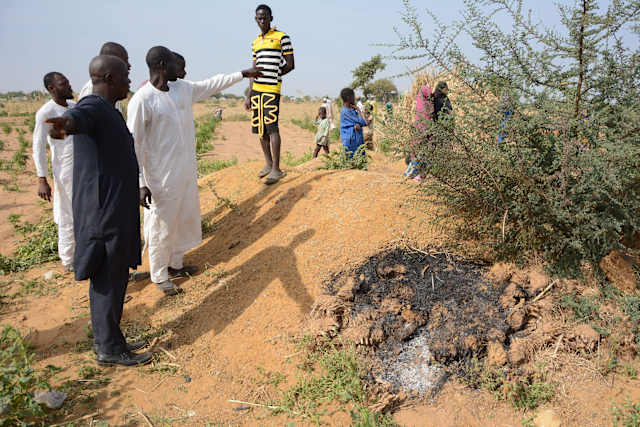
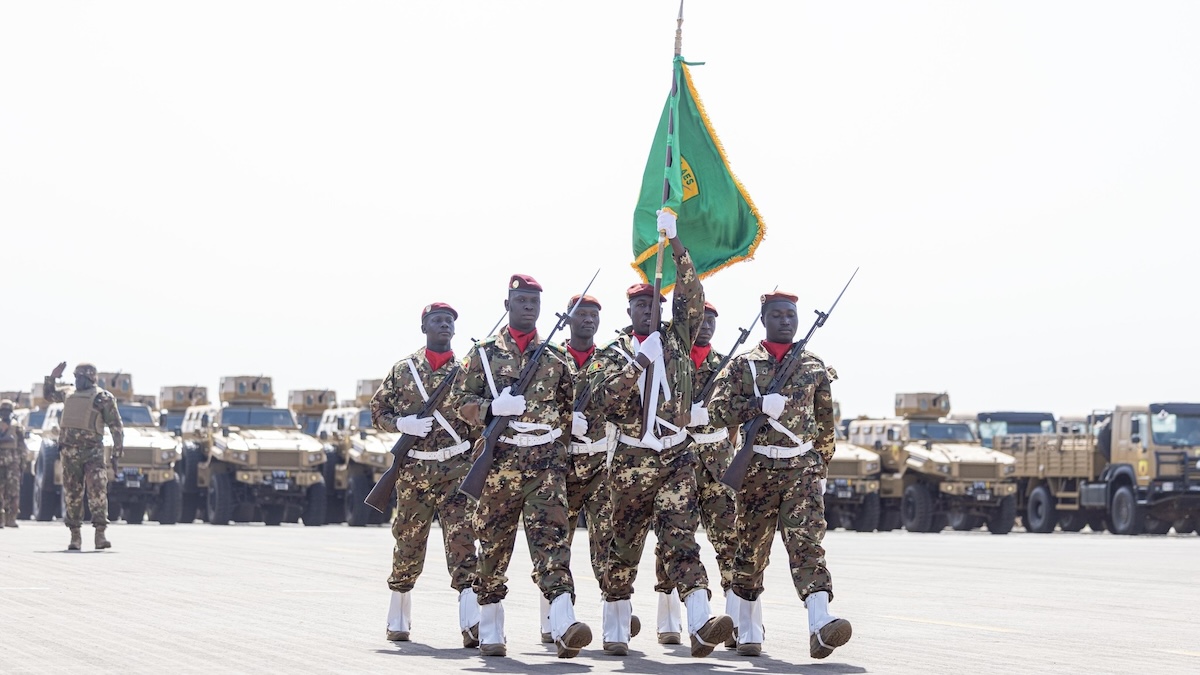
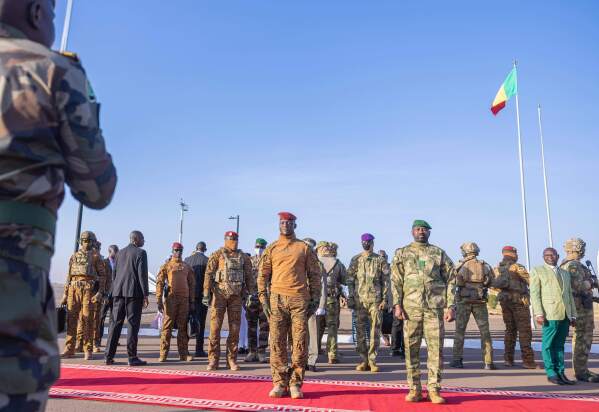
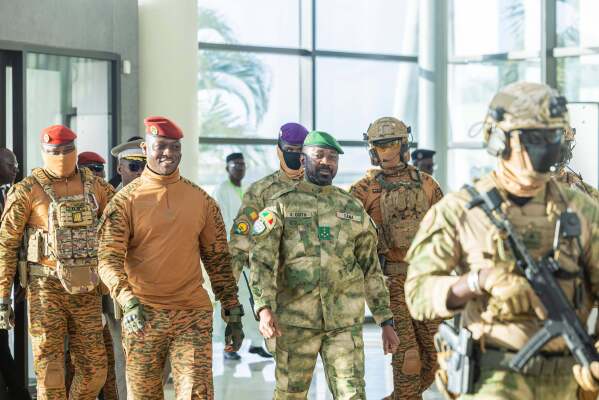
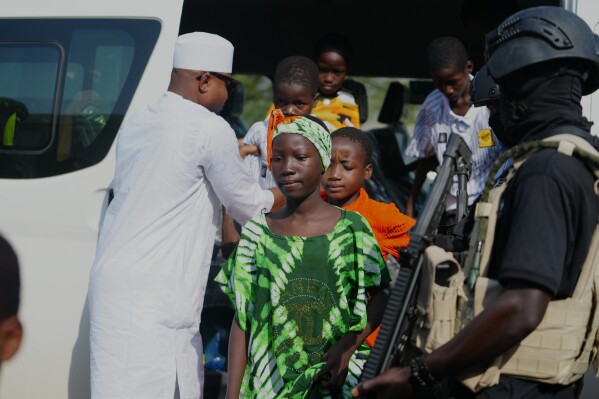
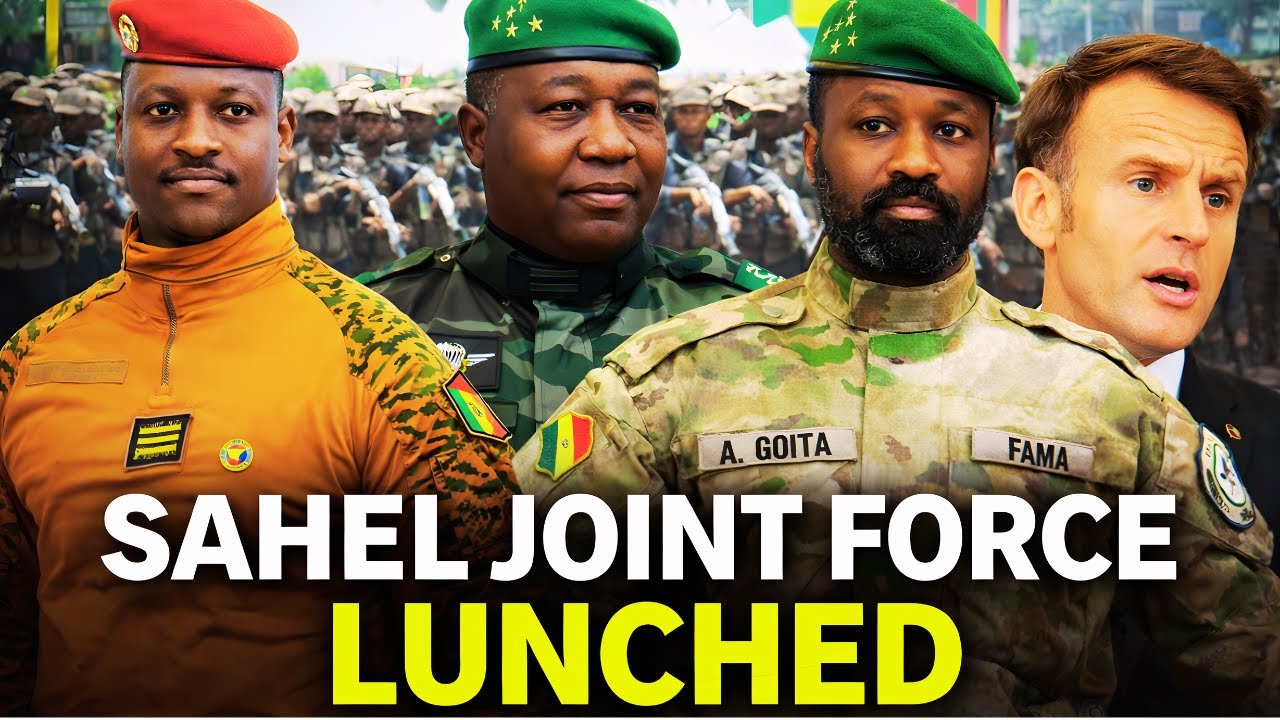
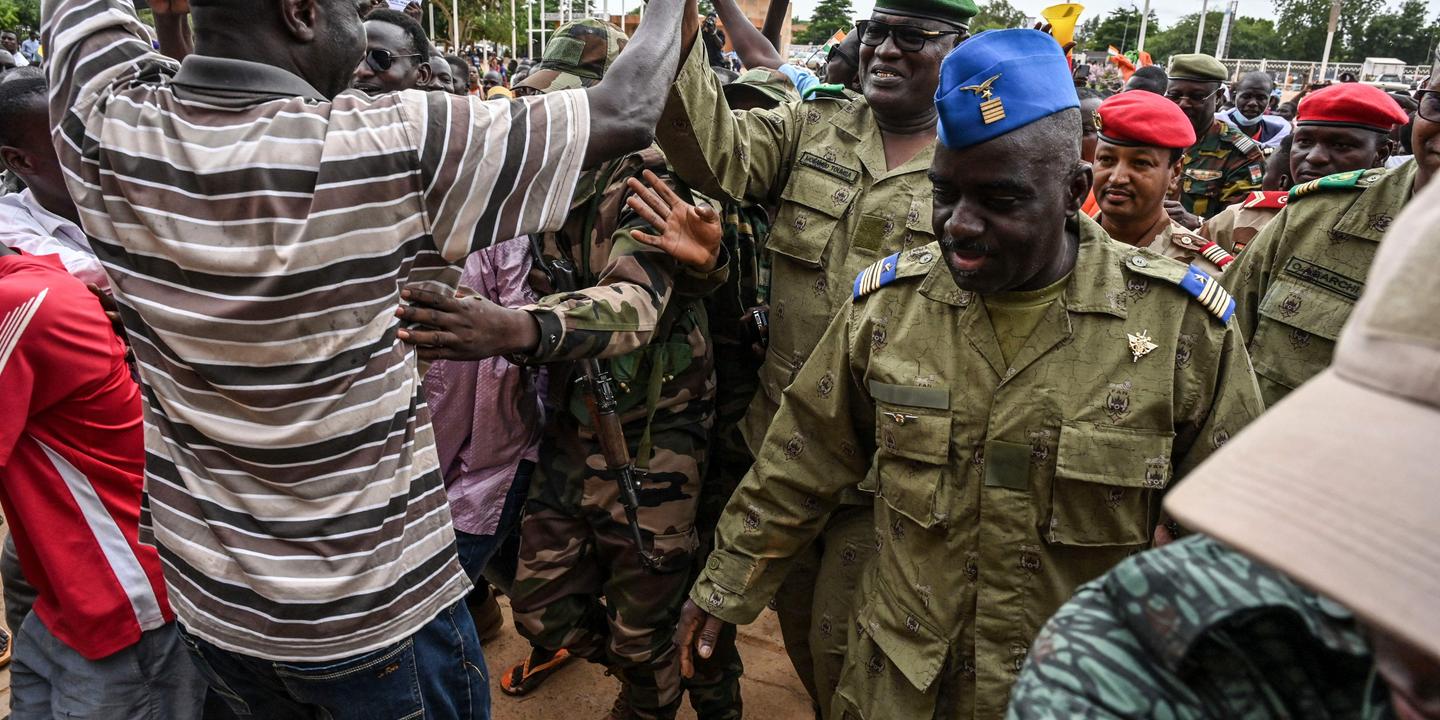
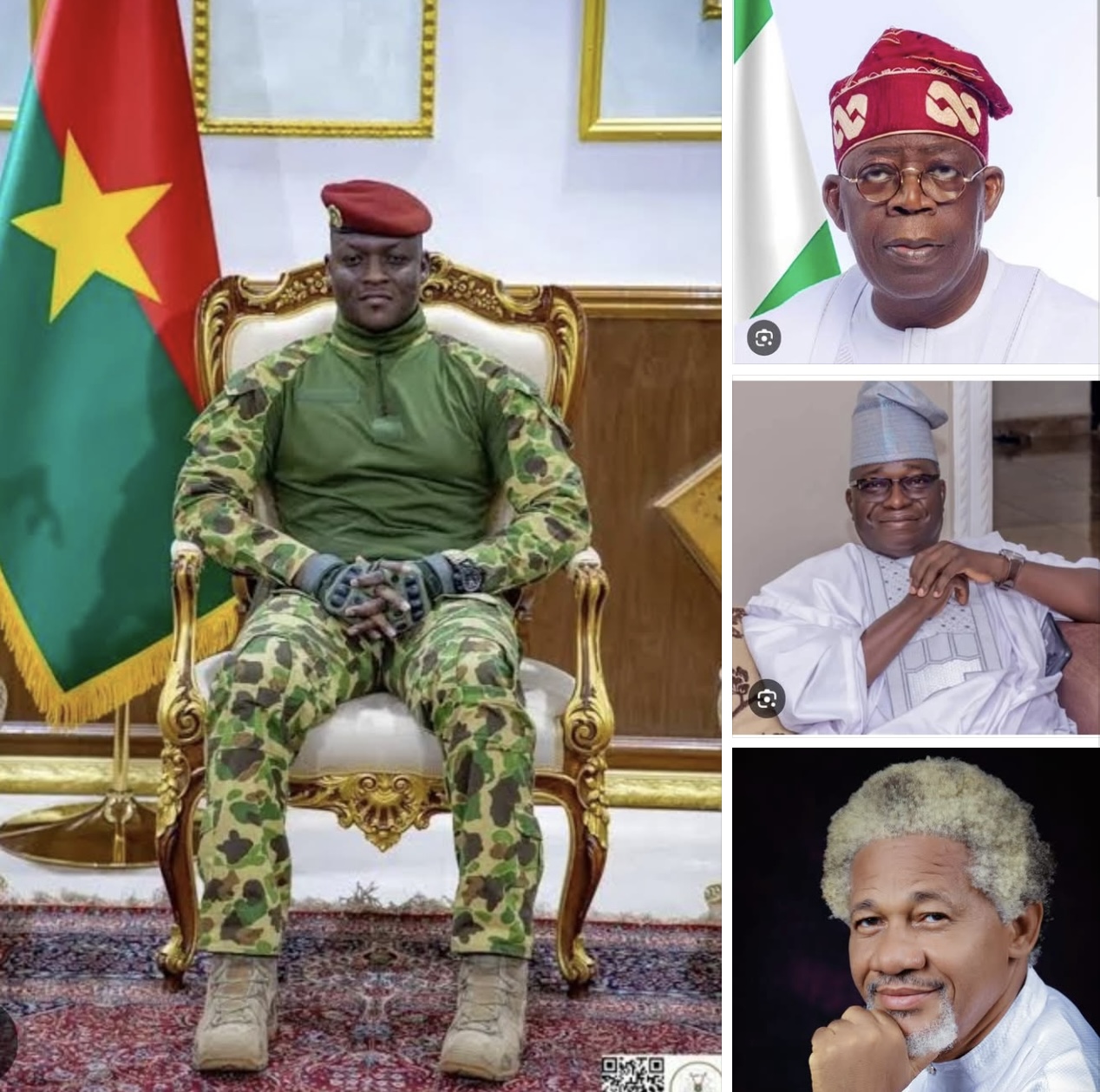
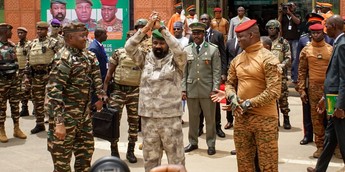
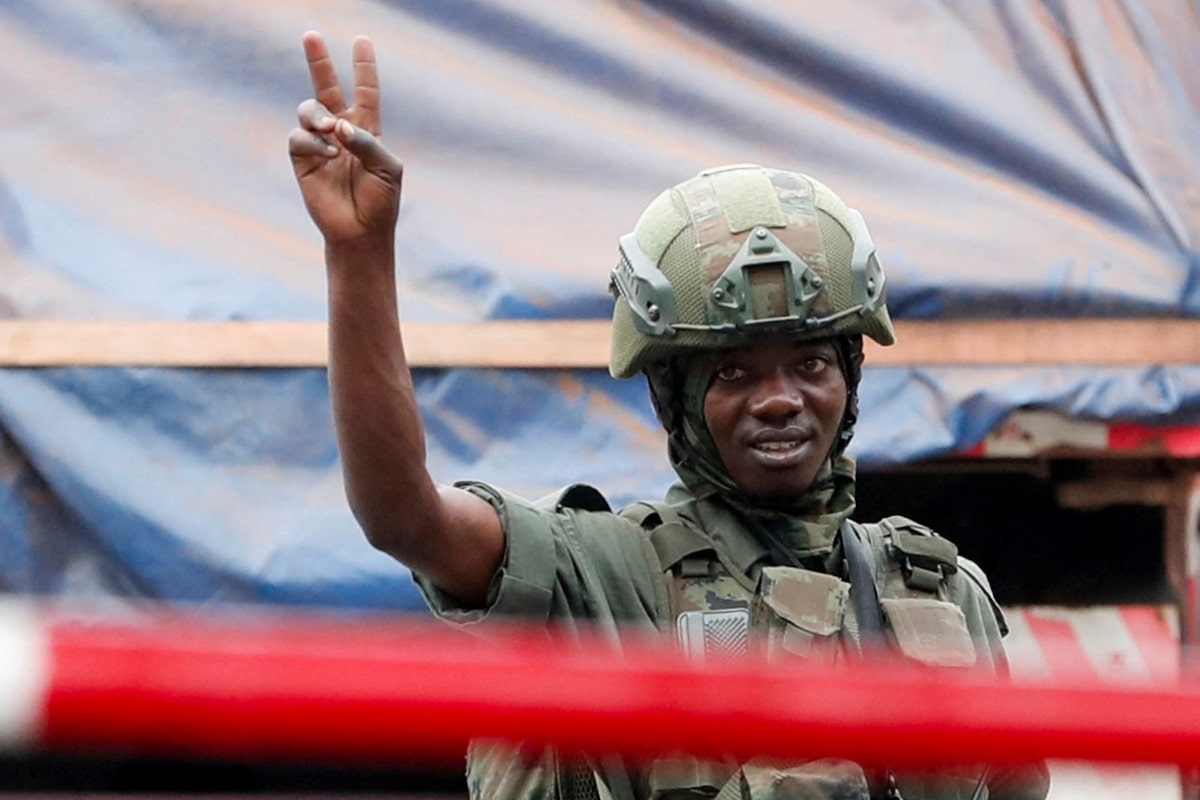
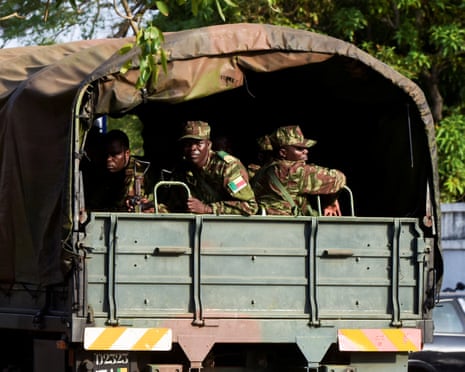
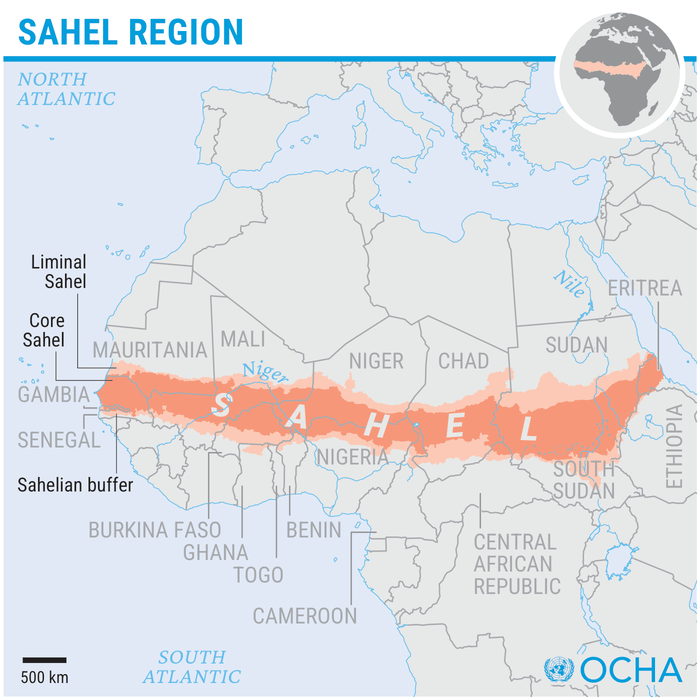
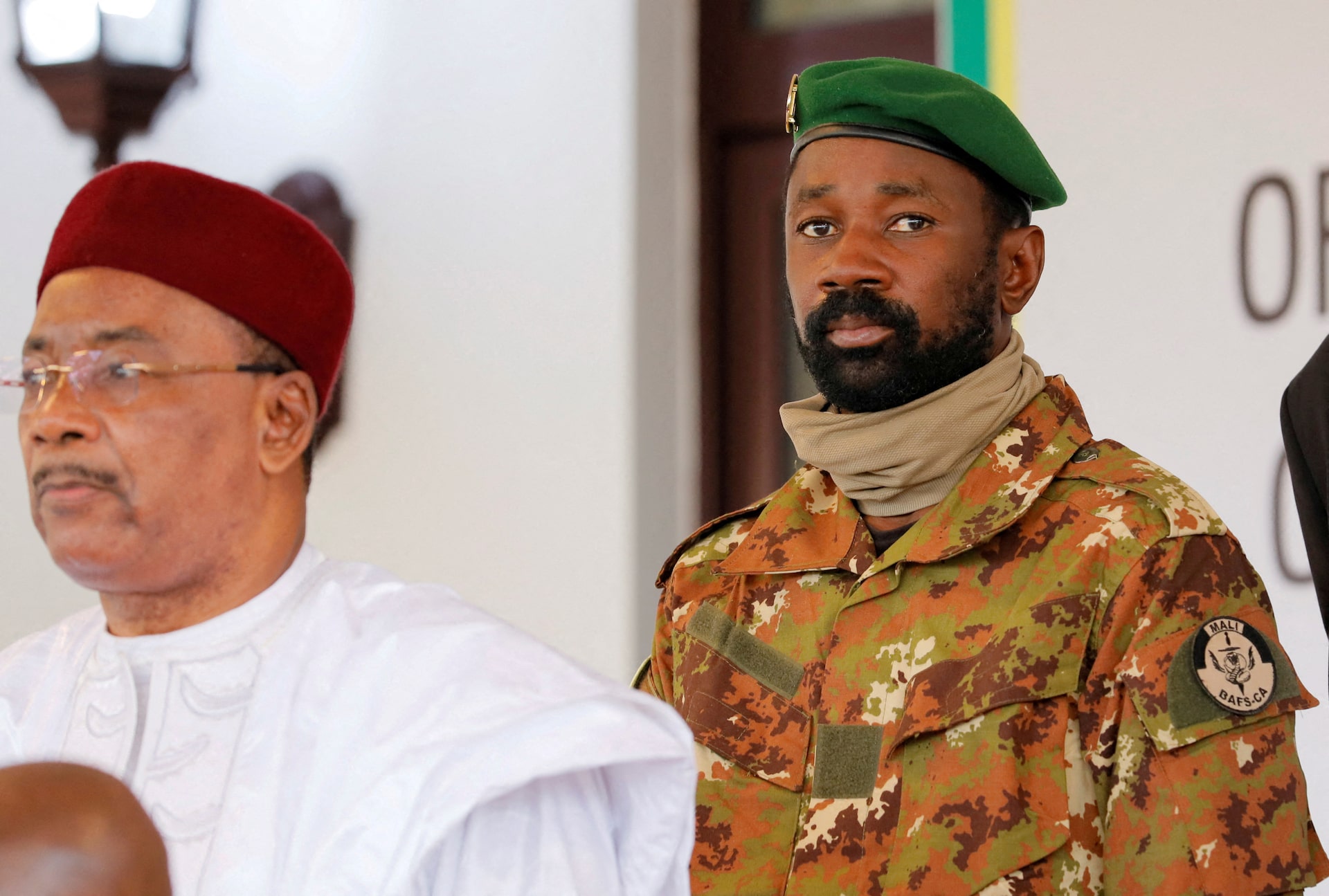
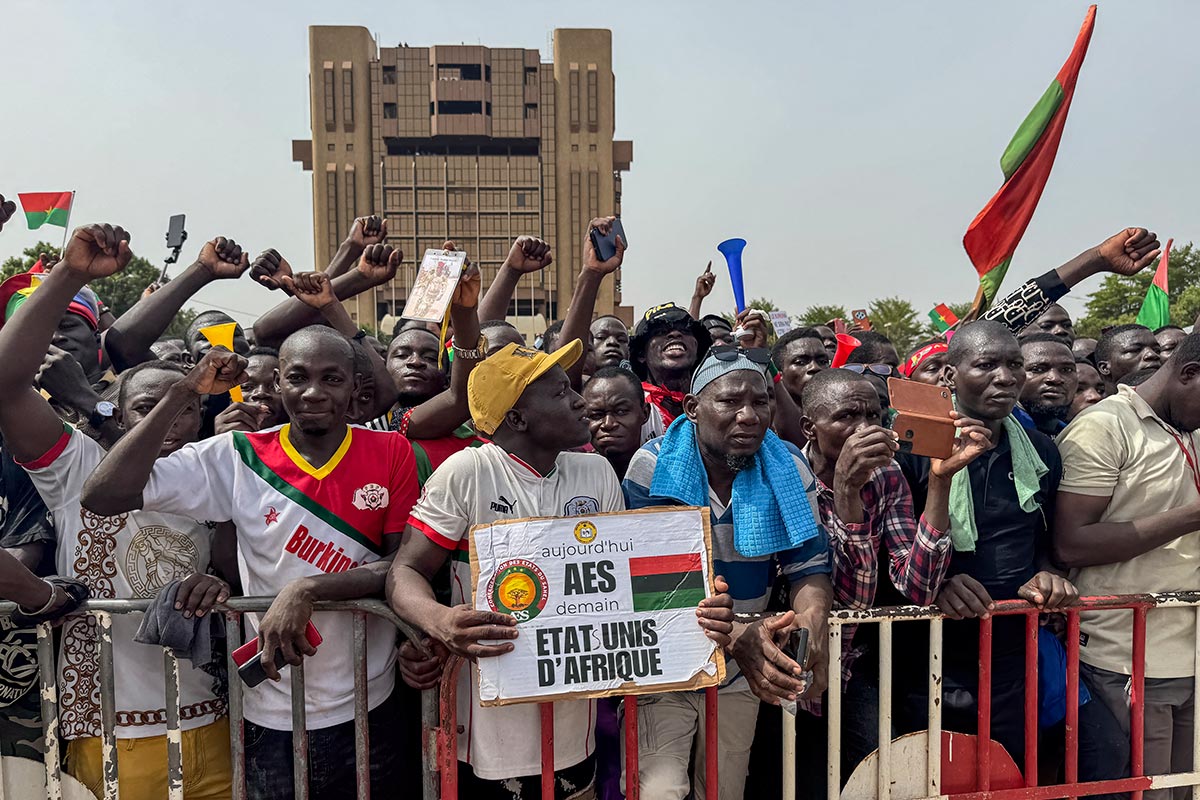
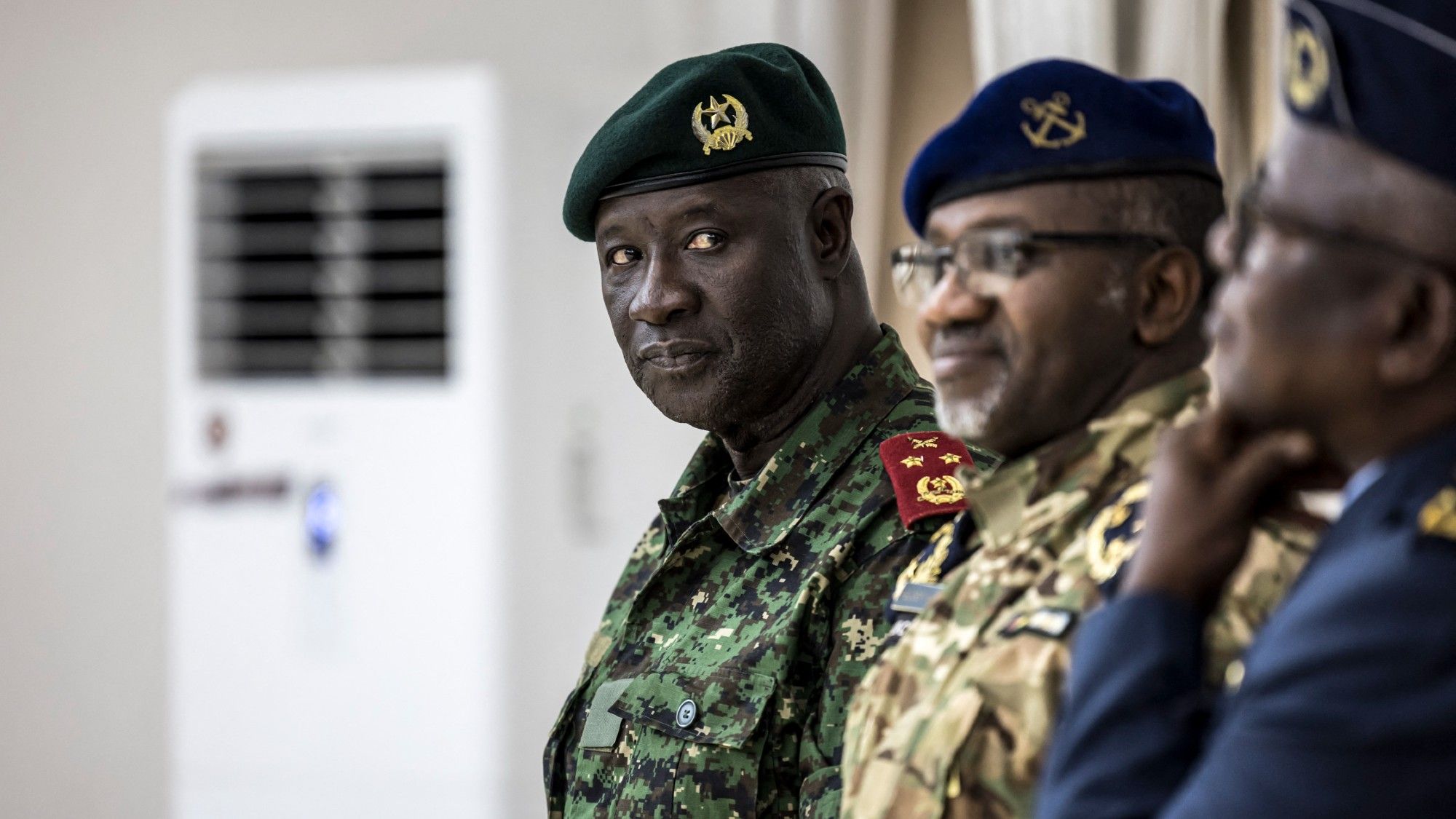
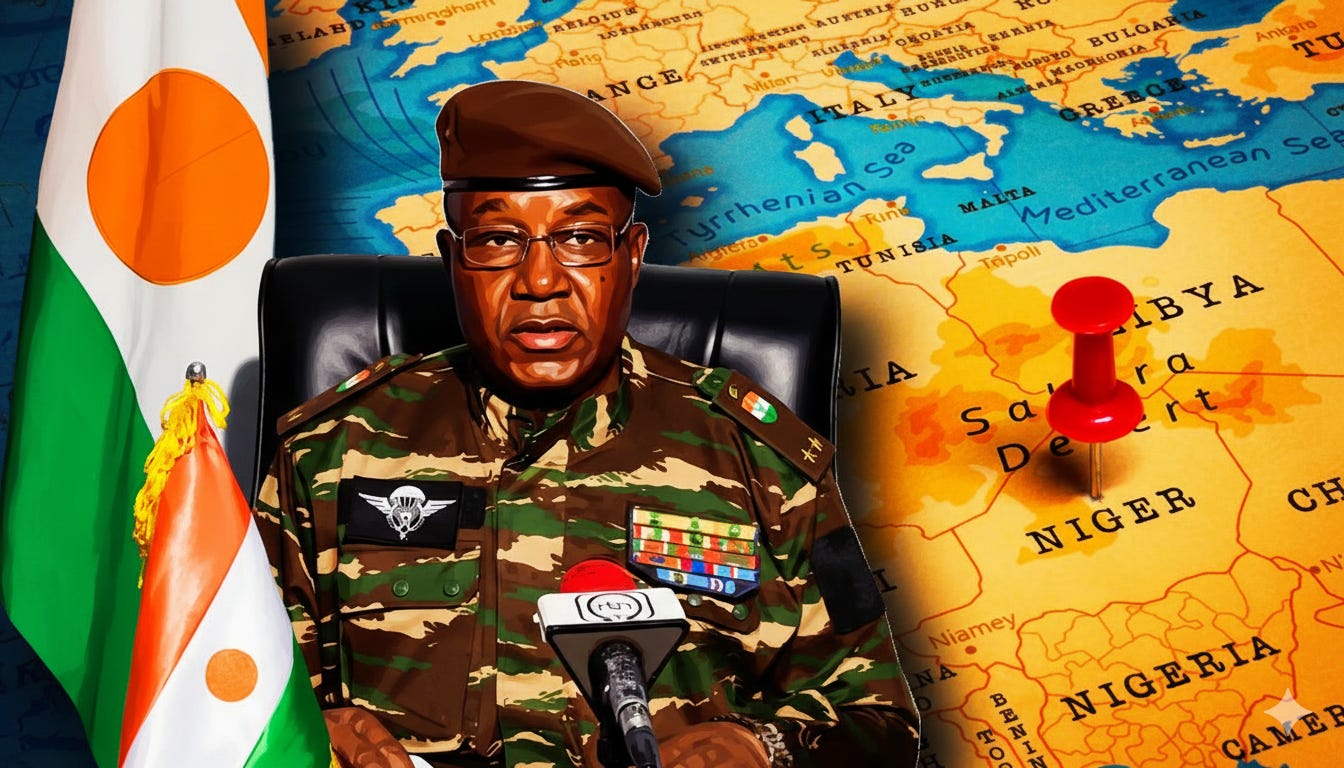
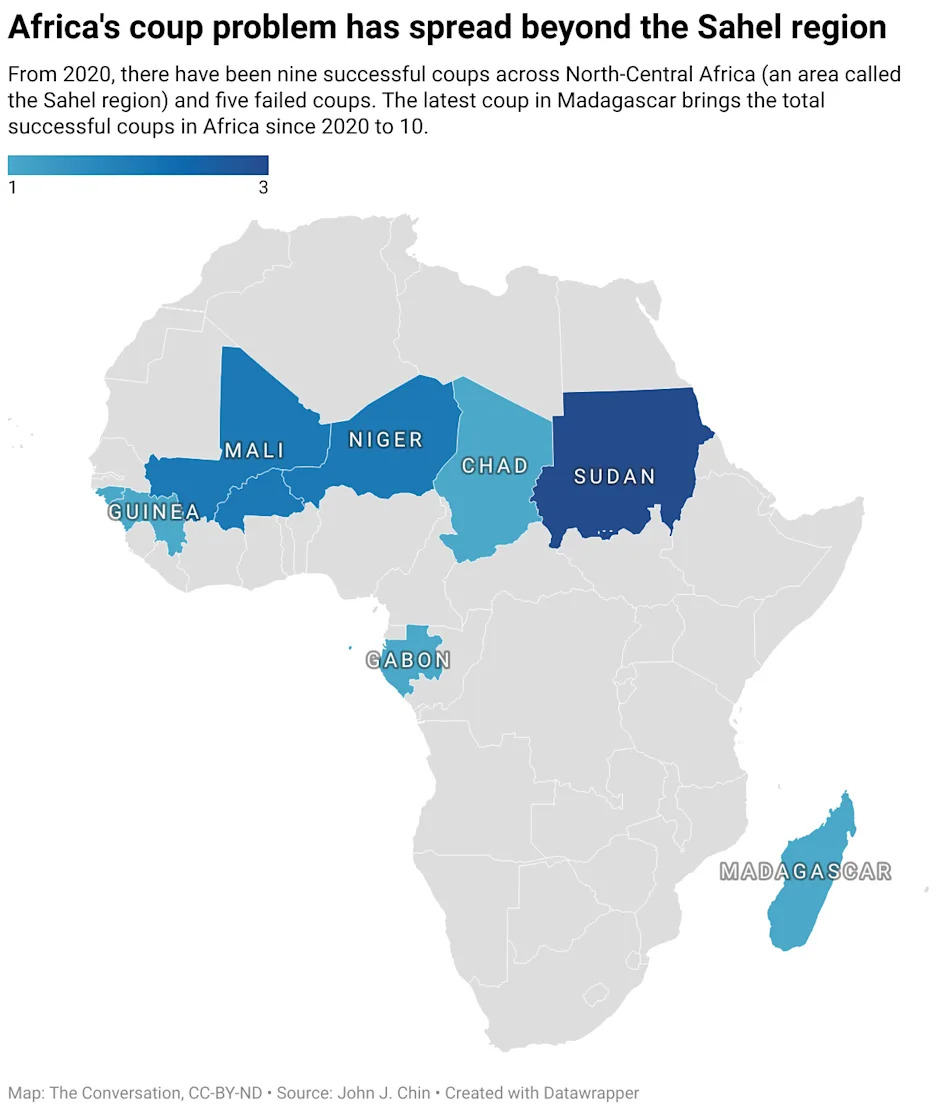
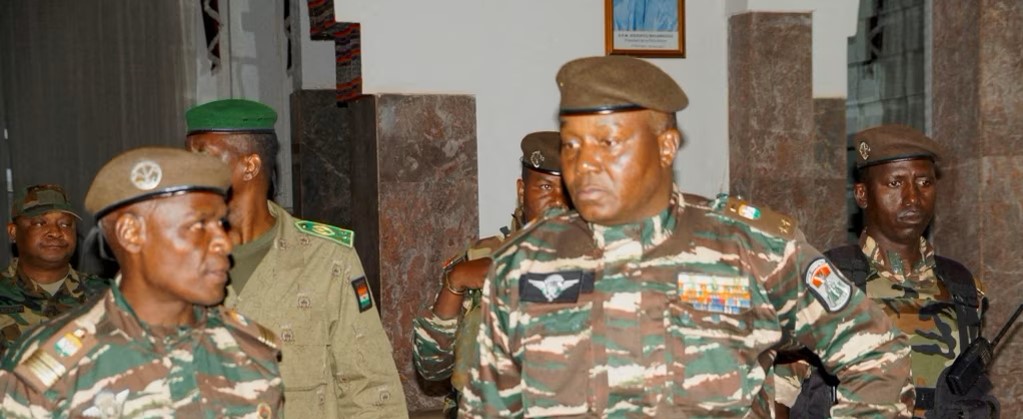
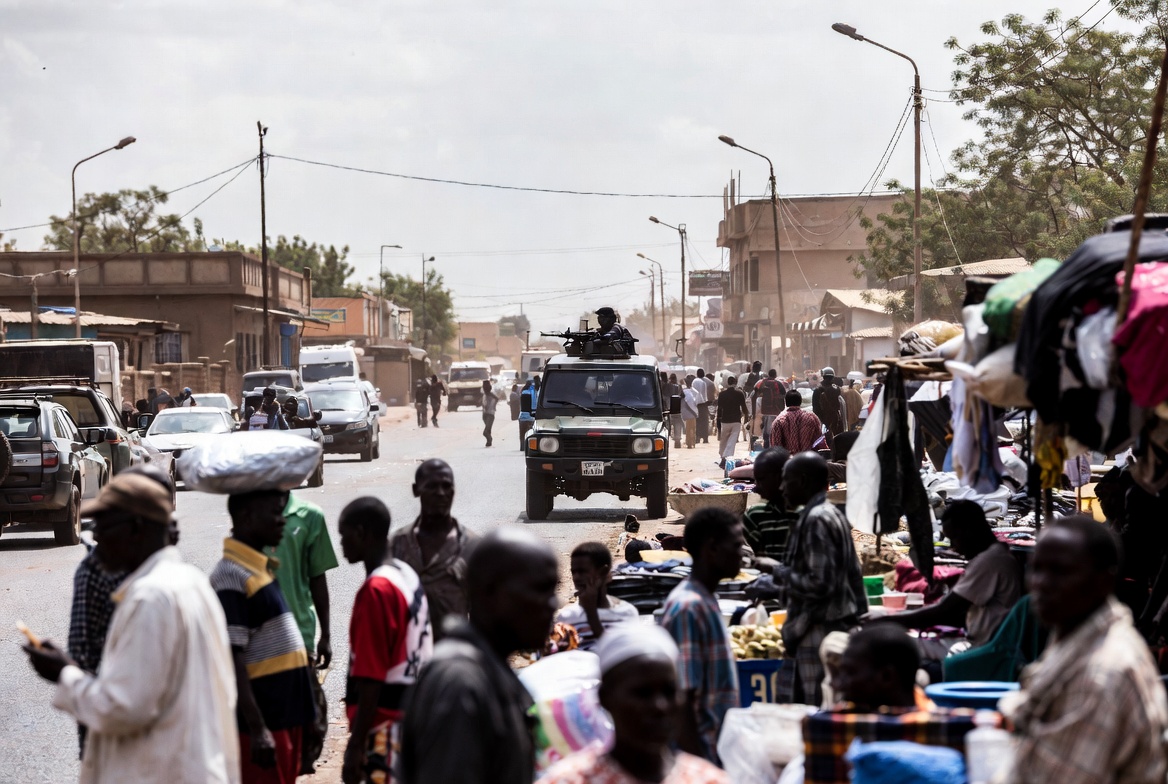
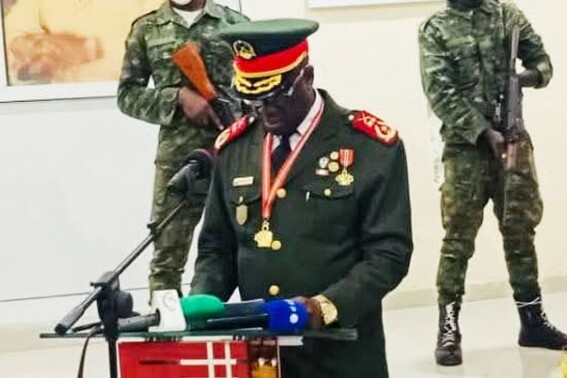
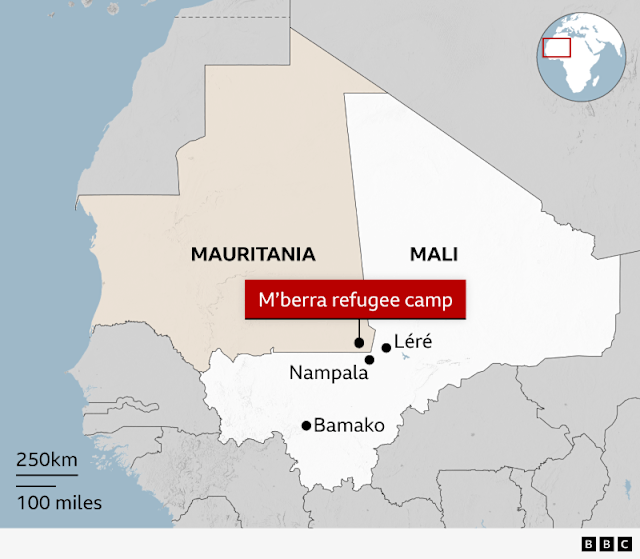
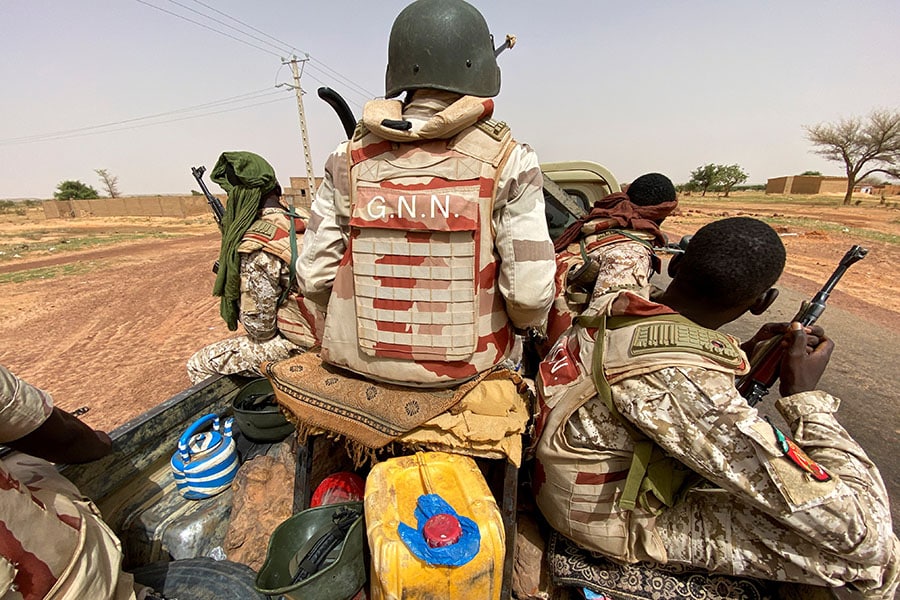
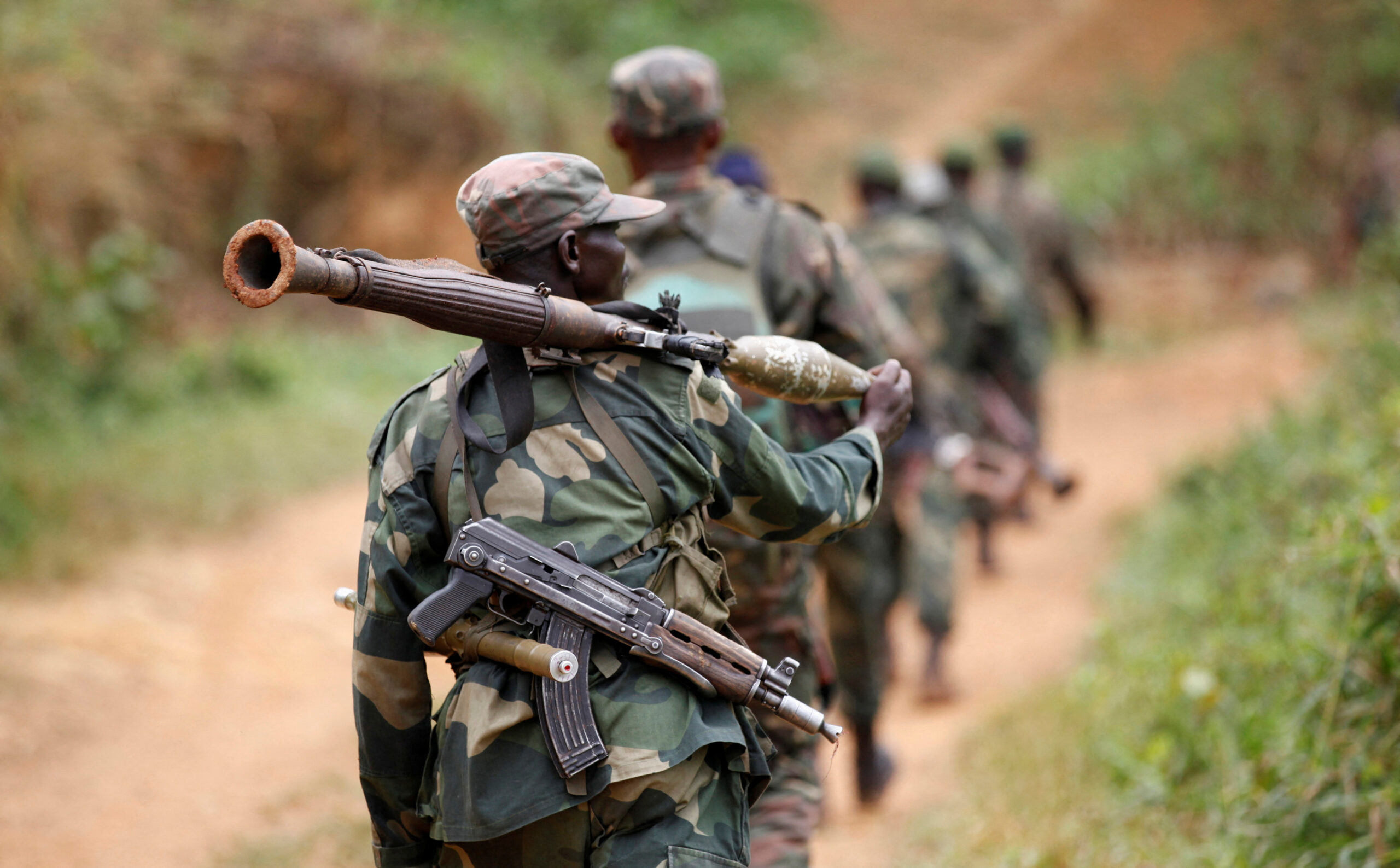
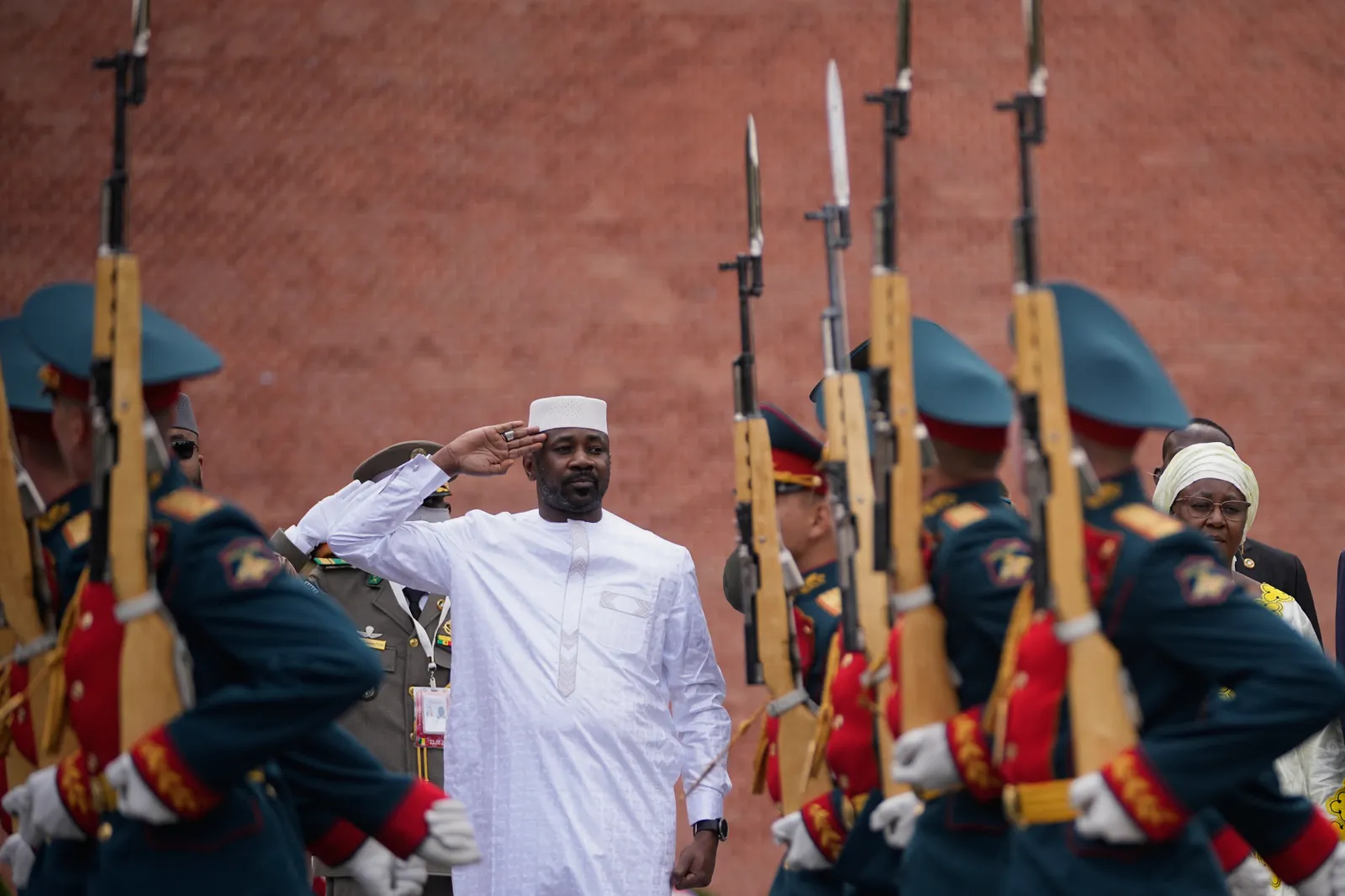
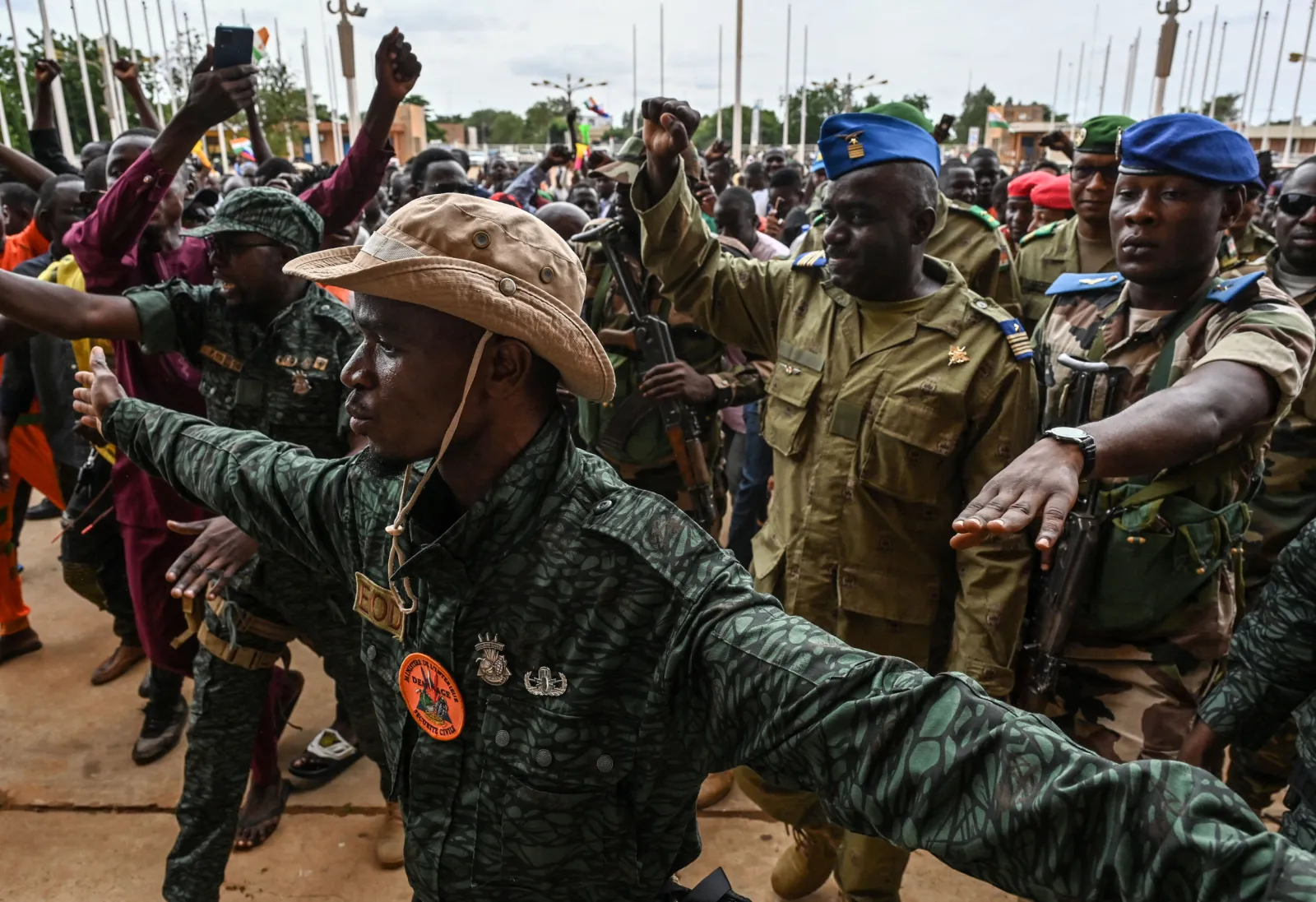
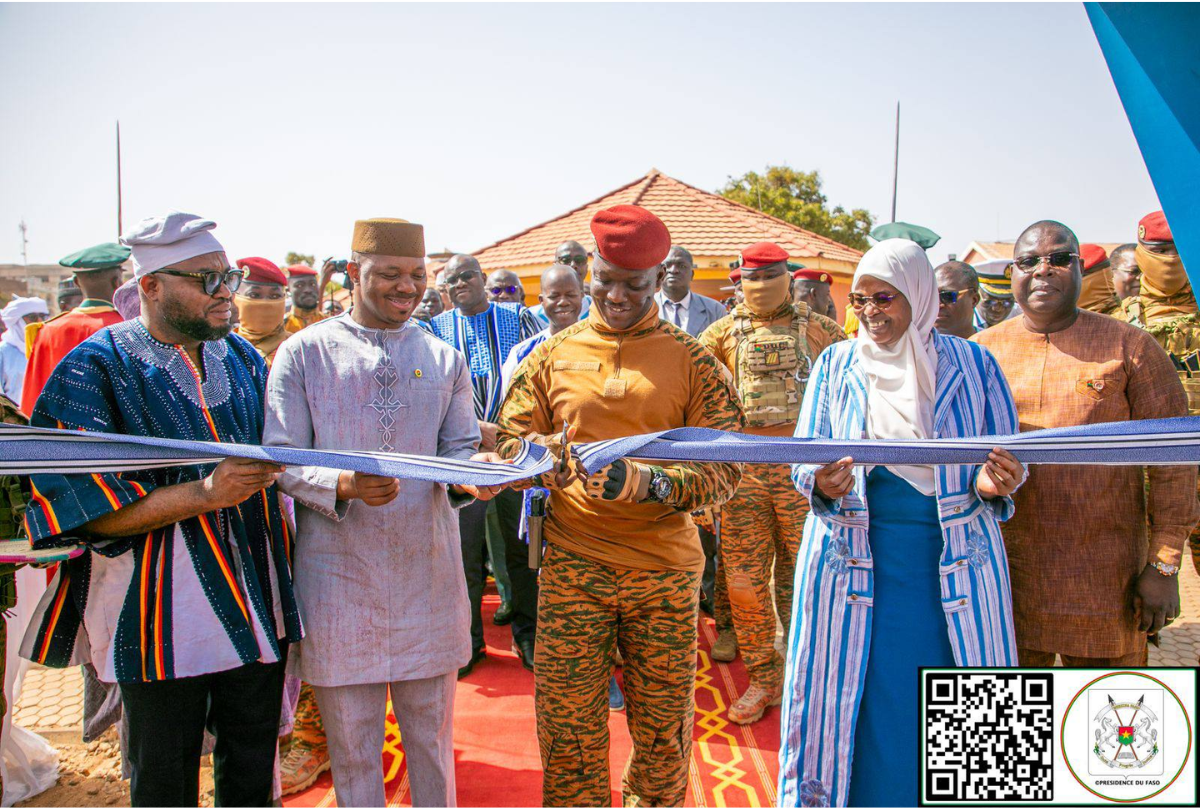
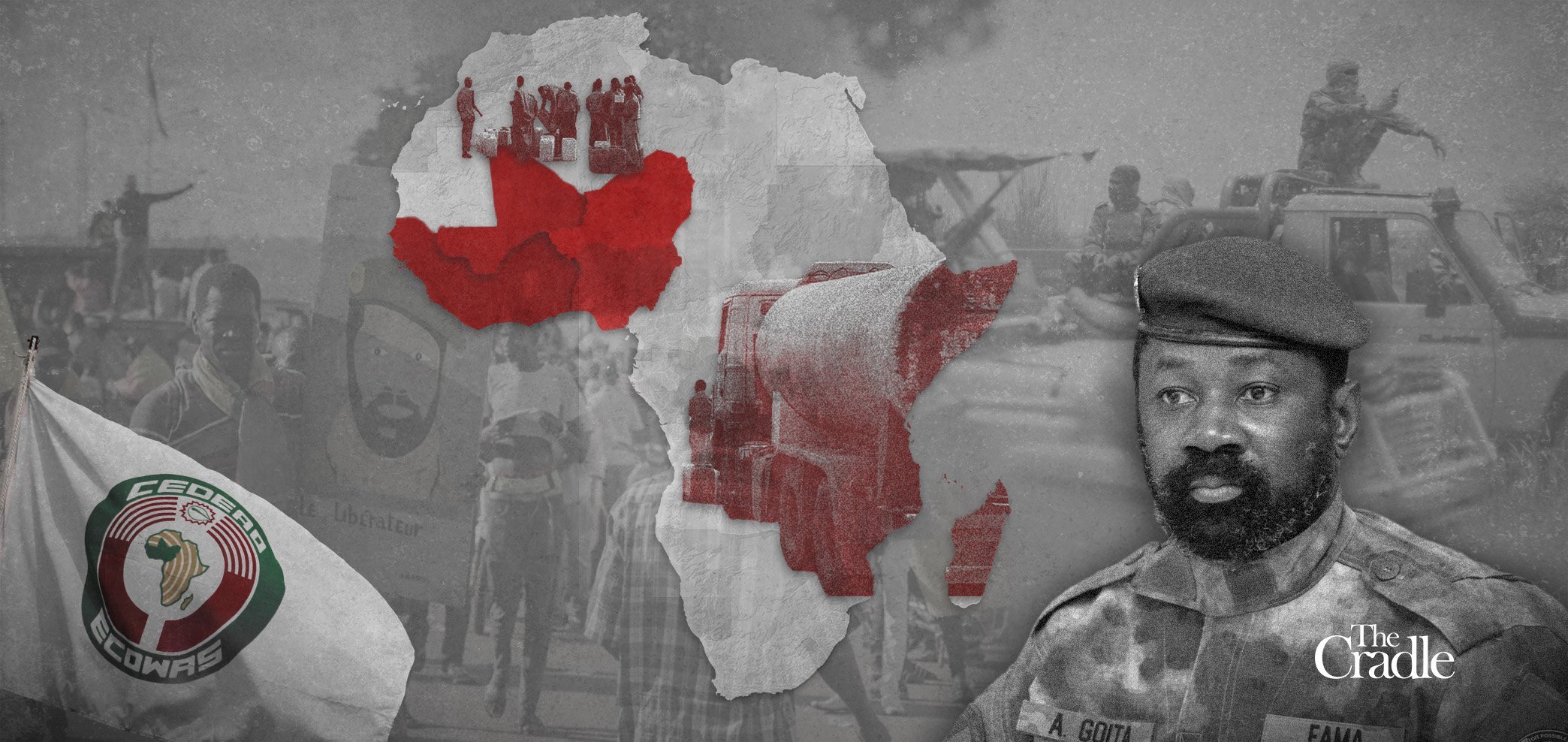
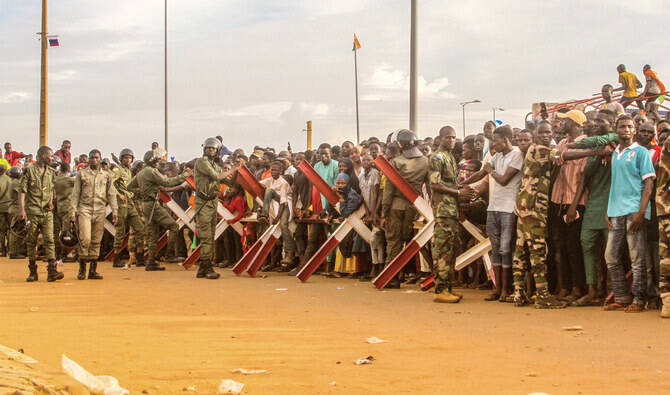
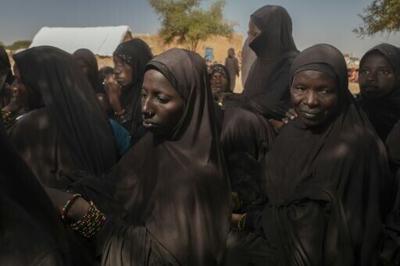
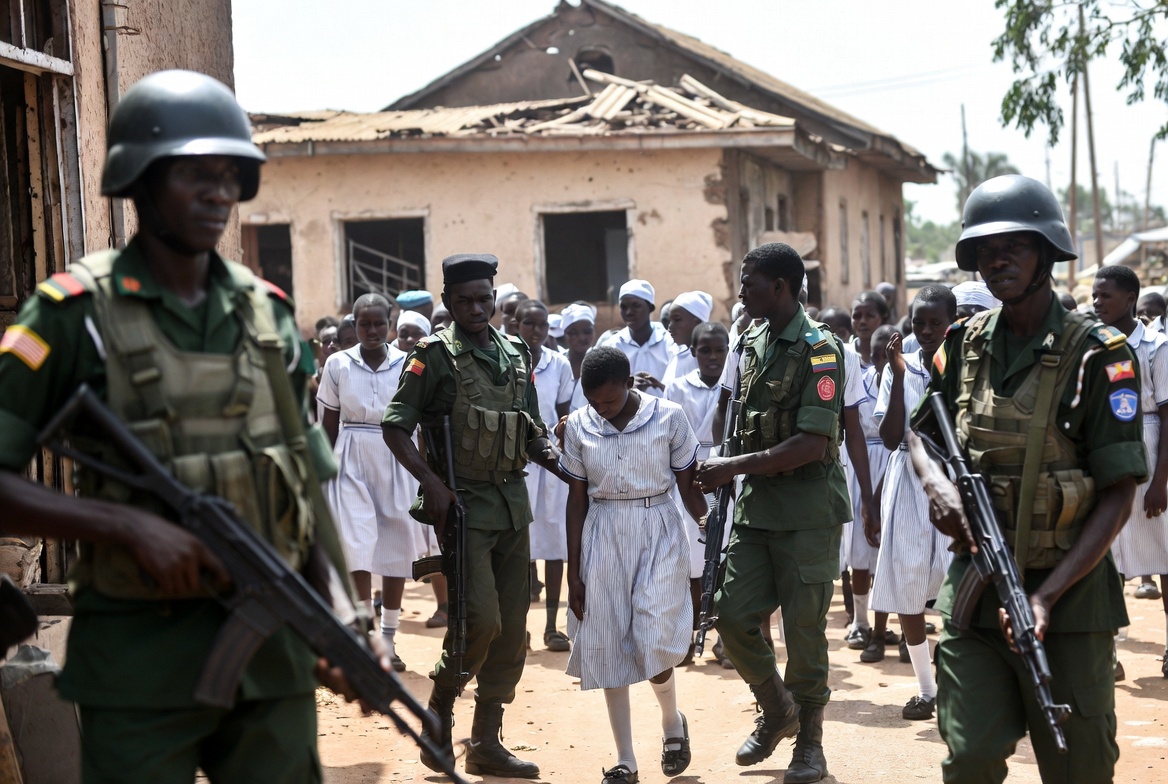
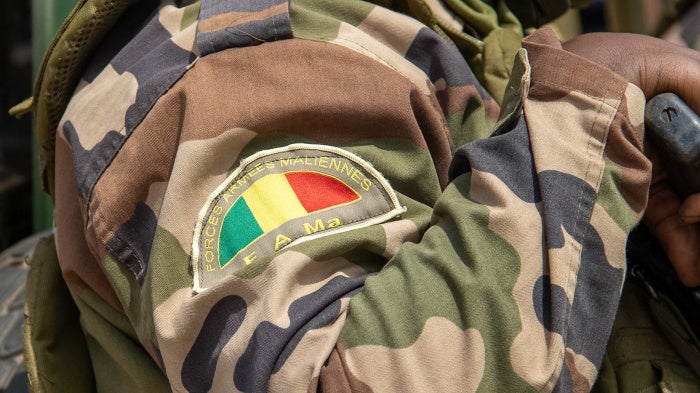
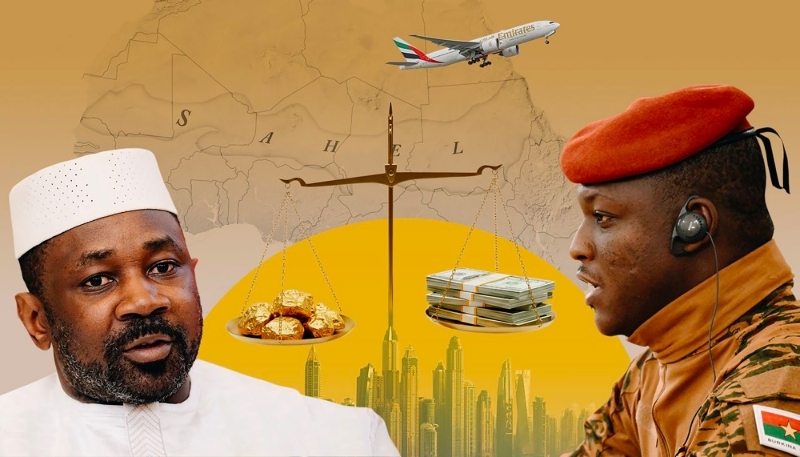
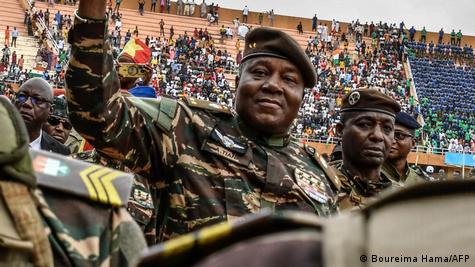
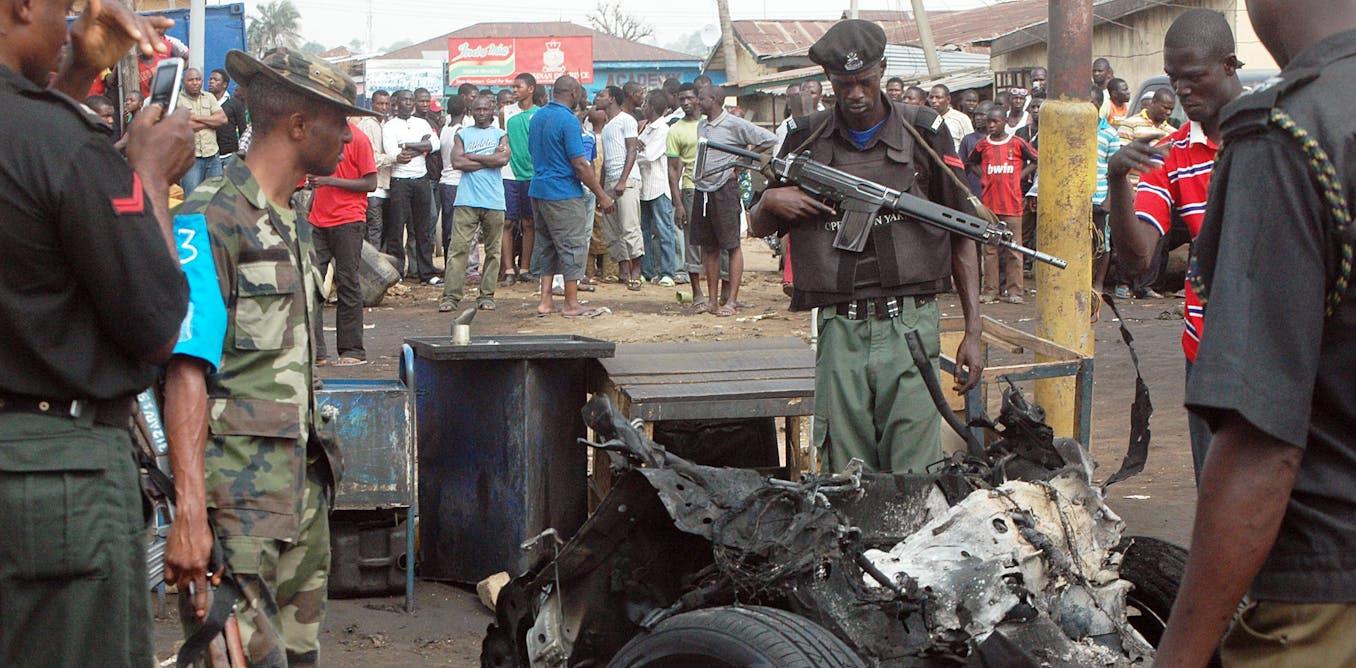
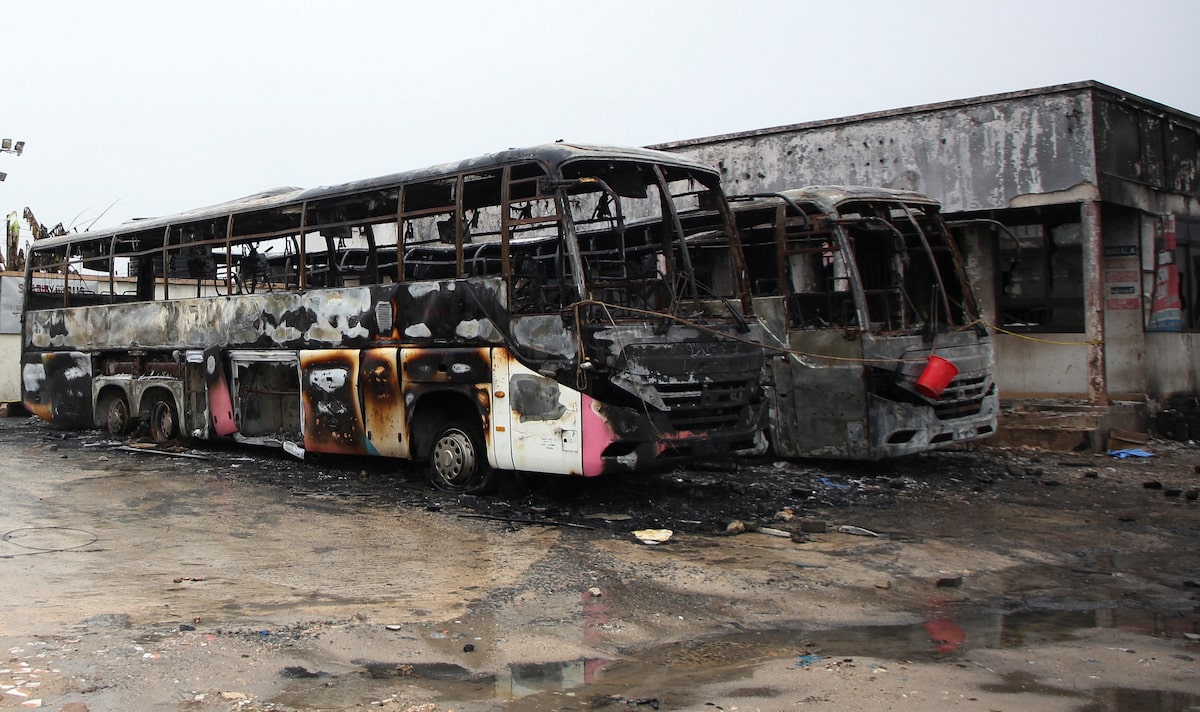
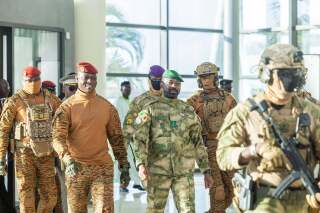
The Sahel region, a sun-baked expanse stretching across West Africa, is seeing a dramatic shift. Burkina Faso, Mali, and Niger are deepening their partnership with Russia, a move that’s rewriting geopolitical playbooks and promising significant technological advancements. This isn’t just about security anymore; it’s about these nations forging new paths to tackle deep-seated instability and drive economic unity. Against a backdrop of increasing insurgencies and worries about free speech, this alliance with Russia certainly marks a transformative, if complicated, new chapter for their shared future. The truth is, the Sahel has become a hotbed for violent extremist groups like Al Qaeda and the Islamic State. These militants thrive in the region’s permeable borders and struggling communities, exploiting existing social and political weaknesses. Reports suggest that Al Qaeda is alarmingly close to consolidating control in some areas, fueling fears of a wider state collapse that could ripple across West Africa, a situation many are calling the battle for a new Sahel. Faced with this worsening security situation, the three countries have firmly turned to Russia for stronger defenses. Moscow has already sent around 1,000 Wagner Group paramilitary contractors to Mali, a private military company known for its effective but quiet operations. Additionally, Russian security advisors are working with Burkina Faso and Niger. This marks a notable departure from traditional Western partners, showing these governments want alternative allies who offer concrete, immediate help in fighting insurgents.
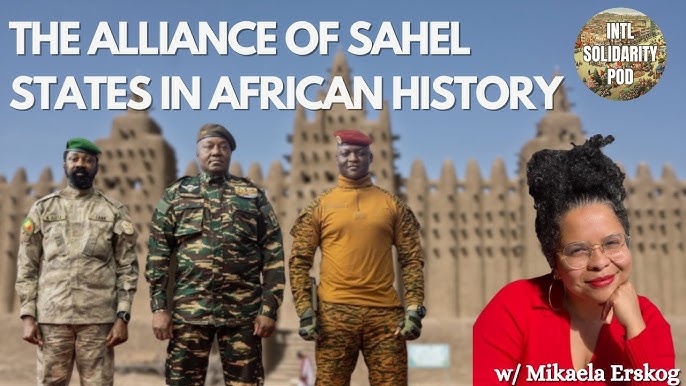
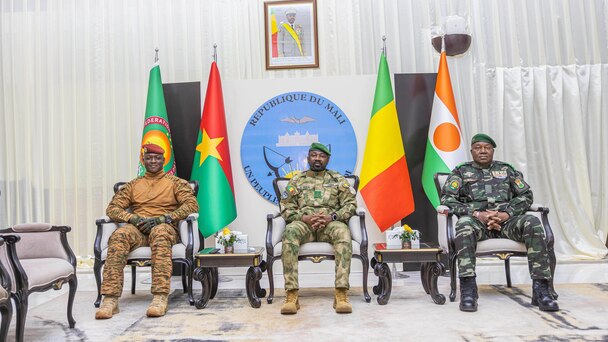
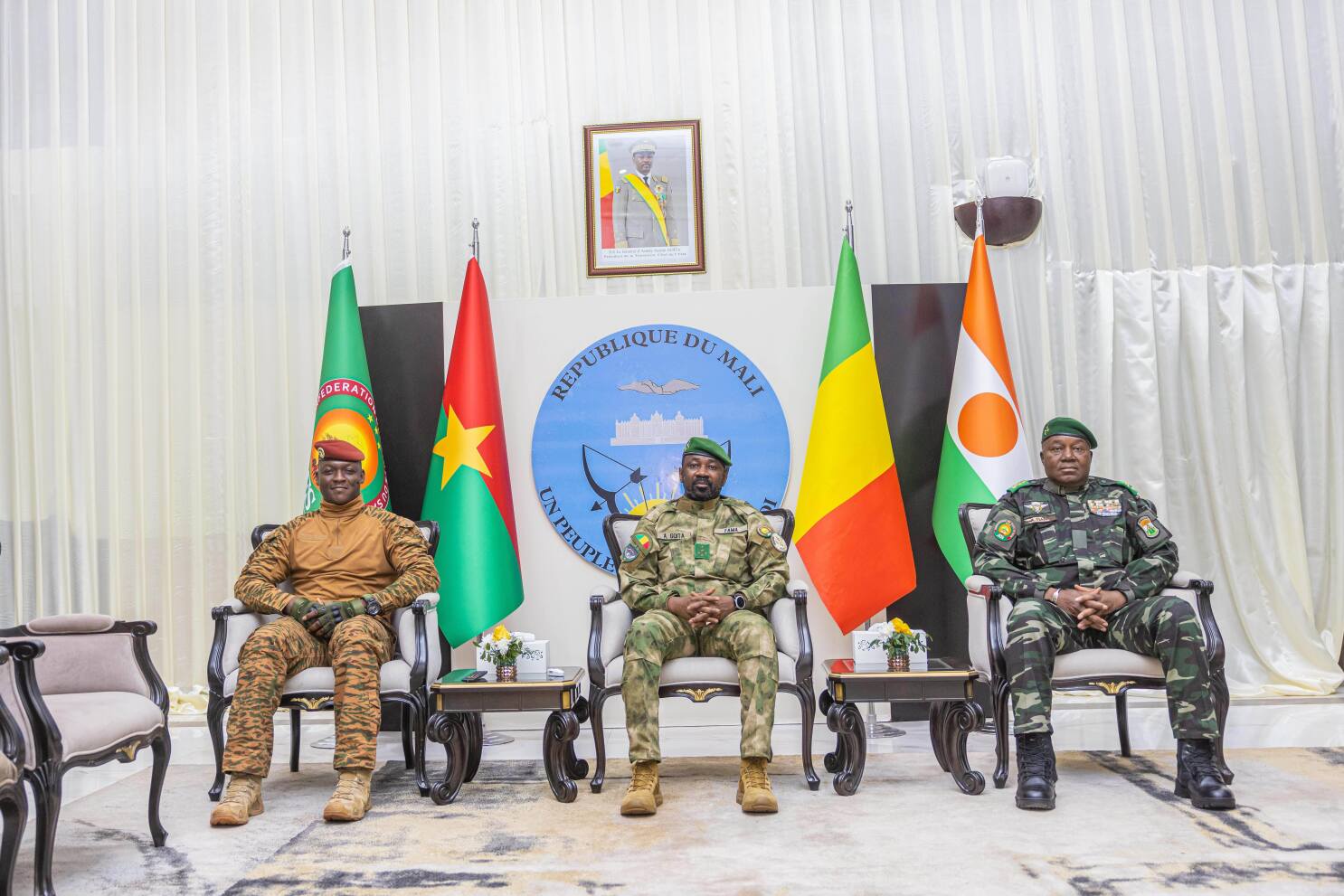
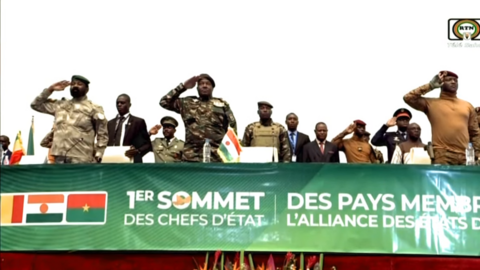
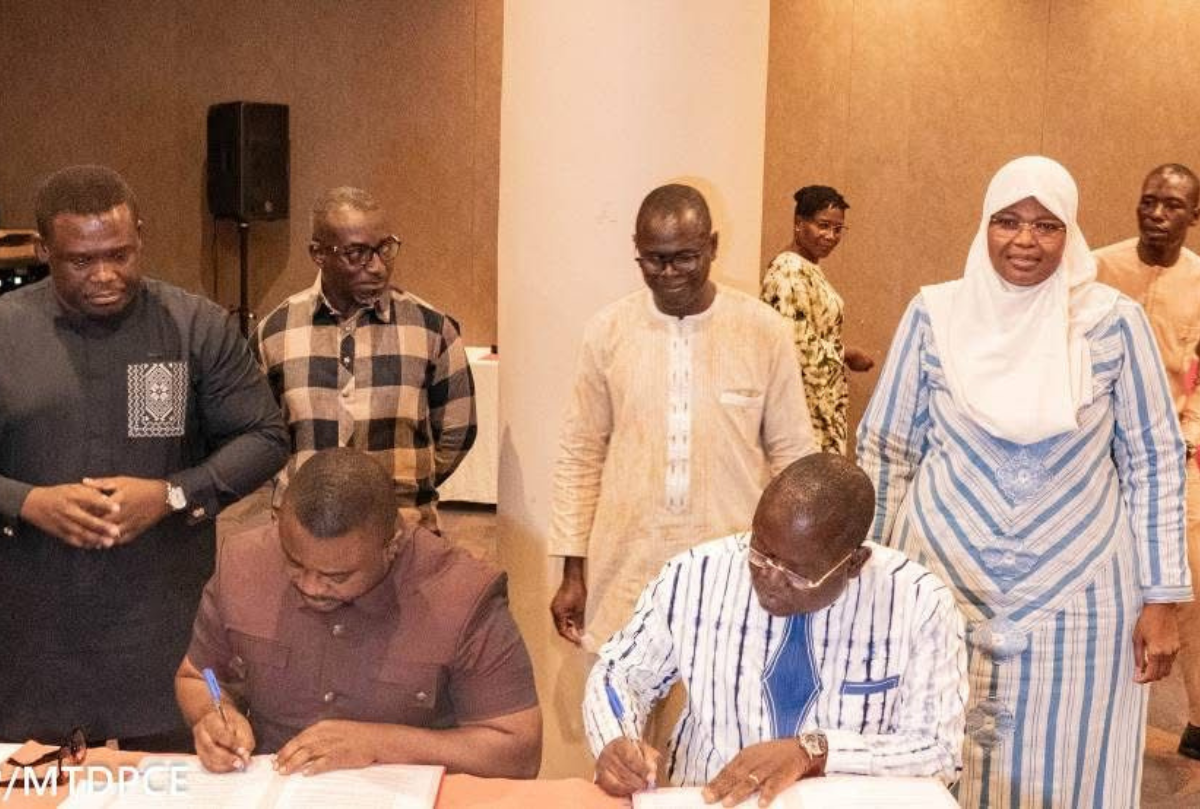
But the collaboration between the Sahel states and Russia isn’t just about military might; it’s reaching into exciting economic and technological areas too. Burkina Faso, Mali, and Niger have launched a groundbreaking project with Russian help: building the region’s first shared telecommunications satellite. Why does this matter? Well, much of the Sahel is vast and challenging terrain, where getting connected is tough. Terrestrial communication infrastructure is often limited, or it just doesn’t exist. This satellite, which the Sahel Alliance of these three nations will jointly own, aims to boost connectivity everywhere. Think better internet, more reliable emergency communications, and wider broadcast capabilities. This improved access can empower everything from local economies and government services to education and vital security operations. Beyond these practical benefits, this shared satellite project carries immense symbolic weight. It’s a clear sign these nations are striving for greater self-reliance in technology and infrastructure, hoping to move beyond existing foreign dependencies. This could usher in a fresh era of true digital sovereignty for the region. This important telecommunications partnership grew out of high-level discussions between Russia and Burkina Faso’s government officials, really highlighting how Russia-Sahel relations are evolving from military ties to include significant development and technological collaboration. By collectively owning and managing such critical infrastructure, the three Sahel nations aren’t just building a satellite; they’re projecting a united front on both geopolitical and technological stages.
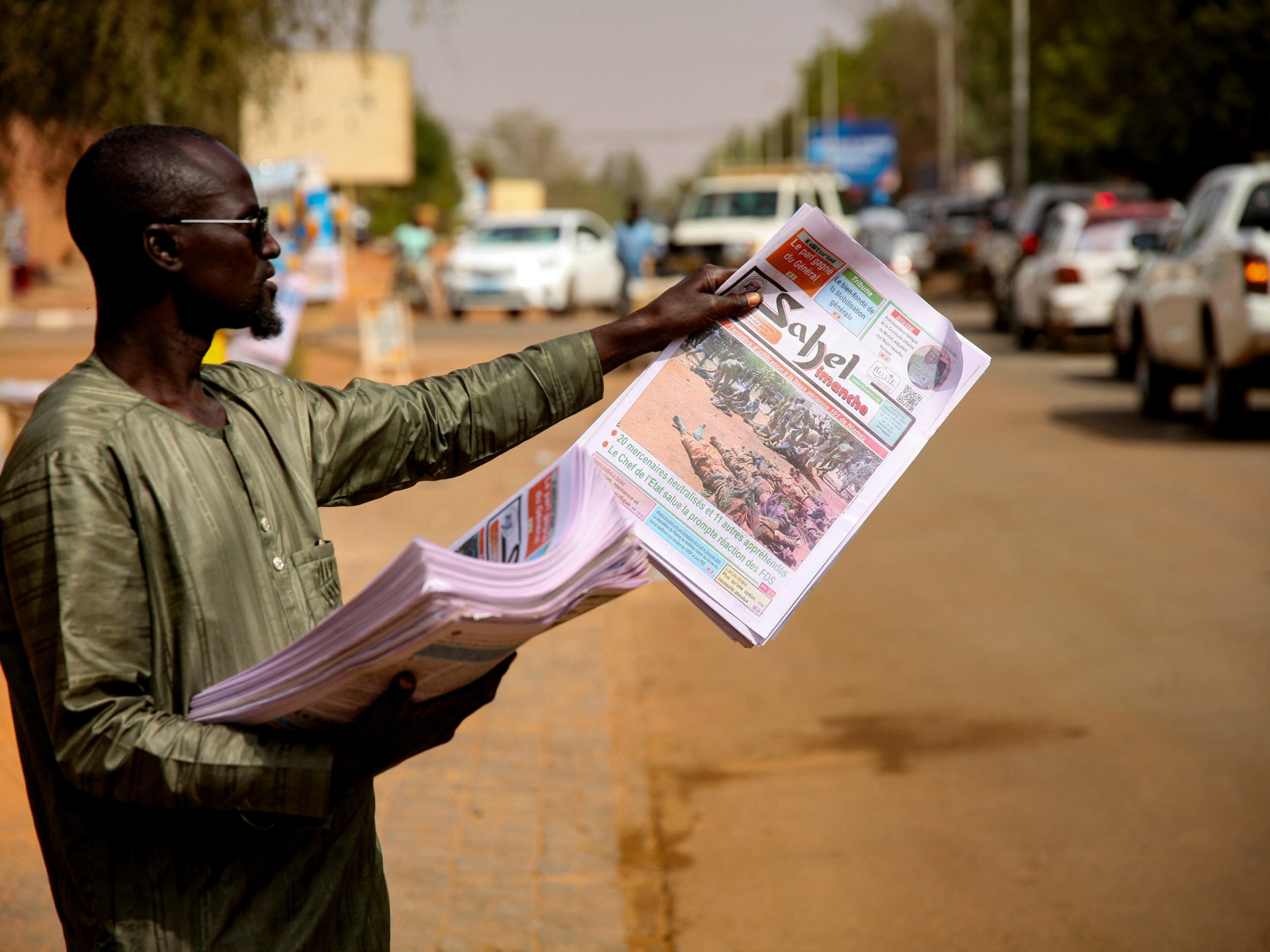
However, alongside these security and technological strides, there are growing concerns about governance and human rights across the Sahel. We’ve seen a noticeable decline in press freedom, particularly in Mali, exemplified by its recent ban on the influential French-language magazine Jeune Afrique. This action speaks volumes about a troubling trend toward authoritarianism and reduced transparency, which is especially critical when open information is so vital to counter extremist narratives and support democratic resilience. Such restrictions complicate the environment for external partners like Russia, raising important questions about how these foreign alliances might impact civil liberties and the broader political direction of these nations. A tightened media landscape could unfortunately undermine public scrutiny of both security operations and governance reforms. So, what’s next for the Sahel? This evolving Russia-Sahel partnership clearly shows the region’s search for new ways to confront persistent threats and unlock its development potential. While Russia’s growing presence offers fresh military backing that could help curb insurgencies, it also comes with geopolitical considerations, given the global scrutiny of Russia’s private military contractors and strategic ambitions. Conversely, the shared satellite project is a hopeful step toward modernization and regional integration, looking beyond immediate security issues. If it’s successful, could it spark greater economic connectivity and digital innovation in one of the world’s most underserved regions? Only time will tell. What’s undeniable is that this deepening engagement with Russia will likely shape the Sahel’s future for years. Whether this relationship leads to lasting peace, better governance, and economic prosperity, or instead intensifies dependency and internal tensions, remains to be seen. For nations like Mali, Niger, and Burkina Faso, navigating this delicate balance will demand smart diplomacy, active public dialogue, and consistent efforts to strengthen both regional unity and national resilience.