Africa’s Startup Reset, 2025 into 2026, Where Selectivity Meets Opportunity
A More Disciplined Comeback
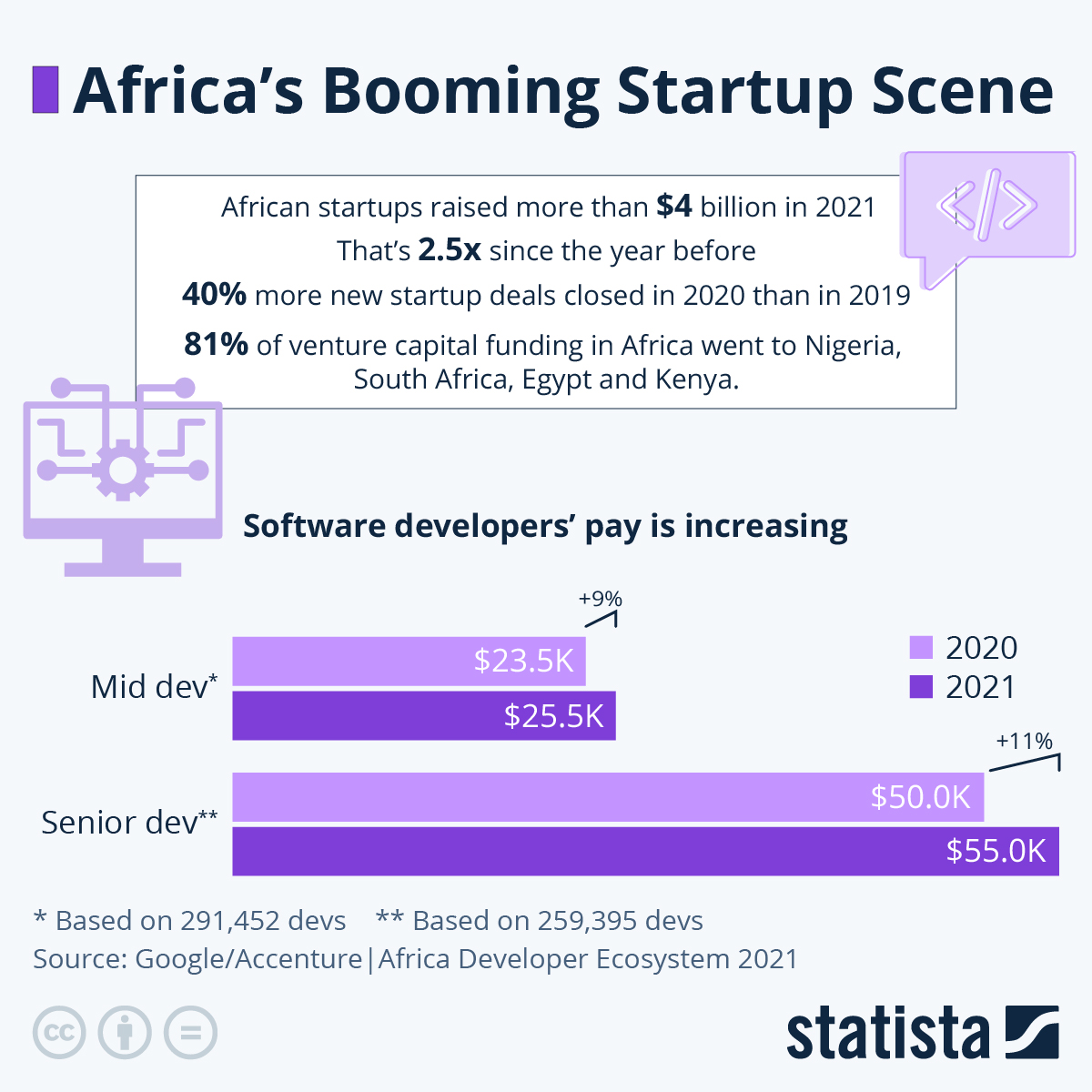
After two years of market correction, Africa’s startup scene finally found its footing in 2025. But don’t call it a boom. The venture funding that returned to the continent climbed to just over three billion dollars, according to recent analysis, which sounds impressive until you remember the frothy days of previous cycles. What’s different now? Investors aren’t just throwing money at potential anymore. They’re asking harder questions about governance, profitability, and realistic exit paths. This isn’t a return to excess. It’s a market growing up, trading hype for substance. Early stage deals actually recovered faster than the headline funding totals, while later stage rounds became fewer but larger. That pattern tells a clear story. Investors are making concentrated bets on business models that show real unit economics, not just growth at any cost. They’re also getting creative with financing tools, embracing revenue-based arrangements and structured rounds with milestones that give startups capital without forcing immediate dilution. Even cryptocurrency innovations like stablecoins, which are digital currencies pegged to stable assets like the US dollar, are finding practical use in solving Africa’s cross-border payment headaches. The message is unmistakable. The easy money era is over, and that’s probably a good thing for everyone involved.
Where the Action Is
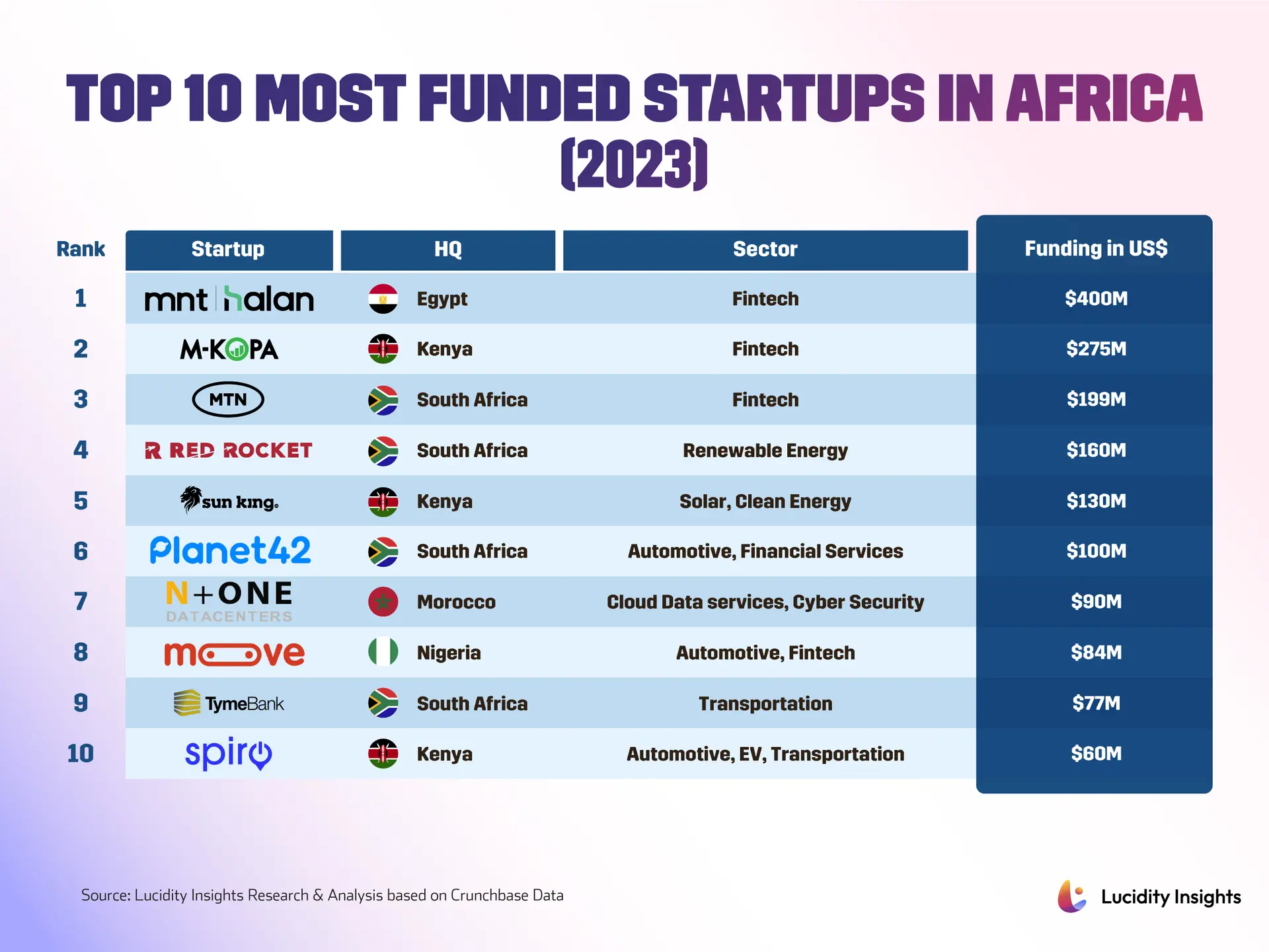
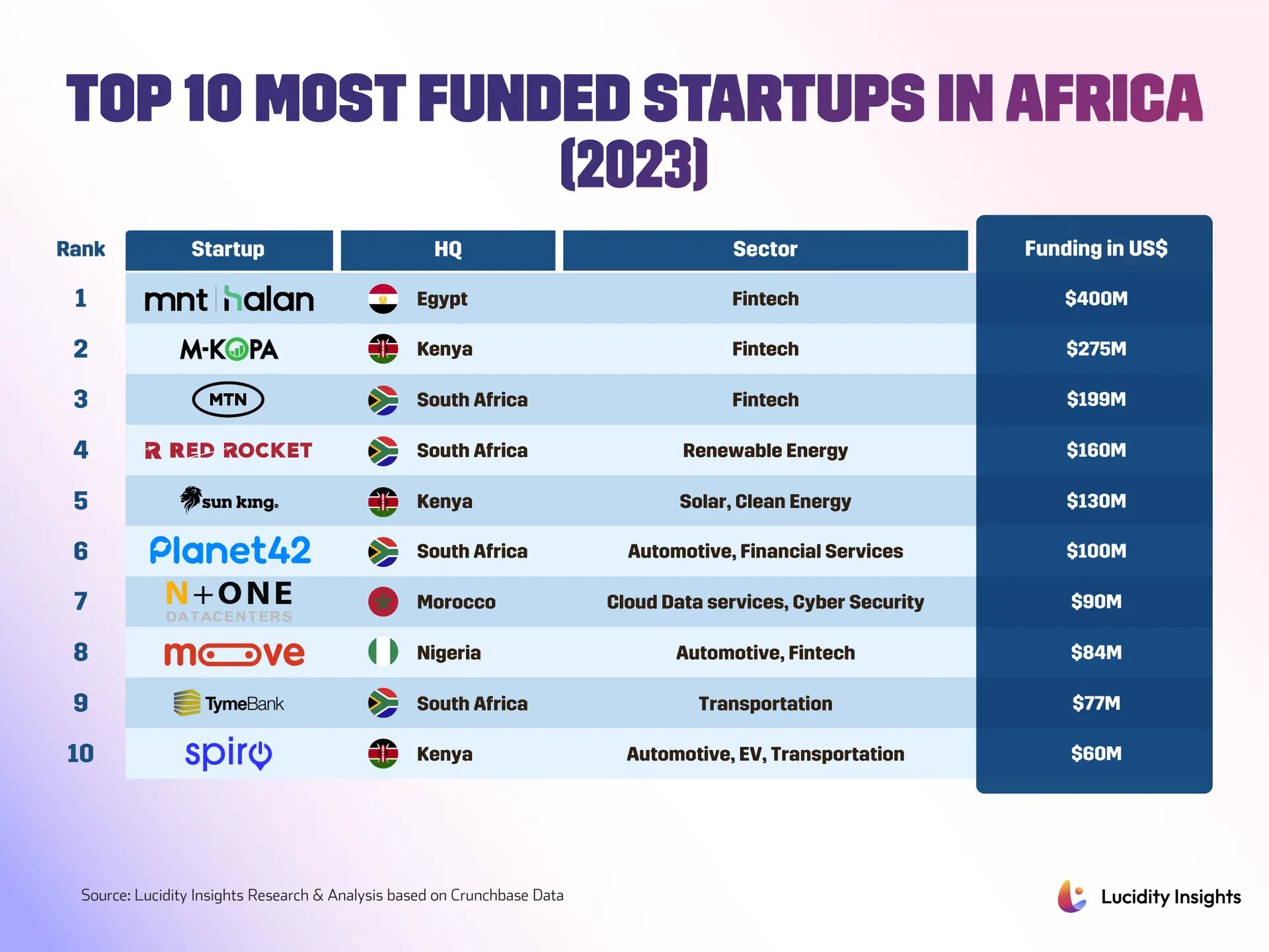
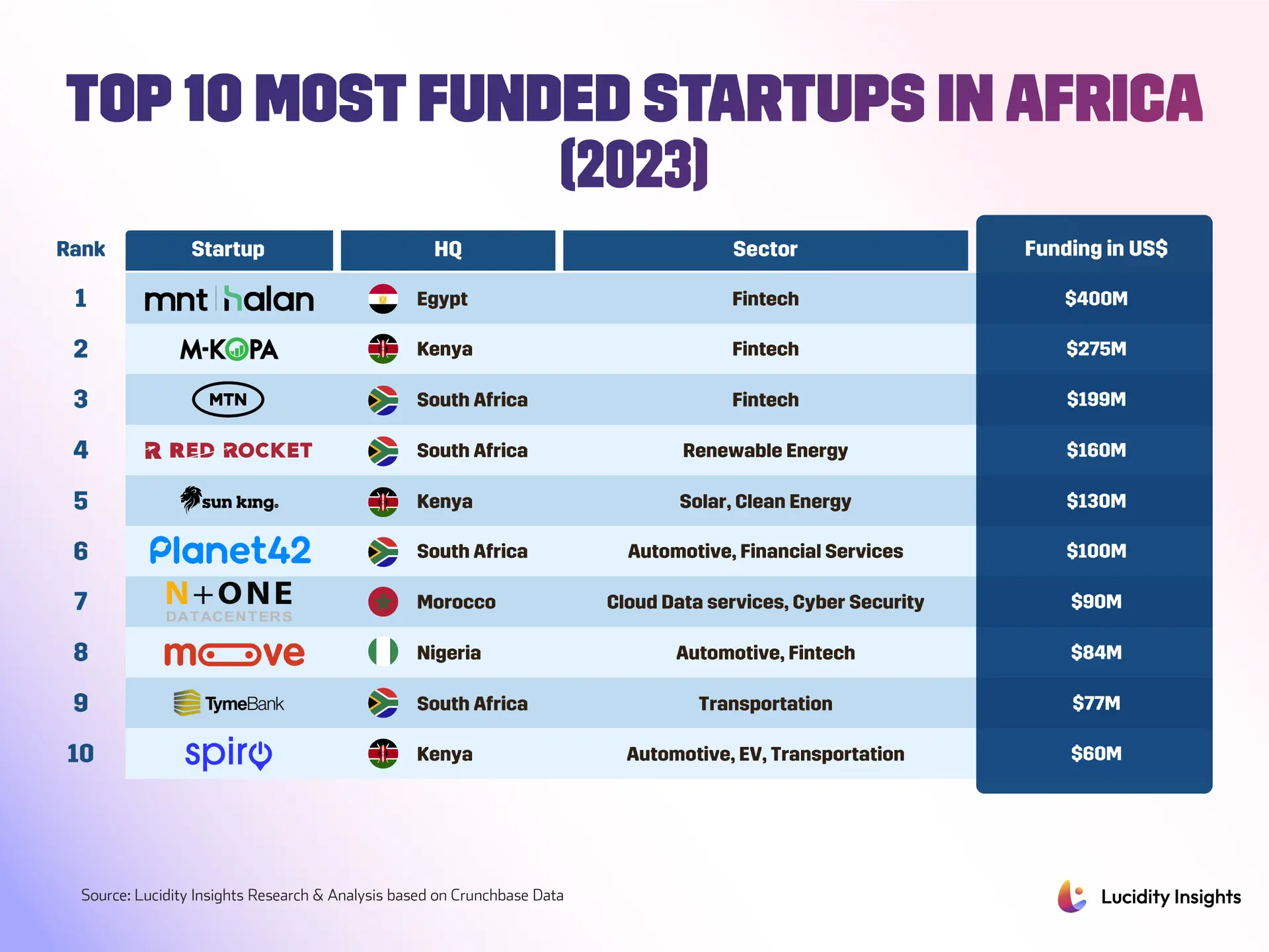
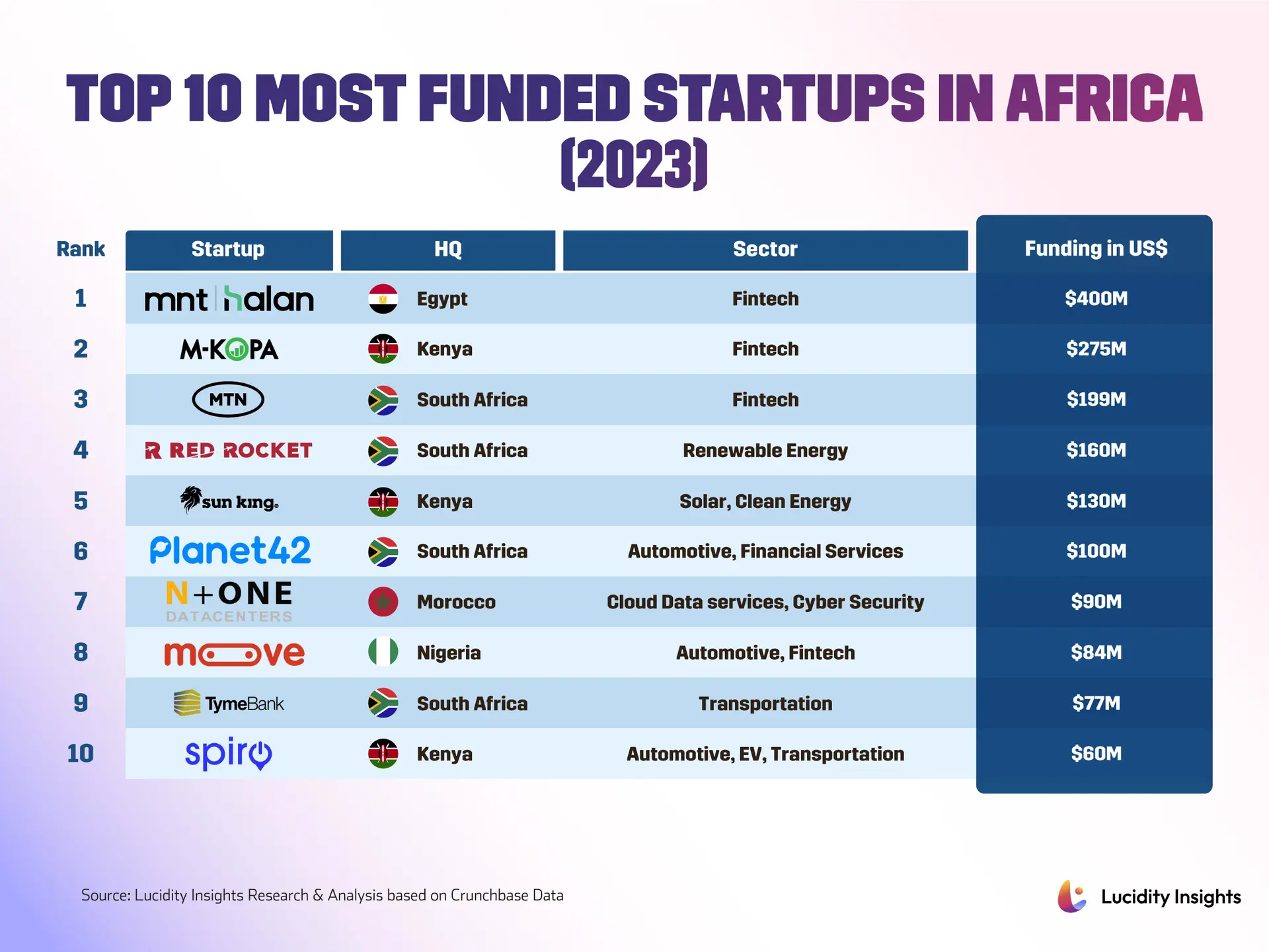
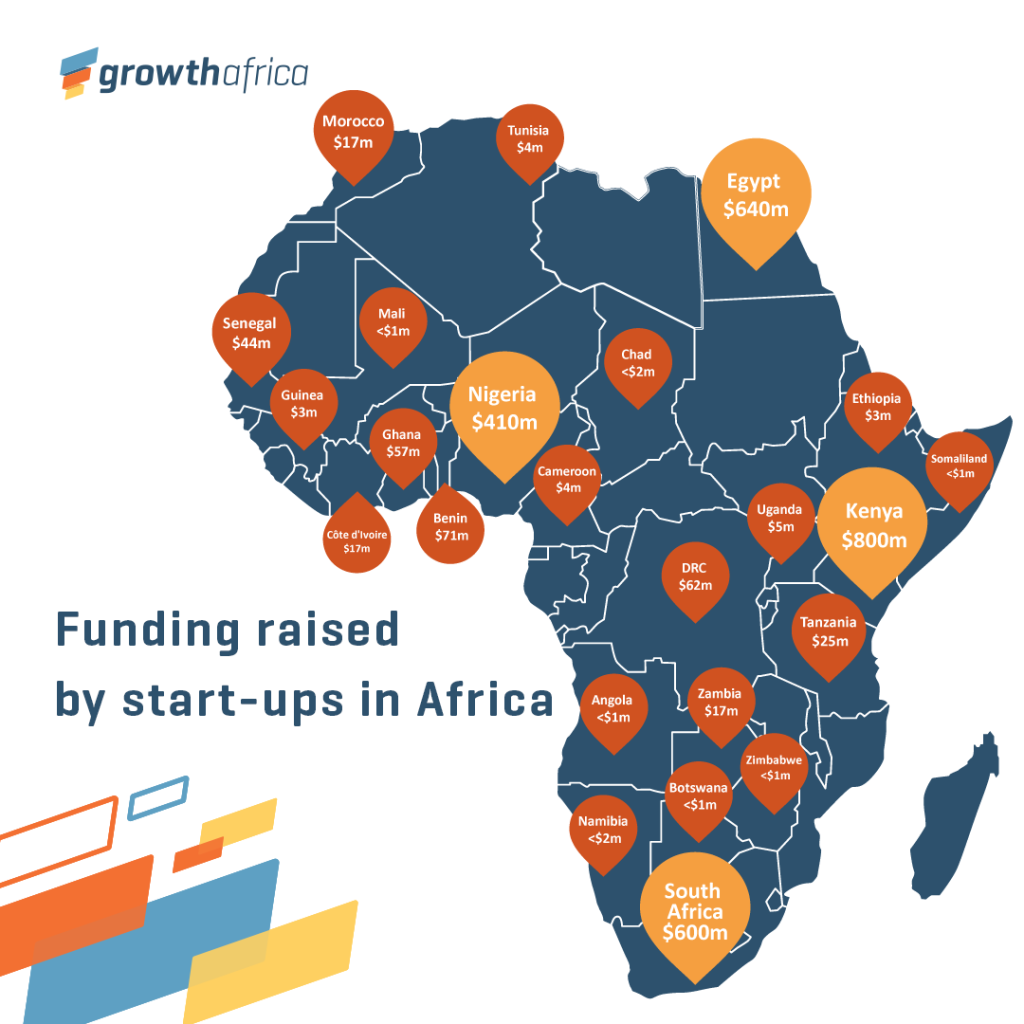
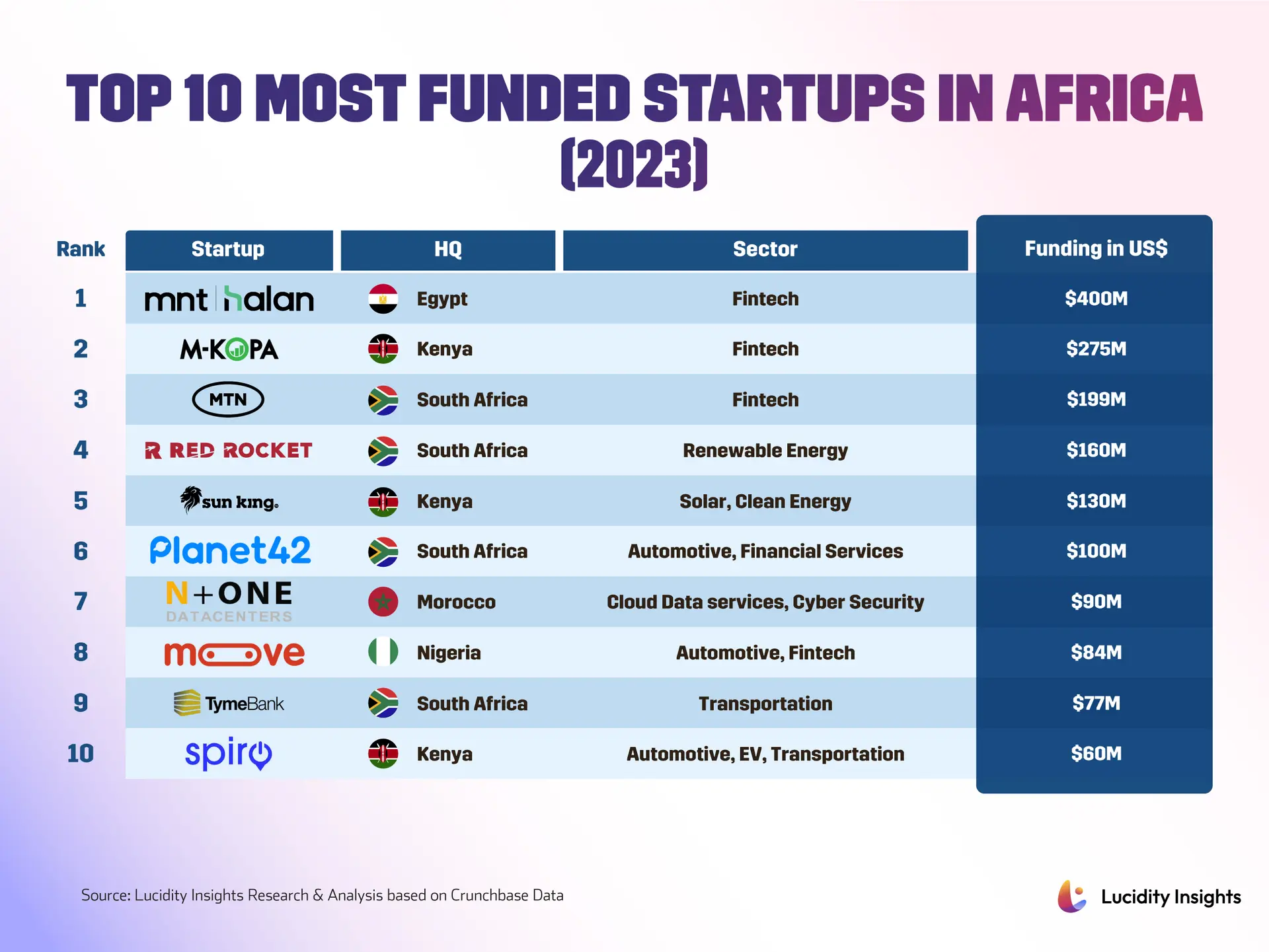
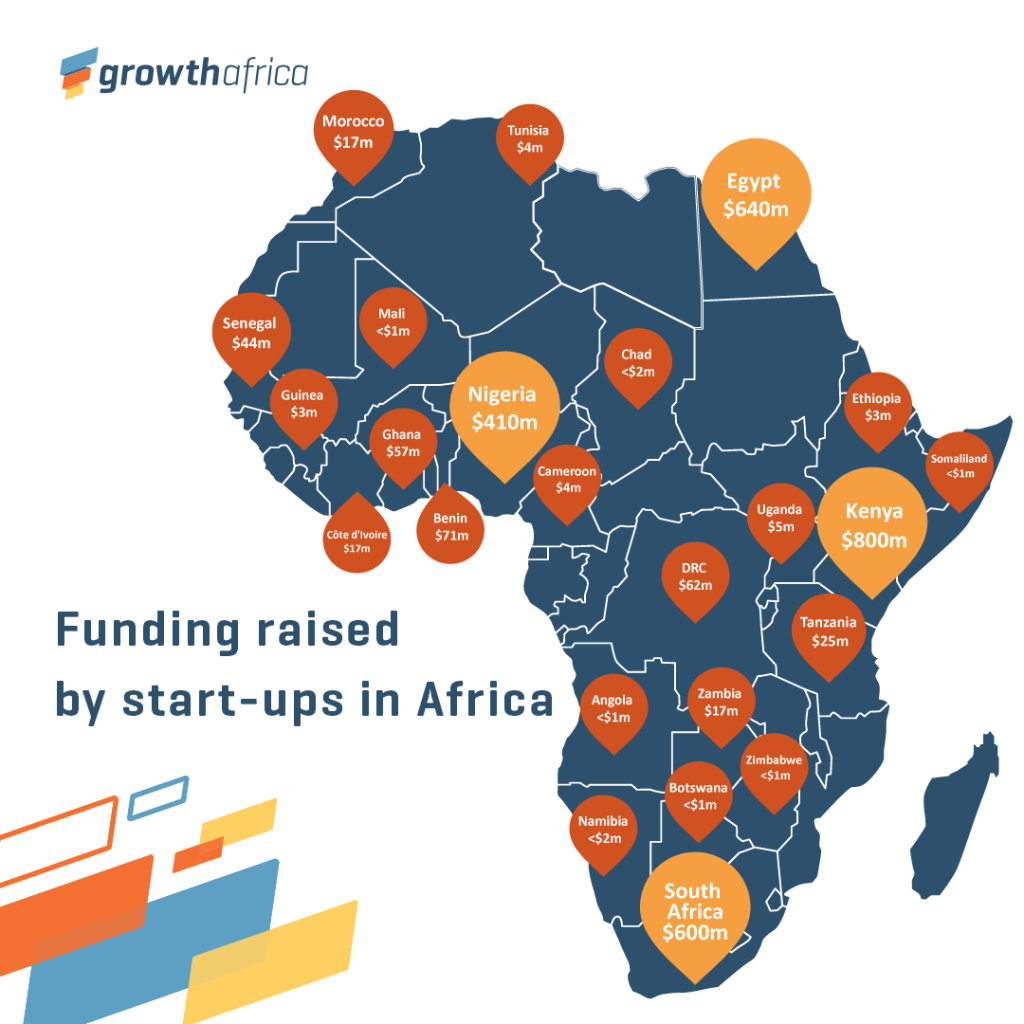
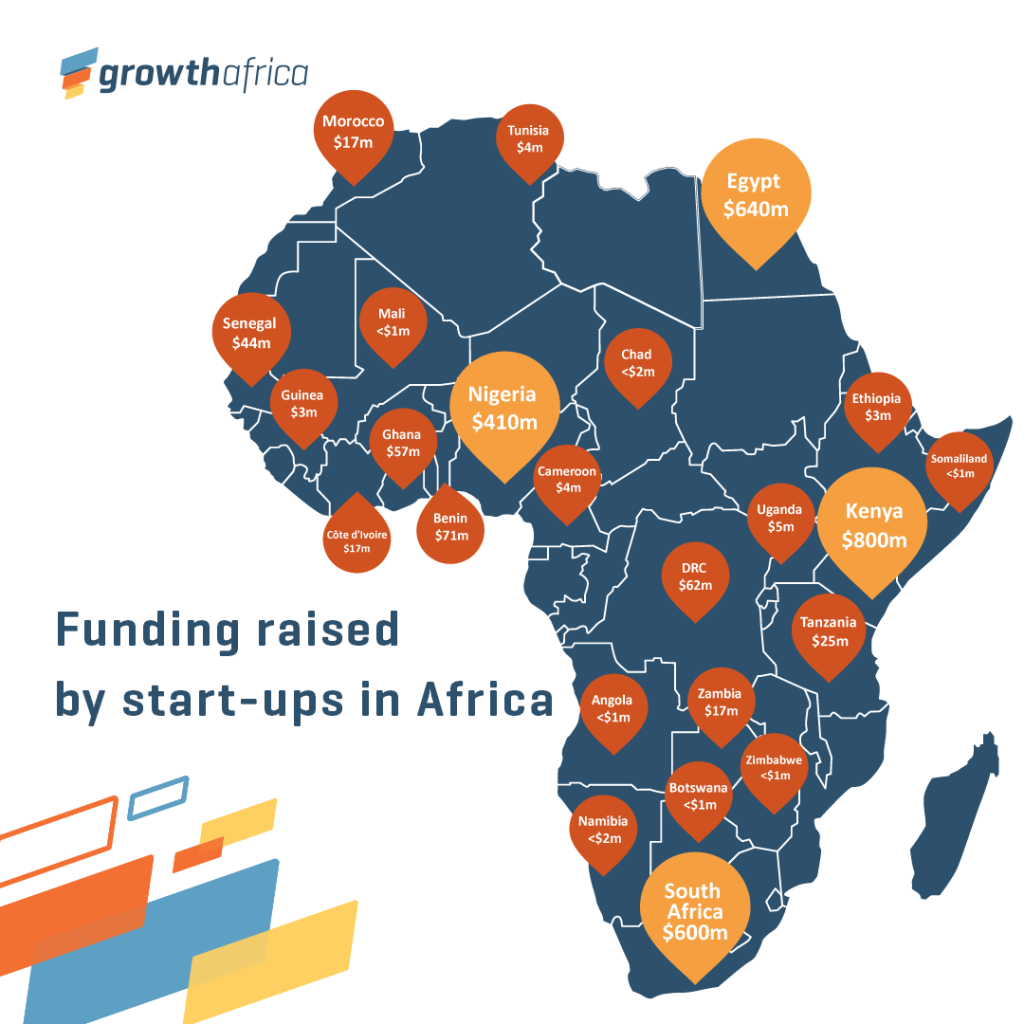
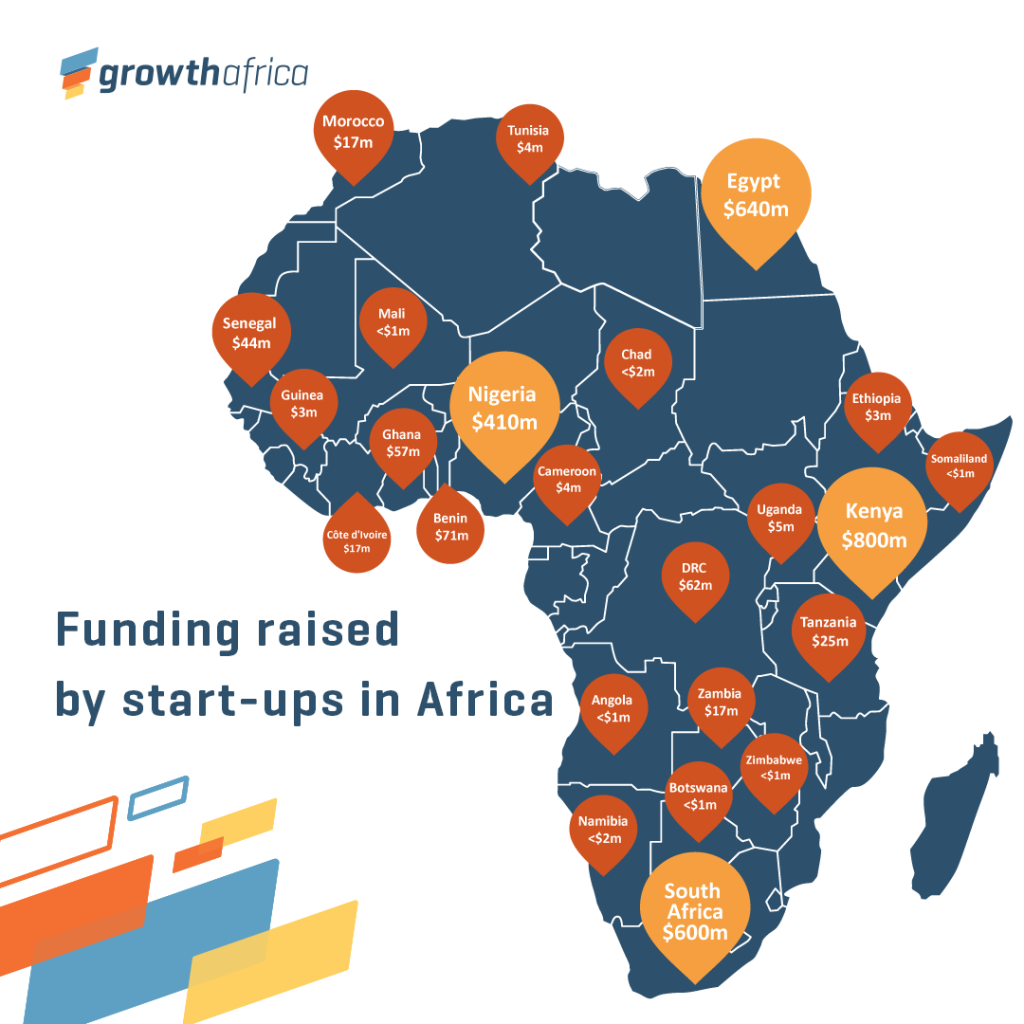
Geography still matters, but the map is slowly expanding. Nigeria, Kenya, South Africa, and Egypt continue to capture most of the venture capital, and that makes sense given their population size, market scale, and talent density. Yet 2025 showed encouraging signs of broadening. North Africa, especially Egypt and Morocco, saw stronger deal flow. Francophone West Africa and parts of Southern Africa developed deeper early stage ecosystems. The real story, though, isn’t just about where the money goes, but what it’s funding. Practical, revenue-focused startups dominated the headlines. Neobanks and financial super apps kept attracting capital, while specialized fintechs using tools like stablecoins tackled real pain points in cross-border payments. Take Honeycoin, for example, which already processes sizable volumes by using stablecoins to move value faster and cheaper. That business model highlights a broader truth about 2025. Technologies that solve entrenched frictions in payments, logistics, and trade found product-market fit much faster than speculative plays. Logistics and last-mile operators also gained serious traction, with companies like Kenya’s Senga blending on-the-ground operational expertise with route optimization software. Even hardware and deep tech made early moves, with startups like Nigeria’s ChipMango training engineers in semiconductor design to address a long-term skills gap. This shift toward practical problem-solving reflects a maturing ecosystem that values durability over drama.
The New Rules of the Game
With capital returning under stricter terms, startup teams face a new level of scrutiny. Due diligence has intensified. Founders now field tougher questions on customer retention, unit economics, and board composition before checks get signed. This heightened discipline can be painful in the short term, but it also weeds out weaker propositions and improves the overall quality of companies seeking scale. The decline in headline unicorn births through 2025 illustrates this trade-off perfectly. Attention has shifted from chasing astronomical valuations to building a broader funnel of fundamentally sound companies. External pressures are also shaping the next phase. Regional integration and predictable regulation matter more than ever for investors looking to scale beyond single markets. Meanwhile, Africa must reckon with global forces like the European Union’s carbon border adjustment policies, which could affect exports unless producers and policymakers plan for lower carbon intensity. So what should we watch in 2026? Expect more selective, larger growth rounds for companies that can prove unit-level economics, paired with a steady stream of small, well-executed seed deals. Keep an eye on payments infrastructure, logistics software that converts operational know-how into scalable platforms, climate tech that plugs into regional projects, and that nascent wave of hardware and skills plays. Most importantly, watch for exits. If 2026 produces a credible IPO or cross-border acquisition, it will validate the more disciplined approach investors adopted in 2025. The market emerging from this reset won’t generate the same headline fireworks, but its foundations will be stronger. For founders, investors, and policymakers who prefer steady growth over sudden spectacle, that’s an exciting prospect. Africa’s startup economy isn’t back to its old self, and that’s not a problem. It’s evolving into something more resilient, and possibly more influential, in the next chapter of global technology and trade. Sources: African Business, TechCrunch Africa coverage, and startups to watch analysis.