African Startups Raise $3.2 Billion in Comeback Year, With 18 Companies Eyeing Billion-Dollar Valuations in 2026
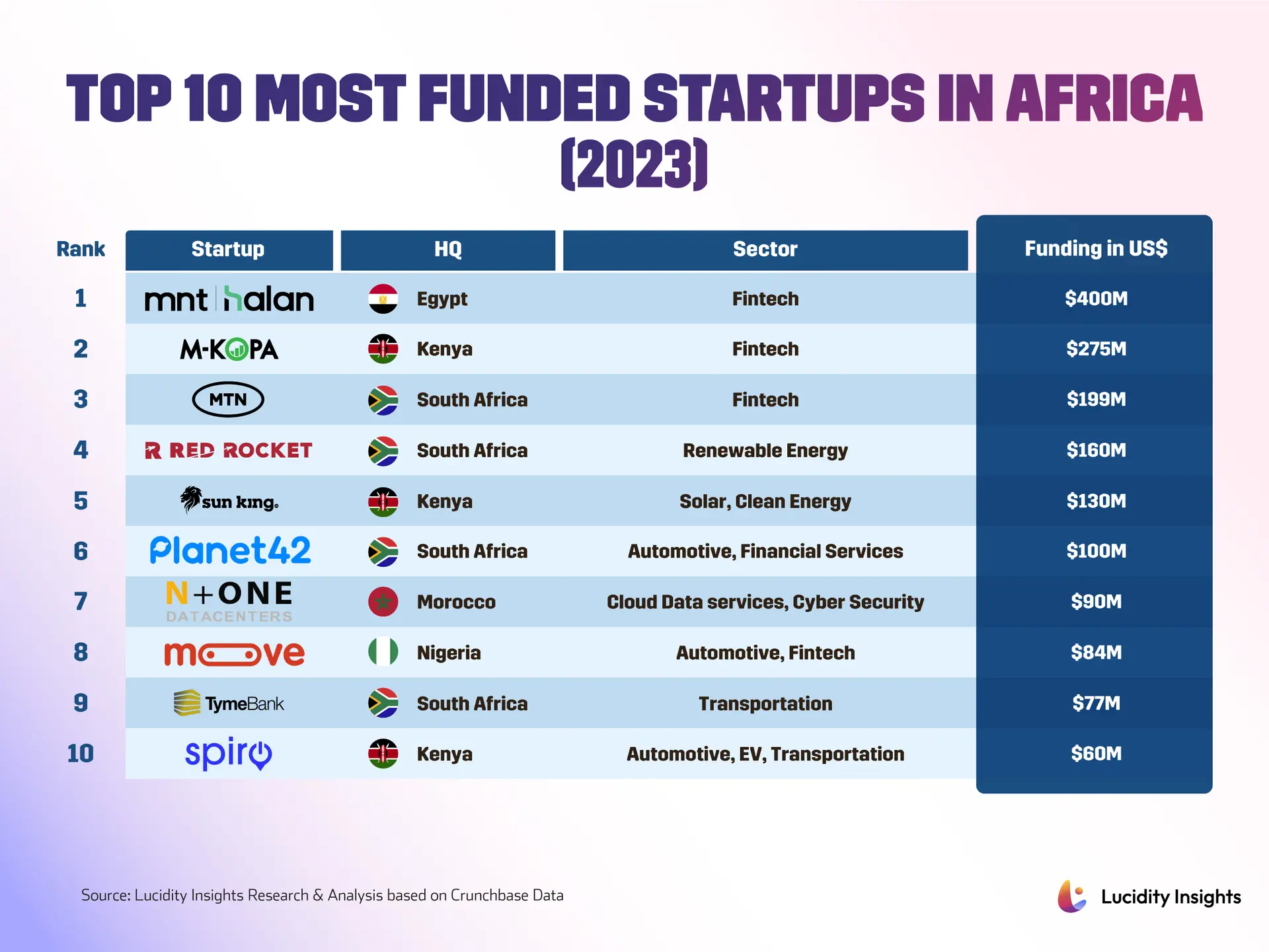
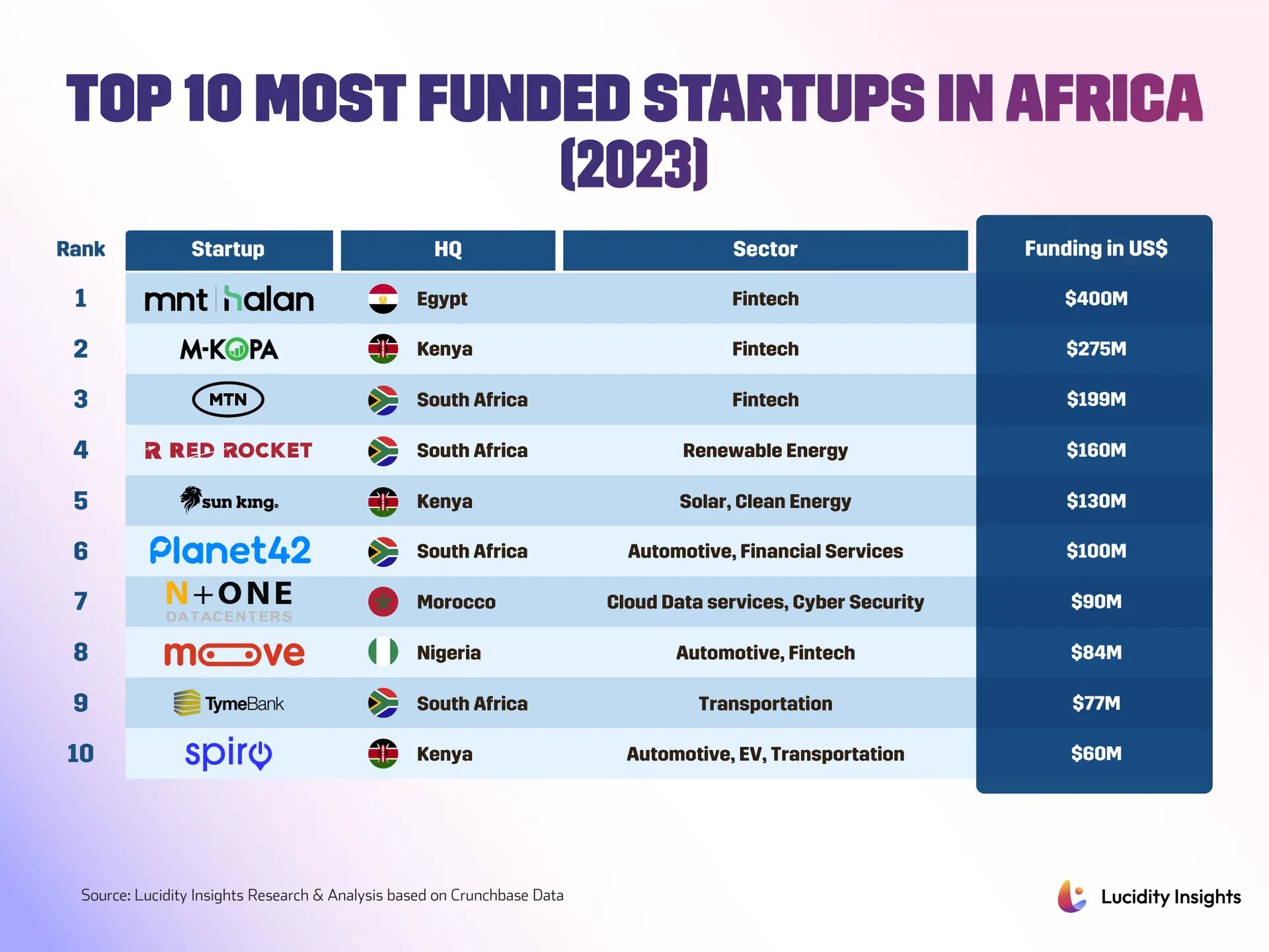
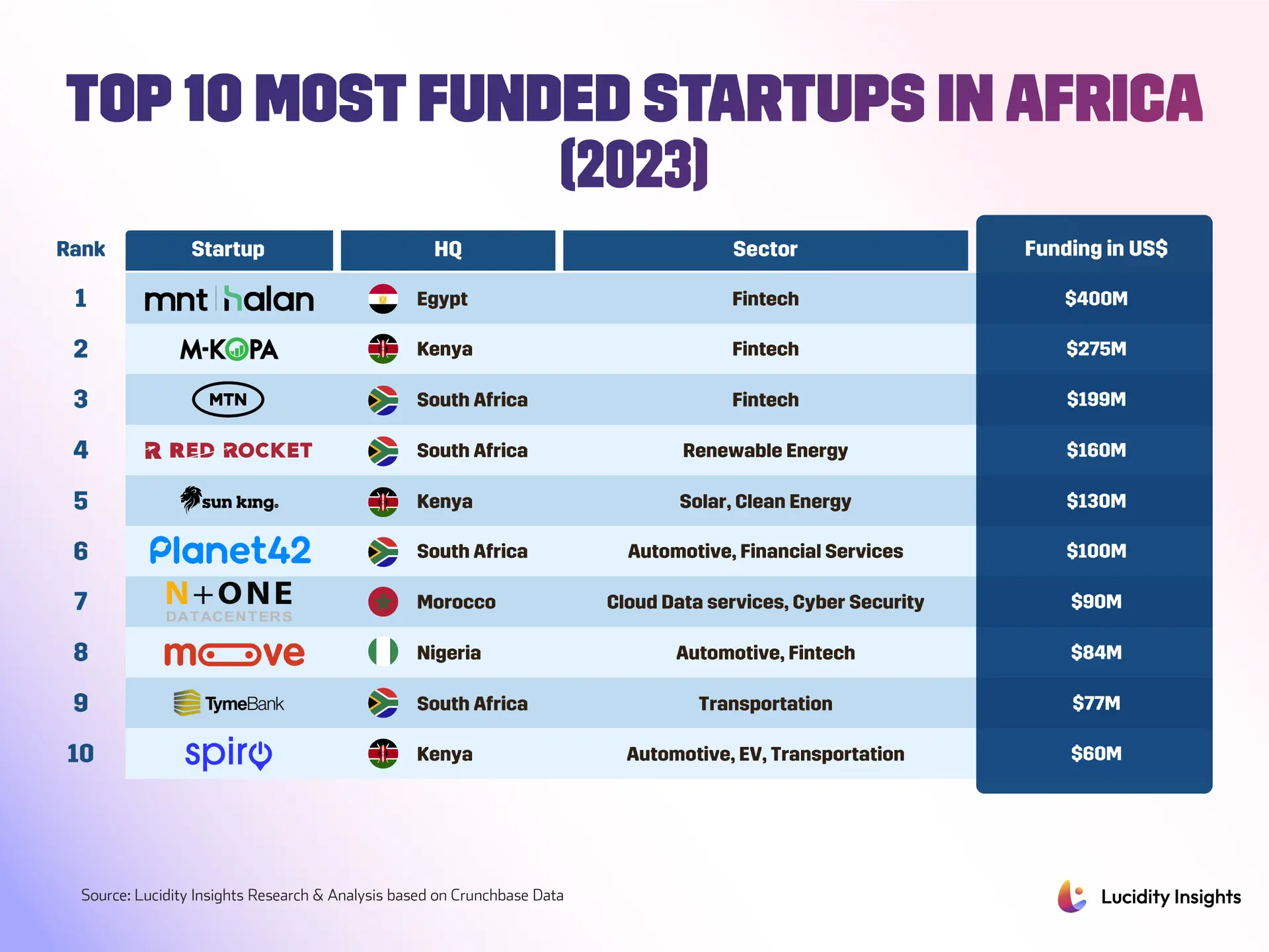
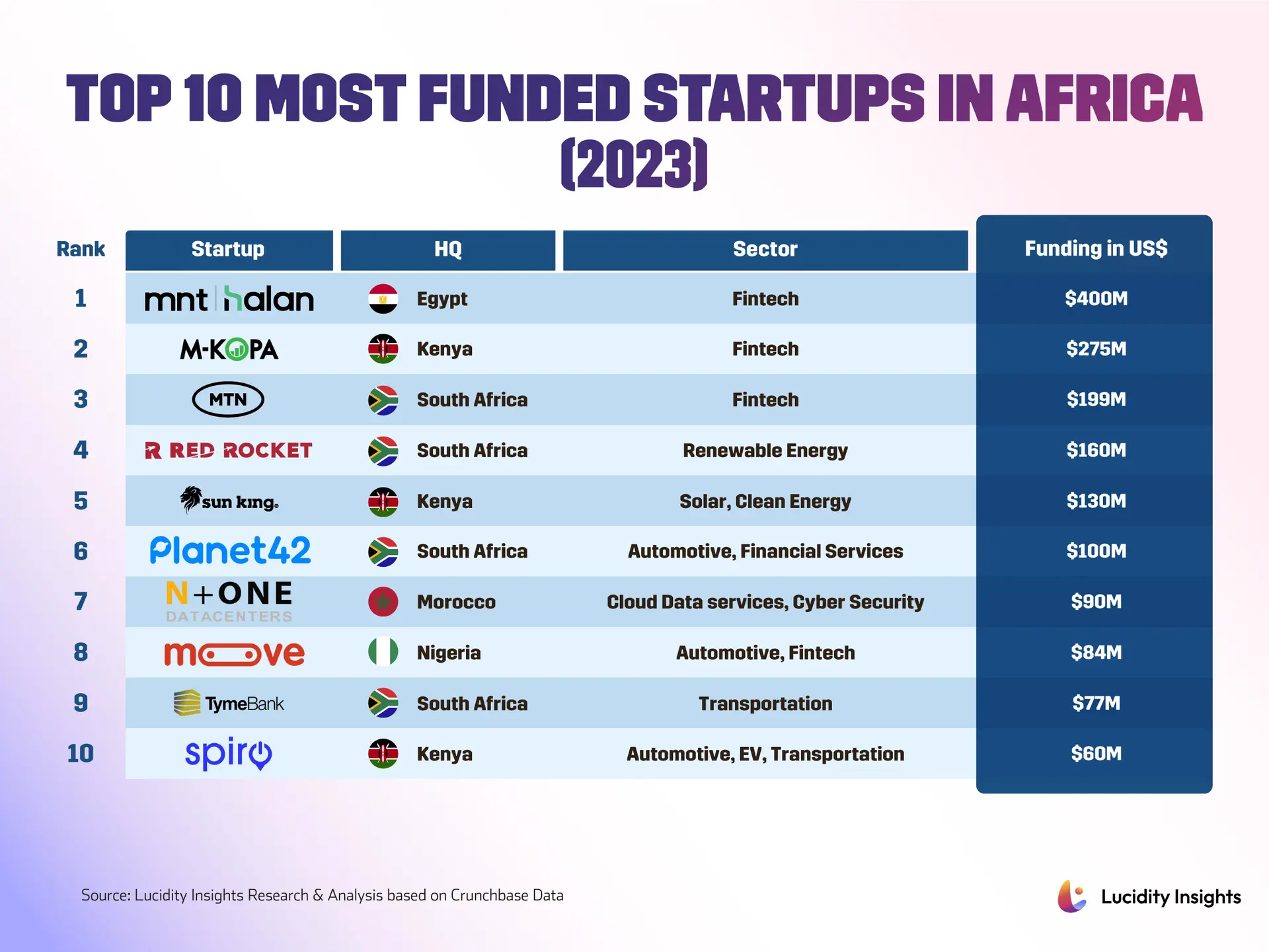
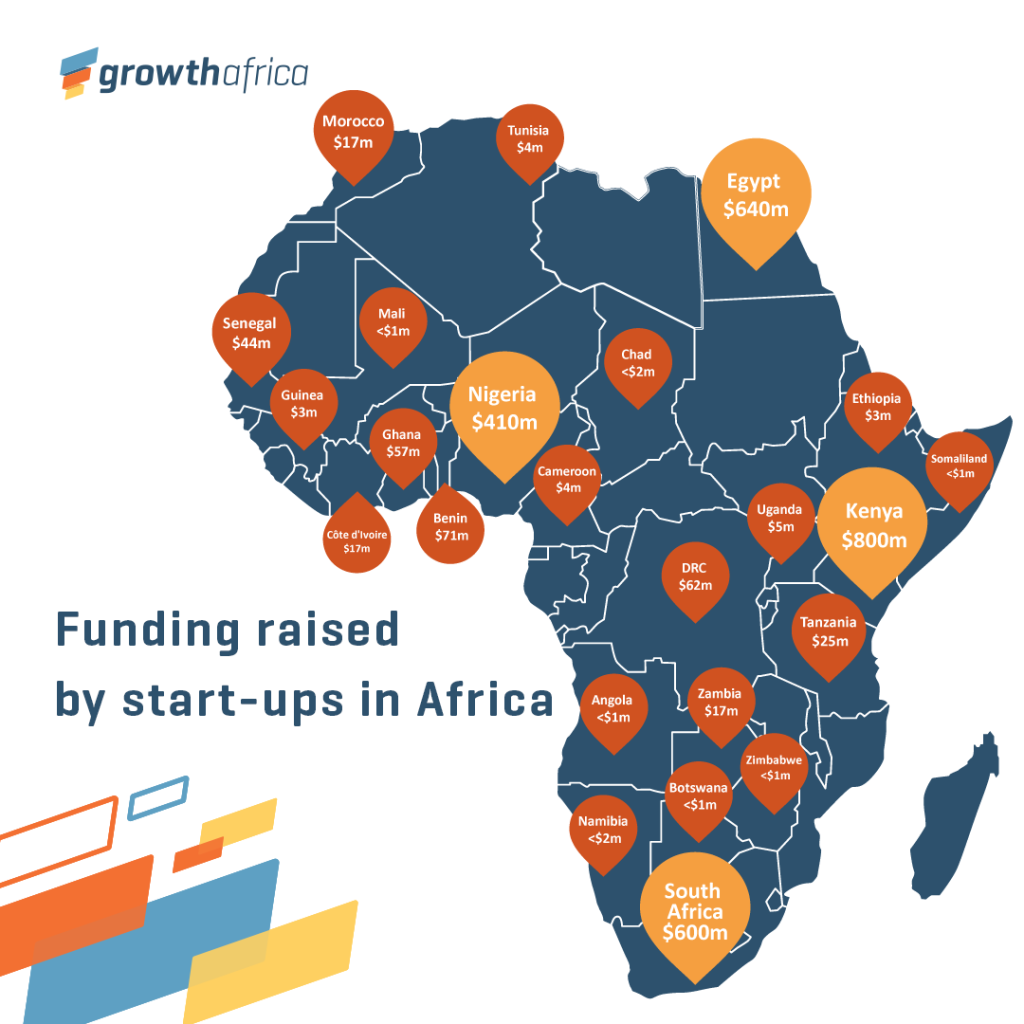
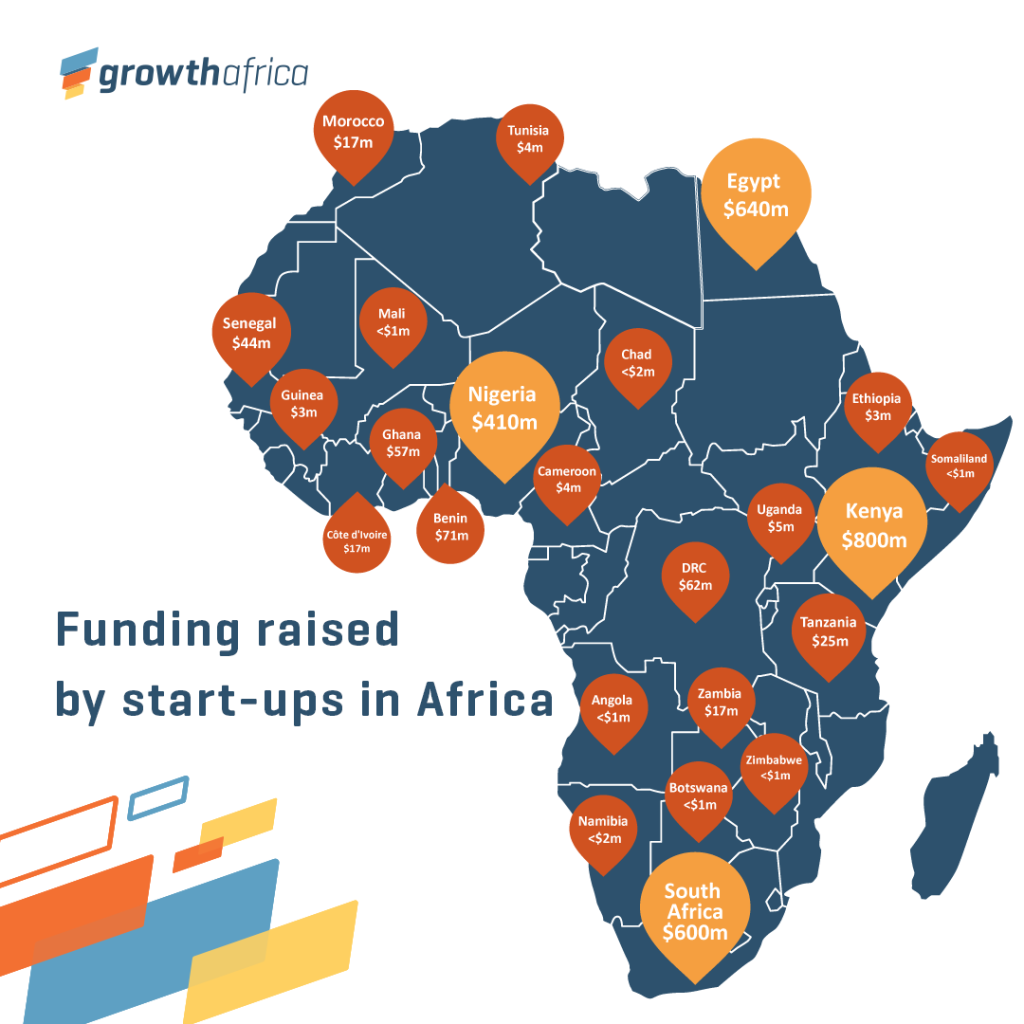
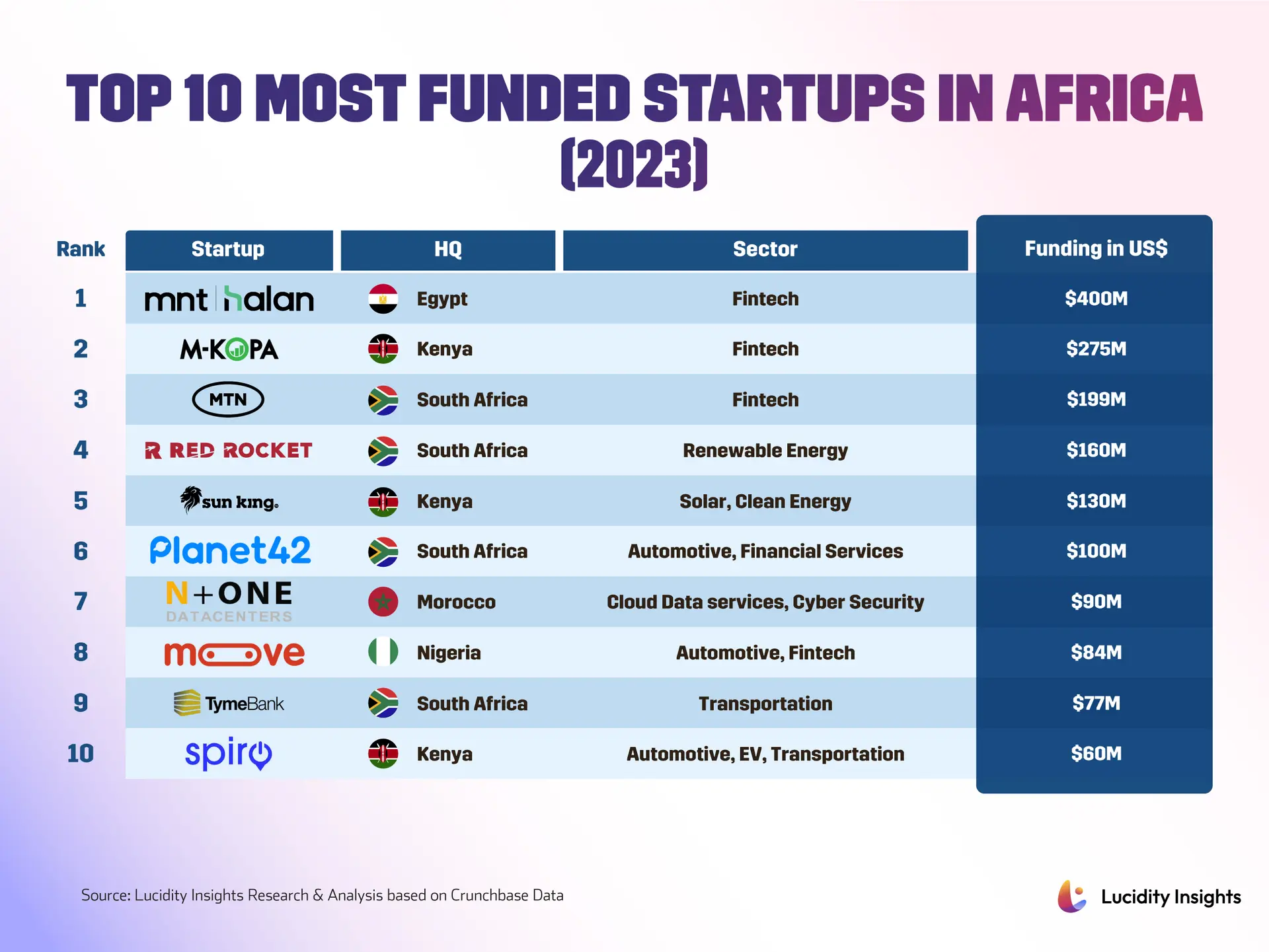
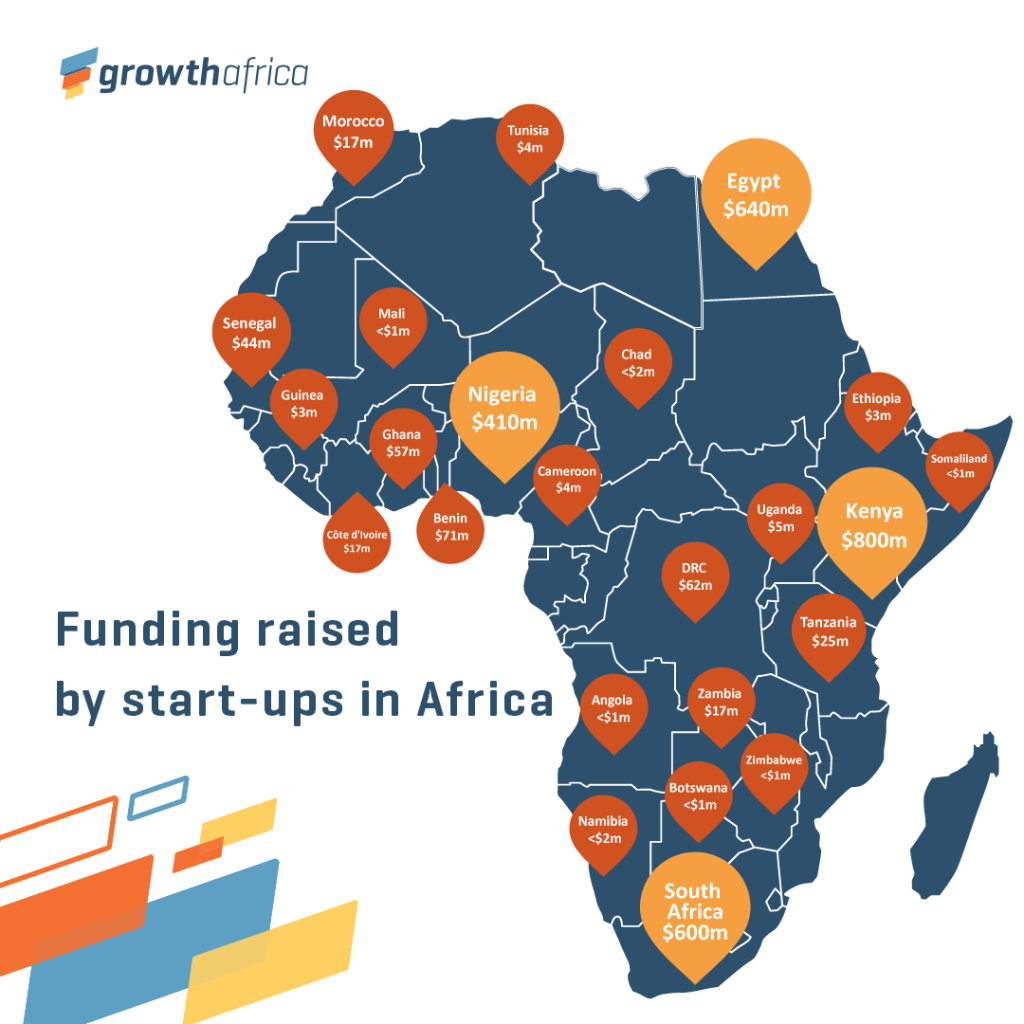
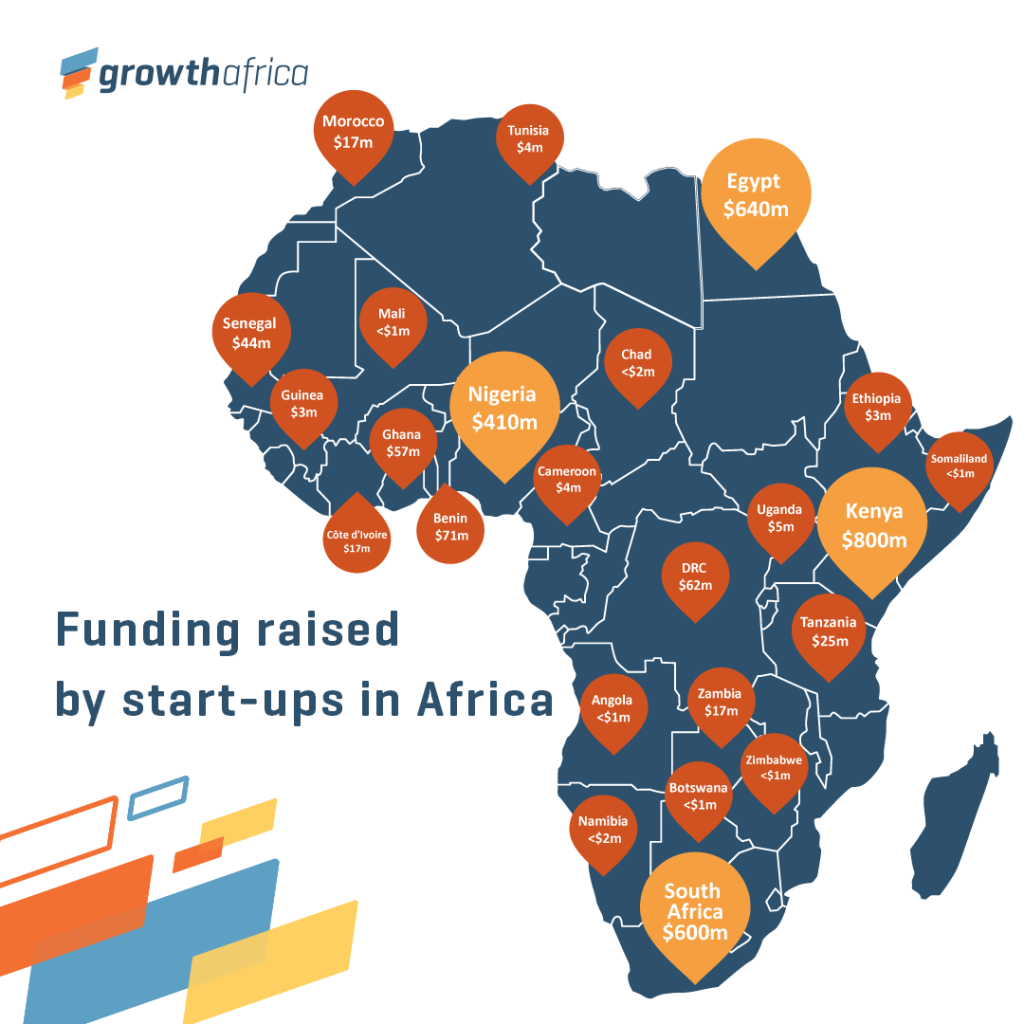
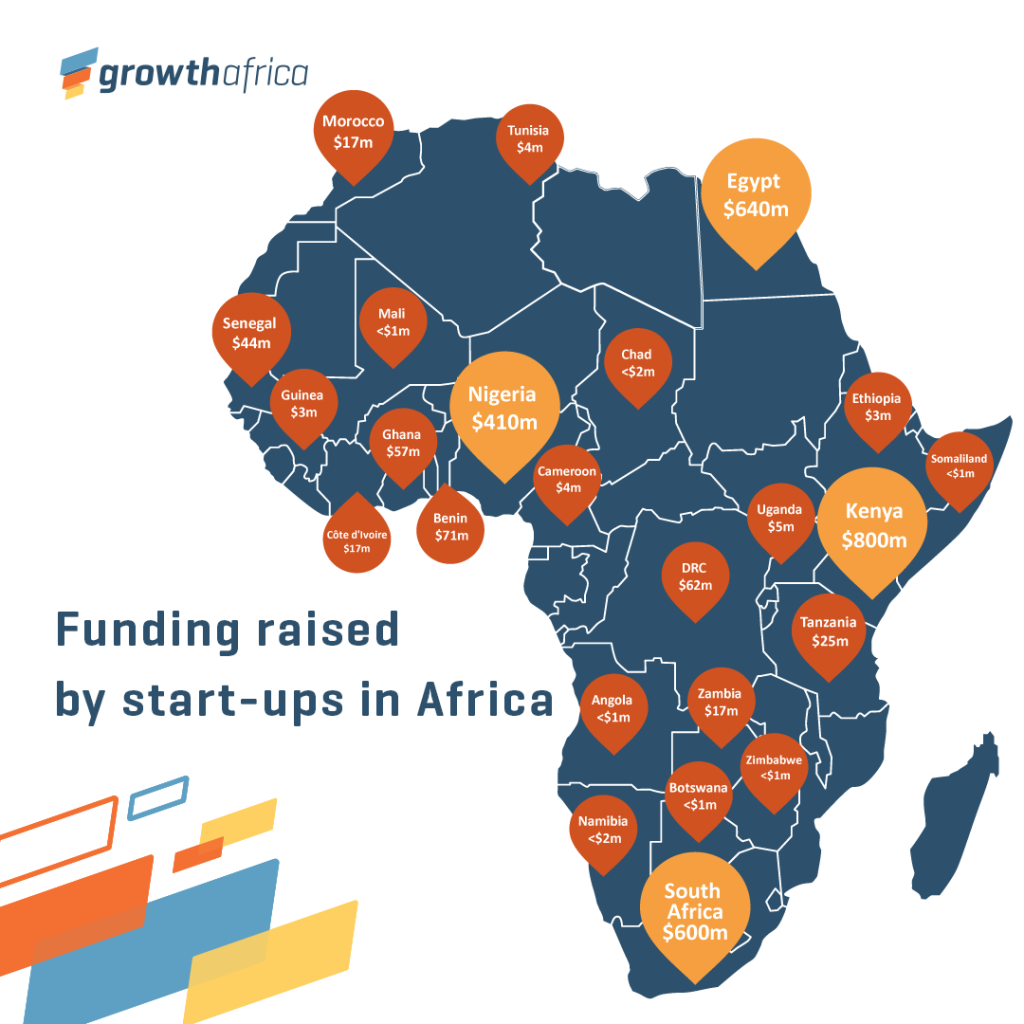
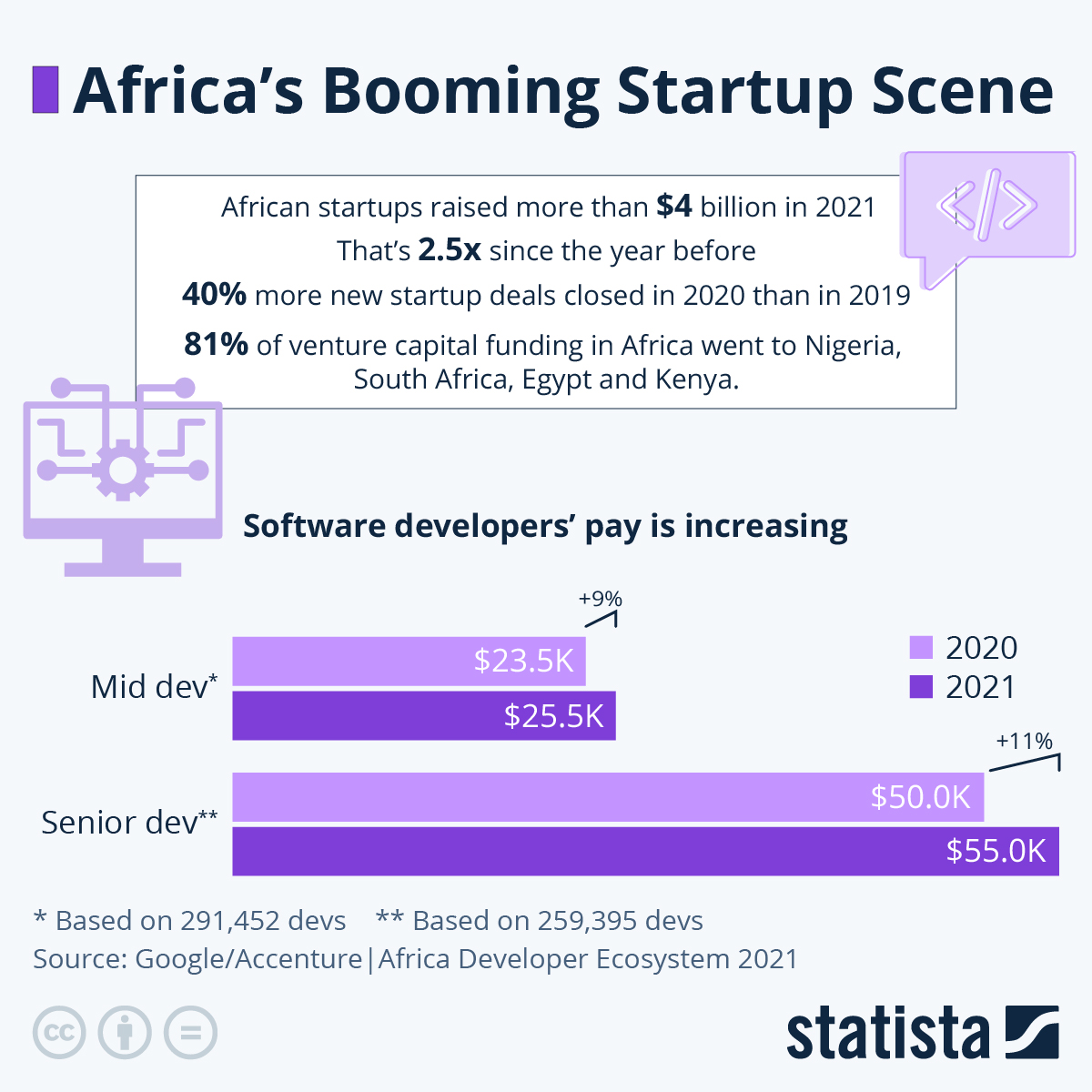
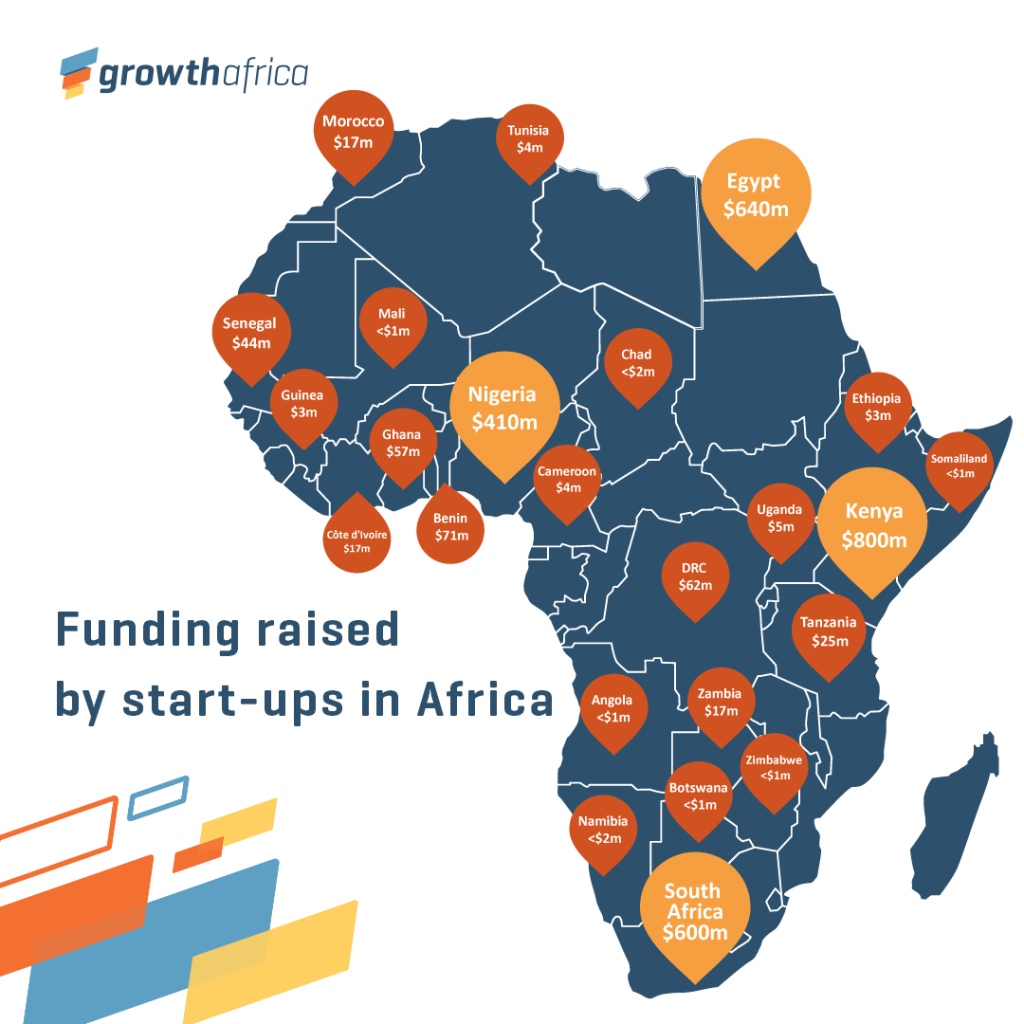
After two difficult years that saw global capital tighten and investors reassess risk, Africa’s startup scene entered 2025 with renewed momentum. Investors poured approximately $3.2 billion into African startups last year, marking the highest total in three years and signaling that capital is flowing back to the region. But here’s the twist: the investor mood has shifted dramatically. Gone are the days of exuberant expansion at any cost. Today’s funders want disciplined value creation, and that fundamental change will determine which companies make the leap to billion-dollar valuations or public markets in 2026. This measured recovery followed a contraction in 2023 and 2024, but by last year the market stabilized with deal activity and fundraising improving across key hubs from Lagos to Nairobi. Venture capital returned to a rhythm that looks healthier and more sustainable than the boom years before the correction. It’s not a return to unfettered growth-at-all-costs. Instead, the pattern in 2025 showed investors concentrating on businesses with clearer paths to profitability and repeatable revenue models, as detailed in recent African Business analysis.
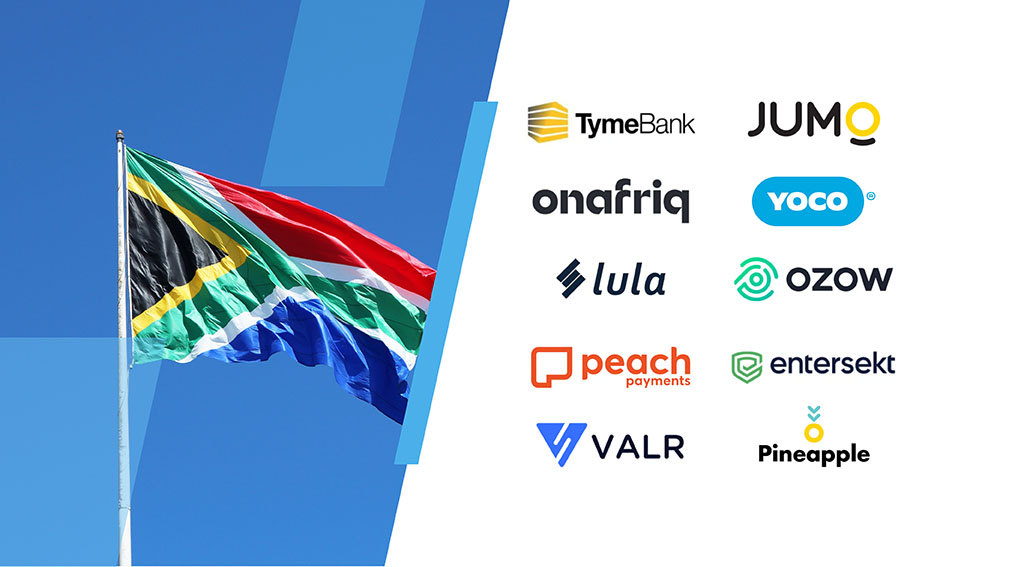
One of the defining dynamics of this recovery has been tougher scrutiny from investors. Limited partners, the institutions and wealthy individuals backing venture funds, have signaled they want better returns, not merely higher deal counts or headline valuations. That pressure has pushed fund managers to apply more rigorous due diligence and demand stronger unit economics, tighter governance, and realistic exit plans from founders. Unit economics, which refers to the direct revenues and costs associated with a single user or transaction, has become a simple but powerful metric investors use to judge whether growth can actually be profitable at scale. This recalibration is already shaping deal terms and determining which startups attract follow-on funding. Capital is still available, but it’s being matched with expectations that companies will show progress on margins, a path to cash flow break-even, or credible routes to liquidity through sales or public listings. Not all sectors are equal in this new environment. Fintech continues to dominate conversations and investment, given its large addressable markets and clear monetization levers. Industry trackers highlight a slate of 18 startups that look poised to chase billion-dollar valuations or IPOs in 2026, including names across payments, lending, and embedded finance, as BusinessDay reports. These companies represent a generation of African startups that have moved from finding product-market fit to scaling operations, customer acquisition, and regulatory engagement. Their successful transition will hinge on rigorous compliance, risk controls, and the ability to demonstrate repeatable revenue. For founders who can thread that needle, the prize is substantial. For those who can’t, the tougher investor scrutiny of 2025 means later-stage funding may be harder to secure.
Funding flows and startup fortunes won’t be decided by software alone. Big infrastructure projects and geopolitical signals also matter significantly by shaping market access, logistics, and investor confidence. The United States’ growing engagement in Africa, exemplified by backing for major projects like a proposed $10 billion airport development in Ethiopia, signals that strategic infrastructure investments are returning to the continent. Airports, ports, and transport corridors reduce friction for trade and commerce, and they can indirectly benefit startups by lowering costs and expanding reach for goods and services. At the same time, external policy shifts are creating both opportunities and challenges. European regulatory moves and trade policy adjustments, for instance, are prompting African businesses and policymakers to reassess data flows, standards, and market integration. For startups that rely on cross-border digital services, evolving EU rules on data protection and digital services may require new compliance steps, but they also open up potential to serve larger, more regulated markets if firms can meet the standards. The message for entrepreneurs is straightforward. Growth remains possible and investors are ready to deploy capital, but companies must now prove they can turn top-line momentum into sustainable economics. Founders should prioritize transparent reporting, robust unit economics, and governance structures that give investors confidence. Those who refine their business models and regulatory readiness will be best positioned to join the next wave of exits and public listings. As 2026 unfolds, the continent will be watched for milestone events. Will several of the 18 high-profile contenders achieve unicorn status, defined as private valuations of $1 billion, or successfully list on public exchanges? Will infrastructure projects and international partnerships materially lower the cost of doing business across borders? And will tighter investor discipline produce healthier markets and a faster cadence of exits? For policymakers, the question is how to support an ecosystem that can scale responsibly. For investors, the calculus is which sectors and teams can combine growth with rigorous unit economics. For founders, the task is to convert the rebound into durable businesses. The renewed capital entering African tech in 2025 isn’t a return to old patterns. It’s a signal that the market is maturing. The winners will be those who adapt to the new standards and seize the openings created by better connectivity, clearer regulation, and a more disciplined investor class, as seen in the broader Yahoo Finance coverage of Africa’s investment landscape. The coming year will reveal which startups can make that leap, and which ecosystems will supply the talent and policy environment to sustain them, building on the momentum captured in our previous reports on Africa’s startup ecosystem growth, the continent’s tech renaissance, and the record funding and innovation driving this transformation.