
Congo’s Battle for Peace, Southern Africa’s Green Revolution: A Region at a Crossroads in 2026
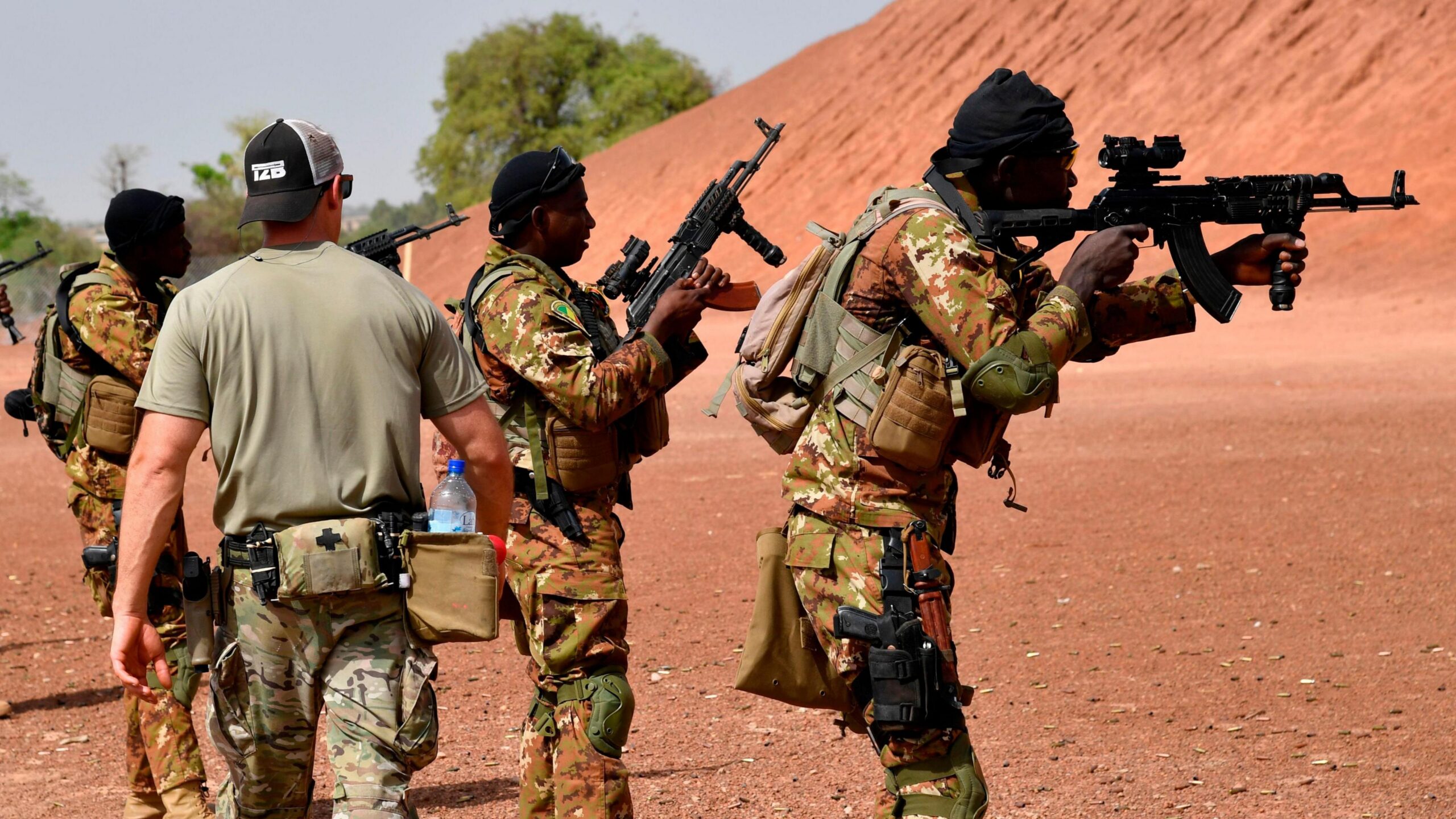
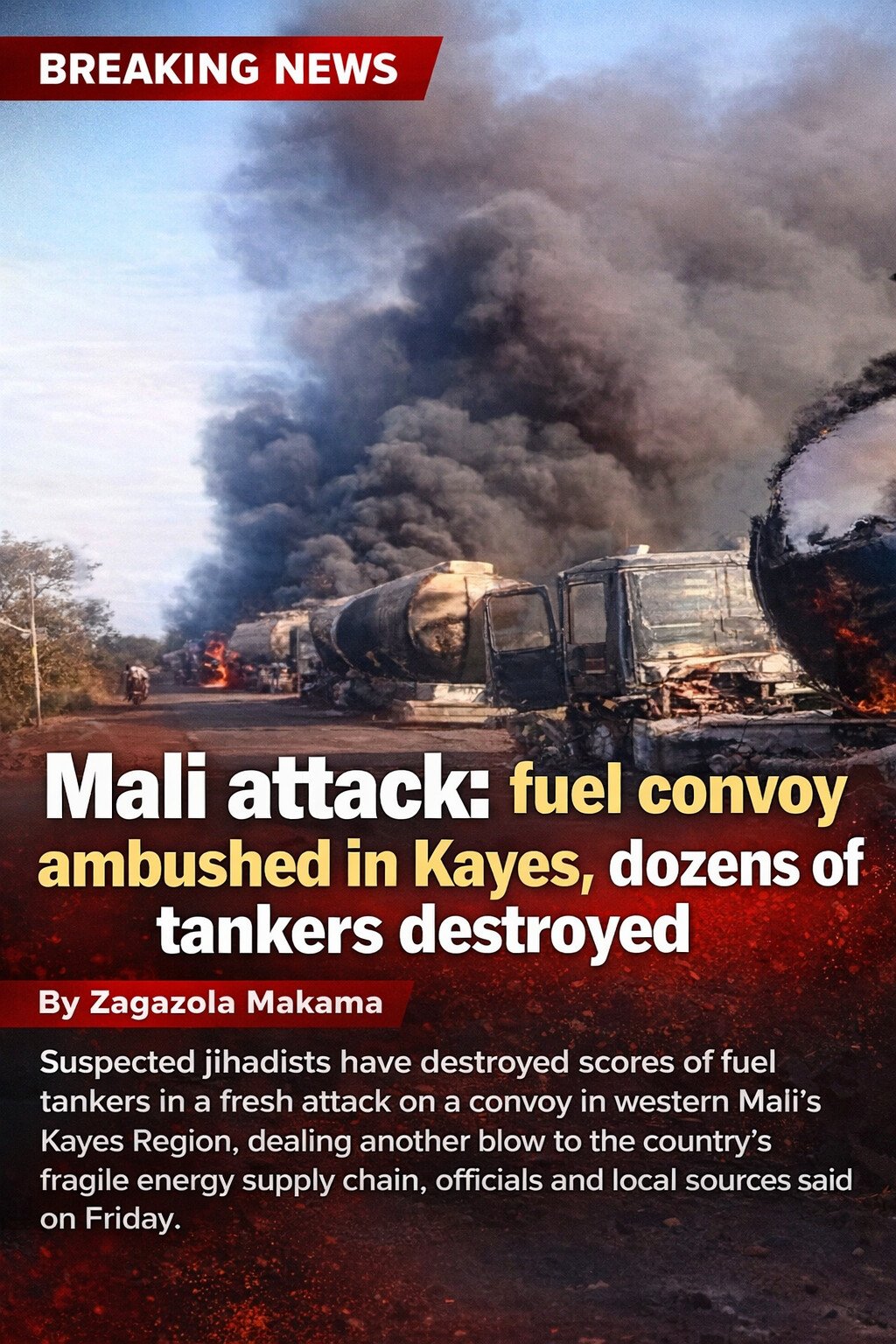
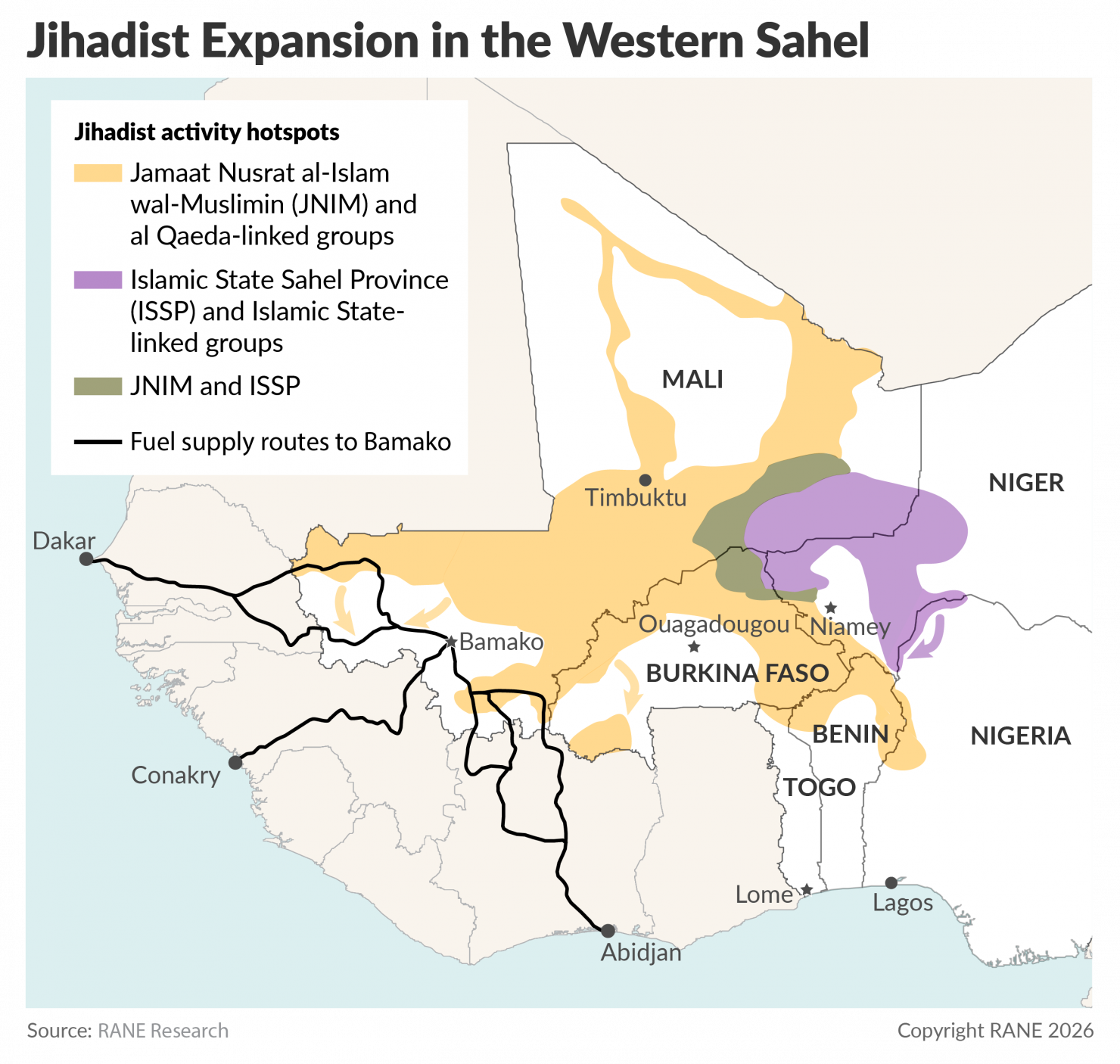
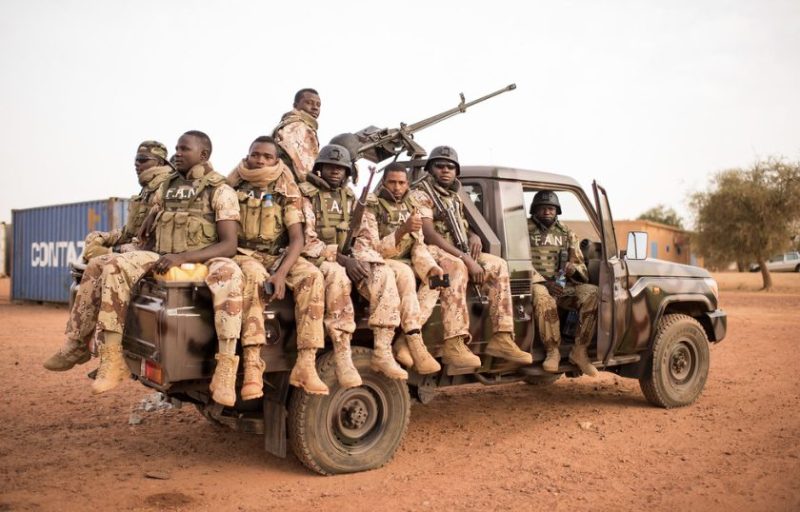
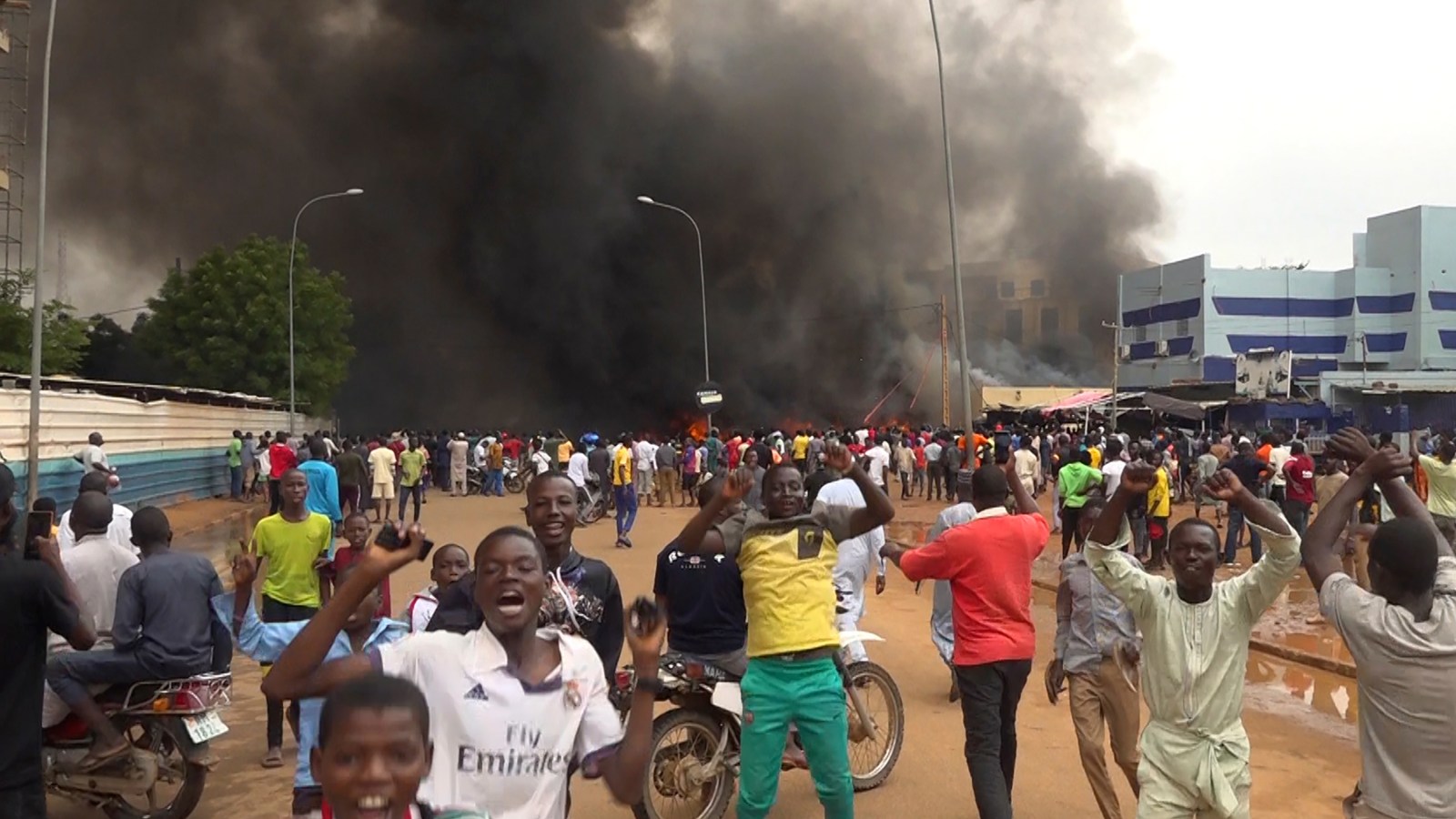
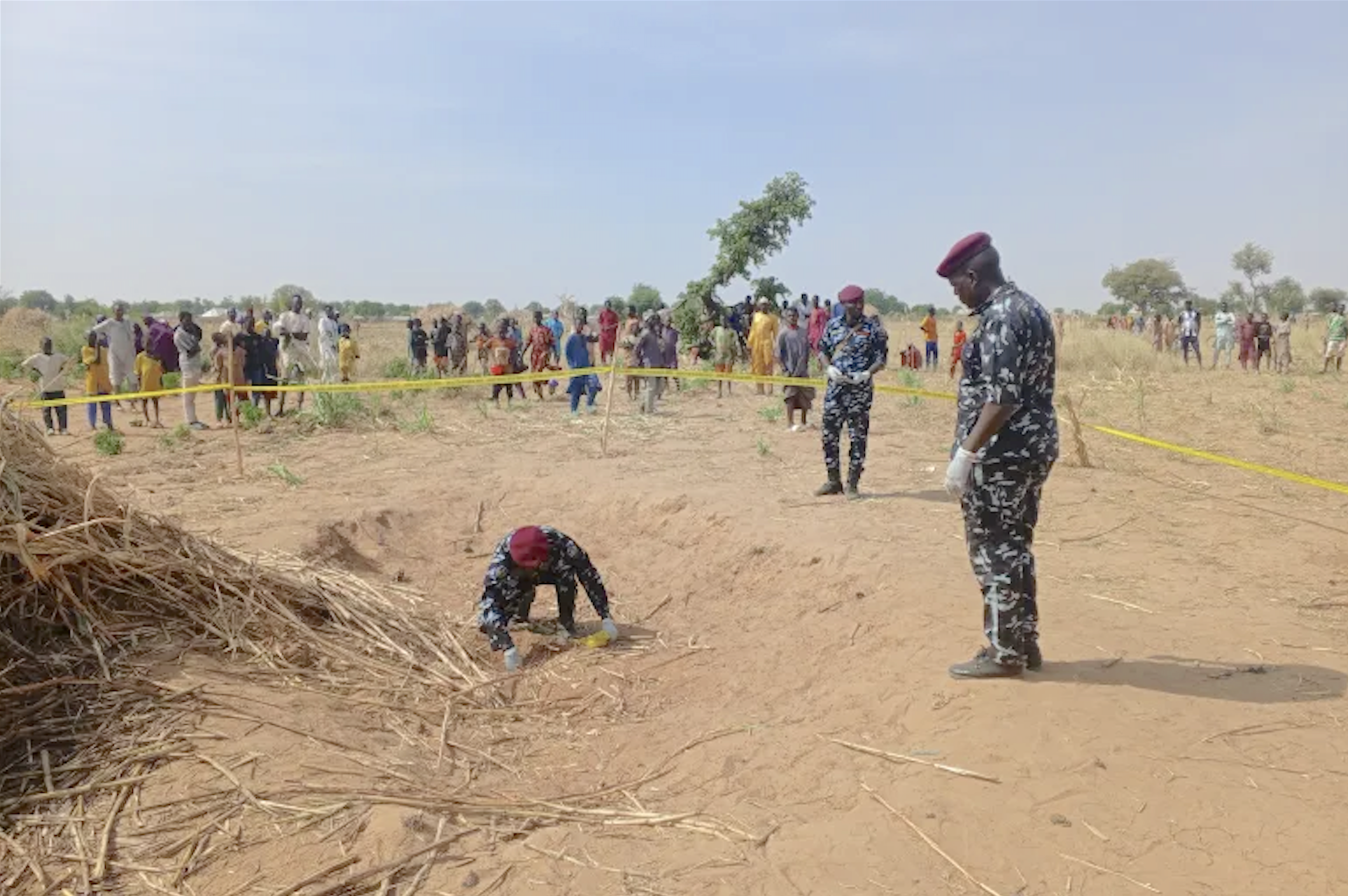
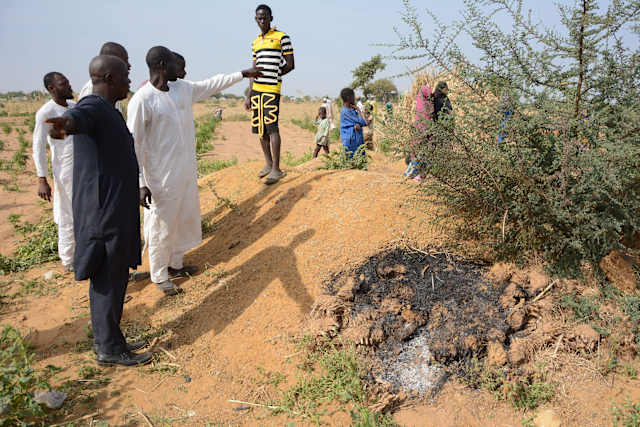
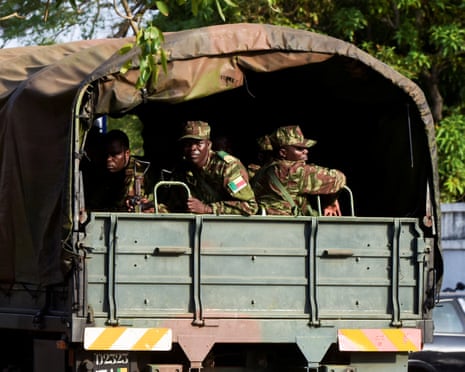
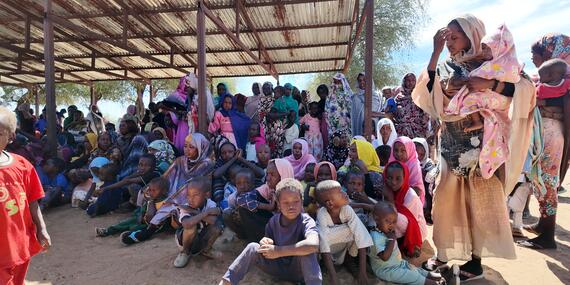
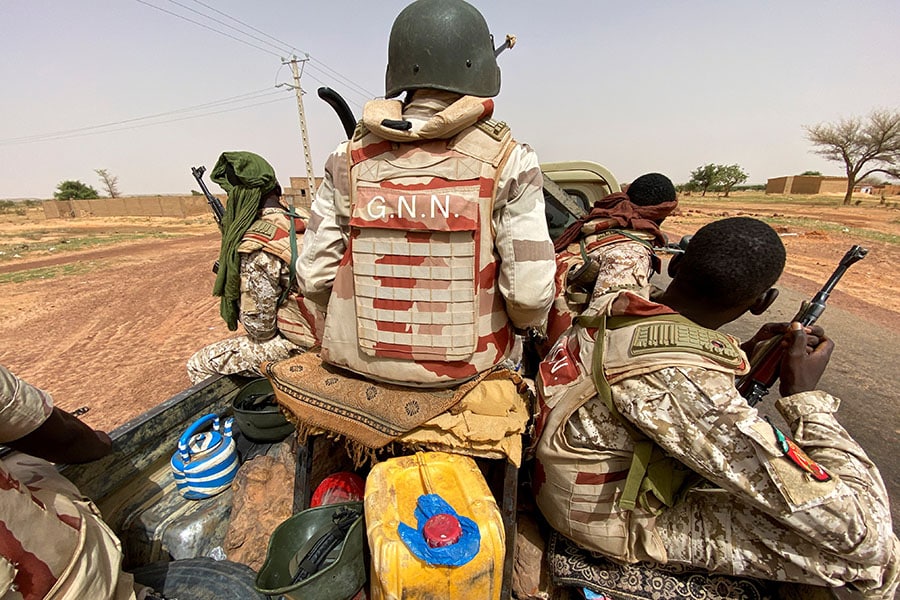
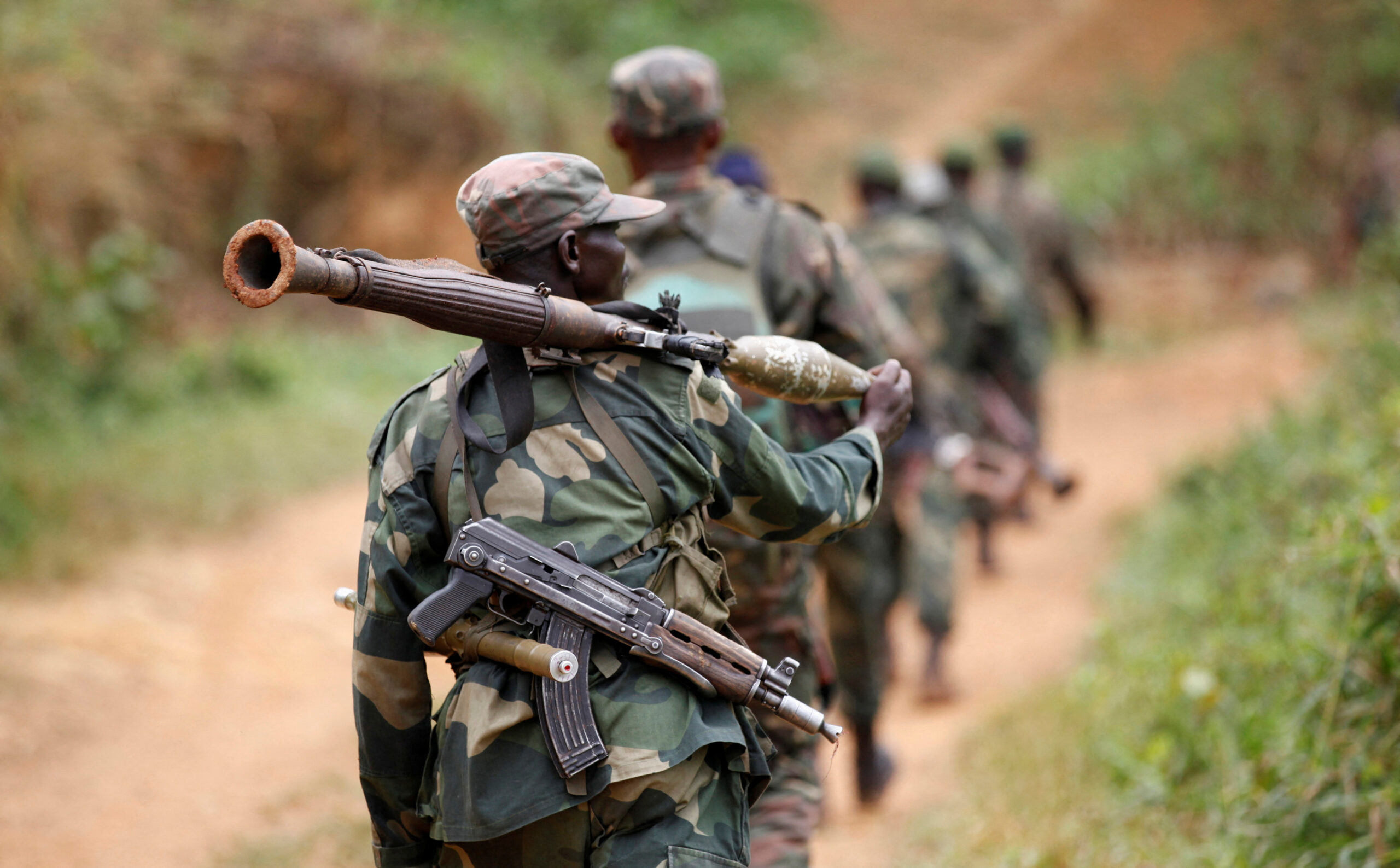
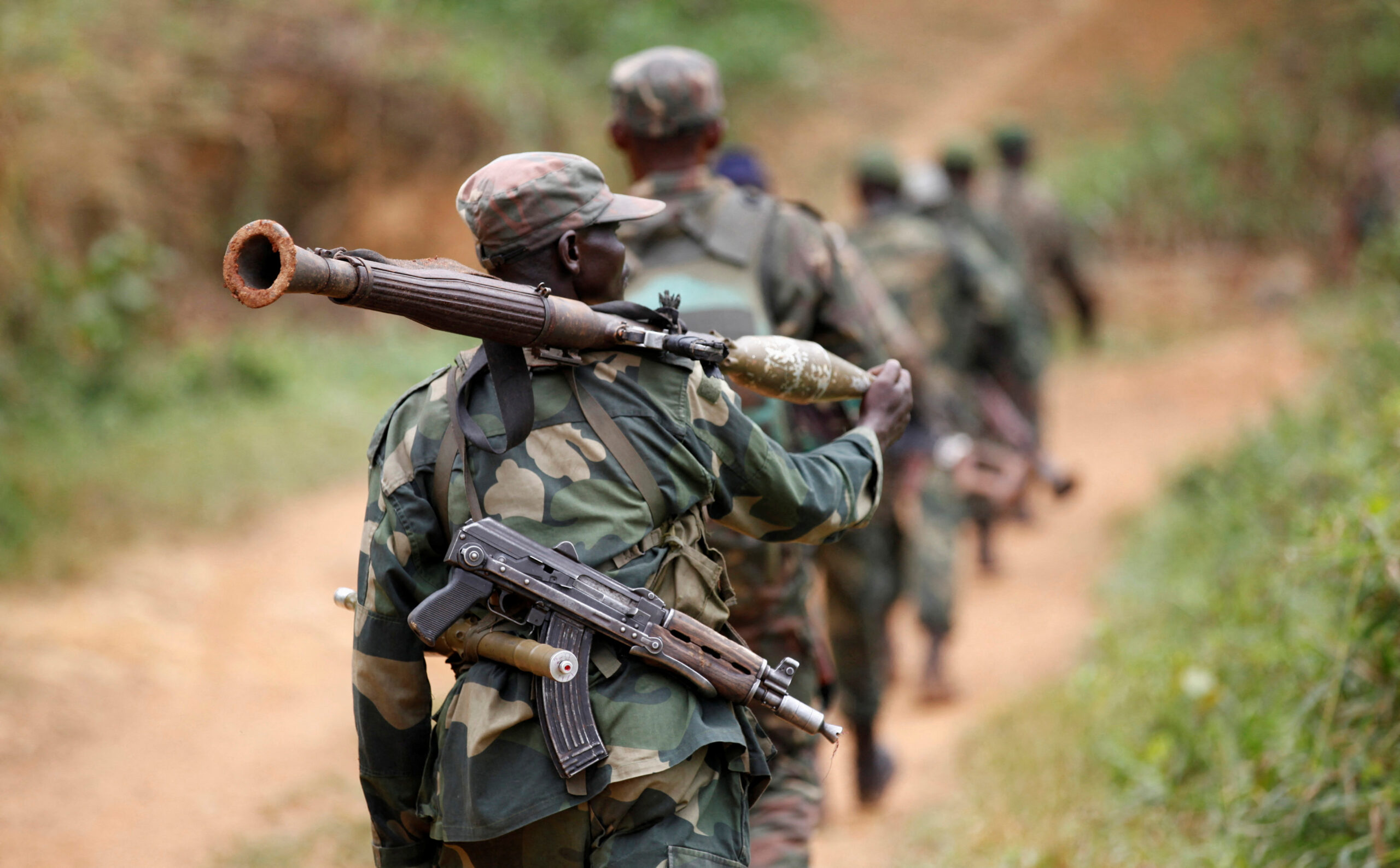
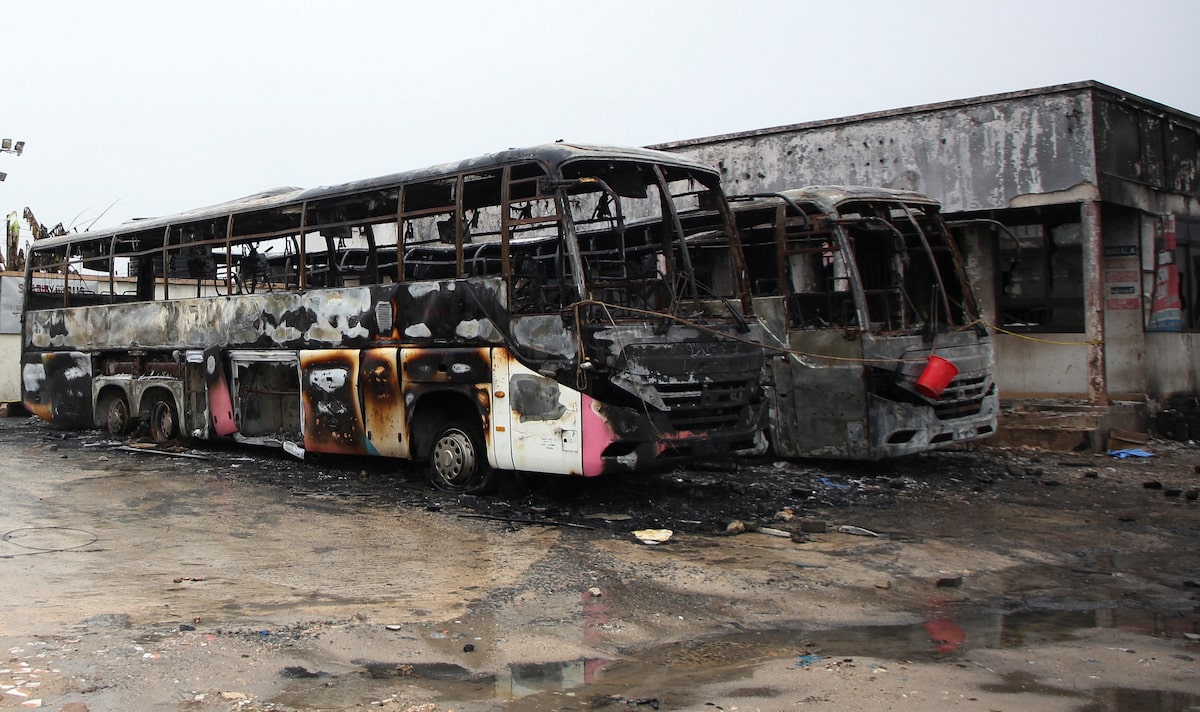
Eastern Congo finds itself embroiled in increasing violence, a harsh contrast to the surrounding Southern African region which is quietly cultivating significant agricultural progress. These two narratives, though seemingly disparate, deeply intertwine, highlighting how security and food production aren’t just important, they’re absolutely pivotal for Africa’s stability and economic future. Just recently, on January 25, 2026, a militant group tied to the Islamic State launched a devastating attack in eastern Congo’s Ituri province, claiming at least 25 lives. This isn’t just a localized incident, it’s a troubling escalation in regional insecurity that worsens already long standing conflict challenges. What does this mean for the people living there? It jeopardizes their safety, disrupts daily life, and stalls vital development efforts across the Democratic Republic of Congo. As authorities and human rights groups urge increased vigilance and unified action against this Islamic State-backed threat, we can’t help but wonder: how can any community truly thrive under such persistent fear? The implications for regional peace are vast, stretching beyond Congo’s borders and influencing the wider continent’s ability to achieve sustainable economic growth and stability.
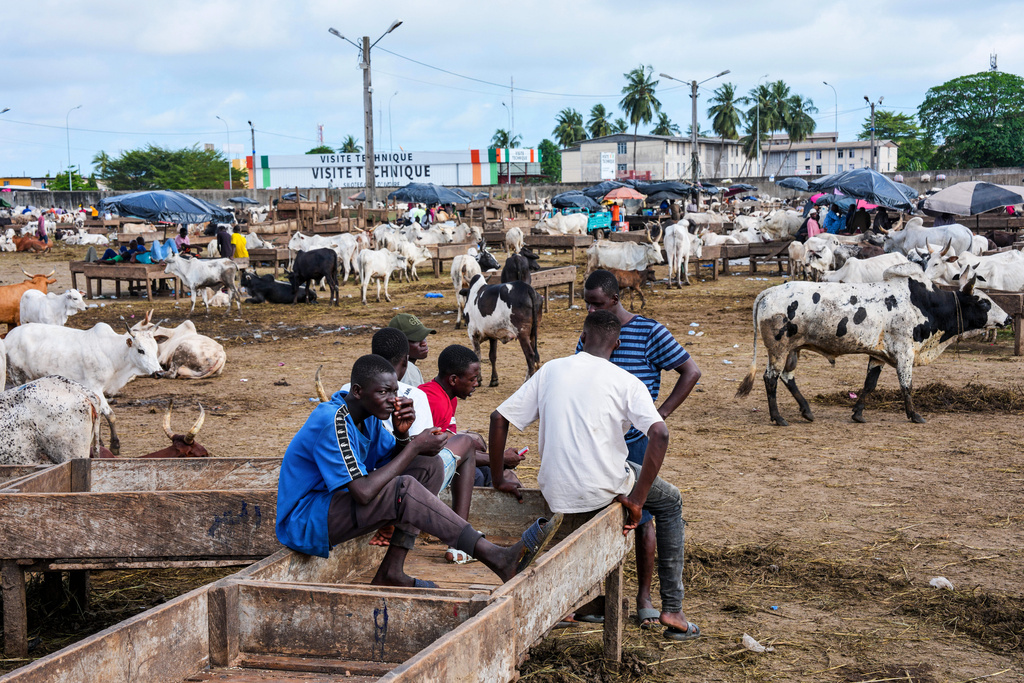
Yet, amidst the insecurity shaking parts of Congo, Southern Africa’s agricultural sector is charting a dynamic new course, marked by both innovation and unwavering resilience. Take South Africa, for instance. It closed out 2025 with a mixed, but ultimately strong, agricultural showing. Favorable rainfall and smoother port operations meant record harvests for field crops and horticulture, allowing goods to flow more easily to global markets. But it wasn’t all good news. The livestock subsector, for one, struggled with ongoing foot-and-mouth disease outbreaks and rising feed costs, squeezing farmers’ profits. These contrasting outcomes really underscore how complex the sector is, don’t they? Targeted support is clearly essential to keep this growth going. A big part of this regional agricultural expansion comes down to the transformative power of digital platforms. The Nile online platform, for example, is revolutionizing farming across Southern Africa. It empowers farmers, connecting their produce to markets in over 50 countries, boosting visibility, access to buyers, and price transparency. This digital leap is making farming more inclusive, especially for black commercial farmers who’ve faced historical barriers. Complementing this effort, African Farming, established in 2020, provides rich content, educational workshops, and communication channels, all designed to help farmers build profitable, sustainable businesses. This kind of digital innovation is exactly what African agriculture needs to flourish.
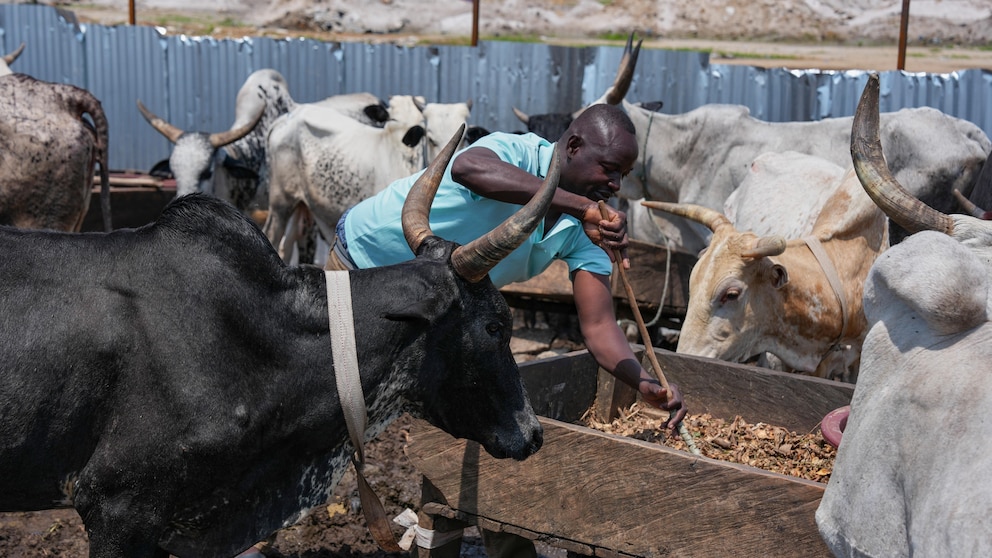
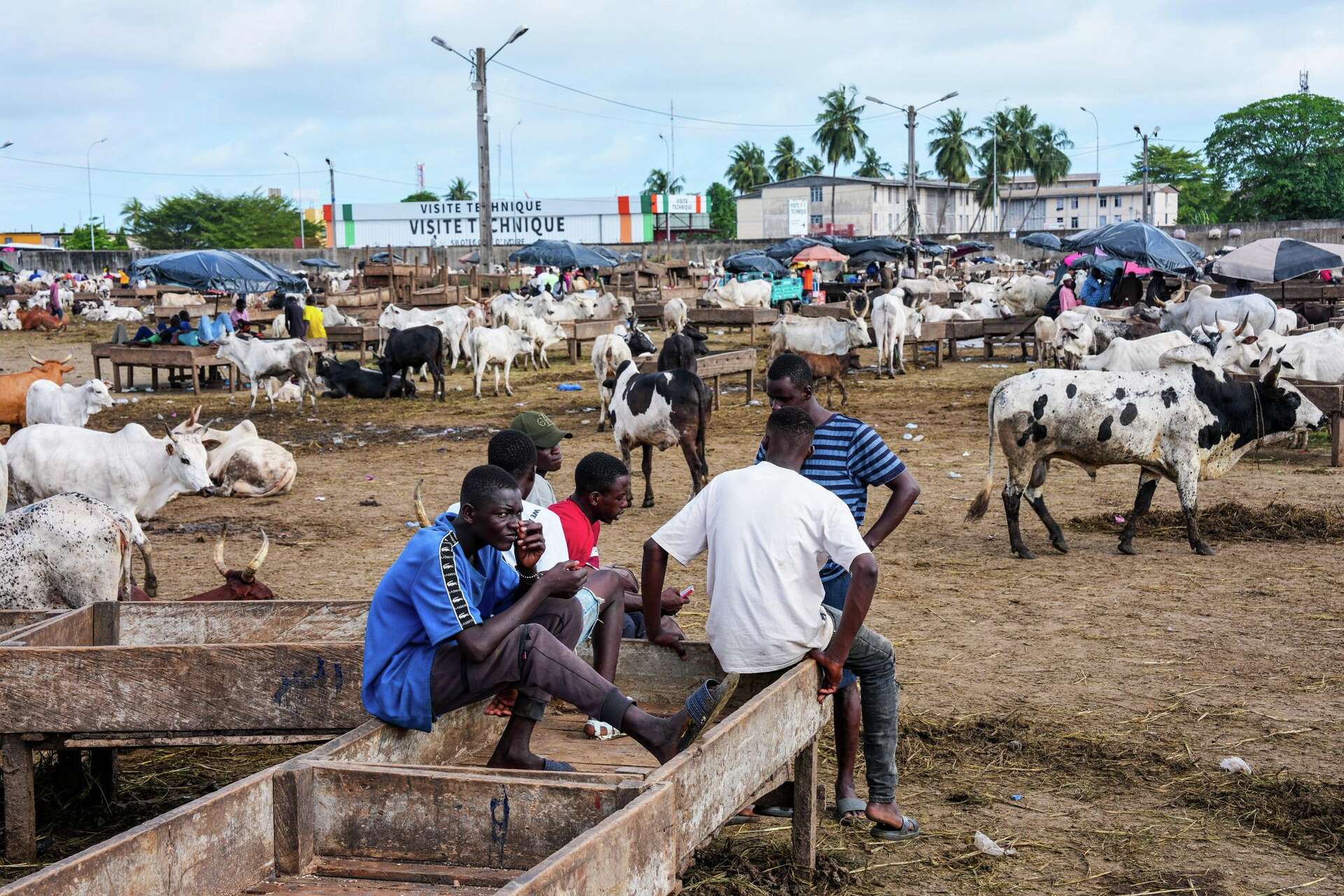
When we talk about scaling up agricultural exports, especially for an export-oriented country like South Africa, logistics truly stand as a crucial pillar. We’re talking efficient transport, storage, and distribution networks that ensure high-quality produce reaches both African and international markets promptly. This preserves value and sharpens trade competitiveness. The red meat industry, with its deep historical and cultural roots, remains a cornerstone of South Africa’s agricultural identity and economic fabric. Overcoming persistent export barriers and enhancing logistics infrastructure is becoming more urgent, simply because we can’t unlock the sector’s full potential without it. Beyond infrastructure, veterinarians and agricultural experts are stressing the critical need for accurate information, particularly when managing livestock diseases like foot-and-mouth disease. Misleading claims, like those about nanosilver products, only confuse farmers and risk making outbreaks worse. Voices like Neo Brian Rasehlo are advocating for transparent education and practical solutions, emphasizing that recovery and growth are absolutely achievable with a sound strategy. Events like “farmers’ days” in communities such as Vrede and Mooi River are more than just gatherings; they’re vital forums for sharing knowledge and boosting morale, reinforcing the idea that education and production are deeply connected. What does all this mean for the future? Well, the dual focus on securing peace in conflict zones and advancing agricultural development will be paramount for Congo and the entire surrounding region. Strengthening governance and security responses to militant threats isn’t just about protecting lives, it’s about creating the very conditions necessary for economic activity. At the same time, smart investment in agriculture, through innovation, effective disease management, and improved export logistics, can unlock the sector’s immense promise, improving livelihoods and bolstering food security. This combined strategy could very well chart a sustainable path forward, one where stability enables prosperity and agricultural growth builds resilience for everyone.