Africa’s Startup Scene Gets Real: From Digital Savings to Stablecoins, Practical Solutions Take Center Stage
The Shift from Promise to Proof
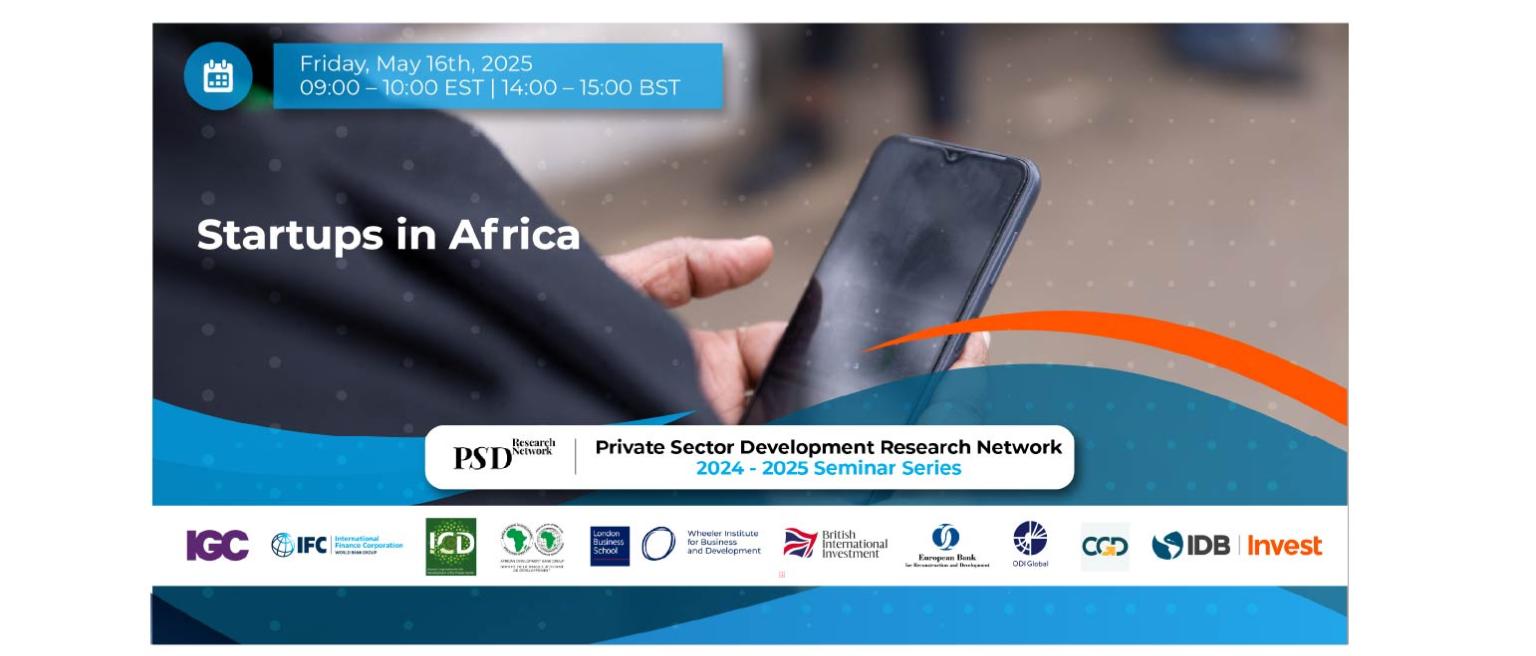
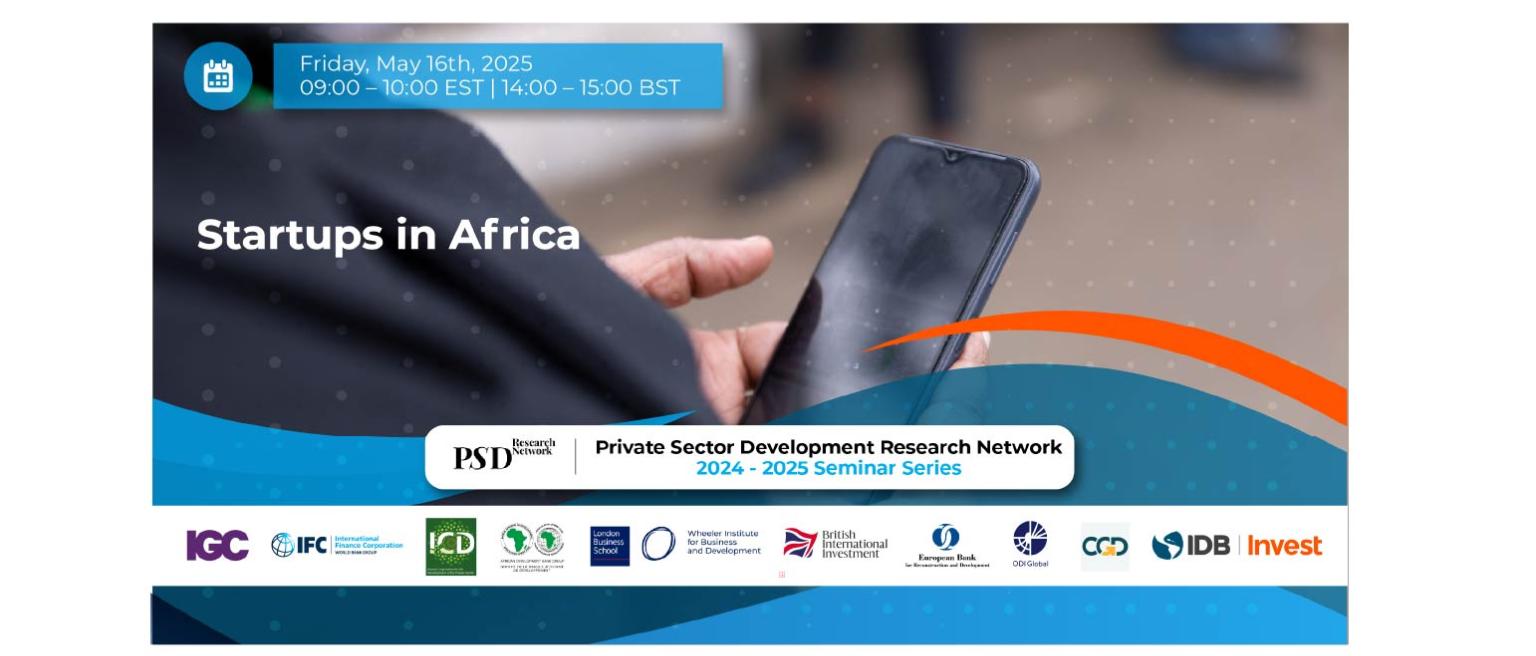
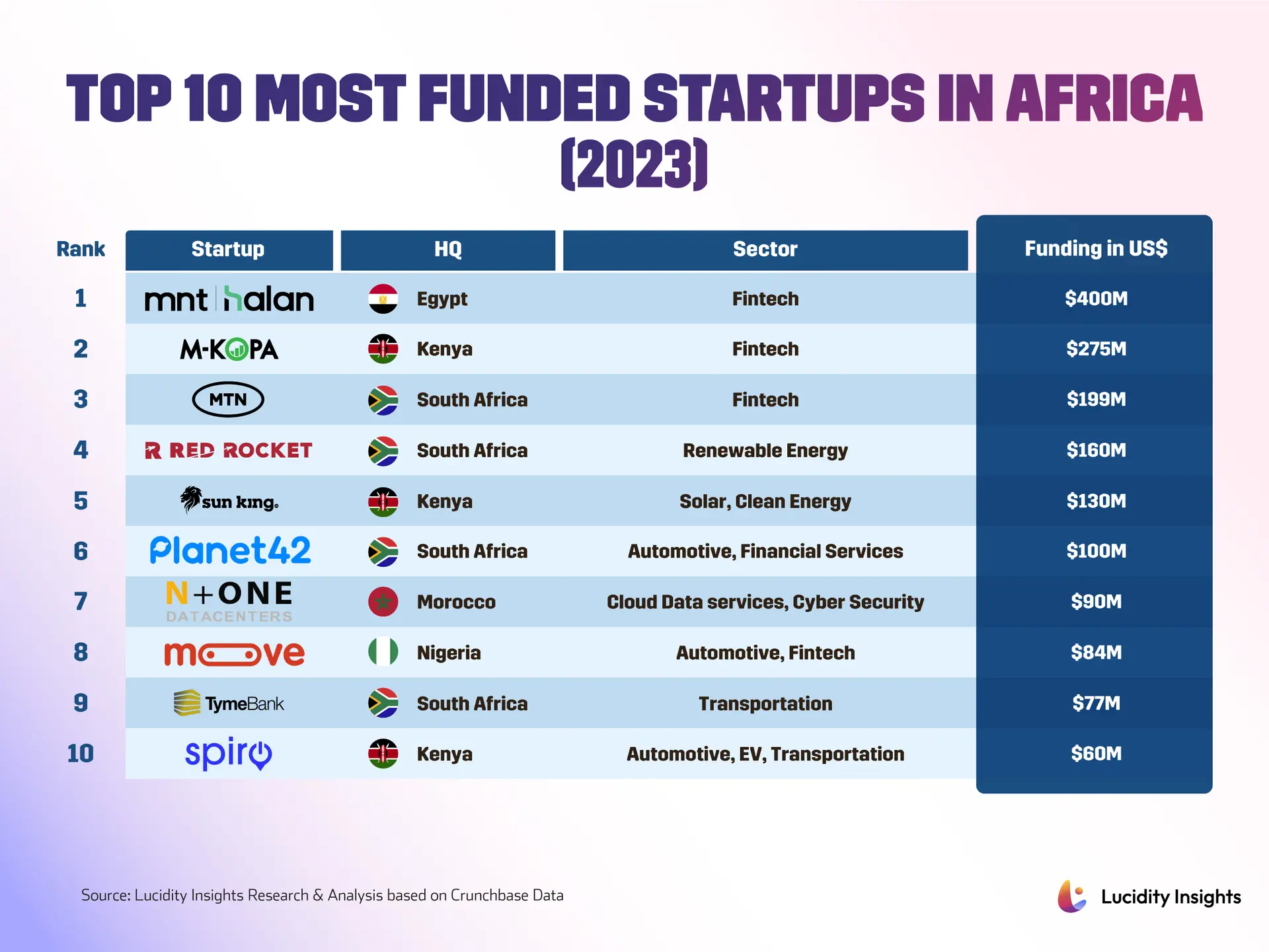
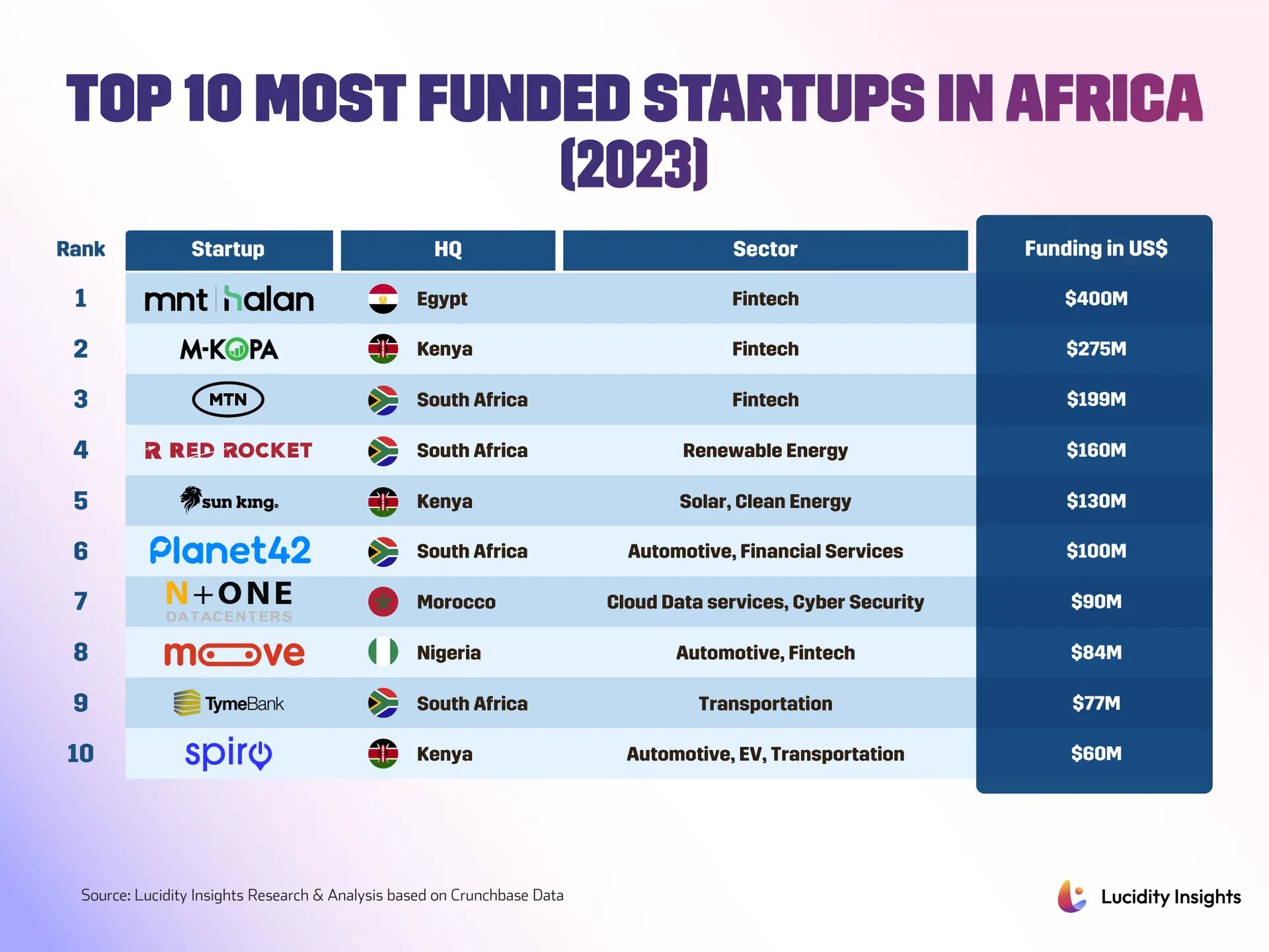
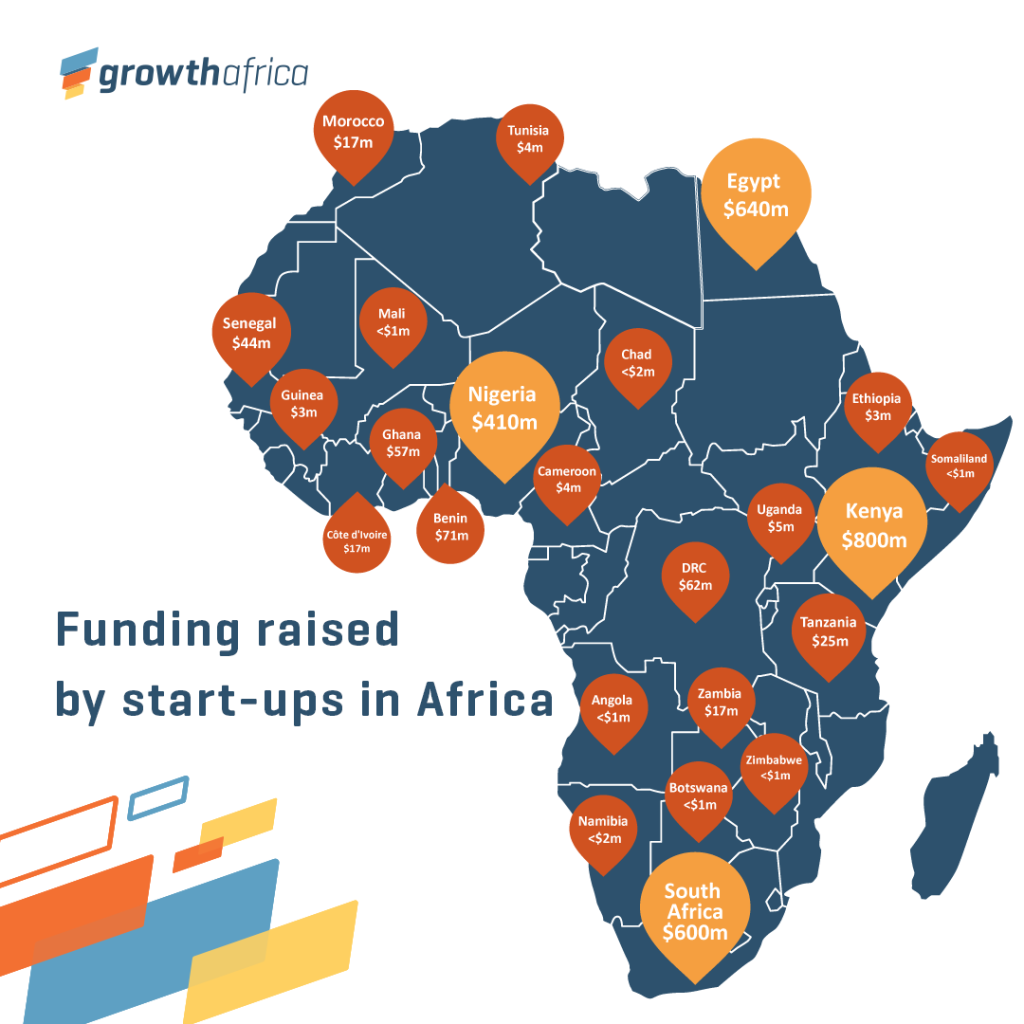
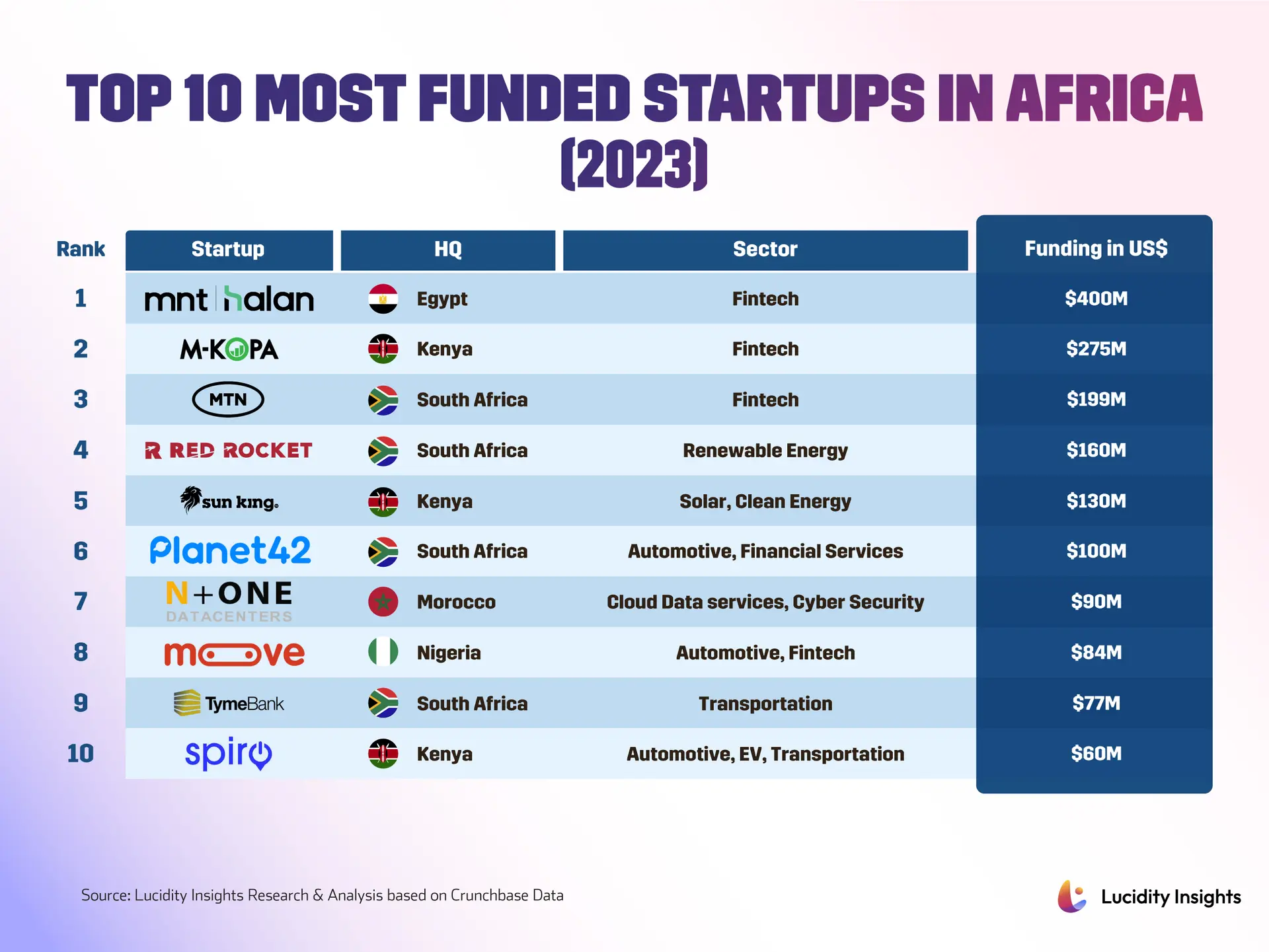
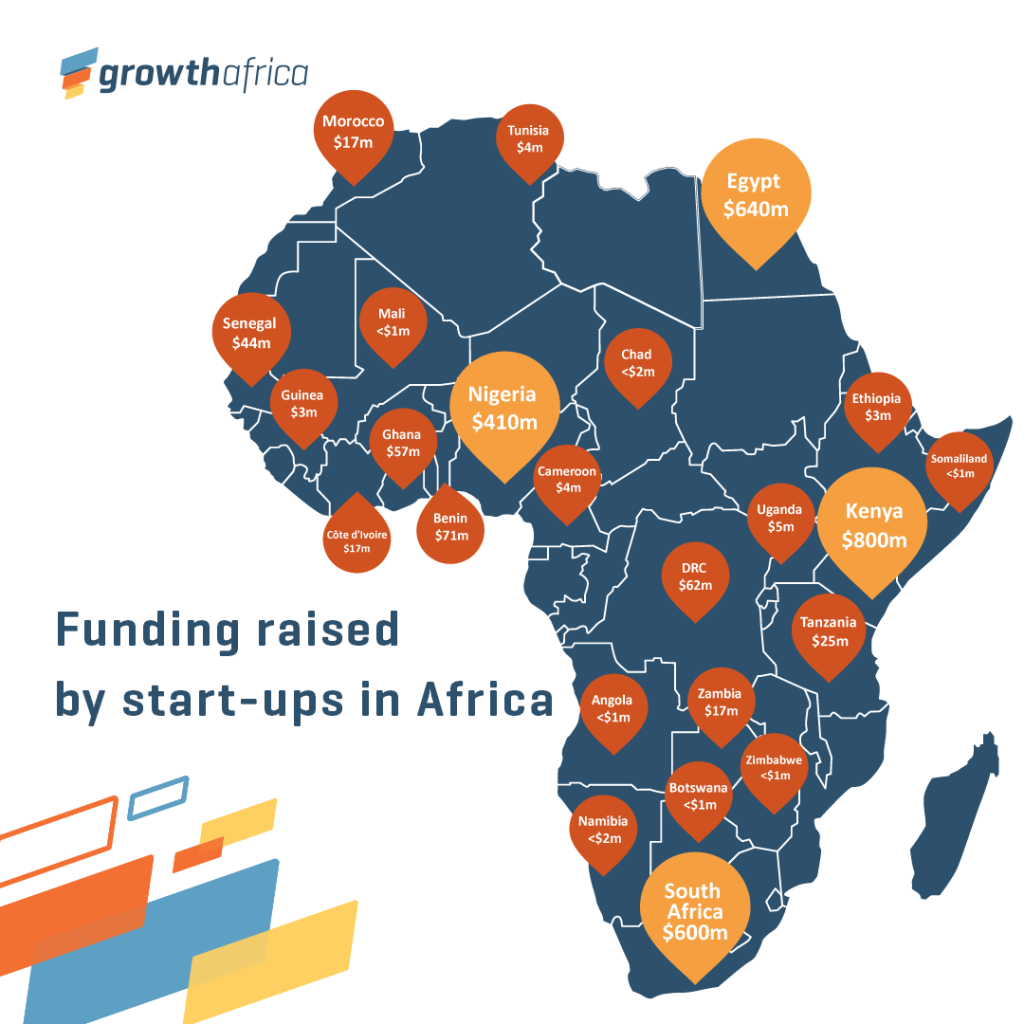
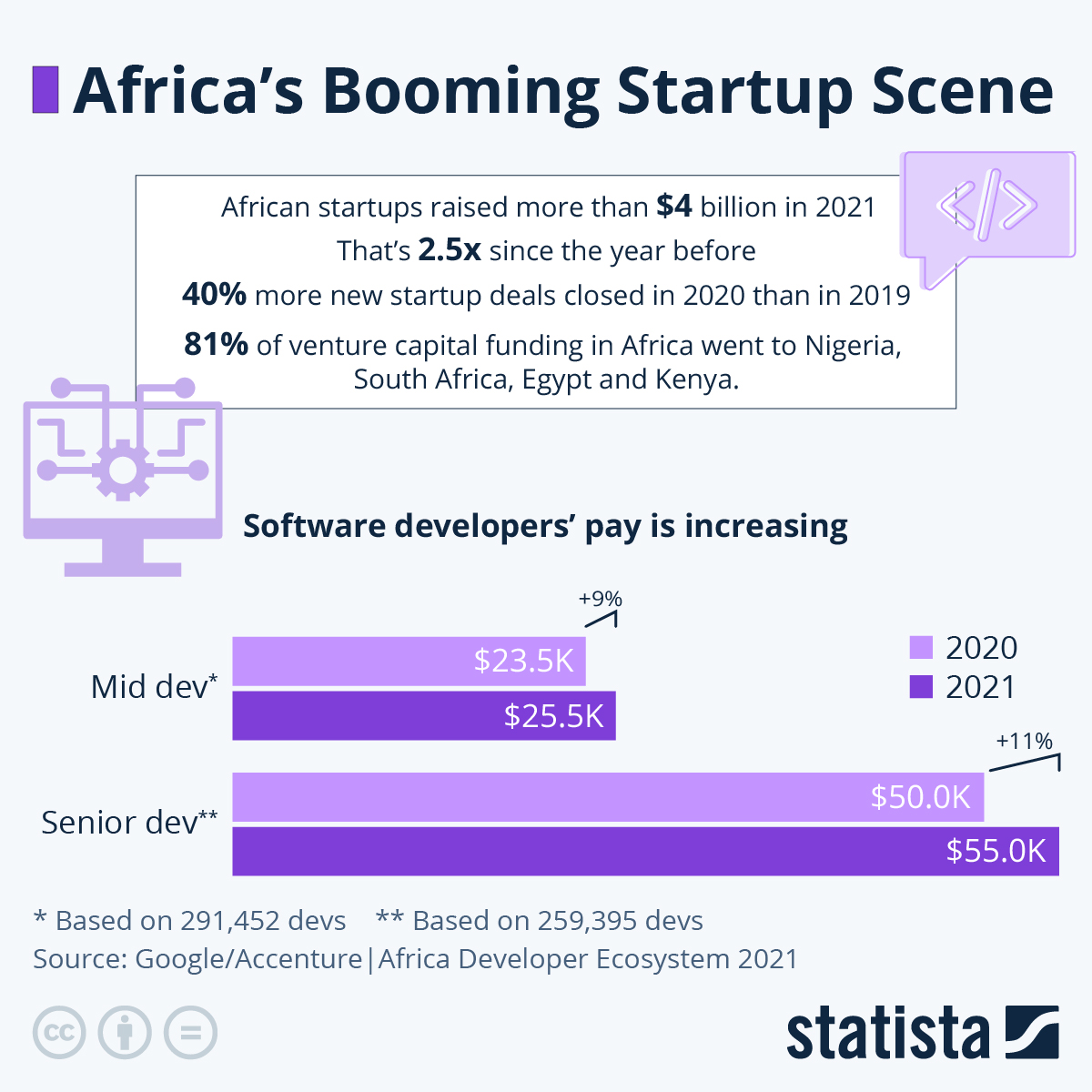
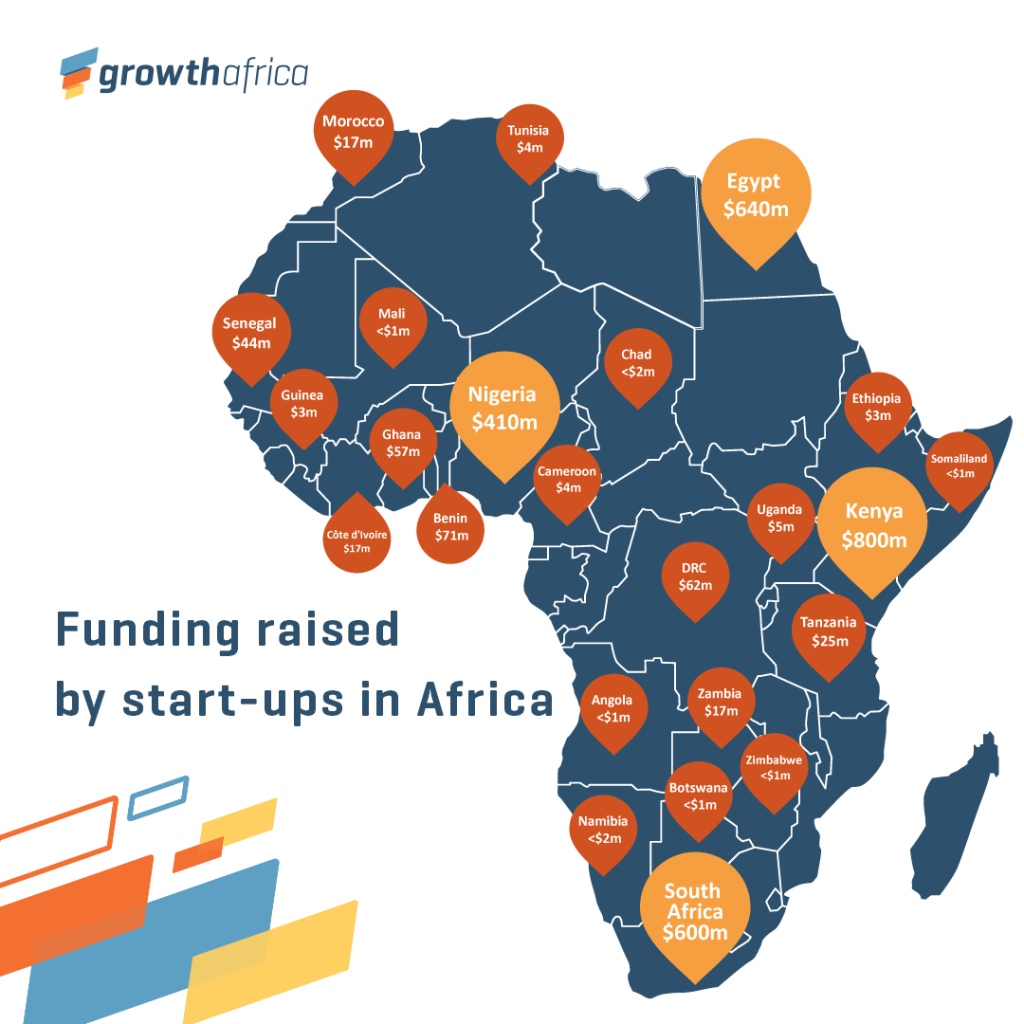
Across Africa, a new generation of startups isn’t just talking big anymore, they’re delivering tangible solutions that actually work. Remember when investors threw money at any idea with “tech” in the name? Those days are fading fast. Now, from Lagos to Nairobi, Casablanca to Accra, founders face tougher questions about unit economics and sustainable growth. Investors want proof, not just promise. This sharper focus is pushing startups to solve real, everyday problems in retail, logistics, payments, and healthcare. It’s less about flashy demos and more about building services that merchants and consumers actually need and will pay for. This maturation signals a healthy correction for Africa’s booming startup ecosystem, which has seen remarkable growth but now needs to demonstrate lasting value.
Solving the Unsexy but Essential Problems
Take Nigeria’s Afiari. It started as a simple experiment to help a mother sell yams online, but the founders quickly realized the real issue was inventory chaos. Stores had product lists that didn’t match online systems, prices were updated manually, and sales agents lacked reliable tools. Today, Afiari connects distributors, wholesalers, and retailers in one digital flow, reducing stockouts and improving margins. It’s not glamorous work, but it’s exactly the kind of operational backbone African e-commerce needs to mature. Over in Ghana, VDL Fulfilment handles warehousing, packaging, and last-mile delivery for merchants who can’t build their own logistics from scratch. In Kenya, Senga guarantees sub-48-hour delivery even where roads and addresses are challenging. These aren’t sexy apps, but they’re essential infrastructure. The fintech space shows similar pragmatism. MyKolo Box in Nigeria digitizes traditional community savings schemes known as ajo or esusu, preserving the social accountability that makes these systems work while expanding financial inclusion. On the other end of the spectrum, companies like Honeycoin use stablecoins to simplify cross-border payments, serving hundreds of businesses and individuals by reducing costs and speeding up transfers. Even the creative economy gets practical with platforms like SongDis, which helps independent musicians distribute and monetize their work worldwide. This shift toward practical tech innovation reflects a broader trend where investors reward solutions that turn real problems into repeatable, monetizable services.
Navigating New Realities for Sustainable Growth
Startups are getting smarter about scaling too. Instead of going it alone, many are partnering with governments and institutions. After a $2.2 million pre-seed round, Morocco’s Woliz teamed up with the Ministry of Industry to digitize tens of thousands of shops. These public-private collaborations smooth adoption and can de-risk investment, especially for businesses that need broad distribution to hit profitability. But the landscape isn’t just about business models, regulation and geopolitics now play crucial roles. European policymakers are preparing measures like carbon border adjustments that could affect African exporters. Meanwhile, major infrastructure deals and diplomatic positioning change trade and finance flows. Startups that plug into export supply chains or depend on energy infrastructure must account for these policy shifts. Looking ahead, Africa’s startup scene is entering a phase of consolidation and deepening, as noted in recent African Business analysis. Capital will flow to models that prove sustainable revenue, and regulators will shape fintech and crypto adoption. The winners will be teams that combine technical speed with operational rigor and smart government engagement. As TechCrunch’s Africa coverage regularly highlights, the exuberant early years are giving way to disciplined execution. For markets across the continent, including places like Burkina Faso where digital adoption keeps rising, this focus on practical, locally-tailored solutions could finally deliver the durable economic impact that many have long promised. The era of building for scale at any cost is over, replaced by a more mature approach focused on building what actually works and lasts, driving the continent’s digital renaissance forward with substance rather than just hype.