
Nigeria’s Evolving Landscape: Energy, Security, and Global Ripples
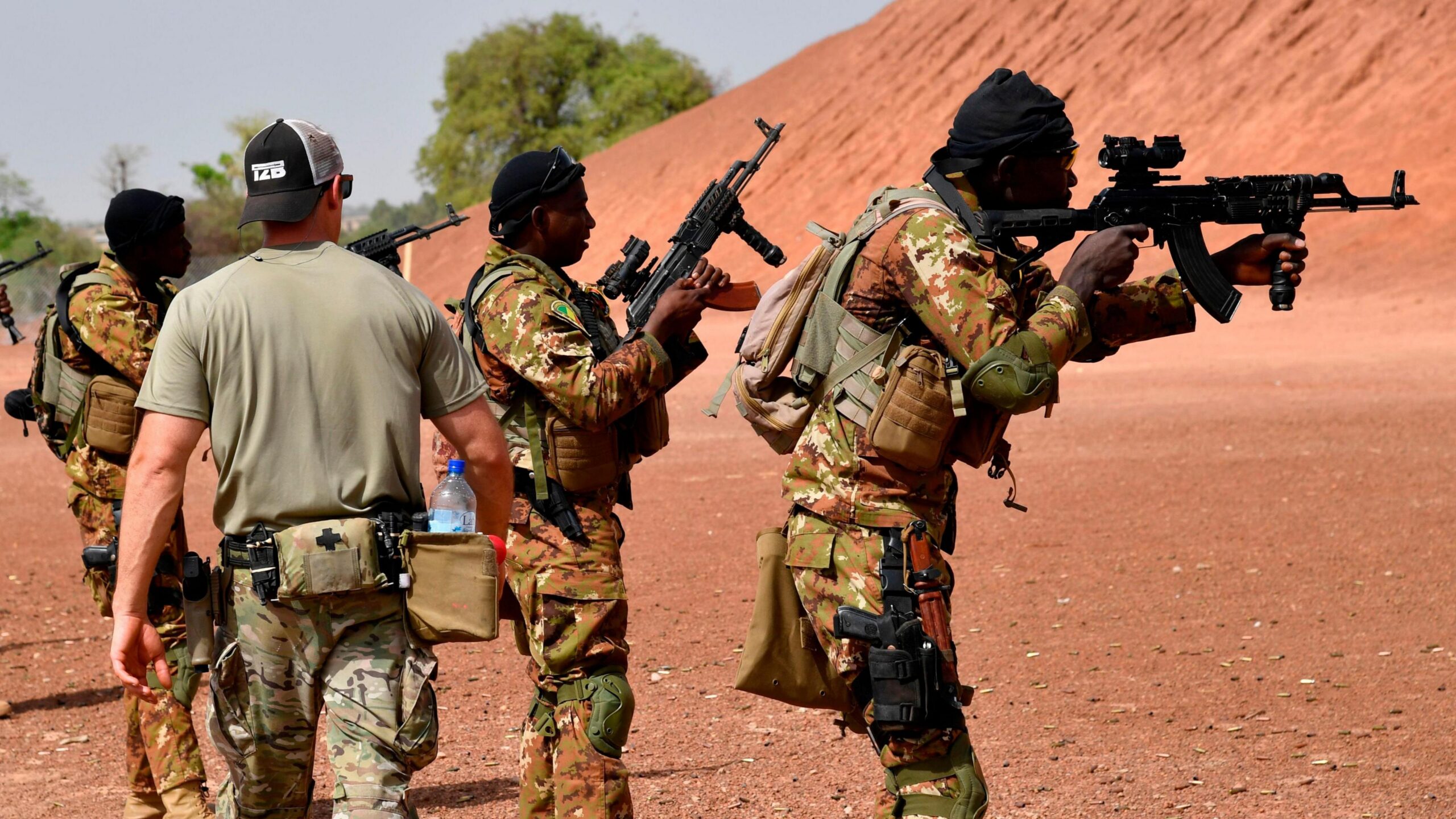
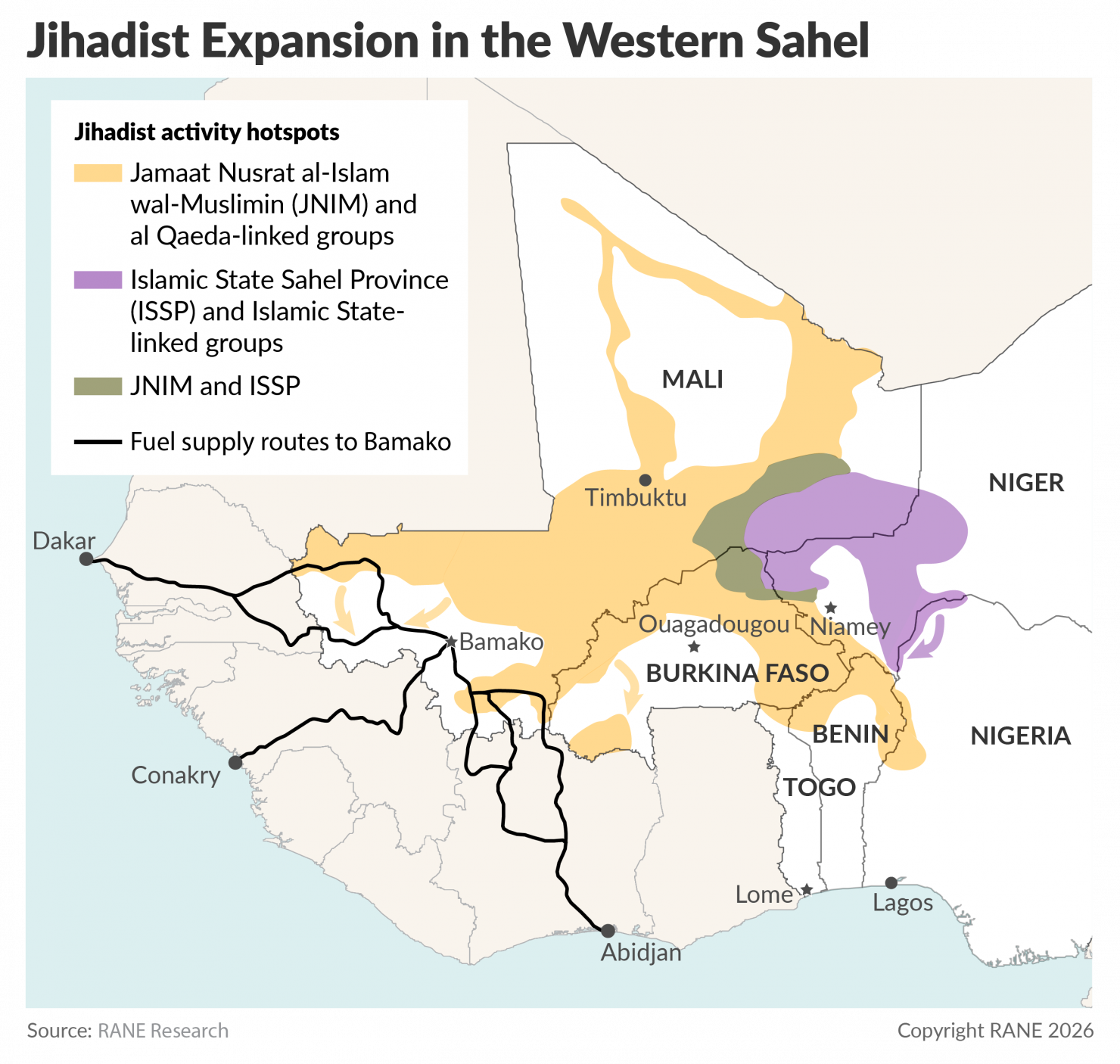
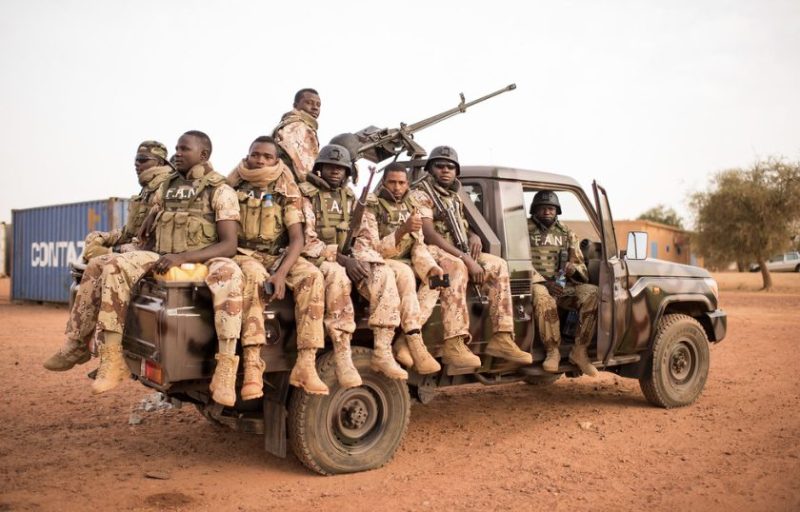
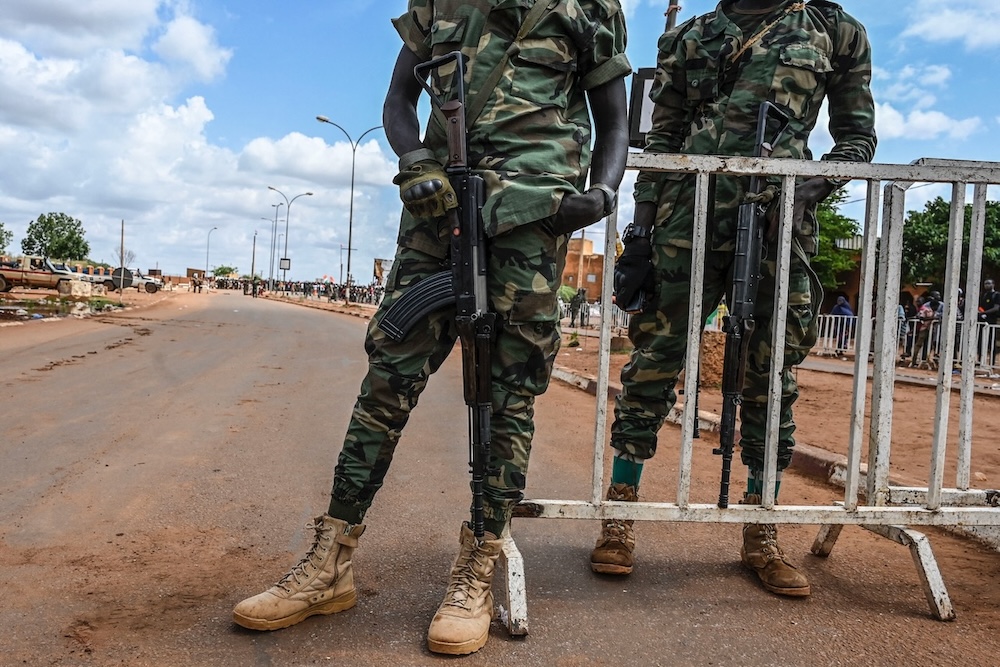
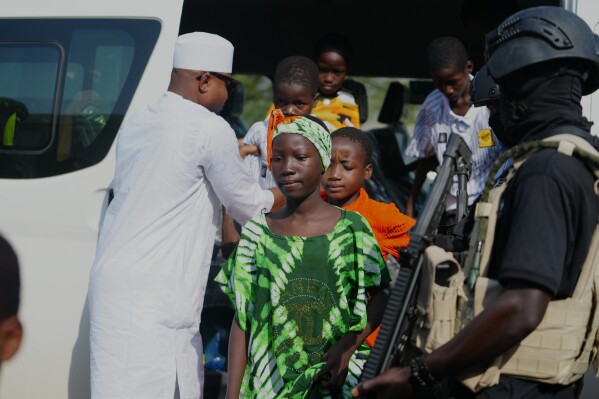
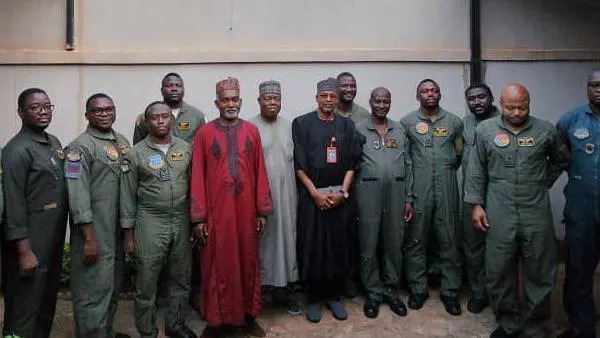
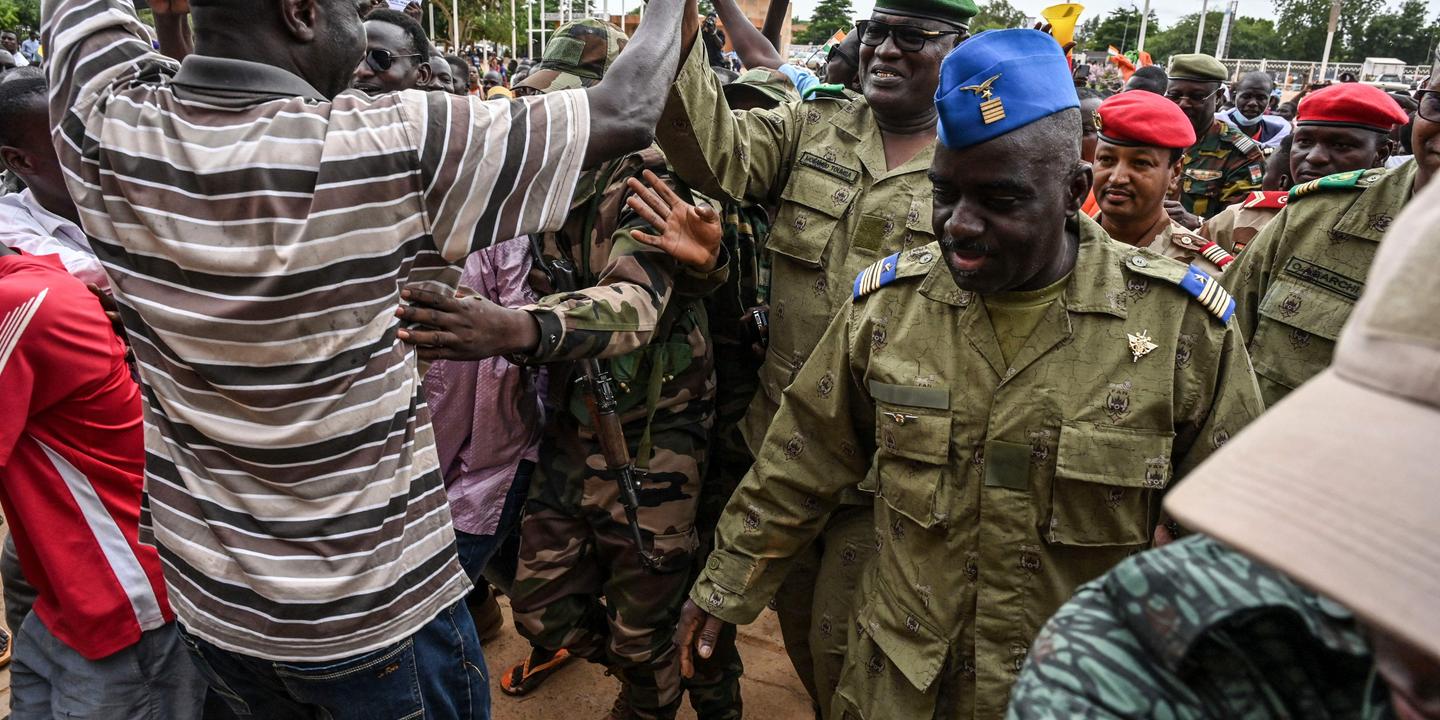
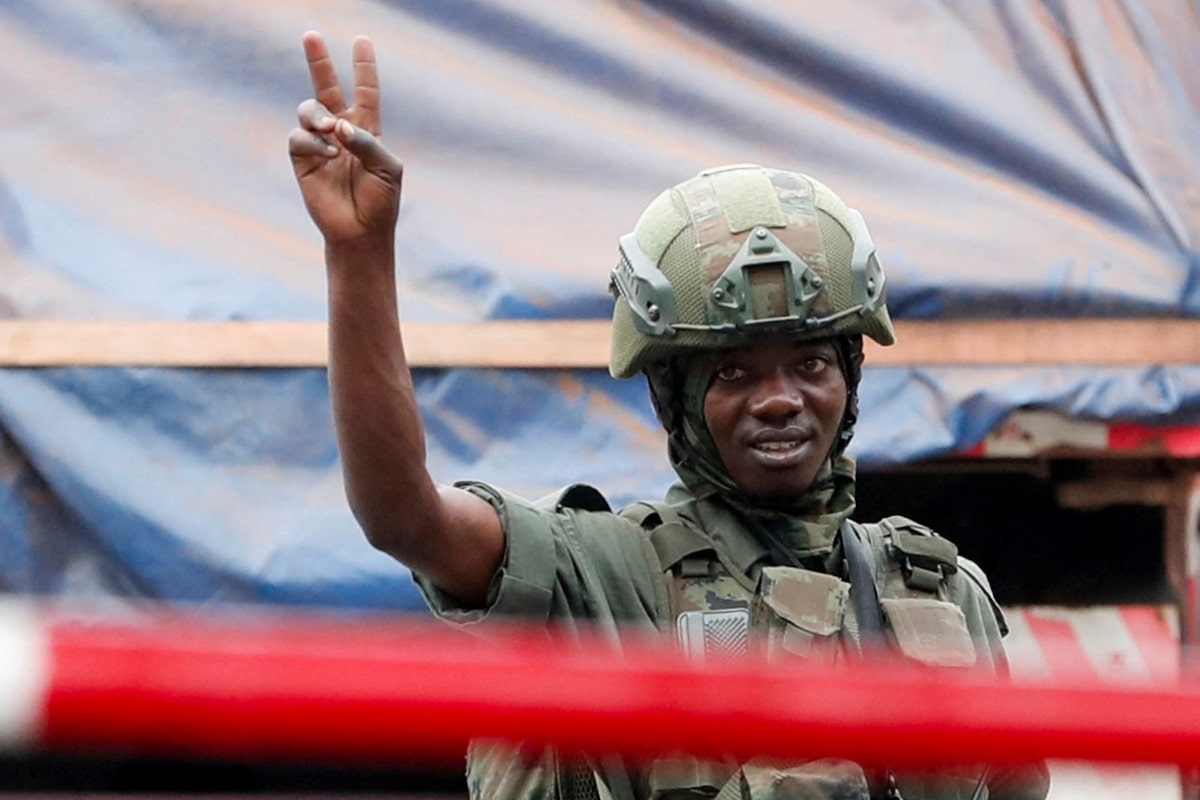
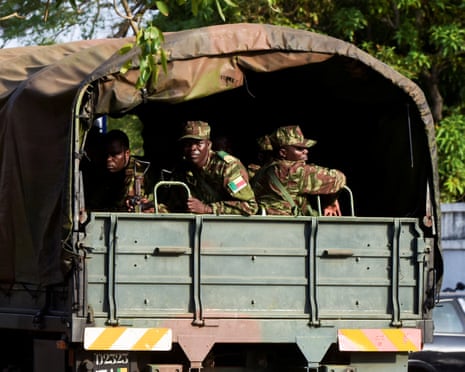
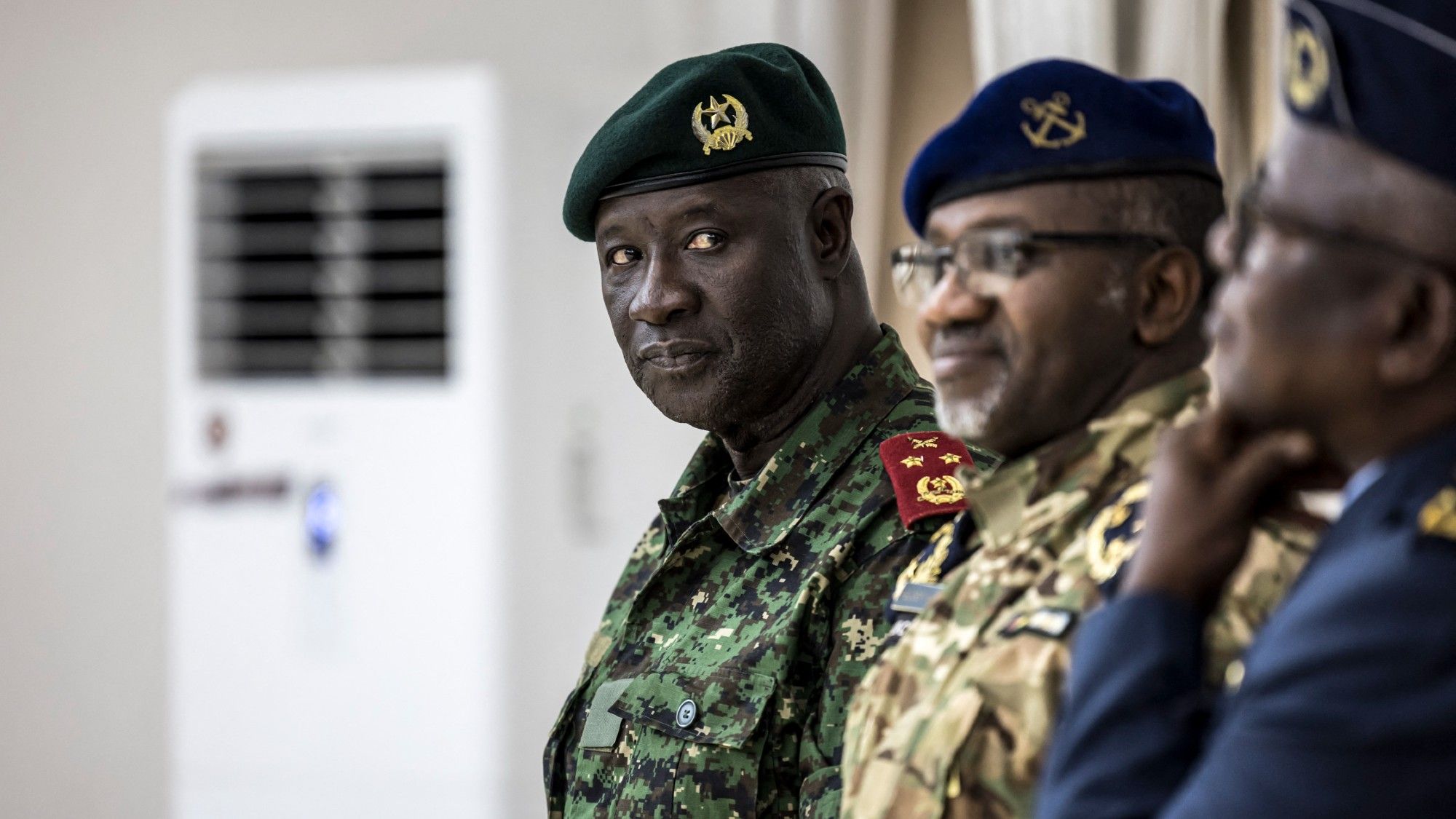
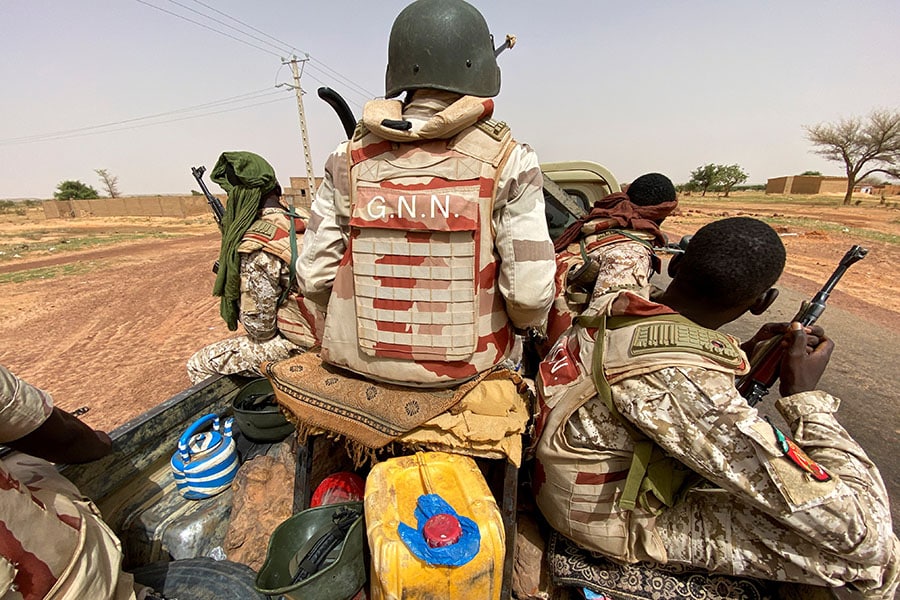
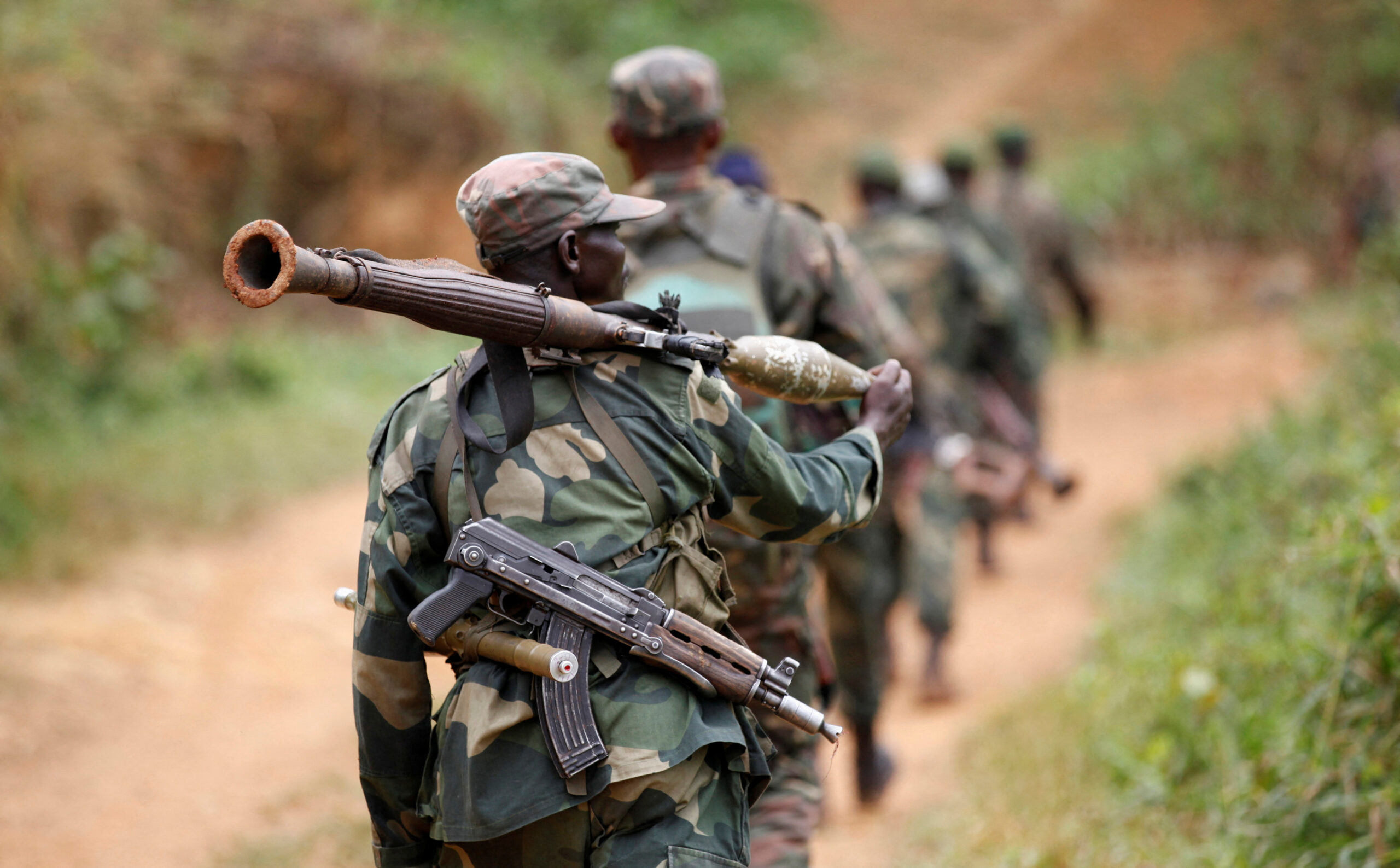
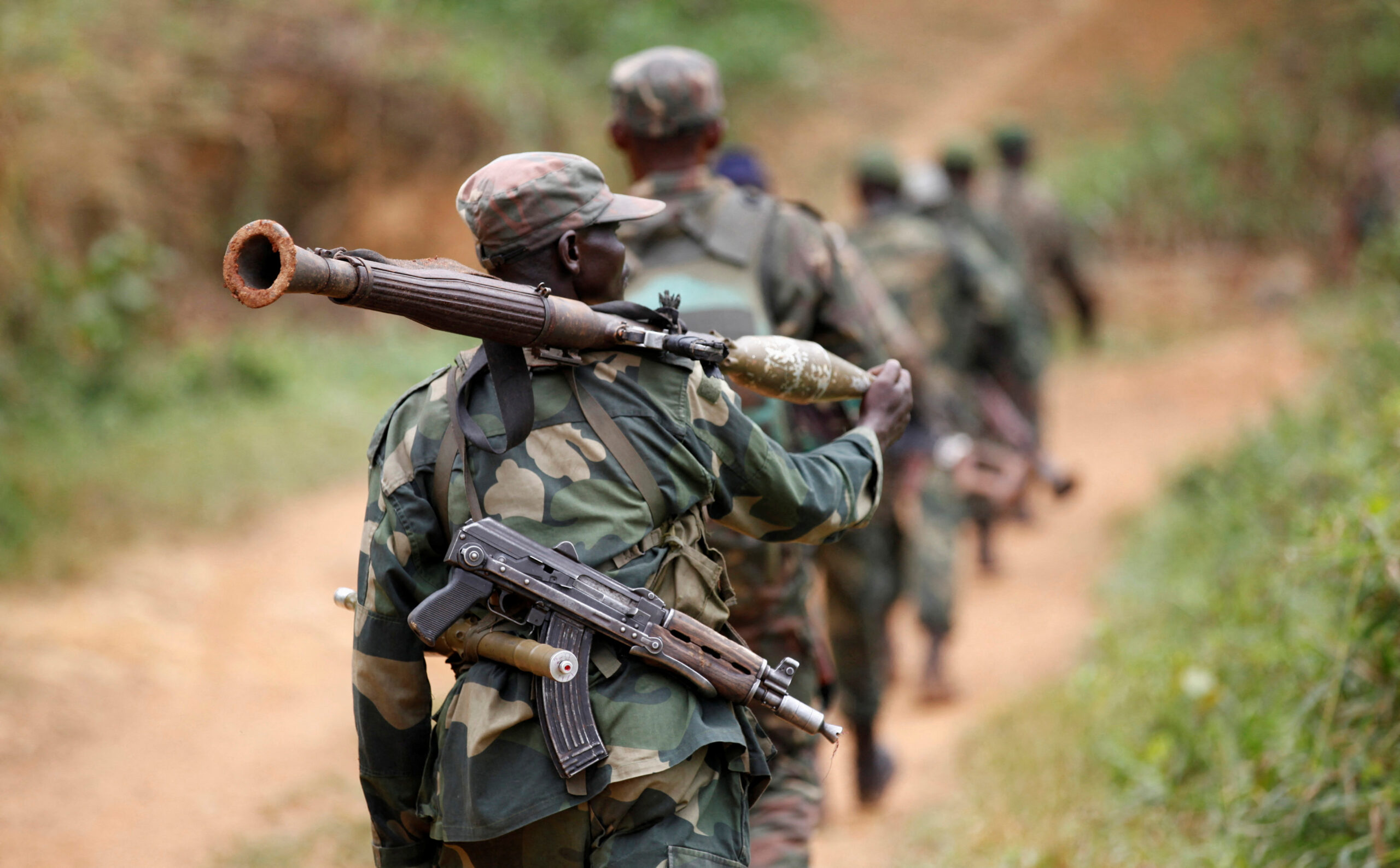
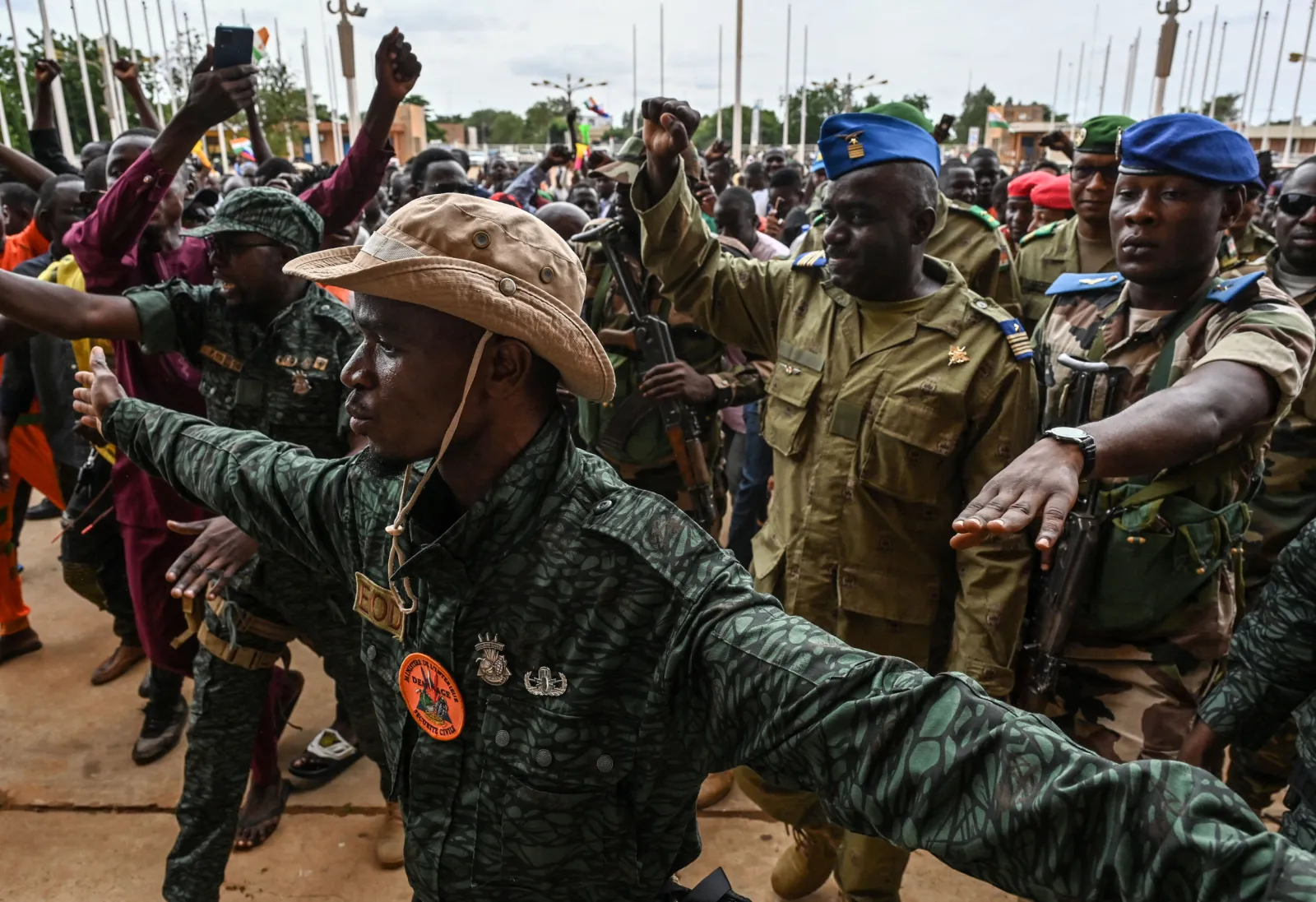
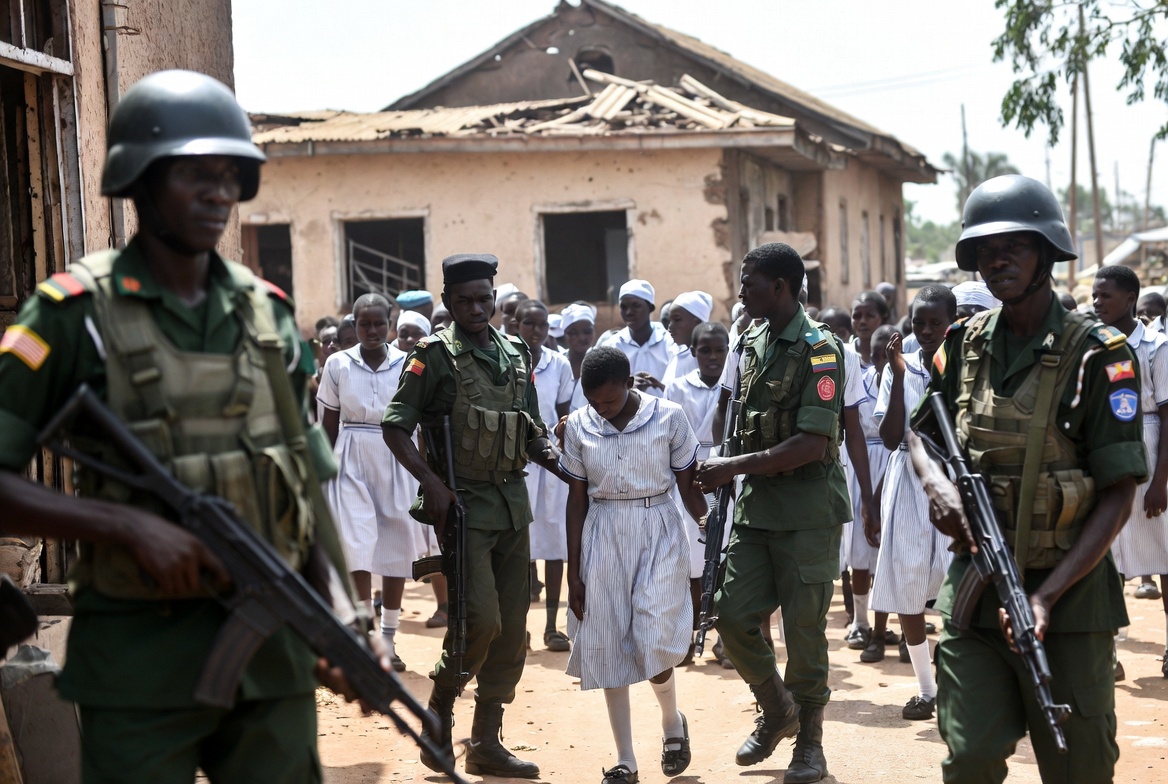
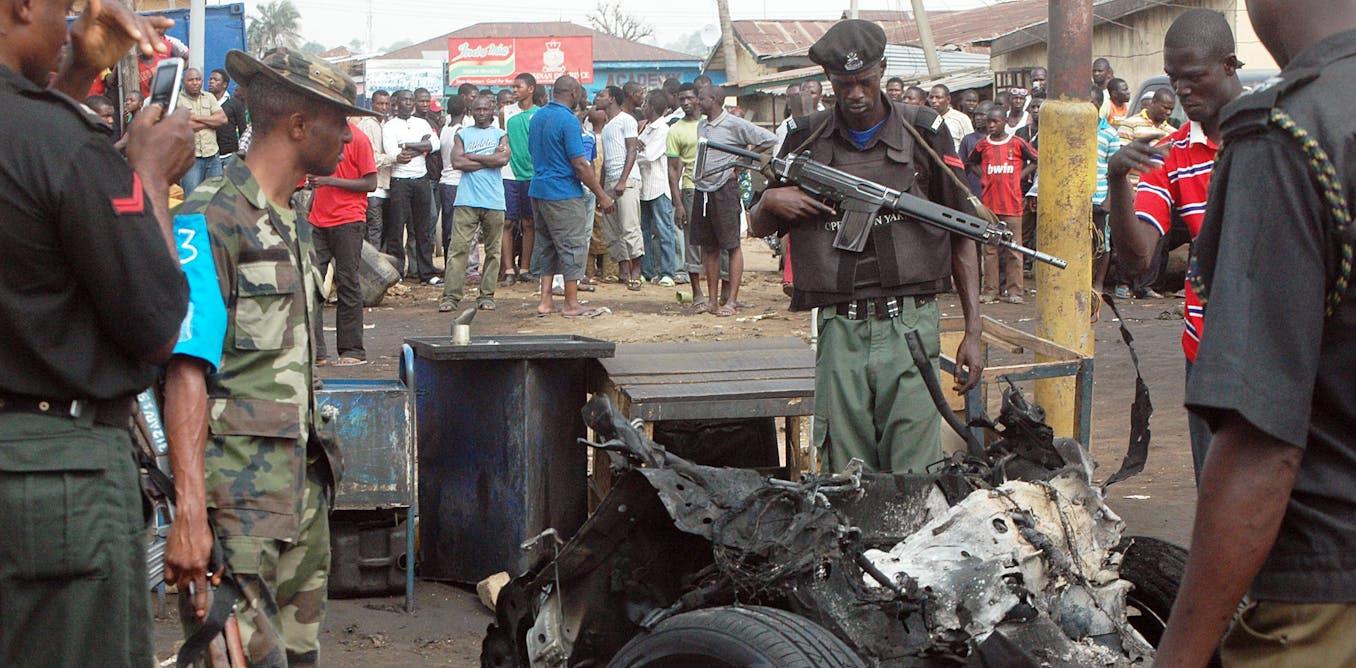
Africa is truly a continent in motion, isn’t it? As we look towards 2026 and beyond, a fascinating interplay of fresh energy discoveries, urgent security operations, and complex resource disputes is setting the pace for its future. At the very heart of this vibrant landscape sits Nigeria, a pivotal force in West Africa, navigating both exciting opportunities and stubborn challenges. Take, for instance, the recent good news for Nigeria’s offshore energy sector. We’ve seen a confirmed hydrocarbon discovery at the Awodi-07 well in the western Niger Delta, announced by the Nigerian National Petroleum Company, NNPC, working hand-in-hand with Chevron Nigeria Limited. This isn’t just a simple find; it underscores the enduring potential of Nigeria’s shallow offshore zones. This joint venture, a direct result of Nigeria’s Petroleum Industry Act reforms, truly showcases technical collaboration aimed at boosting local production and securing energy for the nation. With Chevron holding a 40 percent stake and NNPC managing the rest, this success isn’t just about revenue; it significantly strengthens the country’s standing as a major global energy supplier. It also signals continued confidence in the Niger Delta’s offshore reserves, a cornerstone of Nigeria’s energy portfolio. But while the economic future brightens, Nigeria’s security situation demands our full attention. The United States has clearly intensified its military cooperation, responding to persistent threats from the Islamic State, ISIS. Having previously conducted airstrikes against ISIS militants within Nigeria, the U.S. has notably expanded similar operations to Somalia. This reflects a broader, continent-wide strategy to curb extremist groups. These operations, meticulously coordinated through the U.S. Africa Command and in close partnership with local governments, aim to dismantle terrorist networks that tragically endanger civilian populations, particularly in predominantly Christian communities in Nigeria’s northwest. The American government’s commitment of over $400 million for counterinsurgency and security activities in West Africa for fiscal year 2026 isn’t just a number; it powerfully highlights the strategic importance placed on bringing stability to this often-volatile region.
Stepping beyond Nigeria’s borders, we find Africa’s vital resource sector grappling with a myriad of legal and market challenges that could certainly have ripple effects. Take the Democratic Republic of Congo, DRC, for instance. A long-standing dispute between Australian mining company Sundance Resources and the Congolese government recently reached a critical point, resulting in a significant arbitration loss for Sundance. The heart of the matter? The revocation of a mining permit for a subsidiary operating in the mineral-rich Sangha region, a move the company bluntly called unlawful expropriation. This ruling really underscores the complexities and risks investors often face in African mining sectors, where issues of governance and geopolitical interests frequently collide. Interestingly, that permit then found its way to a subsidiary of a Chinese finance group, vividly illustrating the escalating competition among international players vying for Africa’s rich mineral markets. But the challenges don’t stop there; global food security is another pressing issue. While geographically distinct, the Food and Agriculture Organization, FAO, of the United Nations recently led a crucial high-level mission to Haiti and the Dominican Republic. Their focus? Strengthening food security through emergency agricultural programs. This effort, requesting $108 million to support over 860,000 people, draws stark parallels to the food and economic instability faced by many African nations, which are also struggling with climate change and political unrest. It truly emphasizes the interconnectedness of our global food systems and the urgent need to protect agricultural livelihoods during crises. And then there’s a more subtle, yet impactful, disruption playing out far from African shores. Western powers and Ukraine are actively targeting Russia’s so-called “shadow fleet.” This fleet, notorious for transporting Russian oil under false flags to bypass sanctions, has seen its vessels intercepted or incapacitated. A recent interception of a tanker off Spain, carrying nearly three-quarters of a million barrels of Russian oil, perfectly illustrates the strategic pressure being applied through maritime enforcement. While this particular saga unfolds in international waters, its repercussions are far-reaching, directly affecting global energy markets where African producers, like Nigeria, undeniably play crucial roles.
So, when we bring all these converging stories together, what picture emerges for Africa? We see a continent truly standing at the crossroads of immense opportunity and significant challenge. Nigeria’s newly confirmed offshore oil discoveries certainly offer a beacon of potential economic growth and increased energy independence. Yet, the persistent security threats, from insurgencies to kidnappings, constantly remind us of the fragility of these gains. Regional resource disputes, like that contentious situation in the Congo, make it abundantly clear that stronger governance mechanisms and robust investor confidence aren’t just desirable; they’re absolutely essential. Moreover, global initiatives, whether they’re stabilizing food supplies or intervening in complex geopolitical conflicts, consistently underscore Africa’s indisputable strategic importance in international affairs. Looking ahead, it’s clear we’ll likely see intensified efforts from both African governments and their international partners to truly harmonize energy development, security cooperation, and sustainable resource management. Nigeria’s own experience, skillfully leveraging joint ventures under progressive reforms, could very well serve as an insightful model for others. Similarly, coordinated counterterrorism strategies, like those we’re seeing, suggest a tangible path towards fostering greater regional stability across the continent. Meanwhile, Africa’s incredible natural wealth will, without a doubt, continue to attract diverse interest groups from around the globe. This necessitates not only vigilant diplomacy but also the establishment of clear, transparent investment frameworks to ensure equitable and sustainable development. In a world where energy security, economic resilience, and societal well-being are all so deeply and intricately intertwined, Africa isn’t merely a backdrop; it stands as a critical arena where local actions genuinely carry global consequences. The evolving narrative of Nigeria’s offshore success, U.S.-backed military operations, the complexities of Congolese mining arbitration, and crucial food security missions all speak volumes. They paint a compelling picture of a continent that is simultaneously challenged and empowered by the formidable forces shaping our 21st century.