Mali Puts Rumors to Rest: No New Sahel Currency, Region Focused on Security
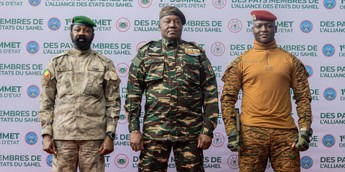
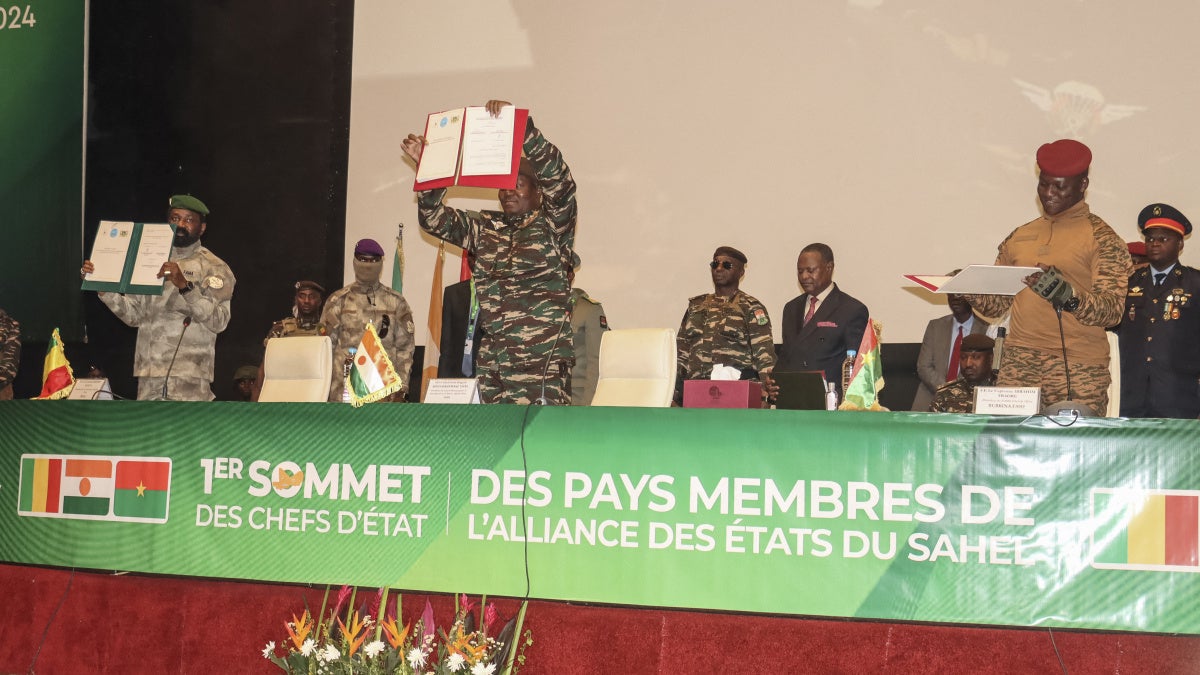
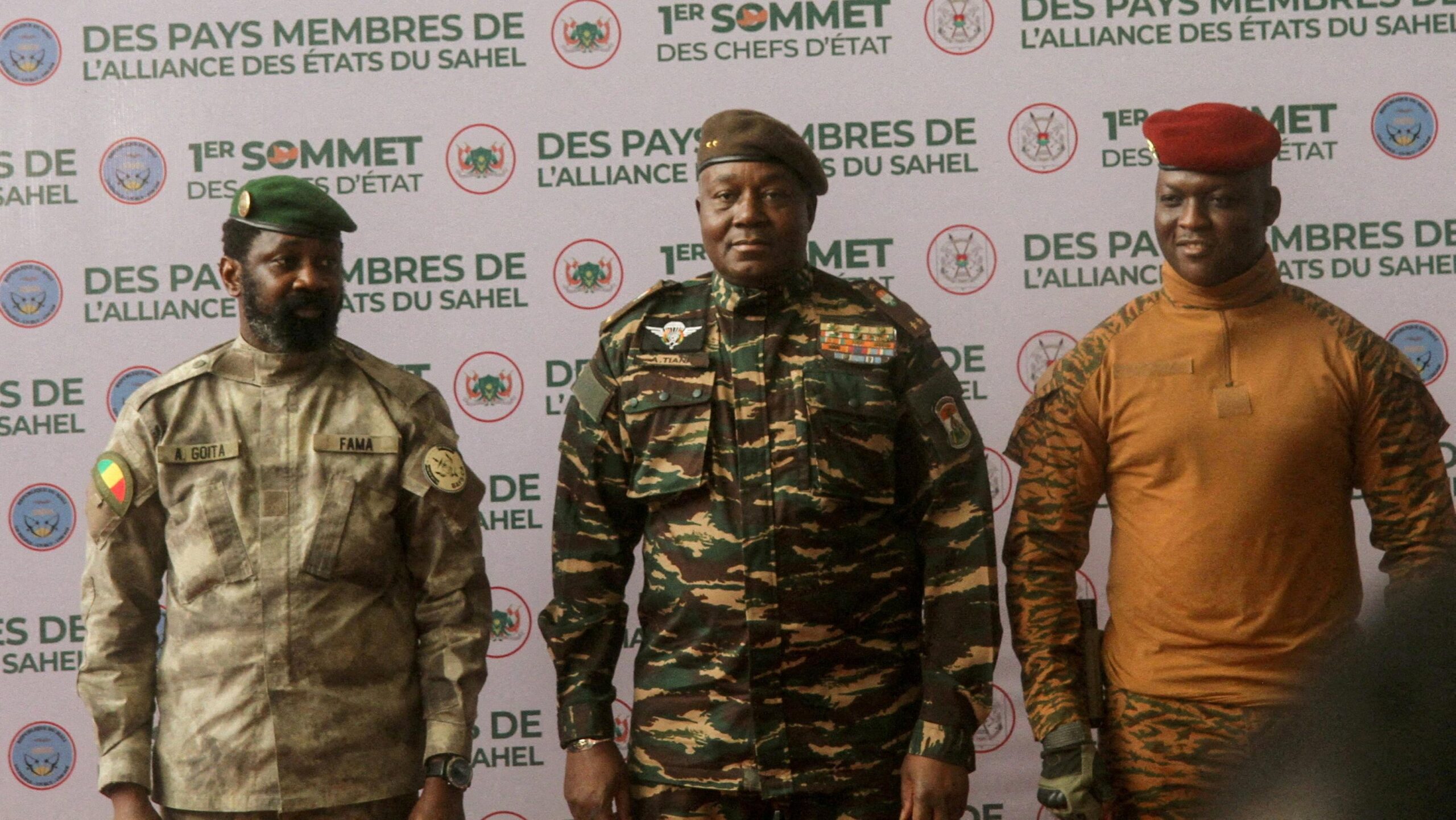
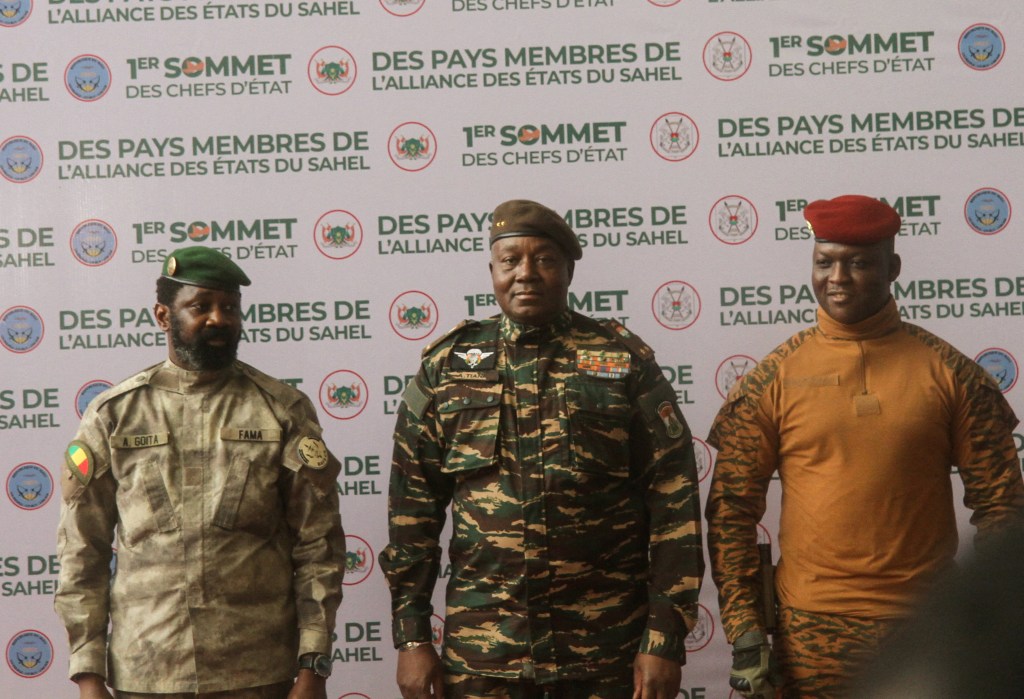
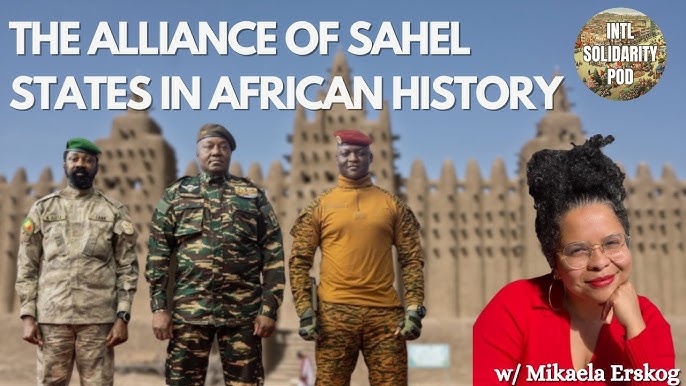
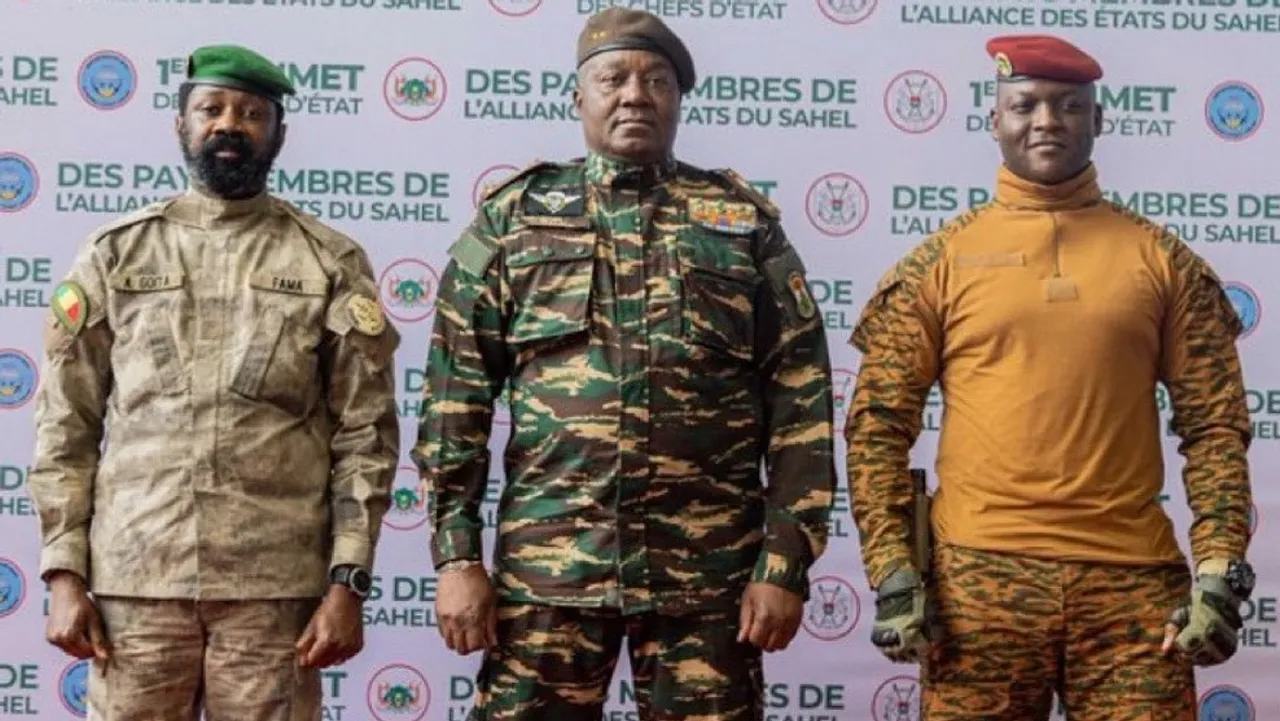
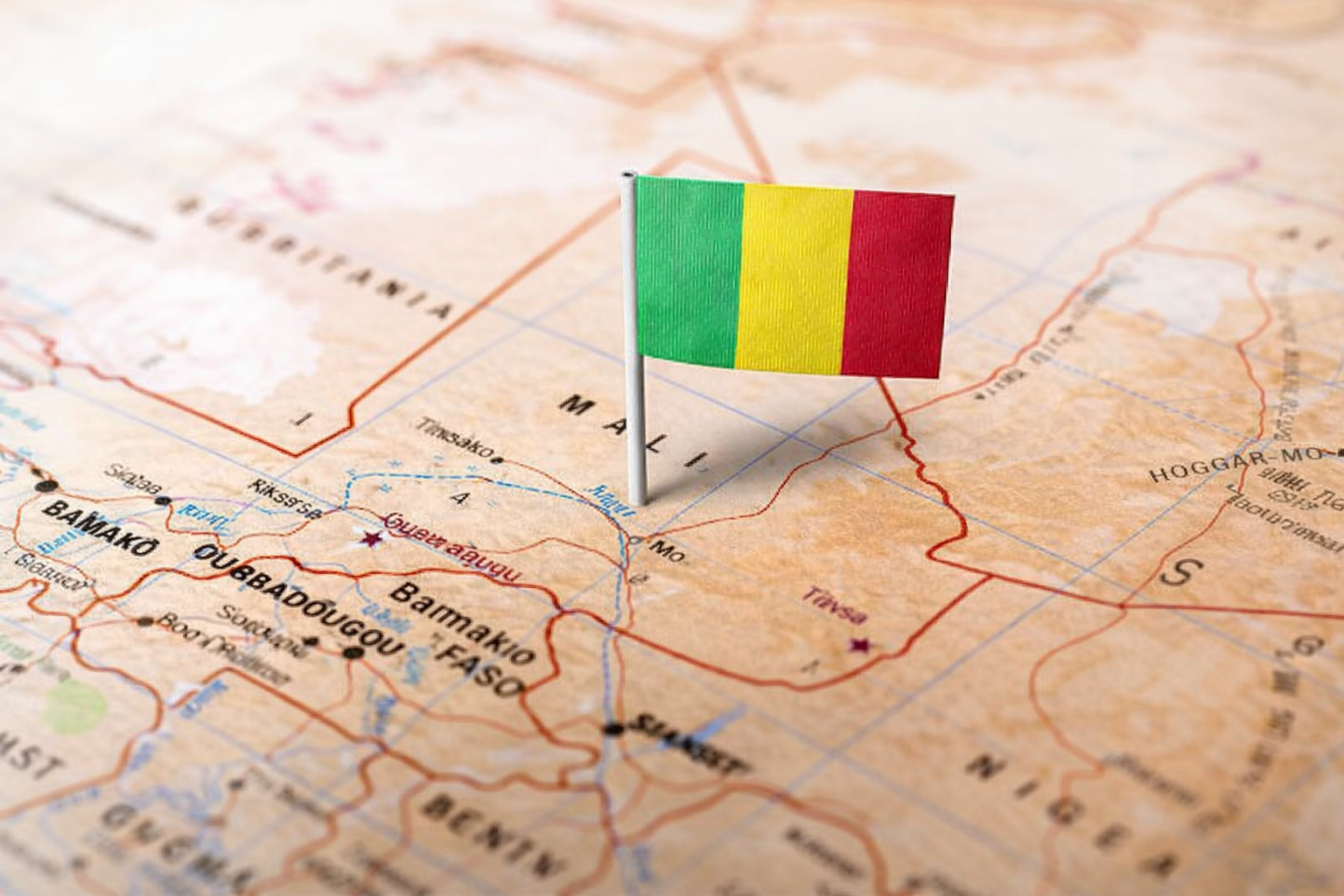
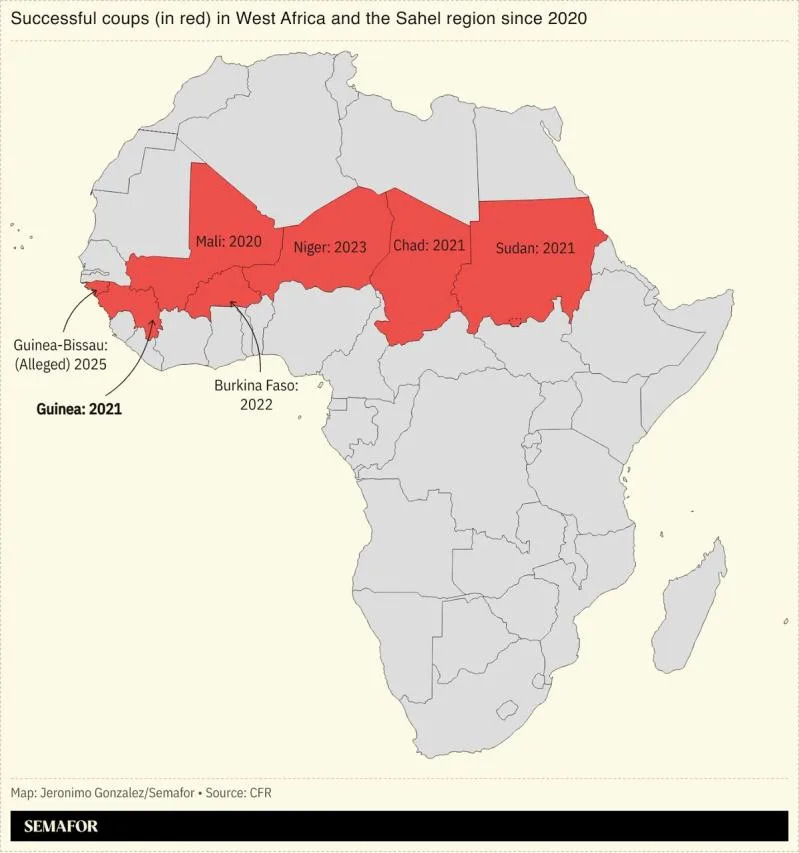
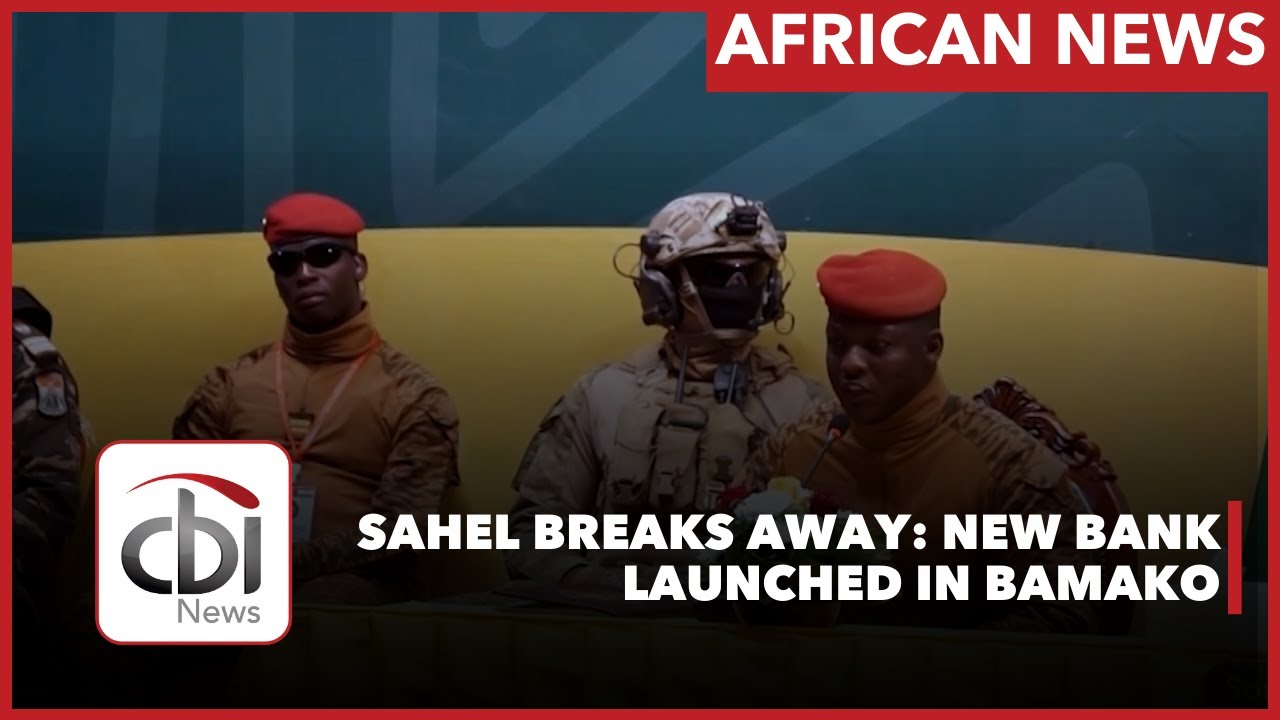
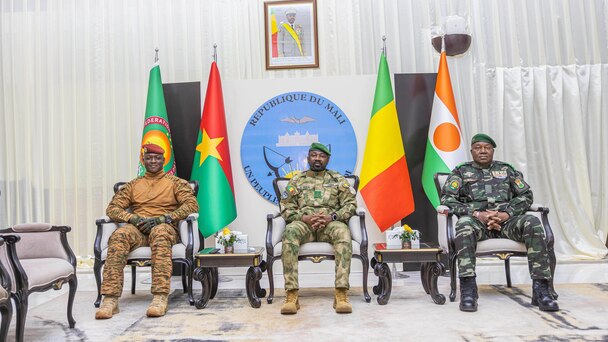
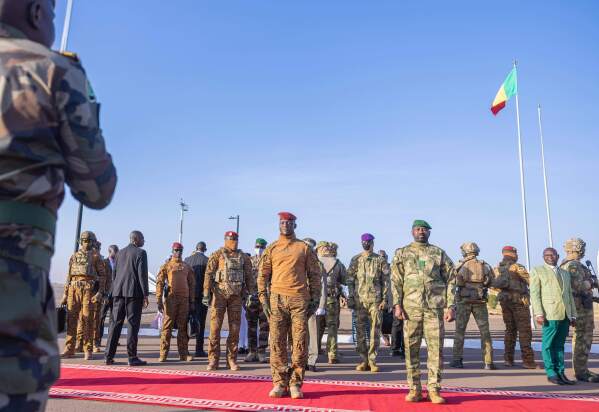
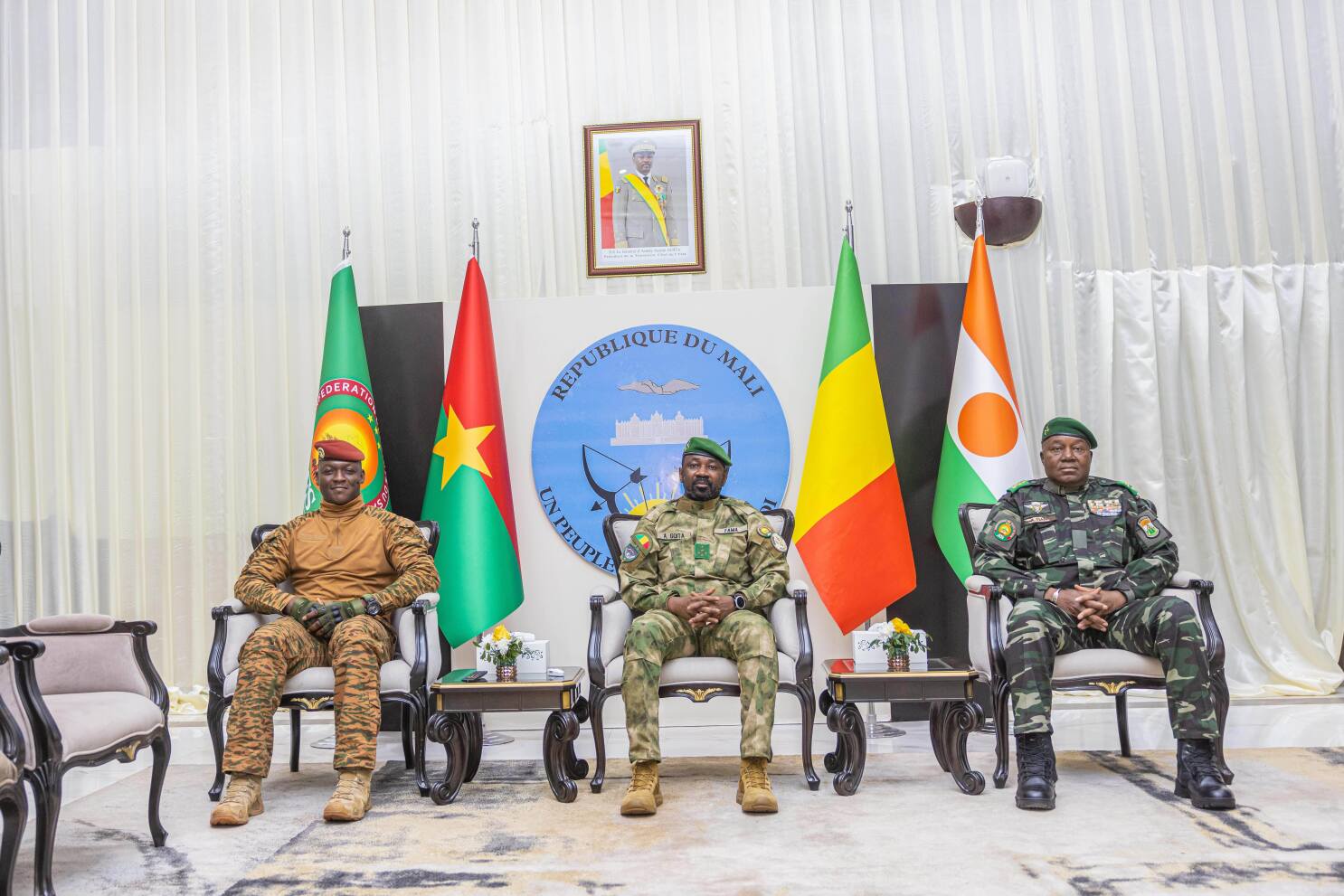
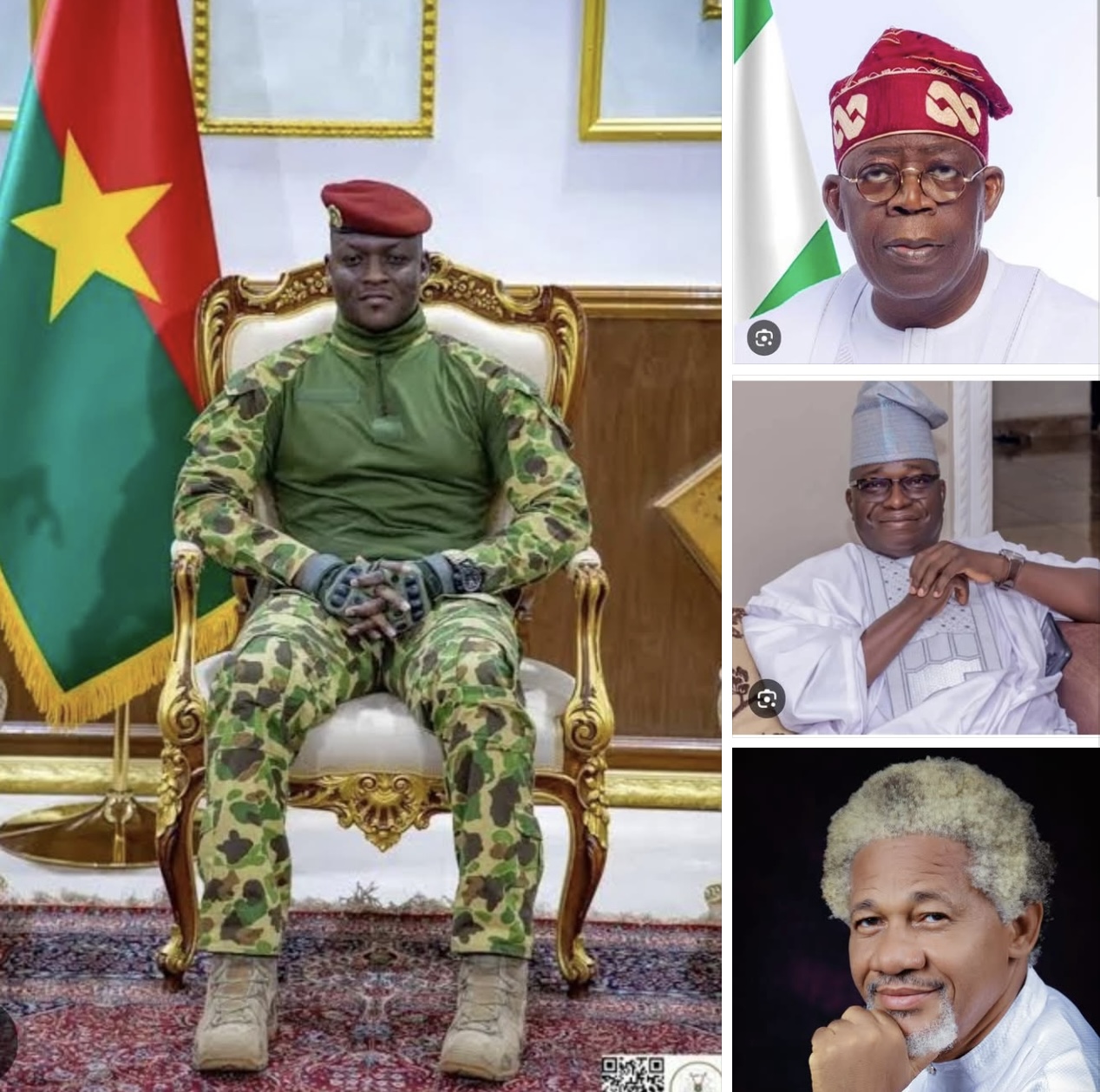
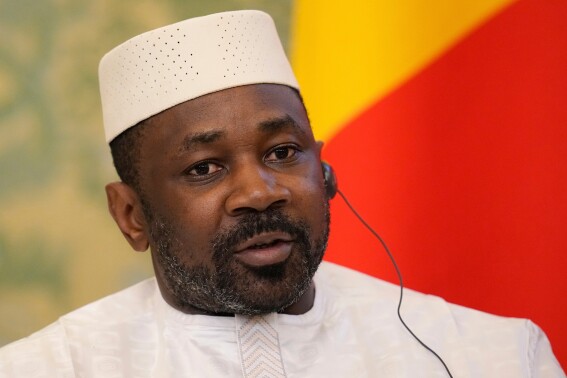
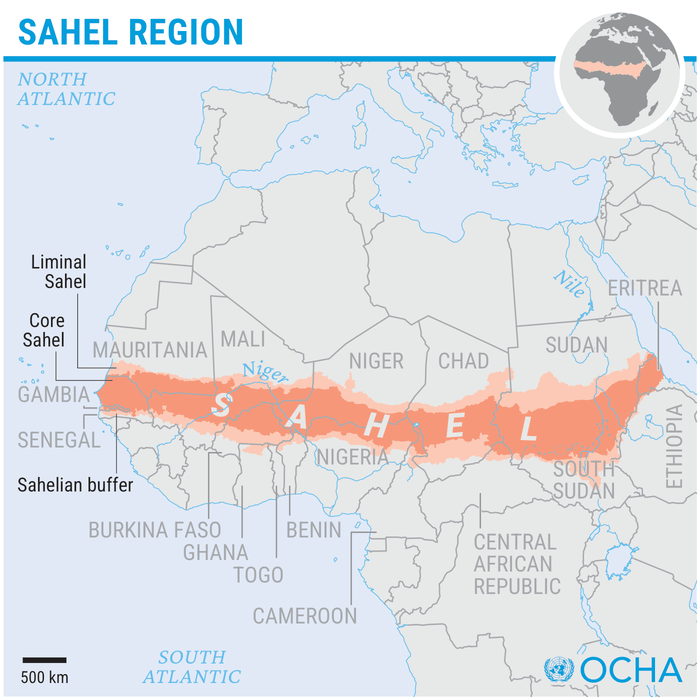
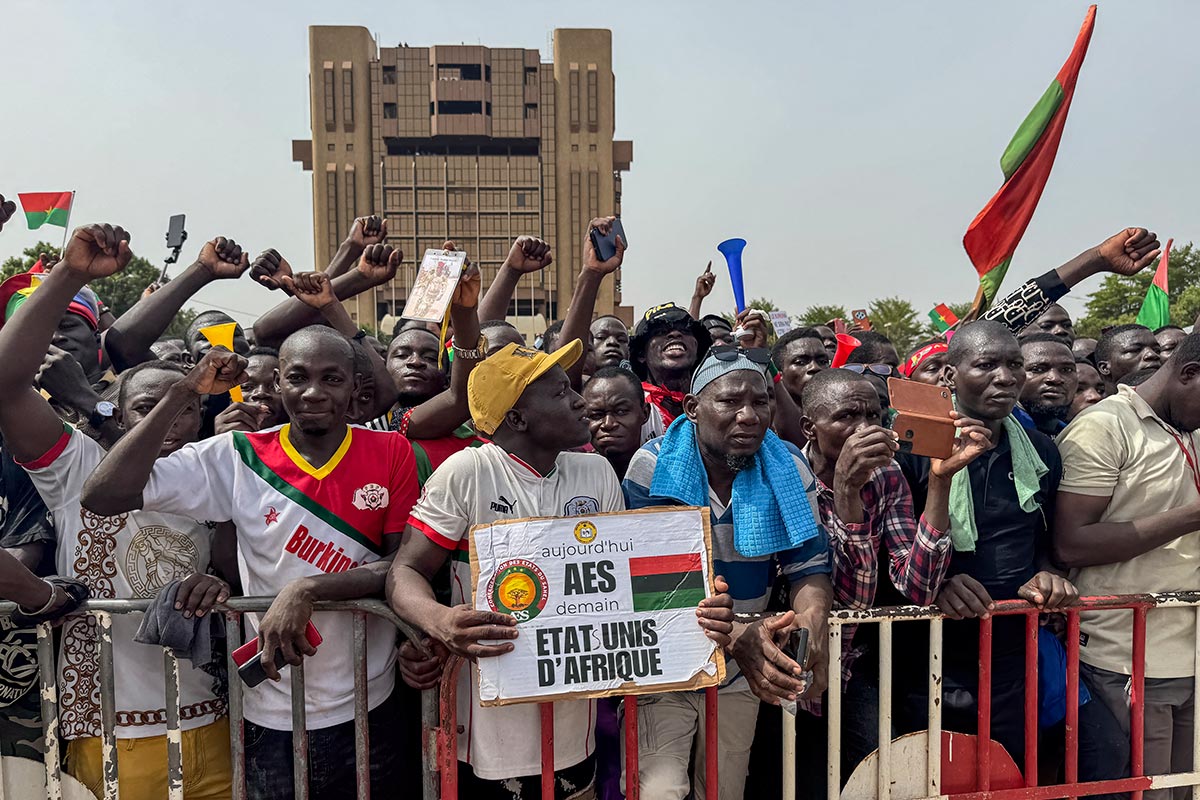
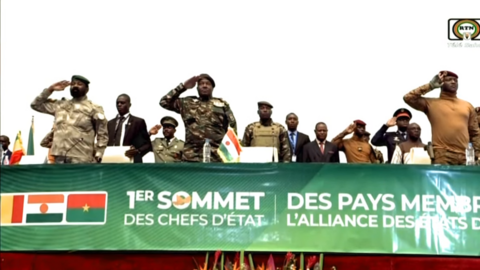
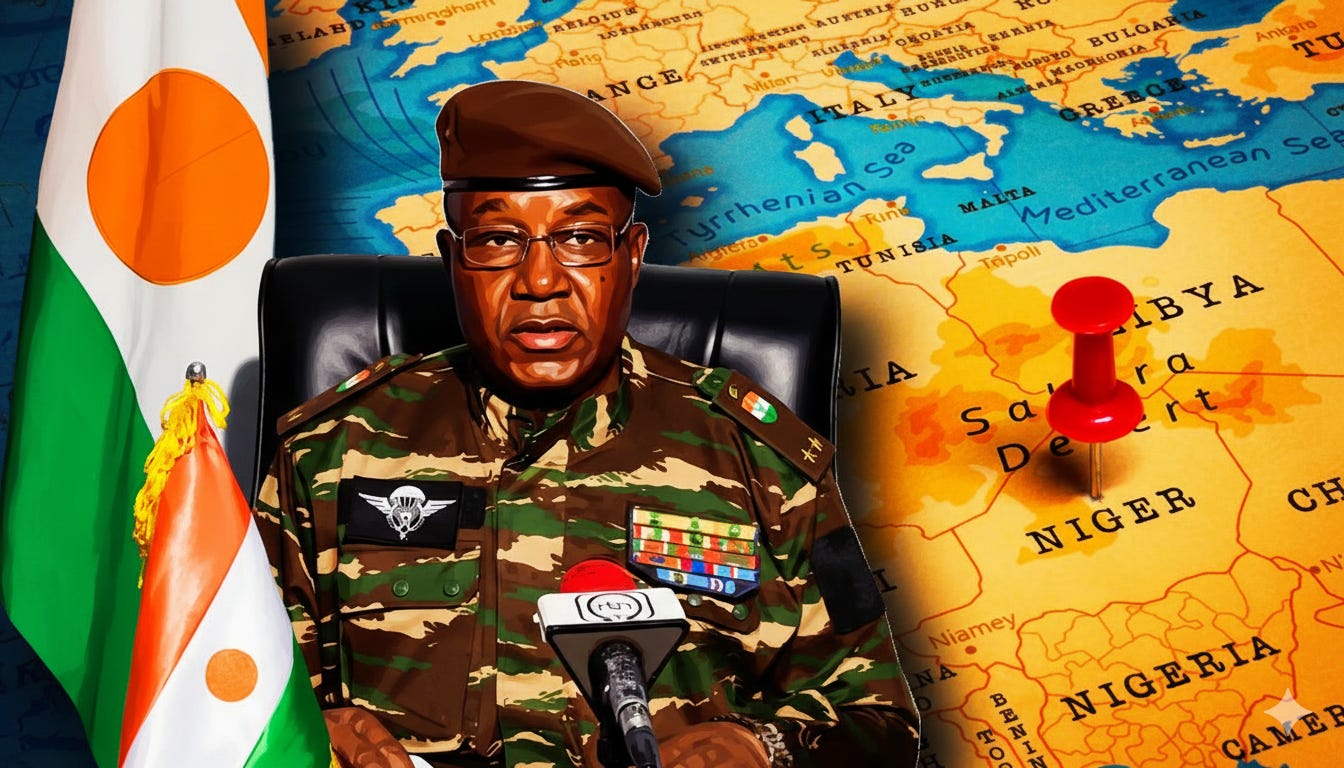
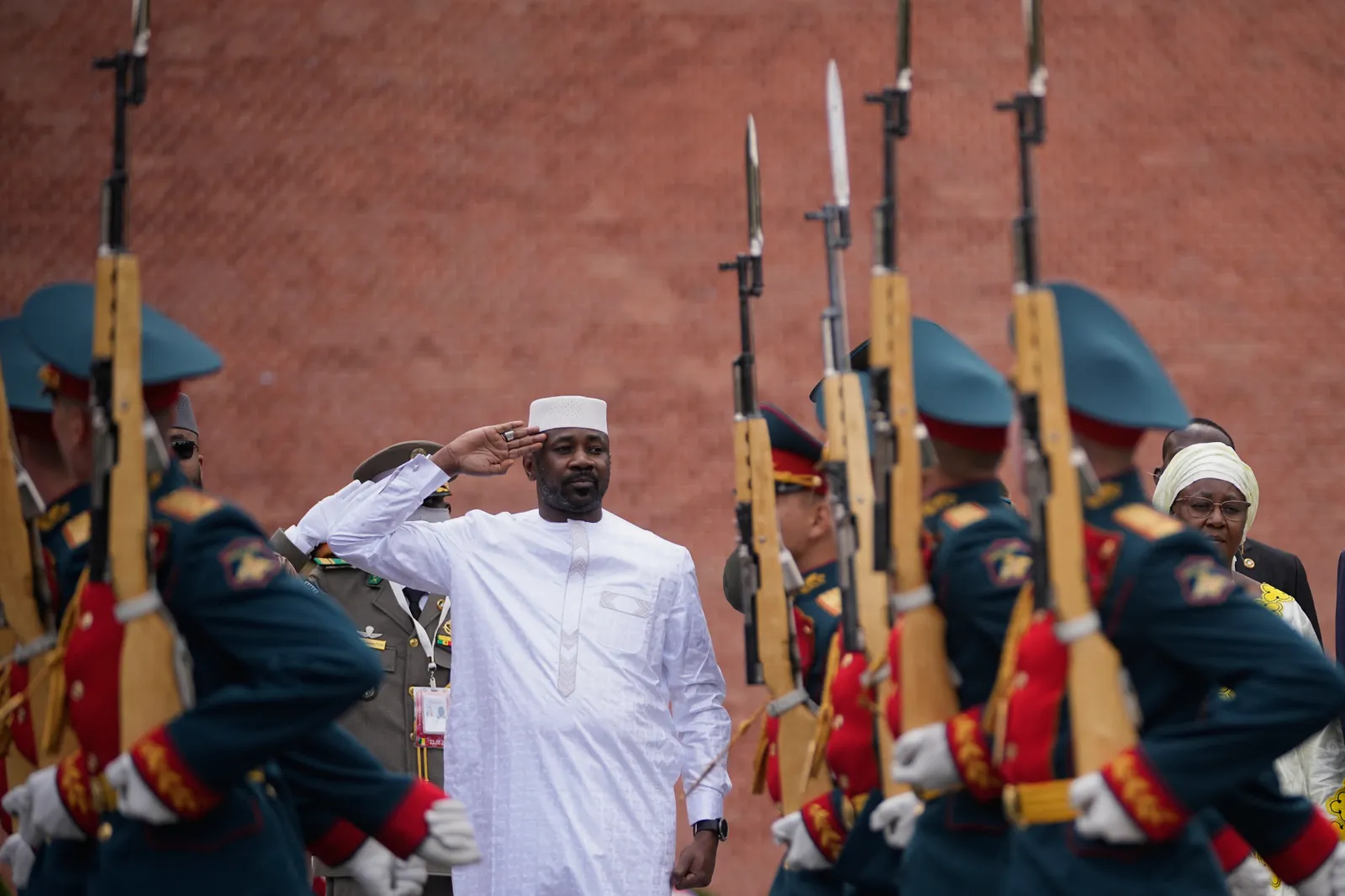
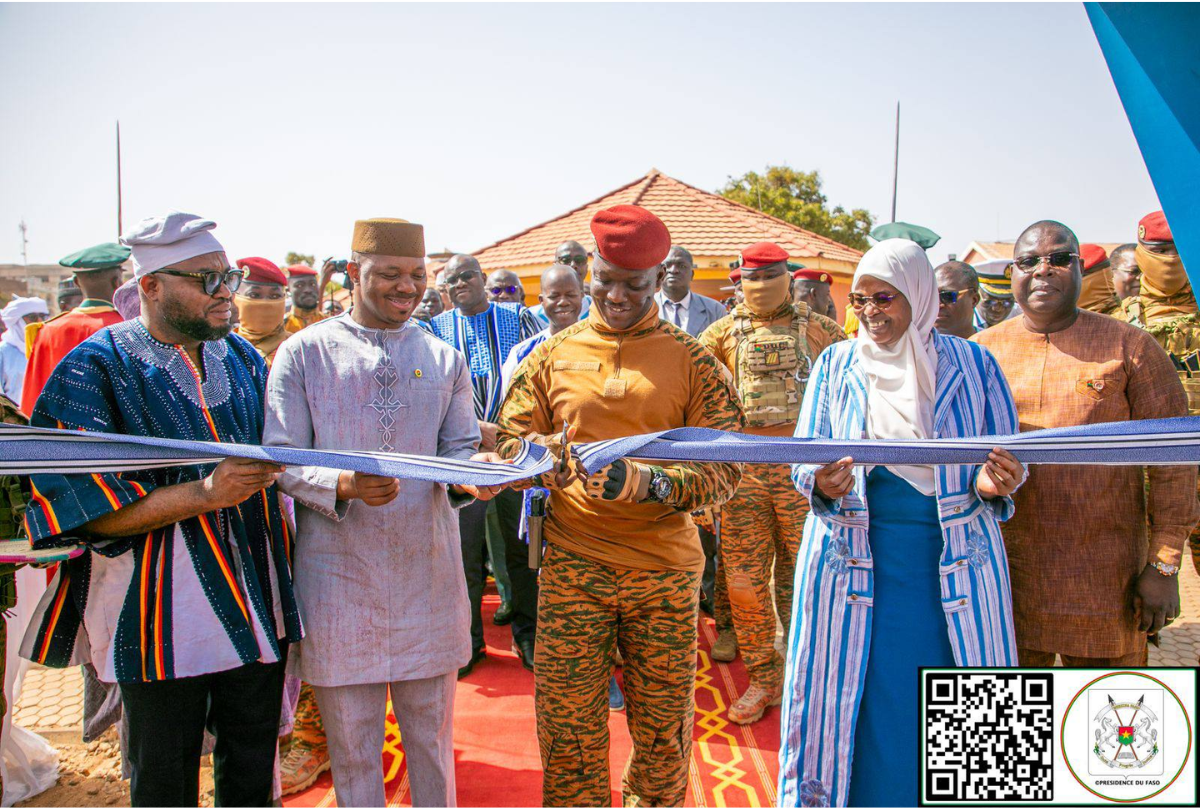
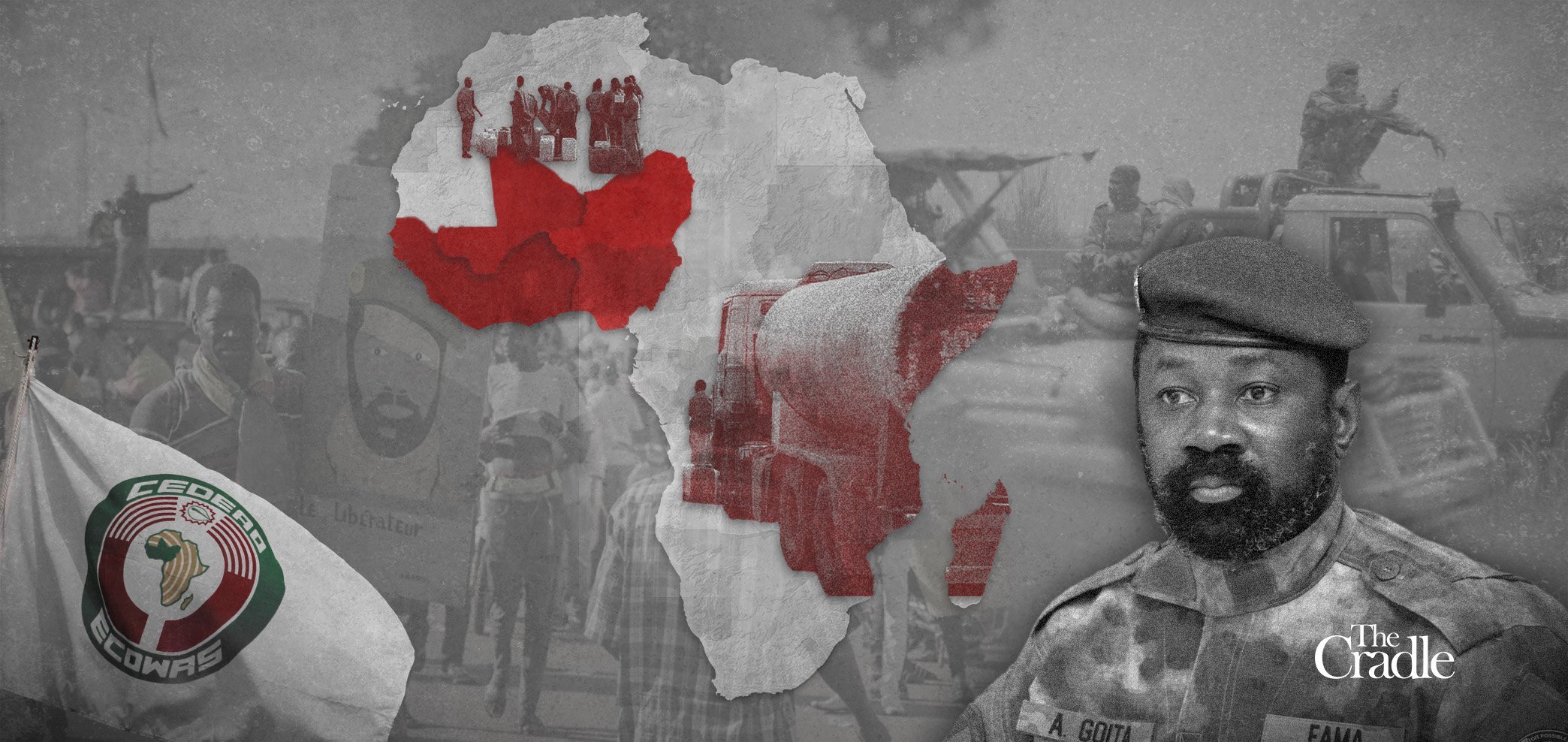
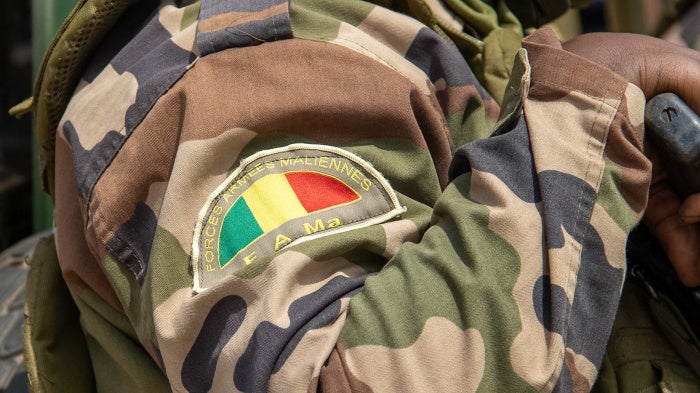
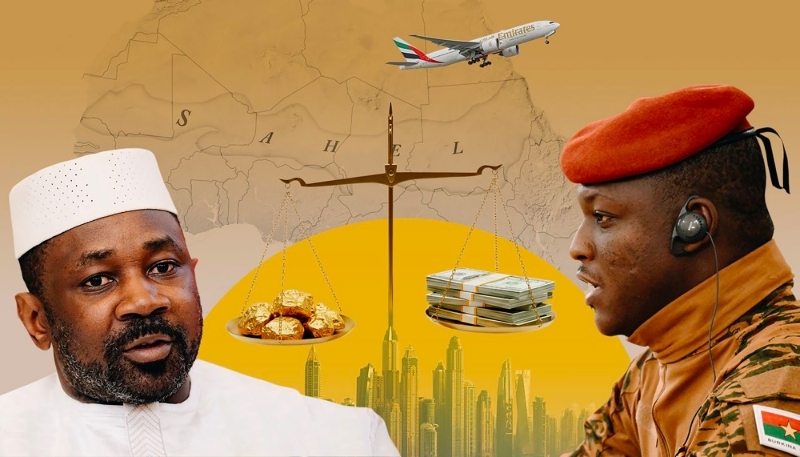
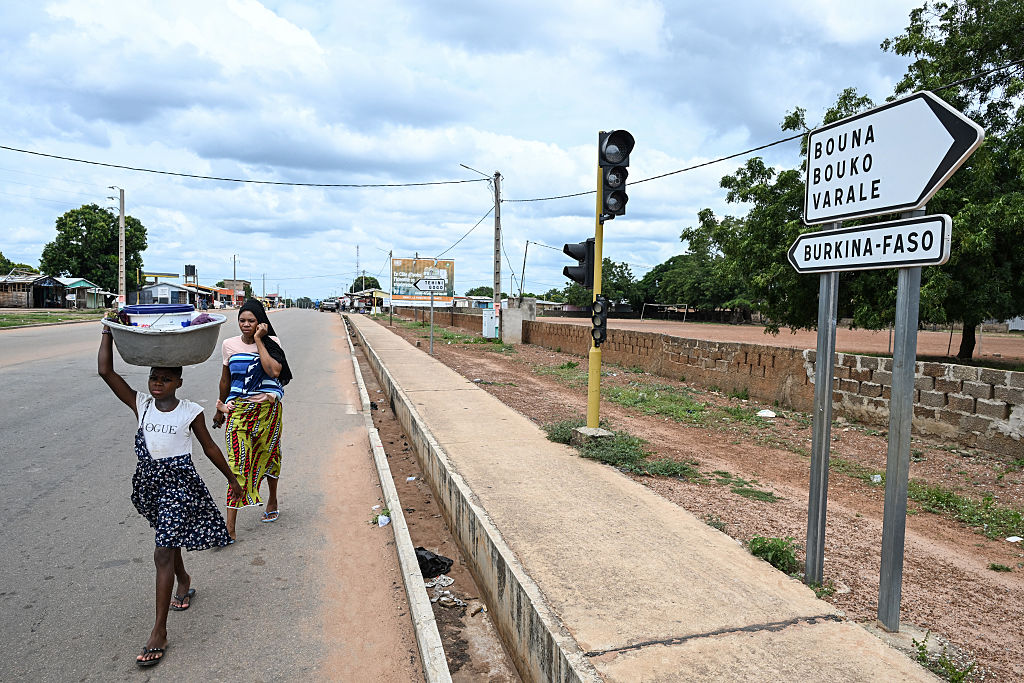
“Hold on a minute,” says Mali. That’s essentially the message reverberating across West Africa after the nation’s government flat-out denied widespread reports of a new currency. This rumored currency was supposed to unite Mali, Niger, and Burkina Faso, three Sahel nations currently grappling with military-led governments. Social media and news outlets buzzed with the claims, but Mali’s Ministry of Economy wasted no time, labeling them unequivocally as fake. Why the quick denial? Simple. They wanted to shut down speculation and prevent misinformation from further complicating an already delicate political and economic landscape. The alleged currency plan had certainly stirred significant conversations within the Sahel, a vast arid zone known for its strategic importance. Such a move would mark a bold step toward deeper economic integration for these nations, but also, critically, signal a significant shift away from the West African CFA franc, a currency regulated by France and used by many former French colonies in the area. This isn’t just about a new coin; it’s about sovereignty and regional alignment. Mali’s swift dismissal highlights just how sensitive and complex currency reforms are in a region dealing with multiple, overlapping challenges (source: CNBC Africa). It makes you wonder: what are the true priorities for these nations when such economically transformative ideas are so quickly sidelined?
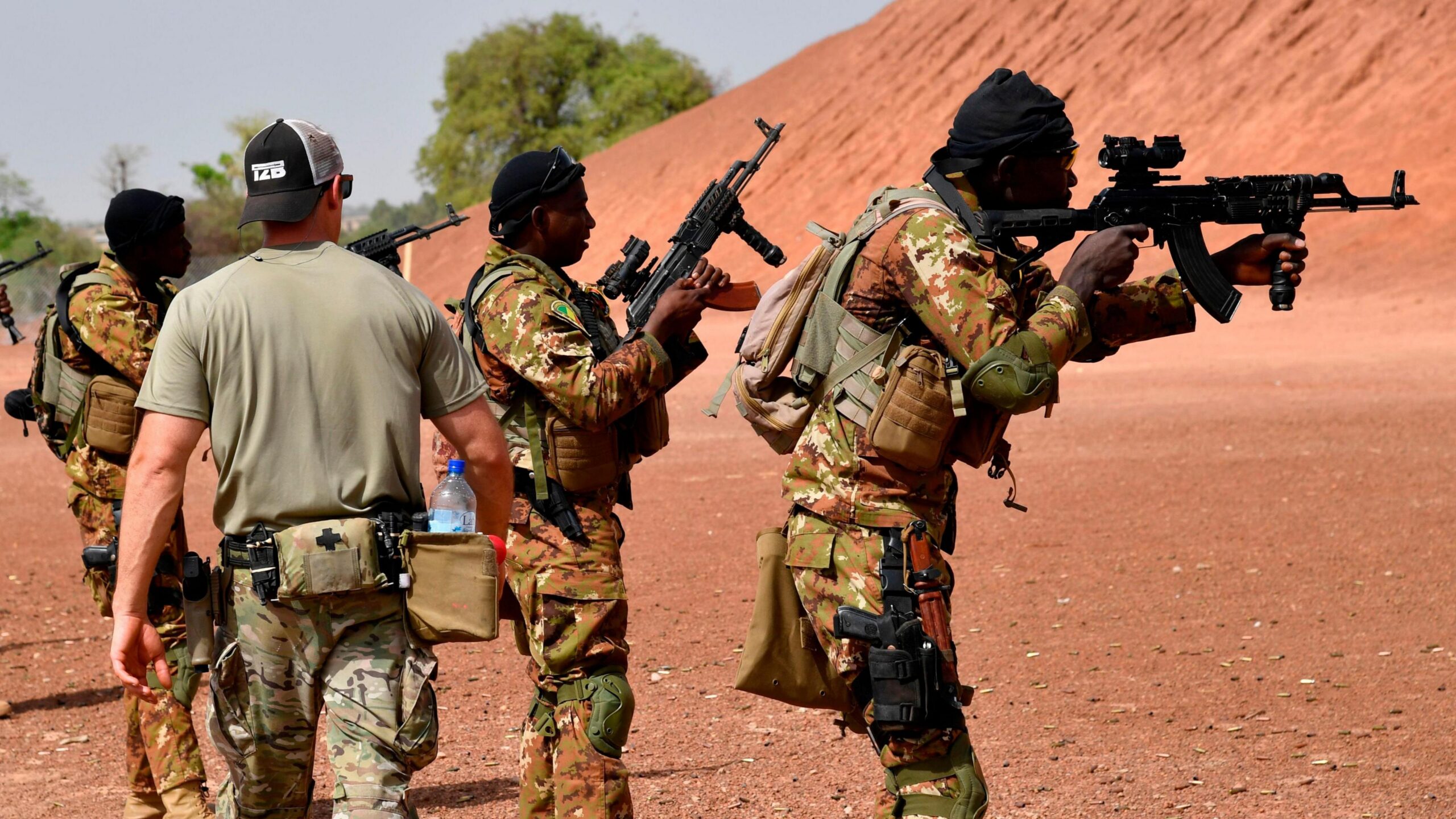
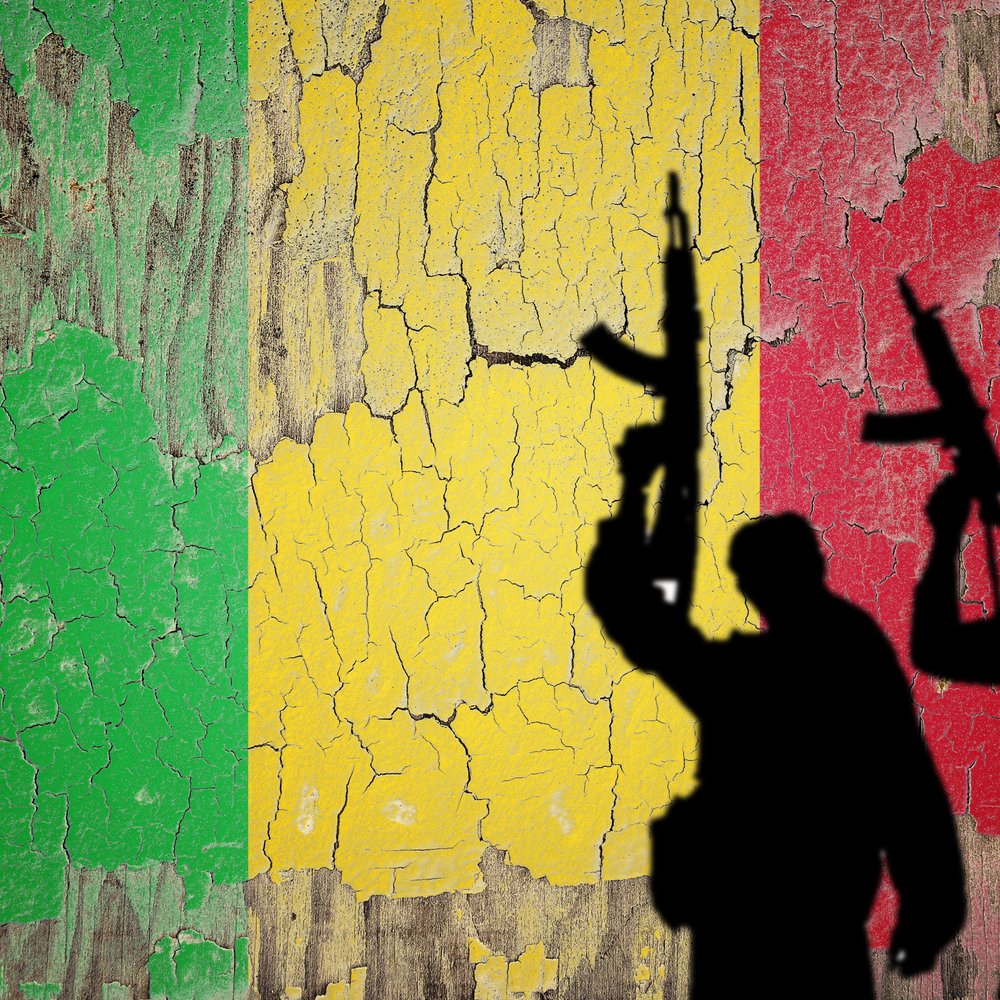
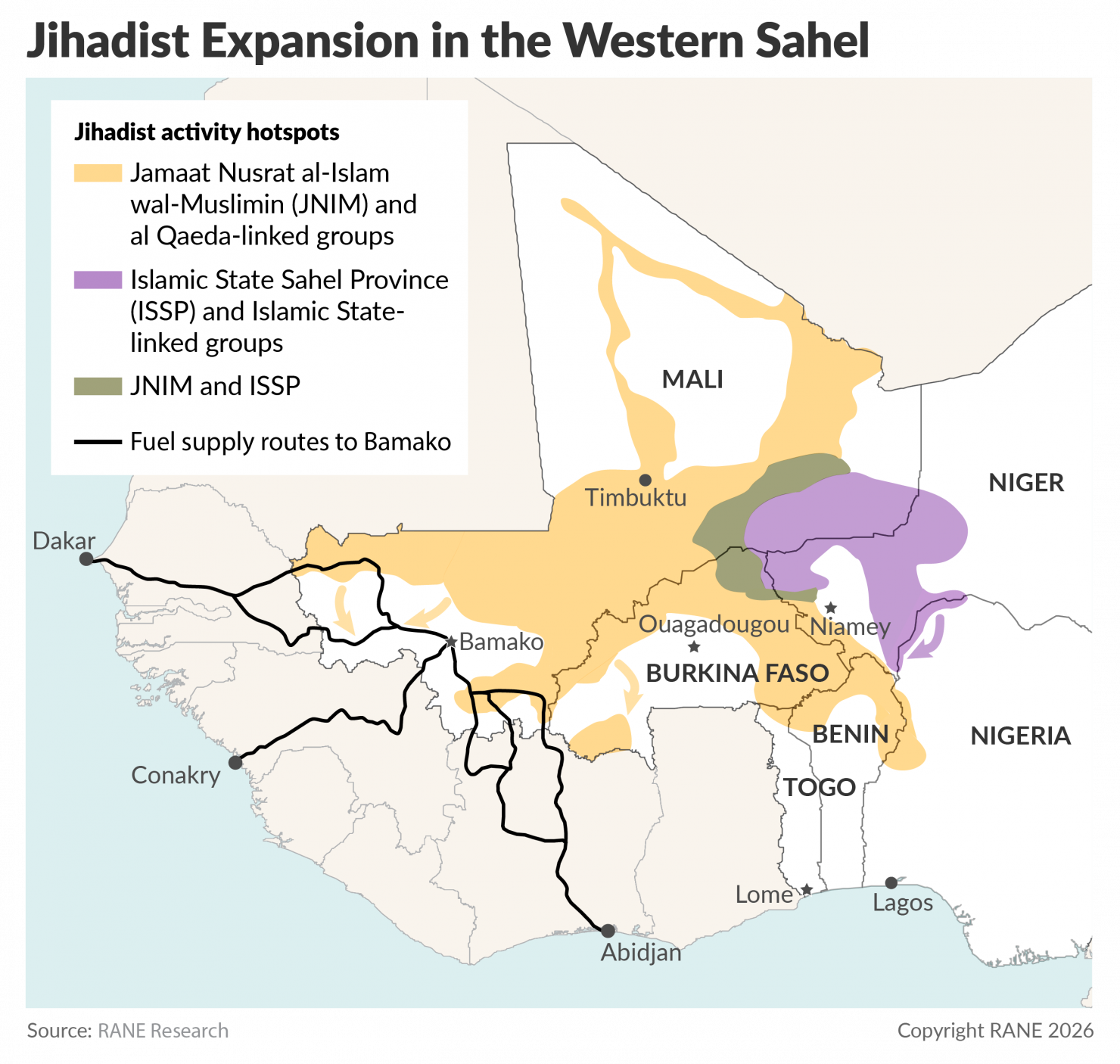
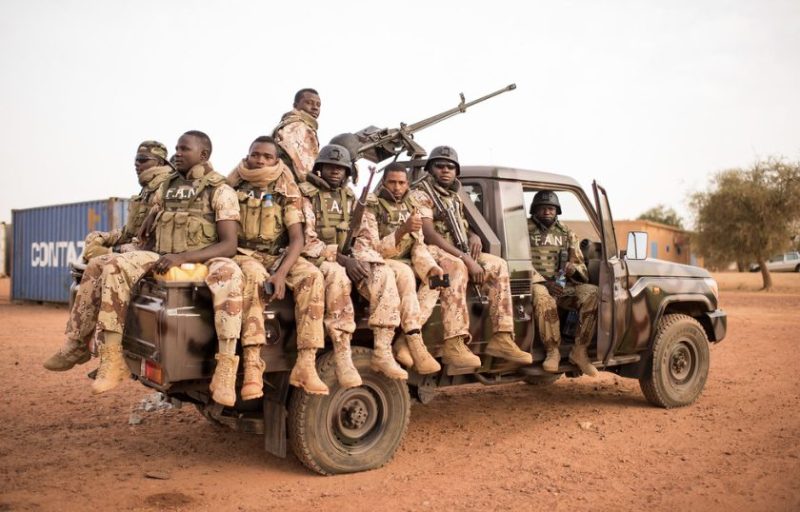
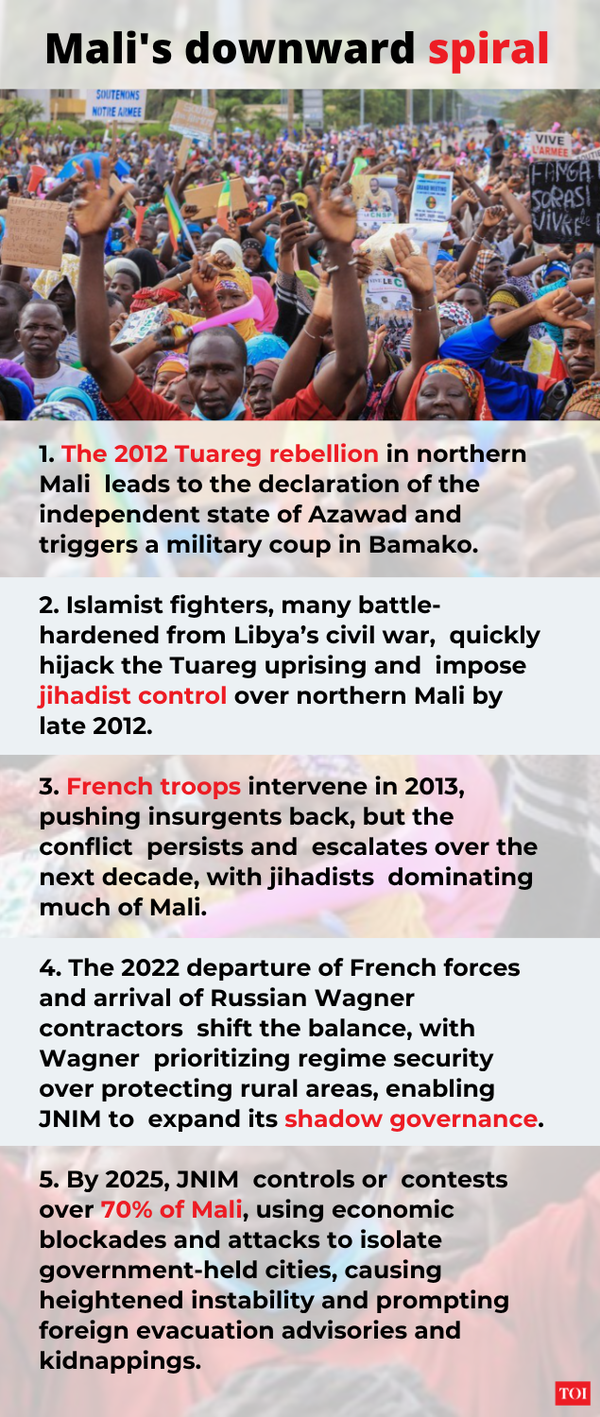
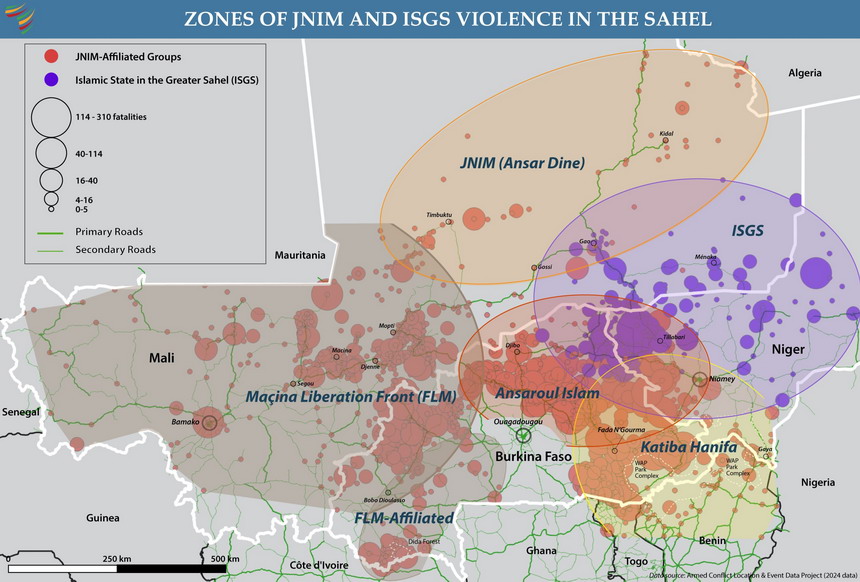
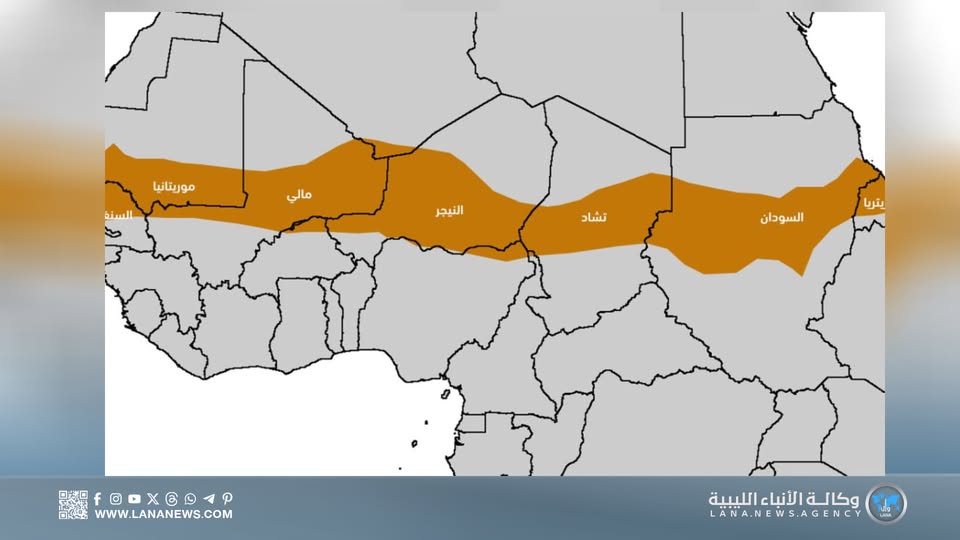
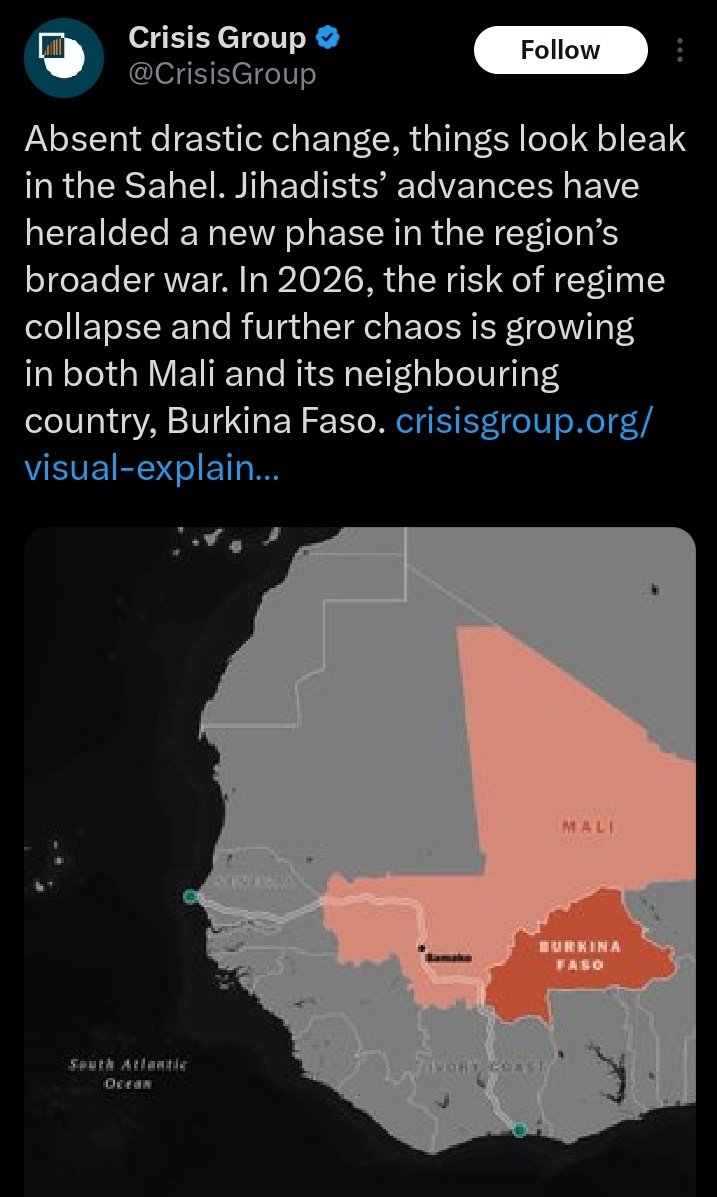
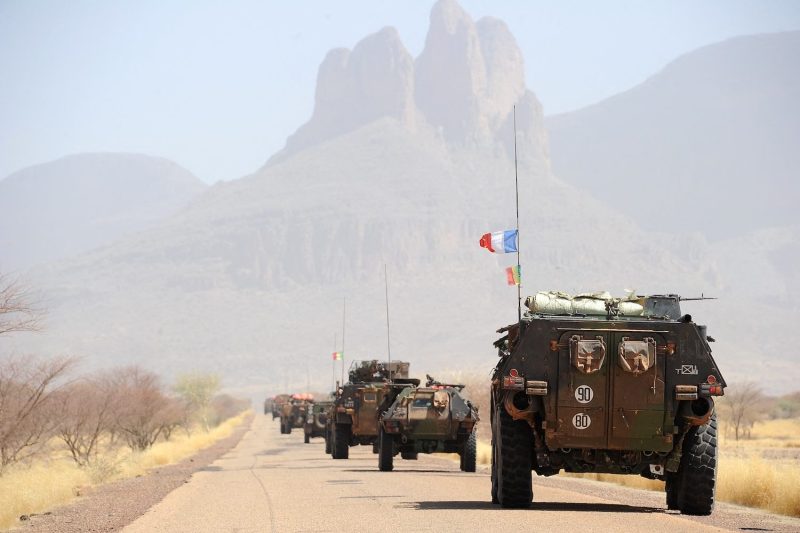
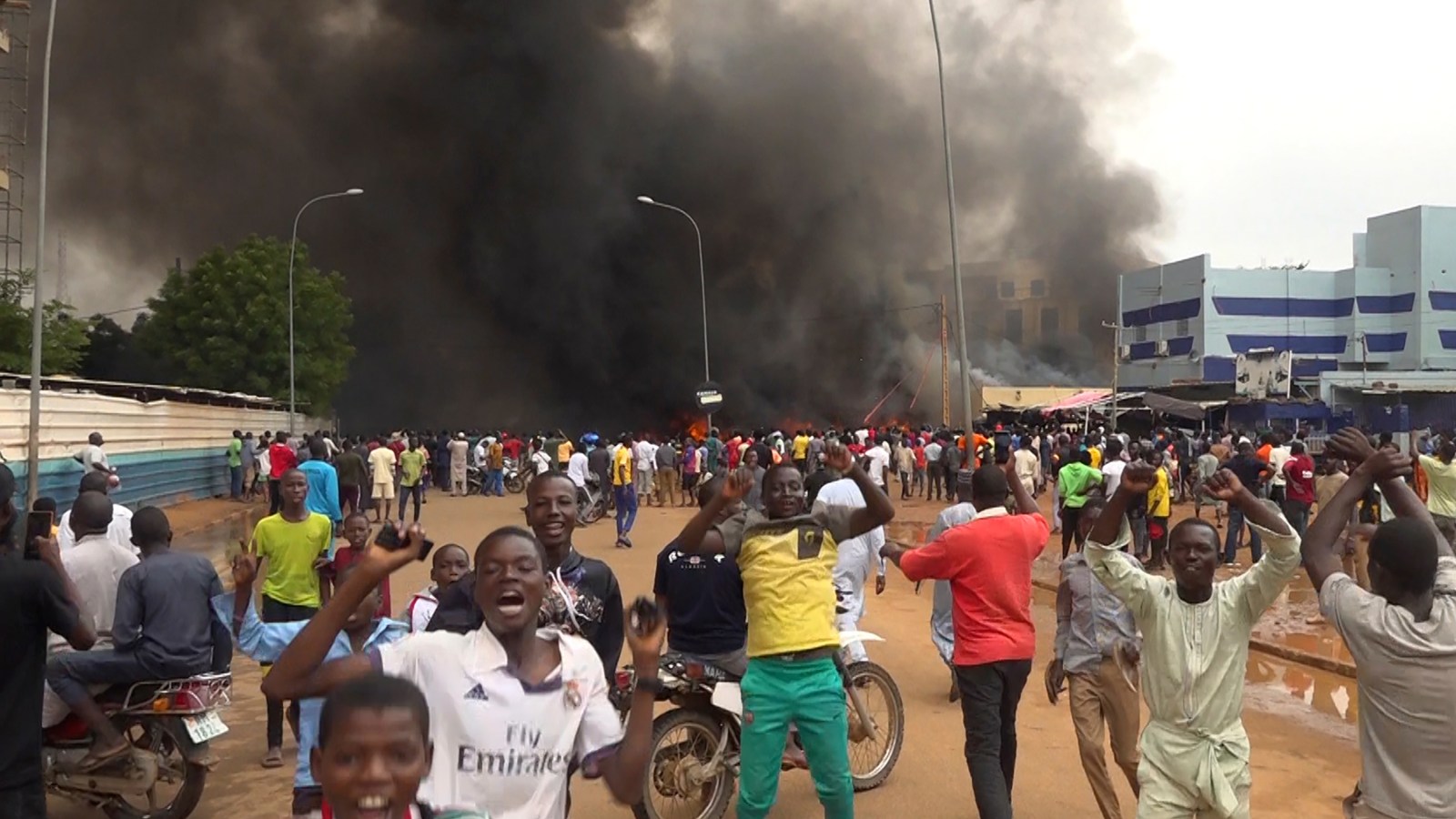
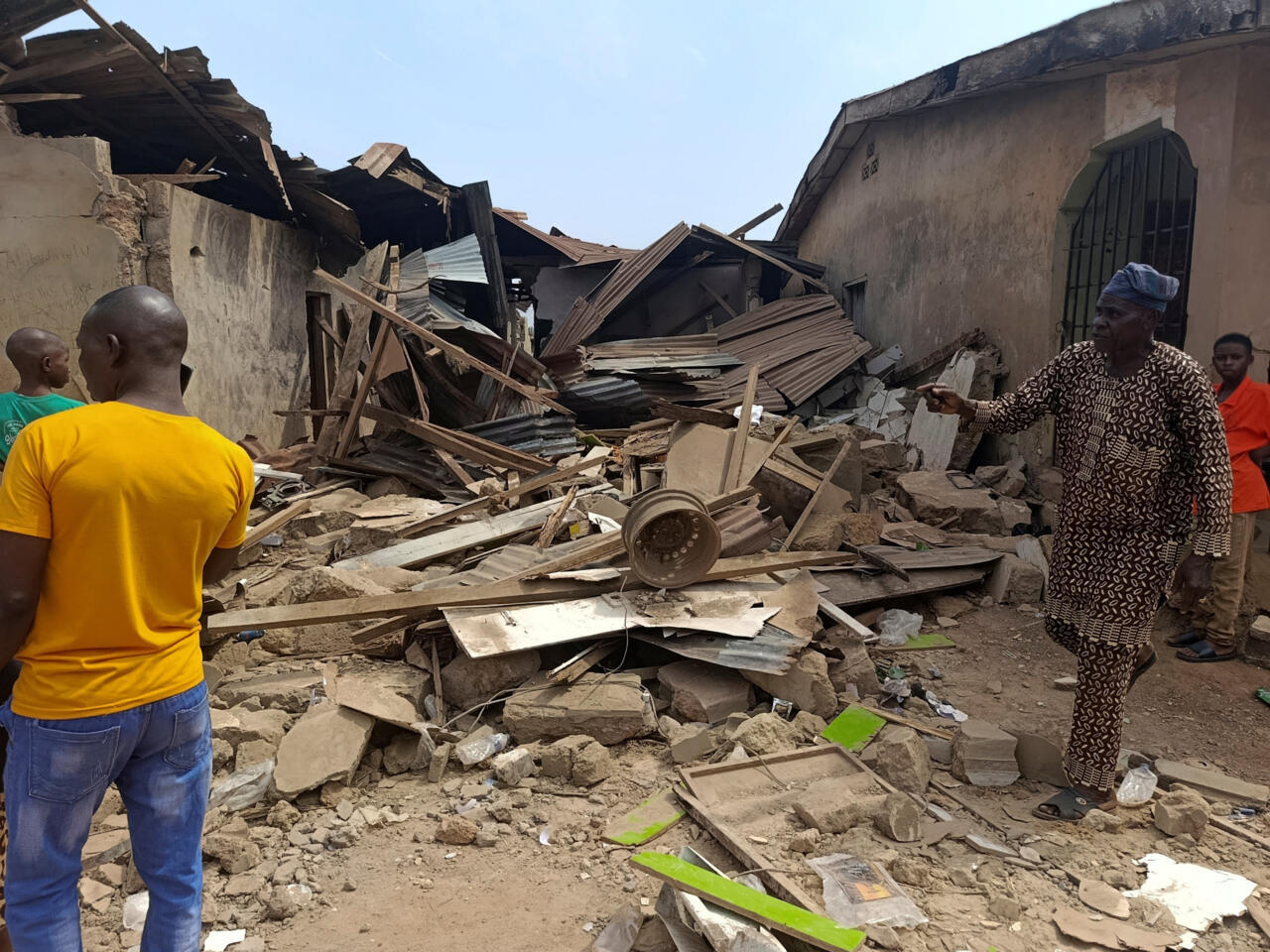
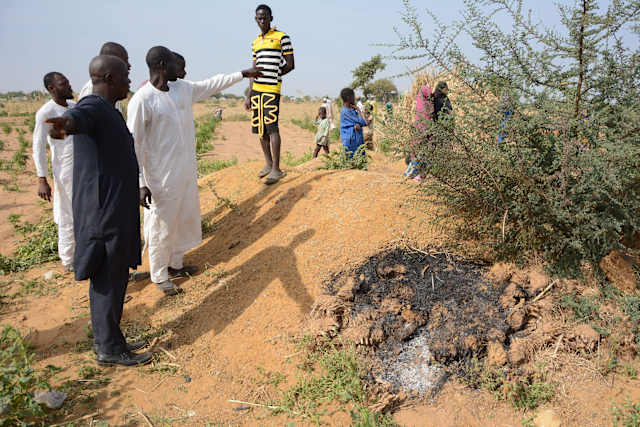
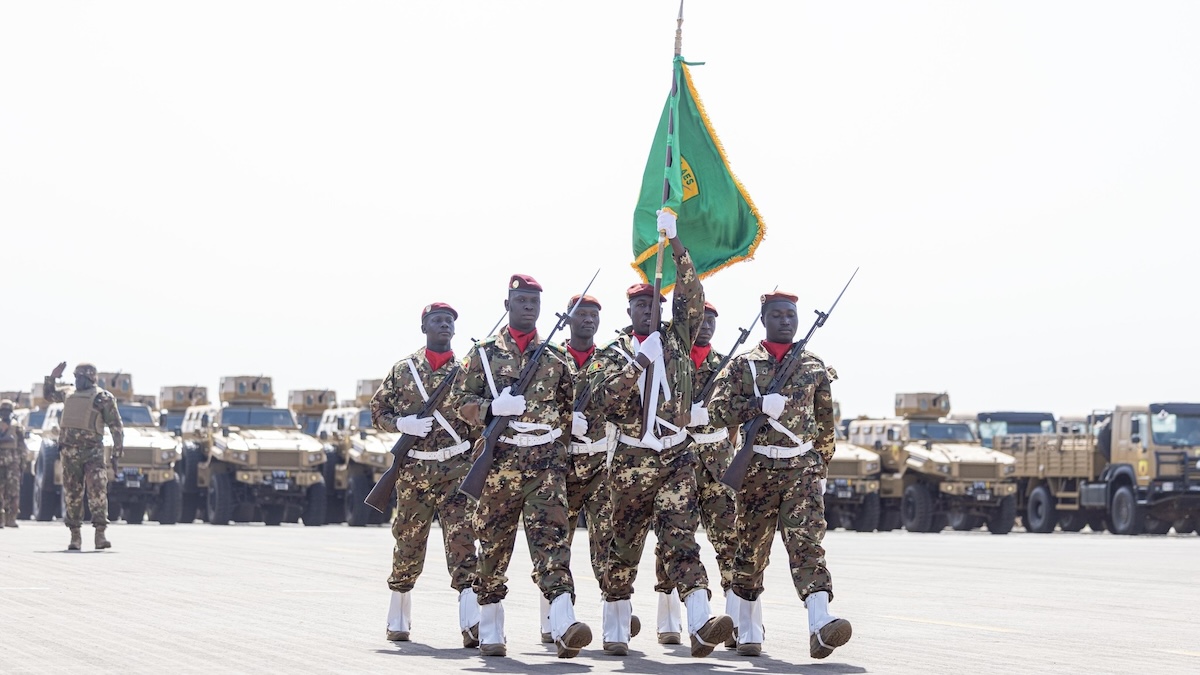
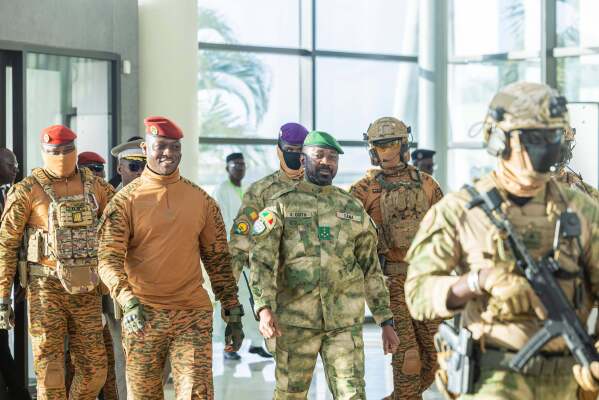
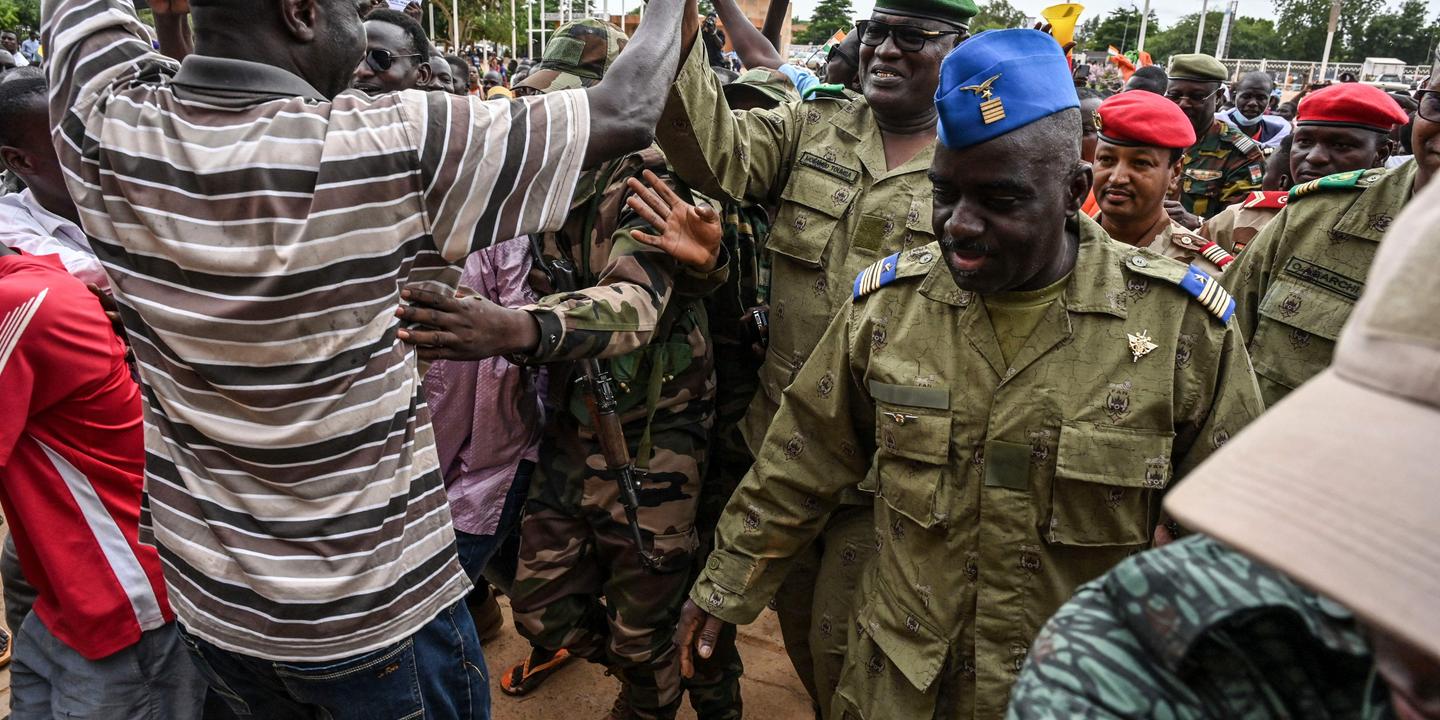
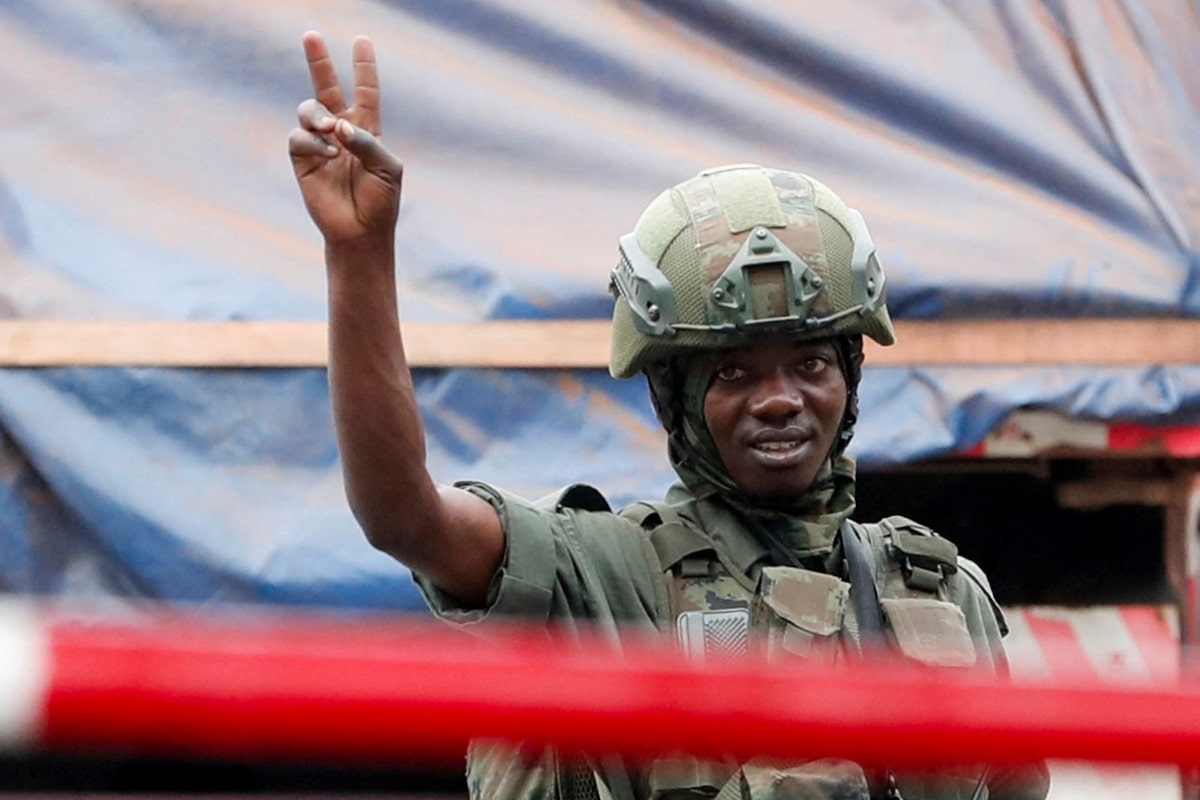
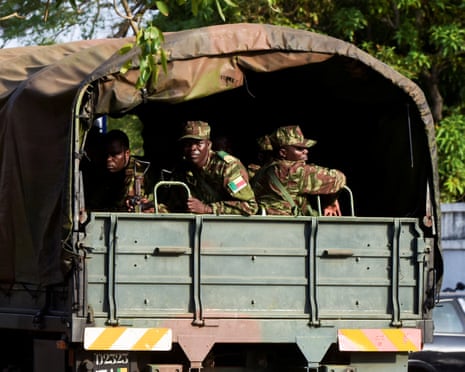
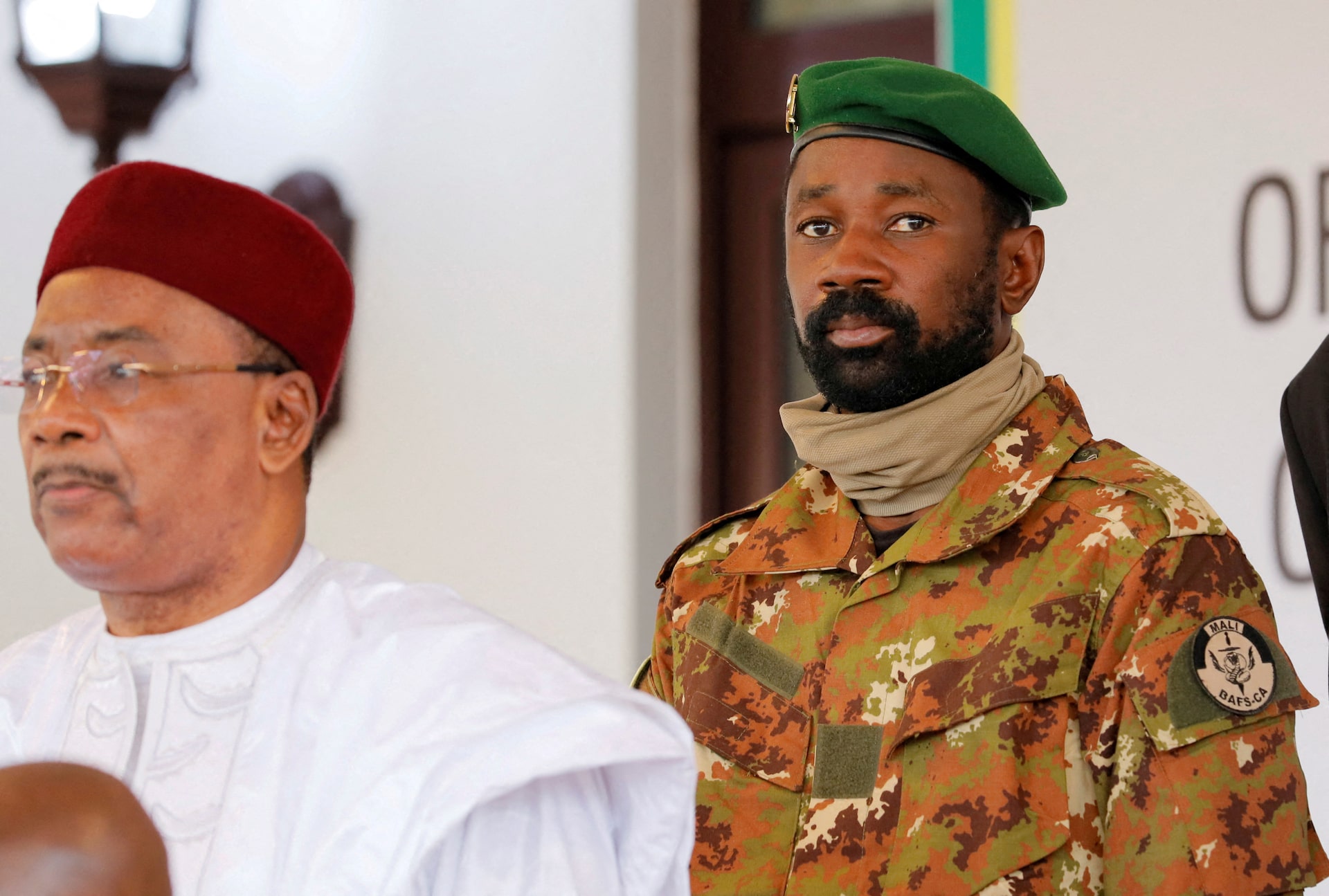
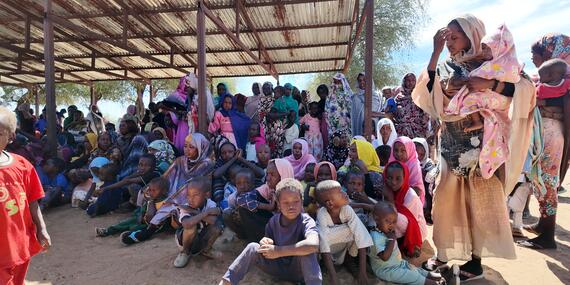
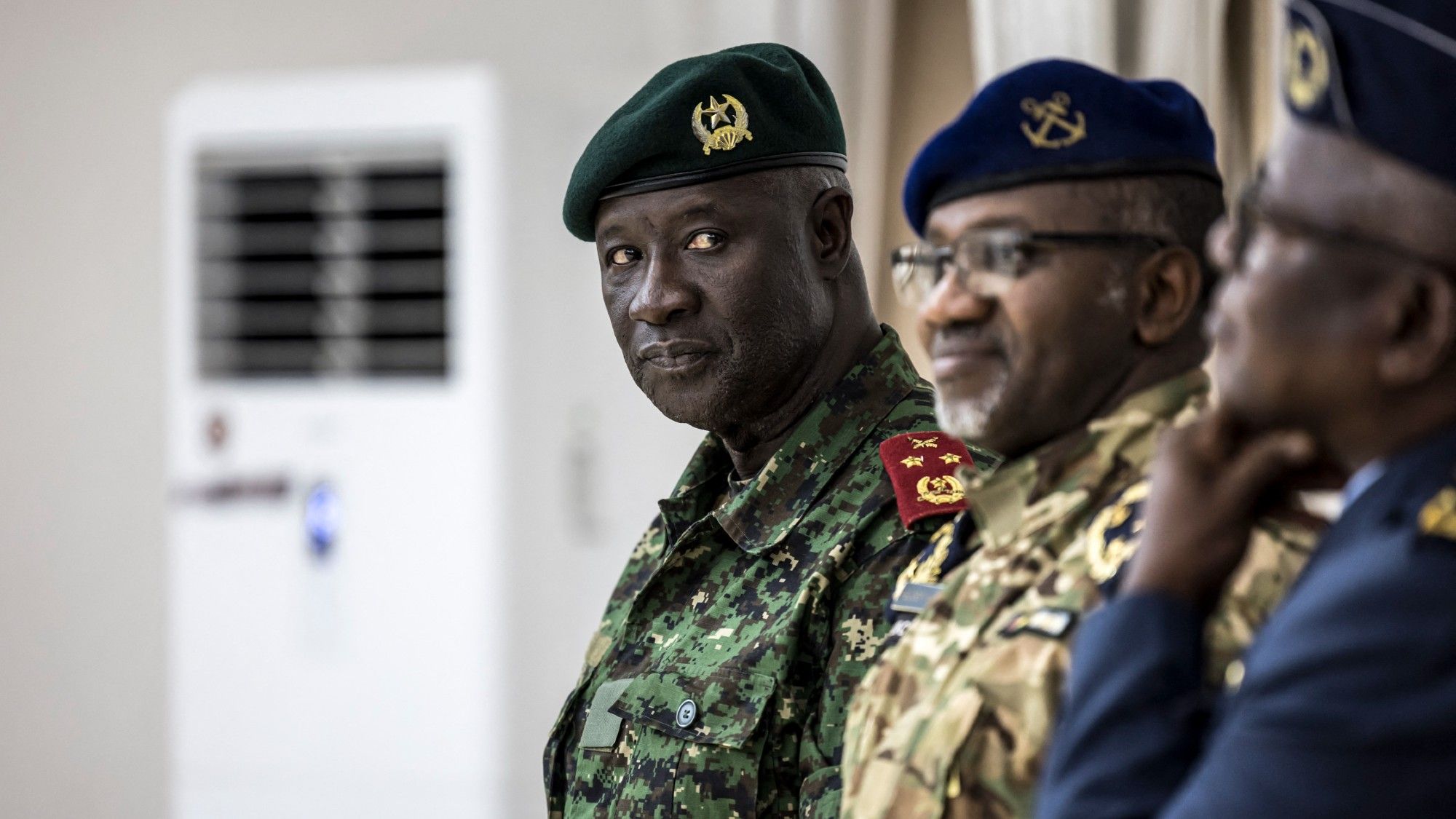
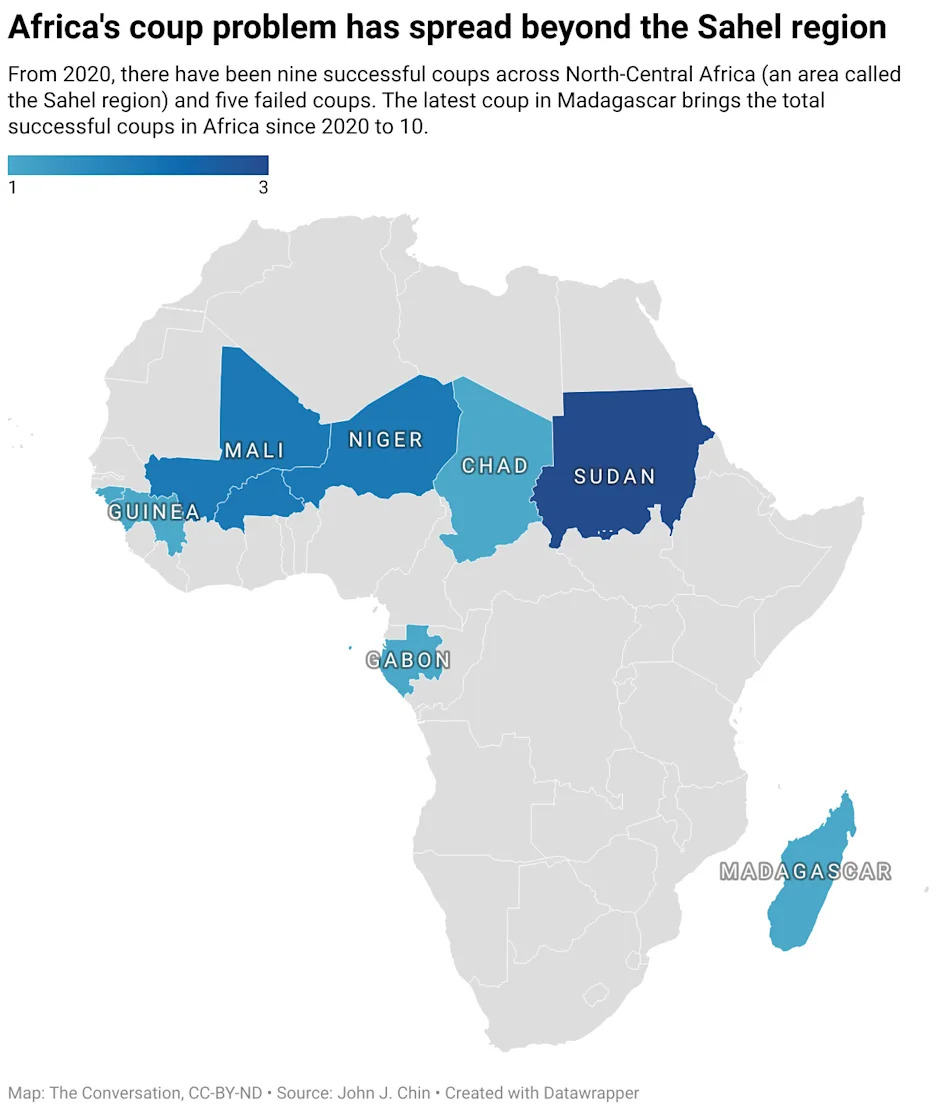
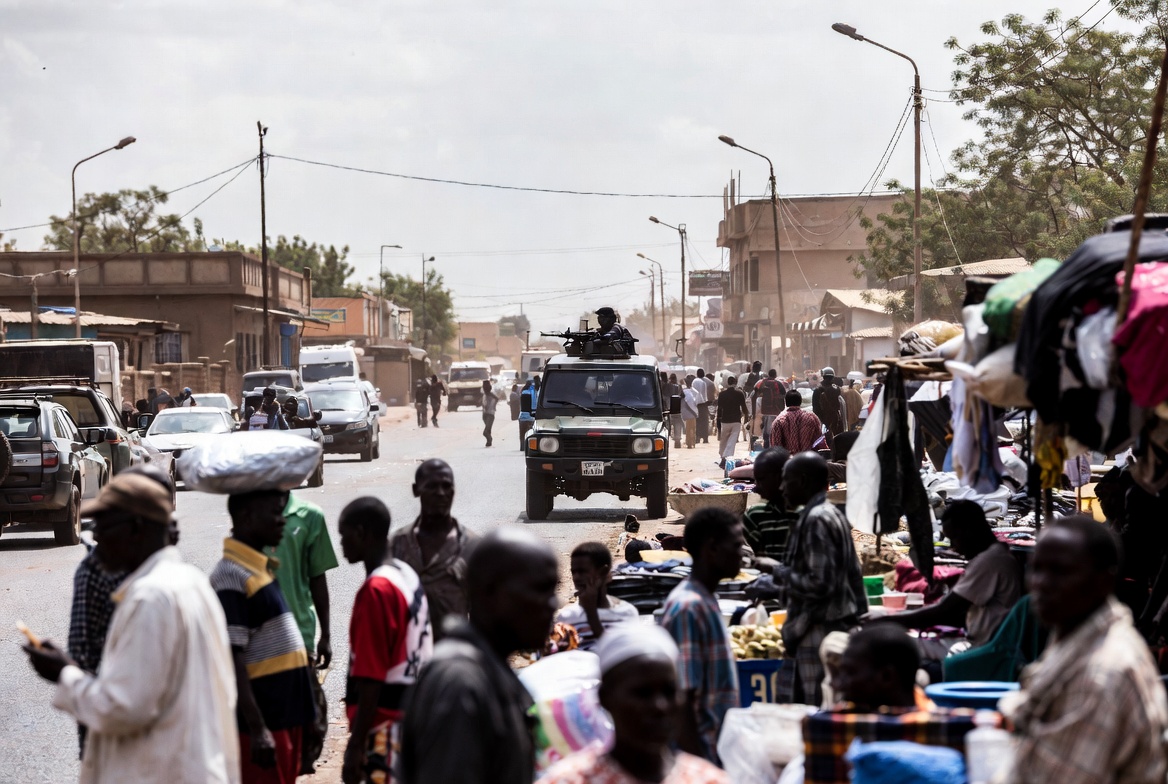
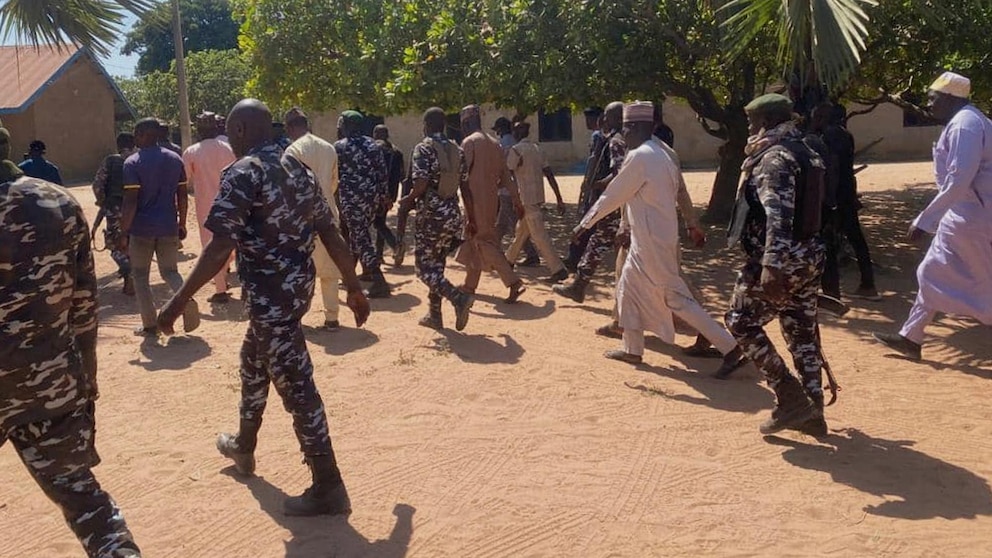
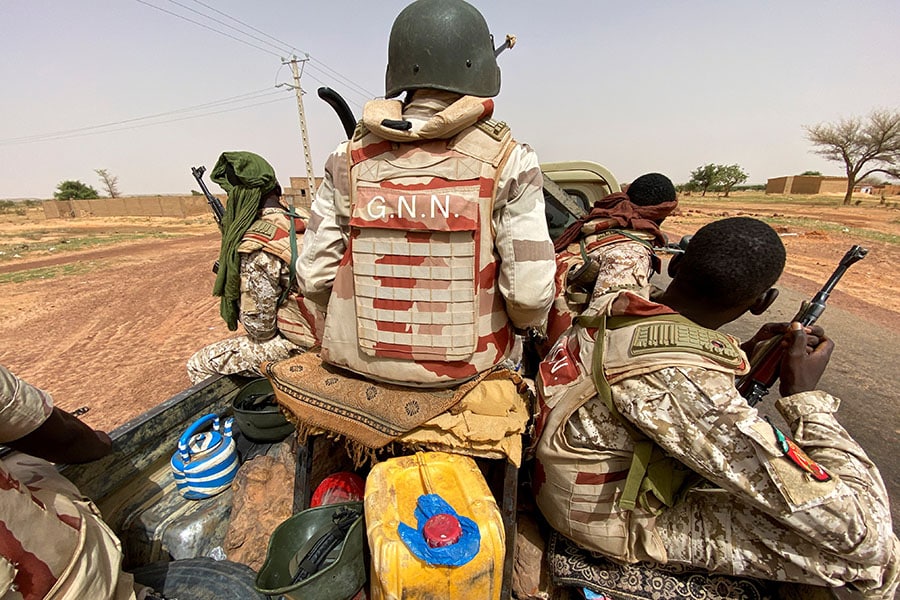
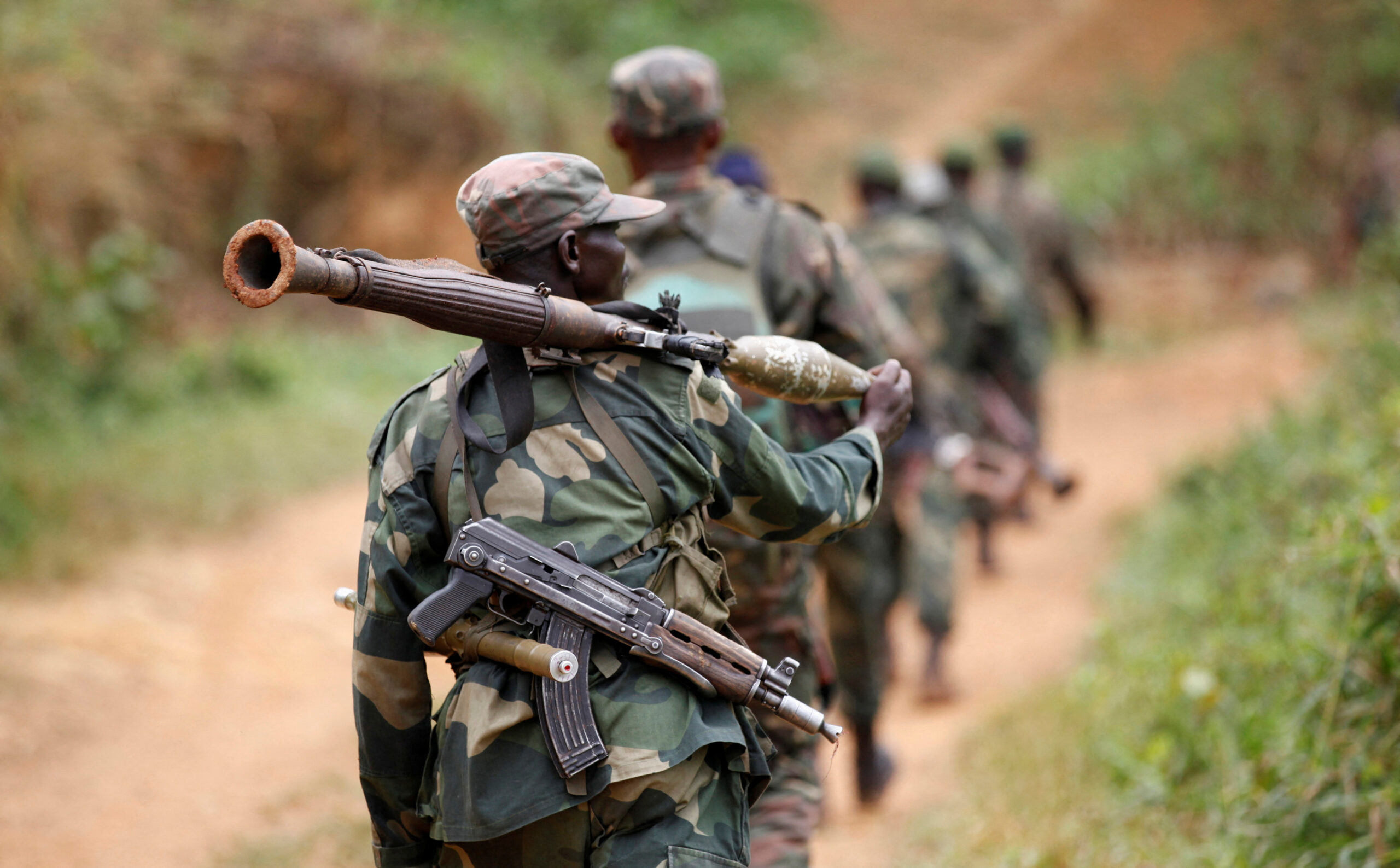
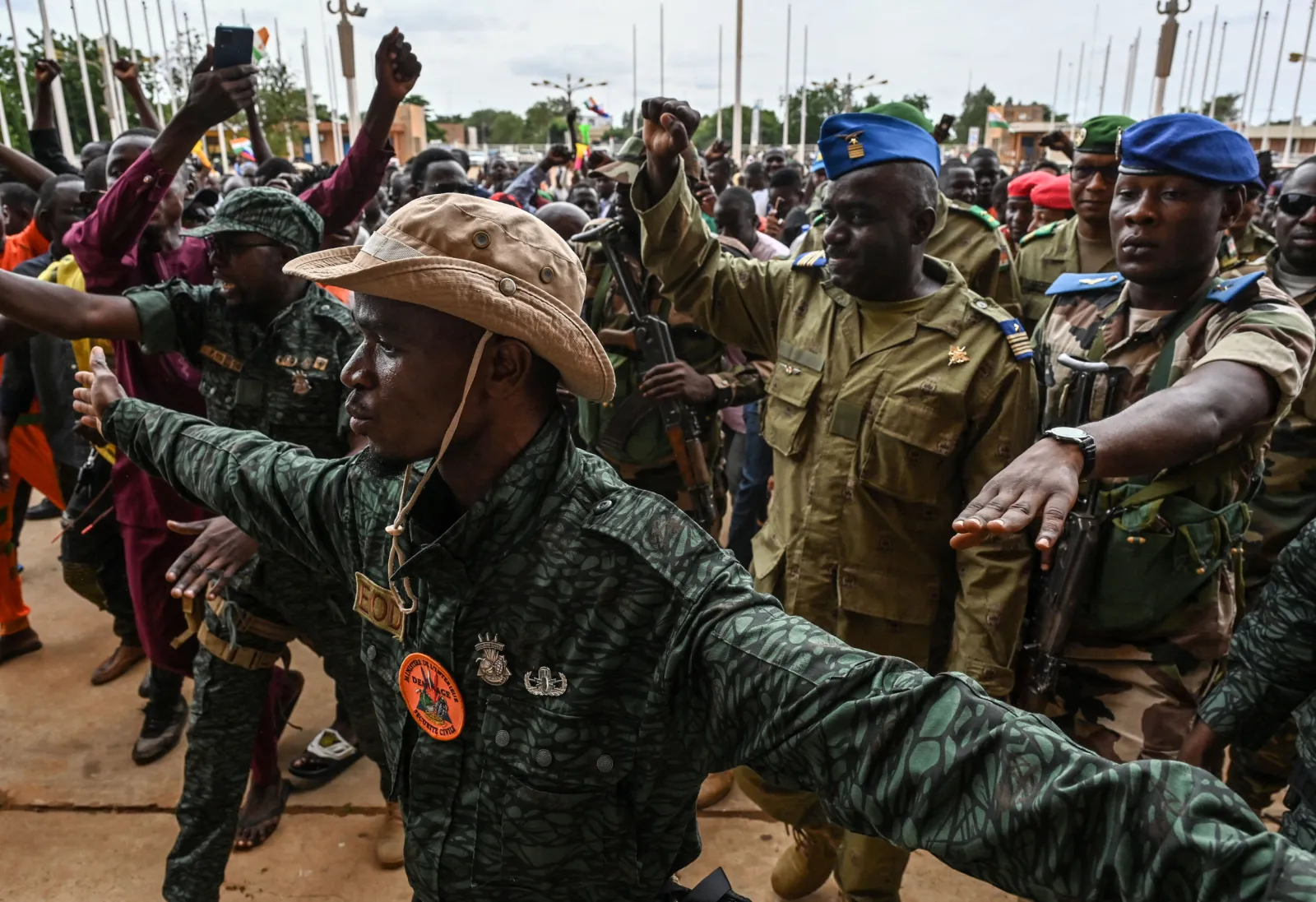
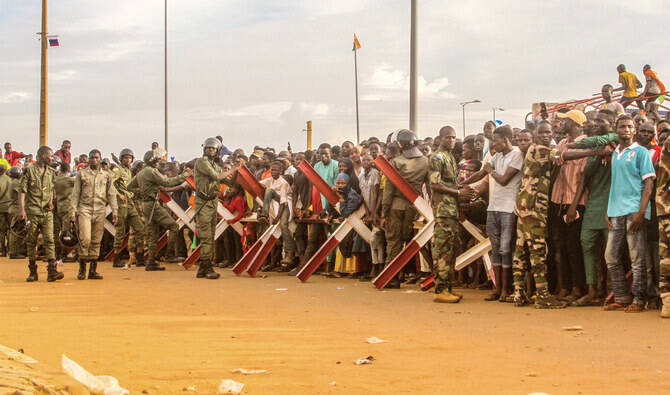
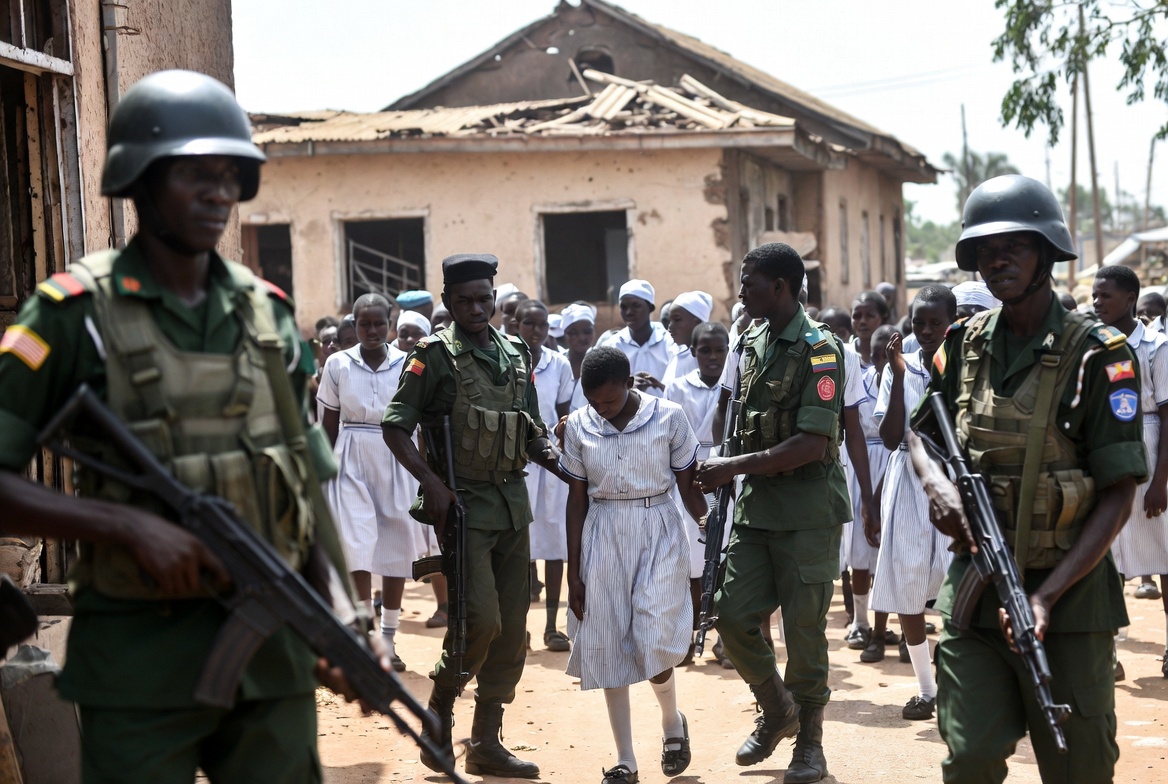
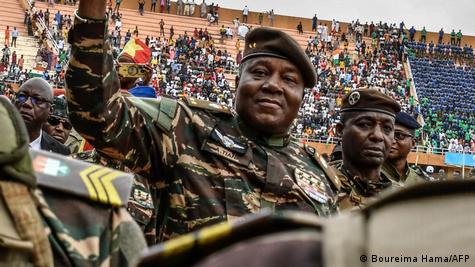
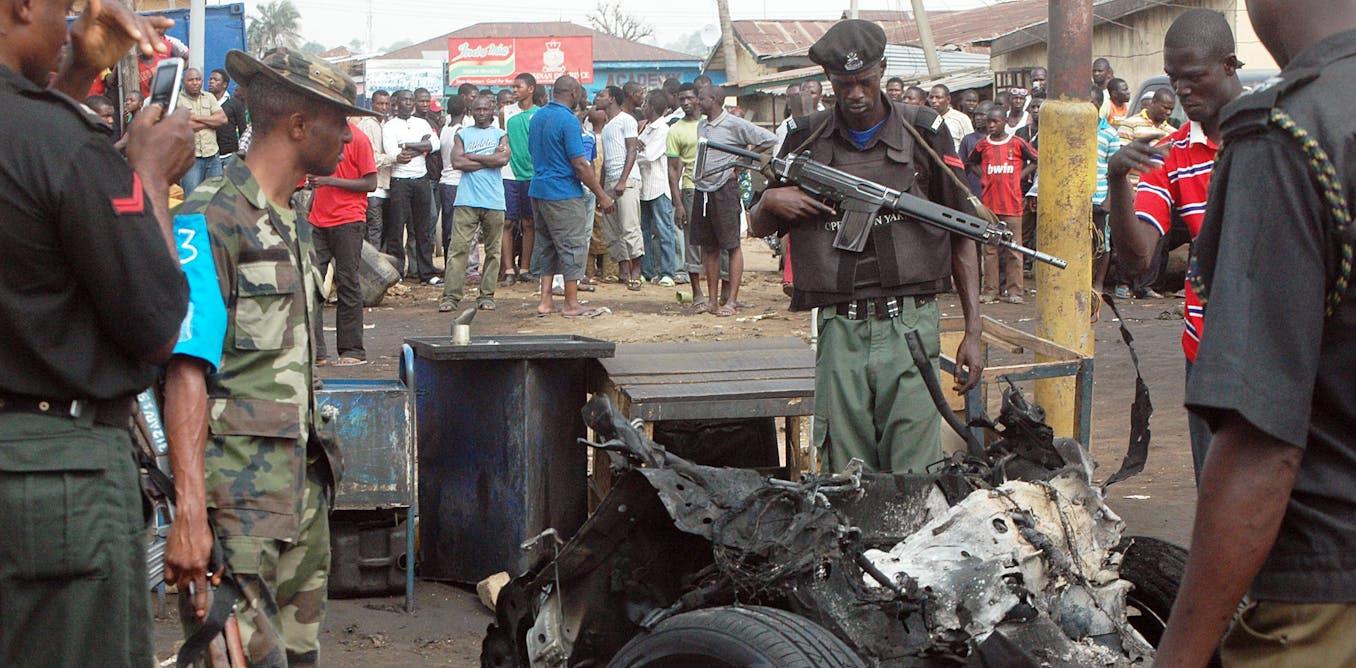
Forget currency for a moment, because the Sahel’s most pressing concern is security. This region, a vast arid stretch across parts of several African countries including Mali, Niger, and Burkina Faso, remains one of the world’s most unstable areas. We’re talking about rampant jihadist insurgencies and armed conflicts that don’t respect borders, attracting global attention due to their sheer complexity and the far-reaching threat they pose. These conflicts aren’t localized skirmishes; they’re interconnected and escalating, stretching from Somalia in the Horn of Africa all the way to Nigeria in West Africa. The United States military, for its part, isn’t looking away. They’ve maintained open lines of communication with the military governments in the Sahel, precisely because they view this jihadist threat as a connected and intensifying challenge. This interconnectedness clearly demands a coordinated approach to counter-terrorism across enormous, often porous borders (source: Horseed Media). It tells us that despite political instability, regional security collaboration is a top priority for global powers. Meanwhile, Mali hasn’t been idle in bolstering its own defenses. The government recently announced it has taken control over the explosives supply chain, partnering strategically with China to manage and regulate this critical aspect of security. This isn’t just a minor administrative detail, is it? It’s a broader attempt by the military-led state to assert authority, improve internal security controls, and crucially, reduce the risk of armed groups obtaining materials that could fuel further violence. This collaboration also vividly illustrates the growing role of external global players like China in the geopolitics of the Sahel, where various international actors compete for influence amid the region’s instability.
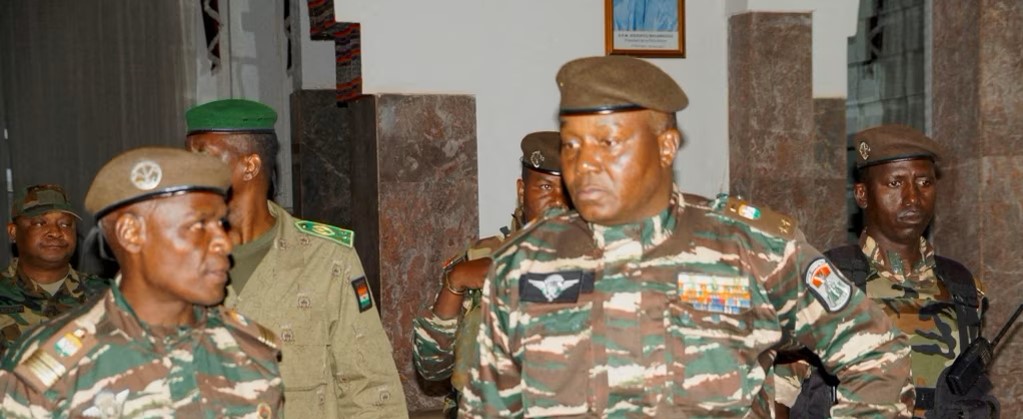
So, what does this all mean for the Sahel’s future? The denial of these new currency talks, coupled with such an intense focus on immediate security measures, truly underscores the competing priorities facing these nations. Economic unity and stability could offer long-term hope for development and resilience; who wouldn’t want that for their people? Yet, immediate concerns over governance, security, and national sovereignty are clearly dominating the political agenda. These countries find themselves in a delicate position, striving to balance the demands of a fragmented political scene with the undeniable need for deeper regional collaboration. Looking ahead, the Sahel’s trajectory will likely hinge on how effectively it manages these interconnected issues. While calls for deeper economic partnerships and potential shared currencies may resurface in more stable times, current realities impose caution. The ongoing military juntas must build legitimacy at home while collaborating with international partners to combat the pervasive insurgency threats. In parallel, efforts to establish robust economic frameworks will require significant patience and consensus among wary neighbors. The global community’s engagement remains critical as the Sahel navigates this complex path forward, offering support not only for security but for sustainable economic development. As Mali and its Sahel neighbors move through this fragile chapter, observers will watch closely how regional dynamics evolve. Will the idea of a shared currency eventually materialize, or will it remain a speculative notion for years to come? Until then, the region’s future remains a compelling story of resilience amidst profound uncertainty, where cautious diplomacy and concerted action hold the key to lasting peace and prosperity.