Africa’s Startups Mature as Money Tightens, Innovation Deepens and Cross-Border Trade Opens
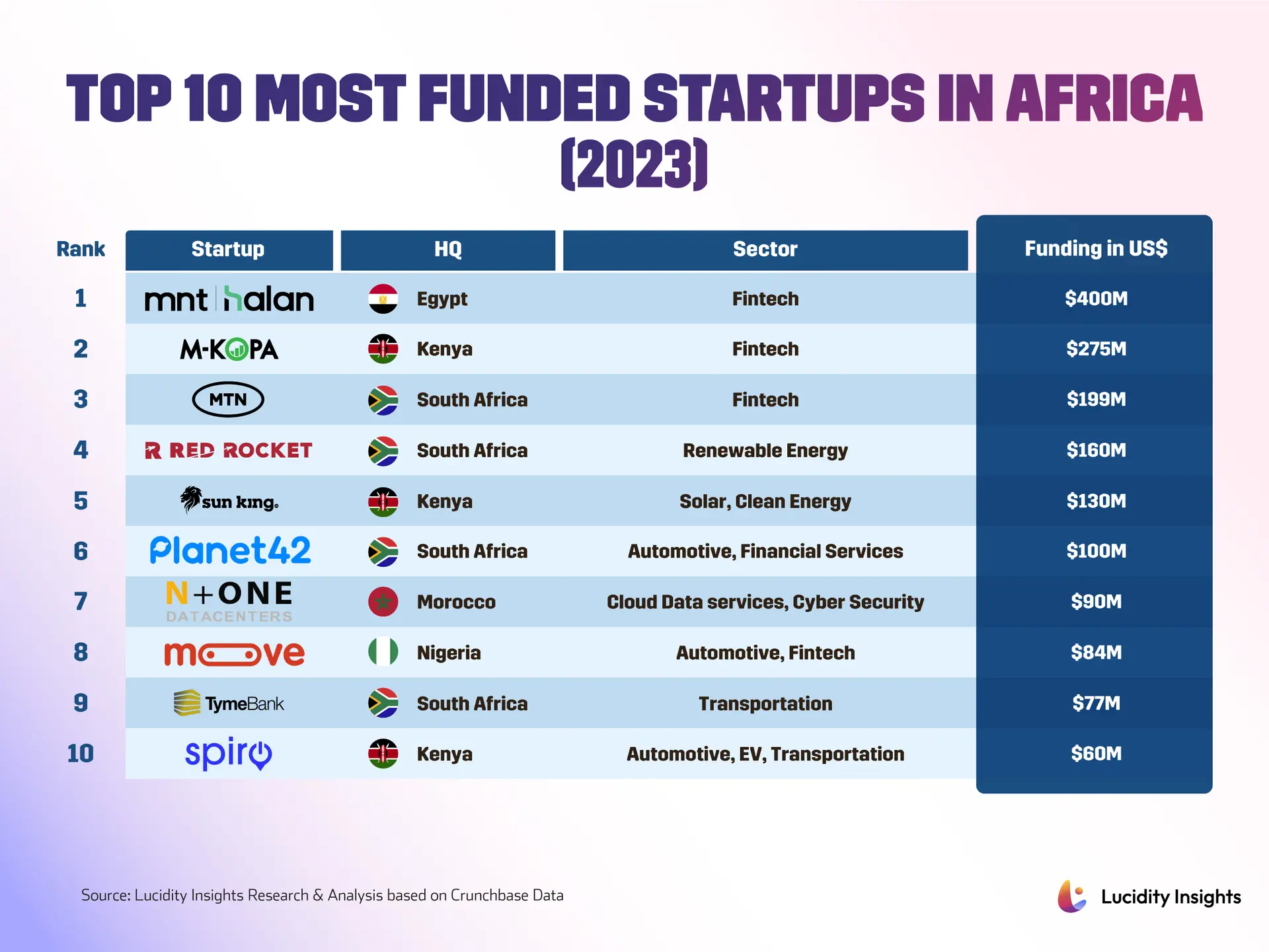
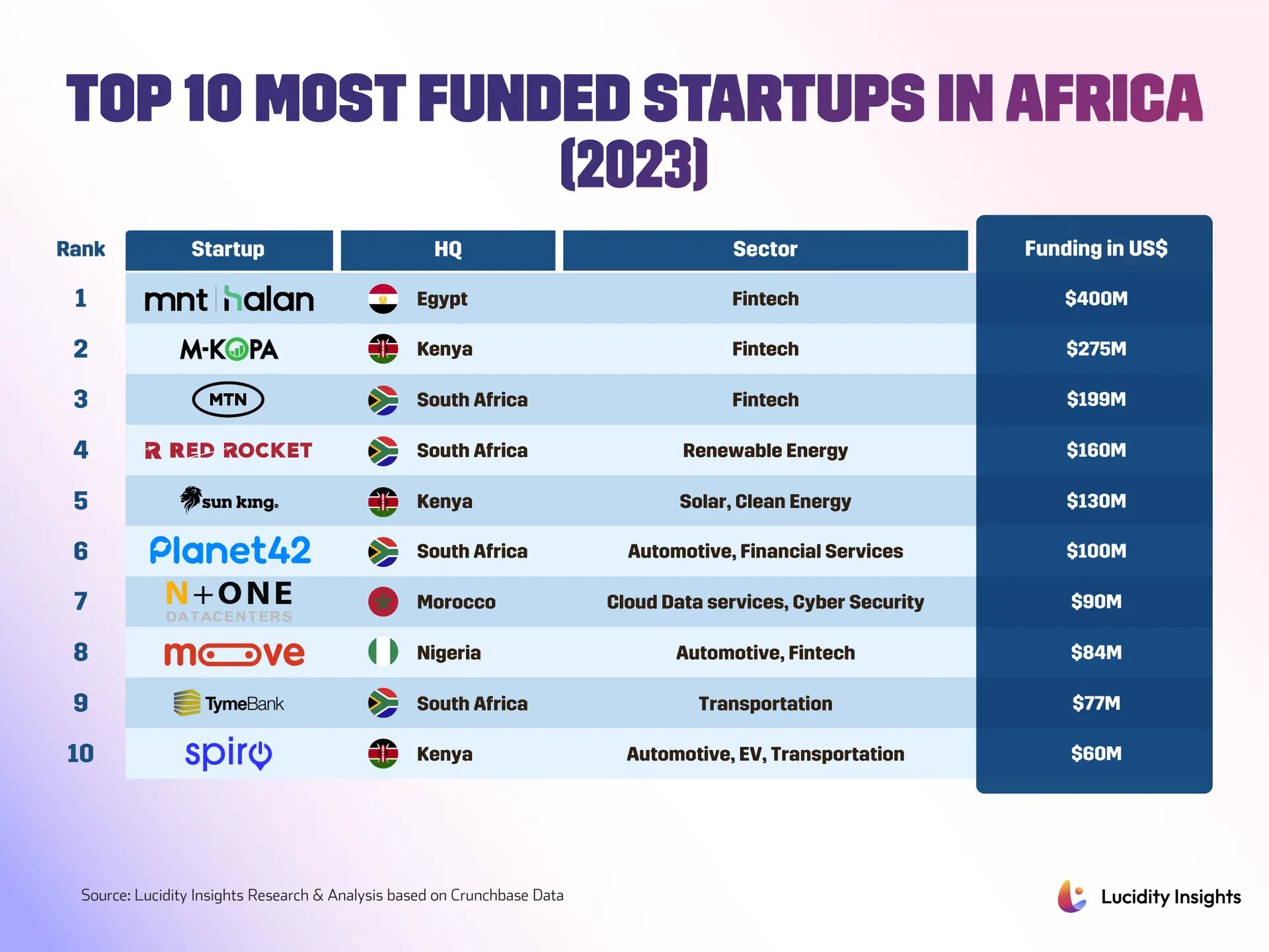
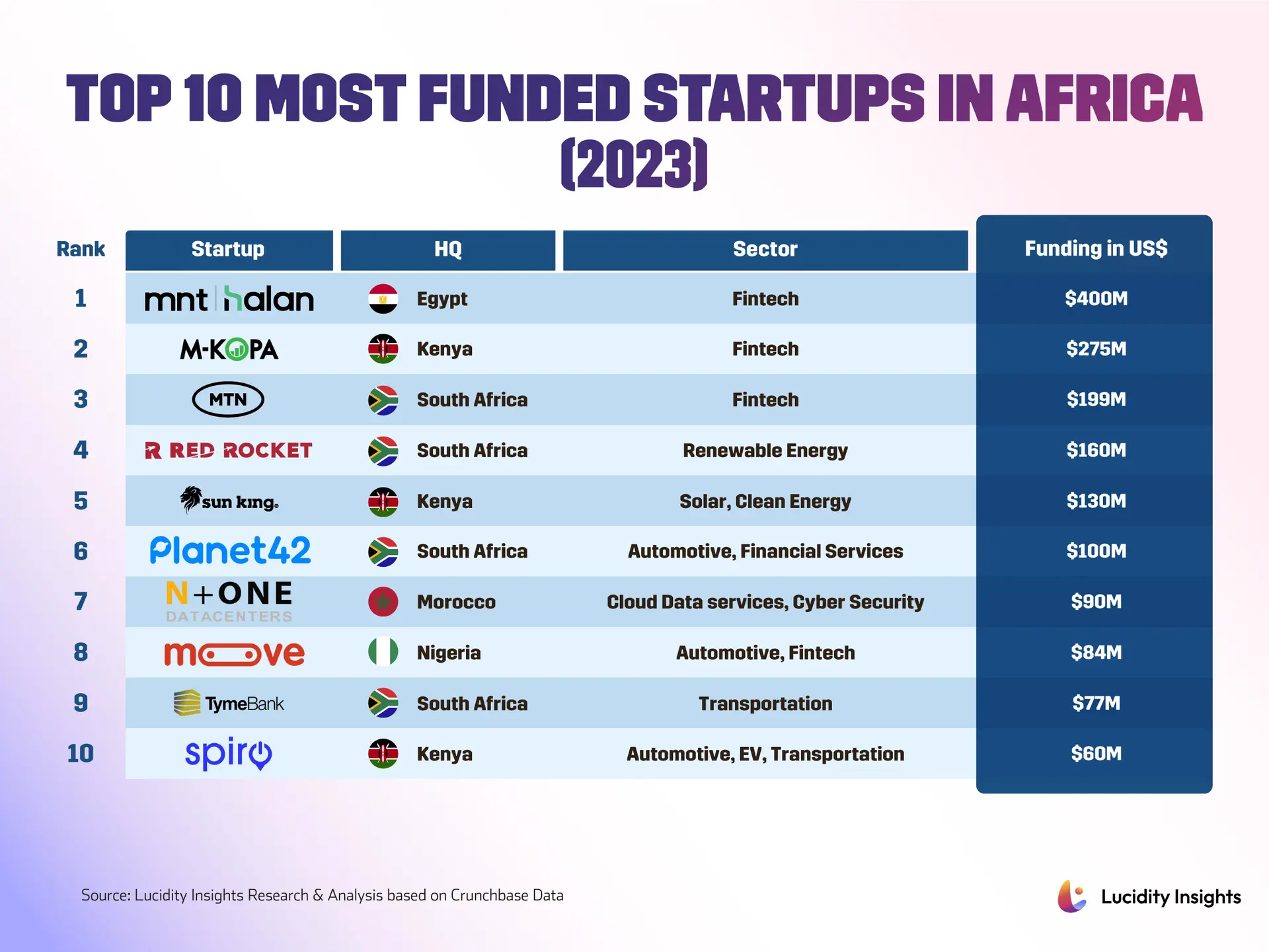
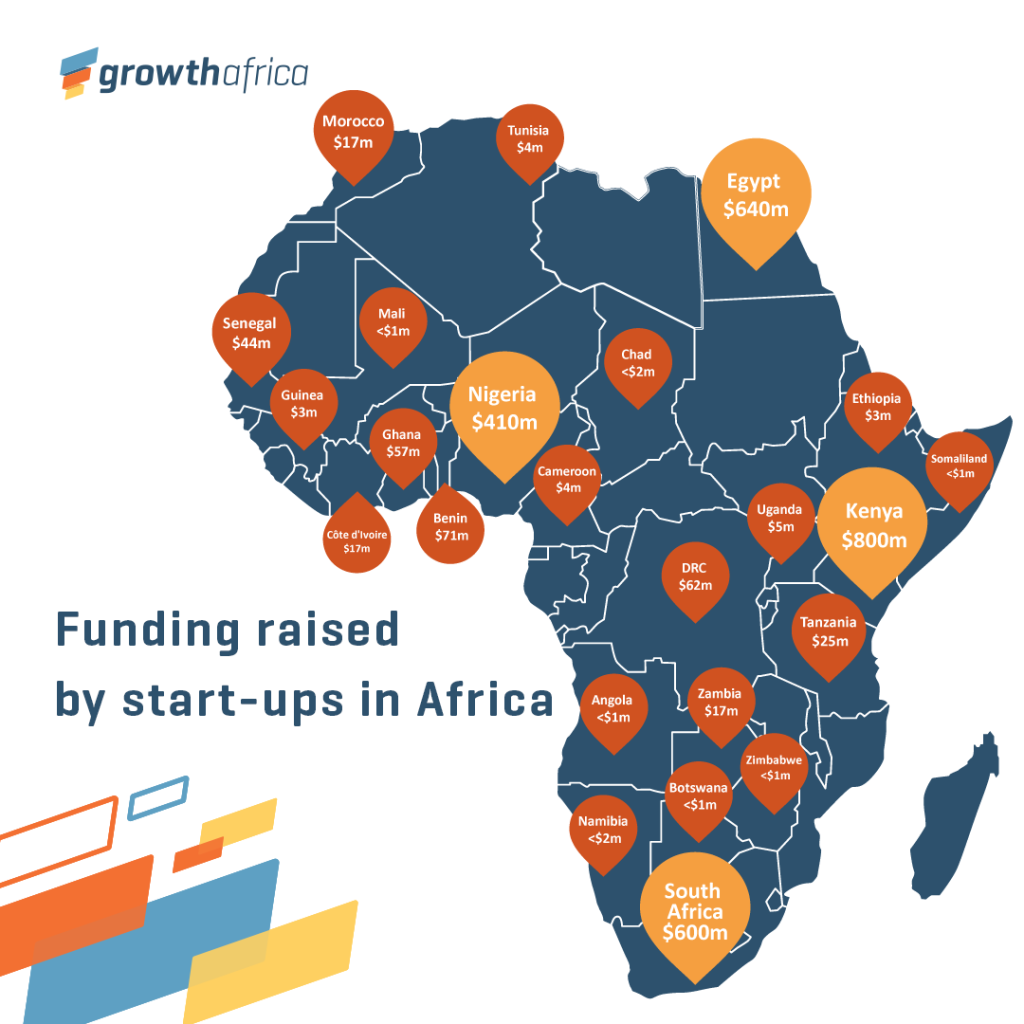
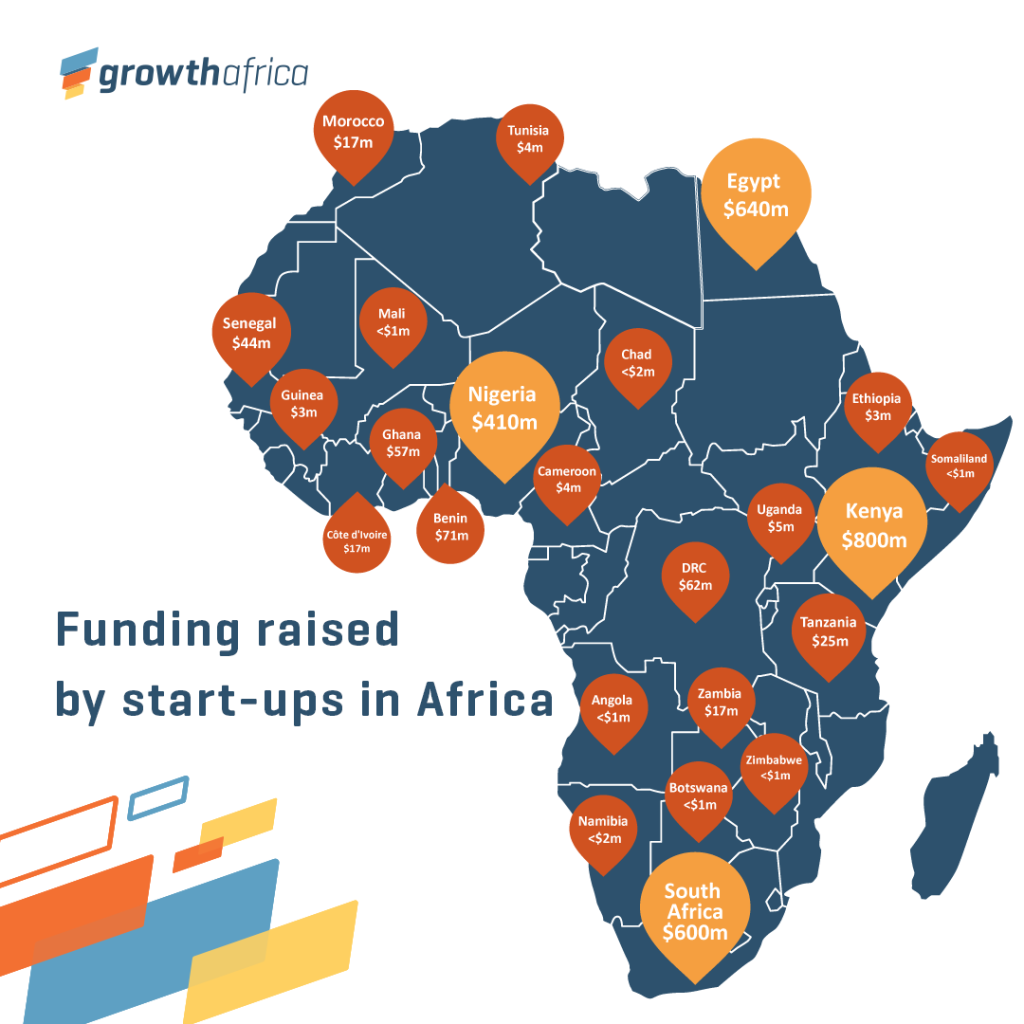
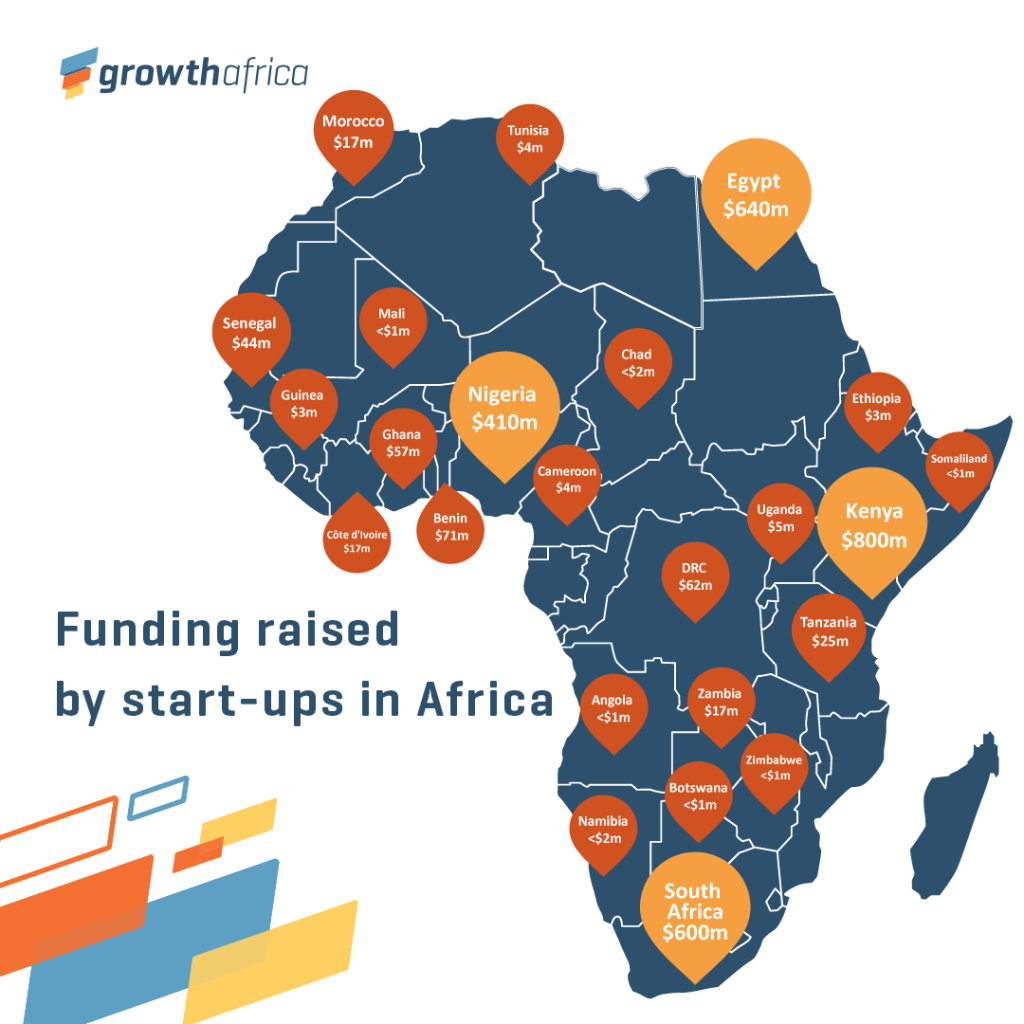
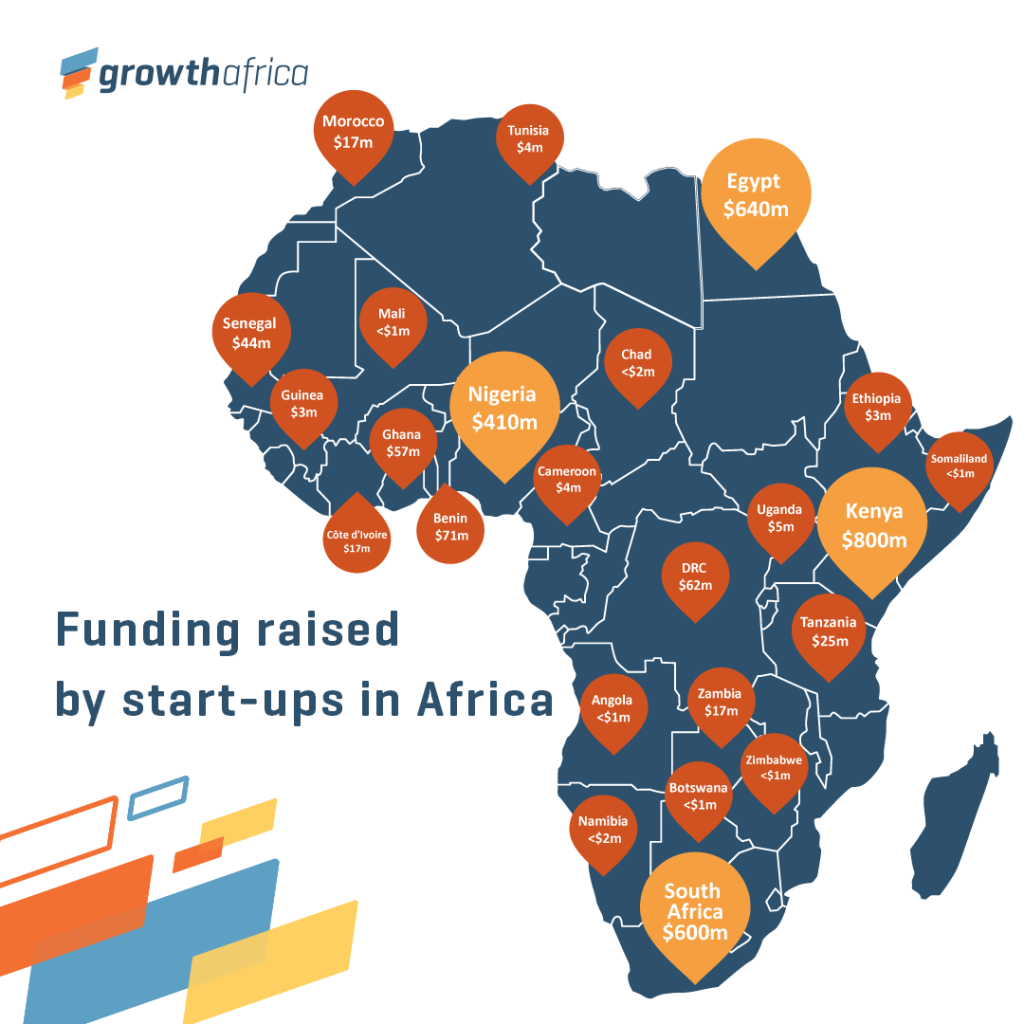
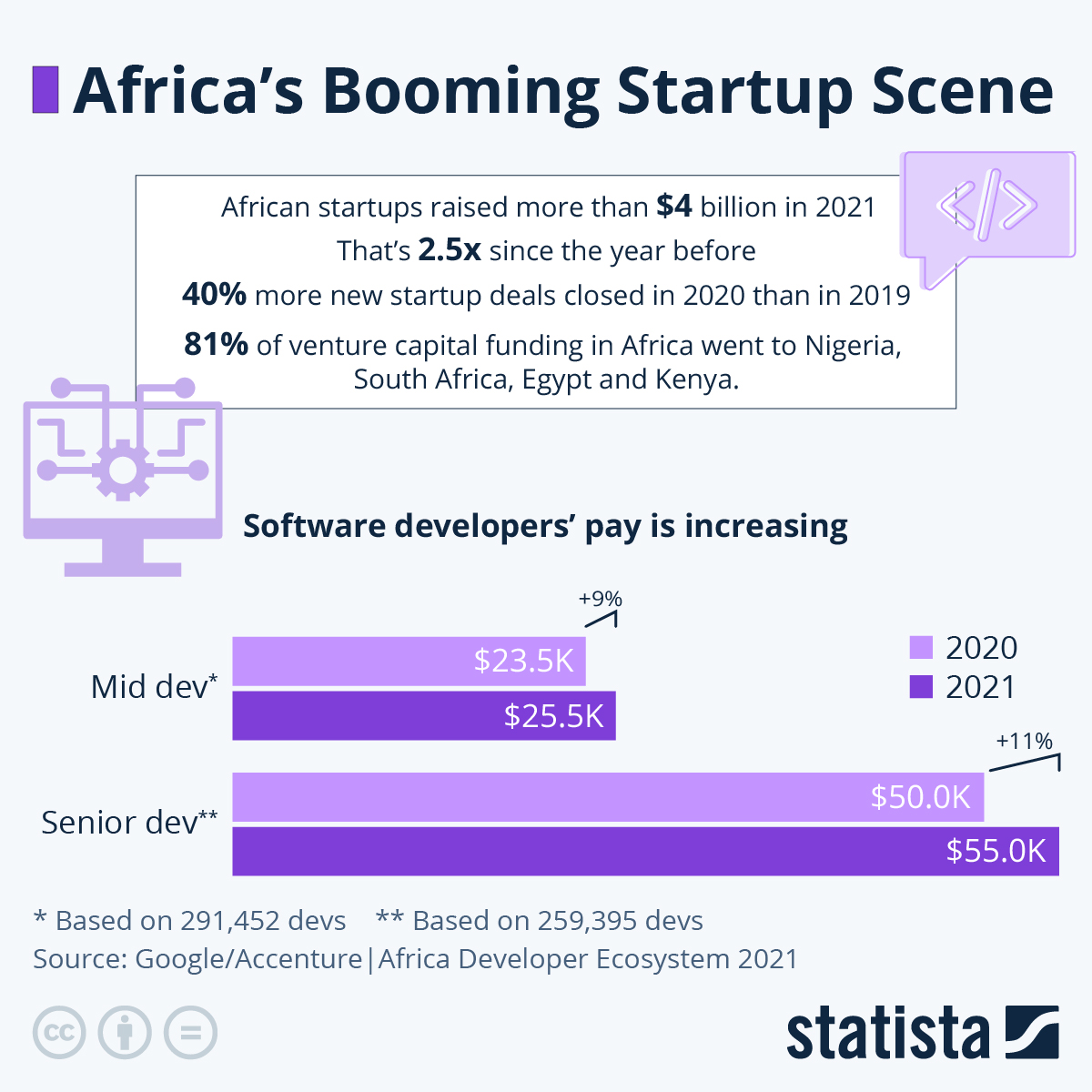
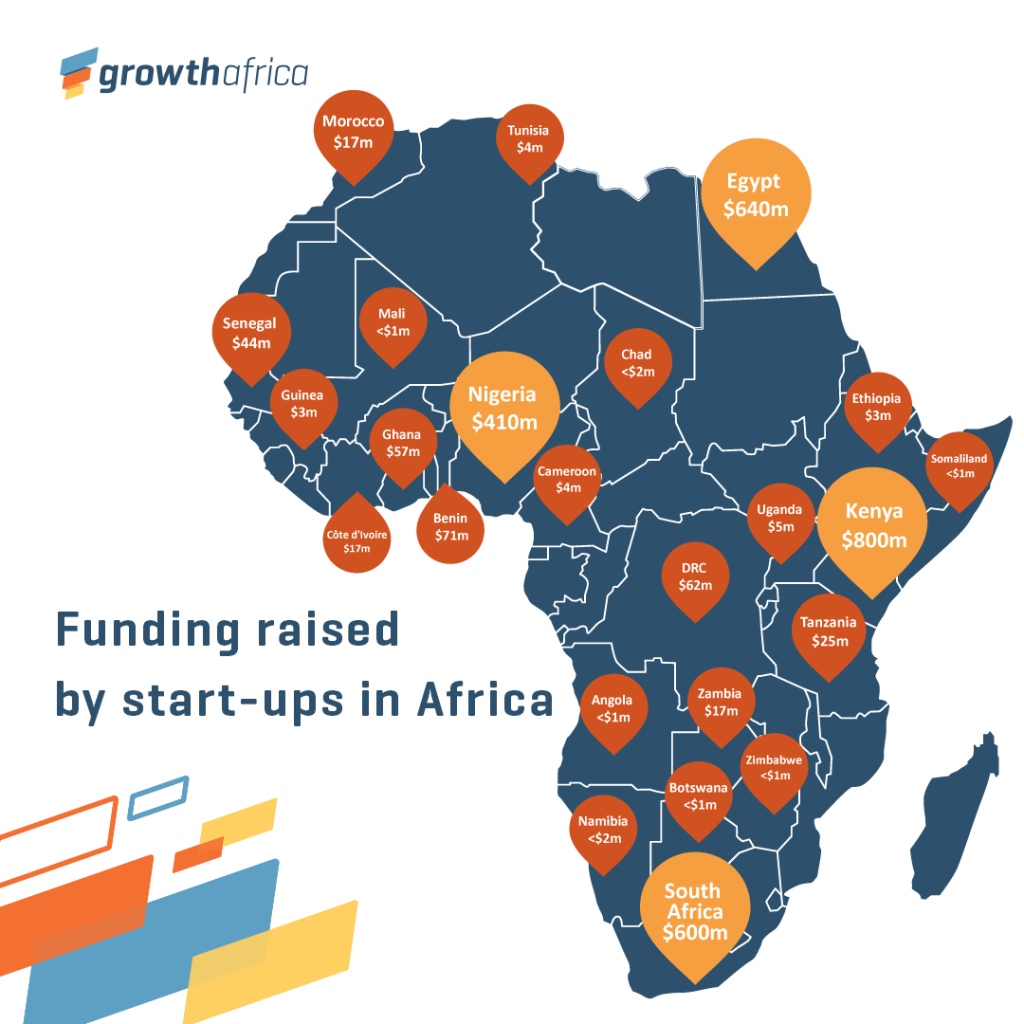
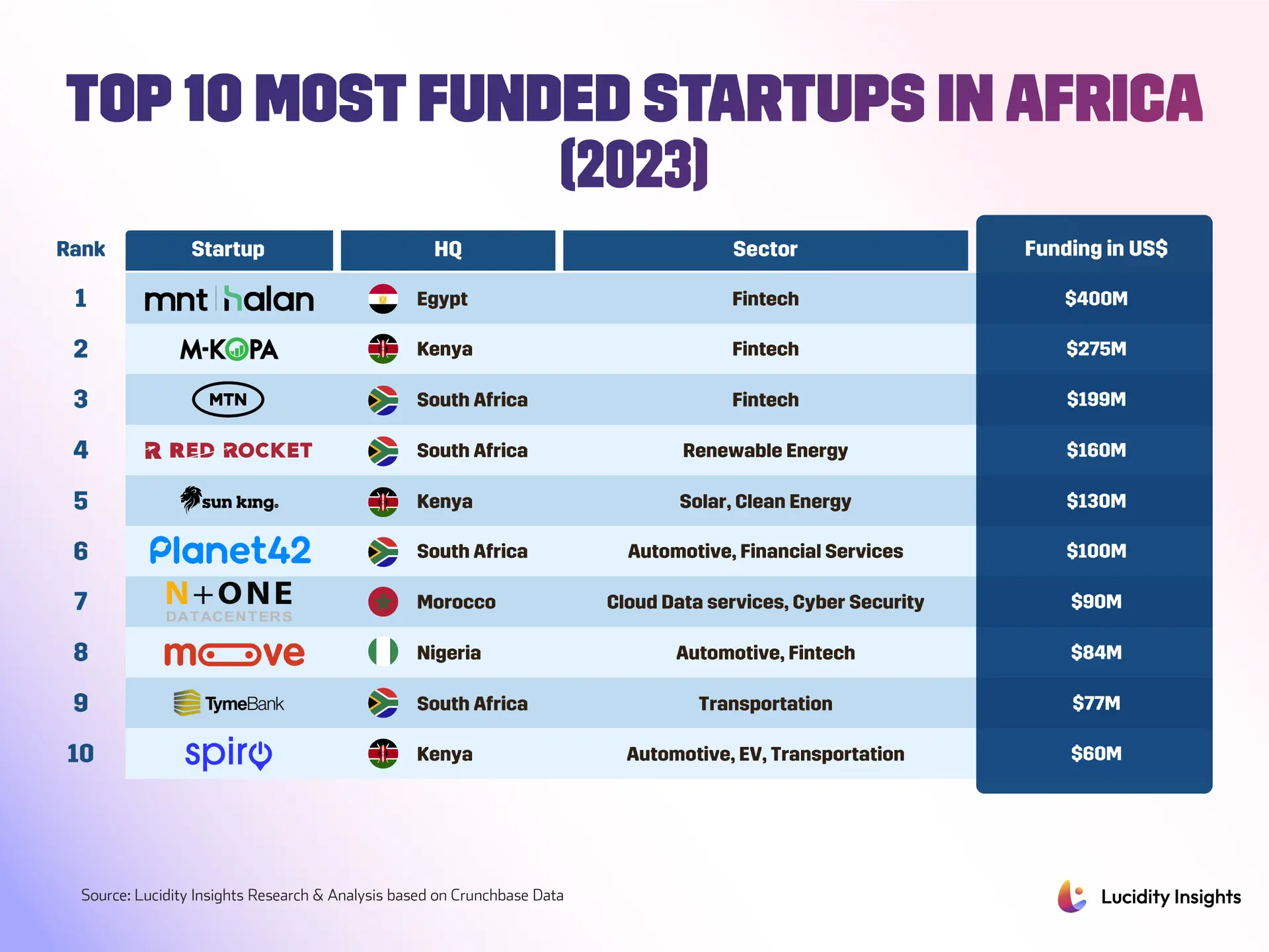
Africa’s startup scene isn’t retreating, it’s just growing up. The story of 2025 and early 2026 shows a market that’s learning how to build companies that can actually scale and survive. Investors are getting pickier, sure, but the money’s still flowing. The Briter African Investment Report recorded a 32 percent rise in funding volume and an 8 percent increase in deal count in 2025, representing almost R60.98 billion or about 3.8 billion US dollars. Independent research groups put 2025 total funding for tech at roughly 4.1 billion dollars. Those numbers signal momentum, but the tone has definitely shifted. Investors want clearer routes to profitability now, and they’re applying tougher scrutiny to business models, unit economics and path-to-cash. Industry observers say the continent is entering a consolidation phase, with quieter exits, fewer headline-grabbing megadeals and more emphasis on durable growth. For founders that means decisions driven by margins and customer retention, not only by rapid user acquisition. It’s a more disciplined market, and that’s changing everything.
Where the Smart Money’s Going
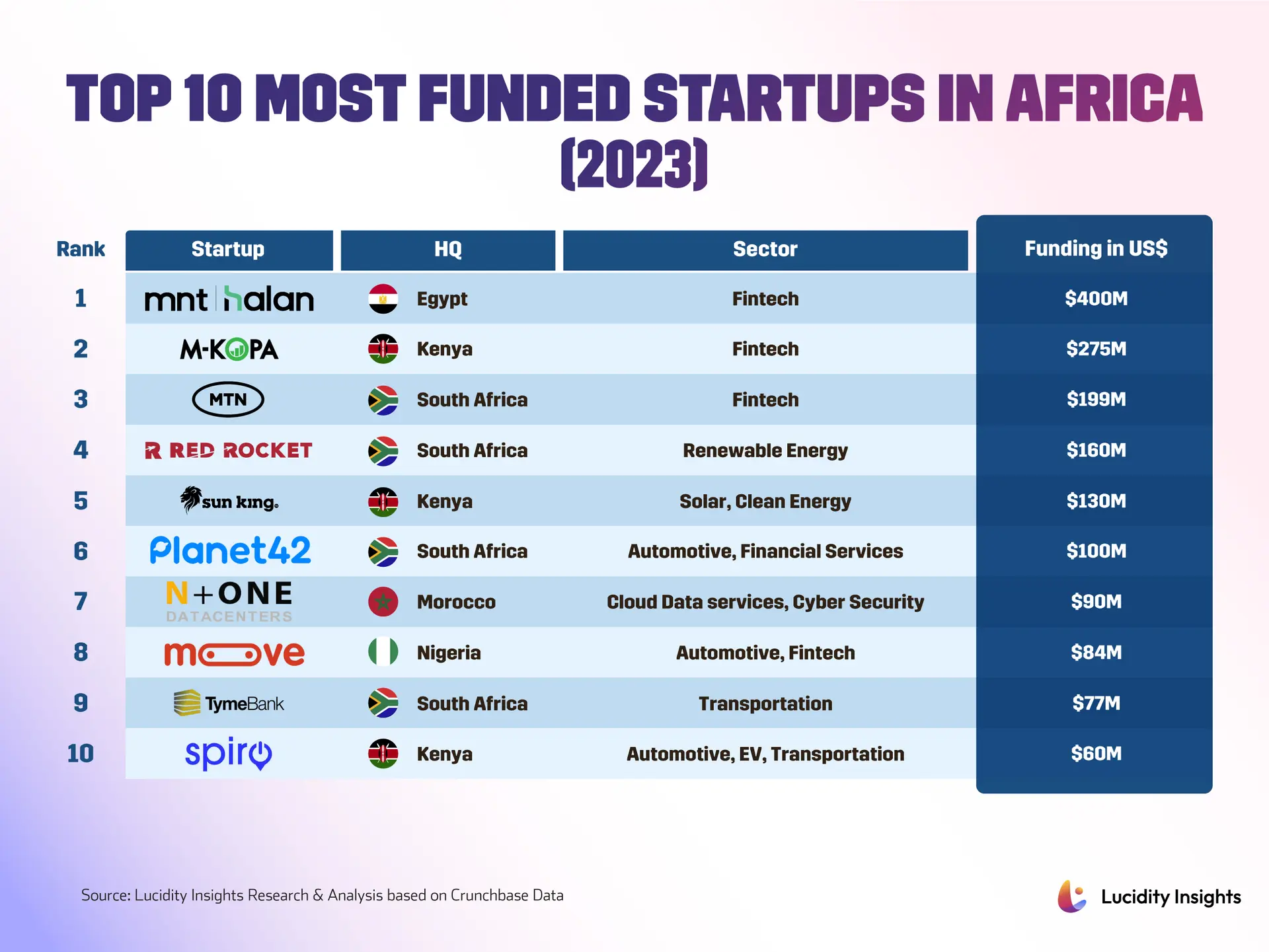
The capital that remains active favors fintech, agritech, climate tech and deep tech, especially artificial intelligence and semiconductors. Pan-African payment platforms are expanding as rules under the African Continental Free Trade Area, or AfCFTA, simplify cross-border commerce. AfCFTA reduces tariffs and bureaucratic barriers for many goods and services, which lets startups sell across multiple markets more easily. Deep tech and AI are rising too, supported by corporate venture arms and telco investors. These corporate VCs often exchange capital for strategic access to data or distribution, which can accelerate product development but also raises governance questions about independence and data control. According to industry trackers, funding into deep tech climbed materially in late 2025, and corporate backers increasingly prefer B2B tools that can be deployed at scale. This shift toward strategic tech investments reflects a broader trend across the continent’s innovation landscape.
Building Companies That Last
Startups that illustrate the new reality combine product-market fit with measurable revenue or clear monetization levers. Woliz, which completed a 2.2 million dollar pre-seed round, has onboarded 55,000 retail stores and processed more than 50 million dollars in gross merchandise value since 2024. The company is partnering with Morocco’s ministry of industry to digitize 90,000 shops, a move that ties growth to a public sector programme and predictable adoption. Other young firms show specialization and early traction. LevvyBox converts ride-hailing vehicles into mobile billboards and has signed up 400 drivers and multiple brands as clients. ChipMango focuses on training African chip designers and reported roughly 200,000 dollars in revenue from services and partnerships with local universities and telcos. These stories matter because they combine customer acquisition with clear revenue channels. They illustrate a broader point that investors now ask for demonstrable economics, not just growth potential. Discipline brings benefits, but also risks. Tighter investor scrutiny can slow early-stage funding for yet-unproven but potentially transformative ideas. Corporate VCs can accelerate scale, but they may shape product roadmaps in ways that favour short-term commercial goals over broader market development. Looking ahead, the next phase of African tech will likely be less noisy and more resilient. Expect slower but steadier fundraising, more strategic corporate partnerships, and a wave of startups that pair strong unit economics with technology depth. Cross-border expansion under AfCFTA will open market opportunities, while deep tech and climate solutions will attract patient capital. For founders, the new normal will reward clarity, iterable business models and the ability to turn pilots into repeatable revenue. This is a moment of transition, where the continent’s ecosystem moves from experimentation to institution building, as detailed in recent analyses of Africa’s digital transformation.