Global Challenges and African Innovation: Navigating a Week of Extreme Weather, Geopolitical Shifts, and Tech Frontiers
Our world feels more interconnected than ever this week, as stories of challenge and change unfold from the icy American heartland to Africa’s resource-rich terrains. We’re learning harsh lessons from extreme weather, observing subtle shifts in global politics, and following the complex dance of energy geopolitics. All of it underscores just how vital trusted information sources truly are. In the United States, a potent winter storm has unleashed unforgiving cold, directly claiming at least 41 lives, with more fatalities tied to the frigid conditions reported by authorities. Meteorologists warn of continued below-normal temperatures, even a possible “bomb cyclone” threatening Massachusetts. These aren’t merely weather reports, are they? They’re stark reminders of climate volatility’s human cost, putting immense pressure on local governments to bolster preparedness. Across the Atlantic, the European Union is rethinking its energy strategy, concerned about overreliance on U.S. liquefied natural gas. EU officials are actively seeking gas imports from Qatar and Canada to diversify supplies, a direct response to phasing out Russian gas. Canada too is keen to expand its LNG exports globally, reducing its dependence on the U.S. market. This high-stakes global energy diplomacy sees the Kremlin criticizing the shift, suggesting that rejecting competitively priced Russian energy might only deepen dependency on fewer suppliers, primarily the U.S. Washington, however, affirms American LNG as crucial and reliable for Europe’s energy security, highlighting the intricate dance of international relations.
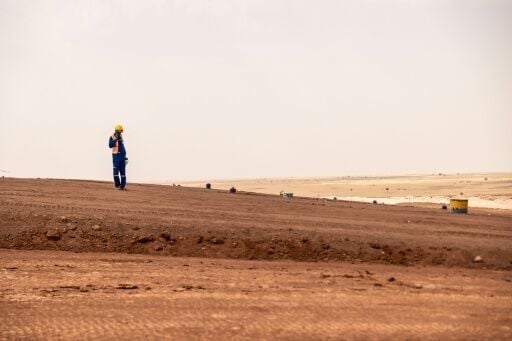
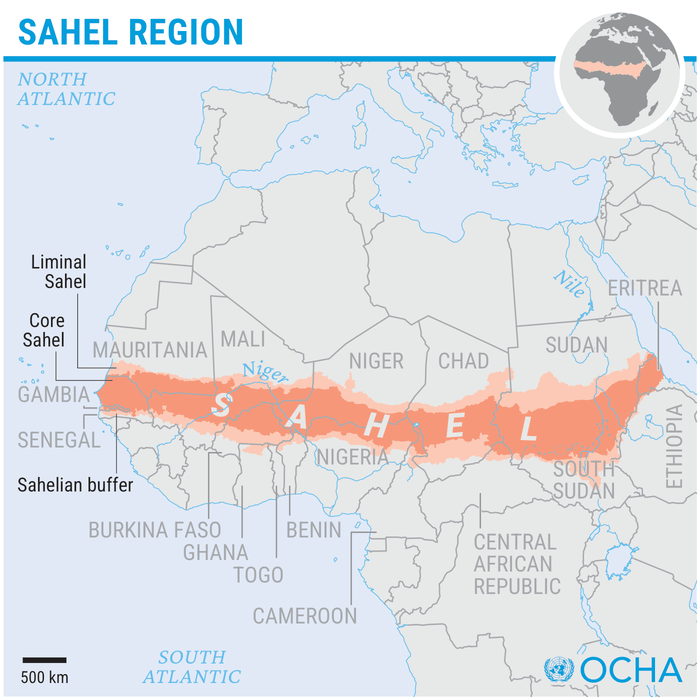
Meanwhile, amid these global currents, Africa presents a compelling narrative of innovation and forward movement. The Mansourah-Massarah Gold Project, for instance, is pioneering advancements in digital mining and hybrid technologies, signaling a transformative shift for the continent’s mineral extraction industry. Think greater efficiency, boosted sustainability, and increased profitability. This innovation isn’t isolated. Gabon’s new mining minister has unveiled ambitious investment strategies designed to attract global capital and expertise. Simultaneously, Lifezone Metals is pushing its Kabanga Nickel Project towards anticipated production in 2026, positioning the region as a critical supplier of metals essential for the global economy. This robust African economic drive contrasts sharply with domestic divisions surfacing elsewhere, such as in Minneapolis. There, a man with a criminal record and an online history of pro-Donald Trump posts was arrested for assaulting Democratic Representative Ilhan Omar at a town hall. This incident clearly highlights the charged atmosphere surrounding political discourse, particularly in cities like Minneapolis-St. Paul, home to a significant Somali American population. Local and federal authorities are mobilizing to ensure justice and deter further violence, underscoring the challenges democratic societies face in maintaining civil dialogue and protecting elected representatives. It serves as a stark reminder that security challenges aren’t confined to any one region, impacting communities worldwide, including nations across West Africa.
In an era saturated with rapid developments and often volatile narratives, access to truly reliable information isn’t just a convenience, it’s paramount. Google’s introduction of “Preferred Sources” allows us to customize our search experience, prioritizing trustworthy websites for news and content. Imagine easily adding the BBC as a preferred source, ensuring top stories from credible outlets surface prominently. This tool marks a vital step in empowering individuals to filter information effectively in our crowded digital landscape, helping us make smarter use of technology to stay informed about global events that impact both our local communities and international affairs. Looking ahead, as the world navigates these converging stories of hardship and opportunity, the need for resilient systems and informed citizens really stands out. From brutal winter storms testing infrastructure in the U.S., to innovative mining ventures driving Africa’s economic ambitions, and the shifting sands of global energy politics, the coming months will surely reveal how these dynamics reshape our geopolitical and economic landscape. Political tensions, too, remind us of the ongoing work required to uphold democratic norms and social cohesion. Against this backdrop, the push for trustworthy digital information highlights just how crucial knowledge remains as the foundation for decision-making and action in an increasingly interconnected, yet fiercely local world.