Sahel Faces Escalating Crisis as U.S. Engages Bloc, Mali’s Tourism Hangs in Balance
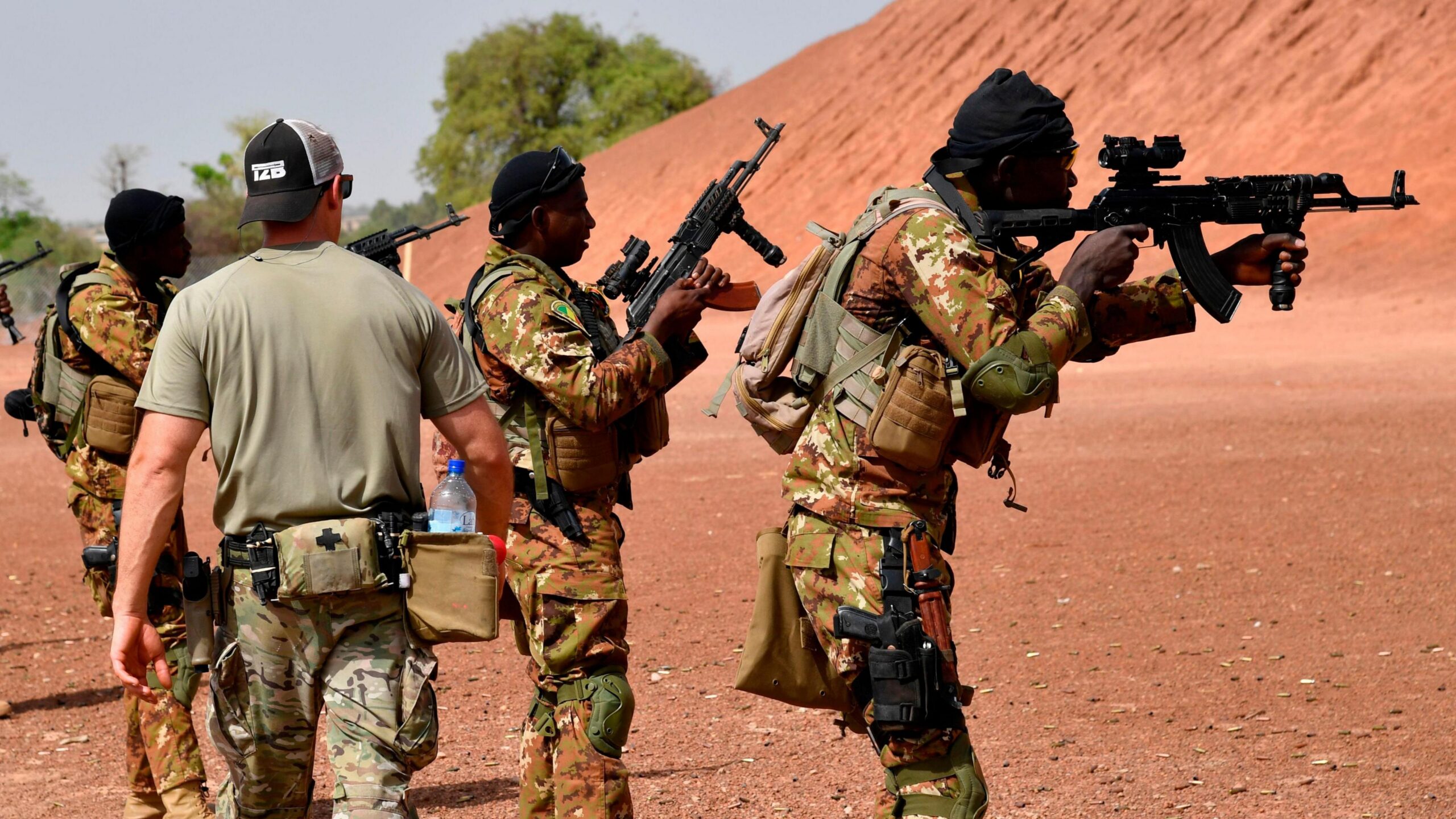
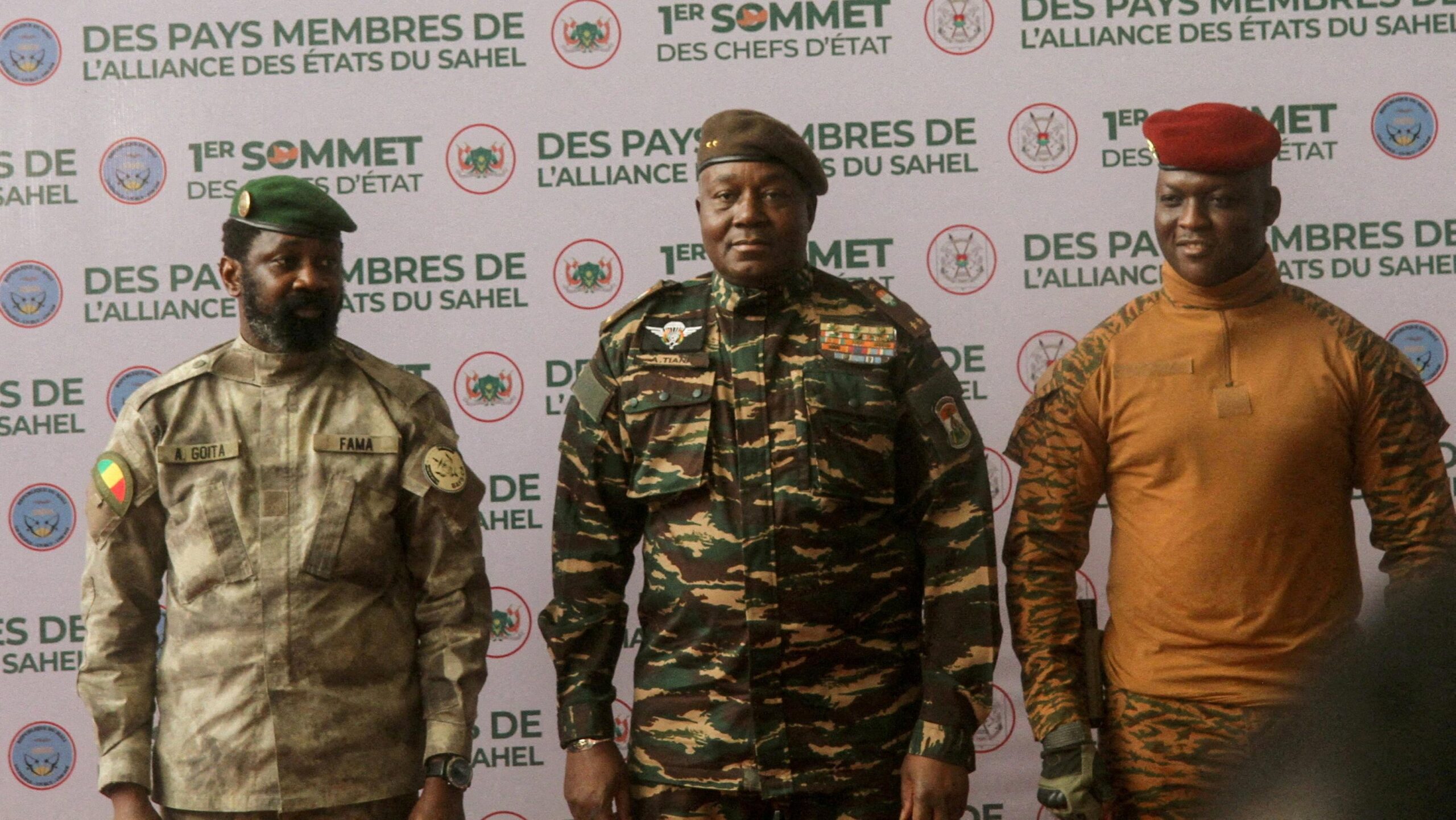
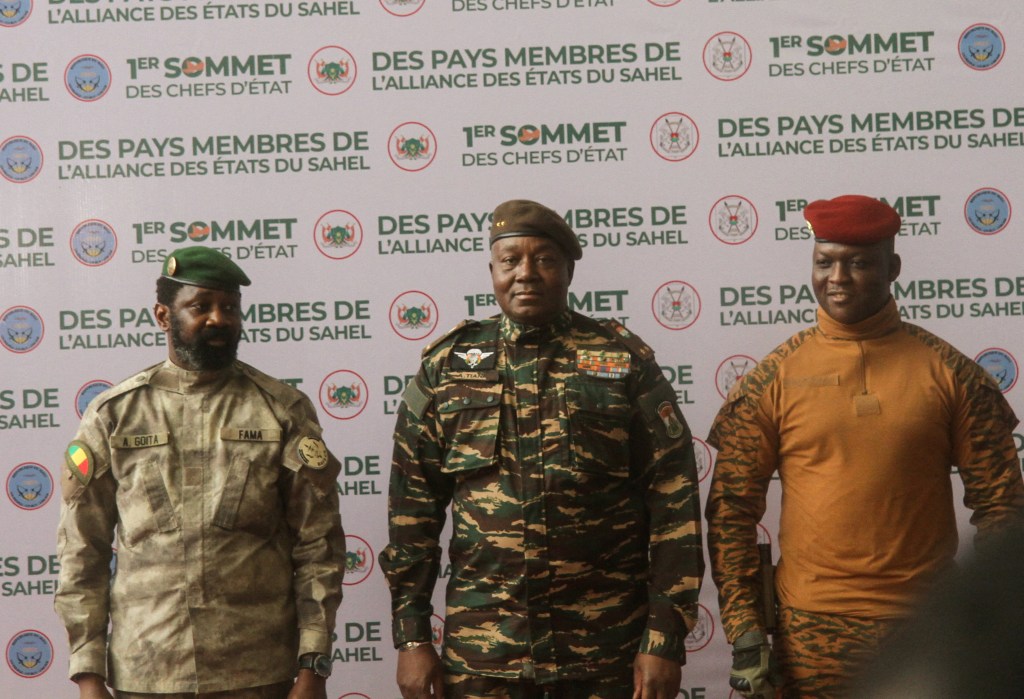
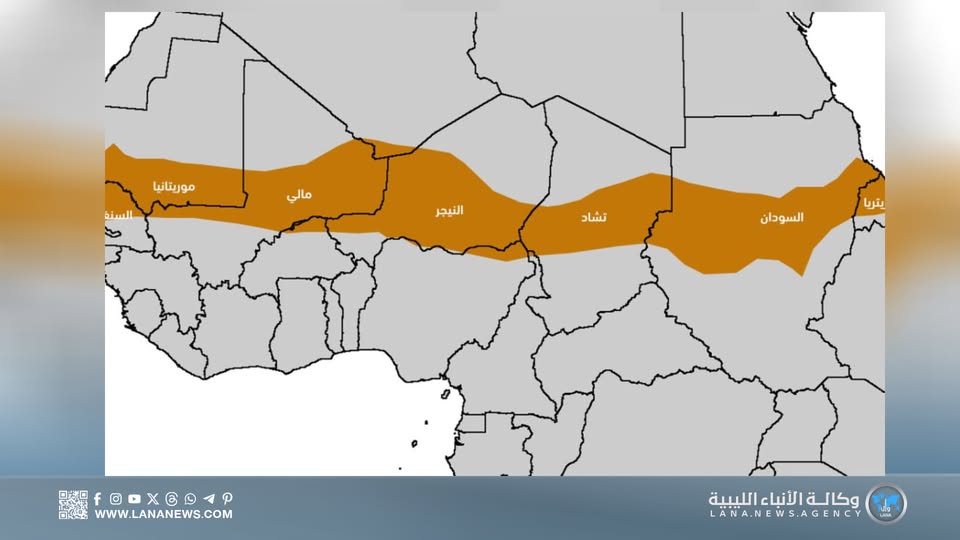
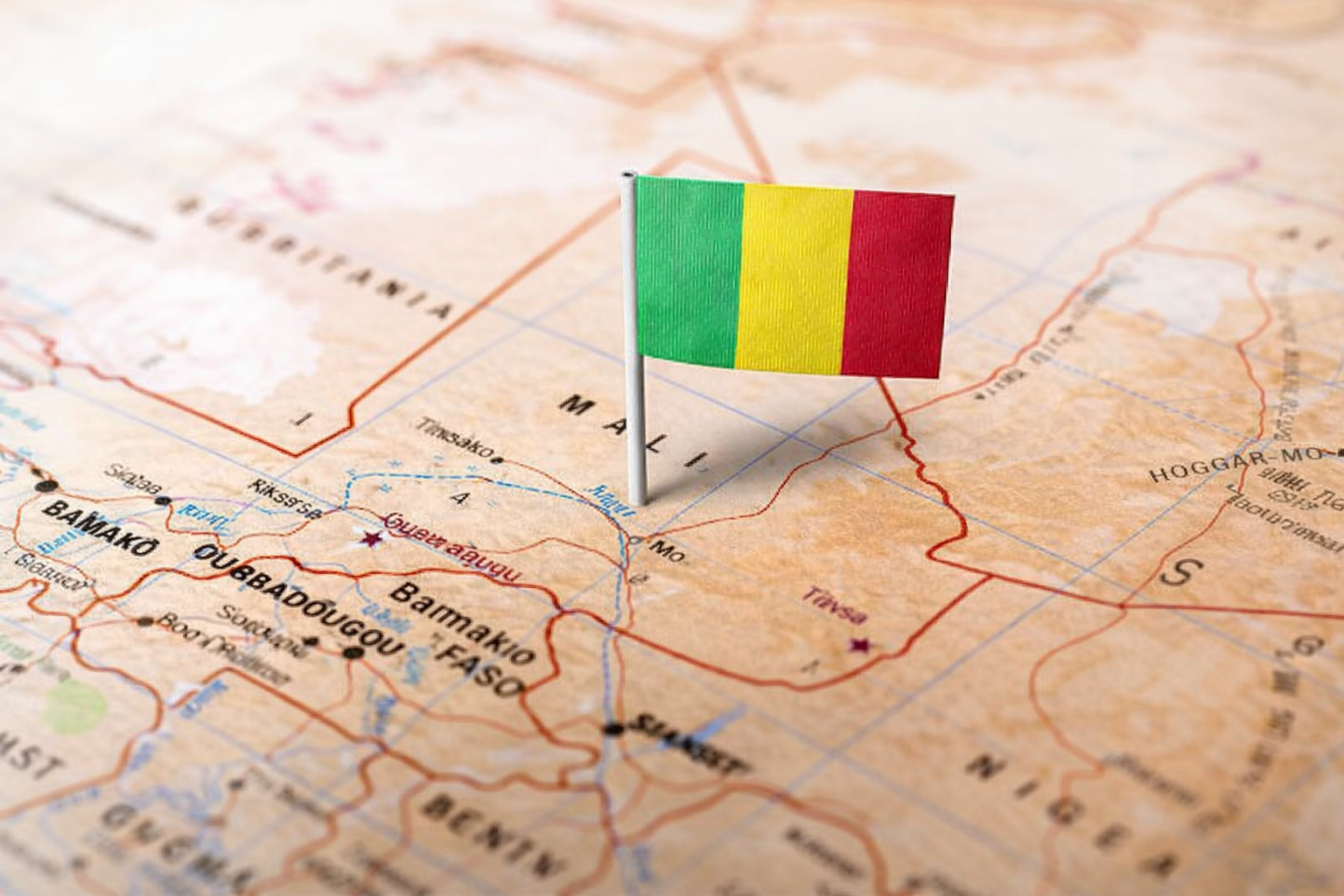
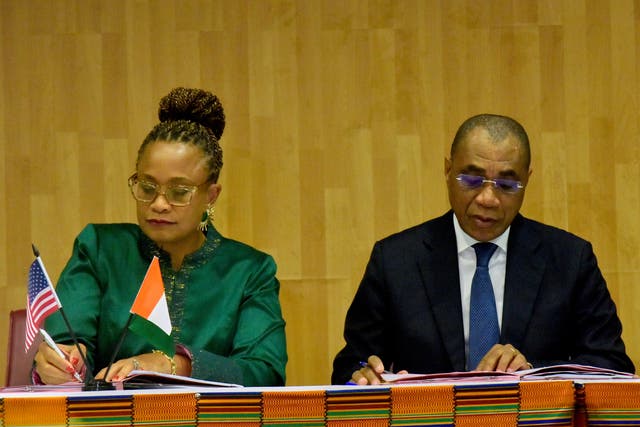
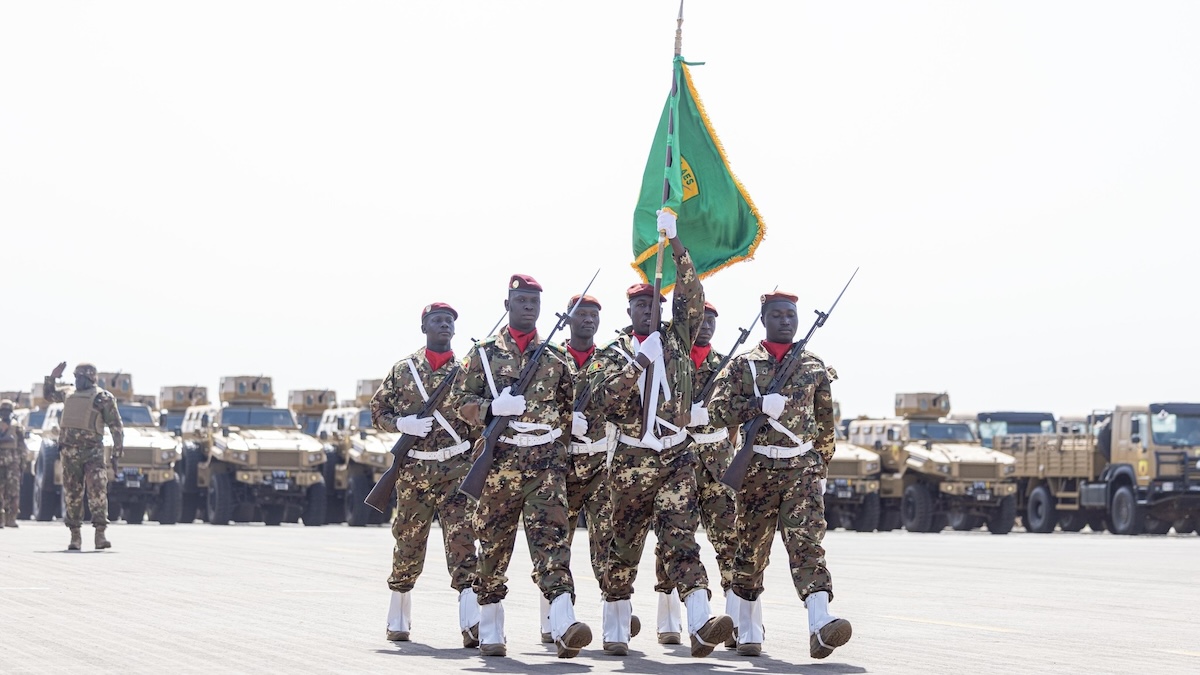
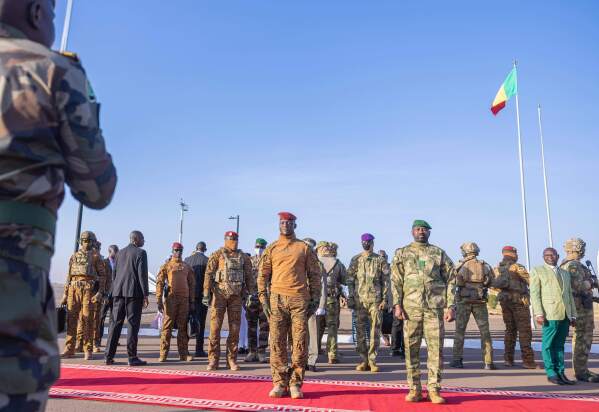
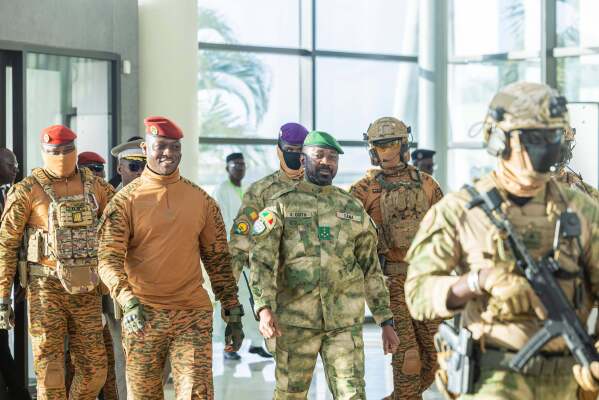
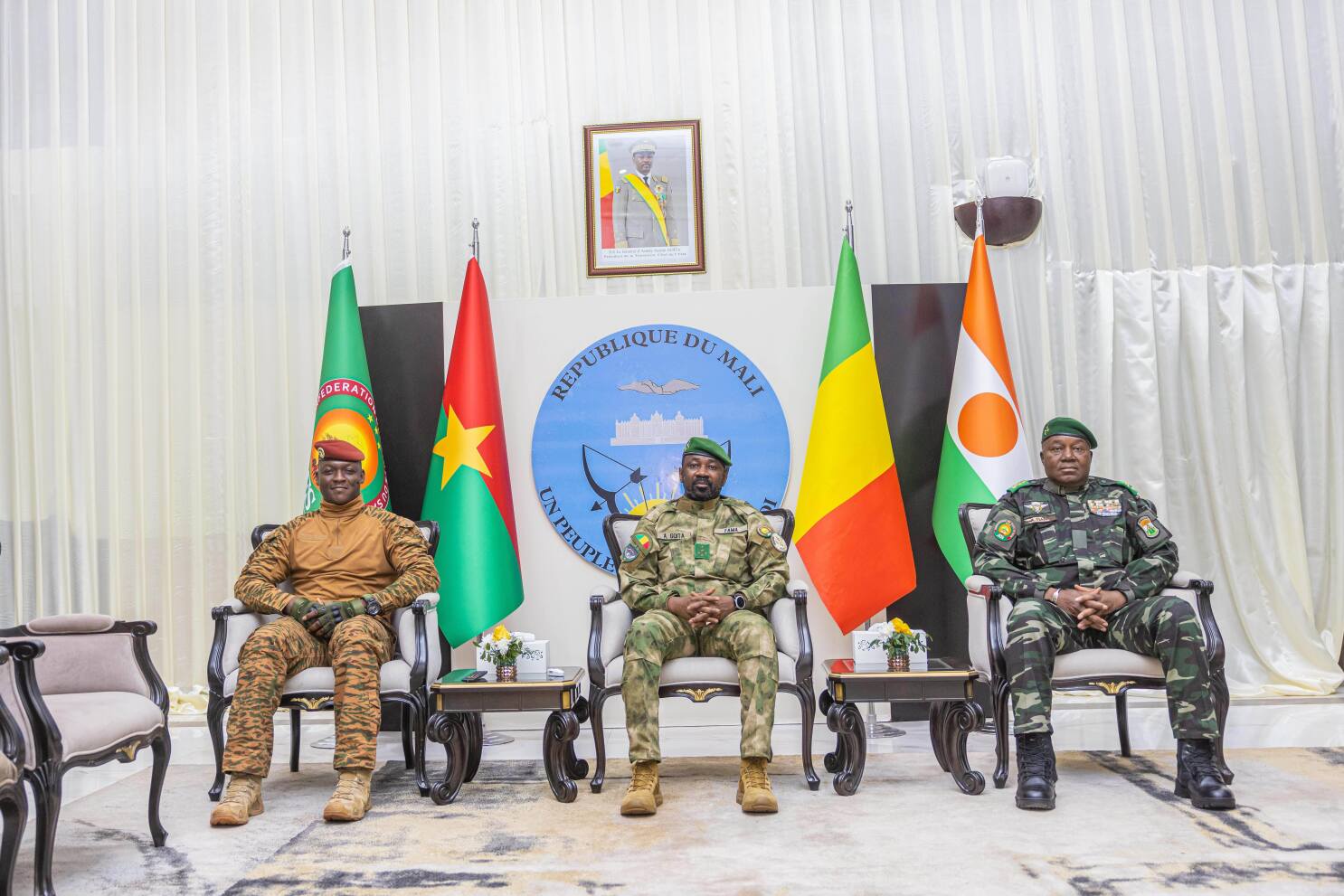
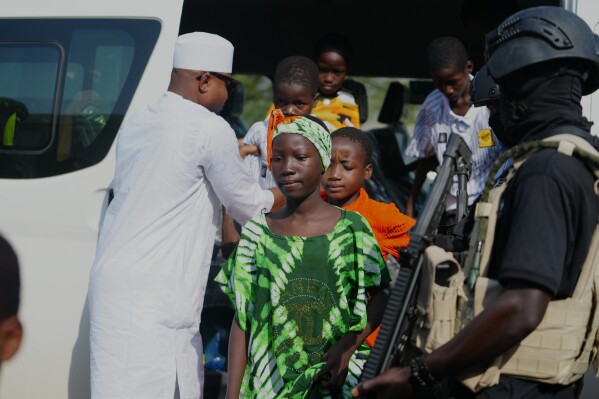
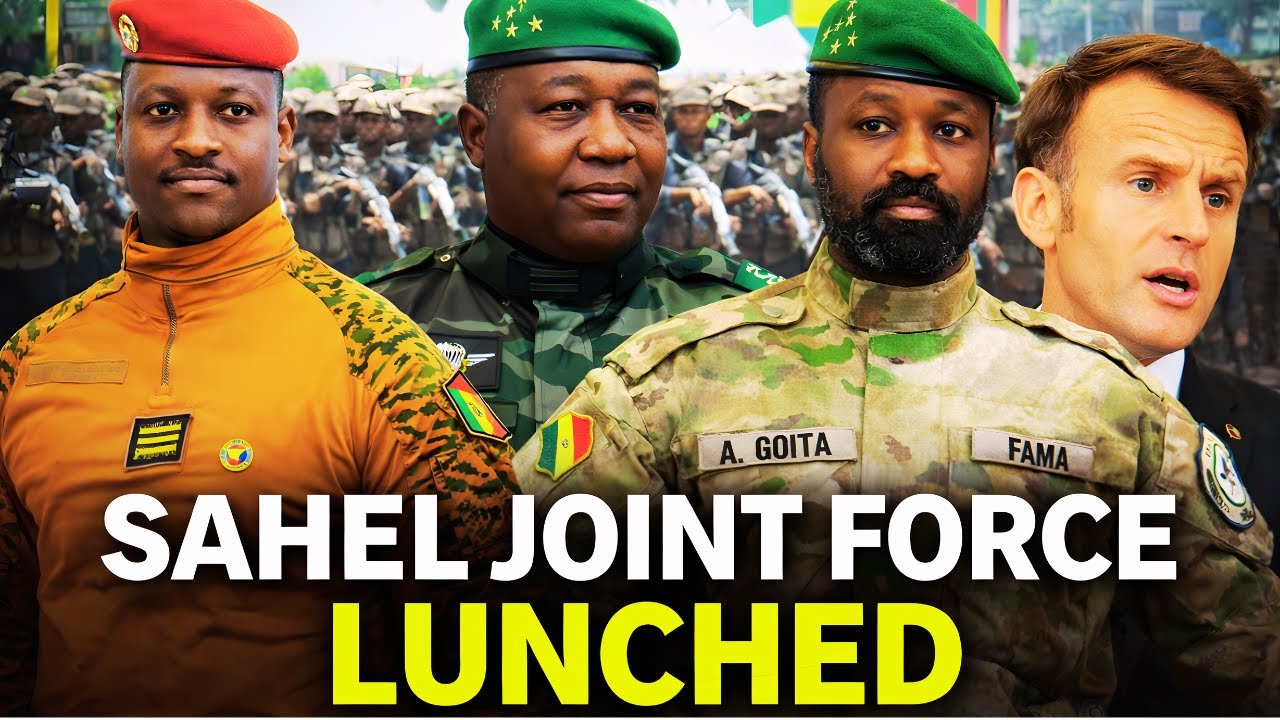
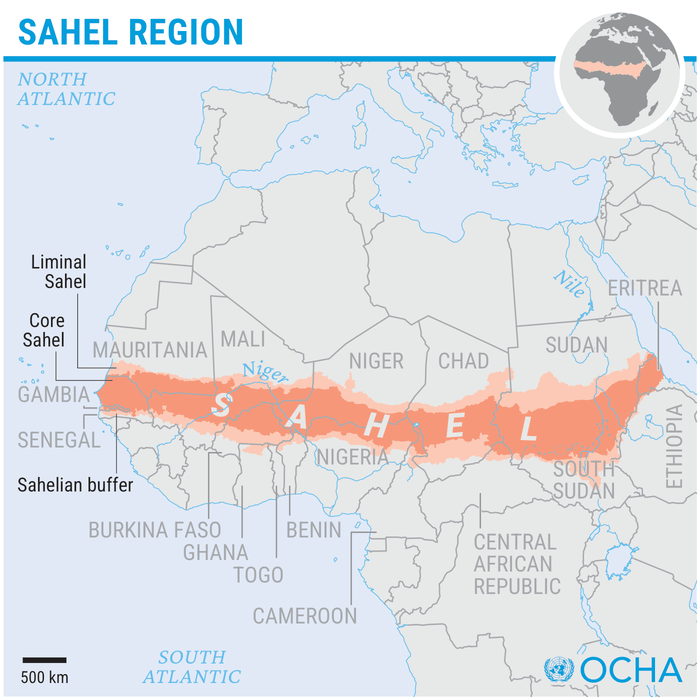
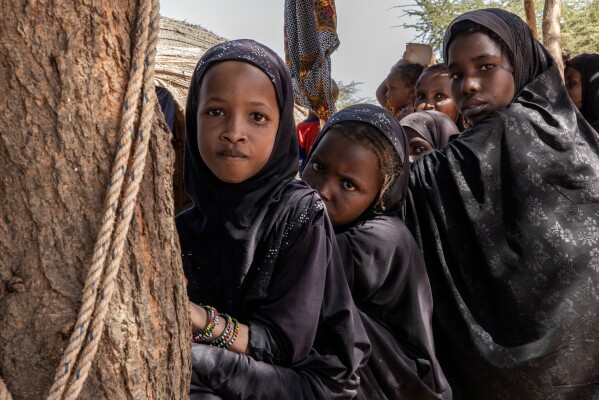
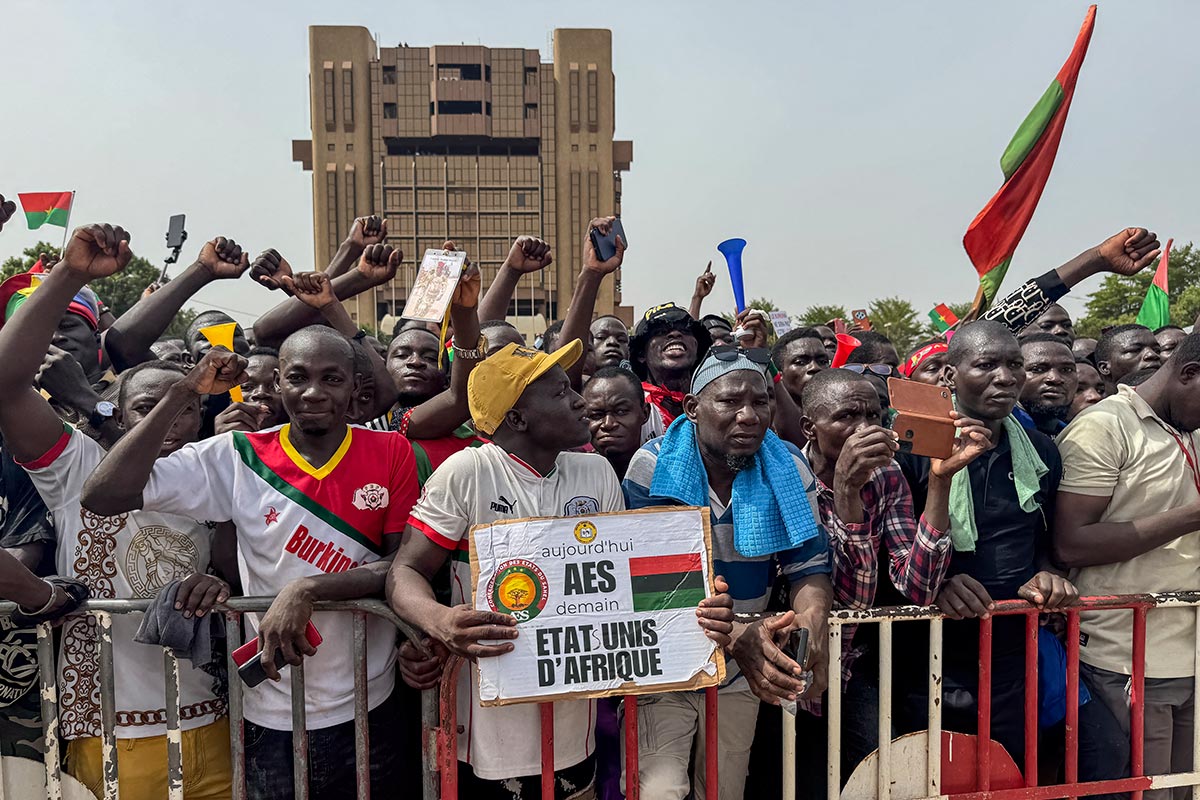
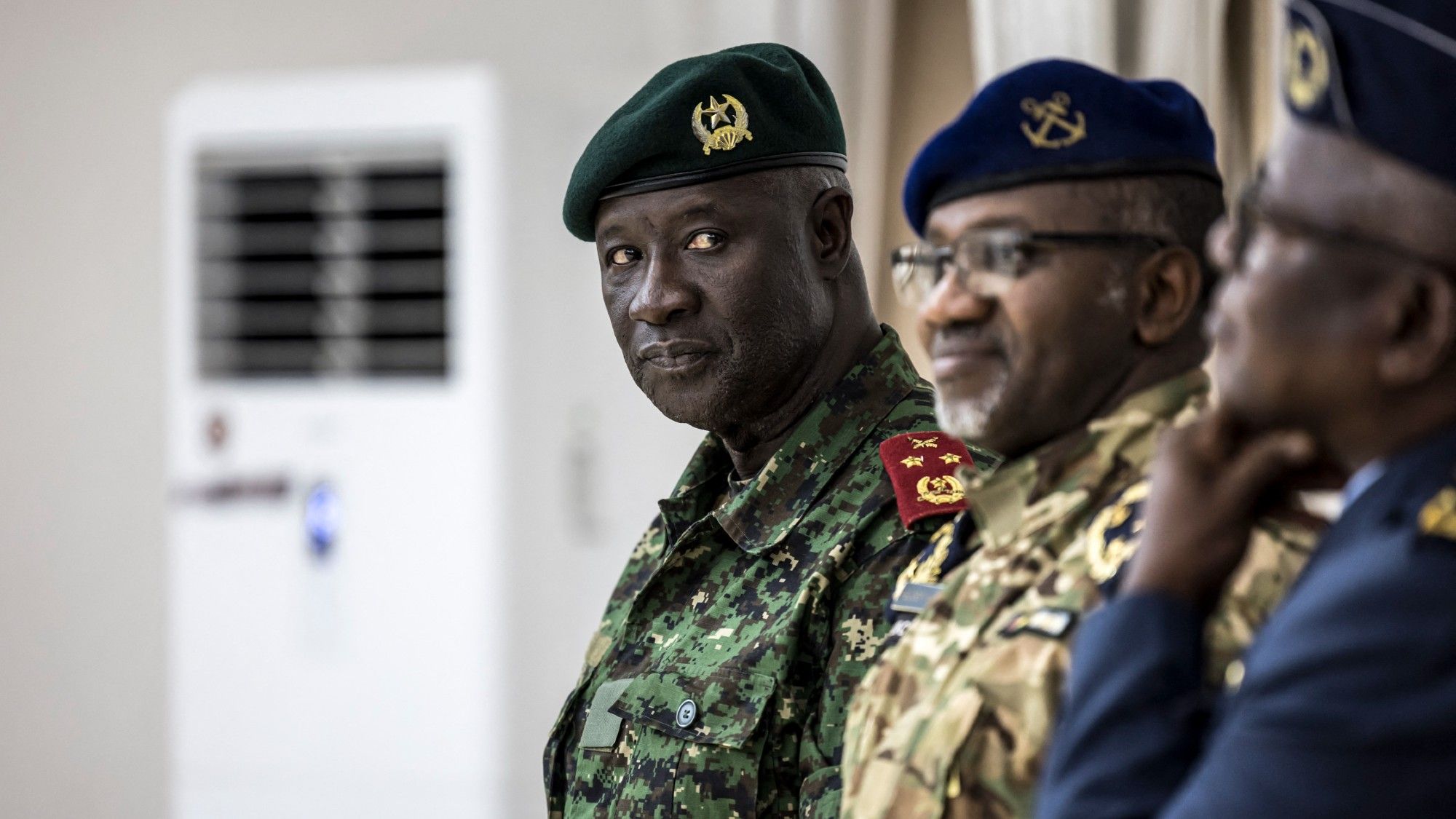
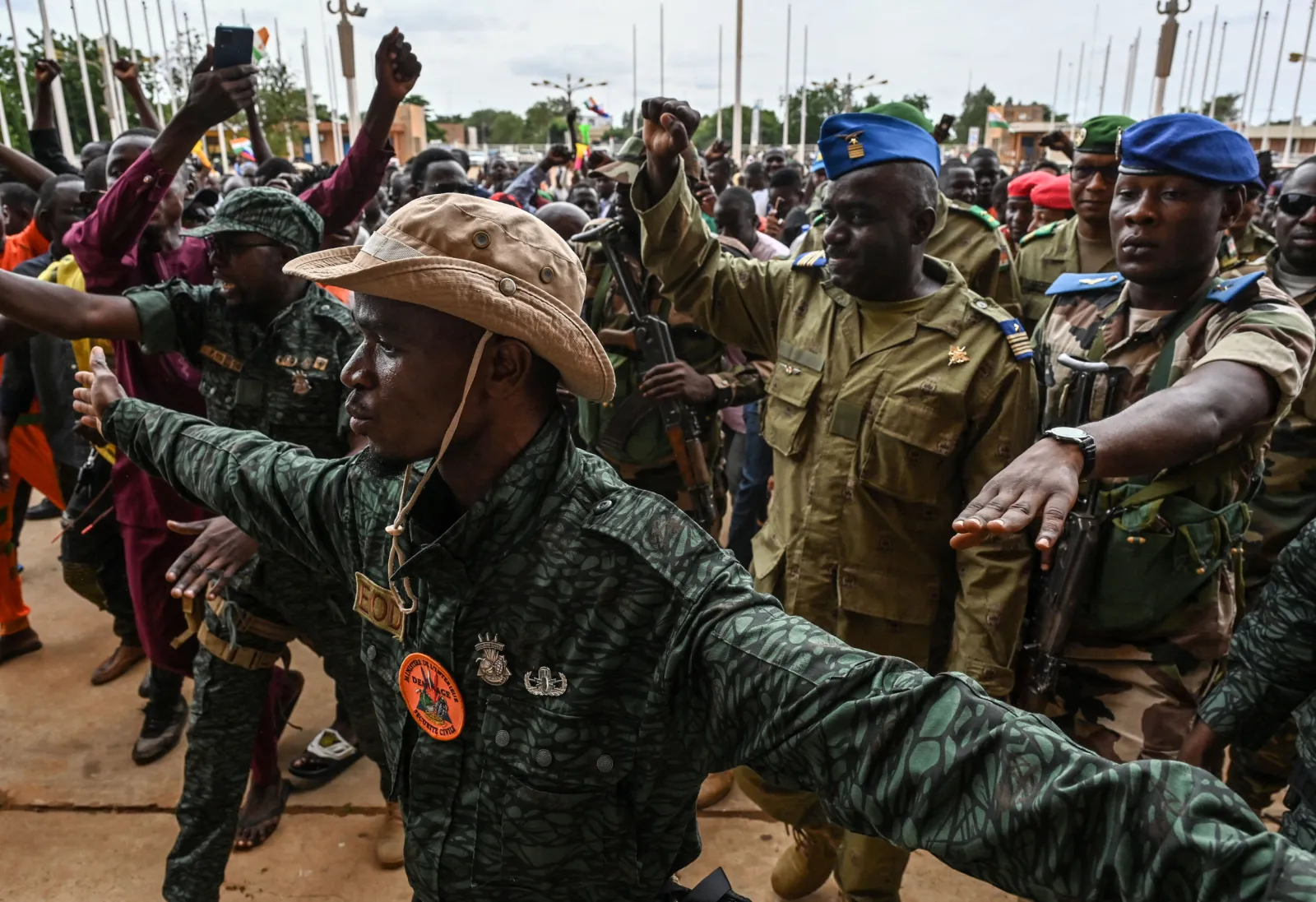
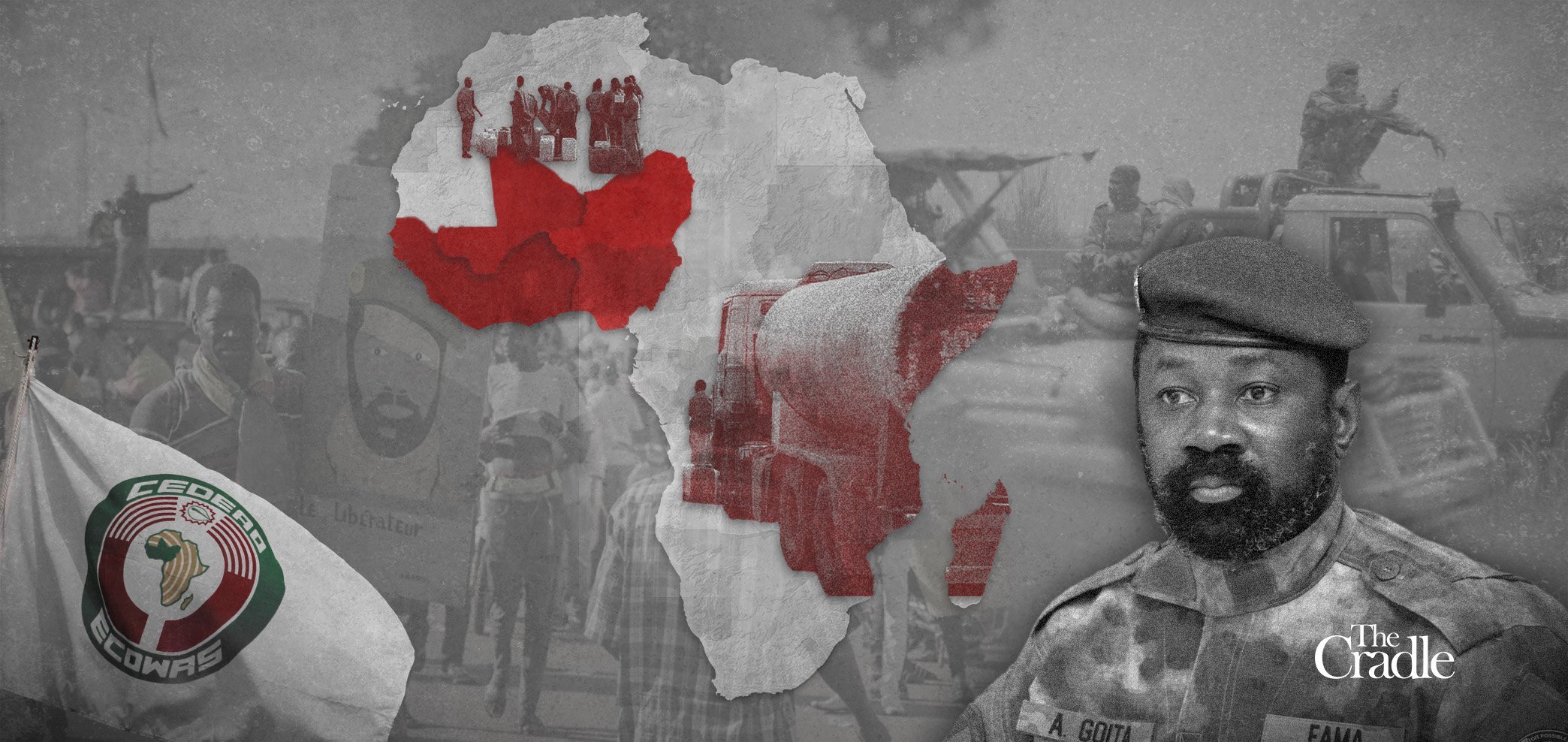
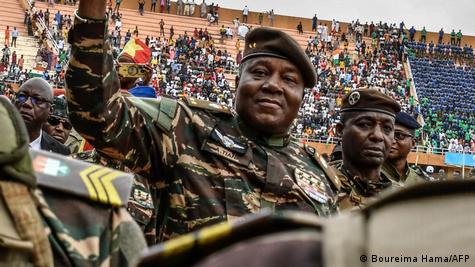
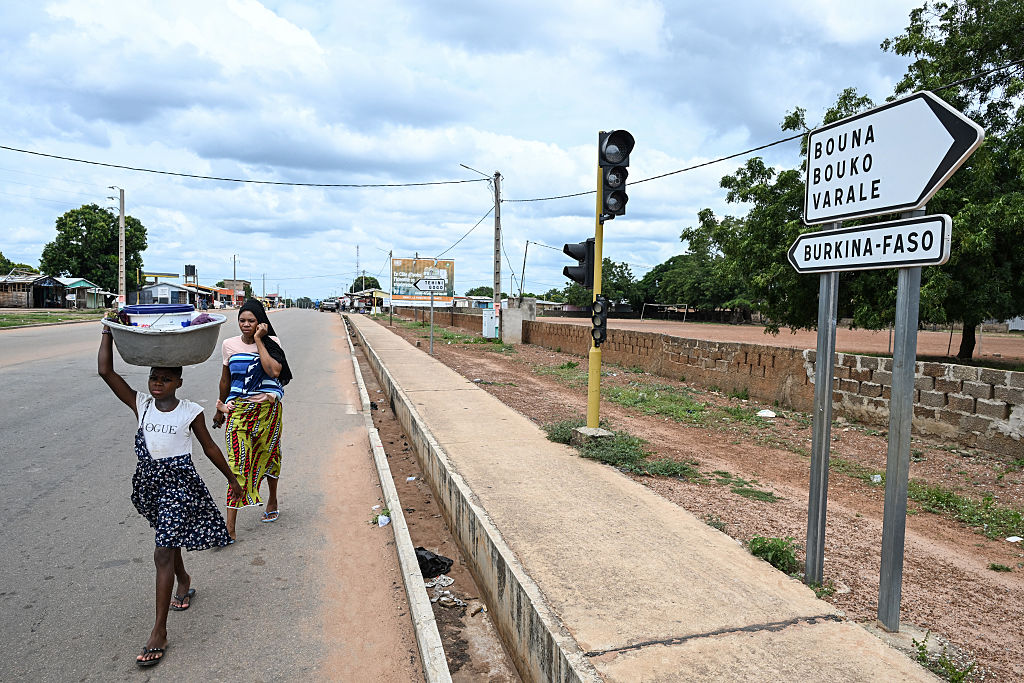
The Sahel region, a critical expanse spanning Mali, Niger, and Burkina Faso, finds itself at a precarious turning point in early 2026. With insecurity intensifying, fueled by persistent jihadist violence and regional instability, the United States has stepped into diplomatic talks with the Sahel Bloc. Washington’s aim? To address mounting concerns over security and development, recognizing that stability here has ripple effects far beyond the continent. Meanwhile, Mali’s once-thriving tourism industry, a vital economic lifeline, struggles to breathe new life, serving as a stark reminder of the conflict’s immense human and economic toll. How can a region so rich in culture navigate such profound challenges?
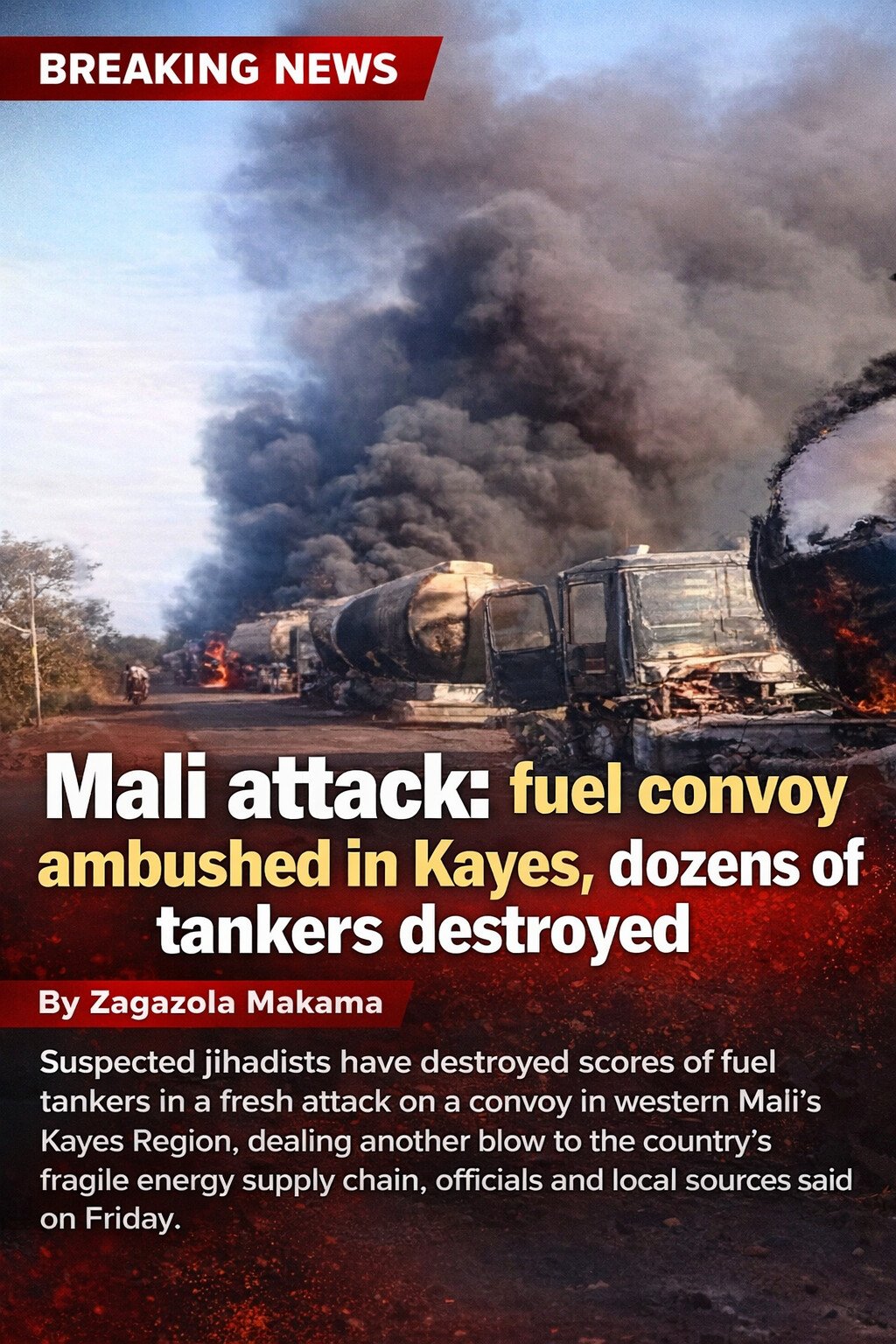
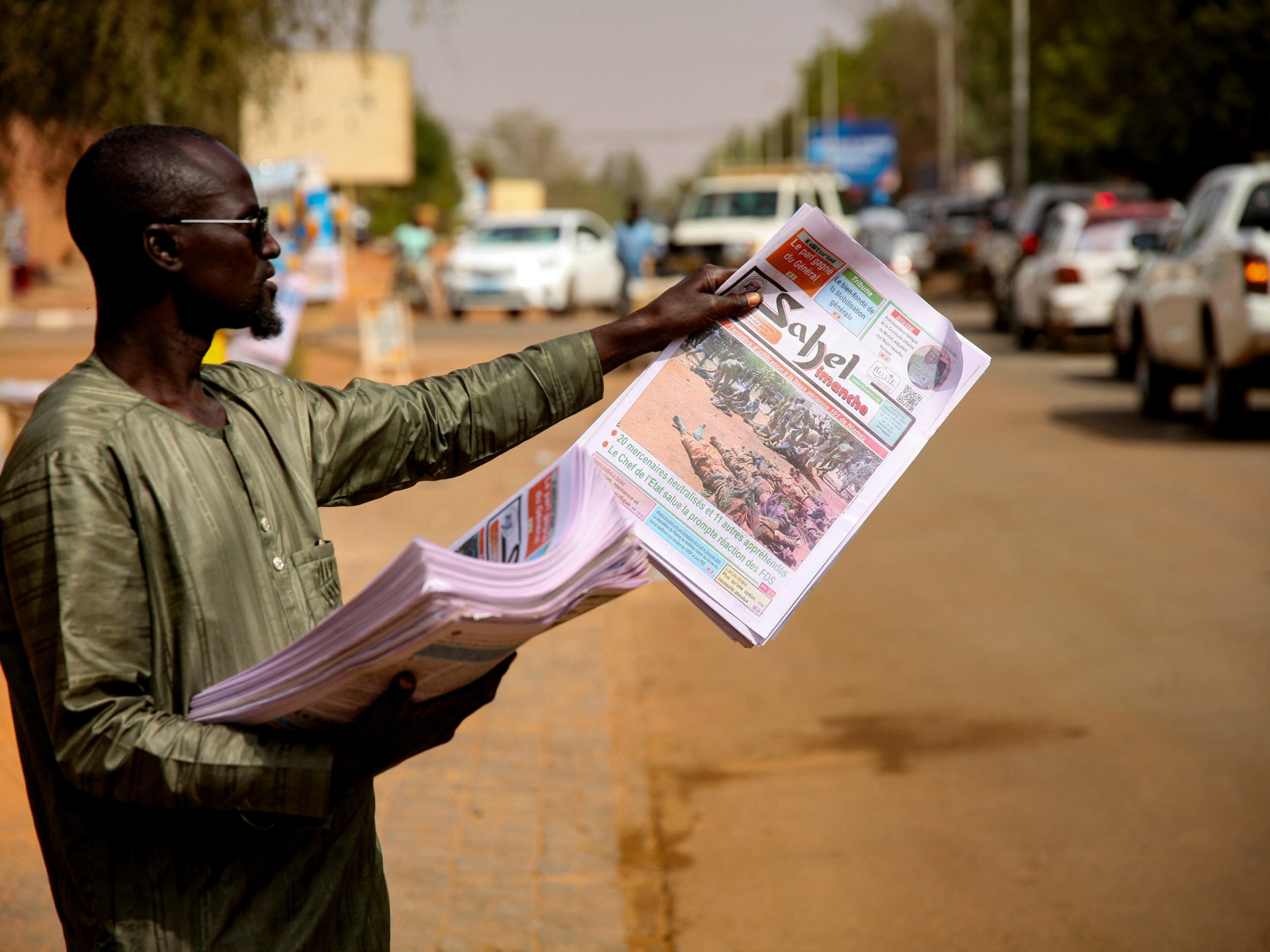
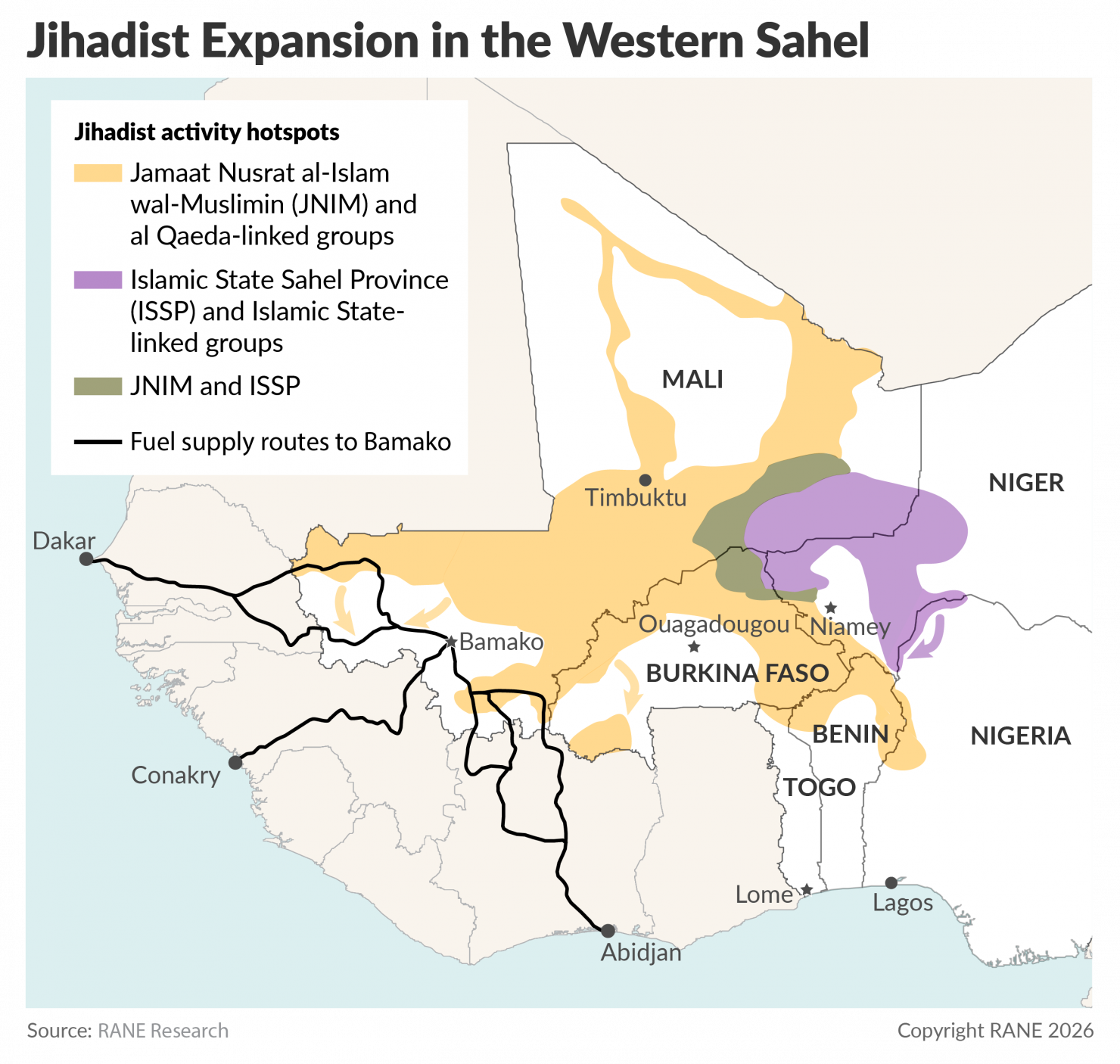
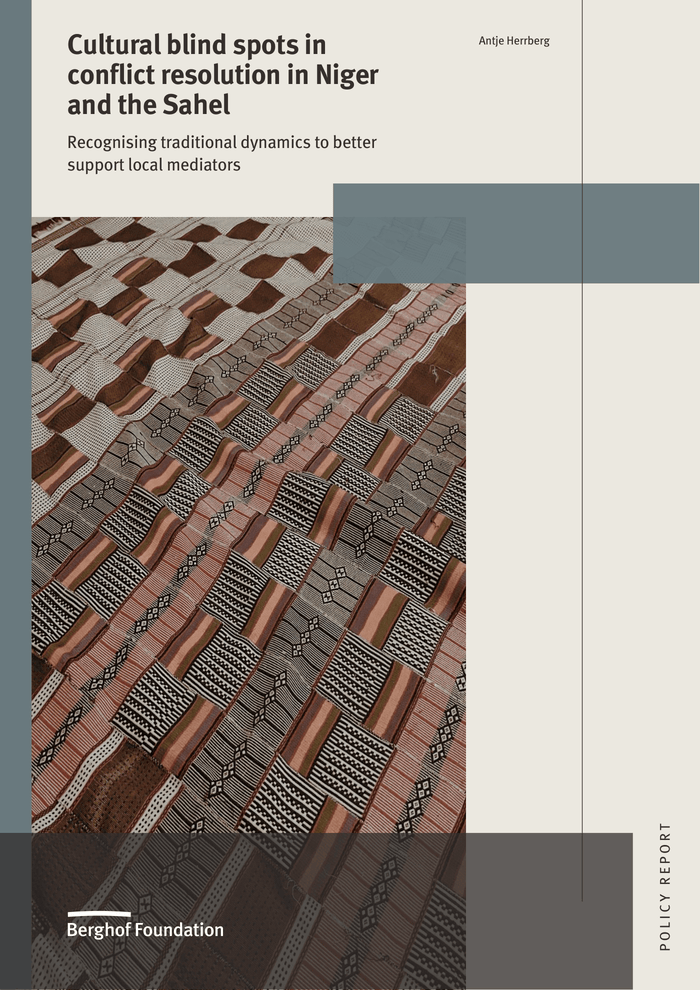
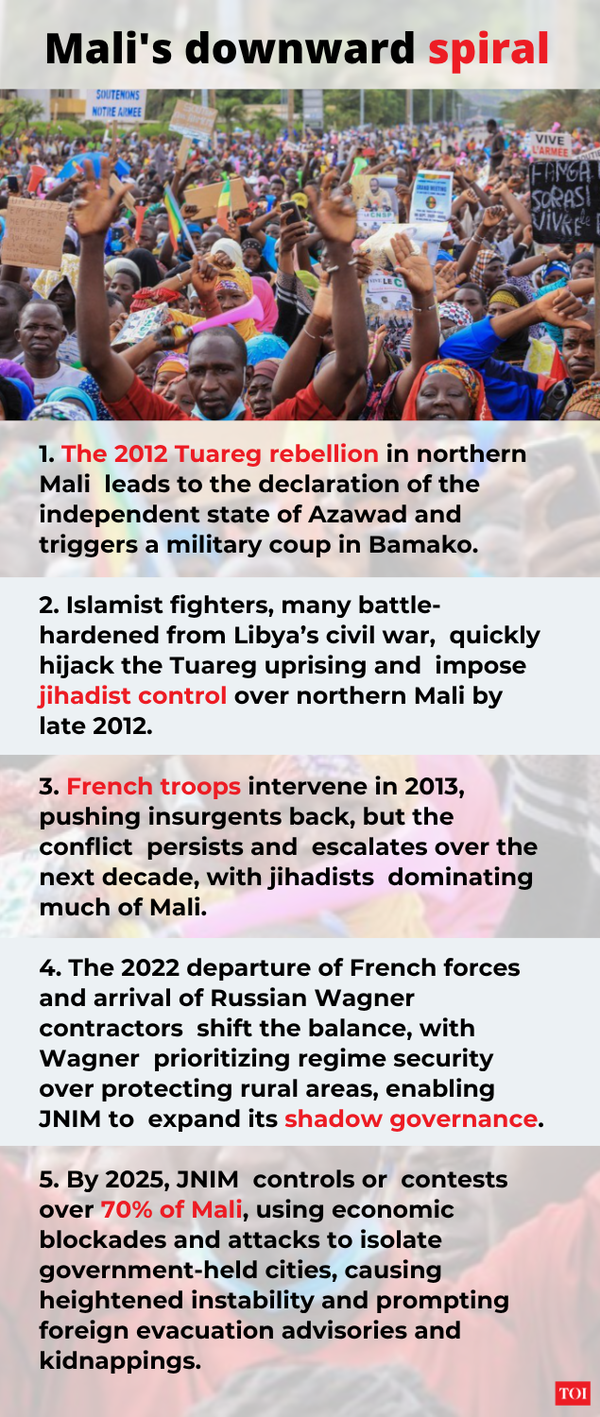
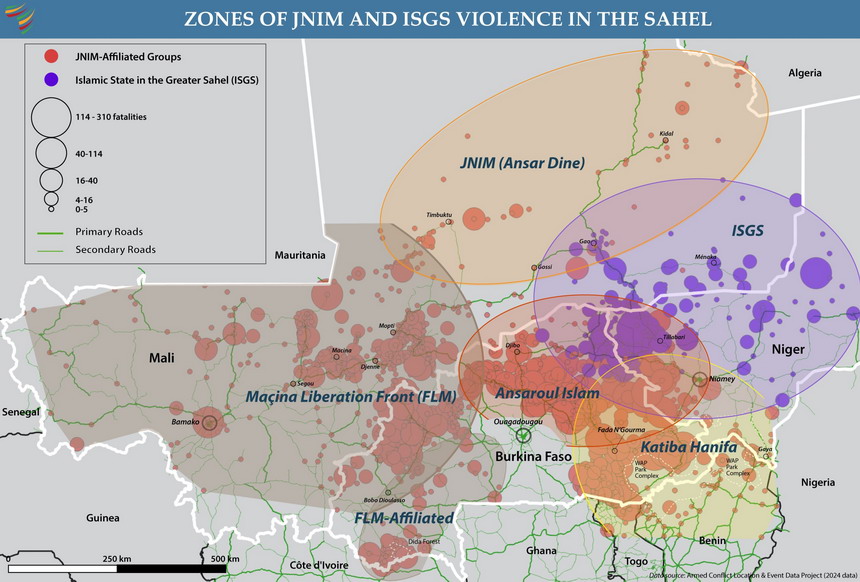
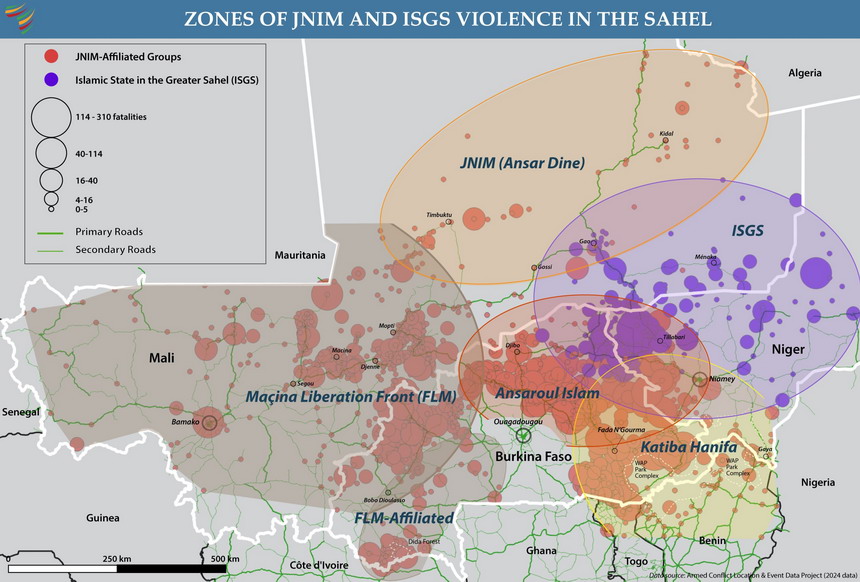
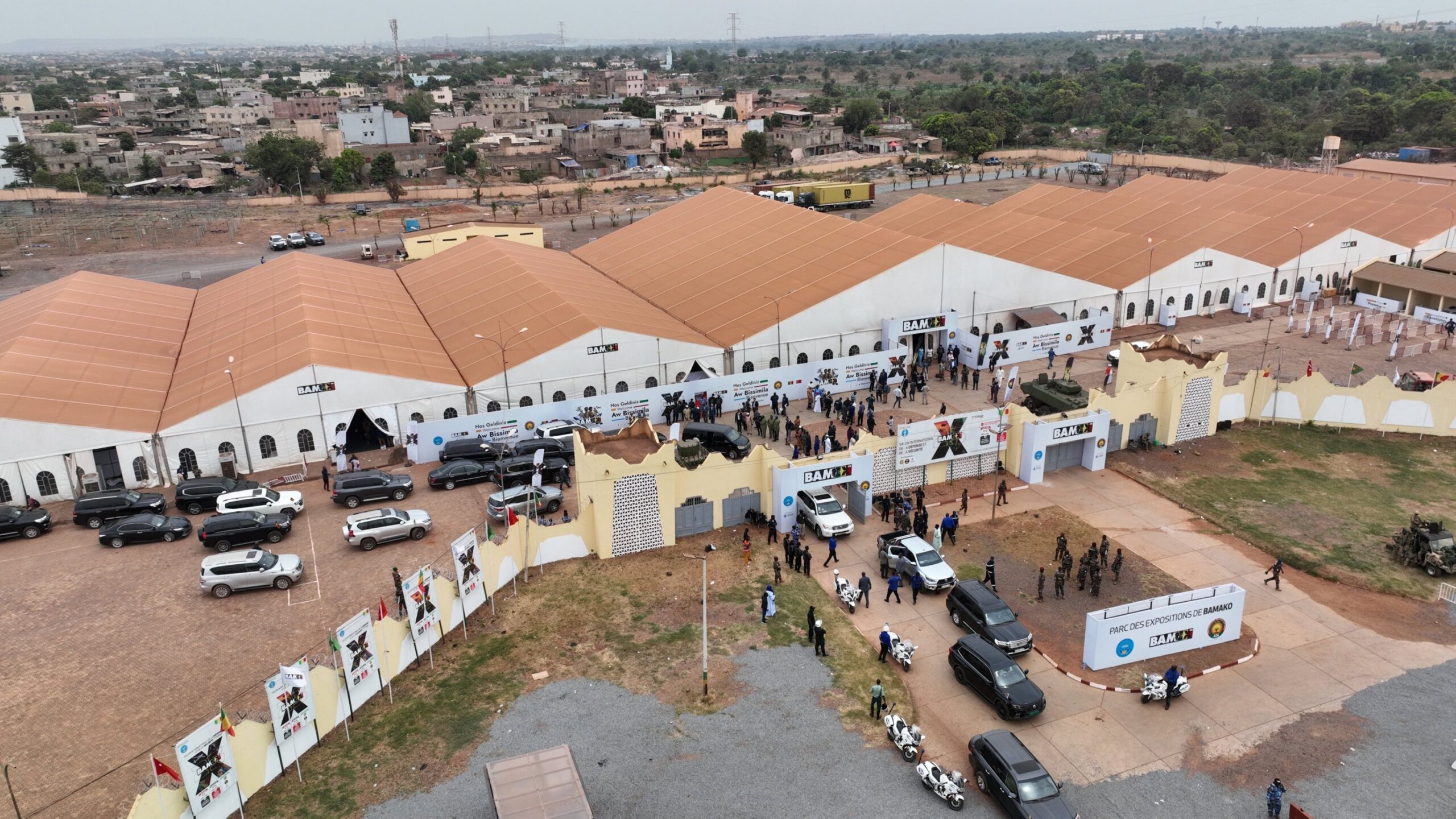
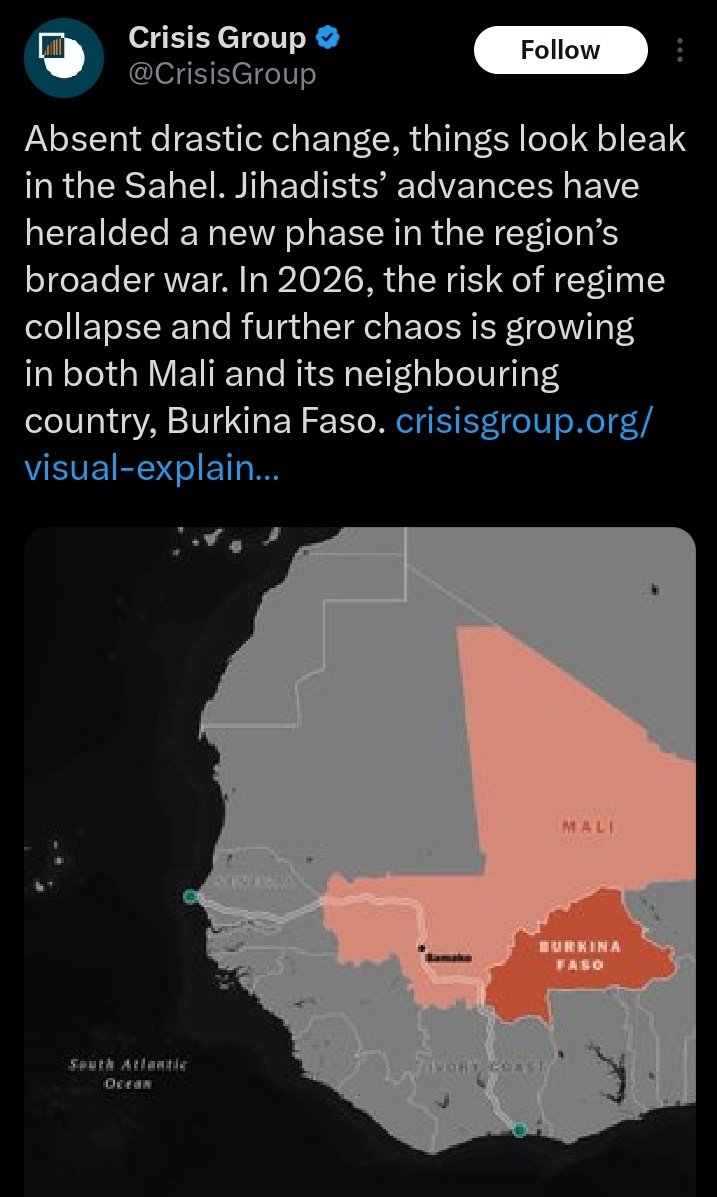
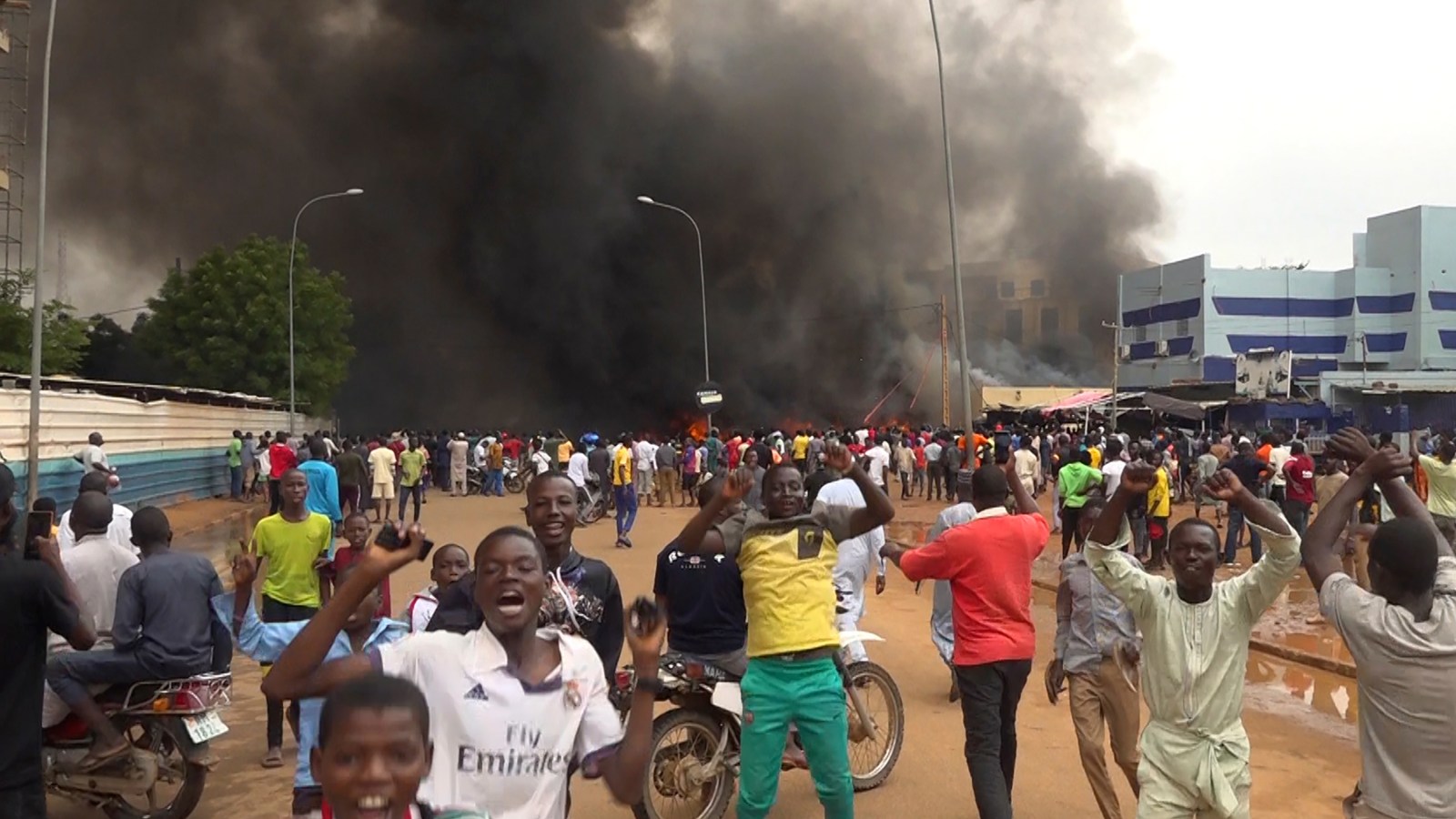
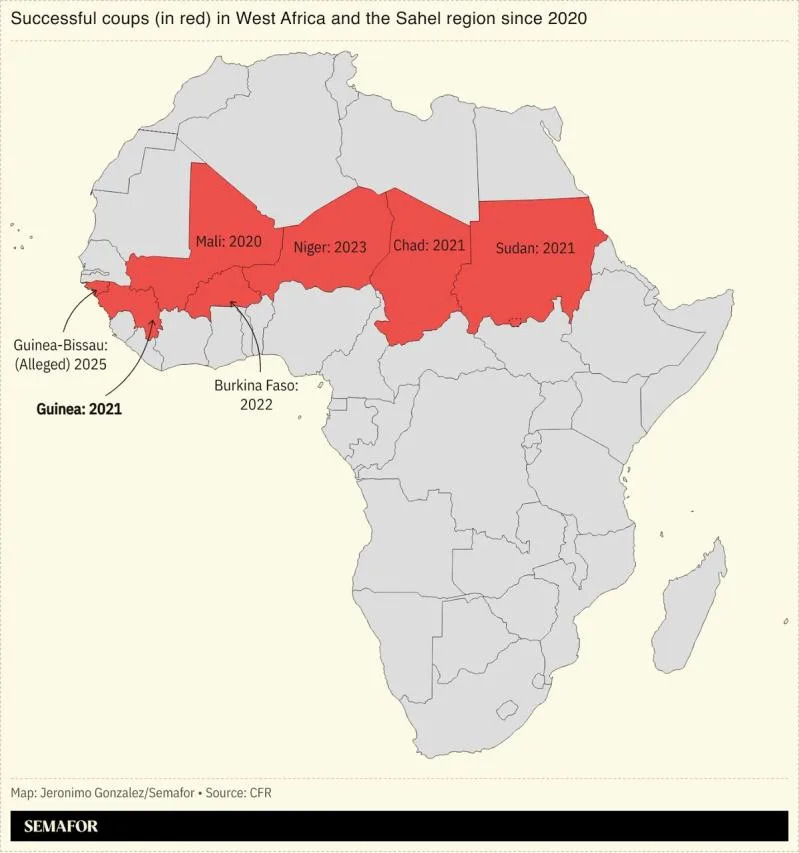
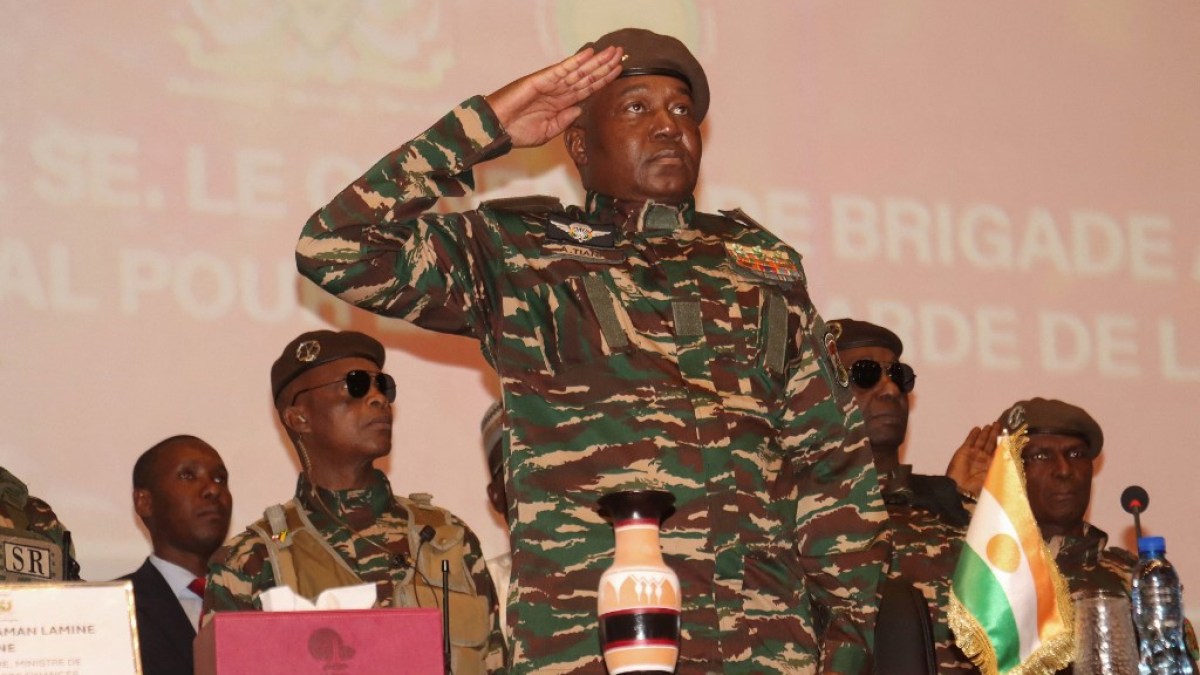
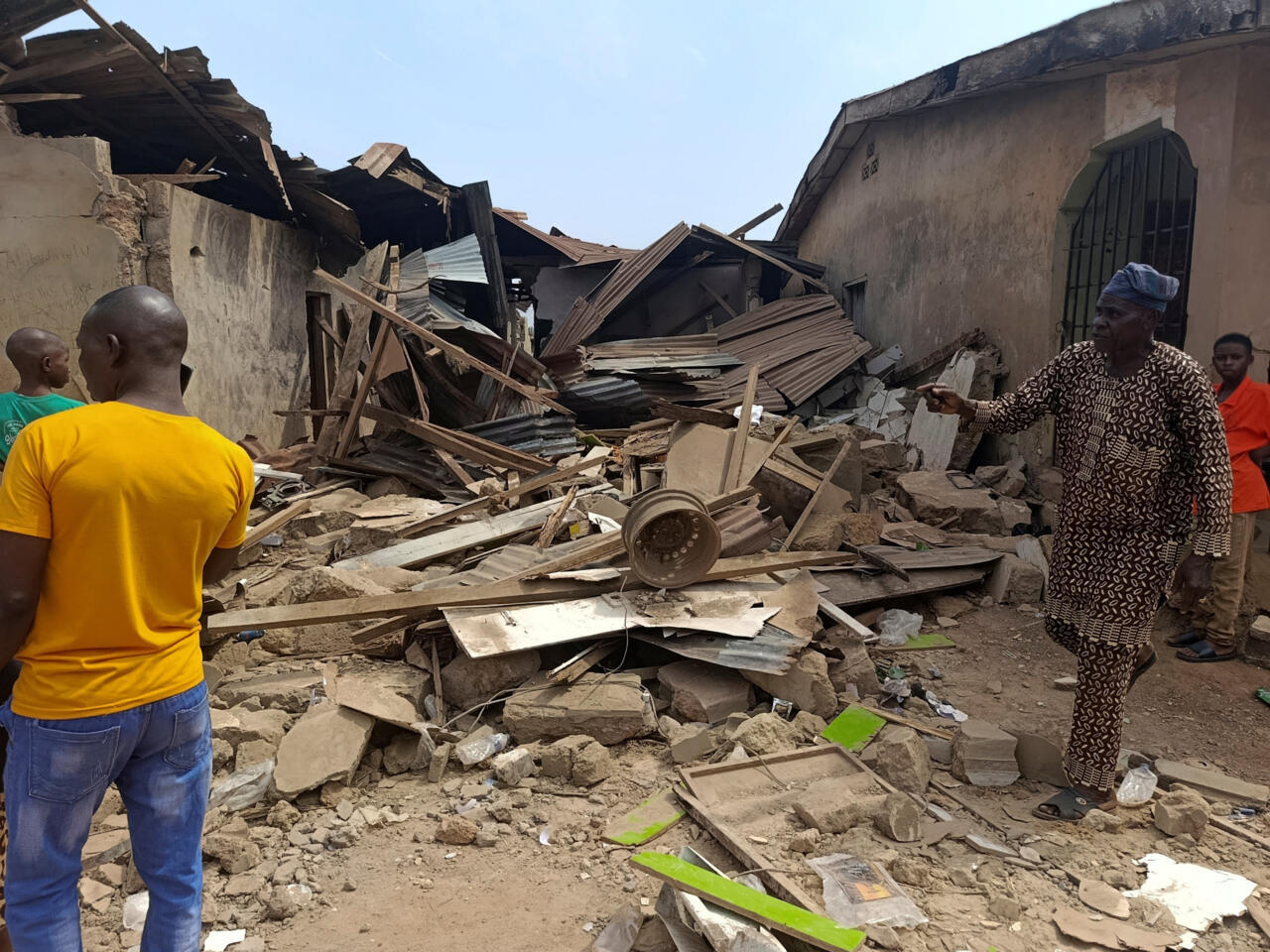
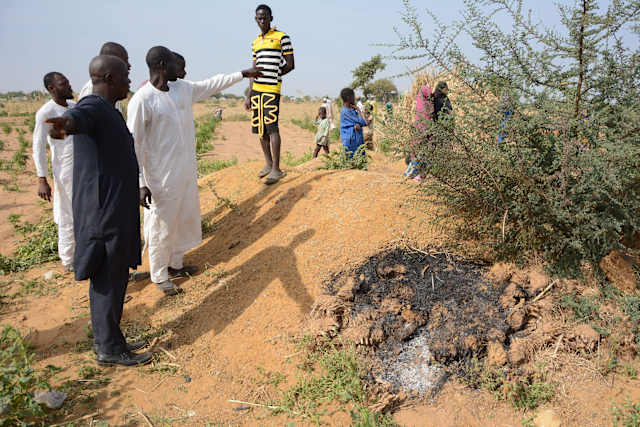
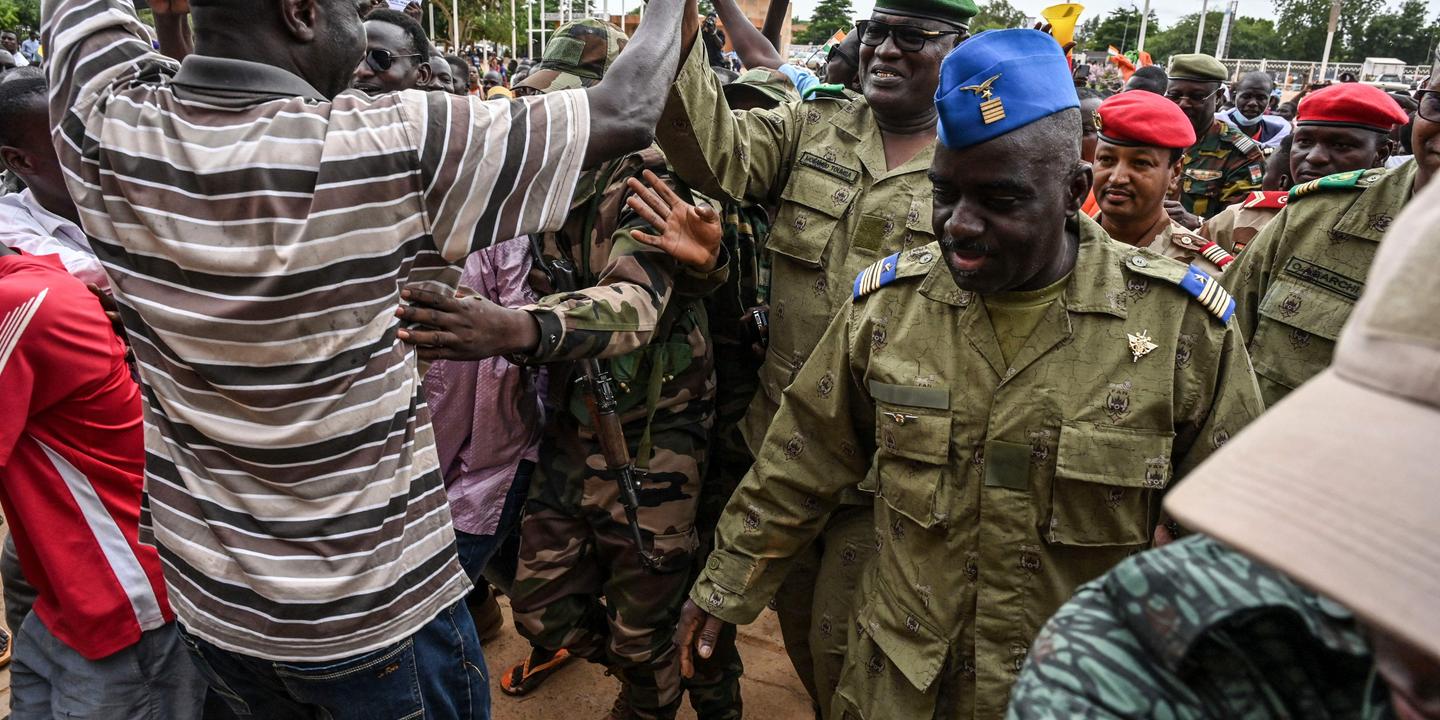
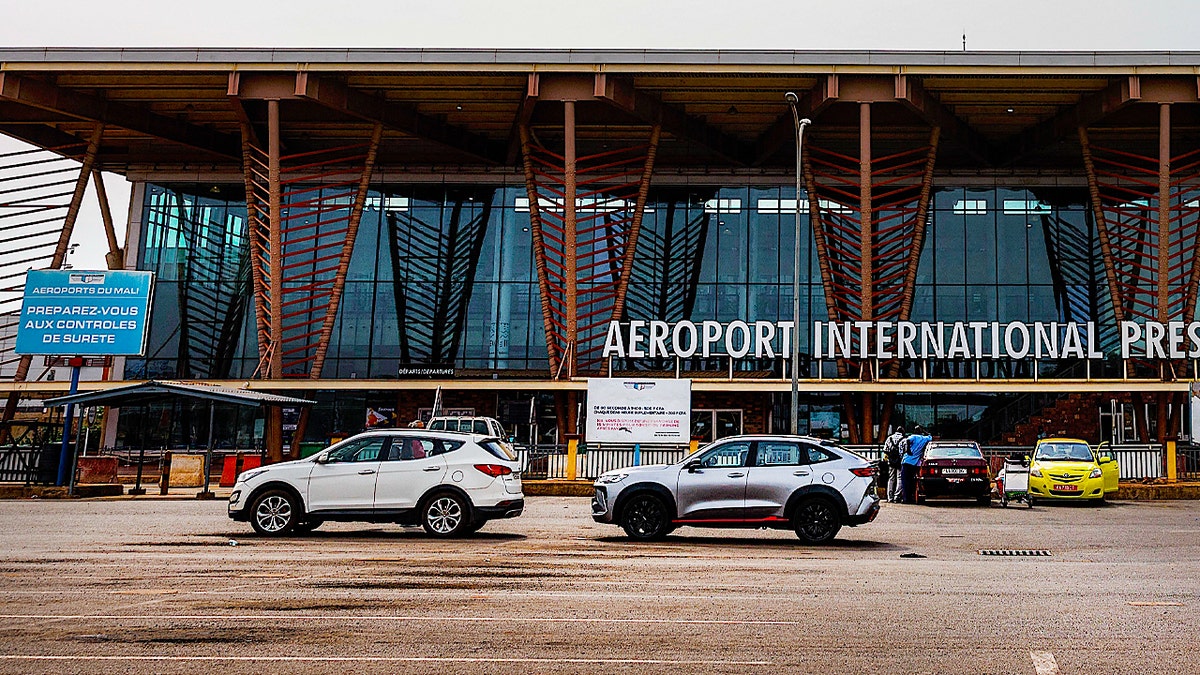
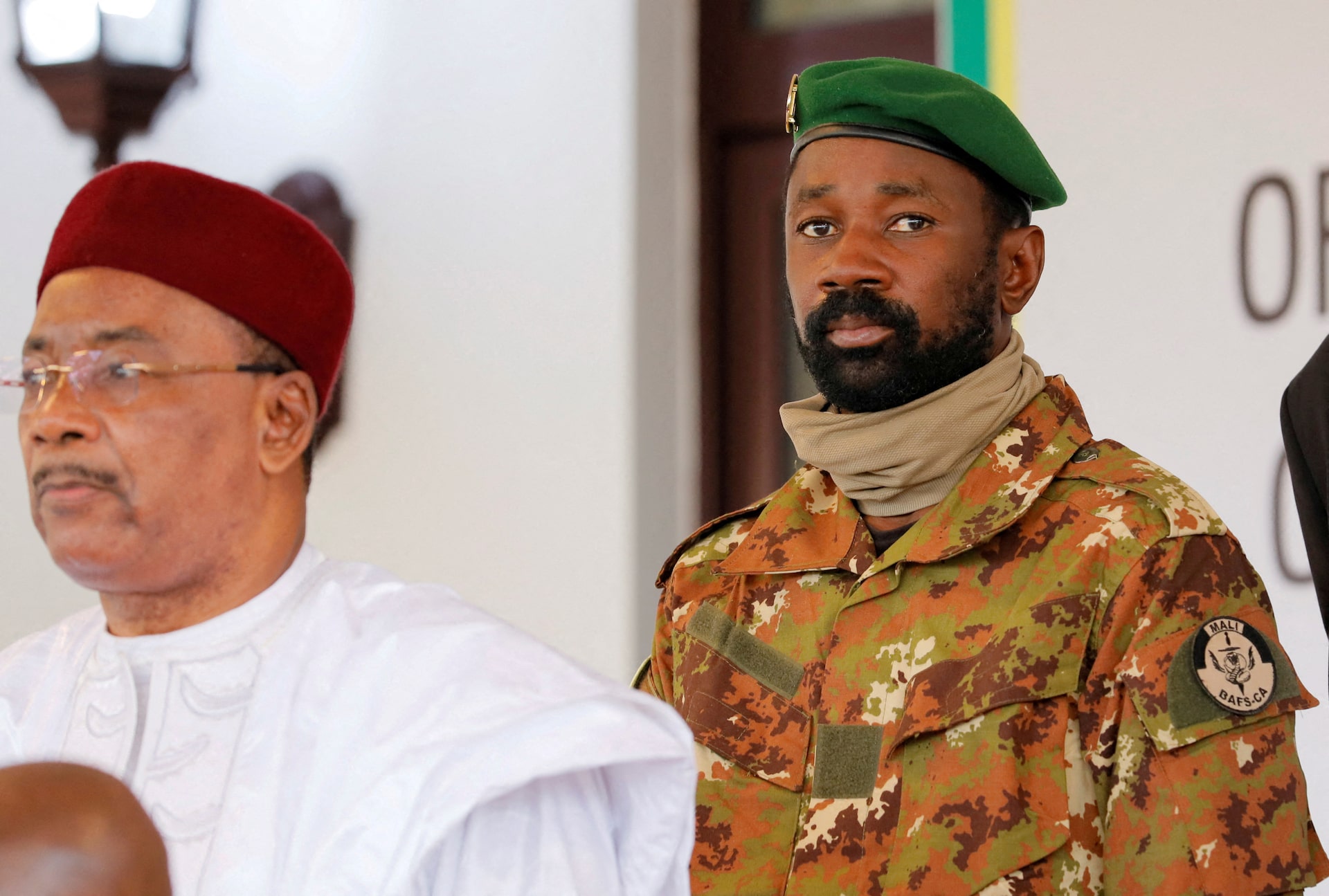
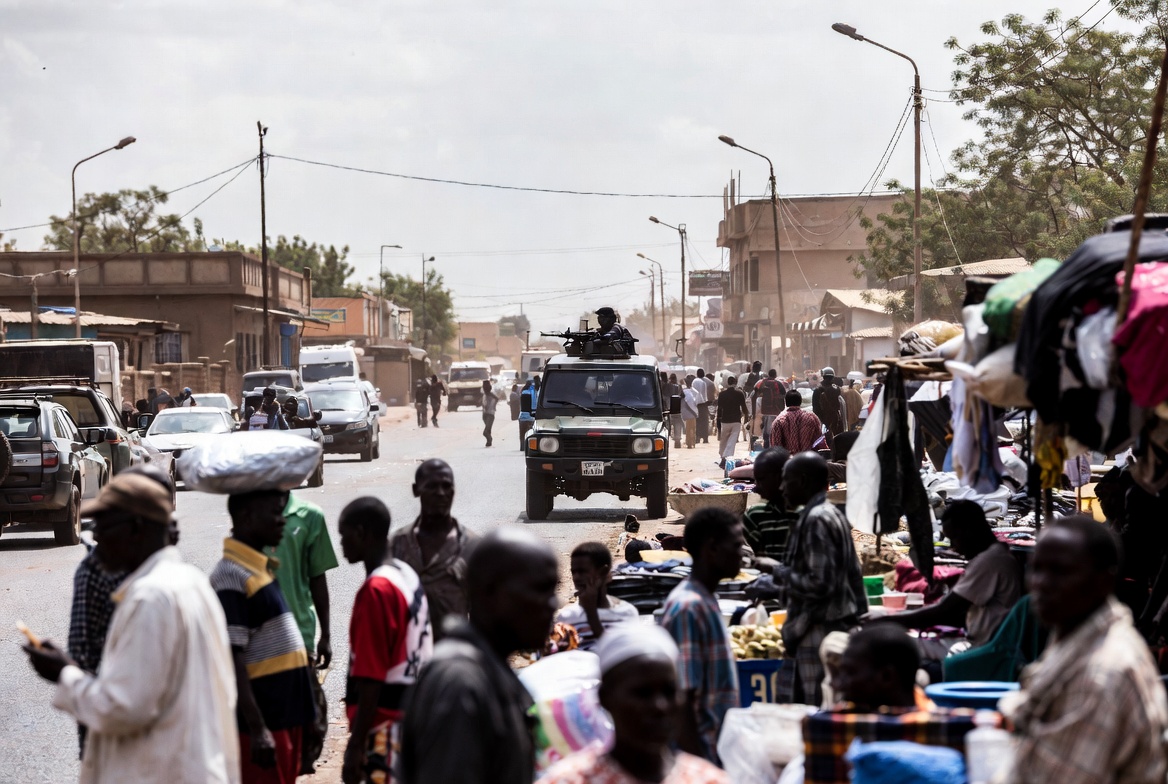
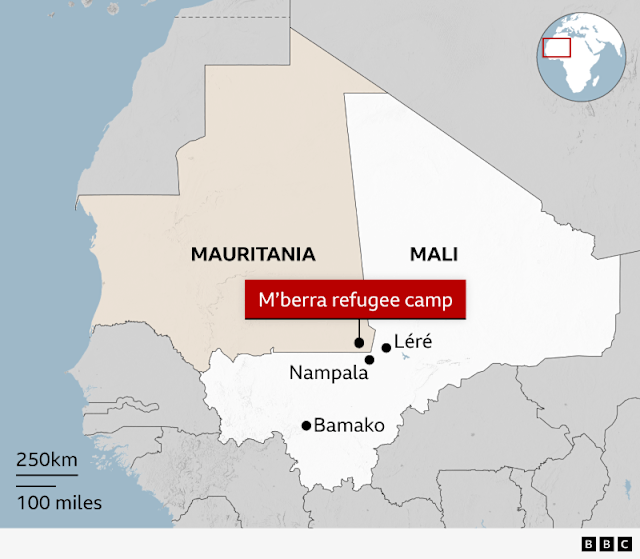
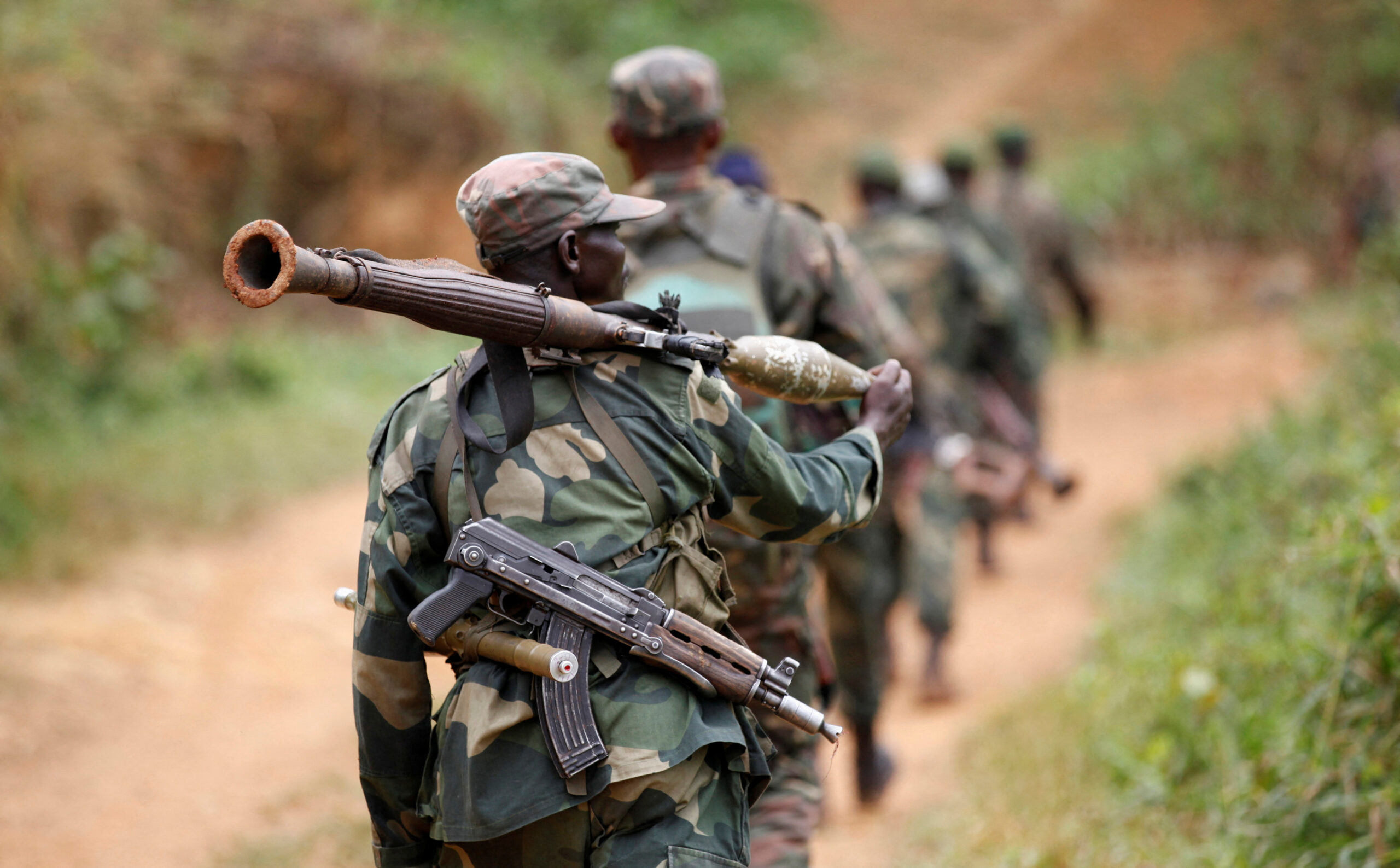
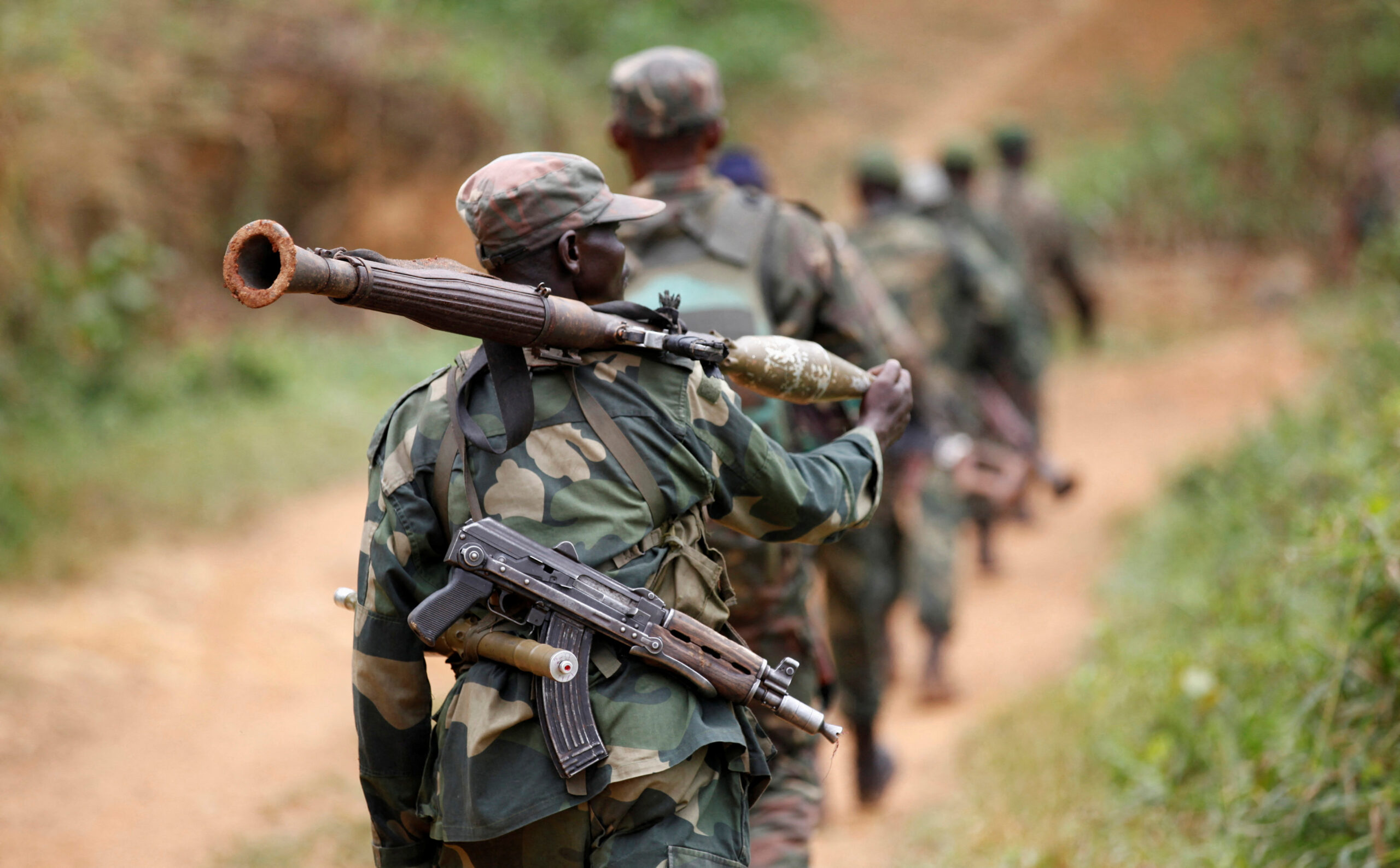
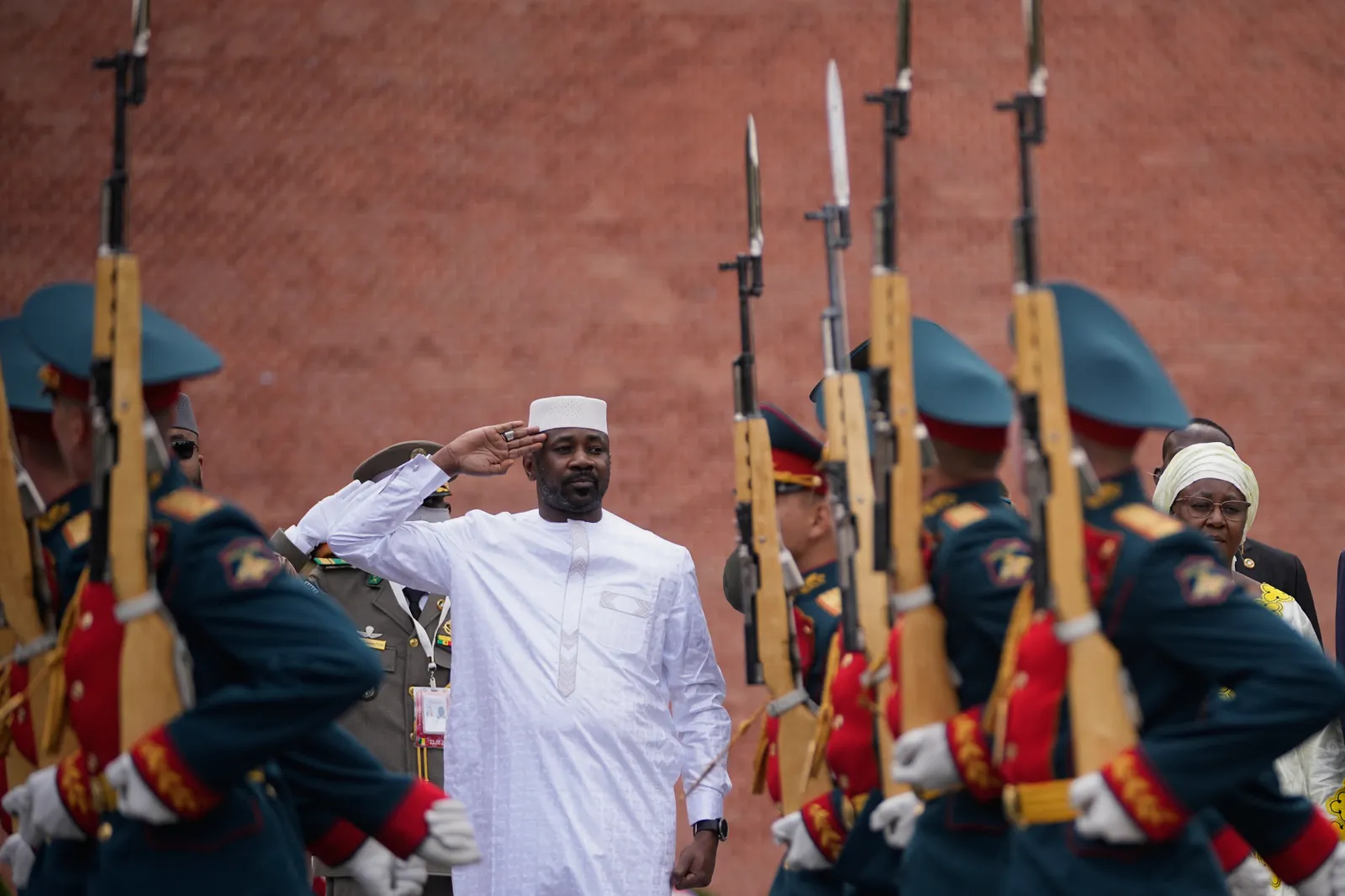
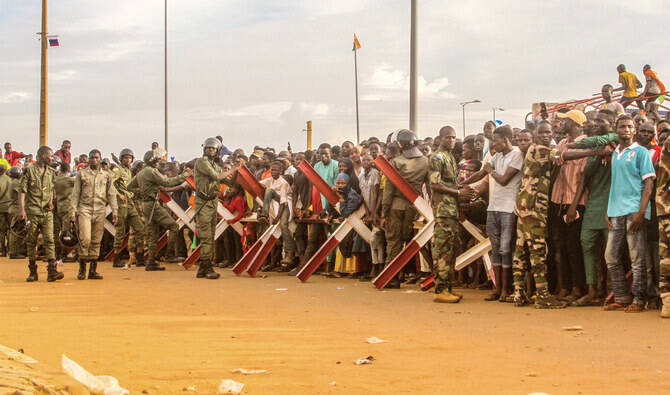
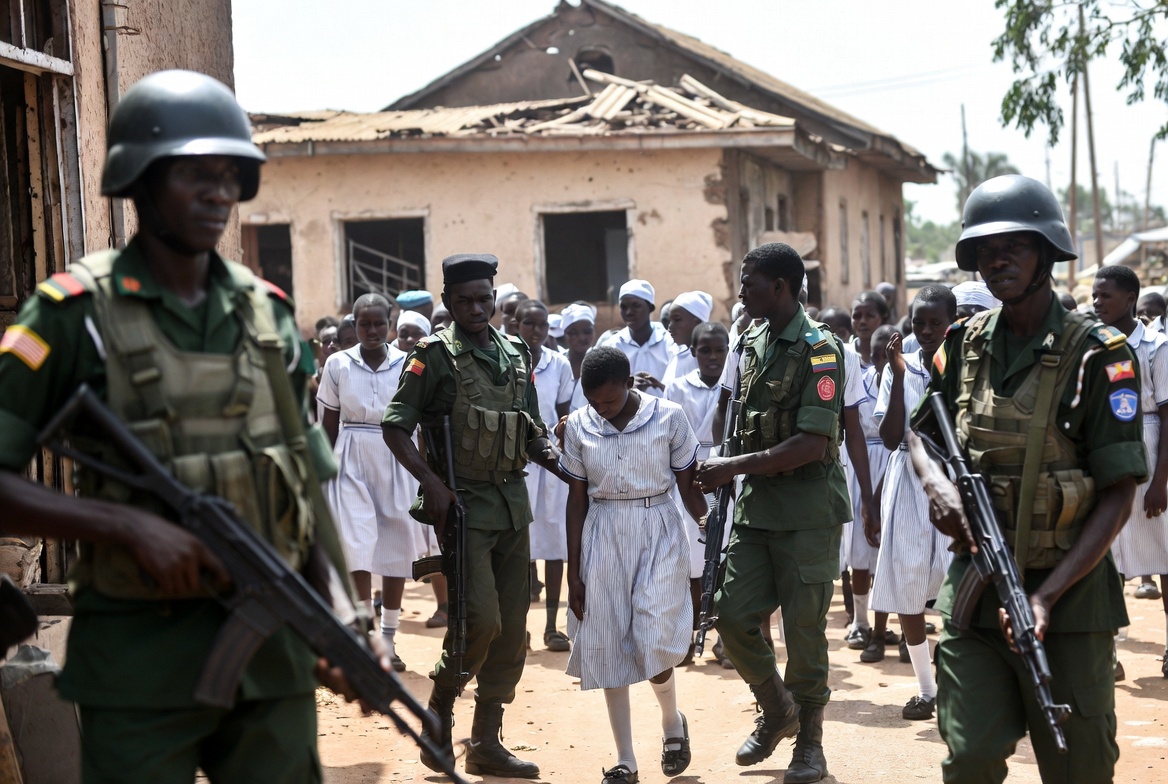
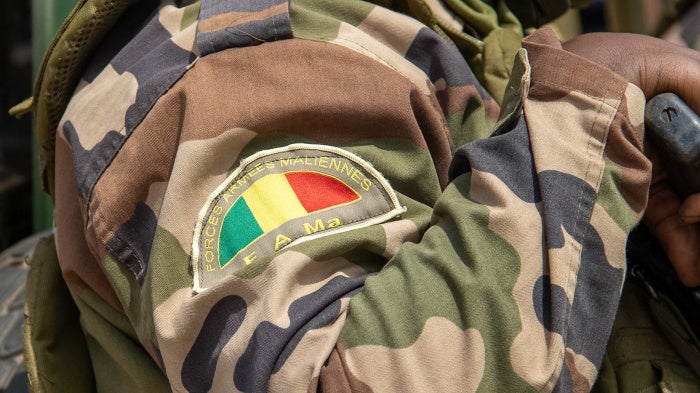
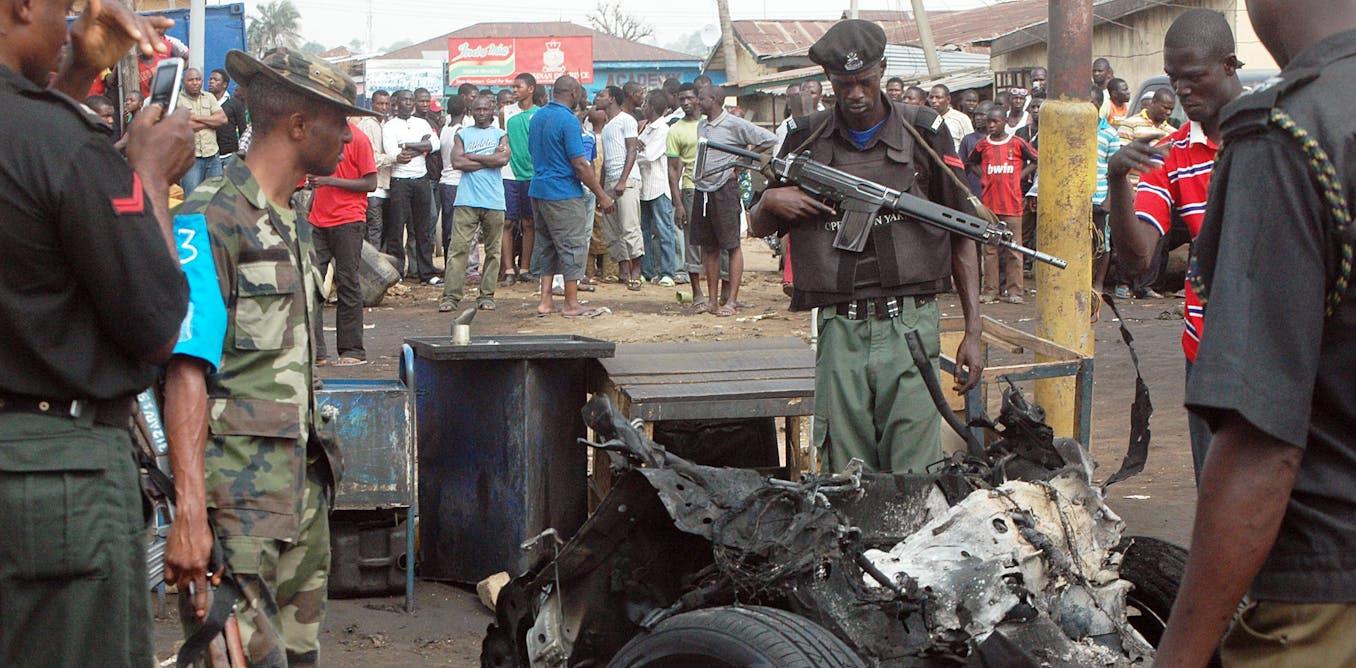
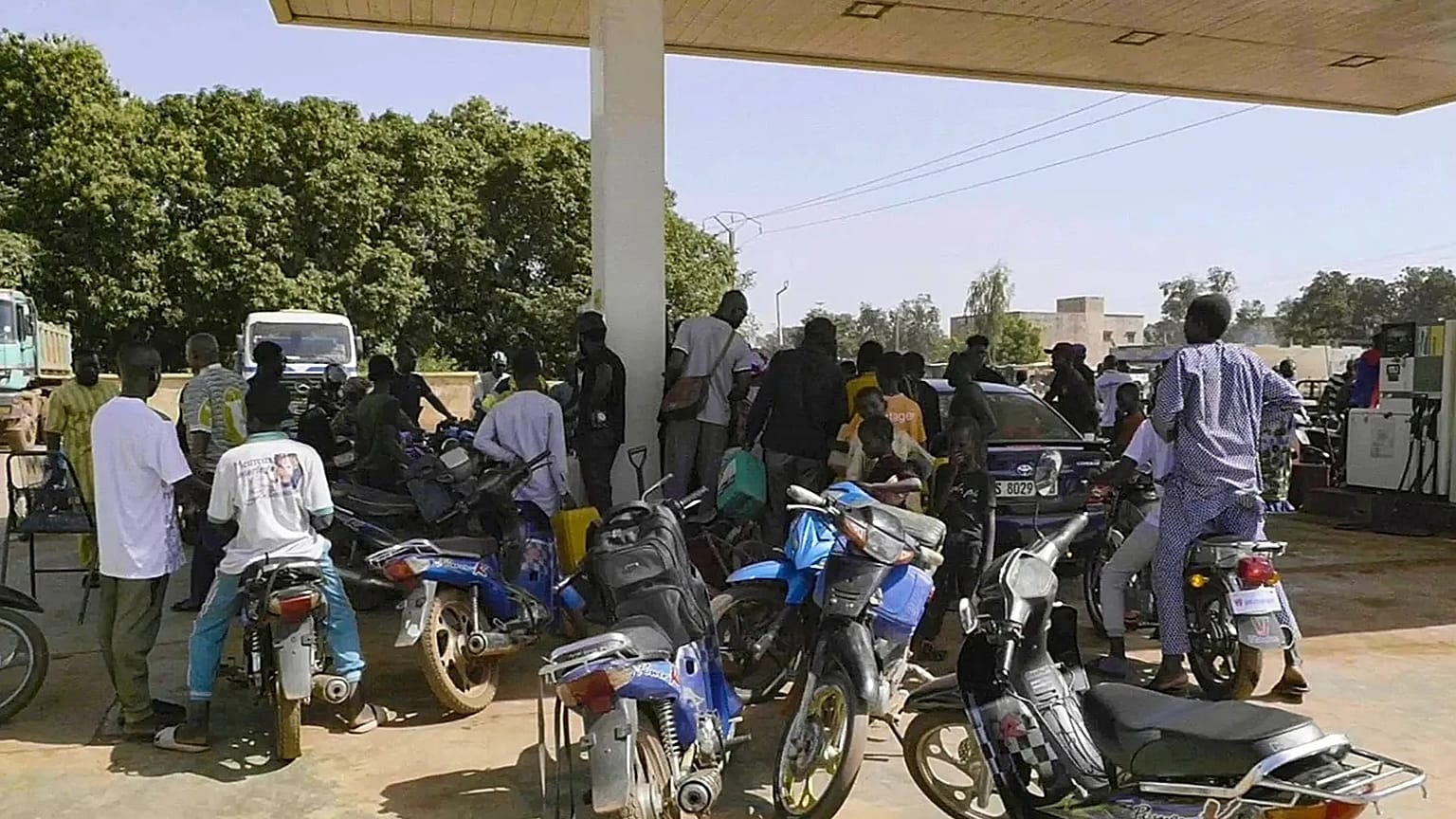
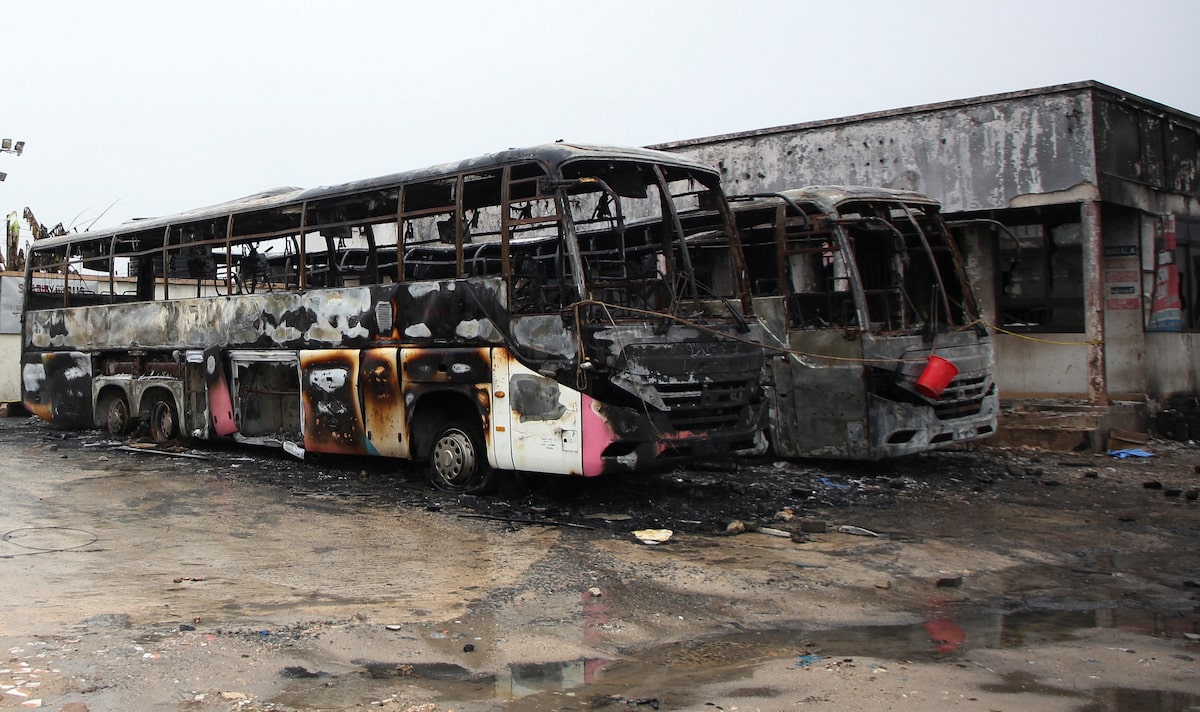
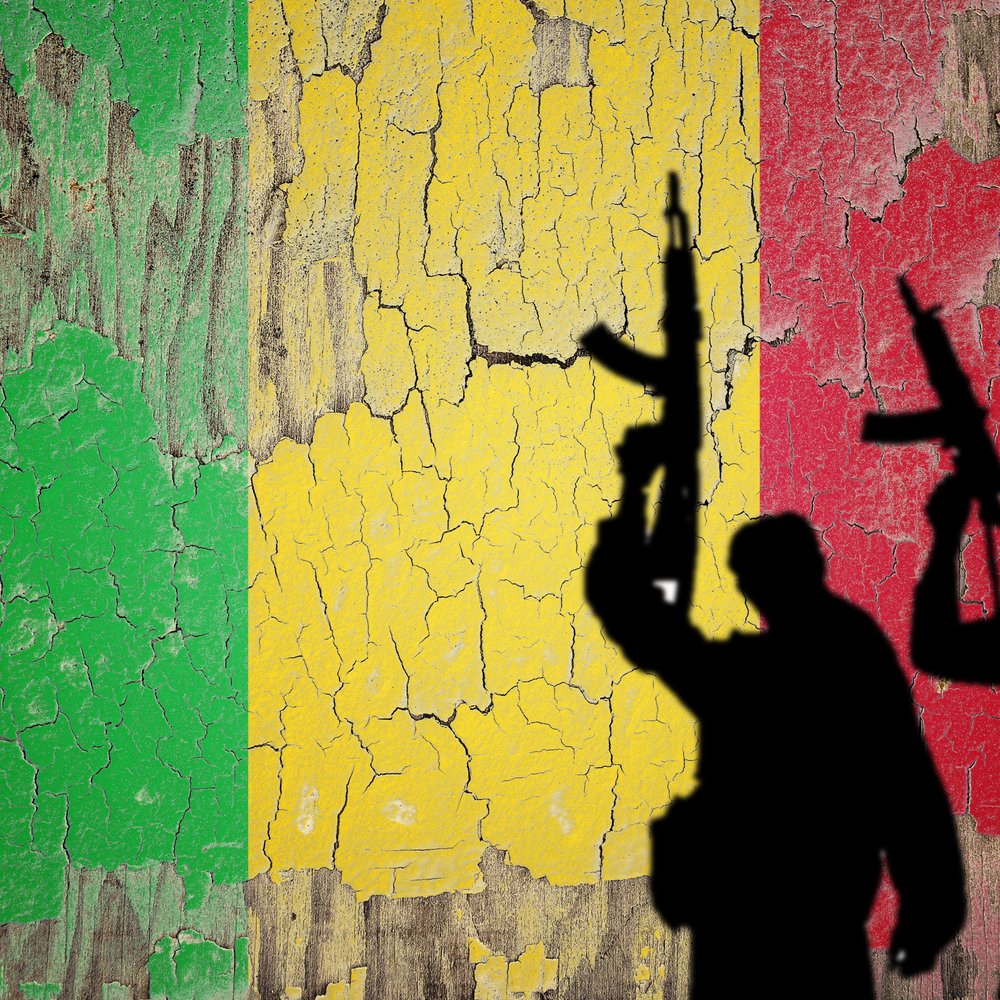
For years, extremist movements have plagued the Sahel, but the sheer scale and intensity of the jihadist insurgency have reached alarming new heights recently. Since September 2025, the formidable Jama’at Nusrat al-Islam wal Muslimeen (JNIM) has tightened its grip on key supply routes across Mali, complicating any genuine effort by regional governments to restore order. This control over essential corridors isn’t just about logistics; it showcases the deeper struggle Sahelian states face in curbing violent extremism. Experts point to “chosen traumas”—deep-seated collective memories of historical suffering—as a critical factor. Extremist leaders exploit these wounds to sustain recruitment and fuel their violent campaigns, making security responses alone insufficient. True counterinsurgency, it seems, must also confront these underlying social and psychological scars. It’s this entrenched insecurity that has crippled Mali’s tourism sector. Once celebrated globally for its vibrant cultural heritage, including Timbuktu’s ancient manuscripts and the iconic mud mosques of Djenne, the industry hasn’t recovered from a series of military coups in 2020 and 2021, coupled with escalating violence. The junta’s rise to power and the deteriorating security landscape simply scare away visitors and chip away at the confidence of foreign investors and tour operators alike. This isn’t just about lost revenue, it’s about a nation losing a piece of its identity and a path to sustainable economic recovery.
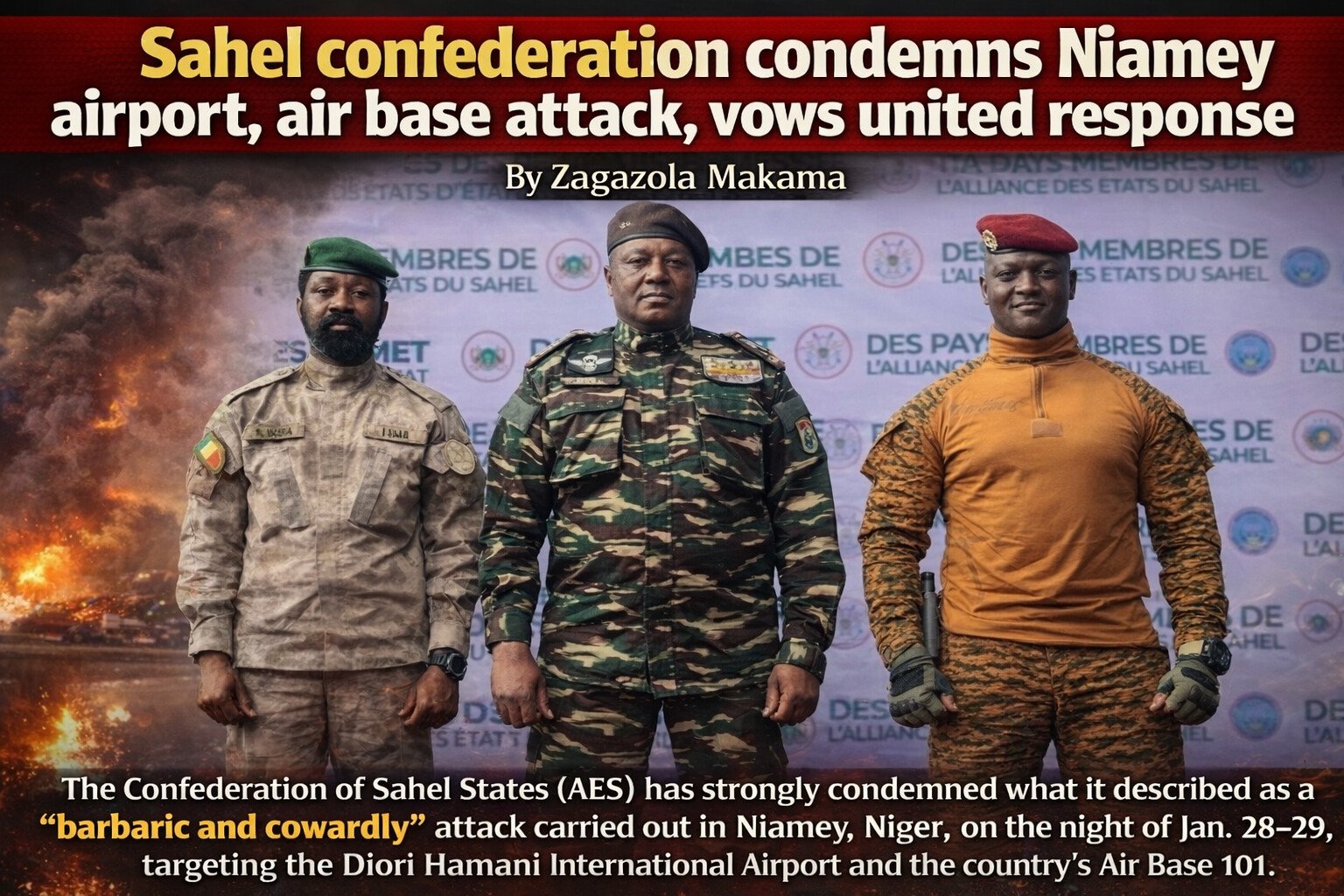
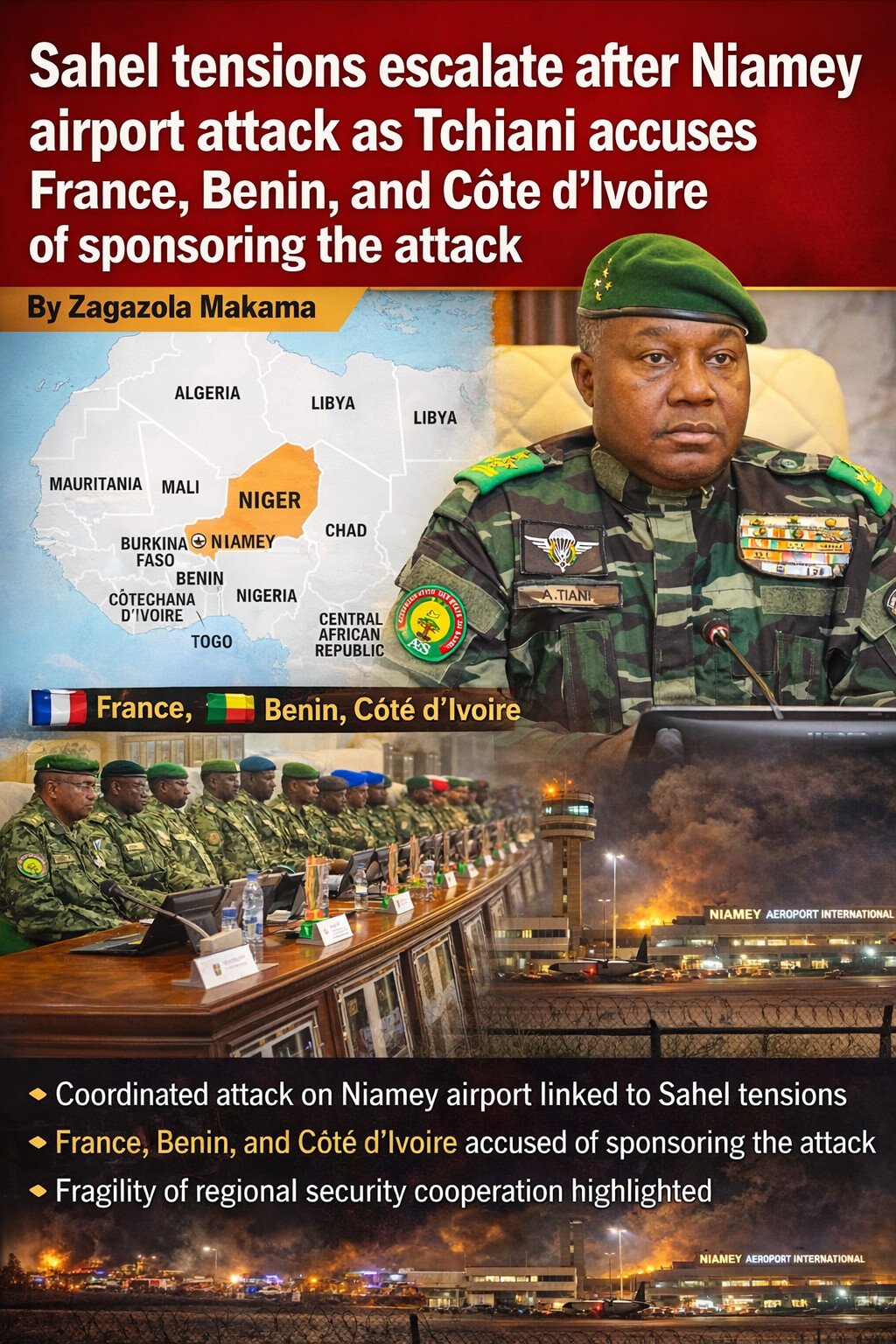
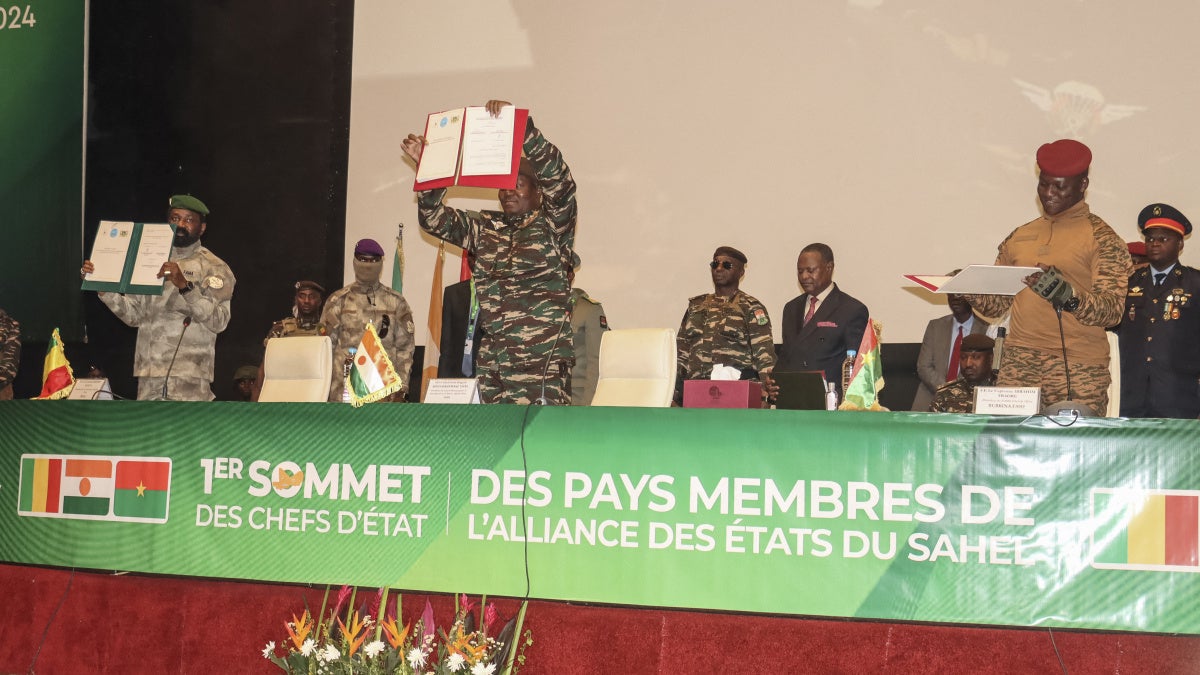
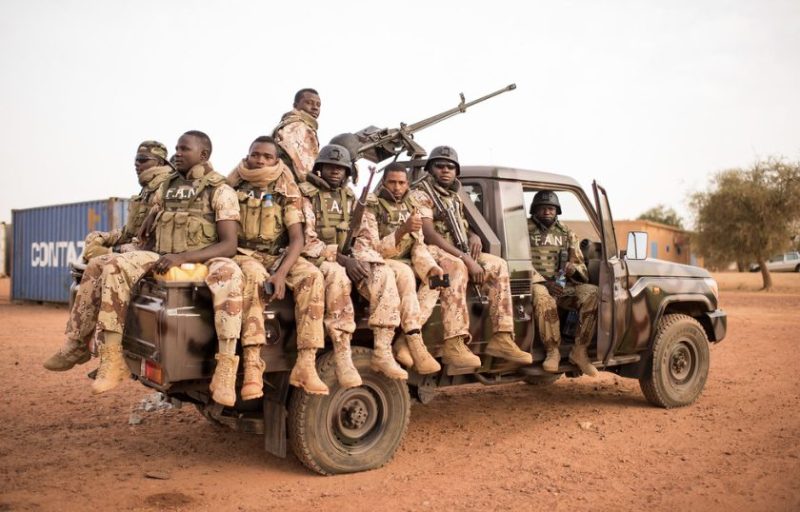
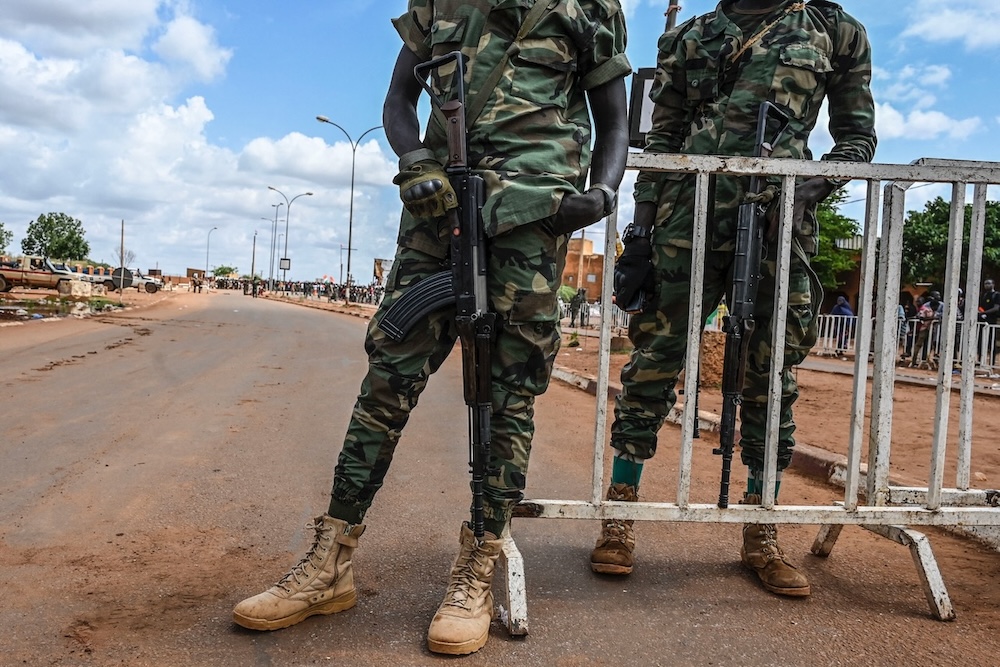
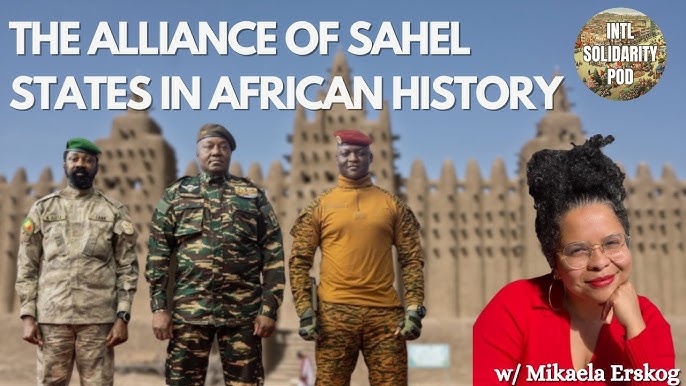
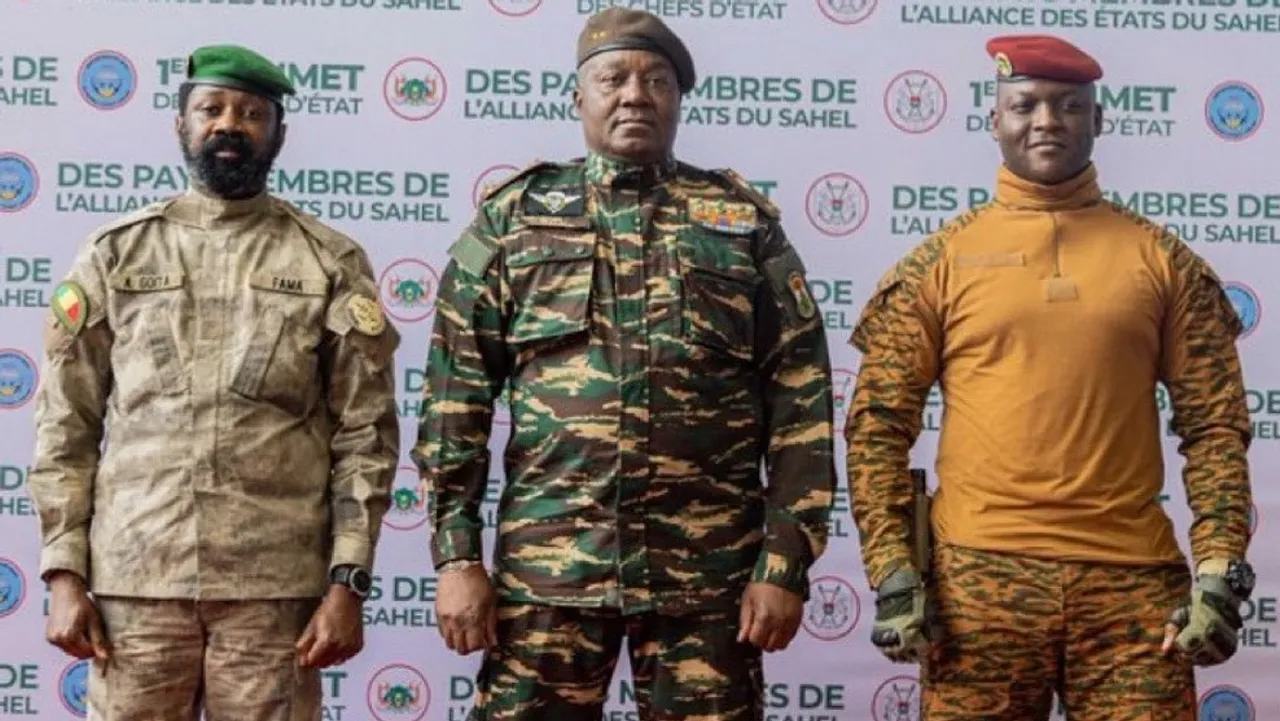
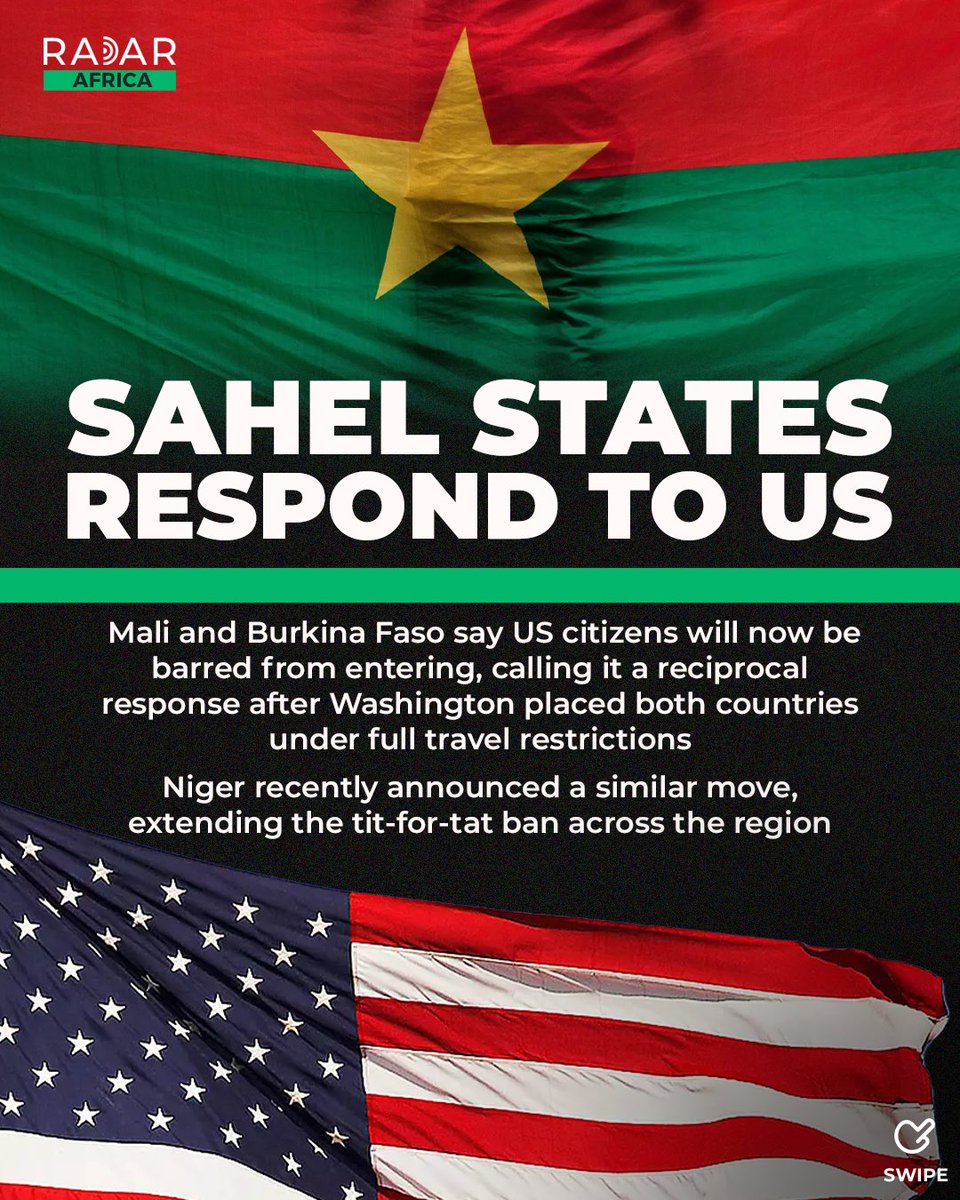
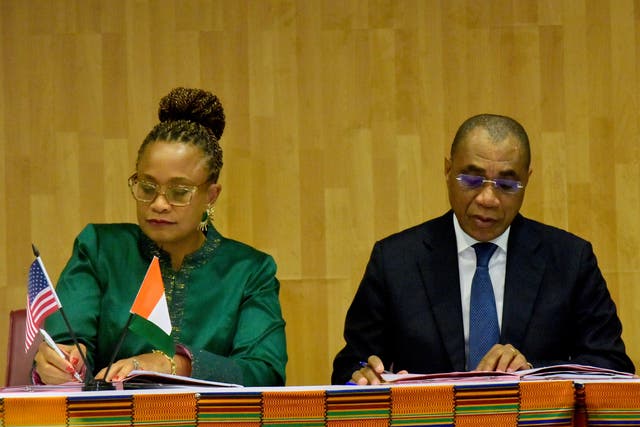
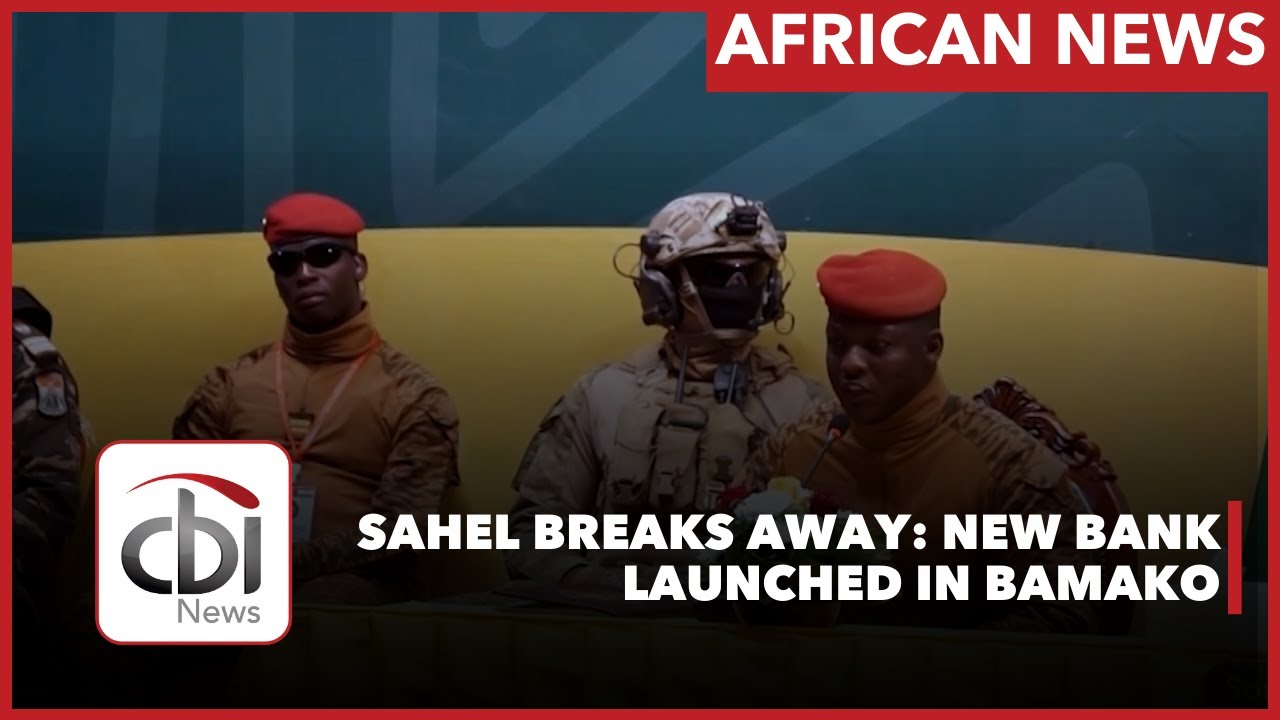
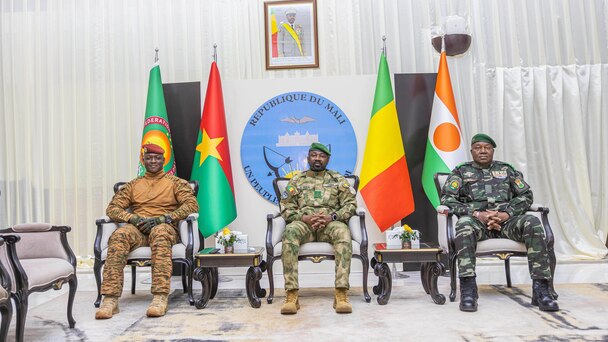
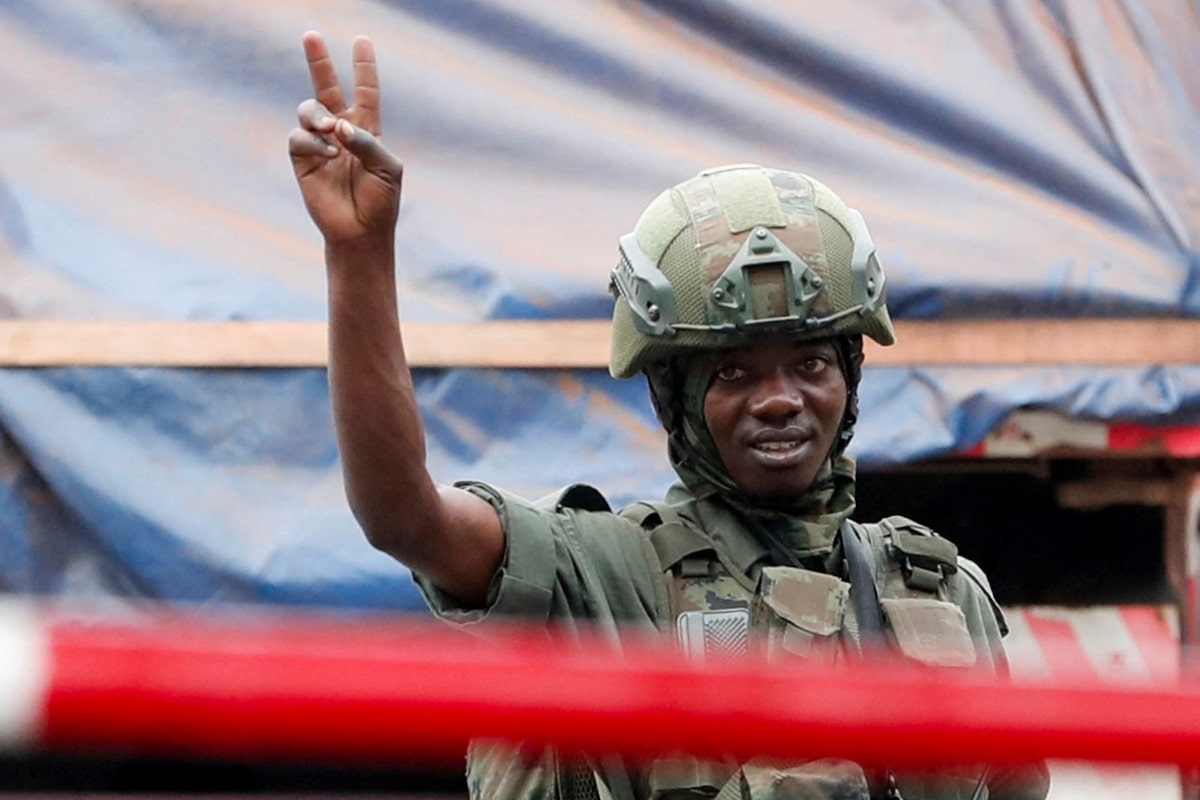
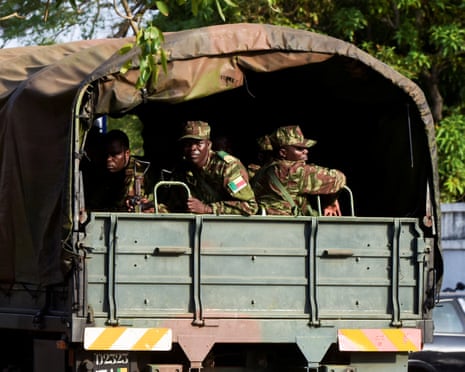
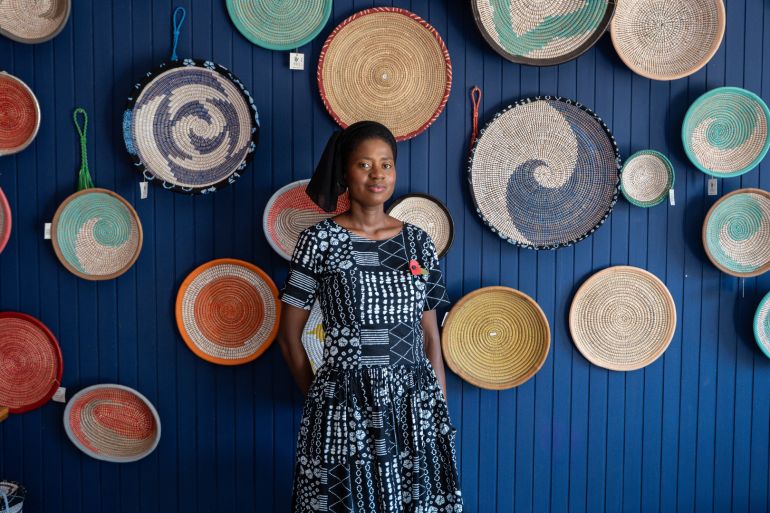
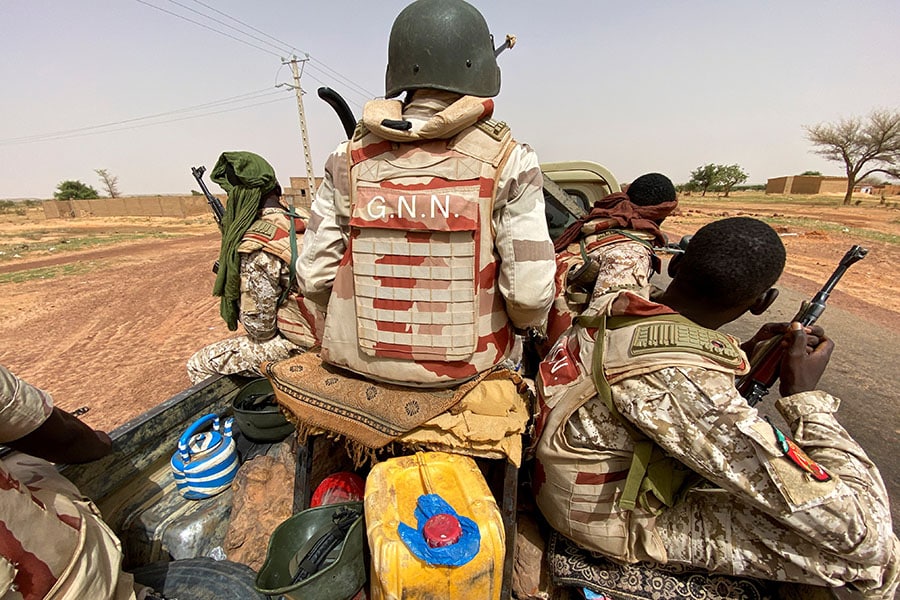
Despite these grim realities, a cautious optimism flickers among those hoping for a tourism revival. Efforts are underway to showcase Mali’s immense cultural wealth and warm hospitality, aiming to balance security improvements with deep community engagement. Yet, meaningful progress remains incredibly vulnerable. Recent Malian army strikes targeting Islamic State-affiliated groups near the Nigerien border, for instance, remind us of the fierce contest for territorial control and the long, difficult road ahead for public safety. The United States’ diplomatic outreach to the Sahel Bloc marks a significant initiative, underscoring Washington’s recognition that lasting stabilization demands sustained political will, enhanced security cooperation, and inclusive development strategies. Their goal? To empower Sahelian nations to reclaim their territories while tackling the socio-economic drivers of conflict. You can read more about how Sahel states are strengthening their alliances for regional security. Looking ahead, the future of the Sahel hangs in a delicate balance. While security operations might offer temporary disruptions to extremist networks, genuine, lasting peace won’t take root without healing historical wounds that jihadists exploit, restoring credible governance, and revitalizing key sectors like tourism that provide livelihoods. The international community, then, plays a crucial role in fostering dialogue and providing multifaceted support. Indeed, the stakes couldn’t be higher for the region. Learn more about the growing jihadist threat in Mali and the wider Sahel. But with renewed diplomatic engagement and a dual focus on both security and socio-economic recovery, there’s genuine hope that the Sahel can, eventually, emerge from the shadow of violence toward a more stable and prosperous tomorrow. For a deeper understanding of the manipulative tactics employed by extremist groups, explore how chosen traumas sustain jihadist violence. The struggle for Mali’s tourism sector highlights this broader challenge; you can find more insights on Mali’s troubled tourism sector and its fight for a comeback.