Gunfire and Explosions at Niamey Airport: Niger’s Persistent Security Challenges Echo Across the Sahel
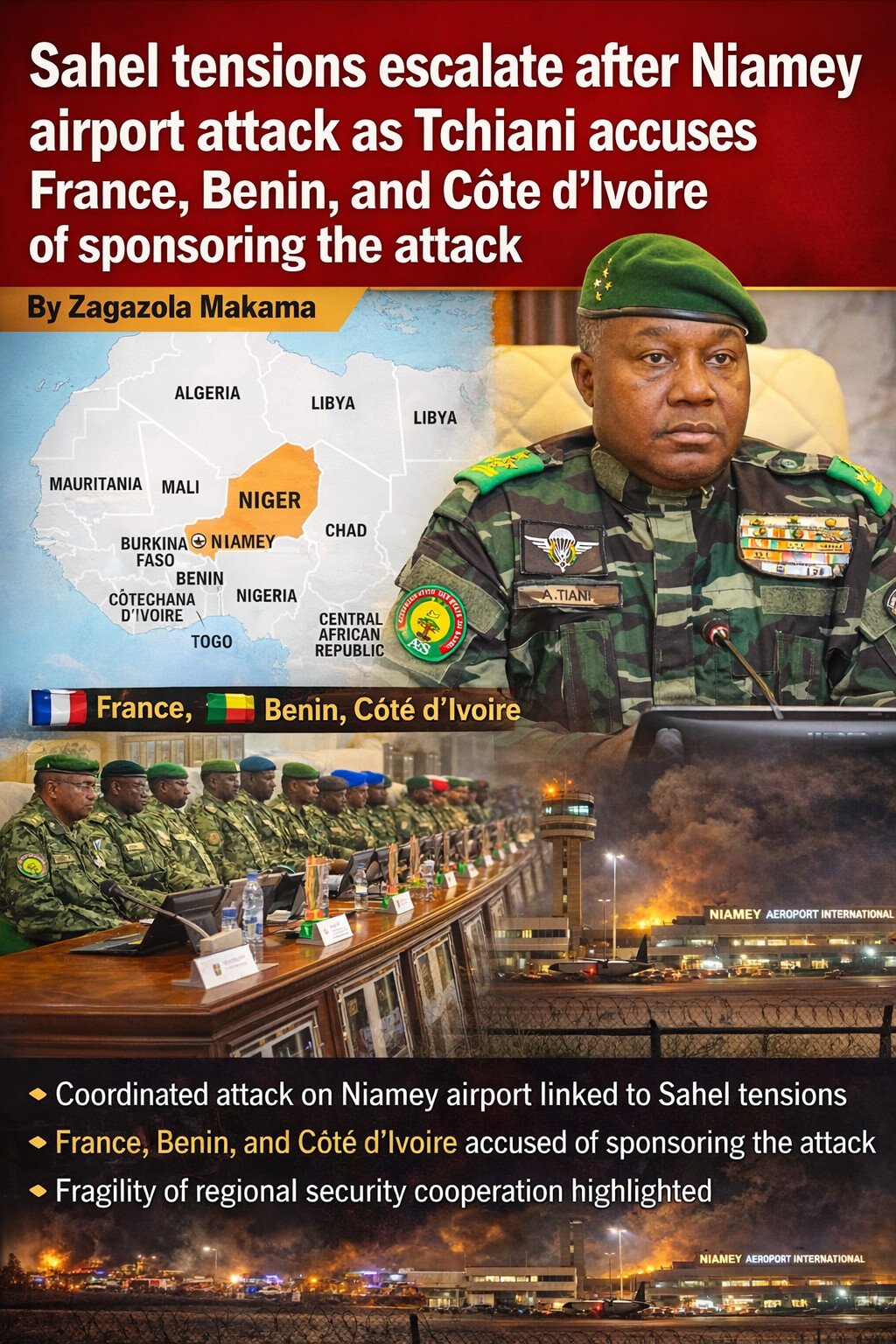
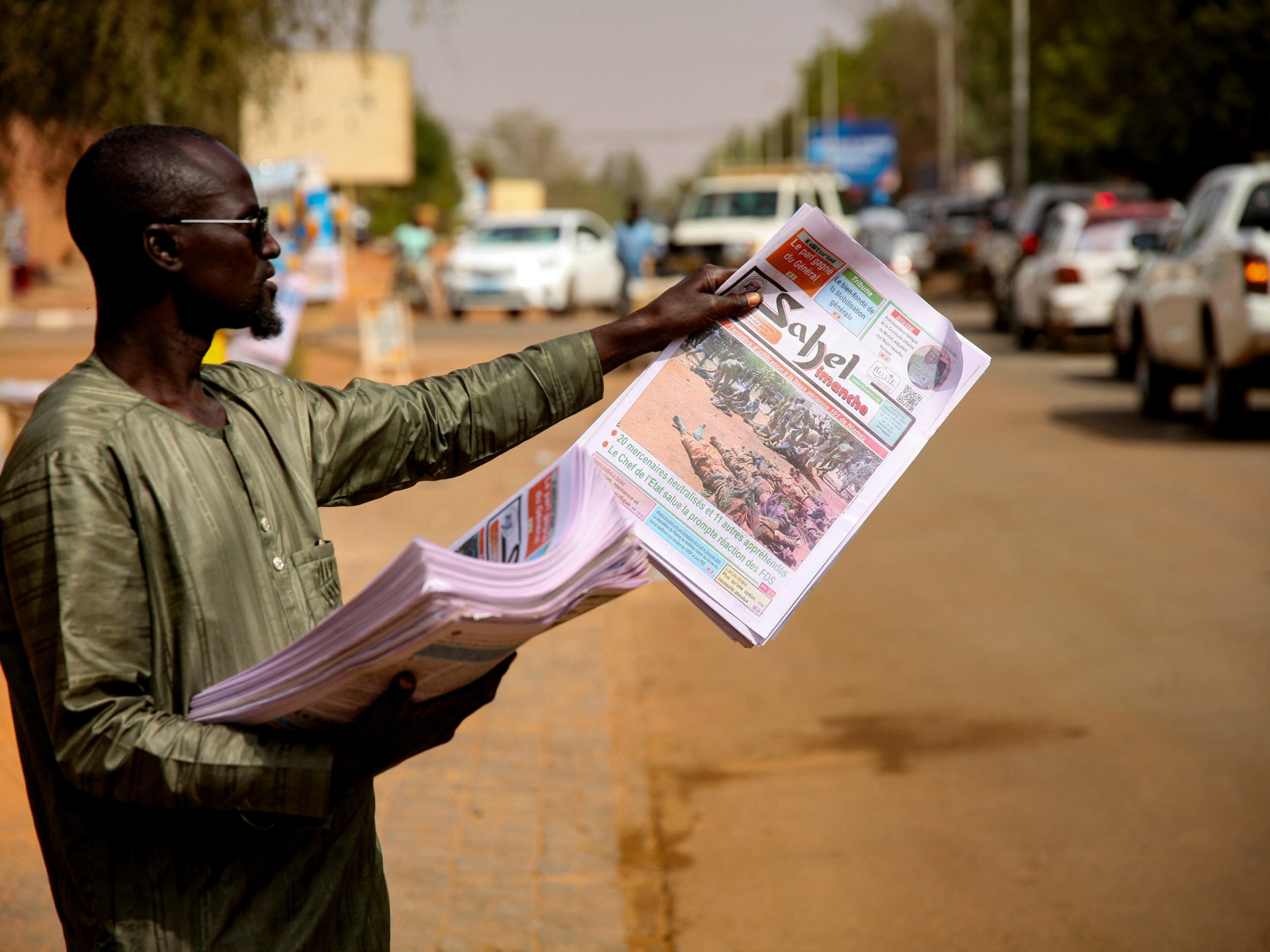
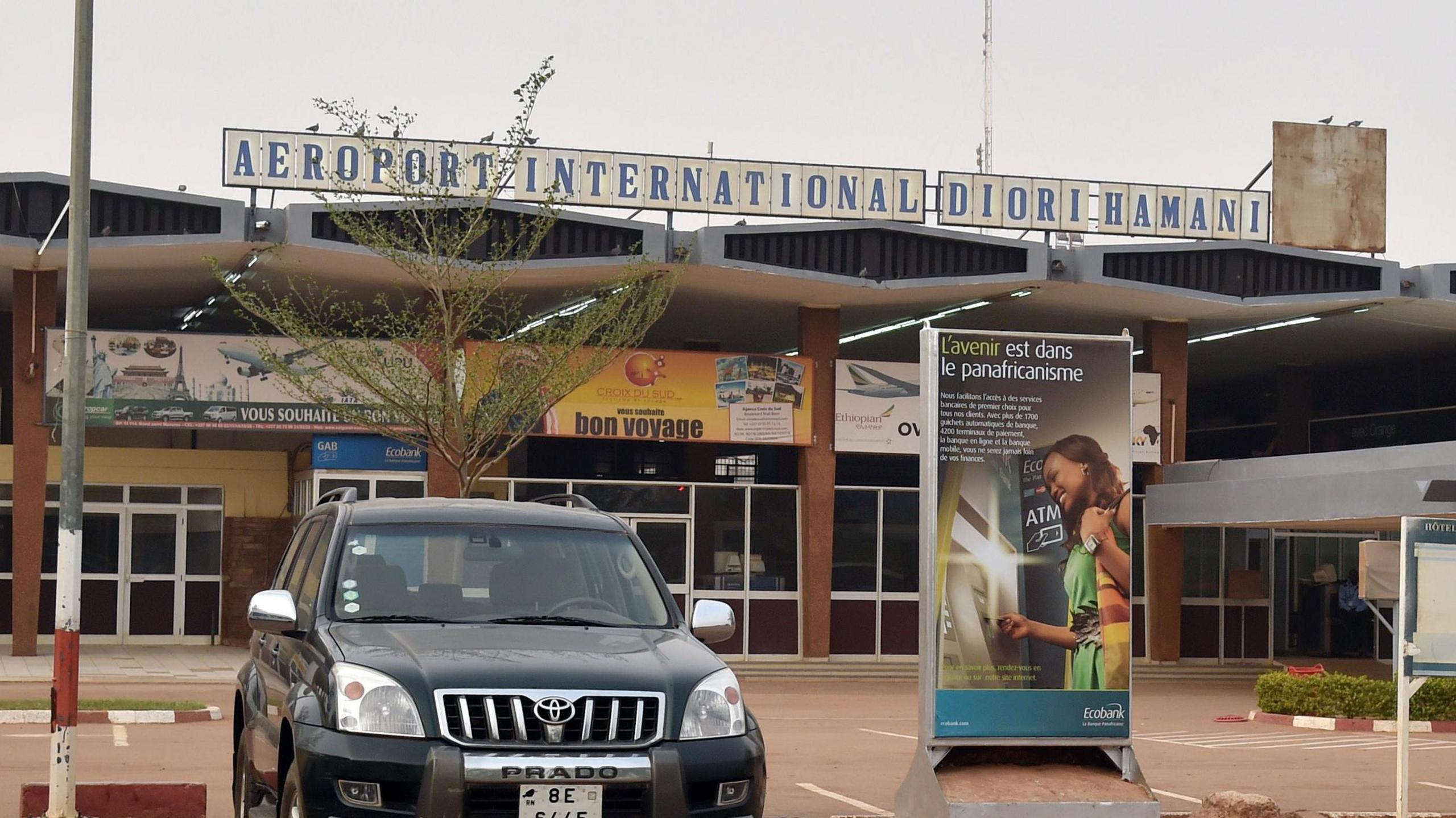
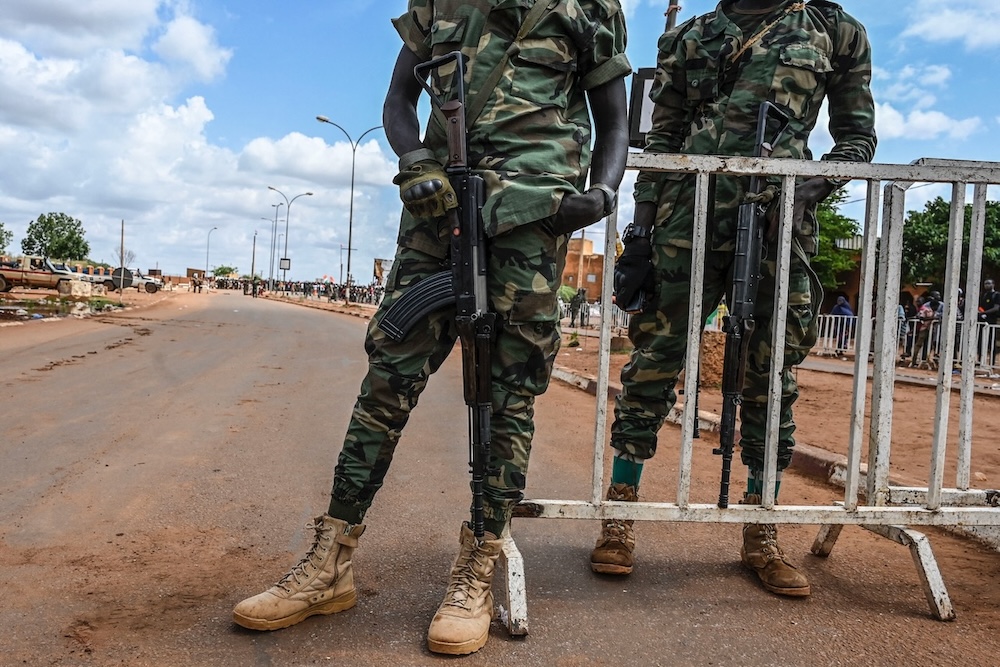
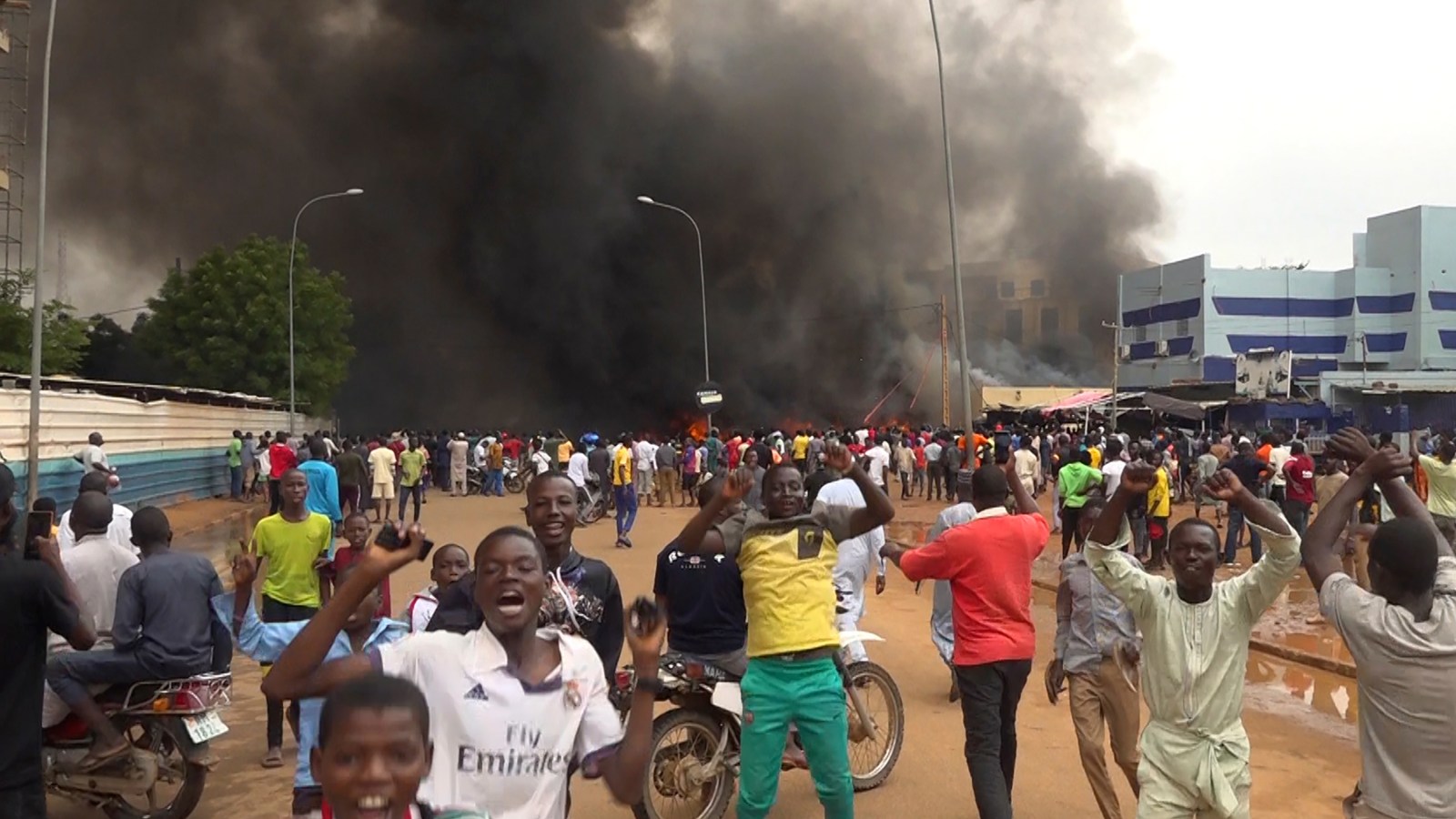
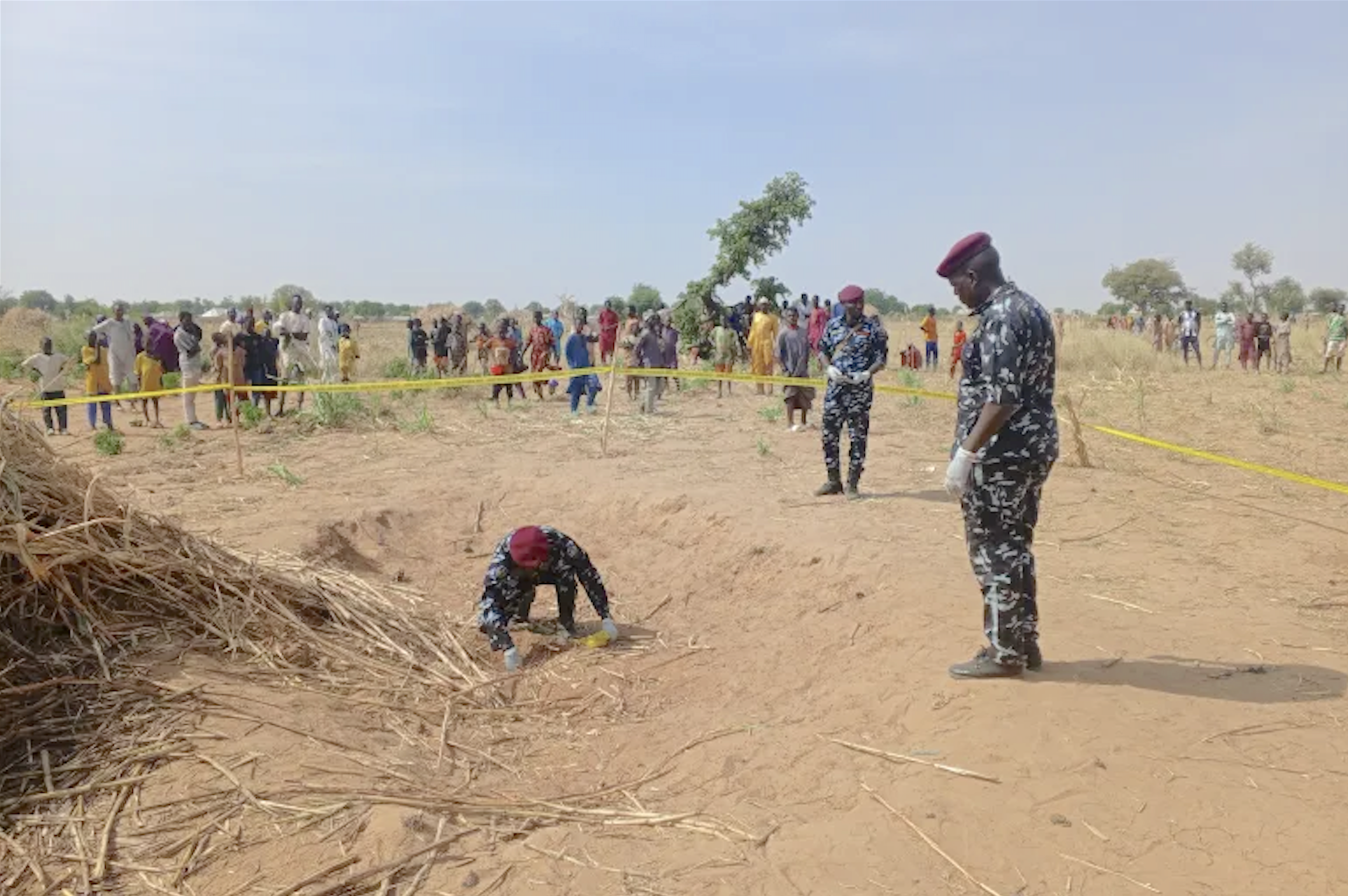
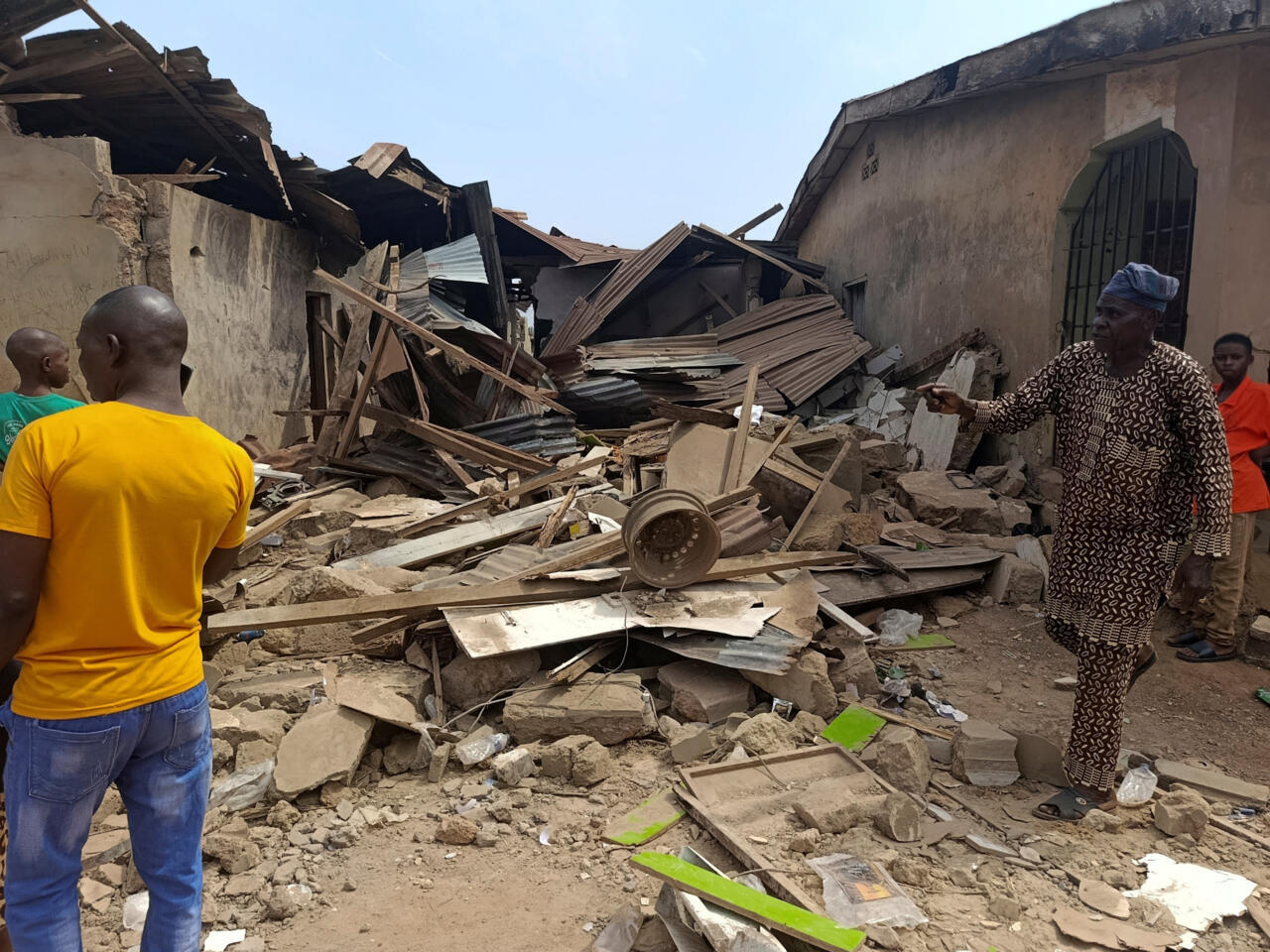
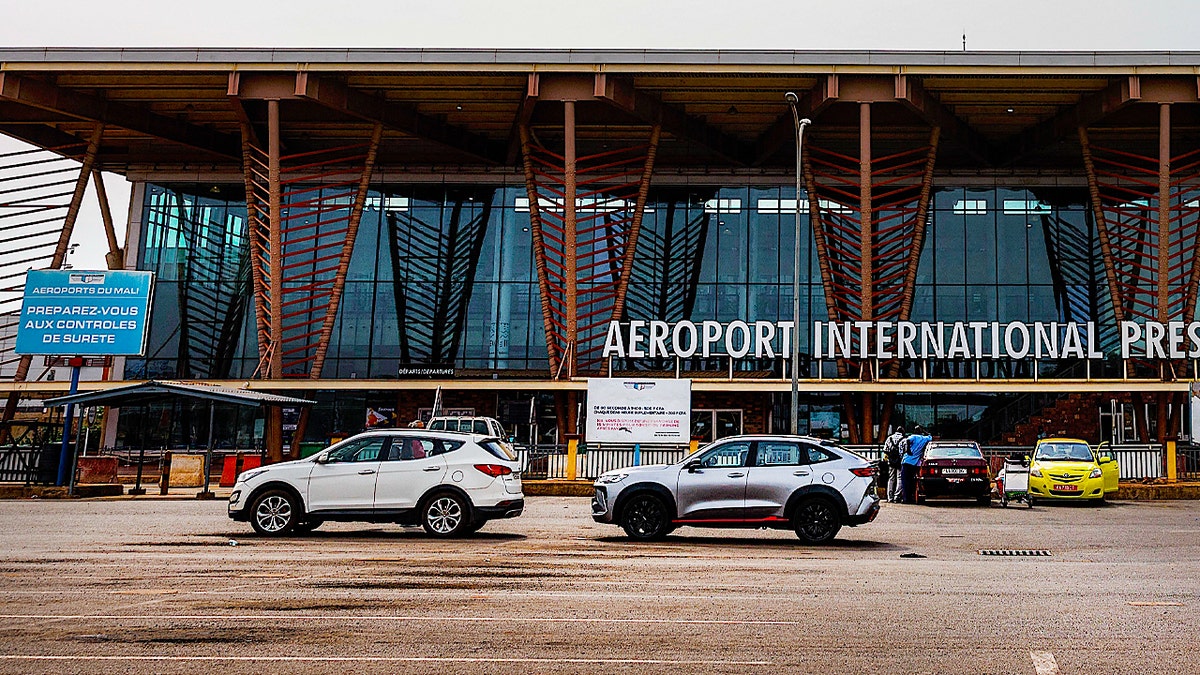
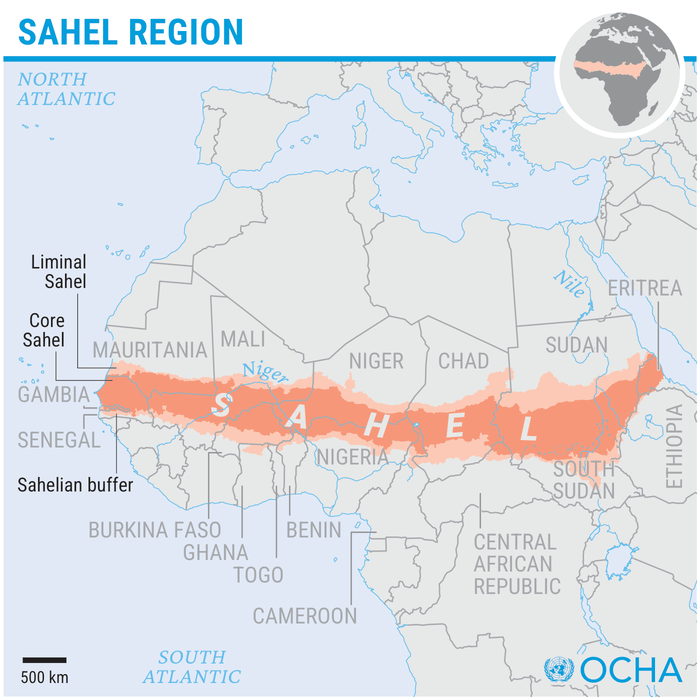
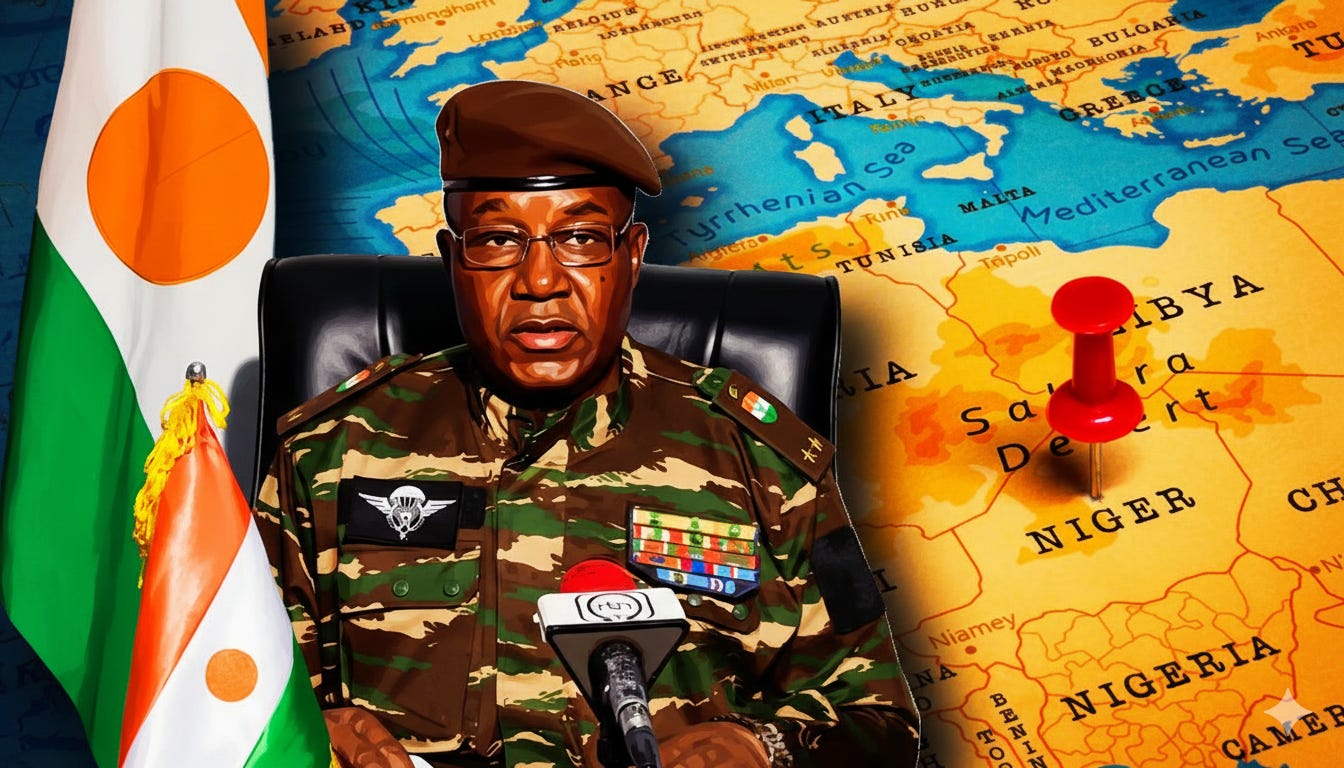
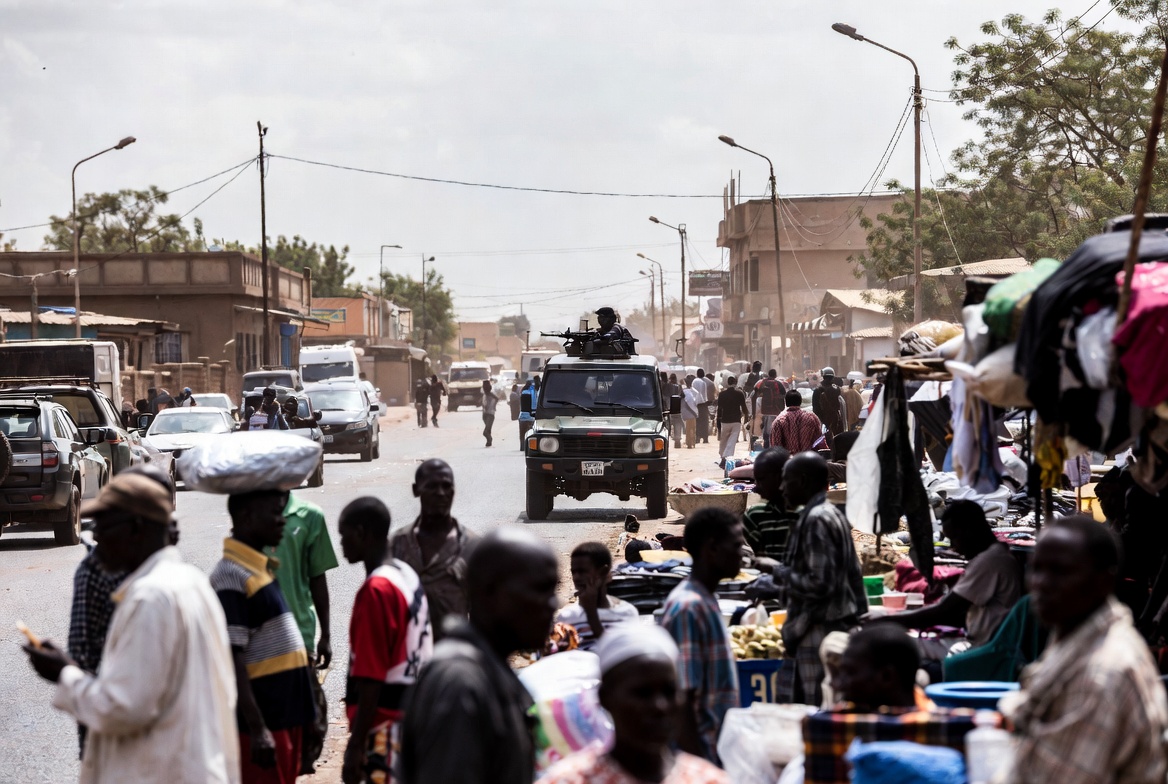
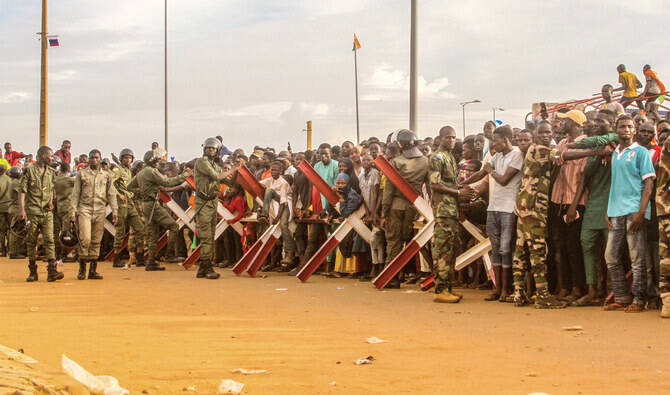
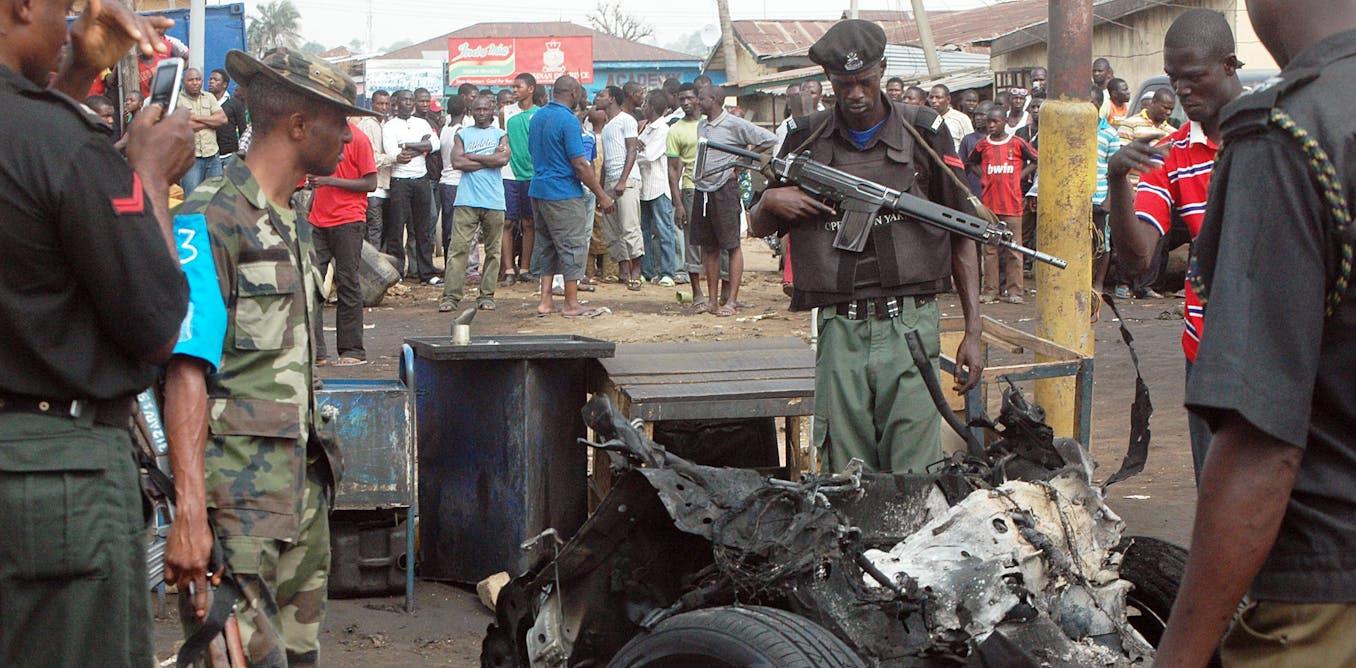
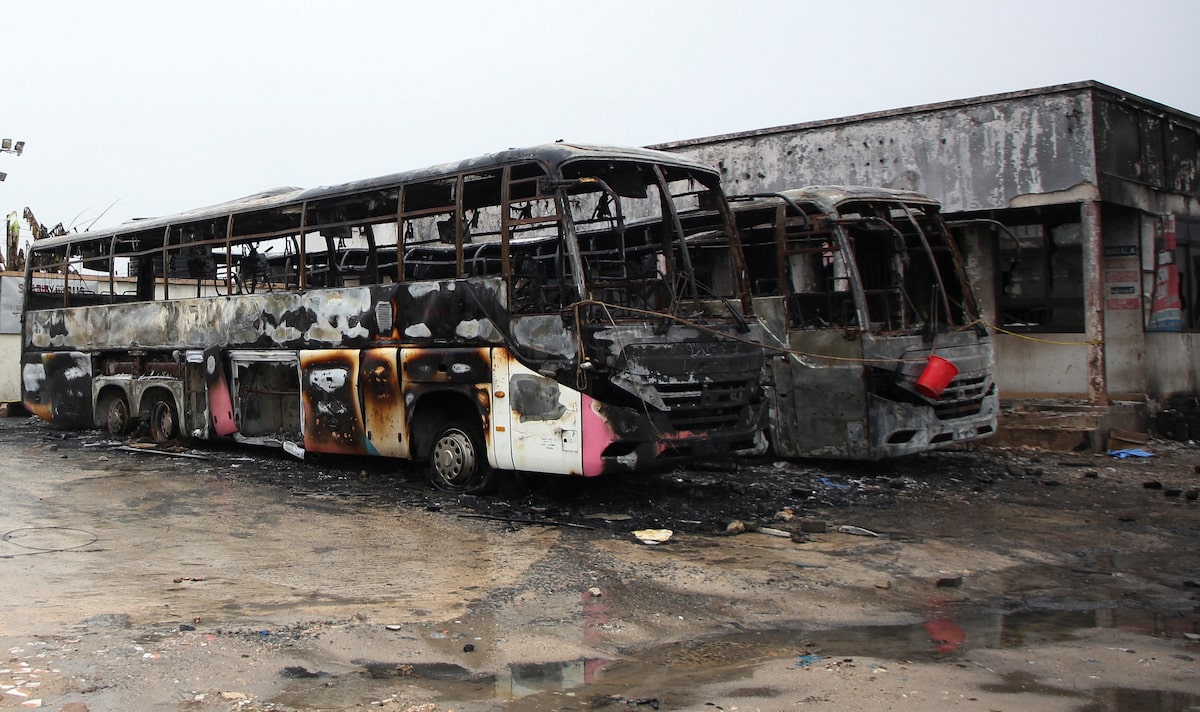
In the quiet predawn hours of Thursday, residents living near Niamey International Airport in Niger’s capital woke abruptly to the chilling sound of heavy gunfire and sharp explosions. The intense racket began just before midnight and kept the city on edge for several hours until authorities finally brought calm back. This isn’t just a random incident, it really highlights the deep, ongoing security crises gripping Niger and the entire Sahel region, where jihadist groups constantly challenge state control and regional stability. Eyewitnesses described a tense scene near Diori Hamani International Airport, with emergency sirens from fire trucks racing towards the area. While life in Niamey, a bustling city of about 1.5 million, has since returned to normal, with schools and businesses open, a tightly secured zone around the airport remains under strict watch by defense and security forces. They’re not taking any chances. Officials, without giving too many details, quickly labeled the overnight event a “terrorist attack.” The Jerusalem Post reported on the gunfire, emphasizing the fragility.
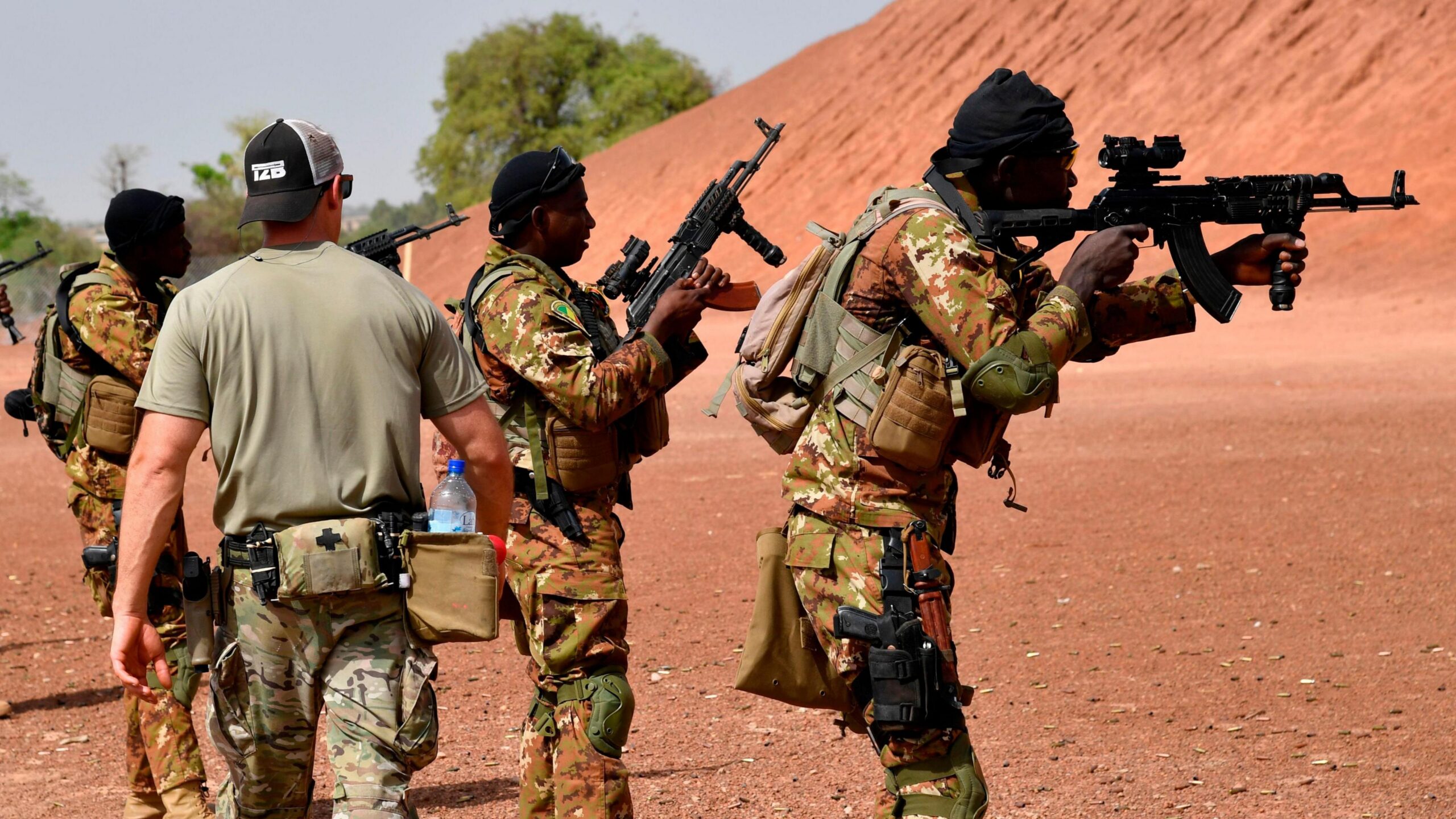
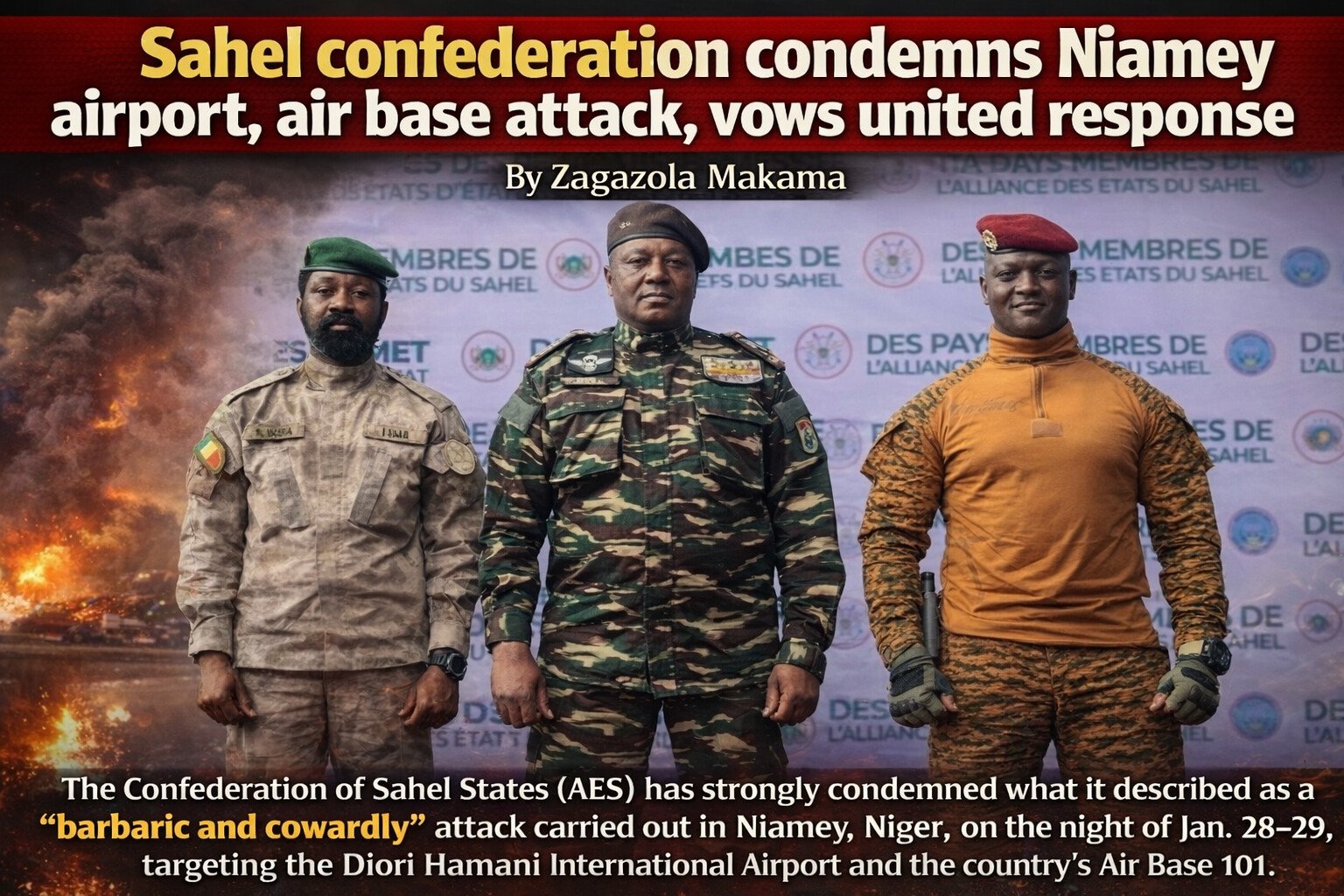
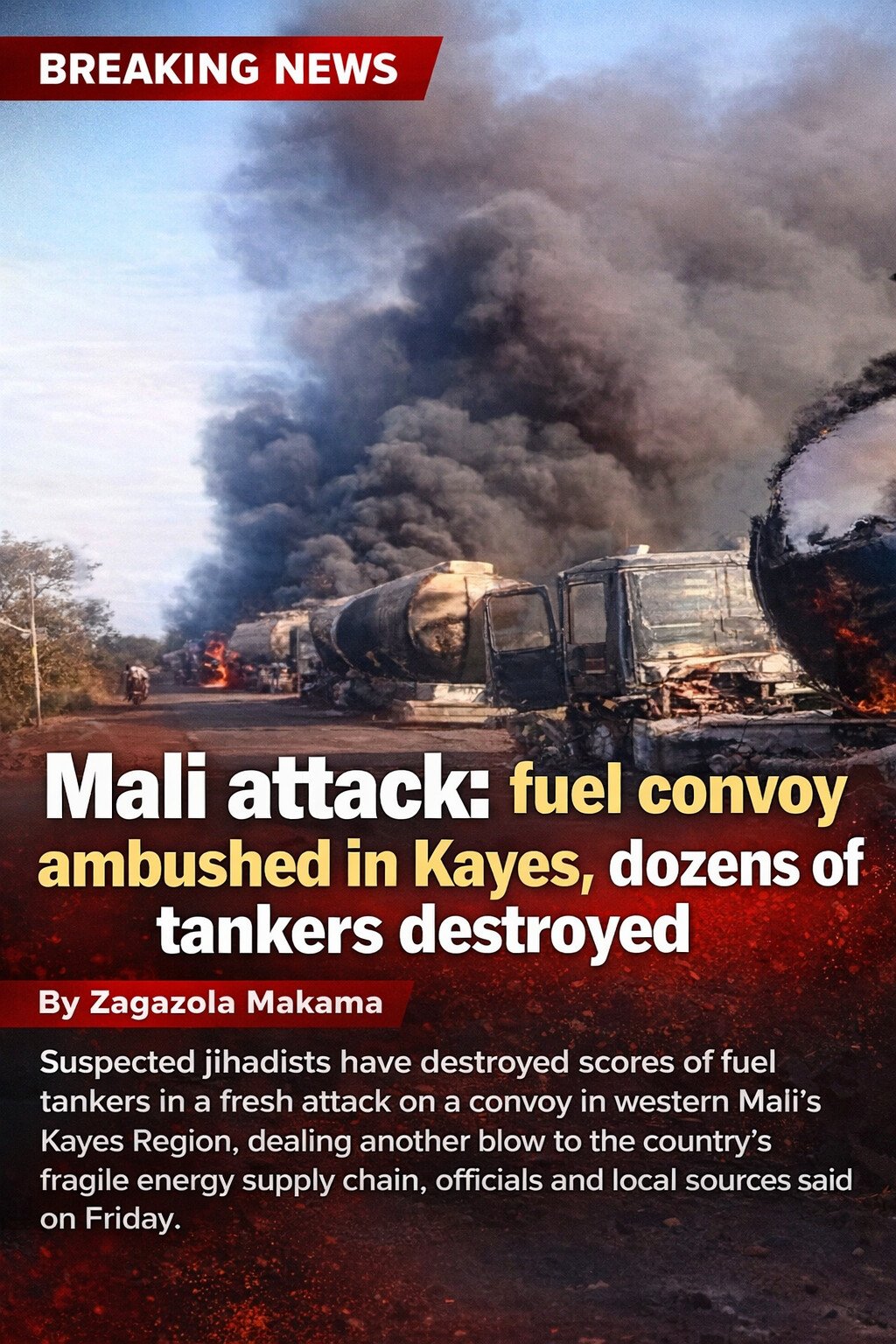
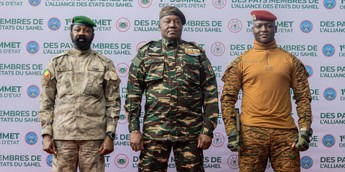
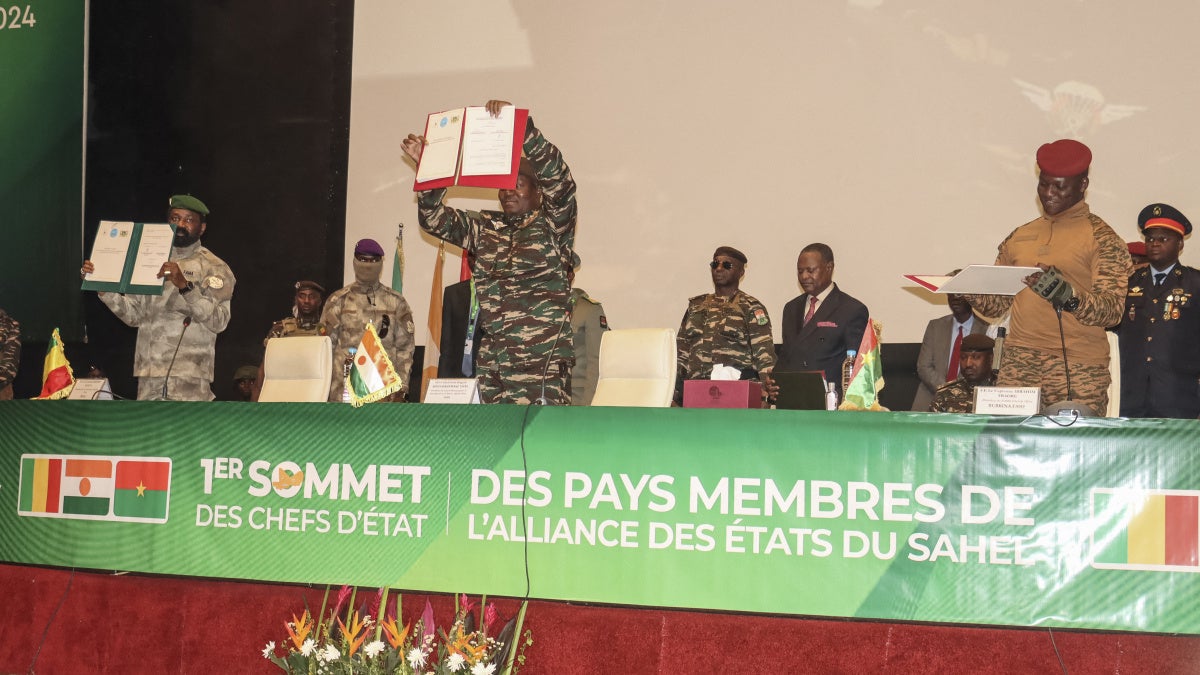
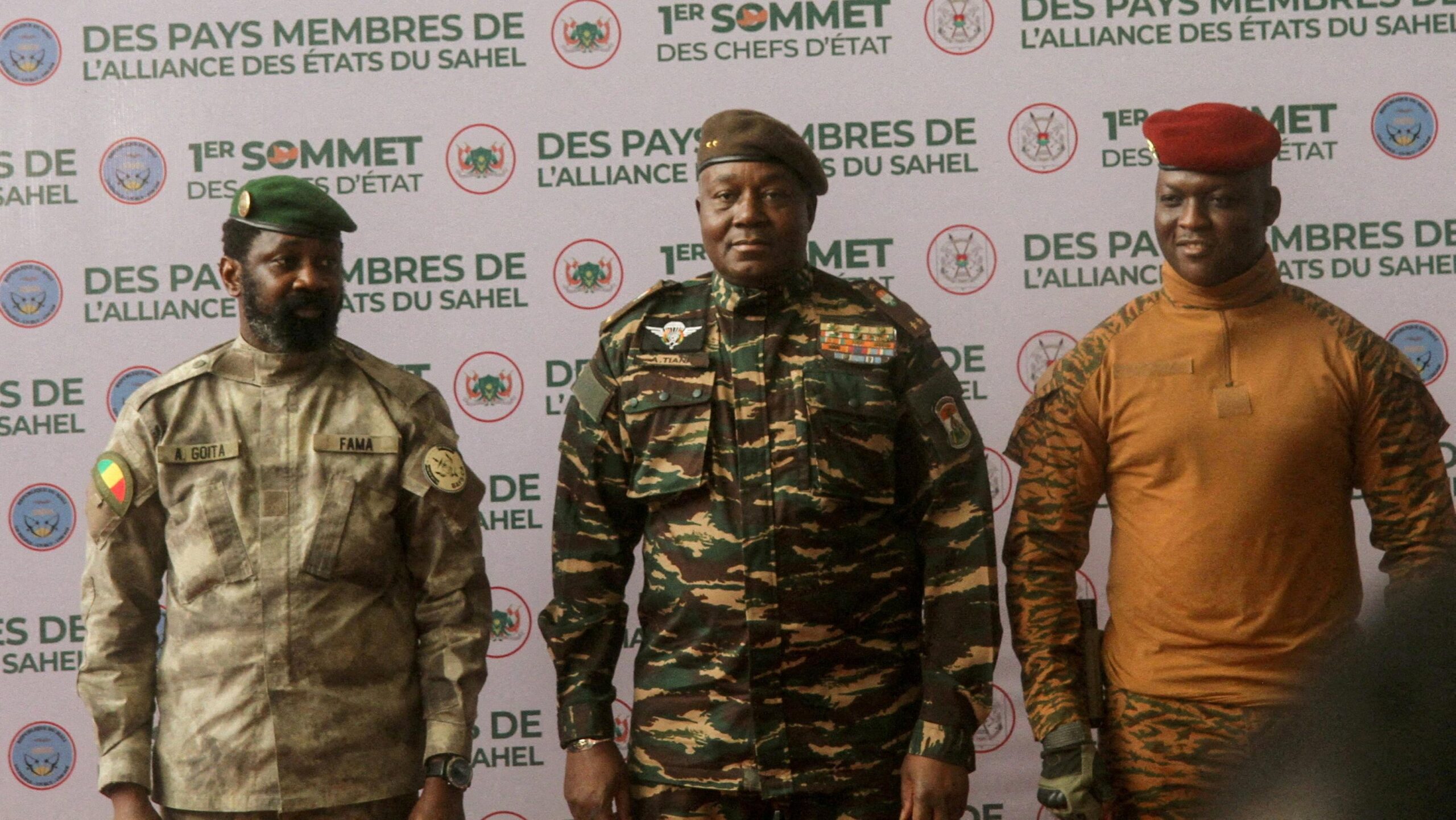
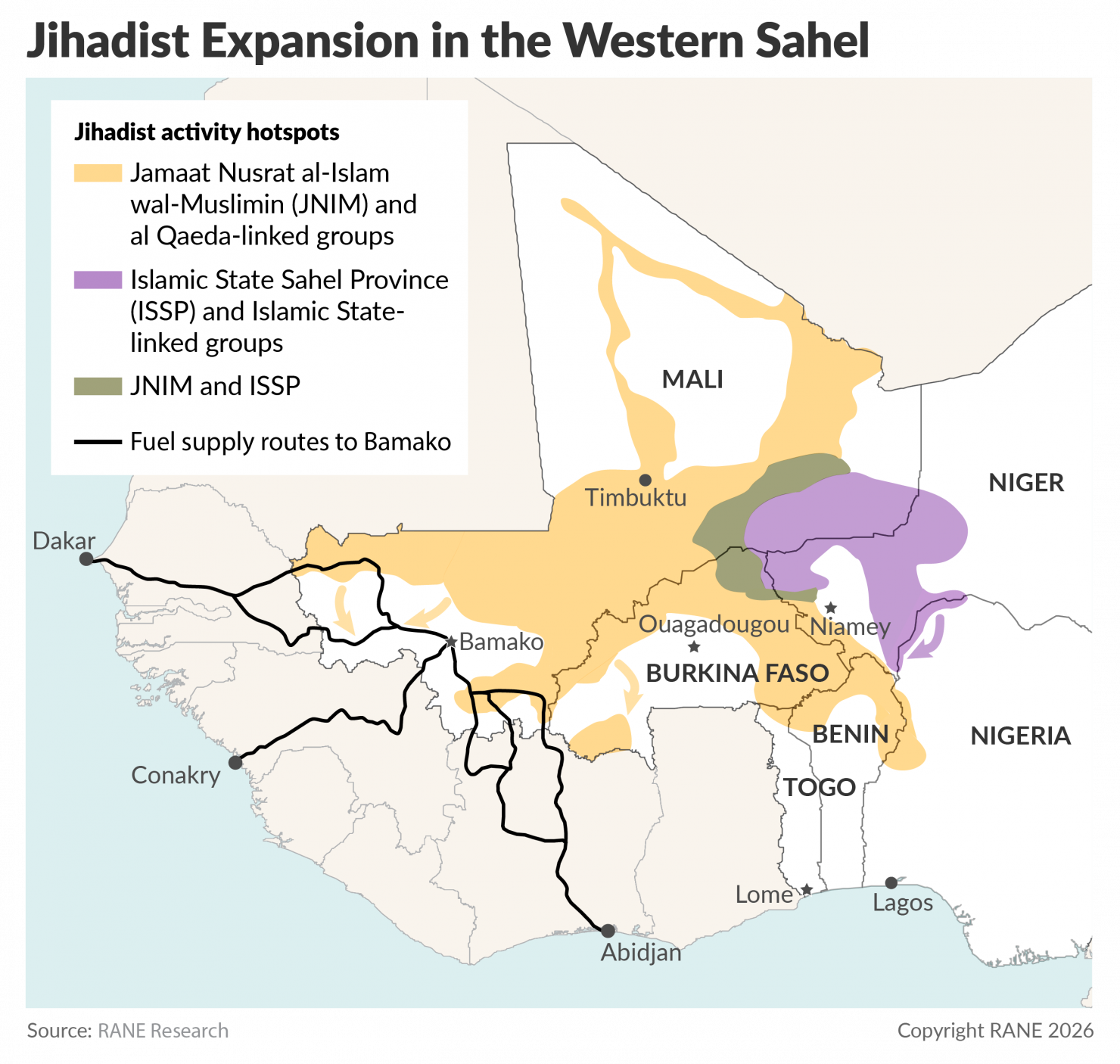
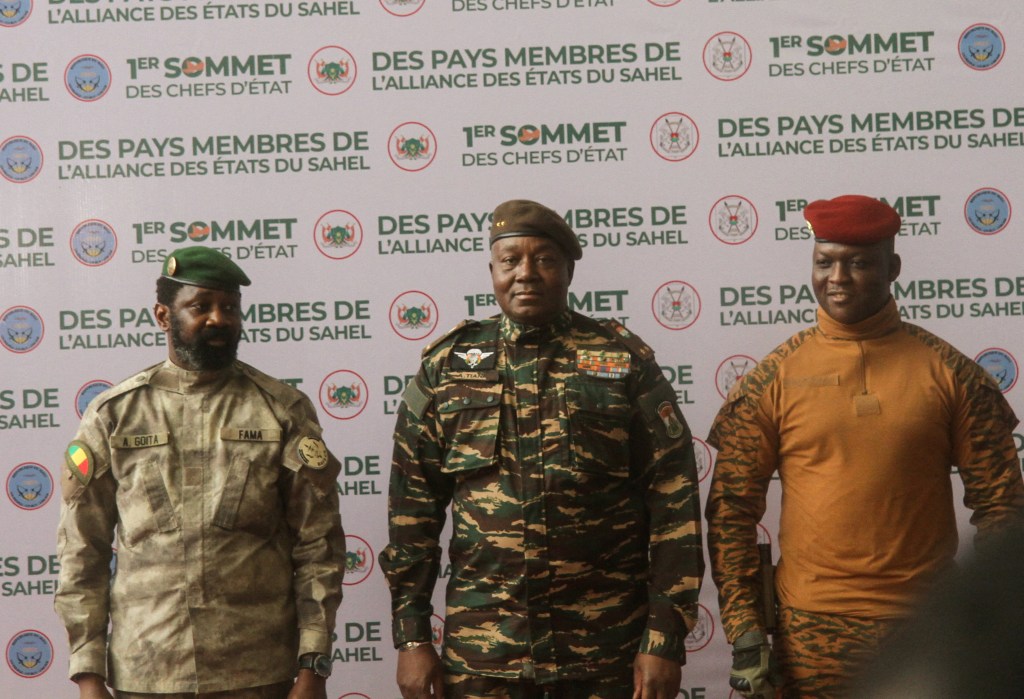
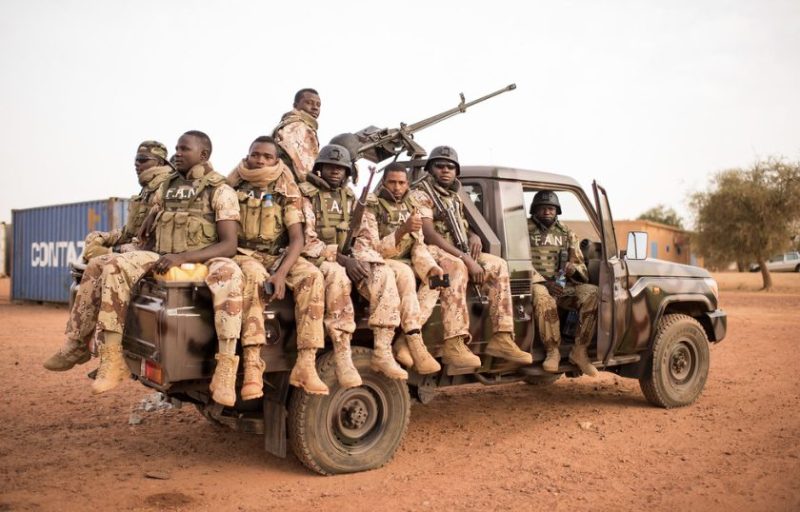
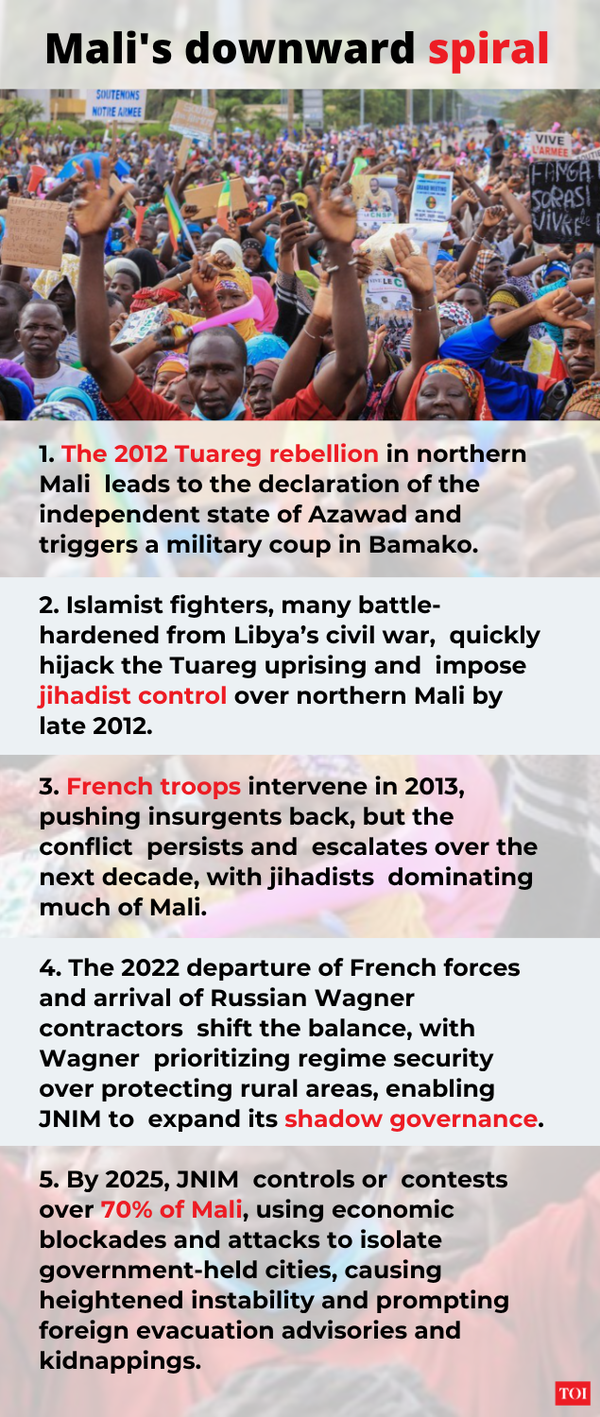
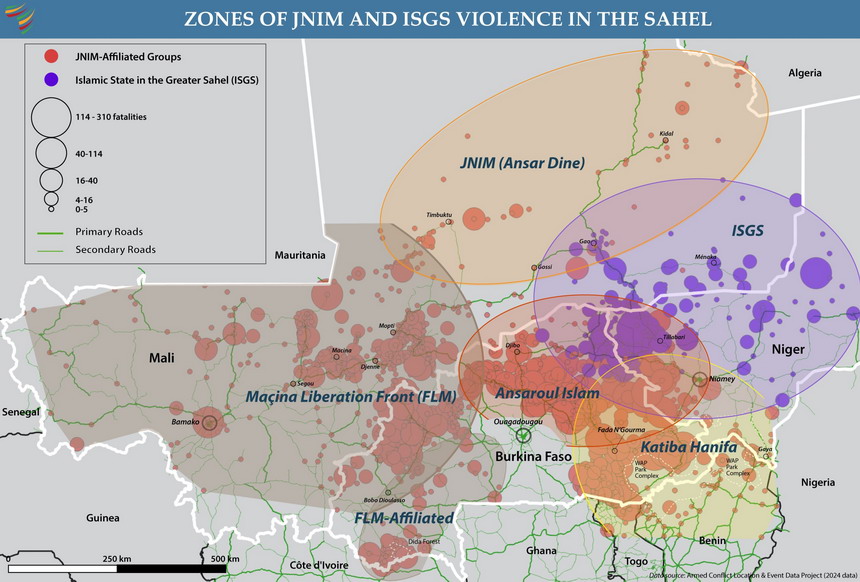
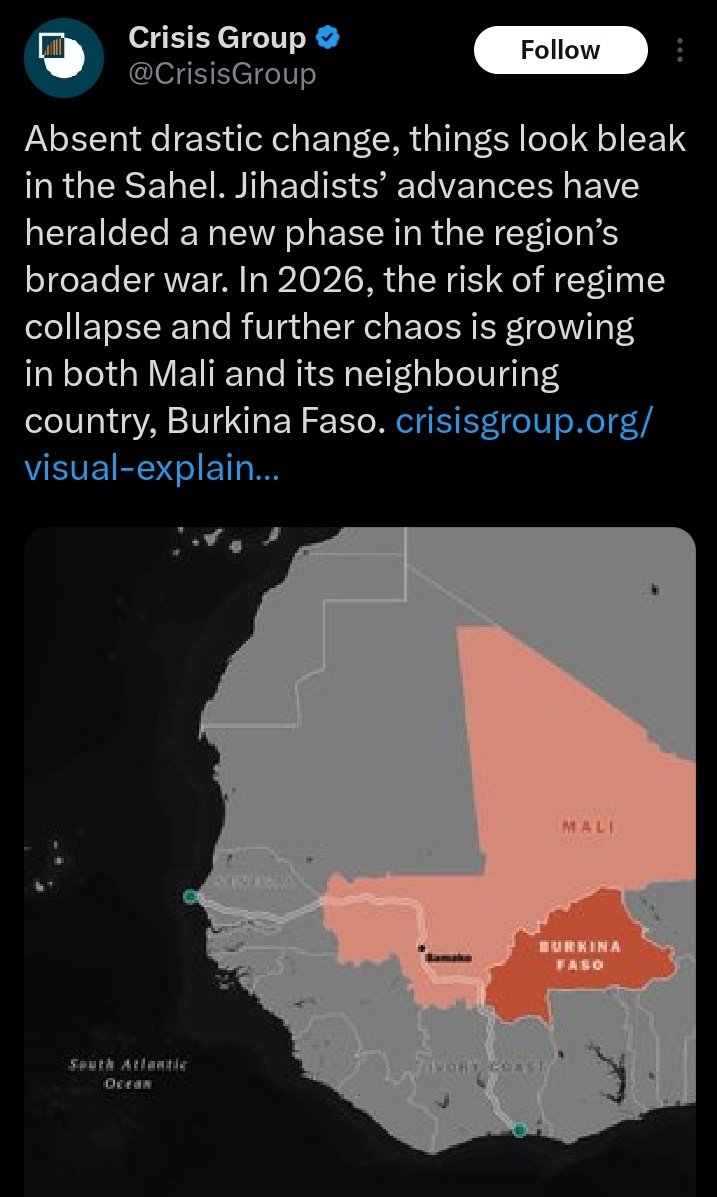
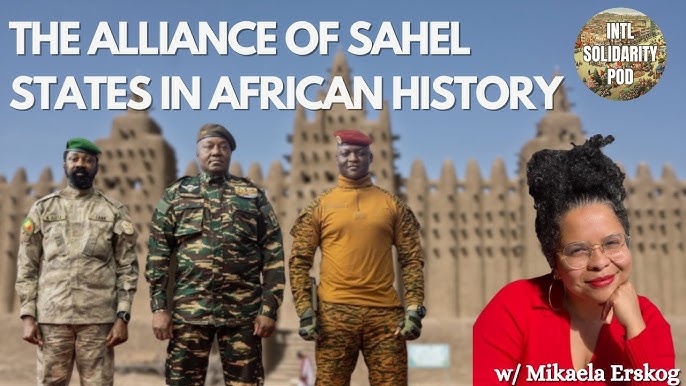
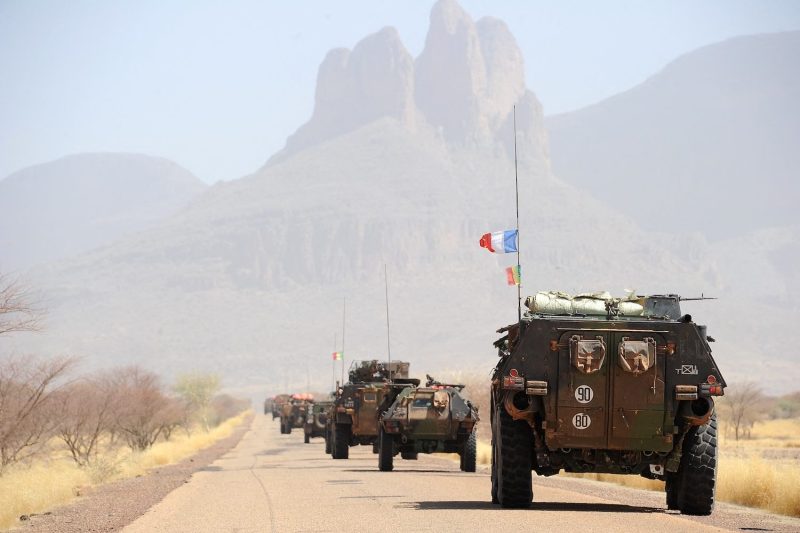
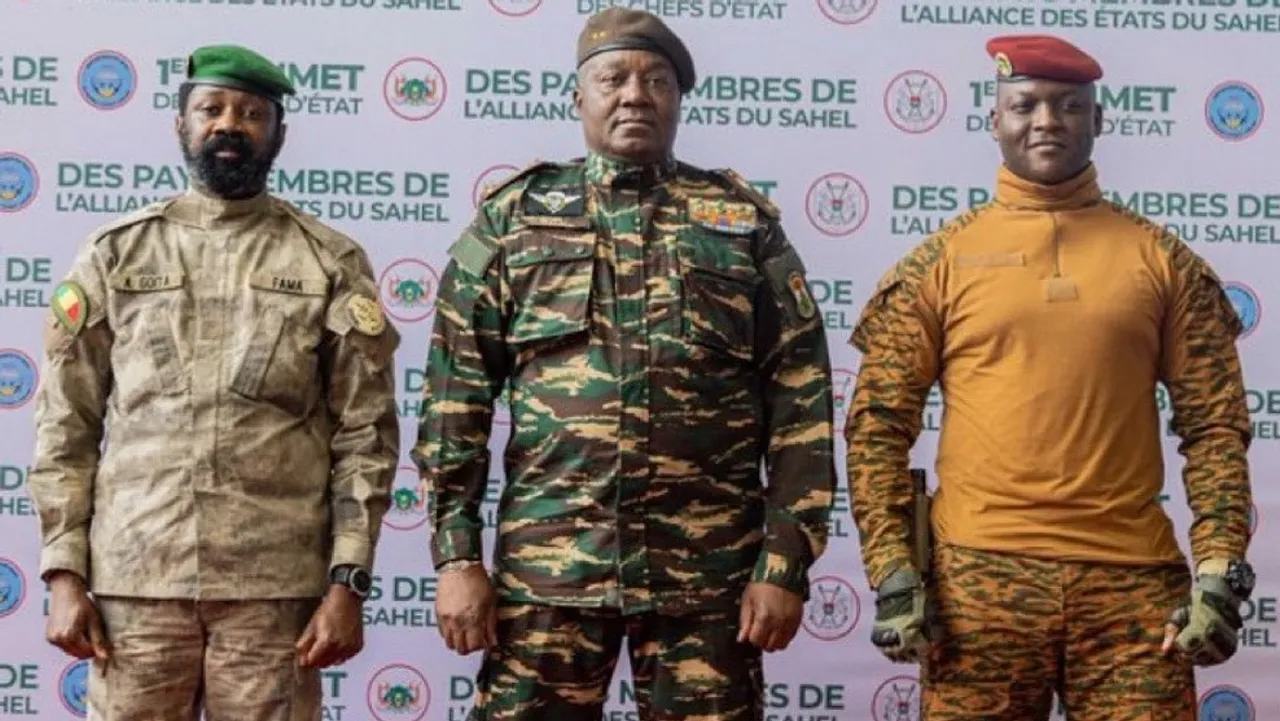
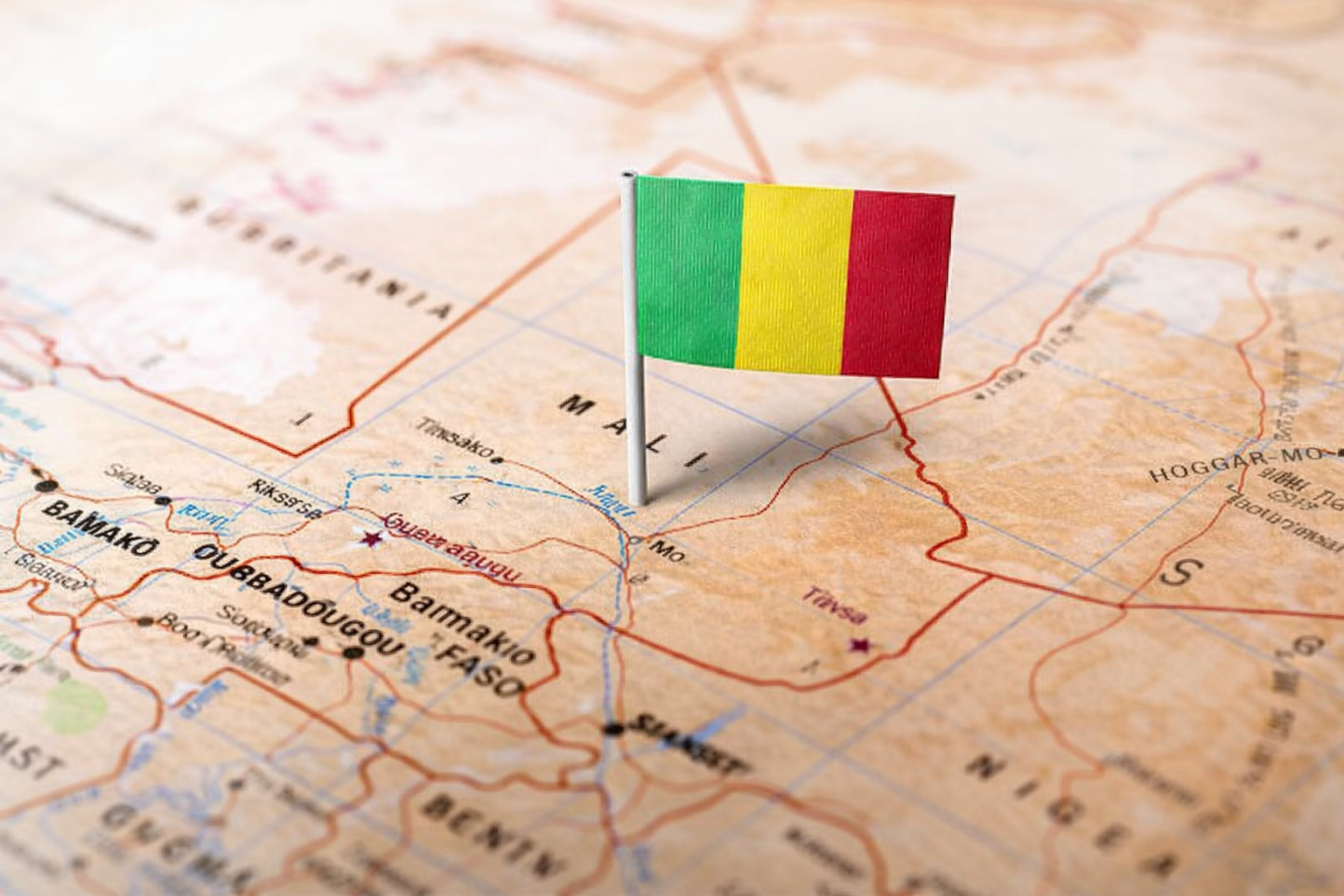
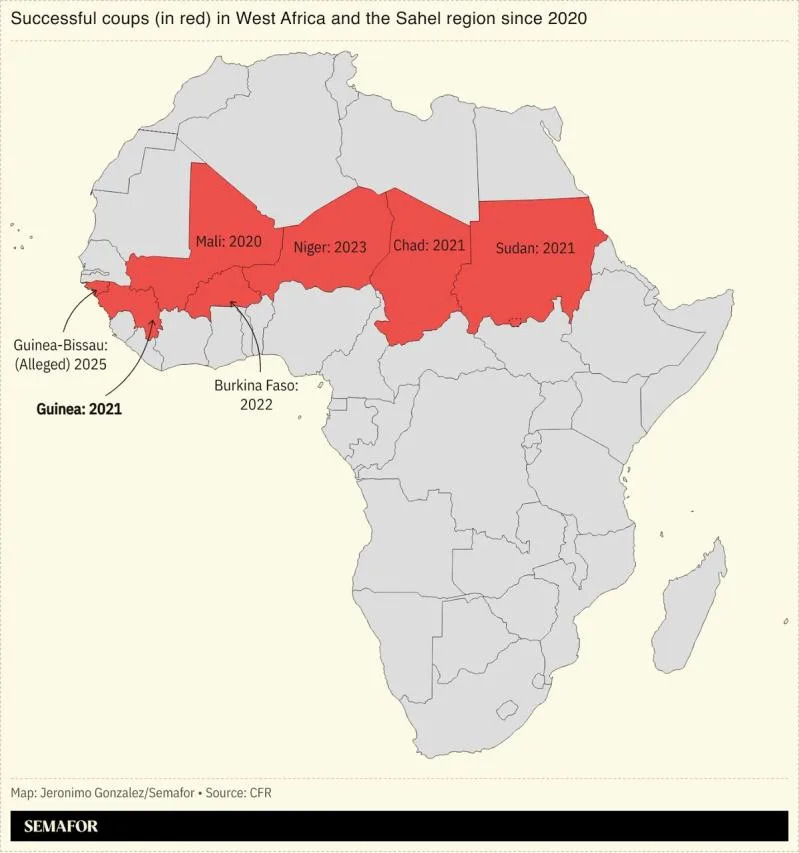
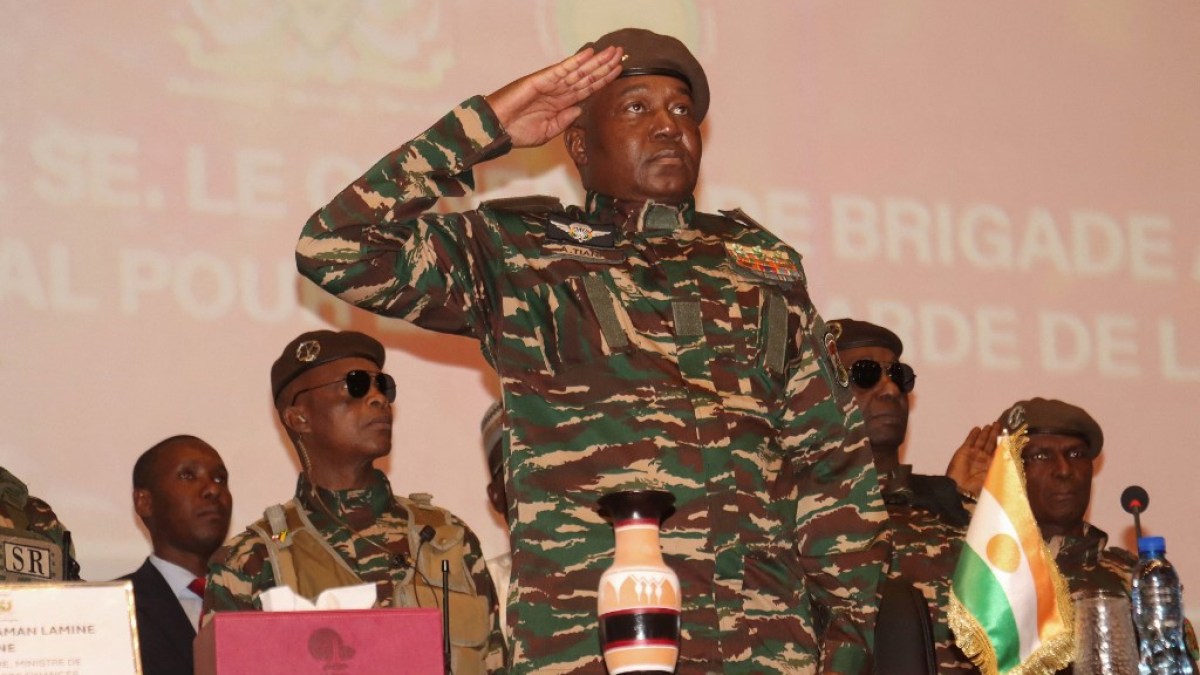
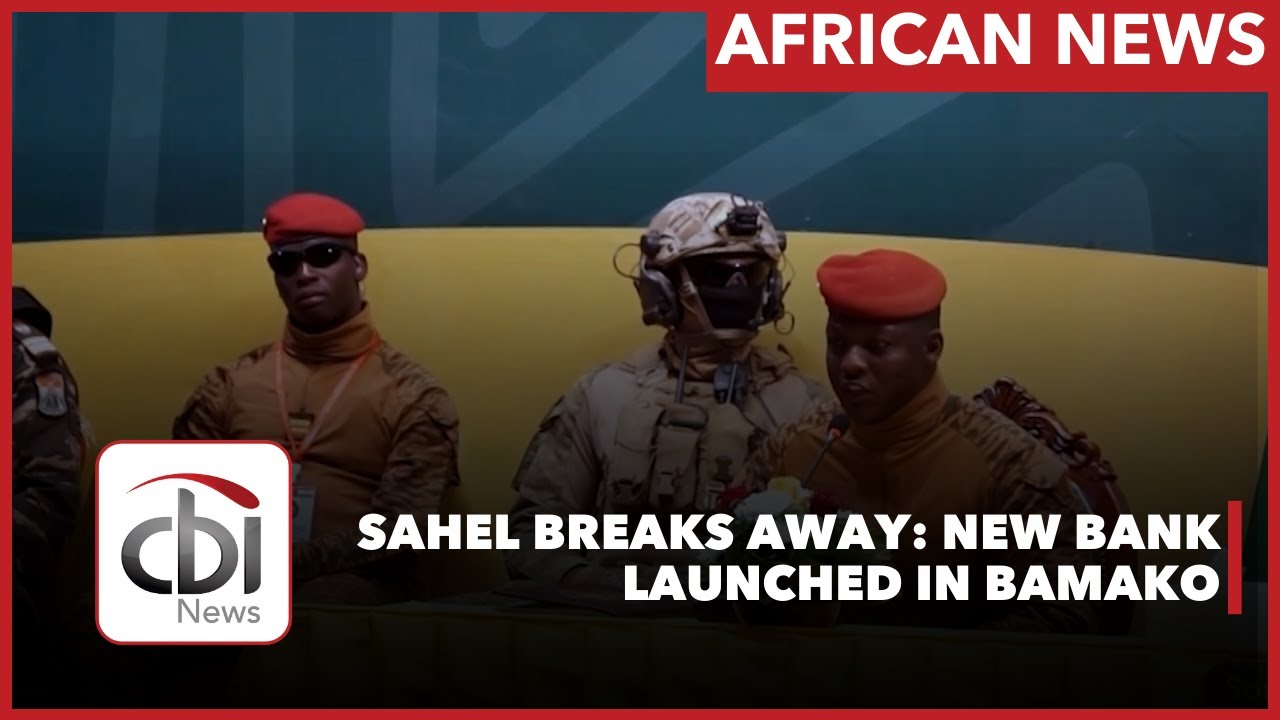
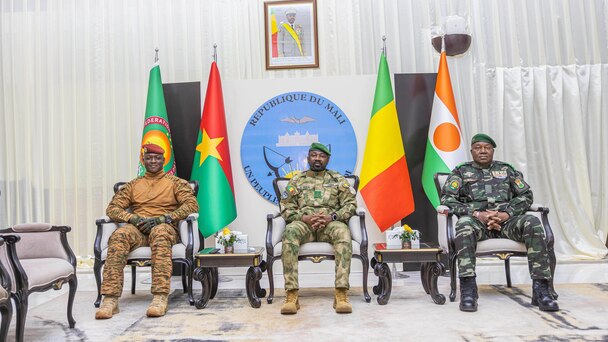
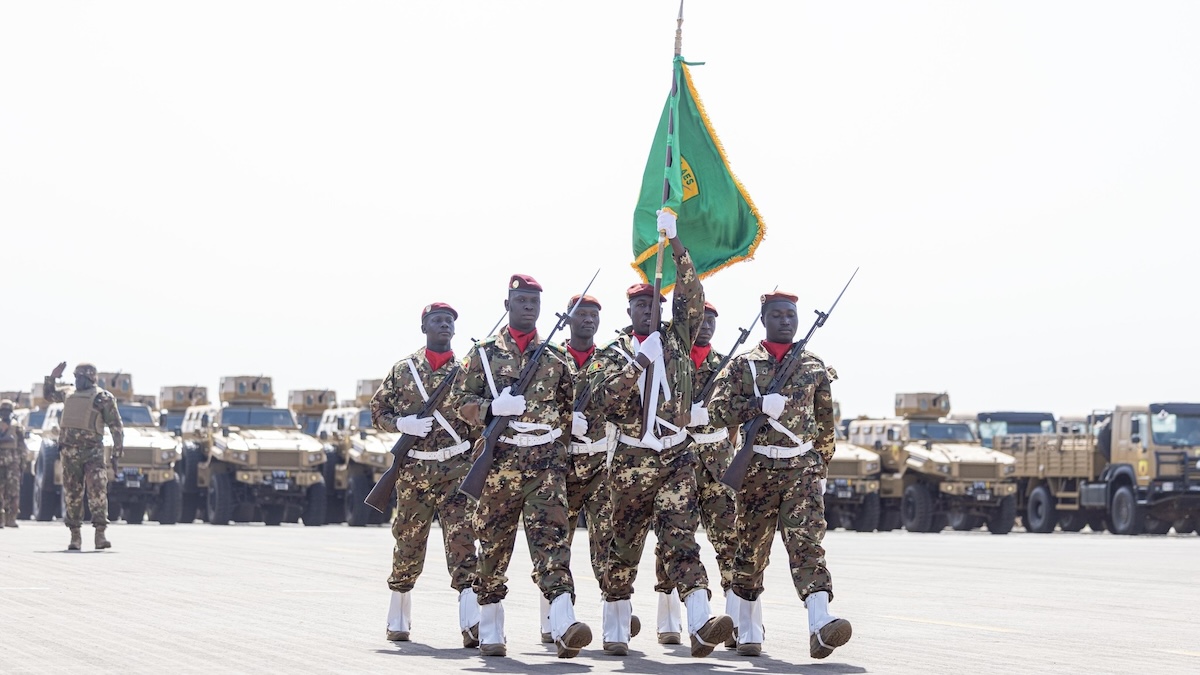
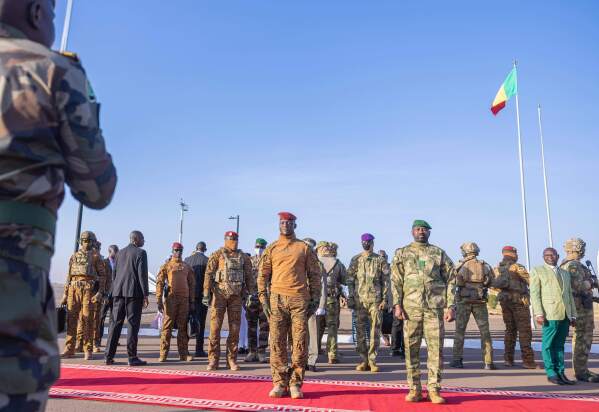
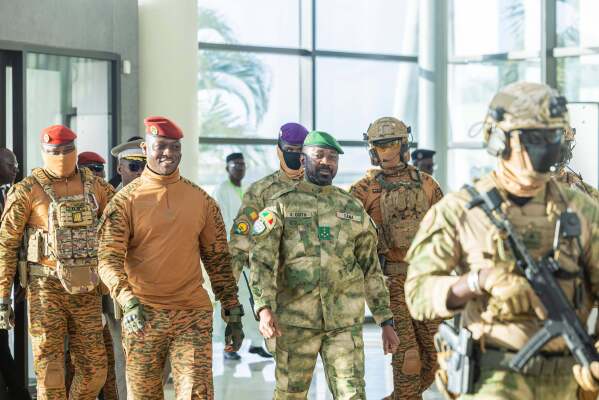
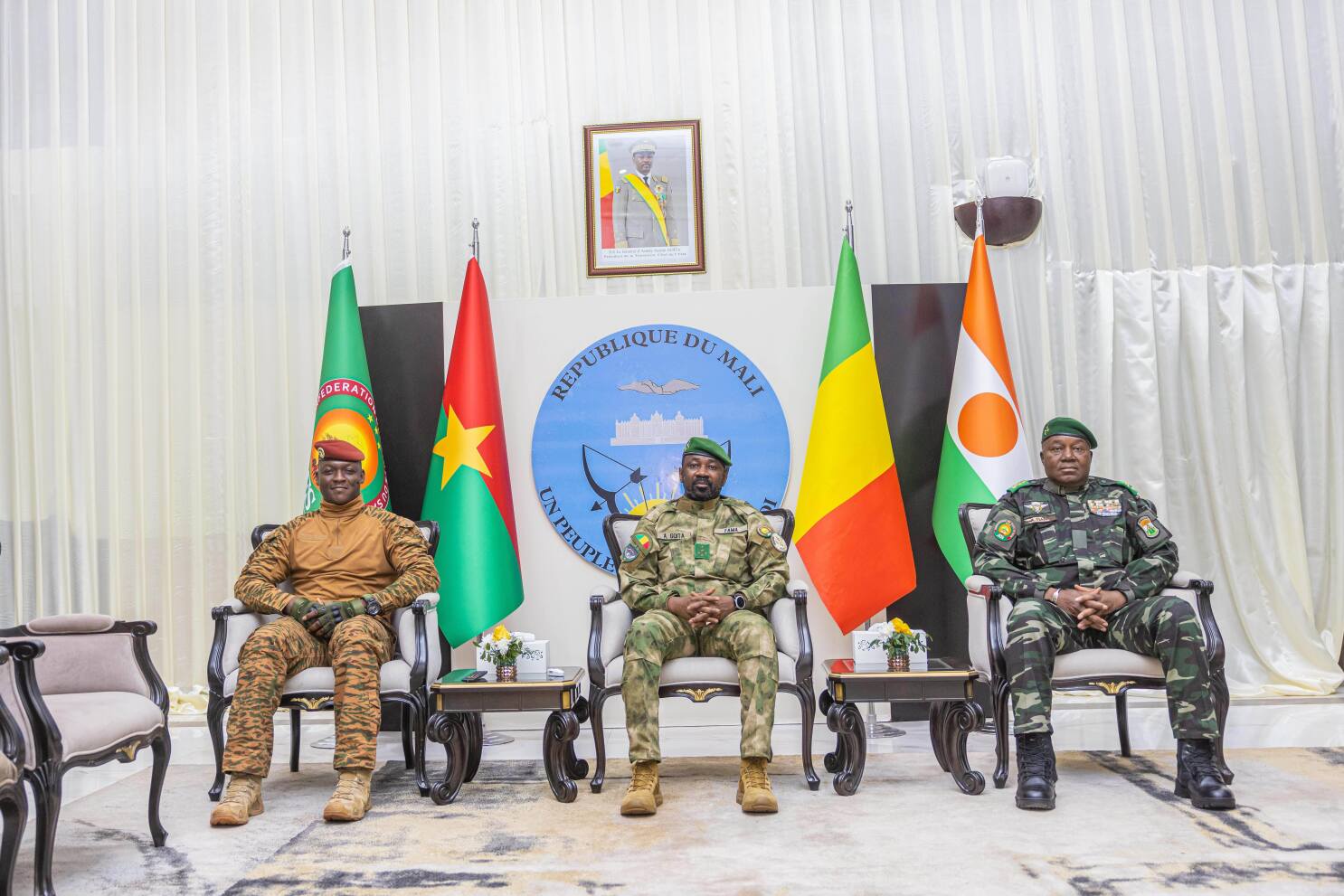
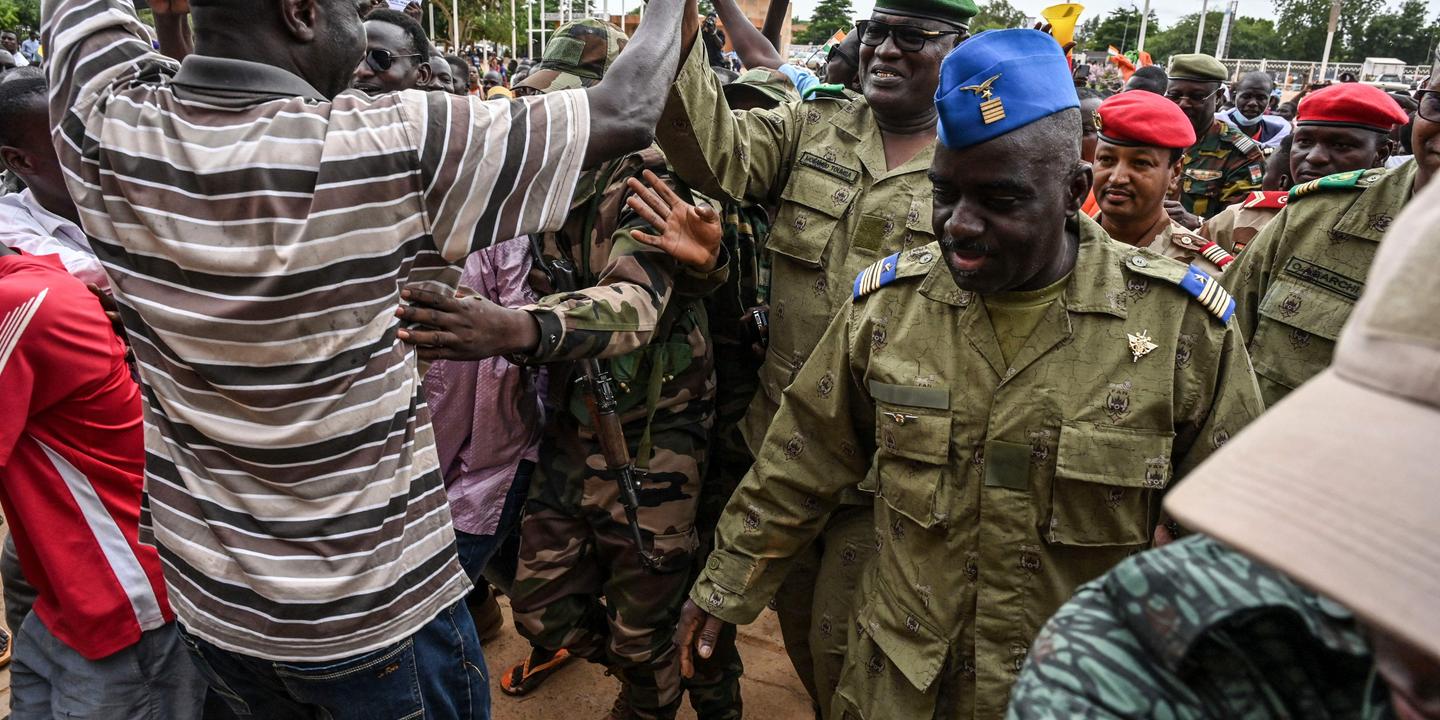
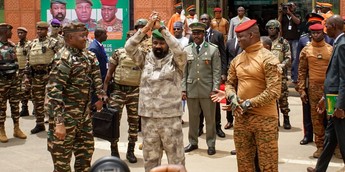
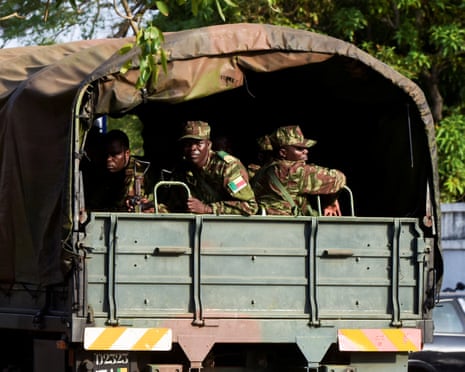
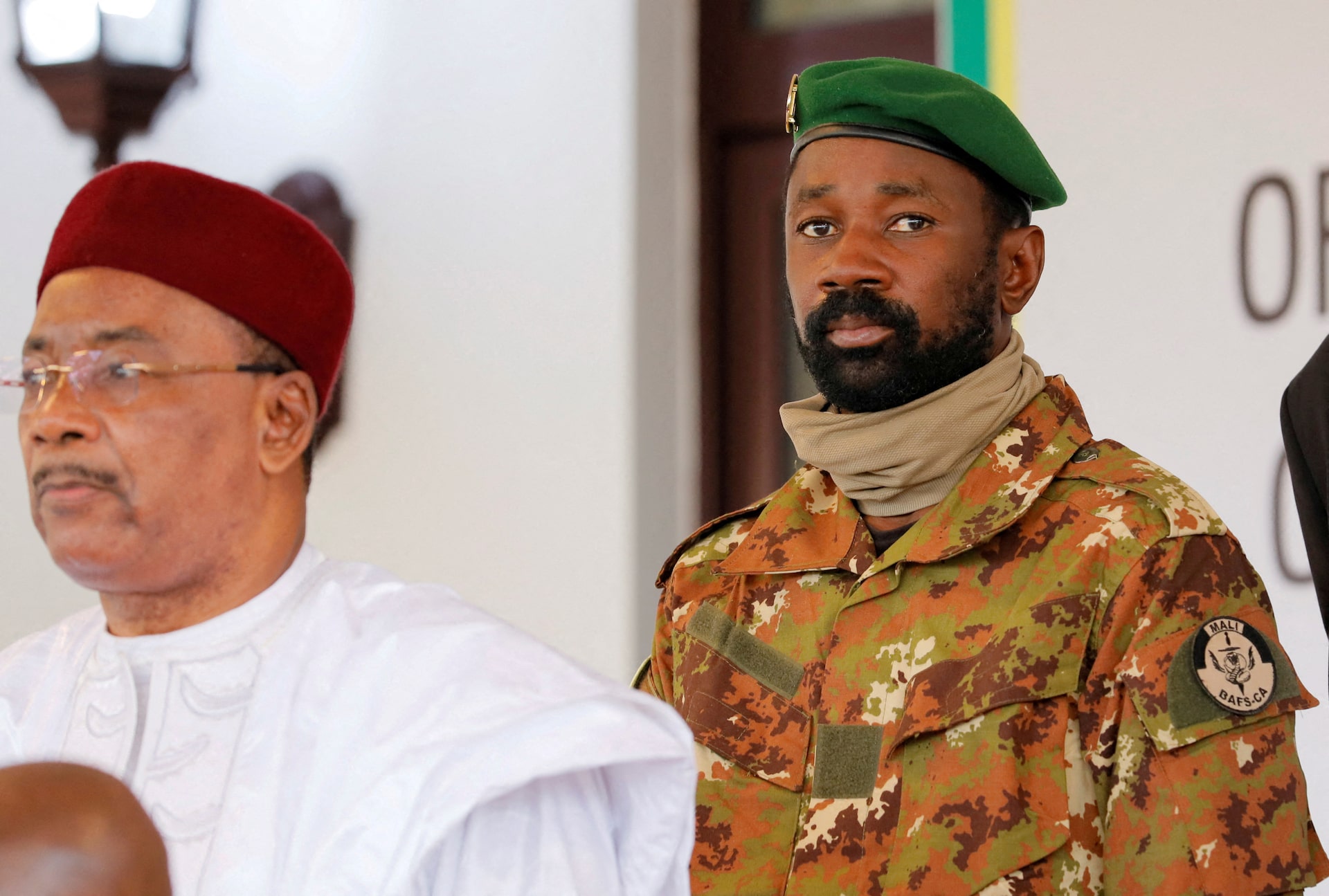
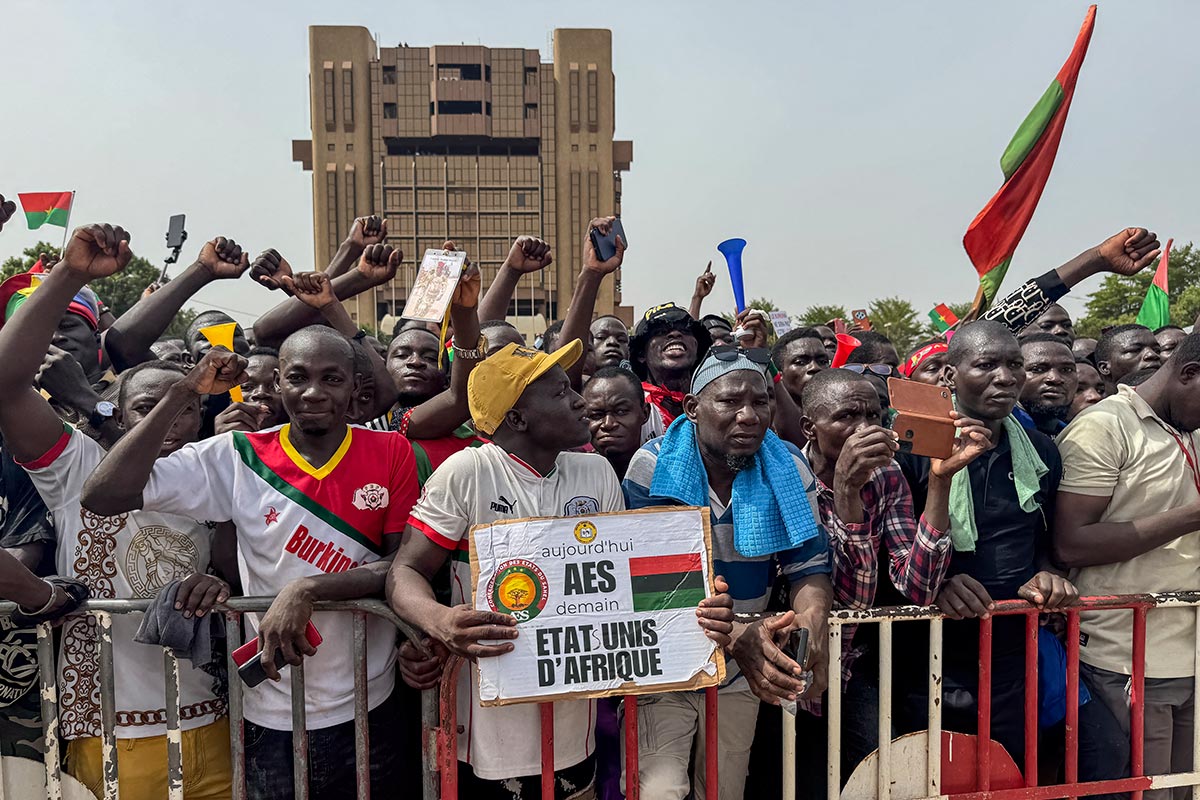
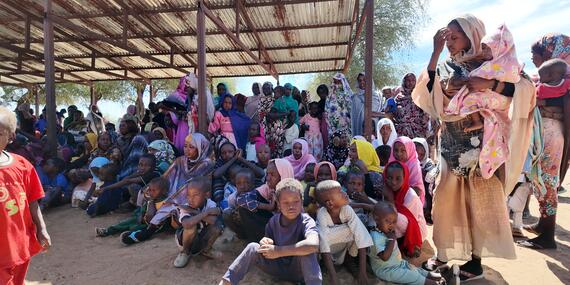
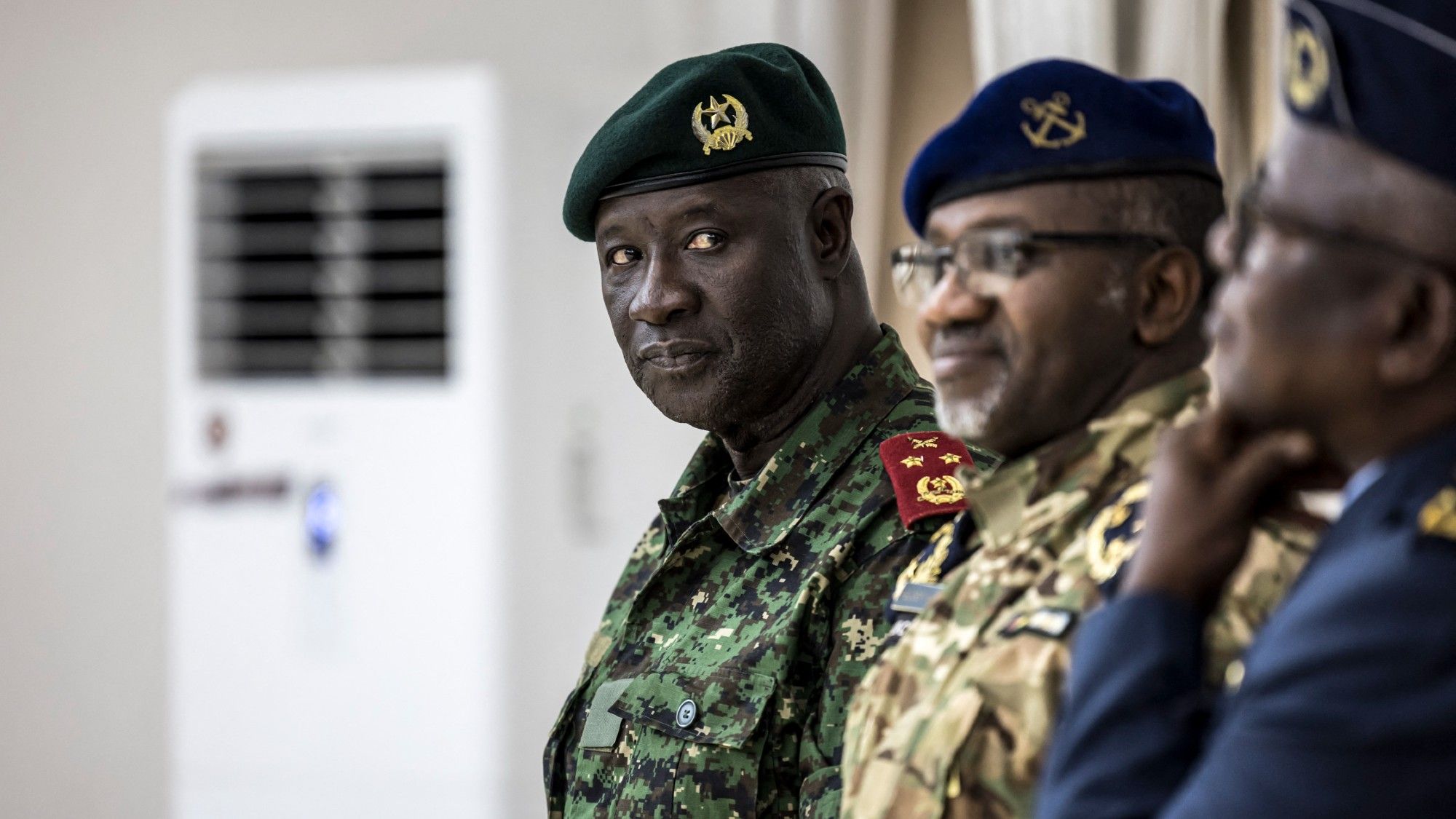
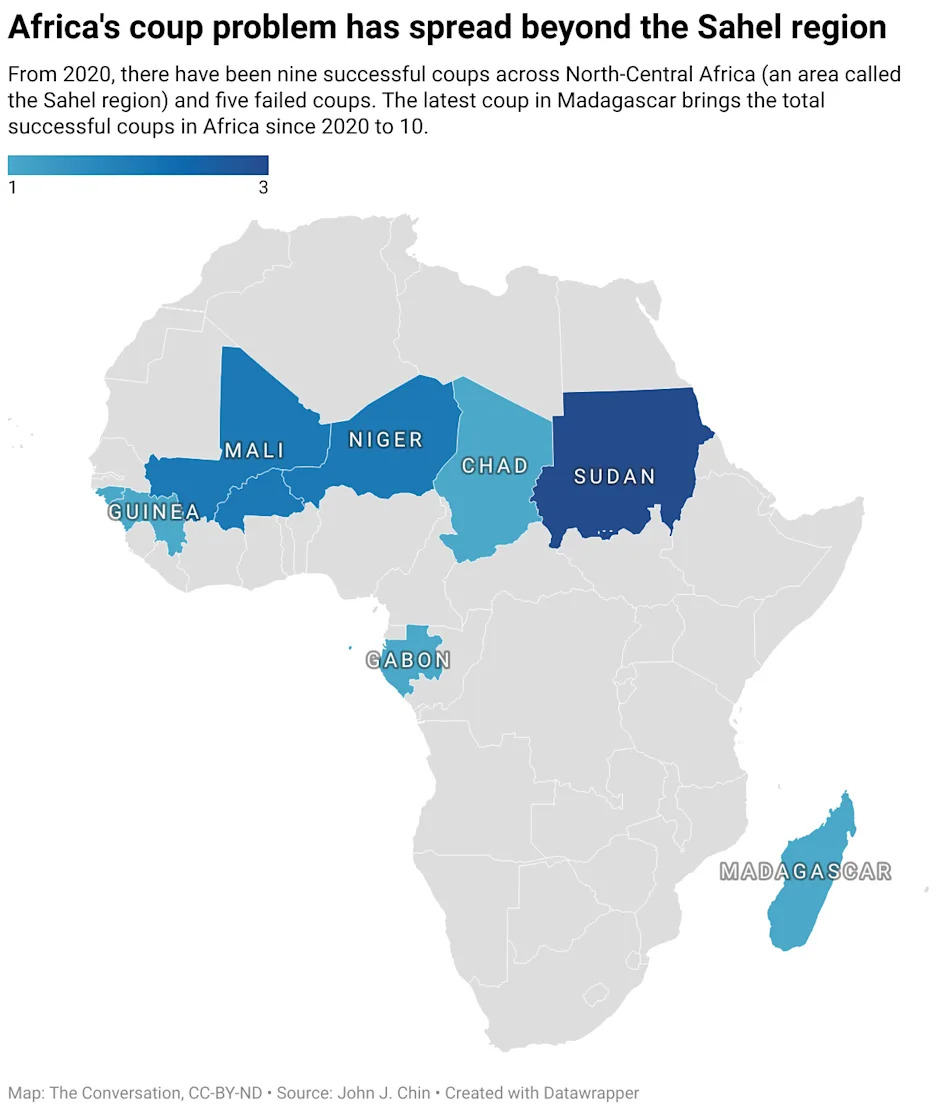
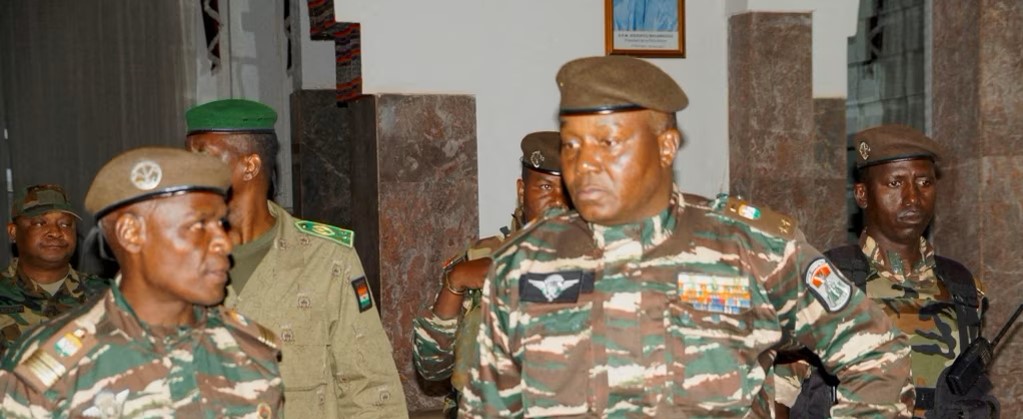
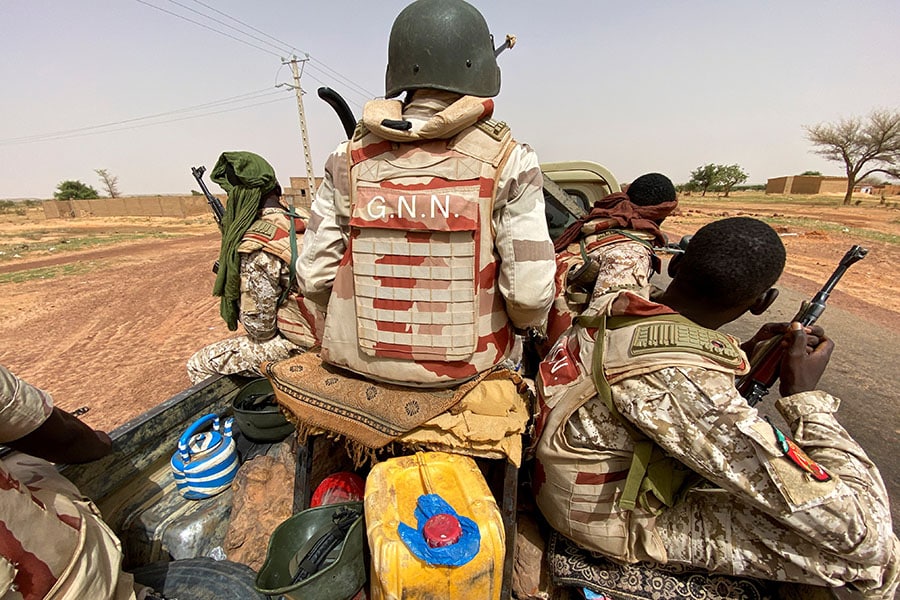
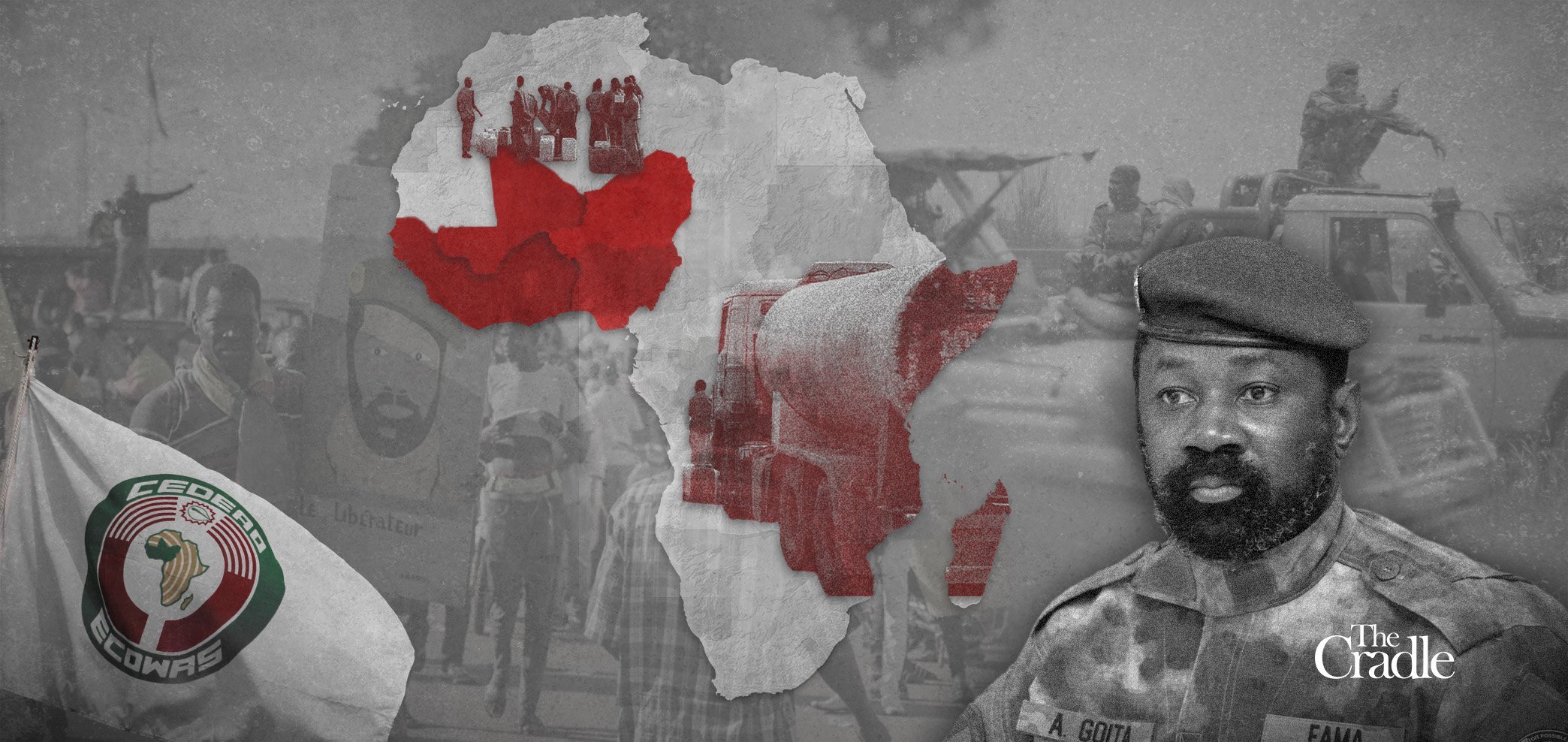
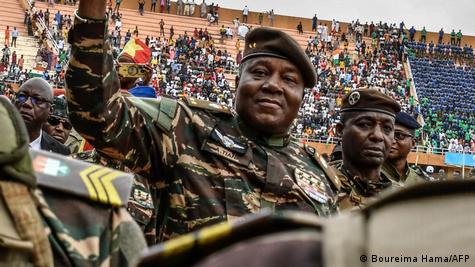
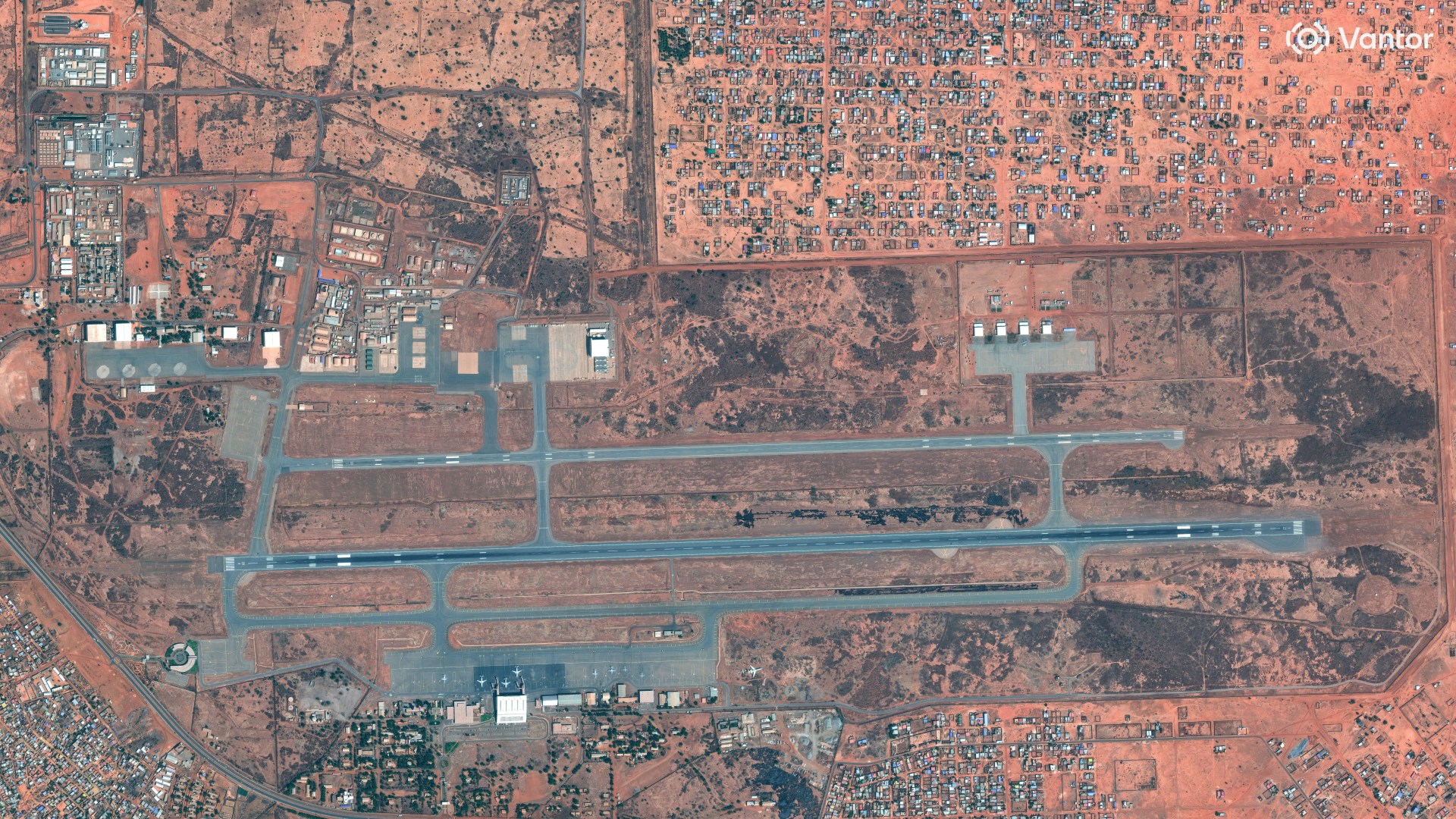
The airport itself is more than just a place for flights, it’s also the command center for a joint military force Niger formed with Burkina Faso and Mali. This coalition aims to fight the very jihadist groups that have caused so much suffering across the Sahel, leading to thousands of deaths and displacing millions through brutal attacks. Niger’s security situation has been especially volatile. Just last November, for example, the al-Qaeda linked group Jama’at Nusrat al-Islam wal-Muslimin, or JNIM, killed at least ten soldiers in an assault near the Tillaberi region, close to both Mali and Burkina Faso’s borders. Doesn’t this clearly show how these militants exploit porous borders and weak government presence? Niger’s military leaders, who took power in a coup, recently changed their counterterrorism strategy, sending French and US forces packing. Instead, Niger joined its neighbors to create the Alliance of Sahel States, a new regional security group with 5,000 troops ready for joint military operations. It’s a big shift in regional partnerships, and everyone’s watching to see how effective it will be.
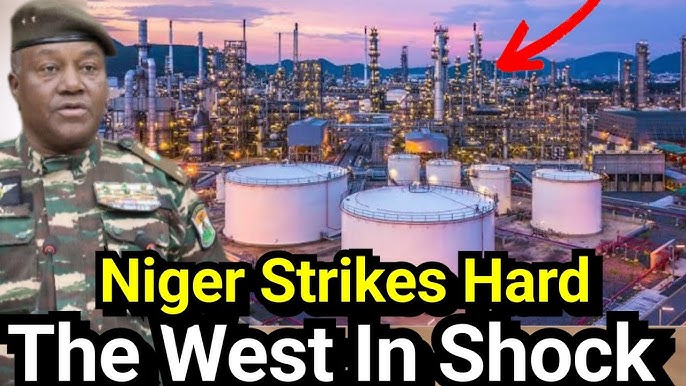
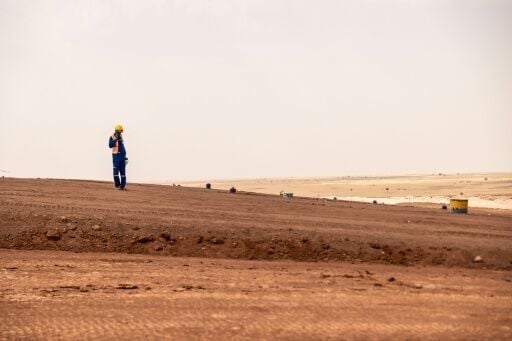
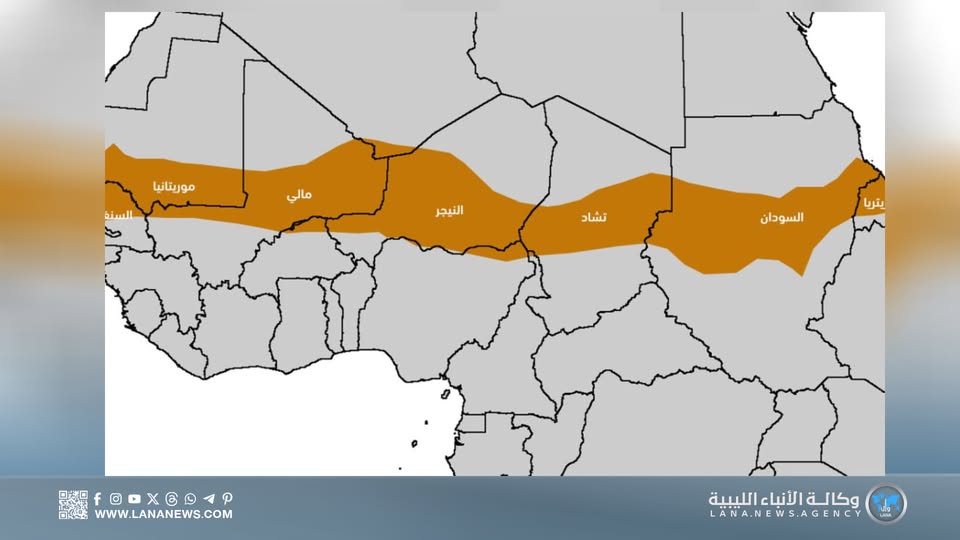
Adding another layer of complexity to the airport’s security landscape is a high-stakes economic squabble with France. Late last year, Niger’s military government decided to nationalize the nation’s uranium mines, which were previously run by the French nuclear company Orano. They then moved about 1,000 metric tons of uranium yellowcake, that concentrated form of uranium ore used as nuclear fuel, from the northern Somair mine in Arlit right to Niamey airport. This valuable shipment has been stuck there ever since, caught in ongoing diplomatic and legal battles. Some are concerned the recent gunfire could be connected to this precious cargo. This incident really underscores how issues of resource control and geopolitical disagreements can intersect with pressing security challenges. Uranium is vital for Niger’s exports, and asserting sovereignty by seizing it from French companies carries risks, potentially exposing critical infrastructure to militant threats. Whether these recent attacks near Niamey airport are directly tied to these unfolding tensions or are part of the broader jihadist insurgency remains under investigation. The problem extends far beyond Niger, with the Sahel region facing an ever-worsening security crisis fueled by extremist groups. Analysts tell us that jihadist violence in Niger alone led to almost 2,000 deaths in 2025, a tragic toll on communities and nations striving for peace. Moving forward, Niger and its partners face tough choices. Strengthening regional cooperation, securing vital economic assets like uranium shipments, and tackling the underlying social and political vulnerabilities that allow militant groups to thrive will be absolutely crucial. The effectiveness of the Alliance of Sahel States, its ability to coordinate military actions, and how diplomatic solutions unfold for foreign economic interests will ultimately determine the region’s stability. This recent gunfire is a stark reminder of the fragile security situation, pushing for comprehensive strategies that combine military alertness with sincere political dialogue and economic resilience to prevent more violence and build lasting peace for everyone in Niger and the wider Sahel. Africanews confirmed calm eventually returned, but the underlying issues persist. France 24 also reported on residents hearing the explosions, emphasizing the widespread impact.