Africa’s Startup Moment Recalibrates, as New Money, Tougher Scrutiny, and Practical Tech Shape the Next Wave
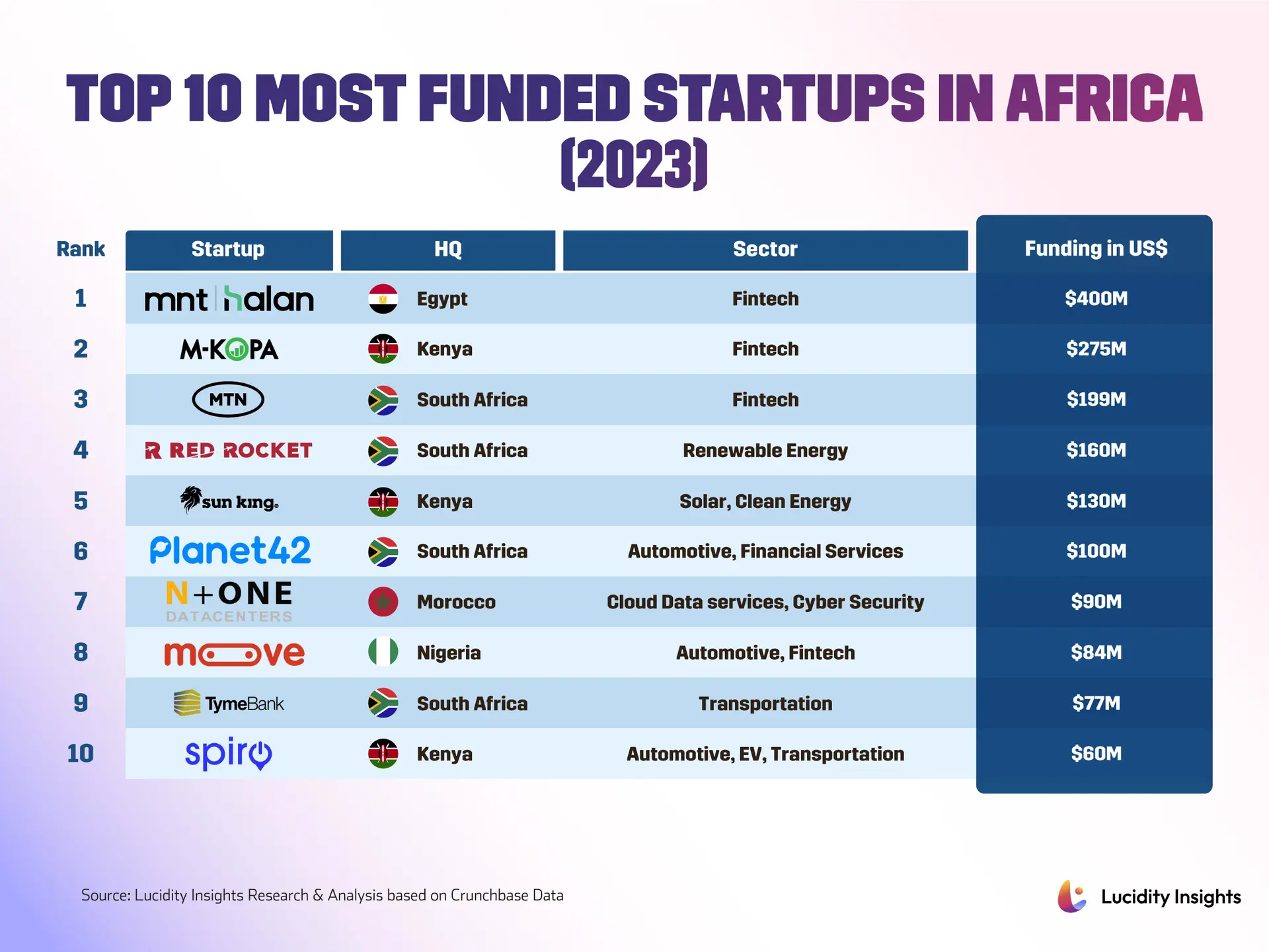
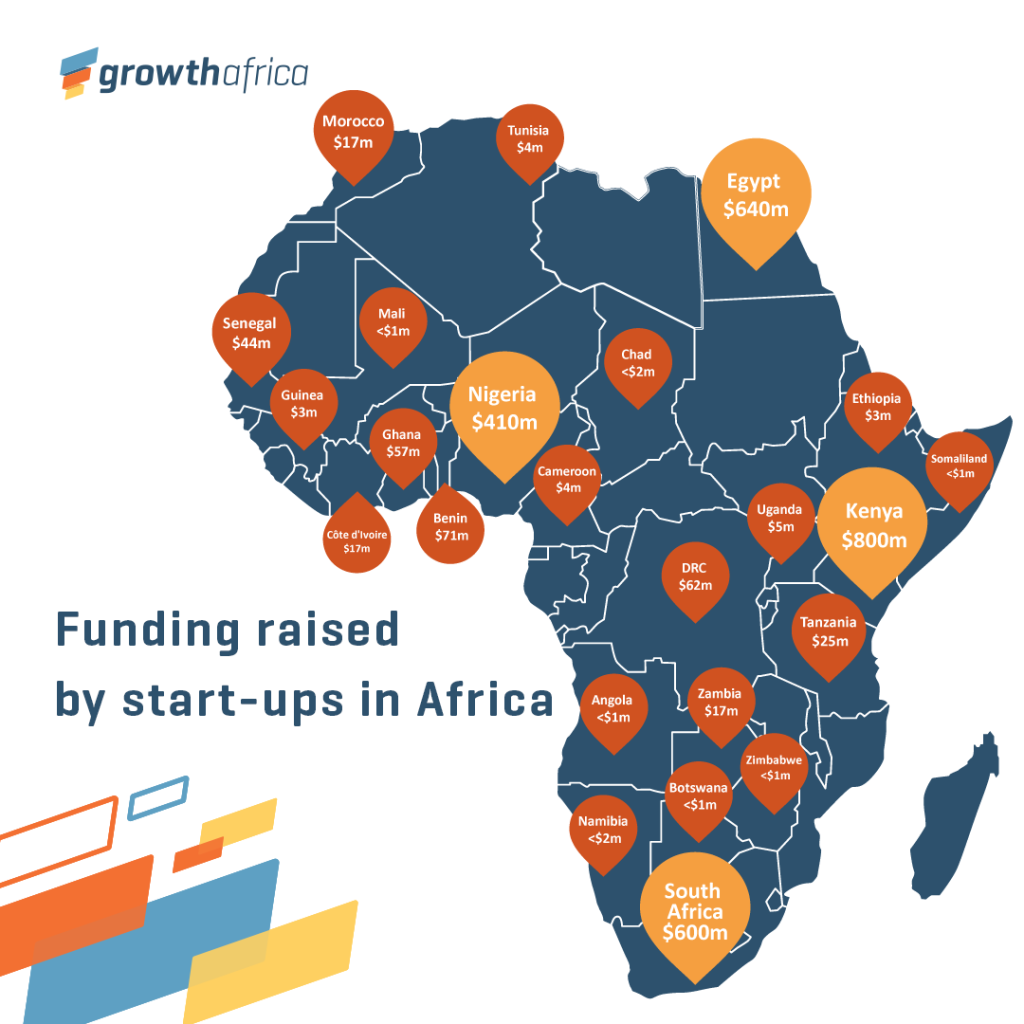
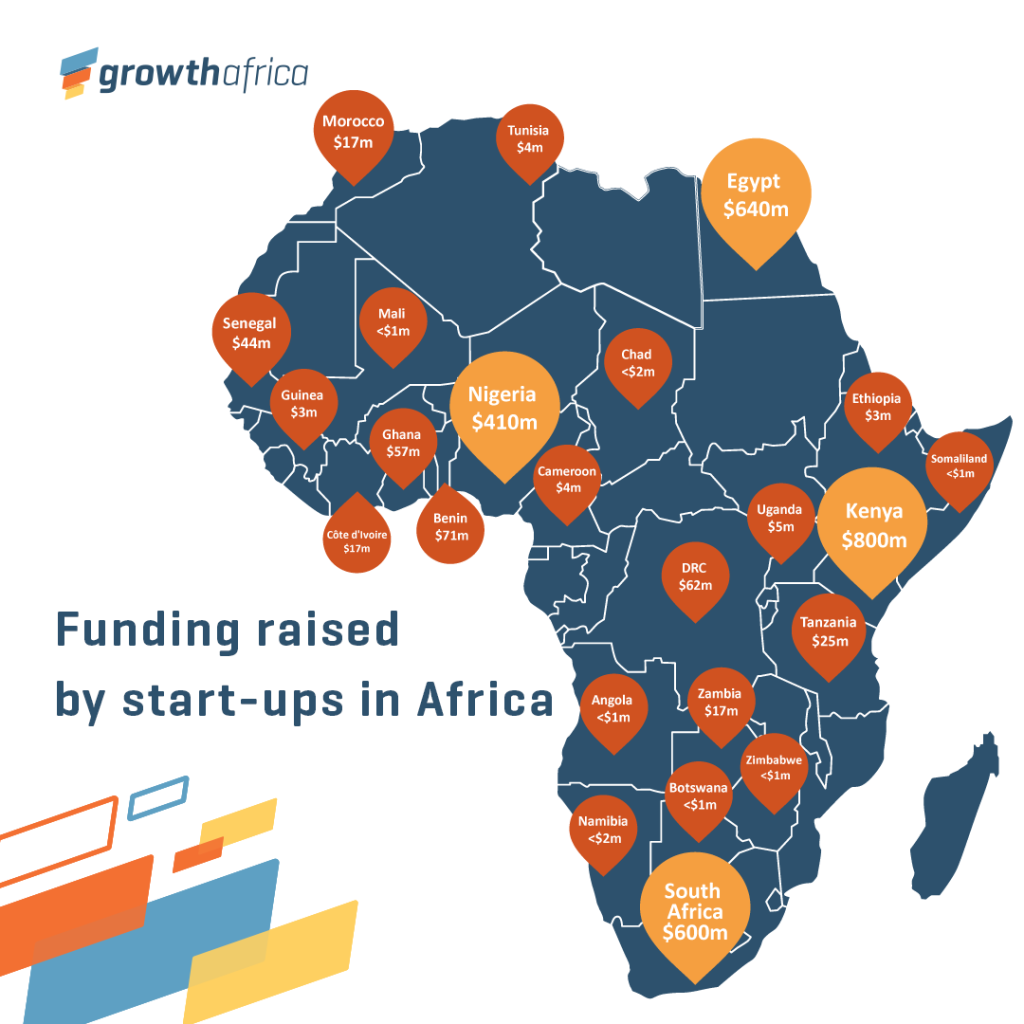
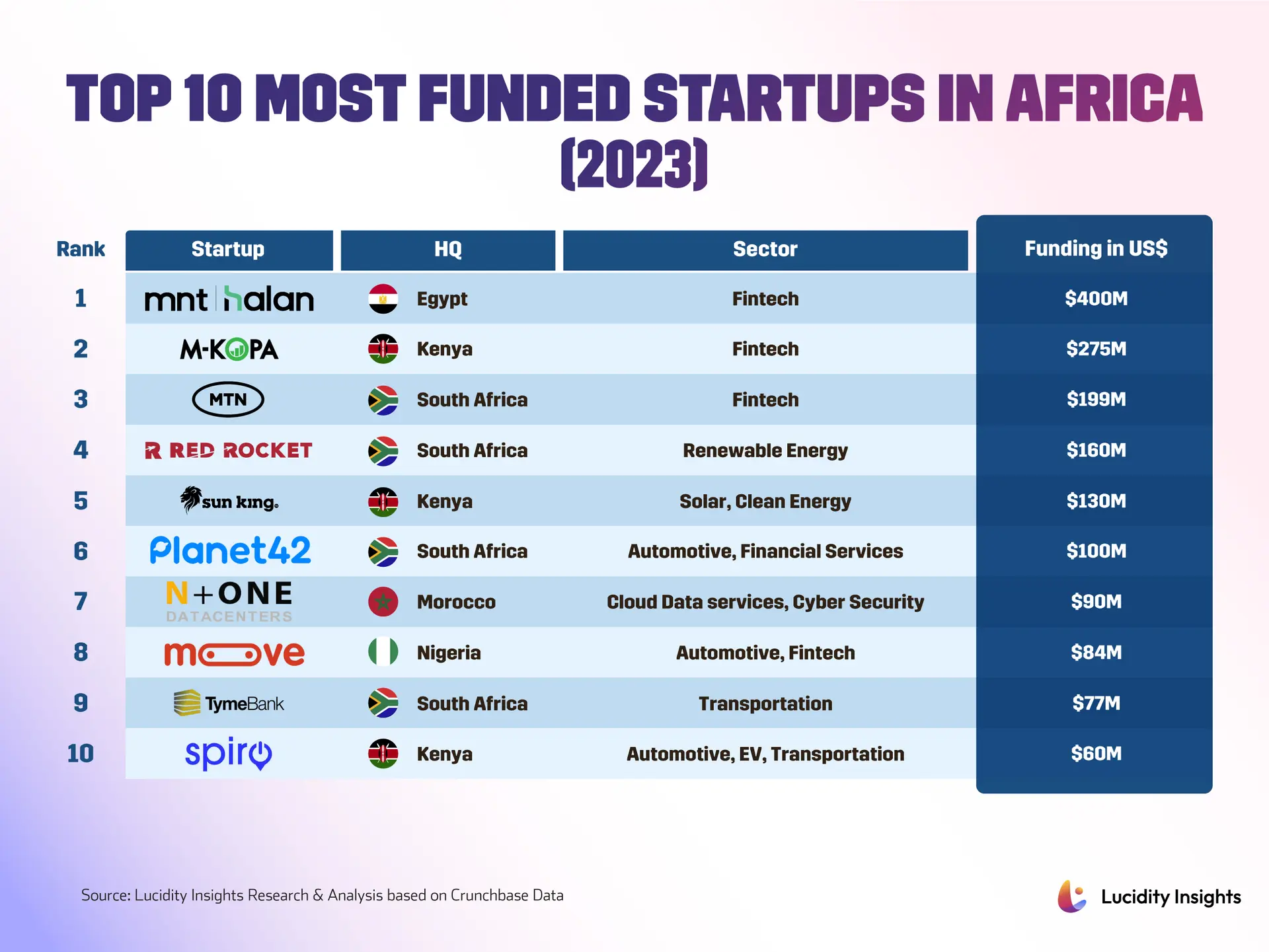
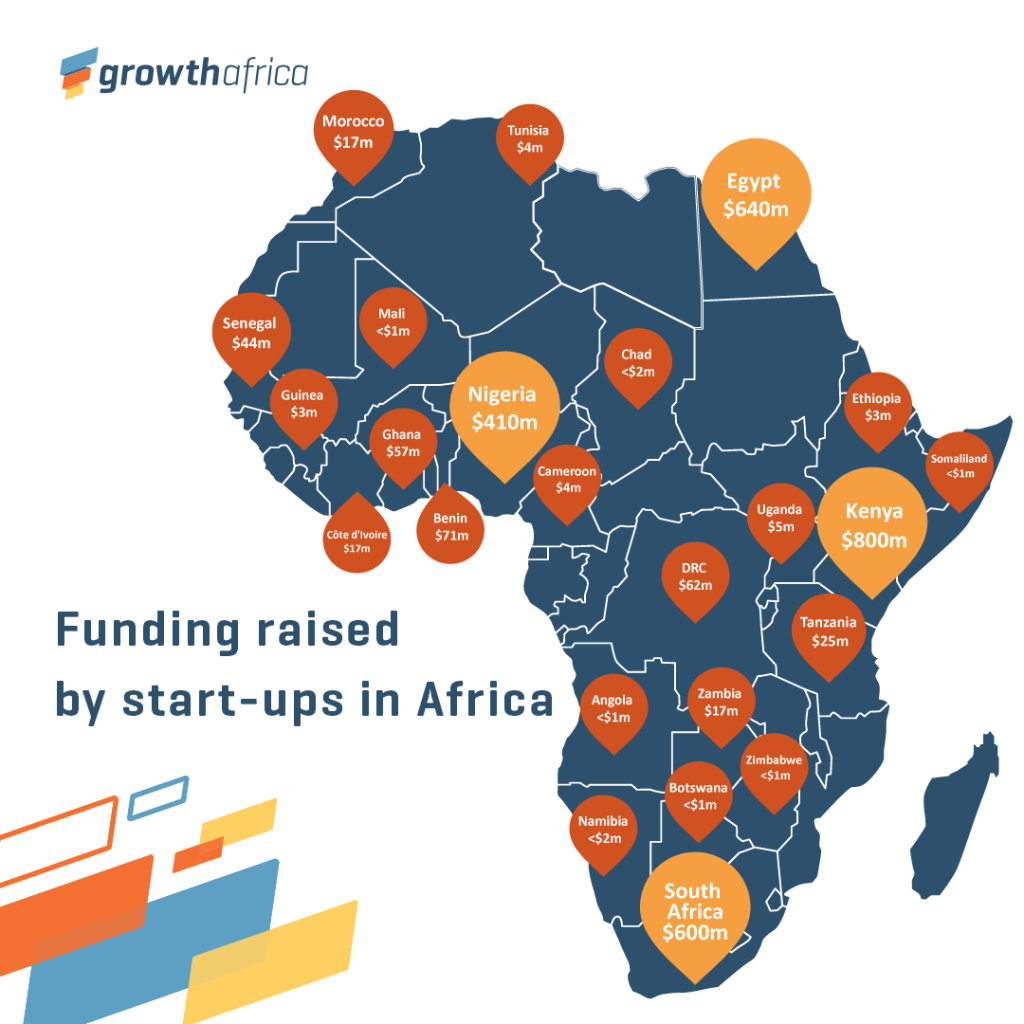
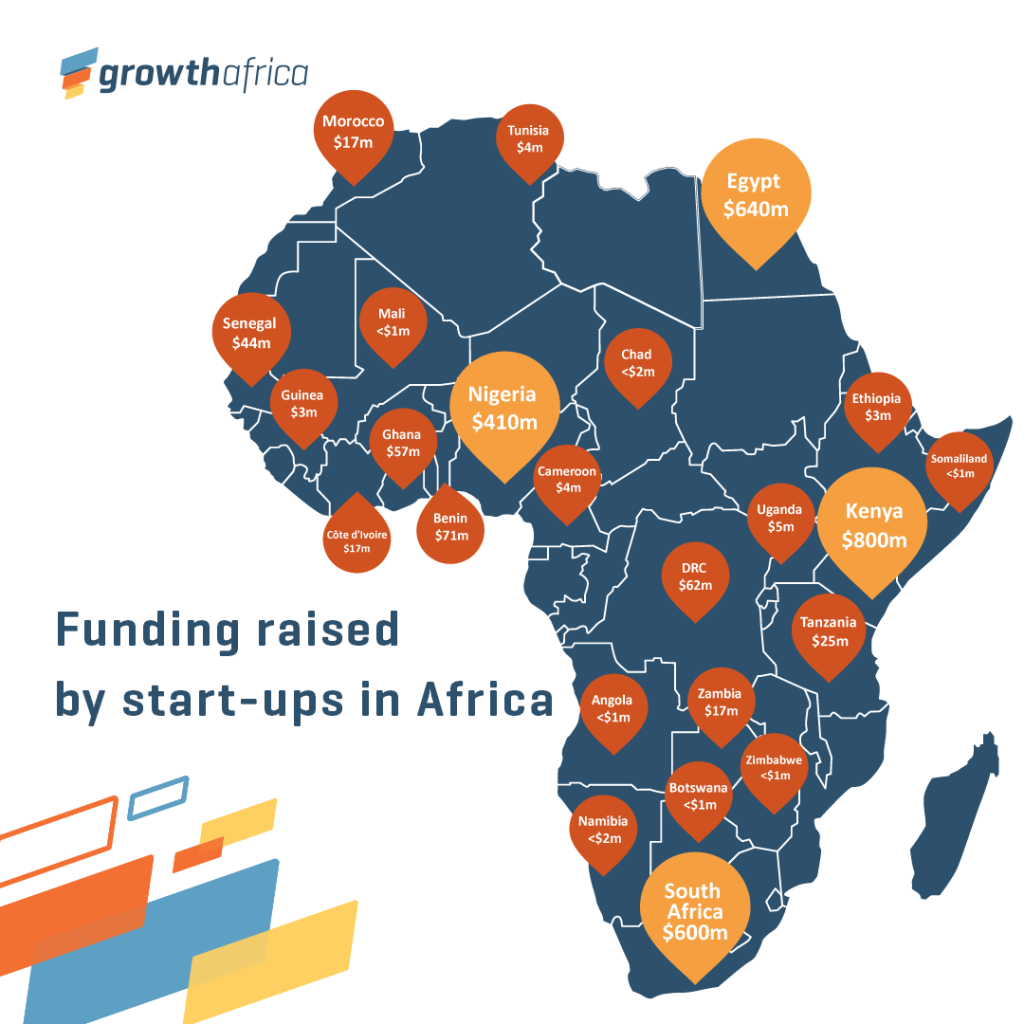
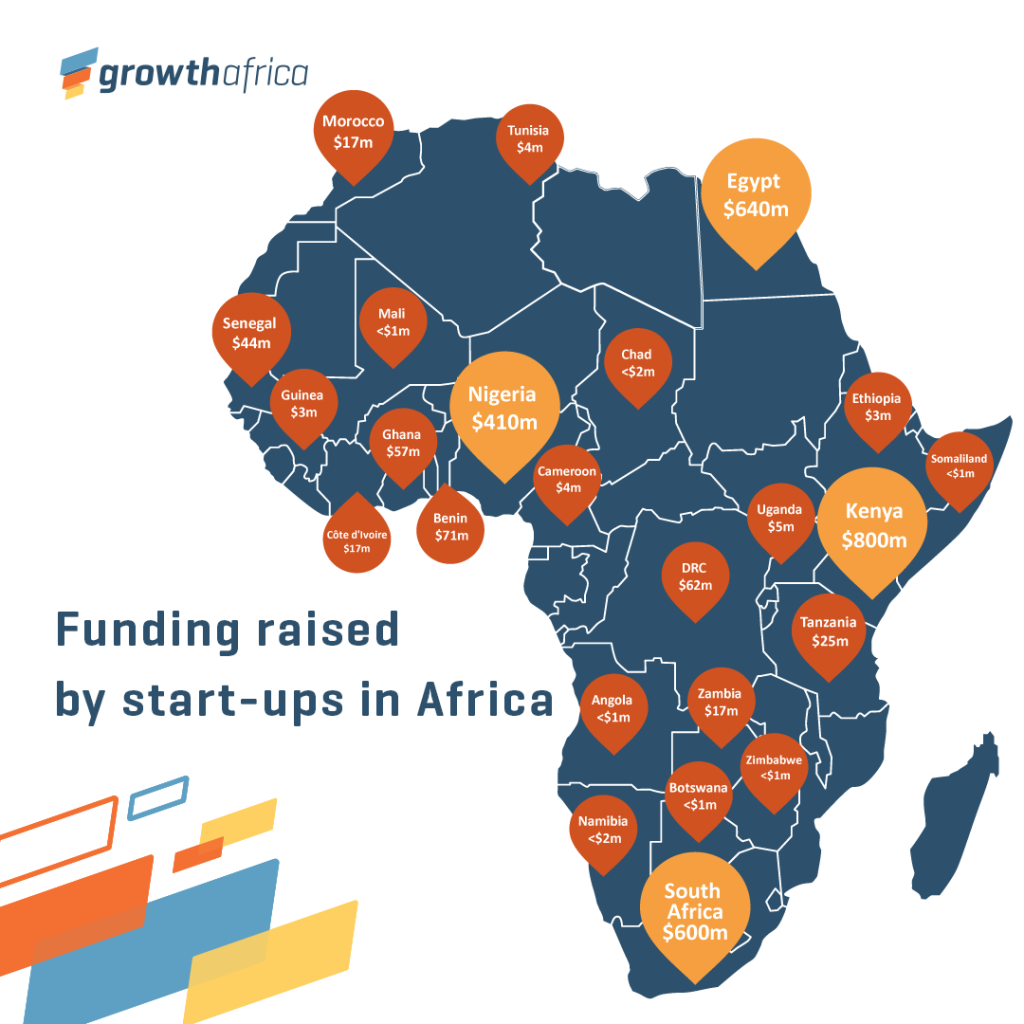
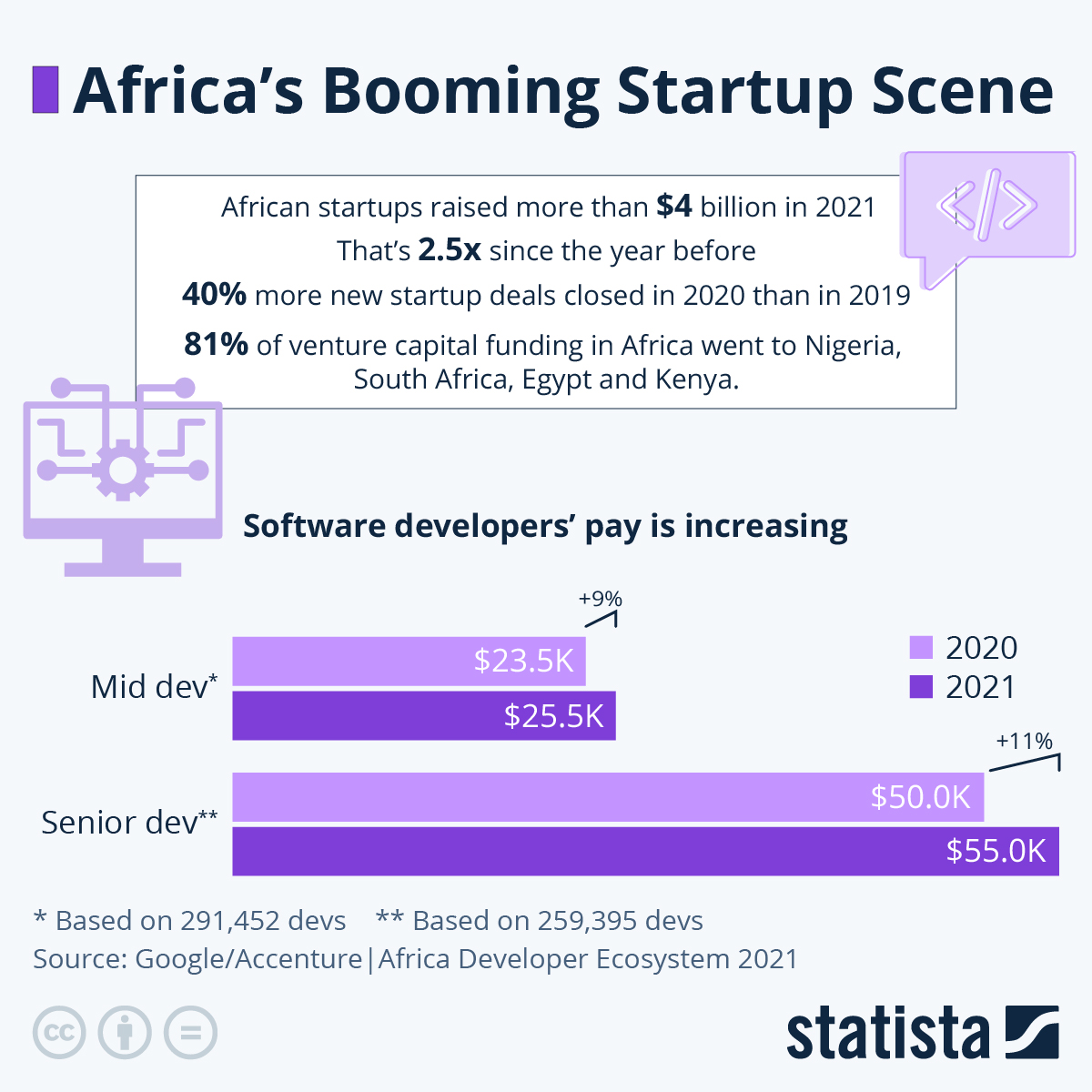
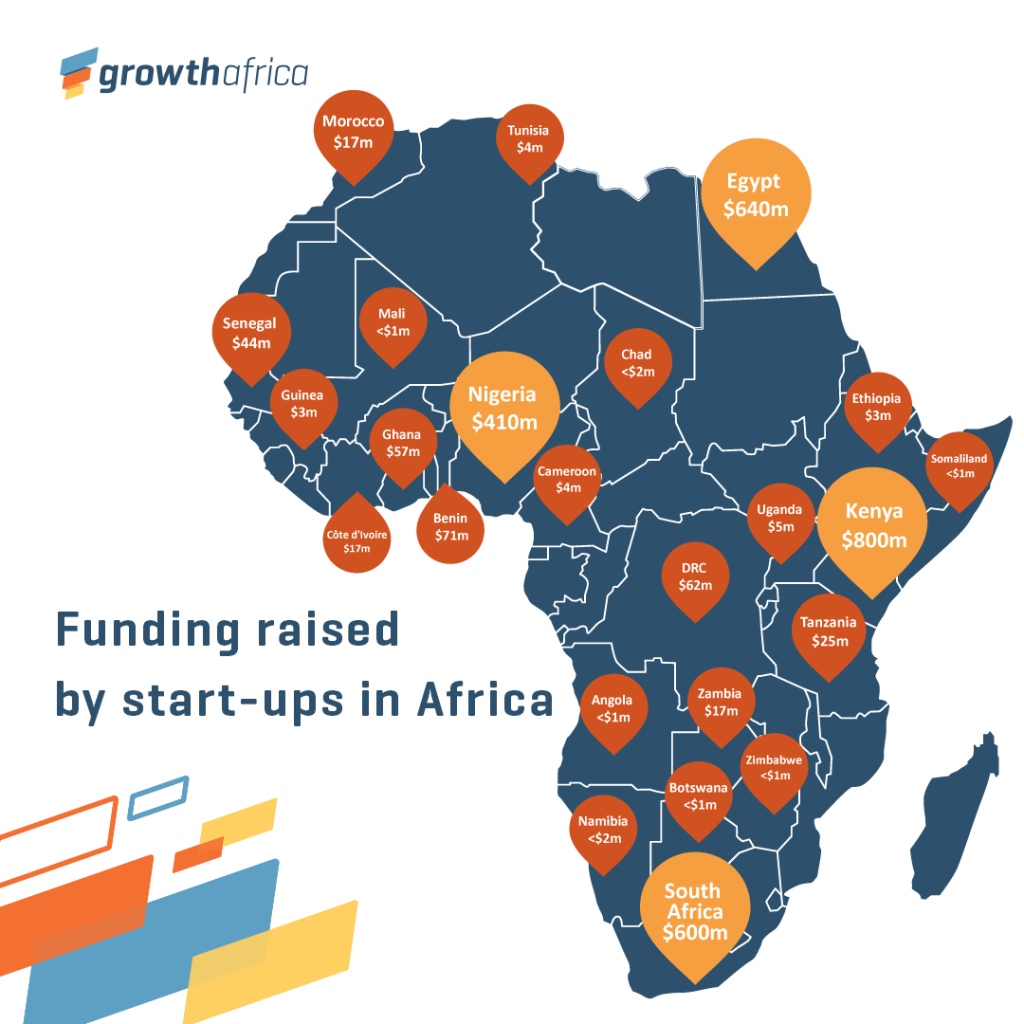
Africa’s startup scene isn’t just bouncing back, it’s growing up. After a turbulent few years that saw venture funding dip, 2025 and early 2026 have delivered a rebound, but the rules have changed completely. The era of chasing headline valuations and growth at all costs is fading fast. Instead, we’re seeing a new chapter defined by practical scale, diverse capital sources, and much tighter performance expectations. Money is coming from unexpected places, reshaping priorities across the continent. Analysis of 2025 flows shows that Gulf states, Japan, and other non-Western investors poured tens of billions into African tech, helping the sector recover from earlier declines. That influx has broadened the investor base beyond traditional US and European funds, and it’s accompanying a fundamental shift in approach. Rather than chasing growth at all costs, many backers arriving from Asia and the Gulf are taking a more strategic, longer-term view that ties capital to trade, infrastructure, and regional partnerships. The result is steadier funding for startups that can demonstrate real revenue, strong unit economics, and regional scale. That emphasis on returns is already changing investor behavior. Venture firms are scrutinizing business models and burn rates with greater intensity, and founders say due diligence has become more rigorous. Investors want clearer paths to profitability, particularly in capital-intensive sectors such as mining, logistics, and heavy industry, where raising follow-on capital remains difficult. This tech renaissance isn’t about flashy headlines anymore, it’s about building something that lasts.
Practical Innovation Meets Real World Problems
At the same time, a practical layer of innovation is emerging among startups that translate Africa’s structural realities into product design. Offline-first agritech platforms, AI consultancies that help small businesses deploy generative tools, and logistics companies built for difficult roads are getting traction because they solve everyday problems. Several startups exemplify this pragmatic trend. Woliz, after a $2.2 million pre-seed round, reports onboarding 55,000 physical stores and processing more than $50 million in gross merchandise value since 2024, and it’s working with Morocco’s ministry to digitize 90,000 shops. Ghanaian VDL Fulfilment has positioned itself as a logistics backbone for merchants, processing hundreds of thousands of orders and serving customers across eight countries. Last-mile players such as Senga in Kenya promise sub-48-hour deliveries in challenging networks, showing that reliability can be a competitive moat. Fintech remains a headline sector, but the narrative has evolved from consumer neobanks to payments infrastructure and cross-border solutions. Stablecoin-based platforms are finding traction as a way to lower the cost and time of cross-border transfers. Honeycoin from Kenya claims to serve hundreds of businesses and hundreds of thousands of individuals while processing large transaction volumes monthly. Other fintechs address trust and verification. Carschek in Nigeria uses artificial intelligence for vehicle inspections and history checks to bring transparency to the used-car market, a sector long hampered by information asymmetry. Transport and green mobility are also in focus, with electric two-wheeler services targeting secondary cities rather than competing head-on in crowded metros. BodEr in Kenya, for example, is deploying an entirely electric fleet coupled with AI route optimization and IoT safety features, marrying climate goals with practical urban mobility needs. The crypto and Web3 space is being reimagined for broader participation. Rather than speculative trading, a new cohort of firms is building consumer-facing crypto experiences, using gaming and social layers to increase utility. MyCryptocasa plans to launch in Nigeria with a gamified entry point to digital assets. A discrete but important trend is the growth of services that help traditional businesses adopt AI. KwenuAI, an AI consultancy, focuses on helping everyday enterprises understand and deploy existing AI tools, removing technical barriers and tailoring solutions to local markets. This capacity-building work converts abstract buzz into measurable productivity gains, which investors value in a cautious funding environment. As TechCabal’s recent coverage highlights, these aren’t theoretical concepts, they’re working businesses solving real problems.
The New Rules for Sustainable Growth
For founders, the message is clear, and it’s both demanding and hopeful. Investors are now asking for evidence of unit economics, sustainable customer acquisition, and pathways to profitability. Startups that are solving real operational problems, building resilient logistics, and offering lower-cost cross-border payments tend to win support. The capital that’s arriving, whether from Gulf sovereign funds, Japanese strategic investors, or regional development banks and private funds, is becoming more patient in some cases and more performance-oriented in others. Policy and trade dynamics are also shaping opportunities and risks. Europe’s carbon border adjustment measures are prompting exporters to consider carbon footprints more seriously, and countries that can provide low-carbon or traceable supply chains may gain an edge. At the same time, infrastructure projects and geopolitical shifts, such as increased US engagement in certain African nations, are changing the investment conversation around large projects and regional integration. Looking ahead, Africa’s startup landscape will be defined less by single-market unicorns and more by companies that weave product-market fit with durable economics and regional partnerships. The coming years should reward founders who design for infrastructure constraints, who can demonstrate clear revenue models, and who leverage the continent’s new constellation of investors. If the current momentum holds, Africa won’t only recover lost ground but set a more sustainable model for growth that blends innovation with industrial and trade realities. This shift toward record growth with discipline reflects a maturing ecosystem that’s learning from global cycles while staying true to local needs. According to Business Insider Africa’s analysis, the $180 billion flowing from Gulf financiers represents not just money, but a strategic realignment of how Africa builds its digital future. Meanwhile, TechCrier’s watchlist of 20 African startups to watch in 2026 shows how this practical innovation is spreading across sectors, from fintech to logistics to green mobility. The era of easy money might be over, but as Africa’s digital renaissance continues to unfold, the startups that survive this recalibration will be stronger, smarter, and better positioned for the long haul.