Nigeria’s Troubled Landscape: Coup Fears, Insurgency, and Widespread Scandals Rock the Nation
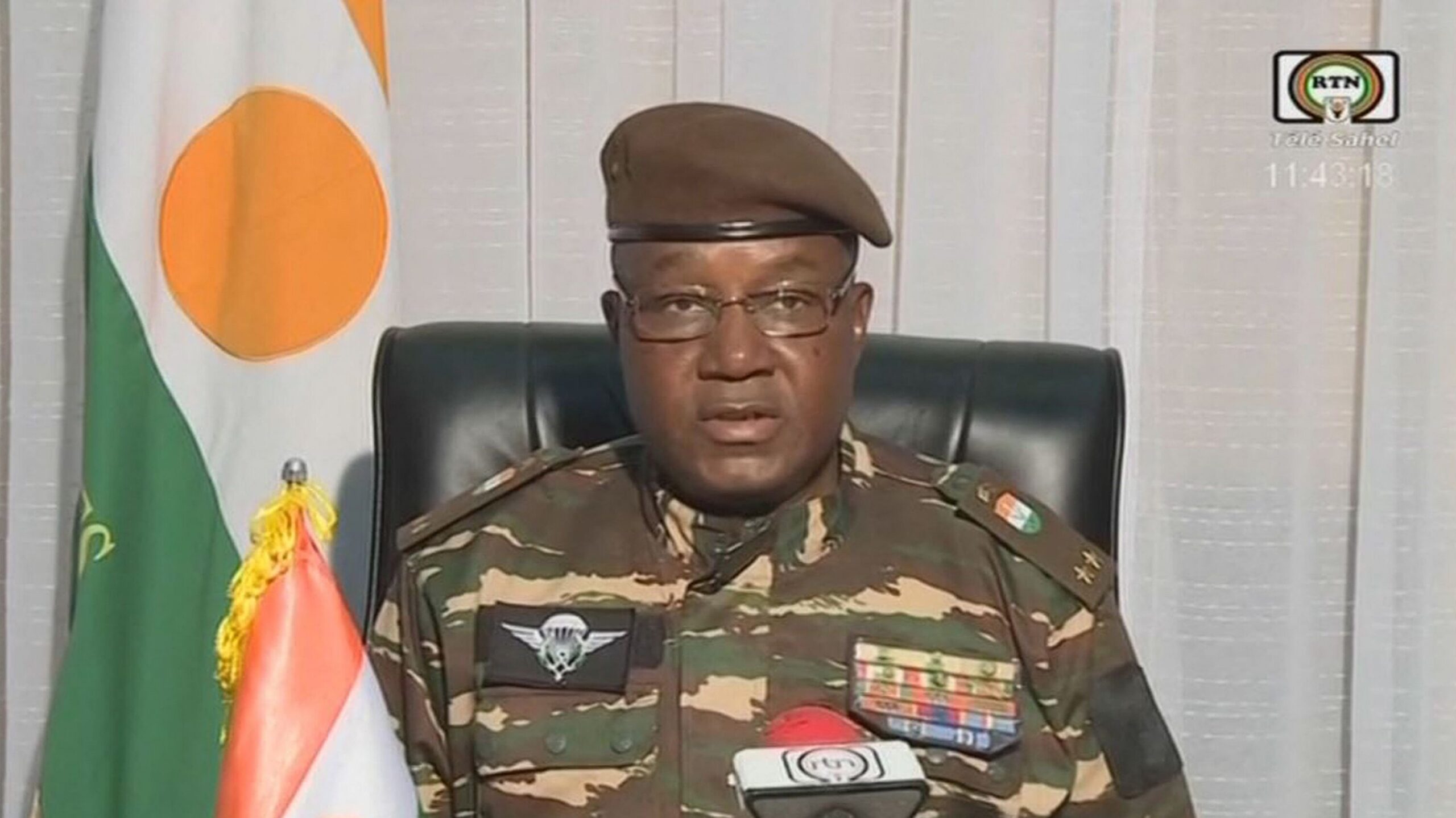
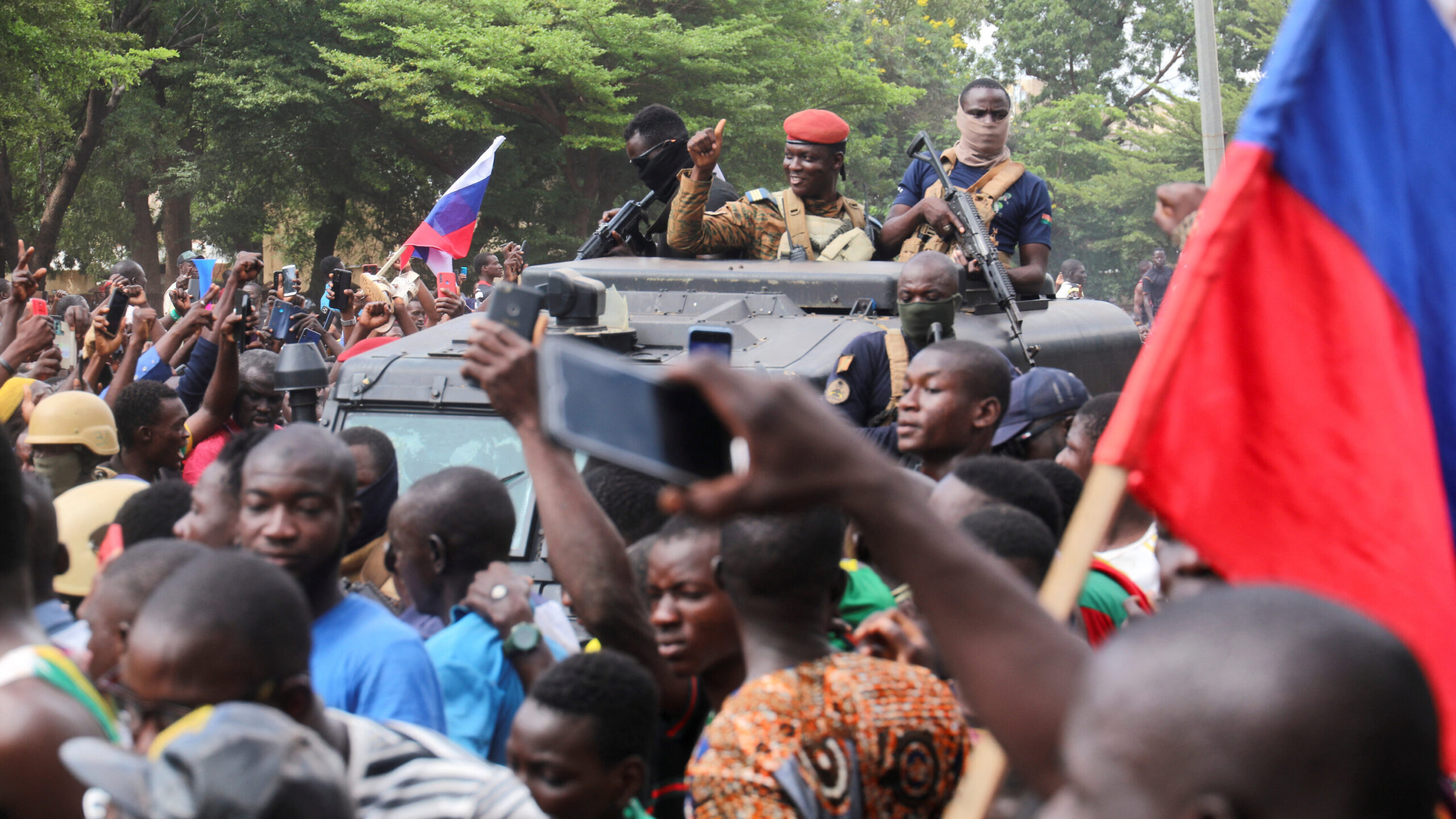
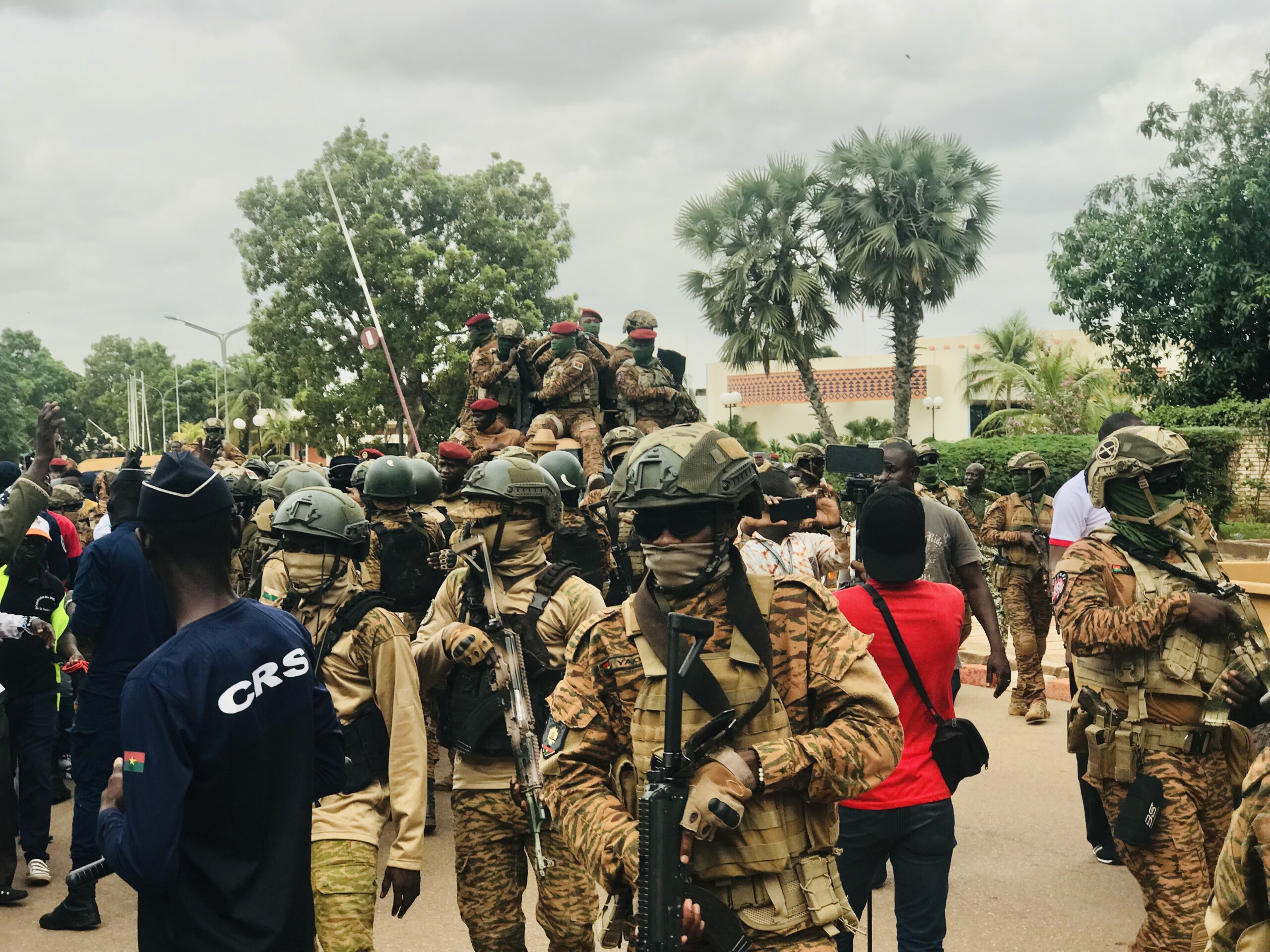
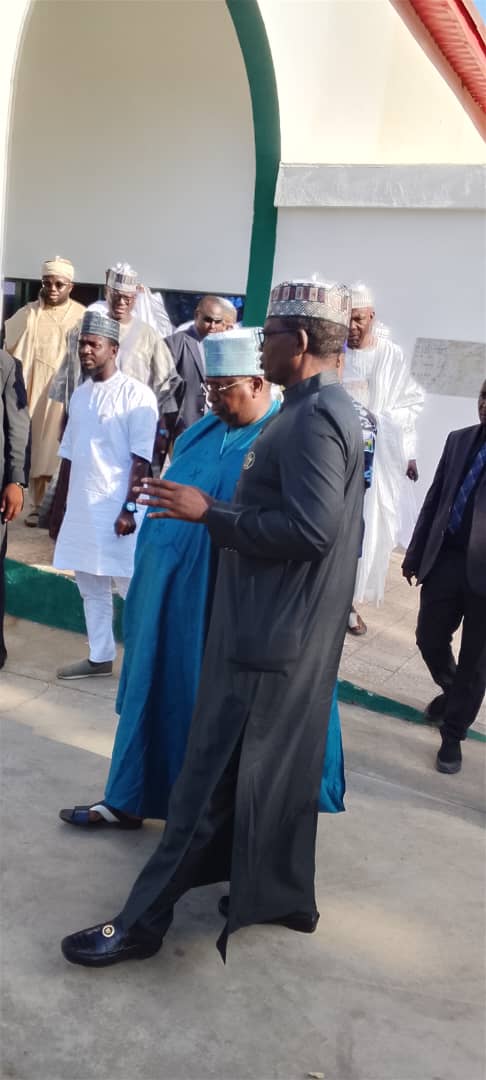
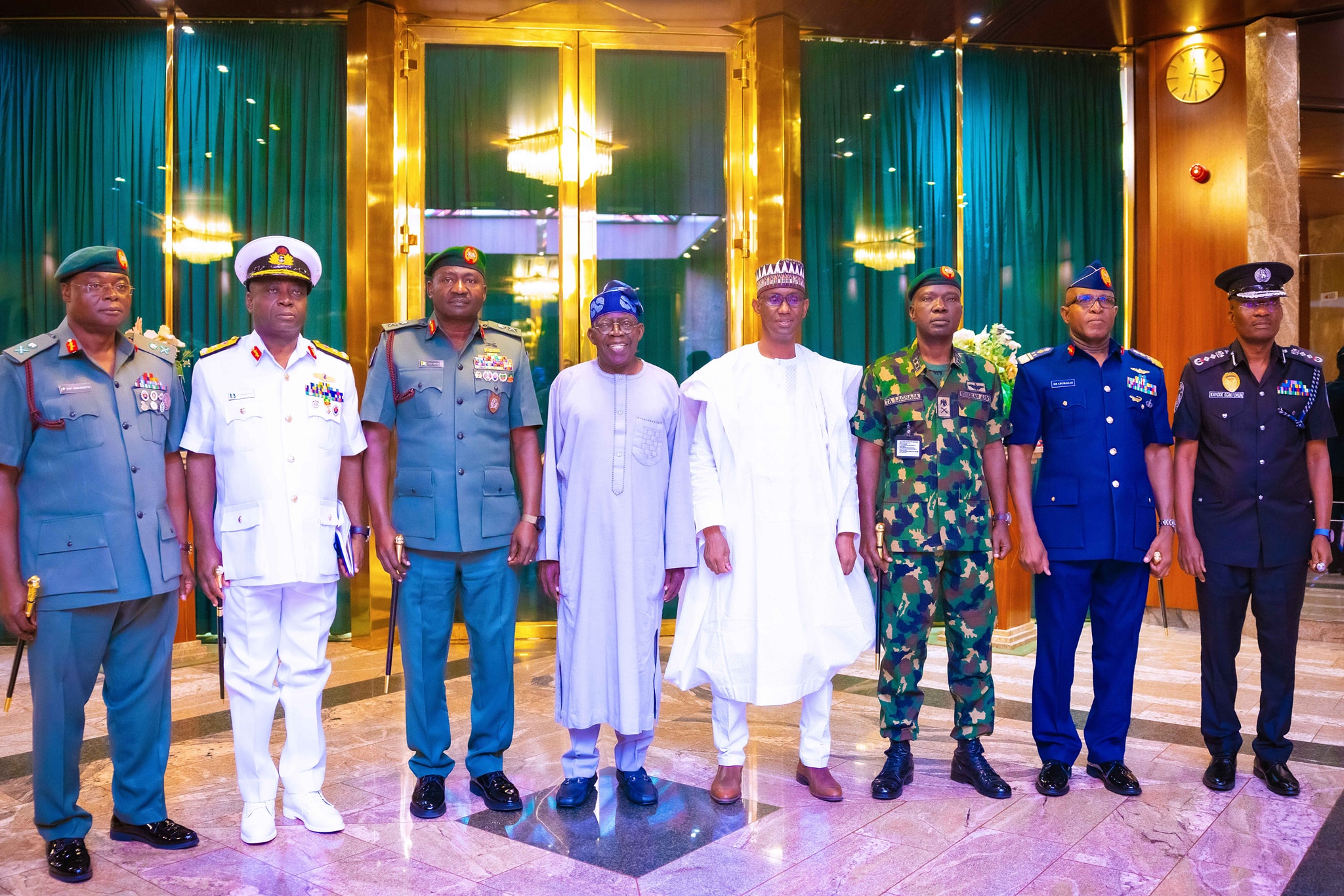
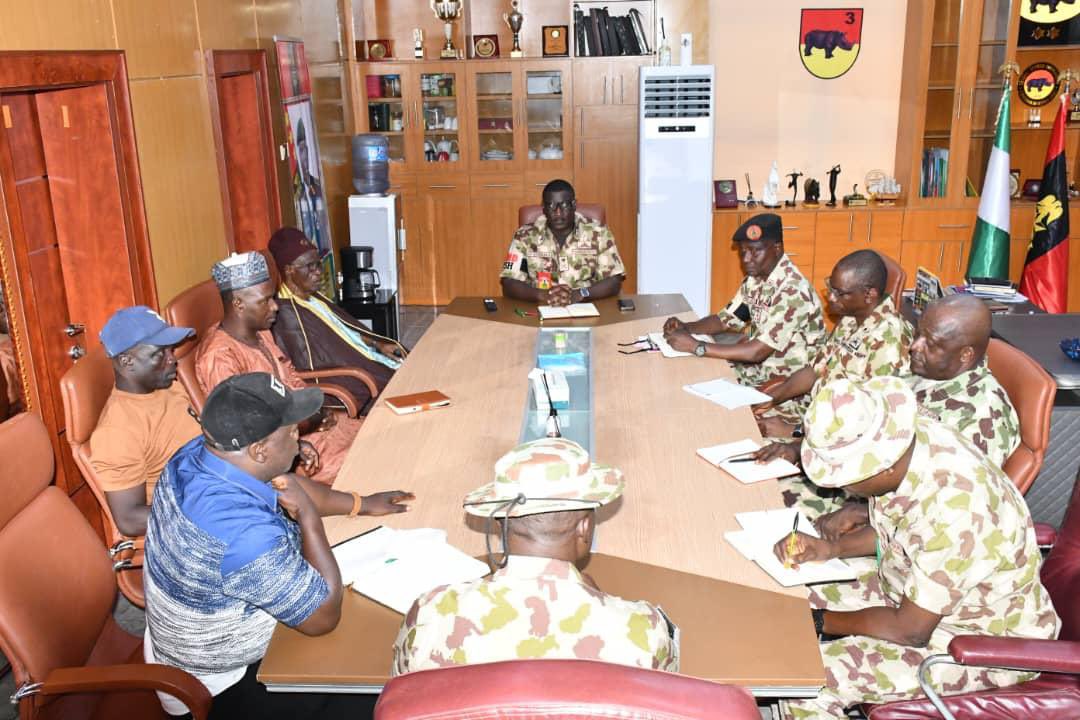
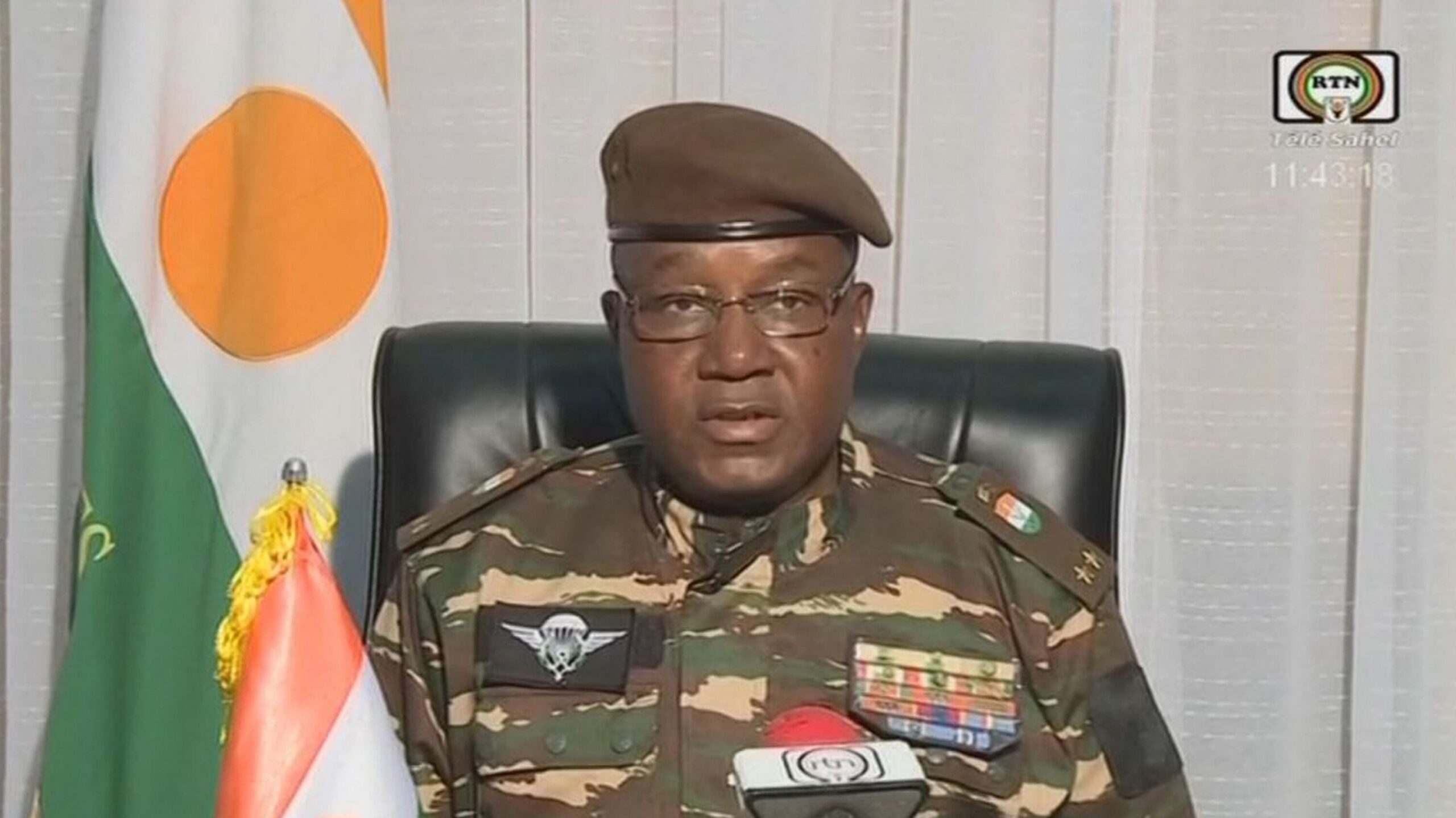
Nigeria, often hailed as Africa’s most populous nation, currently grapples with a series of intertwined crises that are severely testing its stability and resilience. In recent weeks, the country has been rocked by high-stakes allegations of a military coup plot against President Bola Tinubu’s government, an unrelenting wave of security threats from violent extremist groups, alarming public safety incidents, and deeply troubling revelations of political and institutional corruption. These converging events paint a stark picture of a nation facing profound challenges on multiple fronts, leaving many to wonder about the path ahead. Is stability truly within reach? The alleged conspiracy within Nigeria’s military ranks is particularly unsettling. Since late January 2026, security forces have detained over 35 military officers, with 33 reportedly from northern Nigeria, all accused of plotting to overthrow the government. Among those held are individuals with significant political connections, including a Nigerian Air Force officer related to former Bayelsa State Governor Seriake Dickson Sylva, an army general who commands a crucial regiment, and a police inspector detained by the Department of Internal Affairs (DIA). These high-profile detentions don’t just hint at a sophisticated plot, they underscore a crisis with serious implications for both governance and national security, exposing deep fissures that could threaten the very fabric of democratic rule.
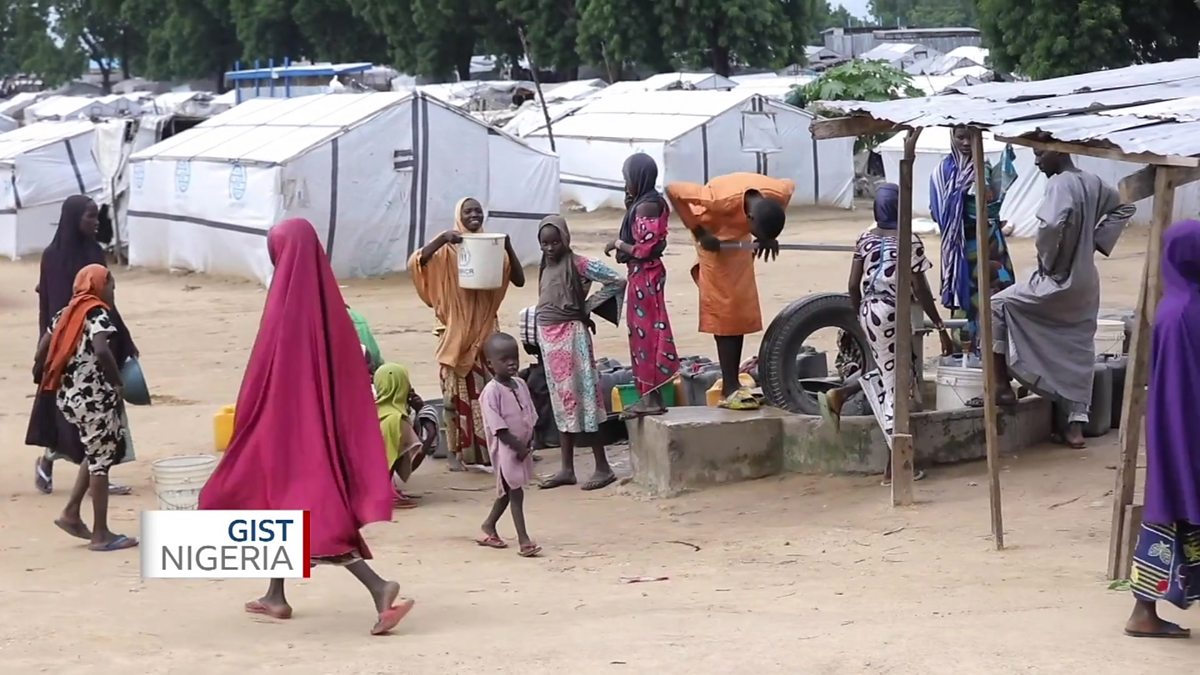
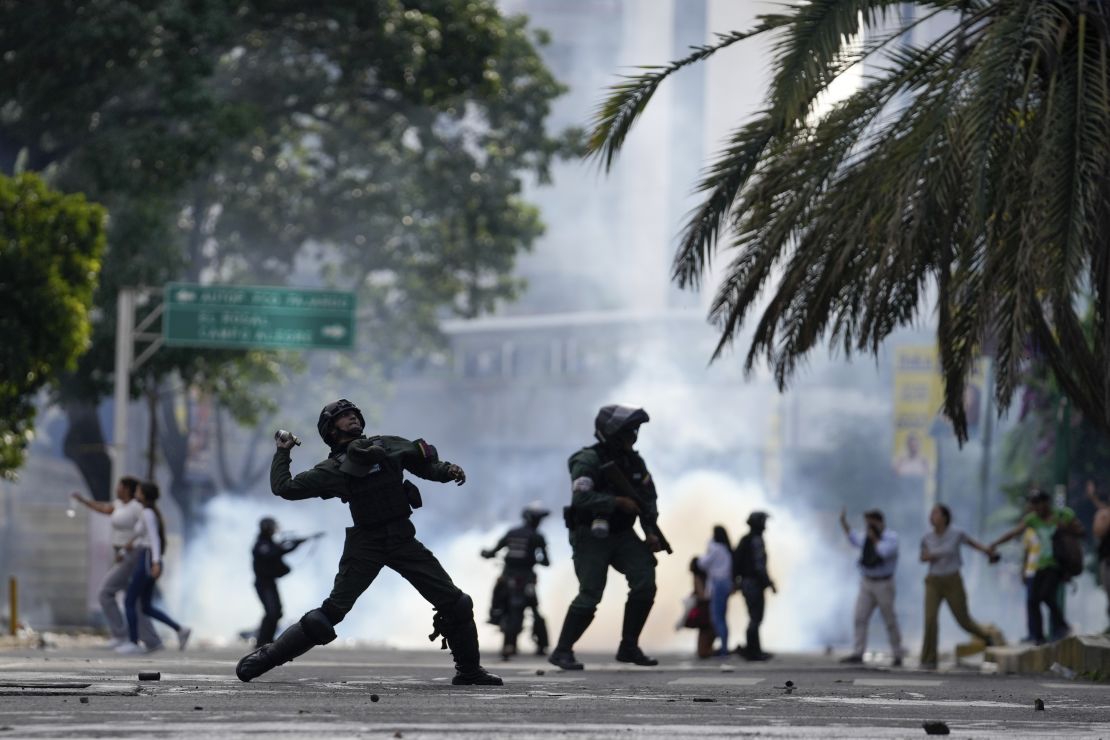
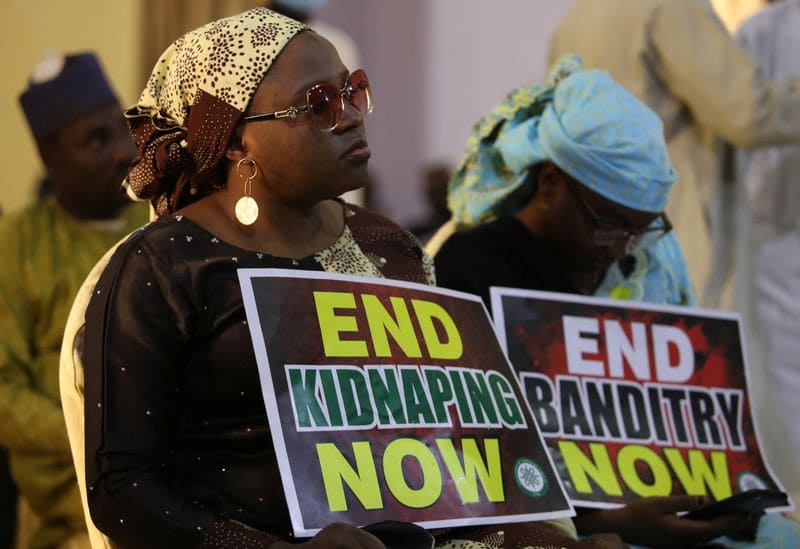
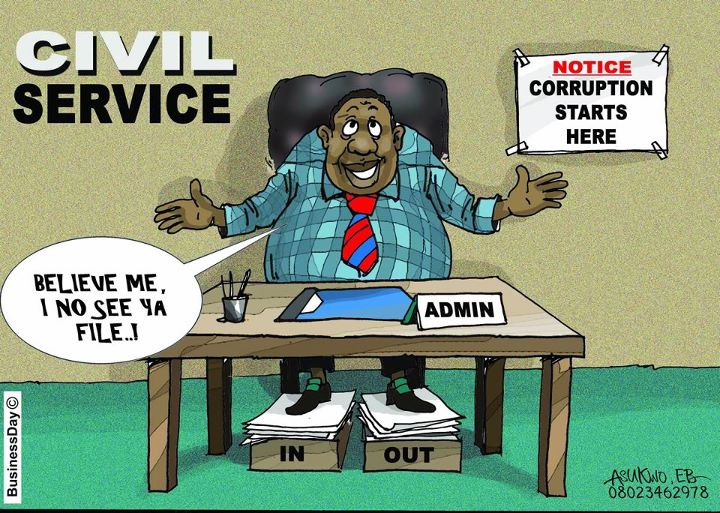
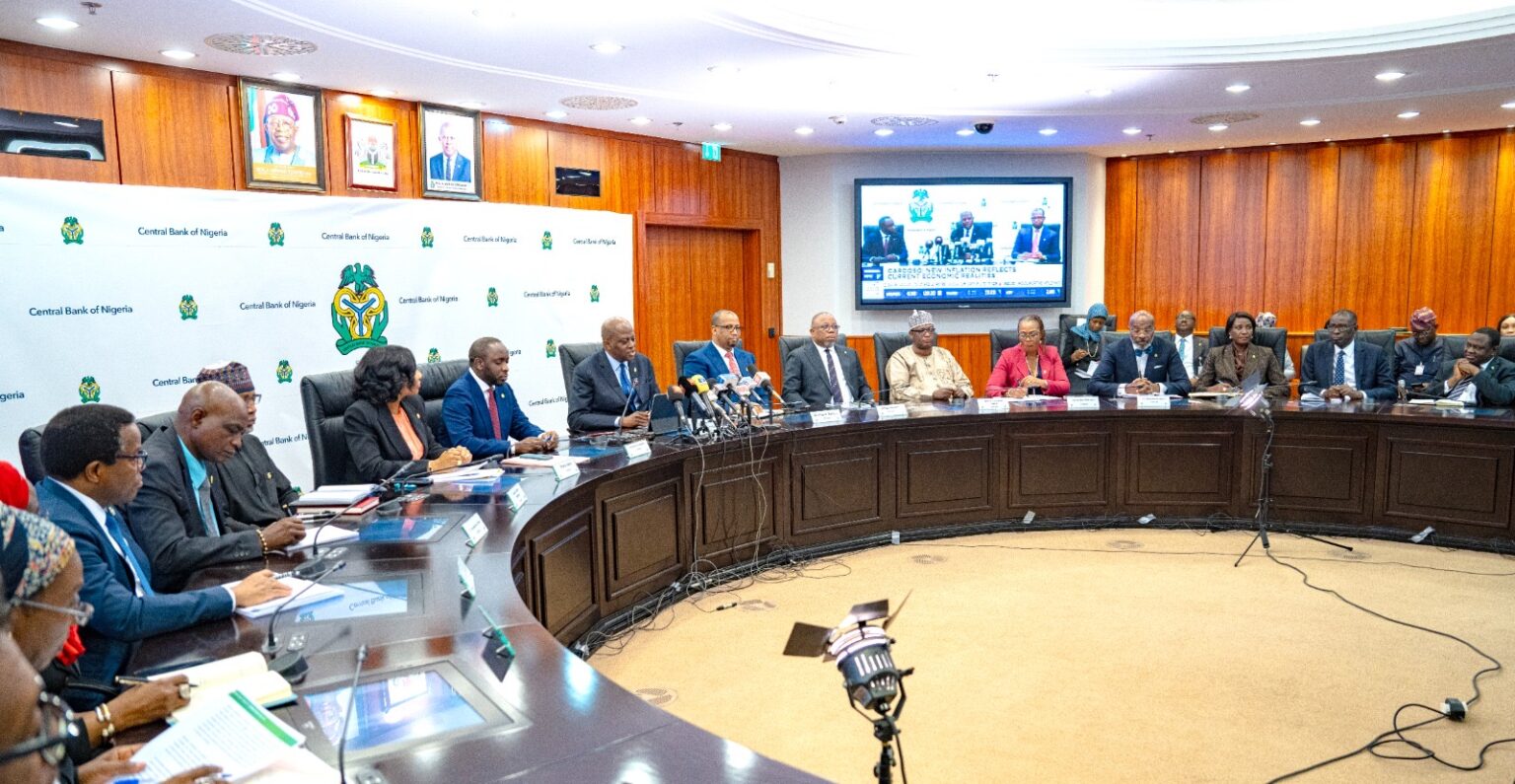
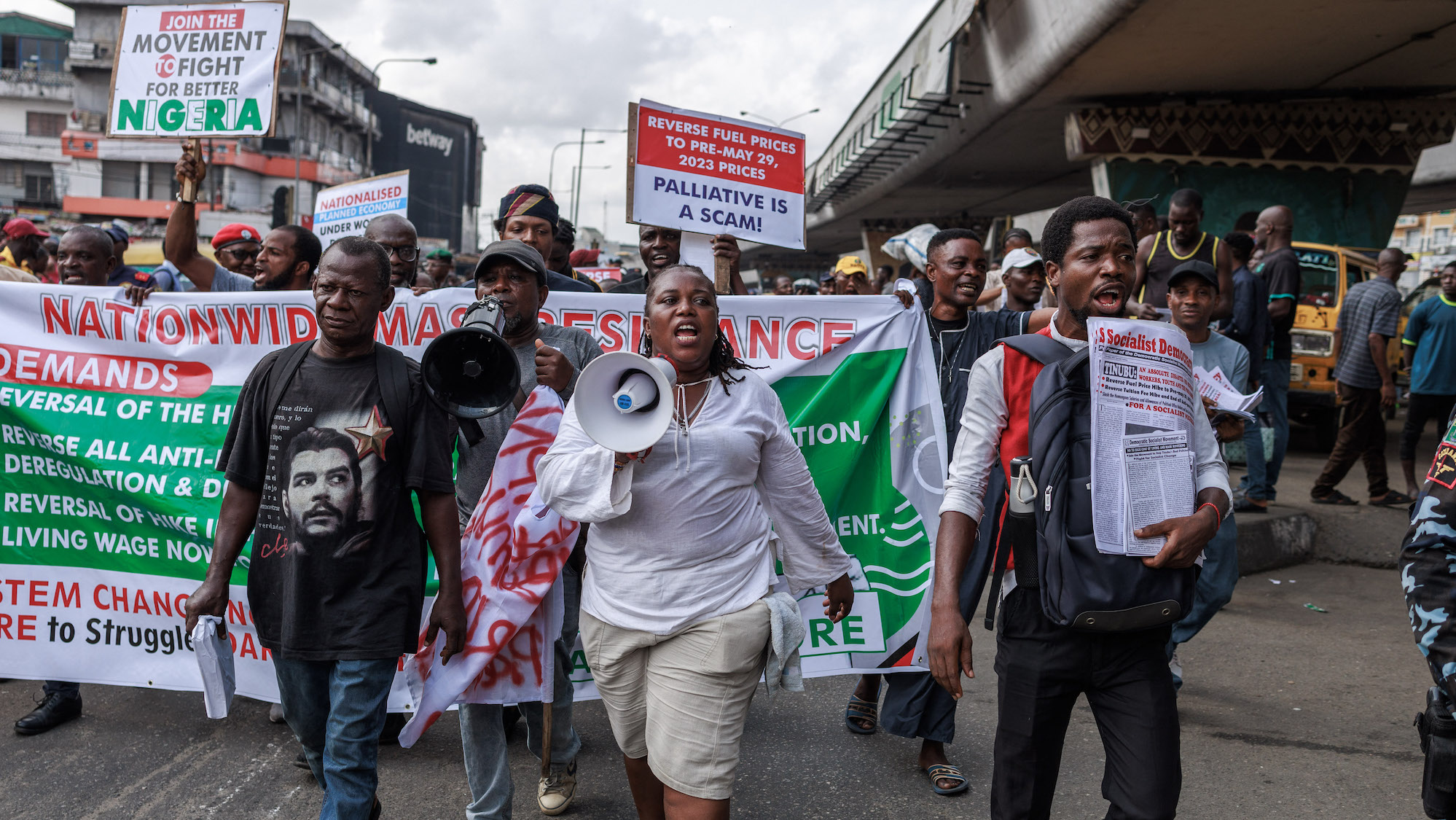
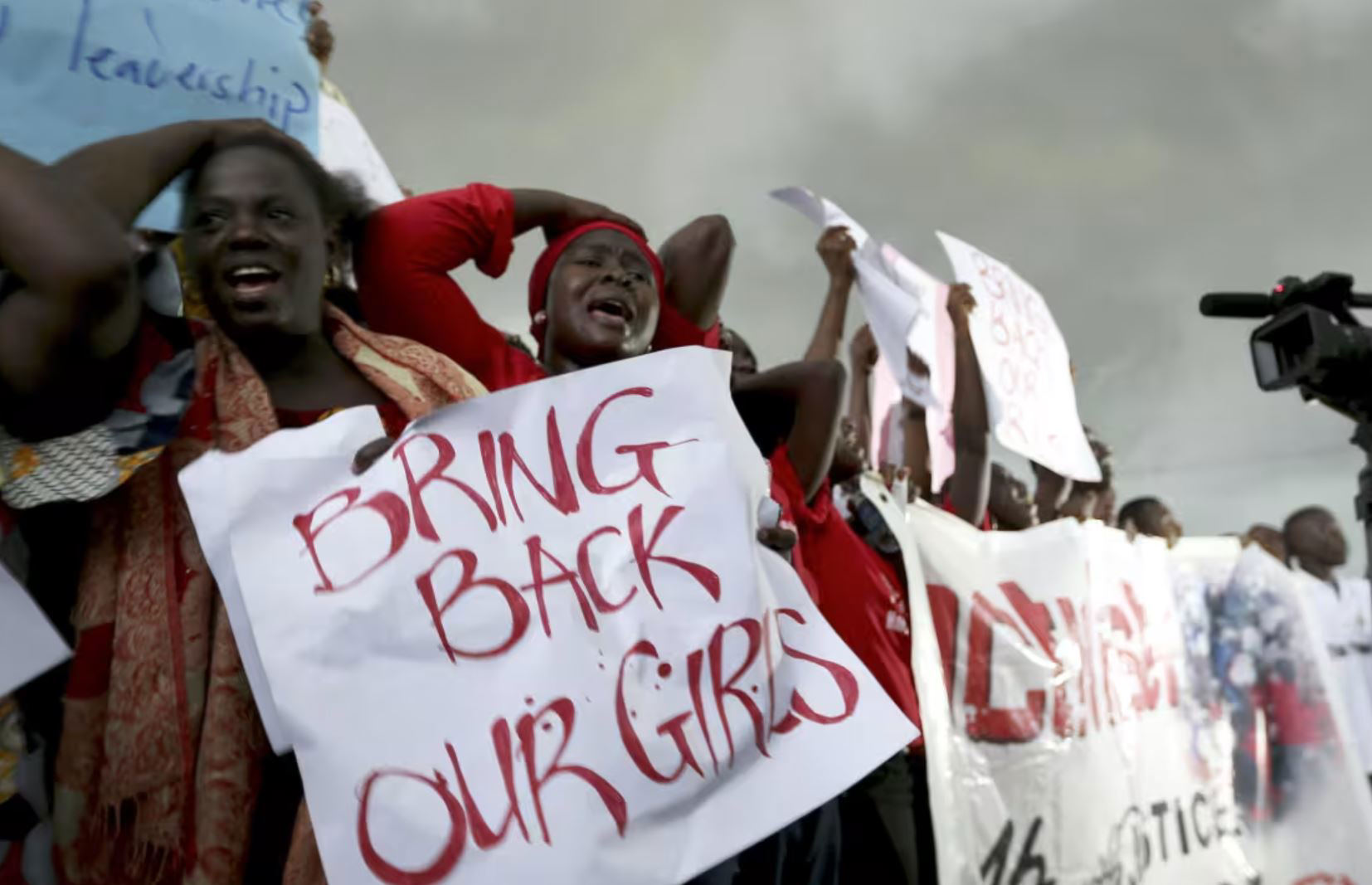
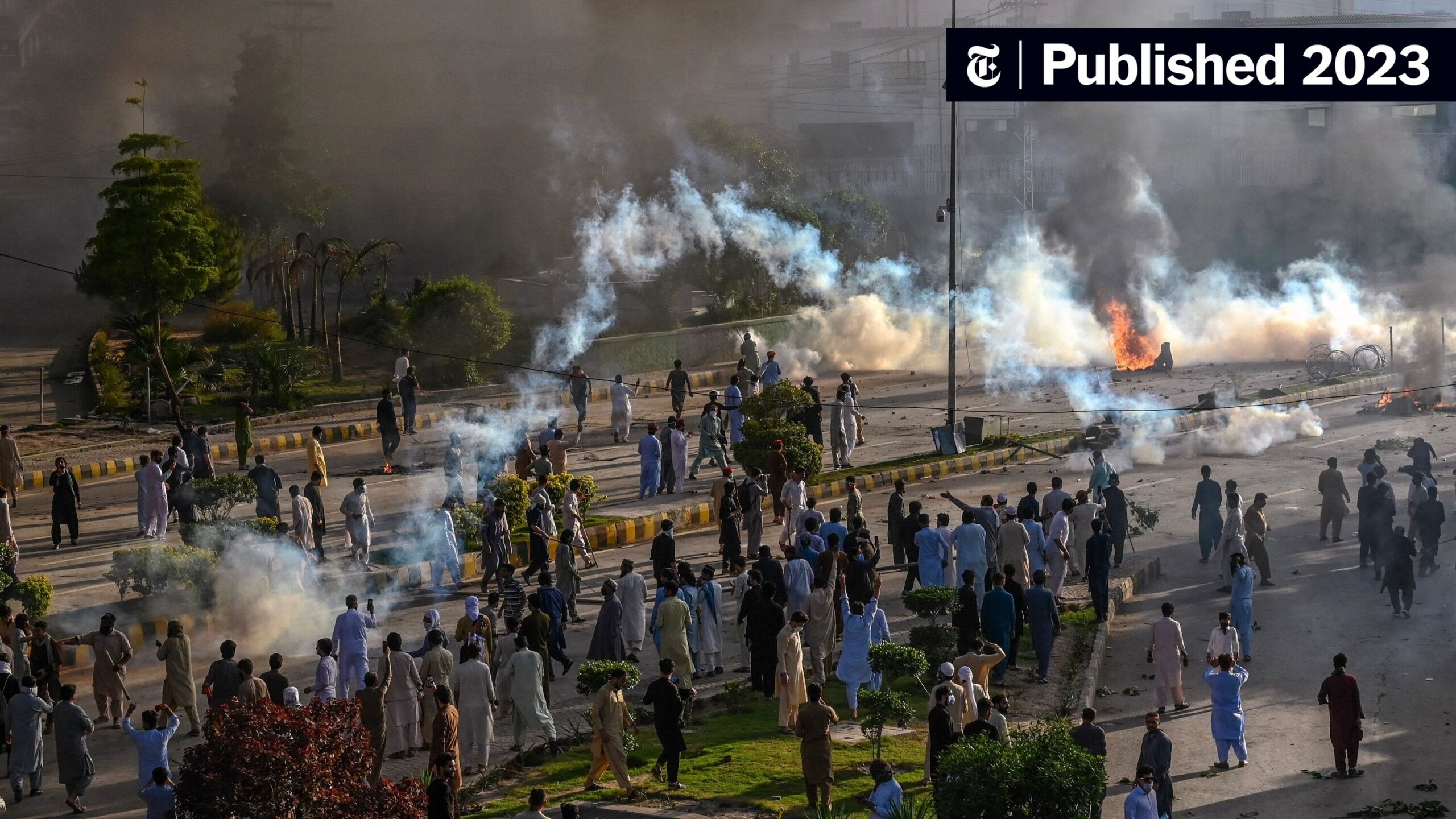
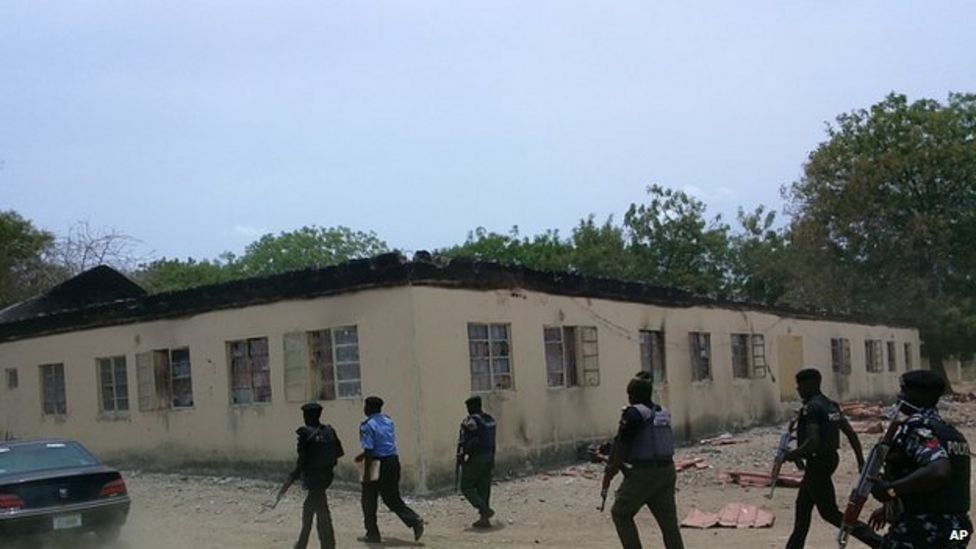
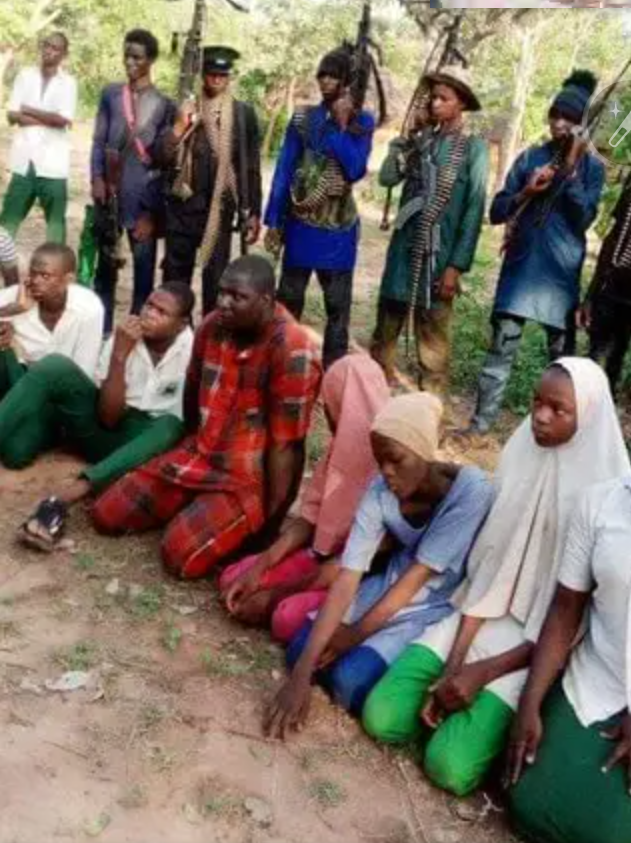
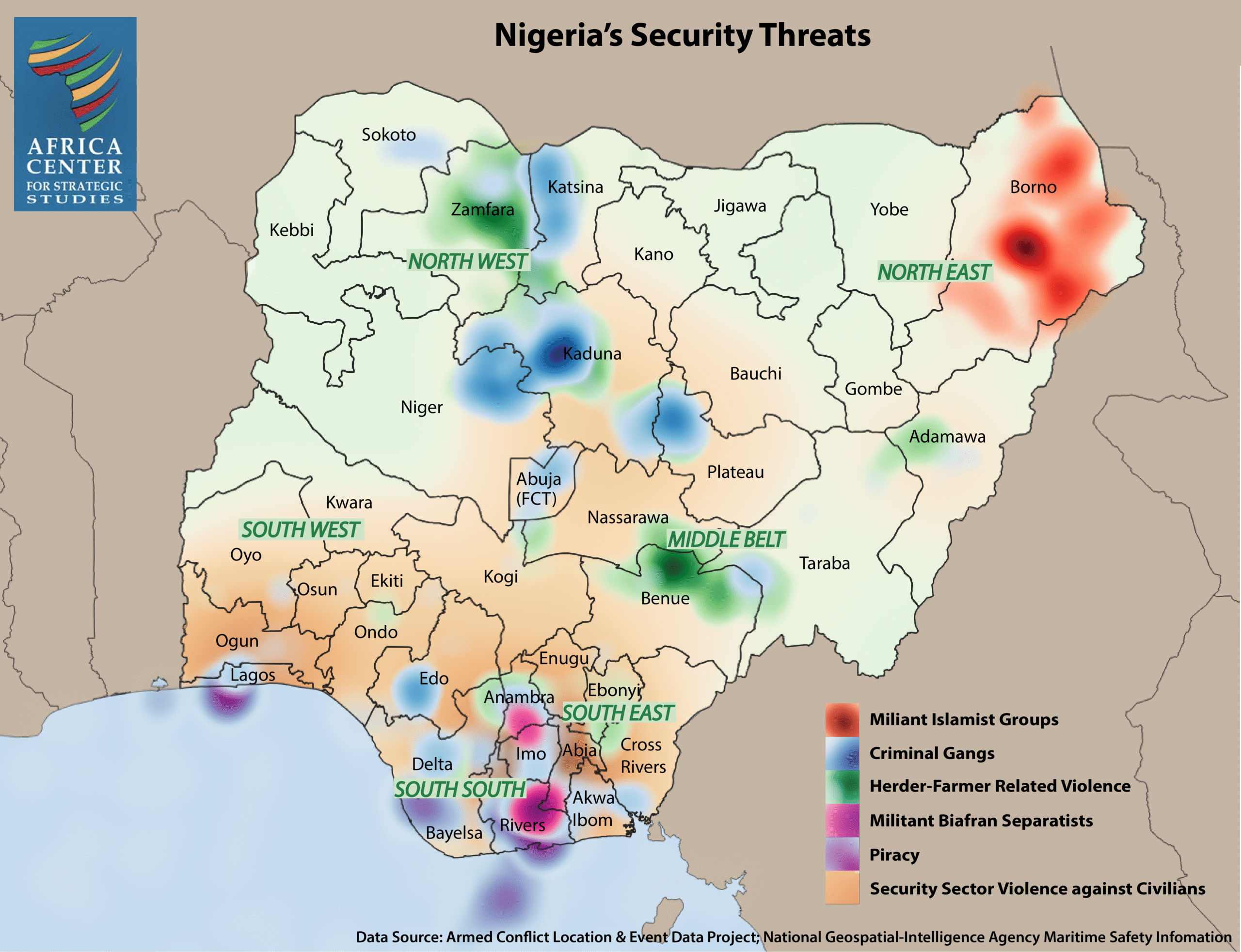
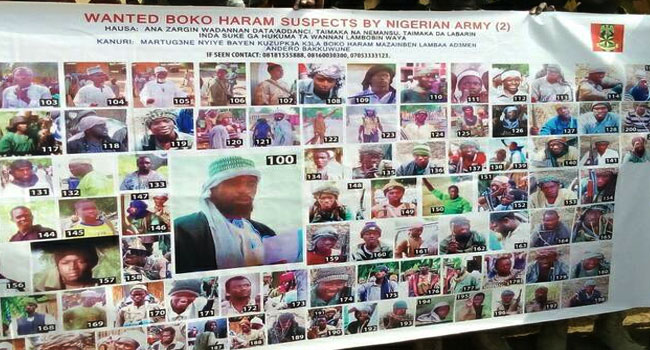
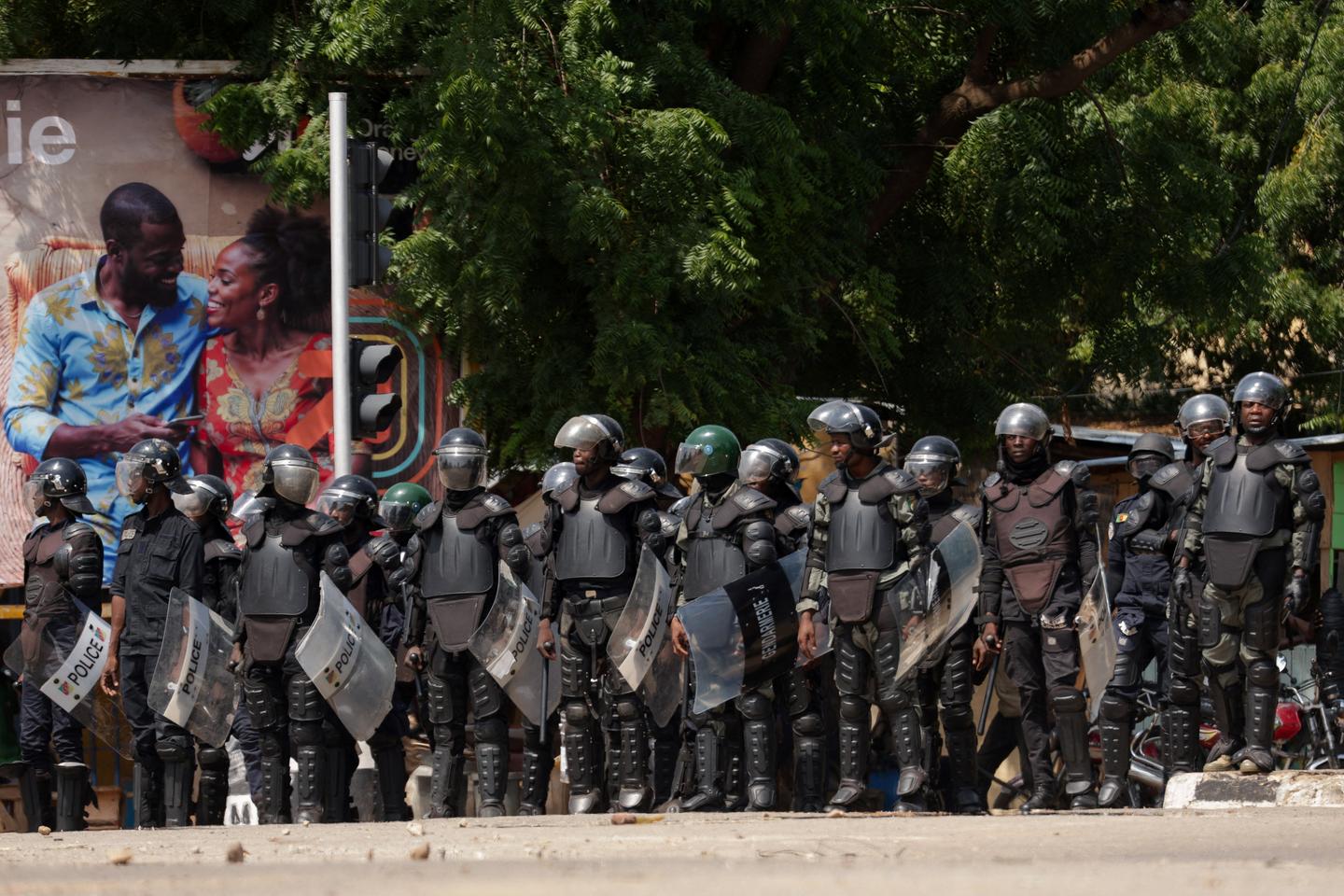
President Tinubu’s administration has swiftly moved to arrest and prepare charges against the implicated officers, signaling a firm determination to quell any threats to democratic governance. However, this unfolding scandal exposes significant underlying divisions within Nigeria’s security apparatus, prompting crucial questions about command loyalty and the inherent vulnerability of institutions so critical to national order. As this complex situation develops, public confidence undoubtedly hangs in the balance, making robust intelligence and proactive counterintelligence efforts absolutely critical to preventing further destabilization. Concurrently, Nigeria remains tragically besieged by persistent insecurity, with violent insurgencies and brutal community attacks devastating regions already weakened by prolonged conflict. Just days ago, militants linked to Boko Haram launched an assault on an army base in Borno State, a grim event that resulted in multiple soldier fatalities and the destruction of military gun trucks. This continuing insurgency, particularly in the northeast, poses grave threats to civilian safety and significantly undermines state authority and civilian safety, leaving countless citizens vulnerable. Meanwhile, the recent brutal assault on a community in Ebonyi State, where numerous individuals were tragically beheaded, many others kidnapped, and homes set ablaze, further erodes communal trust and challenges Nigeria’s capacity to protect its citizens effectively. The nation’s public safety challenges extend beyond armed conflict, revealing systemic deficiencies. In Minna, a massive petrol-laden tanker fire escalated dramatically after firefighters withdrew, citing inadequate water supplies, an incident starkly highlighting infrastructural and resource deficiencies in Nigeria’s emergency response capabilities. This event tragically underscores the urgent systemic need for substantial investment in safety infrastructure and improved protocols that can prevent local disasters from spiraling into national catastrophes. Beyond security and safety, Nigeria is wrestling with political and governance scandals that consistently exacerbate public frustration. In Taraba State, a dubious one billion naira consultancy scandal linked to a women’s empowerment project has recently come to light. This controversy was reportedly fueled by the prolonged absence of the ailing Deputy Governor Blessing Ramatu Sitepu, which created oversight lapses and potentially allowed for the misappropriation of funds specifically destined for vulnerable populations. In the policing sector, intense controversy roiled the Federal Capital Territory when youths protested fiercely, following serious allegations of police shooting and tear gas use that tragically left a man blinded, demanding the immediate removal of the Divisional Police Officer responsible. Additionally, Inspector General of Police Egbetokun has reportedly expressed fury over a 100 million naira security vote scandal involving his son, which allegedly implicated several police officials and the Anambra State government. These revelations, taken together, contribute to a broader, worrying narrative of widespread governance failures, deep-seated corruption, and pervasive accountability deficits that plague the nation. Legal and human rights issues also persist, casting a long shadow over the justice system. Six years after the initial incident, Bayelsa courts controversially accepted contested confessions in a jewelry theft trial of former first lady Patience Jonathan’s staff, despite credible claims of torture during interrogation. This decision reflects ongoing tensions within Nigeria’s judicial processes and seriously challenges human rights advocacy, illustrating the profound difficulties citizens face in securing genuine justice amid complex political and social landscapes. Other tragic incidents, often overlooked in the grander scheme, continue to rock local communities. An enraged mob in Enugu recently beat a hairstylist to death after accusations of theft linked to occult practices, and the unexplained sudden death of a 27-year-old woman at a boyfriend’s home in Abuja, with the suspect still at large, underscore profound social strains and the urgent need for enhanced security and investigative capacities across the country.
What does all this mean for Nigeria’s immediate future and its long-term trajectory? It’s abundantly clear that the country’s leadership faces formidable, interconnected tasks. The government must deftly navigate the complex fallout from the alleged coup plot while simultaneously reinforcing unity and bolstering morale within the military and other crucial security forces. Tackling the persistent violence in the northeast and other affected regions demands not just renewed, but innovative, counterinsurgency strategies that unequivocally prioritize civilian protection and regional stability. Furthermore, there’s a critical and urgent need to address systemic corruption and significantly improve governance frameworks to genuinely rebuild public trust. Could strengthening emergency services infrastructure and broadening meaningful community engagement help to significantly mitigate public safety risks and diffuse social unrest? Absolutely, these are vital investments. Ultimately, transparent judicial reforms and robust human rights protections aren’t merely good policy; they are absolutely integral to fostering national healing and long-term reconciliation. In this pivotal moment, Nigeria’s future truly hinges on robust, inclusive, and decisive responses that can restore confidence across its beleaguered institutions and fractured communities. These intertwining crises demand unwavering vigilance, innovative solutions, and a deep, enduring commitment from both government leaders and civil society alike if Nigeria is to secure a peaceful and prosperous path forward.
Sources:
- EXCLUSIVE: Nigerian Air Force Officer Who Is Ex-Governor Sylva’s Relative, Detained Over Alleged Coup Against Tinubu, Africa News, January 31, 2026, [URL]
- BREAKING: Several Nigerian Soldiers Reported Killed As Boko Haram Attacks Army Base In Borno, Destroys Gun Trucks, Africa News, January 31, 2026, [URL]
- BREAKING: Firefighters Withdraw From Minna Petrol-Laden Tanker Fire, Cite Lack Of Adequate Water, Africa News, January 31, 2026, [URL]
- EXCLUSIVE: Another Army General, Commanding Officer Arrested By Military Over Alleged Coup Plot Against Tinubu, Africa News, January 31, 2026, [URL]
- EXCLUSIVE: How Ailing Deputy Governor’s Absence Fueled N1Billion ‘Bogus’ Consultancy Scandal In Taraba Women Project, Africa News, January 30, 2026, [URL]
- Gunmen Attack Ebonyi Community, Behead Several, Kidnap Many, Burn Homes, Africa News, January 30, 2026, [URL]
- BREAKING: Nigerian Police Inspector Detained By DIA For Alleged Coup Plot Against Tinubu, Africa News, January 27, 2026, [URL]
- EXCLUSIVE: 35 Military Officers Including 33 Northerners Detained Over Alleged Coup Plot Against Tinubu, Africa News, January 27, 2026, [URL]
- BREAKING: Nigerian Military Set To Arraign Officers Detained Over Plot To Overthrow Tinubu’s Government, Africa News, January 26, 2026, [URL]
- EXCLUSIVE: After 6 Years, Bayelsa Court Admits Contested Confessions Of Patience Jonathan’s Staff In Jewellery Theft Trial Despite Torture Claims, Africa News, January 26, 2026, [URL]
- BREAKING: Youths Protest In FCT’s Bwari Over Alleged Police Shooting, Tear Gas Attack That Left Man Blind, Demand DPO’s Removal, Africa News, January 26, 2026, [URL]
- EXCLUSIVE: IGP Egbetokun Reportedly Furious Over N100Million Security Vote Scandal Involving Son, Blames Police Officials, Anambra Govt For Leak, Africa News, January 23, 2026, [URL]
- BREAKING: Mob Beats Enugu Hairstylist To Death After Native Doctor Accuses Him Of Stealing Street Lights, Africa News, January 23, 2026, [URL]
- BREAKING: 27-Year-Old Woman Collapses, Dies At Boyfriend’s House In Abuja, Suspect On The Run, Africa News, January 23, 2026, [URL]