
Africa’s Startup Scene Matures in 2026: Building Beyond Fintech to Farm IoT and the Search for Sustainable Unicorns
A More Disciplined Ecosystem Takes Shape
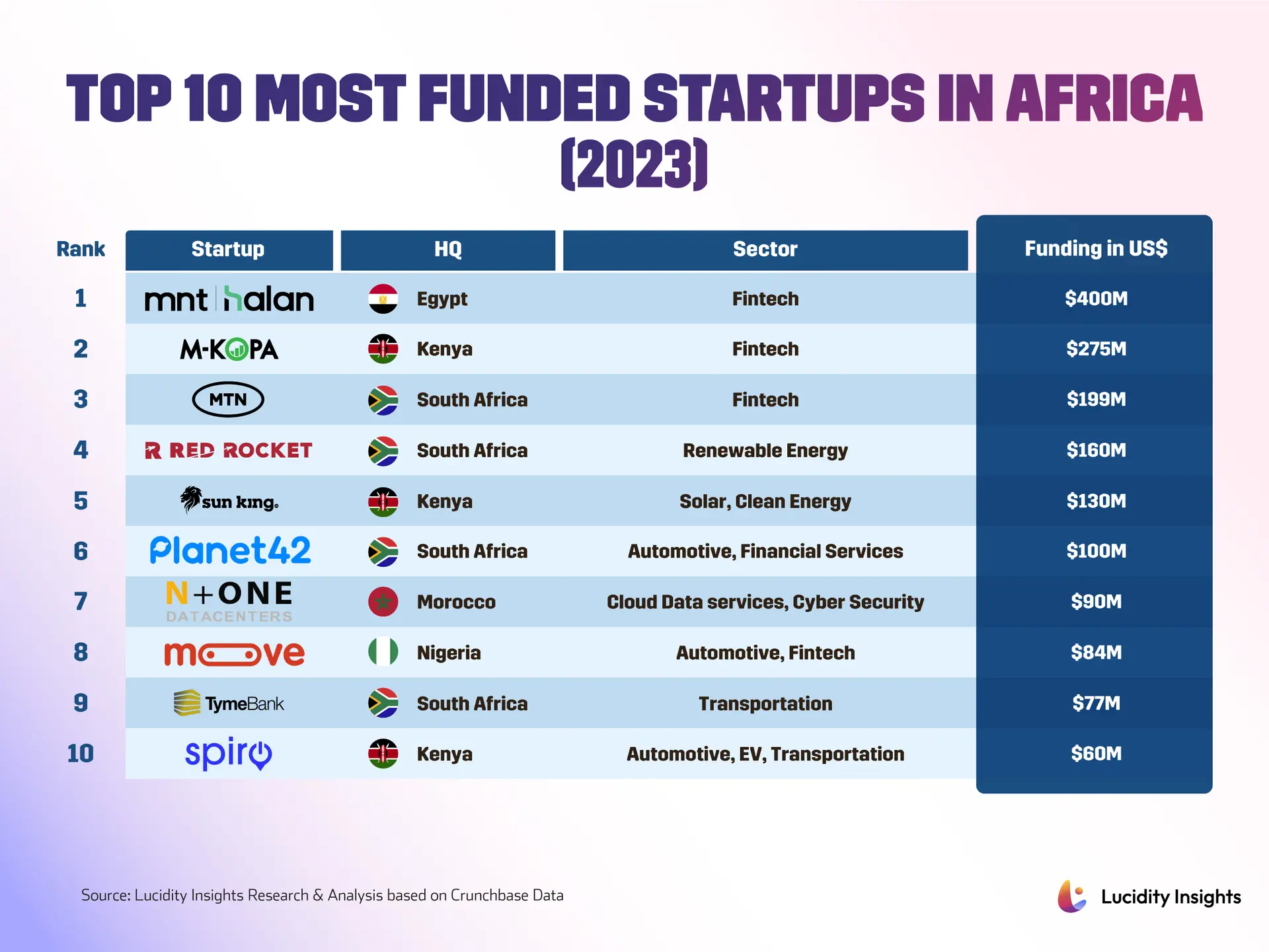
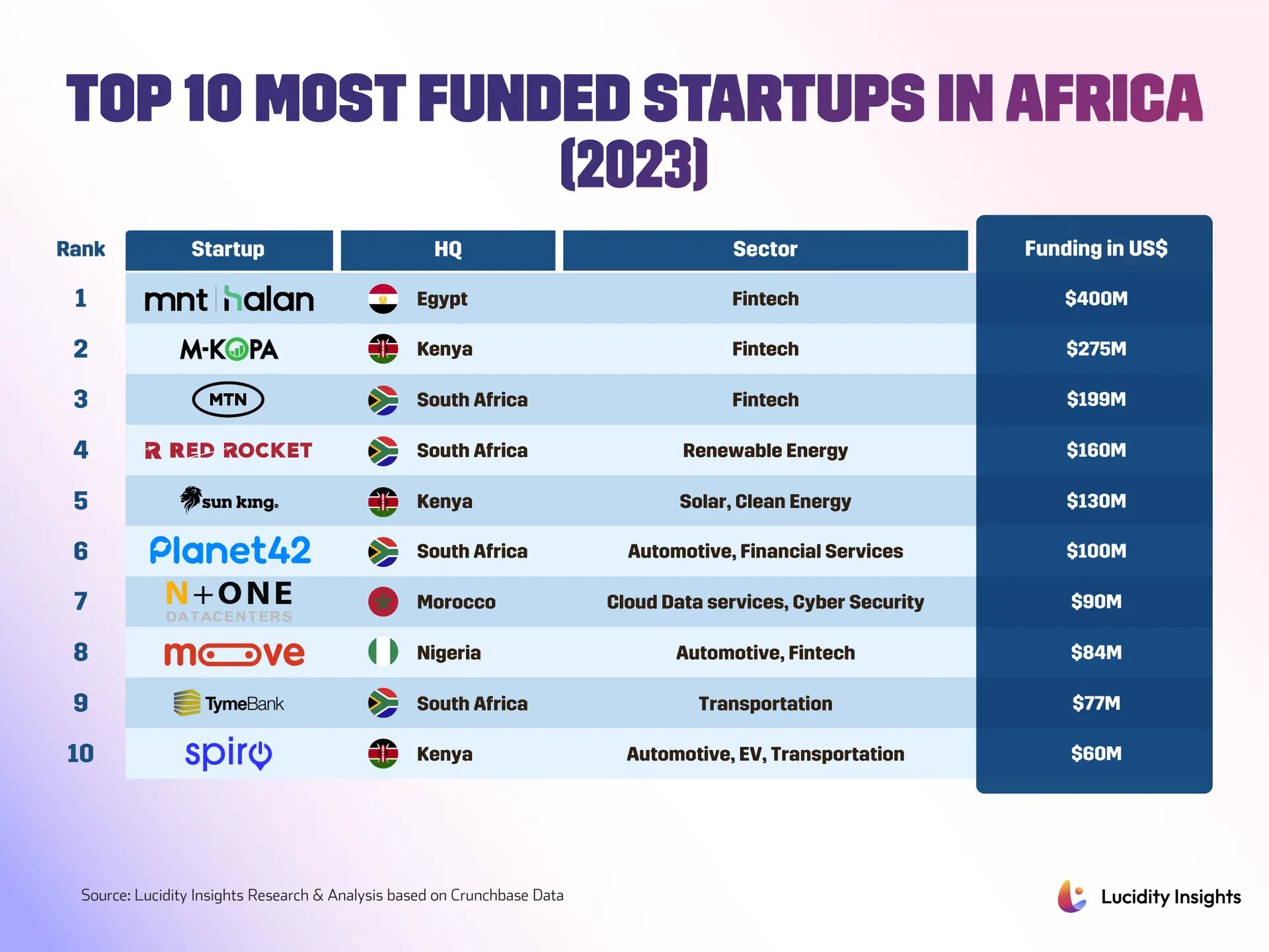
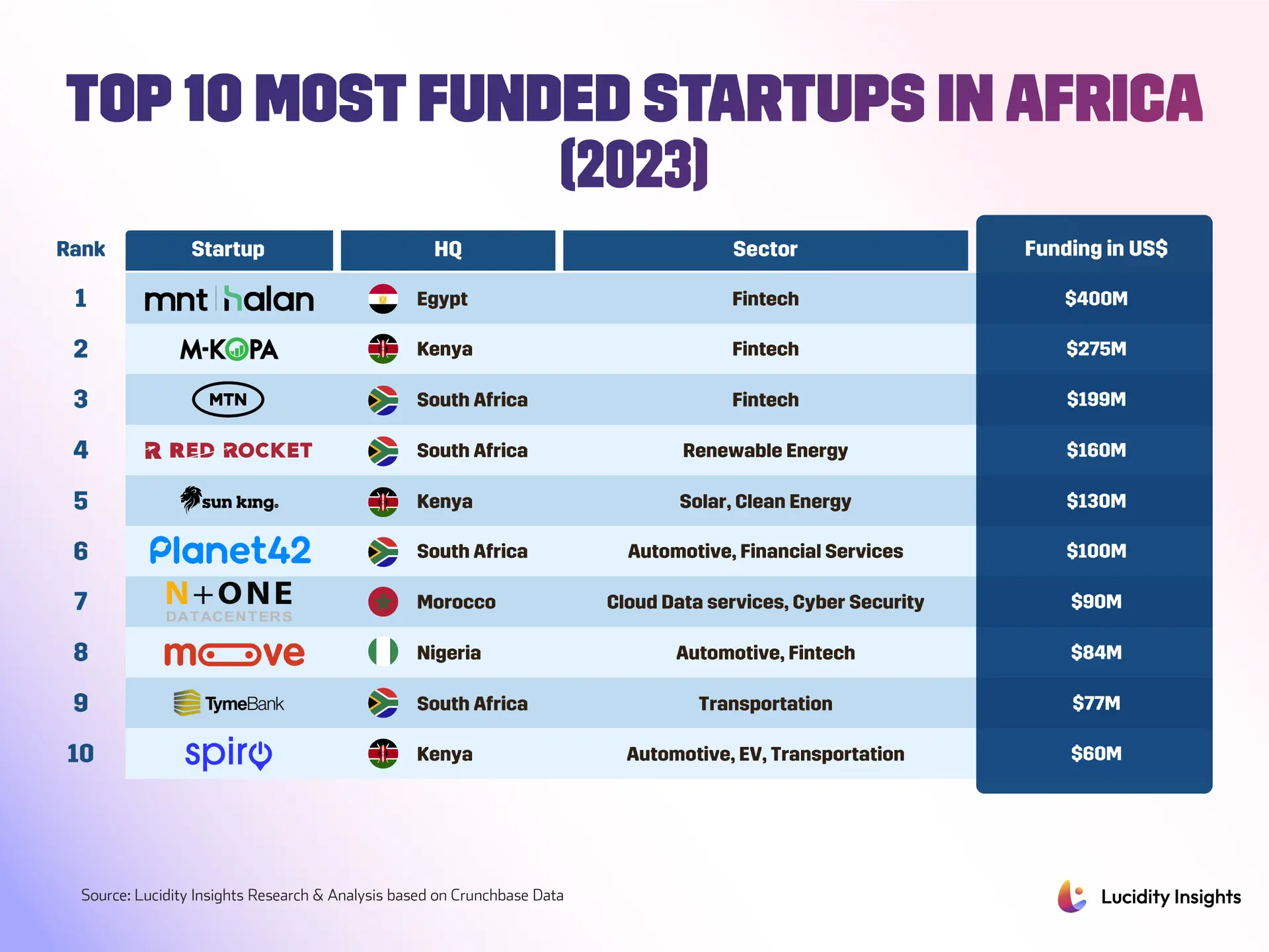
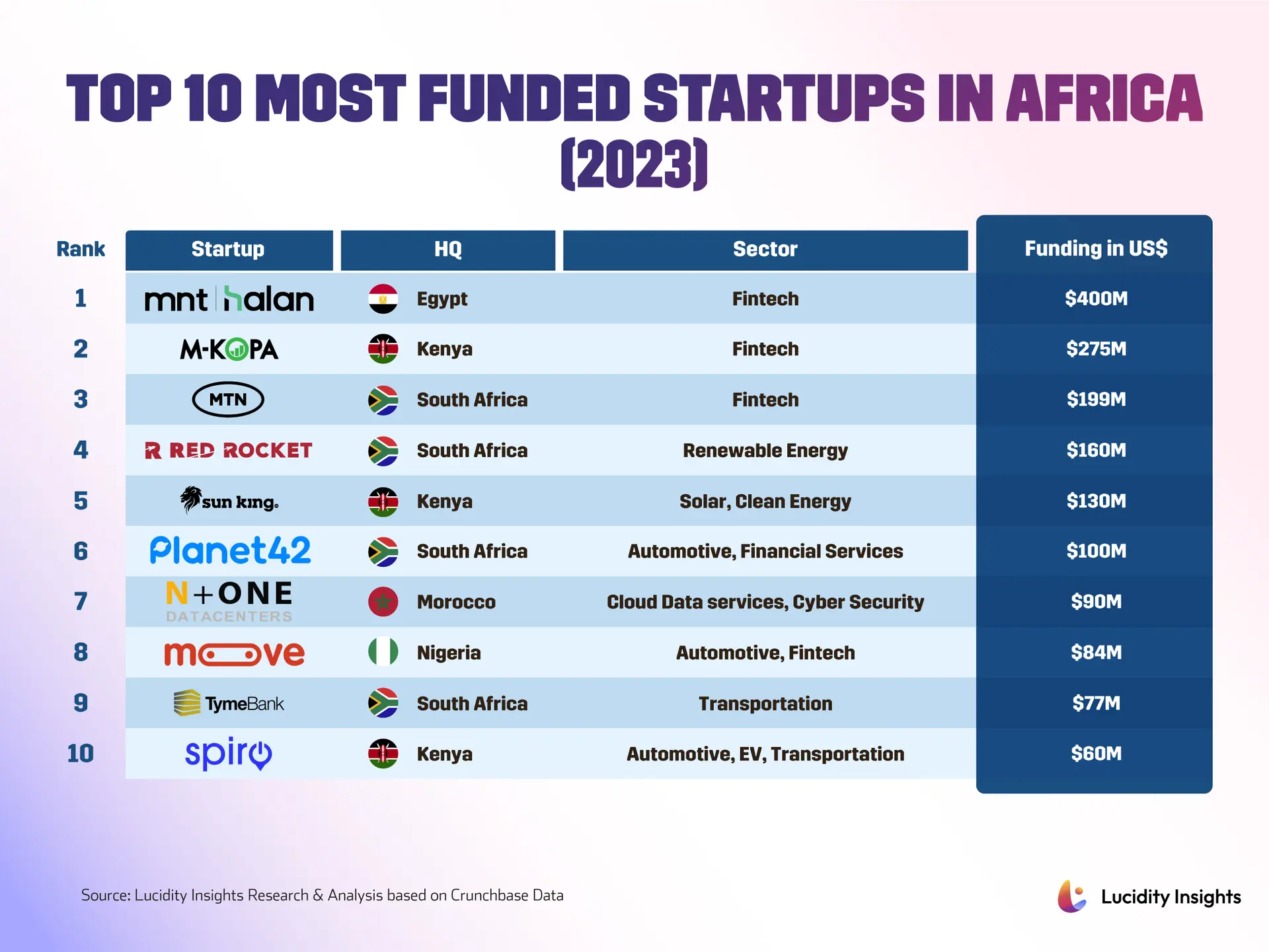
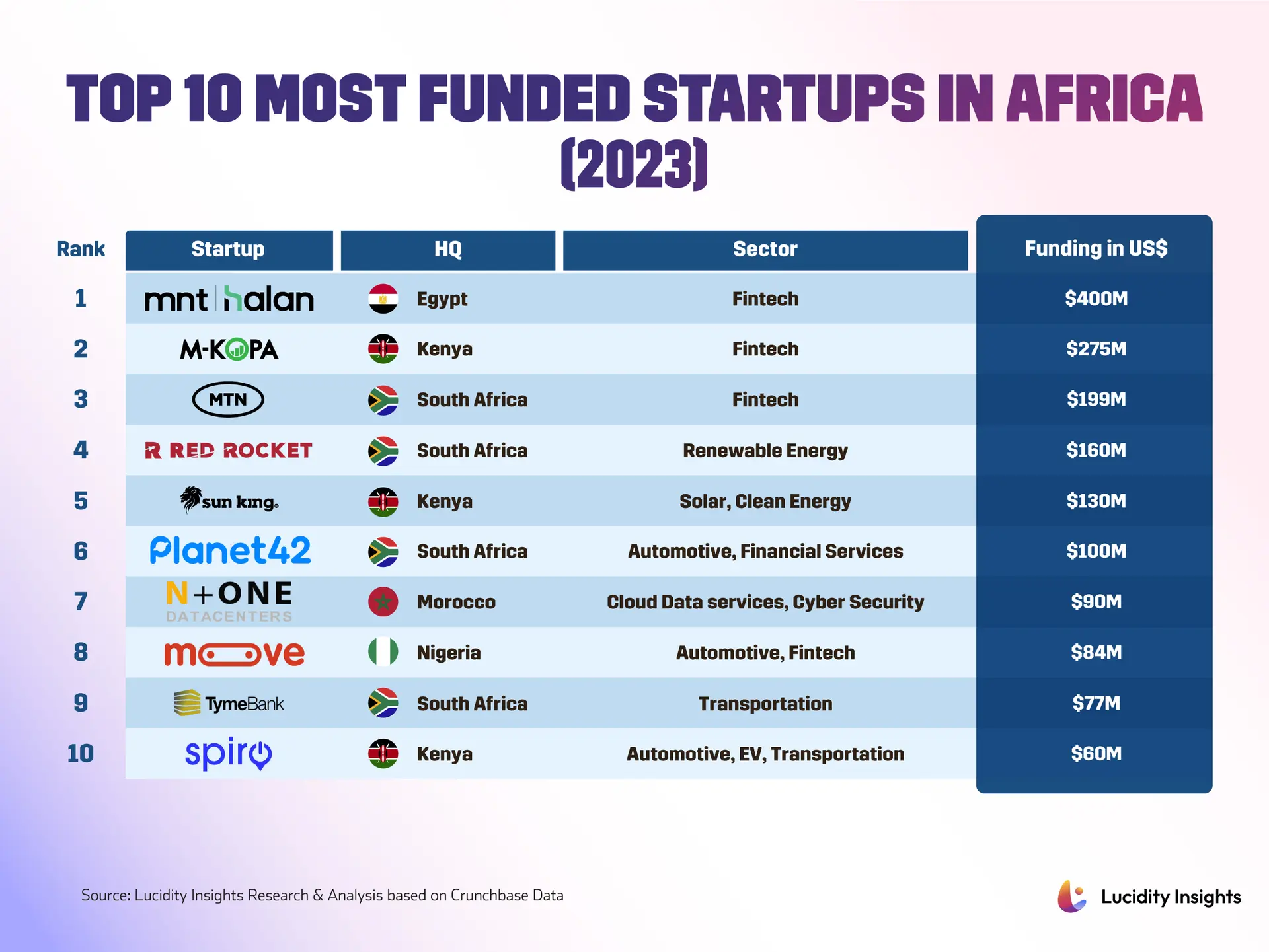
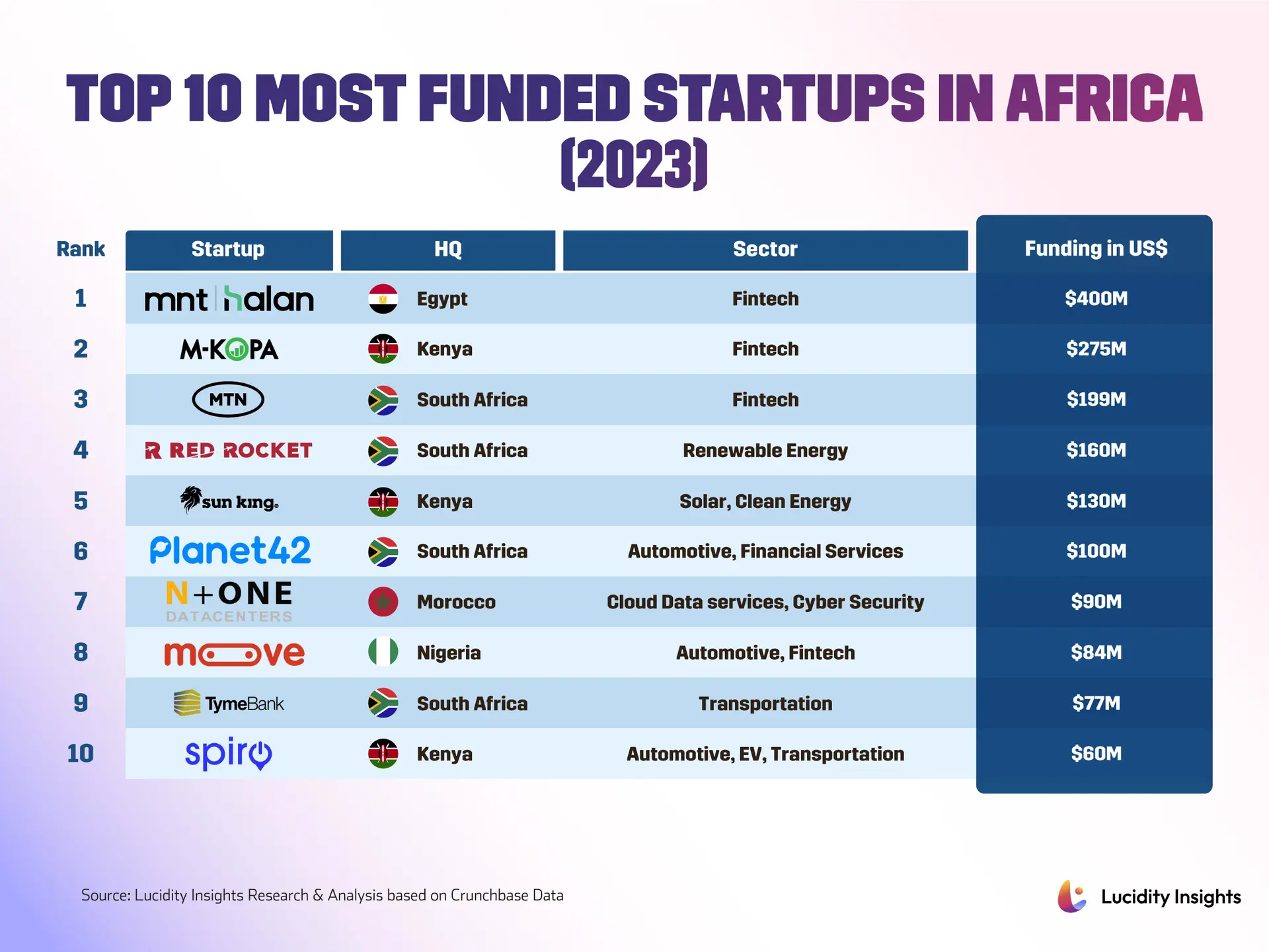
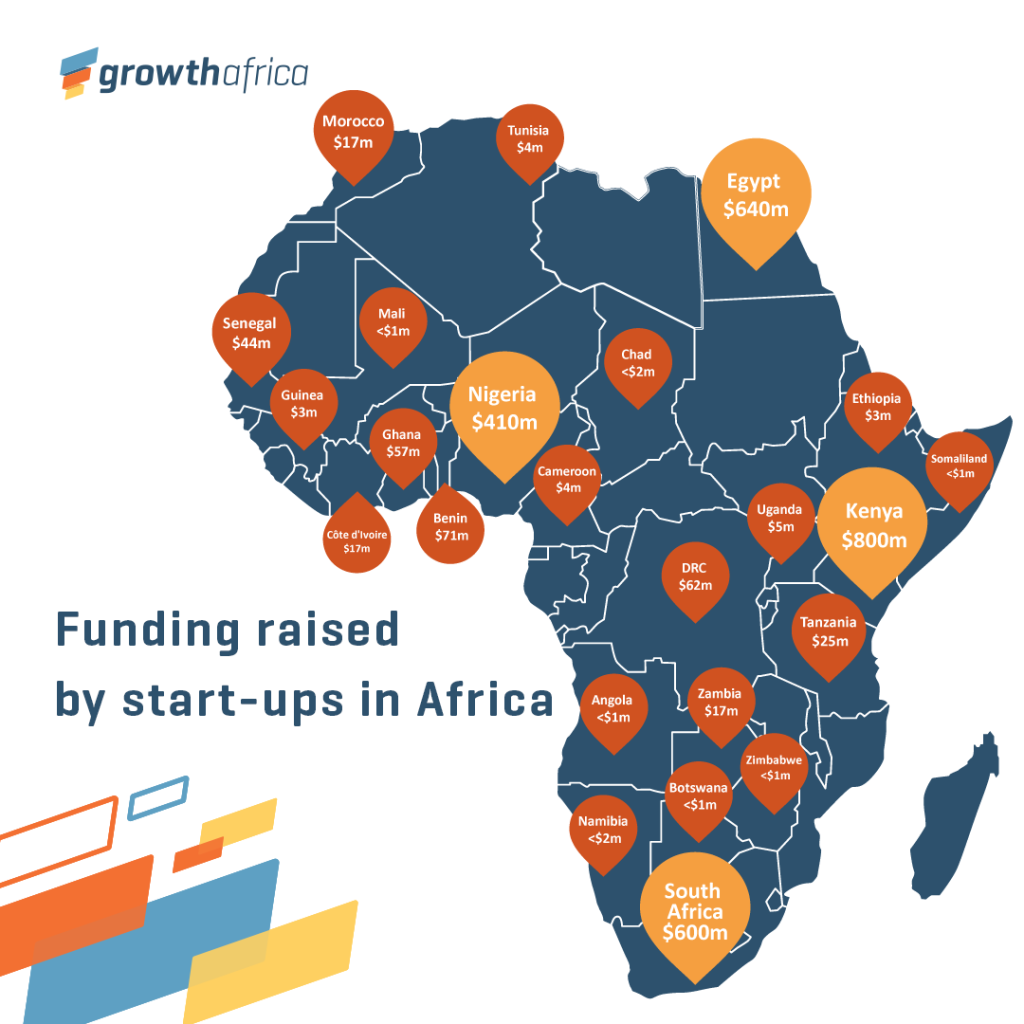
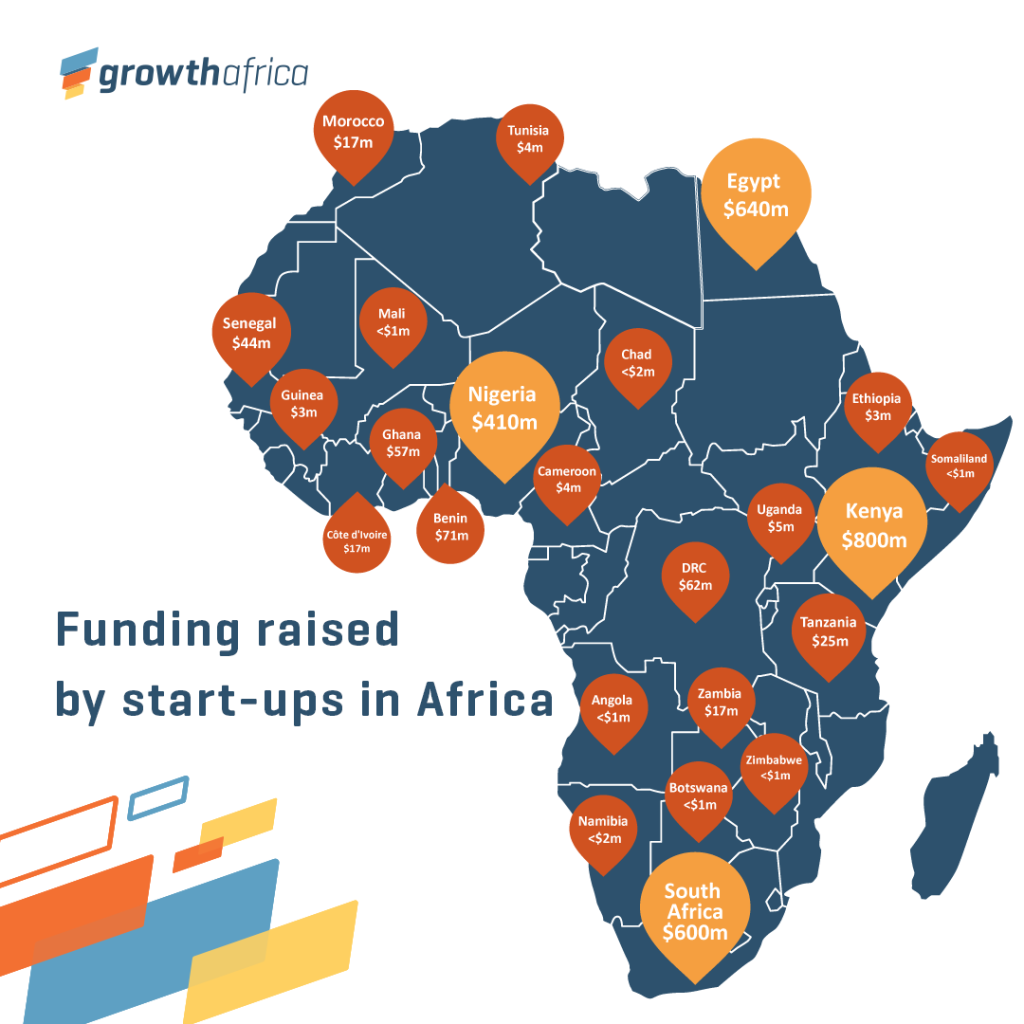
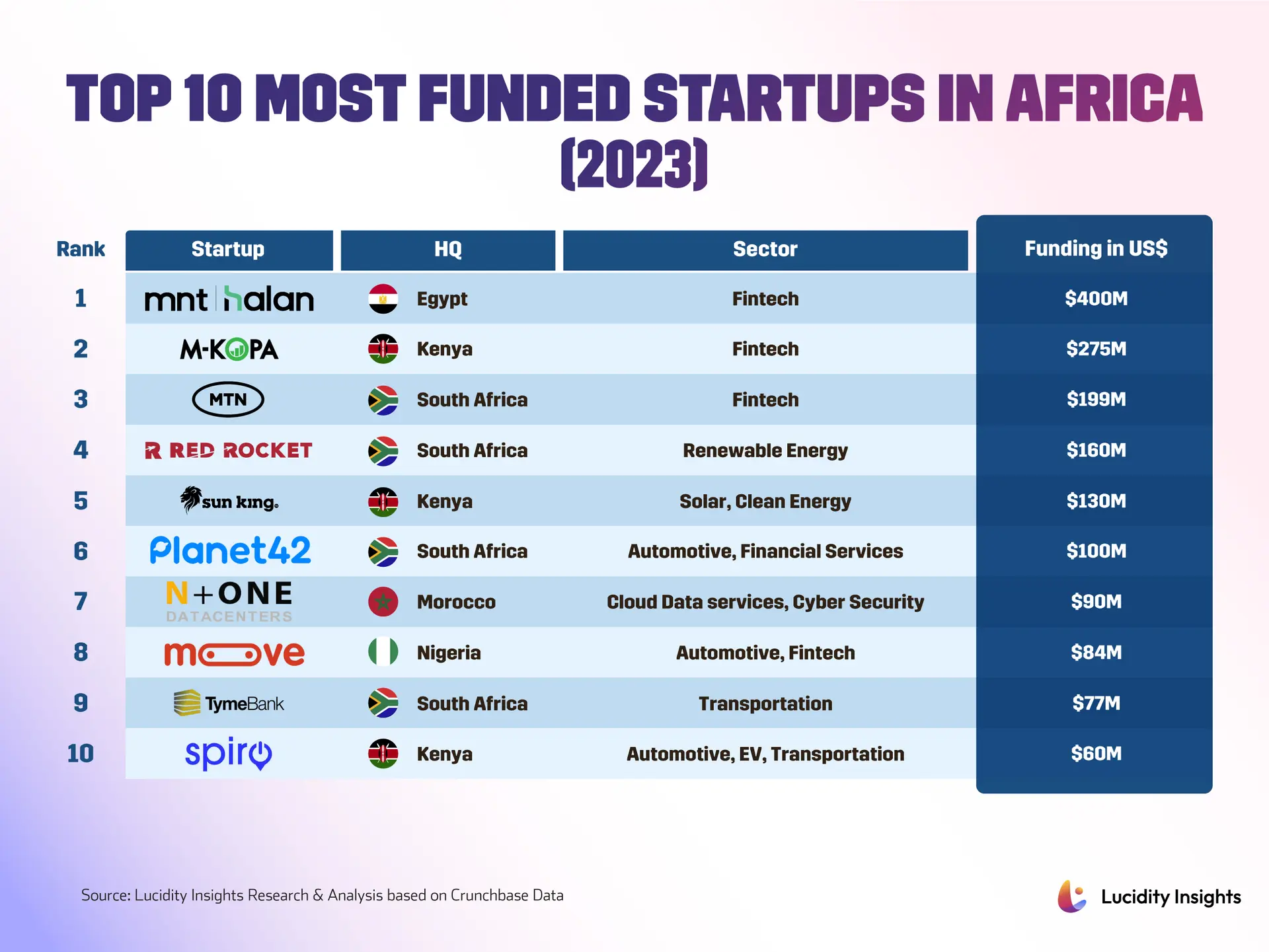
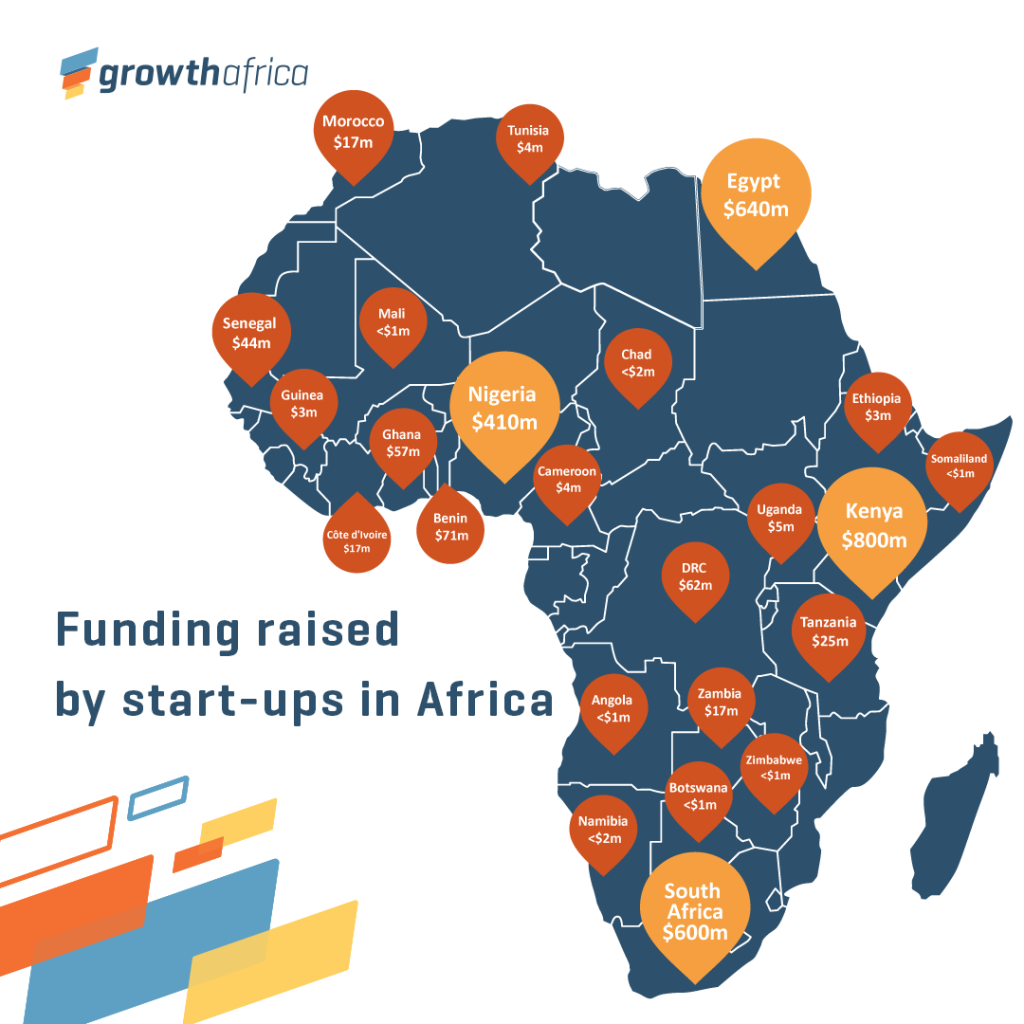
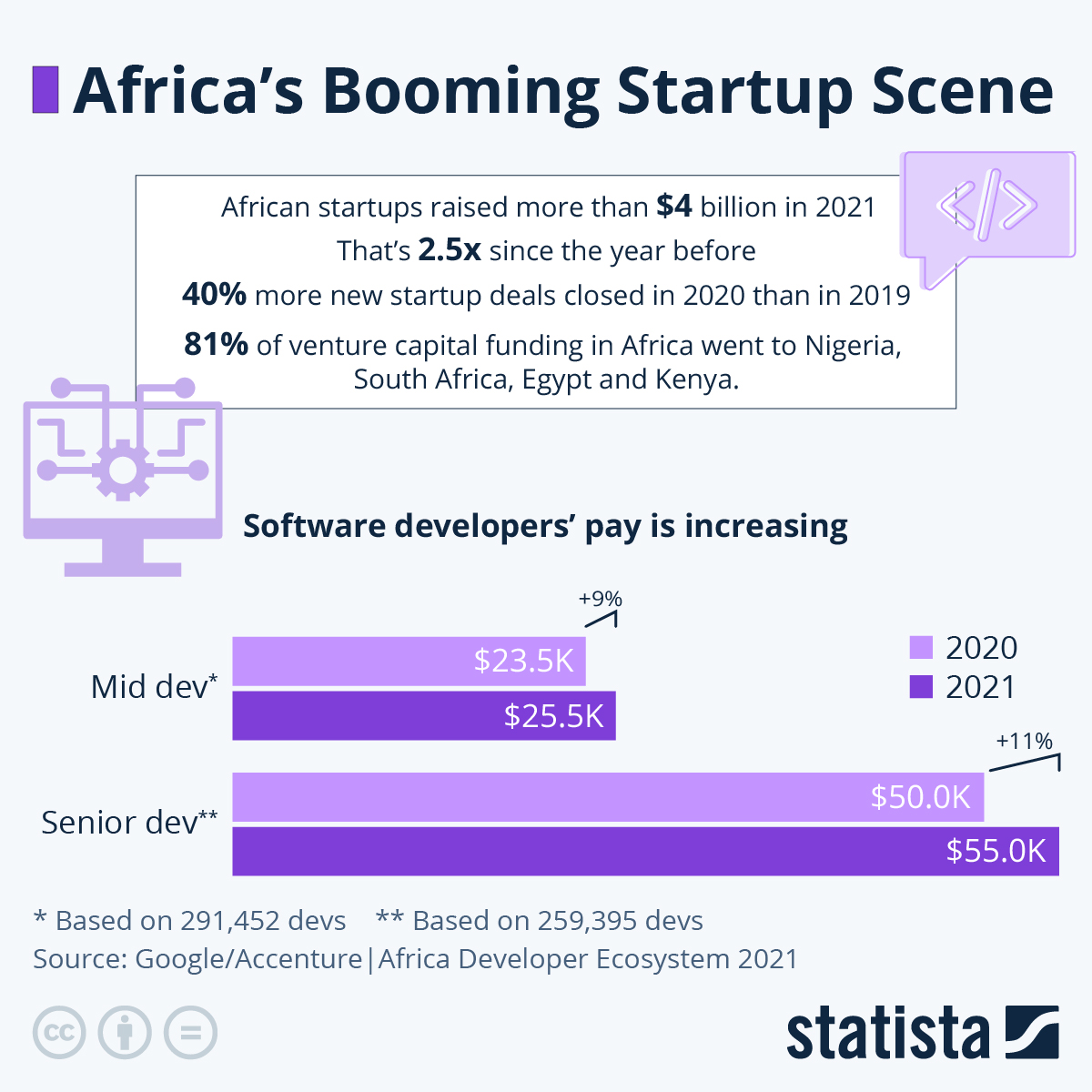
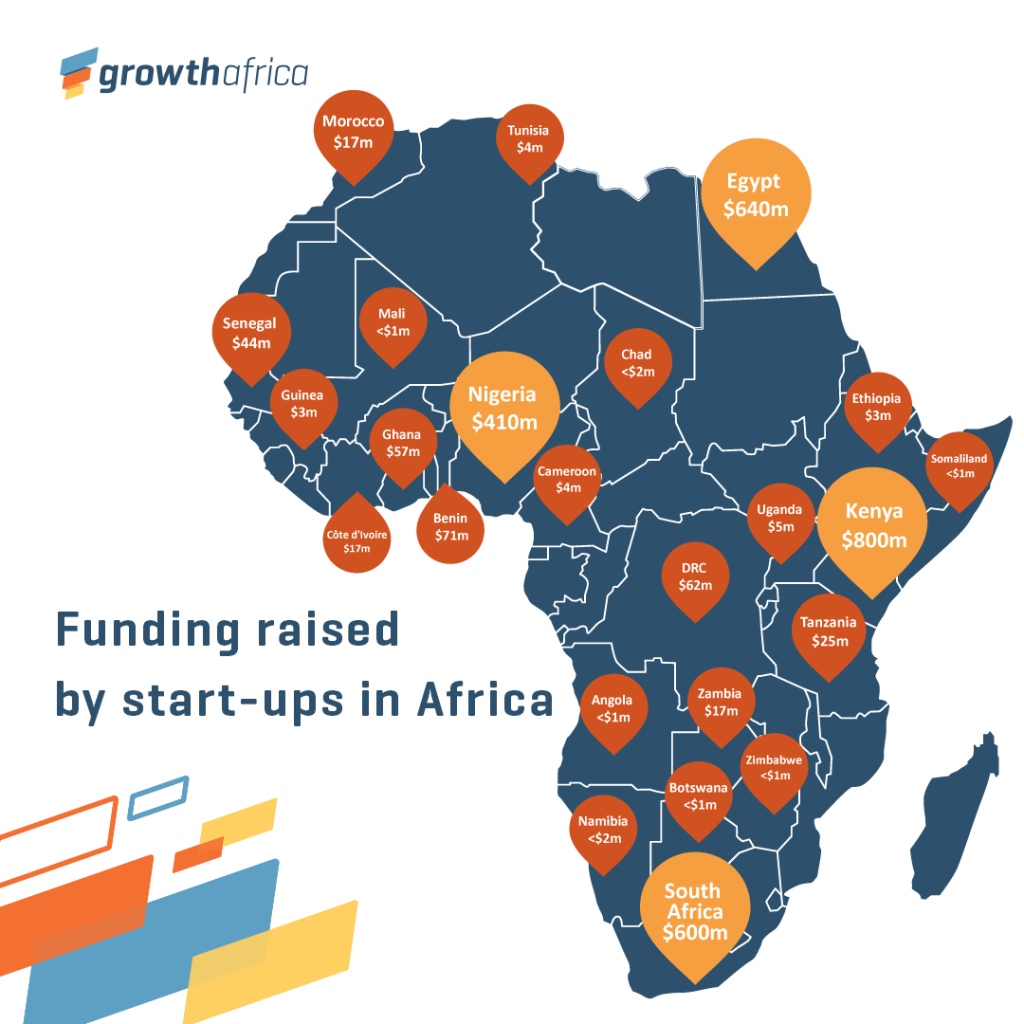
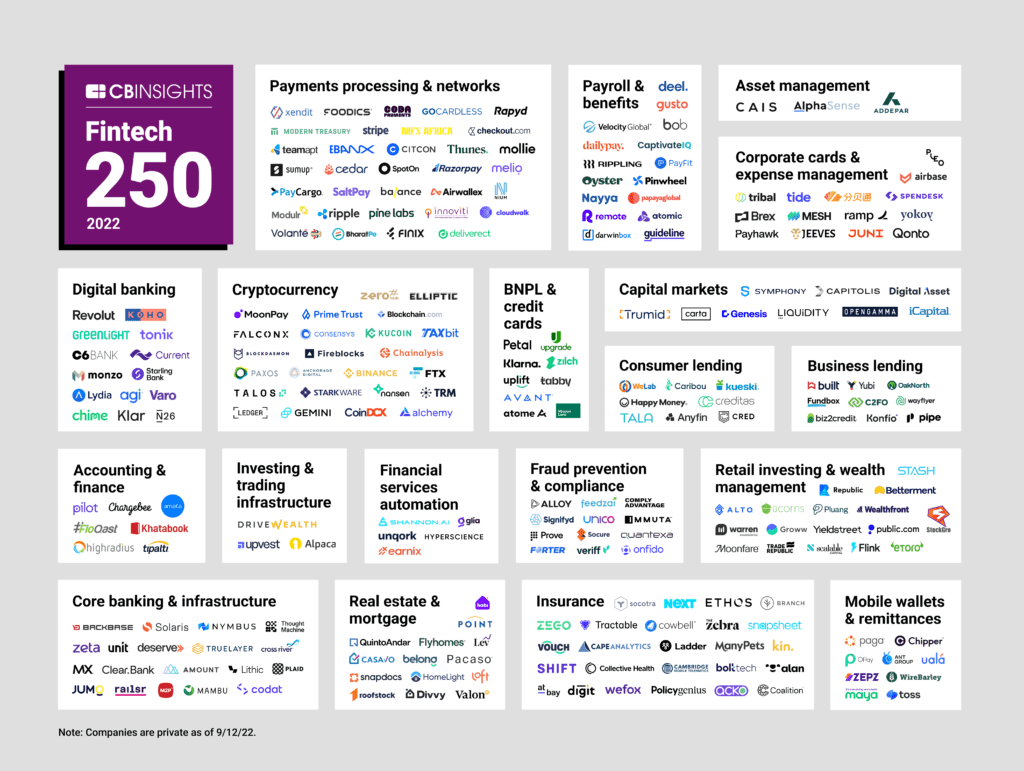
Africa’s tech landscape isn’t just growing anymore, it’s growing up. What used to be a spectacle of fast growth and flashy headlines has settled into something steadier and more disciplined across markets from Lagos to Nairobi. The numbers tell the story. Last year, African startups turned about $4.1 billion in funding into real outcomes, including more than 1.2 million jobs for people under 35. That momentum is pushing toward a projected $180 billion digital economy, according to recent research on Africa’s tech landscape. Fintech still grabs most of the attention and cash because it solves everyday problems, moving cash based transactions onto digital rails. The African Continental Free Trade Area (AfCFTA) helps by lowering regulatory friction for cross border payments. New entrants like Honeycoin, which uses stablecoins to make remittances faster and cheaper, show how blockchain tools marry with practical payments infrastructure. The company reports more than 300,000 retail users and $150 million processed each month. But here’s the shift, money is now chasing viable business models, not just hype. Founders are focusing on durable distribution instead of headlines, and investors have gotten pickier about who gets their checks.
Practical Solutions Beyond Digital Payments
Fintech can’t build a resilient ecosystem alone, and Africa’s startup scene knows it. That’s why agritech, green energy and deep tech are staking stronger claims. These aren’t experimental add ons anymore. They’re building blocks that reduce waste, shore up supply chains and steady power for small businesses. In Nigeria and Kenya, agritech startups are reworking how food moves from farm to market, cutting post harvest losses by roughly 20 to 25 percent through sensor networks and better market links. When apps let a farmer in Kano sell directly to a buyer in Nairobi, middlemen shrink, yields improve and incomes rise. Medium and large farms are on track for significant internet of things adoption by the end of 2026, a change that could lift yields by as much as 30 percent while lowering costs by 20 percent. Energy tech provides another practical leap. With national power systems still weak in many places, startups combine solar hardware with AI to predict usage and optimize battery storage, part of the continent’s broader digital transformation. These solutions address a fundamental power reliability problem that otherwise throttles growth. The continent’s tech renaissance is becoming more diverse and grounded in real world needs.
The New Path to Billion Dollar Valuations
This shift toward fundamentals explains why investor behavior has changed. After a period of large, headline grabbing rounds, funding now favors companies that show clear pathways to profit. Local venture capitalists have stepped in, filling about 40 percent of the financing gap left by global investors who tightened their purse strings in 2025. The consequence? A tougher environment for startups that relied on endless capital. In fact, shutdowns rose last year, wiping out roughly $52 million in investor capital and reminding everyone that unit economics matter. Yet constraints have sharpened strategy and highlighted distribution as the decisive advantage. African companies that scale successfully do so by building agent networks, integrating financial services directly into merchant workflows, and partnering with banks and telecoms. Trust functions almost as a currency in these markets, and distribution is how you earn it. This year, investors are watching a broader, more mature set of candidates for the next unicorns, from mobility and logistics to healthtech and energy. As industry analysts note, the recipe for scaling looks less like explosive growth hacks and more like meticulous expansion. Founders who compound operational learning, refine their business models and embed themselves into existing commercial flows are likelier to reach billion dollar valuations. Looking ahead, 2026 feels less like a continuation of a boom and more like the start of an ecosystem that can sustain bigger outcomes. If the pieces come together, Africa’s next wave of unicorns won’t be measured by surprise valuations, but by their ability to routinize services that millions can depend on every day, building on the continent’s startup ecosystem growth and emerging unicorn contenders.