US Eyes Renewed Cooperation in Sahel as Conflict and Diplomacy Shape the Region’s Future
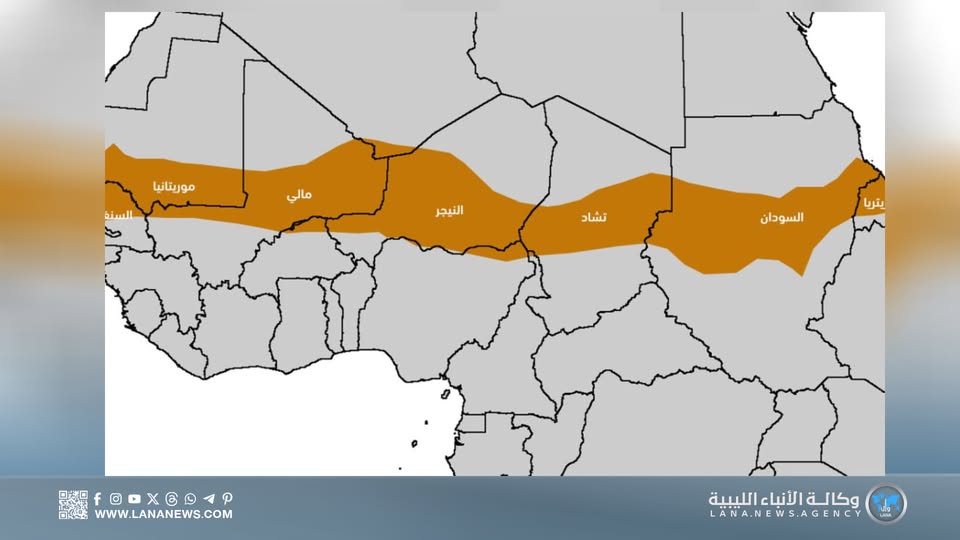
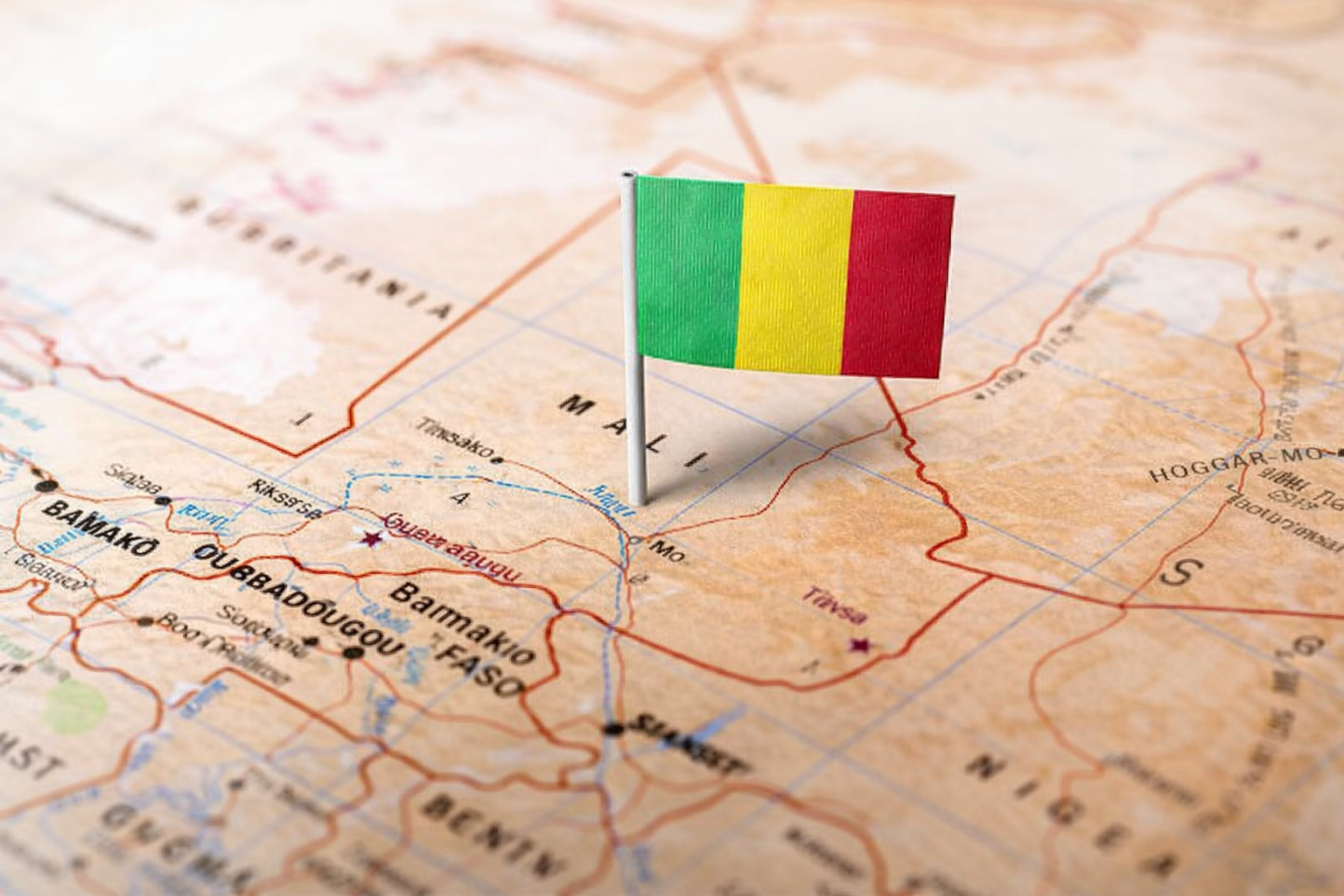
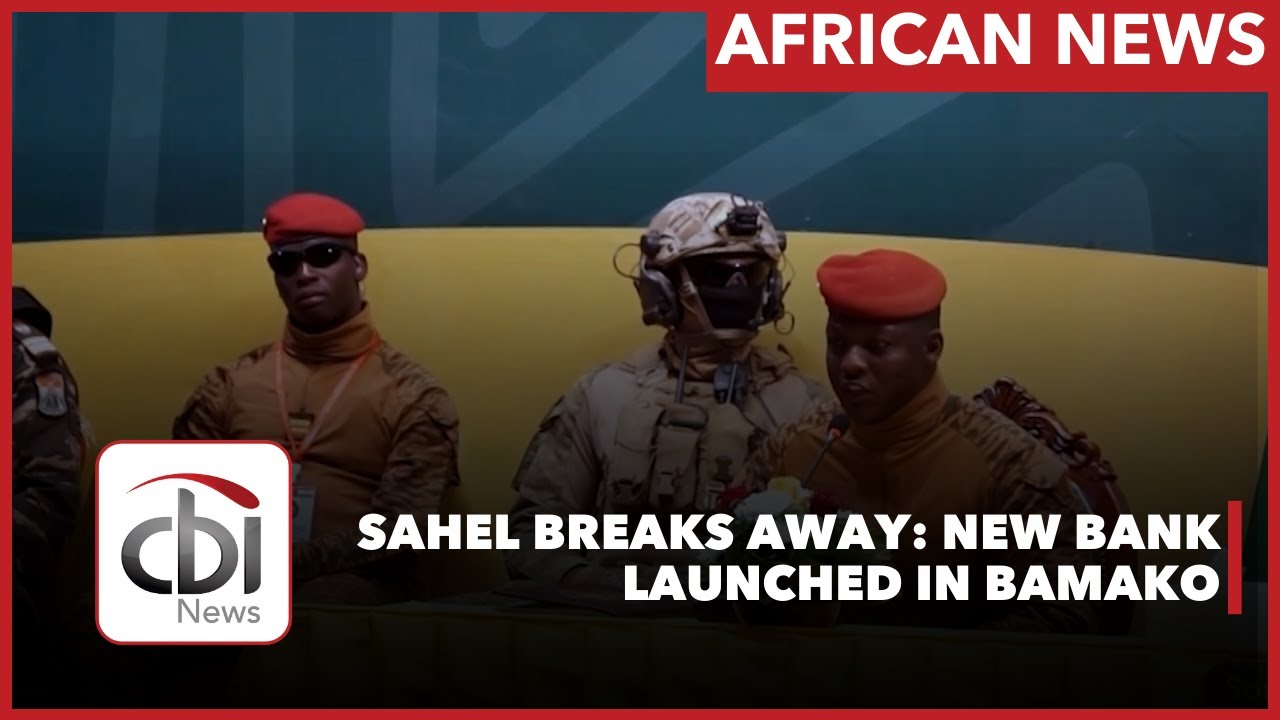
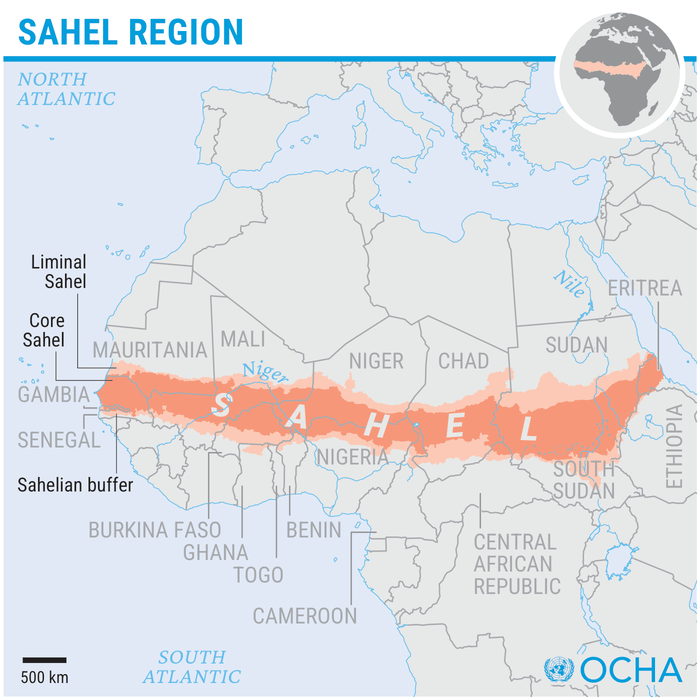
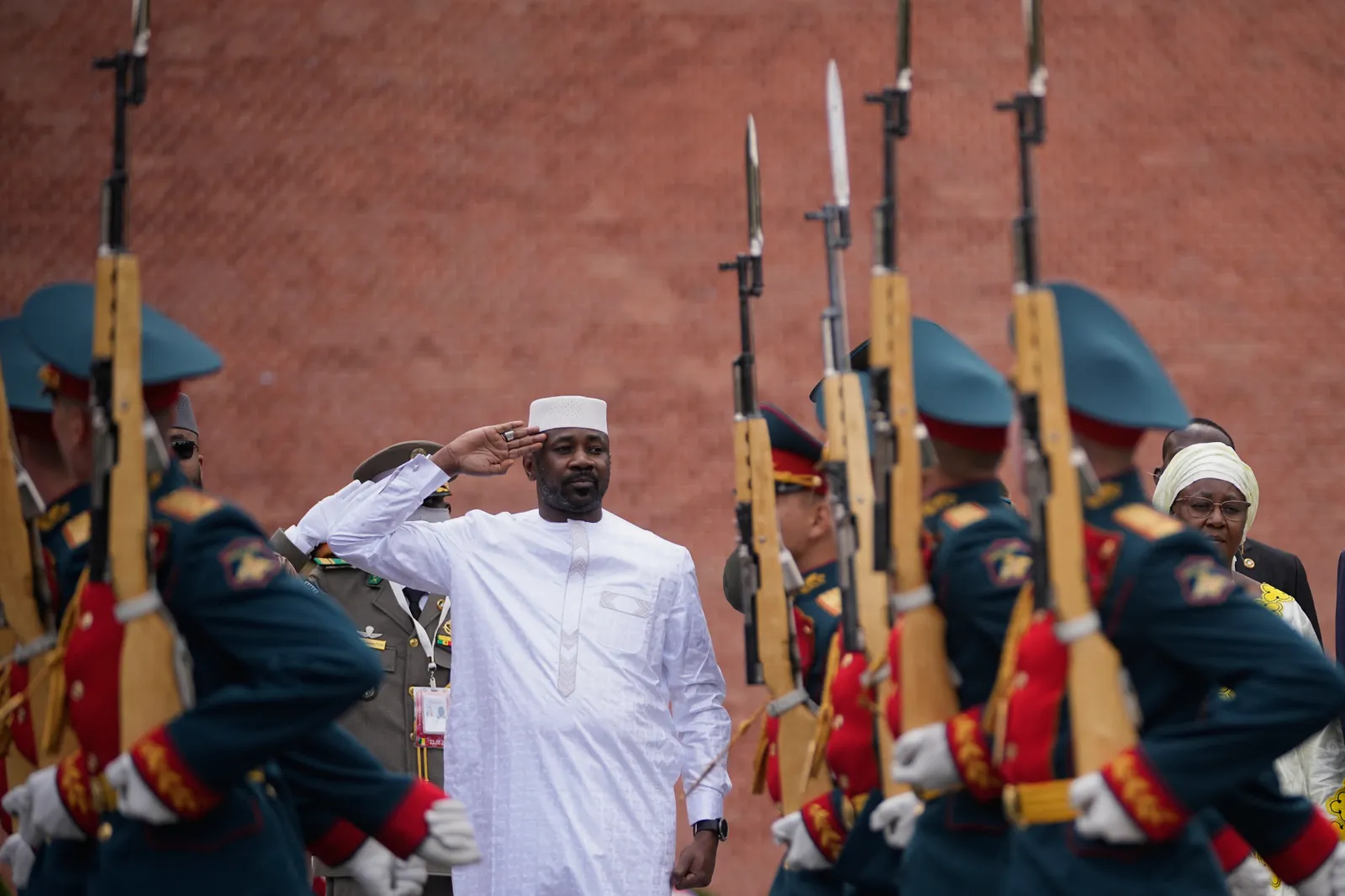
The Sahel, a vast stretch of Africa that includes countries like Mali, Niger, and Burkina Faso, is a region constantly grappling with complex security and geopolitical challenges. But lately, there’s been a noticeable shift in diplomacy, hinting at a renewed engagement that could truly change things for this war-torn area. Why does this matter? Well, the United States, along with regional leaders and global organizations, are all trying to align their efforts. They’re worried about the increasing violence and they understand how urgent it is to find stability. This delicate dance of confrontation and cooperation is what’s shaping the Sahel’s ongoing story, and its impact on the rest of Africa is huge.
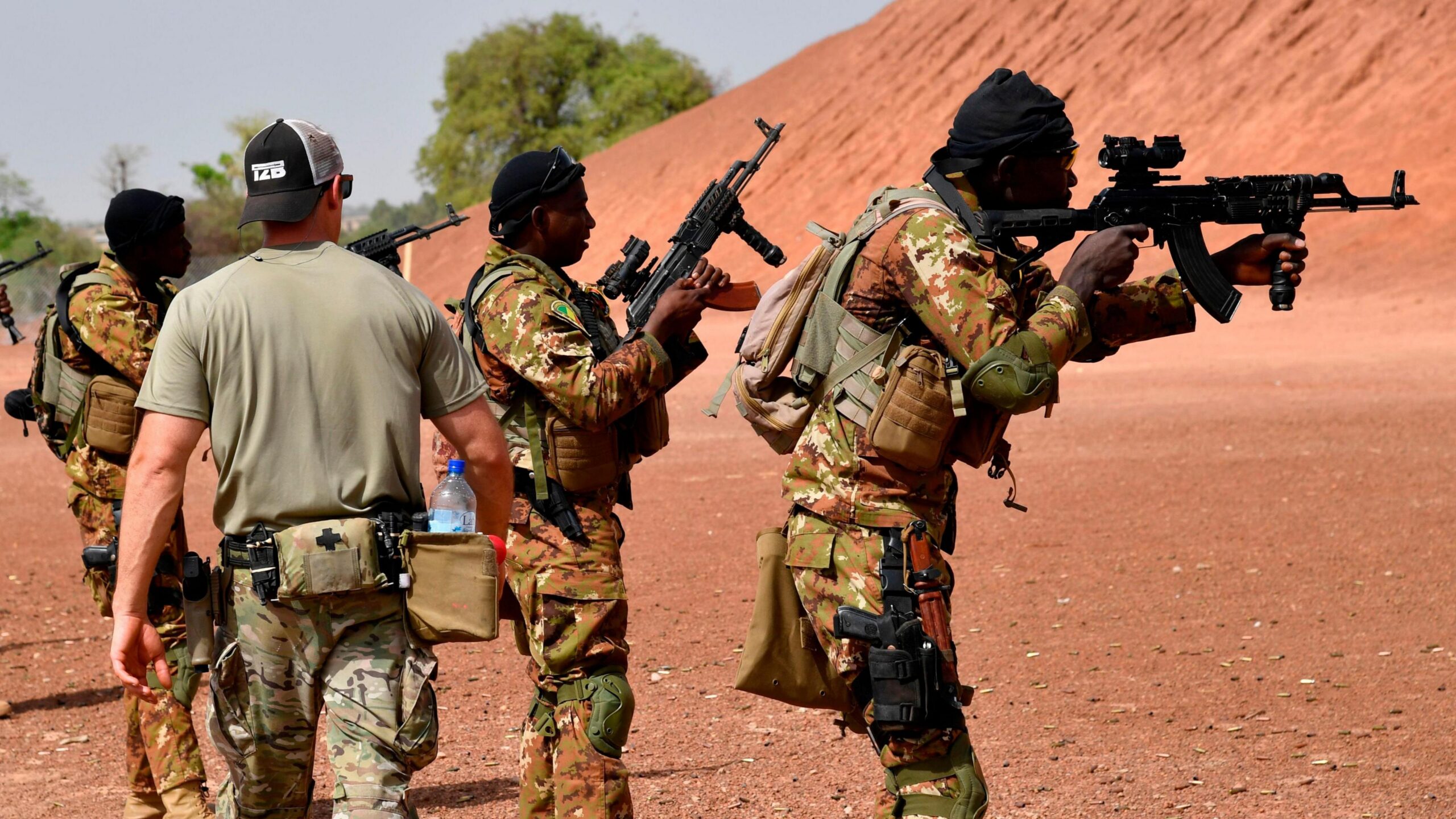
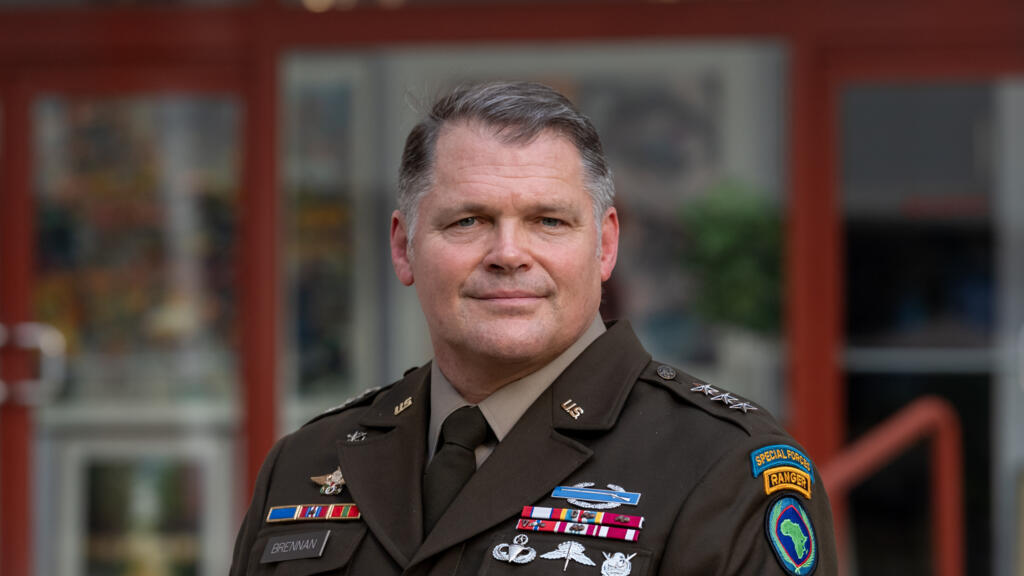
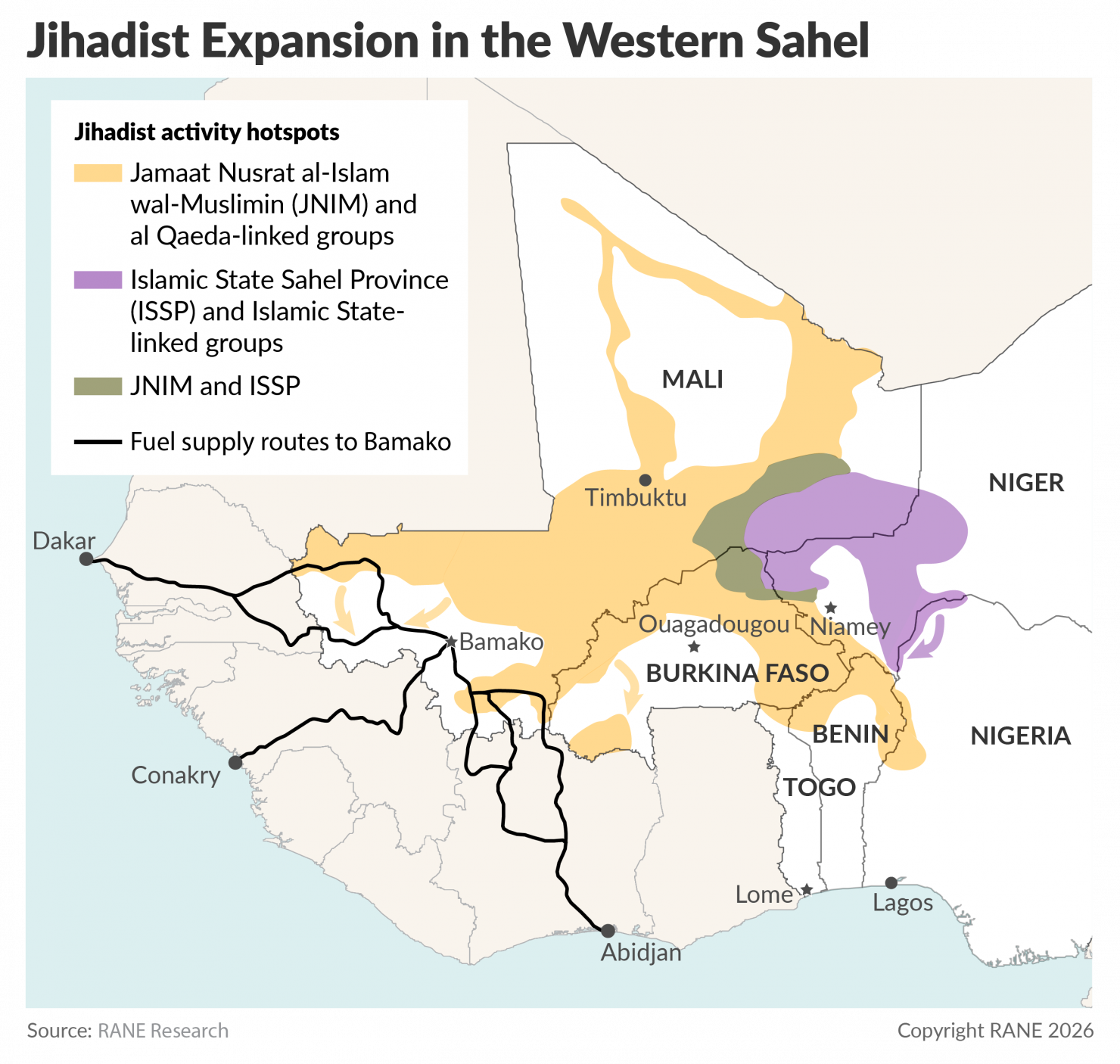
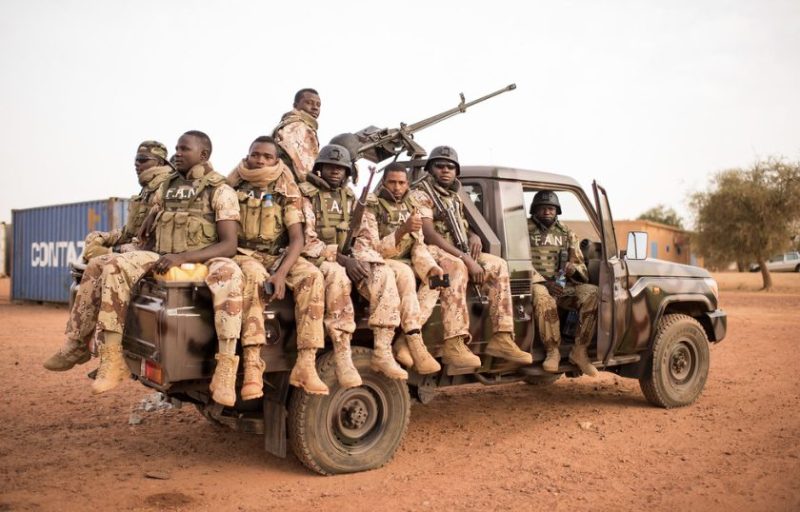
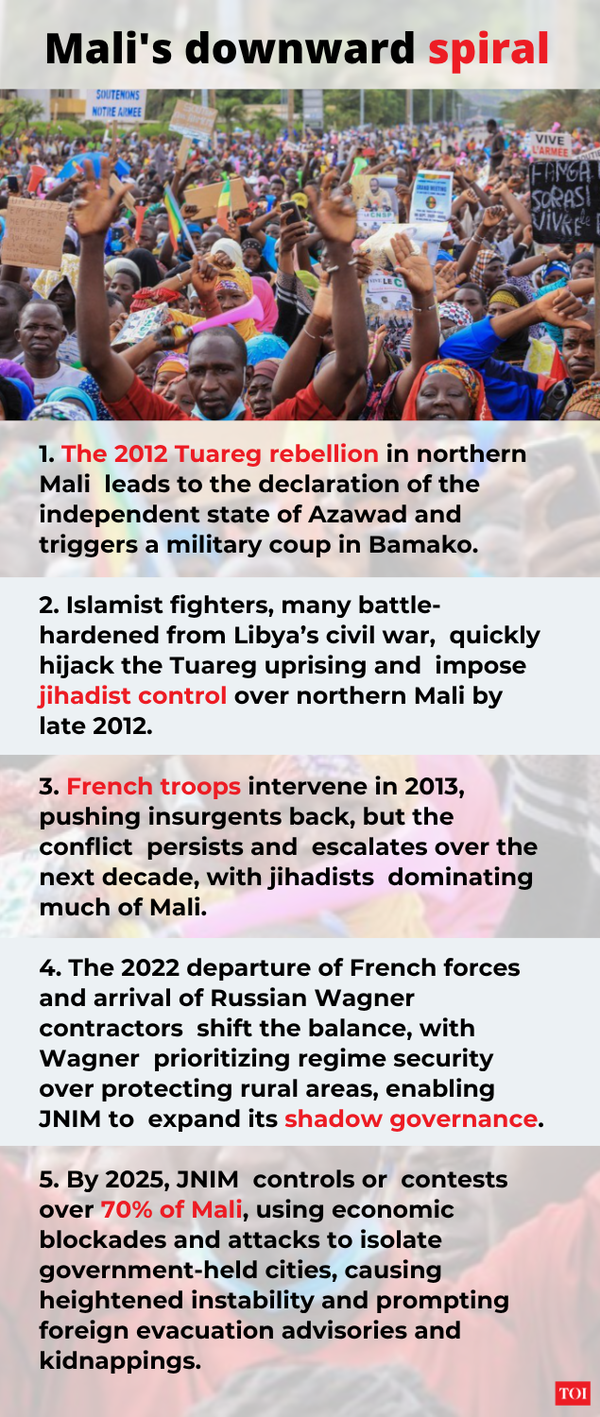
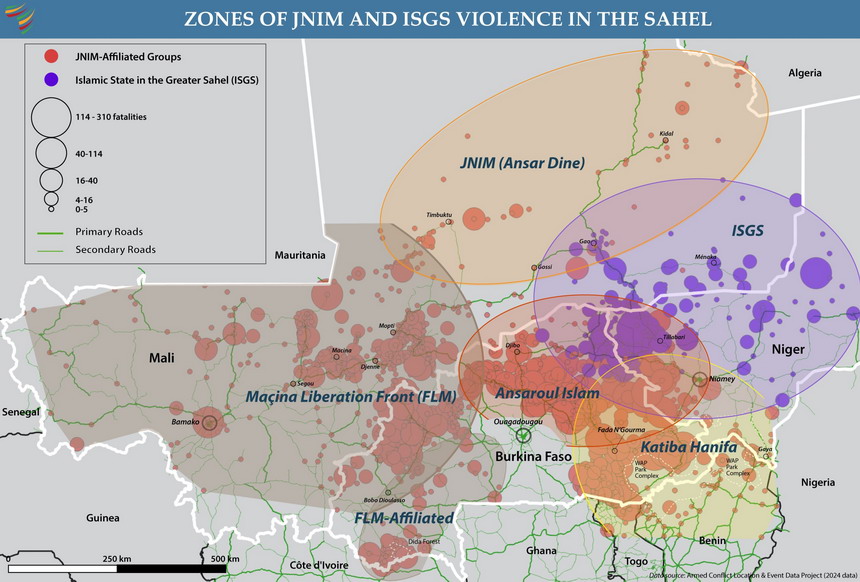
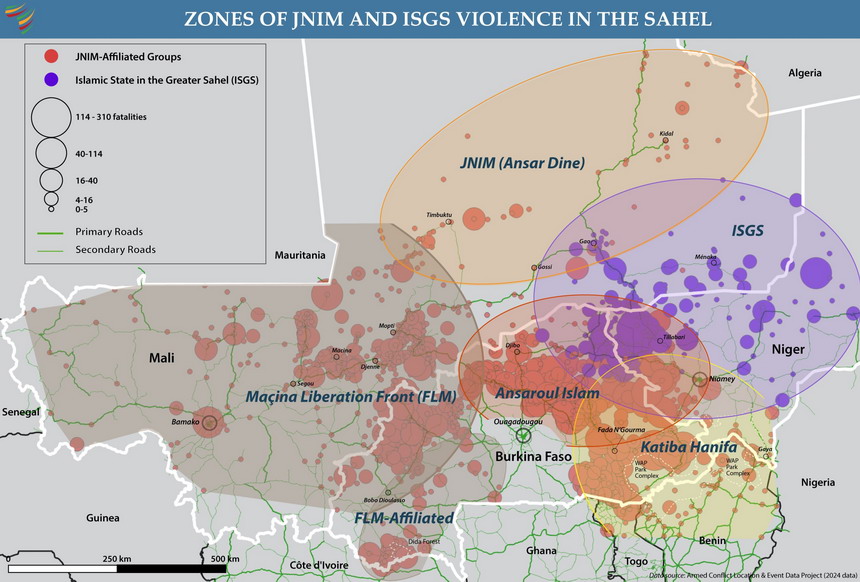
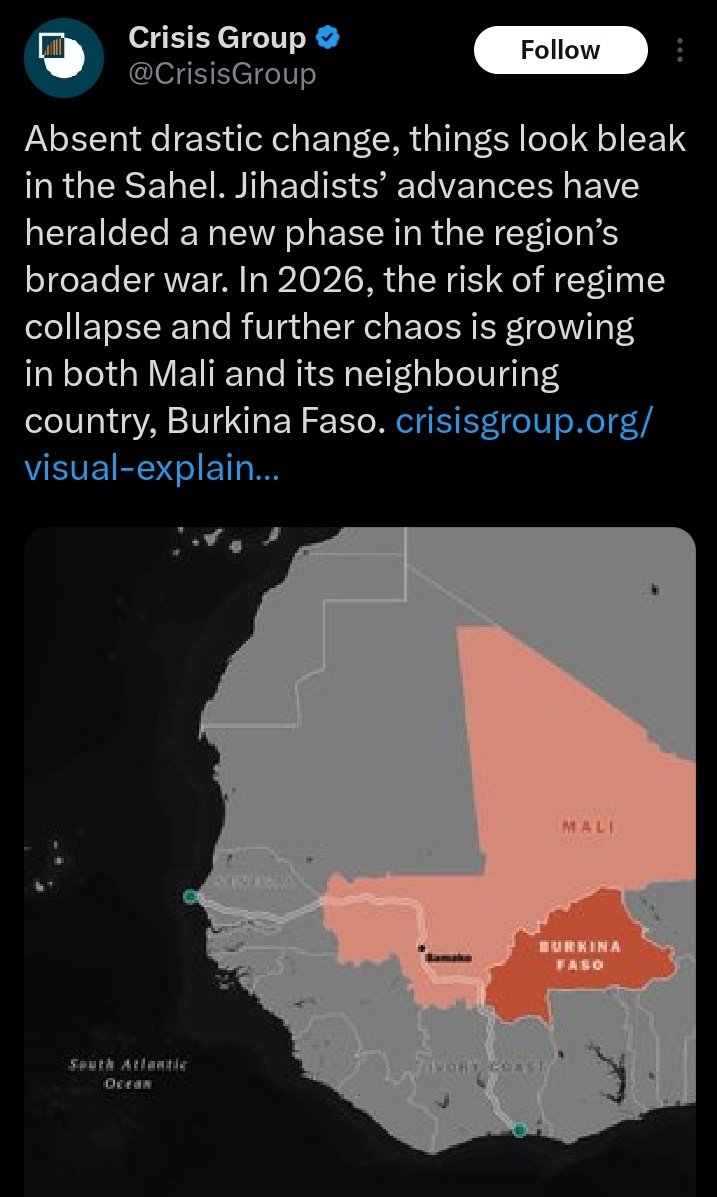
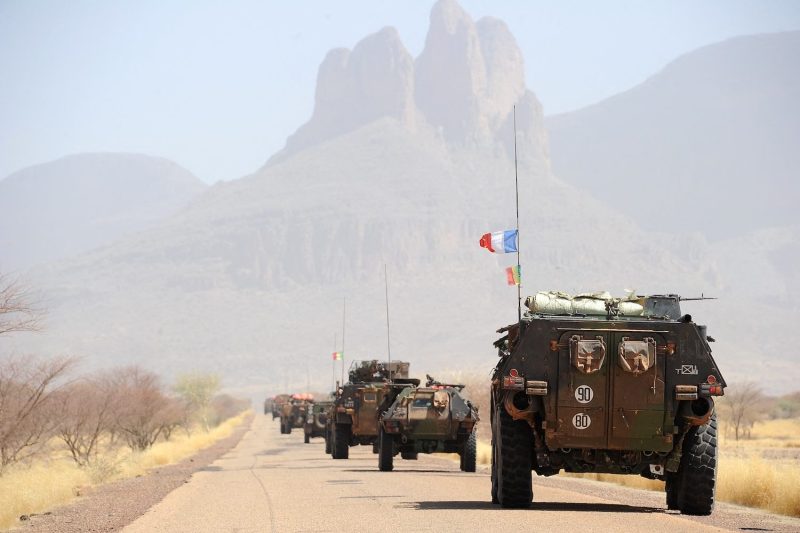
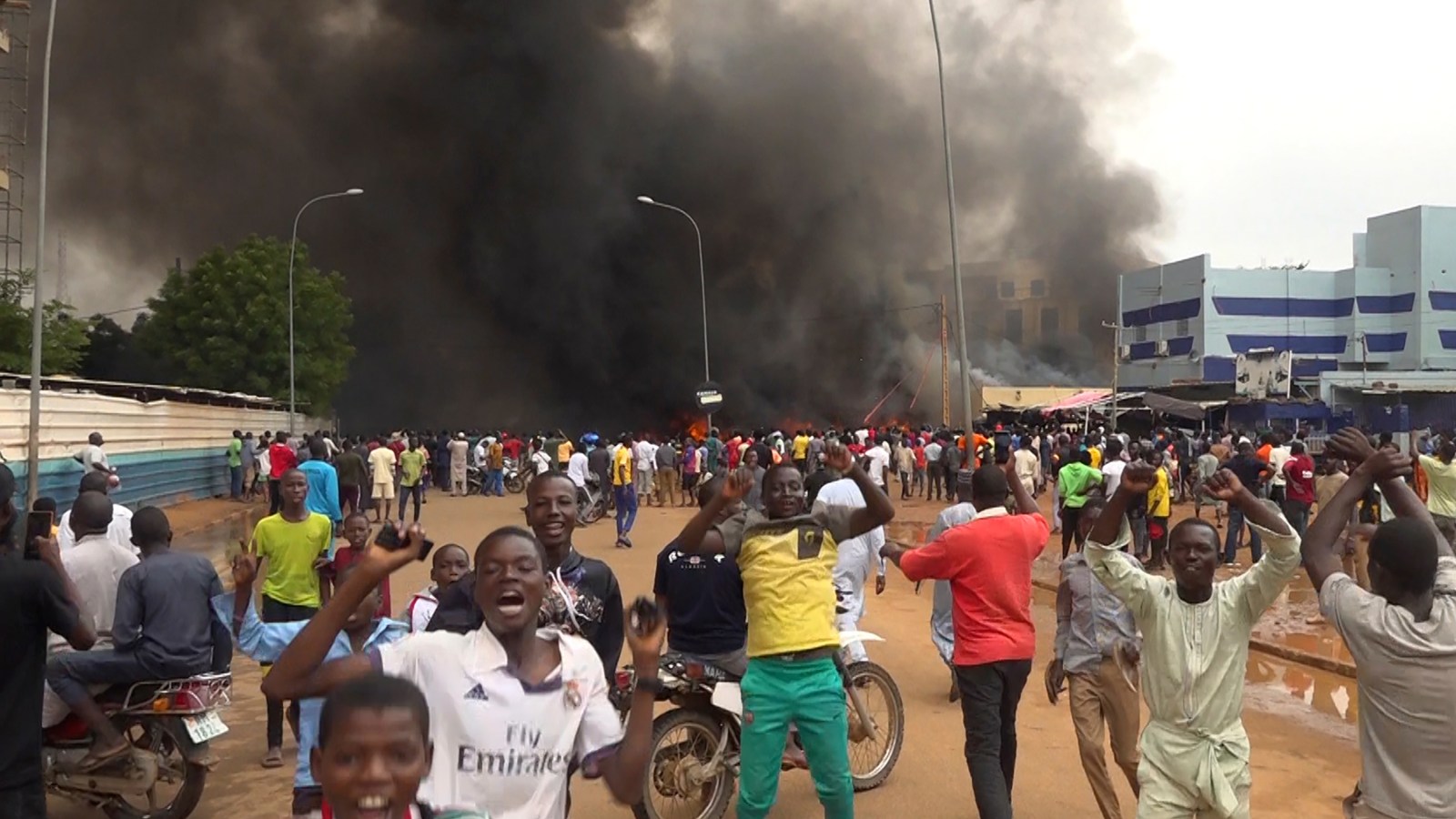
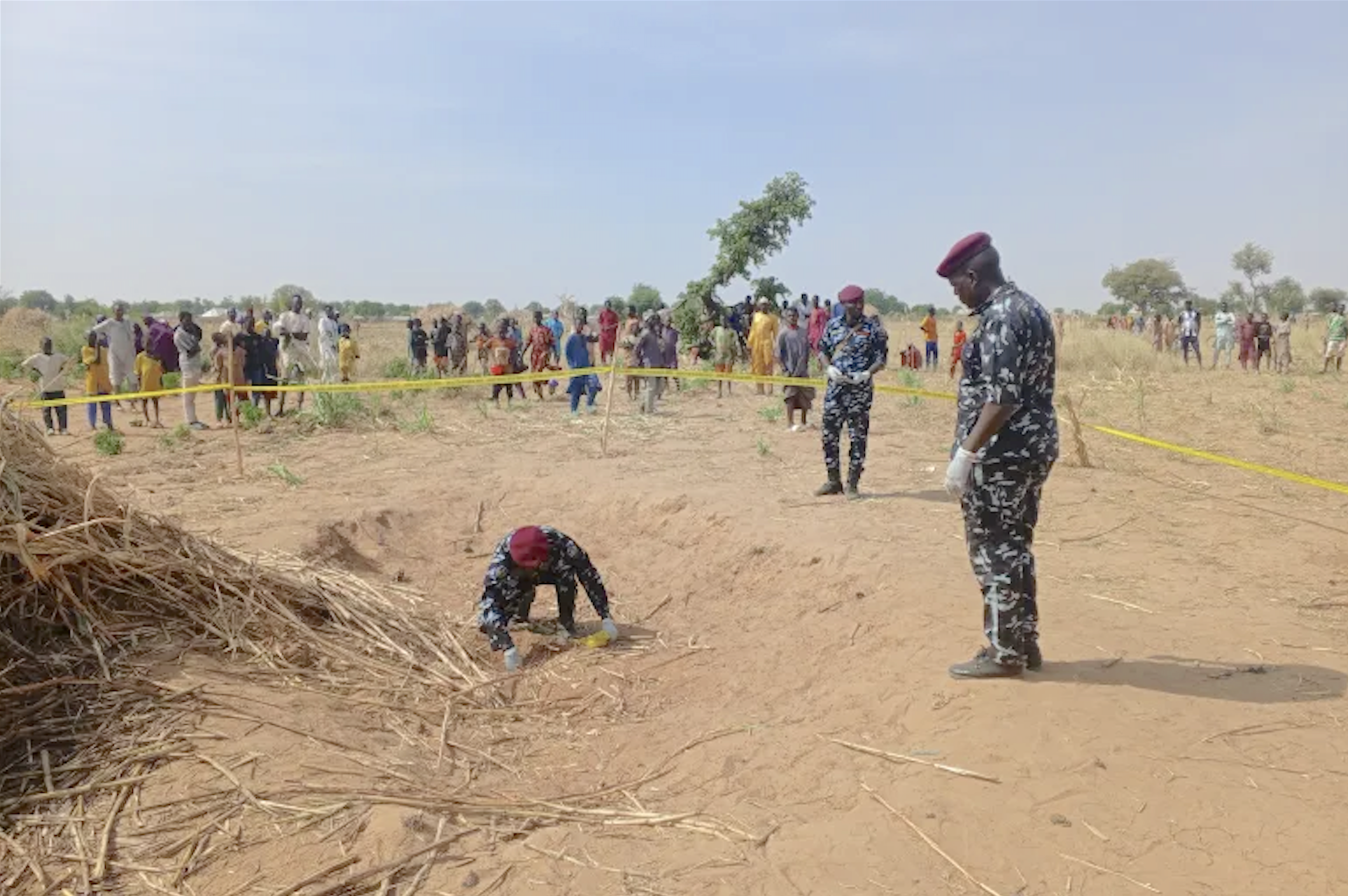
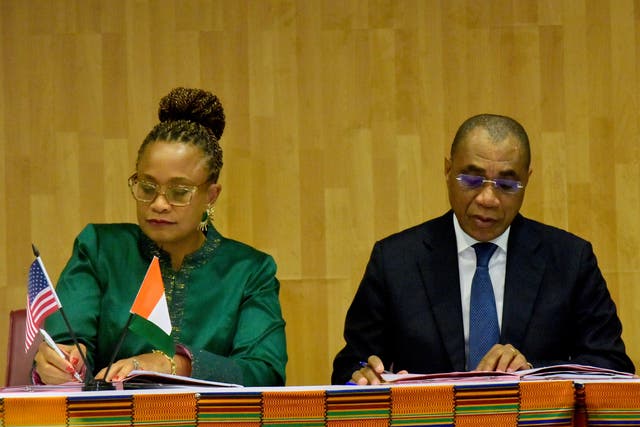
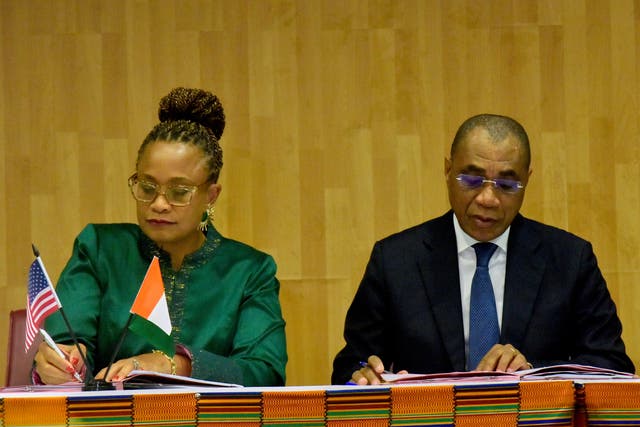
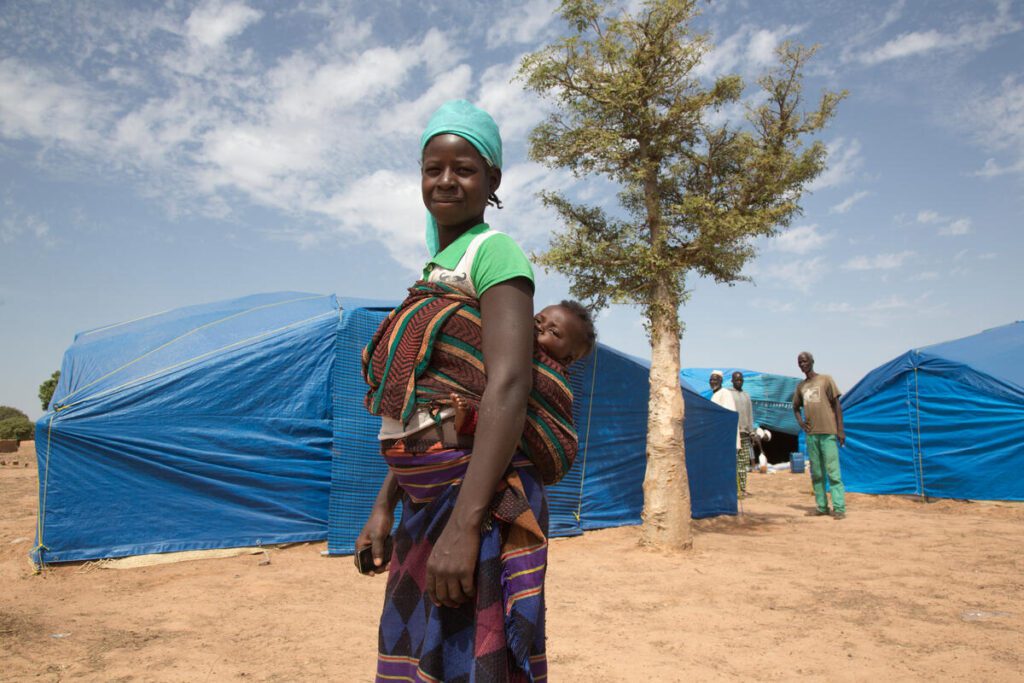
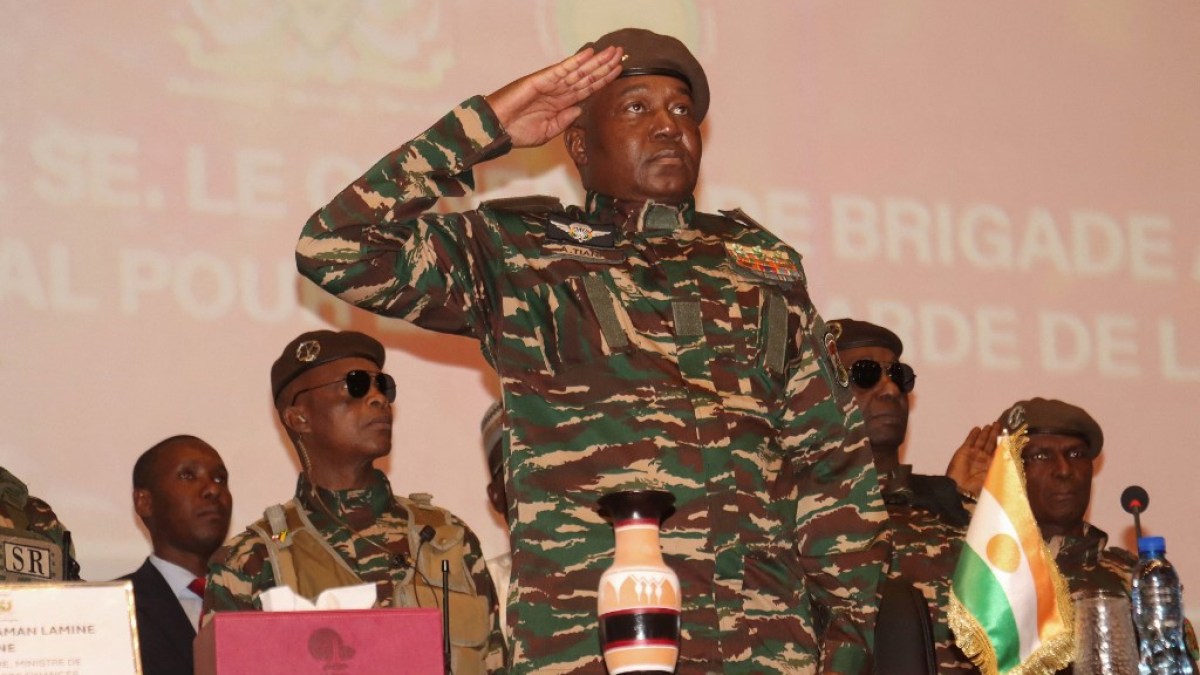
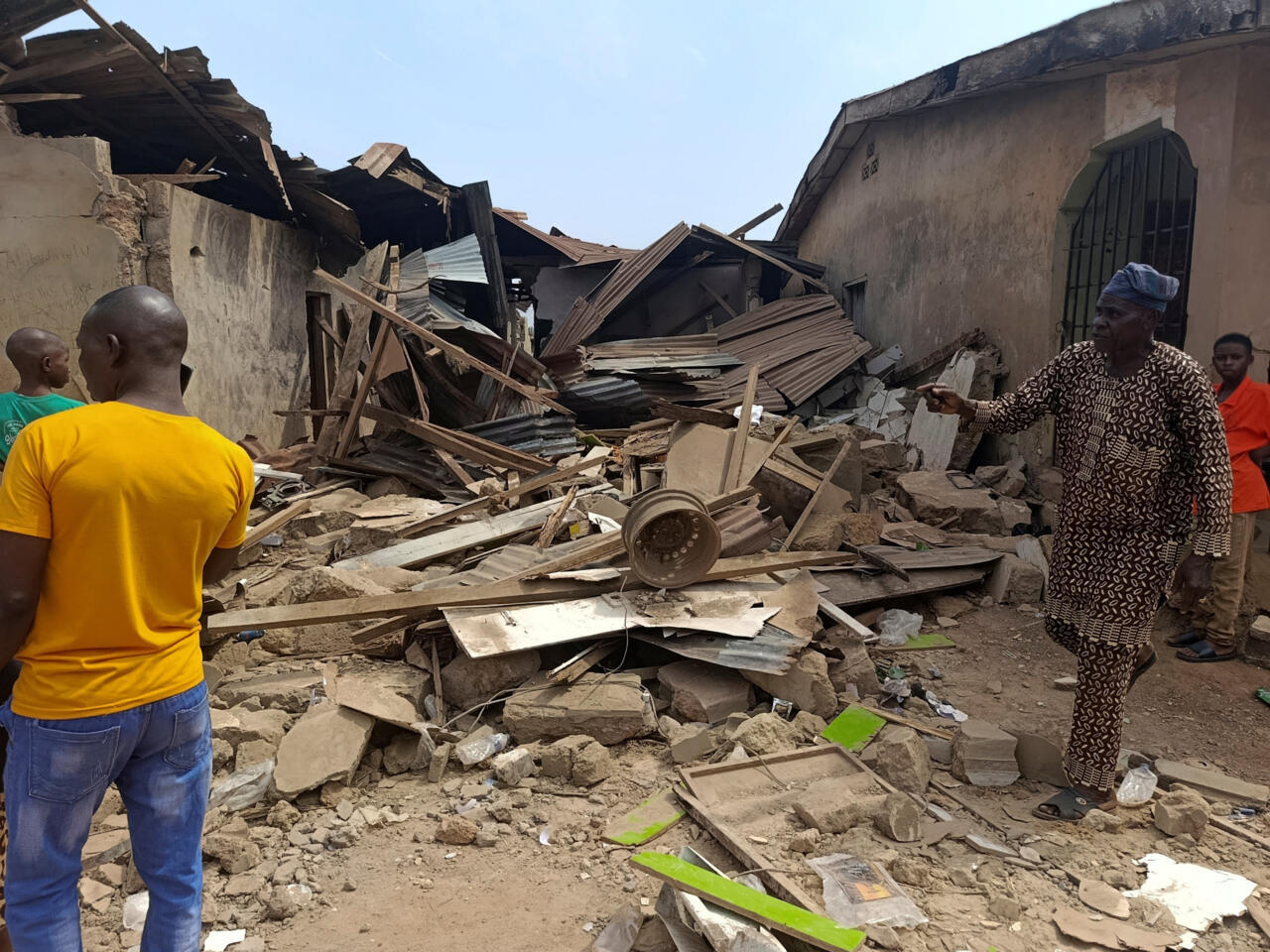
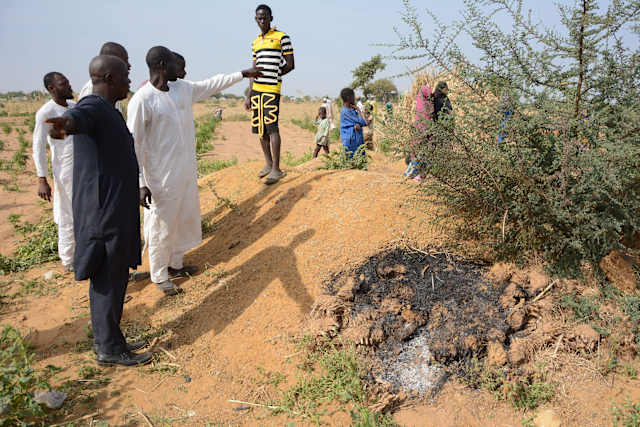
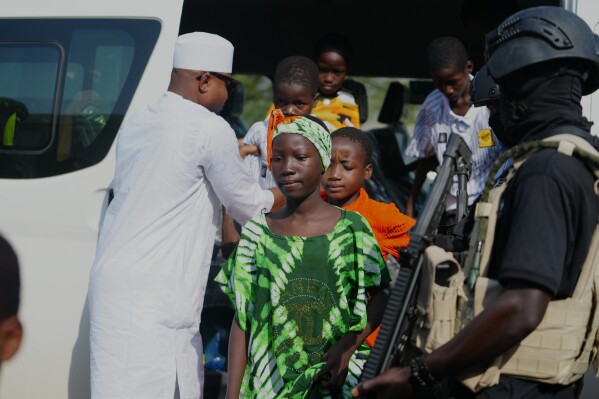
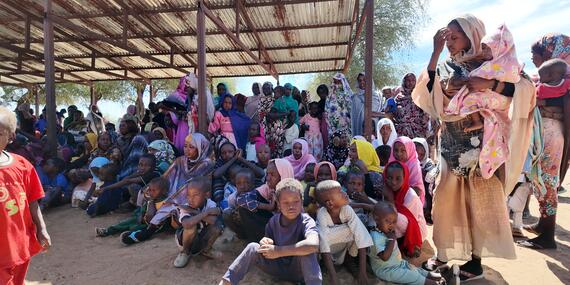
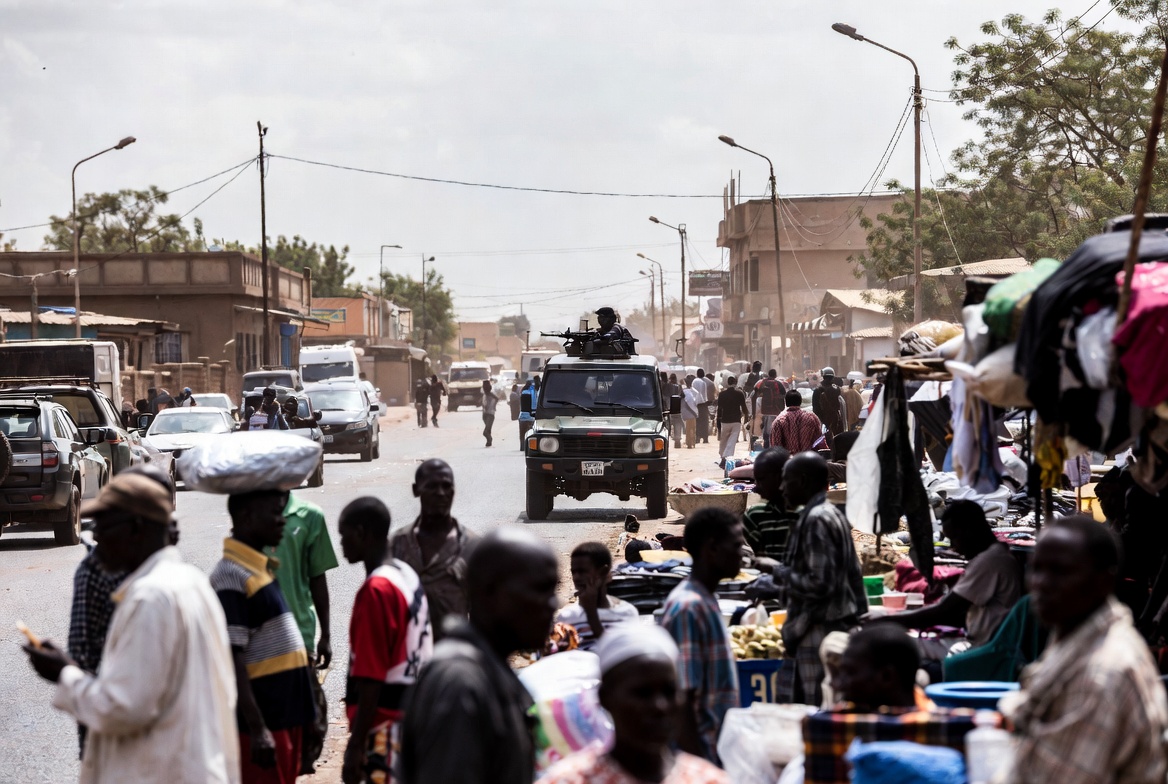
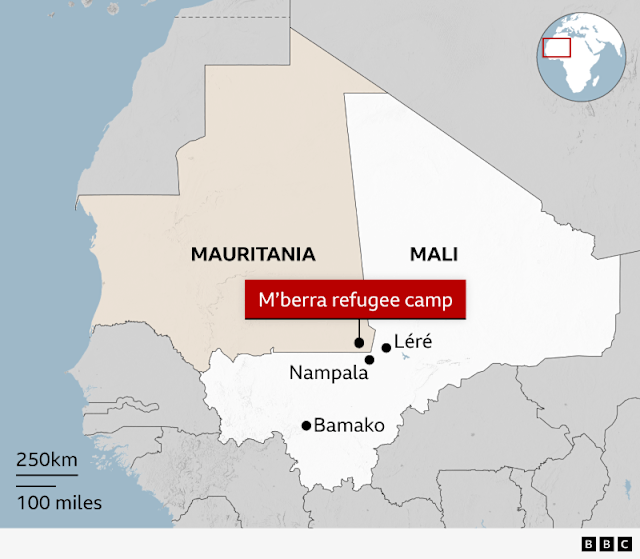
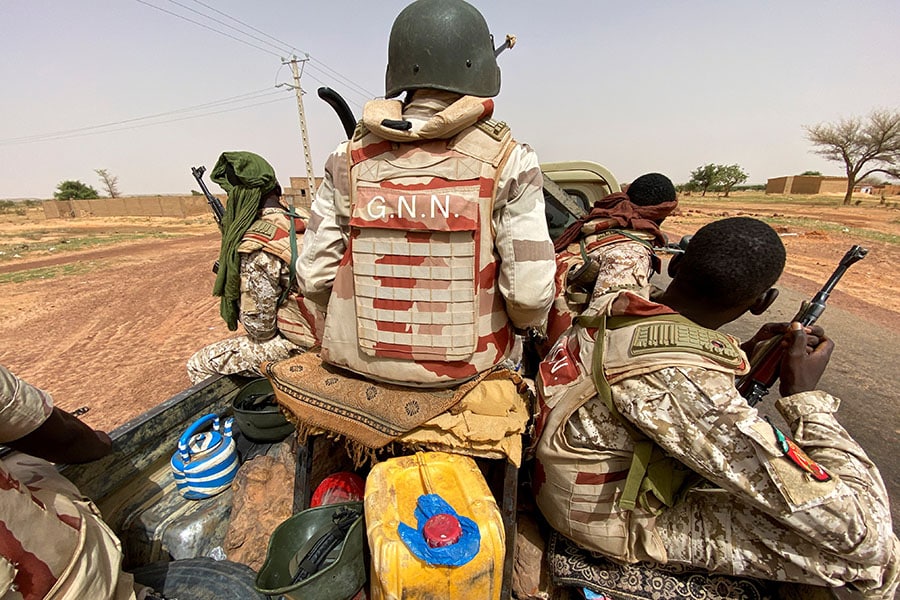
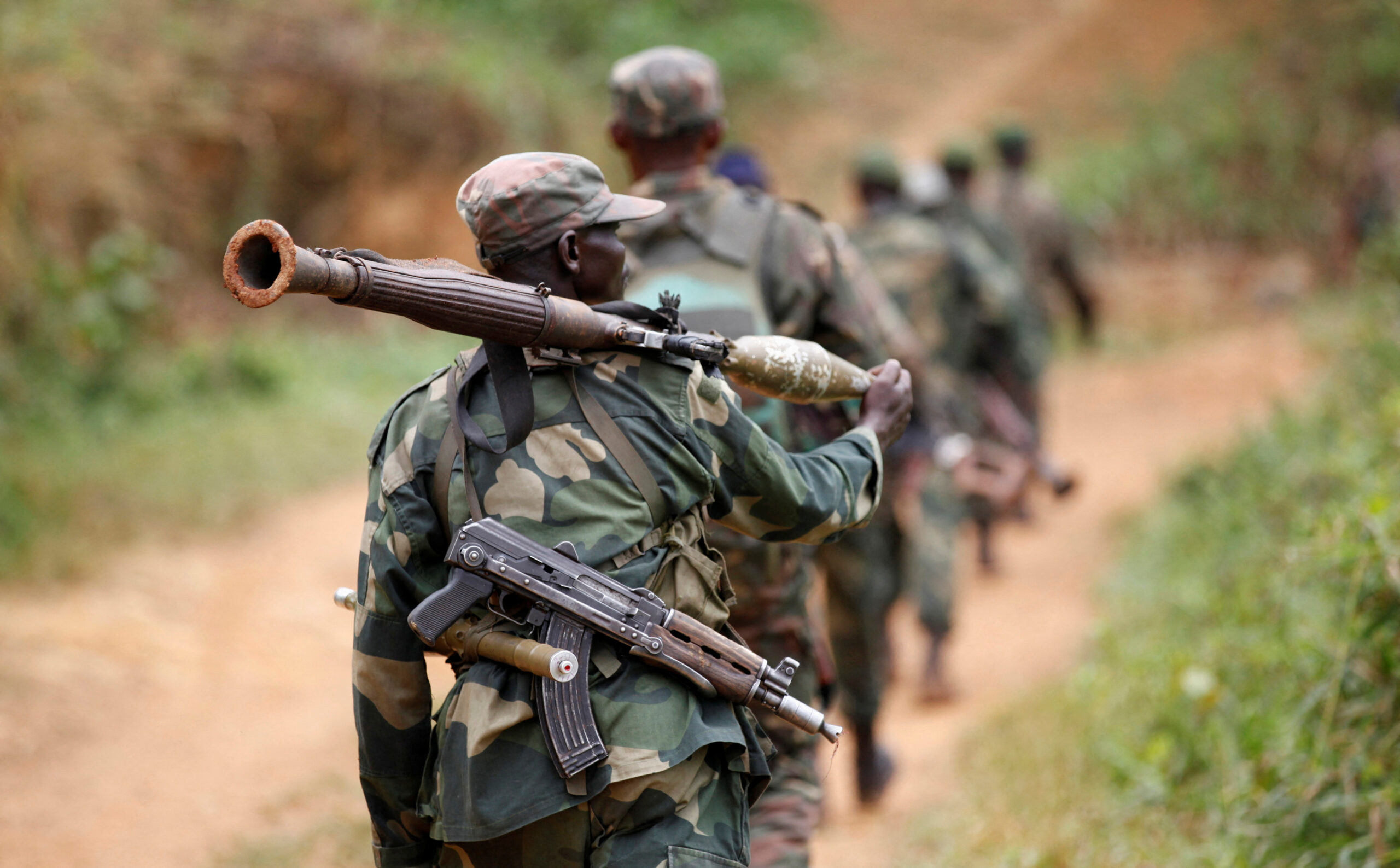
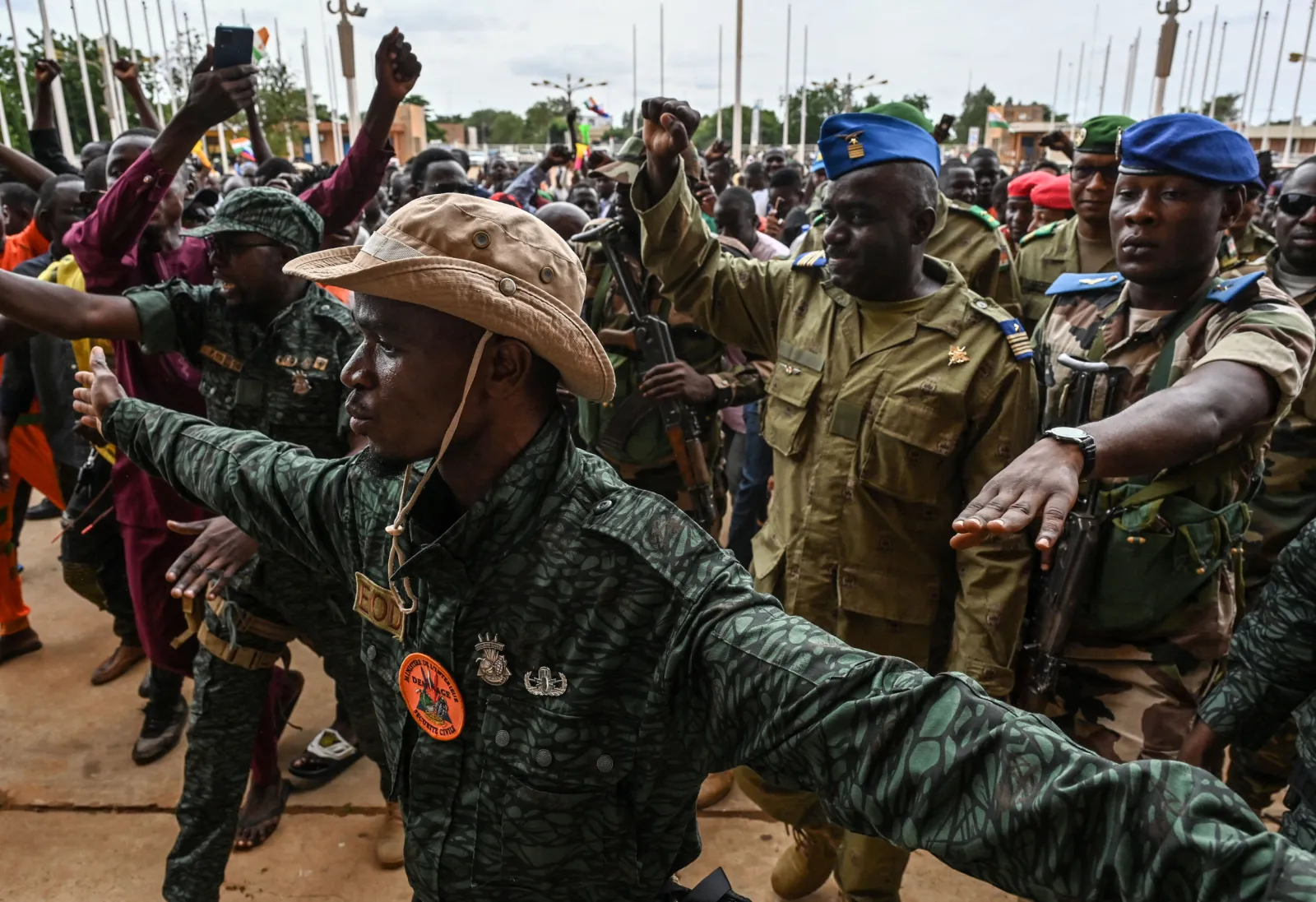
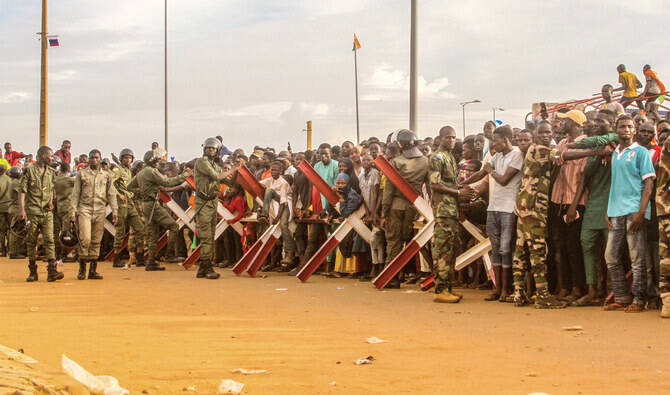
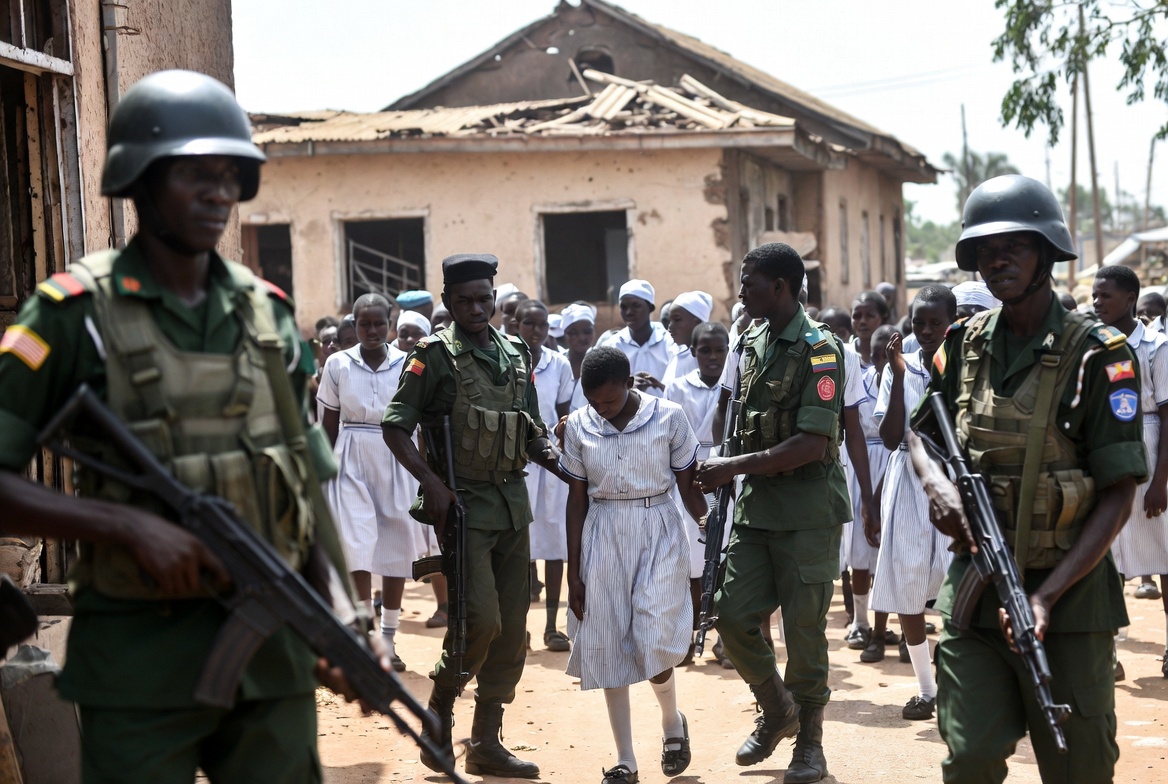
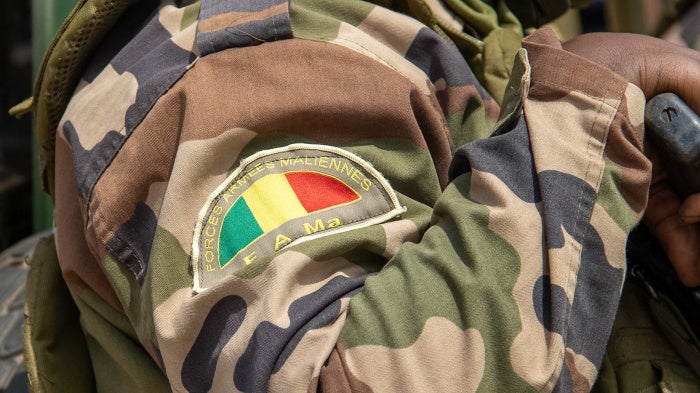
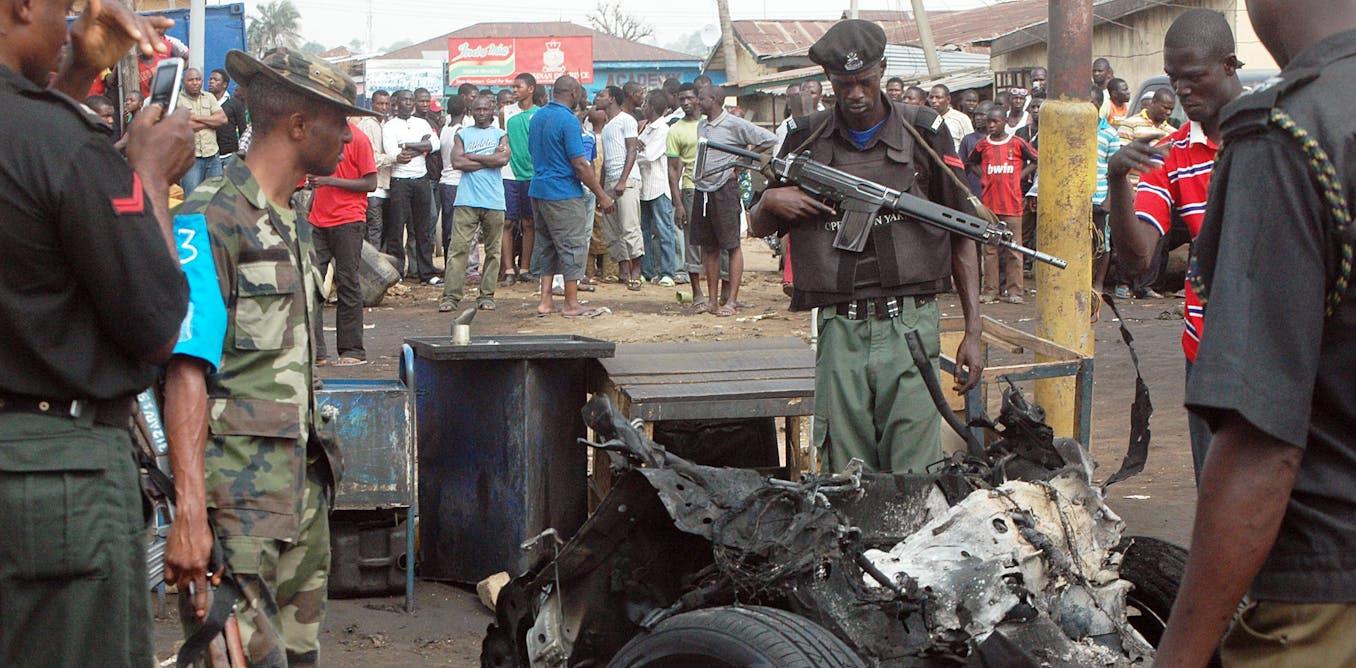
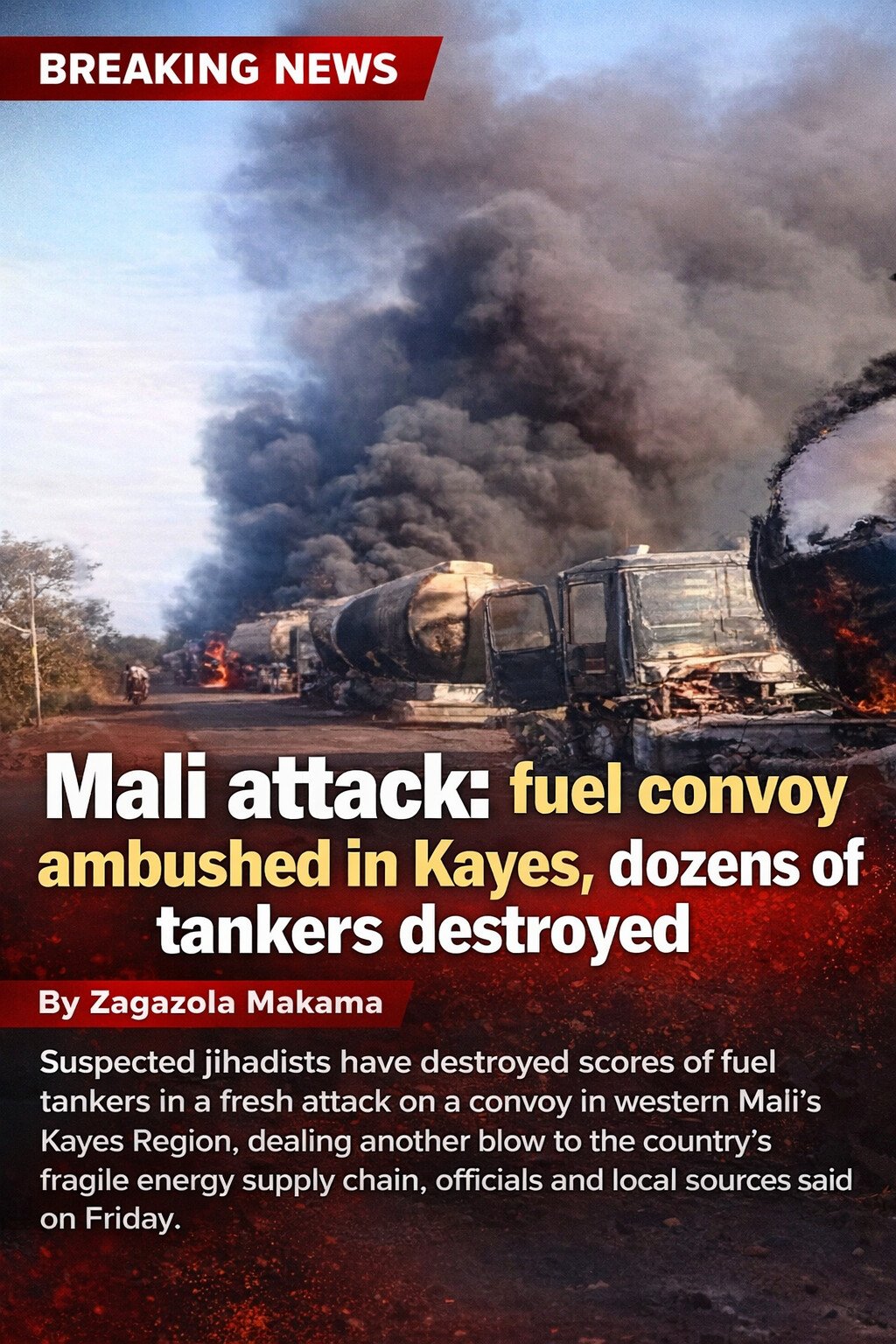
Right now, the heart of the Sahel’s troubles is a brutal conflict. Government forces are locked in combat with jihadist groups, including Jama’at Nasr al-Islam wal Muslimin (JNIM) and various Islamic State affiliates. These groups aren’t just a nuisance; they’ve got serious control over large parts of Mali, Niger, and Burkina Faso. This violence doesn’t just threaten lives, it makes everything insecure. These nations are essentially hotbeds in a bigger conflict that even reaches into East Africa and the Horn. What’s more, this instability is pushing people to migrate, crippling economic development, and weakening state institutions. Communities are left vulnerable, and international partners are naturally concerned. Amidst all this chaos, the US seems to be changing its tune. The U.S. State Department’s Bureau of African Affairs recently announced plans to rekindle cooperation with Mali and its neighbors, including Burkina Faso (DW Africa, 2024). This is a big deal, especially after a period of strained relations caused by punitive travel bans and political disagreements. Washington’s renewed dialogue signals its realization that engaging with regional players is key to fighting terrorism, delivering humanitarian aid, and fostering long-term peace in this critical corridor.
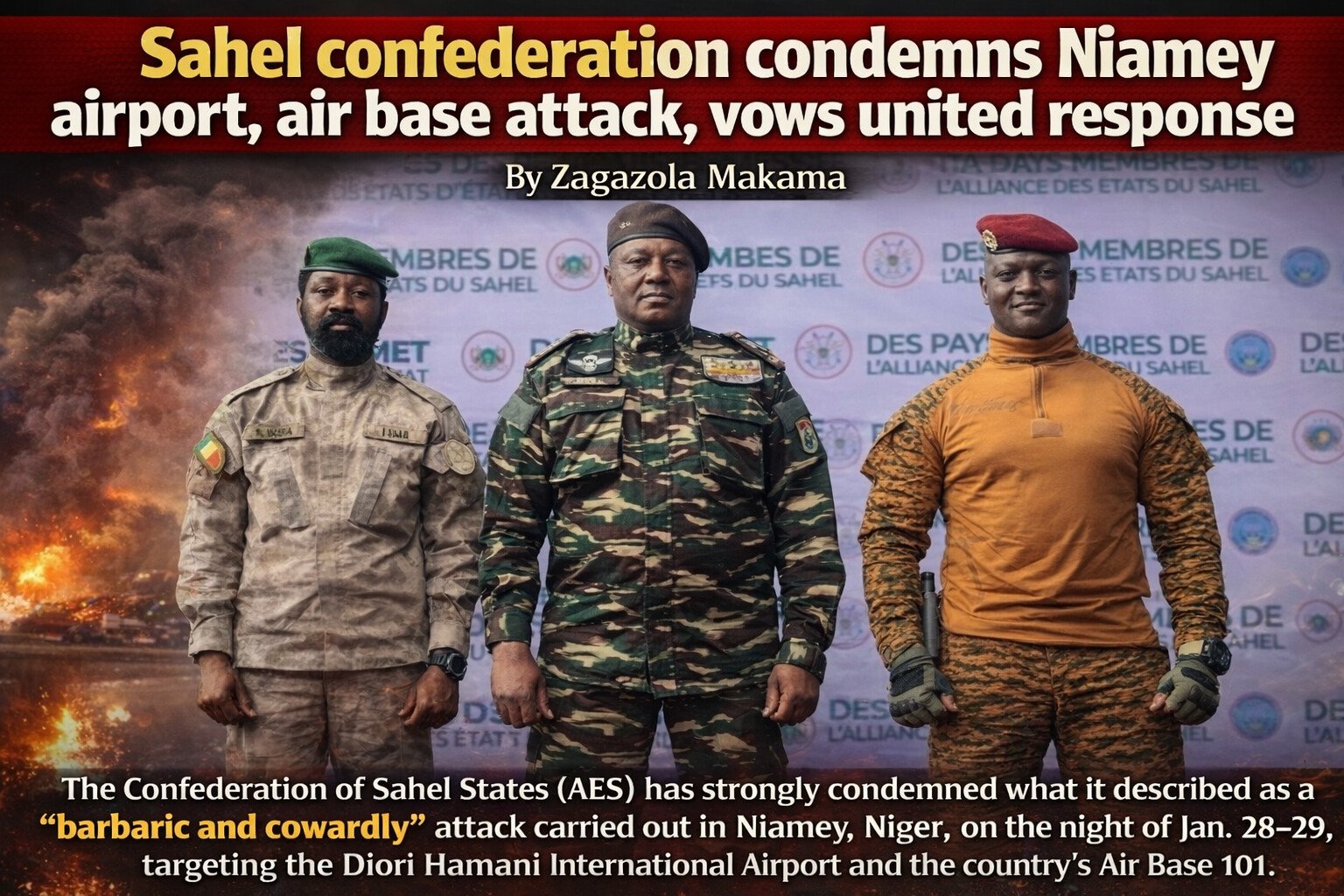
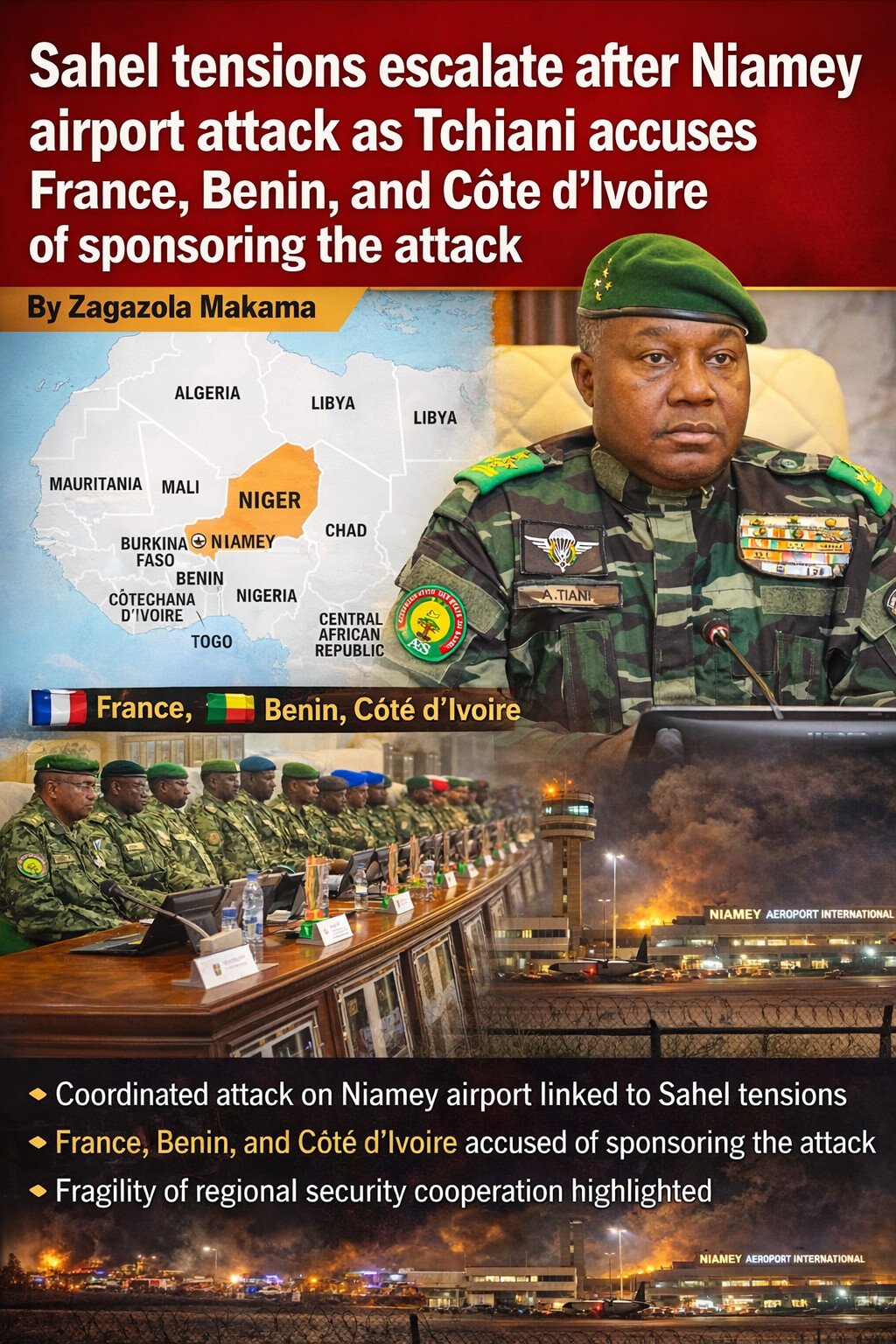
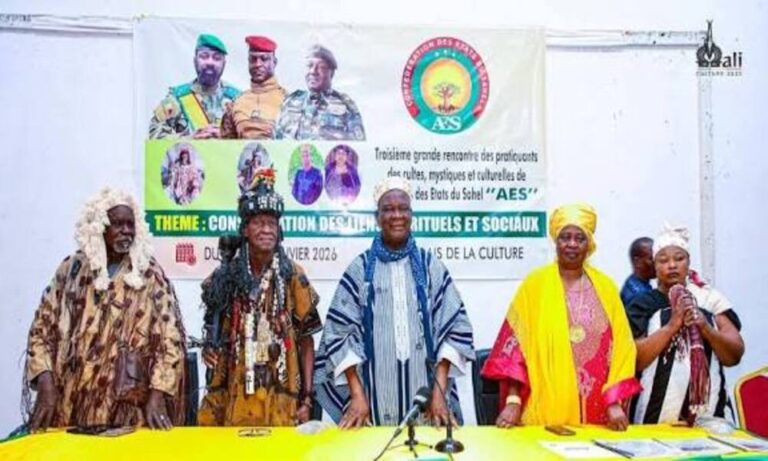
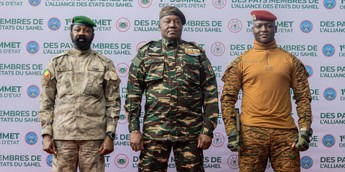
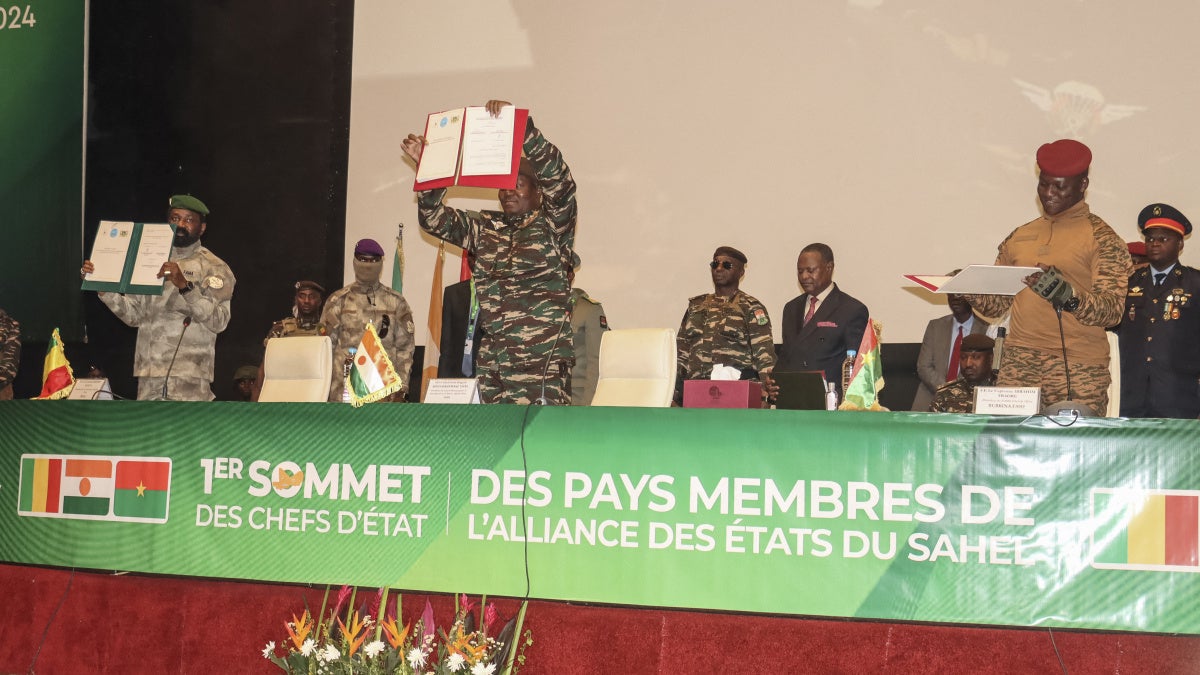
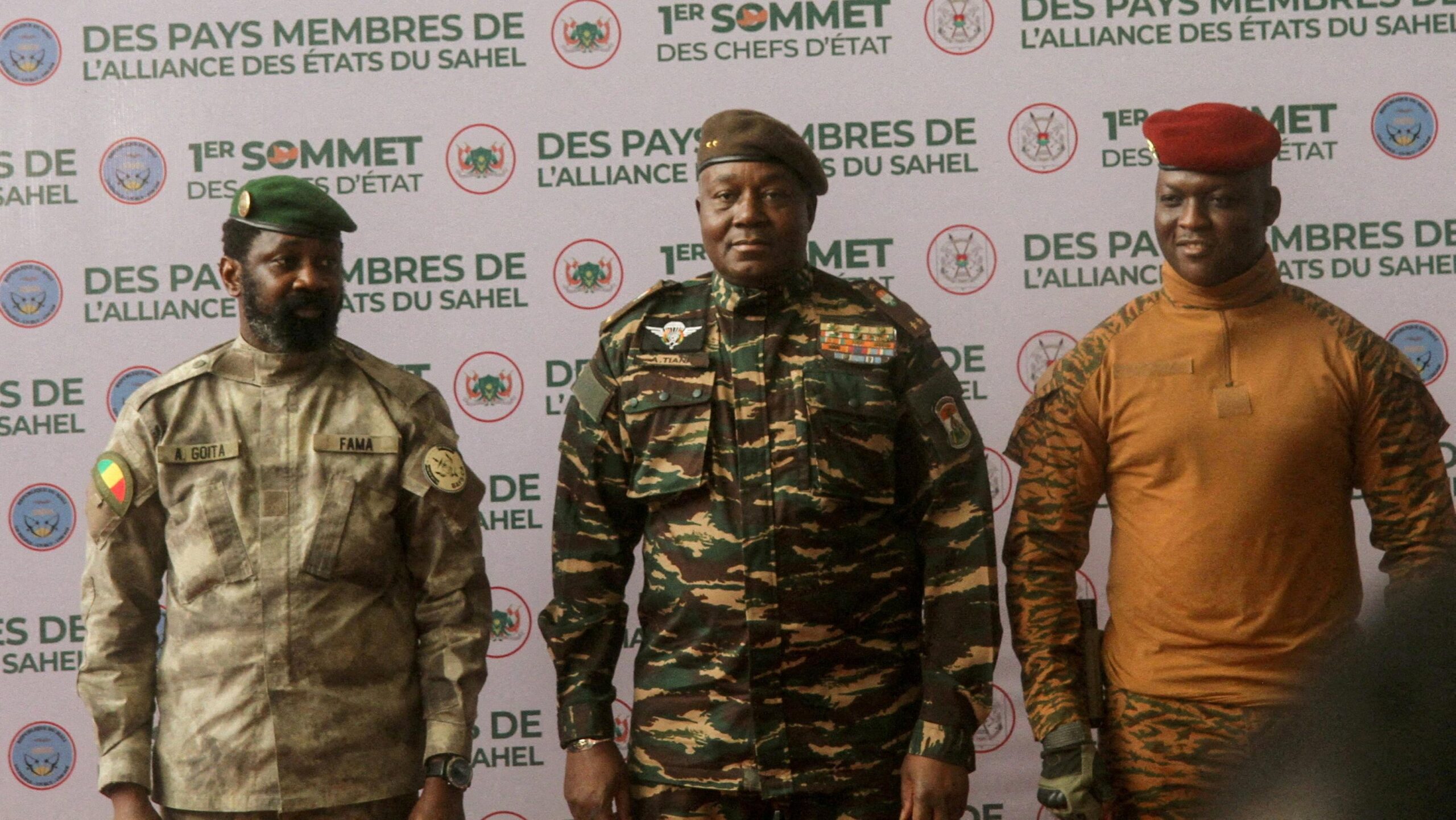
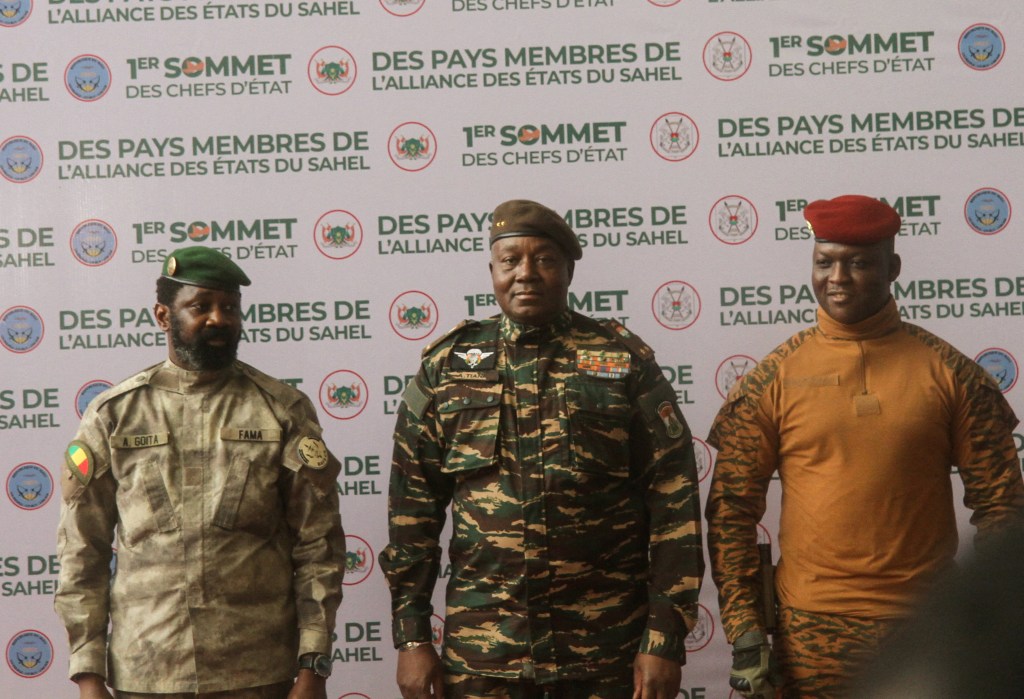
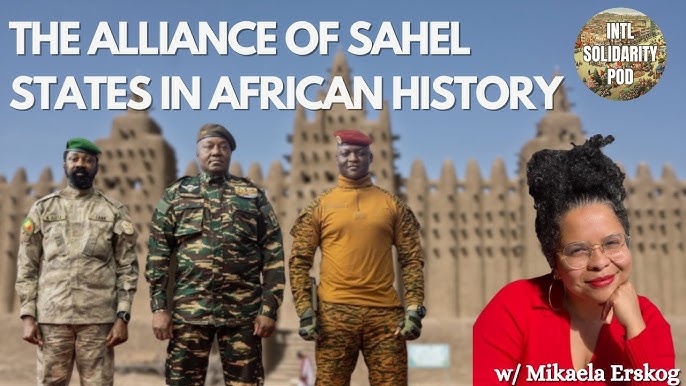
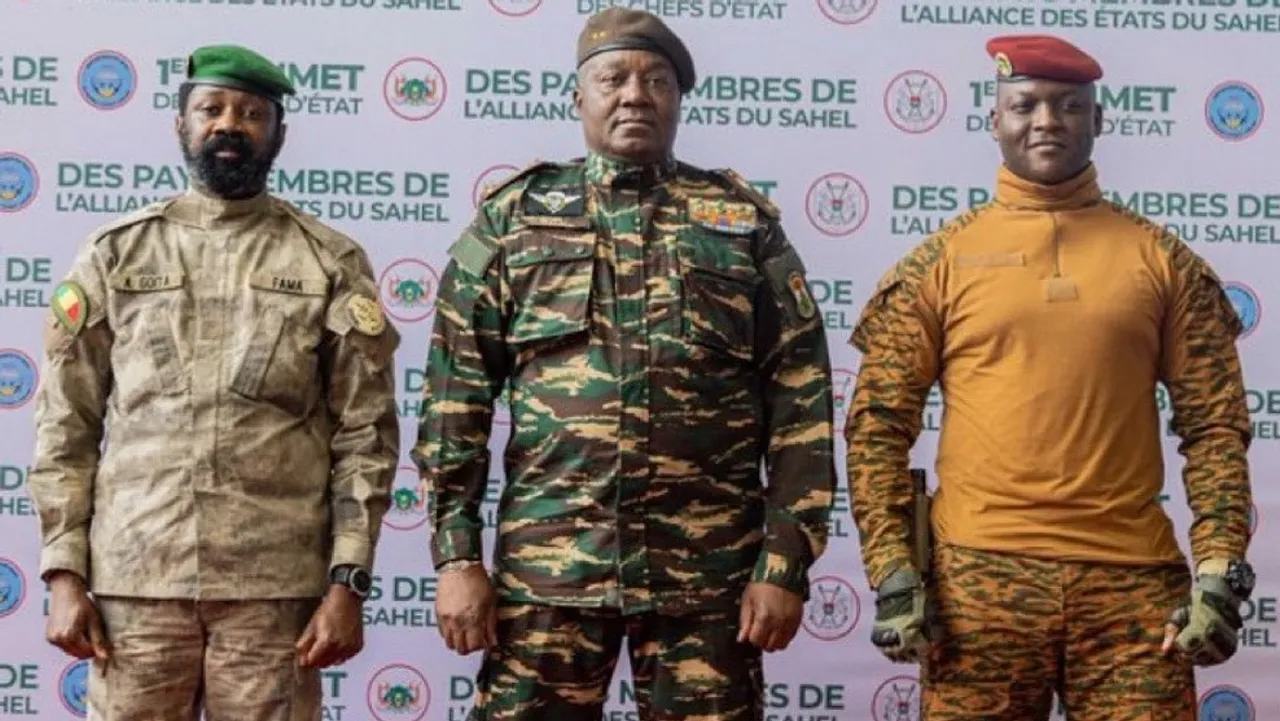
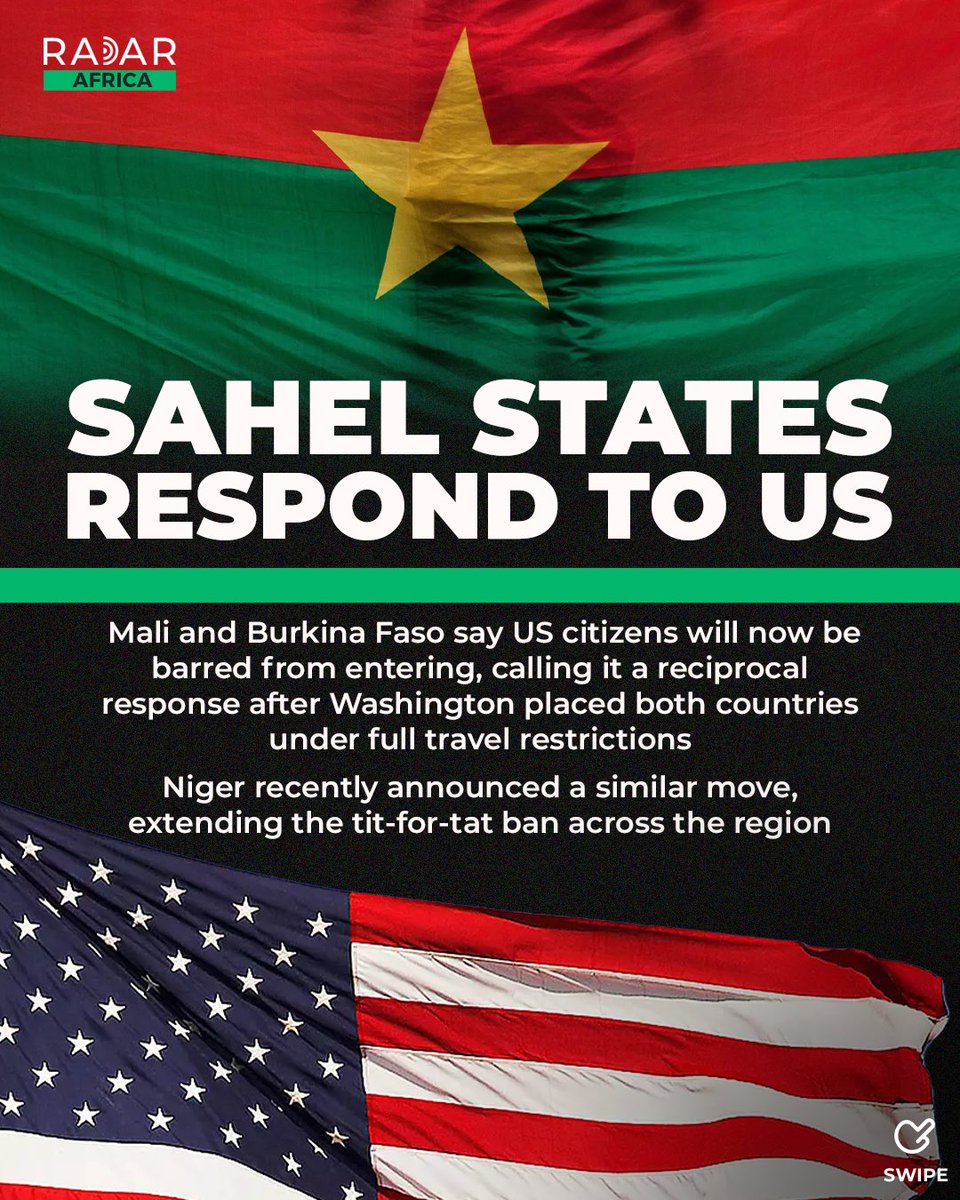
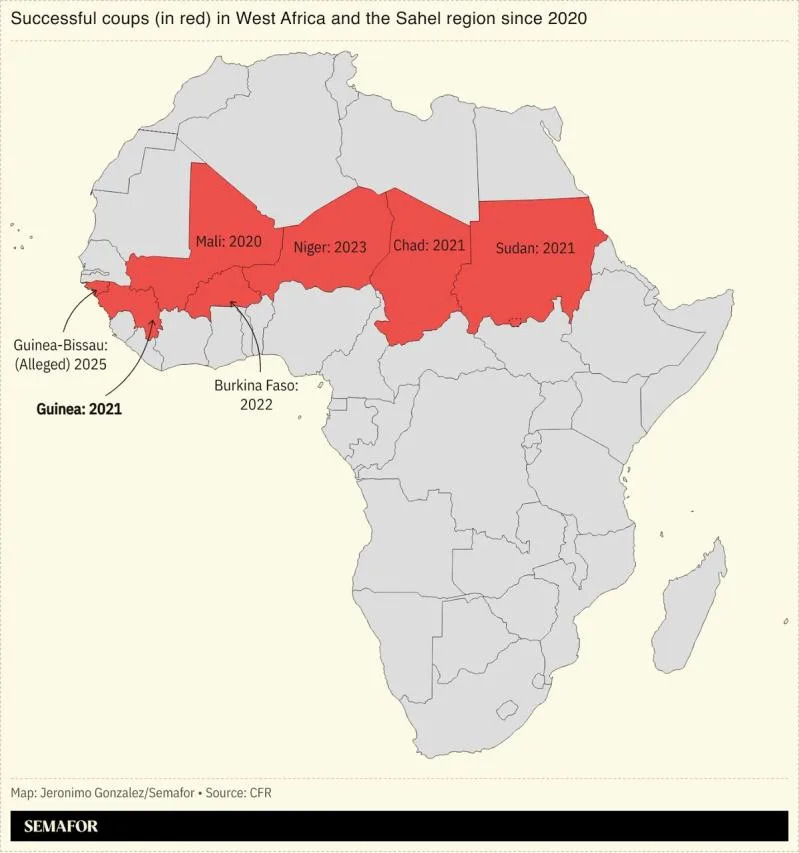
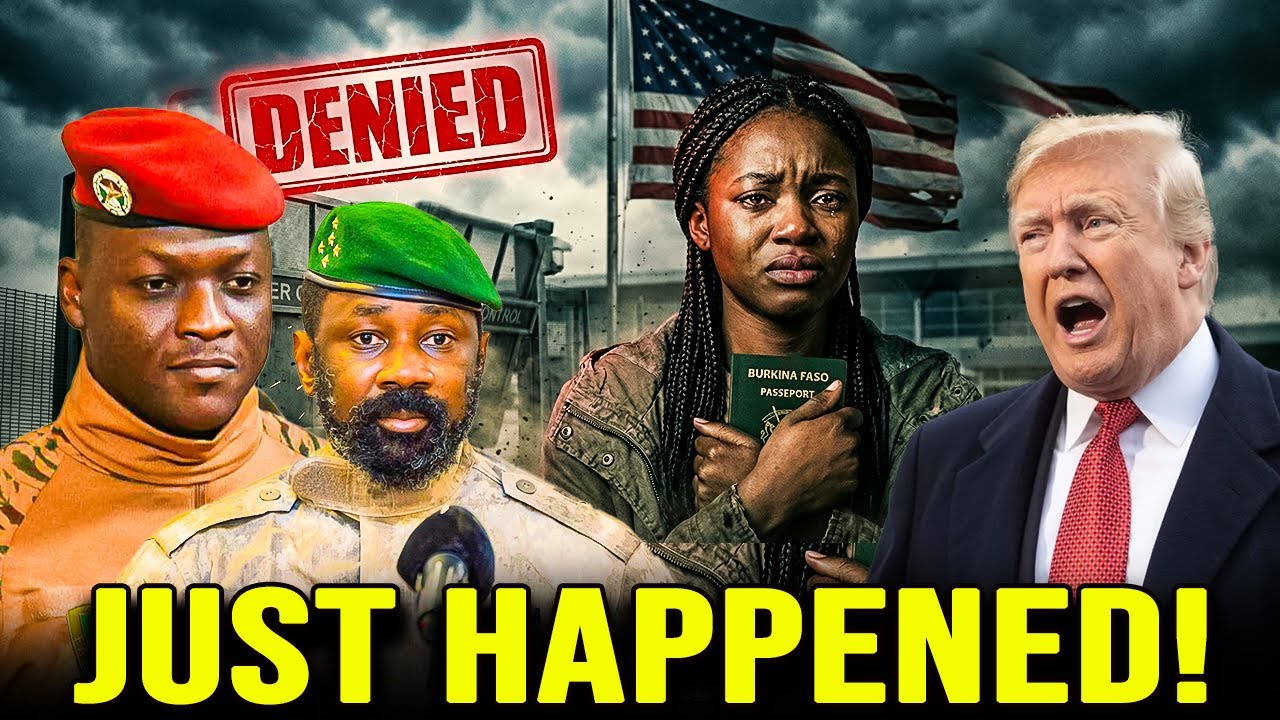
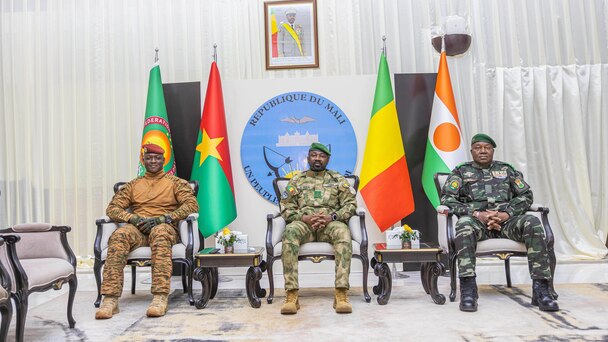
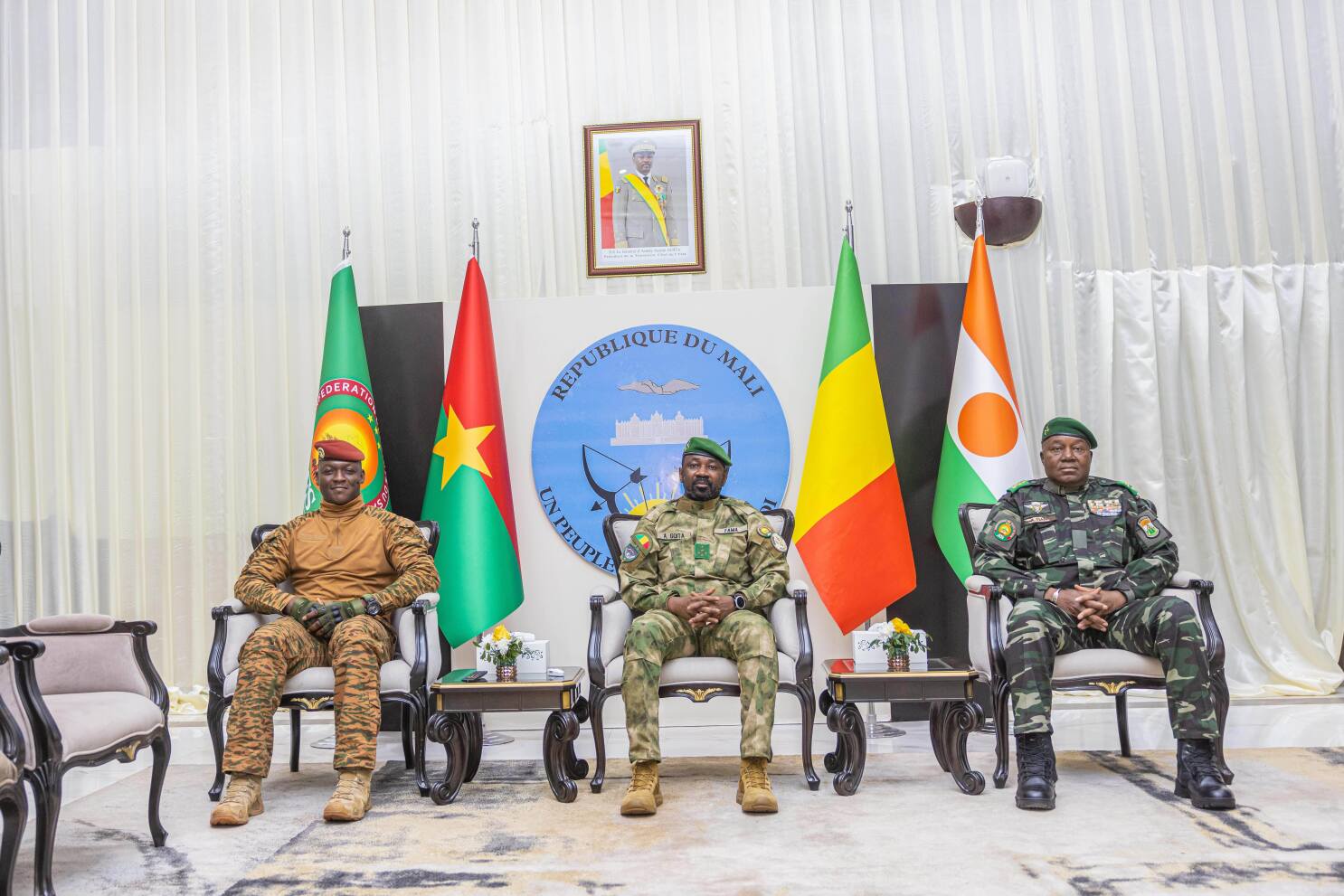
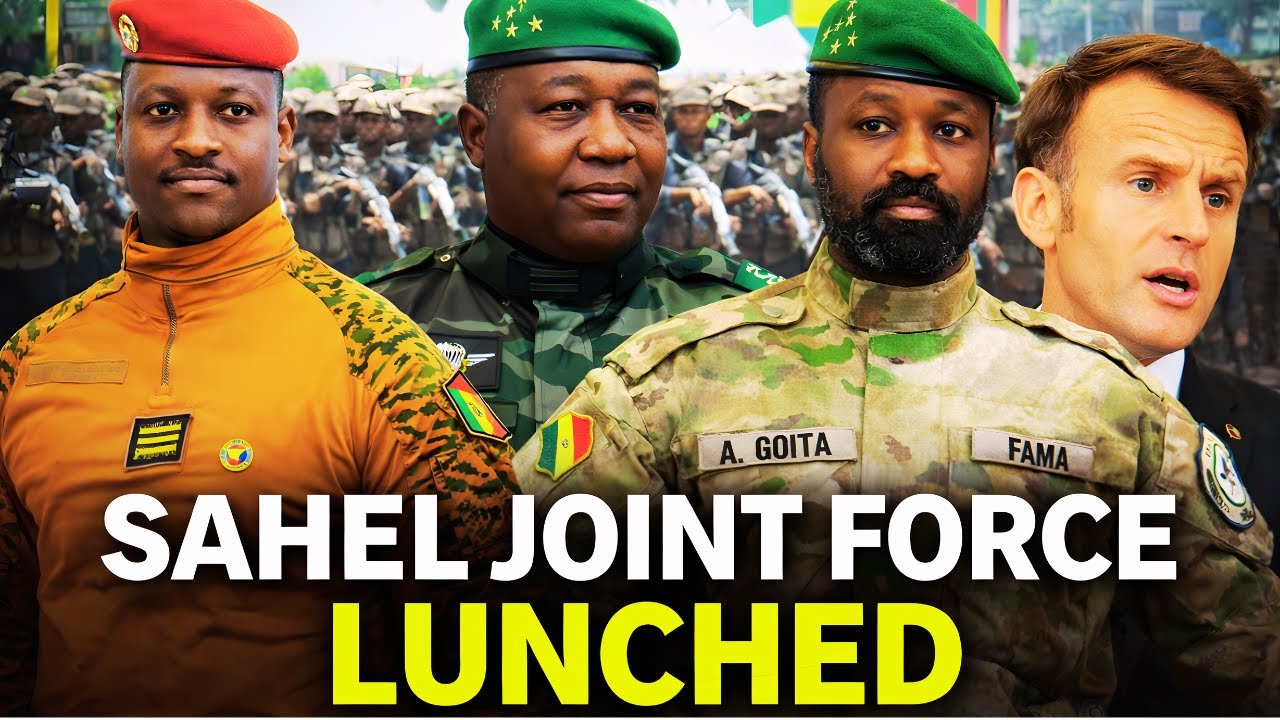
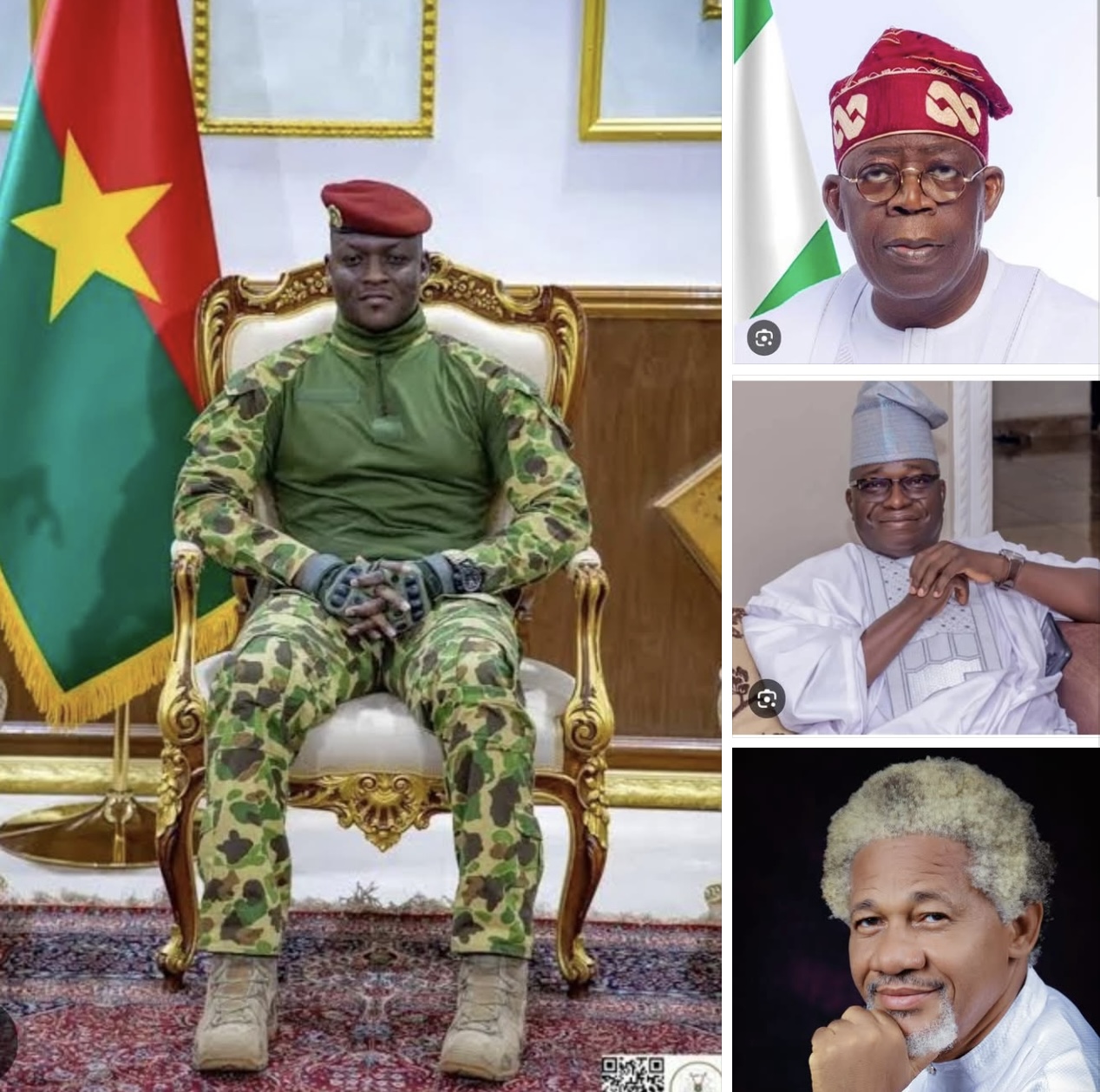
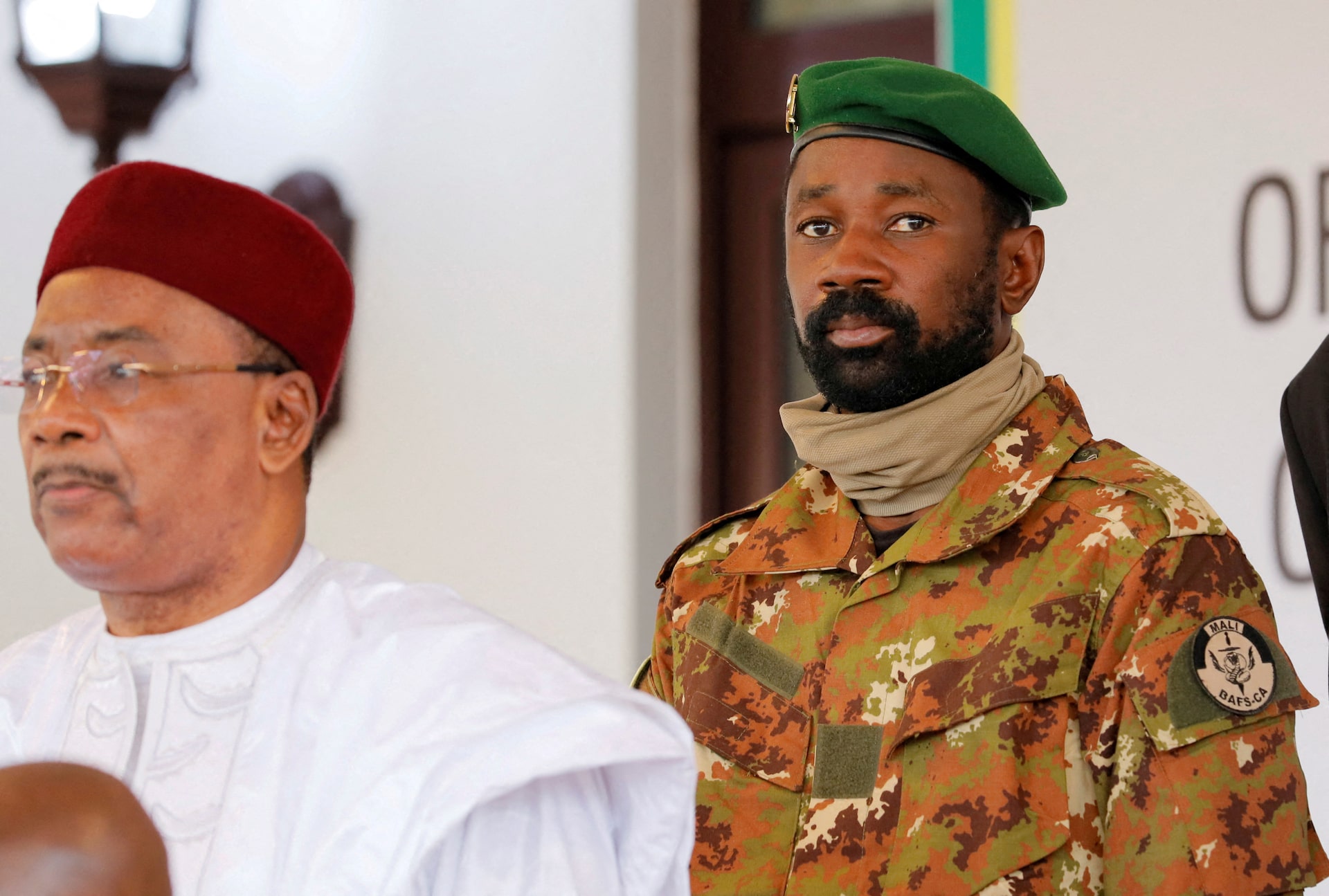
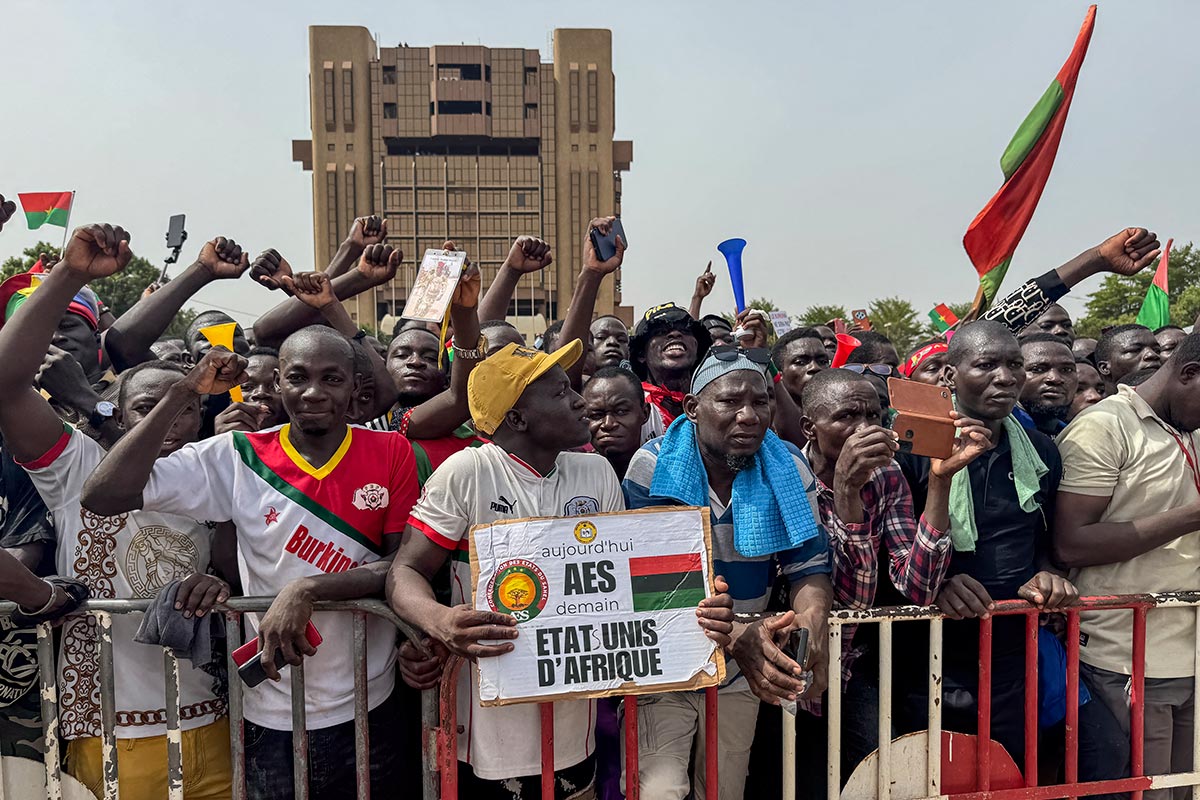
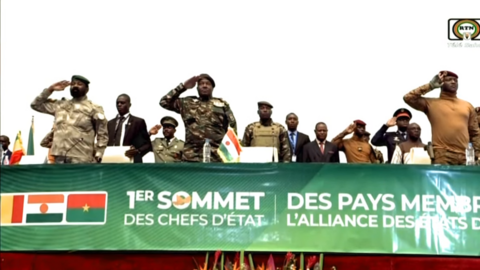
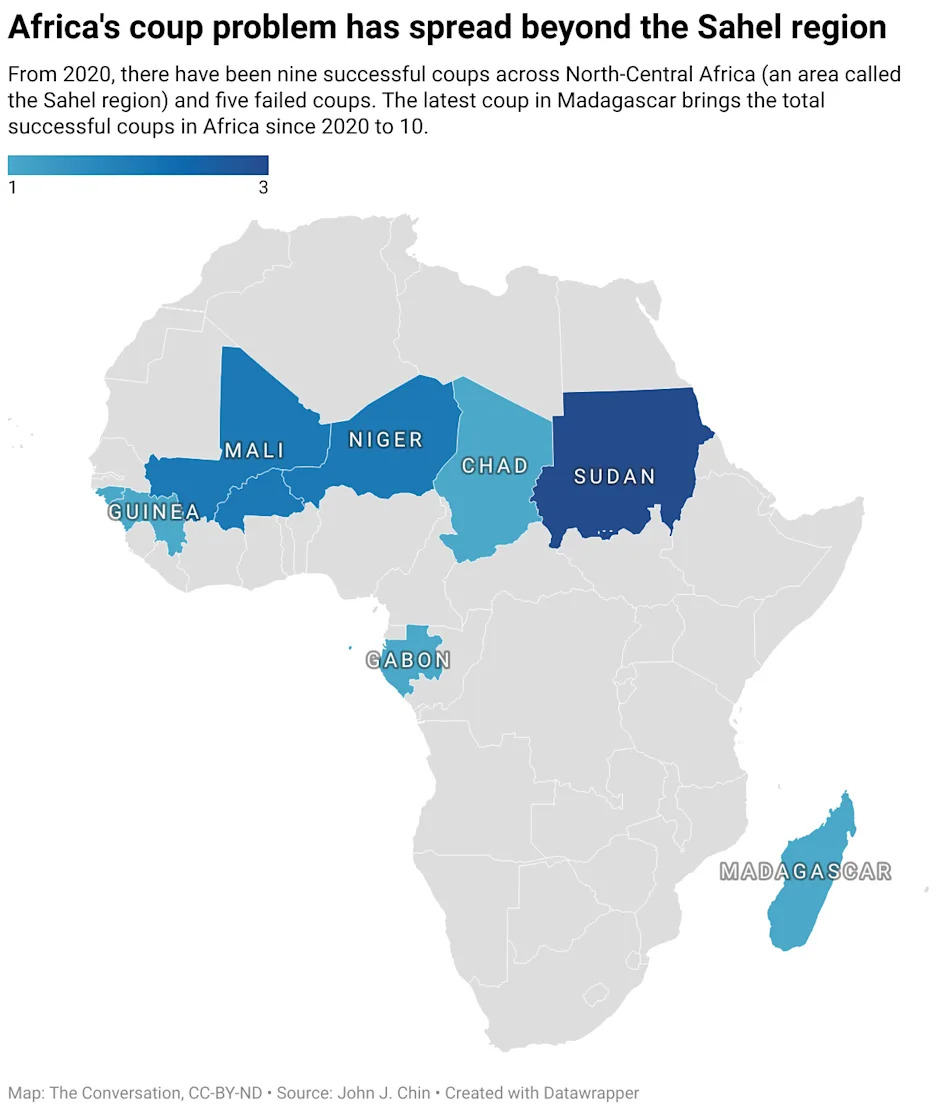
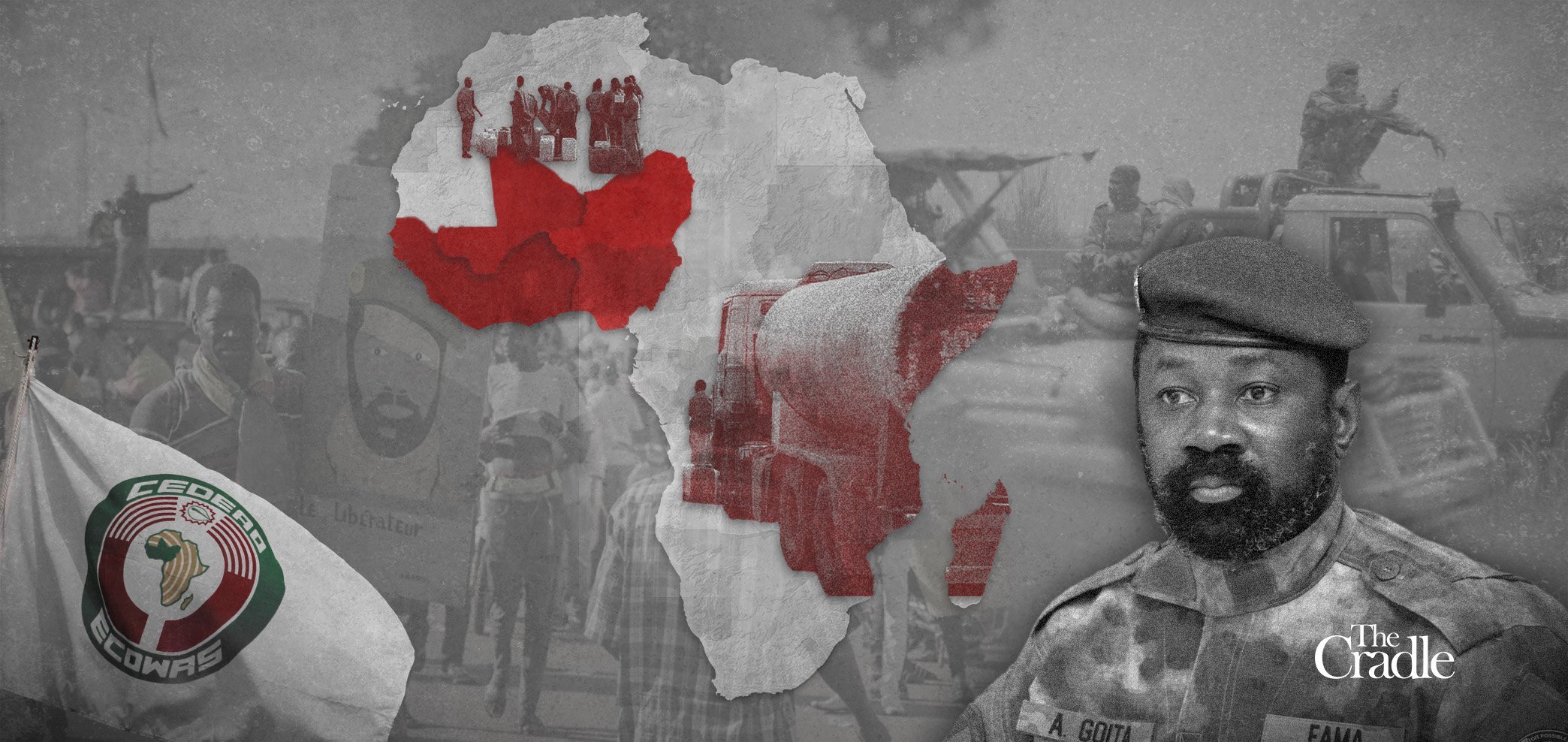
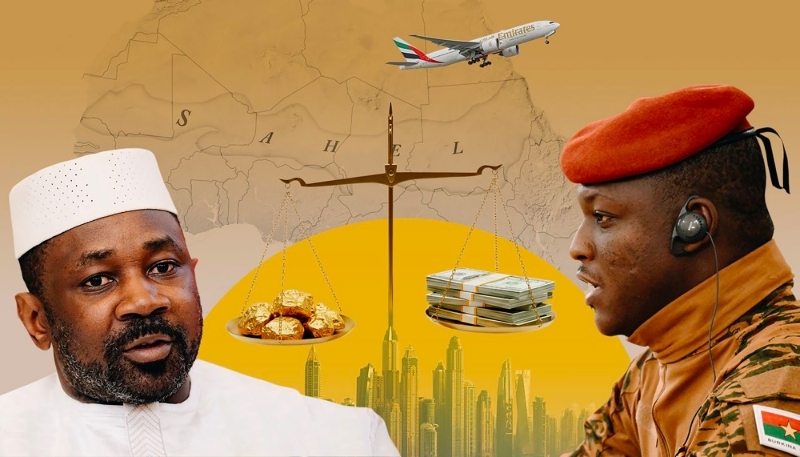
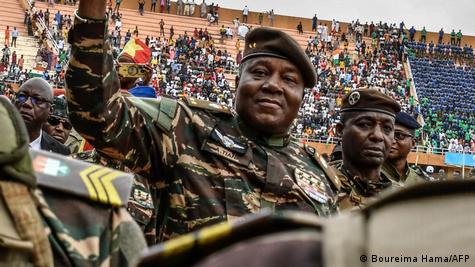
It hasn’t always been smooth sailing. Remember when Mali and Burkina Faso retaliated by banning US citizens following a travel ban by former President Donald Trump (National Herald India, 2024)? Those back-and-forth moves showed just how delicate diplomatic relations can be, and the tough balance between a nation’s sovereignty and global security needs. While those past issues certainly made cooperation harder, recent signs from Washington suggest they’re ready to move past these disputes for practical partnerships. Regionally, ECOWAS is still actively trying to manage the crisis through dialogue. Ghana’s President John Mahama, for instance, recently briefed Nigerian President Bola Tinubu on ongoing ECOWAS talks with Niger, Mali, and Burkina Faso (MSN Africa, 2024). These countries, sometimes called the Alliance of Sahel States, have occasionally acted outside mainstream ECOWAS membership. These discussions are a concerted push to engage with governments that have seen coups or political upheaval, encouraging them to return to constitutional order and team up against shared threats. Yes, the challenges are still immense. Jihadist groups are digging in deeper, exploiting ethnic tensions and weak governance. Political instability, often from military takeovers, makes good governance and effective security tough. But despite all that, these renewed diplomatic efforts and regional discussions offer a glimmer of hope. They show that everyone involved understands that going it alone won’t solve these complex crises. Instead, a collaborative strategy, one that mixes military action, political solutions, and development aid, really holds the most promise for stabilizing the Sahel. It’s crucial, too, that they address the root causes of conflict, things like poverty, lack of opportunity, and weak institutions. The next few months will really tell if this new phase of engagement brings real improvements. Success depends on international partners staying committed, regional actors keeping up a constructive dialogue, and the strength of the people living with the violence every day. For them, the hope is that these diplomatic moves signal the start of lasting peace and a new path to security and prosperity.