Niger: Navigating West Africa’s Complex Crossroads of Hope and Hazard
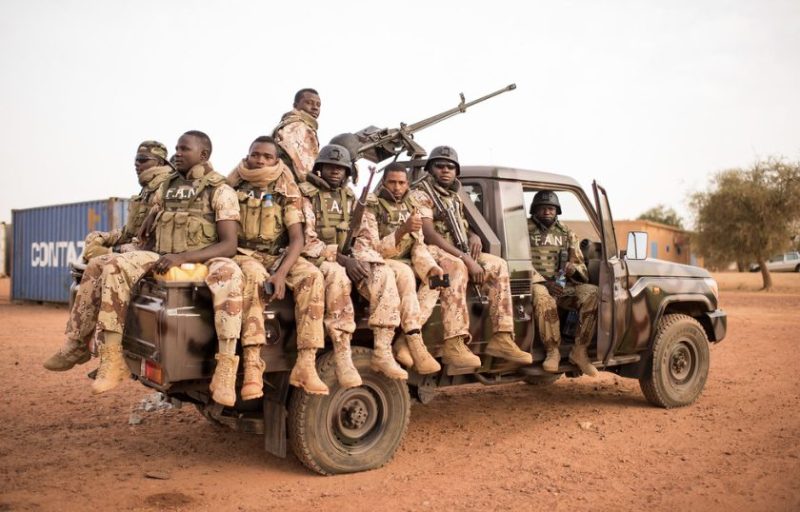
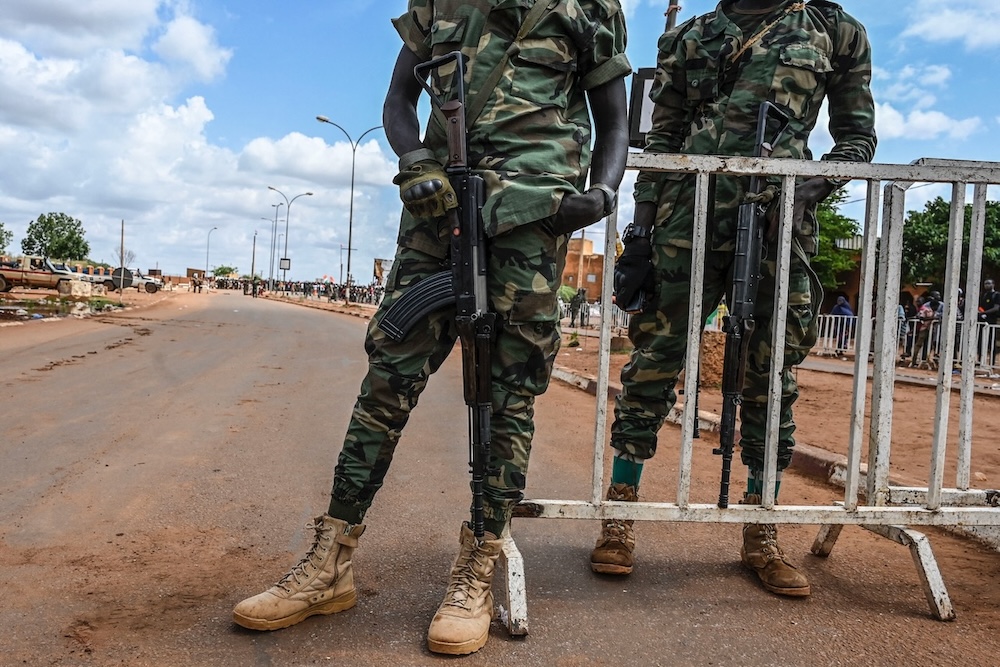
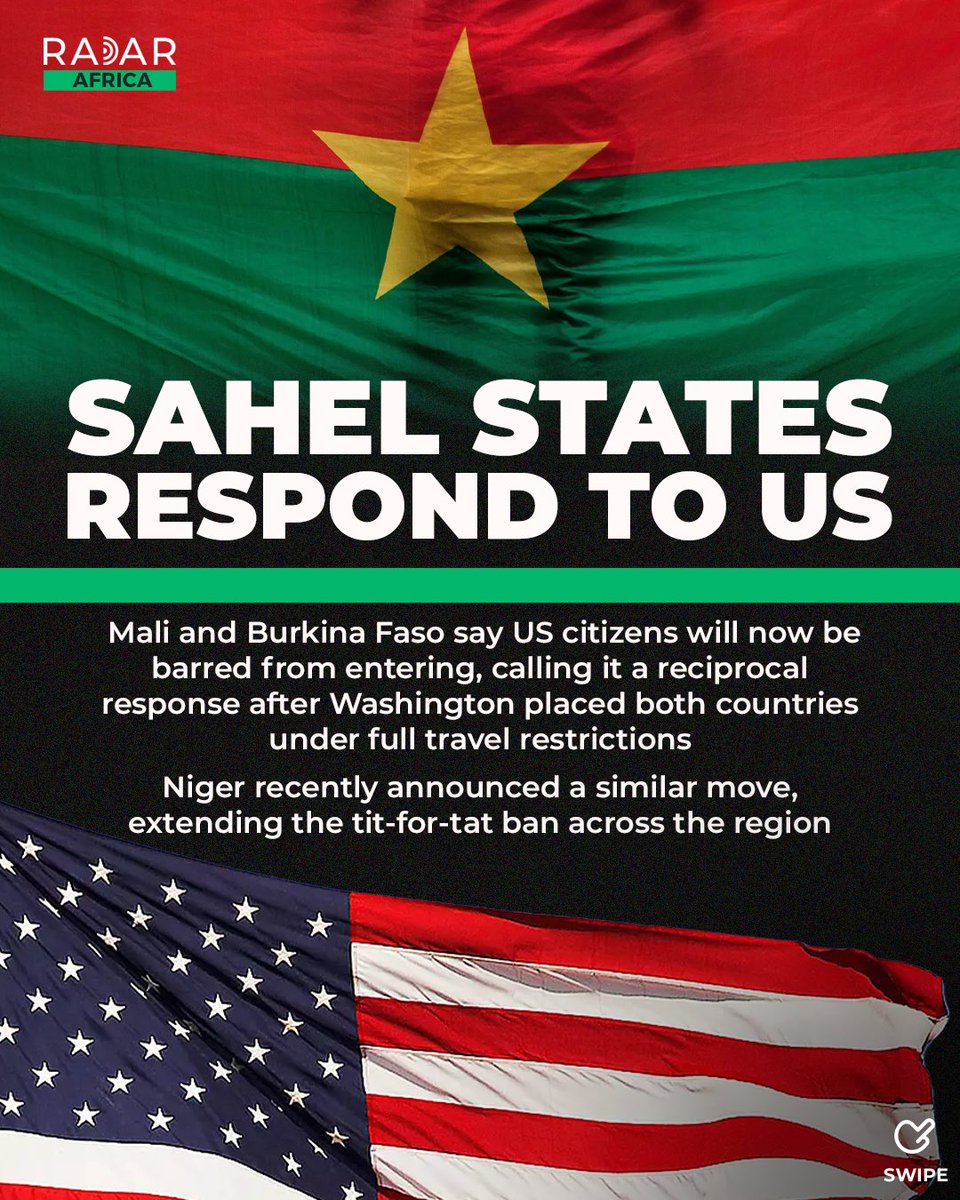
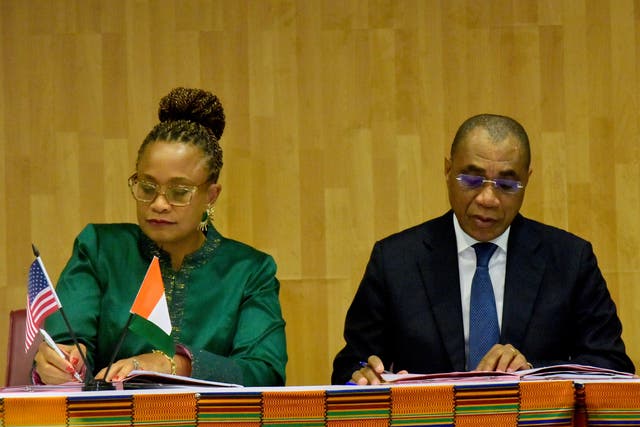
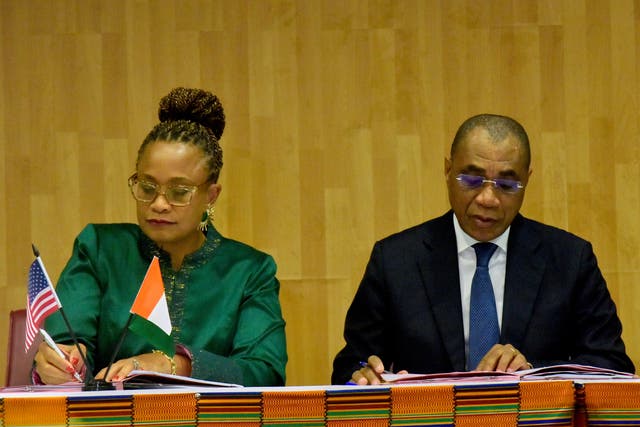
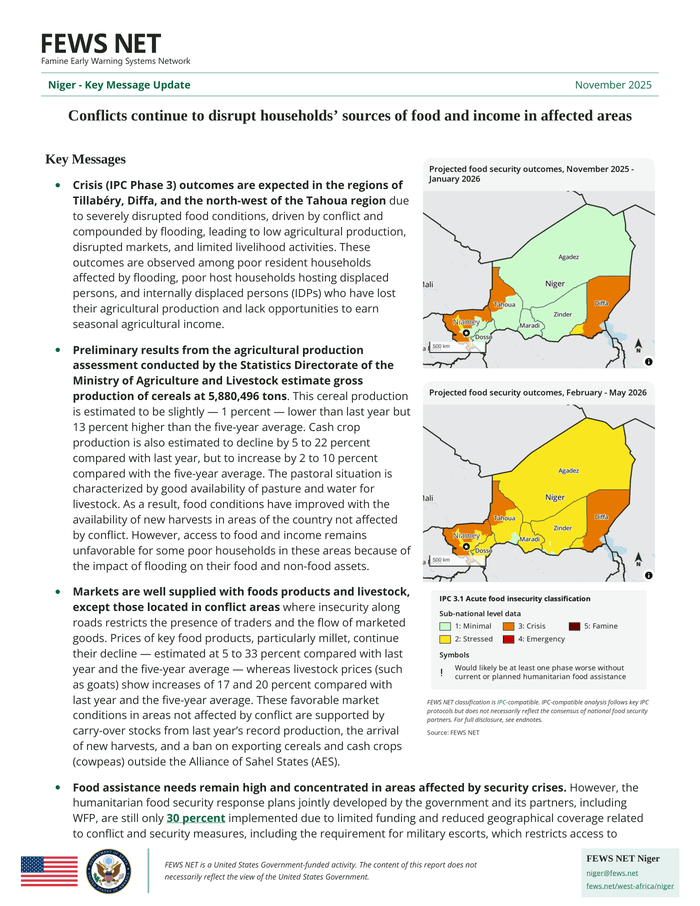
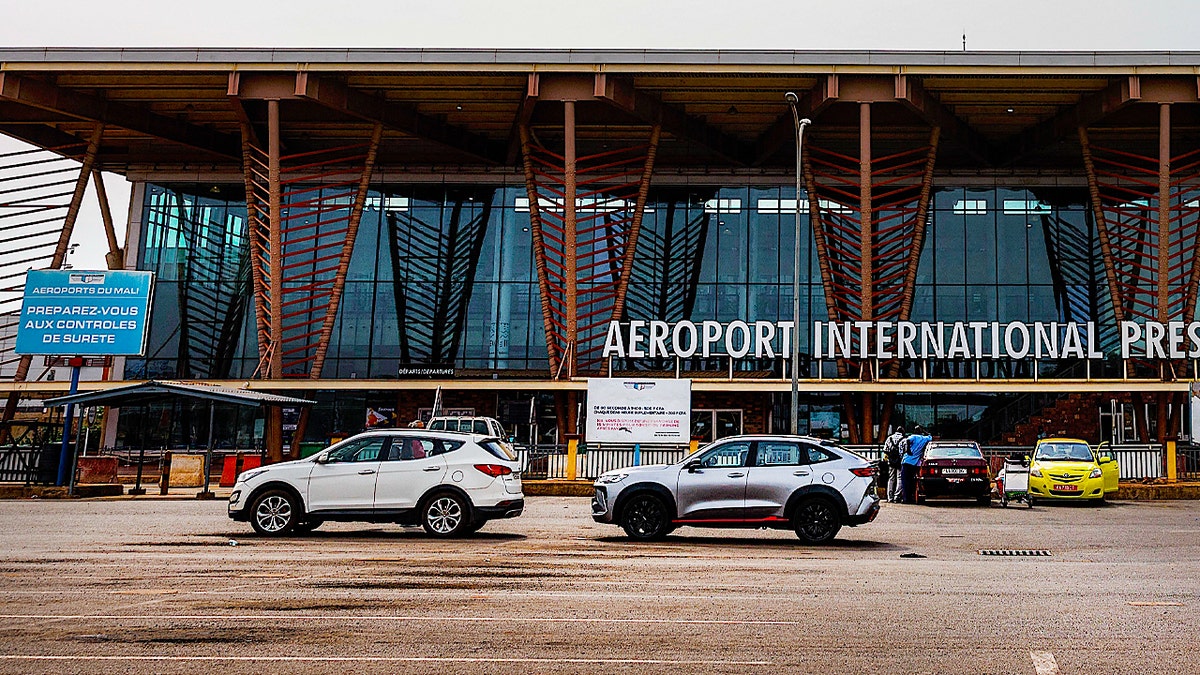
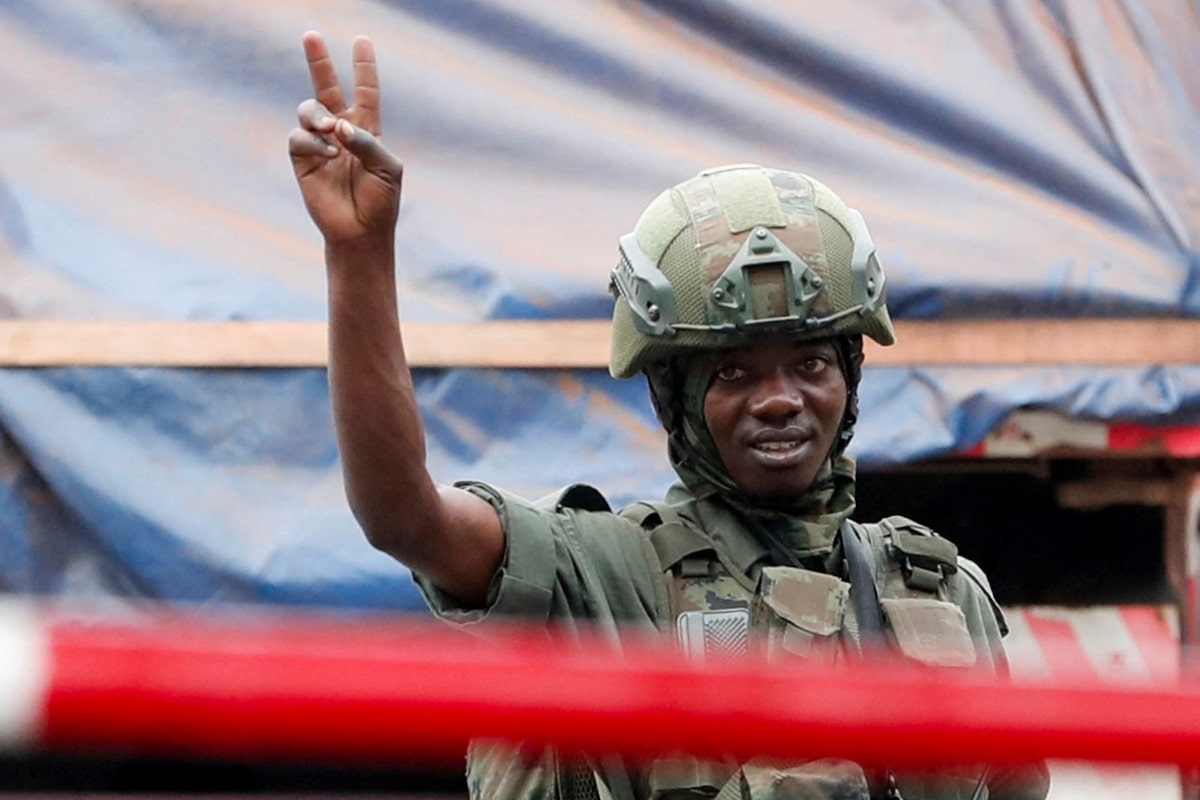
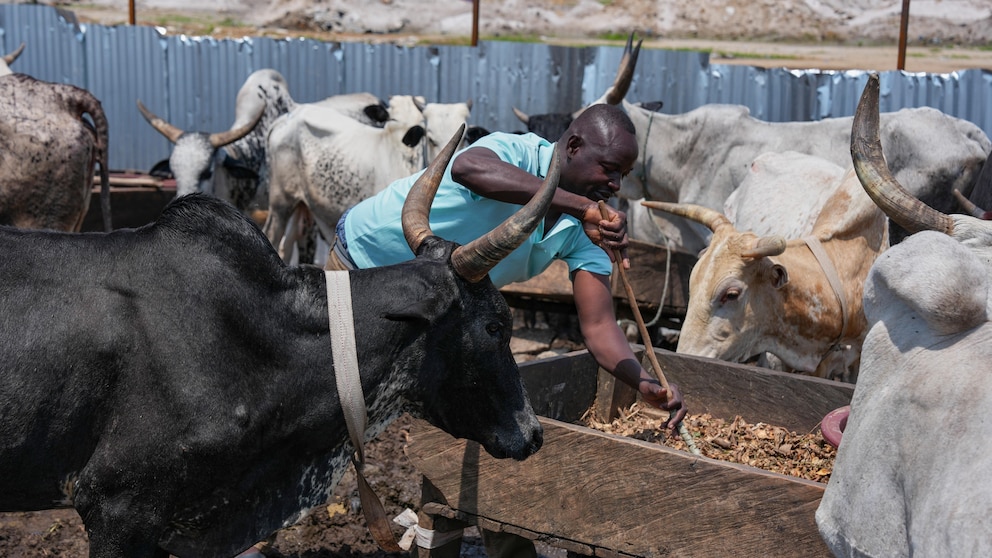
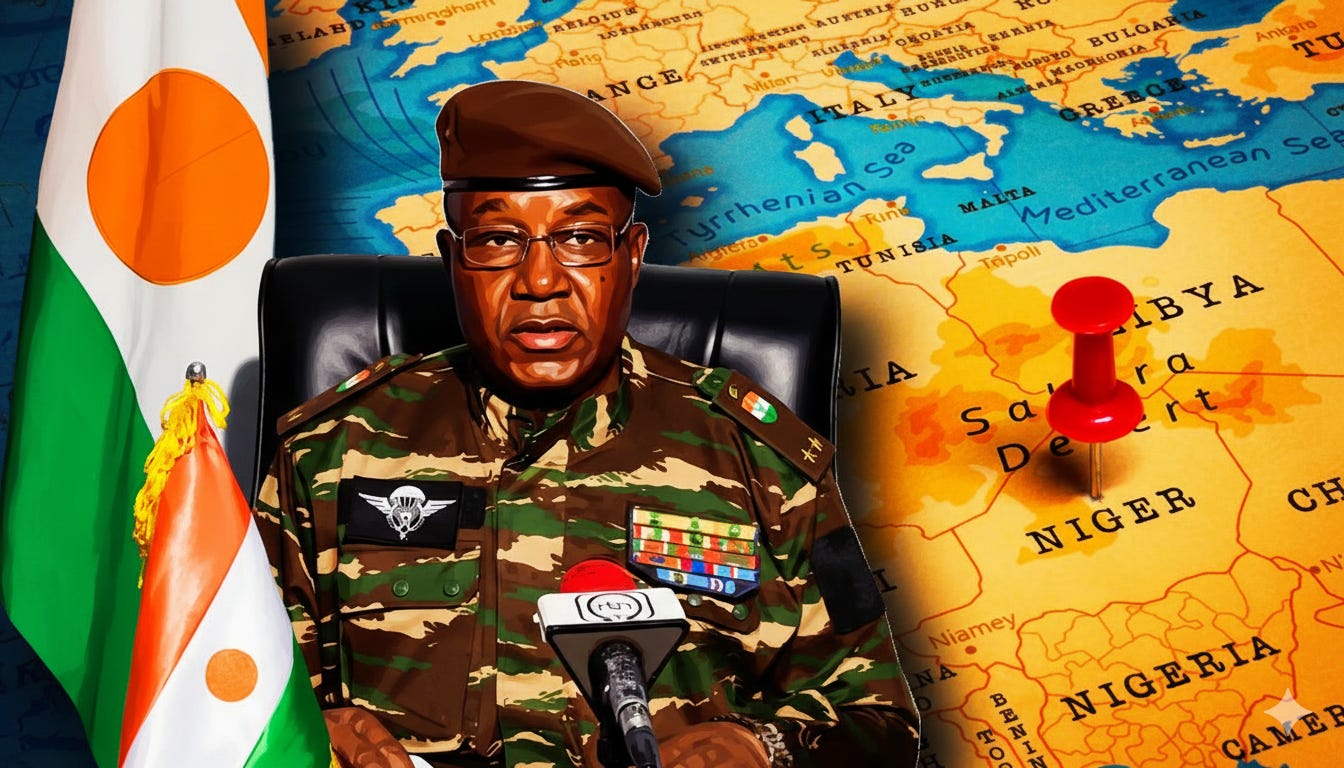
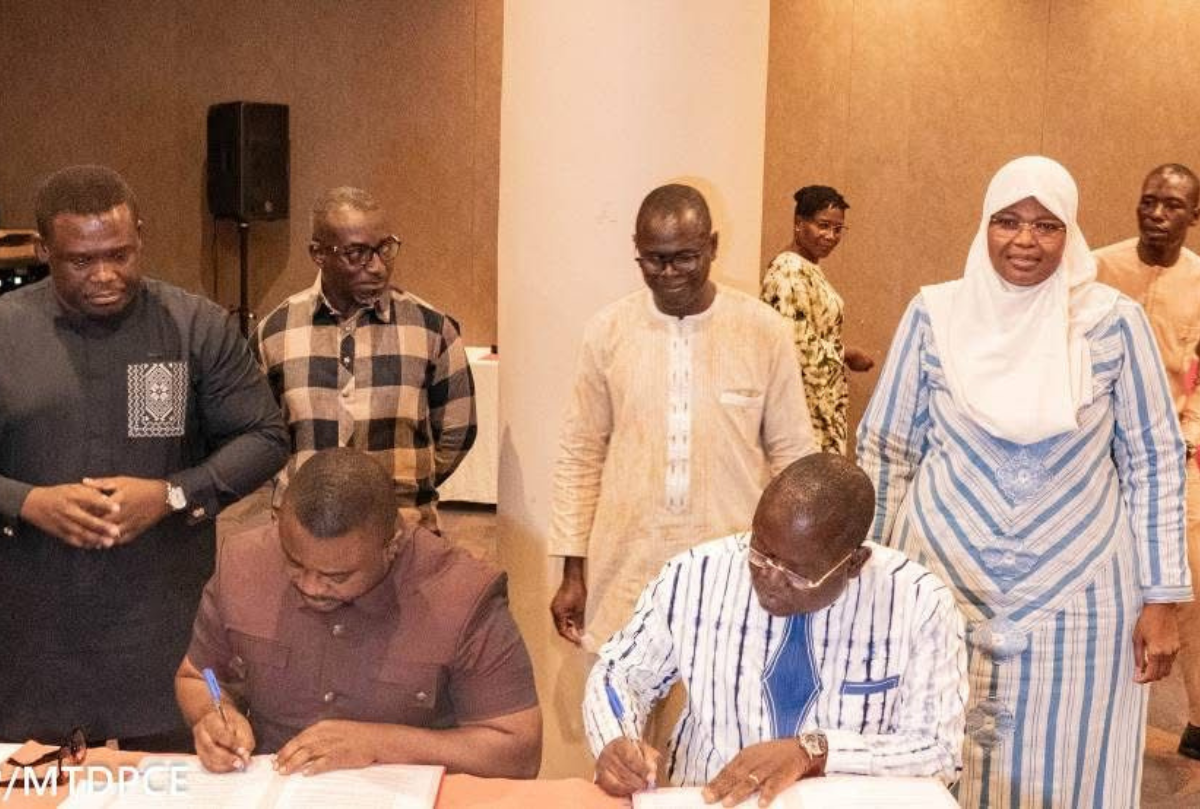
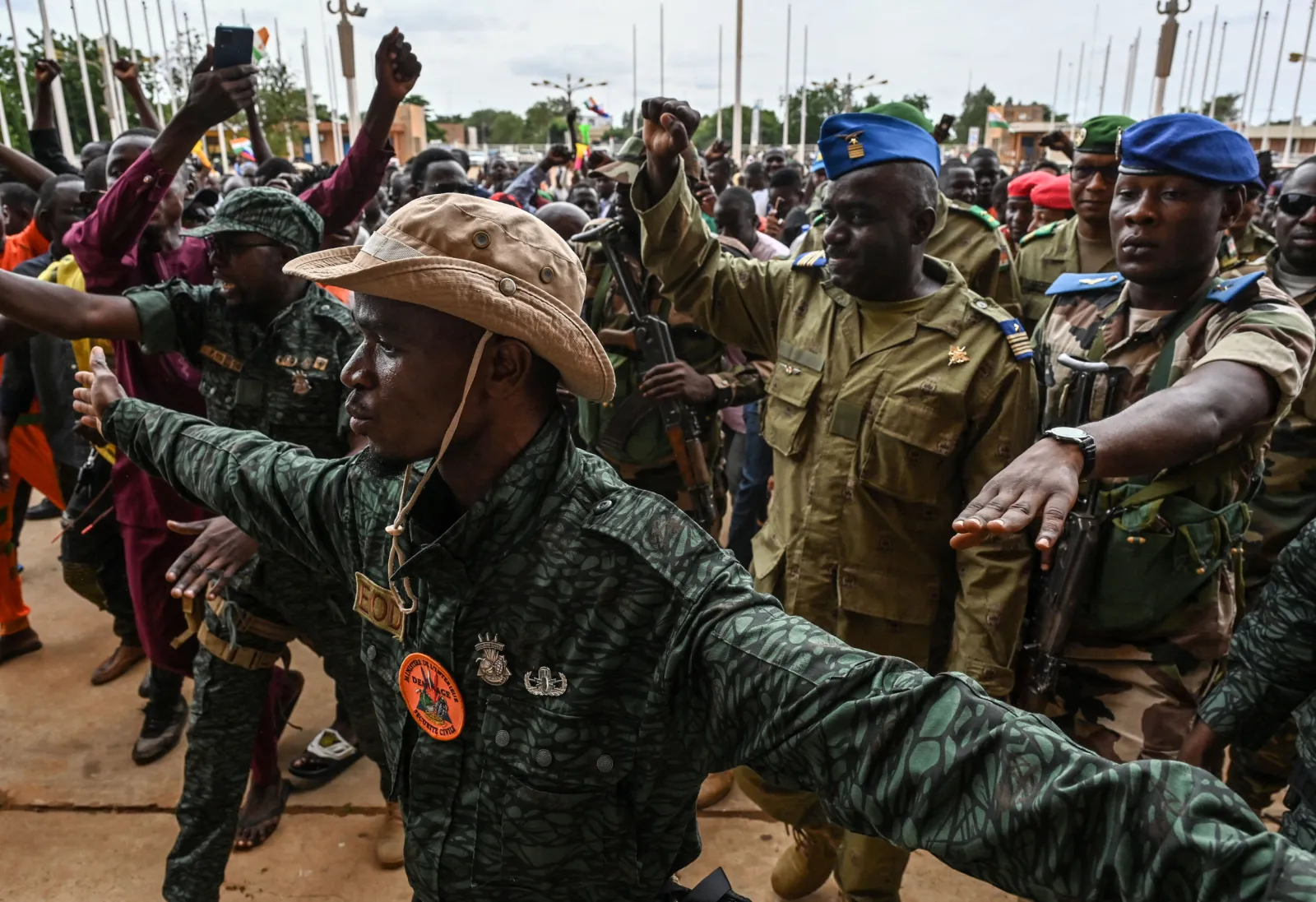
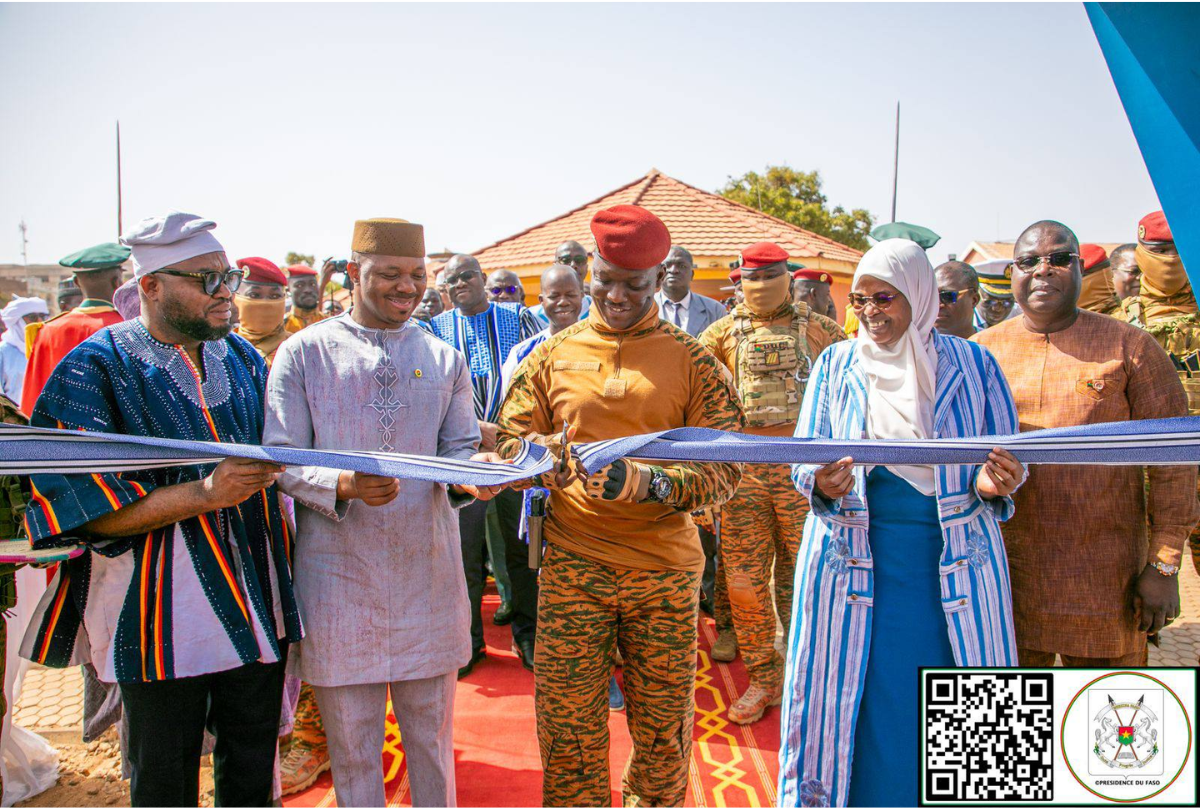
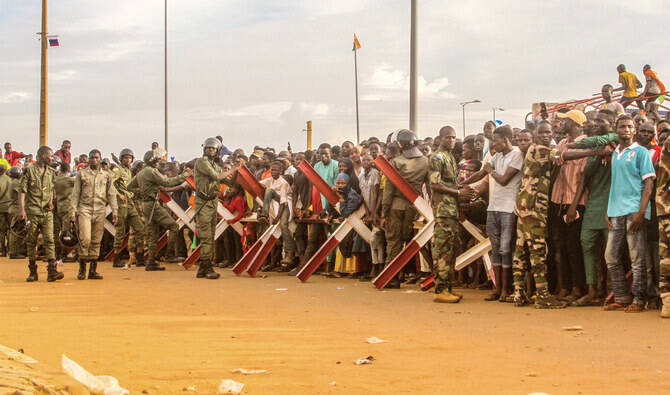
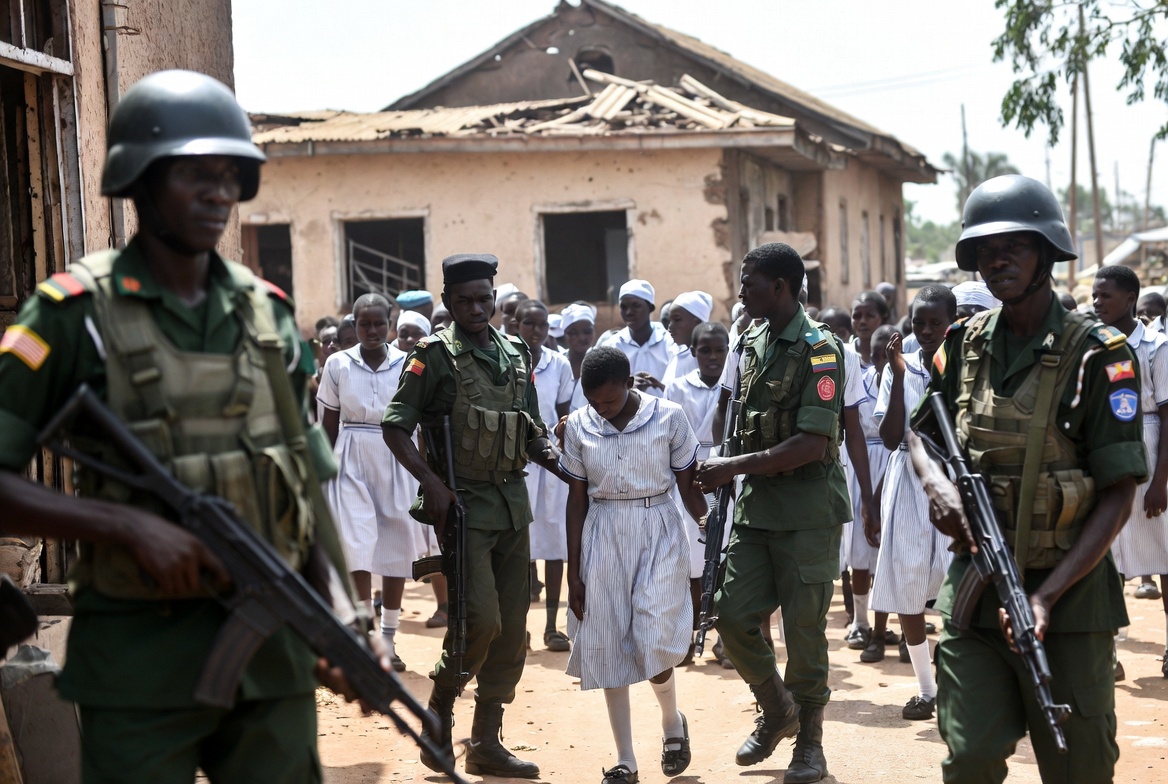
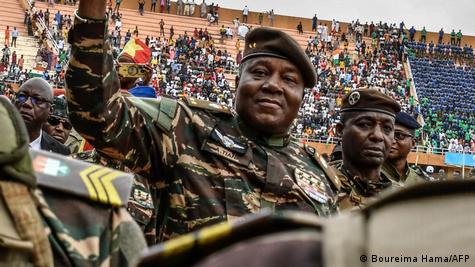
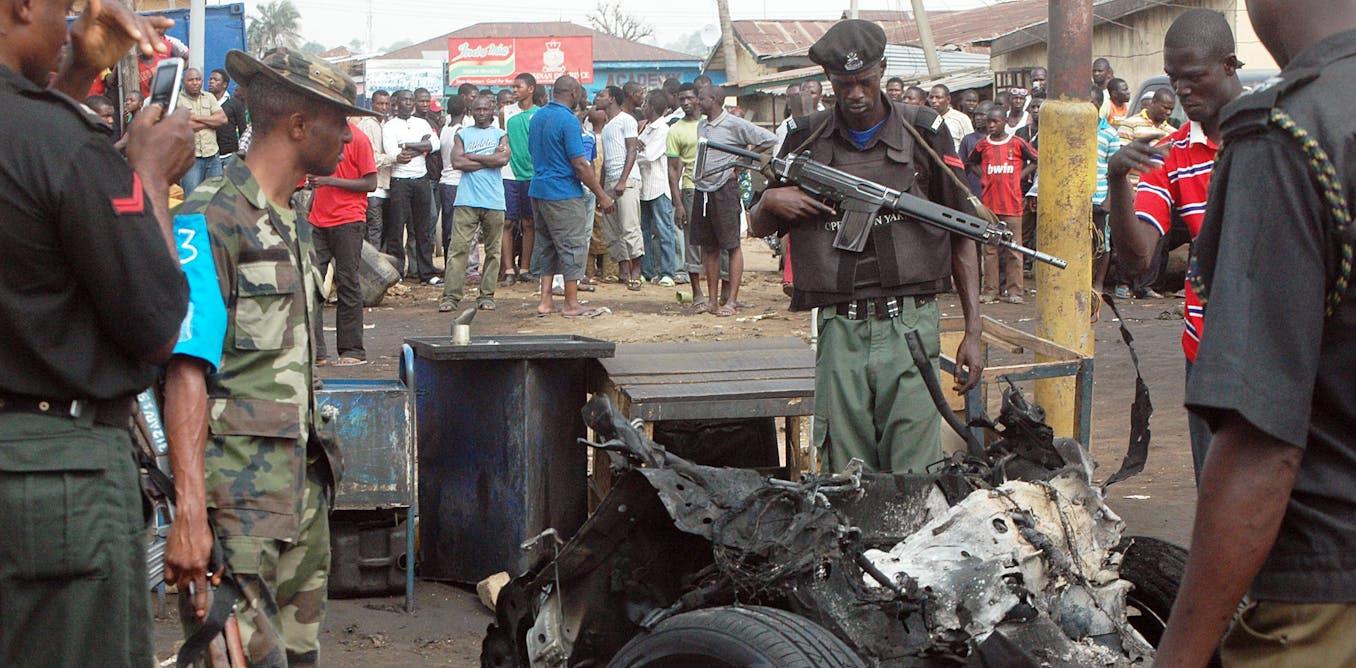
Niger, nestled in the heart of West Africa, has truly become a nation everyone’s watching. Why? It’s a complex blend of promising new investments and some pretty serious concerns, as the wider West African region grapples with shifting economic landscapes and escalating security challenges. Just recently, on January 30, 2026, we saw Niger State and Nigeria’s federal government ink a crucial Memorandum of Understanding, a bold step toward sustainable development. This initiative, known as the Sustainable Integrated Productive Communities (SIPC) project, aims to kickstart extensive mass housing and ambitious agricultural settlement programs. These aren’t just feel-good projects; they’re designed to ignite economic growth and tackle rural development head-on. Nigeria’s Minister of State for Finance, Dr. Doris Uzoka-Anite, made it clear: the federal government is fully committed to providing coordination, fiscal discipline, and policy support to move from planning to actual execution. Choosing Niger State as the pilot location really emphasizes a dedication to transformative infrastructure and agricultural investment that could set a precedent for similar efforts across Nigeria. Yet, even as Niger looks to development as a path forward, it finds itself under heightened scrutiny. It’s been added to the United States’ Level 4 travel alert list, the most severe warning Washington issues. This unfortunate development brings to eight the number of African countries under this highest risk classification, underscoring a broader, worrying trend of systemic instability and rising insecurity across the continent. This advisory signals genuine concerns over Niger’s governance and security environment, highlighting challenges that could hinder travel, international engagement, investment, and diplomatic relations. Without swift improvements in security and governance, nations like Niger risk even greater isolation from the global networks so vital for economic growth and stability.
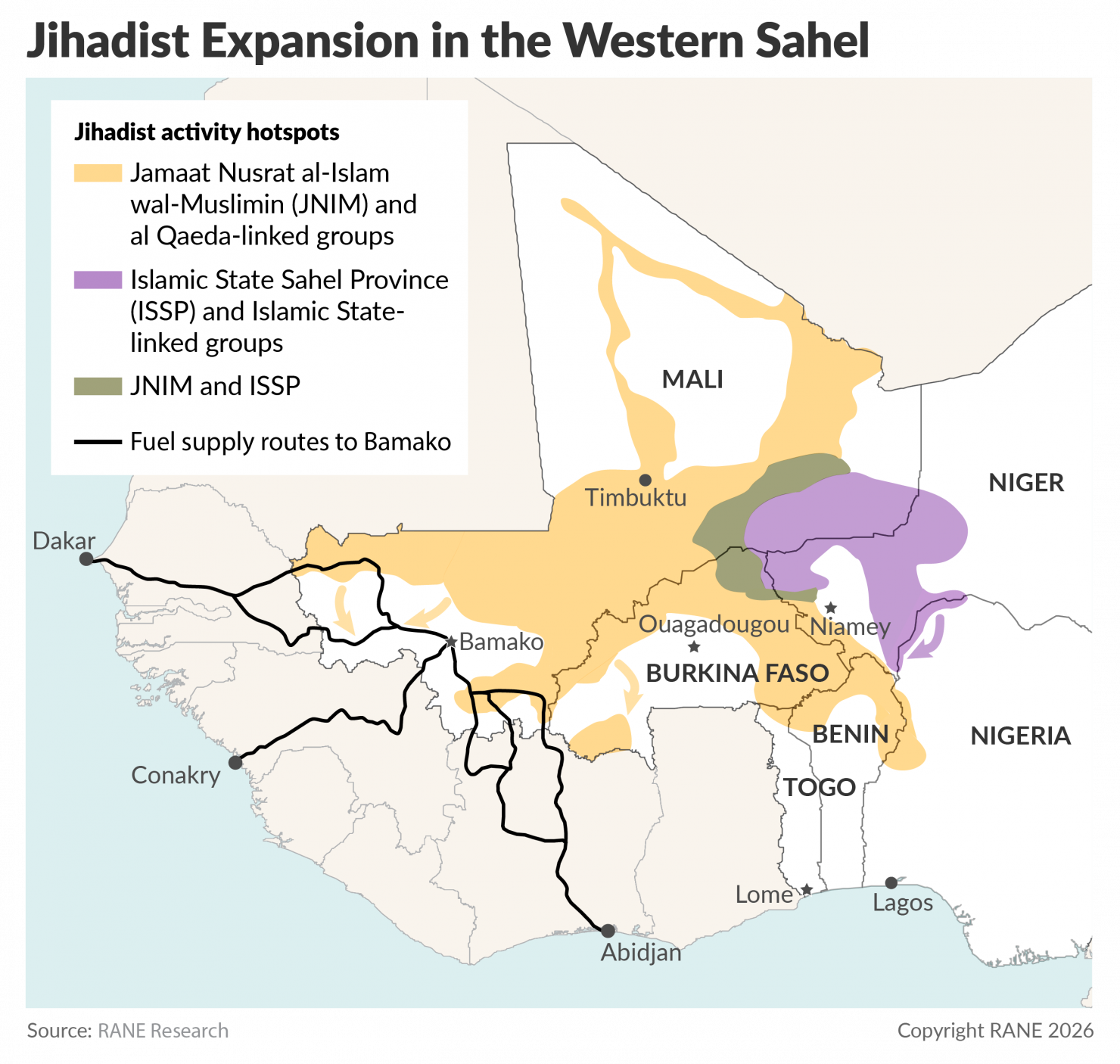
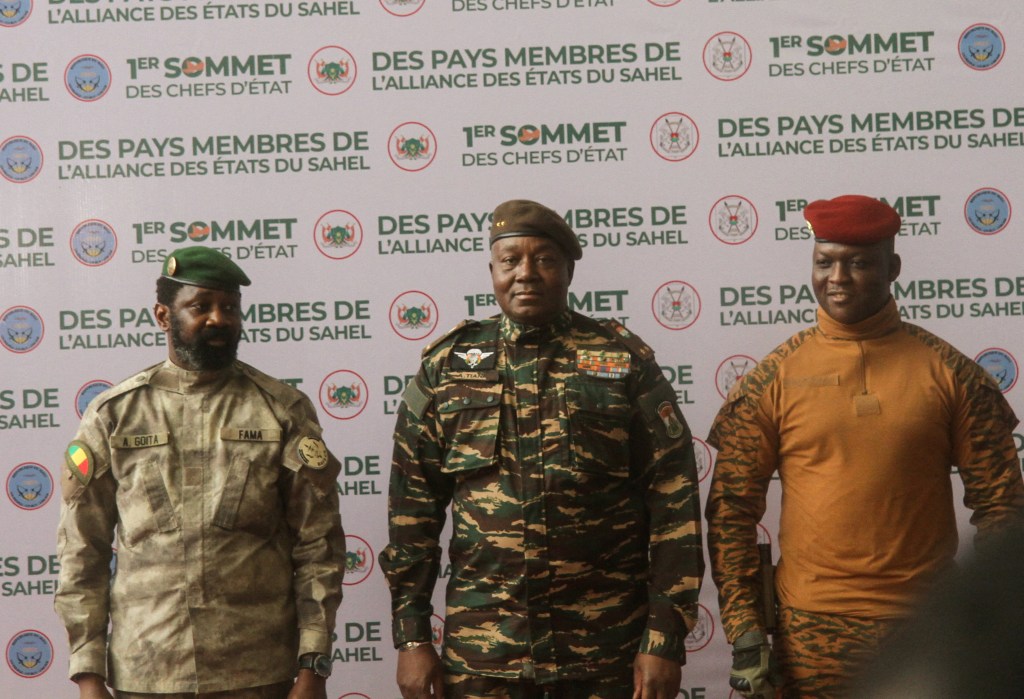
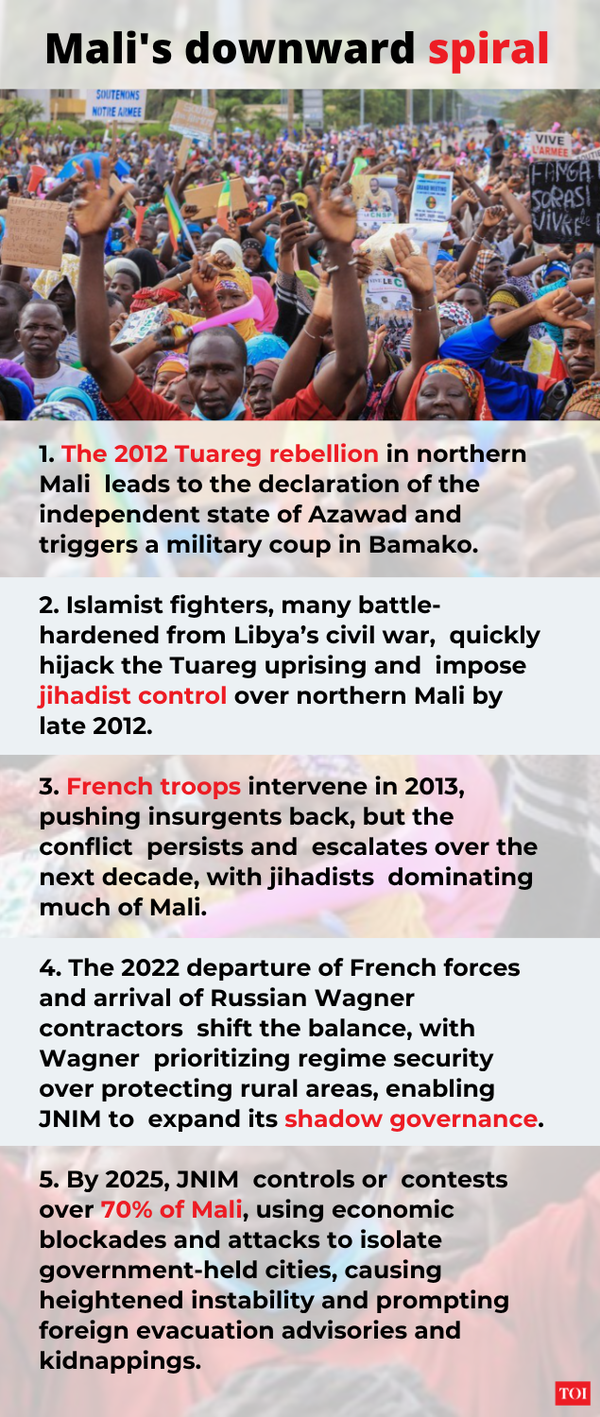
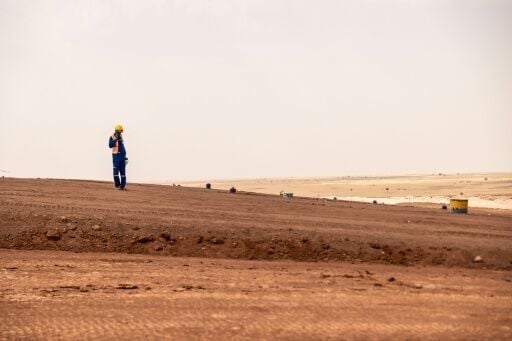
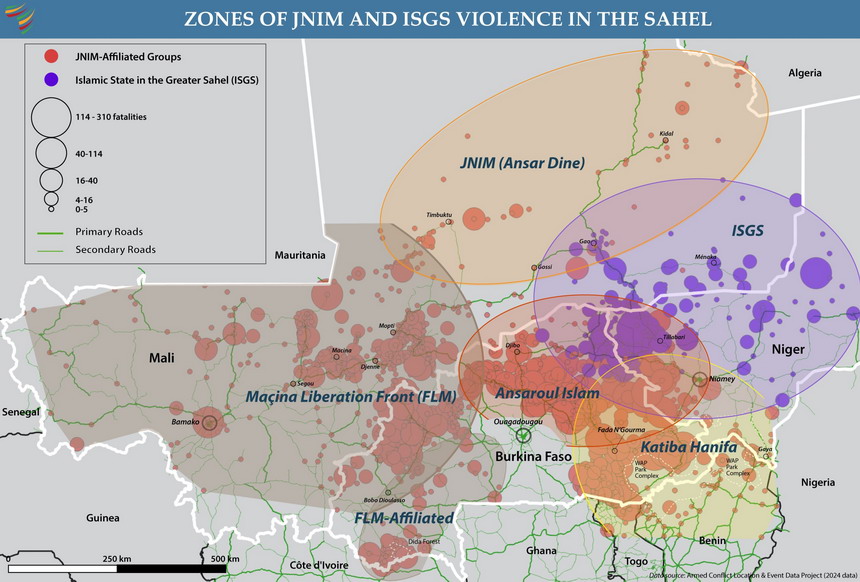
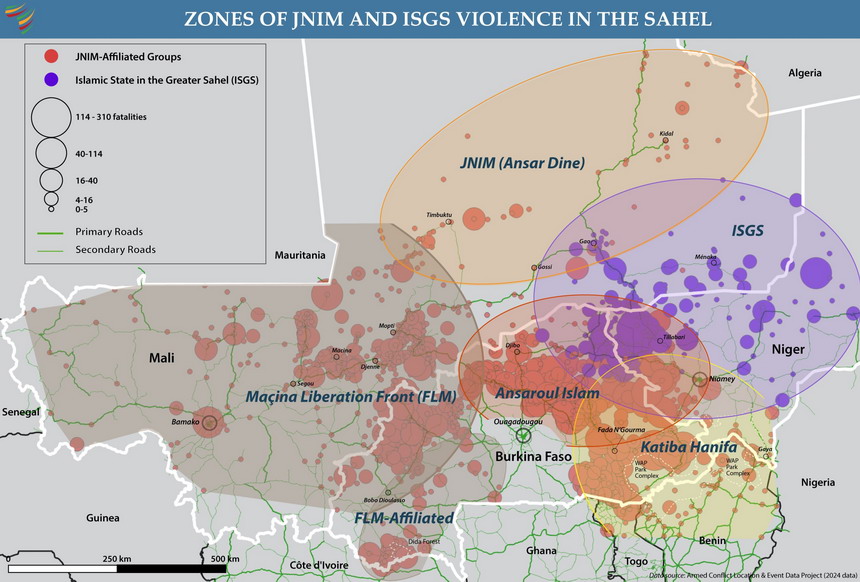
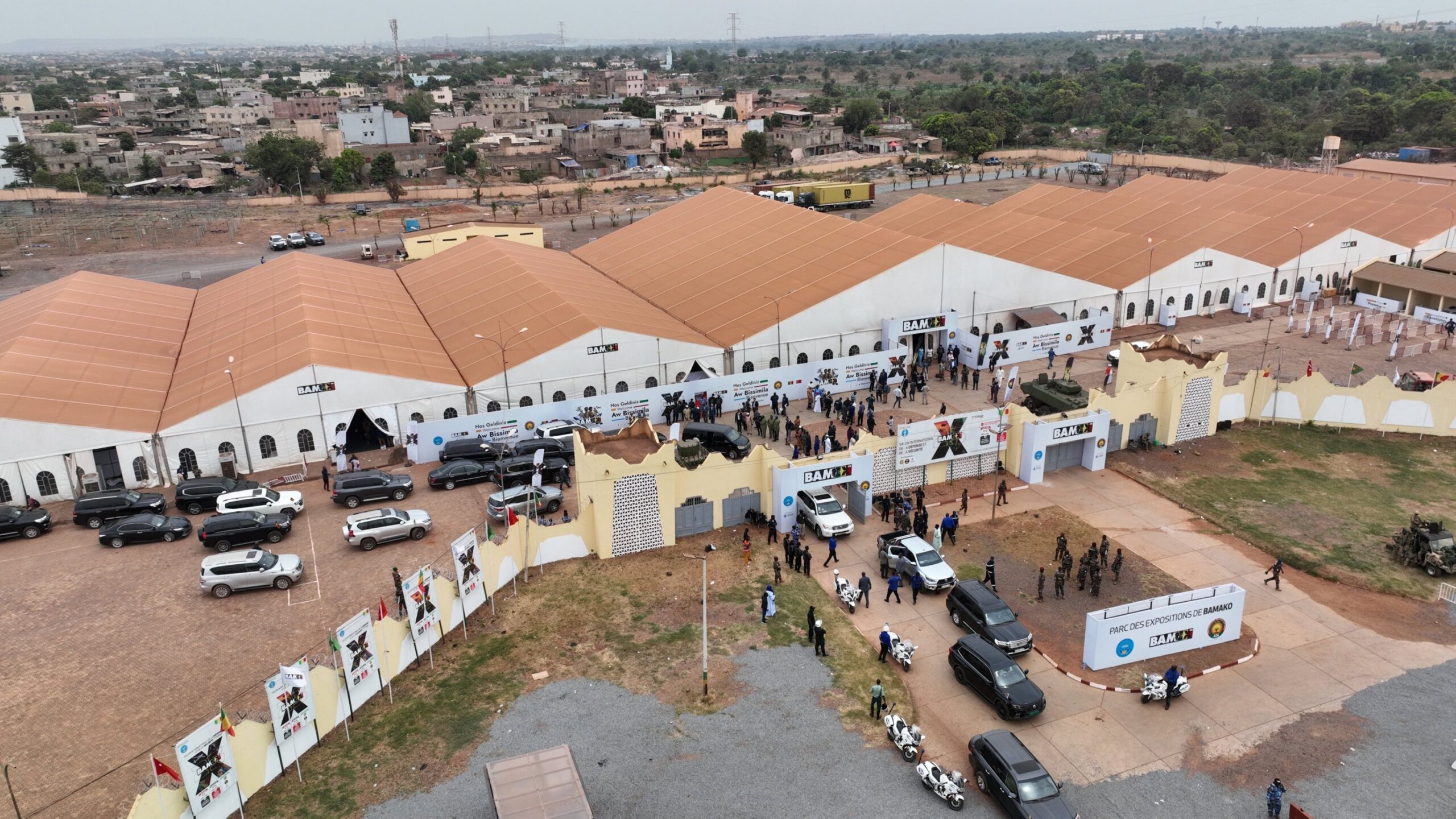
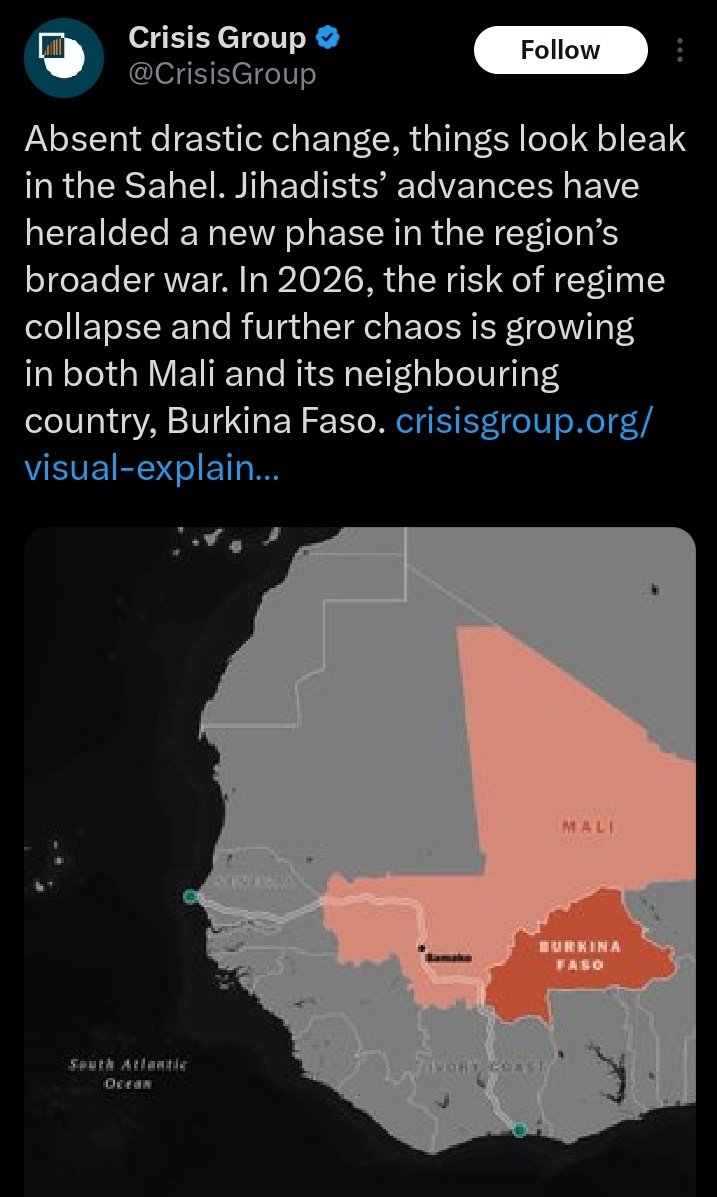
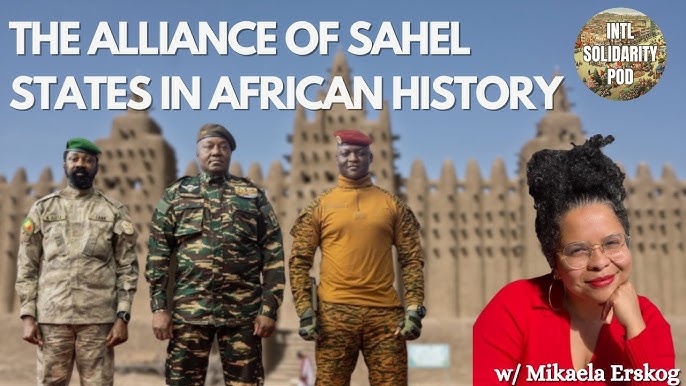
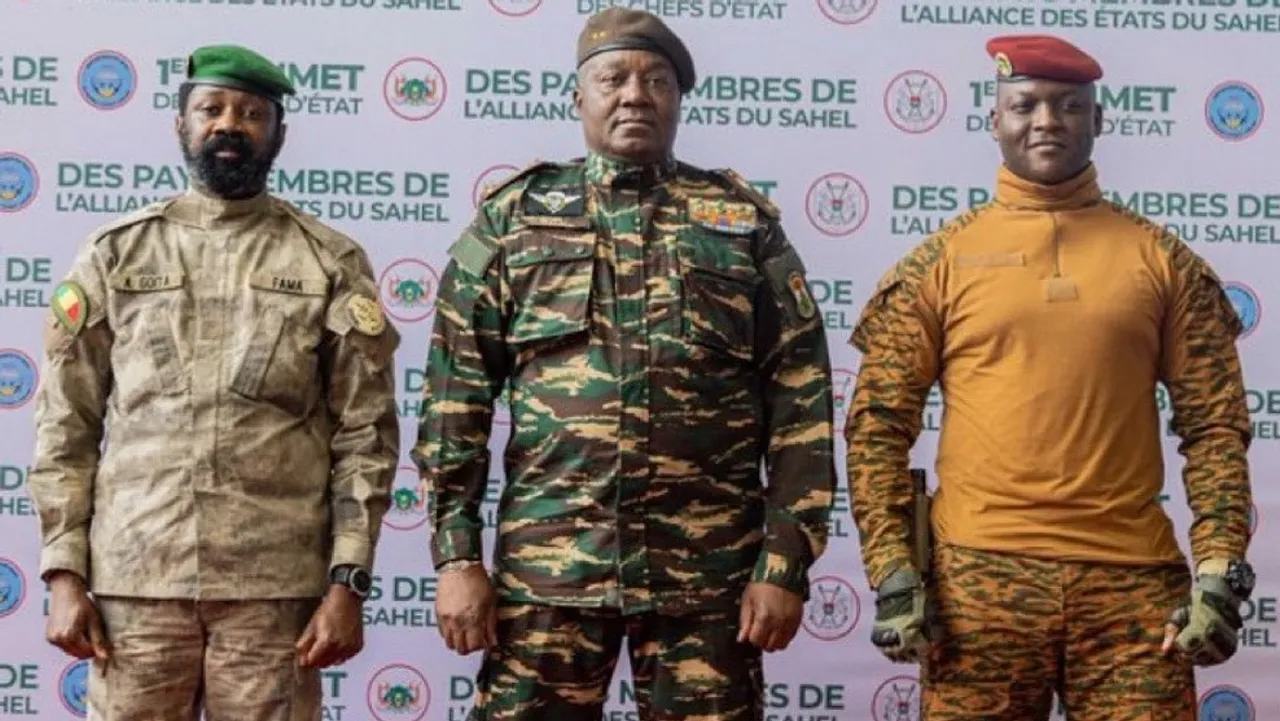
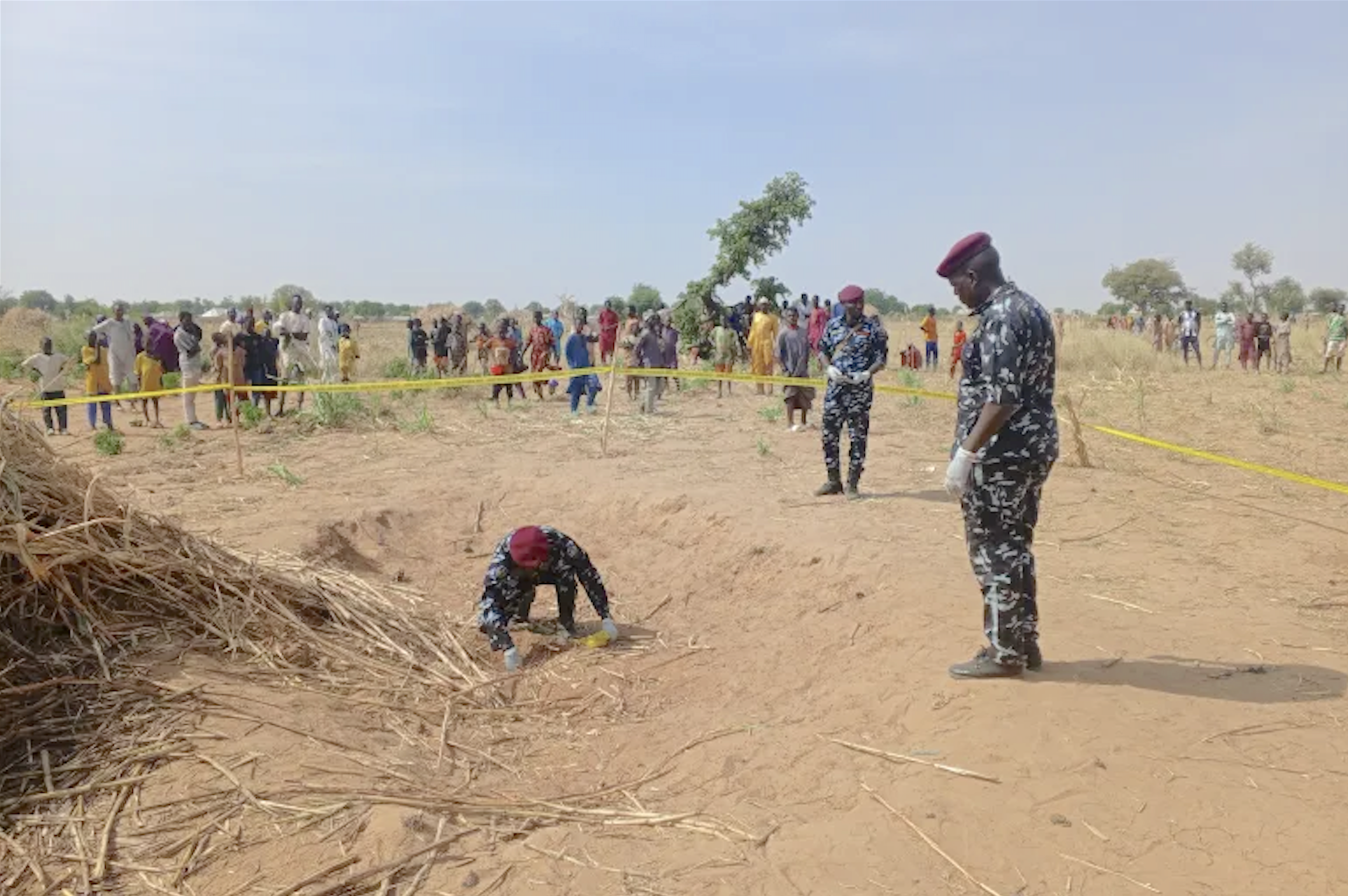
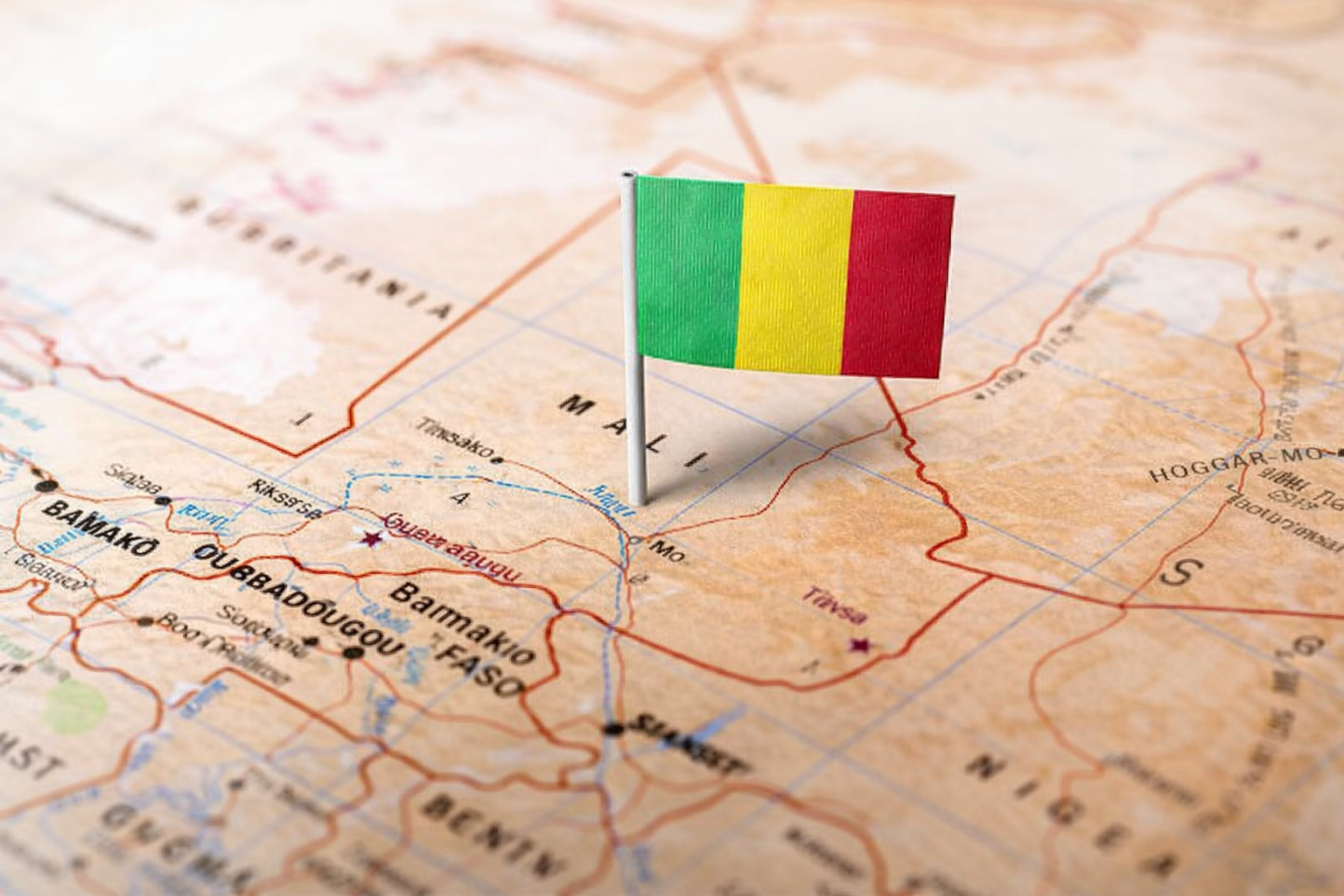
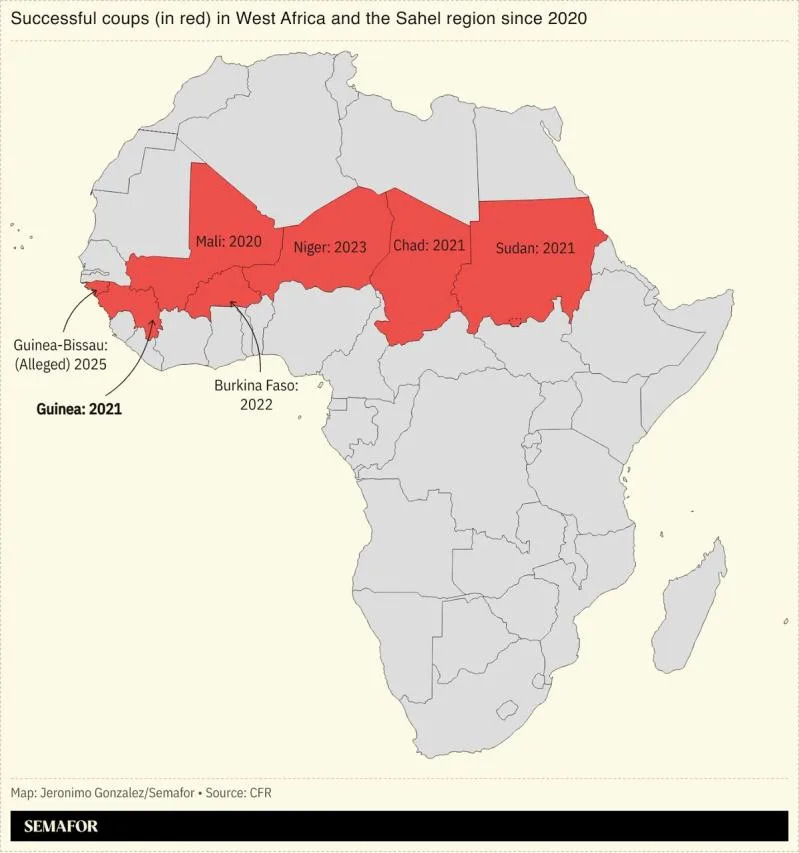
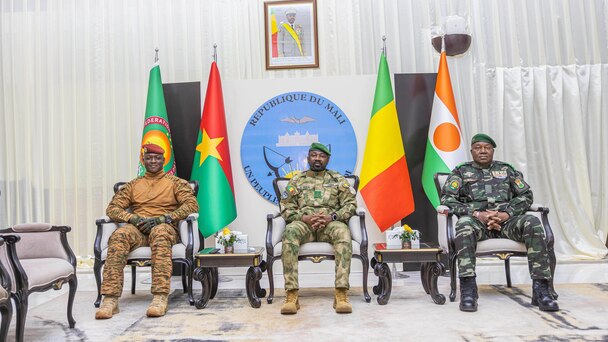
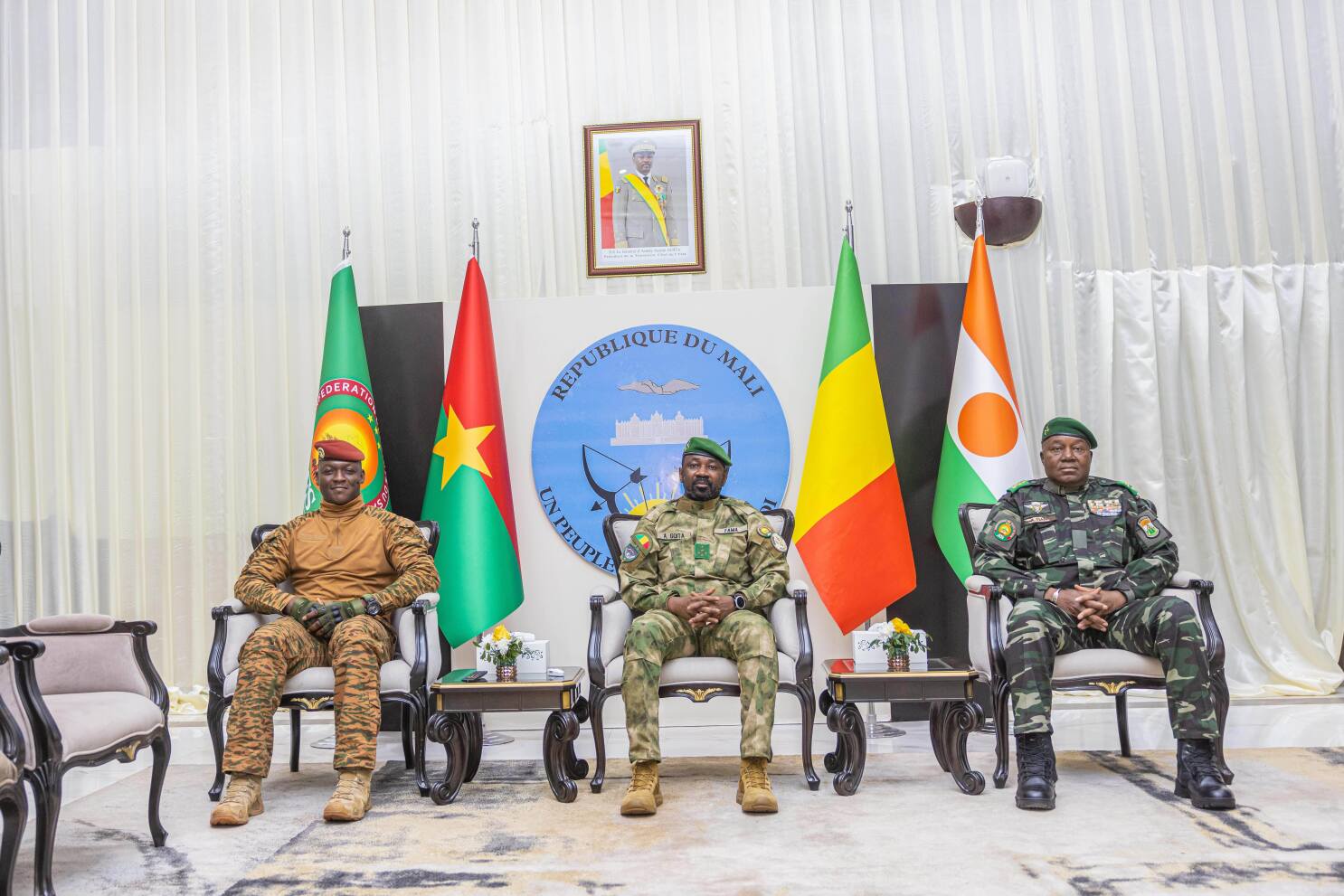
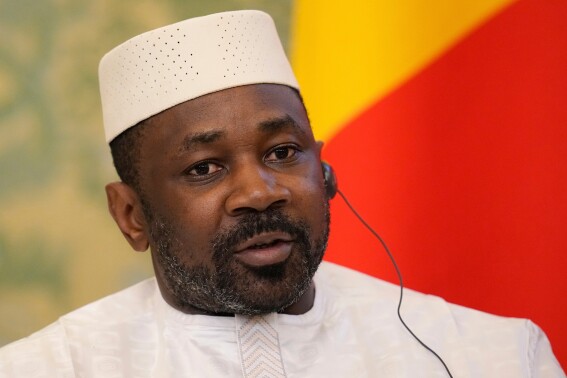
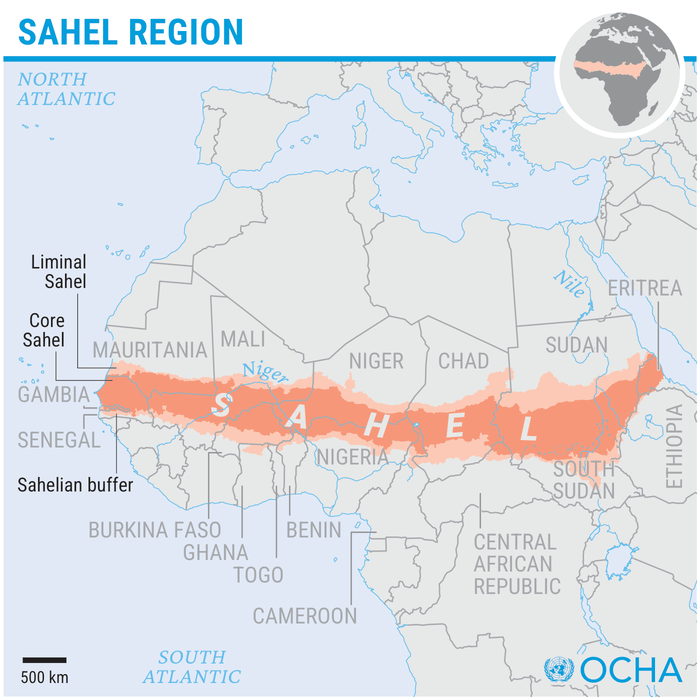
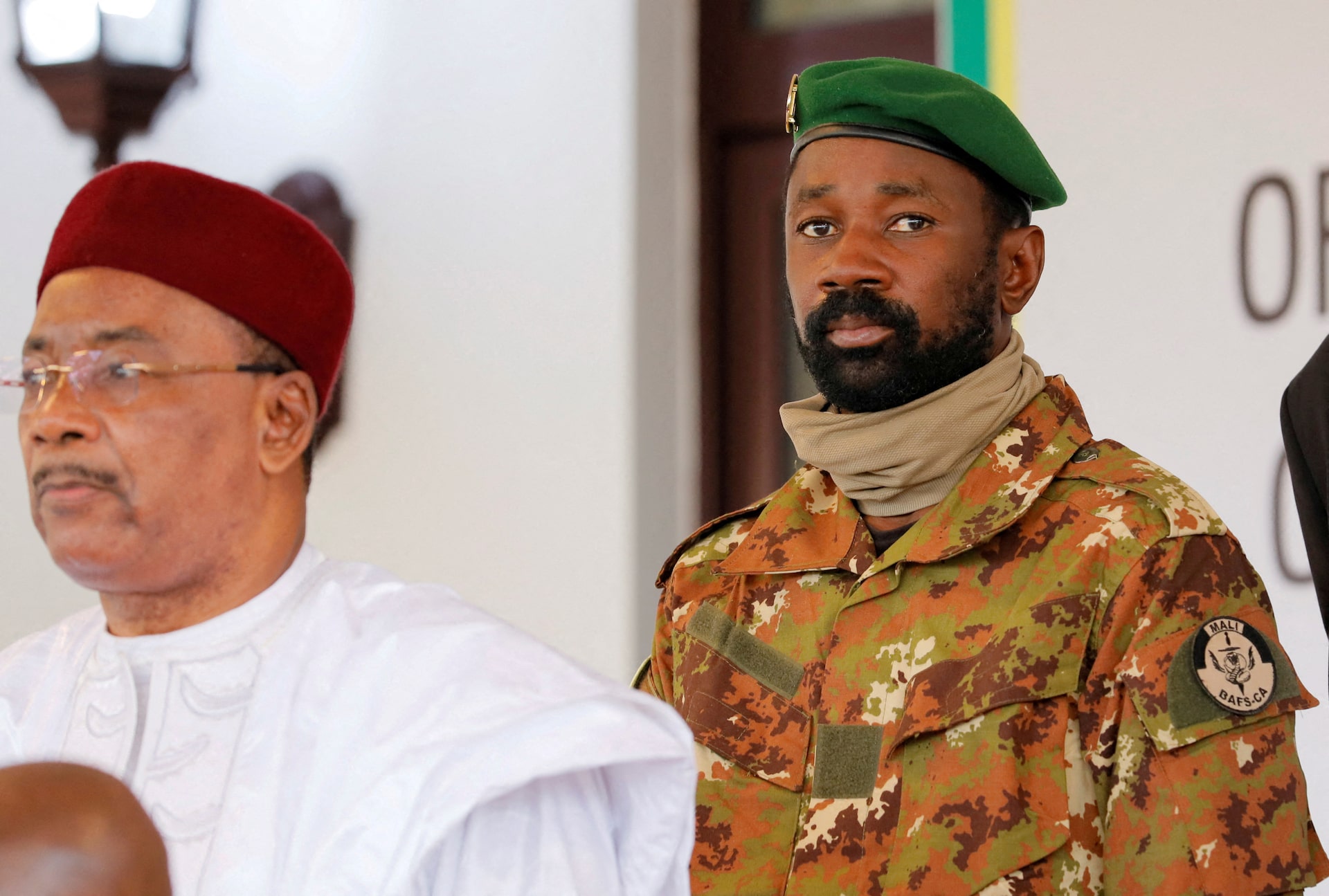
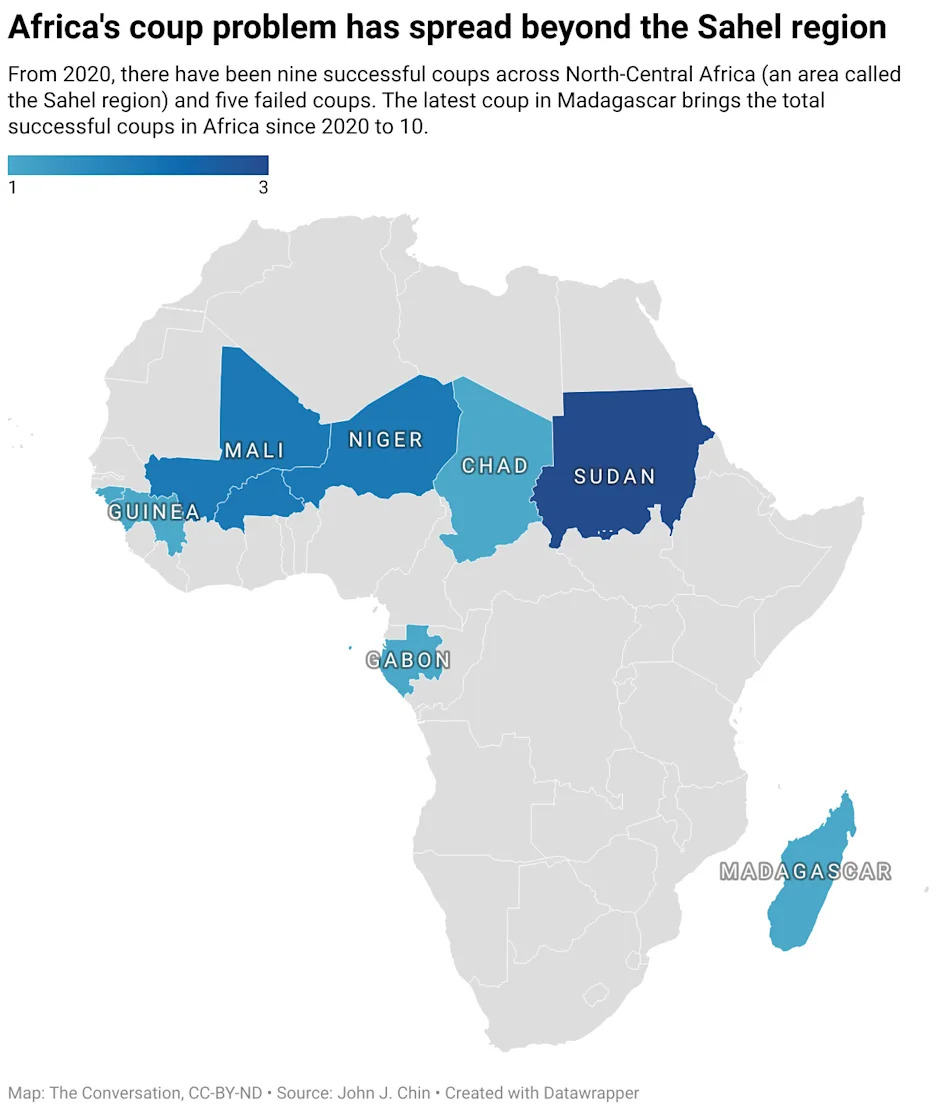
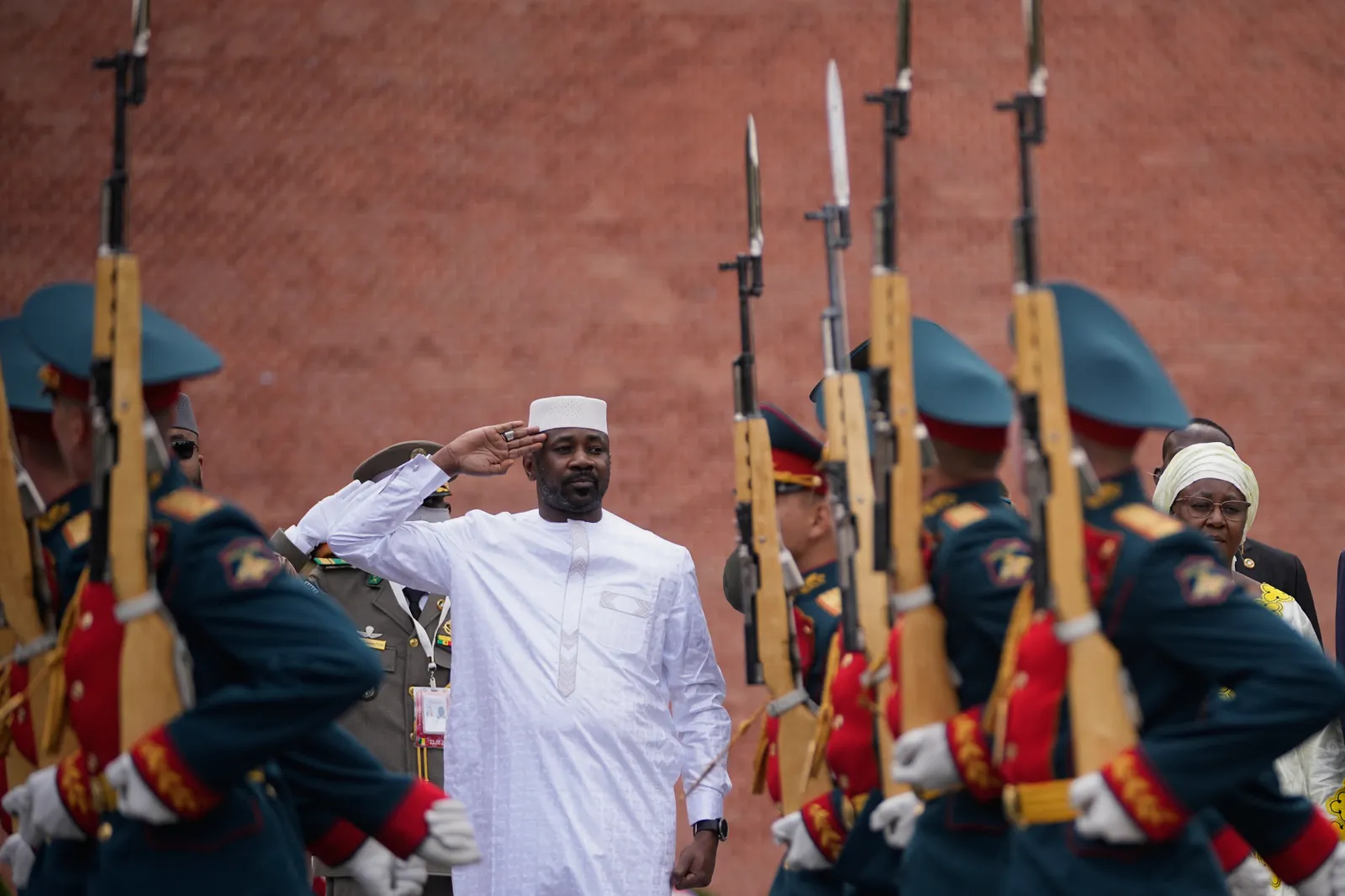
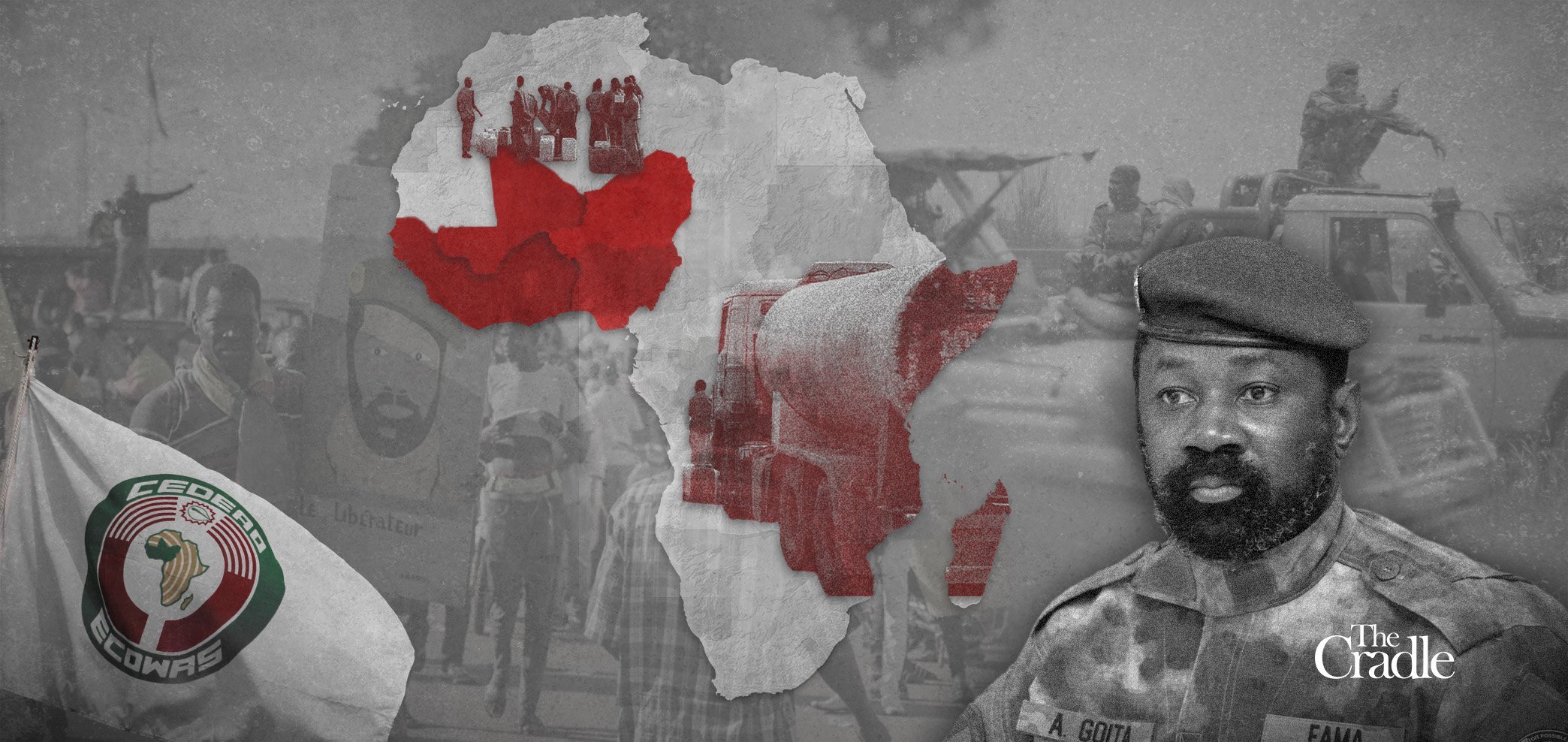
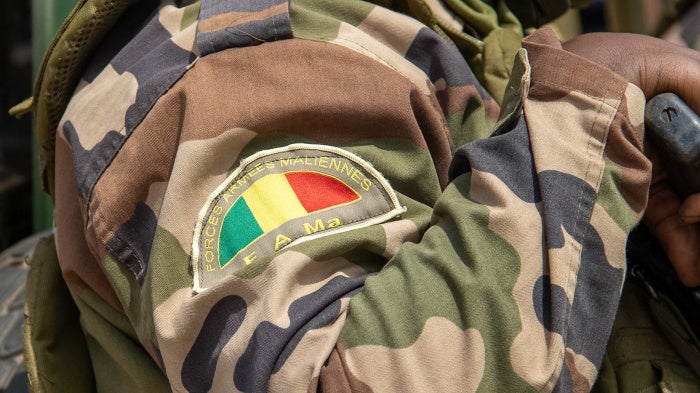
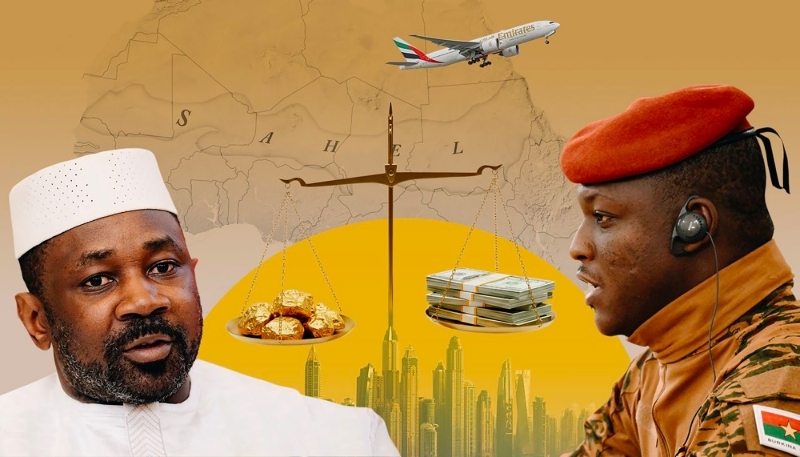
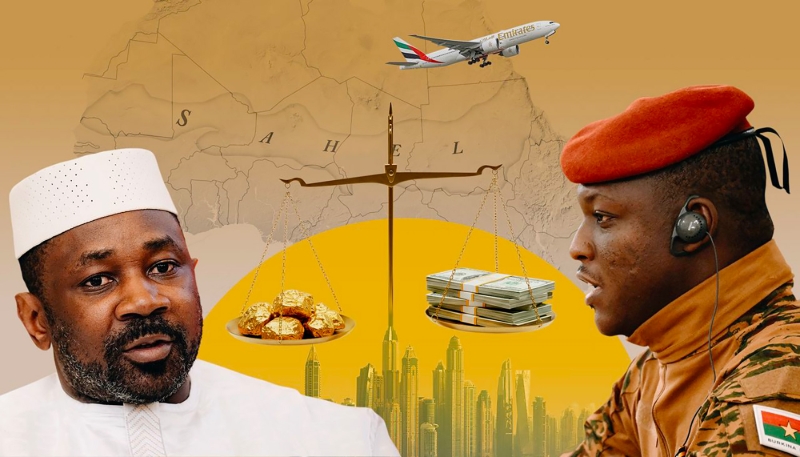
This backdrop of instability, of course, isn’t confined to Niger. It stretches across the entire Sahel region, prompting the United States to cautiously recalibrate its approach. We’re seeing Washington reach out anew to Mali’s military-led government through diplomatic envoy Senior Bureau Official Nick Checker. The US isn’t just being altruistic here; it openly acknowledges Mali’s critical mineral resources, like those essential for technology and manufacturing supply chains, which are huge contributors to global industries and position Mali as a key player on the economic map. Washington’s renewed engagement, framed around respecting Mali’s sovereignty and hoping for a fresh diplomatic course, also clearly reflects strategic interests. Think reducing dependency on Chinese-controlled supply chains and countering Russian influence in crucial mining sectors. This nuanced shift in U.S. policy shows a pragmatic recognition of the Sahel’s significant geopolitical importance, despite ongoing governance concerns. Amid these dynamics, Nigeria’s economic trajectory looks incredibly promising. The International Monetary Fund predicts Nigeria’s economy is soaring, poised to become Africa’s top contributor to global economic growth in 2026. It’s expected to account for an estimated 1.5 percent of global real GDP growth, outpacing South Africa for the first time in years. This isn’t just a number; it marks a significant realignment in the continent’s economic landscape, driven by Nigeria’s large market size, youthful population, and expanding sectors fueling global demand. This shift signals growing confidence in Nigeria’s economic future, despite previous years of currency challenges and inflationary pressures. However, not all extractive sectors are progressing smoothly. We recently heard the devastating news from neighboring Democratic Republic of the Congo: a tragic mining accident claimed the lives of at least 200 people in a collapse at the coltan mines in eastern Congo’s Rubaya area, controlled by M23 rebel forces. Coltan, critical for electronic components, is just one of many mineral resources fueling intense competition and conflict in the region. This disaster serves as a grim reminder of the human costs behind Africa’s strategic mineral wealth and the urgent need for improved safety, regulation, and conflict resolution.
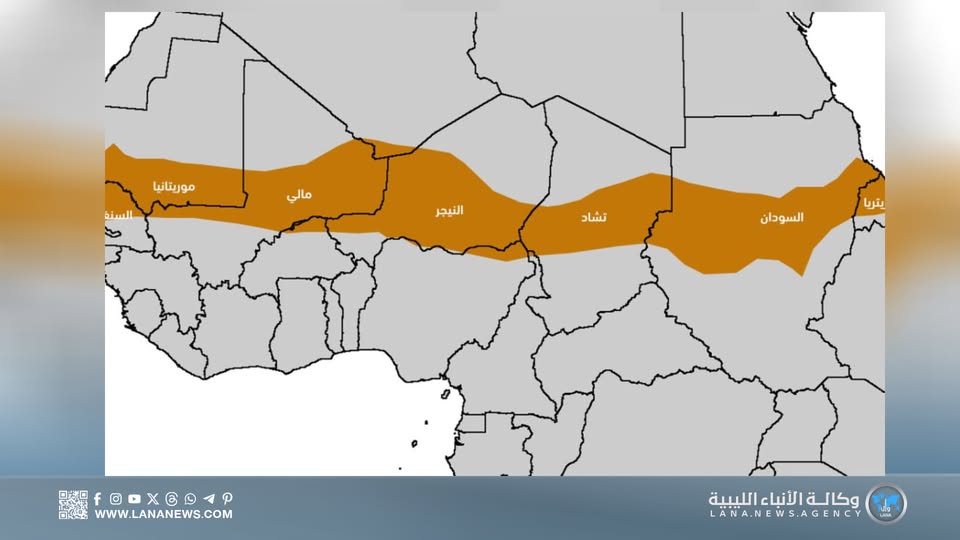
So, what does all this mean for Niger? It sits at a unique crossroads where immense economic potential clashes with persistent security challenges. The newly launched housing and agricultural projects, championed by Nigeria, could truly serve as blueprints for stability and prosperity, if they succeed. But the country’s inclusion in global travel advisories and the wider region’s fragility underscore the delicate balance required to maintain investor confidence and crucial international cooperation. Meanwhile, growing U.S. engagement in Mali signals an evolving geopolitical landscape as global powers vie for influence in resource-rich yet unstable zones. Nigeria’s rise as a growth engine certainly offers a beacon of hope for the continent’s economic future. Still, tragic events like the Congo mining collapse remind all stakeholders of the persistent, severe risks present across the region. In this unfolding chapter for West Africa and the Sahel, the convergence of strategic diplomacy, impactful developmental initiatives, and urgent security imperatives will undoubtedly shape the trajectory of nations like Niger and its neighbors. The coming months and years will severely test the region’s capacity to convert these challenges into lasting sustainable growth and stability, making it an area of intense global interest and, yes, opportunity.