U.S. and Sahel Nations Navigate Complex New Horizons Amid Tensions and Cooperation
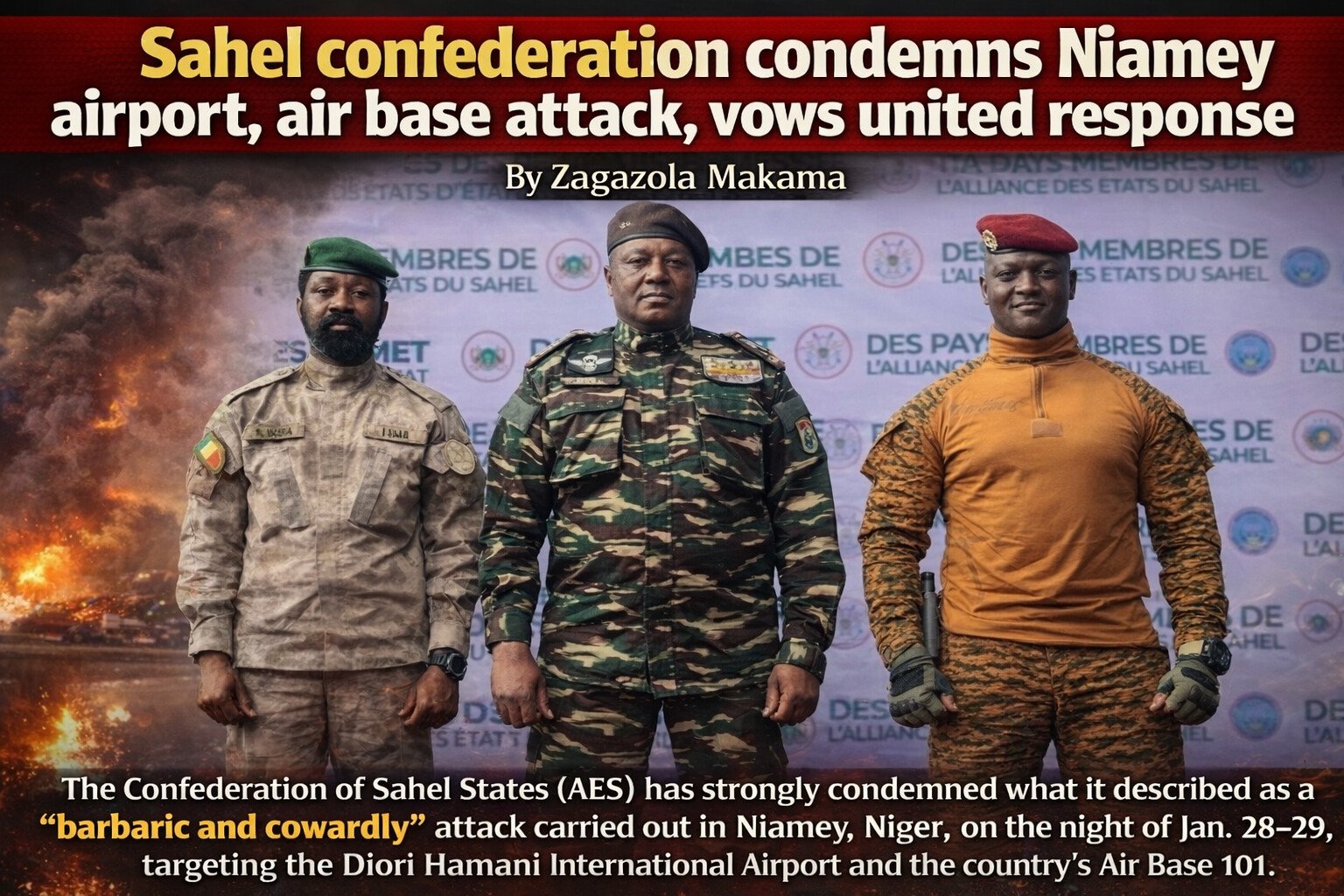
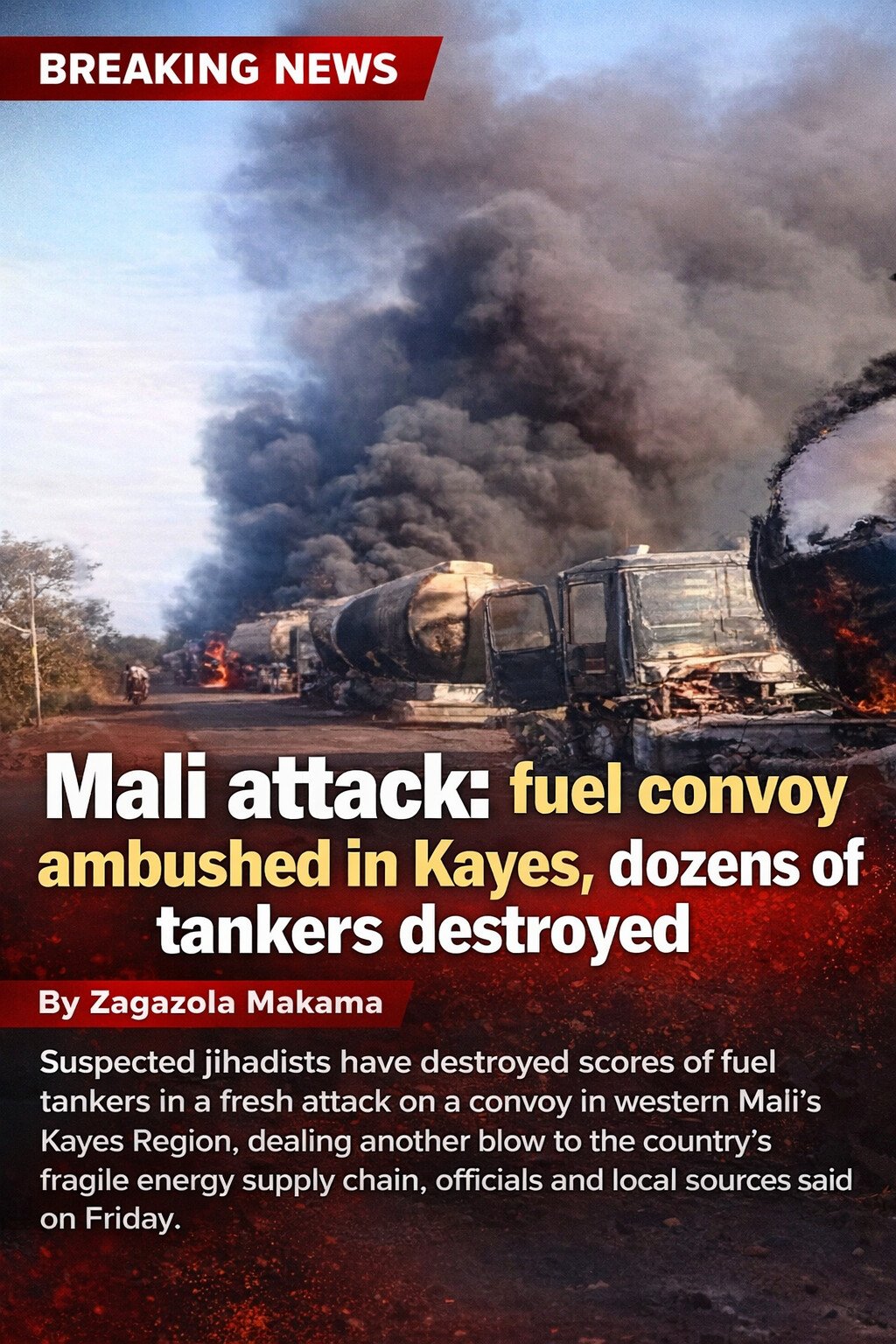
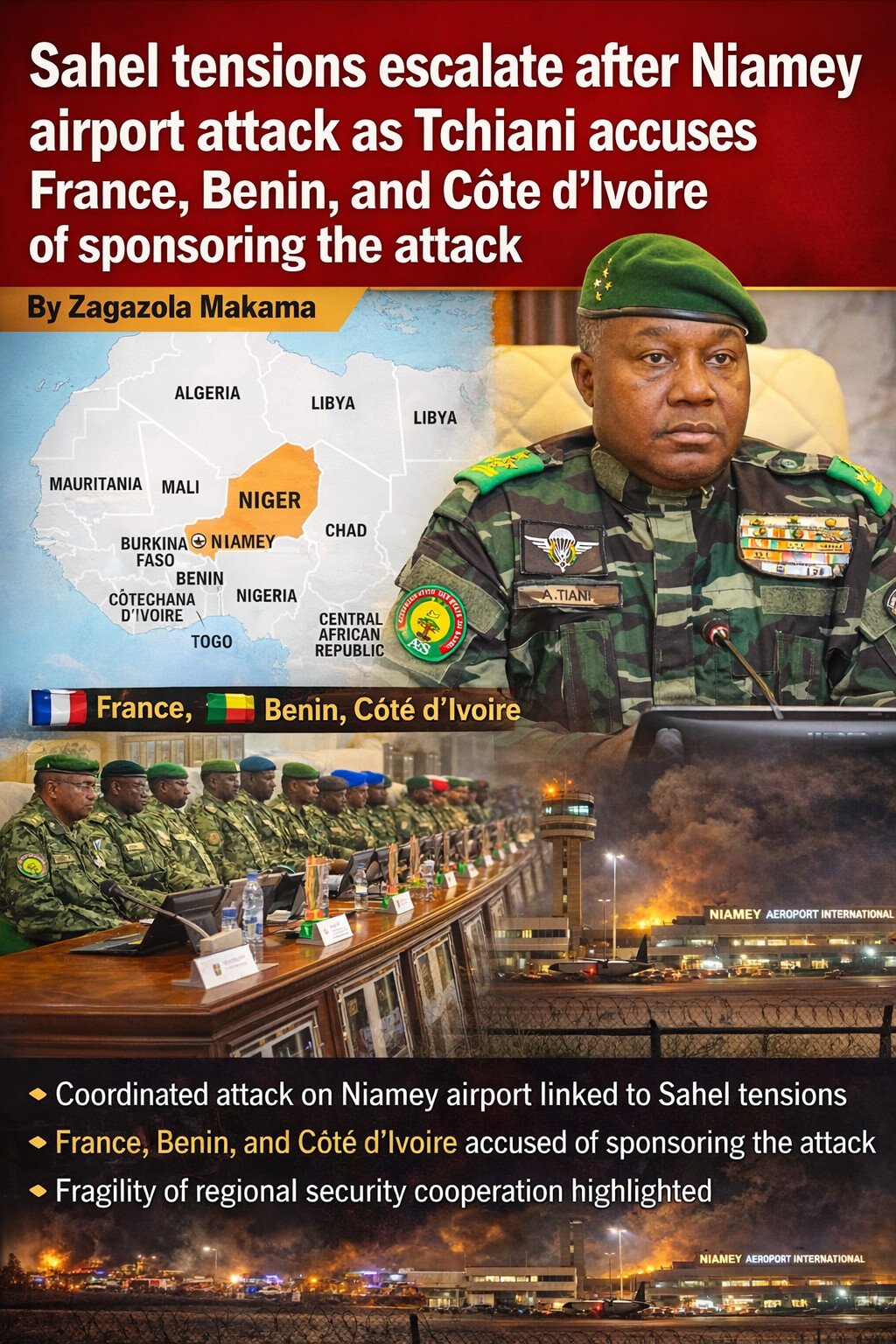
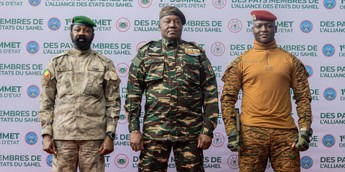
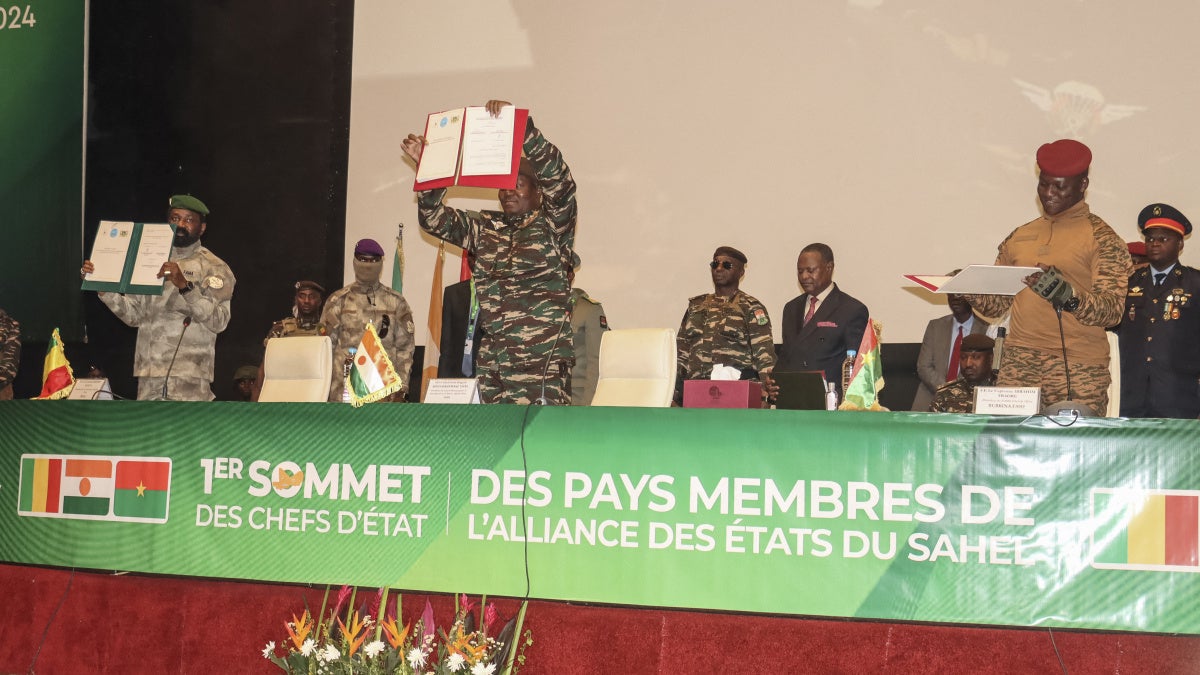
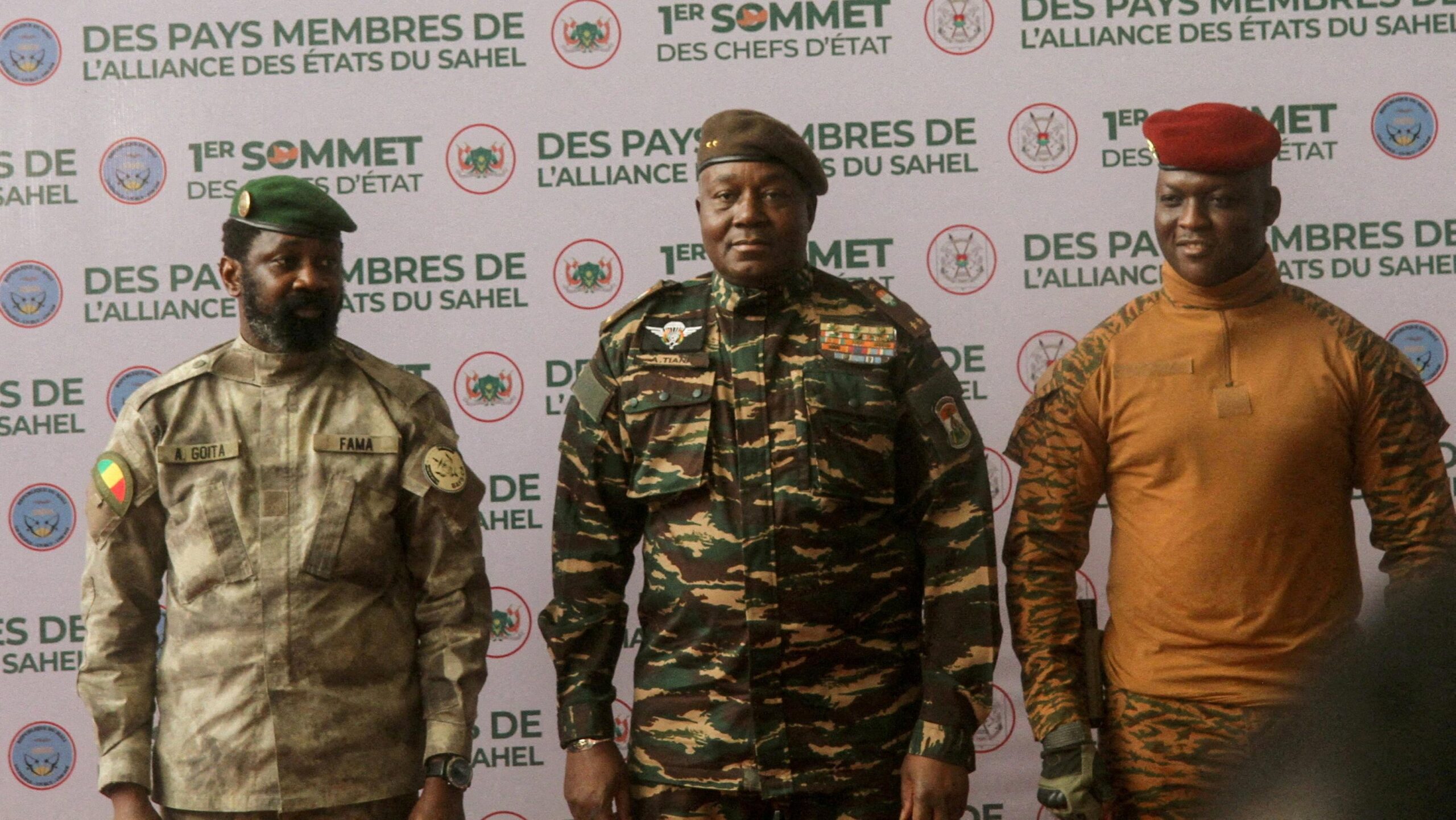
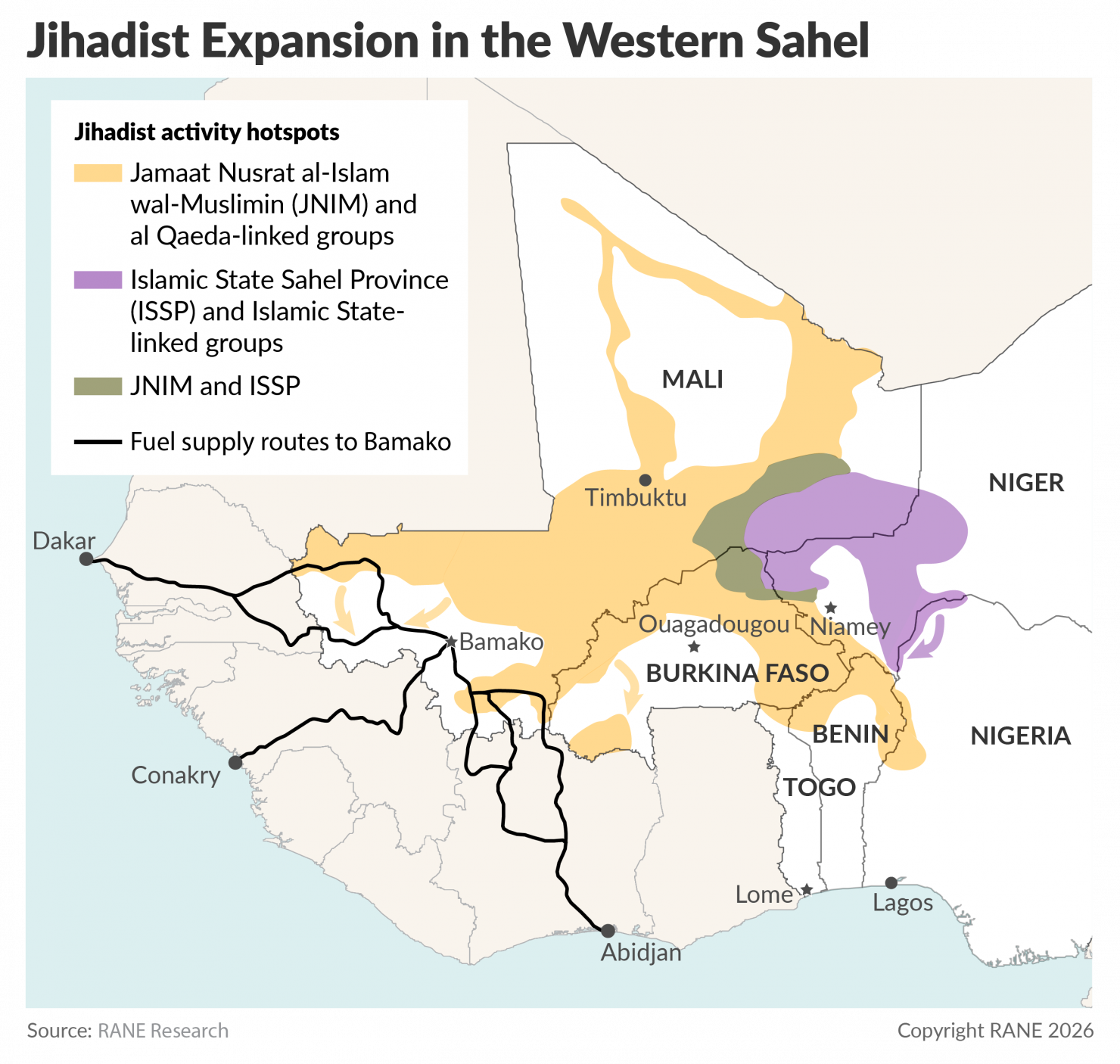
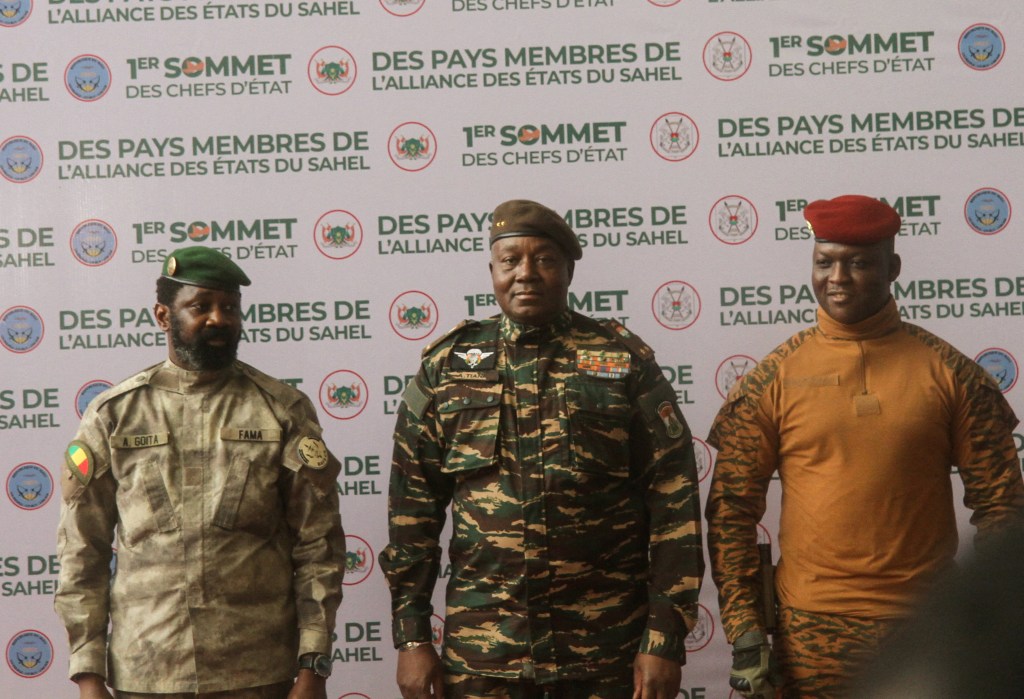
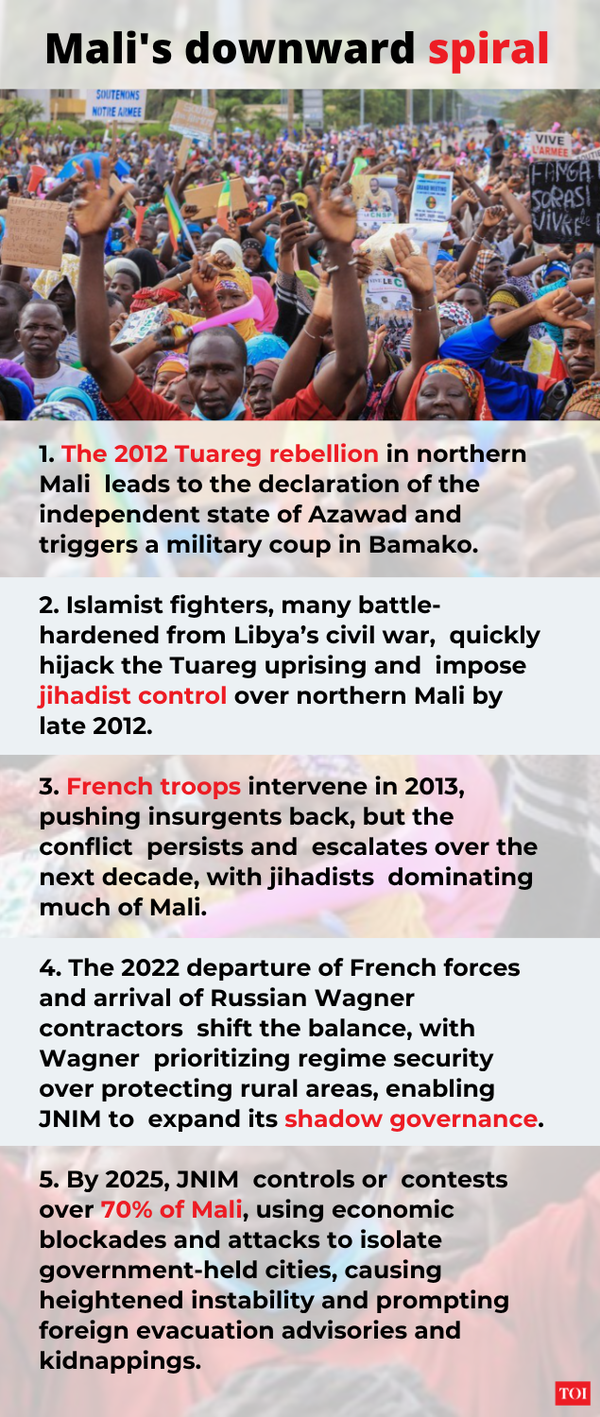
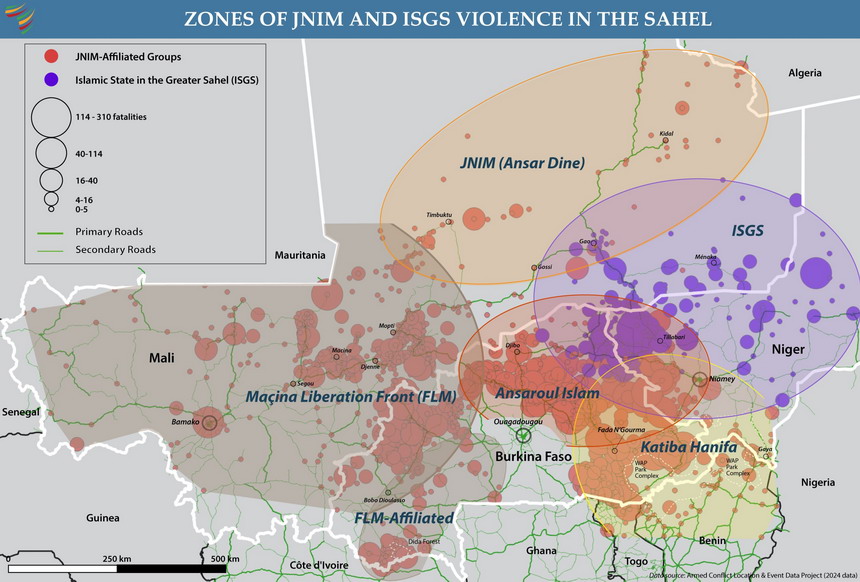
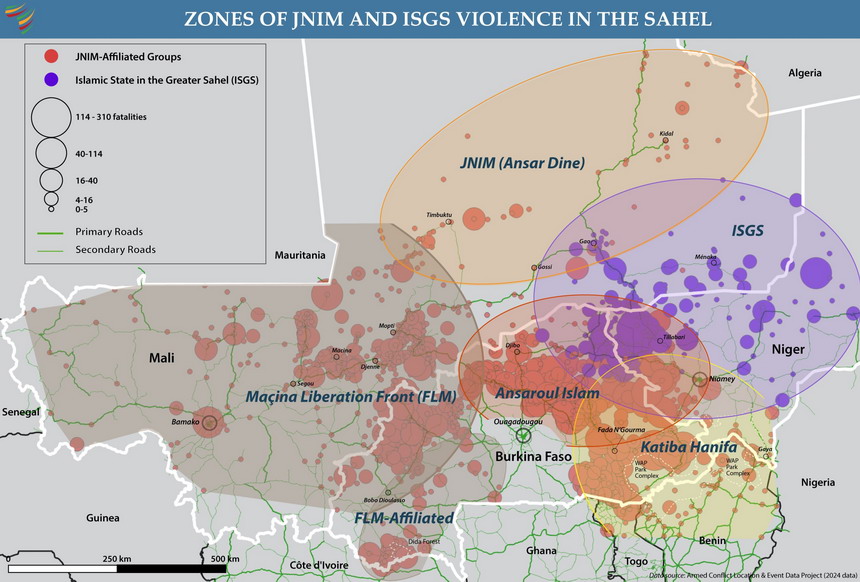
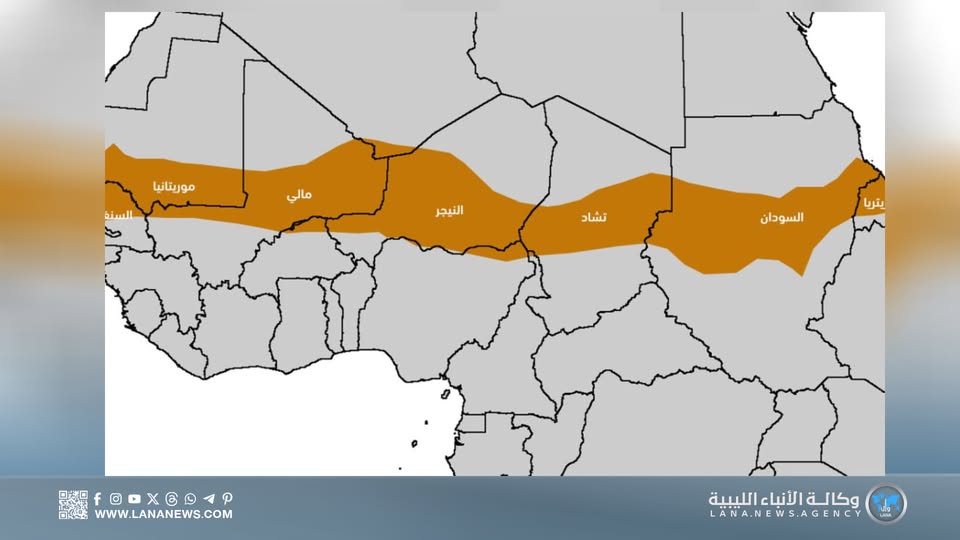
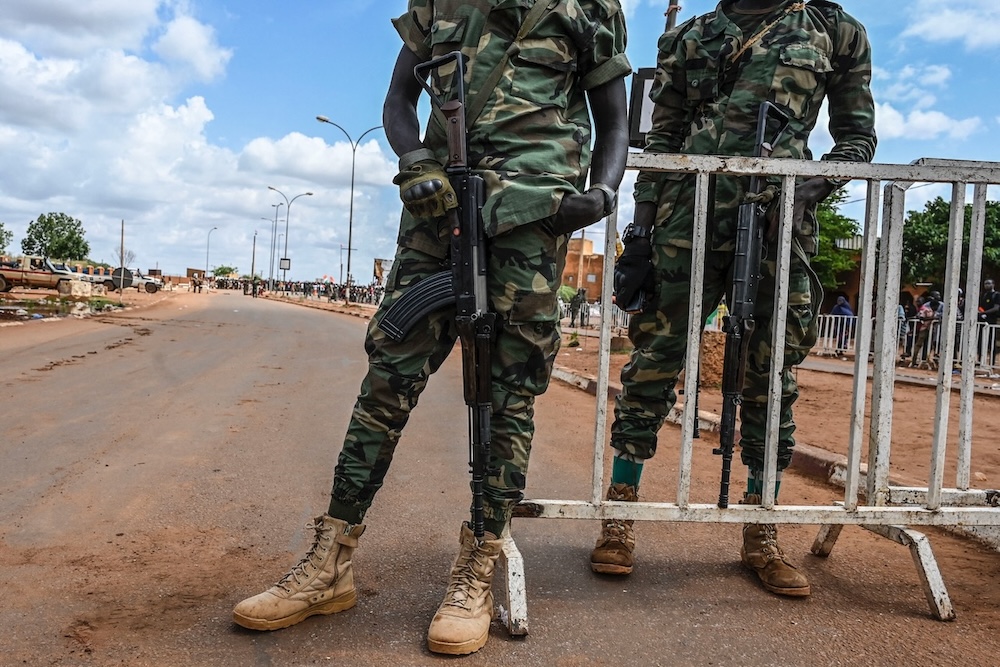
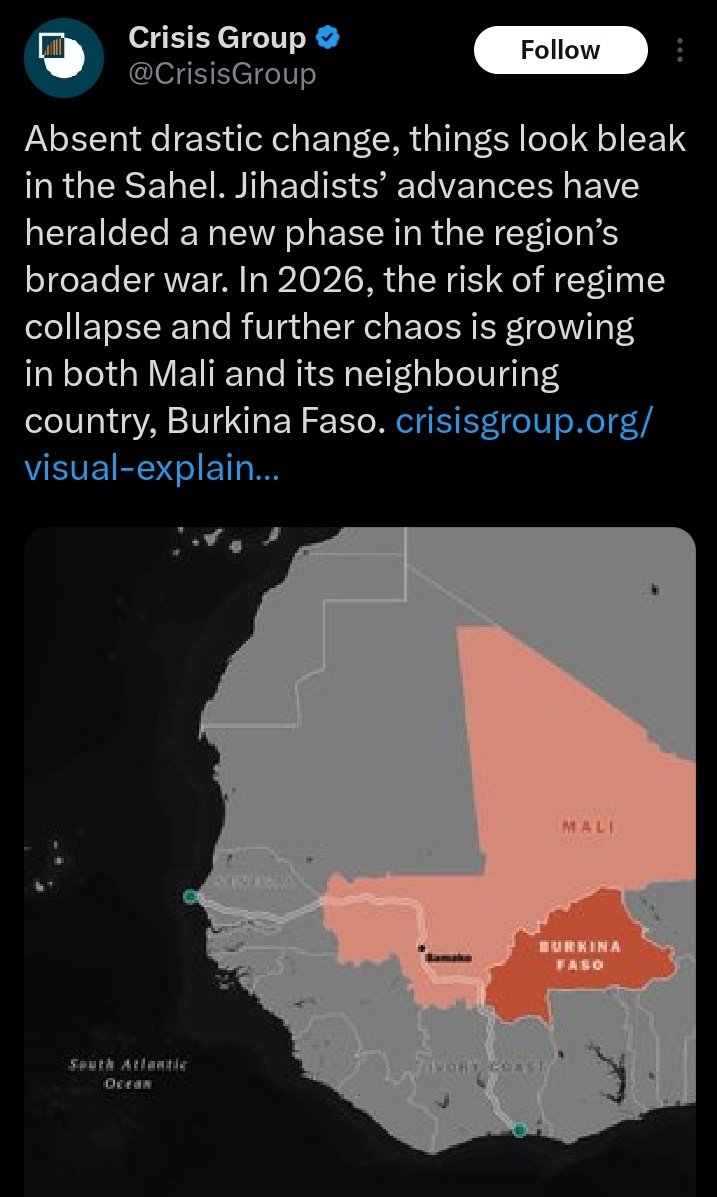
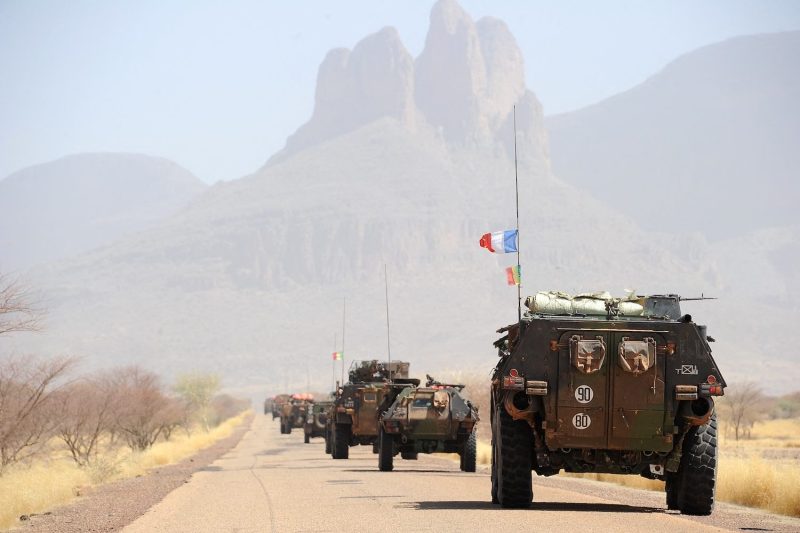
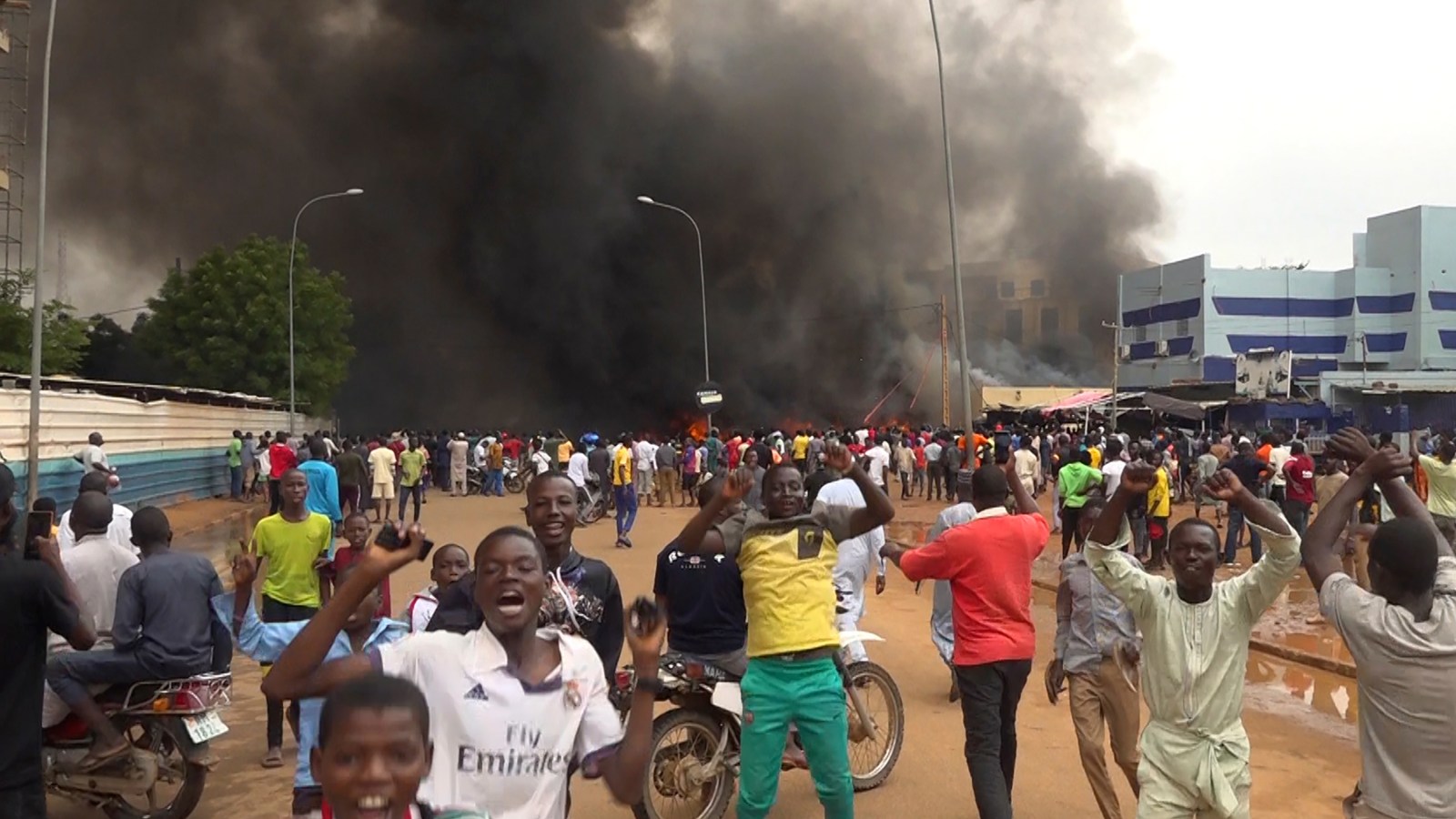
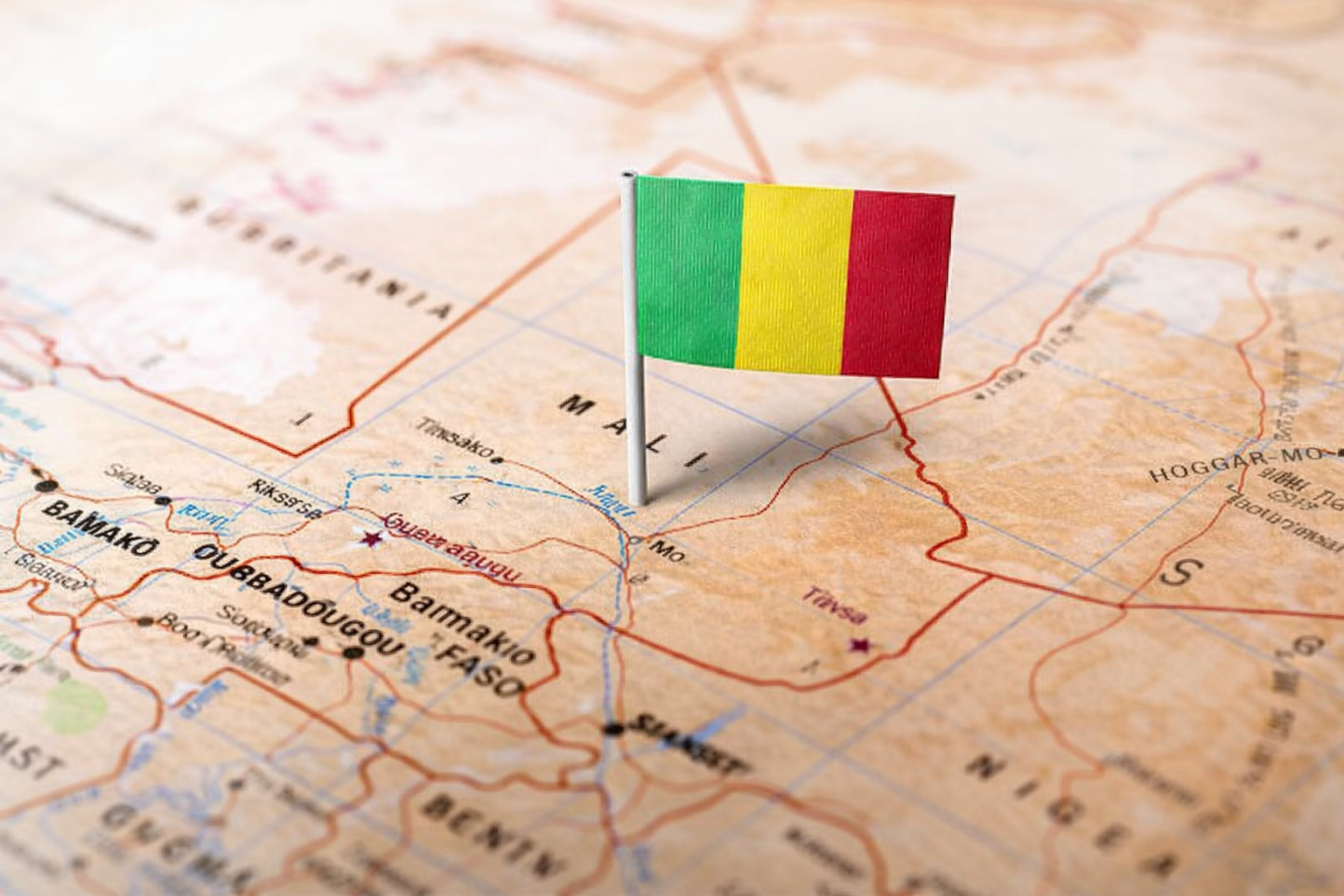
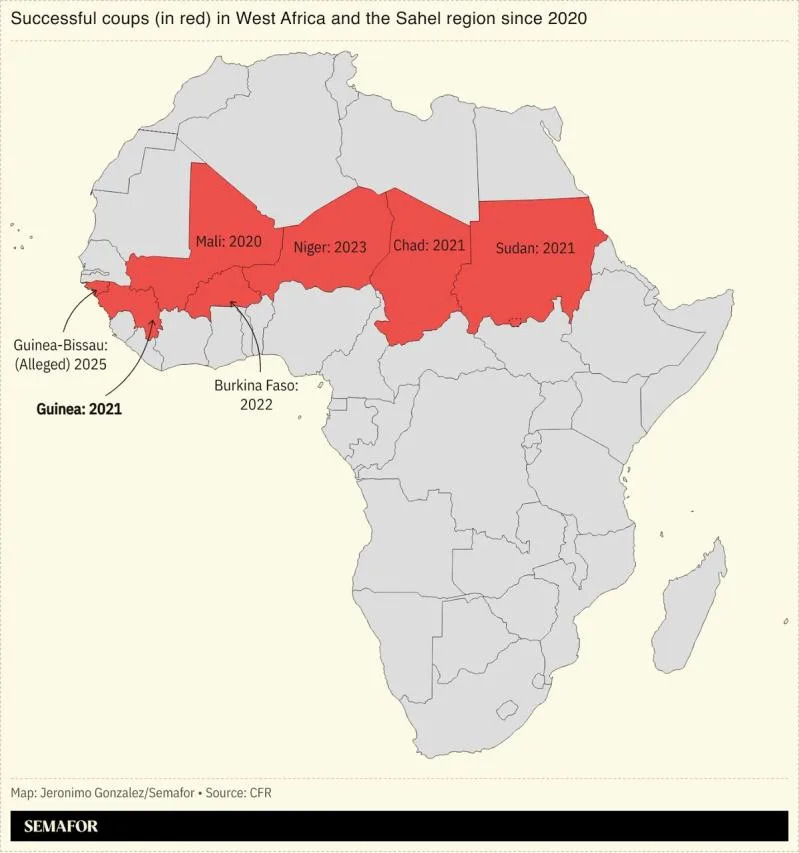
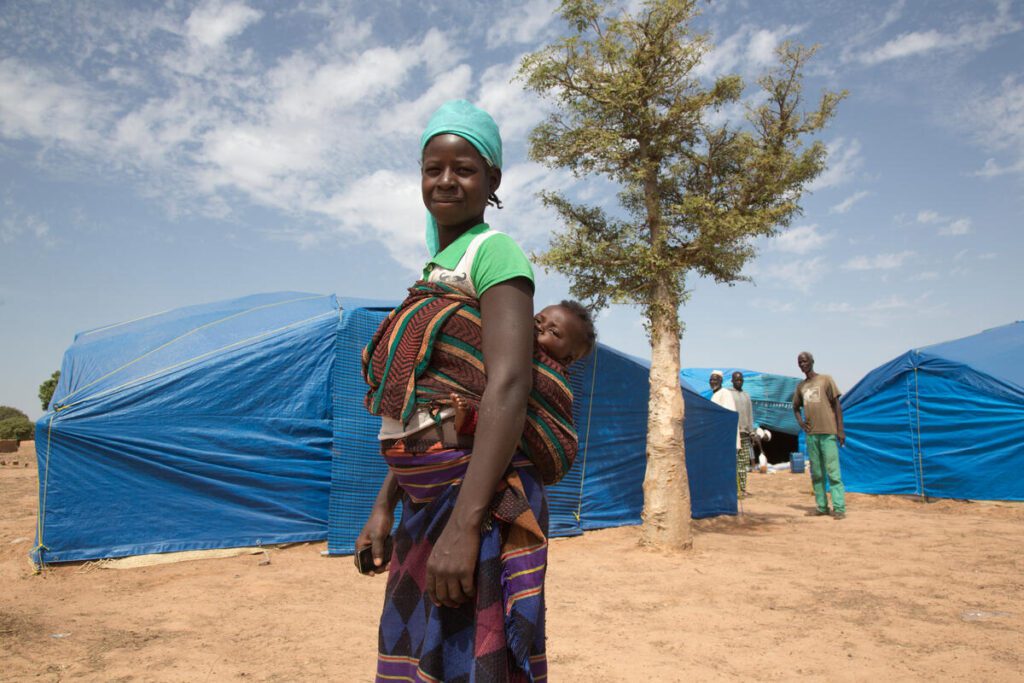
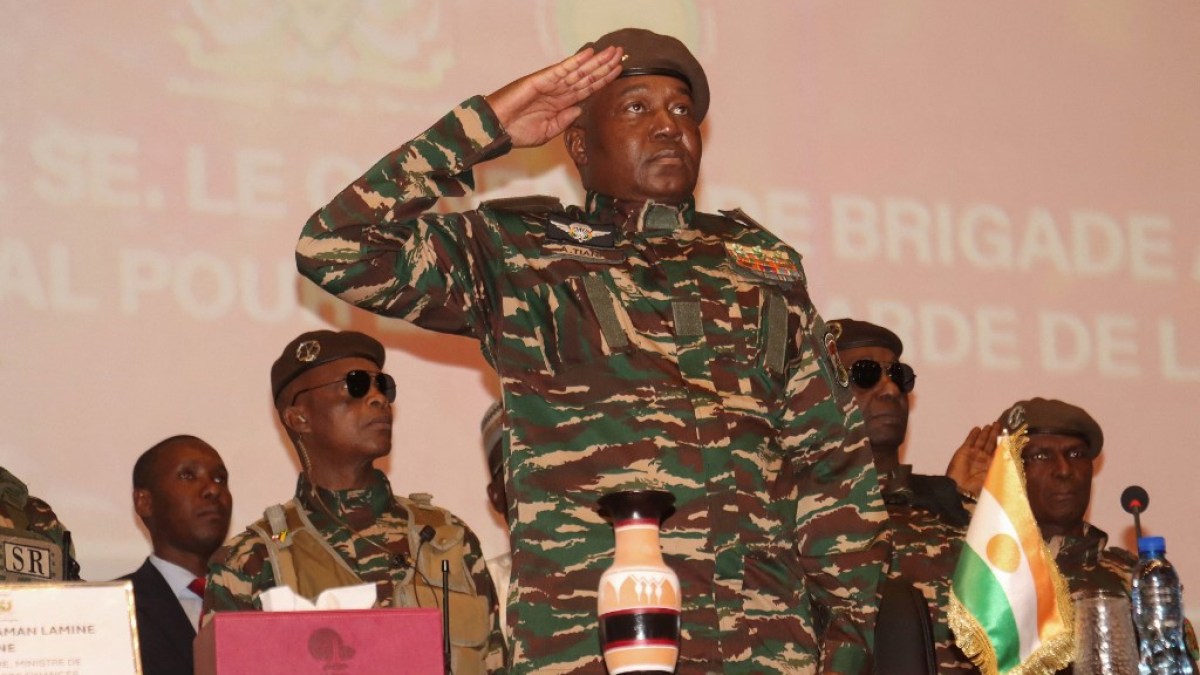
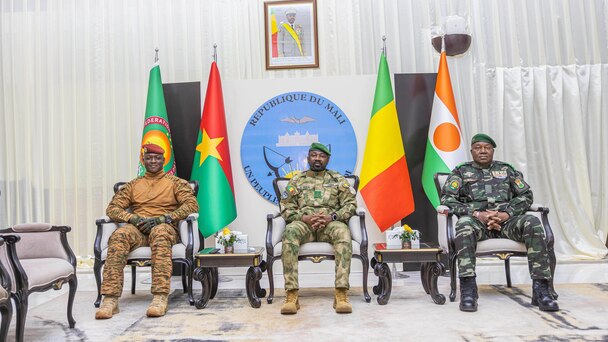
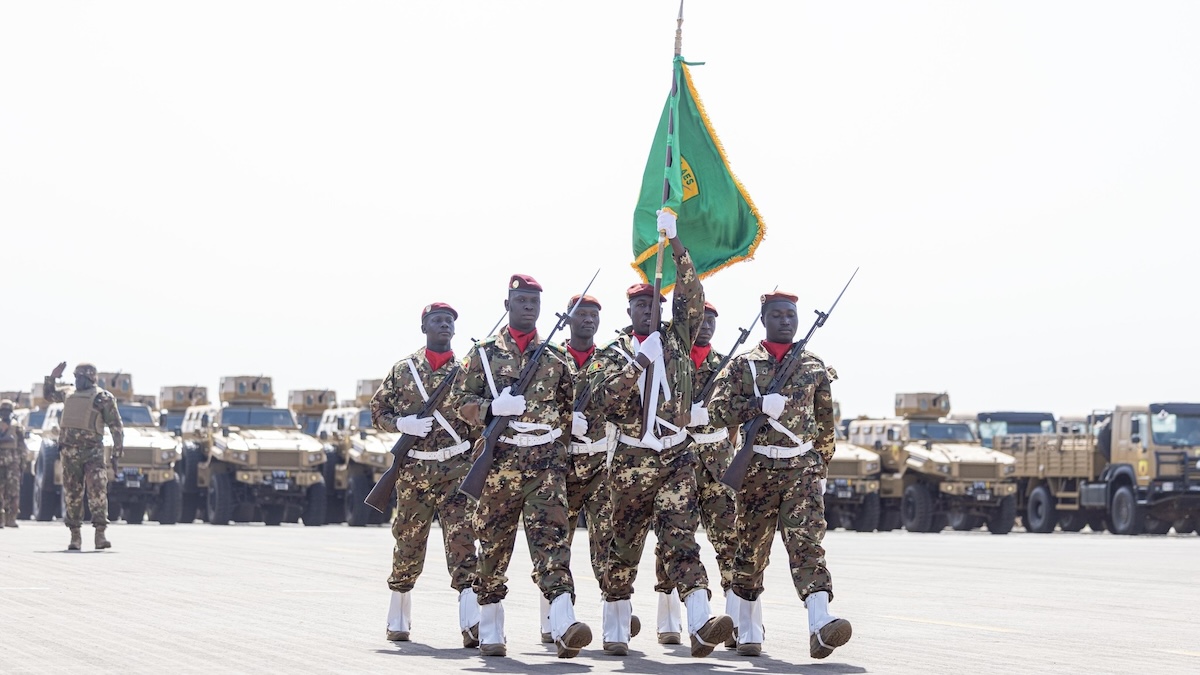
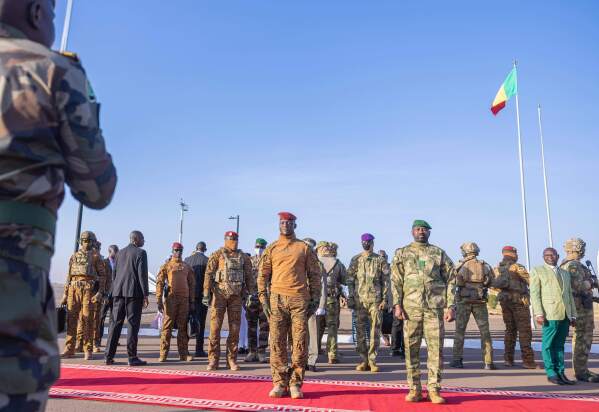
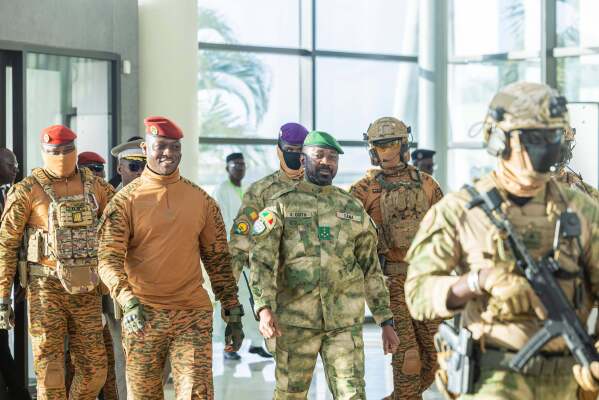
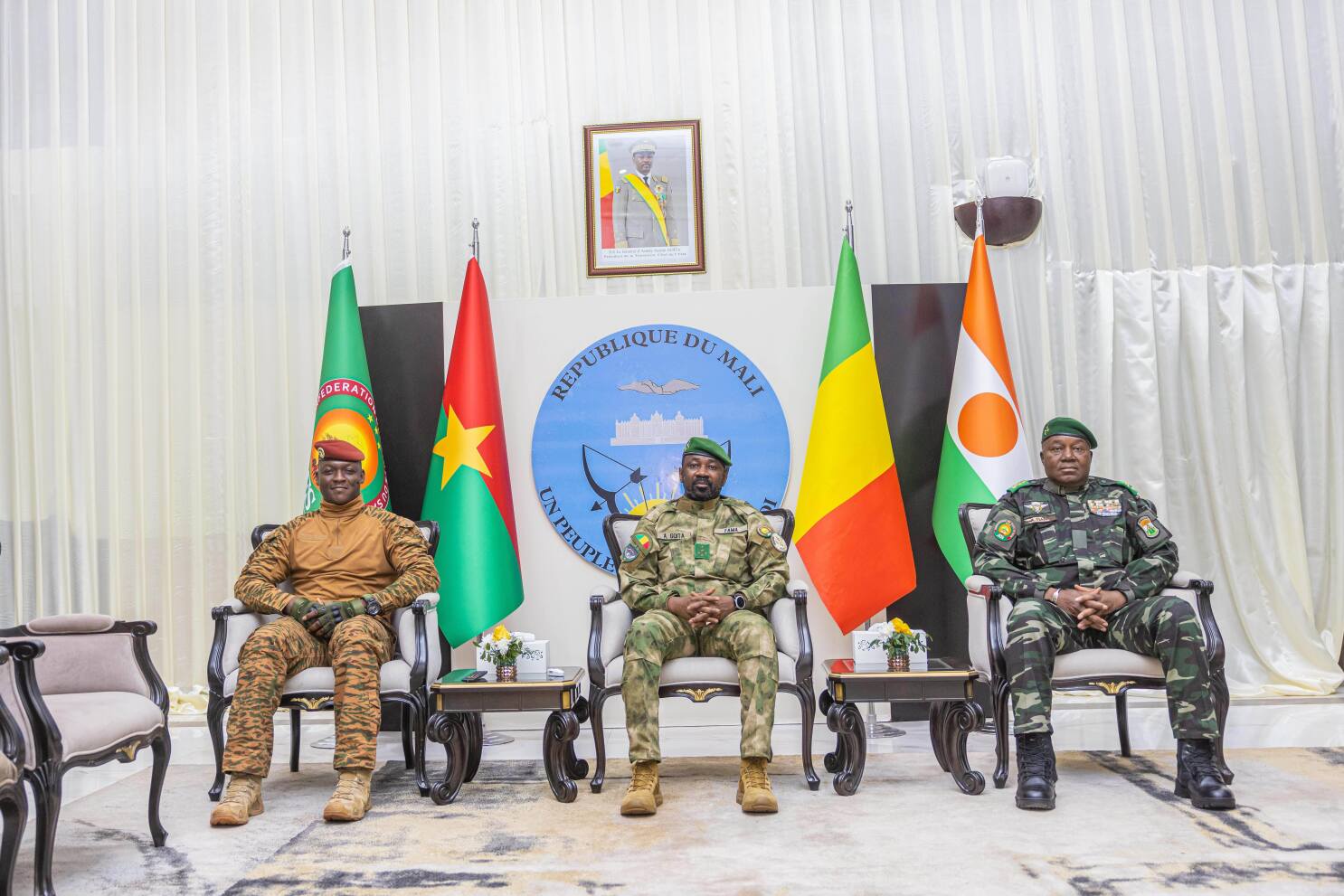
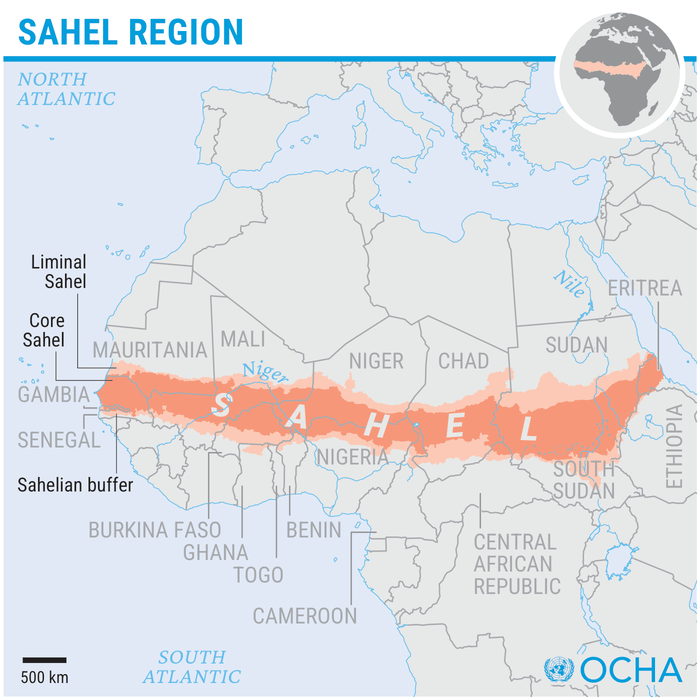
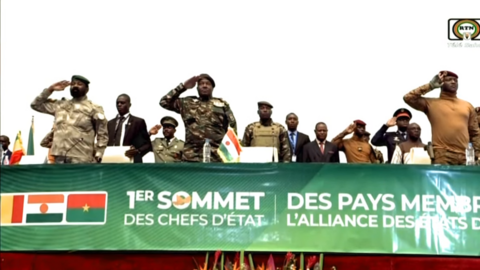
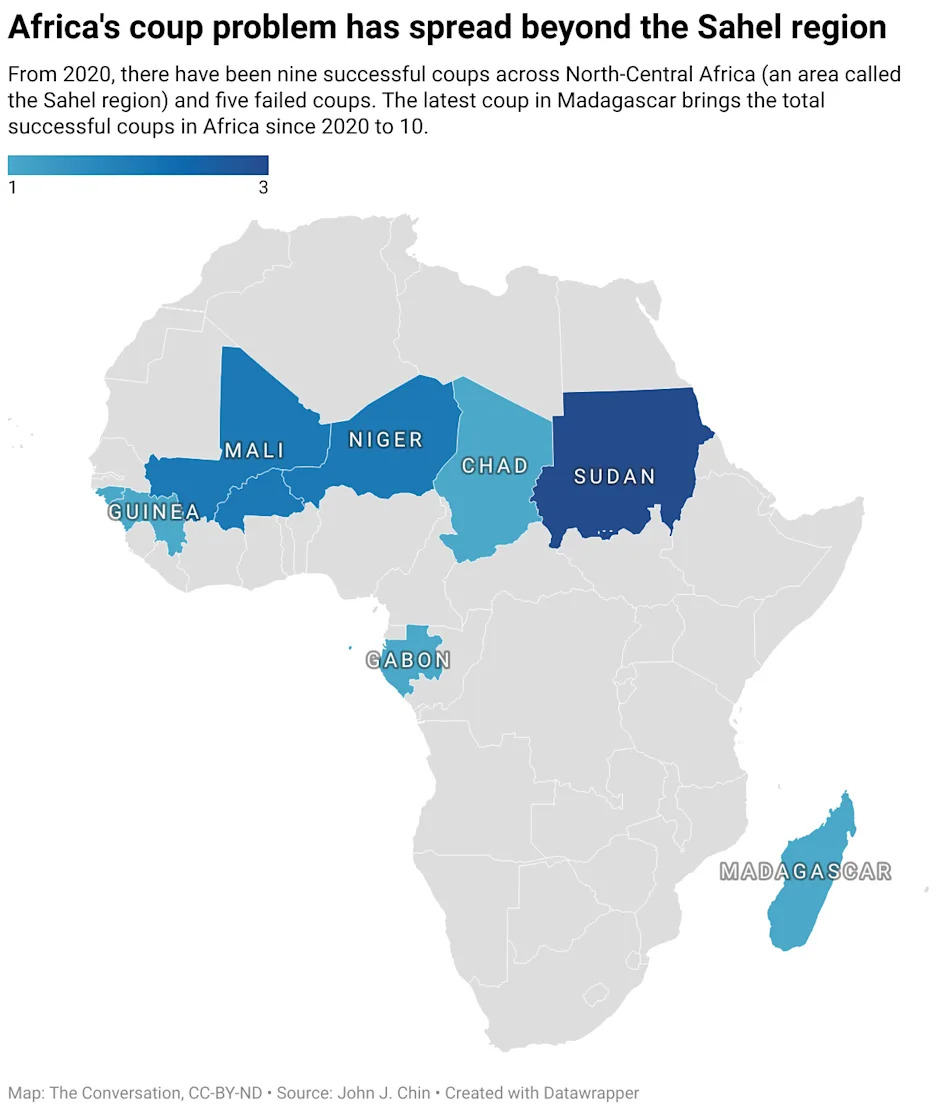
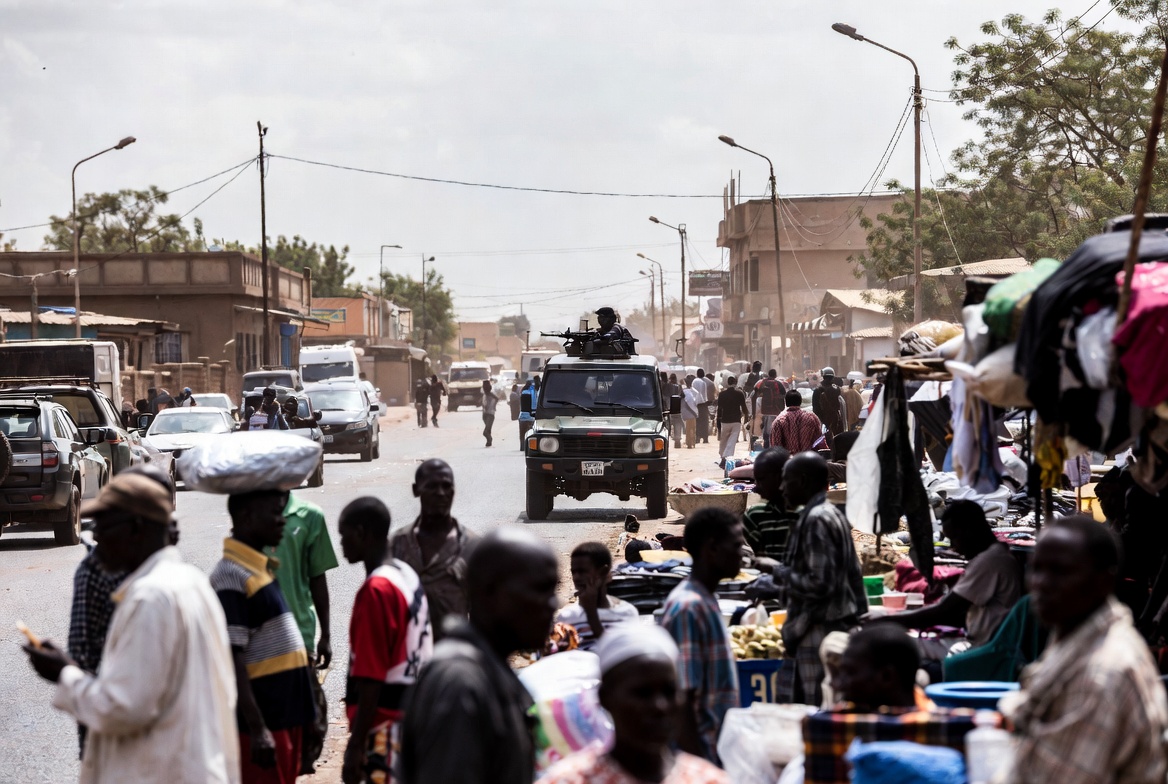
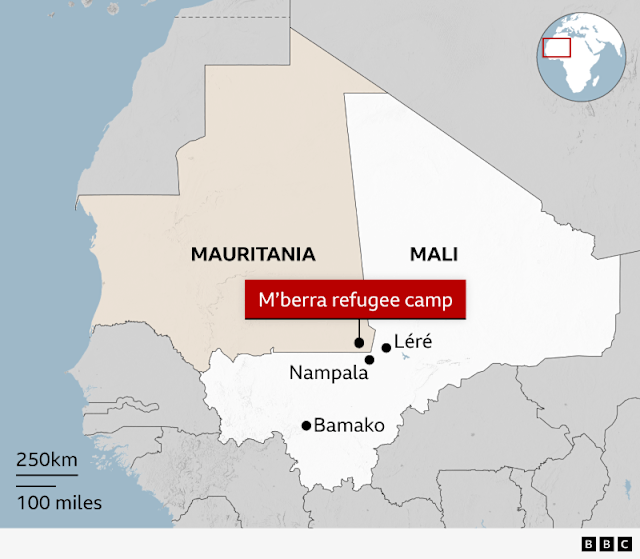
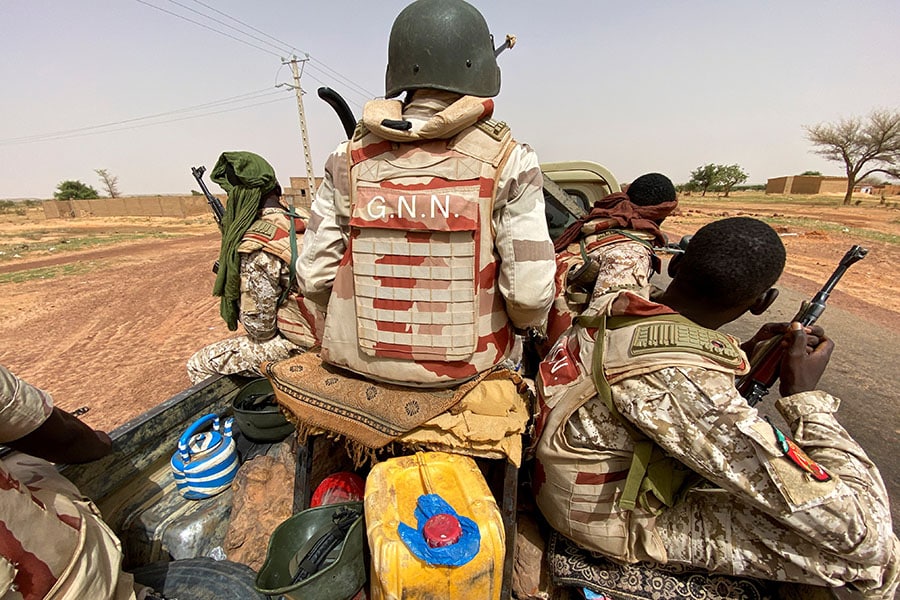
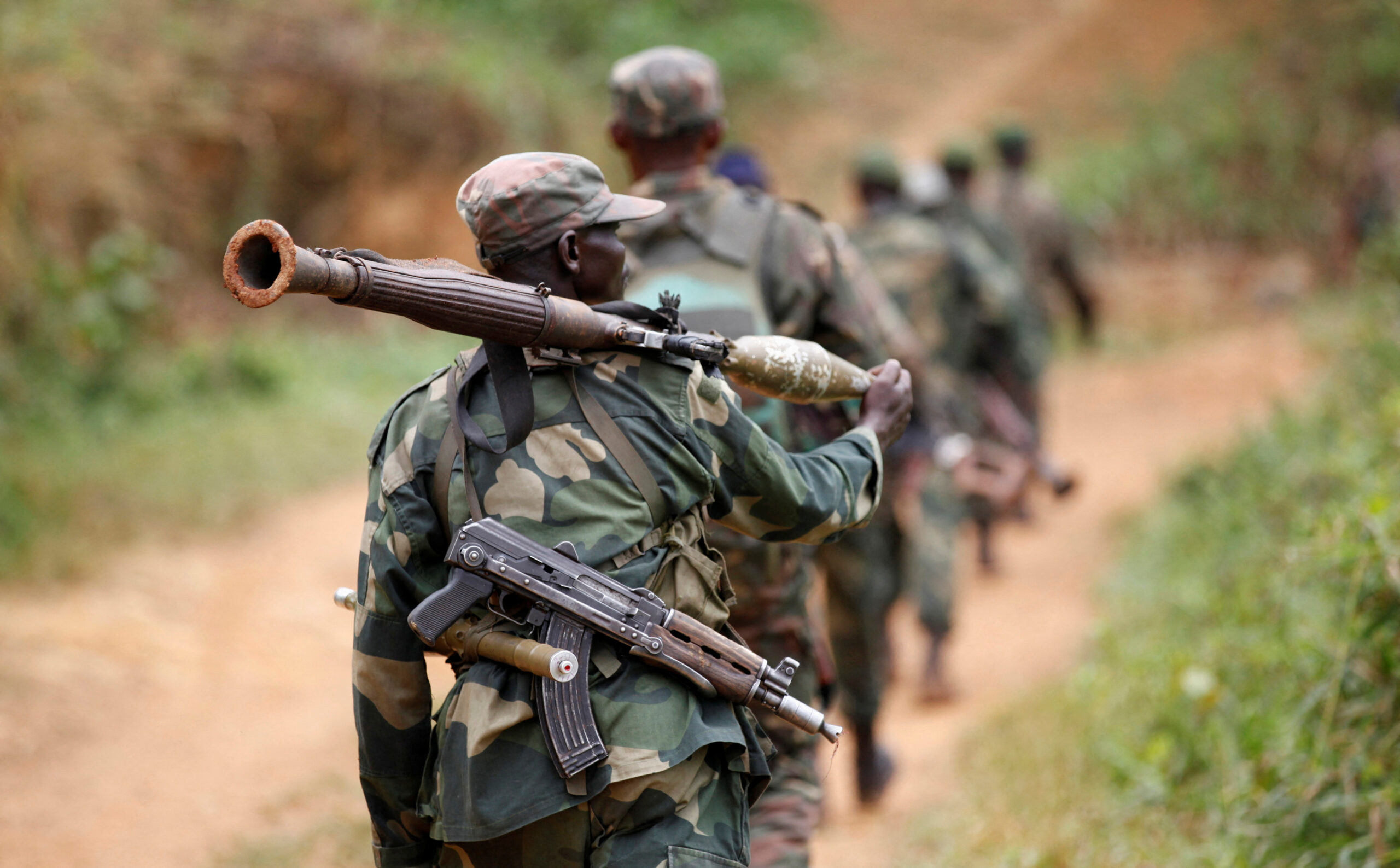
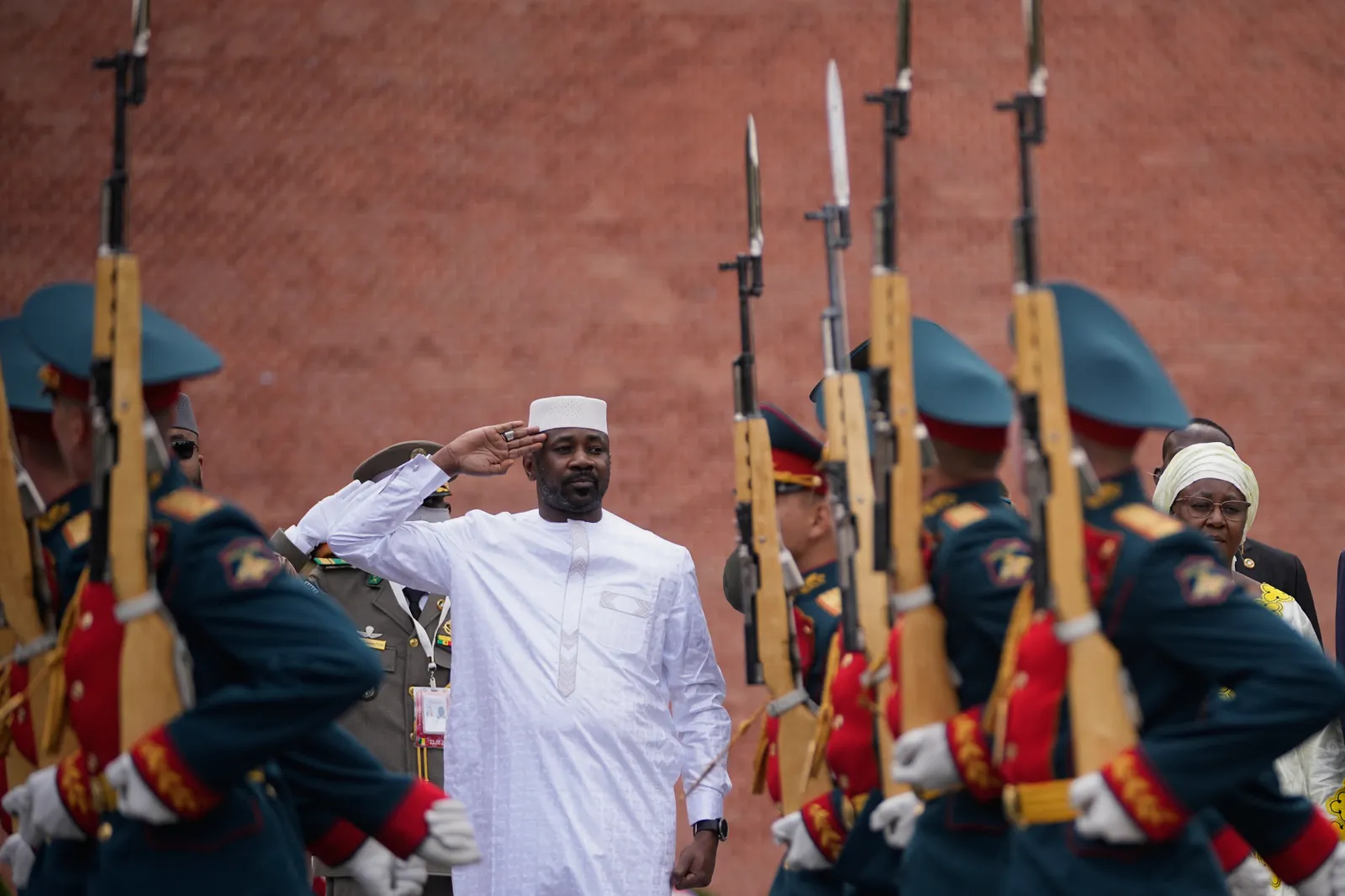
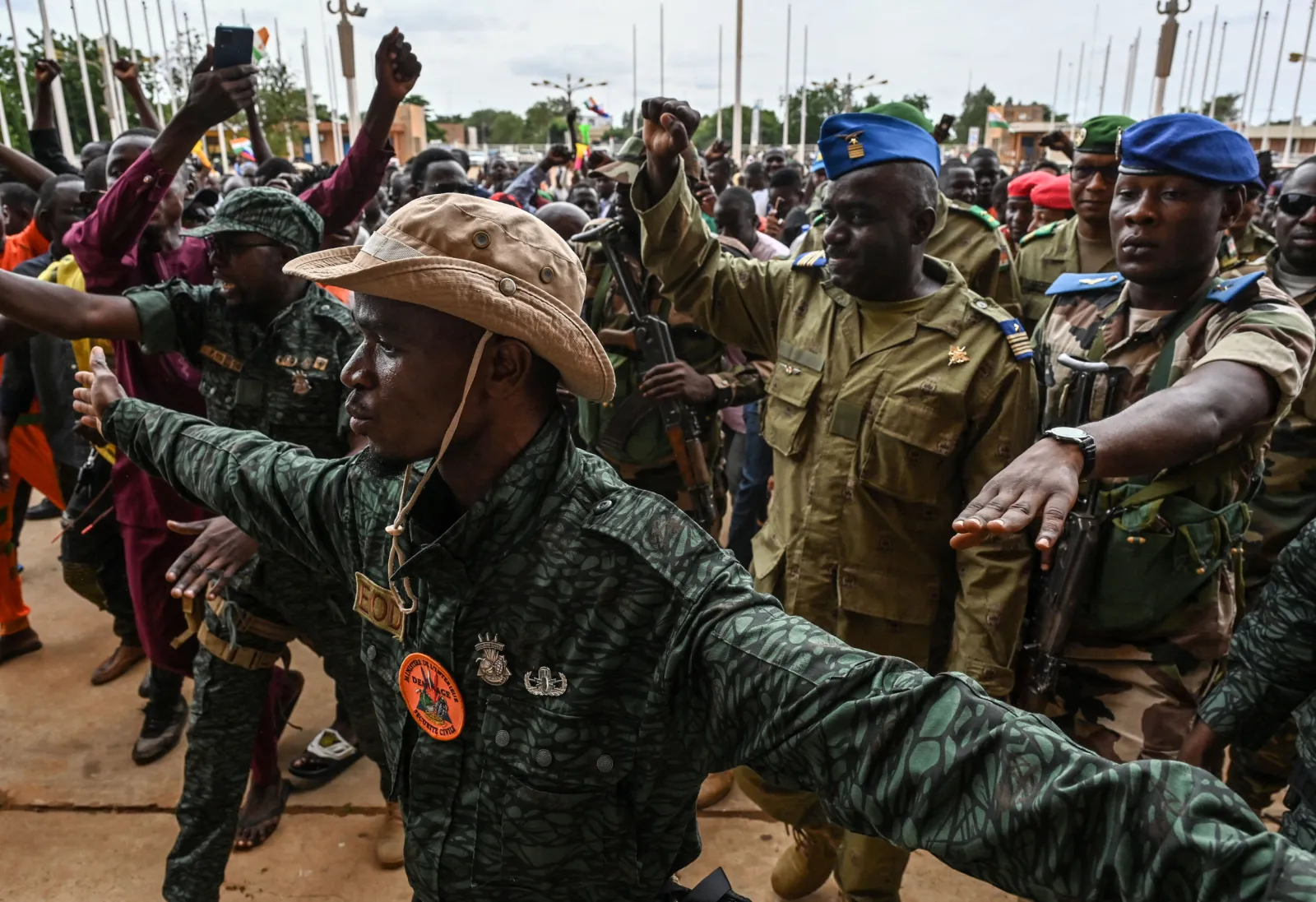
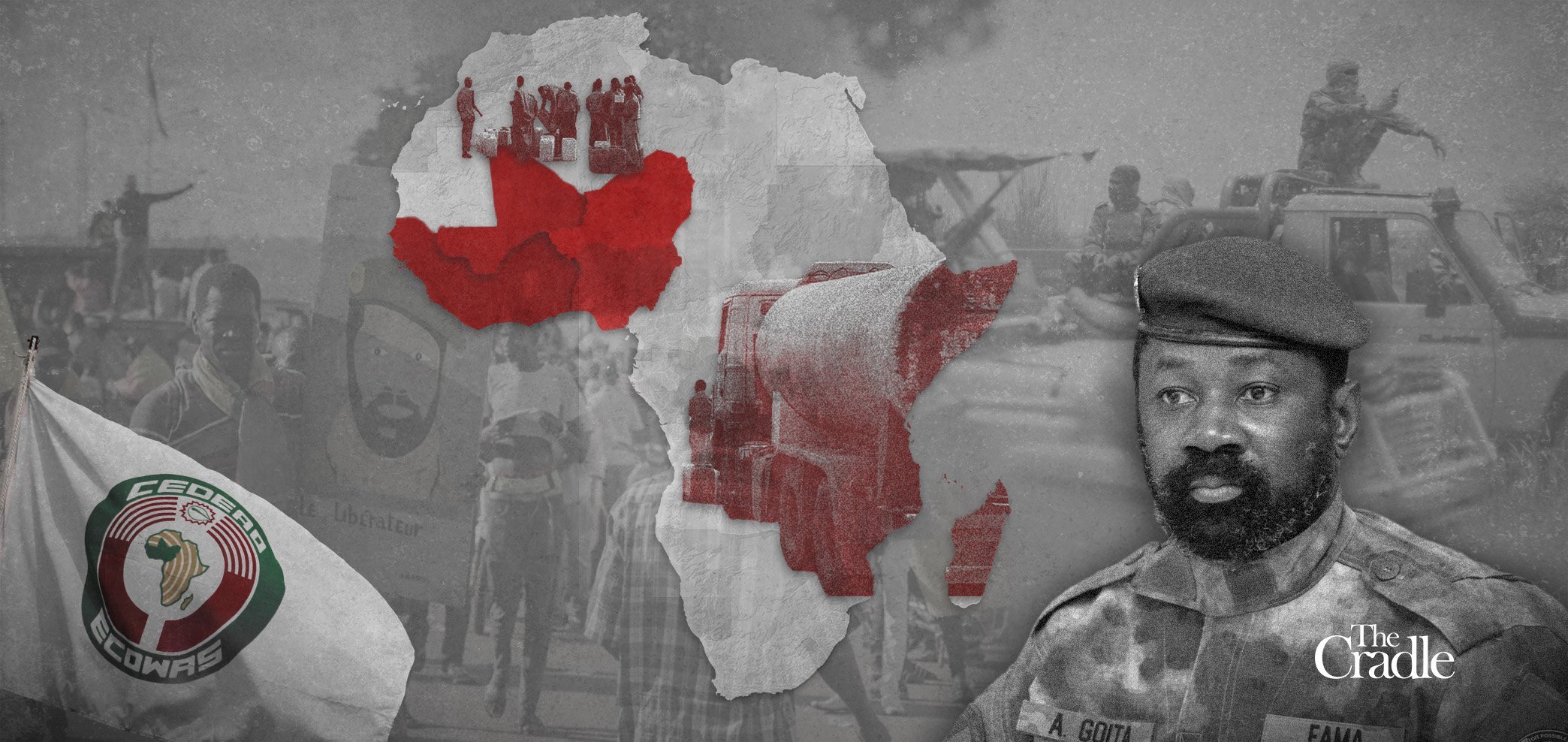
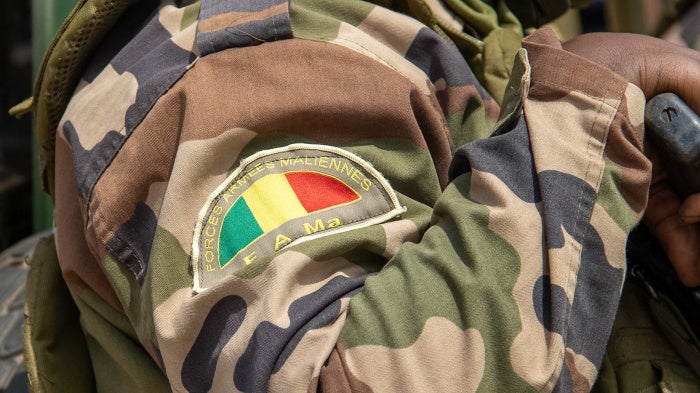
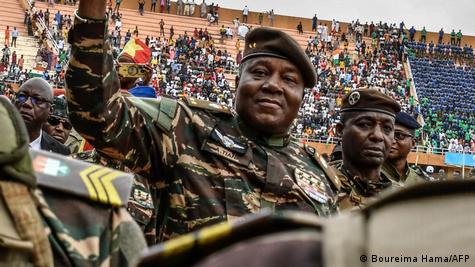
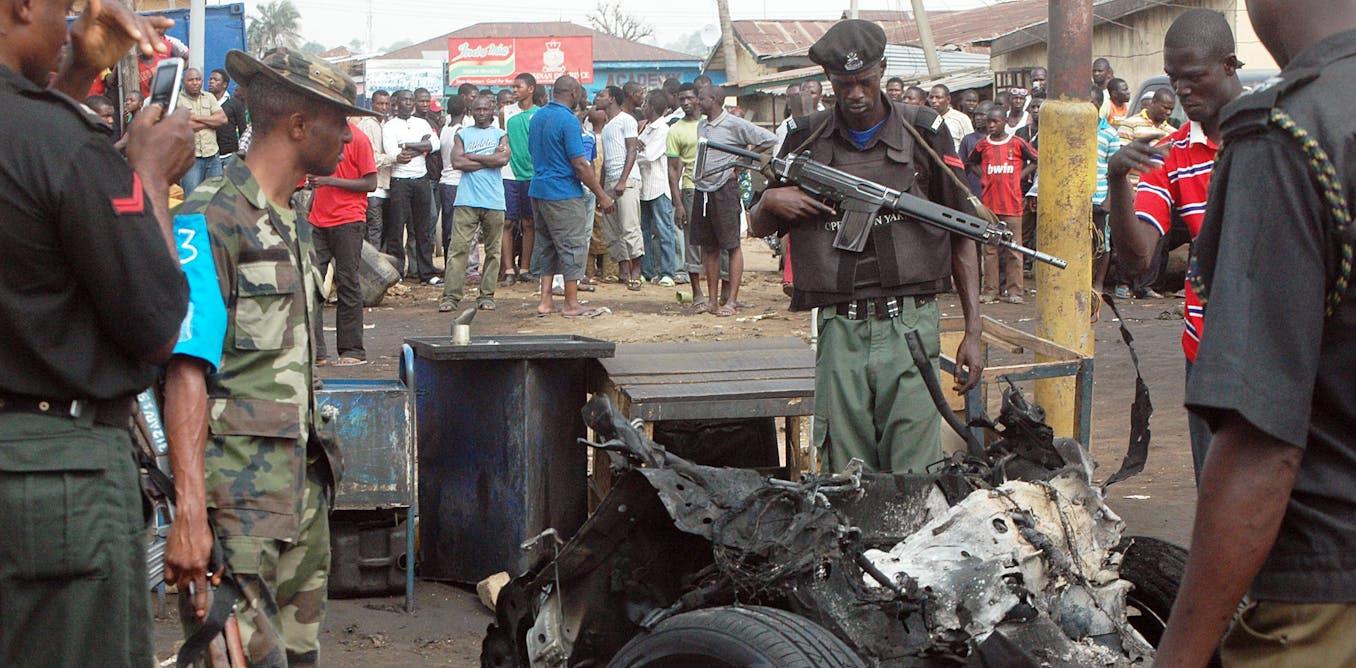
The Sahel, a vast and vibrant region perpetually at the heart of both age-old conflicts and new global contests, is experiencing a remarkable realignment of alliances that could redefine West Africa’s future. We’re talking about a landscape where security challenges are a daily reality and international influences are constantly shifting. Take Mali, for instance. It finds itself navigating a truly complex path, showing renewed engagement with the United States while simultaneously forging stronger bonds with Russia and its close neighbors, particularly Burkina Faso and Niger. This evolving diplomatic chess game isn’t just a regional affair; it underscores the Sahel’s immense importance for global stability, especially when you consider the scramble for critical resources and cutting-edge technology. Does this sound familiar? It should. This all plays out against the shadow of the protracted Mali War, which kicked off in 2012 when Tuareg rebels in the north sought autonomy. That conflict, involving both secular and Islamist groups, unleashed a wave of violence and instability that spread far beyond Mali’s borders. Despite various international interventions, including those led by France, the region remains incredibly volatile and vulnerable to extremist groups, making these new alliances both critical and precarious.
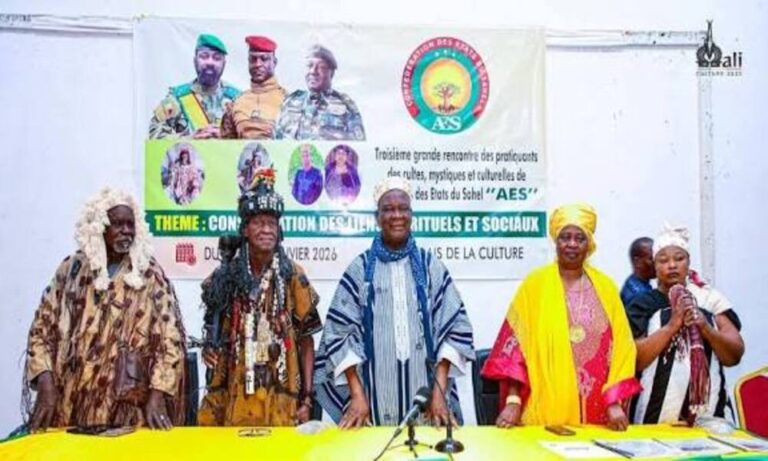
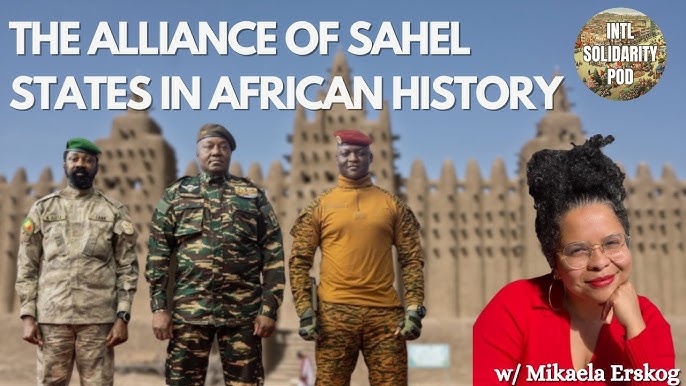
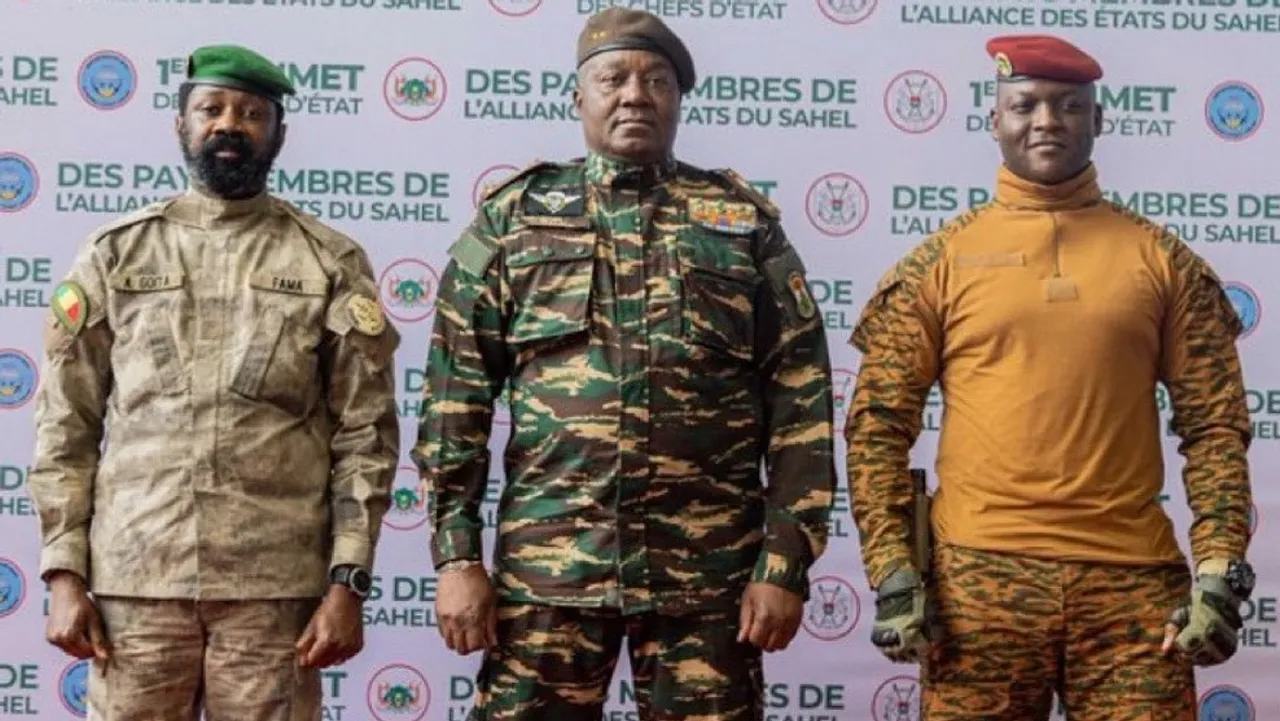
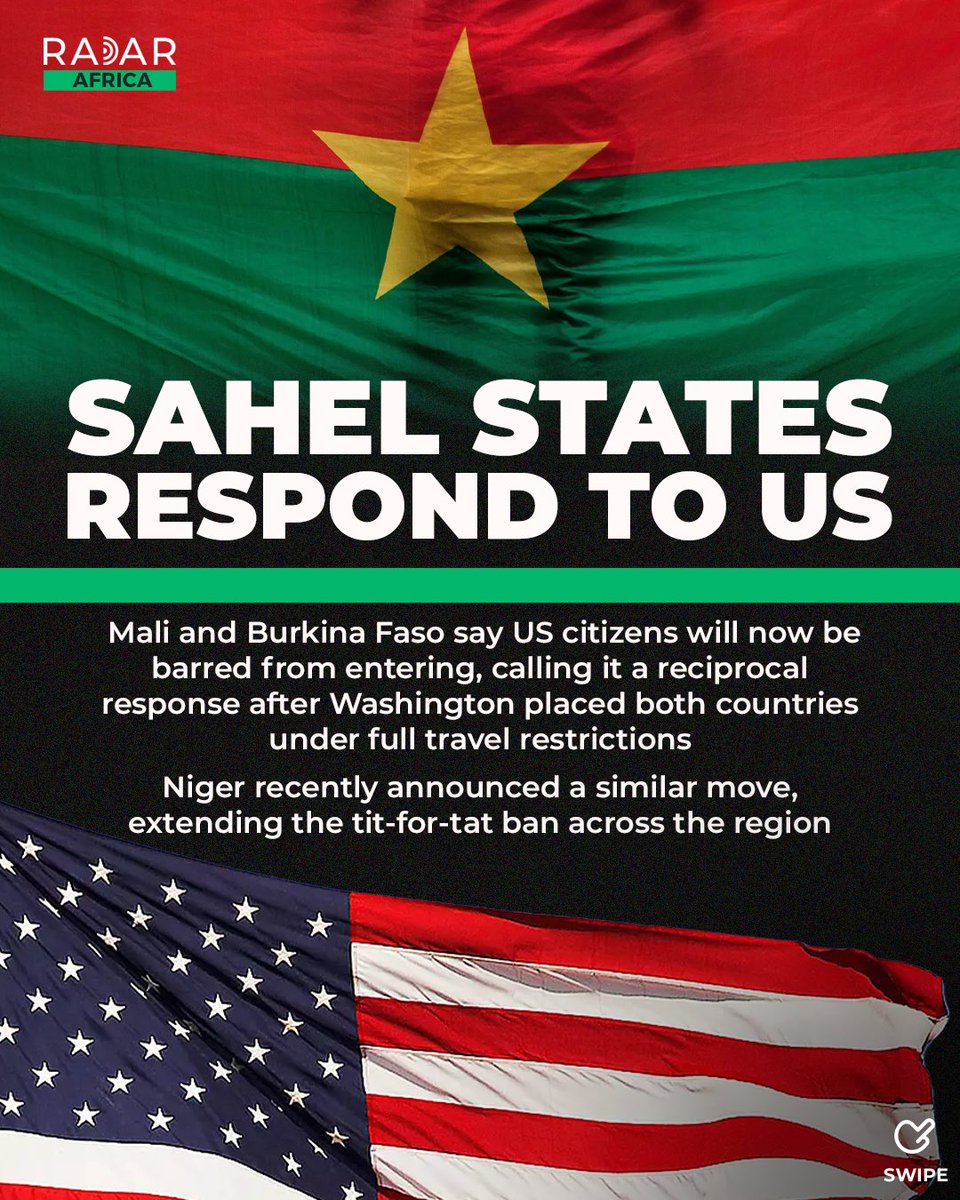
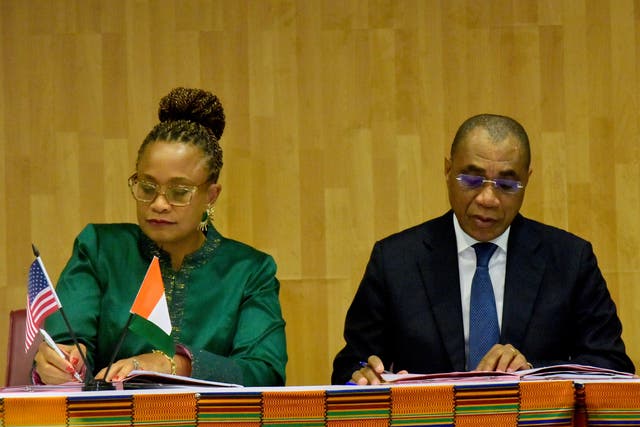
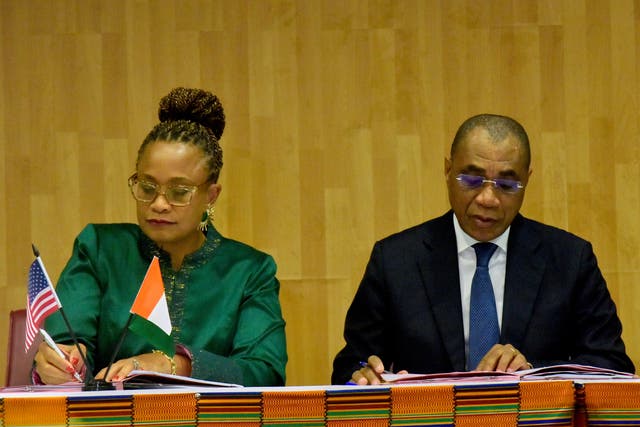
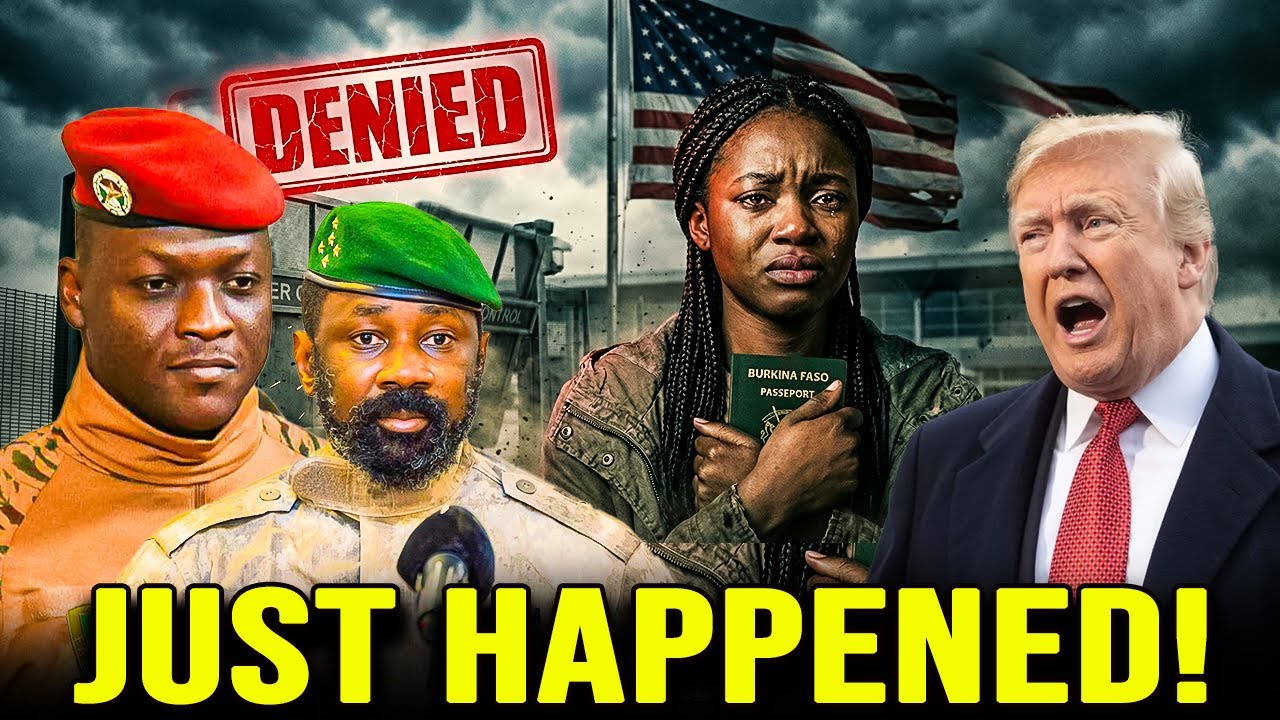
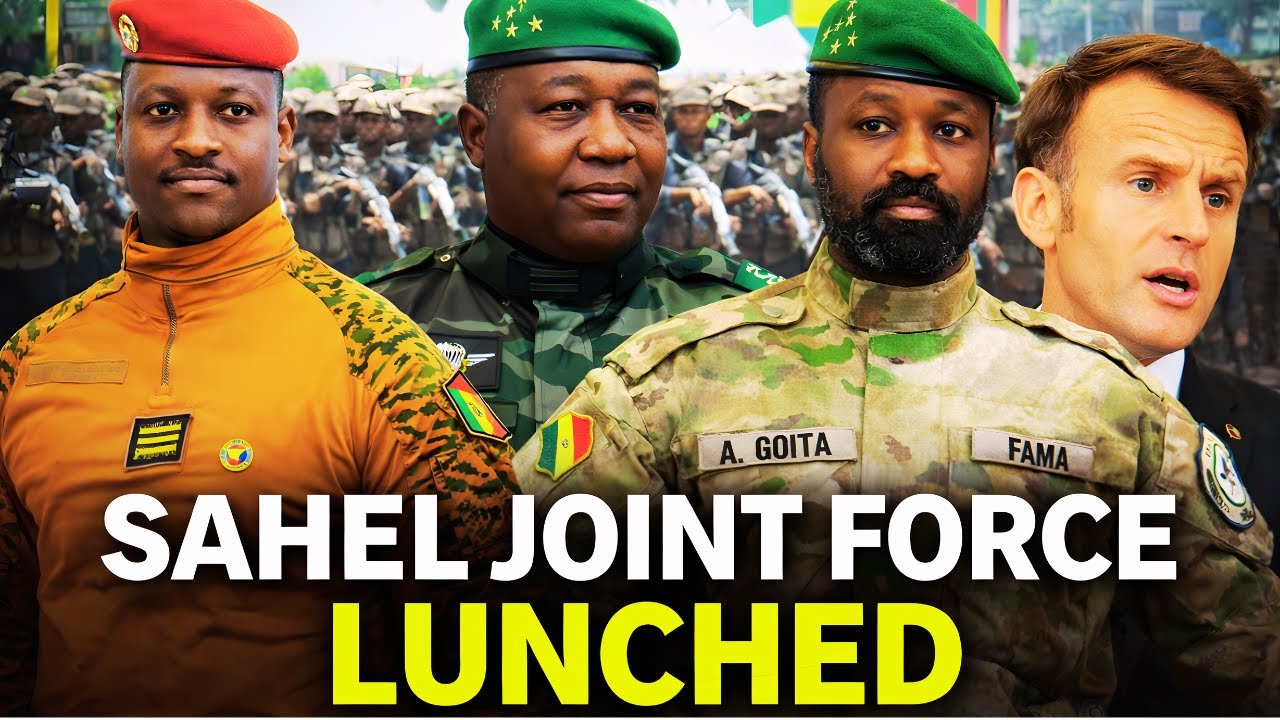
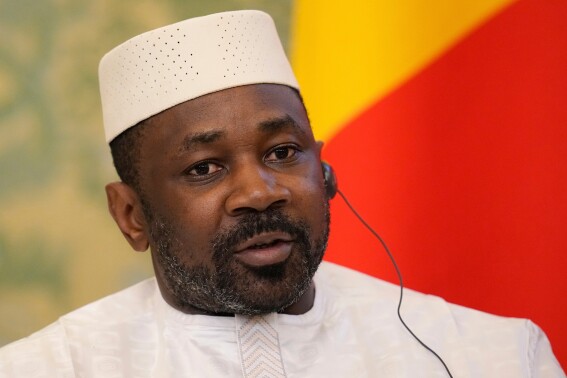
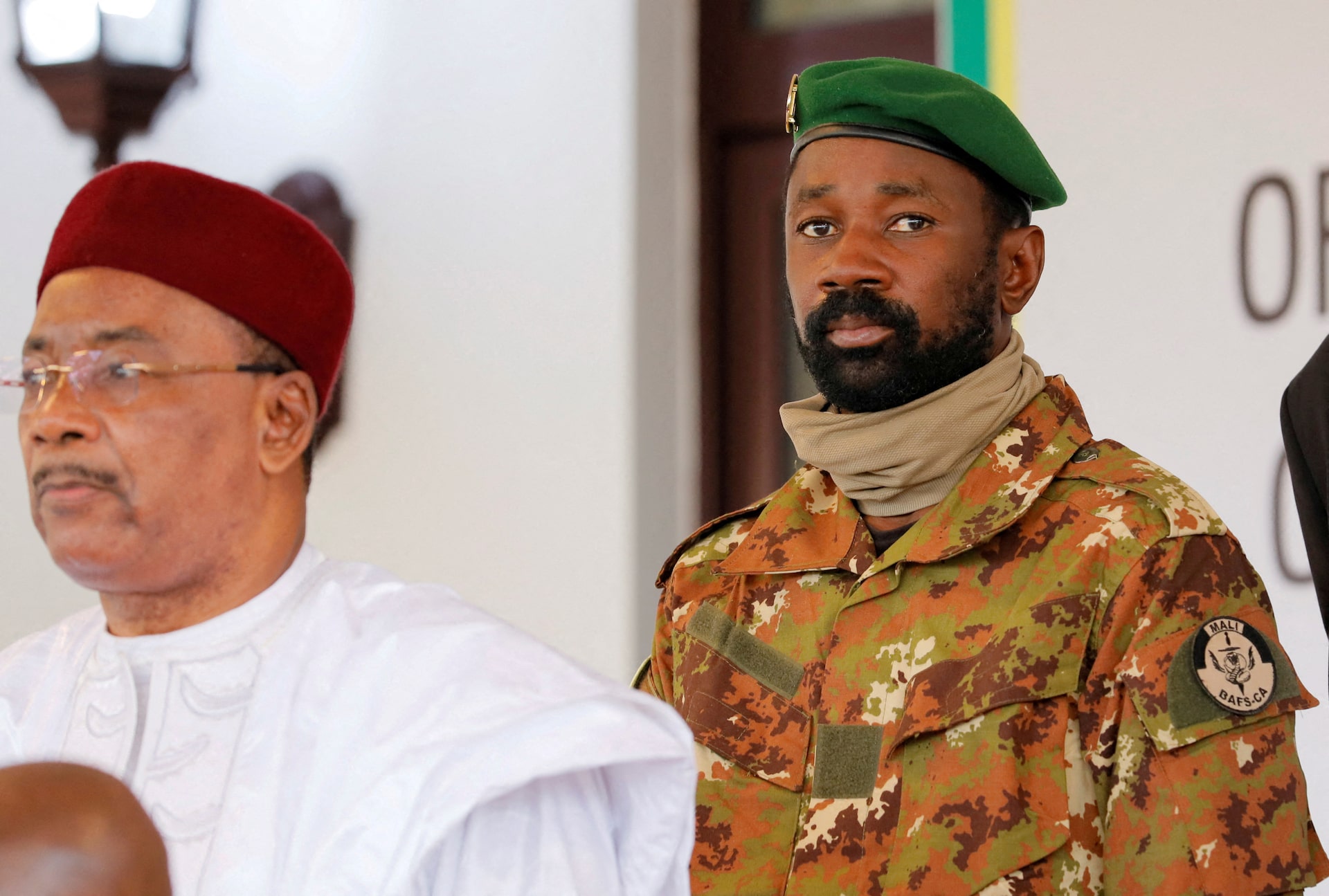
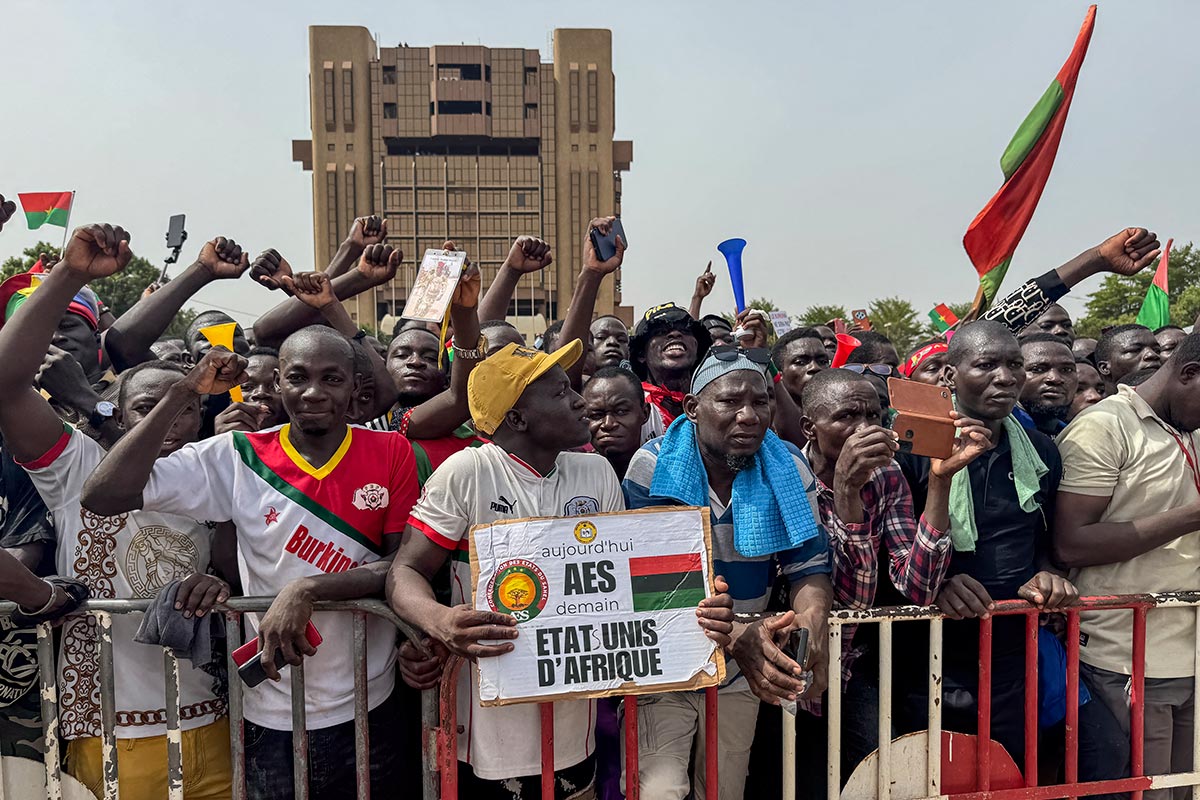
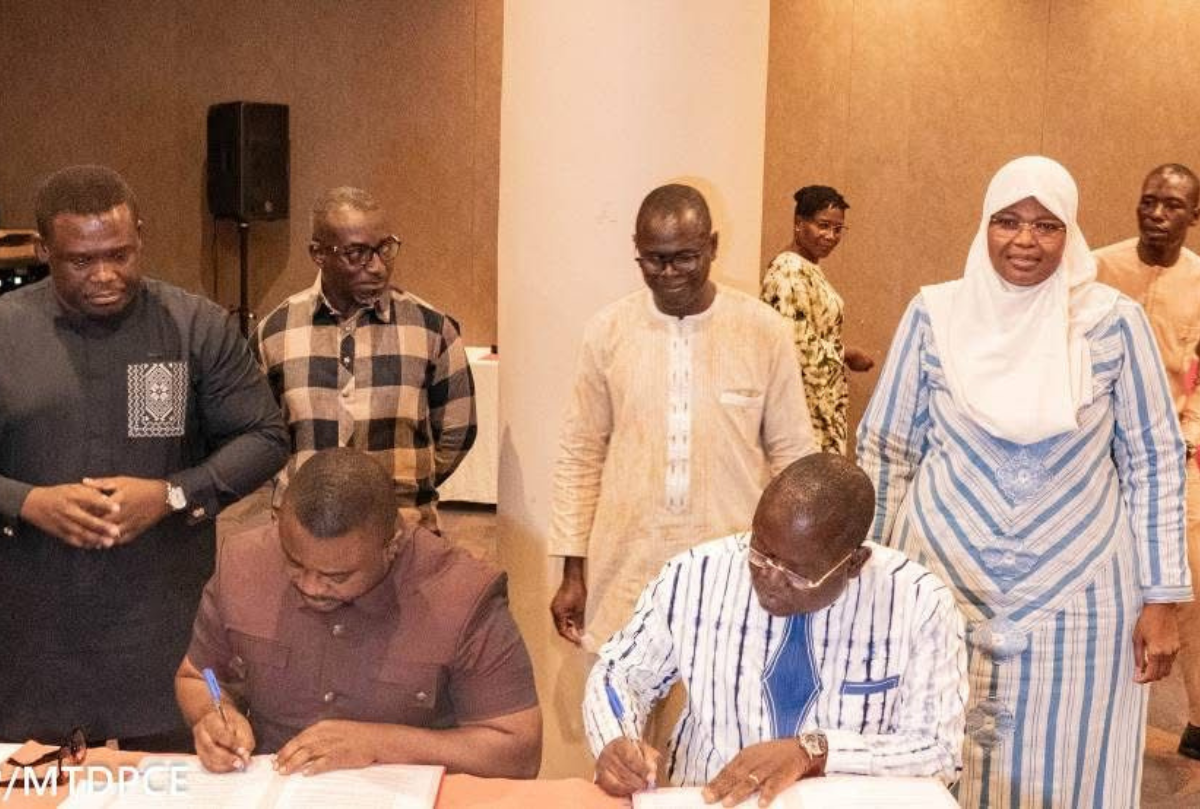
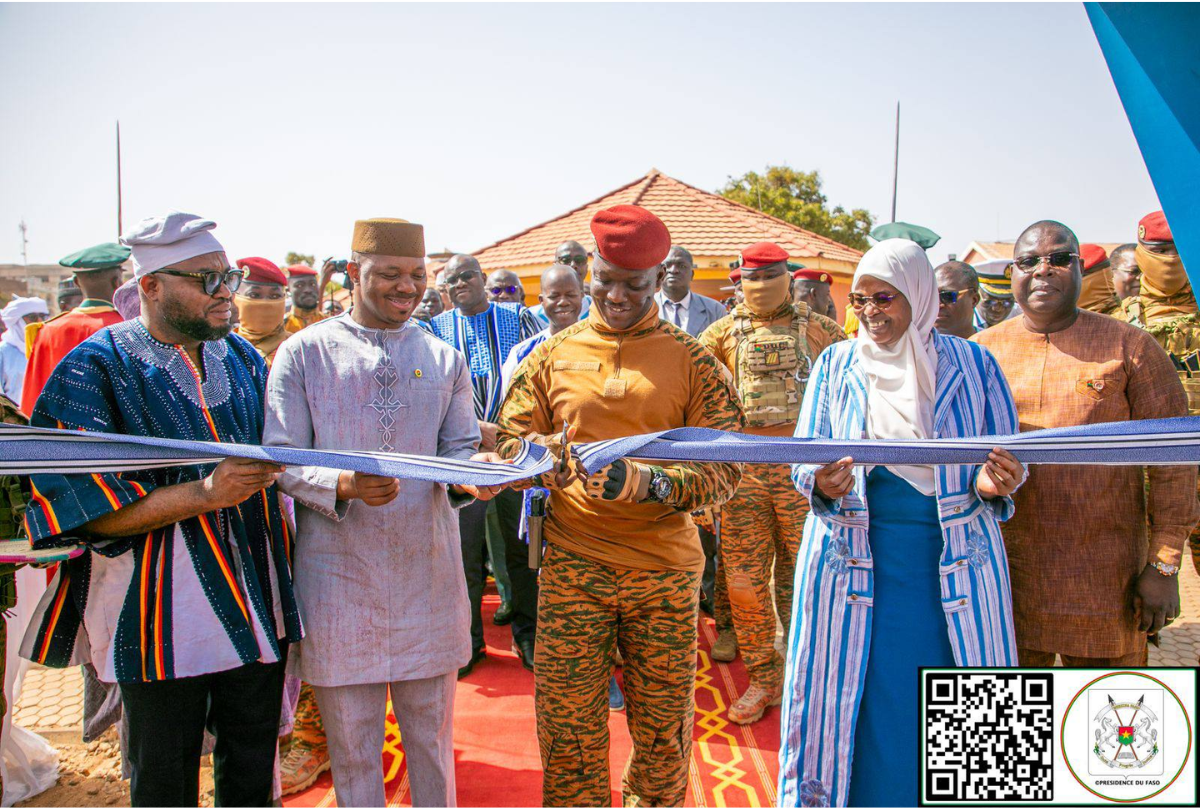
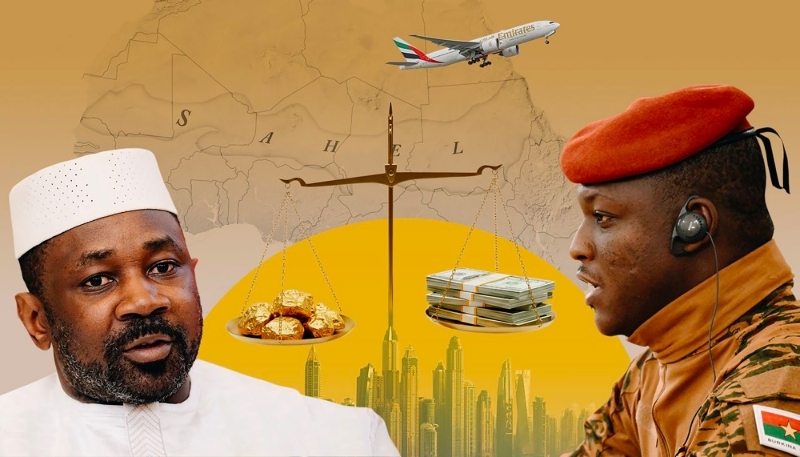
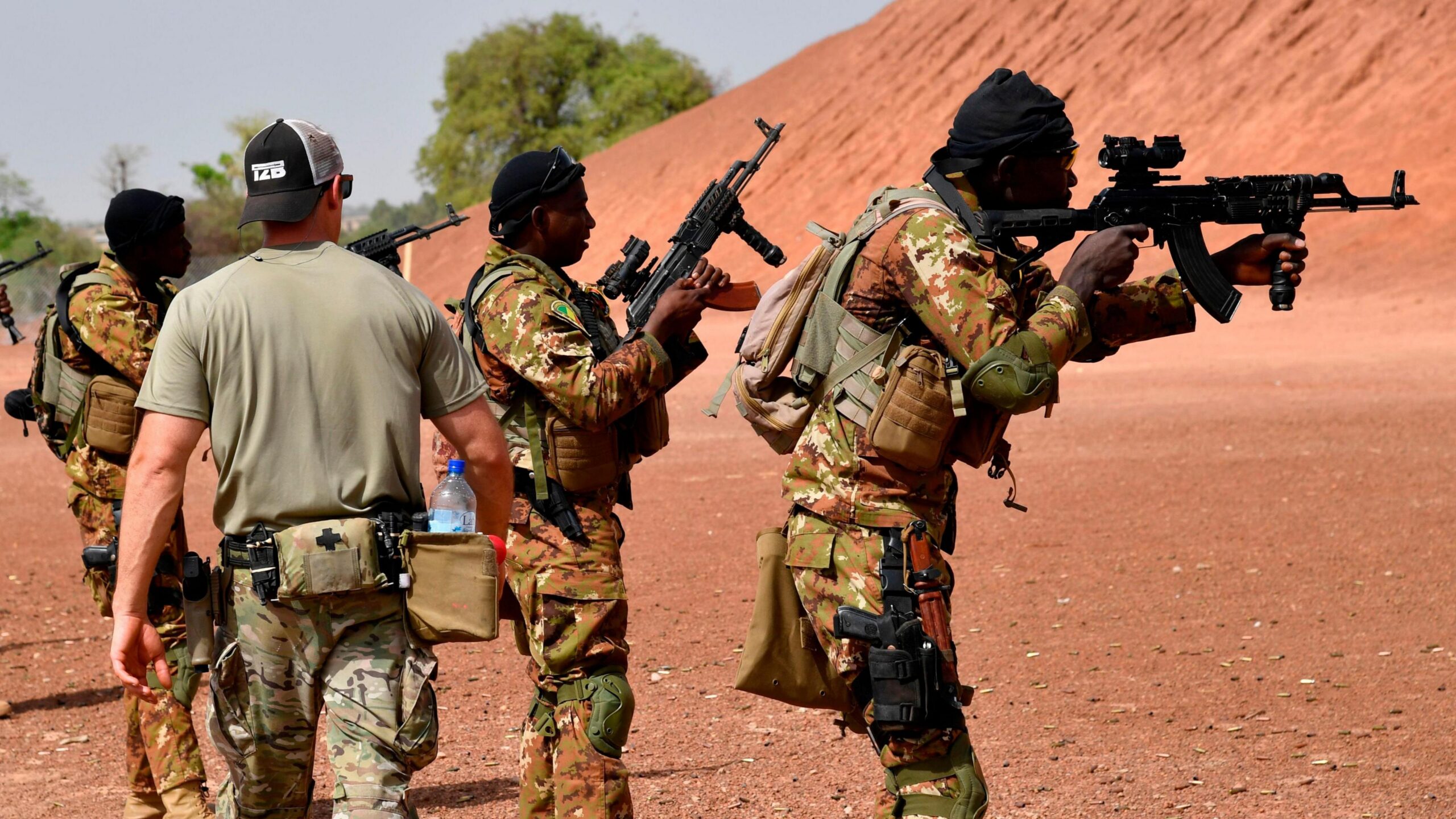
Given this challenging climate, the United States is indeed recalibrating its approach to Mali, signaling a definitive shift from passive observation to active involvement. The U.S. State Department’s Bureau of African Affairs recently confirmed Washington’s intention to reset bilateral relations with Mali. The goal? To honor Mali’s sovereignty while championing peace, security, and development. This renewed engagement isn’t just about goodwill; it’s part of a larger strategic objective to safeguard the Sahel’s security. Why does this matter so much to Washington? It’s crucial not only for combating terrorism but also for securing access to the rich deposits of critical minerals found throughout this resource-laden area. Yet, the story doesn’t end there. In a fascinating twist, Mali, alongside Burkina Faso and Niger, is teaming up with Russia on an ambitious project: developing the Sahel’s very first shared telecommunications satellite. Think about the implications: better digital connectivity, enhanced infrastructure, improved broadcasting, and stronger national security communications. It’s a bold step towards digital sovereignty and deeper regional cooperation. And there’s more to it than just satellites; discussions are well underway for a new three-state Sahel currency involving Mali, Burkina Faso, and Niger. Could this shared currency truly symbolize a grander economic integration plan, promising to boost trade, stabilize exchange rates, and fortify financial systems? For these nations, embracing diverse partnerships, even with global rivals, seems to be a pragmatic way to secure benefits vital for their development.
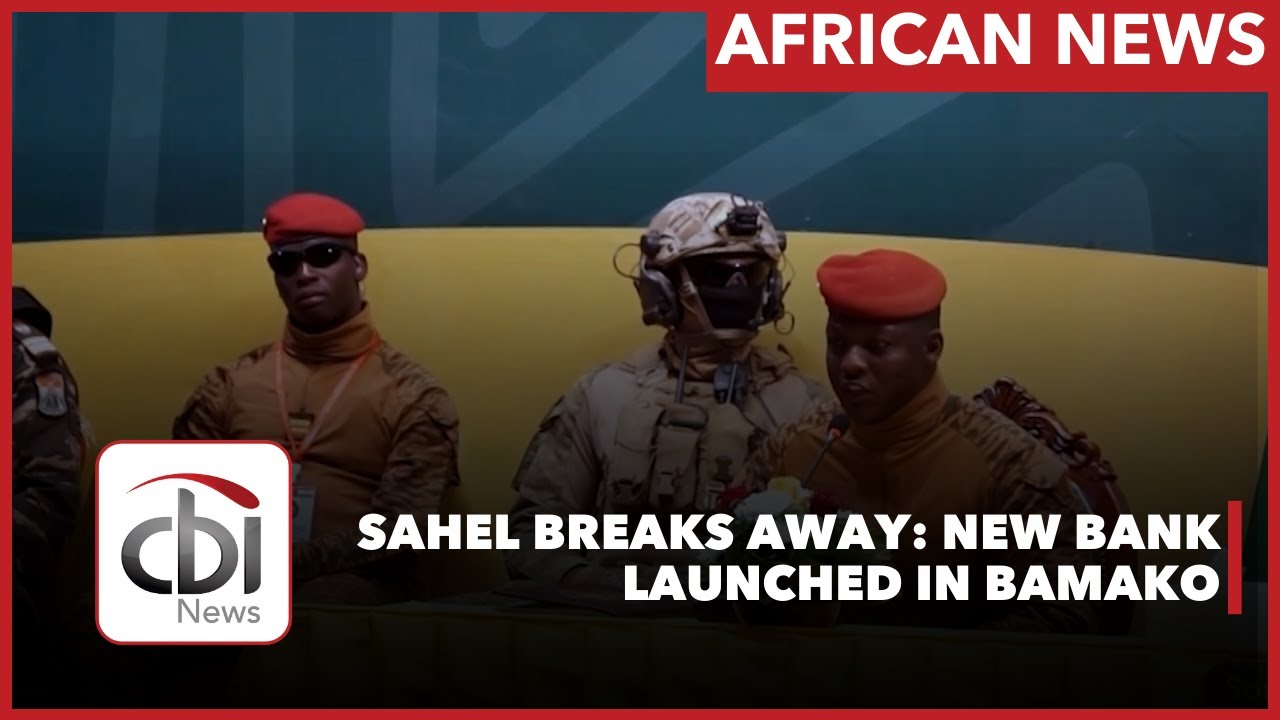
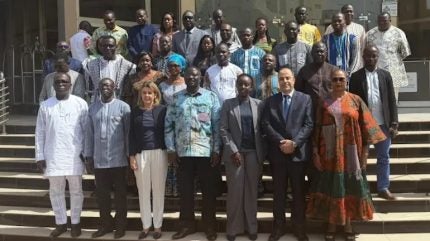
The U.S. isn’t limiting its renewed dialogue to just military or economic cooperation; it’s pushing for broader engagement on a host of shared challenges. Officials are clear: they want to explore new avenues in bilateral relations that carefully balance respect for Mali’s sovereignty with mutual interests. This isn’t a simple task, but it’s a necessary, nuanced approach. Sustainable progress in a tough environment like the Sahel, after all, demands collaborative frameworks that both empower local governments and effectively address transnational threats, whether it’s insurgency, illicit trafficking, or humanitarian crises. So, where does the Sahel go from here? It truly stands at a pivotal, intriguing juncture where collaboration and competition meet head-on. The United States’ revived interest signals a commitment not only to regional stability and development but also to counteracting rival influences. Meanwhile, Mali and its neighbors aren’t just sitting back; they’re actively shaping their own destinies through inventive partnerships with a variety of global players. They’re carving out unique pathways that clearly reflect their strategic priorities and aspirations. Anyone with a stake in global affairs should watch the unfolding dynamics in Mali and the broader Sahel region closely. The ripple effects won’t just touch regional security and economic landscapes; they’ll inevitably influence the balance of power across Africa and potentially far beyond. As digital innovation takes hold, resource management becomes more critical, and diplomatic realignments gain serious momentum, the Sahel’s security crisis continues to demand attention. The region’s proactive steps, such as exploring a regional investment bank, offer a glimmer of hope amidst the complexity, hinting at a more integrated and peaceful future.