Burkina Faso Navigates Rocky Road Amidst Political Shift and Security Turmoil
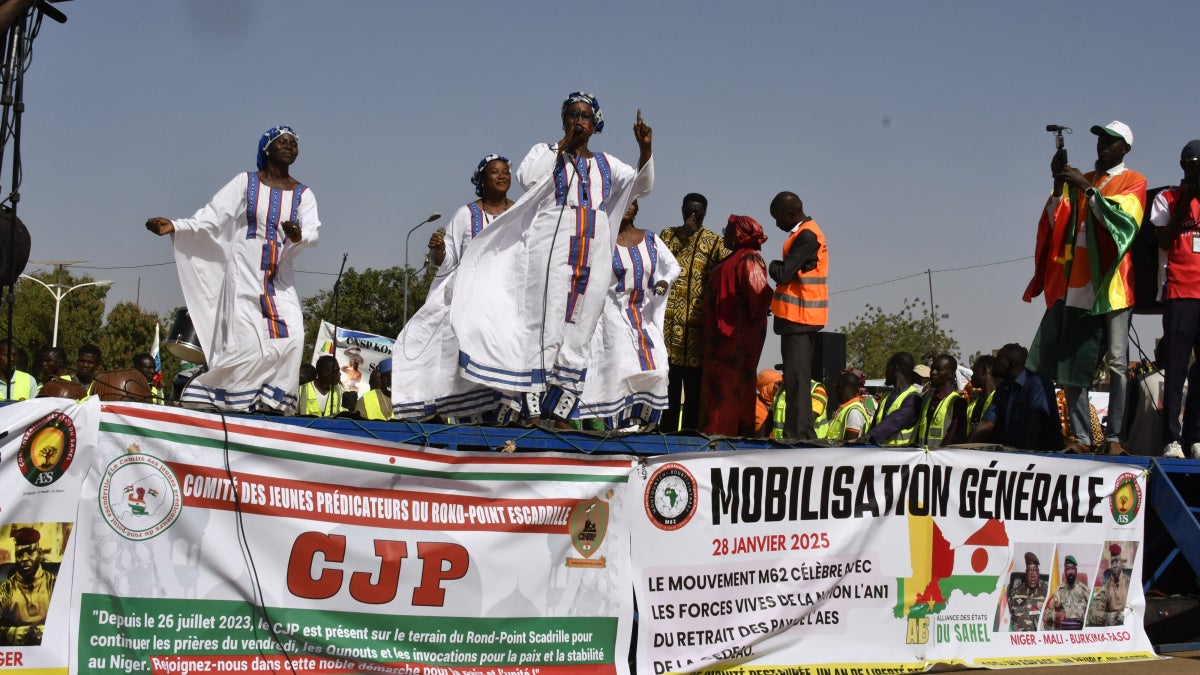
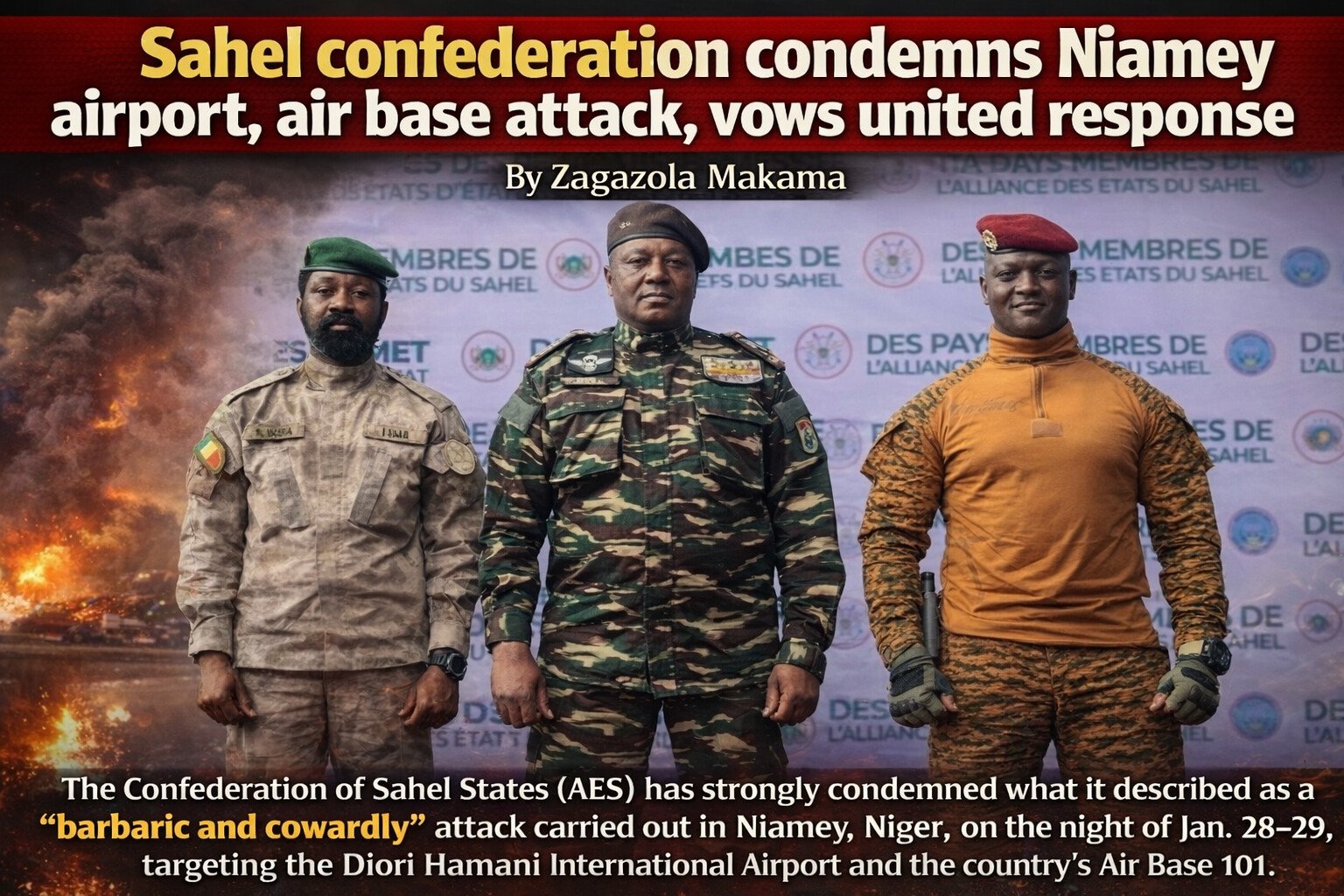
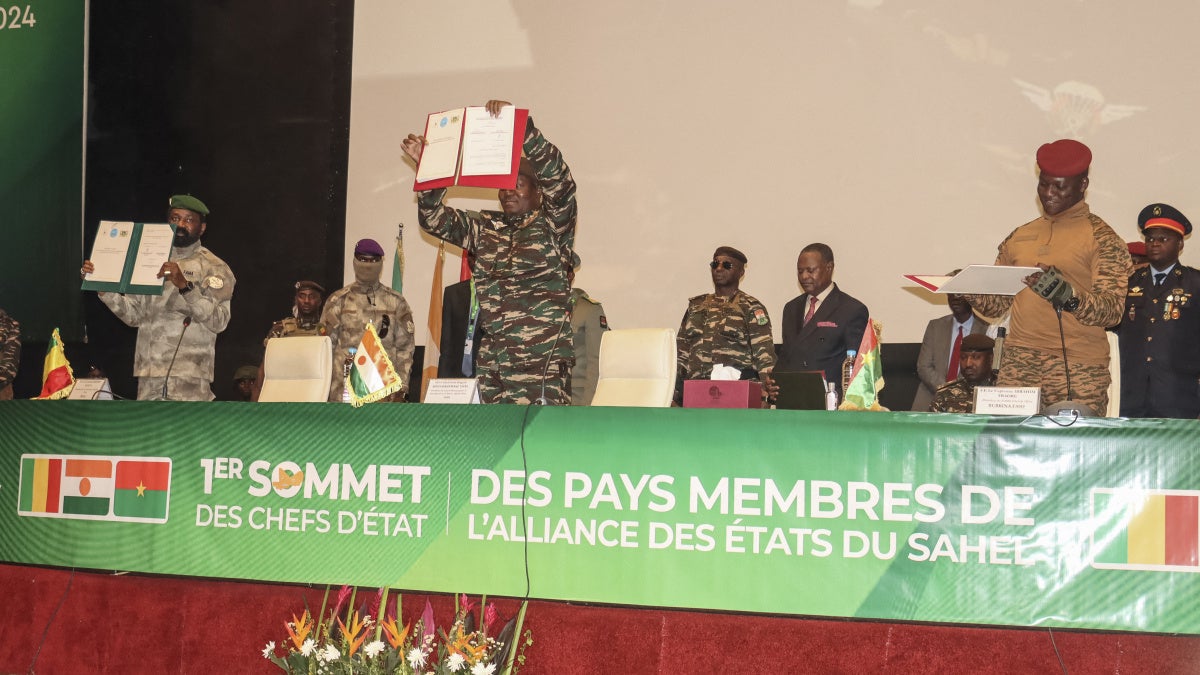
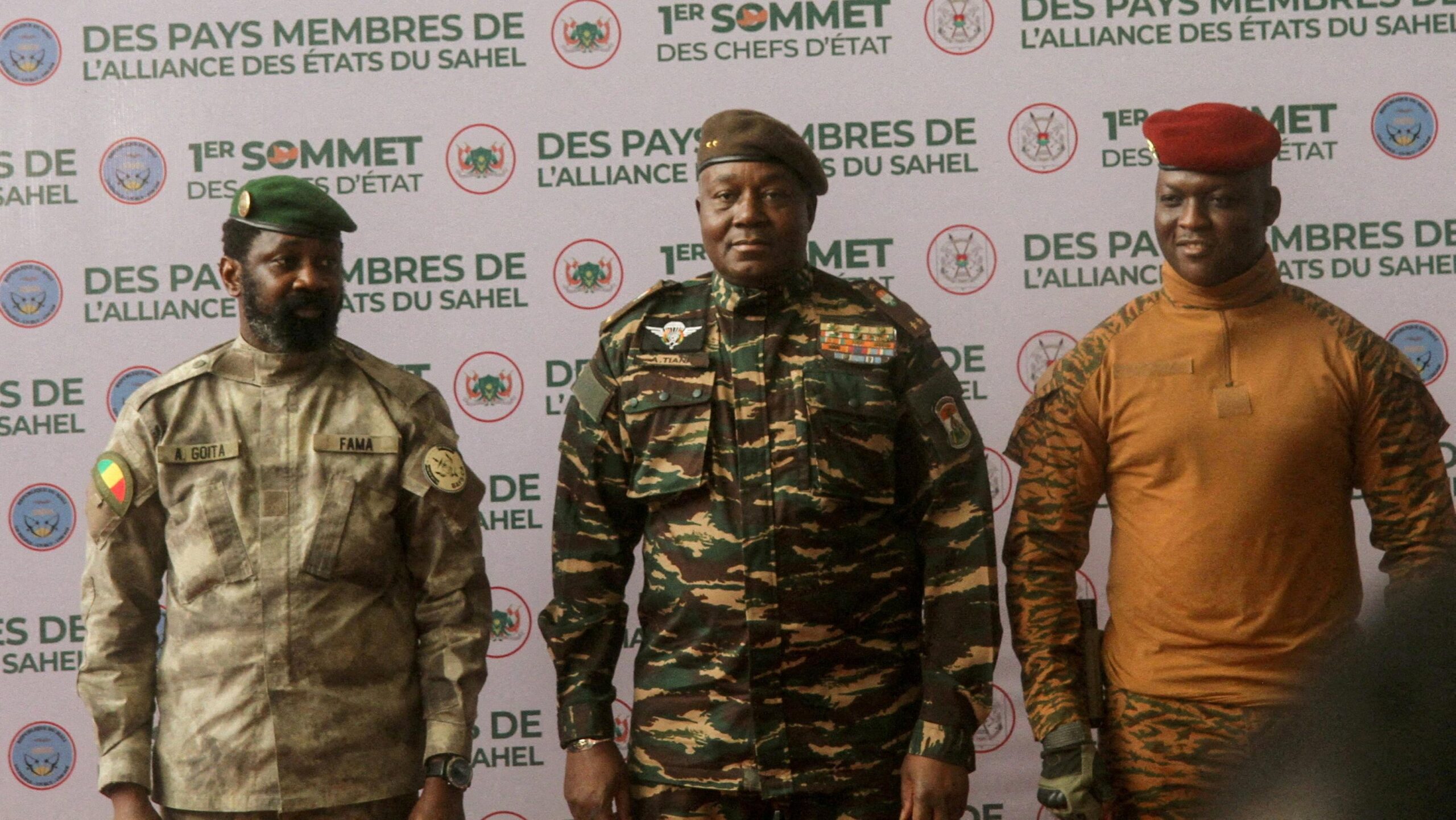
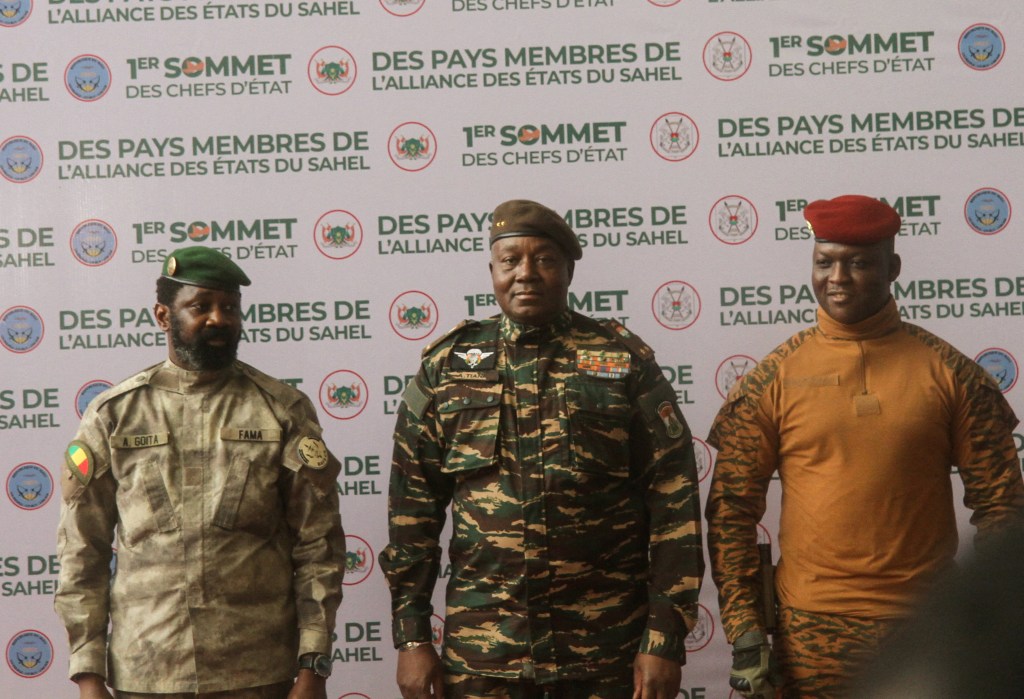
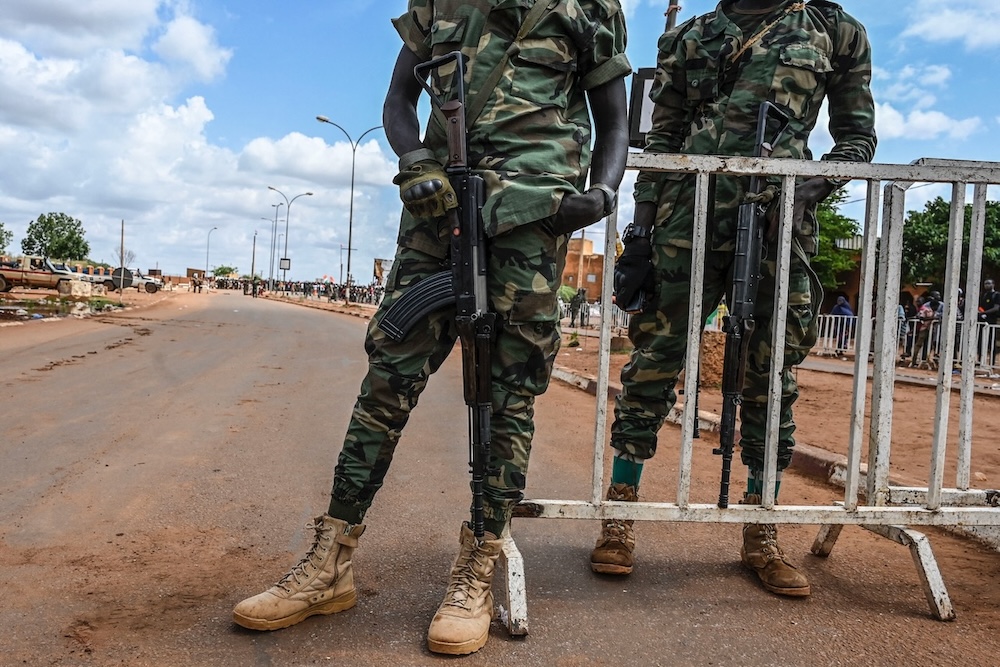
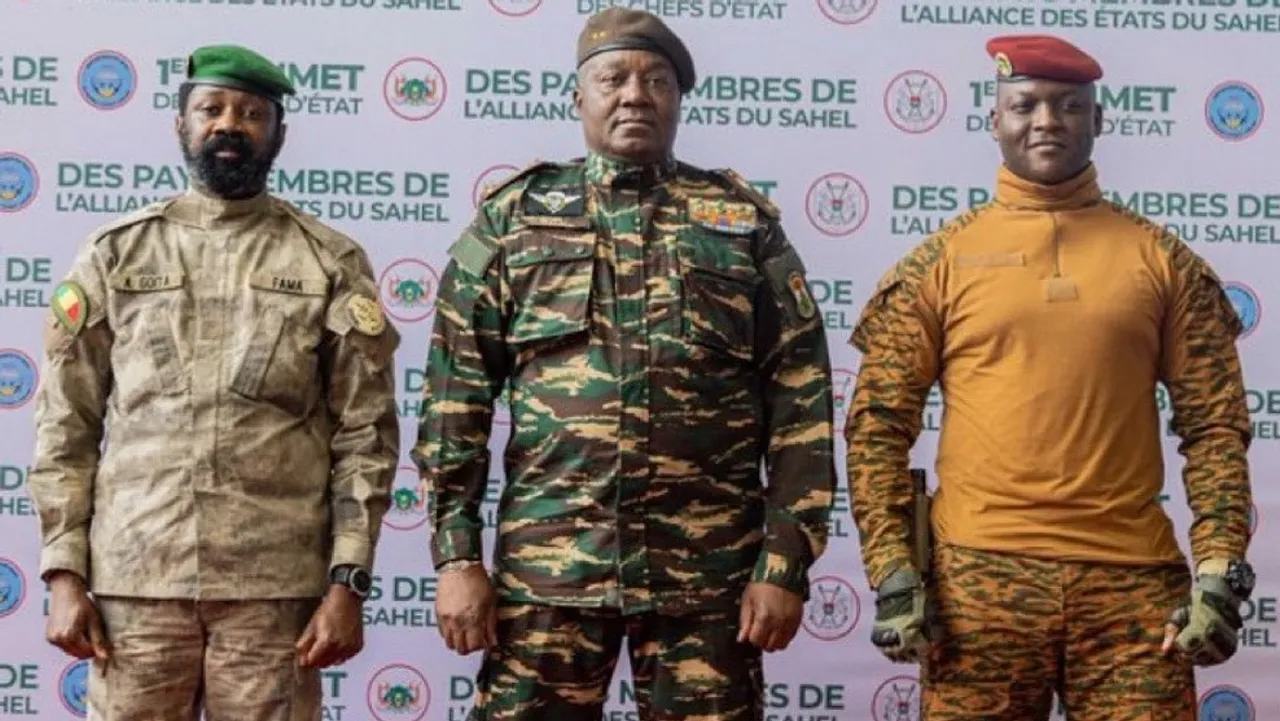
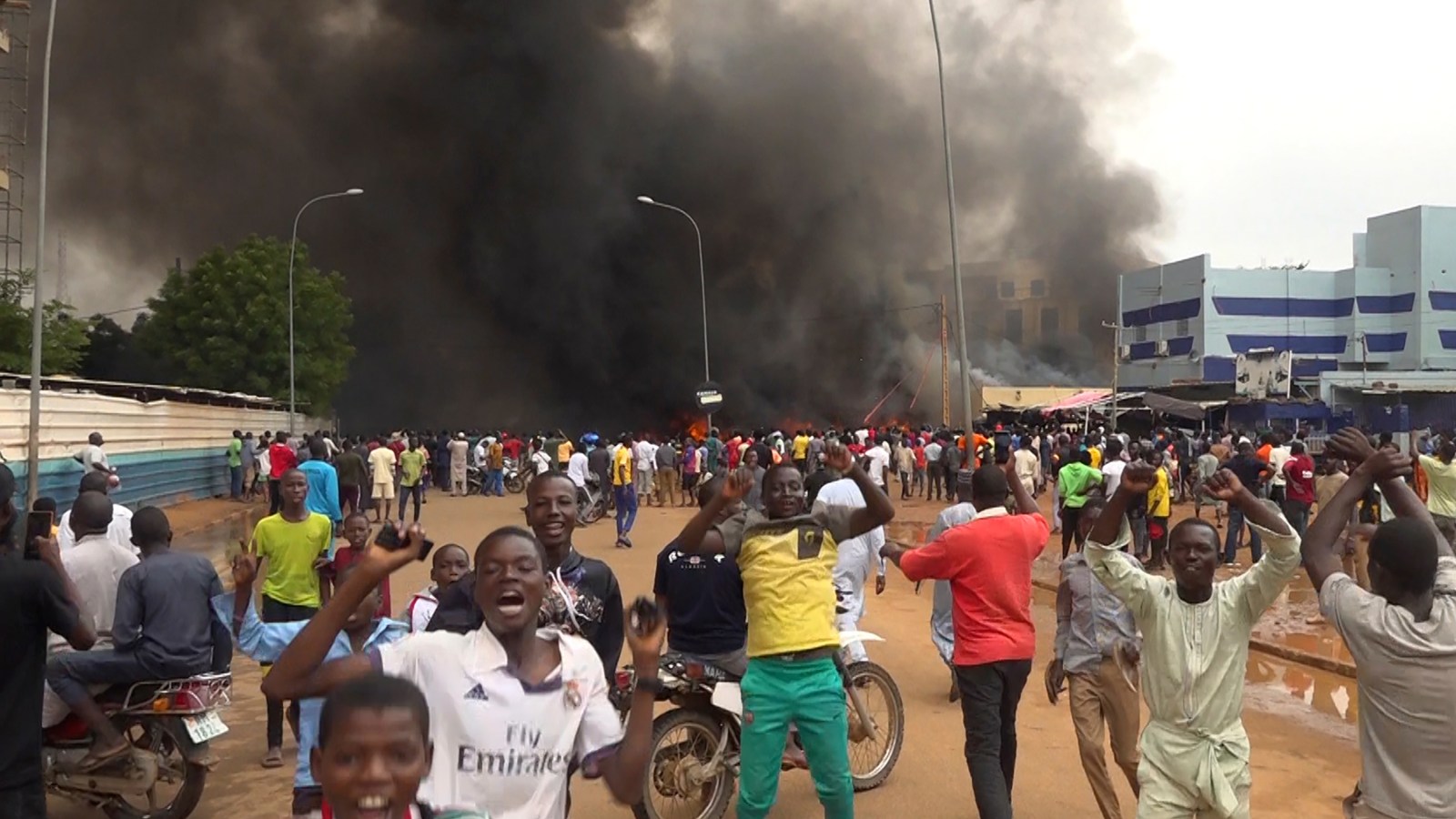
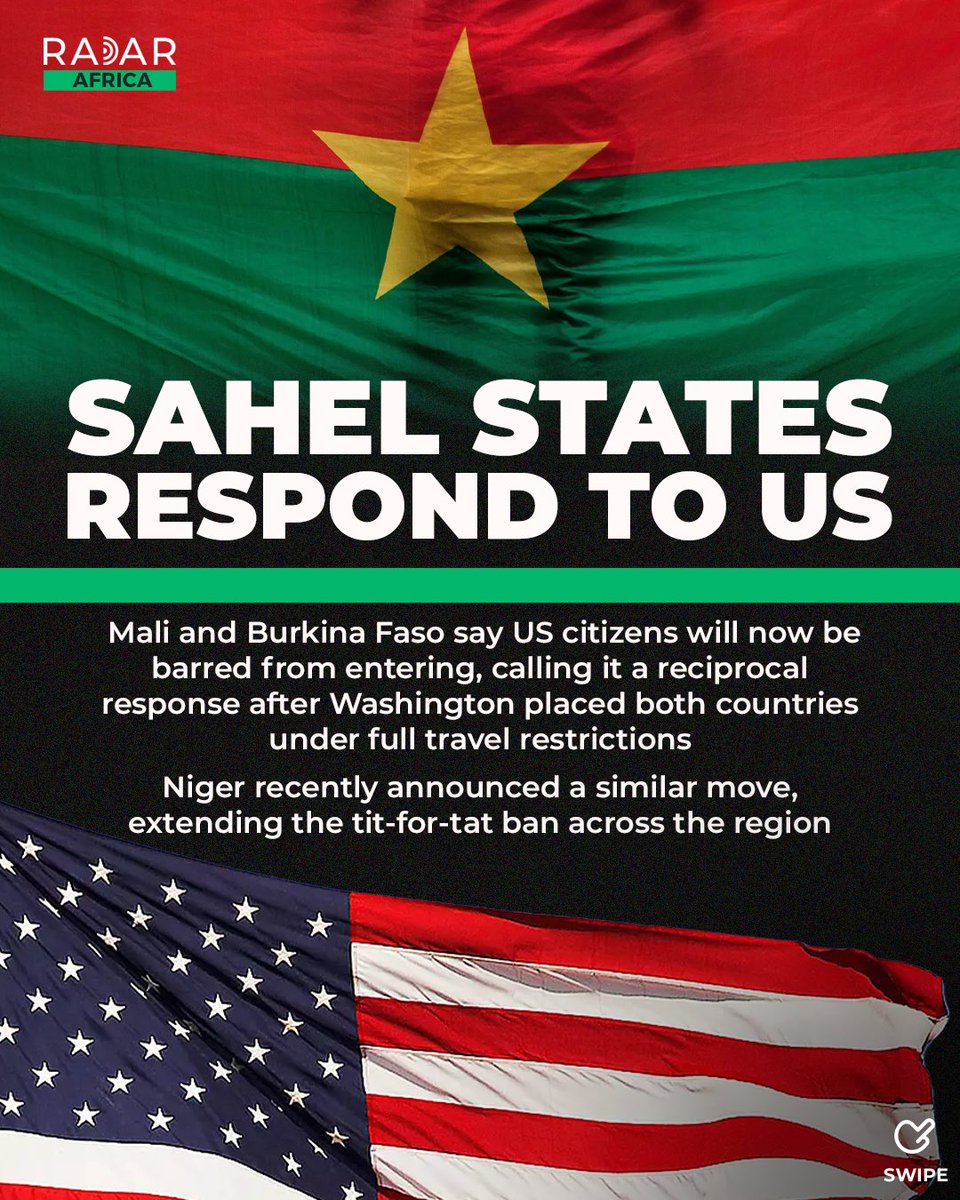
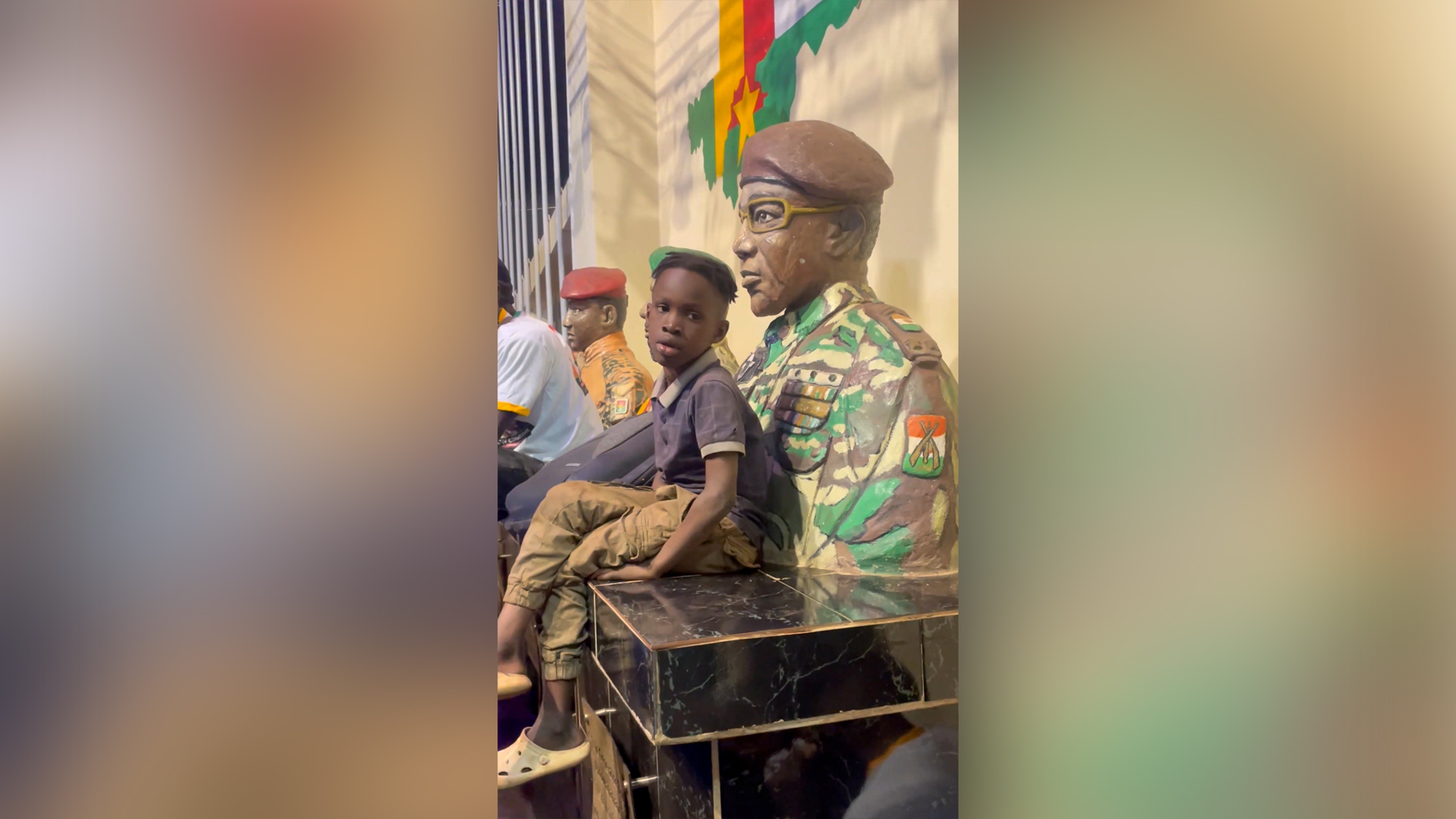
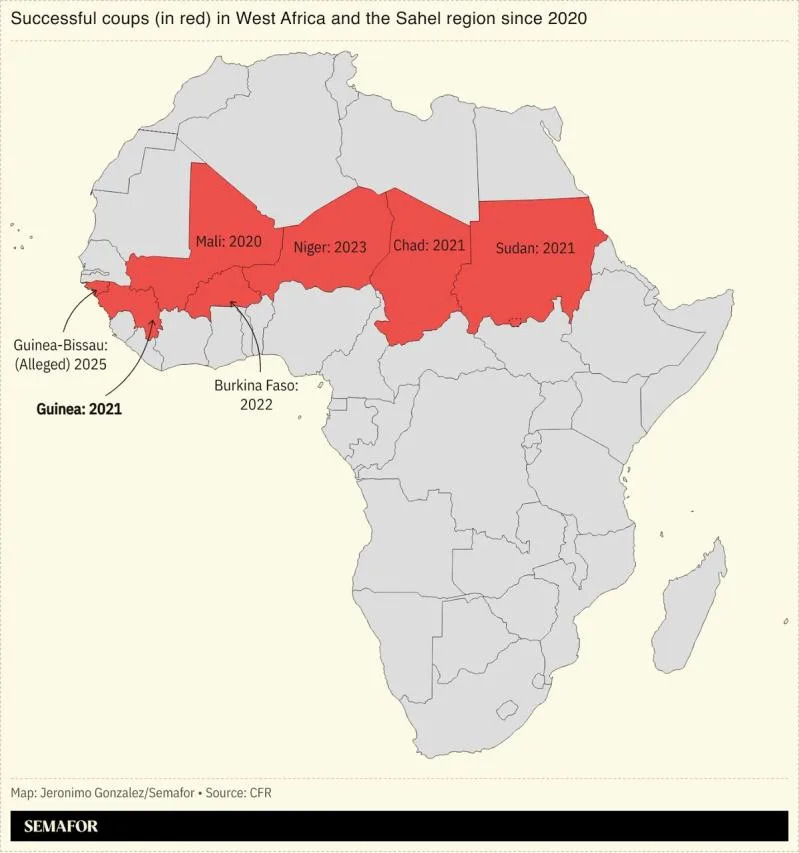
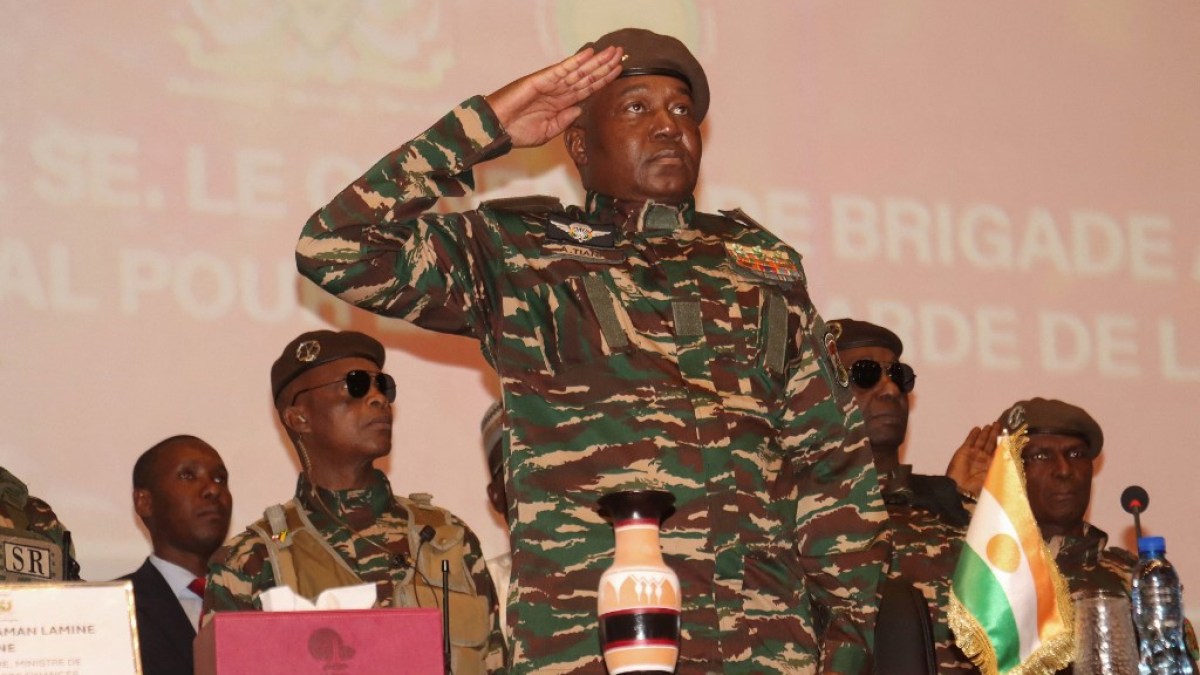
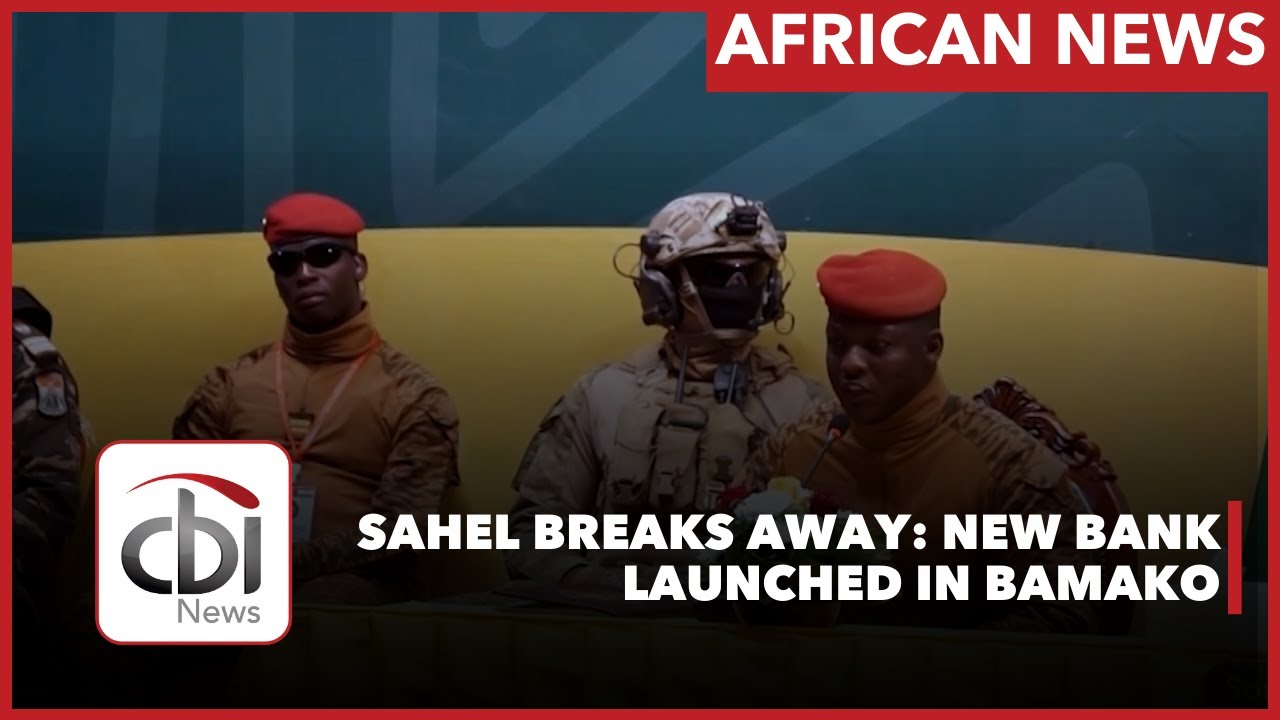
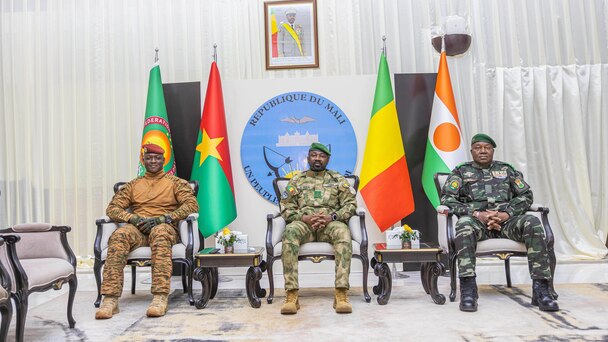
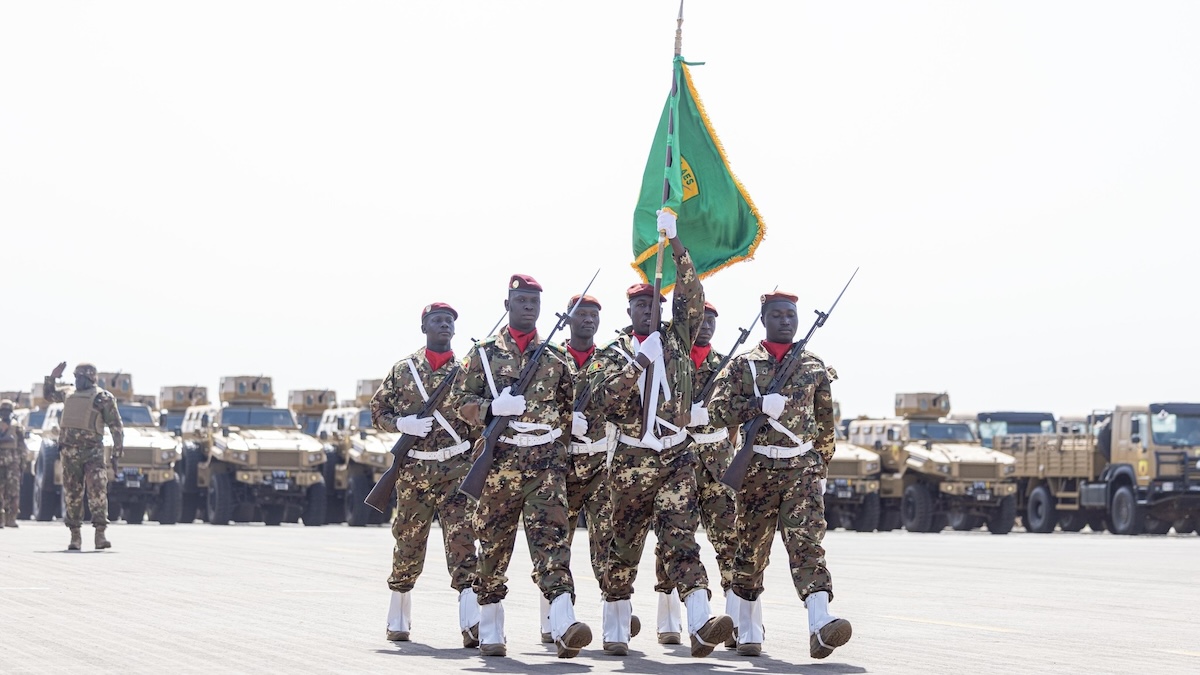
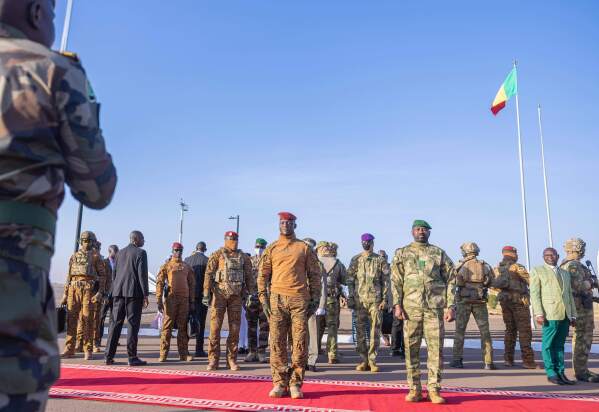
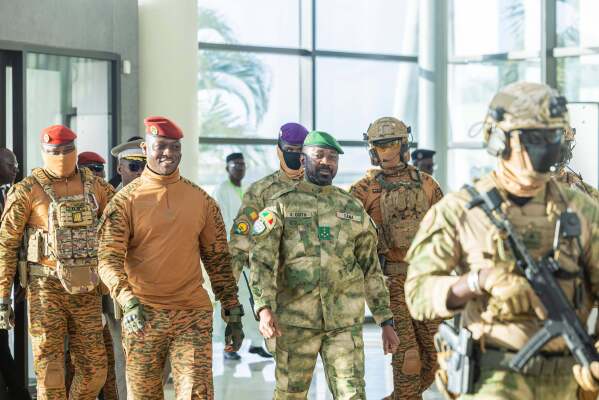
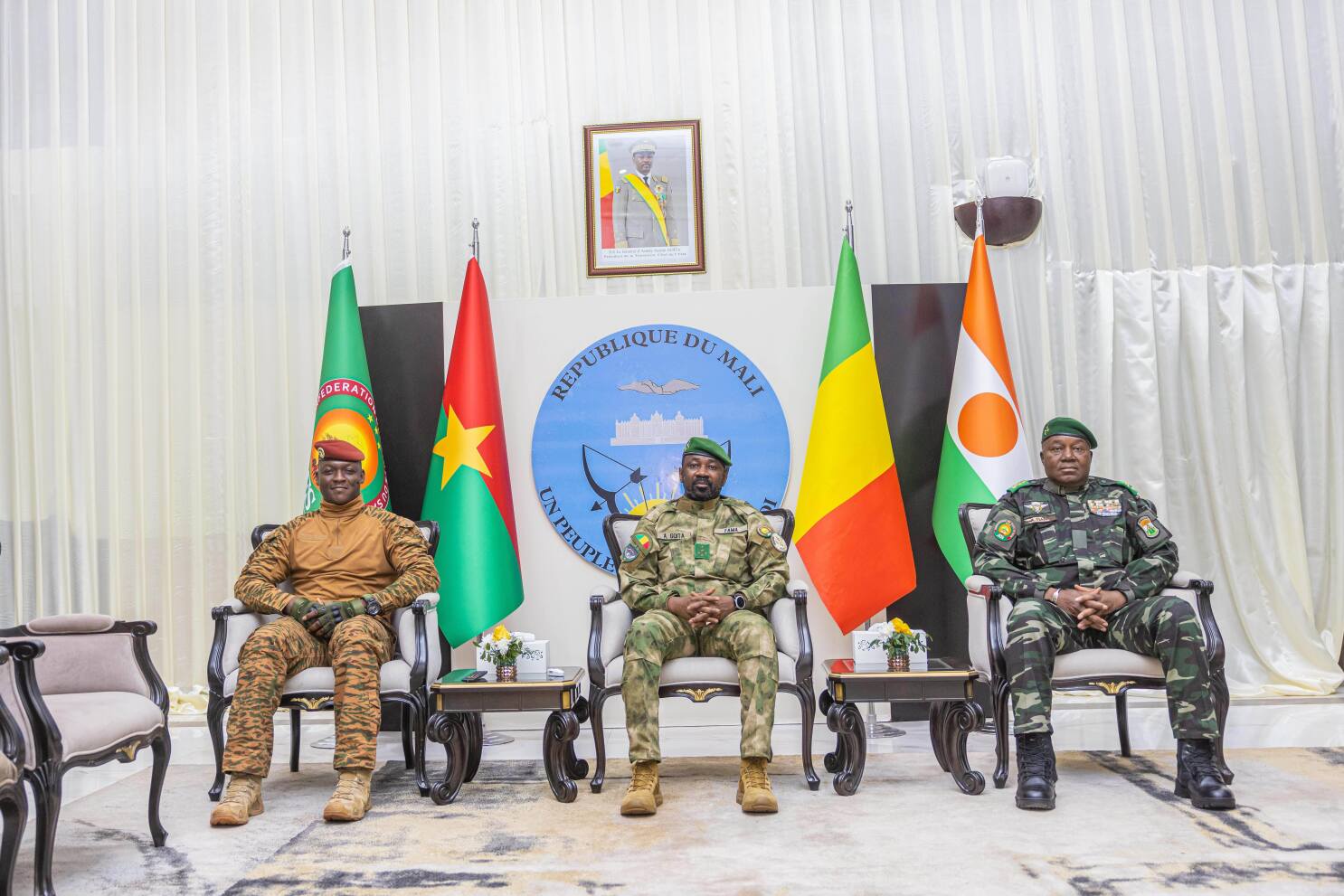
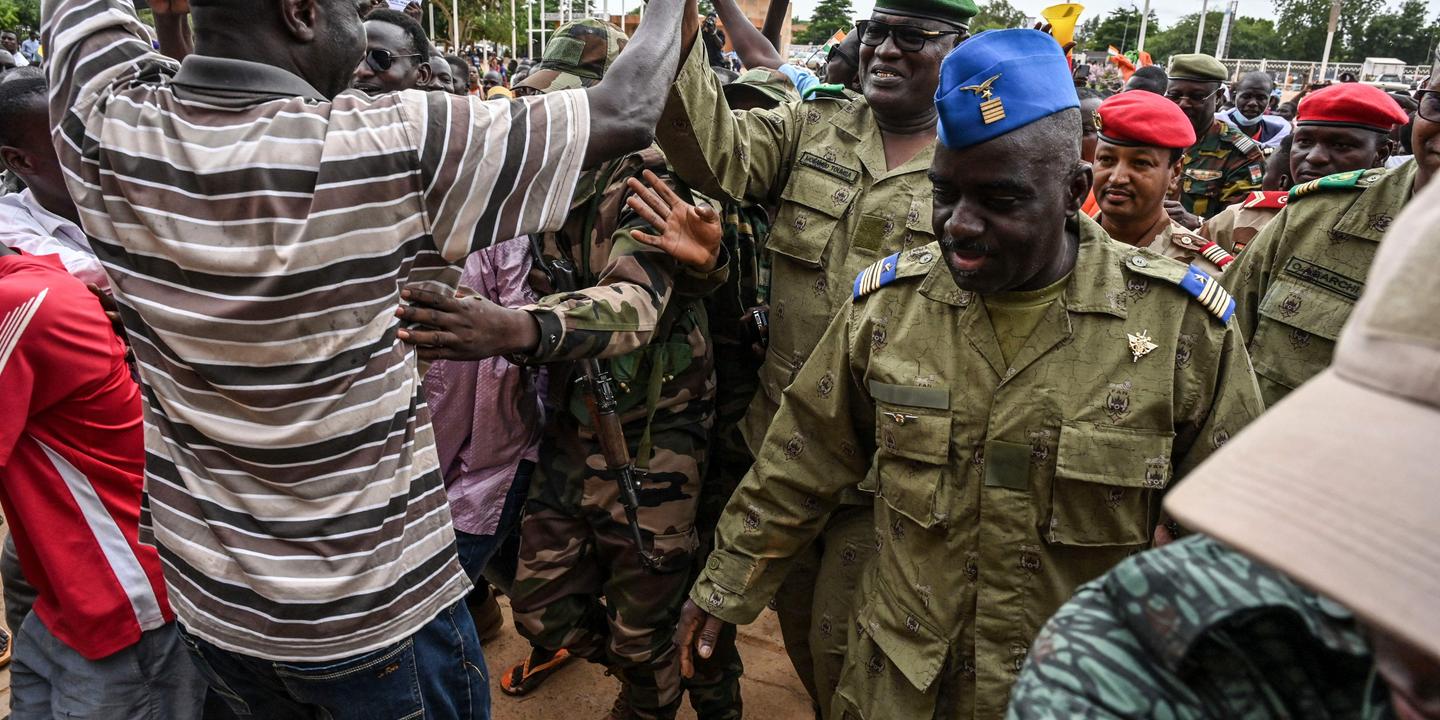
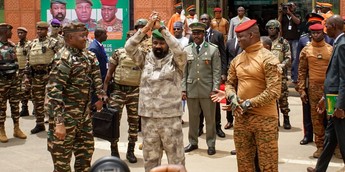
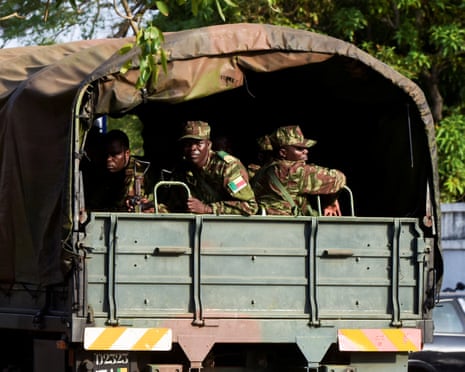
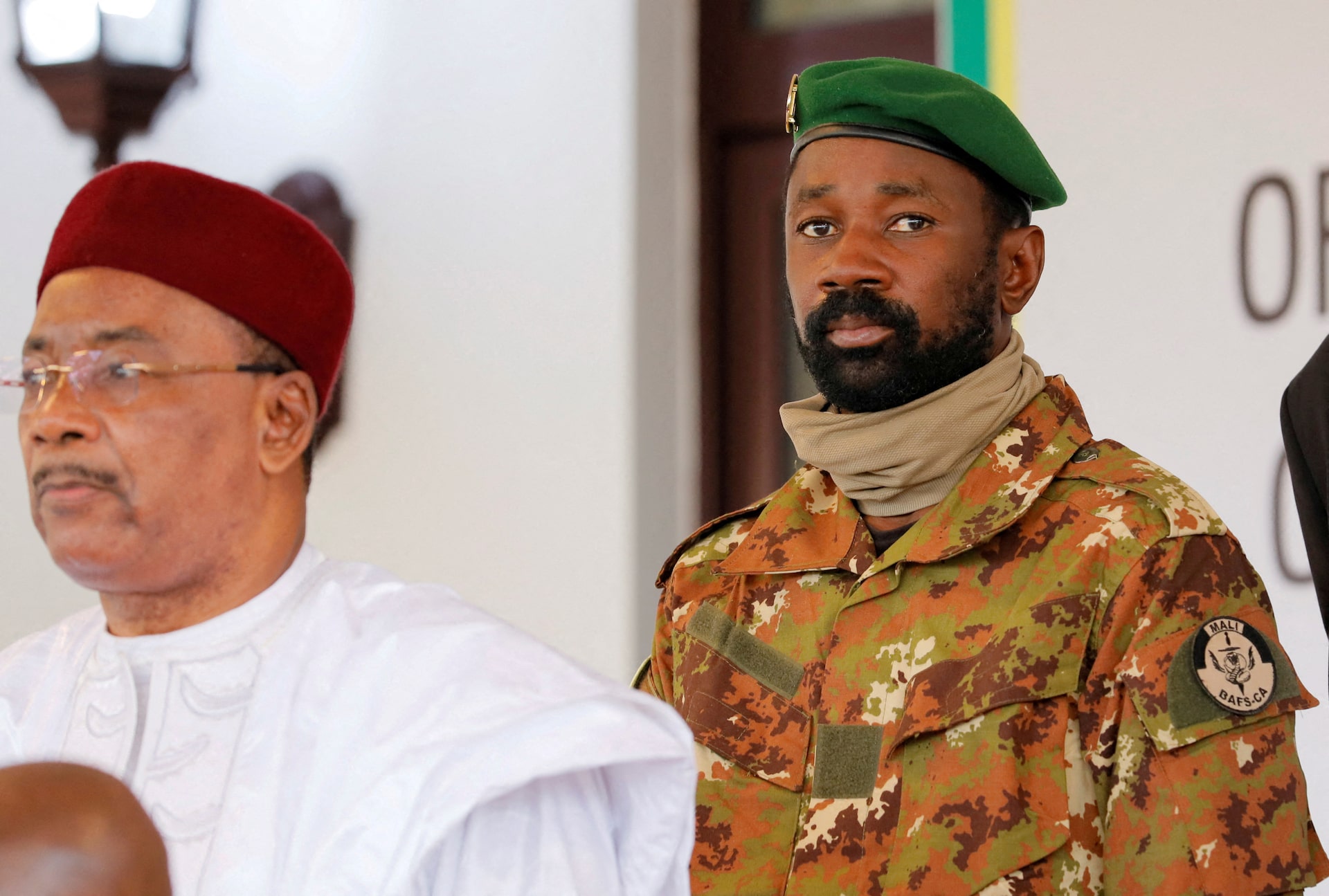
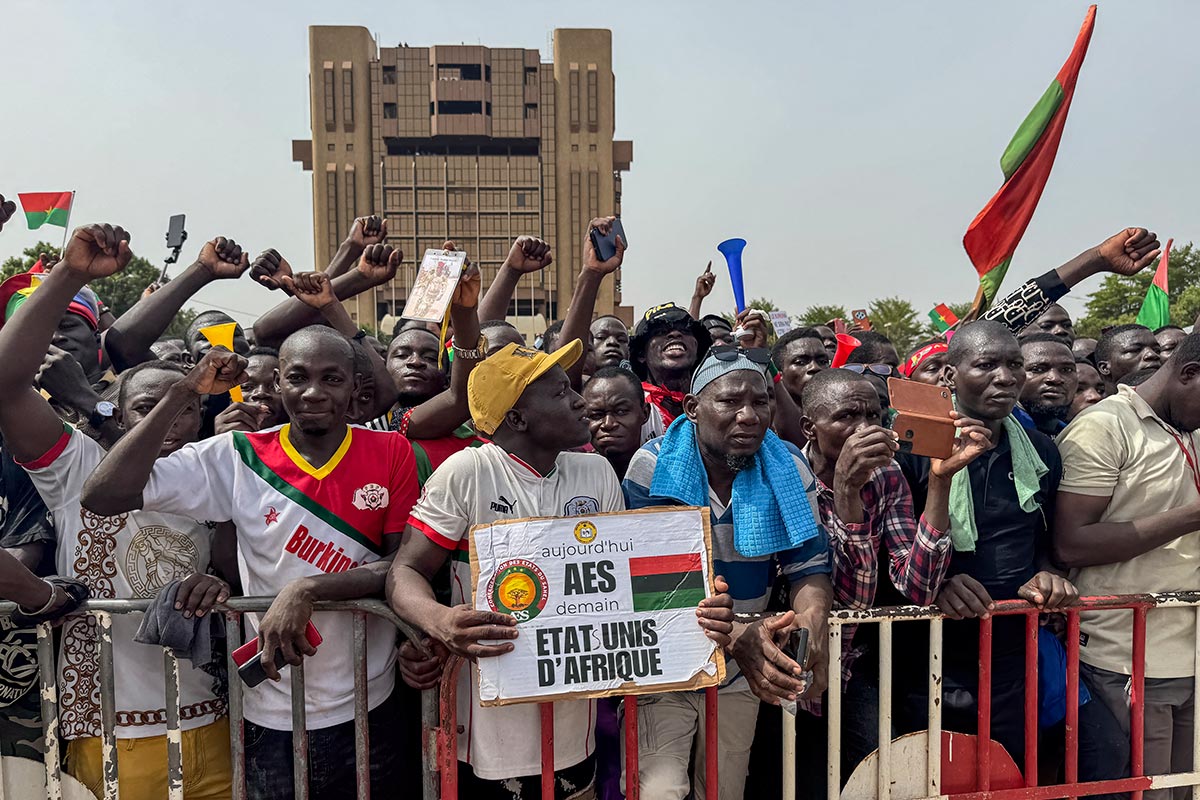
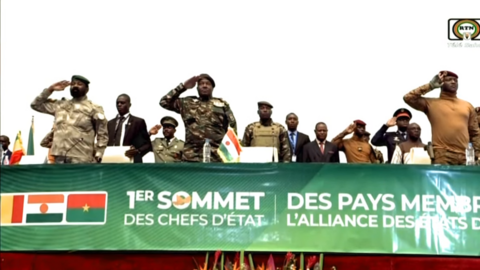
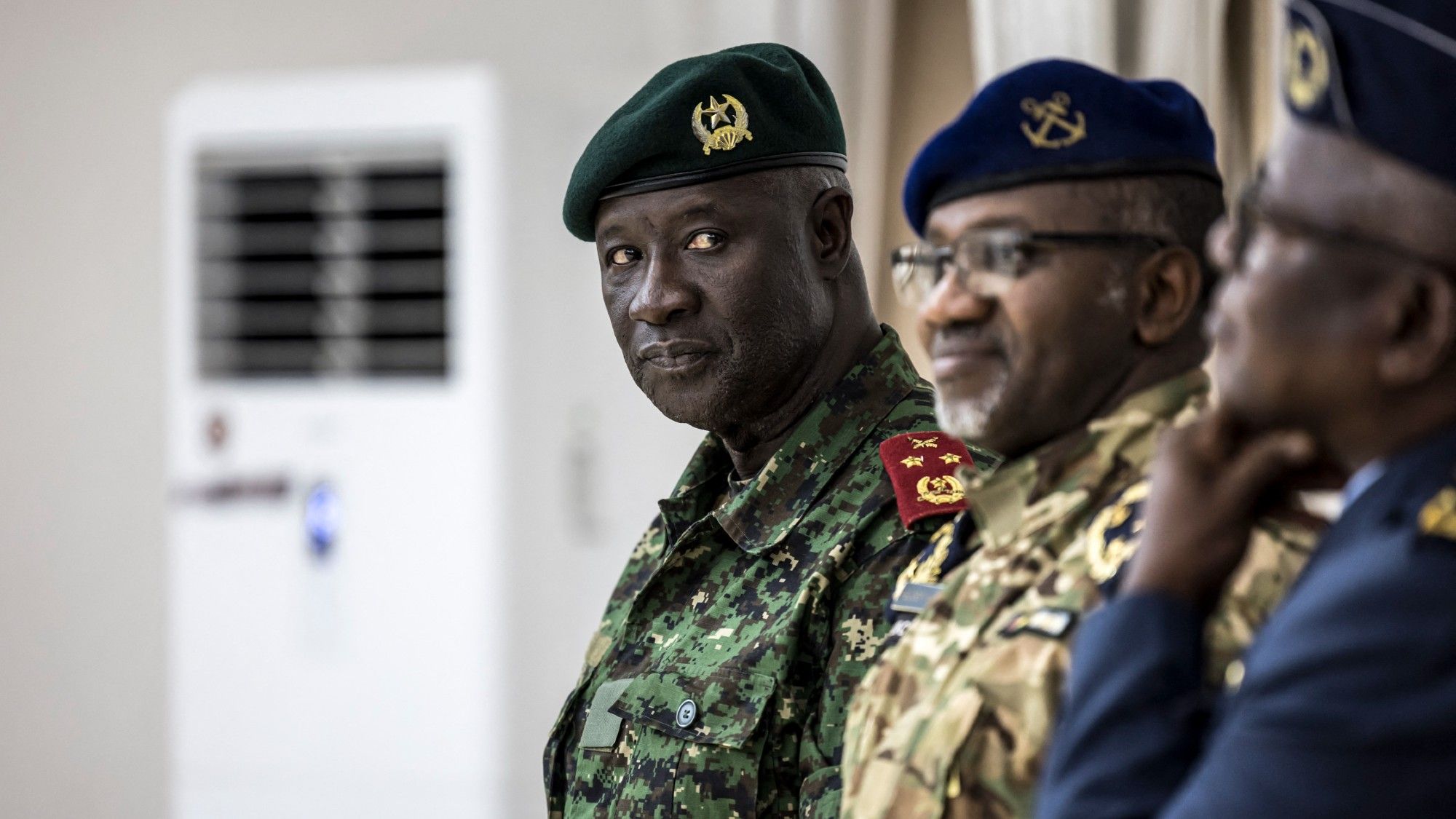
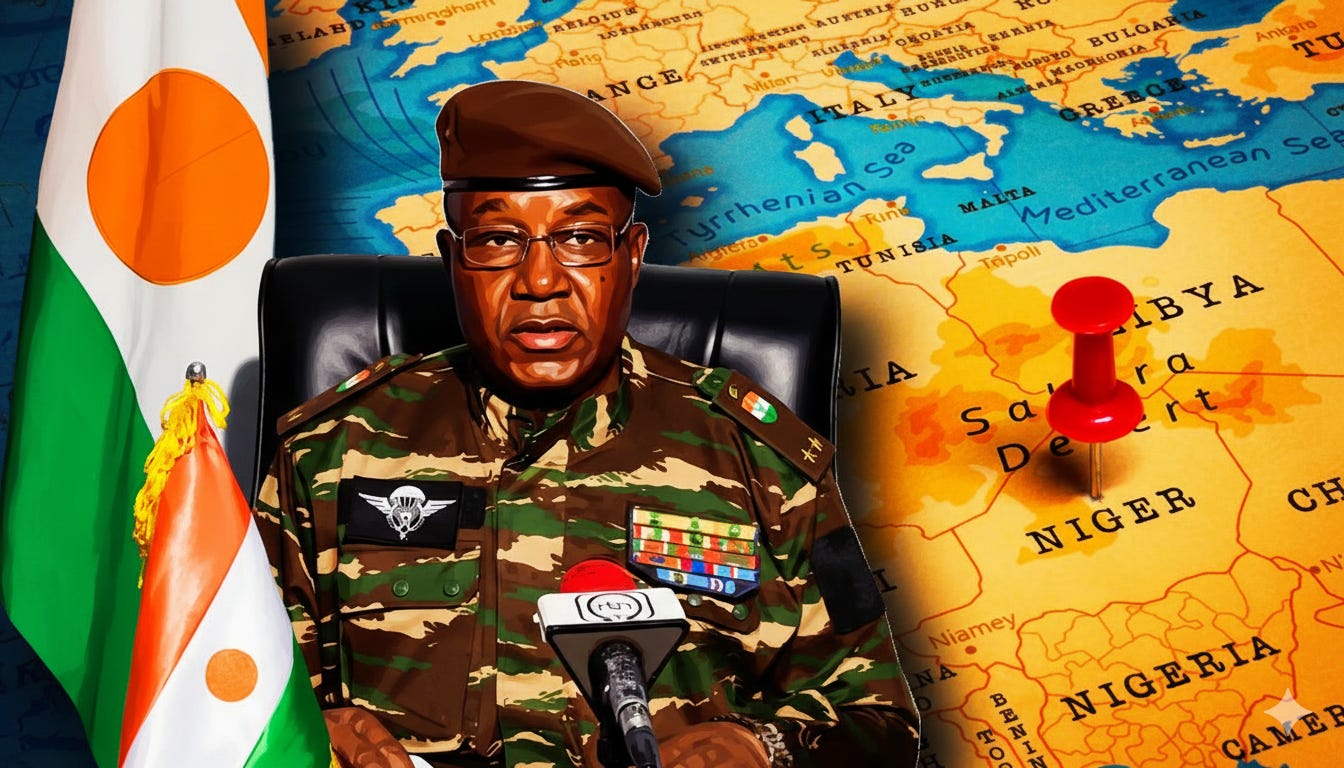
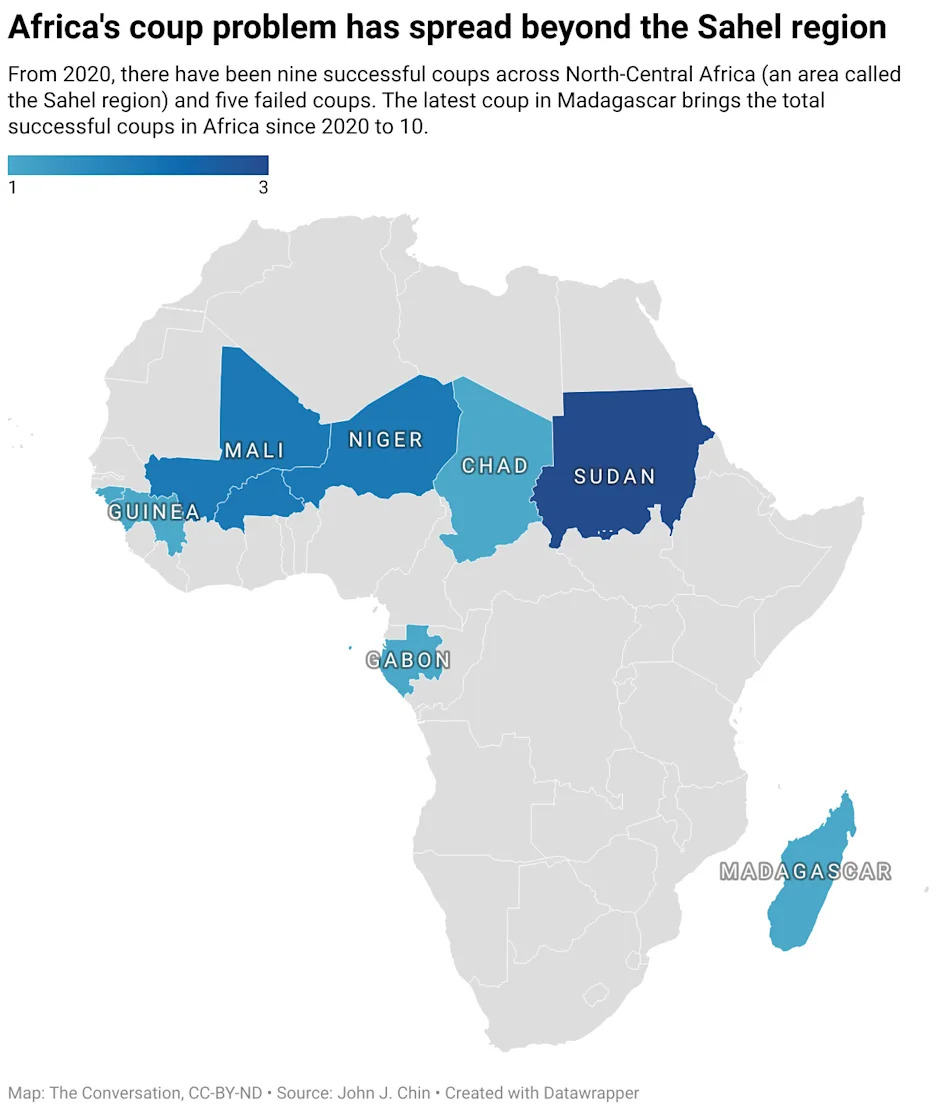
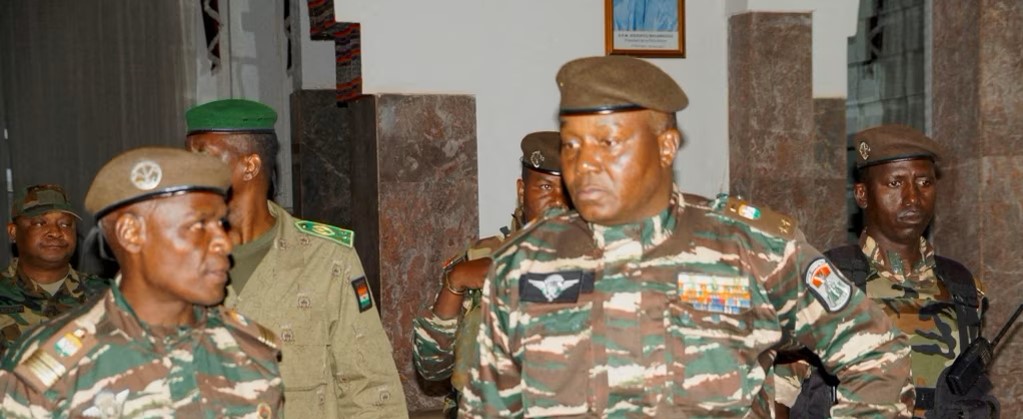
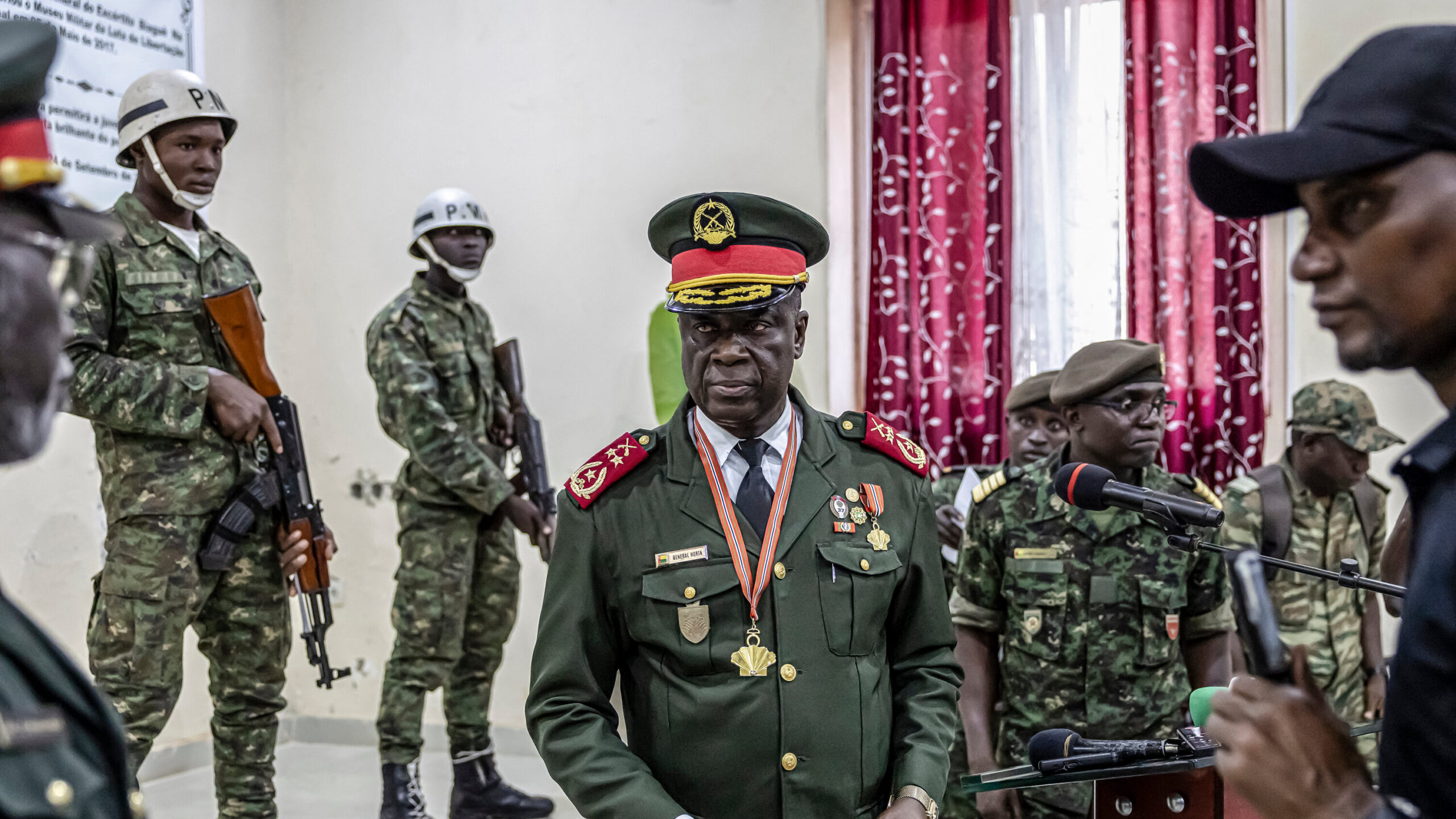
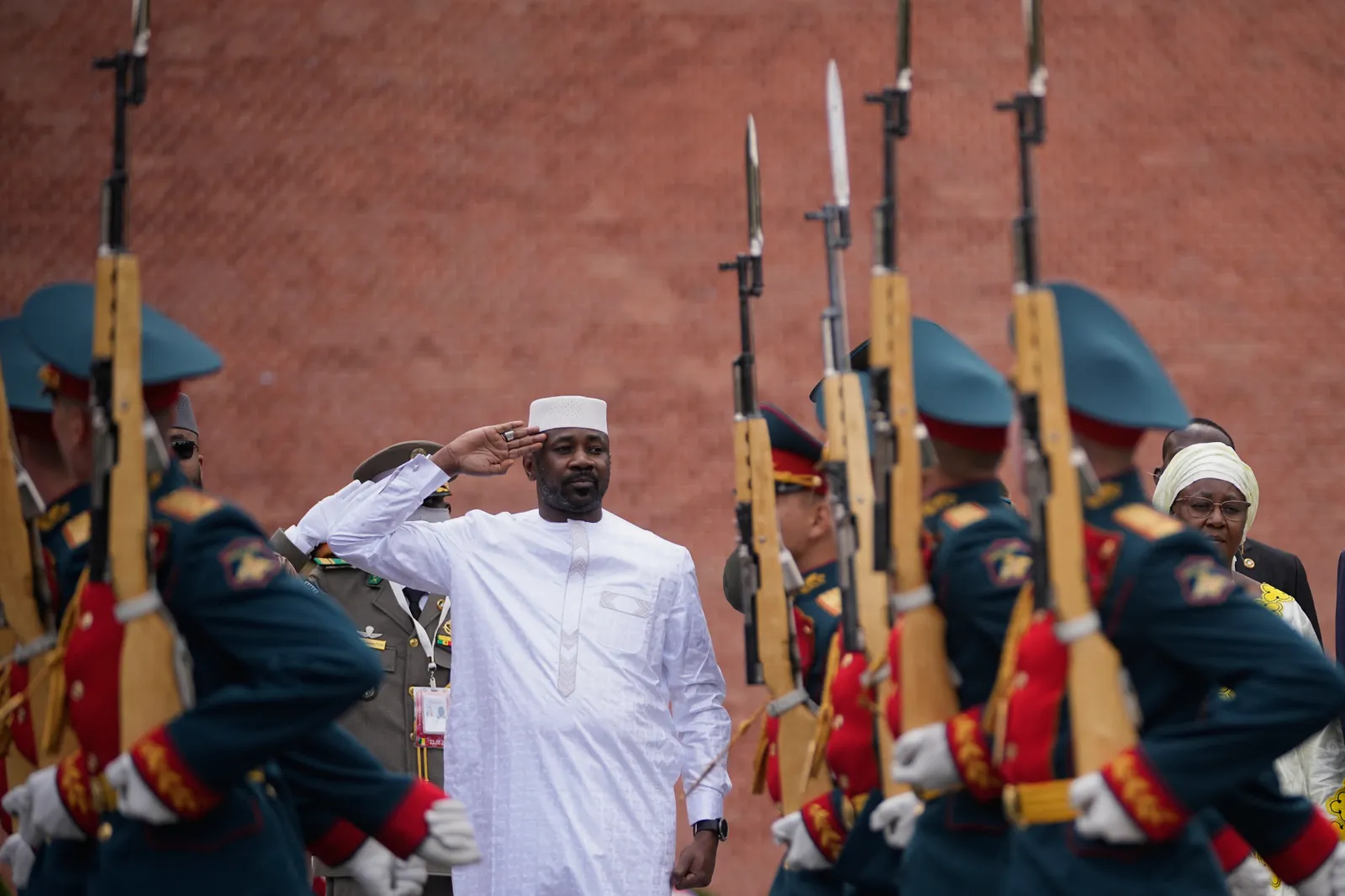
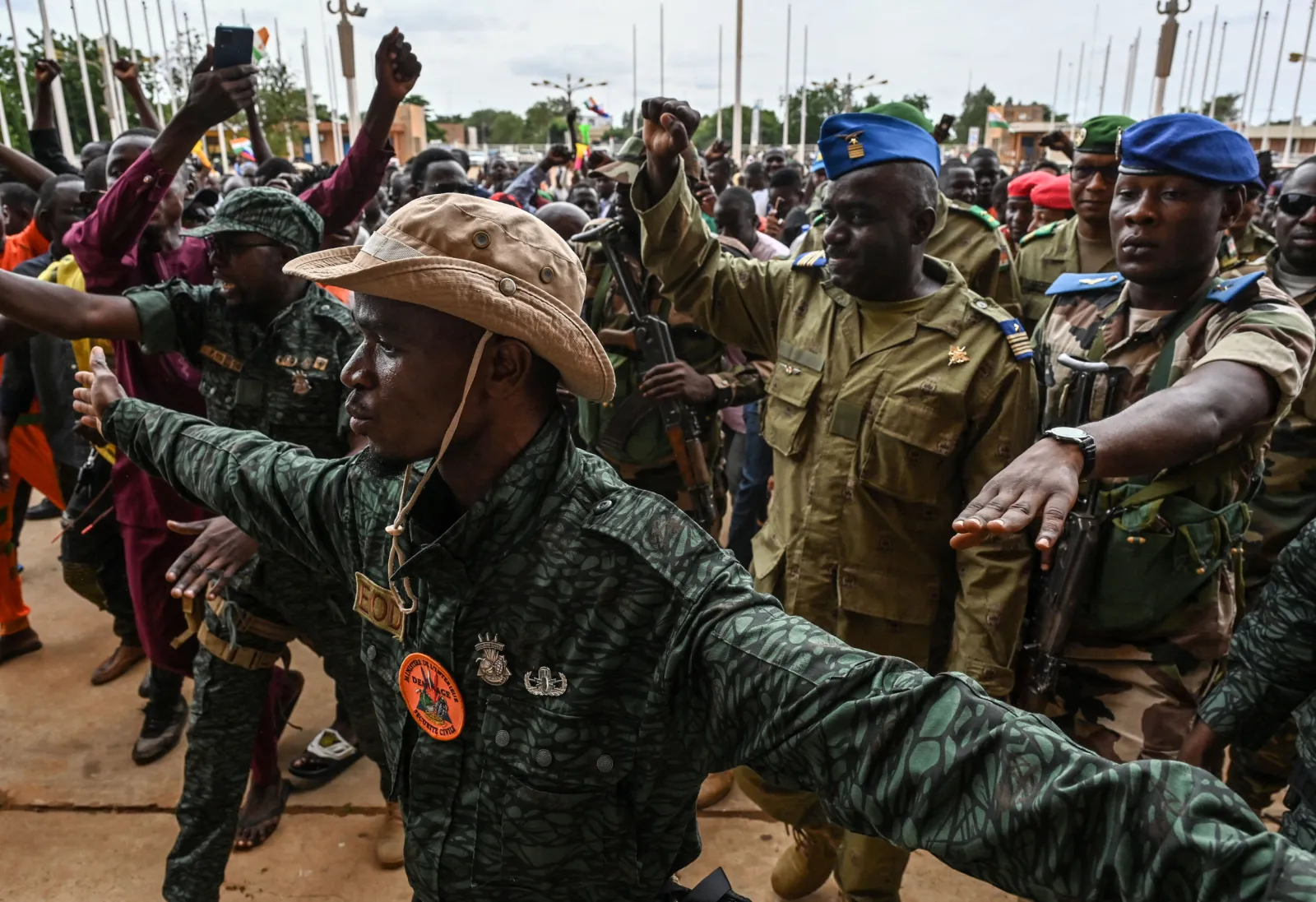
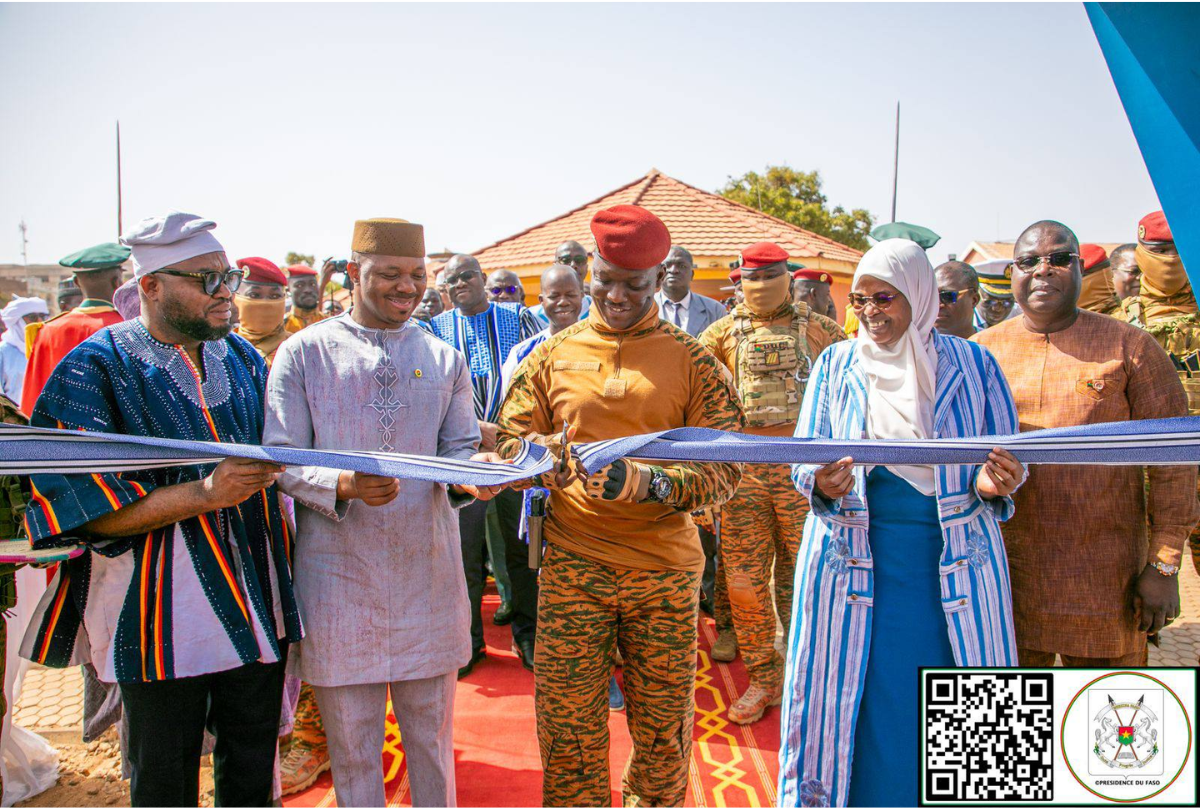
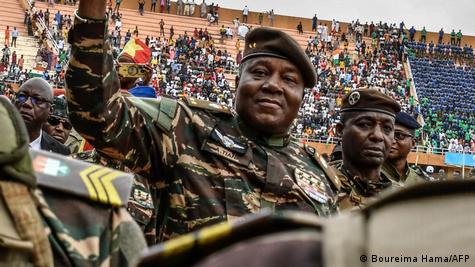
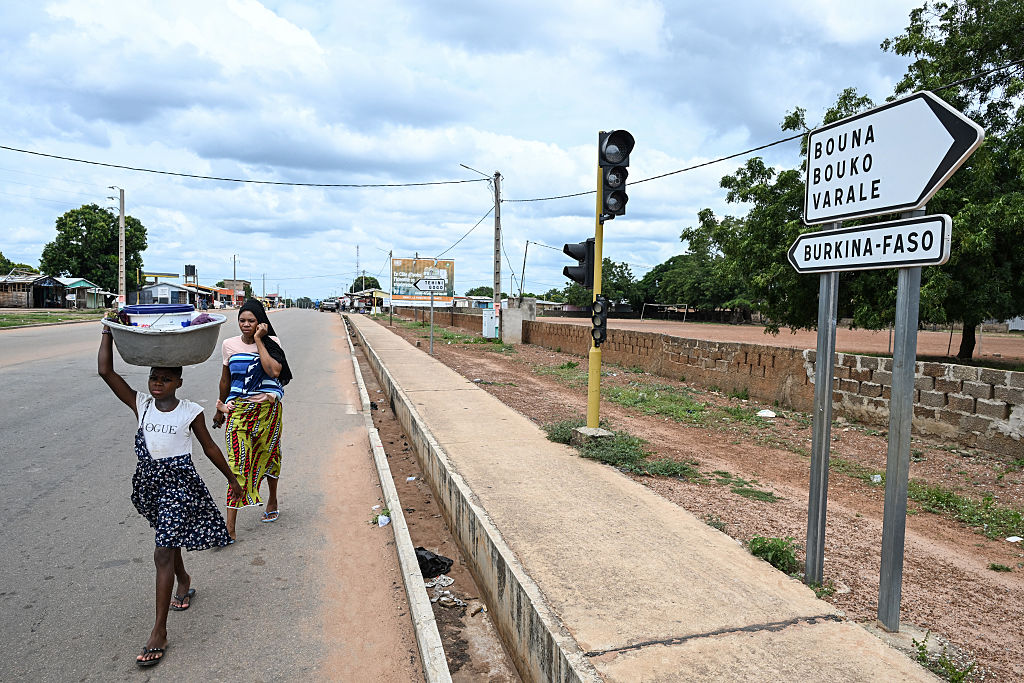
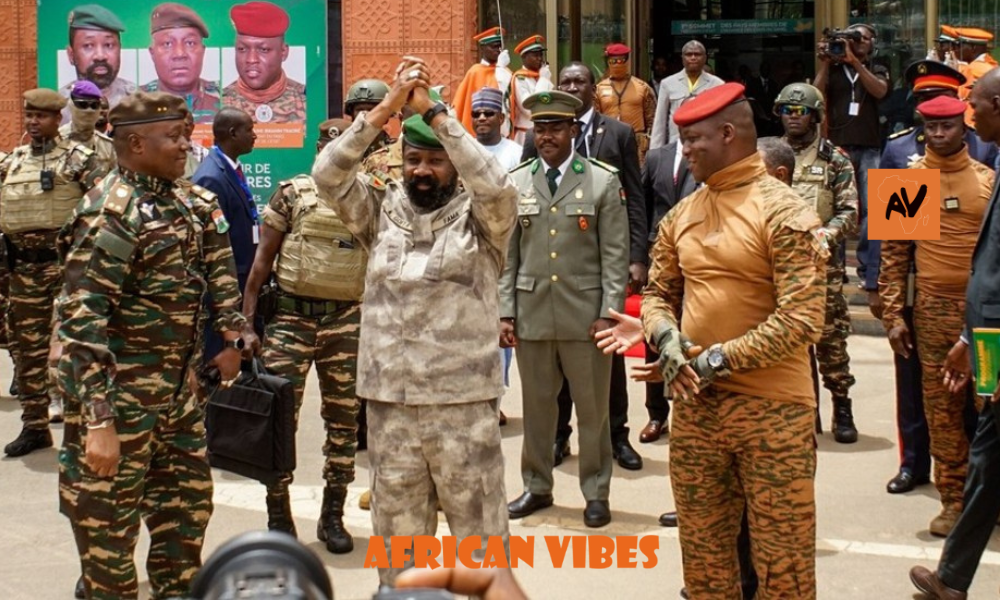
Ouagadougou, Burkina Faso finds itself at a pivotal moment, grappling with significant political changes and ongoing security threats that could very well shape its future. This West African nation, rich in history and vibrant culture, has recently seen its leadership dramatically shift, all while facing persistent dangers that test its people and government’s strength. Just months ago, the military stepped in, taking control from the civilian administration. Why? Leaders of the coup cited escalating violence and ineffective governance as their reasons for intervening, claiming it was essential to restore order. But this move certainly raises questions, doesn’t it, about the direction of democracy in Burkina Faso and its wider impact on the region?
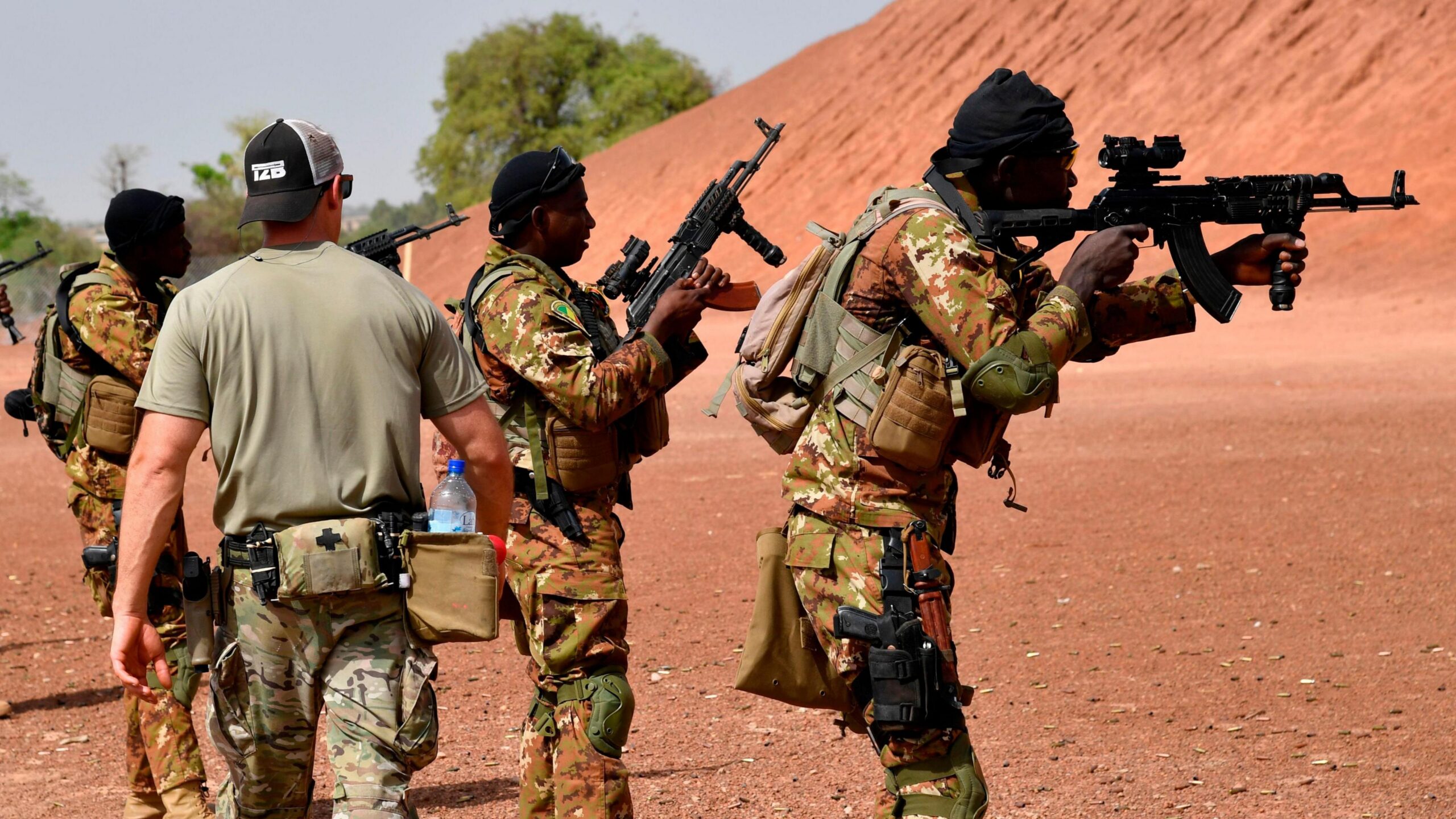
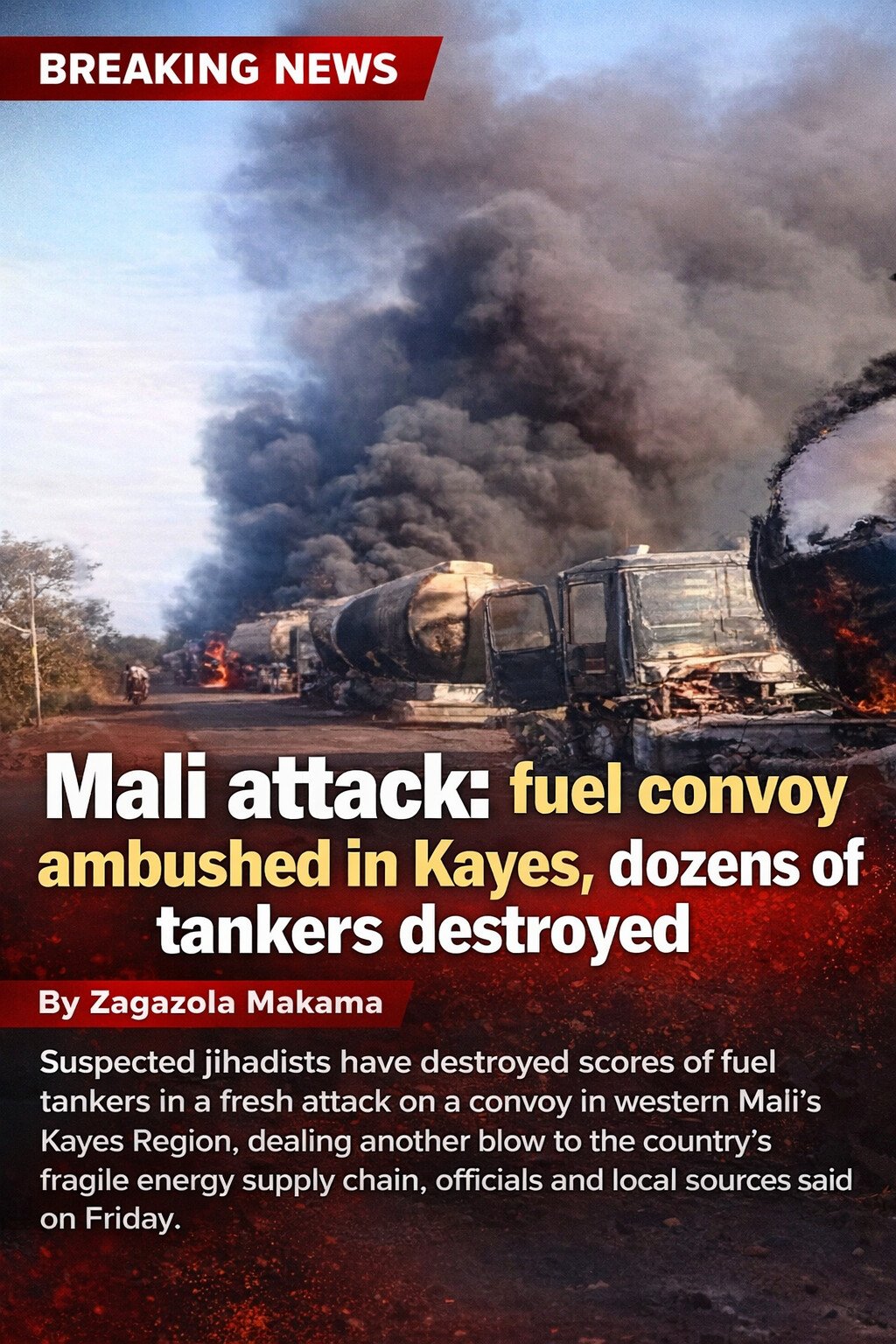
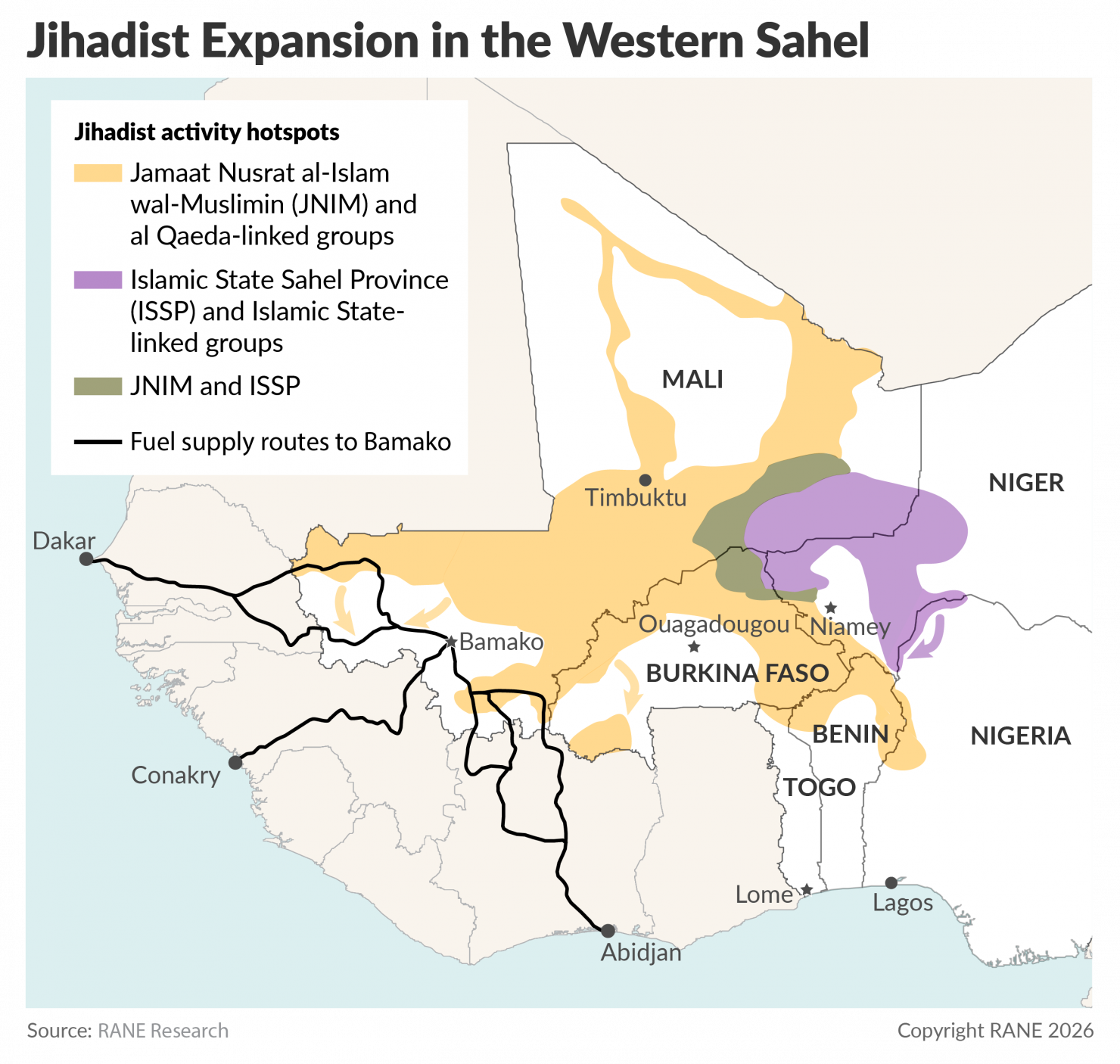
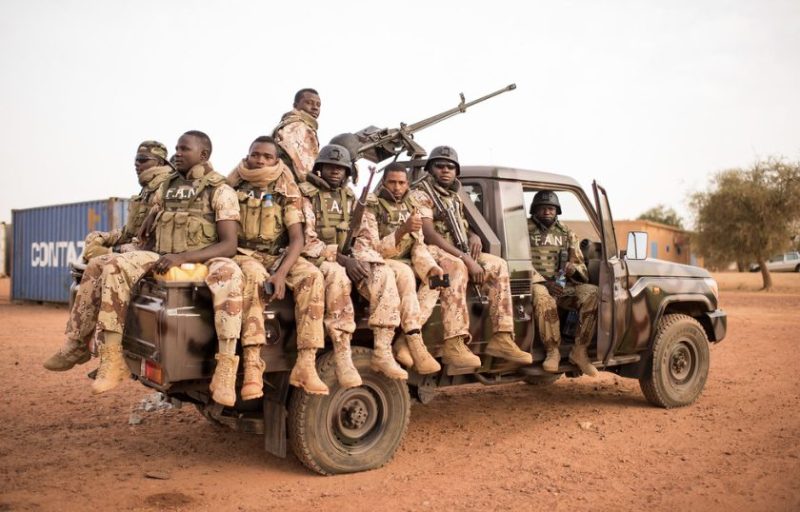
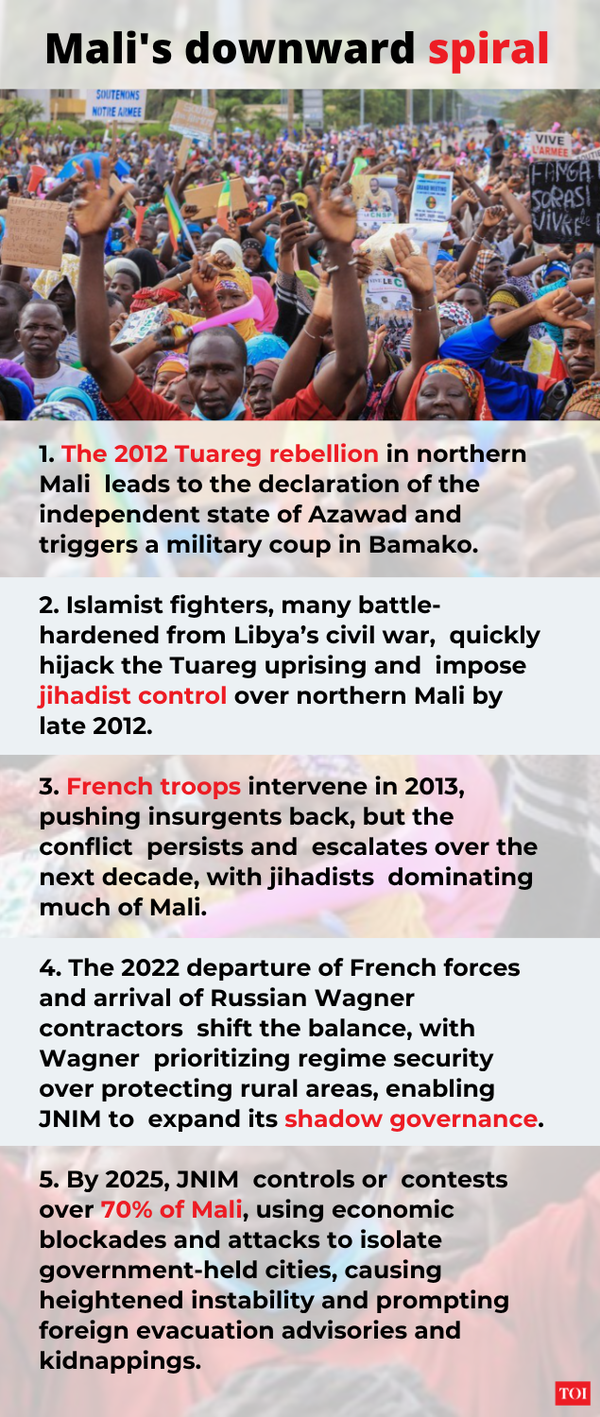
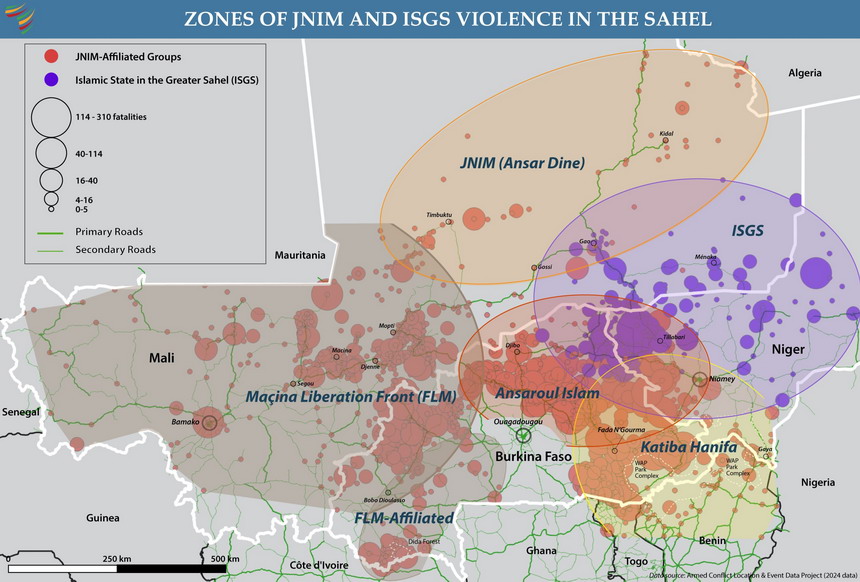
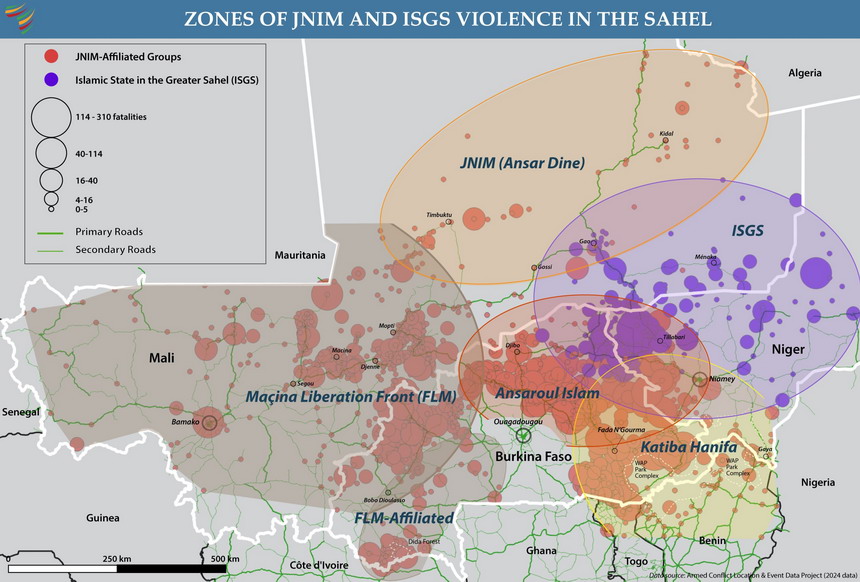
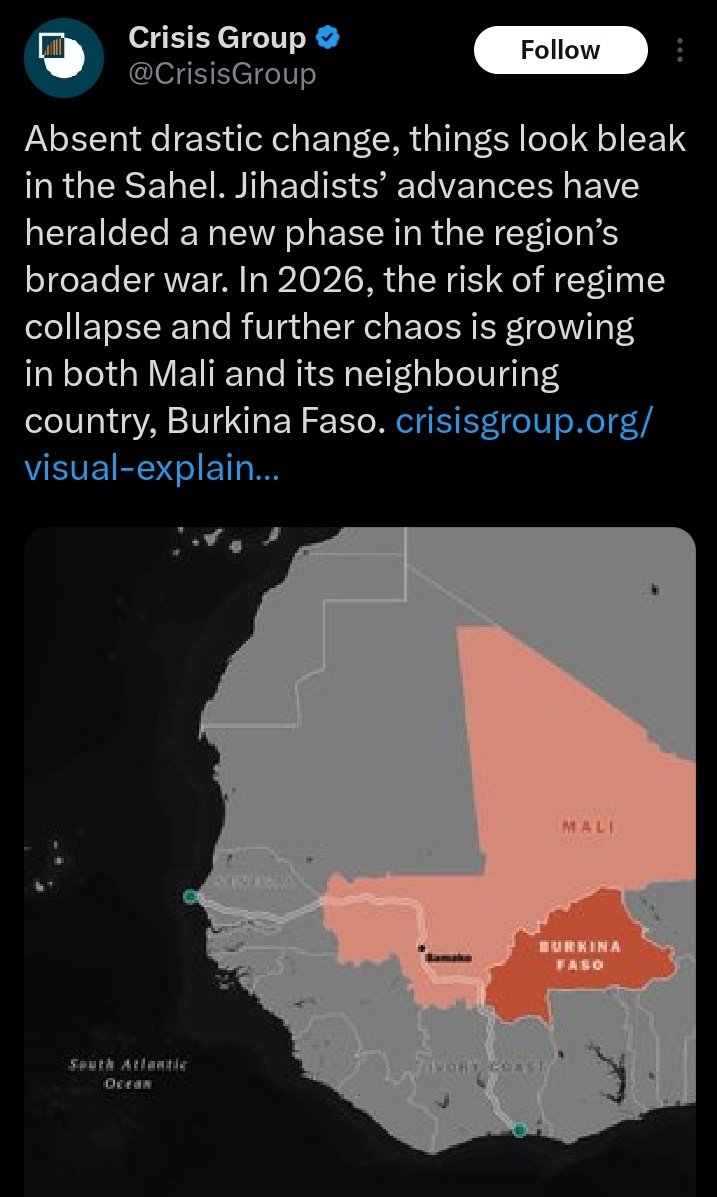
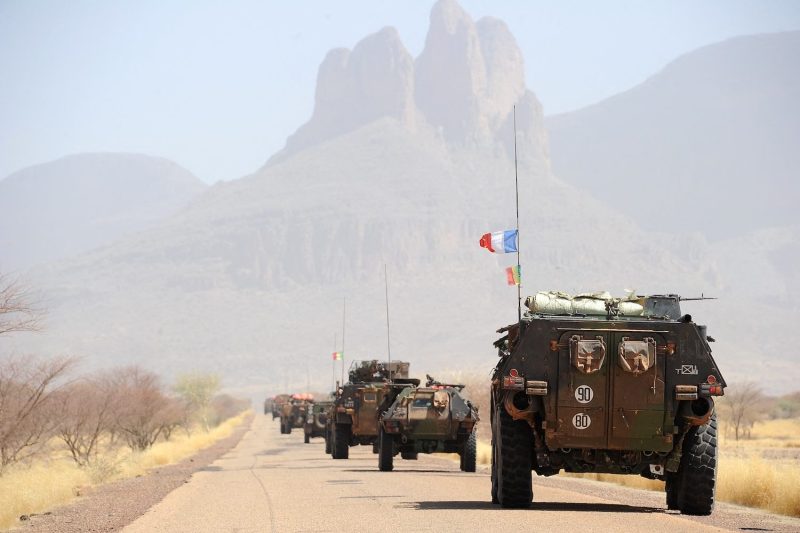
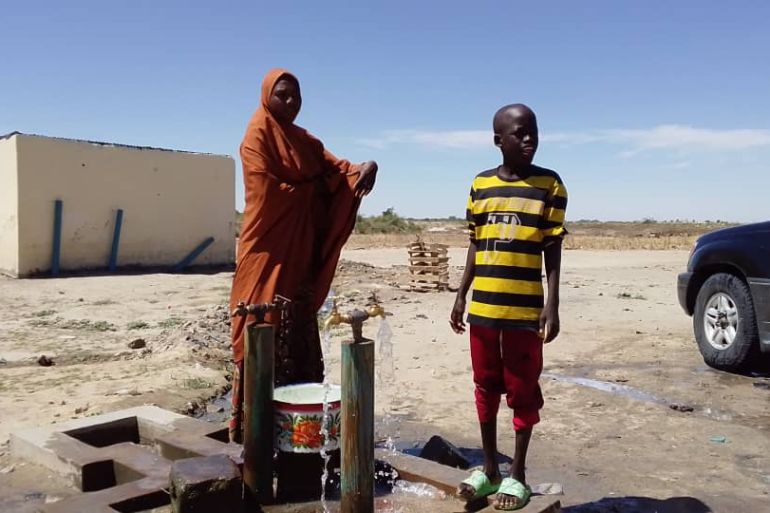
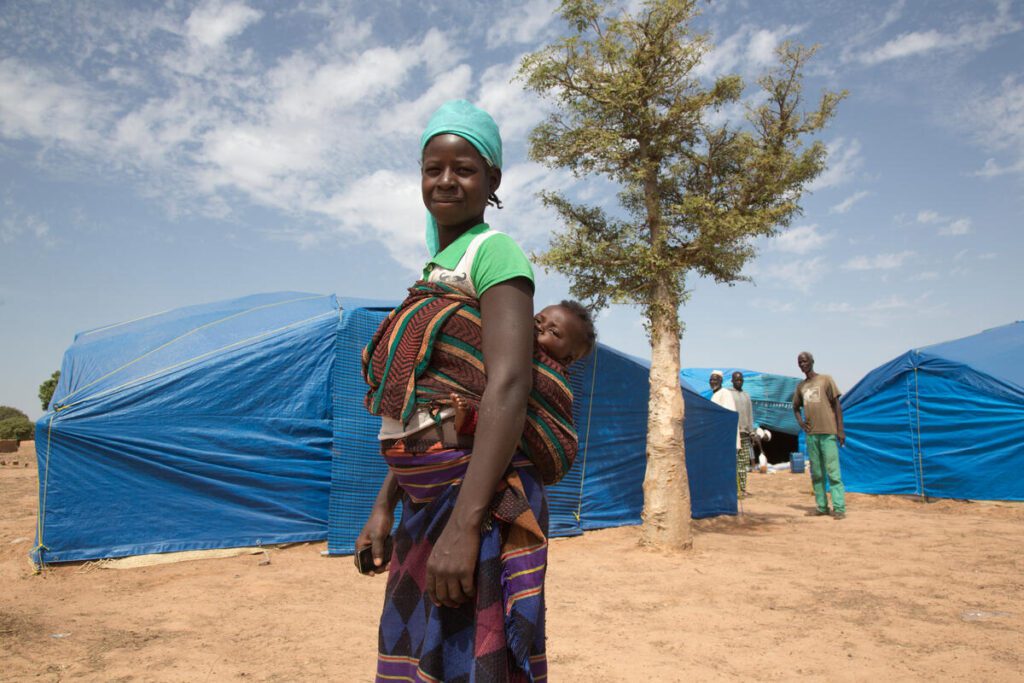
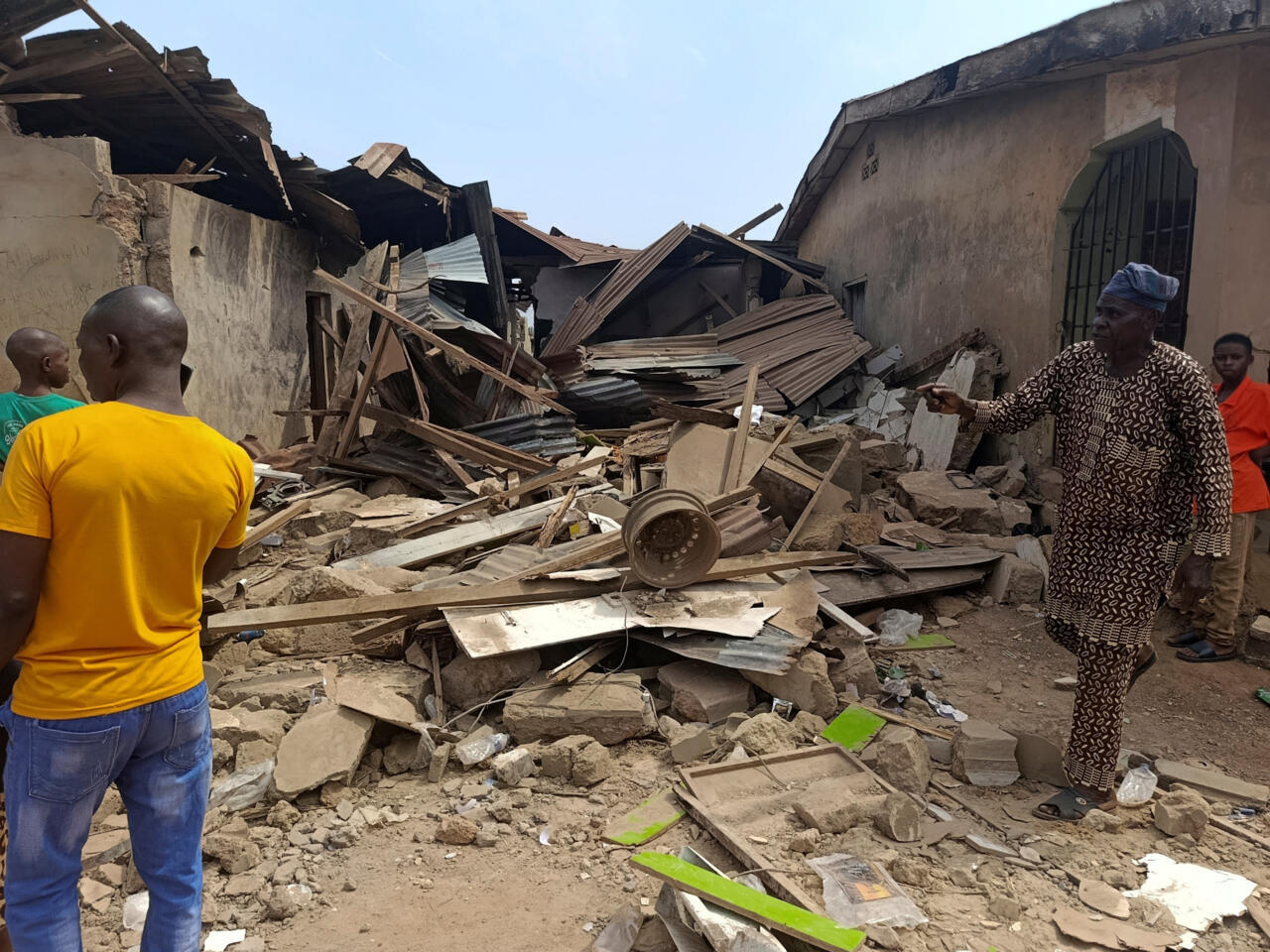
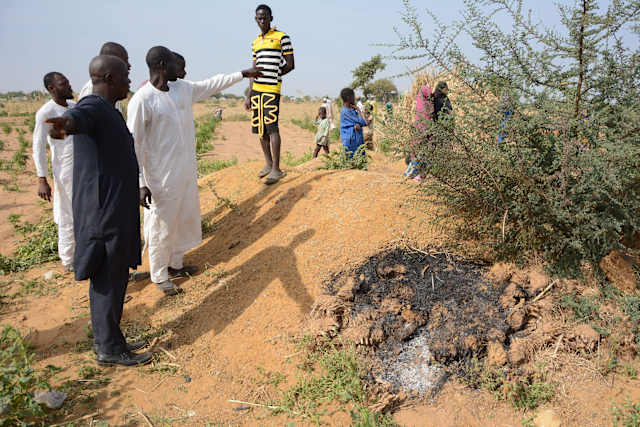
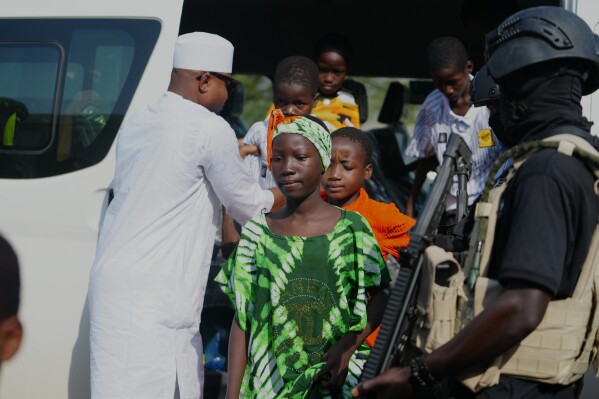
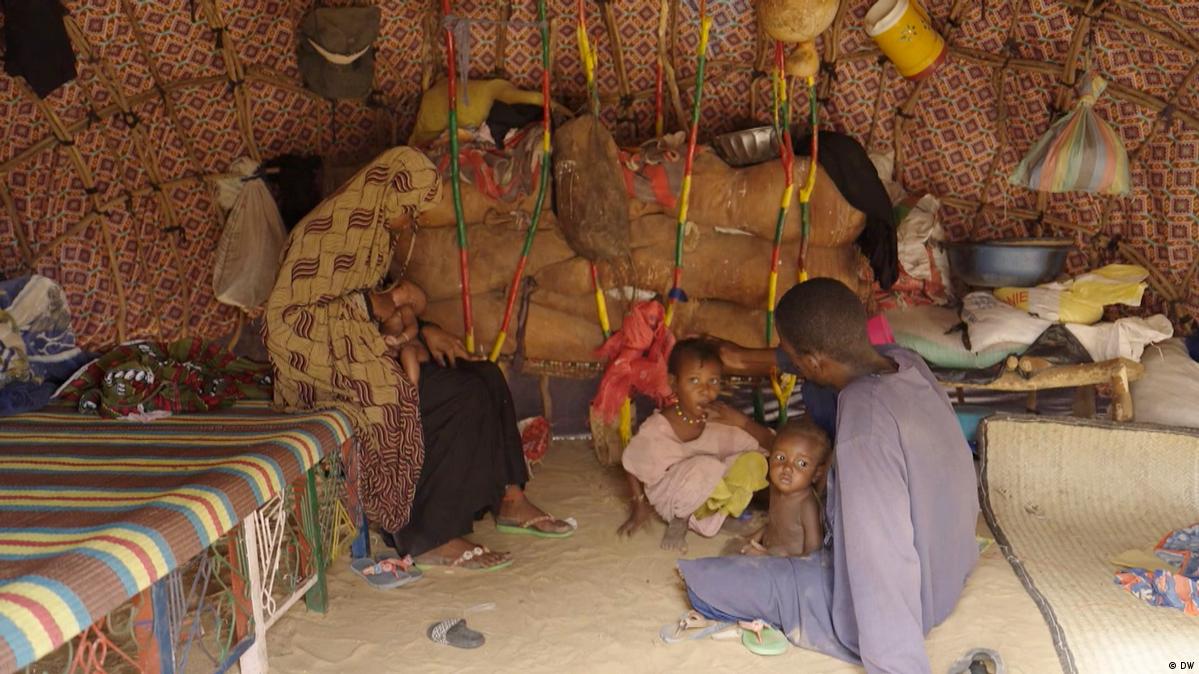
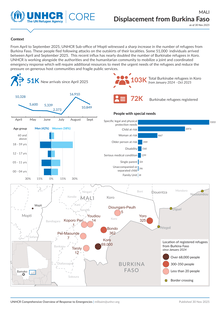
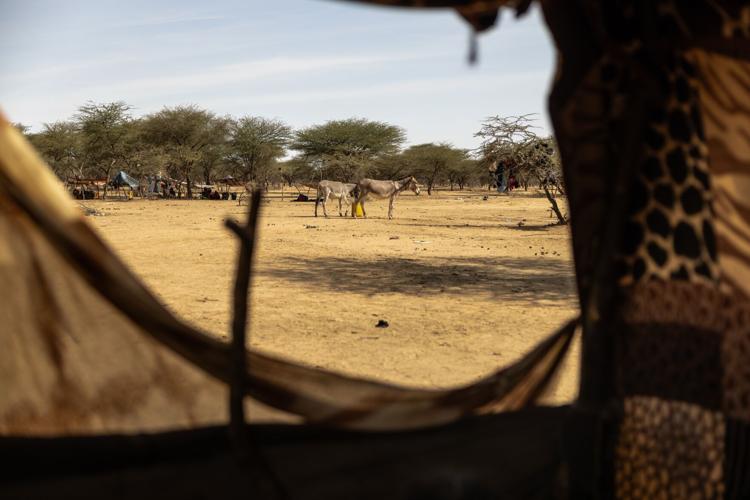
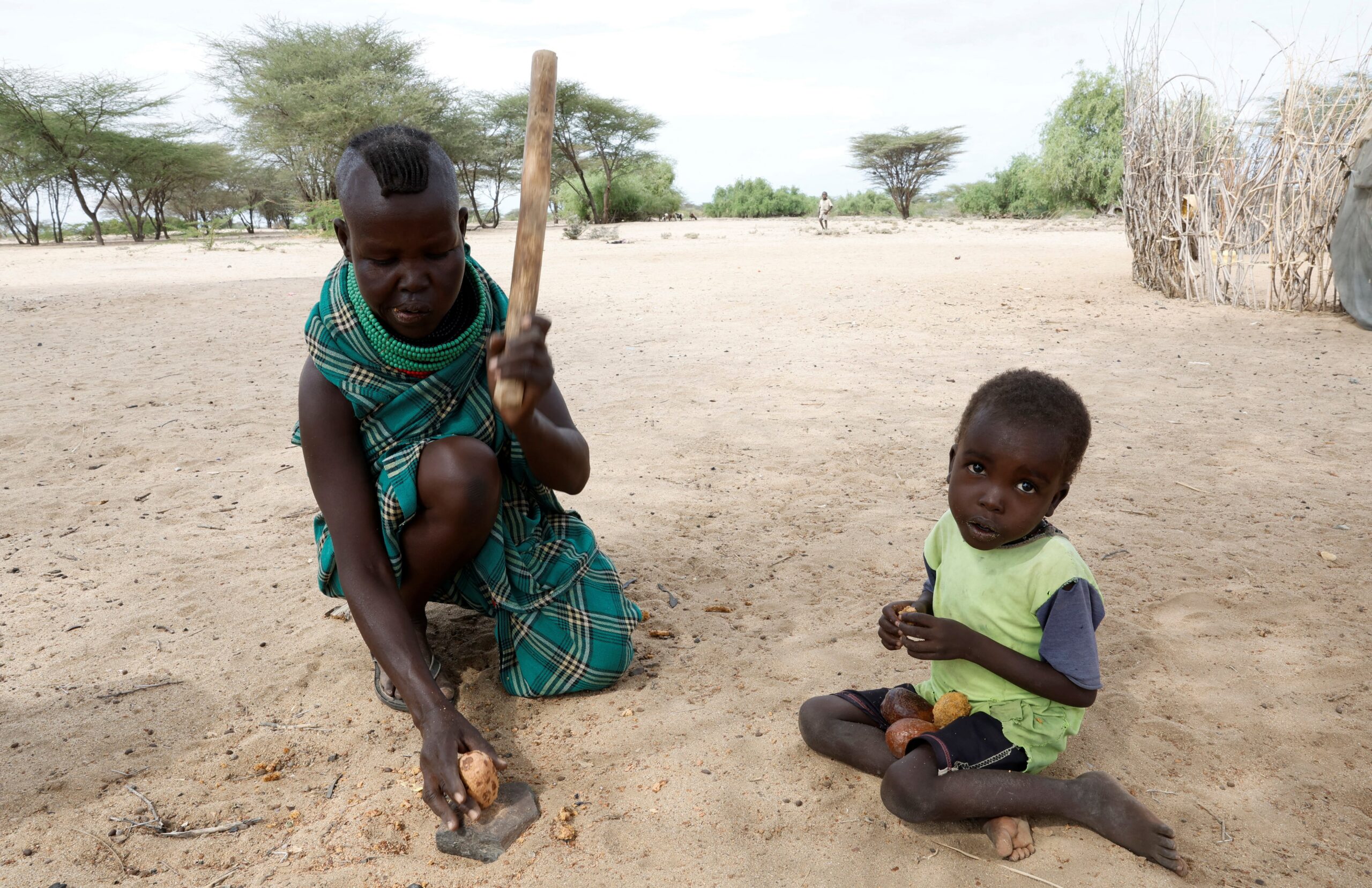
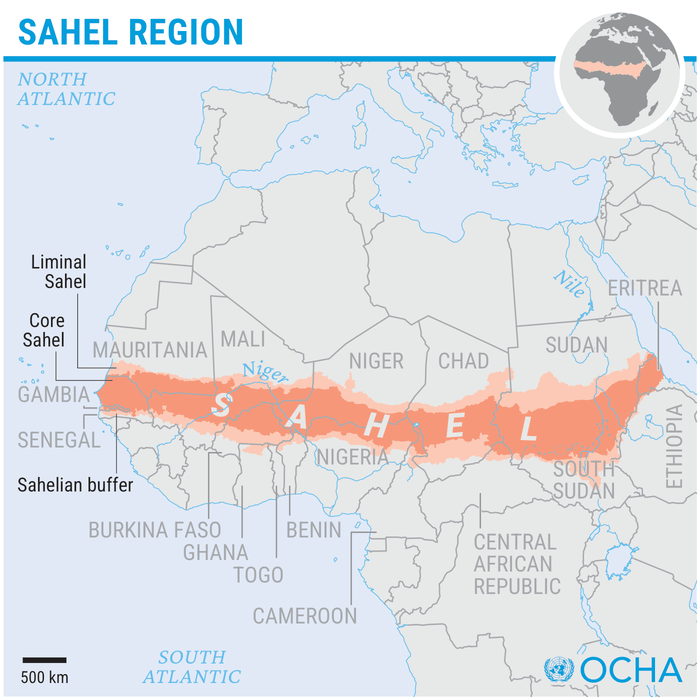
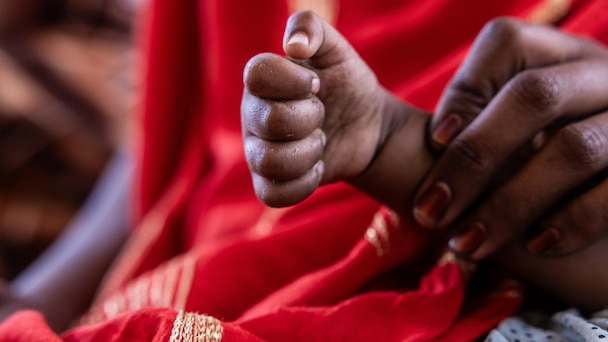
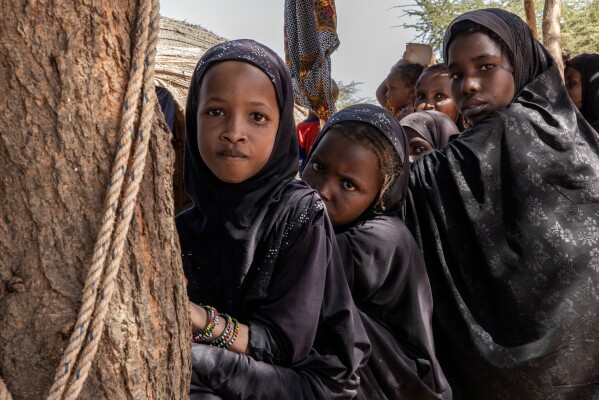
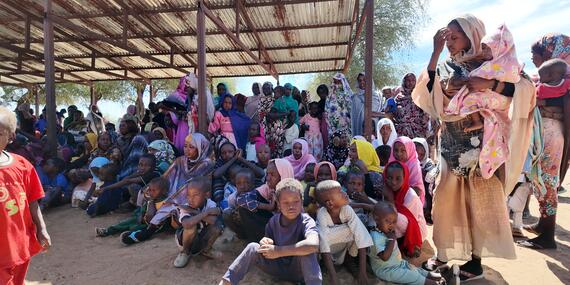
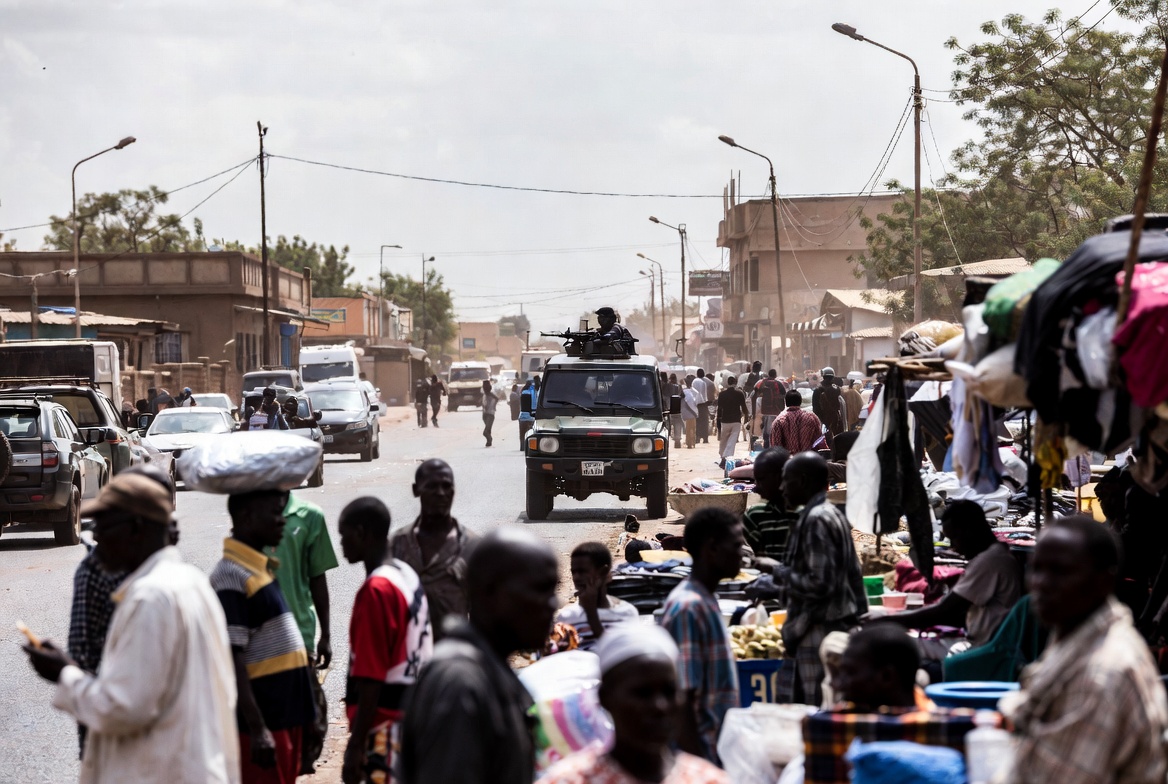
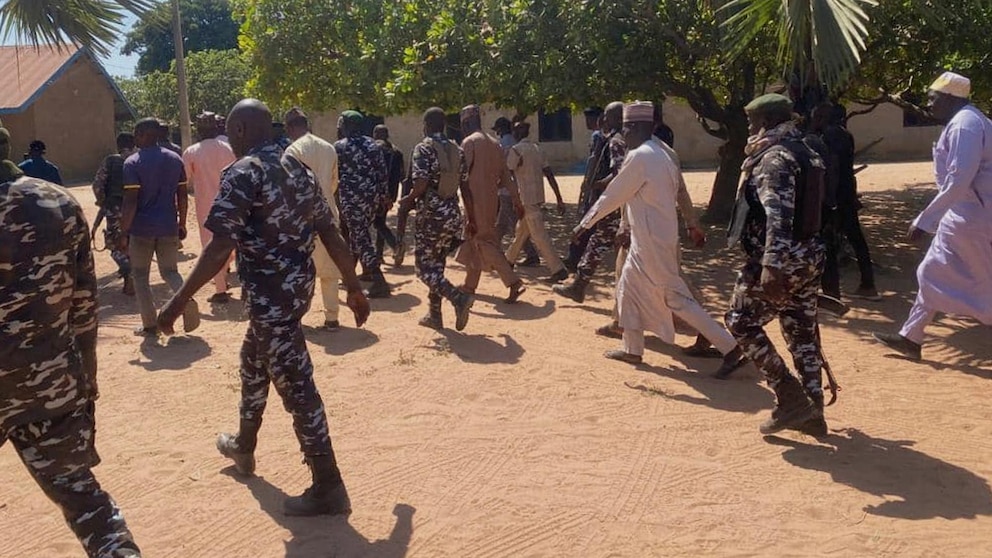
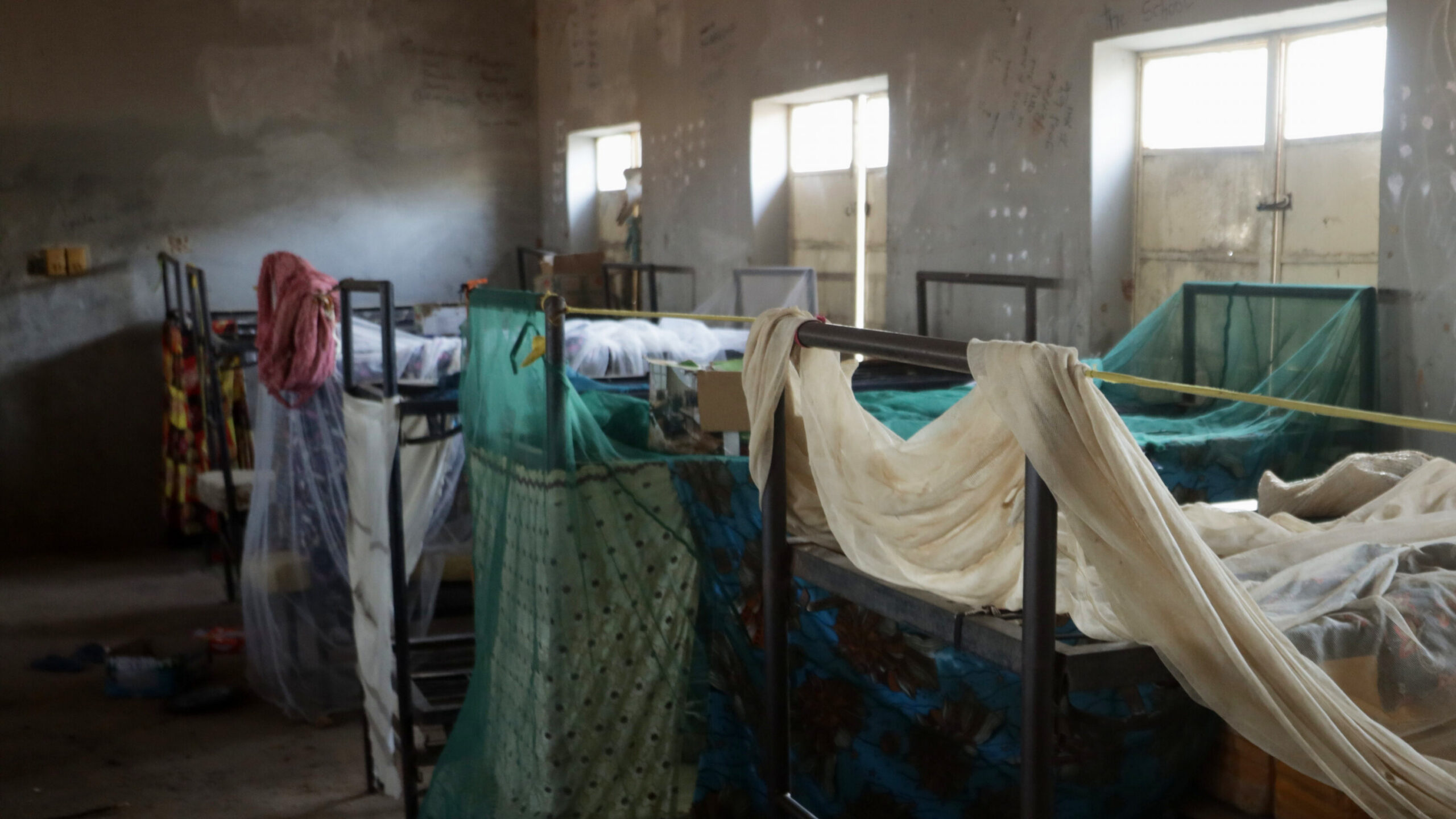
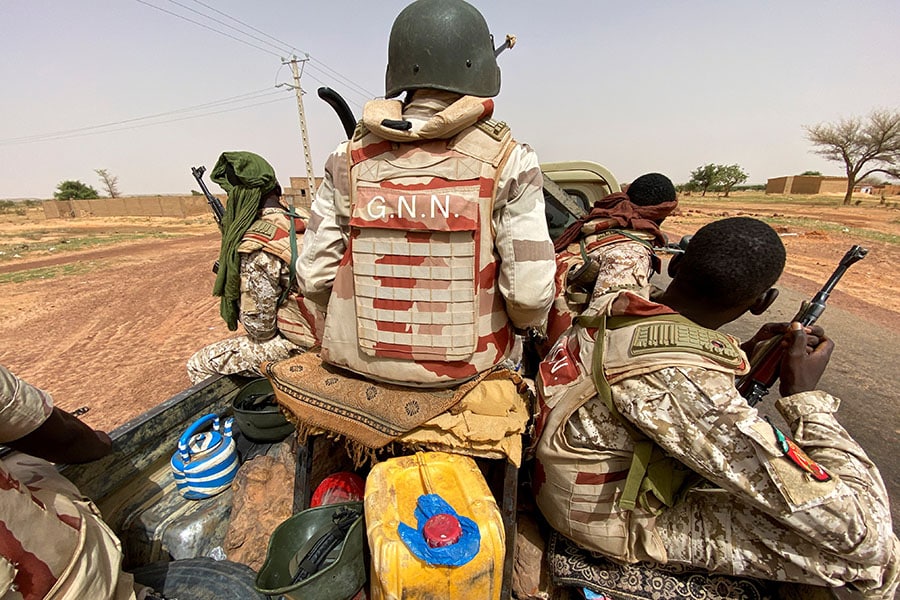
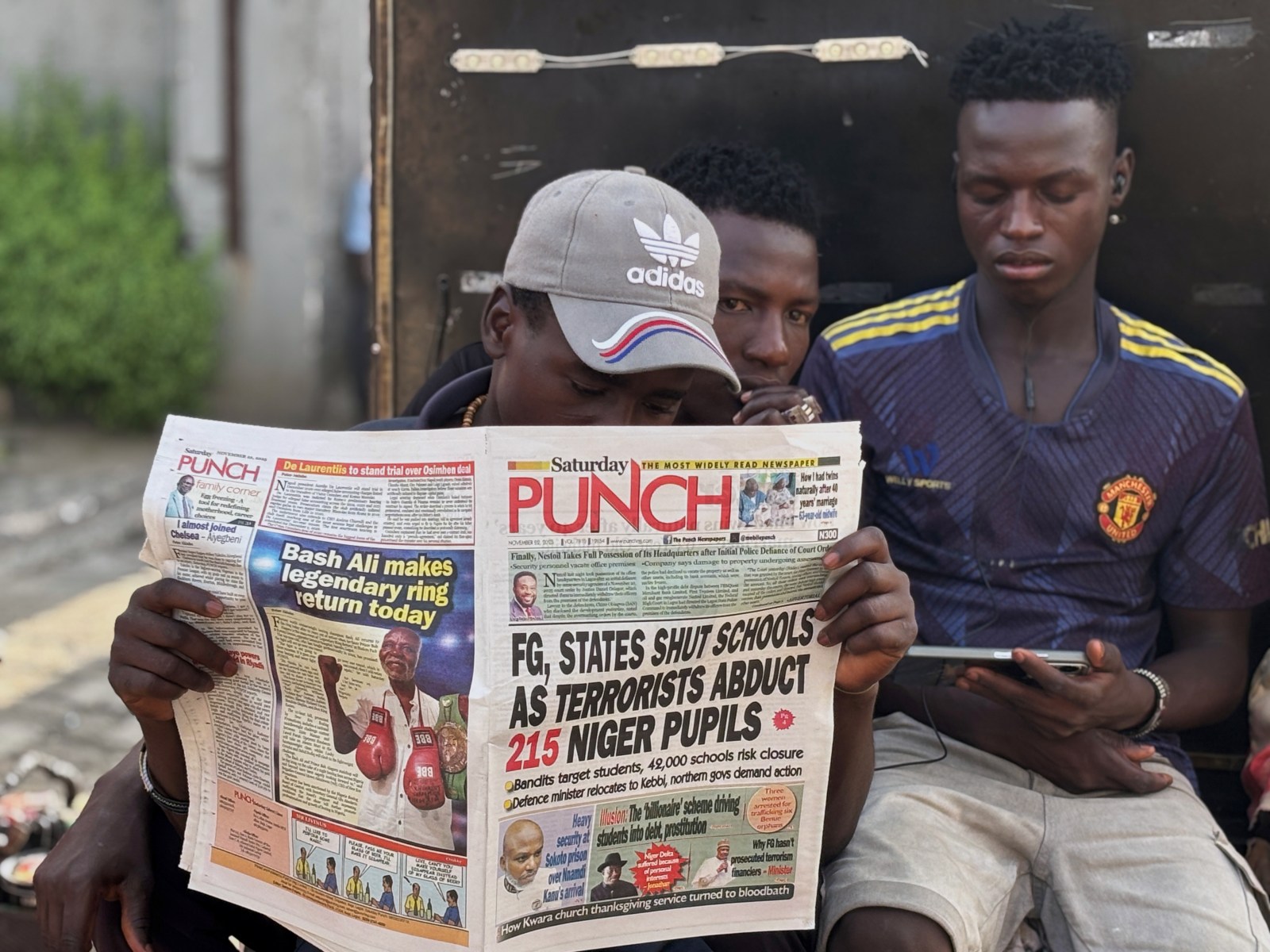
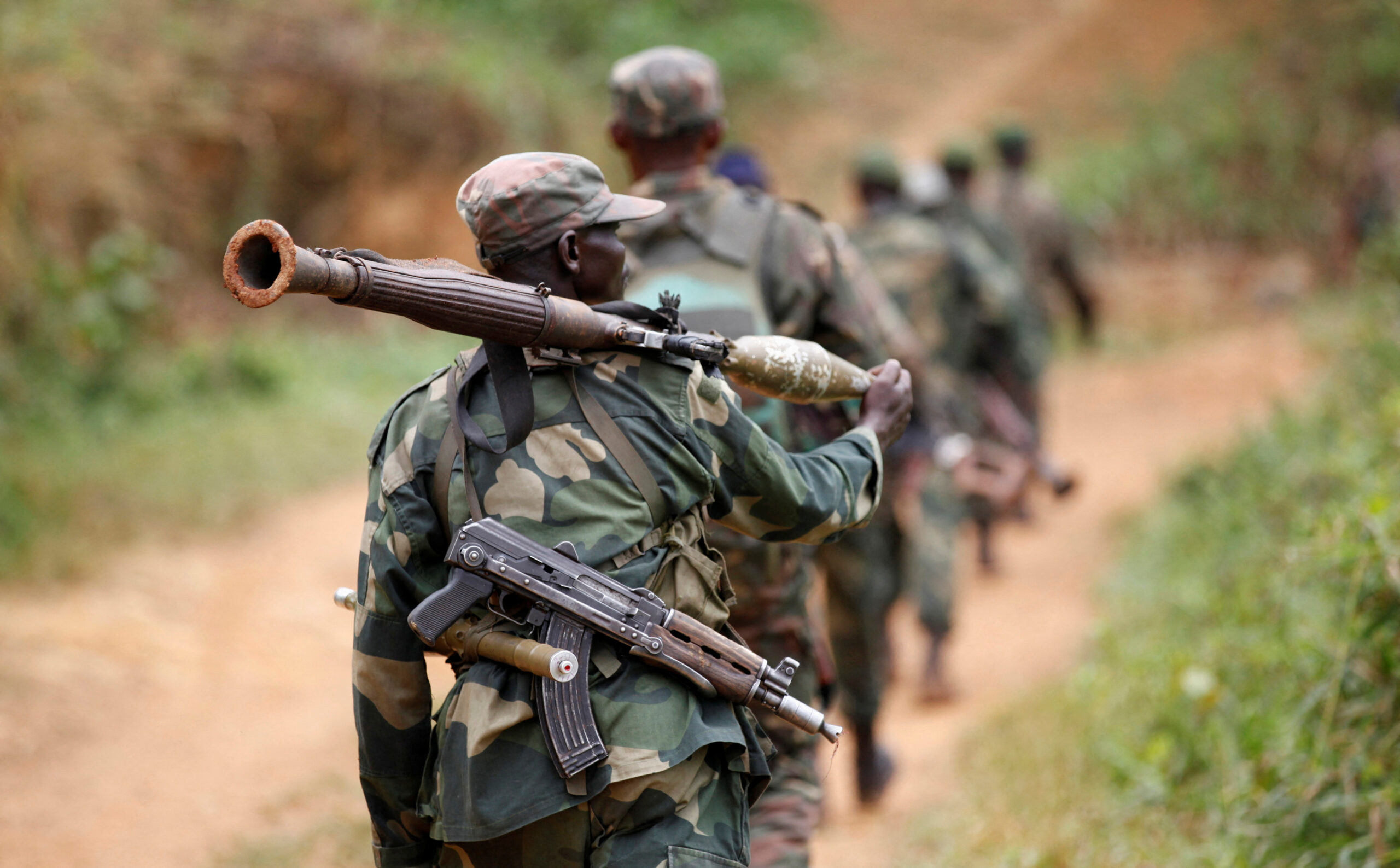
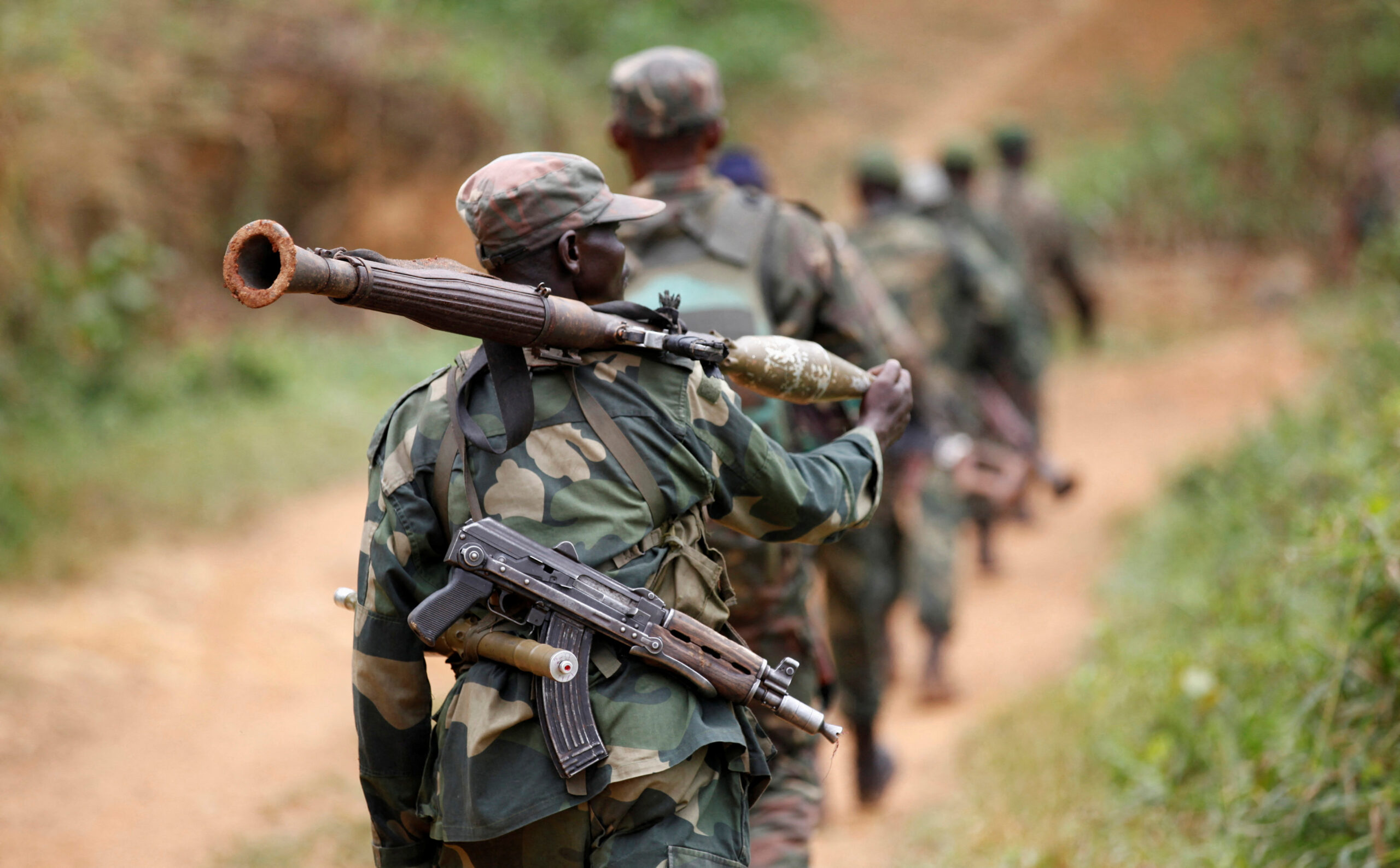
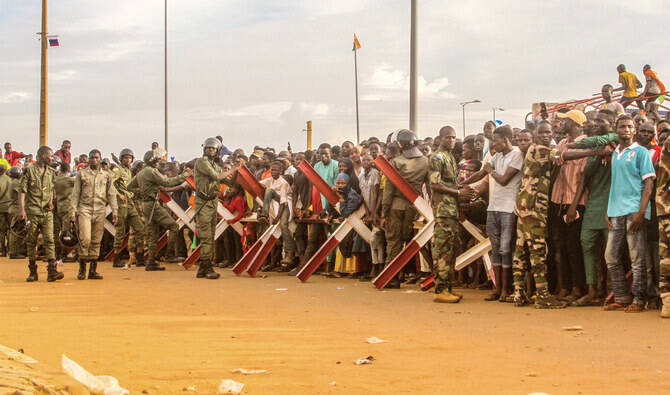
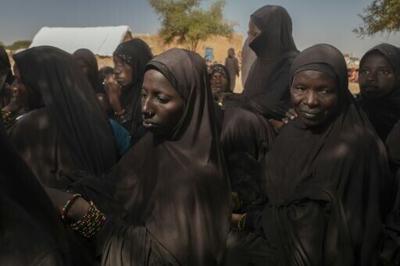
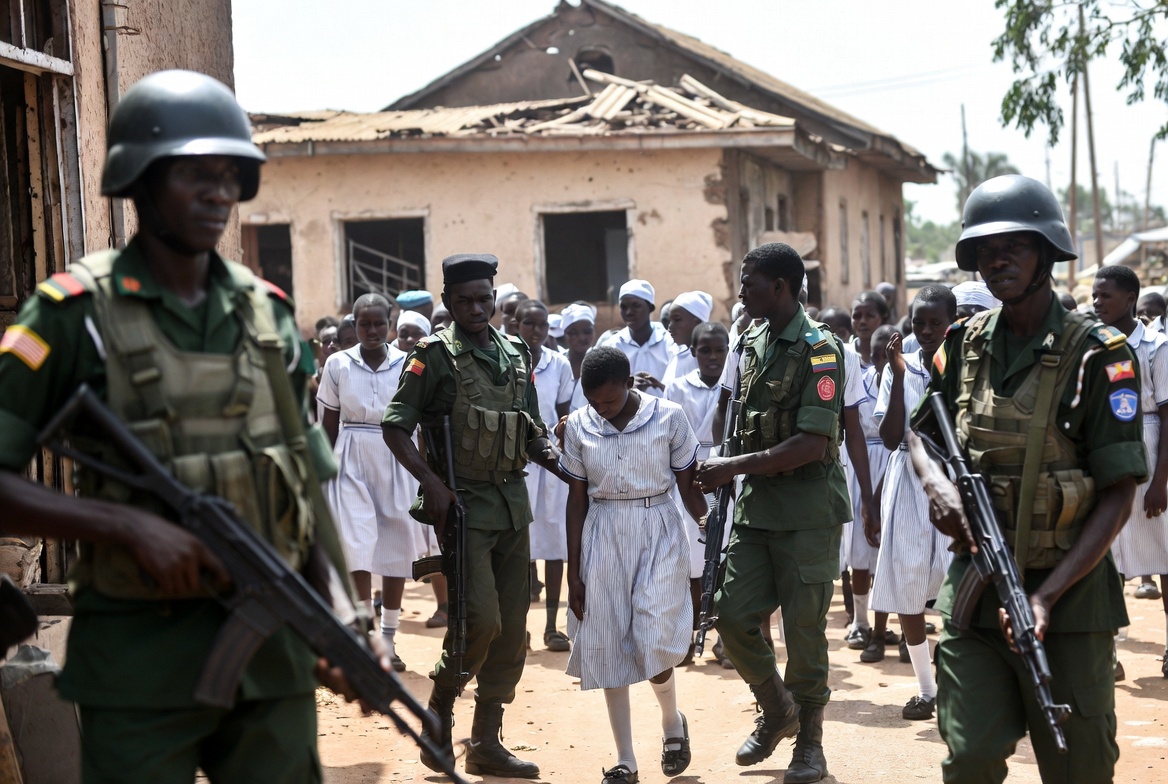
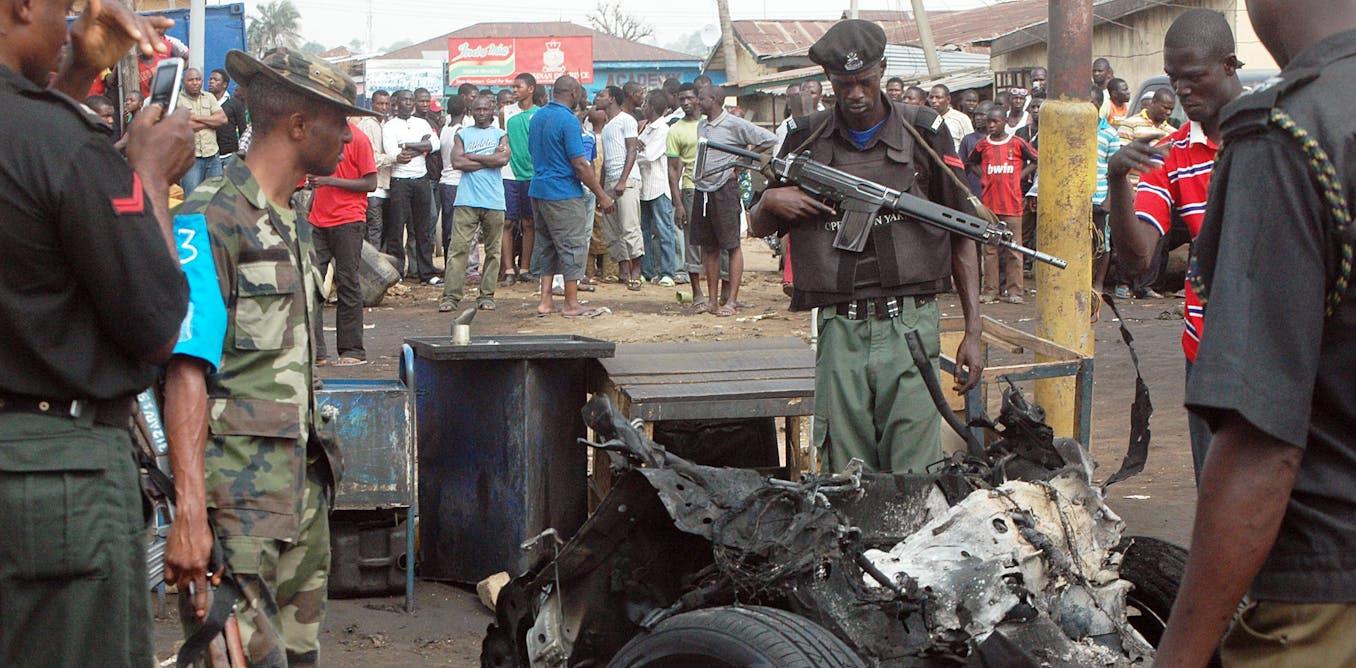
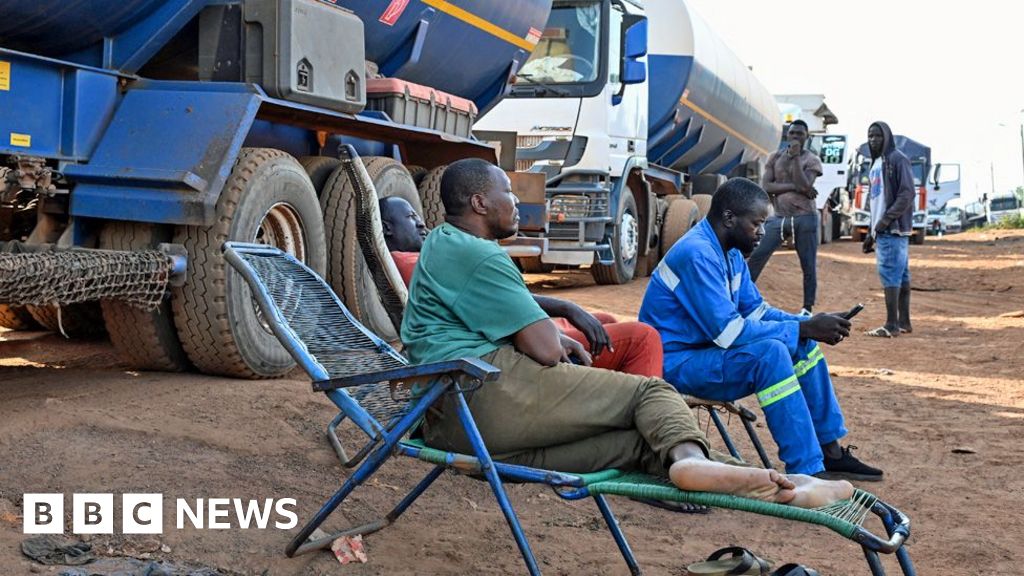
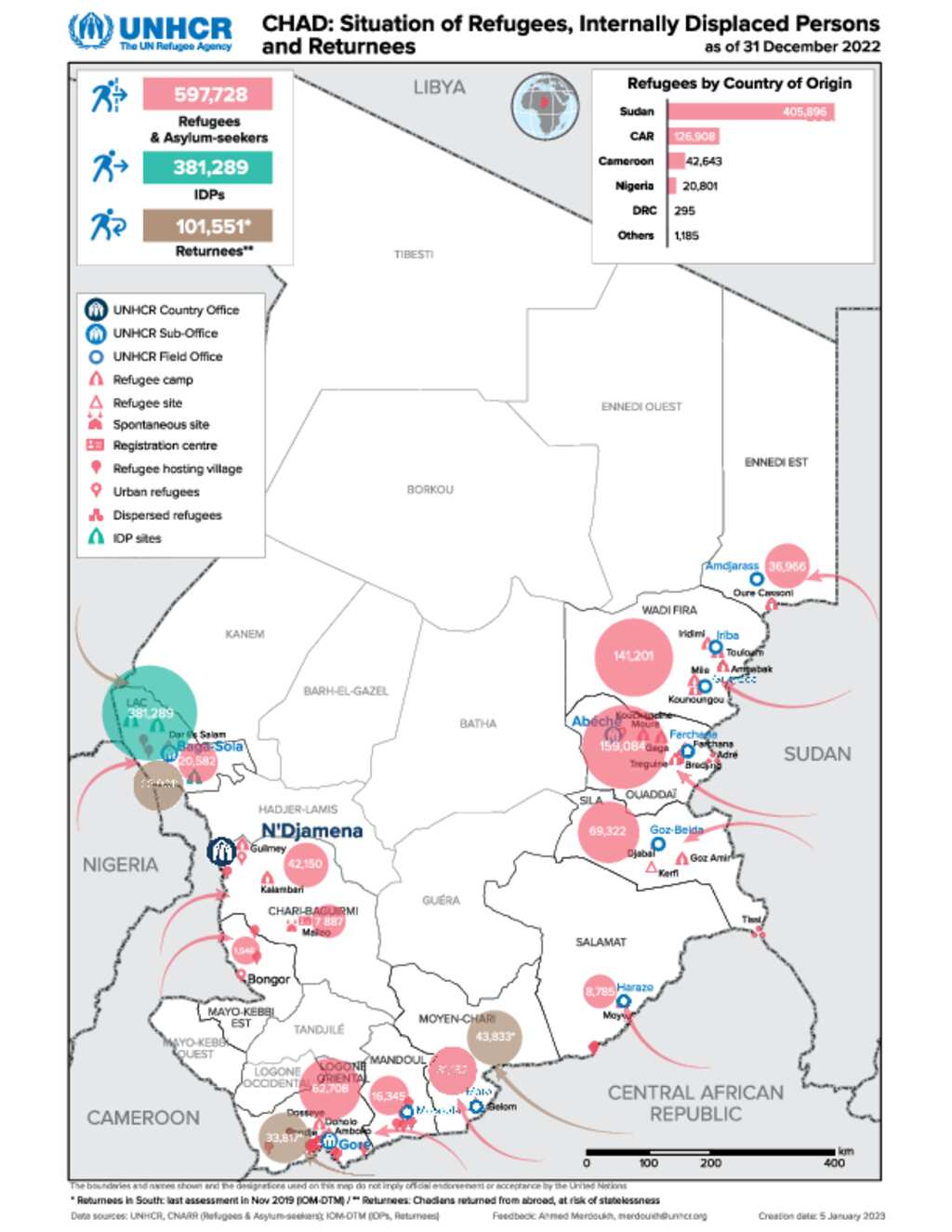
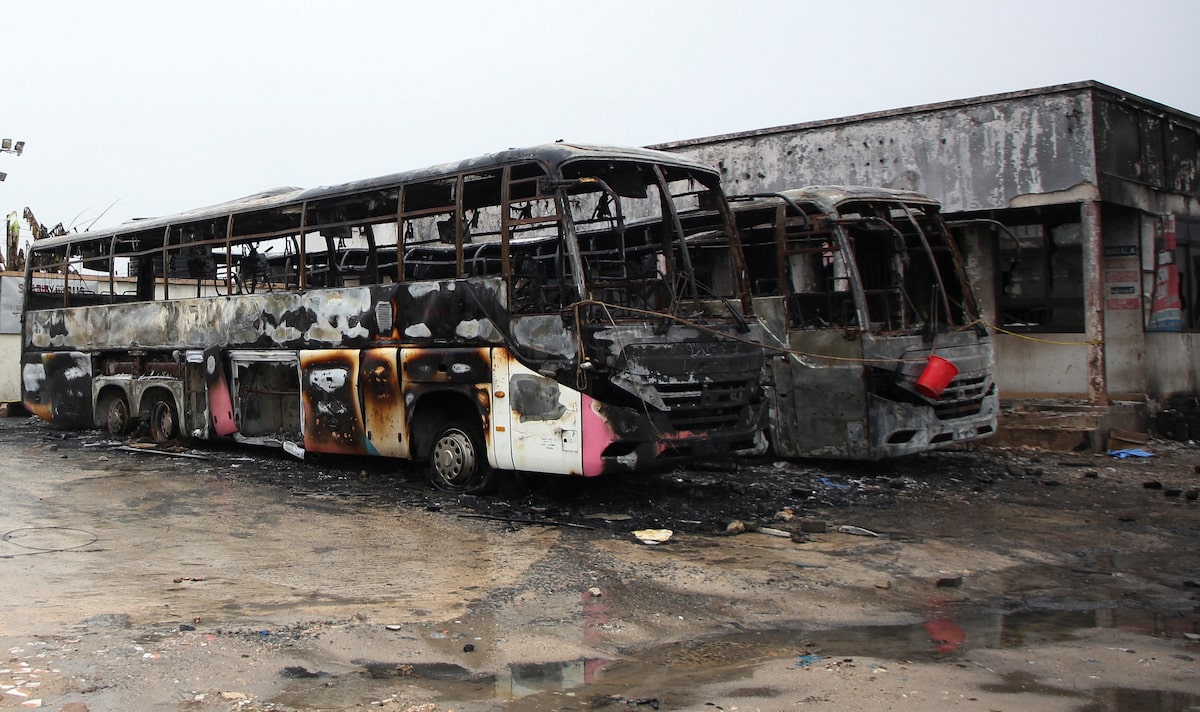
The new military government has pledged to tackle the core issues fueling the country’s unrest, particularly a growing wave of armed Islamist insurgency. Groups linked to extremist movements have stepped up their attacks across northern and eastern provinces. You can imagine the devastation: mass displacements, disrupted farming, and already stretched resources pushed to their limits. These security challenges are made even harder by porous borders, letting weapons and militants flow freely, creating a volatile situation not just for Burkina Faso, but for its neighbors too. What’s the real human cost? Beyond the immediate violence, communities are struggling to access schools, healthcare, and markets, putting a serious dent in socioeconomic development. Thousands have had no choice but to leave their homes, swelling the ranks of internally displaced persons who are seeking safety under increasingly difficult conditions, a humanitarian impact highlighted by UN News.
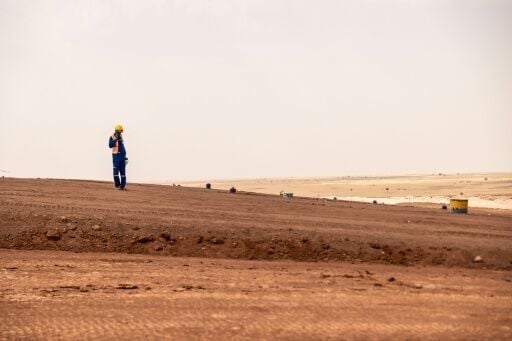
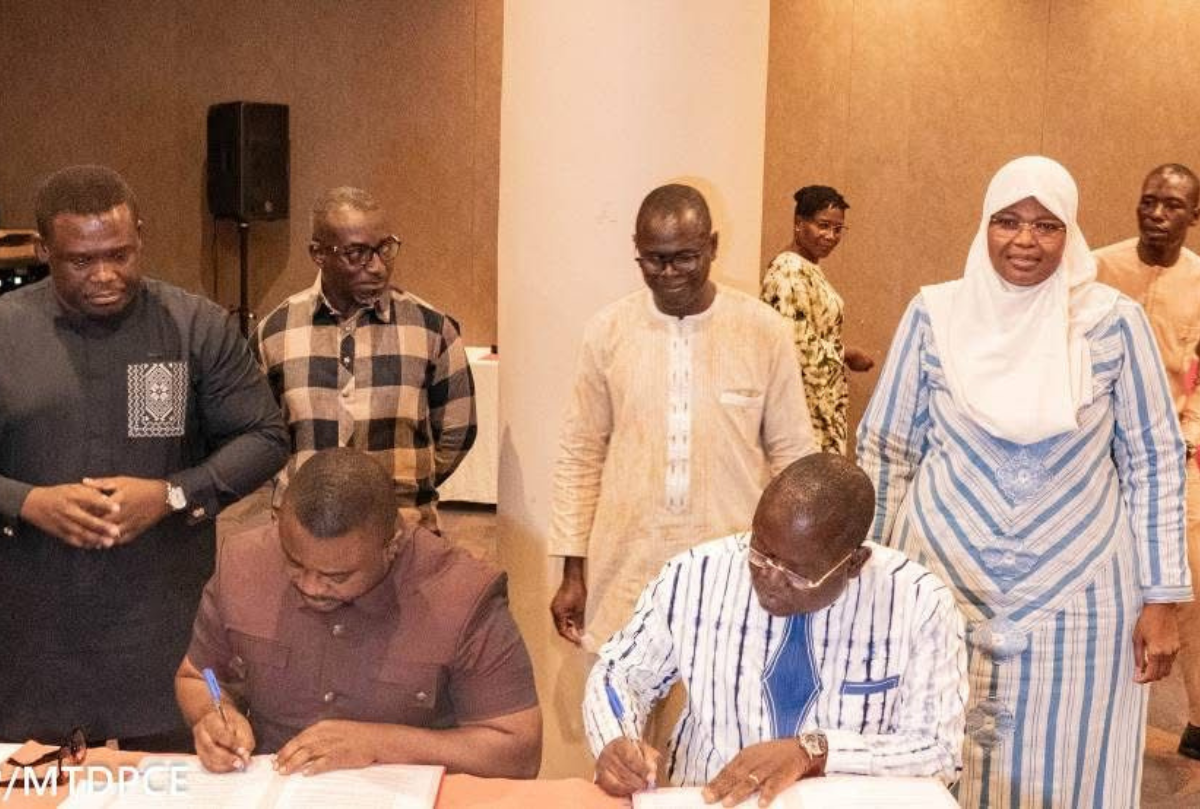
Burkina Faso’s socio-political fabric is clearly under immense pressure. While the military leadership works to maintain control, many analysts believe long-term peace relies on more inclusive governance and open dialogue with all stakeholders. Rebuilding trust between the government and its citizens is absolutely vital to preventing further radicalization and boosting recovery efforts. International partners haven’t just sat by, they’ve stepped up to support Burkina Faso’s security and humanitarian needs. Regional and global powers are emphasizing collaborative strategies, mixing military action with solutions driven by communities. Aid agencies are expanding their assistance, focusing on those displaced and the most vulnerable communities, ensuring they get essential services despite the chaos. Economically, things are precarious. Insecurity is hitting key sectors like mining and agriculture hard, which are crucial for jobs and national income. Investors are hesitant, and local businesses are navigating a sea of uncertainty, stifling growth and development. Yet, through it all, the resilience of the Burkinabe people shines, offering a glimmer of hope for revitalization if stability returns. The country’s future hinges on balancing security operations with political reforms that truly prioritize inclusion and human rights. Strengthening institutions to fight corruption and improve governance will be key to building confidence both at home and abroad. The road to peace is complex, but there’s a collective desire among many Burkinabe for a future where security and prosperity can coexist. As the nation’s leaders work to forge a viable roadmap, the world watches closely, hoping Burkina Faso can indeed reclaim its place as a beacon of stability and progress in a region often facing volatility. It’s a challenging period, but the determination of its people offers a powerful narrative.