Africa’s Startup Reset: From Stablecoins to Semiconductors as Investors Demand Returns
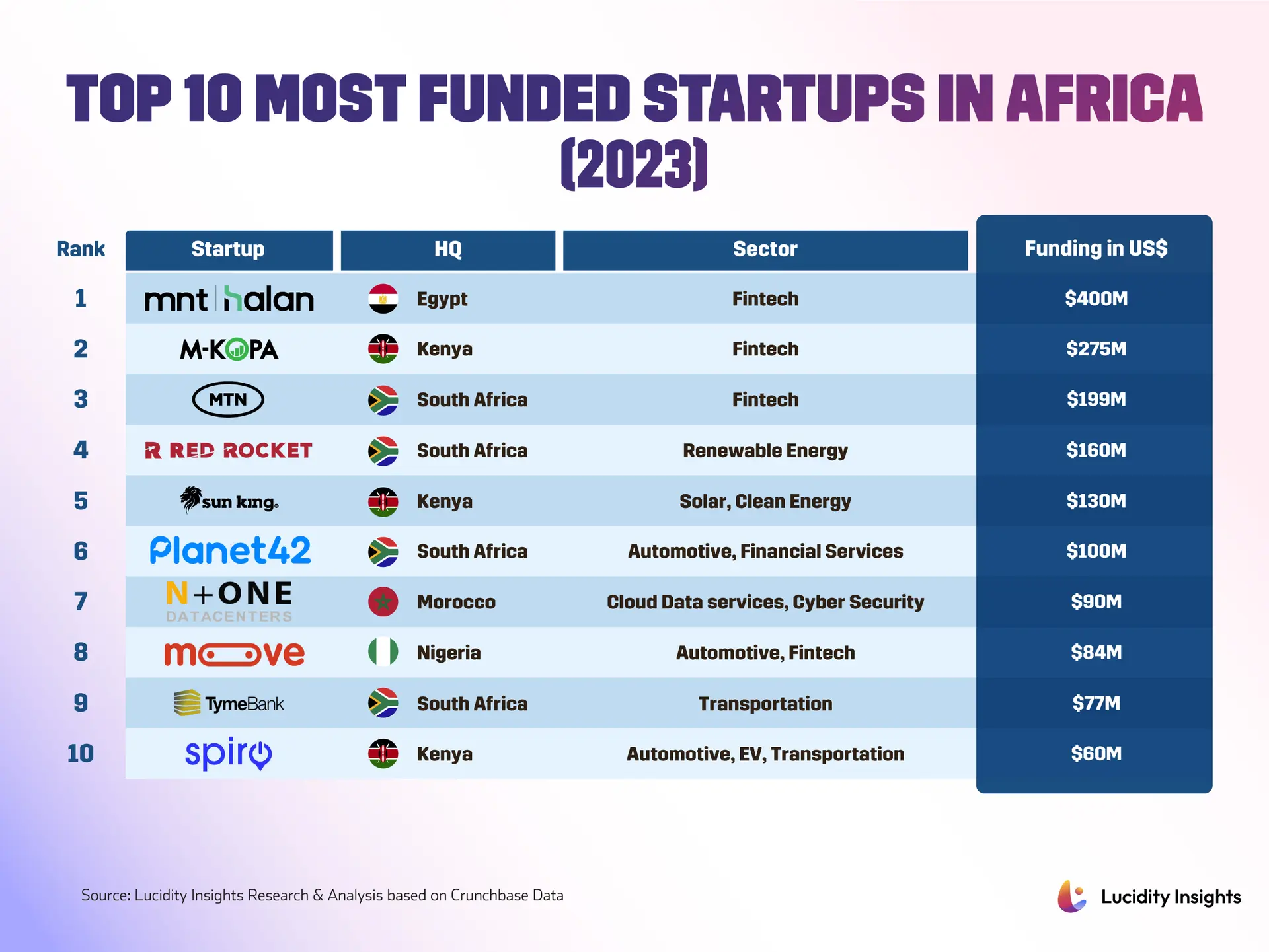
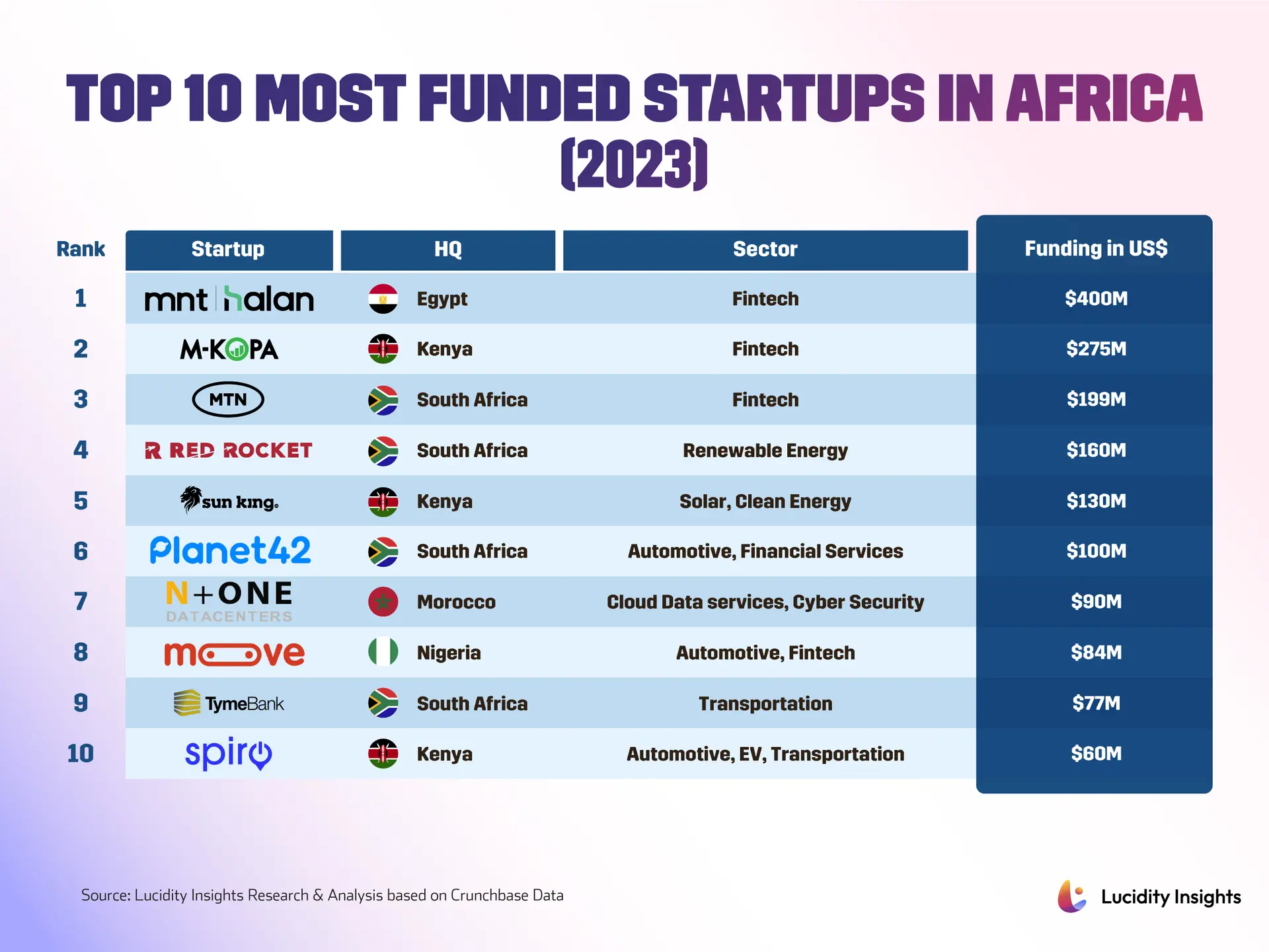
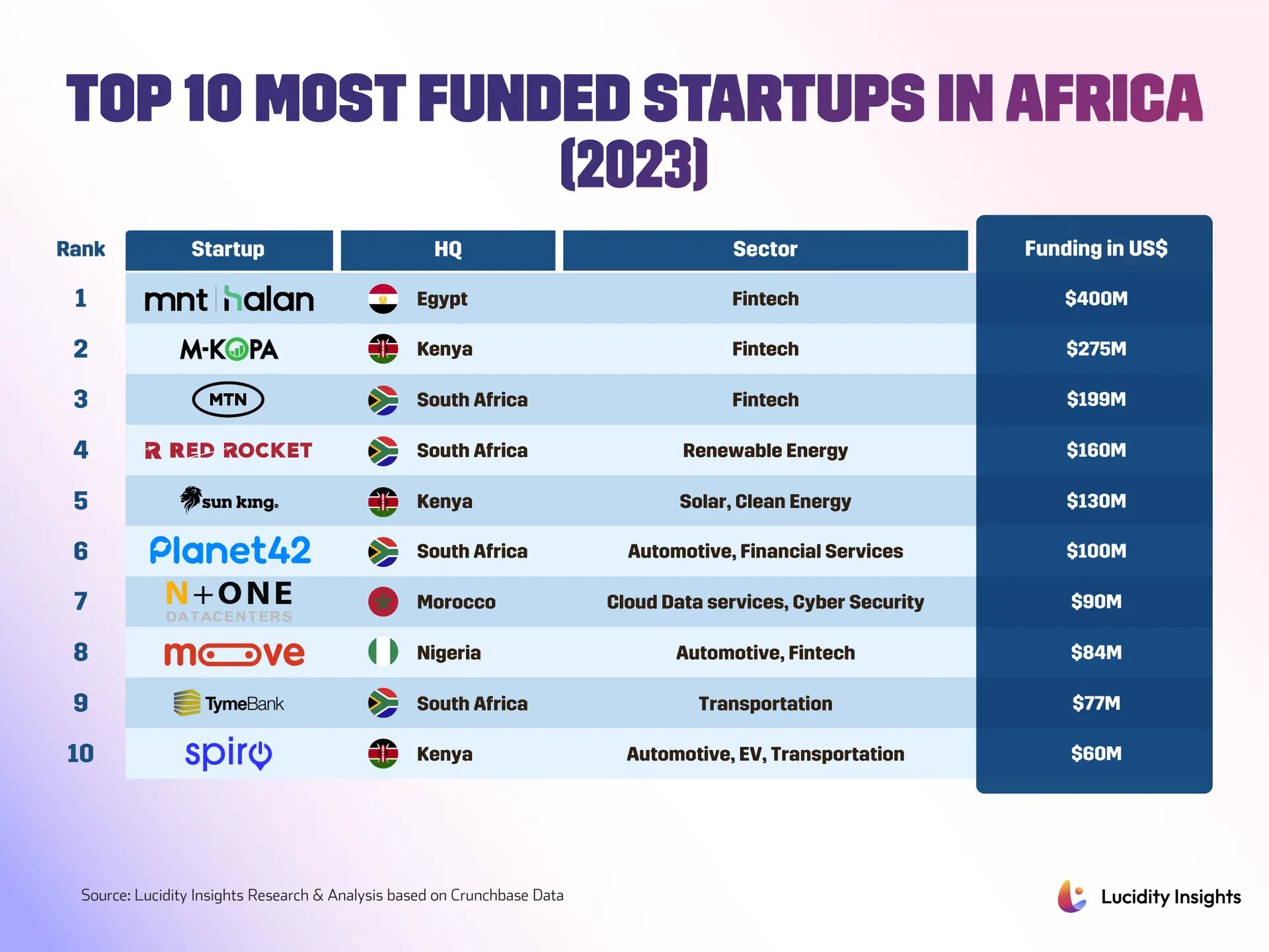
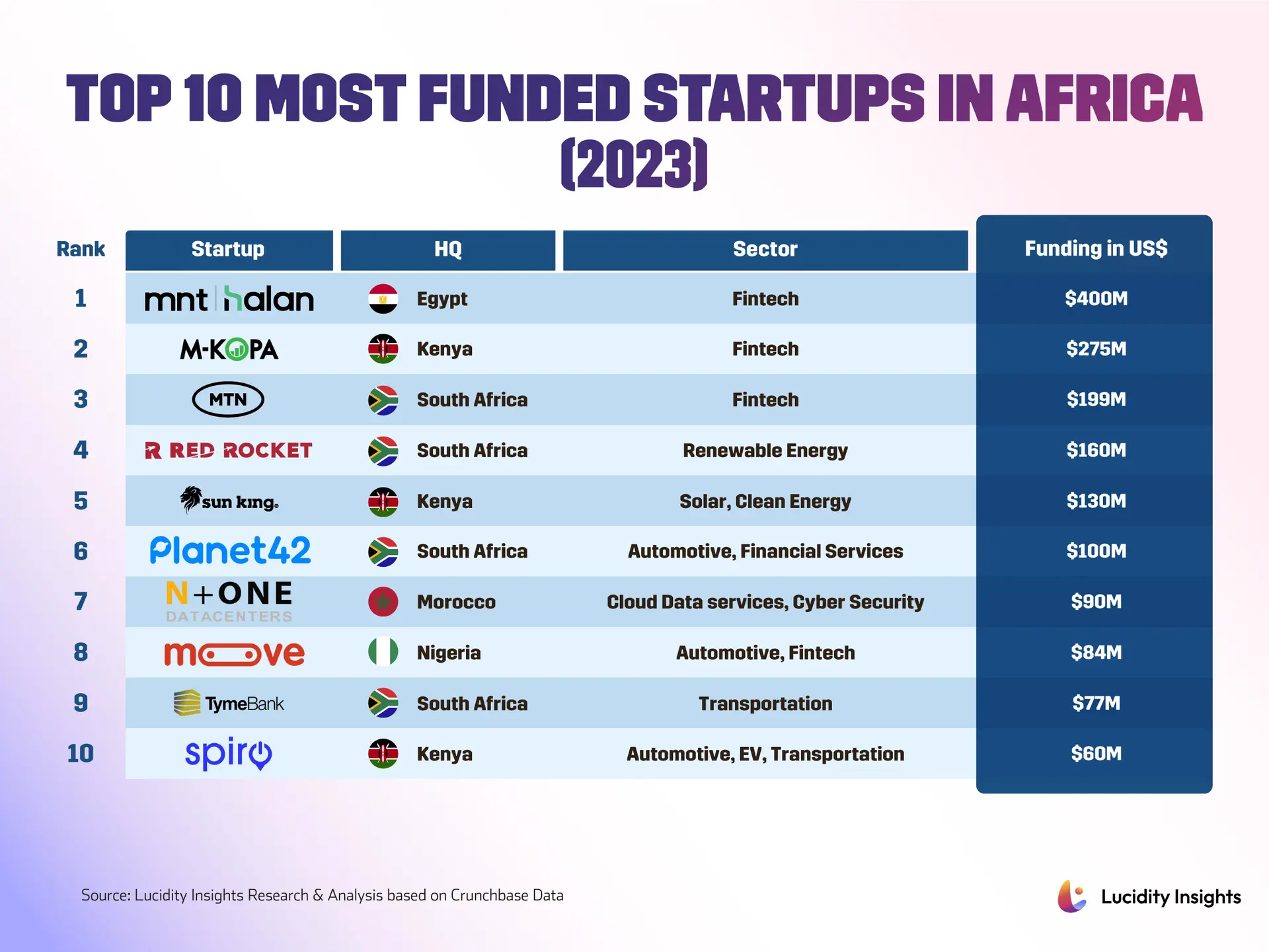
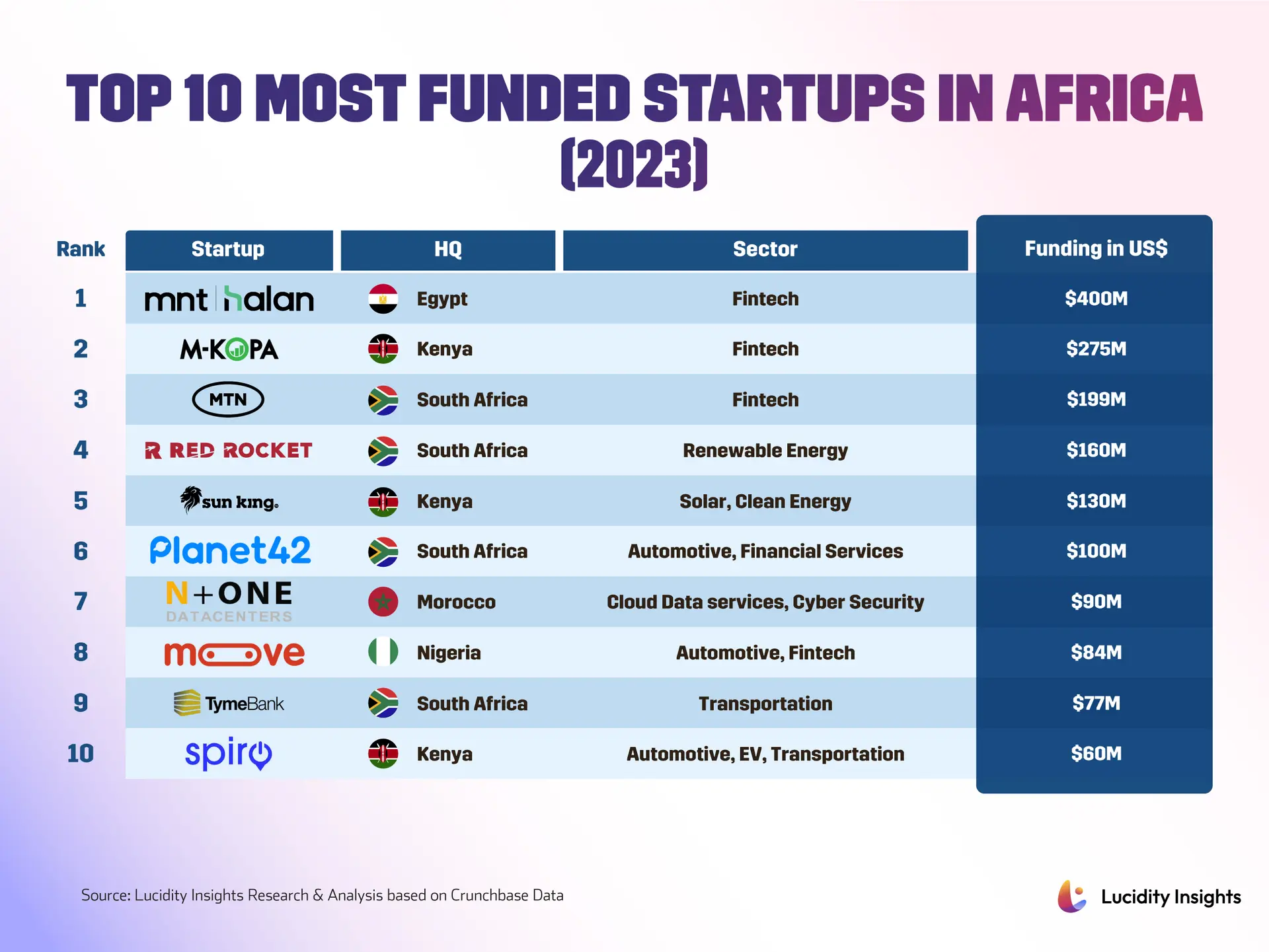
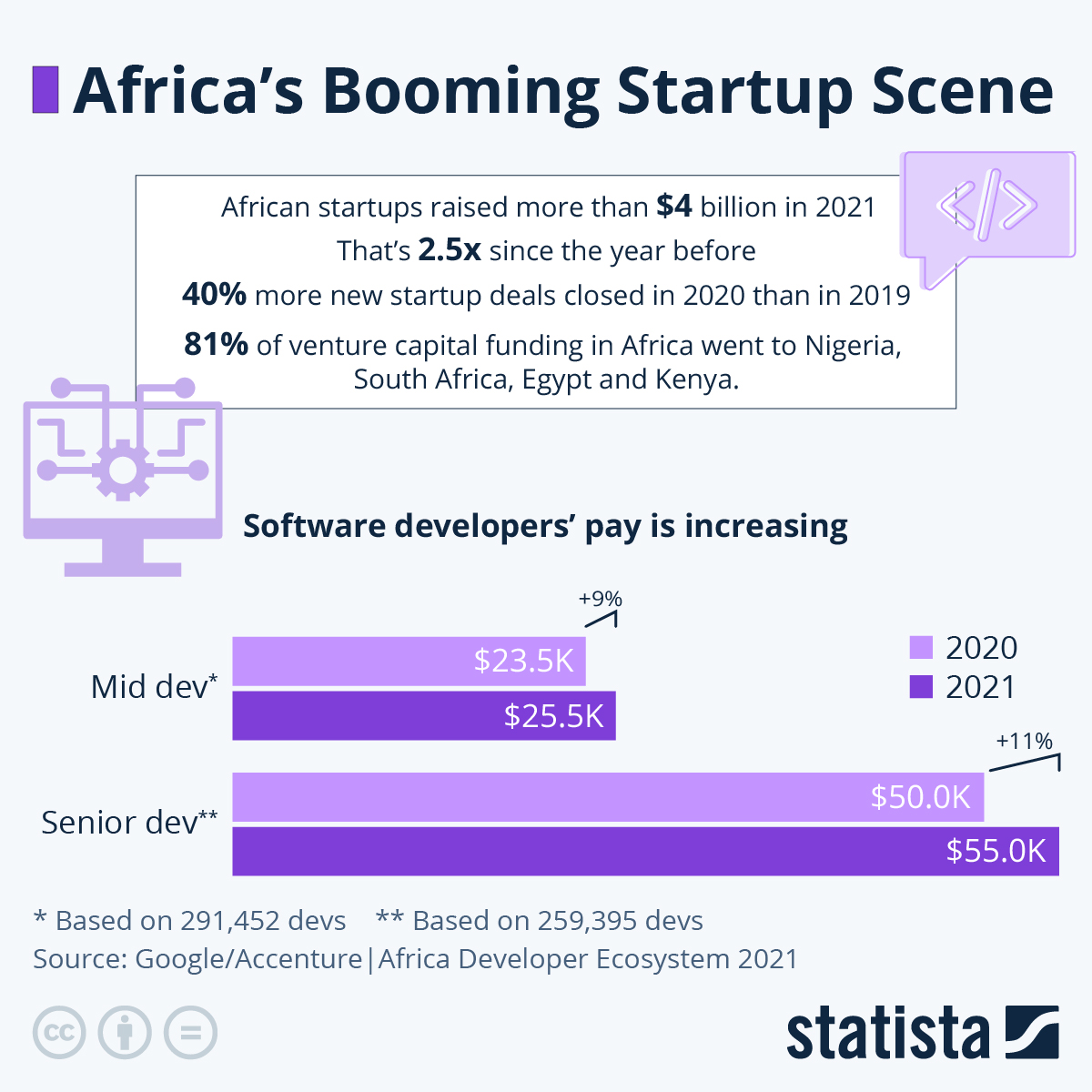
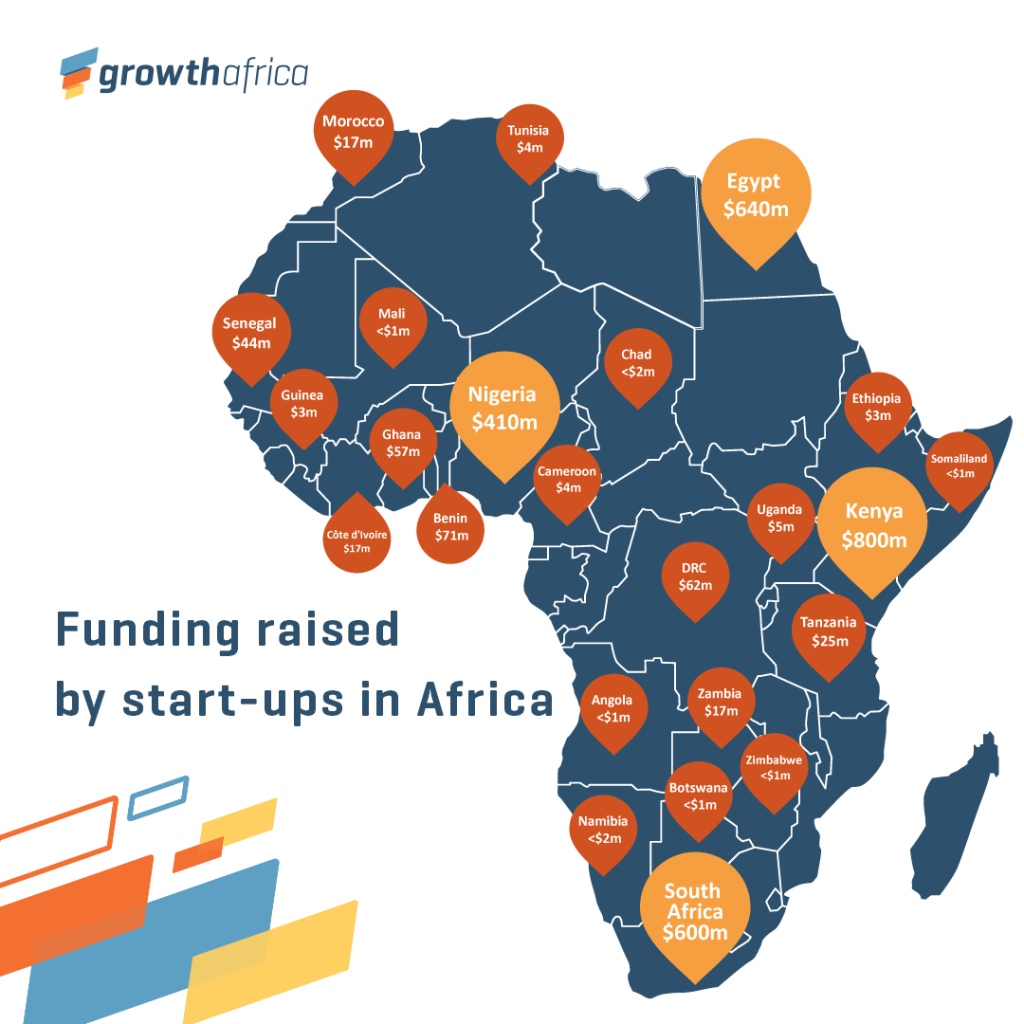
Across Africa’s major tech hubs from Nairobi to Lagos, a quiet but significant shift is underway. Investors aren’t pulling back from the continent, but they’re getting much more selective about where they put their money. After years of funding growth at any cost, venture capitalists now want to see clear revenue paths and quicker routes to profitability. This recalibration is reshaping which startups attract capital, what technologies get prioritized, and which regional strategies actually work. The result? A sharper focus on practical solutions that solve real business problems, from fintech infrastructure and cross-border logistics to climate tech and even the beginnings of a homegrown semiconductor supply chain. One clear beneficiary is fintech built for cross-border flows, where stablecoin-backed payment platforms like Honeycoin are gaining serious traction by providing faster, cheaper rails between African markets and the diaspora. These digital tokens, pegged to currencies like the dollar, can slash conversion costs and settlement times compared to traditional banking. Meanwhile, the African Continental Free Trade Area (AfCFTA) is amplifying opportunities by making it viable for e-commerce and logistics firms to stitch together routes that were previously uneconomical. For traders and tech platforms alike, AfCFTA promises a larger addressable market without the friction that once crushed margins on cross-border orders.
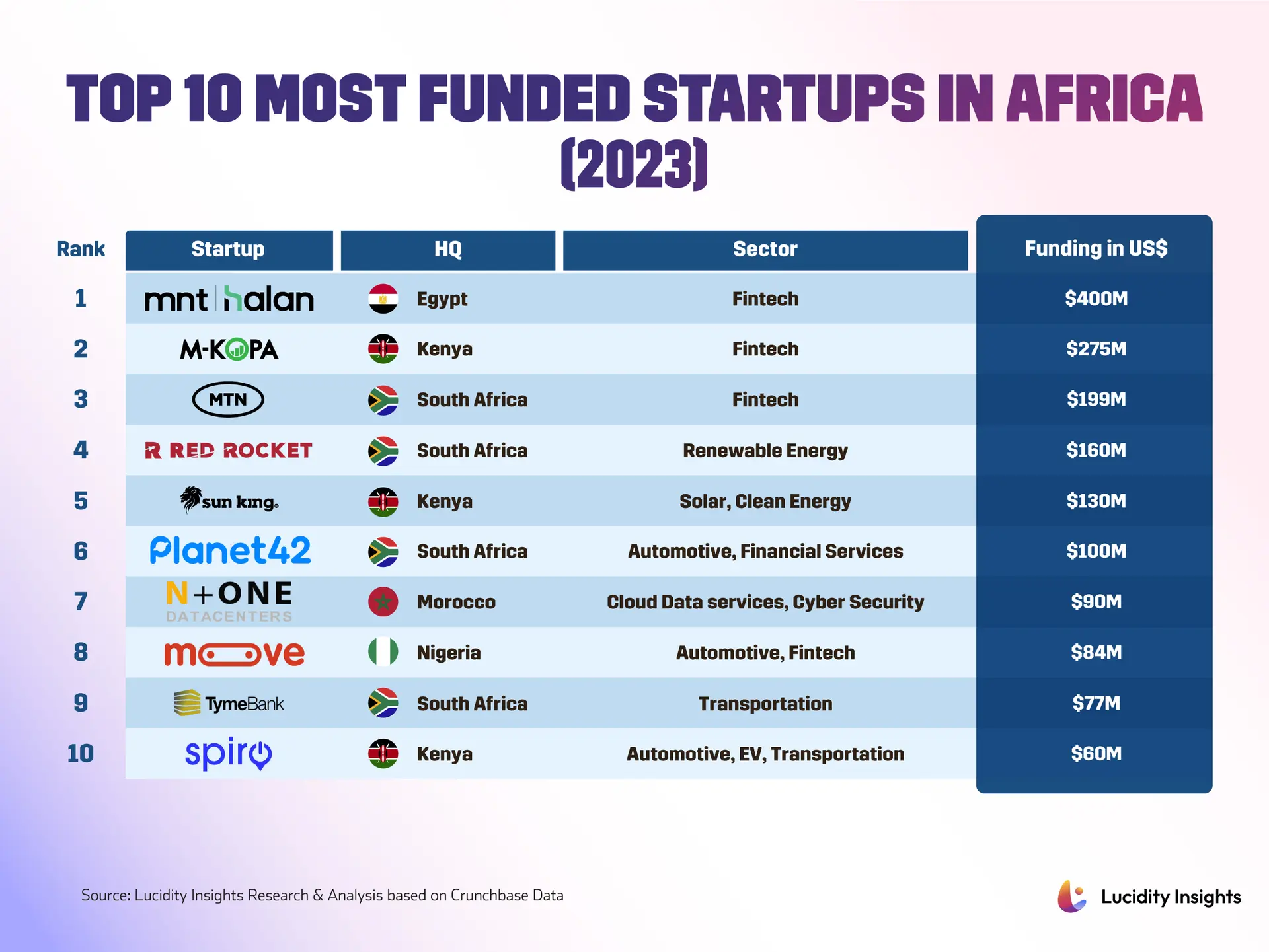
The investment landscape isn’t just shifting, it’s maturing. Agritech and climate tech are moving from fringe interest to mainstream investment as unreliable grids and changing weather patterns squeeze yields. Startups that combine solar power, predictive analytics, and off-grid solutions are finding paying customers among clinics, farms, and small factories. At the same time, Africa’s ambitions in deep tech are becoming more concrete. Initiatives to train chip designers and bring critical parts of the semiconductor value chain closer to African talent are no longer academic. Firms like ChipMango are building capacity through university partnerships and early contracts, a small but important step for a continent largely excluded from chipmaking. Geopolitics and policy are shaping capital flows too. The United States is expanding ties with East Africa through large infrastructure deals, while Europe’s pending carbon border tax means compliance and cleaner supply chains will soon be as important as price and delivery times for exporters. As African Business reported, startups now face tougher scrutiny as investors seek returns, forcing a discipline that many founders needed.
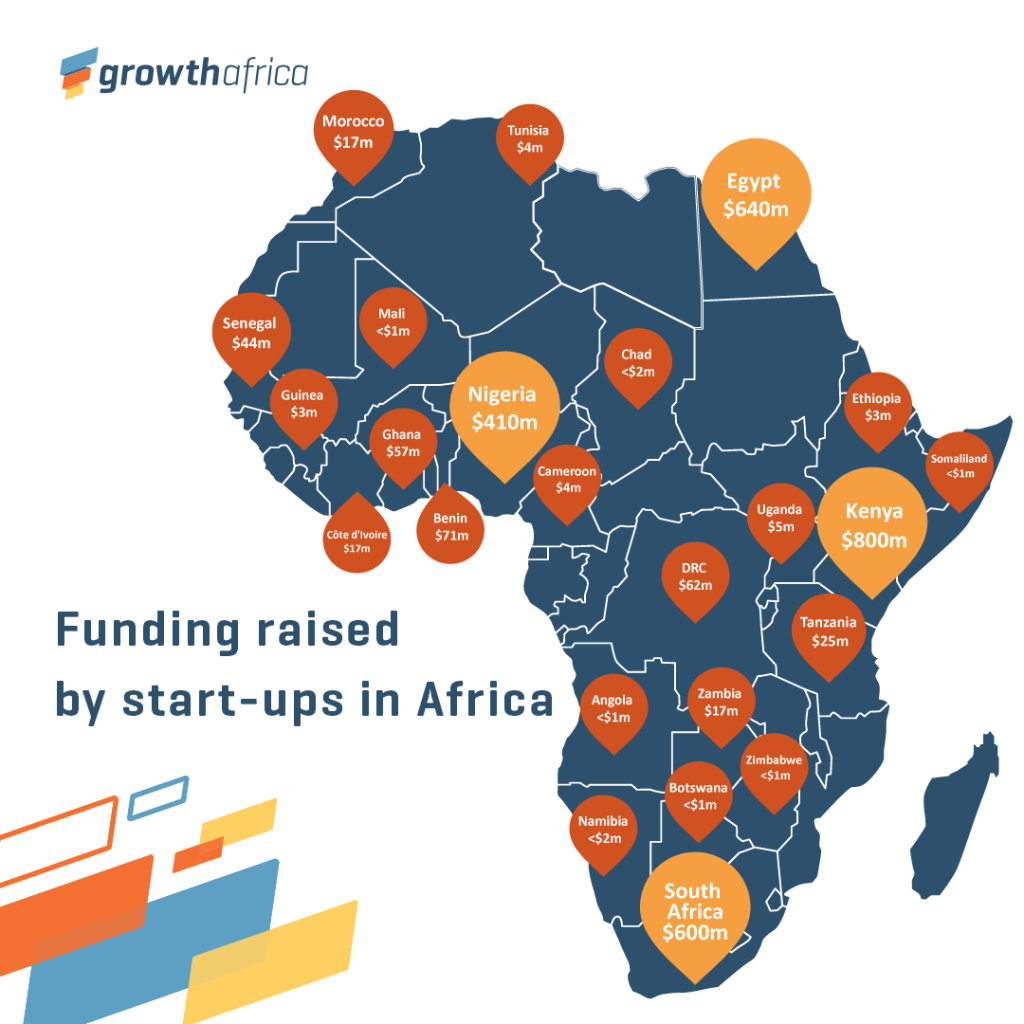
So what does this mean for the types of startups that will thrive? The winners aren’t headline-grabbing consumer apps chasing users without clear monetization. They’re companies solving persistent business problems with demonstrable recurring revenue. Think logistics fulfillment firms managing warehousing, payments, and last-mile delivery for merchants expanding across borders. Or vehicle inspection services reducing fraud in used-car markets, and platforms helping musicians monetize globally. Each model converts a real-world need into regular cash flow, and that predictability is prized by today’s investors. Corporate venture arms and regional development institutions are increasingly important partners too, with telcos and large retail players writing checks for both financial return and strategic advantages. For entrepreneurs from Burkina Faso to neighboring markets, the lesson is clear: build for local realities while designing for regional scale. Startups showing traction in one market with credible plans to replicate across AfCFTA members will persuade cautious investors. Looking ahead, the most consequential shifts won’t be single big funding rounds but the steady accumulation of companies pairing product-market fit with predictable economics. If governments can close financing gaps for critical minerals and make regulatory windows predictable, Africa could see a virtuous cycle where hardware, software, and finance reinforce one another. This startup ecosystem transformation reflects a broader tech renaissance across the continent, even as analysts identify new companies to watch in 2026. The venture capital discipline emerging now may finally produce businesses built to last, supported by record funding that surged past $1.4 billion in 2025 while following ongoing startup news and analysis from TechCrunch.