Balancing Acts in the Sahel: U.S. Engagement and Russian Expansion Amidst Security and Humanitarian Crises
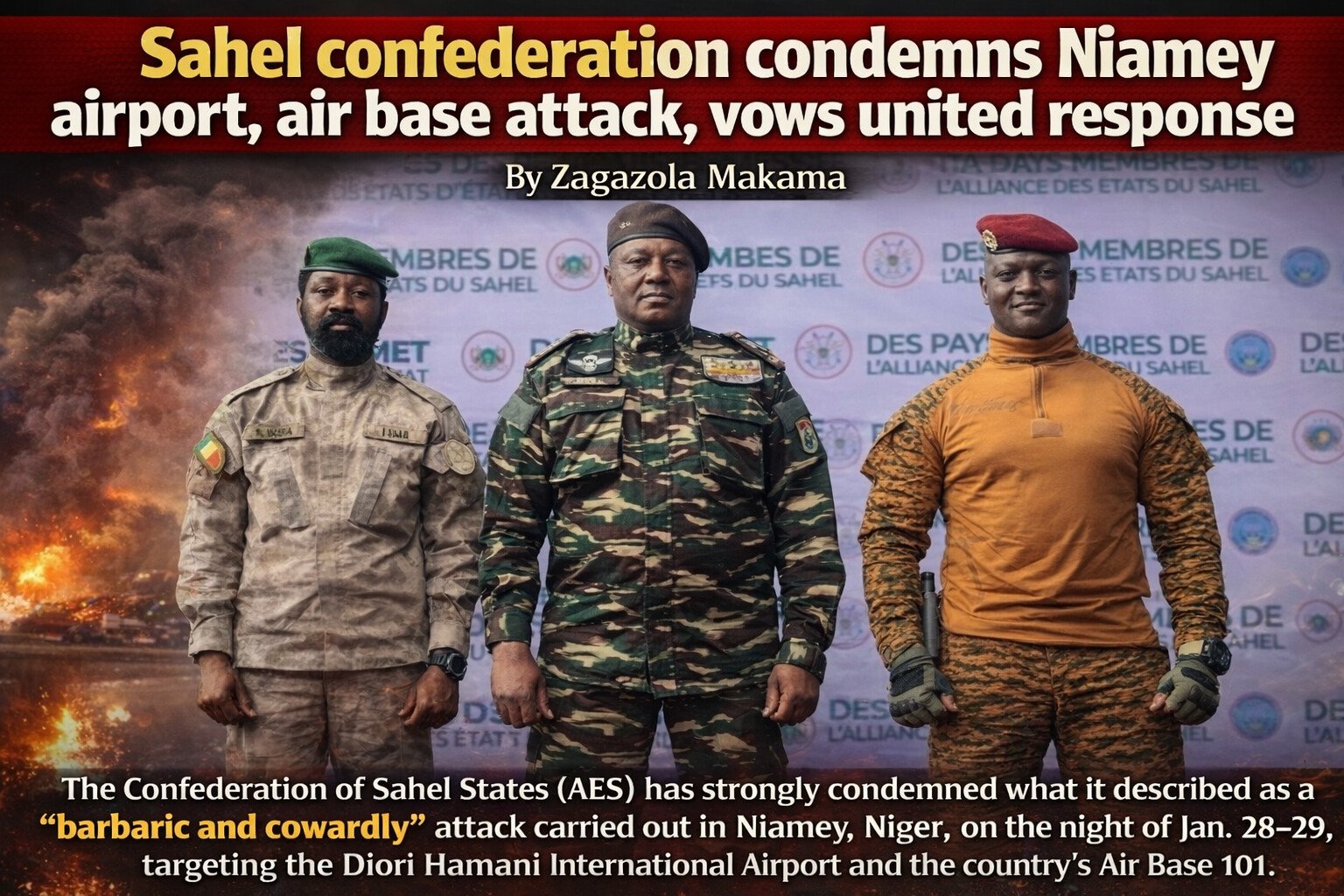
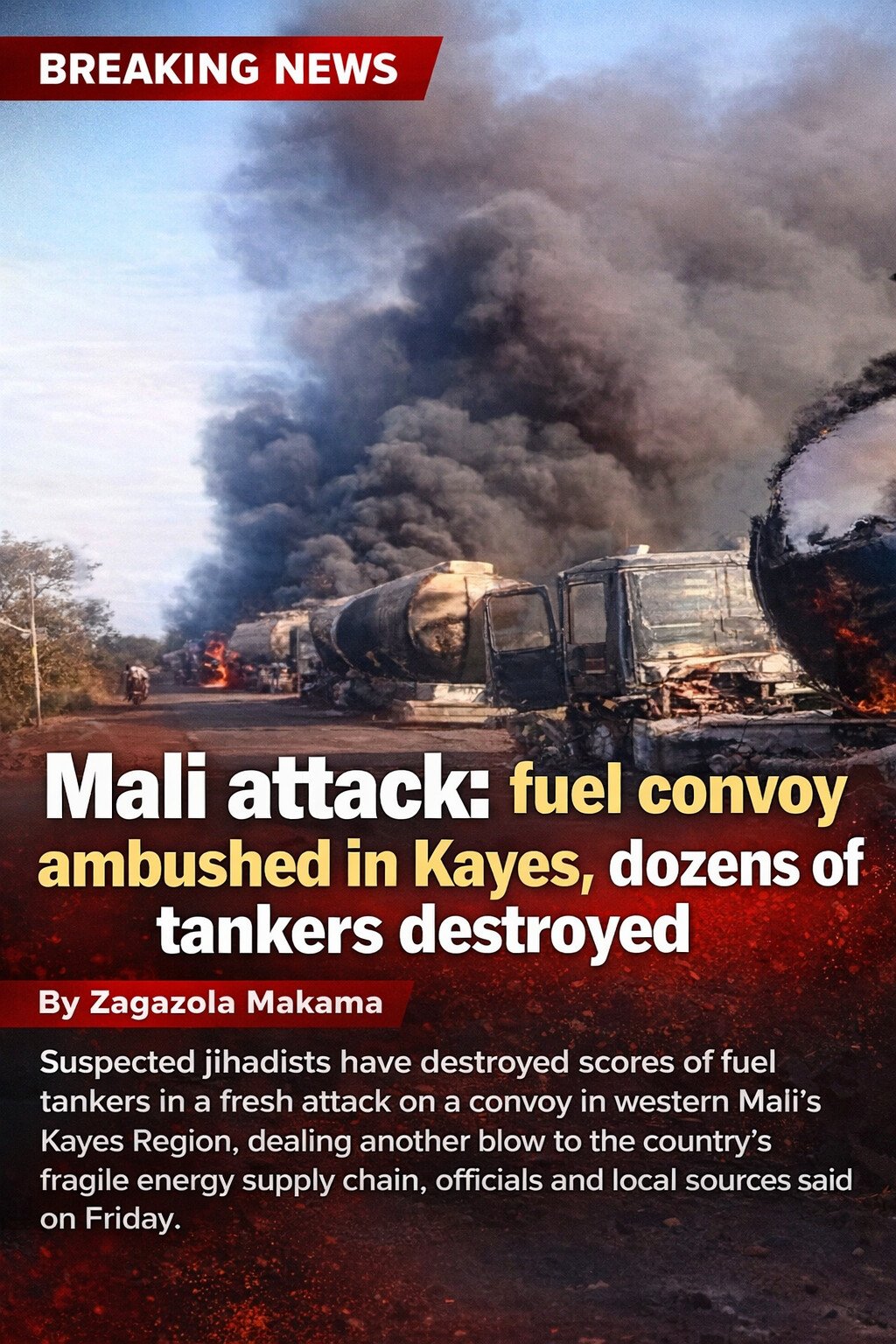
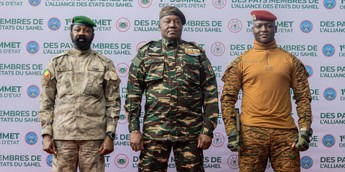
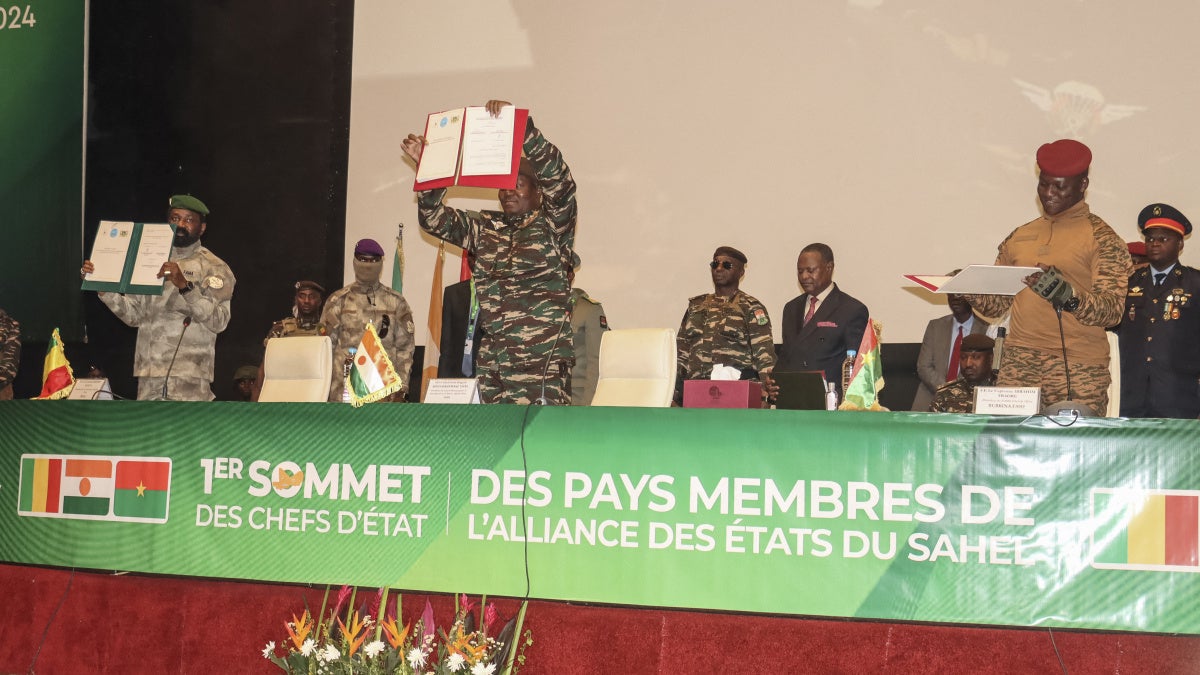
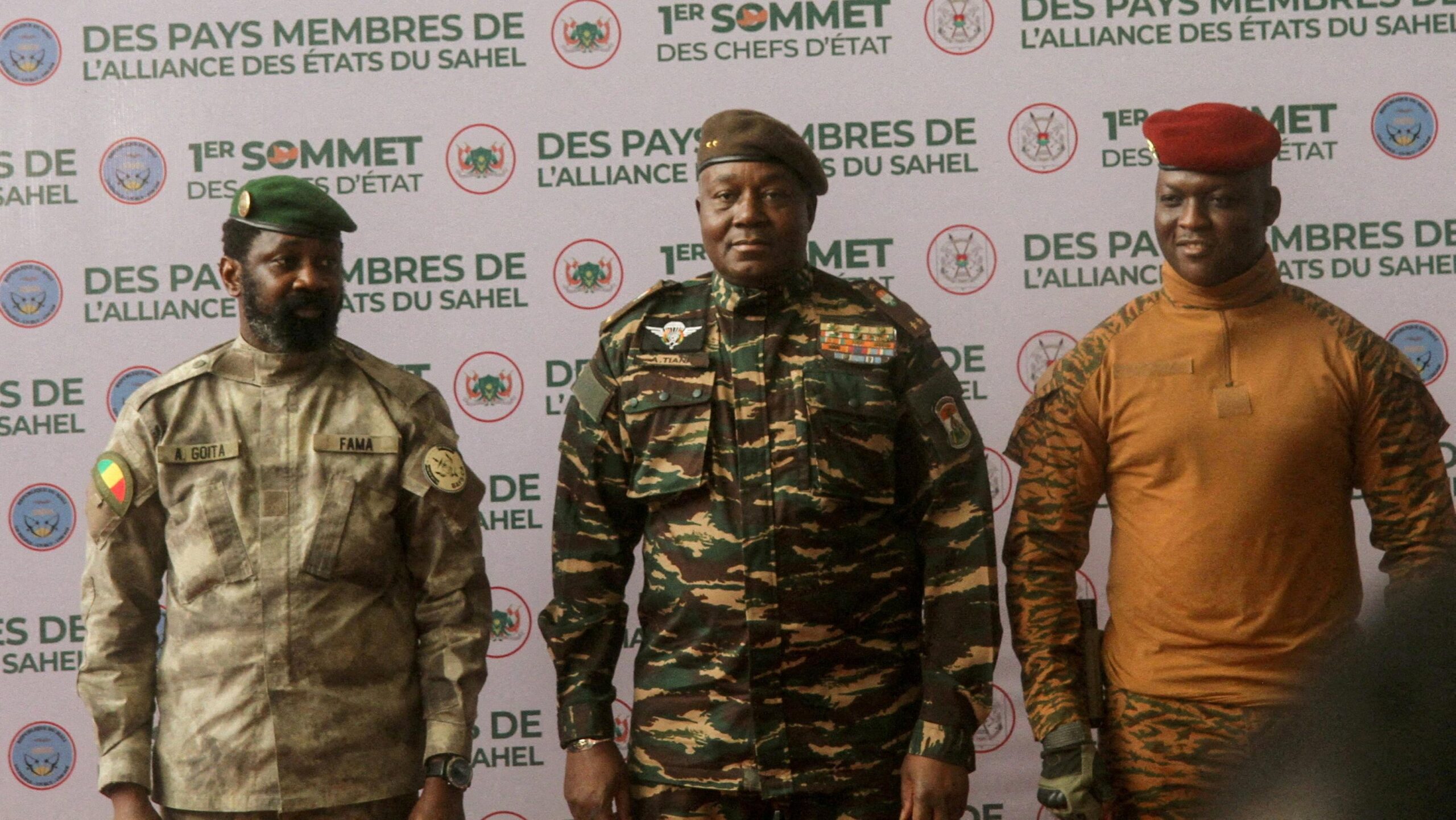
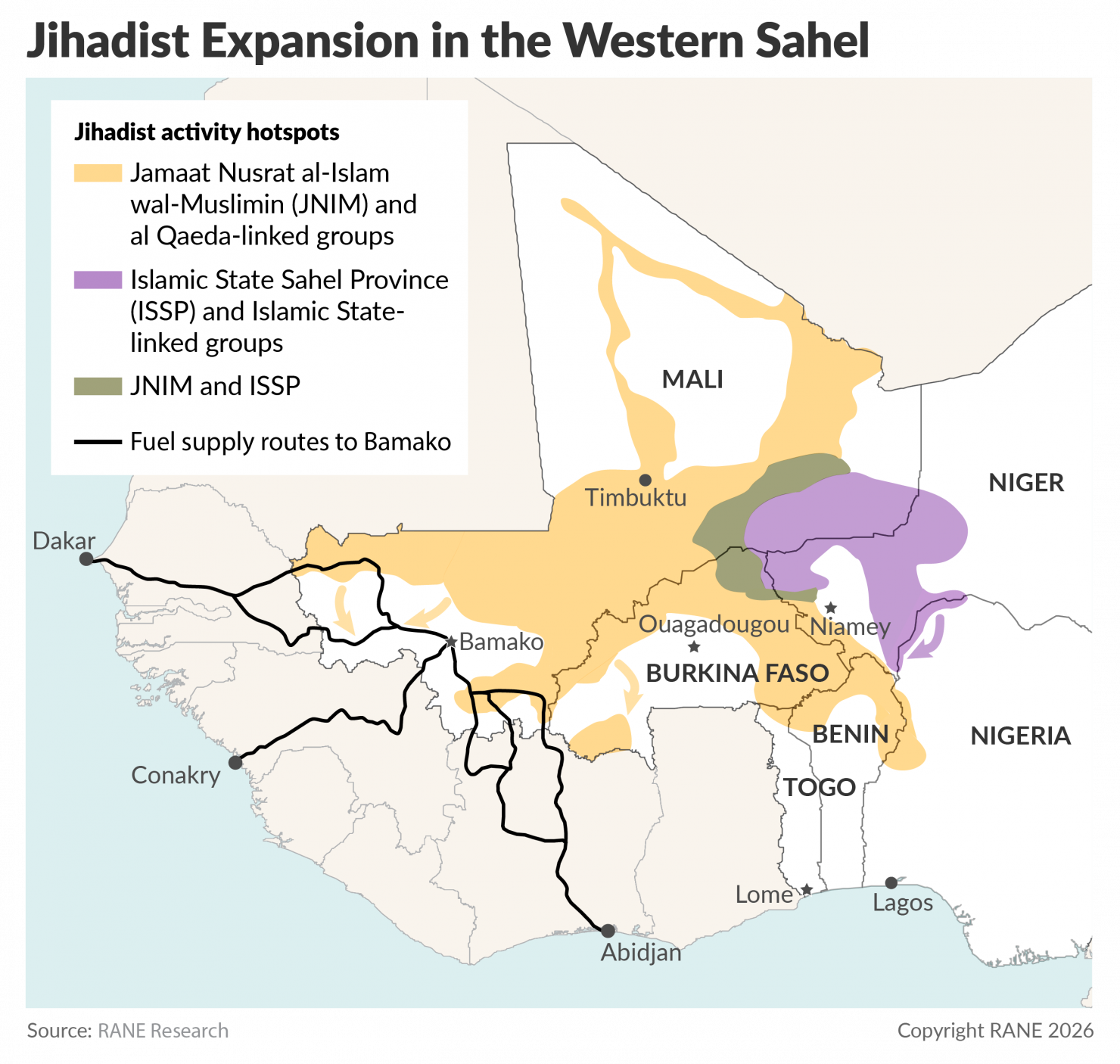
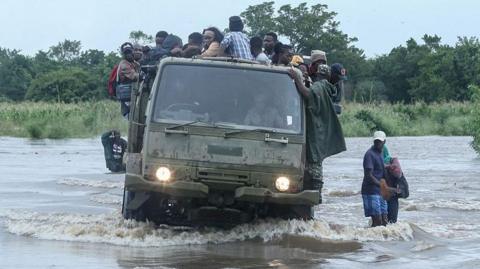
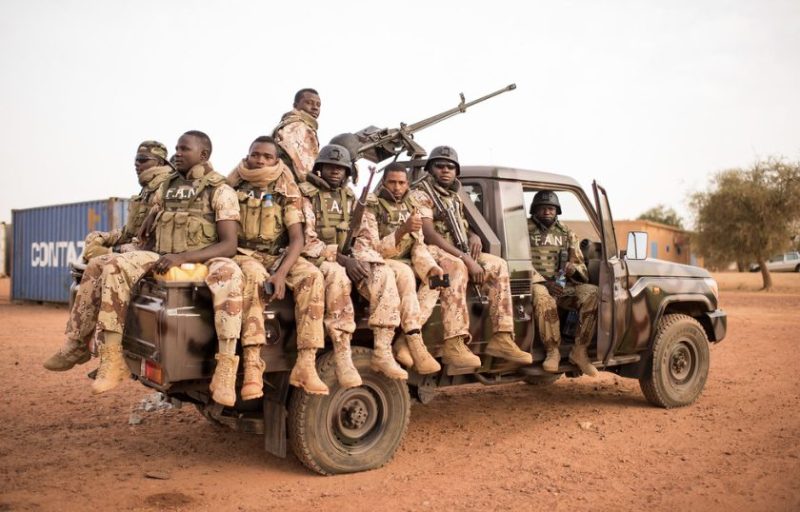
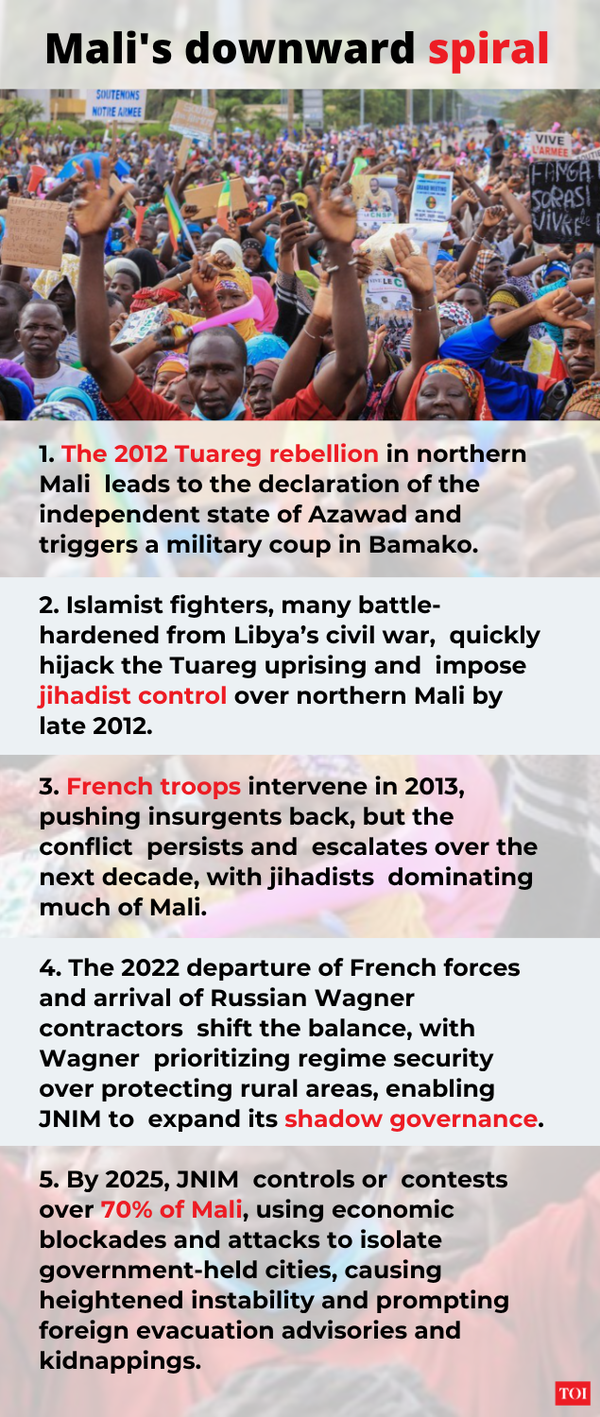
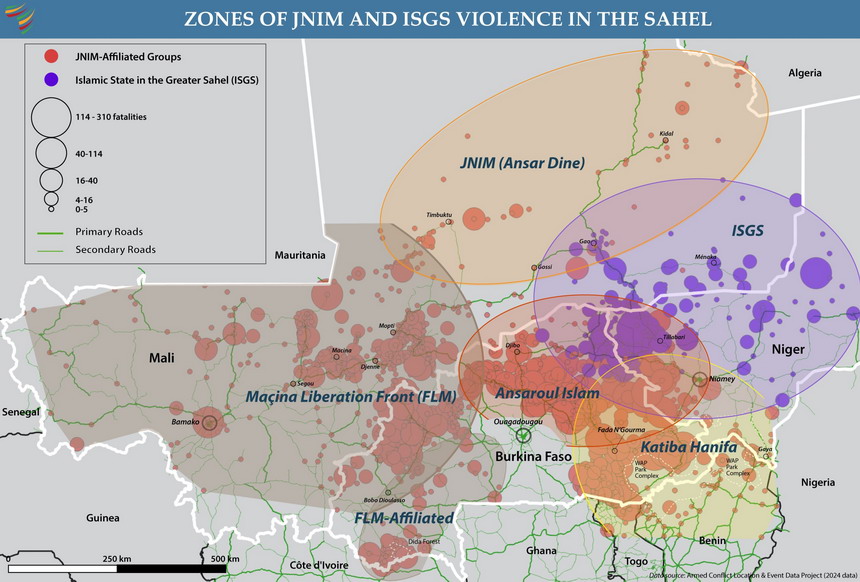
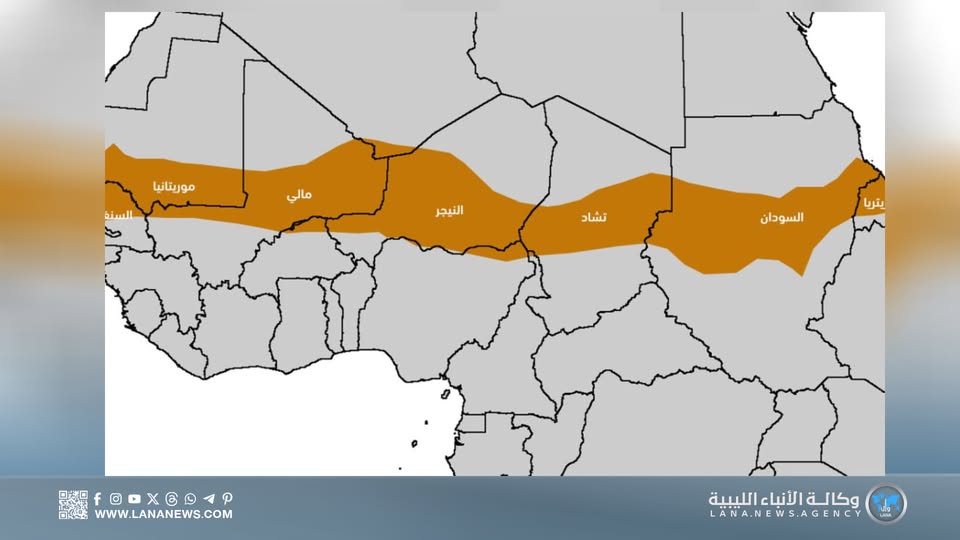
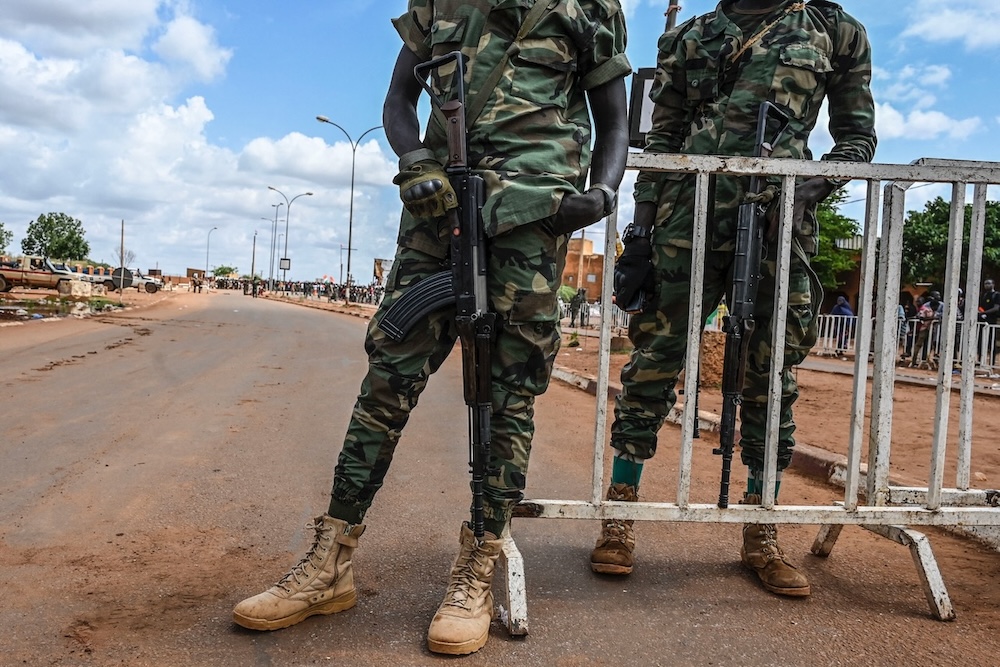
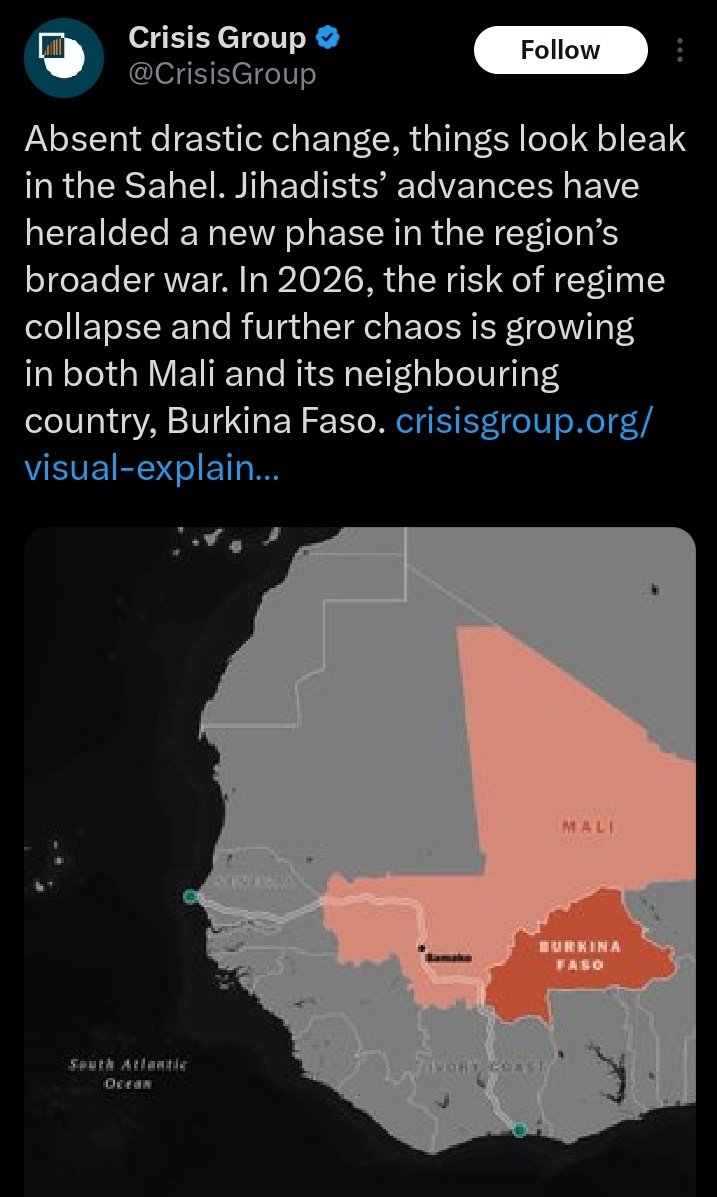
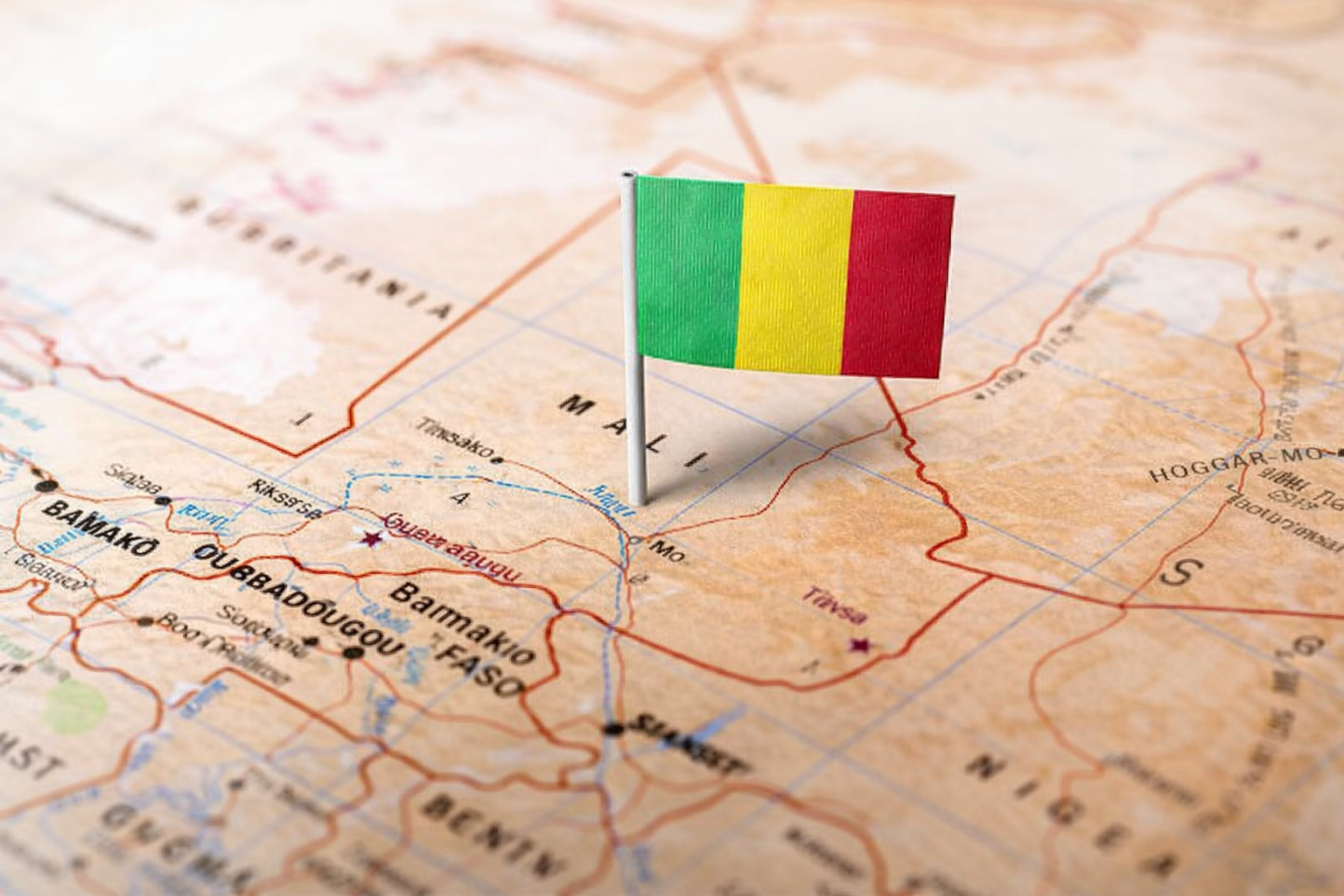
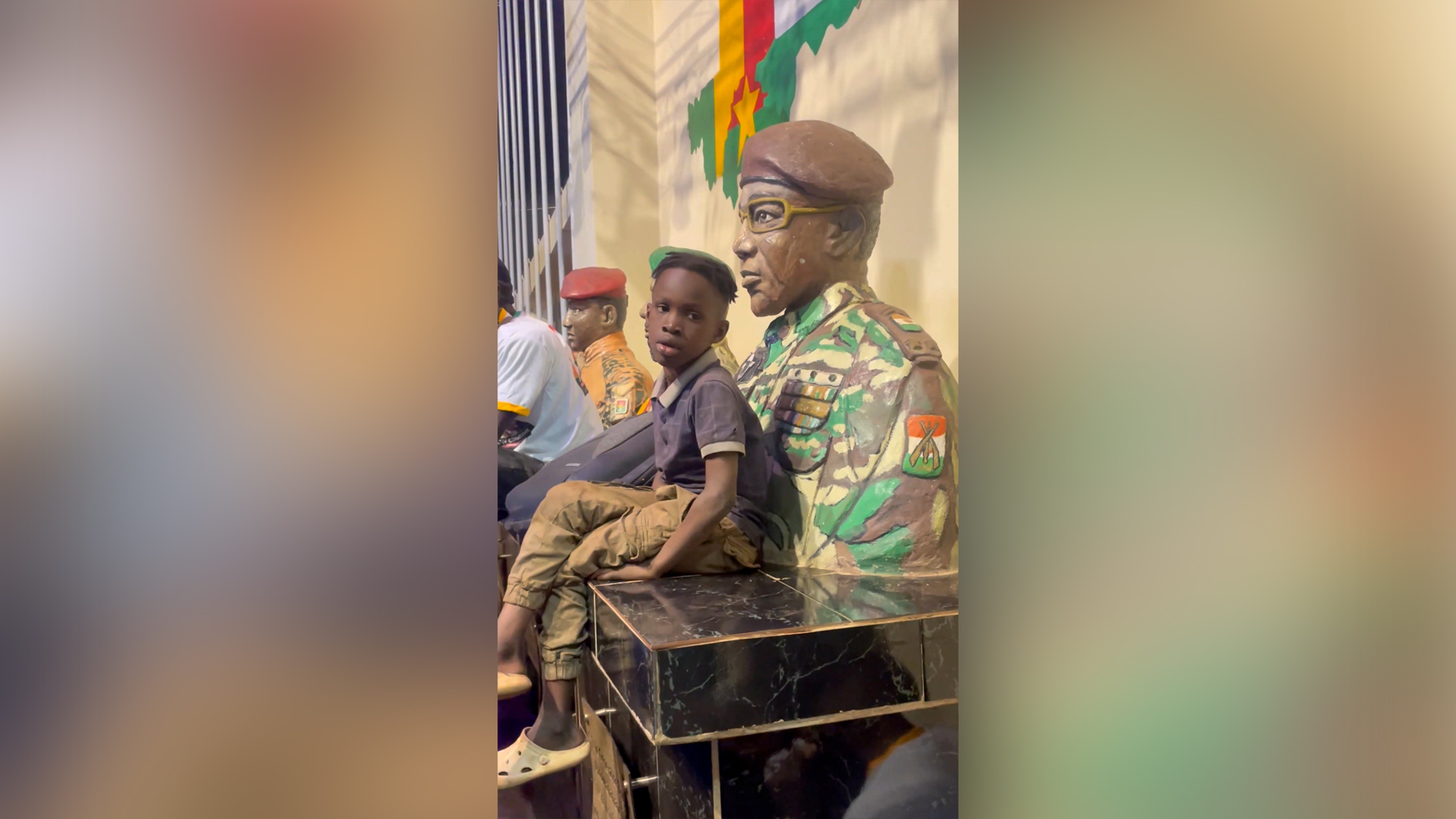
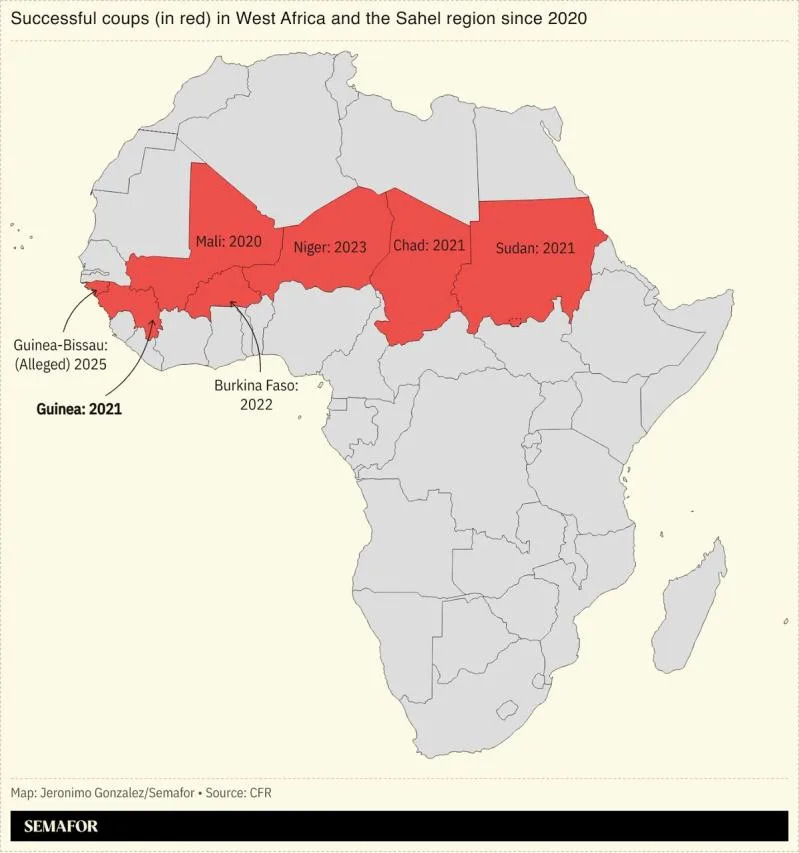
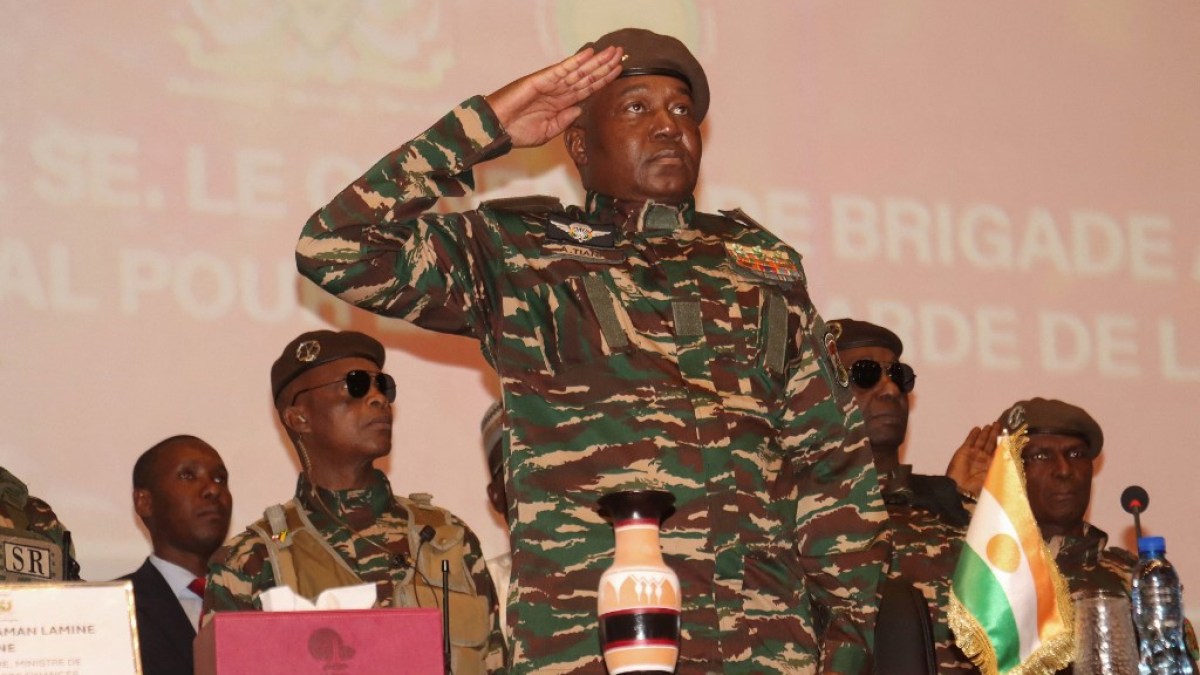
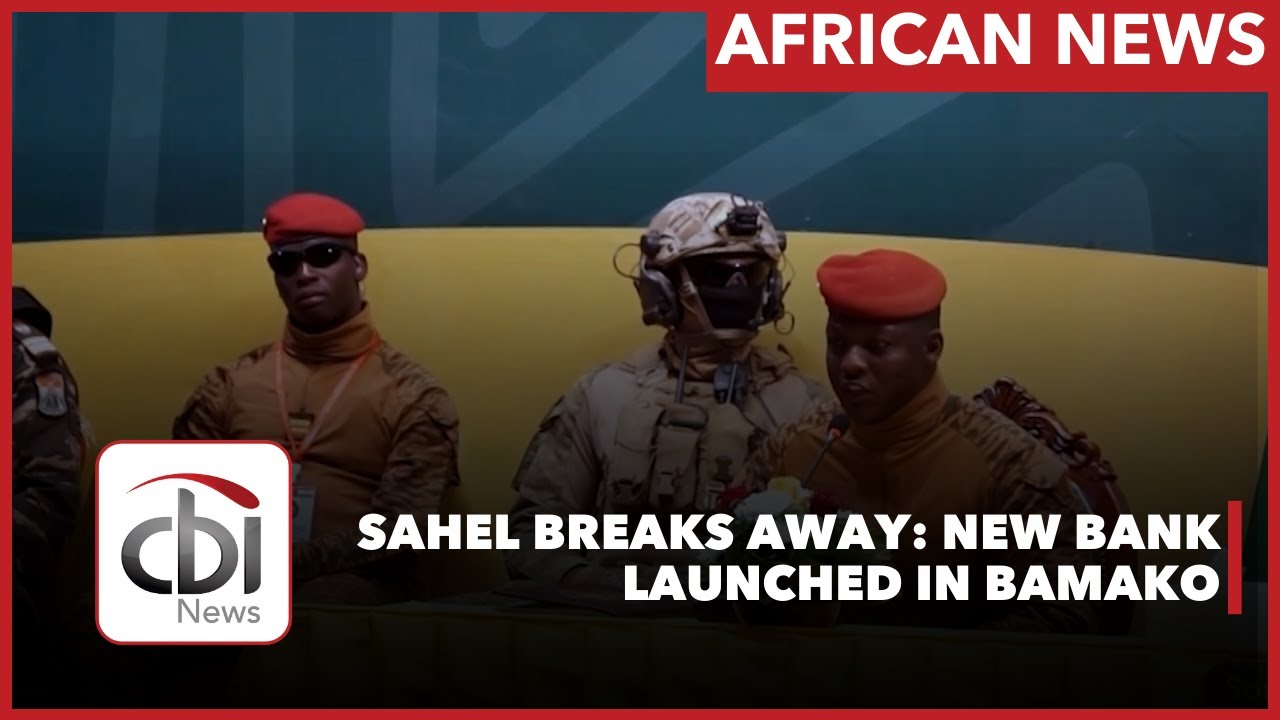
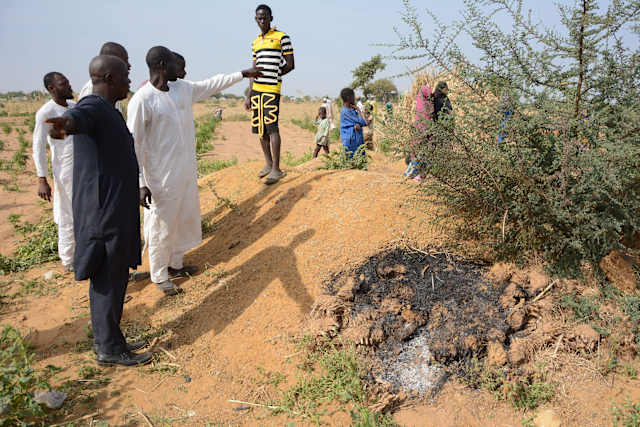
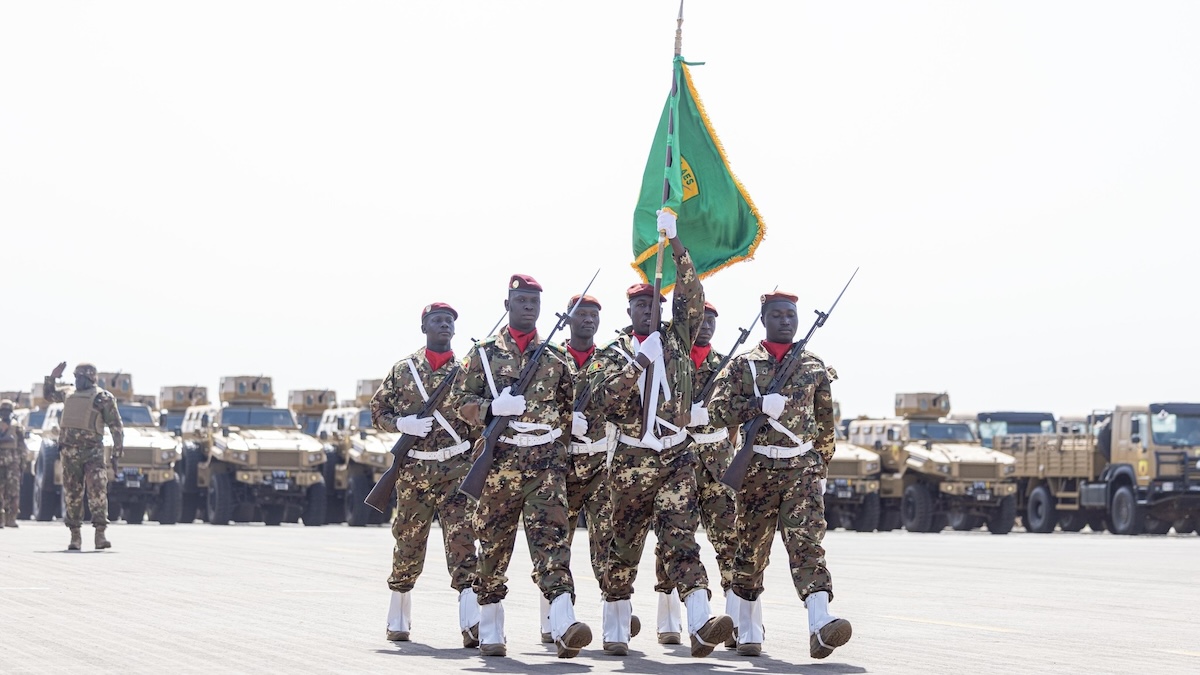
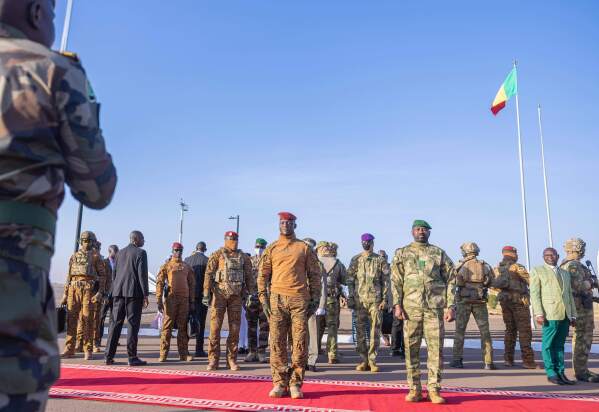
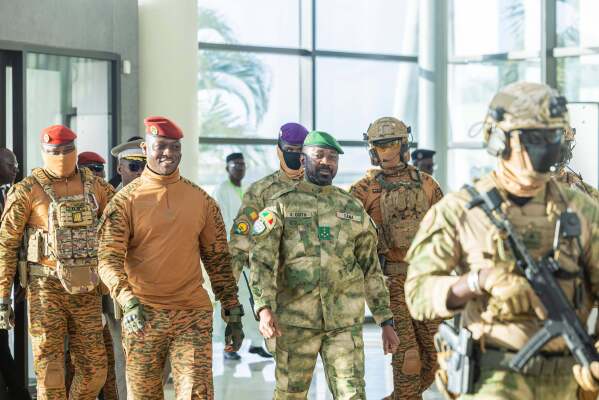
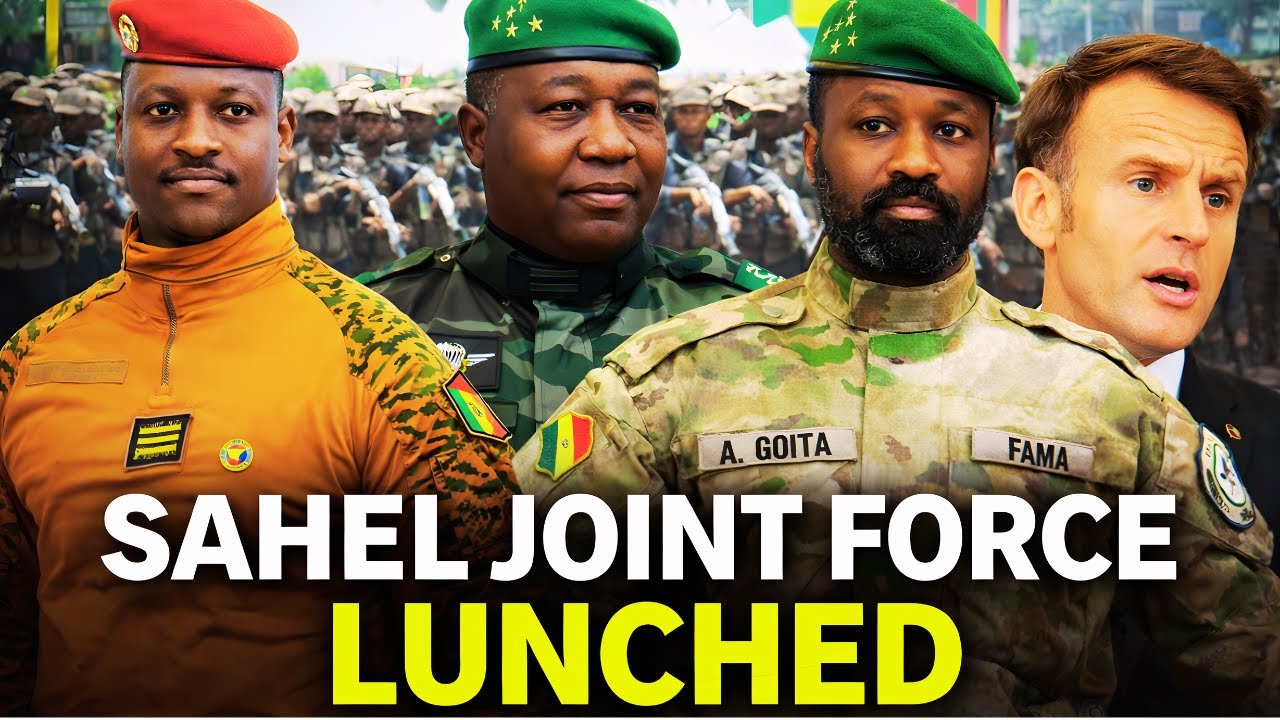
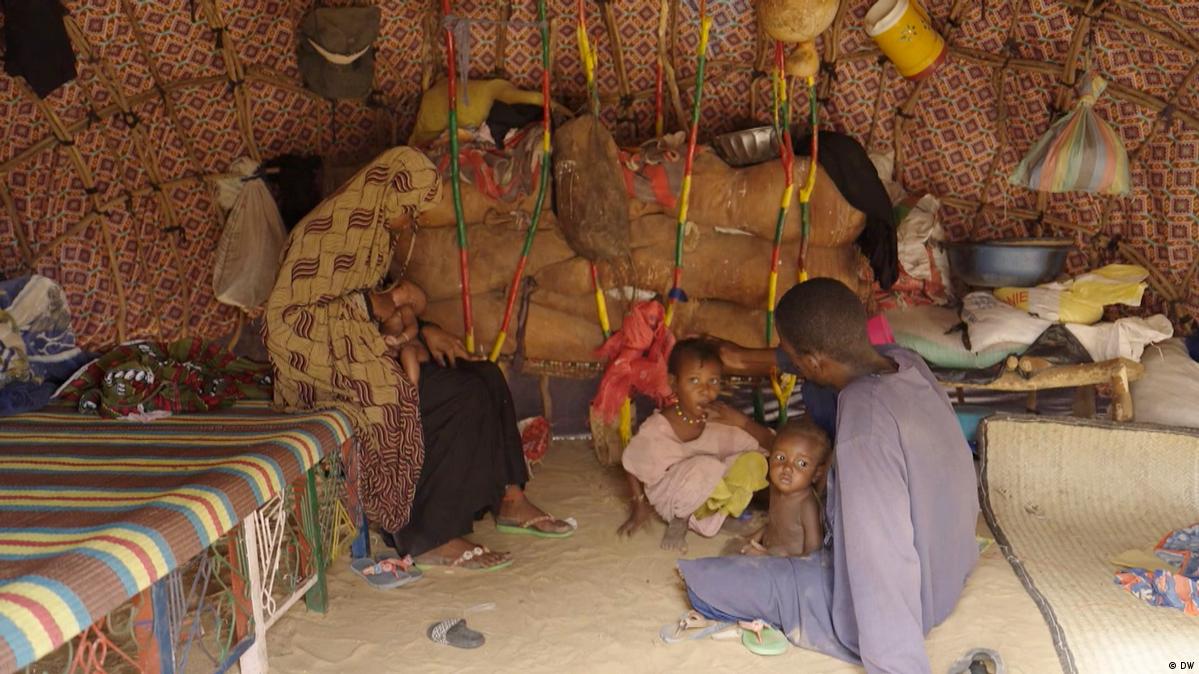
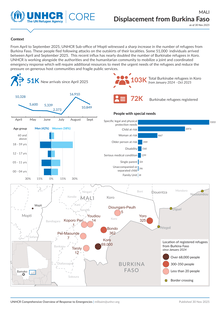
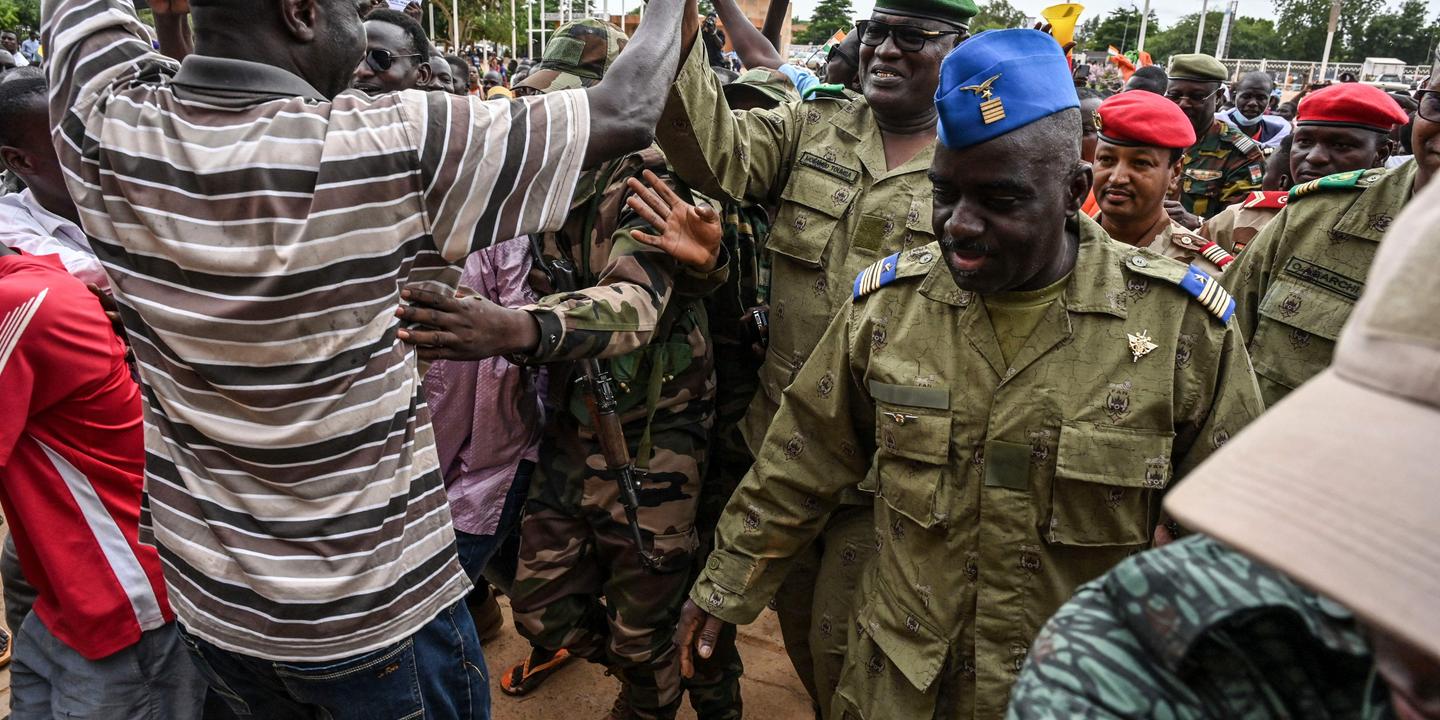
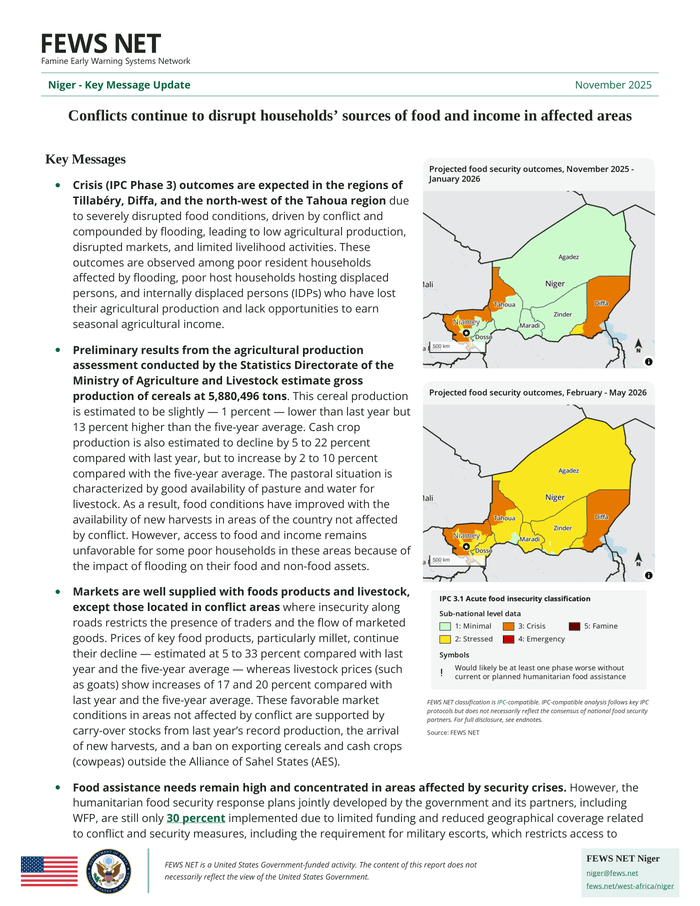
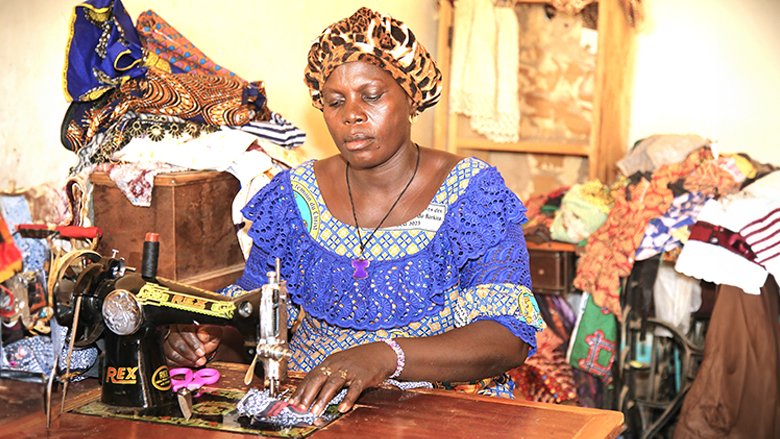
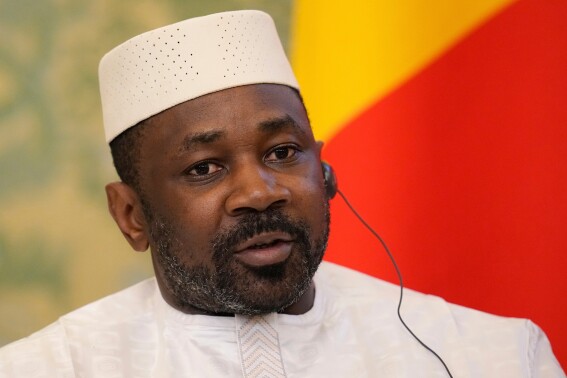
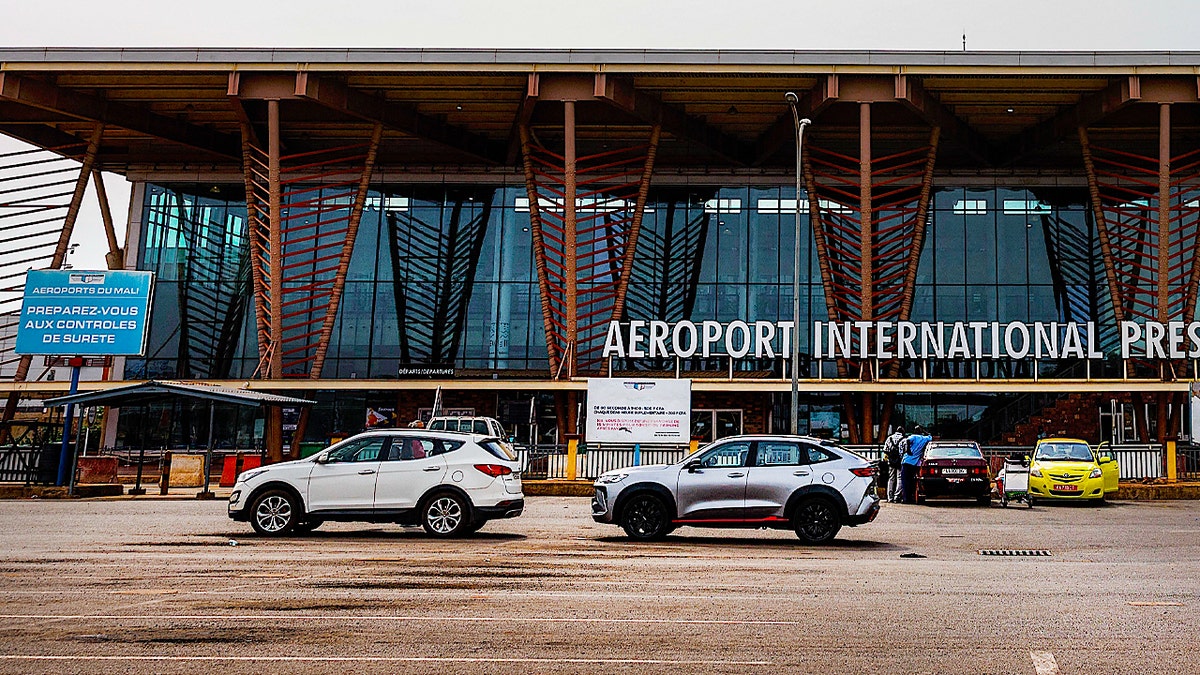
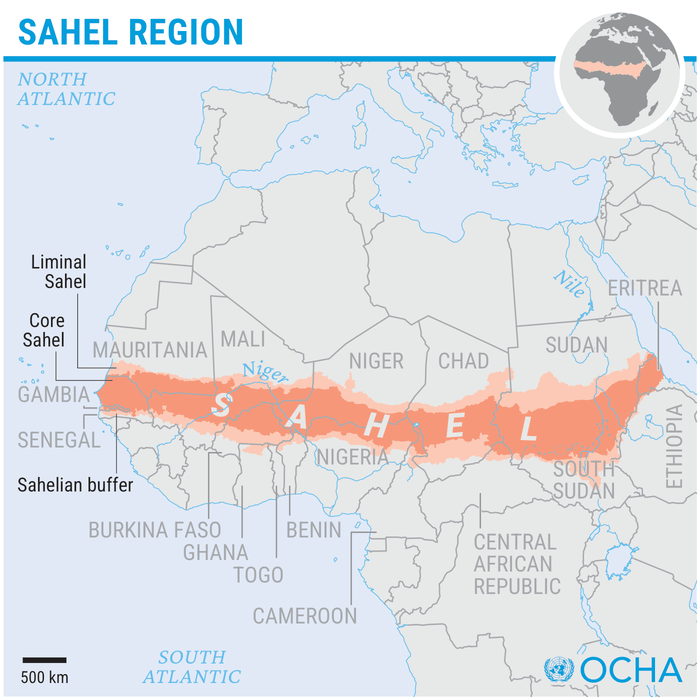
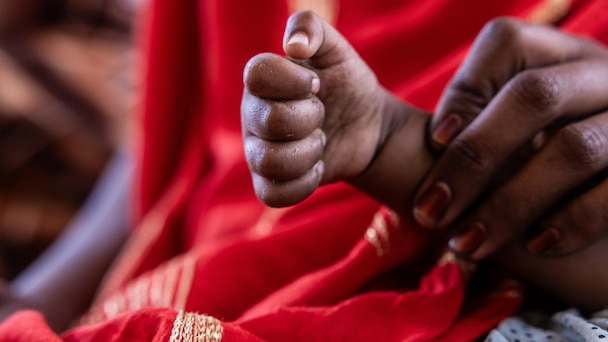
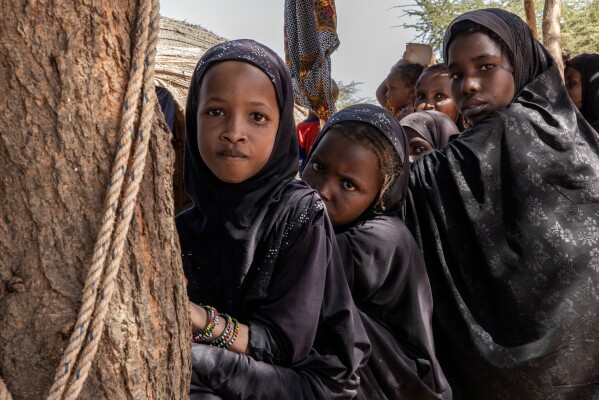
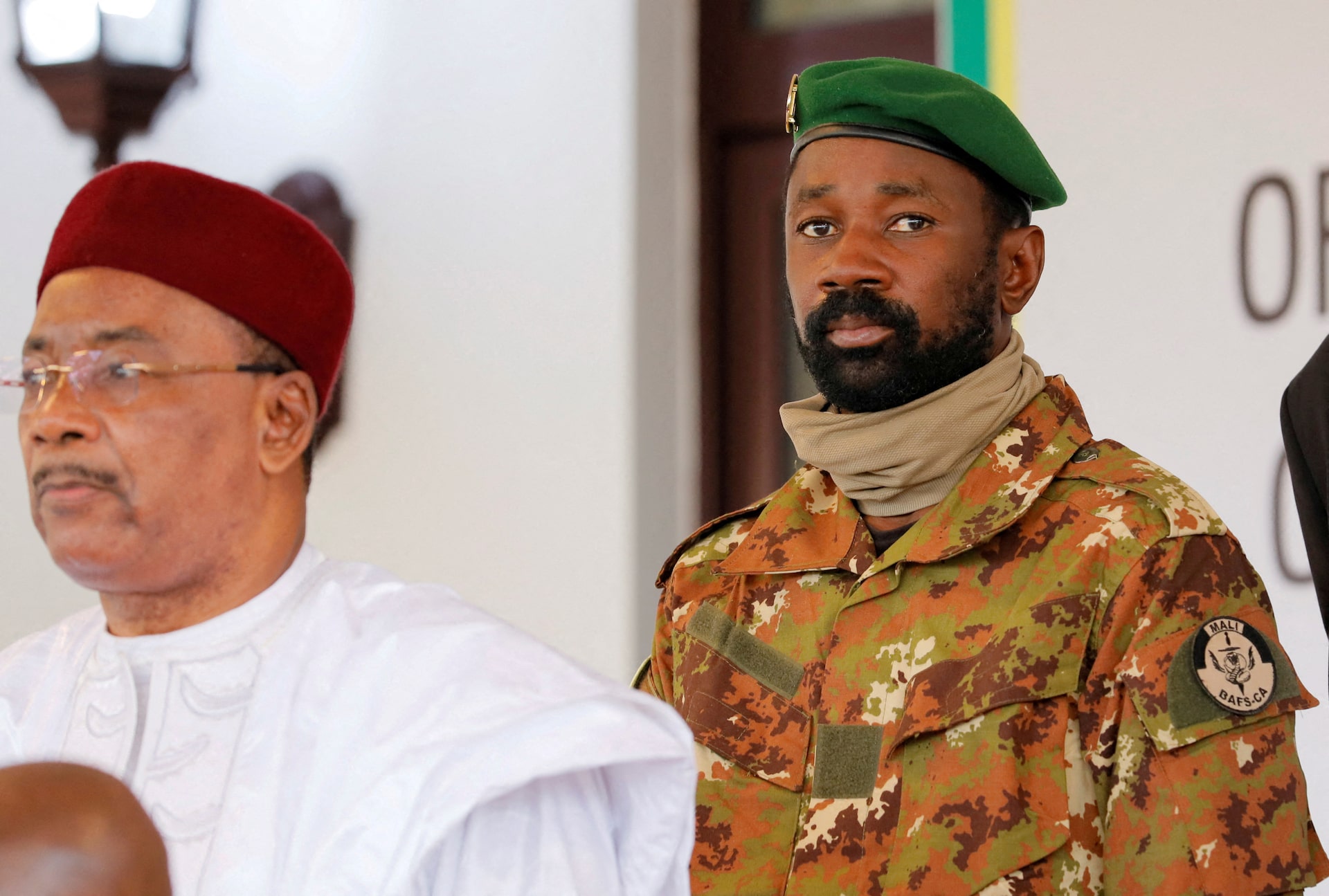
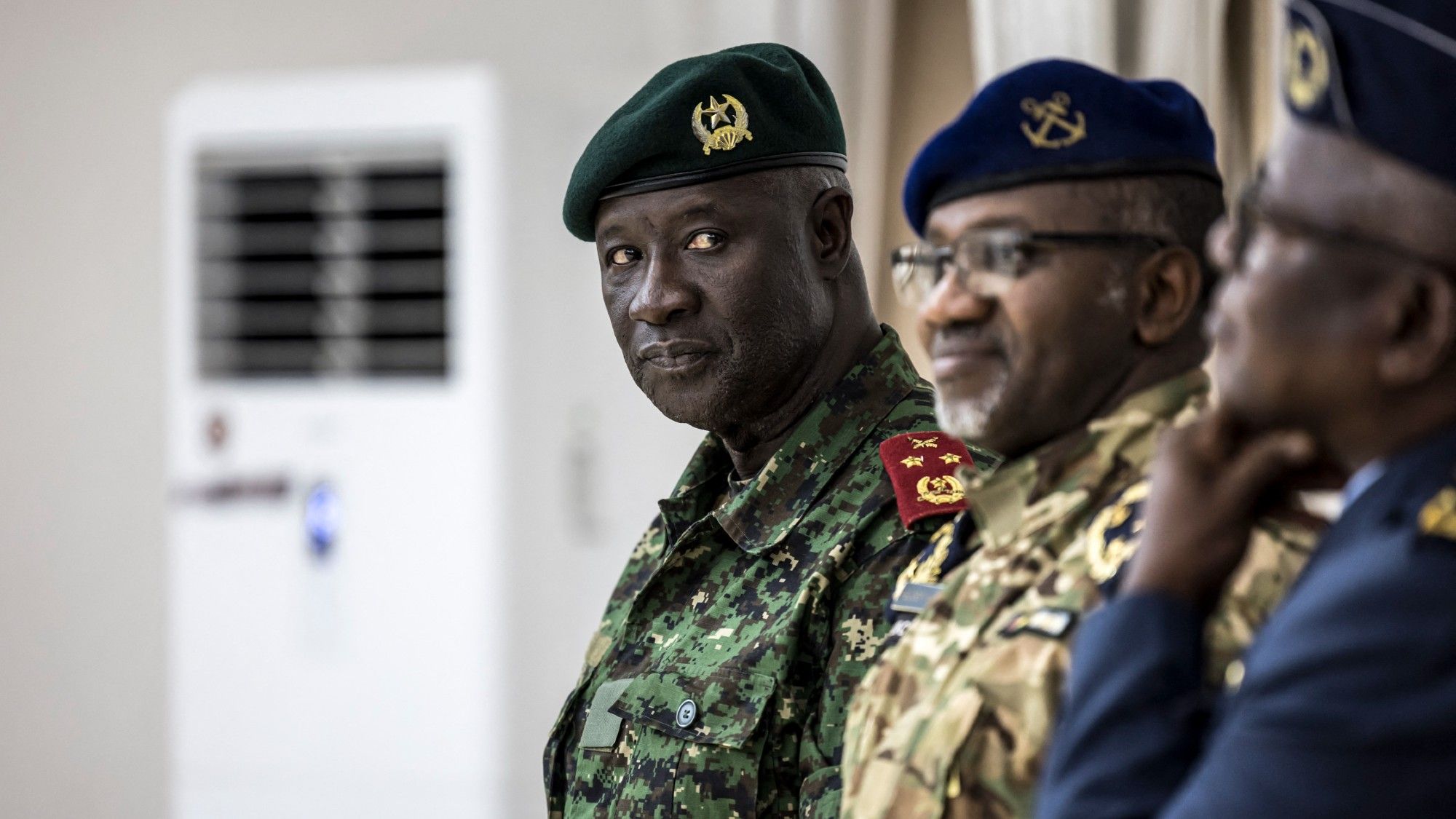
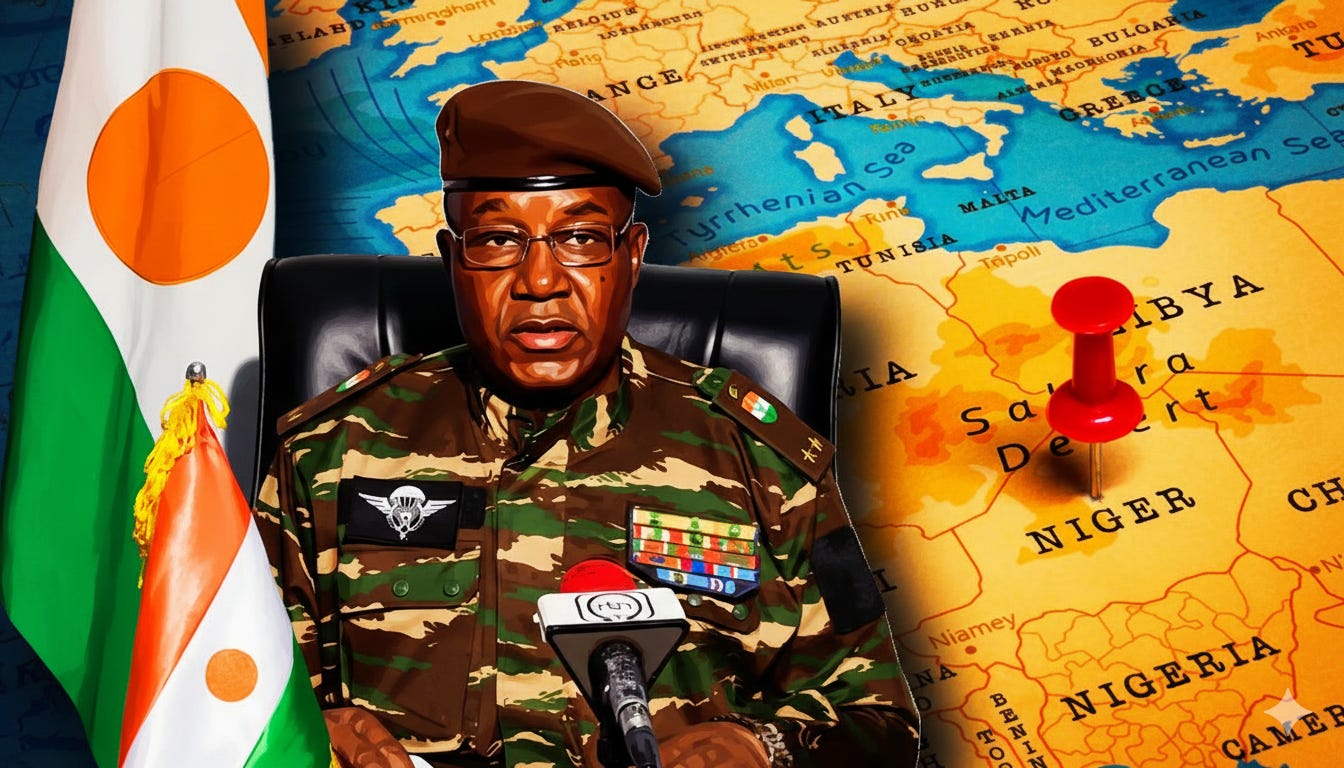
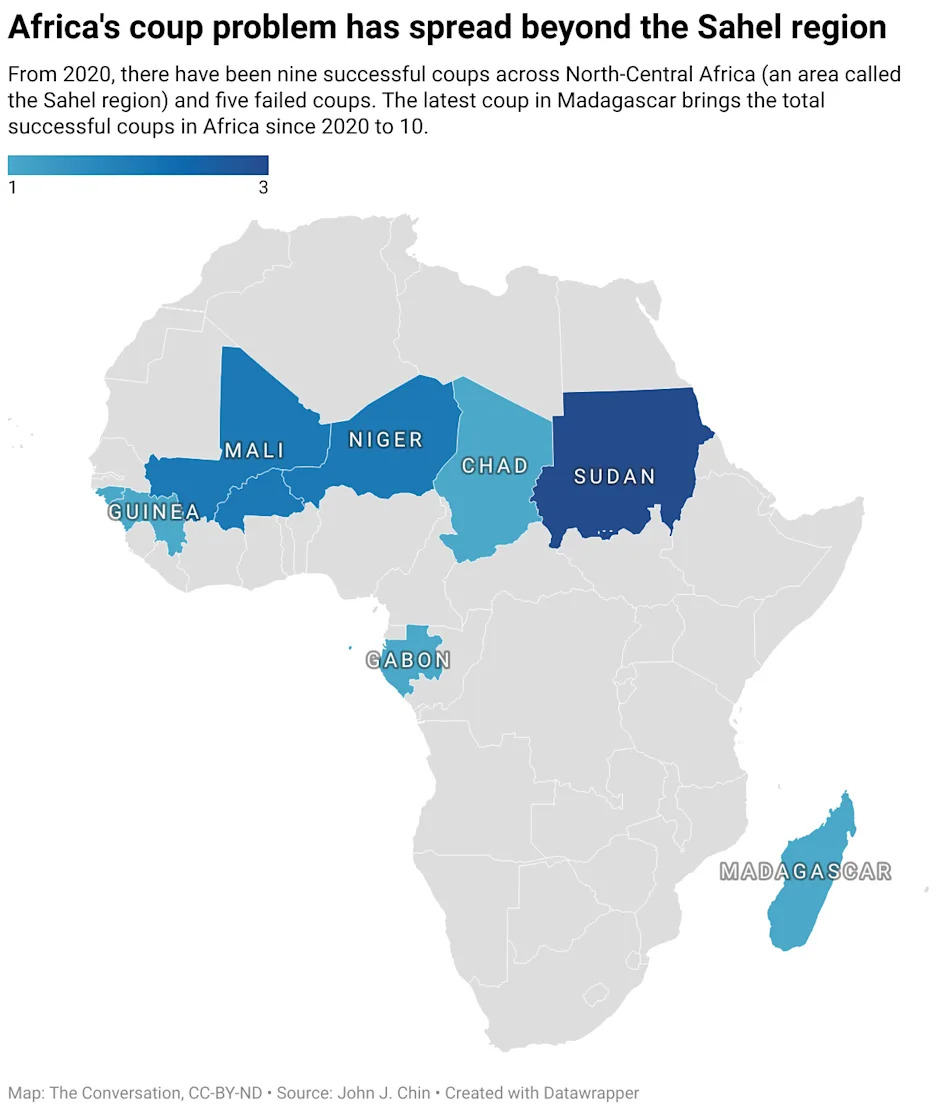
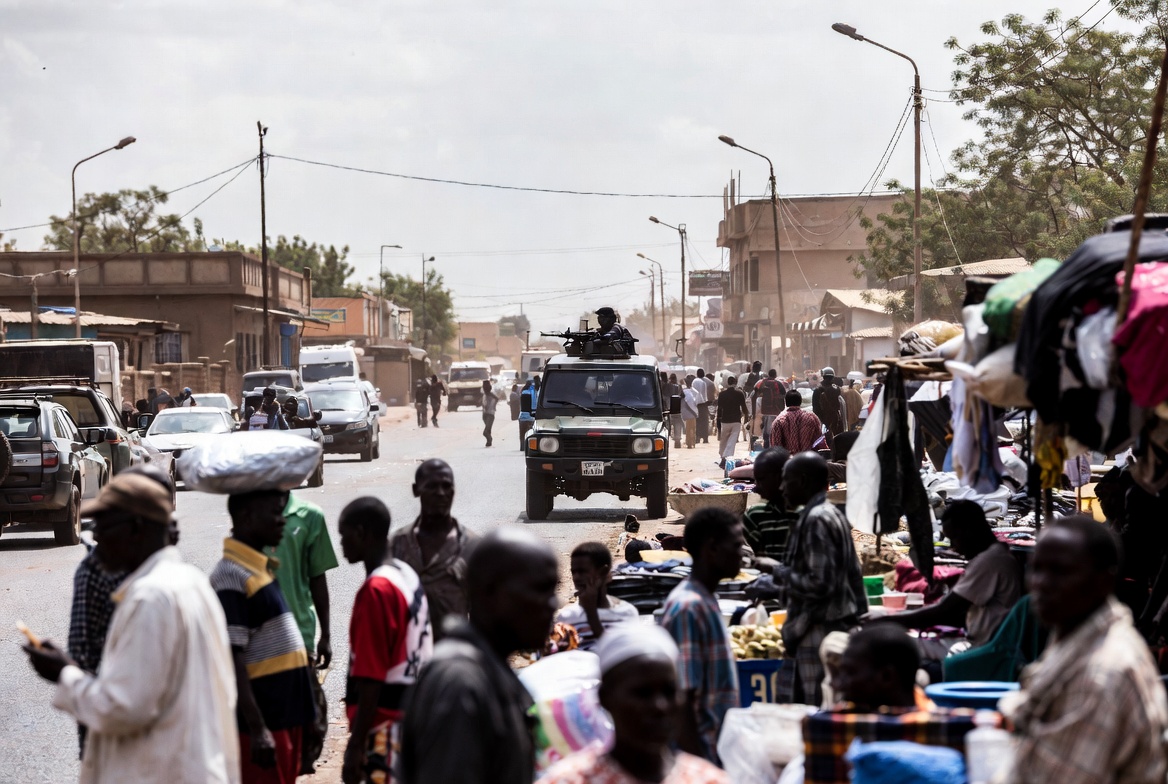
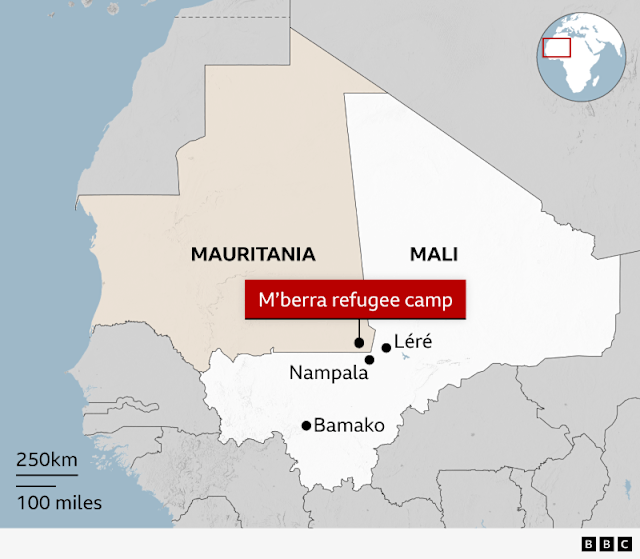
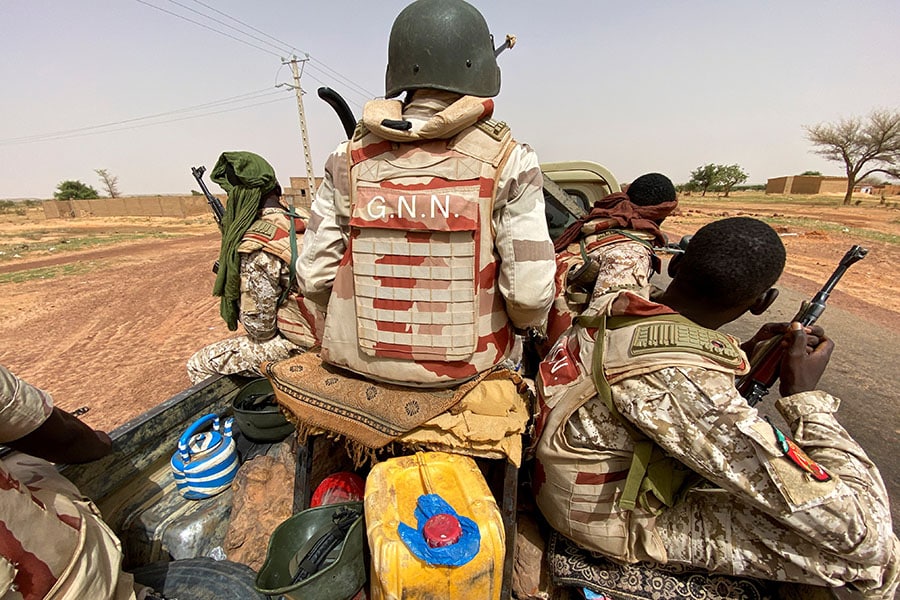
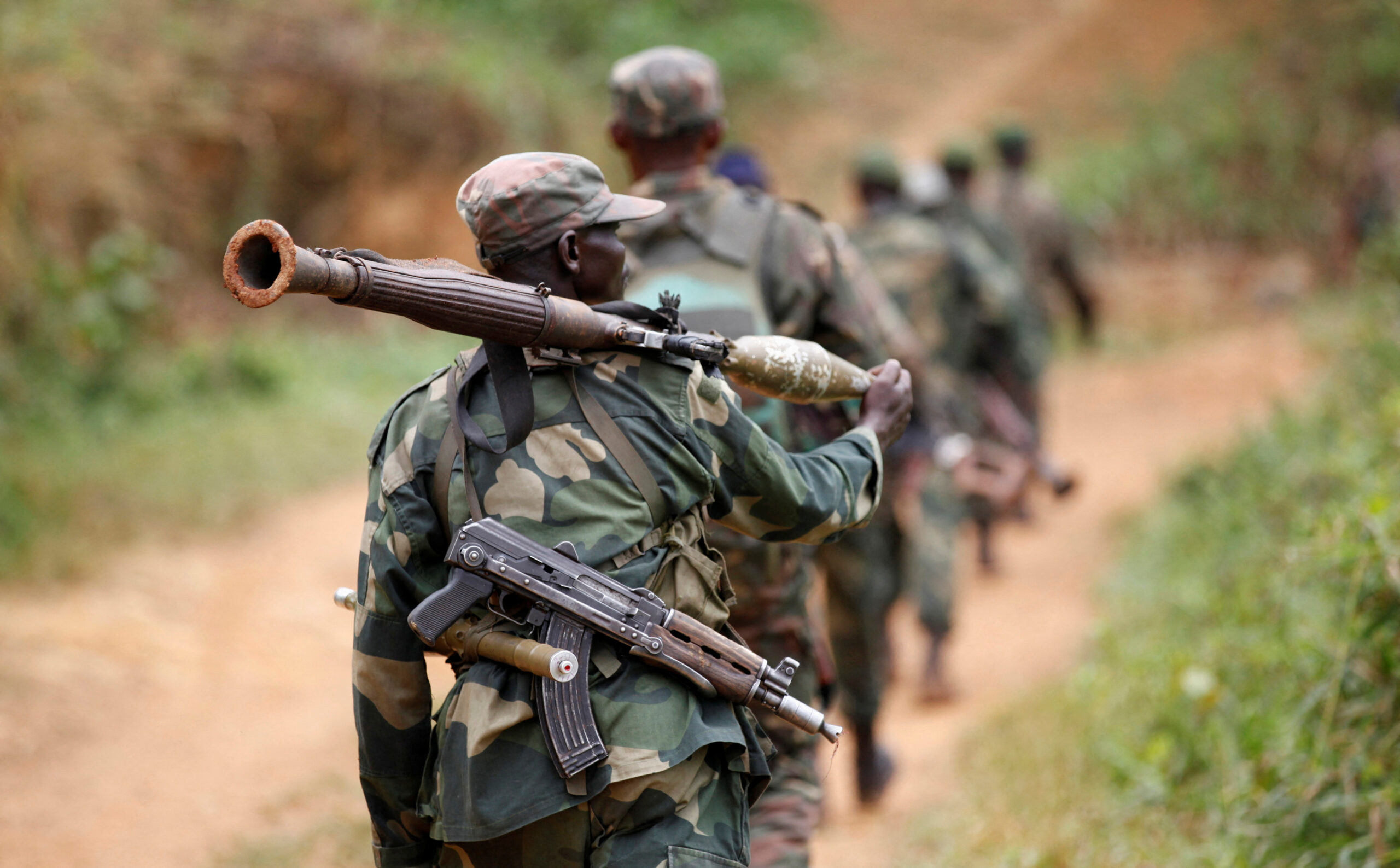
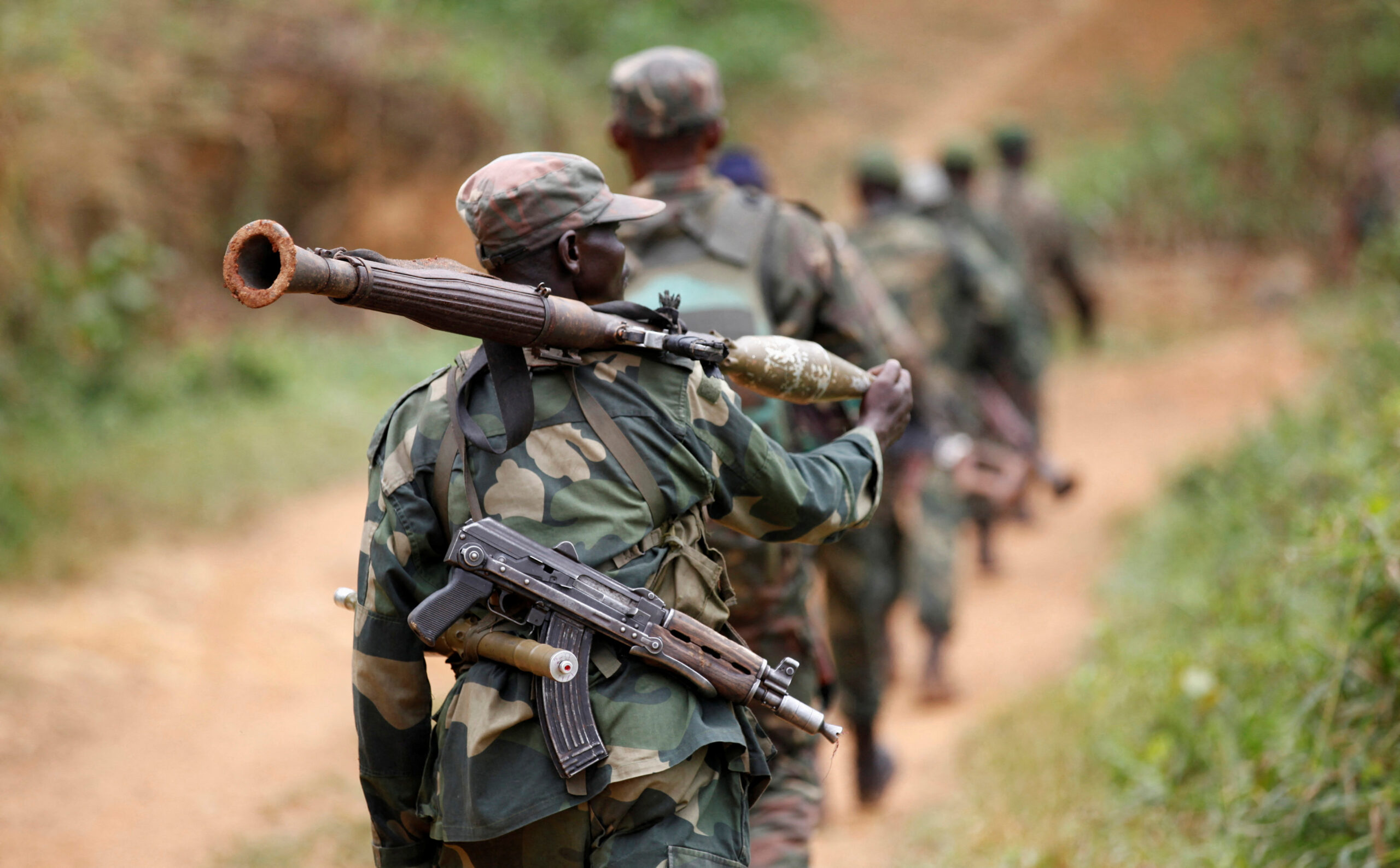
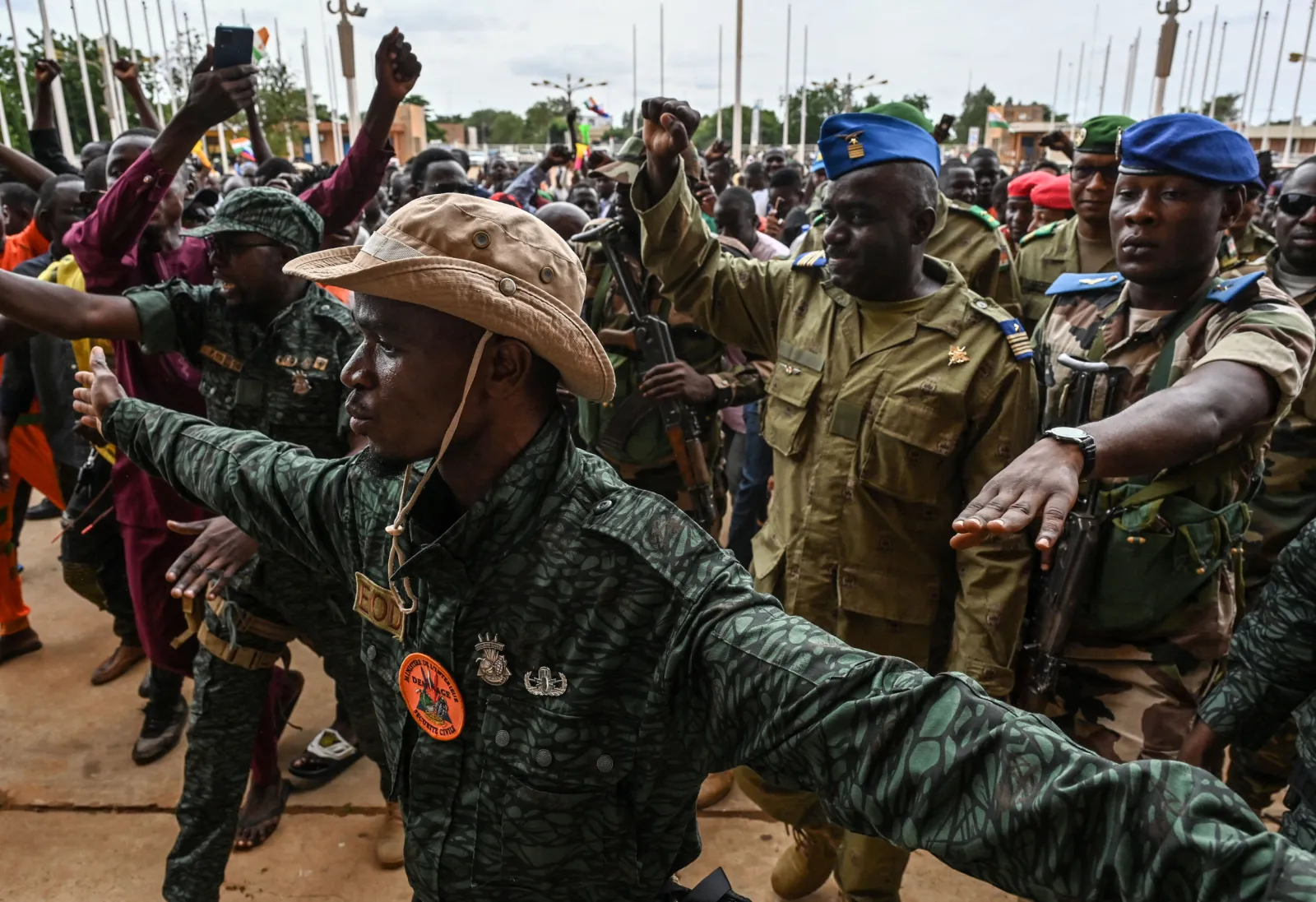
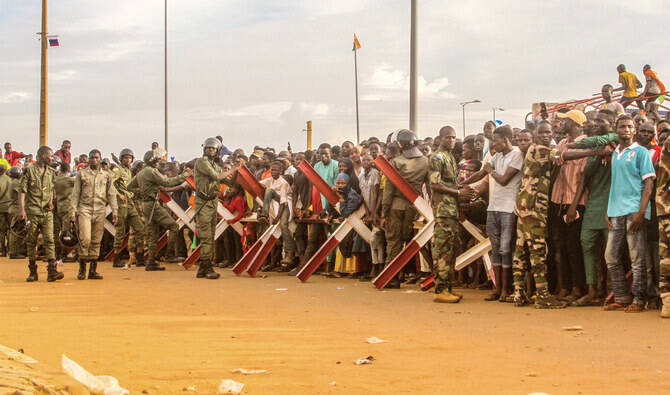
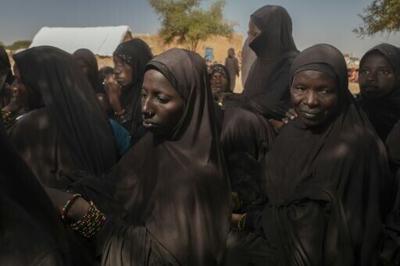
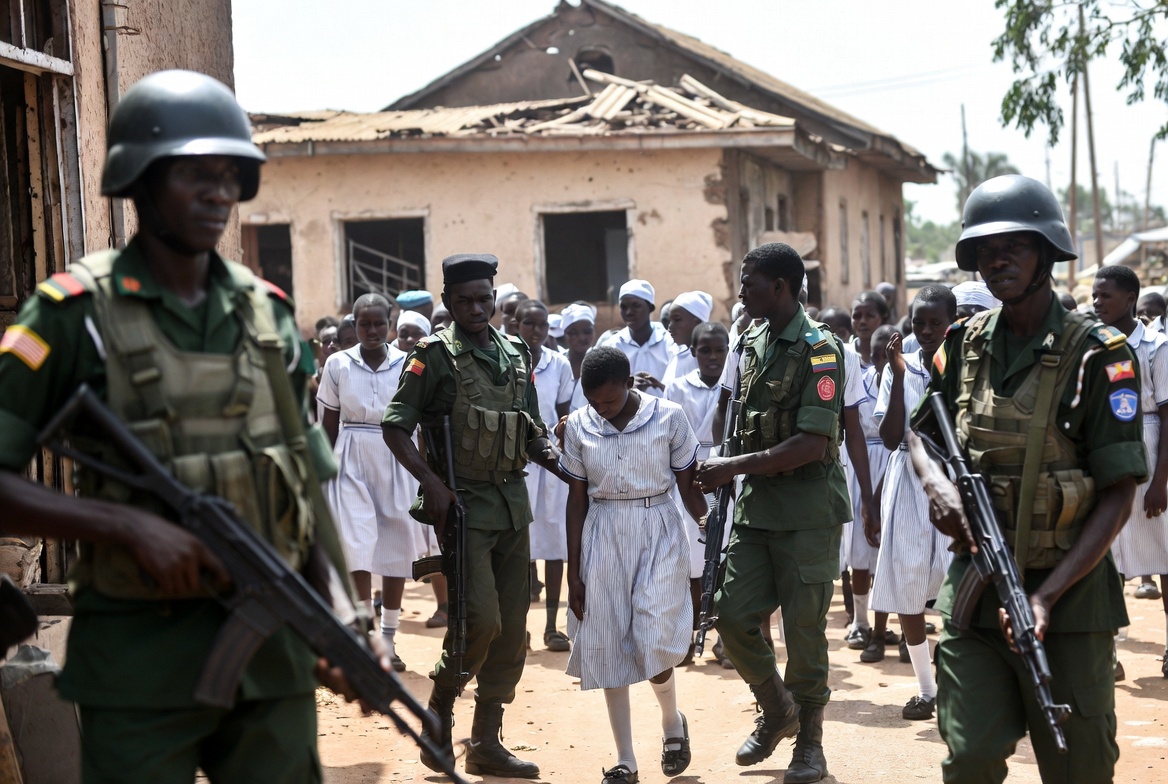
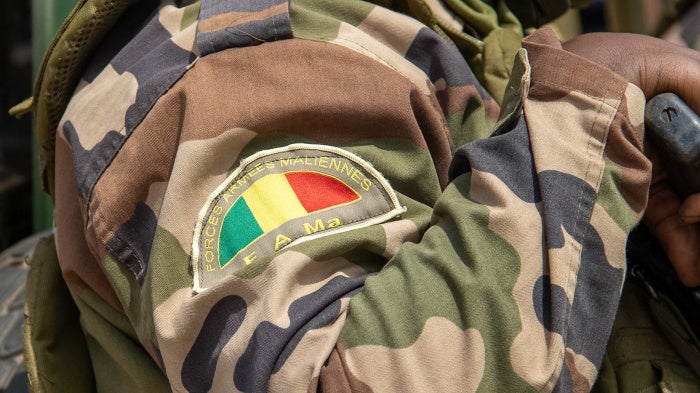
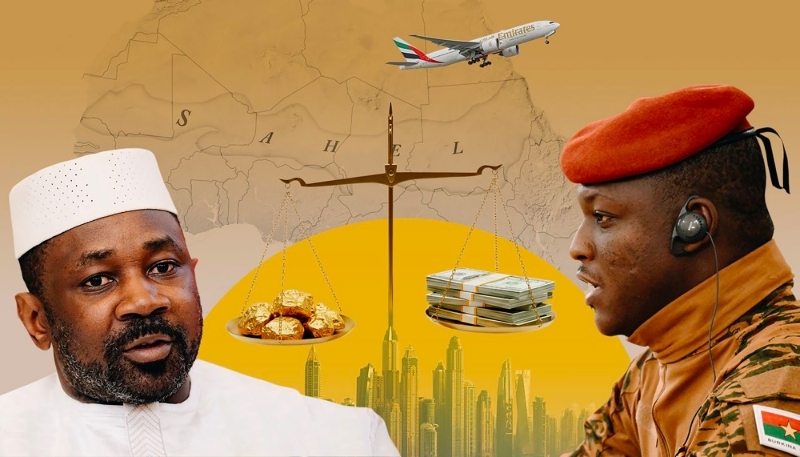
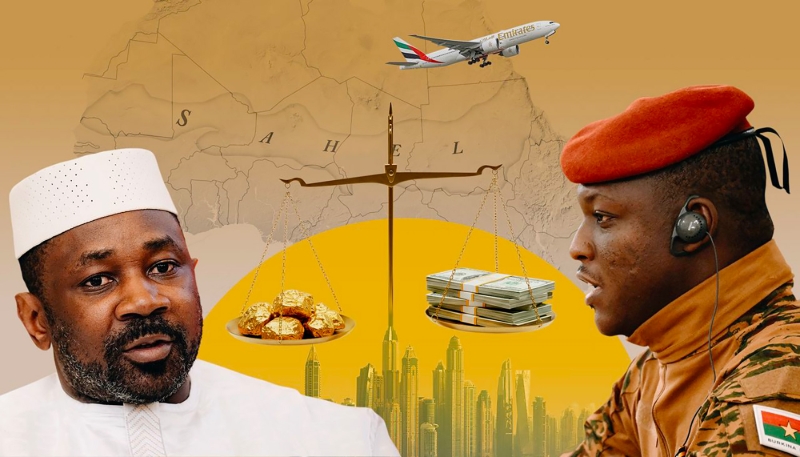
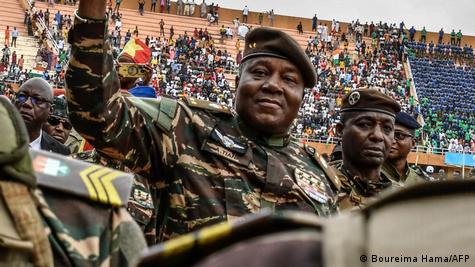
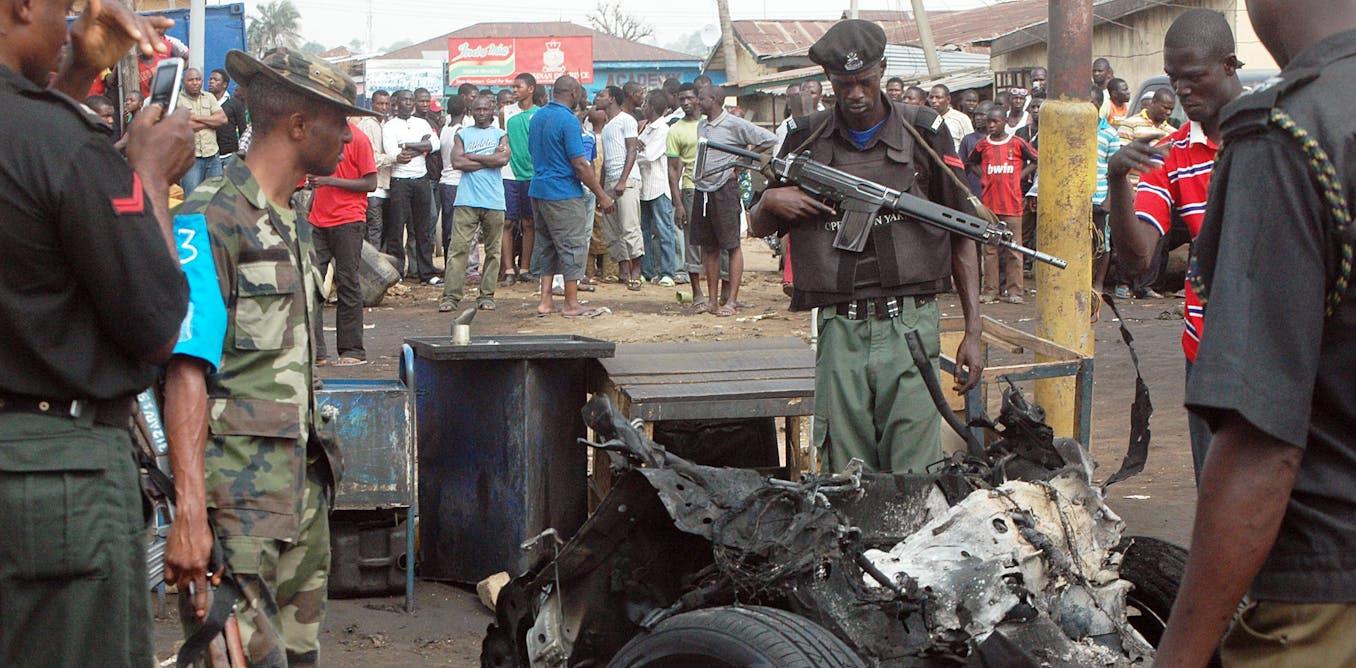
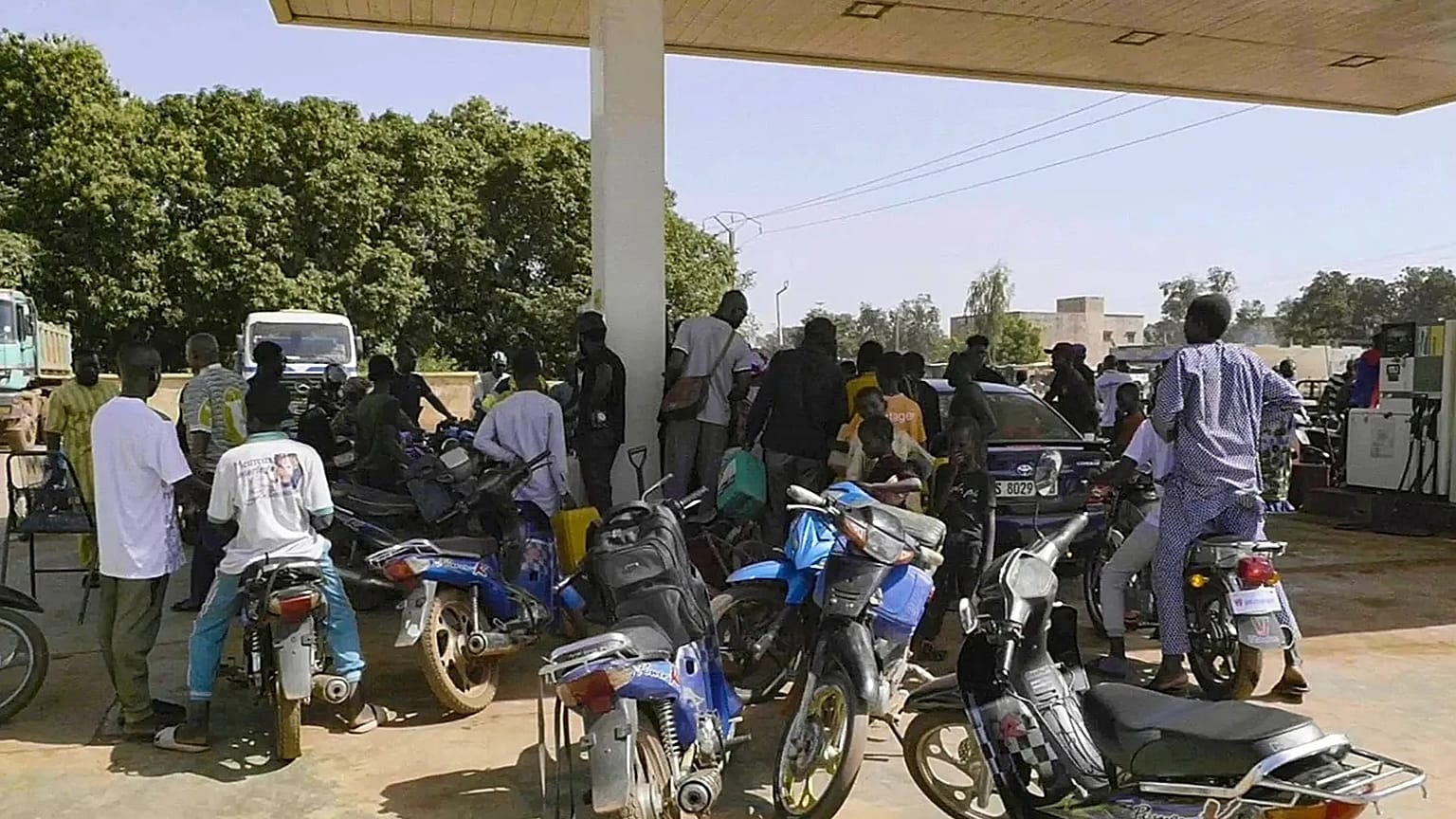
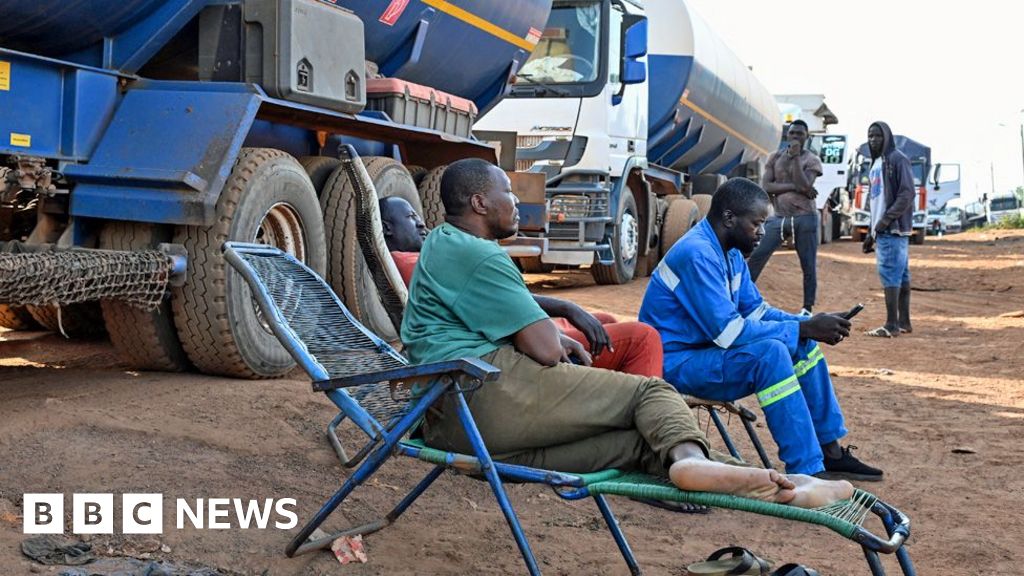
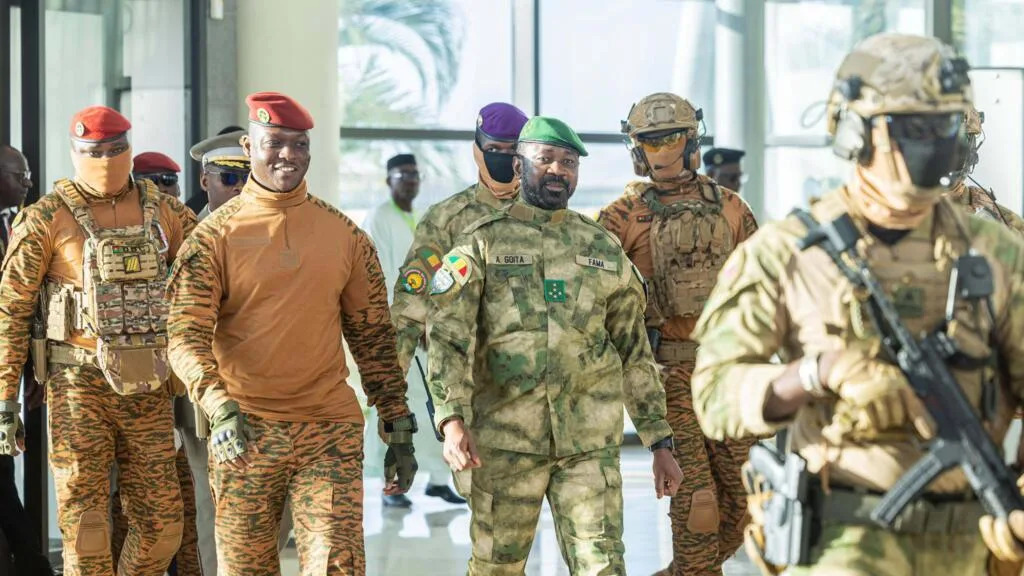
The heart of West Africa, the Sahel, is undergoing a profound transformation, one that’s reshaping its political and security landscape. Nations like Mali, Niger, and Burkina Faso, long battling insurgency and instability, now find themselves under prolonged military rule, navigating a complex web of international influence. As traditional Western partners scale back their presence, Russia is rapidly expanding its footprint, creating new dynamics in the ongoing fight against tenacious jihadist groups and worsening already dire humanitarian crises, including widespread food insecurity. Consider Mali, where multiple coups have paved the way for militants to gain strength. Despite Russian military support, decisive victories against these insurgents remain elusive. For ordinary citizens, this translates to worsening economic conditions and soaring prices, leaving millions in Mali’s central and northern regions desperately searching for food and basic necessities. This humanitarian fallout only risks deepening instability and hardship for countless families across the Sahel region.
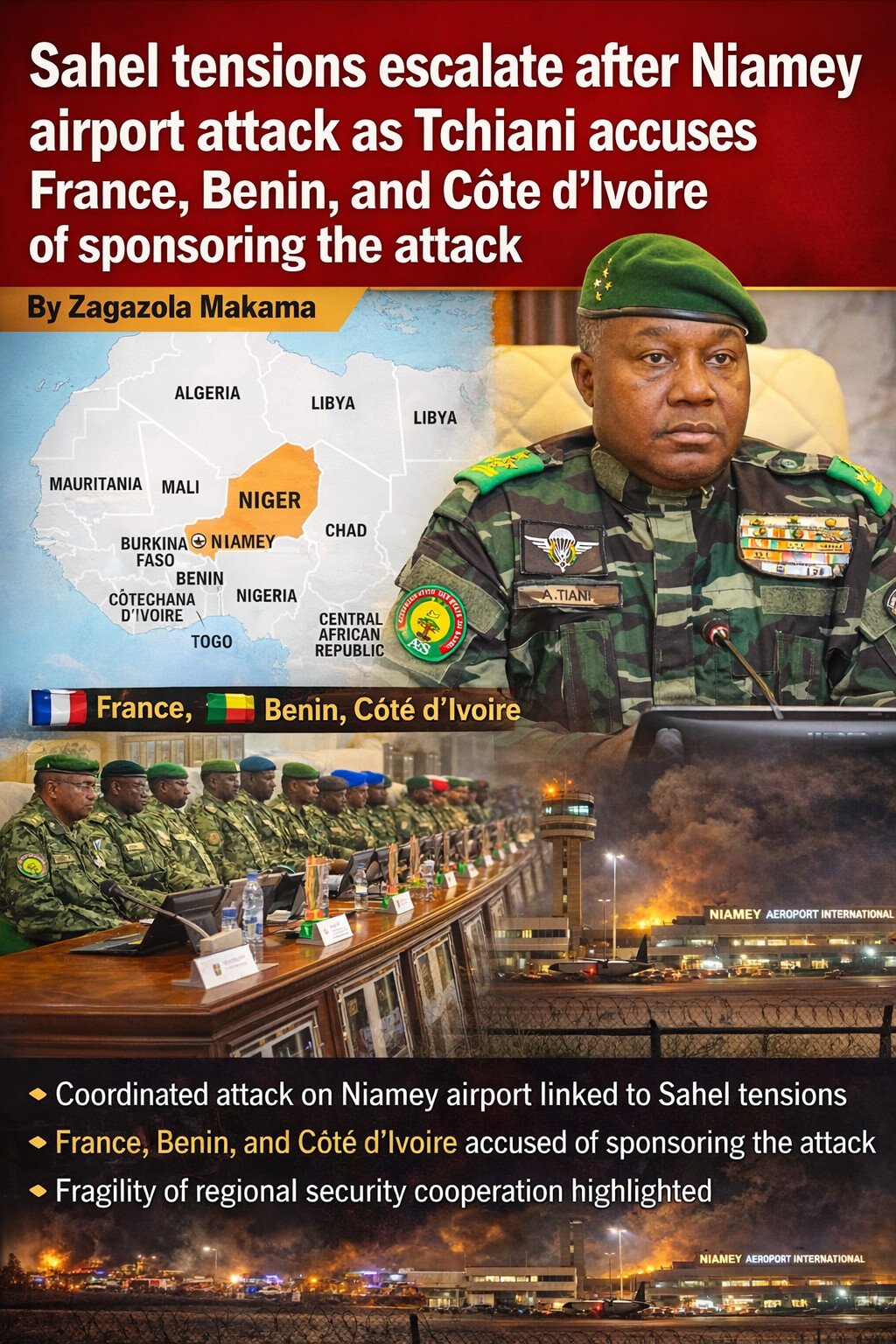
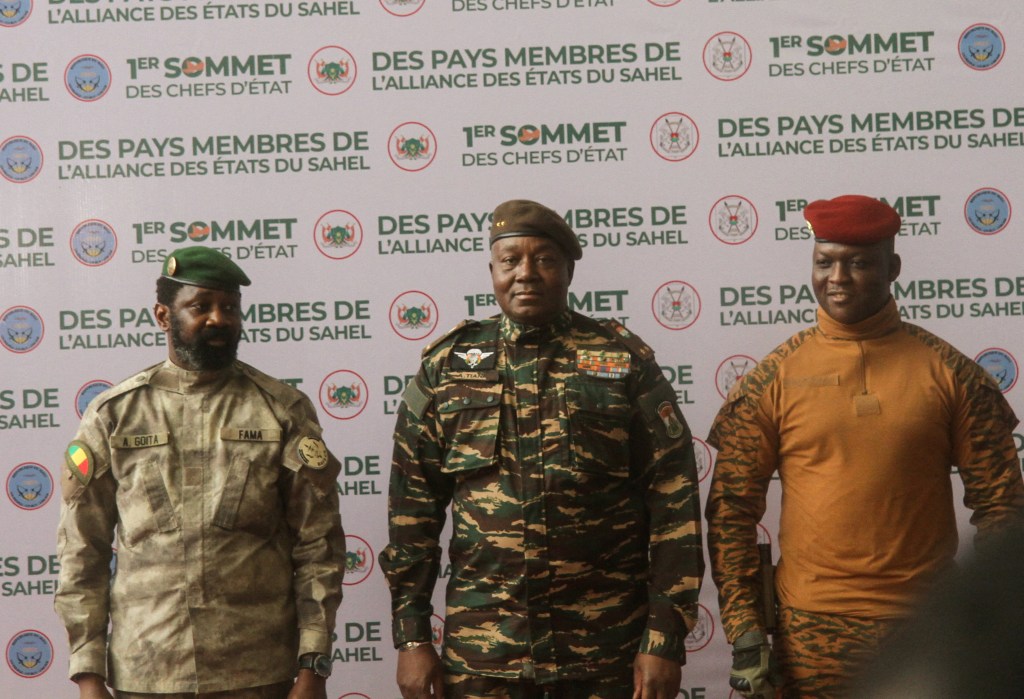
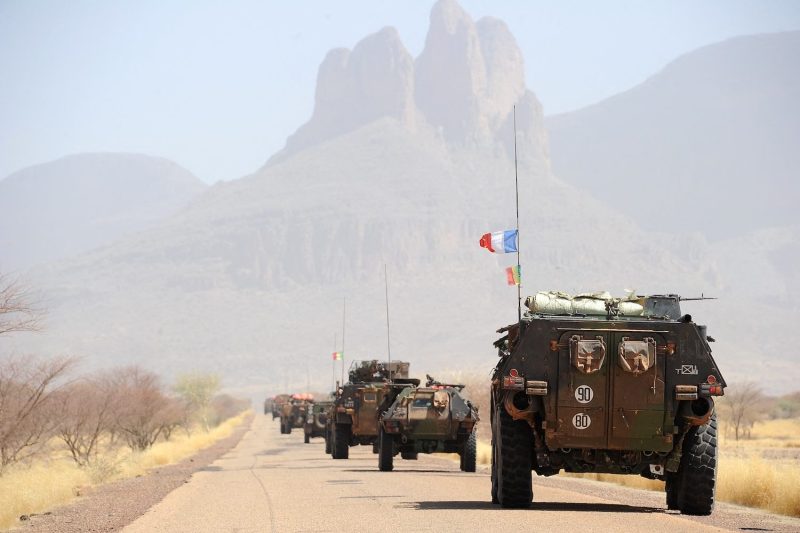
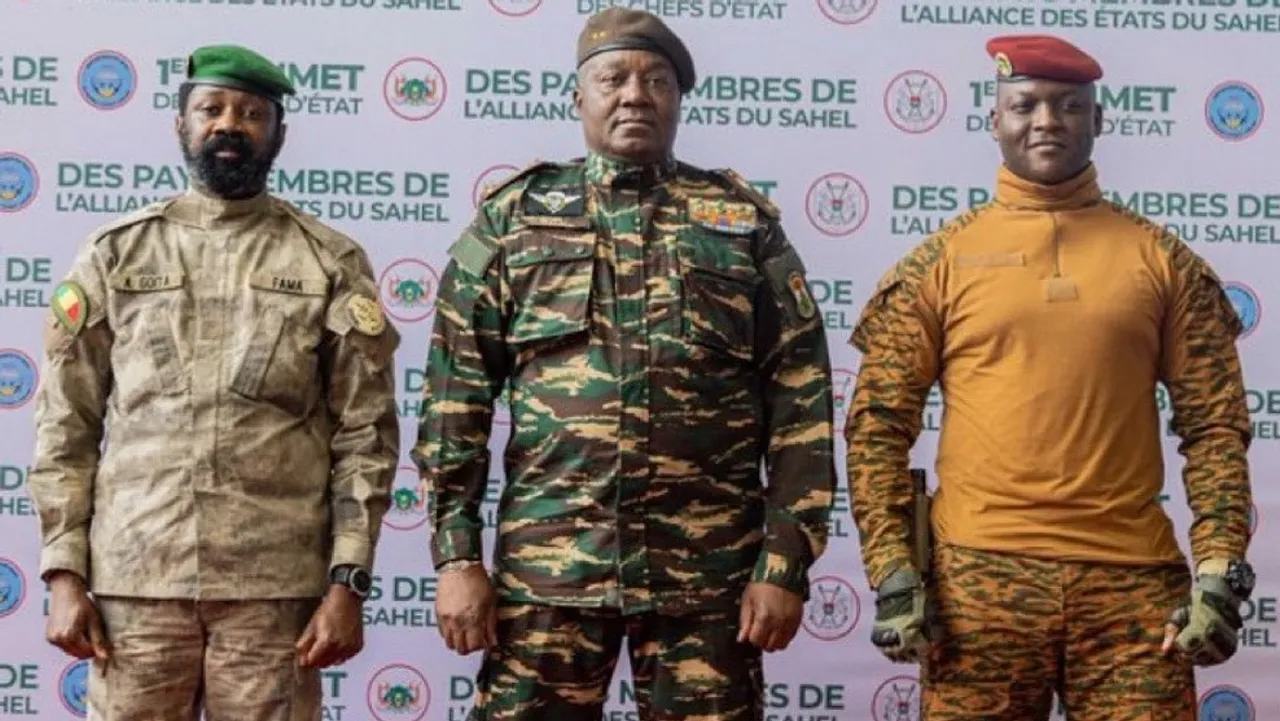
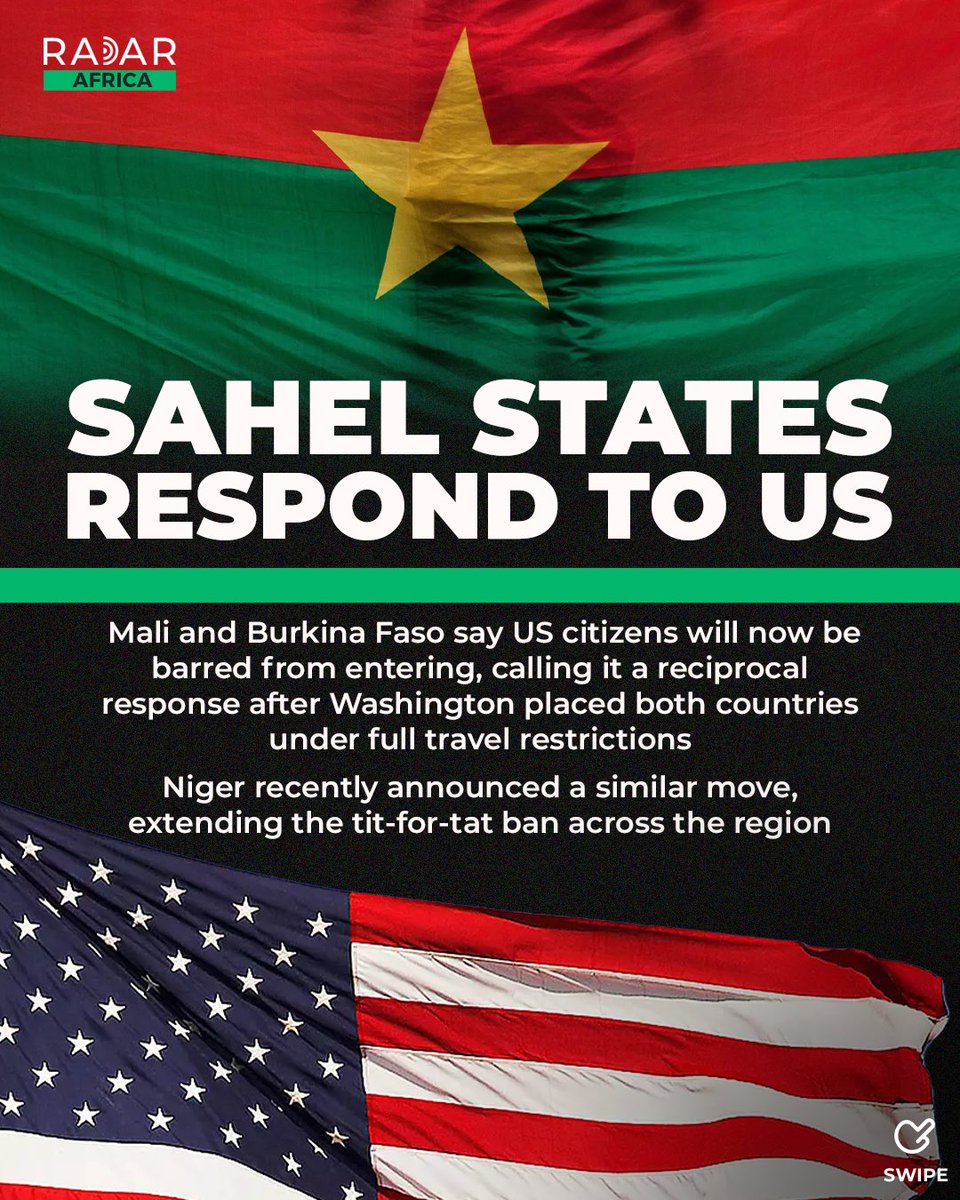
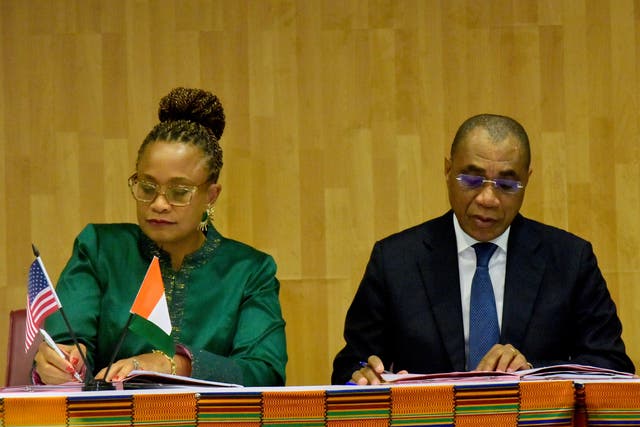
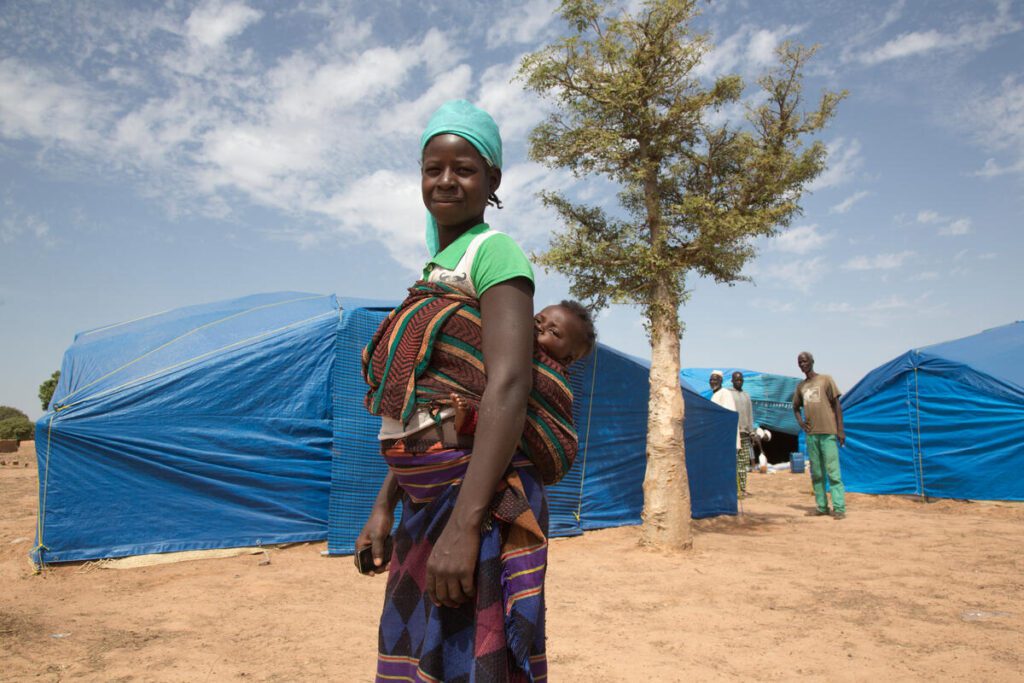
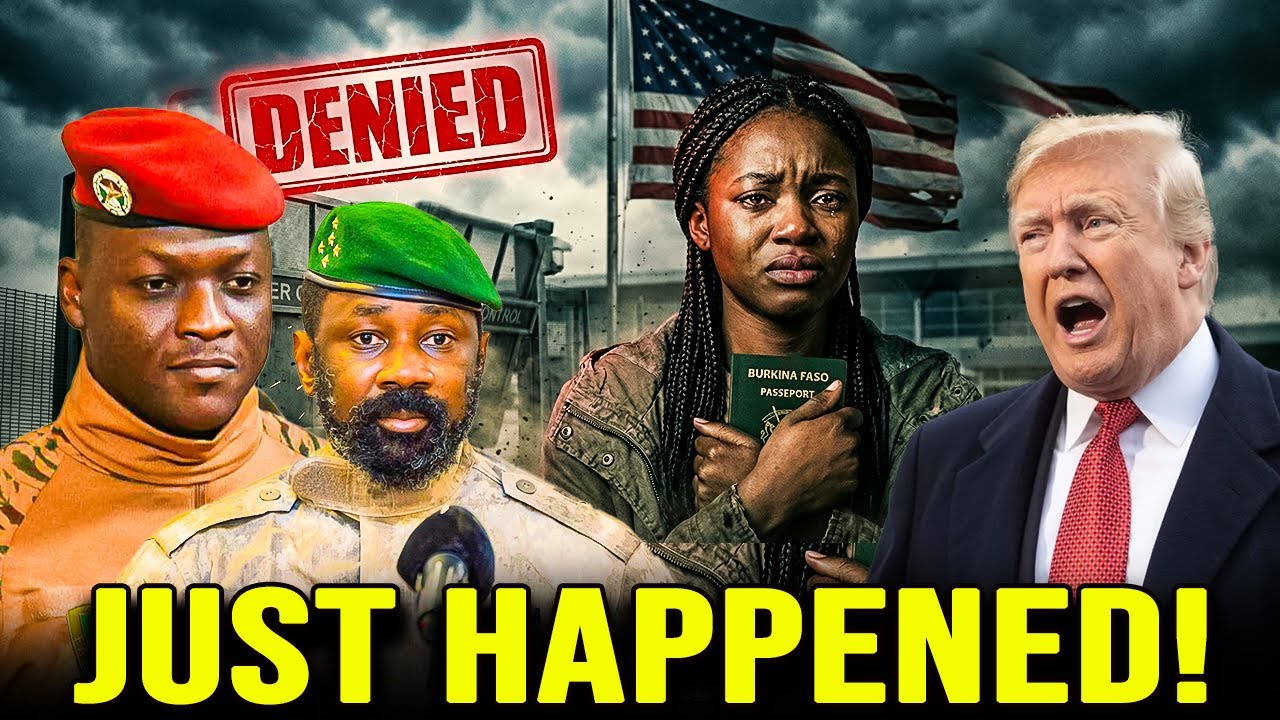
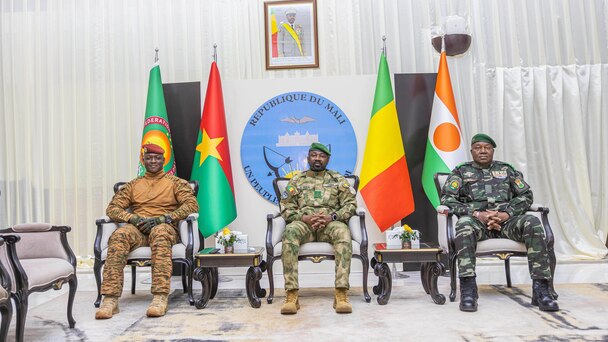
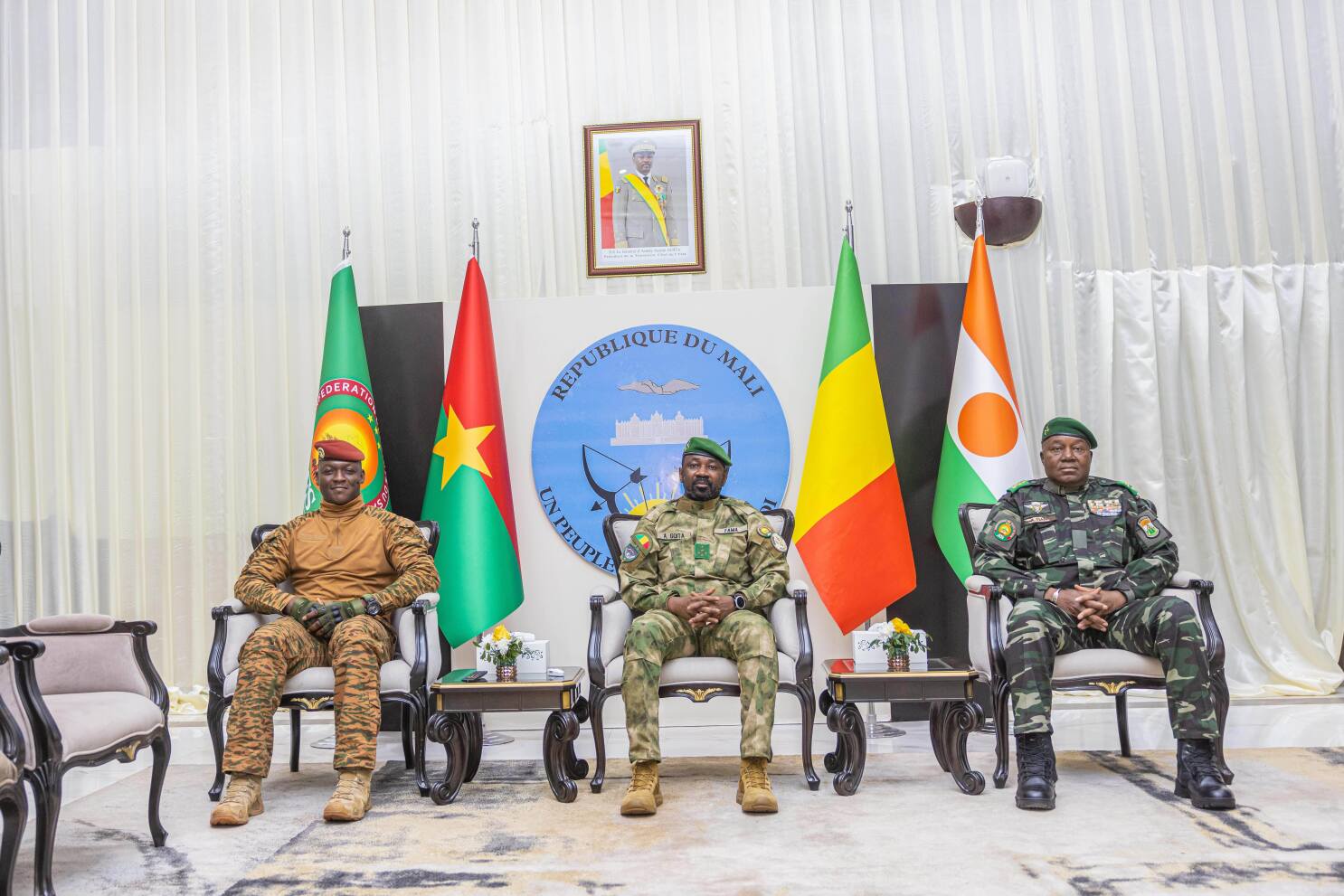
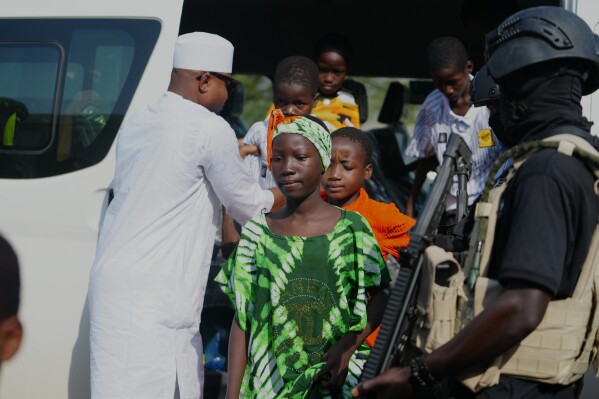
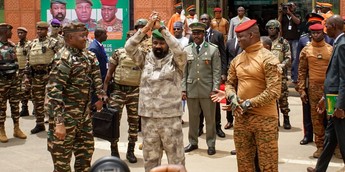
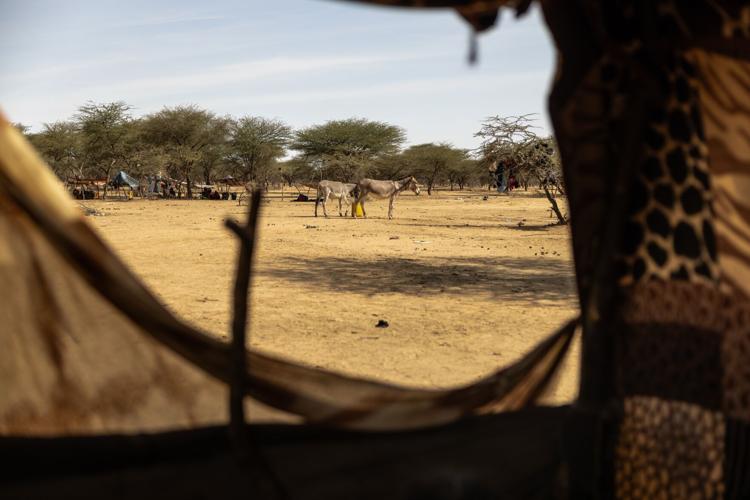
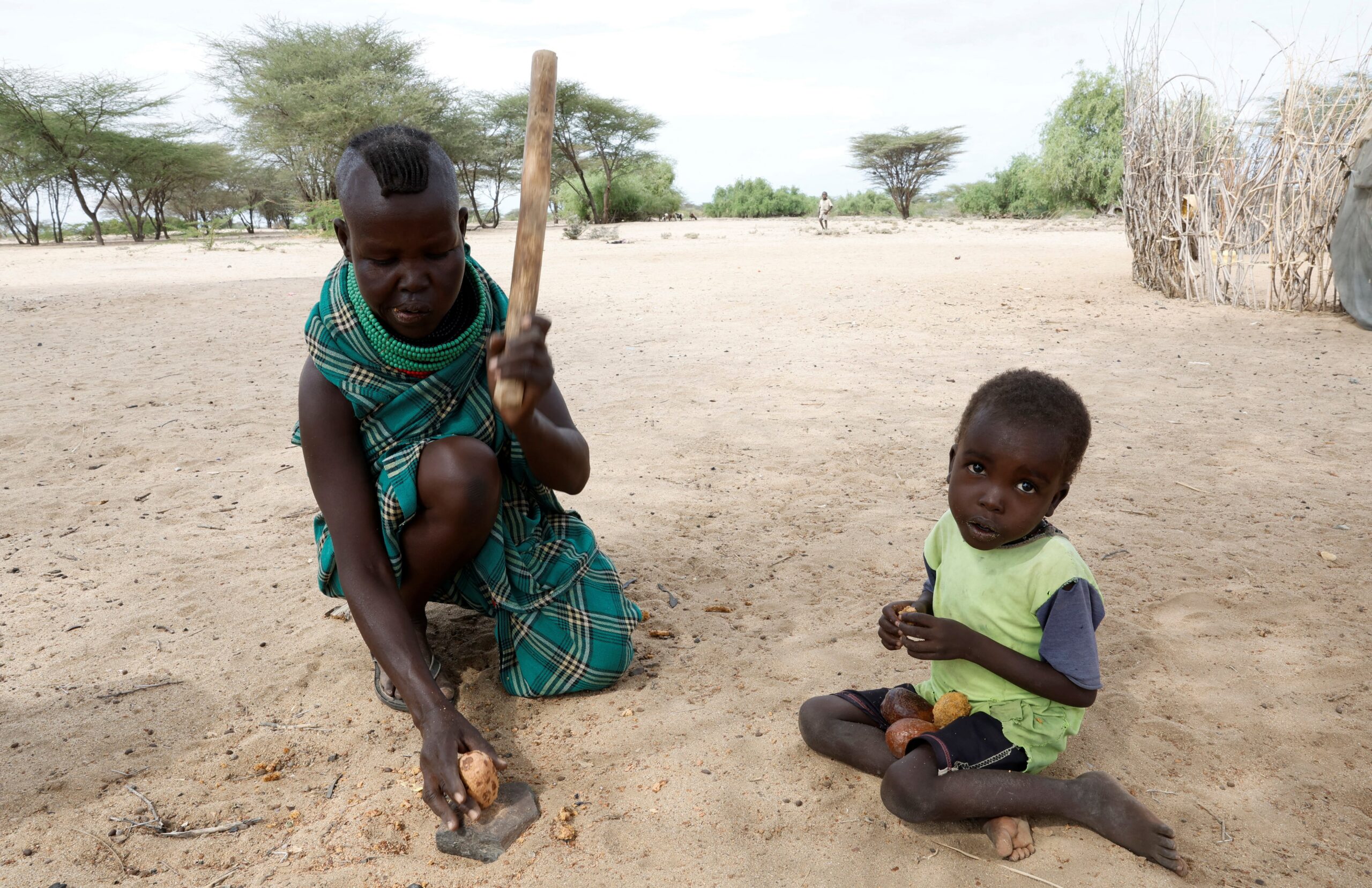
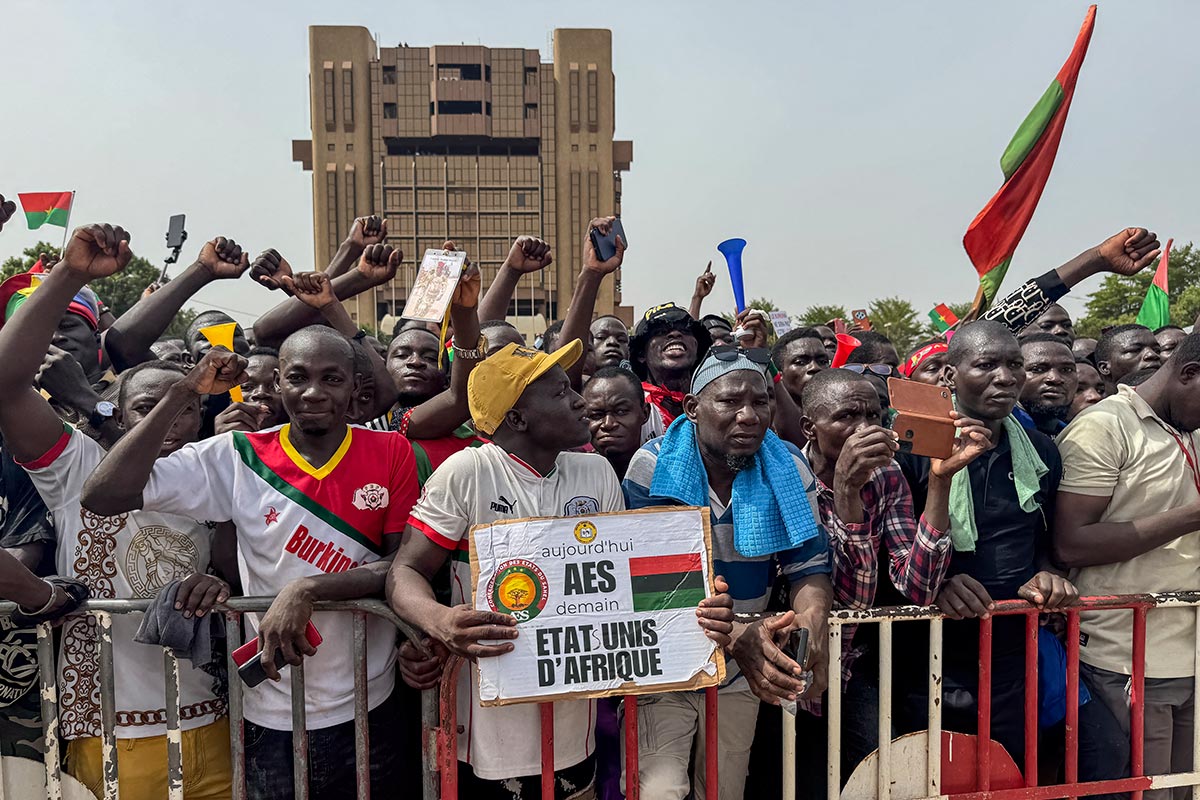
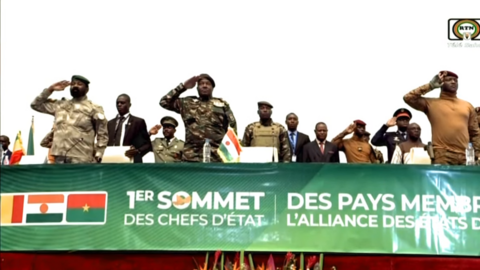
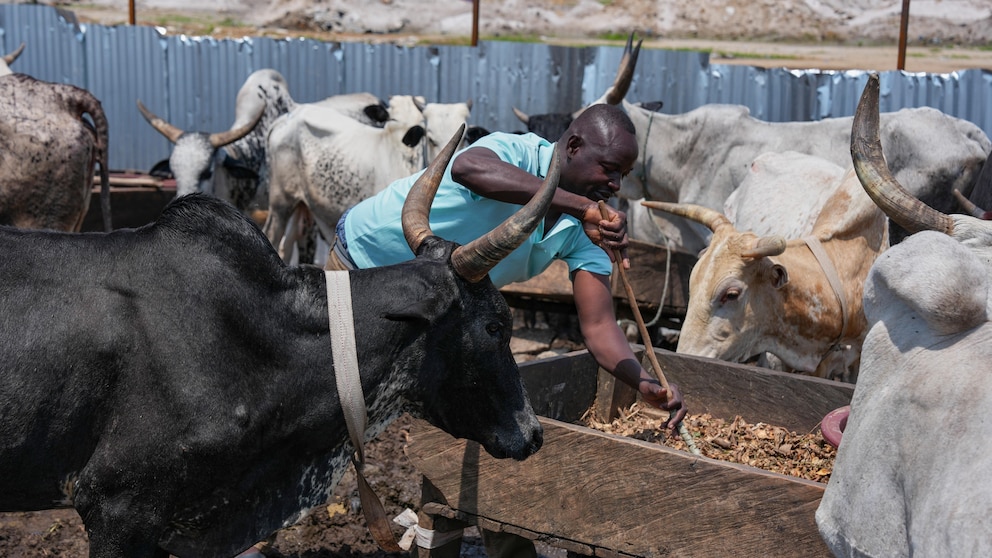
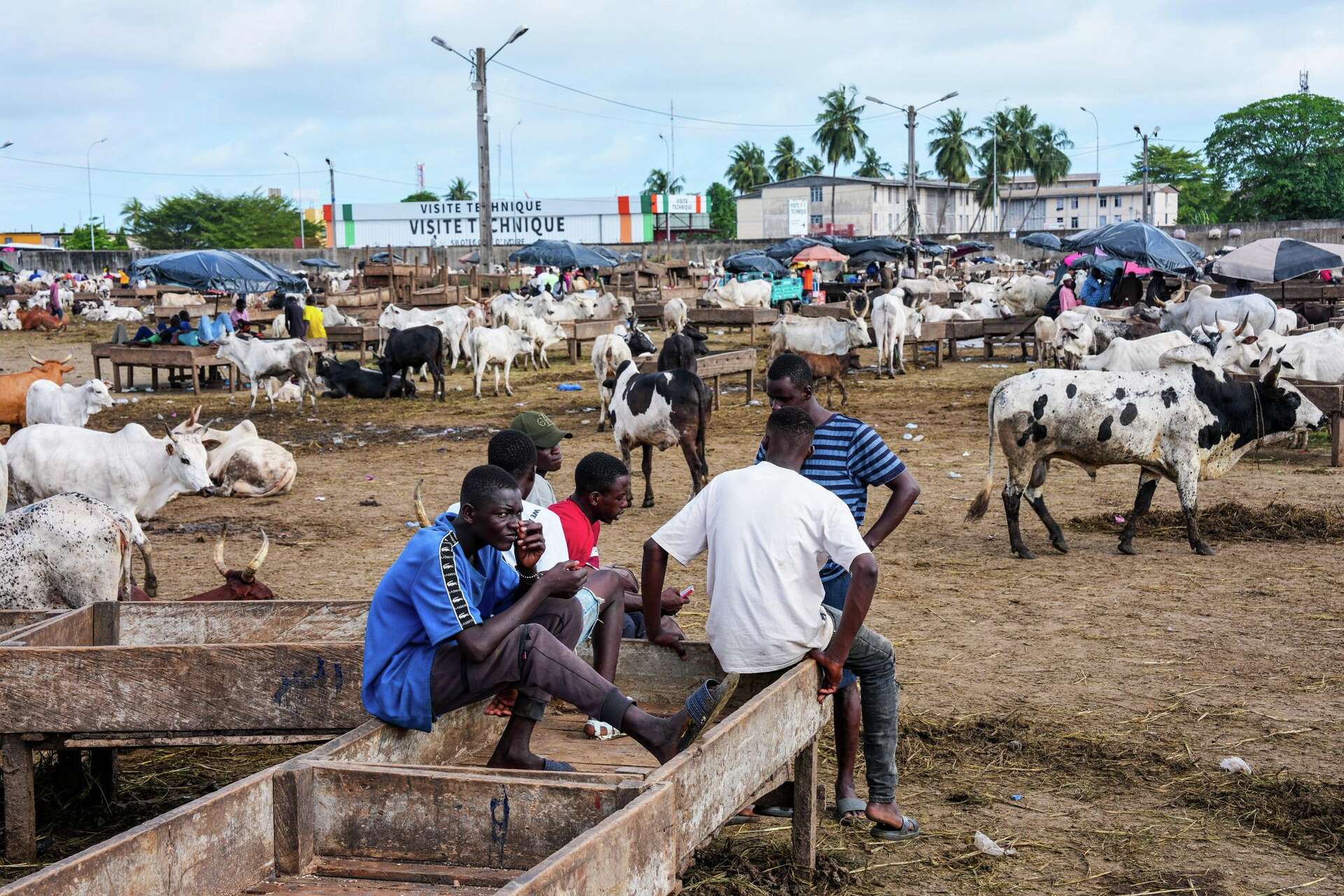
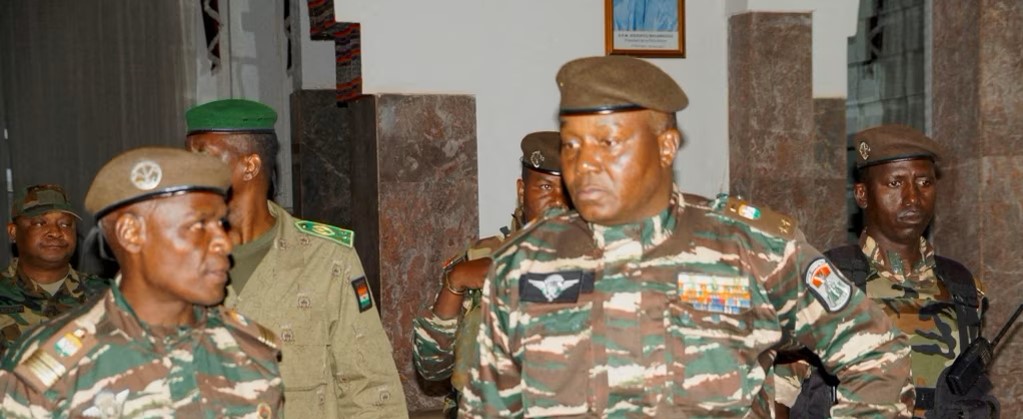
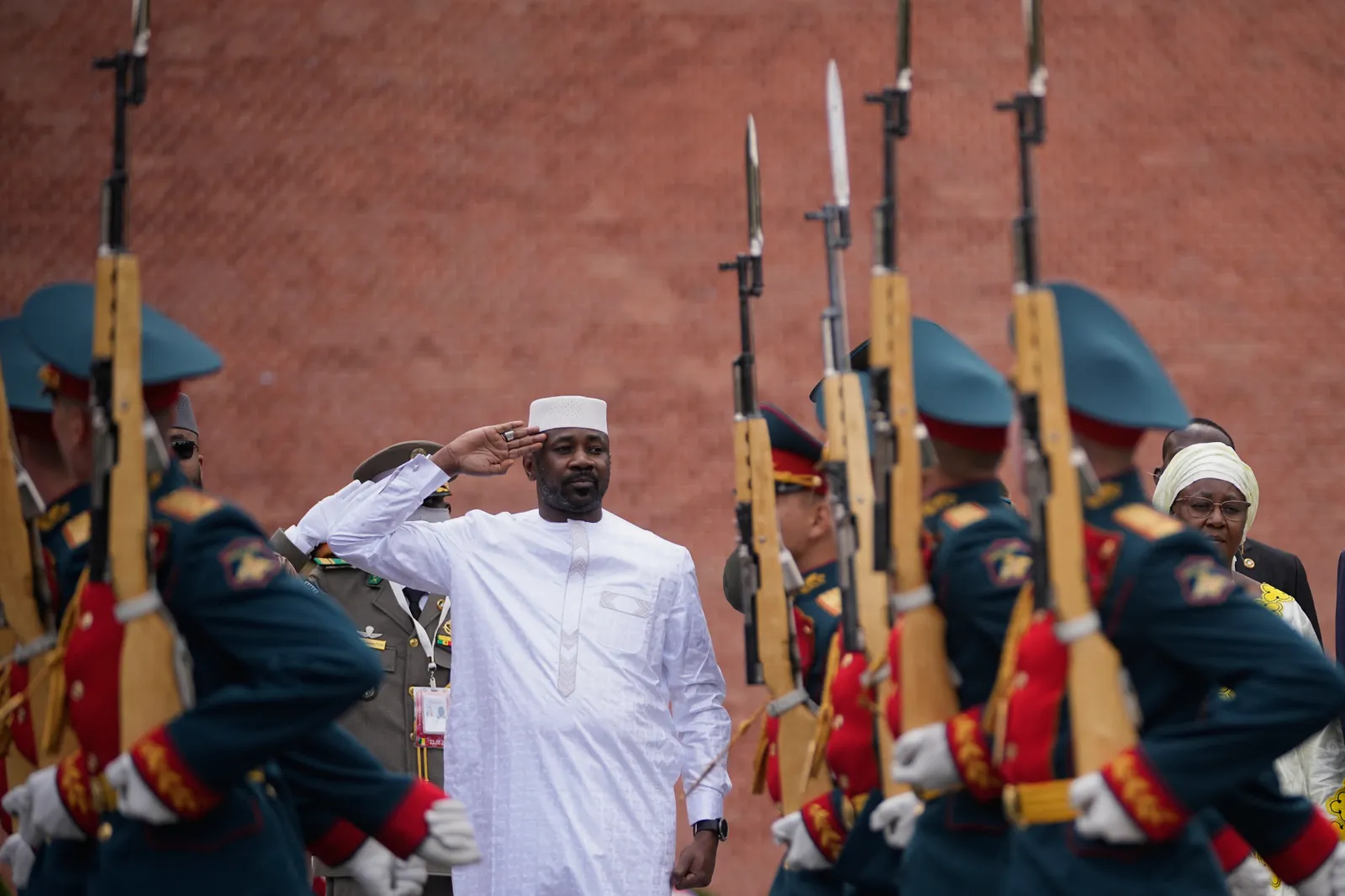
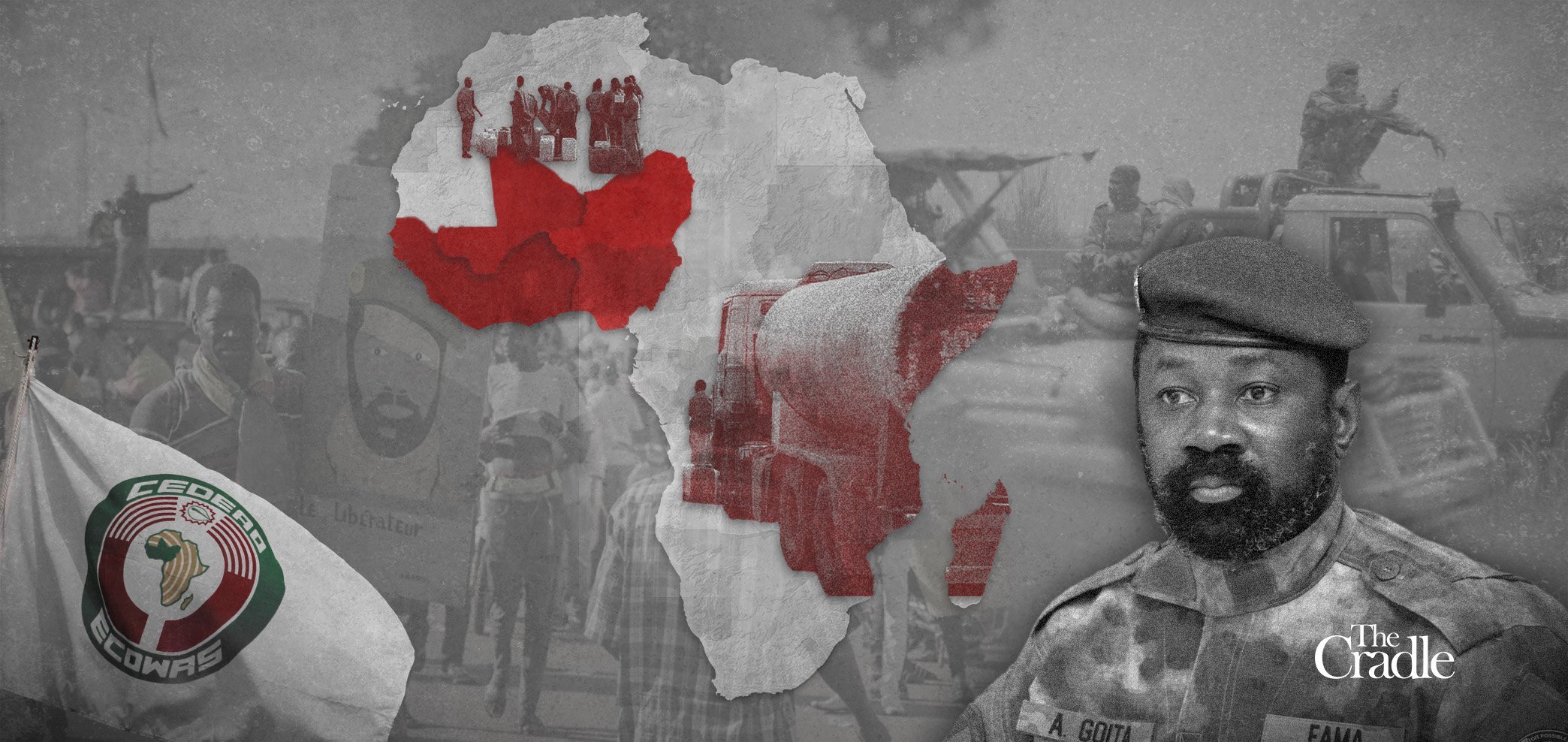
Amid these escalating challenges, the United States is adjusting its strategy for the Sahel region. Acknowledging previous approaches haven’t fully worked and that Russian influence is deepening, Washington is shifting towards a more pragmatic détente with the military governments in Mali, Niger, and Burkina Faso. This isn’t just a minor tweak, it’s a notable move away from policies that previously prioritized democratic governance and security cooperation through Western allies like France and the EU. Those partners have seen their roles significantly curtailed, with Mali and its neighbors expelling French troops, limiting EU collaboration, and even exiting the ECOWAS bloc to form new regional alliances. Why this change? The US faces a delicate balancing act: it wants to tackle the persistent insecurity and terrorist threats that jeopardize regional stability and beyond, but it must also work with regimes often criticized for human rights abuses and undemocratic practices. The reality is, these military-led governments are in power, and isolating them won’t help address the critical security or humanitarian needs. Unfortunately, the humanitarian consequences are stark. Conflict and inflation in Mali, for instance, have kept food insecurity high, especially in areas where fighting disrupts farming and markets. Relief agencies warn these conditions will likely worsen through 2026, putting immense strain on already limited resources and compounding political instability. Don’t forget, these are people’s lives we’re talking about.
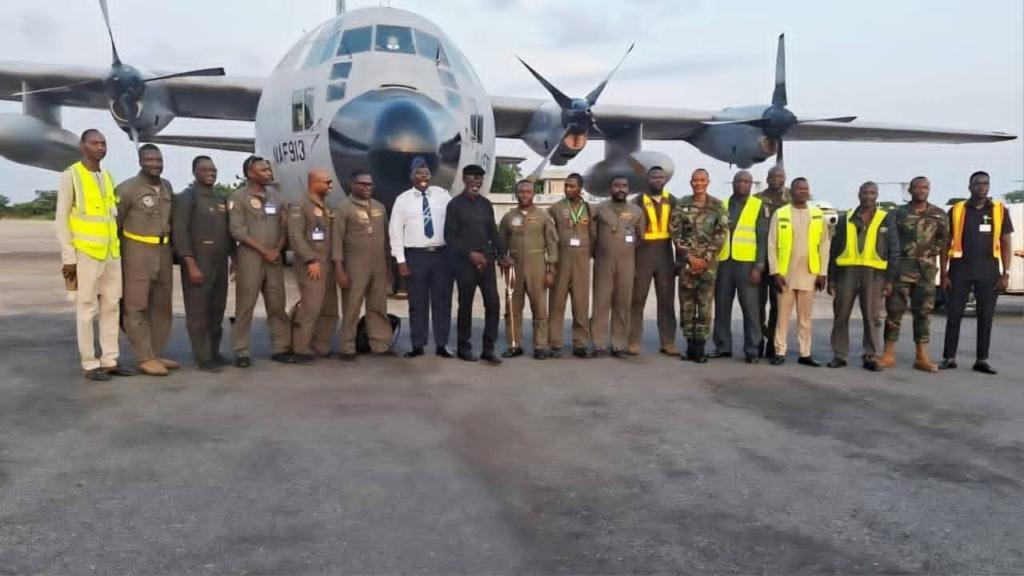
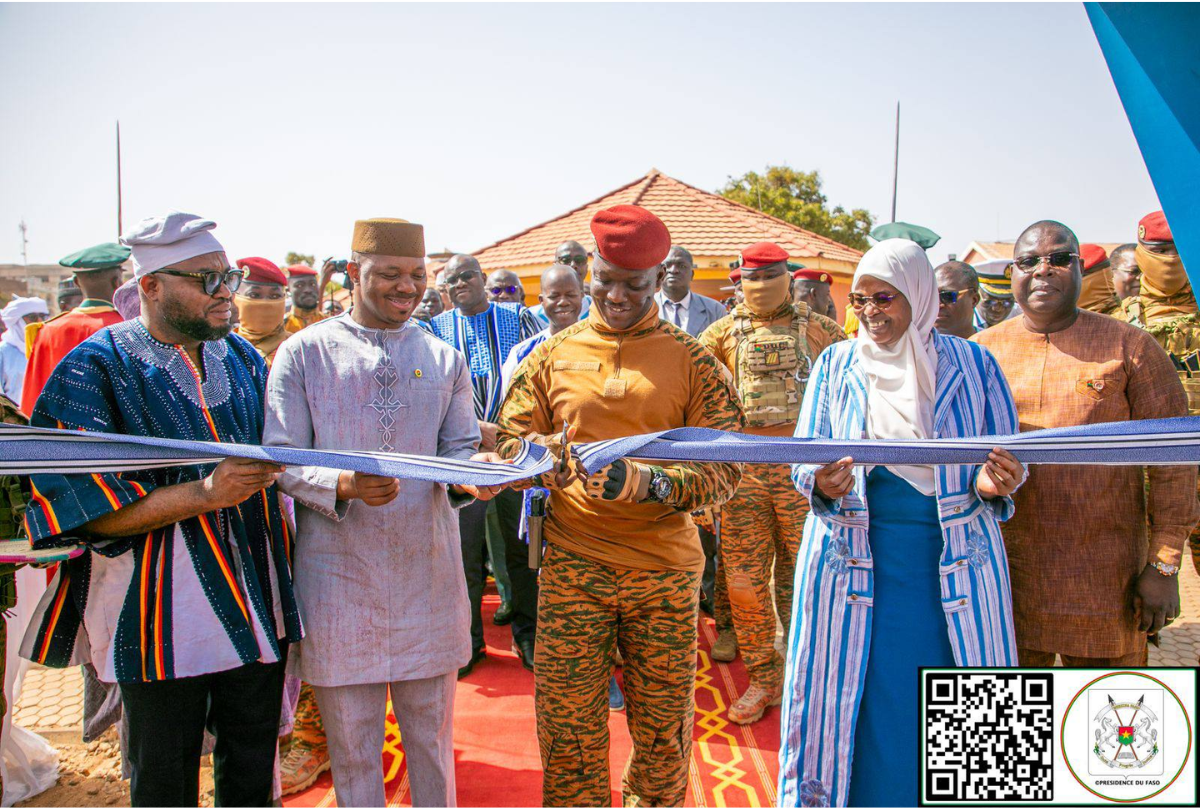
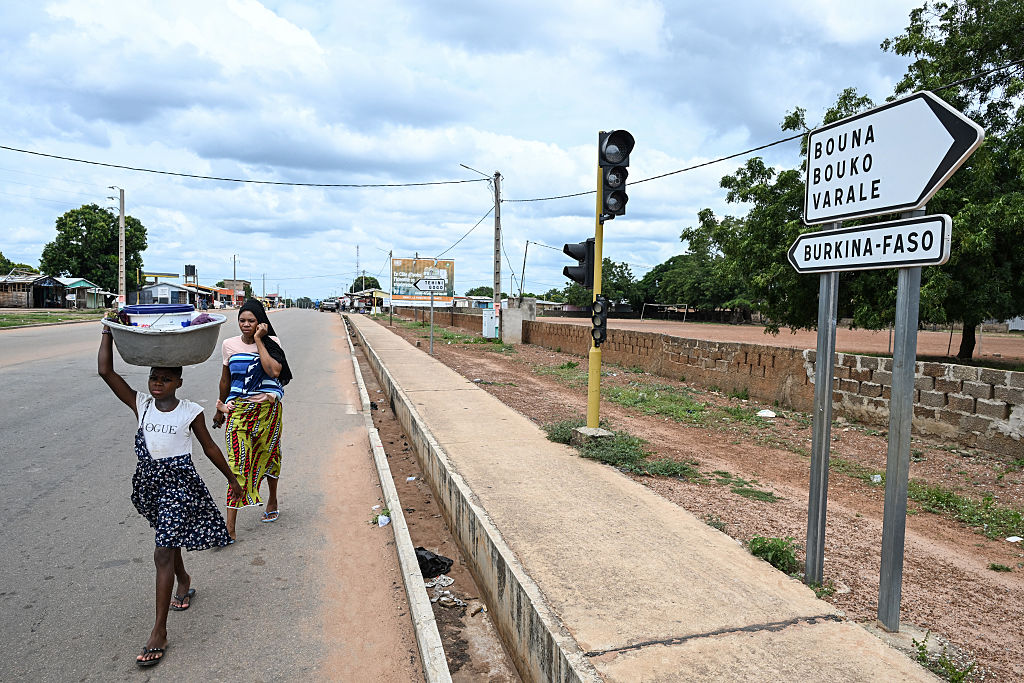
Burkina Faso’s own journey highlights the broader regional struggles. It’s seen its share of back-and-forth between civilian and military leadership, much like its neighbor Mali. As insurgencies spread and governance weakens, a country like Ghana stands out, offering a rare glimpse of democratic resilience amidst the chaos. But fires next door always risk sparking new ones, testing regional cooperation and security. What does this all mean for the future? The Sahel is at a crucial crossroads. The decisions made by international players, military governments, and local populations will undeniably shape its path. The US’s willingness to engage with these military-led regimes might open doors for dialogue, managing conflict, and delivering aid, but it also raises important questions about long-term governance and democratic values. Meanwhile, Russia’s expanding footprint certainly signals a shifting geopolitical contest for influence across Africa, one that could redefine power structures. Ultimately, the people of the Sahel just want security and stability, the foundations for lasting development and peace. Achieving that means a nuanced approach, blending realpolitik with sustained humanitarian and governance support. For more insights on the severe food insecurity facing Mali, you can read this ReliefWeb report. The coming months and years will prove pivotal: can the region finally break free from its cycle of coups, insurgency, and economic hardship, or will it remain trapped in this precarious flux? Only time will tell if this critical juncture leads to a brighter future for Burkina Faso and its neighbors, as highlighted in this Modern Ghana article.