Resurgence of Violence and Foreign Military Engagement Marks a Turbulent Chapter in West Africa
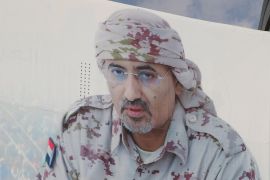
West Africa finds itself once again at a turbulent crossroads, facing a potent mix of political unrest and escalating security challenges. Recent, unsettling developments across Libya and Nigeria cast a long, ominous shadow over the region’s hard-won stability. Intensifying violence in Nigeria’s rural heartlands and a brutal assassination in Libya are dramatically shaking political and security landscapes, prompting increased international military involvement and sparking difficult questions about the very future of peace and governance in this crucial African corridor. Let’s start with Libya, where the recent killing of Seif al-Islam al-Qaddafi, son of the late dictator Muammar al-Qaddafi, has sent profound ripples through political circles and beyond. Seif al-Islam was fatally shot in a home invasion by four masked assailants in Zintan, according to Libya’s chief prosecutor’s office. He was once regarded as Libya’s public face to the West, despite never holding an official government position. Seif al-Islam has been a deeply polarizing figure since the chaotic 2011 uprising that toppled his father’s regime. Captured that year and later granted amnesty in 2017 by a rival government, his attempt to enter the 2021 presidential race was thwarted by Libya’s electoral committee. This left him a contentious political presence until his untimely death, which his team described as a “cowardly and treacherous assassination.” This tragic act truly reflects the enduring volatility in Libya’s fractured governance, as competing factions continue to vie for influence in the power vacuum left by years of civil strife. It underscores how fragile governance structures can drive devastating cycles of violence, impacting not just Libya, but potentially the broader region as well.
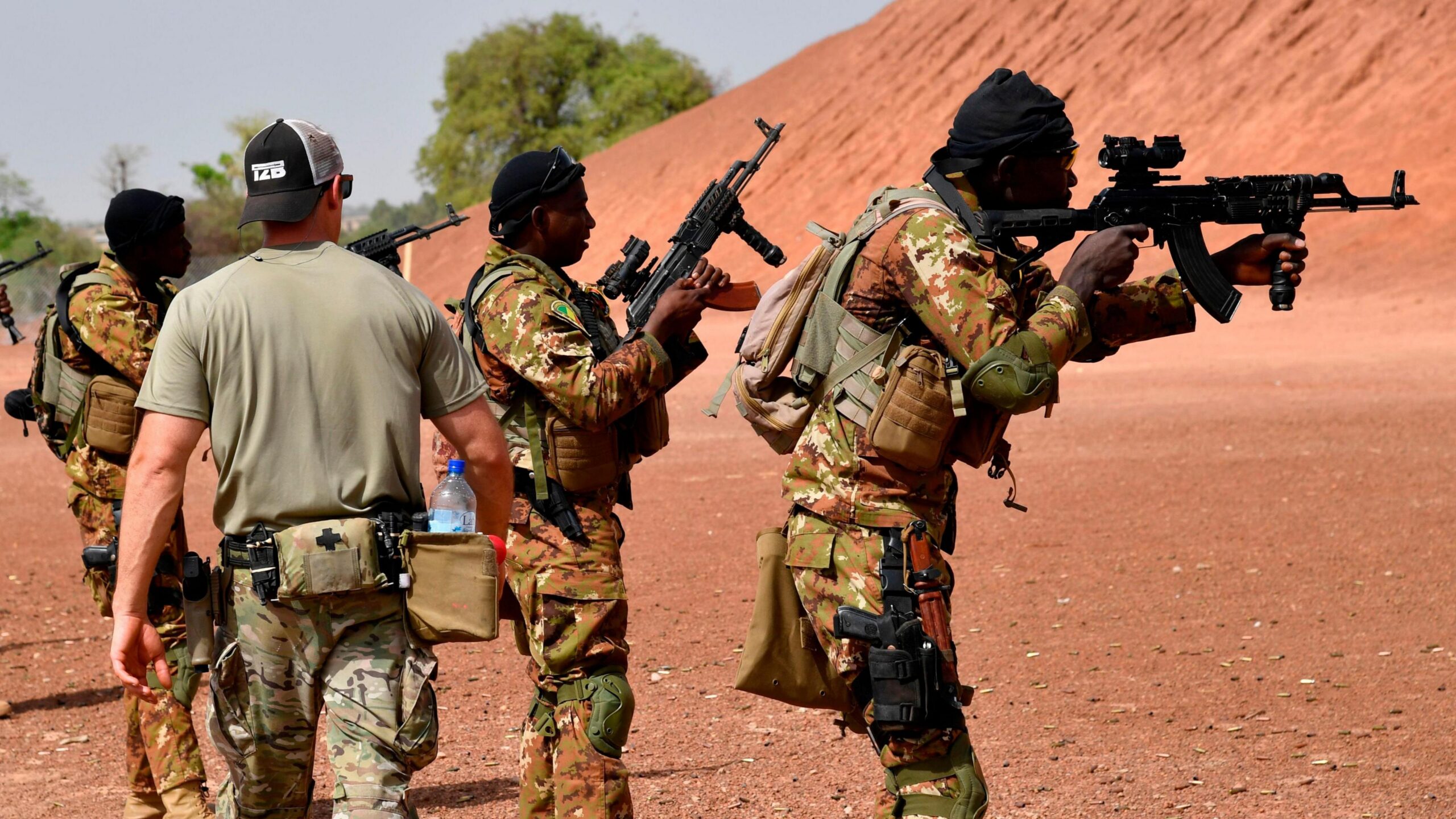
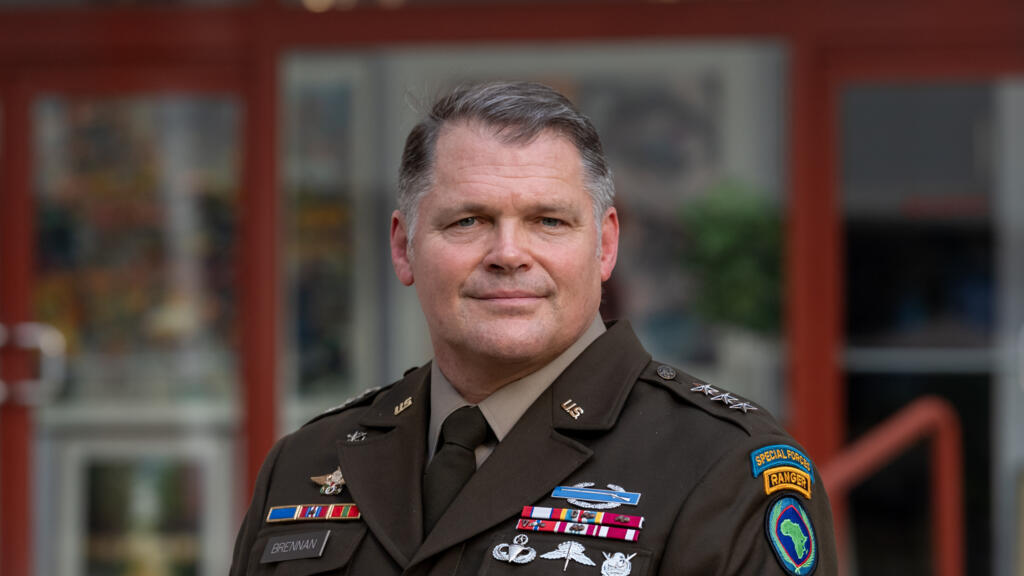
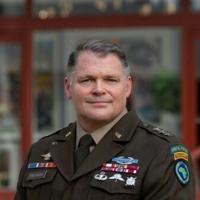
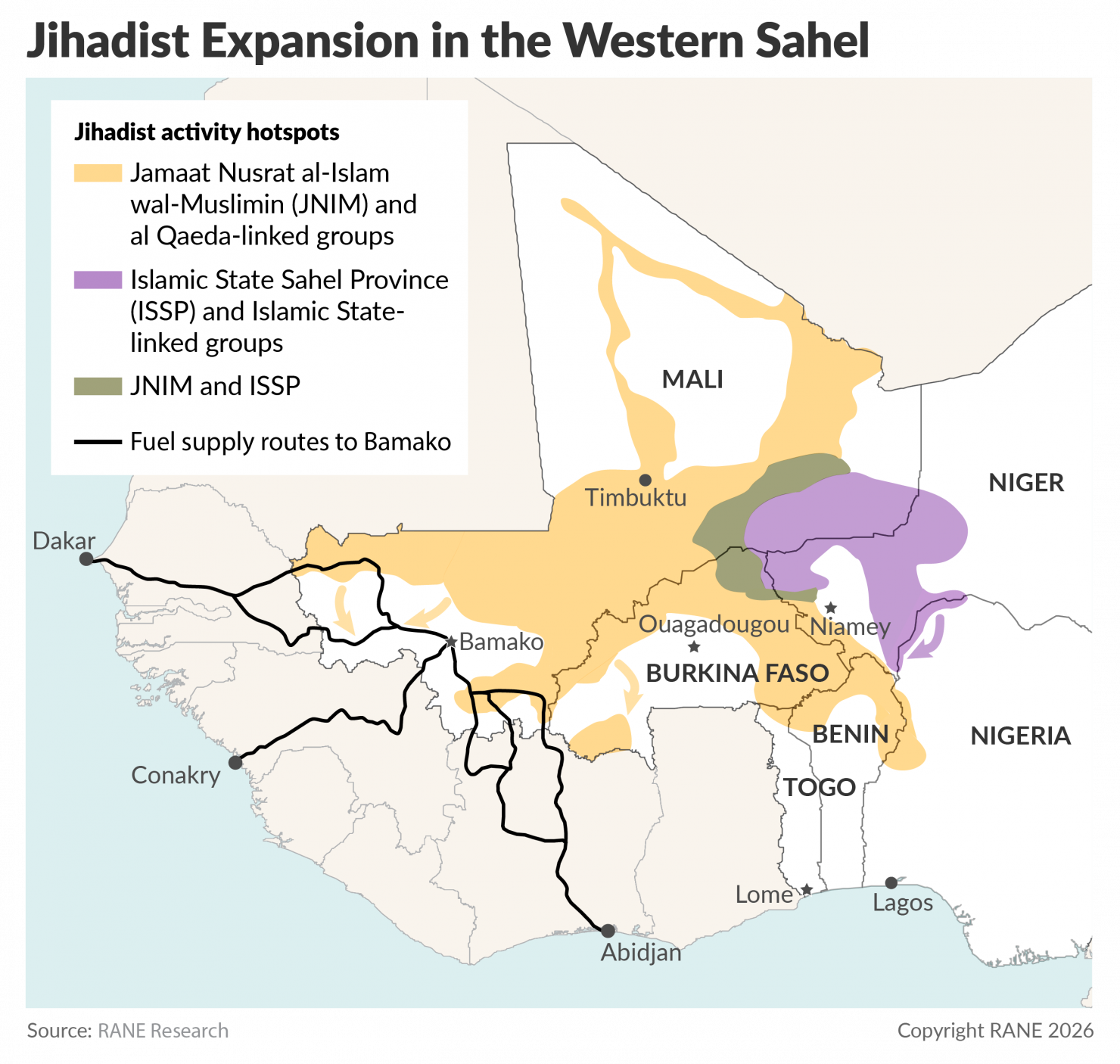
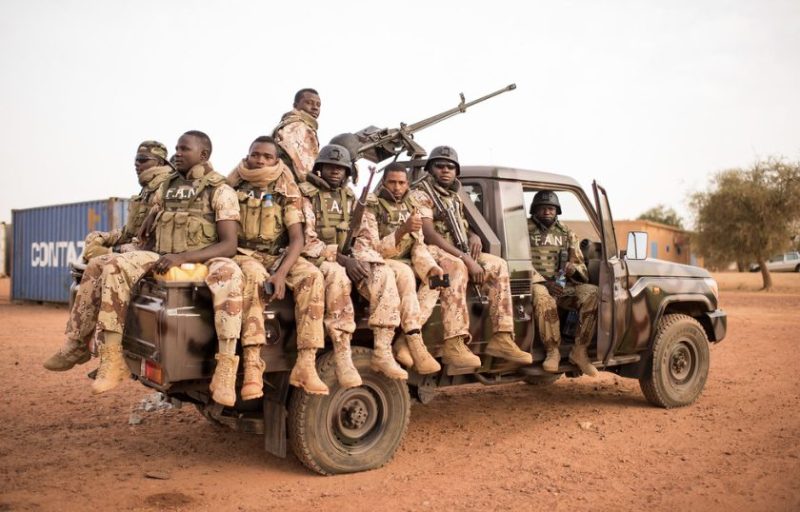
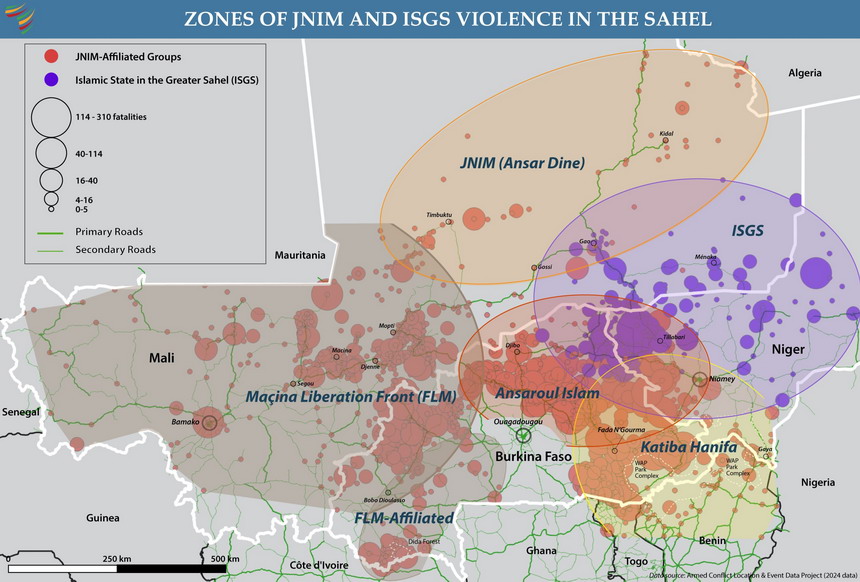
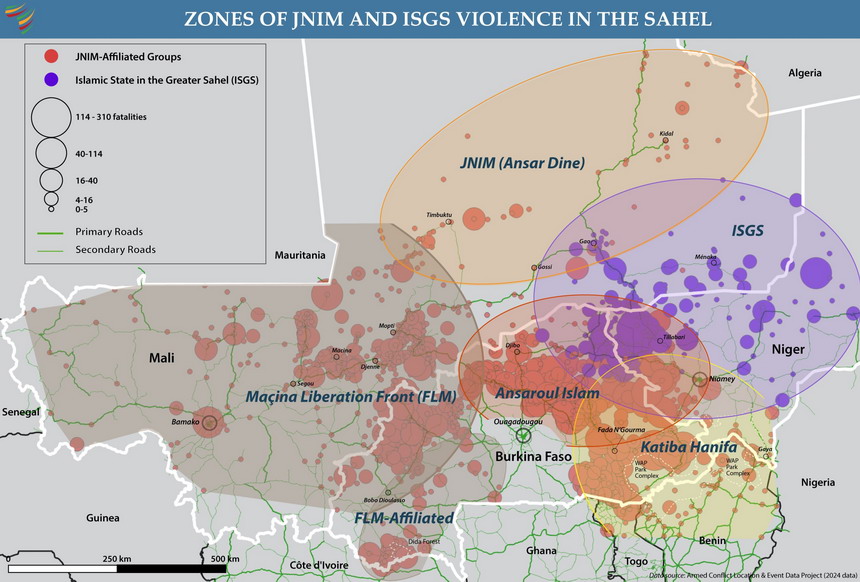
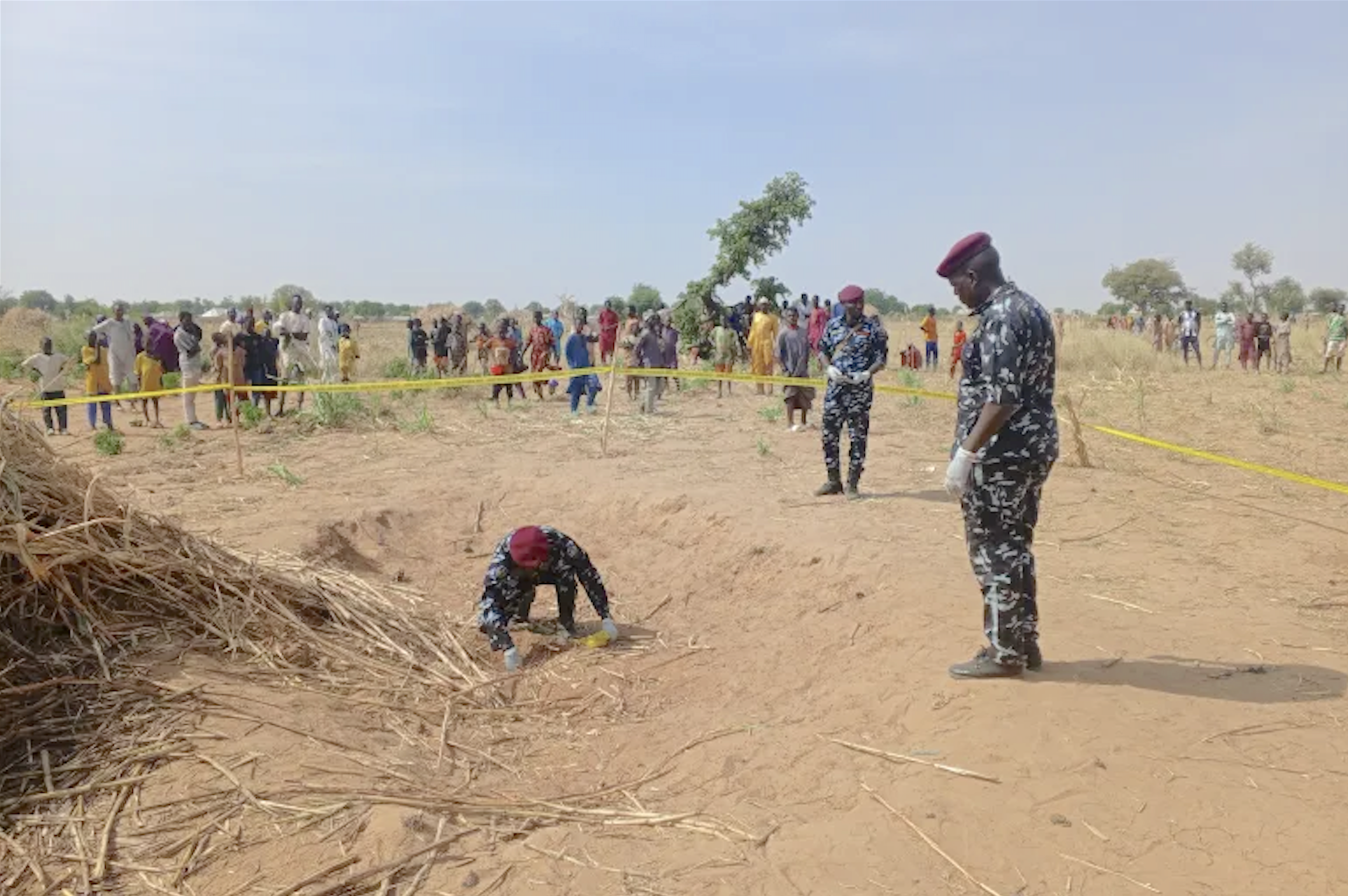
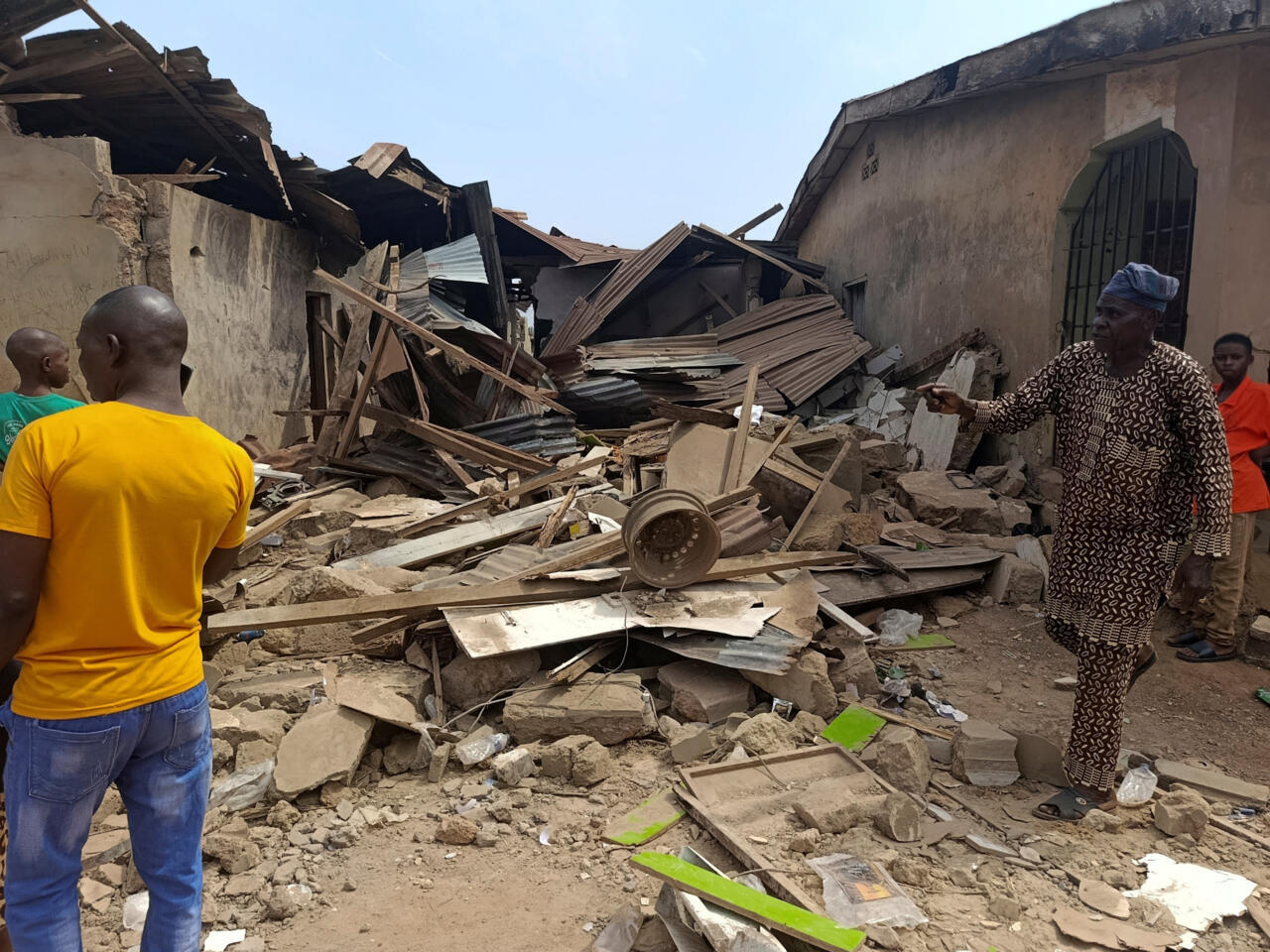
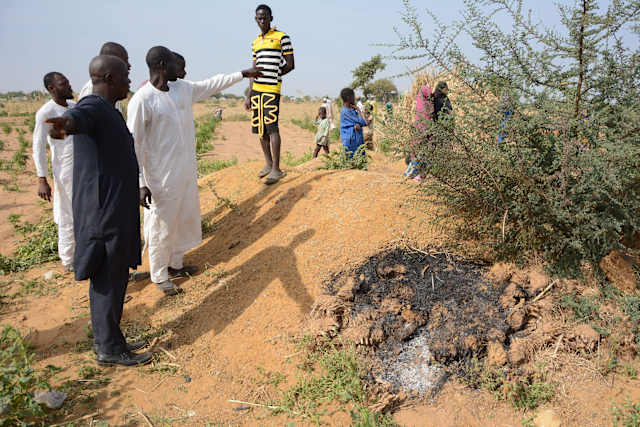
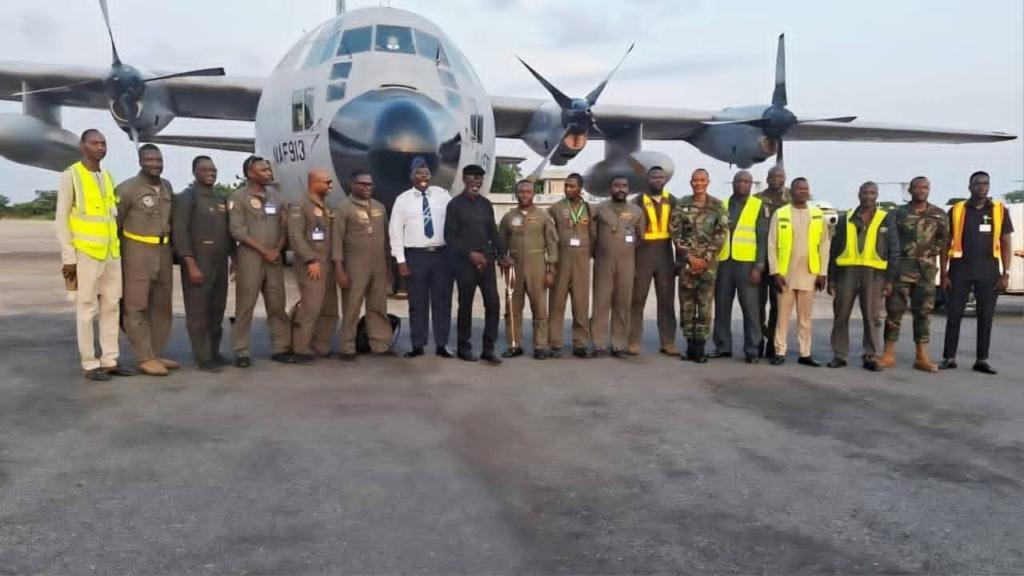
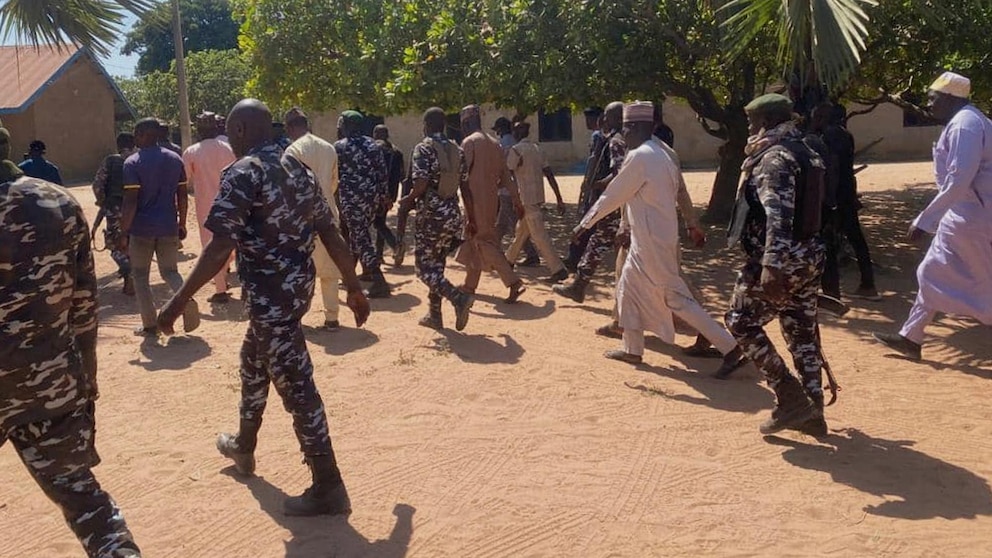
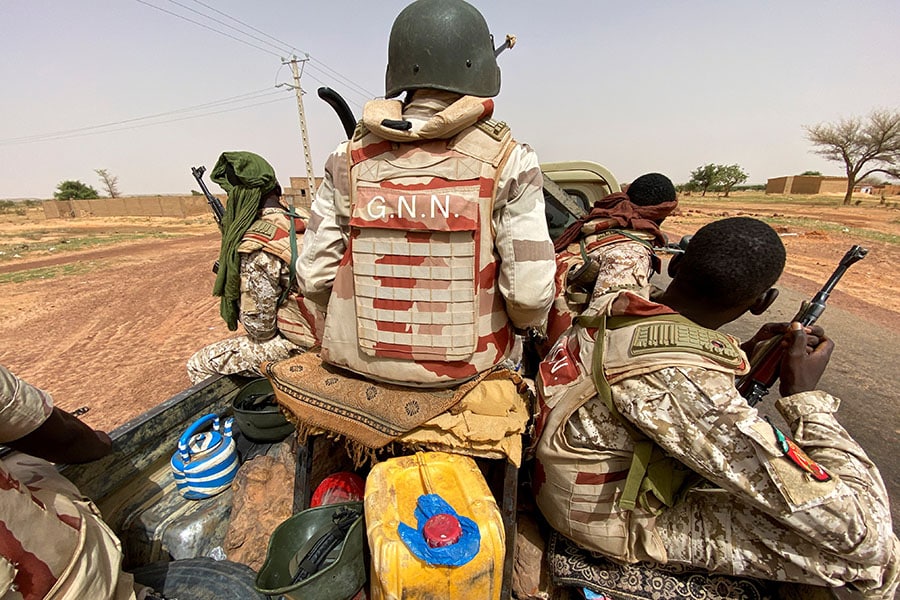
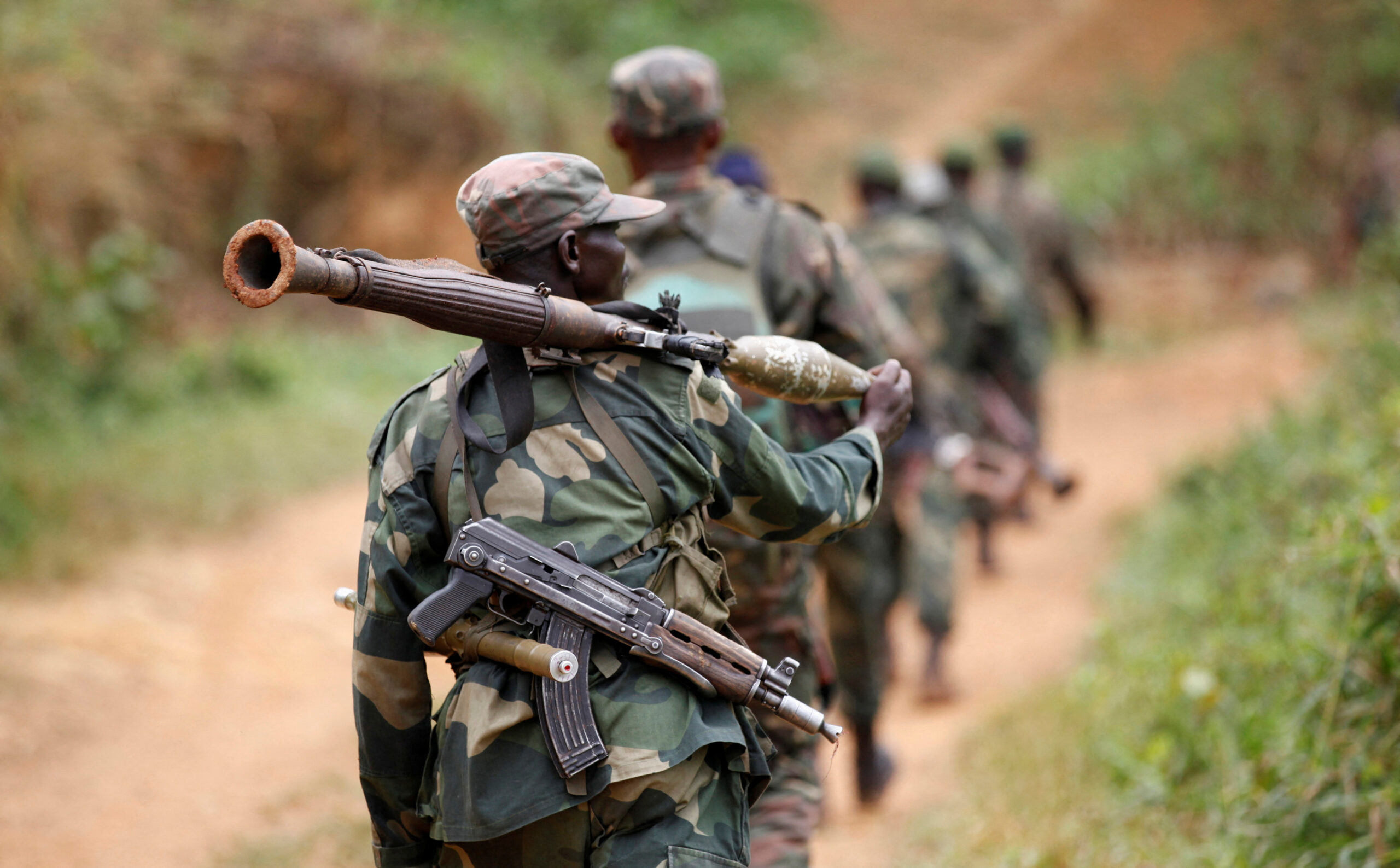
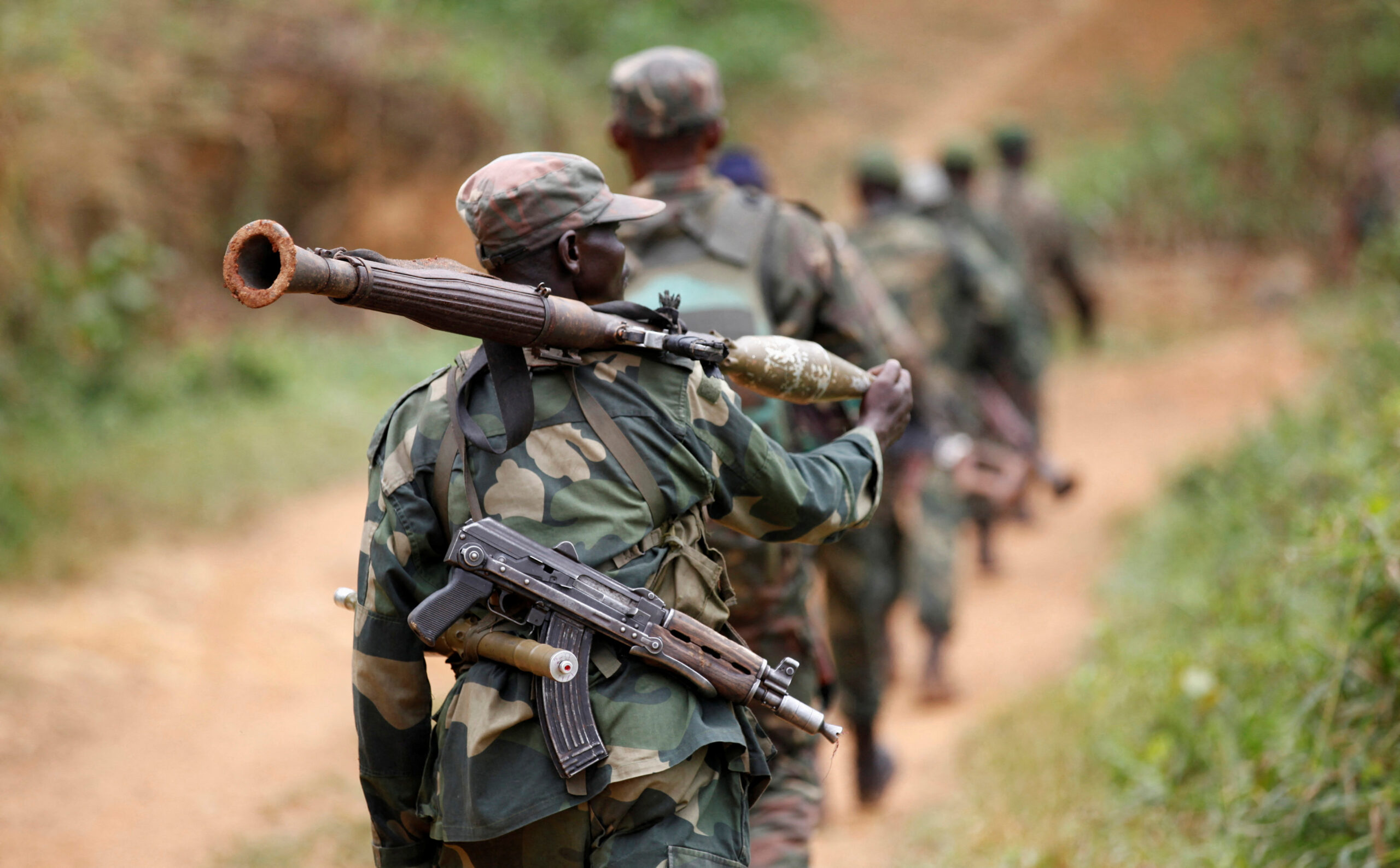
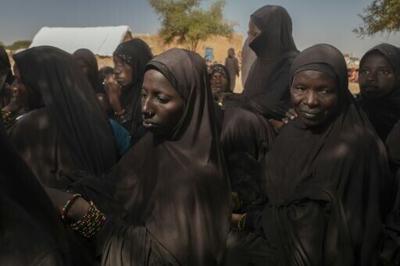
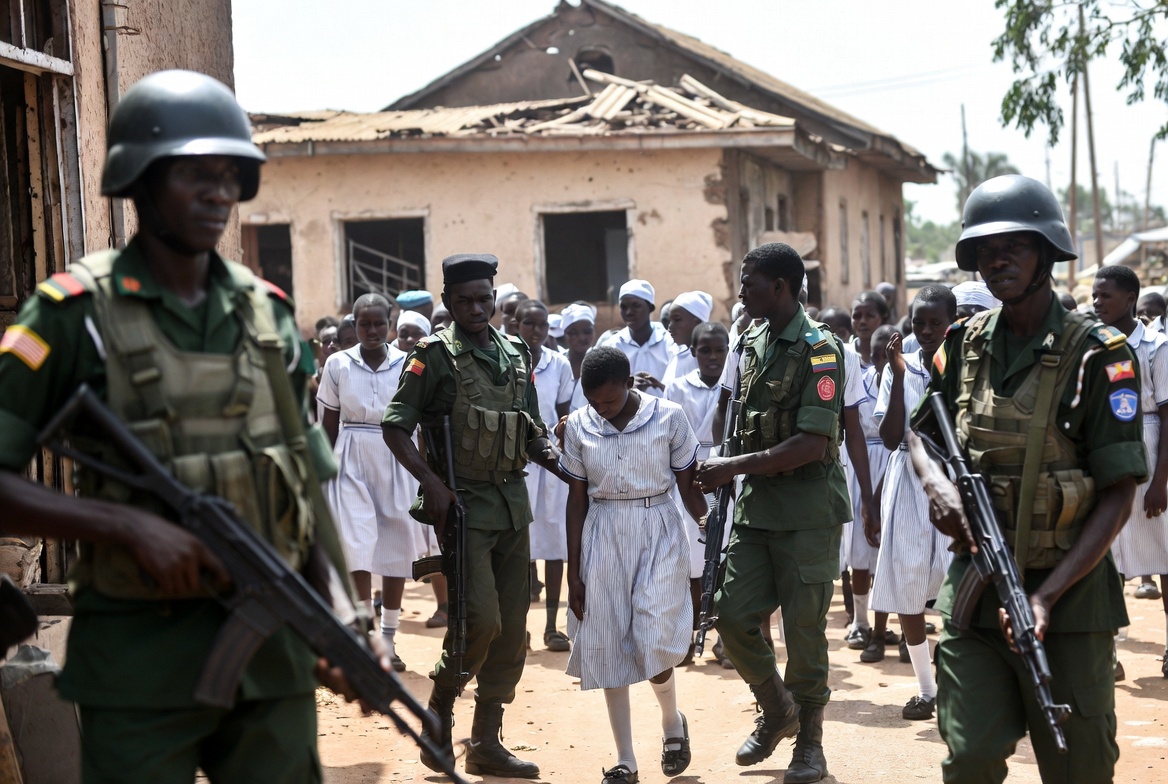
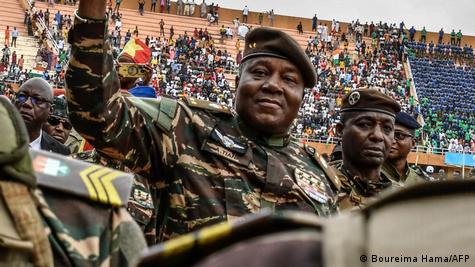
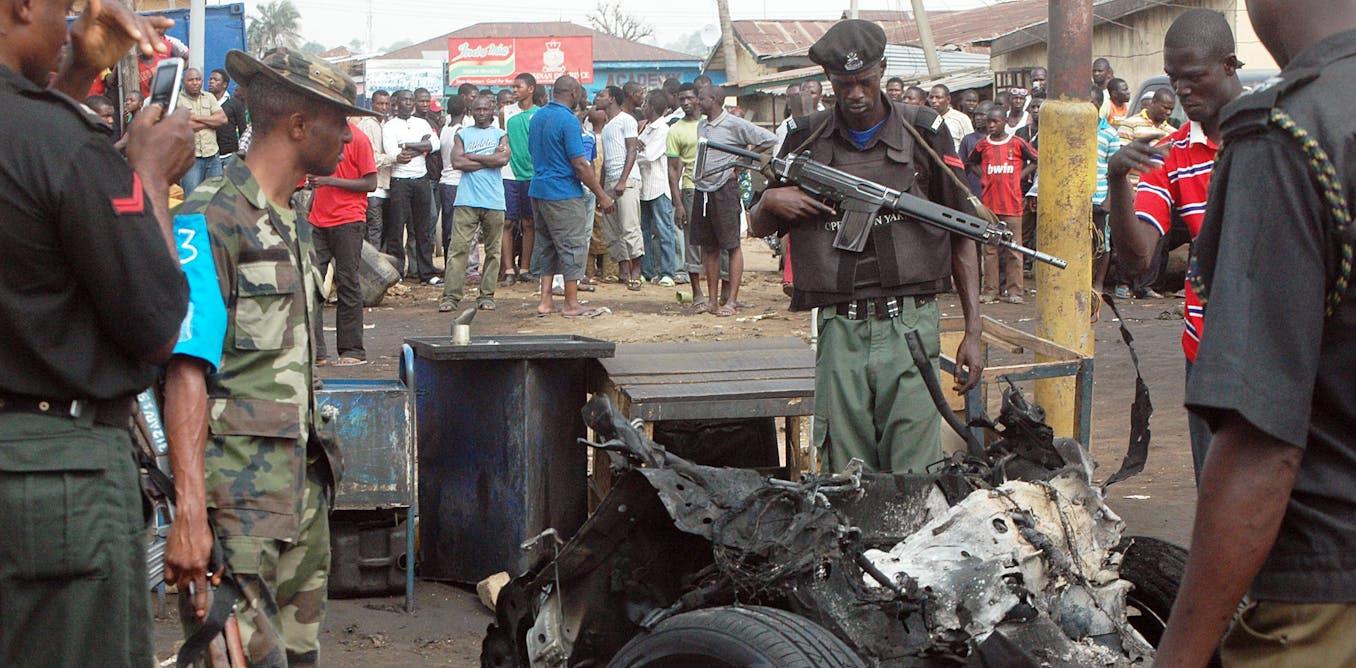
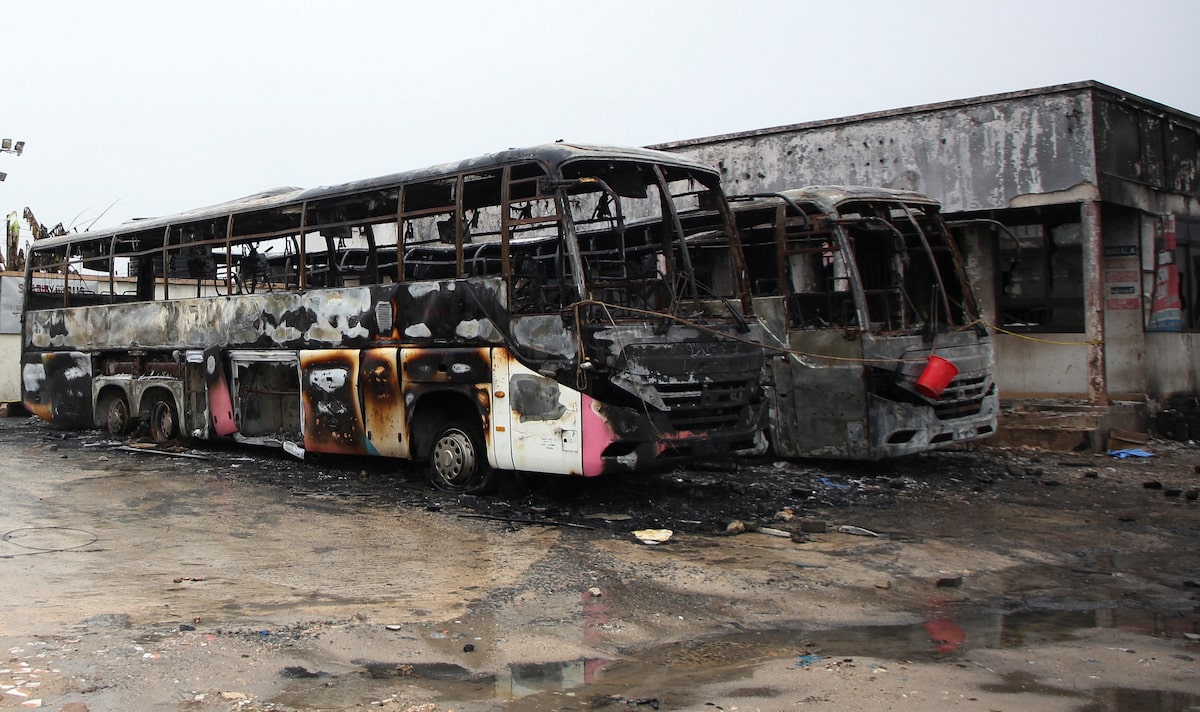
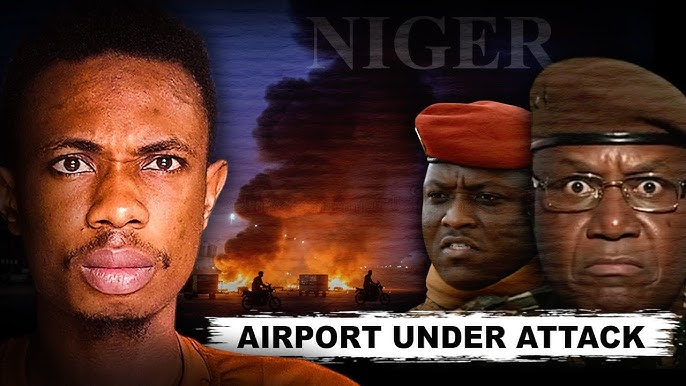
Thousands of miles to the west, Nigeria faces a parallel crisis of escalating violence. Extremist factions are unleashing deadly attacks on rural communities, exposing a deepening security crisis across the region. In what many describe as one of the deadliest assaults in recent months, armed extremists massacred at least 162 people in two villages in Nigeria’s western Kwara state. The severity of this horror, confirmed by local lawmakers and humanitarian groups like the Red Cross, highlights the immense challenges Nigerian authorities grapple with in protecting remote communities that are so vulnerable to such brutal raids. The perpetrators, reportedly linked to the Boko Haram faction Jama’atu Ahlis Sunna Lidda’awati wal-Jihad, or JAS, appear to be retaliating against ongoing military campaigns targeting them in the area. JAS is notoriously known for its deadly insurgency tactics, including attacks on civilians and military targets. In another grim incident, gunmen killed at least 13 individuals in Doma, Katsina state, further demonstrating how widespread this violence has become across Nigeria’s vast, and often difficult-to-police, territories. These escalating attacks come amid increased international security collaboration, most notably between Nigeria and the United States. Following U.S. airstrikes on December 25 against Islamic State-affiliated militant camps in northwestern Nigeria, the U.S. has now dispatched a small military team to assist Nigeria’s armed forces. General Dagvin Anderson of the U.S. Africa Command emphasized that this team brings “unique capabilities” that truly complement Nigerian efforts to tackle the persistent insurgent threat. It marks a new phase of bilateral engagement, focusing on intelligence sharing and training rather than large-scale troop deployments. President Bola Tinubu’s administration approved these strikes, seeking to effectively counter militant groups that have destabilized large swathes of northern and western Nigeria. This intervention happens after previously heated rhetoric from former U.S. President Donald Trump, who accused Nigeria of failing to protect its Christian citizens amid what he called a “Christian genocide,” claims strongly denied by Nigerian officials who rightly counter that all communities, Muslims and Christians alike, have suffered from extremist violence.
The human toll of this violence is staggering. In recent weeks, Boko Haram extremists have carried out multiple attacks beyond the western zones, including striking a construction site and an army base in northeastern Nigeria, leaving dozens dead and consistently demonstrating the militant group’s continued capacity to inflict harm despite sustained military pressure. Nigeria’s Governor of Kwara state, AbdulRahman AbdulRazaq, condemned these acts as “cowardly expressions of frustration by terrorist cells,” framing the violence as a desperate backlash against intensified counterterrorism efforts. Yet, the relentless cycles of retaliation and counterattack highlight the enormous challenges authorities face: how do they balance necessary military responses with the urgent need to protect civilian populations and restore a fundamental sense of security? Looking ahead, the intersection of political assassinations in Libya and the brutal insurgency in Nigeria encapsulates a broader struggle for stability in West Africa. Both countries powerfully illustrate how fragile governance structures and unyielding militant groups can truly drive cycles of violence that spill beyond national borders. The international community’s evolving roles, from direct military actions to advisory partnerships, signal a recognition that resolving these complex crises requires multifaceted approaches that carefully integrate security, political reconciliation, and crucial humanitarian support. As Libya mourns a divisive political figure and Nigeria grapples with its deadliest attacks in years, the urgent question remains: can West Africa chart a course toward durable peace amid the converging threats of extremist violence, fractured leadership, and foreign intervention? The answers to that question will profoundly shape the region’s trajectory for years to come, demanding vigilance, seamless coordination, and above all, sustained commitment to peacebuilding from local leaders and global partners alike.