Africa’s Startup Ecosystem Reaches a Critical Juncture, Blending Stablecoin Innovation with Solar-Powered AI
The Fintech Foundation and Practical Pivot
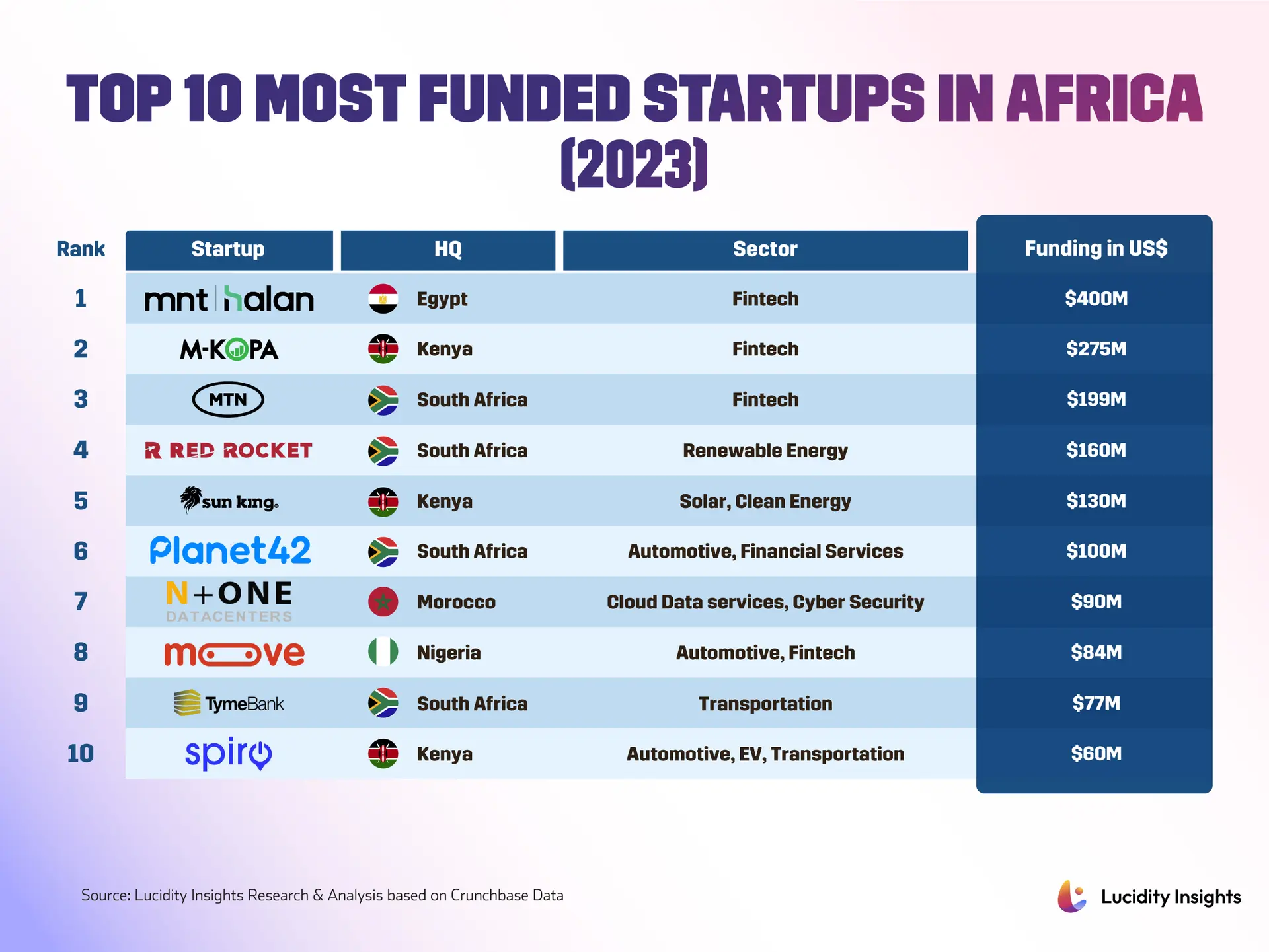
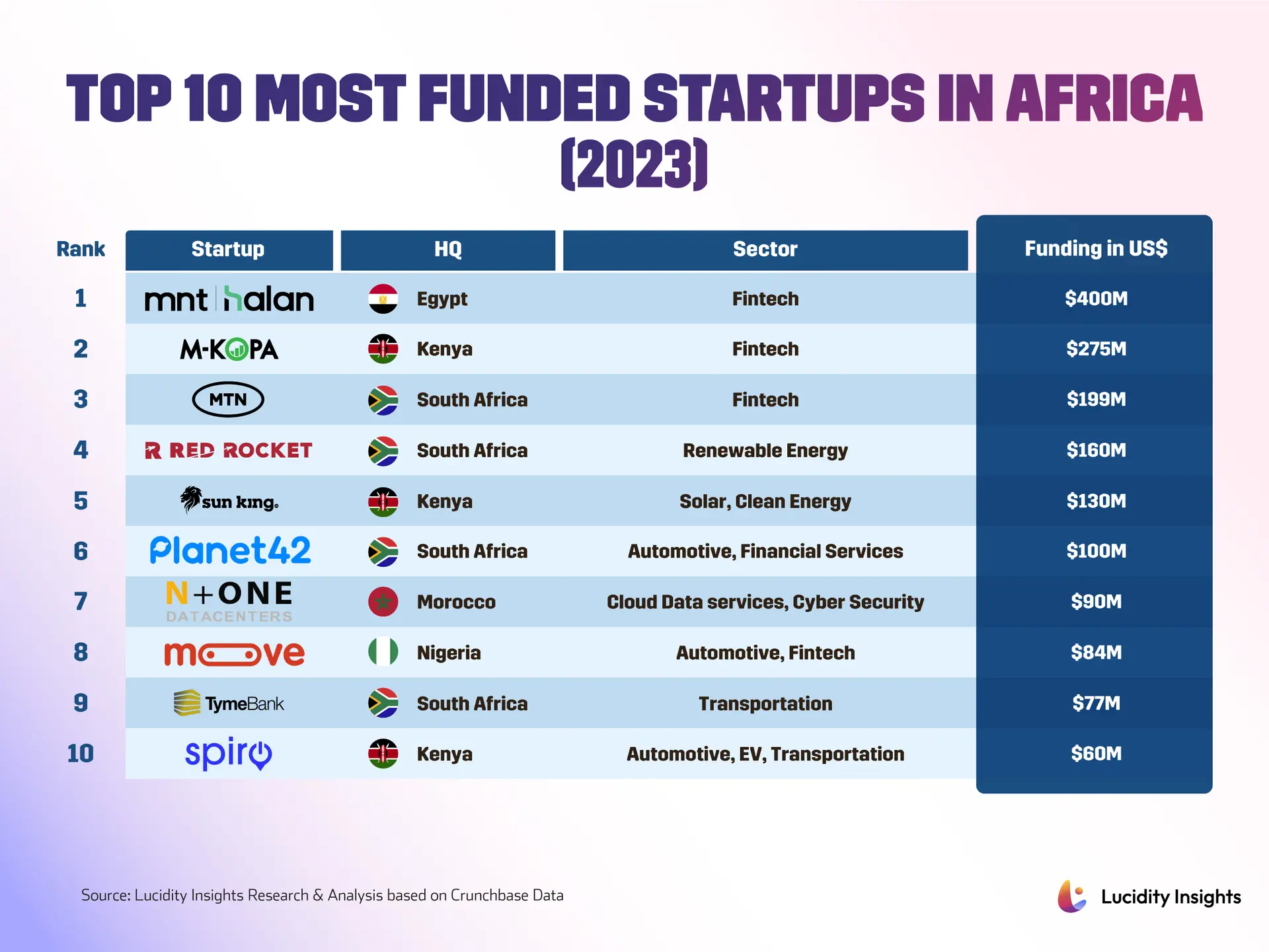
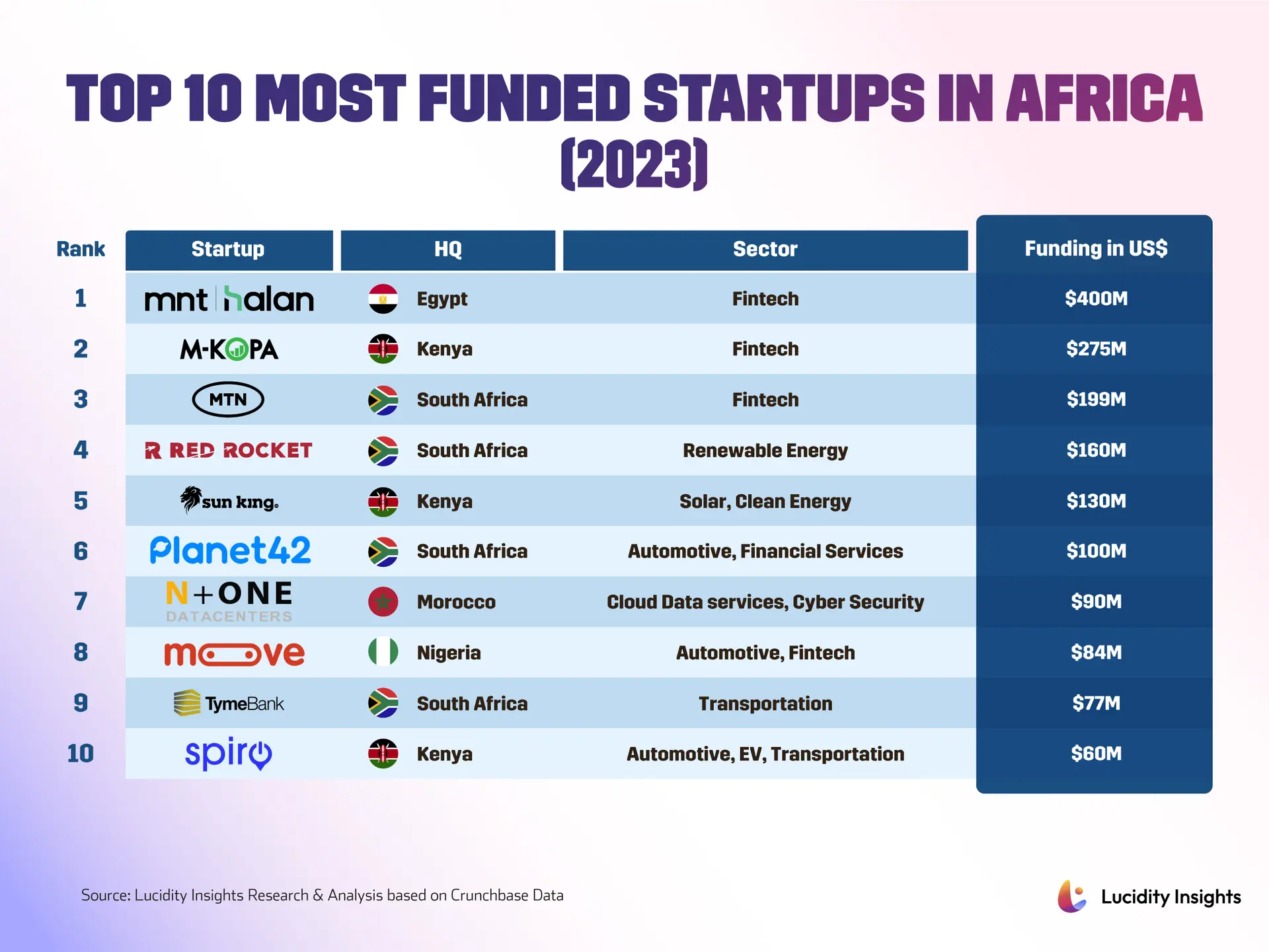
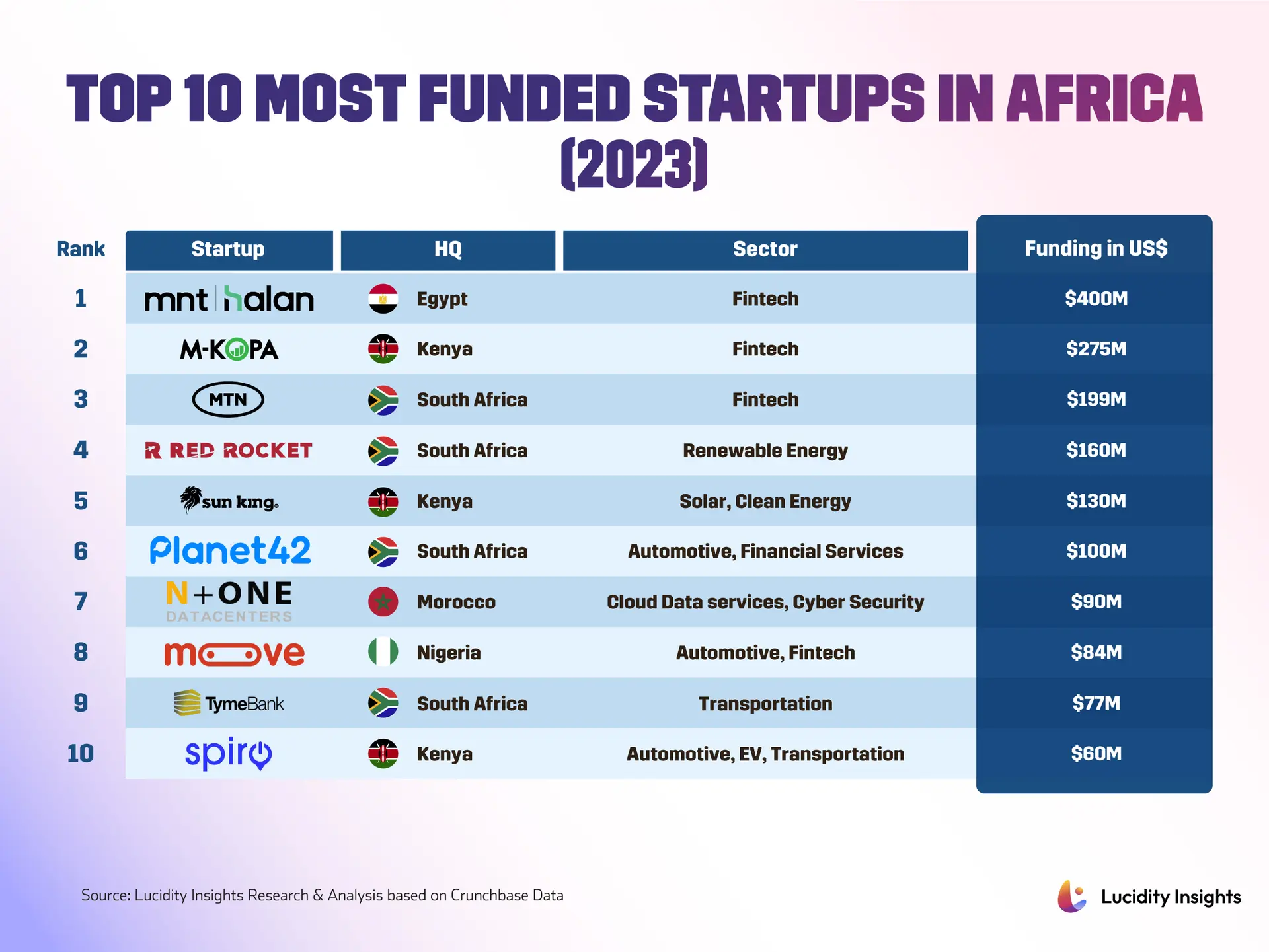
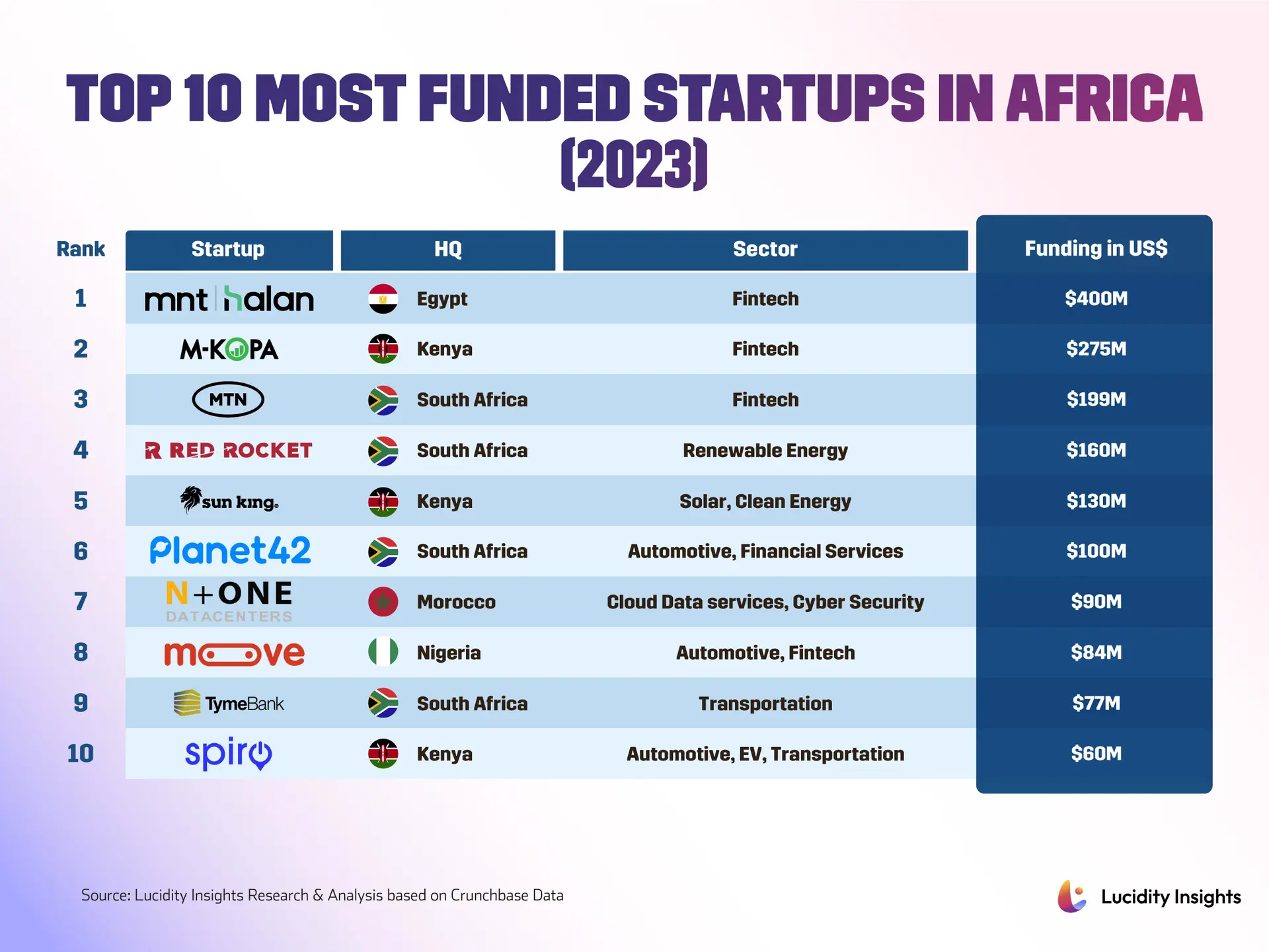
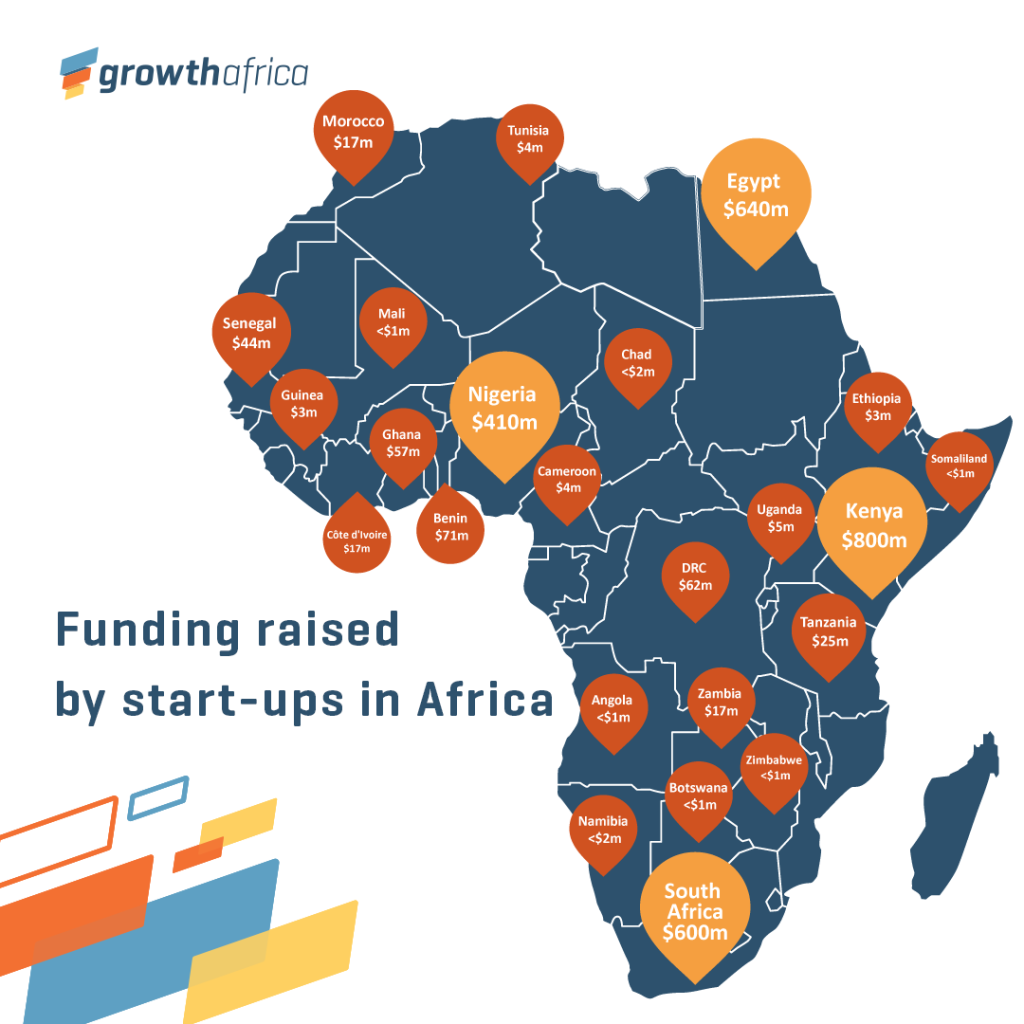
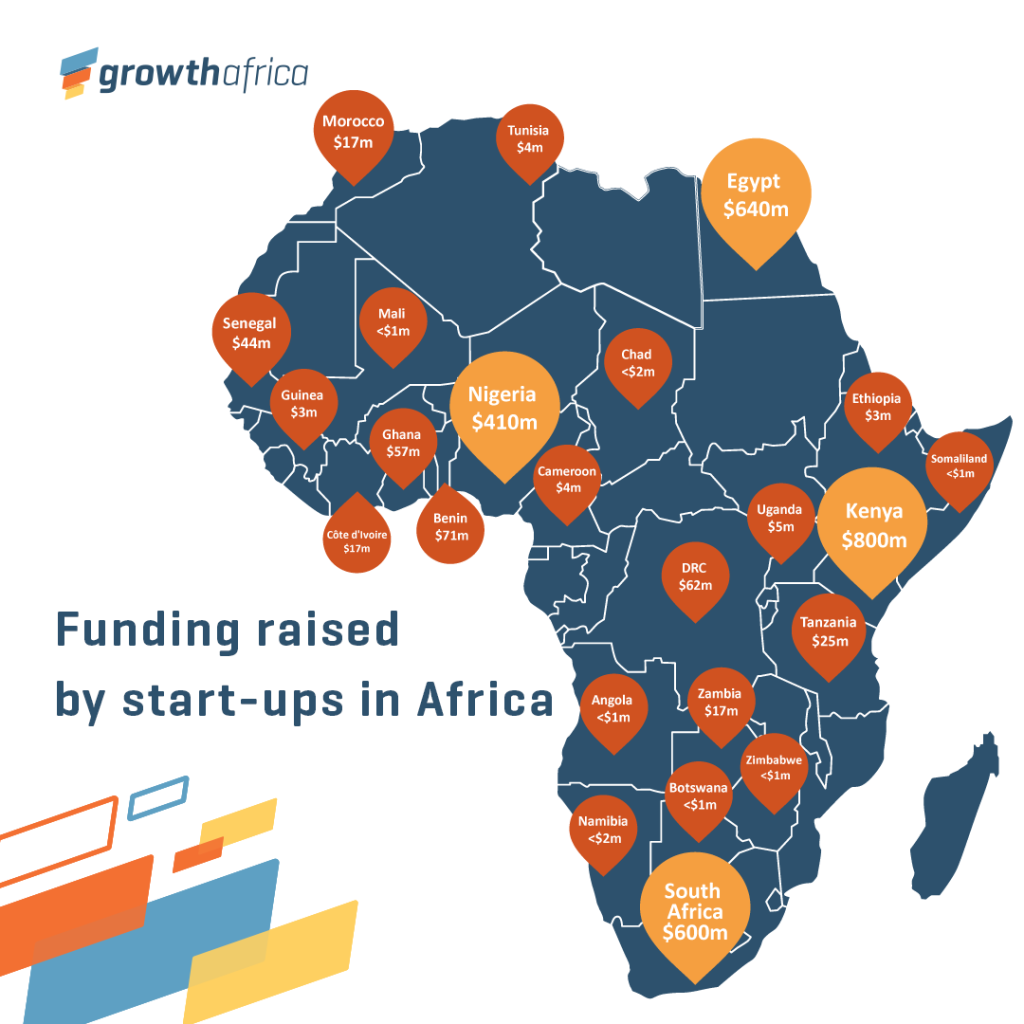
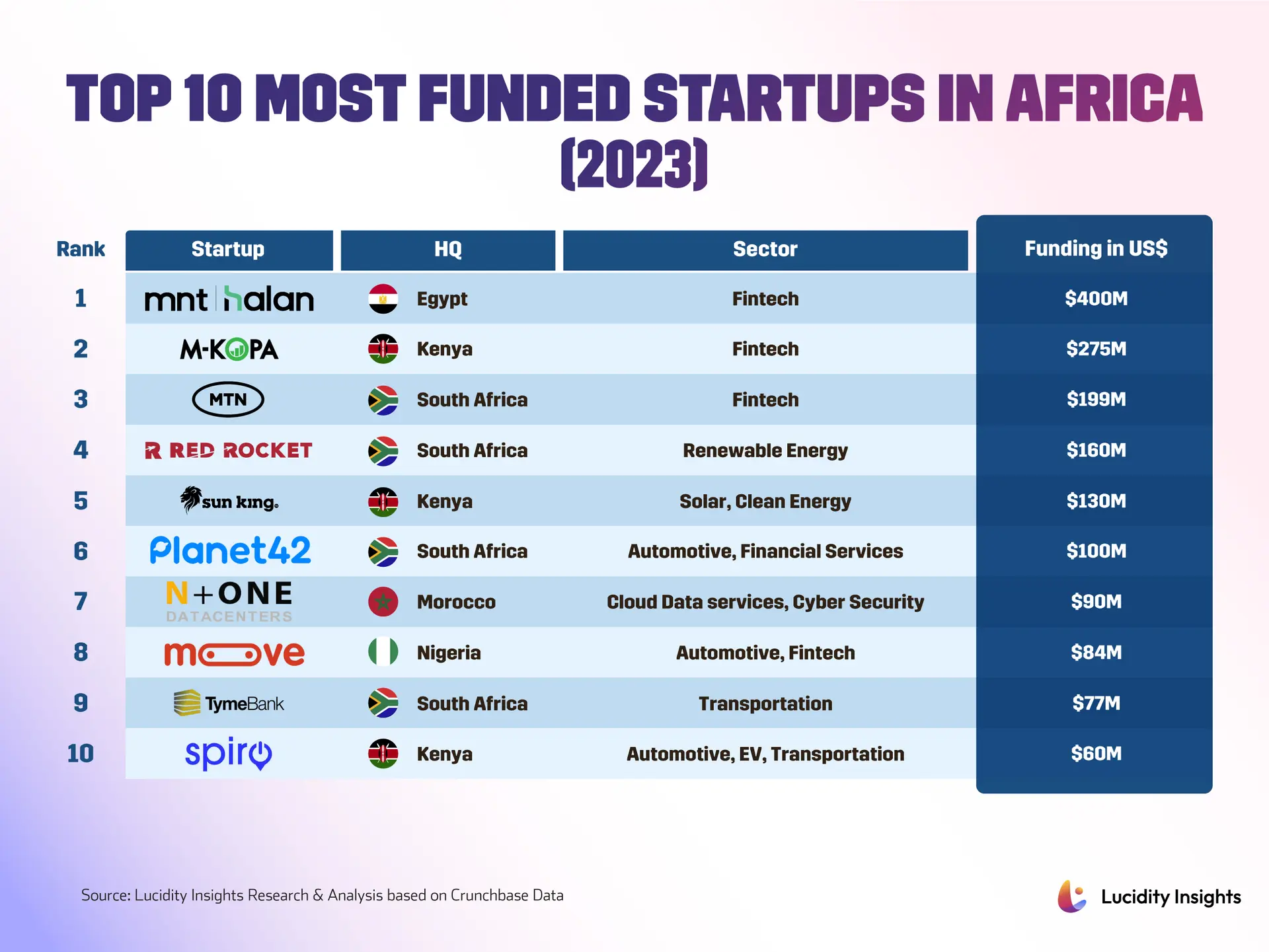
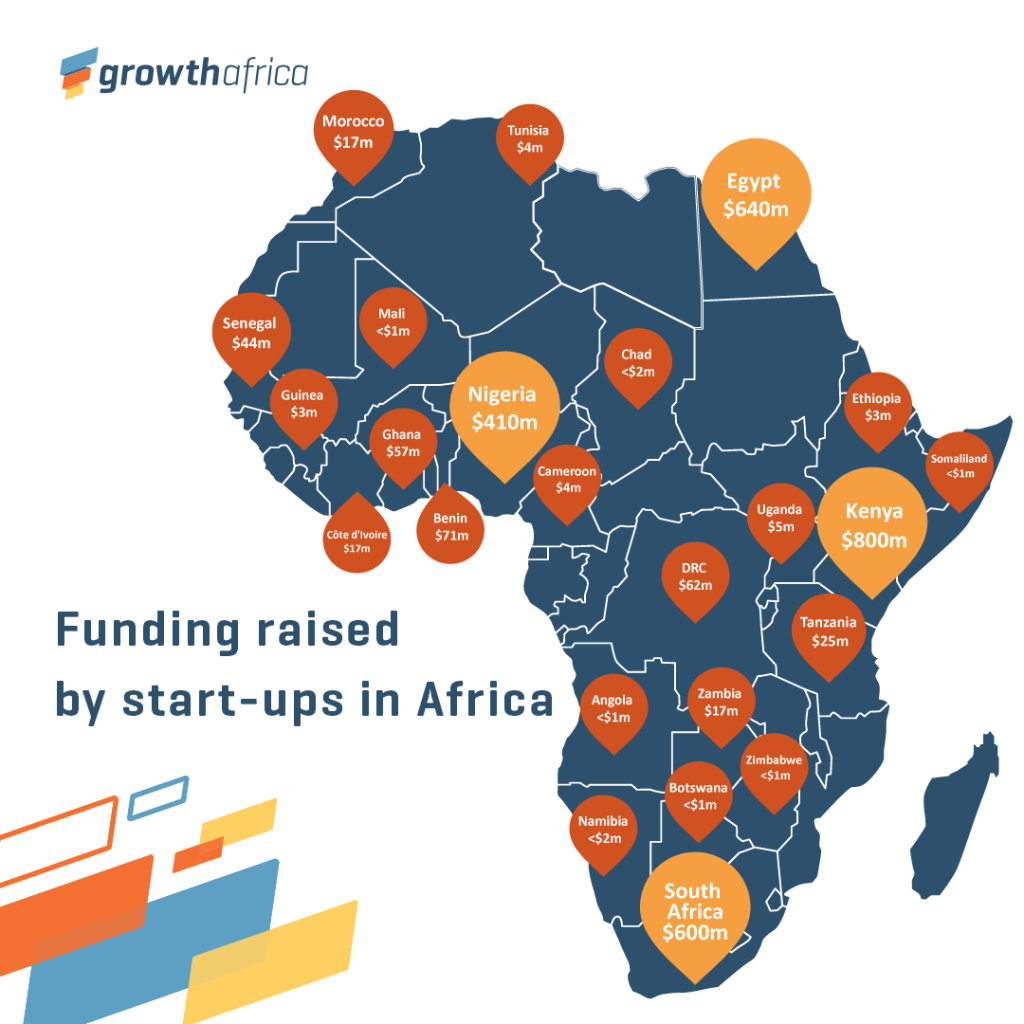
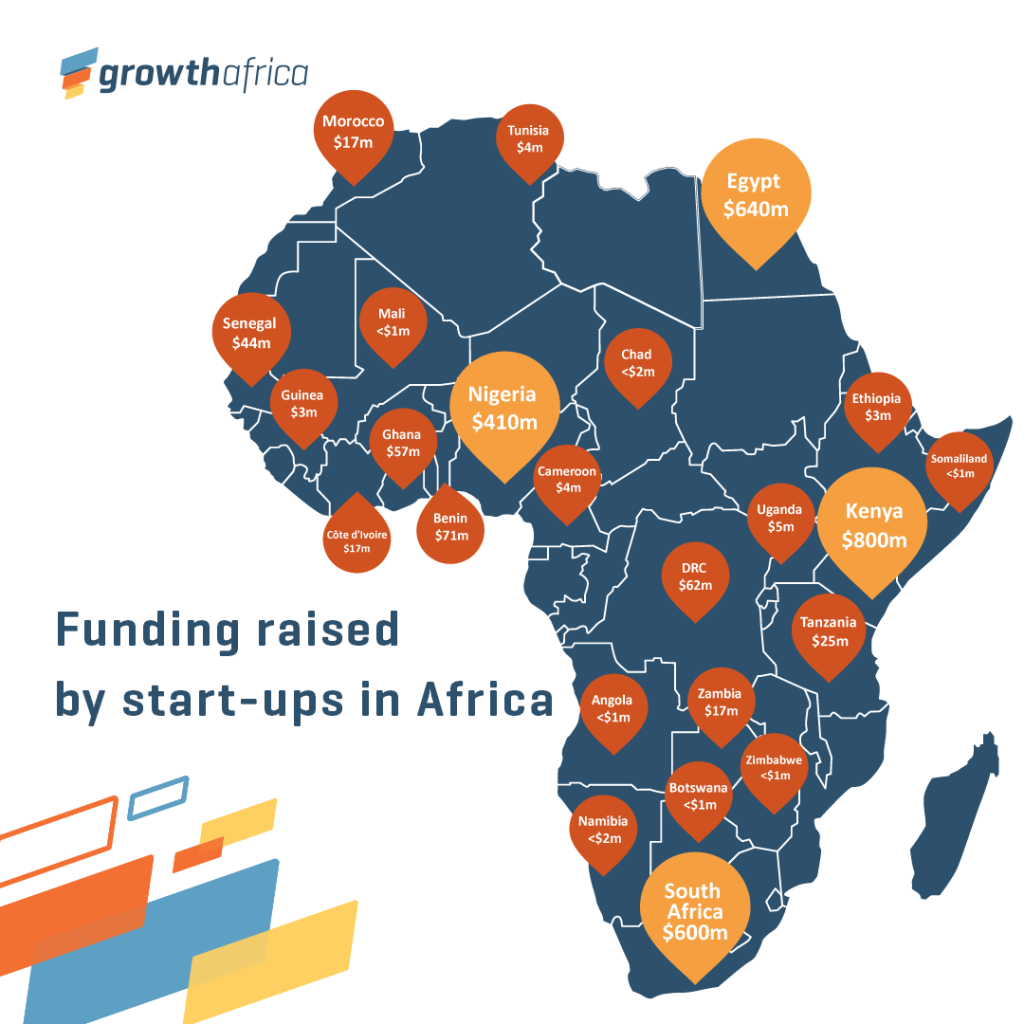
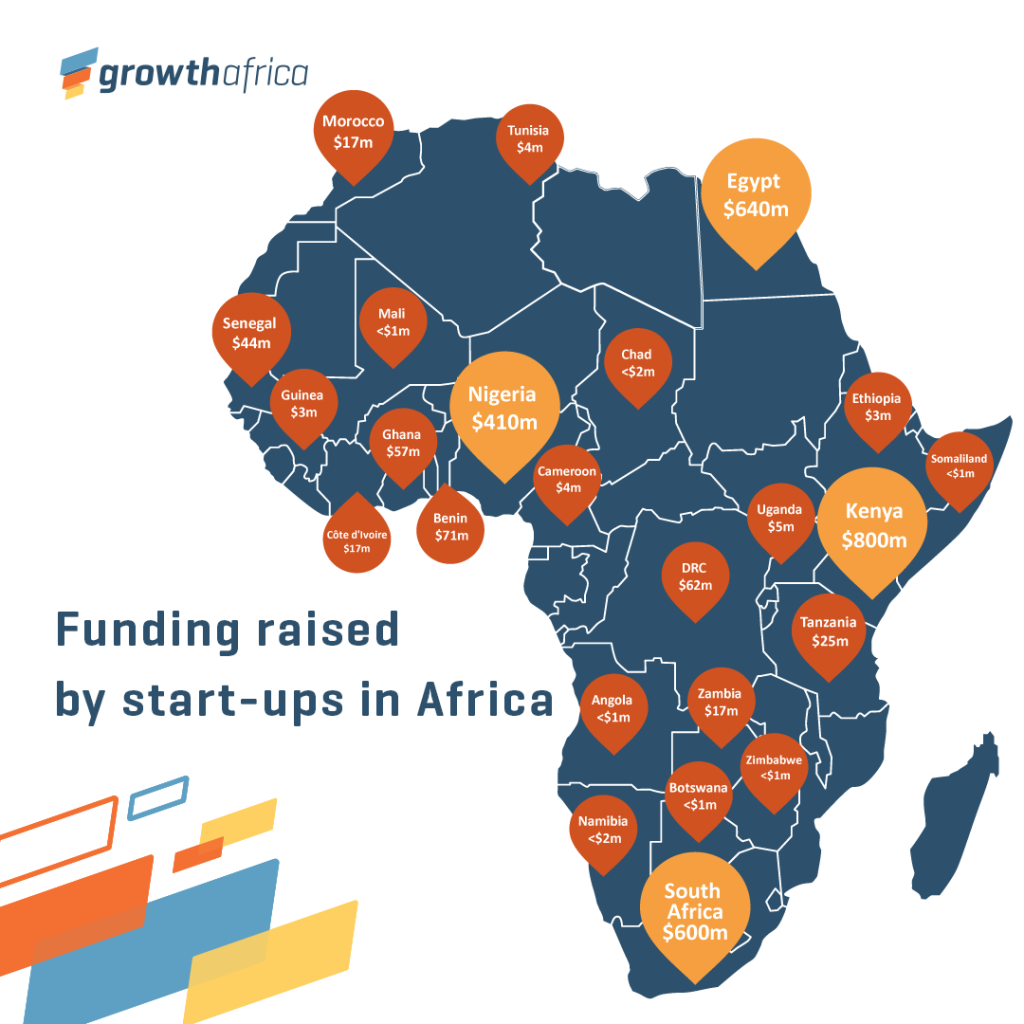
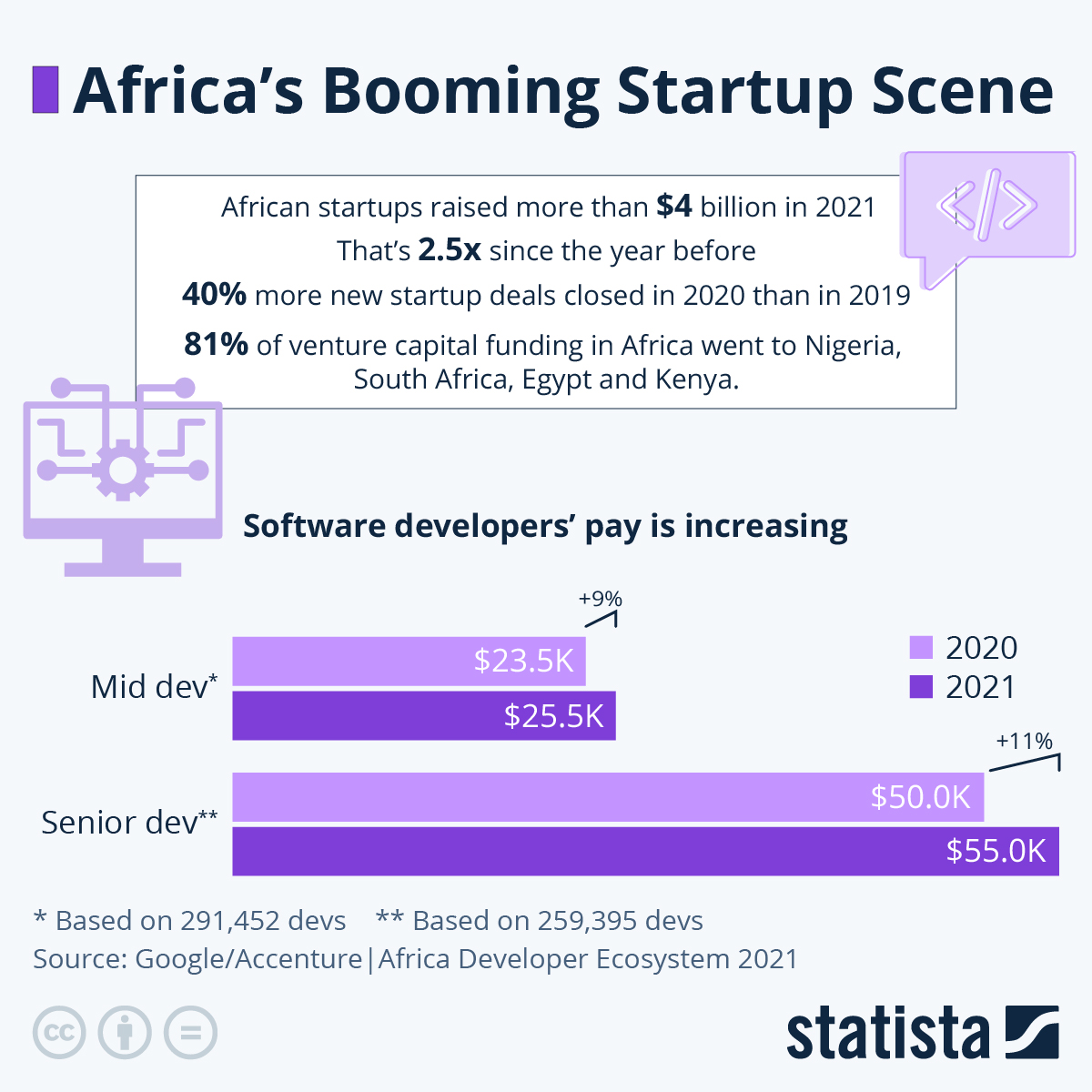
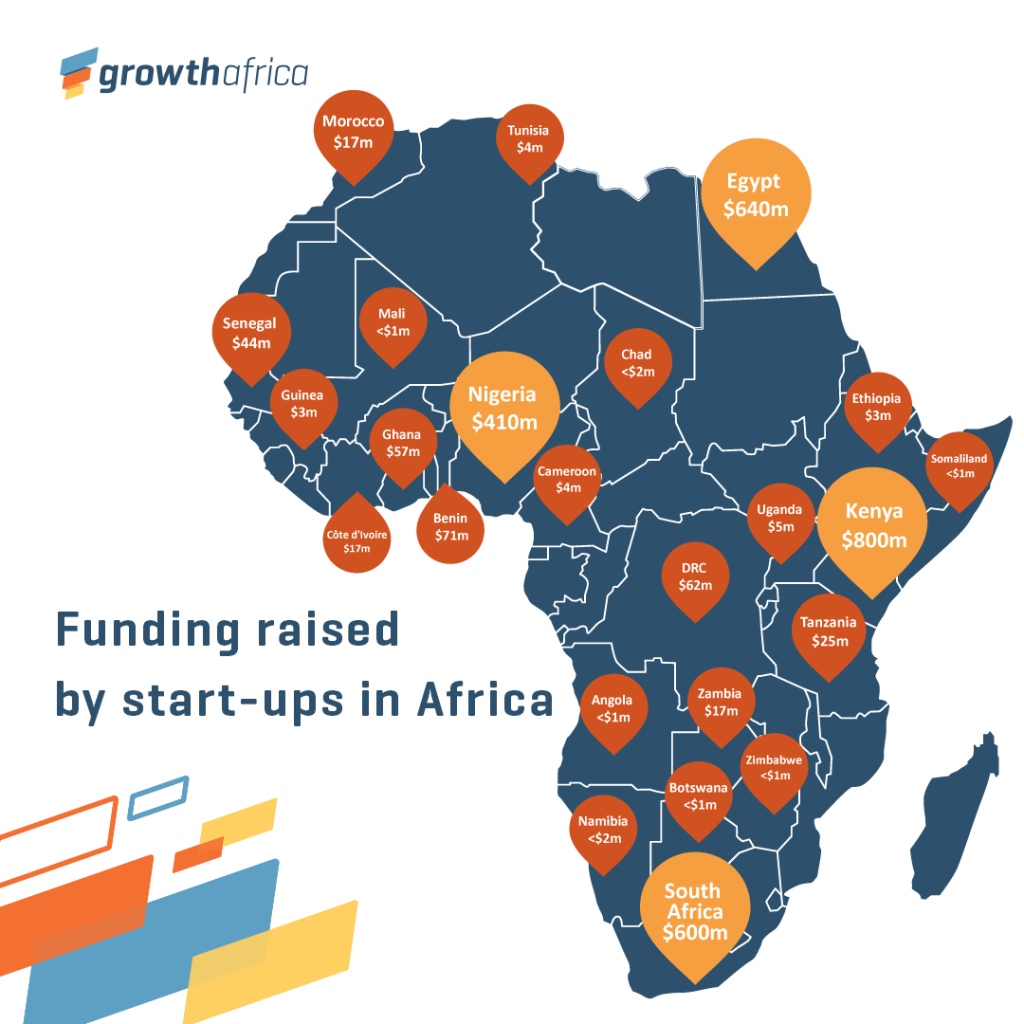
Something’s shifting across Africa’s tech landscape, and it’s not just another funding cycle. From Lagos to Nairobi, university labs to buzzing coworking spaces, entrepreneurs are moving beyond the hype that defined earlier years. They’re building businesses that actually solve problems people face every day. Last year alone, African startups turned roughly $4.1 billion in investment into tangible outcomes, creating about 1.2 million jobs for people under 35. That money isn’t chasing vanity metrics anymore. Investors want clear paths to profitability, and founders are responding by strengthening supply chains, moving money across borders efficiently, and keeping the lights on for small manufacturers. Fintech remains the continent’s undeniable engine, capturing the largest share of funding in 2025. New payment rails are emerging to make cross-border transfers cheaper and faster, partly driven by the African Continental Free Trade Area (AfCFTA). This trade pact is nudging a transition from fragmented, country-by-country payment corridors toward integrated regional systems. Imagine a trader in Lagos sending funds to a supplier in Accra with a single tap. That’s the reality platforms like Honeycoin are creating. This stablecoin-based payments provider now serves over 300,000 people and 300 businesses, processing about $150 million monthly after a 2025 seed round. Stablecoins, which are digital tokens pegged to stable assets like the US dollar, are cutting through Africa’s slow banking infrastructure, dramatically reducing transaction costs for businesses that once relied entirely on cumbersome cash. This practical, problem-solving ethos marks a significant maturation for the continent’s broader tech renaissance.
Beyond Finance: Agritech, Infrastructure, and Powering Up
But the story doesn’t end with finance. A quiet revolution is reshaping African agriculture. In Nigeria and Kenya, startups deploying simple sensor networks, satellite imagery, and straightforward marketplace apps are helping cut post-harvest losses by roughly 20 percent. Medium to large farms are increasingly adopting Internet of Things (IoT) tools that monitor soil moisture, storage conditions, and logistics in real time. These connected systems are boosting yields by up to 30 percent while trimming operational costs by 20 to 25 percent. The result? Farmers in Kano can now use apps to sell their produce directly to buyers in Nairobi, bypassing costly middlemen and putting more money in their pockets. This sector’s growth is detailed in comprehensive analyses like the Tech Startups in Africa 2026 report from MOHAC Africa. Meanwhile, a new wave of infrastructure-focused entrepreneurship is tackling foundational challenges. Companies like BAC Intelligence are bringing transparency to opaque sectors like aviation, centralizing fragmented data so regulators and investors can make smarter decisions. Logistics firms are automating last-mile delivery with machine learning, promising reliable sub-48-hour service in regions with notoriously irregular transport networks. Perhaps most critically, innovators are confronting the continent’s persistent energy gaps. In cities where grid reliability scores poorly, startups are combining solar hardware with artificial intelligence to manage distributed power systems, reducing reliance on expensive, polluting diesel generators. These green tech solutions keep factories and markets running during outages, making uninterrupted power affordable for small businesses that could never access it before. Of course, obstacles haven’t vanished. Power quality remains inconsistent, regulatory frameworks can be a patchwork, and early-stage capital is harder to secure than during the boom years. Investors have grown more disciplined, demanding clearer unit economics. This scrutiny is forcing a healthy shift away from flashy, consumer-facing apps and toward the essential technologies that entire industries run on, a trend highlighted by industry watchers tracking the top African startups to watch in 2026. This evolution is part of a larger startup ecosystem boom that’s learning to build for durability.
Maturing Markets and the Road Ahead
The market’s growing up in public view. A noticeable wave of listings and exits, from local stock exchanges to international IPOs, is creating tangible role models and recycling capital back into local ecosystems. Established names are proving that building companies to last can pay off, providing a crucial lesson for the next generation of founders. What makes 2026 different is how startups are learning to scale geographically without losing what made them successful in the first place. Instead of trying to conquer the continent overnight, savvy founders are expanding city by city, using real customer feedback to adapt their operations at each step. This incremental, measured approach, combined with a relentless focus on measurable impact, is producing companies that genuinely matter to their users. Looking forward, the sector’s sustained success will hinge on a few key factors. Continued investment in both digital and physical infrastructure is non-negotiable, from undersea internet cables to last-mile logistics networks. Regulatory clarity that balances essential consumer protection with the freedom to innovate is equally vital. Finally, patient capital that can support businesses through the slow, hard work of building robust supply chains and industrial-grade software will separate fleeting trends from lasting institutions. Recent funding data from Tracxn’s 2026 startup tracker shows this shift toward more sustainable growth. If these elements align, Africa’s tech ecosystem could help power a projected $180 billion digital economy, create millions more jobs, and make services like instant cross-border payments and climate-smart farming routine across the continent. For now, entrepreneurs across Africa are demonstrating that ingenuity, when paired with discipline, can transform investment into real livelihoods and solutions, not just headlines. This disciplined growth is fueling a continent-wide digital renaissance built on substance over spectacle.