
Nigeria Navigates Security Storms While Cultivating Growth in Agriculture and Tech
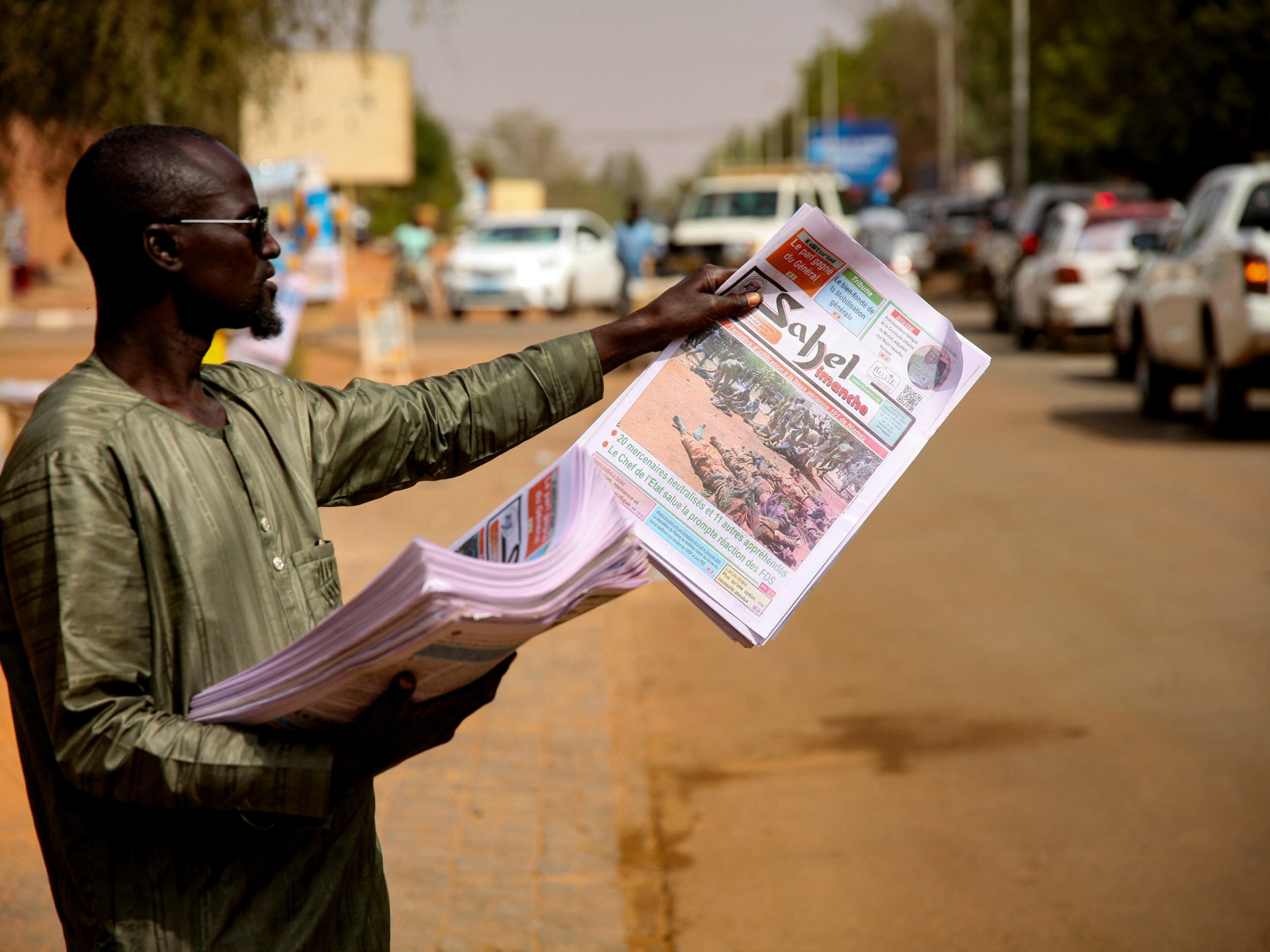
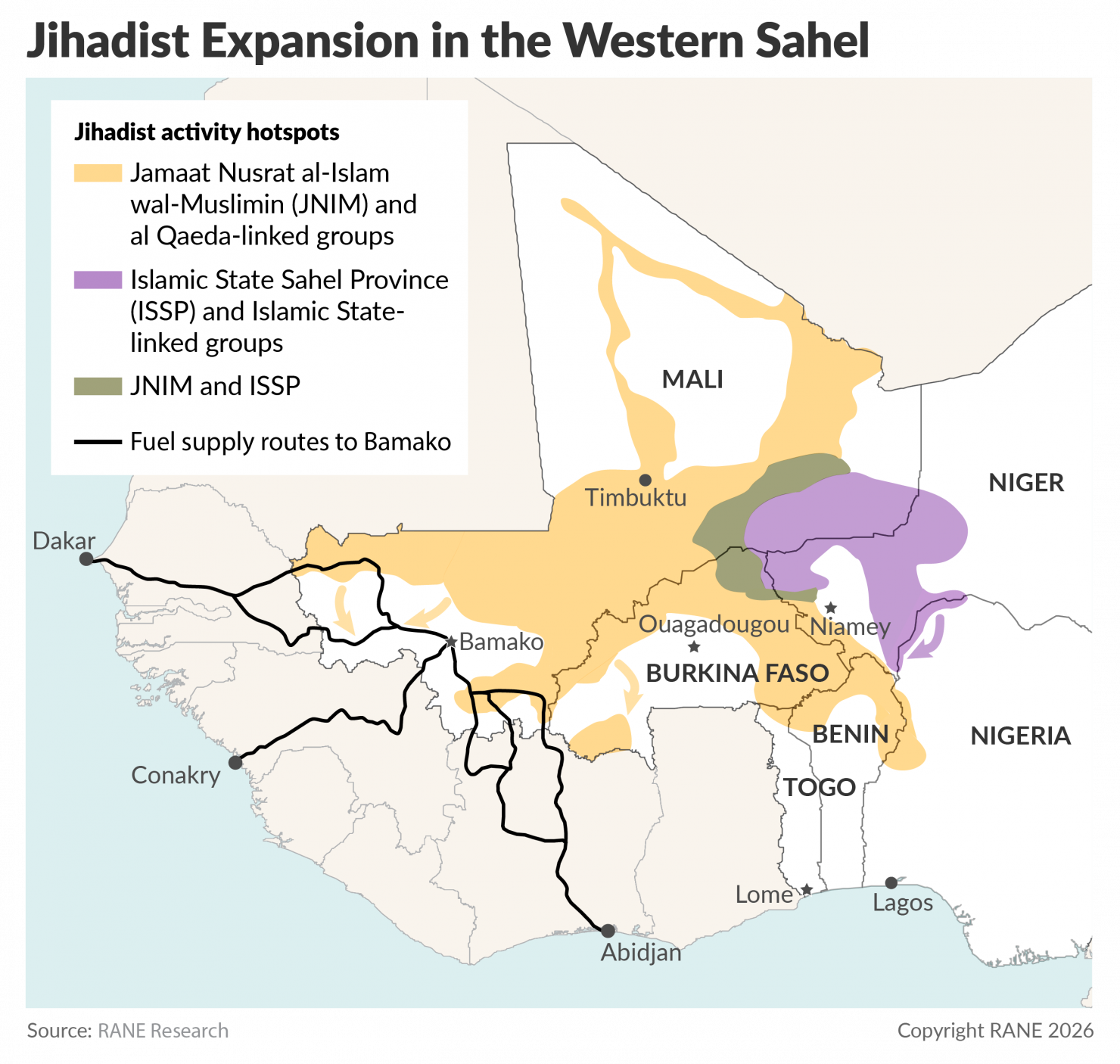
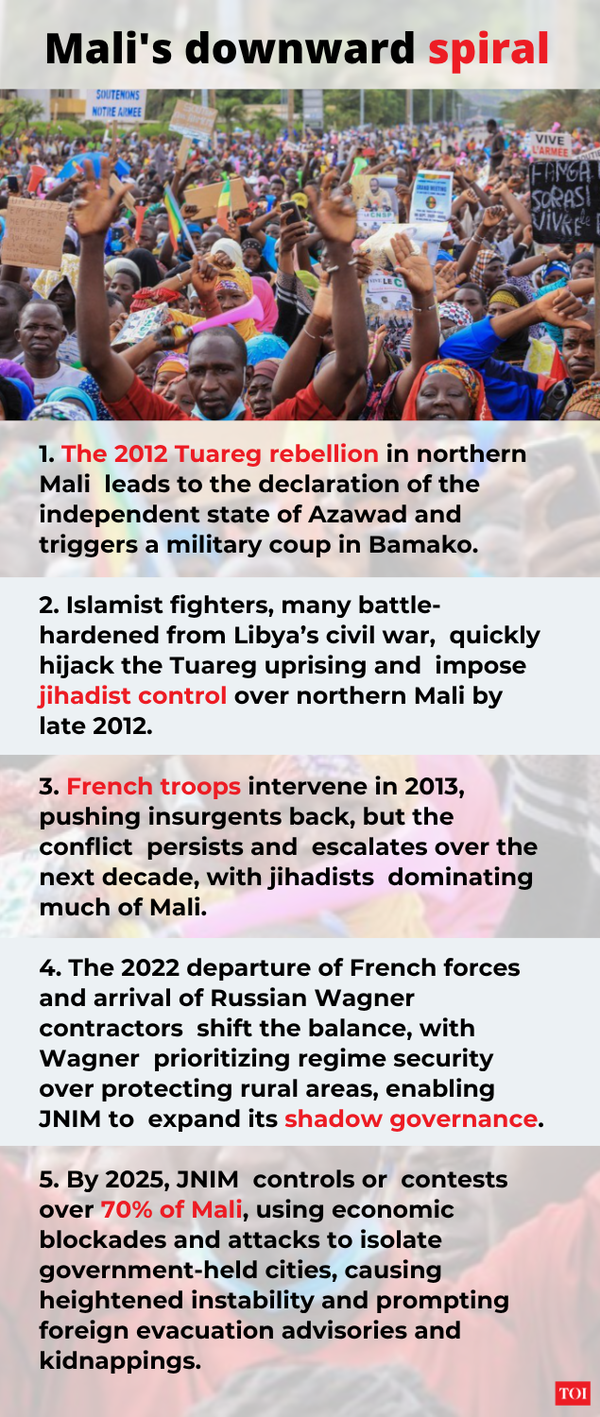
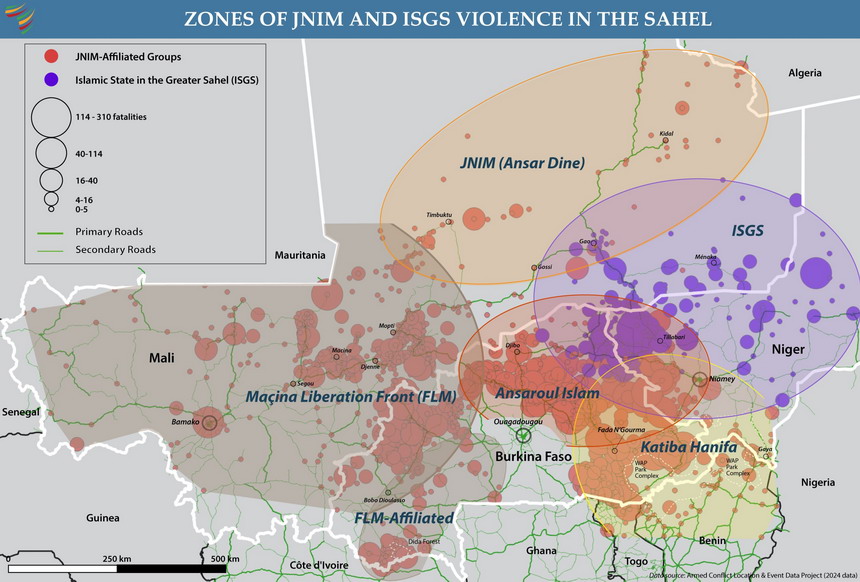
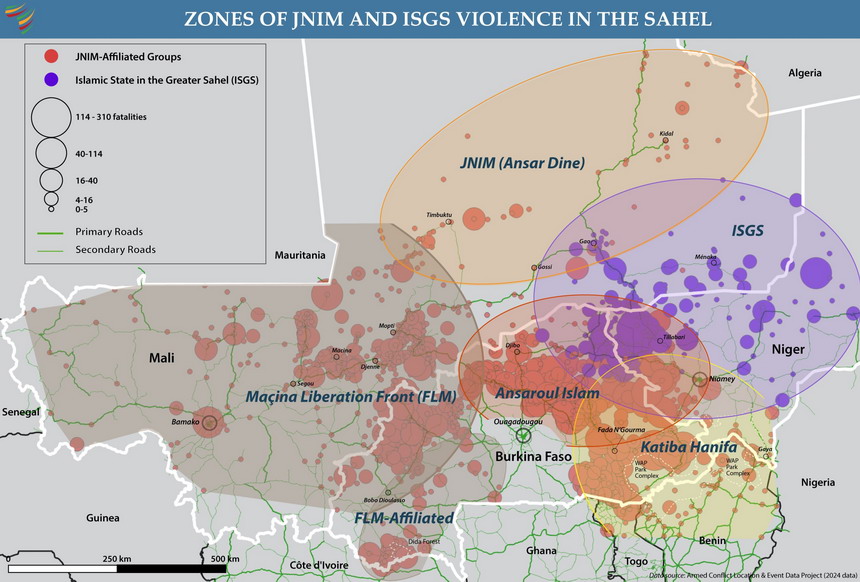
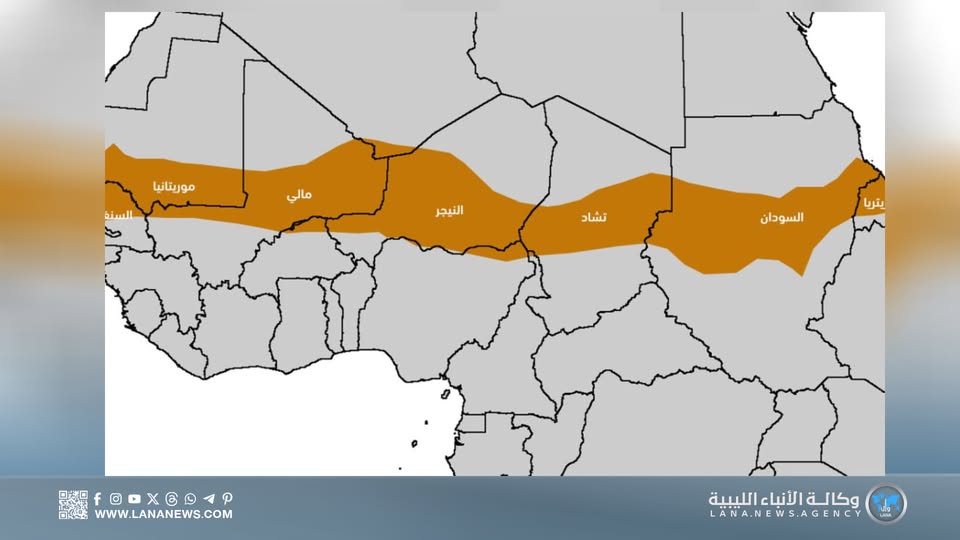
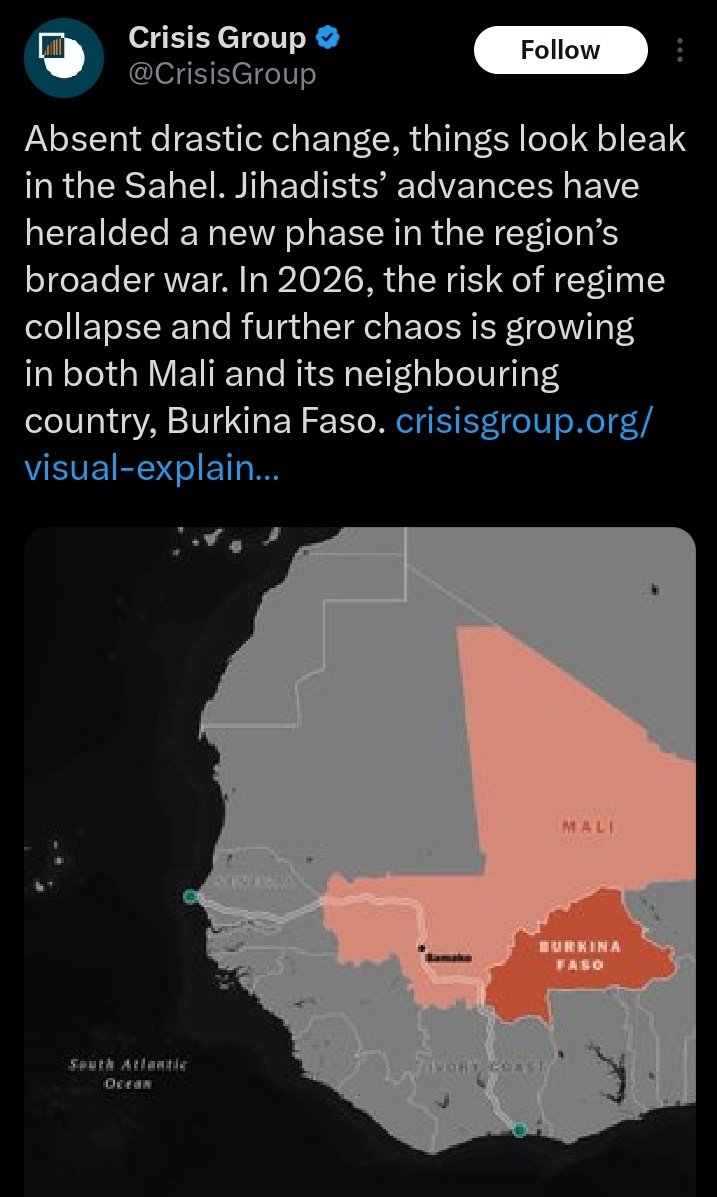
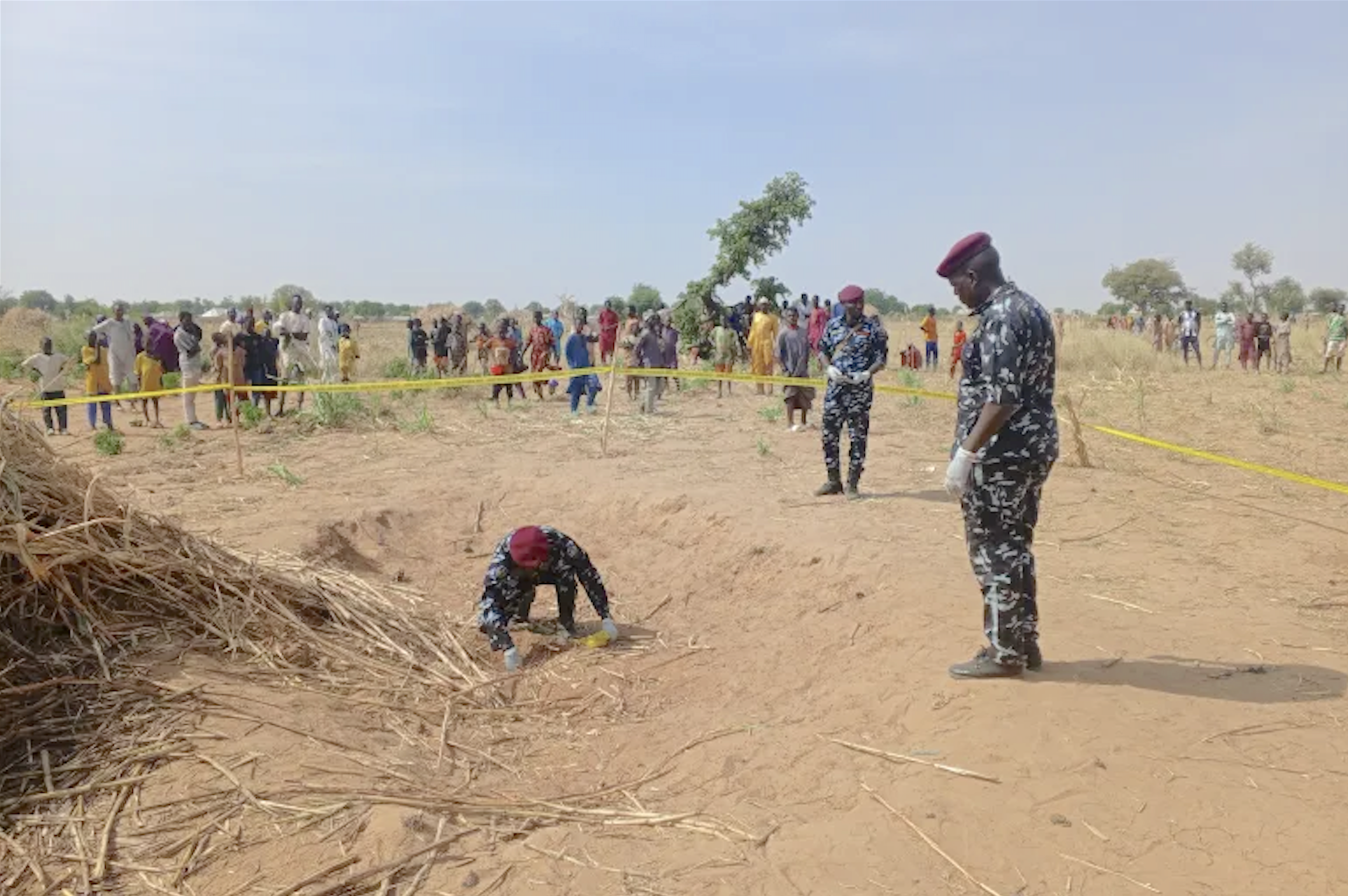
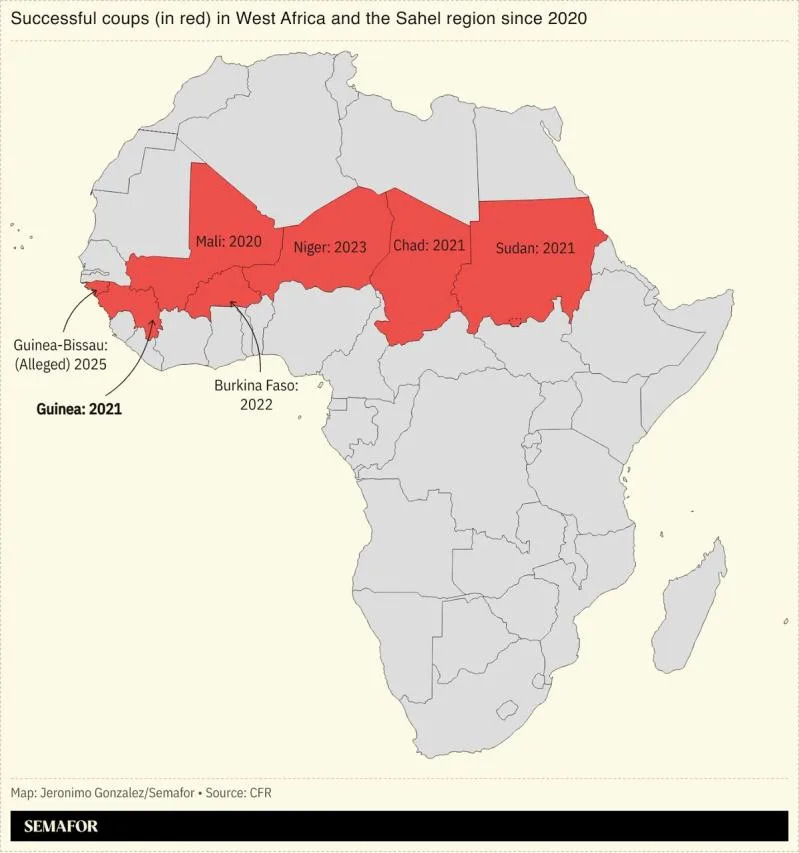
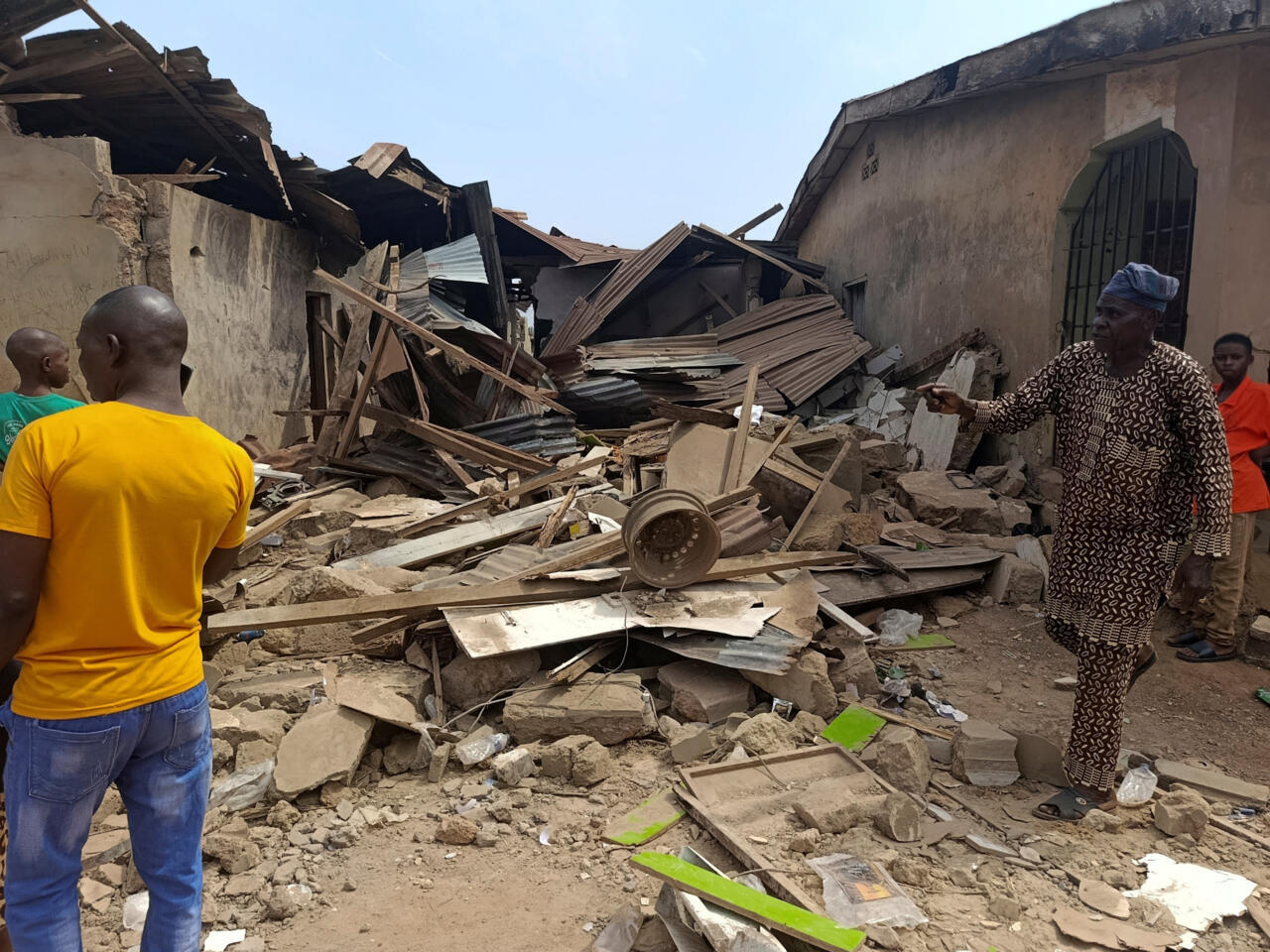
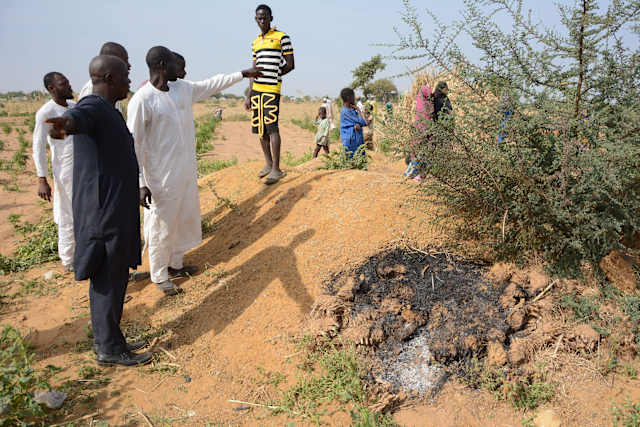
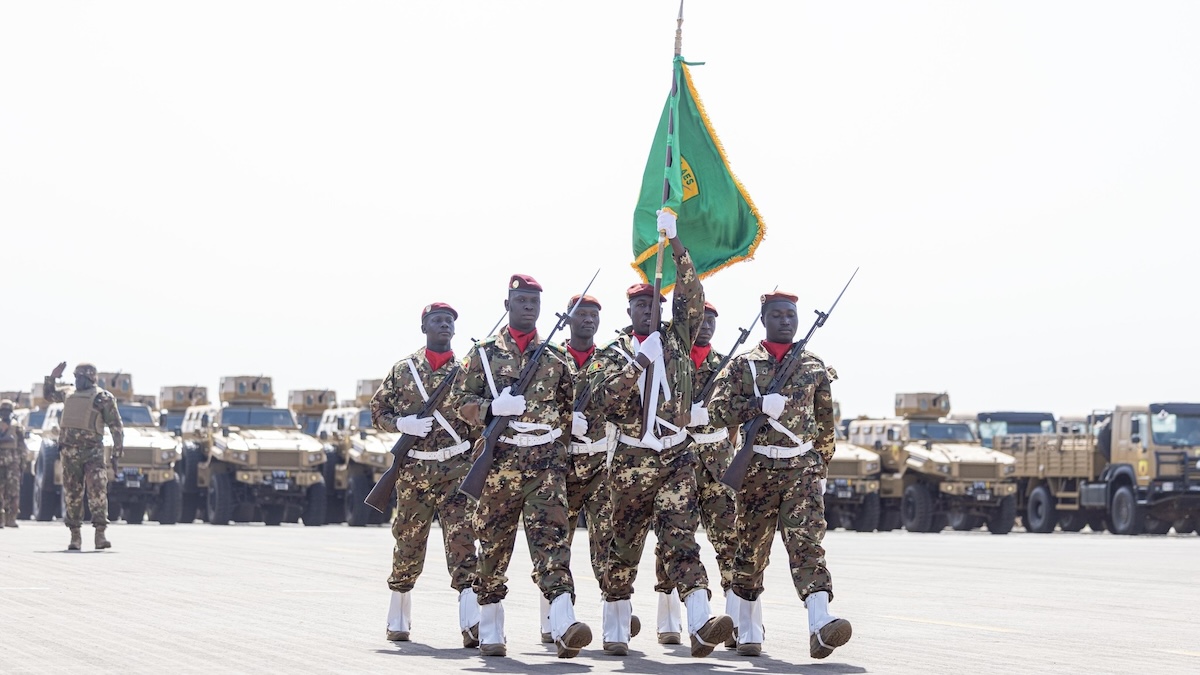
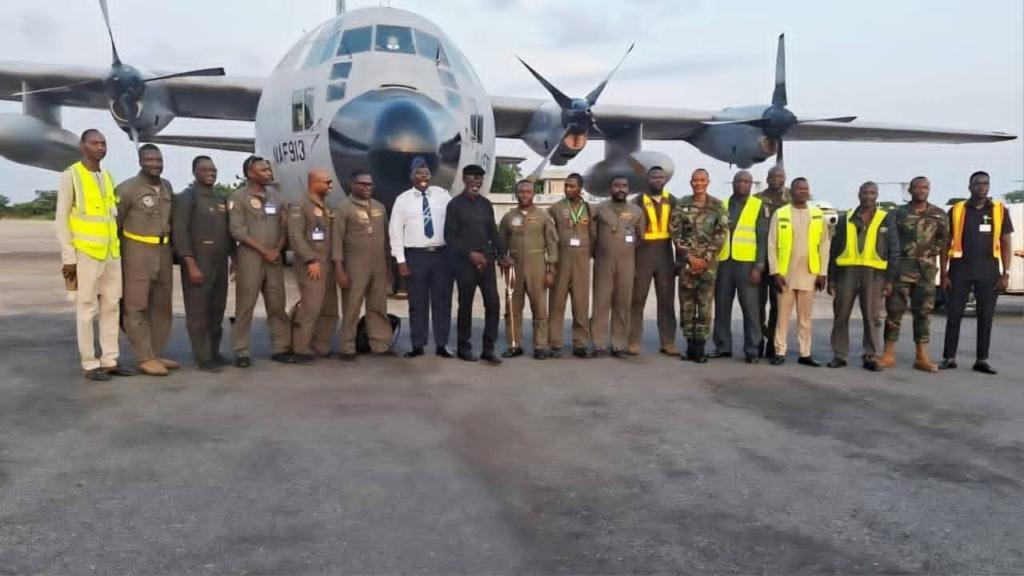
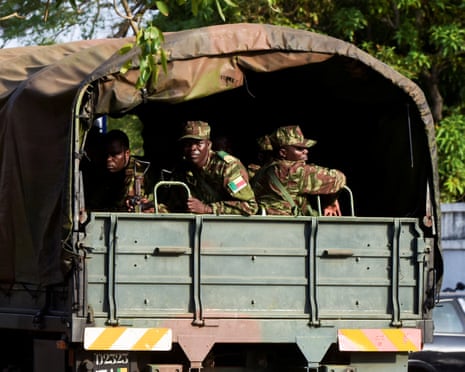
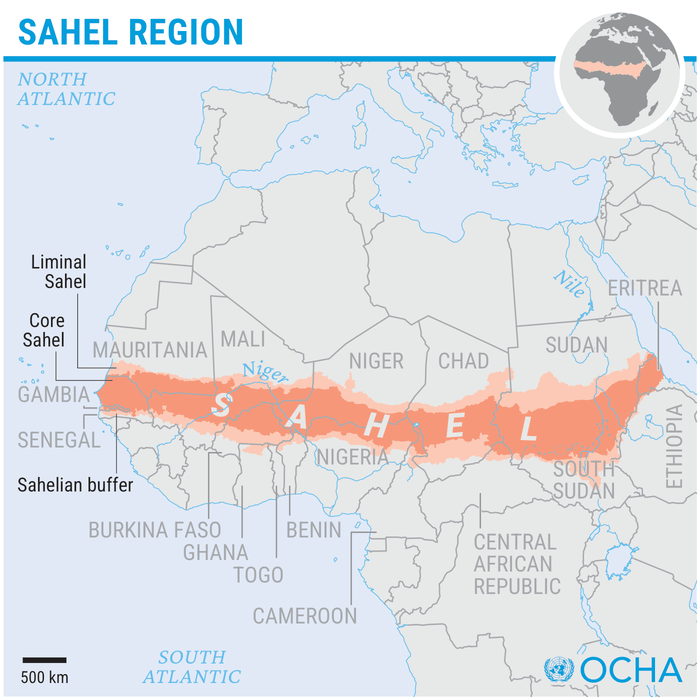
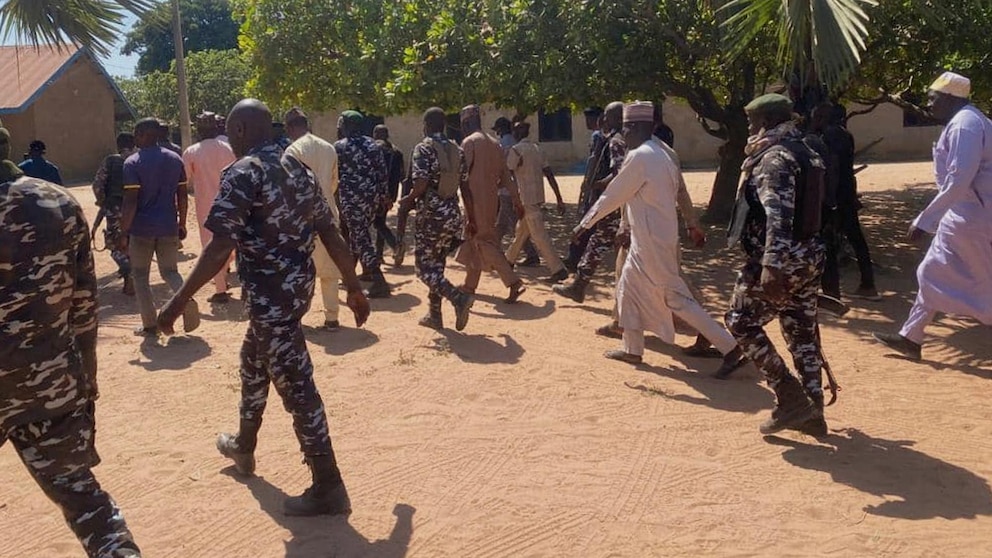
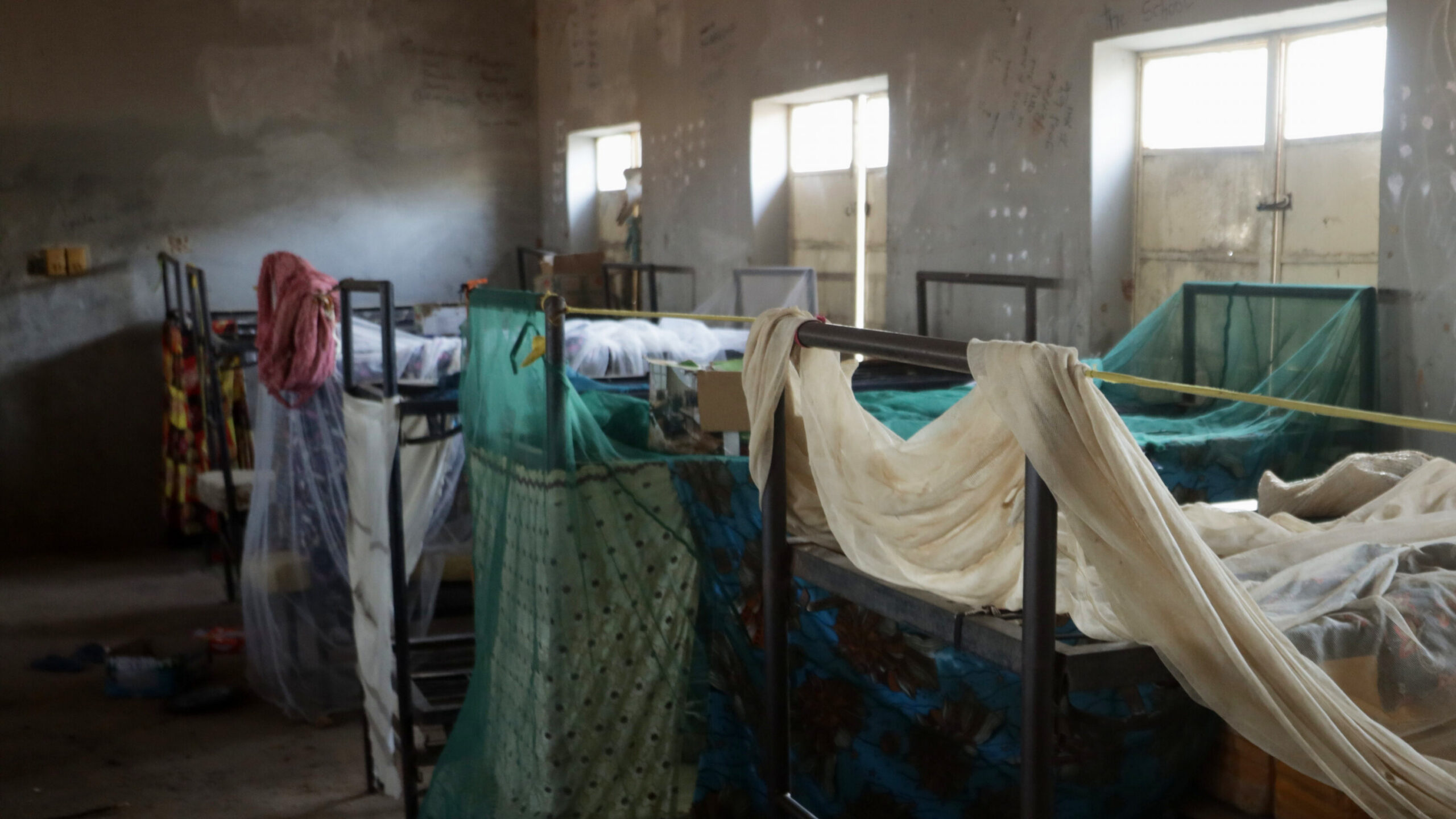
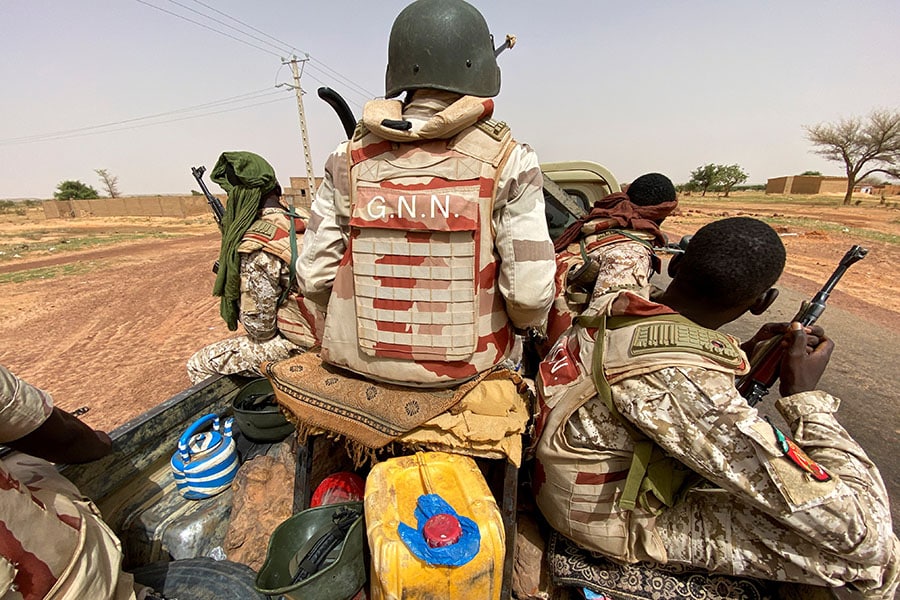
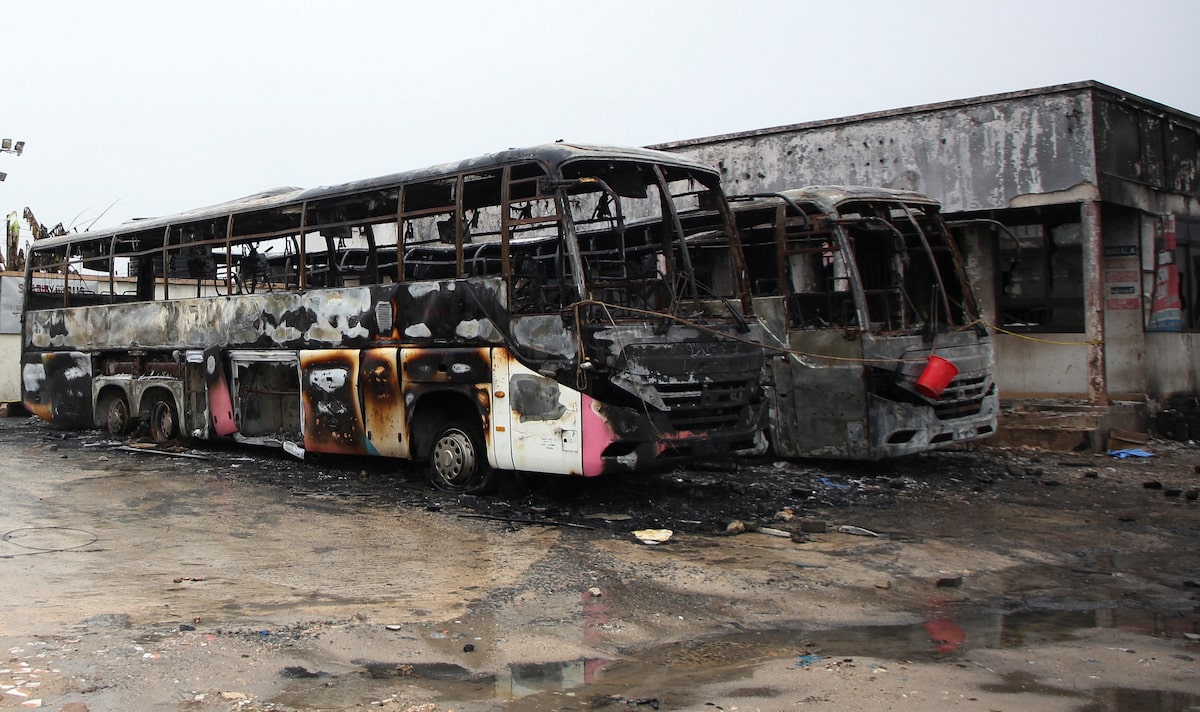
Nigeria finds itself at a pivotal crossroads, simultaneously wrestling with severe security challenges and embracing hopeful advancements in agriculture, all while navigating a complex landscape of international relations and transformative technologies. It’s a truly dynamic situation, isn’t it? Recent events sharply underscore the nation’s ongoing struggle with security, as violent extremism casts a long shadow. A devastating attack in Kwara State, for instance, attributed to suspected jihadi terrorists, reportedly claimed at least 162 lives. This horrific incident, though figures are still being verified, brought the gravity of the situation into stark focus, prompting strong condemnation from both Nigerian and U.S. officials. The U.S. State Department not only offered its deepest condolences to victims’ families but also commended President Bola Tinubu’s swift decision to deploy an army battalion, a critical step to safeguard vulnerable communities. This incident isn’t isolated; it highlights a persistent terrorism threat in parts of Nigeria and the broader Sahel region, which certainly has implications for regional stability and international security partnerships. The United States has responded with a nuanced approach, deploying a small American military unit to support counterterrorism efforts, following earlier strikes in Sokoto State. However, some U.S. congressional voices have voiced mixed evaluations, questioning if military actions alone are enough to protect Nigeria’s diverse religious communities. They argue that while designating Nigeria as a Country of Particular Concern for religious freedoms was overdue, significant cuts in U.S. foreign assistance programs, especially those supporting faith leaders and conflict-affected populations, might unintentionally undermine broader peace and social cohesion efforts in vital areas like the Middle Belt.
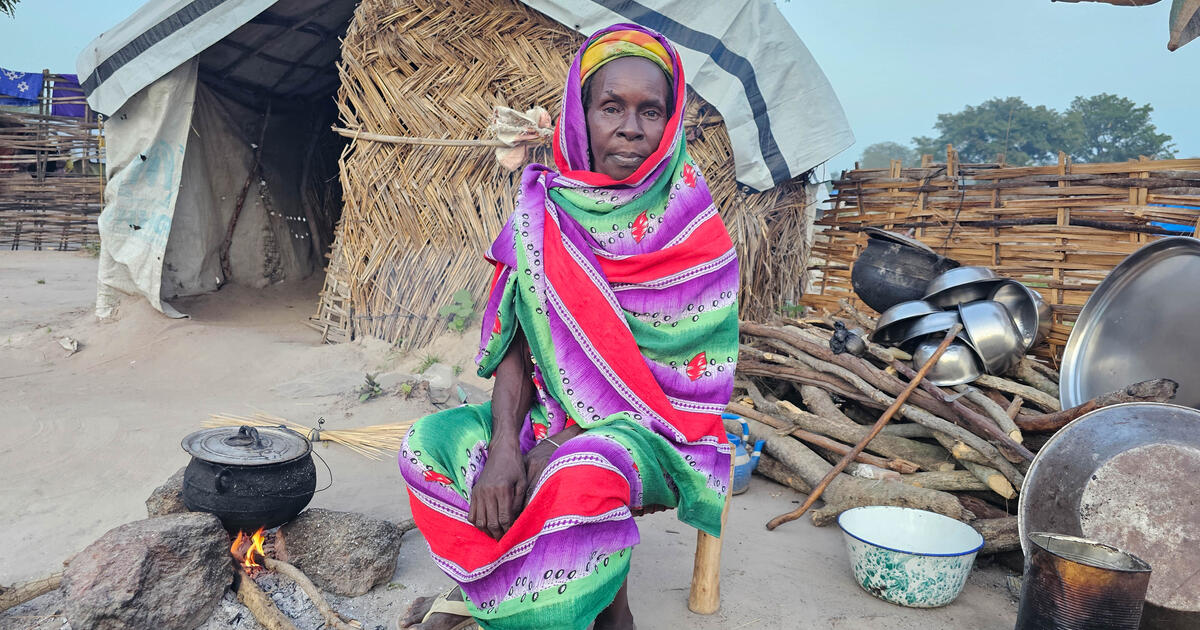
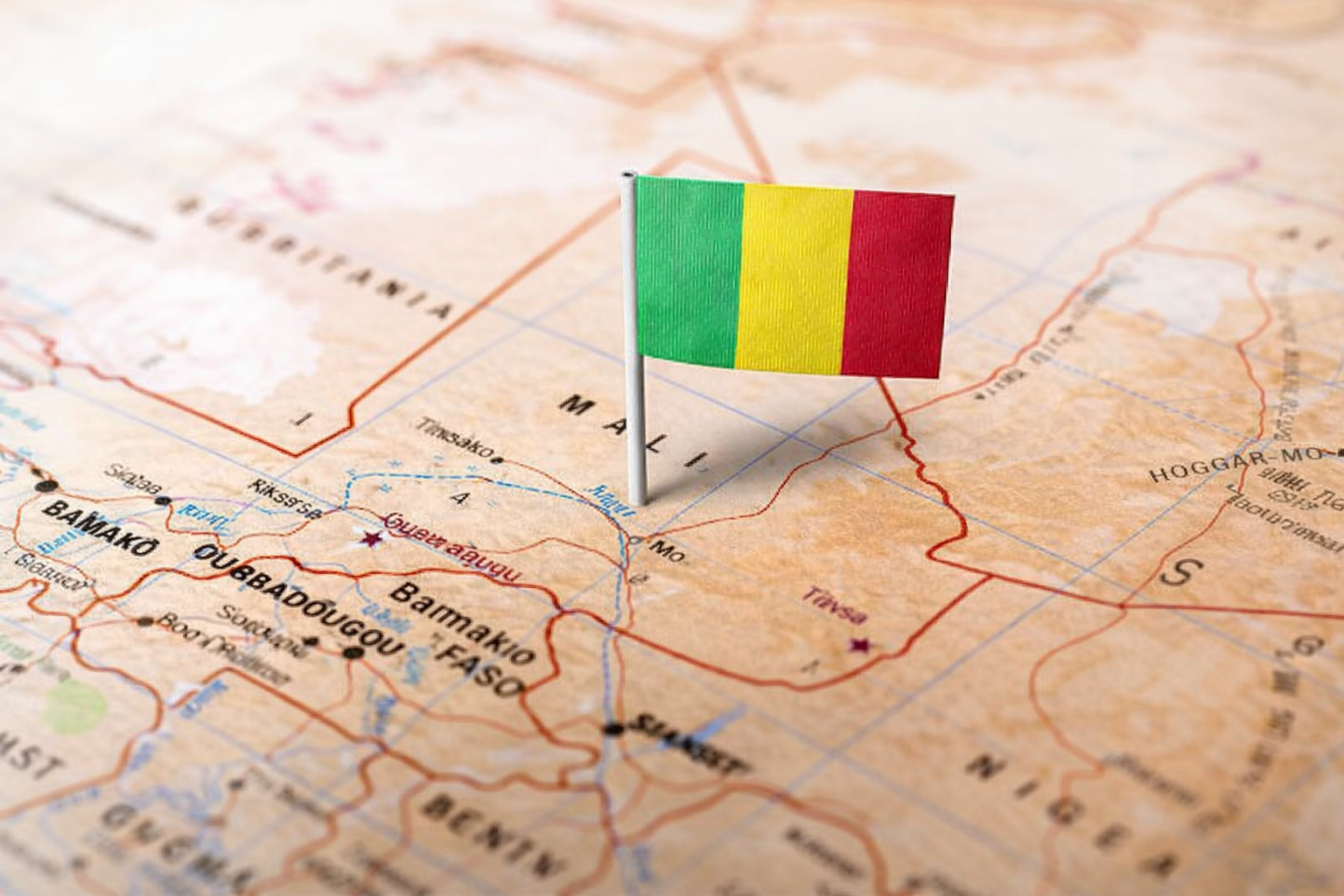
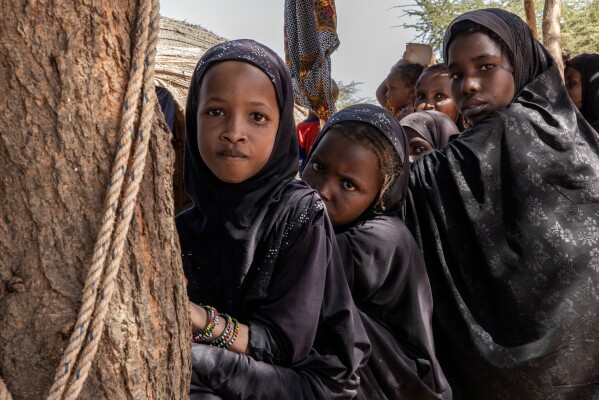
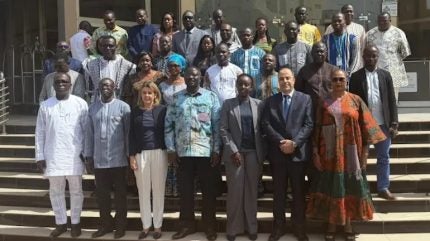
Yet, amidst these profound security challenges, Nigeria is also nurturing crucial initiatives that promise to strengthen resilience and significantly improve livelihoods for millions of its farmers. The recent product advancement meetings held in Nigeria and Mali are a prime example, showcasing an innovative, farmer-focused approach to agricultural development. Driven by international research organizations like CIMMYT and ICRISAT, these meetings prioritize aligning crop breeding with the genuine demands of farmers and the market. Focus crops such as sorghum, pearl millet, and groundnut, which are critical staples in Africa’s dryland regions, are receiving significant attention. This forward-thinking initiative champions resilient seed systems built on climate-smart agriculture, directly addressing the growing threats of changing weather patterns and dwindling resources that African farmers increasingly encounter. Ignatius Angarawai, ICRISAT’s Country Representative for Nigeria, emphasized just how vital these efforts are in building agricultural systems capable of adapting to climate variability. These market-oriented breeding programs aren’t just about new seeds; they aim to ensure improved crop varieties reach farmers efficiently, thereby enhancing food security and supporting sustainable rural economies, reflecting a deep understanding of the interconnectedness between environmental challenges, farmer livelihoods, and long-term socio-economic stability in Nigeria’s rural communities.
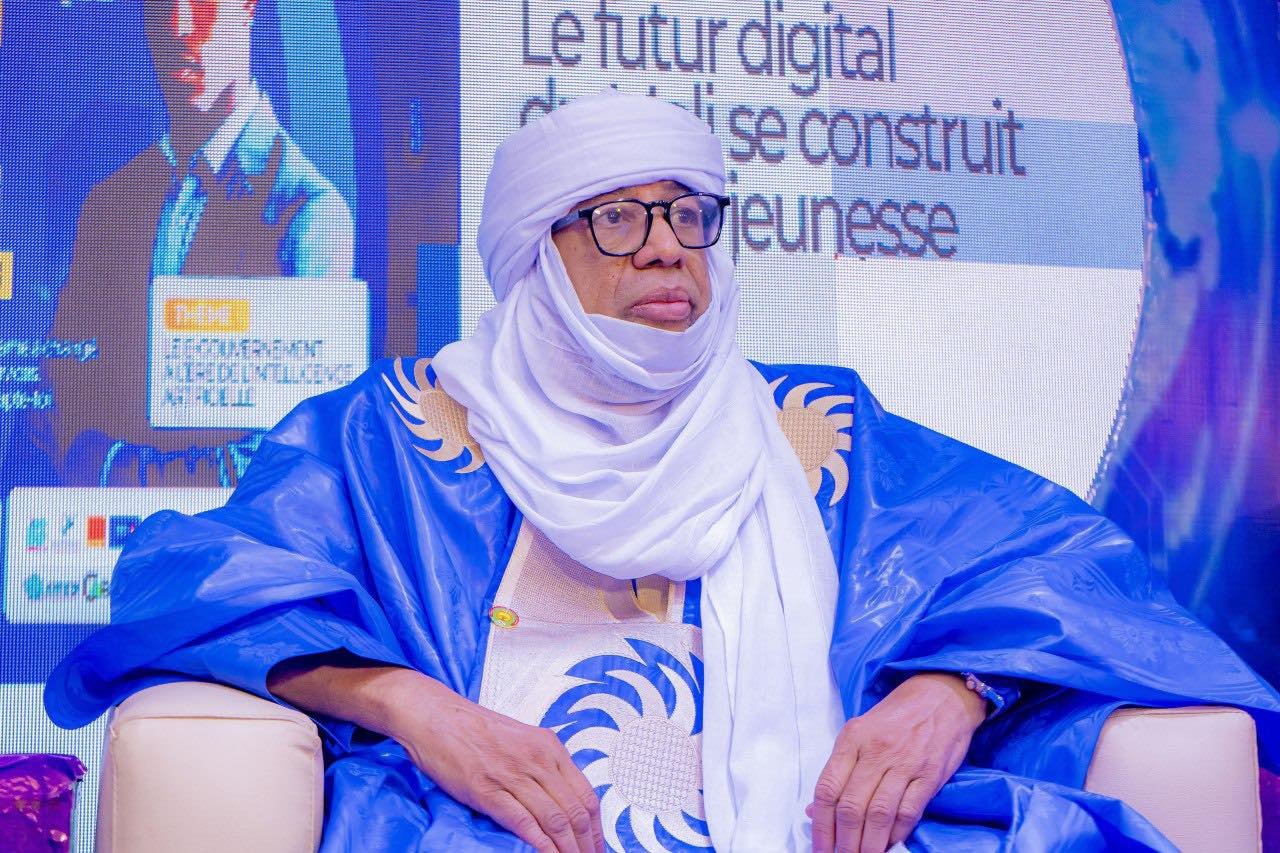
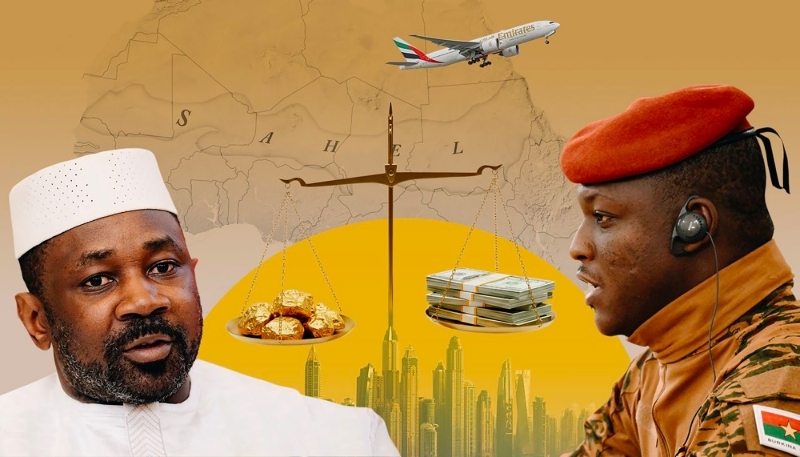
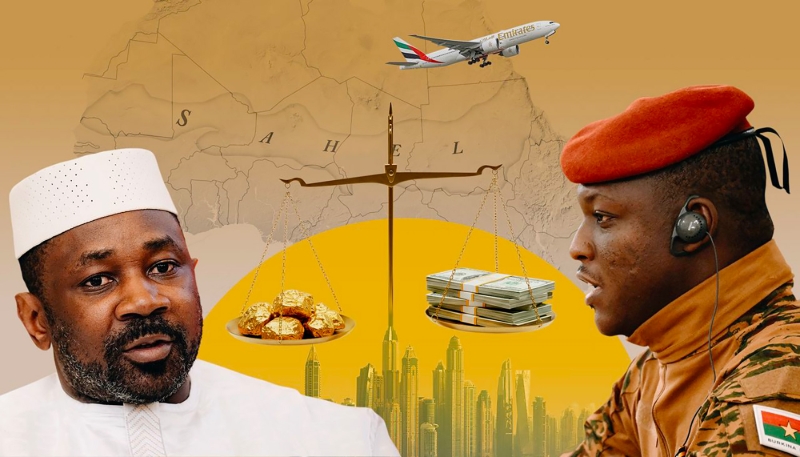
On another equally vital front, Nigeria’s broader economic and technological landscape is rapidly evolving, clearly evidenced by dynamic trends shaping Africa’s labor markets. While global employment growth has admittedly cooled, technology-driven sectors, particularly artificial intelligence (AI), are surging ahead. In the United States, AI-related job listings have soared by over 130 percent since early 2020, far outpacing the growth of the overall job market. This isn’t just a distant phenomenon; this boom reflects technology’s integration across diverse fields, from data analytics to marketing and human resources. For Nigeria and the wider African continent, these developments highlight both exciting opportunities and urgent imperatives to build robust capacity in AI and digital independence. Substantial investments, such as the $1.6 billion committed by Dubai-based firms for data centers and farmland in Africa, certainly signal strong confidence in the continent’s potential to harness emerging technologies for impactful economic growth. Don’t these trends suggest a significant avenue for Nigeria to leverage its youthful population and tech-savvy workforce, diversifying its economy beyond traditional sectors? The confluence of heightened security cooperation, groundbreaking agricultural innovation, and enthusiastic technological adoption paints a compelling picture of a nation striving to manage its immediate vulnerabilities while actively shaping a future grounded in resilience and abundant opportunity. Successfully navigating Nigeria’s security issues will undoubtedly demand not only strategic military interventions but also sustained investments in community development and meaningful interfaith dialogue. Simultaneously, embracing forward-thinking agricultural and technological strategies offers a clear path to enhance food sovereignty and foster vital economic diversification. Ultimately, Nigeria’s developmental trajectory will hinge on its leaders’ and partners’ ability to cultivate holistic solutions that address the root causes of conflict, empower its farmers, and equip its citizens with the essential tools for this rapidly advancing digital age. The interplay of local initiatives and global cooperation, despite formidable challenges, will be absolutely critical in charting Nigeria’s course toward sustainable peace and prosperity.