Sahel’s New Alliance: A Game Changer in West Africa’s Security Landscape?
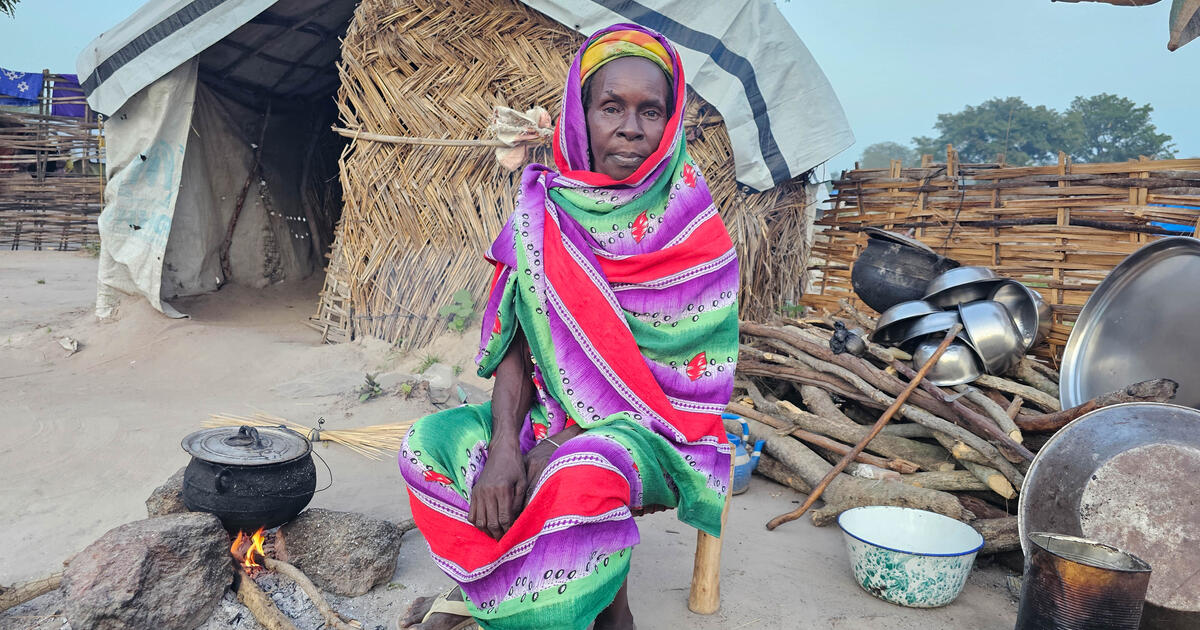
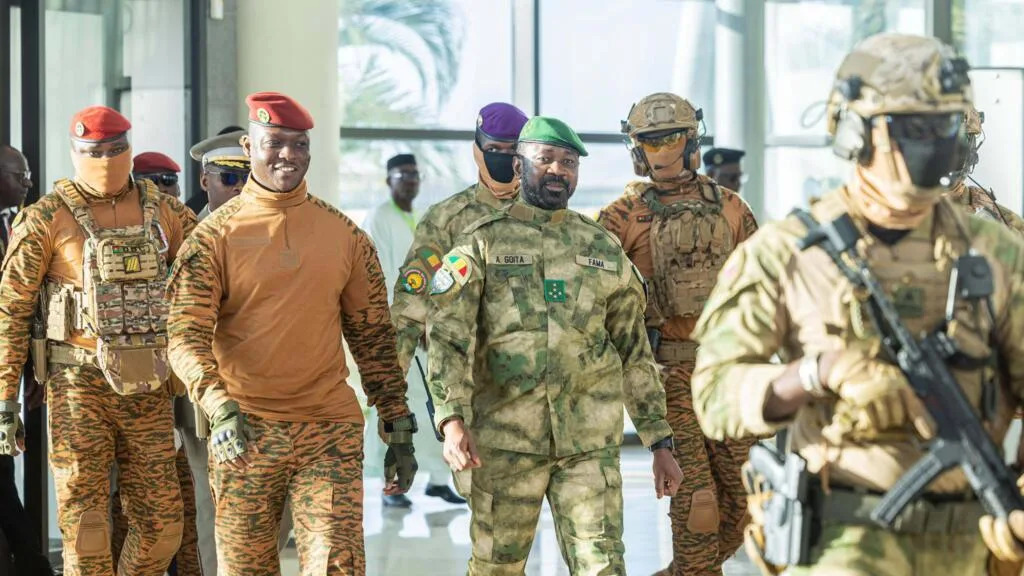
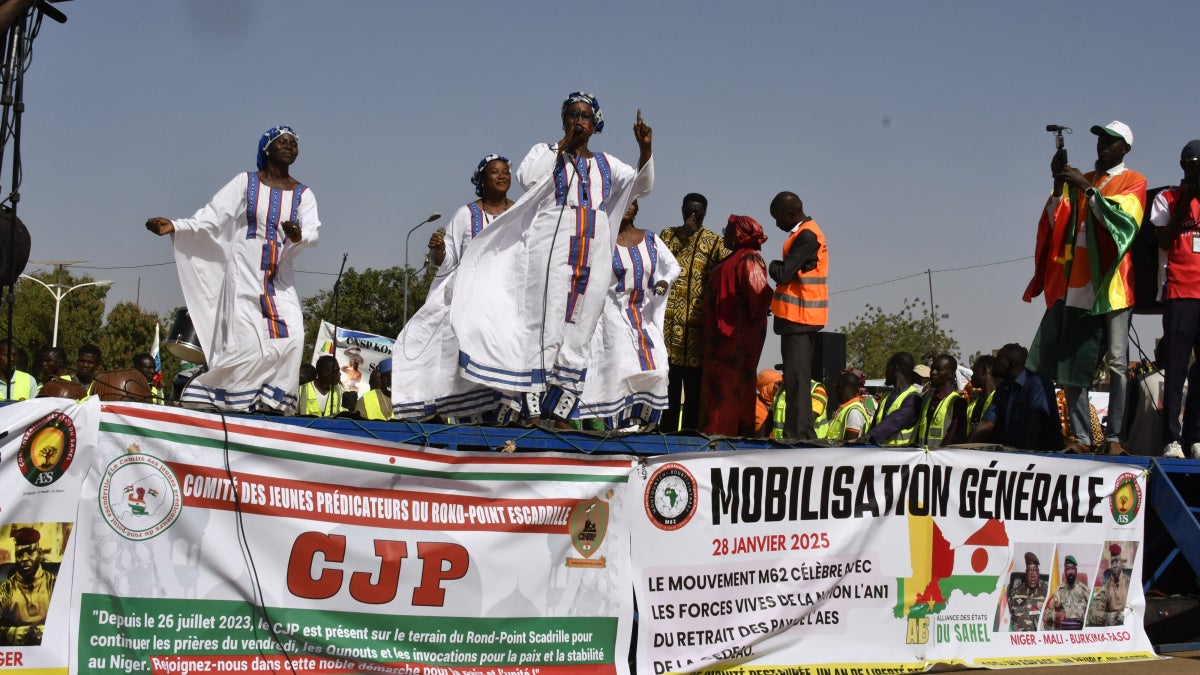
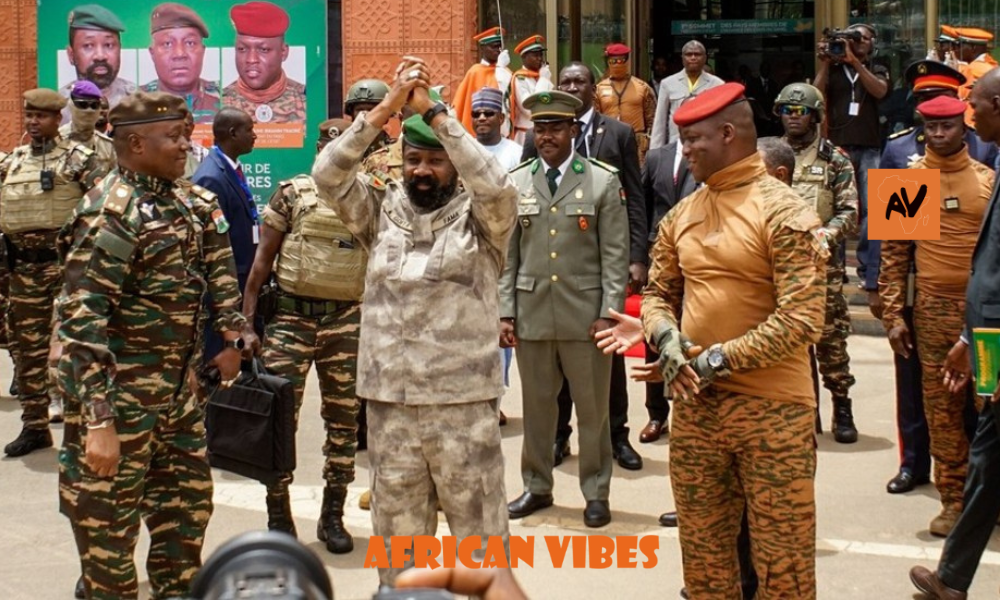
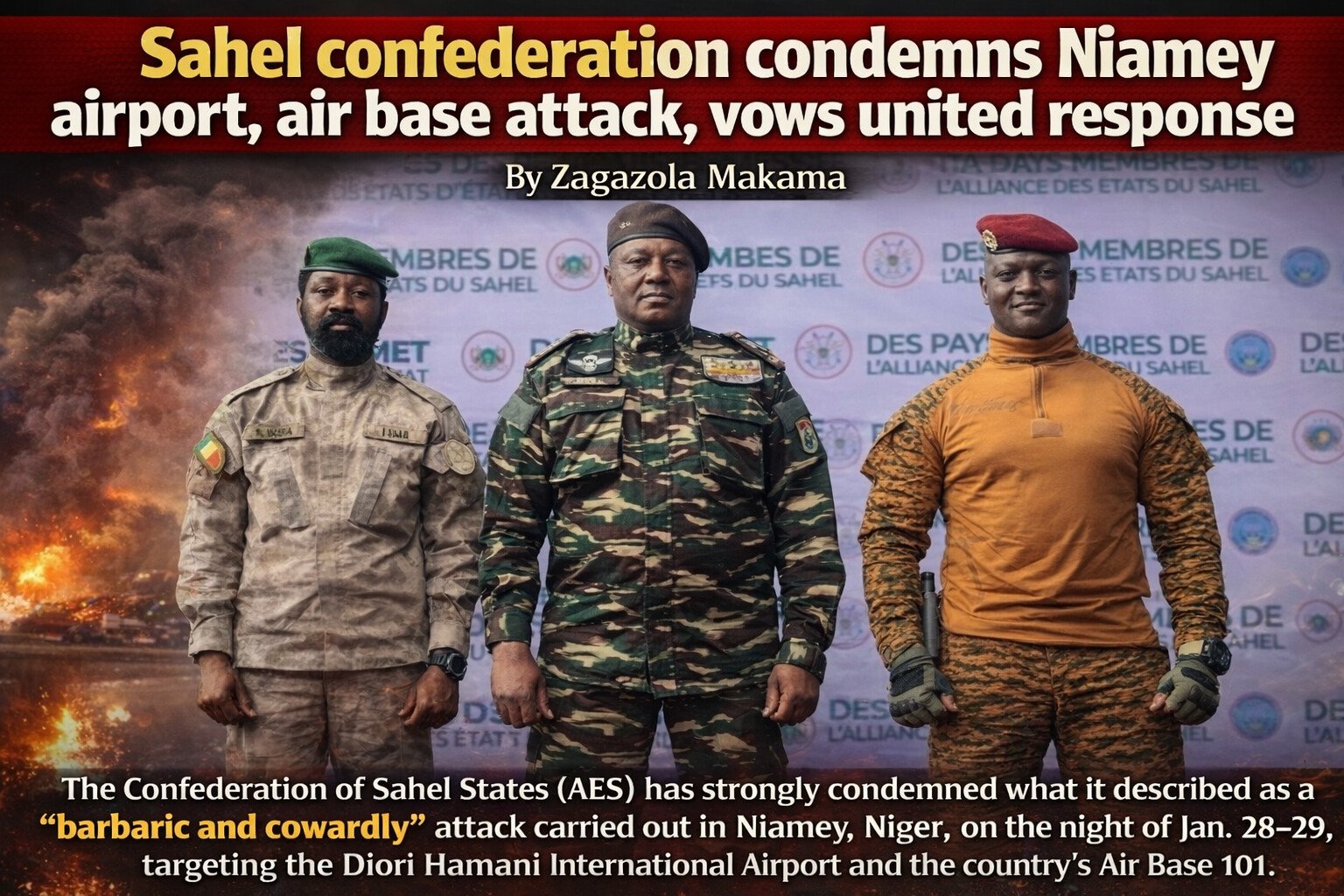
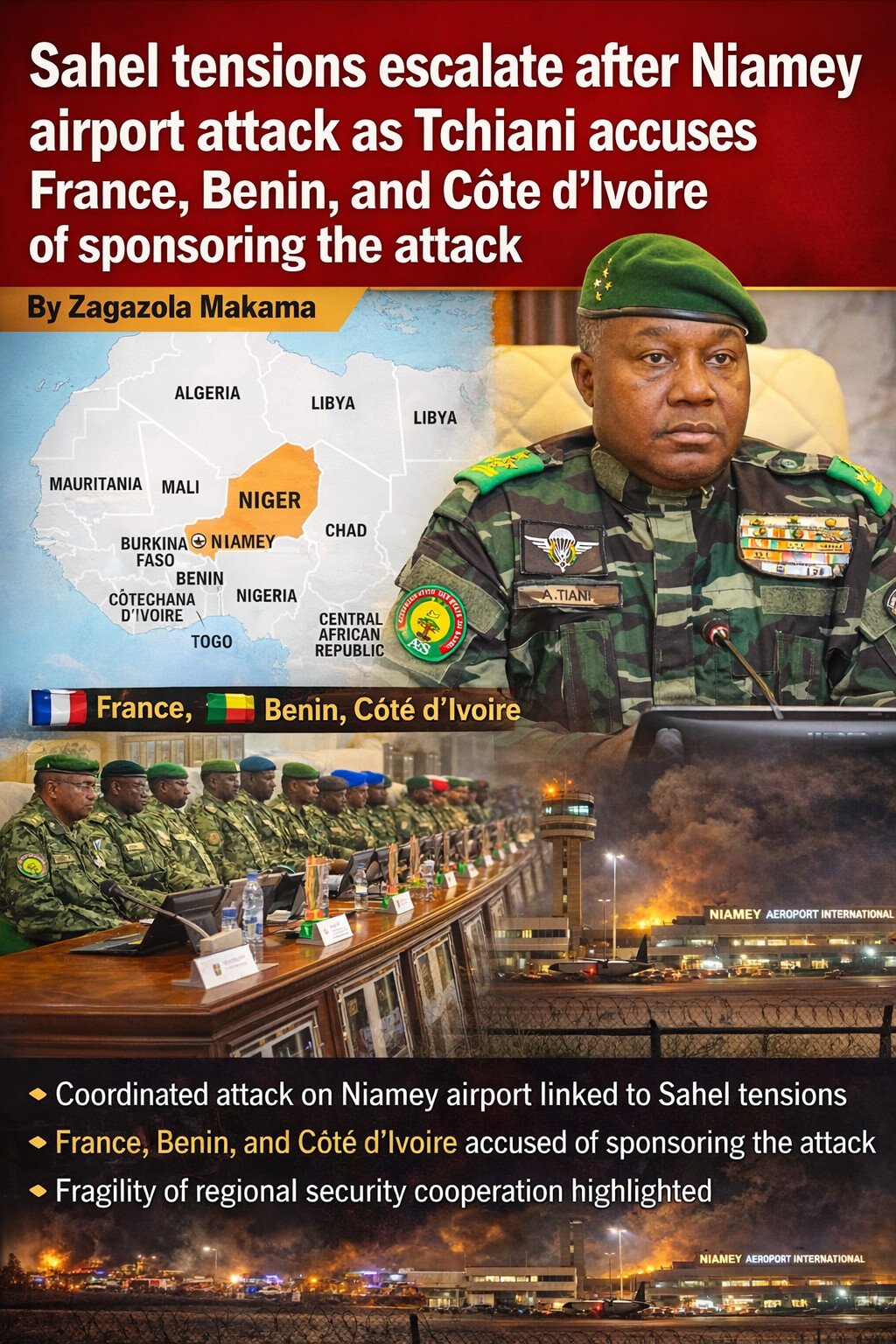
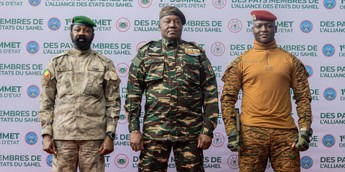
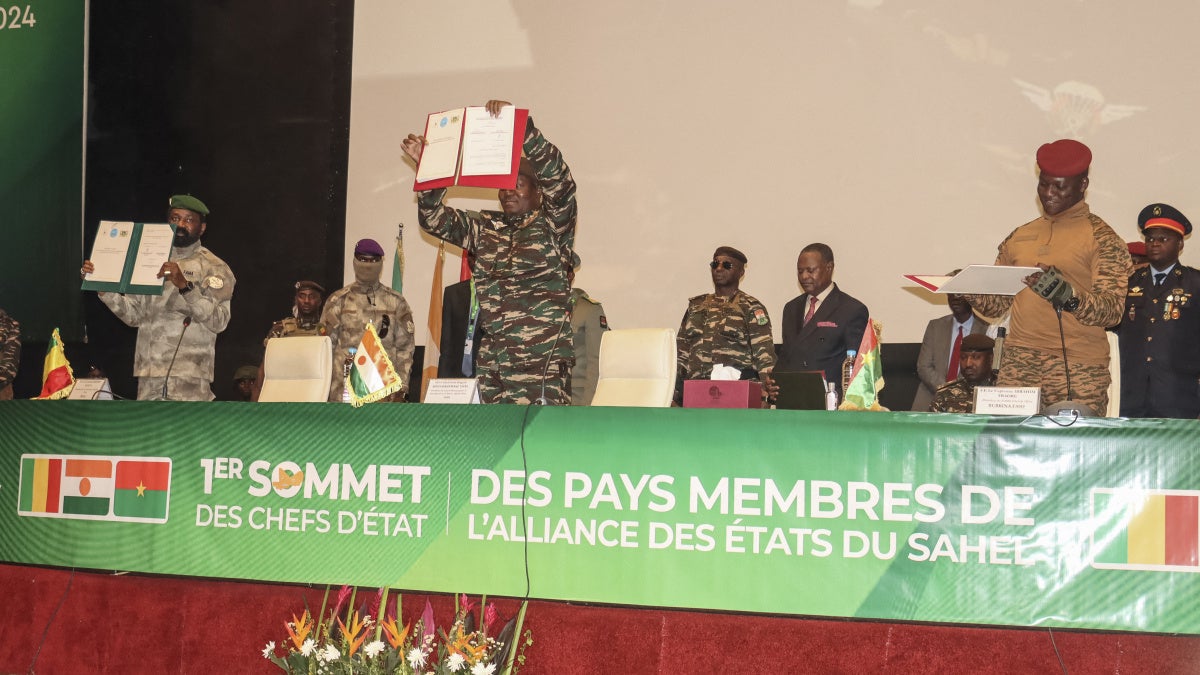
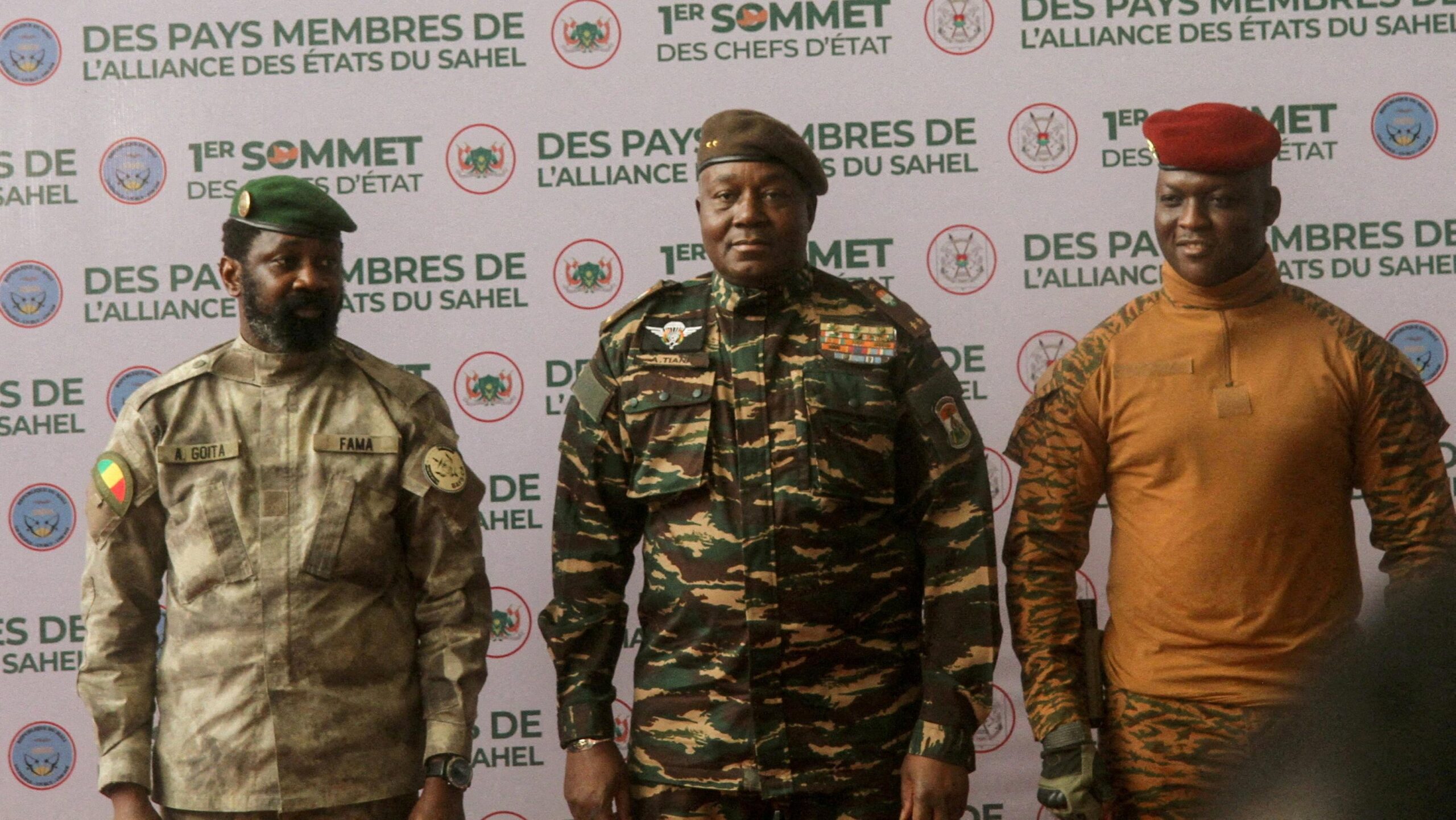
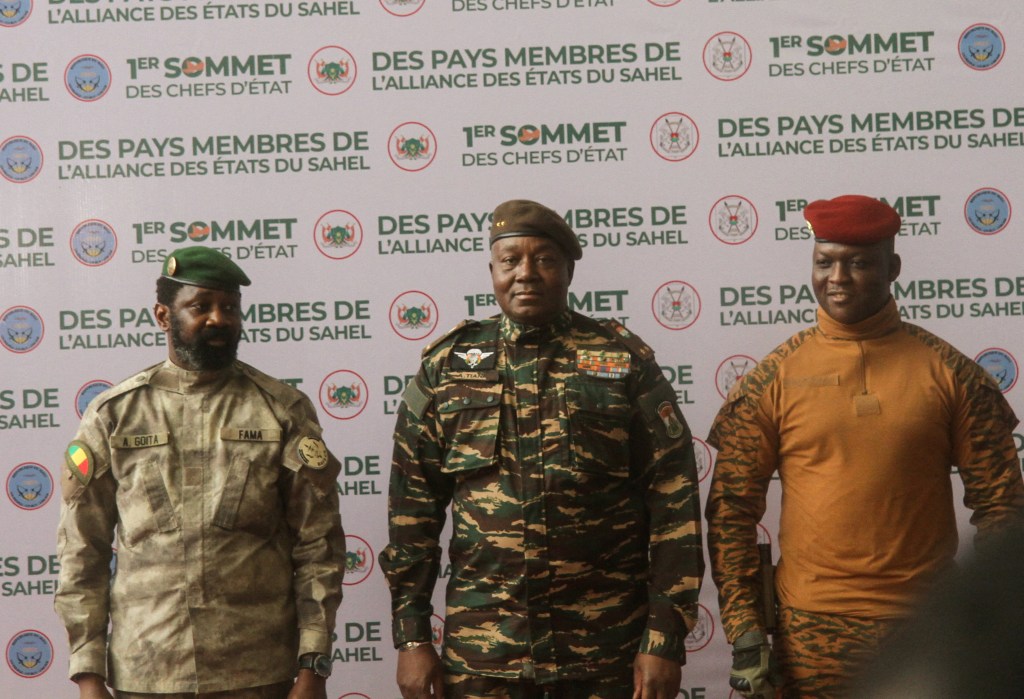
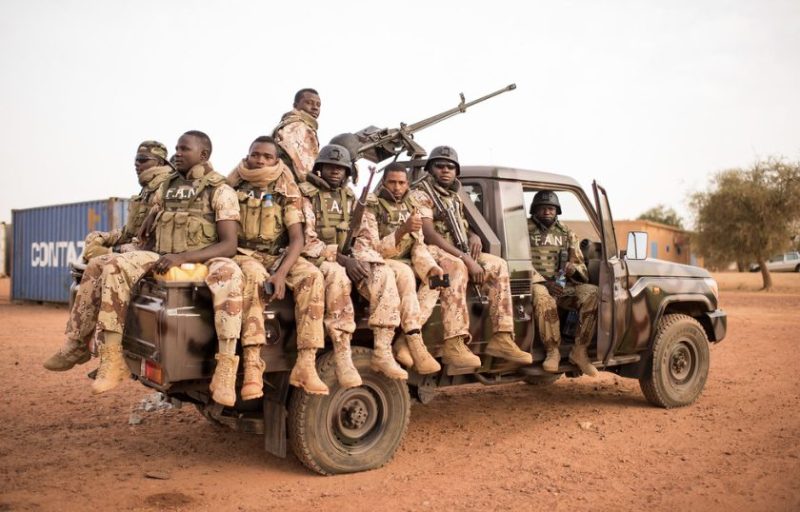
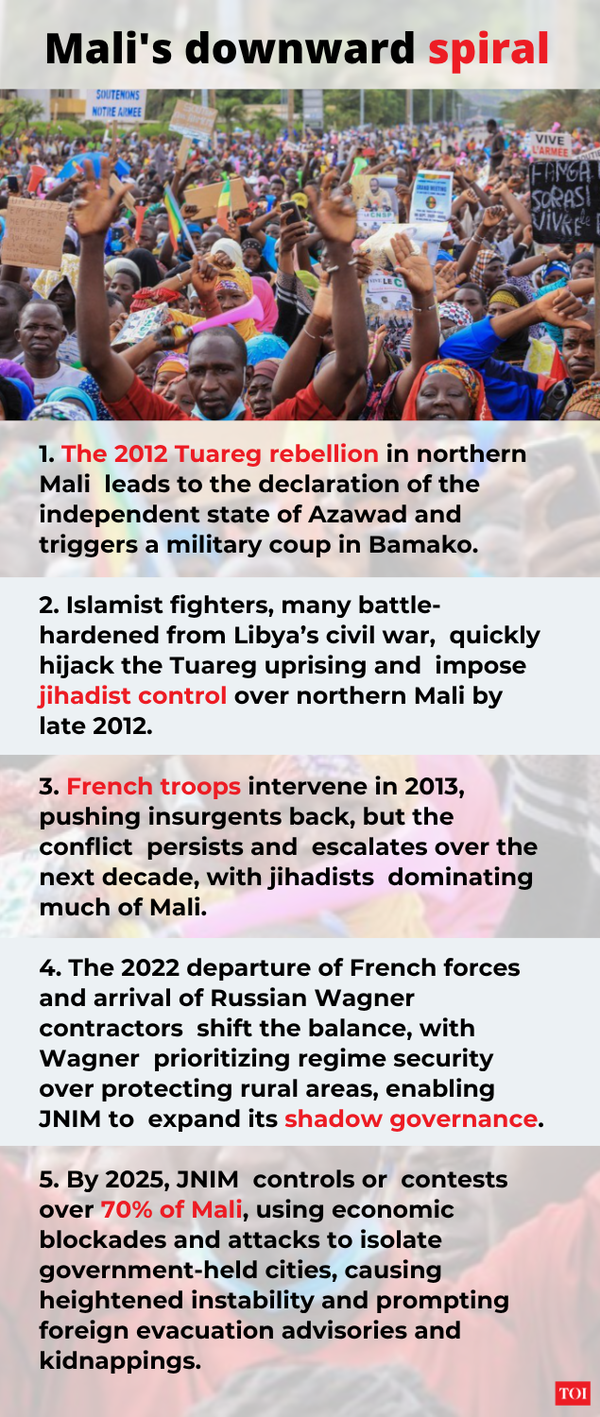
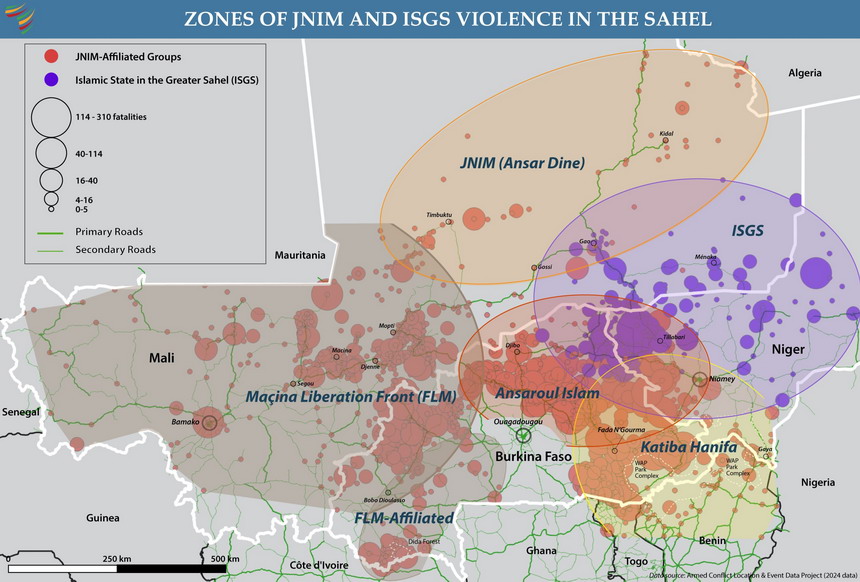
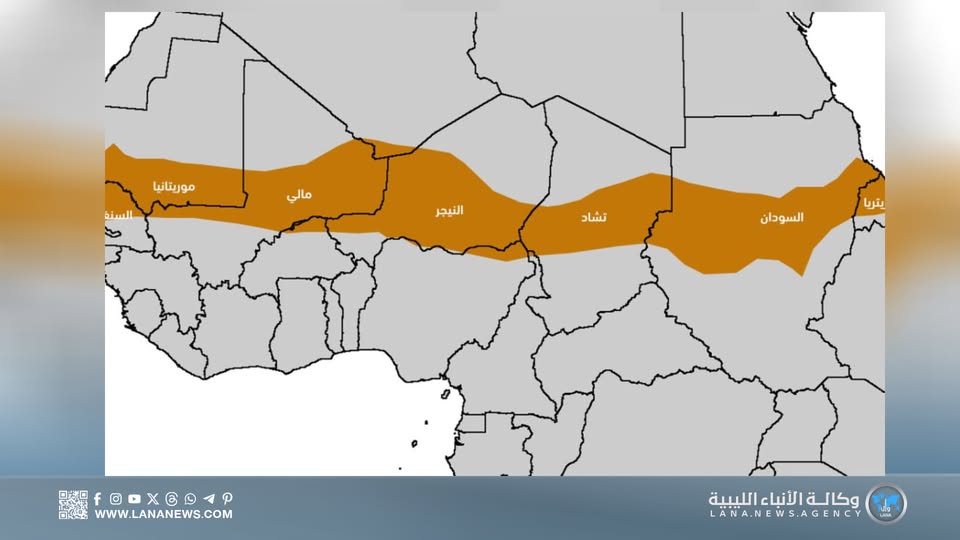
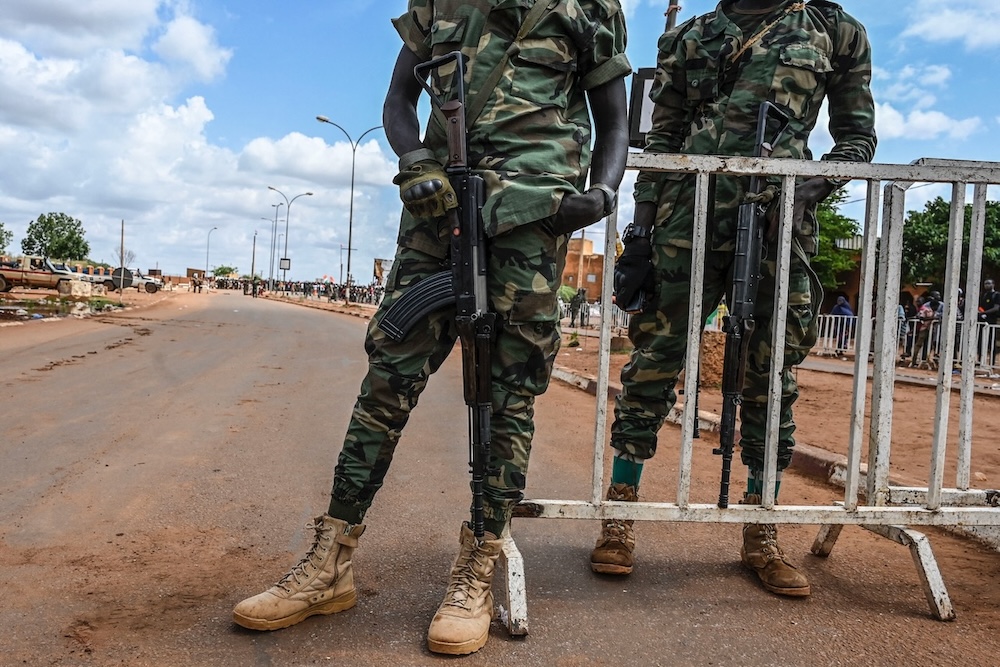
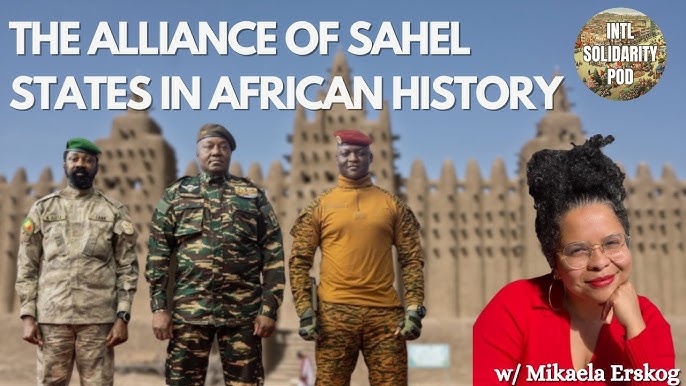
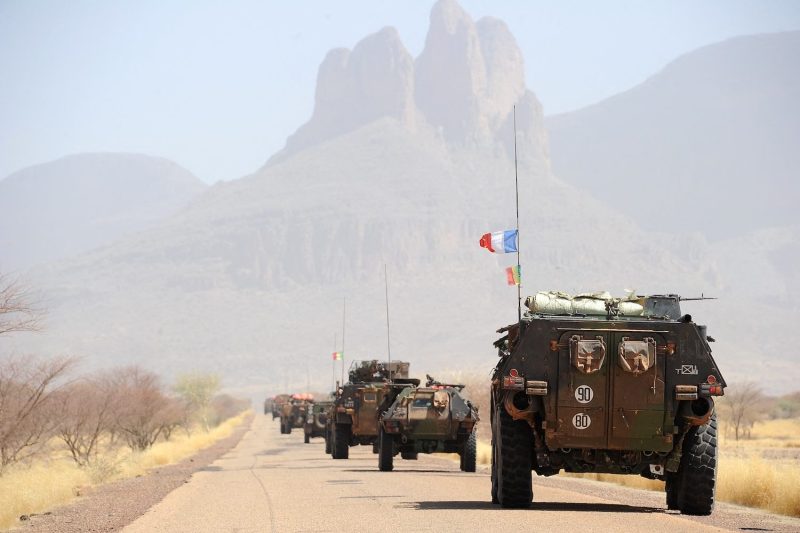
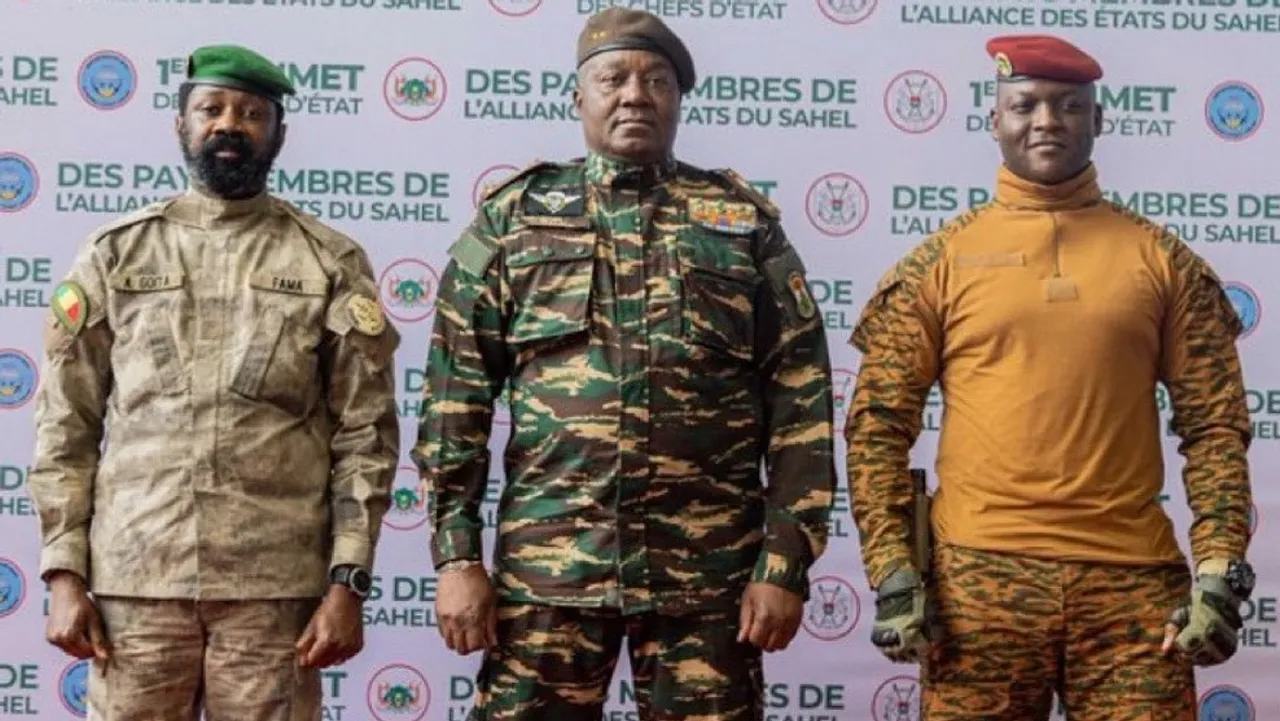
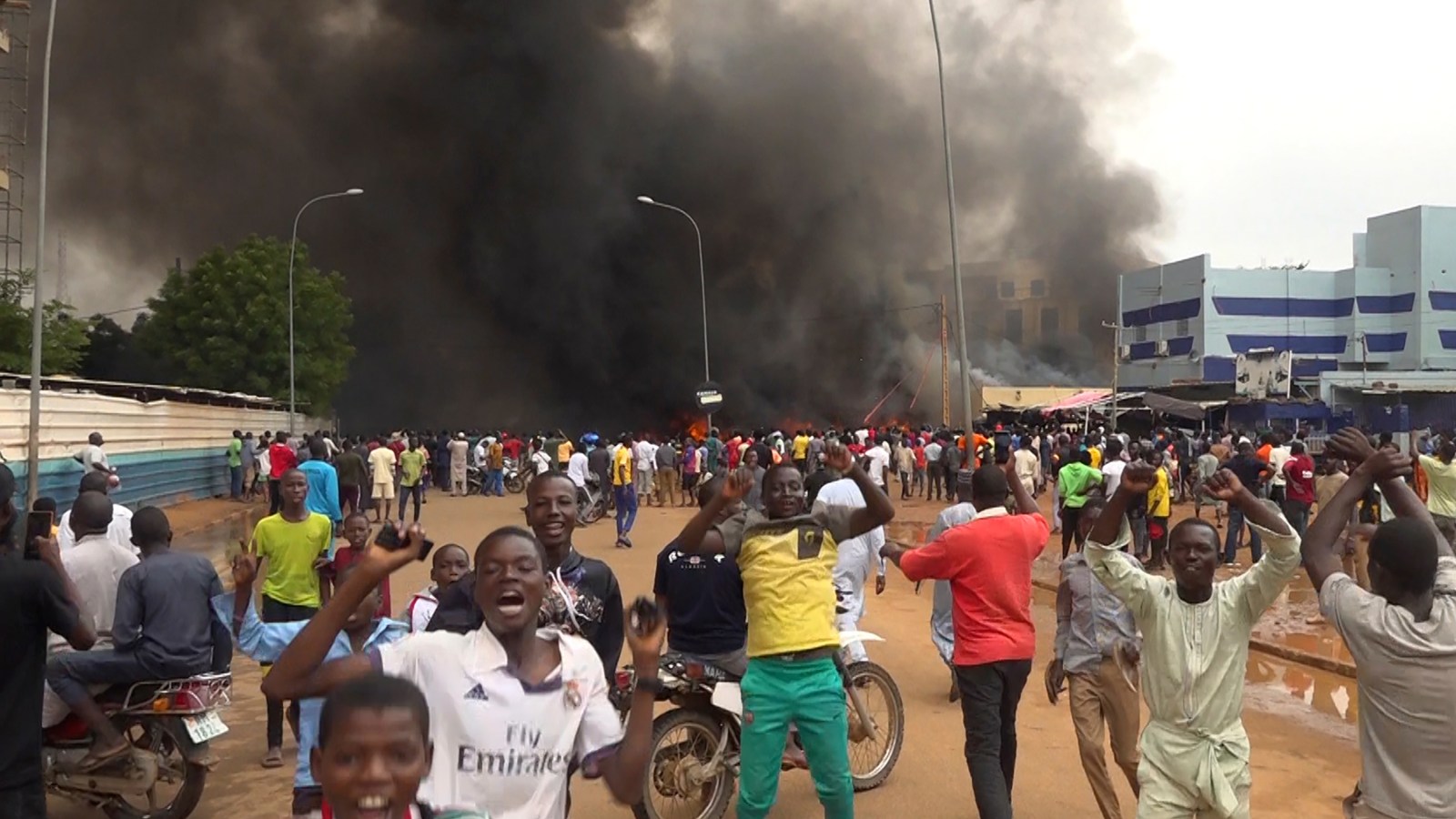
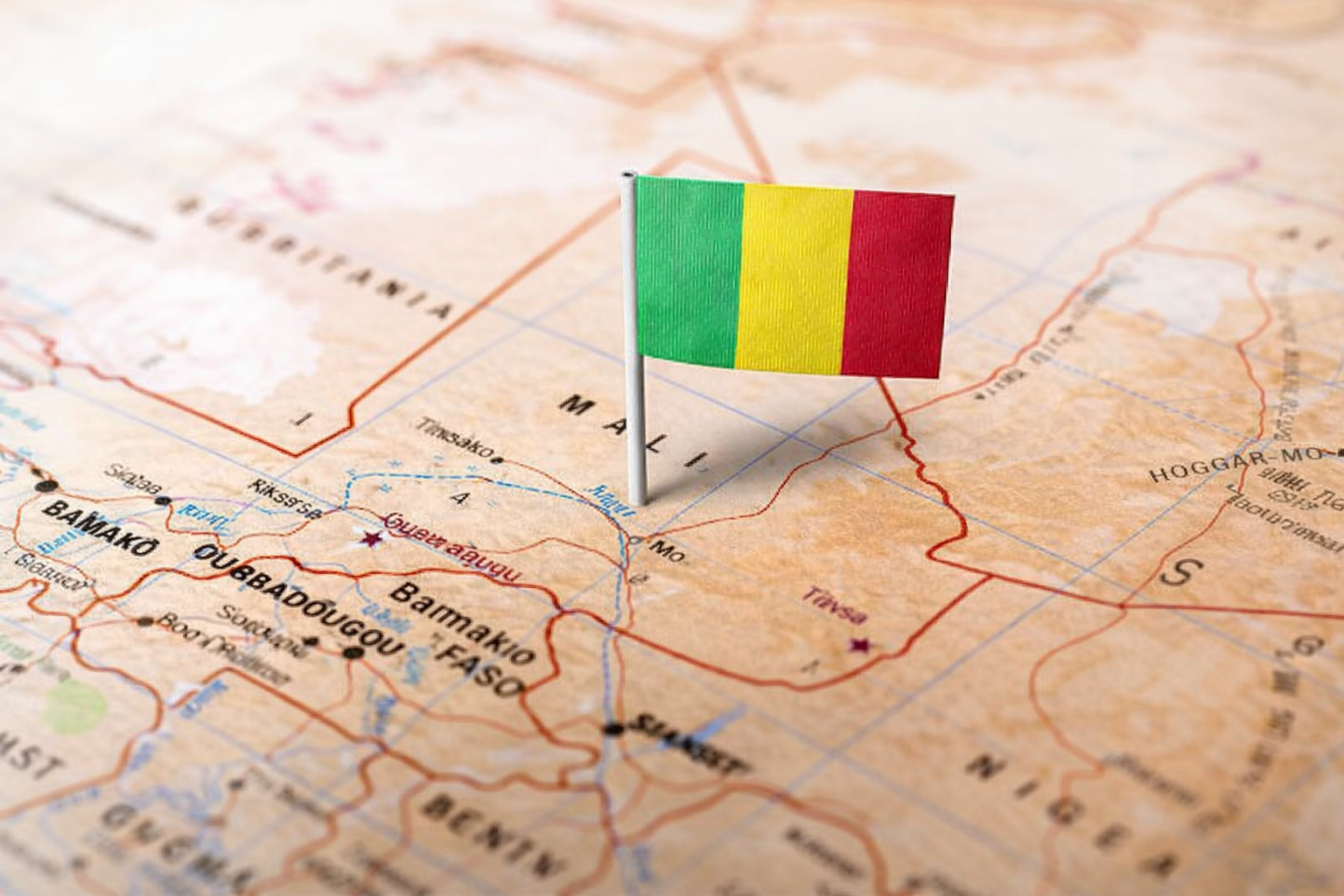
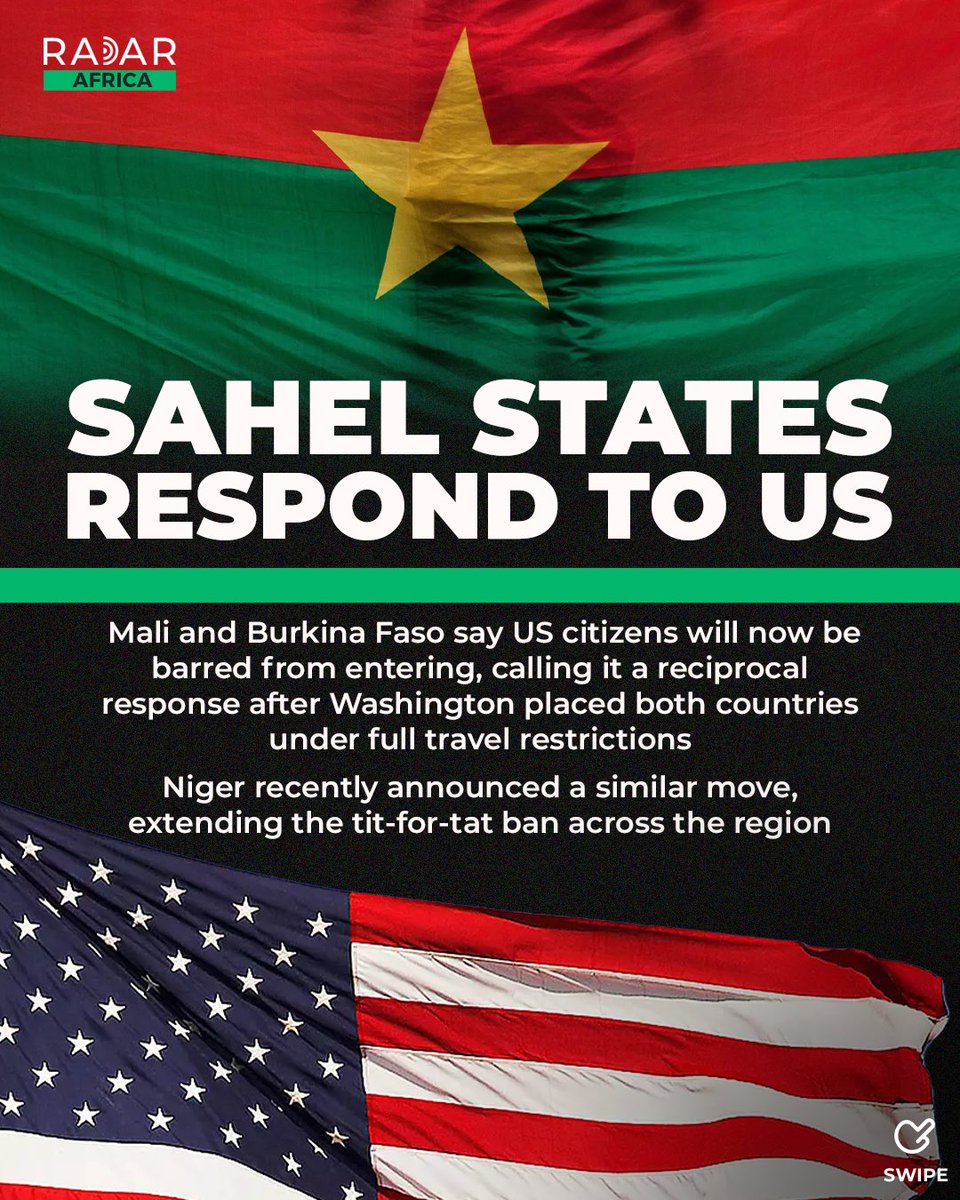
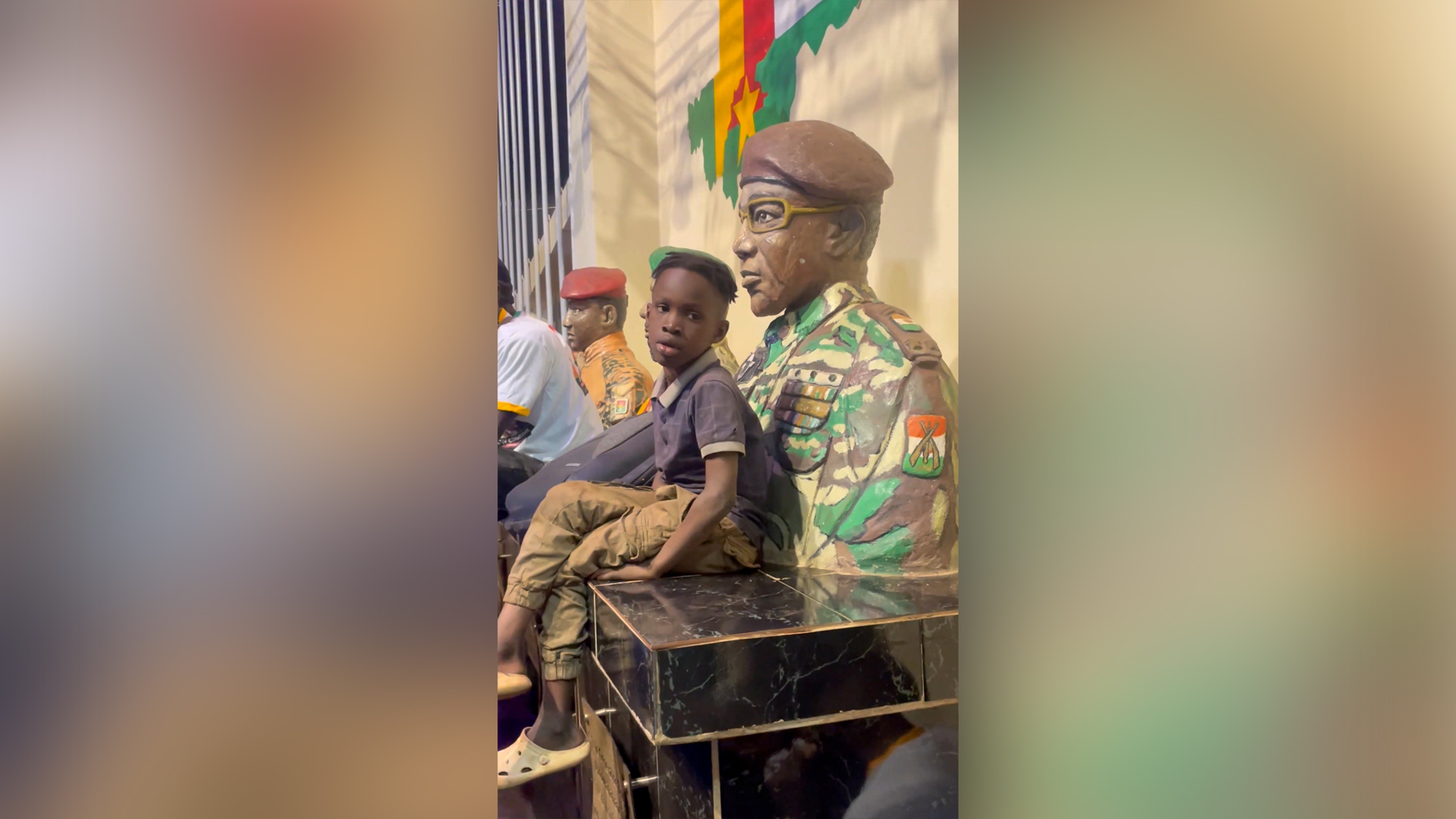
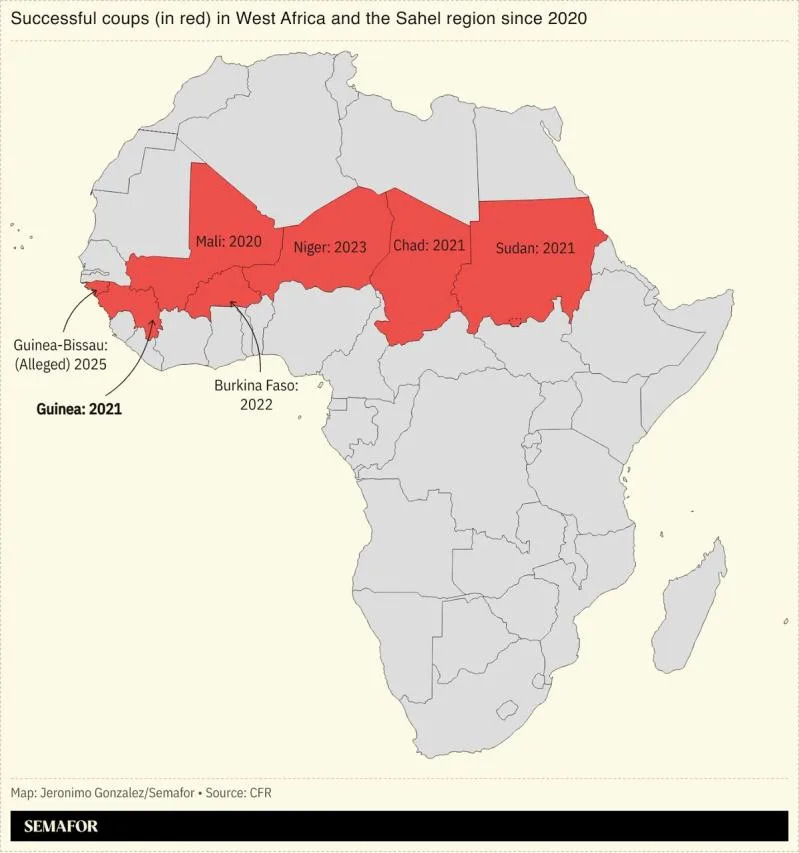
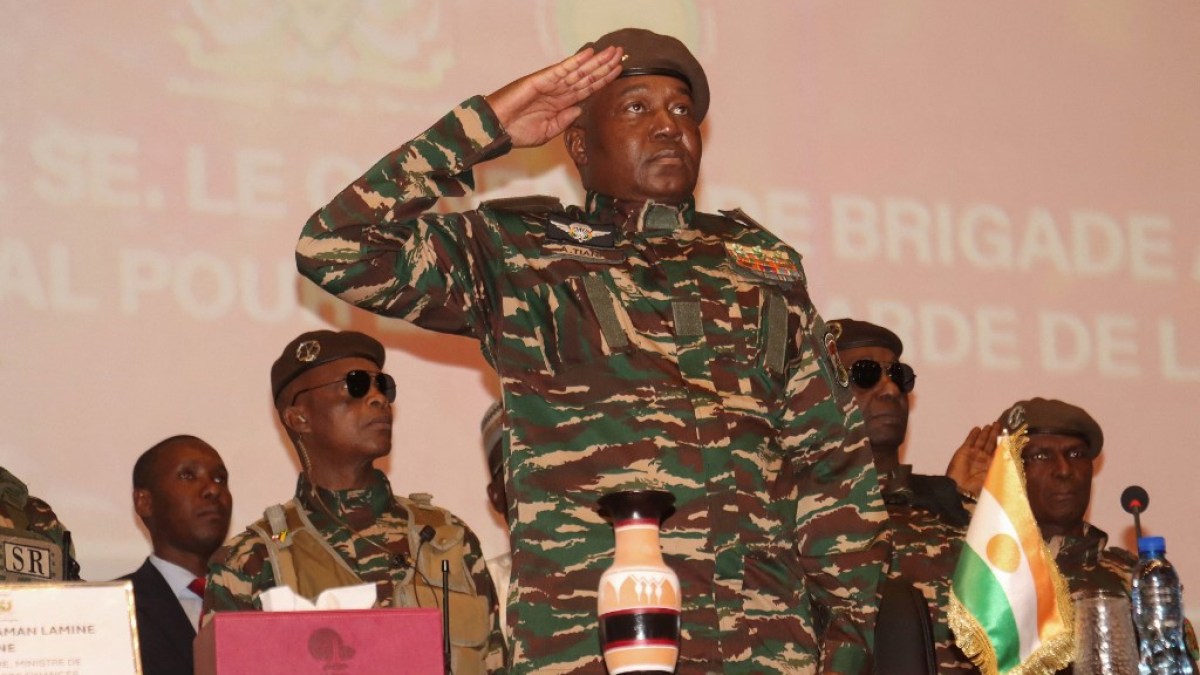
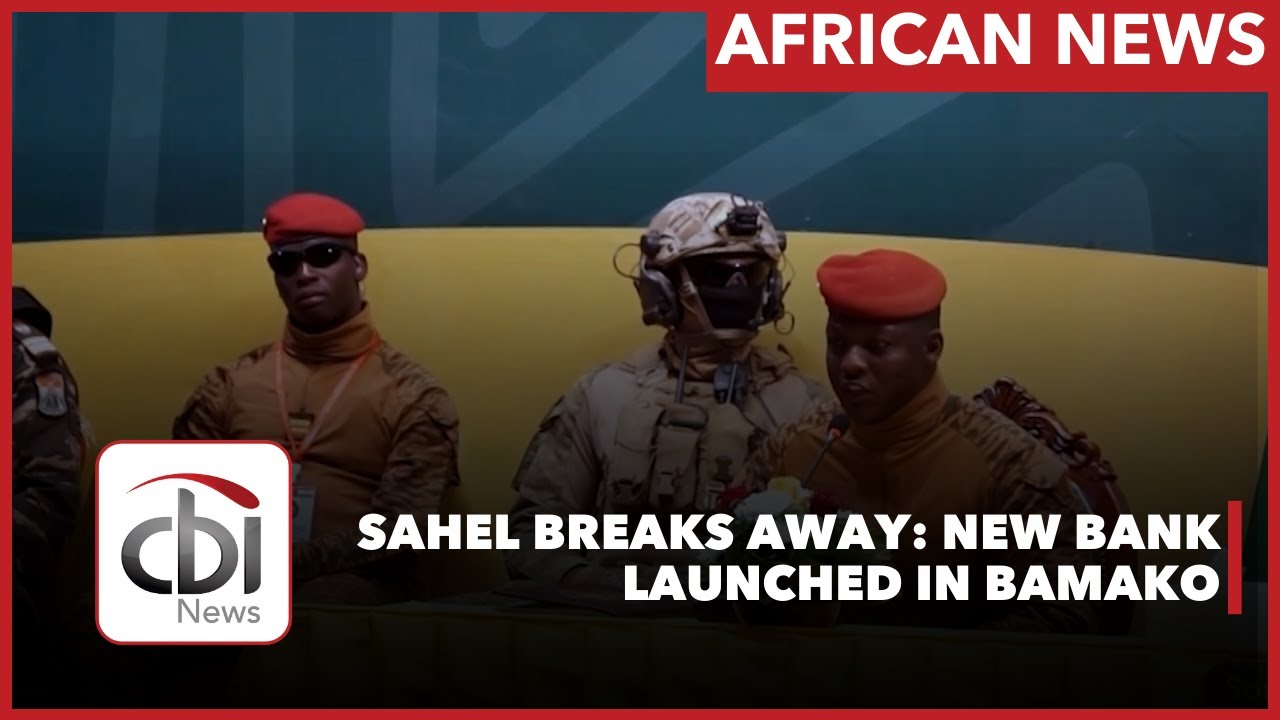
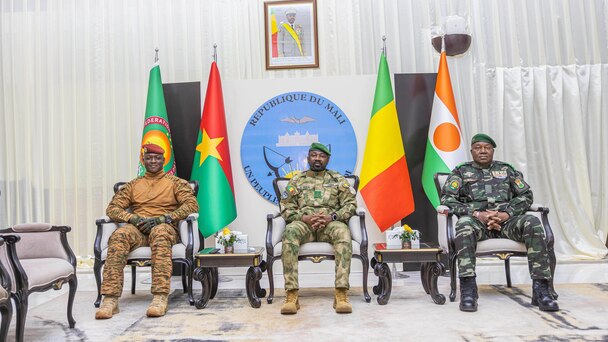
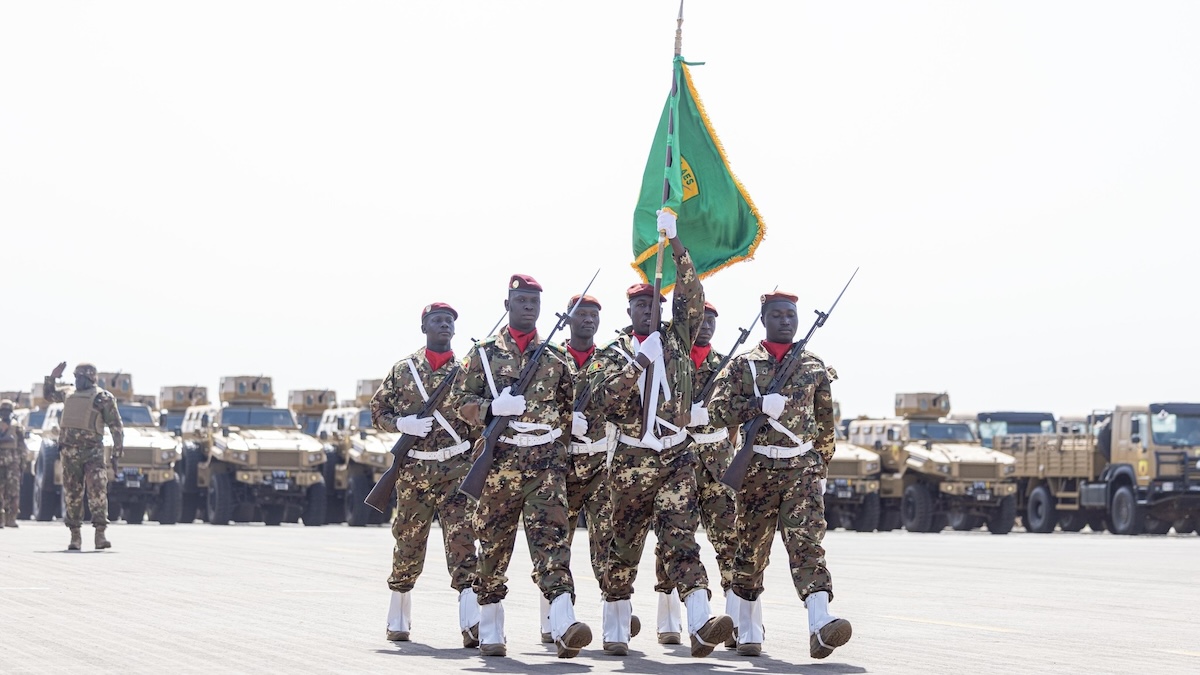
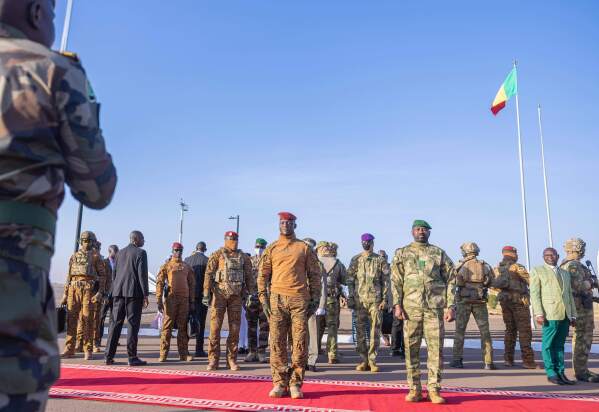
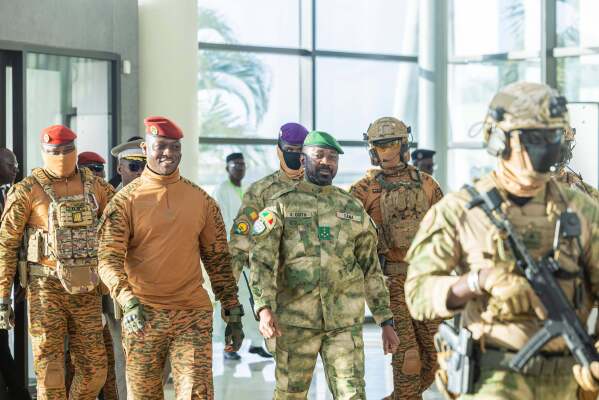
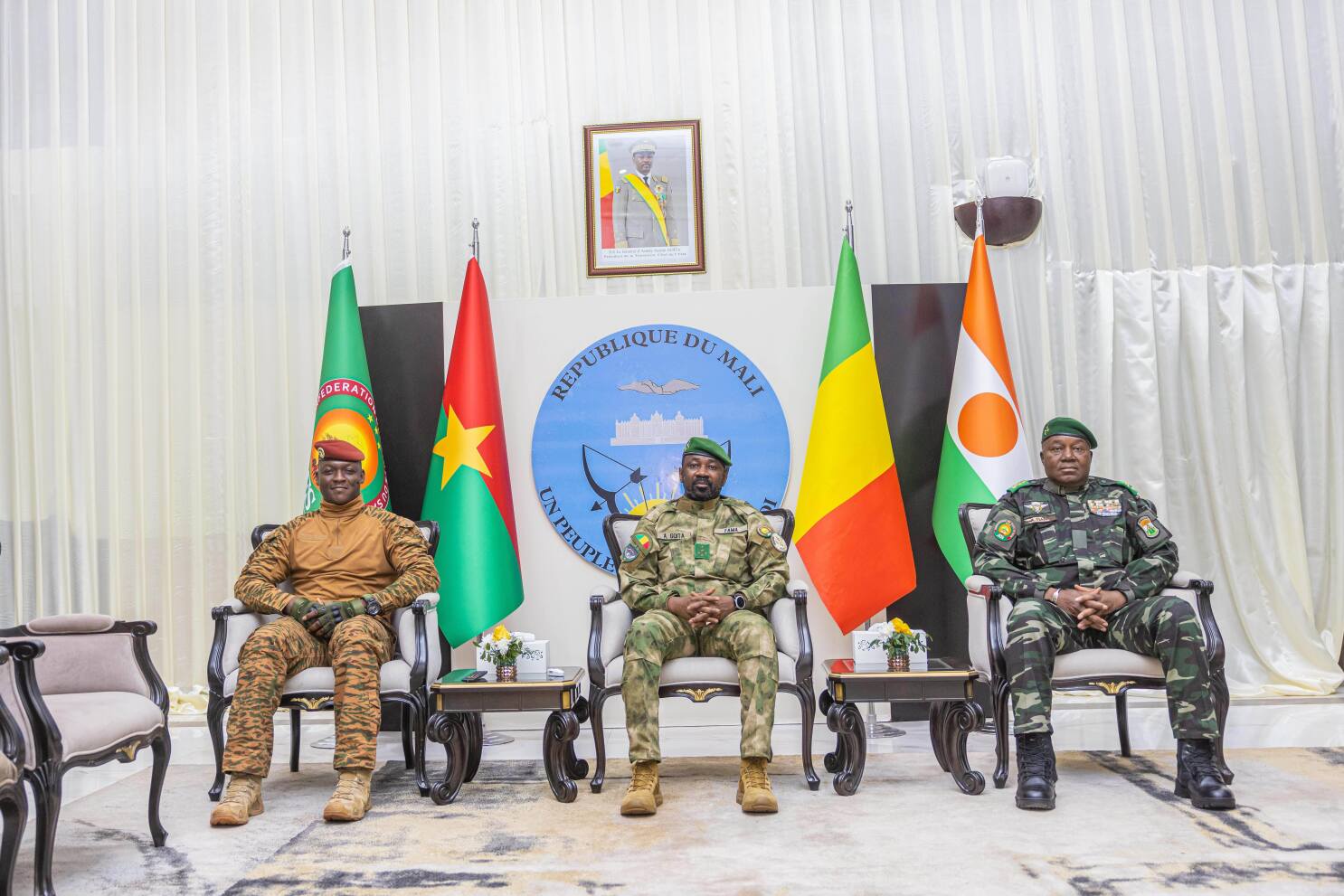
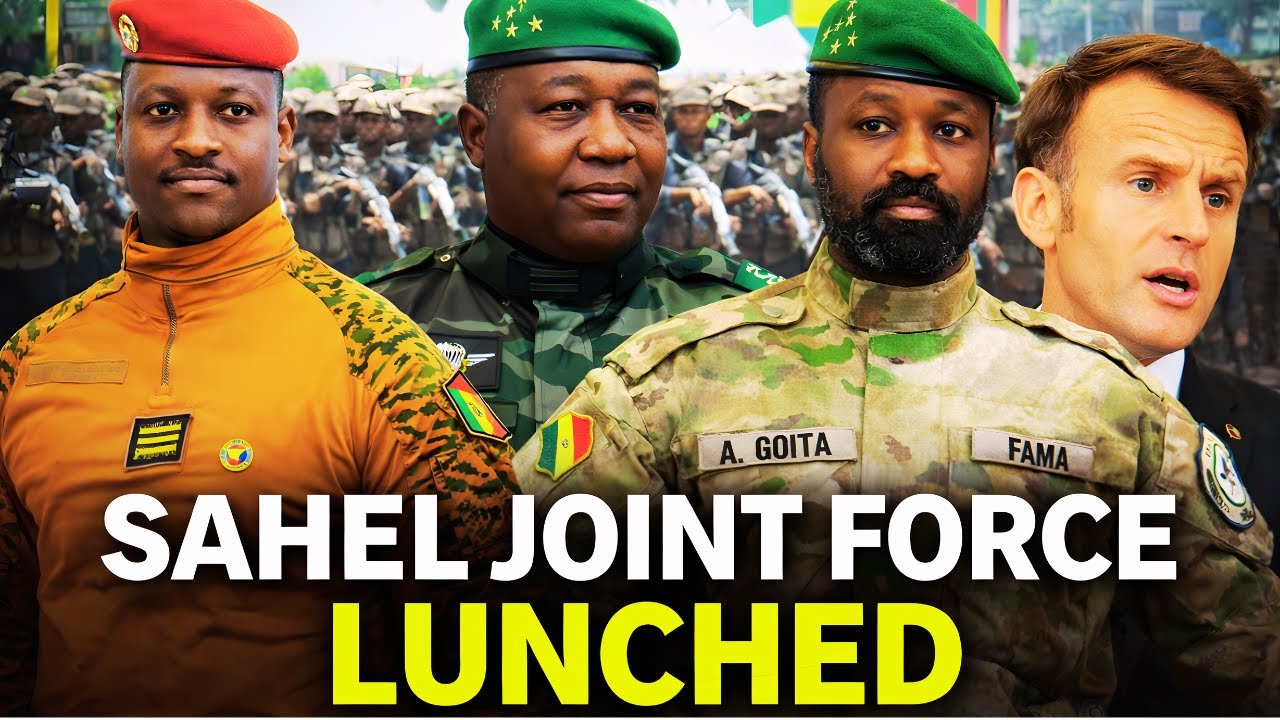
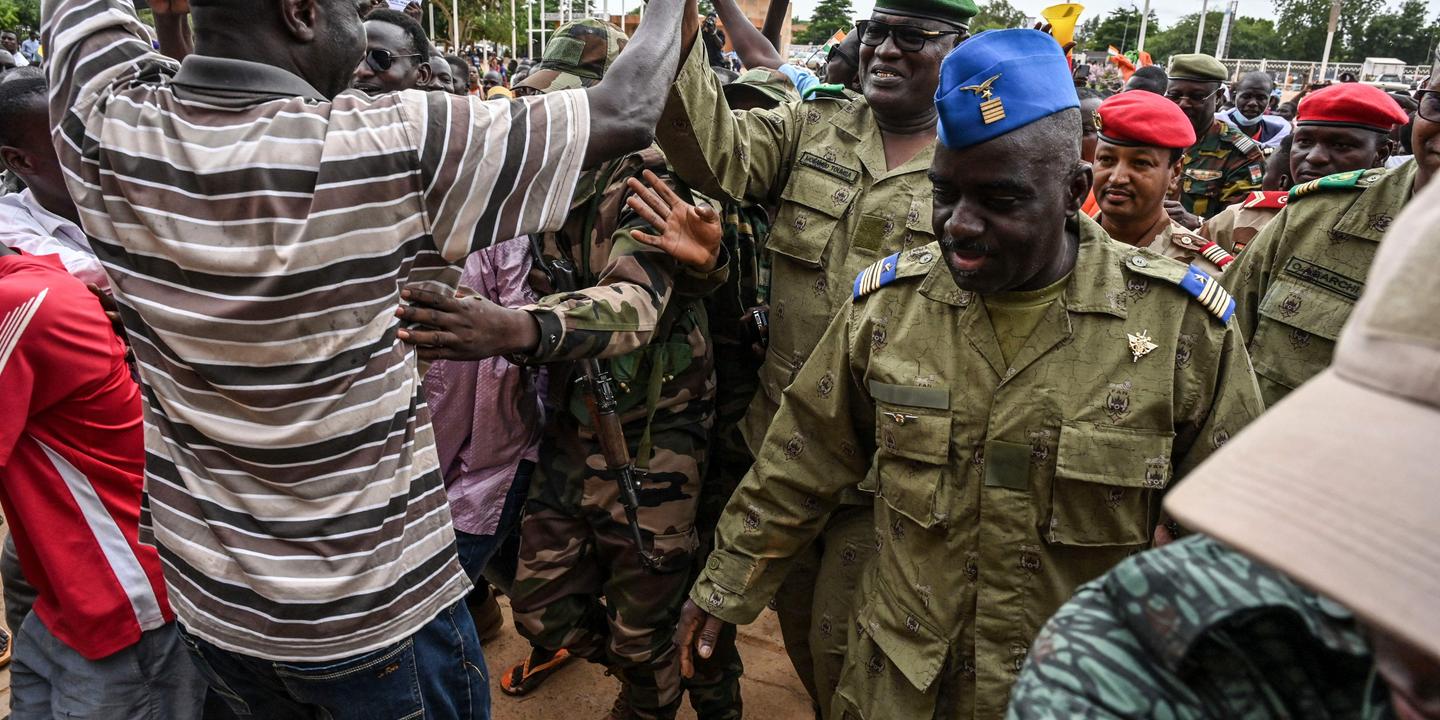
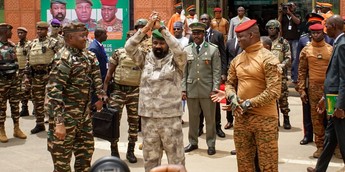
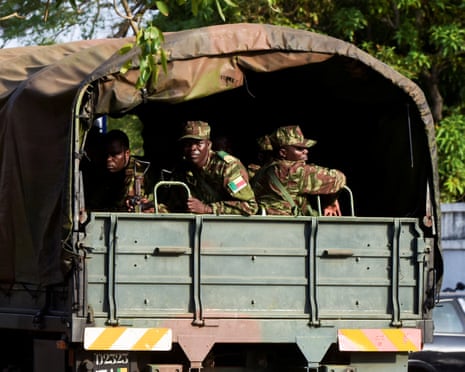
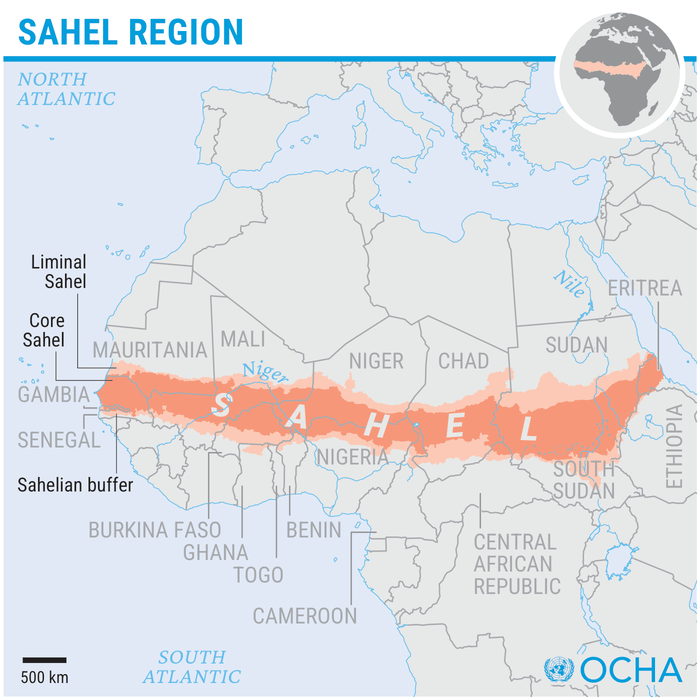
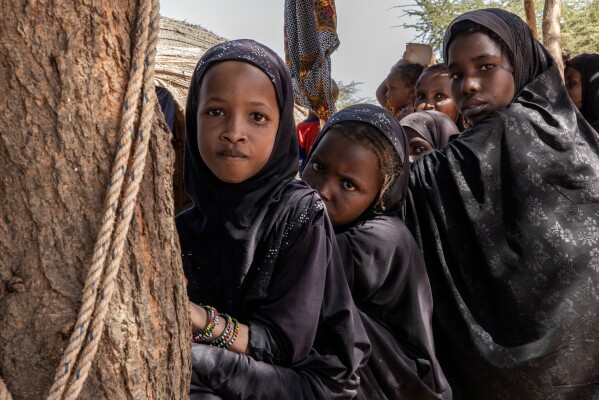
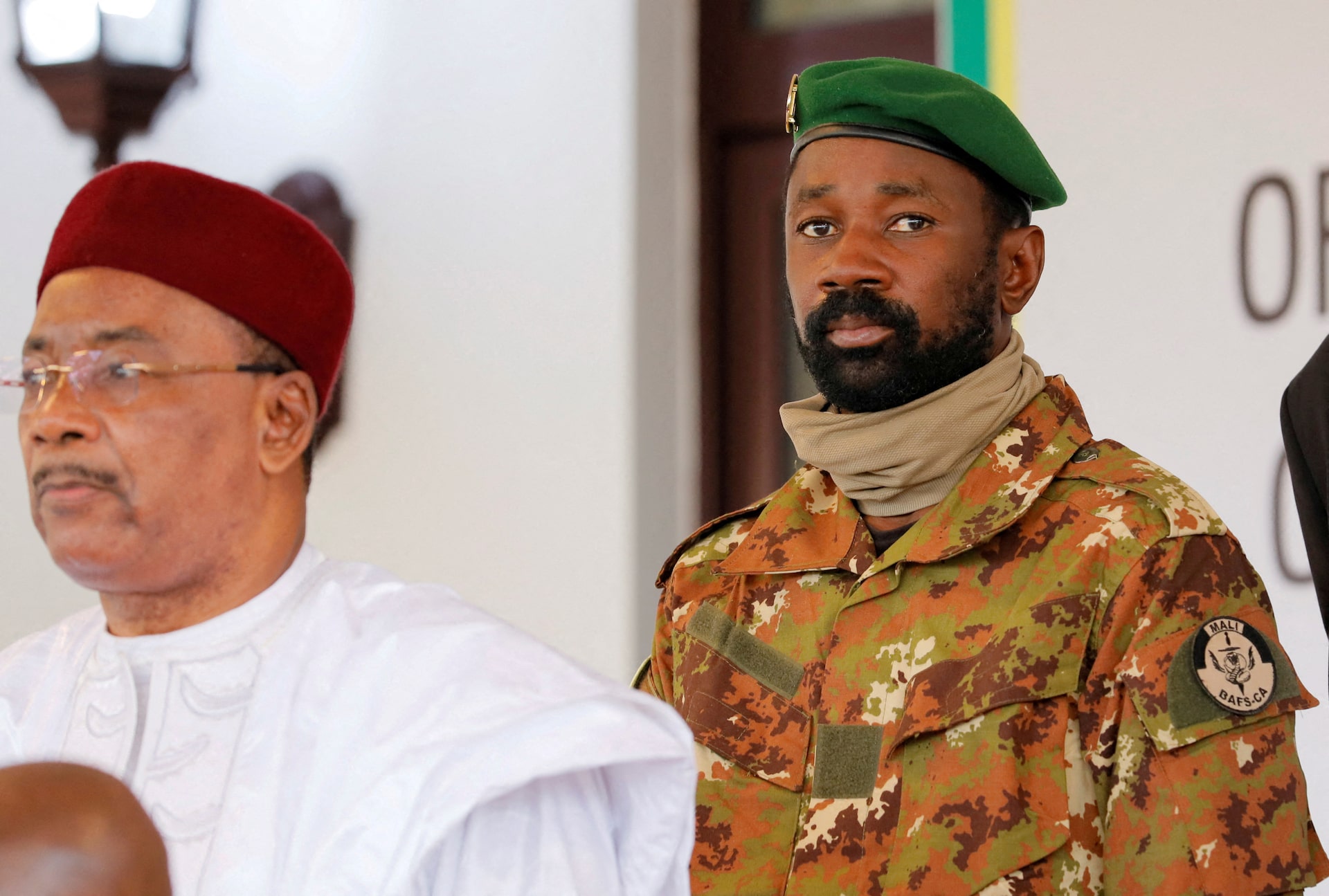
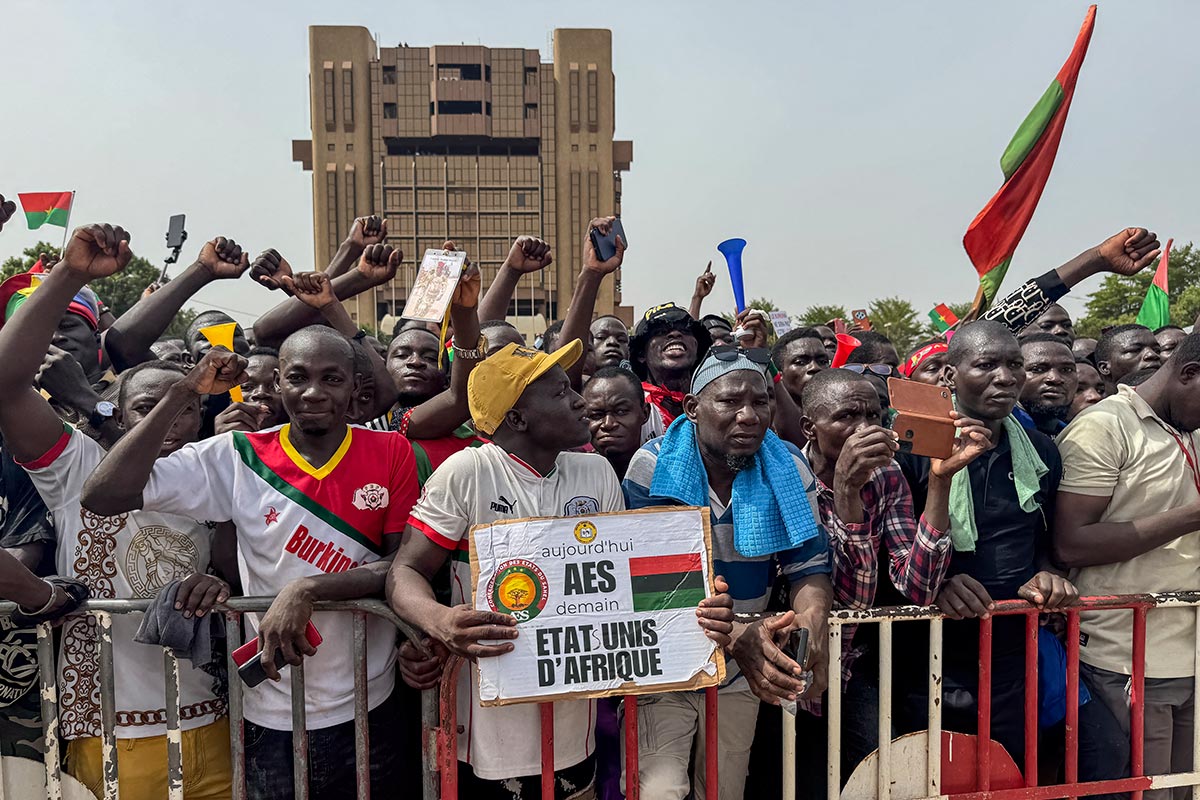
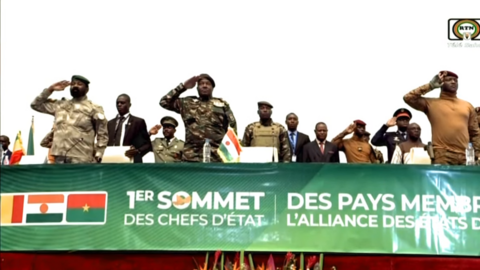
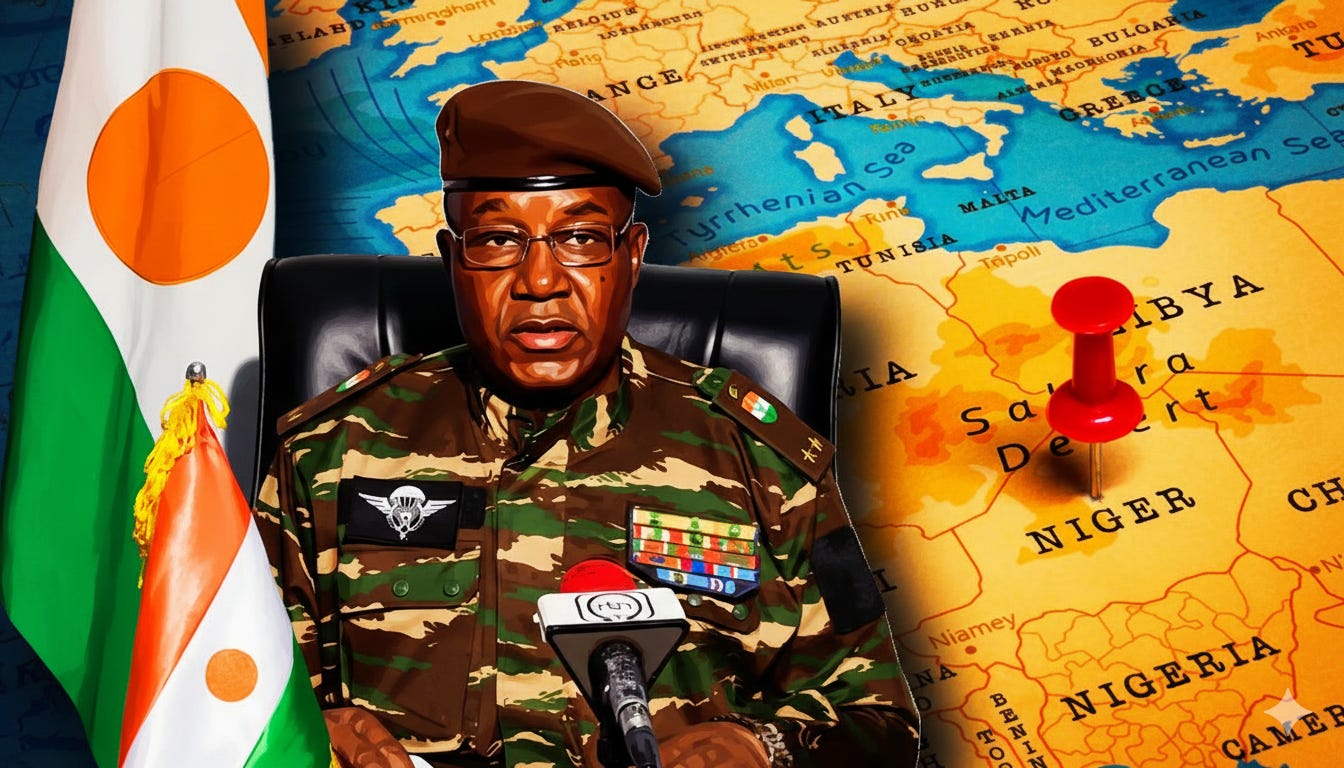
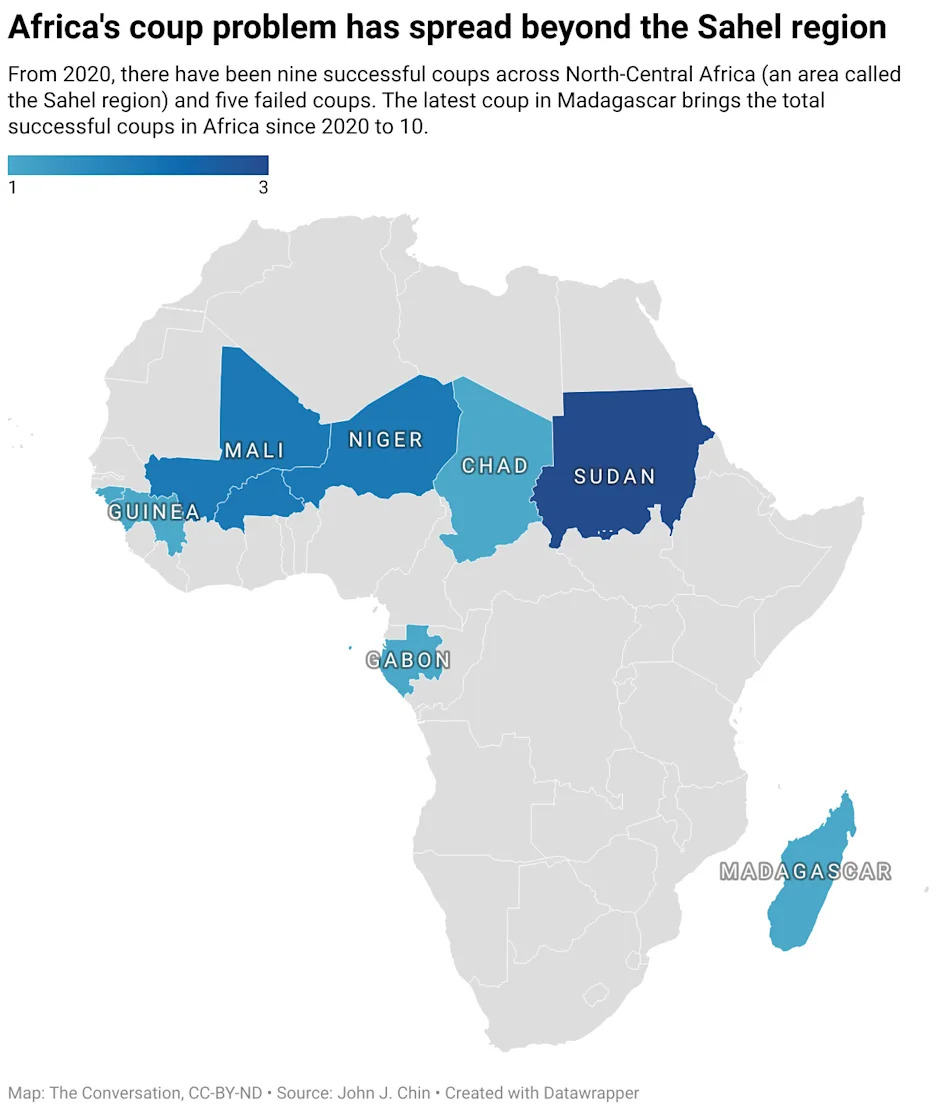
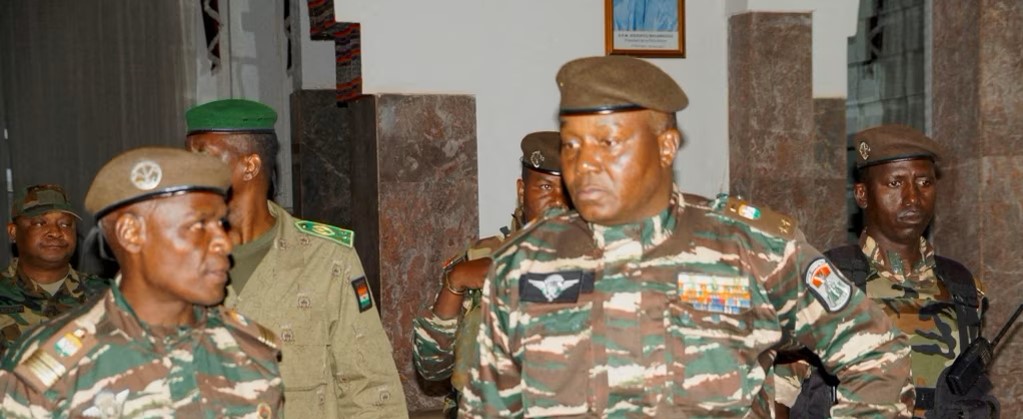
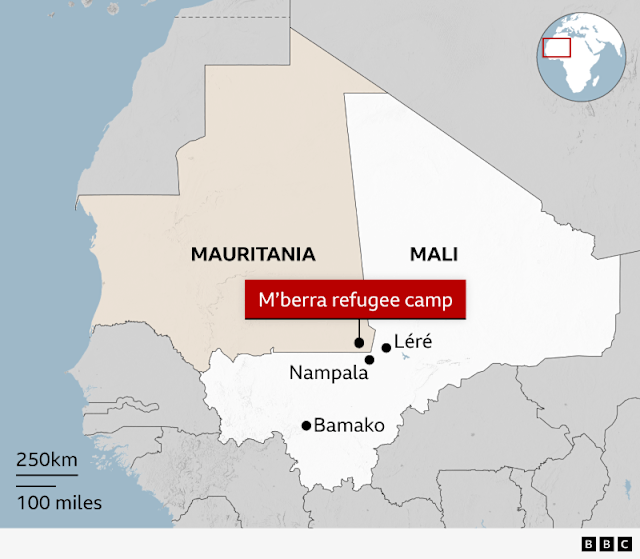
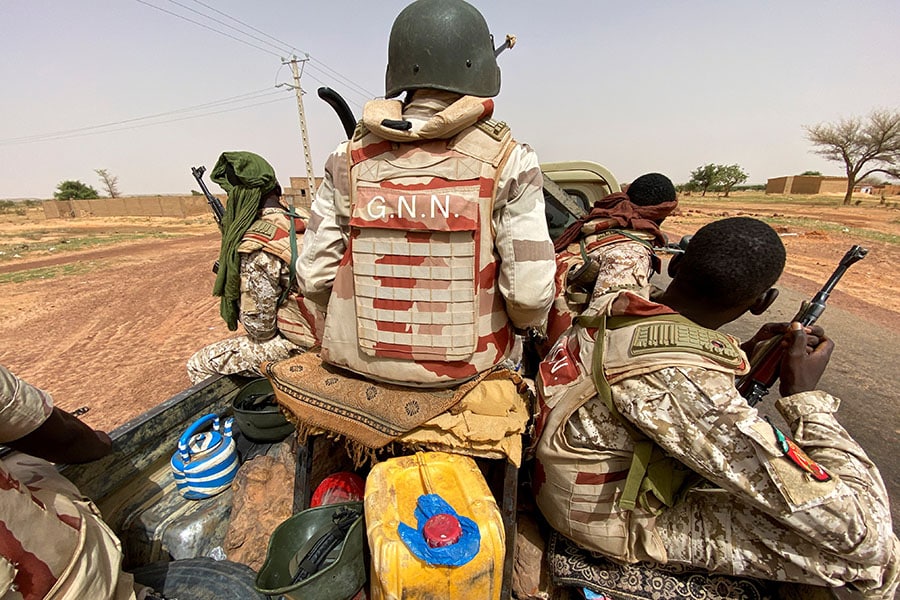
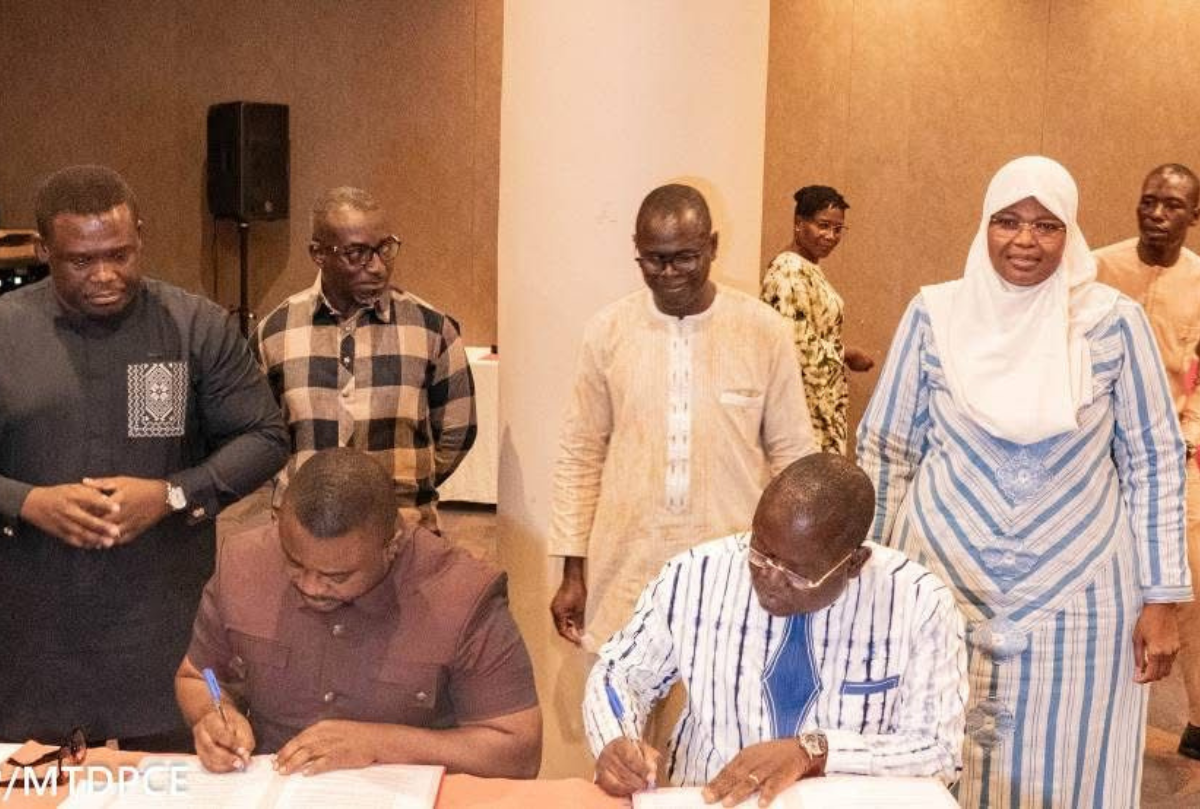
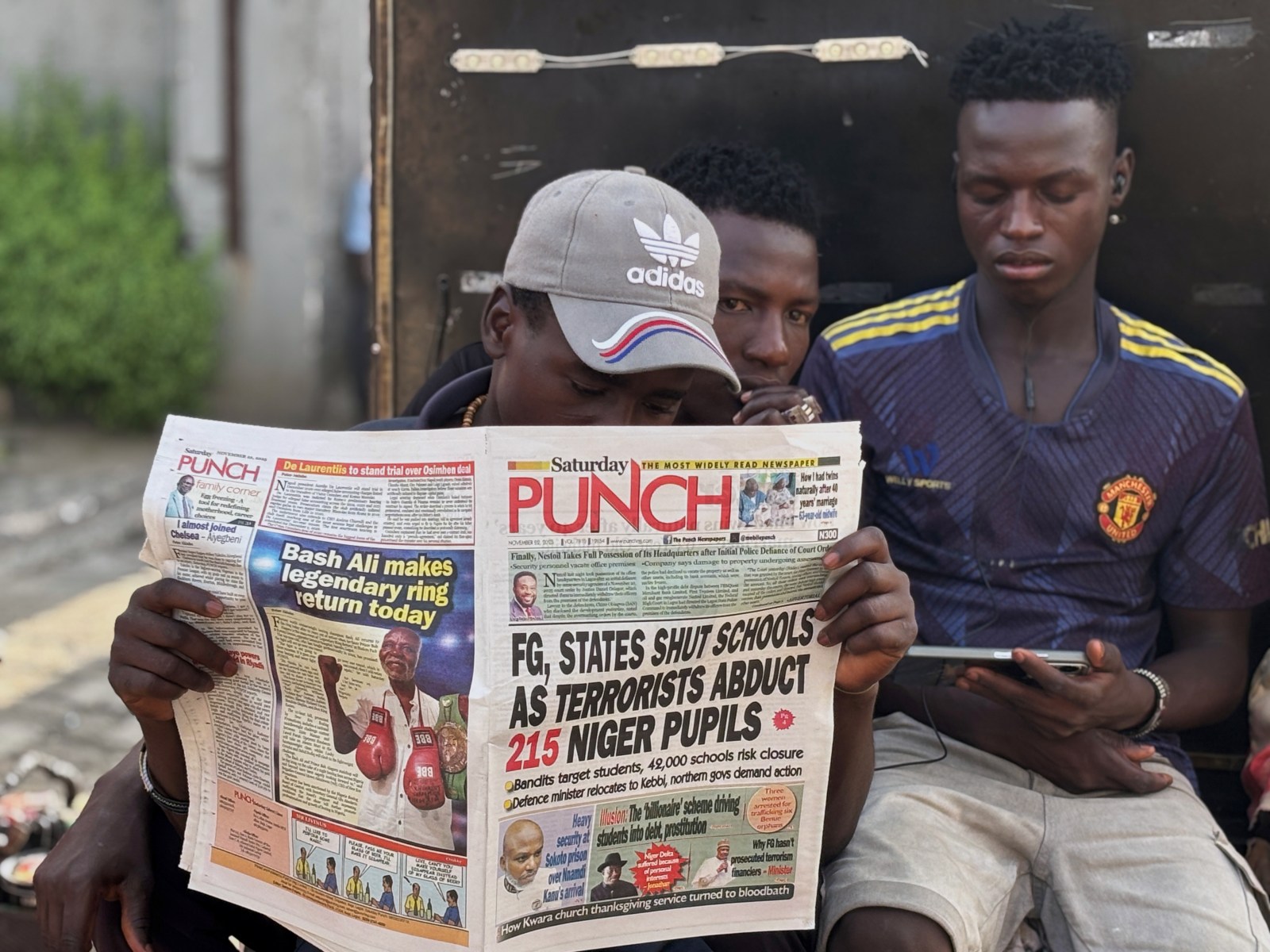
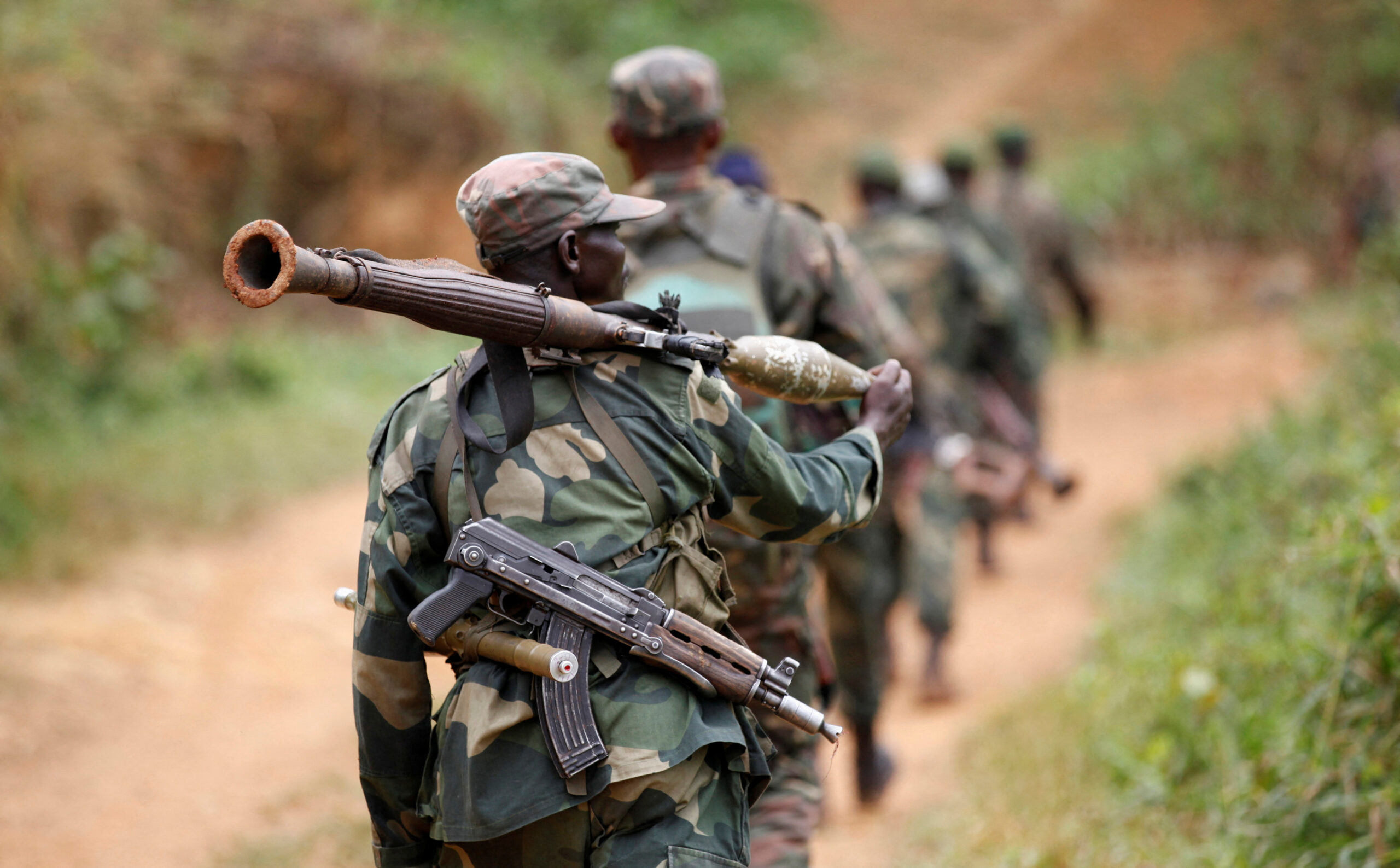
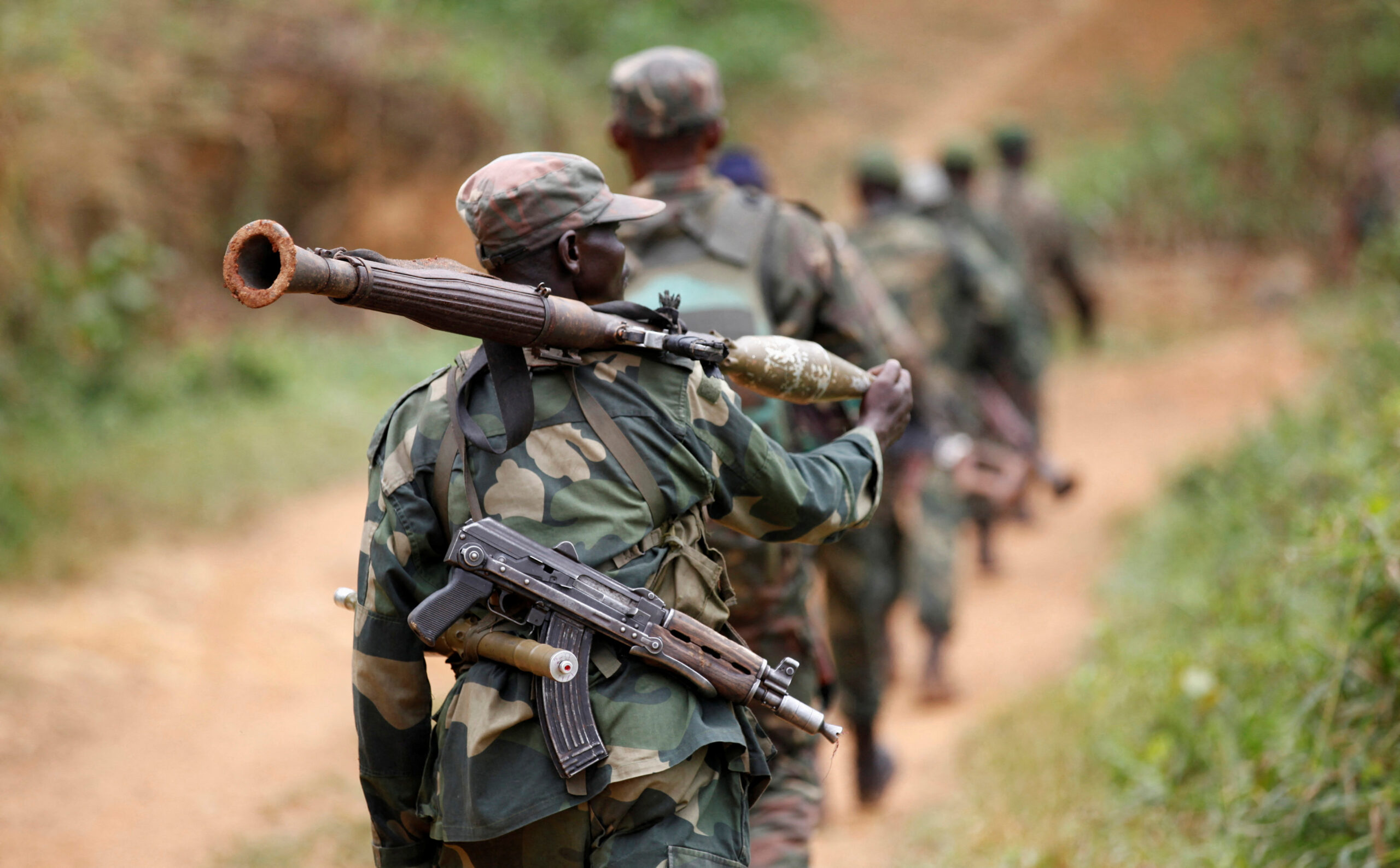
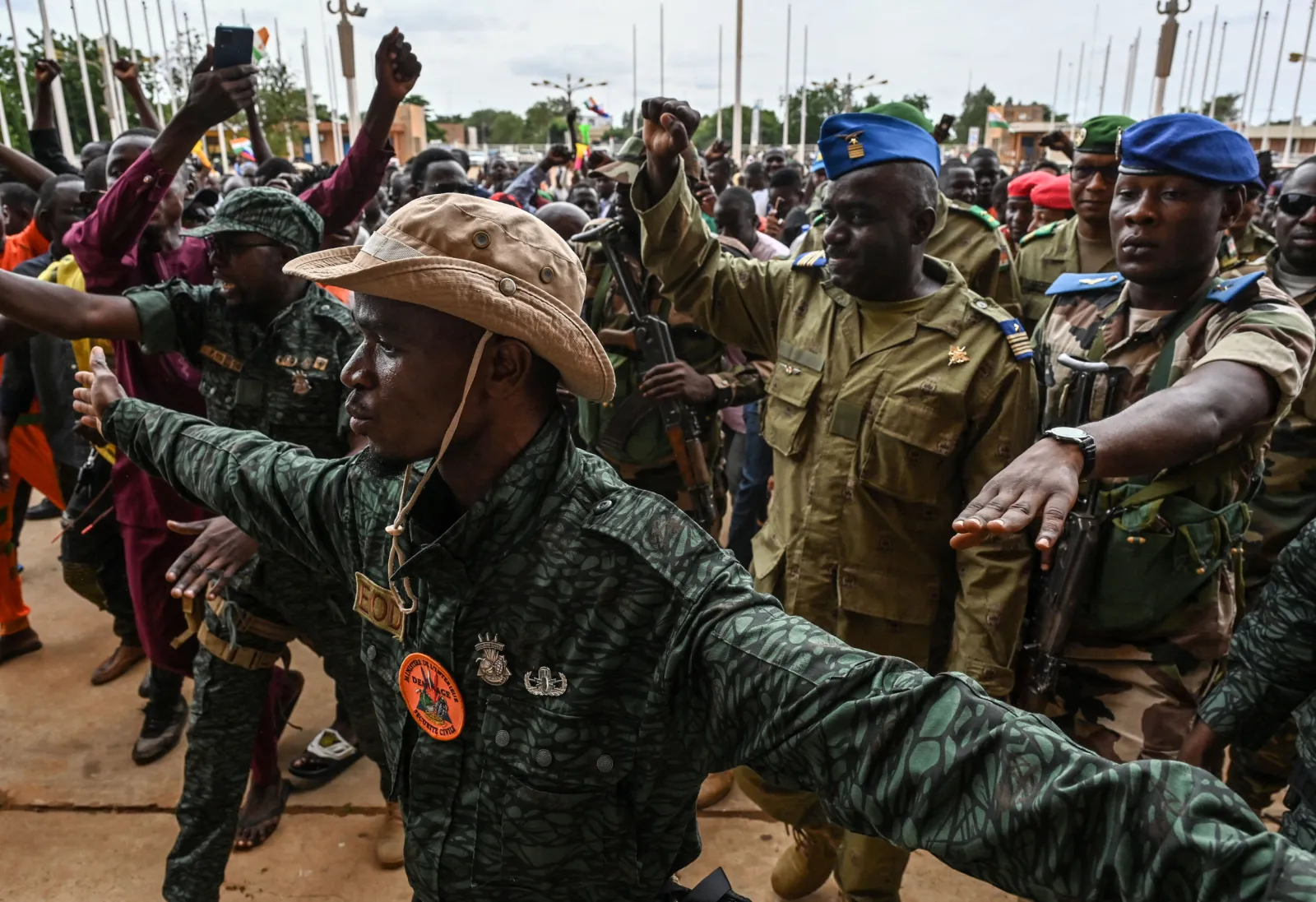
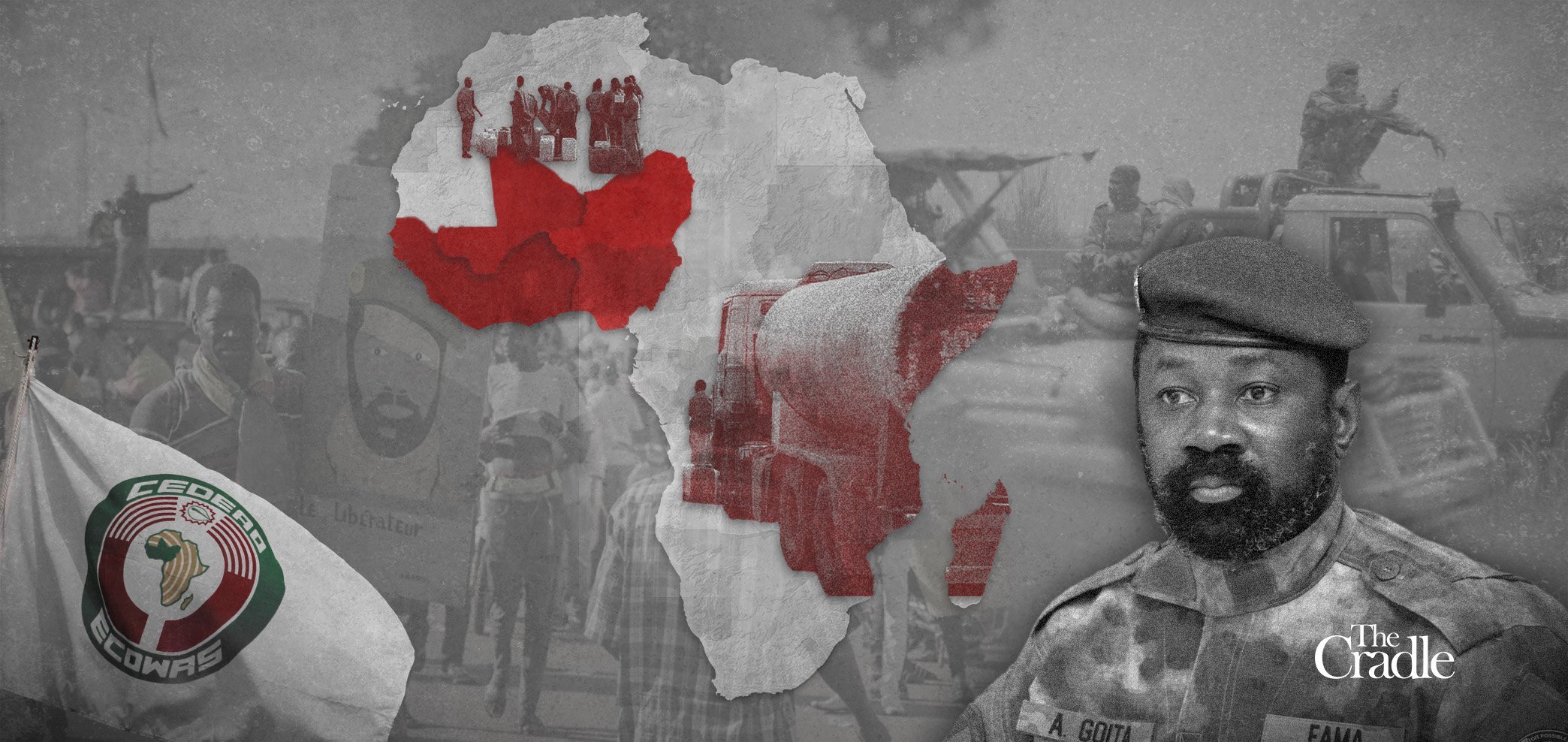
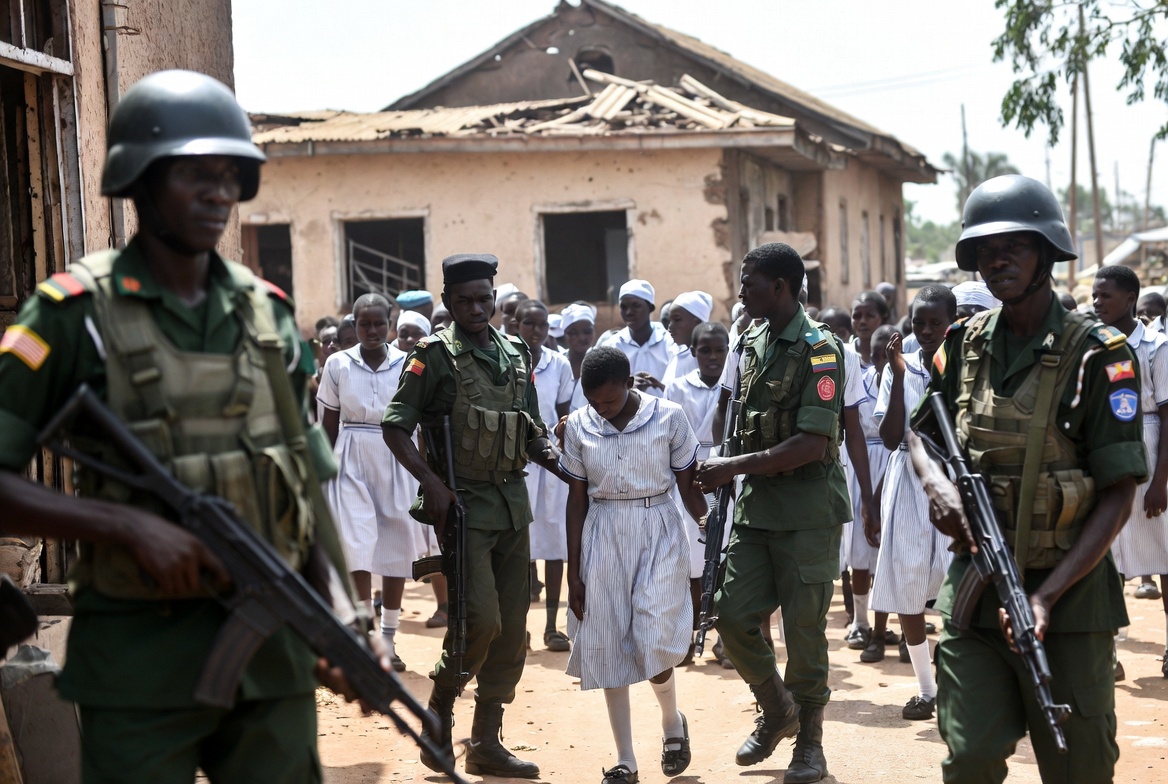
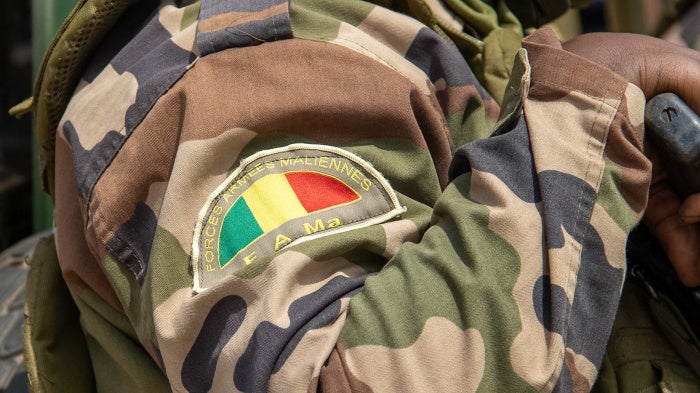
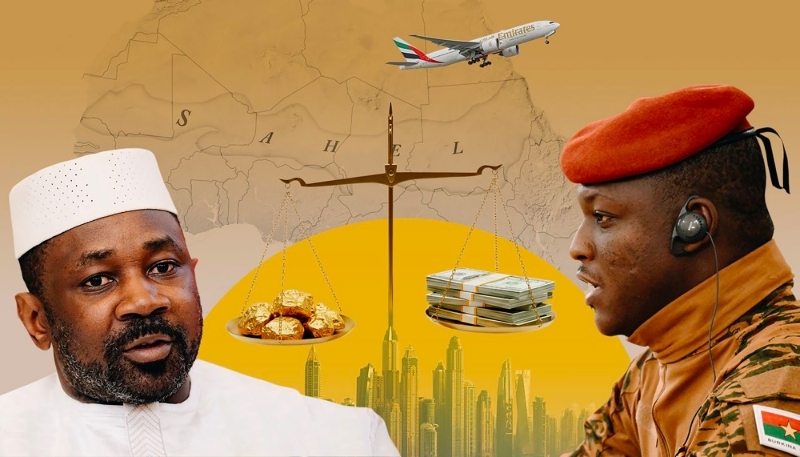
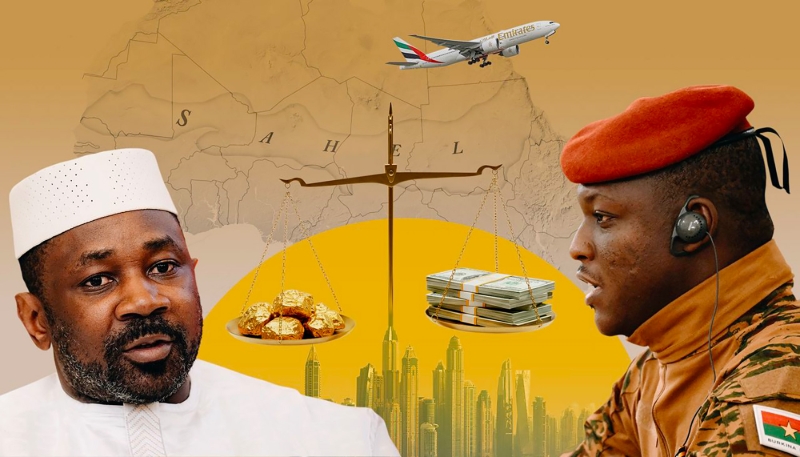
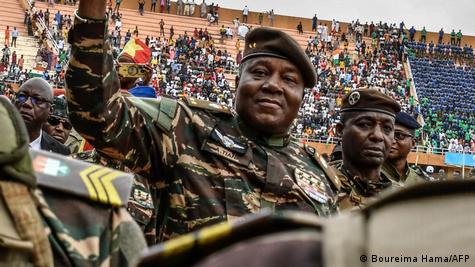
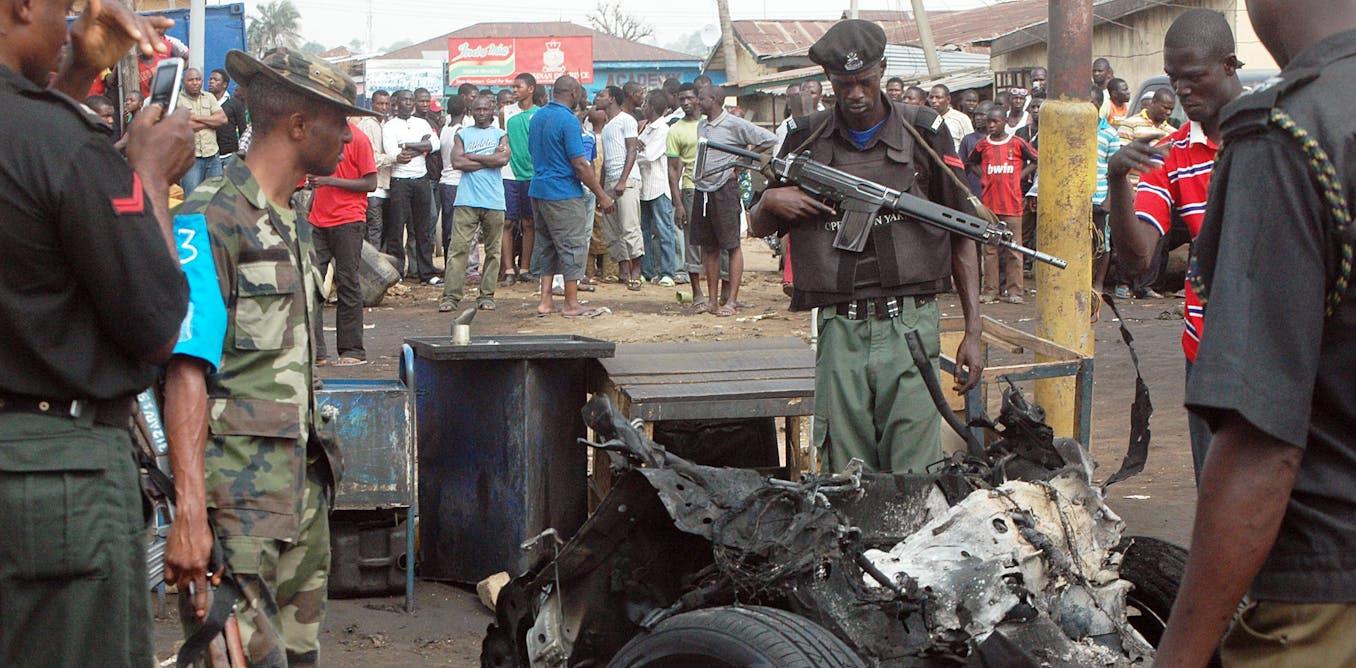
The Sahel region, that vast, semi-arid belt stretching across West Africa, is currently at the heart of a truly significant development. We’re seeing a remarkable turn of events: Mali, Burkina Faso, and Niger have just formalized a new security alliance, a bold move that’s undeniably reshaping the security and diplomatic landscape. What does this mean for the area? It reflects the complex and persistent challenges facing a region already beleaguered by widespread instability and intense geopolitical jockeying. For years, the Sahel has grappled with severe security threats, from relentless insurgencies and terrorism to devastating intercommunal conflict. Now, these nations are deepening their cooperation through a military pact, signaling a strong desire to assert their sovereignty and find partners beyond their traditional Western allies. It’s a clear indication that the Sahel remains on the brink, and its leaders are actively seeking new ways to protect their people.
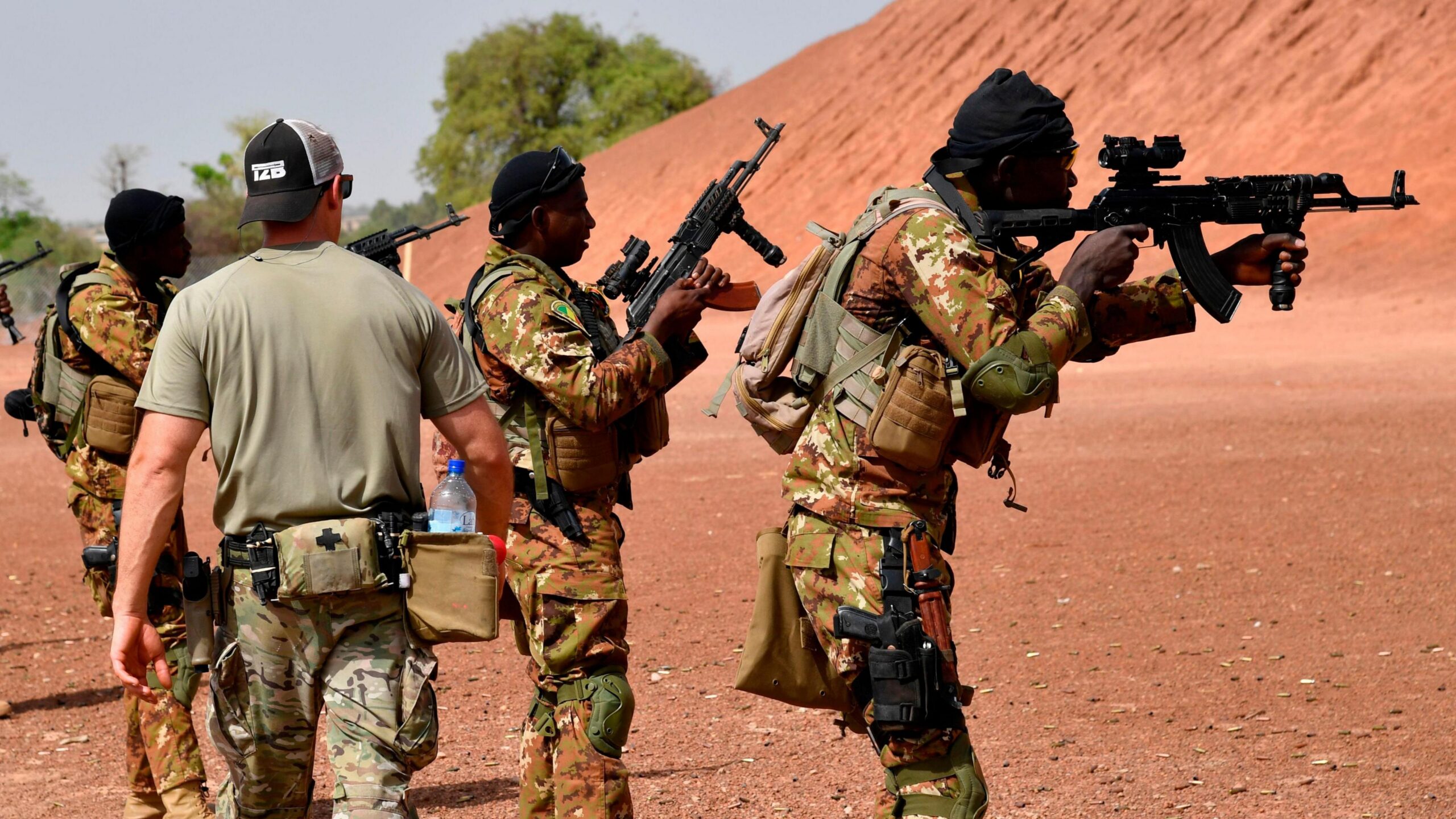
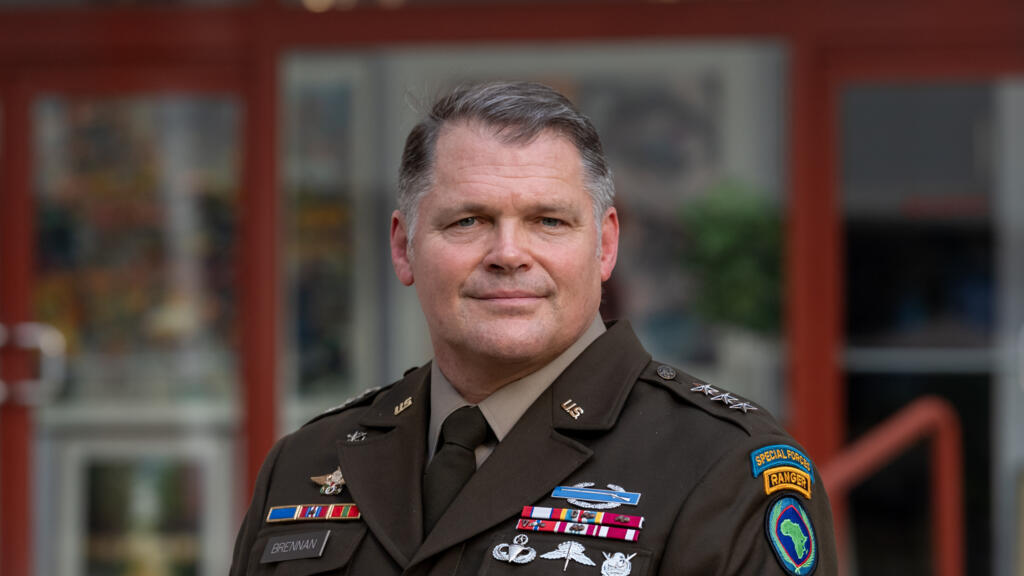
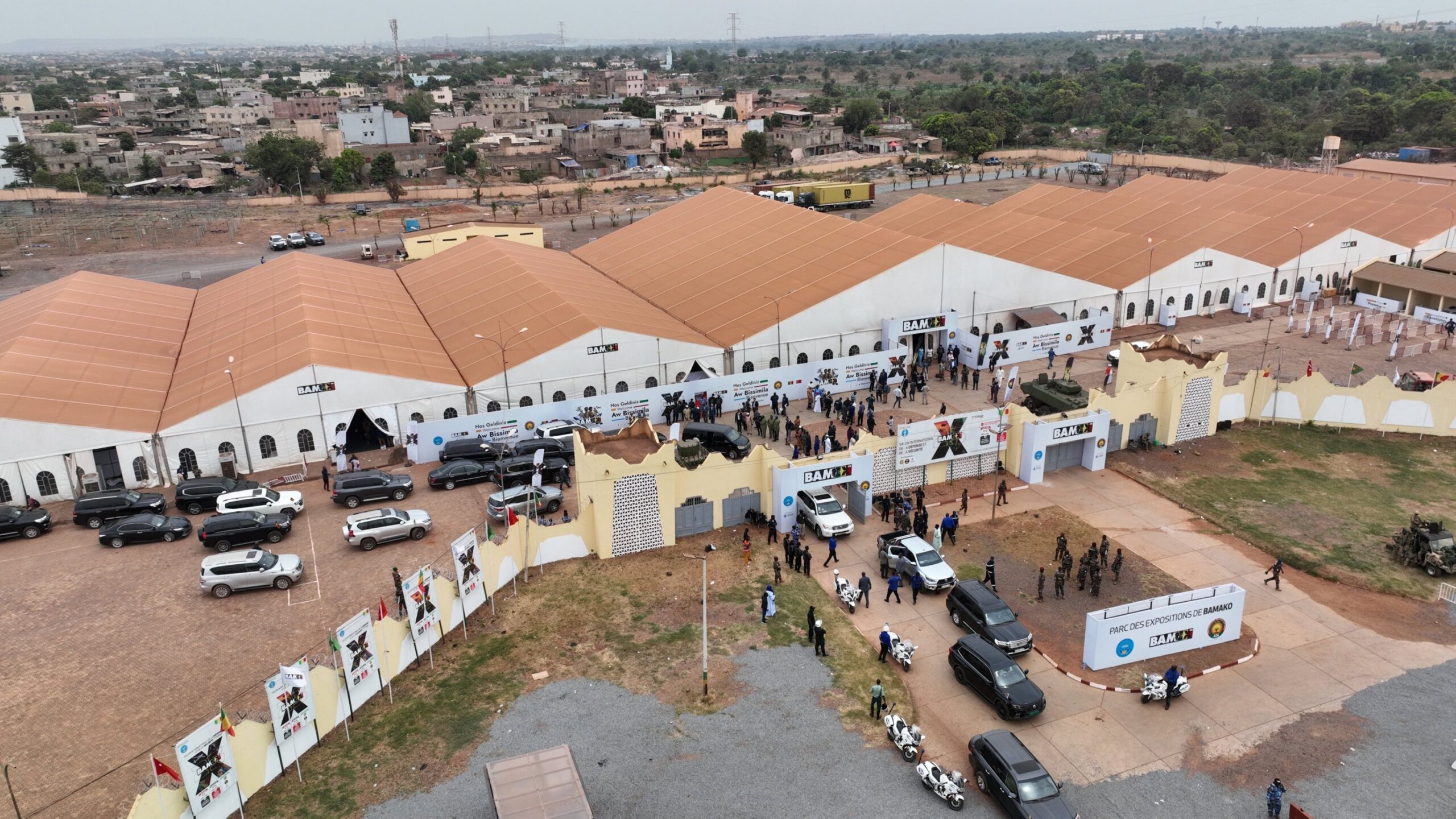
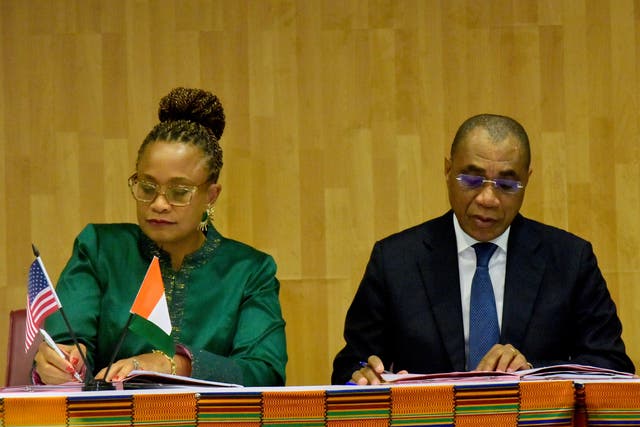
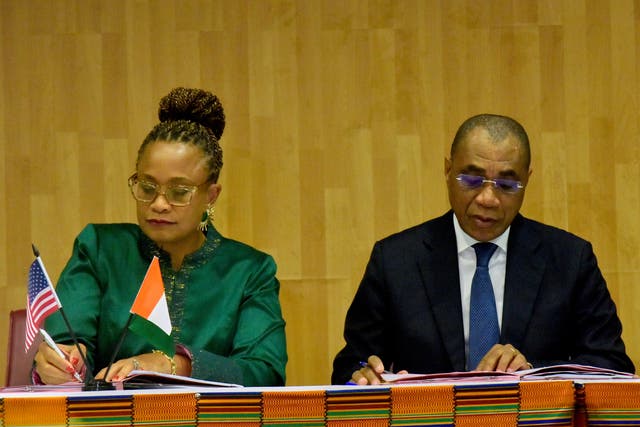
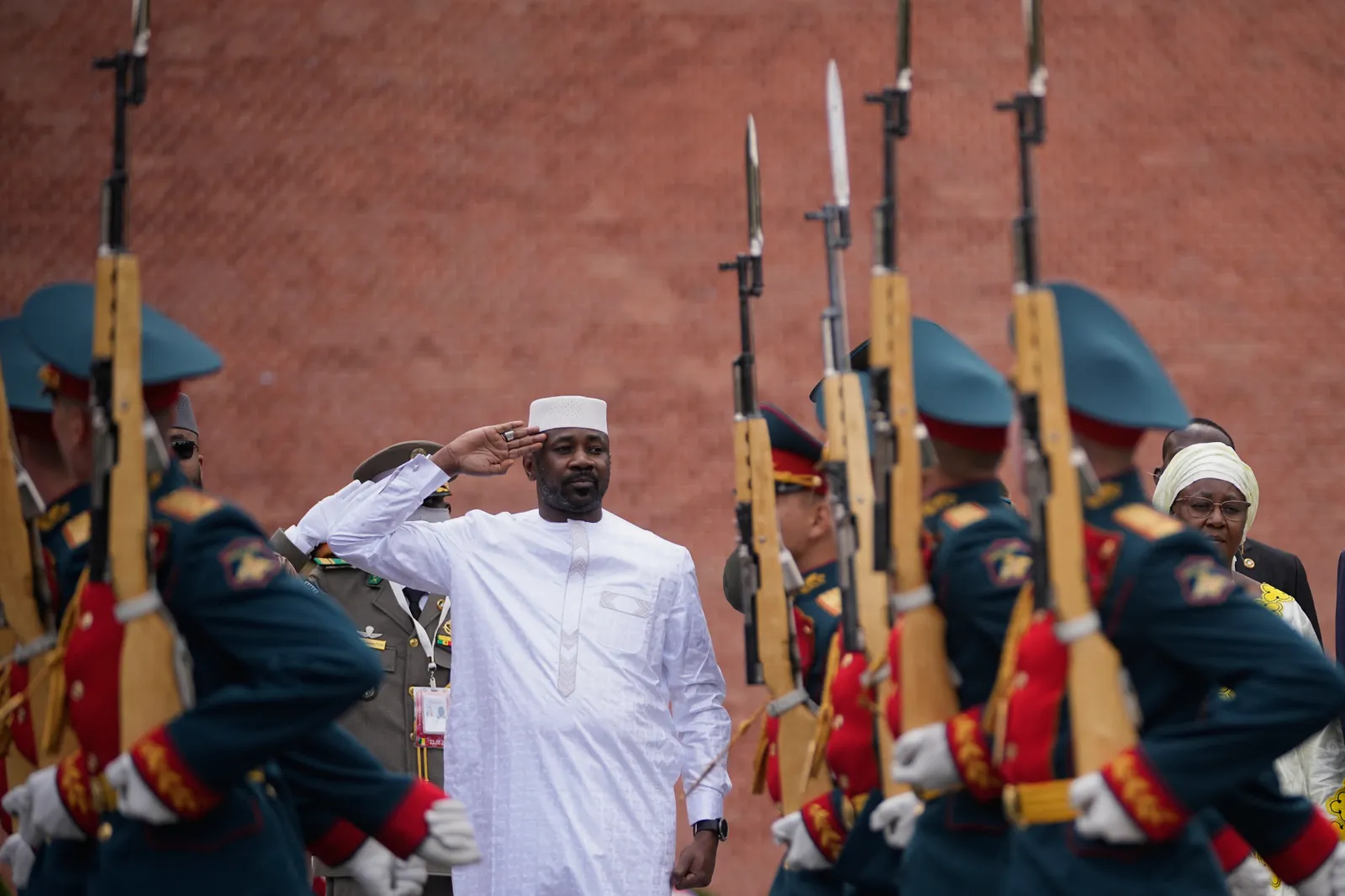
So, who’s stepping into this evolving space? Russia, for one. Their involvement is notably marked by a military cooperation agreement that significantly deepens Moscow’s footprint. This isn’t just about distant diplomacy; Russia’s expanded presence is part of a broader African strategy, providing crucial military expertise and support to these Sahelian nations. While Russia presents itself as a strategic partner, there’s no denying this development is fundamentally altering the balance of influence in the region, raising serious questions about the future roles of established actors. Concurrently, the United States finds itself needing to adapt. Washington is actively recalibrating its strategy, shifting its approach to Mali, Niger, and Burkina Faso, aiming to maintain influence and continue countering extremist threats in partnership with these governments. This recalibration is a direct reflection of the escalating geopolitical competition for influence on the continent, with the Sahel now emerging as a key theater for global powers. You can read more about how the US recalibrates its strategy in Africa’s Sahel region. This really highlights how the US faces strategic setbacks in West Africa, prompting a pivot in its foreign policy.
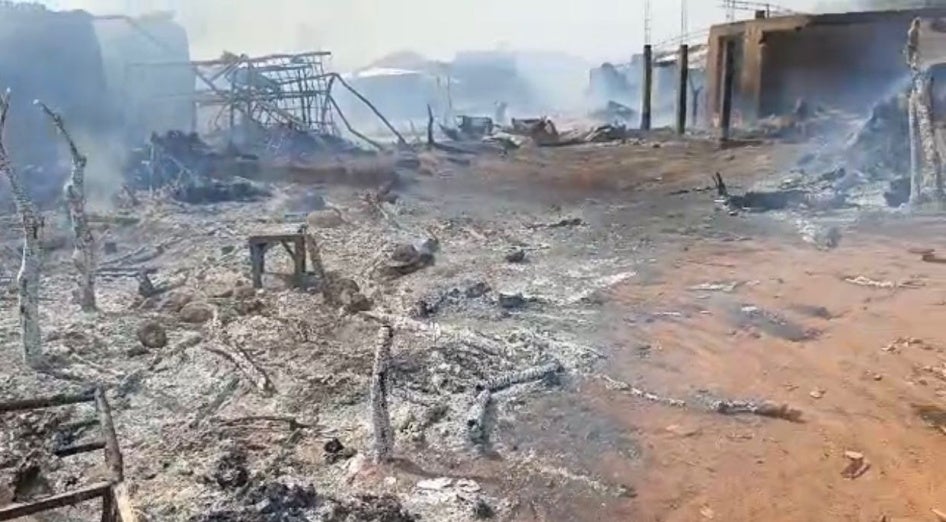
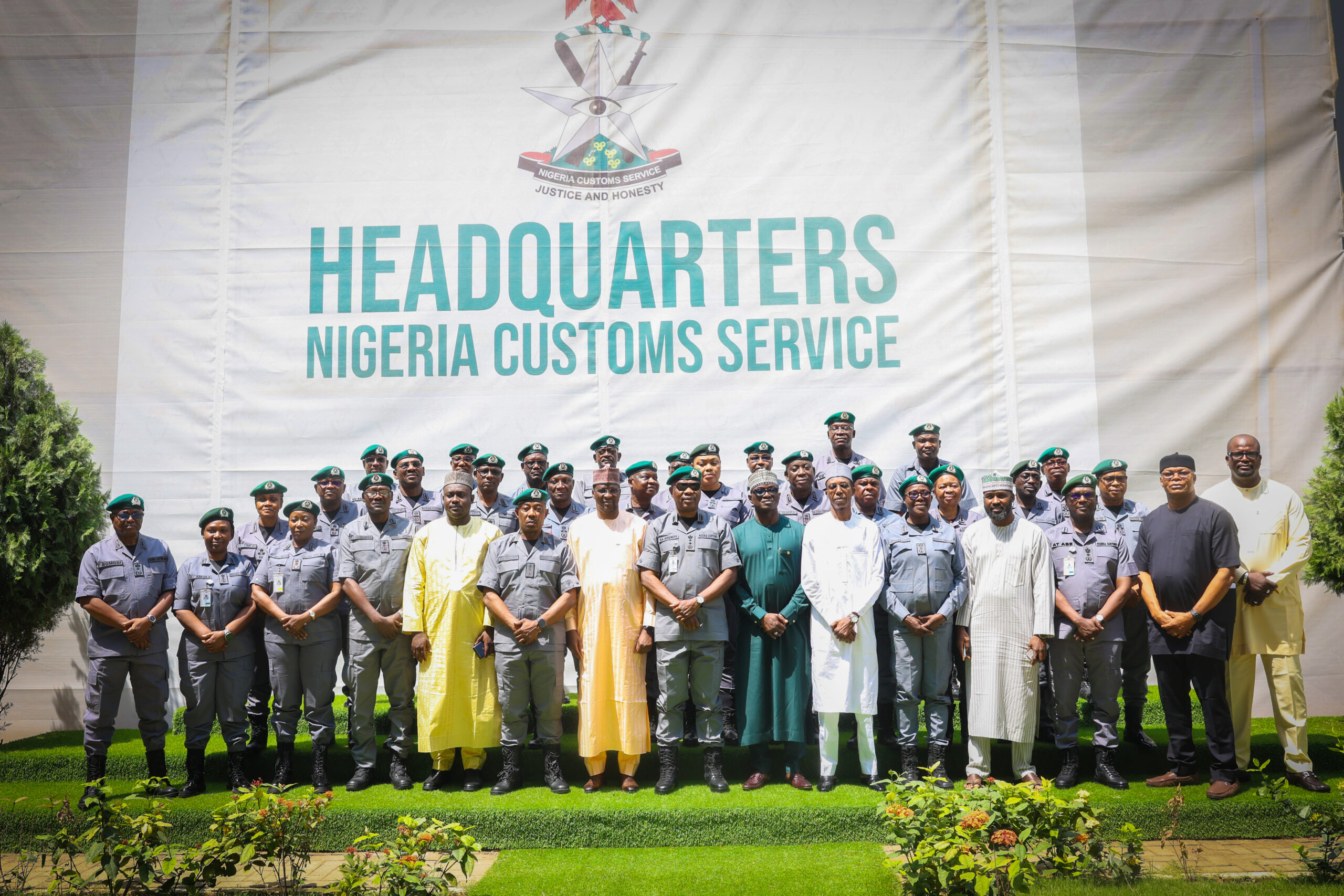
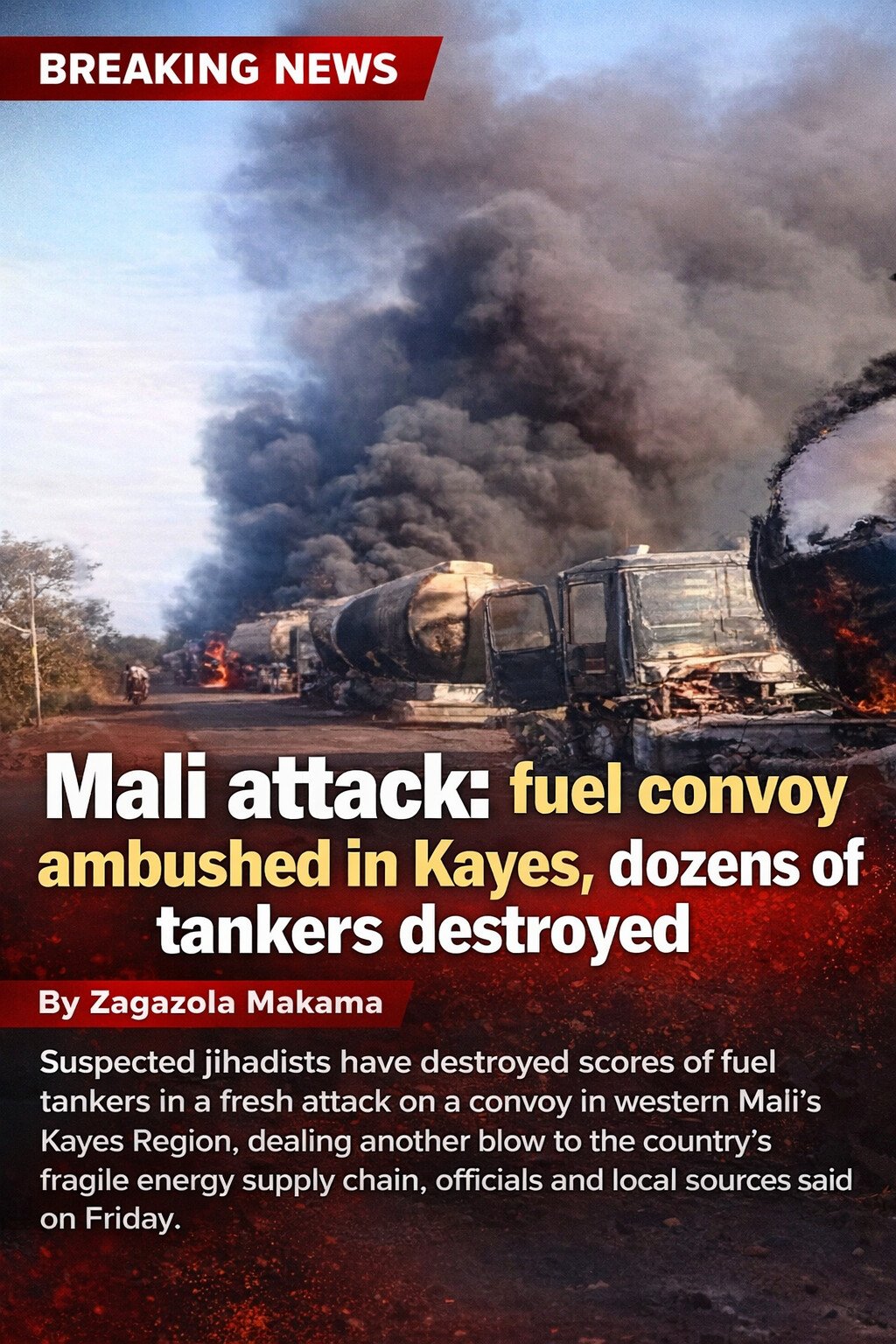
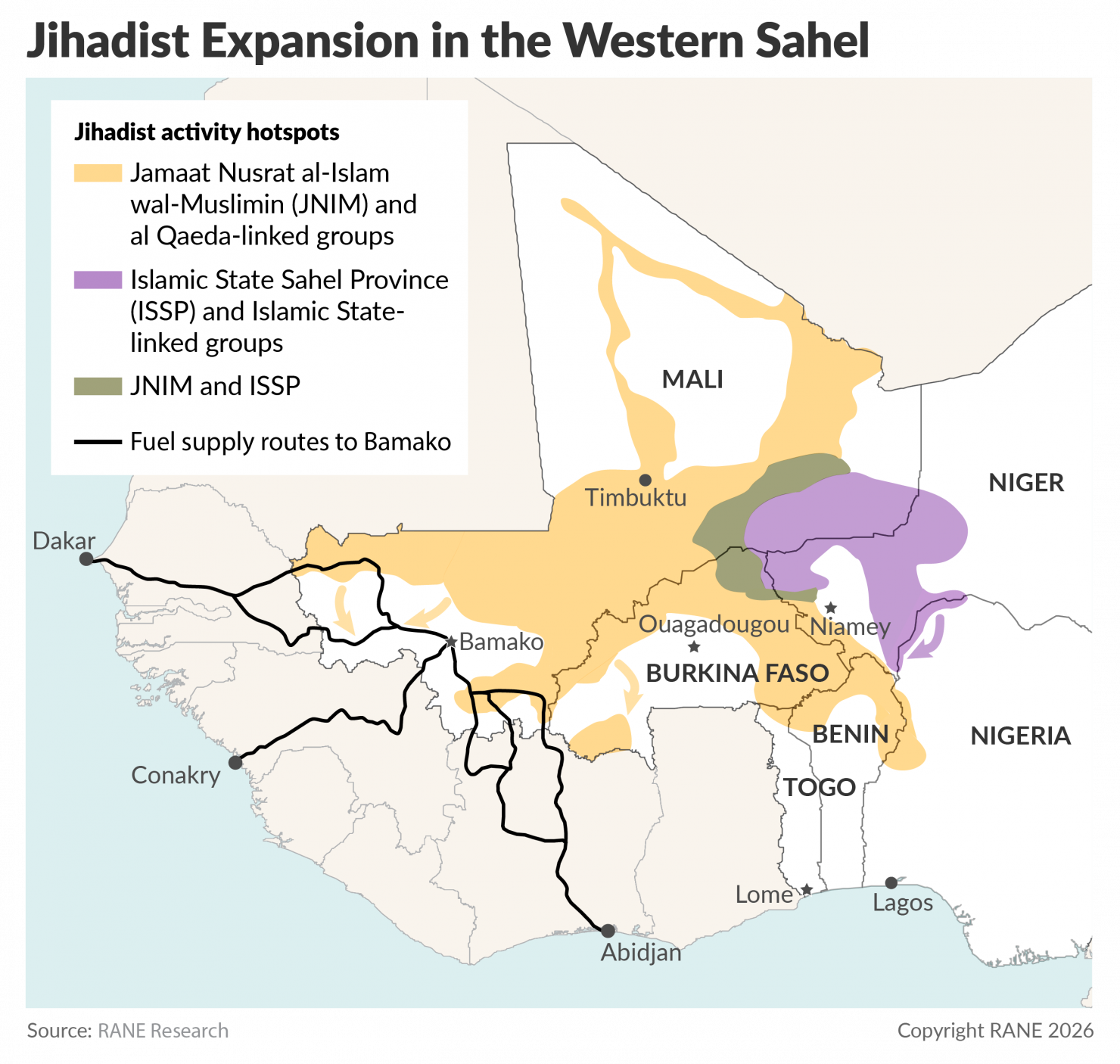
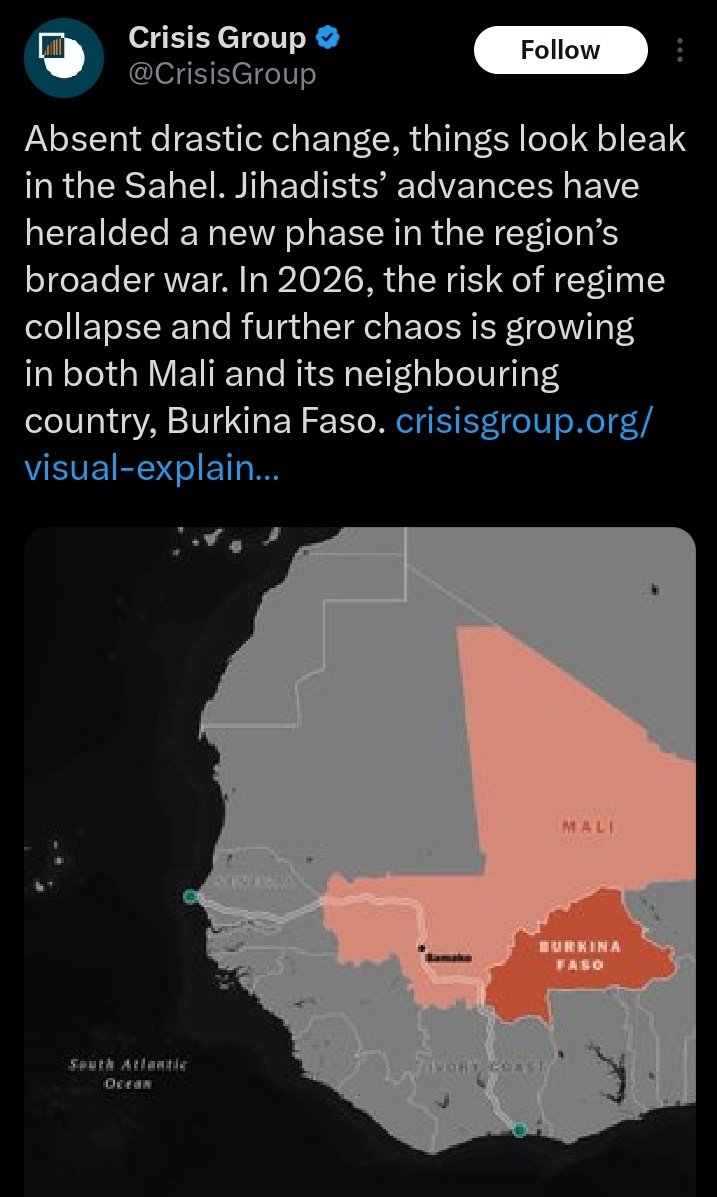
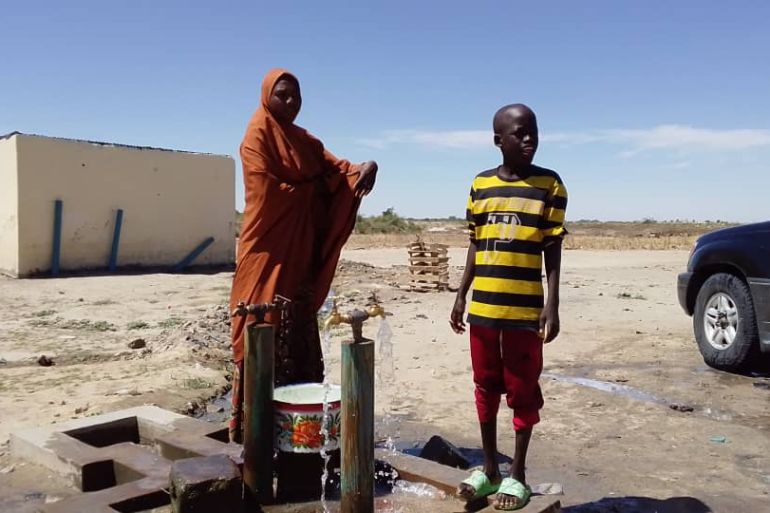
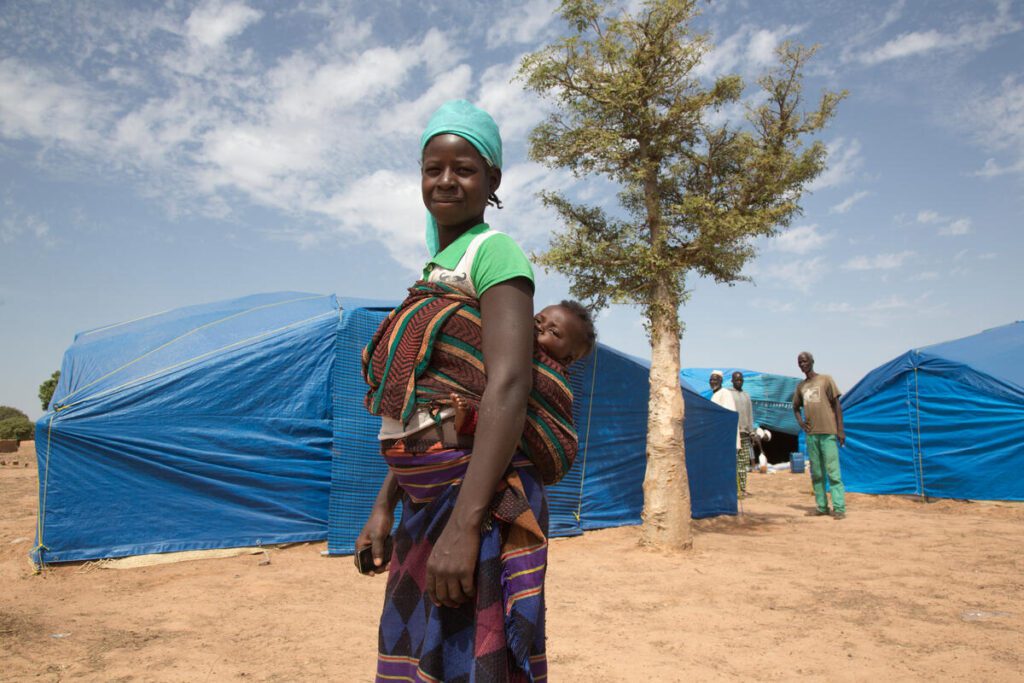
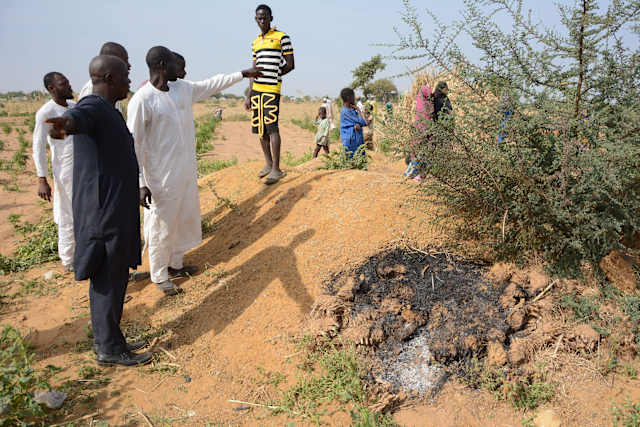
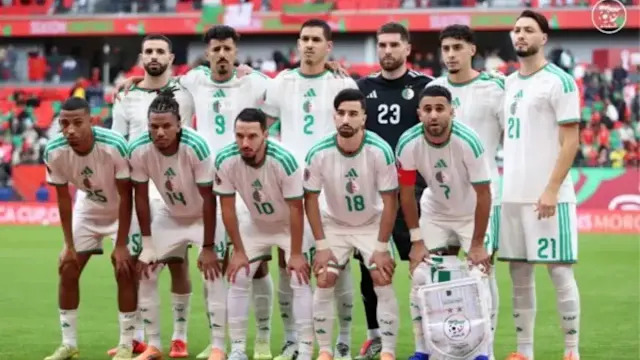
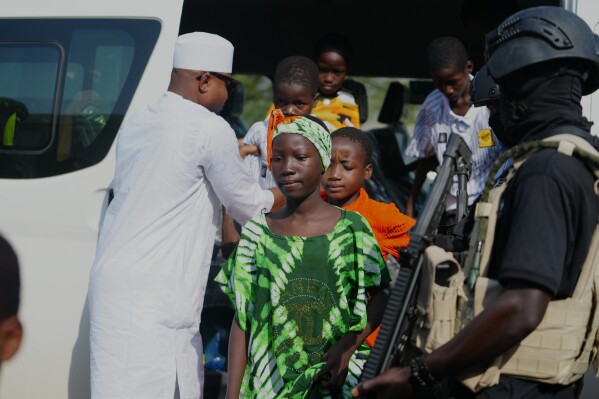
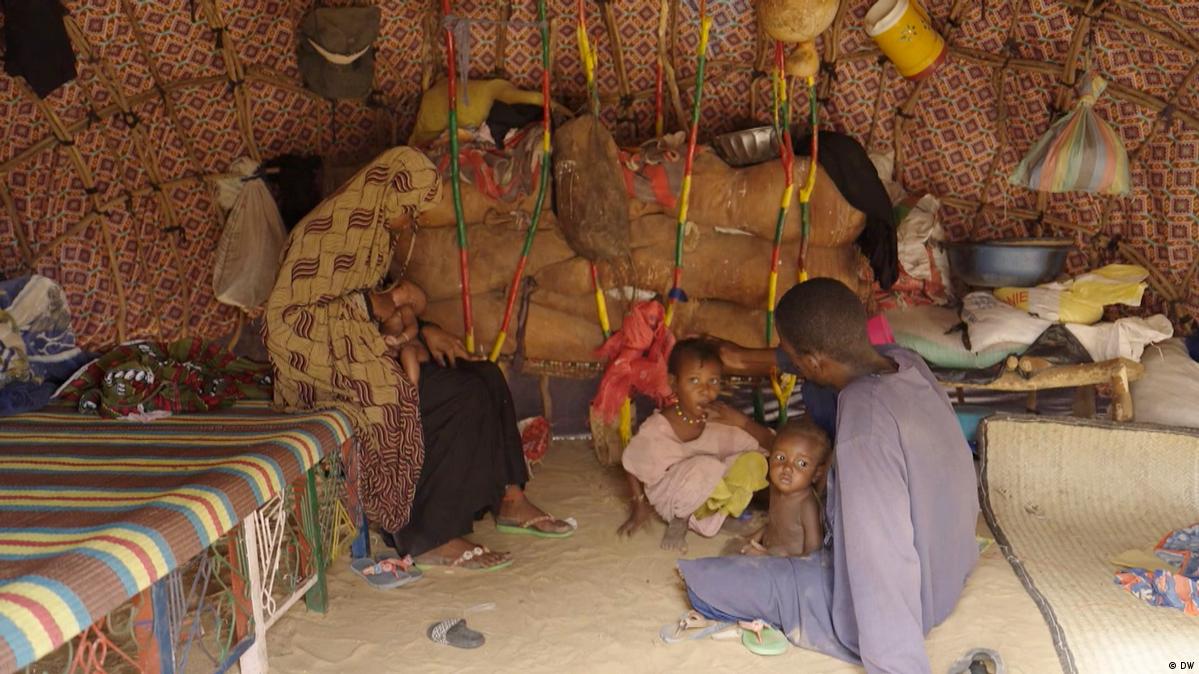
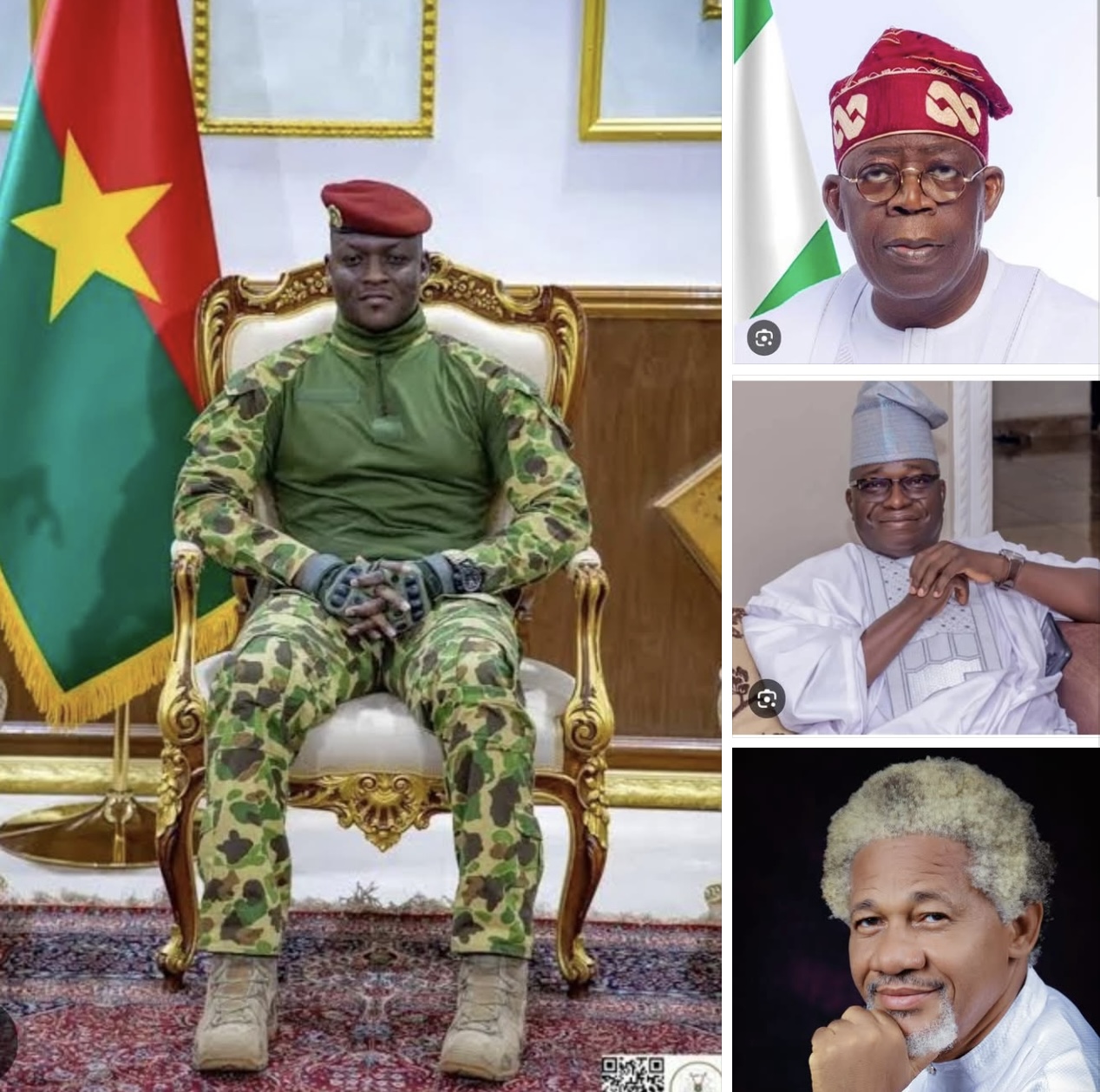
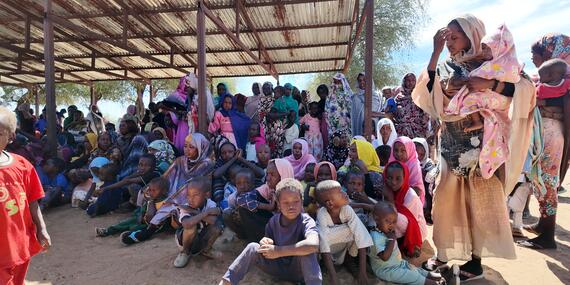
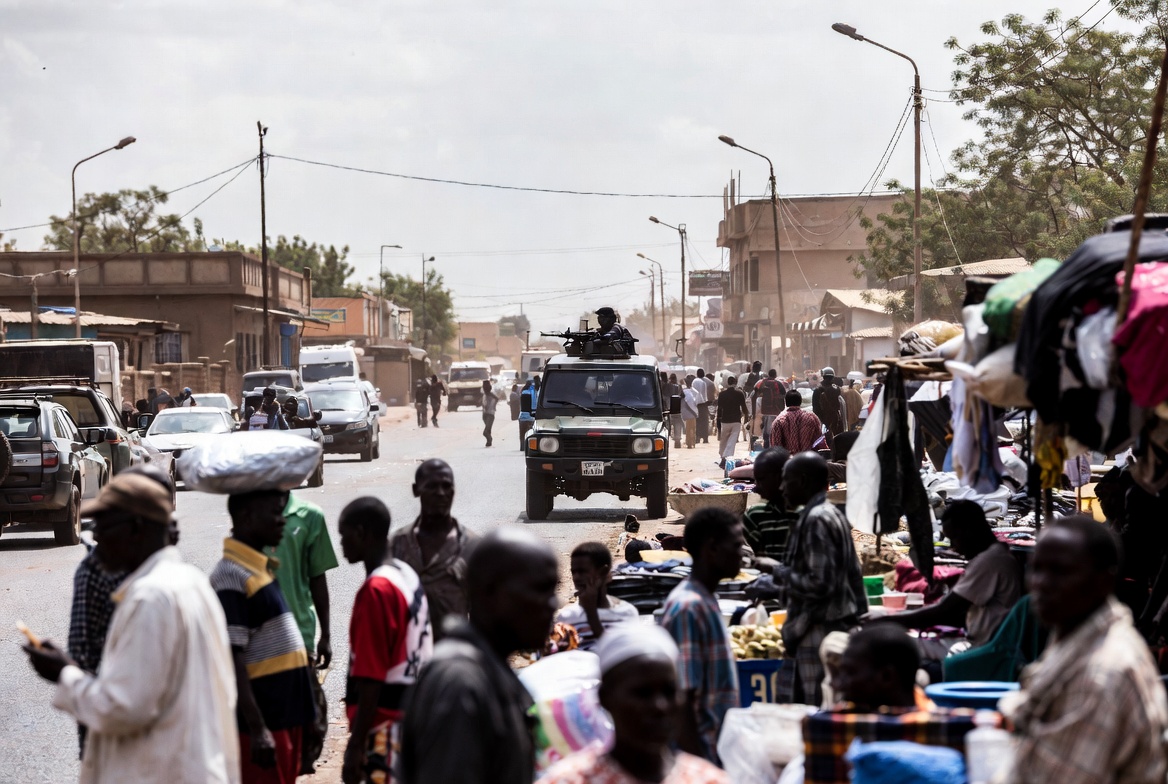
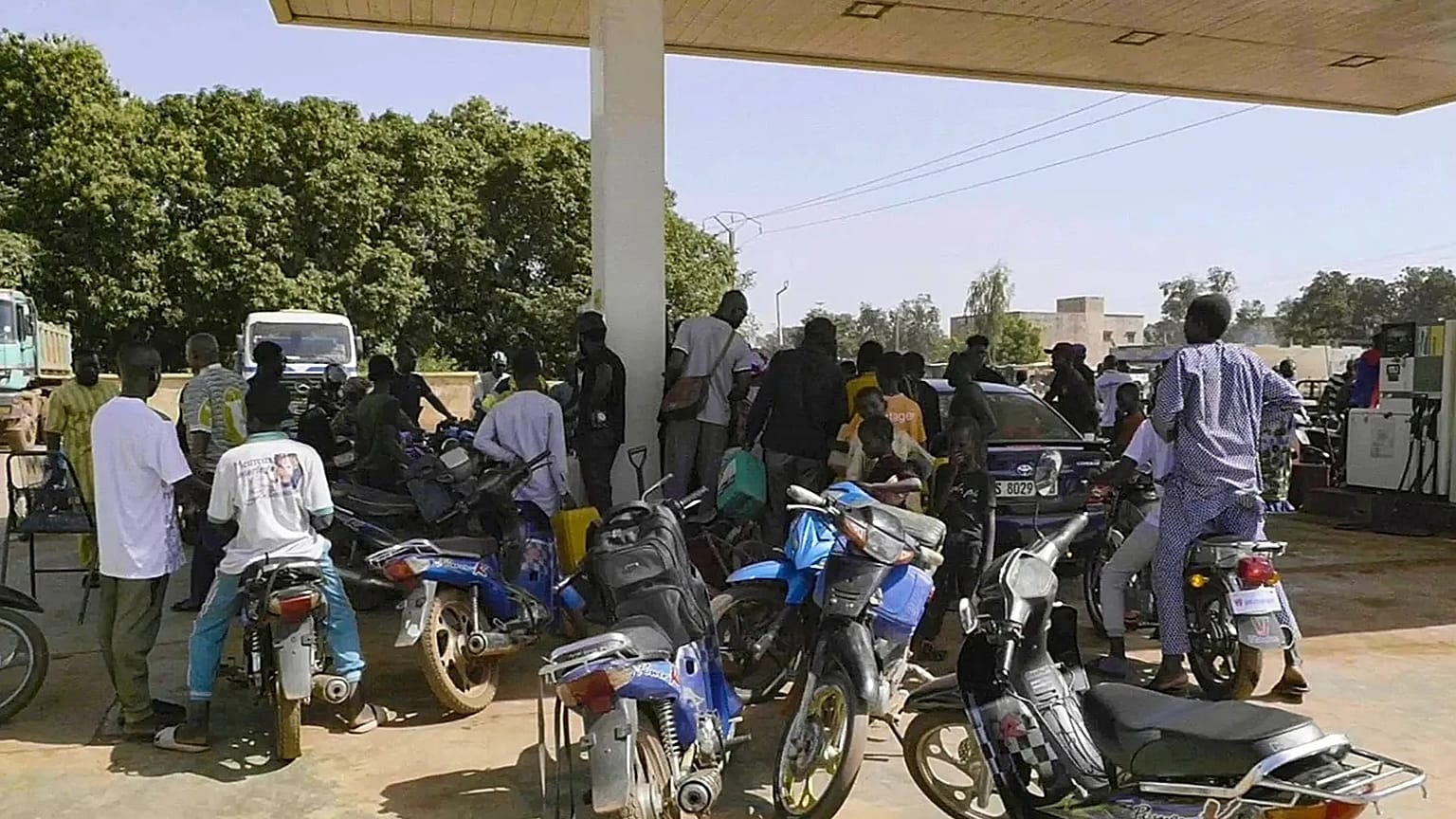
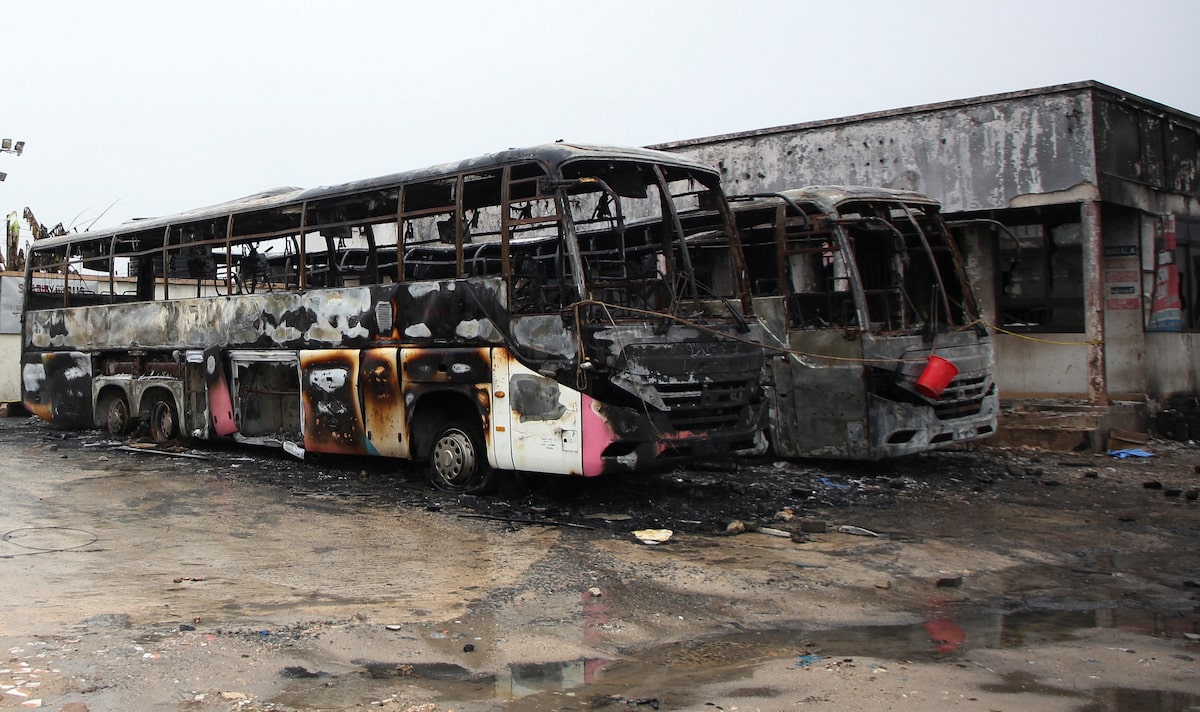
And what about the wider West African community? Organizations like the Economic Community of West African States (ECOWAS) are watching closely, and who wouldn’t be? While ECOWAS has been proactive in addressing instability, these recent moves by Sahel countries to align with Russia definitely hint at changing dynamics that could complicate regional cohesion. In this context, some influential voices have called upon Nigeria, the region’s largest economy and a significant power, to reposition itself as a diplomatic giant. They believe Nigeria should strengthen its role in conflict resolution and regional stability, a sentiment echoed by Vanguard Nigeria. Amid these international maneuvers, though, local realities remain incredibly fraught. Just recently, violent clashes near the Mali-Senegal border severely disrupted key transportation routes, cutting off critical economic lifelines like seaports. These incidents serve as stark reminders of the deep-rooted security and humanitarian challenges that persist, even as high-level alliances and diplomatic talks dominate headlines. Even Algeria, a crucial player in the Sahel ecosystem, is strategically navigating these turbulent waters, reportedly strengthening ties with the United States. This move clearly illustrates how individual Sahel states are securing their interests amidst profound uncertainty. Looking ahead, the Sahel’s newly formed security alliance, coupled with renewed U.S. engagement and Russia’s growing footprint, sets the stage for a truly complex interaction of local and global actors. Will these new alignments bring enduring stability, or will they deepen existing fissures in one of Africa’s most volatile regions? The coming months will be critical in defining that outcome. For more on regional efforts to combat extremism, consider this report on the Alliance of Sahel States.