Africa in Focus: Security, Health, and Global Legal Battles in Early 2026
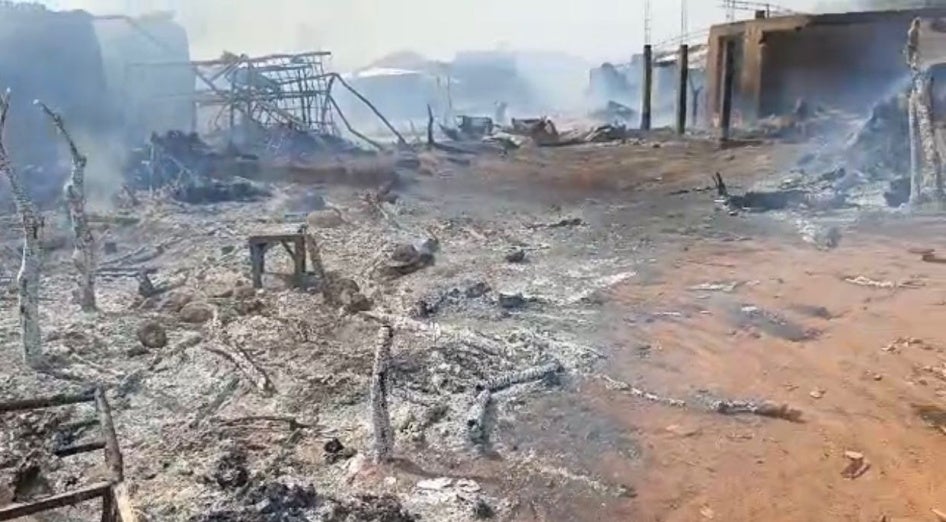
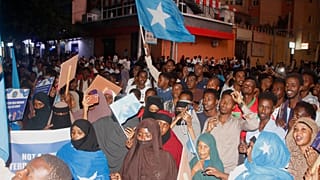
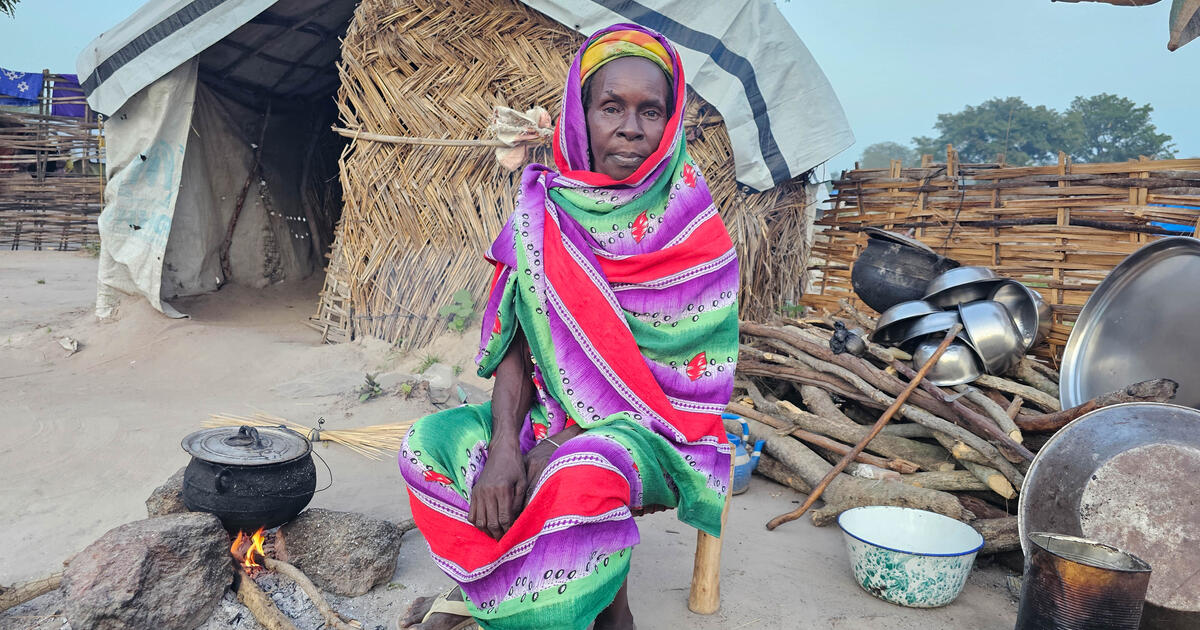
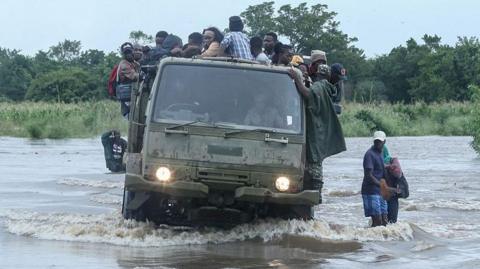
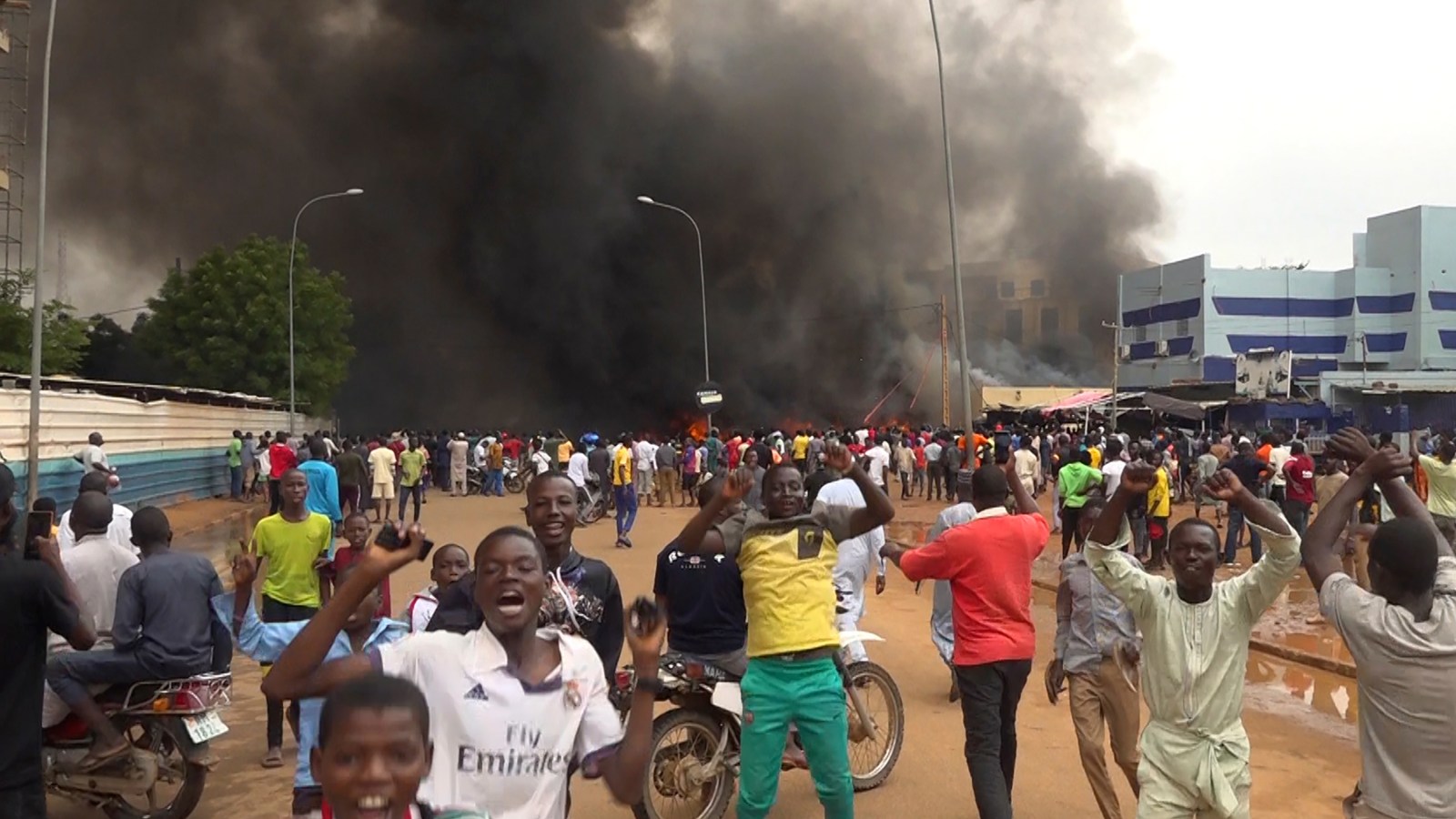
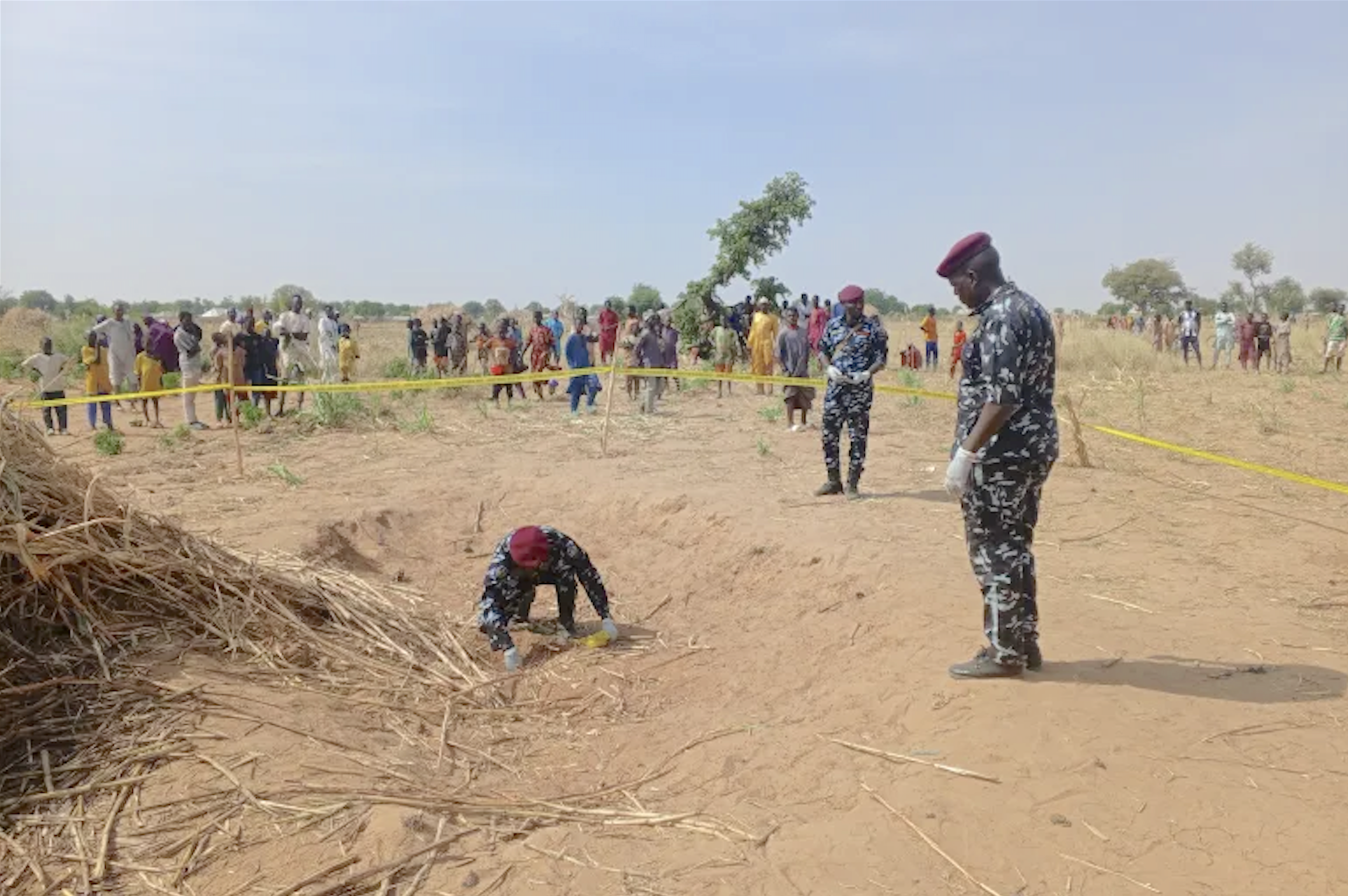
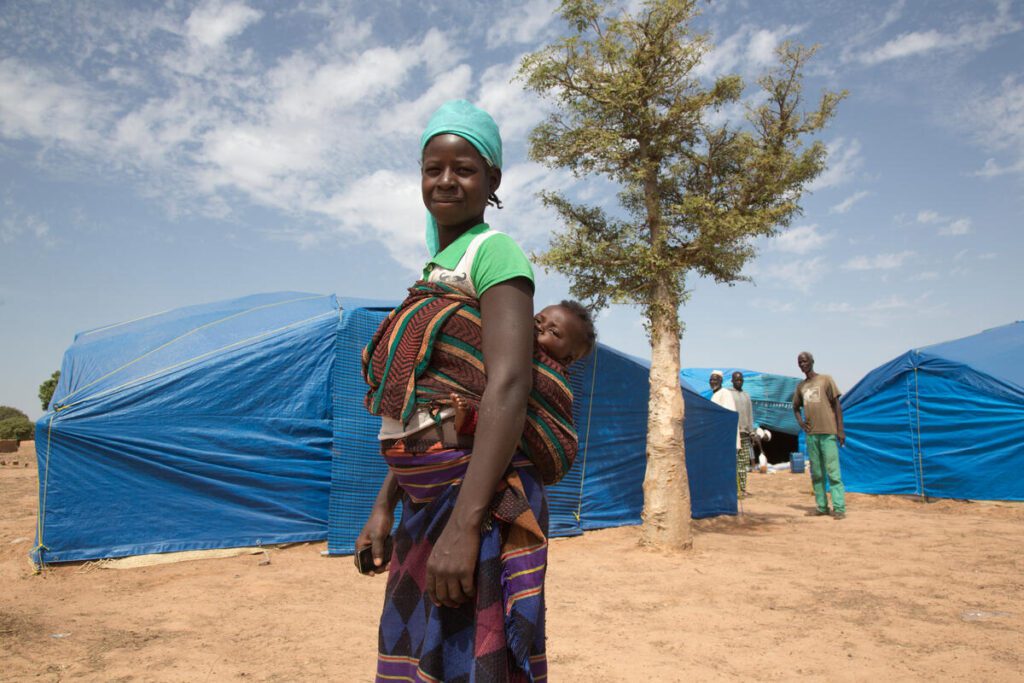
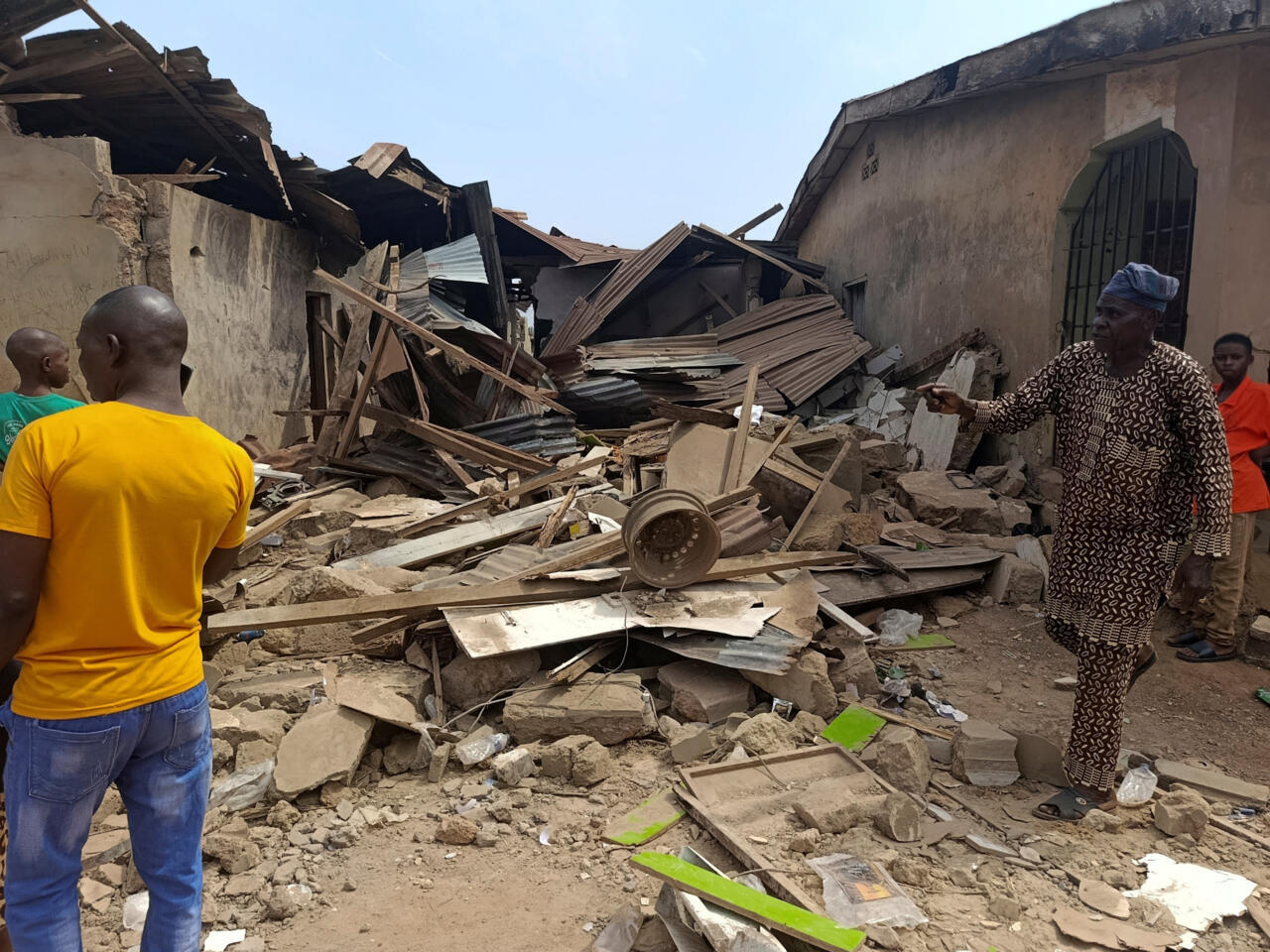
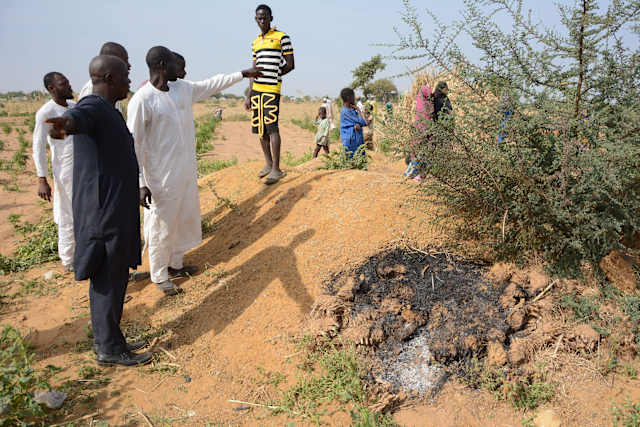
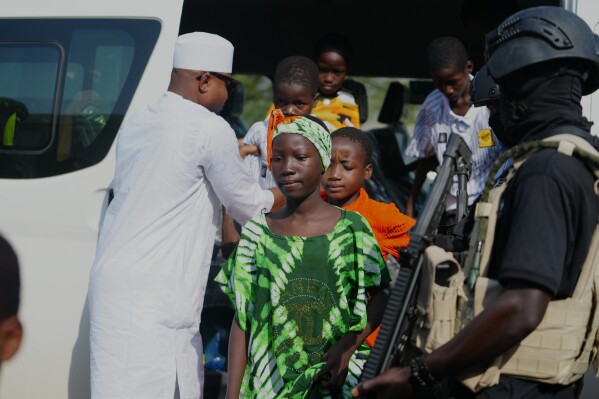
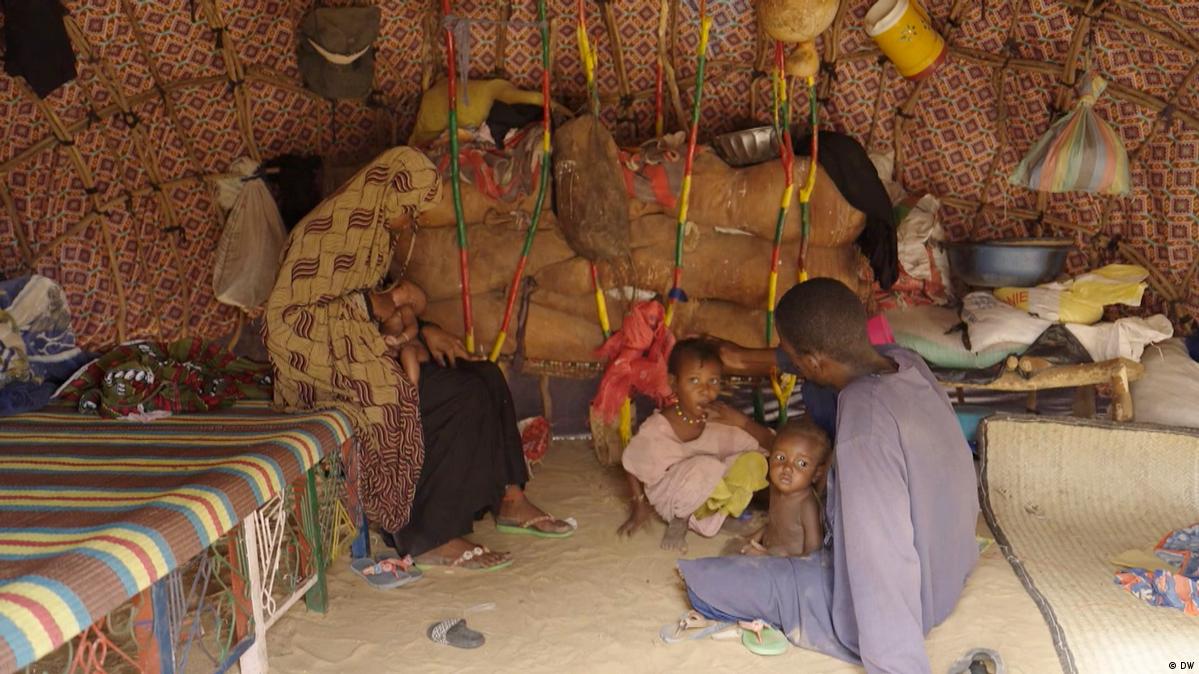
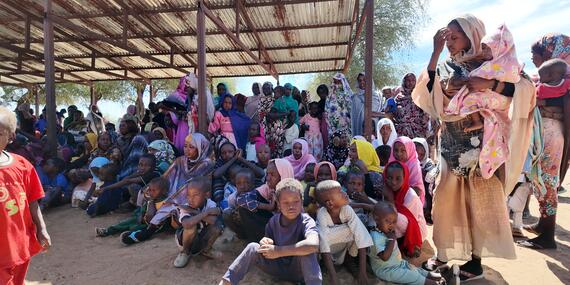
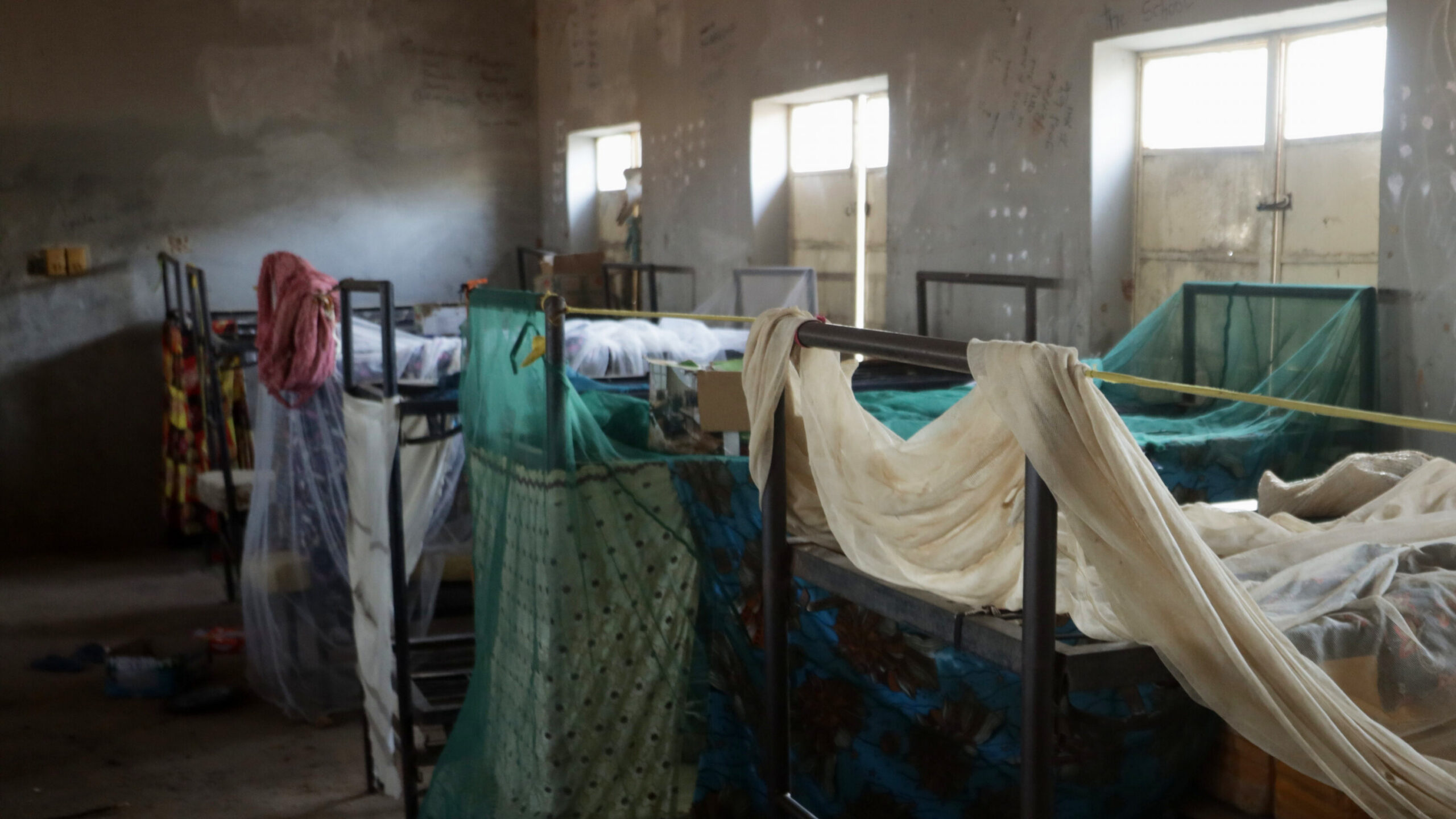
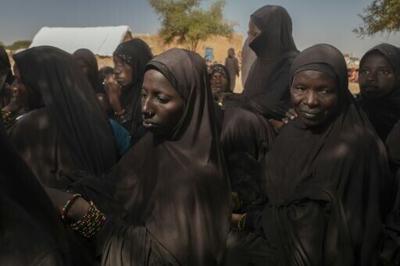
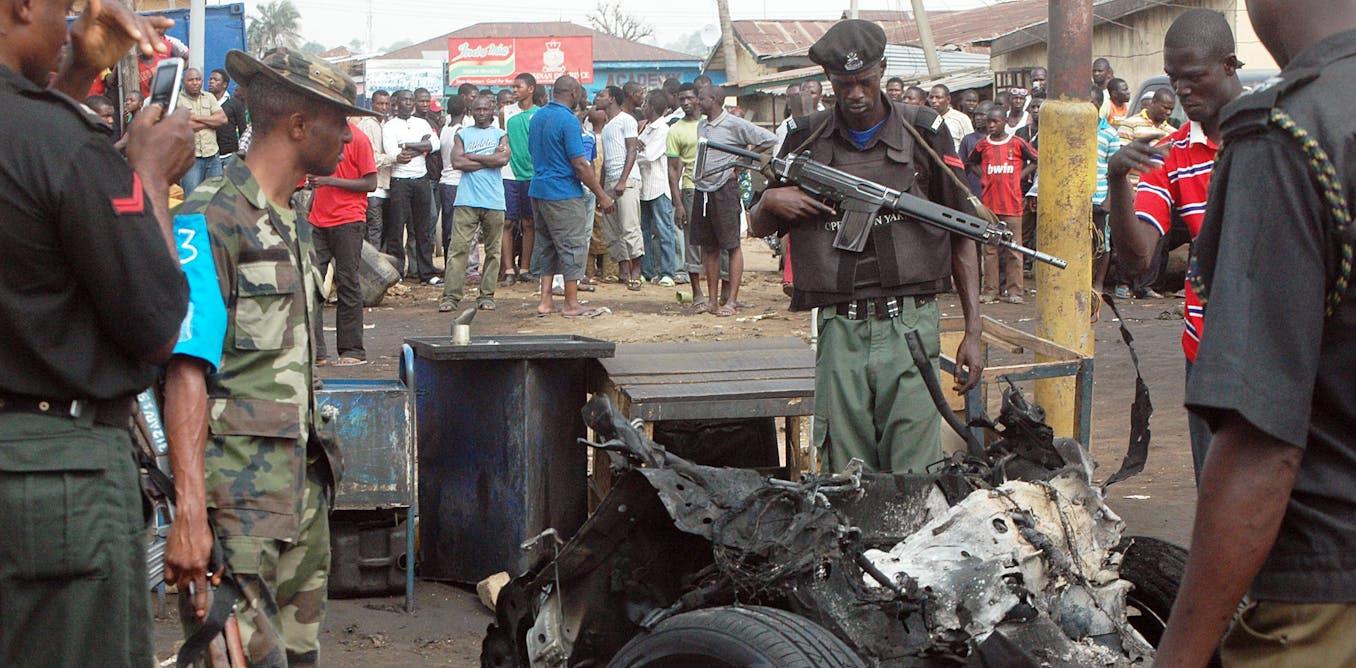
As 2026 unfolds, Africa continues to be a vibrant mix of hope, struggle, resilience, and change. The continent’s early developments paint a complex picture where security challenges often dictate political stability, but we’re also seeing monumental leaps in public health and international disputes that show just how connected Africa is to the rest of the world. From Sudan’s heartbreaking violence to Yemen’s shifting political landscape, high-stakes legal battles in New York, and the near-disappearance of a terrible parasite, Africa’s story this year is both tough and truly inspiring. In Central Sudan, for instance, violence flared up again with a recent drone attack blamed on the notorious Rapid Support Forces, targeting displaced families near Rahad in North Kordofan province. This tragic incident claimed at least 24 lives, including eight children, as confirmed by the Sudan Doctors Network. It came hot on the heels of an assault on a crucial World Food Program convoy, only worsening the humanitarian nightmare. These actions are widely condemned as breaches of international humanitarian law, raising serious questions about the ongoing instability in Sudan’s war-torn regions. The paramilitary group’s tactics are making it incredibly hard for relief efforts to reach vulnerable populations already battling hunger and insecurity. Both the Sudan Doctors Network and independent observers haven’t minced words, calling these incidents war crimes and putting all parties under intense scrutiny. This kind of violence is tearing through an already fragile healthcare and humanitarian system, suggesting a long and difficult path ahead for peace and recovery in Sudan. Meanwhile, Yemen’s southern political scene is undergoing a major shake-up. Its ruling leadership council just named a new cabinet after deadly clashes and the breakup of the Southern Transitional Council (STC), a separatist group. This move happens as tensions between regional heavyweights Saudi Arabia and the United Arab Emirates have spilled into the open, with both sides trading accusations of supporting separatists and running covert operations that undermine Yemen’s sovereignty. The new cabinet signals a push to stabilize a nation long plagued by conflict and internal divisions, but the cracks showing within the Saudi-led coalition only complicate matters, proving how outside forces keep shaping Yemen’s quest for peace. As Yemen tries to get its political house in order, the consequences for civilians and regional security remain profound.
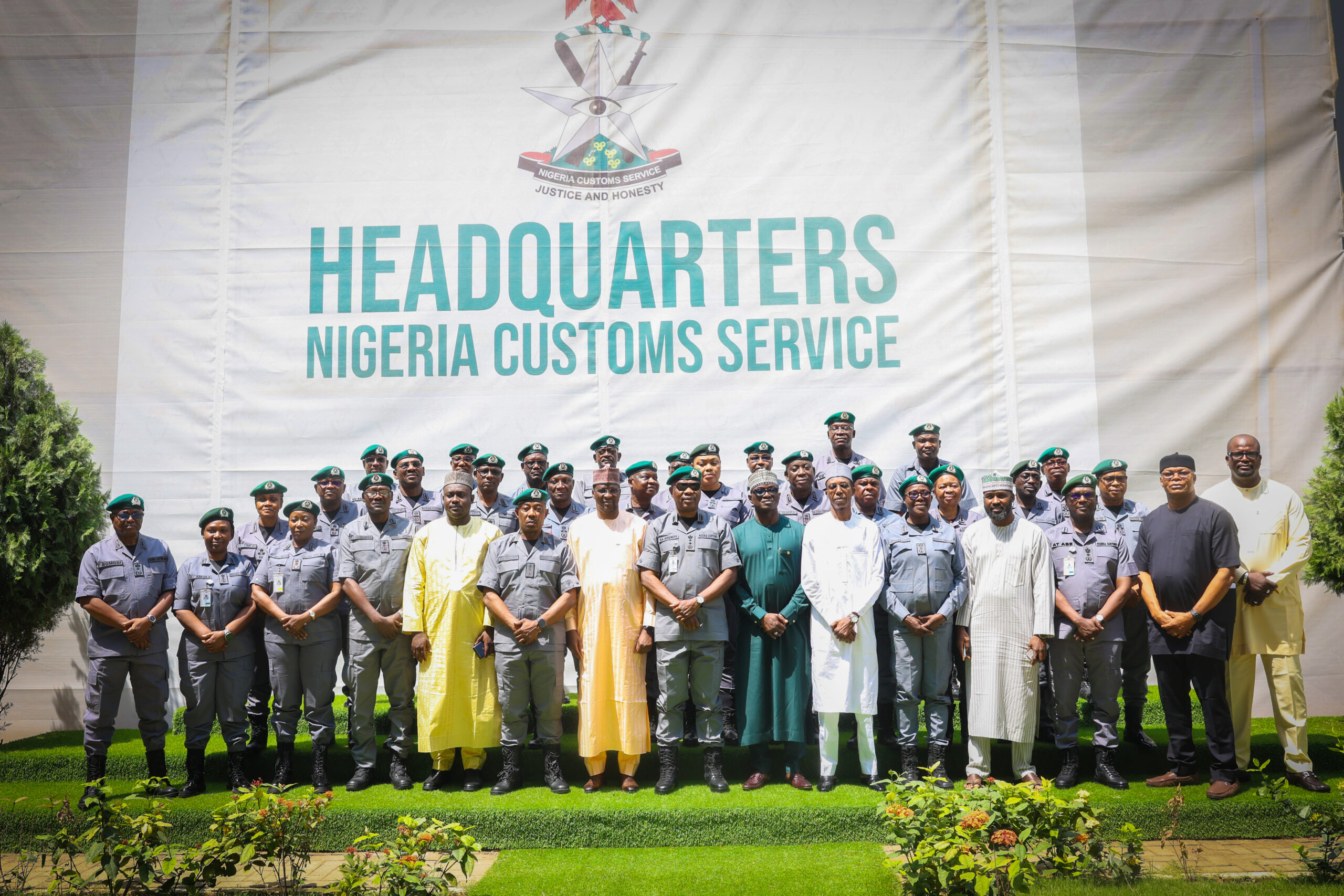
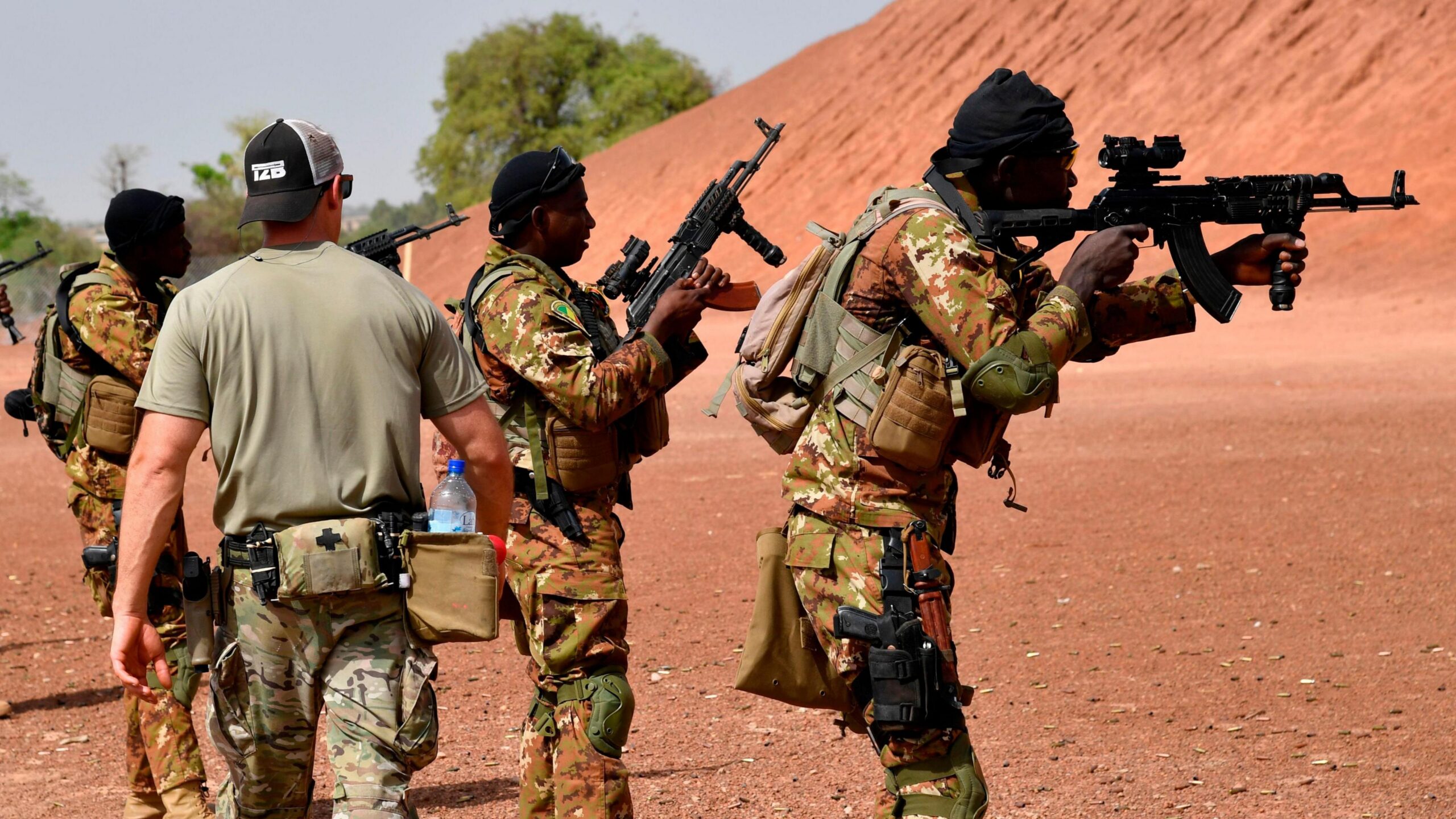
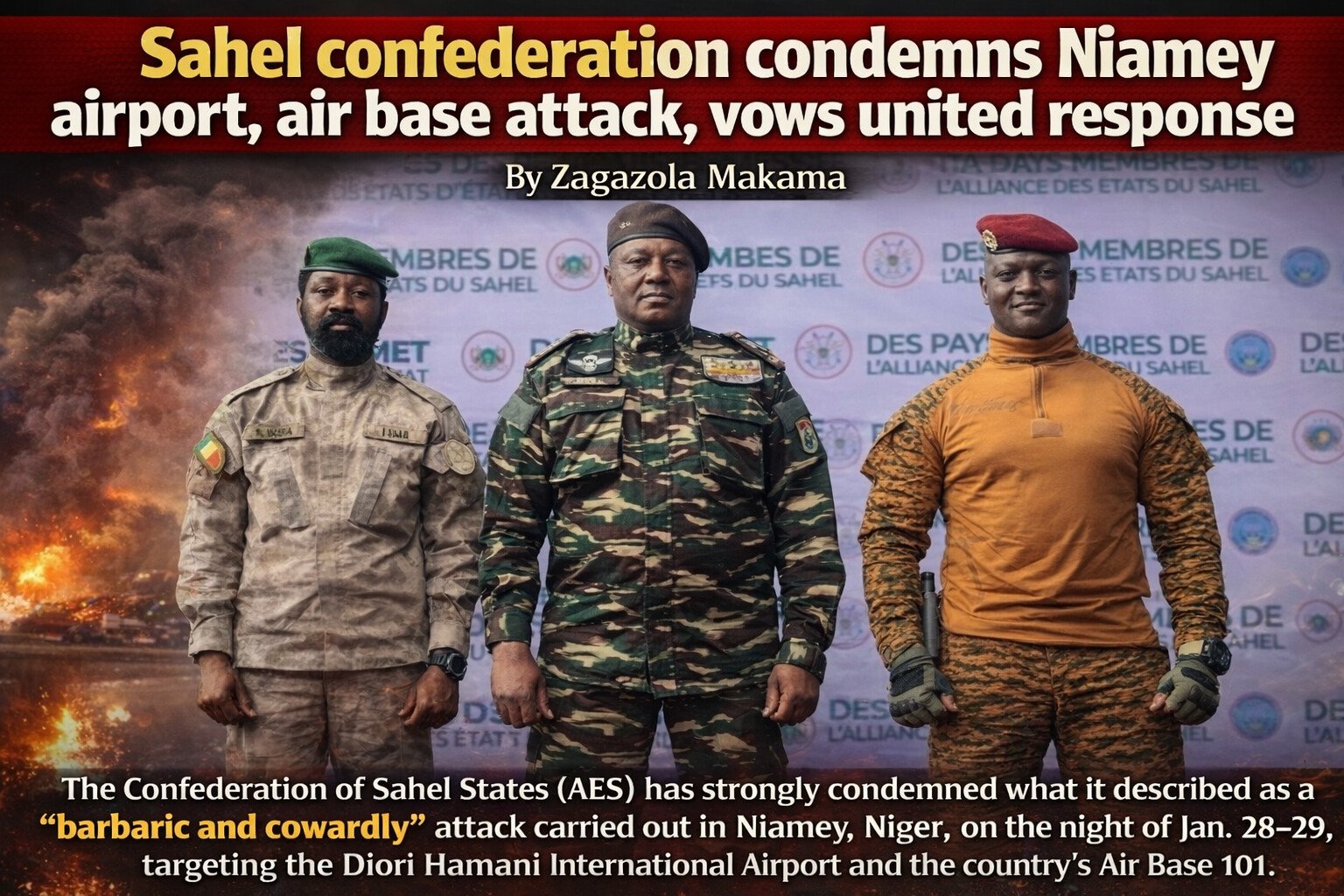
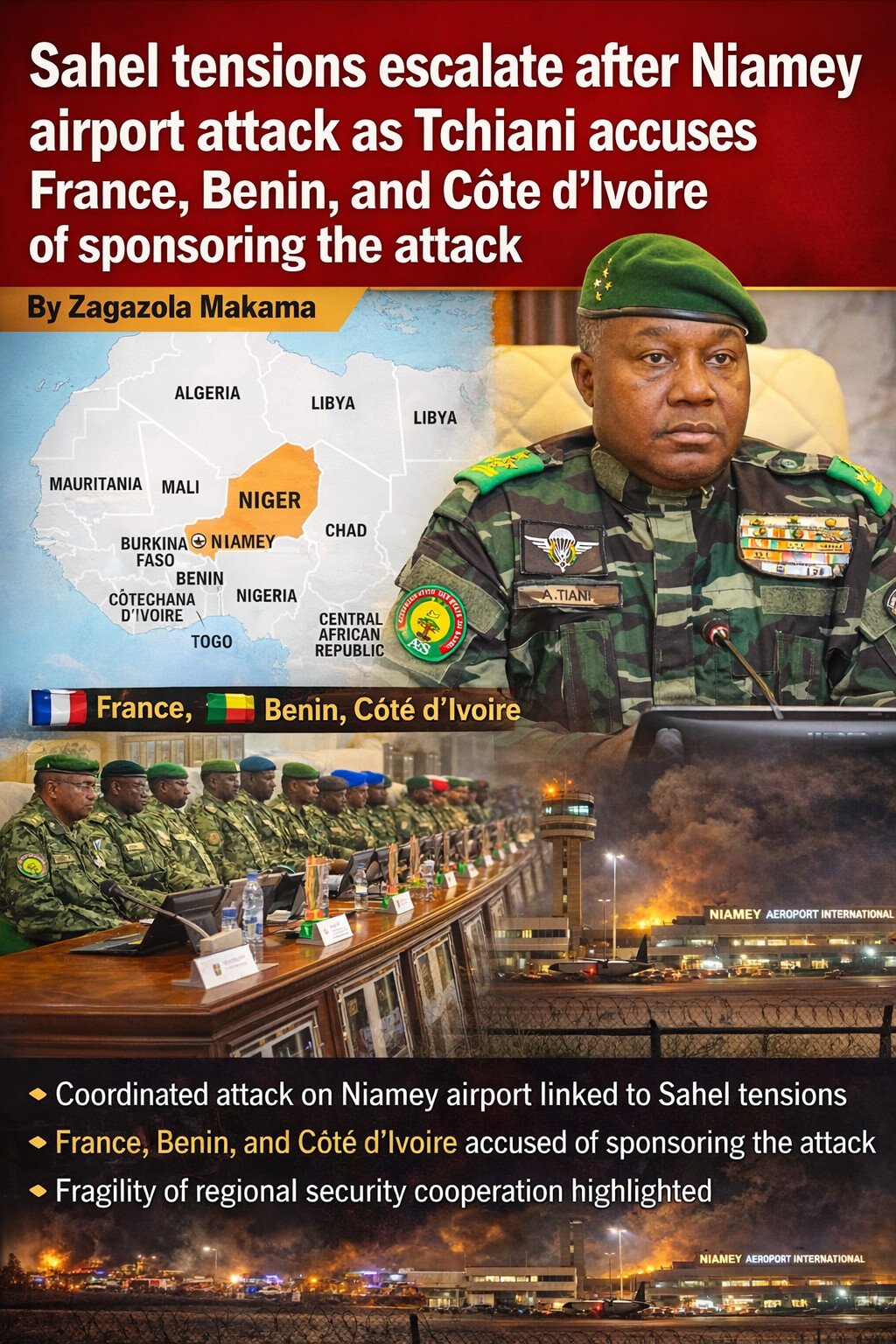
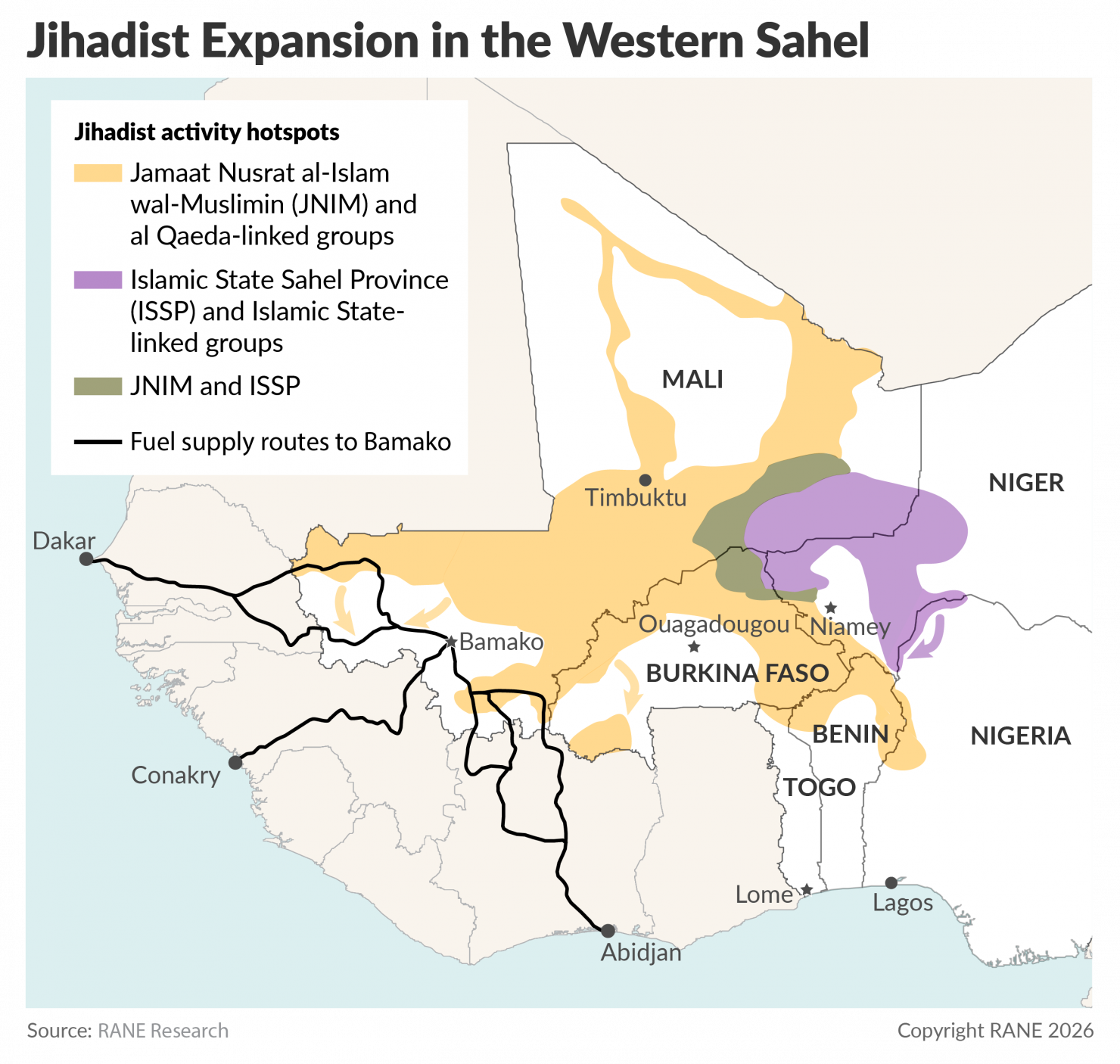
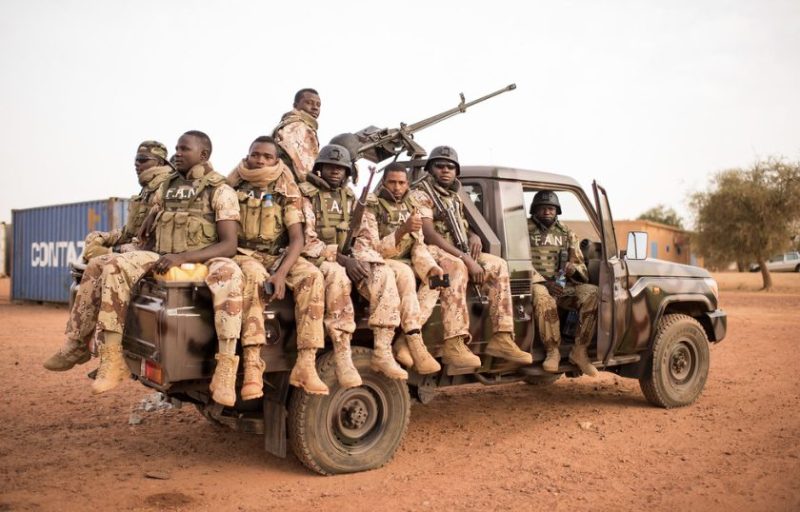
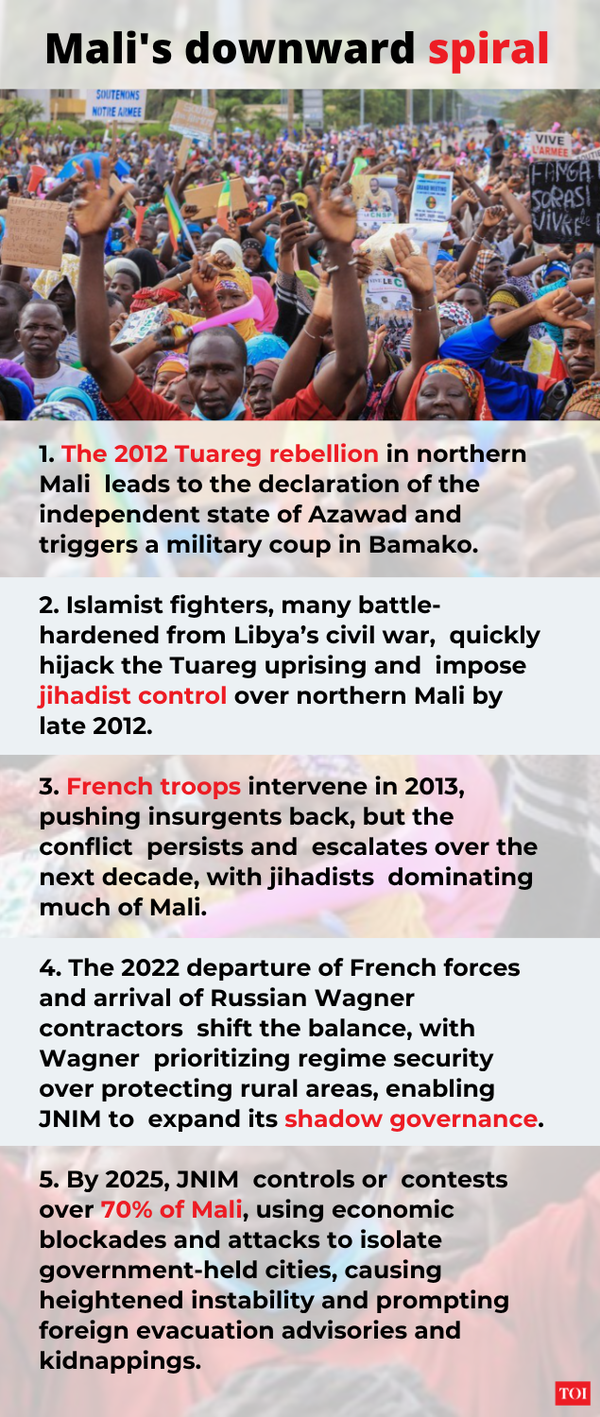
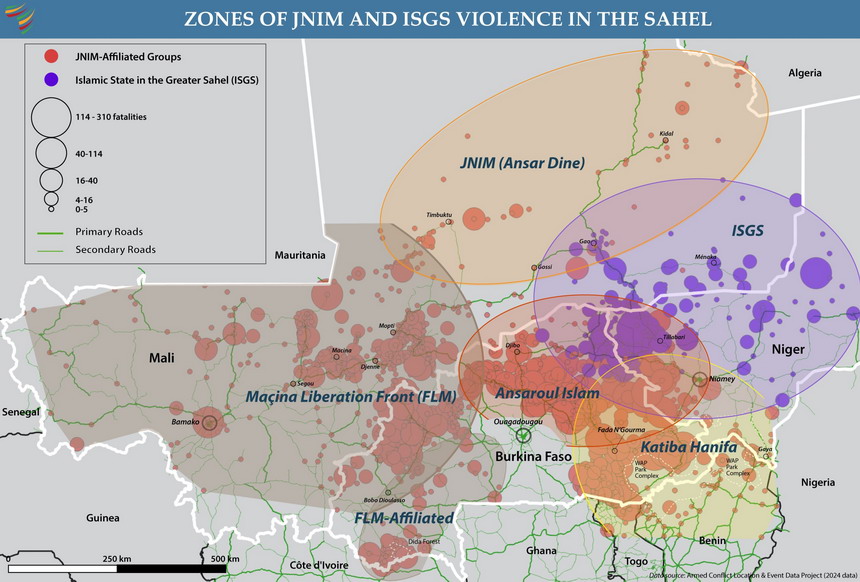
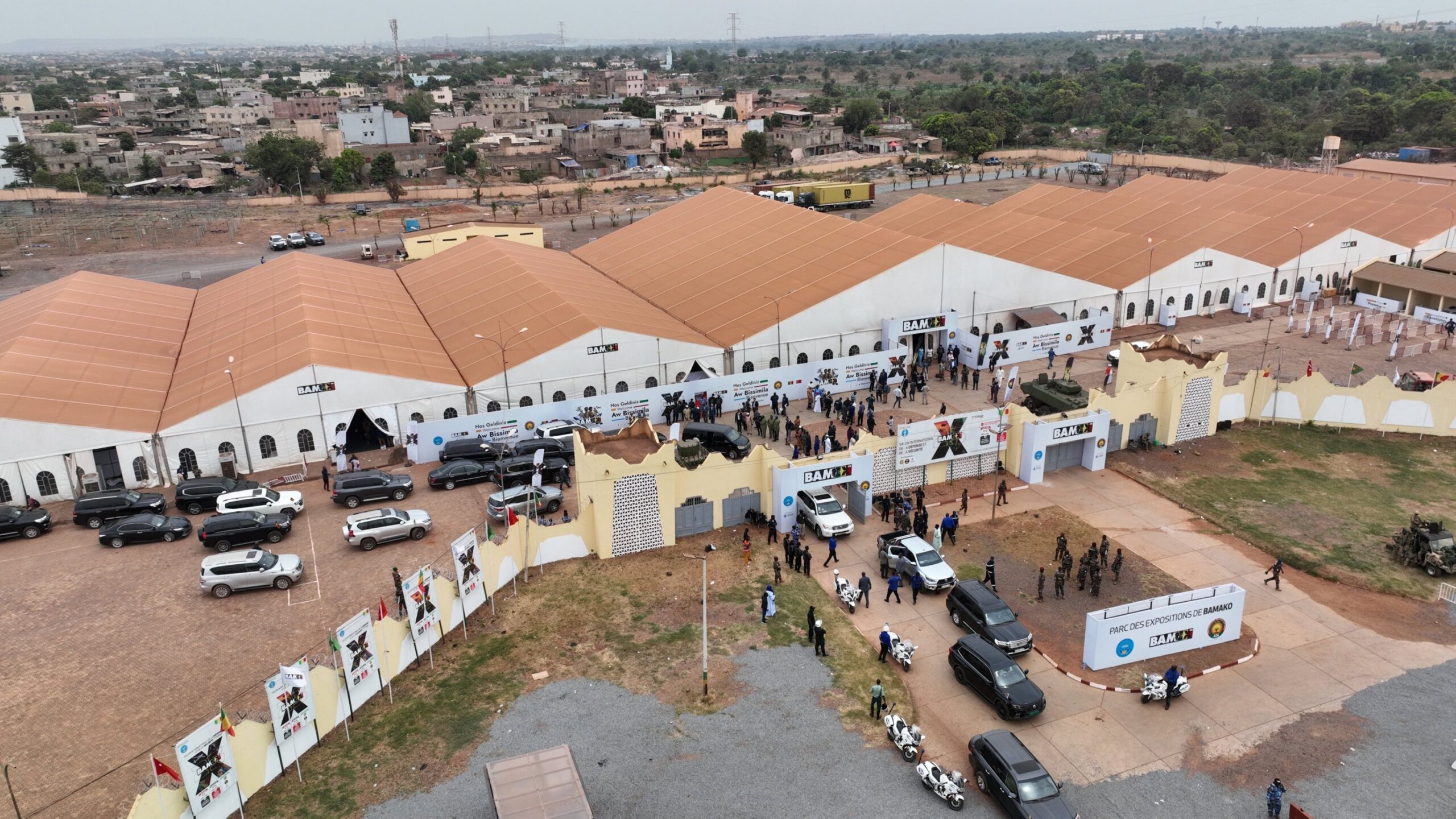
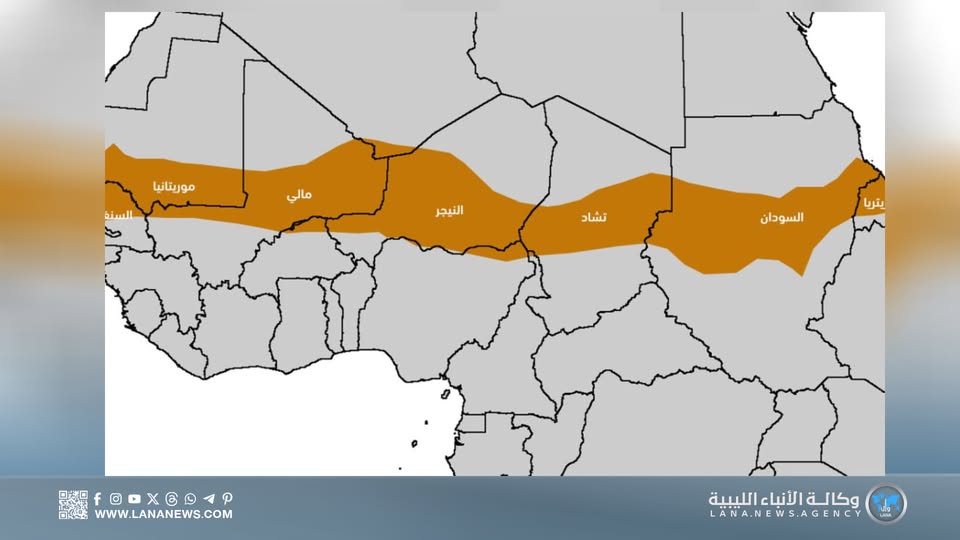
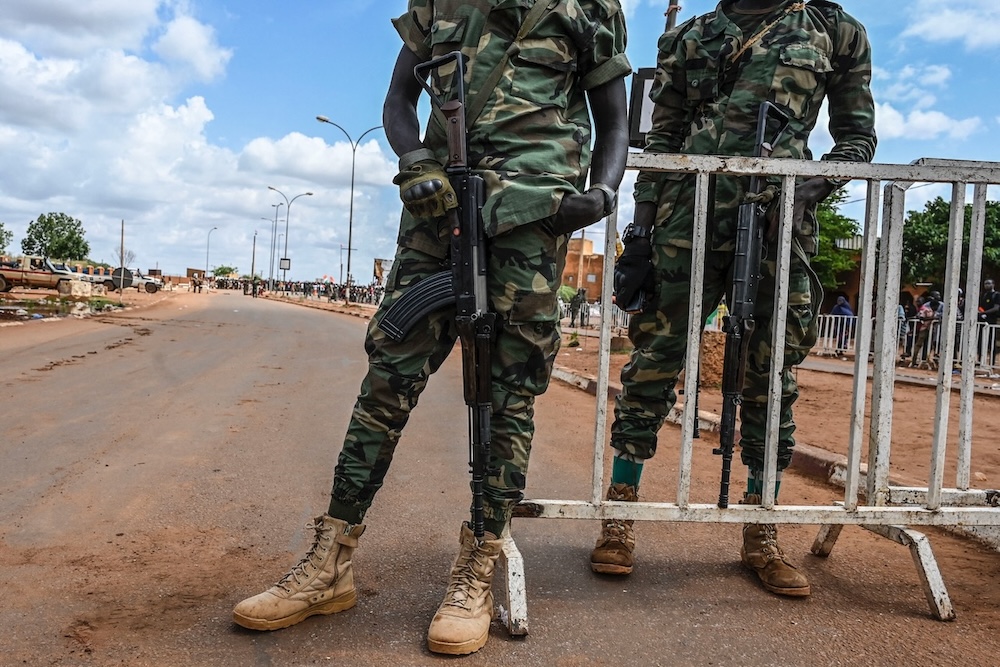
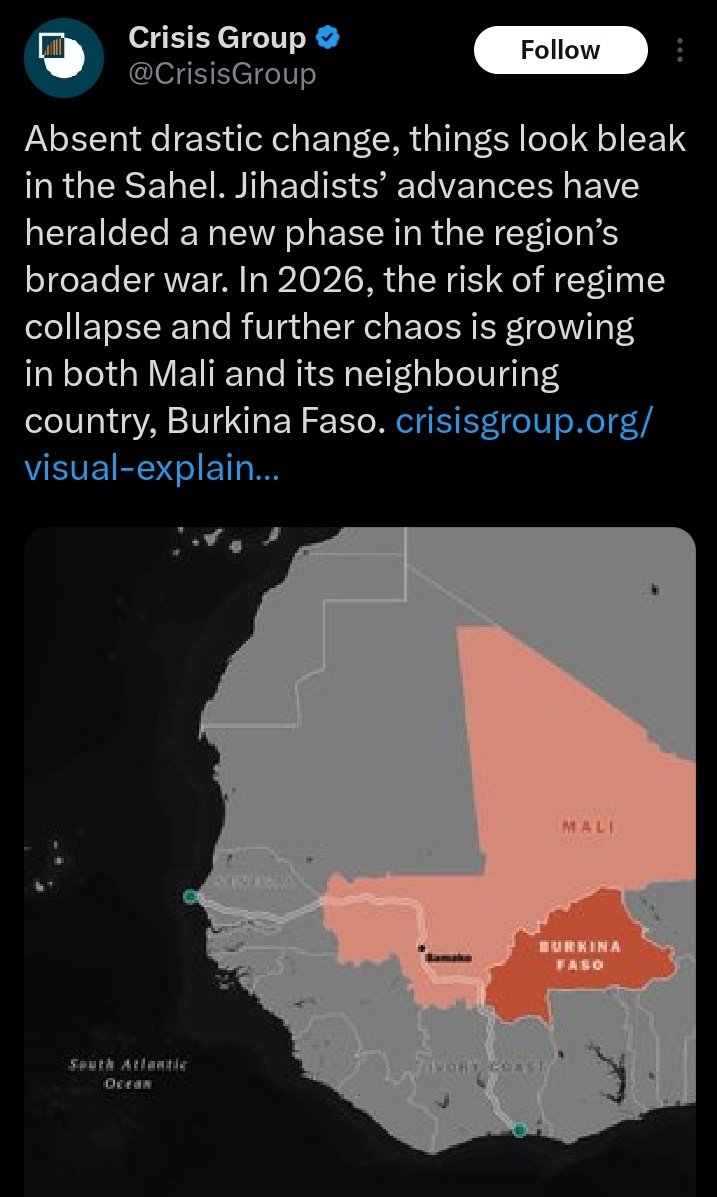
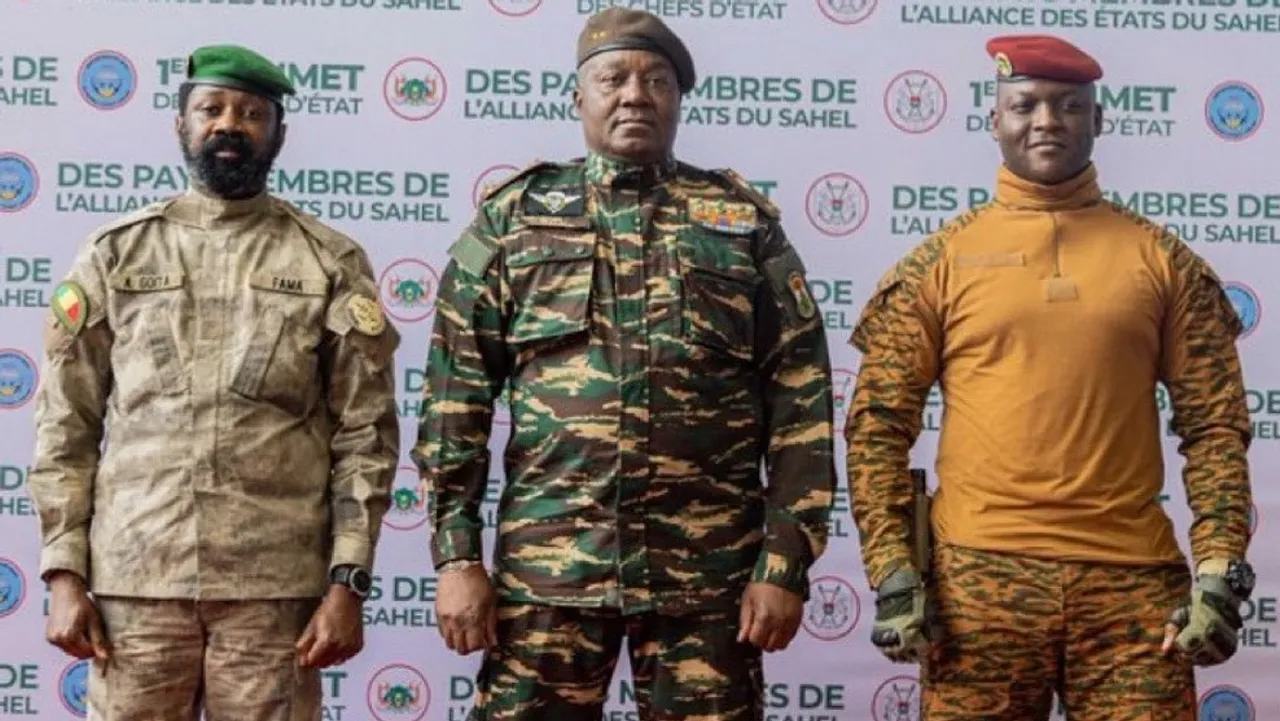
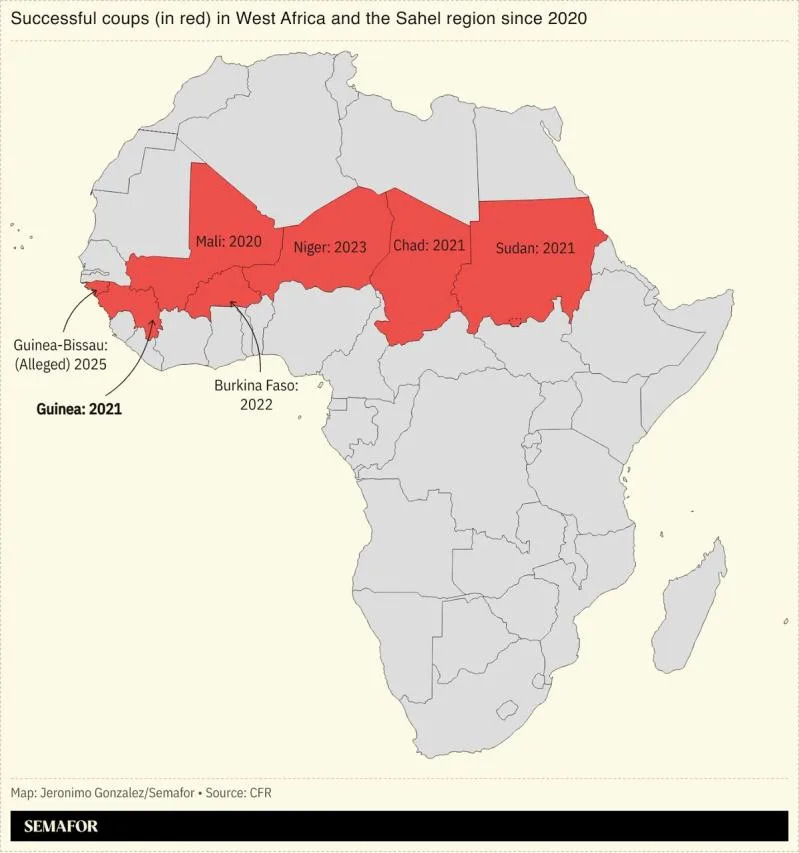
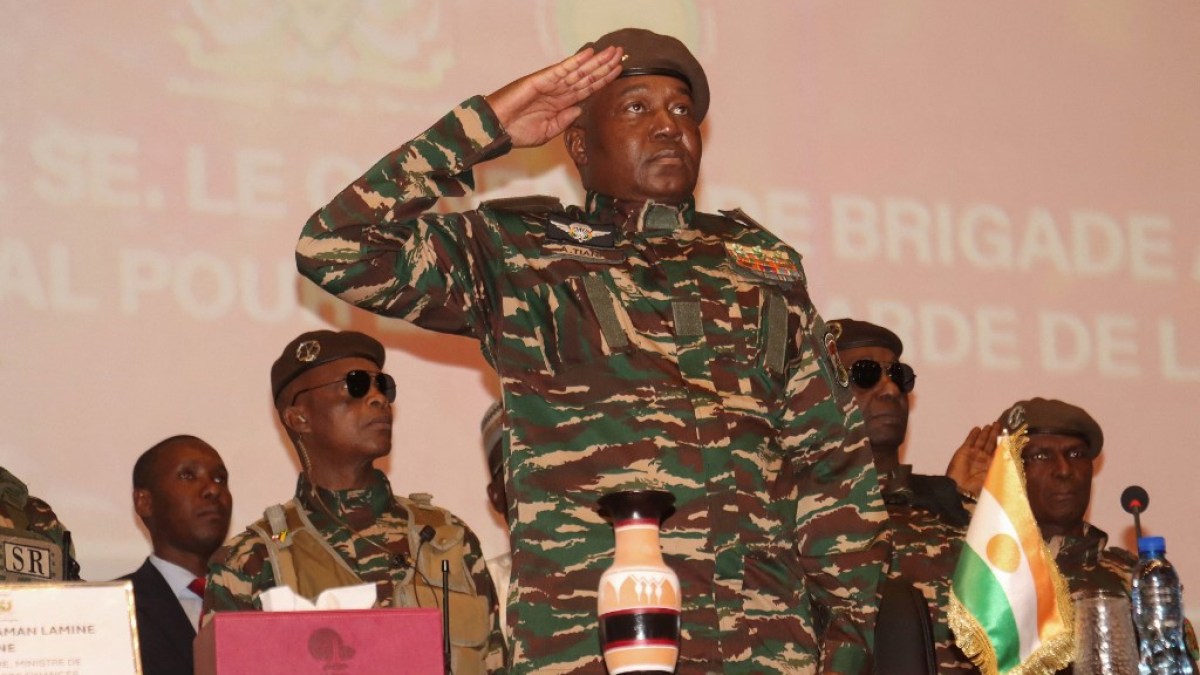
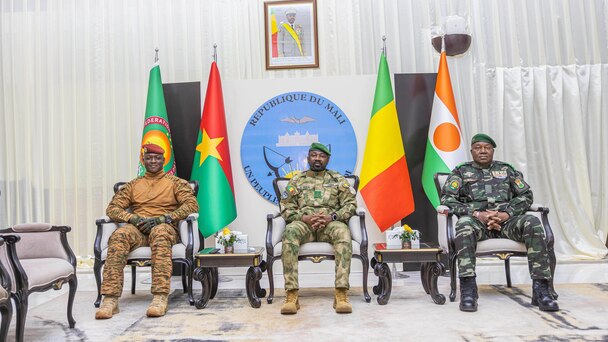
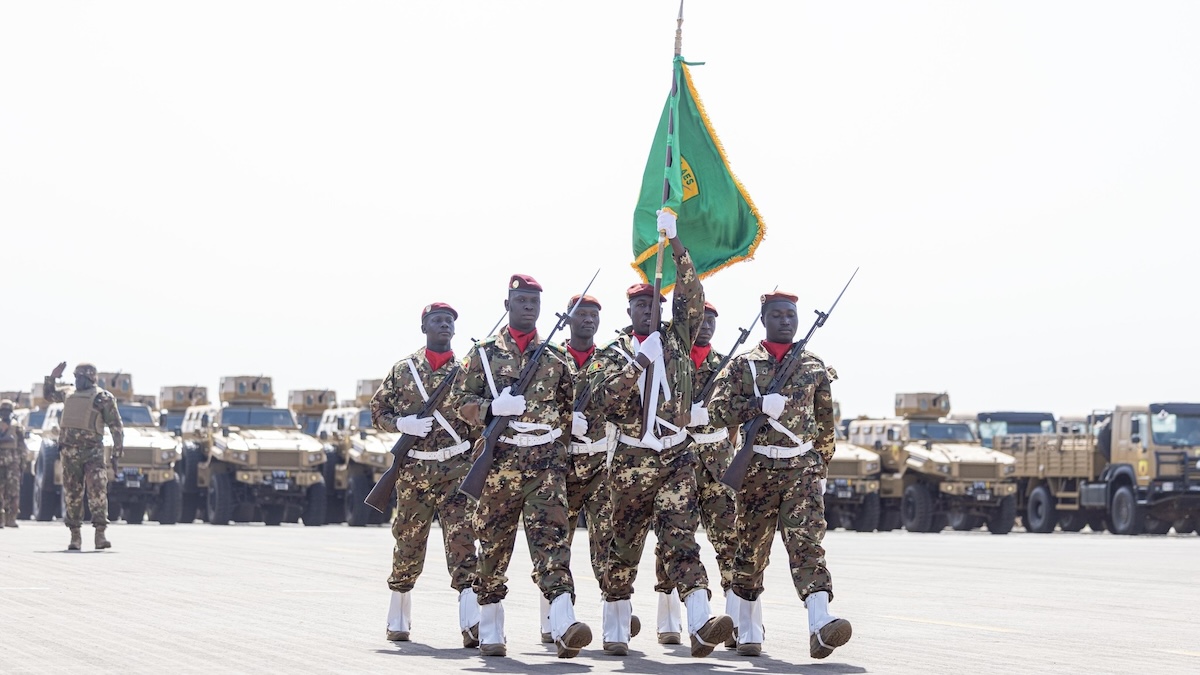
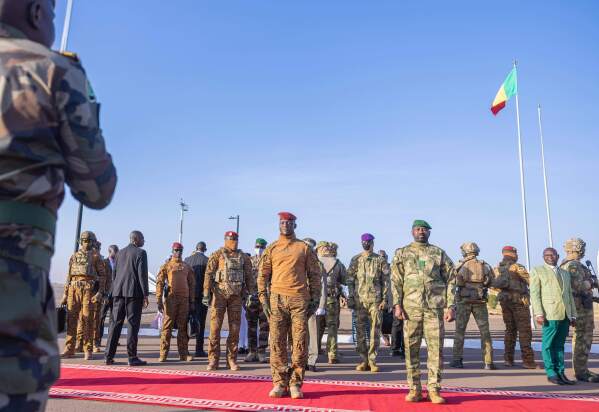
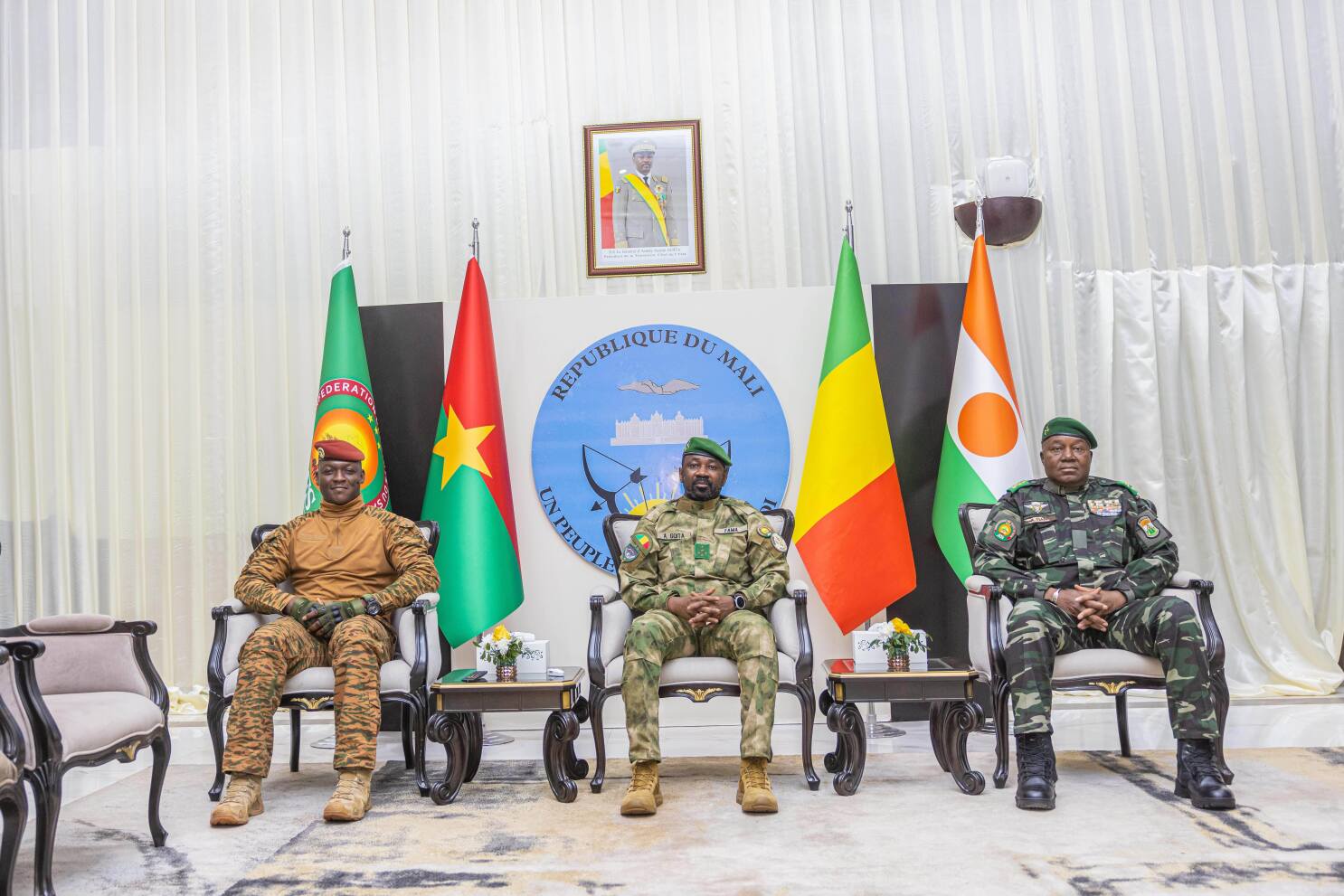
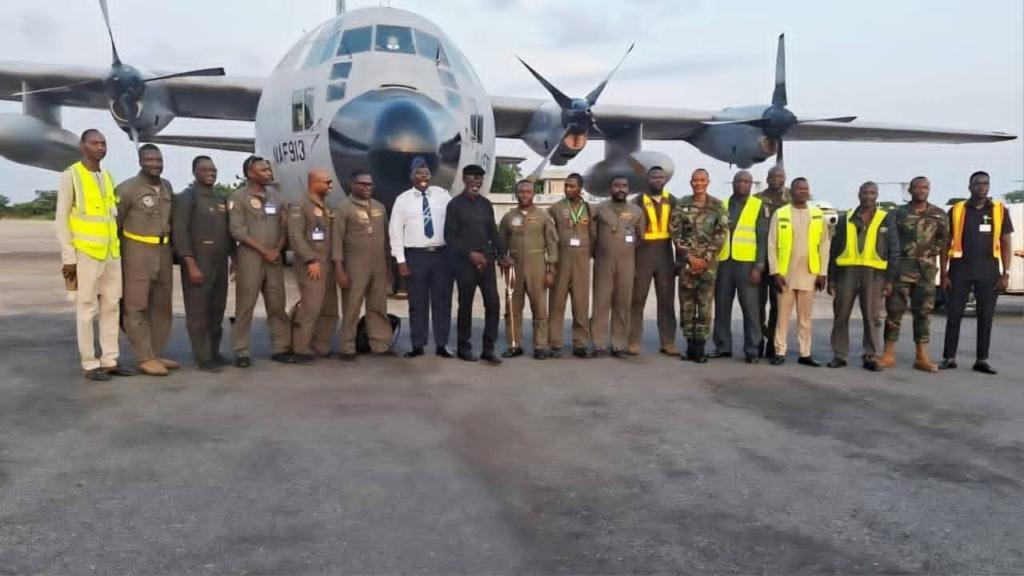
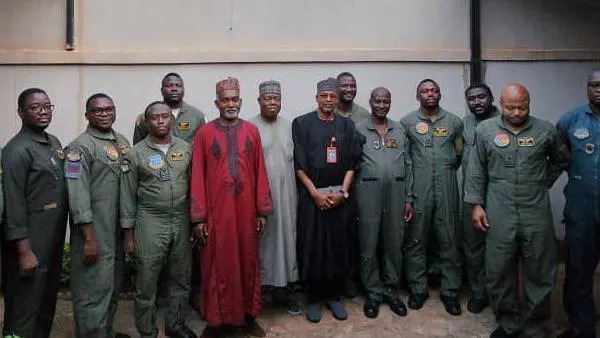
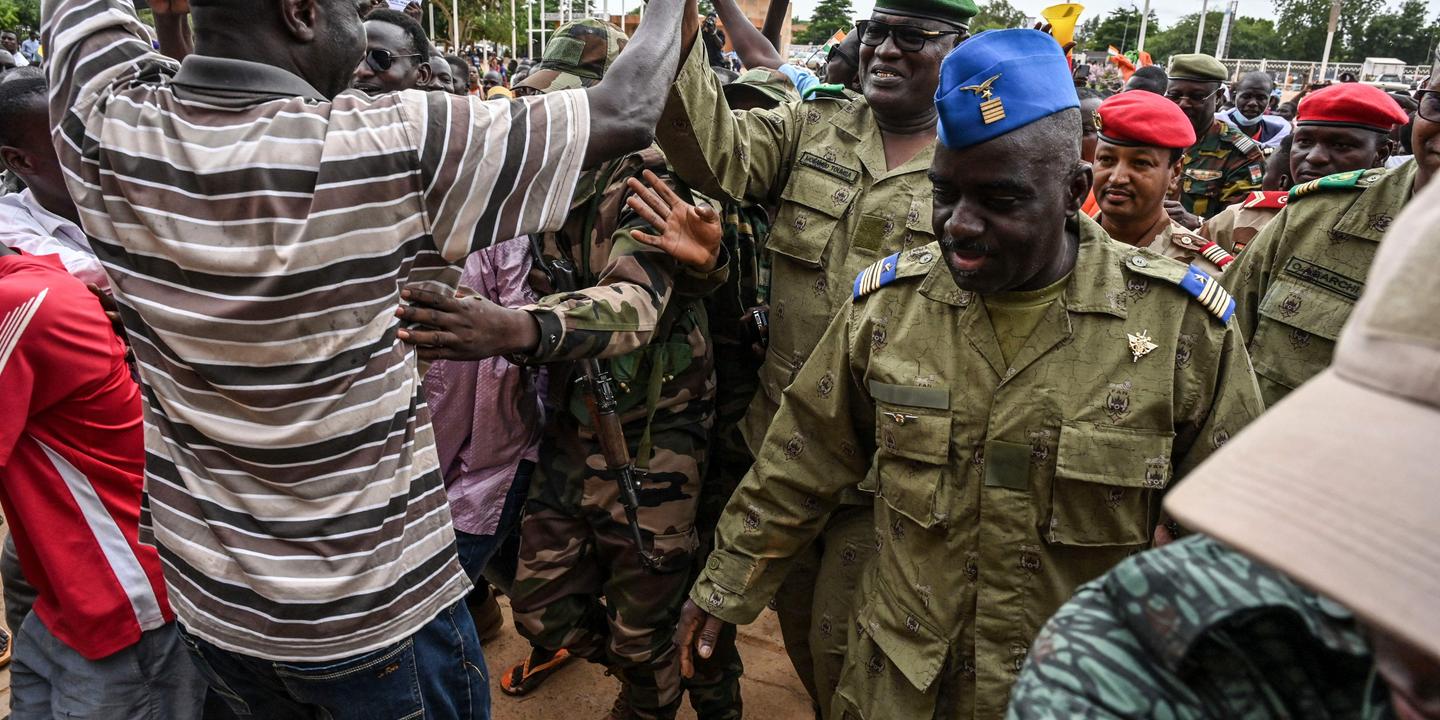
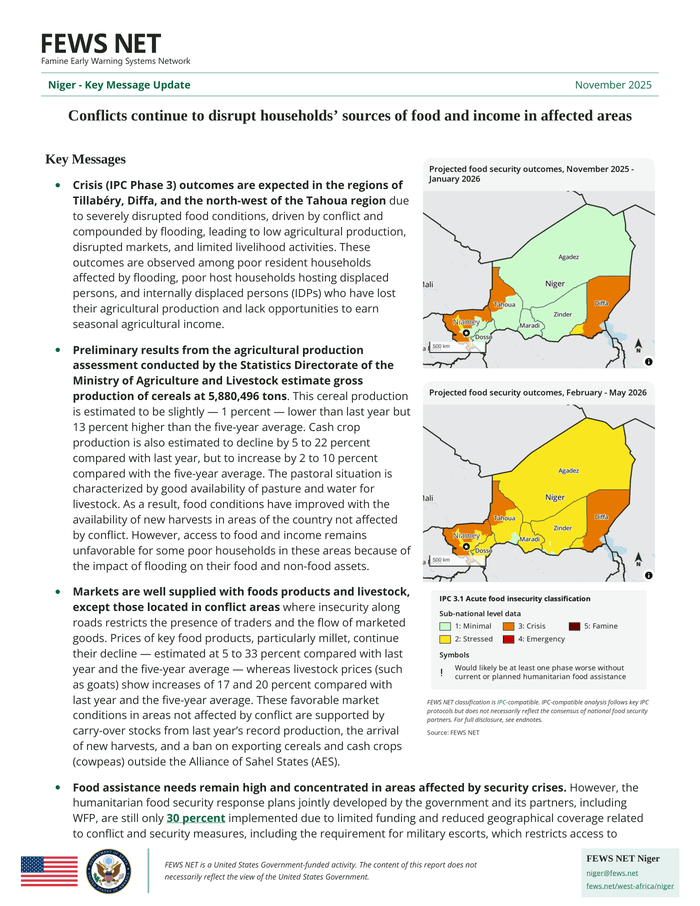
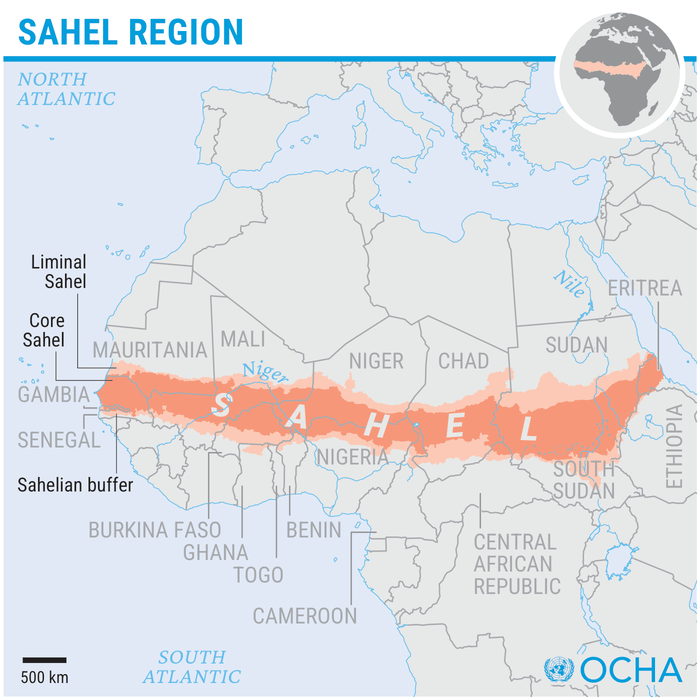
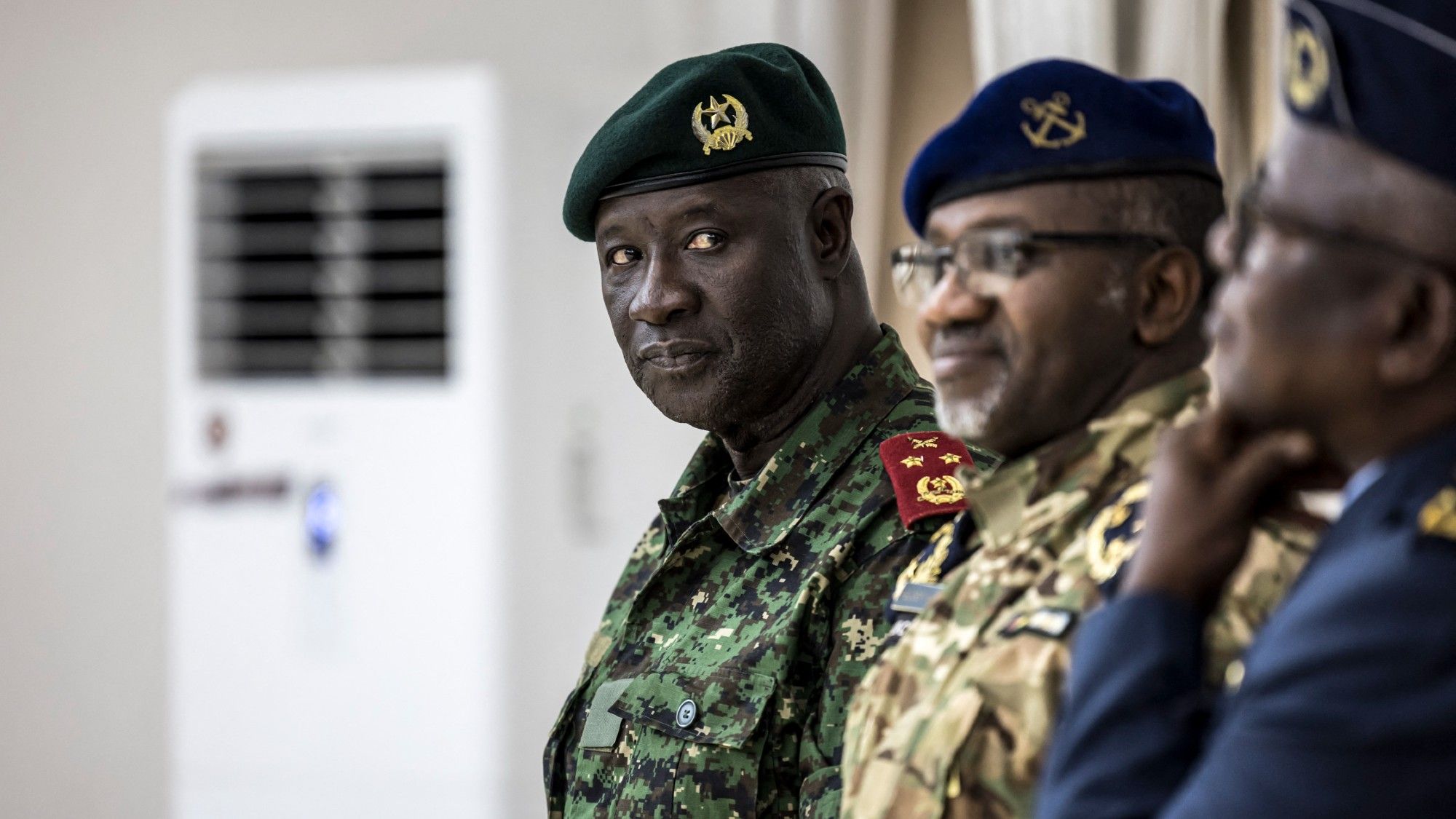
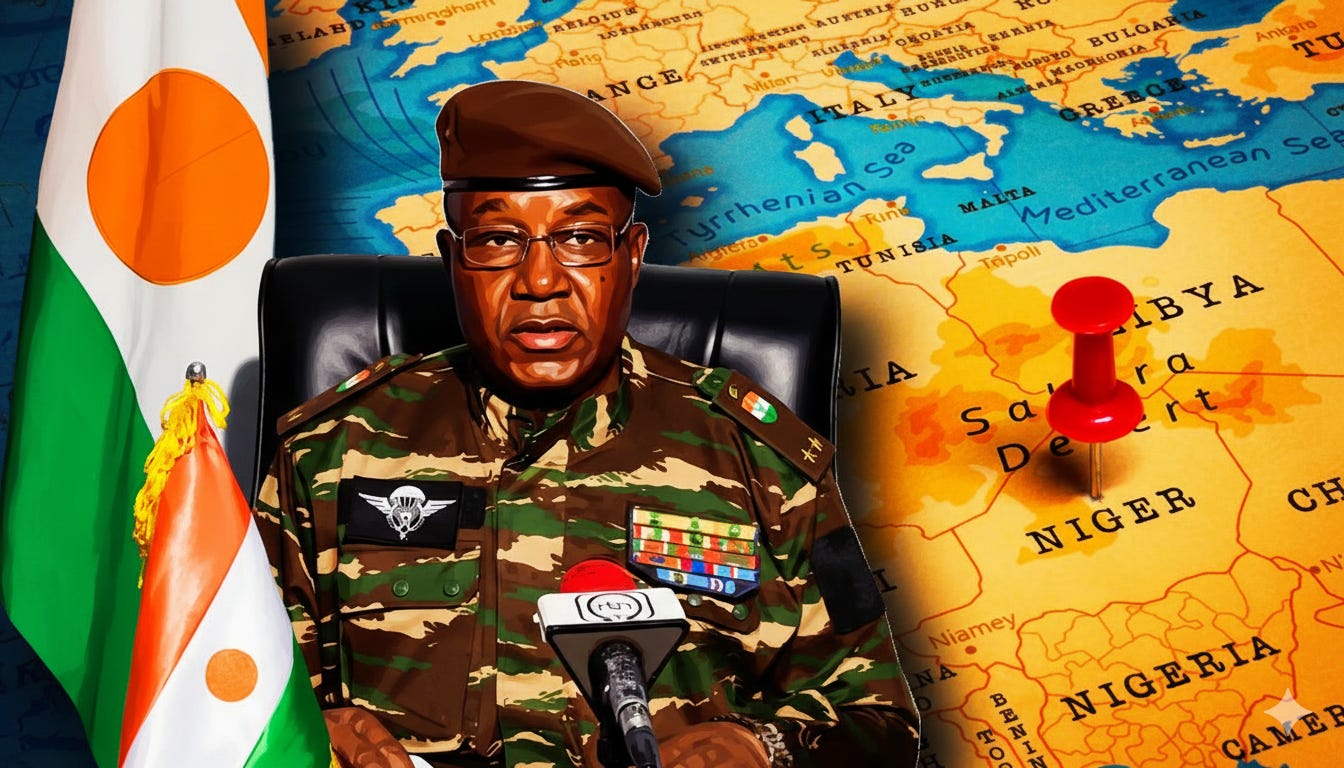
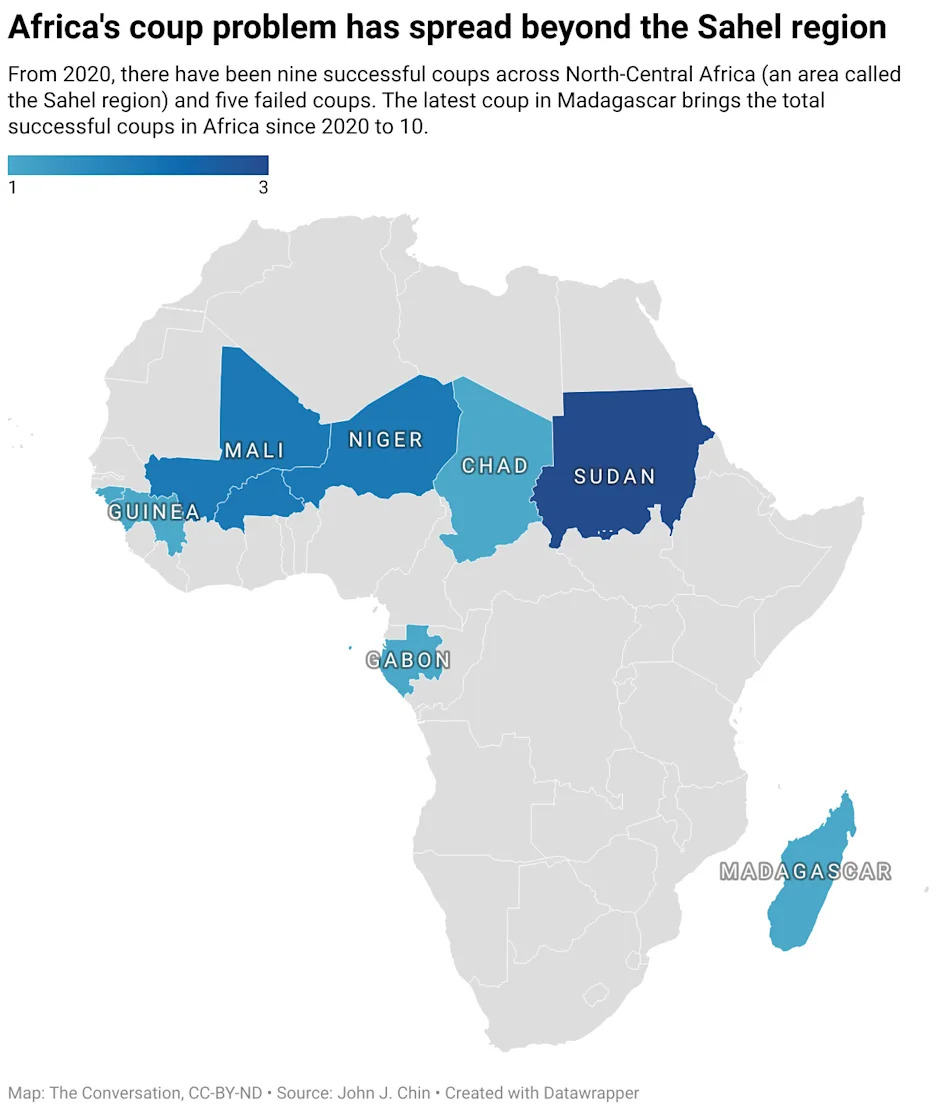
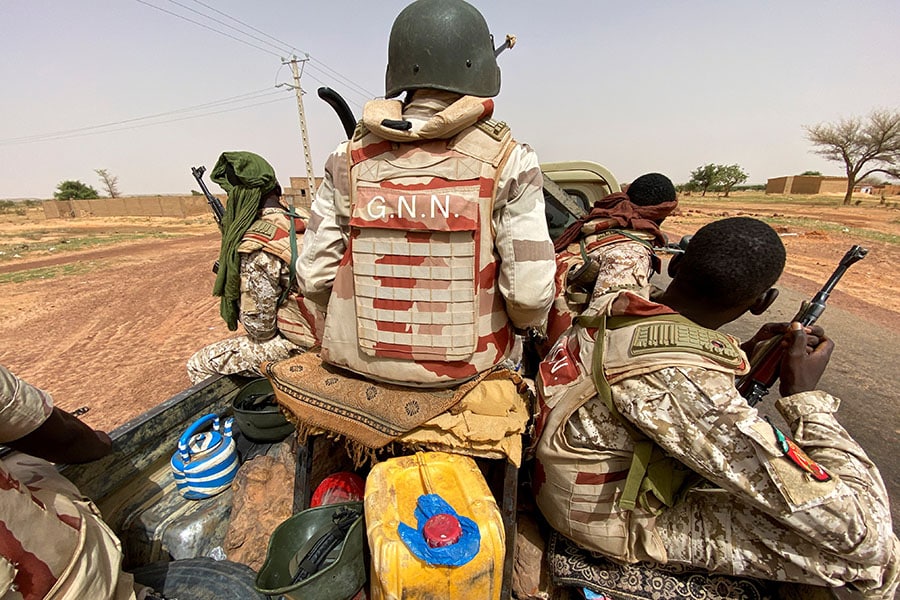
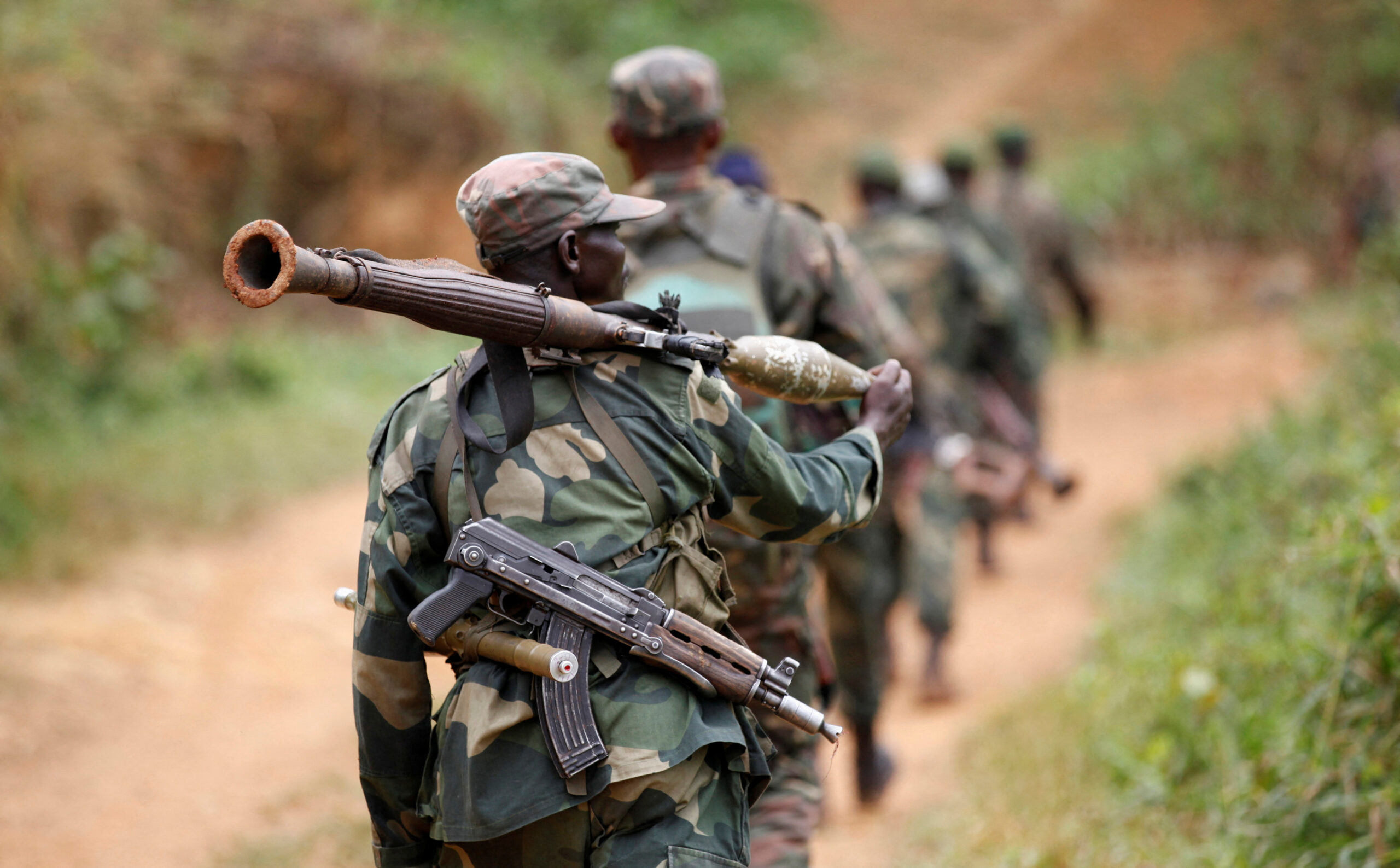
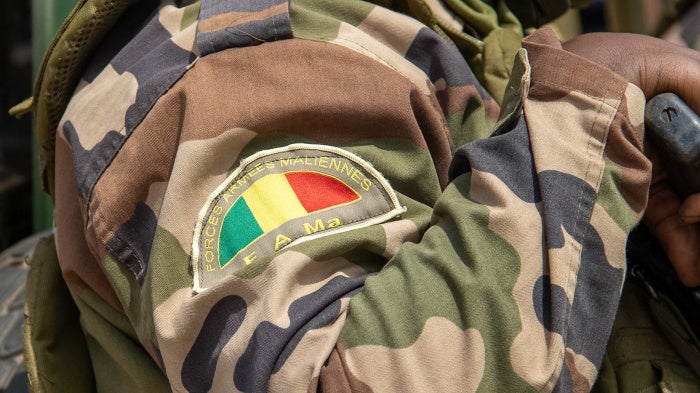
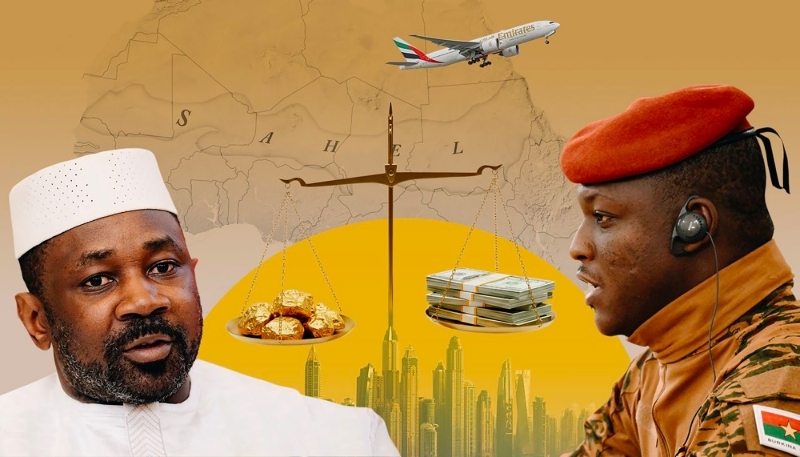
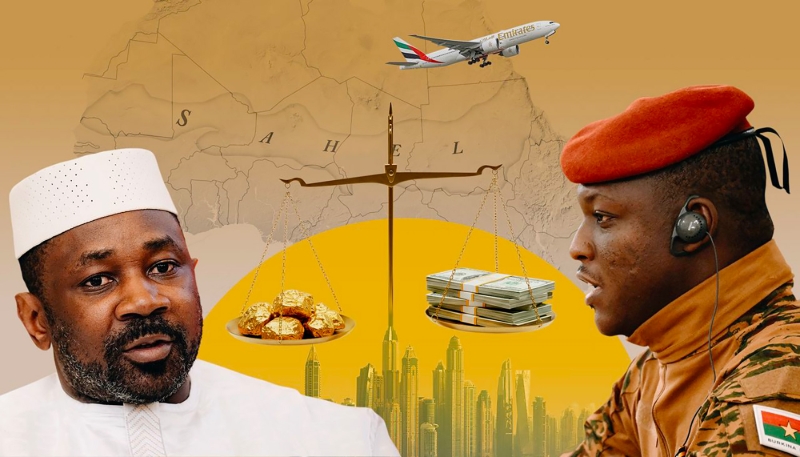
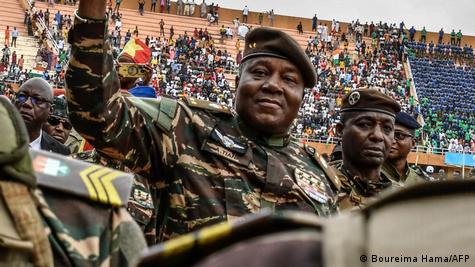
Beyond these immediate conflicts, Africa’s broader security landscape is still deeply tied to its military capabilities and governance. A recent report highlighted the continent’s 10 weakest militaries, stressing how a nation’s military strength directly impacts its sovereignty, political stability, and economic growth. Areas like the Sahel and West Africa remain vulnerable to insurgencies and non-state armed groups that exploit these military weaknesses. Shouldn’t strategic investments and international partnerships be a priority to bolster defense capabilities across the continent? Turkey’s recent $350 million arms deal with one of Africa’s most powerful militaries demonstrates this push towards modernization and readiness. Such advancements could certainly help curb destabilizing forces and create better conditions for lasting peace and growth, particularly for nations like Burkina Faso facing intense security challenges. Speaking of international affairs, a surprising legal battle in New York is shining a spotlight on African government assets held abroad. Menzies, a British aviation services firm, is suing to seize a swanky $35 million townhouse on Manhattan’s Upper East Side. This property belongs to the government of Niger and is caught in a legal tangle over an arbitration award. It’s a clear example of how African governments’ overseas assets can become key players in complex international commercial and legal disputes, linking global finance with geopolitical relations. This case truly illustrates the diverse challenges African states face beyond their borders, requiring them to balance diplomatic ties, protect national assets, and navigate the intricate world of international law. It underscores the global reach of African nations’ dealings and the critical role of legal expertise in safeguarding their interests worldwide. For more insights on regional conflicts, you can check out how the Sahel faces growing security crisis and climate threats.
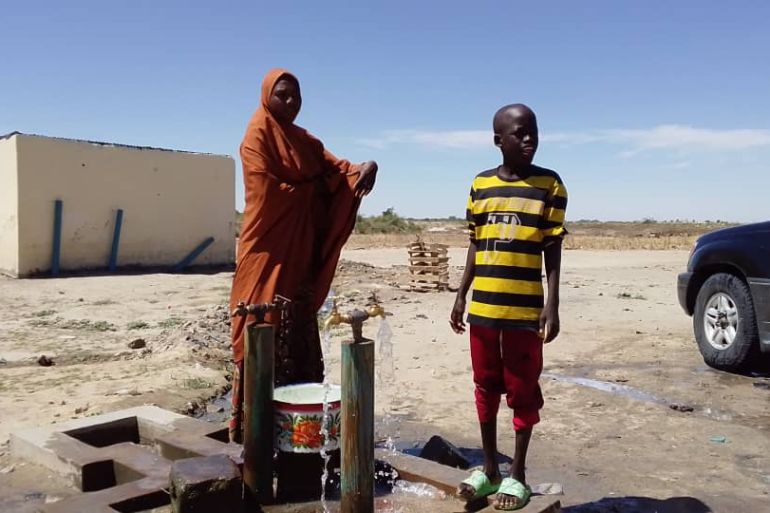
Amidst all the conflict and legal wrangling, there’s a truly hopeful story emerging from the world of public health. The Carter Center announced that in 2025, a mere 10 cases of Guinea worm disease were reported globally, confined to just three countries. This historic low signals the near-eradication of one of the world’s most dreadful parasites, a powerful testament to decades of relentless global health initiatives championed by former US President Jimmy Carter. Guinea worm disease, once a widespread affliction causing agonizing pain and incapacitation, is finally on the verge of disappearing. This incredible milestone highlights the transformative power of sustained international collaboration, strong community engagement, and well-targeted interventions. For Africa, where the disease had long crippled rural communities, this achievement promises profound improvements in health outcomes and quality of life. The early months of 2026 really show a continent wrestling with immense challenges while also making extraordinary progress. Insecurity and political shifts continue to test governance and humanitarian efforts in places like Sudan, Yemen, and across Africa, demanding thoughtful strategies and collaborative responses. But don’t forget the historic breakthroughs in public health and active participation in global legal arenas, which showcase Africa’s complex evolution on the world stage. Moving forward, African nations will need to strike a delicate balance: strengthening their defenses against threats both at home and abroad, while also nurturing diplomatic and economic initiatives that champion their interests globally. And, of course, celebrating and sustaining triumphs in health and development are absolutely crucial to accelerating Africa’s ascent in the global community. In an era defined by rapid change and intricate connections, Africa’s adaptability and resilience remain its most valuable assets. As the continent navigates these interwoven tales of conflict, cooperation, and change, the world watches with genuine anticipation and hope for a more stable and prosperous future for all. To understand more about the challenges and developments defining the continent, explore Africa’s 2026 outlook.