Record Threats, Rising Insecurity, and Geopolitical Maneuvers Mark Africa’s Complex 2026 Landscape
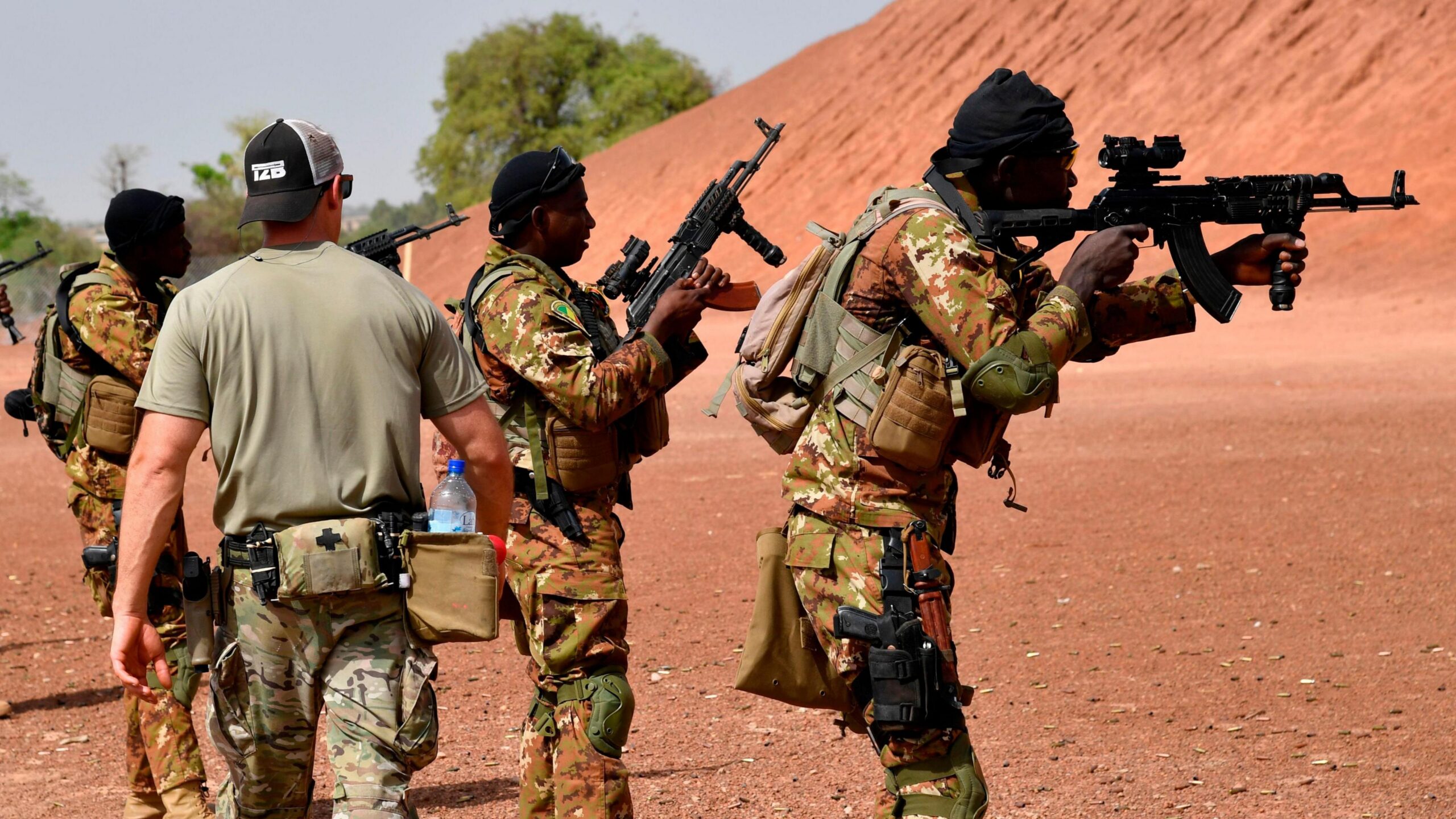
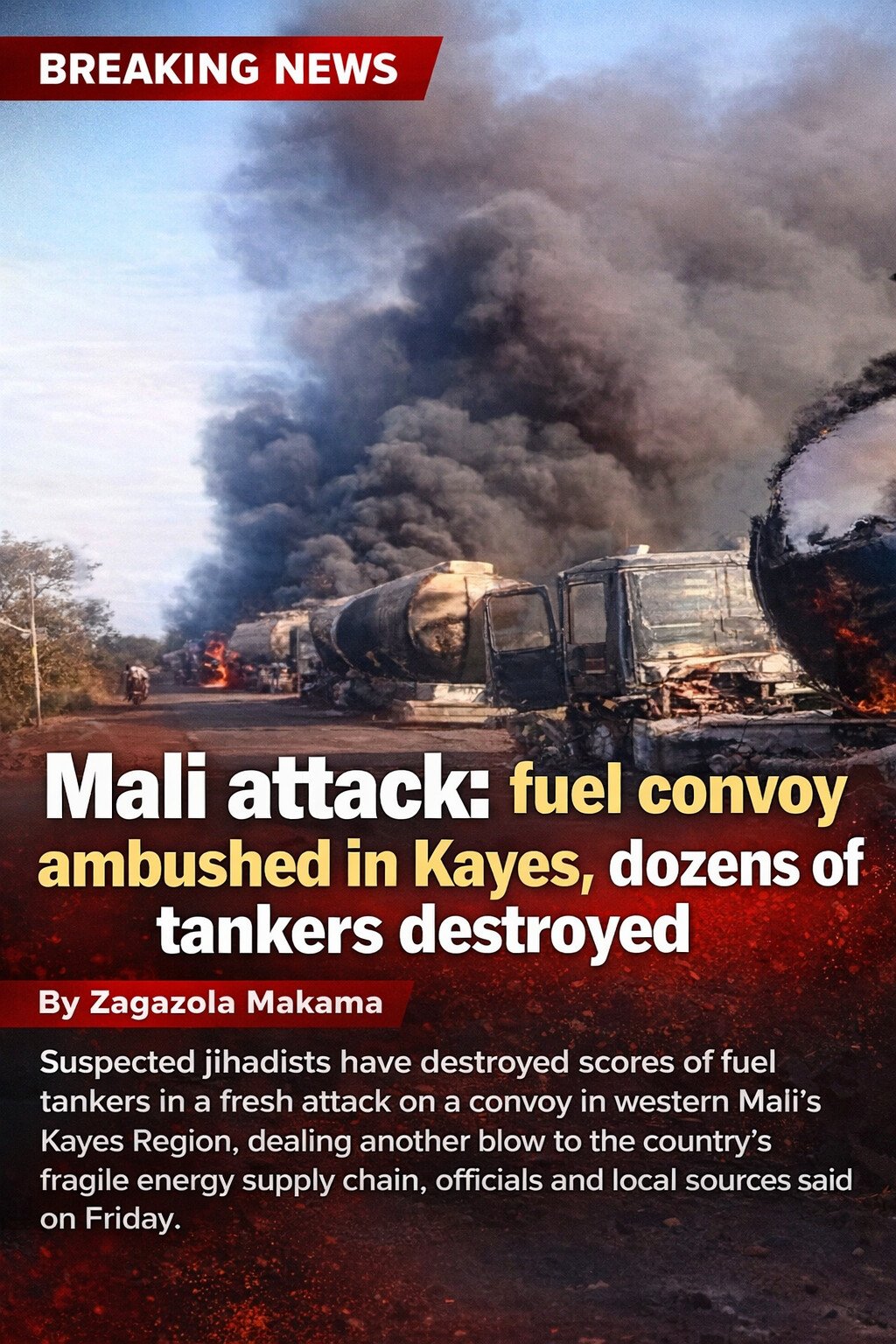
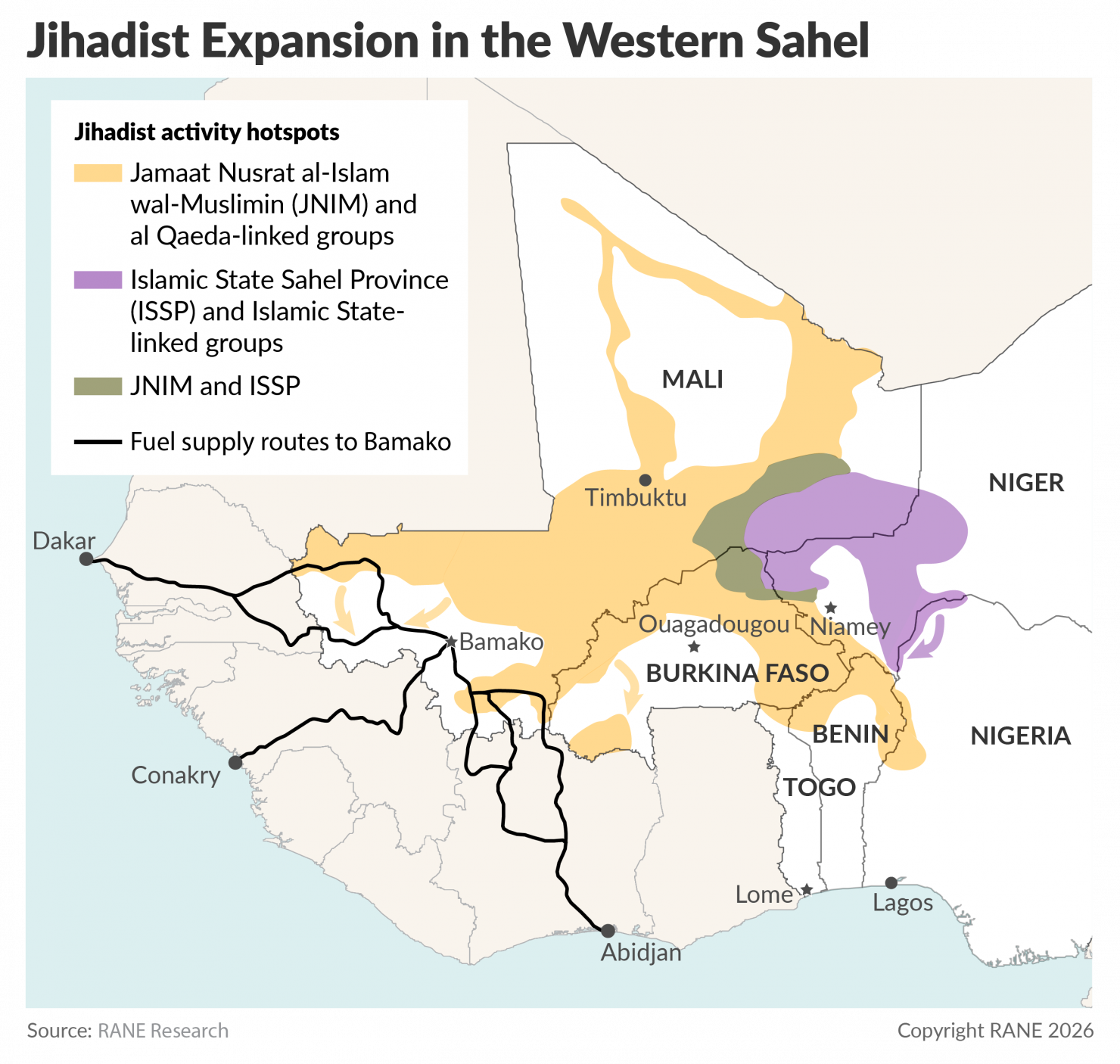
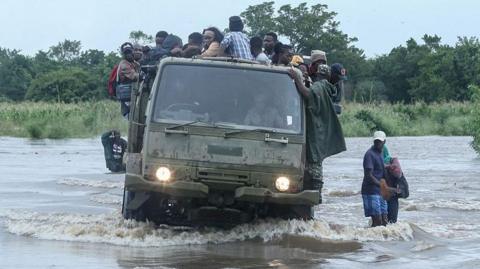
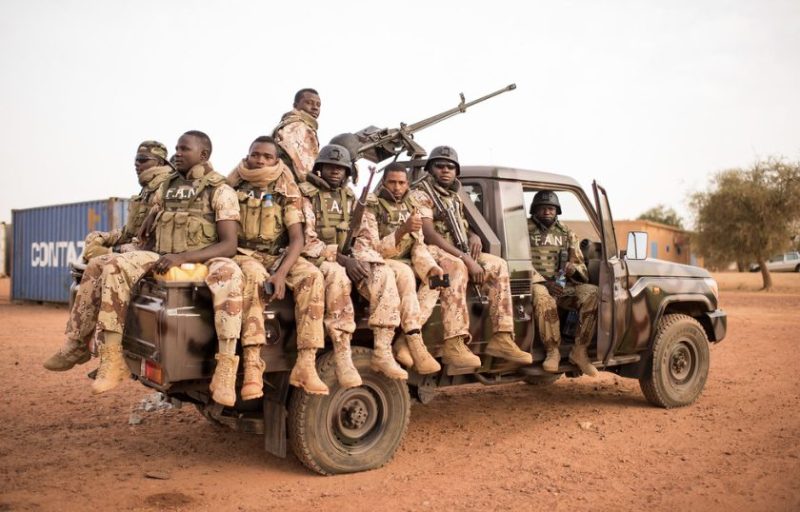
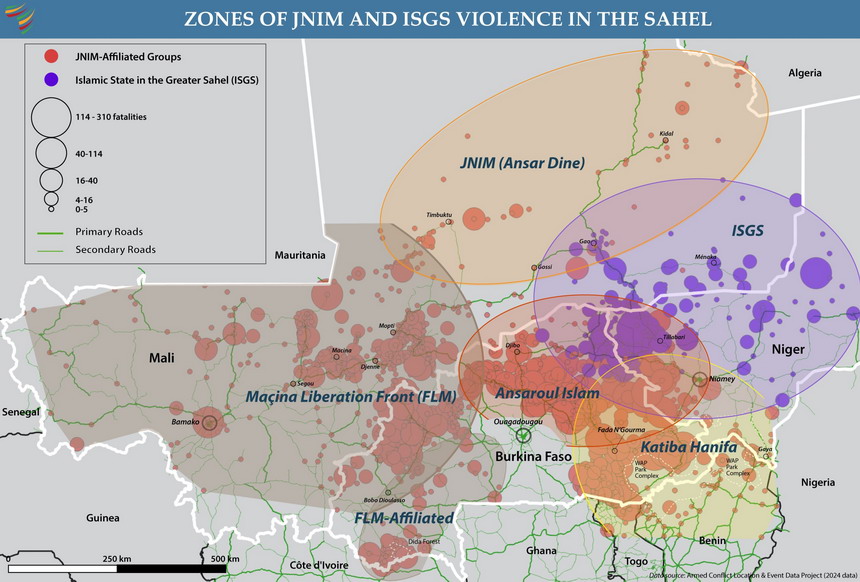
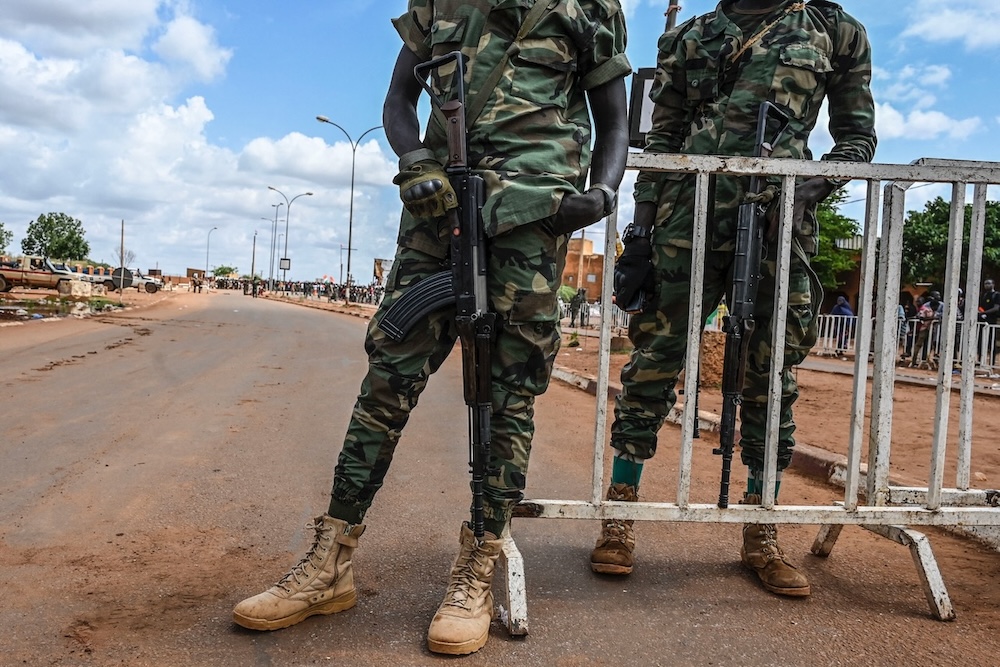
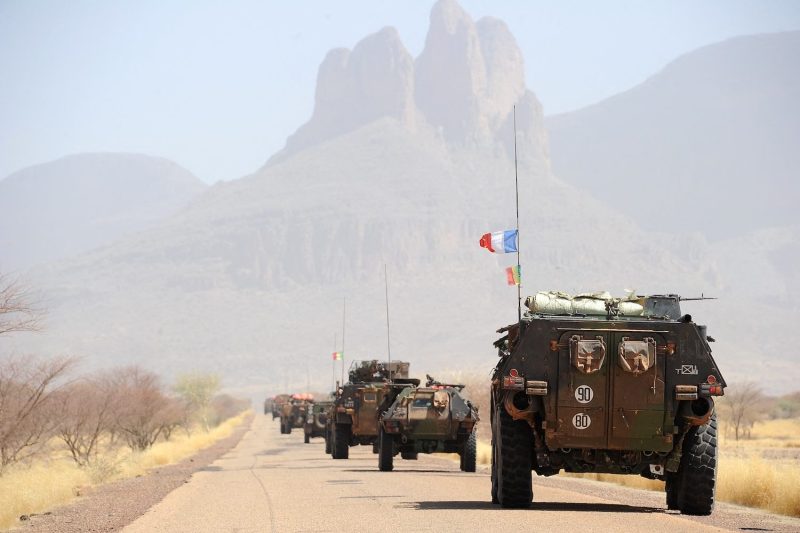
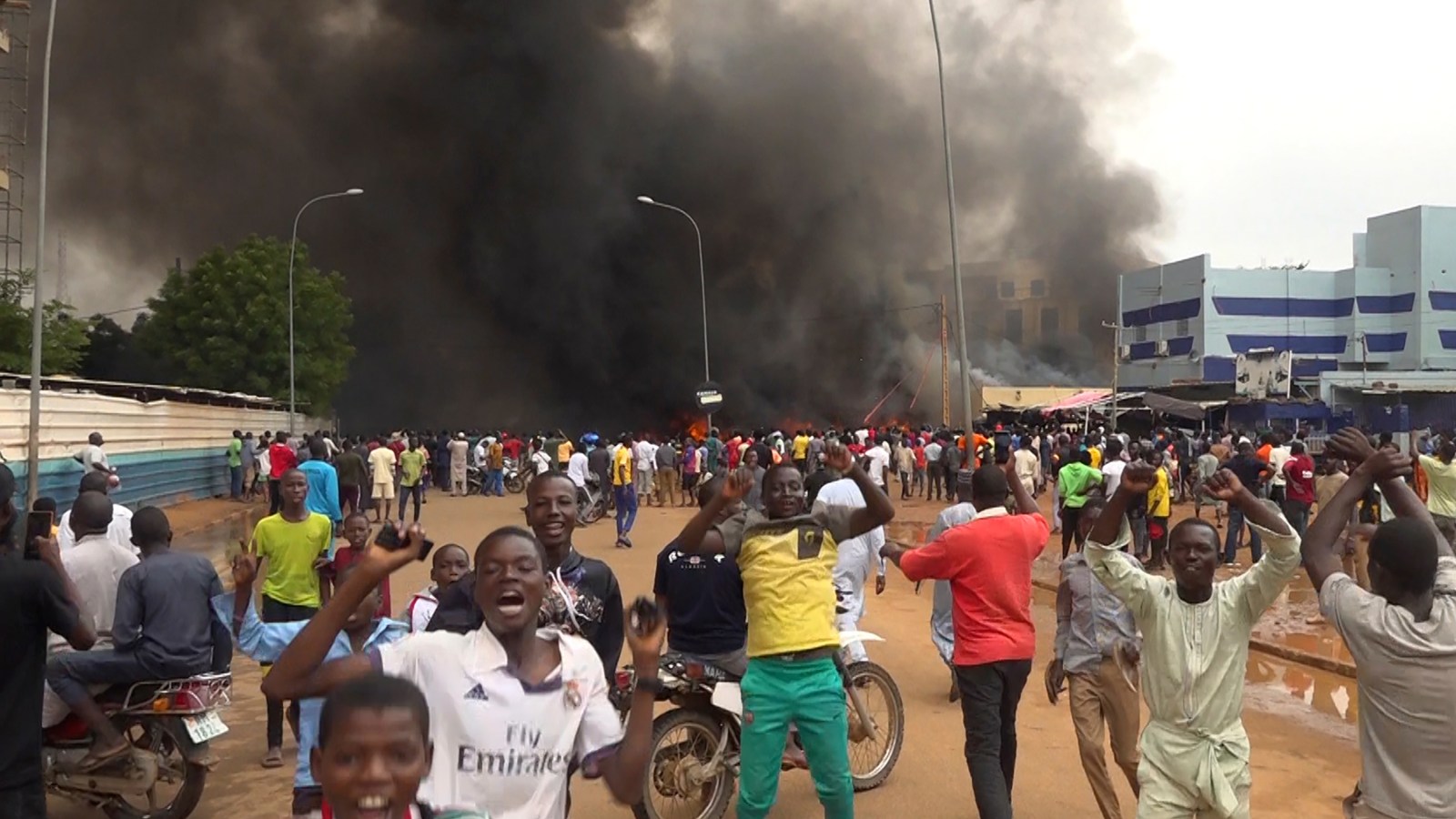
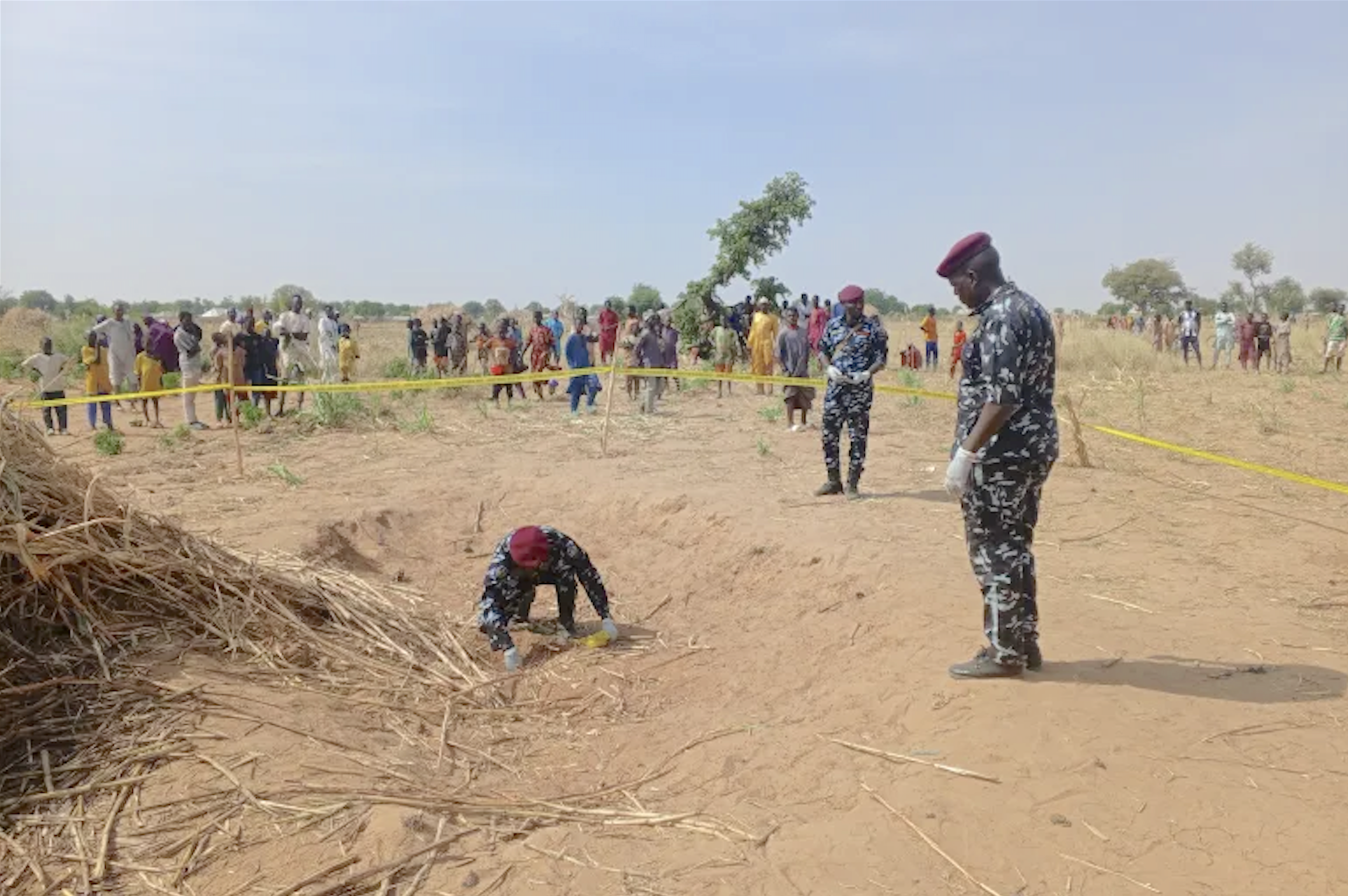
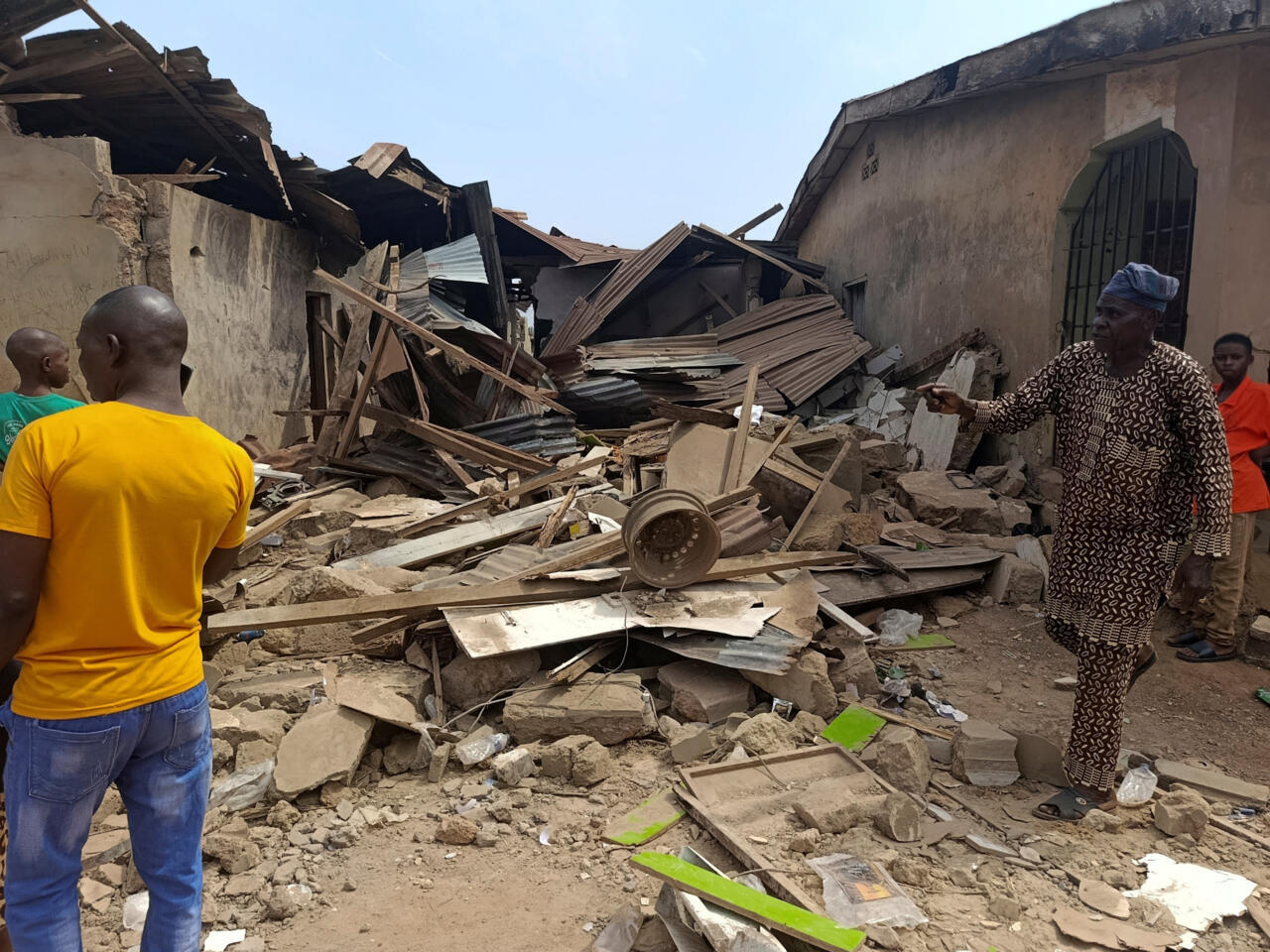
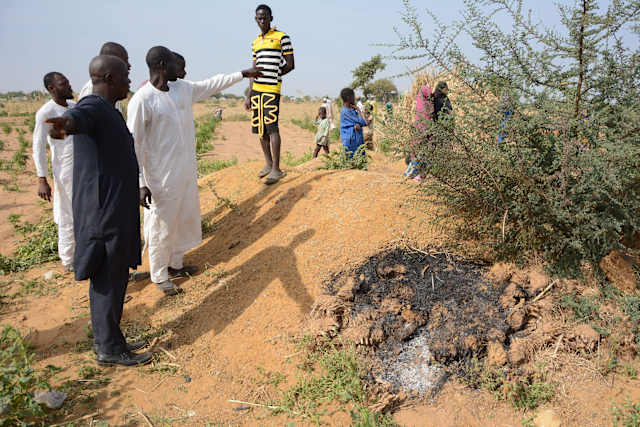
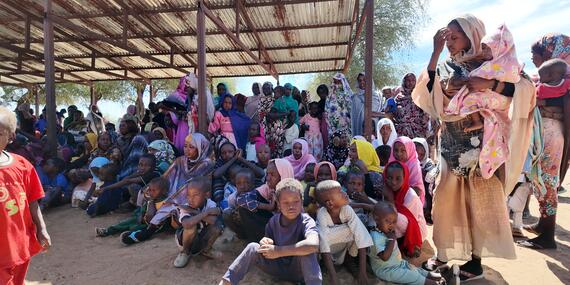
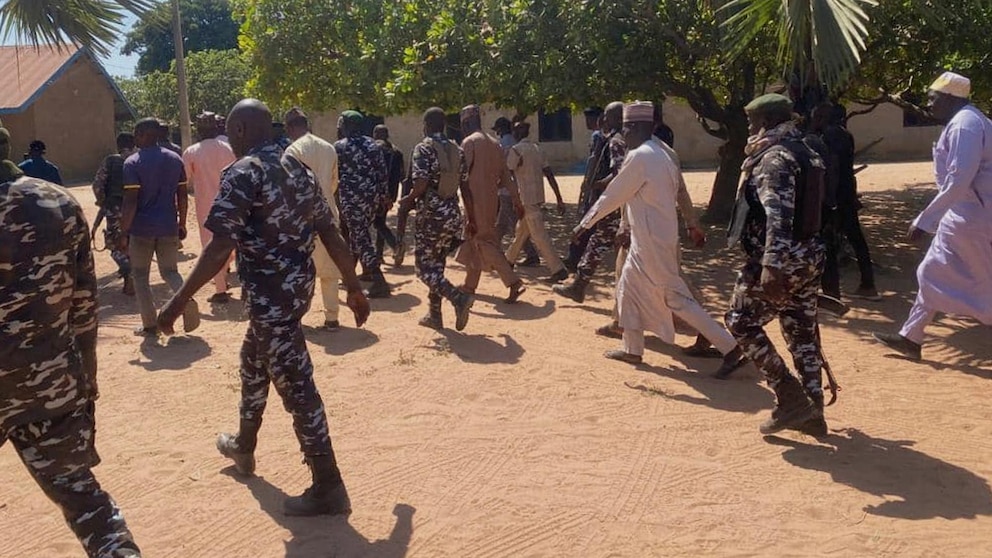
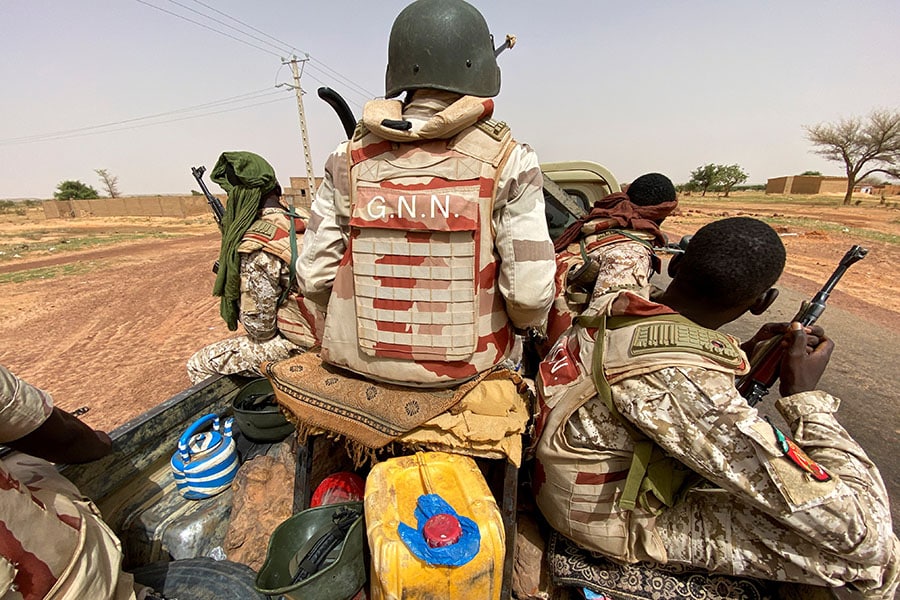
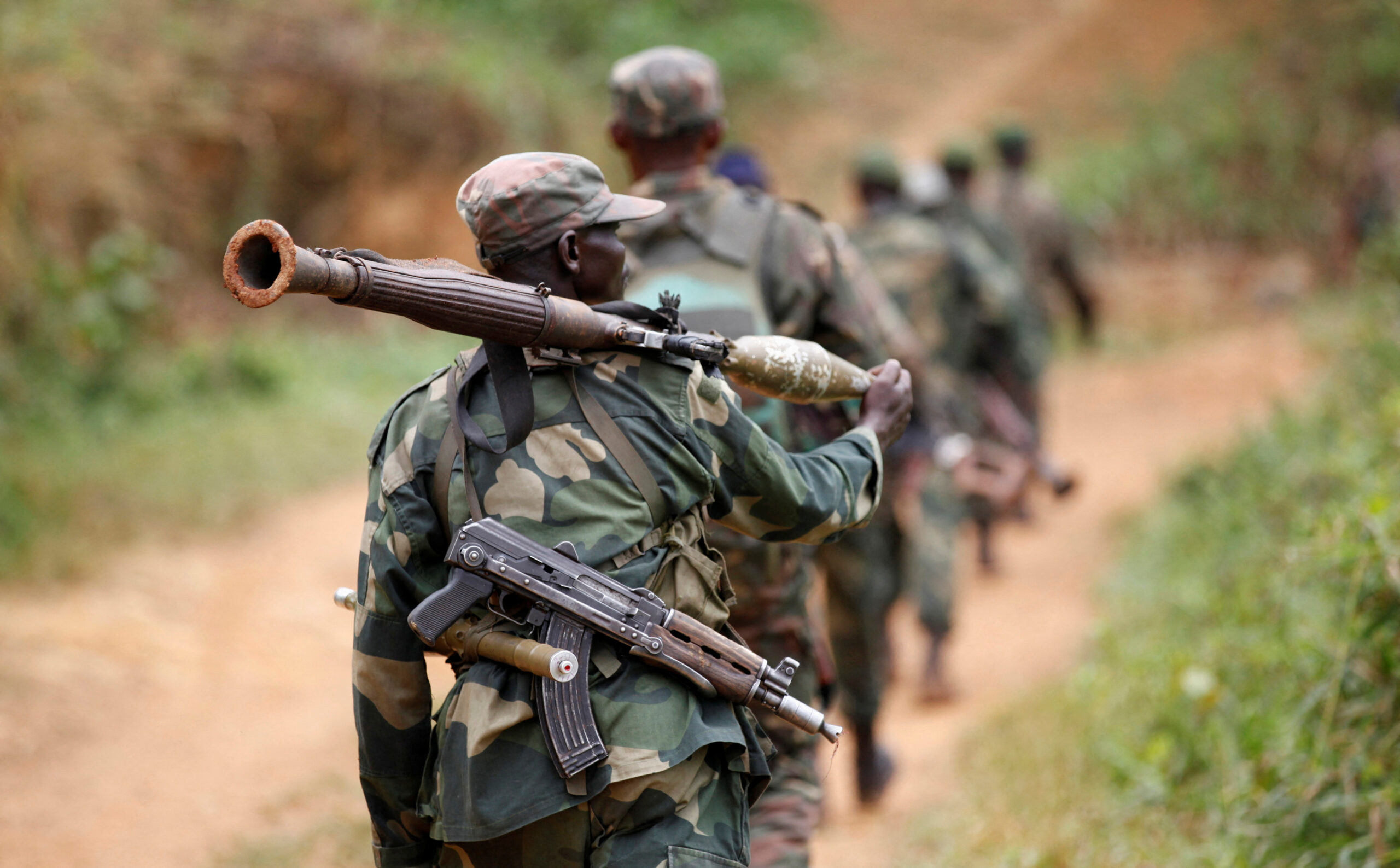
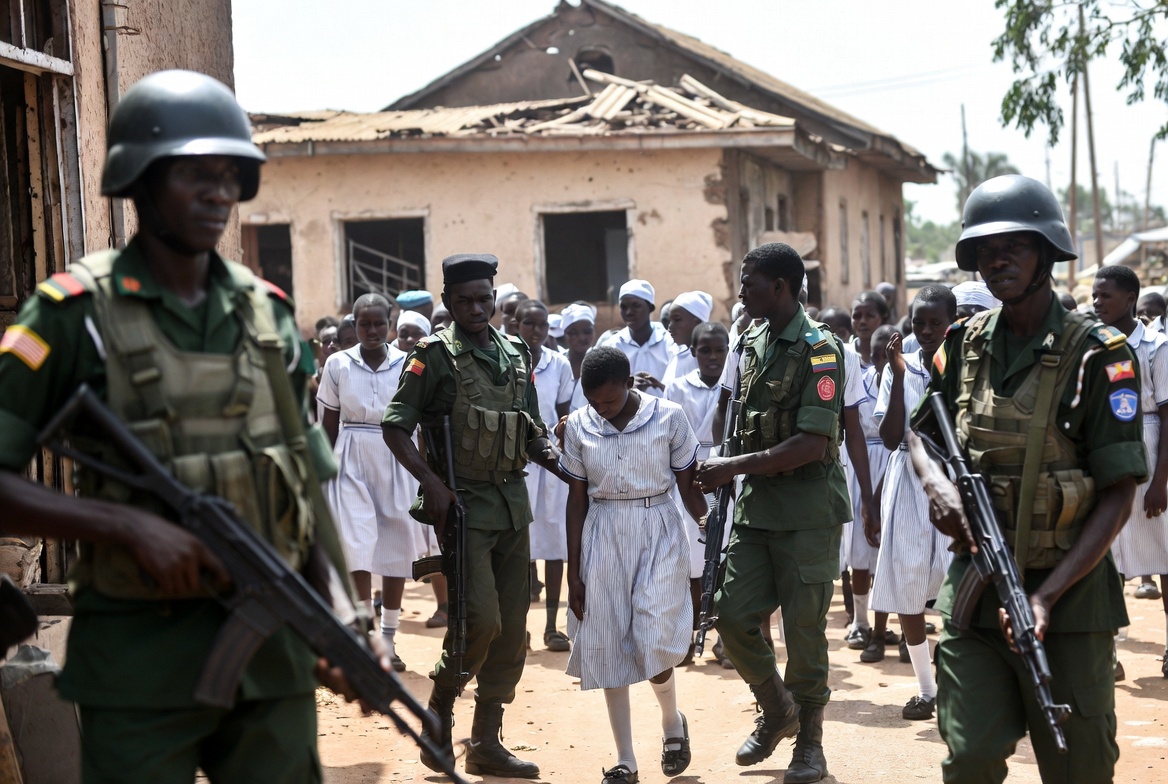
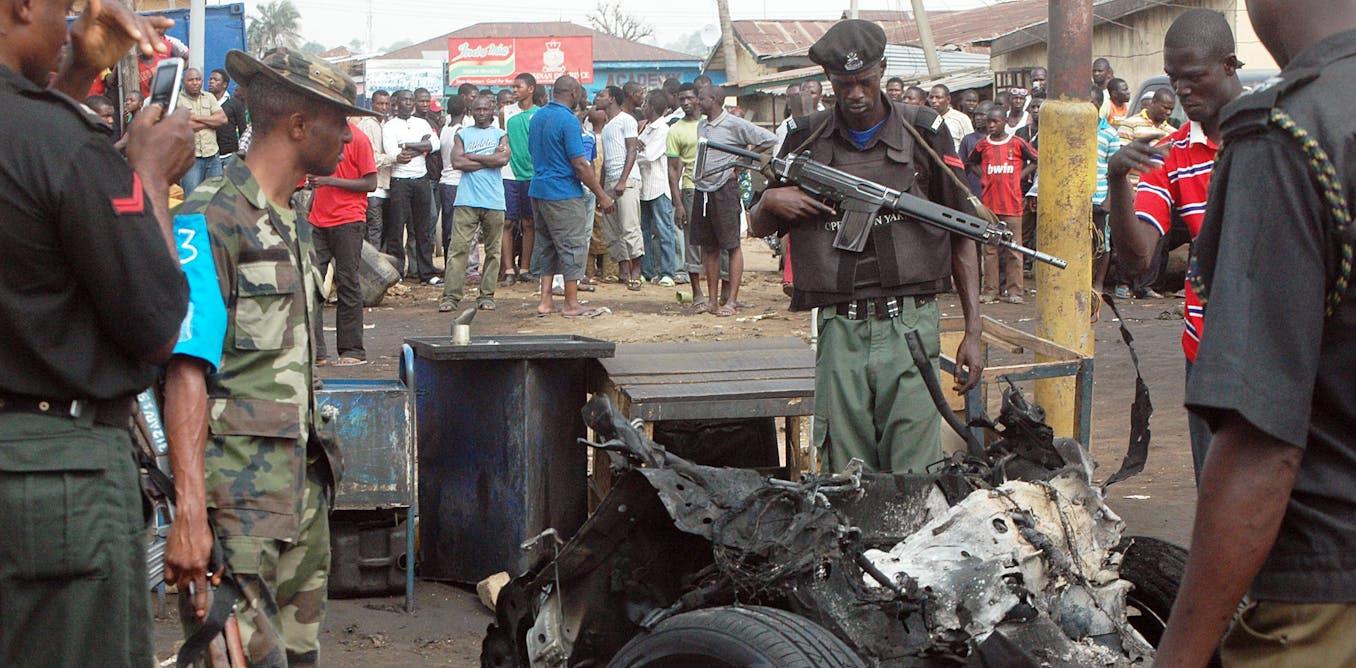
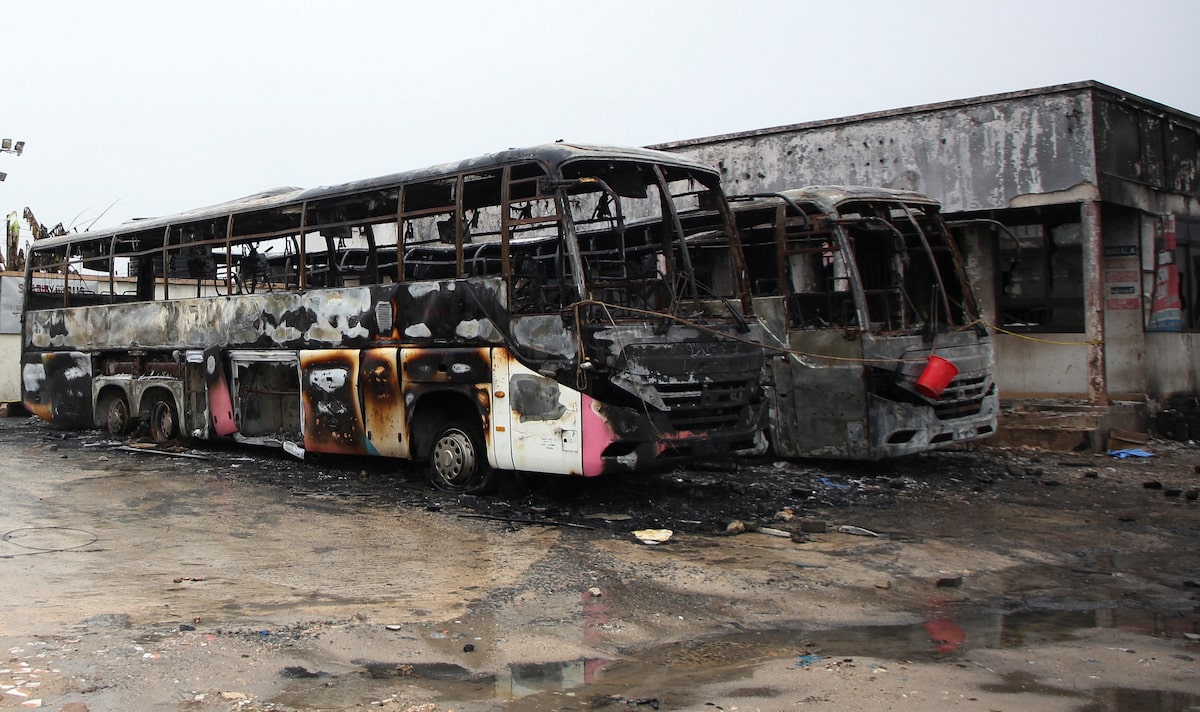
Africa in 2026, isn’t it facing a moment of intense complexity? The continent is grappling with a tough mix of escalating security threats, profound environmental shifts, and intricate geopolitical maneuvering. Consider northern Nigeria: early February brought another chilling reminder of the region’s ongoing security crisis when armed gunmen launched a pre-dawn assault. This attack on a Catholic priest’s residence in Kaduna State tragically left three dead, reportedly two soldiers and a police officer, and led to the abduction of the priest and at least ten others. While details might vary slightly, the incident’s gravity is undeniable; local communities openly criticize government “gross incompetence” in protecting civilians from such violence. This recent confrontation is part of a wider pattern of terror campaigns by militant groups, worsening humanitarian challenges and destabilizing an already fragile region. Meanwhile, as the interior struggles, Africa’s coastlines confront a massive environmental crisis. Scientific research published in early February revealed that the 2023-2024 El Niño climatic event triggered an unprecedented sea level rise along Africa’s shores. This wasn’t merely natural; it compounded decades of human-driven global warming and rising ocean heat, resulting in a sea-level spike greater than any previously recorded. What does this mean for millions living on the coast? It accelerates critical risks like severe erosion, widespread flooding, saltwater intrusion, and significant disruptions to vital fishing and tourism industries. Experts are adamant: Africa must urgently devise adaptive coastal strategies, or many vulnerable shores could face irreversible damage.
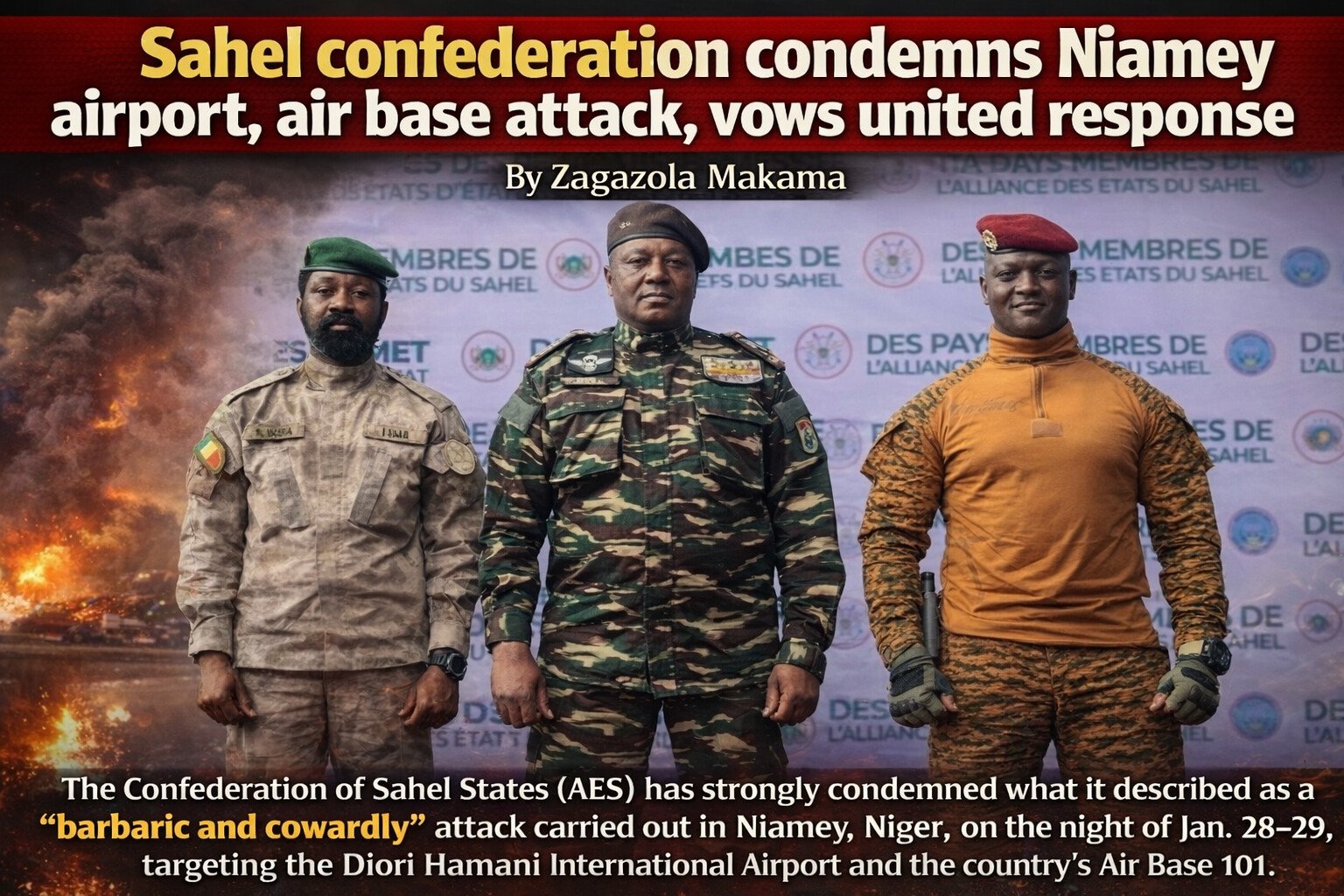
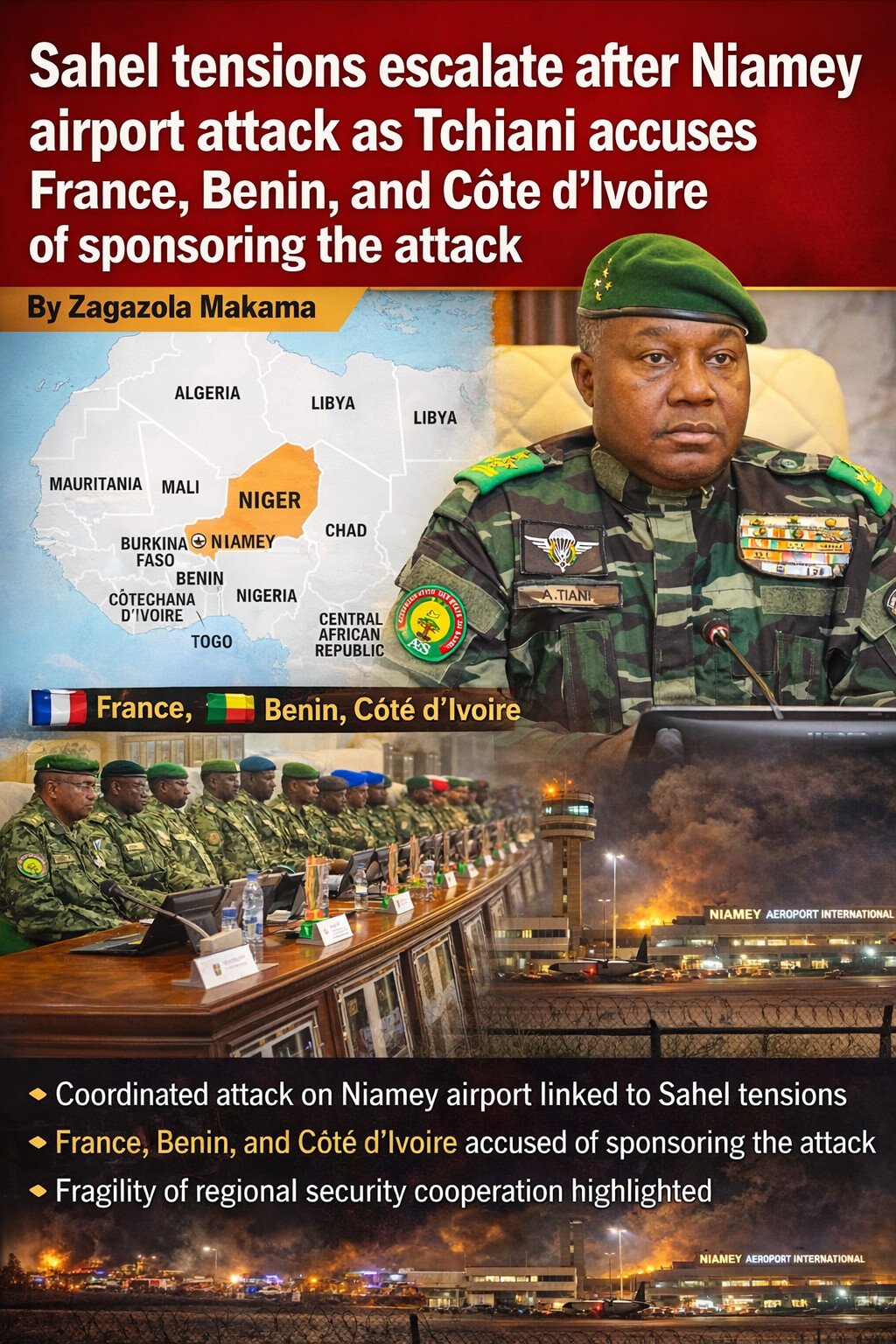
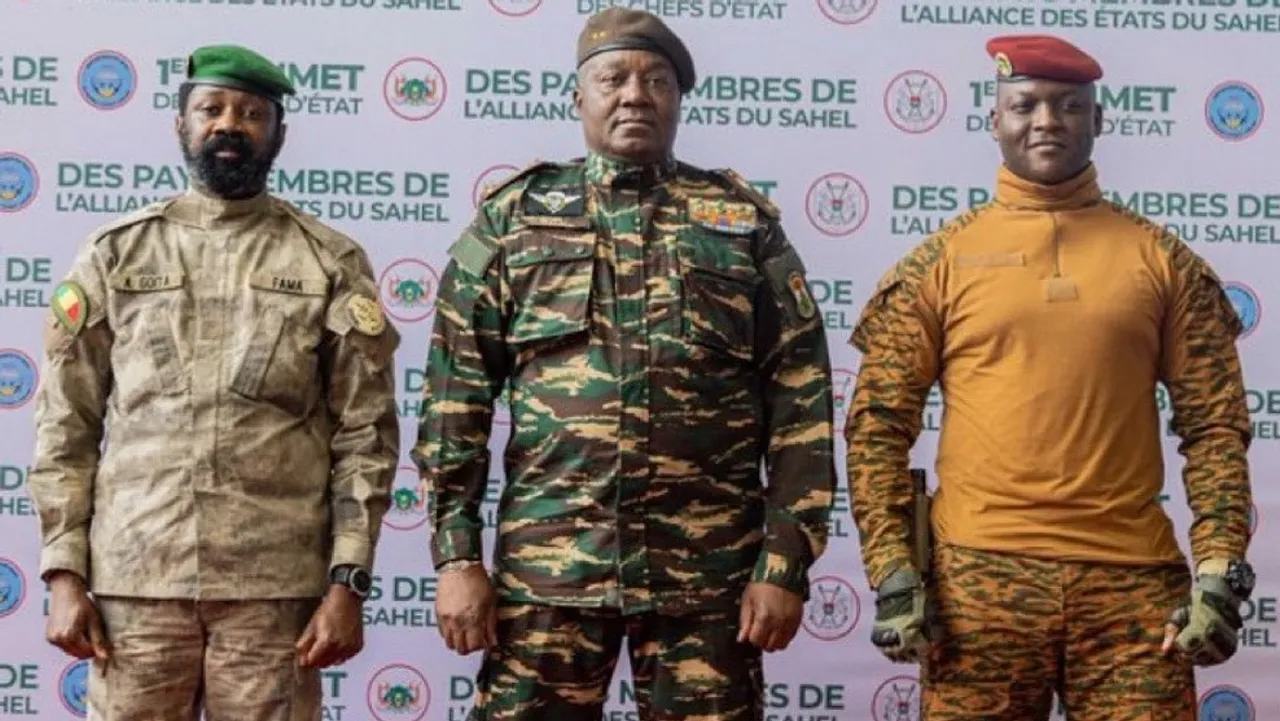
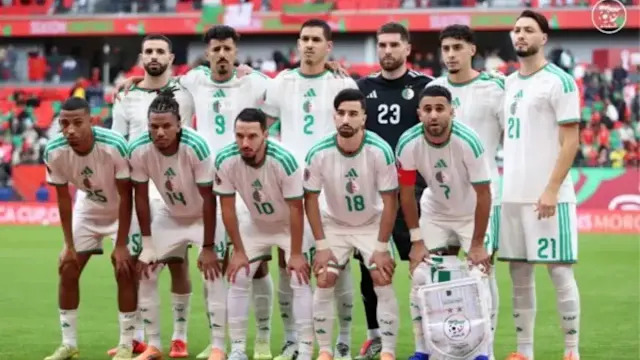
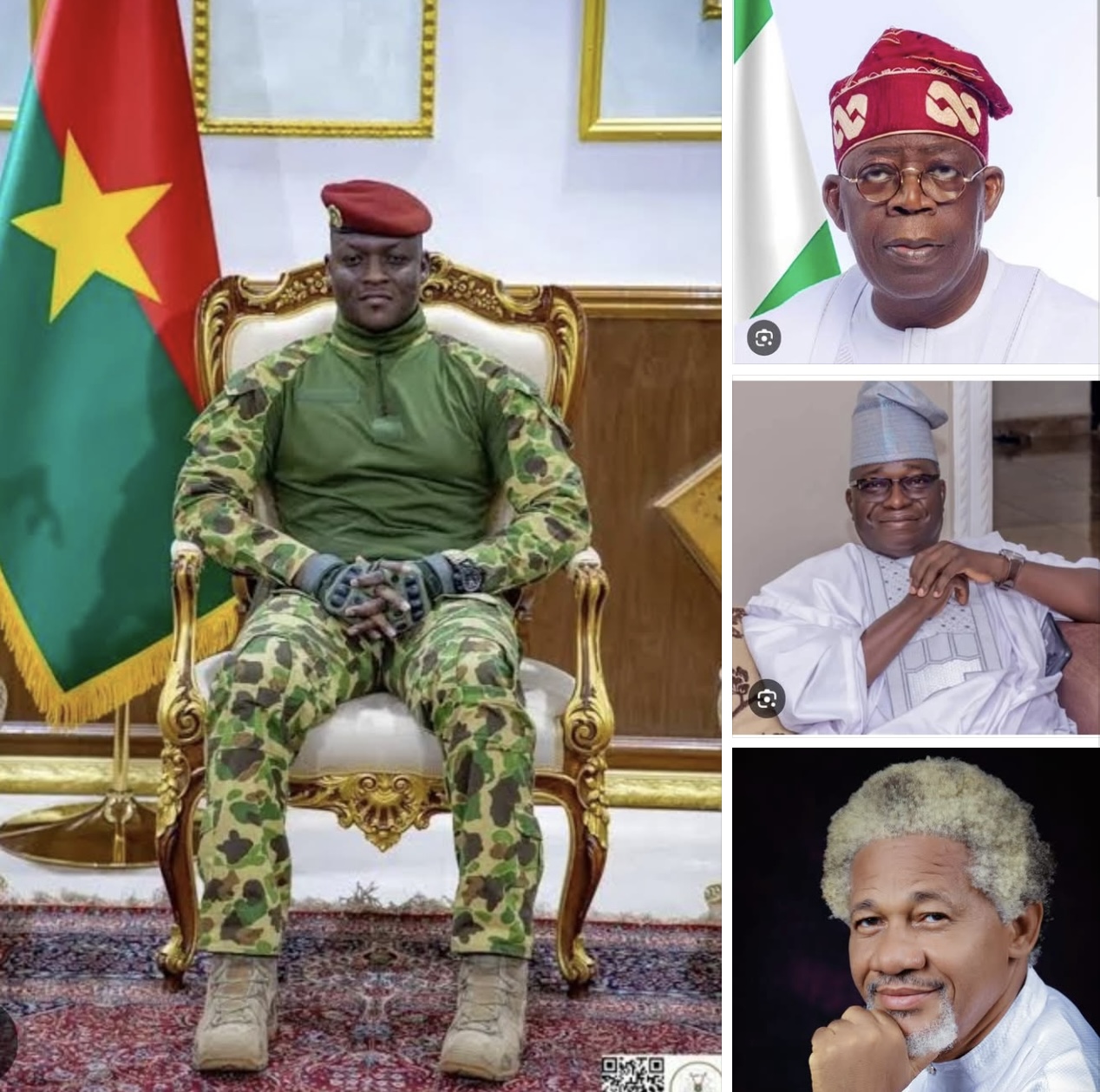
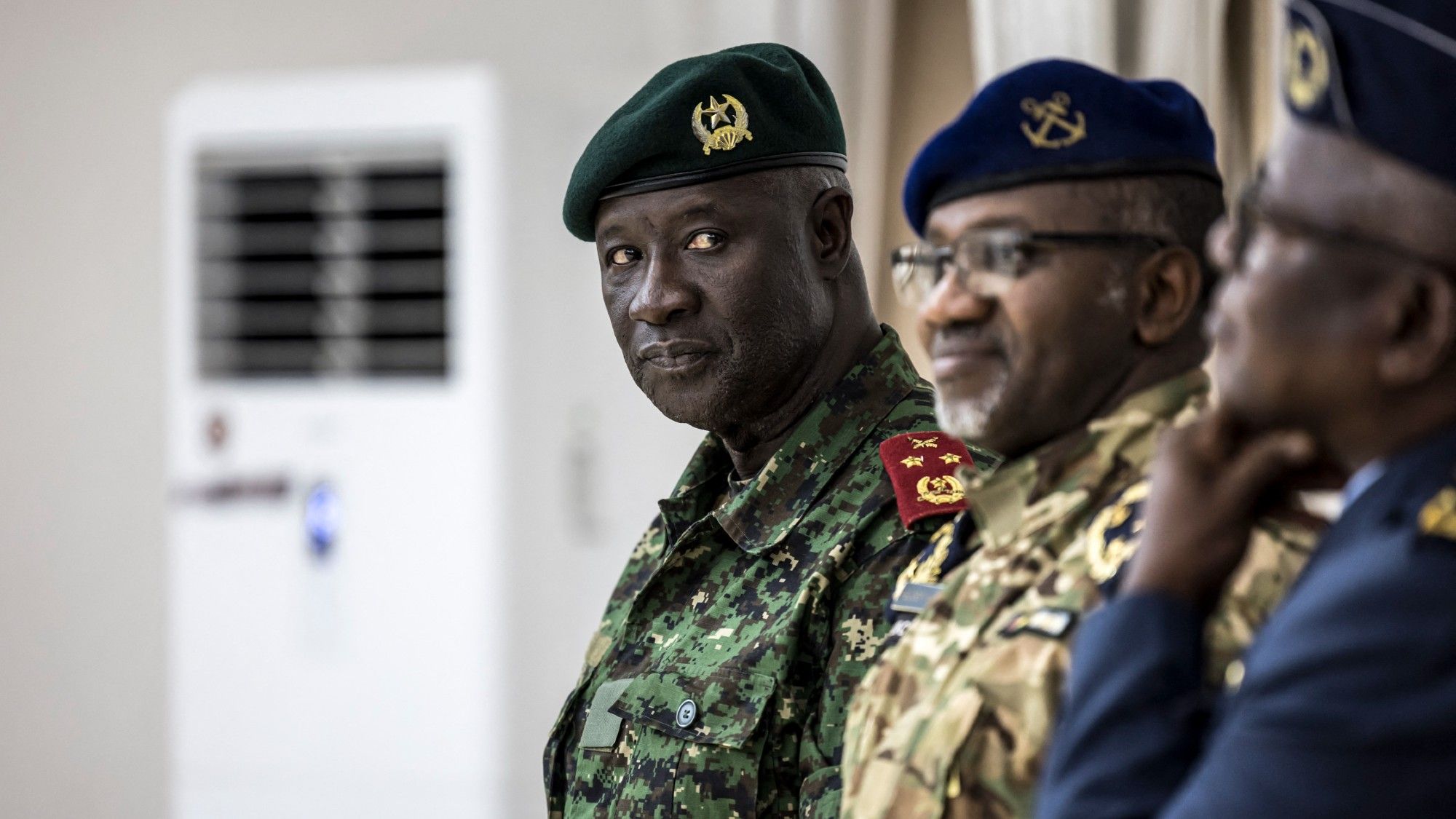
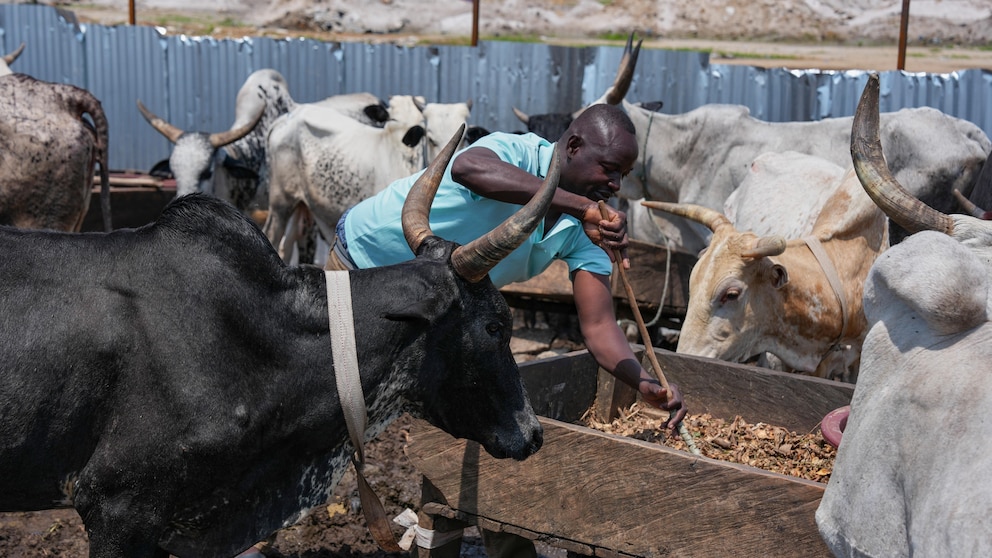
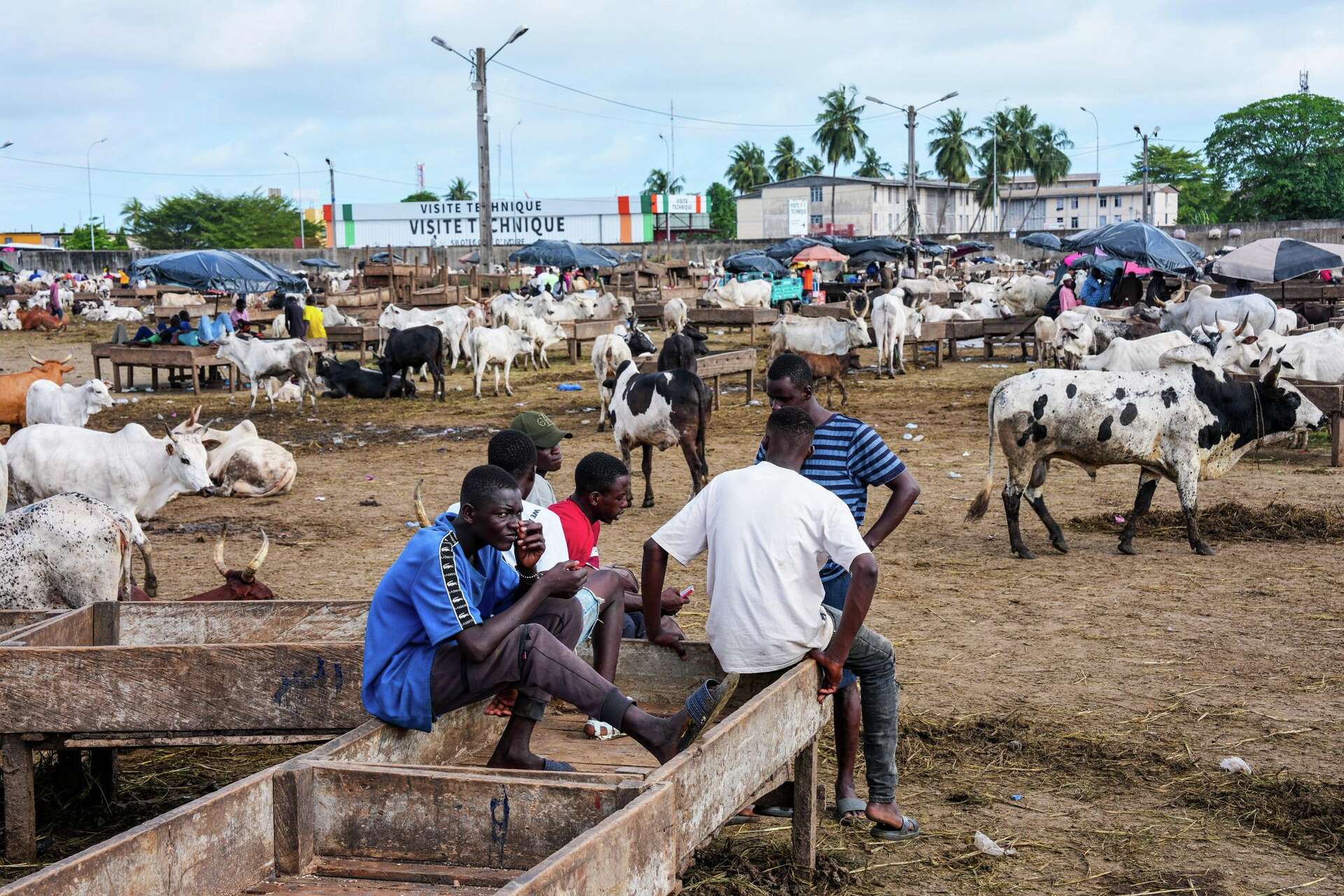
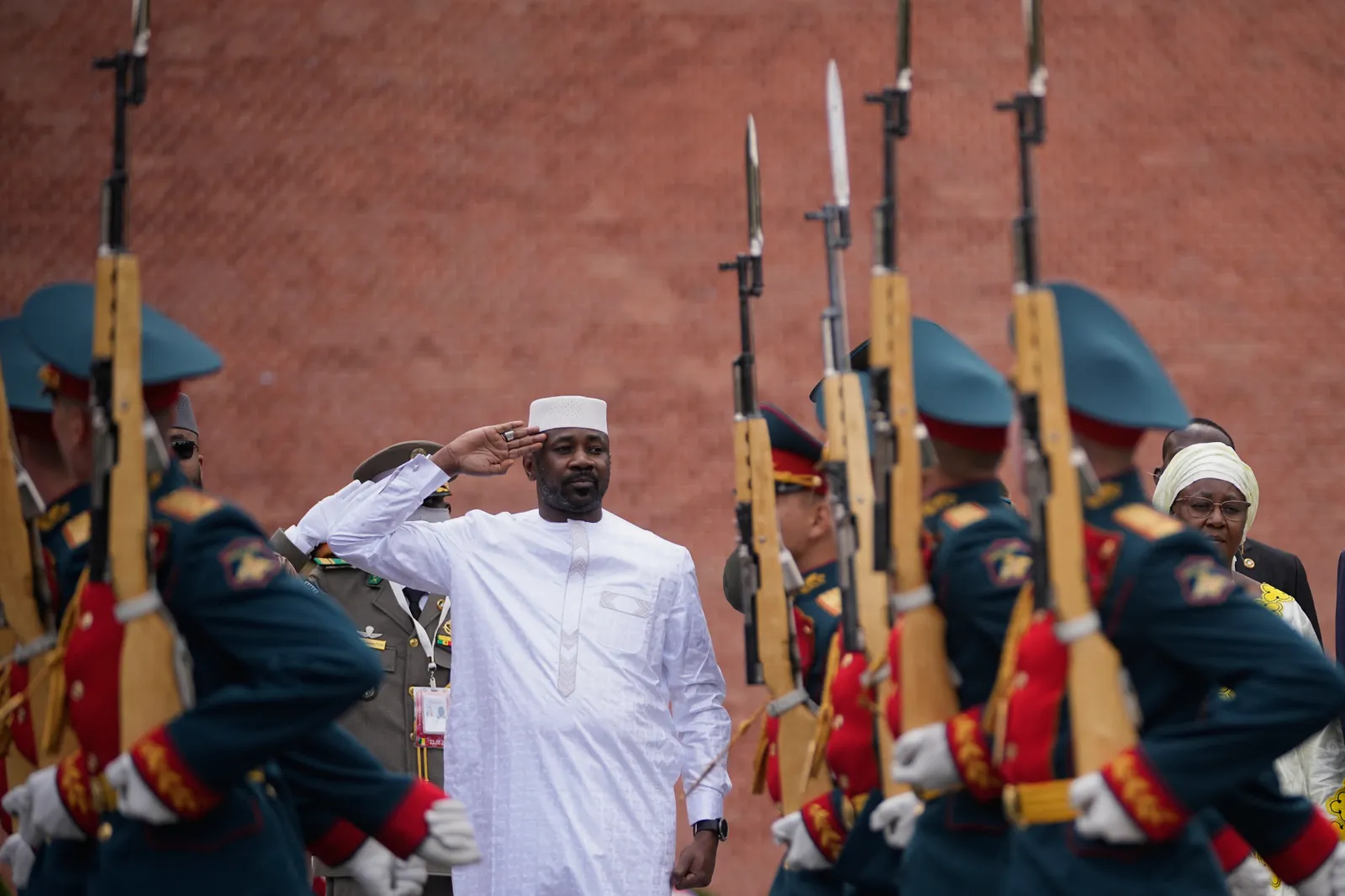
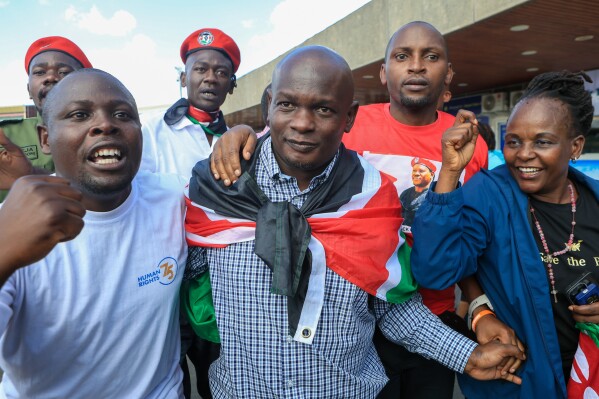
Moving from domestic challenges to the global stage, Algeria’s recent procurement of advanced Russian military hardware, including formidable Su-57E stealth fighters, signals a strategic realignment with serious implications for regional security. Some are calling this the “Sukhoi Gambit,” a move that risks transforming the Mediterranean basin into a potentially volatile zone, possibly dominated by authoritarian regimes with strong backing from Russia, Iran, and China. This development heightens tensions with neighboring Morocco and invites intense scrutiny from Western powers, especially the United States. Should Washington enforce sanctions under the Countering America’s Adversaries Through Sanctions Act, or CAATSA? It’s a growing debate, as such actions could potentially freeze assets of Algeria’s military regime, restrict its access to international financial systems, and even isolate its state-owned energy company, Sonatrach. The stakes are incredibly high, and enforcement decisions here will absolutely shape not only Algeria’s immediate future but also the security dynamics of a vital maritime frontier adjacent to Europe and North Africa, influencing the broader geopolitical chessboard. Yet, amidst these complexities, signs of forward-looking progress punctuate Africa’s narrative. In South Africa, stakeholders have mobilized swiftly to bolster animal health security against foot-and-mouth disease, with vaccination campaigns ready for immediate deployment. And innovative agricultural platforms like Nile are transforming lives, facilitating crucial connections between farmers and international markets across 50 countries by leveraging technology and training to empower a new generation of black commercial farmers. These initiatives aim to generate real profits while advancing sustainable farming practices, demonstrating how localized efforts foster resilience and economic growth. Furthermore, the African legal and civil rights landscape reflects an inspiring commitment to justice and reform. Kayode Ajulo, Ondo State’s Attorney General, truly embodies this deliberate path. A seasoned lawyer, Ajulo has facilitated the release of thousands of inmates through diligent legal advocacy since 1995. His remarkable career underscores the potency of dedicated public service and strategic legal intervention in addressing systemic challenges and advancing the rule of law.
Looking ahead, Africa’s 2026 trajectory will hinge on the continent’s ability to address these diverse yet interconnected challenges with a truly holistic approach. This means significantly accelerating climate adaptation efforts for long-term coastal resilience, strengthening security frameworks to protect vulnerable populations, and innovatively harnessing technology to drive agricultural transformation. It also means engaging in sophisticated diplomatic maneuvers that vigilantly safeguard regional stability amidst global power shifts. The complex interplay of environmental pressures, internal conflicts, and global power dynamics necessitates both bold leadership and genuinely inclusive collaboration. As African nations grapple with these urgent realities, the continent stands at a pivotal, perhaps even defining, moment. By seamlessly blending science-based strategies with robust community-driven initiatives, legal empowerment, and vigilant geopolitics, Africa can absolutely carve out a sustainable and prosperous path forward. Engaging with both local voices and international partners will be profoundly essential in navigating the complexities ahead, ensuring Africa’s immense potential translates into lasting progress for all its people.