West Africa’s Crossroads: Tech, Security, and Public Welfare in 2026
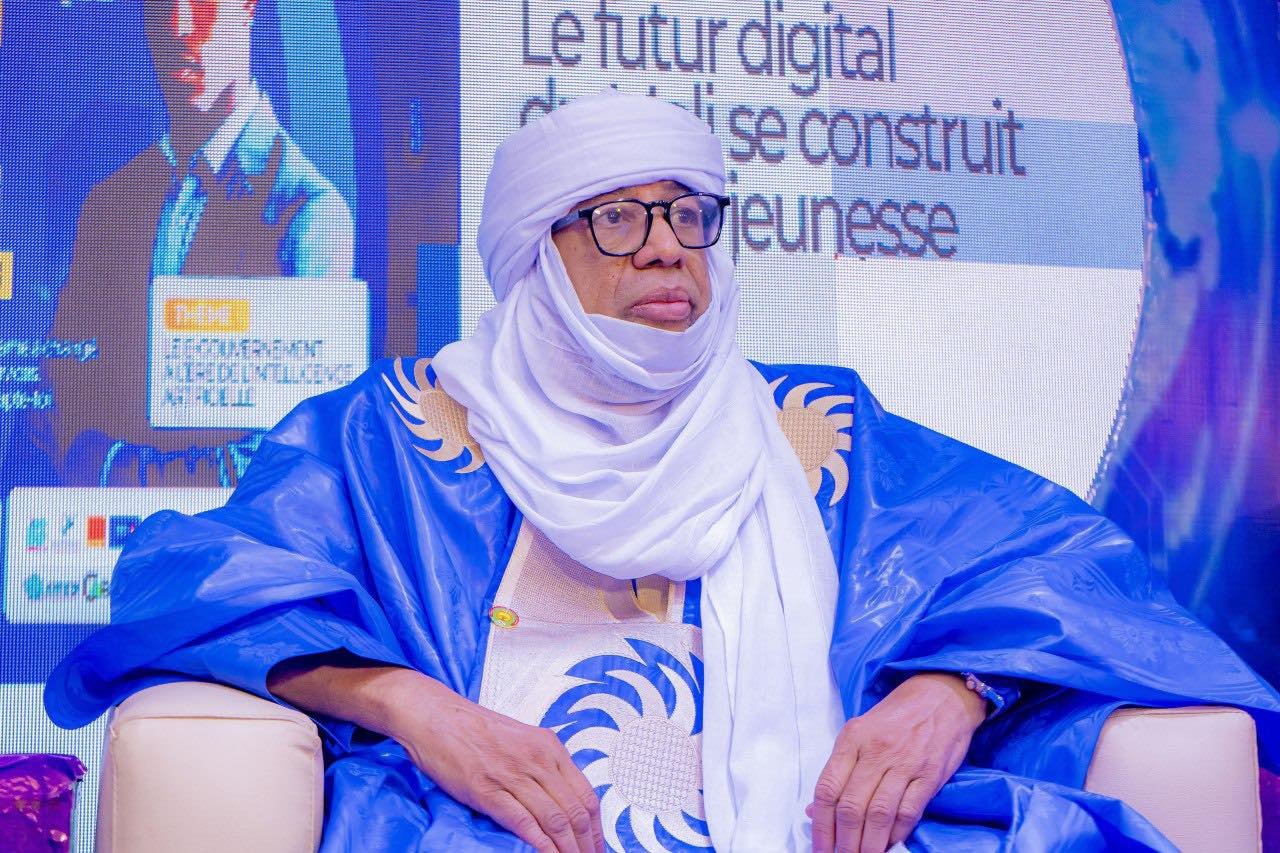
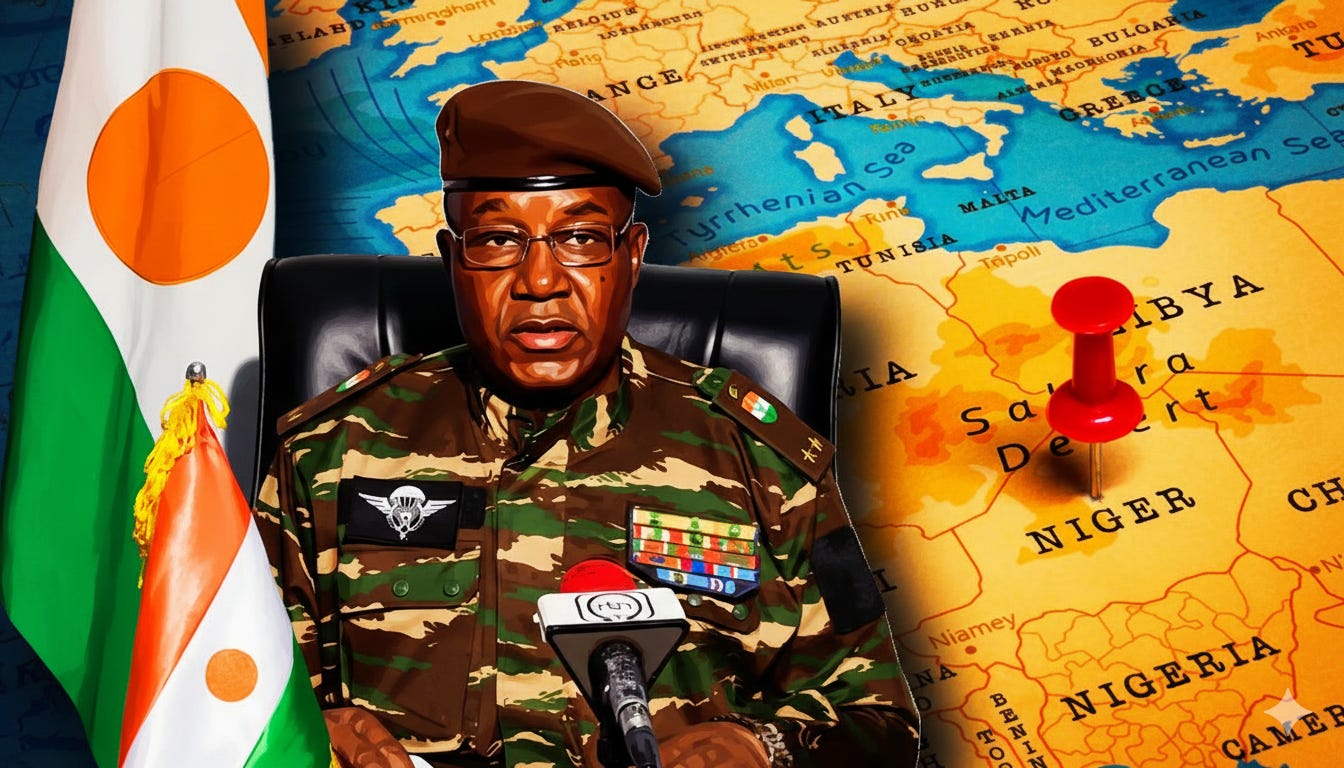
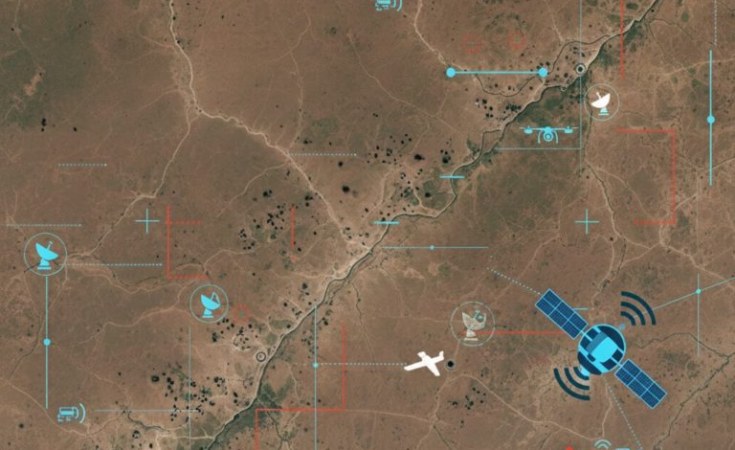
As 2026 unfolds, West Africa navigates a complex blend of challenges and advancements. We’re seeing everything from new digital safeguards to escalating security threats, alongside ongoing health and economic struggles shaping the region’s future. From Niger to Nigeria and even here in Burkina Faso, governments and stakeholders are wrestling with these multifaceted issues, all while seeking innovative ways to boost security, stabilize economies, and improve public welfare in a rapidly changing world. Take Niger, for instance. Its telecommunications sector is making serious headway, thanks to a recent deal between Zamani Telecom and Hayo. This partnership isn’t just about A2P SMS monetization, it’s also about powerful fraud prevention technology, designed to secure and make telecom services more profitable. Hayo’s advanced SMS Firewall, a solution already trusted by global tech giants like Alibaba and Microsoft, works by filtering out illegitimate SMS traffic that tries to exploit unauthorized “grey routes.” It ensures every message goes through official channels, boosting revenue for operators like Zamani and, crucially, building consumer trust by cutting down on scams and fraudulent messages. This kind of technological vigilance really shows West Africa’s growing commitment to using digital tools for economic resilience and customer protection, signaling a critical evolution in the region’s digital communication networks. For more on the Hayo-Zamani partnership, check out Developing Telecoms.
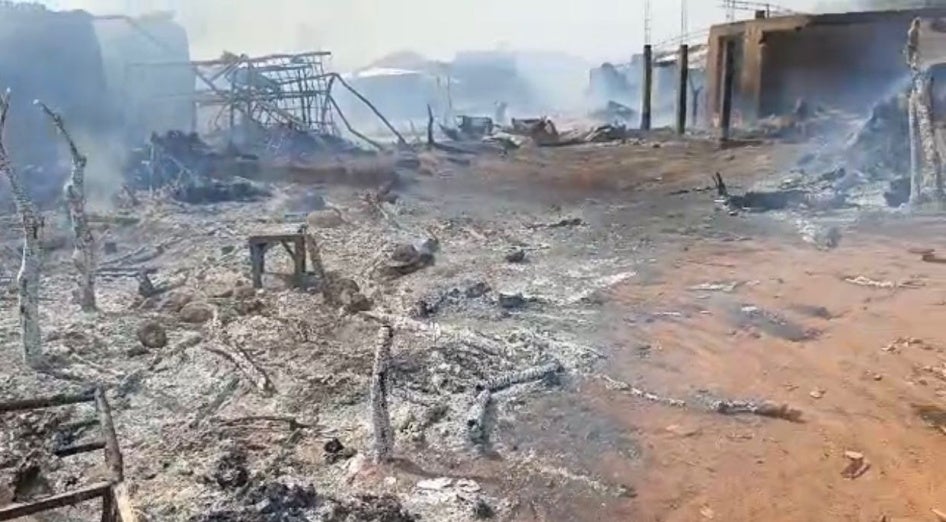
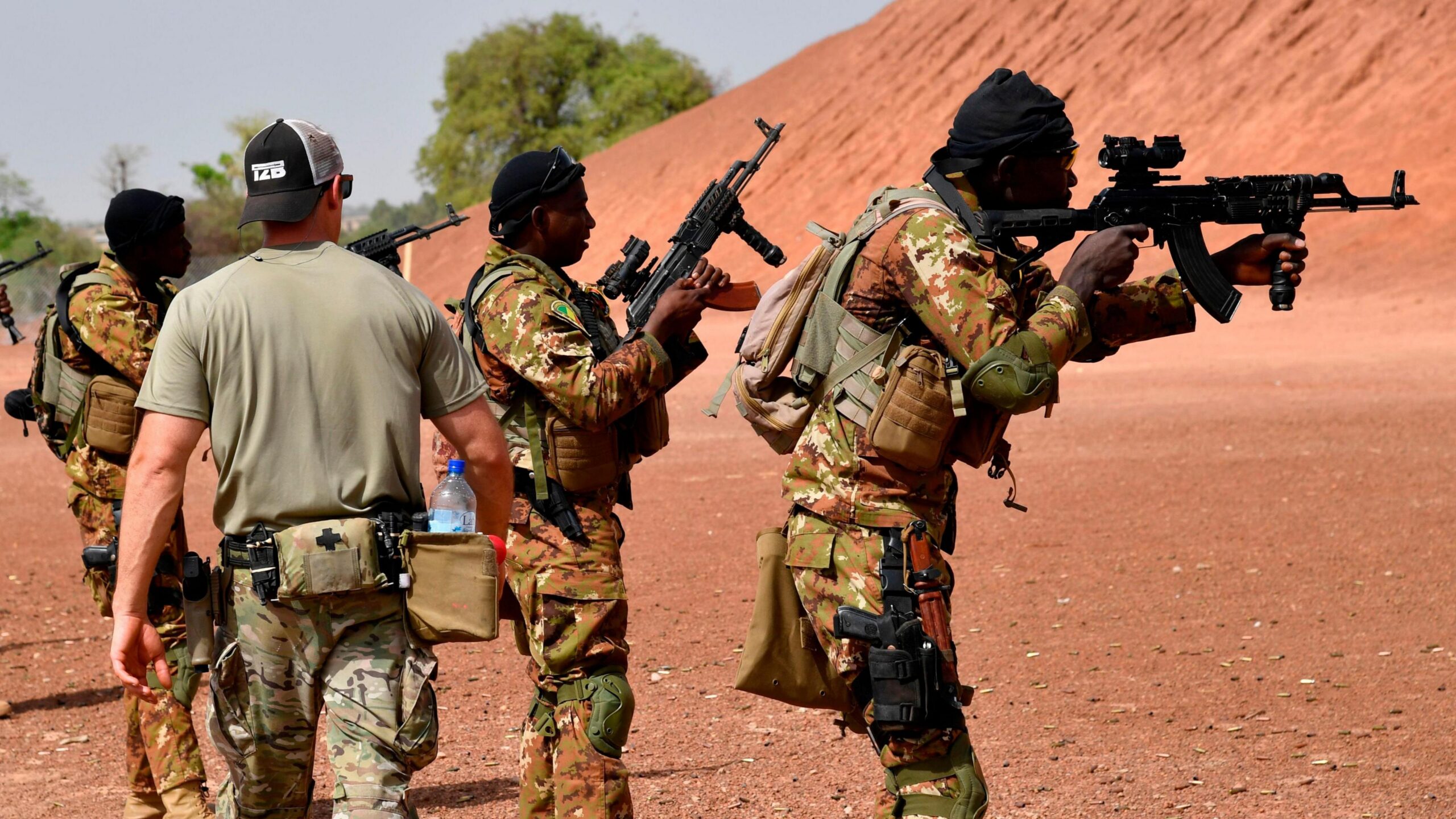
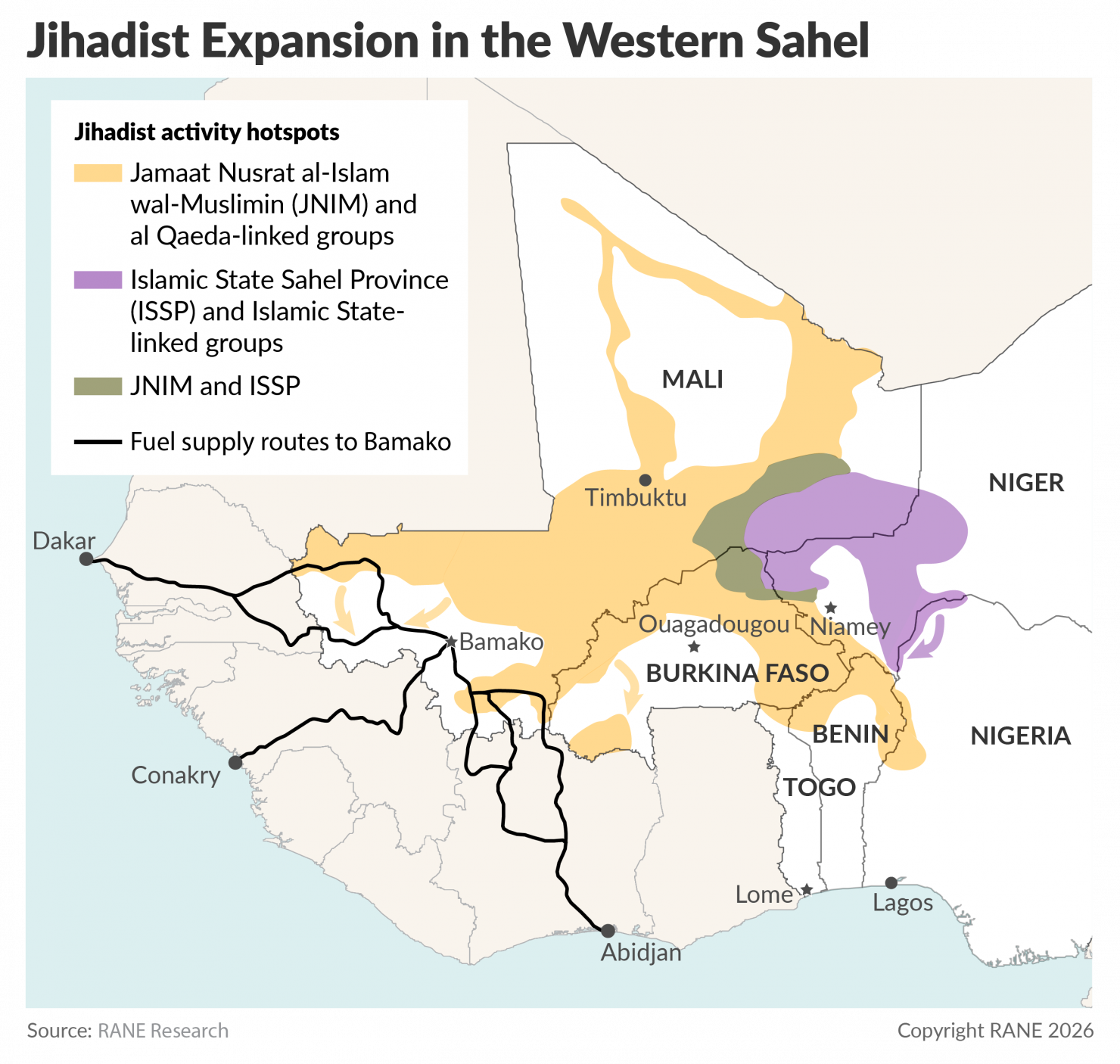
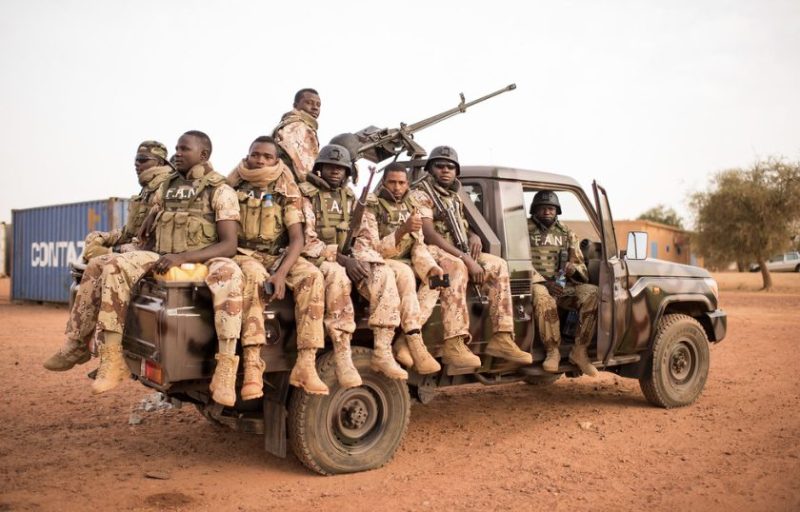
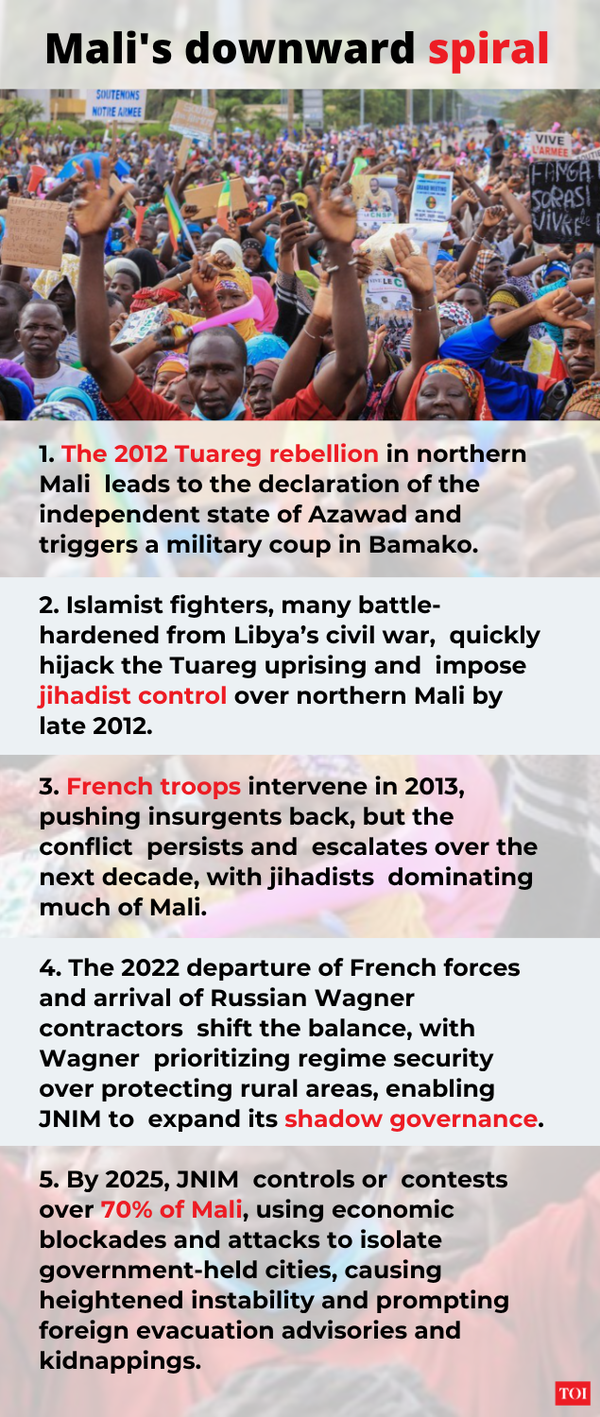
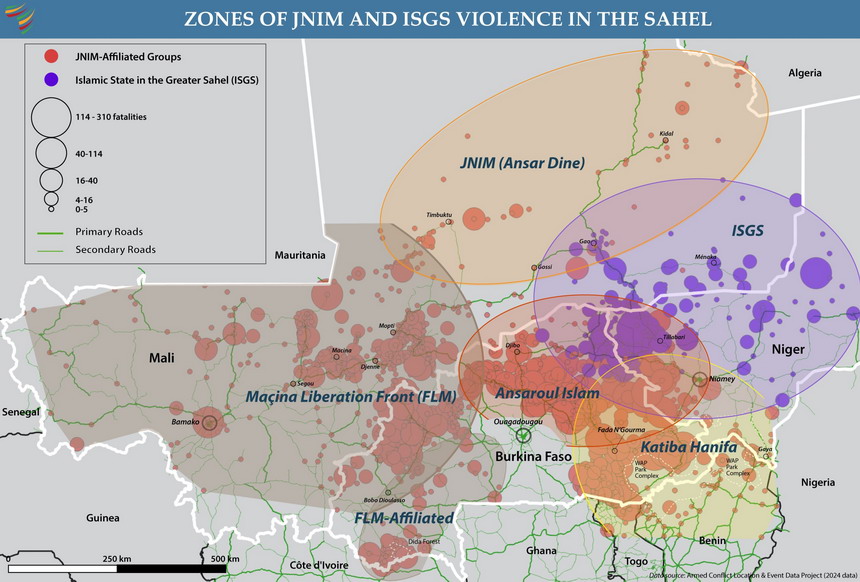
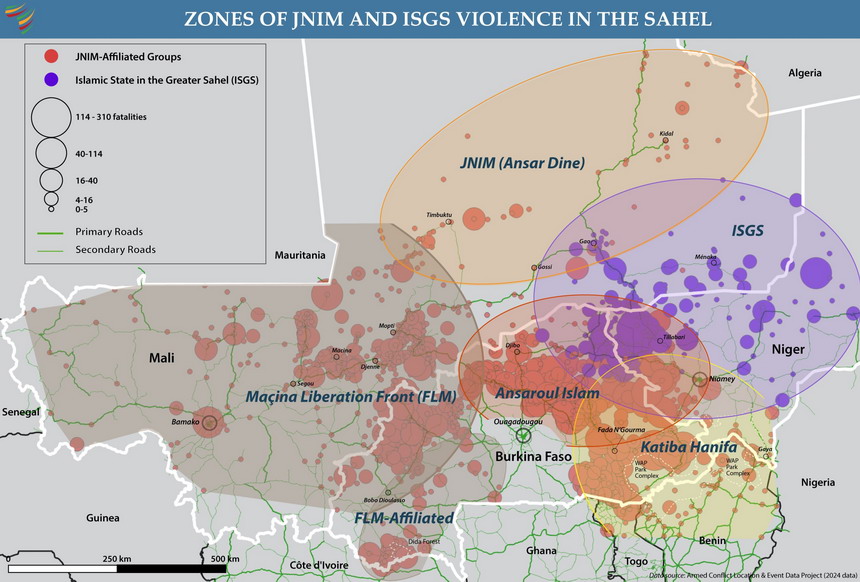
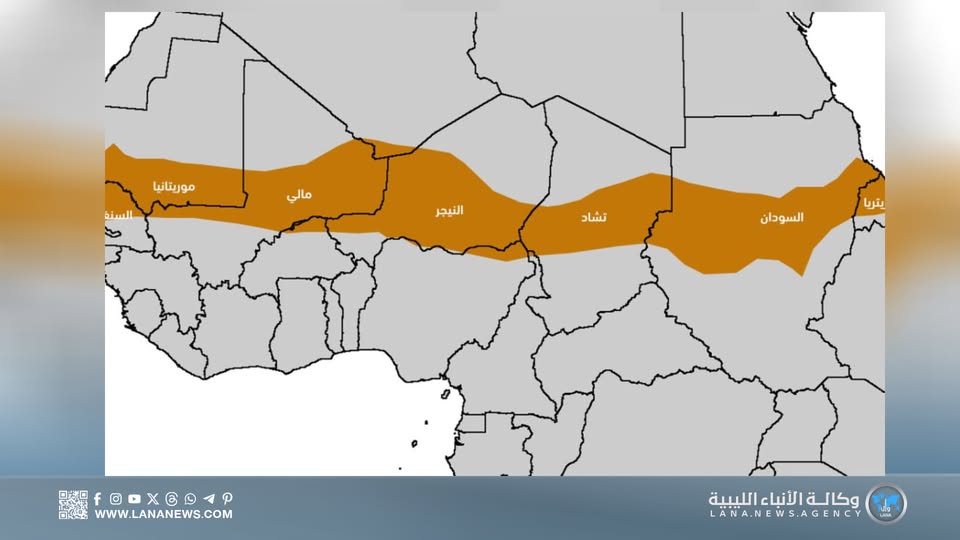
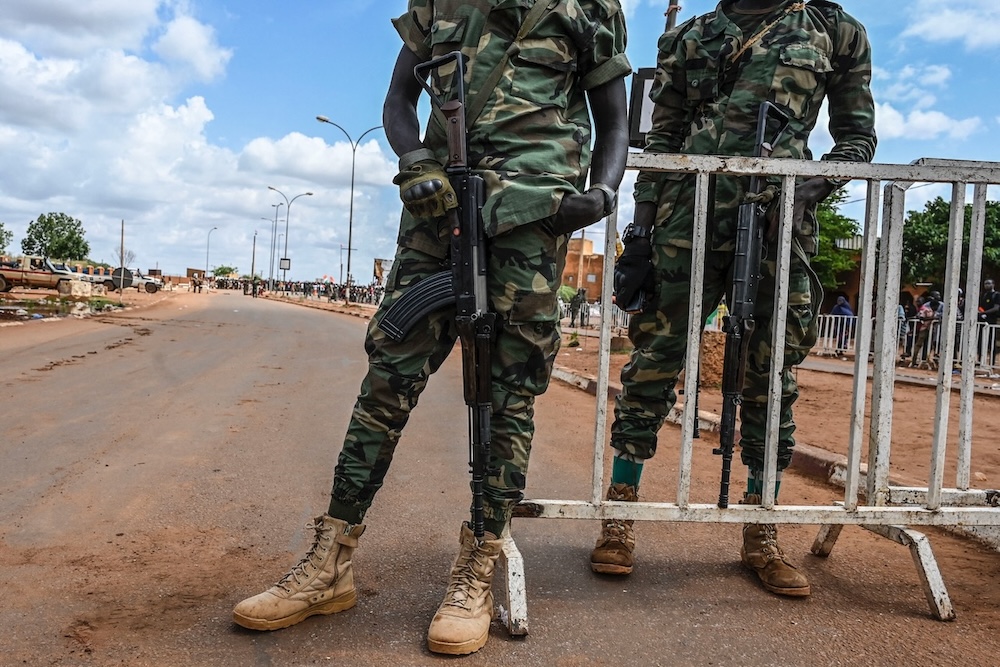
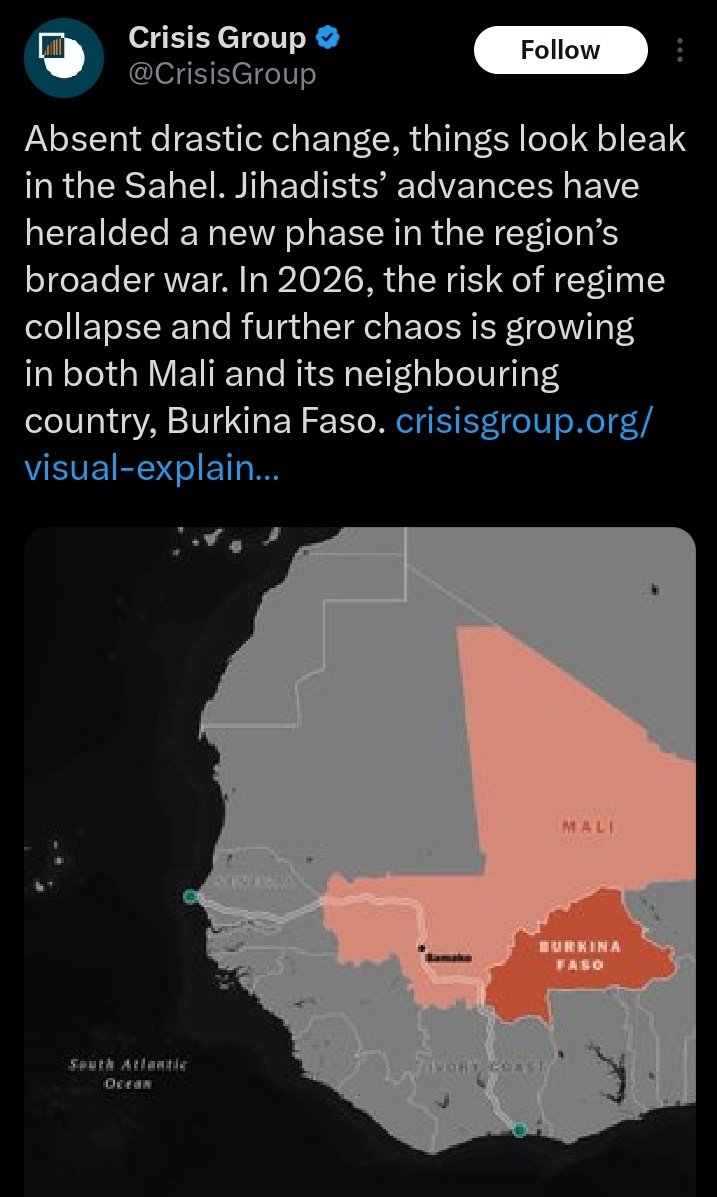
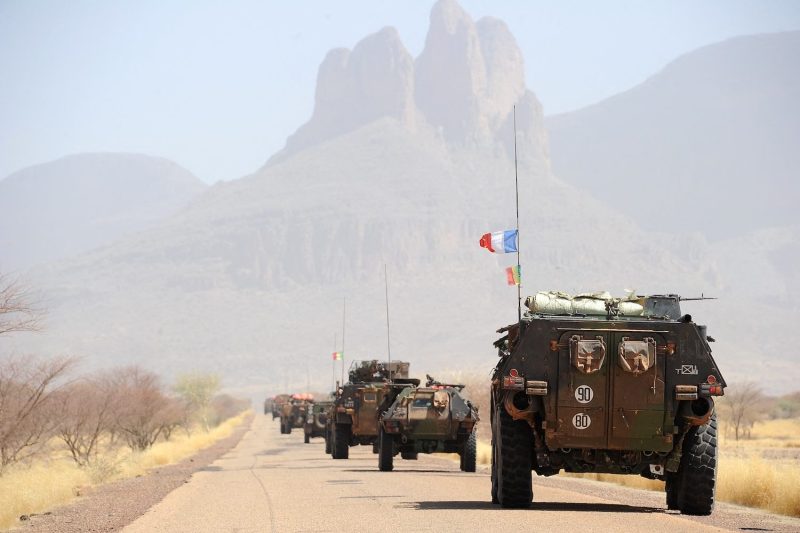
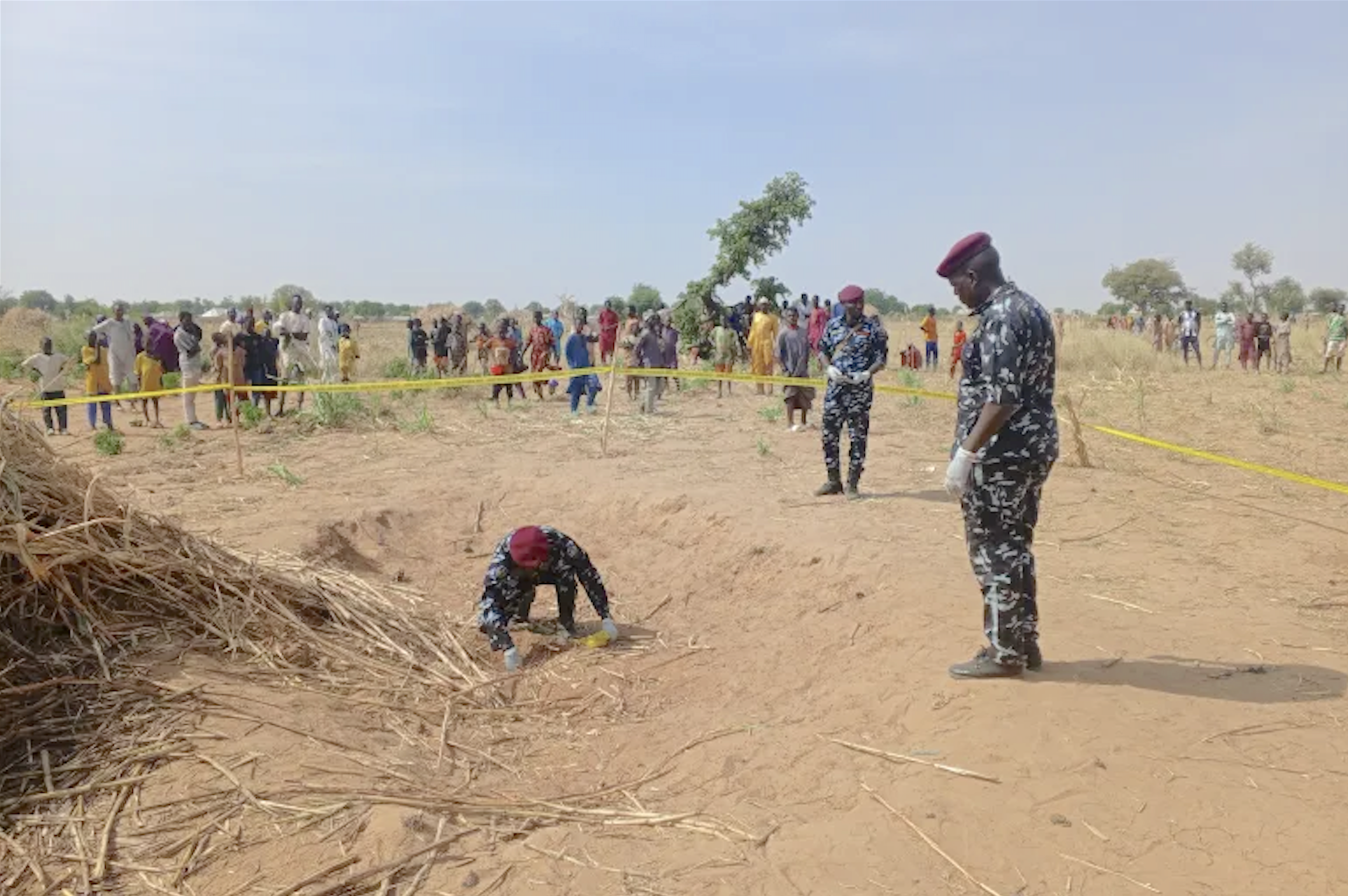
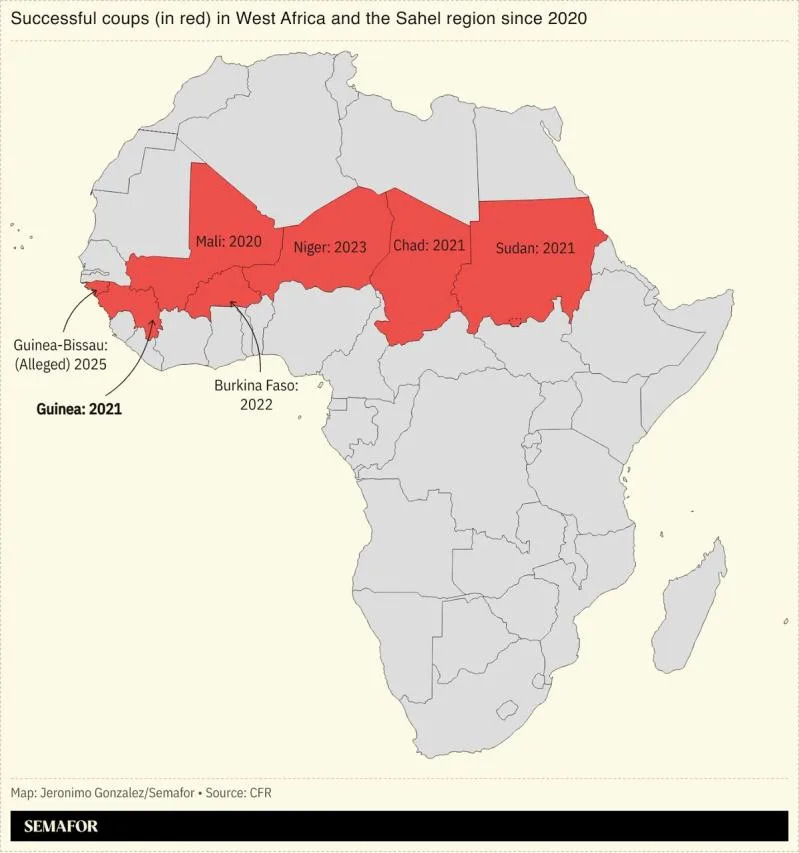
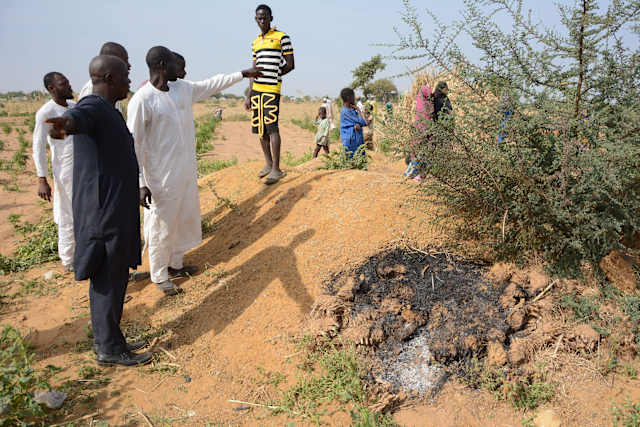
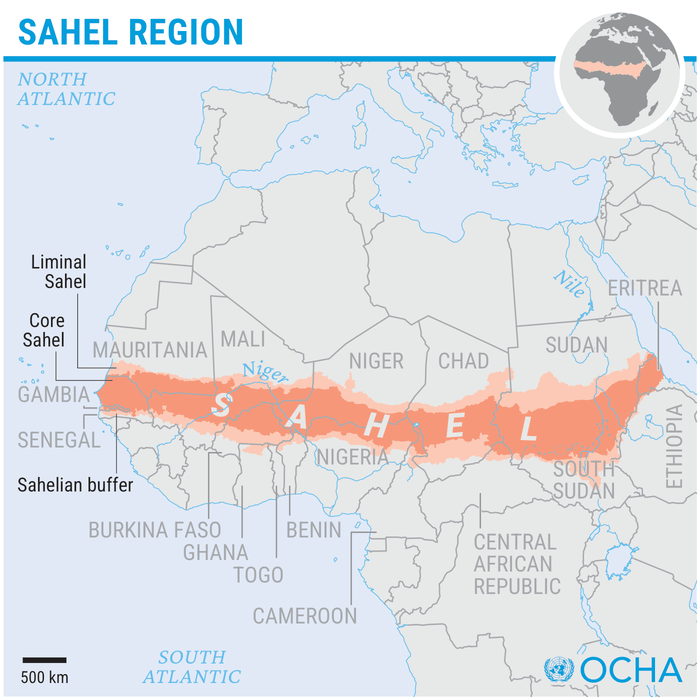
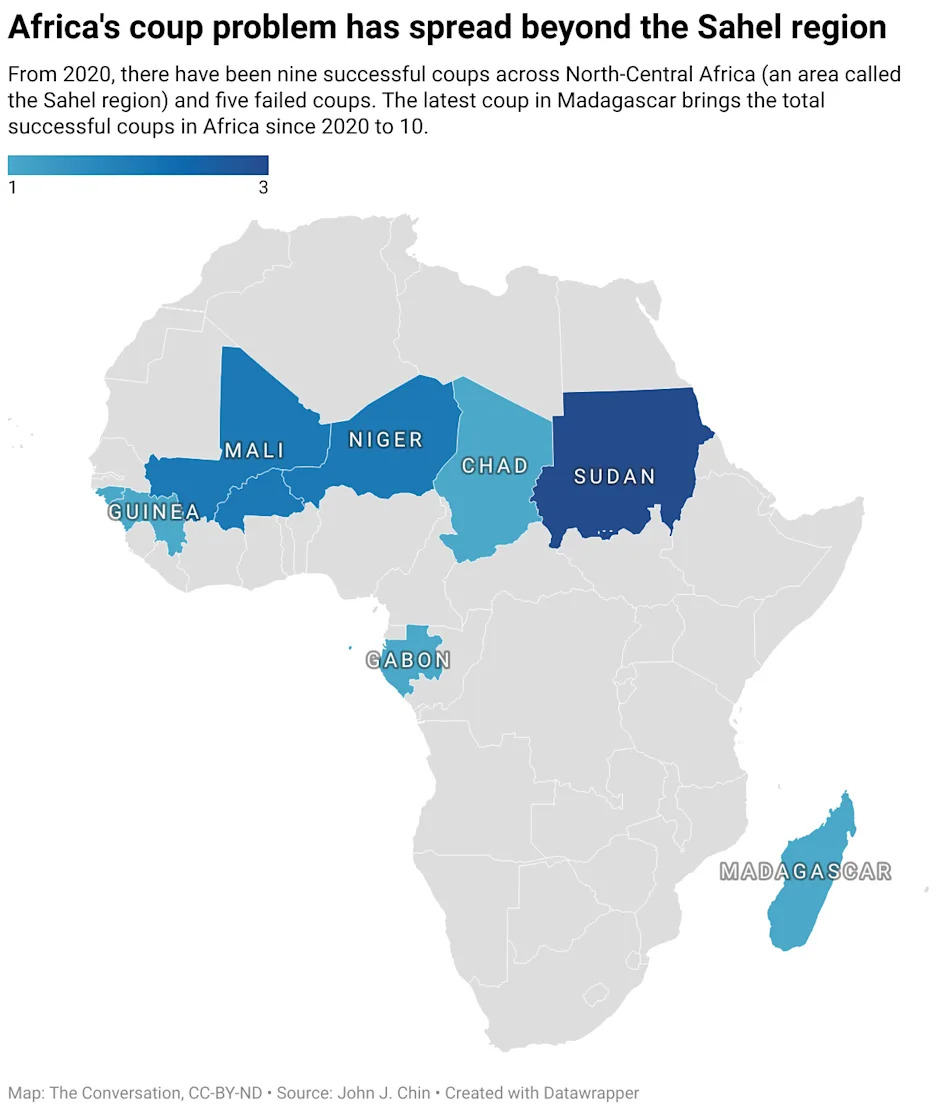
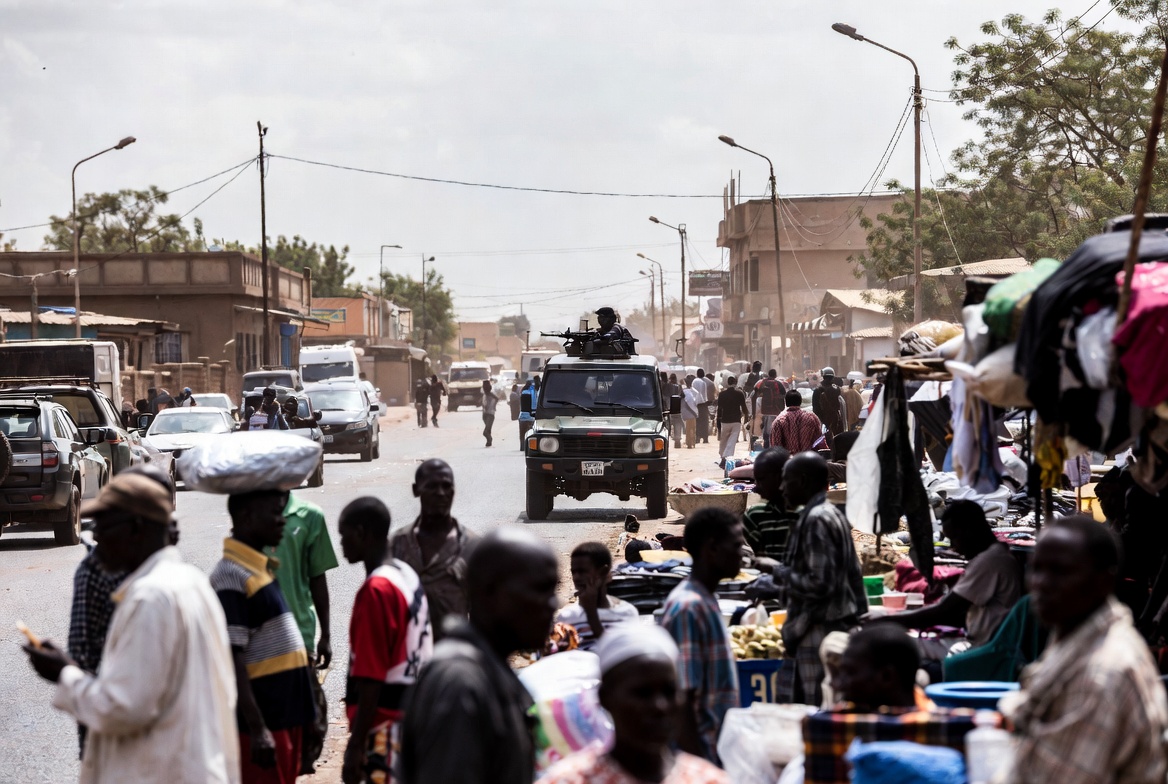
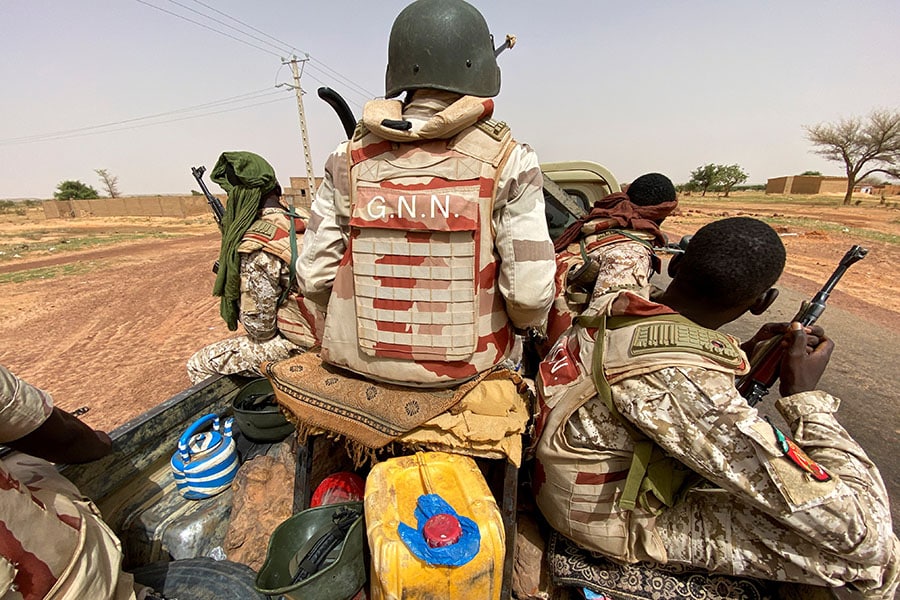
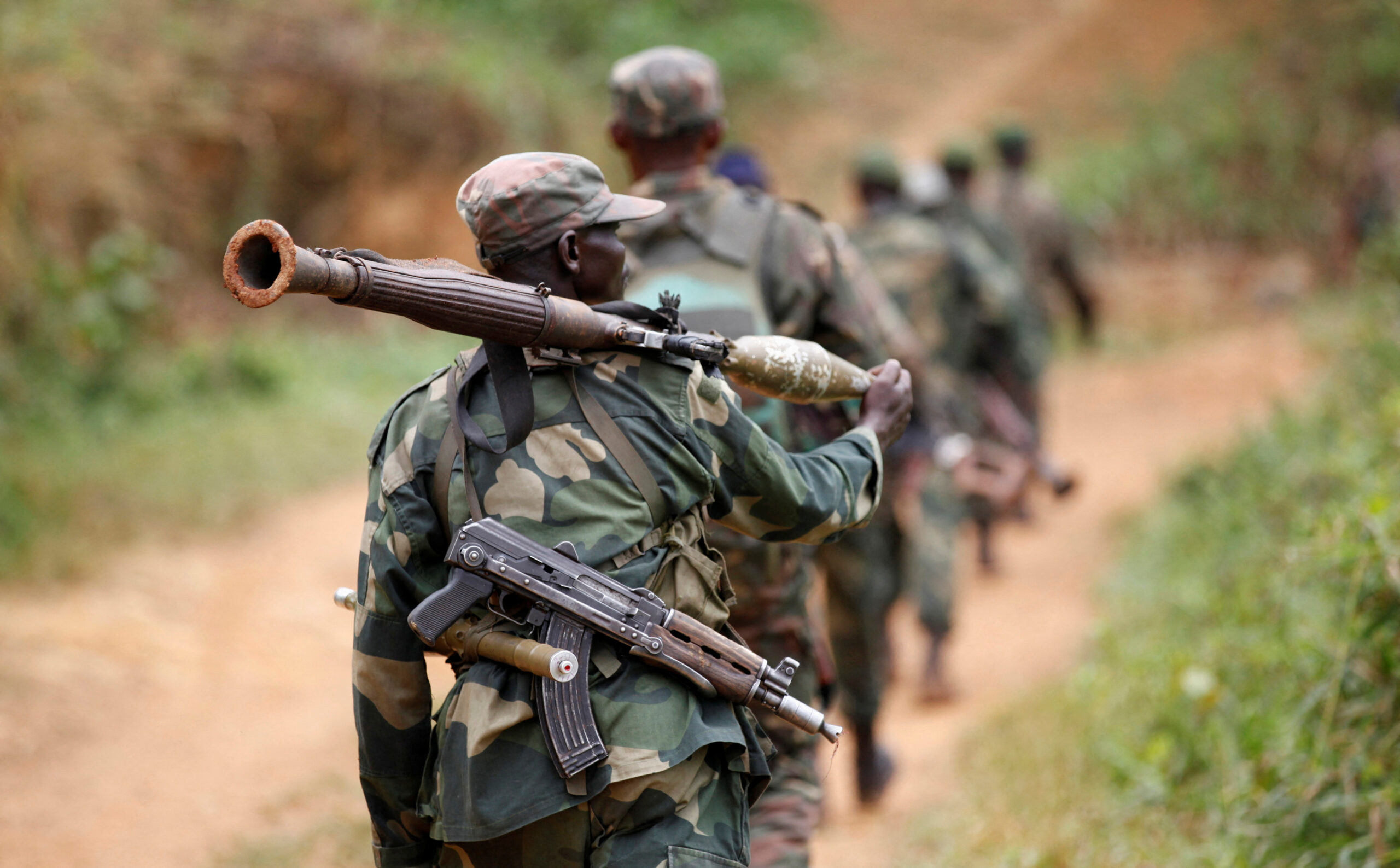
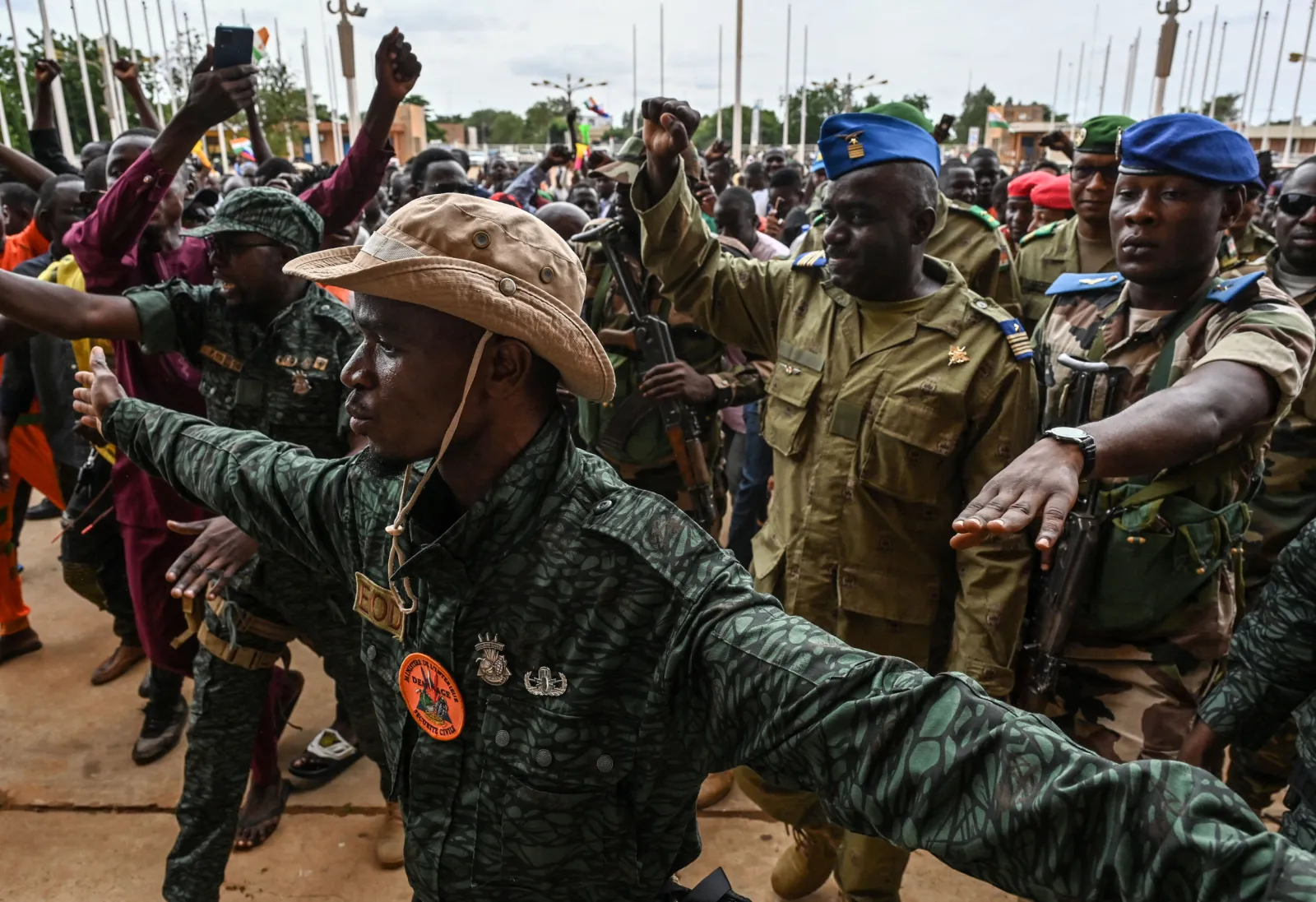
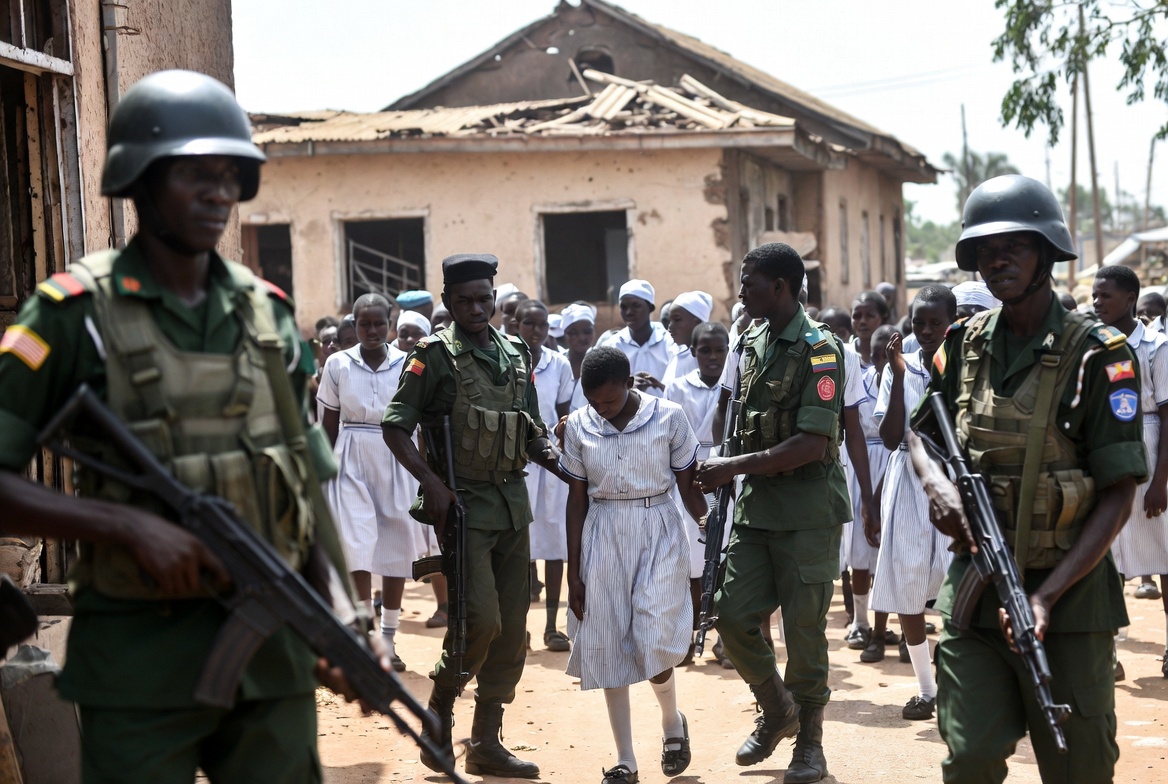
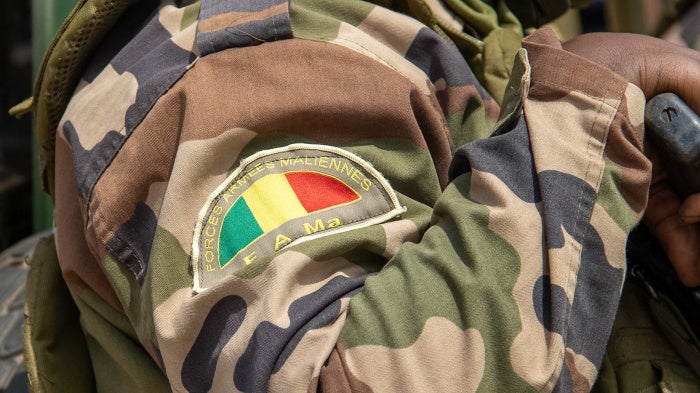
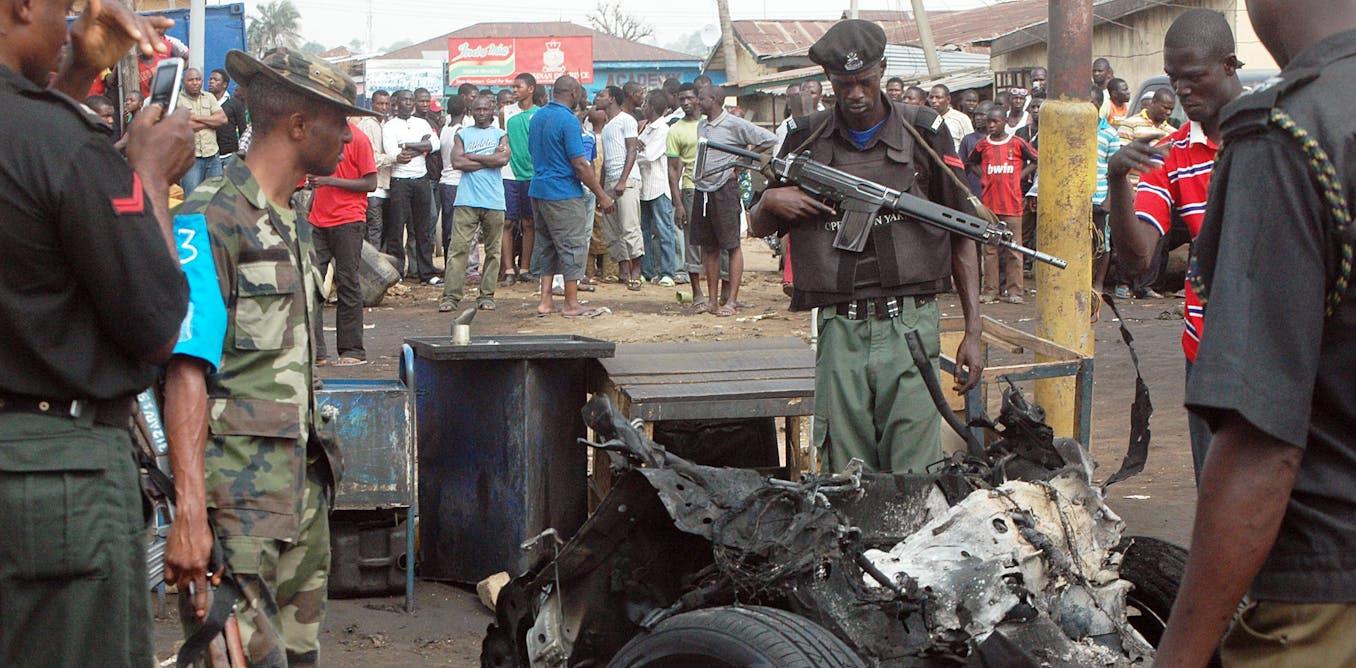
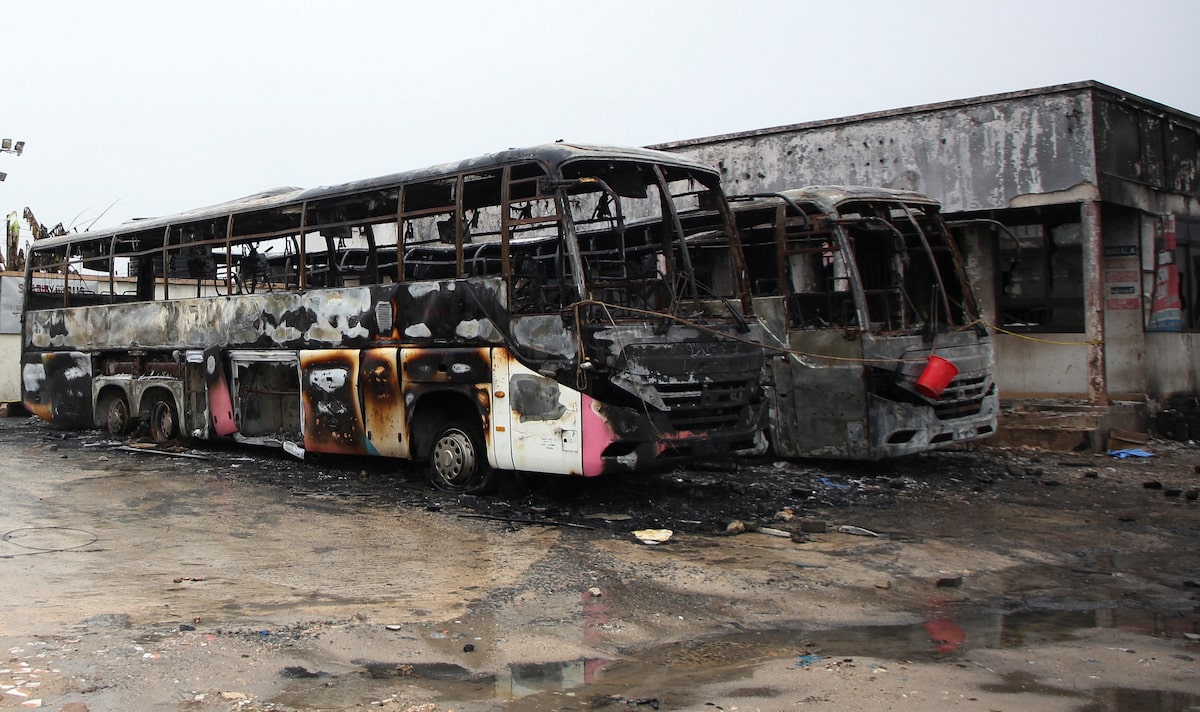
However, security remains a huge worry, especially across Nigeria and its Sahel neighbors. The rising use of drones by jihadist groups, some linked to al-Qaeda and Islamic State, is a disturbing development. Reports from monitoring groups like Acled reveal militants have launched nearly 100 drone strikes across Burkina Faso, Mali, and Nigeria since 2023. These aren’t sophisticated military drones, often they’re commercially available quadcopters rigged with explosives for targeted attacks and reconnaissance, representing a dangerous shift in insurgency tactics. How do we counter such adaptable threats? Nigerian President Bola Tinubu has promised to hit banditry and terrorism hard, calling them major economic and social roadblocks. Speaking in Abuja, Tinubu stressed his administration’s dedication to restoring peace and economic opportunity for Nigerians. The government’s resolve to crush these groups highlights just how tightly security and economic development are linked in West African governance. You can read more about President Tinubu’s pledge in the Abuja City Journal. Amidst these security concerns, the health sector faces its own hurdles. Nigeria’s NAFDAC, for example, recently had to strongly deny rumors about an amoxicillin ban, shutting down misinformation that could threaten access to vital medicines. Plus, the tragic death of Abuja singer Ifunanya Nwangene from a snakebite, due to delayed access to antivenom, has put emergency medical response under scrutiny. The Senate has since pushed for integrated referral systems to link hospitals and ensure faster access to life-saving treatments. These steps show both the vulnerabilities and the proactive measures being taken to strengthen healthcare, which is crucial for public health emergencies here. Addressing nutrition and food affordability is also key for West African populations. New research from the CGIAR Science Program on Better Diets and Nutrition is exploring how fruit vouchers could improve diets in Nigeria and Vietnam. In Nigeria, where fruit consumption is quite low, these vouchers boosted intake significantly during intervention periods. Still, the study suggests these subsidies need to be part of broader, lasting strategies to really change purchasing behaviors among low-income consumers sustainably. Learn more about this research on global-agriculture.com.
Looking ahead, West Africa demonstrates remarkable resilience and innovative thinking as it navigates these tough, interconnected challenges. The adoption of advanced telecom security in Niger and government efforts to fight insurgency in Nigeria show real progress towards stable economies and societies. We’re also seeing dedicated work to combat misinformation, improve healthcare, and promote better nutrition, reflecting a holistic approach to enhancing quality of life for everyone. Yet, the evolving threat of drone warfare by militant groups reminds us that security risks are dynamic, demanding constant adaptation. The future of West Africa will likely depend on how effectively governments, civil society, and private sectors can work together, using technology, enforcing law and order, and implementing sustainable social policies. As the region moves forward, its ability to blend innovation with steady governance will be the key to unlocking lasting peace, prosperity, and health for all its citizens. It’s a challenging road, but one the region seems determined to travel with strength and ingenuity. This dedication to advancement and security is echoed across the continent, showing Africa’s digital renaissance in full swing.