Nigeria’s Unfolding Crises: A Nation Grappling with Political Showdowns, Security Threats, and Deep-Seated Scandals
Nigeria, Africa’s most populous nation, navigates a treacherous landscape of political instability, escalating security challenges, and pervasive institutional scandals. These interconnected issues are drawing intense scrutiny, both at home and internationally. Over recent weeks, a series of high-profile events has laid bare deep fissures within the country’s governance, law enforcement, and security apparatus, alongside profound societal strain. From courtroom battles in Adamawa to deadly attacks in Kwara, the narrative is undeniably one of turmoil, crying out for urgent national focus and comprehensive reform. What exactly are the underlying issues, and how will these multifaceted challenges truly impact millions of Nigerians?
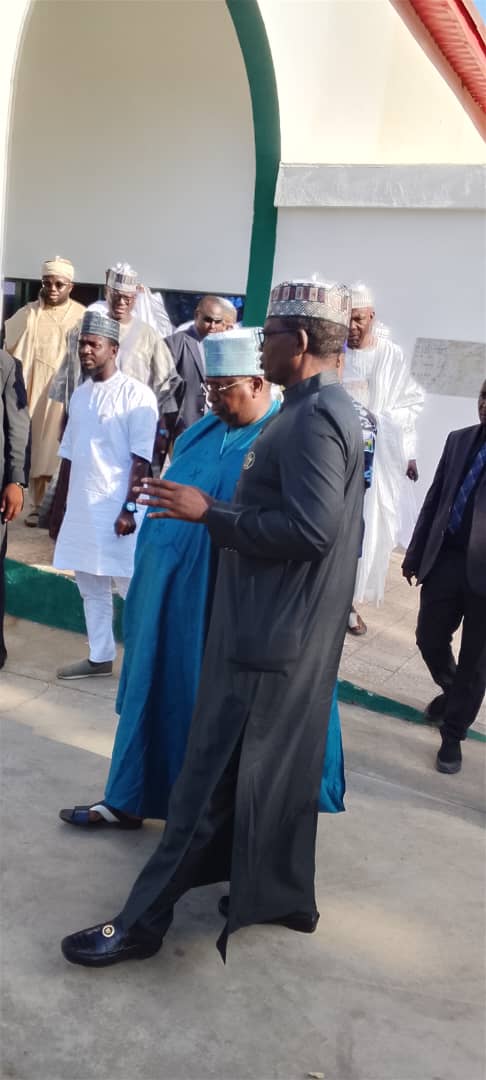
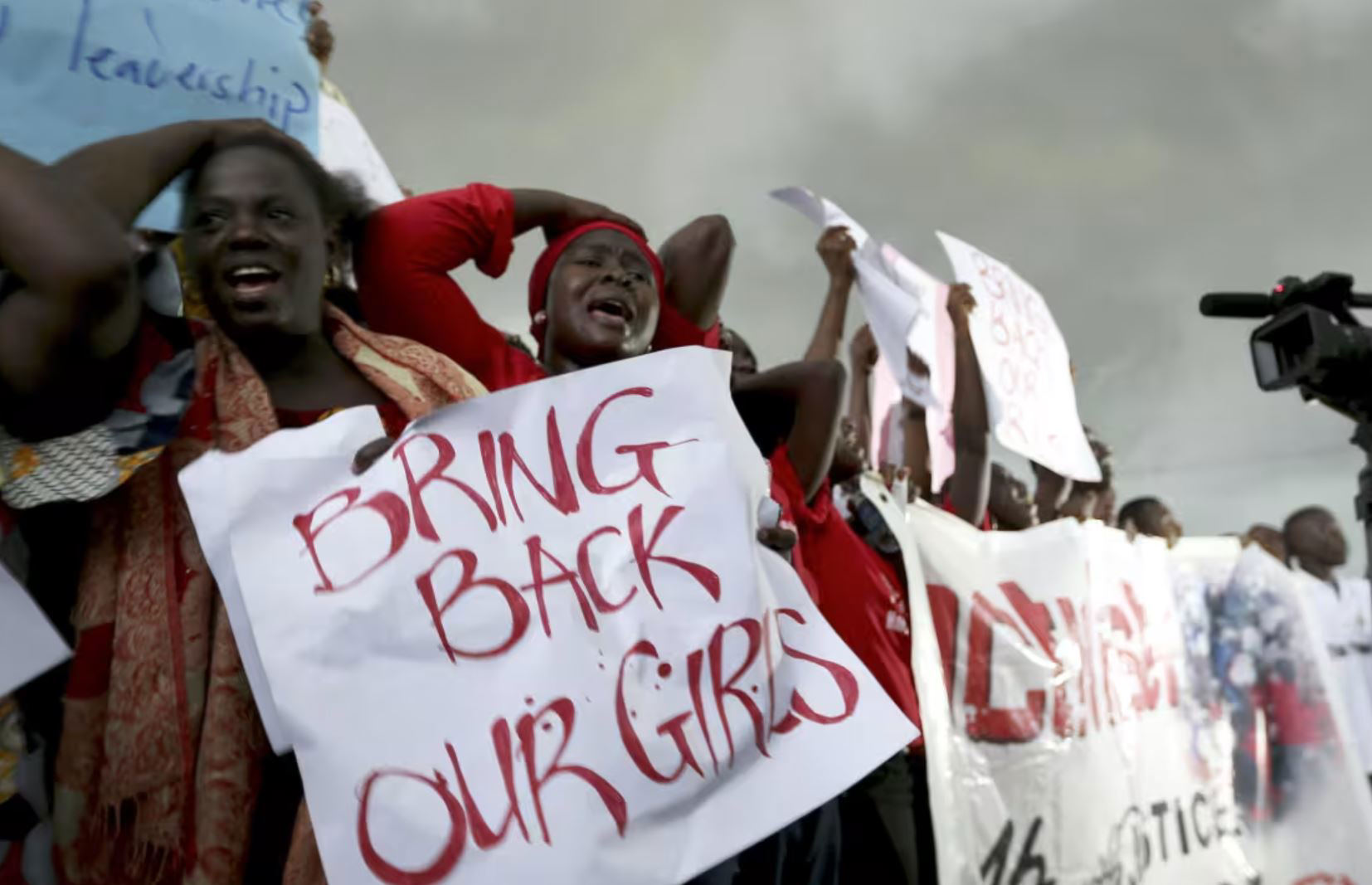
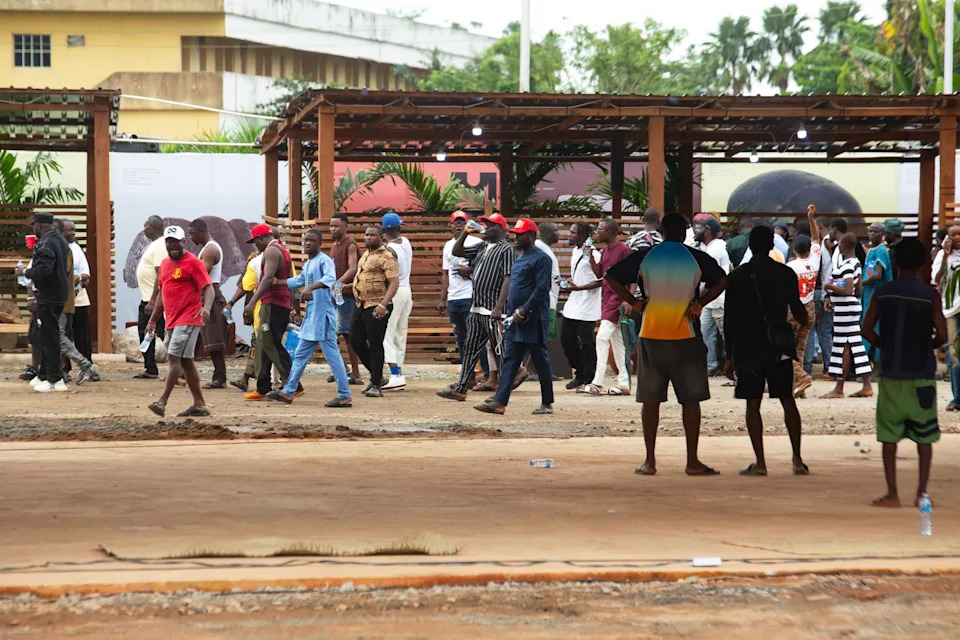
One glaring example of this complex web of challenges surfaced in Adamawa state, where a local court took swift, stern action. Two individuals were arraigned, facing stringent bail conditions, simply for booing Governor Fintiri at a political gathering. This episode doesn’t just underscore an environment where political freedom is closely watched, but it also suggests public expressions of dissent are sometimes harshly suppressed. It certainly prompts broader questions about the democratic space for citizens to engage with leaders openly. Internationally, a landmark US decision saw a judge sentence Ryan Routh to life in prison, plus seven additional years, for attempting to assassinate former President Donald Trump. While this verdict reverberates globally, it highlights persistent concerns about political violence that extends beyond national borders, a sentiment resonating deeply with Nigerian observers aware of their own often volatile political climate. Closer to home, disturbing human trafficking incidents have come to light in Lagos and Anambra states, casting a horrifying spotlight on Nigeria’s ongoing struggle with child exploitation. One father’s heartbreaking account revealed his three-year-old son was sold for N1.5 million Naira and trafficked across state lines. CCTV courageously implicated a neighbor, screaming for urgent action and pointing to stronger child protection and enhanced law enforcement vigilance across the nation.
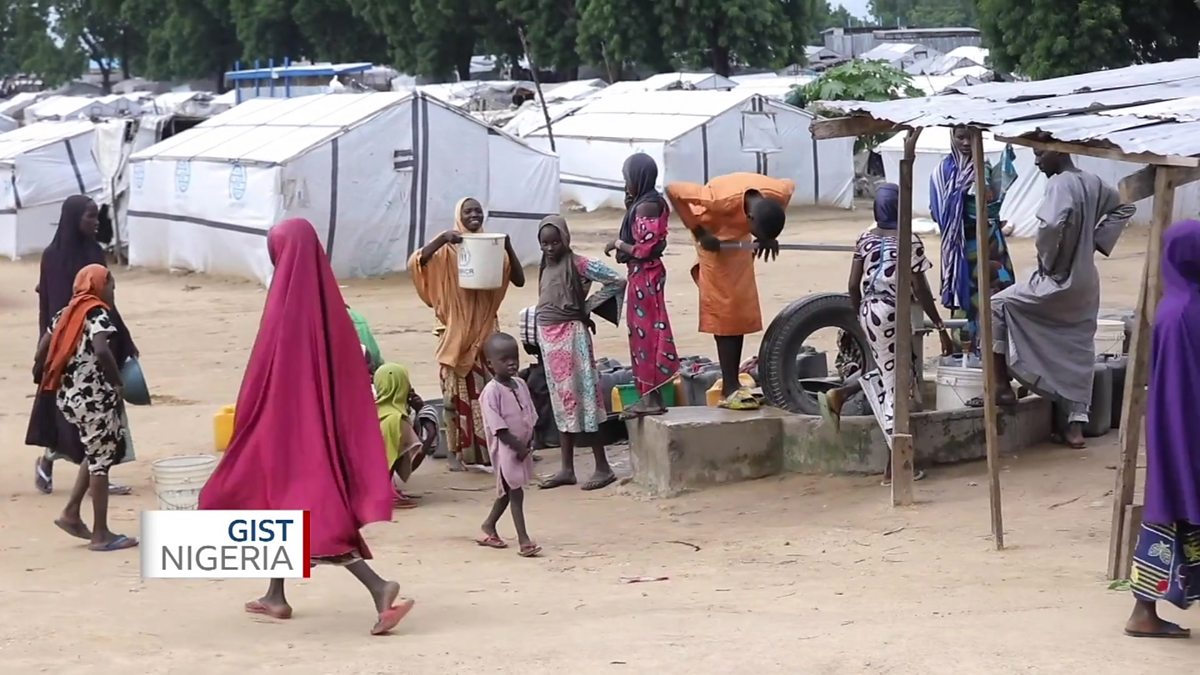
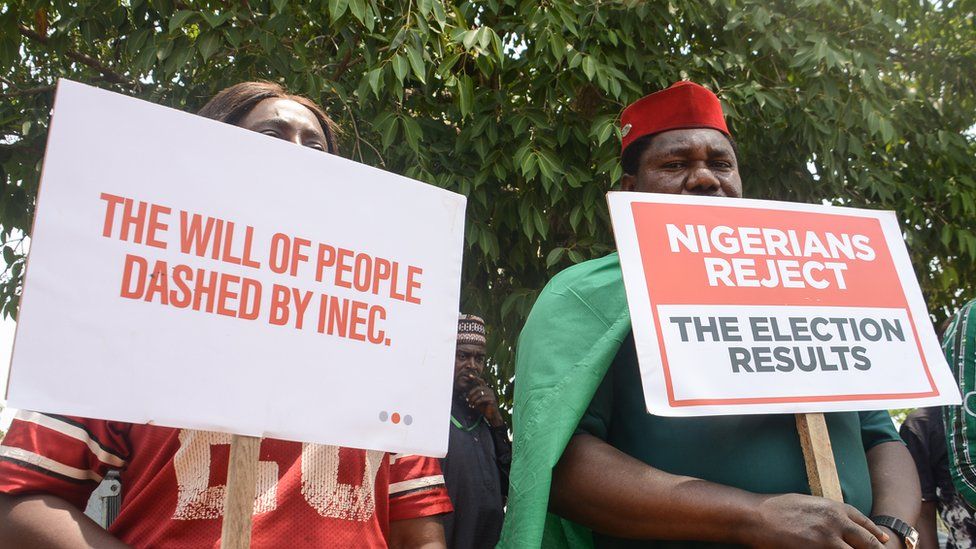
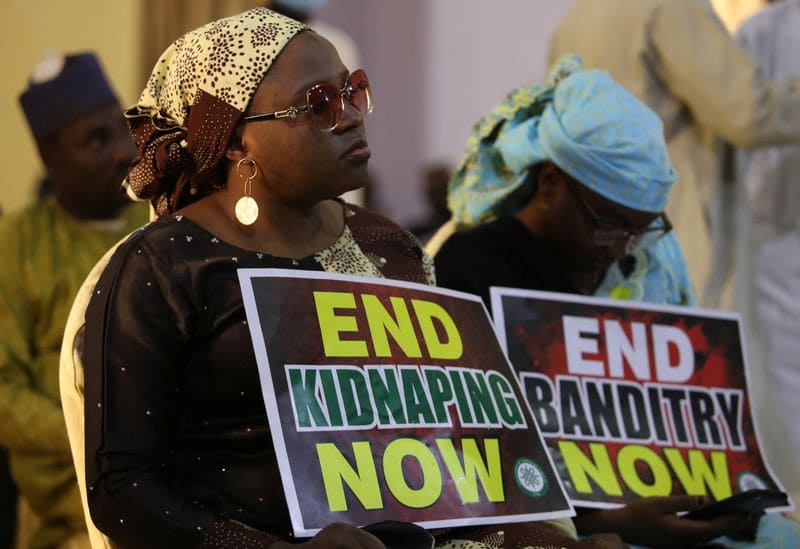
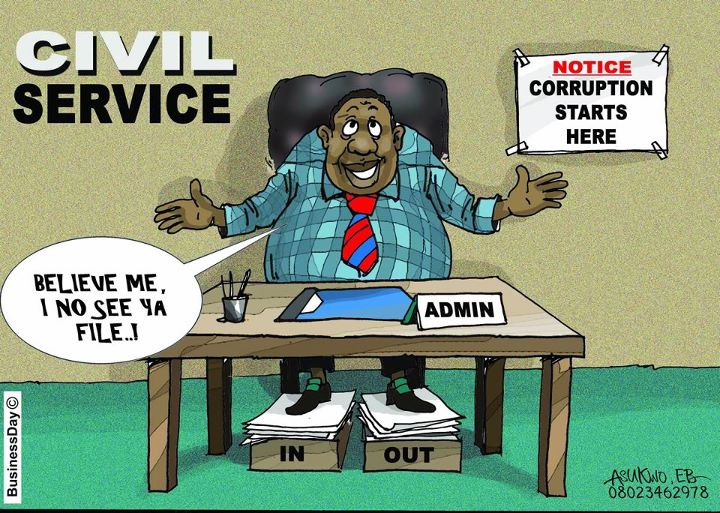
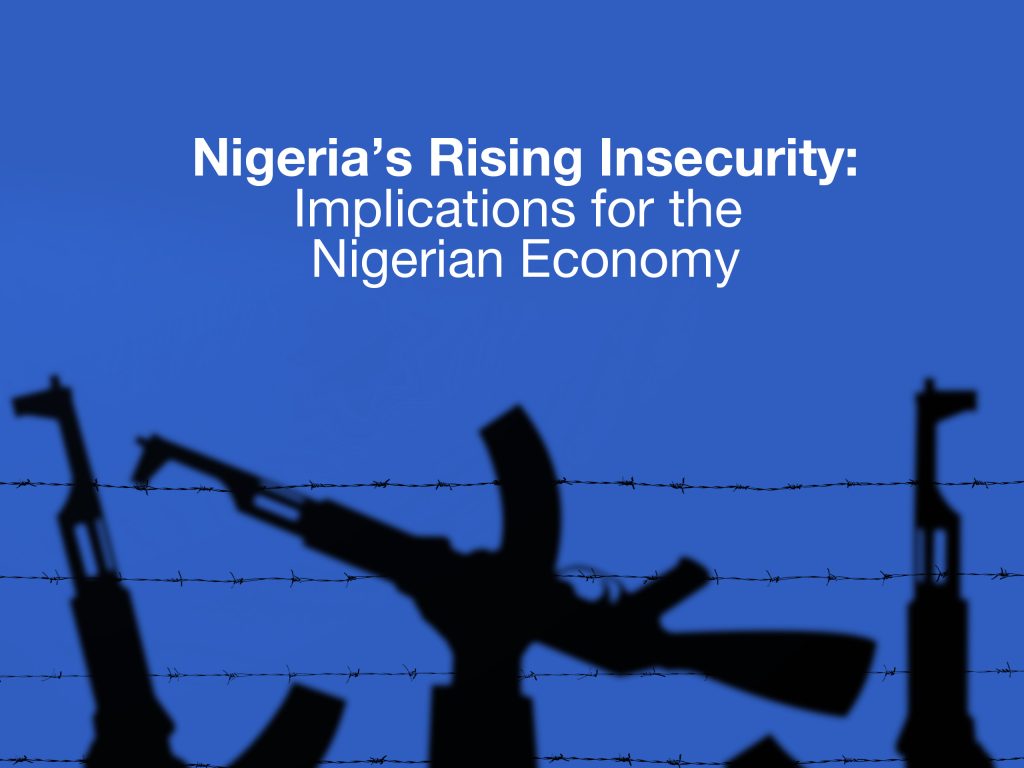
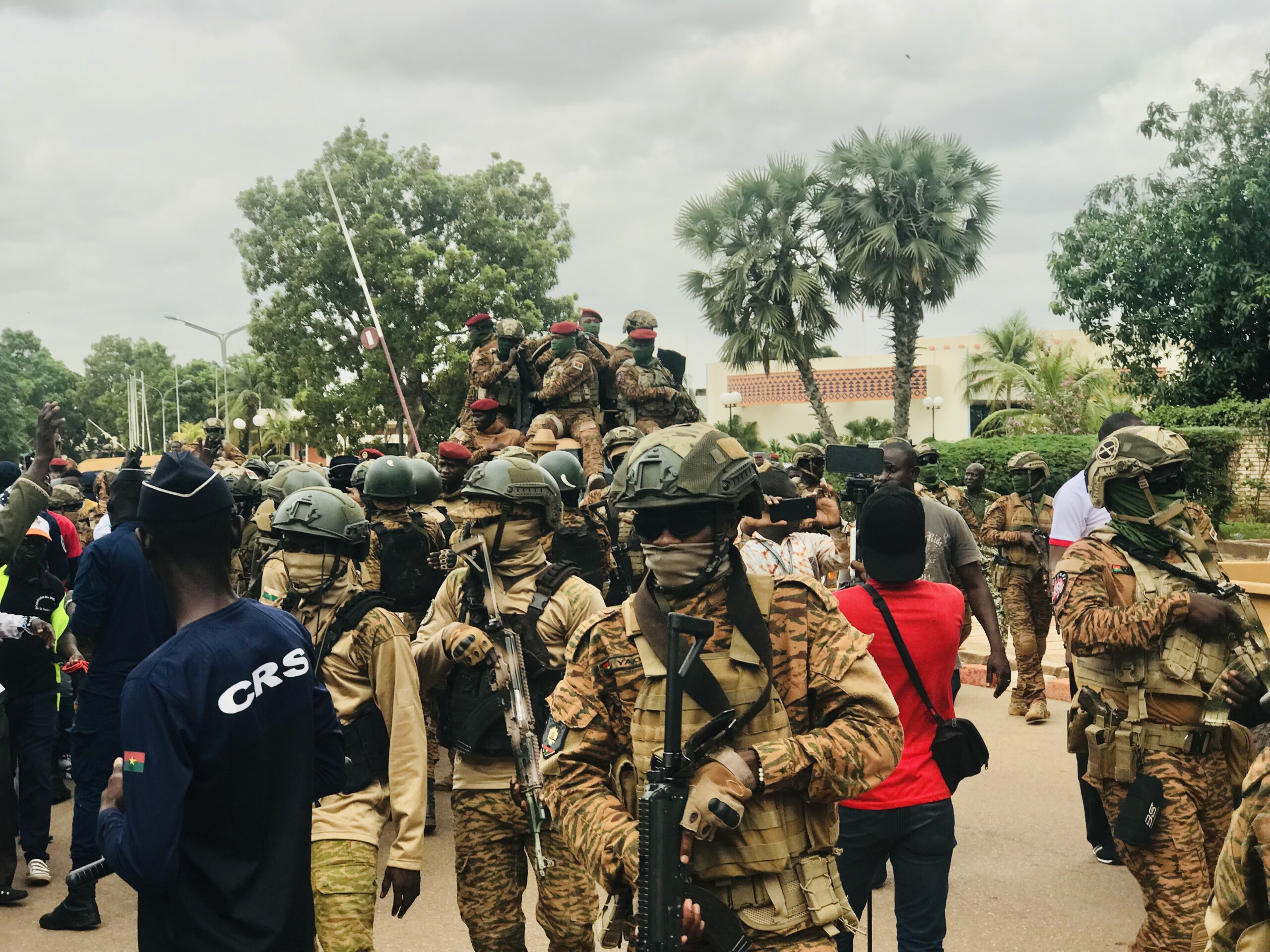
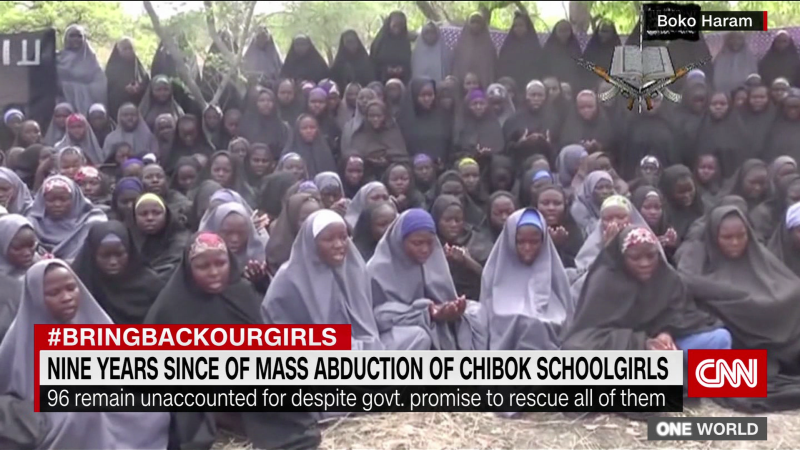
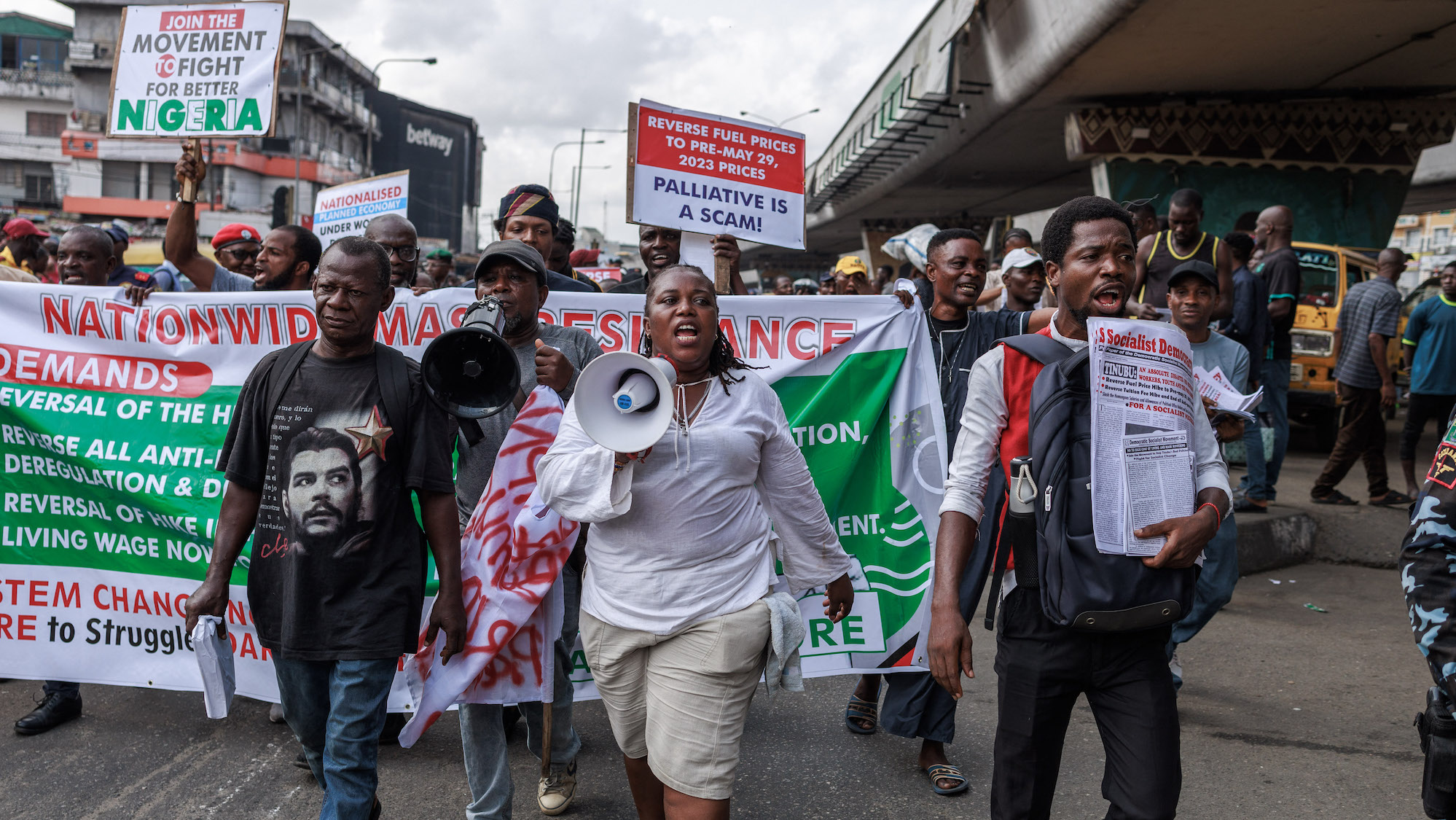
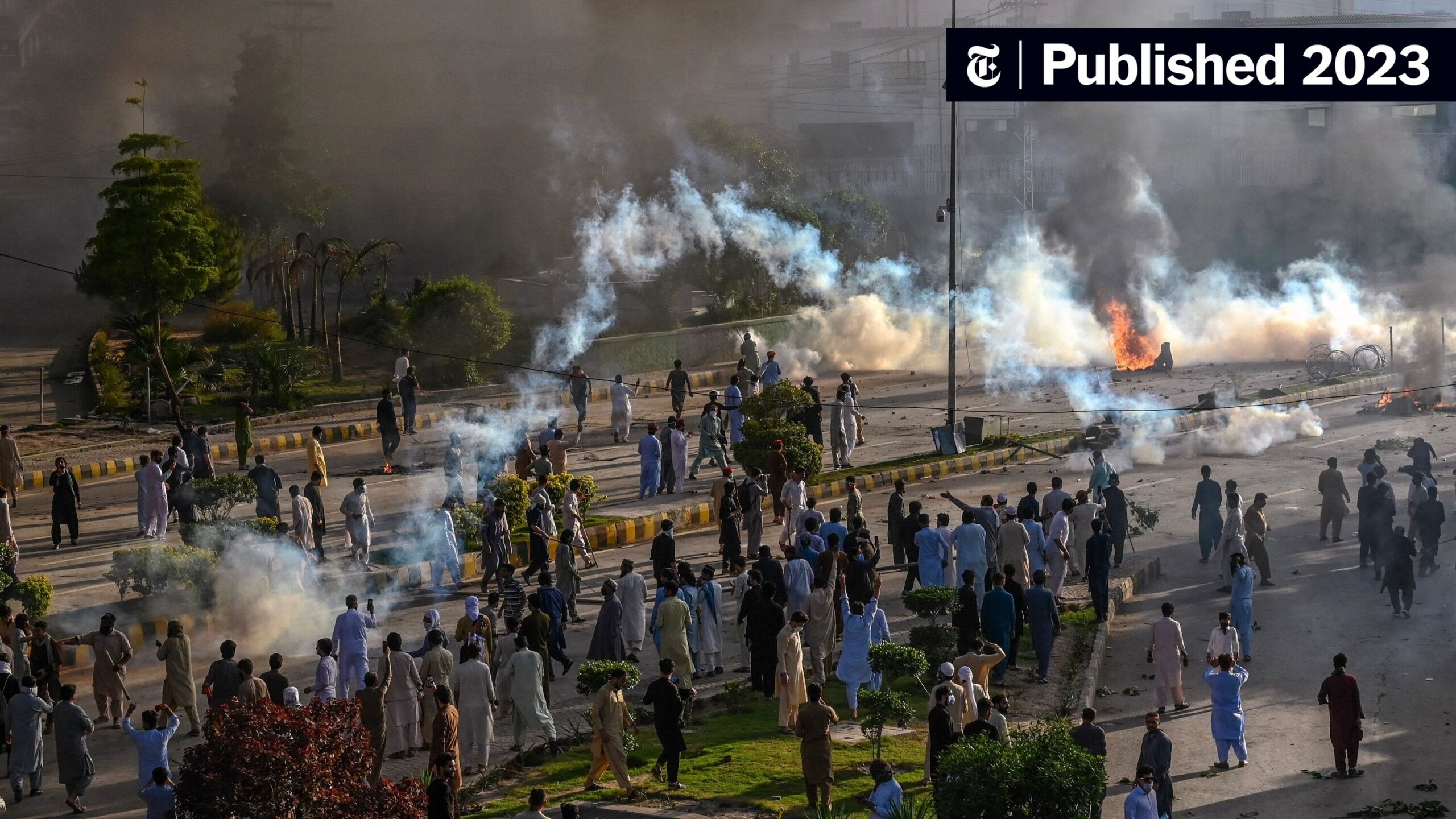
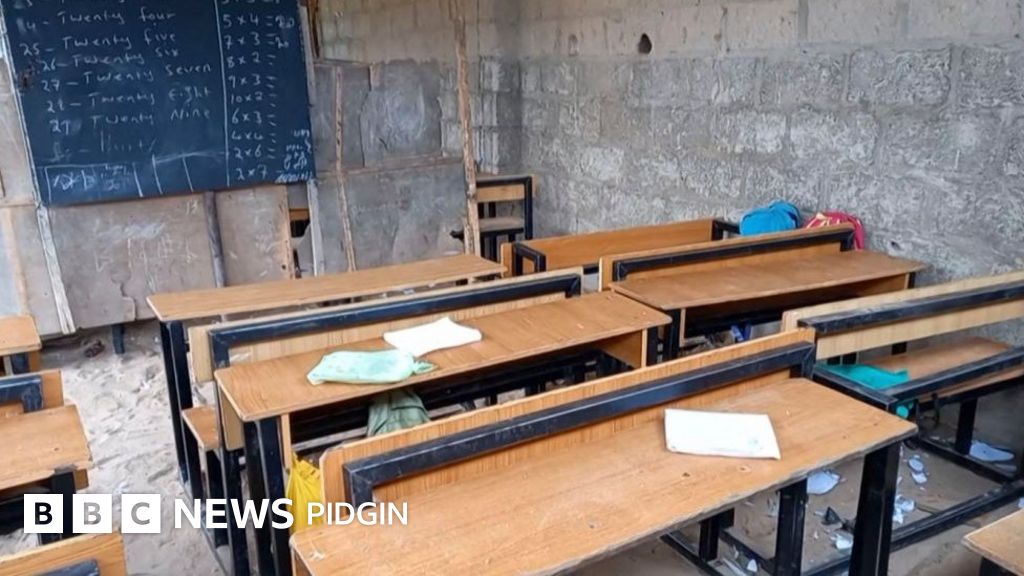
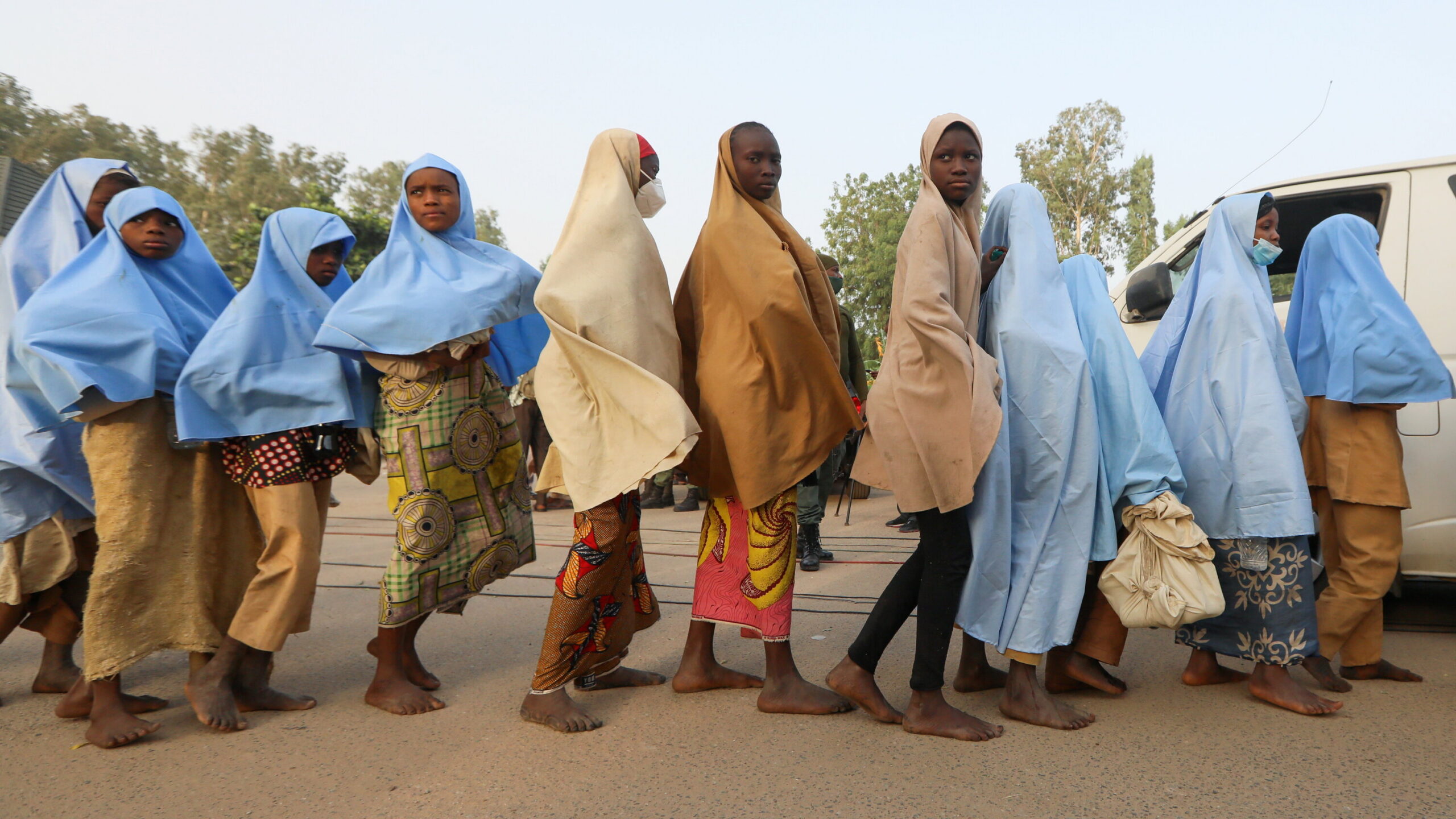
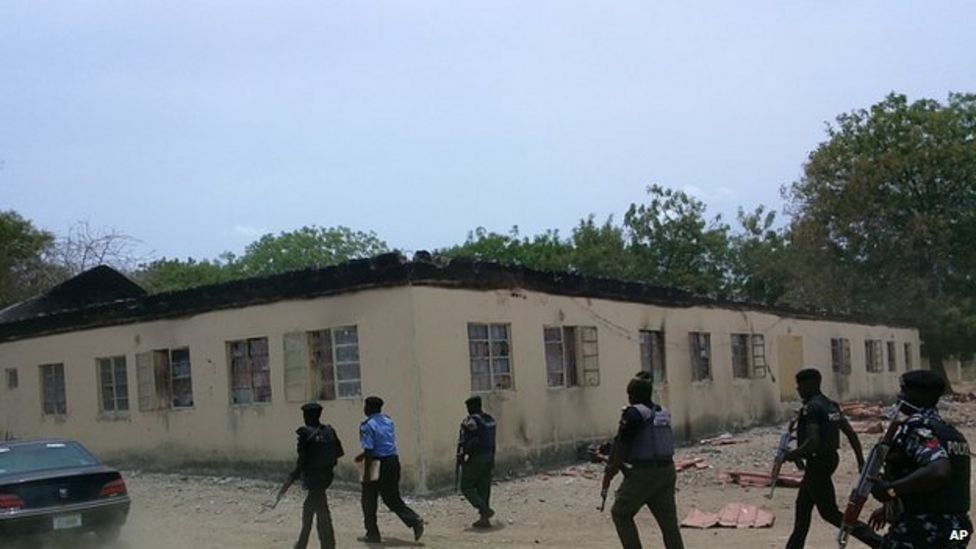
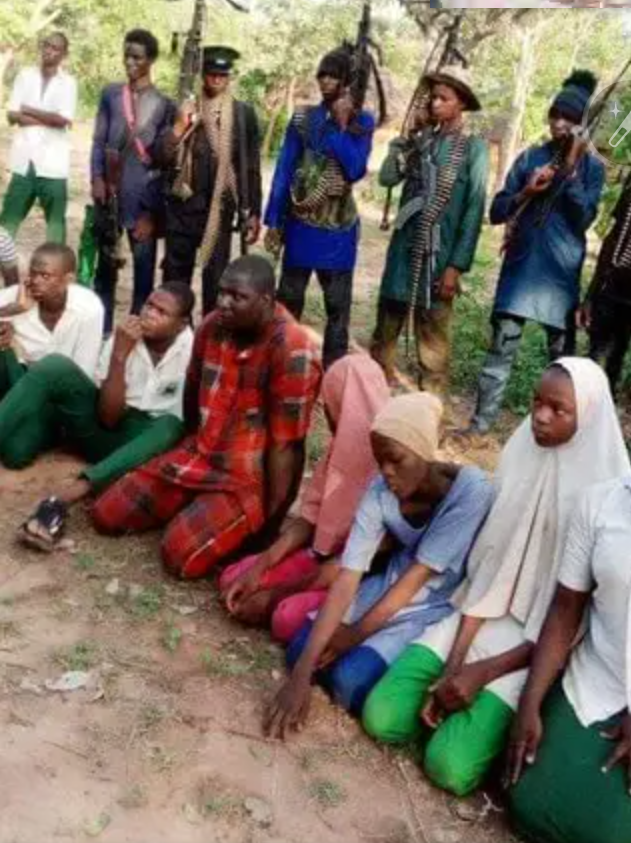
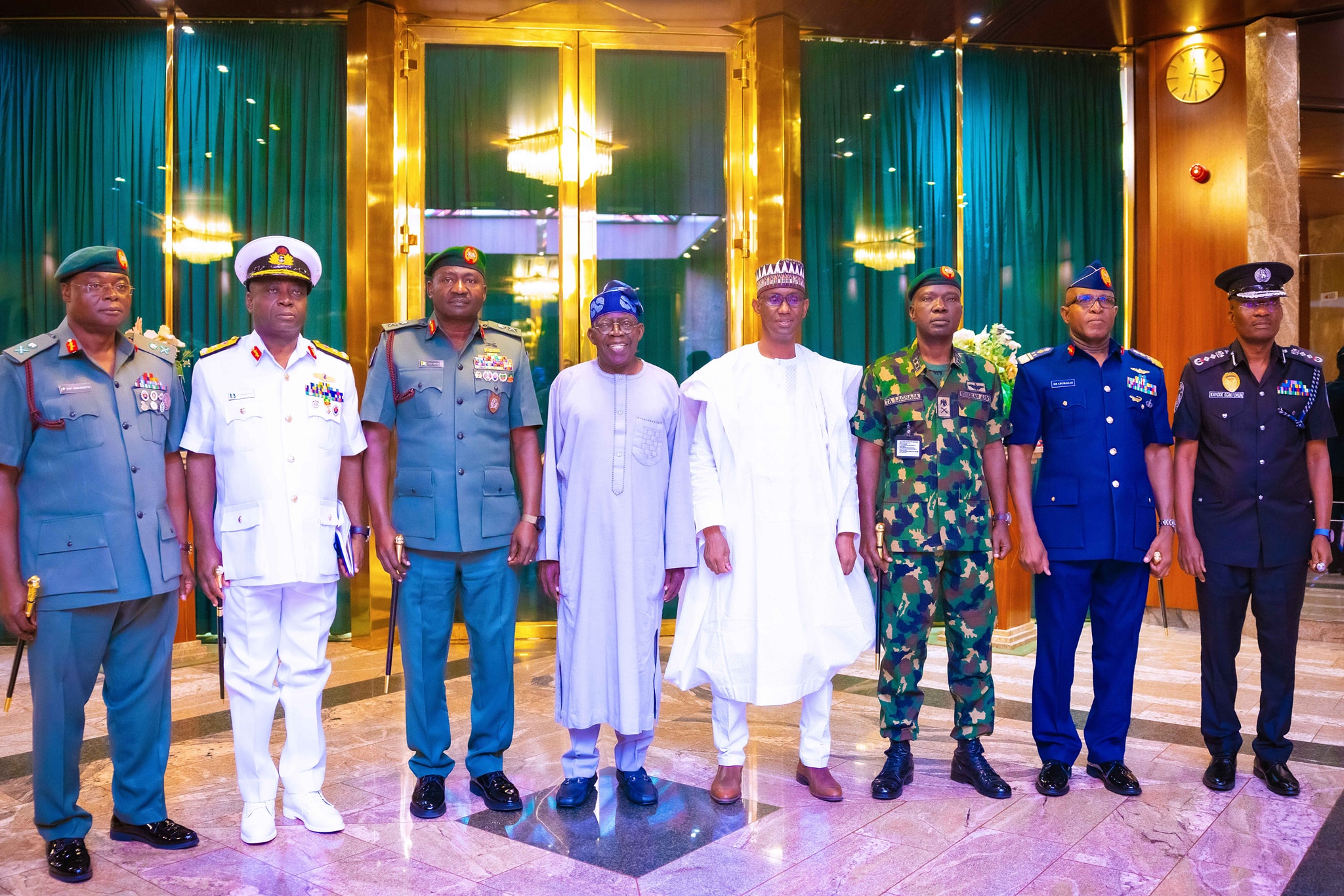
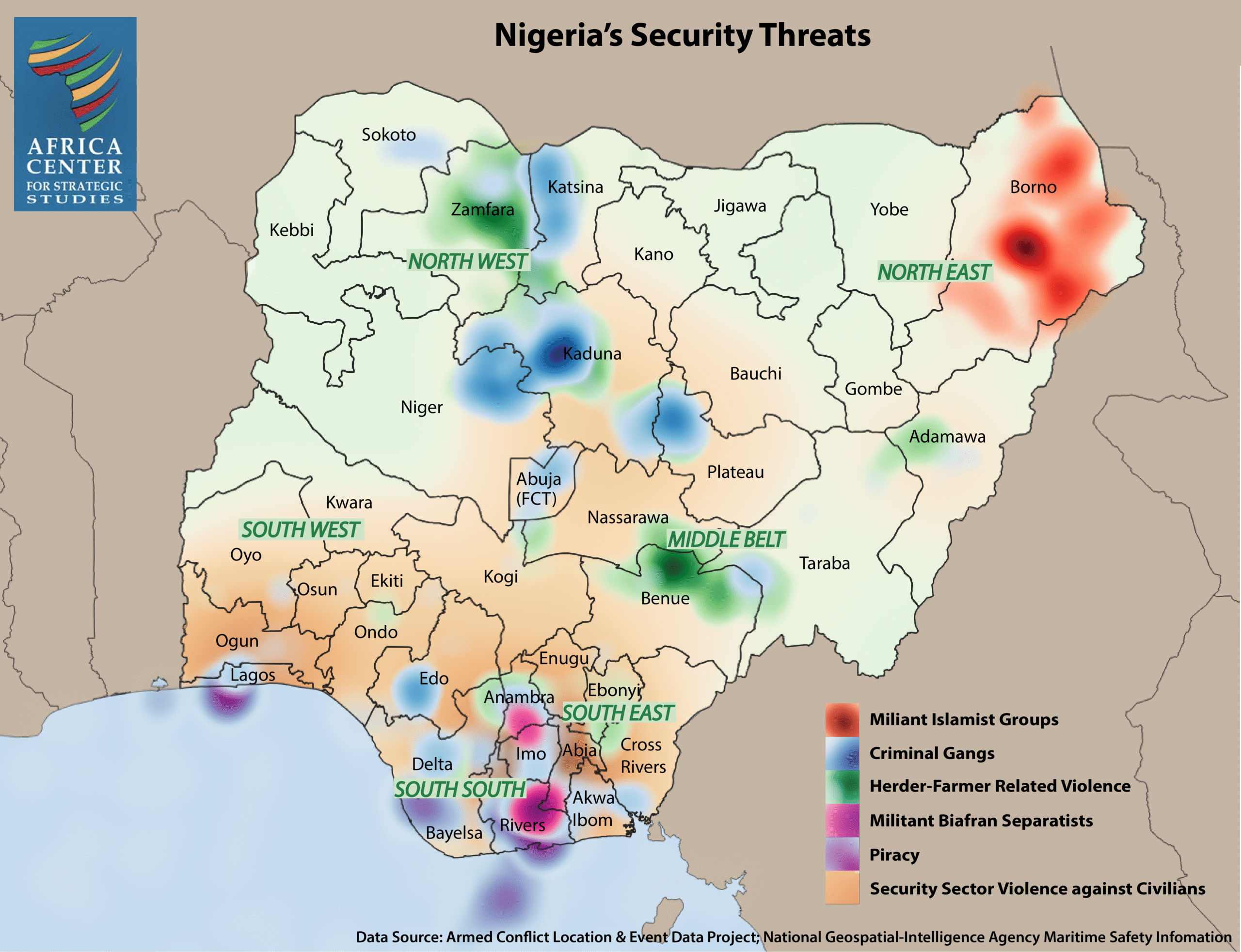
Simultaneously, the Nigeria Police Force faces fresh backlash amid serious allegations of secretive promotions, supposedly approved by Inspector General of Police (IGP) Kayode Egbetokun. These shadowy personnel decisions have understandably stirred deep distrust and suspicion within the force and among the public. Further, IGP Egbetokun recently reshuffled top police leadership, posting Audu Bosso to Imo and Bassey Ewah to Plateau as commissioners. These moves coincide with wider concerns about the police force’s integrity and meritocracy. Intriguingly, the IGP also reportedly employed IT experts to digitally erase online evidence linked to a socialite accused of a $2.5 million fraud scheme. This unusual step undeniably raises troubling questions about accountability and transparency in handling corruption and cybercrime. Meanwhile, Nigeria’s education sector grapples with mounting woes; thousands of Parent Teacher Association (PTA) teachers in Unity schools await official regularisation amid allegations of job racketeering allegations within the Education Ministry. These delays demoralize educators and jeopardize educational quality. In transportation, workers’ protests against concessioning plans halted flight operations at Enugu Airport, typifying tensions between privatization and workers’ rights, and raising critical questions about infrastructure sustainability. Security concerns have dramatically escalated across northern Nigeria, with Defence Headquarters confirming horrifying terrorist attacks that resulted in mass killings in a Kwara community after residents rejected armed groups’ indoctrination. While over 160 abducted worshippers in Kaduna were freed, offering a ray of hope, local leadership, including Vice-President Kashim Shettima and Kwara Governor AbdulRahman AbdulRazaq, faces criticism for allegedly failing to visit the devastated community, where over 170 lives were lost. Politically, the Independent National Electoral Commission (INEC) is under fire for allegedly issuing voter cards to the wrong persons in Kwali, Abuja, a move flagged by the African Action Congress (AAC) candidate as threatening electoral integrity. Concurrently, Tinubu’s Chief of Staff Garba Shehu’s cousin languishes in Ikoyi Prison over alleged threats, contending the Chief of Staff himself is complicit. Corruption investigations have severely rocked the Economic and Financial Crimes Commission (EFCC), as its top prosecutor, Samuel Chime, was suspended amid bribery allegations. This highlights internal battles, fueling public skepticism about anti-graft efforts. Additionally, military officers reportedly arrested an Abuja visa agent at gunpoint over a failed Canadian visa application and detained him, sparking questions about military overreach and due process. Collectively, these multifaceted challenges paint a troubling, yet instructive, portrait of Nigeria at a critical crossroads. Political intolerance, pervasive security breakdowns, systemic corruption, and deep-seated institutional dysfunction intersect with daily lives in profound ways. However, these crises also present crucial opportunities for national introspection, far-reaching reform, and stronger public engagement. Nigeria’s leaders, civil society, and its entire citizenry must prioritize restoring trust in governance institutions, protecting vulnerable populations, ensuring justice and transparency, and tackling insecurity with credible, community-inclusive strategies. The unfolding events present a powerful, clarion call to reinforce democratic values, even amidst deep difficulties, ensuring Nigeria’s long-term resilience and prosperity.
Sources:
- Adamawa Court Arraigns Two For Booing Governor Fintiri At Political Gathering, Imposes Stringent Bail Conditions, February 4, 2026
- Judge Sentences Ryan Routh To Life Plus Seven Years For Attempted Assassination Of Donald Trump, United States of America, February 4, 2026
- Father Recounts How Three-Year-Old Son Was Sold For N1.5Million In Lagos, Trafficked To Anambra; CCTV Exposes Neighbour, February 4, 2026
- Nigeria Police Face Fresh Backlash Over Another Scandalous Secret Promotion Approved By IGP Egbetokun, February 4, 2026
- IGP Egbetokun Posts Audu Bosso To Imo, Bassey Ewah To Plateau As Police Commissioners, February 4, 2026
- IGP Egbetokun Hires IT Experts To Erase Online Links To Socialite Who Impersonated ‘Dubai Crown Prince’ In $2.5Million Fraud Scandal, February 6, 2026
- Thousands Of PTA Teachers In Nigeria’s Unity Schools Await Regularisation Amid Alleged Job Racketeering By Education Ministry, February 6, 2026
- Flight Operations Halted At Enugu Airport As Workers Protest Concessioning, February 6, 2026
- Defence Headquarters Confirms Terrorists Carried Out Mass Killings In Kwara Community After Residents Rejected ‘Indoctrination, Preachings’, February 5, 2026
- Over 160 Worshippers Abducted In Kaduna Regain Freedom, February 5, 2026
- Tinubu’s Chief Of Staff Gbajabiamila’s Cousin Languishes In Ikoyi Prison Over Alleged Threats, Accuses COS Of Complicity, February 8, 2026
- Military Officers Arrest Abuja Visa Agent At Gunpoint, Detain Him In Mambilla Barracks Over Failed Canadian Visa, February 8, 2026
- EFCC Suspends Top Prosecutor, Samuel Chime Over Alleged Bribery To Sabotage Cases, February 8, 2026
- How Vice-President Shettima, Kwara Governor Sat Back In Ilorin, Failed To Visit Devastated Community Where Terrorists Murdered Over 170 People, February 7, 2026
- INEC Accused Of Issuing Voter Cards To Wrong Persons In Kwali, Abuja As AAC Candidate Raises Alarm, February 7, 2026