Mali’s Tightrope Walk: Press Clampdowns, Mercenary Shadows, and a Green Energy Future
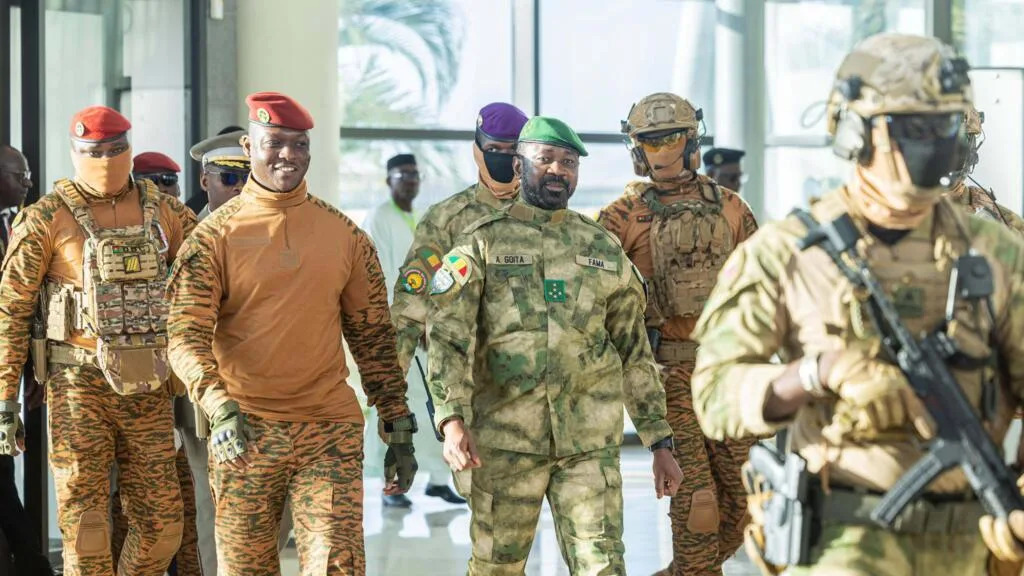
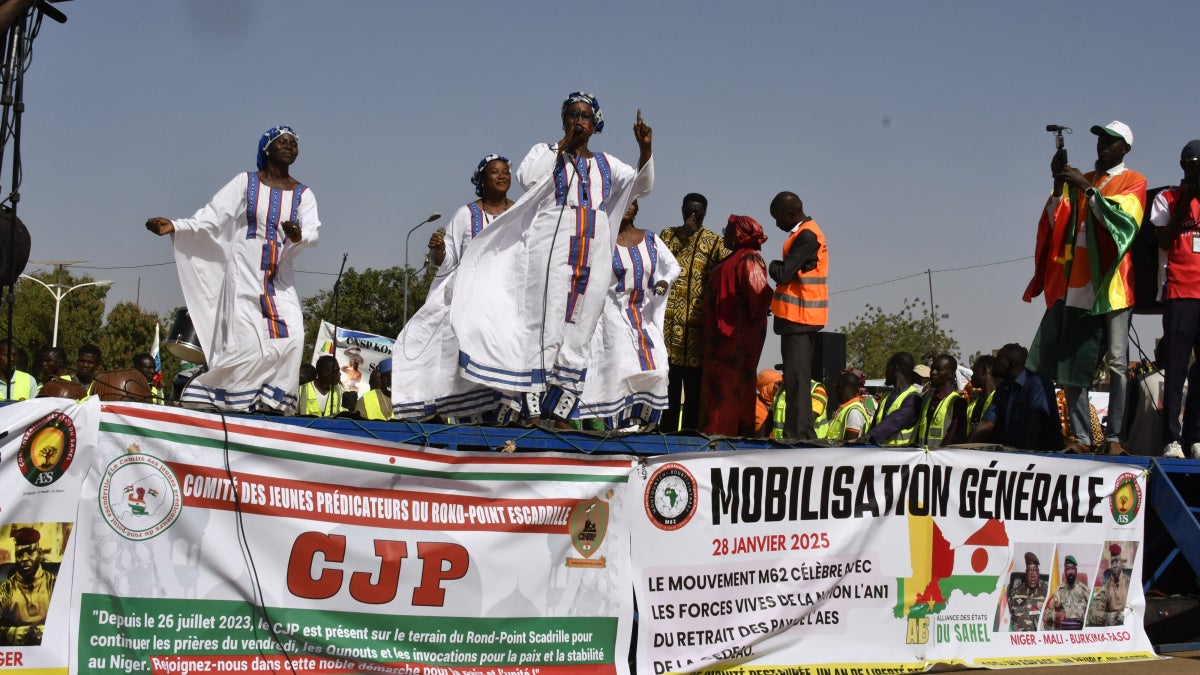
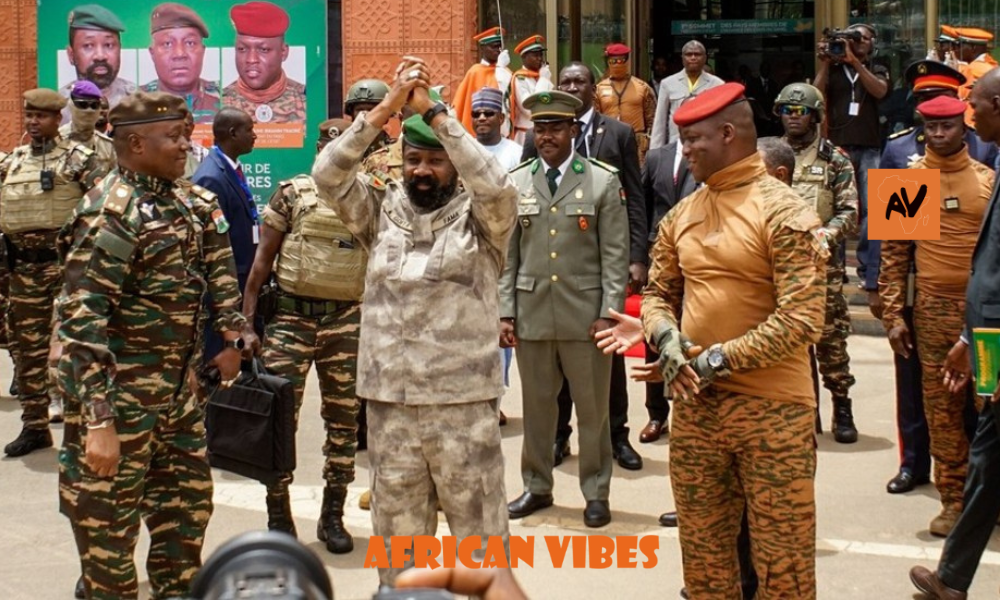
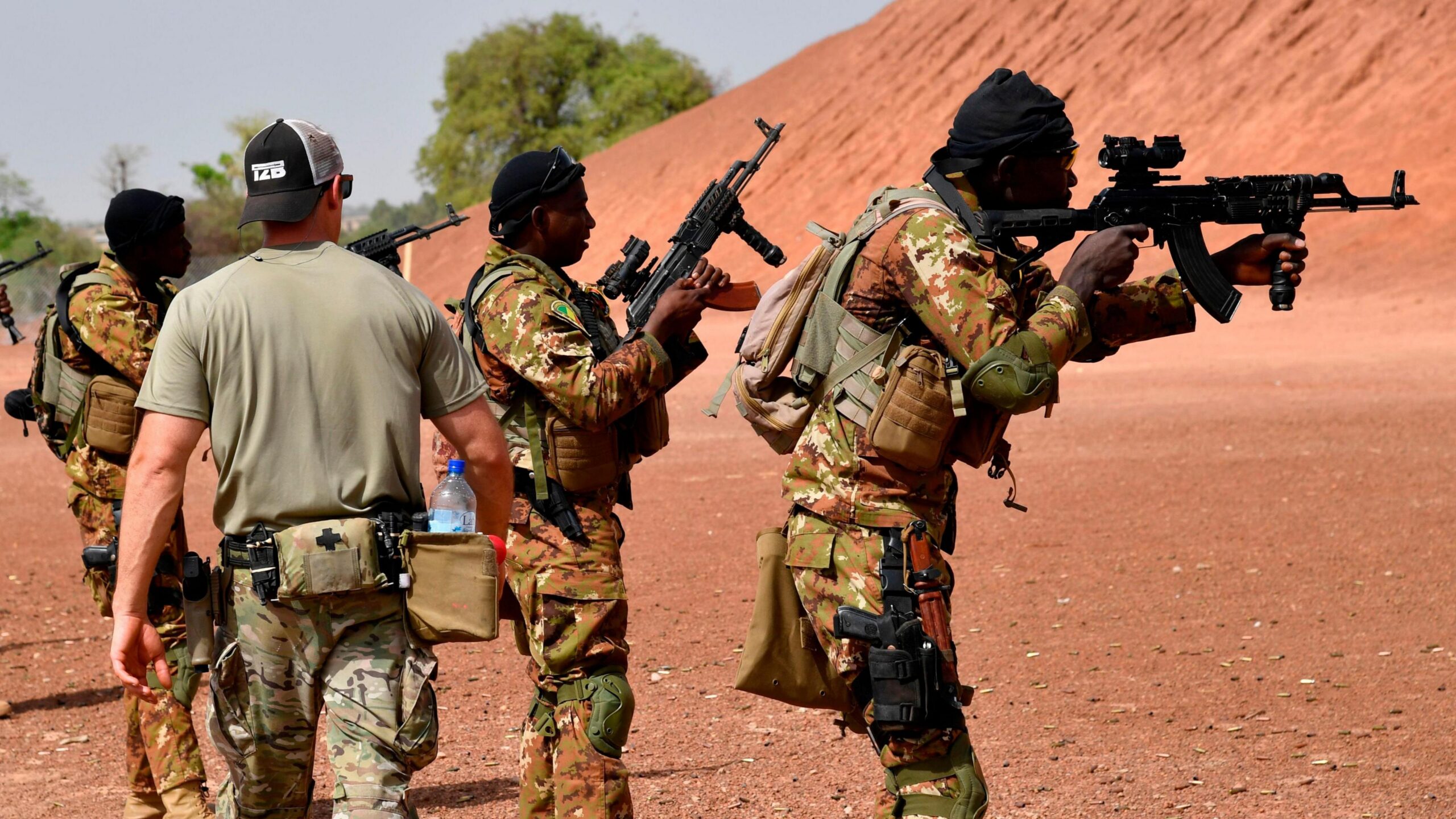
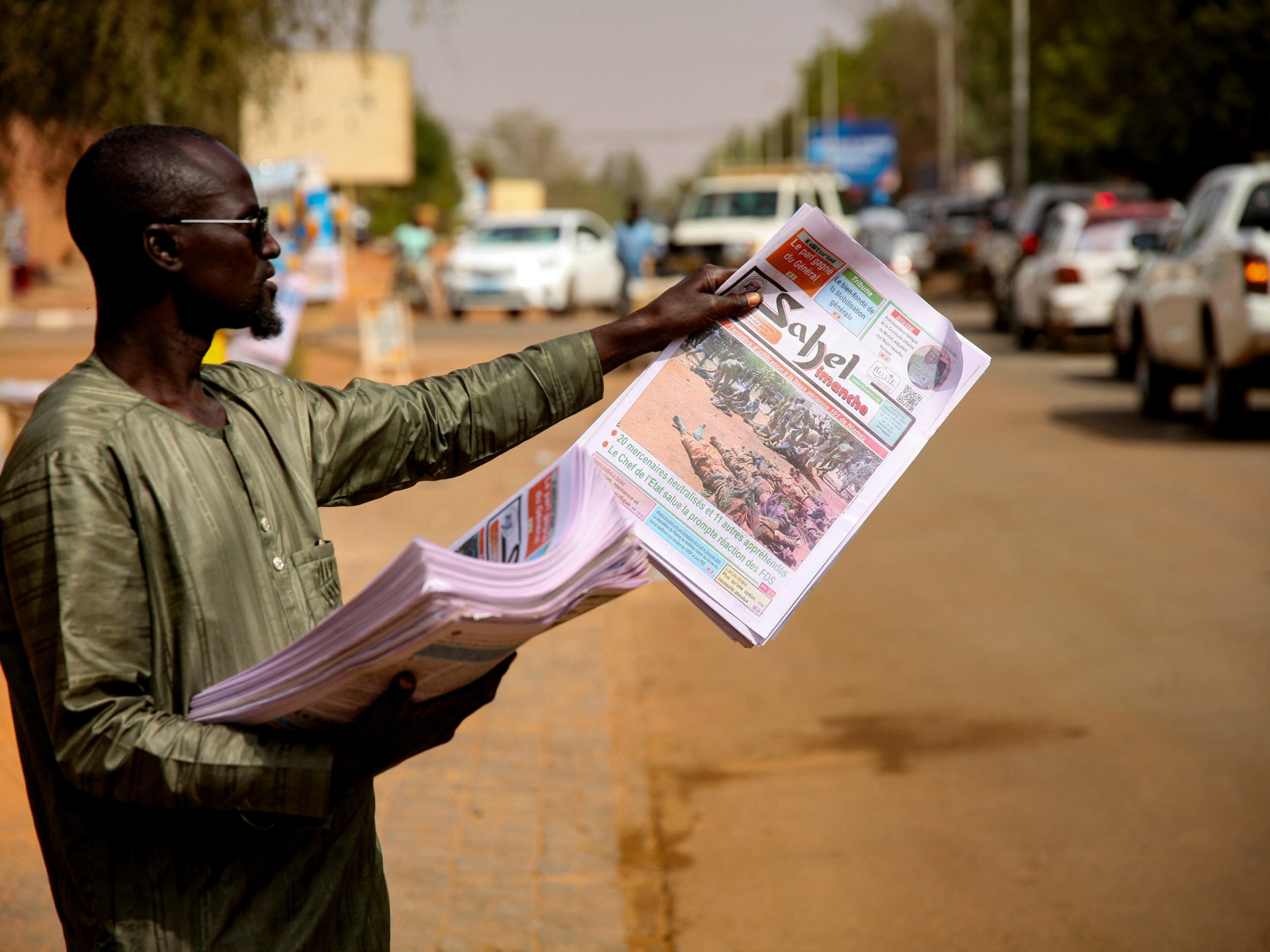
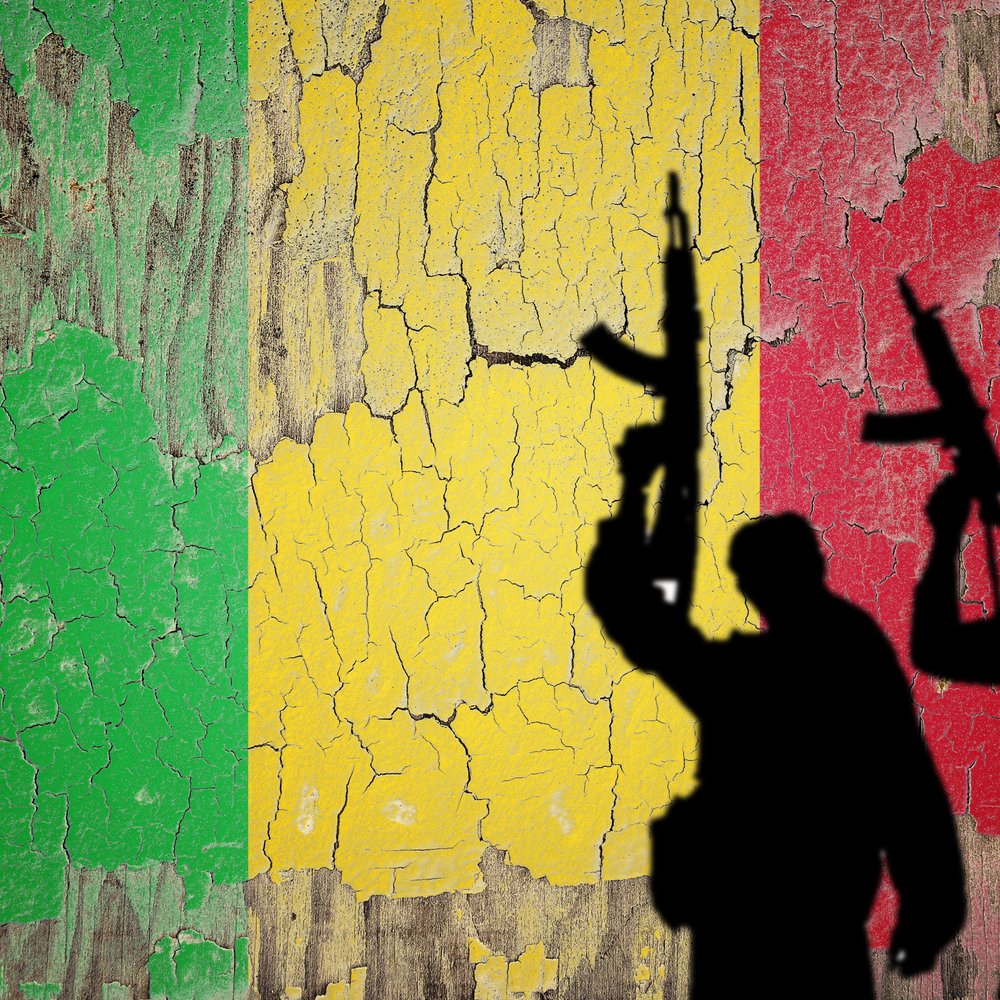
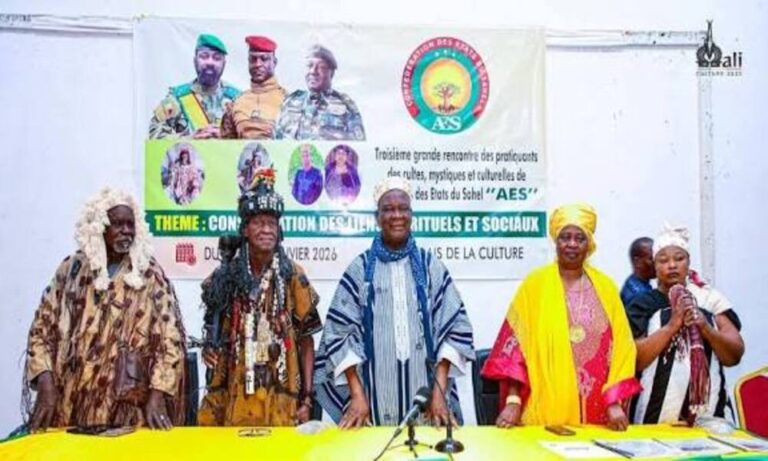
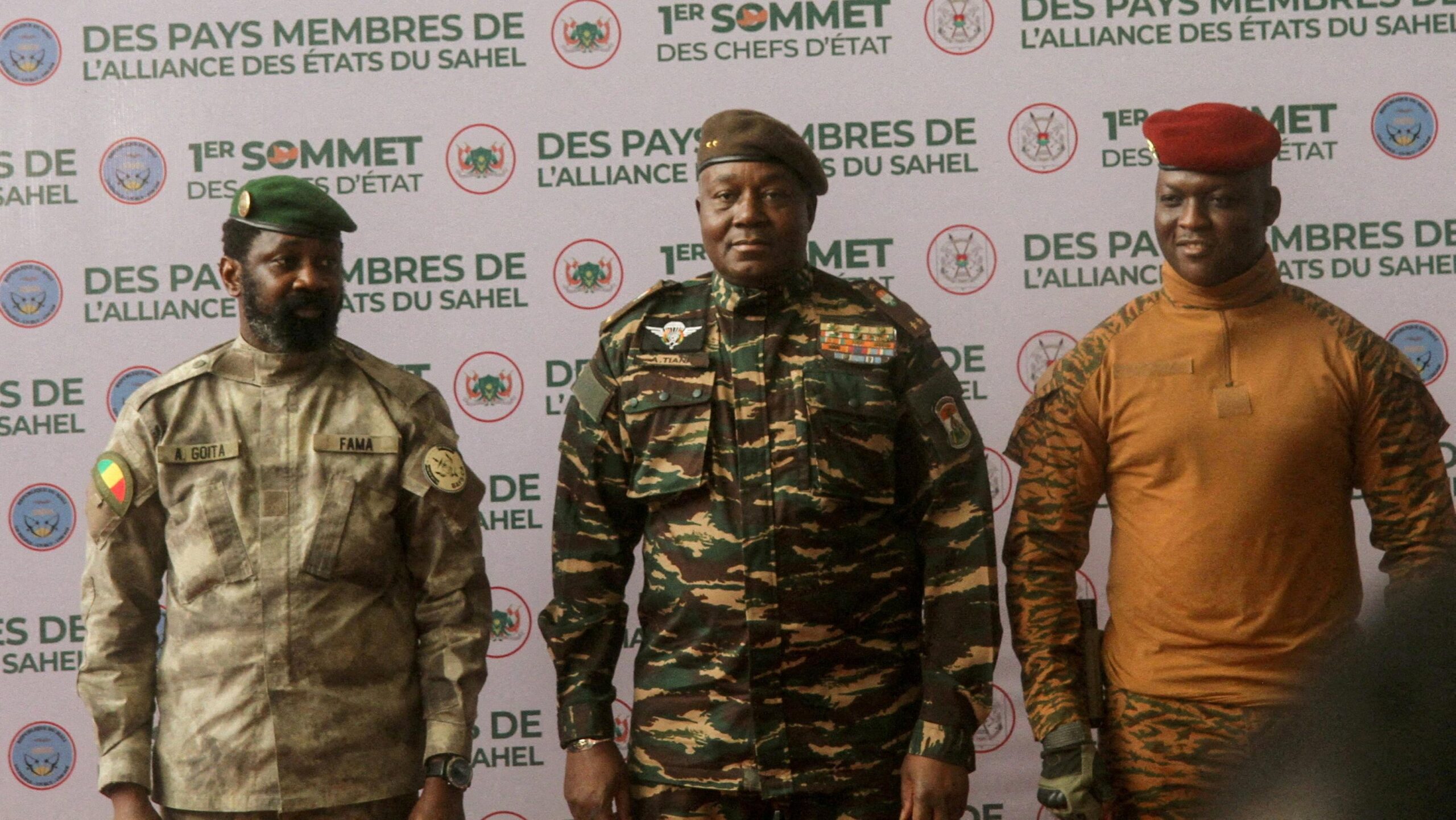
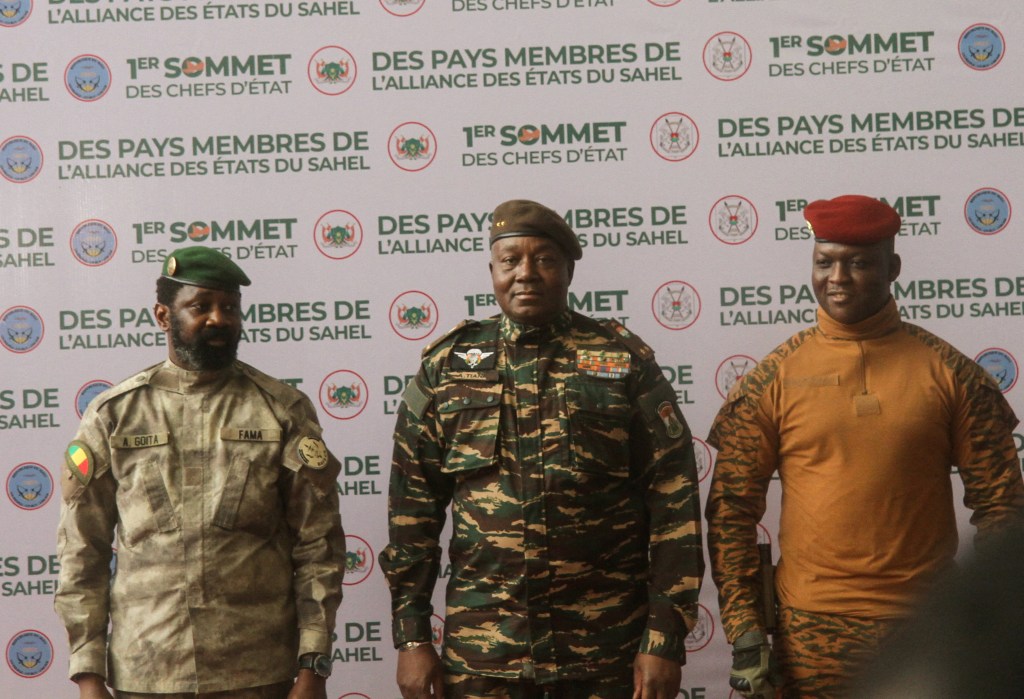
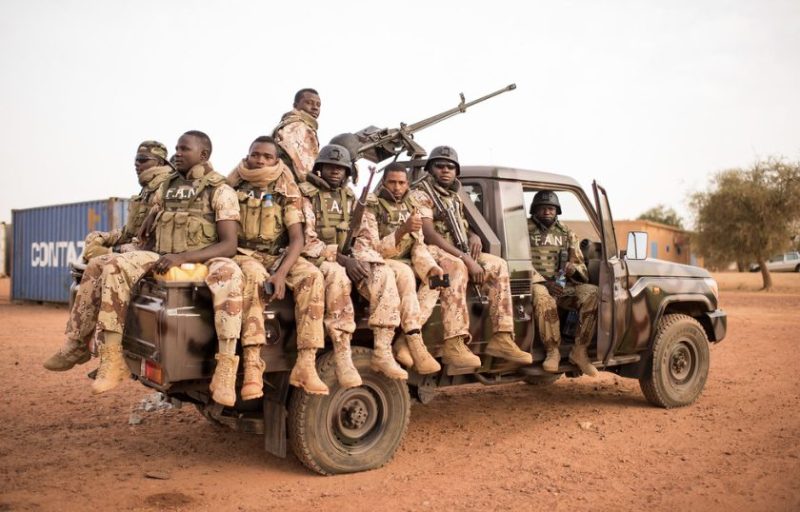
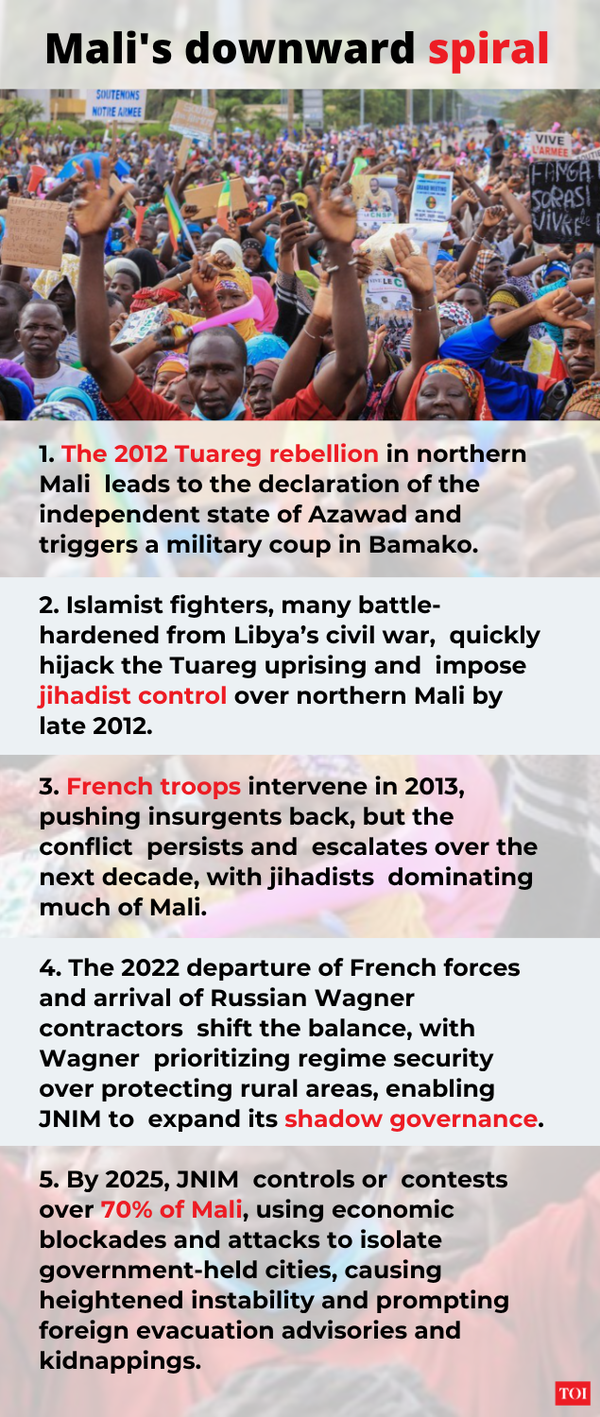
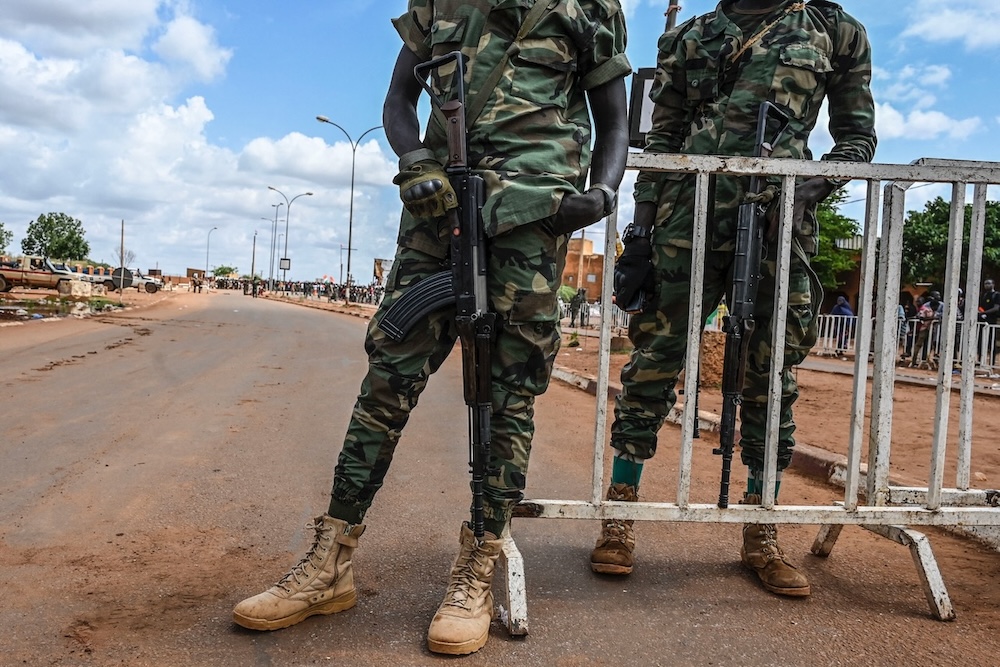
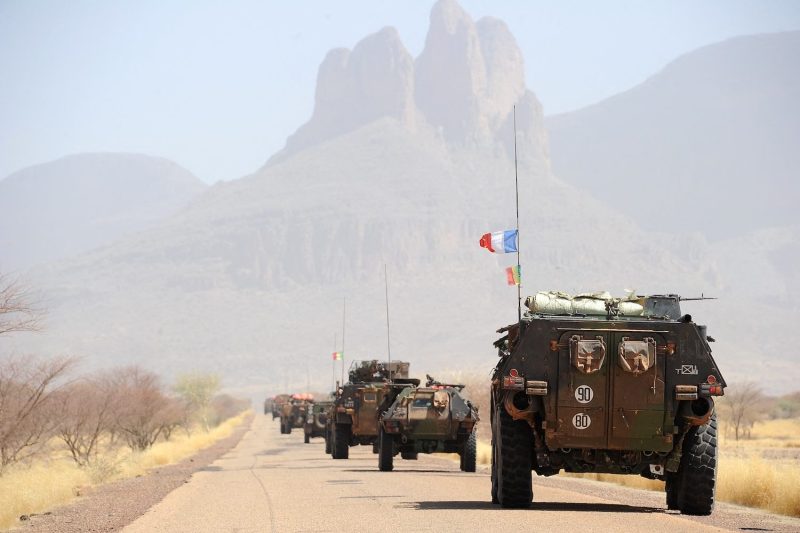
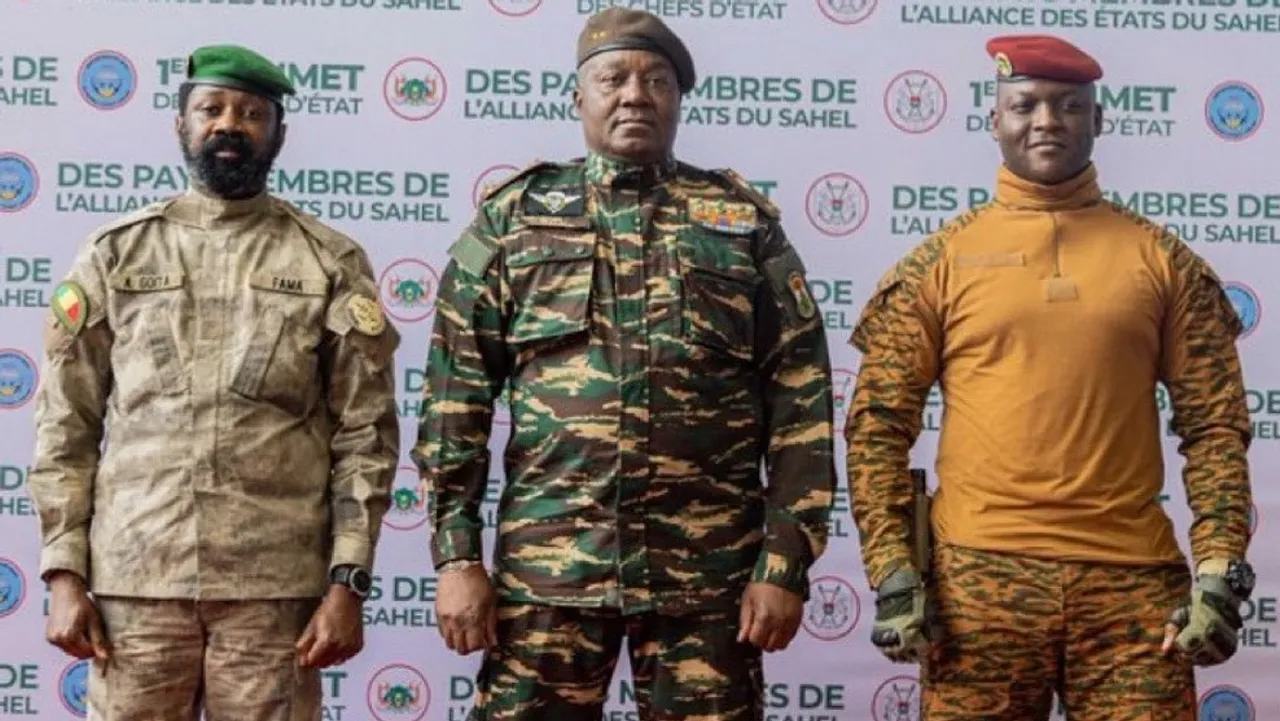
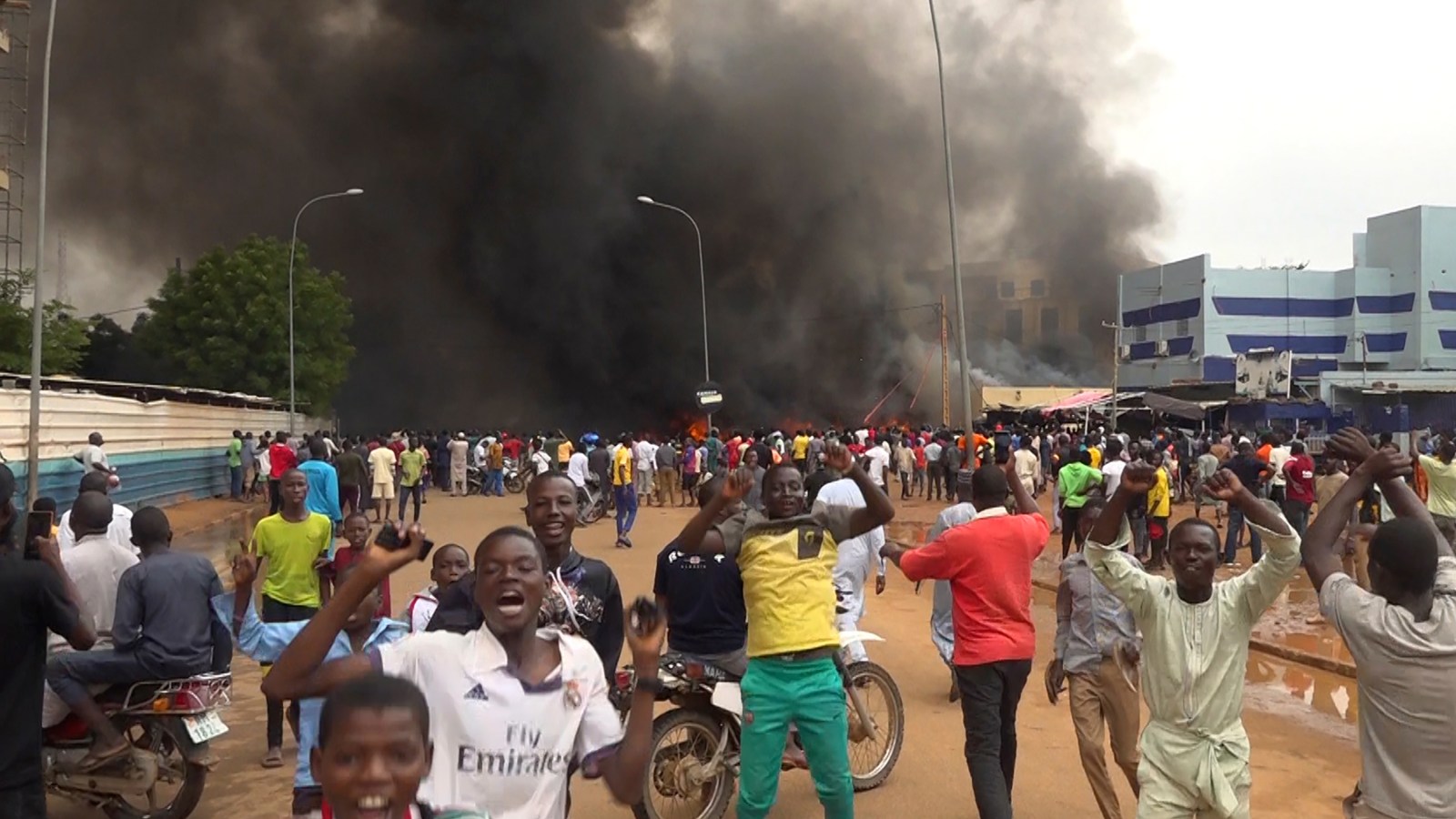
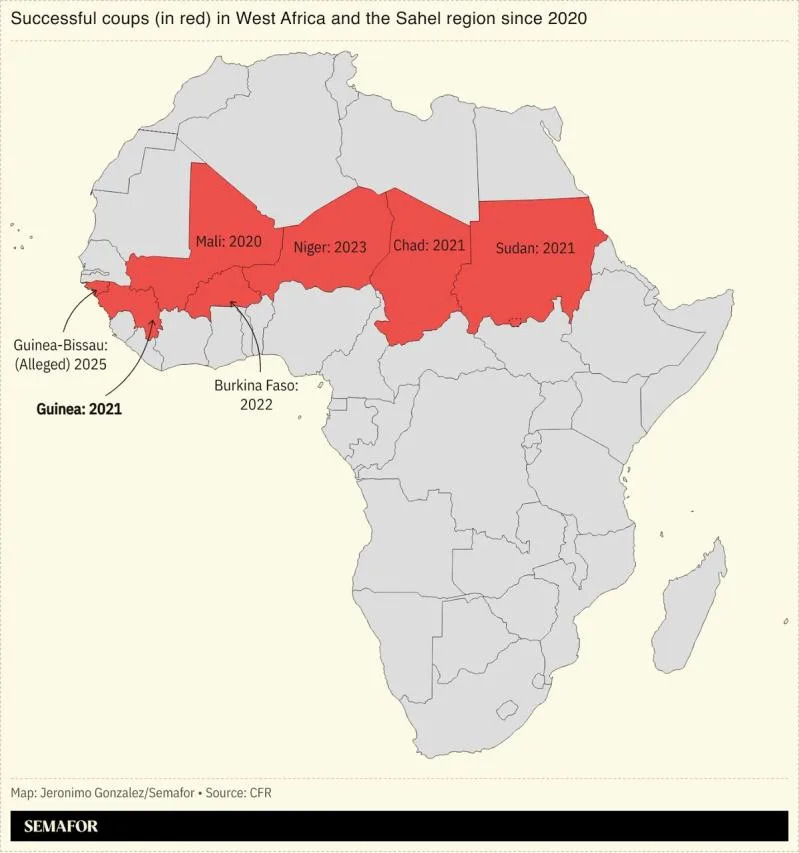
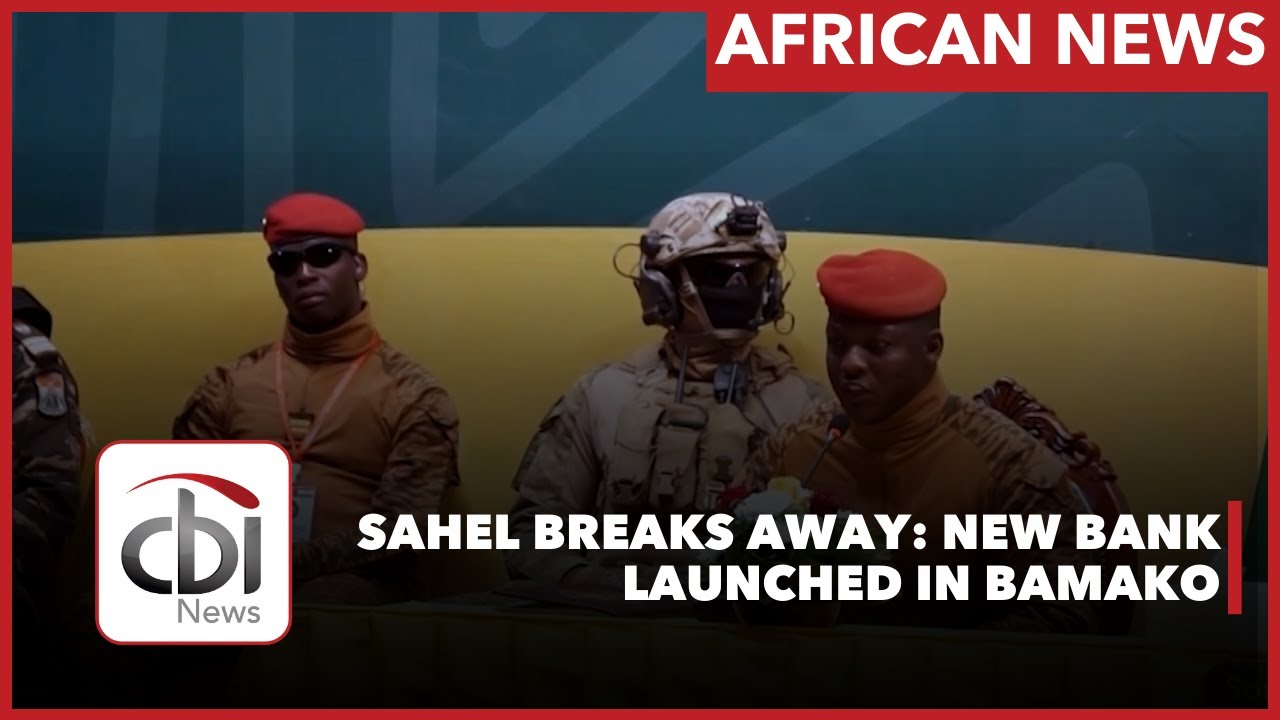
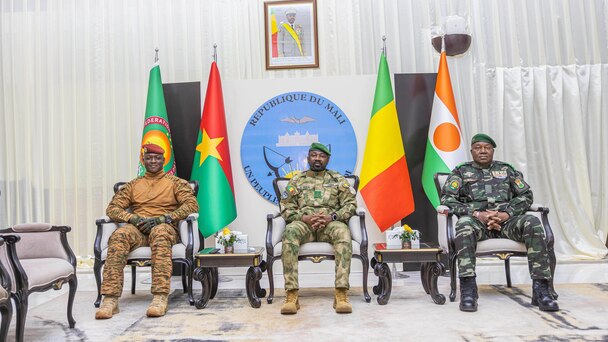
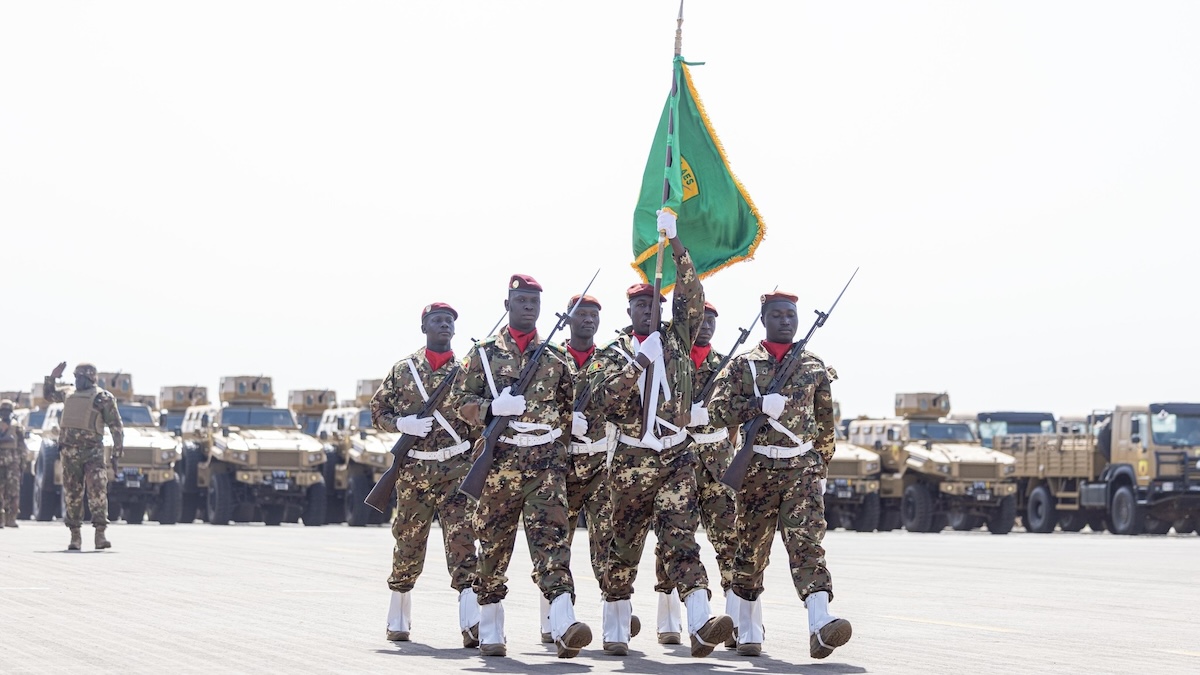
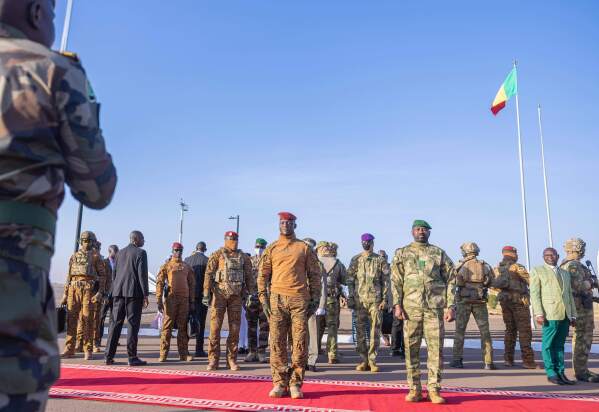
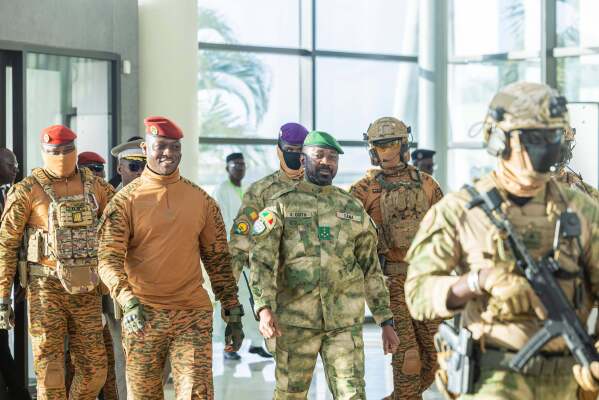
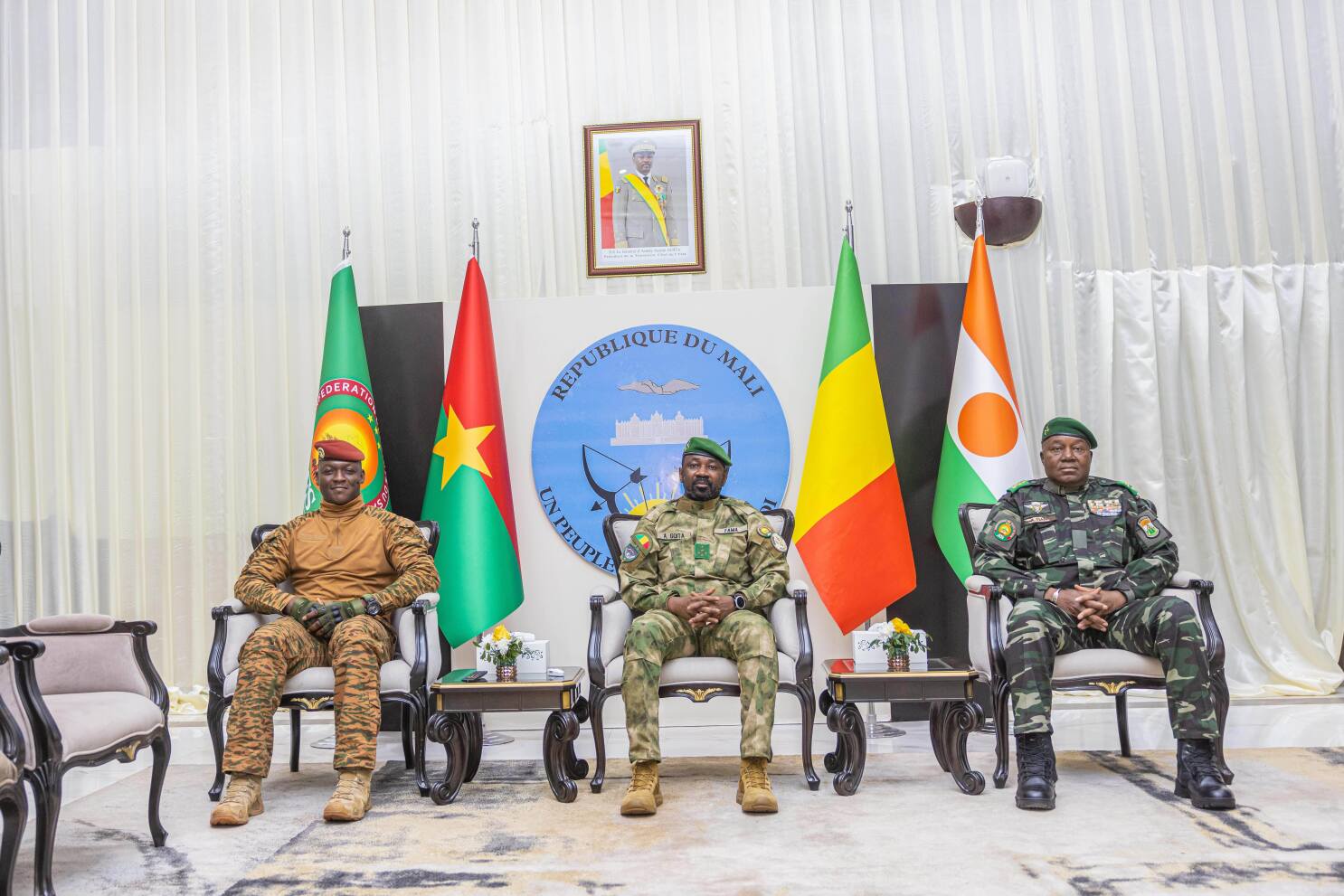
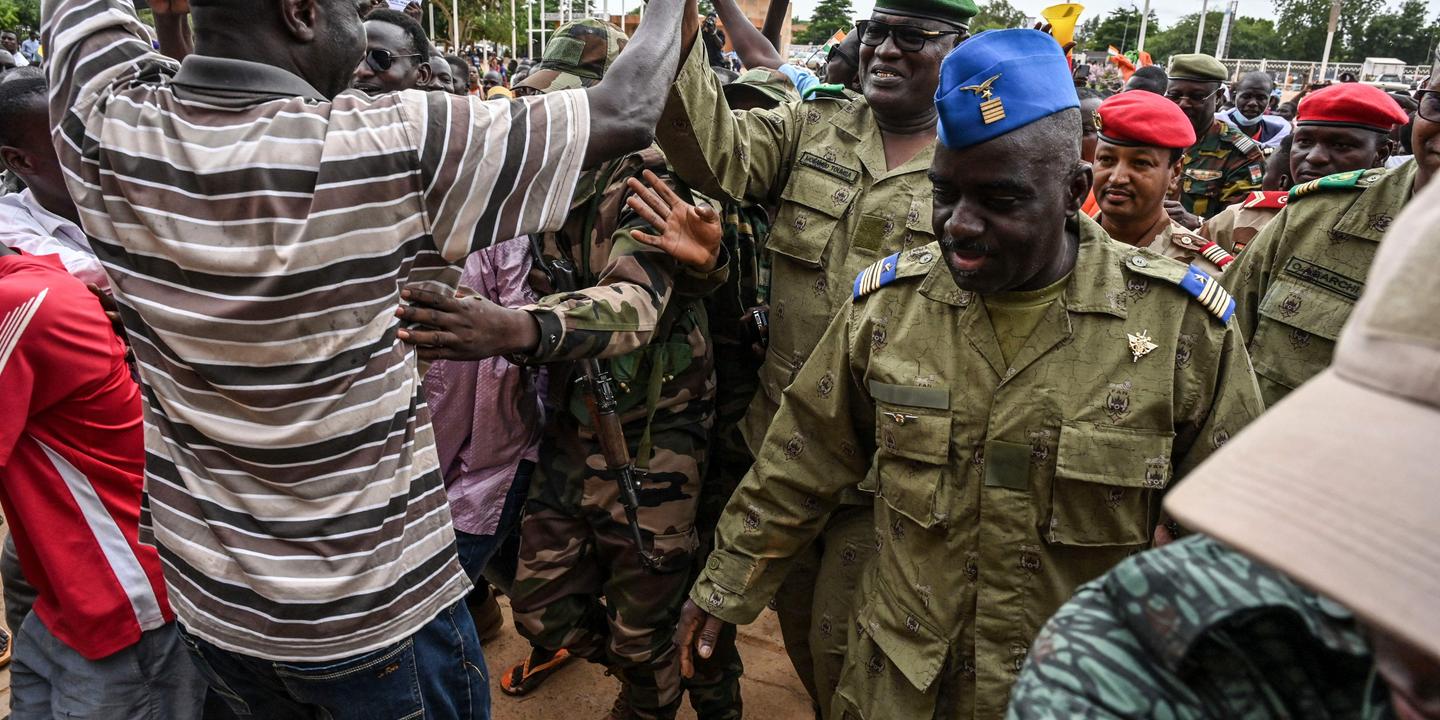
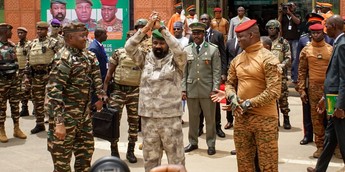
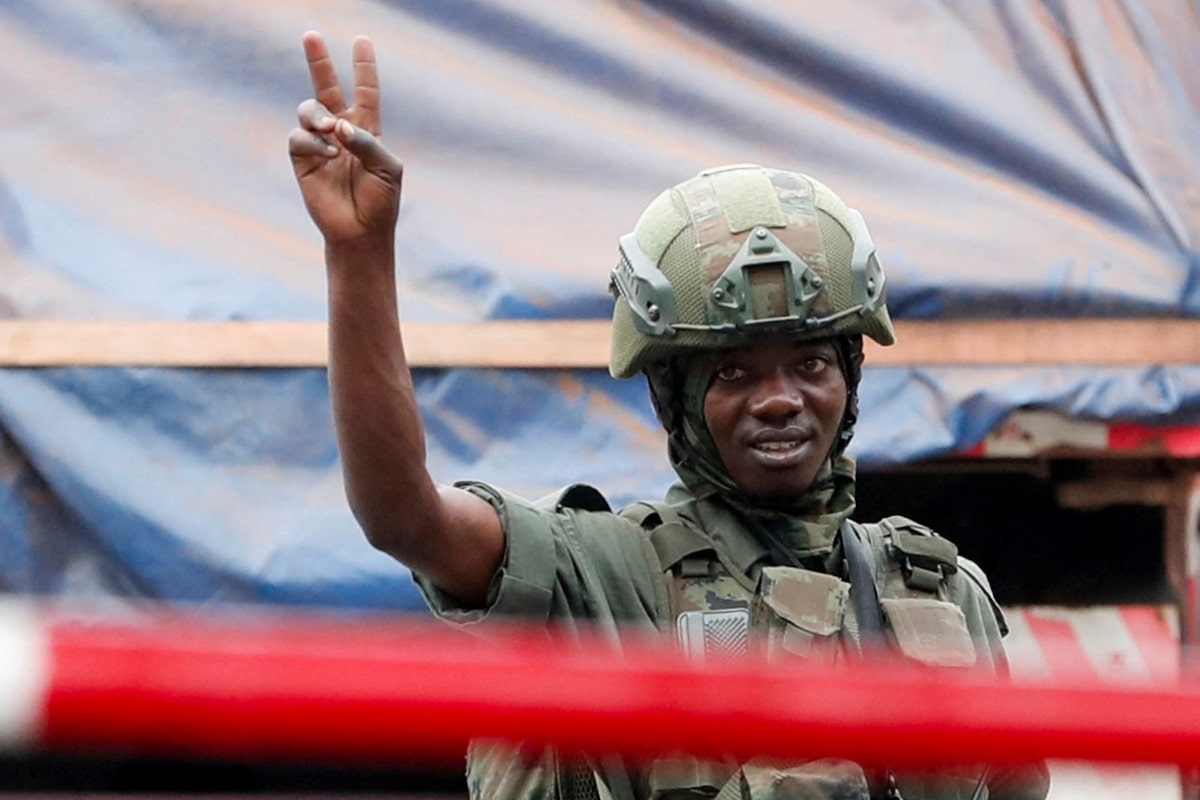
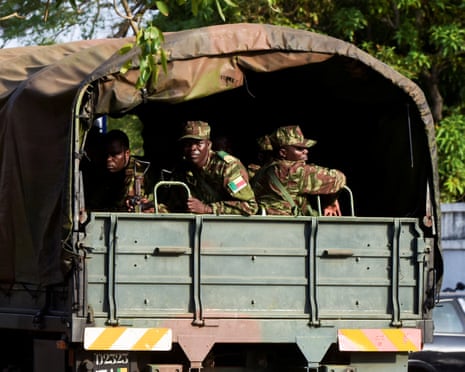
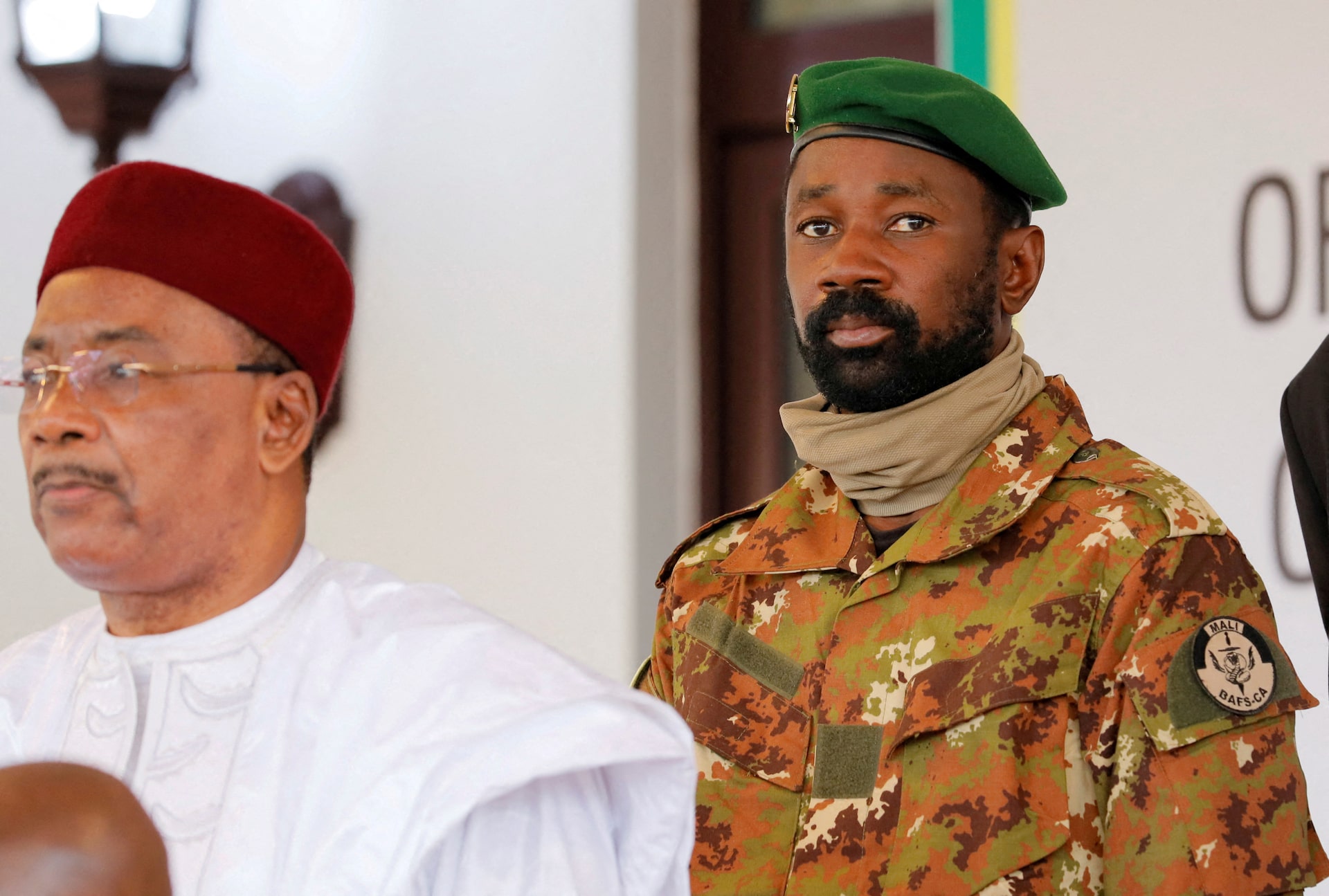
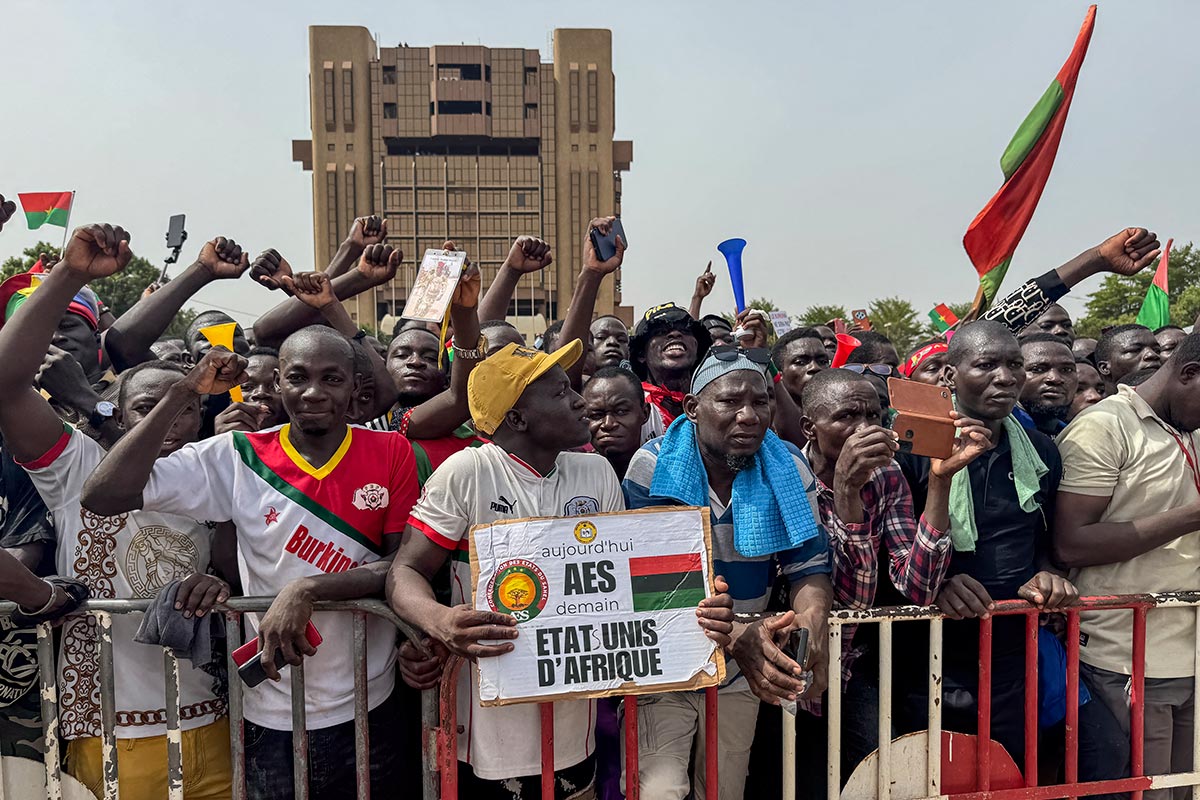
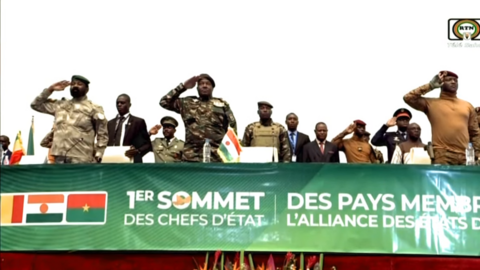
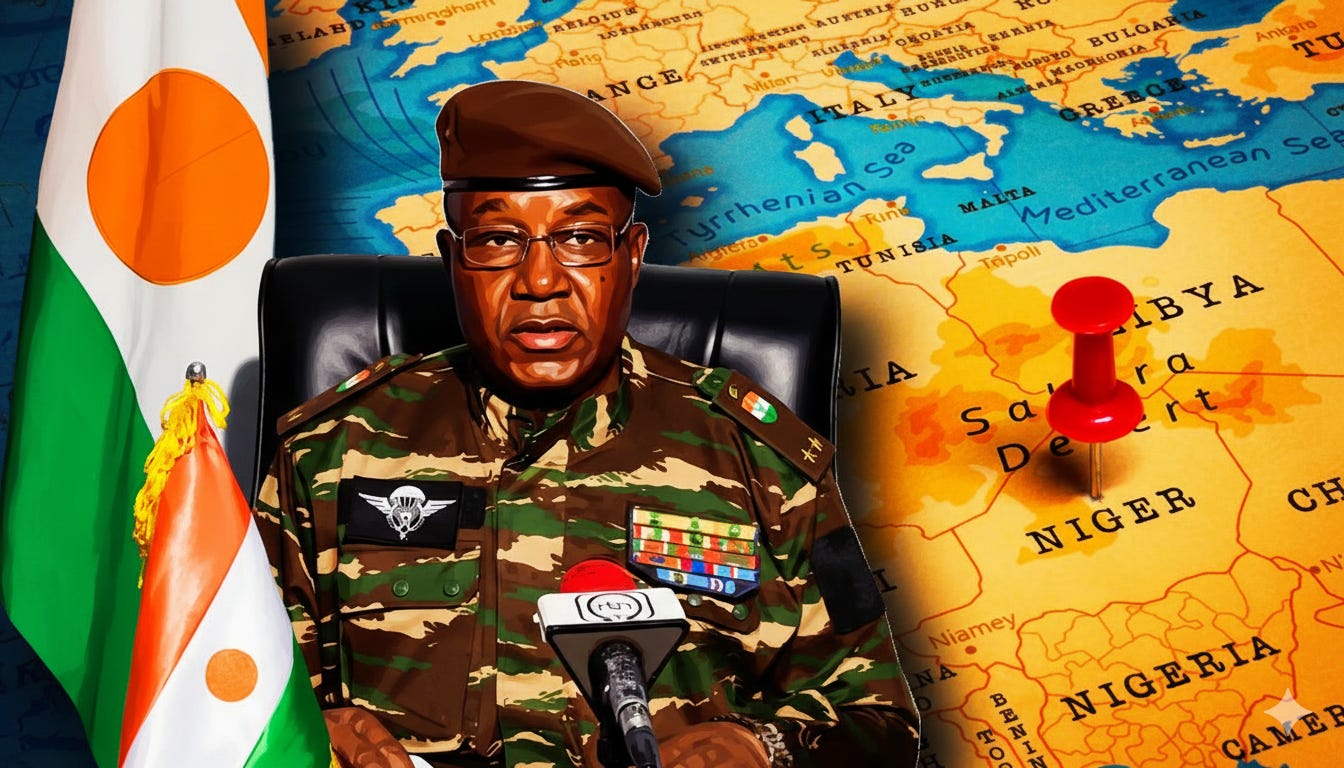
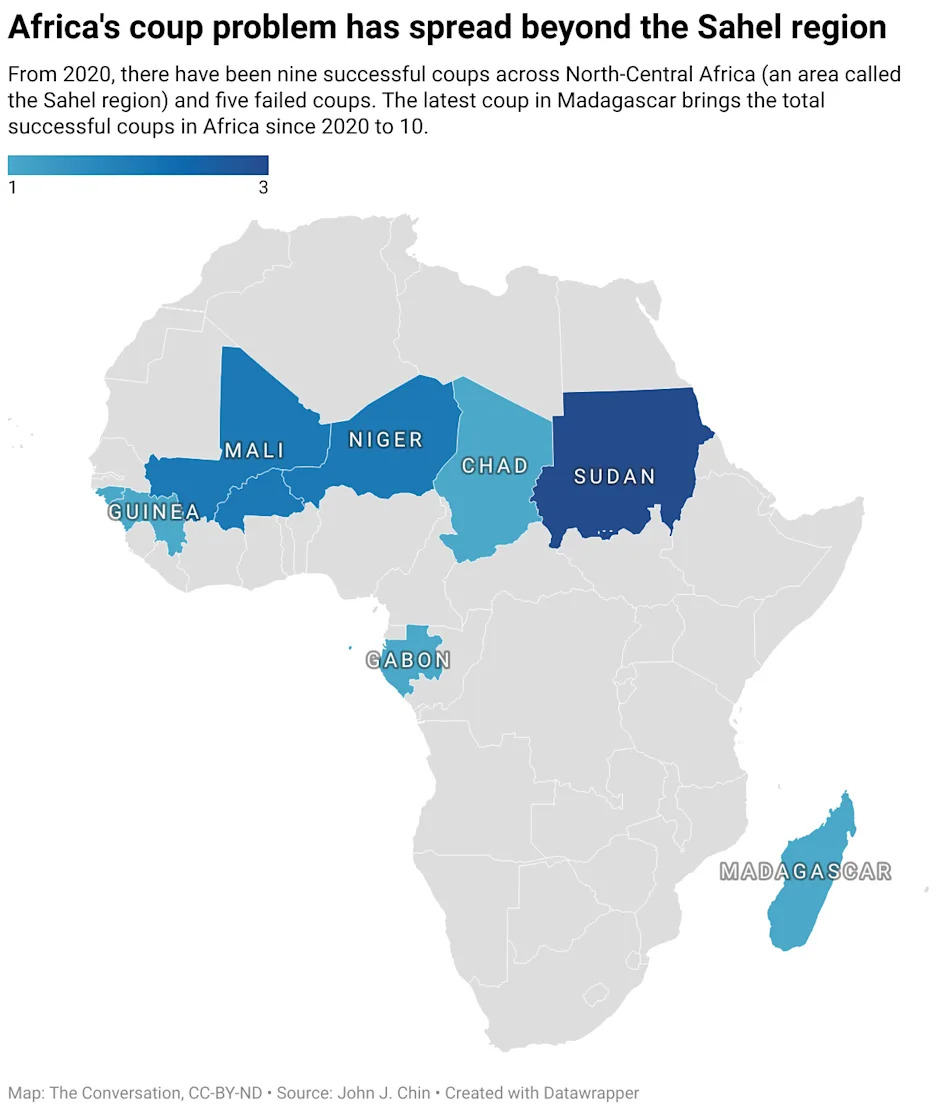
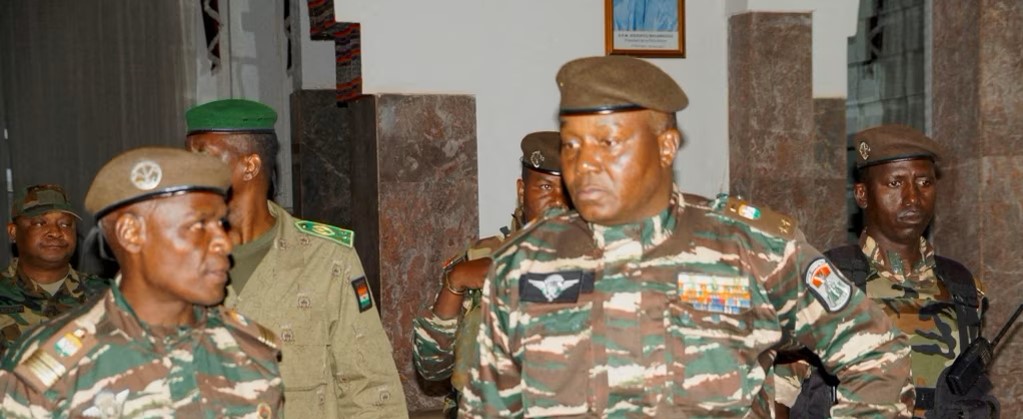
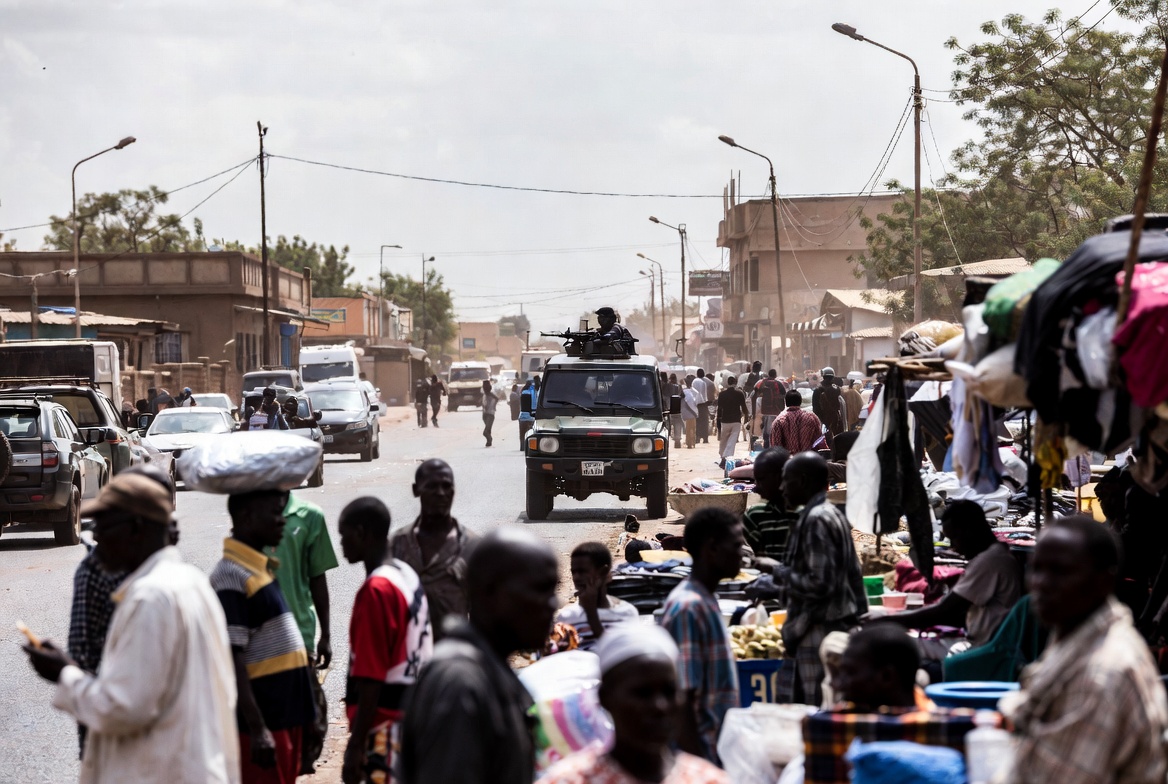
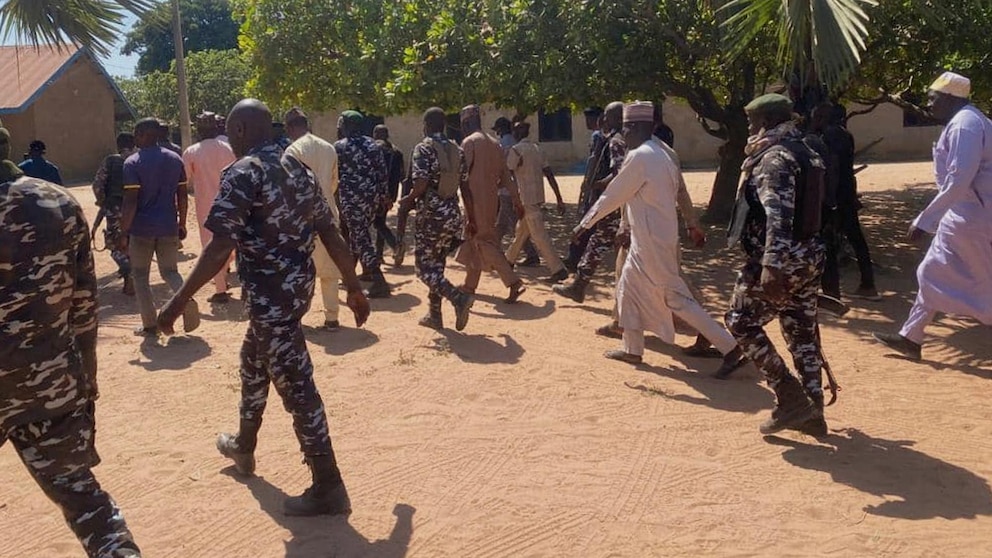
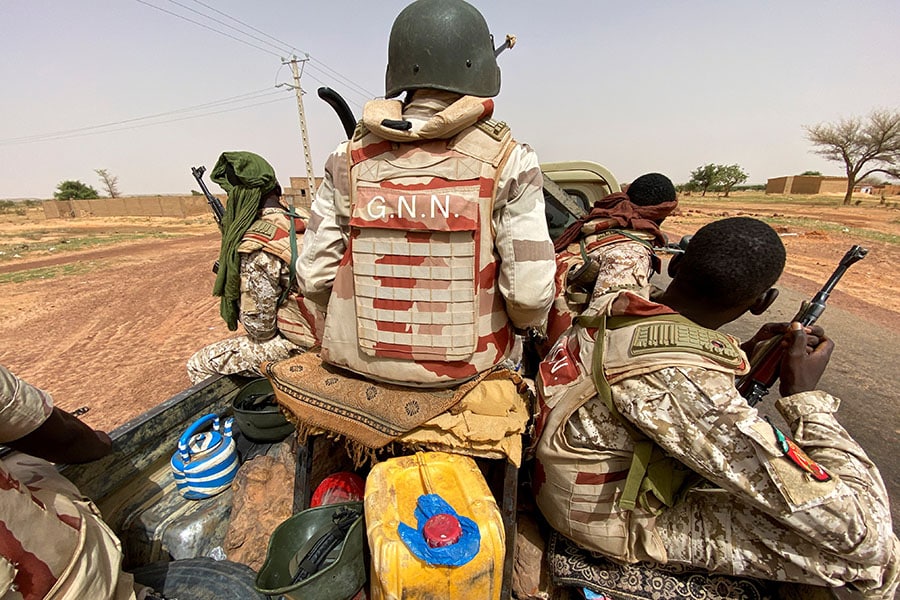
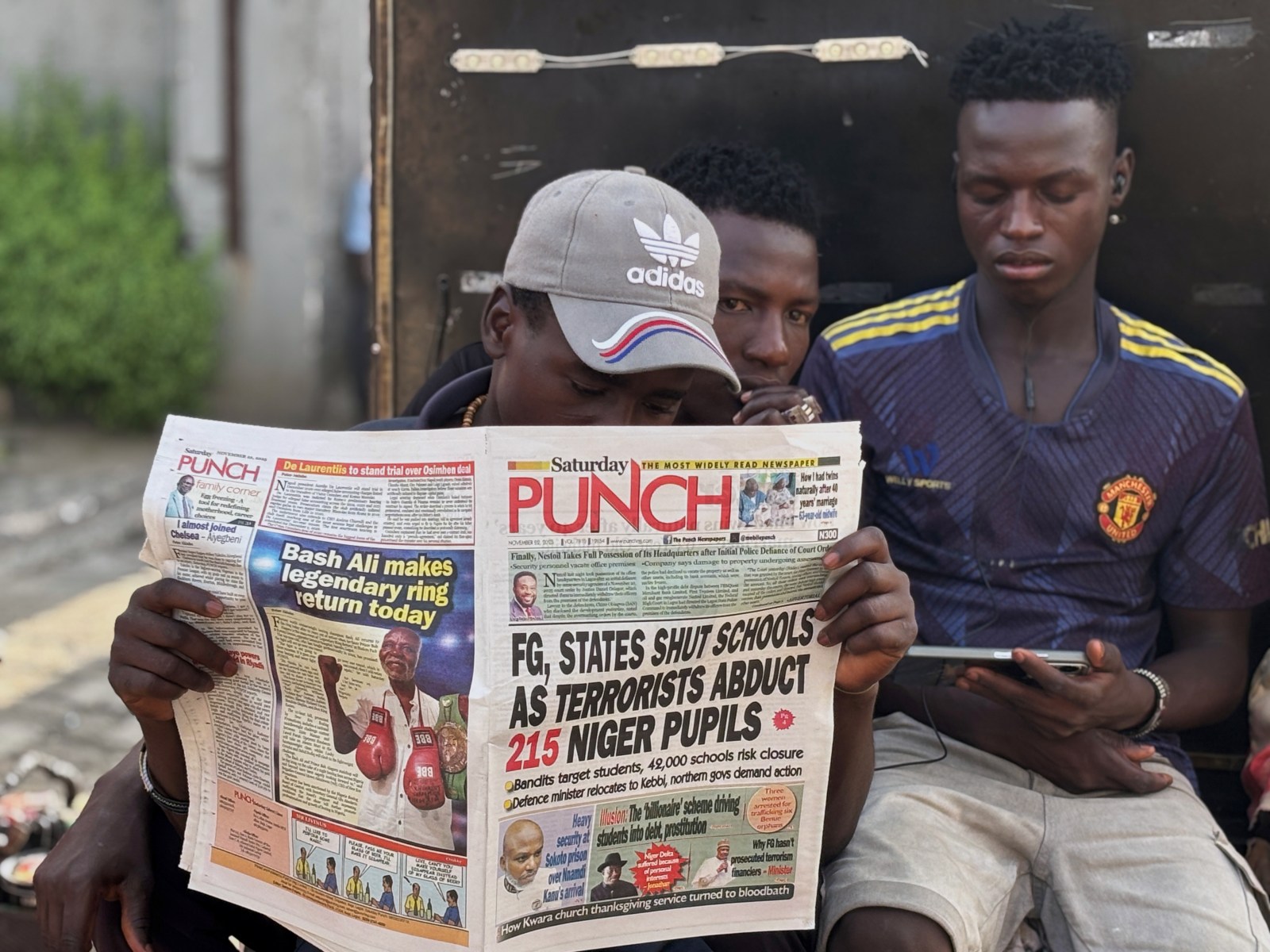
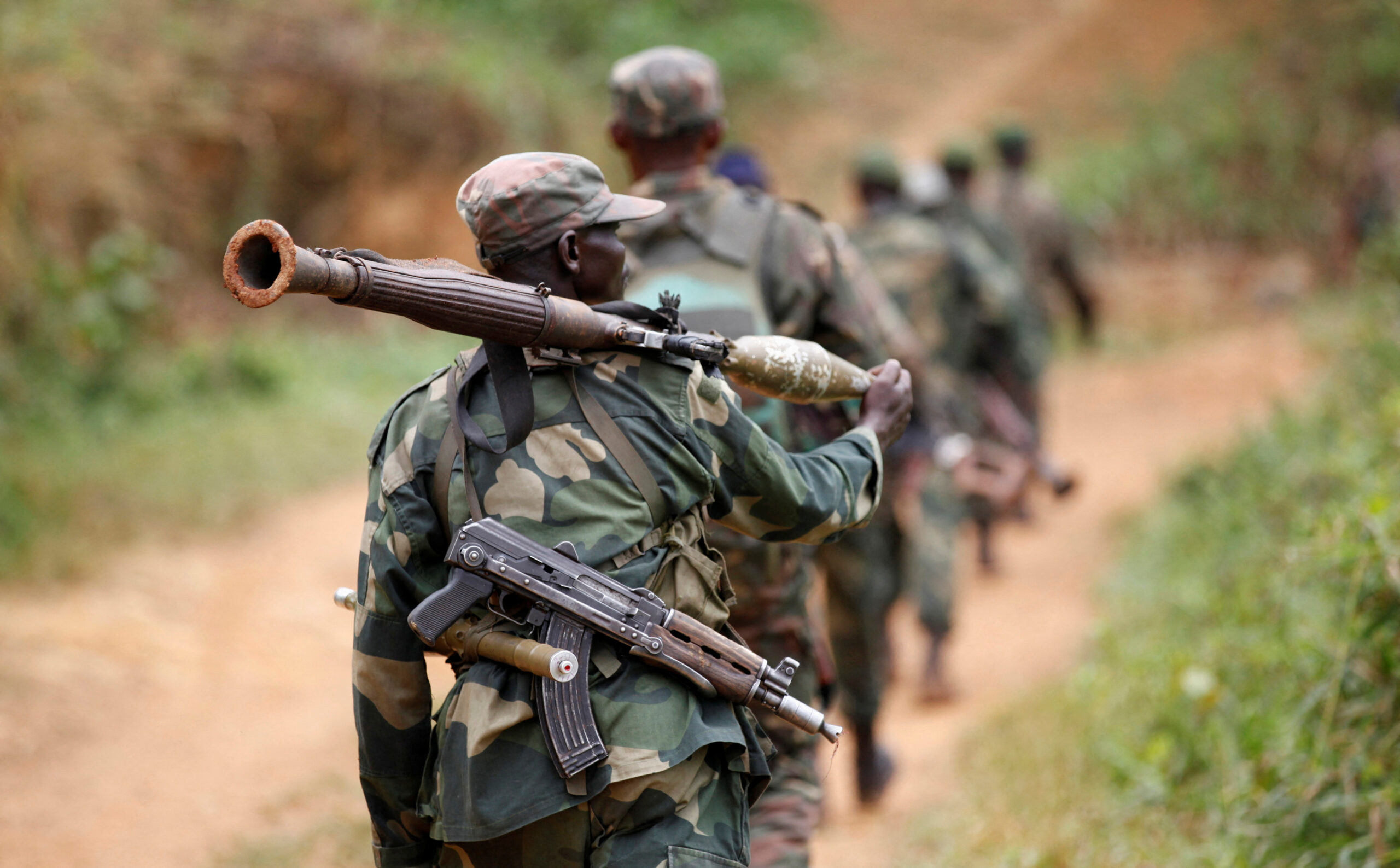
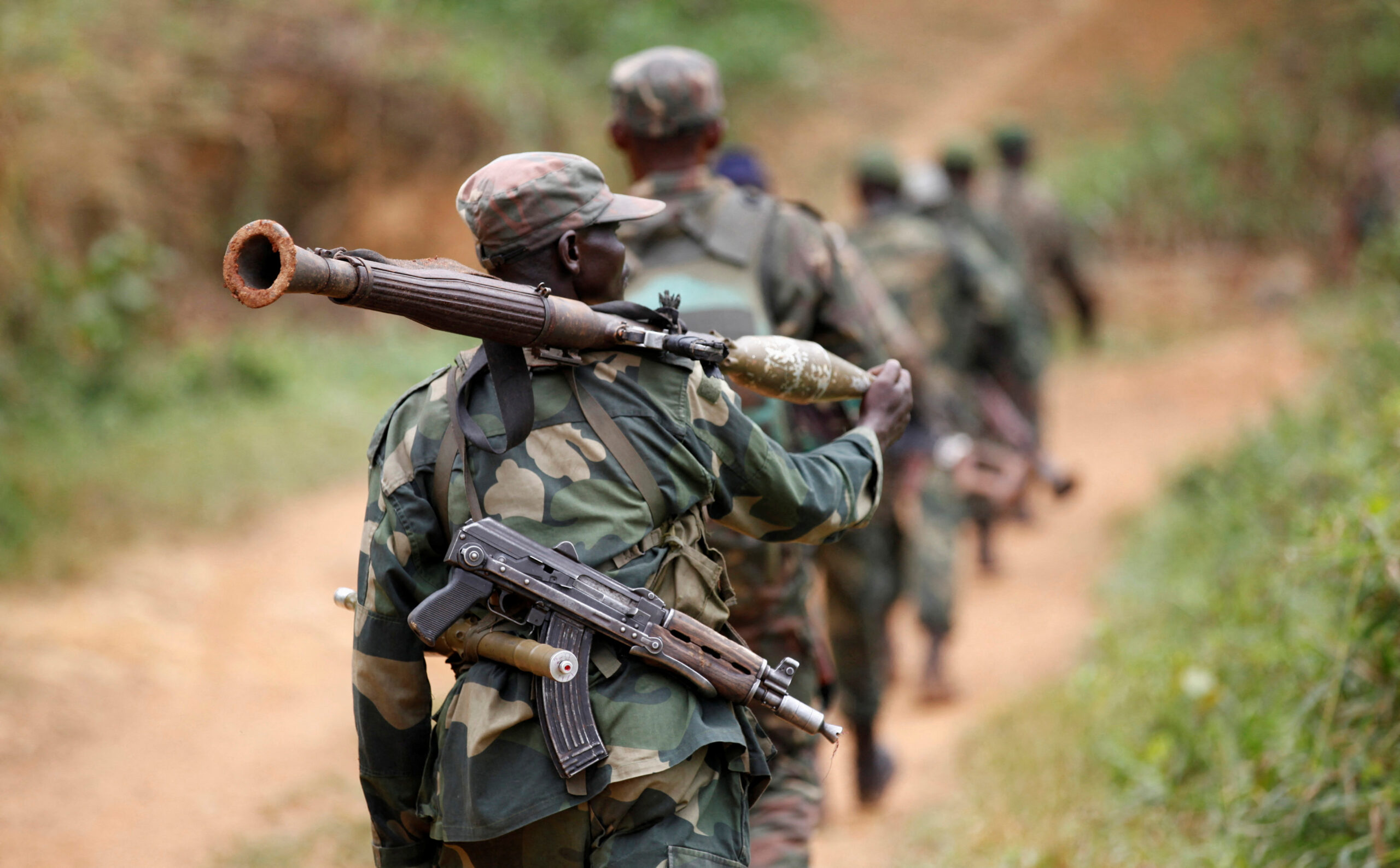
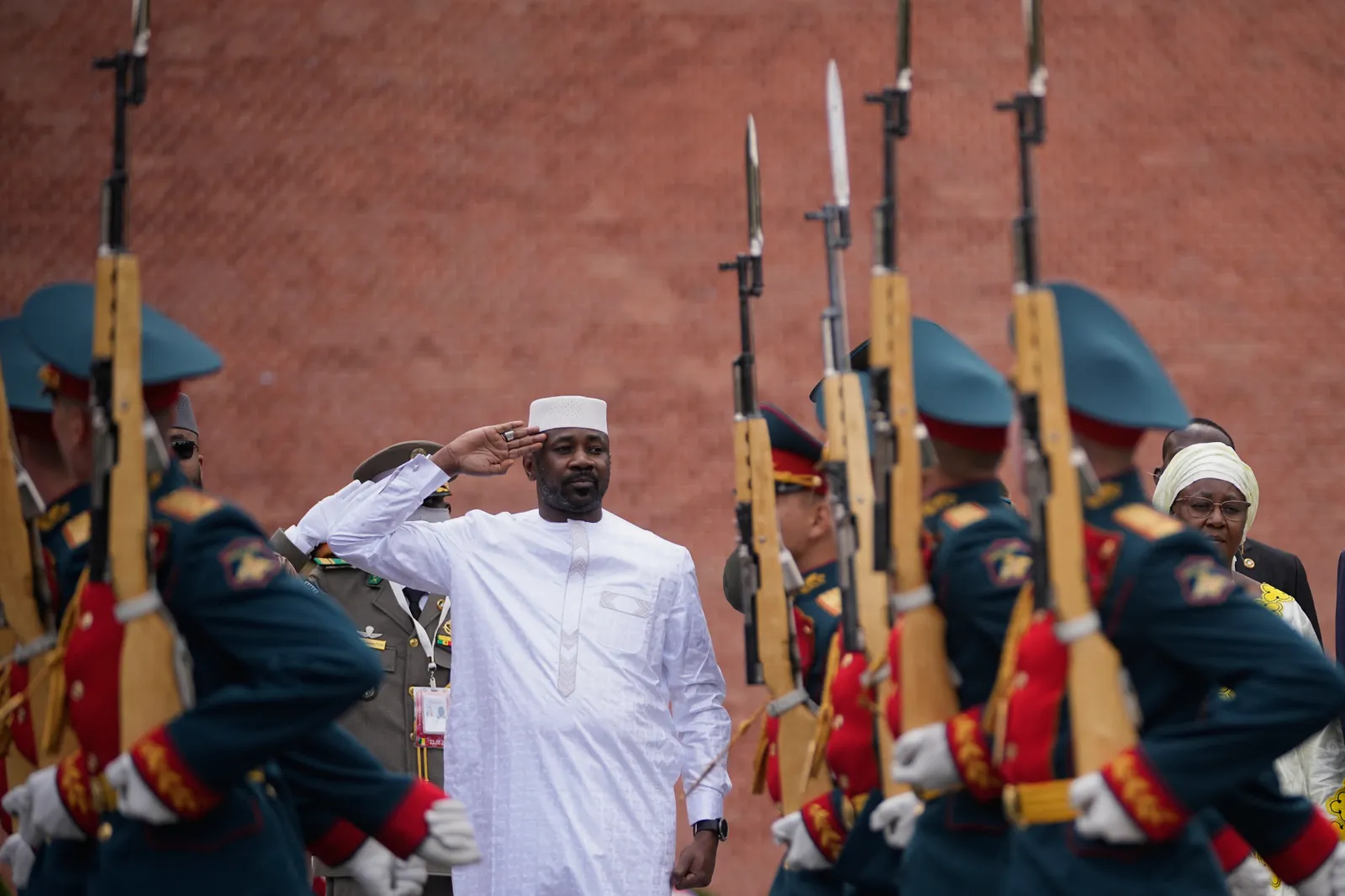
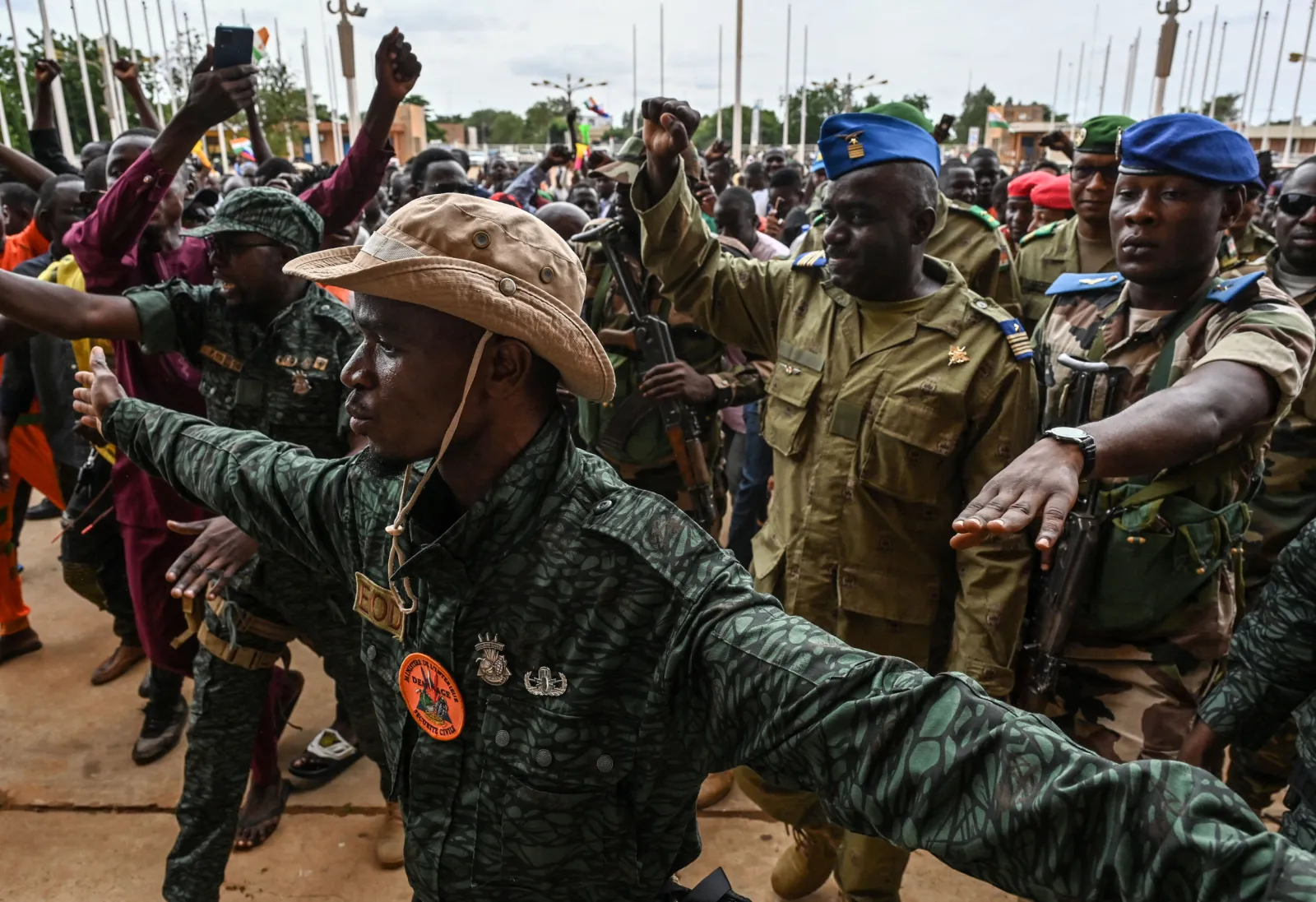
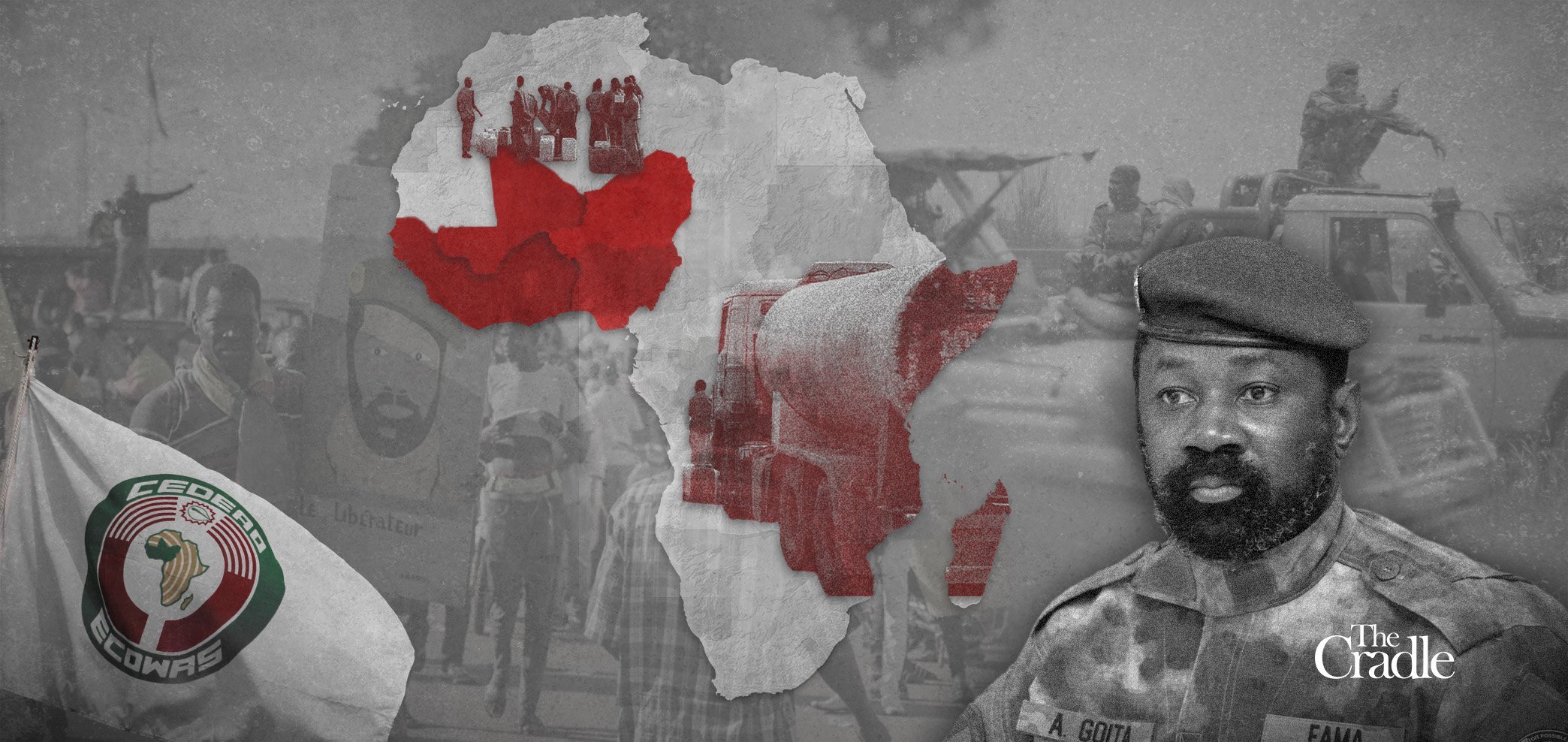
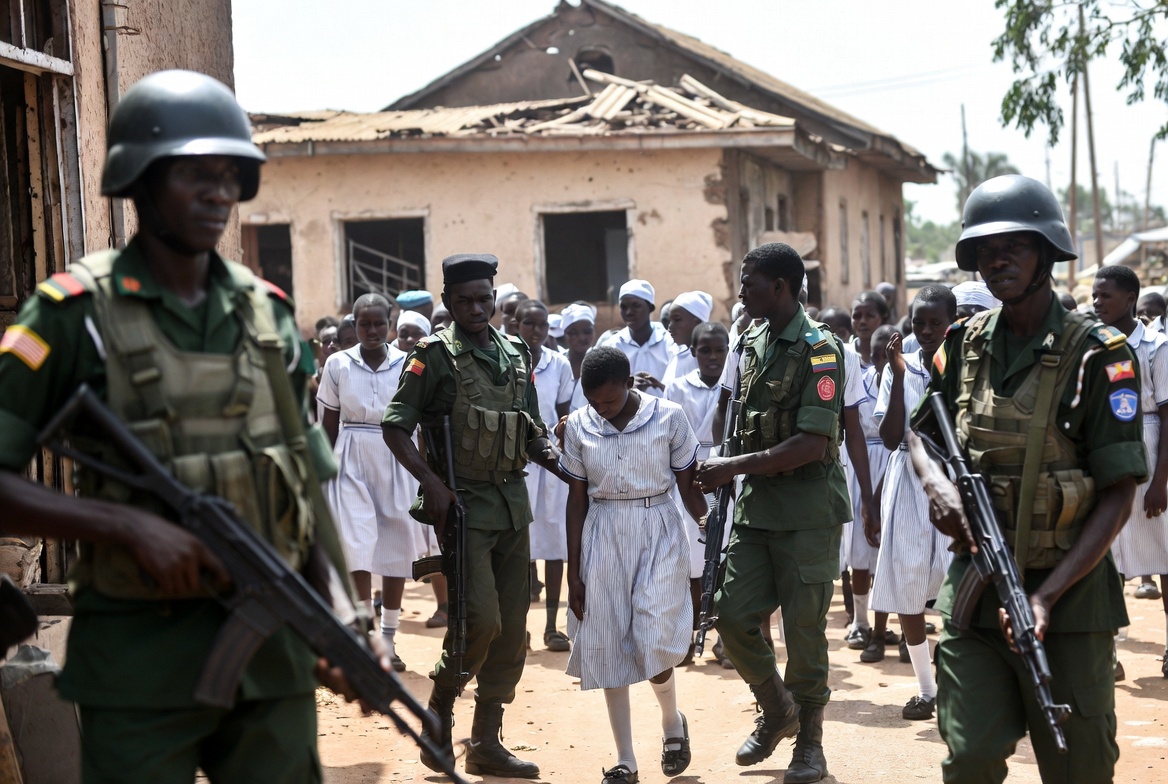
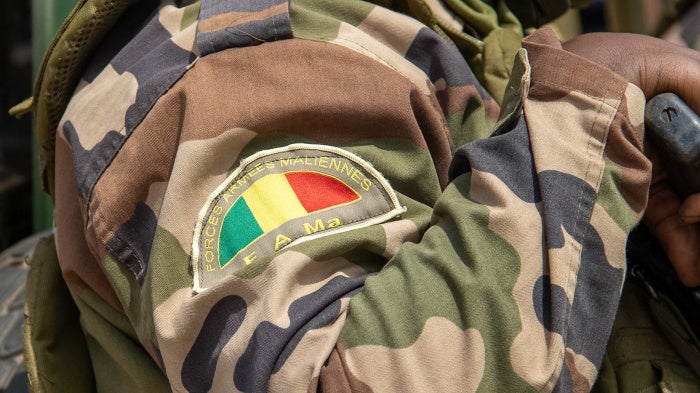
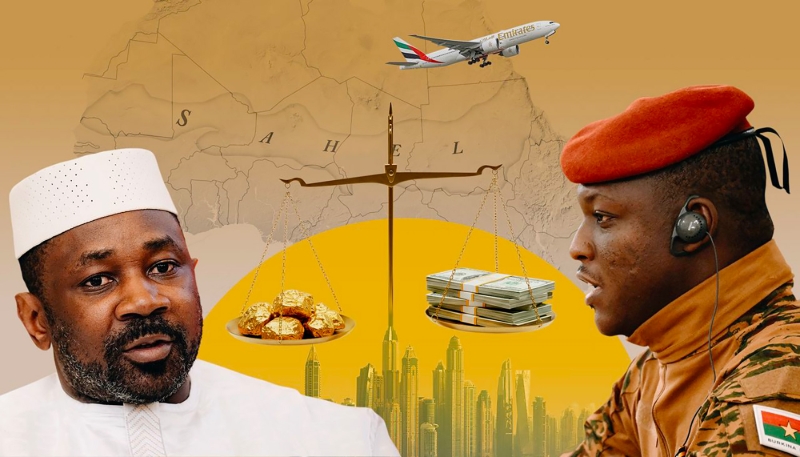
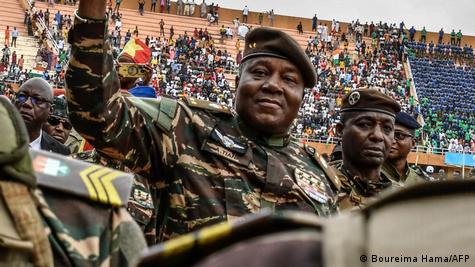
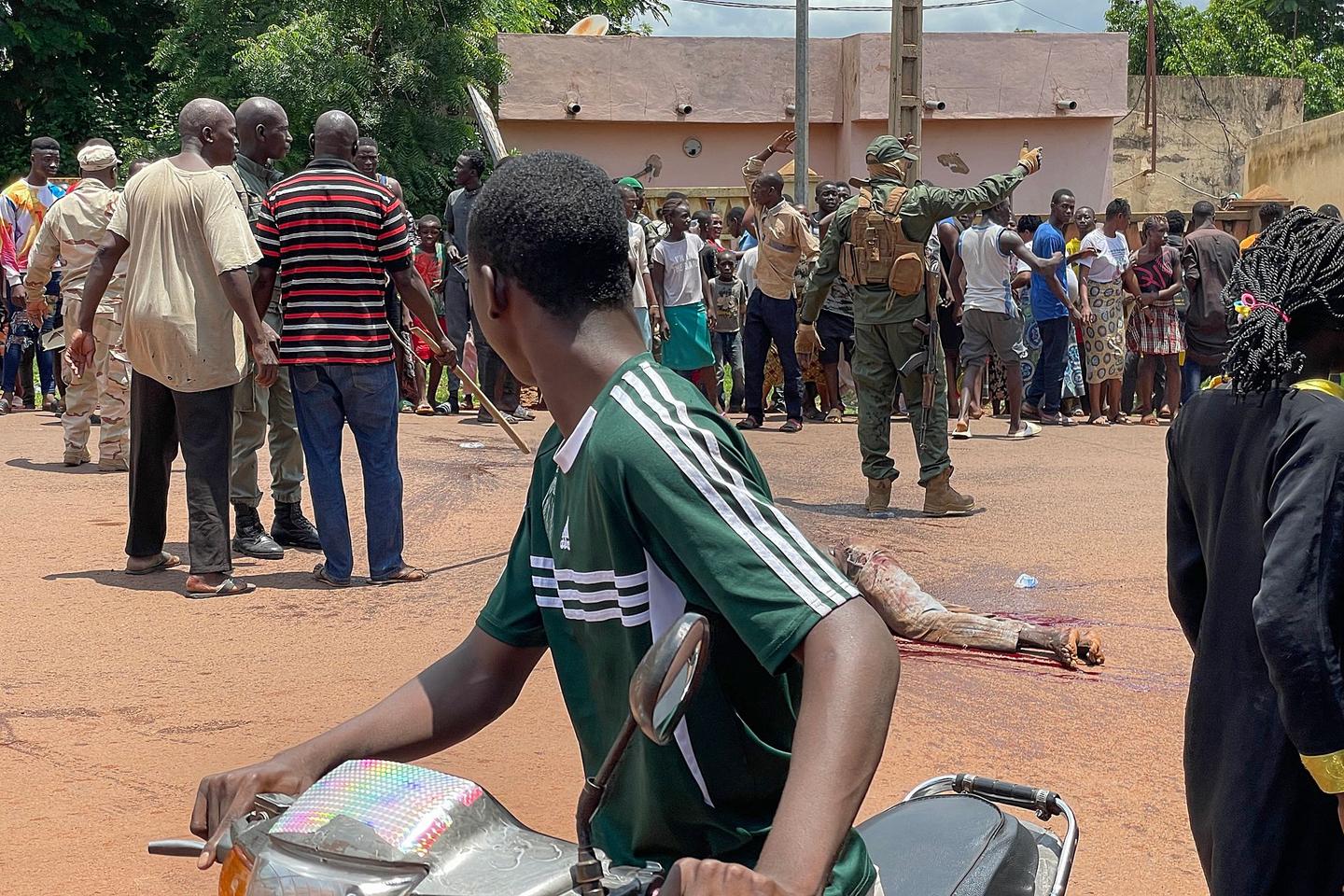
Mali, a vast nation at the heart of the Sahel, isn’t just facing one crisis; it’s juggling several. Since the 2021 military coup replaced civilian rule, the junta has really squeezed freedoms, especially for the press and political opposition. We’re seeing a pattern here, with the 2019 Cybercrime Law weaponized to silence critical voices and control the story, both inside and outside Mali. State-aligned media, like AES TV, acts as a mouthpiece for the military’s agenda, leaving independent journalism struggling to breathe. Human rights defenders and political rivals? They’re facing intimidation, threats, and sometimes outright bans, effectively shrinking the space for open debate and democratic practice. Adding to this internal chaos, foreign mercenary forces, reportedly linked to Russia, are now operating alongside Malian troops. Their presence has drawn sharp criticism from human rights groups worldwide, who accuse them of violent abuses against civilians. This dangerous collaboration only deepens the cycle of violence and mistrust, making it tougher to stabilize the country and protect its people. It also blur s the lines between legitimate national security operations and serious human rights violations. Why does this matter to us? Because Mali’s stability is crucial for the wider Sahel region, and when press freedom is curtailed, the truth becomes a casualty, impacting global understanding and humanitarian efforts. For more on the media crackdown, you can read about Mali’s press repression.
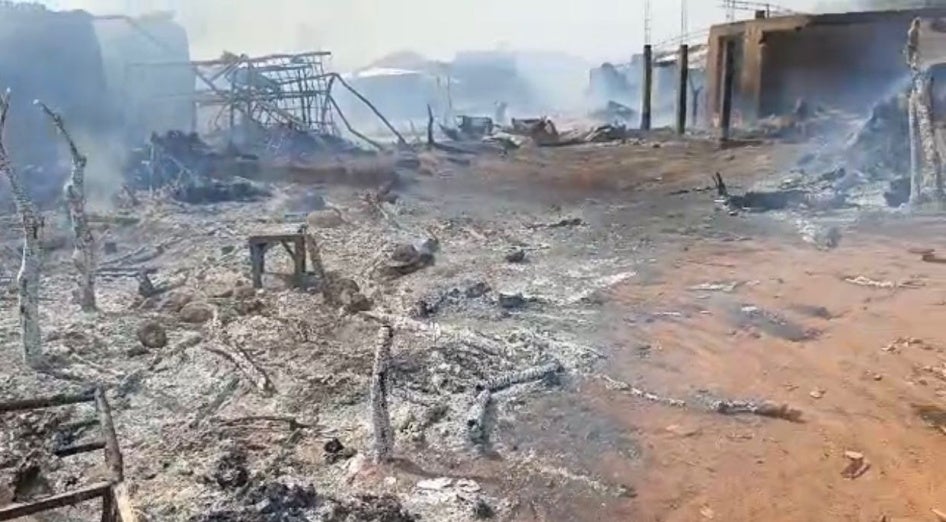
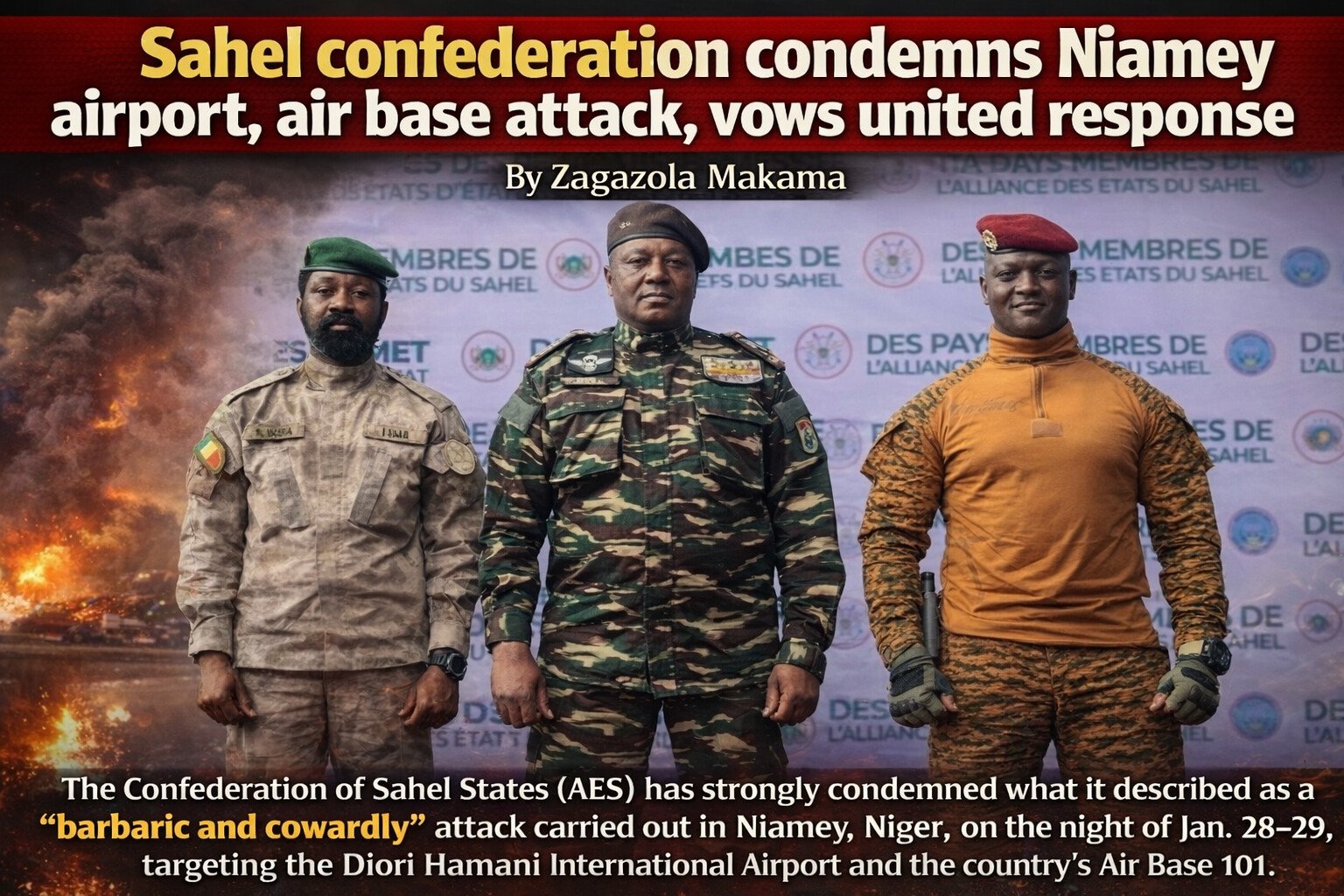
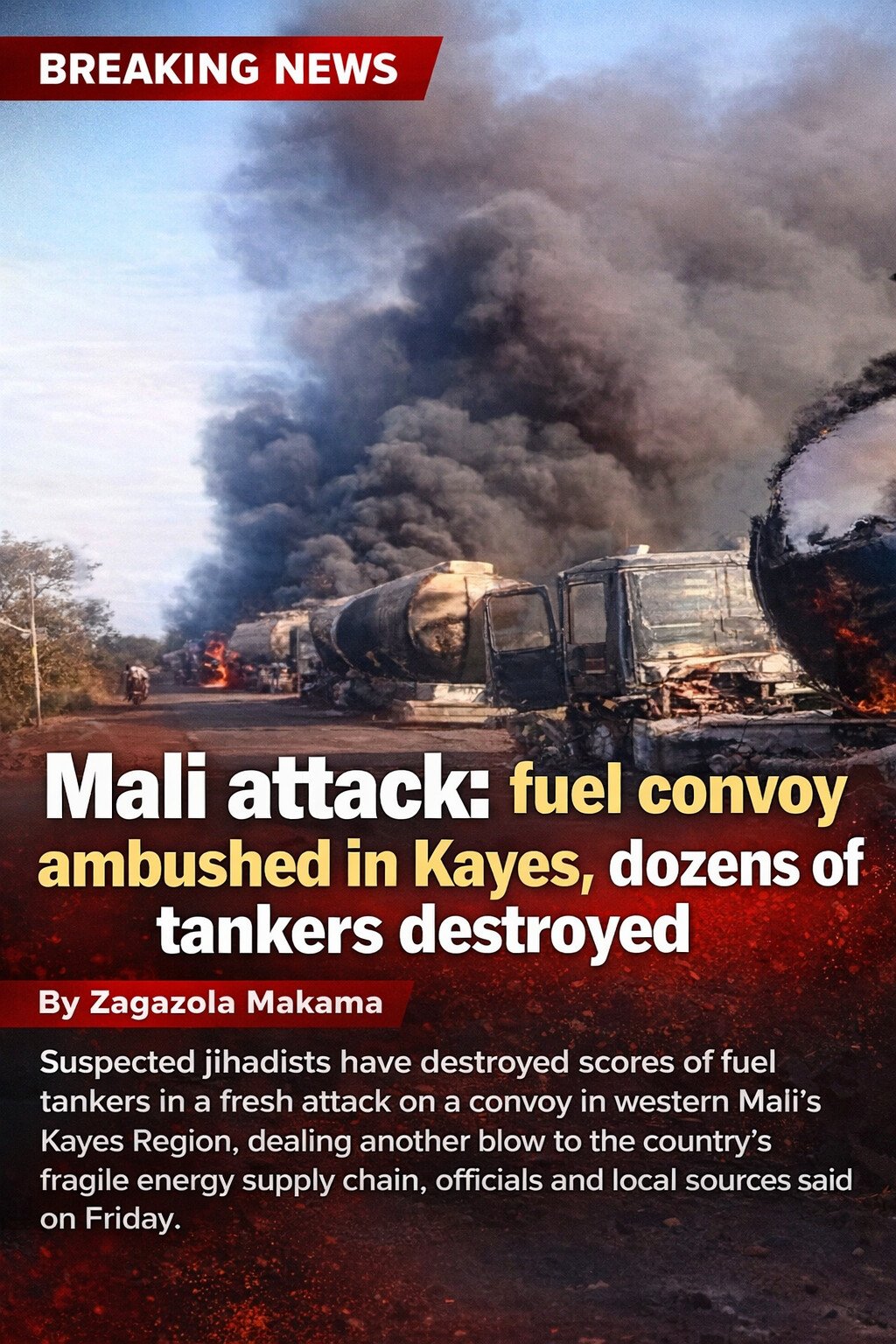
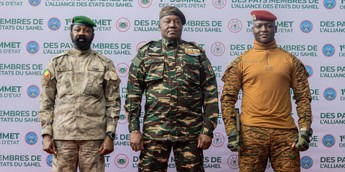
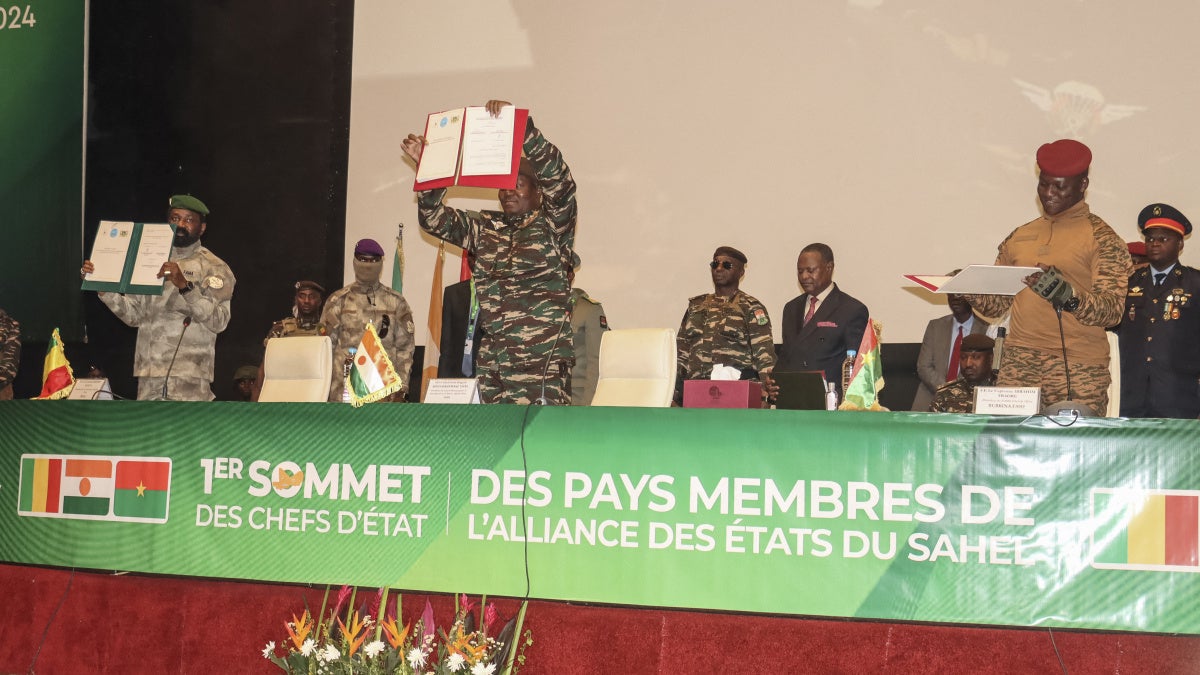
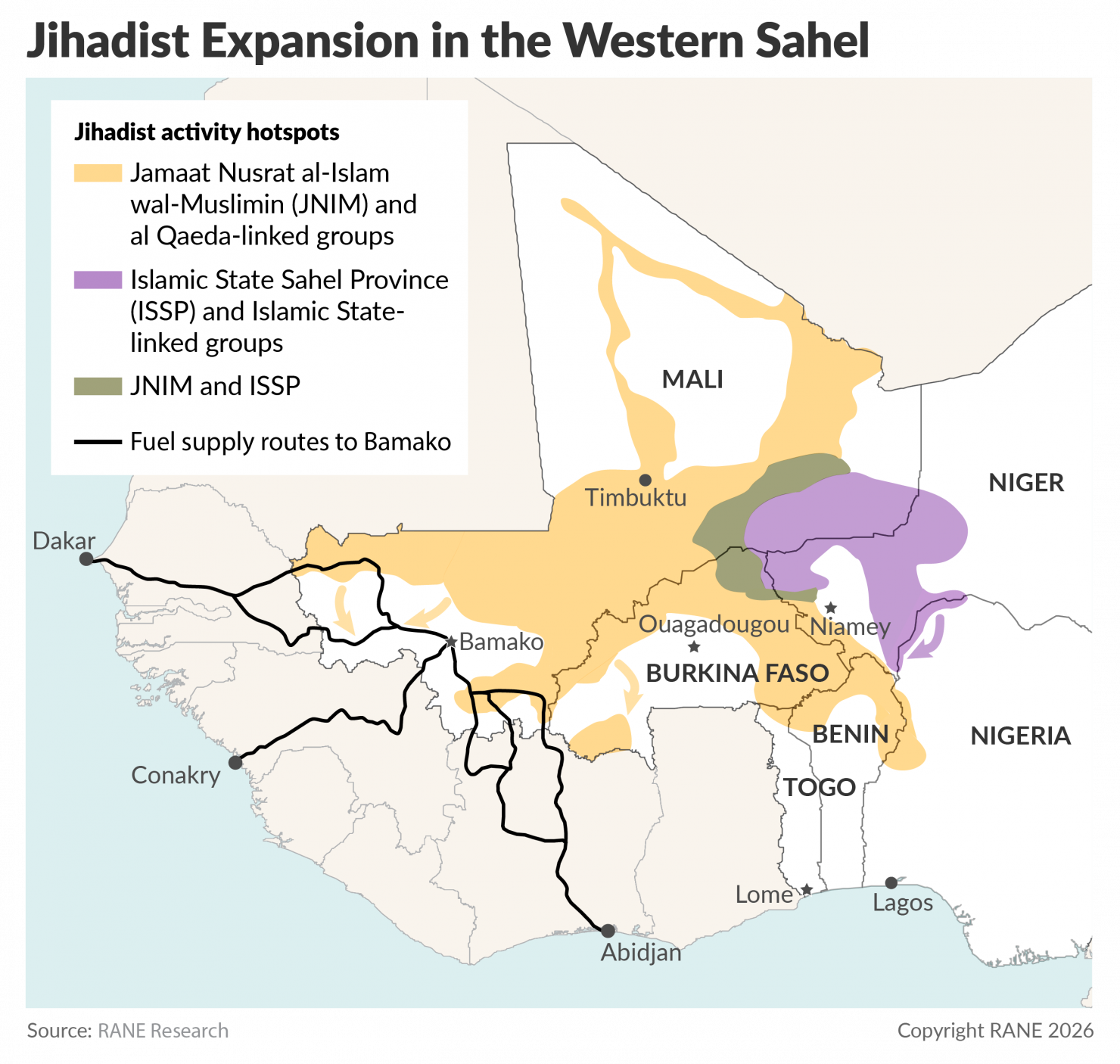
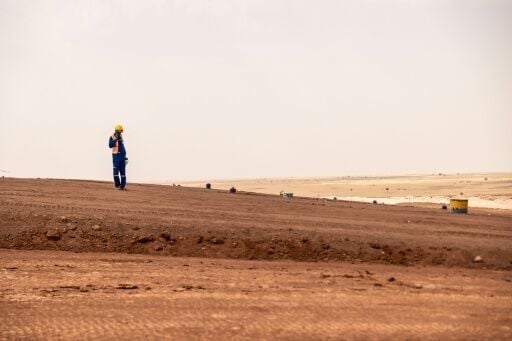
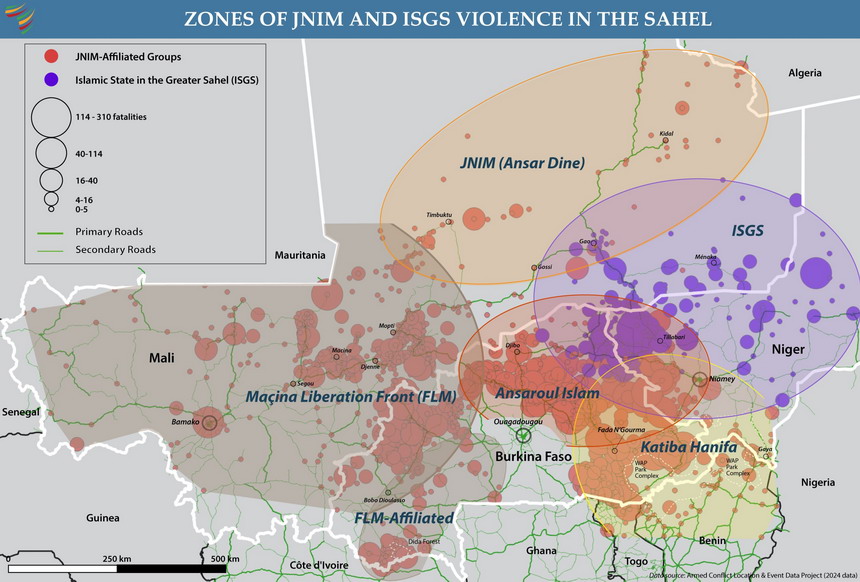
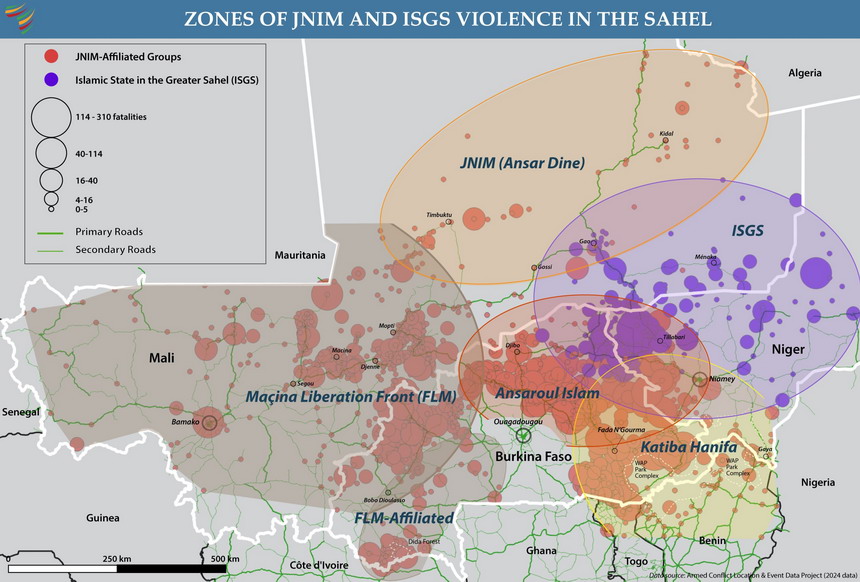
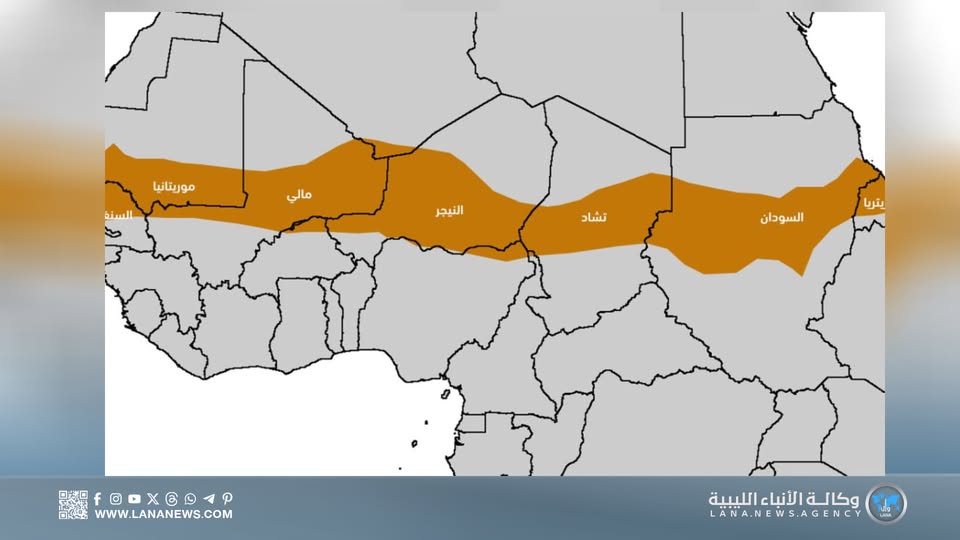
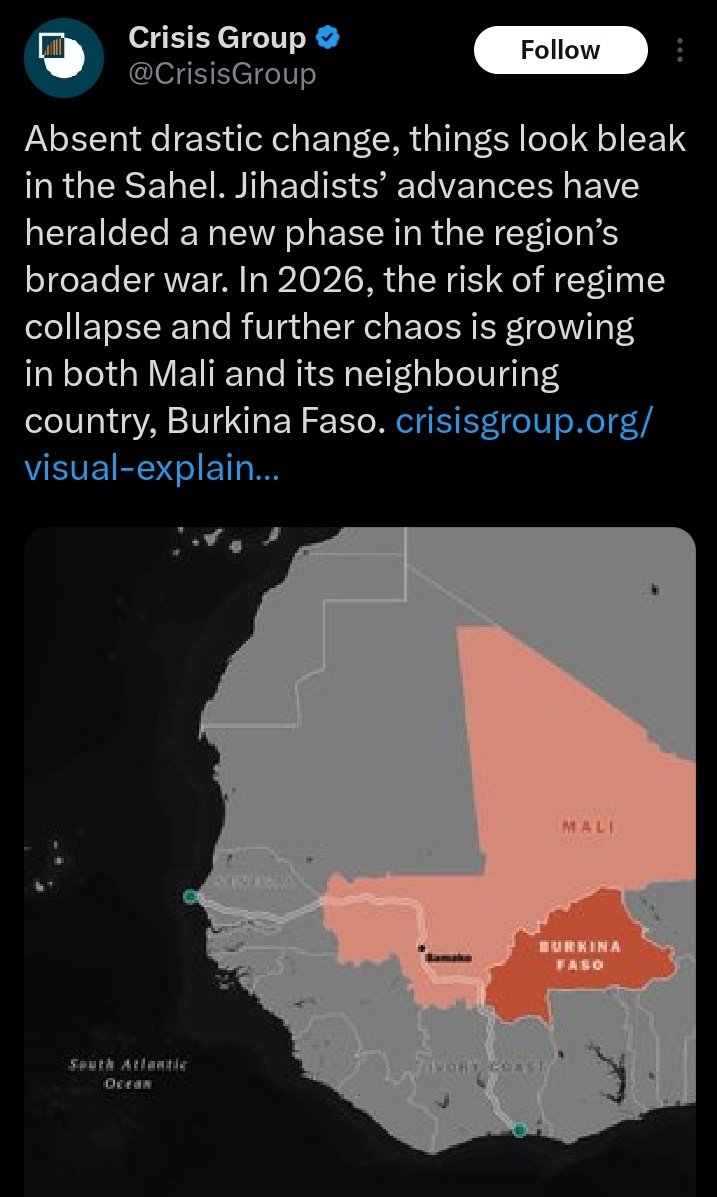
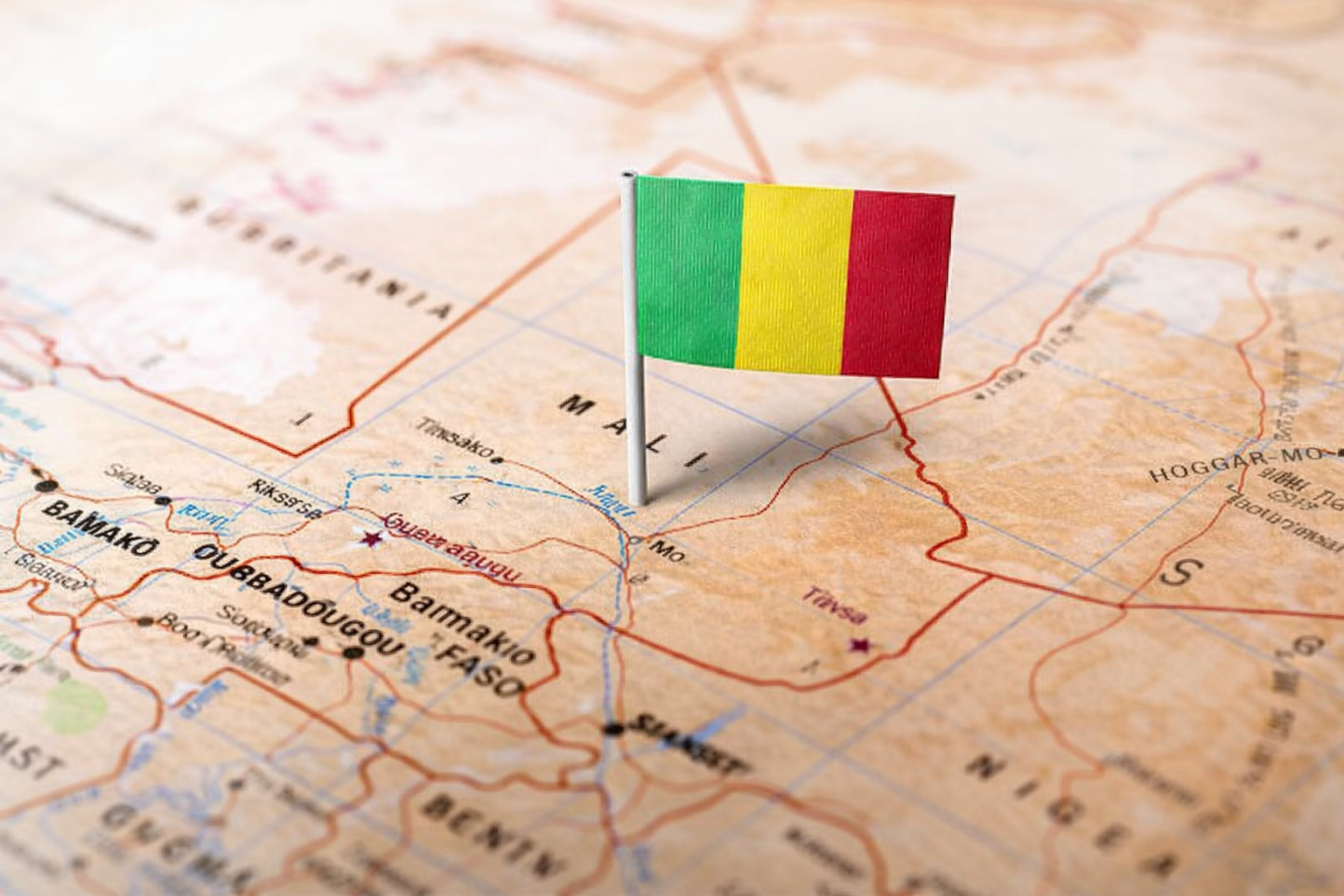
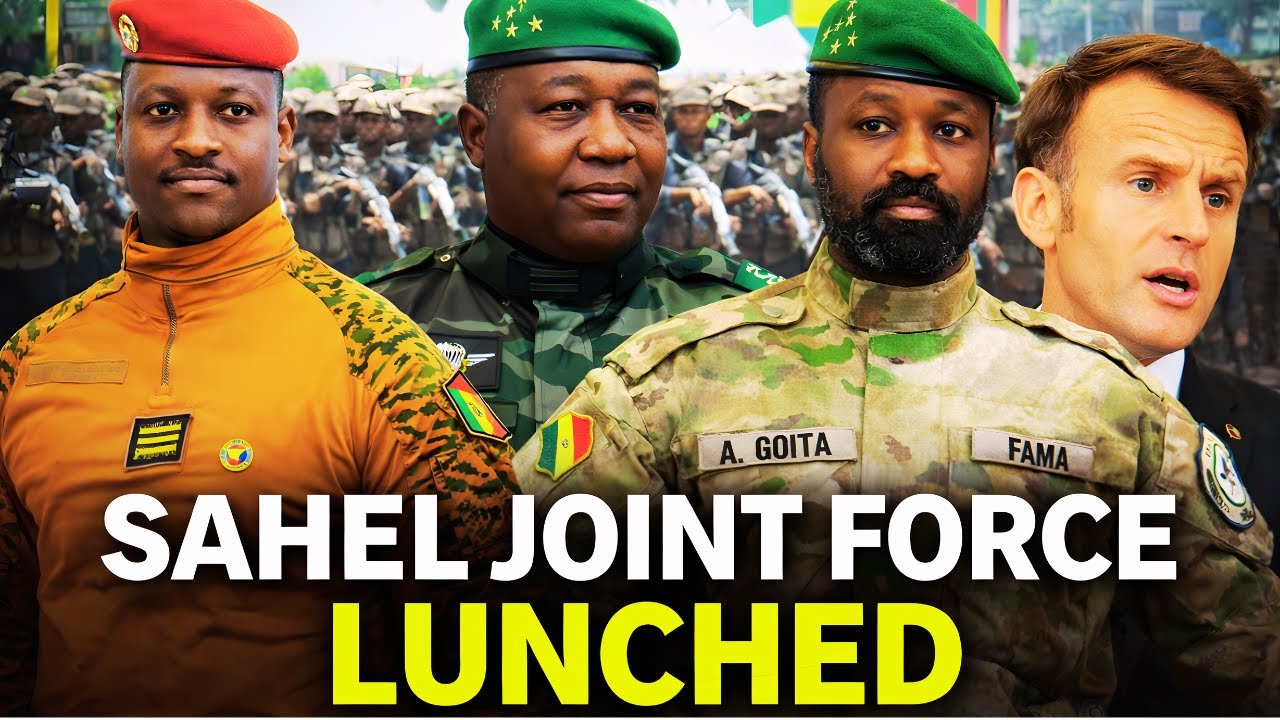
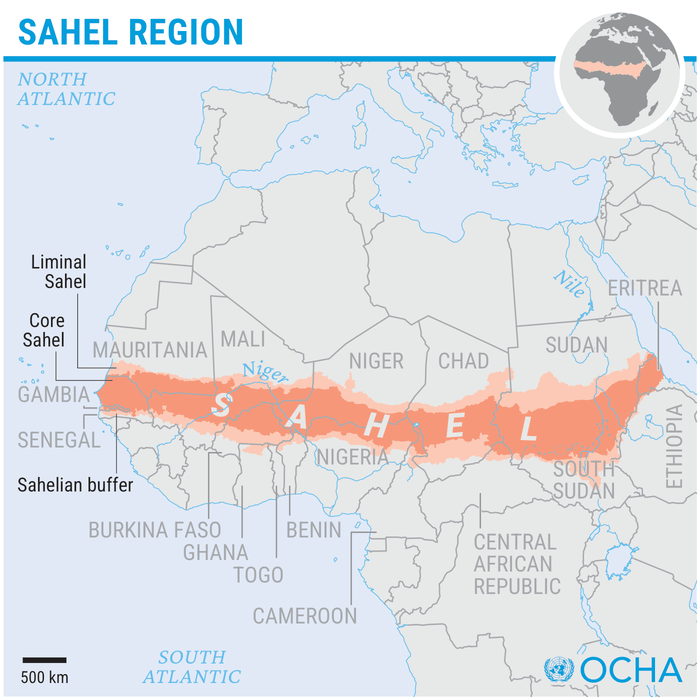
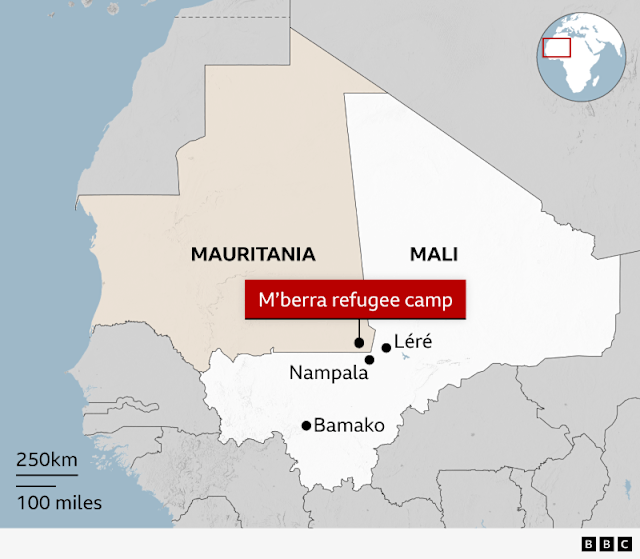
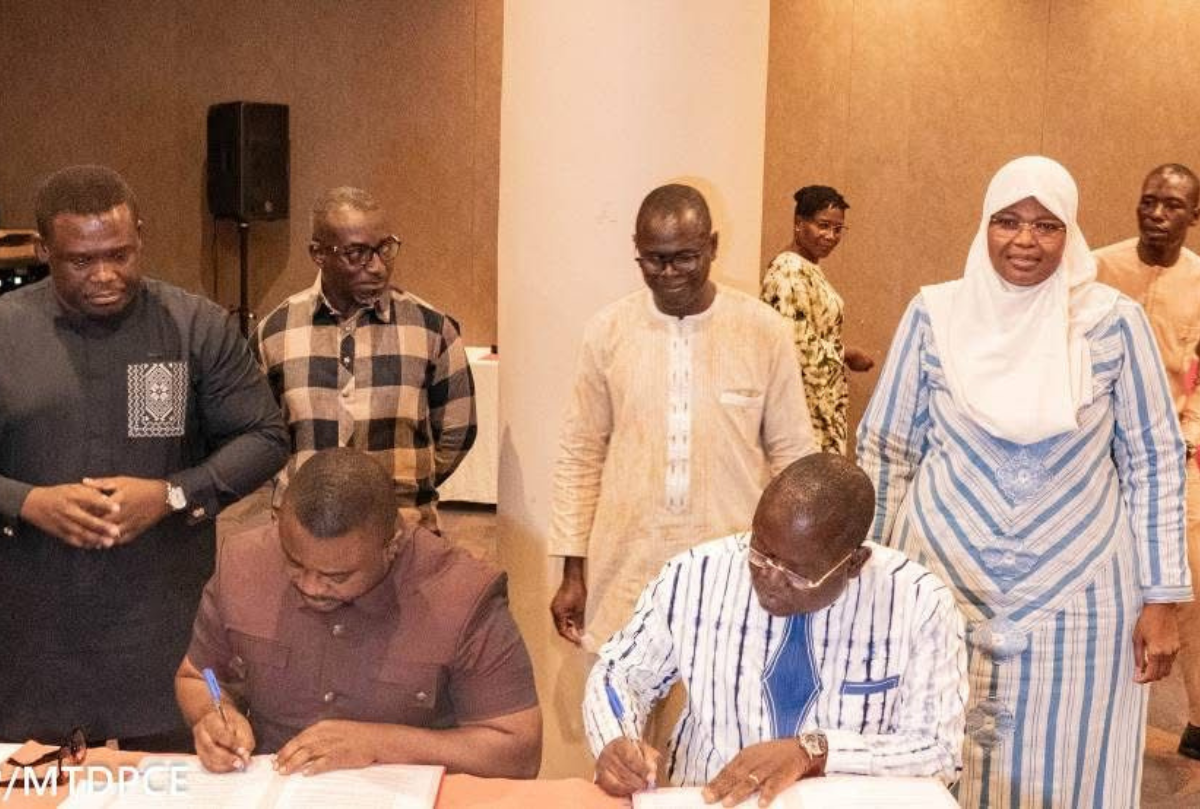
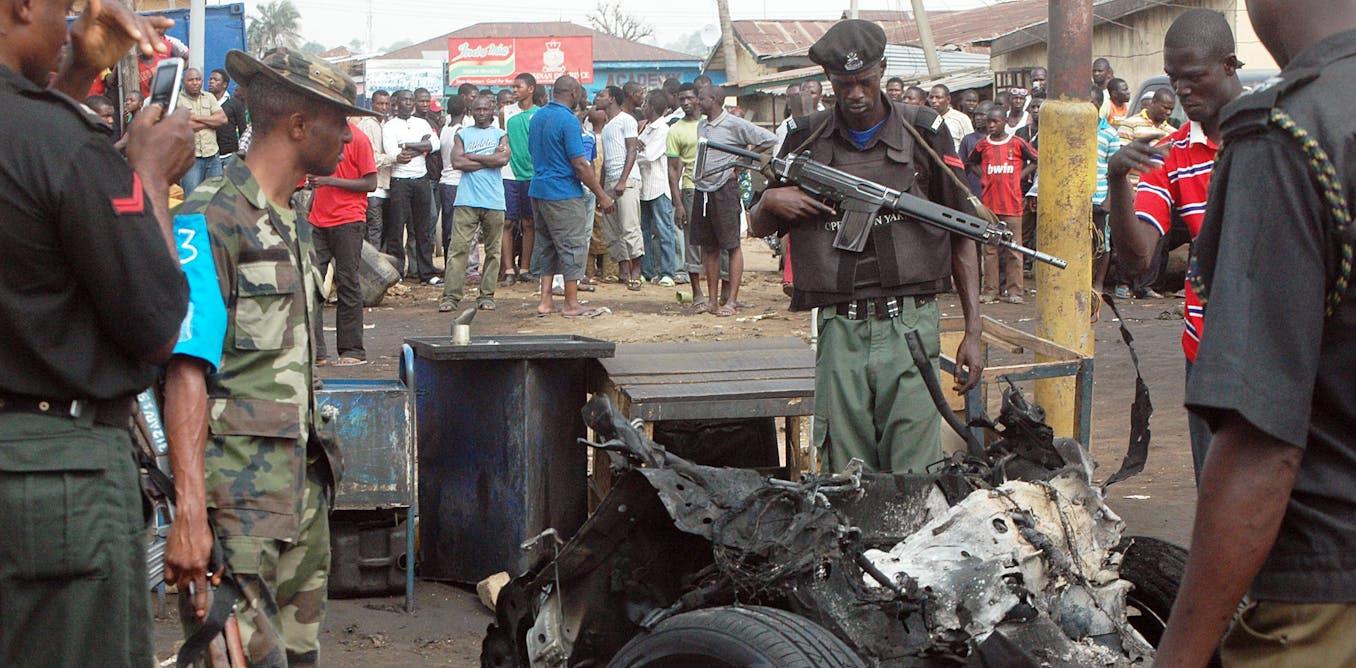
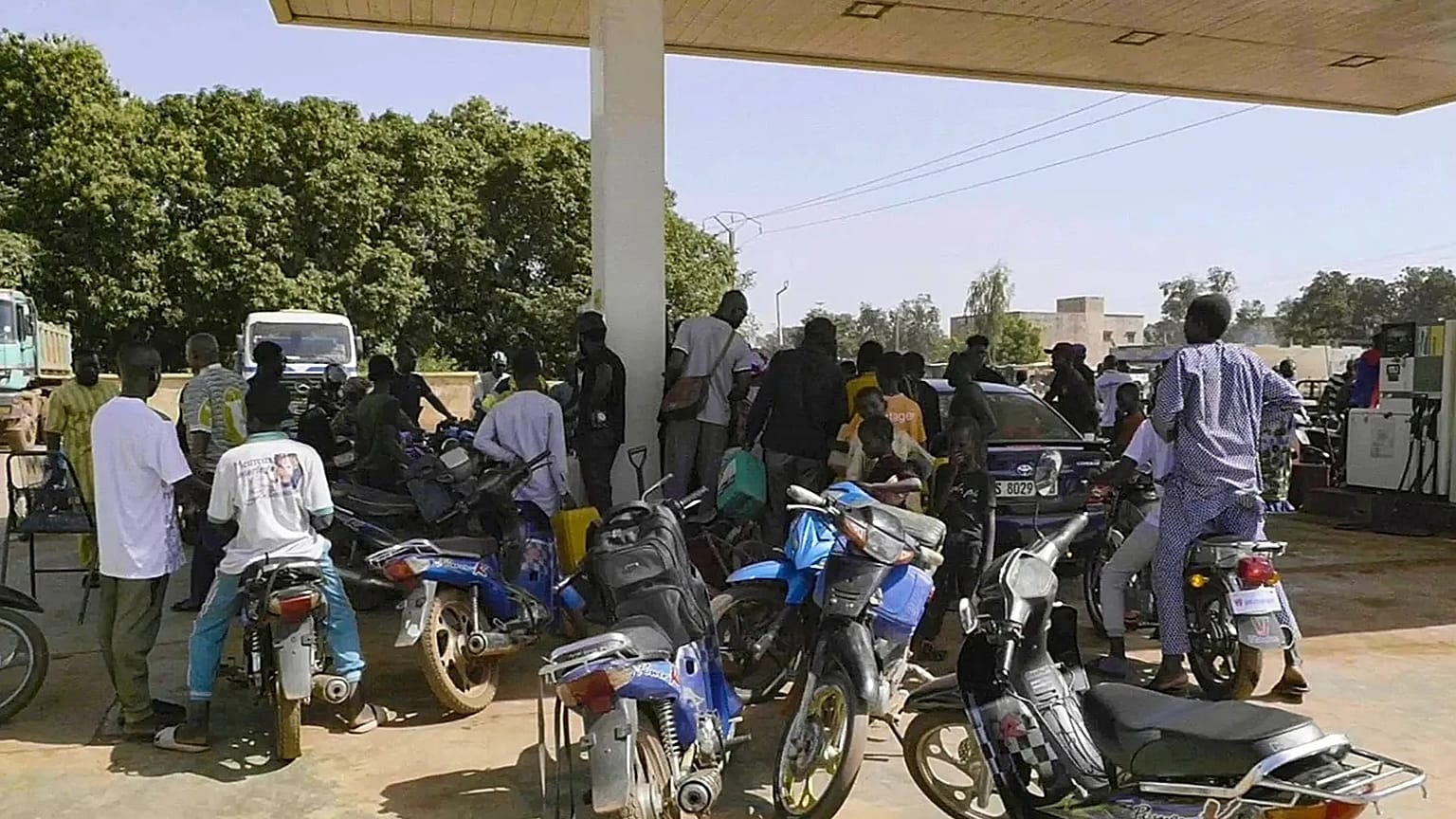
This worsening internal security picture isn’t happening in a vacuum. It’s unfolding amidst a much larger regional security crisis in the Sahel. Just between April and July 2025, terrorist groups launched over 400 attacks across Burkina Faso, Mali, and Niger, causing more than 2,800 casualties. These militant organizations are exploiting porous borders and weak governance to grow their influence. Groups like Islam wal-Muslimin, reportedly backed by Algerian military officials, only add to the region’s instability. This tangled web of governance failures, insurgent violence, and foreign involvement presents a huge hurdle to achieving peace and development. But here’s an interesting twist: despite all these challenges, Mali and its neighbor Mauritania are actually working together on something positive. The Mauritania–Mali Power Interconnection Project is a cross-border initiative that aims to bring electricity to more people and integrate solar energy into local grids. Think about it, in a region where many rural areas are still off-grid and rely on expensive fossil fuels, this project is a big step towards adopting renewable energy and boosting energy security. By tapping into the Sahel’s abundant solar resources, this plan isn’t just good for the environment, it also creates jobs and improves quality of life. Strengthening regional electricity infrastructure helps build resilience, too, lessening vulnerability to energy shocks and supporting sustainable growth. You can find more details on this important project at Solar Quarter.
So, what does this all mean for Mali? The country is walking a tightrope, balancing political repression and the brutal reality of conflict with jihadist insurgents and mercenaries, against these hopeful signs of regional cooperation and green energy expansion. On one side, the shrinking democratic space and rising violence seriously threaten Mali’s stability and its standing on the global stage. On the other, these quiet yet significant investments in sustainable infrastructure show that regional leaders understand long-term development needs collaboration and fresh ideas. Looking ahead, Mali’s path will heavily depend on how it manages these competing forces. Restoring press freedoms and encouraging political diversity are crucial for addressing the grievances that fuel unrest and marginalization. We can’t ignore human rights abuses by mercenary groups and the military either; they must be confronted to rebuild trust and move towards reconciliation. At the same time, pushing forward with renewable energy initiatives, like the Mauritania–Mali interconnection, lays a foundation for economic resilience and peaceful regional integration. The international community and regional stakeholders have vital roles to play here, supporting transparent governance reforms, protecting civilian rights, and facilitating investments in sustainable development. Only by taking a comprehensive approach, one that balances security, political openness, and infrastructure progress, can Mali truly begin to turn the page on crisis and chart a course toward a more stable and prosperous future in the Sahel region. This complex situation impacts not just Malians, but the entire stability of West Africa. For an in-depth look at Russian mercenary involvement, check out Maghrebi.org’s report.