
Nigeria Faces Security Crisis, Political Shifts, and Economic Growth in 2024
Nigeria in 2024? It’s a complex picture, really. A mix of tough challenges and genuine opportunities unfolding across security, politics, and the economy. The nation stands at a truly pivotal juncture, navigating everything from military resilience and shifting political loyalties to ambitious economic plans and persistent, alarming security threats. How Nigeria handles these interlocking issues will define its immediate future.
Reinforcing National Defense Amid Heightened Security Concerns
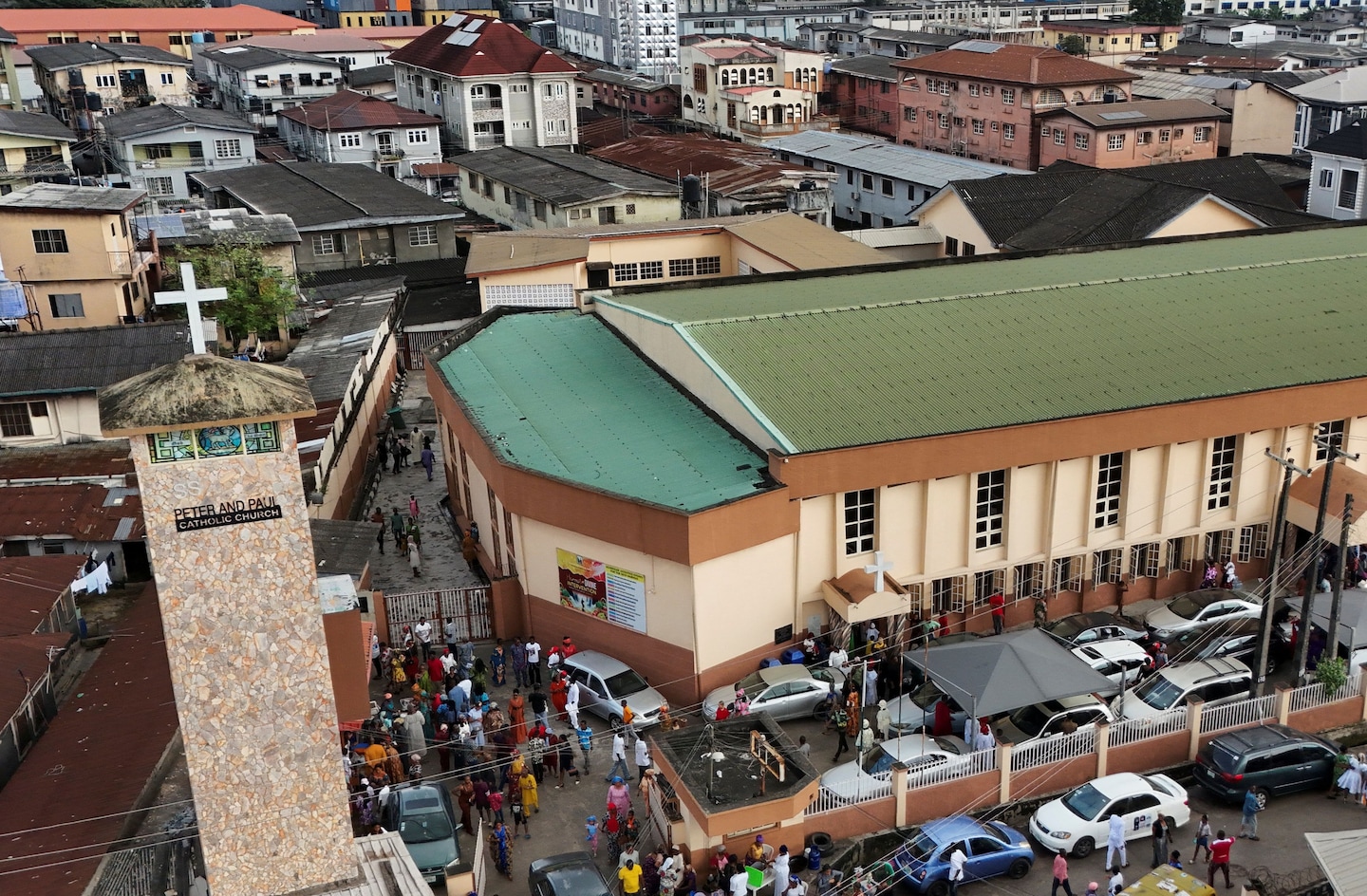
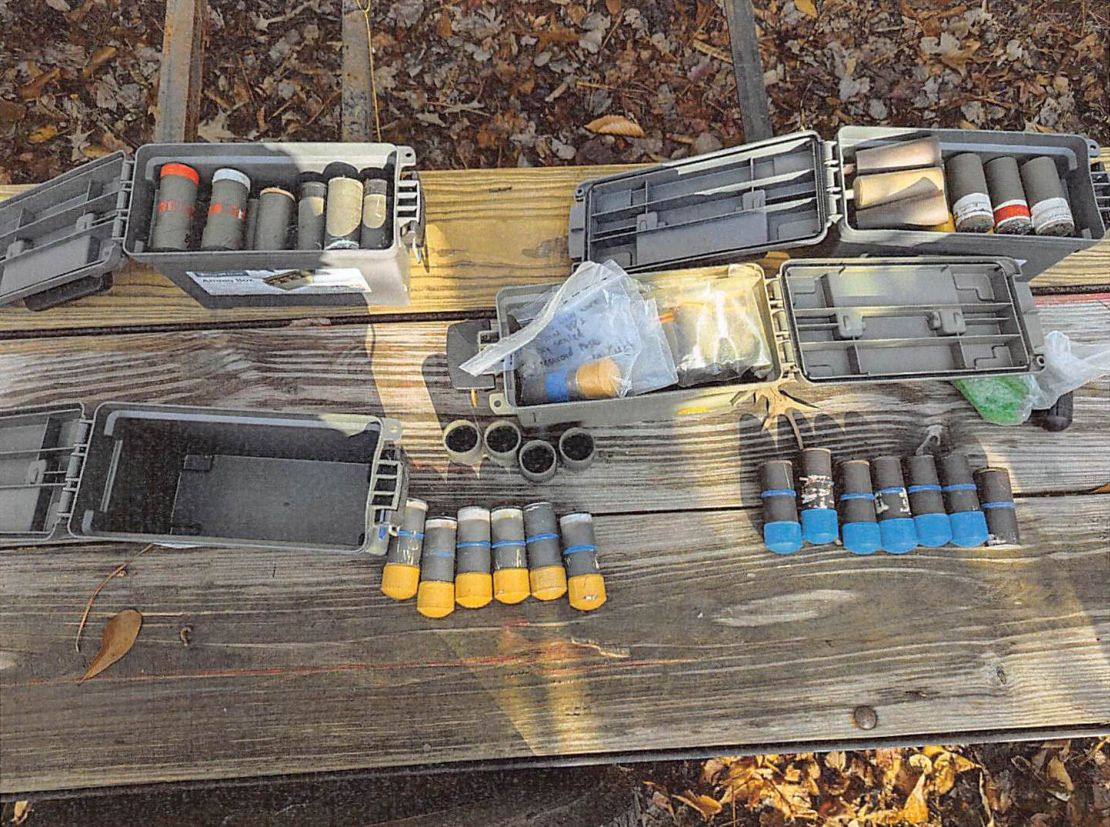
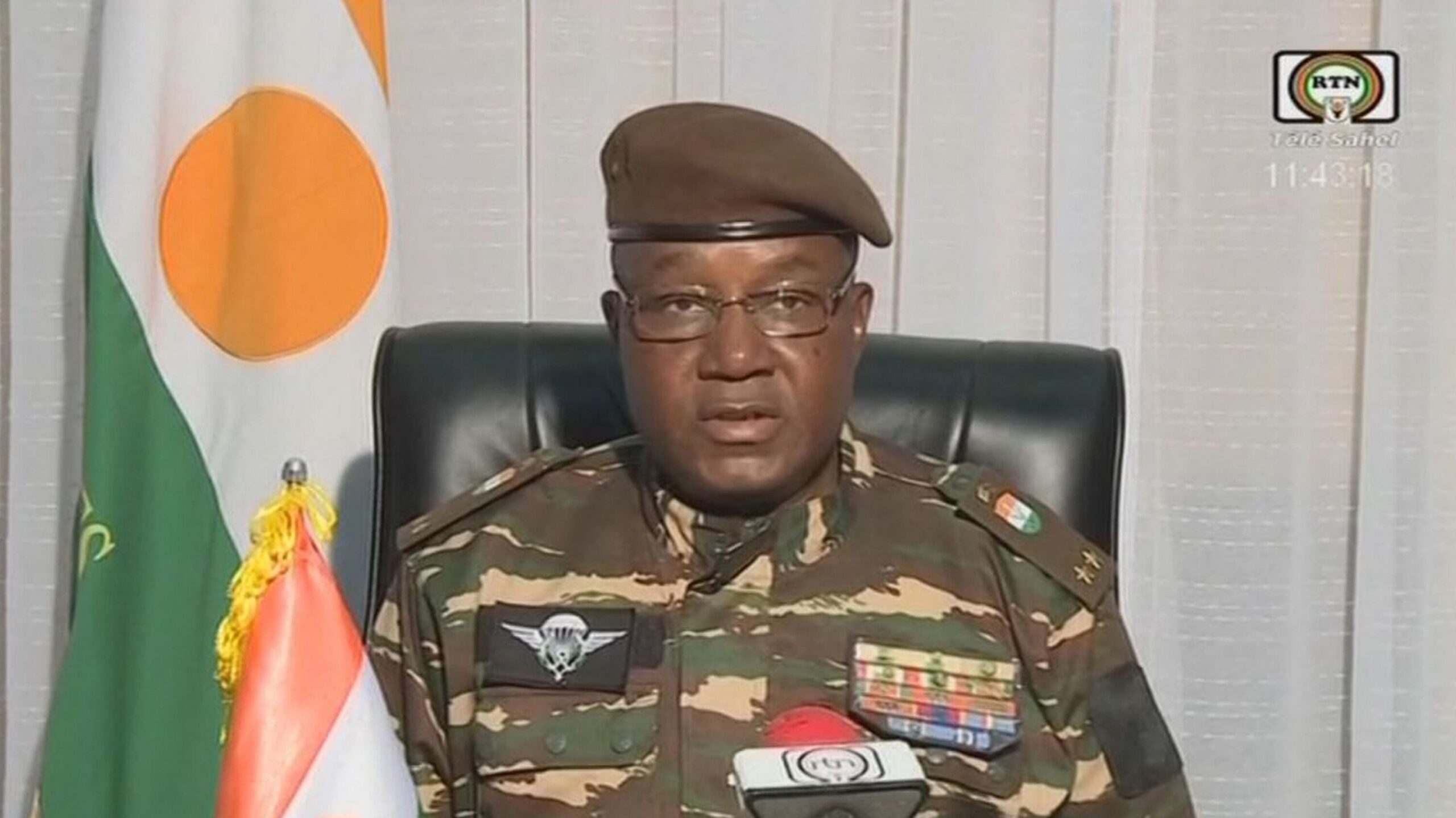
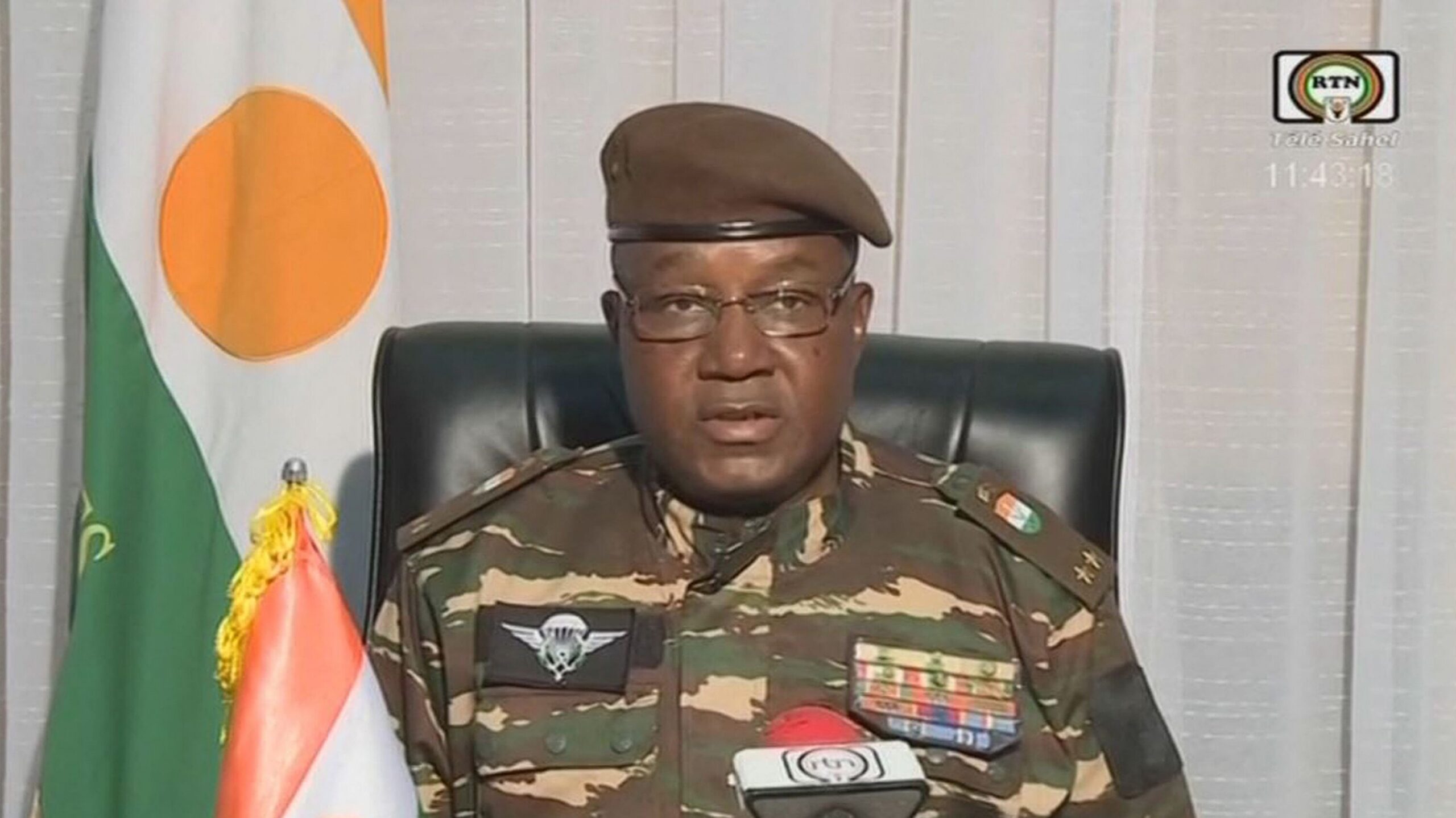
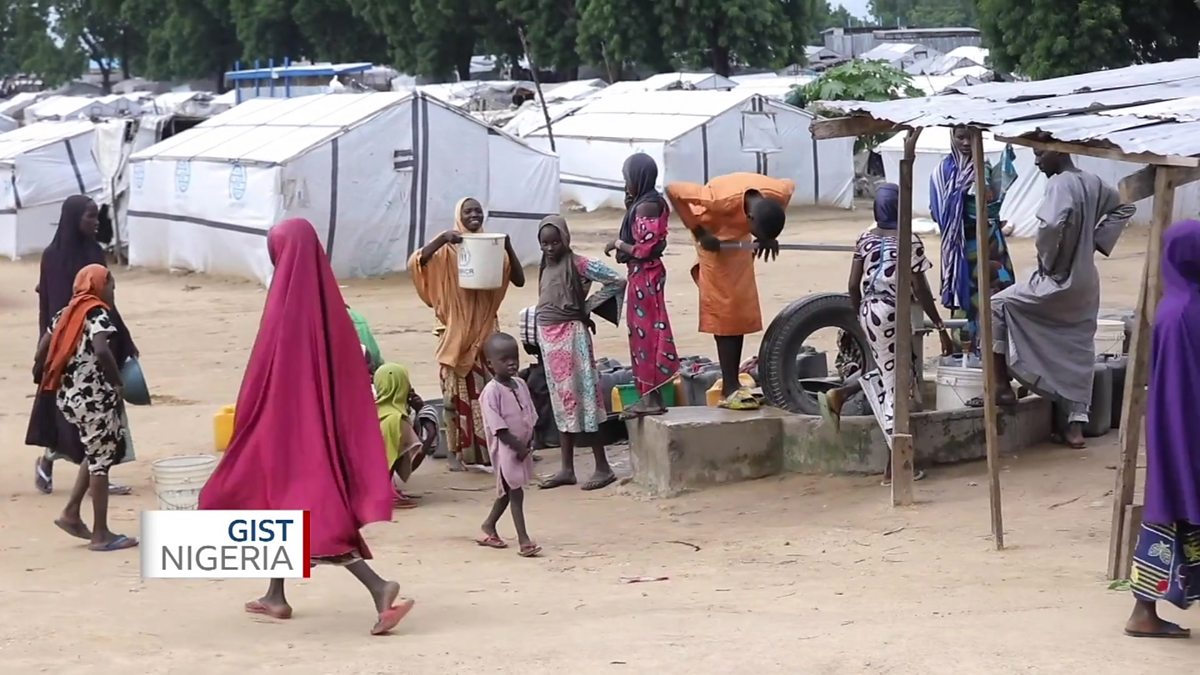
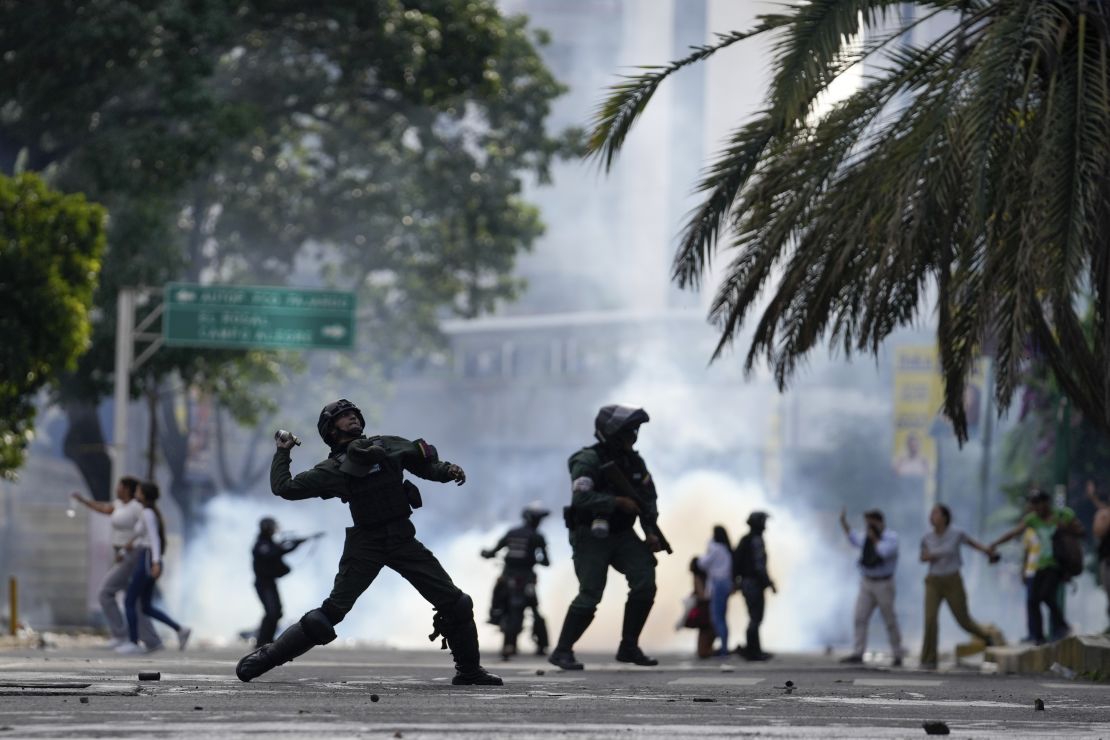
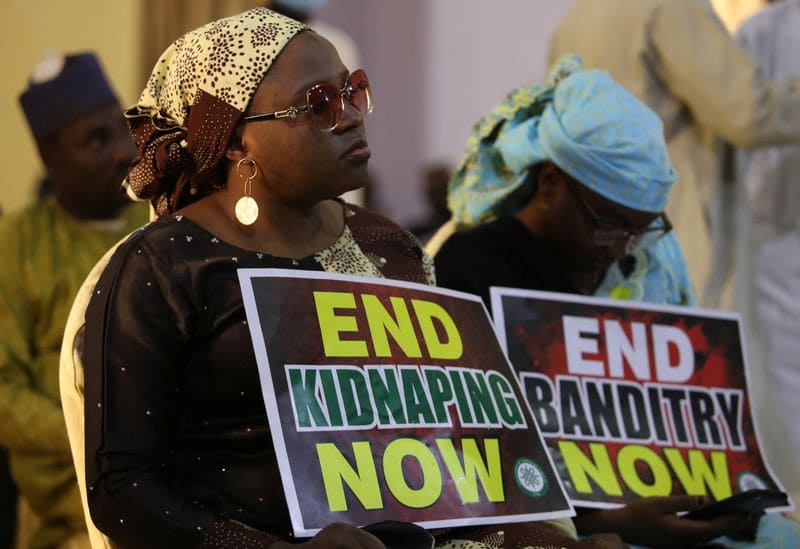
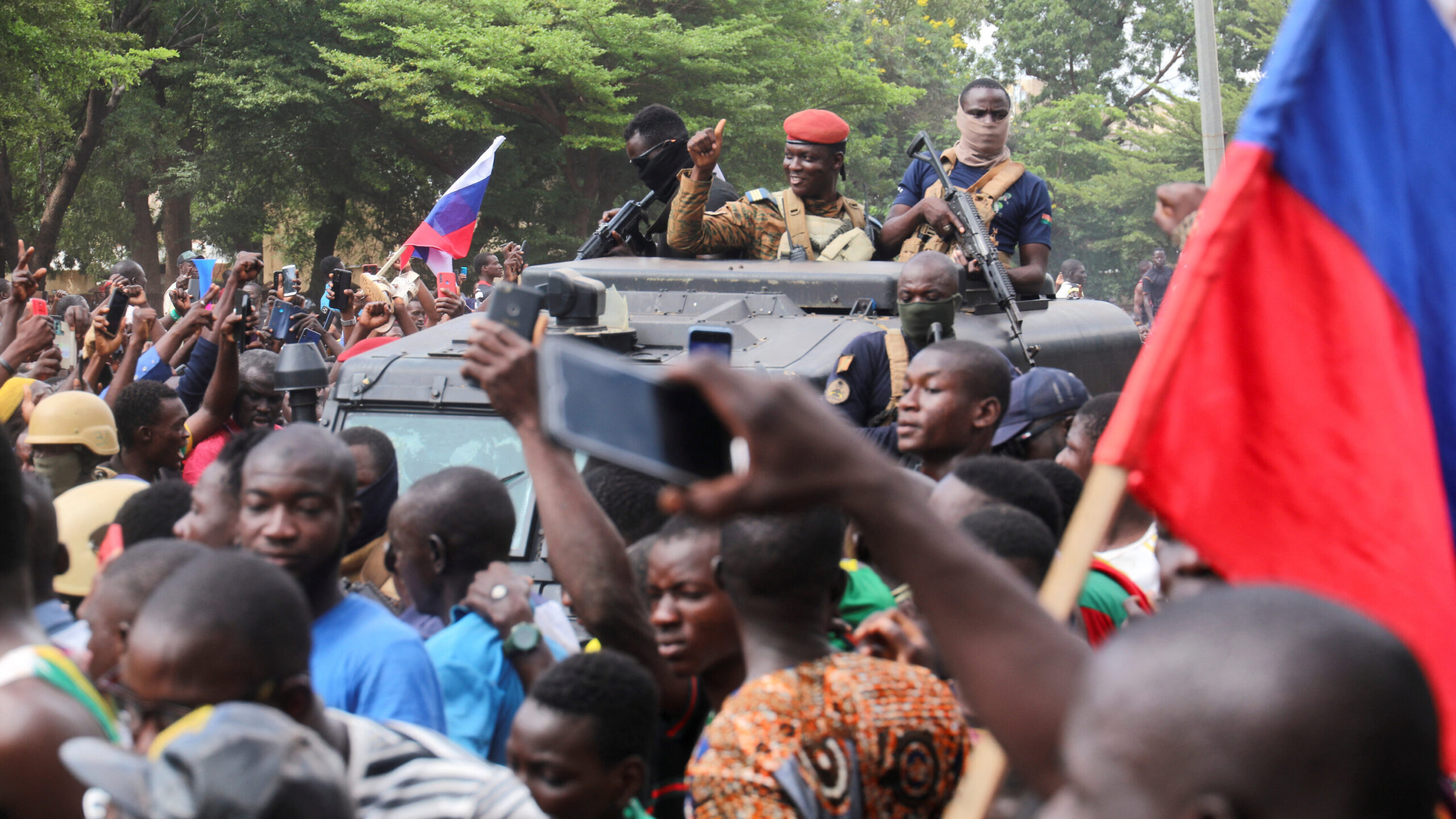
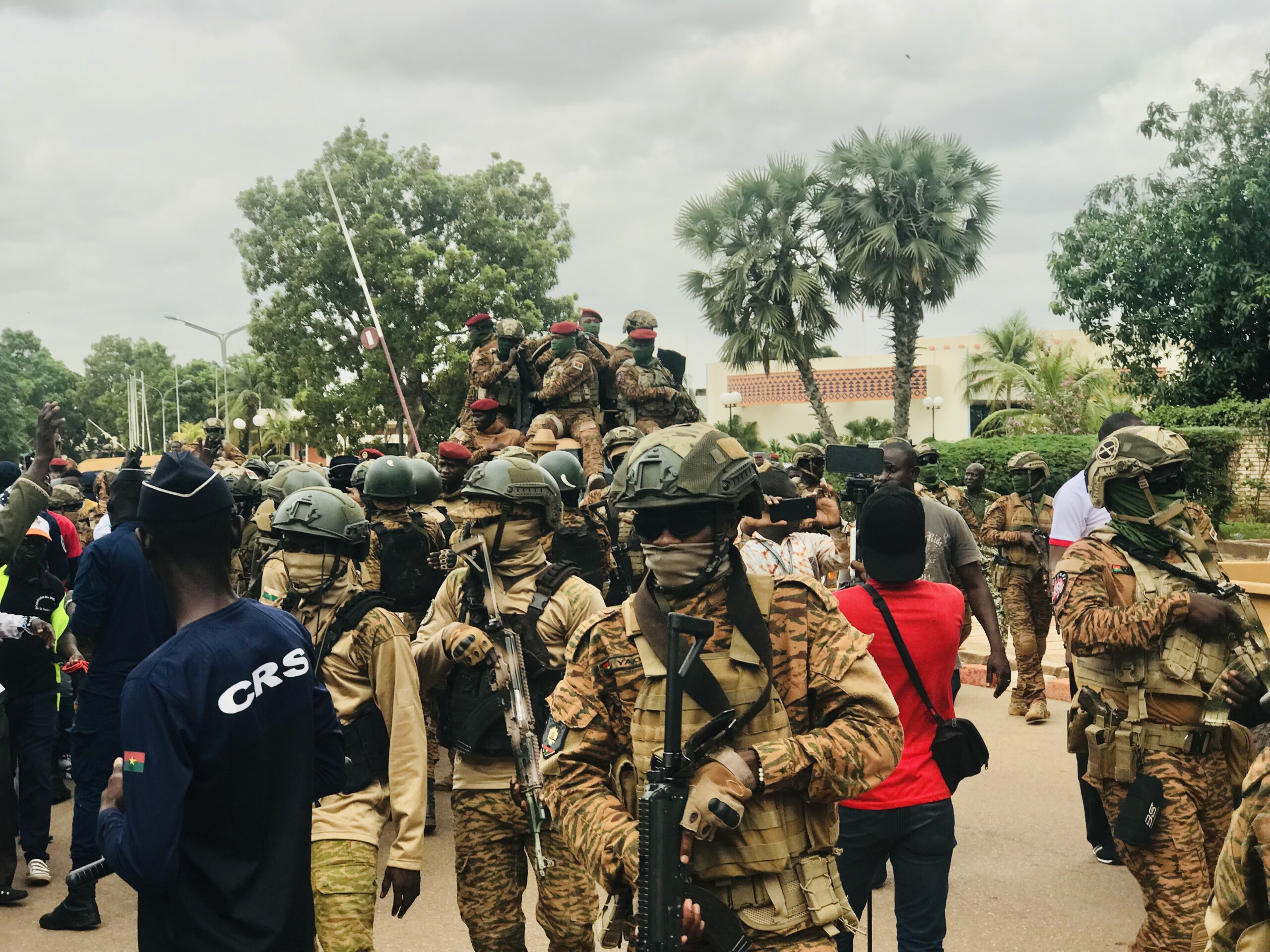
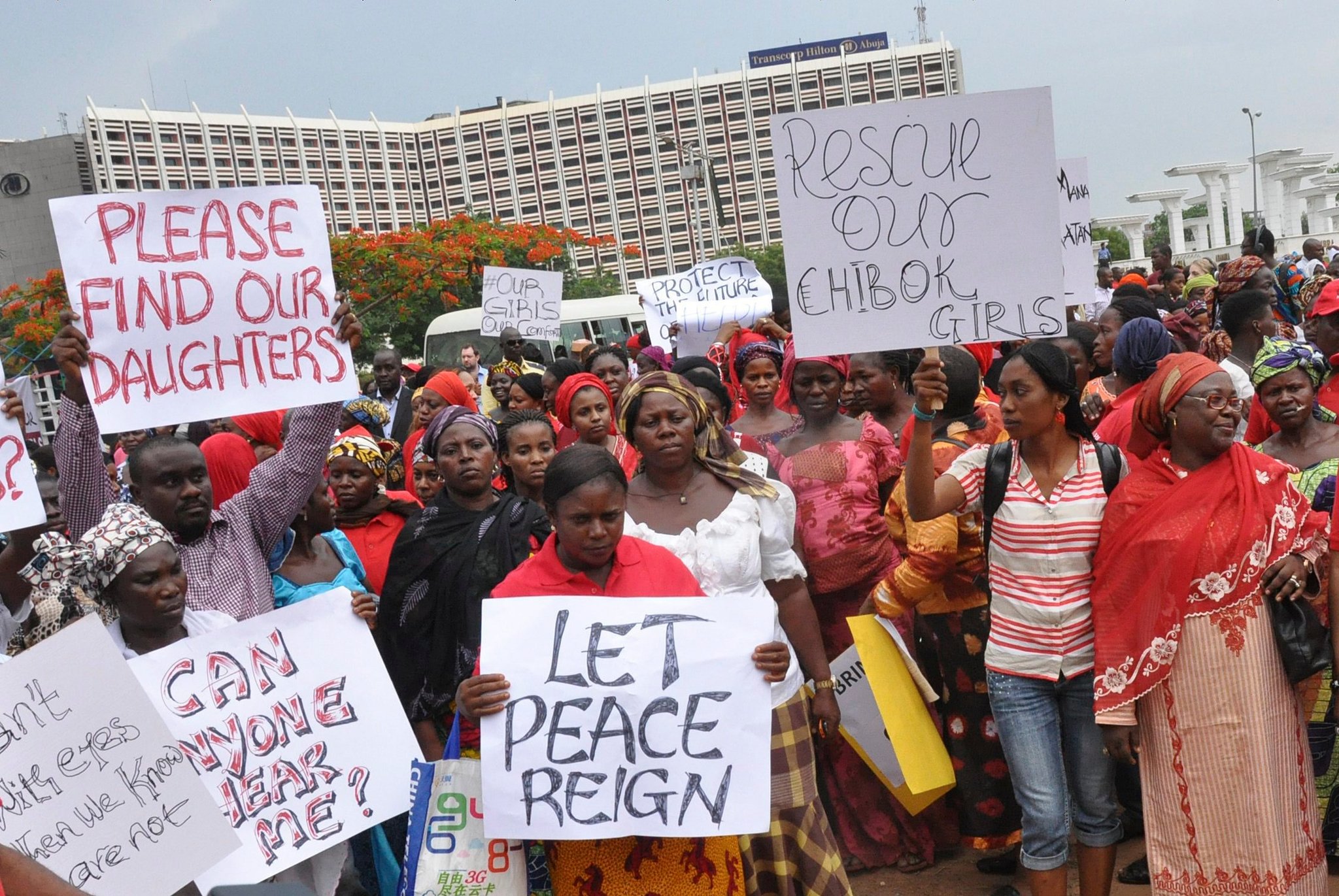
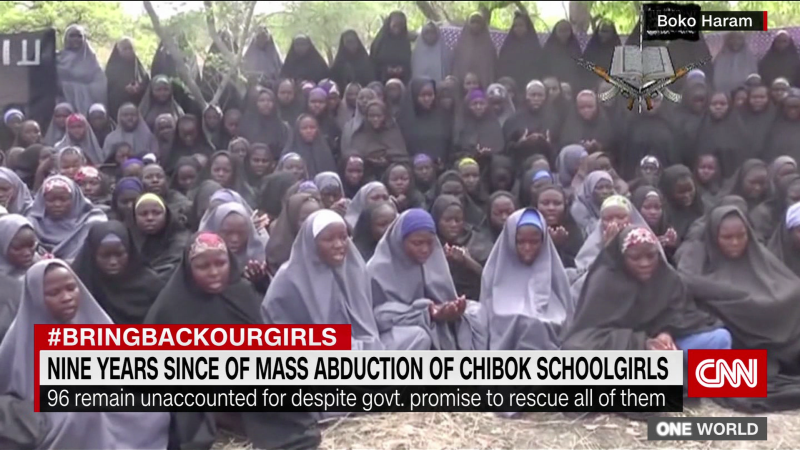
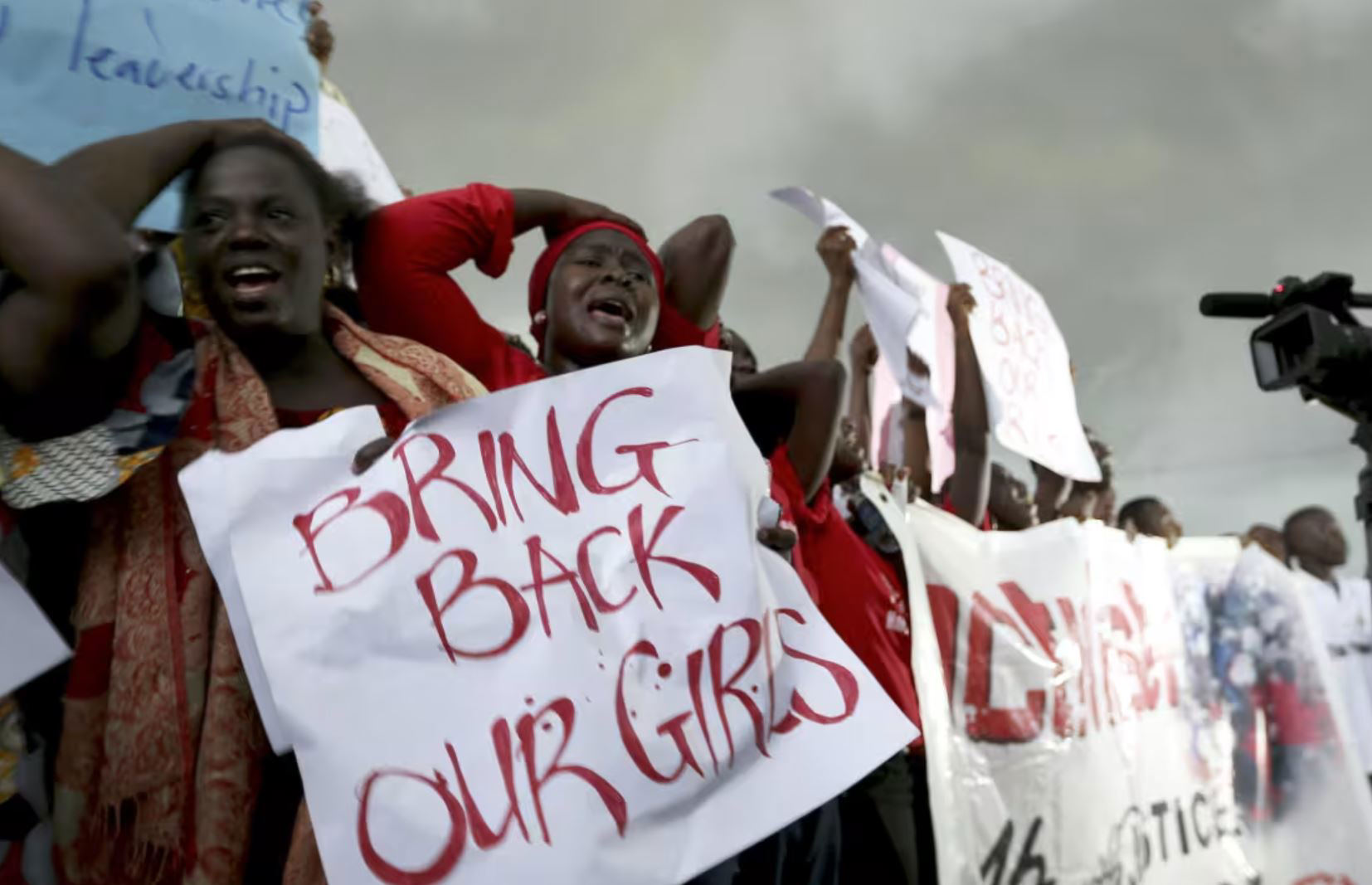
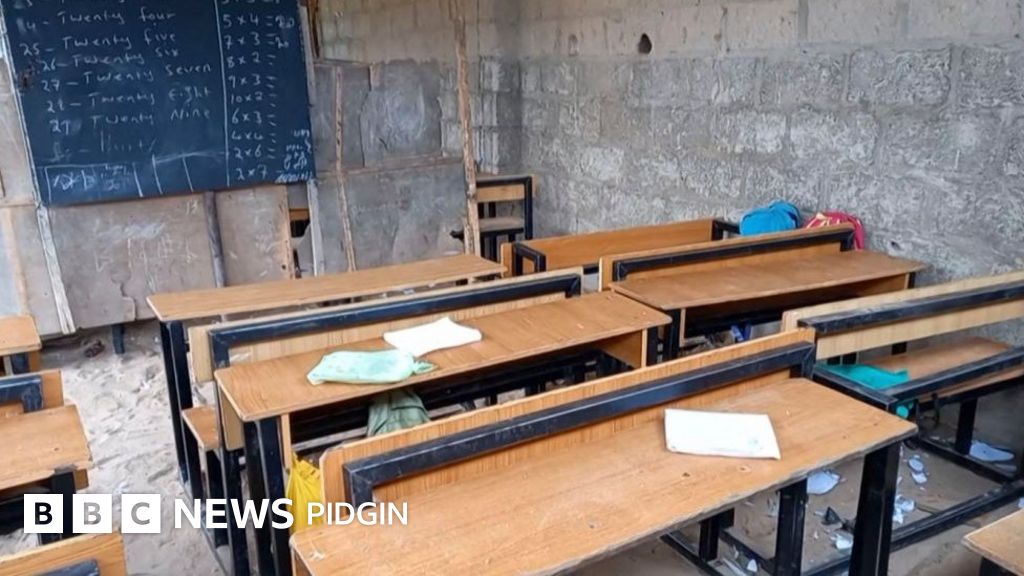
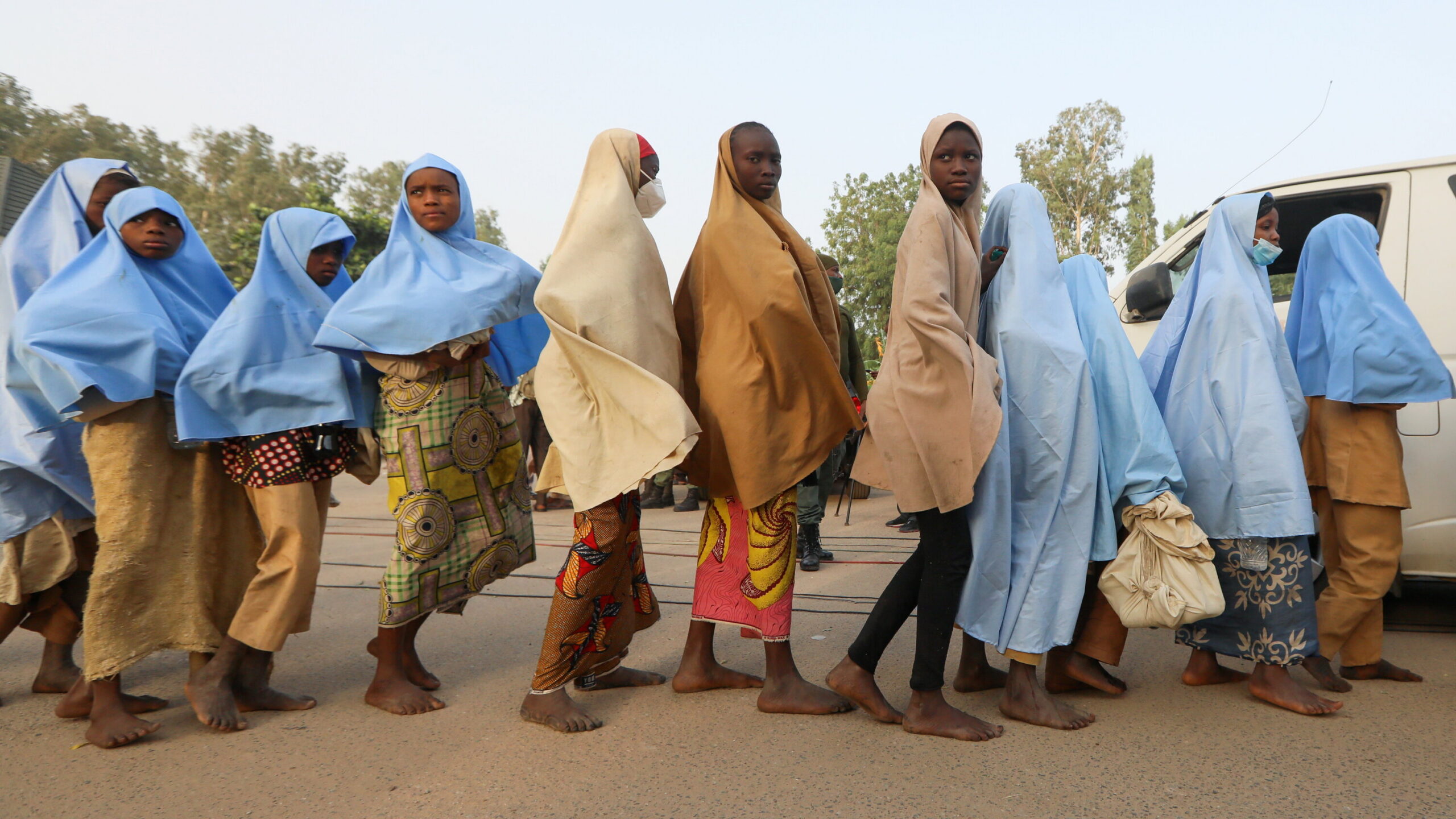
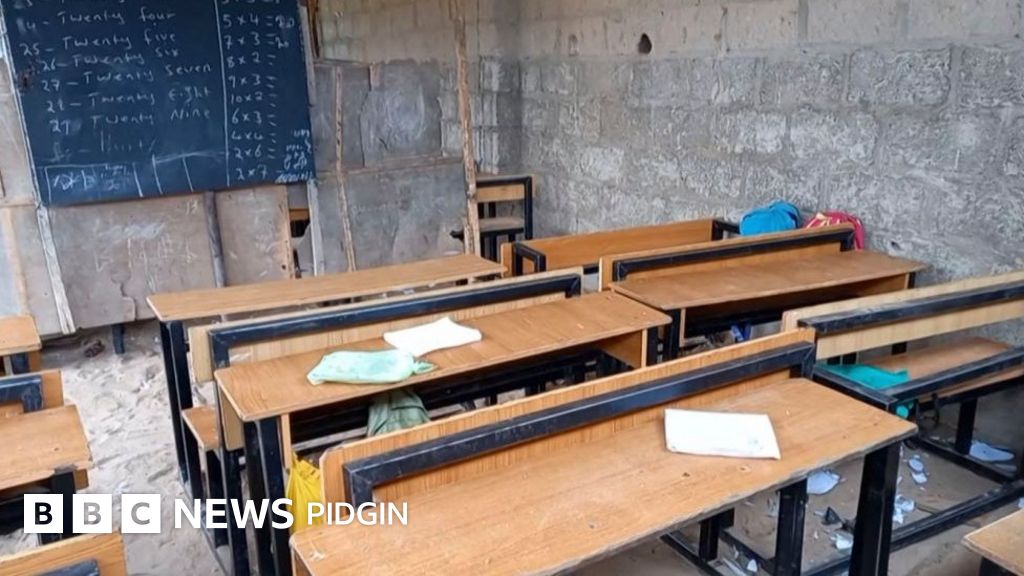
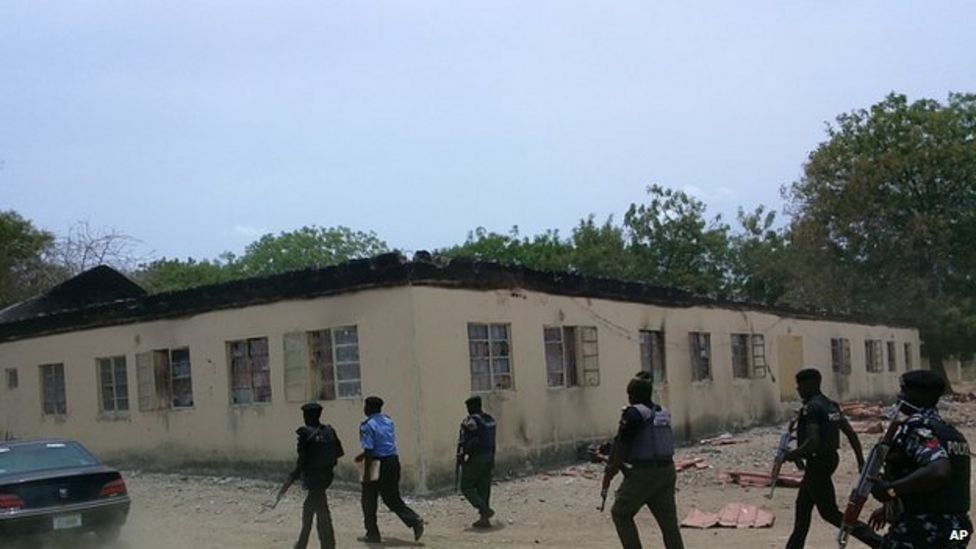
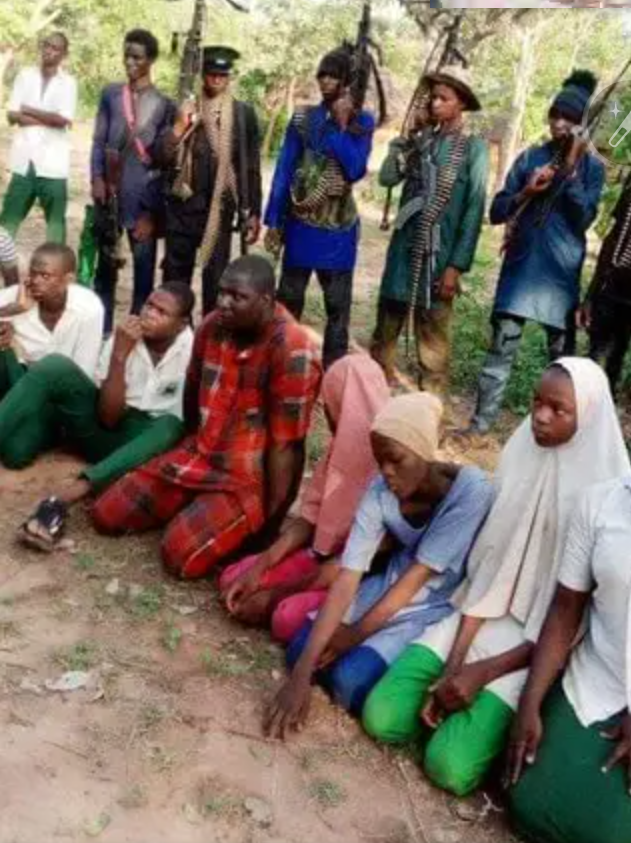
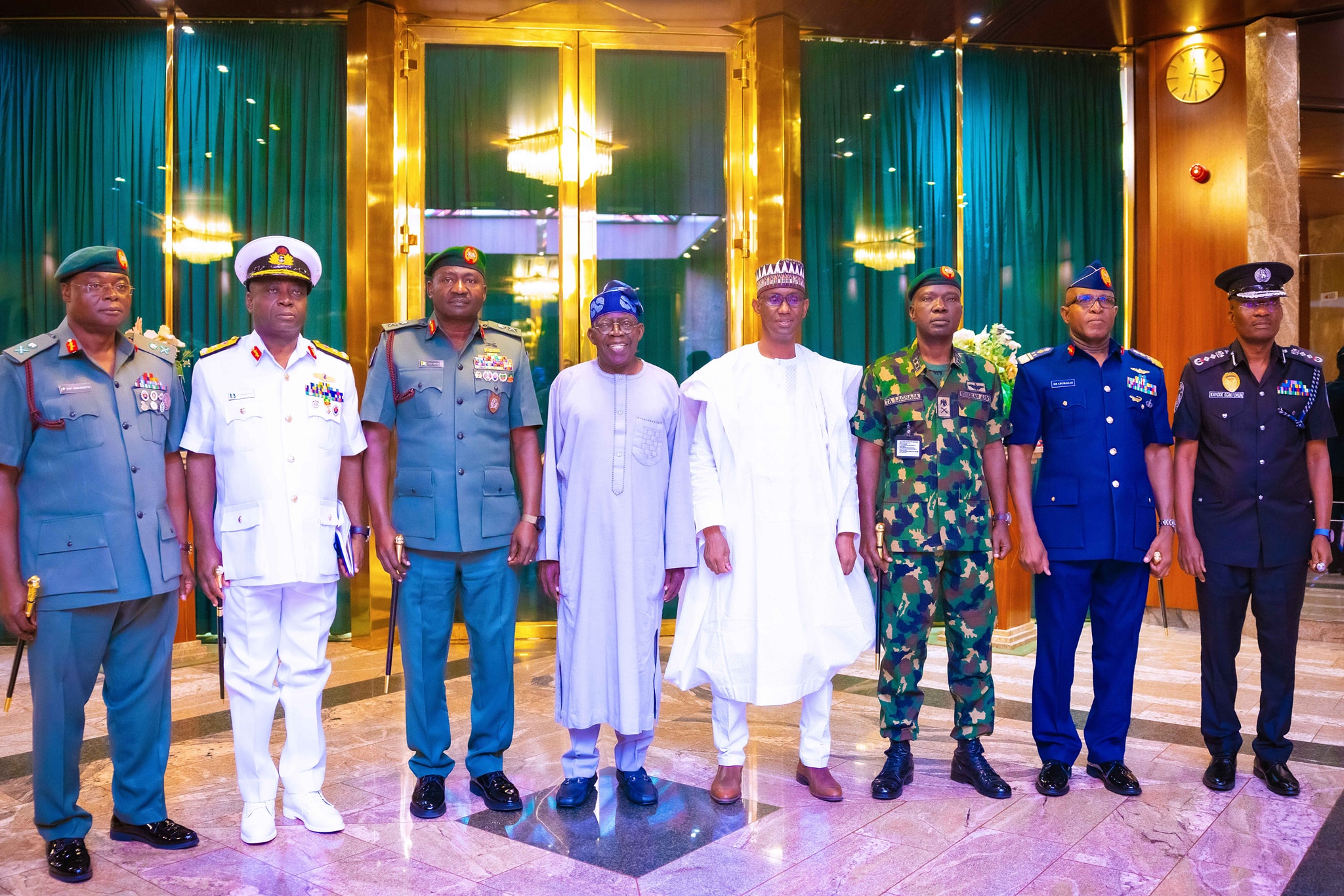
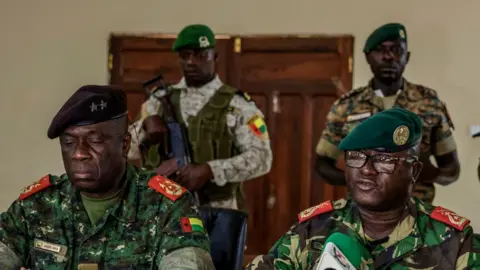
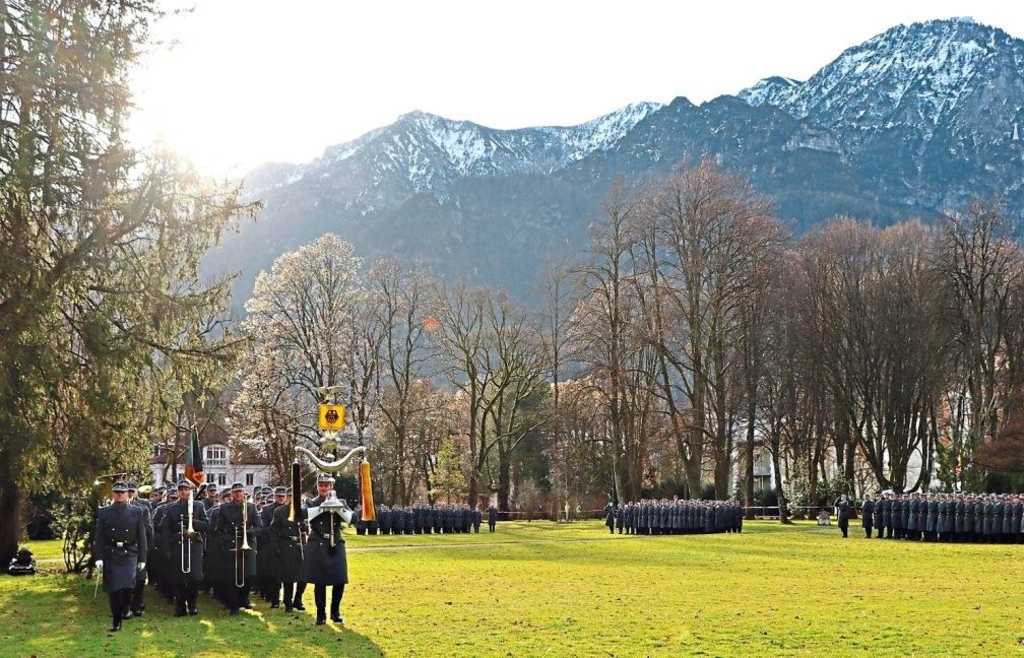
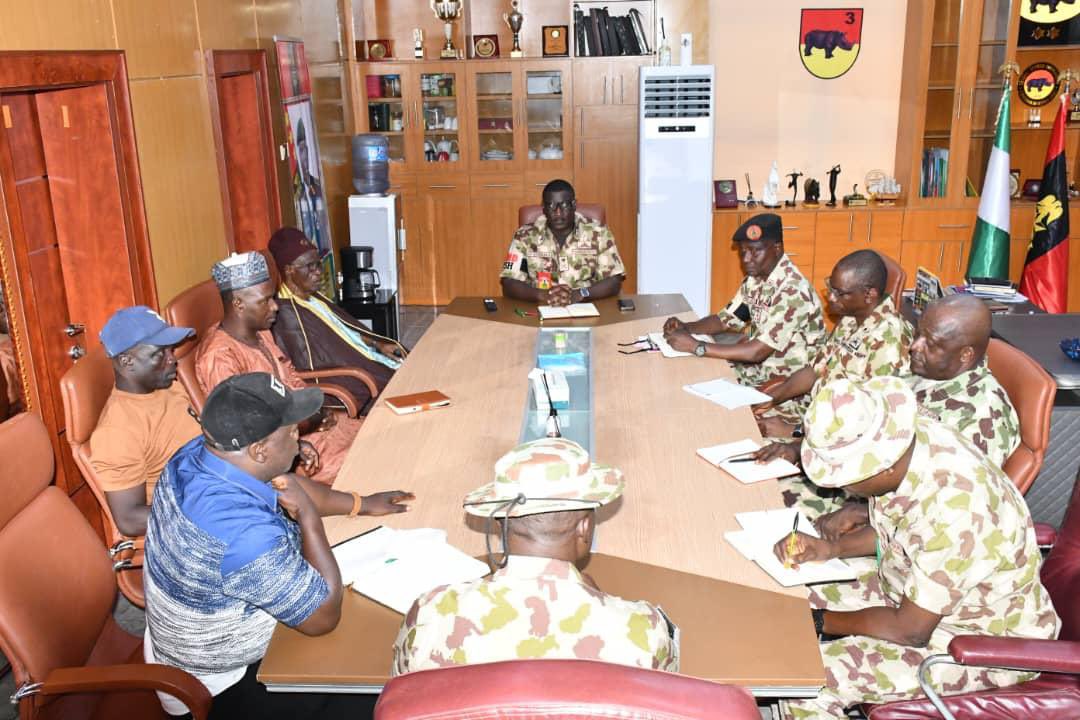
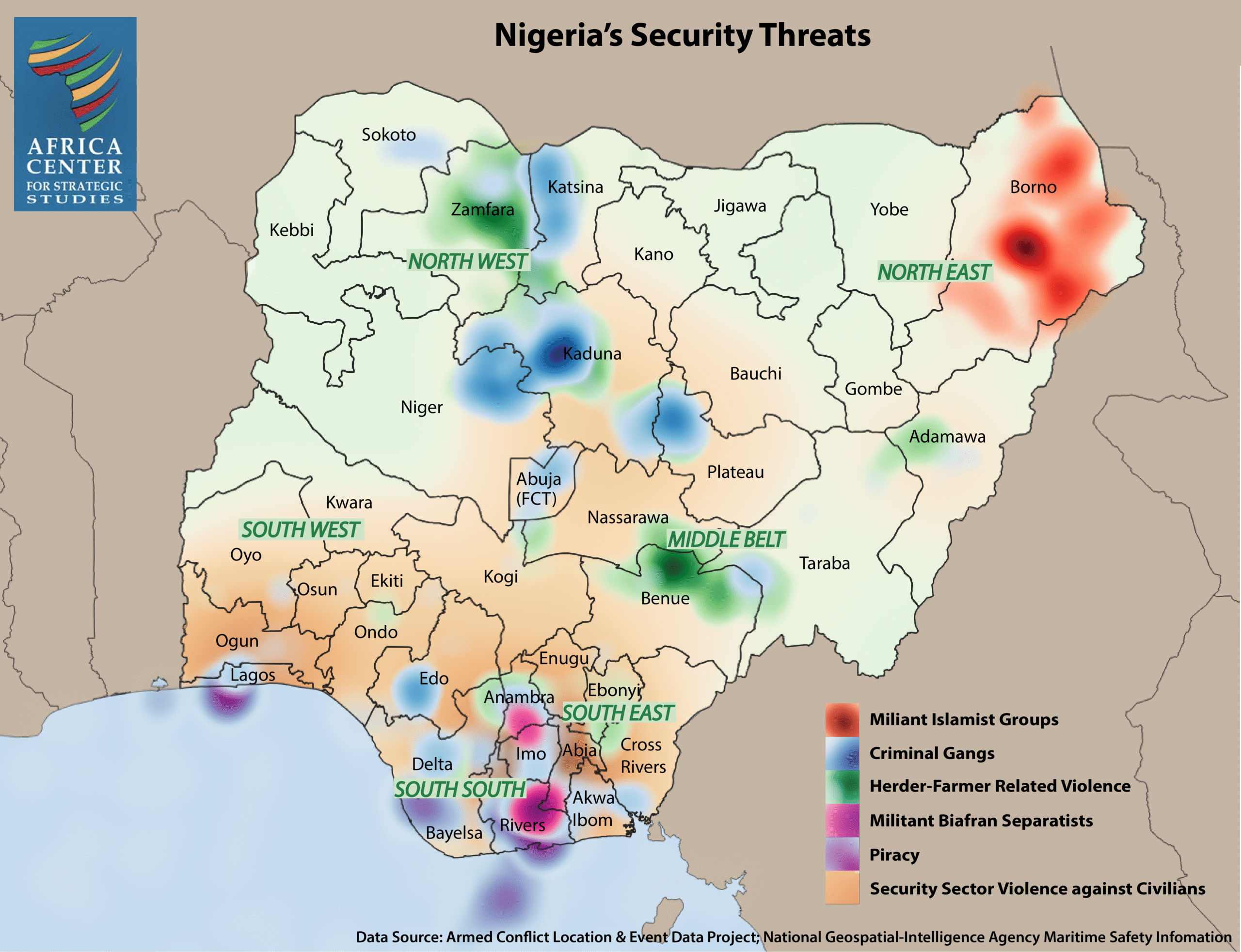
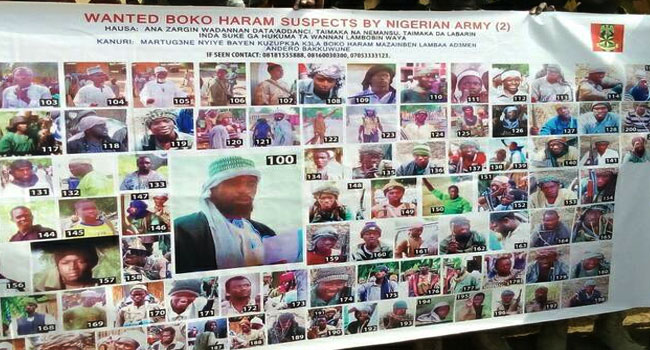
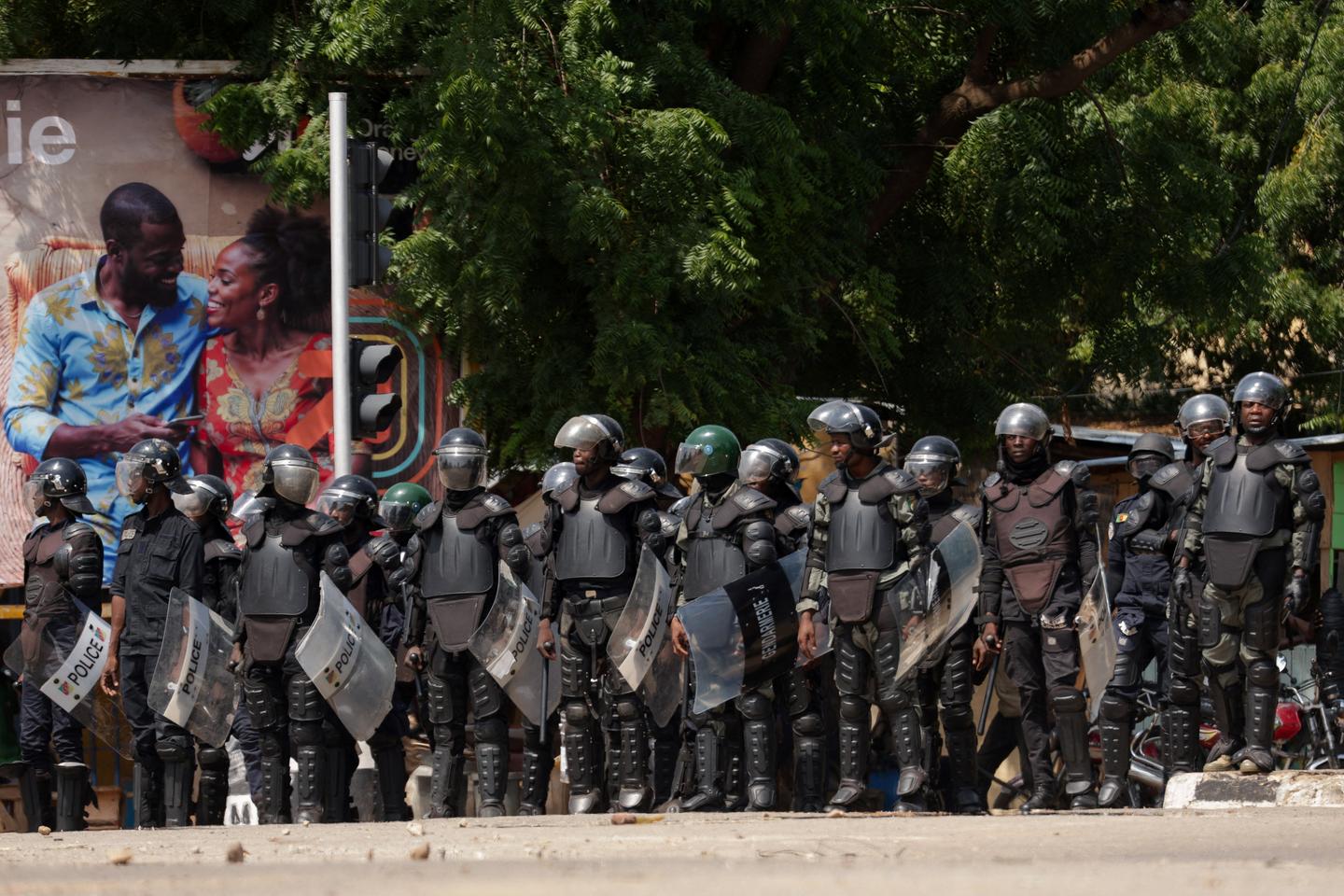
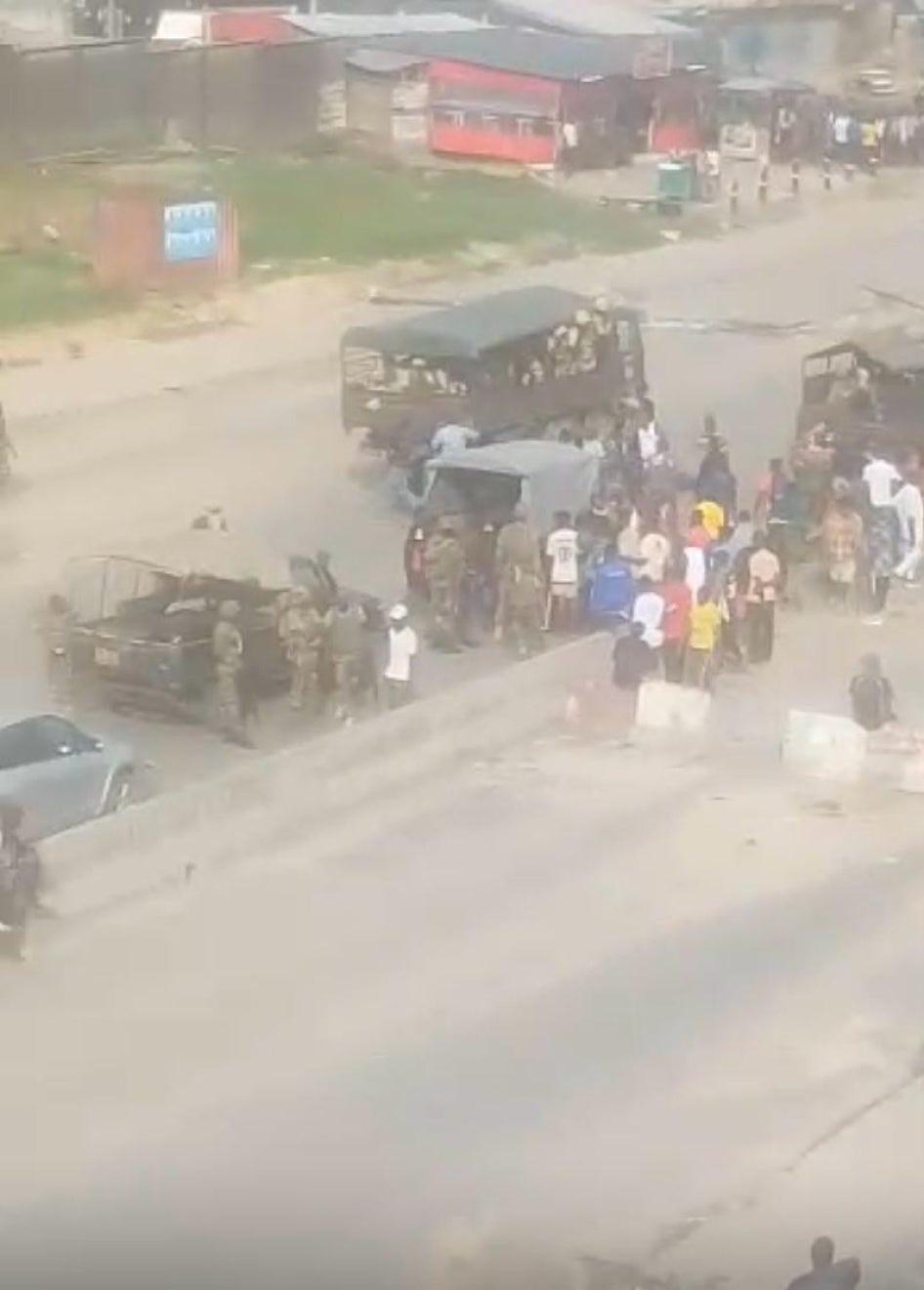
In national defense, Air Chief Aneke isn’t playing around. He’s vowed to keep air power strong, a commitment reinforced by the Super Puma helicopter’s timely return. This signals ramped-up efforts to boost military readiness against constant threats. But despite advancements, Nigeria still grapples with severe insecurity. Just recently, a horrific Kwara State massacre saw jihadist militants brutally execute 162 people, a tragedy confirmed by the Red Cross that’s earned global condemnation. What about the military’s quick response? Reports show troops got to Kwara 10 hours after another attack killed 75, despite clear intelligence warnings. That delay begs for better protocols, doesn’t it? On a more hopeful note, a joint operation by Nigeria’s National Security Adviser (ONSA) and the Department of State Services (DSS) recently rescued worshippers held hostage in Kaduna. Still, security feels fragile, especially with Boko Haram-linked terrorists issuing new threats against communities in Kwara. The social fabric is fraying too. An NBS report indicates over two million Nigerians have been abducted under the current government, with N2.2 trillion paid in ransoms. And let’s not forget human rights. Amnesty International reports over 10,000 deaths in military custody during the Boko Haram insurgency era, raising serious questions about accountability. Education isn’t spared; unsafe schools in Zamfara push kids out, while corruption investigations expose rot in school projects across various states. These are profound challenges for Nigeria’s security crisis that demand urgent, coordinated action.
Political Shifts and the Road to 2027
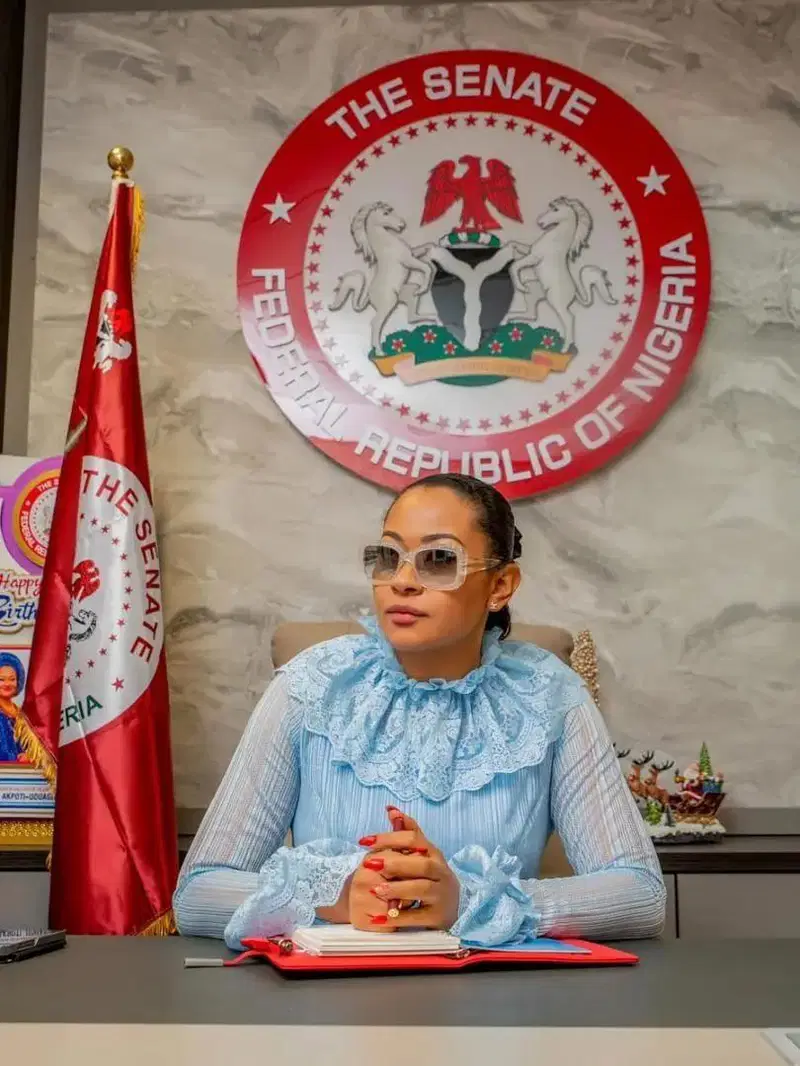
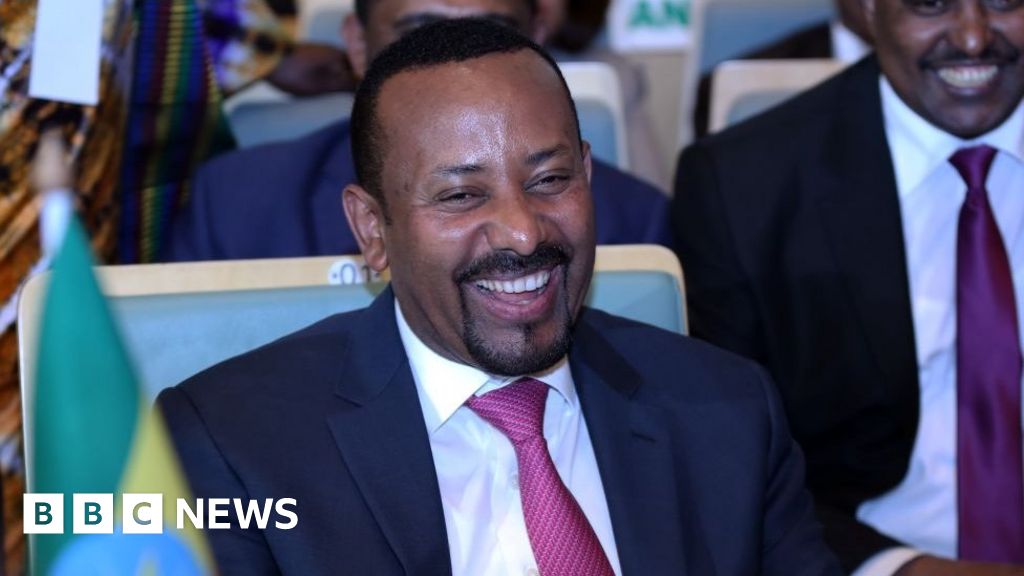
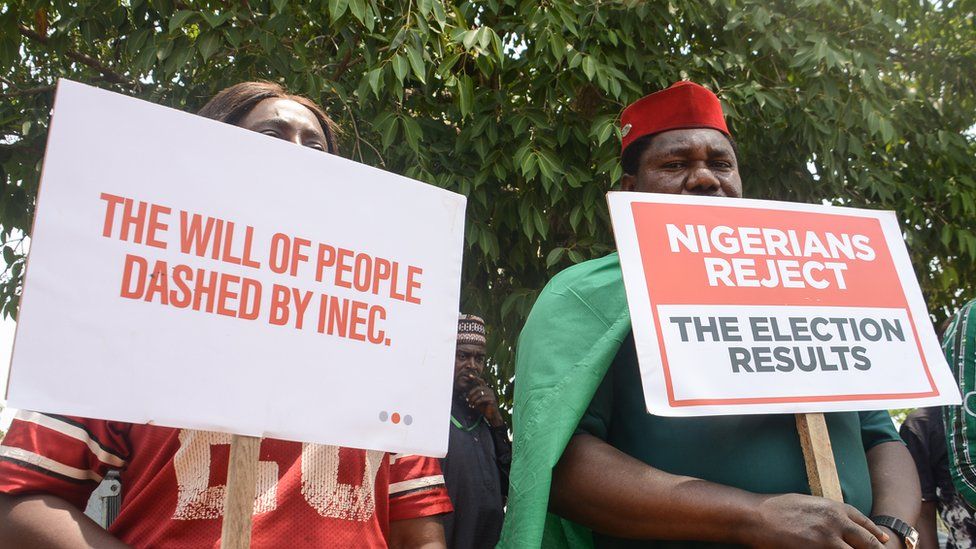
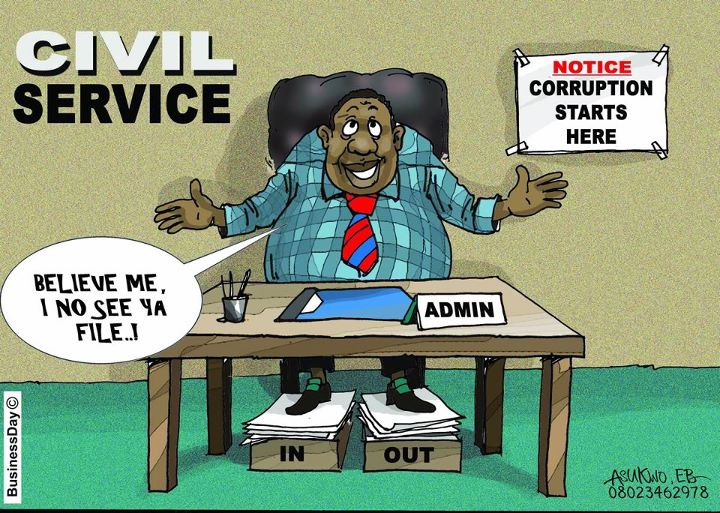
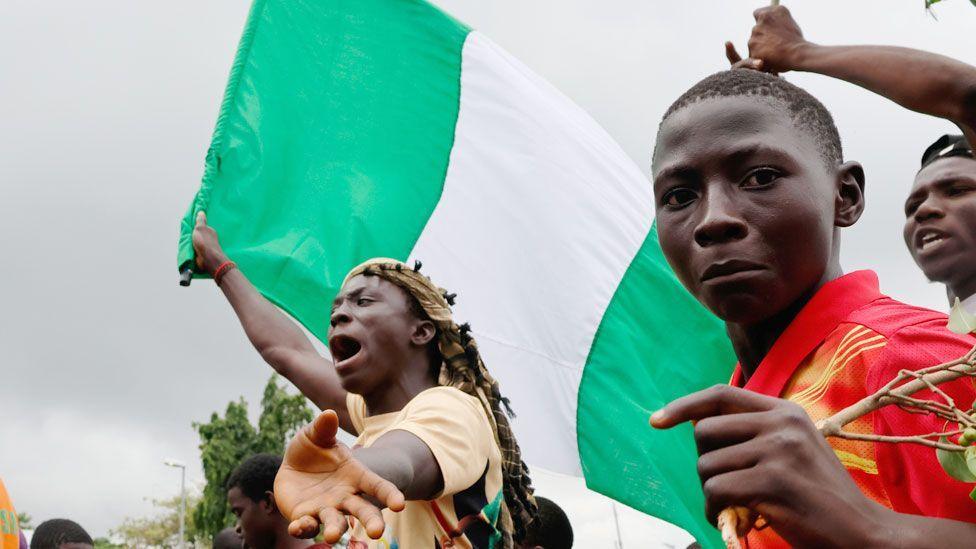
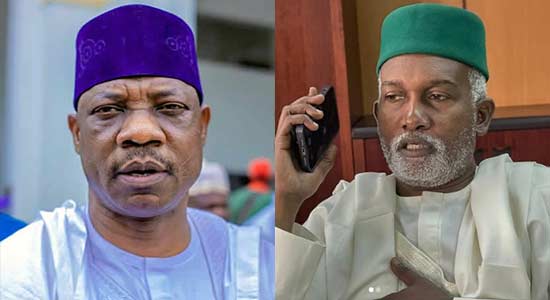
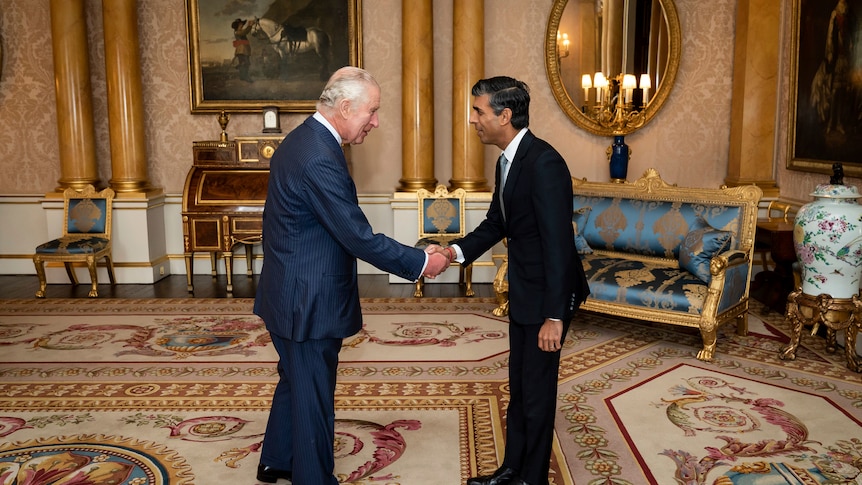
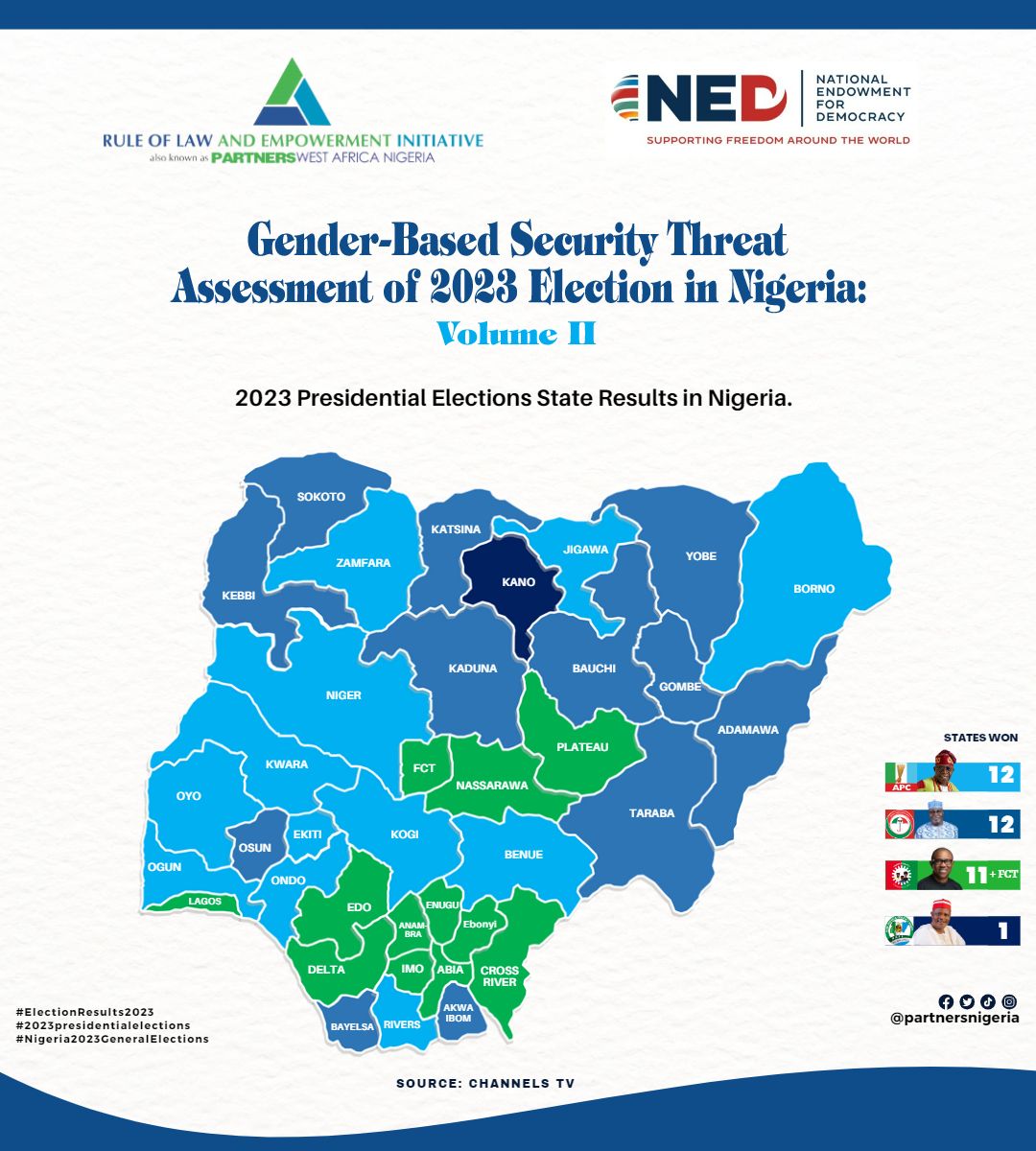
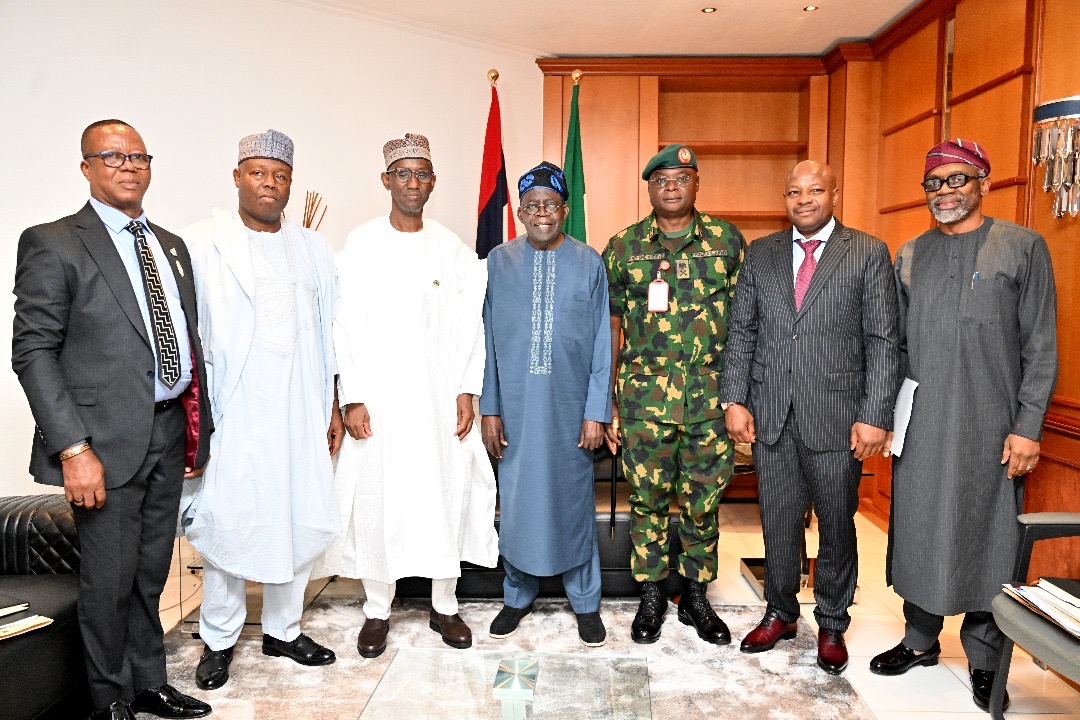
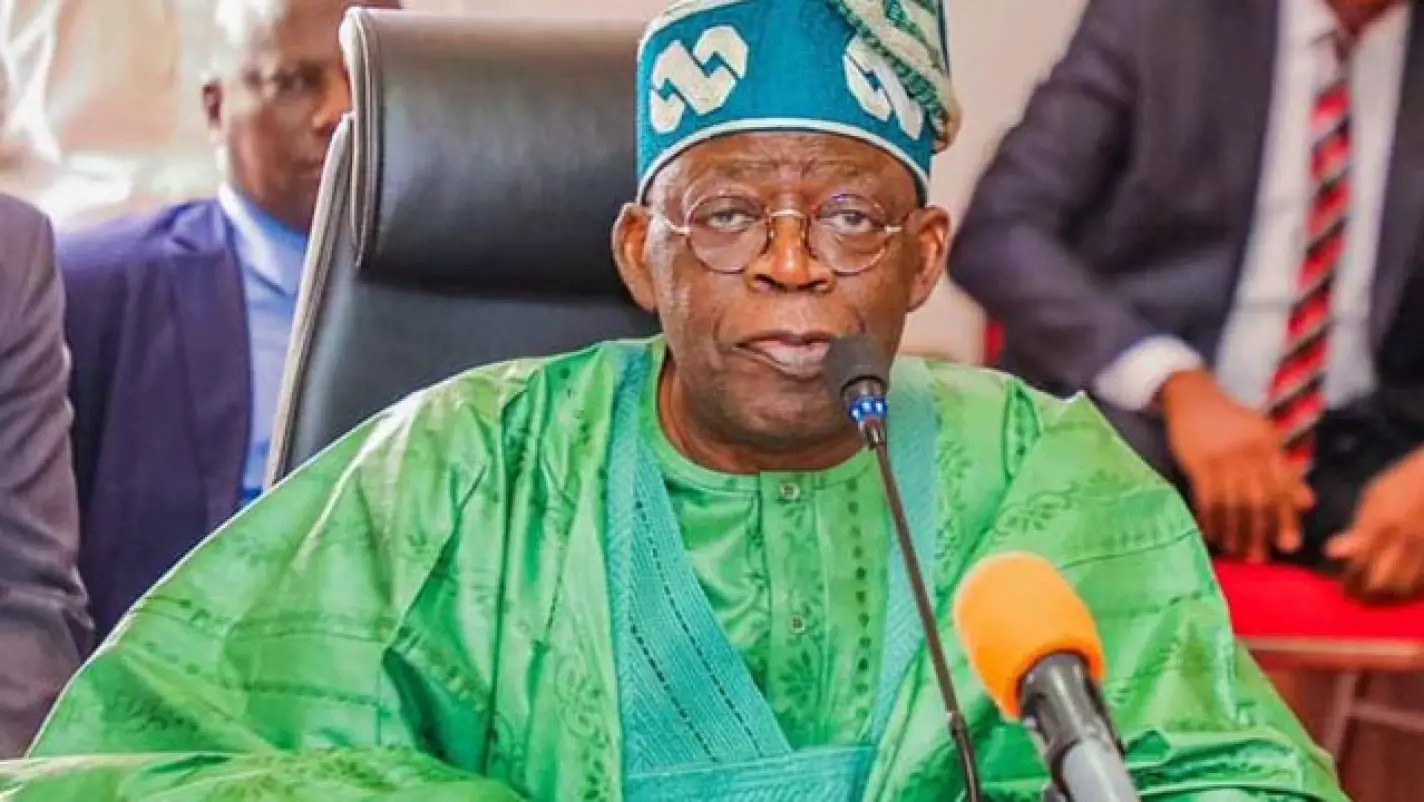
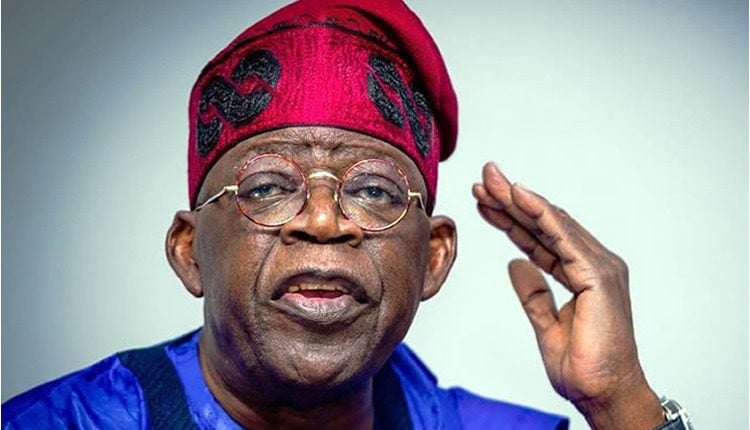
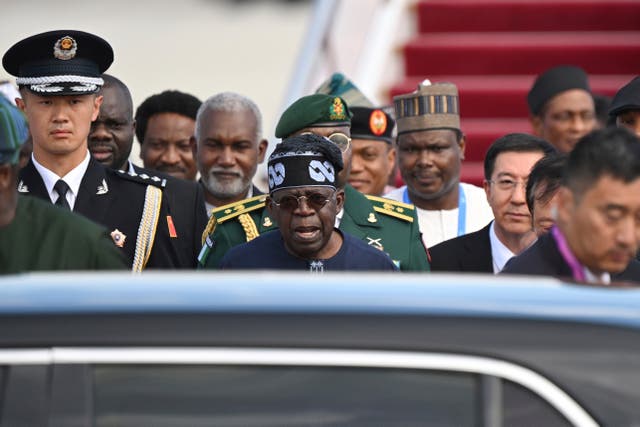
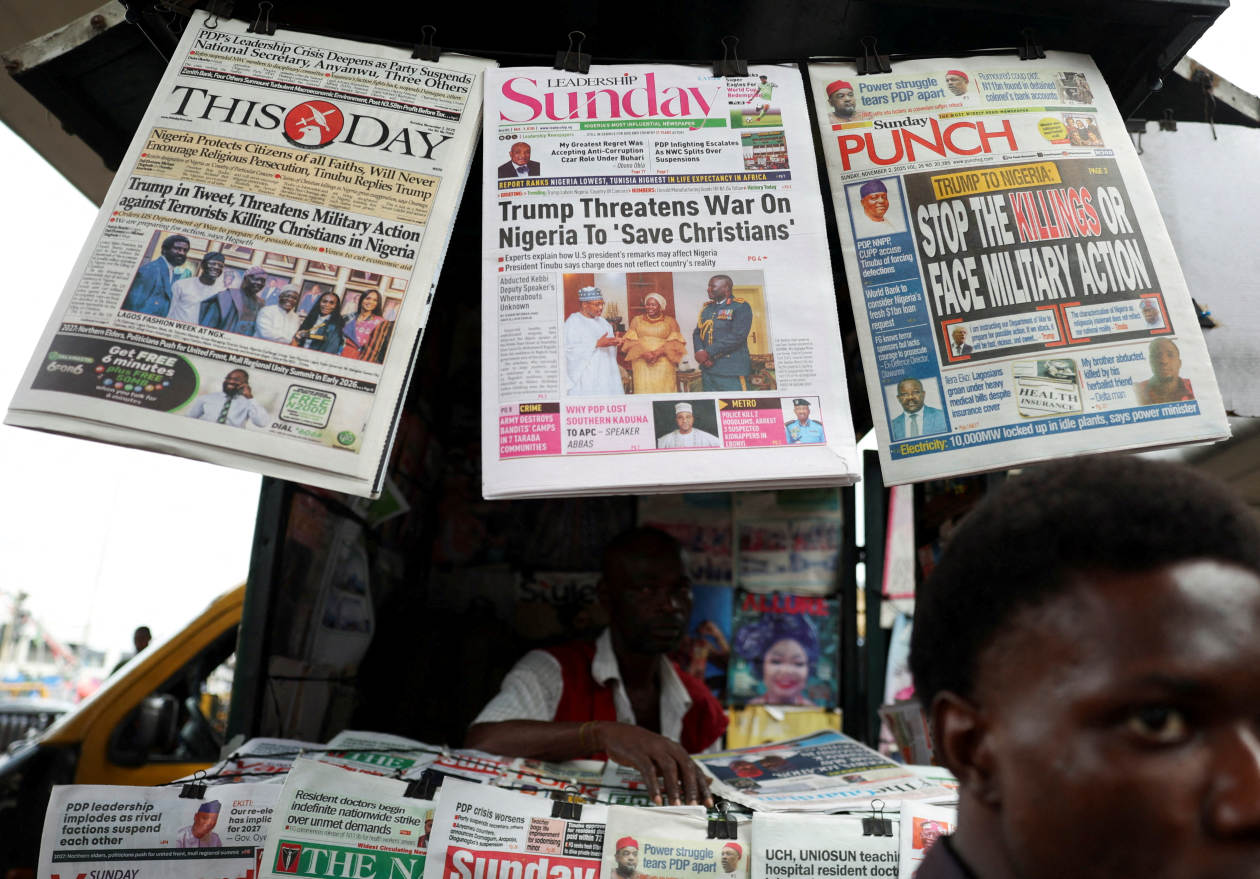
Amidst this security turmoil, Nigeria’s political landscape is definitely seeing significant action. Remi Tinubu’s recent, high-profile meeting with former U.S. President Donald Trump, for example, has got people talking about Nigeria’s international diplomacy and its potential domestic influences. Domestically, the opposition faces an existential threat. Political analyst Dan Ulasi warns us that if People’s Democratic Party (PDP) governors keep defecting, there might not be an effective opposition left by 2027. This prediction makes you wonder, what does Nigeria’s political landscape really look like heading into the critical 2027 elections? Veteran political commentator Pat Utomi traces Nigeria’s political decline right back to 1999, blaming the rise of “undesirable leadership cohorts.” That perspective adds depth to our worries about governance. Akinwunmi Akinfenwa sees Nyesom Wike as an experienced, resilient “old war horse” whose influence could be instrumental for Tinubu’s administration come 2027. This suggests interesting potential alliances are brewing. We also can’t ignore glaring fiscal governance issues. Take Kano State, where N1.2 billion was reportedly spent on street lights through “unknown suppliers,” or Ekiti State’s multi-billion naira out-of-budget expenses. These clearly illustrate fiscal governance issues deeply intertwined with development needs, shining a light on transparency challenges.
Ambitious Economic Expansion and Energy Challenges
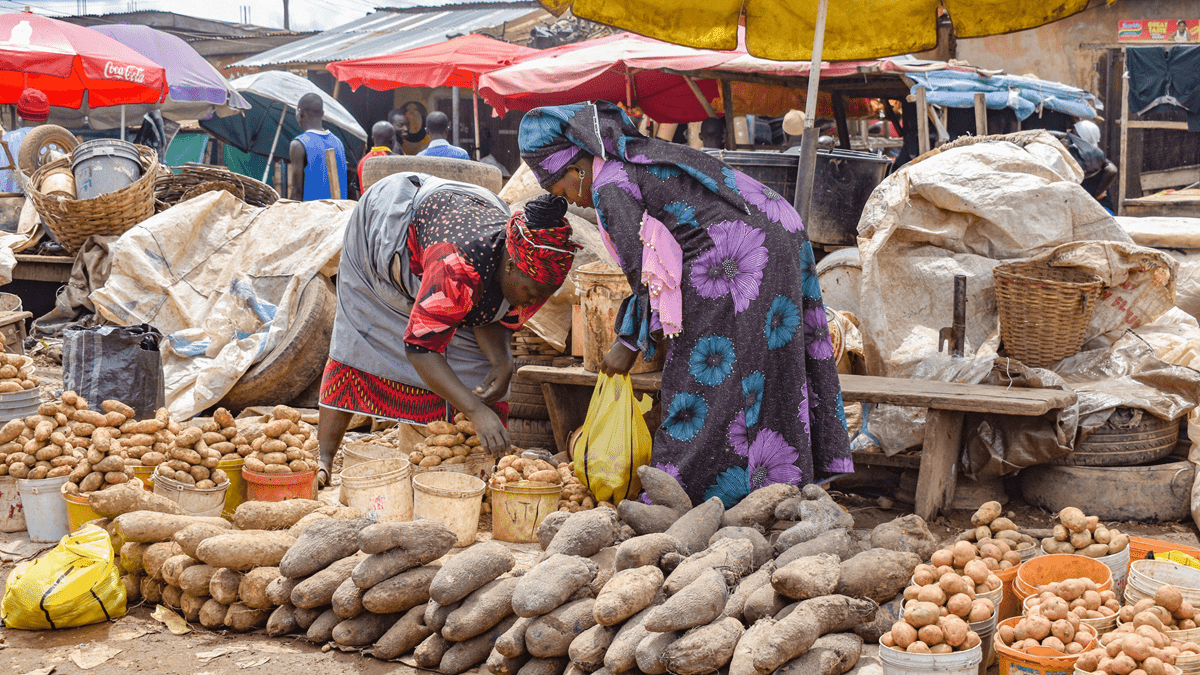
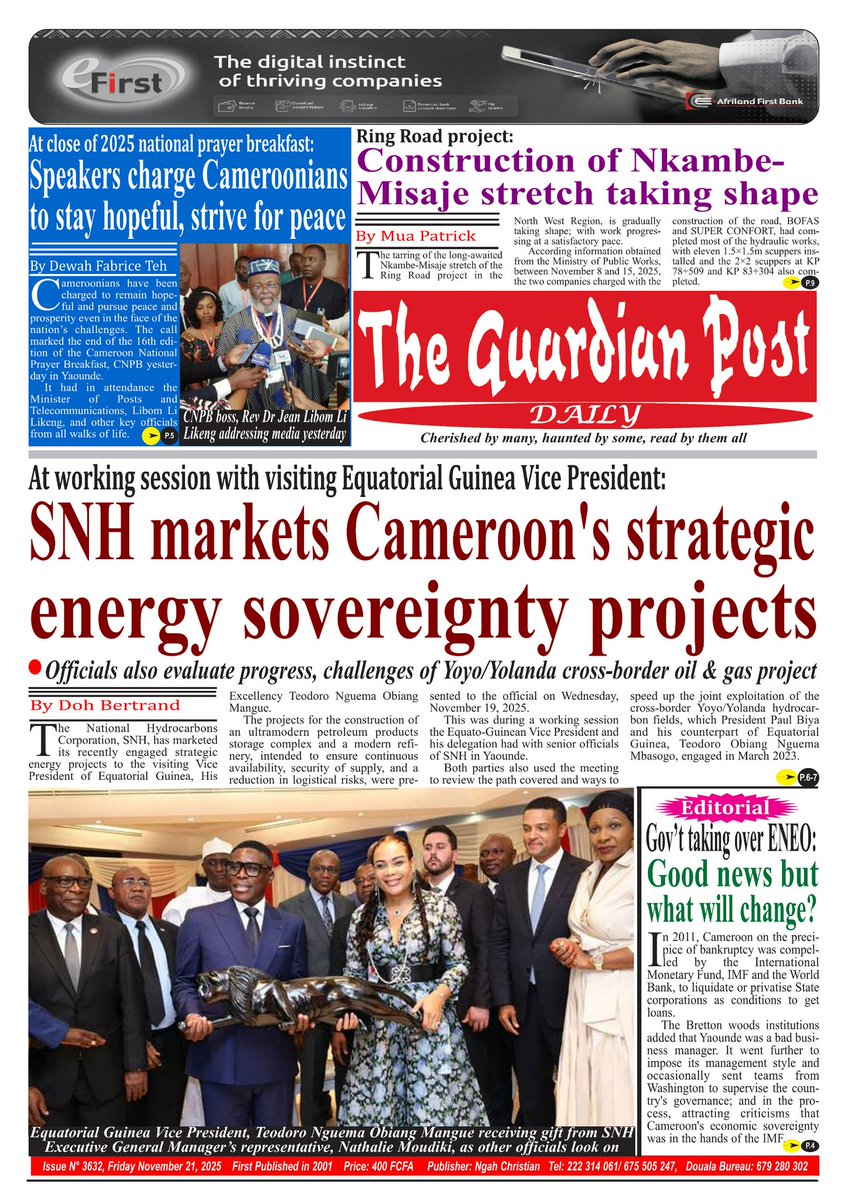
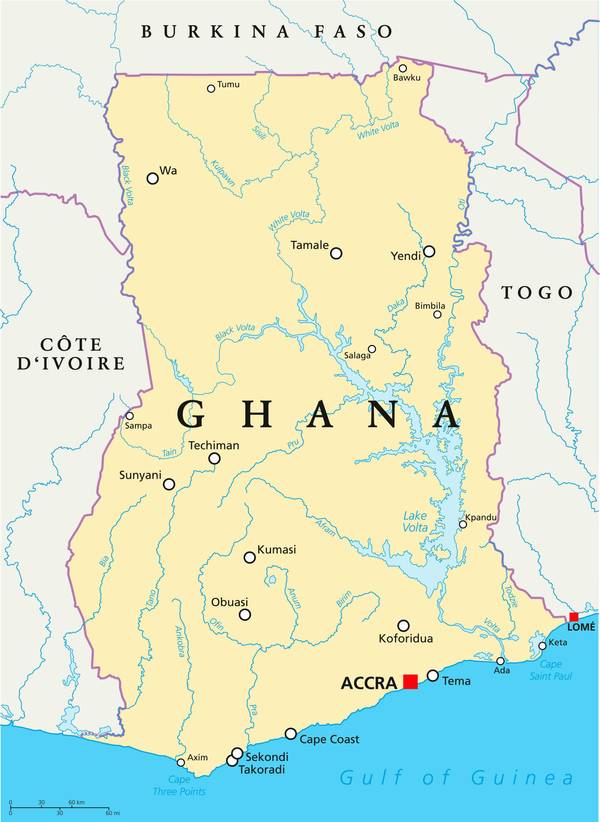
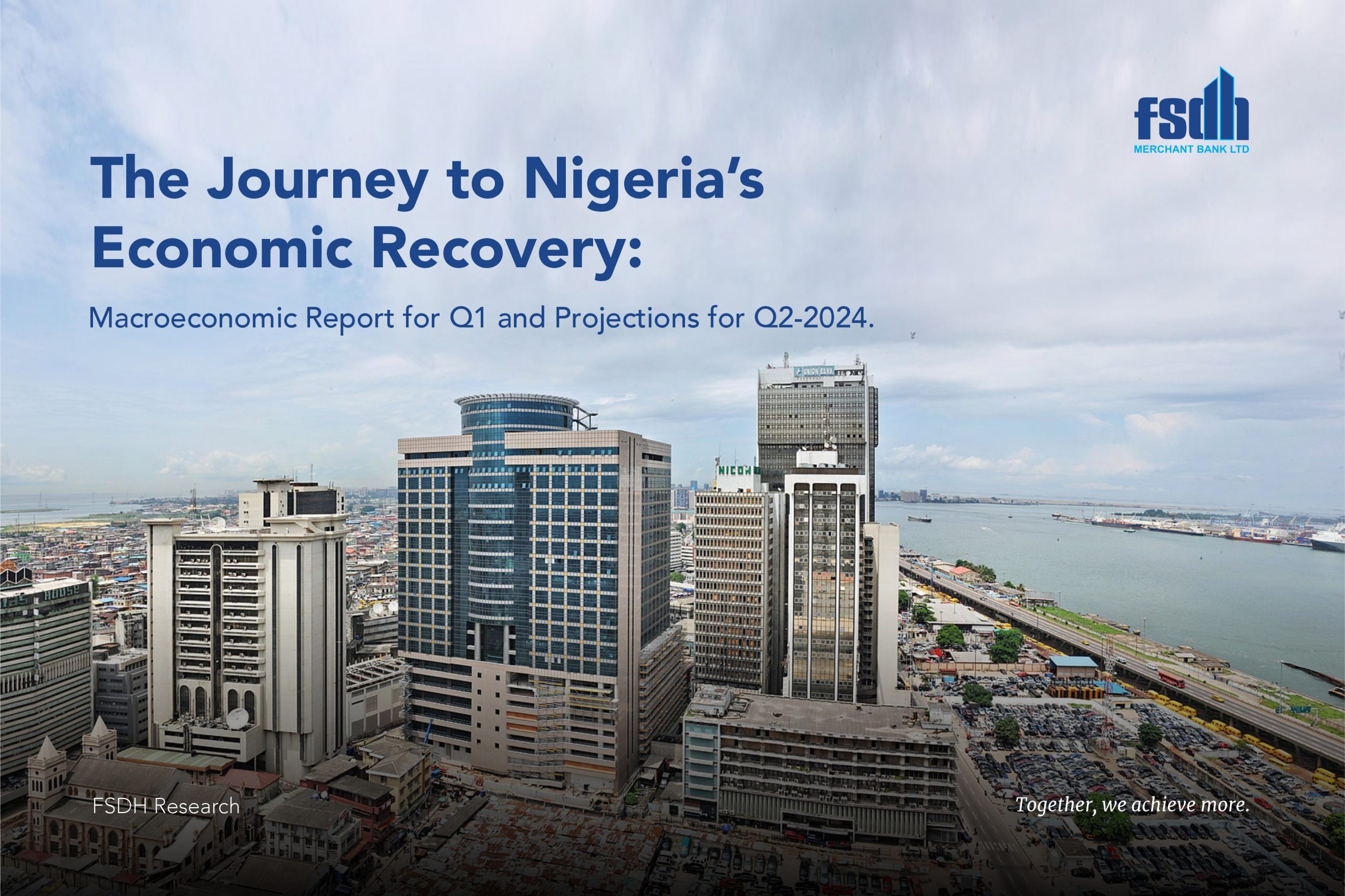
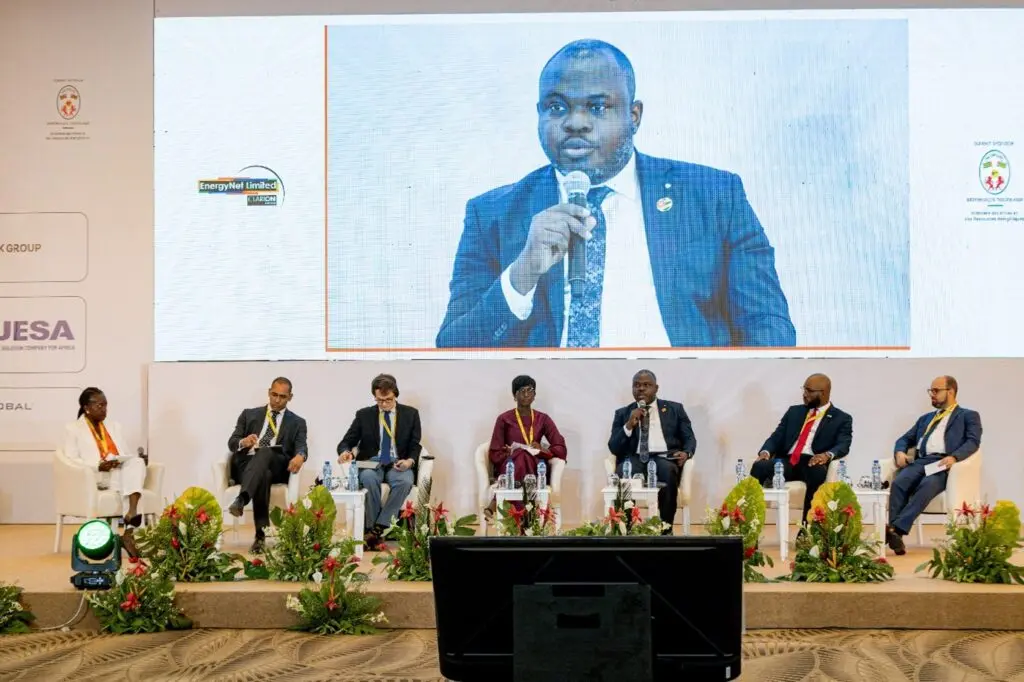
Economically, Nigeria has big dreams, and significant hurdles. The Dangote Refinery’s bold plans to expand its footprint across Africa, reaching Ghana, Cameroon, Namibia, Zambia, Zimbabwe, and Botswana, align perfectly with Nigeria’s goal to become a major industrial and economic hub. International financial powerhouses like the IMF even project Nigeria will leapfrog Algeria to become Africa’s third-largest economy by 2026. That’s certainly optimistic, reflecting a hopeful growth trajectory despite current hurdles. Yet, here’s the paradox: the country faces a crippling energy crisis. Energy expert Nick Agule points out that Nigeria suffers from the worst energy poverty globally. This disconnect between economic potential and infrastructural reality doesn’t just hinder industrial output; it also severely erodes the quality of life for millions. So, what’s next for Nigeria? Our trajectory will heavily depend on effective coordination across security, political reconciliation, and crucial economic reforms. Sustained improvements in military capacity, genuine political inclusivity, and vital infrastructure development, especially in energy, will be absolutely crucial. As 2027 approaches, the evolution of Nigeria’s political landscape will truly test democratic institutions and opposition resilience. Our country’s ability to project leadership within Africa’s economic space, epitomized by regional plans like Dangote Refinery’s, could redefine Nigeria’s role. But let’s be real: concurrently, addressing human rights concerns and enhancing governance transparency is imperative to foster public trust and social stability. Nigeria’s path forward, while fraught with challenges, is also brimming with opportunities for renewal and significant growth. The interplay of robust security, sound politics, and visionary economics will ultimately determine whether it can surmount these hurdles and realize its vast potential.
Sources
-
Air Chief Aneke Vows Sustained Air Power As Super Puma Helicopter Returns, Sahara Reporters, 2024
https://saharareporters.com -
Breaking: Remi Tinubu Meets Trump, Sahara Reporters, 2024
https://saharareporters.com -
Kaduna Worshippers Freed In Joint ONSA, DSS Rescue Operation, Sahara Reporters, 2024
https://saharareporters.com -
Dan Ulasi: If PDP Governors Keep Defecting, There Will Be No Opposition In 2027, Sahara Reporters, 2024
https://saharareporters.com -
Dangote Refinery Reveals Plans To Conquer Ghana, Cameroon, Namibia, Zambia, Zimbabwe, Botswana, Sahara Reporters, 2024
https://saharareporters.com -
Pat Utomi: Nigeria’s Political Decline Began In 1999 When Undesirables Took Over Power, Sahara Reporters, 2024
https://saharareporters.com -
Jihadists Execute 162 In Kwara Massacre, Red Cross Official Says, Sahara Reporters, 2024
https://saharareporters.com -
Nick Agule: Nigeria Suffers The Worst Energy Poverty In The World, Sahara Reporters, 2024
https://saharareporters.com -
Akinwunmi Akinfenwa: Wike Is An Old War Horse Who Has Delivered, Tinubu Needs Him For 2027, Sahara Reporters, 2024
https://saharareporters.com -
NBS Report: Over 2million Nigerians Abducted Under Tinubu’s Government With N2.2trillion Paid As Ransoms, Sahara Reporters, 2024
https://saharareporters.com -
Amnesty International Says More Than 10,000 Nigerians Have Died In Military Custody In Boko Haram Era, Sahara Reporters, 2024
https://saharareporters.com -
Kano Govt Under Ganduje, Kabir Yusuf Paid N1.2Billion To ‘Unknown Suppliers’ To Power Street Lights For 5 Months –Auditor General, Sahara Reporters, 2024
https://saharareporters.com -
Unsafe Zamfara Schools Endanger, Push More Children Out Of School, Sahara Reporters, 2024
https://saharareporters.com