Nigeria 2026: Governance Reforms, Security Challenges, and Economic Growth Drive Change
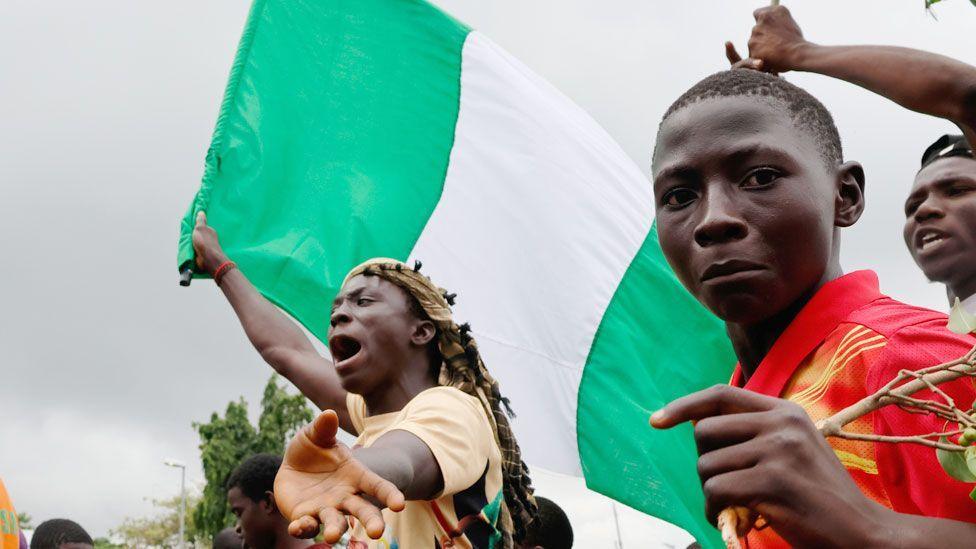
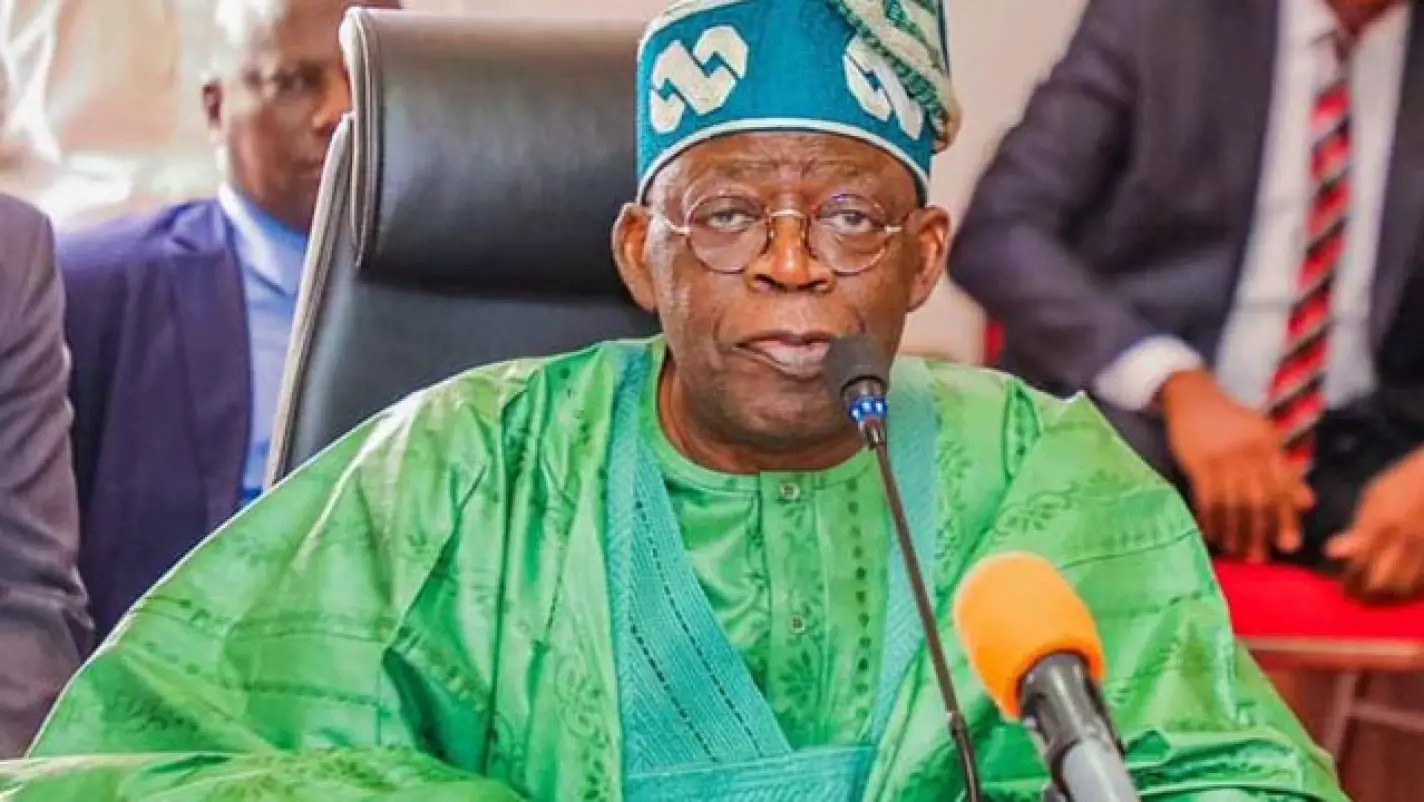
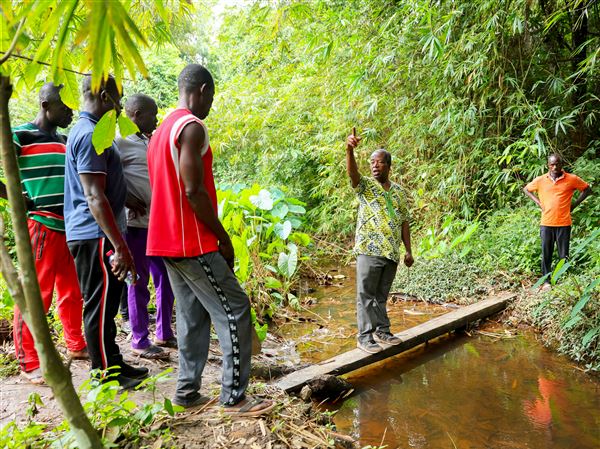
As Nigeria navigates 2026, the nation stands at a critical juncture where shifts in governance reforms, persistent security challenges, and ambitious economic projects are all converging, spotlighting the remarkable resilience and dynamism within its political and social fabric. In Rivers State, Governor Siminalayi Fubara recently shook things up, dissolving his cabinet to inject new life into his administration. This bold move clearly shows his resolve to align the executive with fresh strategies for more effective governance. He also brought in a new Chief Press Secretary, signaling a tactical communications overhaul. Fubara didn’t stop there, emphasizing the crucial role of professional surveyors, hinting at a data-driven approach that could truly boost developmental precision across the state. This kind of restructuring reflects a broader trend in Nigerian subnational governance, where leaders are increasingly focusing on responsive bureaucracy and smart infrastructural planning. Meanwhile, national conversations keep buzzing with calls for fresh, youthful leadership. Former political heavyweight Goodluck Jonathan weighed in, suggesting only leaders under 50 have the innovative spark Africa needs today. Doesn’t that speak volumes about the growing frustration with old political ways and the push for new ideas to tackle today’s complex problems? (Arise News, February 2026).
Navigating Security and Electoral Reforms
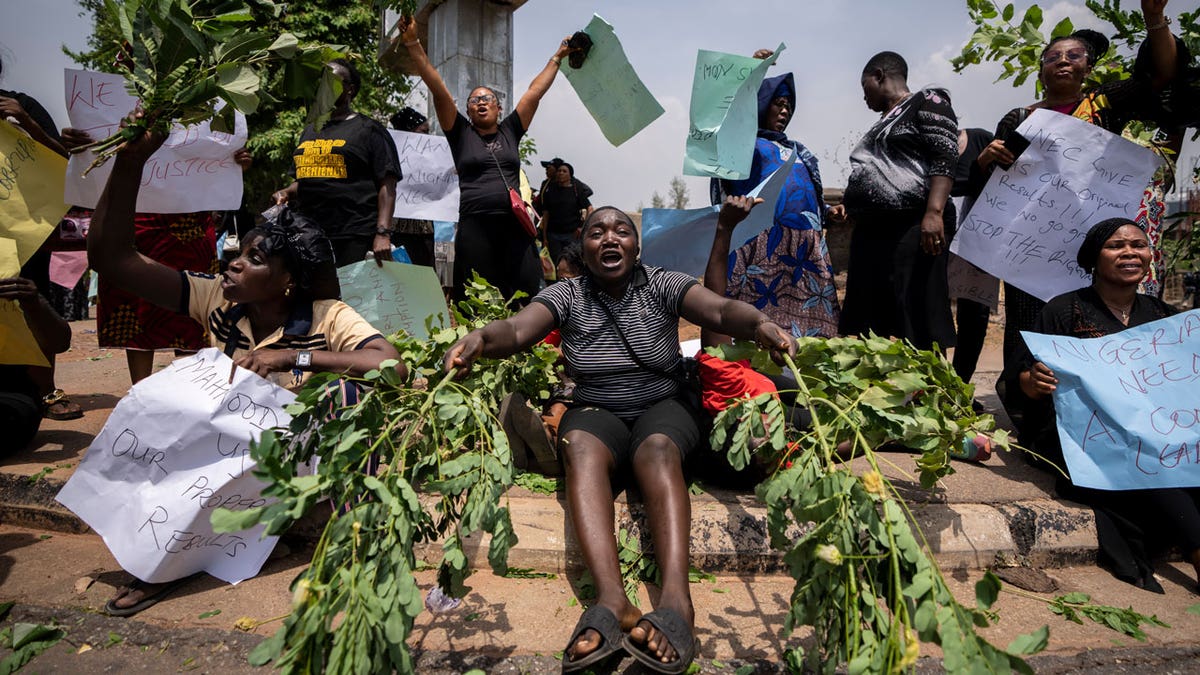
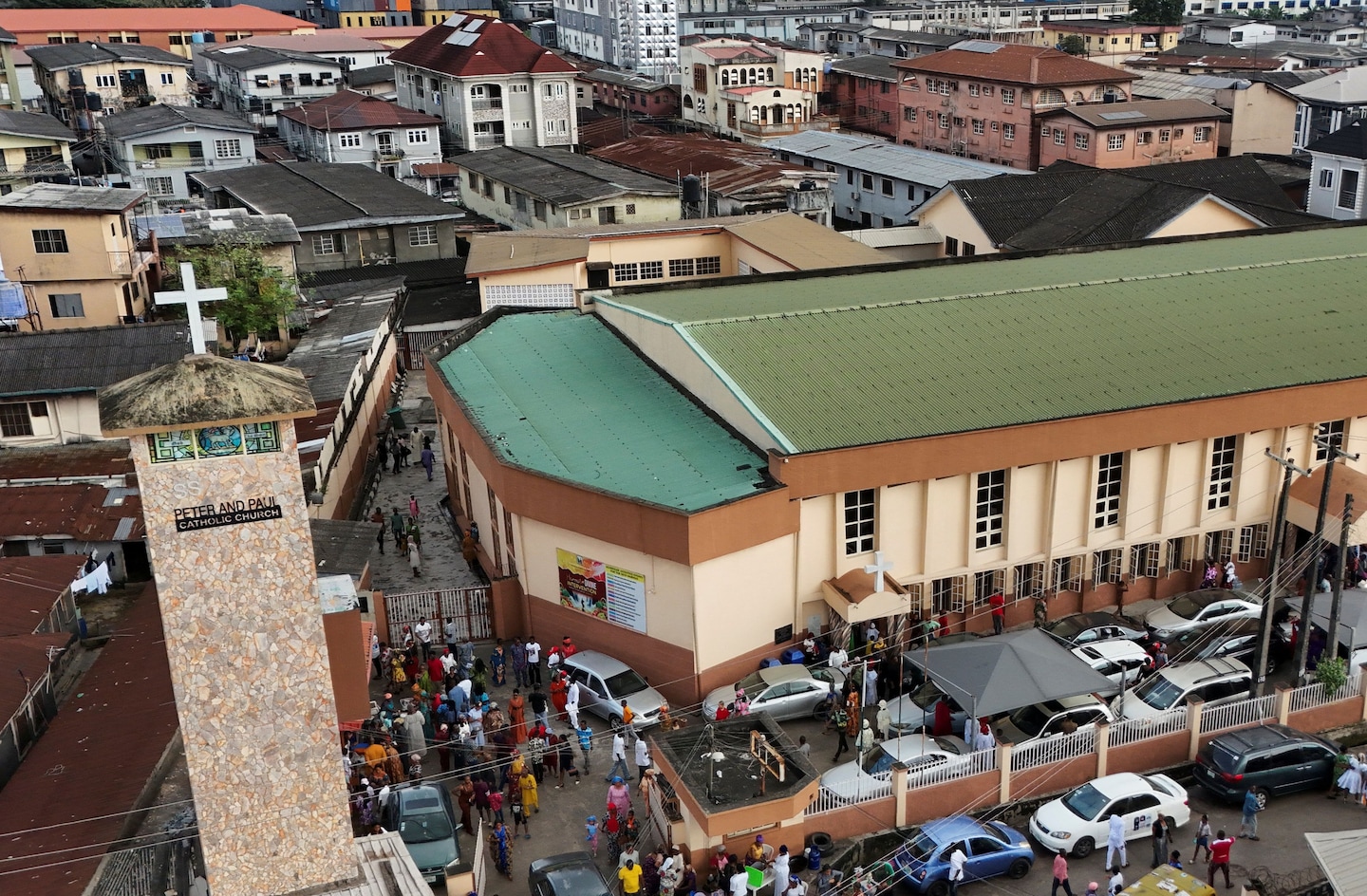
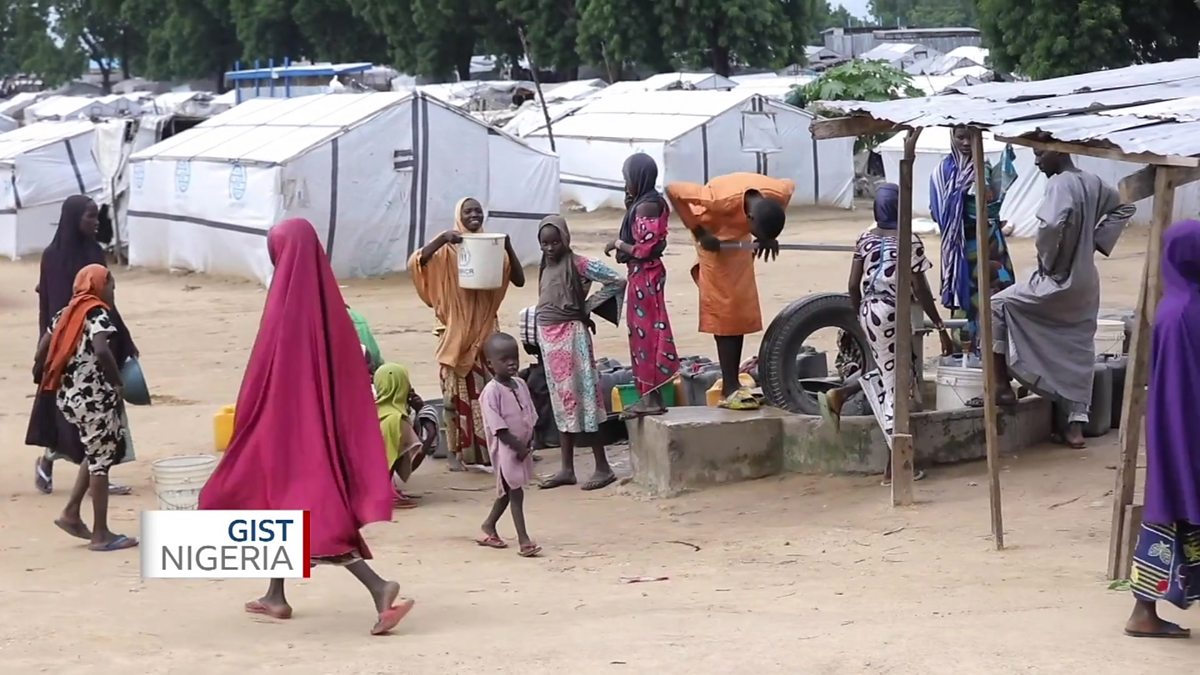
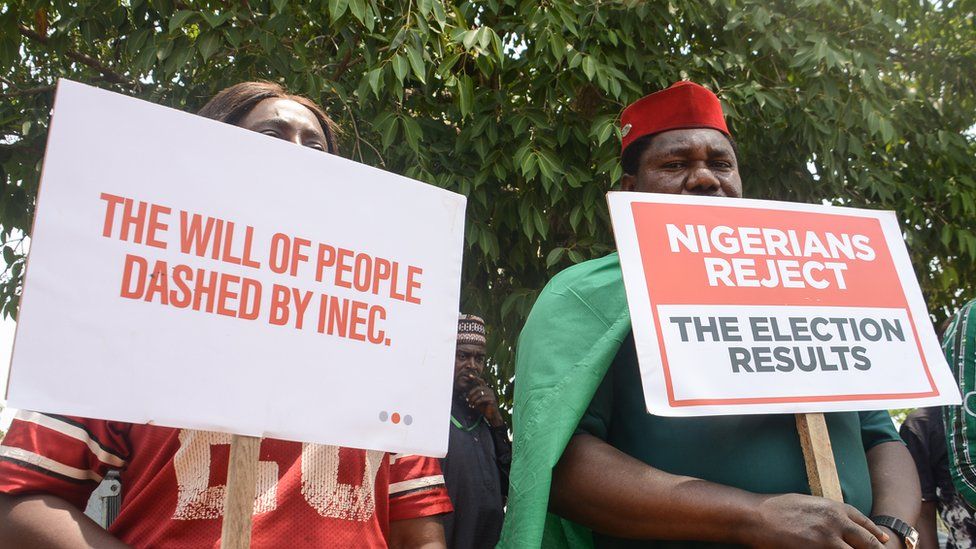
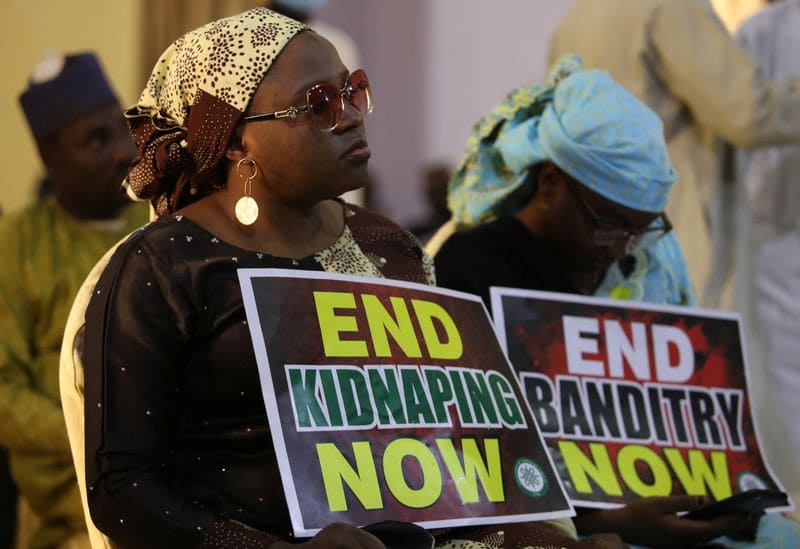
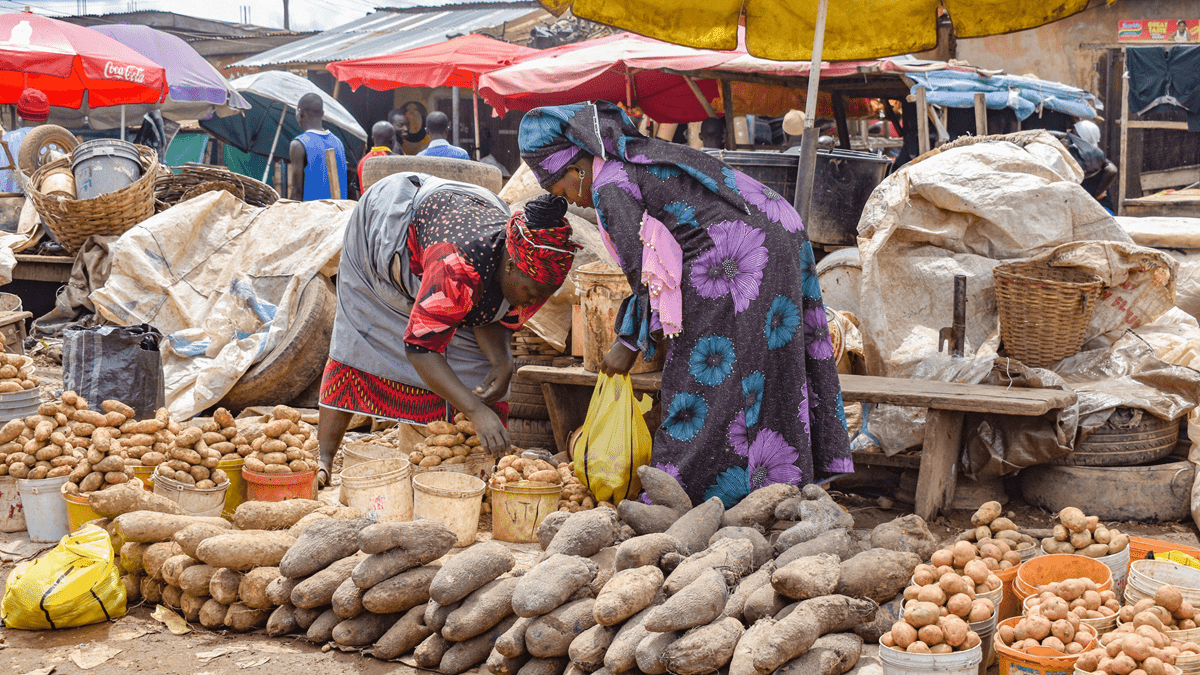
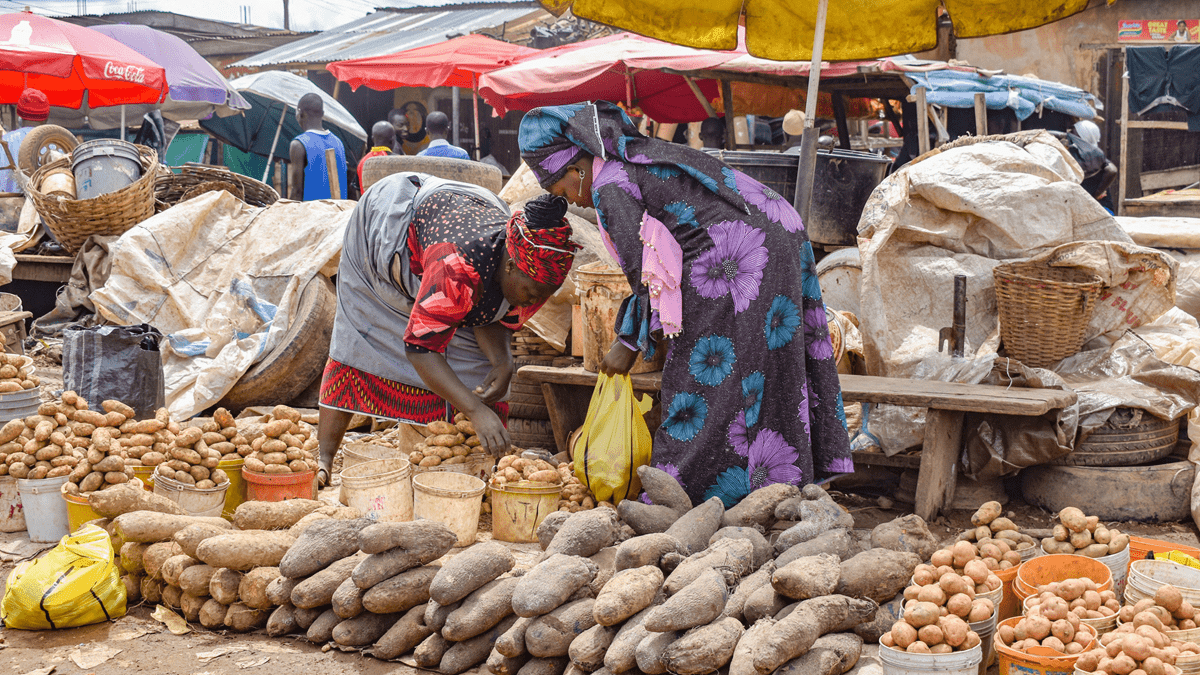
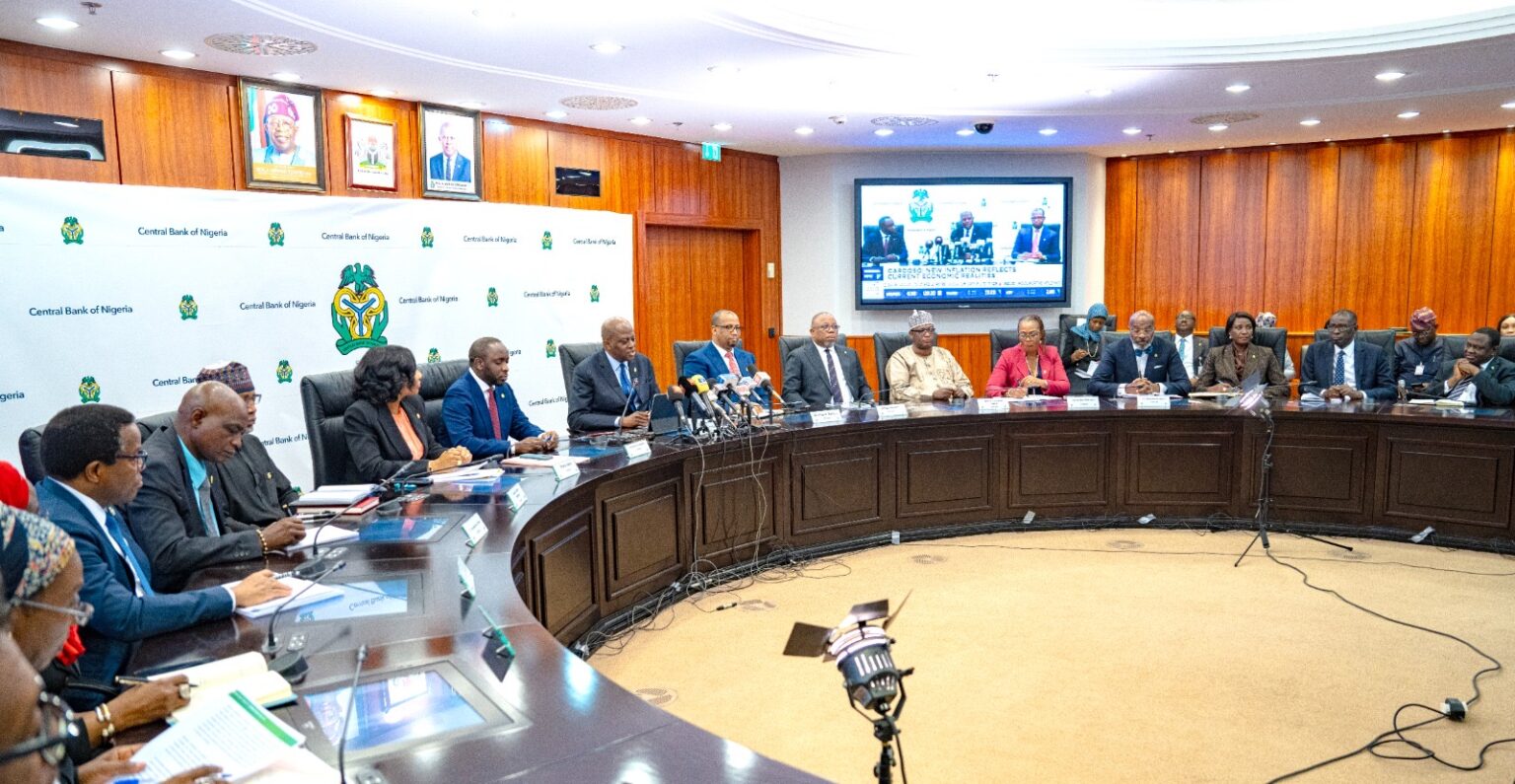
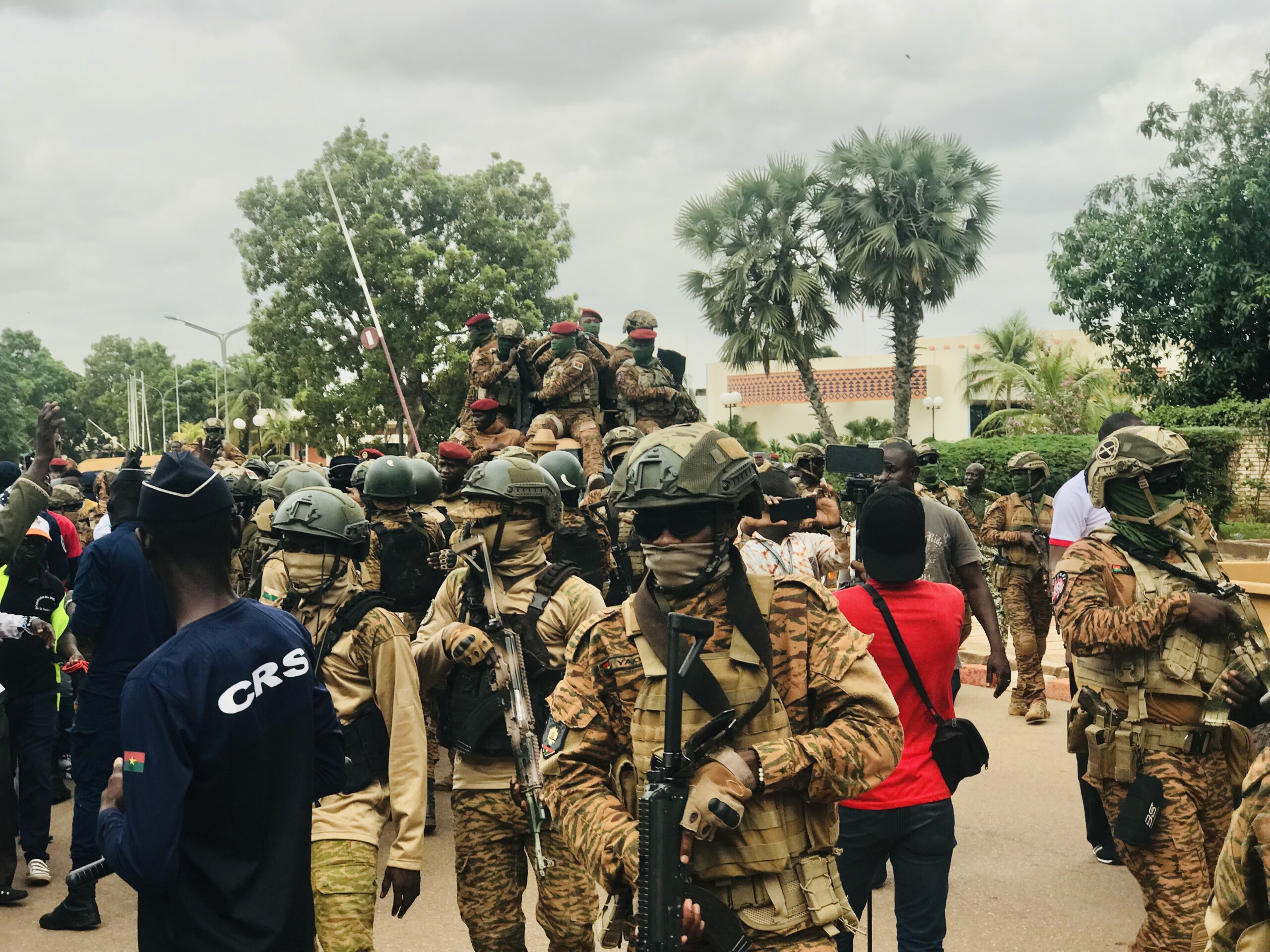
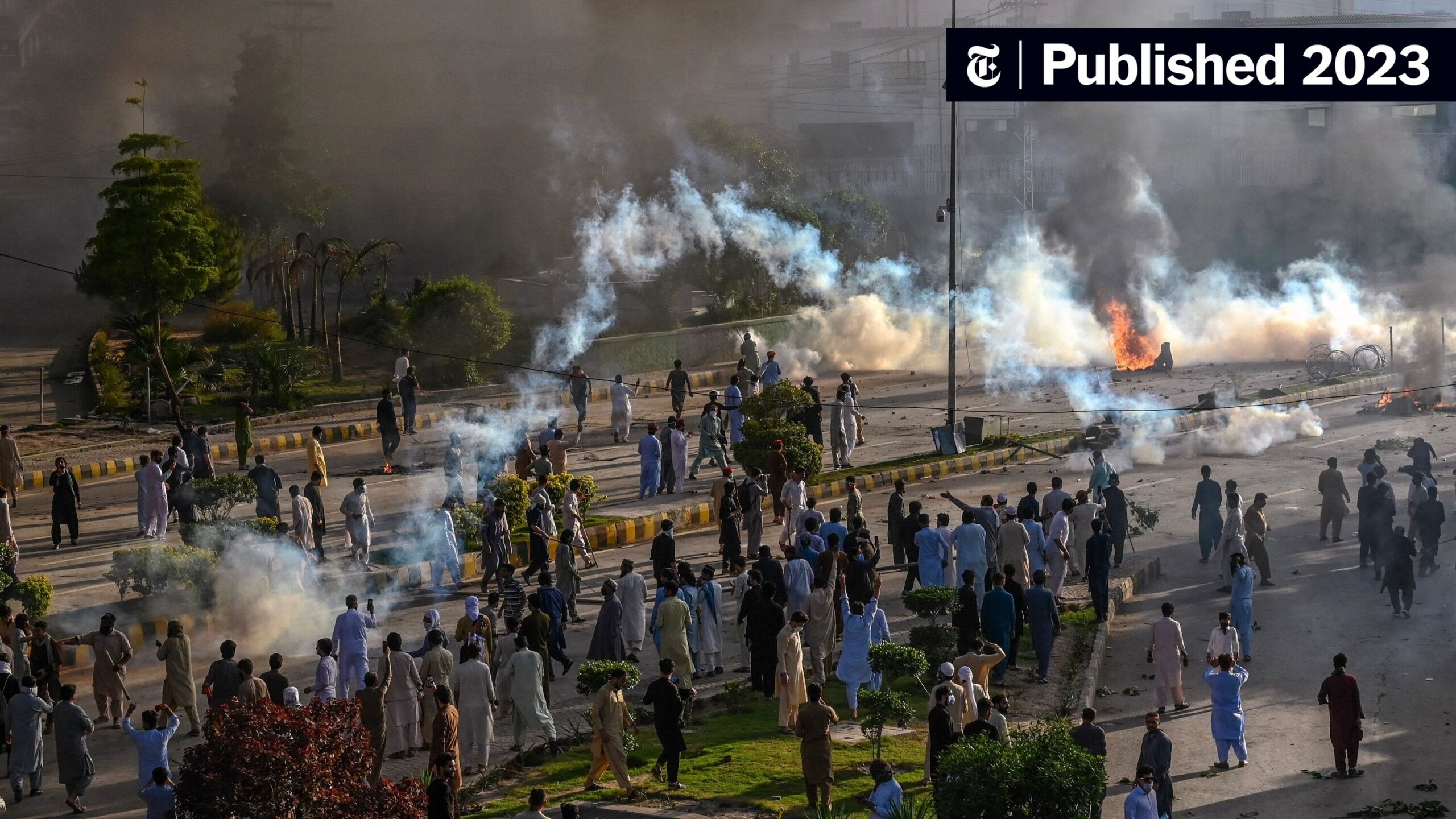
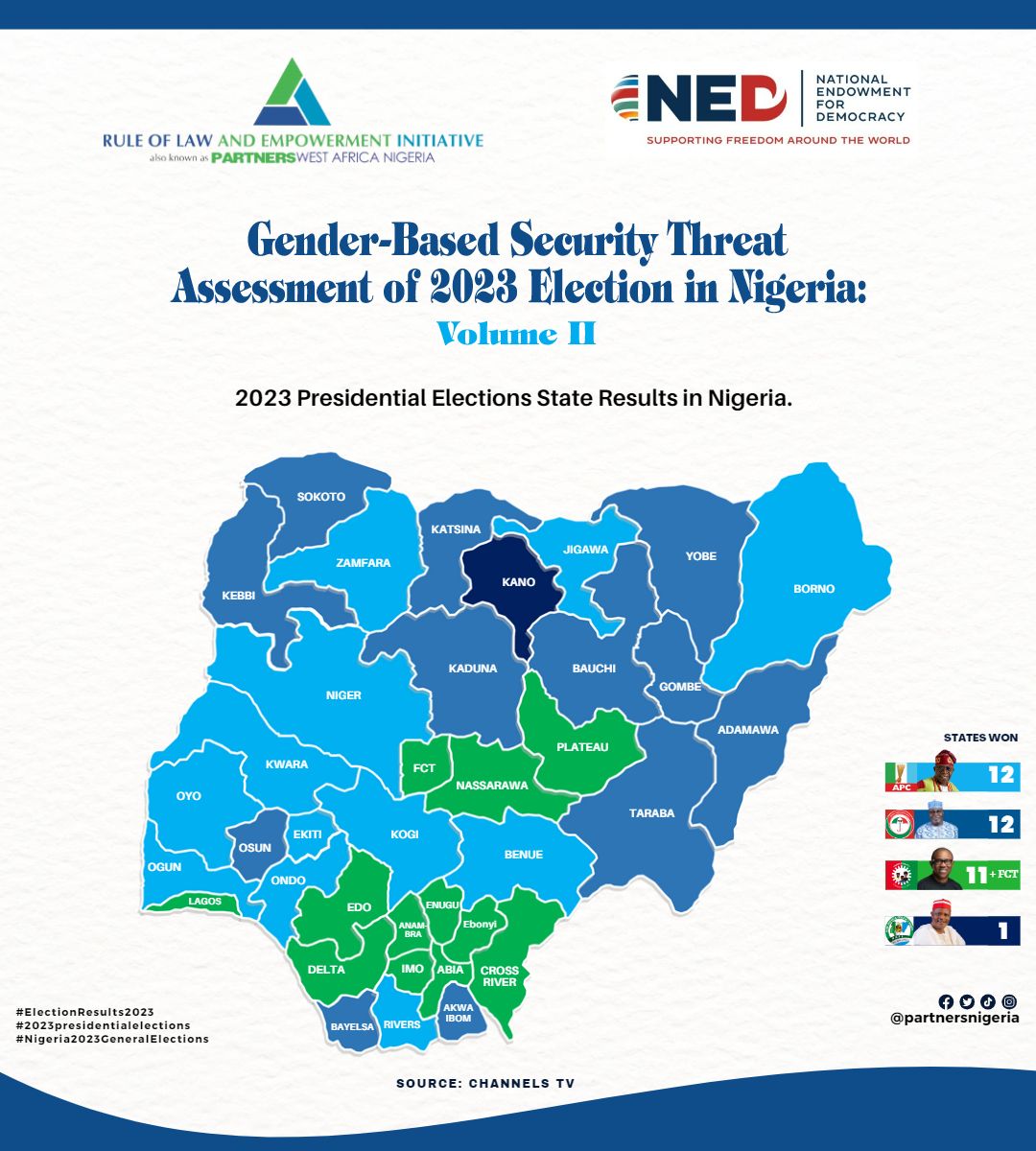
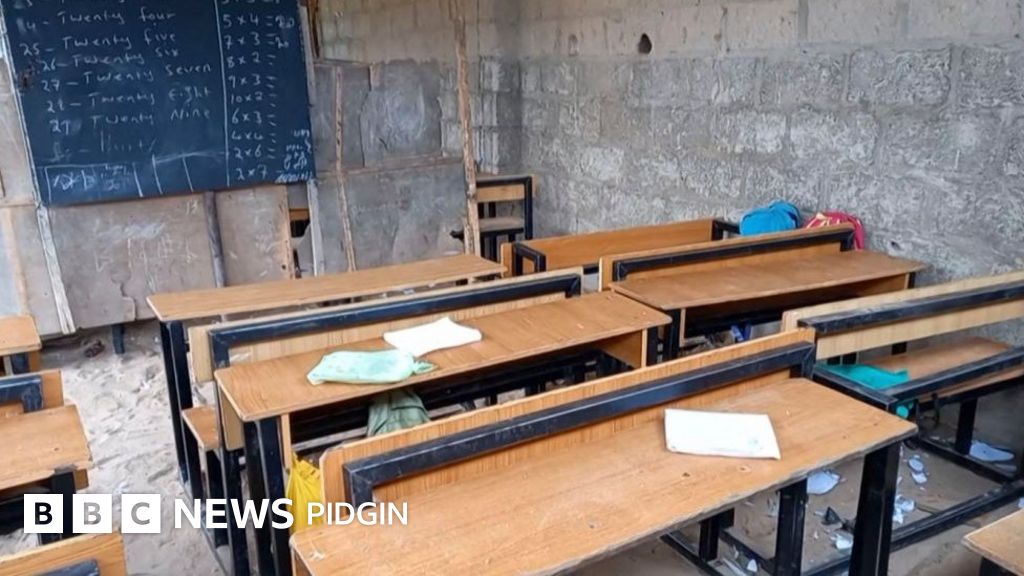
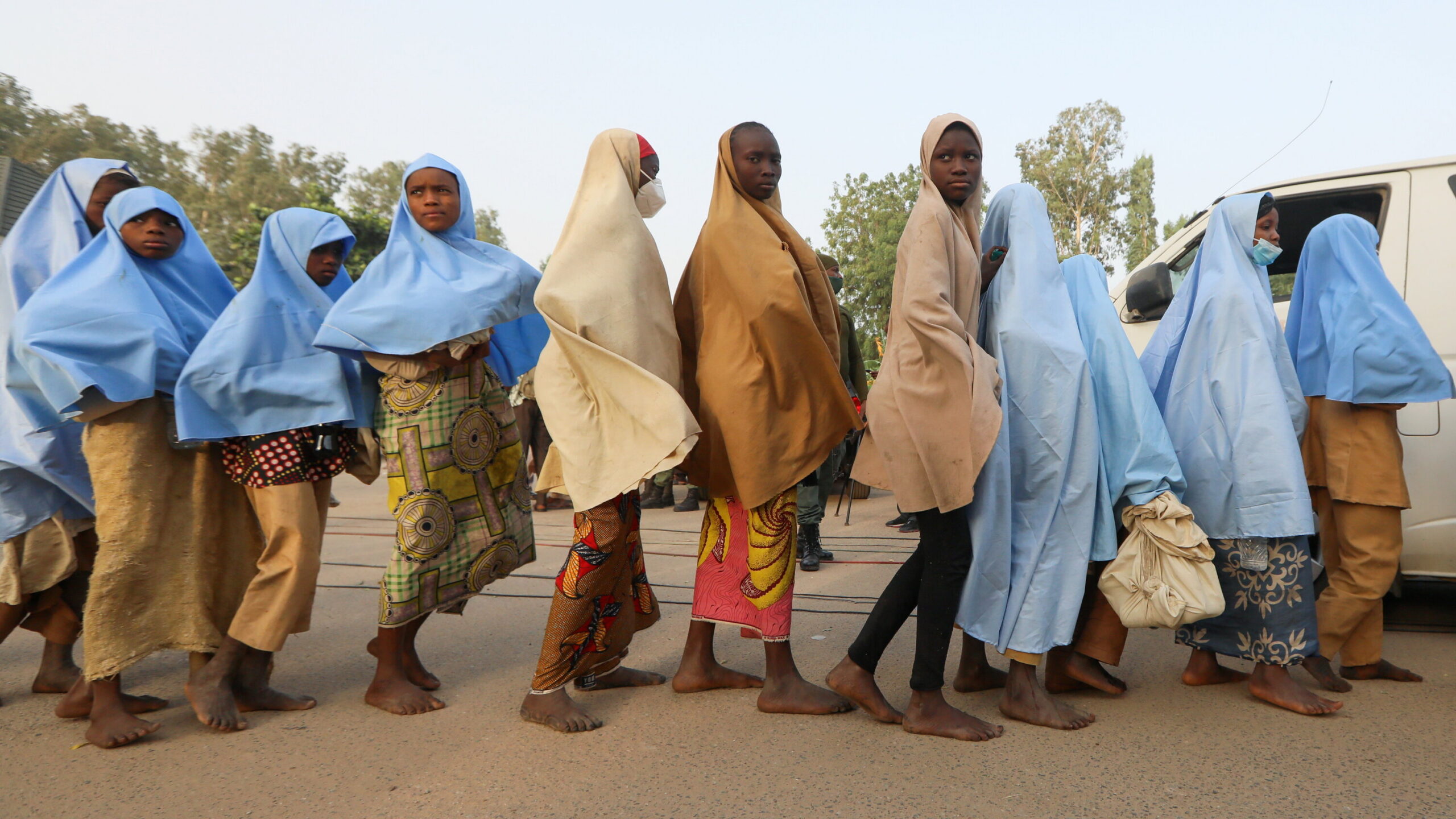
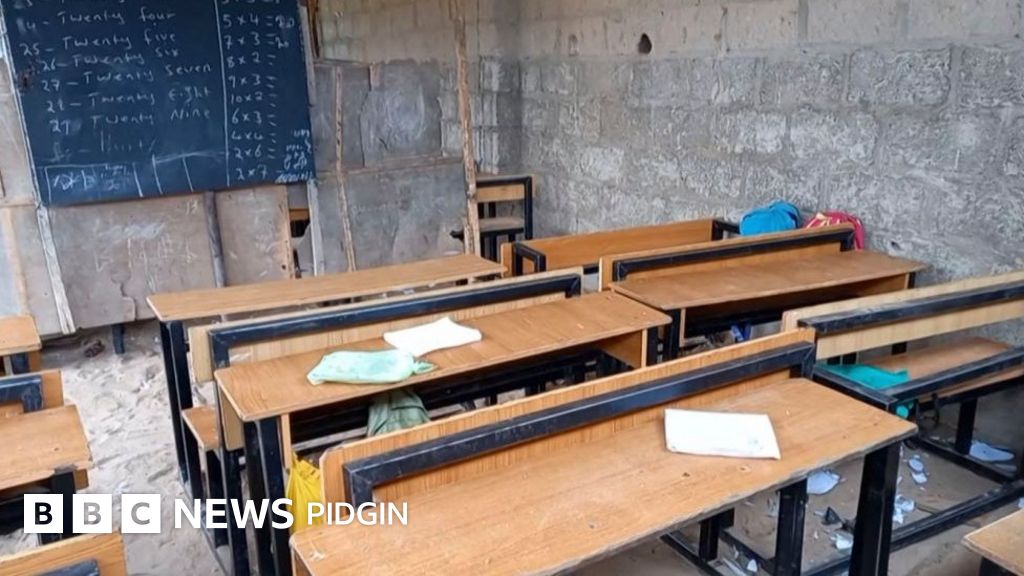
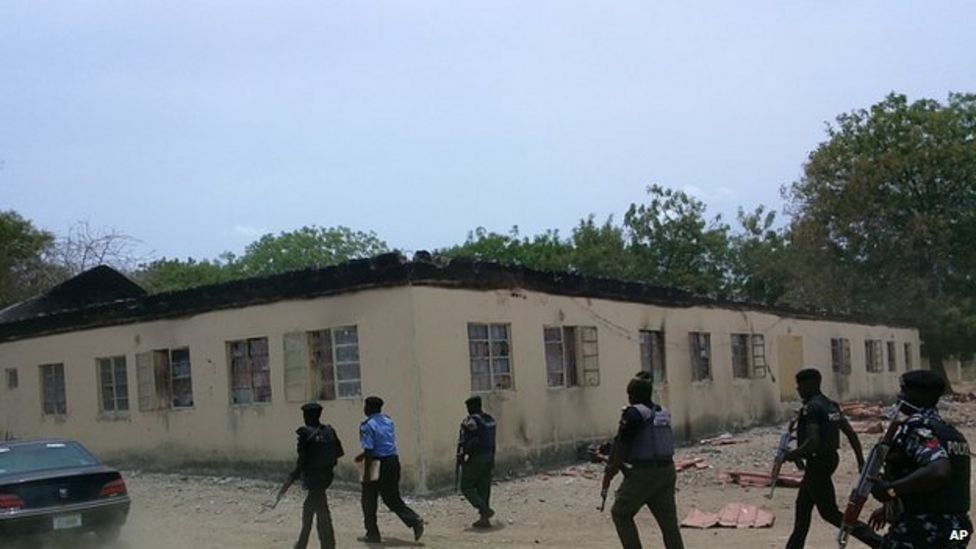
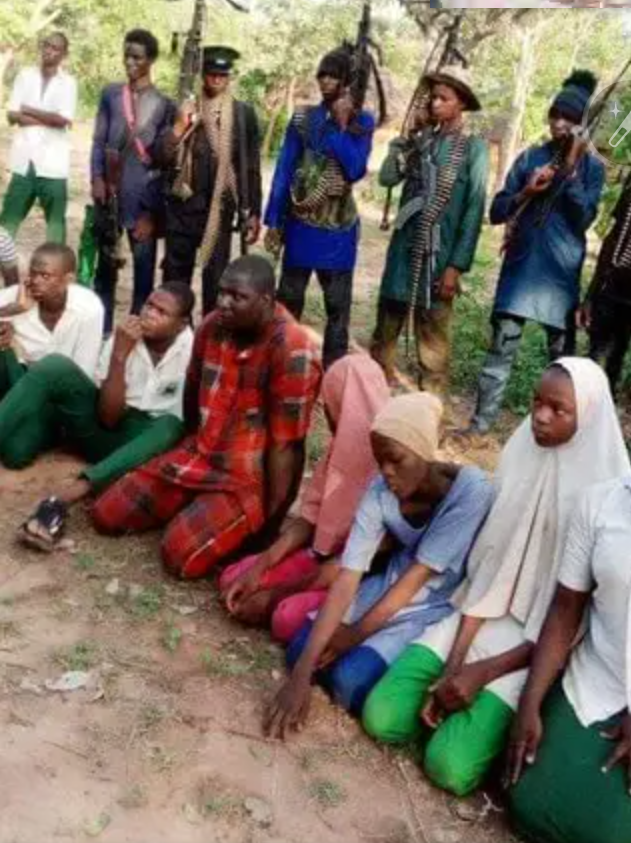
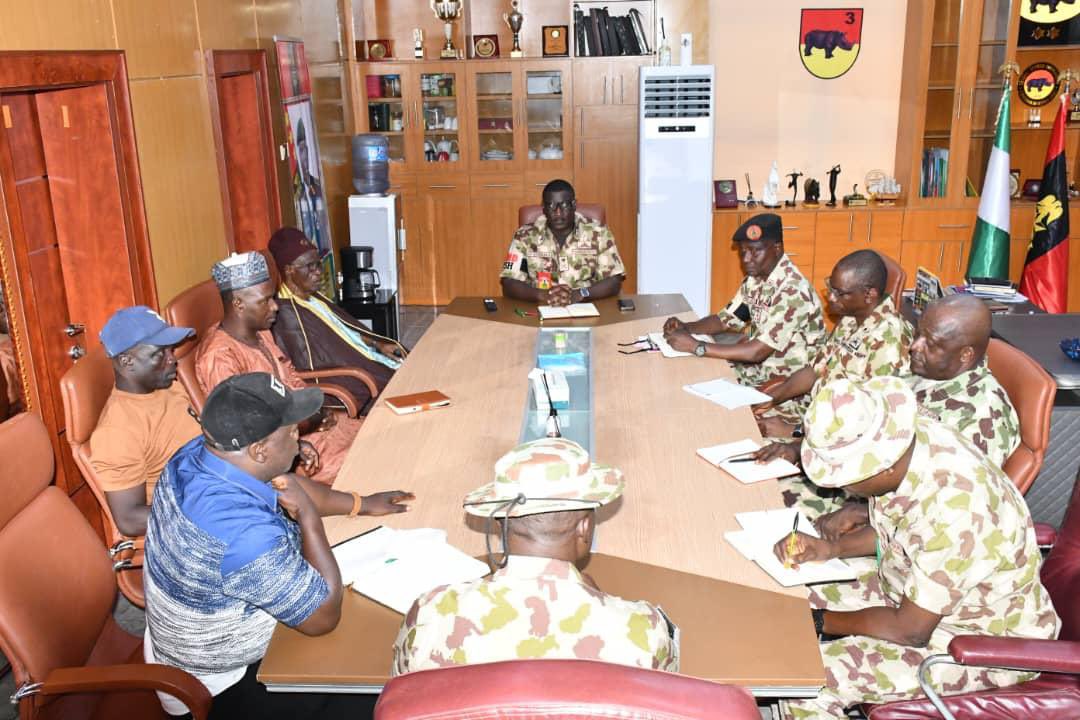
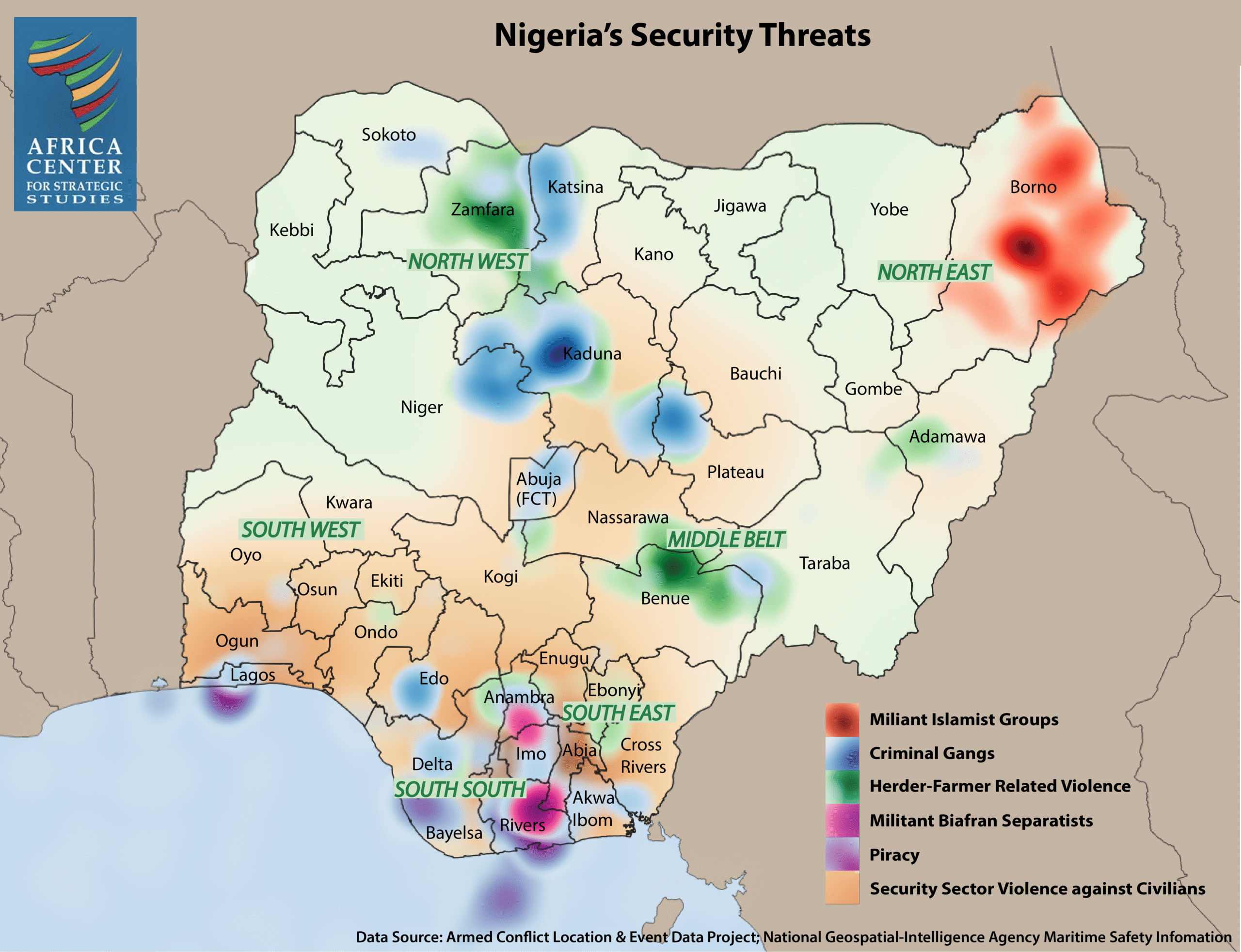
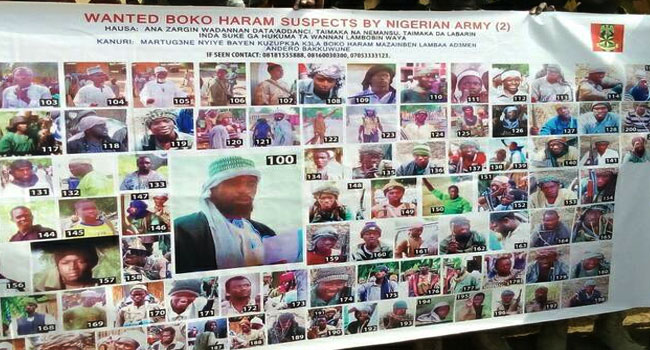
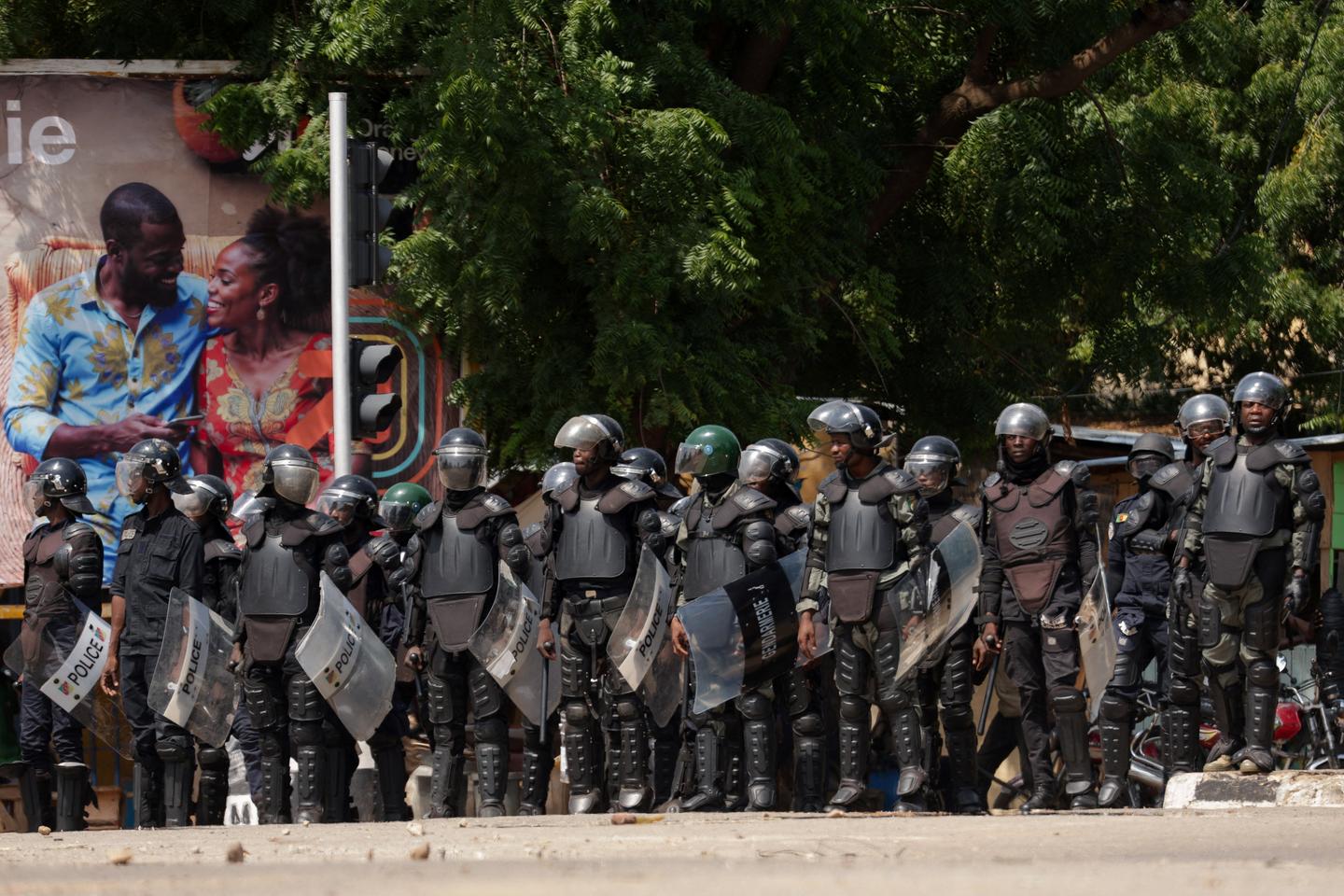
Yet, even as Nigeria strives for political revitalization, it’s simultaneously grappling with serious security crises. Just recently, the community of Kaiama in Kwara State was rocked by a brutal terrorist attack at a local cattle market. This tragic incident came on the heels of another massacre that claimed over 170 lives, sending traders fleeing for safety and abandoning their livelihoods. The Defence Headquarters confirmed these mass killings happened because residents resisted indoctrination efforts (Arise News, February 5, 2026), laying bare the harsh reality of ideological warfare intertwined with Nigeria’s wider security dilemmas. What’s more, frequent attacks on major transport routes are fueling anxiety. Take the recent ambush on the Enugu-Onitsha Expressway, where commuters were abducted near a police checkpoint. These assaults aren’t just putting lives at risk, they’re jeopardizing economic activity and national unity. Military and law enforcement agencies face immense pressure to improve operational safety, a challenge underscored by internal disagreements within the police air wing over controversial advice to cut pilot training, raising serious questions about compromised air safety. On the electoral front, the Independent National Electoral Commission (INEC) is gearing up for the 2027 elections with an ambitious budget of N873.8 billion, dedicating over N209 billion to election technology. This big investment shows they know that digital integration can truly transform how election results are managed. Experts and advocacy groups alike are pushing for less human interference to curb fraud and build trust in outcomes, advocating for full electronic, real-time transmission of results. The discussion about what “real-time” truly means in elections continues, highlighting the complexities of modernizing democratic processes in an environment often rife with suspicion (Arise News, February 2026).
Economic Ambitions and a Vision for Tomorrow
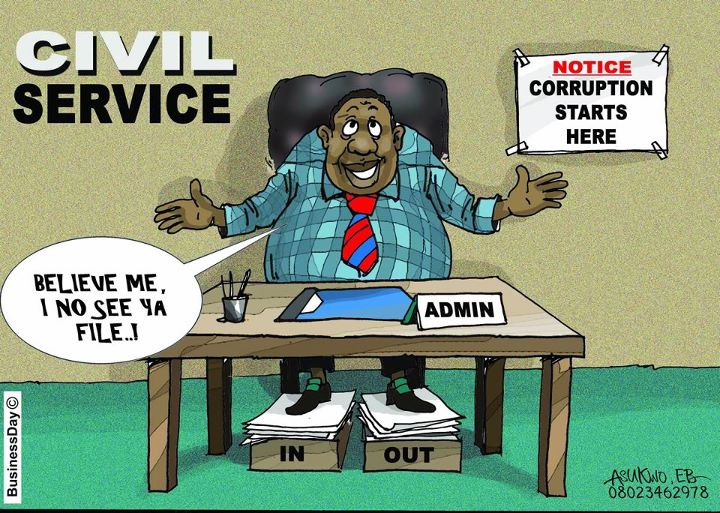
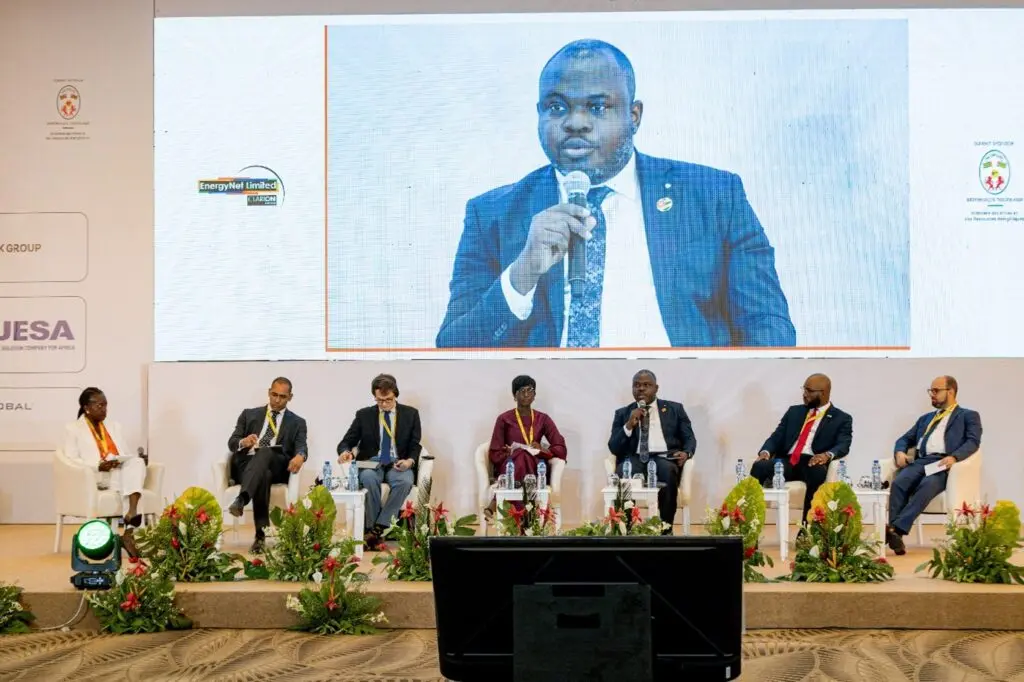
In the economic sphere, Nigeria’s industrial landscape is hitting impressive milestones. The Dangote Refinery, for example, has made global history by reaching an incredible 650,000 barrels per day capacity on its Crude Distillation Unit and Main Stabilizer block (Arise News, February 2026). This achievement doesn’t just solidify Nigeria’s position as an energy powerhouse, it’s also reigniting conversations about shifting Africa away from mere raw material extraction toward value-added industrialization. Business titan Abdulsamad Rabiu of BUA Group has been a vocal proponent for African economies to pivot towards industrial value addition, a move expected to spark job creation, technological innovation, and long-term economic resilience. Internationally, development assistance remains crucial for Nigeria’s journey. The country recently secured a $62.8 million loan from Kuwait to build climate-resilient schools and champion inclusive education. This investment signals Nigeria’s awareness of climate change’s real impacts and the need for educational reforms that ensure no child is left behind. Amidst these monumental changes, political tensions still simmer. Allegations of attacks on party headquarters, passport seizures of prominent politicians at airports, and high-level corruption claims frequently punctuate public discourse. Such incidents underline ongoing battles for transparency and political stability that Nigeria must carefully navigate to maintain growth and public trust. Looking forward, the nation faces the dual challenge of solidifying its gains in governance and economic development while decisively confronting entrenched security threats. The interaction of these factors will ultimately determine Nigeria’s capacity to leverage its vast human and natural resources for a more stable and prosperous future. As the country adapts to a quickly evolving domestic and global landscape, a strong focus on technological integration in elections, infrastructure revitalization, and regional security cooperation will be absolutely paramount. Nigeria’s story in 2026 is one of both immense complexity and incredible opportunity, where resilient leadership and visionary policies truly can transform formidable challenges into a compelling narrative of national renewal.
Sources
- Breaking News: Fubara Dissolves Rivers Cabinet, Appoints New Chief Press Secretary, Arise News, February 12, 2026, https://www.arise.tv
- Jonathan: Only Leaders Under 50 Are Fit To Govern African Countries, Arise News, February 2026, https://www.arise.tv
- Exclusive: Panic In Kwara’s Kaiama Community As Suspected Terrorists Storm Cattle Market After 170 Killed, Arise News, February 6, 2026, https://www.arise.tv
- Defence Headquarters Confirms Terrorists Carried Out Mass Killings In Kwara Community, Arise News, February 5, 2026, https://www.arise.tv
- INEC Proposes N873.8bn For 2027 Elections, N209.2bn Earmarked For Technology, Arise News, February 2026, https://www.arise.tv
- Dangote Refinery Makes History, Becomes First Globally To Hit 650,000 bpd Capacity On CDU, MS Block, Arise News, February 2026, https://www.arise.tv
- Nigeria Secures $62.8m Kuwait Loan for Climate-Resilient Schools, Inclusive Education, Arise News, February 2026, https://www.arise.tv
- BUA Group’s Rabiu Urges Africa To Shift From Raw Material Extraction To Industrial Value Addition, Arise News, February 2026, https://www.arise.tv