Violence Escalates in Niger State Amid Mine Attacks and Community Raids
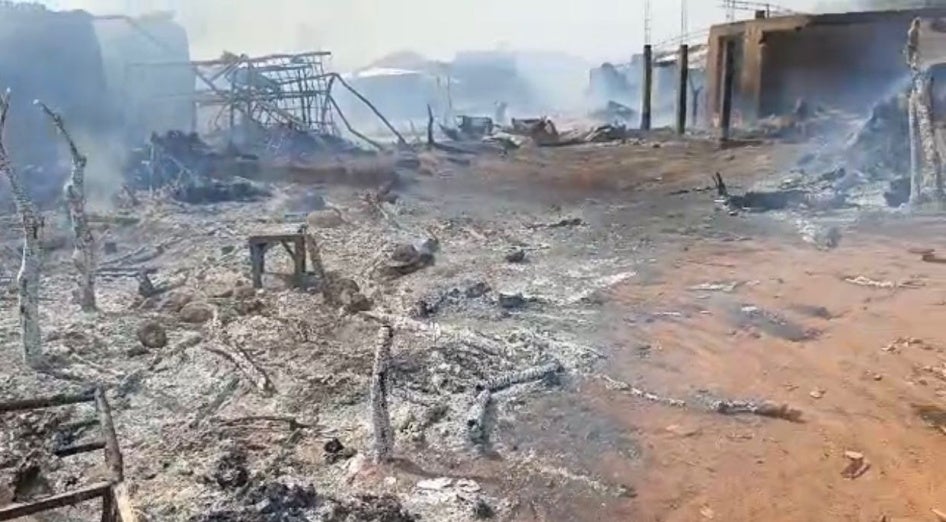
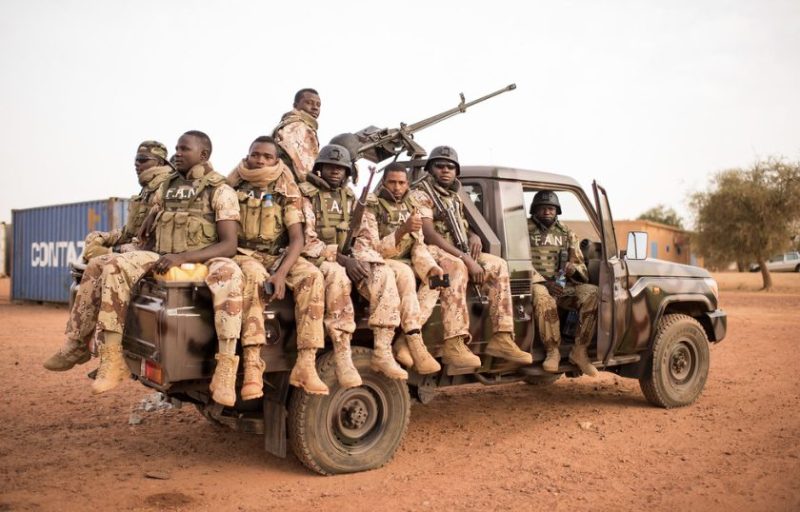
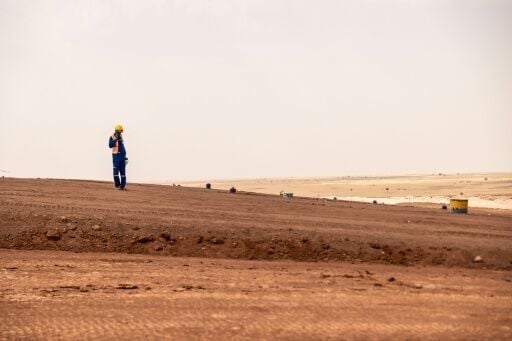
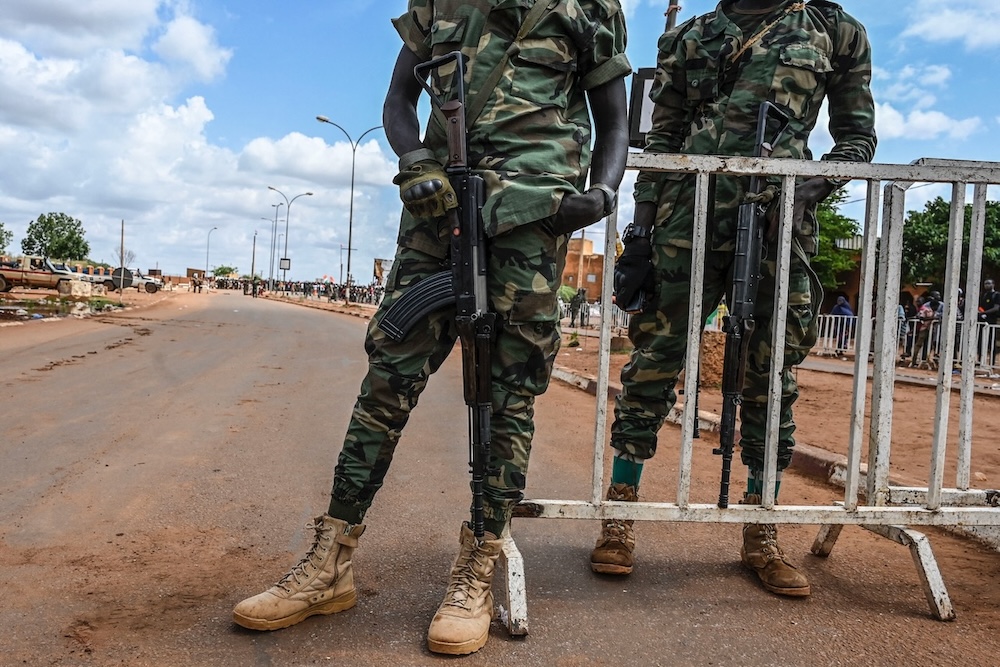
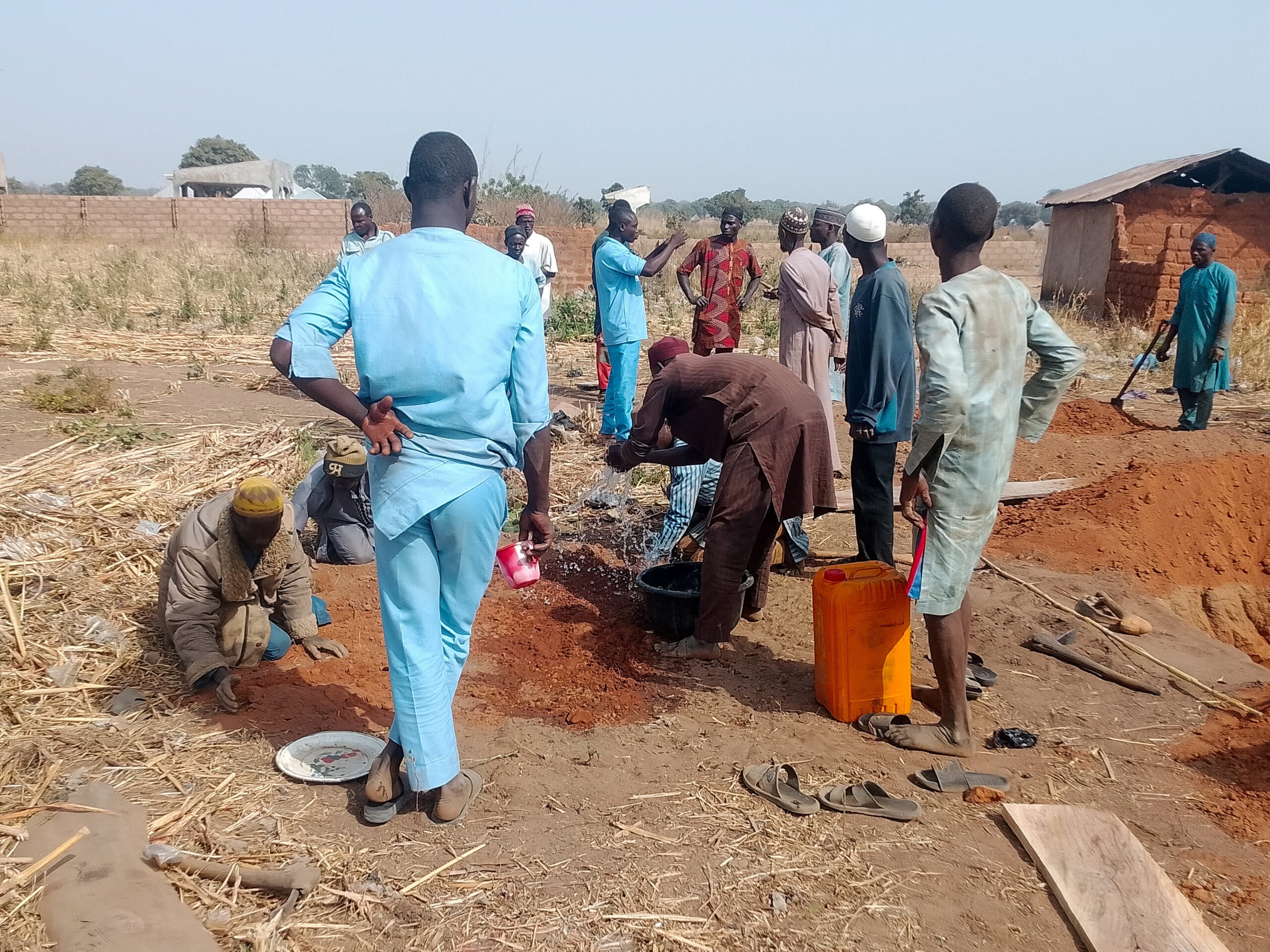
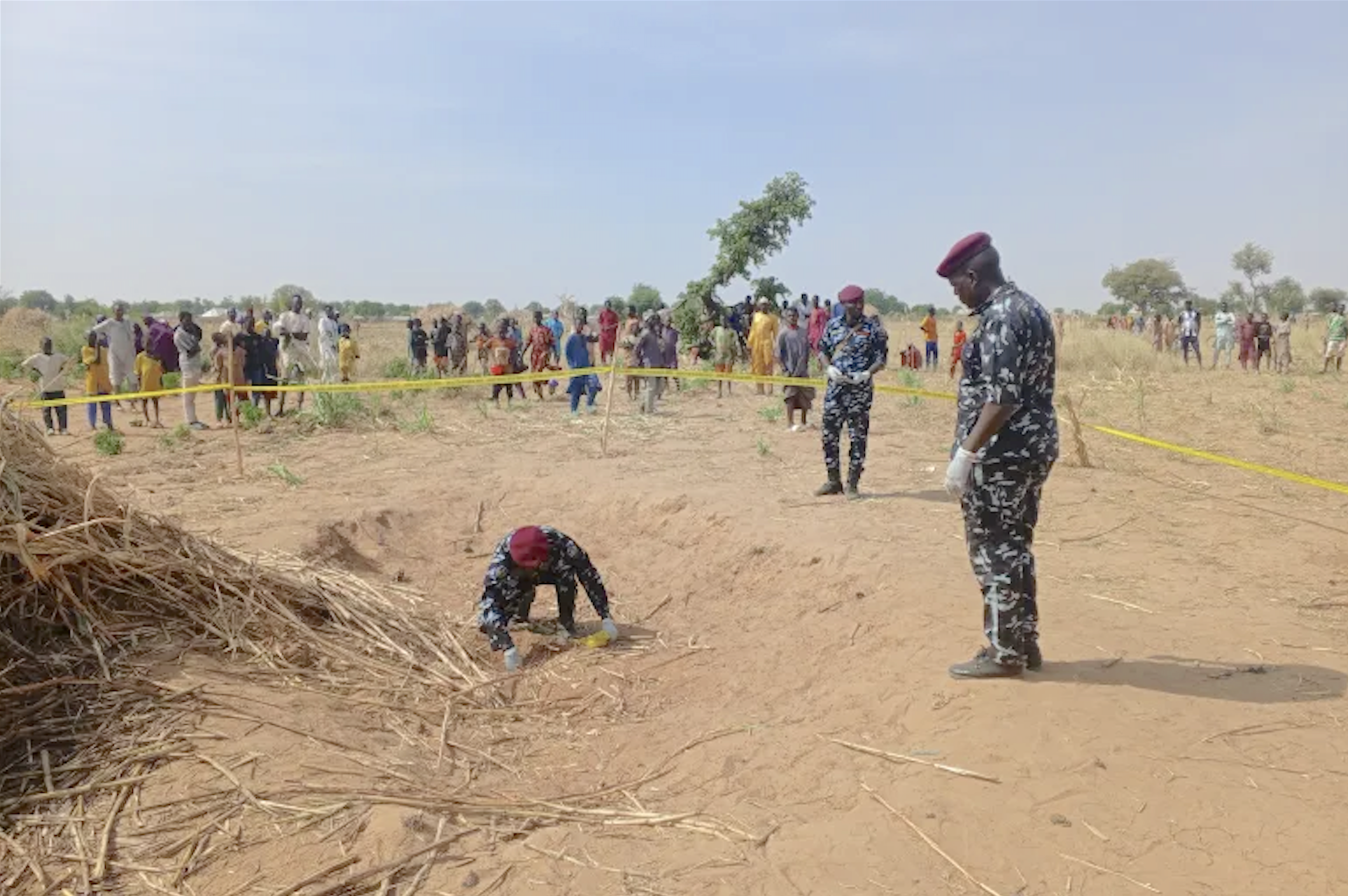
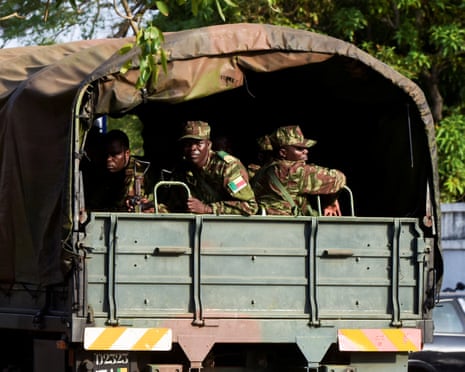
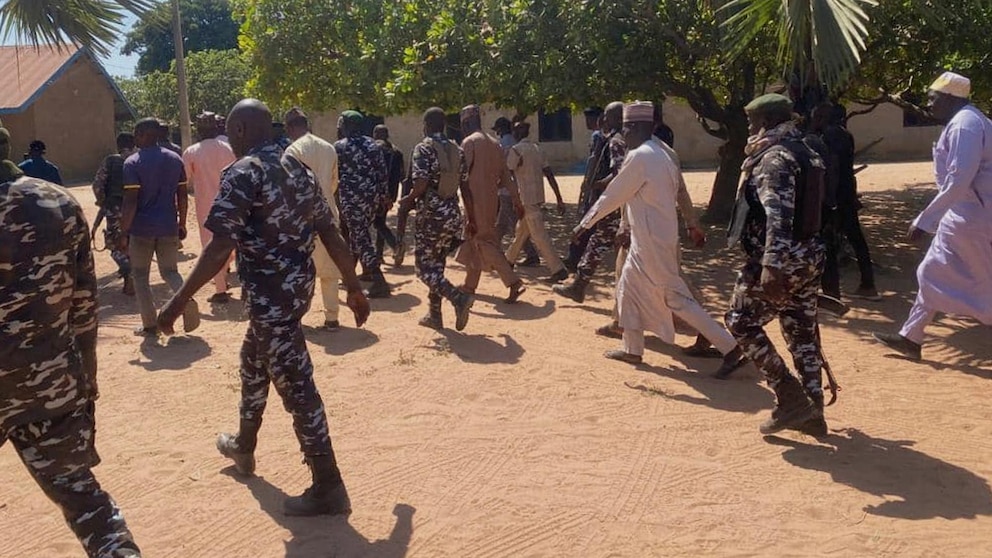
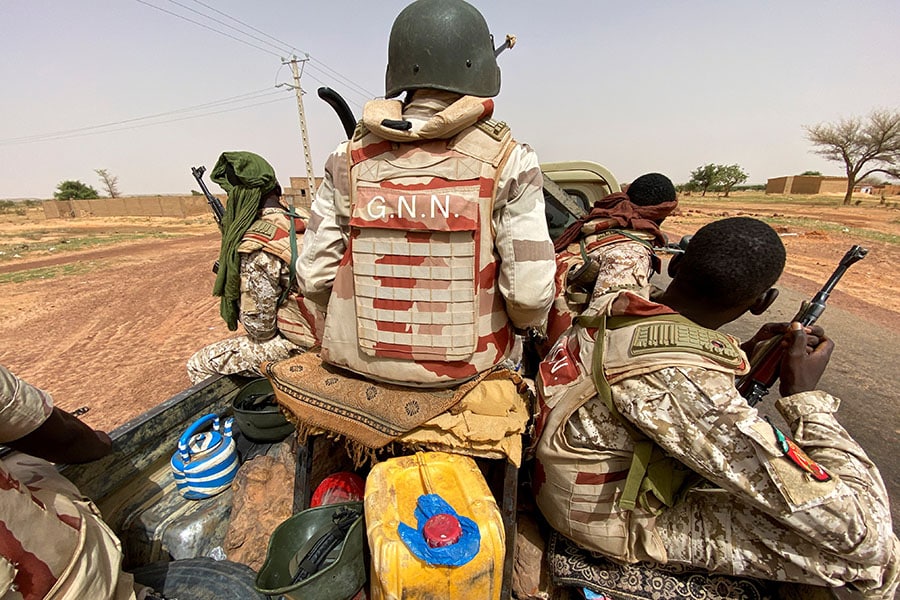
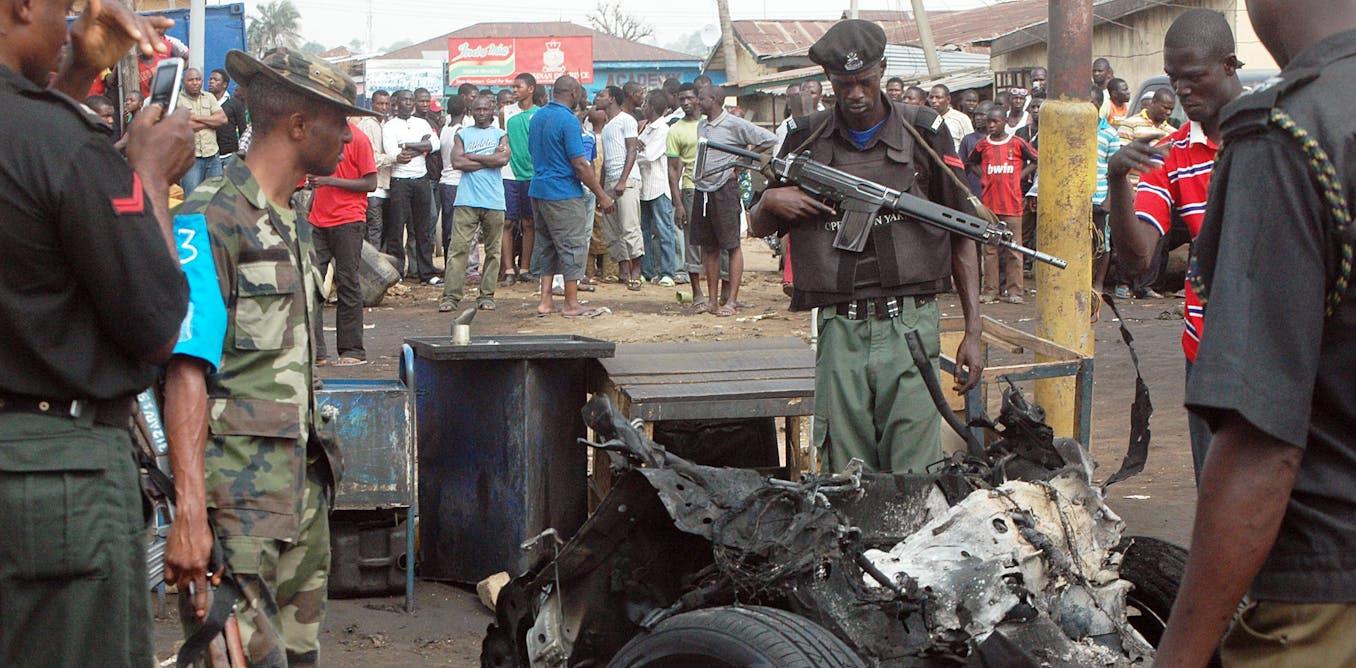
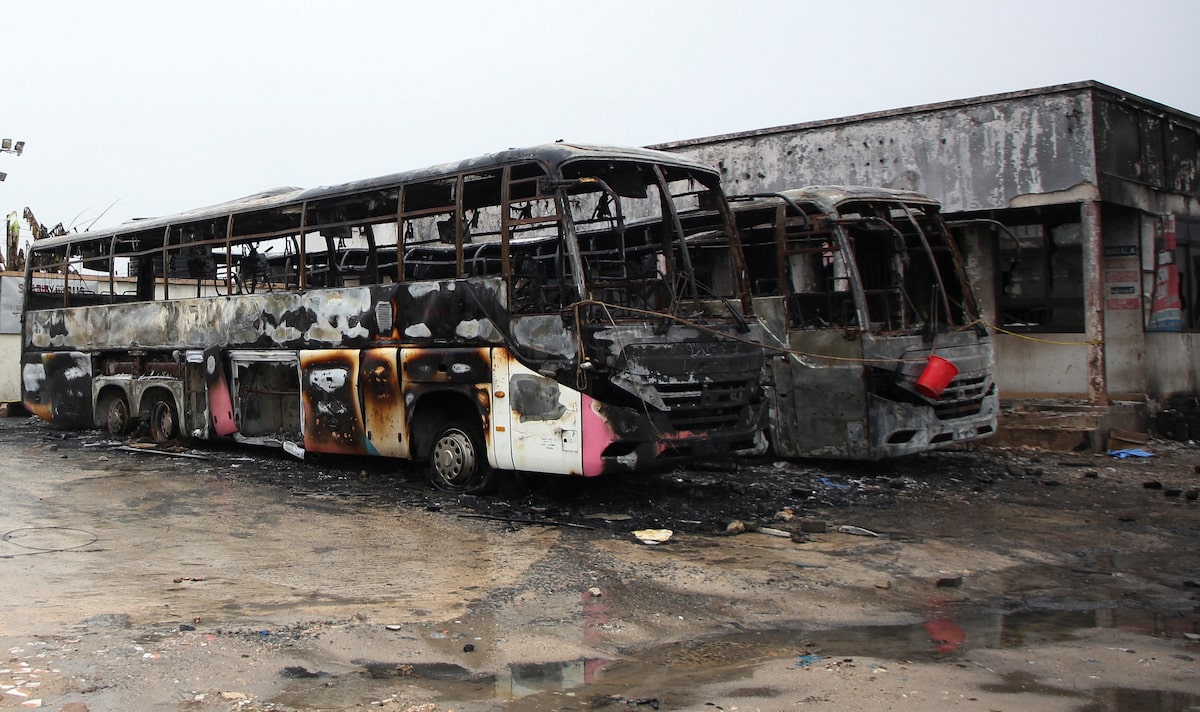
Niger State has recently been caught in a frightening surge of violence, deeply impacting its local communities and throwing the entire security landscape into disarray. Imagine the fear: on February 11, 2026, a joint patrol, comprising personnel from the Nigeria Security and Civil Defence Corps (NSCDC), the Nigerian Police Force (NPF), and a local security outfit known as the Anti-Drugs Control (ADC), faced a brutal ambush. They were simply conducting a routine operation to curb illegal mining in the Zuzungi area of Katcha Local Council, working with Millennium Metals Mining Company whose concession was under constant threat. In that violent attack, Constable Emmanuel Shamsi of the Nigerian Police tragically lost his life, another officer was injured, and their patrol vehicle was set ablaze. What followed? Security forces didn’t waste time, swiftly launching investigations that led to the arrest of a village head and 33 other suspects believed to be linked to Shamsi’s killing. Furthermore, nineteen alleged illegal miners were apprehended, and police even managed to recover the murdered officer’s rifle, stolen during the chaos. Authorities are clear: these illegal mining operations don’t just strip the state of valuable resources, they routinely ignite violent confrontations, putting everyone’s lives at risk. This specific, tragic incident really brings home how deeply rooted and dangerous the problem of illicit mining is. You can get more details on the arrests and ongoing efforts from The Guardian Nigeria News.
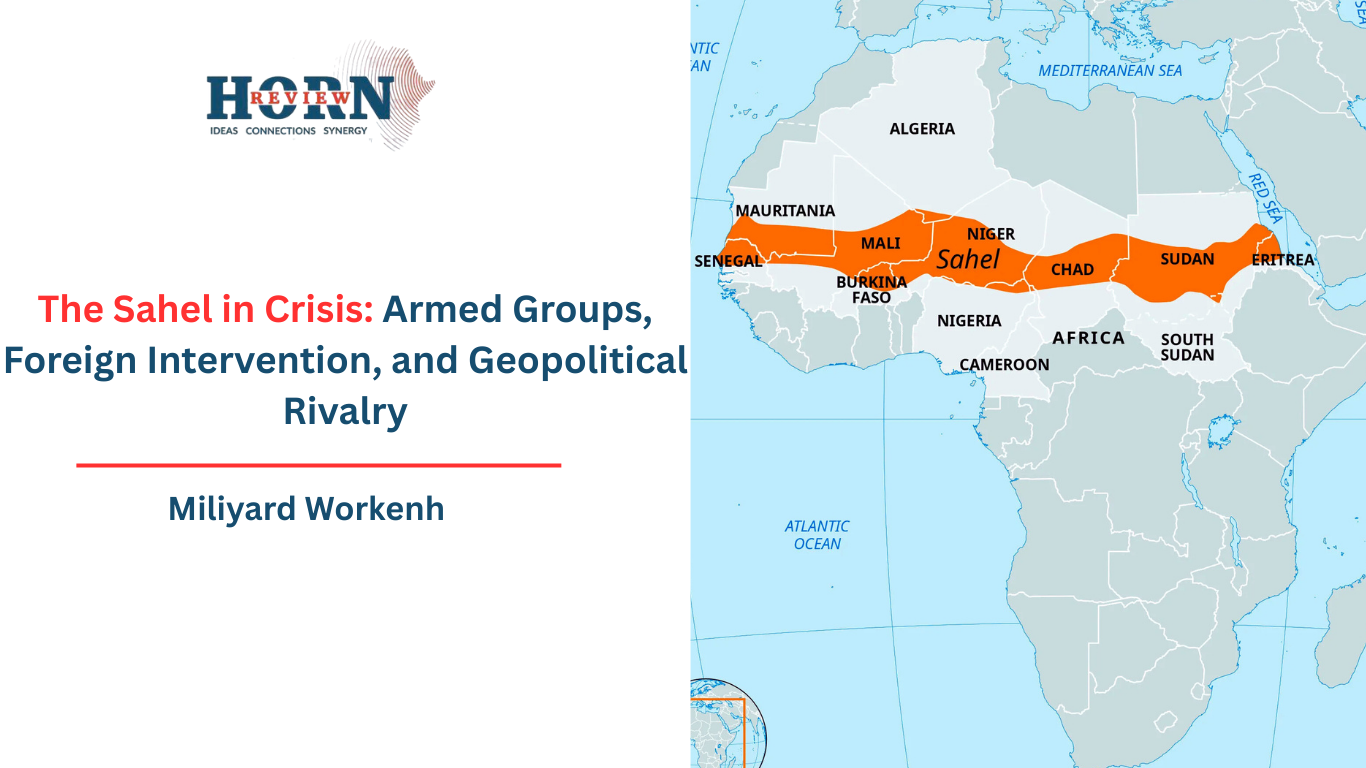
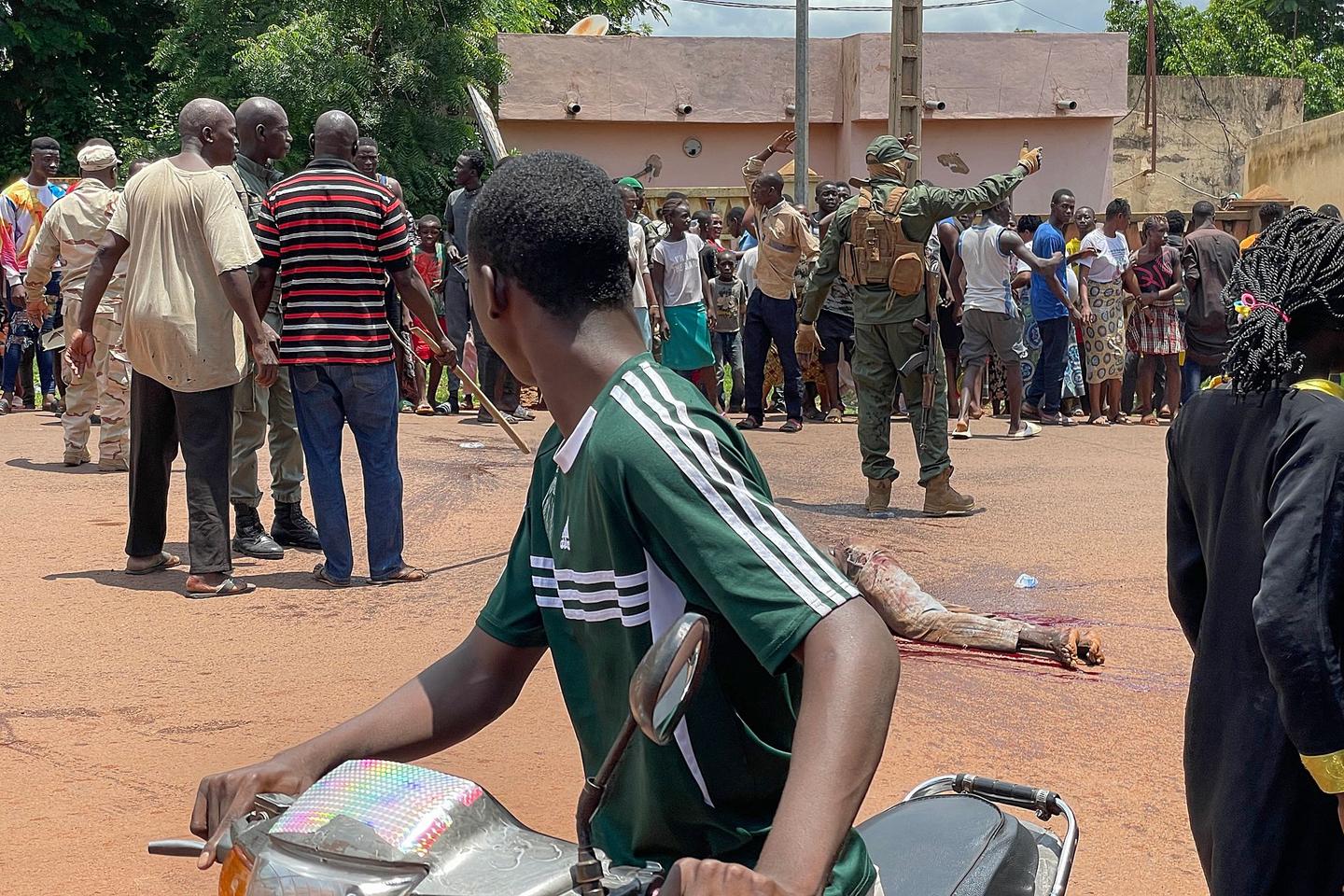
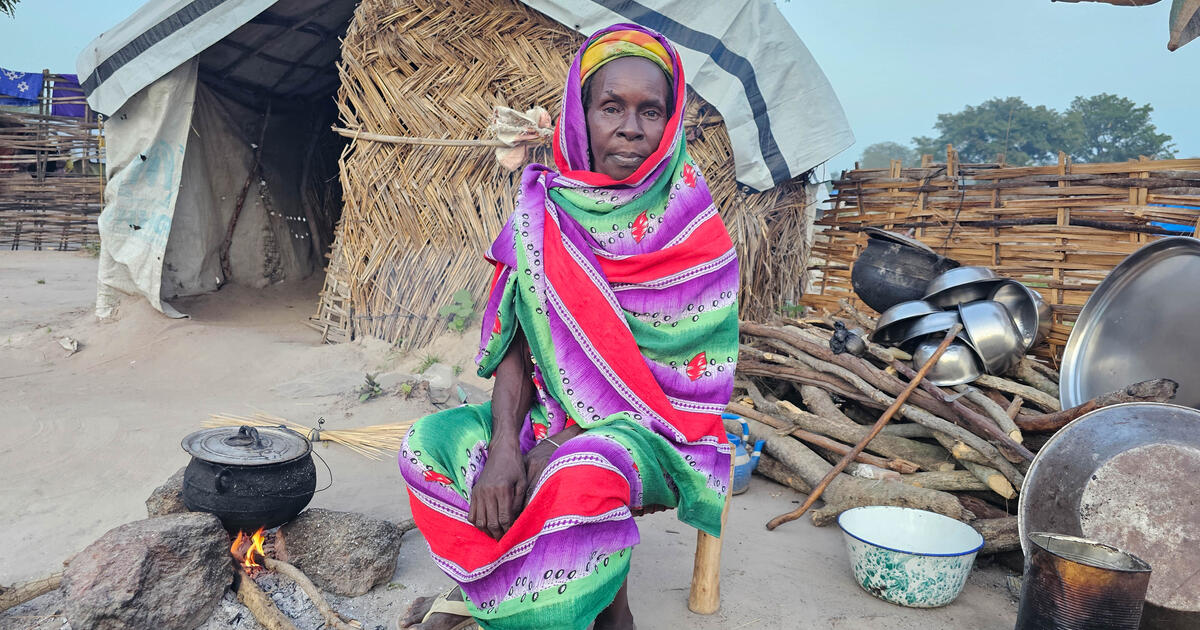
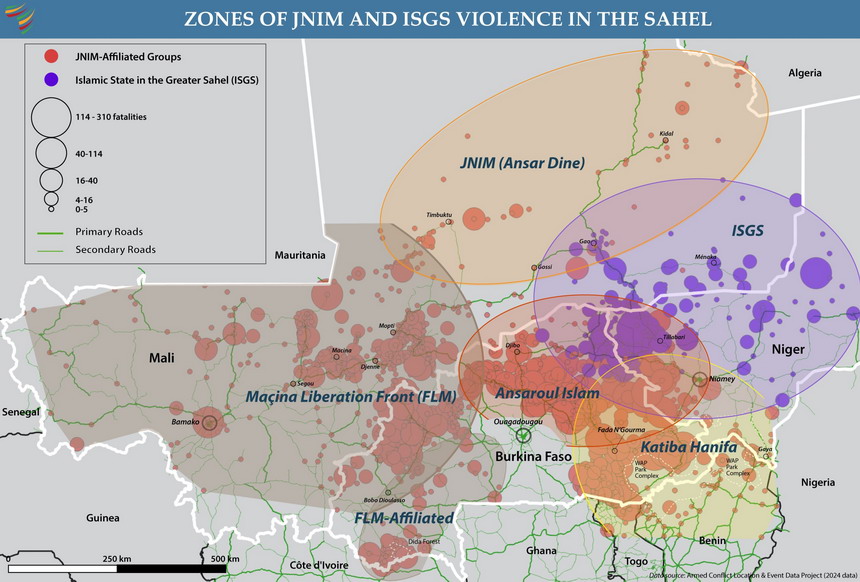
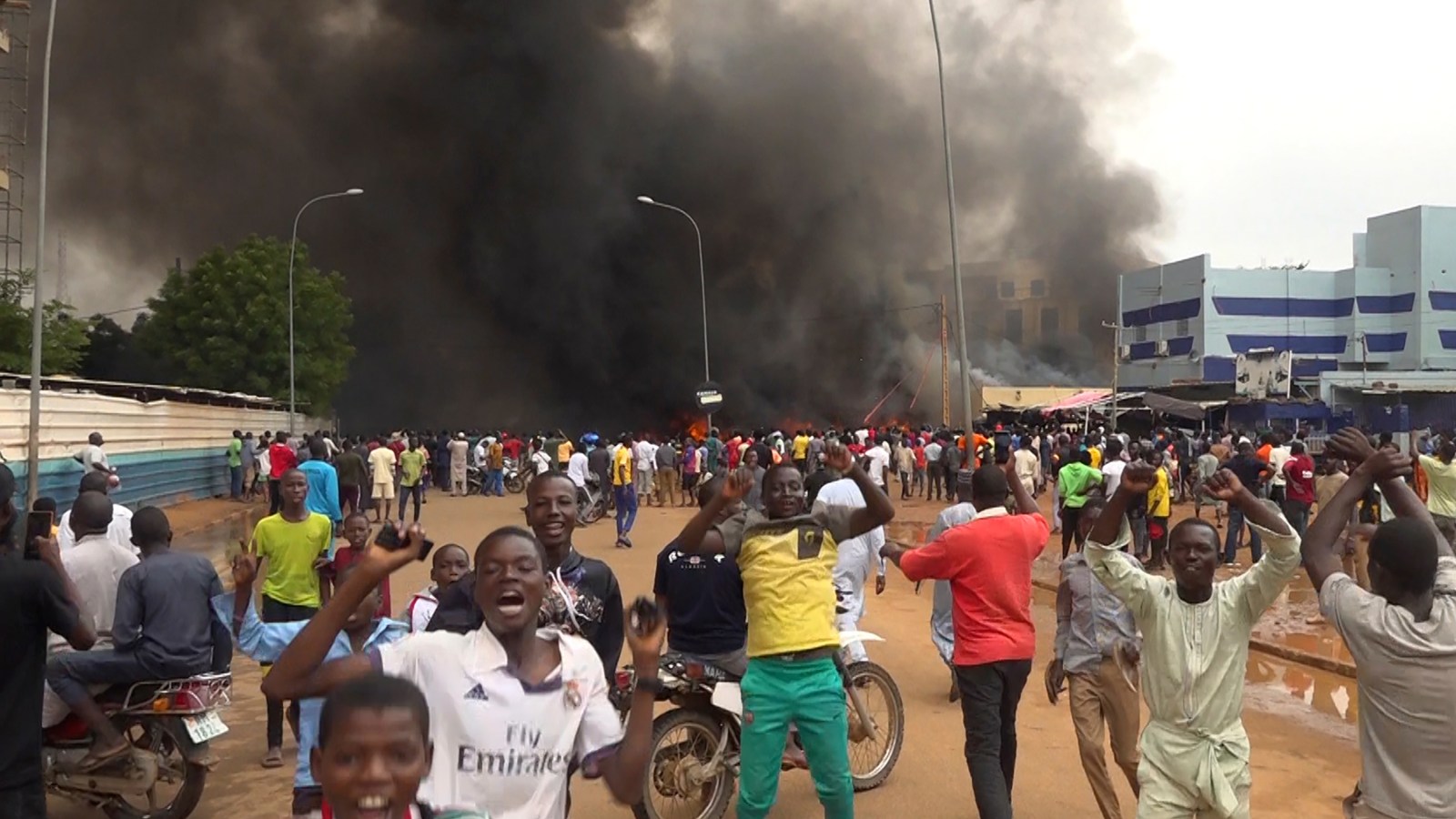
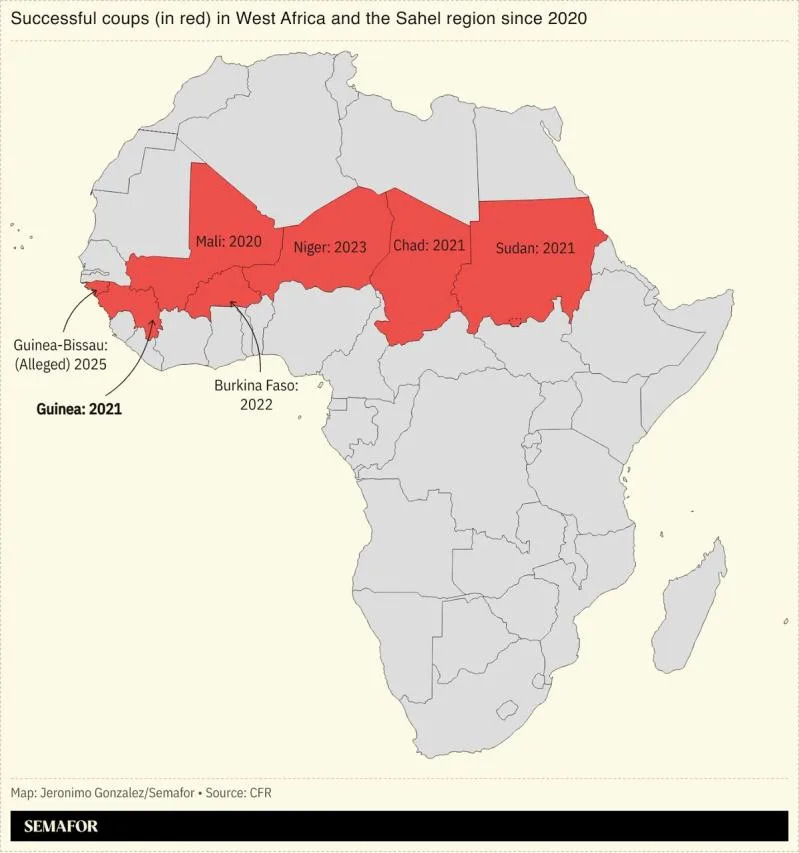
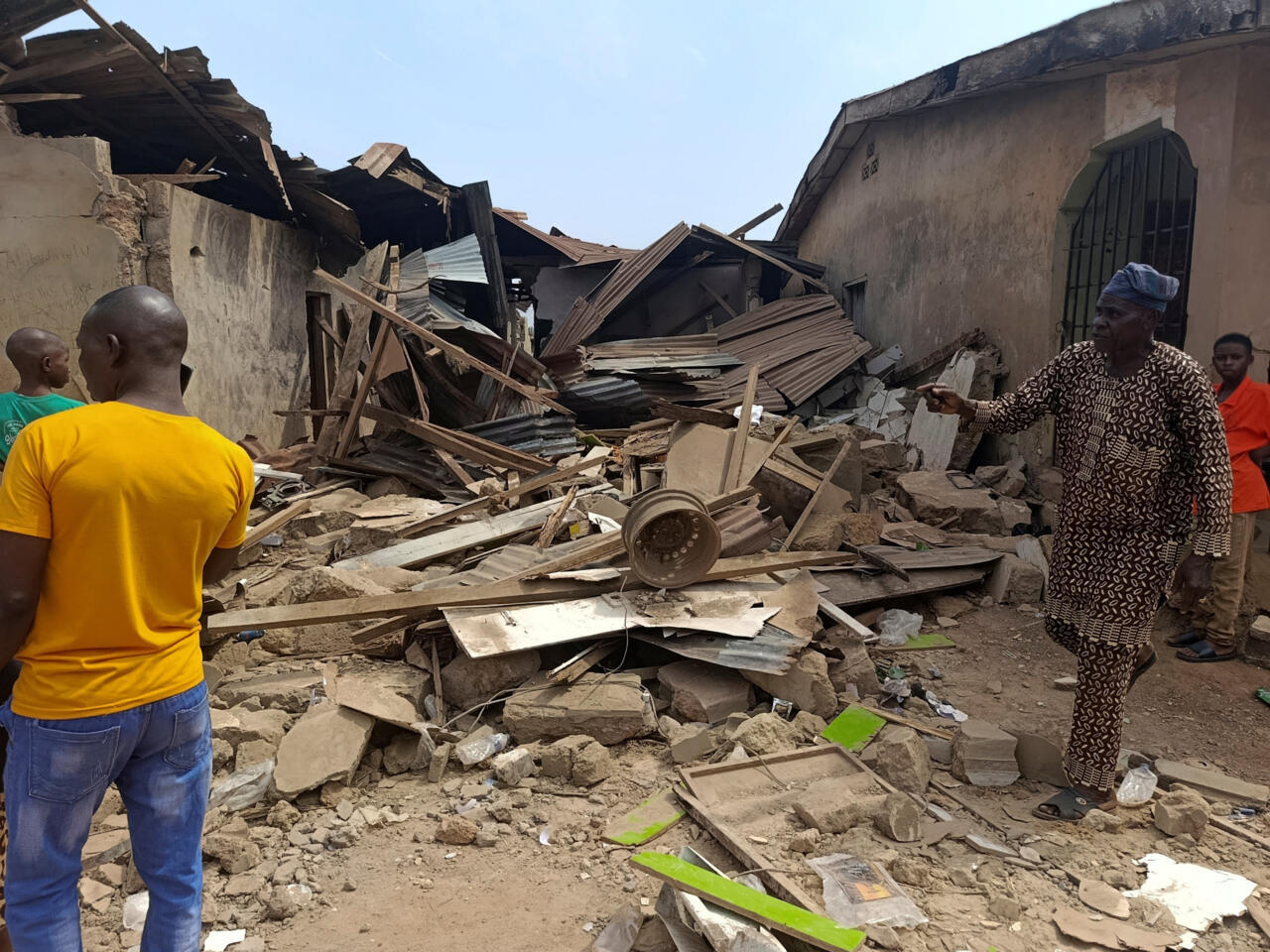
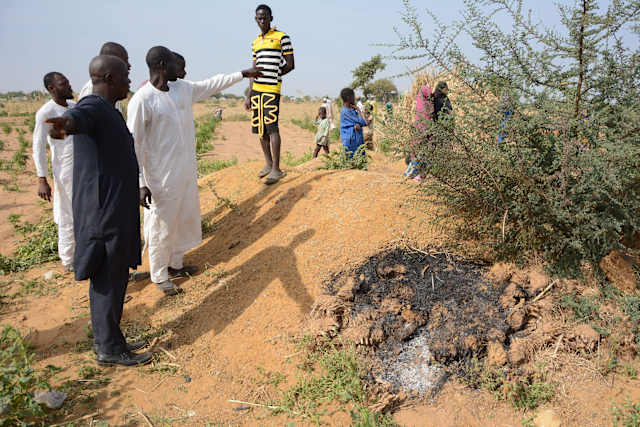
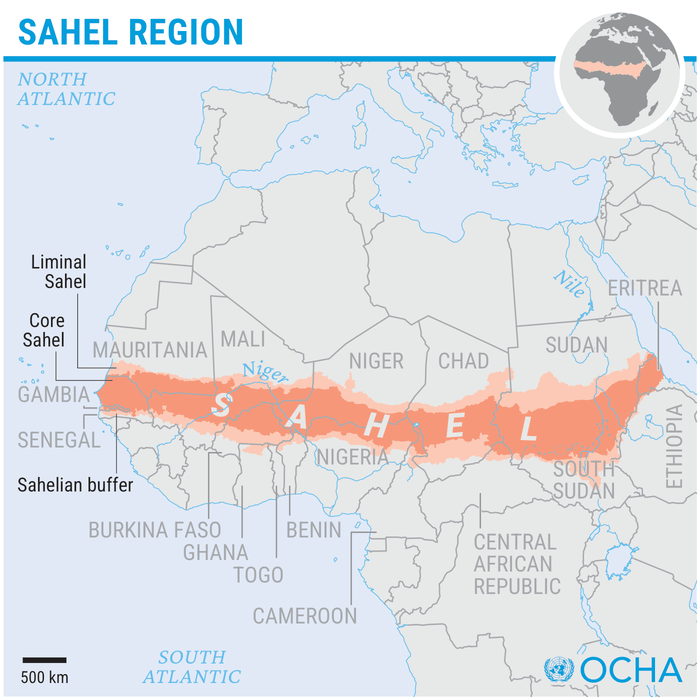
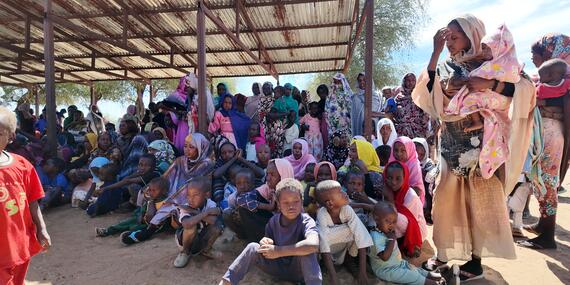
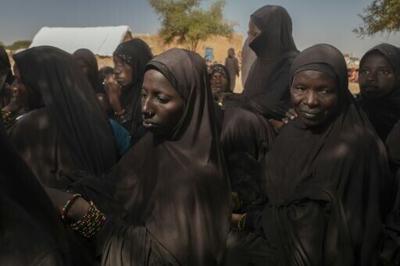
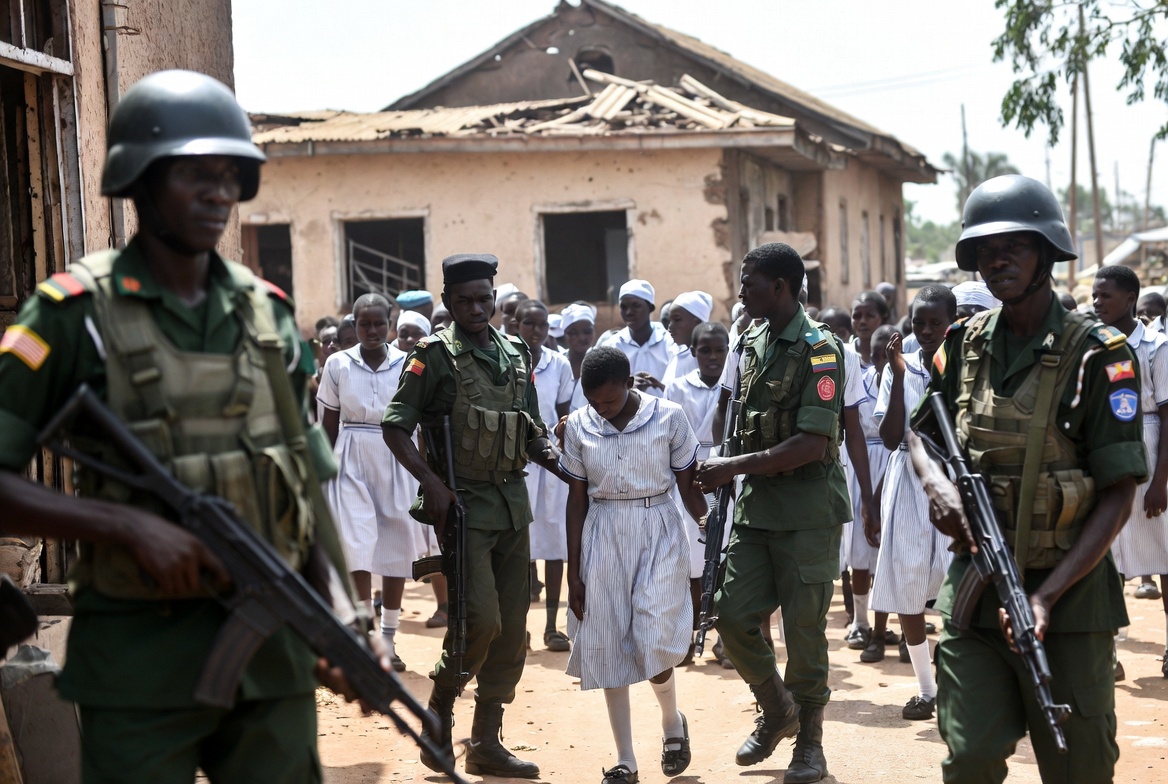
Yet, these aren’t isolated skirmishes. Niger State is grappling with broader security challenges, with coordinated armed raids further destabilizing communities. Just recently, gunmen launched devastating dawn attacks on three separate communities, resulting in the deaths of at least 32 innocent people. Some villagers were also abducted, amplifying fears of lawlessness across the region. This grim pattern of violence isn’t new; it’s sweeping Nigeria’s north-central region, evidenced by a deadly attack in Kwara State earlier this month that tragically claimed 162 lives. To stem this tide of escalating insecurity, Nigerian authorities are actively working to strengthen security partnerships, notably involving US military assets in efforts to target armed groups. These collaborations are vital steps to regain control and protect civilians who are increasingly caught between militant factions, bandits, and criminals exploiting weak governance and porous borders. What’s more, there’s a complex regional dynamic at play with resource security. Niger Republic, Nigeria’s northern neighbor, has signaled its readiness to return uranium produced by French nuclear company Orano at the Somair mine after a recent takeover. They’ve also been renegotiating oil agreements with China National Petroleum Corporation to ensure fairer terms, driven by rising economic nationalism. These moves highlight how governments are trying to balance asserting resource control with attracting foreign investment, all while desperately attempting to secure their territories from persistent violent threats. Read more about the community attacks in this Washington Post report.
In response to these dire circumstances, Nigeria’s federal government has unequivocally declared the killing of the security officer during the illegal mining crackdown a criminal murder. Minister of Solid Minerals Development, Dele Alake, has vowed an intensified crackdown on illegal mining operations, underscoring the government’s firm commitment to curbing illicit extraction that fuels insecurity and deprives the country of vital revenues. Looking ahead, the intertwined security and resource extraction challenges in Niger State, and indeed the broader surrounding regions, highlight an urgent need for comprehensive strategies. These must include enhanced community engagement, vital socio-economic development initiatives to provide legitimate alternatives to illegal mining, and significantly strengthened law enforcement capabilities. The involvement of local leaders, whose roles are under scrutiny following recent arrests, will be absolutely critical in restoring trust and cooperation between communities and security agencies. Beyond national efforts, regional collaboration and sustained international support will remain essential in addressing the complex threats posed by armed groups and criminal networks operating across porous borders. As Niger State grapples with these violent outbreaks, the resilience of its people and the responsiveness of its institutions will undoubtedly be tested. Vigilance, inclusive governance, and a balanced approach to resource management stand as crucial pillars upon which peace and prosperity can truly be rebuilt. For more on Niger Republic’s resource decisions, check out this Mining.com article.