Nigeria’s Security Battle: Deadly Attacks and Mining Clashes Rock Niger State, Military Ramps Up Defenses
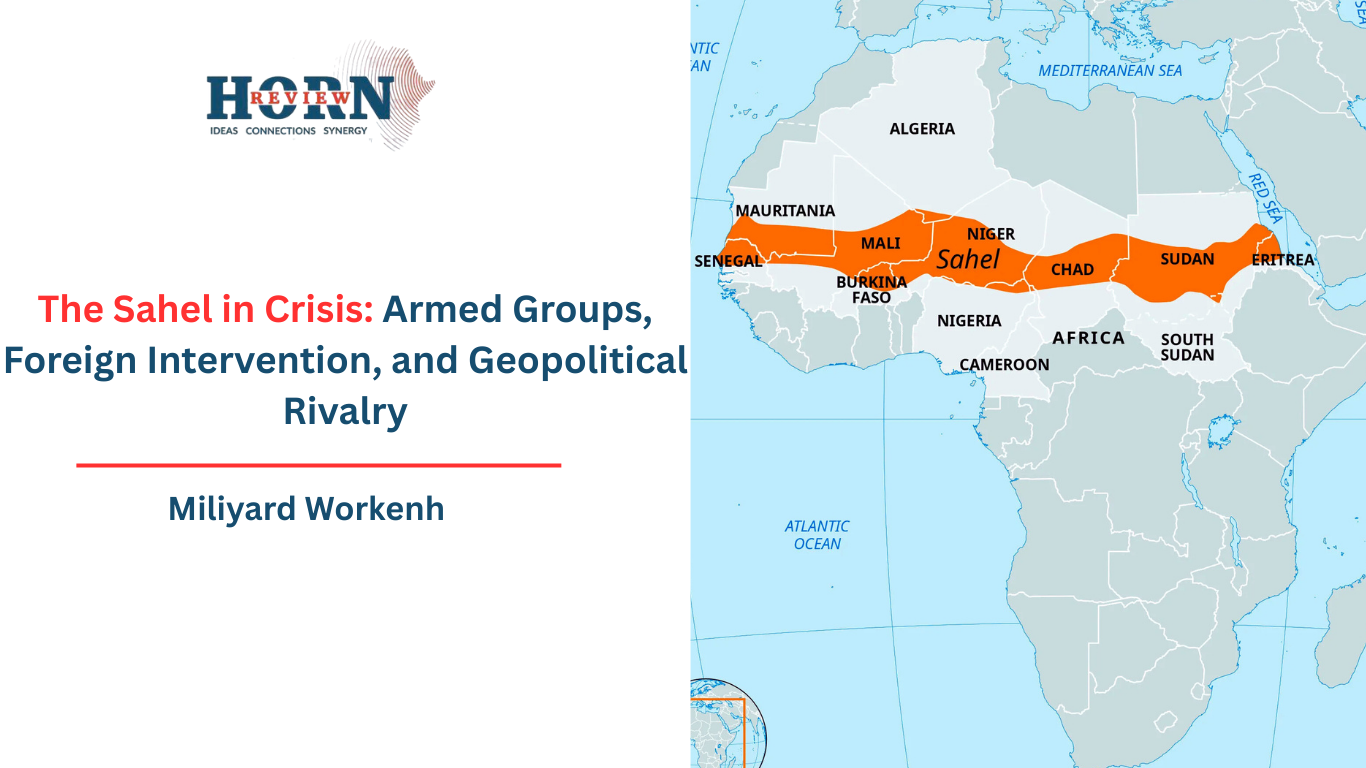
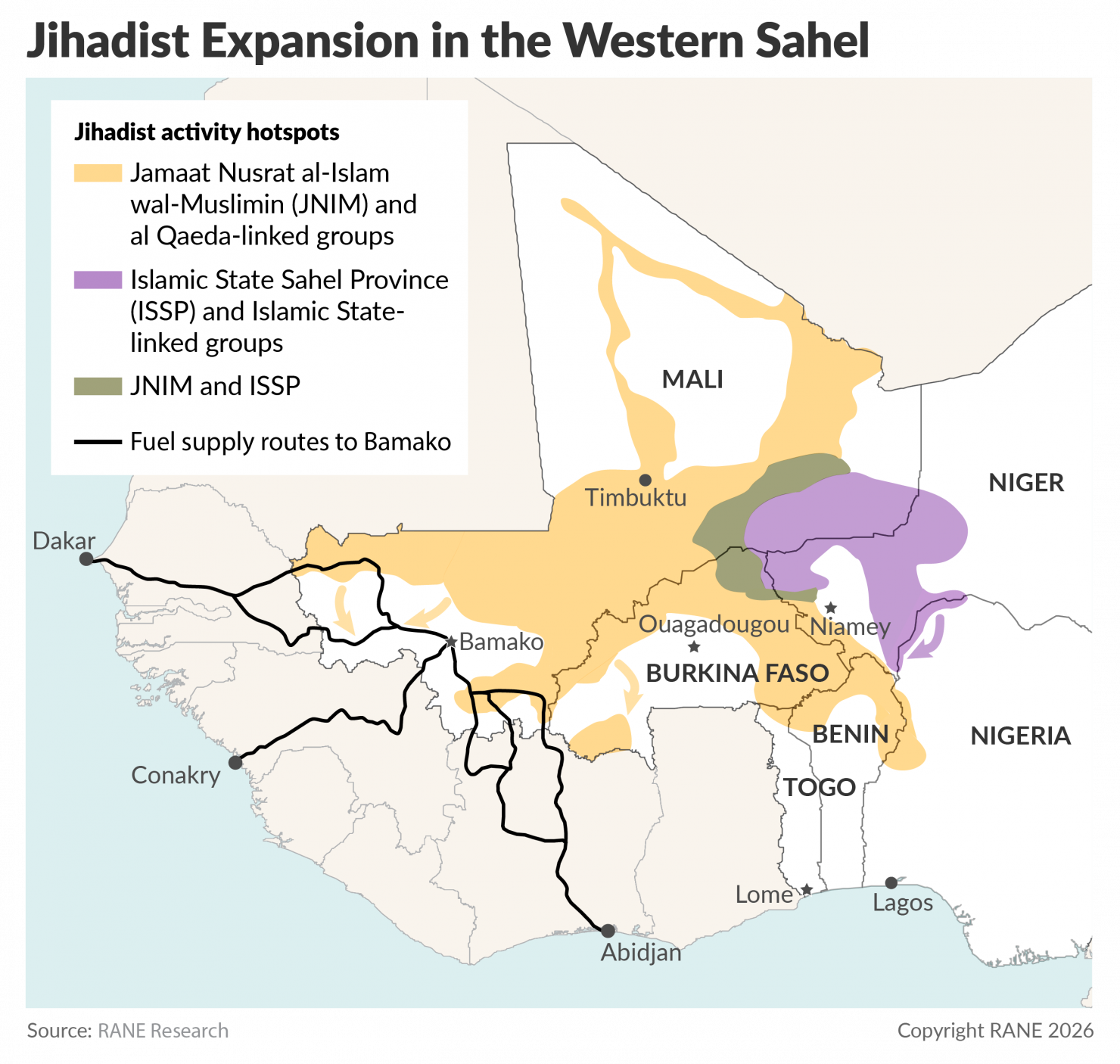
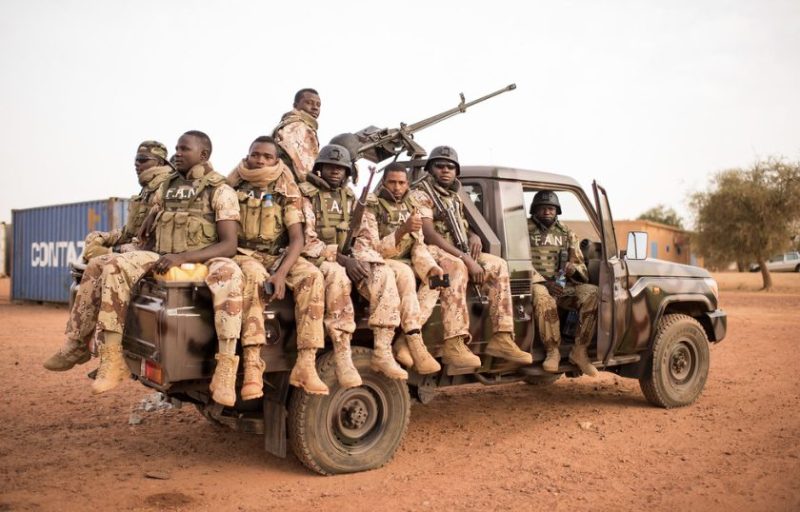
Nigeria’s Niger State has become a focal point for the nation’s severe security challenges in recent weeks. We’ve seen a disturbing rise in violent attacks and clashes, painting a grim picture of the human toll and the urgent strategic issues facing Nigerian authorities. From armed gangs conducting deadly raids on villages to violent standoffs over illegal mining, these events demand attention. But there’s also a clear response: Nigeria’s military is speeding up its modernization plans, signaling a strong commitment to quash insecurity and foster stability in the region.
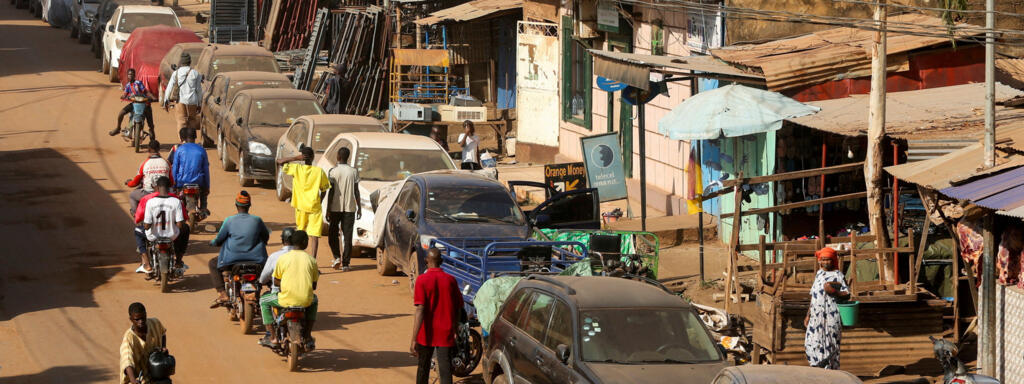
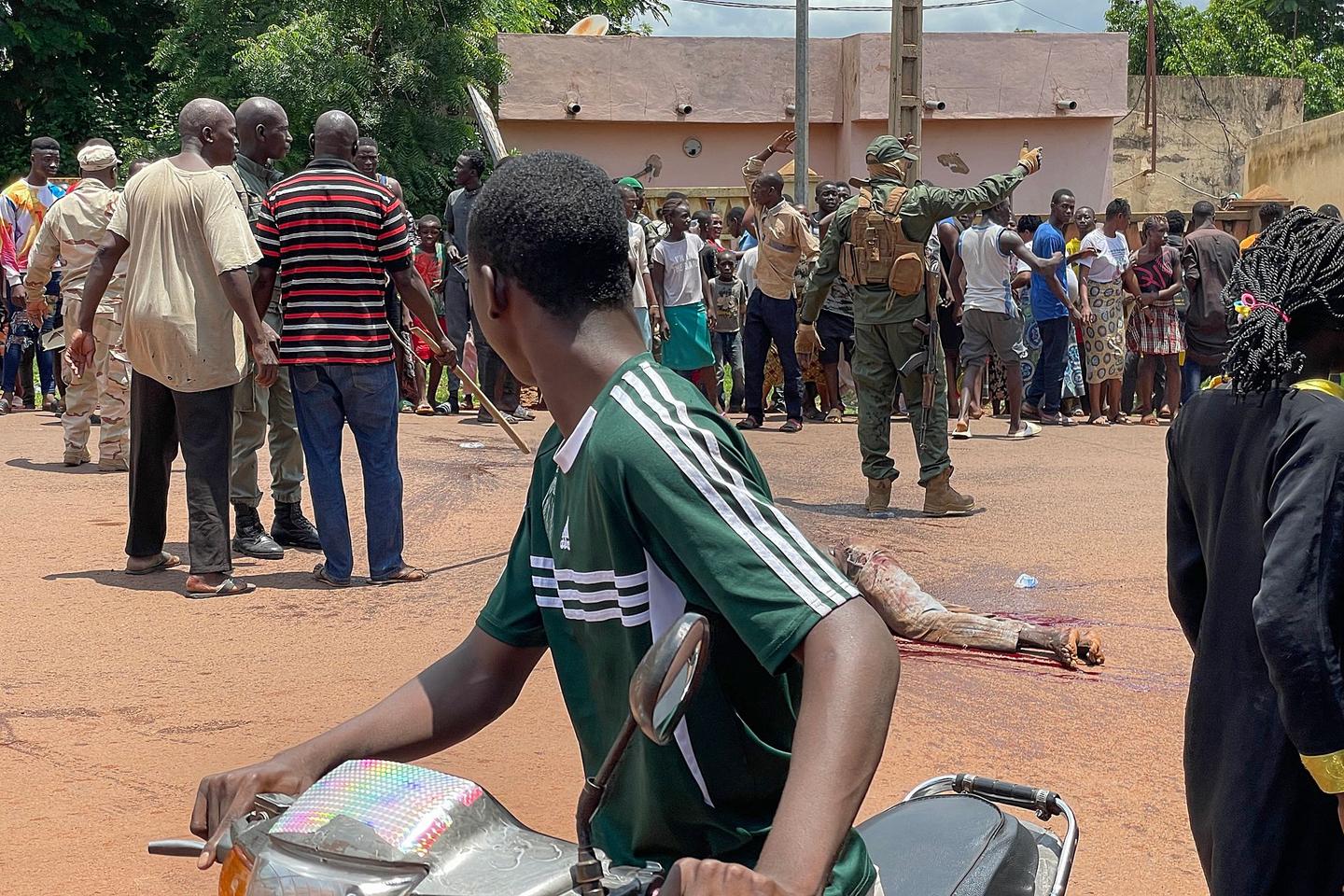
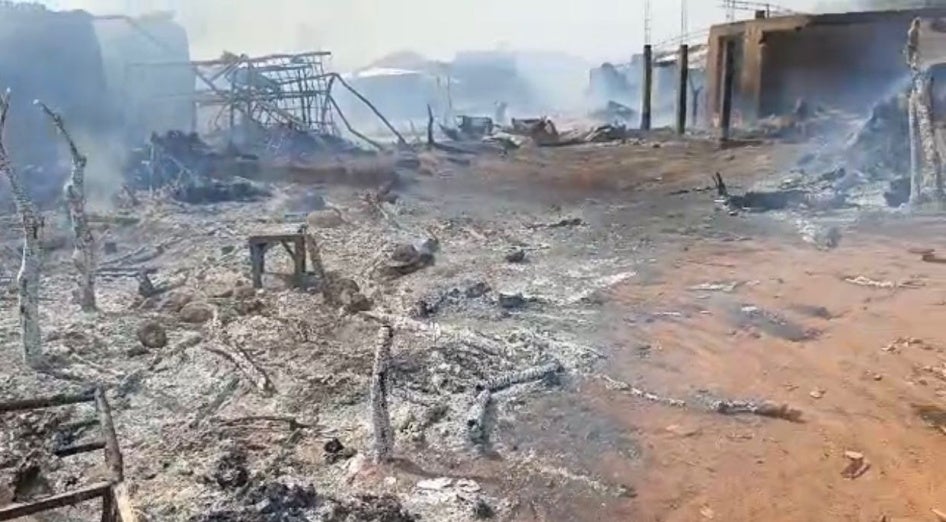
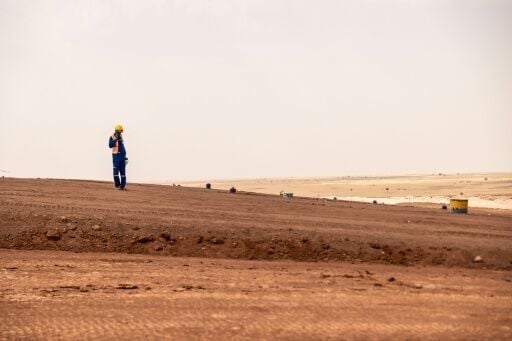
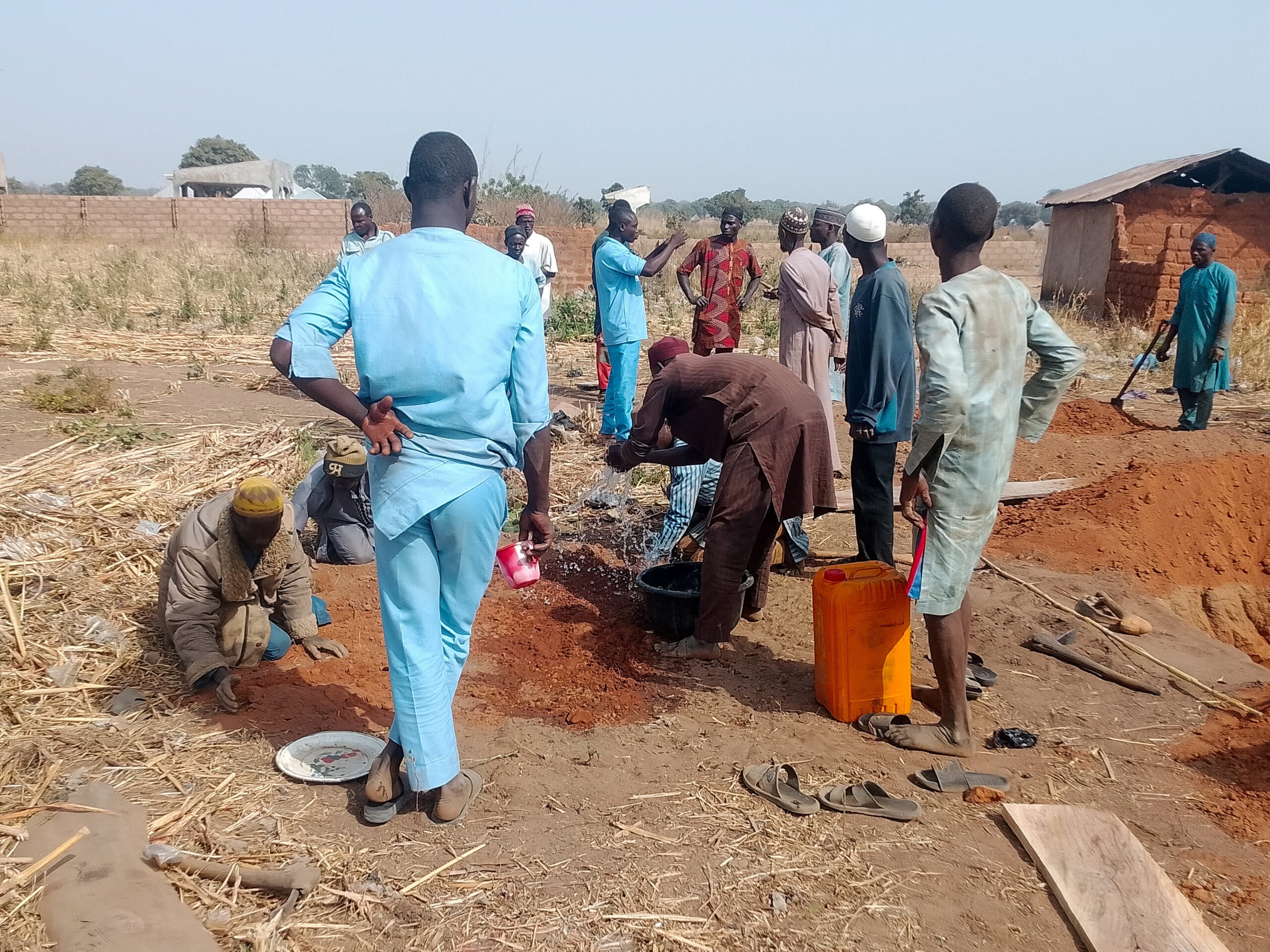
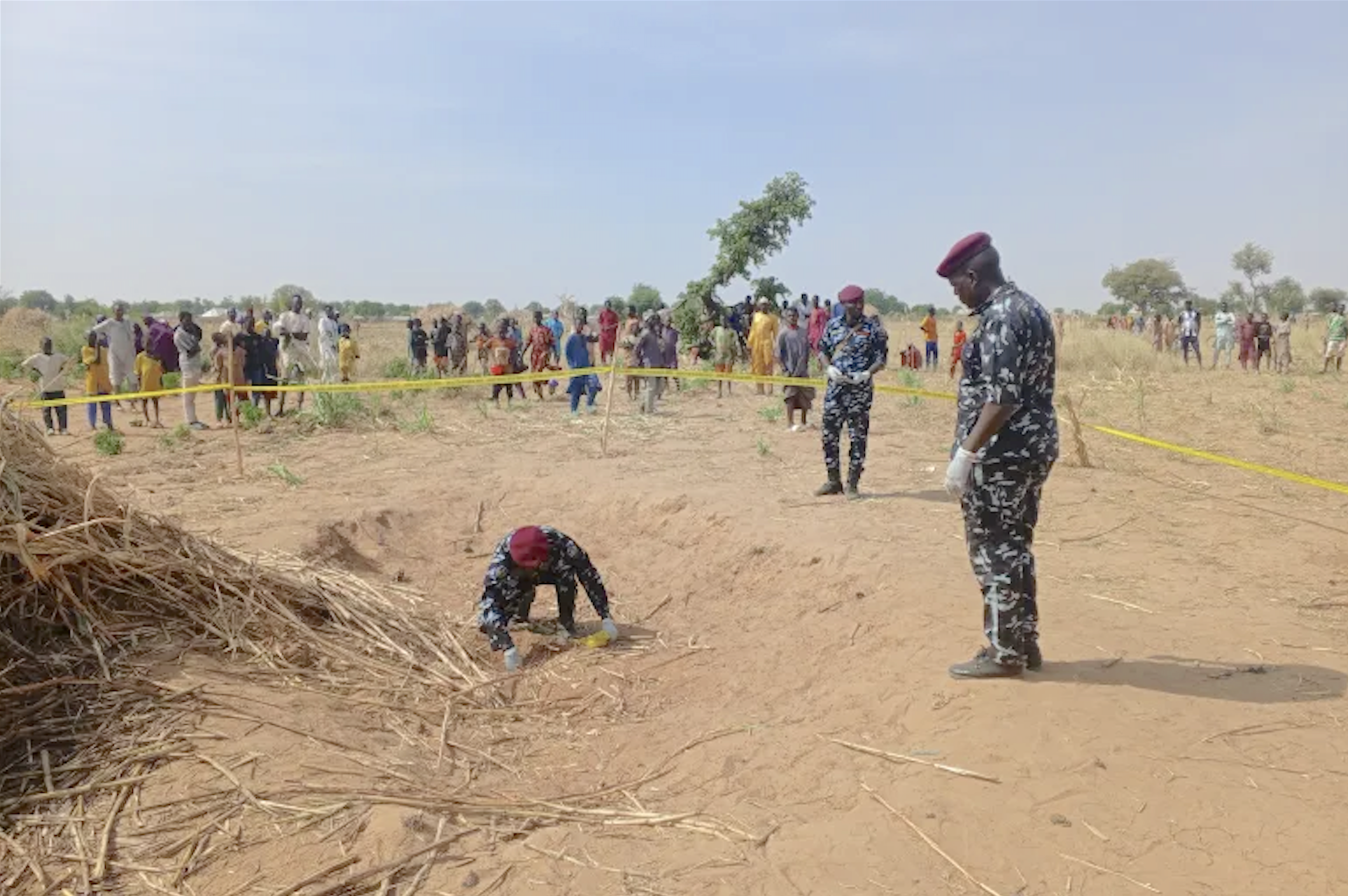
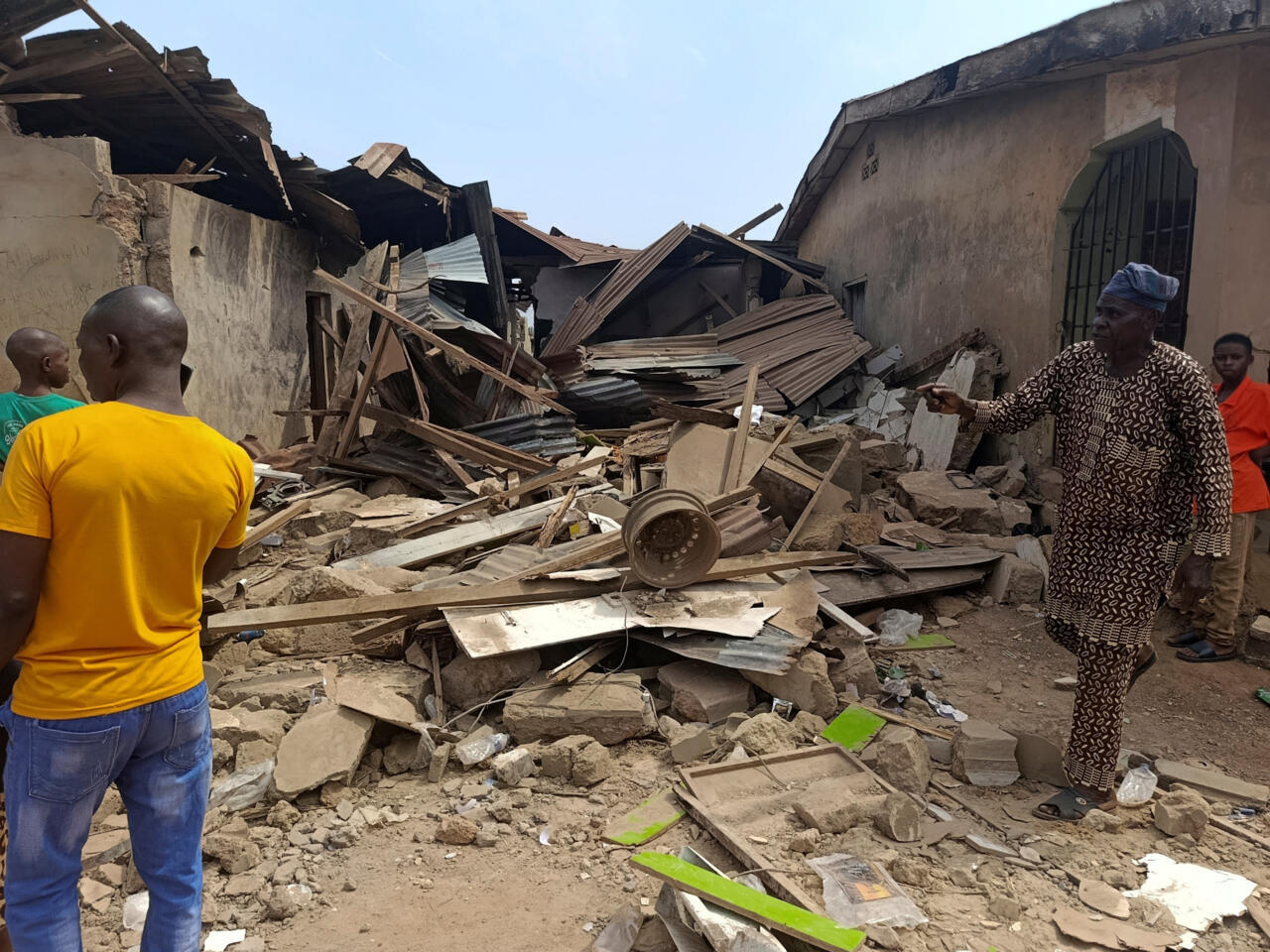
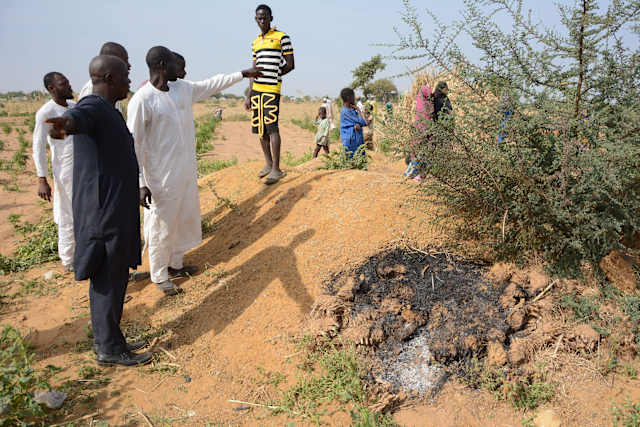
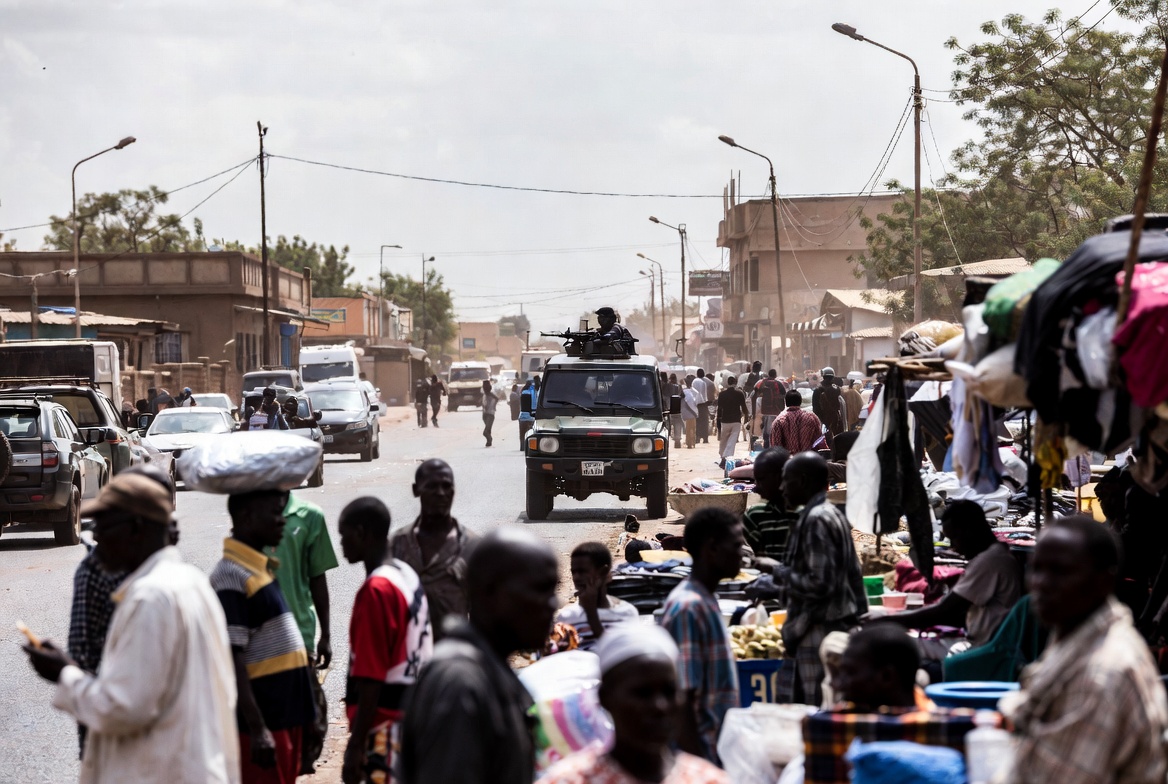
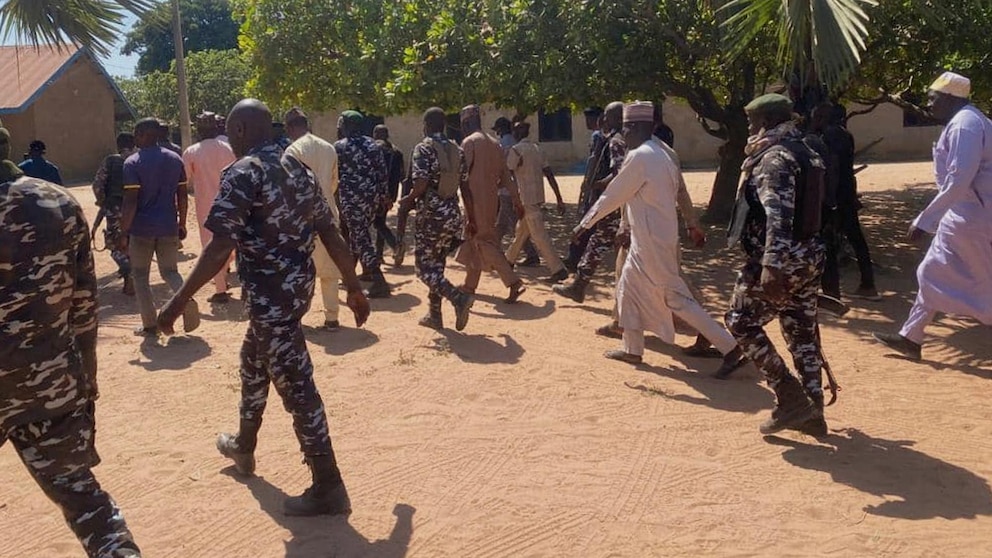
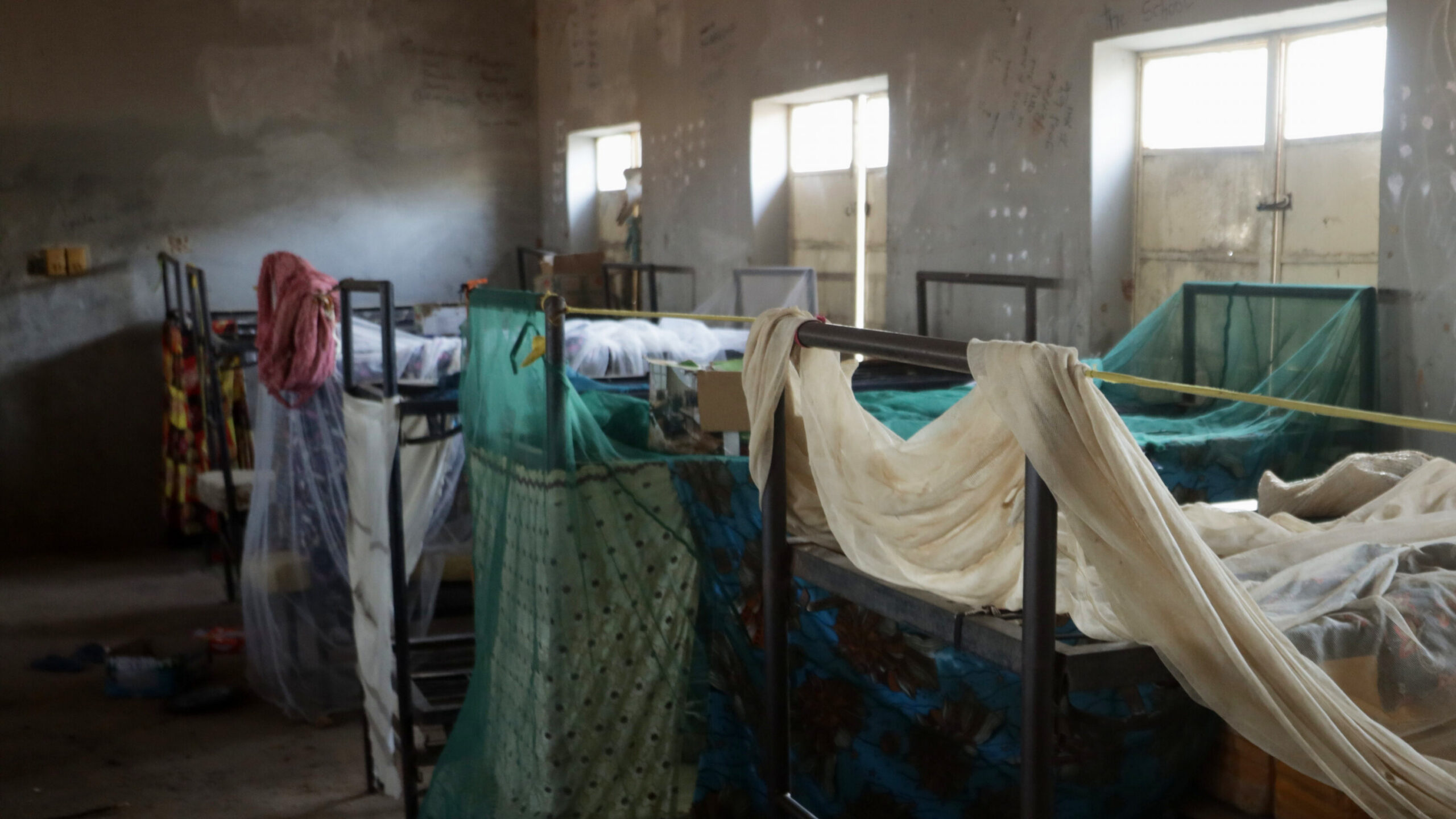
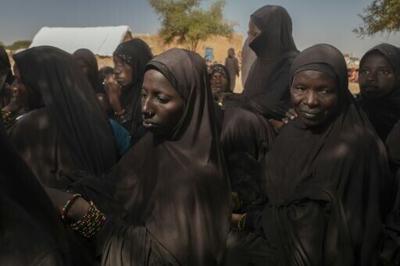
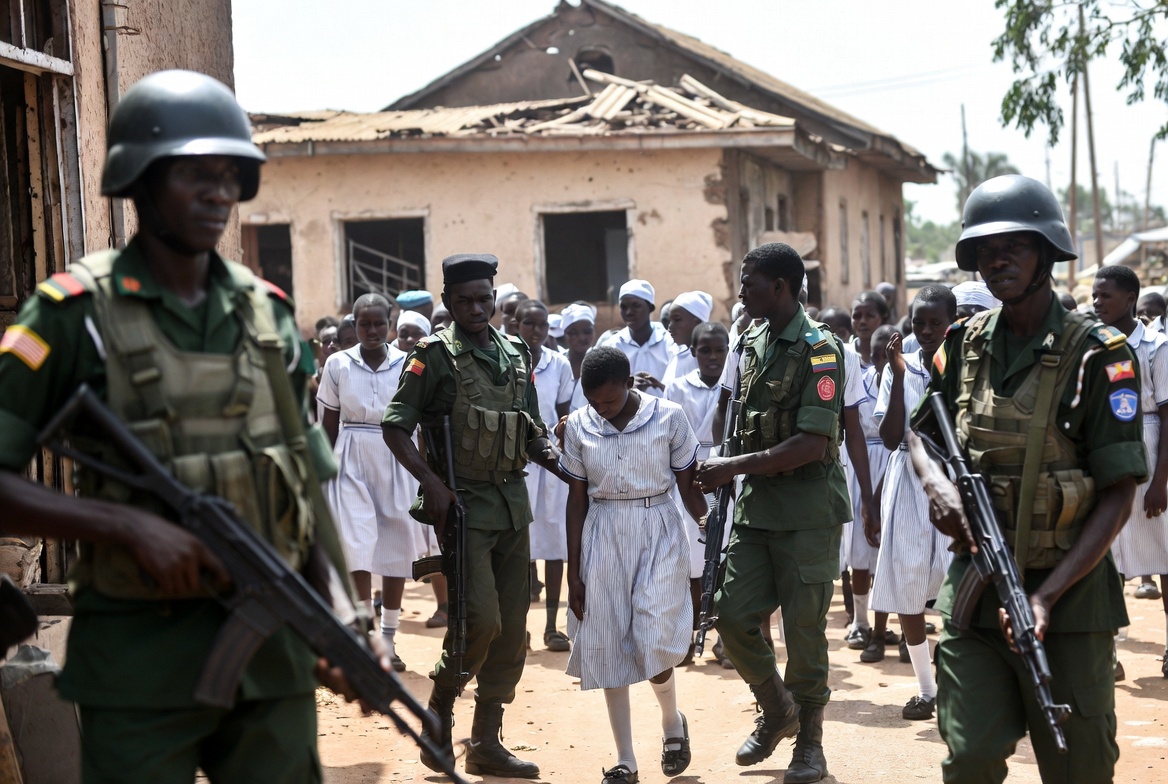
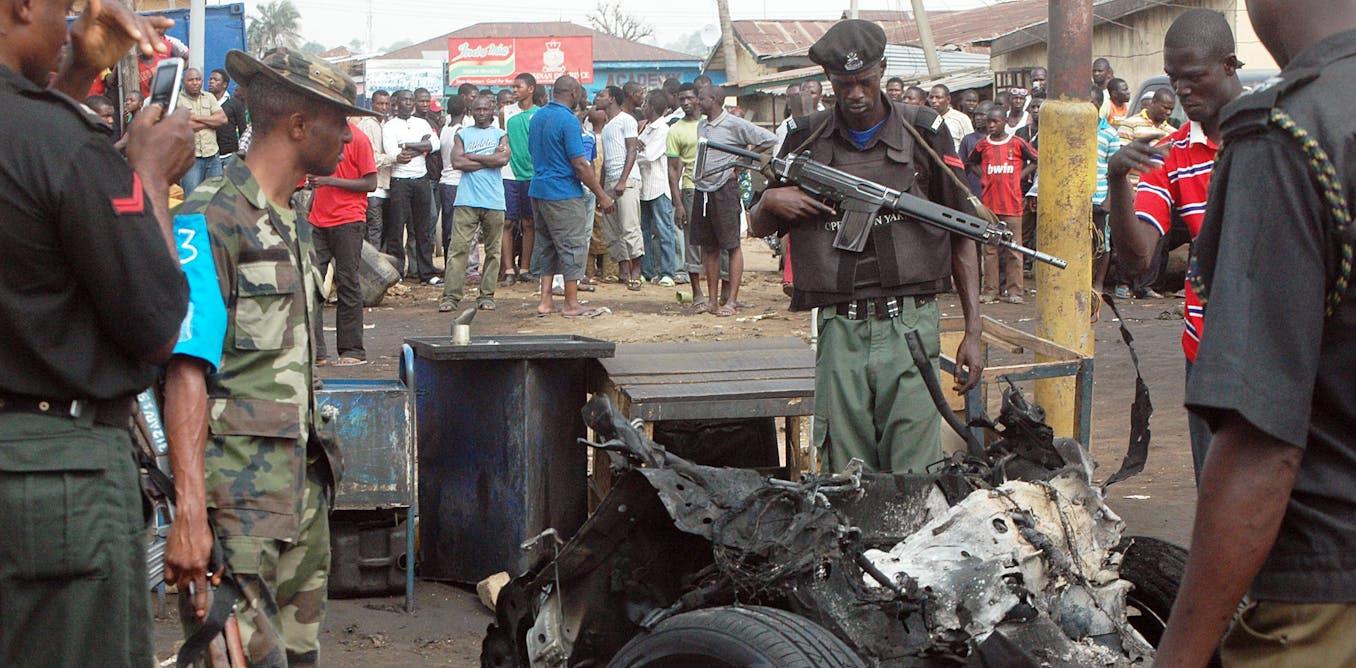
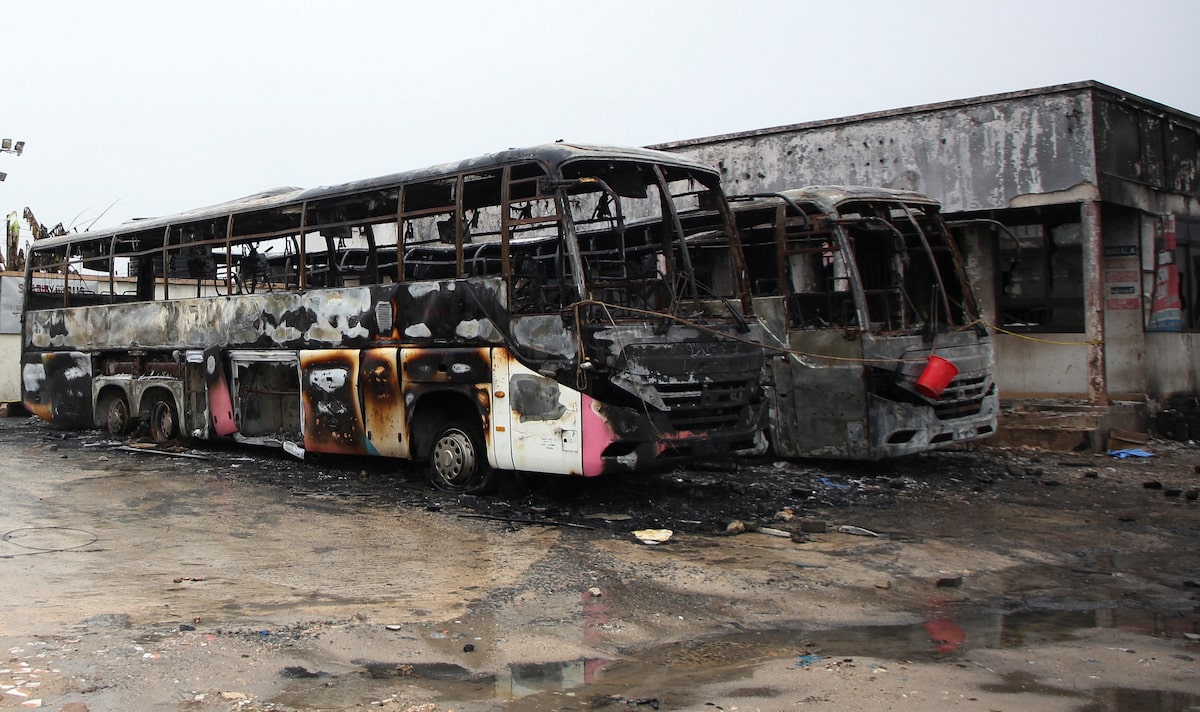
Imagine the terror that swept through three villages in Borgu Local Government Area one morning, leaving at least 32 people dead after coordinated attacks by gunmen on motorcycles. Witnesses describe horrific scenes, starting in Tungar Makeri and culminating in Konkoso, where dozens were shot or had their throats slit. The attackers even torched a police station in Pissa, killing one officer before vanishing as military jets flew overhead. These weren’t isolated incidents. They’re part of a wider trend attributed to criminal gangs, often called bandits, whose brutal tactics, including kidnappings and community raids, sadly mirror those of jihadist groups, undermining local security infrastructure. Simultaneously, a violent confrontation flared up in Katcha Local Government’s Zuzungi area, revealing another layer of this security crisis, the fierce struggle over natural resources. Here, the Nigeria Security and Civil Defence Corps (NSCDC) arrested a village head and 33 others arrested following a clash with suspected illegal artisanal mining operations near Millennium Metals Mining Company. During a joint patrol, violence erupted, tragically costing Police Constable Emmanuel Shamsi his life and leaving an NSCDC vehicle ablaze. Illegal artisanal mining, known as ‘galamsey’ in West Africa, isn’t just an environmental nightmare, it’s a flashpoint, igniting clashes between communities, miners, law enforcement, and corporate interests. These arrests make one thing clear: the government is serious about cracking down on these unauthorized, often brazen, operations.
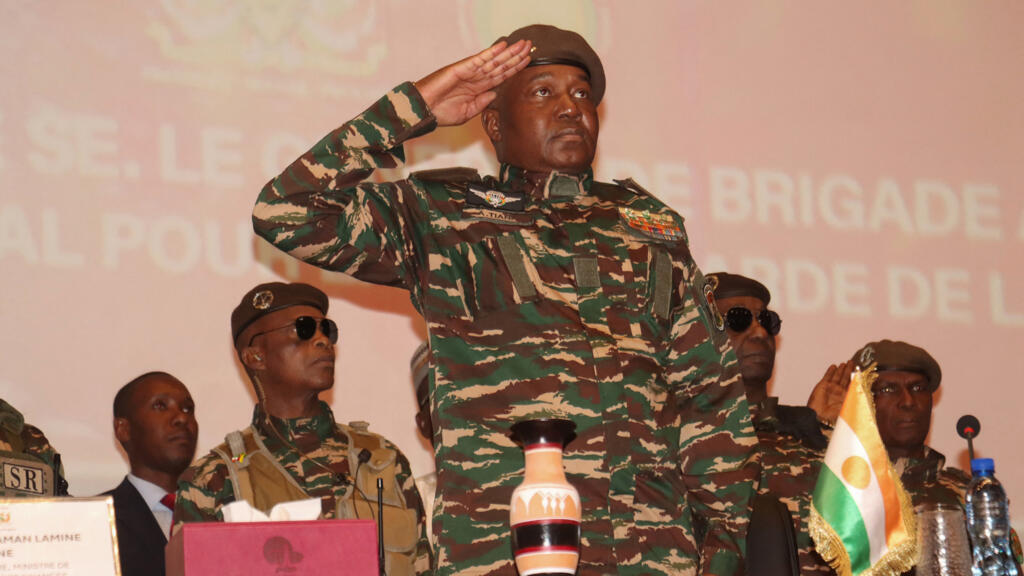
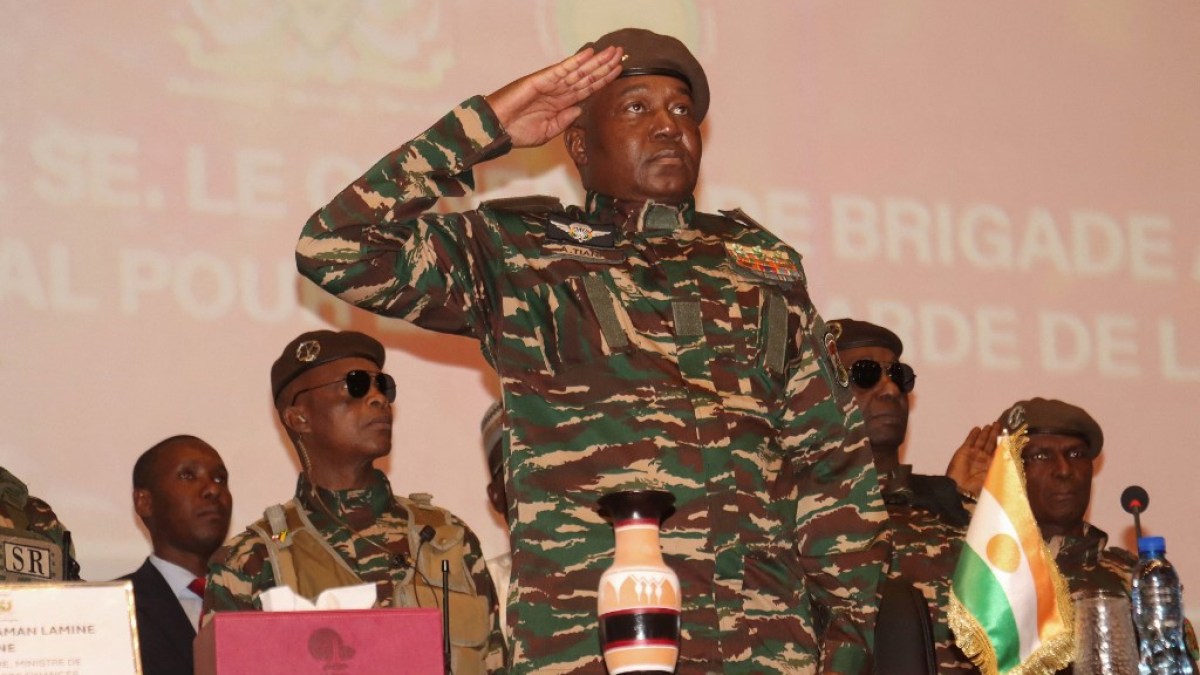
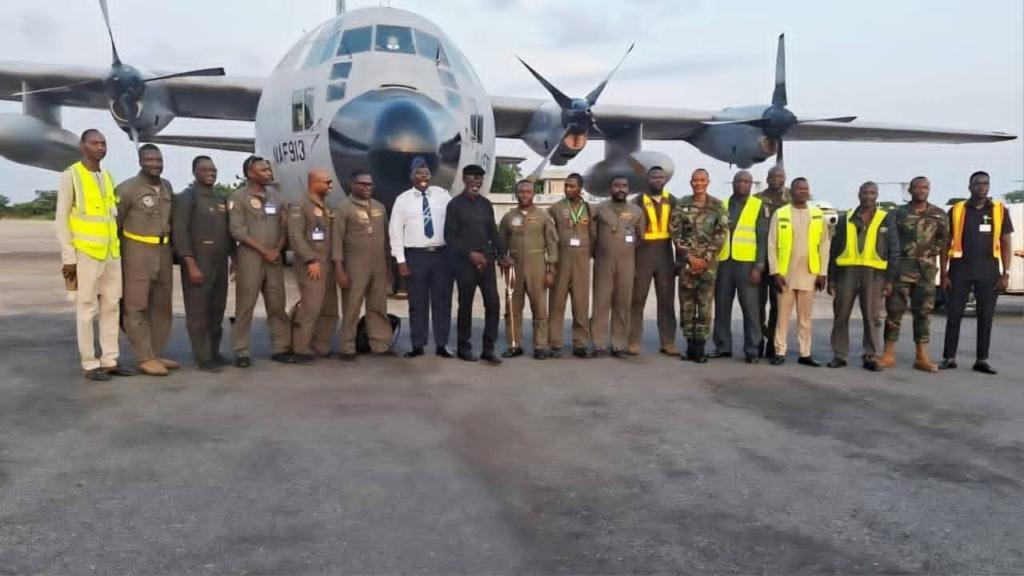
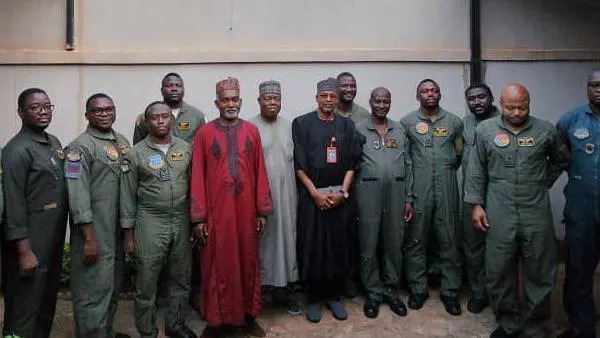
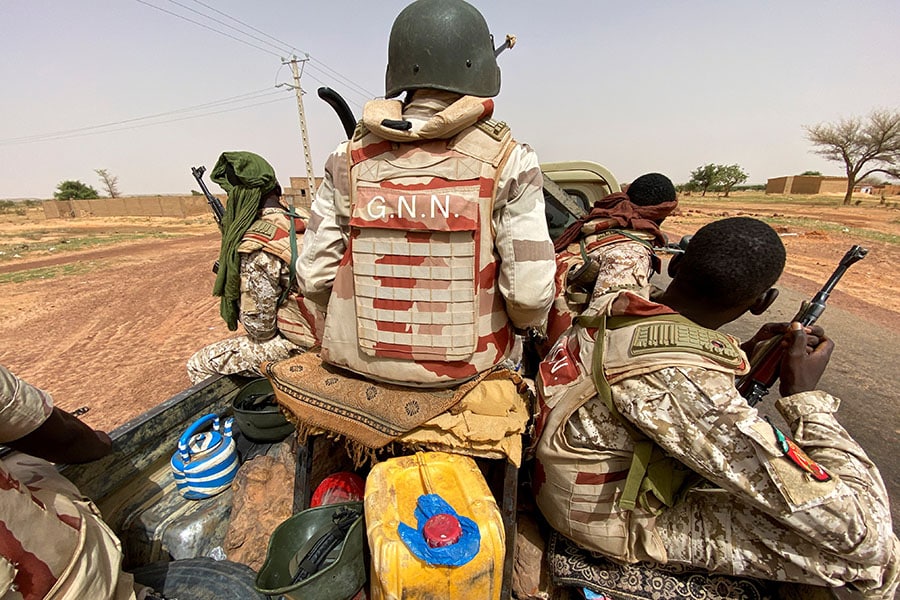
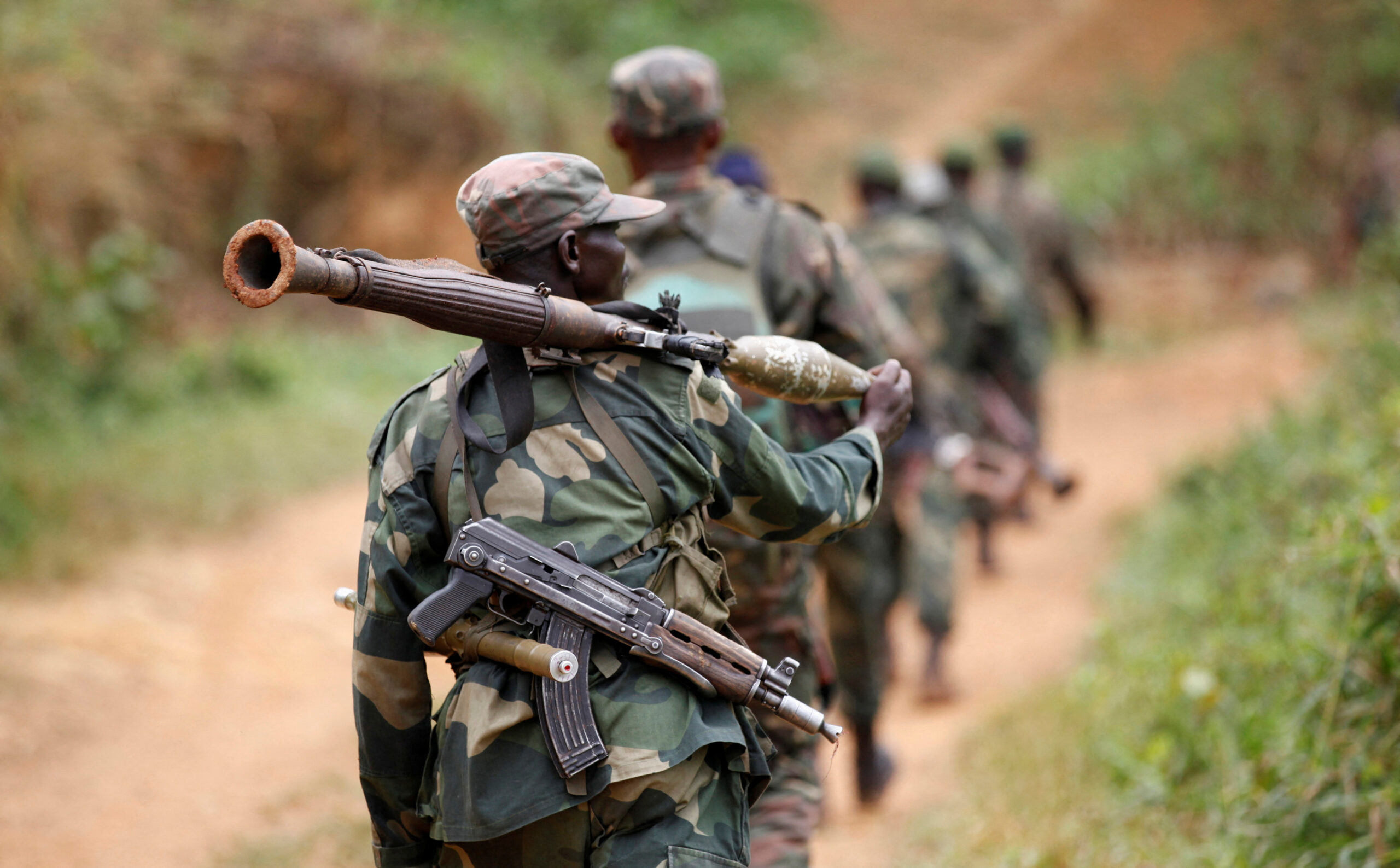
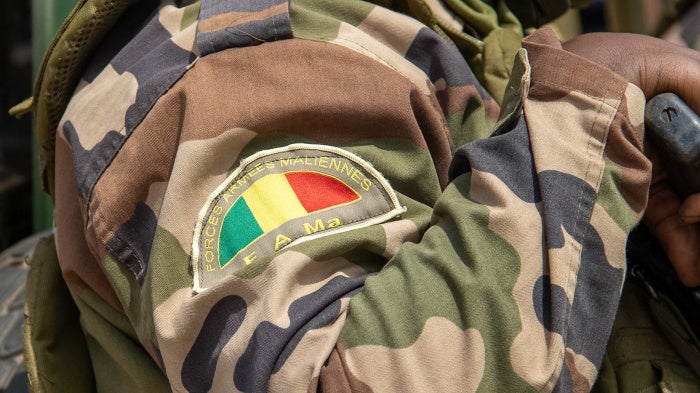
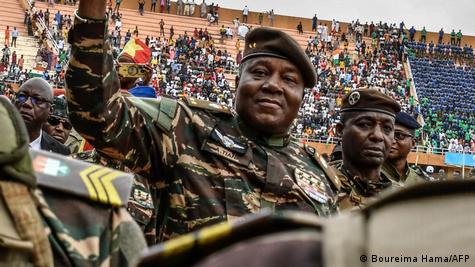
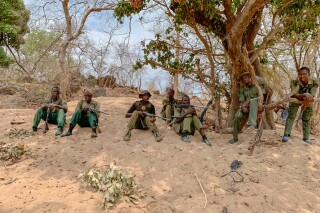
In direct response to these escalating threats, the Nigerian Air Force is fast-tracking the acquisition of over 46 advanced fighter jets, attack helicopters, and unmanned aerial vehicles. This significant investment, building on strategies from mid-2025, aims to sharpen the military’s ability to conduct precision strikes and boost its readiness against insurgent groups and criminal networks. While countries like Egypt and Algeria boast more powerful air forces on the continent, Nigeria’s move reflects a crucial strategic push to bolster its aerial capabilities. Why does this matter? Better air support means faster responses to remote attacks, enhanced intelligence, and vital backing for ground forces tackling complex operations. Looking ahead, Nigeria’s ongoing struggles highlight an urgent need for holistic security solutions. These must combine strong military might with community engagement and economic development. Taming the violence and lawlessness in places like Niger State demands sustained collaboration between federal and local authorities, inclusive governance, and reforms that address the root causes of instability, such as poverty, unemployment, and fierce competition for scarce resources. The recent deadly raids and mining confrontations serve as a stark reminder of Nigeria’s difficult road to peace and prosperity, but also of the determined action being taken to confront these dangers head-on. As the government steps up enforcement and military modernization, we can only hope these efforts usher in a more secure and stable future for its vulnerable communities.