Sahel States Forge Unified Military Front Amidst Shifting Alliances
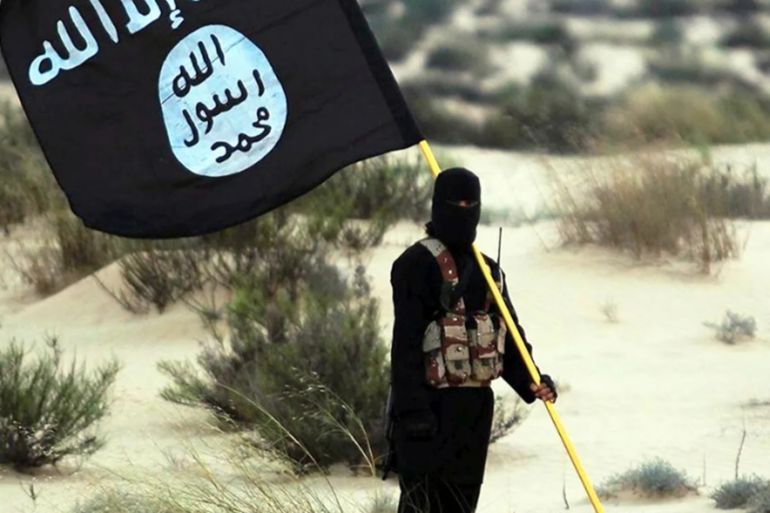
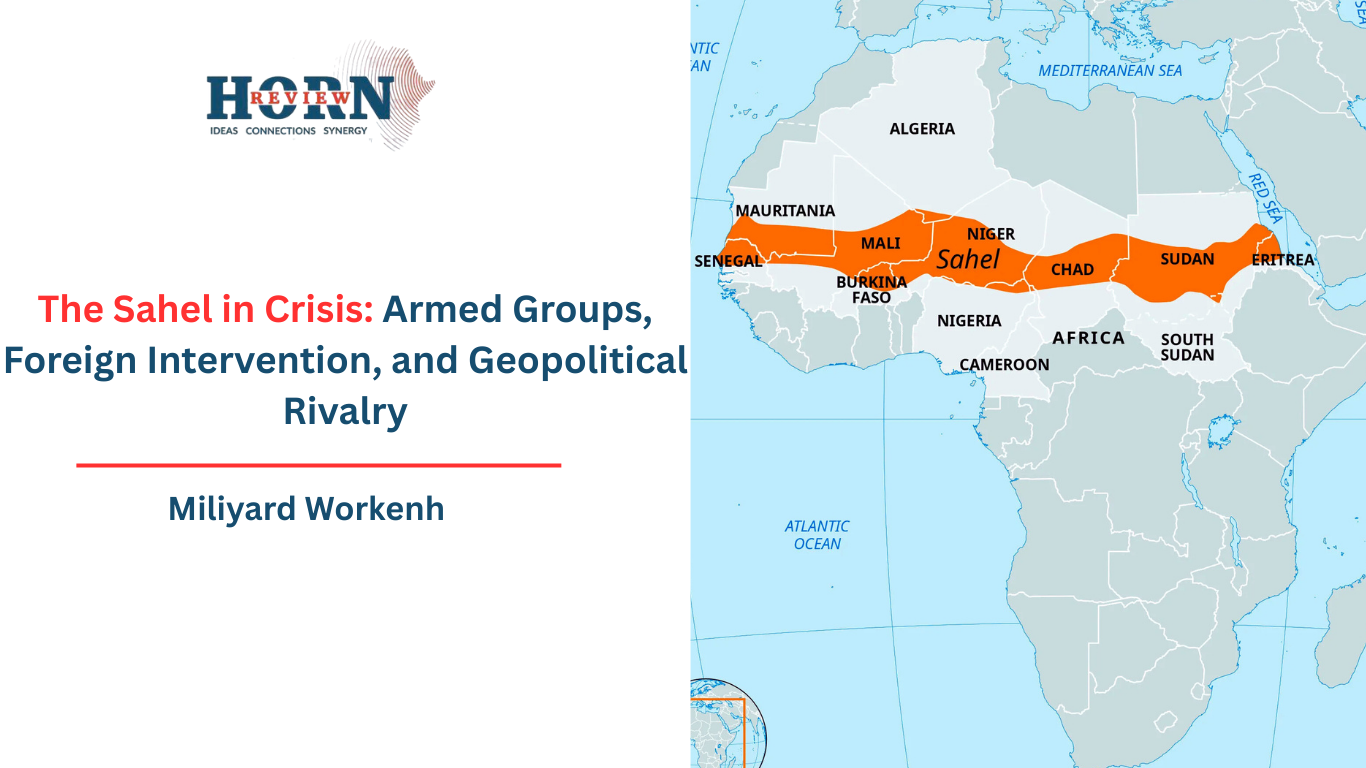
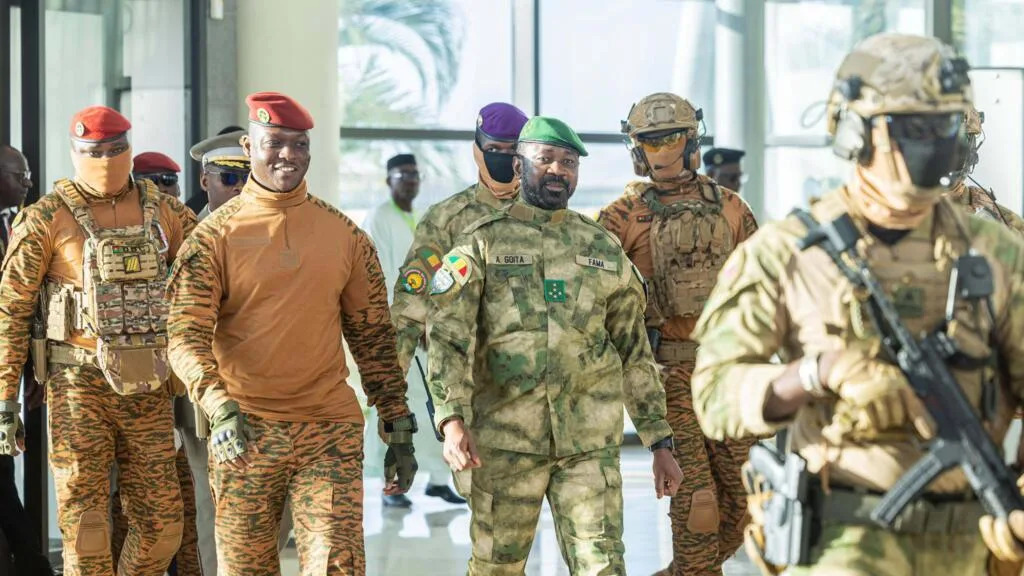
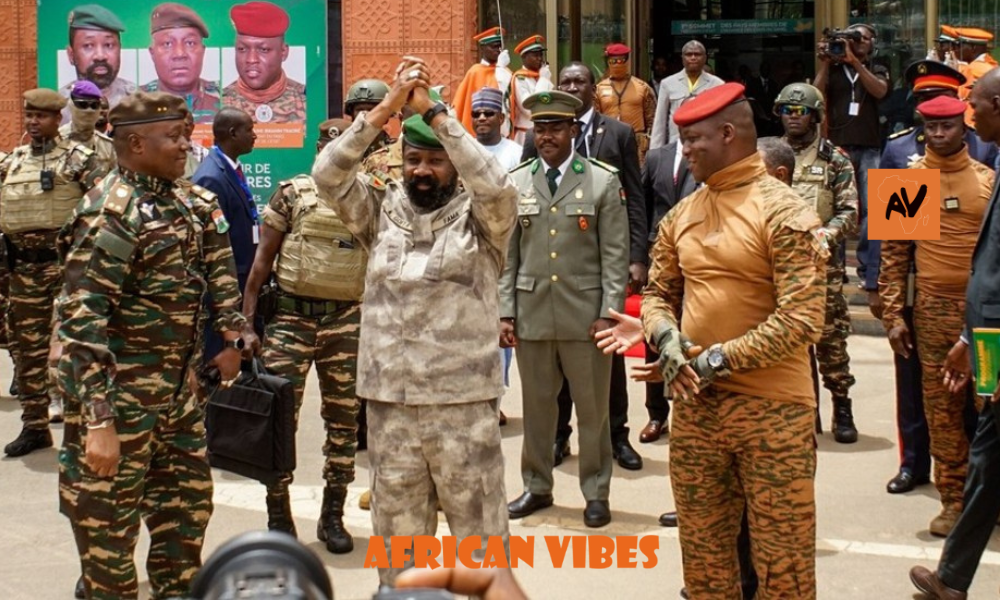
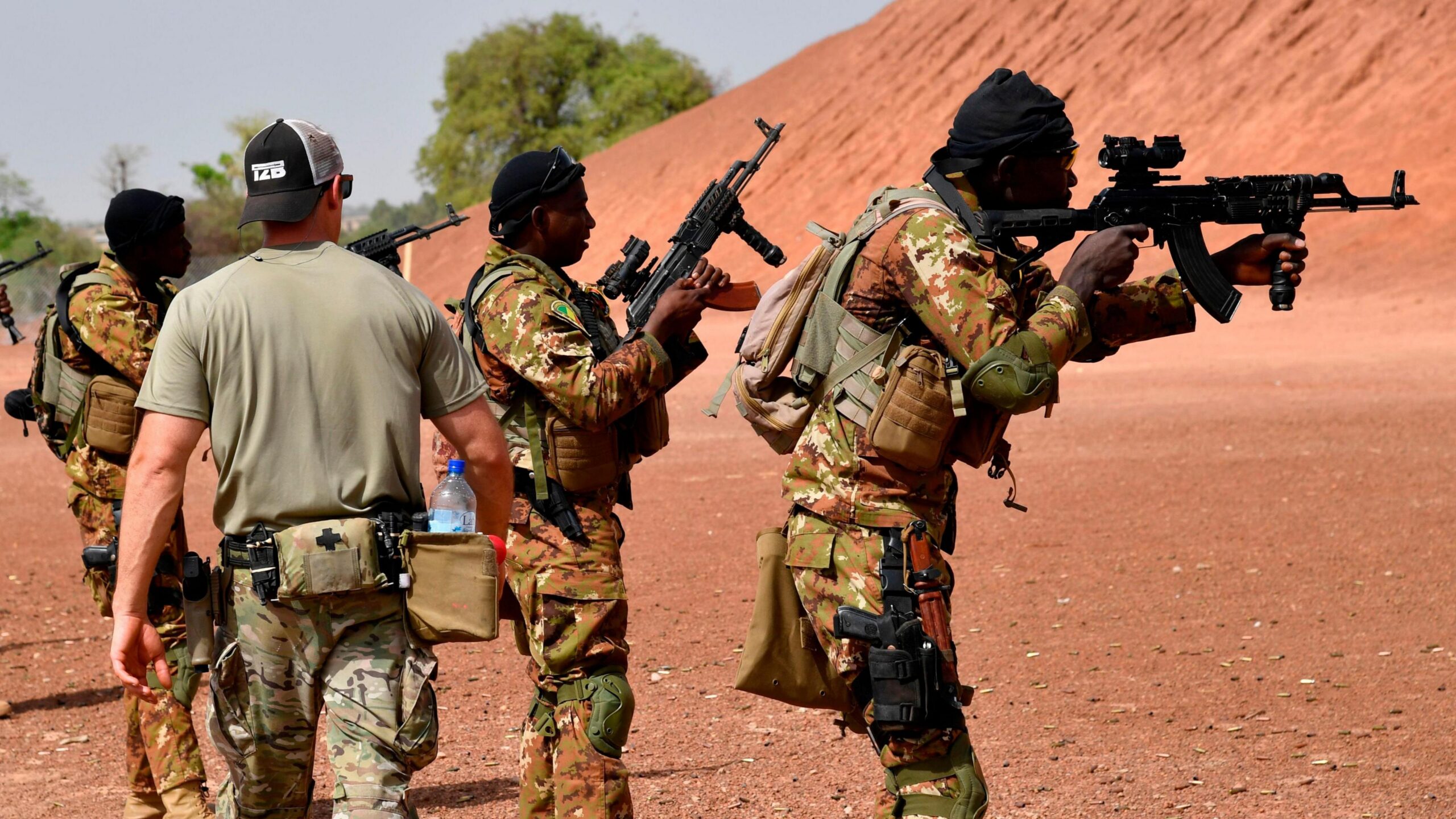
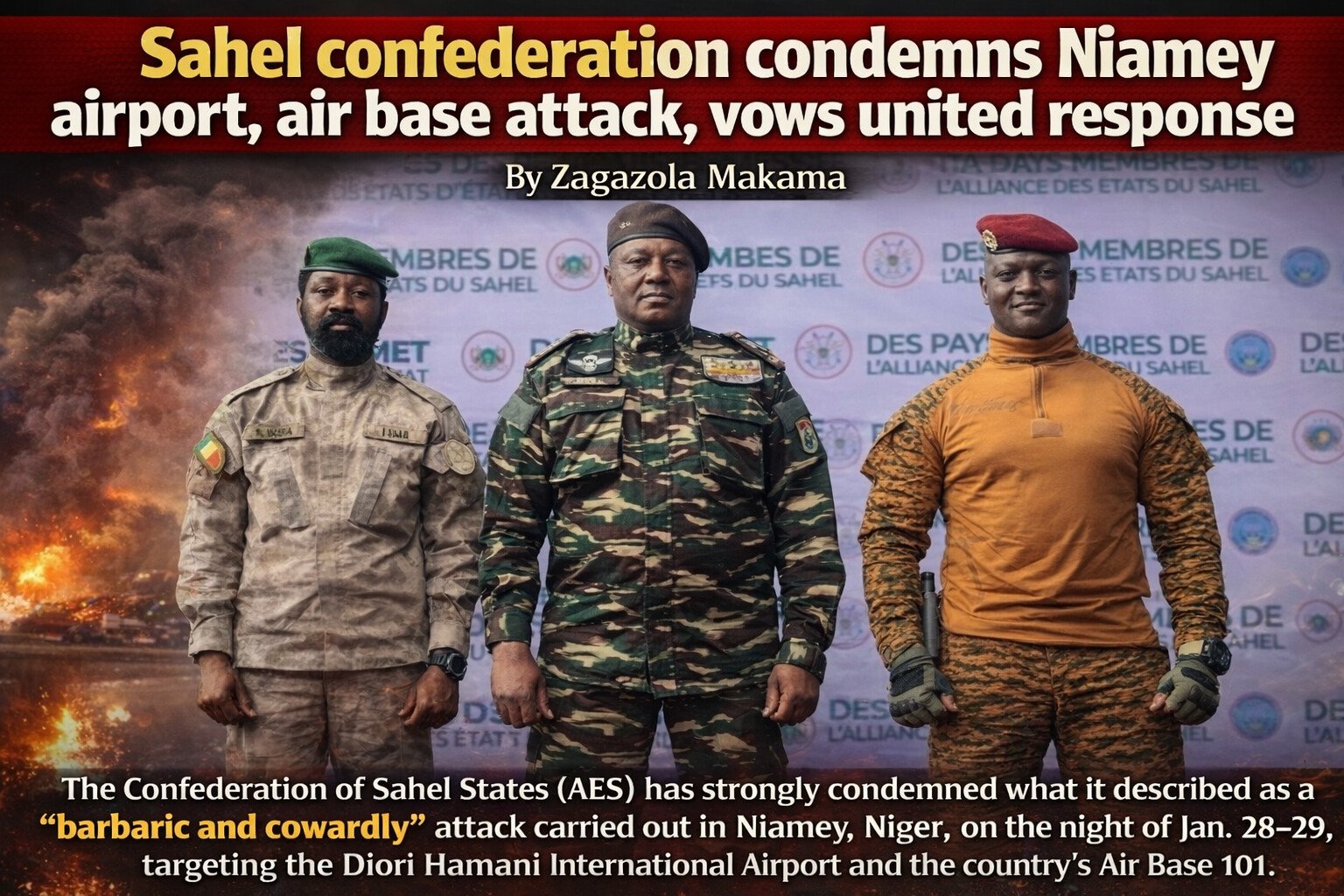
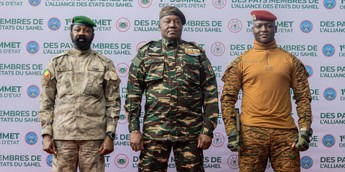
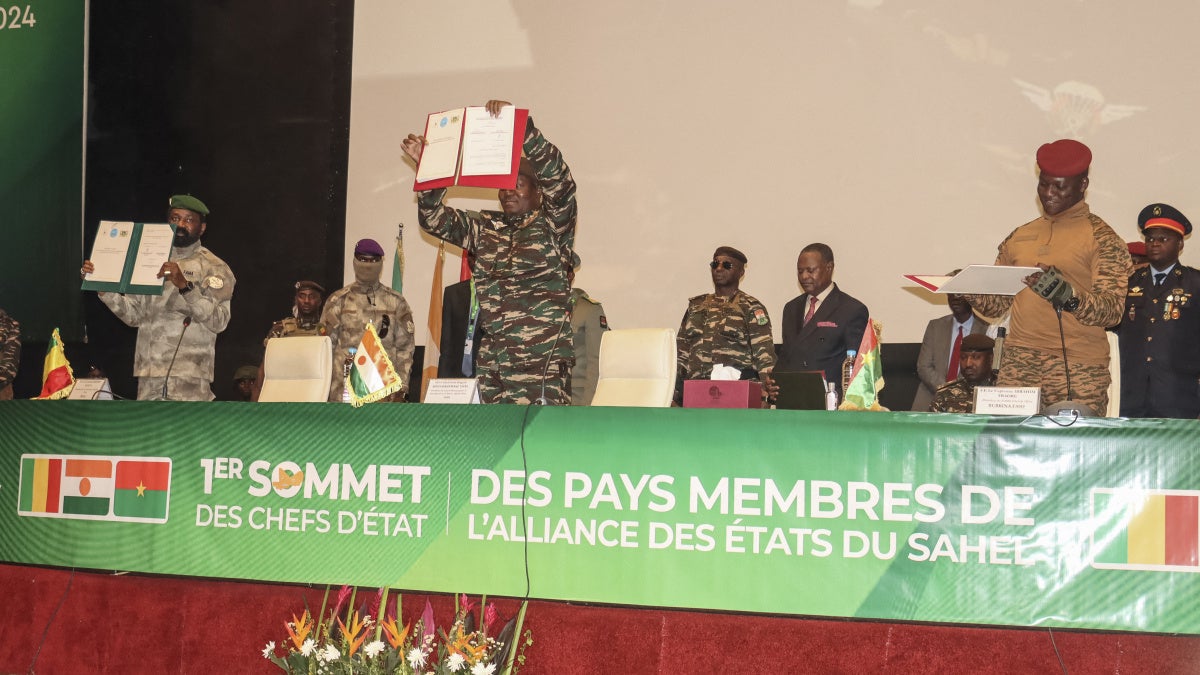
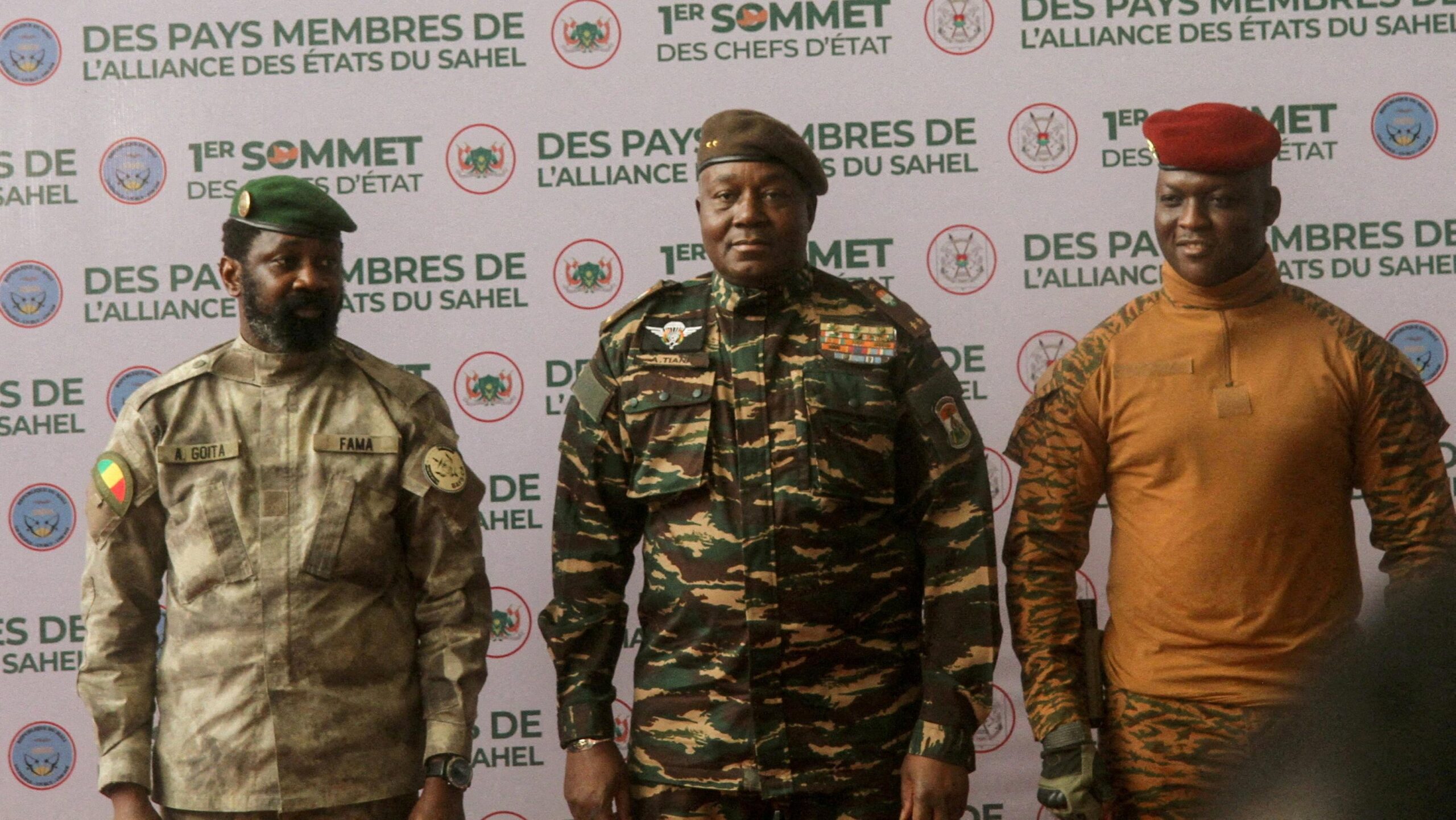
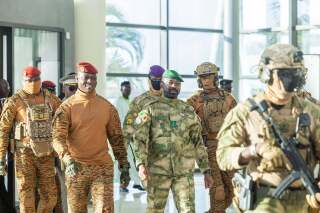
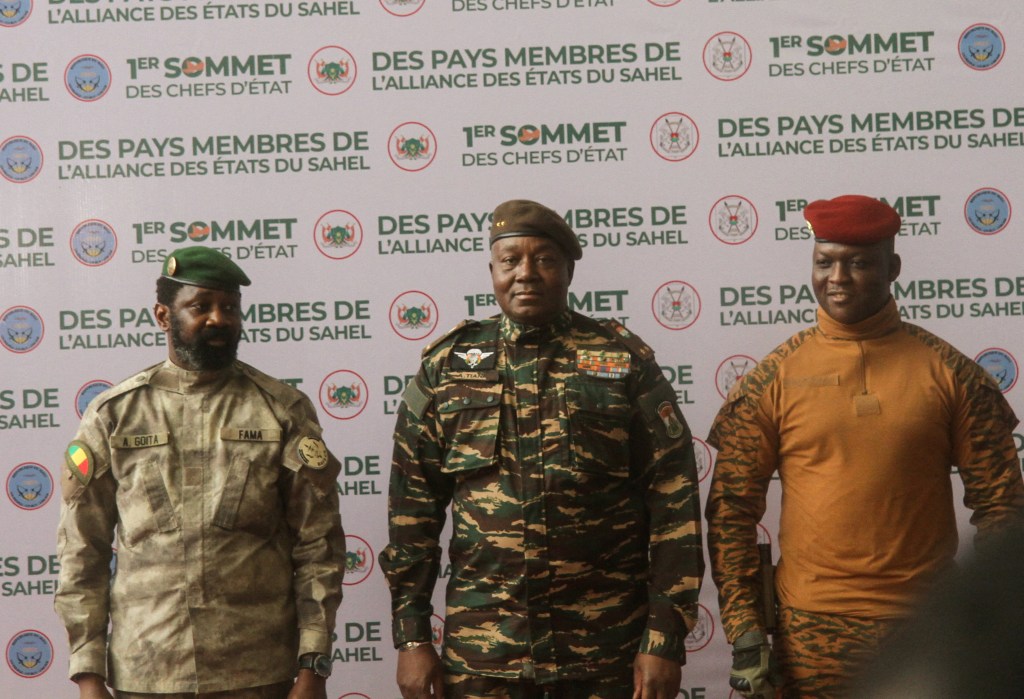
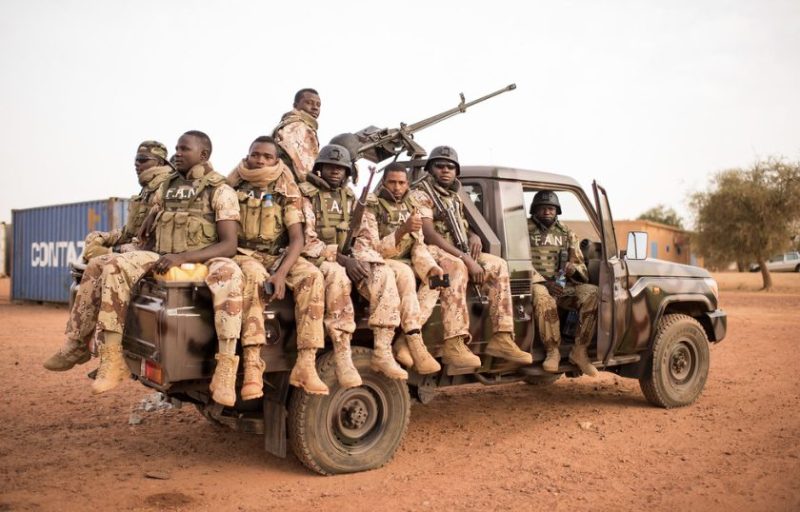
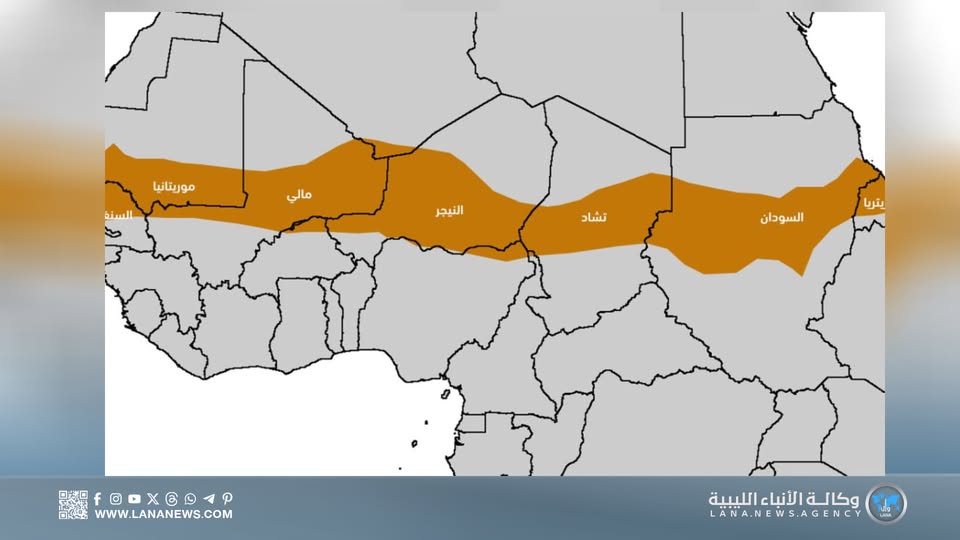
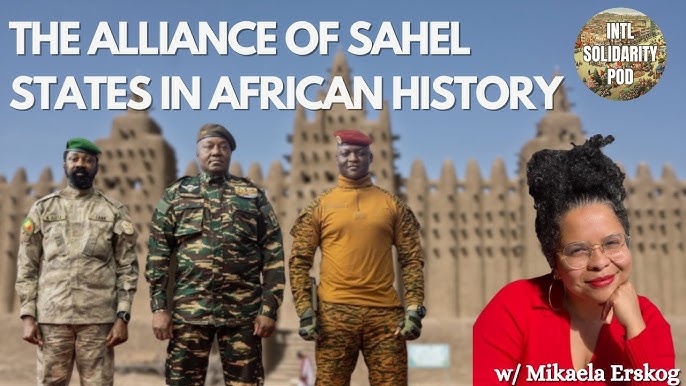
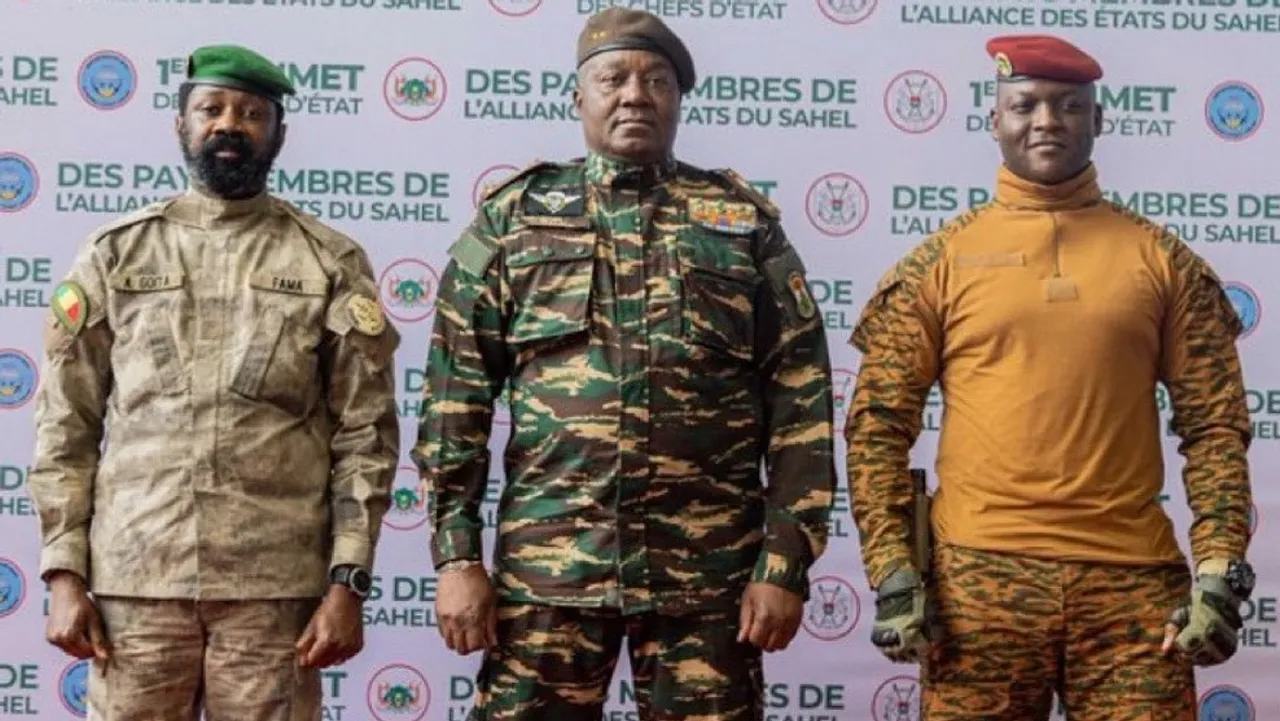
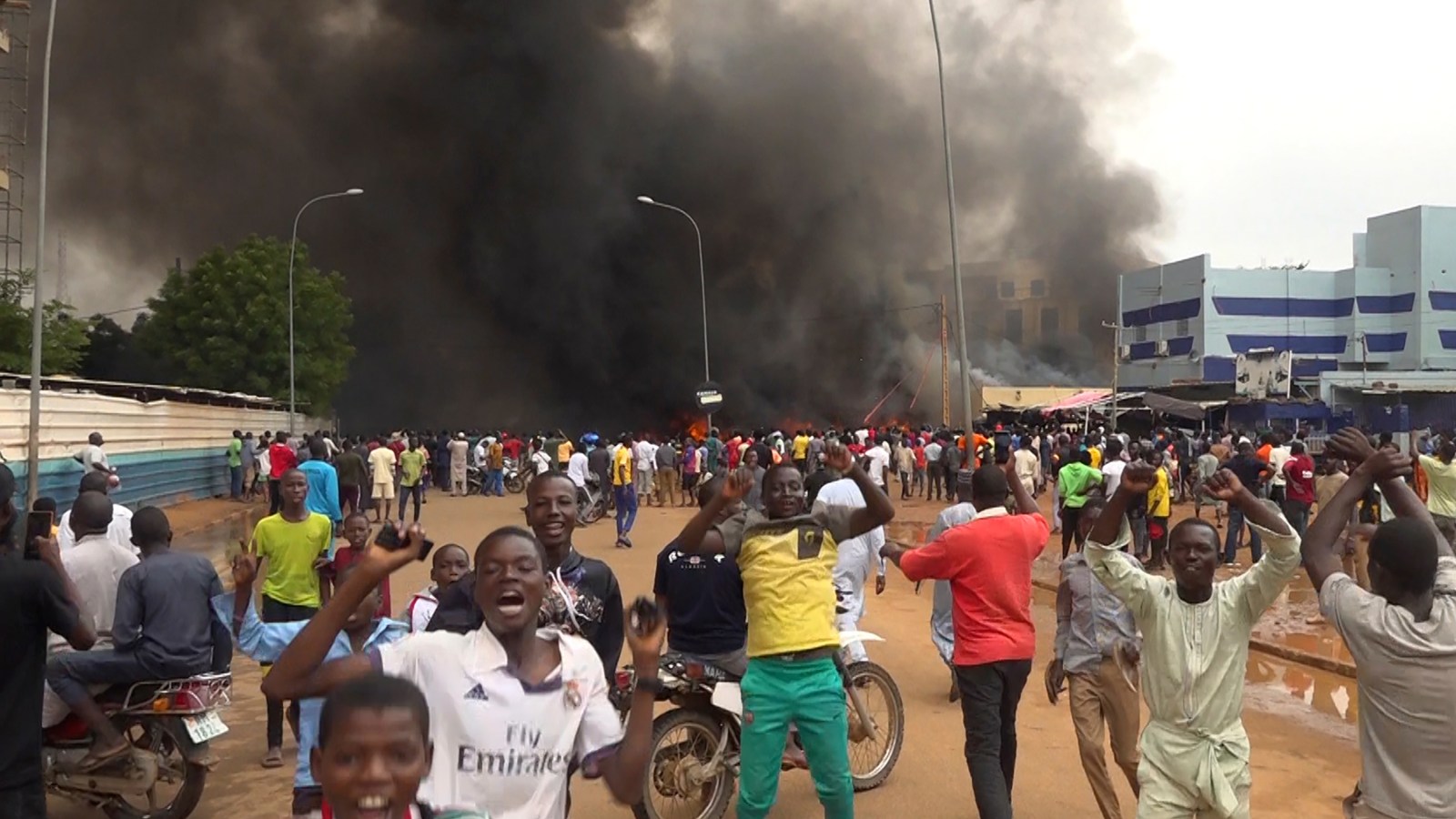
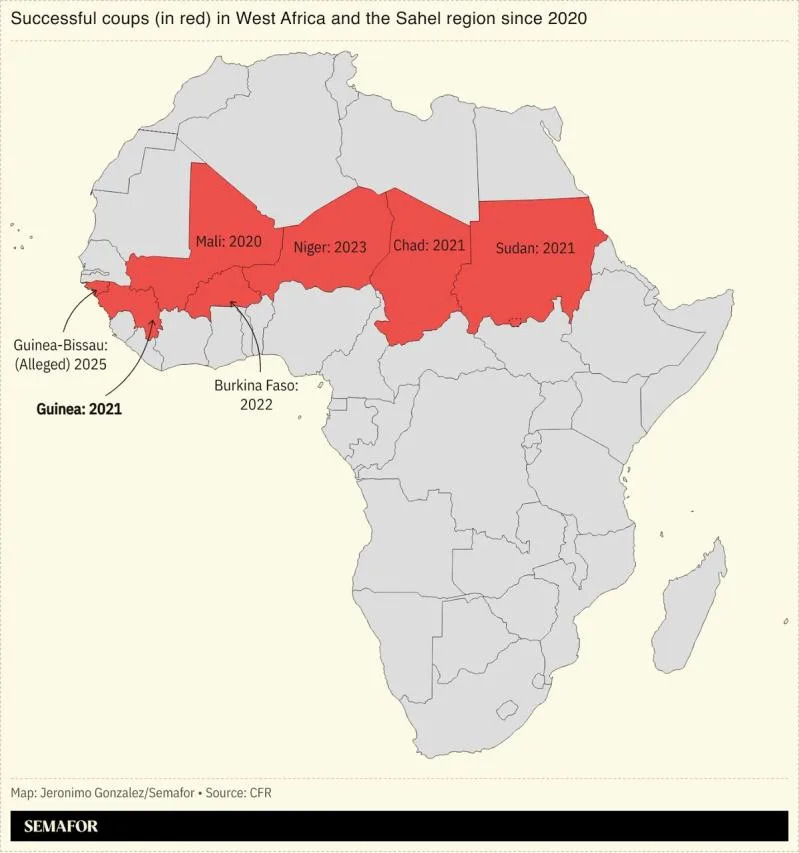
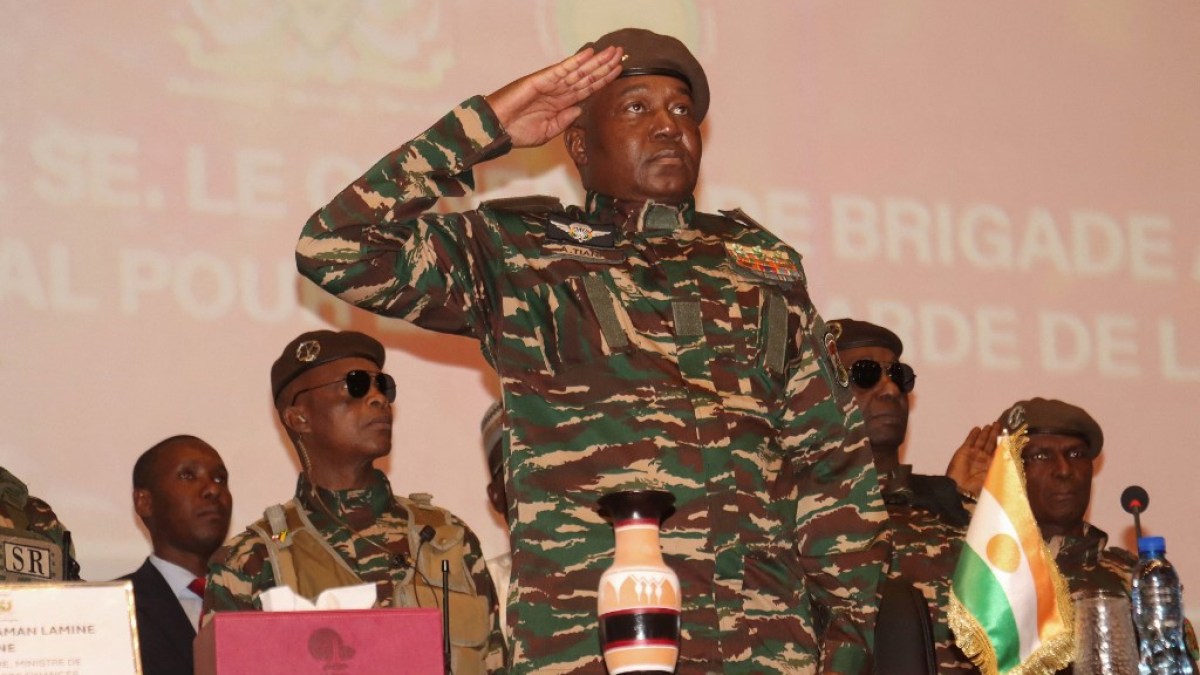
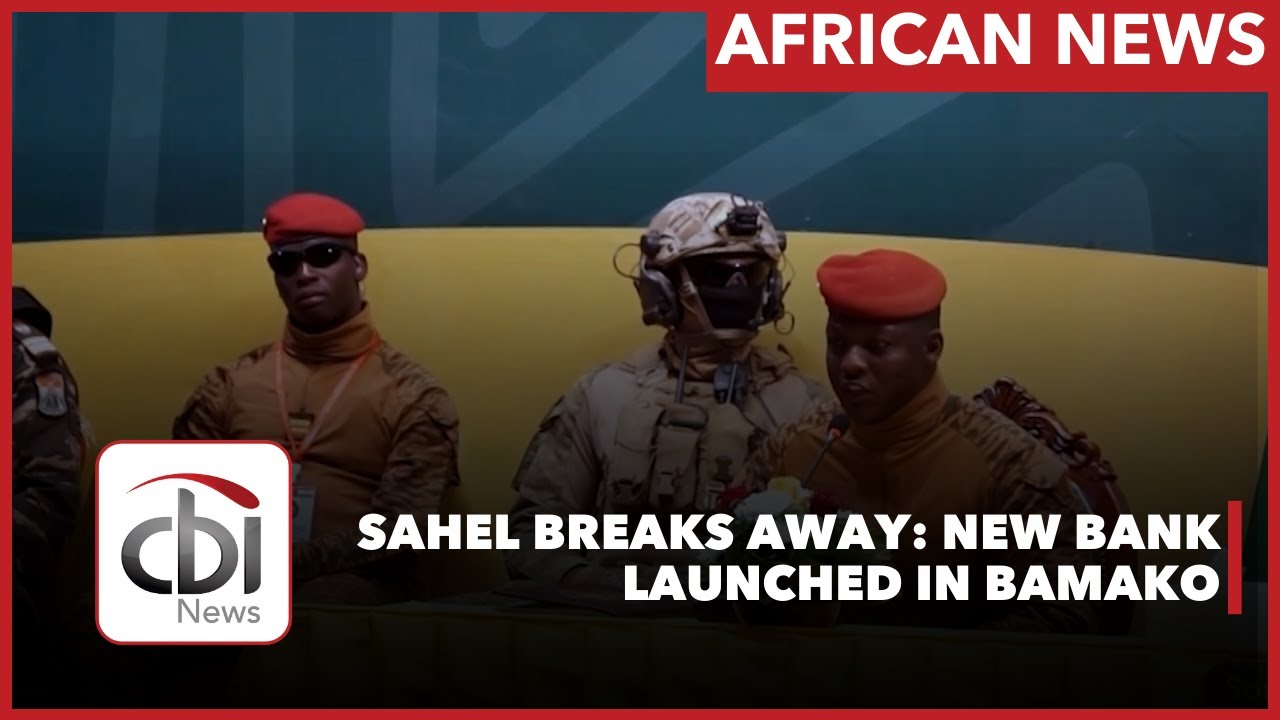
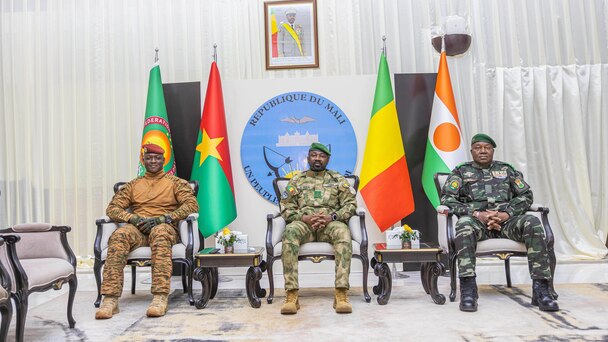
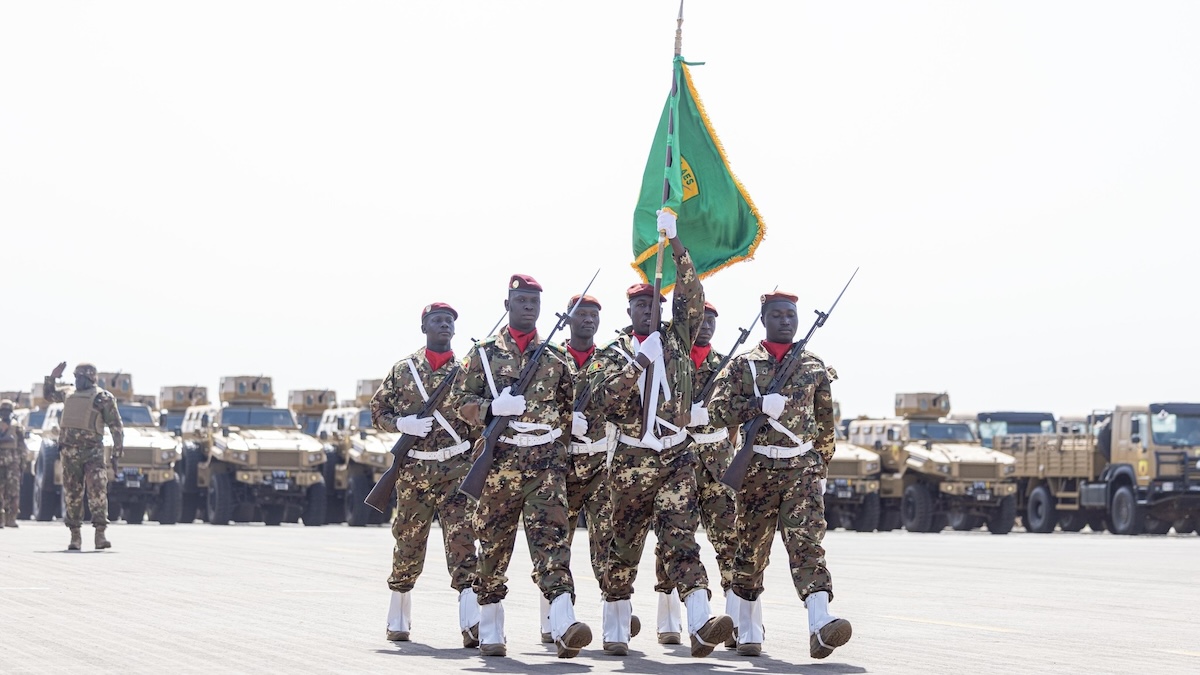
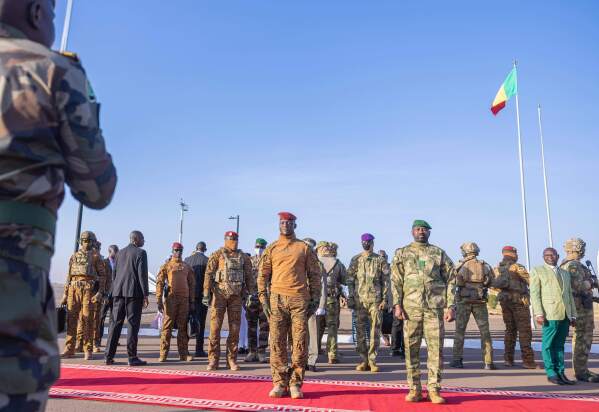
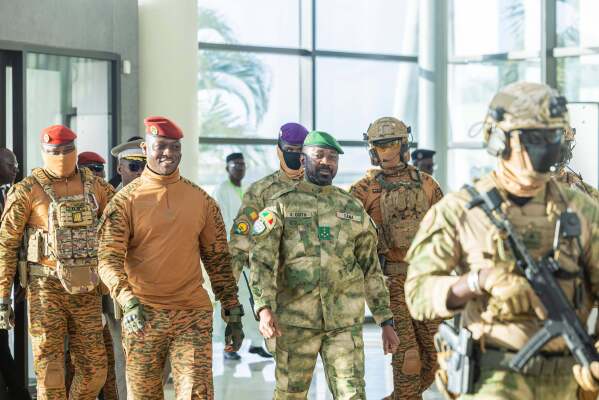
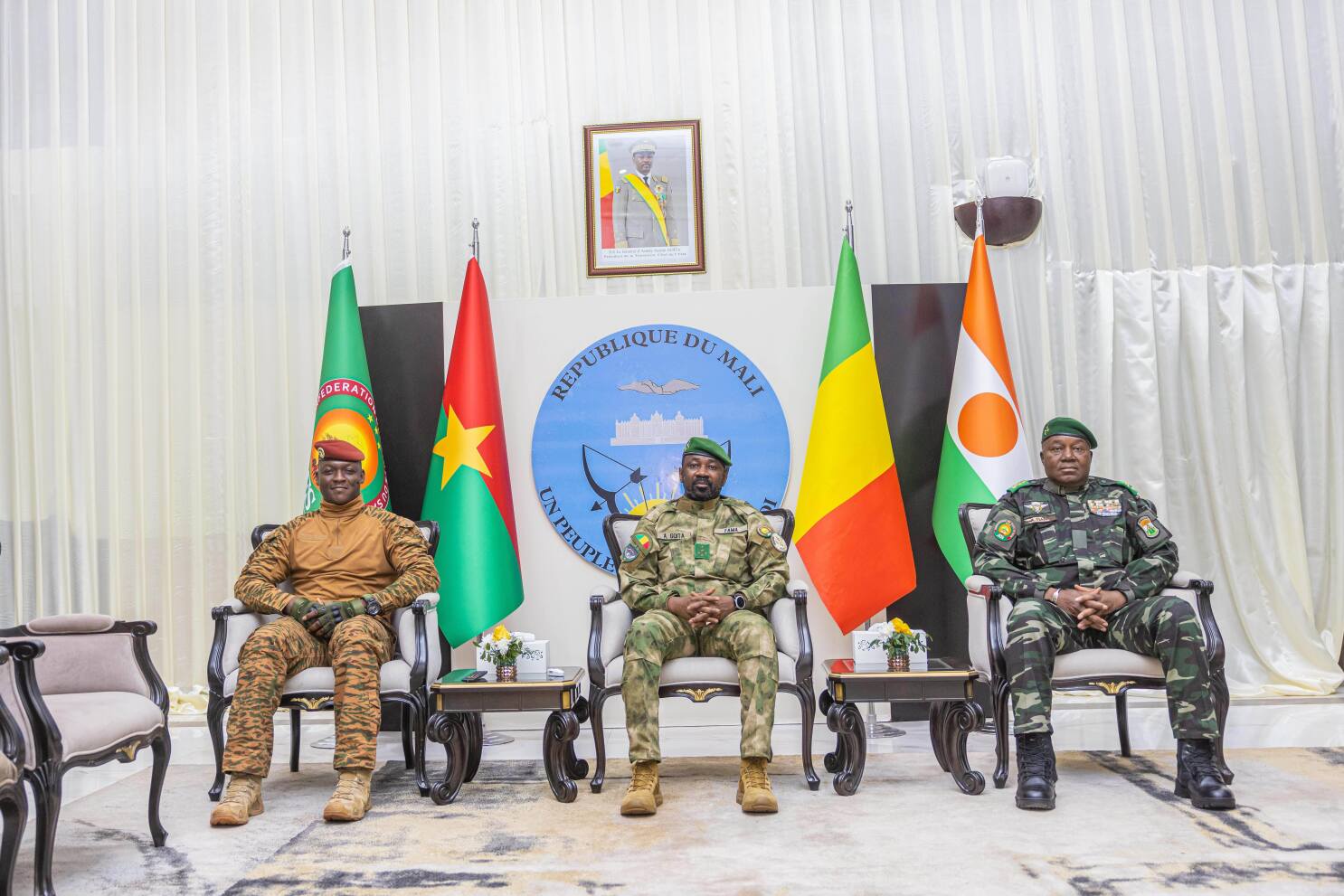
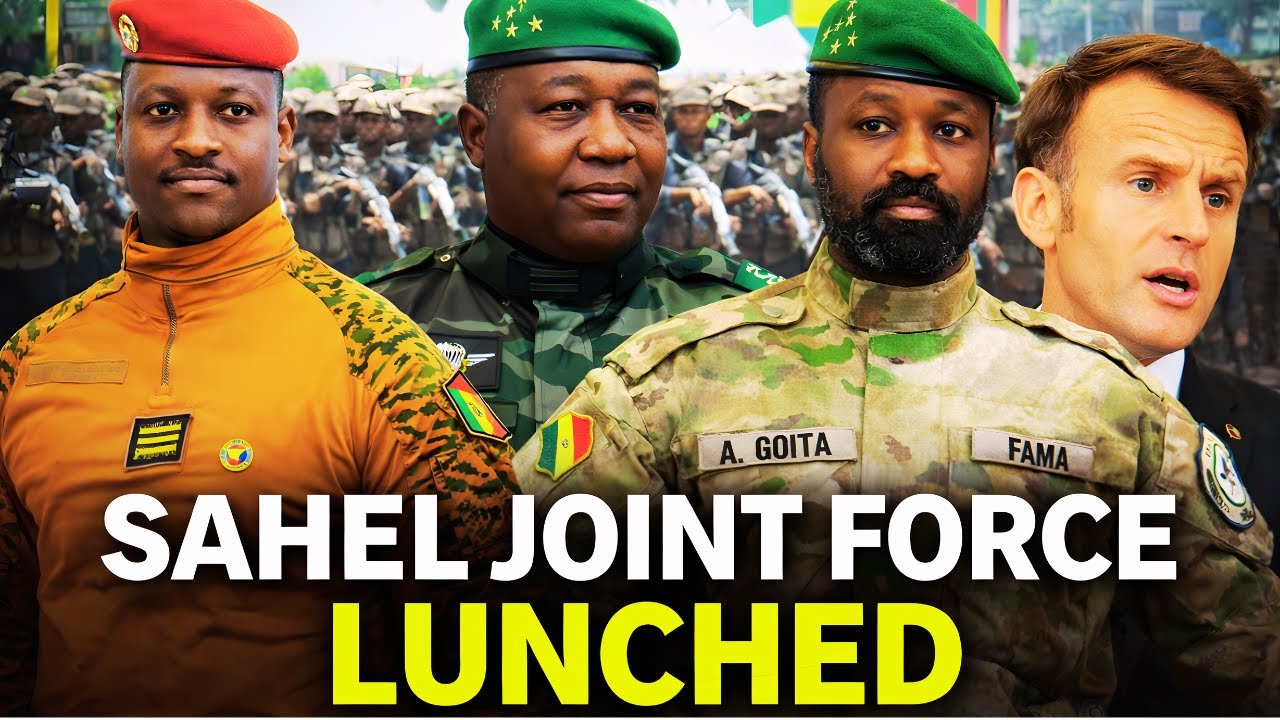
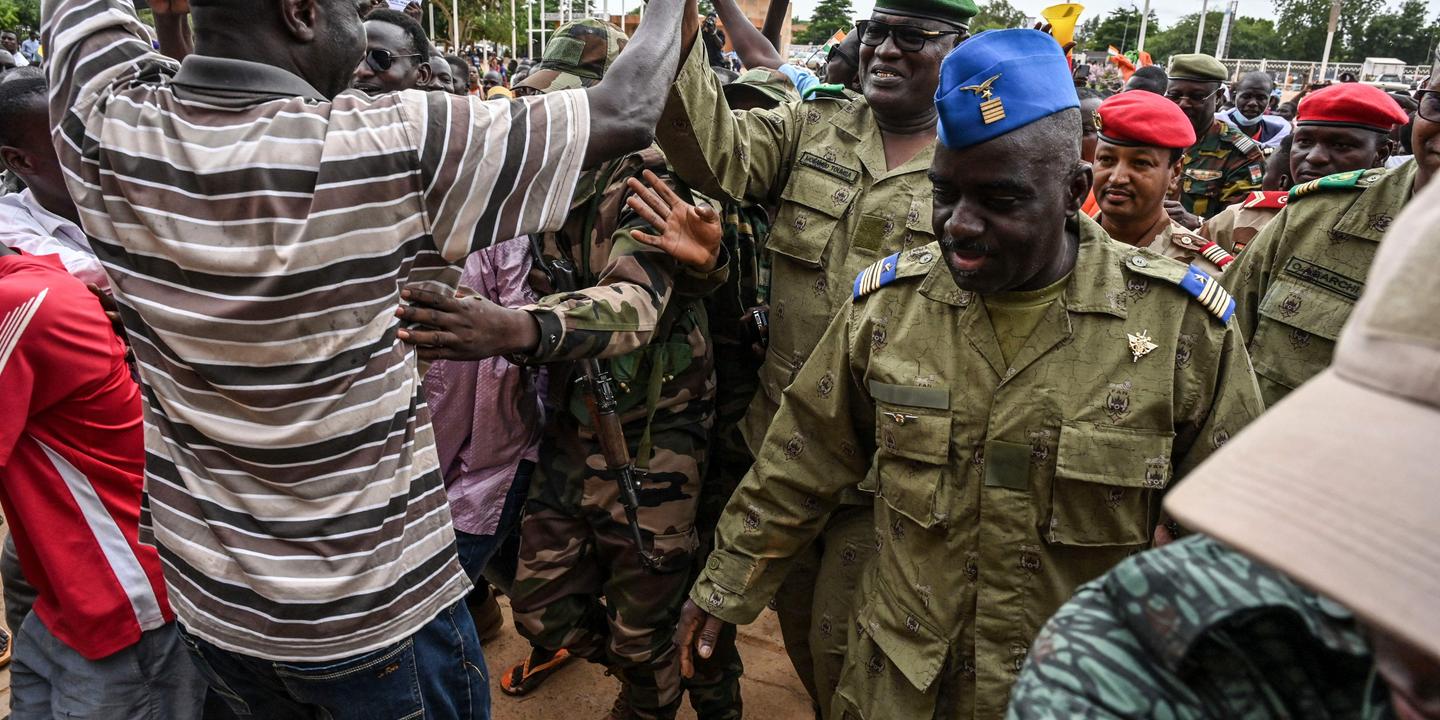
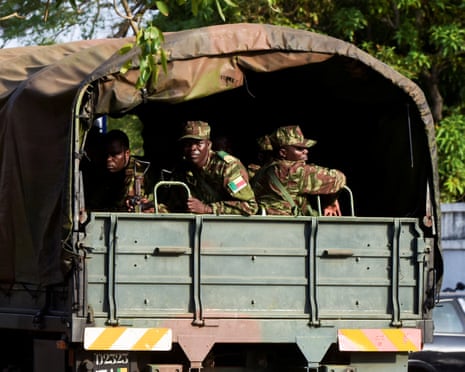
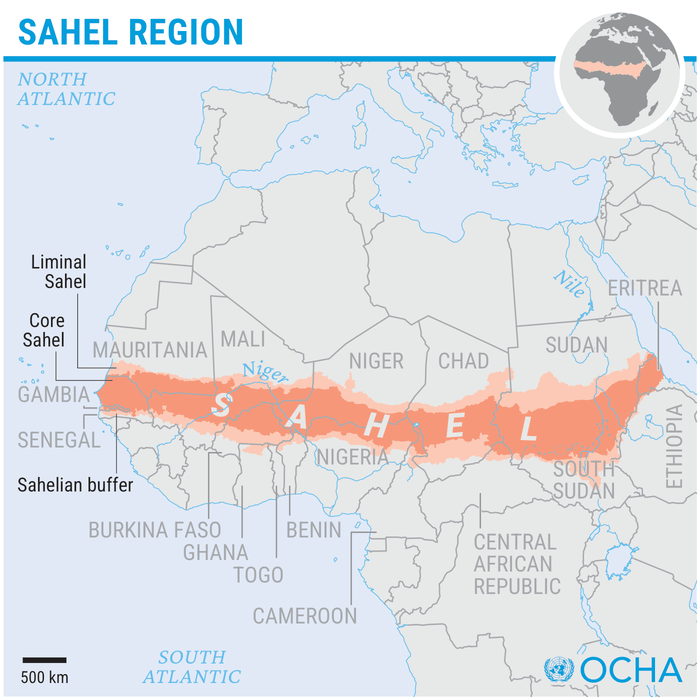
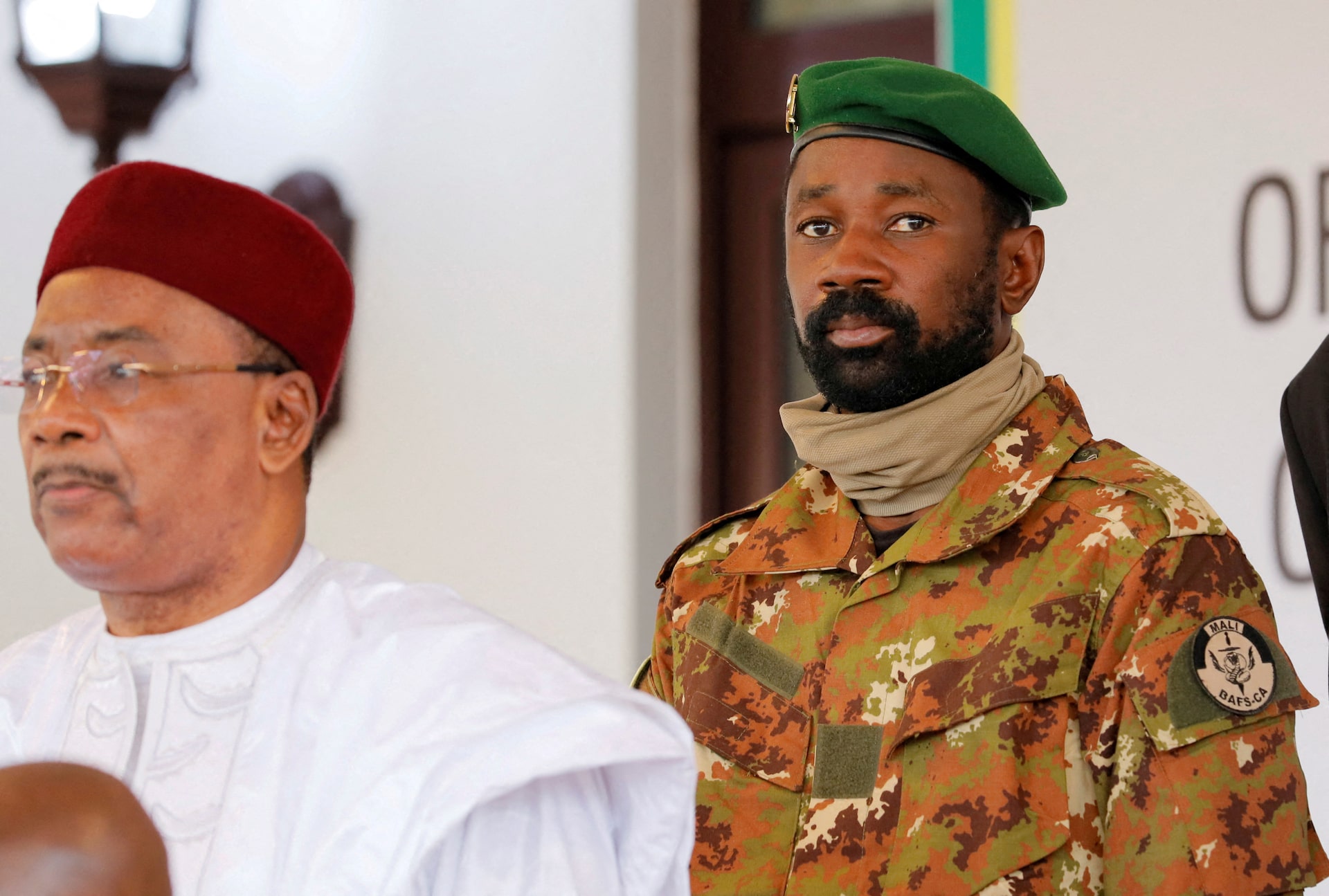
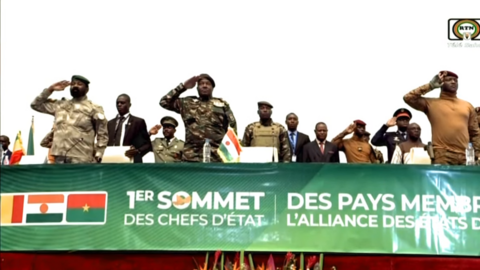
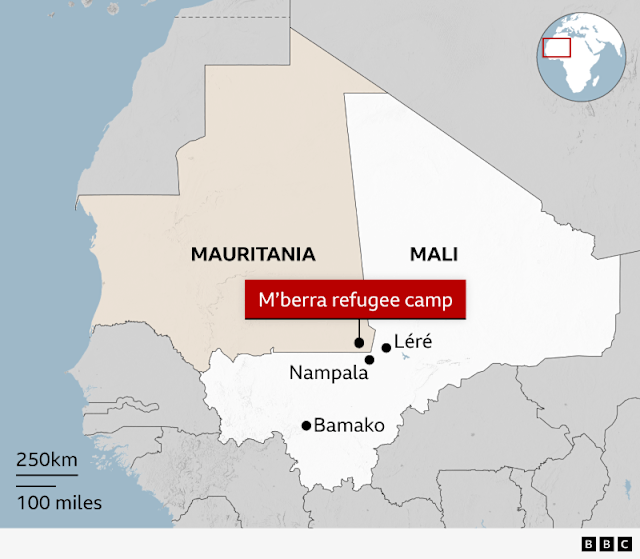
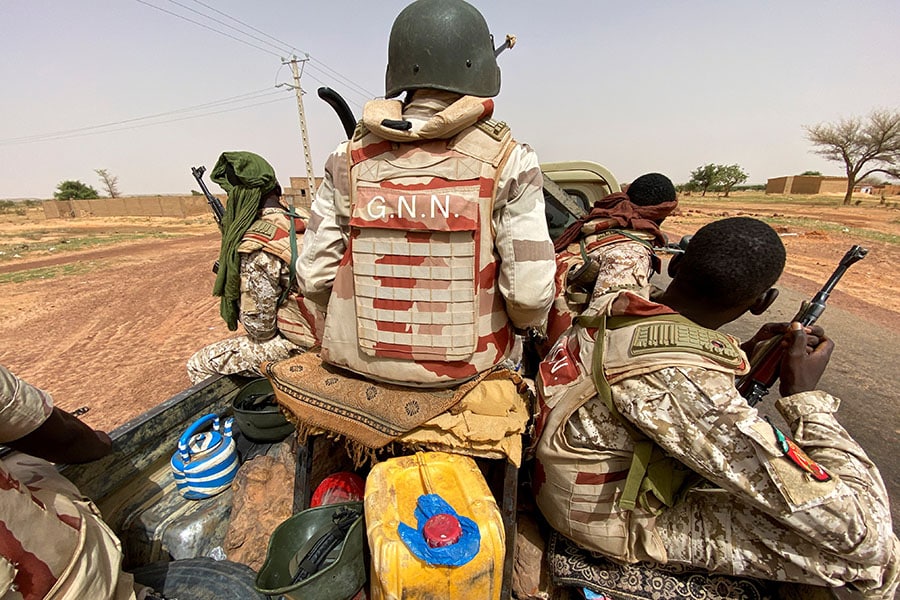
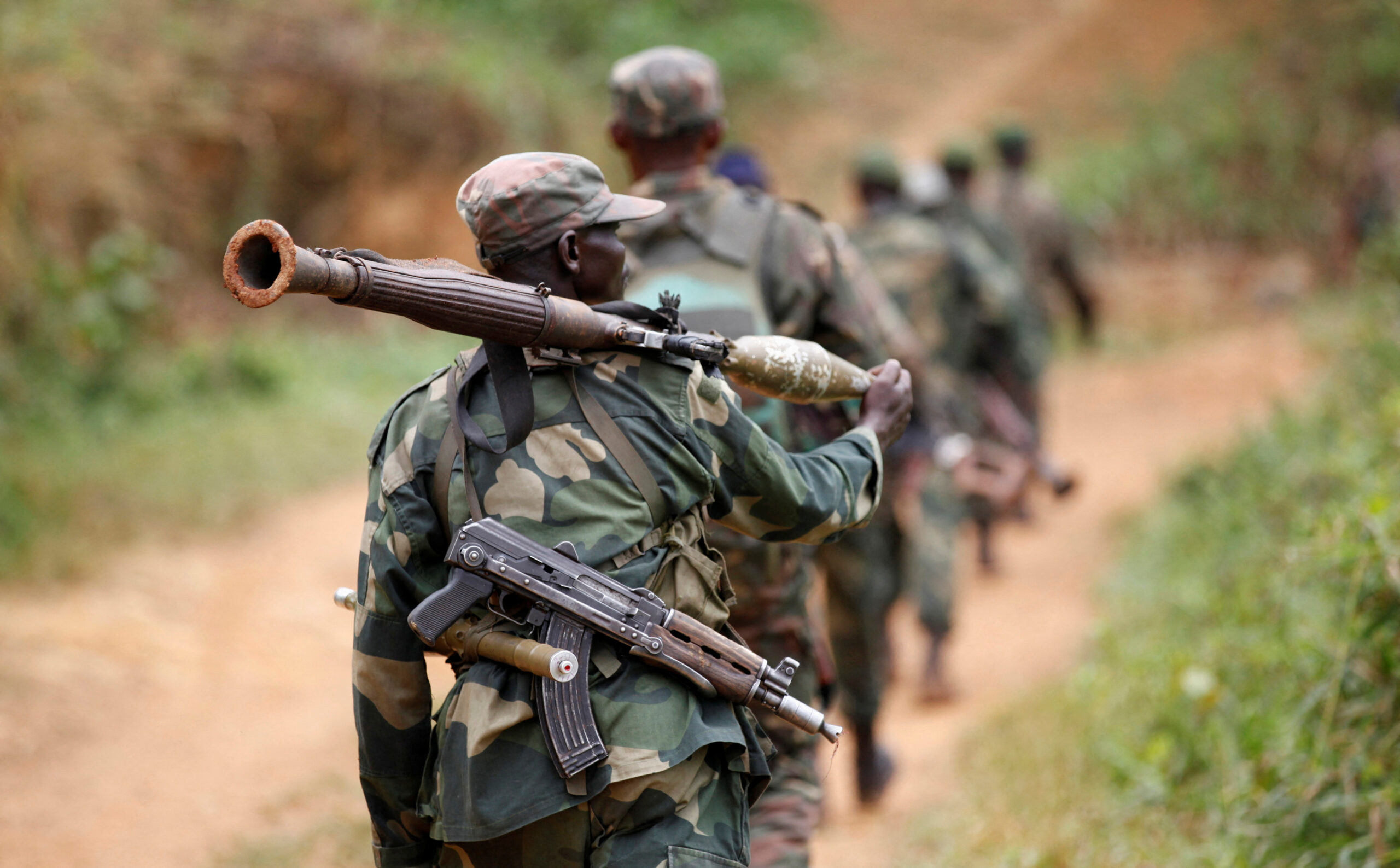
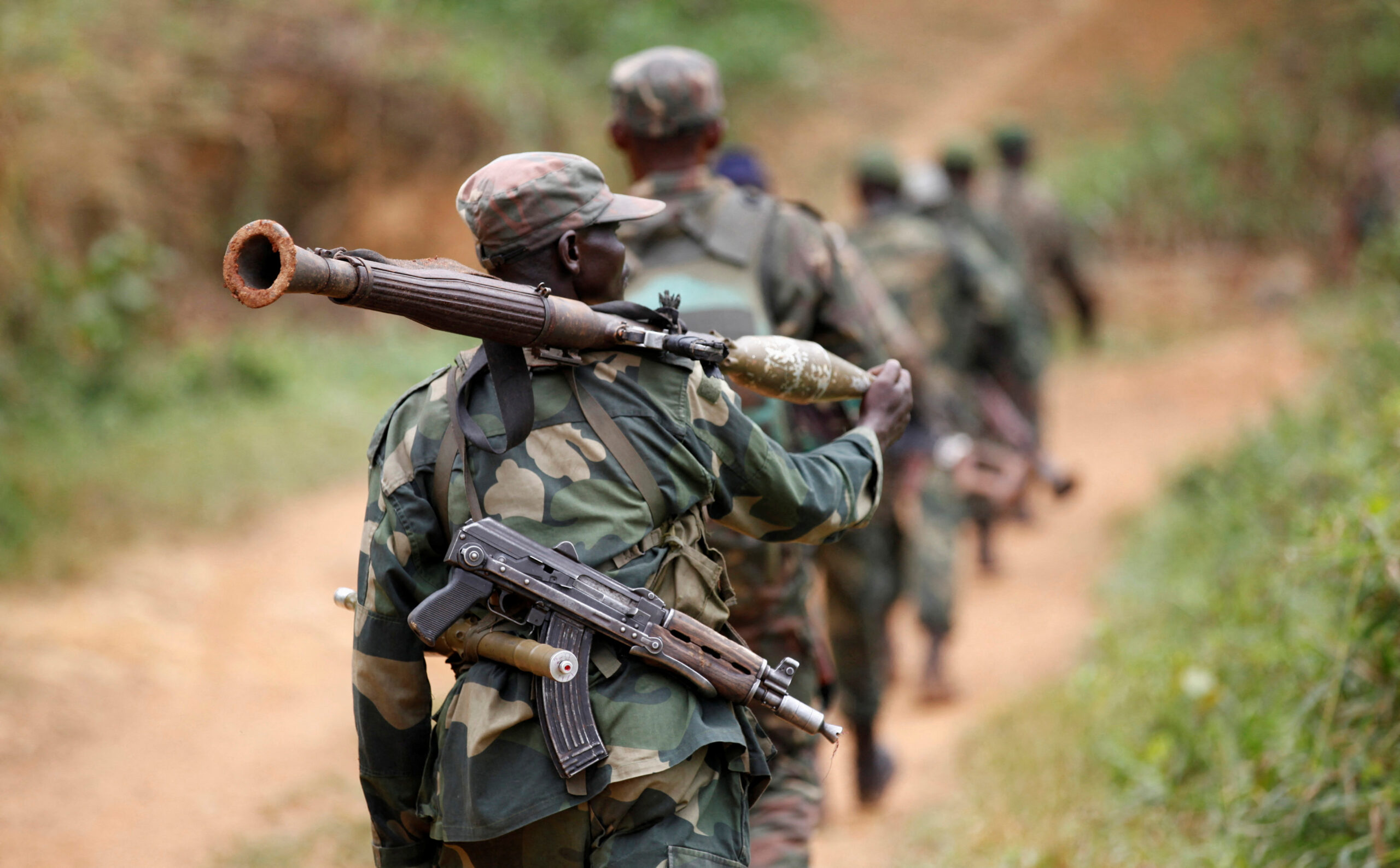
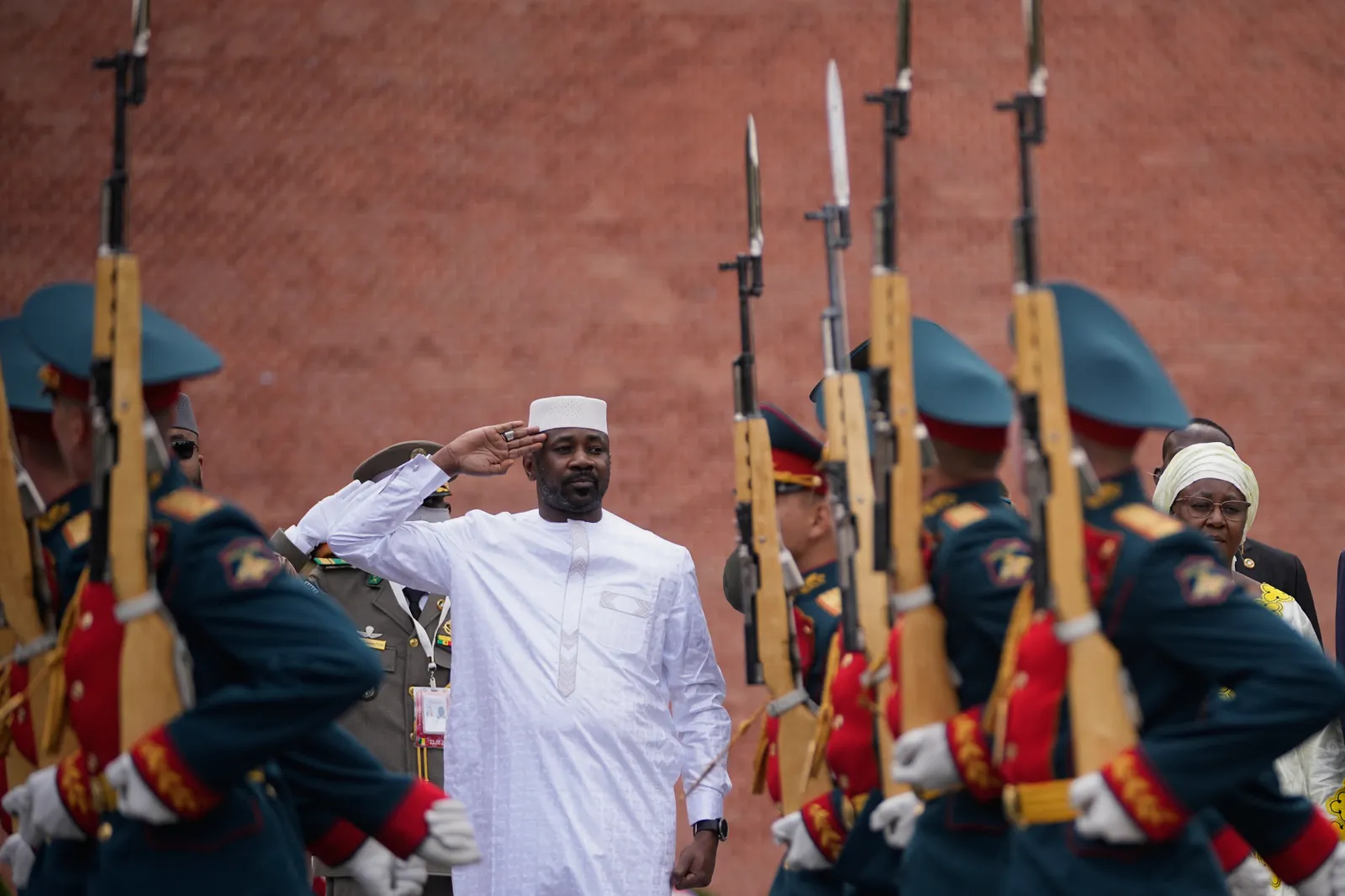
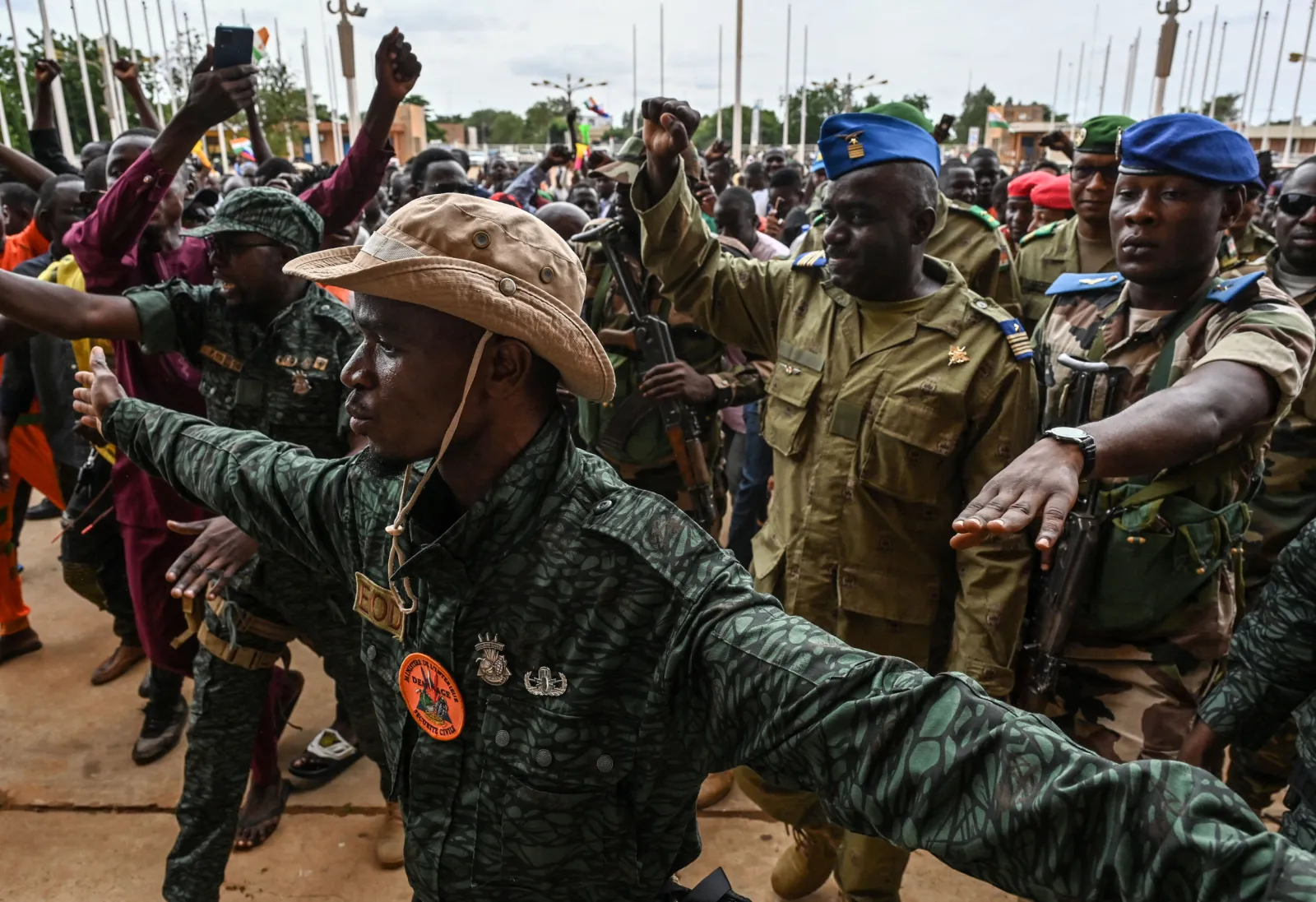
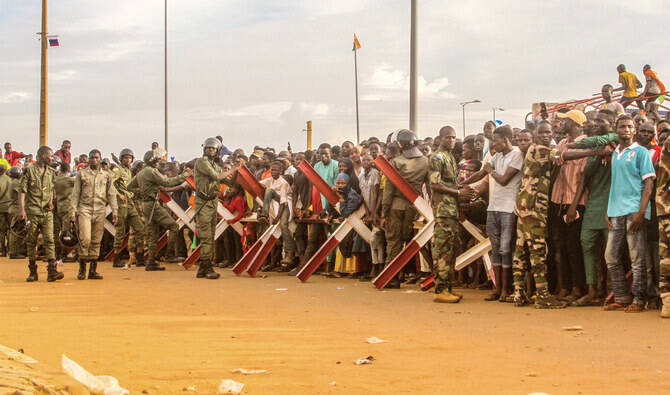
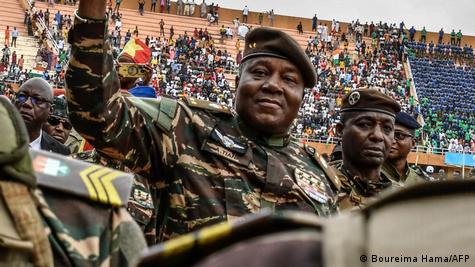
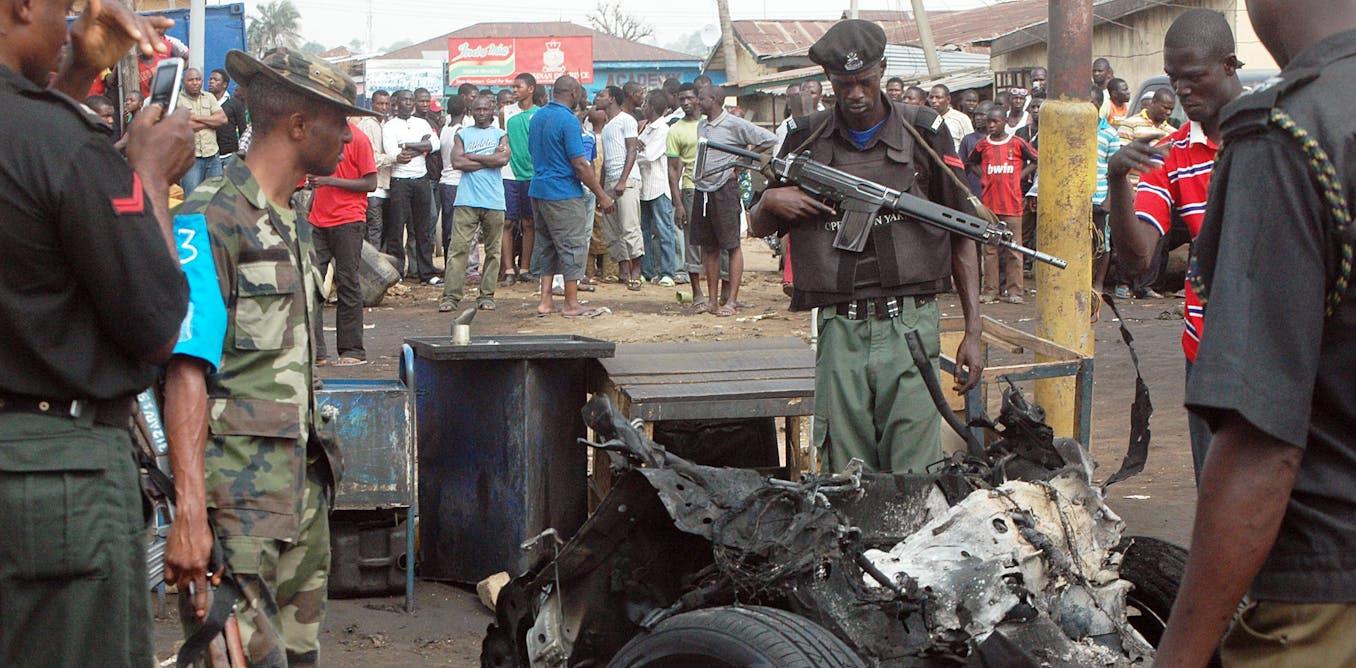
The Sahel region is undergoing a dramatic shift, isn’t it? Mali, Burkina Faso, and Niger, three influential nations, have officially launched a joint military force, the Unified Force of the Alliance of Sahel States, or FU-AES. This isn’t just a formality; it’s a strategic, collective stand against the escalating threat of Islamist militant groups. These groups haven’t just been active; they’ve been orchestrating increasingly coordinated and frequent attacks across the Sahel, threatening the very fabric of stability in all member countries. For anyone living here, or those with ties to the region, this unified front could mean a significant change in daily life and long-term security.
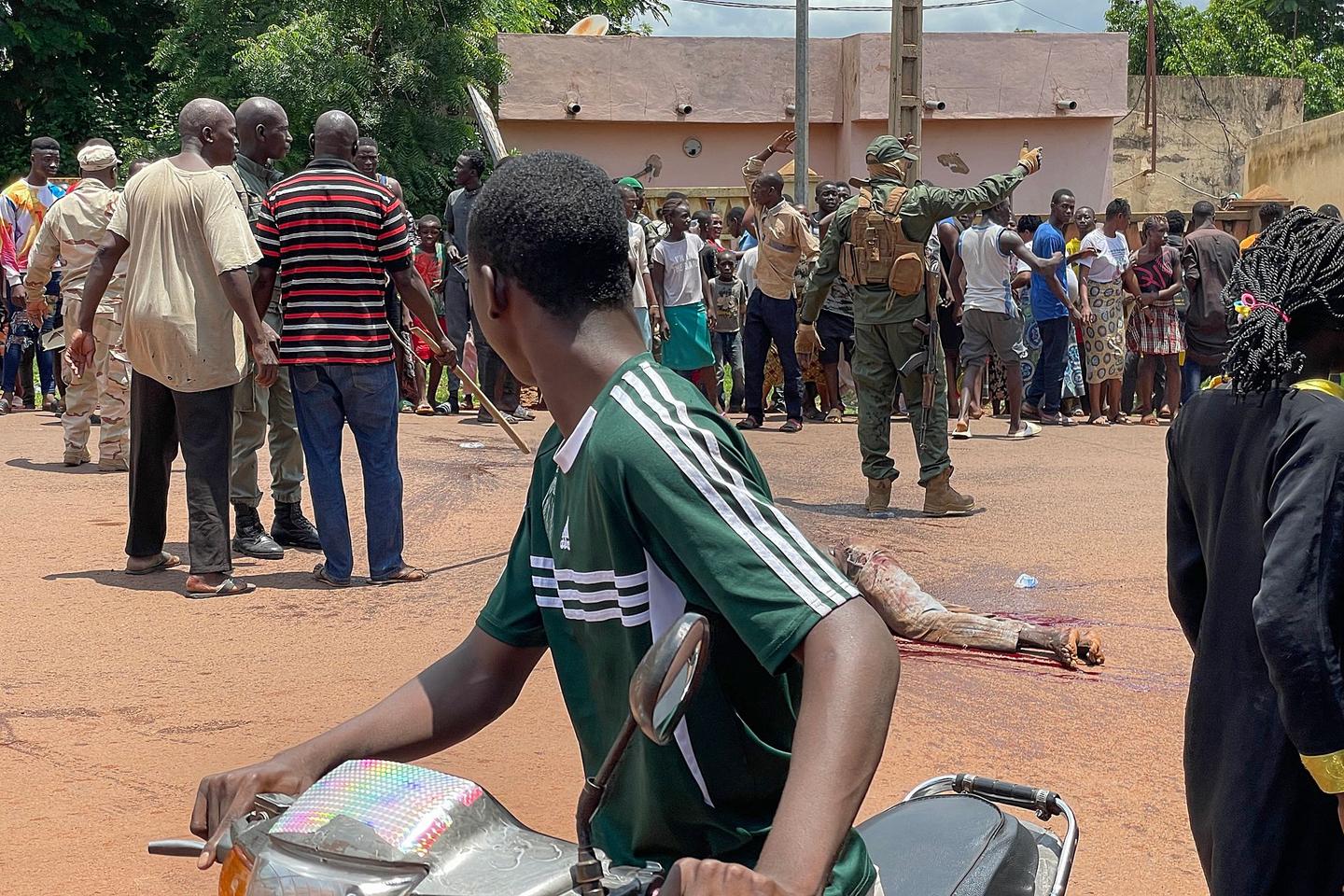
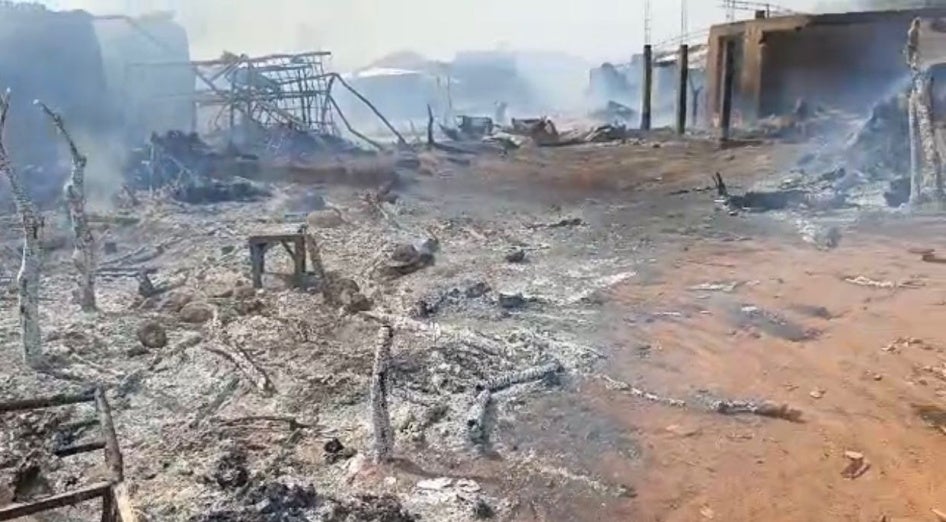
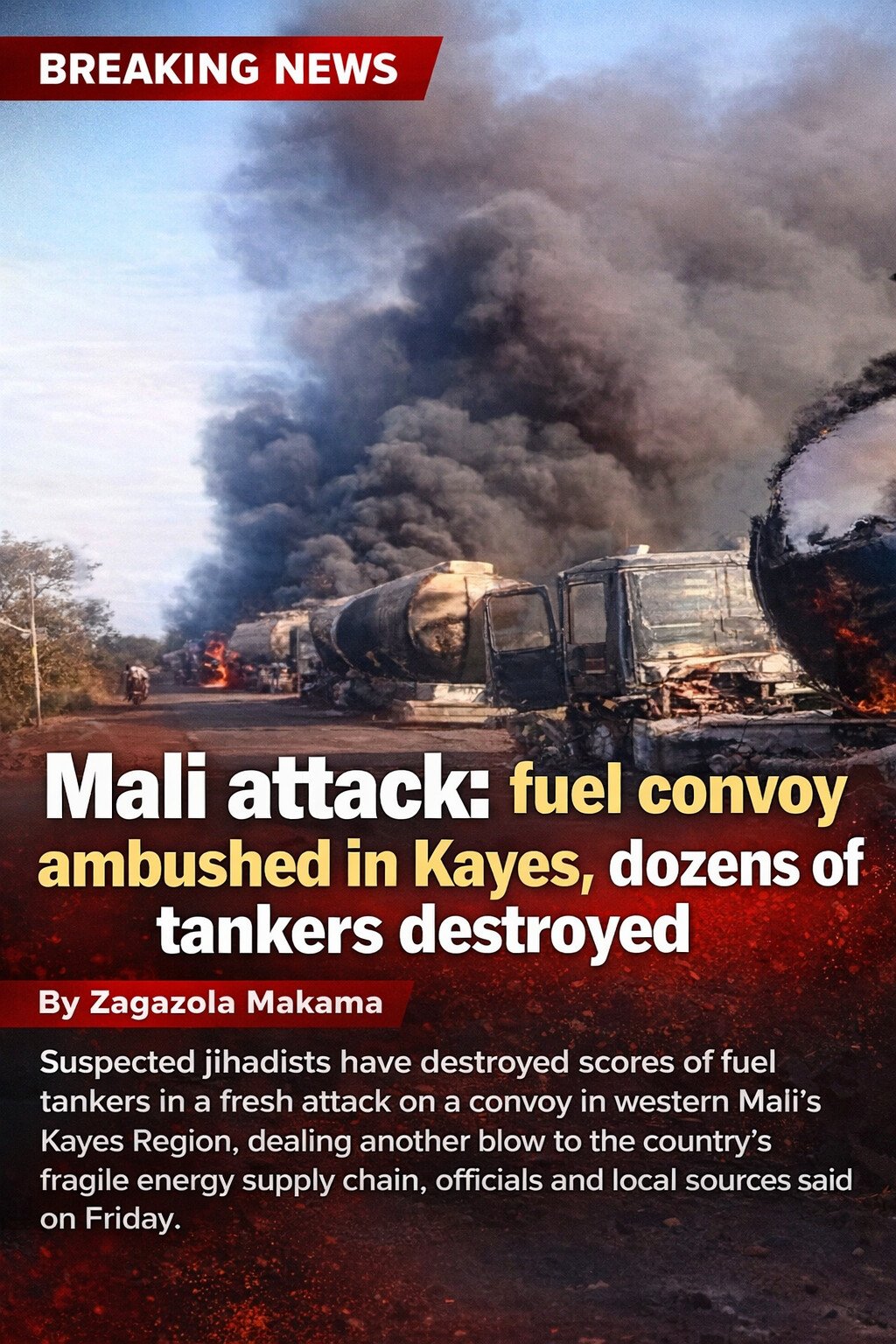
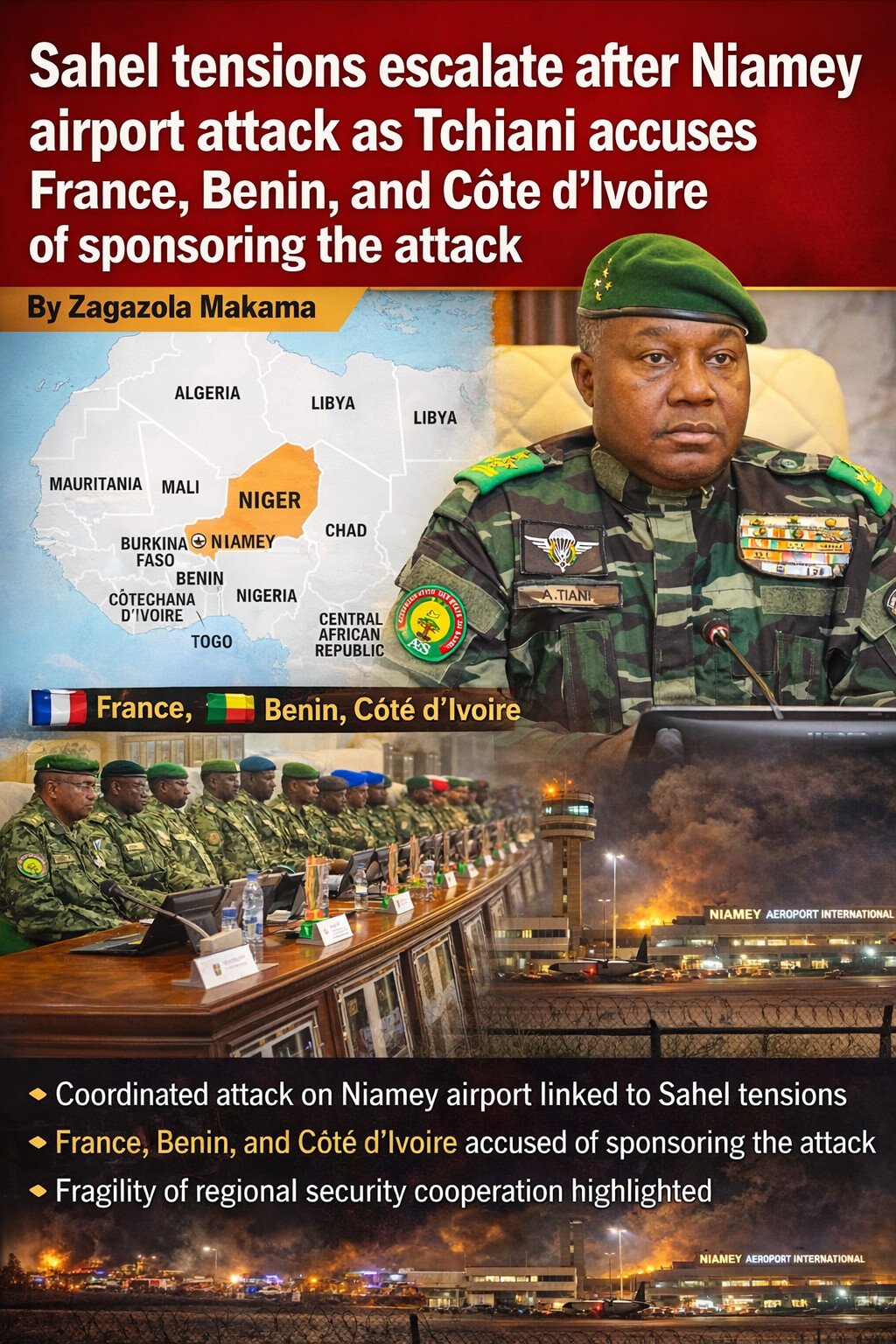
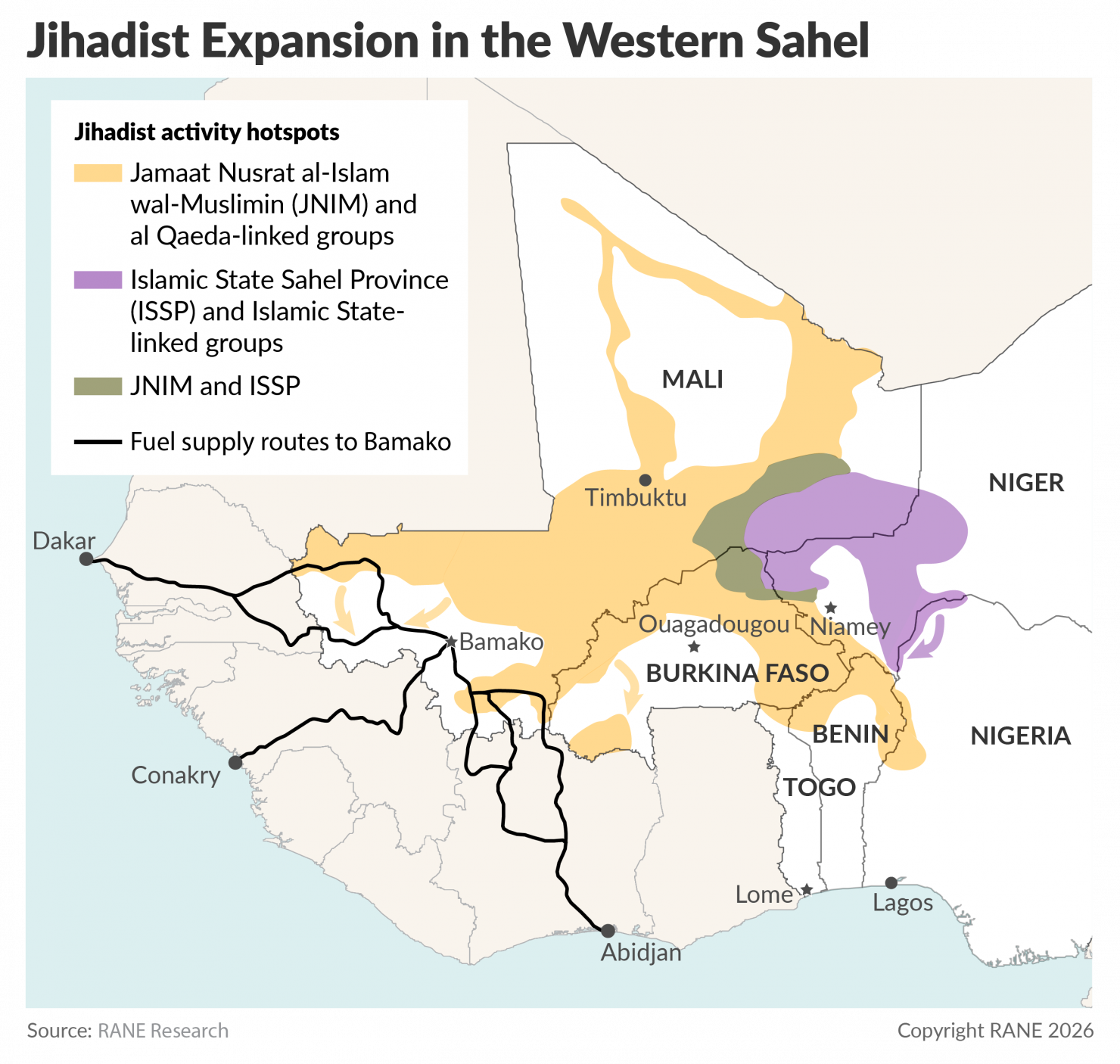
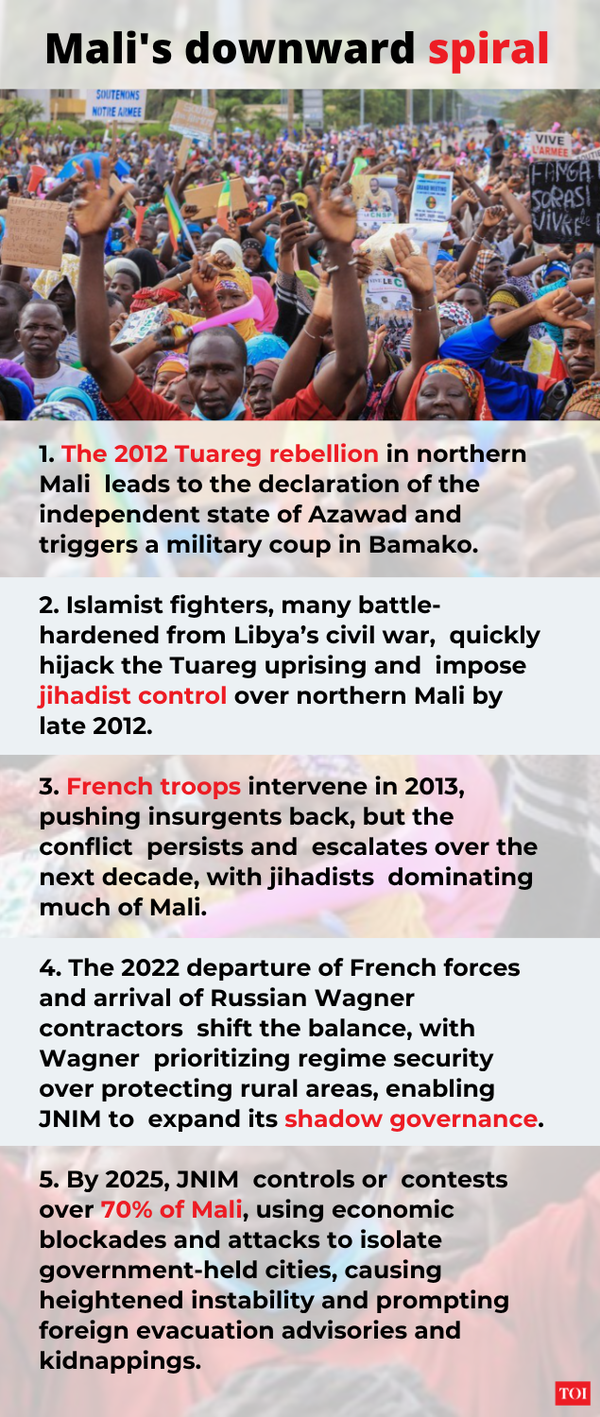
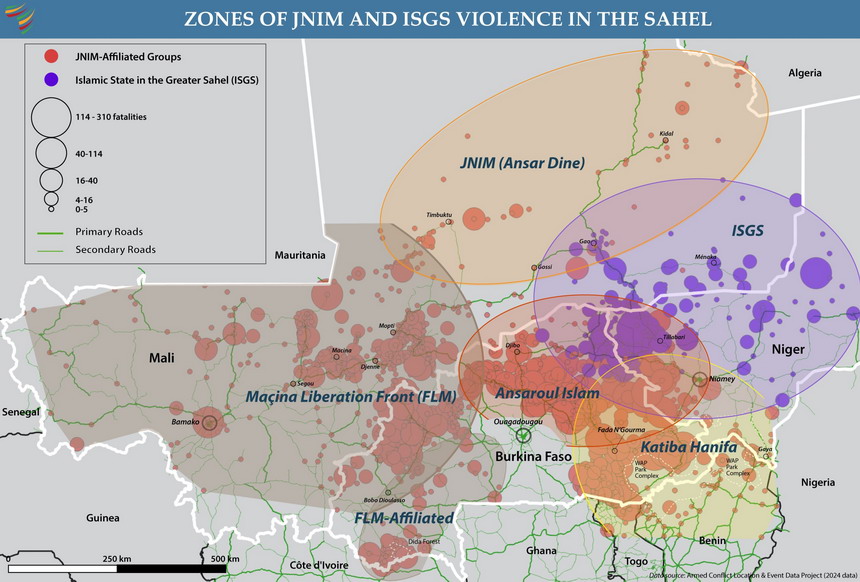
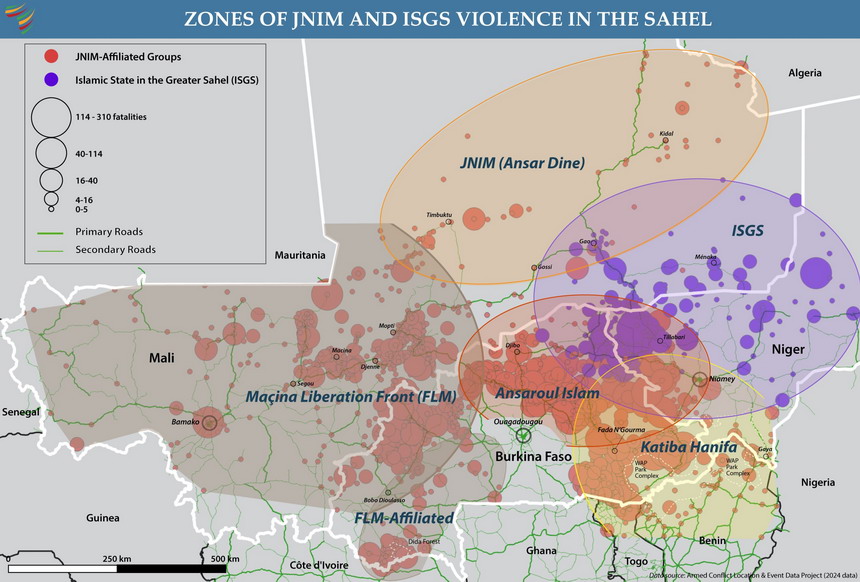
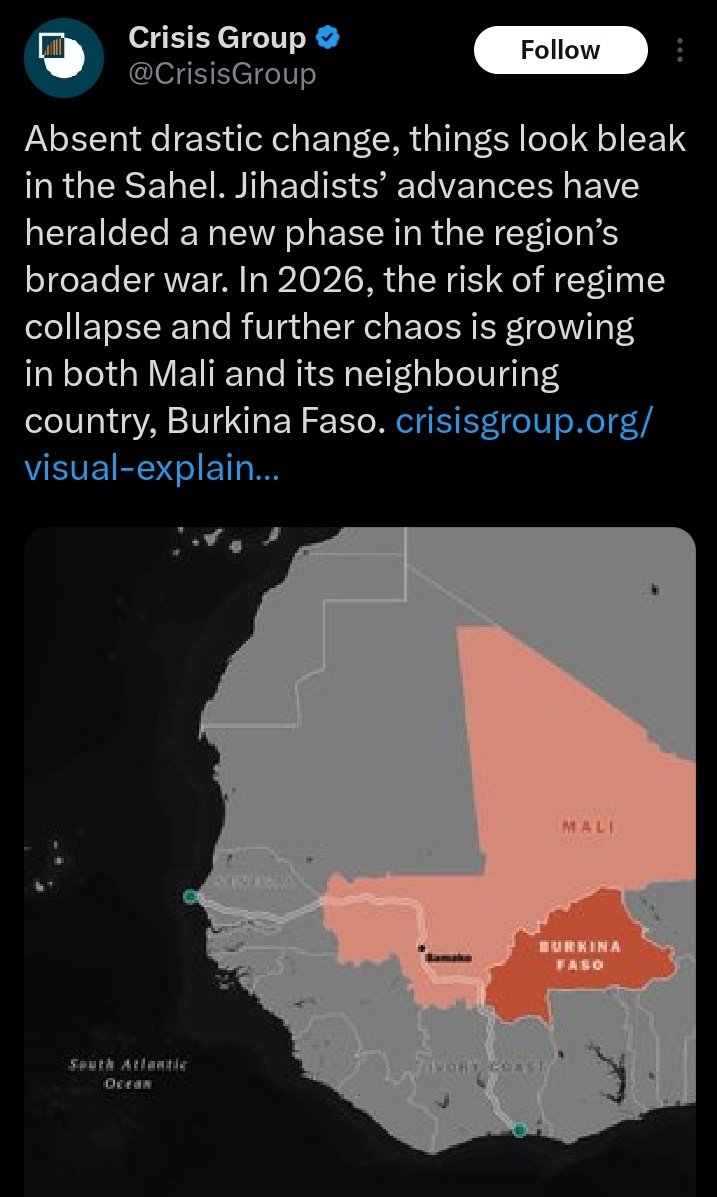
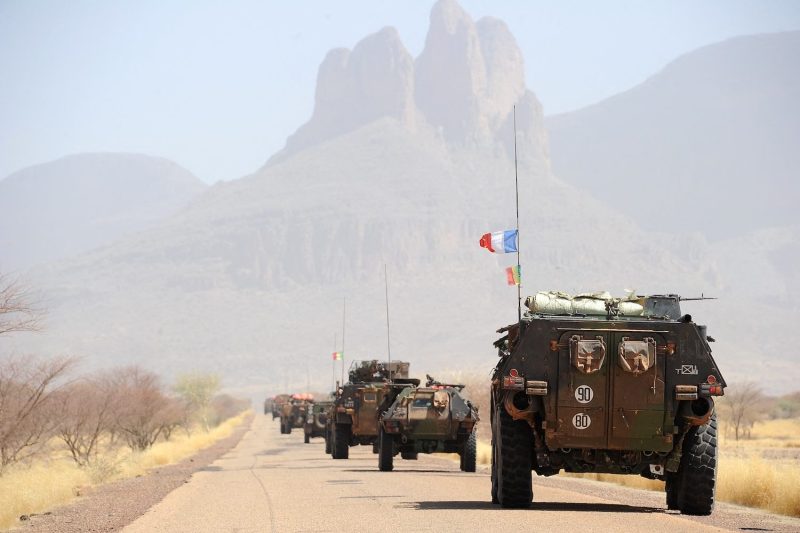
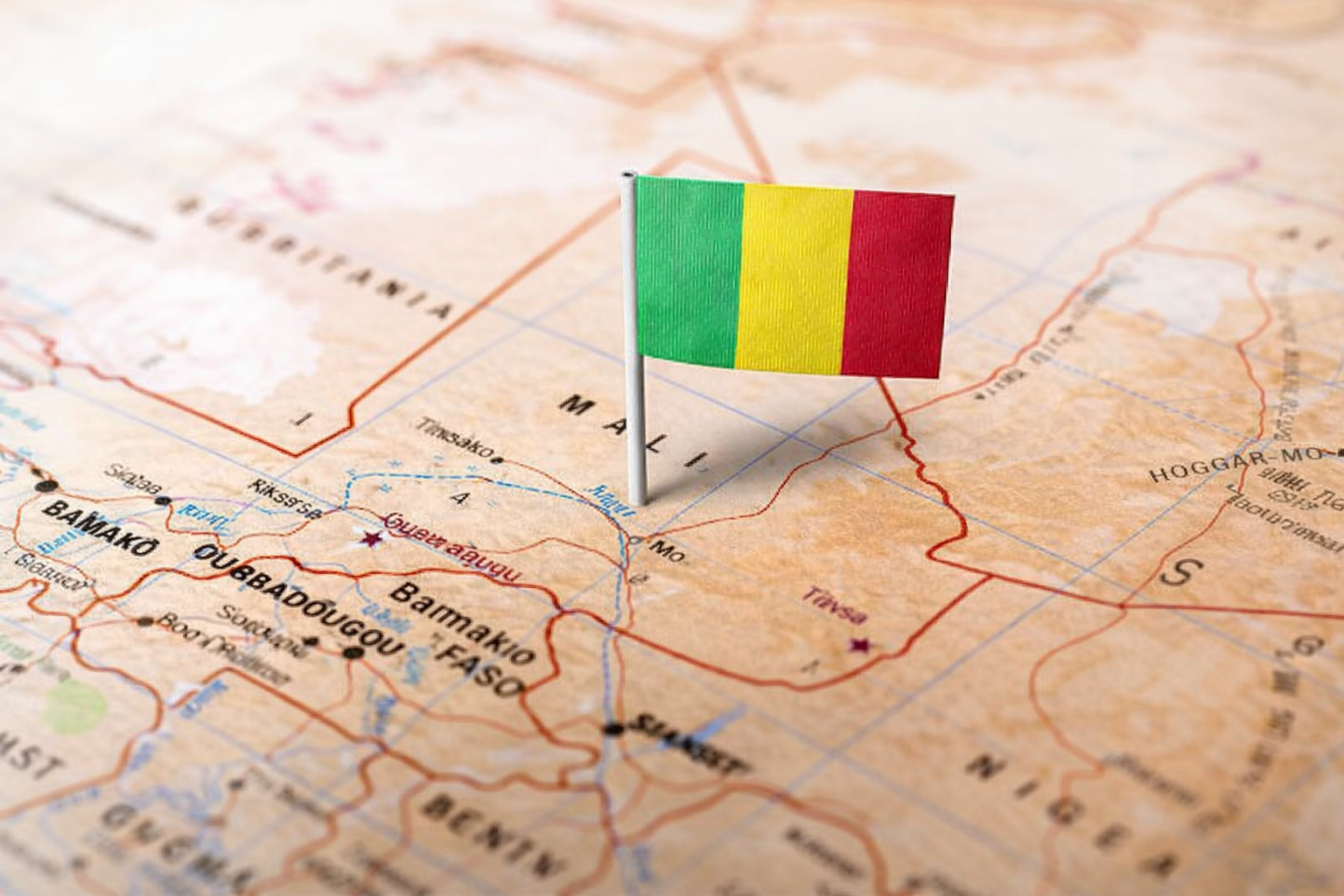
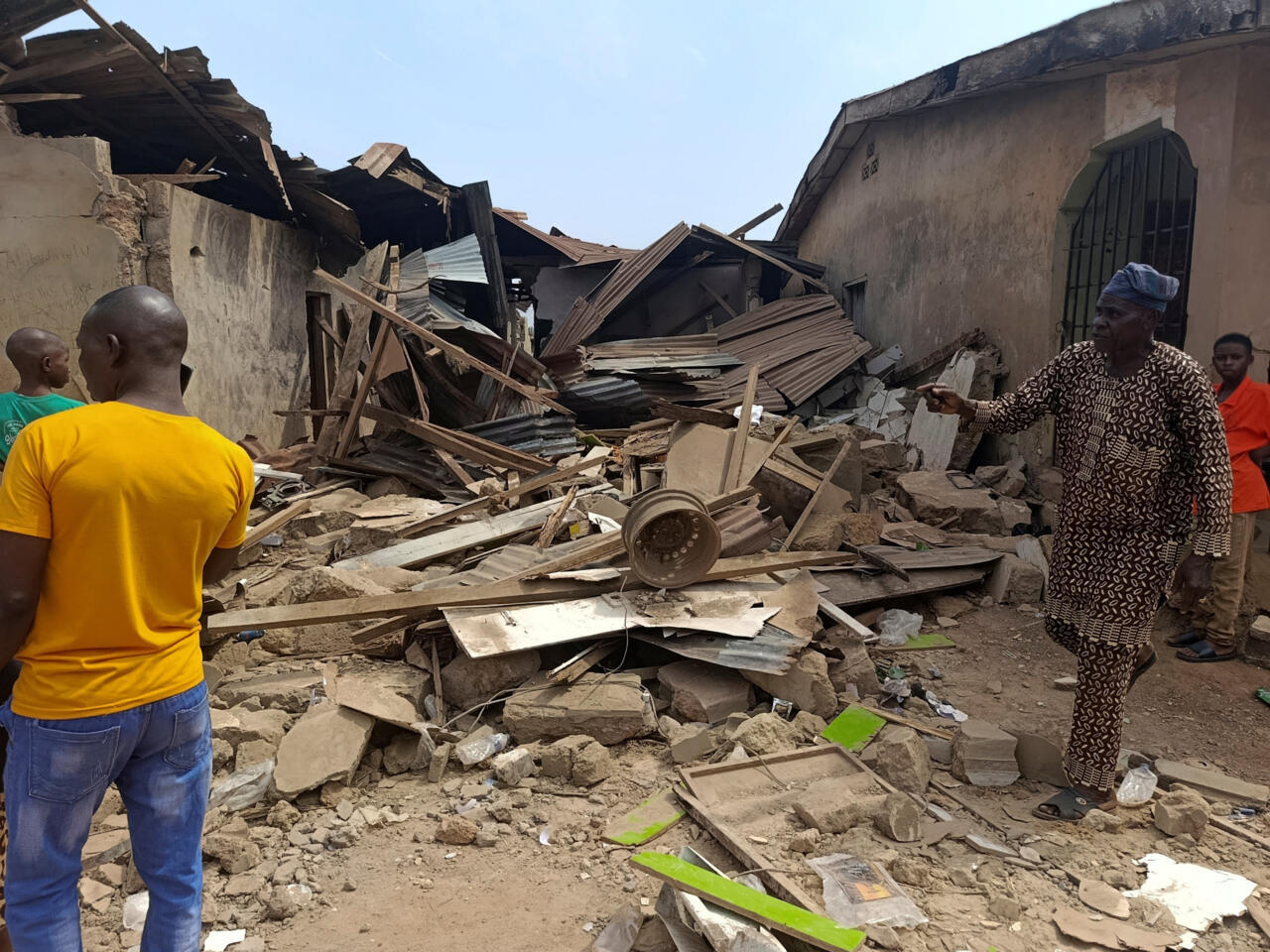
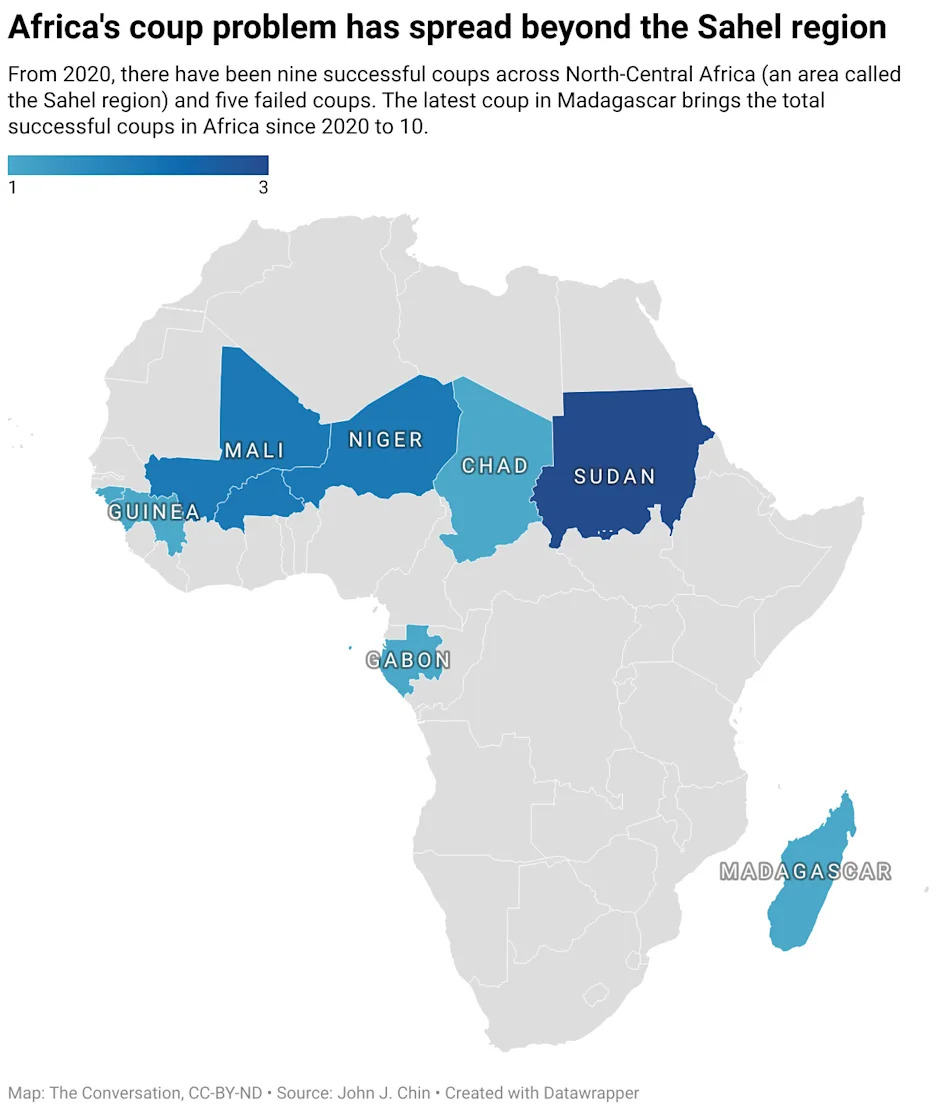
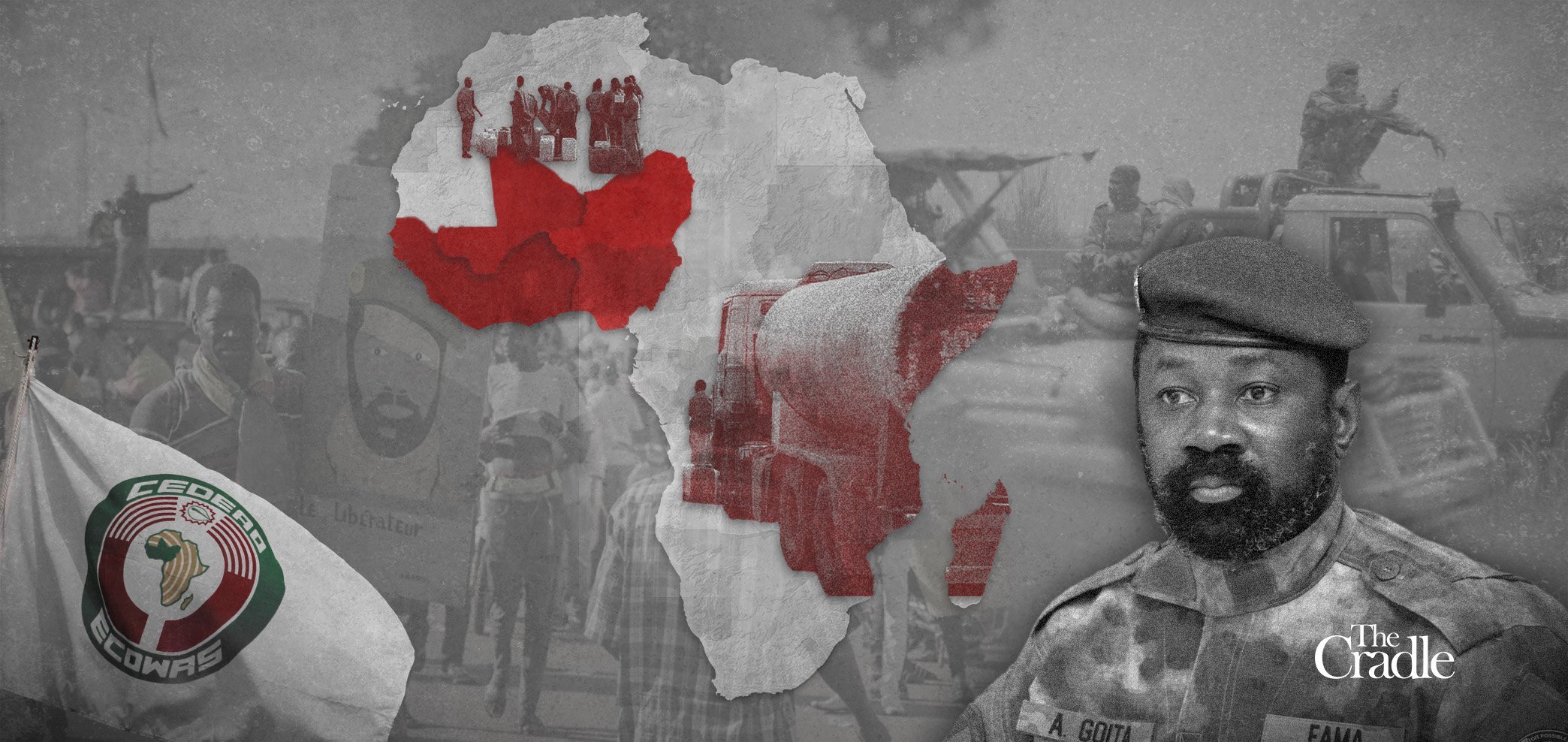
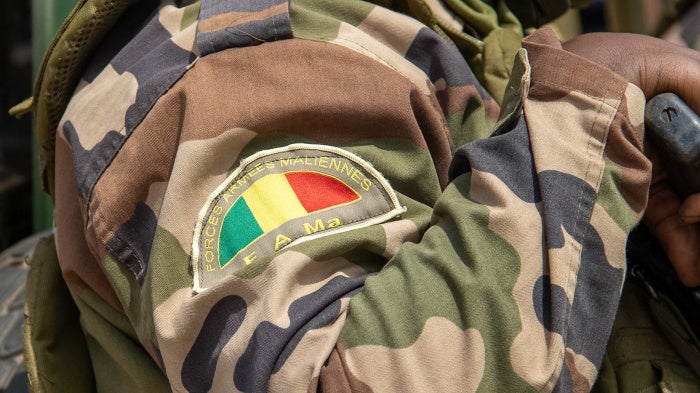
This formation of FU-AES signals a profound transformation, moving beyond mere military cooperation to redefine broader political and strategic relationships within the Sahel. Consider the persistent menace of groups like Jama’at Nasr al-Islam wal Muslimin (JNIM), which has unleashed widespread violence and terror campaigns. Intelligence reports indicate JNIM alone was responsible for nearly 500 attacks in Burkina Faso and almost 300 in Mali during 2025. That’s an alarming trend, isn’t it? It highlights how coordinated and intense their operations have become, making it clear that traditional, separate military efforts just won’t cut it anymore. We’re seeing a robust, unified response, quite different from past bilateral attempts. Look at Mali’s recent choices: after years of strong connections with Western powers, particularly France, its military government has now cut diplomatic ties, expelled French troops, and even abandoned French as an official language. These aren’t small gestures; they point to a strong desire to assert greater autonomy and forge new alliances, reflecting both shifting regional dynamics and a changing global landscape.
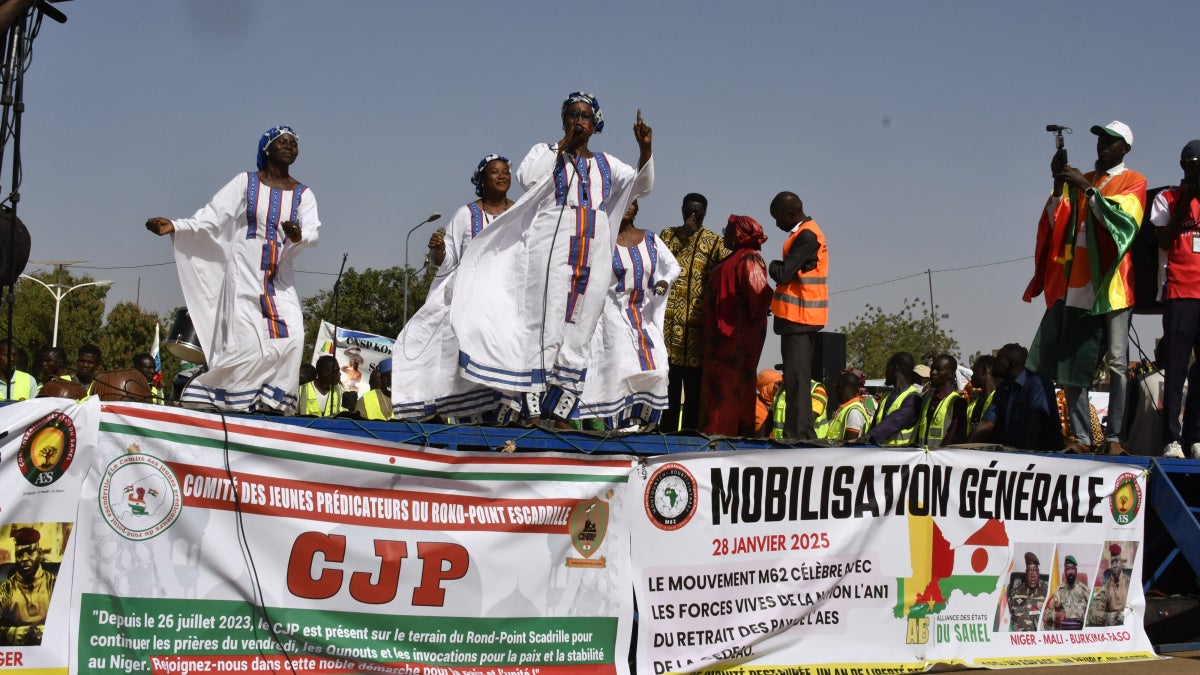
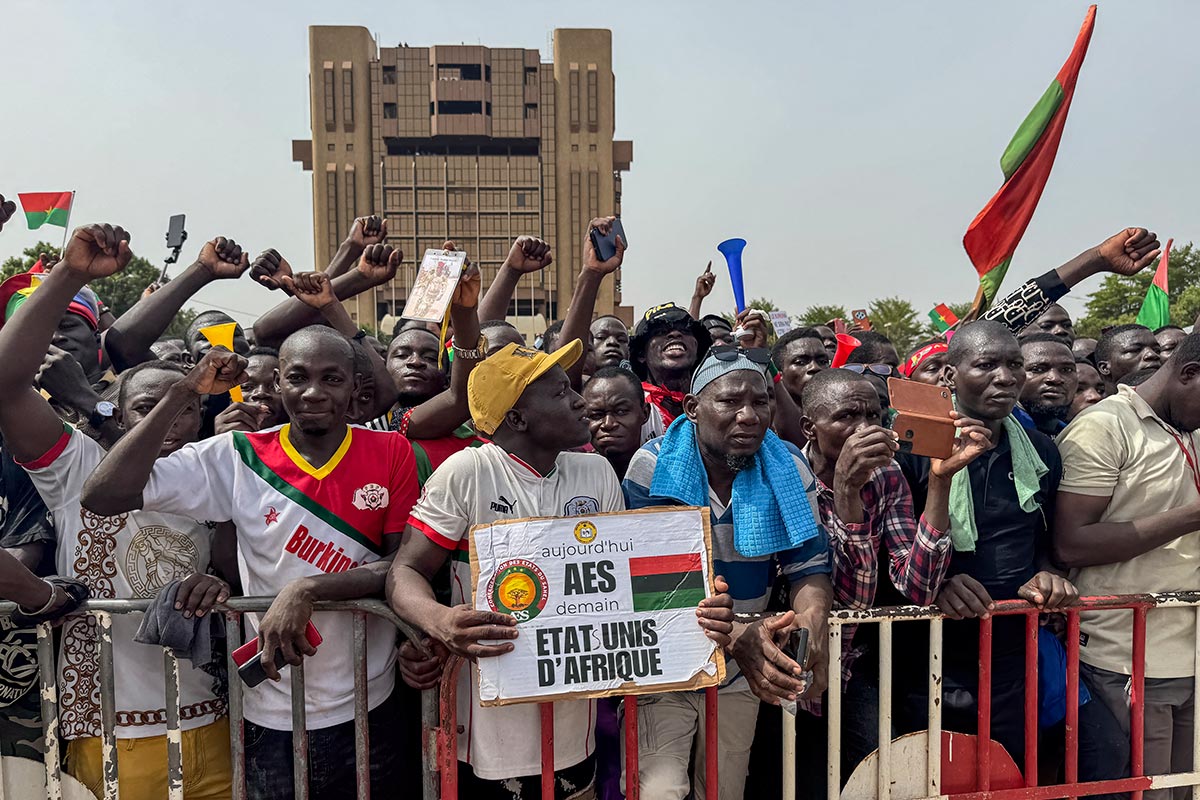
So, what does this new Alliance of Sahel States, and its military arm FU-AES, really mean for the future? It’s arguably a search for fresh economic and political partnerships, perhaps beyond the historical colonial frameworks many African nations have known. Are we witnessing a growing alignment with the rising geopolitical influence of BRICS? Their goals are certainly ambitious: by pooling military resources and intelligence capabilities, the member states aim for more effective counter-insurgency operations, hoping to restrict militants’ ability to operate across porous borders. More crucially, they want to restore a level of security vital for economic recovery and development projects, which have been badly hit by ongoing conflicts. Yet, the path ahead won’t be easy. Islamist groups in the Sahel have sophisticated networks, often benefiting from ideological and logistical support that transcends national boundaries. The sheer number of attacks recorded last year underscores their resilience and just how complex dismantling these structures will be. Success won’t depend only on military might; it’ll also require strong, coordinated political will, robust intelligence sharing, and vital community engagement. Addressing the root causes of extremism, like poverty, marginalization, and weak state presence, is absolutely key. This alliance truly marks a new paradigm for regional cooperation in West Africa. If it succeeds, it could set a powerful example for other regions grappling with similar threats. Mali’s pivot away from traditional Western allies could also signal a wider trend: African nations seeking more diversified partnerships on the global stage. Everyone will be watching closely to see how this alliance balances internal unity with external diplomatic pressures, and whether it can finally turn the tide of violence that has ravaged the Sahel for over a decade. In essence, FU-AES is more than a military initiative. It’s a bold declaration of agency by the Sahel countries, a firm step to secure their own futures amidst turbulent political currents and persistent security challenges. The coming months will surely test its resolve and capacity to deliver peace and stability, not just for the Sahel, but for the wider continent’s security and development.