Mali’s Tumultuous Crossroads: Rebel Drone Strikes, Regional Rivalries, and Shifting Alliances in the Sahel
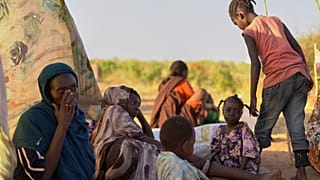
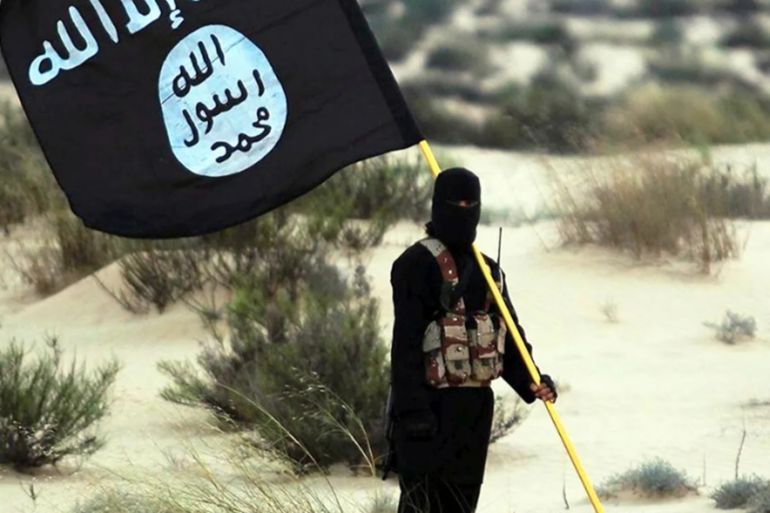
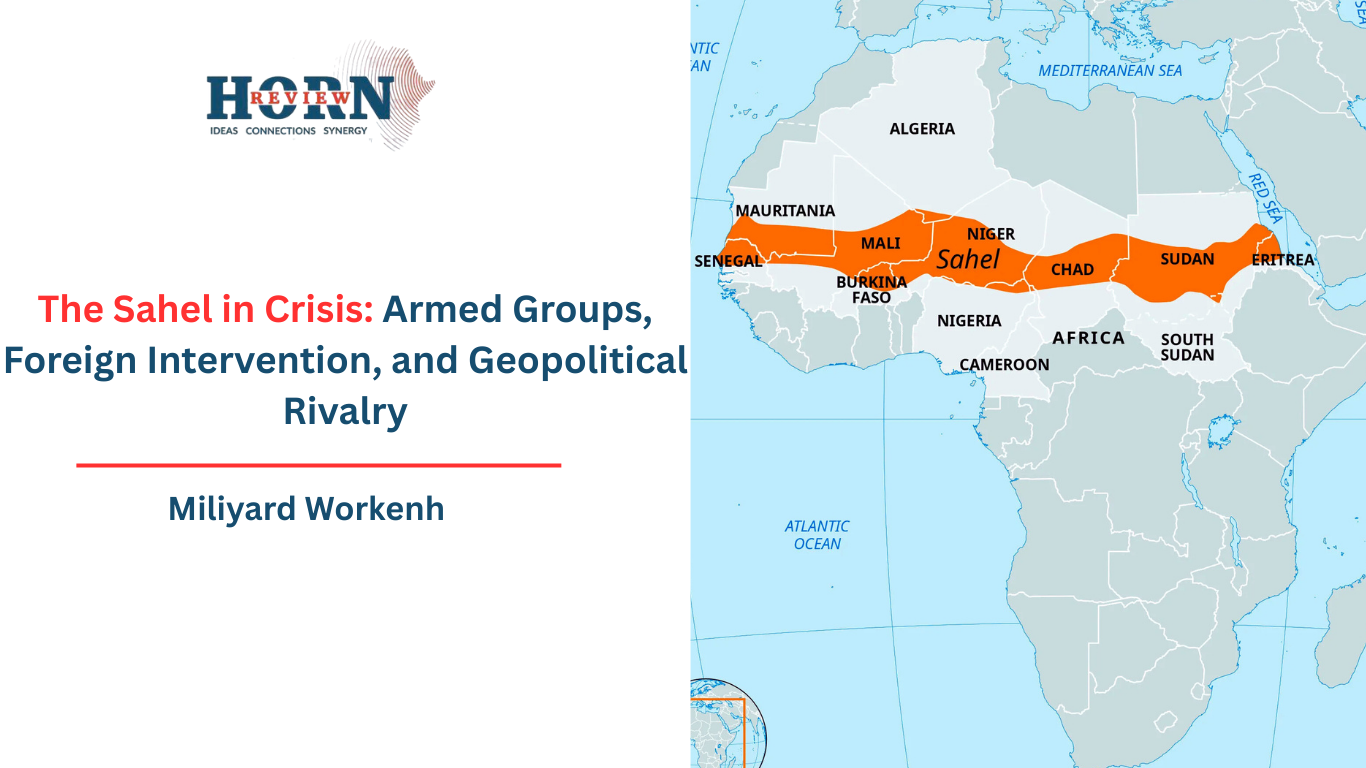
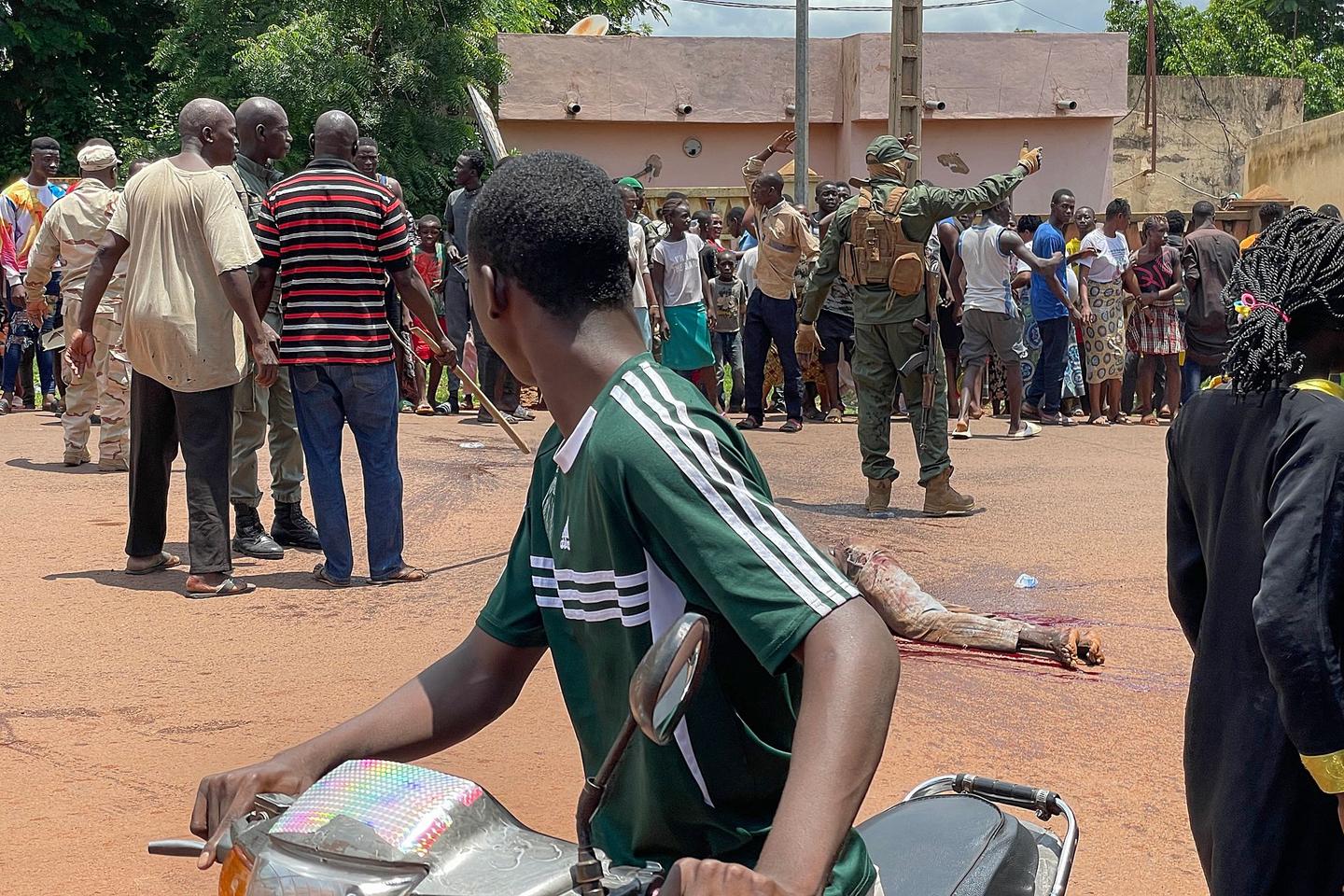
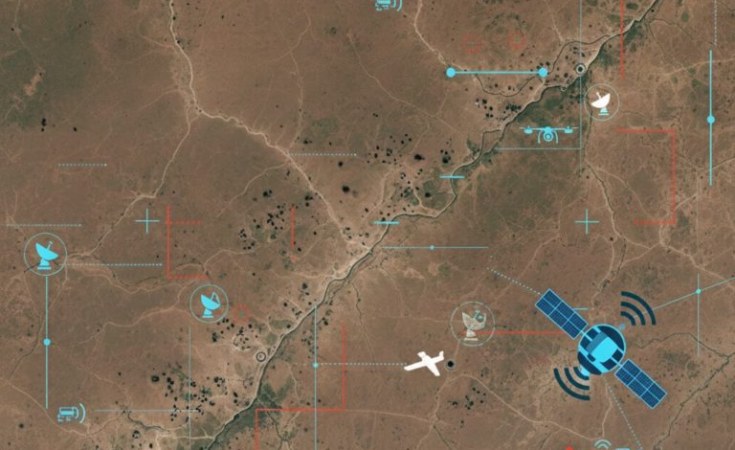
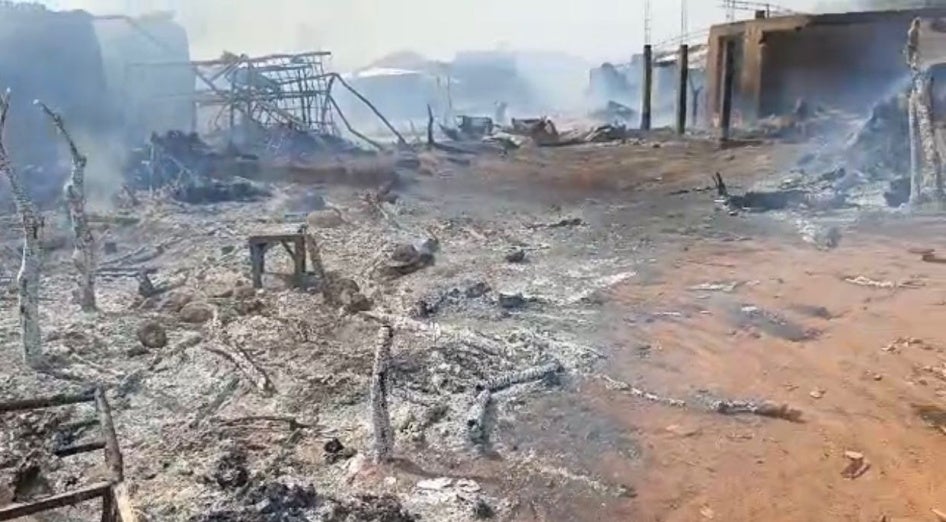
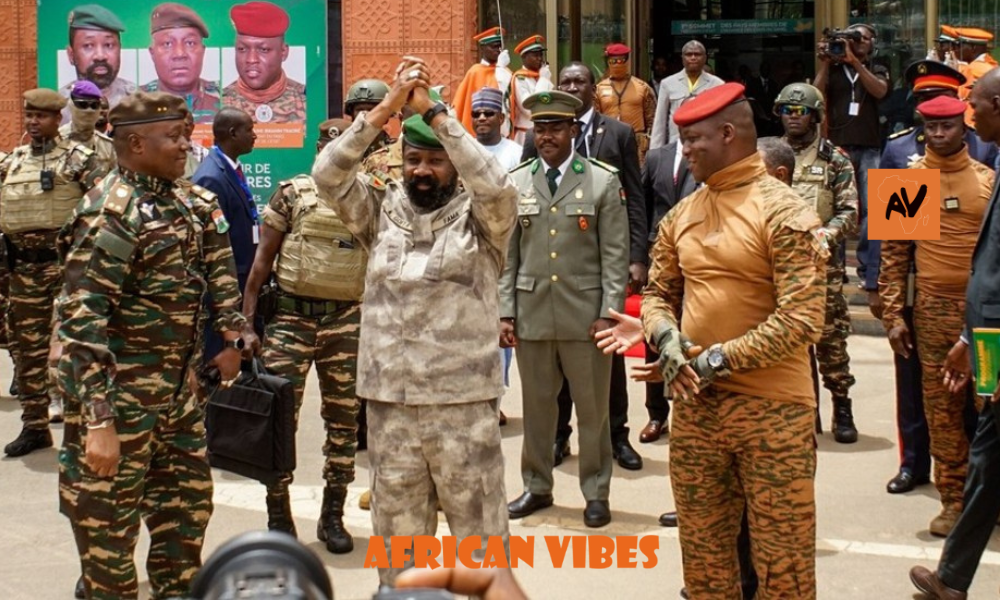
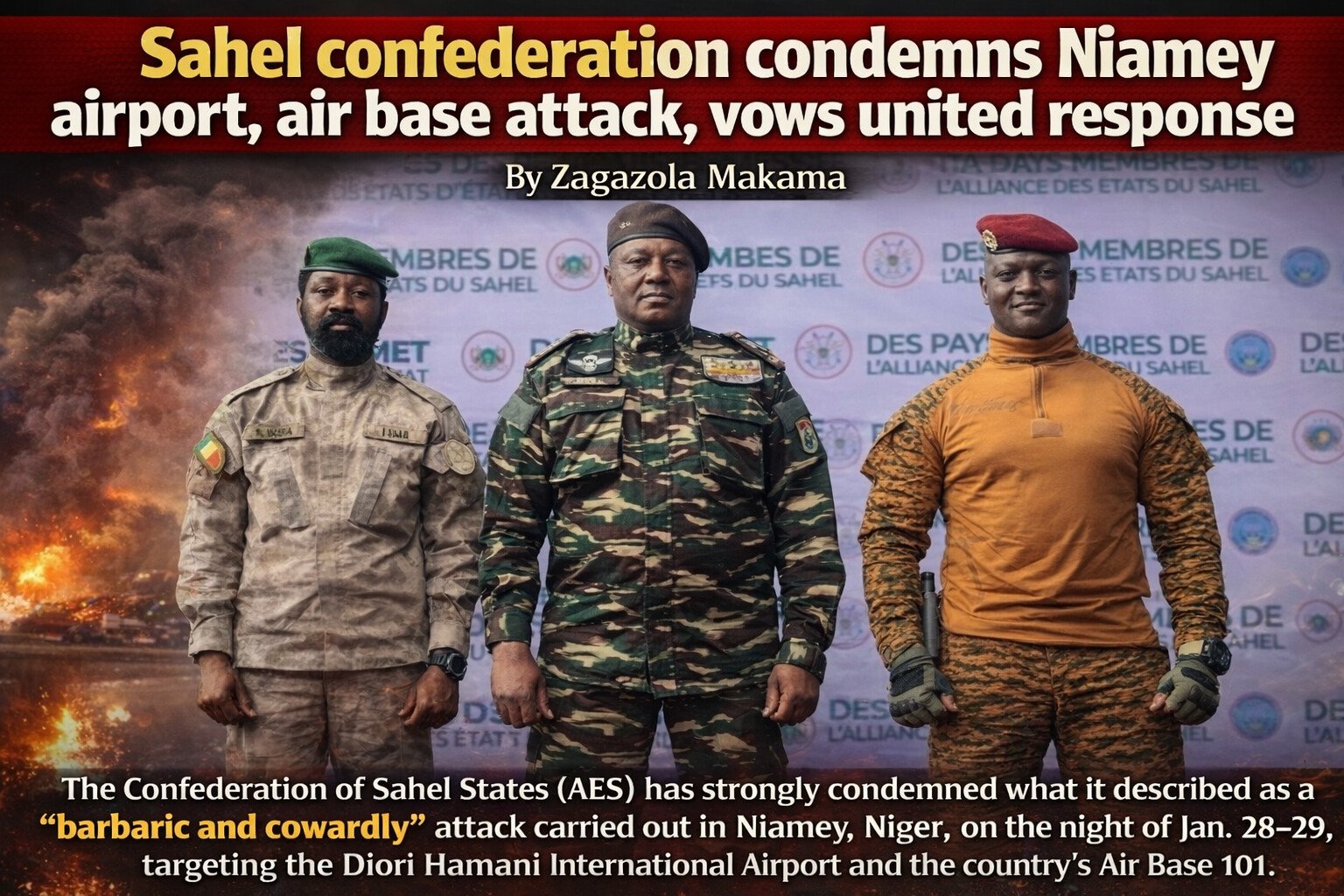
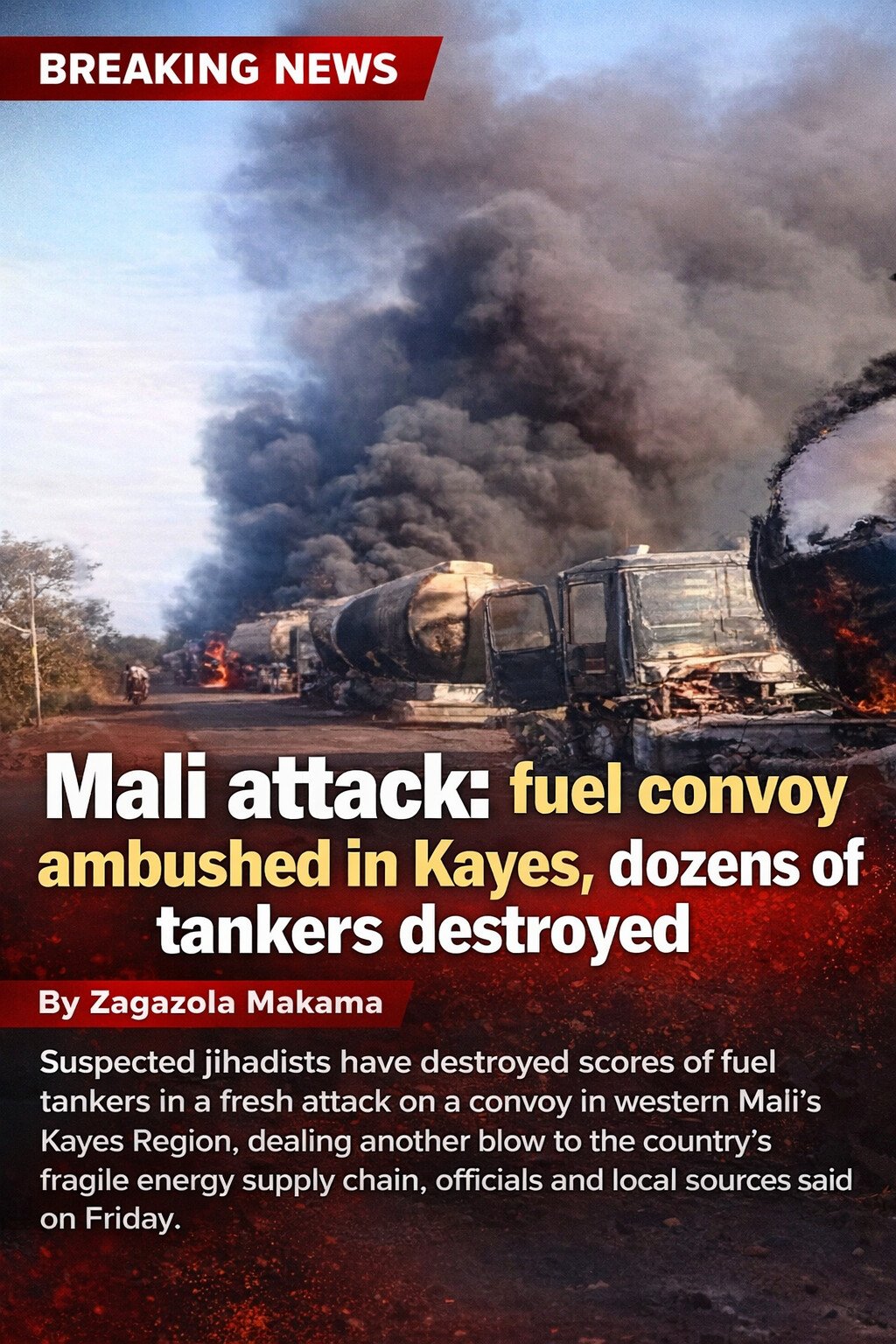
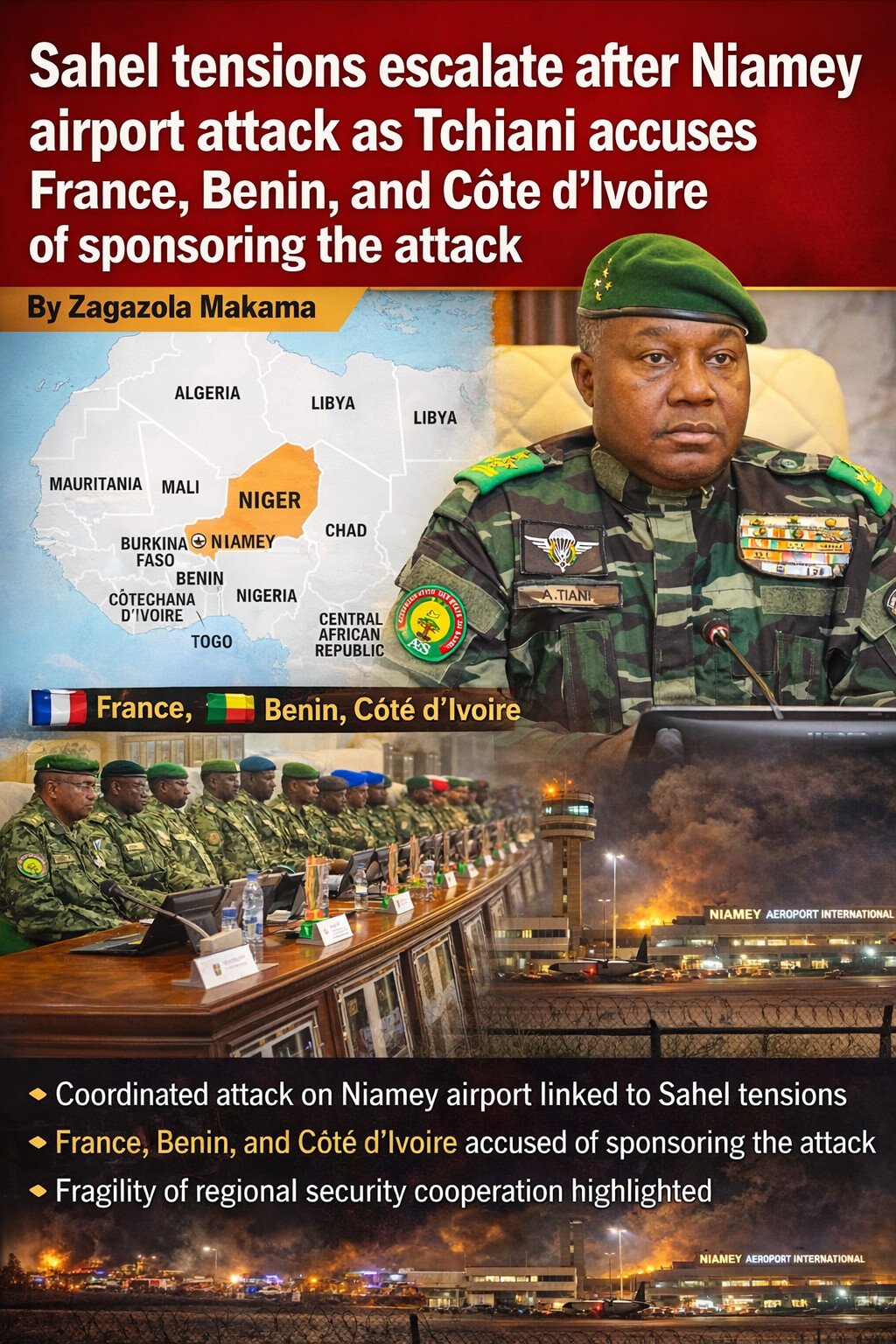
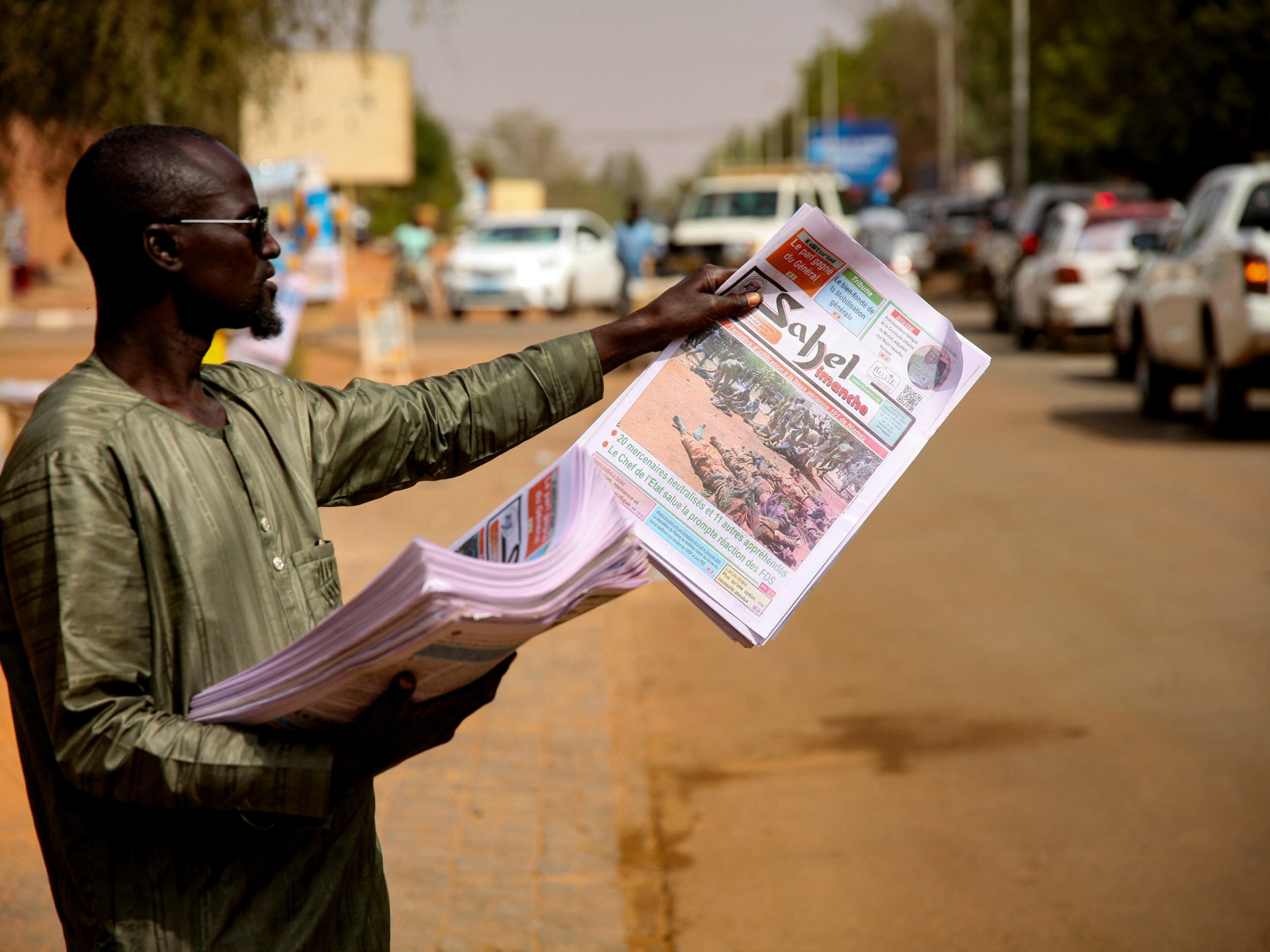
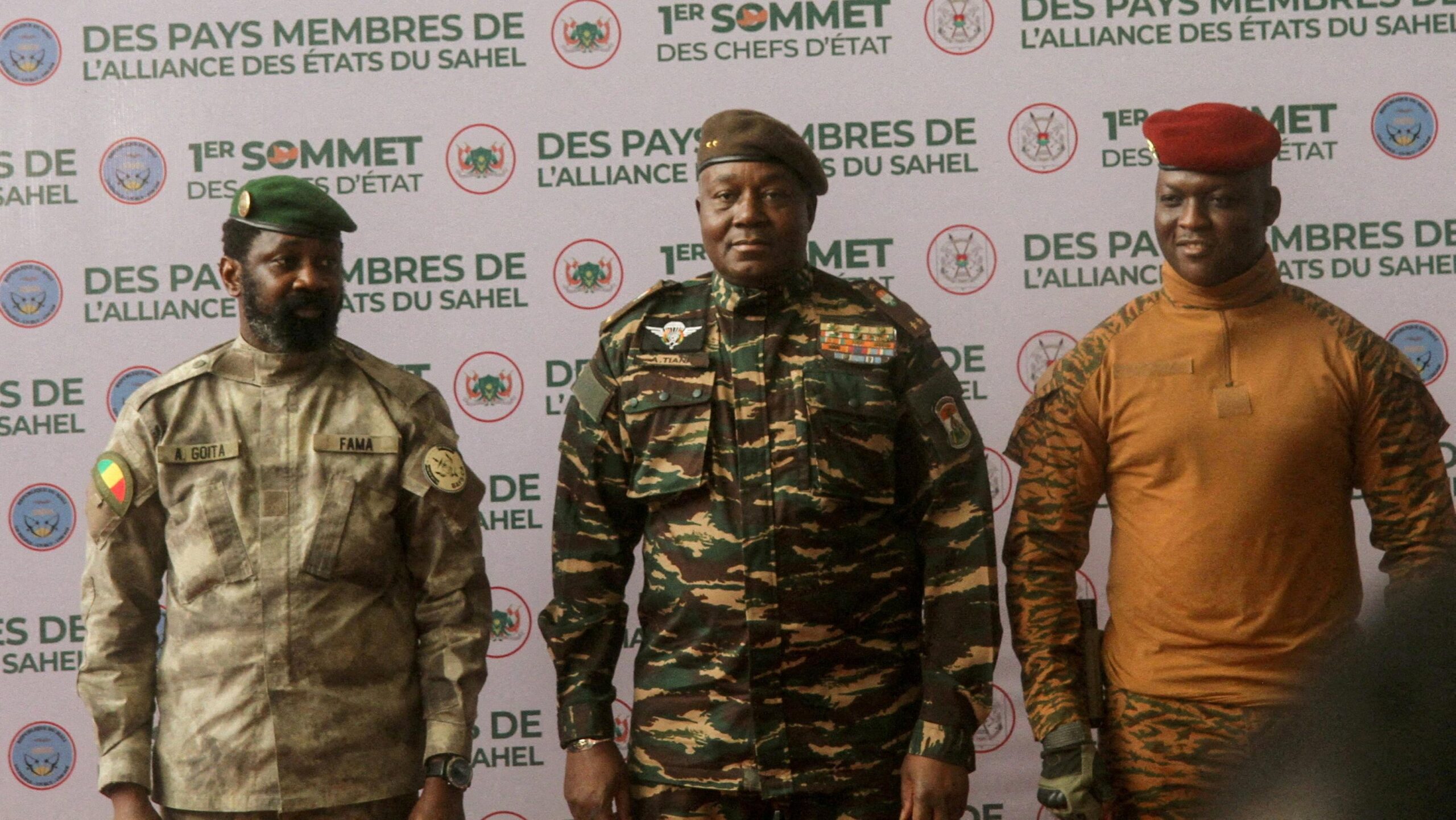
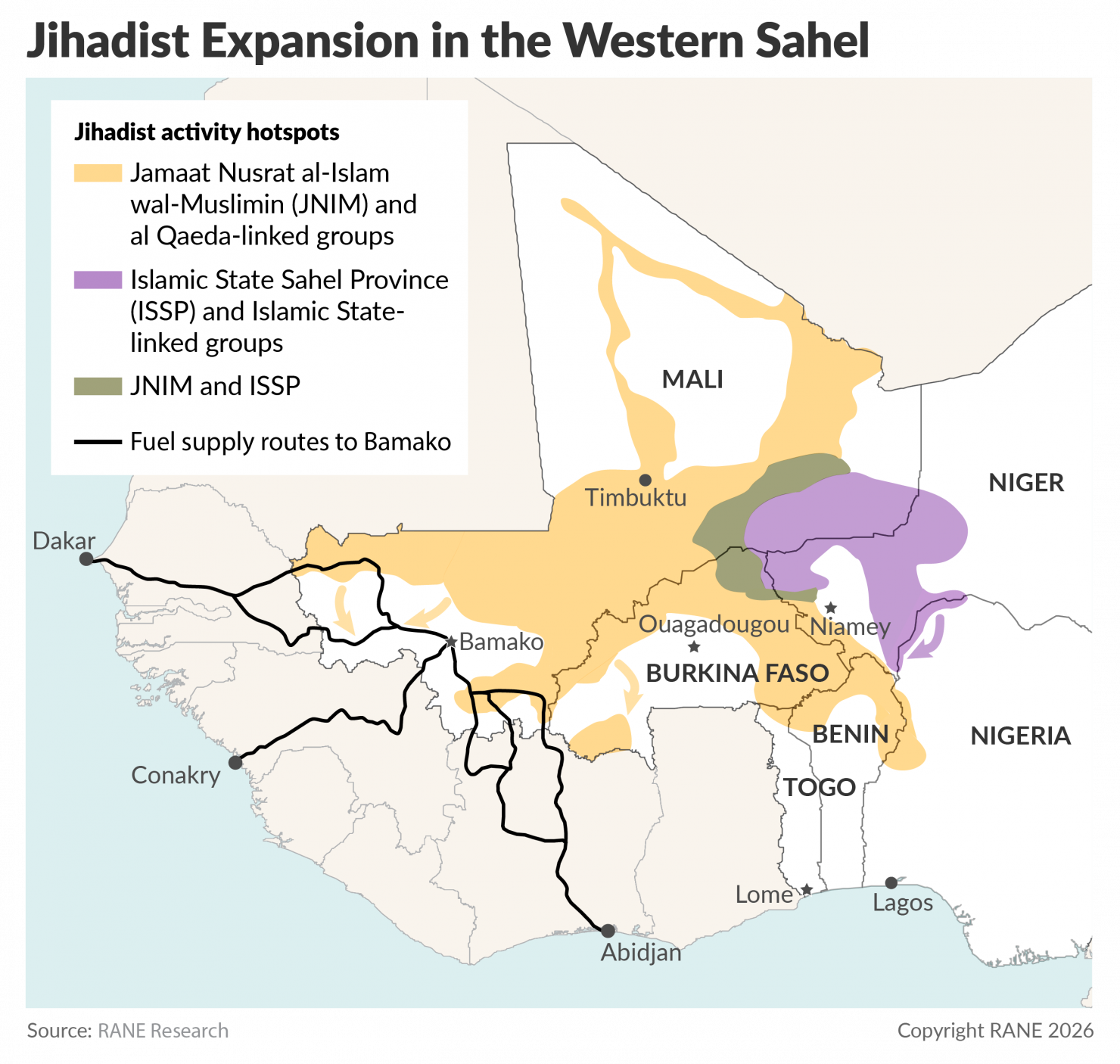
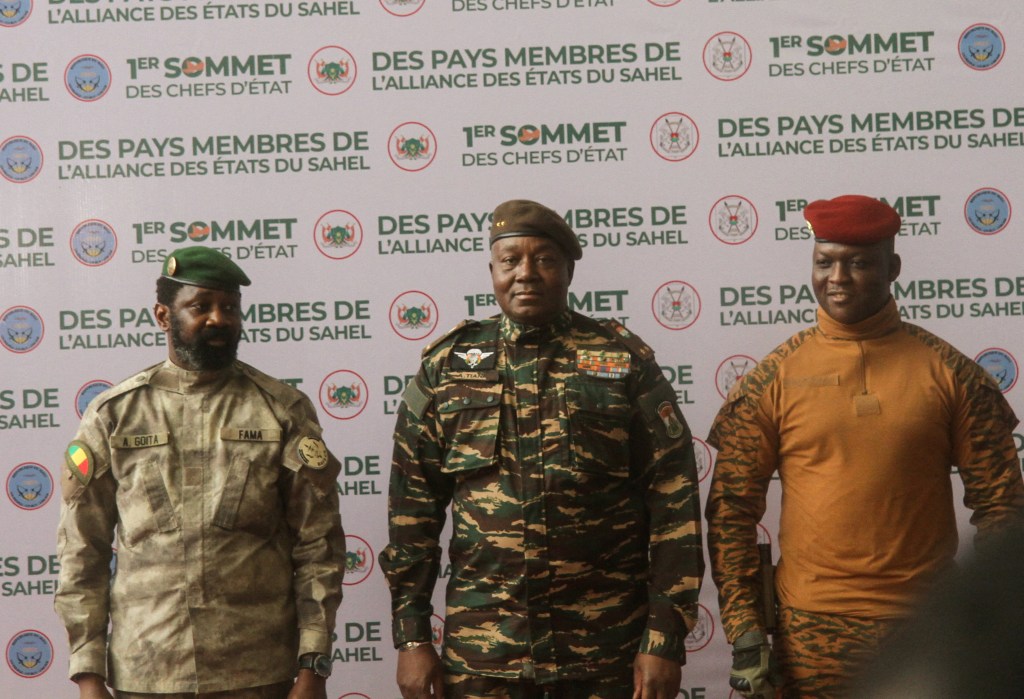
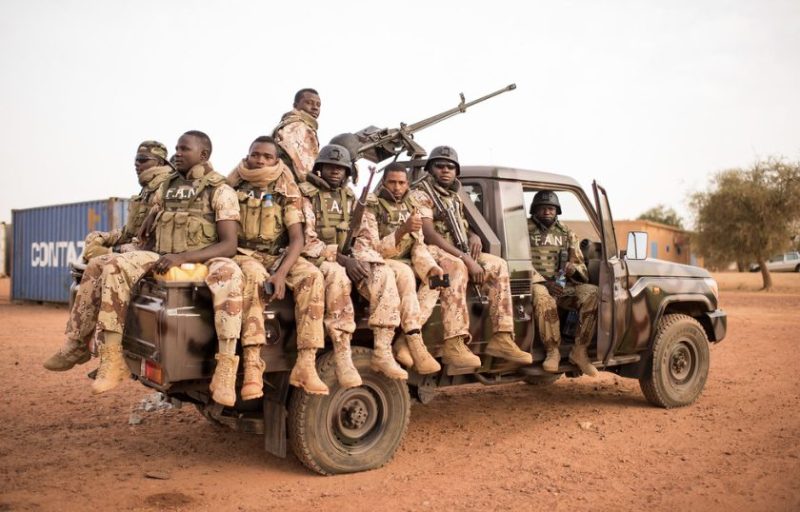
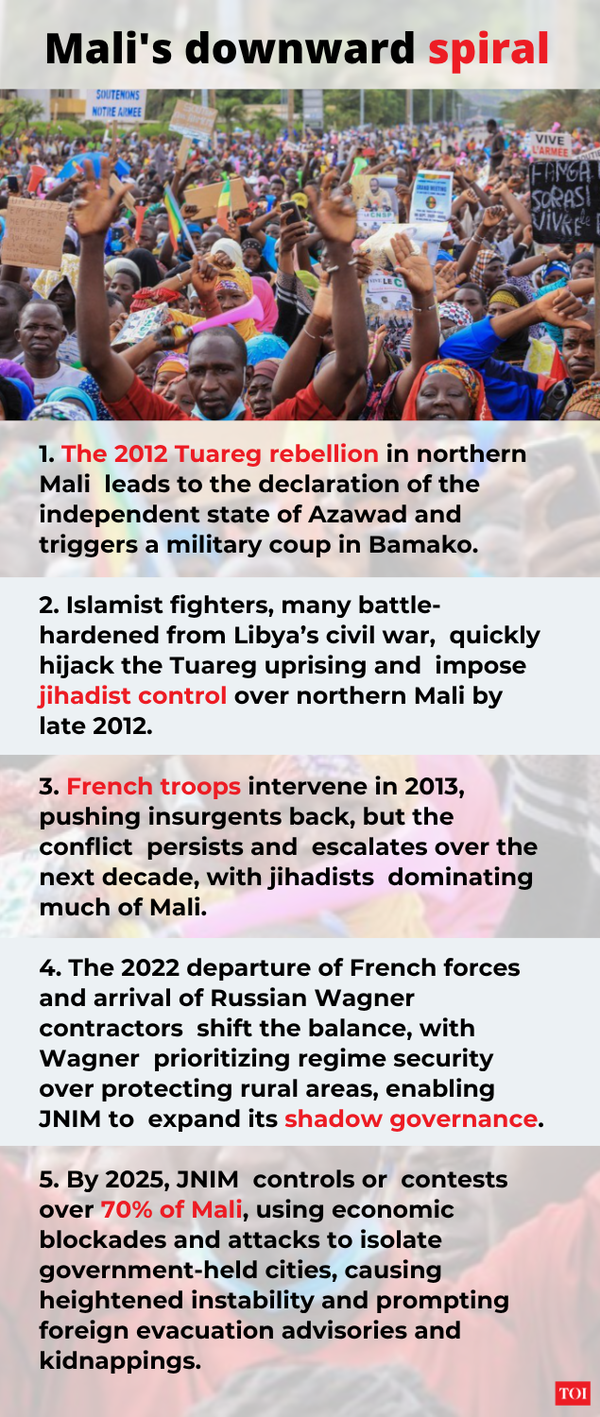
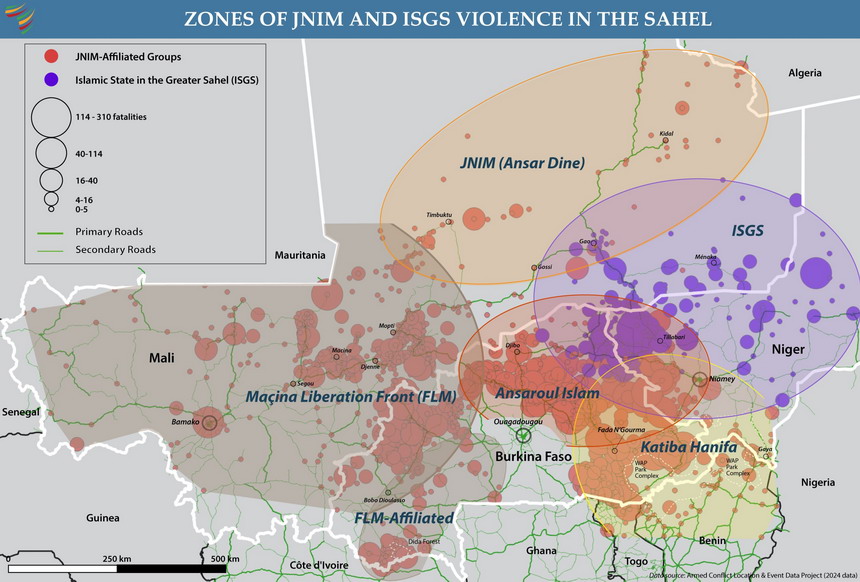
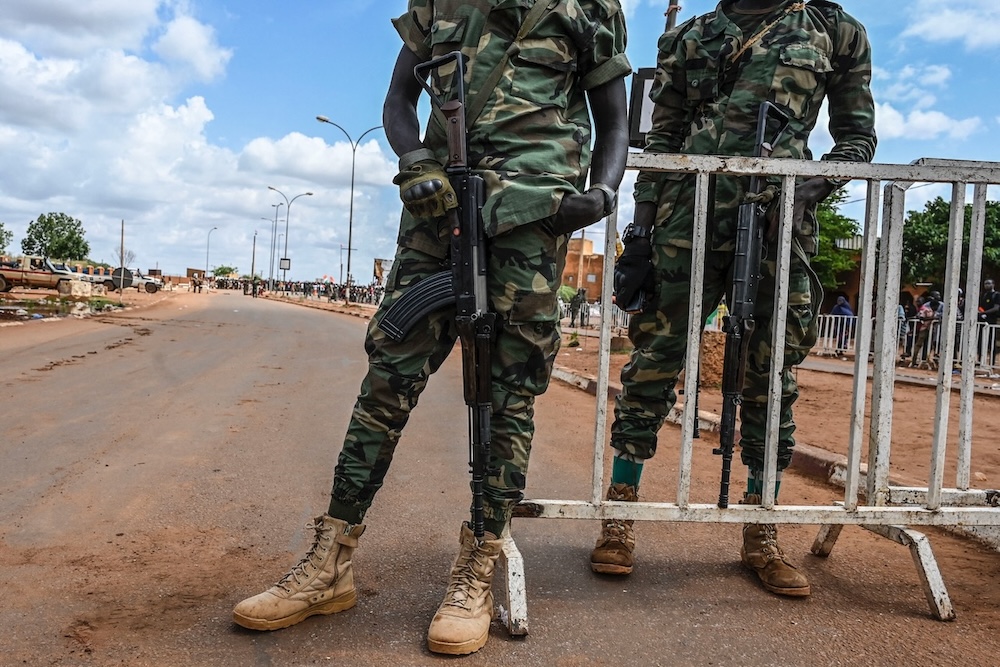
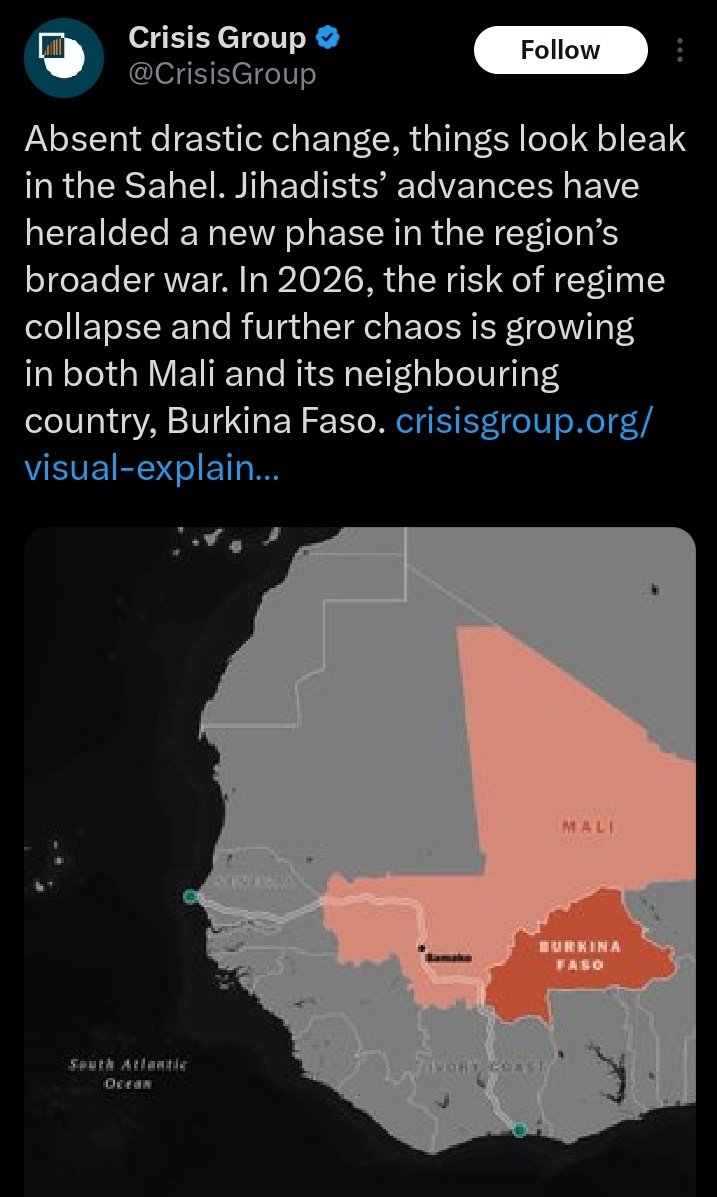
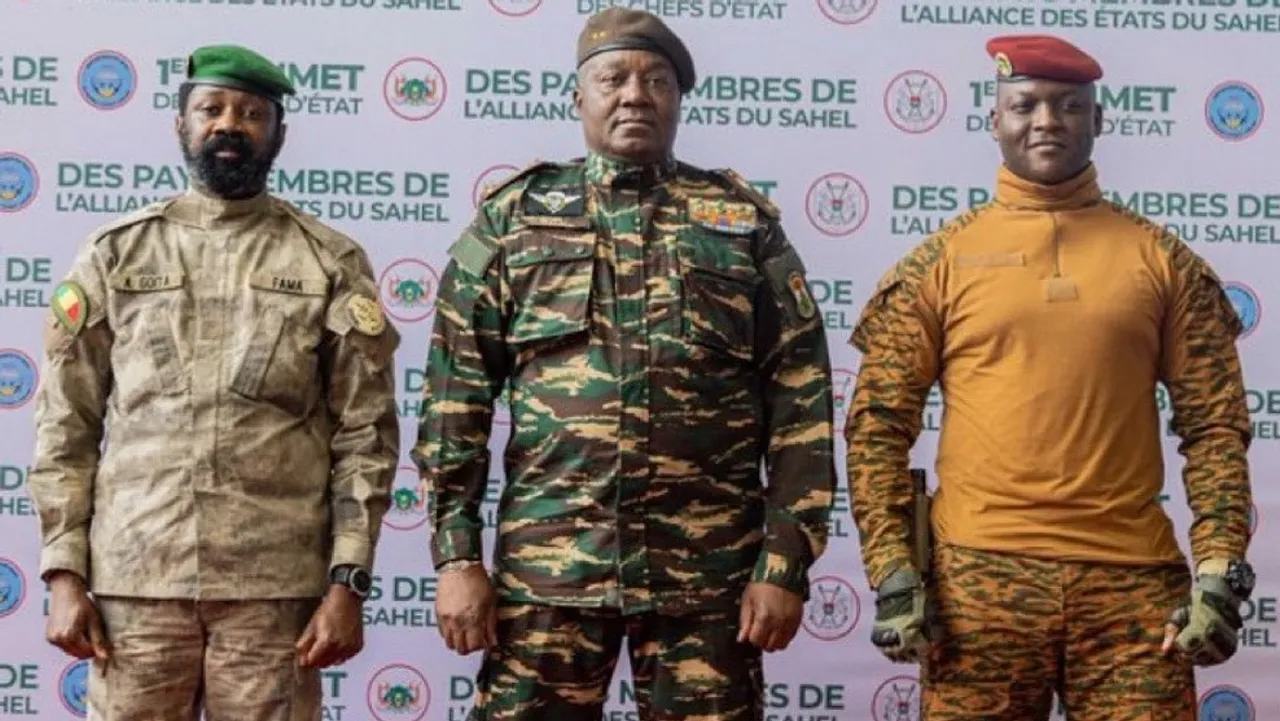
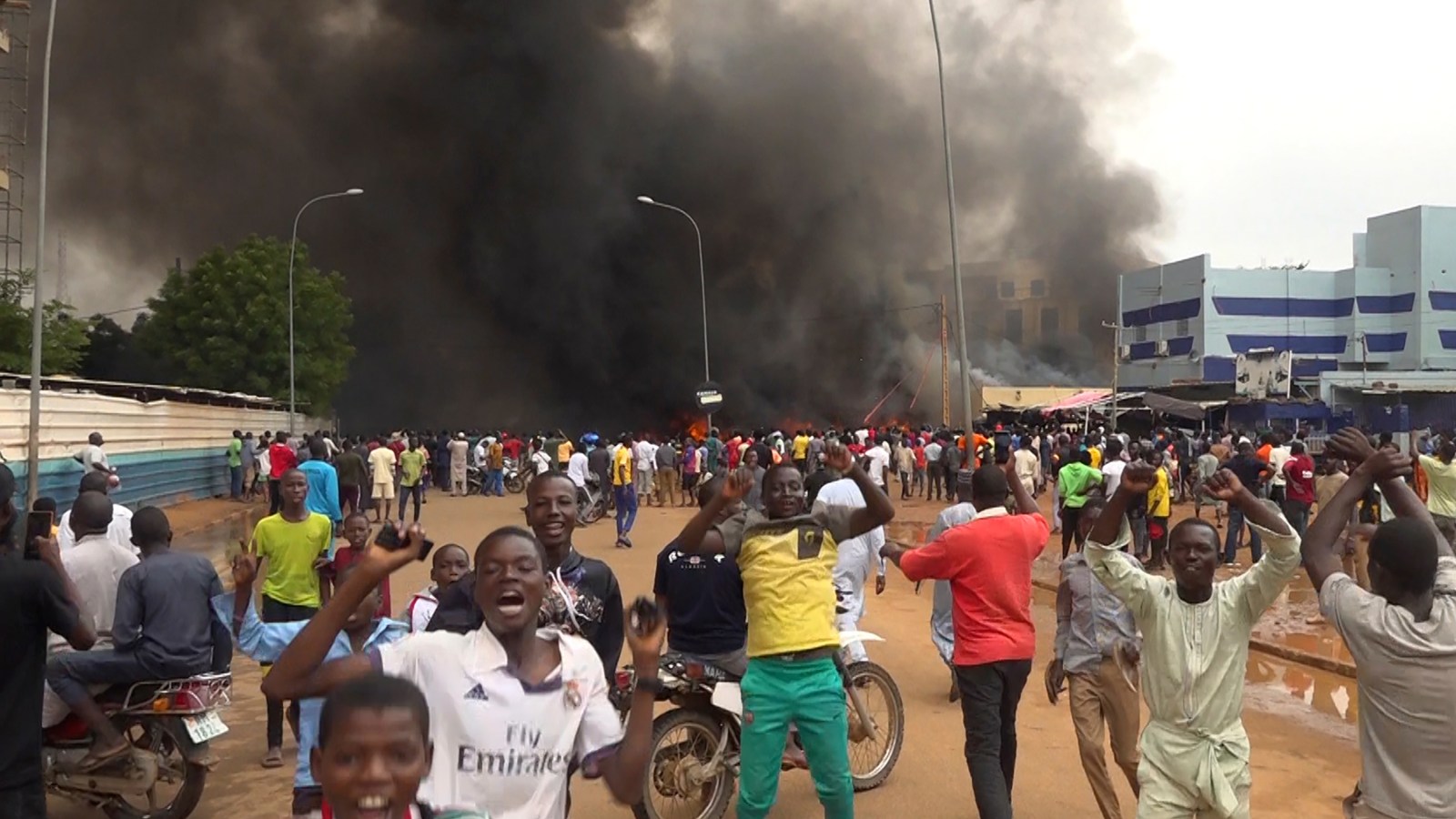
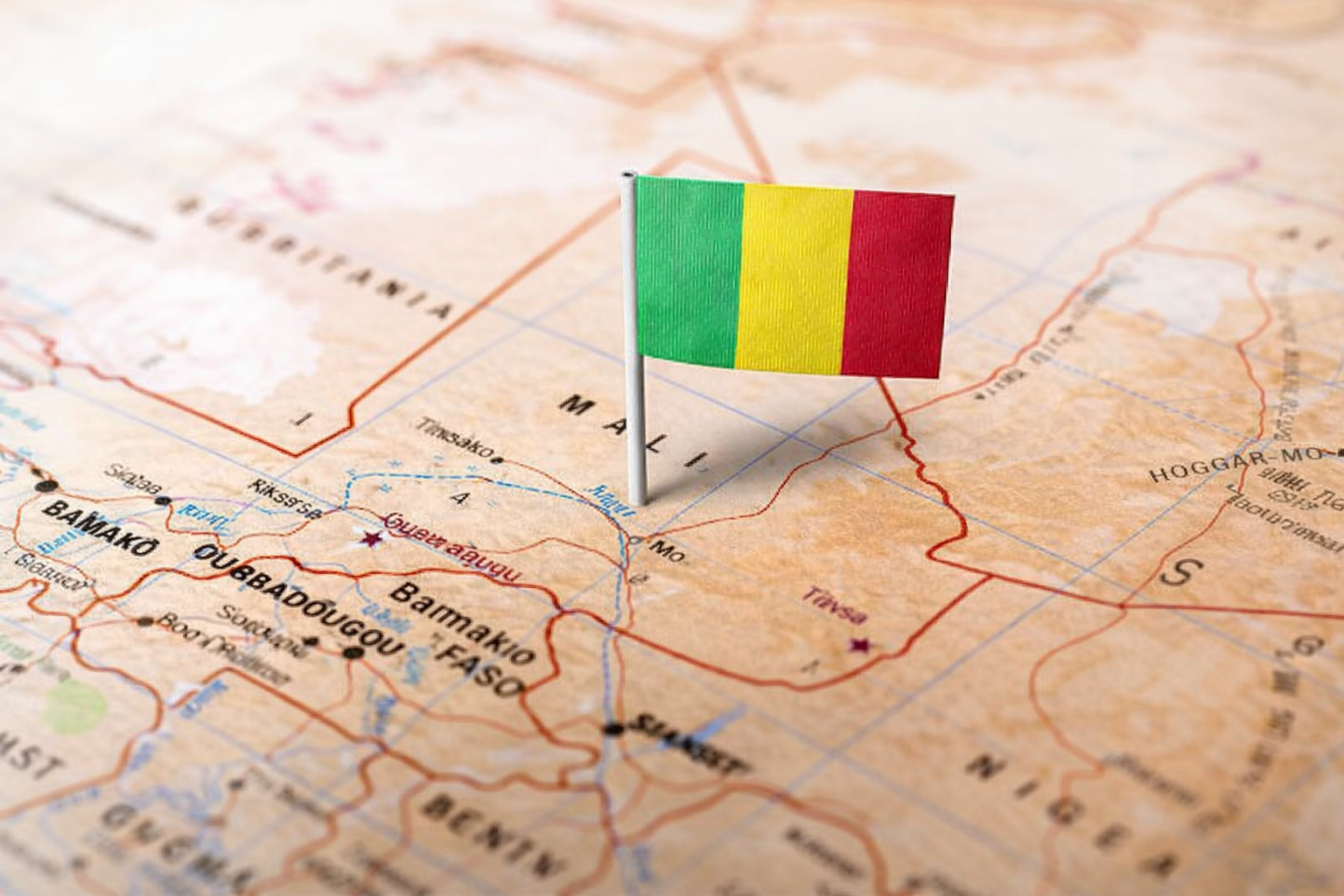
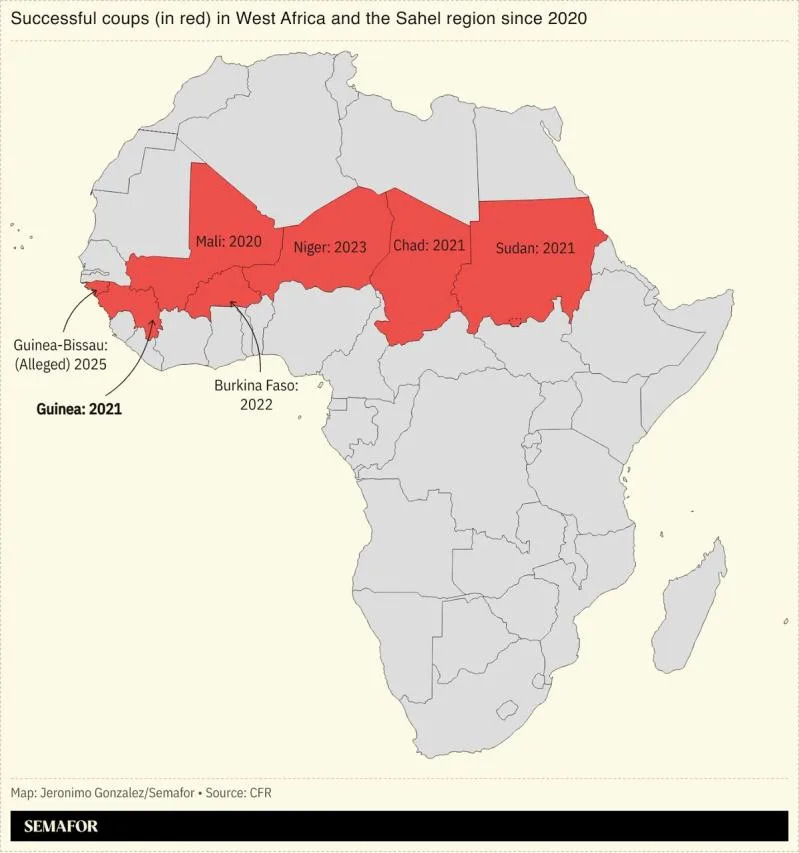
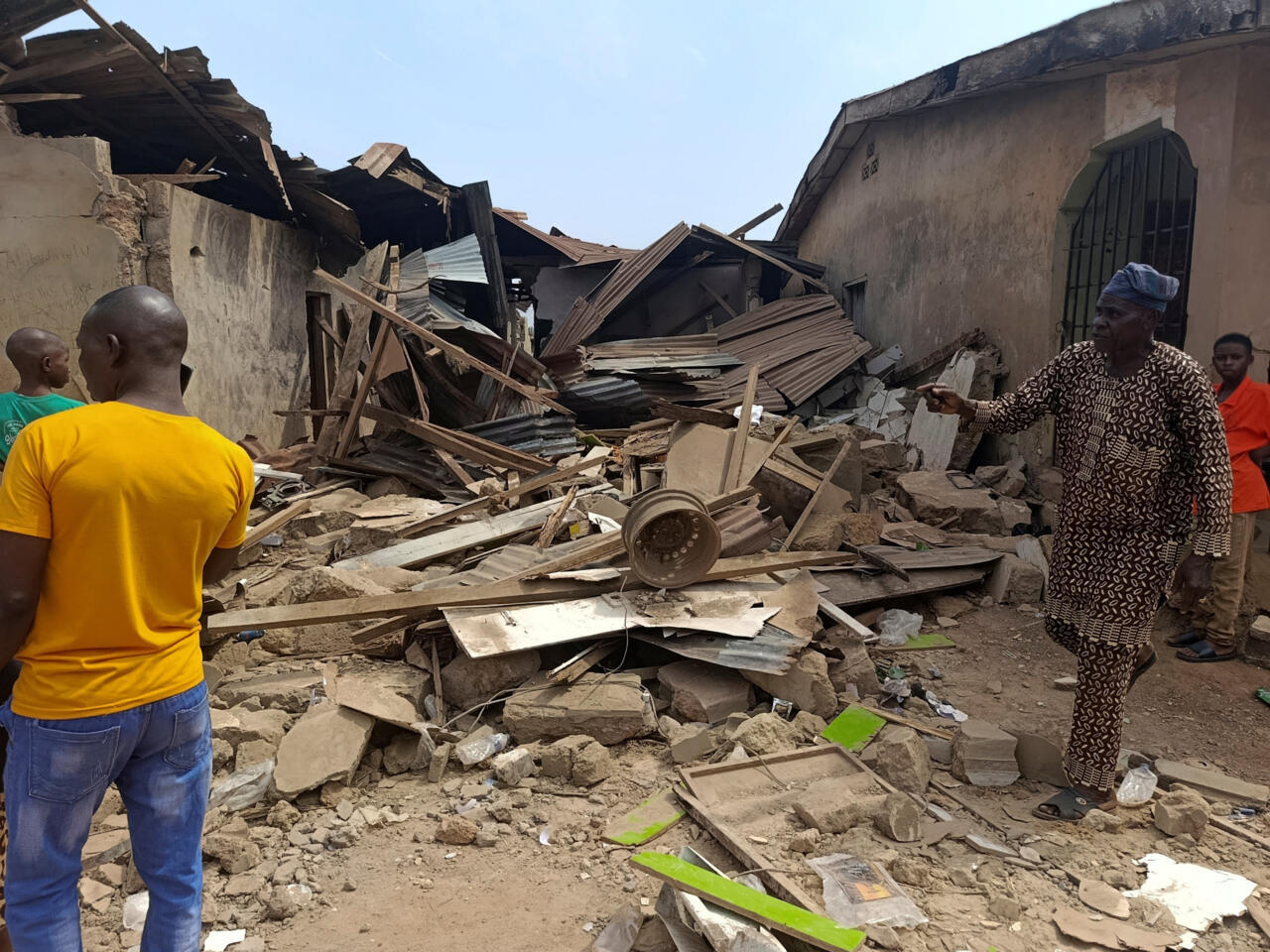
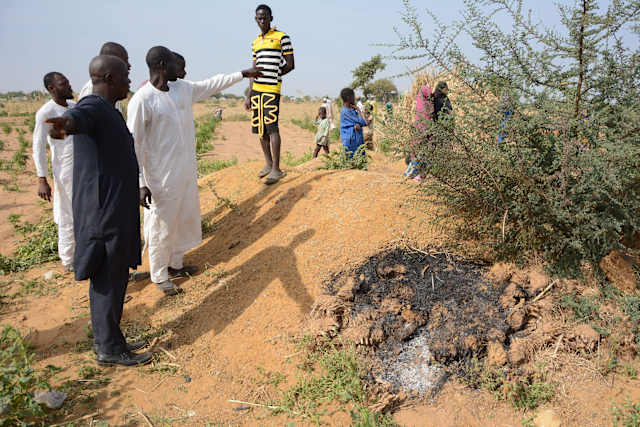
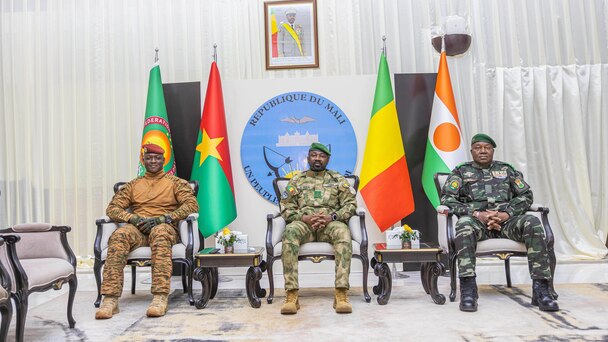
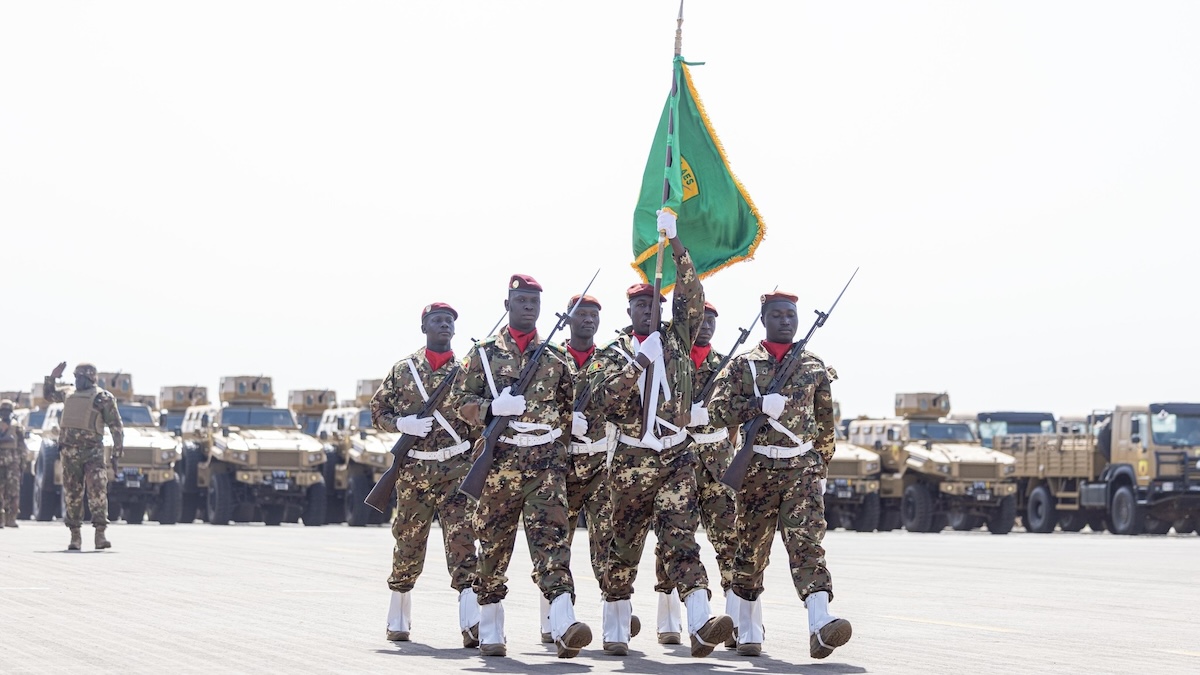
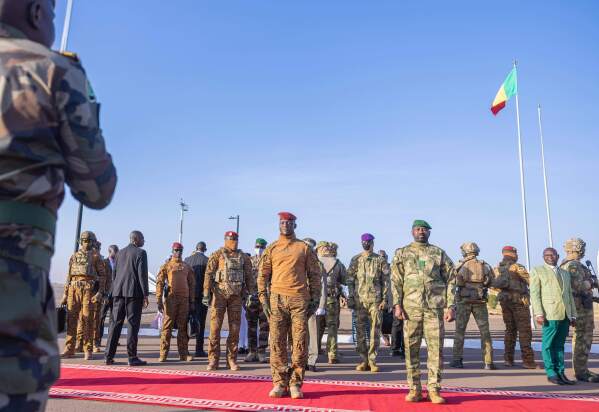
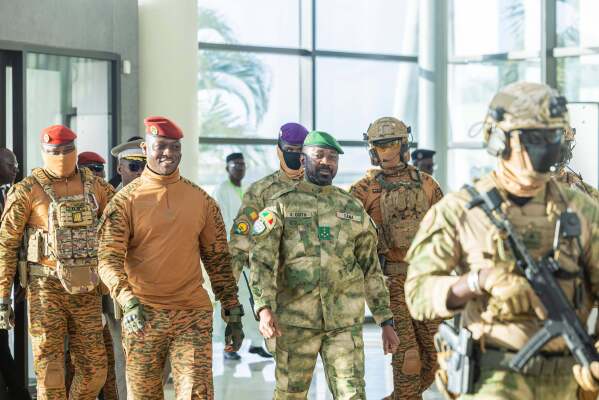
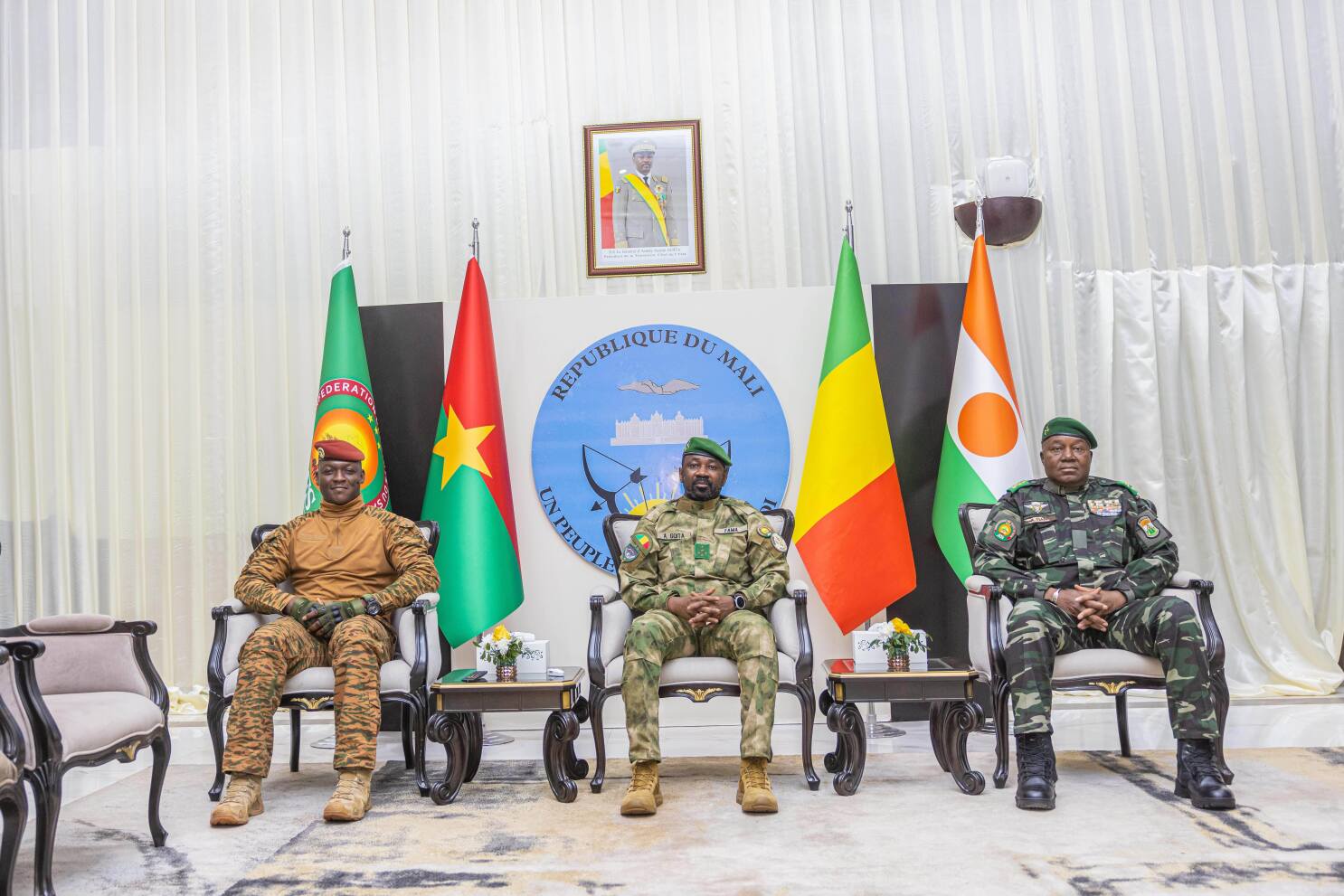
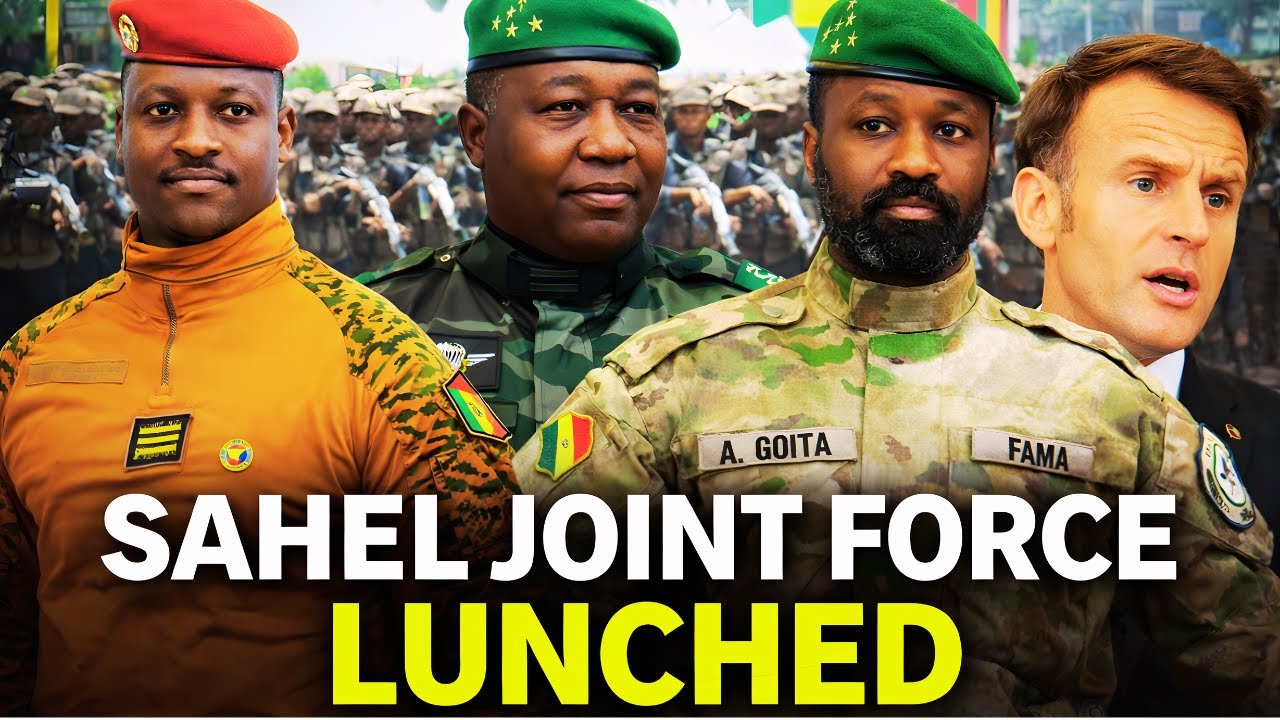
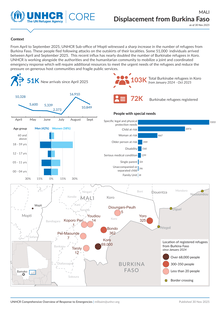
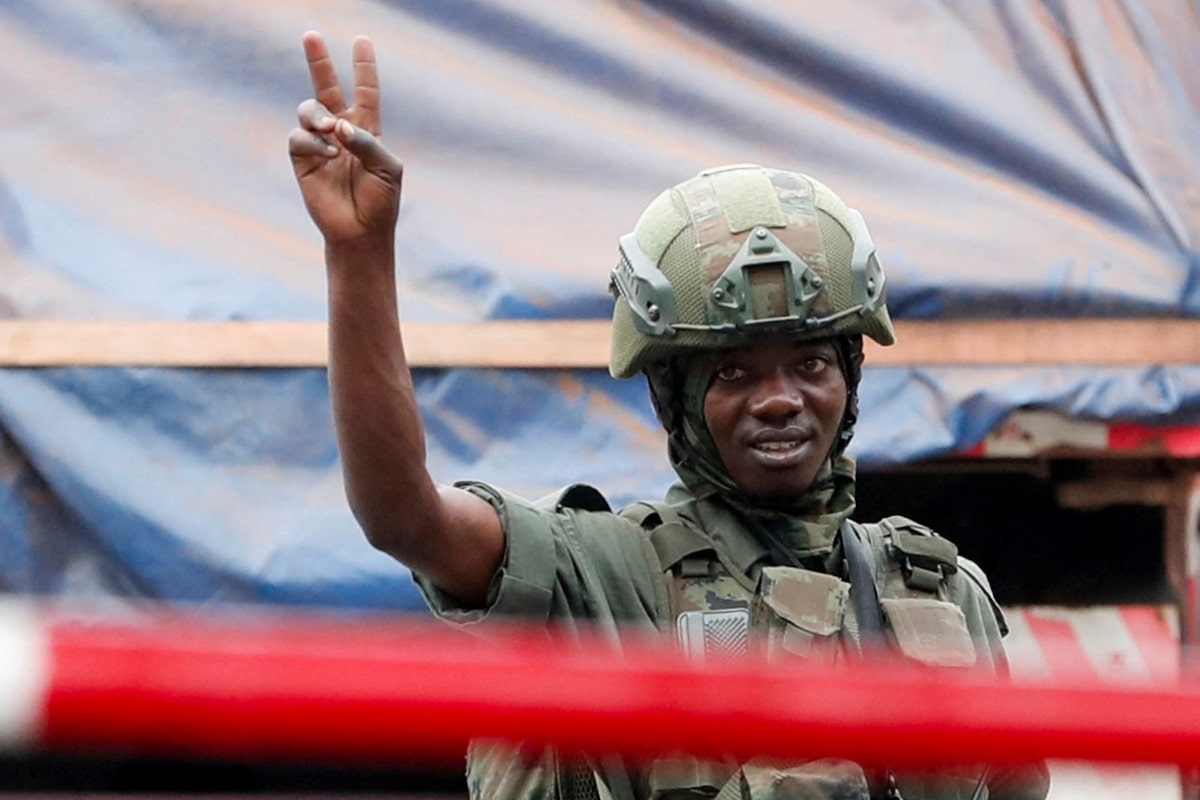
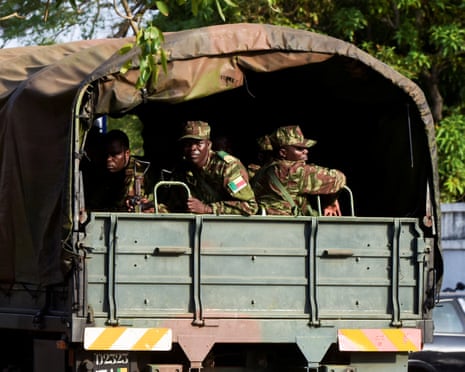
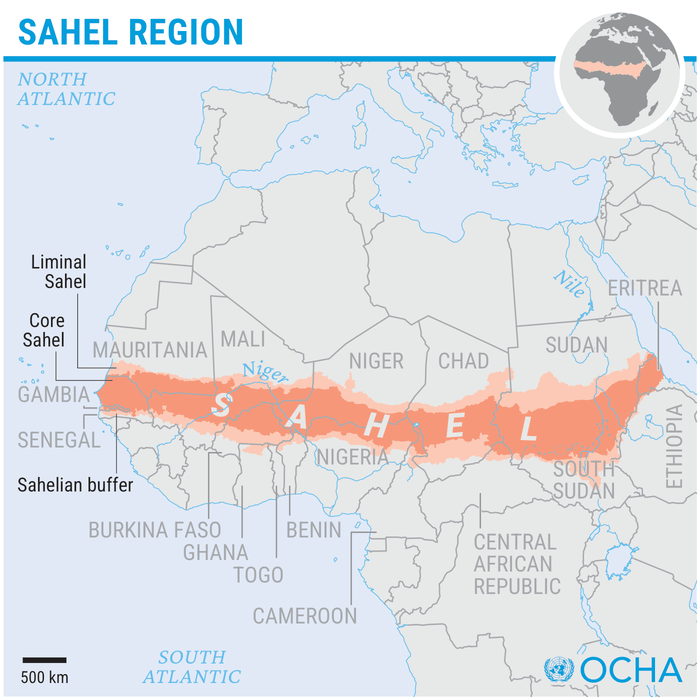
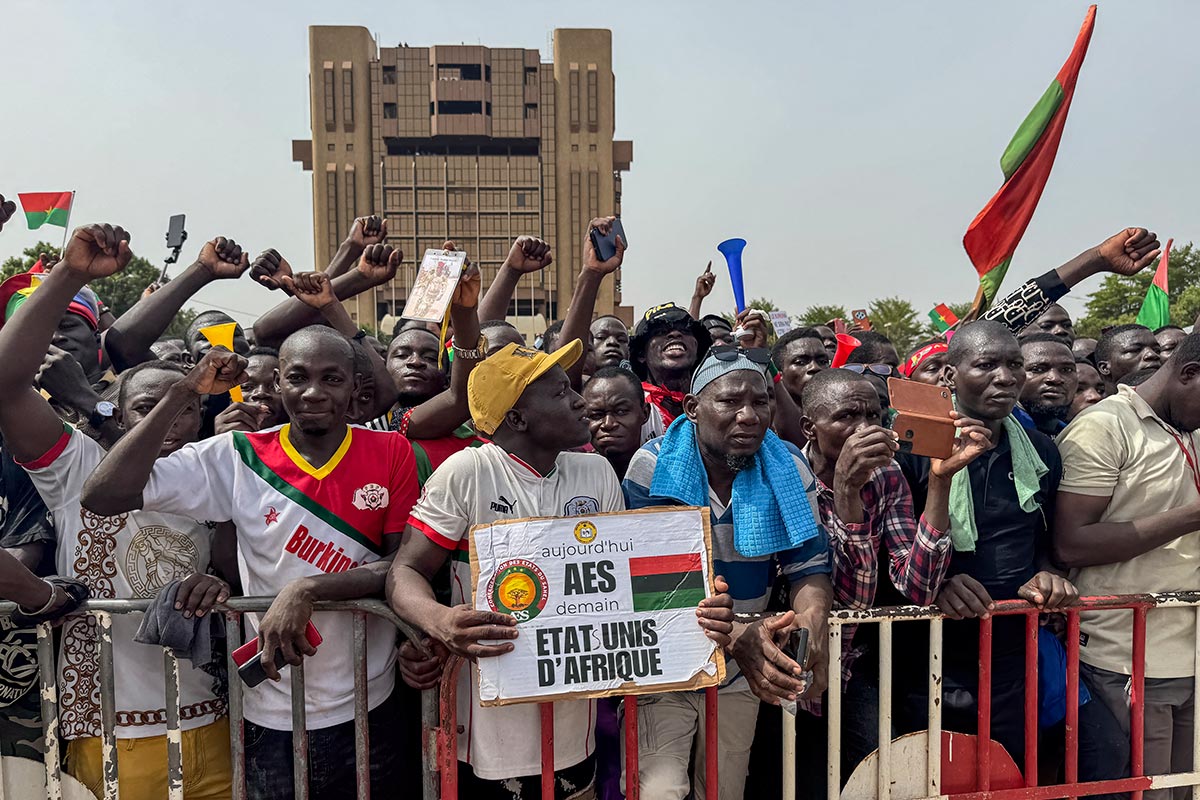
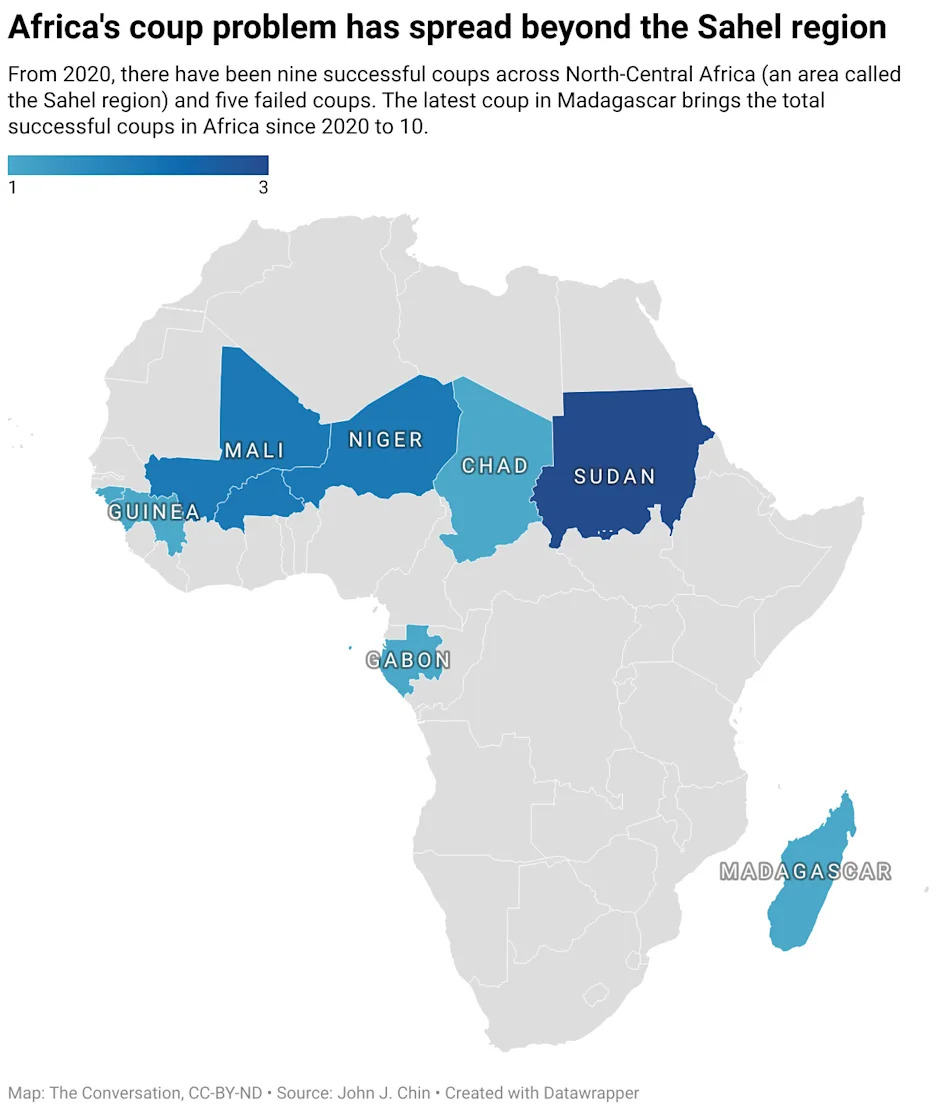
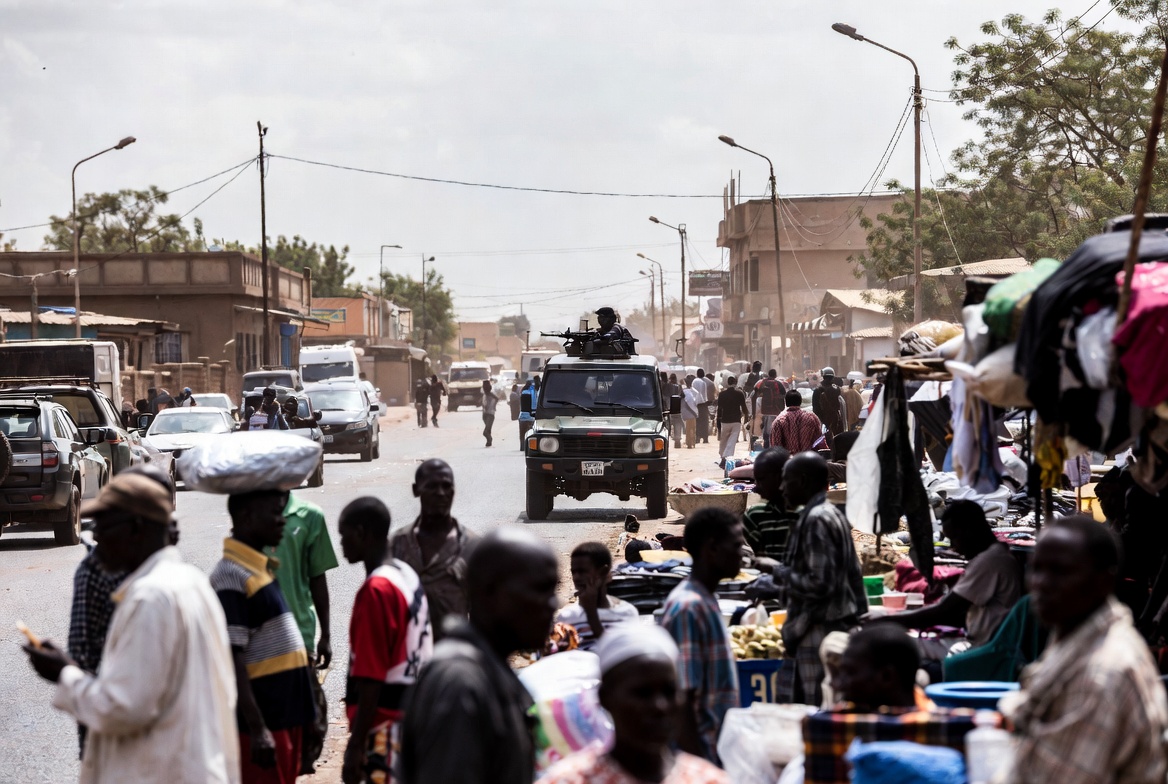
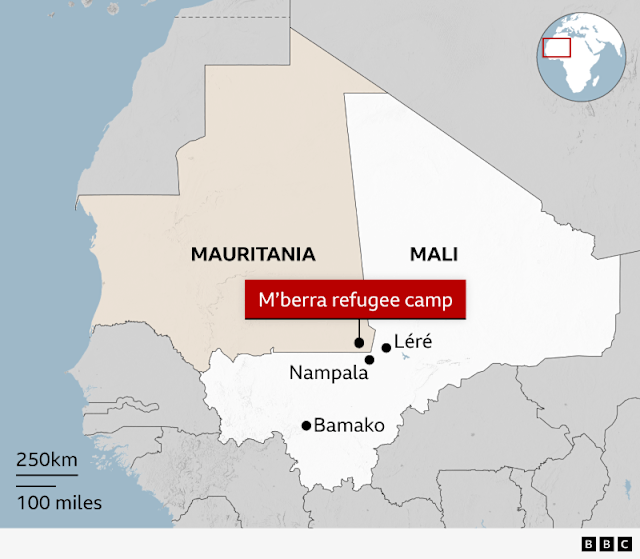
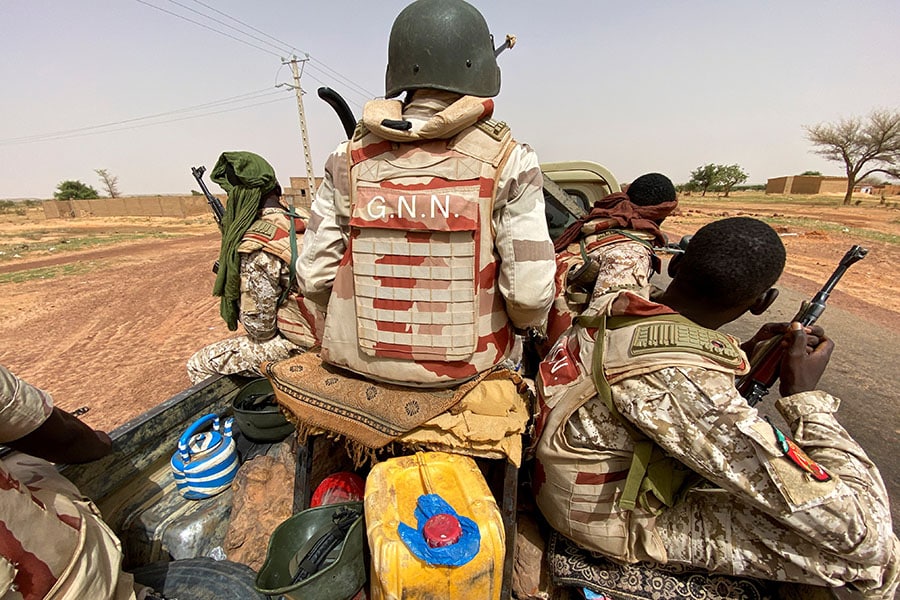
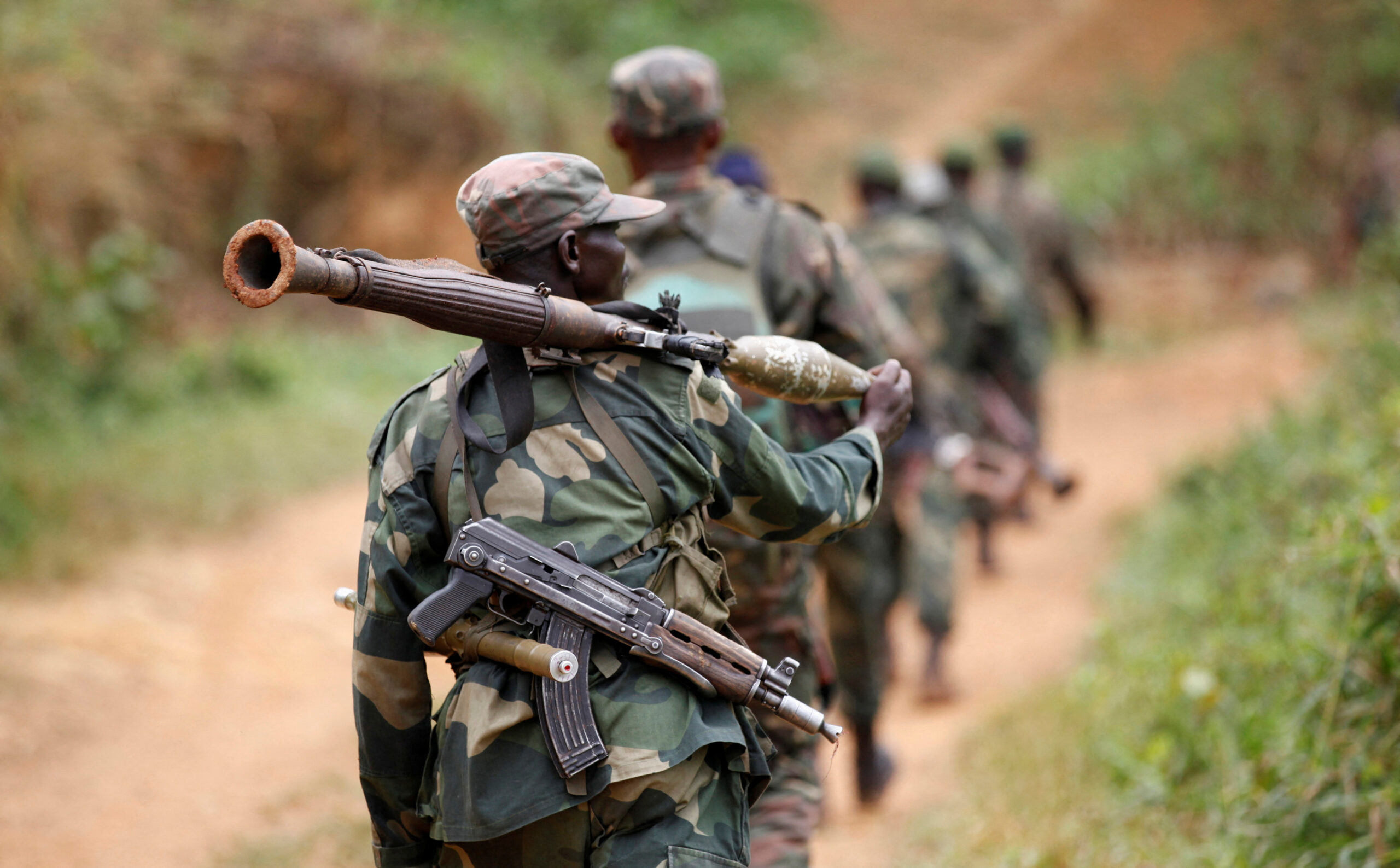
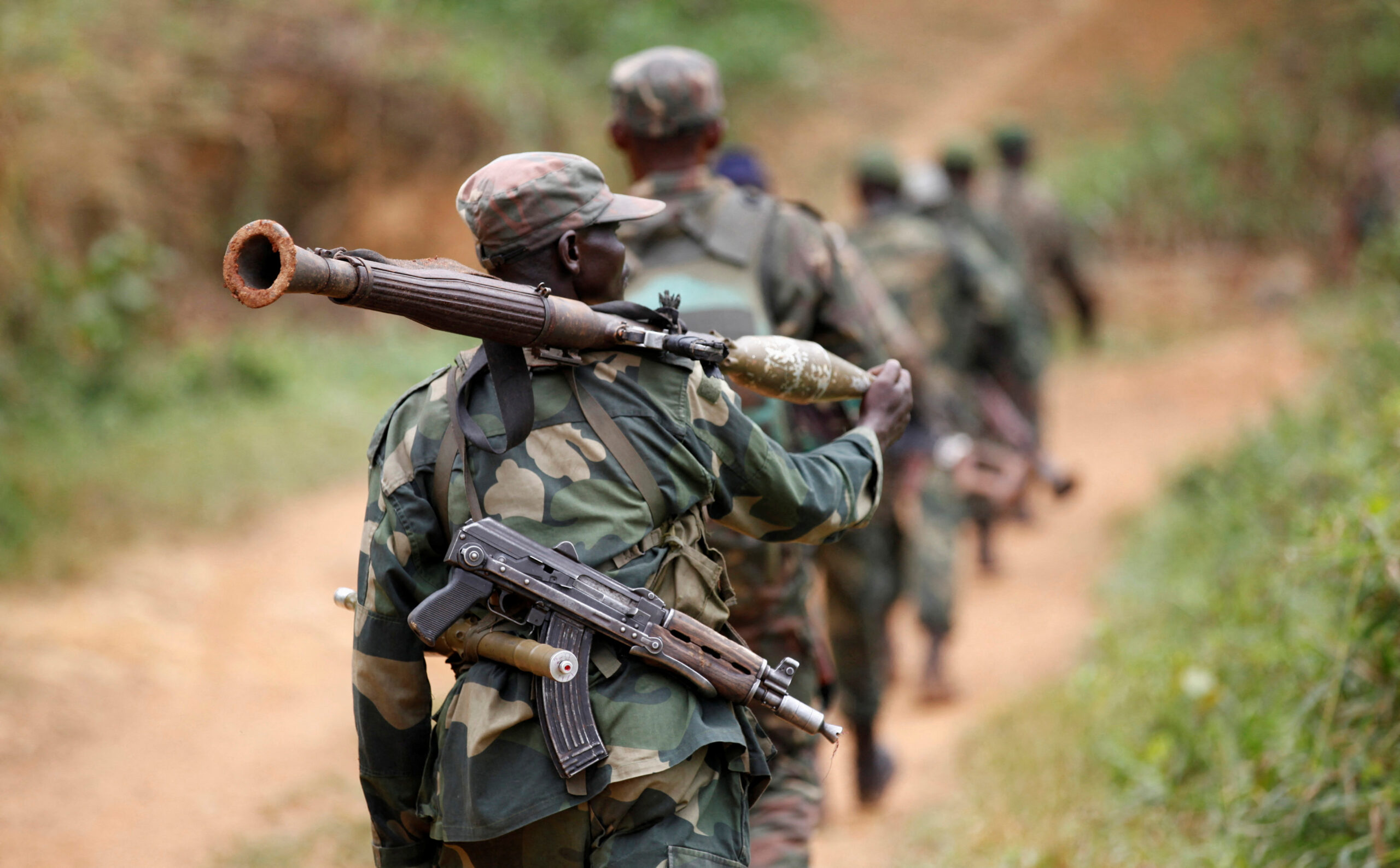
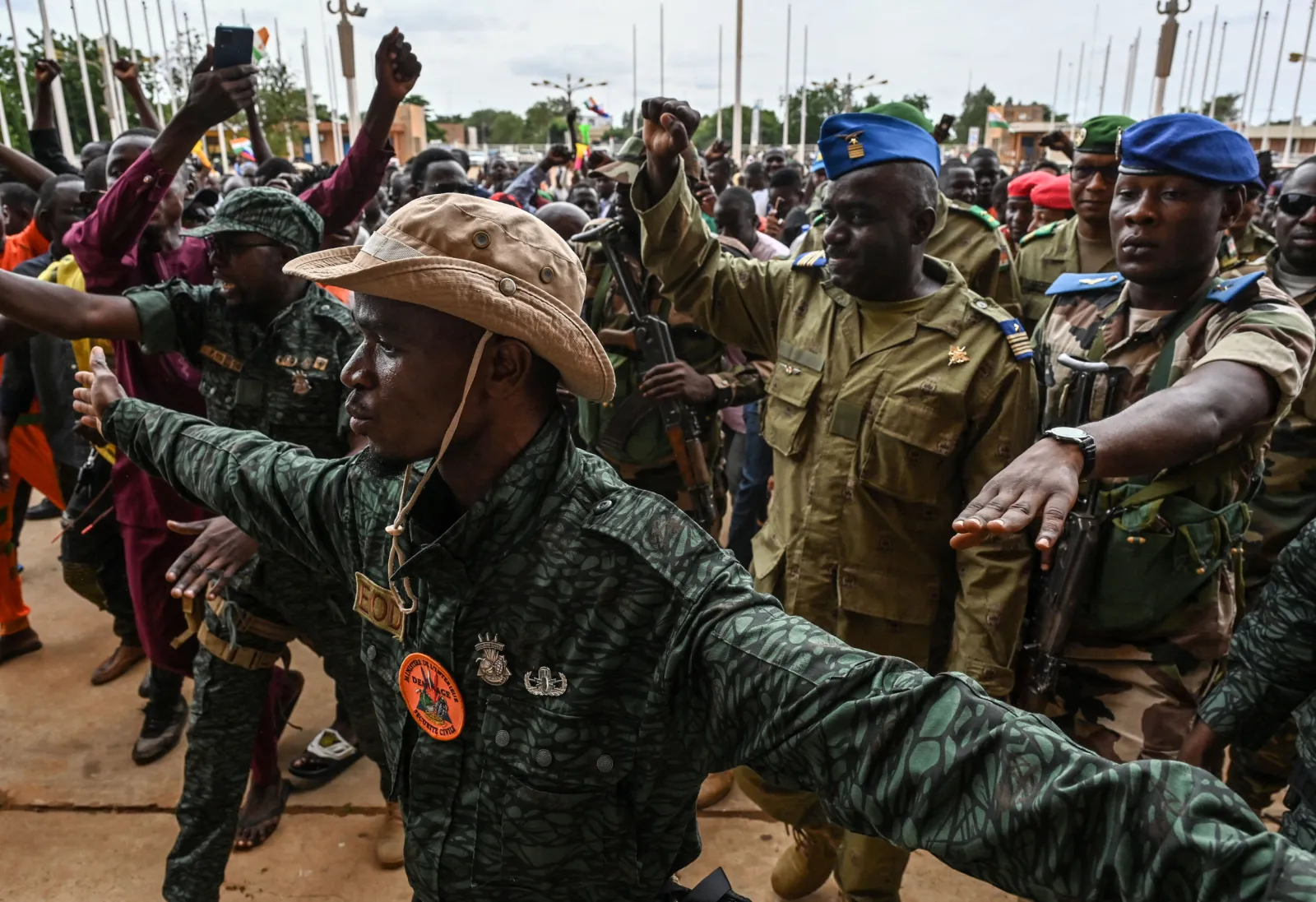
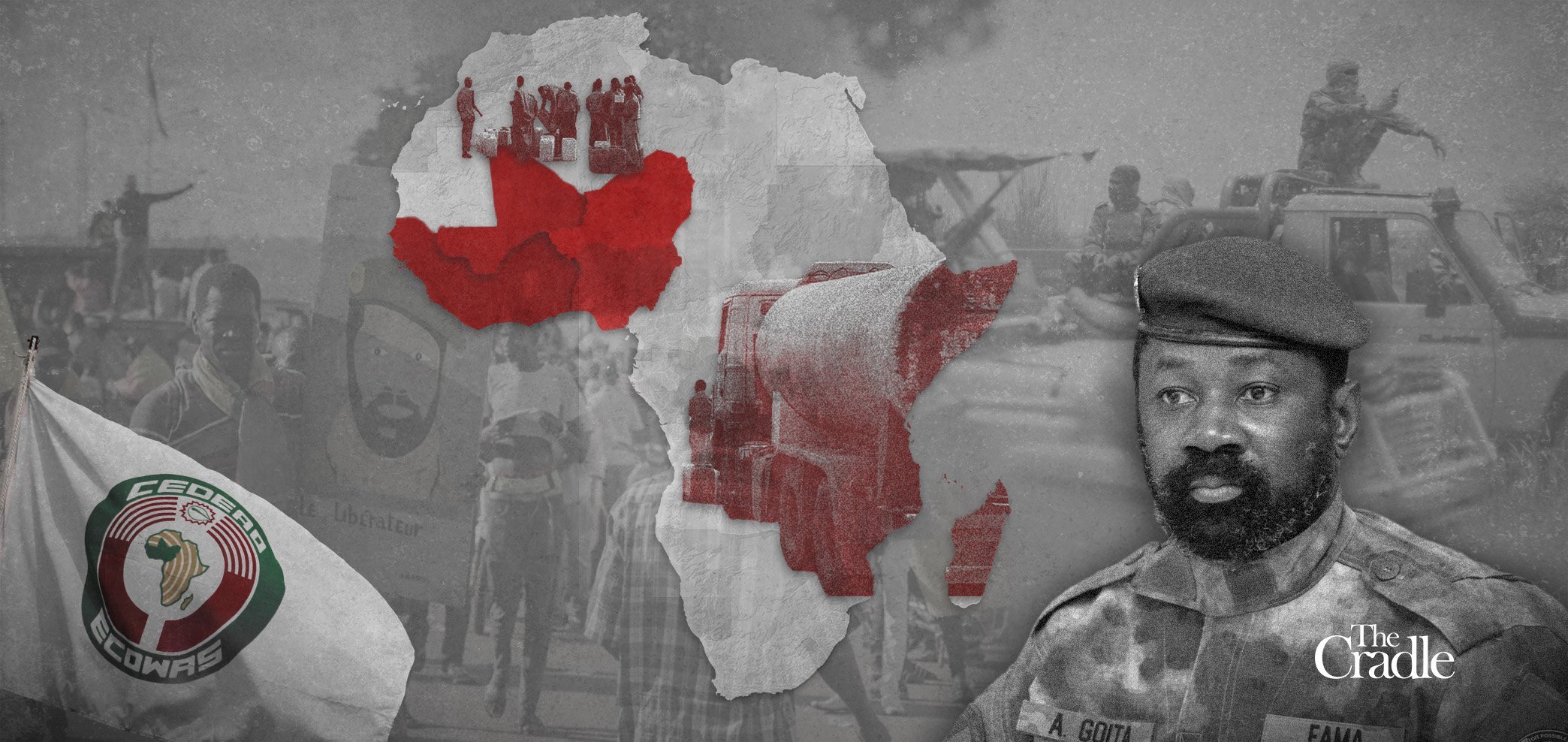
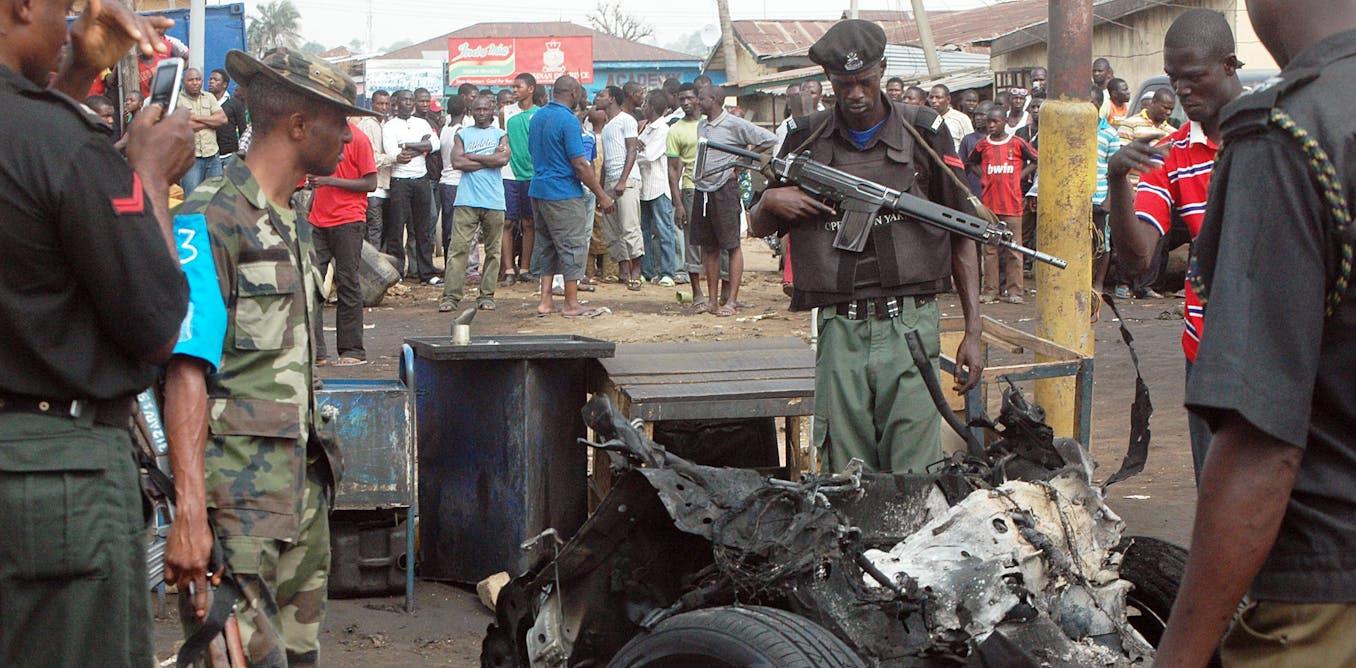
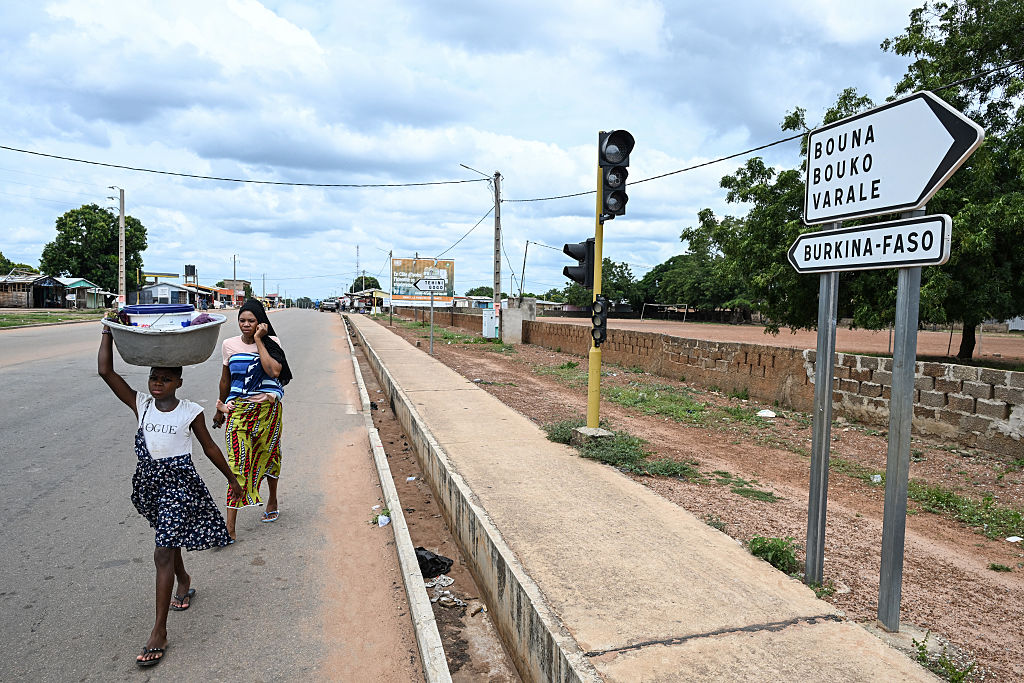
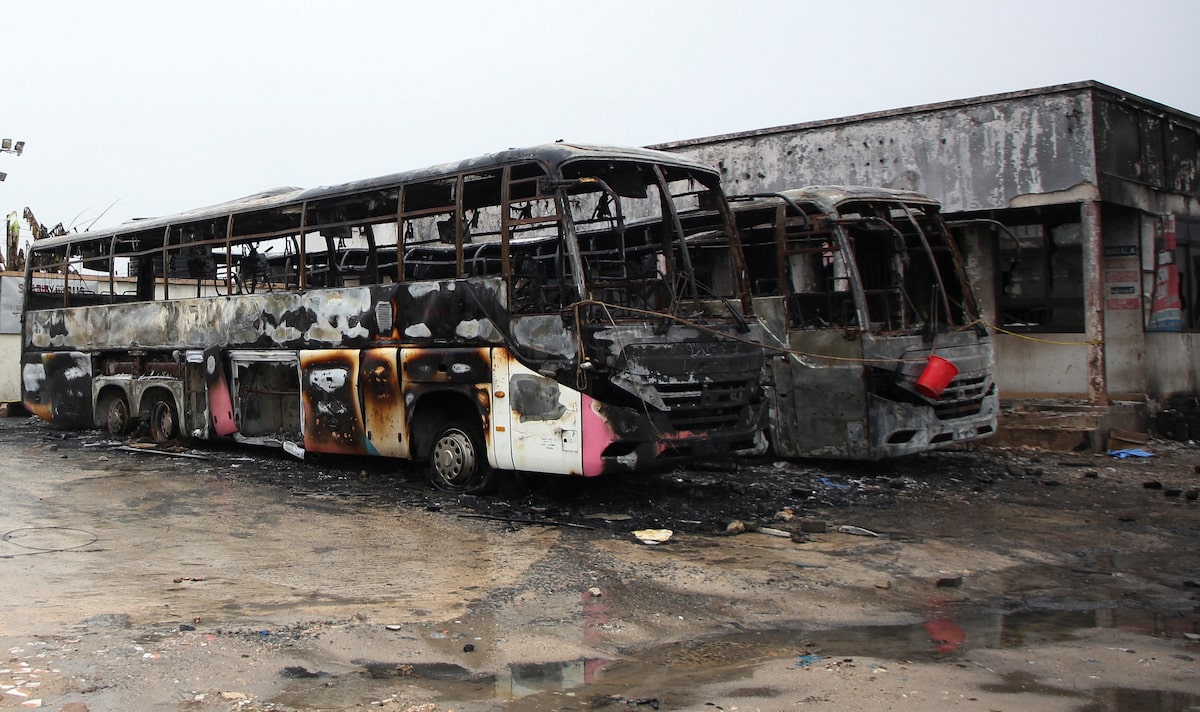
Mali’s caught in a whirlwind right now, isn’t it? The central Sahel region, already pretty unstable, is facing a rapidly changing crisis, and Mali finds itself at the very heart of it. After recent coups in Burkina Faso, Mali, and Niger, international efforts to calm things down are facing huge hurdles. Militant groups are ramping up their attacks, regional powers are jockeying for influence, and traditional foreign partners? They’re pulling out. This leaves Mali’s future hanging in the balance, as detailed by the International Crisis Group. We’re seeing a dangerous new chapter unfold in this conflict, with armed groups using surprising new methods to challenge state authority. Take that Tuareg separatist faction, for example. They launched a drone attack on a convoy of Malian military forces and Russian private military contractors, often called the Russian Africa Corps. This isn’t just another attack, it’s a worrying sign that rebel groups are getting more sophisticated, using drones for precision strikes that disrupt military operations and seriously impact morale, as reported by Maghrebi.org. This escalation comes as Jama’at Nasr al-Islam wal Muslimin (JNIM), a powerful Islamist militant coalition, continues to strengthen its grip. They’ve got strongholds not just in Mali, but across contested areas in Burkina Faso, Niger, and even stretching into northern Benin. JNIM’s big territorial ambitions and its fierce rivalry with other groups are driving these strategic moves, making counterterrorism efforts incredibly tough and deepening the insecurity plaguing the Sahel. For more on the challenges facing the region, check out this piece on the Sahel’s security crisis.
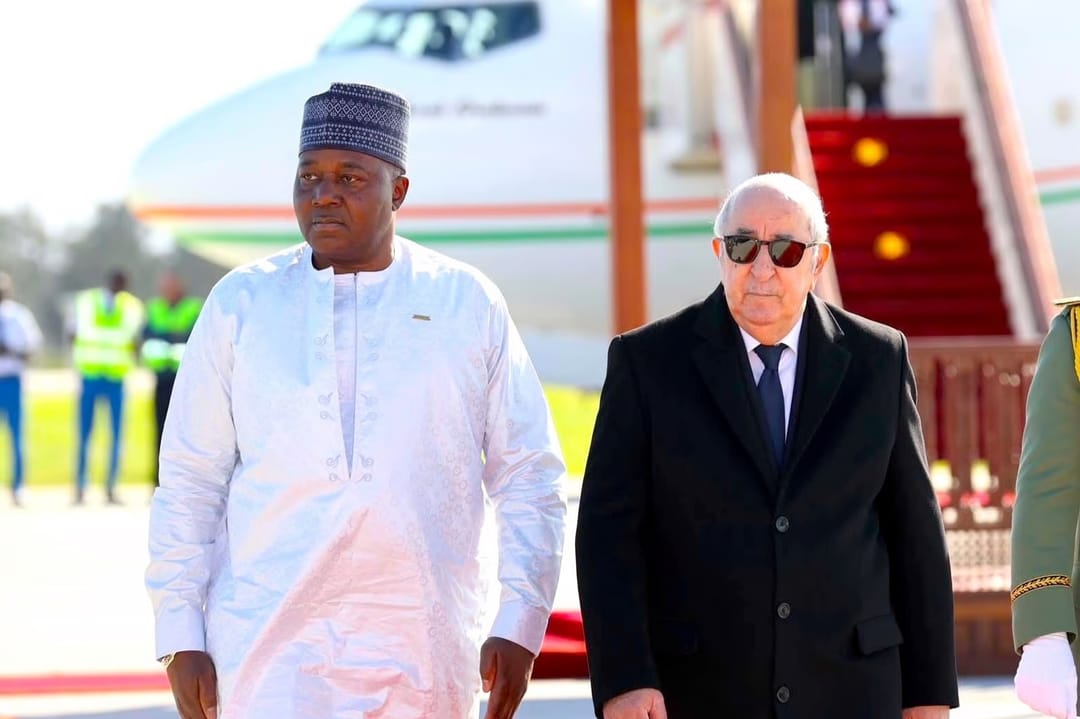
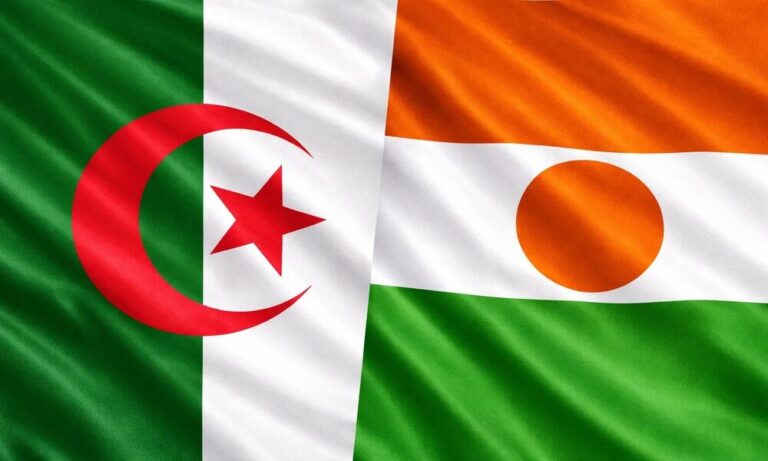
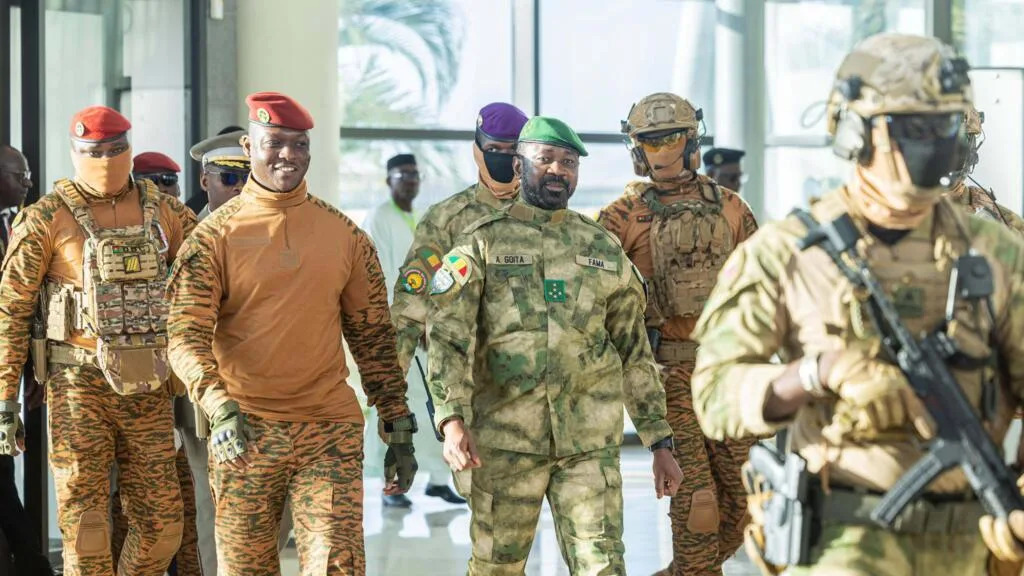
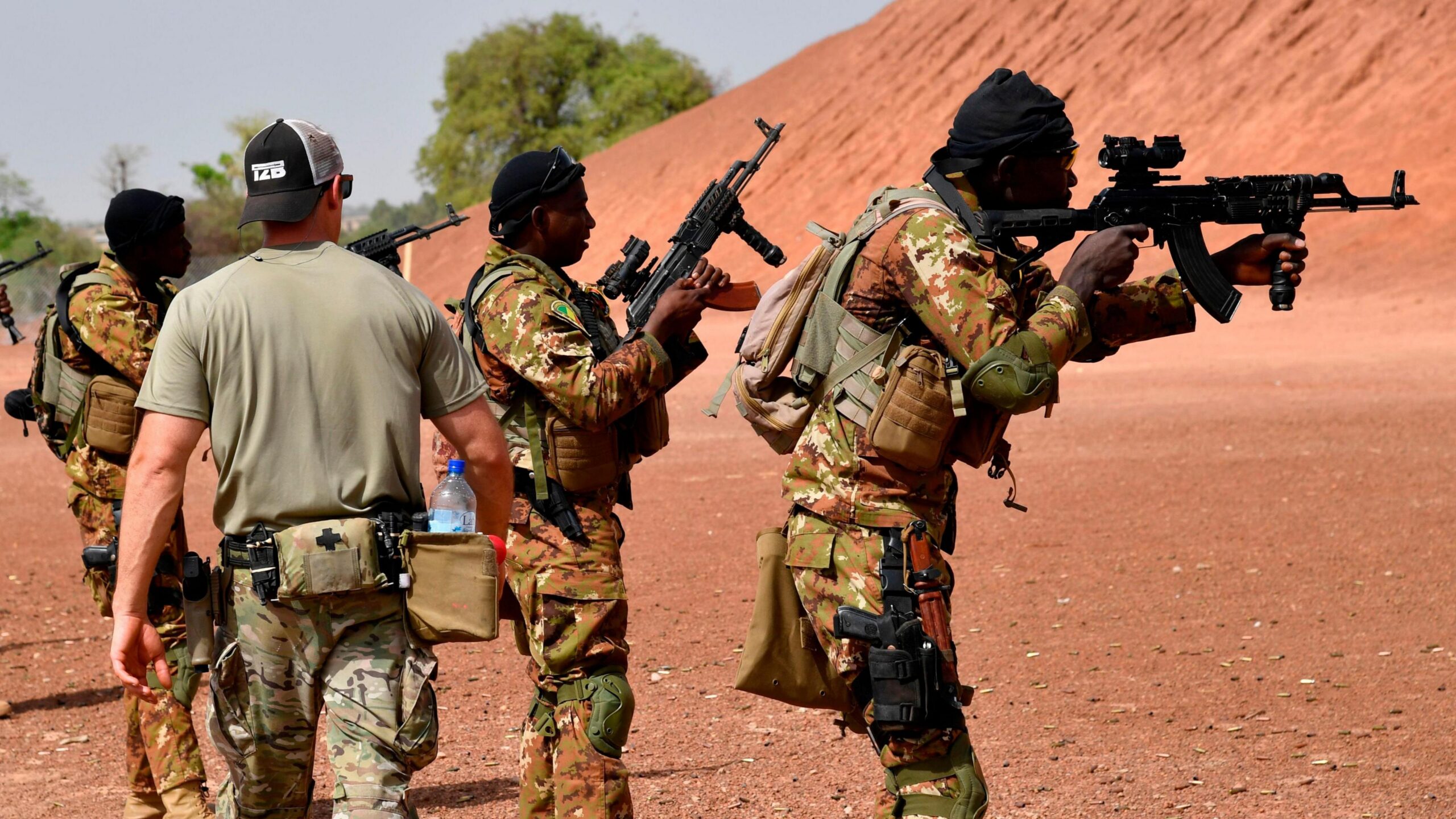
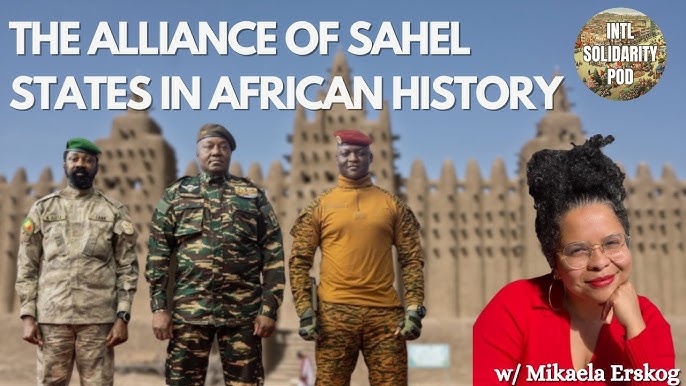
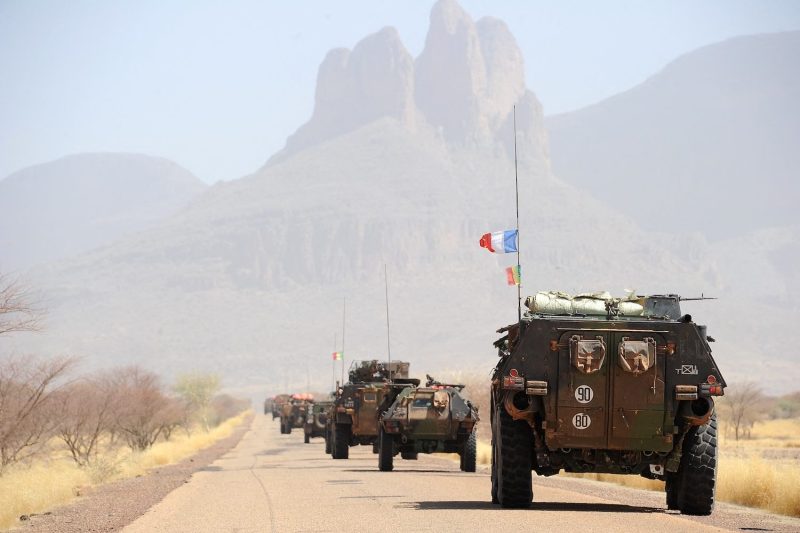
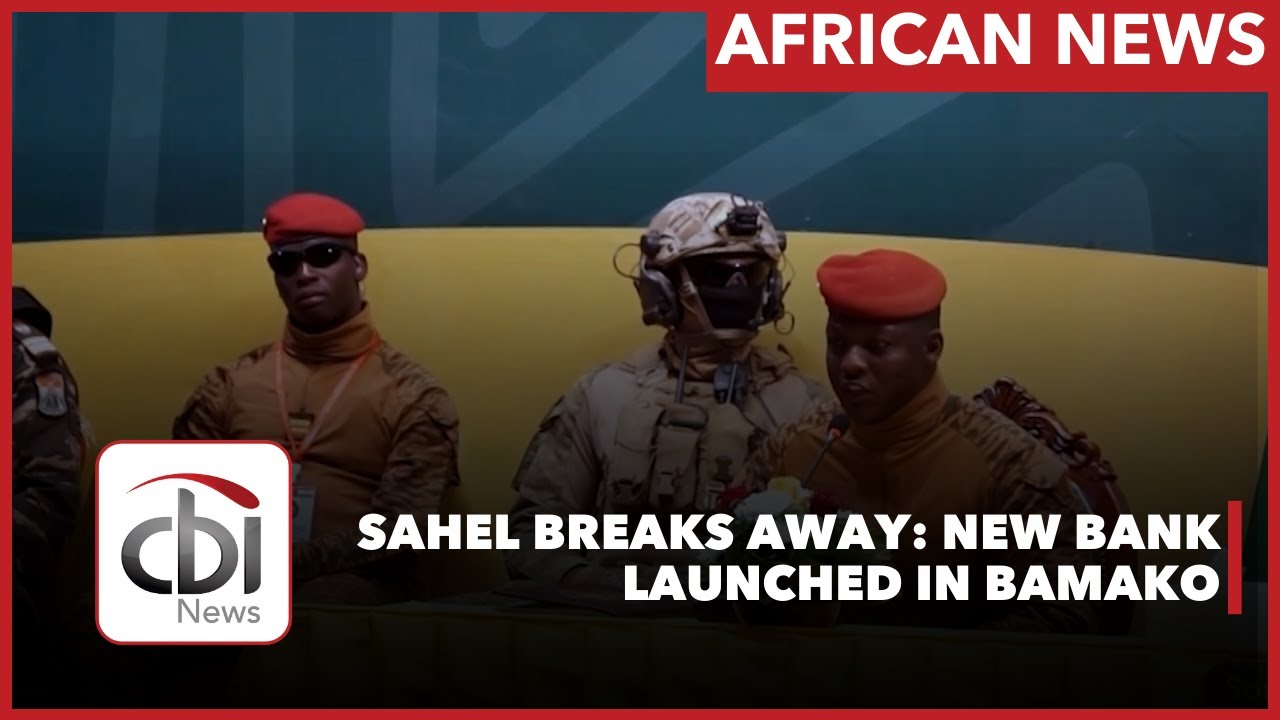
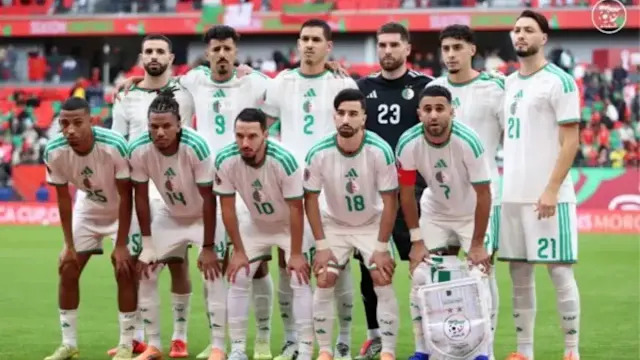
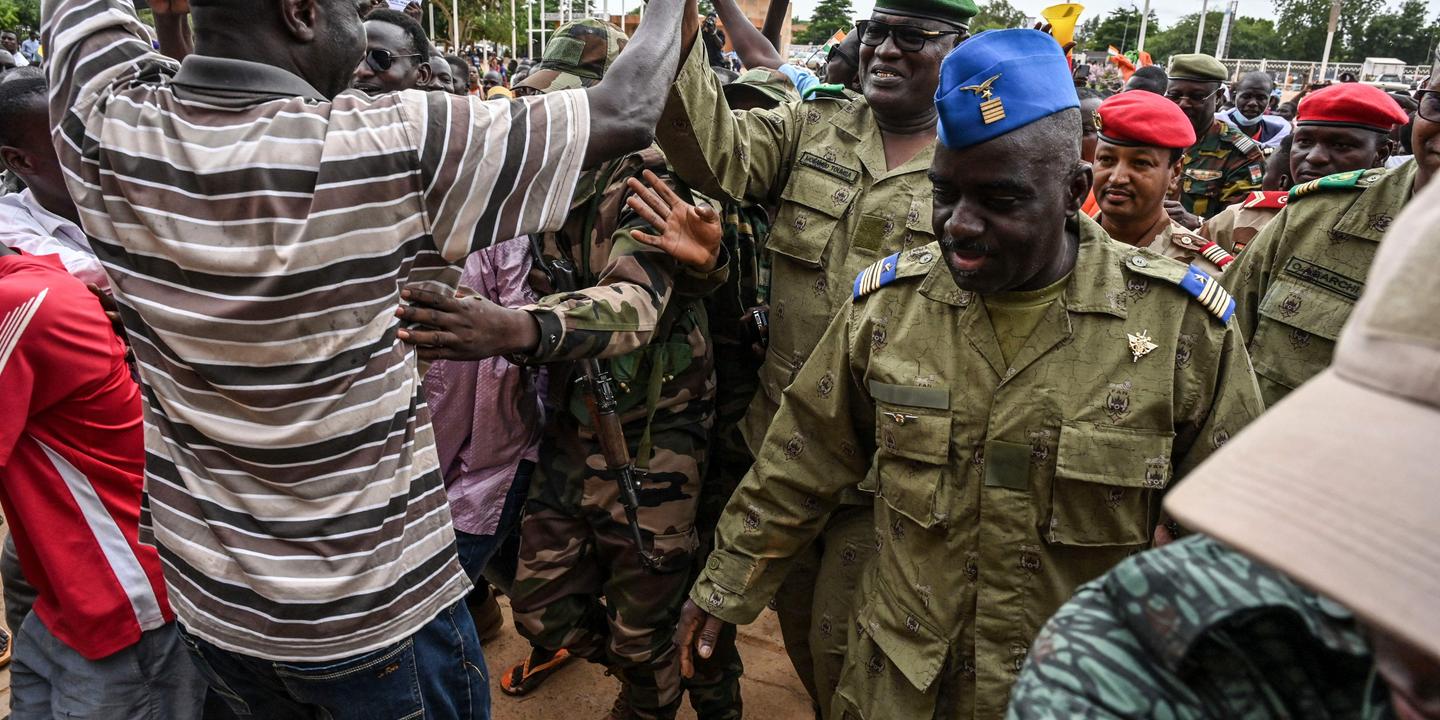
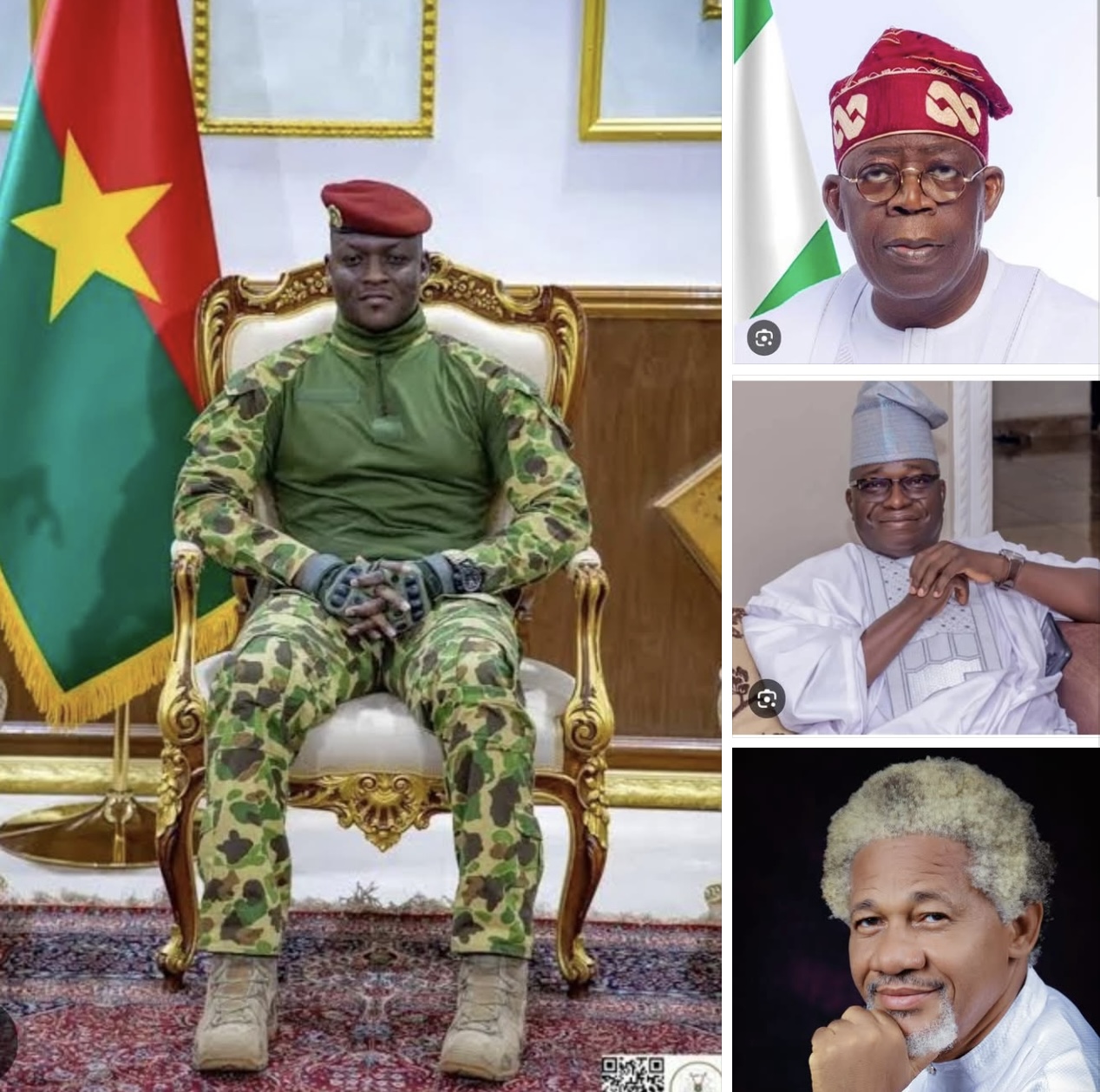
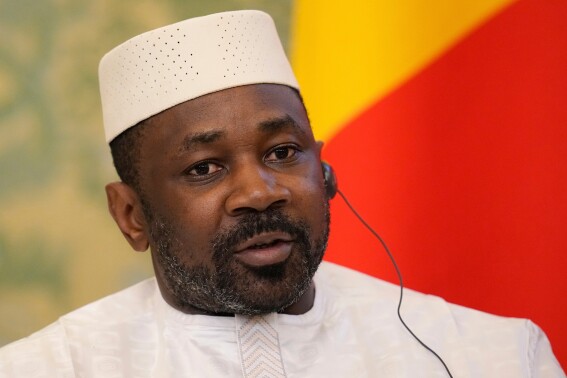
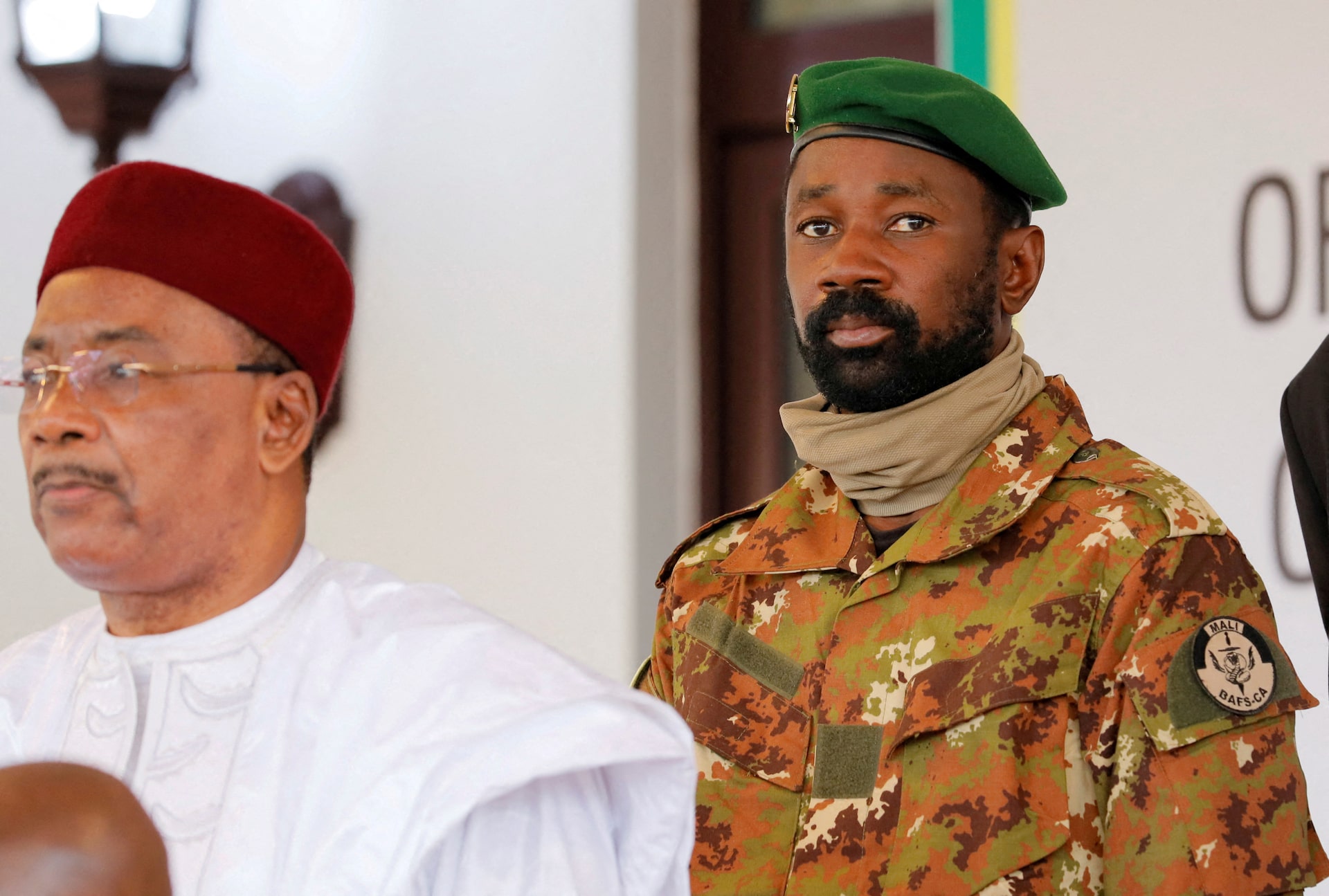
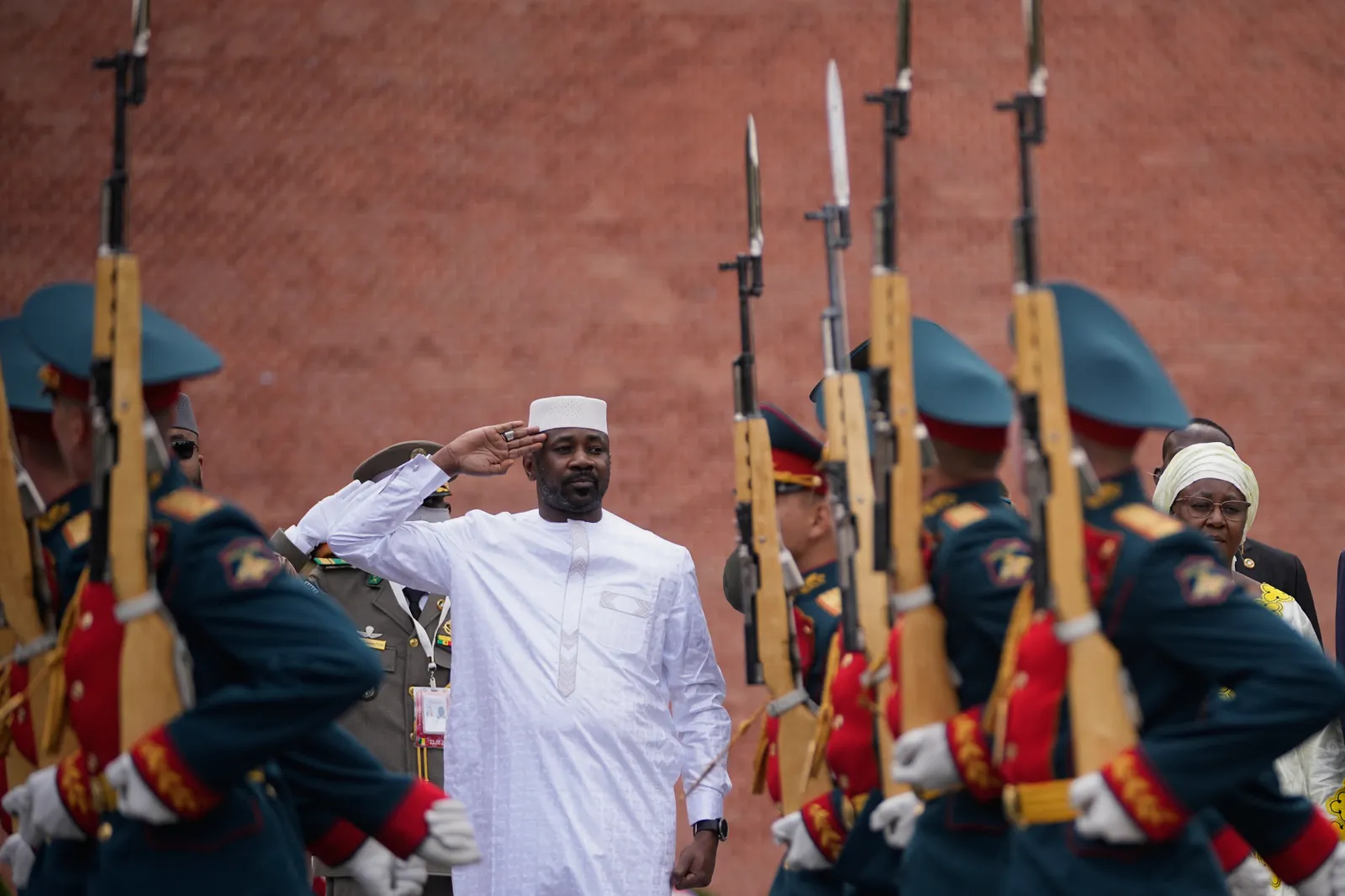
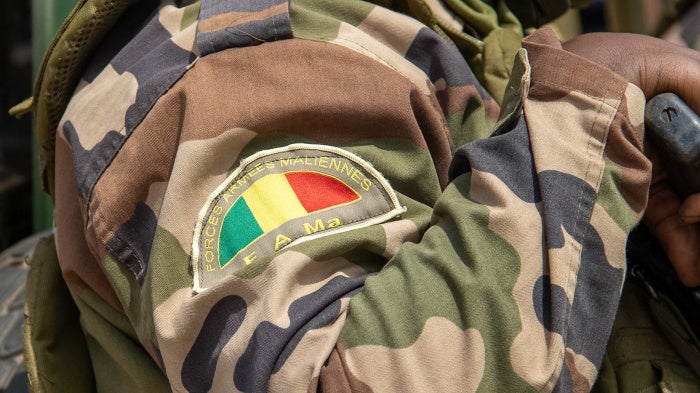
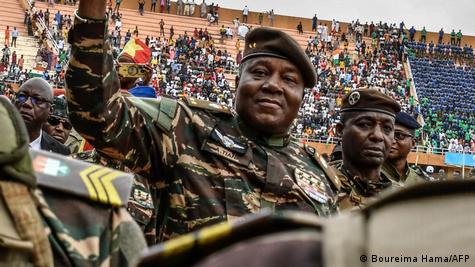
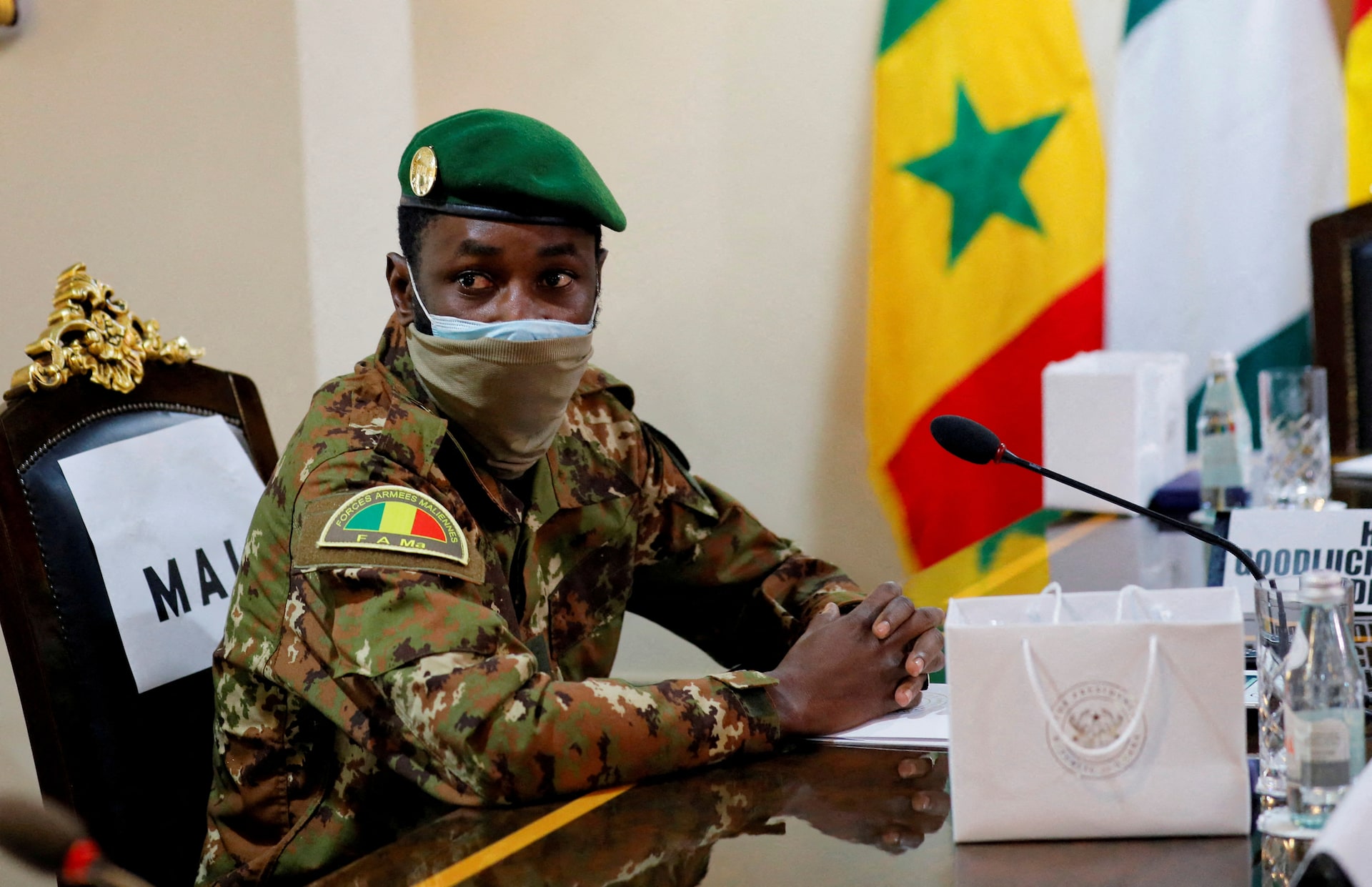
Mali’s troubles don’t stop at its borders, you know. Tensions with neighbors, especially Algeria, which is trying to regain its fading influence in Sahel affairs, are making things even worse. Diplomatic relations between Algeria and Mali have actually hit crisis levels since late 2023. What’s more, Algeria’s ties with Niger and Burkina Faso are also pretty strained, reflecting a broader shift in regional alliances and a struggle for control over the Sahel’s security and political direction. Le Monde reports on Algeria’s efforts to restore its influence. This breakdown in regional cooperation? It’s seriously hindering any coordinated efforts against militant violence and complicates broader attempts to bring stability to the Sahel. Algeria losing its sway and the growing mistrust among neighboring states show us a regional order that’s falling apart, something militants are only too happy to exploit, pushing the area further into instability. And let’s not forget, Western countries, primarily France and the United States, used to be key players in counterterrorism here. Their troops offered vital support to local governments fighting extremist groups. But now, both nations have completely pulled their military forces from Mali. Why? They’re frustrated with the Malian junta’s governance and its choices, like relying on Russian mercenaries. This withdrawal leaves a huge void. Without the logistical support, intelligence sharing, and direct military involvement these allies provided, Mali’s ability to fight militant groups is severely weakened. The junta itself is facing increasing criticism, both at home and abroad. They’re often left with very few believable options to turn the tide against the worsening security situation or to regain public trust. Want to understand more about Mali’s internal struggles? Read about Mali’s growing jihadist threat.
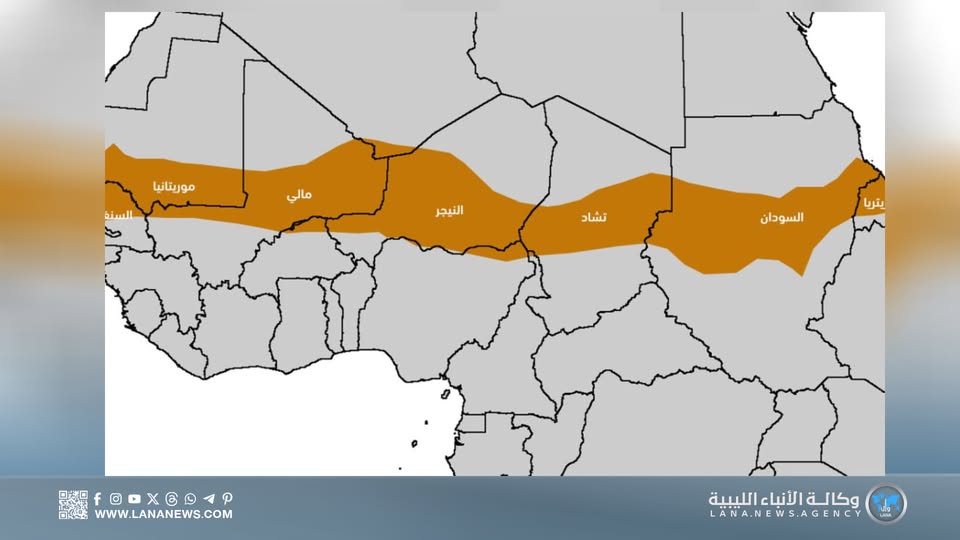
So, with all these overlapping crises, how’s the European Union responding? They’re wrestling with how to effectively engage the central Sahel, a region that’s become a hotspot for instability, threatening peace far beyond its borders. Those successive coups and the weakening of crucial regional partnerships have really forced Europe to rethink its strategies, because the old approach of backing Western-friendly governments and military missions just isn’t working anymore. The EU’s predicament really highlights how complex it is to foster stability in a region seeing rapid political upheaval, a surge in militant activity, and ever-changing international loyalties. Navigating these dynamics demands careful diplomacy and flexible support mechanisms. But the big question is: can these efforts truly keep up with what’s happening on the ground? Mali’s at a pivotal moment, and its path will deeply influence the entire Sahel’s future. The combination of new militant tactics, crumbling regional alliances, and traditional military partners pulling back paints a pretty serious picture. Yet, understanding these challenges also sheds light on fresh chances for engagement, both regionally and globally. For Mali and its neighbors, getting cooperation back on track and building inclusive political frameworks will be absolutely essential to counter armed groups and address the grievances fueling this ongoing unrest. International partners are also facing a moment of truth; they need to develop approaches that respect local contexts while still delivering real security improvements. In the coming months, Mali’s story will tell us a lot about the central Sahel, with its outcomes shaping peace prospects not just within its own borders, but across this huge, diverse region that’s desperately fighting for stability. For details on how Russia is increasing its presence in the region, see Russia’s expanding influence in the Sahel.