AES Alliance: A New Era for Sahel States Amid Shifting Security Dynamics
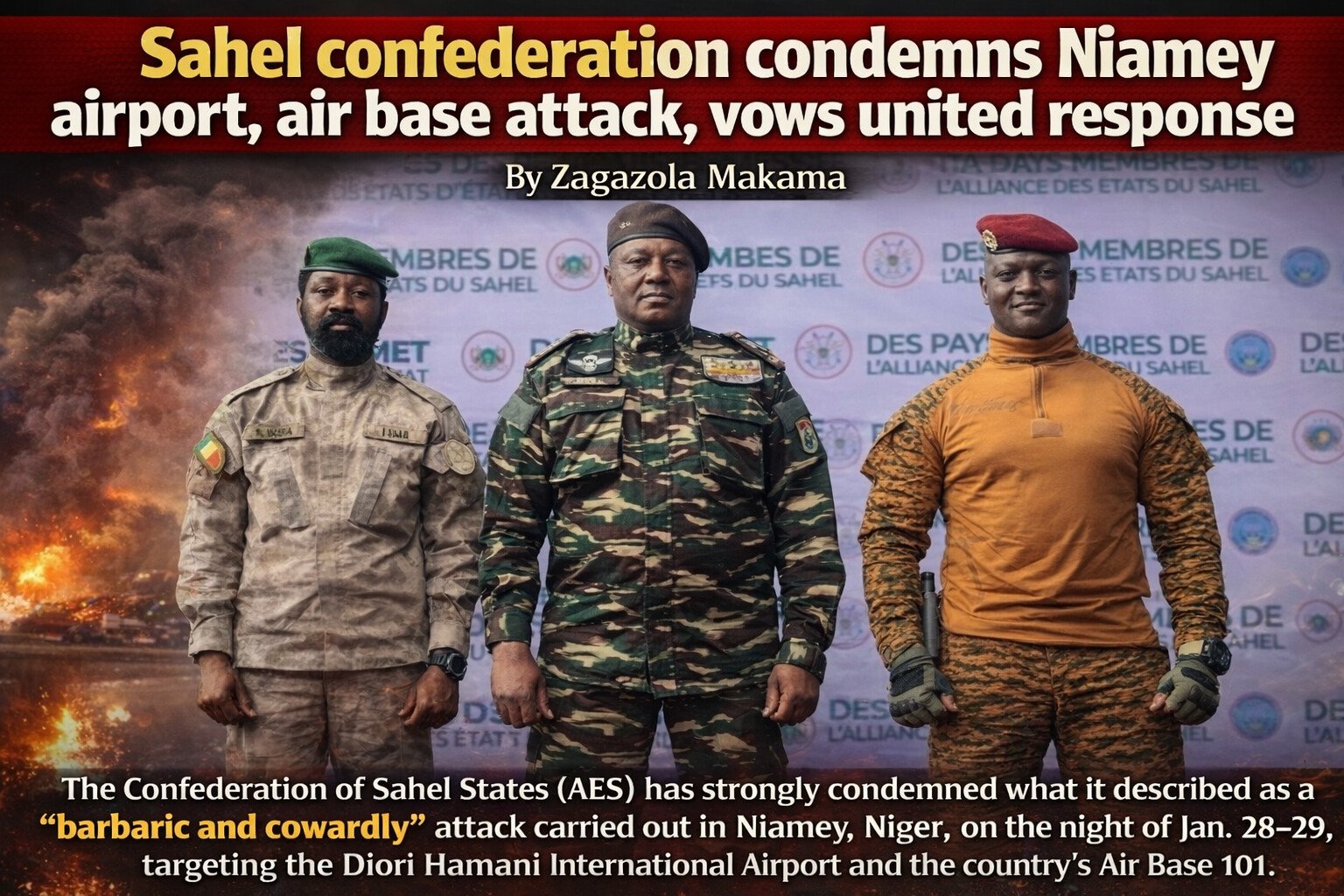
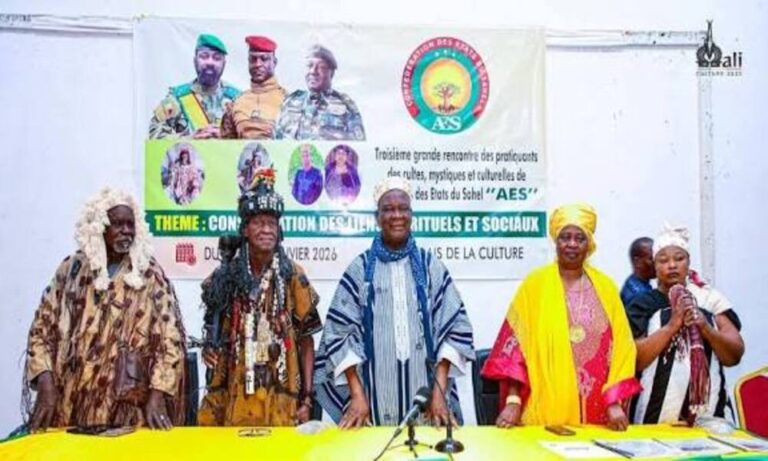
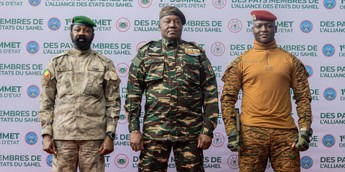
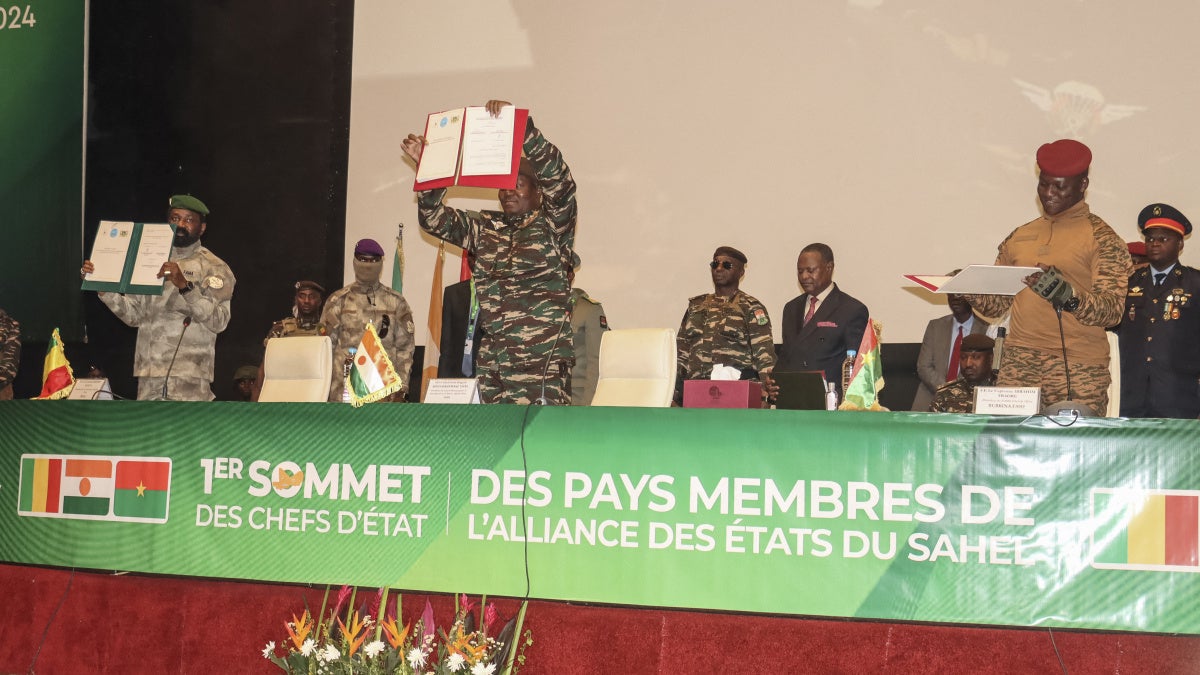
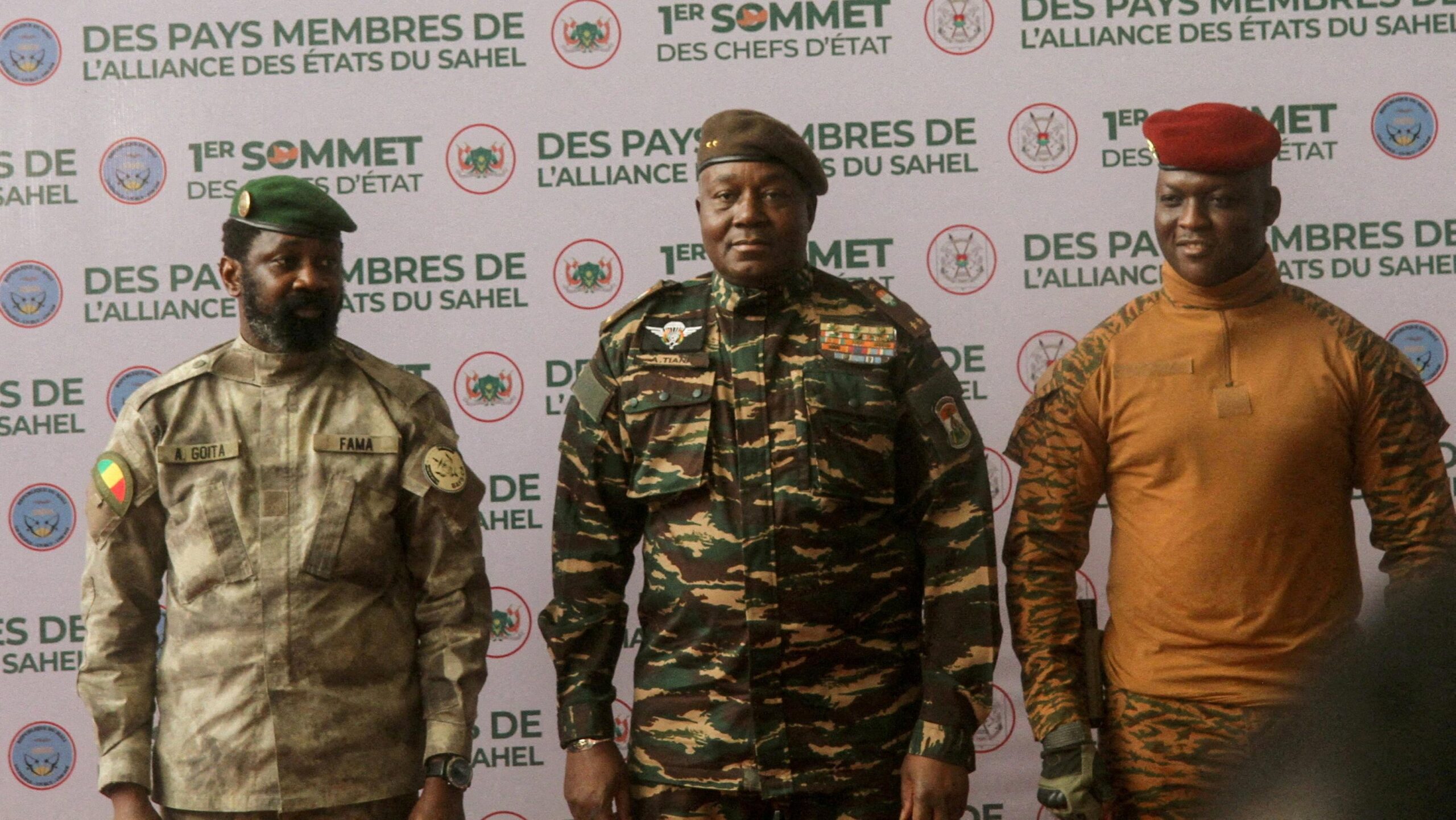
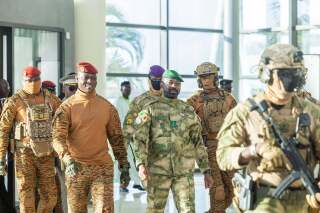
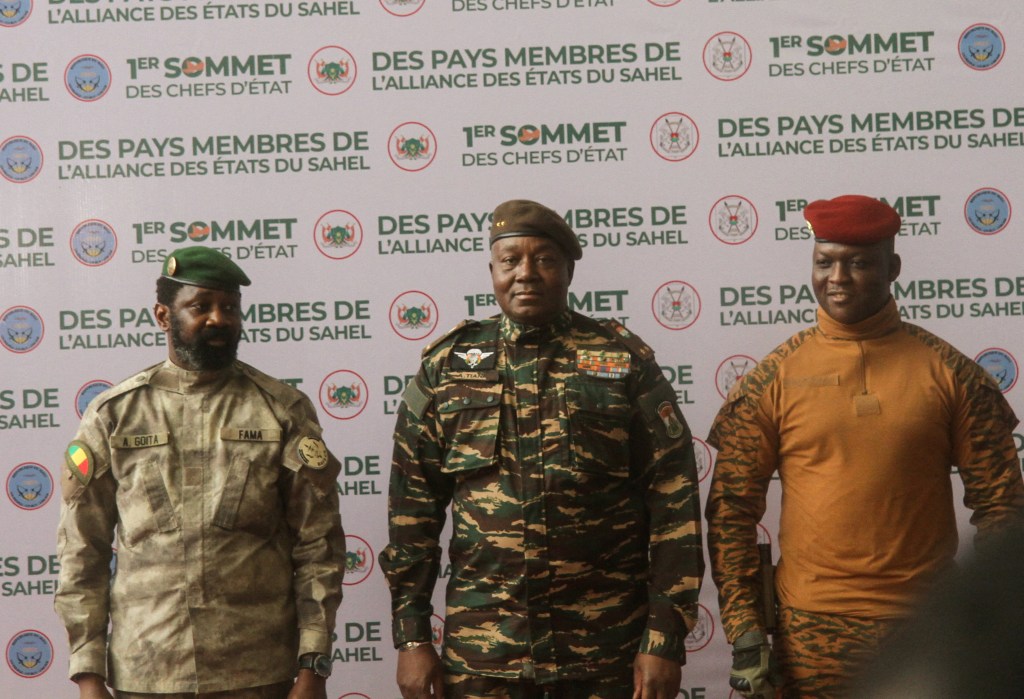
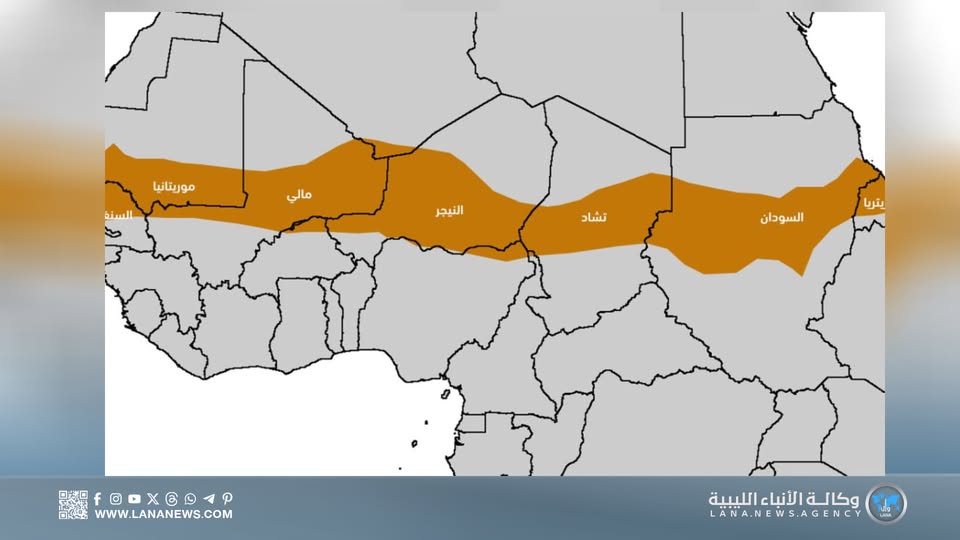
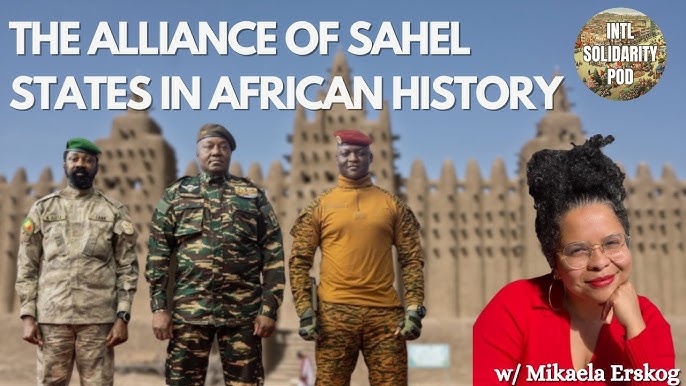
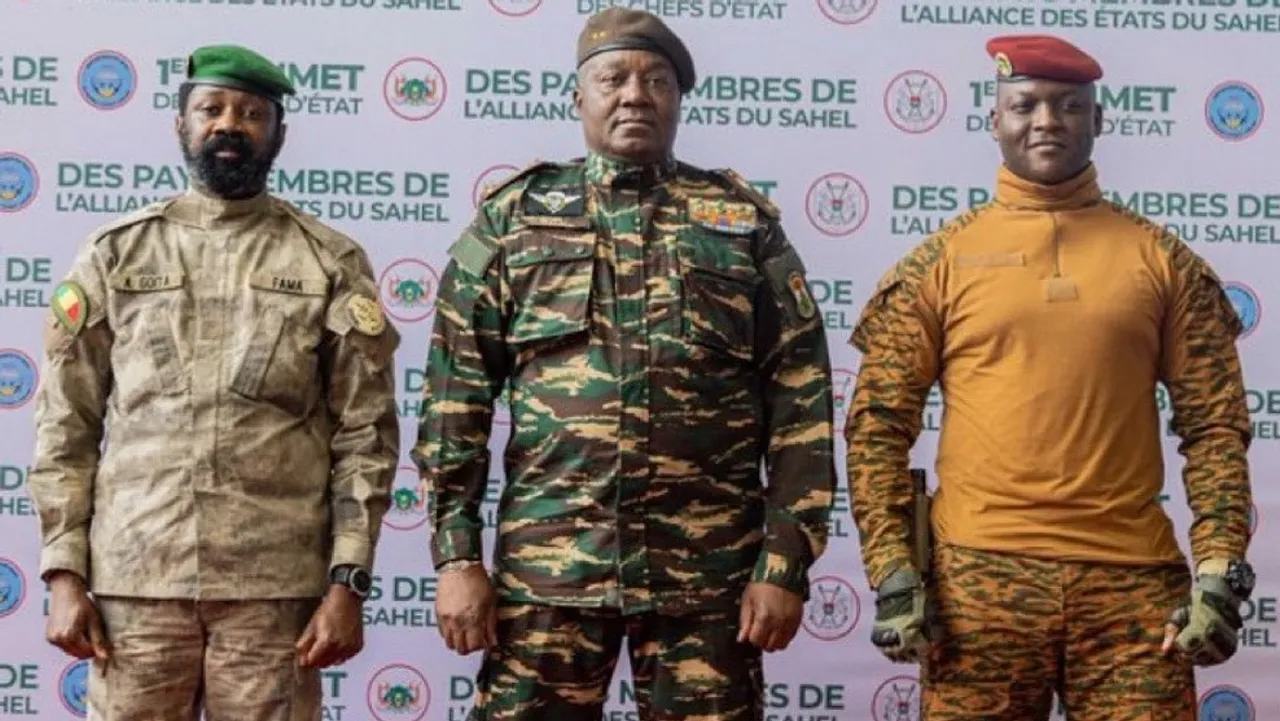
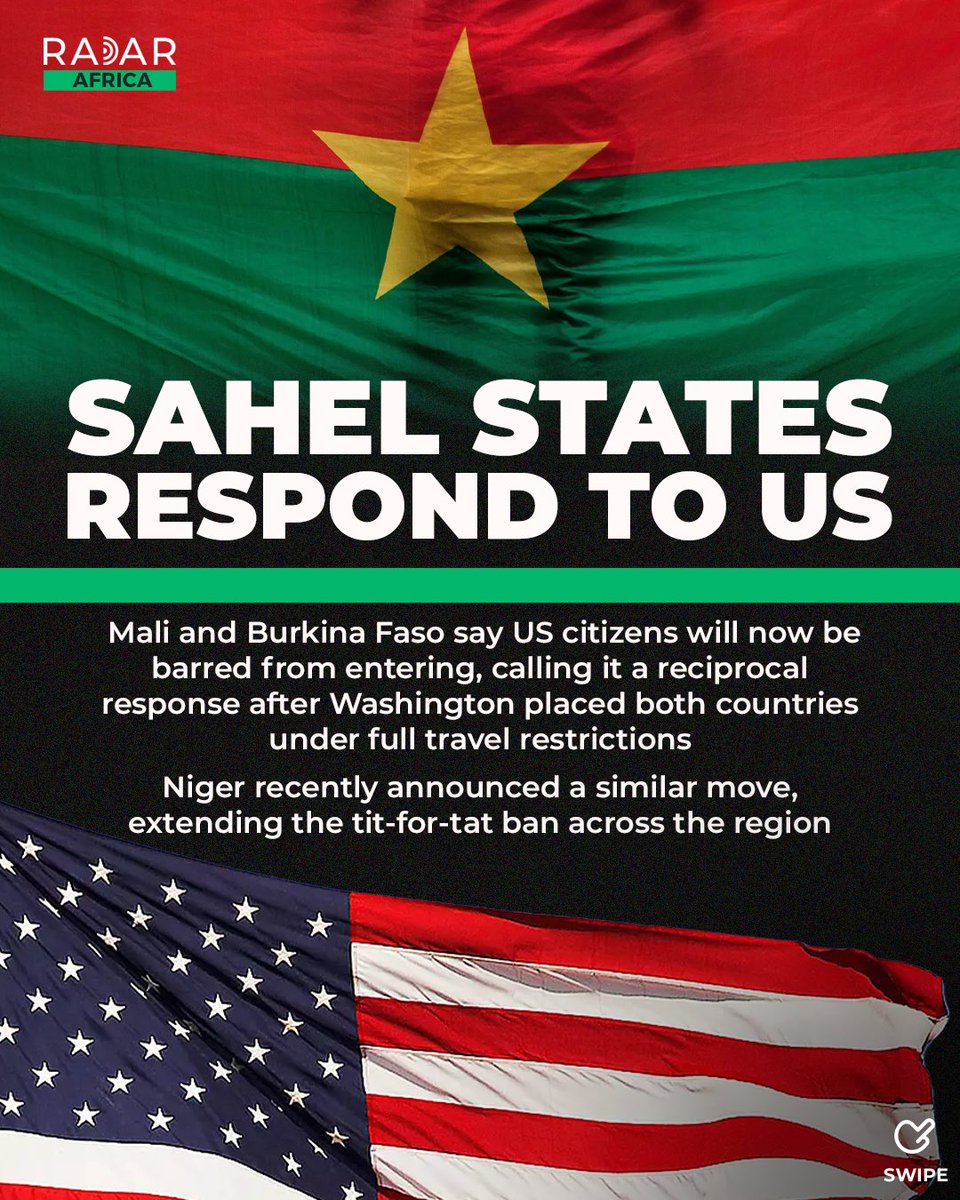
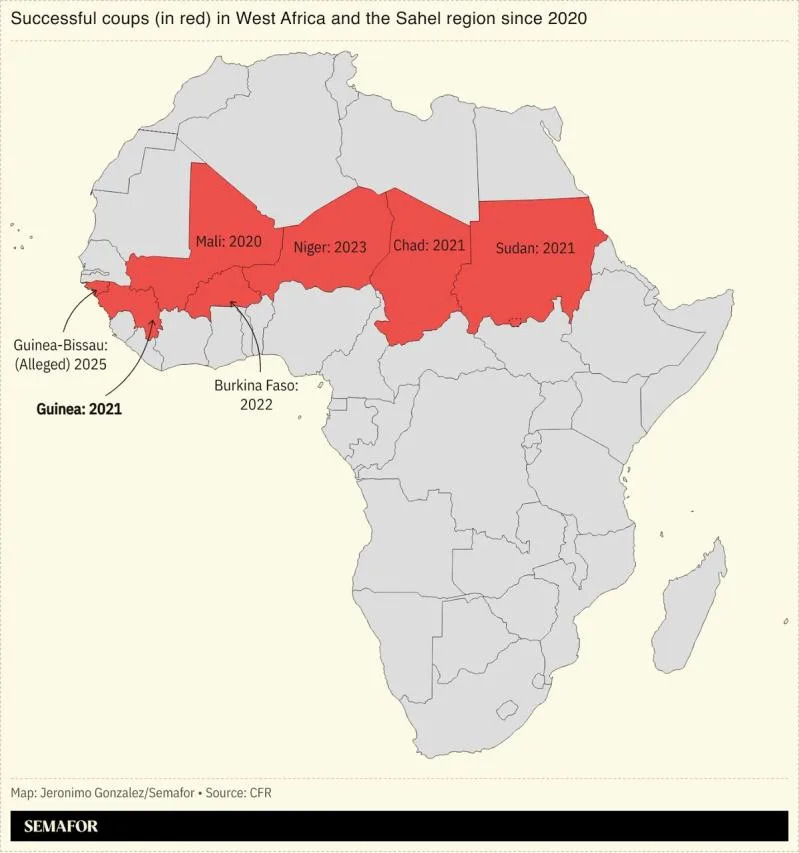
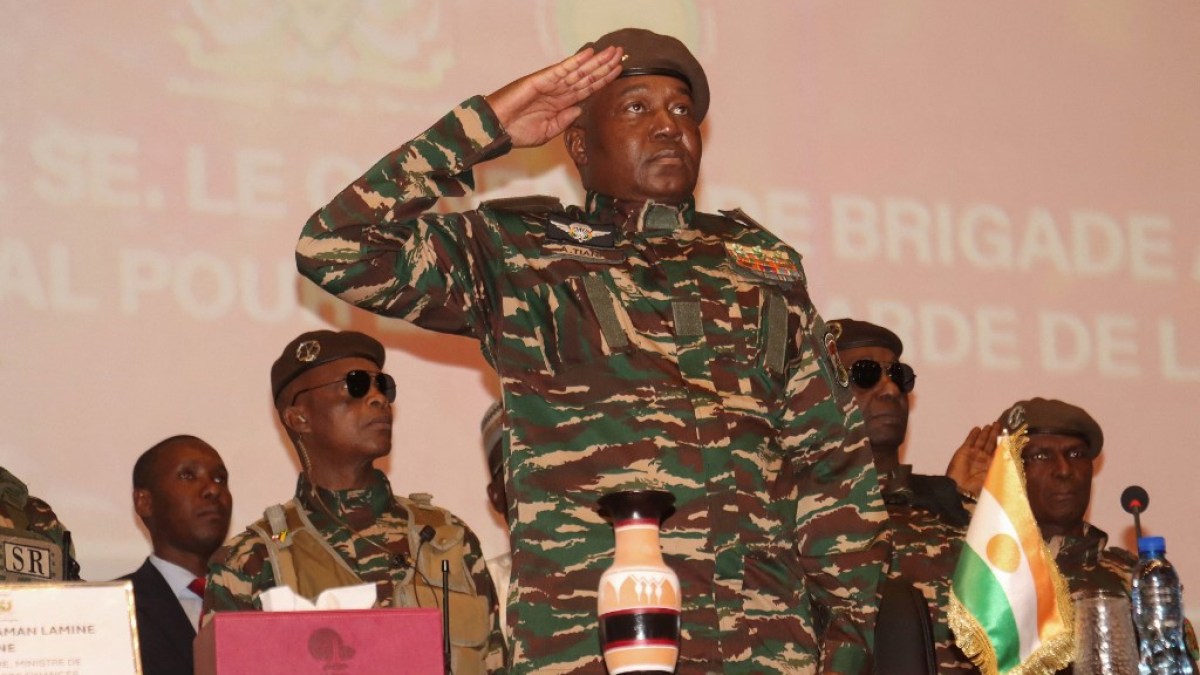
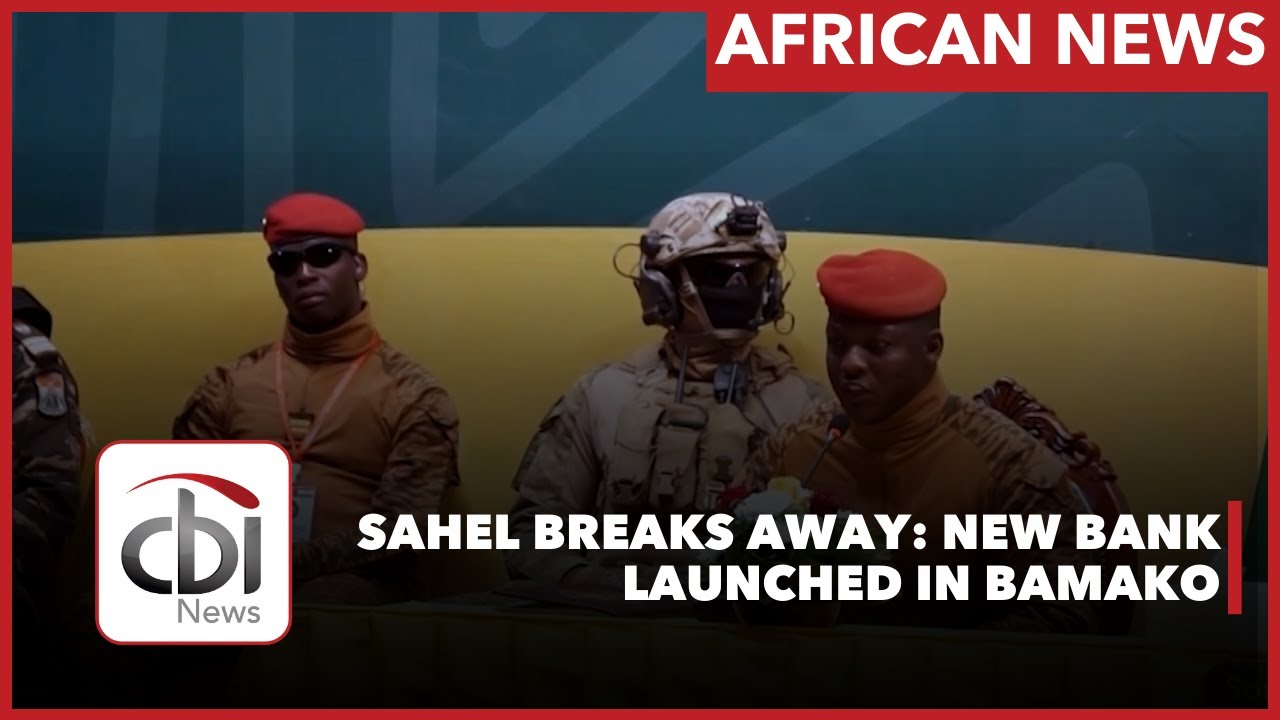
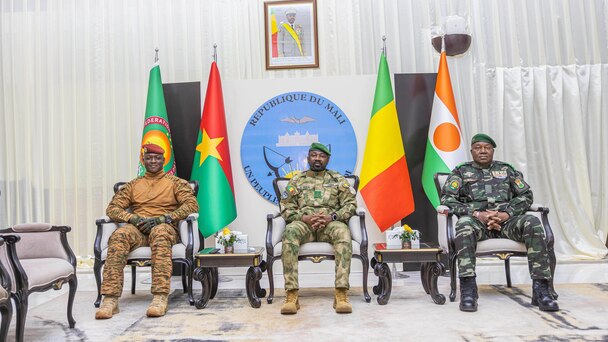
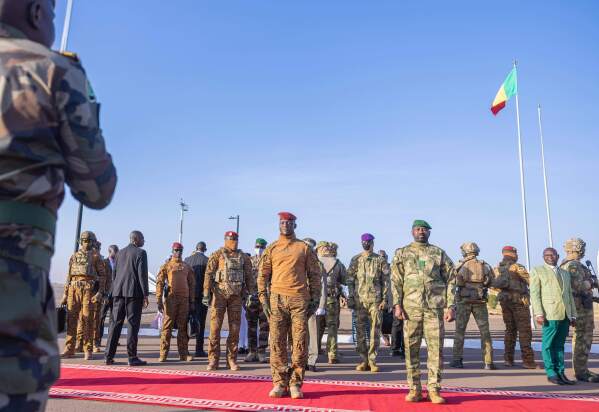
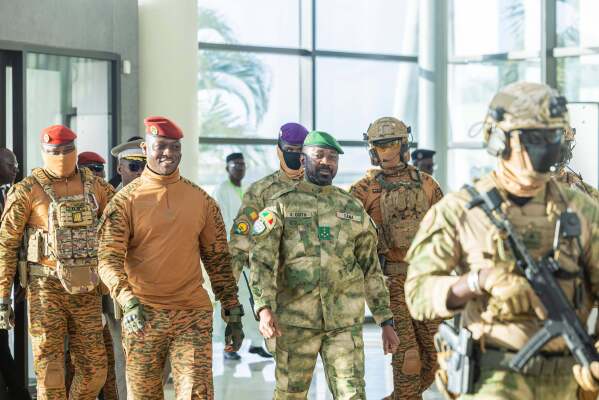
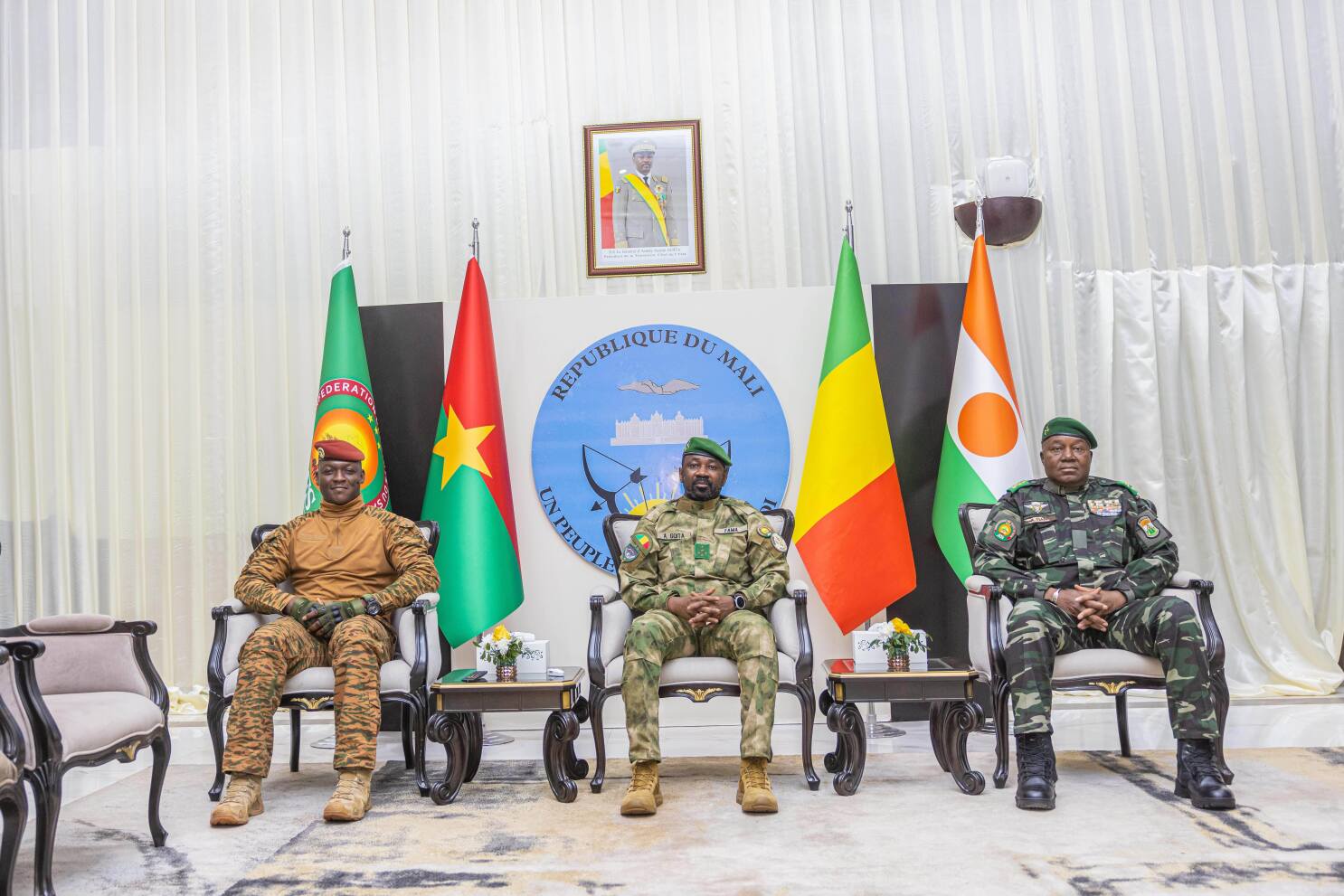
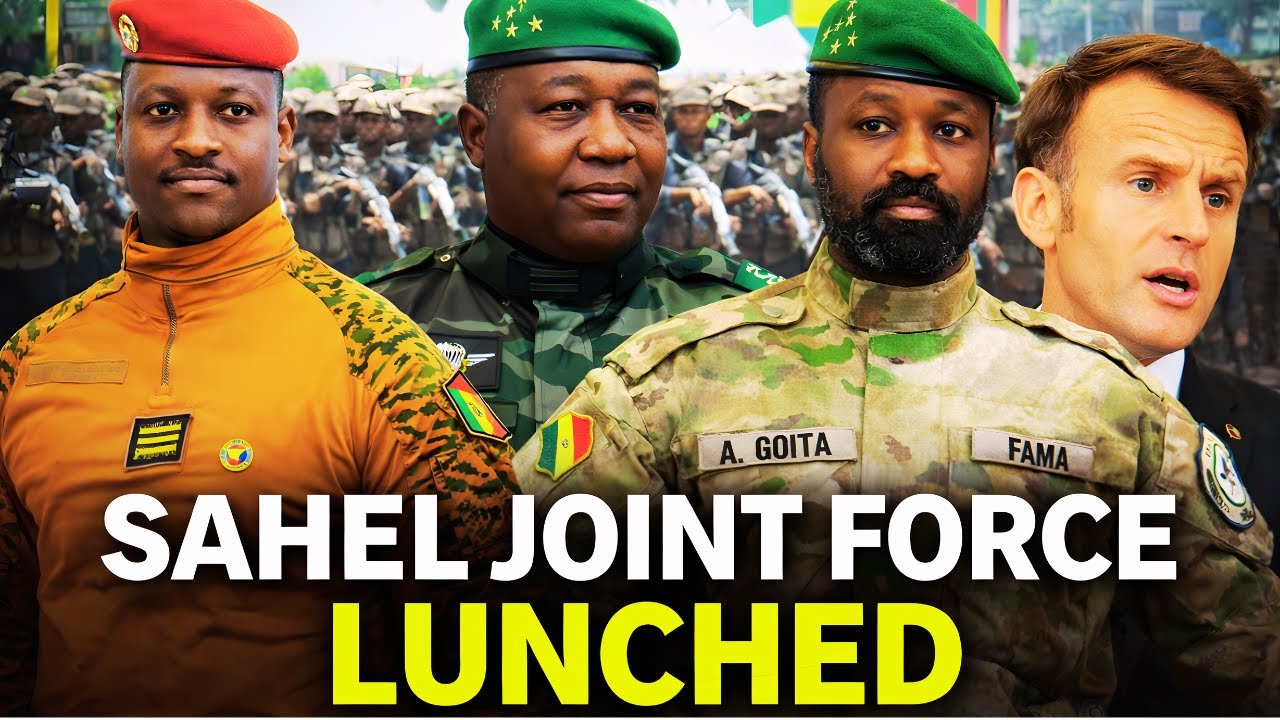
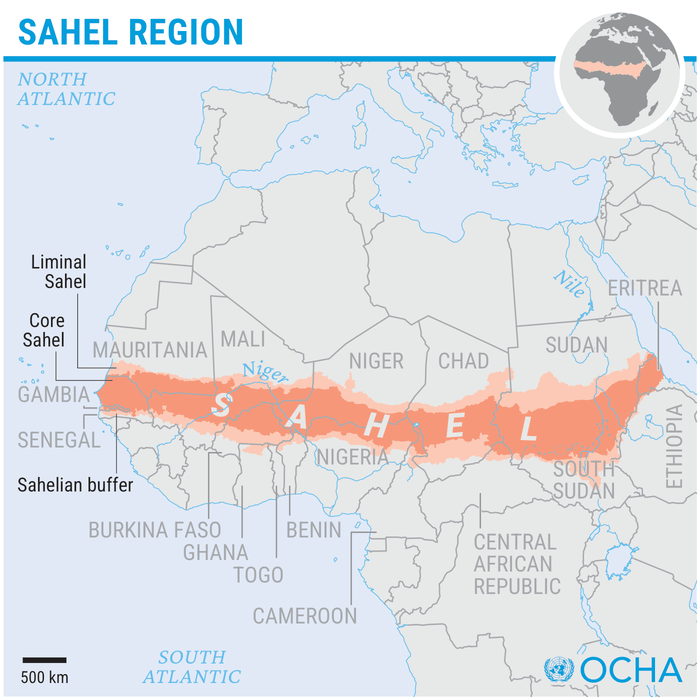
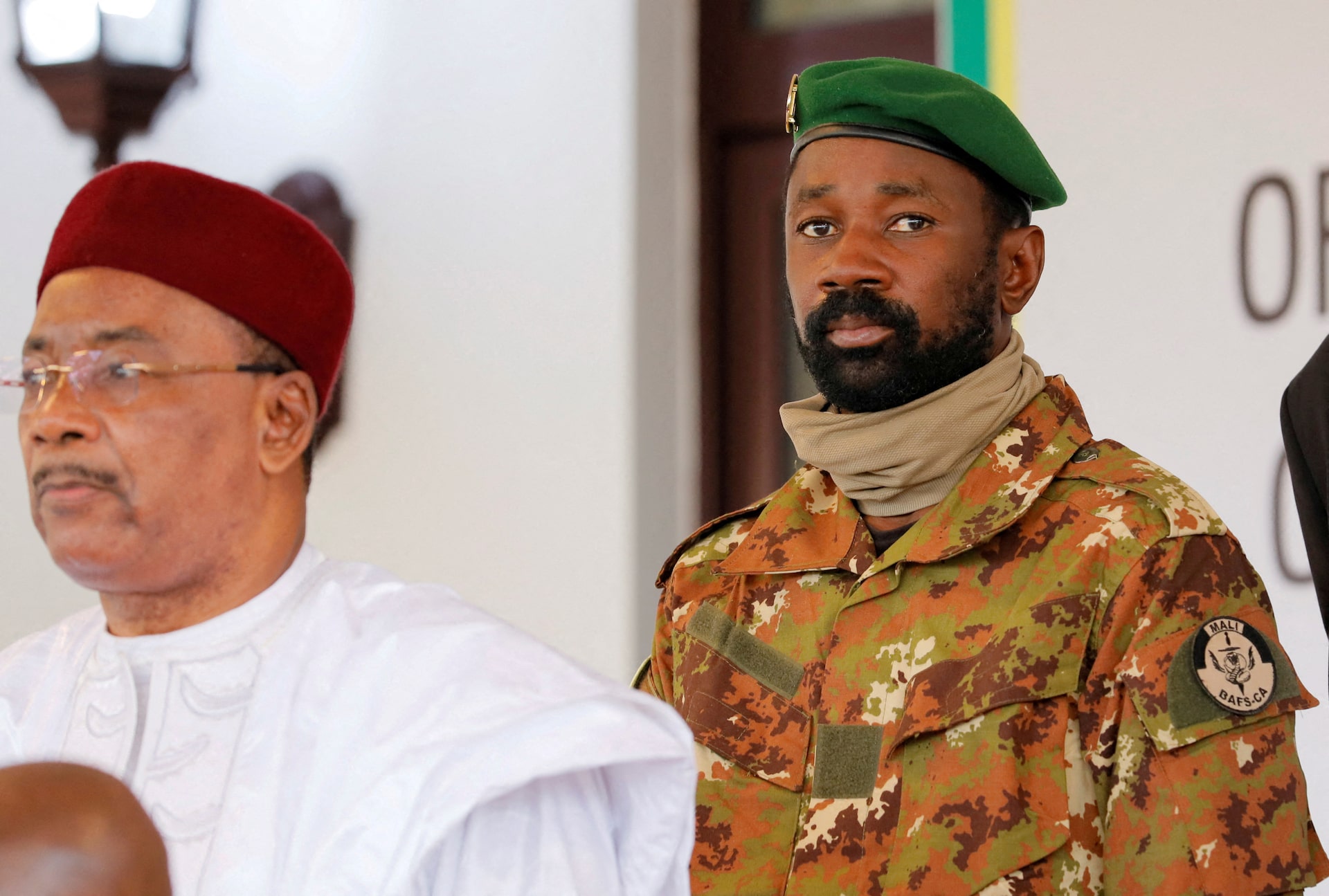
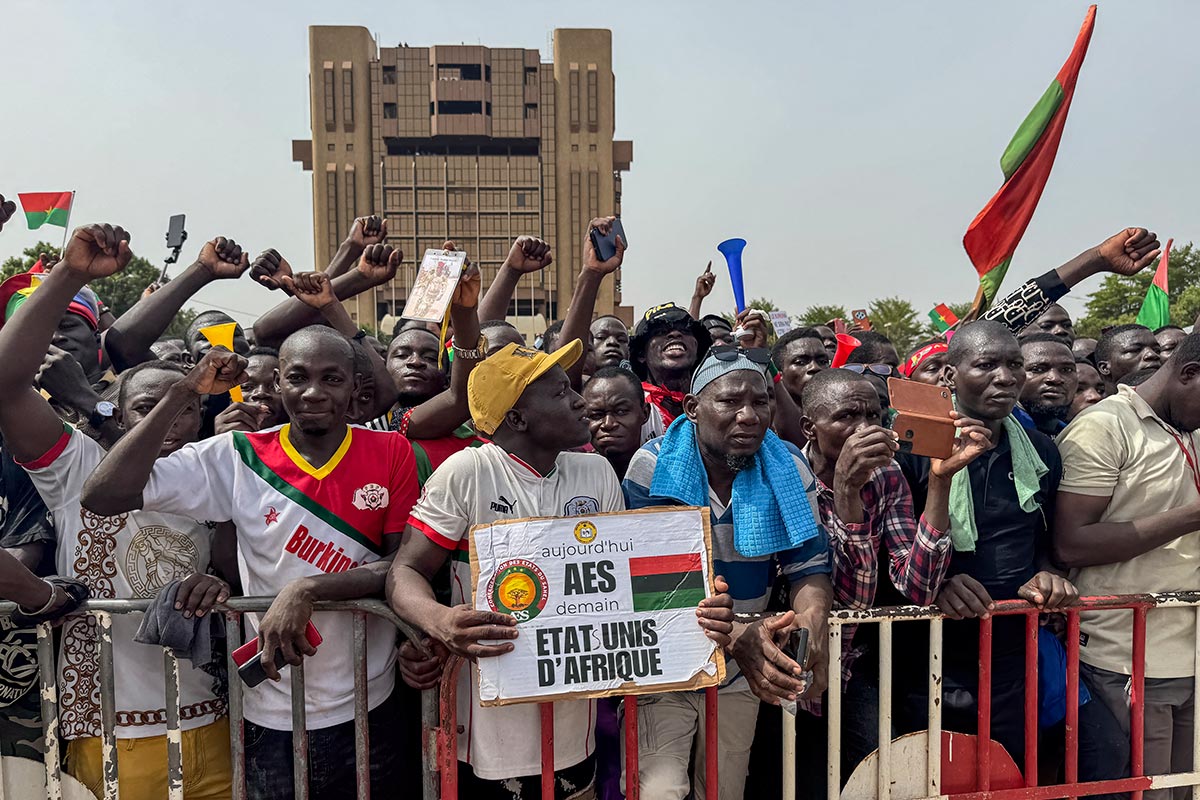
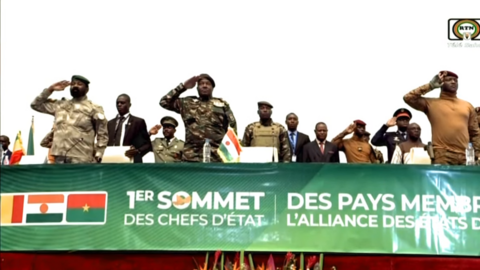
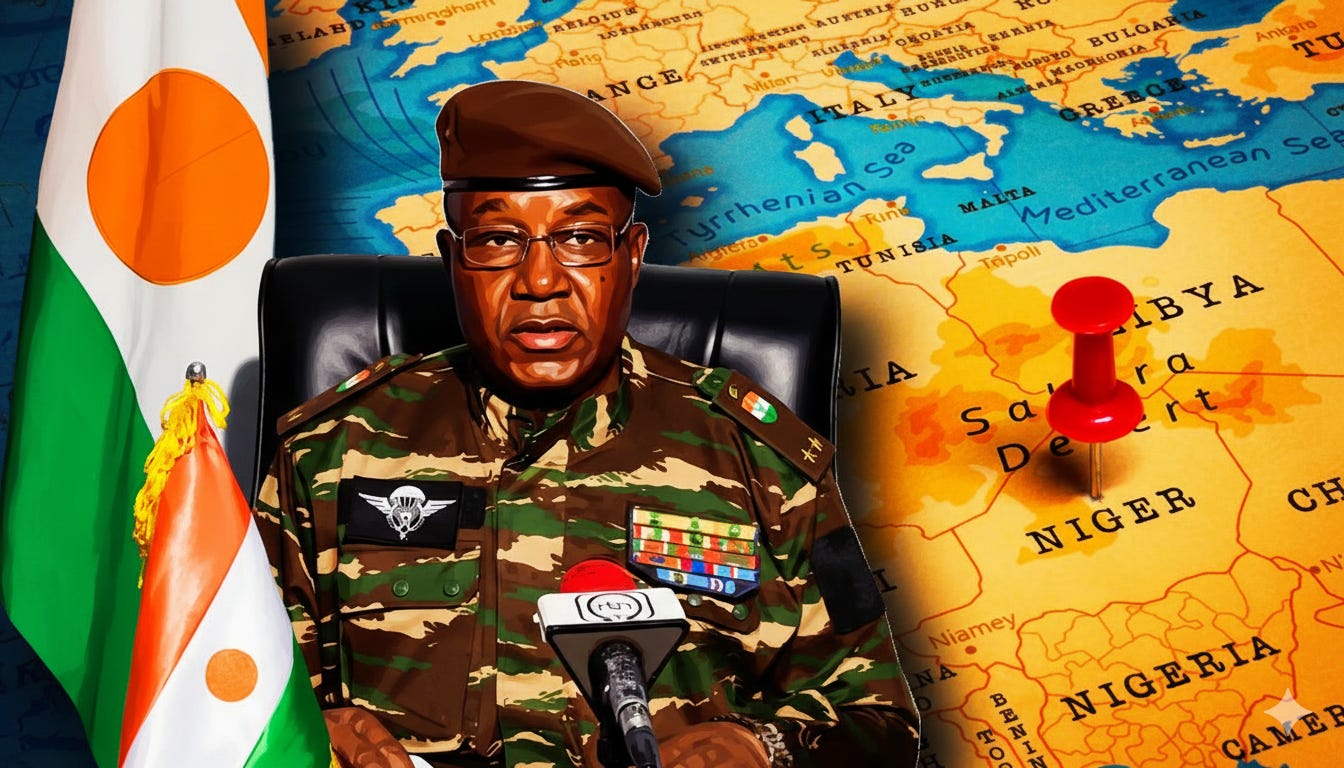
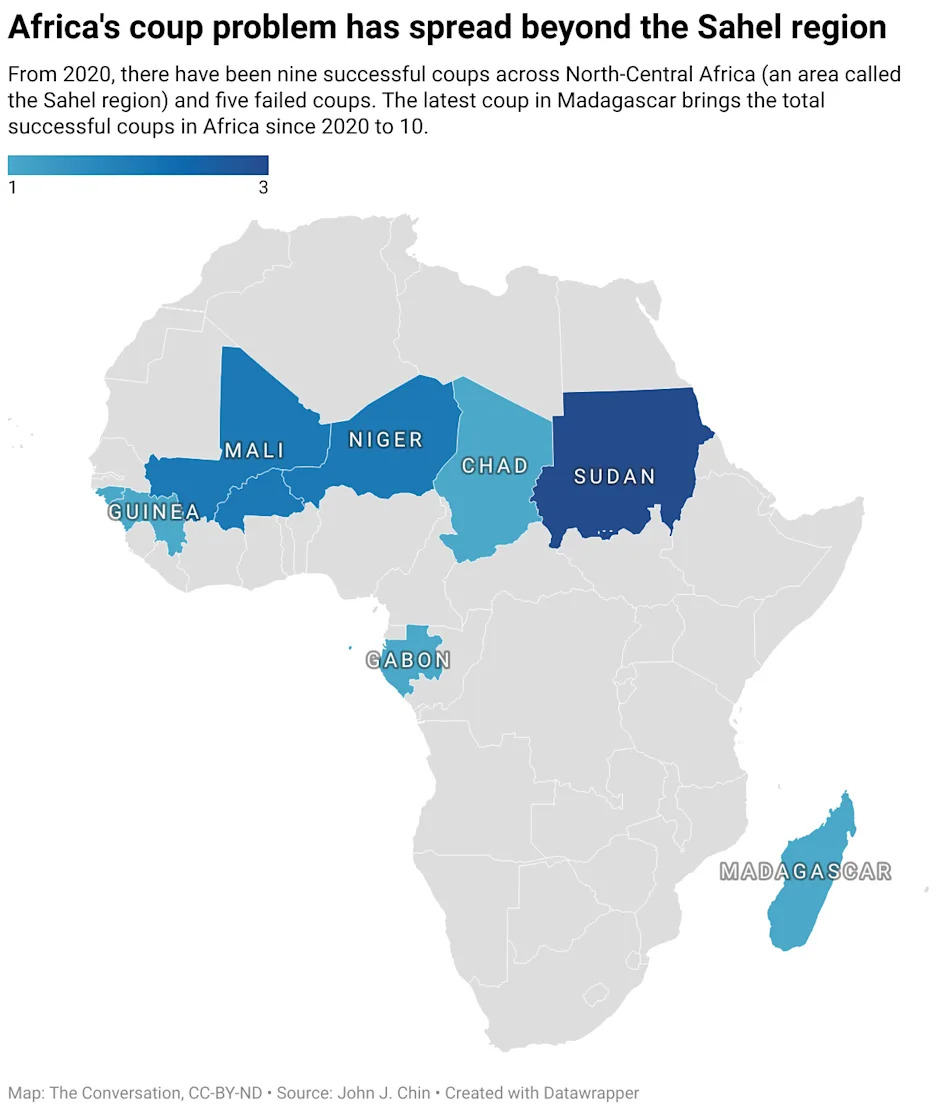
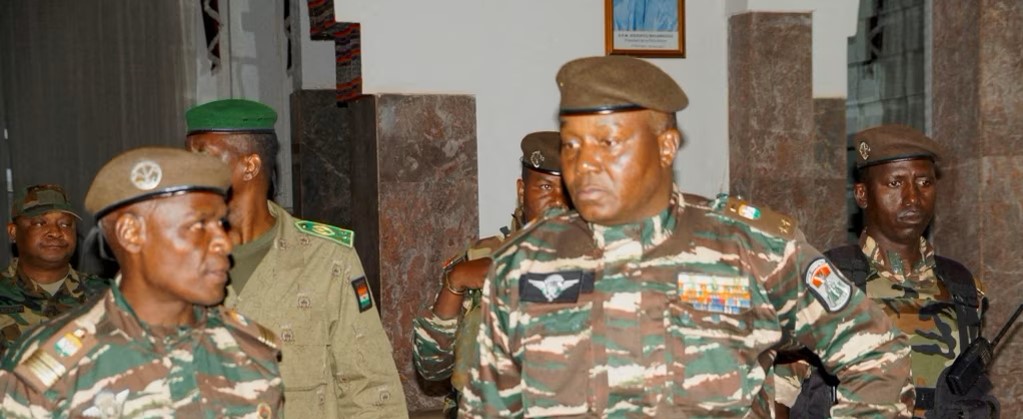
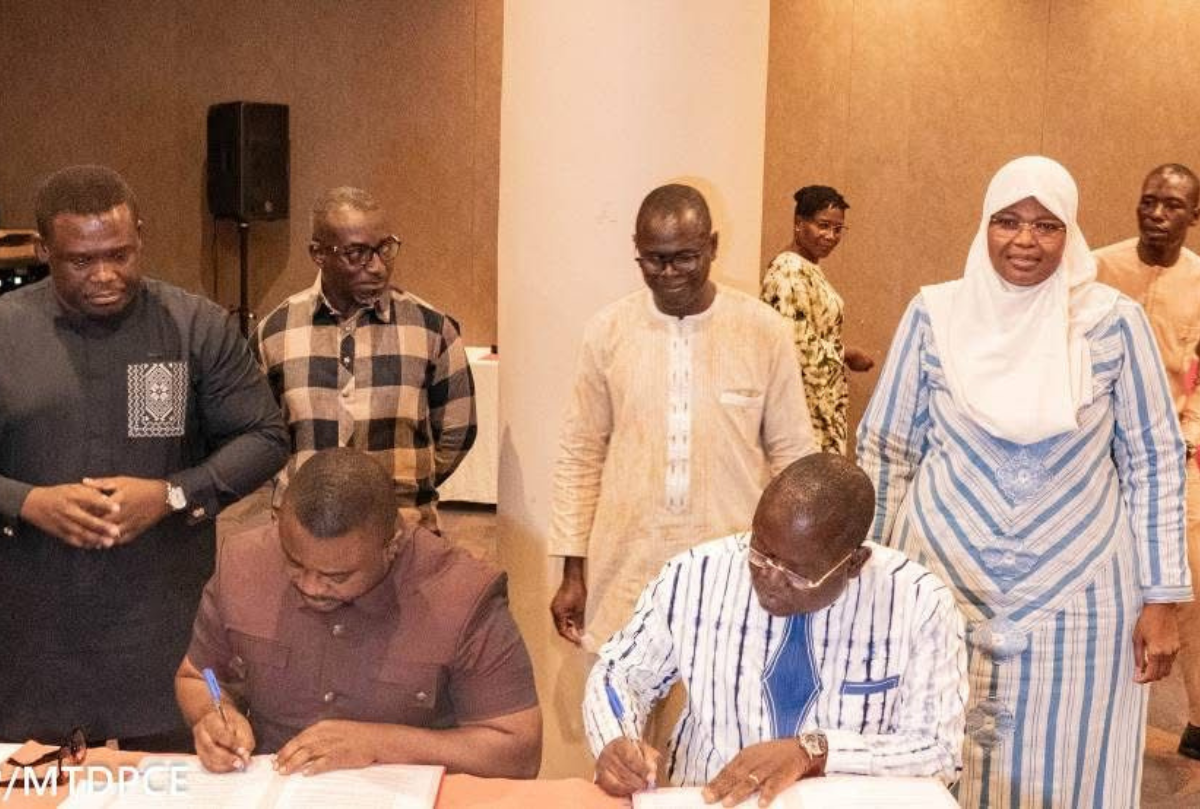
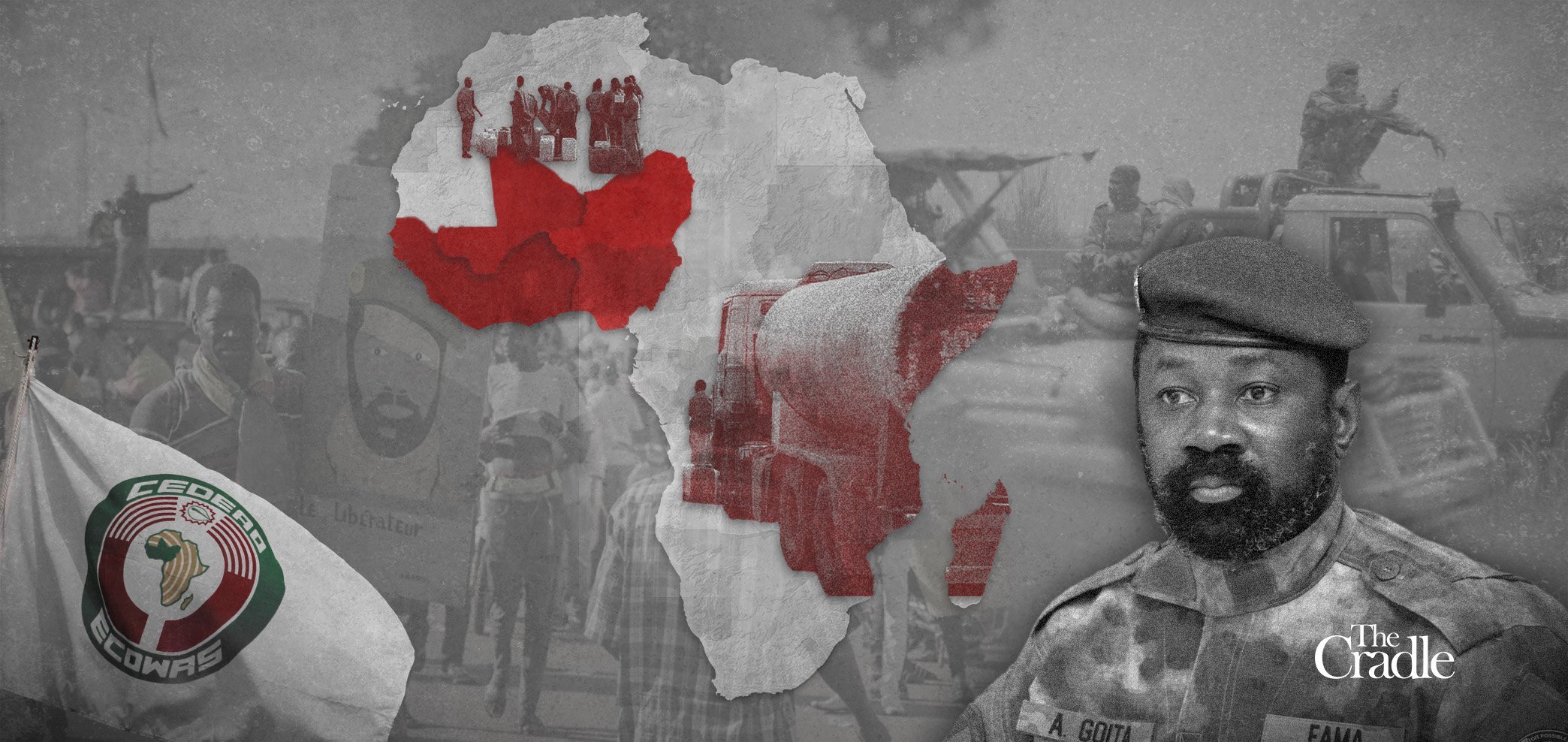
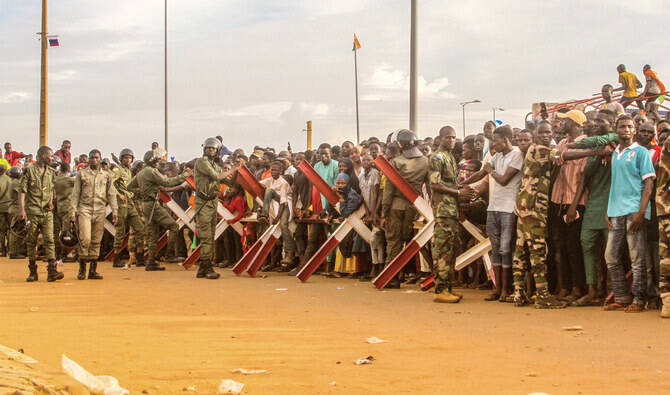
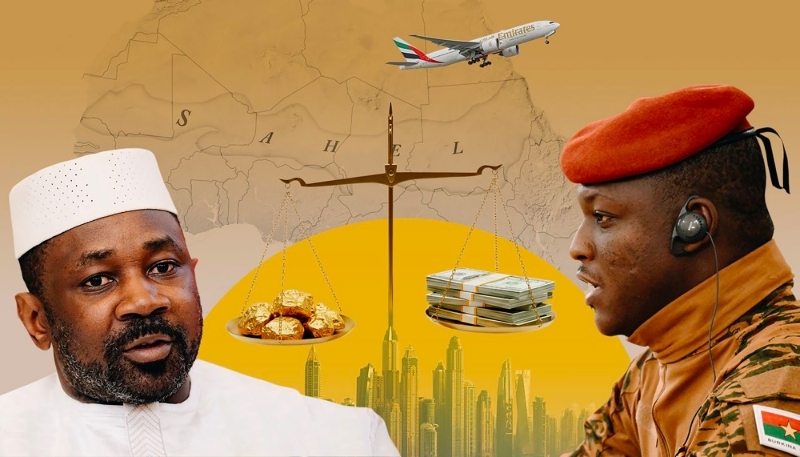
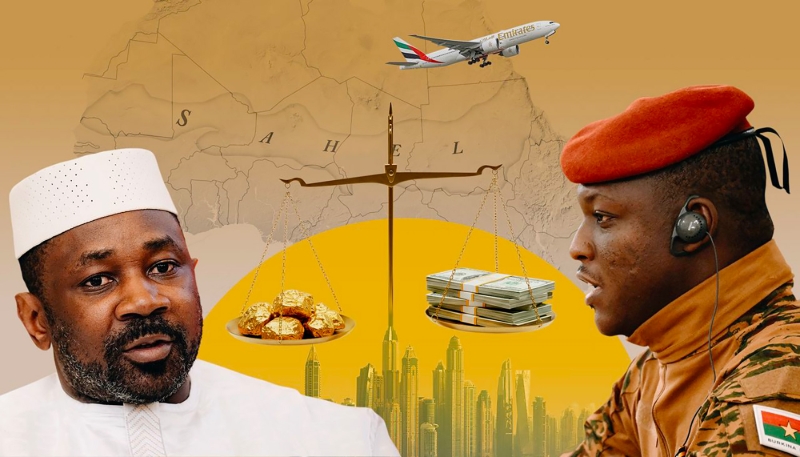
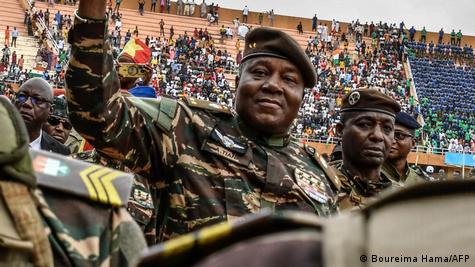
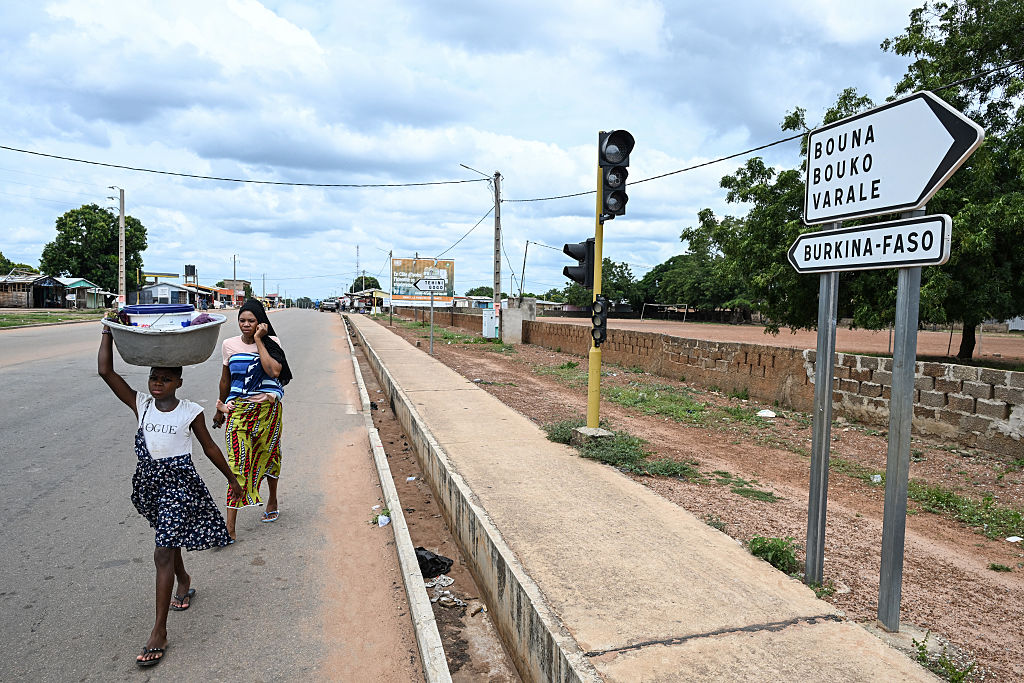
A powerful new chapter just began in West Africa. In early July 2024, Burkina Faso, Mali, and Niger formalized a landmark treaty, creating the Confederation of the Alliance of Sahel States, or AES. This isn’t just a political agreement; it’s a bold declaration from three Sahelian nations ready to deepen their collaboration across economic, political, and security spheres. What’s driving this historic alliance? A challenging environment marked by persistent insurgencies and a shifting international military presence. Faced with formidable internal pressures and external threats, the leaders of these countries see AES as both a strategic bulwark and a vital platform. It’s their way to unify responses to regional crises, to take charge of their own destiny. Could this collective resolve truly reshape the future of the Sahel?
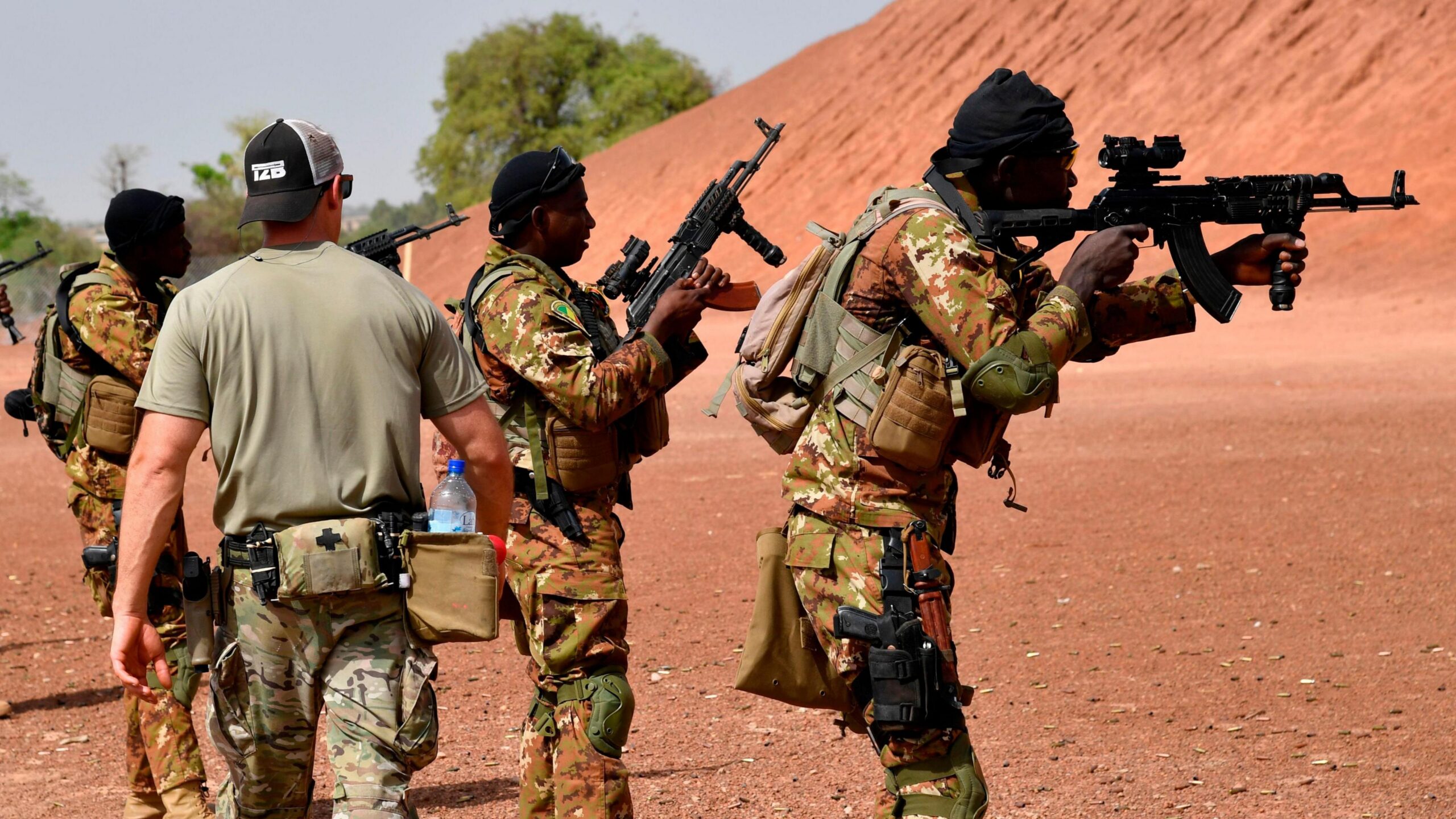
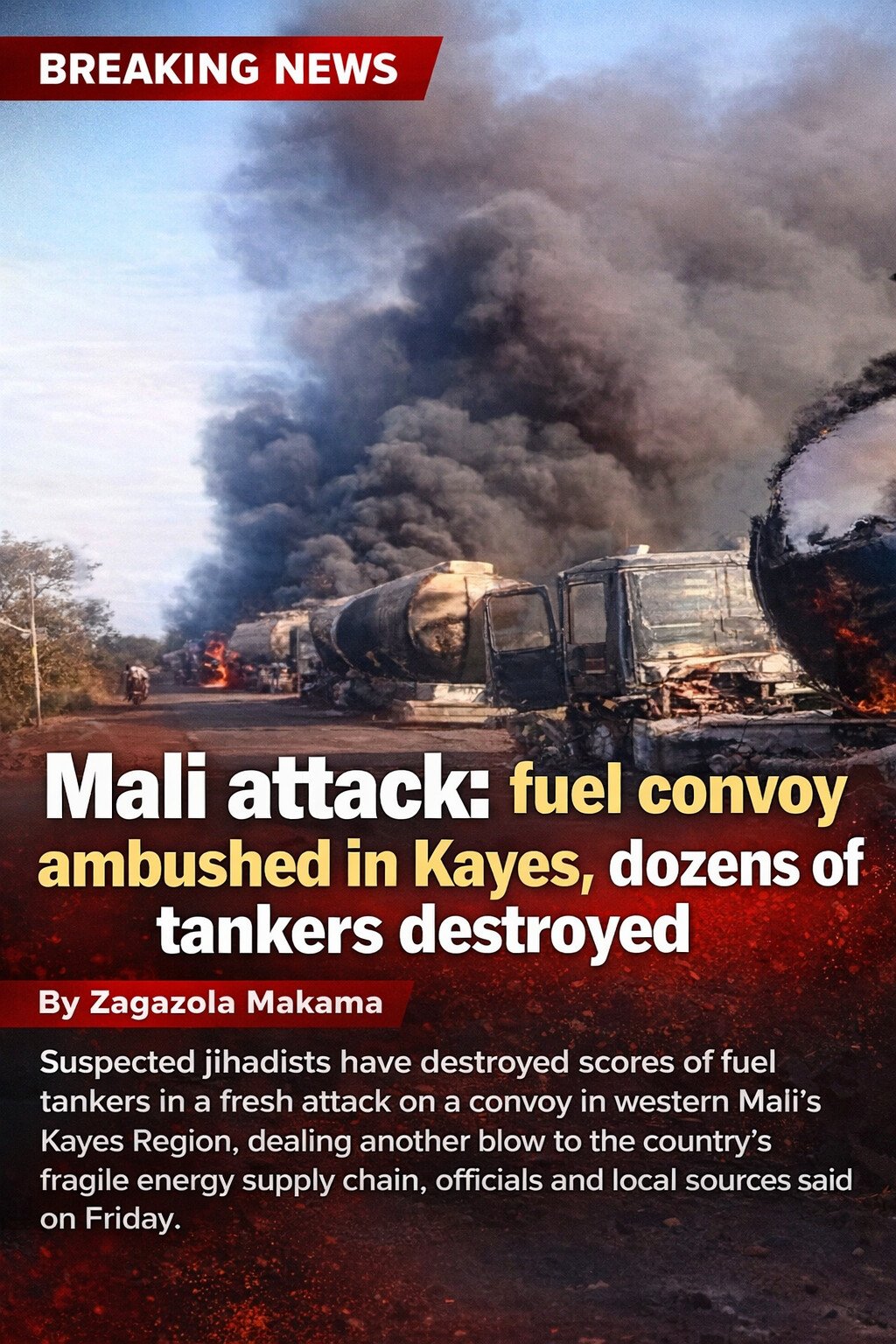
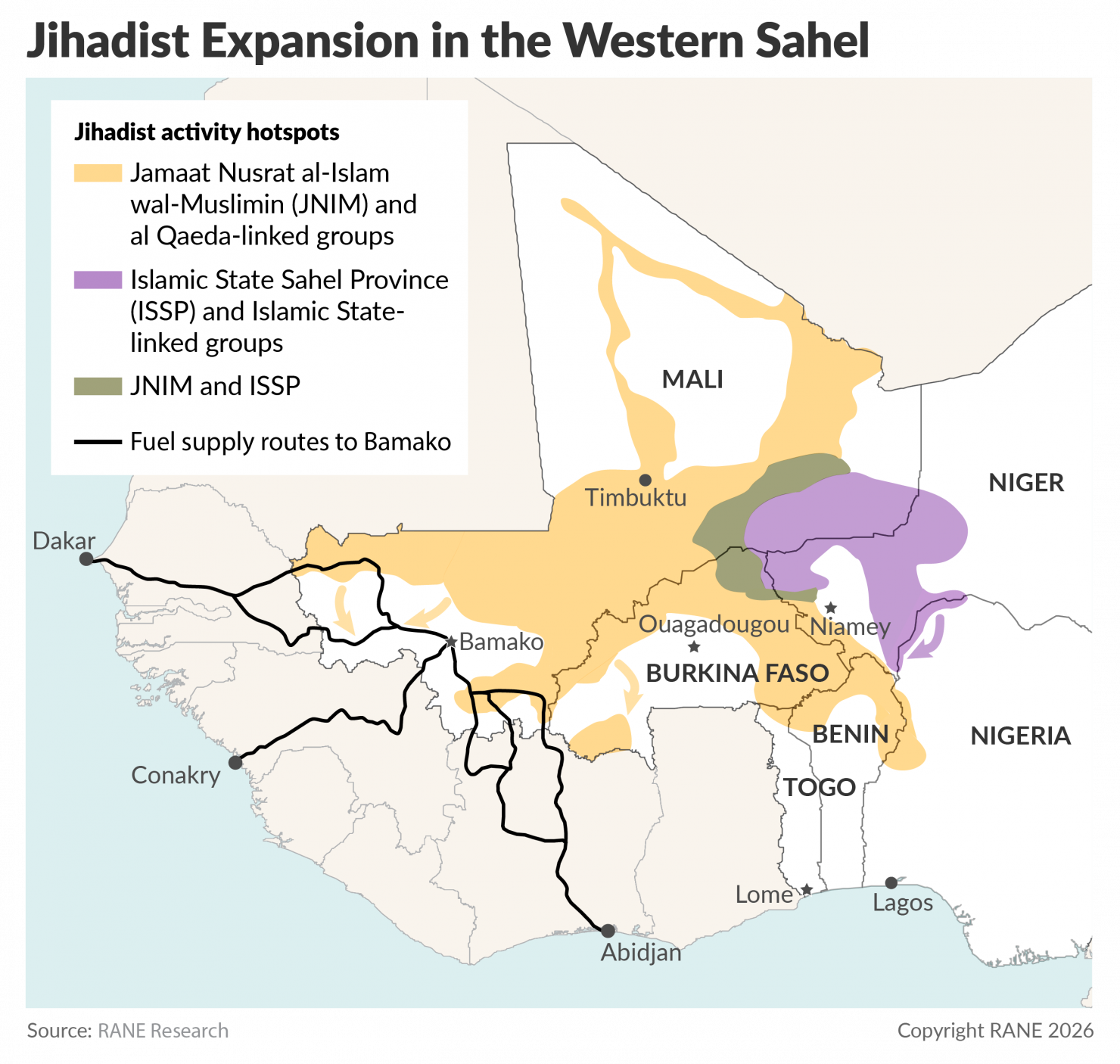
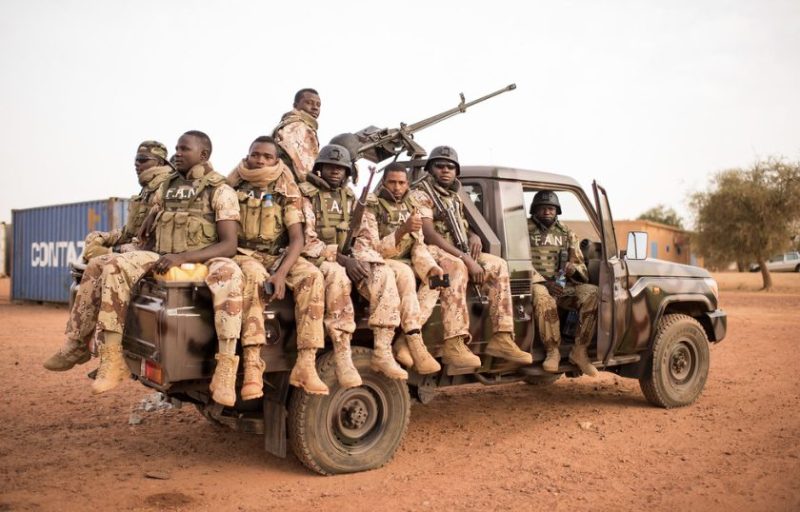
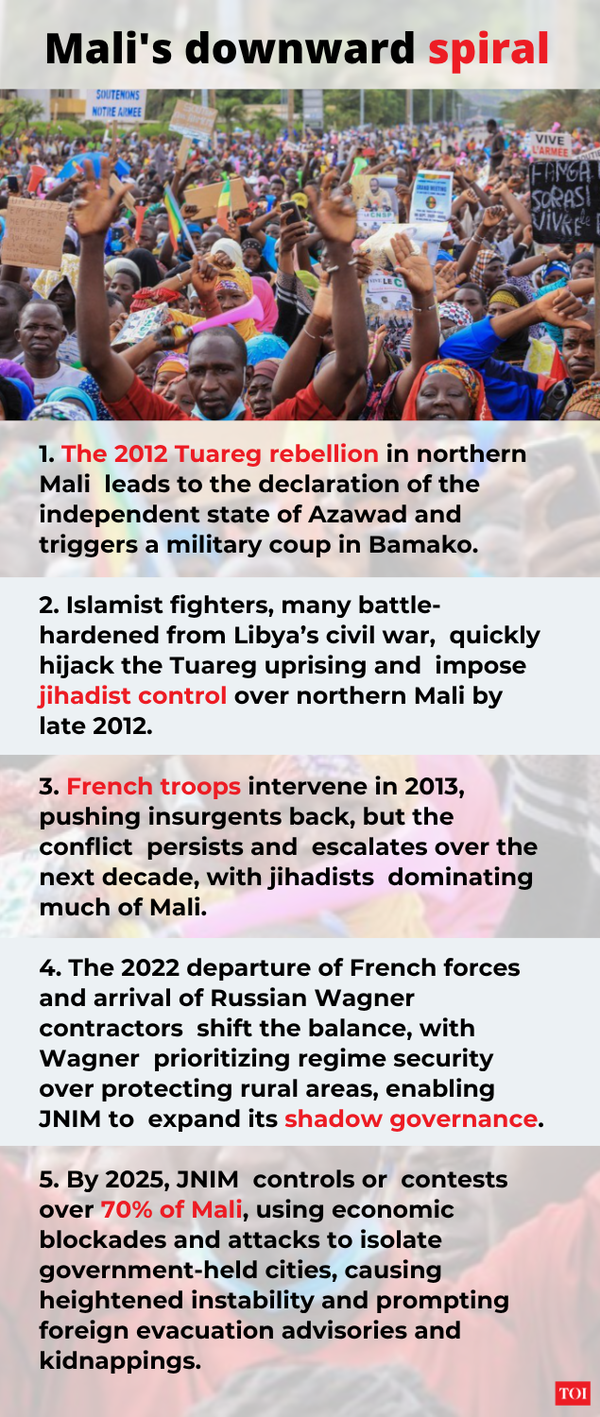
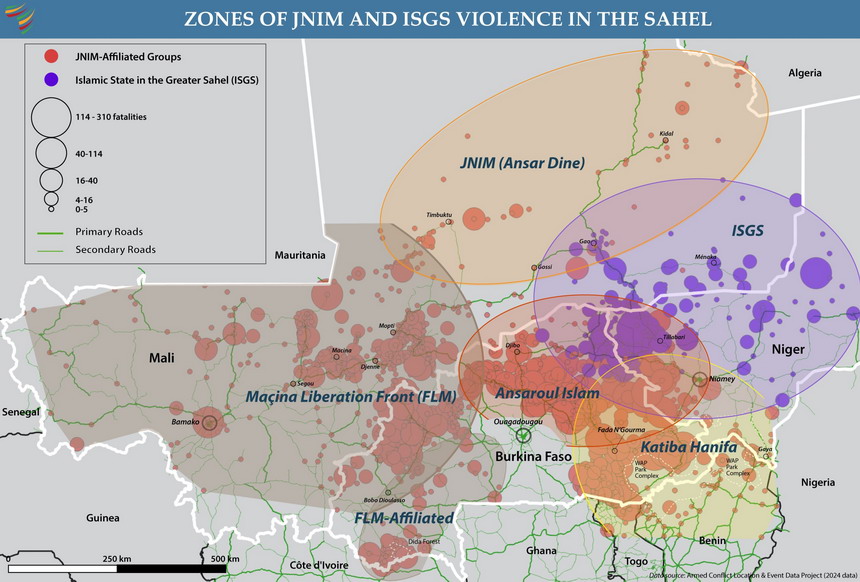
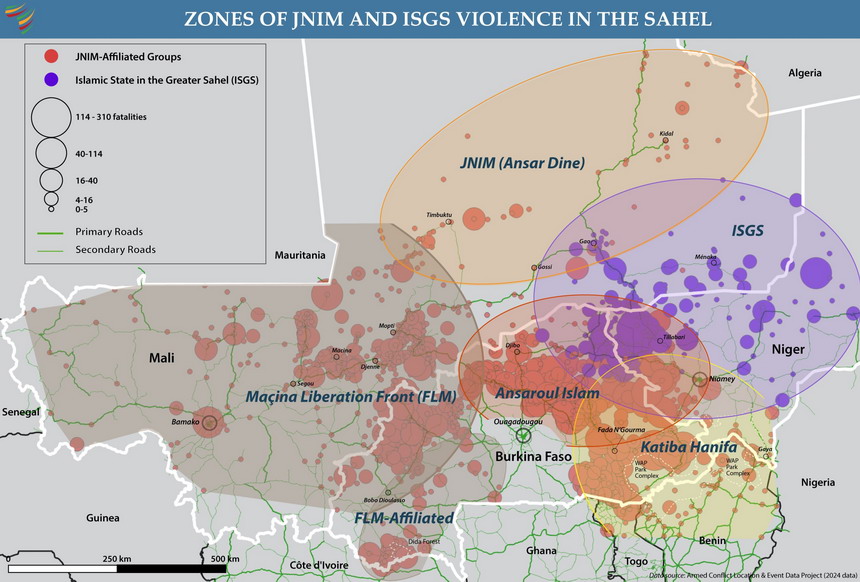
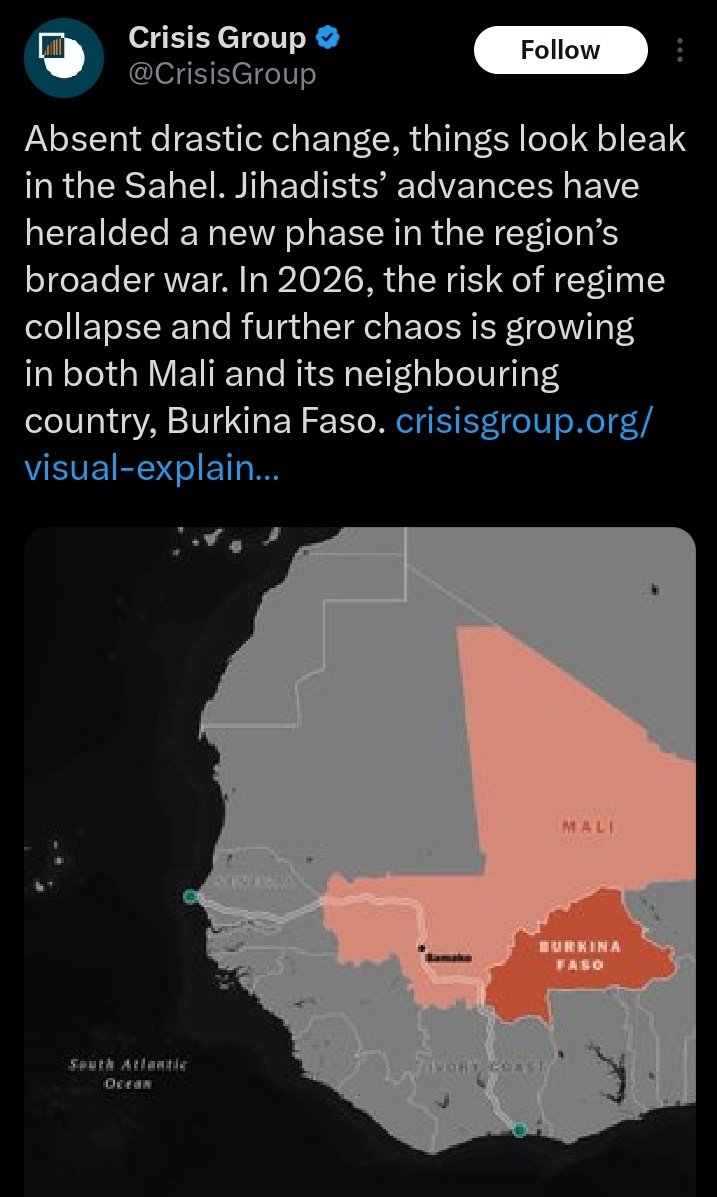
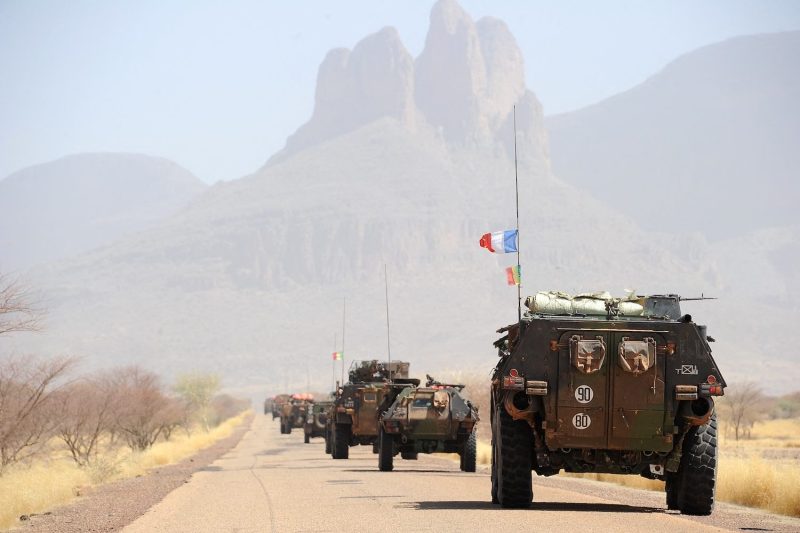
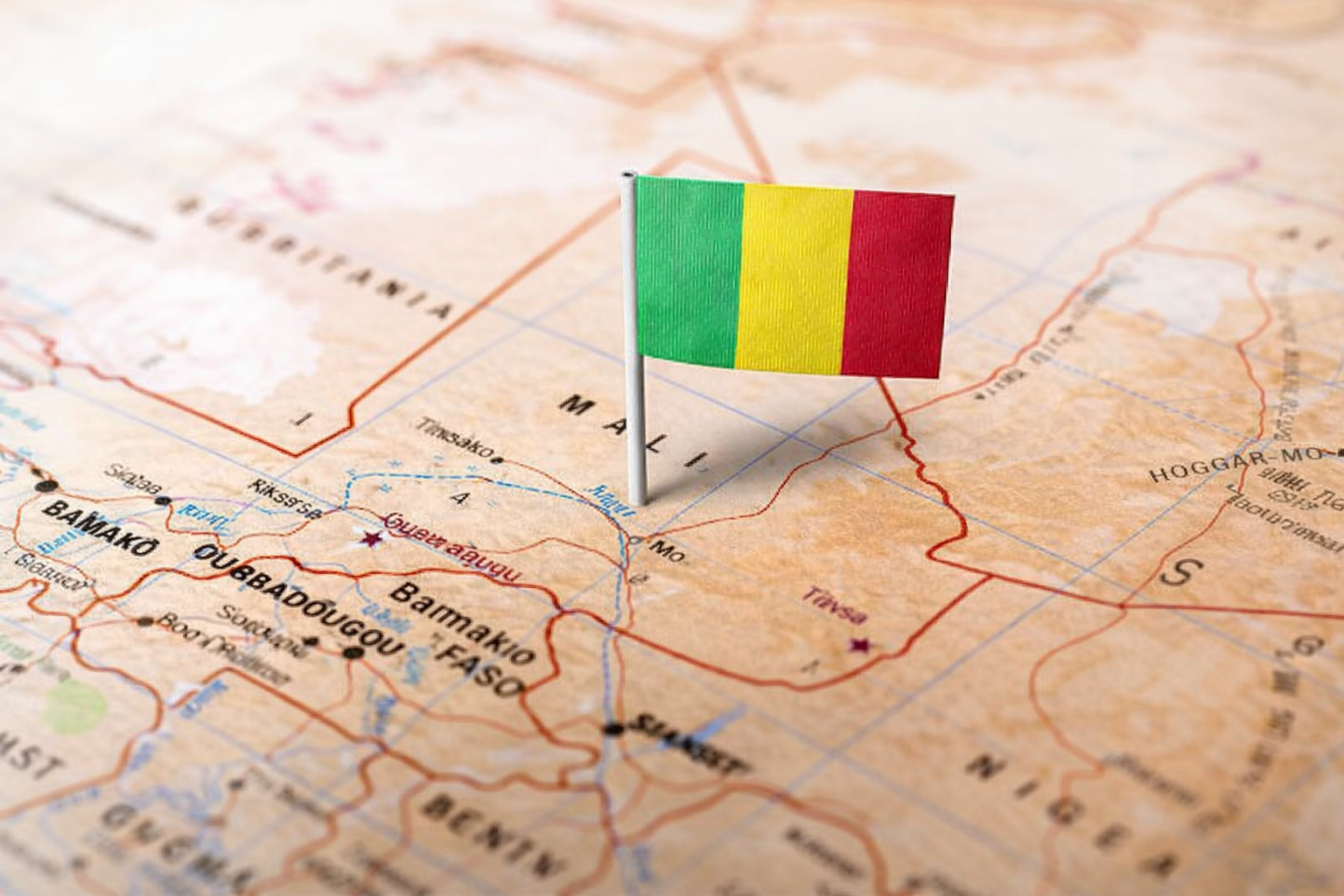
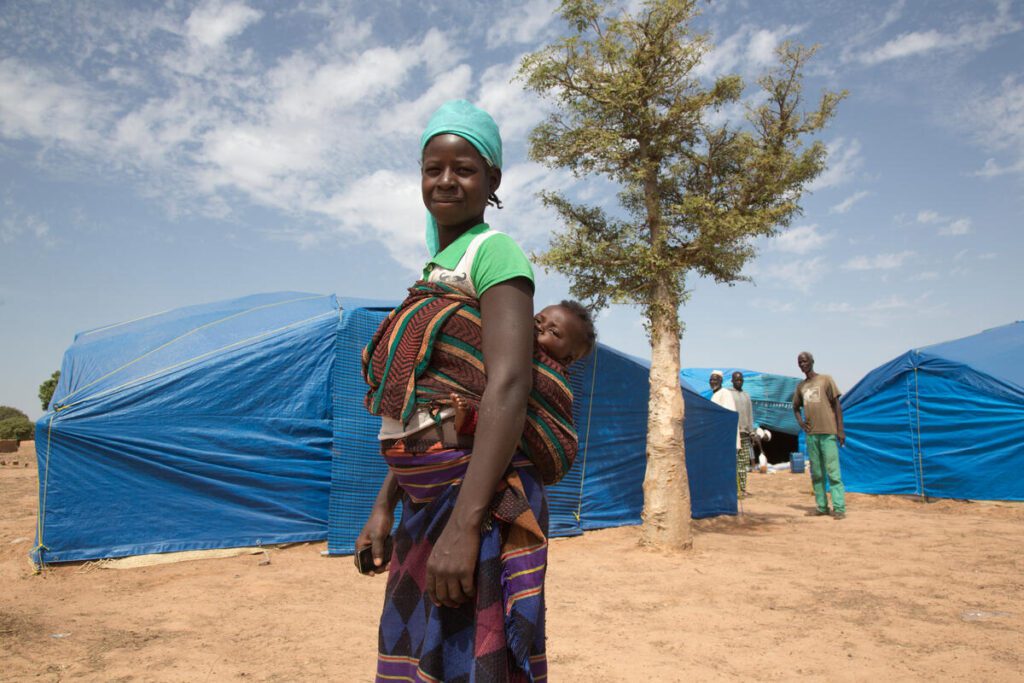
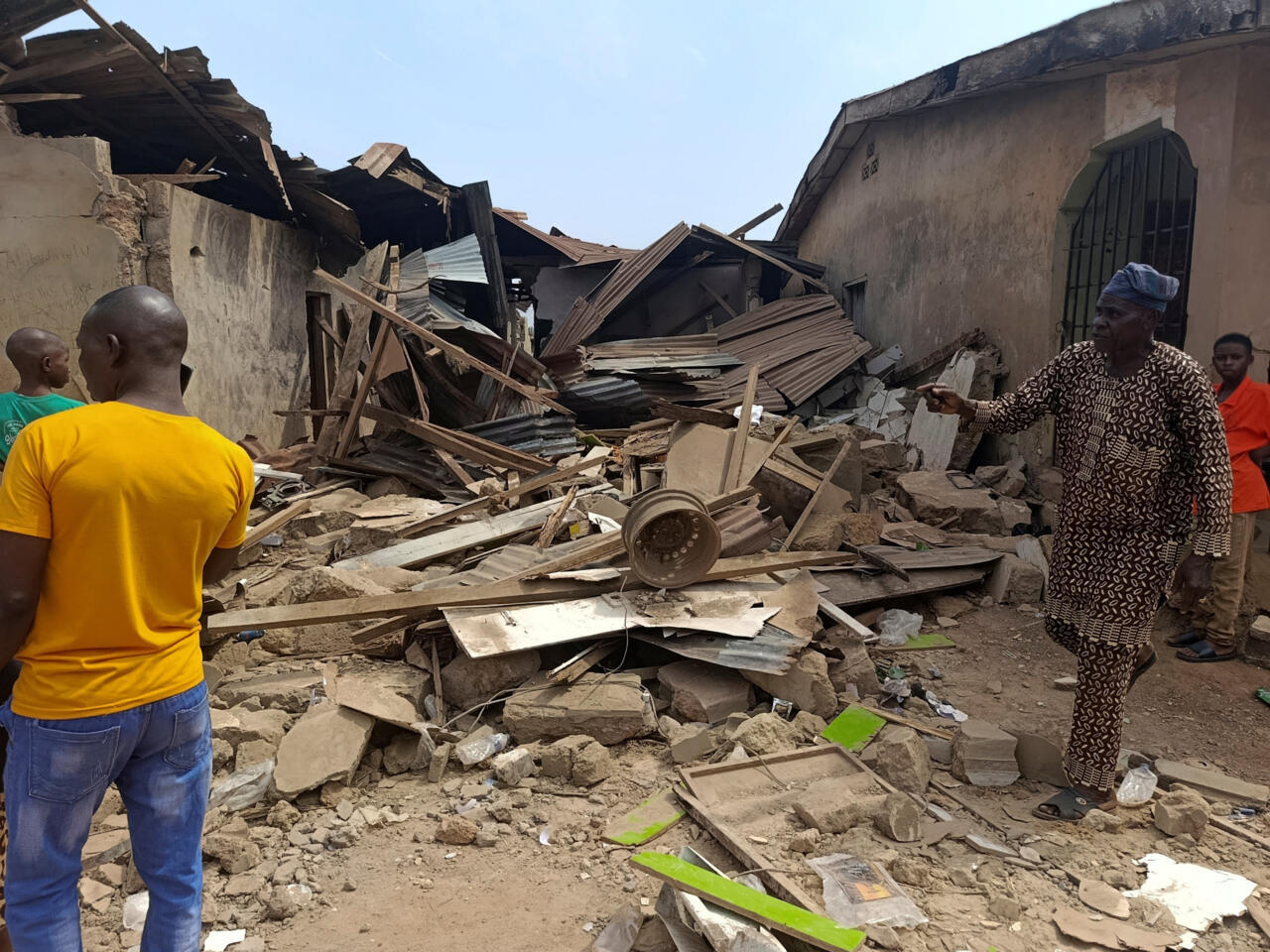
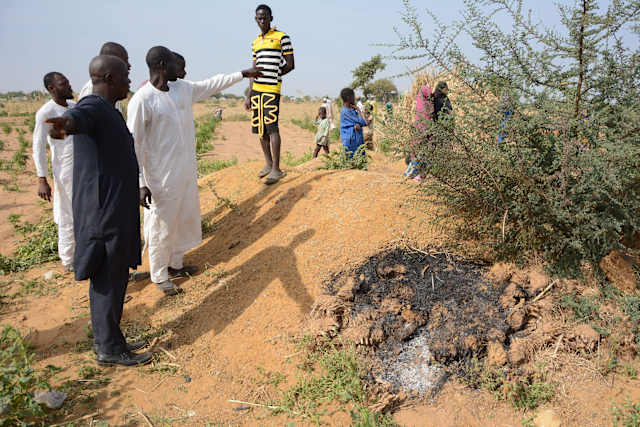
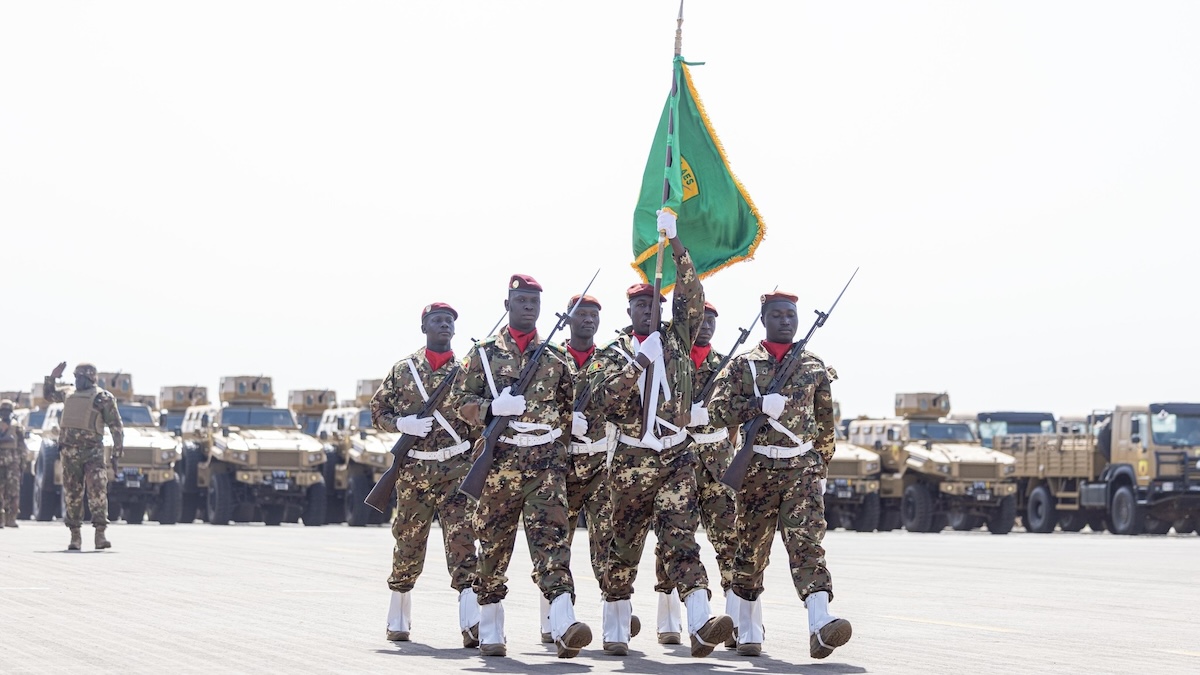
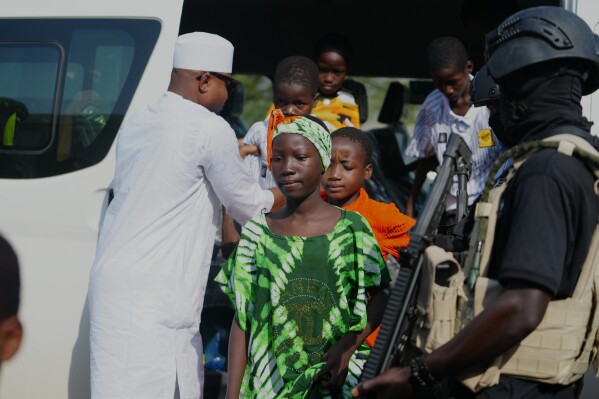
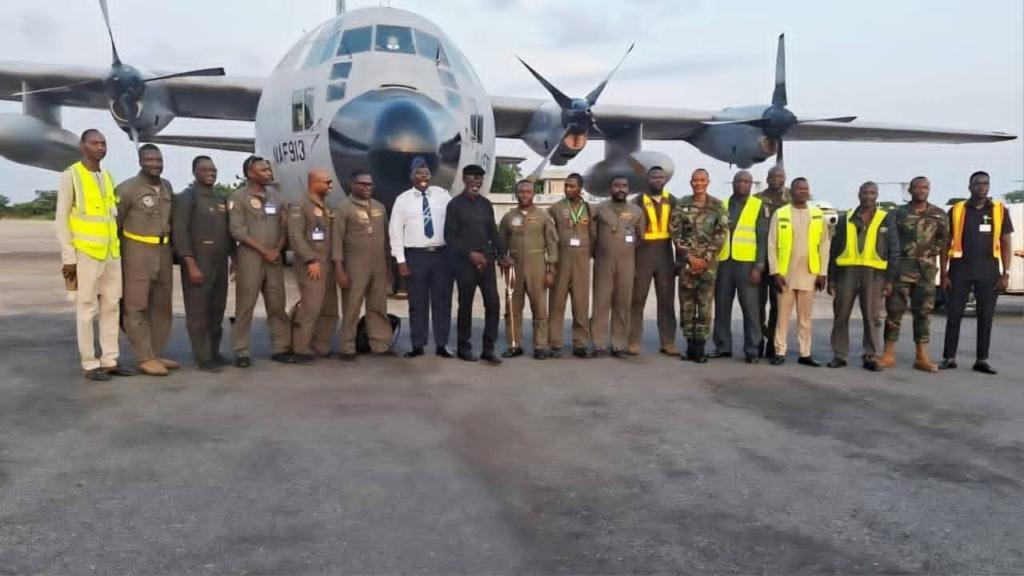
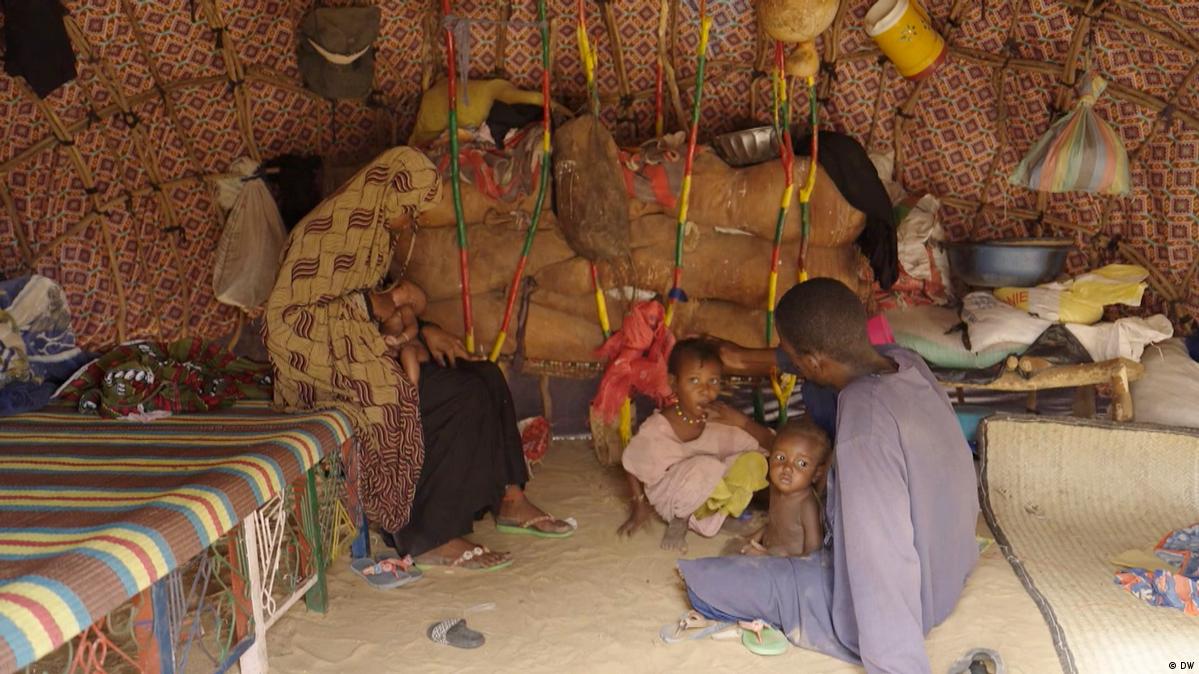
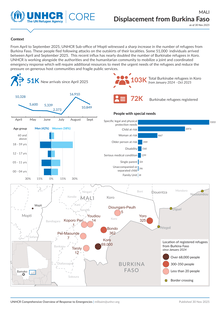
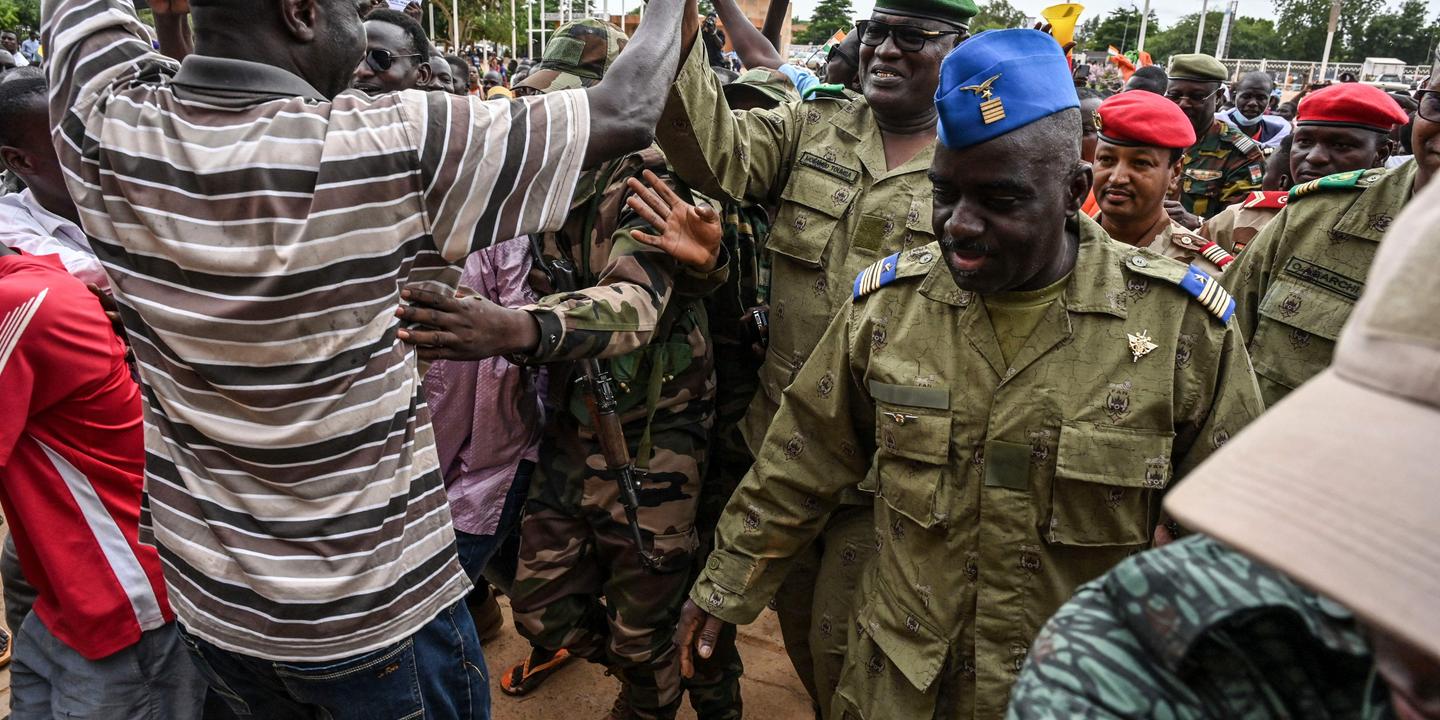
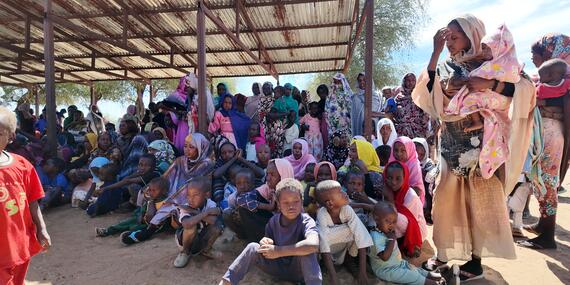
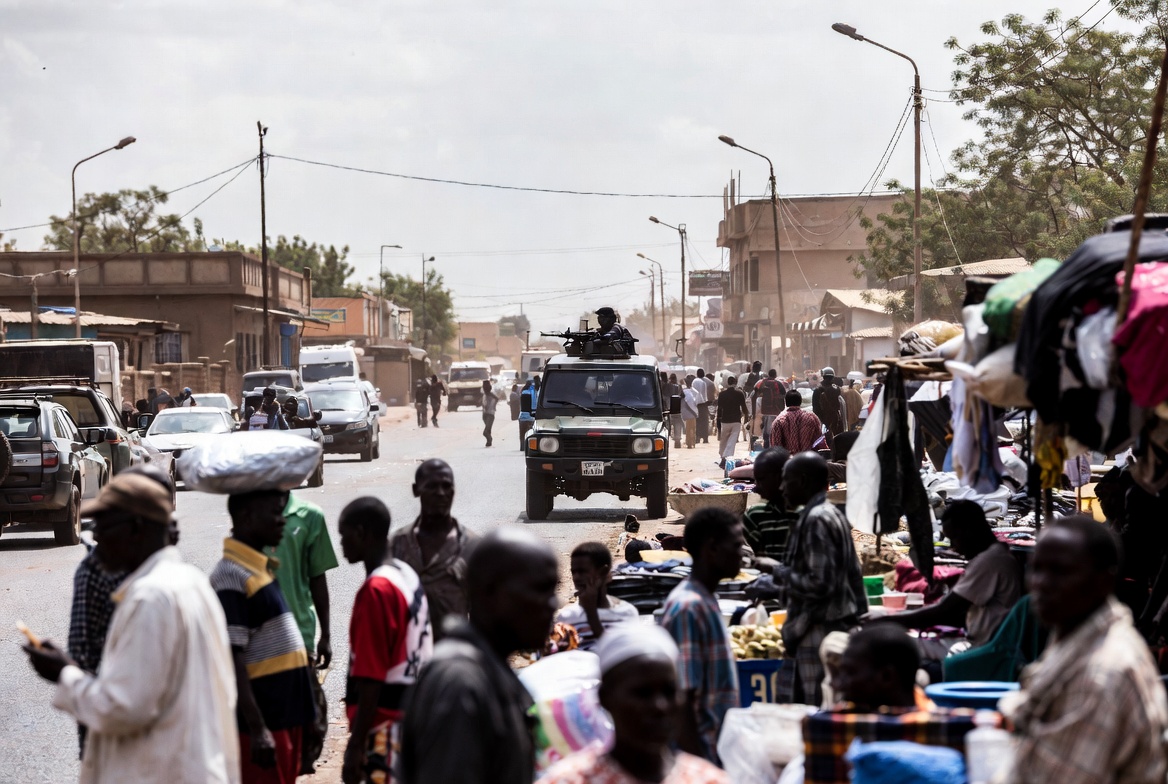
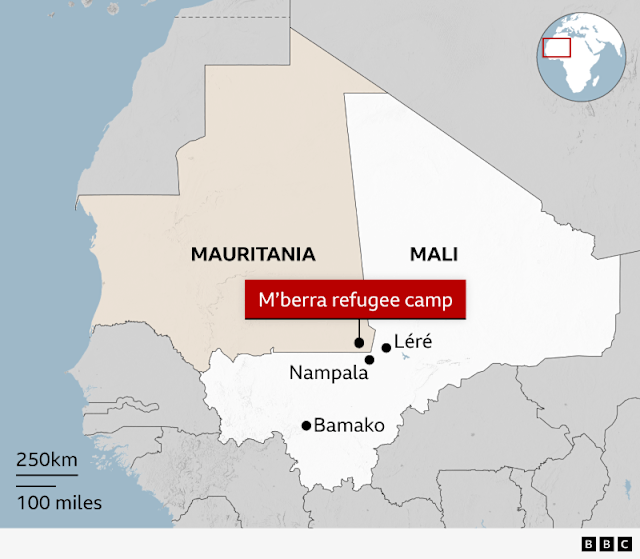
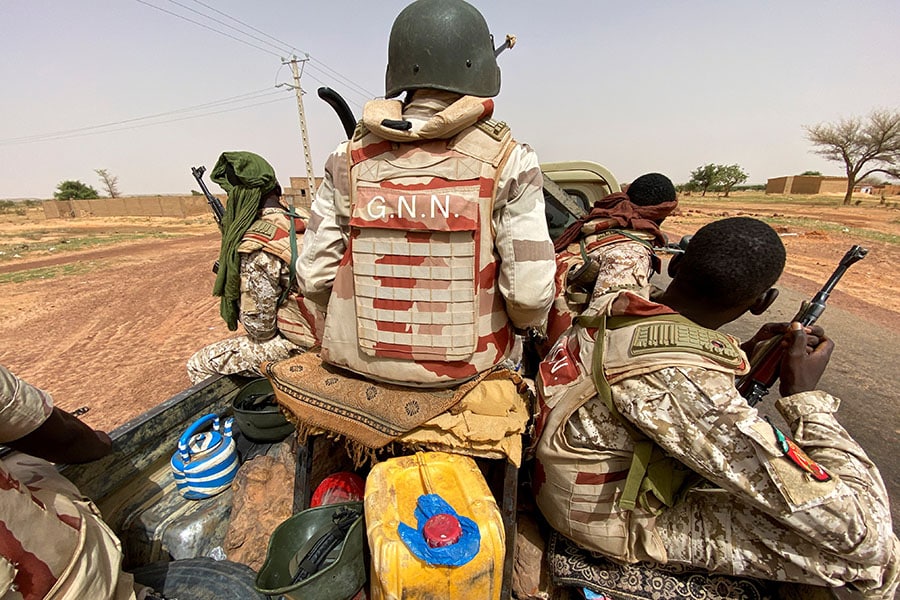
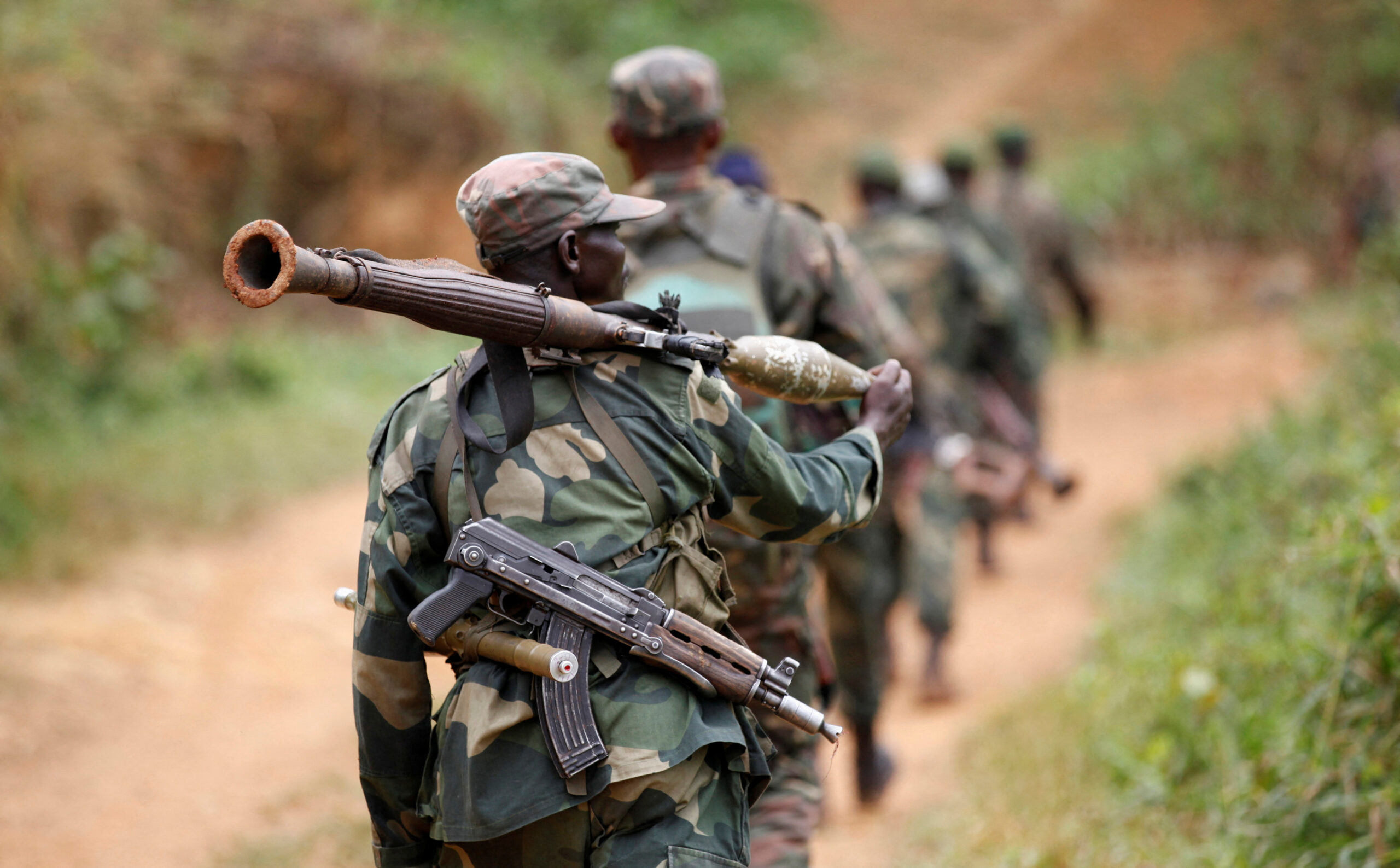
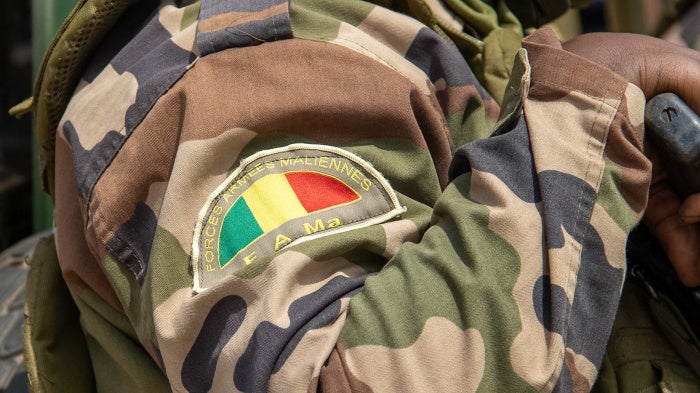
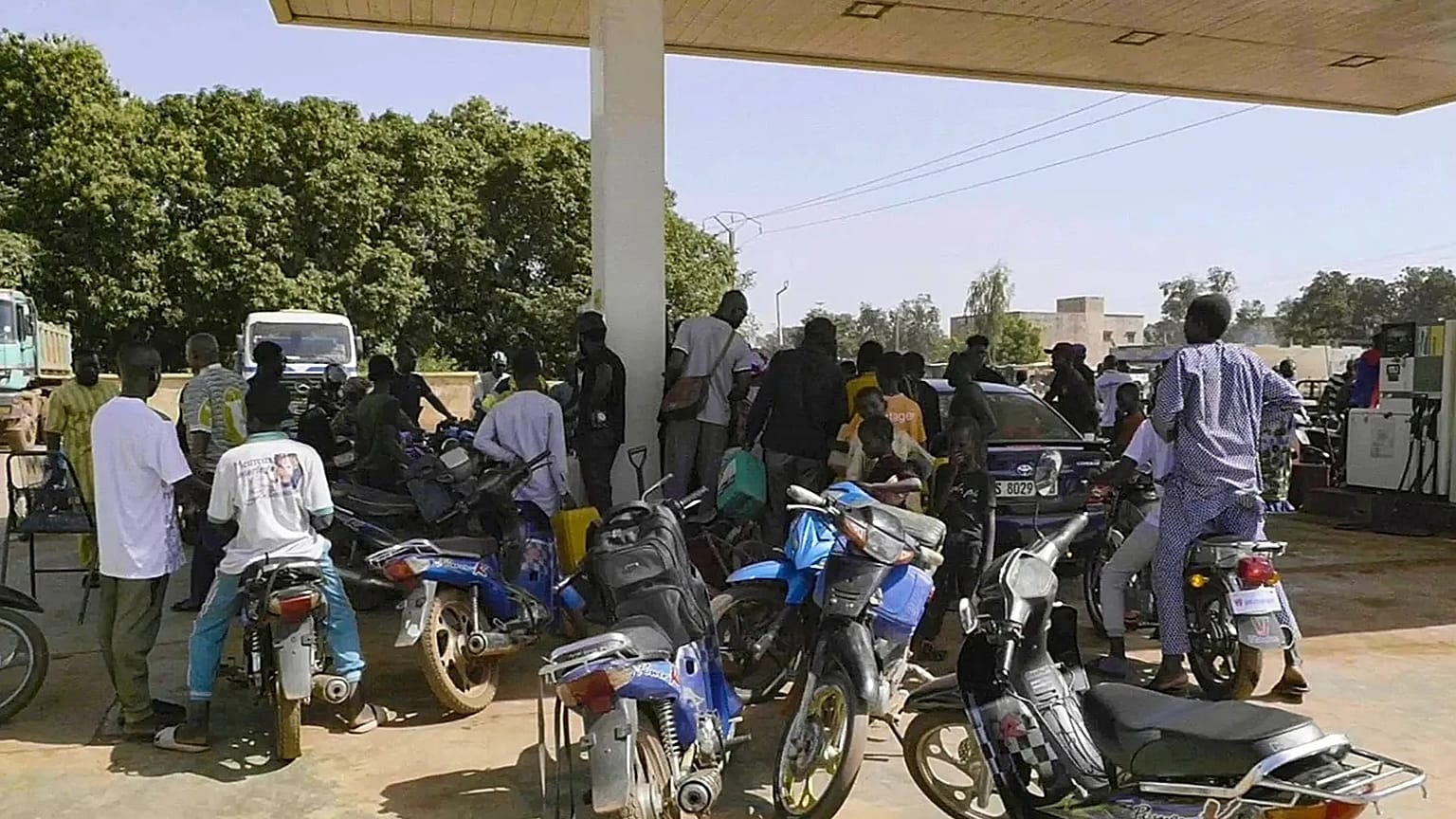
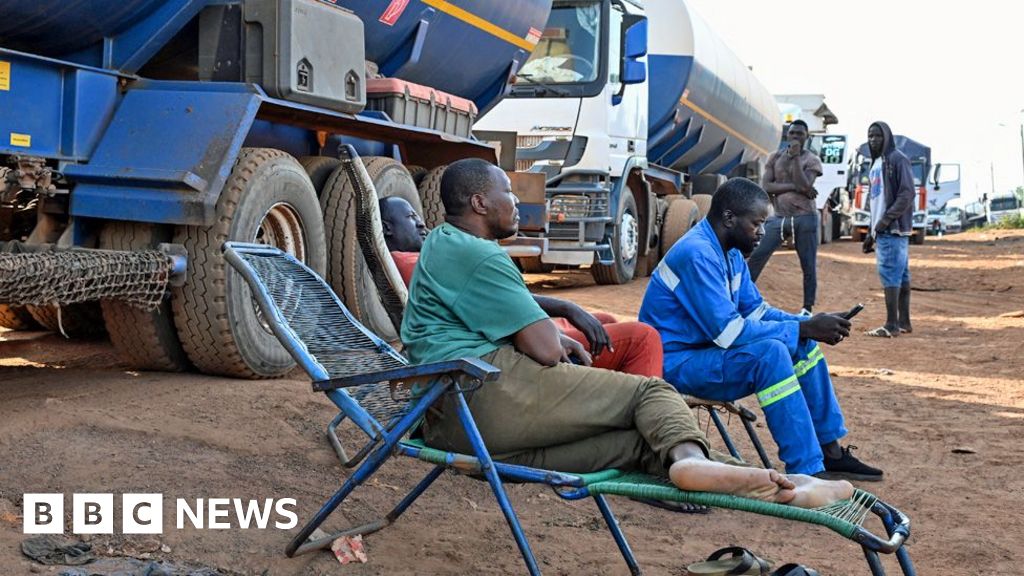
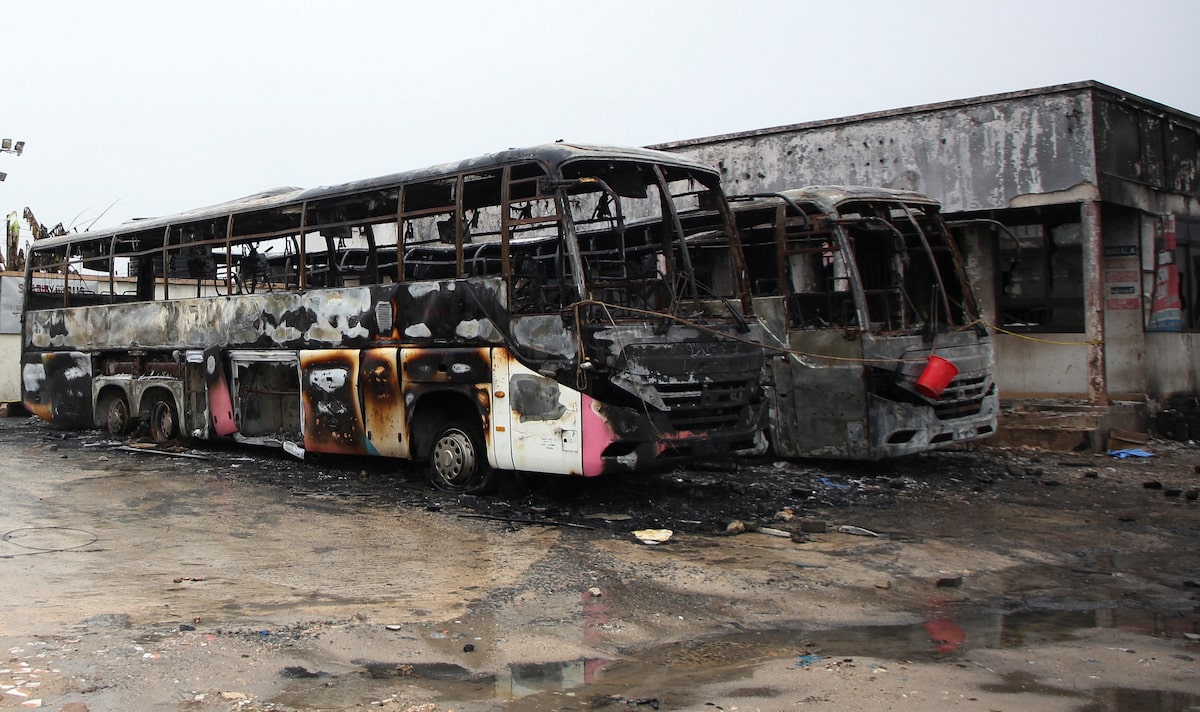
The immediate backdrop makes AES’s formation incredibly timely, even urgent. Consider the acute instability in the Sahel: since September 2025, Mali’s capital, Bamako, has faced a partial blockade by jihadist groups. This isn’t a minor incident; it signals a deeply troubling escalation in the region’s conflict, revealing the expanding reach of militant factions whose primary goal is to destabilize state authority and endanger ordinary civilians. The blockade has significantly cut off Bamako, complicating humanitarian access and governmental control, underscoring a desperate need for effective, coordinated regional security. Another major factor intensifying this situation is the changing foreign military presence. Since 2023, forces from France, Germany, and the U.S. have been systematically withdrawing from their bases in Mali, Burkina Faso, and Niger. These withdrawals leave a considerable security vacuum that AES aims to fill internally, with African-led solutions. While these Western deployments previously supported counterterrorism efforts, they also, at times, fueled local resentment. Now, with their departure, local and regional actors are compelled to innovate their security strategies, making alliances like AES vital to pool collective expertise and resources. Parallel to these security challenges, Mali itself is grappling with significant political upheaval interwoven with crucial economic reforms. Analysts, including those from MozambiqueBet, emphasize that Mali’s efforts to restructure its economy amidst political turmoil aren’t just crucial for its own recovery, they’re a key stabilizing factor for the wider Sahel. Economic health, it seems, is undeniably linked to lasting peace, with better-managed economies potentially lessening the appeal of extremist groups by offering alternative livelihoods and bolstering governance legitimacy.
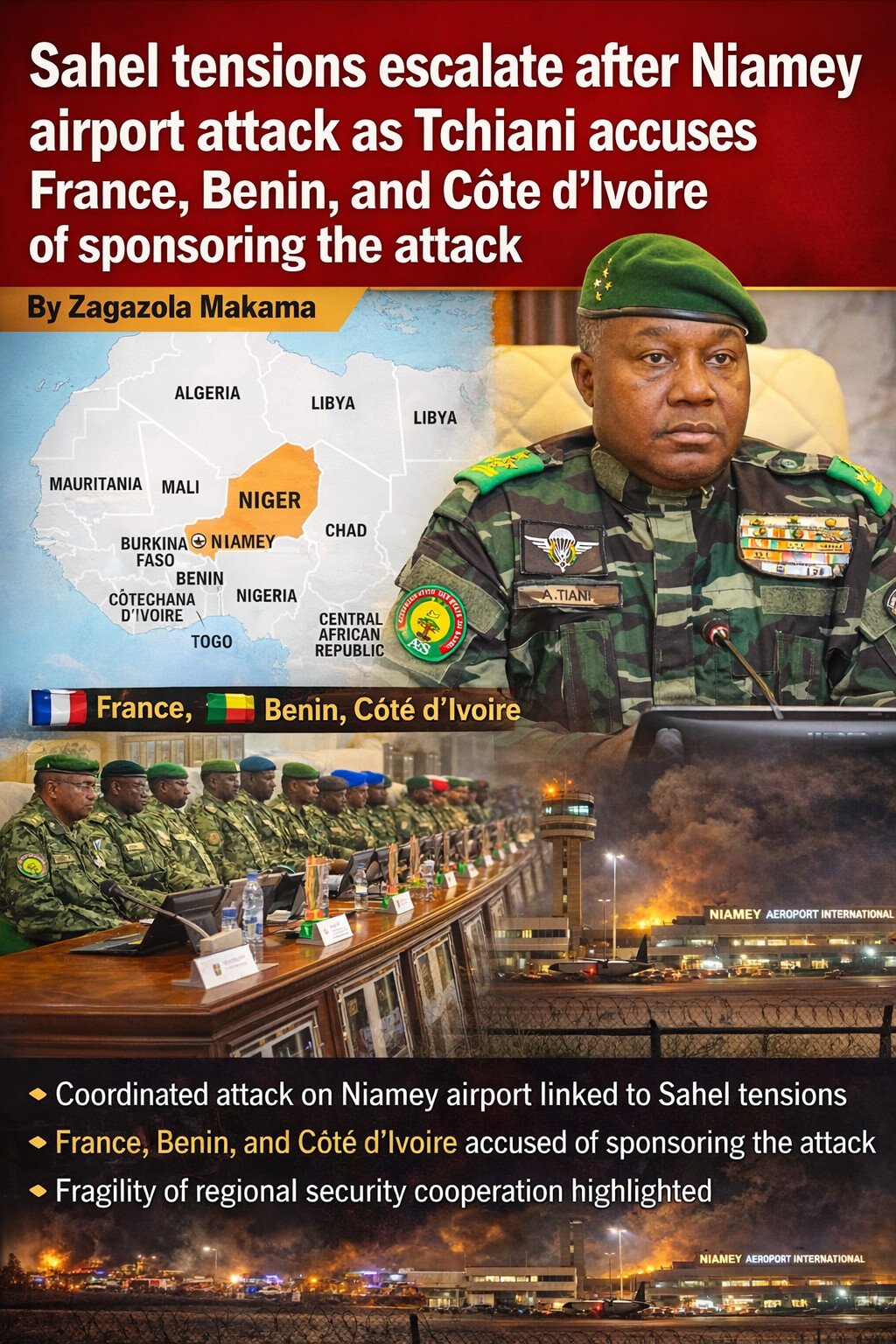
Then there’s the critical element of regional diplomacy. Former Malian Prime Minister Choguel Maïga recently renewed calls for reconciliation between Mali and Algeria. These two nations, sharing extensive and often porous borders, have mutual security and economic interests, but they’ve also experienced periods of strained diplomatic engagement. Maïga’s appeal underscores a profound recognition: true regional cooperation extends far beyond military pacts, it absolutely must include rebuilding trust and enhancing bilateral ties, both essential for holistic regional stability. As a key regional player, Algeria’s influence could be pivotal in tackling transnational threats like trafficking and insurgent movements that often cross borders unimpeded. So, what does the future hold? The formation of AES could indeed mark a transformative phase for these Sahel states. By institutionalizing their partnership, Burkina Faso, Mali, and Niger are committing to collective resilience against the fragmented politico-security landscape they face. However, much depends on the alliance’s ability to move beyond rhetoric and into effective joint operations, sustainable development policies, and robust diplomatic engagements. The ongoing partial blockade of Bamako remains a stark reminder of the significant gaps that still exist, and Mali’s internal political and economic stability will undeniably be a cornerstone for broader regional peace. The withdrawal of Western forces, while certainly challenging, also opens up space for genuinely African-led solutions. It might even incentivize AES to cultivate stronger ties with neighboring nations and international partners, ensuring broader security and deeper economic integration. The wider African community and global stakeholders will be keenly observing whether AES can truly catalyze a new era of cooperation that mitigates insurgency, promotes development, and fortifies diplomacy in one of the continent’s most fragile zones. As the Sahel confronts these converging crises and opportunities, the coming months will be absolutely critical. The AES could well become a beacon, demonstrating that regional unity and African agency can carve pathways to peace and prosperity amidst adversity. For Burkina Faso and its neighbors, the success of this alliance may just define their collective future for decades to come, proving that West Africa can unite against turmoil with resilience and strength.