Africa at a Crossroads: Sports, Wealth, and Crisis Define Early 2026
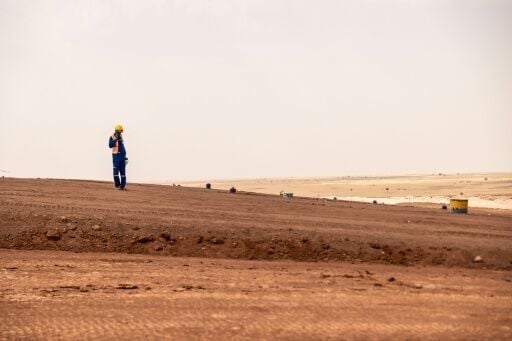
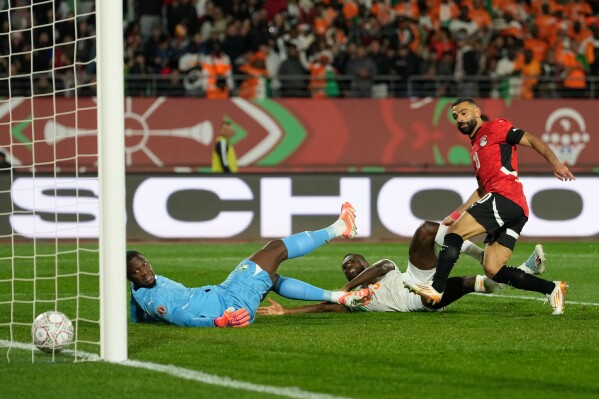
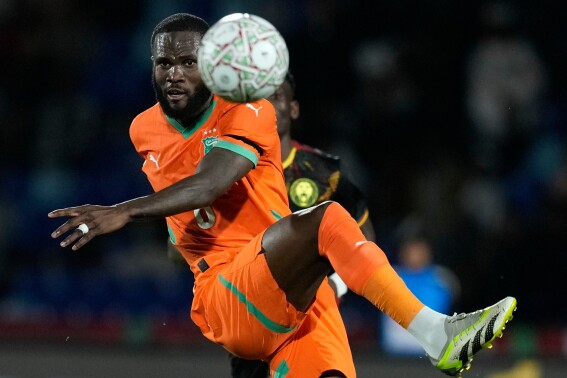
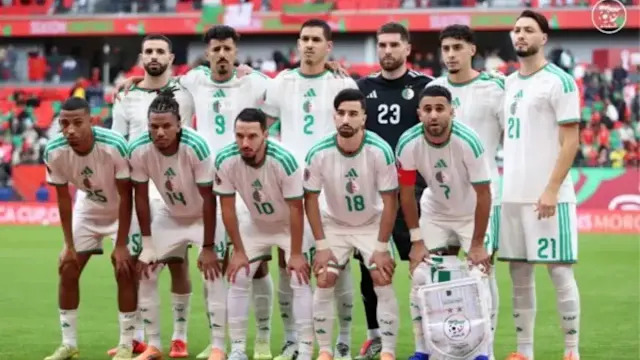
Africa’s always been a continent of dynamic stories, and early 2026 is no different. We’re seeing a vibrant mix of triumphs, challenges, and strategic moves that are truly shaping its future. From the exciting football fields of Rabat to the growing fortunes of its business leaders, Africa is showcasing incredible resilience. Take the Africa Cup of Nations final in Morocco. Rabat’s been absolutely buzzing, hasn’t it? Hosts Morocco are fighting to win their first title in half a century, their last victory being way back in 1976. They beat Nigeria in a tense penalty shootout to get there. Senegal, on the other hand, arrived fresh off Sadio Mané’s crucial late goal against Egypt, aiming to defend the crown they won in 2021. The tournament’s drama, including Nigeria’s third-place win, saw big names like Liverpool’s Mohamed Salah and Manchester City’s Omar Marmoush miss key shots. This clearly highlights African football’s rising global profile, acting as a powerful, unifying cultural force across the continent. Beyond the roar of the stadiums, we’re also seeing significant shifts in Africa’s economic landscape. South African mining magnate Desmond Sacco, for example, just joined the continent’s exclusive billionaire club. His ascent points to changing dynamics where, while Nigerian billionaires once dominated, South African entrepreneurs are increasingly leading the wealth charts. Forbes’ recent reports suggest uneven economic growth, but they’re still dotted with high-stakes success stories. Sacco’s achievement really underscores mining’s continued importance to African economies, even as other sectors diversify and new billionaires emerge from various nations. This surge in wealth runs parallel to Africa’s growing integration into global markets, putting African enterprise squarely on the world stage. It’s a compelling narrative, isn’t it?
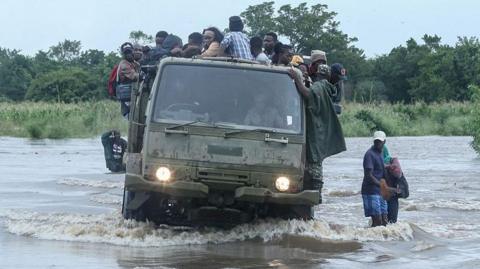
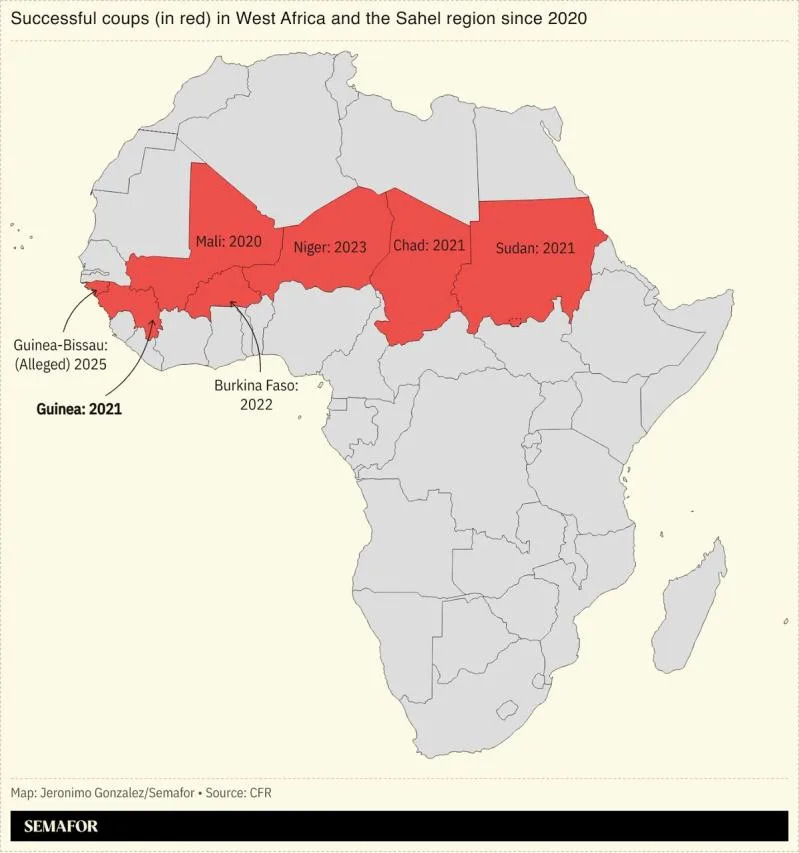
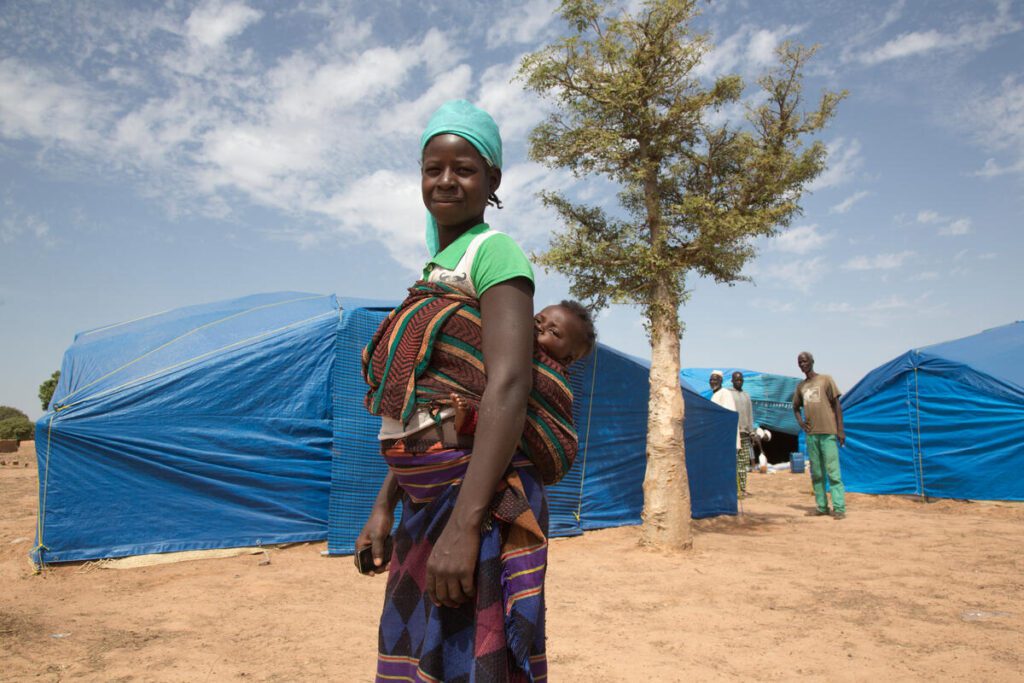
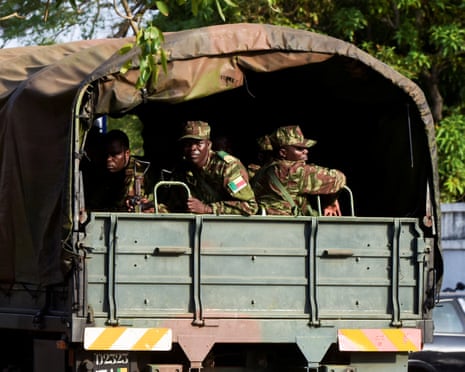
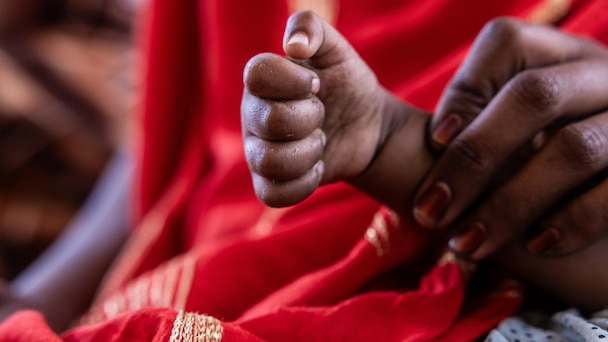
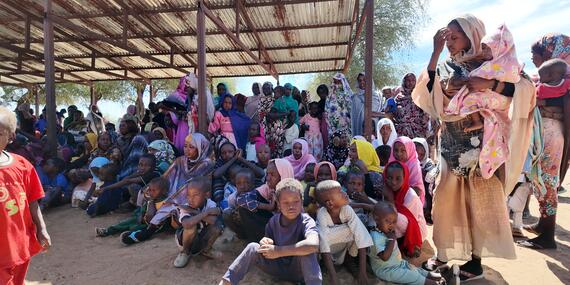
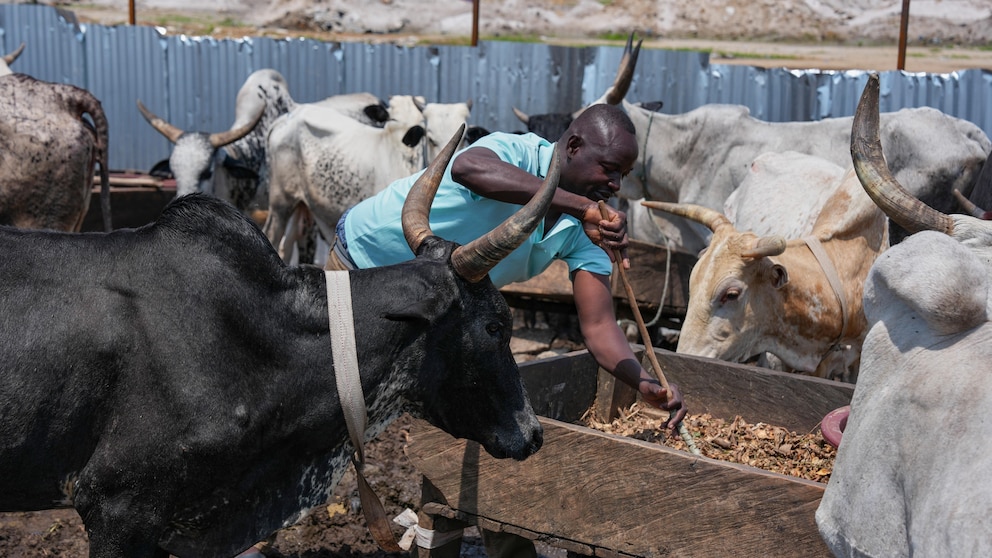
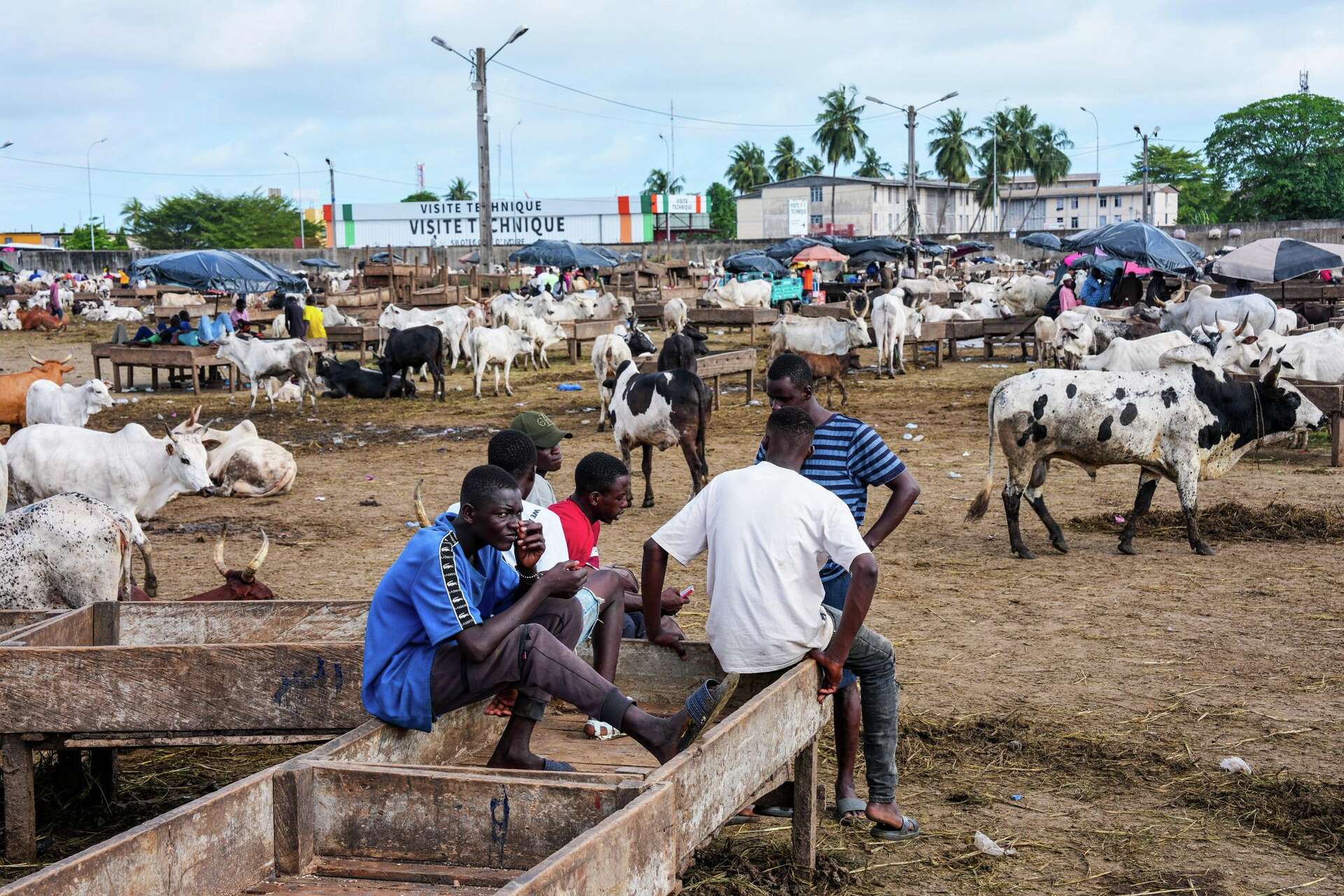
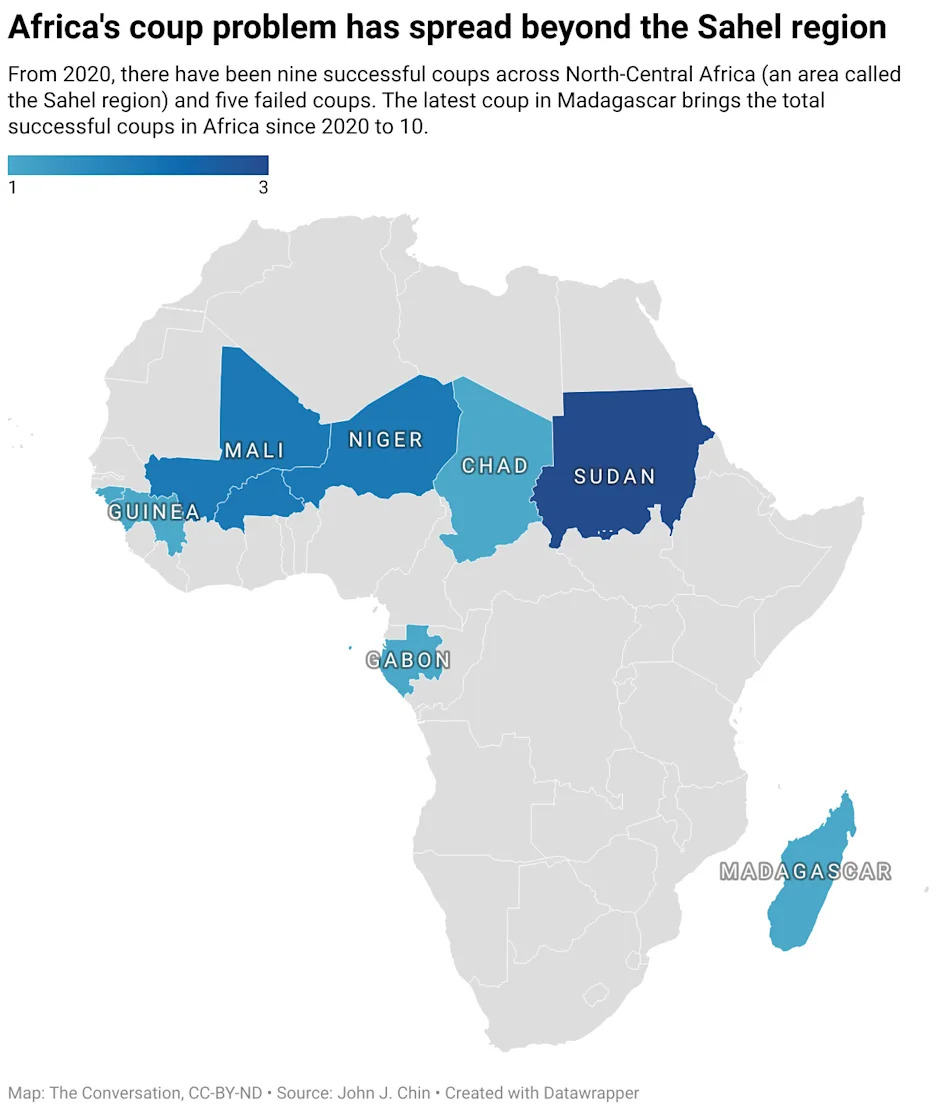
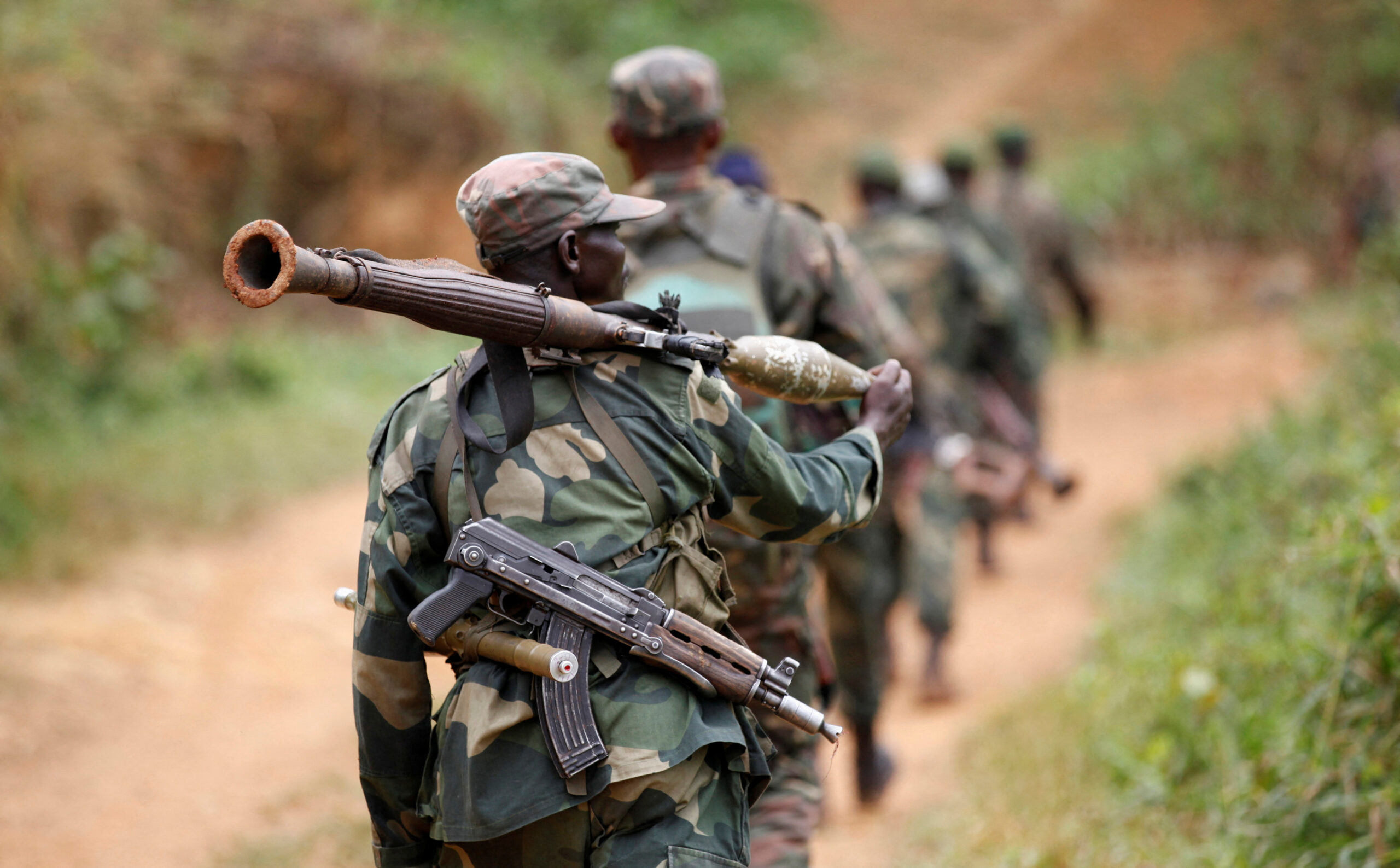
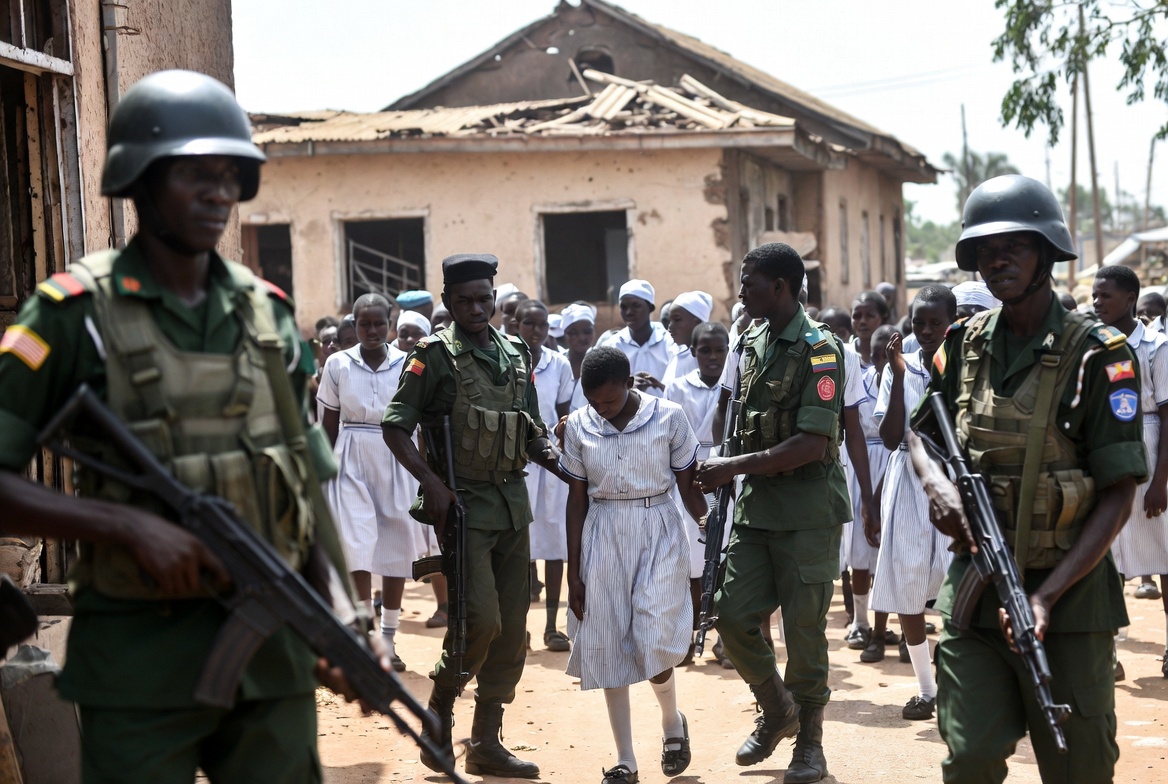
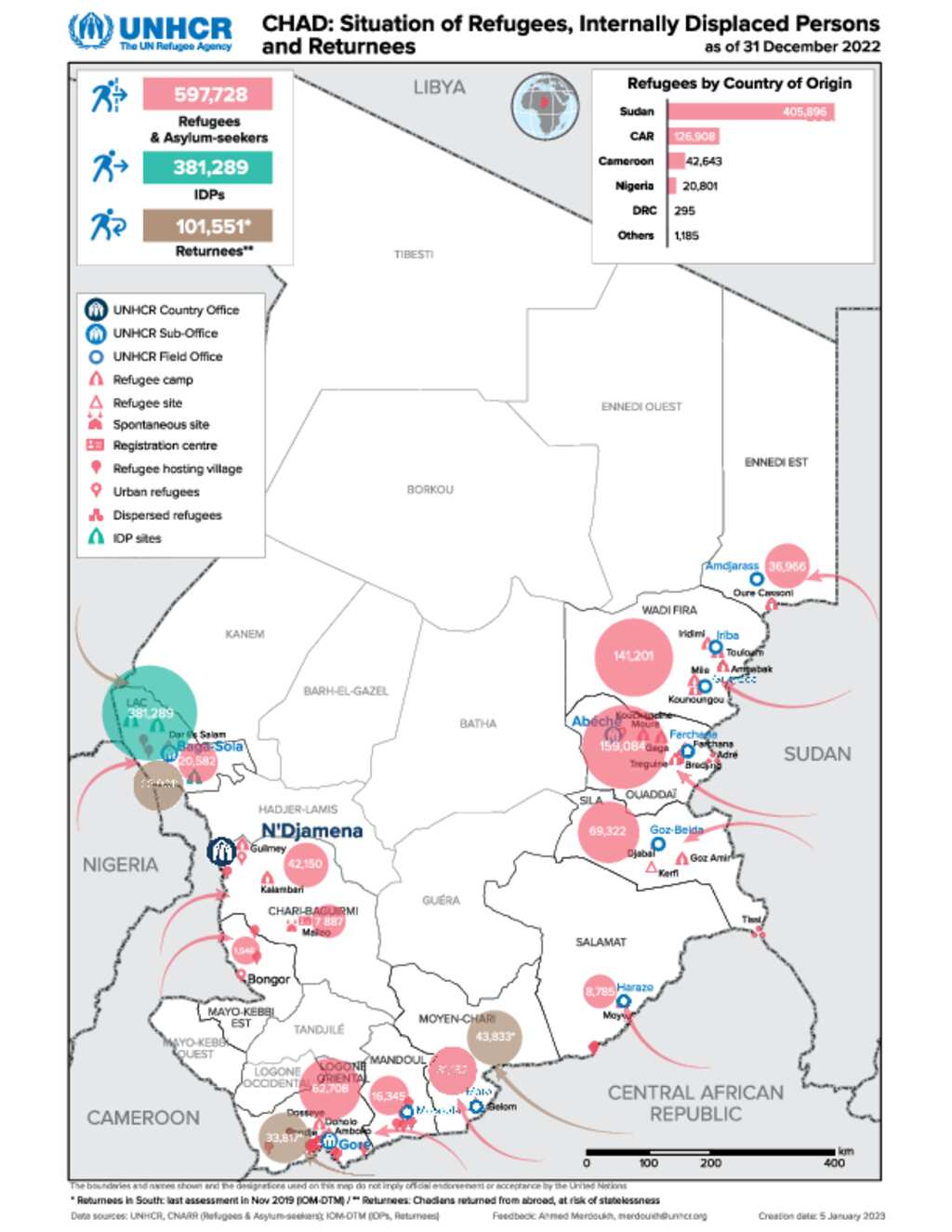
Now, away from the glamour of football and the world of billionaires, vital grassroots economic drivers like agriculture are getting much deserved attention. The International Institute of Tropical Agriculture (IITA) is leading the charge with its Technologies for African Agricultural Transformation (TAAT) program. It’s all about scaling proven agricultural technologies to millions of smallholder farmers. With support from the African Development Bank and other partners, this initiative aims to embed validated technologies into large scale investments, boosting national seed systems and enhancing productivity sustainably across East Africa. This isn’t just about growing more food, it’s about transforming lives. Ghanaian Member of Parliament John Dumelo echoes this sentiment, advocating for a stronger focus on agriculture and value addition. He argues that turning raw produce into higher value products is absolutely critical for creating jobs, improving farmer incomes, and strengthening national economies. This strategy fits perfectly with broader continental efforts to move beyond basic farming towards agro industrialization, a key pillar for Africa’s economic future. But let’s be real, while progress unfolds, Africa still grapples with profound humanitarian crises. The ongoing conflict in Sudan, for instance, is a stark reminder of this. United Nations rights chief Volker Turk recently visited Sudan and painted a truly grim picture: a population enduring “horror and hell.” Since the war erupted in April 2023, people there have faced severe food insecurity, massive displacement, and escalating violence. Turk didn’t hold back, condemning the diversion of funds towards military spending, including advanced weaponry like drones, which only fuels this devastating crisis. Sudan’s militarization involves recruiting civilians and even children, further intensifying instability. Despite attempts to regain control over regions like Kordofan and Darfur, the conflict continues to inflict heavy civilian tolls. It clearly highlights the urgent need for renewed peace efforts and humanitarian assistance to stop further deterioration of human security in that region. You can learn more about the Sudan crisis and food insecurity right here.
So, Africa’s story in early 2026 is one of powerful contrasts, yet it’s also full of potential synergies. The passion and gallantry we see on the football pitches reflect the spirit needed to tackle immense economic and social challenges. The rise of entrepreneurs, like Desmond Sacco, clearly shows the wealth creation possibilities inherent in the continent’s vast resource wealth and expanding economies. Meanwhile, agricultural innovation and value addition campaigns signal a critical shift towards sustainable development, which really can underpin long term prosperity. However, the ongoing humanitarian crises, like in Sudan, powerfully remind us that political stability and human rights aren’t just important, they’re fundamental prerequisites for any meaningful progress. Addressing conflicts like Sudan’s, and making serious investments in peace, will be absolutely vital if Africa is to harness its full potential. The coming months and years will undoubtedly show how Africa balances these diverse dynamics, but it’s clear the continent is poised for transformation. By harnessing sports, business, and agriculture as engines for unity and growth, while urgently resolving conflicts, Africa could truly turn its challenges into opportunities, inspiring a vibrant future for all its peoples. Don’t you think it’s time for Africa’s narrative to be defined by its ingenuity and progress? For more on how digital innovation is transforming agriculture, visit our blog. Also, check out Al Jazeera’s report on Sudan for another perspective.